Home Blog Page 292

Ford ‘Bullitt’ Mustang GT hero car sells for incredible $3.4 million at auction

0

Original Bullitt Mustang sells at Mecum Auction

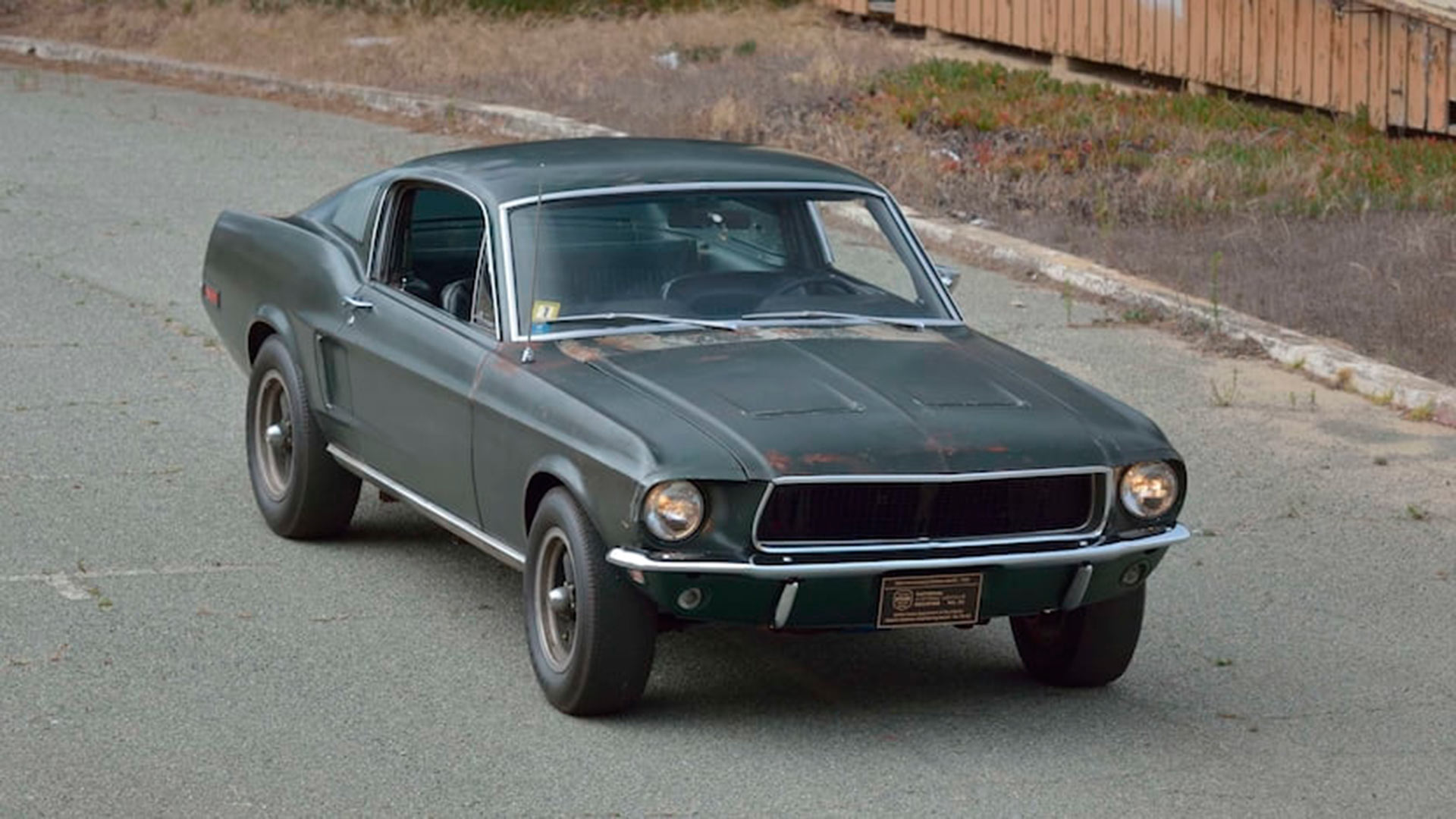
Considered to be one of the most famous movie cars ever seen on screen, the Ford Mustang GT hero car from the 1968 film ‘Bullitt’ has a new owner after a high-profile sale. 

Bidding was intense at the Mecum Kissimmee auction, with huge speculation in advance as to what the car could achieve. The final sale price was an amazing $3.4 million (£2.6 million).

The no reserve auction began at $3,500 – the amount the car was originally bought for in the 1970s – but climbed rapidly, with a $1 million bid within seconds.
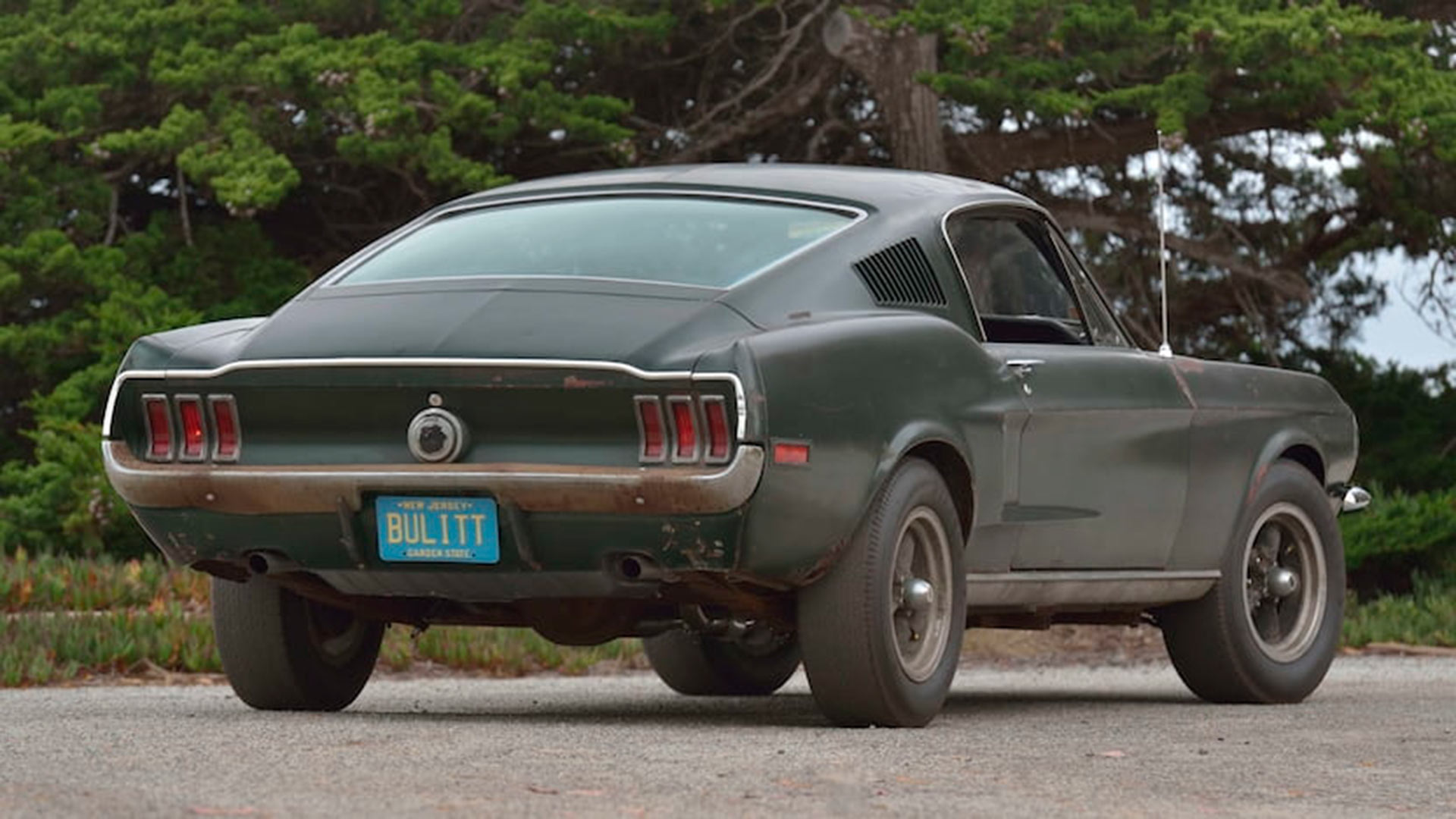
Original Bullitt Mustang sells at Mecum Auction

Steve McQueen is reported to have deliberately picked the Mustang GT as the car driver by his character in the film, and undertook much of the stunt driving during the epic ten minute-long car chase scene.

Two Mustang GT Fastbacks in Highland Green were ordered for the film, with chassis number ‘559 the one used most by McQueen as the hero car. That was the car up for auction in Kissimmee. 

After filming, chassis ‘559 changed hands several times, before being bought by the late Robert Kiernan of New Jersey.
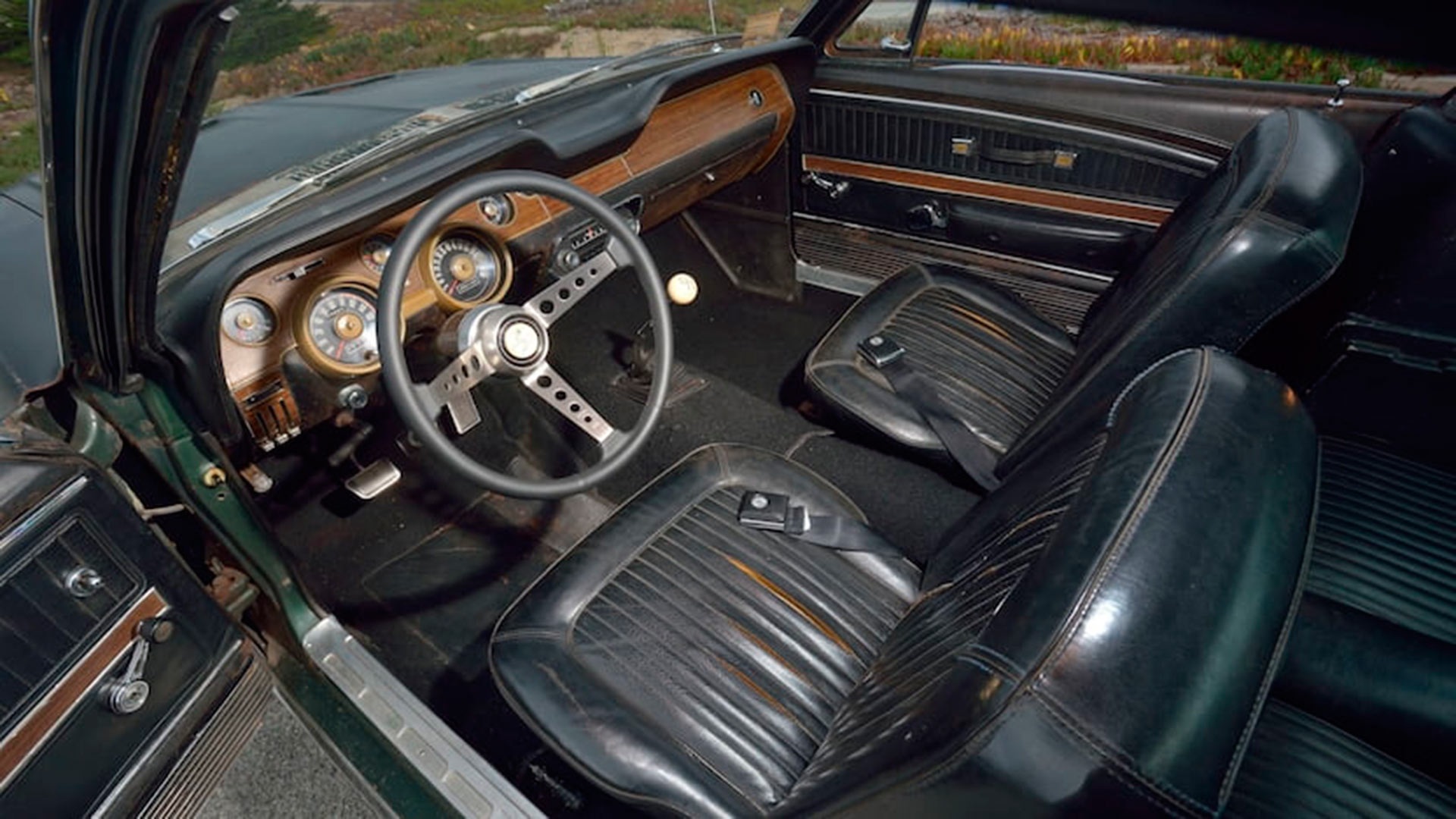
Original Bullitt Mustang sells at Mecum Auction

Despite the famous past, the Kiernan family used the ‘Bullitt’ Mustang as their sole daily driver from purchasing it in 1974, up until the early 1980s, when it was laid up. Robert Kiernan even turned down an offer from Steve McQueen himself to buy the car back.

Whilst Mustang enthusiasts hunted for the ‘lost’ Mustang, the Kiernans kept it hidden away until choosing to reveal it to the world to coincide with the 50th anniversary of the film. By then the car was still in original unrestored condition. 

The car’s role in Bullitt, the association with Steve McQueen, and the secret story behind its whereabouts made it an obvious contender for inclusion on Historic Vehicle Register. It also contributed to the huge speculation about how much it would achieve at auction.
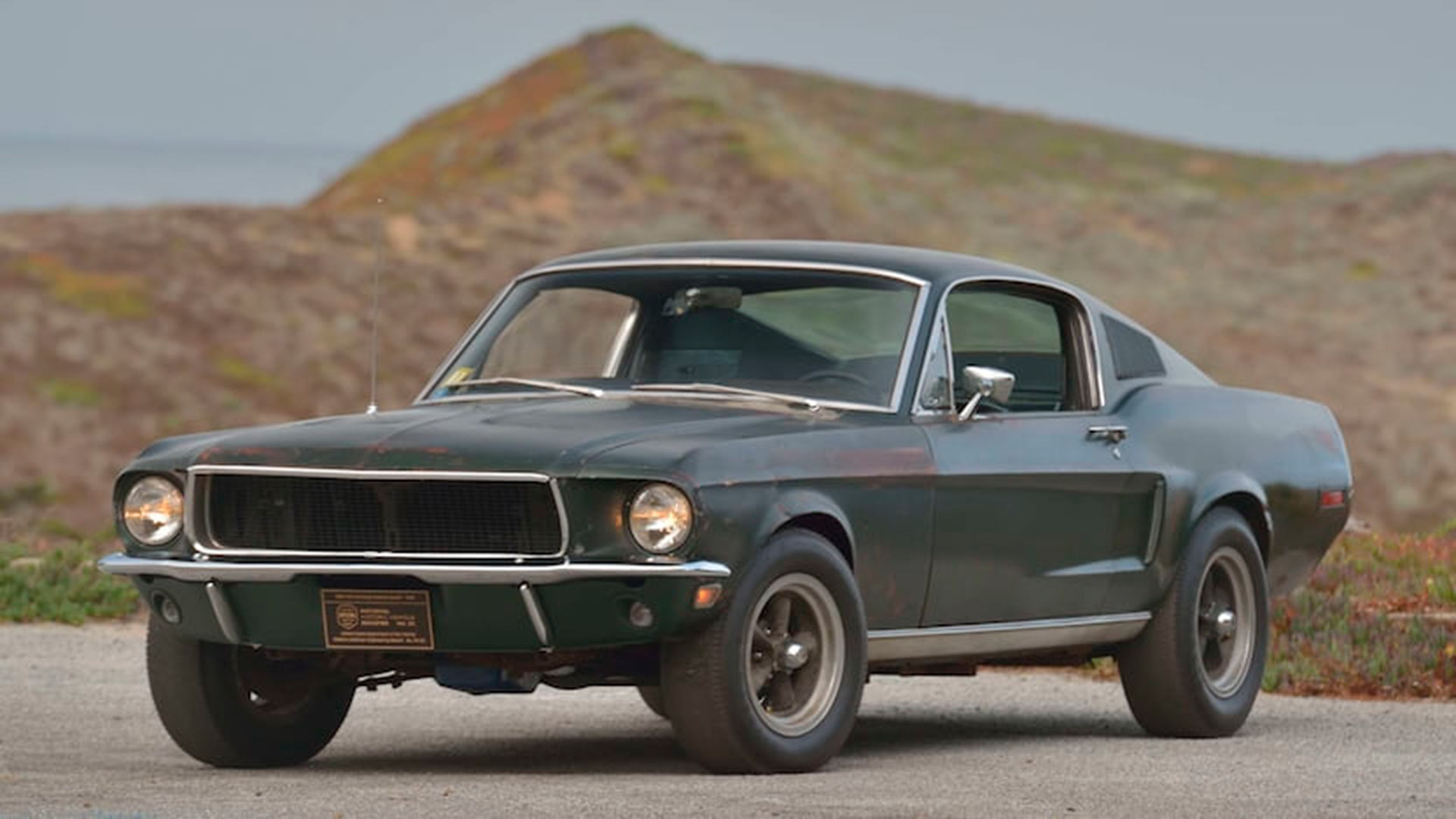
Original Bullitt Mustang sells at Mecum Auction

Putting the Bullitt Mustang up for sale has been a tough decision for the Kiernan family with Robert’s son, Scott, appearing in person to start the bidding in Kissimmee. The impressive sale price will certainly help, as will seeing the ‘Stang attract major media attention. 

Most significantly the car that even the ‘King of Cool’ himself drove, but could not buy, has finally been sold at auction. With the 10% buyers’ fees added on, the new owner, named Frank, will have paid out a total of $3.74 million for the car. 

Whether the new owner plans to restore the Bullitt Mustang, or leave it as kept by the Kiernans, will remain to be seen. 
Advertisement

Brexit barrier on M20 motorway to be dismantled

0

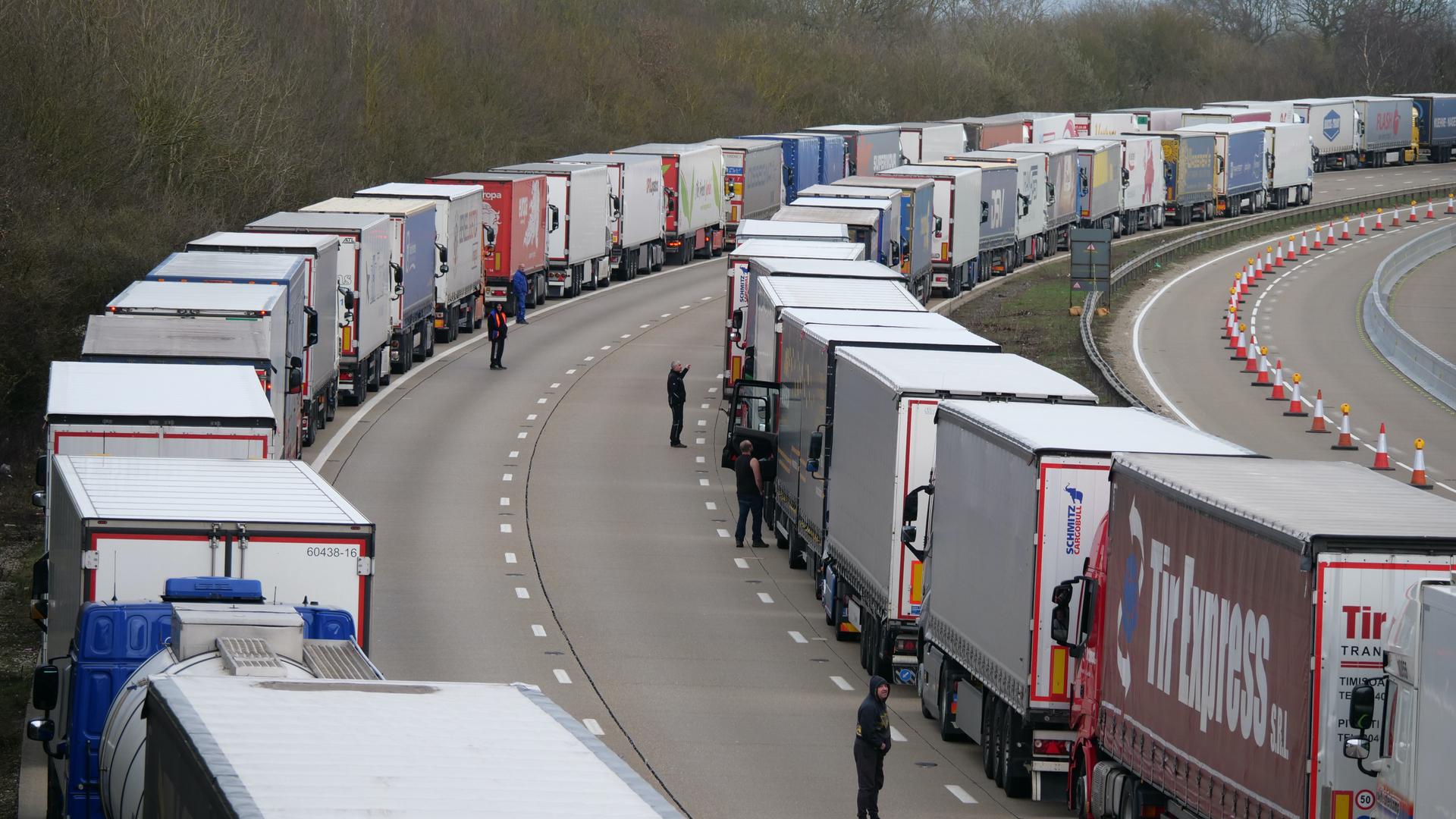
Operation Brock in Kent

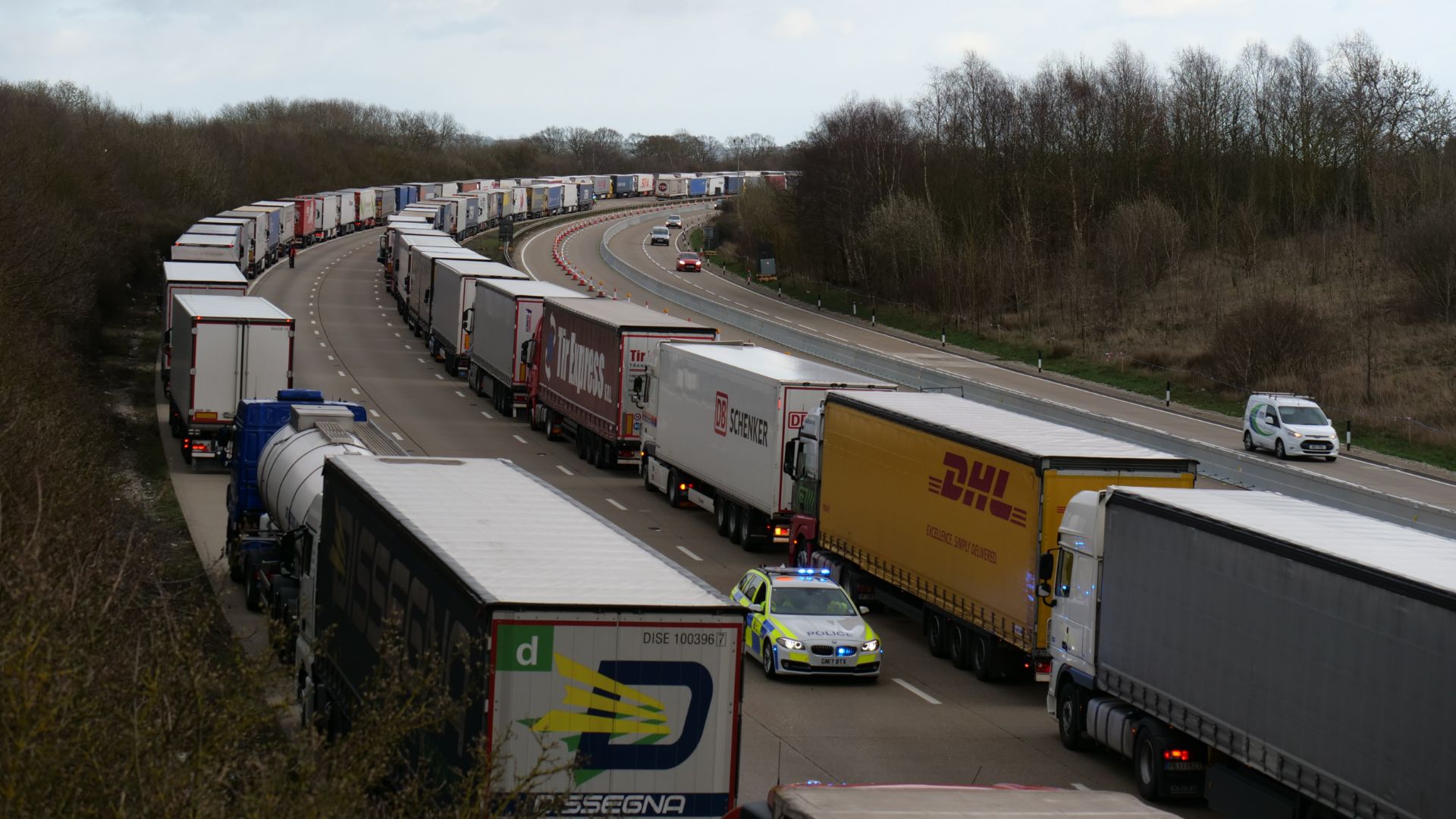
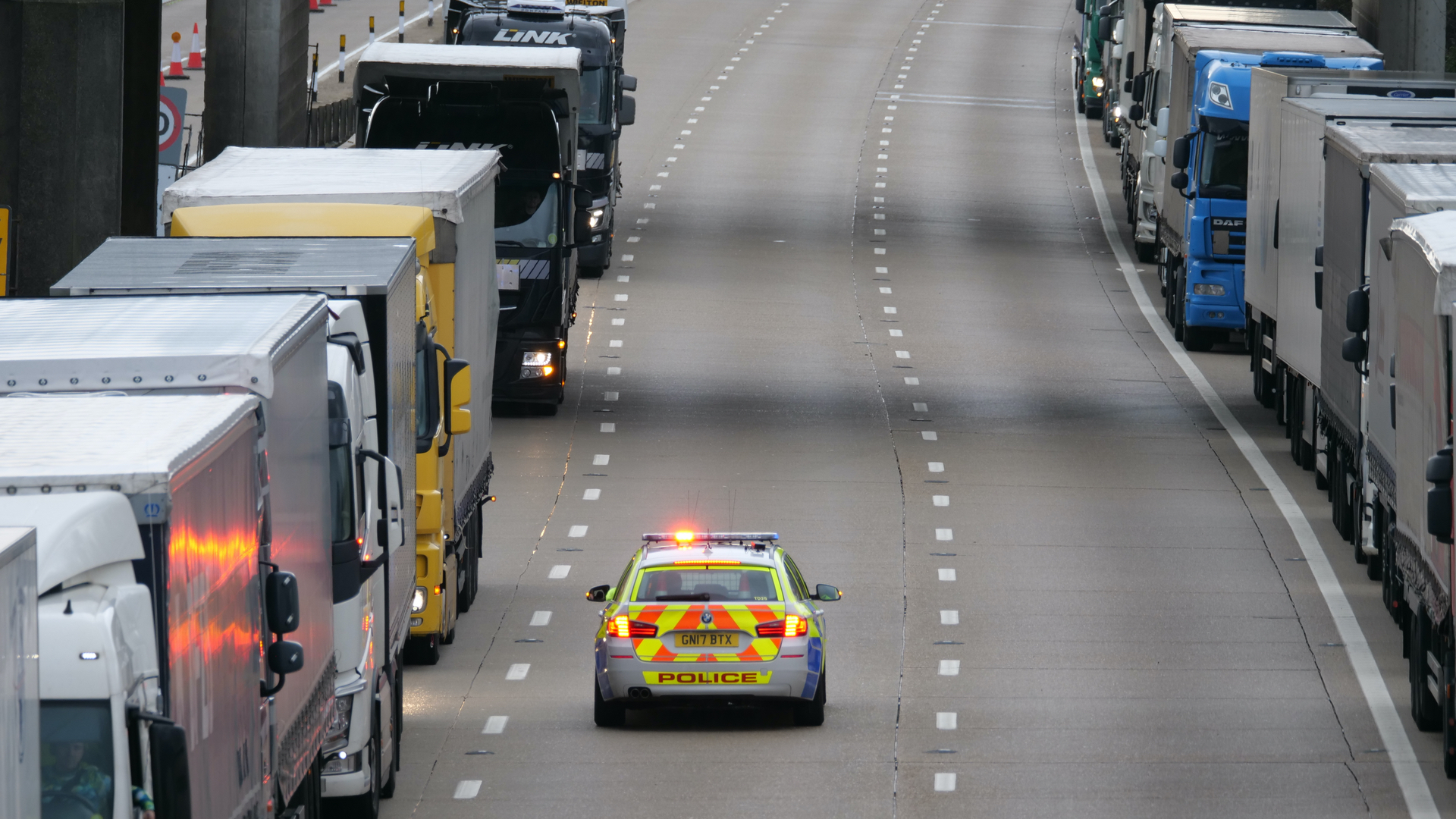
Highways England has confirmed the steel ‘Brexit barrier’ on the M20 in Kent will be removed from Monday.

The barrier had separated three full-width lanes London-bound on the motorway for 15 miles, between Maidstone at junction eight and Ashford at junction nine.

The goal was to create a separate lane for the movement of goods vehicles, the flow of which was expected to be heavily interrupted by a bumpy Brexit. It had been in place since March 2019.

Operation Brock Brexit October

“Removing the Operation Brock barrier is good news for drivers and the people of Kent and reflects the decreased risk of disruption to cross-channel services in the coming months,” said Highways England project director Nicky Potts.

“Operation Brock has provided people  living, working and travelling in and around  Kent with a scalable set of measures to help  limit the impact  to  the county in the event of disruption to services across the English Channel.

“We are grateful for people’s patience  while the barrier has been in  place, and  are looking forward to restoring the motorway to full capacity.”

Taking down the Brexit barrierOperation Brock to go live before Brexit

Things will get worse before they get better, however. The M20 will be closed in both directions on Monday January 13. Then an overnight closure from Tuesday, between 8pm and 6am, will continue for a further 15 nights. The final overnight closure is due on January 28.

Parts of the motorway will be slowed to a 50mph limit, while other areas will get lane restrictions until the work is complete. Highways England expects around 1,500 metres of barrier to be taken down each night.

Advertisement

Electric buses come to Glasgow as city aims for ‘net zero’ emissions

0

Electric buses coming to Glasgow

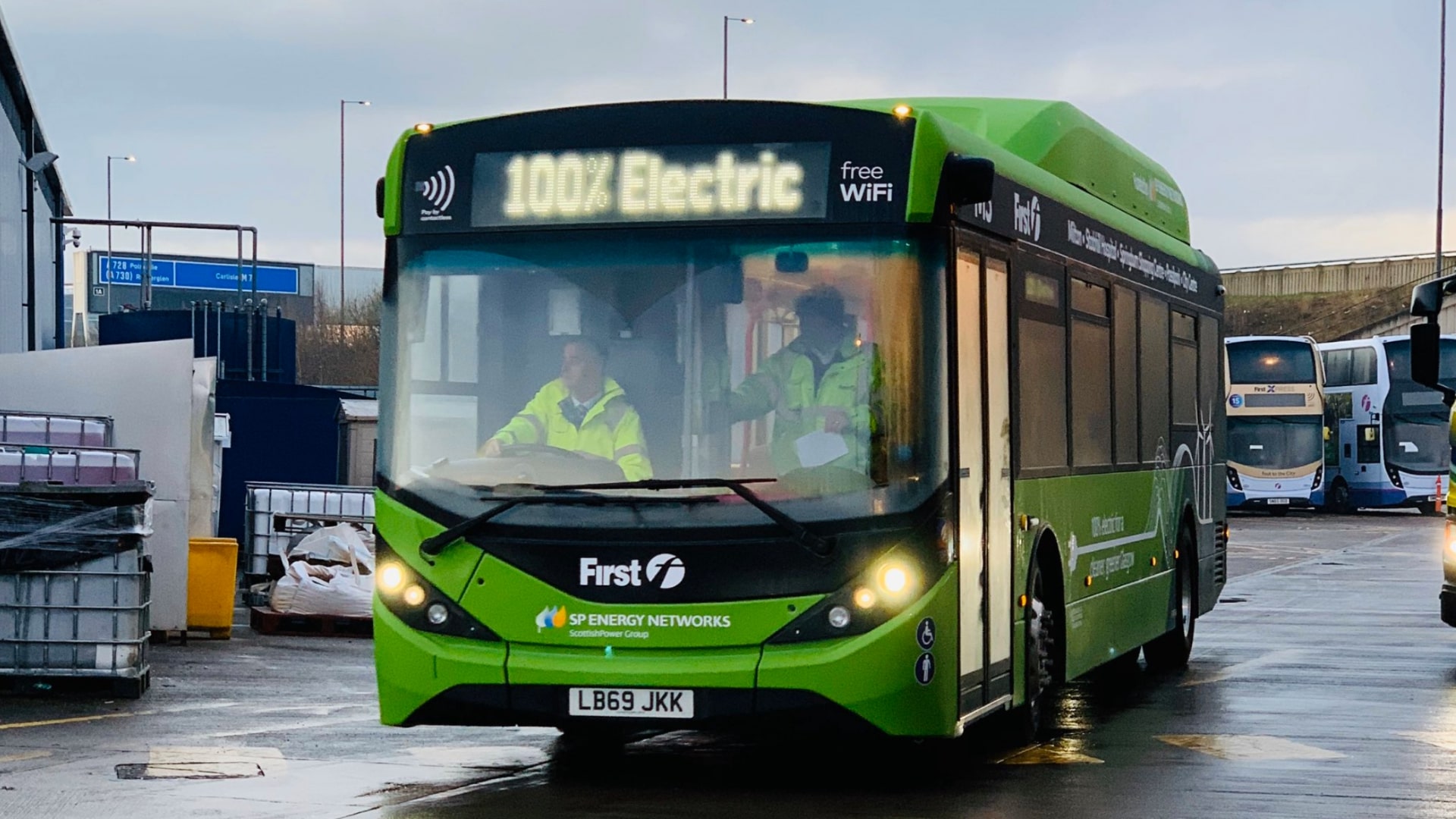
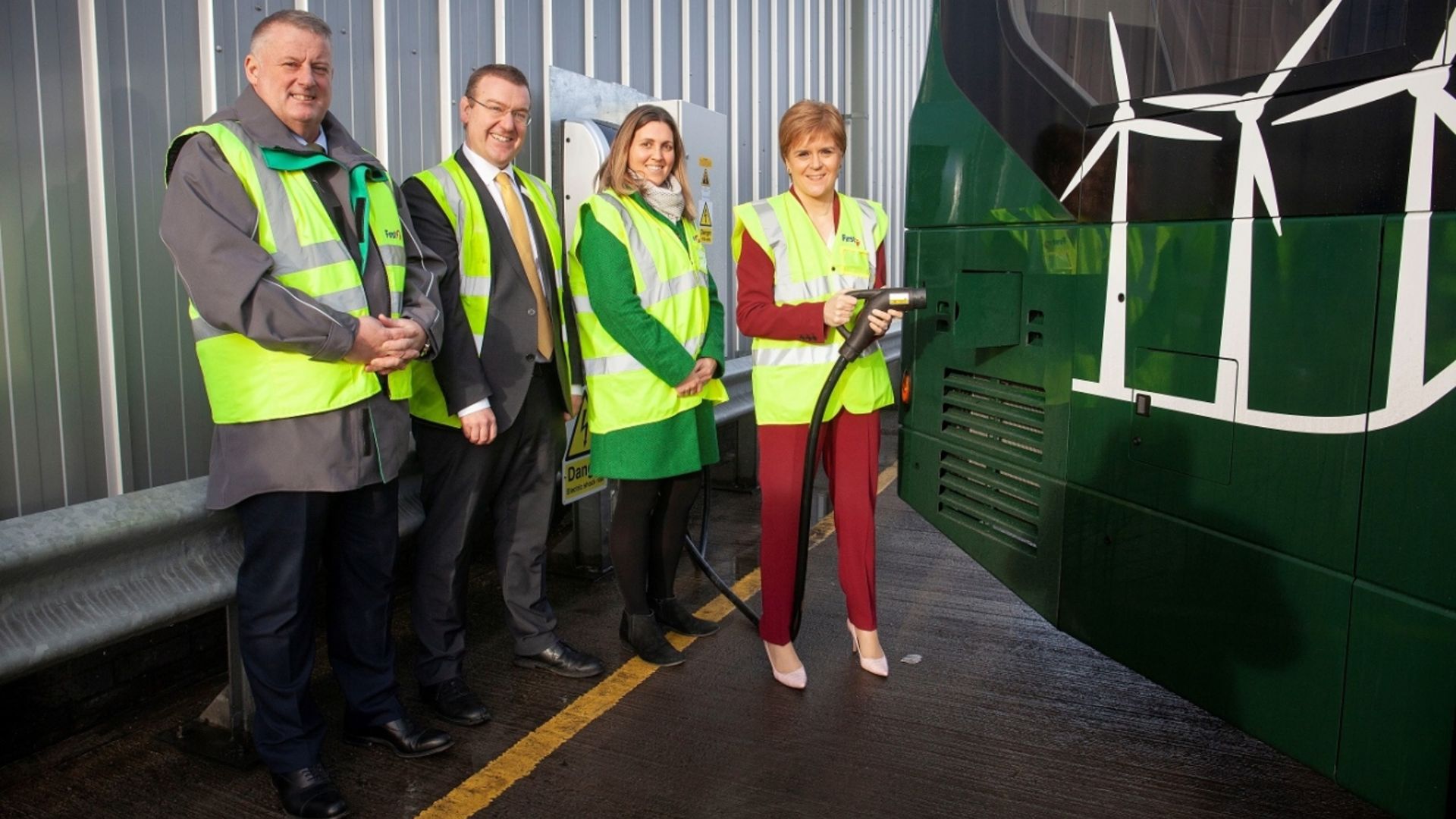
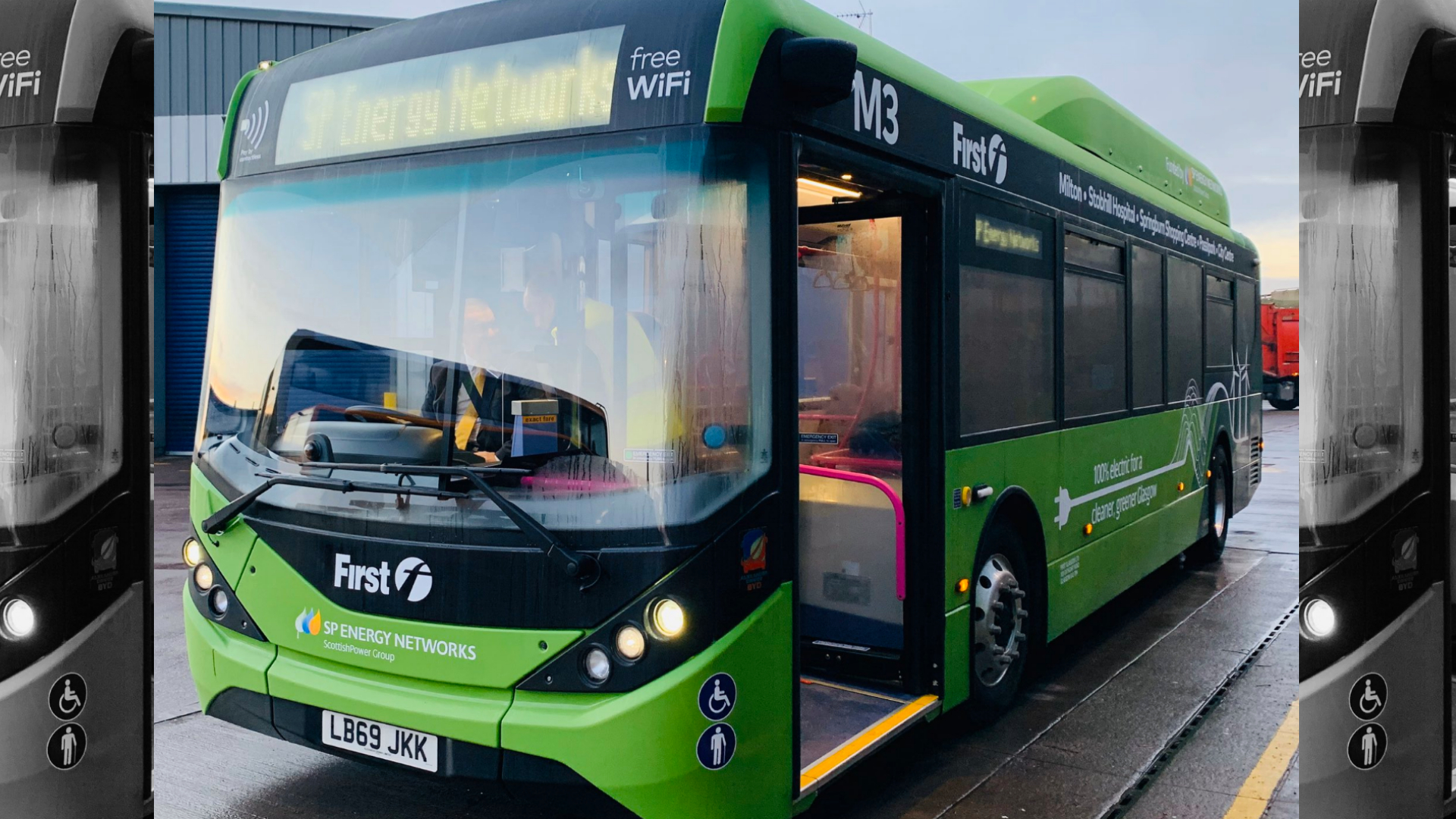
Bus company First Glasgow will launch electric buses in the Scottish city, as it looks to reach ‘net zero emissions’ status.

The buses were funded by SP Energy Networks and built by Alexander Dennis for First Glasgow. They are described as ‘state of the art’, negating the need for wing mirrors with ‘mirrorless smartvision technology’. HD cameras and a cabin screen improve all-round vision by eliminating certain blind-spots. Passengers will benefit from USB charging points and wi-fi.

A £20 million Green Economy fund also backs the installation of 22 electric vehicle charging points at the bus company’s depot in Glasgow.

Catering to Glasgow’s low-emission zoneElectric buses coming to Glasgow

  • Google Maps can help you locate the right electric car charger

The buses are well-timed, given Glasgow will be the first Scottish city to implement a low-emissions zone – due in December 2022. The first bus goes into service on Monday (13 January).

“We are delighted to launch the city’s first conversion of a commercial bus service to fully electric operation,” said First Glasgow managing director, Andrew Jarvis.

Electric buses coming to Glasgow

“Every customer journey on the route will save around 2kg of CO2 compared with driving on your own in an average car, making bus the best choice in reducing the impact on the planet.”

“As a business, one of our main goals is to make buses part of the solution when it comes to improving air quality in the city. We’ve already invested £31 million in the last two years.

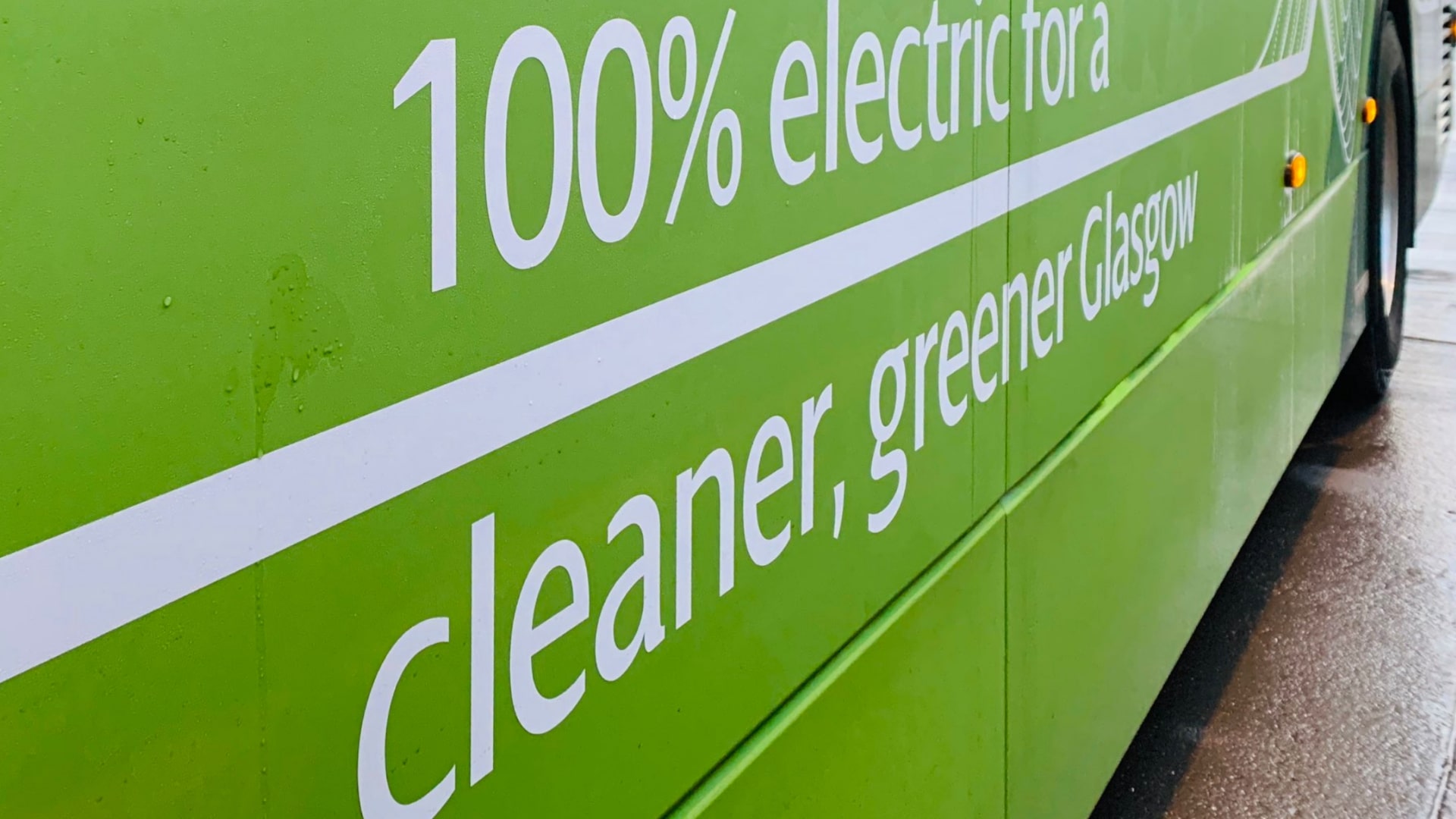
“We plan to make great strides forward in doing our bit to improve the city’s air quality and making Glasgow a cleaner and greener place to live and work.”

Not the first electric bus in GlasgowElectric buses coming to Glasgow

Glasgow was actually well ahead of the curve. Electric buses have been running on and off in the city since the 1960s. Trolley buses existed there as early as 1949.

The latter were effectively trams with a bit more steering agency – a normal bus, but connected to an electric power supply. In 1967 they were phased out, believe it or not, because diesel was seen as the future. If only they had known…

Advertisement

Toyota is making parts for the classic Supra again

0

Toyota GR Heritage reproducing Supra parts

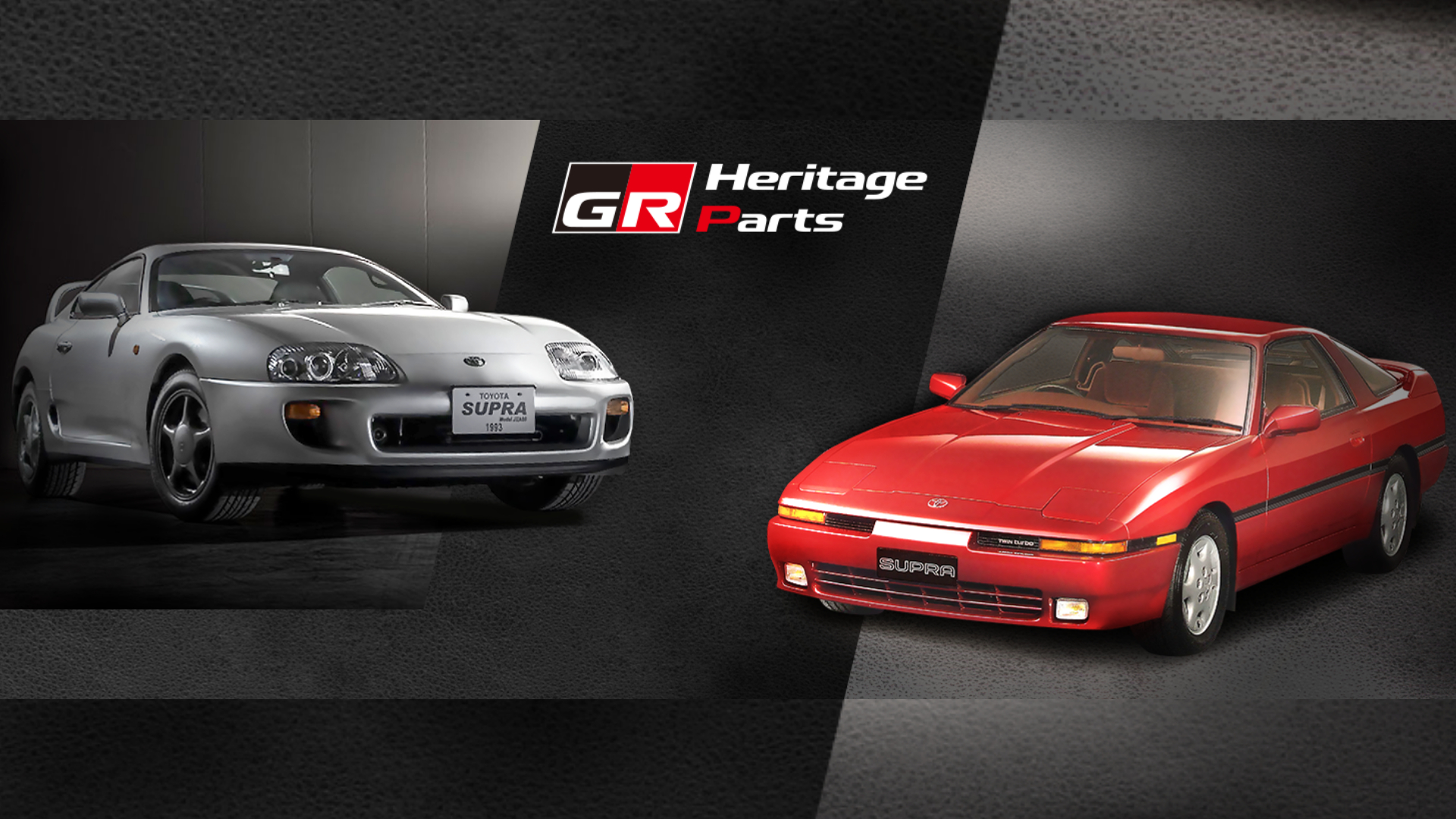
News that Toyota plans to reproduce parts for the previous two generations of Supra will be music to the ears of owners. The marque follows Nissan and Mazda in announcing remanufactured parts support for classic models.

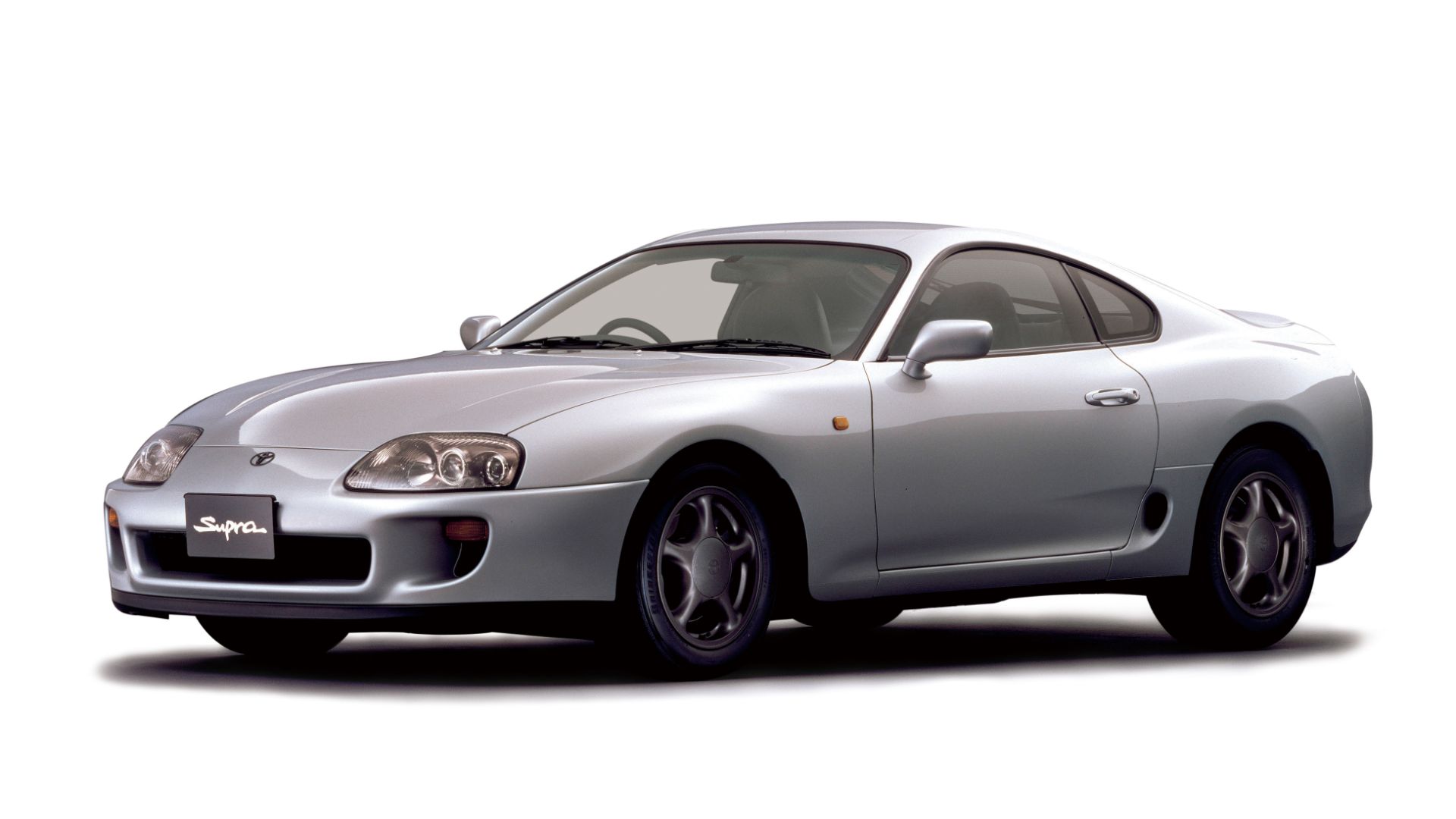
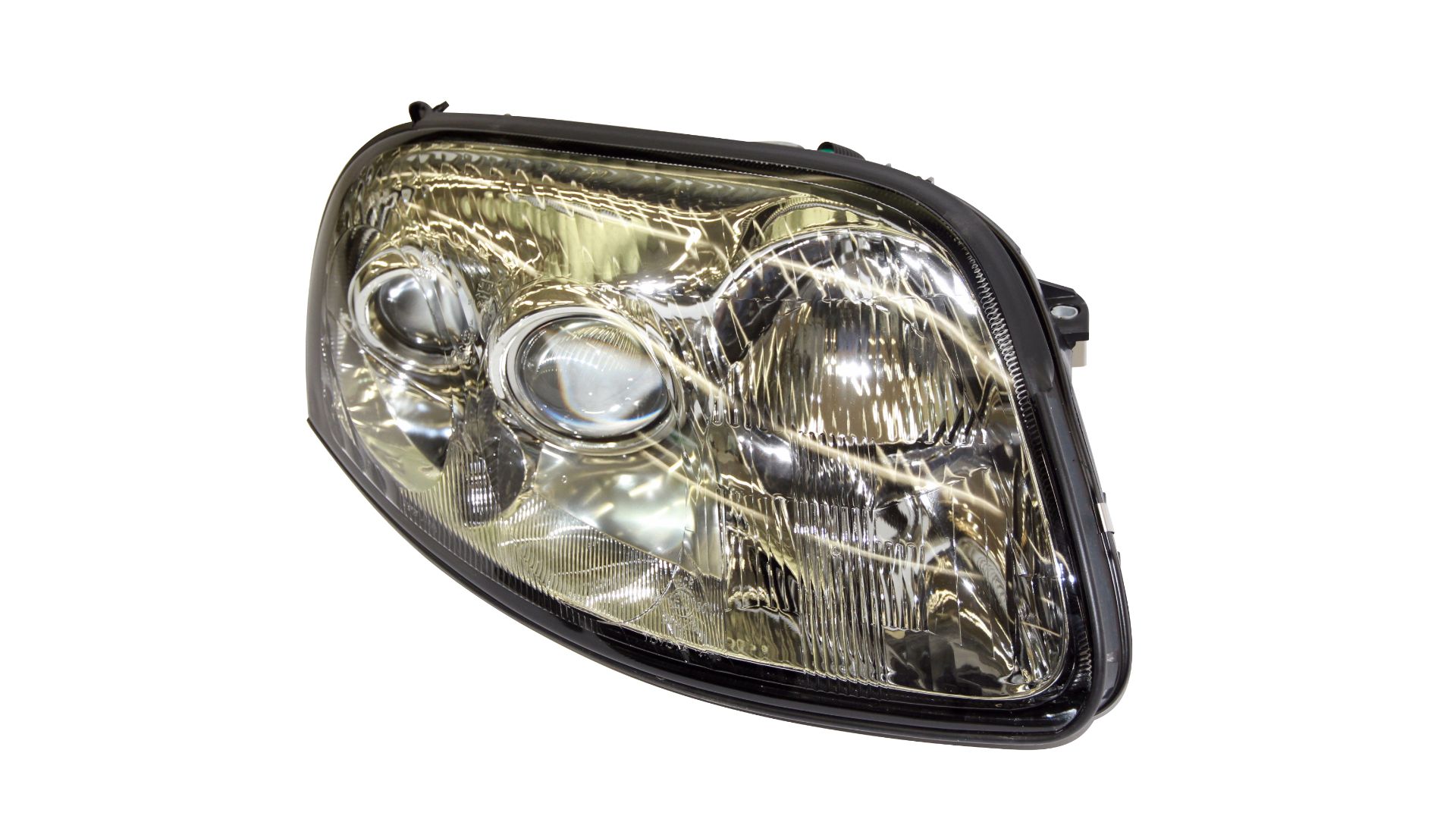
Specifically, parts will be reproduced for the A70 (1986-1993) and A80 (1993-2002) generations of Toyota Supra. These will be sold domestically and in overseas markets, including America and Europe.

Toyota also says the parts will be available to order and pick up from dealerships.

Which classic Supra parts can you buy?Toyota GR Heritage reproducing Supra parts


  • Would you pay £385,000 for a 20-year-old Toyota Supra?

All parts will be going into production in 2020. The part numbers aren’t yet announced, but deliveries could begin next year.

The first batch will include door handles for both the A70 and A80. Propeller shafts, fuel sender gauges, weather strips and front emblems will be available for the A70. For the A80, headlamps and brake boosters will be joining the door handles initially.

If you’re worried that list isn’t exactly exhaustive, fear not. As an owner, you can fill in a form and request the parts you need. Don’t bet on Toyota going all the way and putting the 2JZ twin-turbo straight-six engine back into production, though.

Toyota GR Heritage reproducing Supra parts

‘Tell us about the spare parts you want to see reproduced,’ the Toyota Gazoo Racing website reads.

‘Let us know which parts you require to ensure your beloved vehicle can continue to run. Your feedback will motivate us in our efforts to produce the next batch of reissued parts.’

Toyota will be exhibiting GR Heritage Parts at the Tokyo Auto Salon in Makuhari Messe. You’ll be able to check them out for three days, from 10-12 January.

Advertisement

Revealed: The habits that annoy drivers most

0

habits that annoy drivers the most

As a driver, it’s sometimes difficult not to be annoyed by the habits of other road users. Indeed, research reveals 80 percent of us admit to feeling road rage. So what winds us up the most?

Click4Reg conducted a survey to discover just that, and the results are interesting. Middle-lane hogging, sudden braking and a lack of courtesy rank towards the bottom of the top 10, with less than 20 percent of respondents finding these habits annoying.

From seventh to fifth on the list, things climb more steeply. Speeding (25 percent), bad parking (26 percent) and last-minute merging/lane switching (32 percent) annoy rather more respondents.

The top four sees a jump to 40 percent and above. Tailgating riles up 40 percent of us. Slow driving, at 10mph below the speed limit or more, is a trigger for 41 percent. 

Leaving your full beam headlights on (52 percent) comes second. Taking the lead, however, is failing to indicate (55 percent). 

Top 10 annoying driving habits Percent of people who find it annoying 
Not indicating 55%
Leaving full-beam headlights on 52%
Driving 10mph below the speed limit 41%
Tailgating 40%
Last minute lane mergers and lane switchers 32%
Bad parking 26%
Speeding 25%
Not being courteous to other drivers 19%
Sudden braking 18%
Middle-lane hogging 14%

Are UK drivers hypocrites?habits that annoy drivers the most

Incredibly, in spite of drivers being vocal about what annoys us on the road, we are self-confessed hypocrites. In total, 87 percent of the 1,023 respondents to the survey admitted committing at least one of the most annoying offences. 

Of the top 10, speeding, bad parking and not indicating were the most admitted-to. Splitting the genders, 39 percent of women said bad parking was their worst driving habit, while 43 percent of men said theirs was speeding. 

The most annoying drivers on the roadhabits that annoy drivers the most

So, which drivers do we find the most annoying? Taxis, motorcycles, young females, buses, vans, coaches and emergency vehicles all attract the ire of less than 20 percent. The top three, however – lorry drivers, young males and the elderly – are disdained by many drivers. 

Women are the most annoyed by lorry drivers, with 34 percent having them on their list. Young males catch much more grief than young females, in spite of both posing a high risk.

Annoyance with older drivers is suspected to correlate with their tendency to drive more slowly. 

Types of drivers  Percent of people who find them annoying 
Elderly 41%
Males 17/18 38%
Lorries 26%
Taxis 16%
Motorbikes 14%
Female 17/18 12%
Buses 10%
Vans 8%
Coaches 5%
Emergency vehicles 2%

ALSO READ

Massive BMW diesel engine recall expanded

This Swede is the world’s smartest driver

Electric car batteries are getting greener – FAST

Advertisement

Pocket rocket: The Volkswagen VW Up GTI is back!

0

VW Up GTI 2020

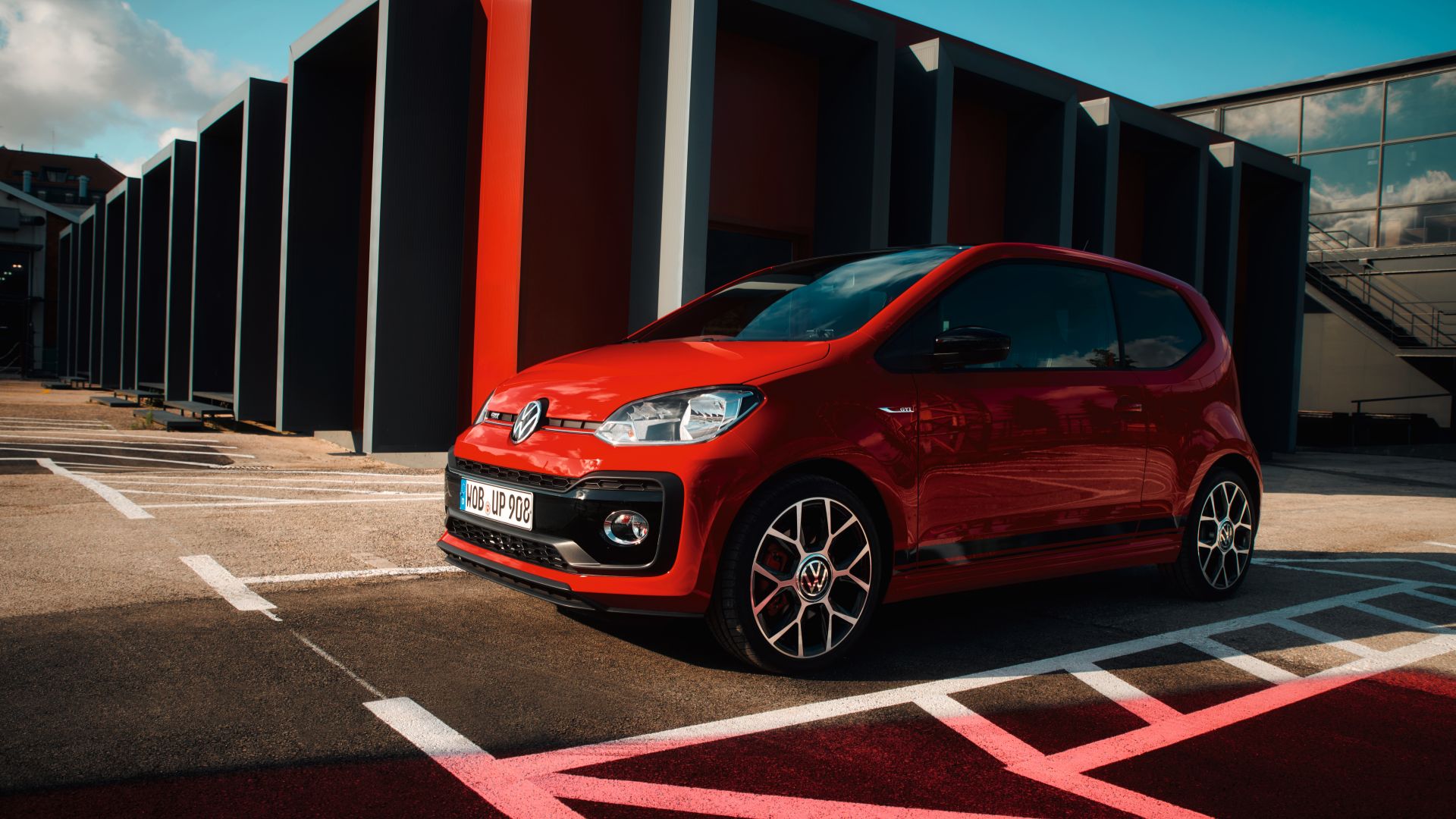
After a short time off-sale, the Volkswagen Up GTI is available to buy once again in the UK. Not wishing to mess with a fan favourite, Volkswagen has changed very little on its entry-level hot hatch. The most obvious difference is the new VW badge on its snout.

The peppy 115hp 1.0-litre three-cylinder turbocharged engine and six-speed manual gearbox remain, which means 0-62mph in 8.8 seconds.

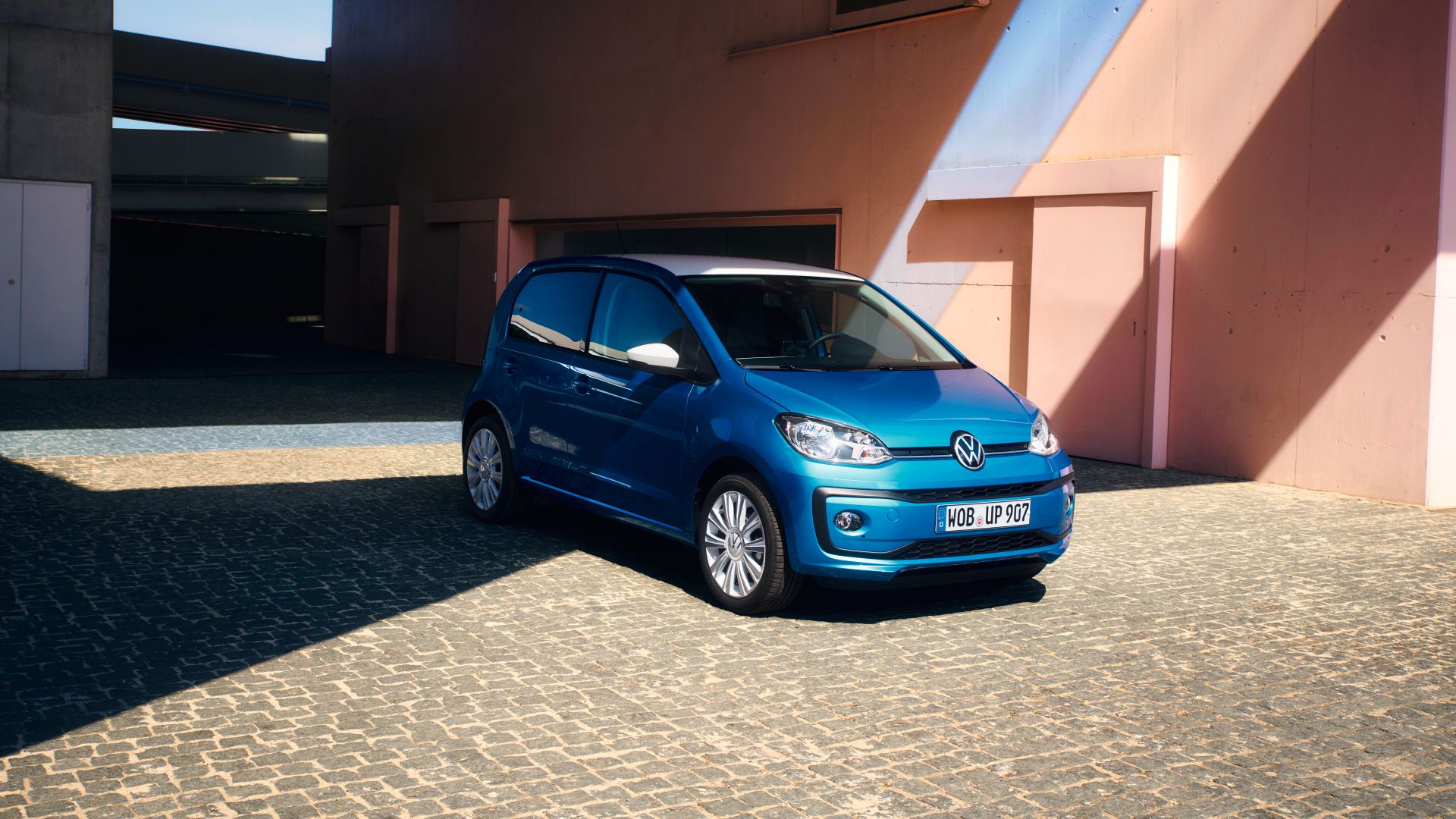
Three and five-door variants of the GTI are available, although the former is now exclusive to the GTI and the entry-level Up. Most of the range remains the same. 

VW Up GTI 2020

“The Up GTI is the perfect example of Volkswagen catering for enthusiasts and regular car buyers alike – the GTI has attracted numerous fans thanks to its unique blend of everyday practicality and usable performance,” said Lisa Hartley, Up product manager at Volkswagen UK.

“Simplicity is the word for the Up, with a rationalised specification range, and streamlined engine line-up reflecting its versatility. The addition of new technologies sees the Up range continuing to set the standard for the city car class.”

Volkswagen e-Up

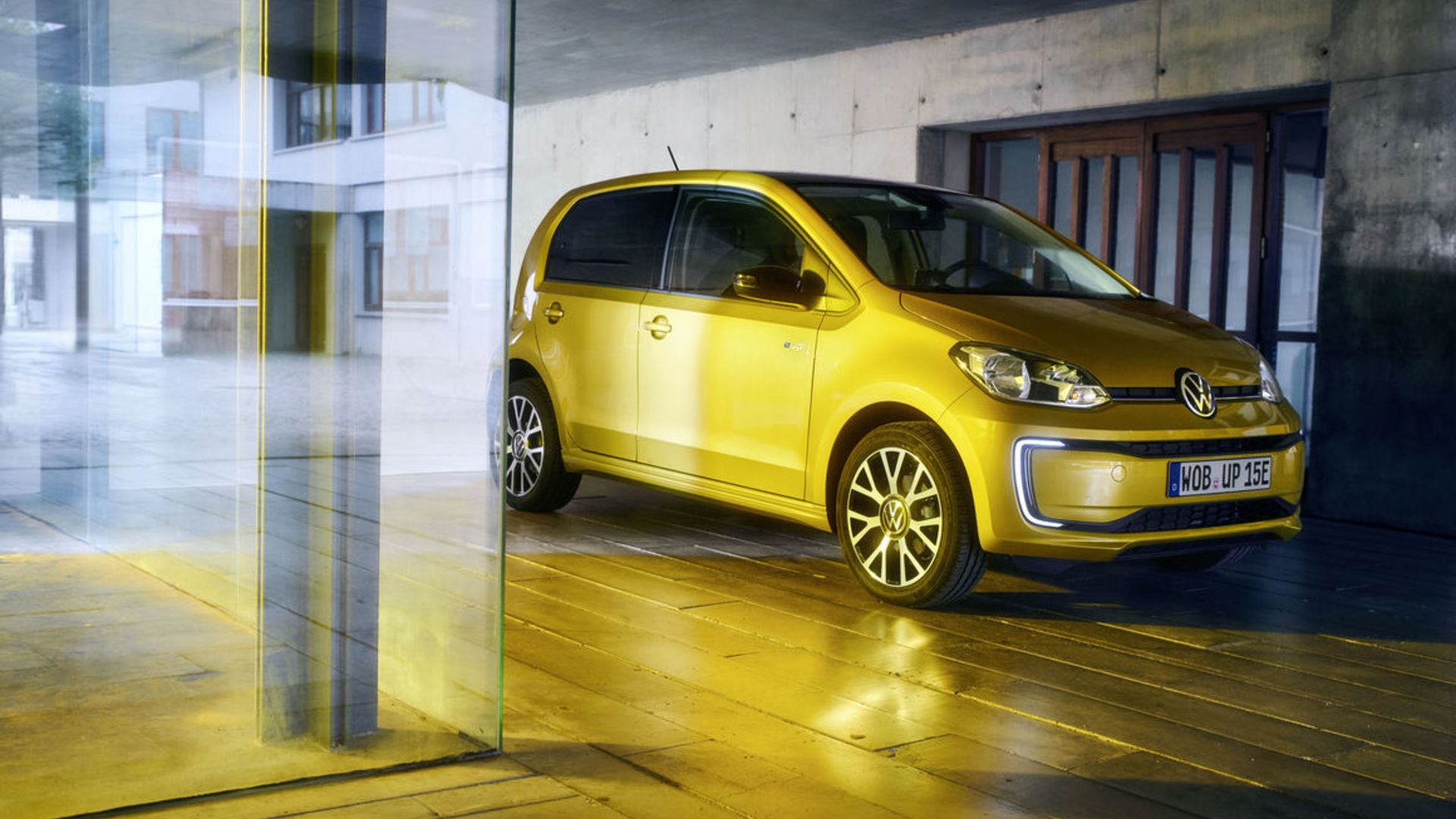
New to the range is the electric e-Up, which enjoys a useful increase in range to 162 miles.

Also new is the sporty-looking R-Line specification, with big 17-inch ‘Polygon’ wheels. A black painted roof and door mirrors also add aggression. Plush though the R-Line is, we’d still take a GTI. 

Volkswagen Up prices, fuel economy and CO2

Model CO2 (g/km, WLTP) Fuel economy (mpg, WLTP combined) Price (RRP OTR)
Up 3dr 124 51.4 £12,440
Up 5dr 125 51.4 £12,840
Black/White Edition (5dr) 127 50.4 £13,125
Beats (5dr) 125 51.4 £13,490
R-Line 126 50.4 £14,280
GTI 3dr 120 53.3 £15,895
GTI 5dr 121 53.3 £16,295
Advertisement

Incredible Toyota GR Yaris ‘road-going rally car’ revealed

0

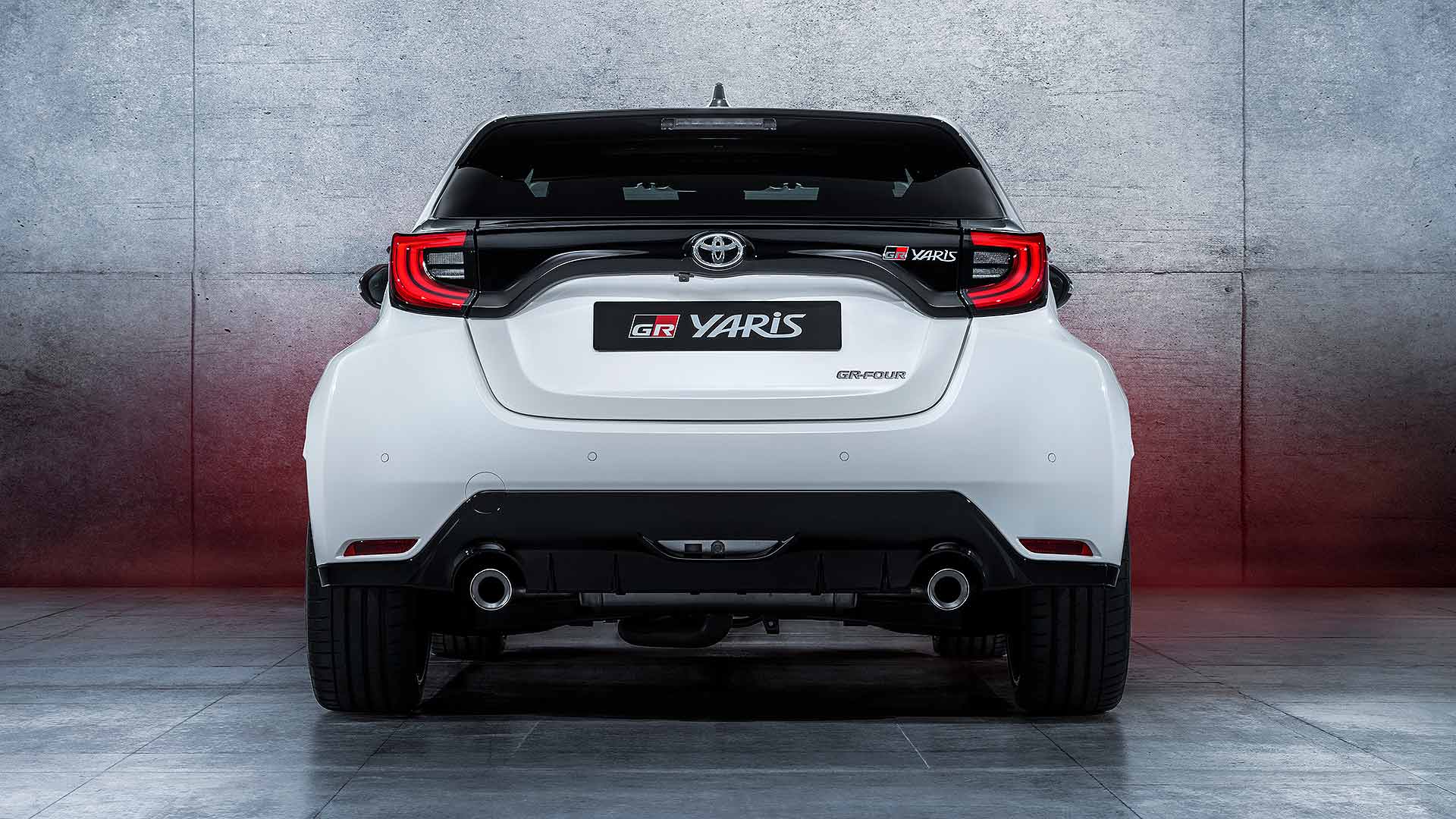
2020 Toyota Yaris GR

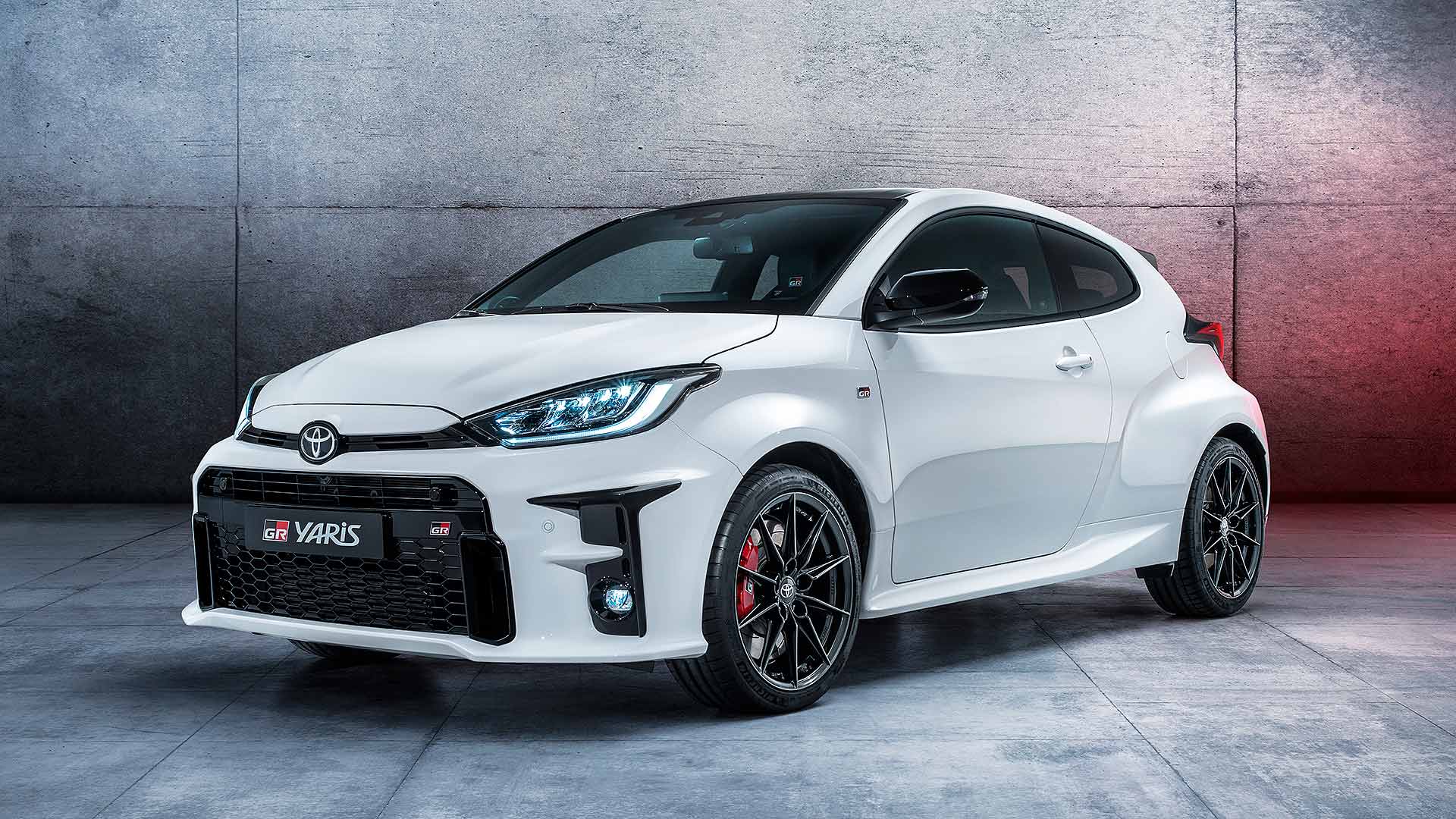
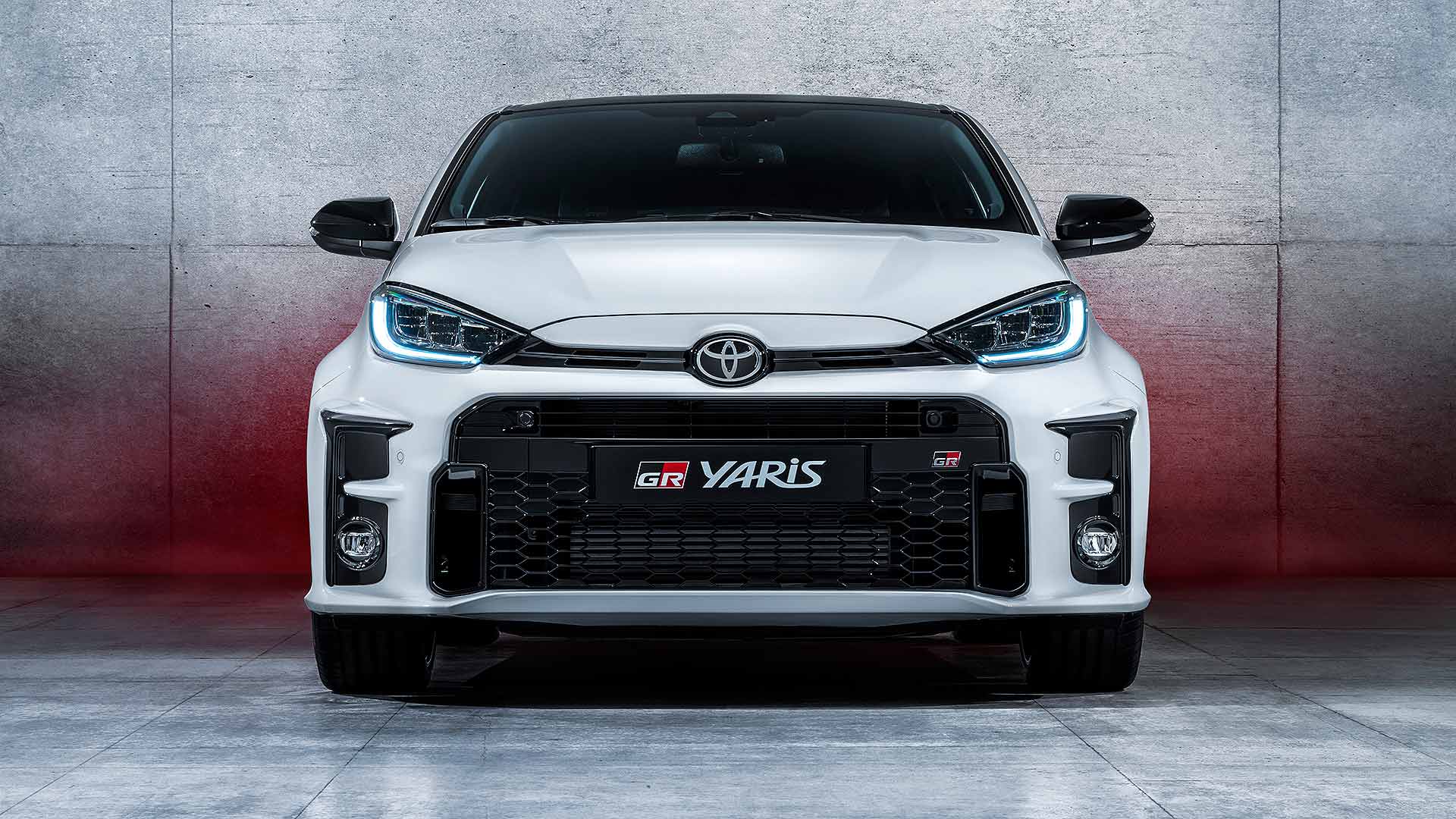
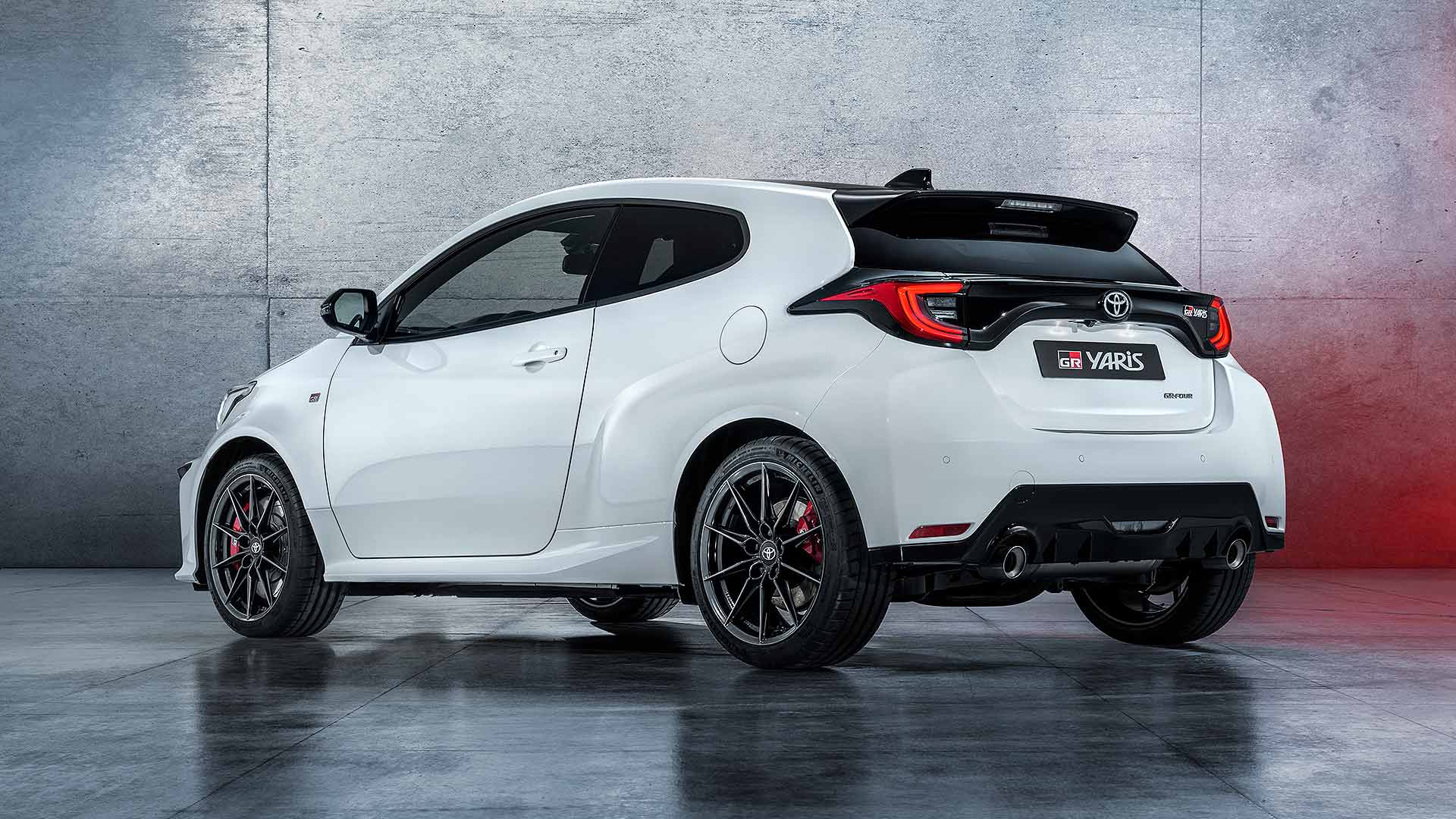
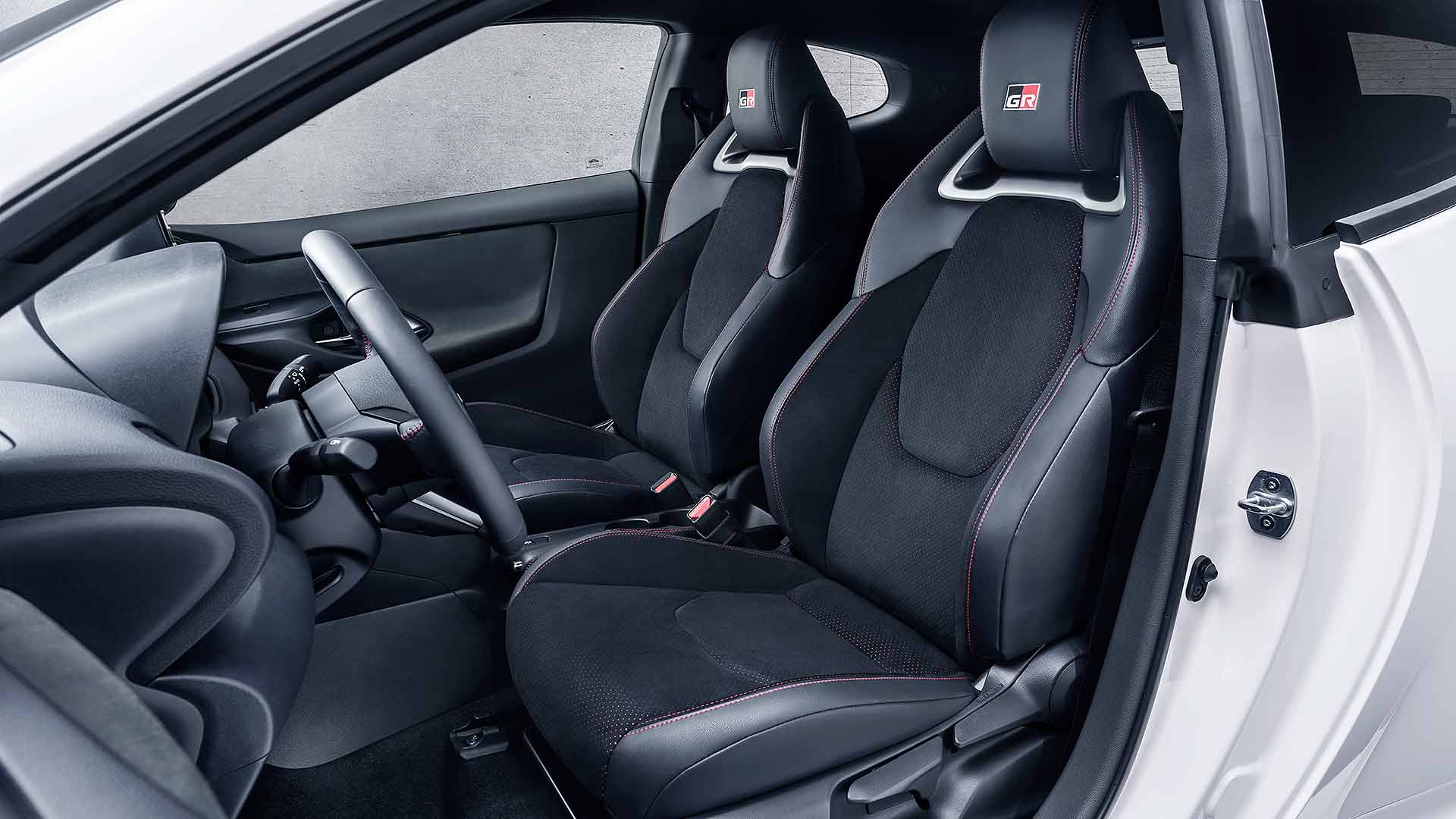
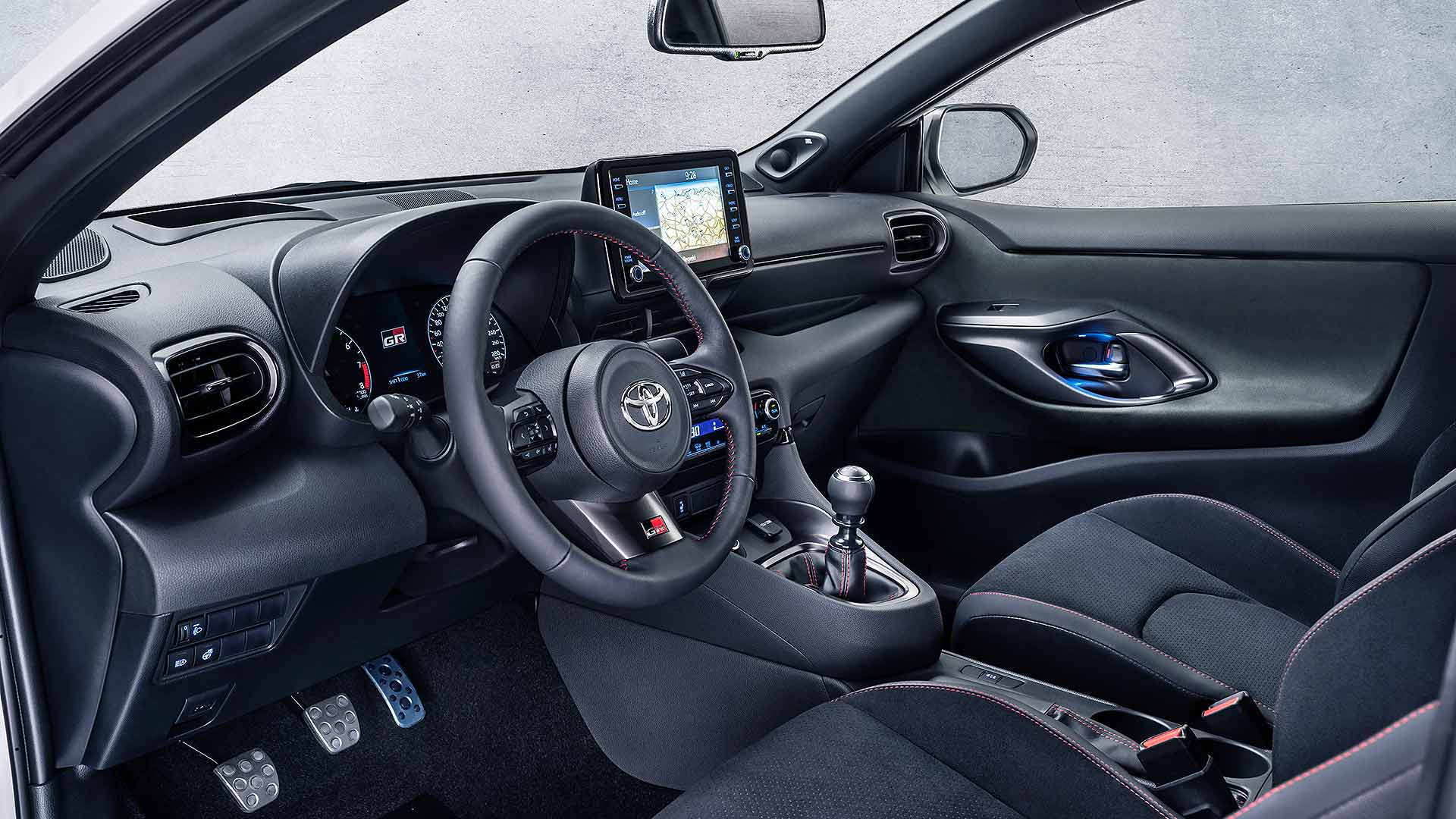
The new Toyota GR Yaris is a custom-built high-performance hot hatch that will be virtually hand-built in low numbers to help deliver more WRC competition success – reviving the idea of the rally-inspired ‘homologation special’.

A bespoke three-door version of the upcoming new Toyota supermini, the GR Yaris is a genuinely exotic machine, much more customised than regular hot hatchbacks such as the Ford Fiesta ST.

It has been created by Toyota Gazoo Racing and World Rally Championship team Tommi Makinen Racing.

2020 Toyota Yaris GR

And Toyota says it doesn’t only help homologate the next Yaris WRC car, it can also serve as a competition car for owners in local rally competitions.

The remarkable new Yaris GR will launch in the second half of 2020: prices are to be confirmed, but it’s such a specialised machine, don’t expect them to be cheap…

Bespoke body

2020 Toyota Yaris GR

The regular new Toyota Yaris is a five-door. The GR Yaris is a three-door, with a unique body and a roof lowered by 91 mm. It even has frameless doors, just like a coupe.

Special lightweight materials are used for the body, including aluminium doors, bonnet and tailgate. It also has a carbon fibre roof.

Toyota says this gives an impressive power-to-weight ratio – helped by the unique 1.6-litre turbo three-cylinder engine’s potent 257 bhp output.

2020 Toyota Yaris GR

The firm estimates 0-62 mph in under 5.5 seconds, and a top speed electronically limited to 143 mph.

The GR Yaris even has four-wheel drive. The GR-Four system is described as simple and lightweight – and can be further enhanced with two optional Torsen limited-slip differentials for “natural and direct car control”.

2020 Toyota Yaris GR

Toyota says the system can theoretically switch from full front-wheel drive to full rear-wheel drive, and a button on the dash adjusts the system’s bias (max rear bias is stated as 70 percent). The rally team – and the drivers – are going to love it.

Circuit-ready

2020 Toyota Yaris GR

Such exotic mechanic tech calls for more bespoke underpinnings than the regular Yaris. While the front end is pure new Yaris, the rear is actually taken from the British-built Corolla.

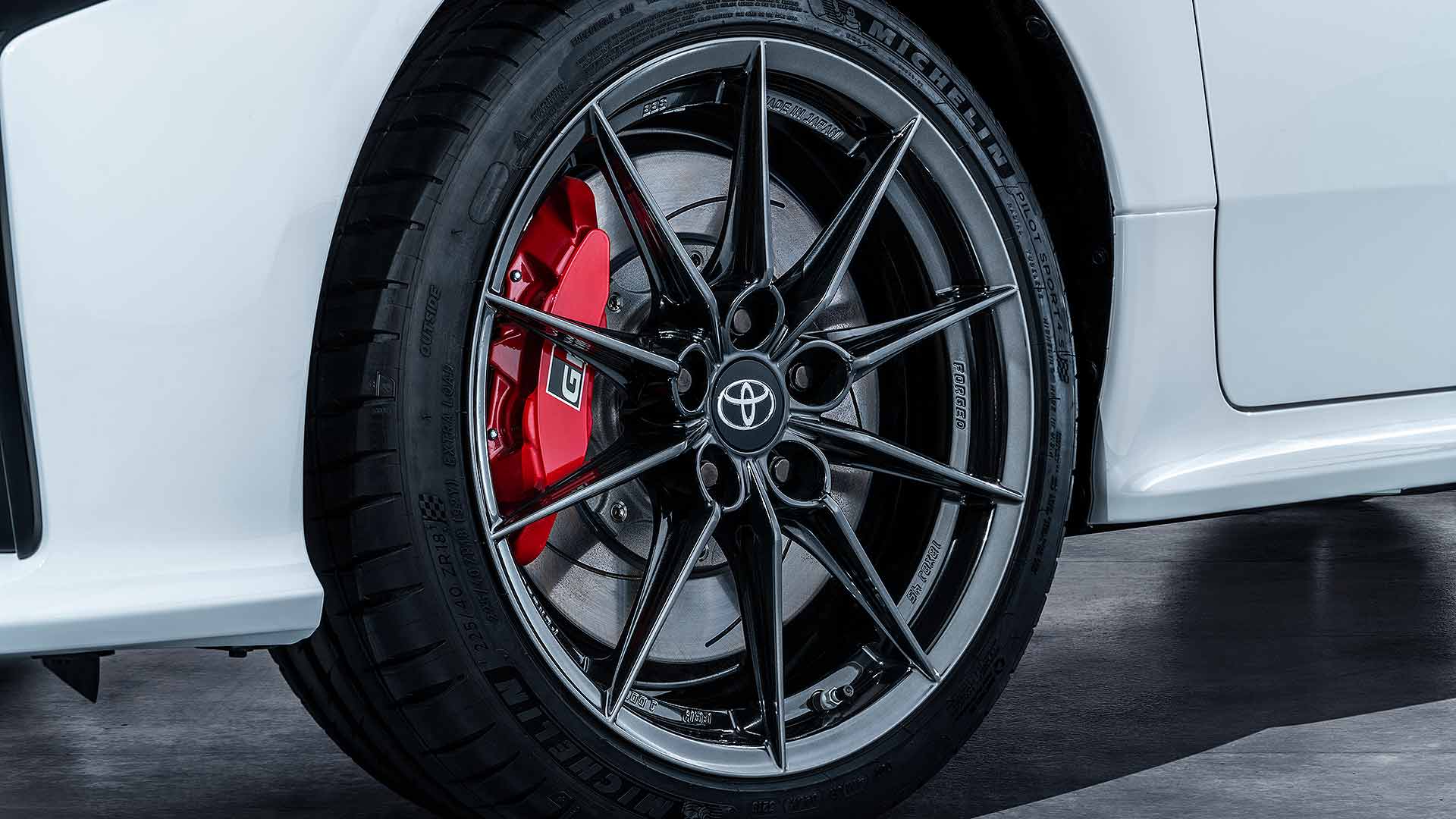
It allows Toyota to turn the Yaris supermini into a four-wheel drive performance car, and also lets it fit high-end double wishbone rear suspension. Needless to say, the brakes are uprated too, with 356 mm four-piston front discs.

2020 Toyota Yaris GR

Toyota is offering an optional ‘Circuit Pack’ with the new GR Yaris. This includes the Torsen limited-slip differentials for the front and rear wheels, plus a sharper performance tune for the suspension and lightweight 18-inch forged alloy wheels with high-performance Michelin Pilot Sport 4 tyres.

The car will be built on a special line in Japan (the regular Yaris is made in France), using “a large number of manual processes” by a specialist team.

The production hub in Motomachi is a new division dedicated to low-volume Toyota GR performance cars.

2020 Toyota Yaris GR

Toyota follows a rich tradition with the rally-ready new GR Yaris. Iconic models such as the Audi Sport Quattro were built simply to go rallying: it is already a sure-fire collectable and we await its launch with relish as potentially one of the most exciting real-world performance cars of 2020.

Advertisement

Pass Plus: the car insurance money-saving myth

0

Pass plus doesn't make car insurance cheaper

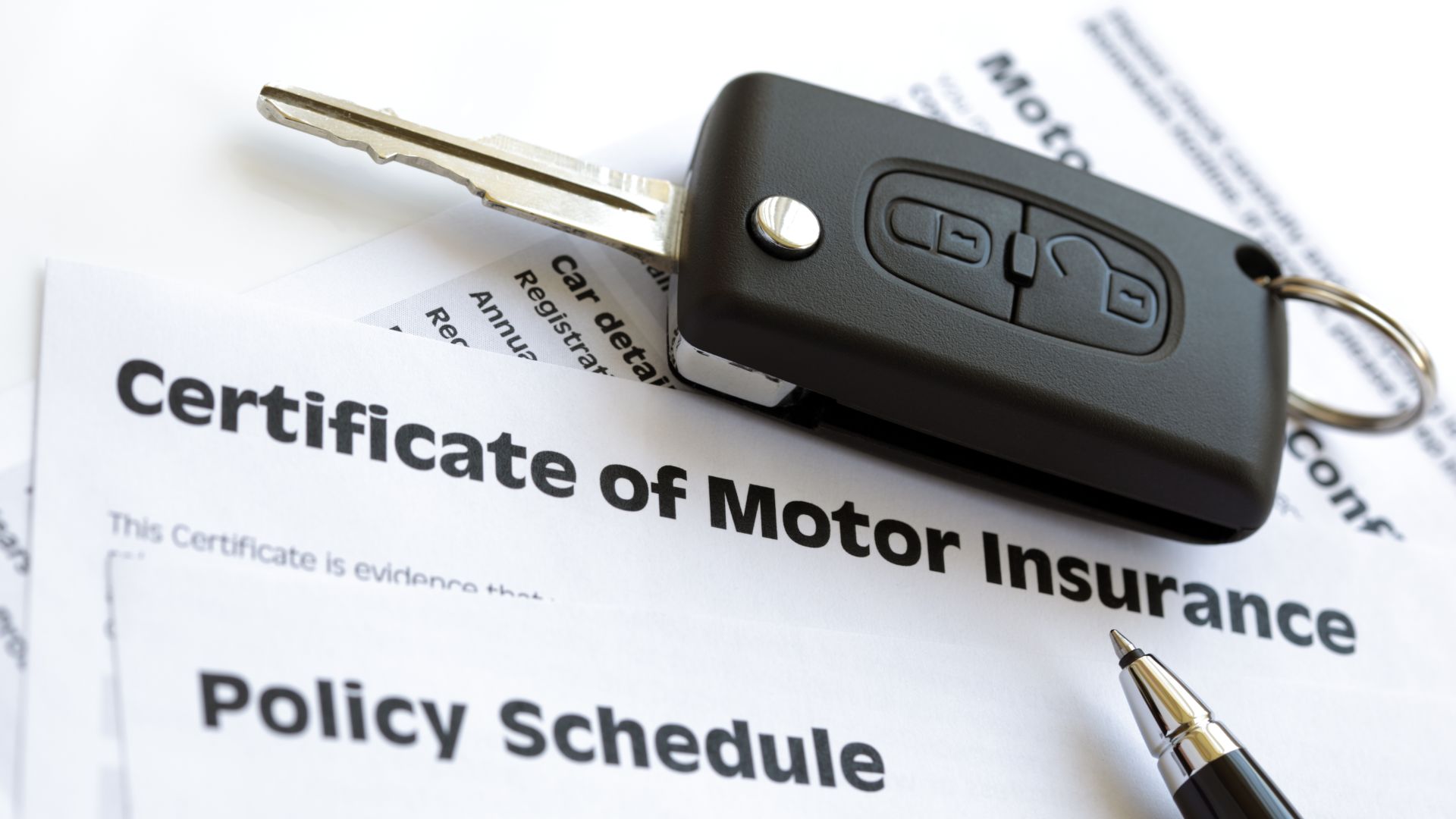
Pass Plus. It’s an option of additional training many newly qualified drivers are given to reduce their insurance premiums. But does it really save you money? 

According to MoneySuperMarket, drivers see little to no difference in their premiums as a result of having Pass Plus to their name. The comparison website analysed 50,000 car insurance quotes between May and July 2019. It revealed that, on average, providers didn’t change their prices when customers swap between ‘Full UK’ and ‘Full UK with Pass Plus’ for their licence.

Car insurance October 2019

  • Why a football team sticker could void your car insurance

This is significant, given a Pass Plus training course costs between £150 and £200. Obviously such a course isn’t purely in the interest of saving money; extra training behind the wheel is never a bad thing. However, perceived savings have been a strong selling point in the past.

“Although people assume that doing additional driving courses such as Pass Plus can reduce your premiums, our research shows that it actually makes no difference for the average person,” said Rachel Wait, consumer affairs spokesperson at MoneySuperMarket.

Expensive professions insurance

Do note Wait’s reference to “the average person”. For many younger drivers, Plus Pass is of some benefit. 

“The best way to save on car insurance is to shop around and compare quotes from different providers,” says Wait.

Advertisement

Fuel forecourt retailers ‘reluctant to invest in EV charging’

0

Fuel forecourt operators reluctant to invest in car chargers

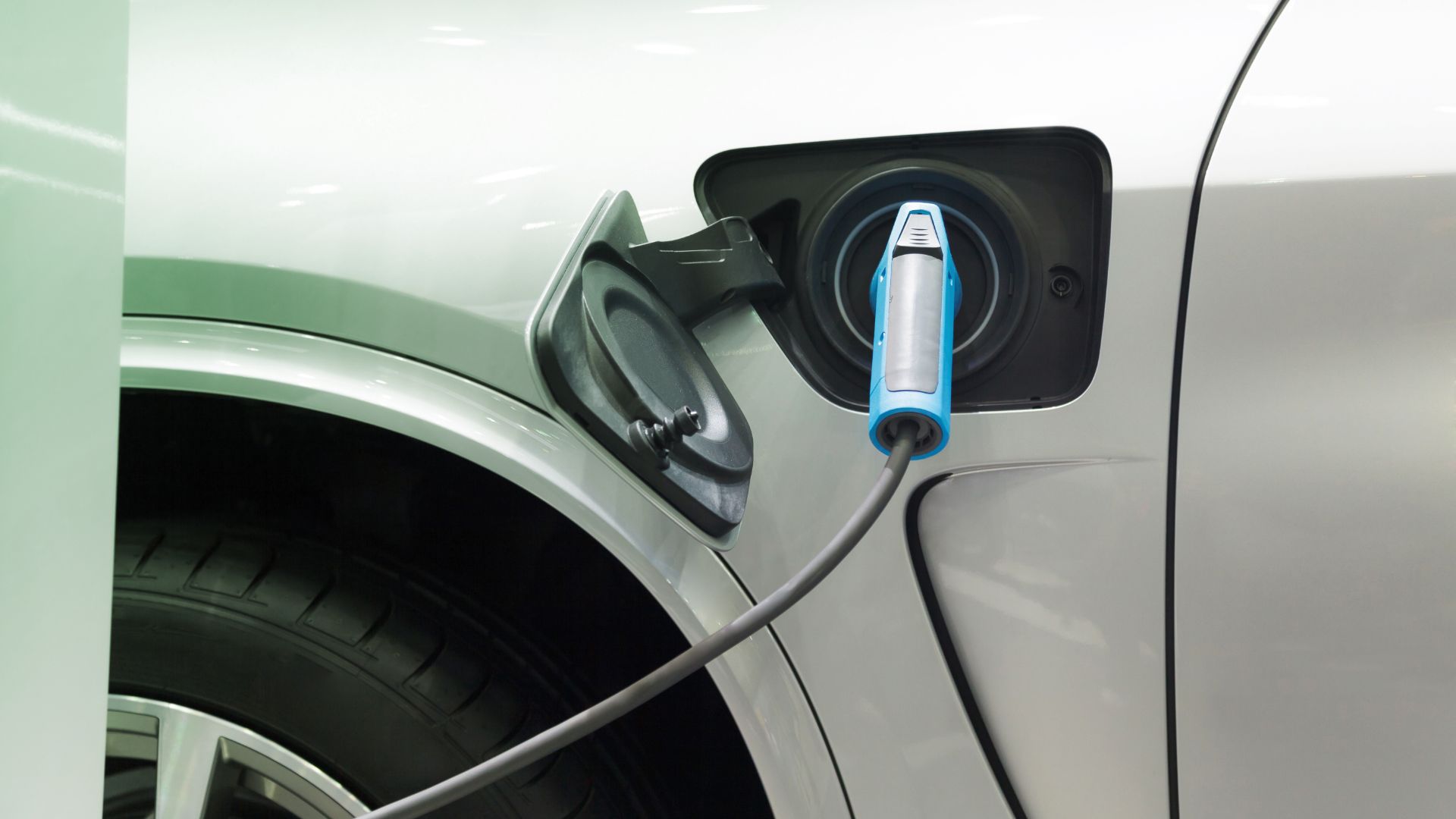
Fuel forecourt operators are hesitant to invest heavily in electric car charging points at fuel stations. This is amid concerns about consumer confidence in electric cars and the true increase in demand expected in the coming years.

In the 2019 Petrol Retailers Association annual review, Steve Rodell, managing director, retail at Christie & Co wrote: “Recent reports of modest increases in electric vehicles (EVs) sales and a consumer preference for hybrid vehicles (electric and petrol), show a lack of consumer confidence in pure electric.”

Fuel forecourt operators reluctant to invest in car chargers

“Retailers are therefore currently reluctant to invest heavily in EV charging ports. While some are slowly testing new technologies and investing in low voltage single charging ports, many are still unconvinced of the financial return on rapid charging, which usually requires a hefty investment in grid connection.”

The expense of the installation of rapid charging isn’t expected to return given the current minority of electric car drivers. Rodell cites continuing range anxiety as a major roadblock to the adoption of electric cars.

He also goes on to highlight the sacrifices retailers would have to make in terms of parking, in favour of electric vehicle charging points. There are worries of how on-sight retailers would be affected in terms of footfall.

“There is also a reluctance to forgo valuable parking spaces which can generate footfall into the shop where, coupled with food sales, margins are more attractive.”

  • Fully Charged Live returns in May 2020 – at a NEW location

Fuel forecourt operators reluctant to invest in car chargers

Rodell sees a future where more EV charging is installed, but wonders whether hybrids or even hydrogen cars will have taken the lead ahead of pure EV. 

“Inevitably, the future will see a greater condence and implementation of electric vehicle charging but perhaps by then hybrids, or even hydrogen fuel cell technology, will have overtaken pure electric. Transient locations where petrol filling stations are often located will be more suited as ‘top-up’ locations for electric vehicles.

“It is our view that, whether to top up vehicles with fuel sources or meet consumers’ convenience needs on the go, what we currently know and love as ‘petrol filling stations’ will remain relevant and valuable as wider ‘refuelling facilities’ for the foreseeable future.”

Advertisement

Brake dust as toxic as diesel fumes, warn scientists

0

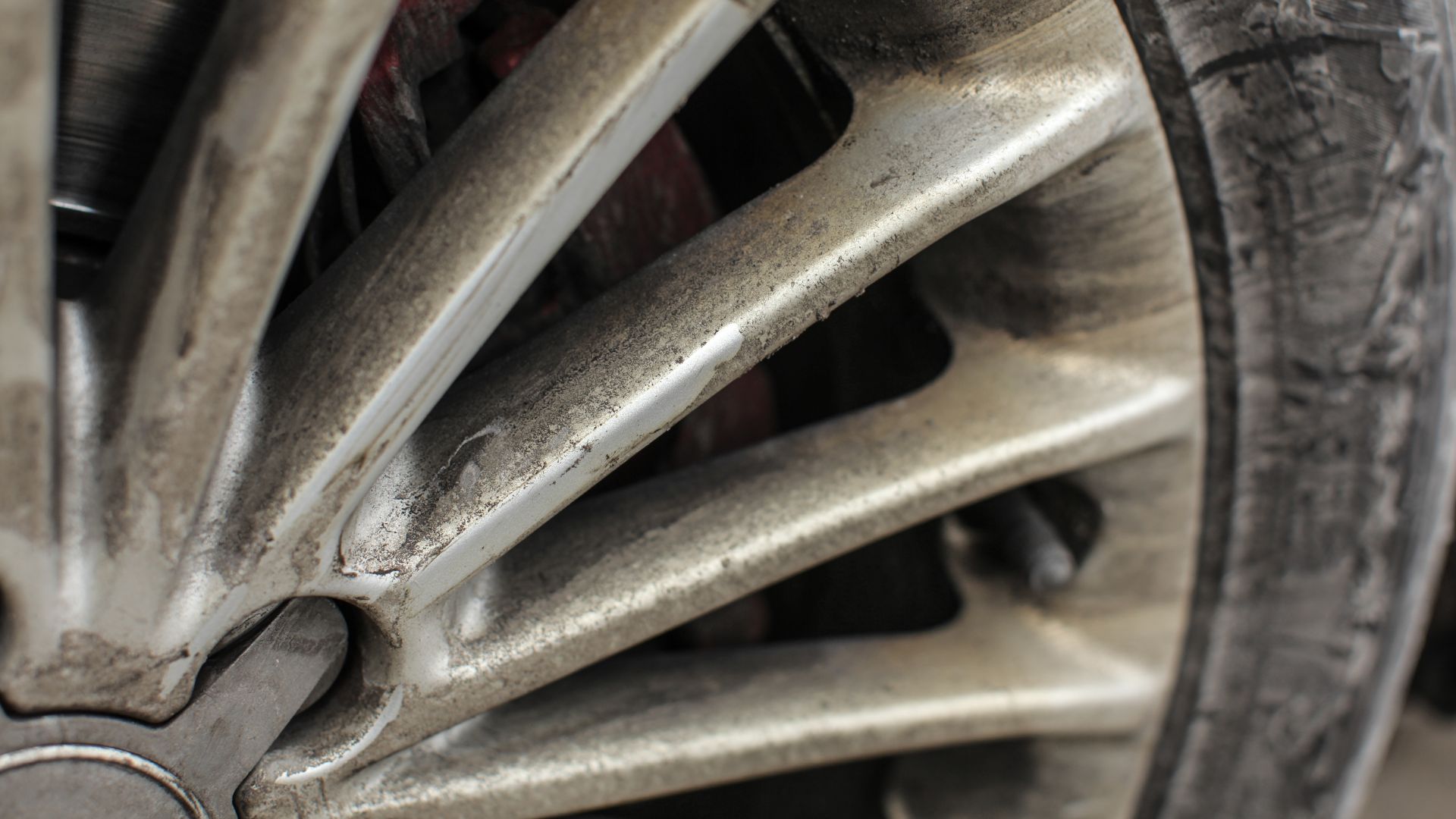
Brake dust emissions as bad as diesel

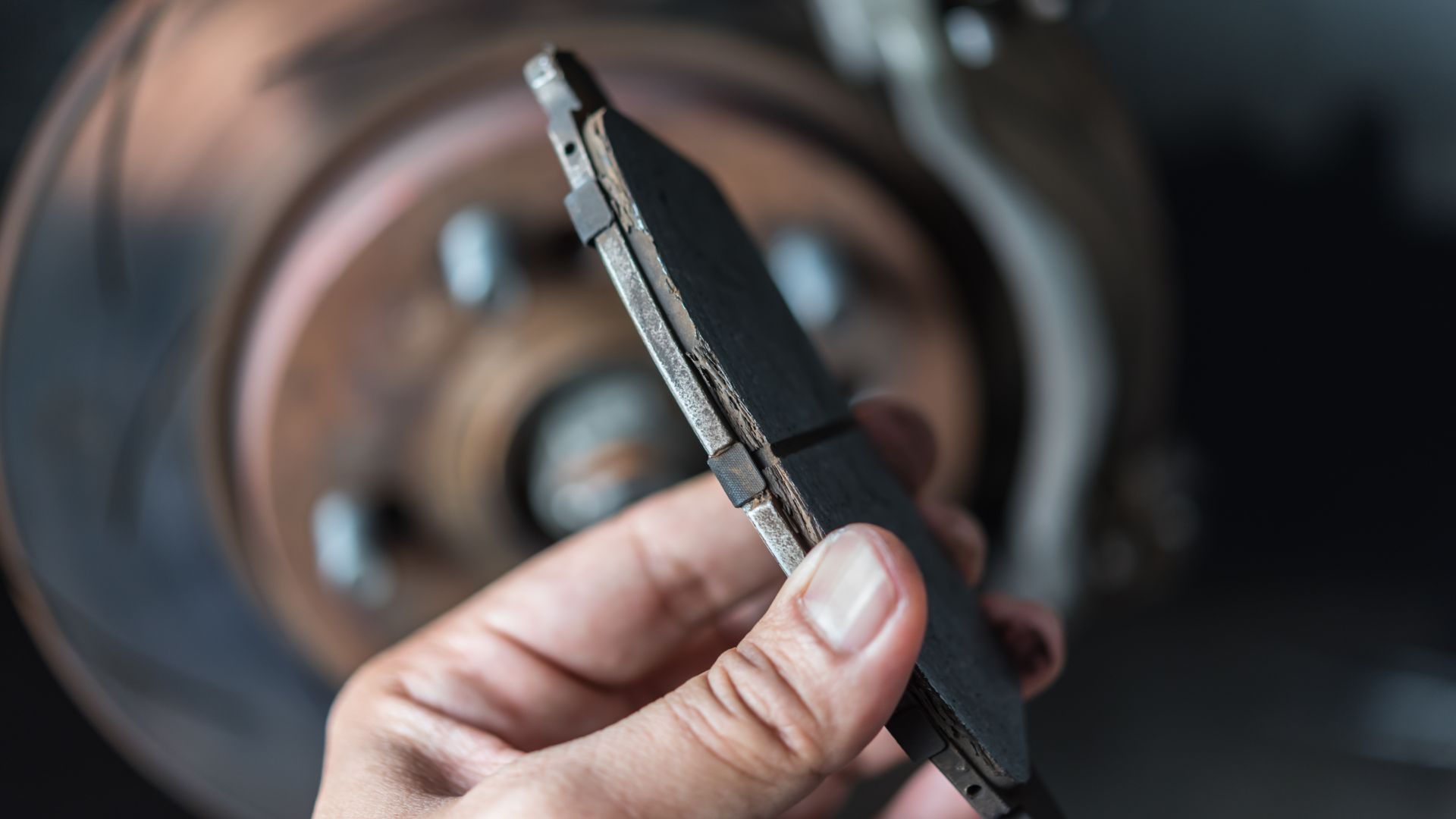
New research has revealed more about the dangers of particulate emissions from car braking systems. Tests indicate that brake dust could be just as toxic as particulates from the exhausts of diesel engines. 

Brake pad particulates were found to harm respiratory health, damaging lung cells when they enter. 

The study involved exposing macrophages (immune cells in the lungs that protect them from bacteria) to various particulates. Both diesel exhaust and brake dust particulates were found to reduce the ability of these cells to work. Both also caused the cells to produce immune signalling molecules, which inflame and damage lung tissue.

Brake dust emissions as bad as diesel

“At this time the focus on diesel exhaust emissions is completely justified by the scientific literature,” said Dr Ian Mudway, who led the research at the MRC Centre for Environment and Health at King’s College, London.

“But we should not forget, or discount, the importance of other components, such as metals from mechanical abrasion, especially from brakes.

“There is no such thing as a zero-emission vehicle, and as regulations to reduced exhaust emissions kick in, the contribution from these sources are likely to become more significant.”

Brake dust emissions as bad as diesel

The slice of the particulate pie that non-exhaust emissions represent is projected to increase. The current 7.4 percent figure is expected to rise to 10 percent by 2030.

This is in part due to the increasing weight of cars, which increases wear on brakes. Electric cars are also particularly heavy, and thus pose a greater problem in this regard.

Advertisement