Home Blog Page 249

Car thefts rocket 21 percent in 3 years

0

Car thefts up in the UK

The number of car thefts rose by 21 percent between 2016 and 2019, according to data from a Freedom of Information (FOI) request.

Of the police forces that responded, Nottinghamshire saw the largest increase, with the county’s constabulary reporting an overall rise of 59.7 percent. Nearly 1,500 cars were stolen between 2018 and 2019.

Staffordshire Police reported a similar rise (53.8 percent), while there was a 50 percent increase in Hertfordshire.

It’s not all bad news. There was a 78.7 percent fall in car theft in Wiltshire, with just 156 stolen in 2018/19. Car crime was also down in Humberside (-35.8 percent), Merseyside (-26.9 percent) and Avon and Somerset (-3.5 percent).

Neil Thomas, director of investigative services at accident aftercare company AX, said: “While the lockdown may temporally reduce some types of car theft, criminals are using increasingly intelligent ways to steal vehicles and continue to find success. The combination of organised crime getting smarter and ability to make quick returns has drastically increased pressure on police forces to control the theft of motor vehicles.

“Car thieves are opportunists and have no respect for property and will remain determined to carry on illegal activity despite the current restrictions on movement across the UK. I have even seen recent reports of vehicles belonging to key workers being stolen.

“During this period of lockdown, it’s even more important that car owners remain vigilant and do what they can to keep their car safe while they’re using them less frequently, if at all.”

Biggest increases in stolen vehicles

  1. Nottinghamshire: 59.7 percent
  2. Staffordshire: 53.8 percent
  3. Hertfordshire: 50.0 percent
  4. West Midlands: 44.6 percent
  5. Surrey: 44.1 percent

Biggest decreases in stolen vehicles

  1. Wiltshire: -78.7 percent
  2. Humberside: -35.8 percent
  3. Merseyside: -26.9 percent
  4. Avon and Somerset: -3.5 percent

Keeping your car secure during the lockdown
Car crime

Thomas, who is a former detective inspector, has the following advice for keeping your car safe when not in use.

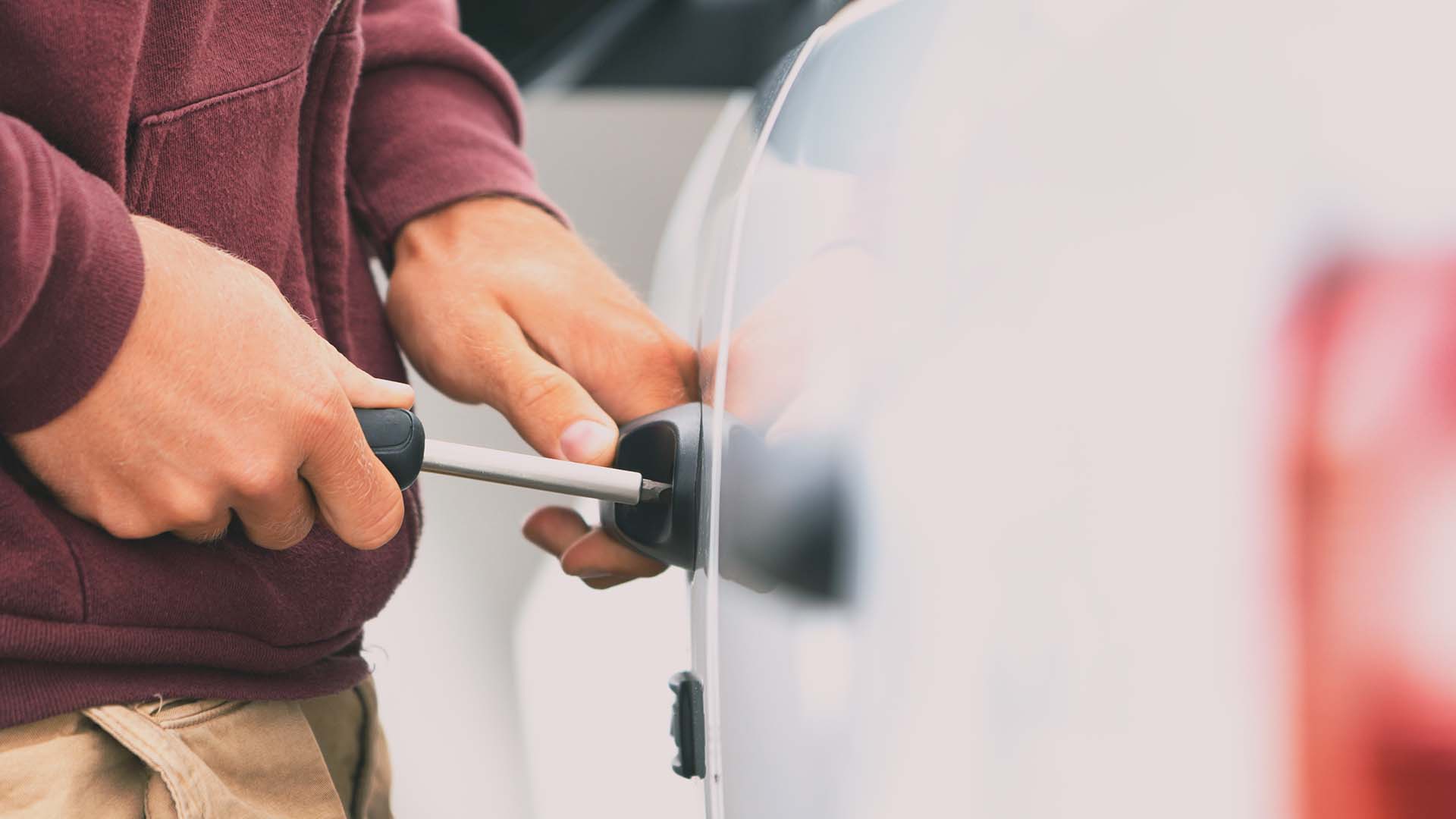
  1. Keep your keys safe. Store your car keys away from the front door to prevent criminals from ‘fishing’ them through the letterbox. Avoid taking the keys upstairs. Click here for how to avoid becoming a victim of keyless car theft.
  2. Check the doors are locked. Electronic devices that jam the signal from your key fob are increasingly common.
  3. Consider disabling keyless technology. Many systems can be temporarily switched off to prevent electronic compromise.
  4. Review your home security. Consider the installation of motion-detecting CCTV at your property.
  5. Don’t despair. If the worst happens, there are tracking solutions and recovery services available to help you locate your vehicle.

 A total of 17 police forces responded to the FOI.

ALSO READ

Coronavirus could reduce the cost of car insurance

Car insurance company refunds customers due to lockdown

When is the best time to renew your car insurance?
Advertisement

New Toyota Yaris Cross small SUV revealed

0

Toyota Yaris Cross

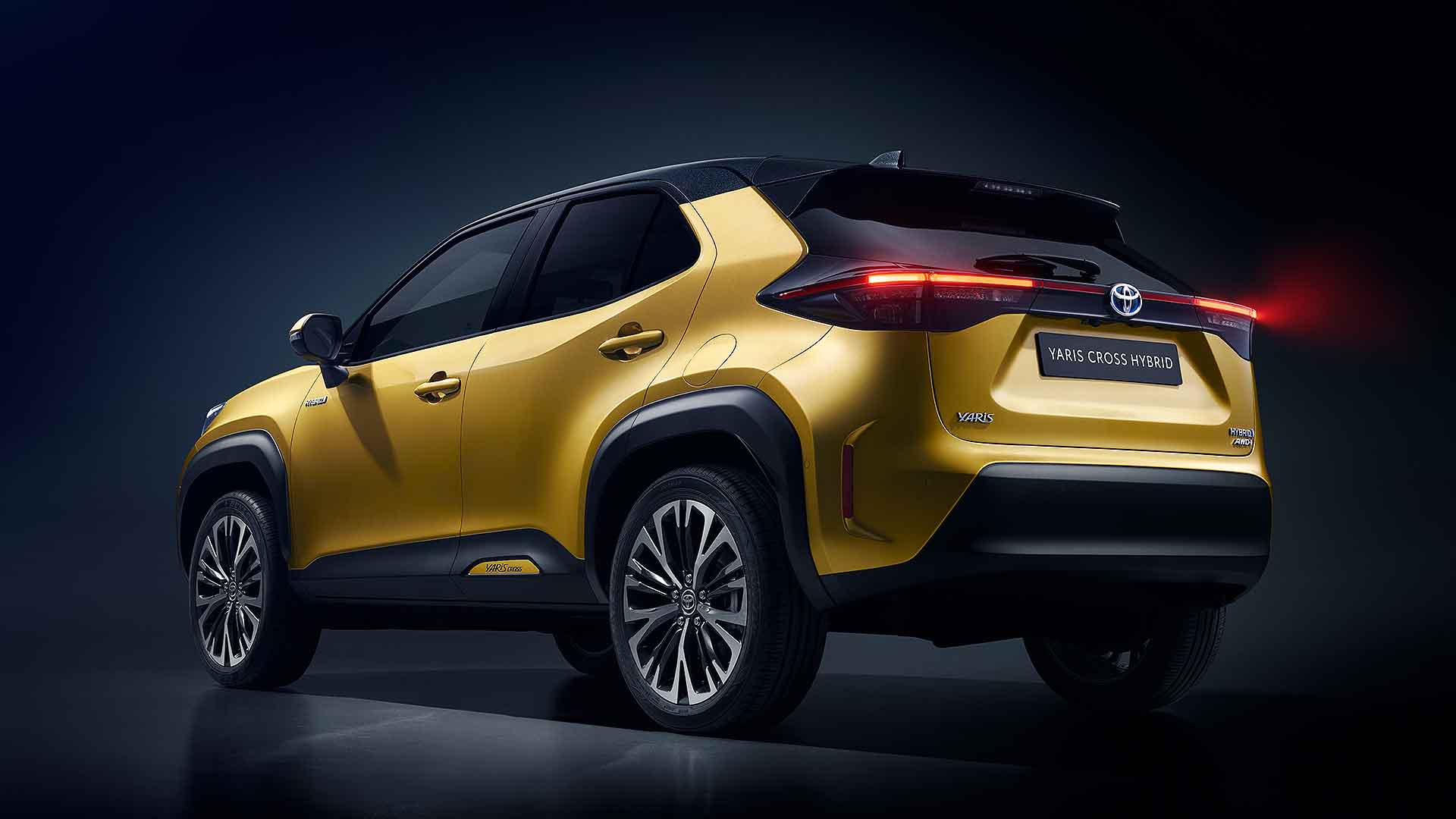
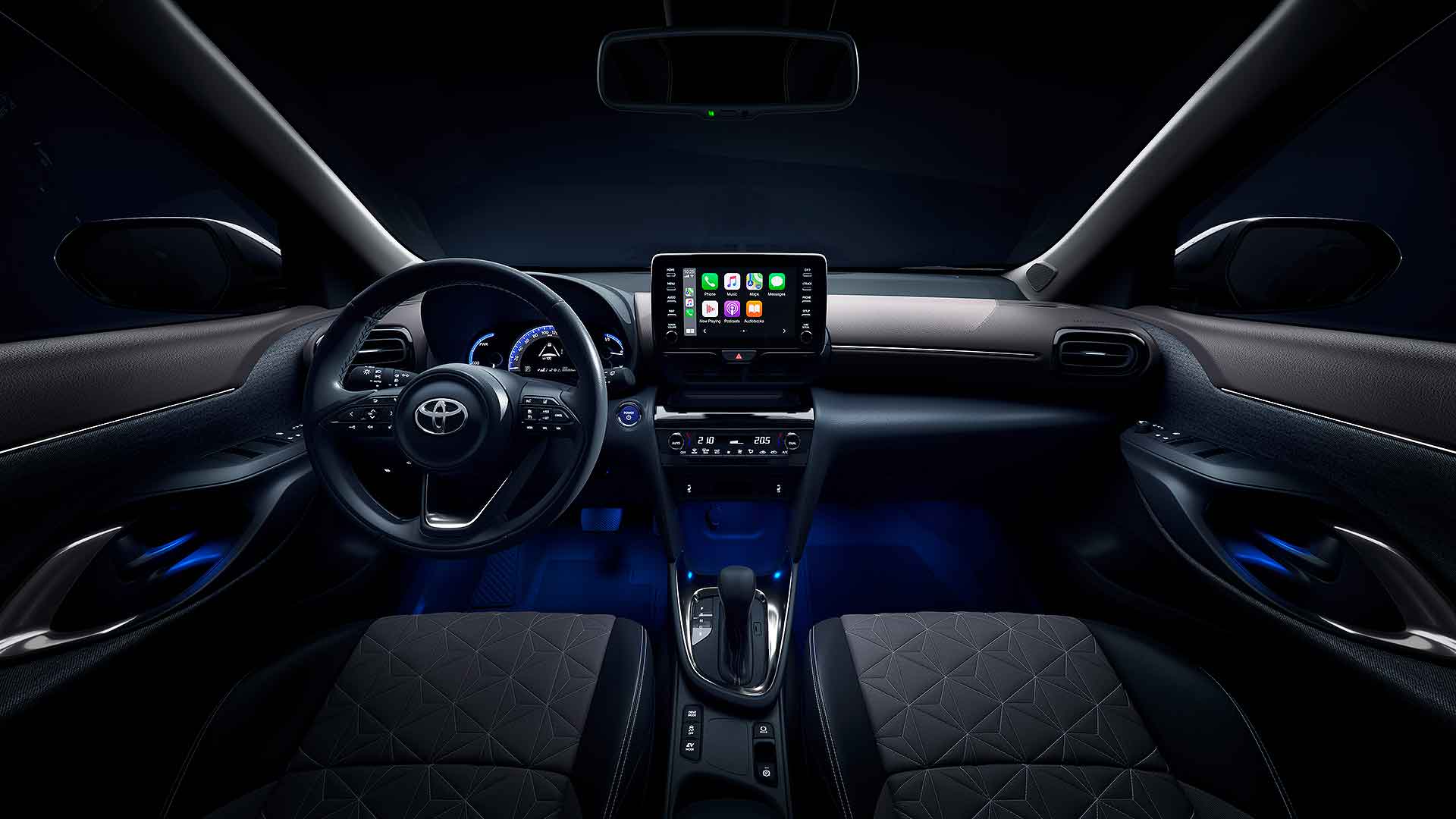
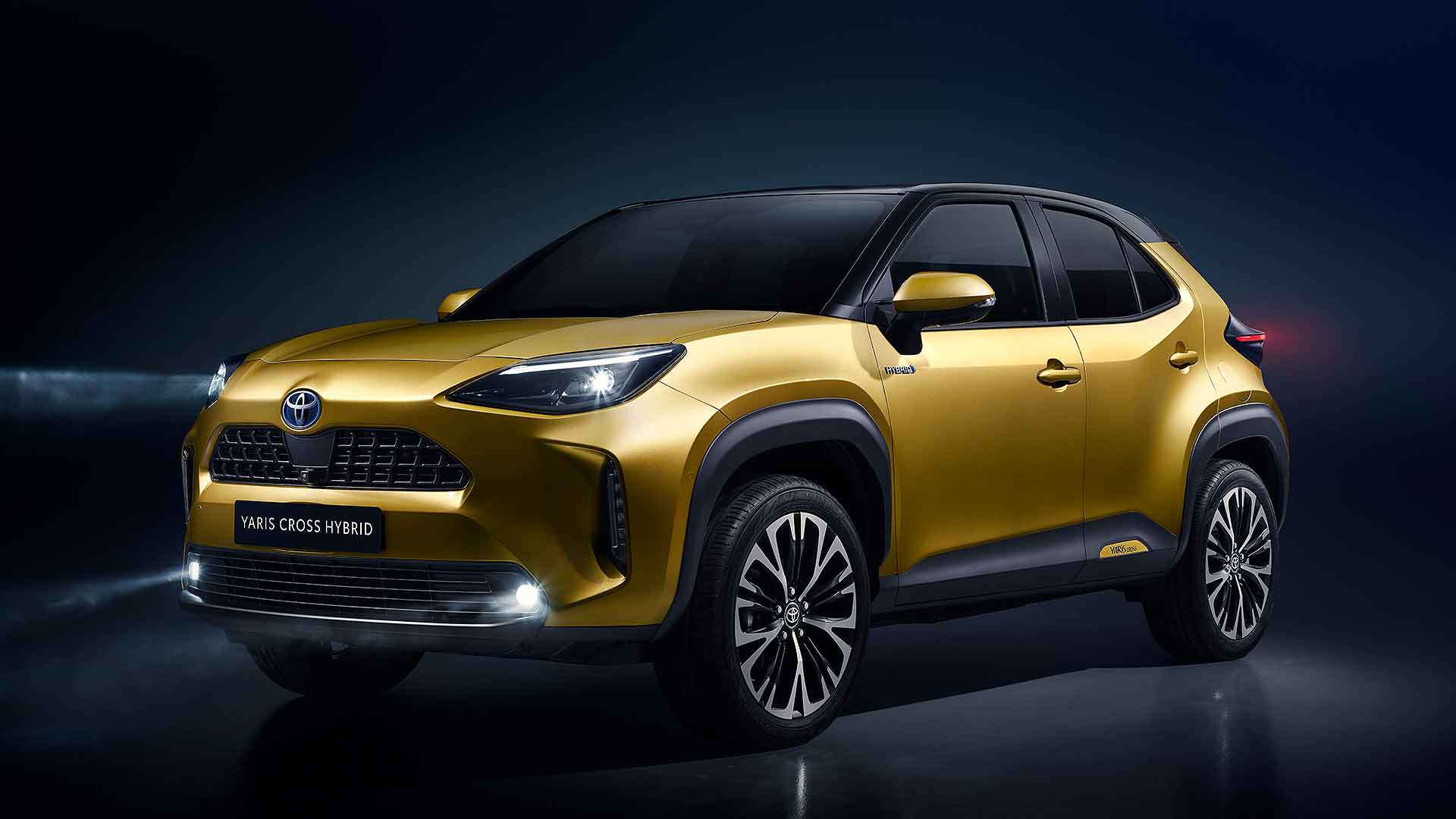
The Toyota Yaris Cross is a new small SUV that arrives in 2021 to take on the Nissan Juke and Ford Puma in Europe’s fastest-growing new car sector.

It will also face the new Vauxhall Mokka, which was revealed in teaser images yesterday

Toyota says the Yaris Cross will launch in the UK from June 2021. 

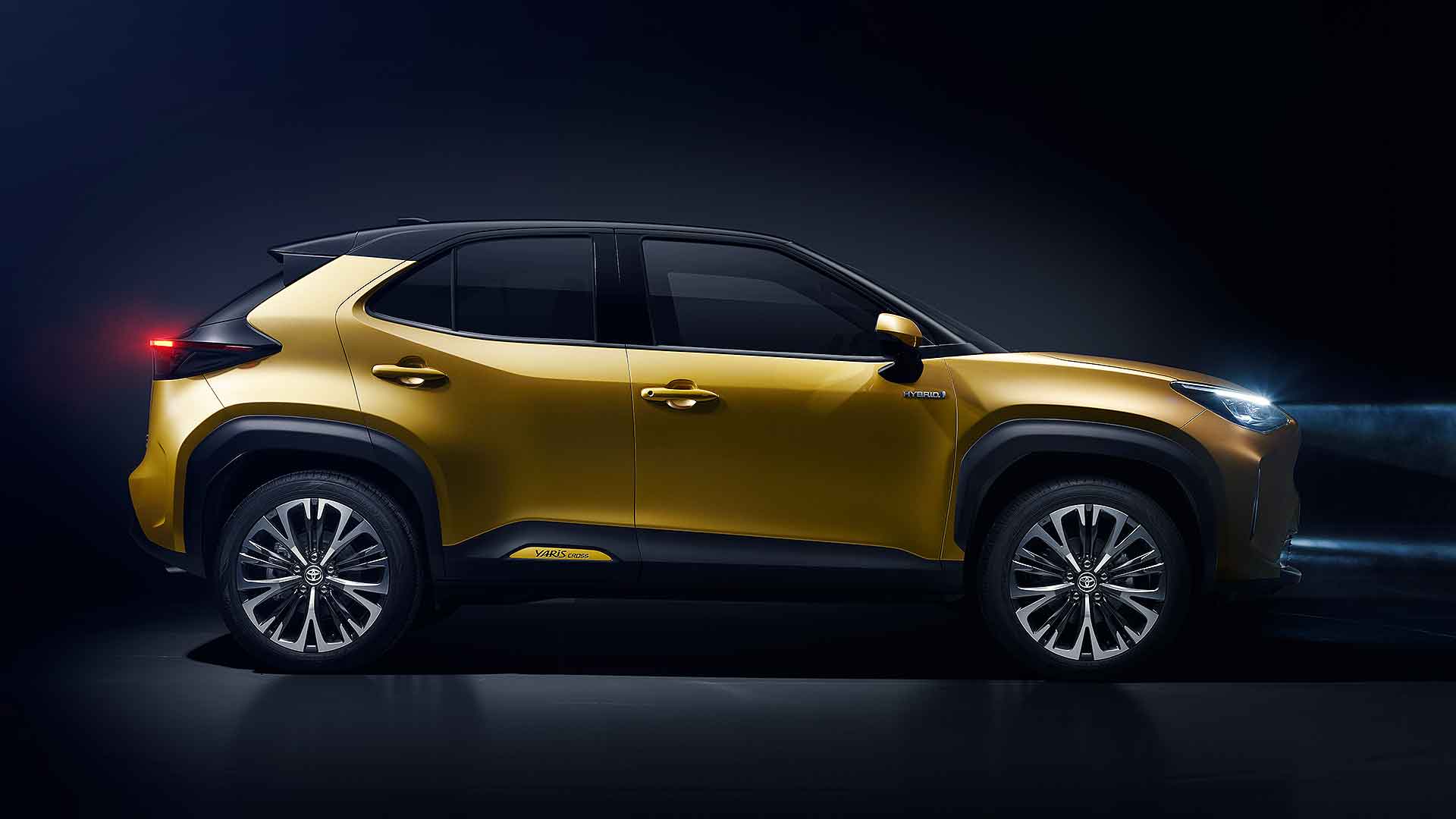
Inspired by the Toyota RAV4 family SUV, the new Yaris Cross boasts a chunky, distinctive design to help it stand out in this busy sector.

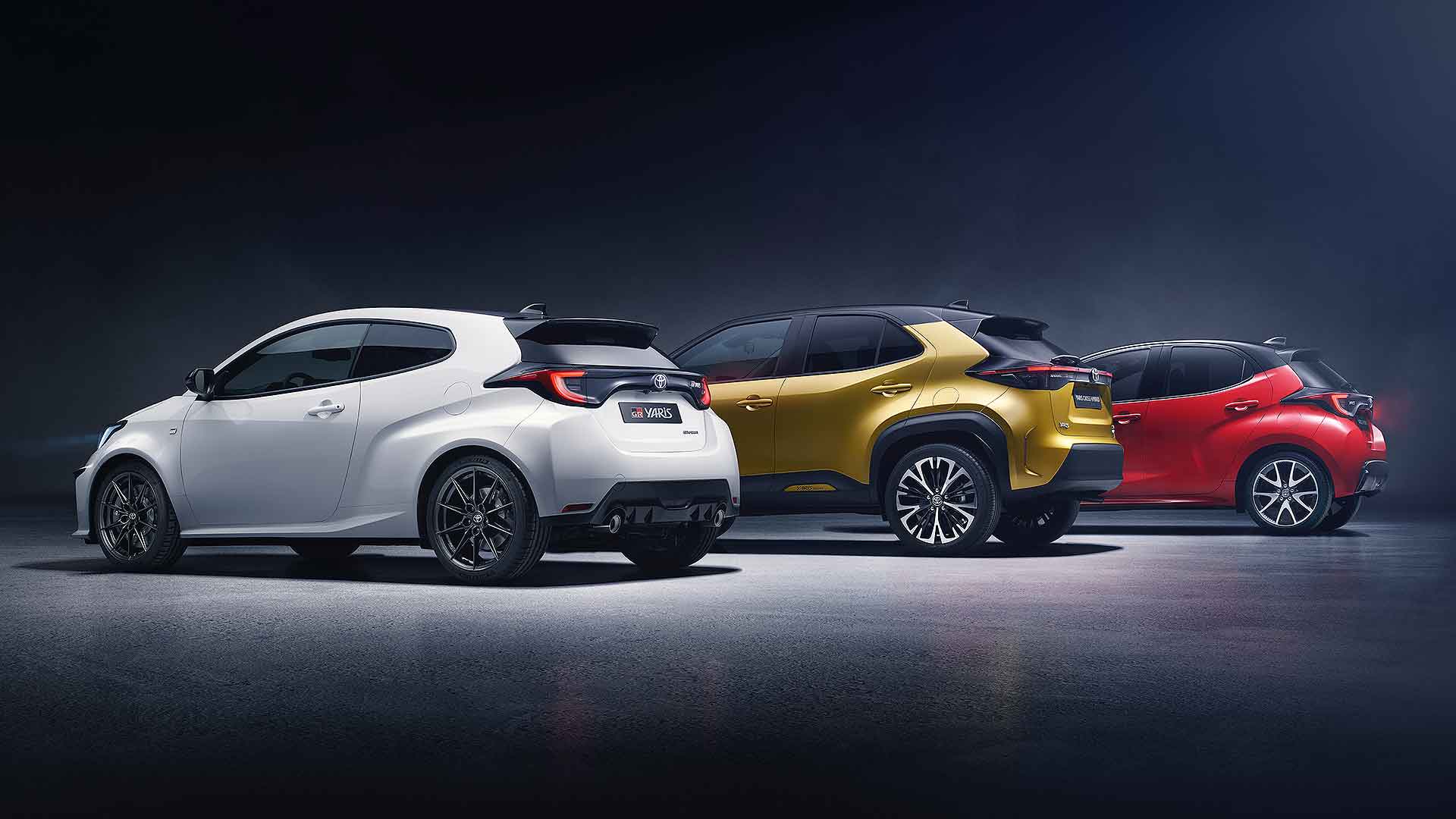
It is based on the same ultra-efficient underpinnings as the new Toyota Yaris, and will even offer a hybrid all-wheel drive variant, called AWD-i.

Toyota Yaris Cross

During the presentation, Toyota said the regular model will emit less than 90g/km CO2, while the AWD-i will produce less than 100g/km CO2.

“No rival comes close,” says the firm.

These are, however, tests to an older fuel consumption standard: newer WLTP figures are 120g/km for the regular hybrid, 135g/km for the all-wheel drive. 

Toyota will also sell a cheaper, less-efficient non-hybrid model, although the vast majority will be hybrid variants. 

Toyota Yaris famili

Built in France alongside the new Yaris, Toyota predicts 150,000 examples of the Yaris Cross will be sold annually from 2021 – and it will in time account for one in three Toyota EU sales.

Toyota will also sell the Yaris Cross in Japan and Australia, plus other markets. It is the first time the Yaris name has been used globally. 

Toyota Yaris Cross

This is why the Yaris Cross name was chosen, rather than a bespoke name – the familiarity and “brand equity” of the Yaris brand will help consideration in a packed sector. 

Big and bigger

Toyota Yaris Cross

The Yaris Cross is 4,180mm long, or 240mm longer than the Yaris hatchback. It is 90mm taller and 20mm wider, and has 30mm more ground clearance. 

Toyota says that although it is shorter and narrower than the bigger C-HR crossover, the Yaris Cross actually has more interior space. 

It claims a big boot too, although it has yet to release figures. 

Toyota Yaris Cross

While Toyota expects to snare customers currently driving other small SUVs, and some Yaris owners trading up, it also says some buyers will downsize from larger, more expensive models. 

This is why it is offering the all-wheel drive version – and why the striking styling bears similarities with the Toyota RAV4, the world’s best-selling SUV. 

SIGN UP HERE FOR THE MOTORING RESEARCH NEWSLETTER

Advertisement

Independent petrol stations face fight for survival

0

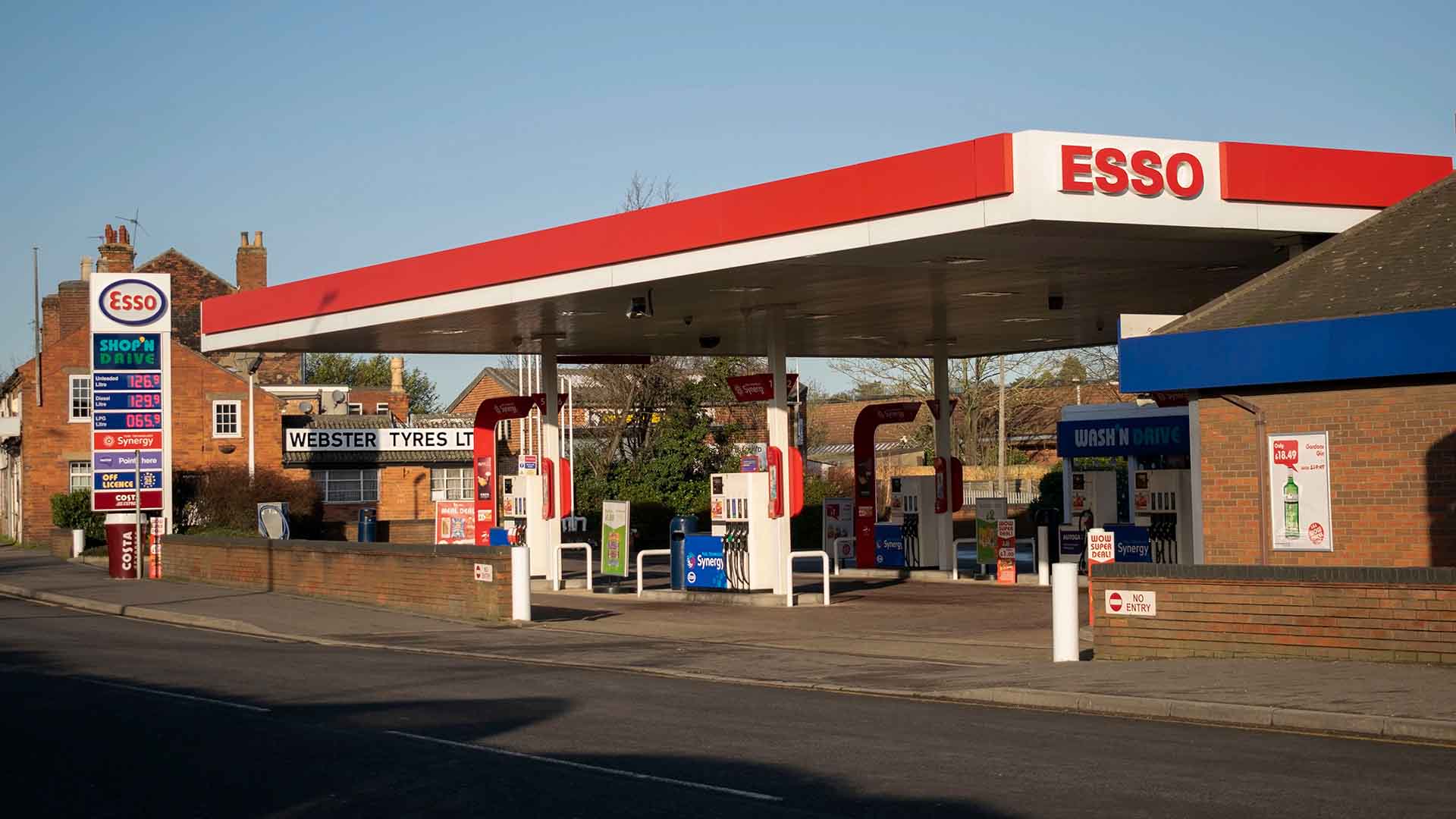
Esso petrol station

Thousands of independent petrol stations are ‘desperately trying to stay open’. That’s according to the Petrol Retailers Association (PRA).

It says that up to 100 petrol stations have been forced to close their doors during the lockdown. Of those that have remained open, many have had to reduce their operating hours, with staff lost to COVID-19 symptoms or the need to self-isolate.

Road travel has dropped by 73 percent during the lockdown, placing further pressure on independent retailers. Many petrol stations rely on non-fuel purchases to boost their profits – and fewer customers means fewer sales.

That’s not all. At the beginning of March, a barrel of crude oil cost $50, but by the end of the month it had plummeted by 66 percent to less than $18: the lowest level in 18 years.

As a result, more than 9p came off the average price of unleaded in the month, with diesel down 8p. RAC fuel spokesperson Simon Williams said: “We are very mindful at this time of the pressure this can place on smaller, independent forecourts that provide a vital service where there is no supermarket footprint.

“While we all want reasonably priced fuel for our essential journeys, surely none of us want to see smaller enterprises going out of business trying to match the supermarkets’ big price cuts at a time when so few of us are driving compared to normal.”

’Petrol stations have been hit very hard’

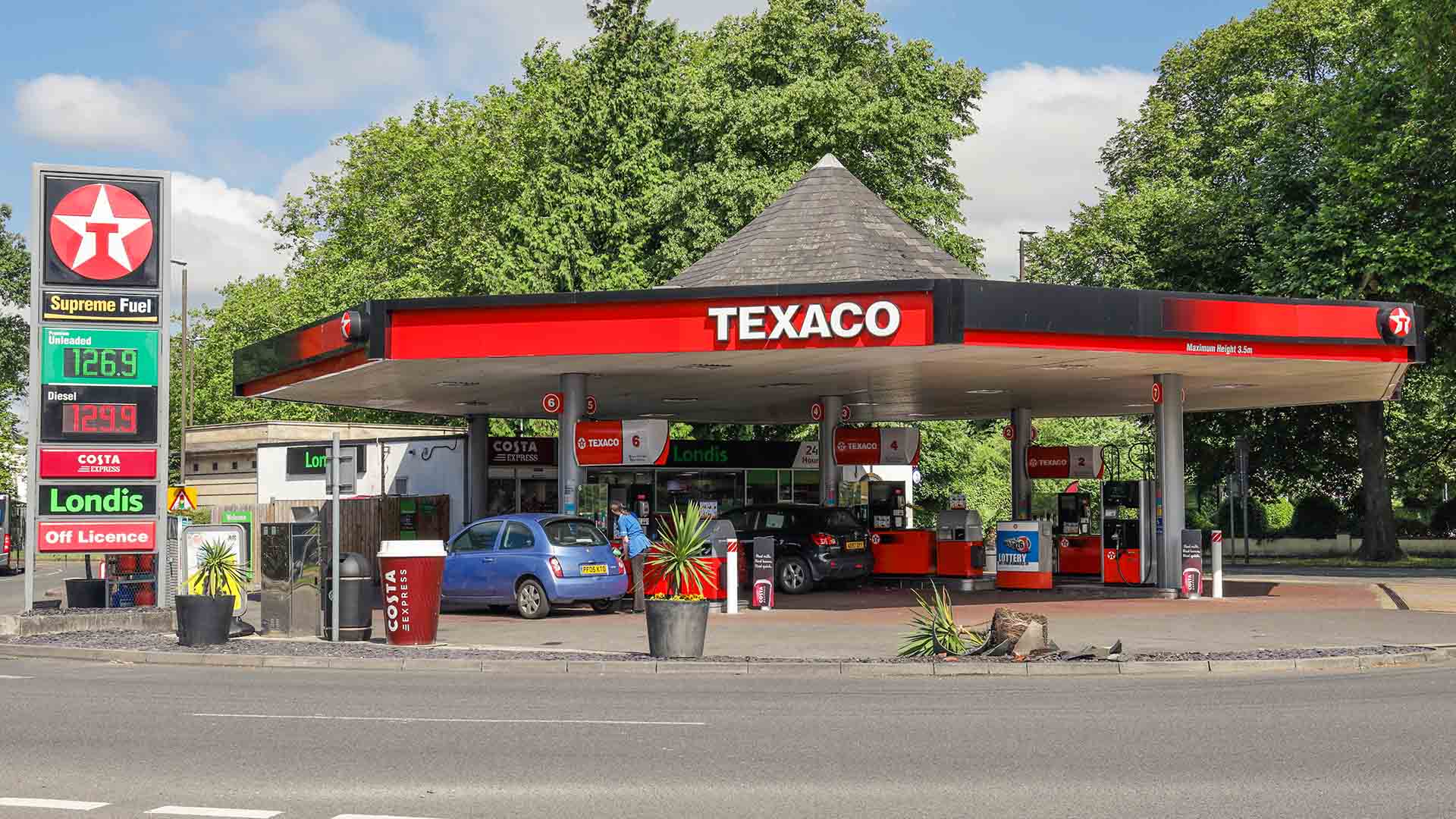
Texaco petrol station

The PRA has warned that 1,000 retailers could be lost as a result of the coronavirus and plummeting oil prices.

“These petrol stations have been hit very hard by the biggest, fastest drop in demand that any of us has ever witnessed” said Brian Madderson, chairman of the Petrol Retailers Association.

“For some of our members, this drop has been as much as 85 percent of normal volume leading to a huge cash flow crisis. The sector is unique, with over 70 percent of income taken by the Government through fuel duty and VAT. There is a cash grant of £25,000 available to small and medium size petrol stations, but this is swallowed by the next delivery, with a tanker needing over £26,000 just to pay the tax.

“There is speculation from some motoring organisations and lobby groups that UK fuel prices will tumble fast as a result of the historic event in North America yesterday, when the value of oil moved into negative territory.”

“However, with such low demand for road fuel, most petrol stations would risk their financial viability if they had to reduce prices still further. Instead of 100 closures, we could see 1,000 – severely disadvantaging so many of the essential frontline workers.

“The target remains to keep open and provide continuity of service.”

ALSO READ

How to self-isolate your electric or plug-in hybrid car

April 2020 new car sales collapse to 1946 levels – but Tesla Model 3 is number 1

Chevrolet NASCAR raced by Dale Earnhardt to be auctioned for charity

Advertisement

1 in 2 public transport users consider switch to cars

0

Cars, cyclists and a London bus

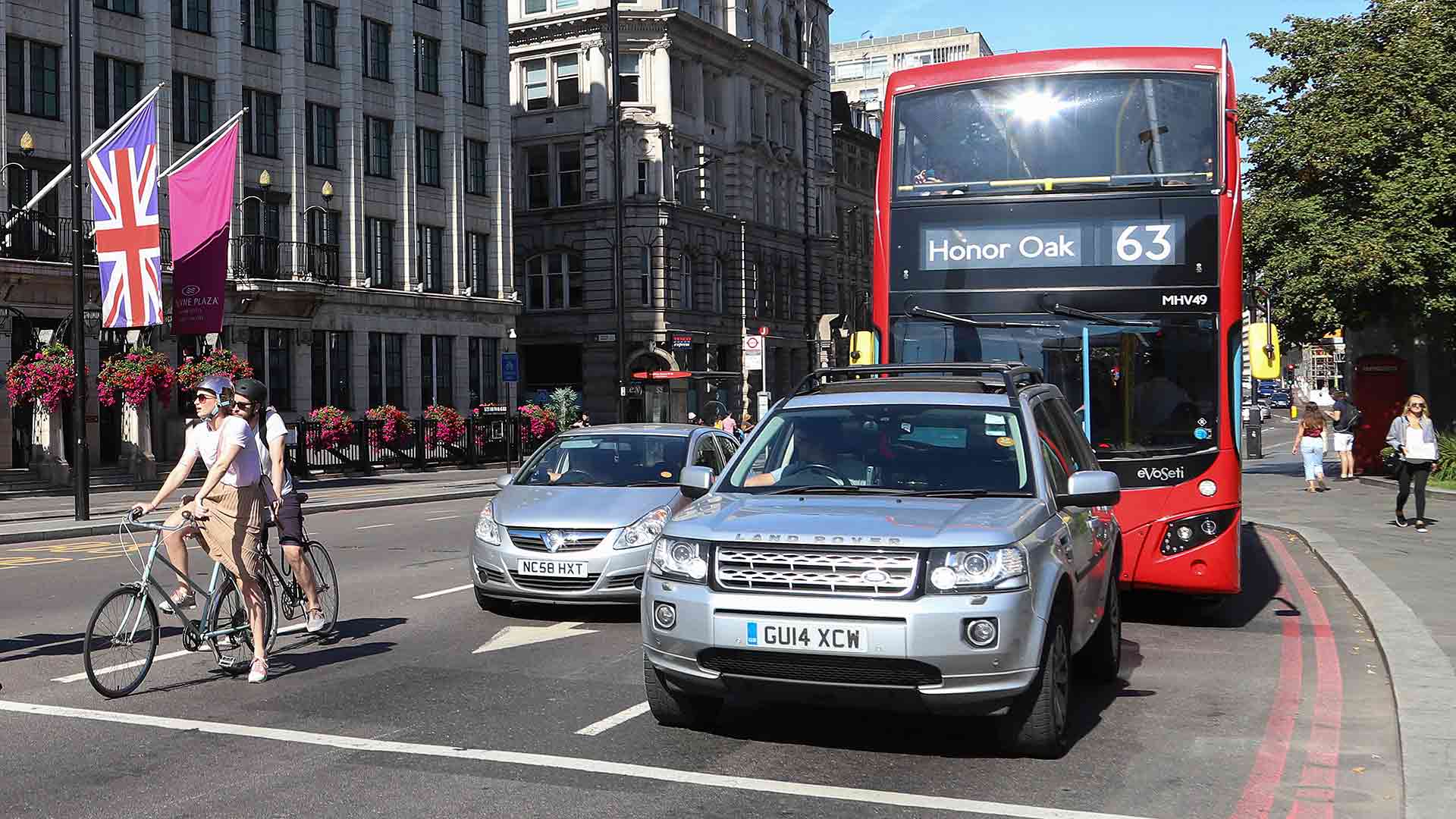
Almost one in two public transport users admit they will be less likely to use these services once lockdown restrictions end. The new trend is being dubbed ‘transport distancing’.

The desire to switch away from public transport is even more pronounced amongst younger users, with two in three of 18-24 year olds claiming they’d be less likely to use it.

Research carried out by Auto Trader revealed that 56 percent of public transport users believe owning a car in the future will be more important.

The figure swelled further for those living in city centres, to 64 percent.

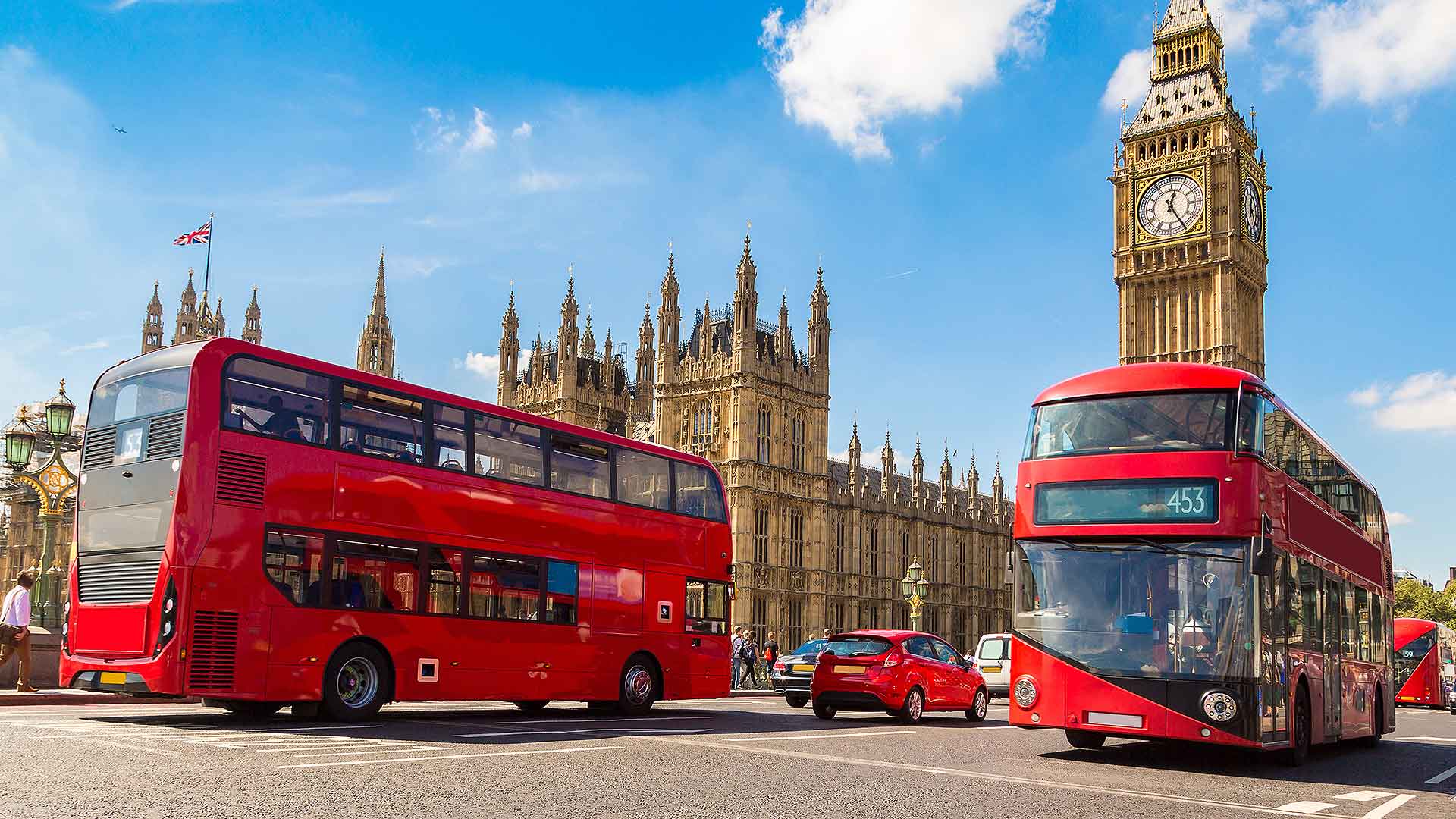
Cars and London buses on Westminster Bridge

The survey of more than 3,000 people “highlights just how profound an impact Covid-19 has had on consumer attitudes towards transport,” said Auto Trader COO Catherine Faiers.

“It also confirms that the global pandemic will have far reaching consequences that last after the current restrictions have been lifted.”

ALSO READ: Britain’s most popular used cars in 2019 revealed

Almost three in four respondents revealed a greater desire for their own personal space following the coronavirus crisis.

Amongst those who have a driving licence but don’t own a car, 56 percent said the Covid-19 pandemic has made them consider buying a car when it’s safe to do so.

The Auto Trader research also showed that although there are fewer in-market car buyers right now, most still plan to eventually buy a car – they’re simply delaying it until later in the year.

ALSO READ: Car insurance company refunds customers due to lockdown

Only two percent of people say they have cancelled plans to buy a new car due to the coronavirus crisis.

And despite the current economic uncertainty, only 16 percent of potential car buyers are worried about how they’d afford it before the end of June 2020.

SIGN UP HERE FOR THE MOTORING RESEARCH NEWSLETTER

Advertisement

Car insurance company refunds customers due to lockdown

0

Insurance refunds

Admiral is giving its car and van insurance customers a £25 refund. It’s in recognition of the fact that customers are staying at home and driving less during the lockdown.

The company expects this to result in fewer insurance claims.

Last week, we reported that the average car insurance premium has hit £755. This was countered by the potential for cheaper premiums in the second half of the year. Admiral is the first company to act.

The company says the refund – which will be automatically credited to customers by the end of May – will affect 4.4 million vehicles. It’ll cost Admiral £110 million – a third of its 2019 profits. In what could be a lesson for other providers, it says it is passing on ‘the savings from reduced claims the company may otherwise have benefited from during the lockdown’.

In addition to the refund, Admiral is waiving any excess fees for NHS or emergency workers. It’s also guaranteeing cover for customers using their vehicle to transport people, deliver medical supplies and equipment, or items to people who are self-isolating.

‘Give something back’

Ambulance driver

Cristina Nestares, CEO of UK insurance at Admiral said: “During this challenging period, our main priorities have been helping our customers, supporting our local community and protecting the wellbeing of our staff, which is why we have introduced these initiatives to give something back to the customers and communities we serve.

“This is an unprecedented time when people across the country are driving significantly less than before the lockdown, and we expect this to lead to a fall in the number of claims we are seeing. We want to give the money we would have used to pay these claims back to our loyal customers in this difficult time. We have also already reflected this change in driving behaviour in our pricing for customers and will continue to do so.

“There may be fewer cars on the roads at the moment, but for many NHS and emergency services workers their cars are vital for them to get to work. At the best of times it’s stressful if you’re involved in an accident, so we’ve implemented new measures to take some of the pressure off and ensure they can stay on the road.

“We wanted to show our support for NHS workers in all roles; from doctors and nurses to admin teams and cleaners, they are all doing a brilliant job of helping to save lives and keep the NHS running smoothly during this crisis.”

Click here for more information on the Stay at Home Refund.

Advertisement

Ford test reveals how much quieter new cars really are

0

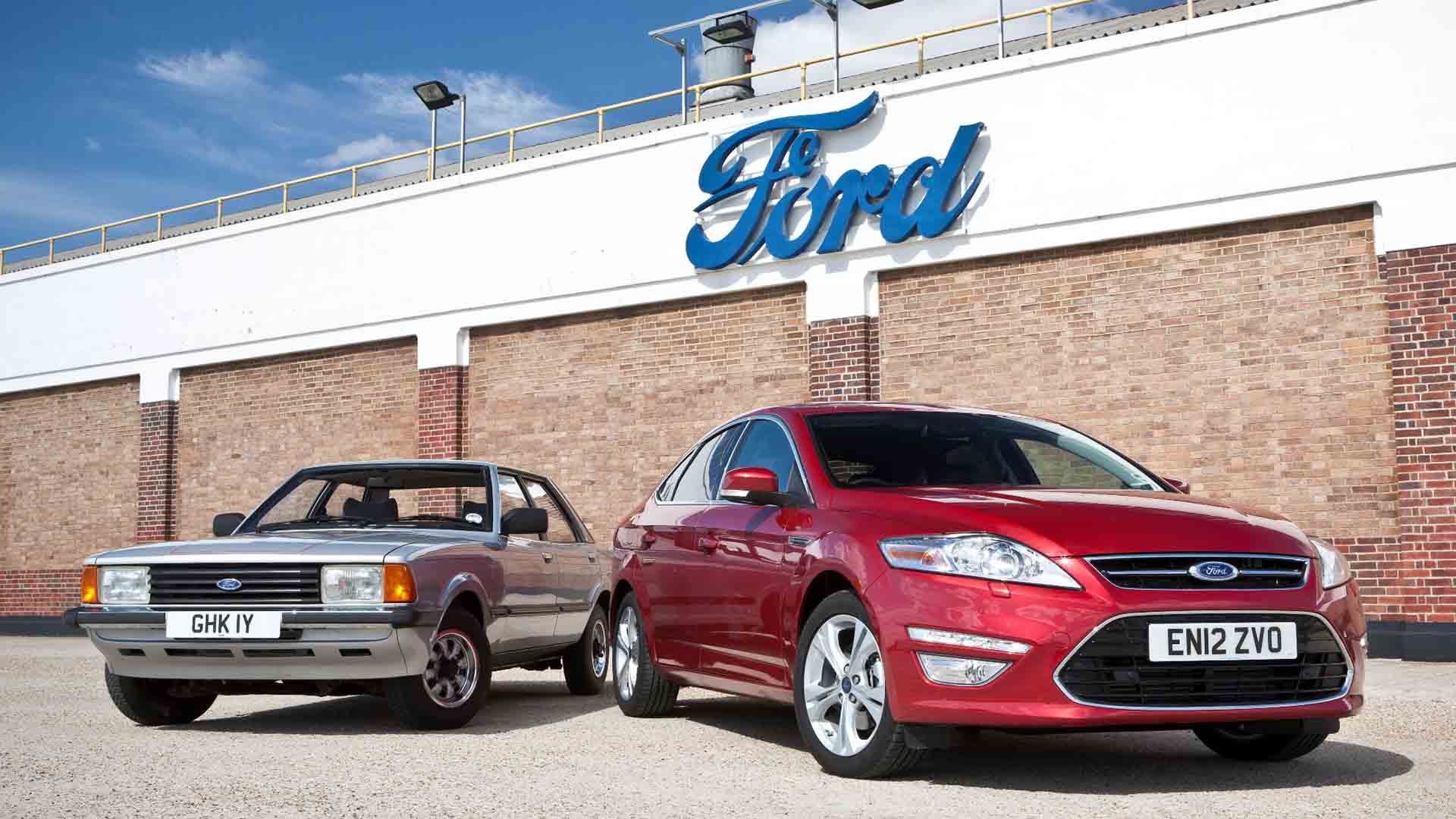
Ford Cortina and Mondeo

New cars are quieter than the cars driven by your parents. This might sound like stating the obvious, but did you know just how much quieter they are?

Ford engineers took to the roads around Dagenham to find out.

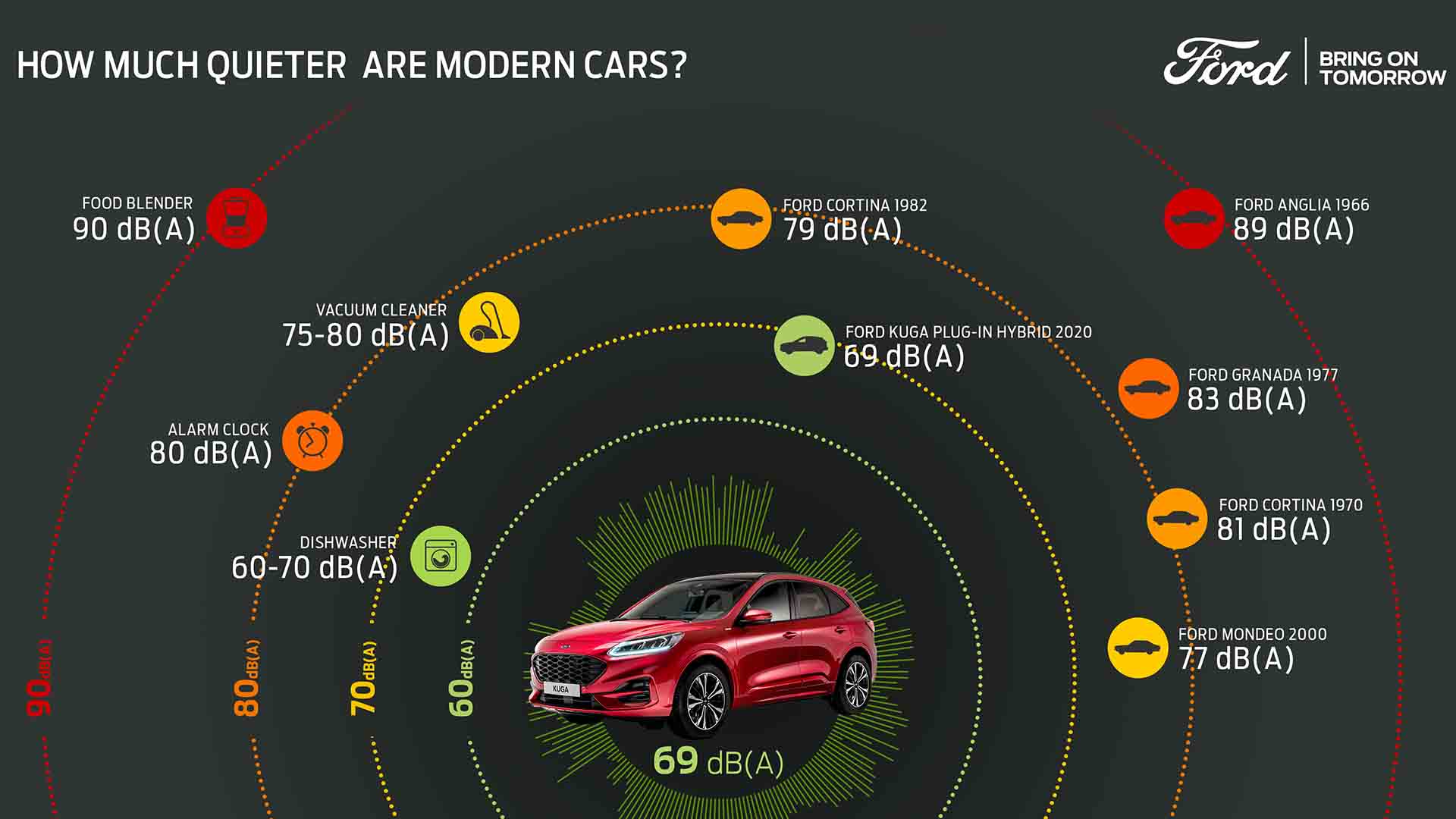
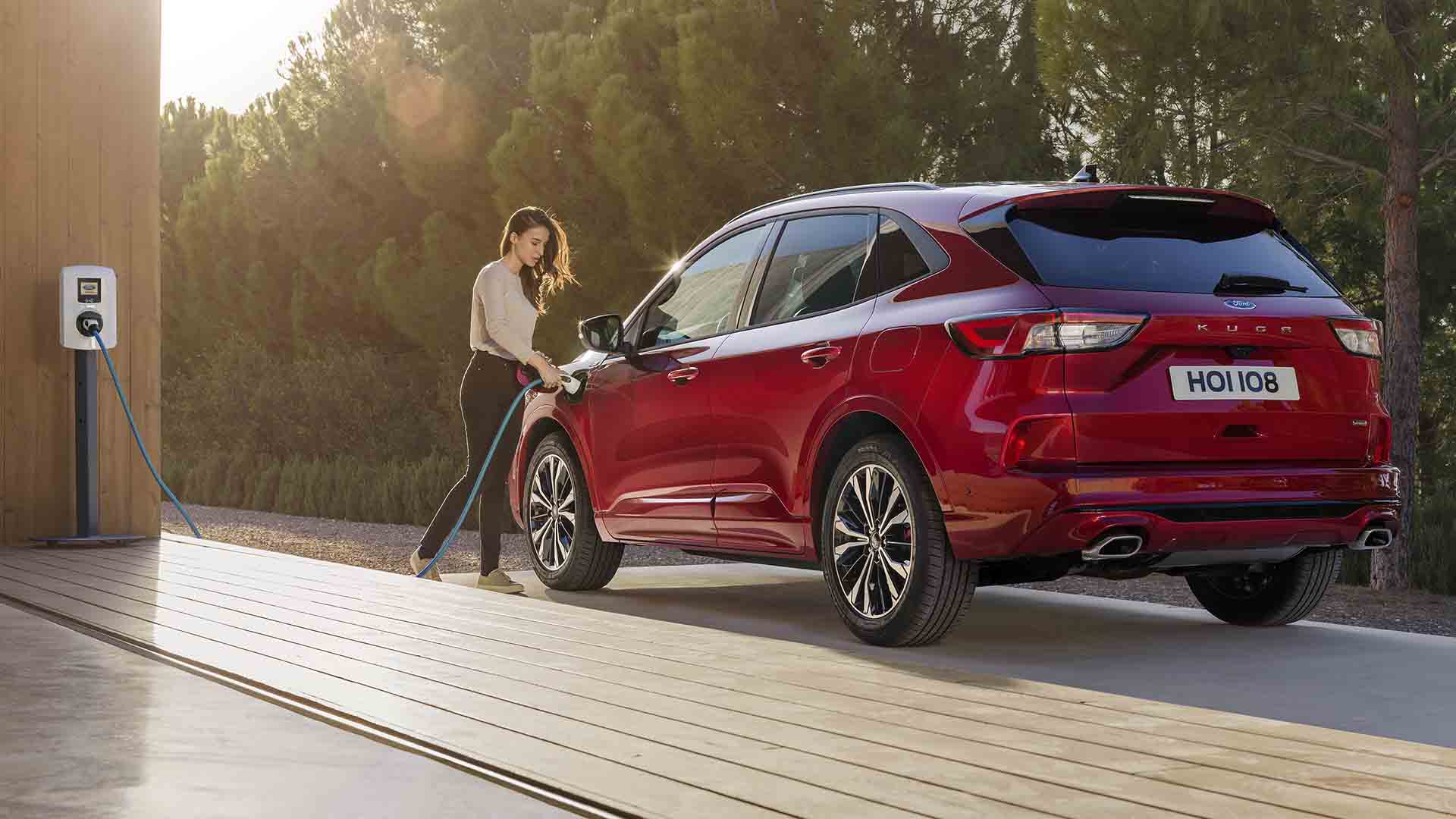
In unofficial tests, they found that passengers in a new Ford Kuga plug-in hybrid will experience noise levels a quarter of those in a 1966 Ford Anglia. The Kuga was measured at 69.3 decibels, while 89.4 decibels was measured in the Anglia.

The unscientific test was carried out in third gear at 30mph. The quietest car from yesteryear was a 2000 Ford Mondeo, followed by a 1982 Ford Cortina. The results in full:

  • 1966 Ford Anglia – 89.4 decibels
  • 1970 Ford Cortina – 81 decibels
  • 1977 Ford Granada – 82.5 decibels
  • 1982 Ford Cortina – 78.5 decibels
  • 2000 Ford Mondeo – 77.3 decibels
  • 2020 Ford Kuga – 69.3 decibels

‘Whisper strategy’

Ford Kuga sound

Amko Leenarts, director of design at Ford of Europe, said: “We had a clear vision for the Kuga from the very beginning – an approachable and sleek exterior design and an interior that provides a sanctuary space. The result is an SUV that connects with your life in a positive way.”

Ford calls its quest for quietness the ‘whisper strategy’. It says that a number of small noise improvements across the vehicle can add up to a big difference.

In the new Kuga, this included the addition of perforations in the seat bolsters to absorb rather than reflect noise. The car also features aerodynamically-tuned sound shields under the body to prevent road and wind noise from entering the cabin.

Ford even spent two years testing 70 different tyres over a range of surfaces to find the optimum blend of noise, comfort and grip.

Ford Kuga plug-in hybrid

‘Listening carefully’

Glen Goold, Ford Kuga chief programme engineer, said: “Our ‘whisper strategy’ is designed to make journeys as quiet as they can possibly be – from absorbing sound through perforated seats to testing that involves listening carefully to the different sound patterns created by dozens of different tyres.”

Which is all when and good, but if truth be told, you’re really here for the old Fords. With this in mind, here’s the video.

Finally, while you’re here, check out the words and pictures from our visit to Ford’s collection of retro and classic cars.

ALSO READ

Historic American motorsport action to watch during lockdown

Petersen Museum to host first virtual cars and coffee meet

RUF premiers Love at the Red Line film

Advertisement

Plug-in hybrid Land Rover Discovery Sport and Range Rover Evoque launched

0

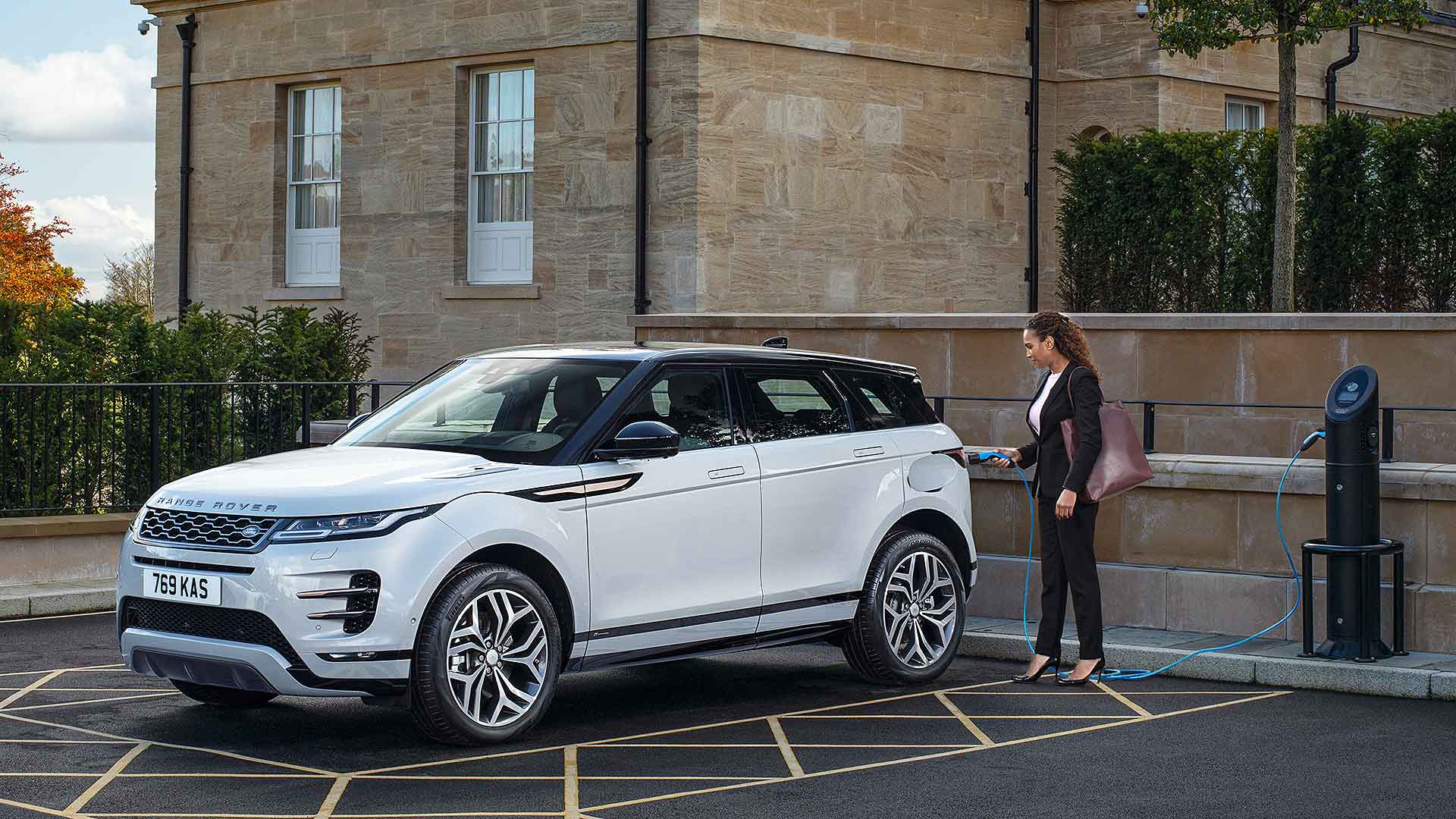
Range Rover Evoque PHEV

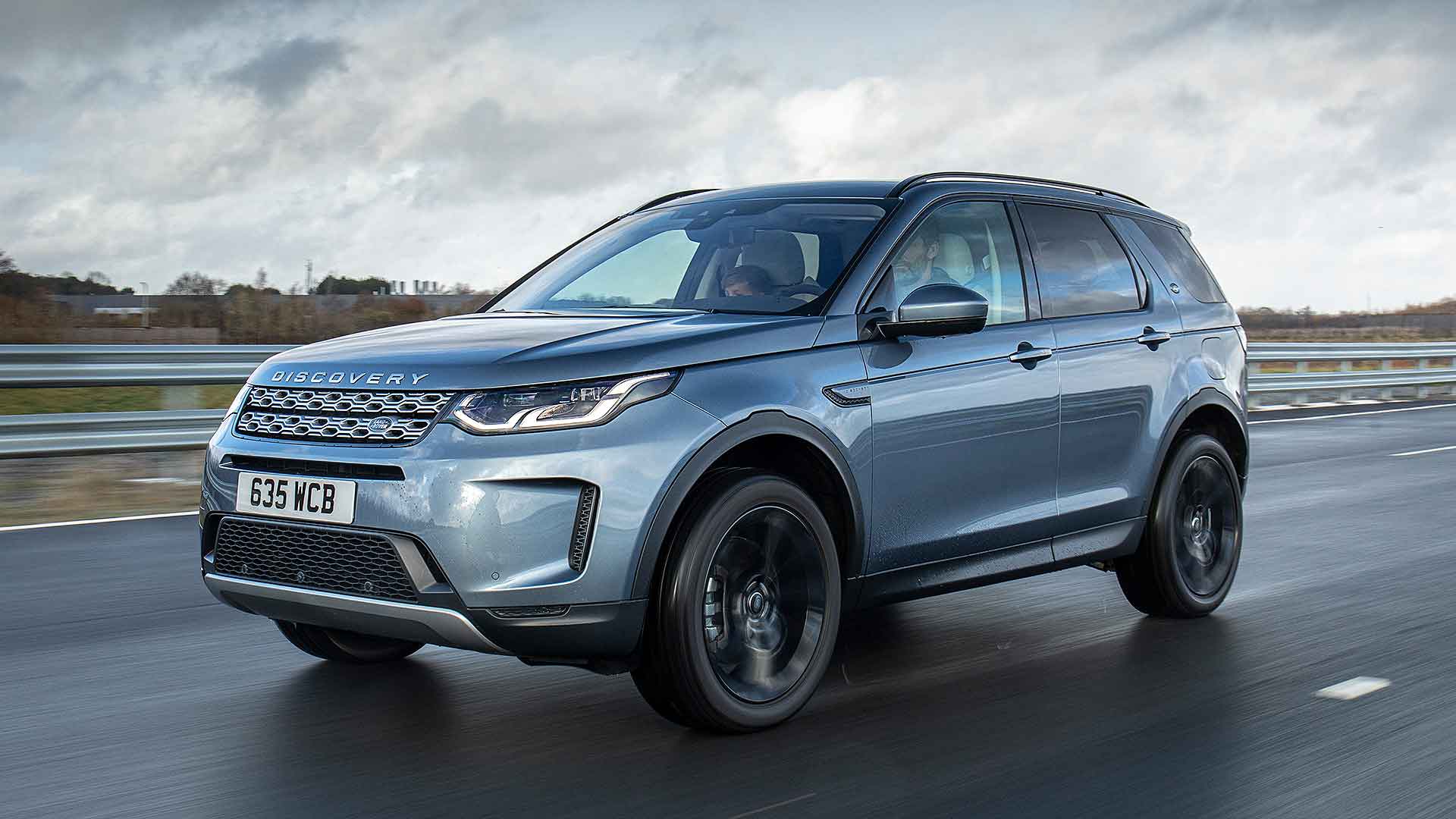
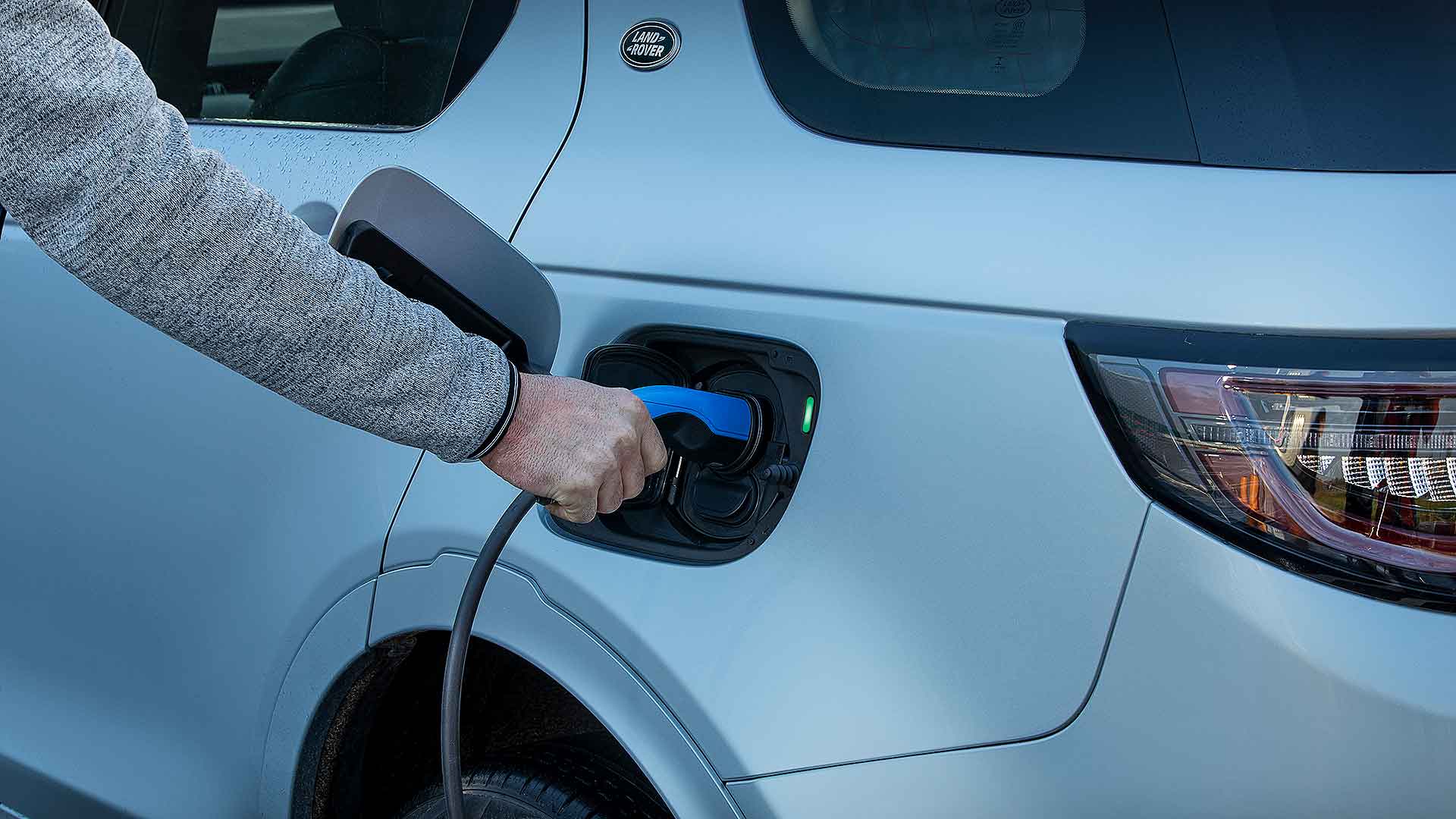
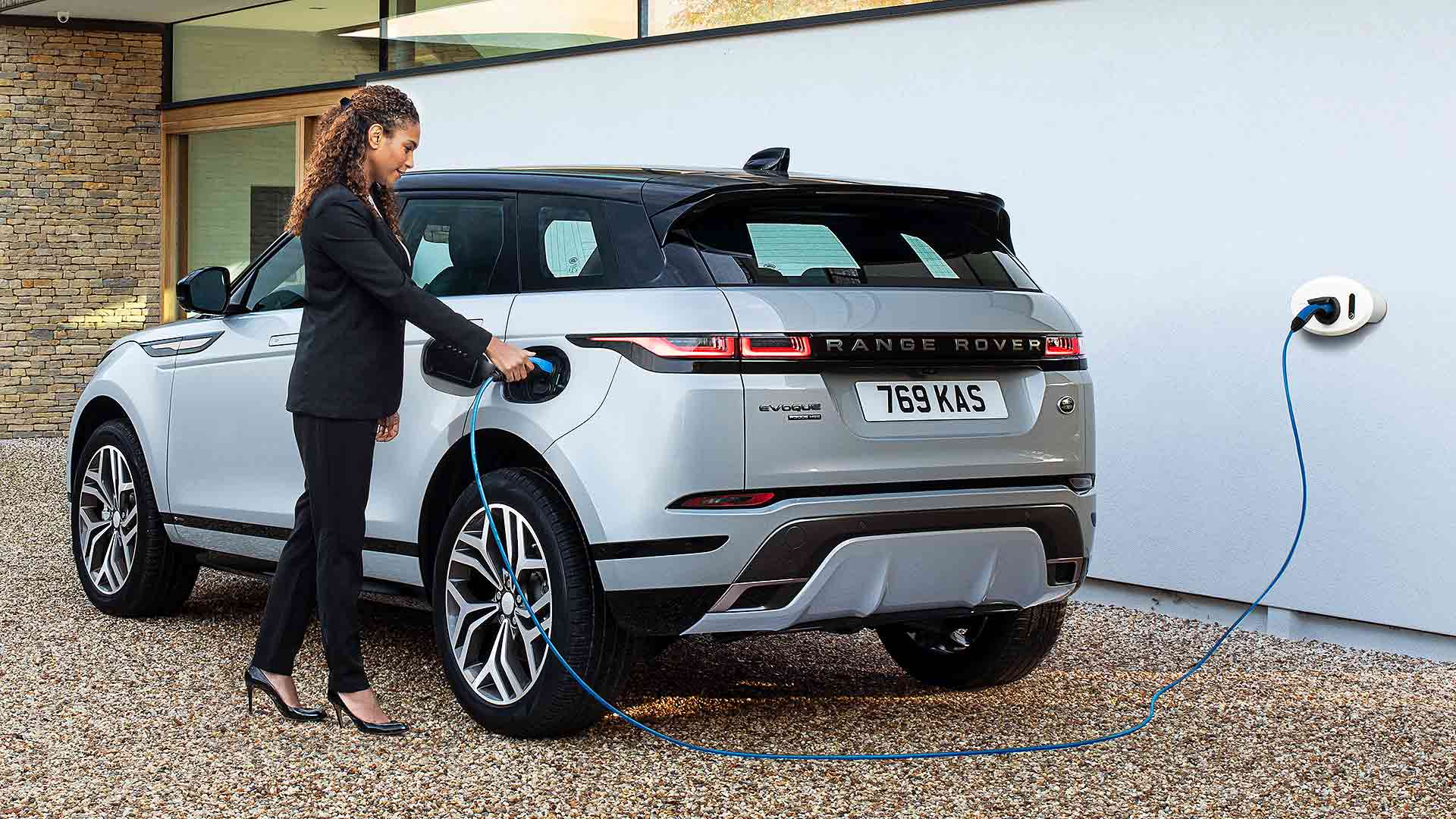
The Land Rover Discovery Sport and Range Rover Evoque ranges have been expanded with the launch of plug-in hybrid versions, both badged P300e.

Land Rover boasts of an electric range stretching up to 41 miles, and official CO2 emissions from 32g/km.

Claimed fuel economy of up to 201.8mpg is quoted, albeit only on shorter trips and with a fully-charged battery.

Range Rover Evoque PHEV

Both cars are open for ordering now: the Range Rover Evoque P300e is priced from £43,850, while the Discovery Sport P300e costs from £45,370.

A new British-built engine

Land Rover Discovery Sport PHEV

Land Rover’s PHEV system comprises a new British-built 200hp 1.5-litre three-cylinder turbo petrol engine driving the front wheels, plus a 109hp electric motor for the rear wheels.

This ensures all-wheel drive, maintaining the Land Rover off-road DNA. An eight-speed automatic gearbox is standard.

ALSO READ: Plug-in hybrid drivers need to change their behaviour

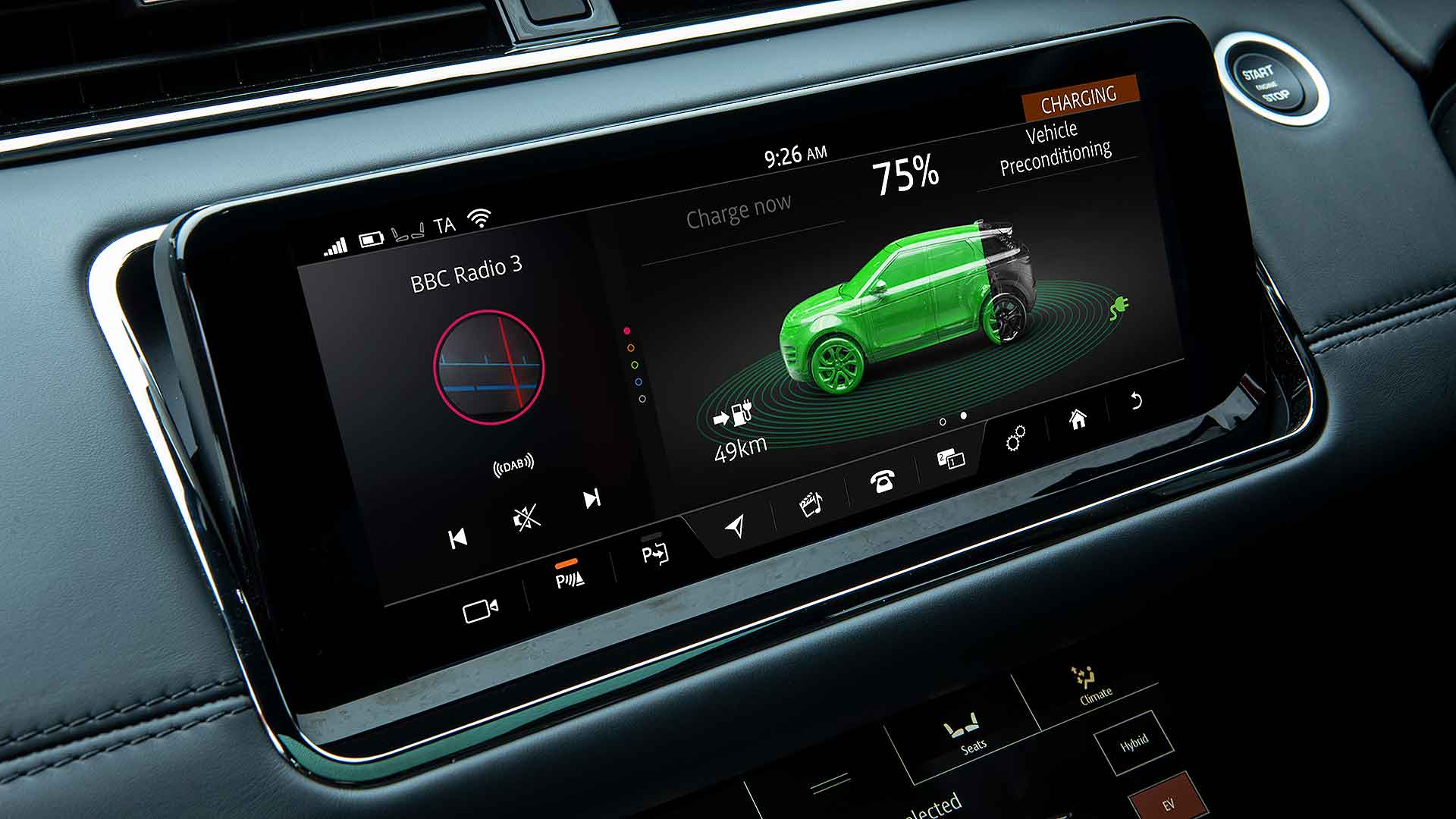
A 15kWh lithium ion battery is located beneath the rear seats. It can rapid-charge using a 32kW DC terminal from 0-80 percent in 30 minutes.

Charging with a 7kW wallbox takes one hour 24 minutes. The charge point is at the rear, on the opposite side to the fuel filler flap.

Land Rover Discovery Sport PHEV

Total power from the engine and motor is 309hp, for sprightly 0-62 mph in 6.1 seconds for the Evoque.

Impressively, both vehicles can reach speeds of up to 84mph on electric power alone before the petrol engine kicks in.

The Evoque is the more efficient of the two. It boats 32g/km CO2 emissions, the 41-mile electric driving range, and 201.8mpg economy.

The Discovery Sport PHEV emits 36g/km CO2 and will drive for up to 38.5 miles in pure electric mode. Clamed fuel economy is 175.5mpg.

Range Rover Evoque PHEV

Land Rover reckons fuel consumption won’t be a big issue for most people, though. The average UK commute is 18.8 miles a day, it says.

This means both models will be able to drive back to work and back TWICE without needing recharging.

SIGN UP HERE FOR THE MOTORING RESEARCH NEWSLETTER

Advertisement

New Vauxhall Mokka is coming – and it’s going electric

0

New Vauxhall Mokka first tease

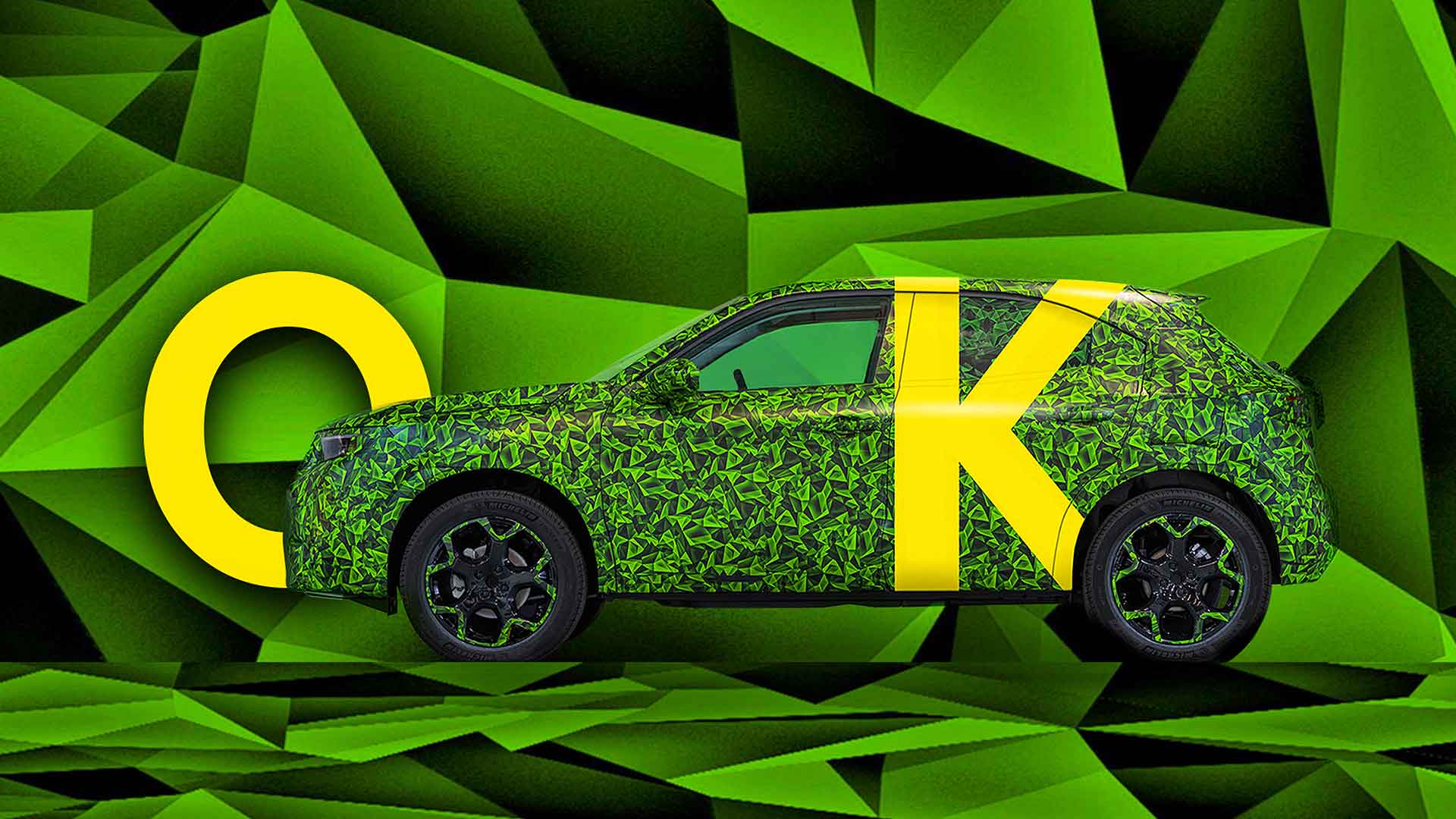
Vauxhall is putting the finishing touches to the all-new Mokka small SUV due for reveal later this year – and has confirmed a 100% zero-emissions electric version will be available from launch.

The new crossover SUV will begin customer deliveries from early 2021.

Vauxhall says regular petrol versions will still be available too, alongside the fully-electric model – likely called Mokka-e.

This is probably why the core new model is simply called Mokka, rather than today’s Mokka X model.

New Vauxhall Mokka teaser

The firm has given us our first look at the new car, albeit hidden under a colourful camouflage.

Company execs described the design as ‘detoxed’, with simpler lines and bolder proportions.

Overhangs front and rear have been shortened, for crisper, more modern proportions.

The interior, adds the firm, will also be fully digitised, with colour screens replacing traditional dials.

Change perceptions

“The new Vauxhall Mokka will change people’s perception of our brand,” said Stephen Norman, Vauxhall’s MD.

“Not only does it show that we’re serious about electrification, but also that we’re not afraid to innovate with design, both inside and out of the car.

He also stressed what a crucial car the new Mokka will be for Vauxhall.

“The Mokka is still in its development phase now, but it is set to be one of Vauxhall’s most important models when it arrives with customers at the start of next year.”

The new Mokka follows on from this year’s all-new Vauxhall Corsa and zero-emissions Corsa-e electric.

The new supermini has already won the prestigious AUTOBEST Best Buy 2020 award and bosses will now be hoping for more success with all-new Mokka.

ALSO READ

Vauxhall Vivaro-e electric van goes on sale in June

European new car sales plunge 55% in March

Ford test reveals how much quieter new cars really are

Advertisement

You could be the new owner of an original classic Ferrari police car

0

1962 Ferrari 250 GTE Polizia

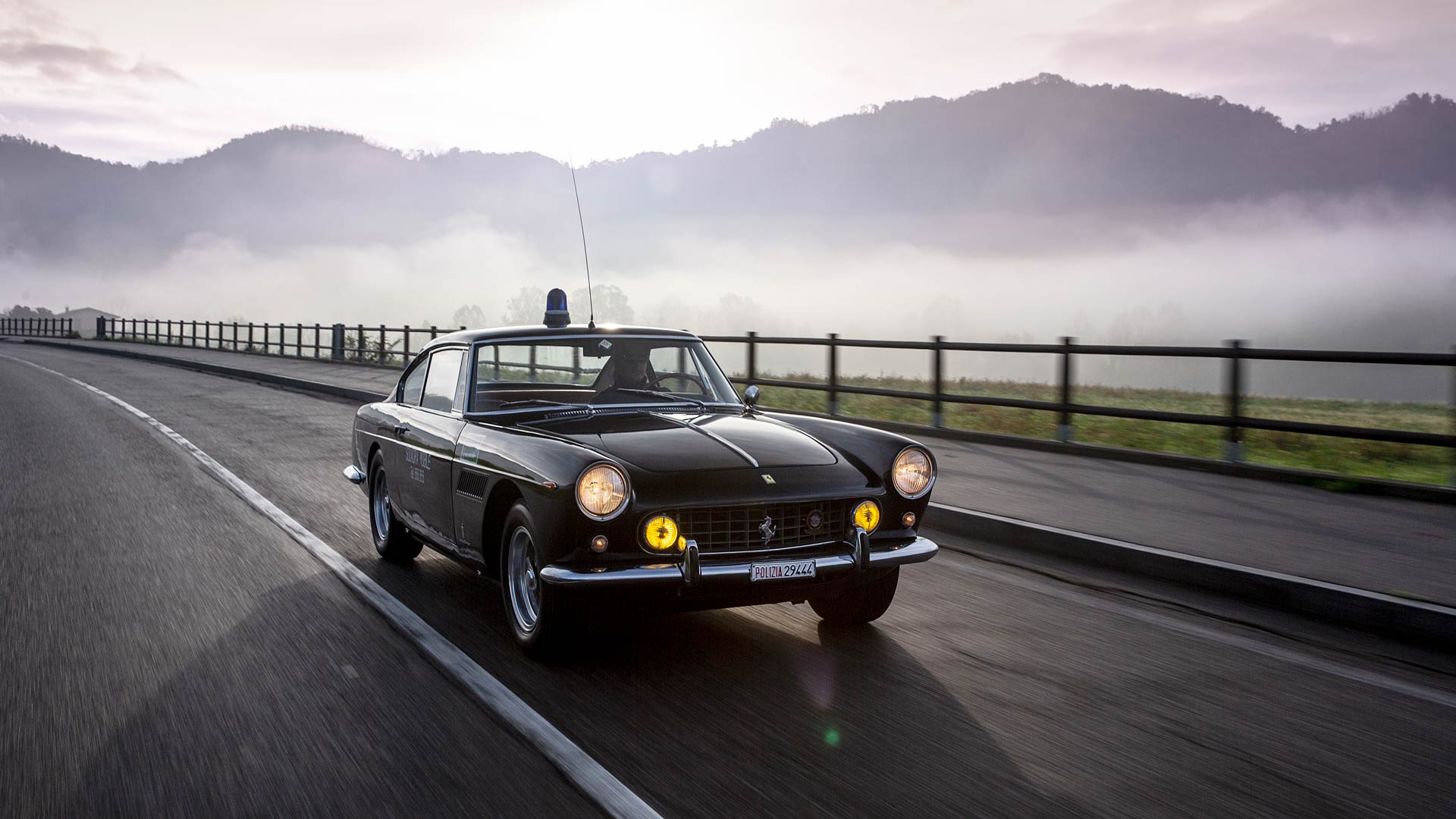
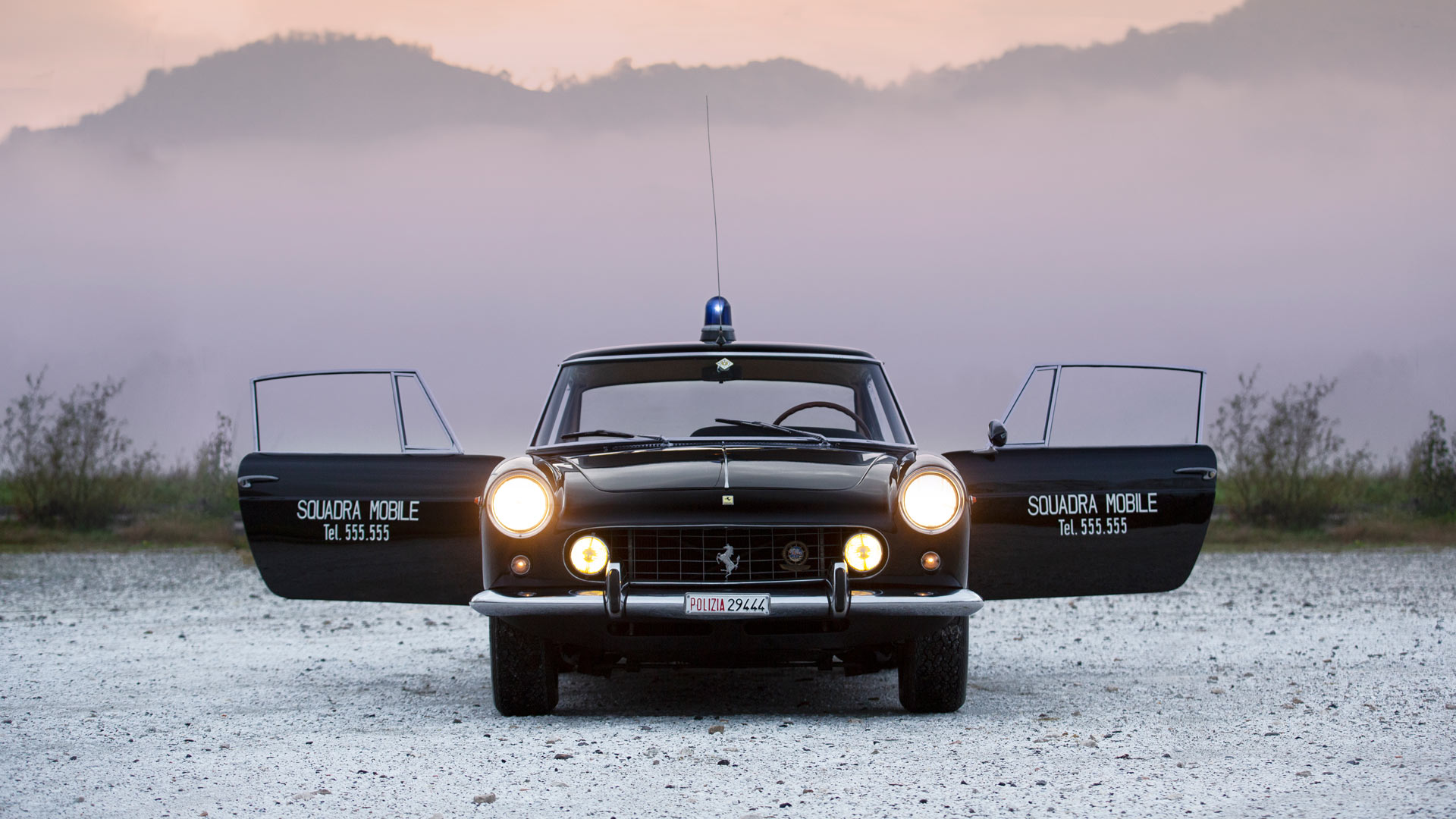
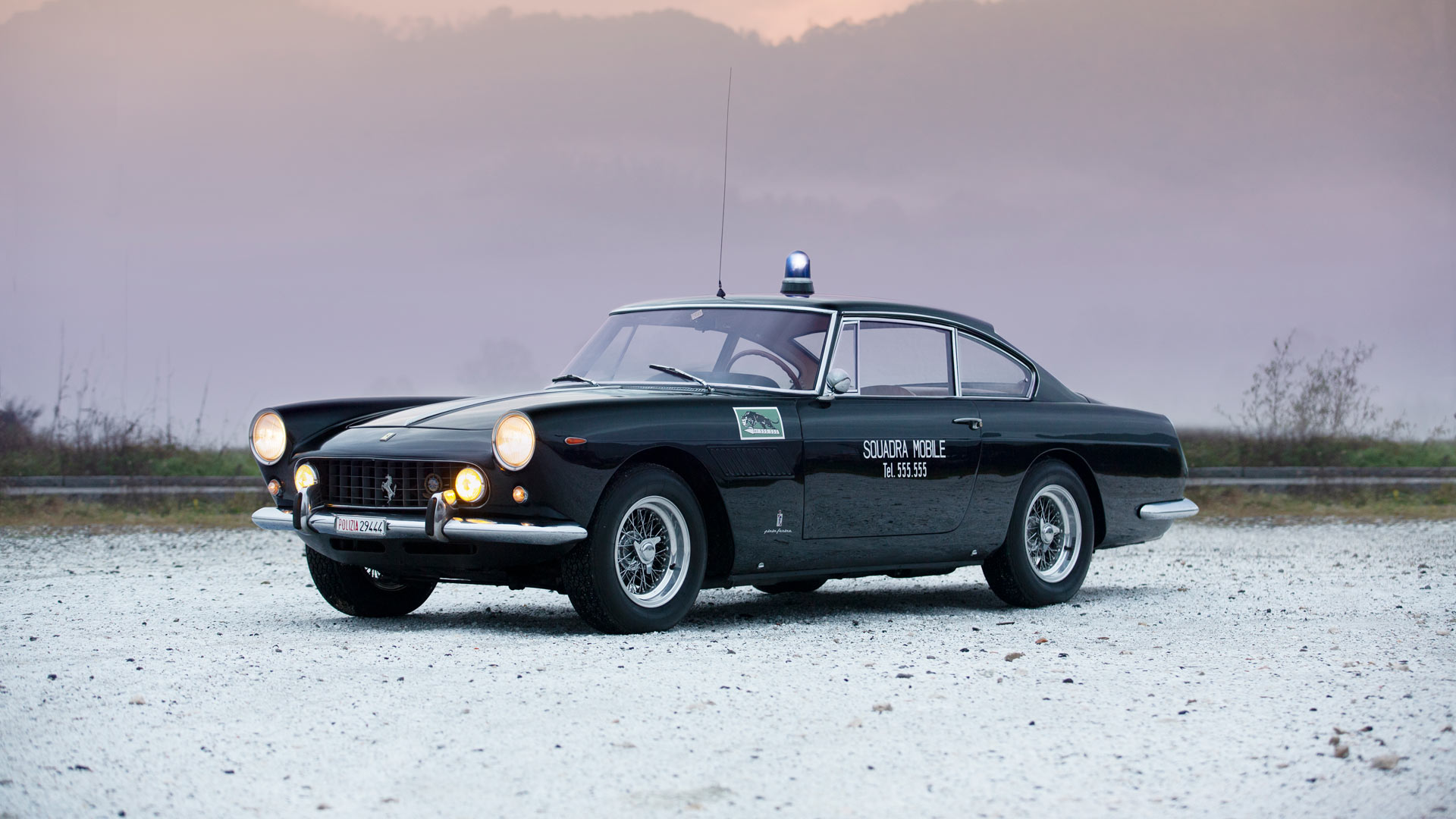
Opportunities to buy an original 1962 Ferrari 250 GTE 2+2 are rare. The chance to own one used by the Italian police force is a unique proposition.

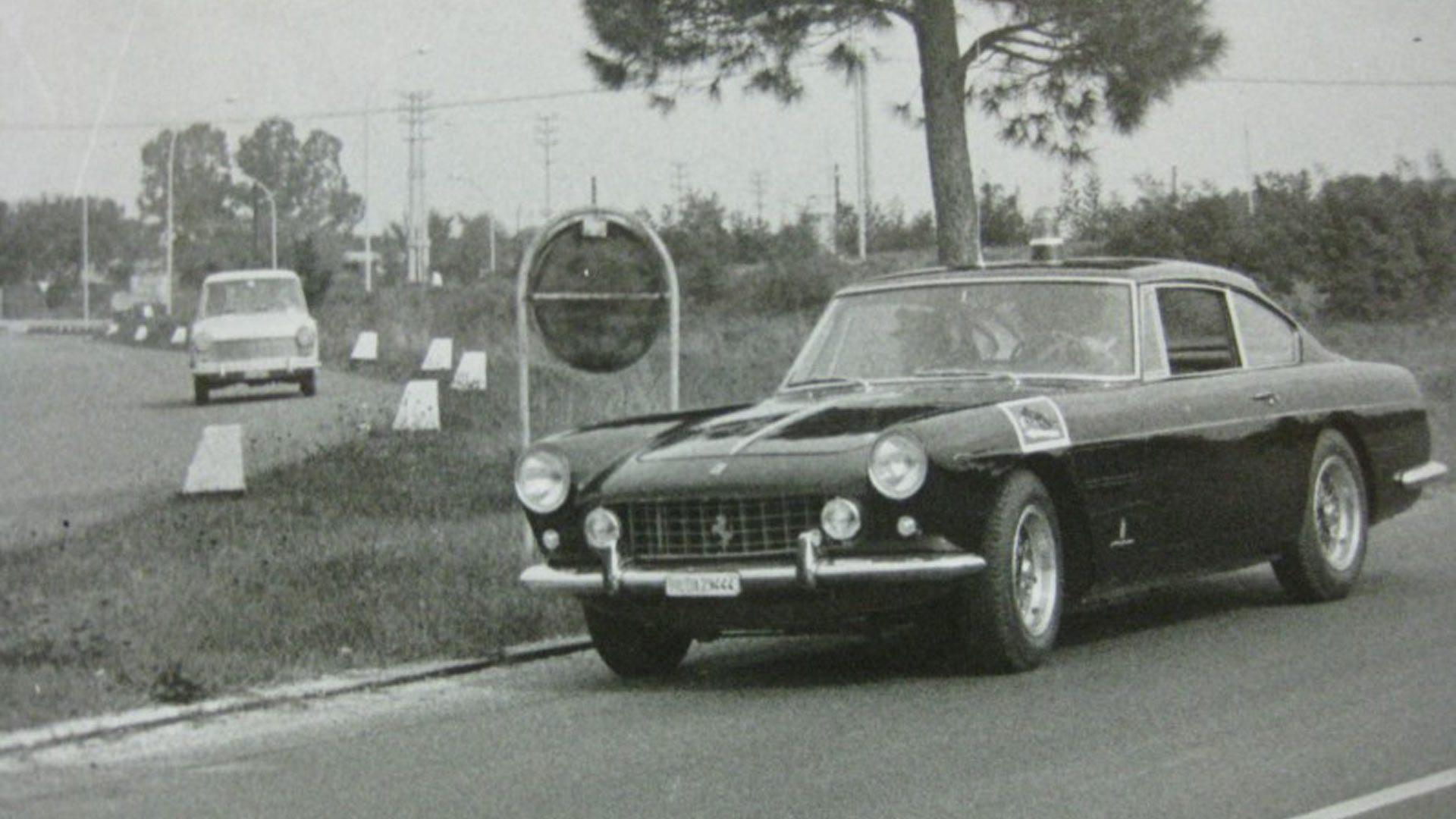
Yet the car Girardo & Co. currently have for sale is a bona fide Ferrari Polizia, which saw service on the streets of Rome.

Such history and provenance mean this car is likely to be high on the ‘most wanted’ list for a serious Ferrari collector

“What could be better than a Ferrari?”

1962 Ferrari 250 GTE Polizia

Organized crime in Rome during the 1960s was rampant, with criminals attempting to evade the police causing high-speed pursuits

Italian police officers had made use of Alfa Romeos, including the Giulia 1600, but even these proved too slow for the toughest crooks. 

Armando Spatafora, a Rome-based police officer, was asked what he needed to bring criminals to just. He simply answered: “What could be better than a Ferrari?”

Rookie errors not permitted here

1962 Ferrari 250 GTE Polizia

Spatafora’s superiors were clearly keen to end the crime wave. They sent him and three other officers to attend a high-speed driving course in Maranello – the home of Ferrari

The four offices would also meet their newest recruit, being shown the 1962 Ferrari 250 GTE 2+2 Series II that would become their police vehicle. 

Powered by a 3.0-l V-12 engine producing 240 horsepower, the 250 GTE’s top speed of over 155 mph would make escaping the Rome Police almost impossible. 

Nowhere to run now

1962 Ferrari 250 GTE Polizia

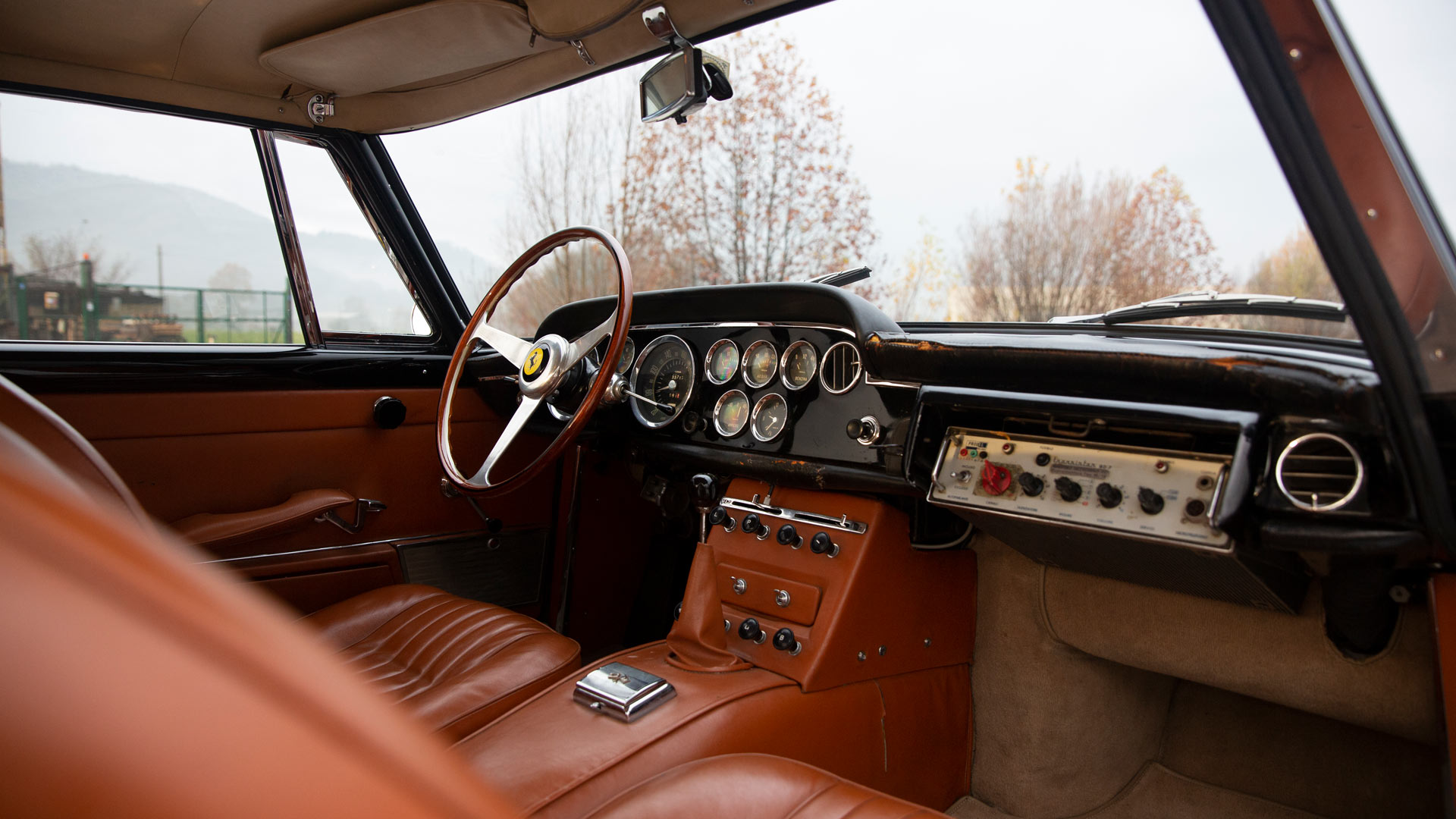
Ferrari actually delivered a pair of 250 GTE Polizia models, both finished in black paint and with tan leatherette upholstery. A police radio and flashing blue light were fitted, along with subtle Polizia markings. 

One of the cars was destroyed after only a few weeks in service. However, chassis 3999 was treasured by the Polizia, serving the force for six years in total. 

Spatafora was responsible for helping catch numerous criminals with the Ferrari, whilst those who managed to evade the duo would gain almost legendary status in the Rome underworld. 

Back out on the streets again

1962 Ferrari 250 GTE Polizia

Despite the demanding job the 250 GTE was tasked with, official records show that it was returned to Maranello meticulously for servicing as required. The car was noted to be in superb condition when sold at auction in 1972, following the end of its active service.

The buyer of the Ferrari was aware of how special the 250 GTE Polizia was, preserving the car and displaying it at selected events across Europe. Armando Spatafora had another chance to drive the car at the 1984 Coppa delle Dolomiti race, where the retired officer set the second fastest time. 

Appearances at museums and celebrations followed, with the 250 GTE Polizia also taking part in Ferrari’s 50th anniversary celebrations in 1997. The seller acquired the car in 2015, and took it to the famed Pebble Beach Concours d’Elegance in 2016. 

The ultimate Italian 250 GTE

1962 Ferrari 250 GTE Polizia

Unsurprisingly, Girardo & Co. have the 250 GTE Polizia listed as ‘price on application’. Values for concours examples are estimated at around $500,000 (£407,000), but this is no ordinary 250 GTE. 

Right now this is the only private car in Italy with permission to drive with lights, sirens, and a  “Squadra Volante” police livery.

Such a famous history, and preserved original condition, means this is truly a unique vehicle. The addition of a comprehensive history file, period images, and prized Ferrari Classiche certification only add to the desirability. 

ALSO READ

Jeremy Clarkson voted the greatest on-screen motoring icon

‘Furbie’ the furry Volkswagen Beetle is for sale

Mick Schumacher has opened an online shop

Advertisement

Lockdown Lego project: we build a £330 Bugatti Chiron

0

Lego Bugatti ChironWe’ve only gone and got ourselves a Bugatti Chiron to test. OK, it’s not the actual, 1,500hp, £2 million hypercar. Nor when you buy a real Chiron, does Bugatti ask you to build it yourself.

We are, of course, talking about the Lego Technic Bugatti Chiron – and it’s very nearly as cool as the real thing. It’s a great project to fill your time during lockdown.

Motoring Research’s photo and video guru, Bradley, fancied himself as a junior Bugatti technician, so we handed the Bug-build over to him.

The car is comprised of 3,599 individual pieces, contained within six boxes. The process is spread over 970 steps and took Bradley more than 15 hours to complete – handily caught on video and condensed into 16 minutes here.

This project might seem nightmarish to some, but Bradley really enjoyed it. And seeing the finished Lego car – a sizeable 560mm long, 250mm wide and 140mm tall – makes all his efforts seem worthwhile. It looks fantastic.

The attention to detail is stunning, from the LED light clusters at the front to the tan interior and engine with working pistons. Drive, reverse or neutral gear options dictate how those pistons leap around in the cylinders as you roll along.

There’s even a Bugatti-branded overnight bag under the bonnet.

At the back, the real magic happens. A ‘key’, modelled on an actual Chiron key, can activate the rear wing and air brake.

Our Chiron comes with its very own serial number, as they all do, which can be used on the Lego Technic website to unlock special content.

Next up, we’re hoping to tackle James Bond’s Aston Martin DB5. That should pass another day or two in isolation…

SIGN UP HERE FOR THE MOTORING RESEARCH NEWSLETTER

Advertisement