Home Blog Page 76

How to drive through flood water safely

0
How to drive safely through flood water

When the Met Office issues a Yellow weather warning for heavy rain it inevitably means driving will be more dangerous – yet around three quarters of drivers say they would risk driving through flood water.

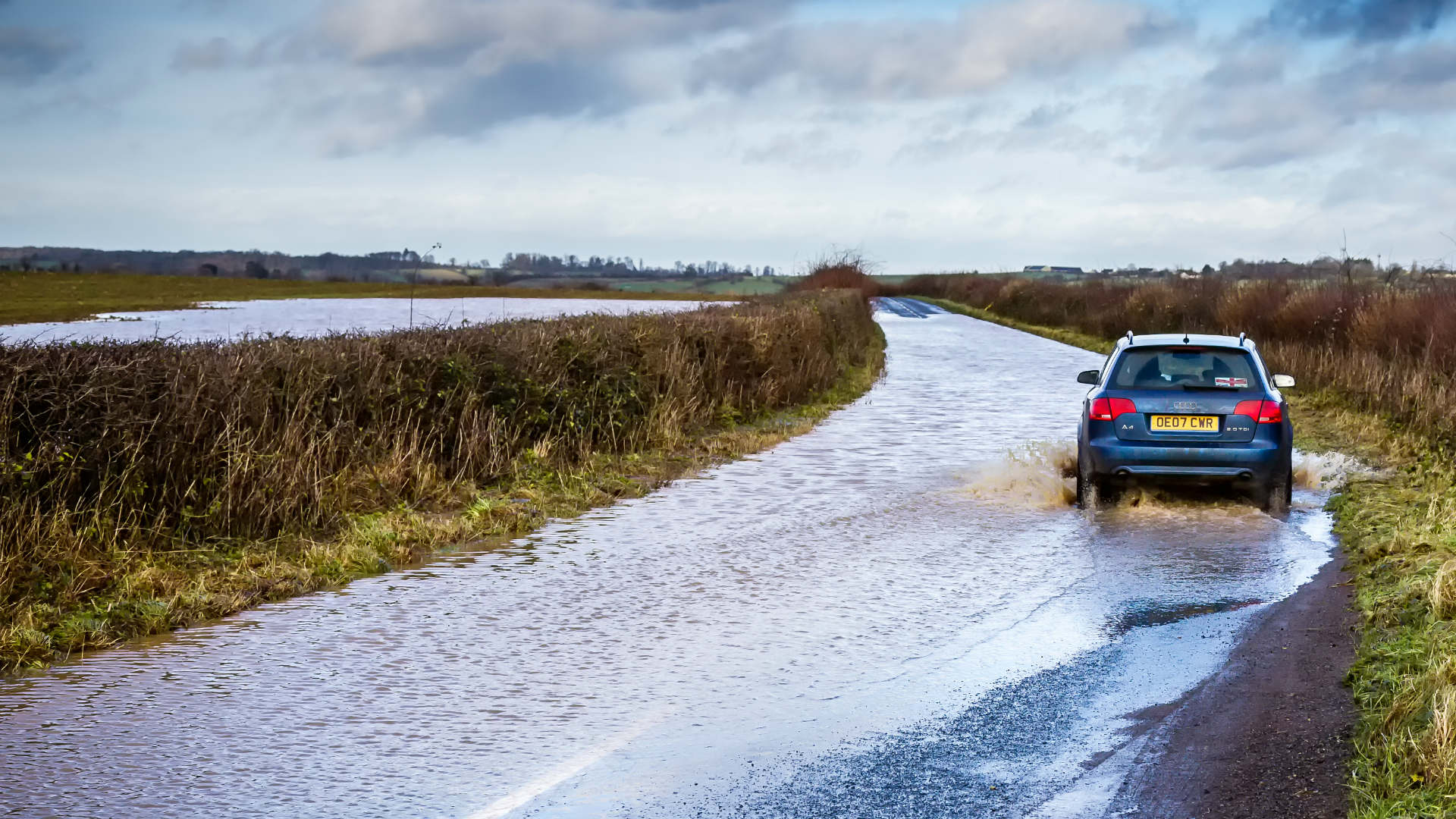
A risk worth taking? Absolutely not. Just 300mm of moving water is enough to float a car, yet research shows many drivers aren’t aware of the danger.

Shockingly, 32 percent of flood-related deaths are in vehicles: the leading cause of death in flooded areas.

A survey carried out by the AA, in partnership with the Environment Agency, found that Leicester was the top place for flood-related car breakdowns in the UK over a four-year period.

The appropriately named Watery Gate Lane played host to 88 flood-related callouts during this time. It headed the list of the top 10 places in Britain for breakdowns due to flood water.

‘Never drive through flood water’
Never drive through flood water

Caroline Douglass of the Environment Agency said: “It is concerning that so many drivers are willing to risk their own life and the lives of others by driving through flood water.

“Our message is clear: surface water flooding it is often deeper than it looks, and just 300mm of flowing water is enough to float your car. Never drive through flood water. Turn around and find another route.”

The AA’s Ben Sheridan added, “Don’t chance it if the road ahead is flooded – flood water can be deceptively deep and can hide other hazards in the road that can leave you stranded.

“Trying to drive through flood water puts you and your passengers at risk, but it can also cause damage to your car. It only takes an egg-cupful of water to wreck your engine and on many cars, the engine’s air intake is low down at the front.”

How to drive through SHALLOW flood water

Flood water in Worcestershire

The message is pretty clear: you should avoid driving through a flood. However, if you decide that the water is shallow enough to drive through, the Driver and Vehicle Standards Agency (DVSA) has the following five tips:

  • Allow oncoming traffic to pass before you drive through the flood water
  • Drive along the highest part of the road (usually the centre), but look out for approaching drivers who may be doing the same thing
  • Go slowly and keep to a steady speed
  • Use first gear and keep revs high by slipping the clutch (keep it partly engaged)
  • Once you’ve made it through, test your brakes before resuming normal driving

NEVER attempt to drive through fast-moving water such as a flooded bridge or a ford. Conditions can change rapidly, so you may be swept away. Equally, you don’t know if the flood water is hiding debris or a broken road surface.
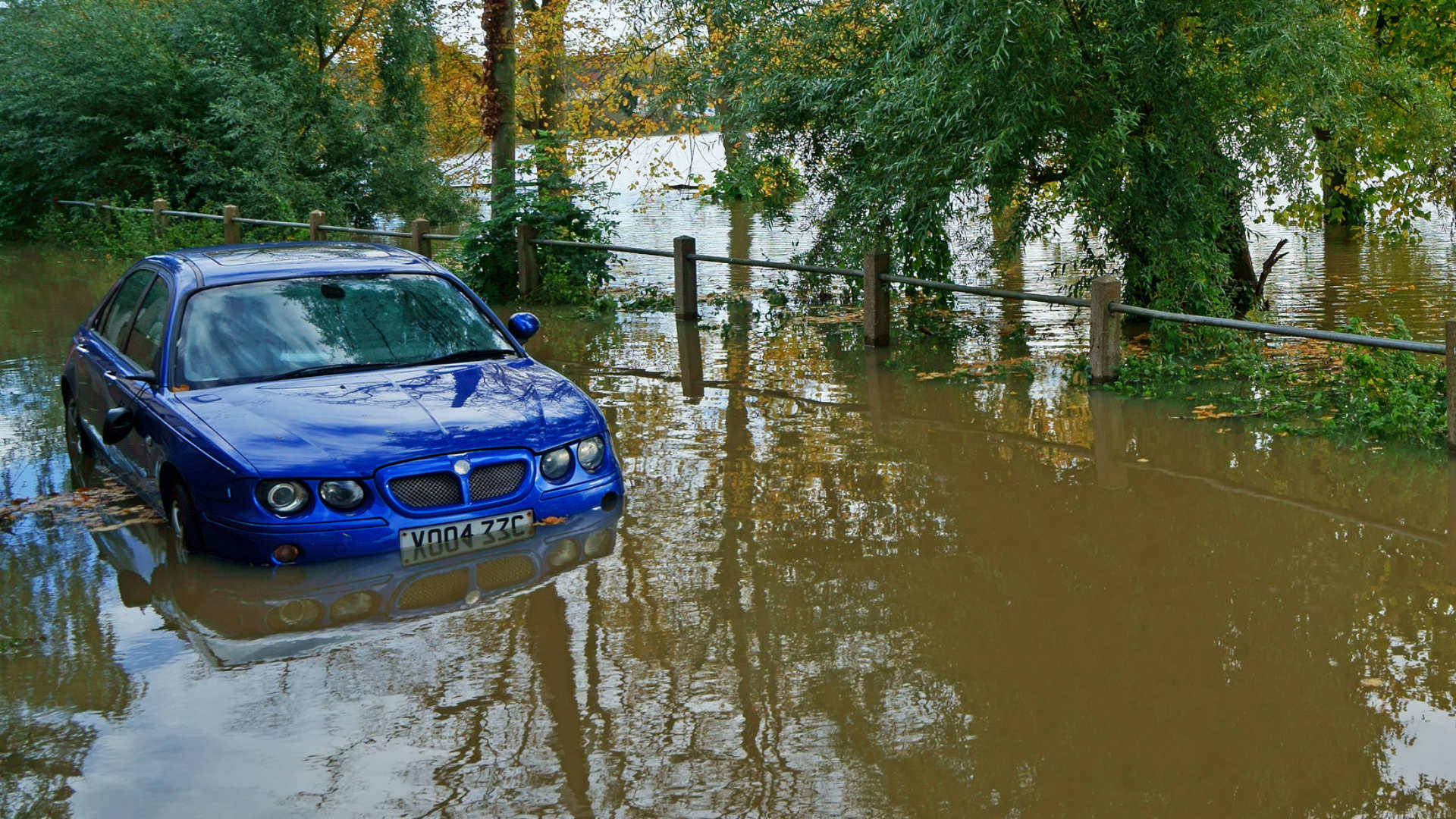
MG in flood water

If your engine cuts out after driving through flood water, don’t attempt to restart it. Instead, call your breakdown provider and wait for help.

The AA lists these facts about flood water. They are worth considering before you attempt to drive through a flood.

  • Most drowning deaths happen within three metres of a safe point
  • Two-thirds of people who die in flood-related incidents are good swimmers
  • Just 150mm of fast-flowing water can knock you off your feet
  • If the speed of the water doubles, the force it exerts on you and your car goes up four times
  • Flood water can carry diseases

Listen to local traffic and weather reports, and use social media to receive an early warning of roads blocked by flood water. It’s better to plan ahead than it is to react to sudden changes in conditions.

ALSO READ:

How to drive safely in heavy rain

Why driving through puddles could mean a fine or penalty points

10 tips for safer driving this winter

Advertisement

How to overtake a road gritter without damaging your car

0

Roads are often coated with grit during the winter months to improve grip for vehicles and reduce the risk of accidents.

Gritting trucks travel slowly and you will probably need to pass them at some point. But does overtaking a road gritter inevitably mean stone chips and damage to your vehicle? 

In this guide, we explain what you need to know when following a road gritter, including how to pass with maximum safety and minimal risk to your car’s windscreen or paintwork. 

What is road grit?

Close-up of a road gritter spreading salt

Spoiler alert: road grit is not actual ‘grit’. Years ago, it was a mix of sand, small stones and salt, but rock salt is now used instead. This is softer and less likely to cause damage than stones. The sound you hear is often the ‘splatter’ of salt, rather than the impact of tiny rocks.

Some local authorities use a product called Thawrox. This is a mixture of rock salt and an agricultural by-product produced in the sugar refining process. The manufacturer says it offers a smoother flow with less binding, so the spread pattern is more efficient. It also bounces less when it hits the road surface, so the spread rate can be reduced – also helping lessen the risk of damage to passing cars.

Sometimes, grit is dampened before being spread, so it begins acting on the road surface more quickly. Again, this makes it less likely to chip or scratch nearby vehicles.

Rock salt is largely sourced from three huge underground mines in the UK. It is ground away by machines rather than by hand. Before being transported to storage depots, it is treated with an anti-caking agent.

How do road gritters operate?

The most efficient speed for gritting a road is between 40mph and 50mph. Gritters try to stick to this speed, even on motorways. On three-lane carriageways, gritters will drive in the middle lane, so all three lanes can be treated equally.

Usually, when a gritter is spreading salt, its amber lights will be flashing as a warning to other road users.

Salt spreading is automated and adjusted by speed. When the gritter stops, it will cease spreading salt until it moves again. The equipment at the rear contains an ‘agitator’ to ensure the salt is spread as evenly as possible.

Will following a road gritter damage my car?

Road gritter spreading salt in winter

Following a road gritter can be a horrible sensation: a noise like your paint and windscreen are being chipped to pieces. However, thanks to a combination of the latest road grit and salt spreading technology, it often sounds worse than it is.

If you’re careful about how you follow a gritter, the risk of damage to your car is minimal. You just need to go about it in the right way.

What is the safest way to pass a road gritter?

The best way to pass a road gritter is to minimise your time exposed to danger. In this case, it’s the spray of salt from the rear of the vehicle. Hang back, out of the way of the road grit, then swiftly overtake when it is safe and clear. 

Your objective should be to minimise the clattering noise you hear. If you’re on a single carriageway, leave a clear distance until you pass. On a motorway, do the same, but without ‘lane-hogging’. 

On four-lane motorways, gritters will often travel in the second lane (i.e. alongside the hard shoulder). Experienced drivers will travel in the fourth lane (outside lane) with a second car in the third lane acting as a ‘shield’ between them and the road gritter. It’s very satisfying when you manage it…

What if I think a gritter has damaged my car? 

The government has a comprehensive online guide for motorists who think their car has been damaged and want to seek compensation. However, it also has a disclaimer: ‘You can’t claim compensation if debris from another vehicle caused the damage. Contact your insurer instead’.

It is unlikely that a claim for chipped paint or a broken windscreen that you believe was caused by a road gritter would be accepted. If you could provide clear evidence, though, such as dashcam footage, it could be worth trying to get compensation. 

How do I spot a road gritter?

Road gritter spreading salt on a British road

You would think spotting a road gritter would be easy. Not for some: every year, there are around 40 incidents of people driving into gritters. If the expensive salt-spreading equipment at the rear is damaged, the gritter will be forced out of action.

Following research with the Transport Research Laboratory, National Highways now paints its gritters in one block colour: bright orange. This emphasises the ‘solid’ shape of the vehicle, which research indicated would help salt spreaders to stand out as much as possible.

How advanced are the latest road gritters?

The latest road gritters used across the UK are built by Romaquip. They feature technology that allows route information to be pre-programmed using GPS.

This means salt is spread automatically, taking into account bridges, road features and other specific landscape details. It means salt isn’t wasted, drivers can fully concentrate on the road and, theoretically, there’s less risk of ‘stray’ salt being splattered onto cars rather than the road.

The UK’s biggest operator of road gritters is National Highways. It runs more than 500 winter vehicles to cover 4,400 miles of motorways and A-roads.

What about gritting local roads?

National Highways is only responsible for motorways and A-roads; local roads are the responsibility of the council in that area.

If you live in England or Wales, you can find out which roads your council will grit by entering your postcode into the GOV.UK online tool. 

What NOT to do when you see a road gritter

Remarkably, National Highways says some drivers take to the hard shoulder of a motorway to avoid a road gritter.

Quite apart from being illegal, this is highly dangerous, as stranded cars could be hidden from view. Also, if the road is untreated, the area most likely to be icy is the unused section of the hard shoulder…

ALSO READ:

The best car features for winter driving

How to drive safely in heavy rain

What is the margin of error for speed cameras in the UK?

Advertisement

Volkswagen USA brings home a classic Golf after 37 years

0
Volkswagen Golf Cabrio Reunited

A Volkswagen Golf Cabriolet has been reunited with its owner, almost four decades after it was first purchased. 

Charlene Johnson, now living in Montana in the USA, bought the now-classic Golf in 1987 while on a European holiday. 

Johnson had originally planned to ship the car home after taking a short-term teaching job in the Netherlands.

Plans changed, however, and Johnson remained in Europe for far longer than expected. Teaching became a career that she has only recently retired from.

Home for the holidays

Volkswagen Golf Cabrio Reunited

Returning to the United States after her teaching career, Johnson knew she could not leave the Golf Cabriolet behind

“It was the coolest car, and I loved driving it around with the top down,” said Johnson. “We went to our wedding in the Cabriolet. I taught my kids how to drive in it. We travelled all over Europe, and it’s become a part of the family. I never imagined keeping the car for 37 years, but I just fell in love with it.”

Johnson had purchased the Golf Cabriolet in 1987 using Volkswagen’s ‘Tourist Automobile Shipping Program’ (TASP).

Designed to allow American customers to purchase Volkswagens on trips to Europe, TASP then allowed owners to have the car shipped to the United States once their travels were over.

Continuing the memories

Volkswagen Golf Cabrio Reunited

Although the TASP scheme has long been discontinued, Johnson had kept the original purchase paperwork that accompanied the Golf. When she contacted Volkswagen of America, the company agreed to uphold the deal made more than 30 years earlier, and bring the car back to Montana. 

Volkswagen director of public relations, Mark Gillies, explained: “The programme has been expired a long time. But when we read Ms. Johnson’s story and felt her love of our product, we decided to honour it.”

This saw the Golf shipped to Houston, Texas, before being transported to a local Volkswagen dealership in Montana, where Johnson and her daughter were waiting to collect it. 

There was just one slight problem: the car would not start. “There was no gas. Put the gas in and it fired right up,” said Johnson.

“It’s been super-reliable. And I think that’s just part of the Volkswagen brand. For me, the memories about the car, they’re really about the people and it was always part of those memories.”

ALSO READ:

Volkswagen Golf GTI 2024 review

GTI goes electric! Volkswagen reveals ID. GTI hot hatch concept

Volkswagen K70: the story of a ‘quiet game changer’

Advertisement

Buying a new car battery: what you need to know

0

Buy a car battery in lockdownAs drivers, we are all likely to experience a flat battery at some point. Car batteries usually last around five years, and battery faults are the most common cause of breakdowns – so prevention is definitely better than cure.

Battery issues can occur at any time, but the problem is particularly acute in the winter, when cold temperatures affect the chemical process that produces and stores electricity. This slows the battery down and reduces its ability to hold a charge.

Although a flat battery can be jump-started or bump-started, older batteries have reduced performance, so there’s more chance you’ll wake up to a car that won’t start. Also, starting a car occasionally “isn’t likely to help,” says RAC spokesperson Simon Williams. “In fact, this may end up draining a weak battery.”

Read on for our guide to buying a new car battery, and your options for fitting it.

Why might my car battery be flat?

Buy a car battery in lockdown

Although modern car batteries have features to help them preserve charge when left unused, the chemical reaction that occurs inside still discharges the battery slowly over time. Accessories such as car alarms and even the dashboard clock draw a small amount of charge, too. 

Alone, these should not cause a healthy battery to flatten fully, but they may be enough to drain the life out of an old or weakened one. This is especially true during the winter months.

Leaving interior lights on, or devices plugged into charging sockets, will obviously be a much quicker route to a dead battery. 

How can I stop my car battery from going flat?

Buy a car battery in lockdown

The most obvious way to stop a battery going flat is to drive your car. Short trips won’t help, though. A 10-minute journey to the shops is unlikely to be sufficient to restore a battery’s charge.

Manufacturers such as Kia recommend allowing a little-used car engine to run at idle for 20 minutes once a fortnight. Doing so should allow the battery to remain charged up. For your own safety, this should be done outdoors, and with the car supervised at all times.

A dedicated battery charger, or a trickle charger, can also be used to maintain charge during extended periods when the car isn’t used. Some chargers also have the ability to ‘jump-start’ a flat battery. 

Where can I buy a new car battery online?

Buy a car battery in lockdownIf all else has failed and your car battery is clearly in need of replacement, there are numerous options to order a new item online and have it delivered to your door.

Halfords offers a substantial range of new batteries, and the option to have them delivered. The company also offers a click-and-collect service, plus the option to spread the cost over a number of months.

Similarly, Euro Car Parts is able to supply various different car batteries with free delivery and click-and-collect options.

The RAC Shop sells an extensive range of batteries, and can have one delivered to your door the next working day. 

What kind of car battery do I need?

Buy a car battery in lockdown

Unlike in many classic cars, you can no longer just stick any 12-volt battery under the bonnet and forget about it. Modern cars have complicated electrical systems, and the right battery is needed to avoid the risk of damaging them.

Cars with automatic start-stop systems, which can turn the engine off when stationary at traffic lights, need their own special type of battery. These will be marked as ‘AGM’ or ‘EFB’, and should be replaced with a similarly designated item. Car parts retailers such as those mentioned above all offer ‘battery finder’ tools on their websites.

Simply type in your car registration number to find the best match for your vehicle. And also check against what is currently fitted, just to be sure.

Can I fit a new car battery myself?

Buy a car battery in lockdown

Again, the complexity of modern cars means fitting a new battery yourself is not necessarily a simple task. Cars with automatic start-stop need to have their battery management system reset when a replacement is fitted, which requires specific equipment to do. 

For those with older vehicles, the RAC offers a comprehensive guide, should you feel confident enough to replace a battery yourself. If you are unsure about fitting a battery yourself, leave it to a professional.

What if I want someone to fit it for me?

Buy a car battery in lockdown

If you decide to have a new battery fitted by someone else, you have multiple choices depending on your circumstances. 

Should your battery be completely flat, and you have breakdown cover, check if your policy includes battery replacement. Both the RAC and AA either offer free (or low-cost) battery fitting for members. Certain policies include the actual cost of the battery, too. 

Non-members can also use the RAC and AA to supply and fit replacement batteries, with same-day services advertised. Halfords offers mobile battery fitting as well.

Buy a car battery in lockdown

Should your car still be drivable, but with a battery that will need replacing, various retailers can fit a replacement for you in store. 

Halfords, Euro Car Parts, Kwik Fit and ATS Euromaster are all able to offer battery fitting services. It should be a relatively quick, while-you-wait process – certainly less than an hour.

What if I own an electric or hybrid car?

Buy a car battery in lockdown

Electric and hybrid vehicles typically feature two distinct batteries: a main lithium-ion unit for the electric motors, plus a regular 12-volt battery for accessories such as lights and heated seats.

This 12-volt unit can run out of charge, just as in a petrol- or diesel-engined car. If this battery is flat, it may prevent an electric car from starting, regardless of how full the main battery is.

Cleverly, some plug-in vehicles, such as the Kia Niro, are able to jump start the 12-volt battery from their main lithium-ion battery.

Charging and replacing the 12-volt battery in an electric or hybrid vehicle is likely to be more complicated than for a conventional car. Read the handbook for your specific car to avoid the risk of damaging electrical components.

ALSO READ:

How to charge a car battery

Winter is coming: how to prepare your car for the cold

Your EV questions answered on Motoring Electric

Advertisement

BBC Sounds now integrated into BMW and Mini cars

0
BMW OS9 BBC Sounds

BMW has become one of the first car brands to incorporate the BBC Sounds application directly into its infotainment system.

The change will make it easier for drivers to access BBC radio stations, live music, podcasts and more.

Previously, BBC Sounds listeners have only been able to access the application by connecting a smartphone to their car’s infotainment system, making use of Apple CarPlay or Android Auto.

Easier access to BBC Sounds

BMW OS9 BBC Sounds

Those using BMW or Mini Operating System 9 will now be able to open the BBC Sounds app without using a smartphone. 

Drivers also need to have a subscription to BMW Digital Premium or the Mini Connected Package, which enables unlimited data connectivity. This allows live streaming of content from BBC Sounds, with data usage included as part of the existing subscription package.

Before using BBC Sounds for the first time, BMW or Mini drivers need to download the application for free via the vehicle’s built-in app store.

Once downloaded, the BBC Sounds app is fully integrated into the vehicle’s user interface and can be easily accessed through the ‘All Apps’ (BMW) or ‘Media Selection’ (Mini) menu options.

Compatible with the latest cars only

BMW OS9 BBC Sounds

BMW says the initial roll-out of BBC Sounds will be available to more than 50,000 BMW and Mini drivers throughout the UK. This is expected to increase to 150,000 drivers by the end of 2025.

For now, BBC Sounds will only be compatible with the latest vehicles using Operating System 9. This typically applies to the newest vehicles, launched for the 2024 model year onwards. 

It means those with cars running Operating System 8.5 or older will need to be patient, or simply keep using a smartphone connection.

The full list of BMW and Mini models compatible with the BBC Sounds app are:

  • BMW 1 Series (2024 onwards)
  • BMW 2 Series Active Tourer (2024 onwards)
  • BMW 2 Series Gran Coupe (2025 onwards)
  • BMW X1 / iX1 (2023 onwards)
  • BMW X2 / iX2 (2024 onwards)
  • BMW X3 (2024 onwards)
  • All Mini models (2024 onwards)

ALSO READ:

BMW 128ti review

BMW has brought the famous Need for Speed M3 GTR to life

Motoring Research’s favourite new cars of 2024

Advertisement

Honda Prelude confirmed for European comeback in 2026

0
2026 Honda Prelude Details

The Honda Prelude will return to the European market in 2026, more than two decades after it was last on sale.

Honda first revealed the hybrid-powered Prelude Concept at the 2023 Tokyo Motor Show. Since then, the car has appeared at the Los Angeles Auto Show and this year’s Goodwood Festival of Speed.  

Along with confirming a comeback for the Prelude coupe, Honda has announced key details of its powertrain setup.

Shifting up the fun

2026 Honda Prelude Details

The new Prelude will feature a two-motor hybrid system, likely similar to that found in current Honda models such as the Civic e:HEV

Honda’s ingenious e:HEV hybrid powertrain uses an e-CVT automatic gearbox to activate the electric motors and petrol engine as required. Sadly, swapping this for a manual transmission in the Prelude thus seems impossible. 

Instead, Honda says the Prelude will feature the first use of ‘S+ Shift’ technology, which can ‘simulate the sound and feel of quick automatic gear changes’.

How this will be achieved hasn’t yet been confirmed, but the electric Hyundai Ioniq 5 N has already simulated manual gearshifts to convincing effect.

The return of a famous name

2026 Honda Prelude Details

Following the announcement, Hans de Jaeger, senior vice president of Honda Motor Europe, said: “The Honda Prelude is an iconic nameplate, and this latest model promises to build on that heritage with our trademark hybrid performance and the latest dynamic technology. 

“All with a view to not only delivering exceptional efficiency, but also the fun-to-drive performance for which this model is known. We are excited for its arrival in Europe following a very positive reception so far.”

Honda first introduced the Prelude for the European market 46 years ago in 1978. Evolving through five generations until 2000, the Prelude debuted new technology such as four-wheel steering and torque-vectoring differentials.

ALSO READ:

The boxy Honda Freed is Japan’s Car of the Year

Honda Civic Type R review

Best sports cars to buy in 2024

Advertisement

Hydrogen-powered Vauxhall Movano van to cost from £66,450

0
Hydrogen Vauxhall Movano Van

Prices and specifications for a new hydrogen version of the Vauxhall Movano van have been announced. 

Intended as an alternative to the existing diesel and electric Movano models, the hydrogen-powered van offers an official range of 311 miles.

The Vauxhall Movano Hydrogen costs £70,400 excluding VAT in L3 H2 form, although this figure drops to £66,450 when the UK Government’s Plug-in Van Grant (PiVG) is applied. 

The larger Movano Hydrogen L4 H3 will cost £68,070 excluding VAT and with the PiVG applied.

For comparison, prices for the equivalent battery electric version of the Movano start at £50,385 before VAT.

Longer range, faster fuelling

Hydrogen Vauxhall Movano Van

Vauxhall wants the Movano Hydrogen to appeal to fleet users who cover longer distances, and who don’t have time to wait for EV charging.

A total of four high-pressure fuel tanks are fitted, capable of storing 7kg of hydrogen. Filling these takes just five minutes, making the Movano Hydrogen more akin to a diesel in terms of refuelling.

The hydrogen supplies power to an electric motor that generates 110hp and 302lb ft of torque. There is also a 11kW lithium-ion battery, which can be used to boost acceleration where needed. Regenerative braking helps to replenish the battery, or it can be fully charged in 90 minutes using an AC wallbox.

Strong standard spec

Hydrogen Vauxhall Movano Van

All versions of the Movano Hydrogen come in Vauxhall’s Prime specification, featuring a 10.0-inch touchscreen with satellite navigation as standard. Apple CarPlay and Android Auto are also included, along with Bluetooth and USB connectivity. 

There is also a 7.0-inch digital instrument panel, automatic air conditioning, keyless entry and start, plus rear parking sensors.

Orders can be placed for the Movano Hydrogen from spring 2025. Vauxhall has also begun testing a hydrogen-powered version of its smaller Vivaro van, which is already sold in Europe with an Opel badge.

ALSO READ:

New Dacia Spring Cargo is the UK’s cheapest electric van

More than a quarter of van drivers injured when loading vehicles

Top 10 tips for buying a used car

Advertisement

How to improve your vision when driving in the dark

0
Driving in the dark

Darkness is a major contributory factor in road accidents. Research by the RAC Foundation showed a 19 percent increase in collisions during the two weeks after the clocks go back.

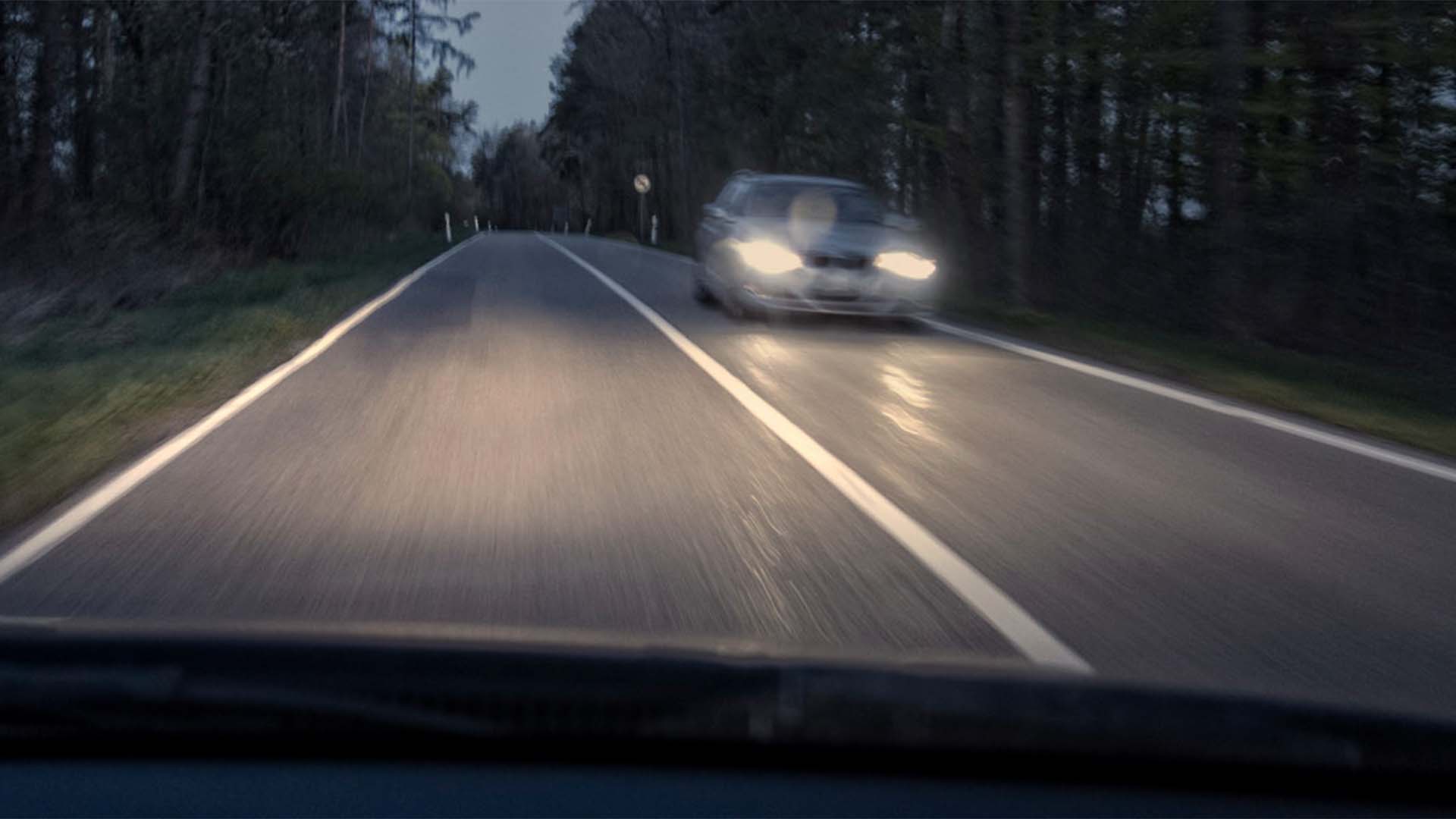
For drivers, the problems include objects that look blurred, night-time glare from artificial lighting and being dazzled by oncoming vehicles.

Indeed, UK Government data showed that around 300 collisions every year are caused by glare from headlights.

As the days get shorter and driving conditions become more difficult, we explain how to drive more safely in the dark.

Get your vision checked

driving at night

Dr Andy Hepworth of optical lens company Essilor, said: “With such short days in the winter – and driving conditions frequently made worse by the British weather – often people have no choice but to drive in the dark or wet weather, which can play havoc on vision. 

“Glare caused by natural or artificial light is undoubtedly one of the biggest challenges – especially for spectacle wearers. Removing distractions caused by glare from street lights, traffic lights and headlights from other cars could help to keep drivers safer.

“Ensuring your eyesight is up to scratch is also crucial. Most people over the age of about 45 will need some vision correction to see in sharp focus. Everyone should have their eyes checked by an optician at least every two years, as your sight can change without it being obvious.”

How to drive in the dark

night driving

Dr Hepworth also has the following advice for driving in the dark

  • Adjust your eyes to the dark before driving. Low light levels cause the pupil of the eye to become larger and this can accentuate any focusing errors. It’s important to wear glasses or contact lenses with an up-to-date prescription.
  • Keep your distance. It’s more difficult to judge distance in the dark, so allow extra space between you and the car in front.
  • Use anti-glare lenses. A specially developed lens coating can reduce glare and reflection by up to 90 percent.
  • Keep the windscreen smear-free. Make sure the windscreen and other windows are kept clean, and ensure the washer fluid is always topped up.
  • Regularly check and adjust the mirrors. Consider a car with an auto-dimming rear-view mirror.
  • Be visible. Make sure your headlights are working.
  • Dip don’t dazzle. Dip your headlights when approaching oncoming traffic. Adjust the beam if you’re carrying a heavy load.
  • Slow down or stop. If your vision is causing concern, pull over in a safe place an take the necessary steps to improve your night-time vision.

ALSO READ:

UK speed limits and speeding penalties: a quick guide for drivers

31 easy ways to save money on motoring

How to appeal a parking ticket

Advertisement

Charging an EV at home is one-third the cost of petrol

0
EV Home Charging Savings

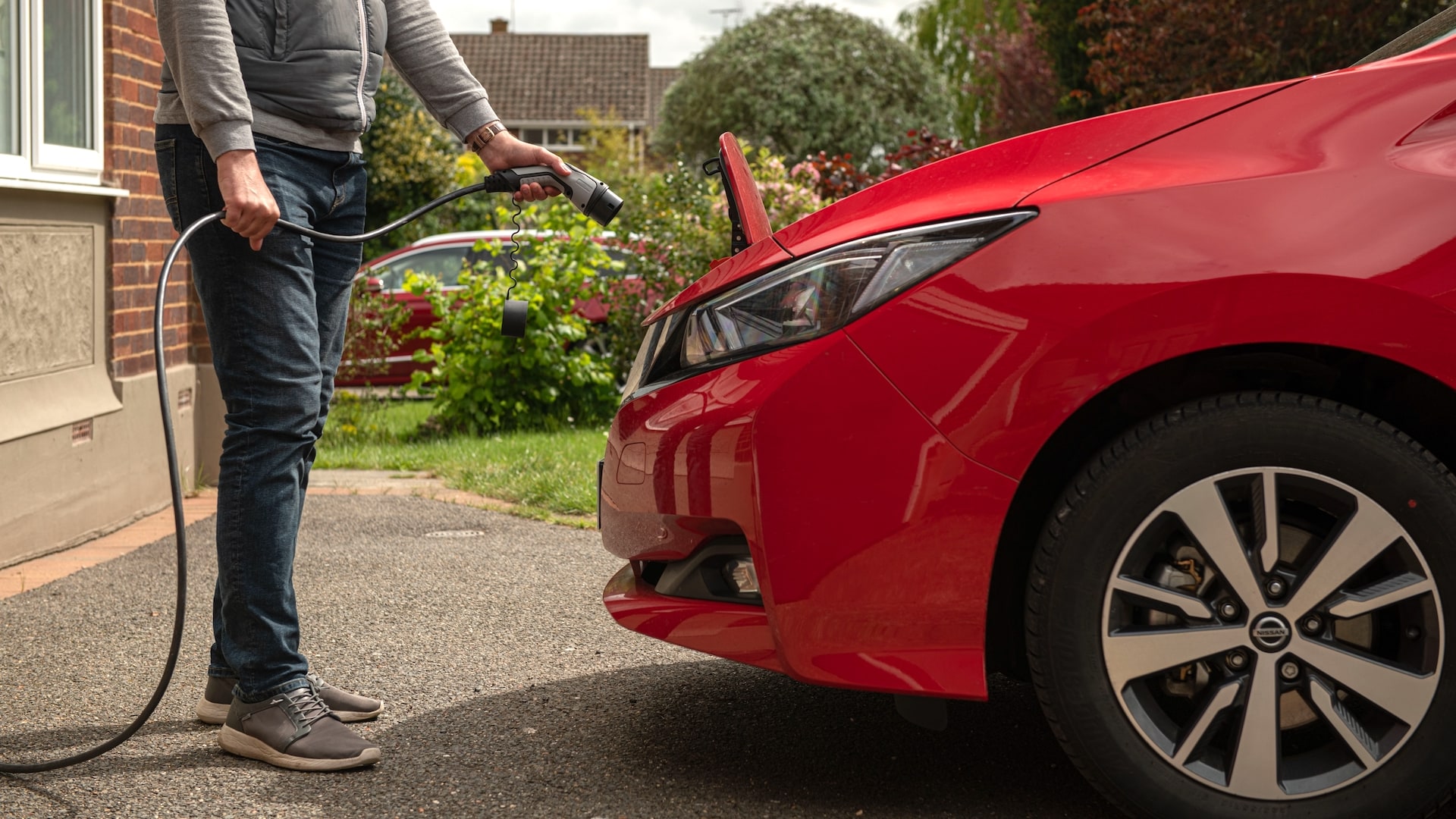
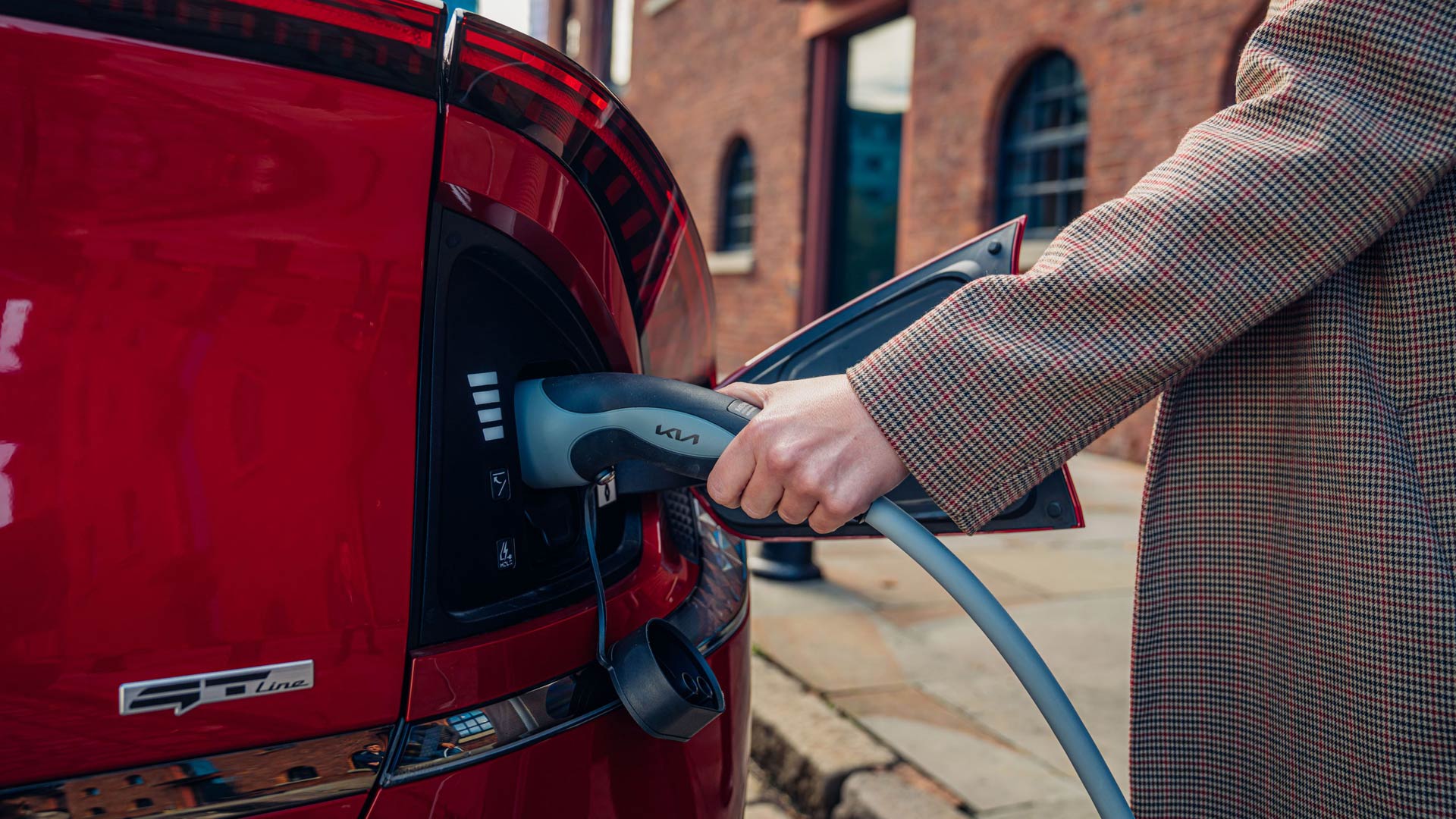
New data highlights the potential savings for drivers who are able to charge an electric vehicle (EV) at home

AI technology company CrowdCharge has calculated the average cost of fuelling a petrol car for a full year as £1,205. 

However, having the ability to replenish an EV via a home charging device could see this figure halved to £608. 

Making use of the latest smart charging devices could lead to further savings in EV running costs, too.

The smarter option for EVs

EV Home Charging Savings

The average driver in the UK covers 7,600 miles each year, leading to typical fuel costs of between 13p and 17p per mile for a petrol or diesel car. 

By comparison, driving a medium-sized electric car, and having the ability to charge at home, reduces this cost to 8p per mile. 

Those with a smart charging device, which allows the charger to operate primarily during off-peak electricity hours, could pay just £400 per year: equivalent to a third of the expenditure for a petrol car.

CrowdCharge notes that the use of off-peak smart charging could cut carbon emissions by up to 63 percent, too.

The argument for EVs

EV Home Charging Savings

Where EVs are compatible with vehicle-to-grid (V2G) charging, the average cost for a year could decrease to £250, according to CrowdCharge’s research.

V2G allows owners of electric cars to sell power back to the grid when needed, making money in the process. 

CrowdCharge is currently trialling V2G with AC technology for workplace charging, using software to dictate when cars charge or export energy to maximise savings. 

Mike Potter, CEO of CrowdCharge, said “The current debate about the zero-emission vehicle mandate and electric car sales figures has resulted in a focus on what incentives should be offered to encourage people to buy EVs. 

“EVs may be perceived to be more expensive than petrol cars based on their initial purchase price, but when you factor in the fuel price for EVs being either very low or potentially zero, the argument against EVs based on cost evaporates.”

ALSO READ:

What are the pros and cons of electric cars?

What is preconditioning and how can it boost your EV’s range?

Why are electric cars less efficient on motorways?

Advertisement

Dacia Duster is AUTOBEST Best Buy Car of Europe 2025

0

The new Dacia Duster has been named AUTOBEST Best Buy Car of Europe 2025.

The prestigious award, which represents 665 million motorists across Europe, from 31 nations, saw the Duster score a total of 16,292 points from the jurors – but it was a very closely-fought battle.

The second-place Renault Symbioz was just 102 points behind the Duster. That’s a difference of just 0.13%.

In third place, the new Vauxhall Frontera was only 0.29% behind the winning Dacia Duster, while the new Citroen C3 scored only 411 points less.

The MG3 closed the rankings in fifth place, with a still-creditable score of 13,507 points.

Duster double

“It is the most balanced AUTOBEST competition in our history,” said founder and chairman Dan Vardie.

“The difference between the winner and the fourth-place car is less than 1 per cent of the total number of points available to jurors to vote. This clearly shows the impressive progress carmakers have made to fulfil the complex needs of the 665 million car users AUTOBEST is serving.”

It is not the first time the Dacia Duster has scooped the top AUTOBEST prize, with the original model being named Best Buy Car back in 2011.

The results came after two intensive days of assessments back in November in the AUTOBEST Ultimate Test. This took place both on the road and at the OAMTC proving ground in Teesdorf, Austria.

30 jurors attended, including Motoring Research’s Richard Aucock, who is the AUTOBEST juror for the UK.

Best Buy bargains

The AUTOBEST Best Buy Car of Europe focuses on attainable, affordable models that cater for a broad spectrum of customers.

Judges assess cars via a complex matrix of 13 criteria, which includes aspects such as performance, design, technology and driver appeal, along with more real-world criteria including practicality, economy and service network.

A big emphasis is placed on price, ensuring that AUTOBEST winners are attainable, affordable and reflect great new car value.  

“All the finalists this year proved to be outstanding products,” said Vardie.

“AUTOBEST has shown that, in 2025, there will be a choice of remarkable models around for every European motorist’s needs and tastes.”   

ALSO READ

The boxy Honda Freed is Japan’s Car of the Year

Londoners far more likely to buy an EV than others in the UK

New electric Ford Puma Gen-E prices start at under £30k

Advertisement