Home Blog Page 36

How to pull over safely for emergency vehicles

0
Blue light safety tips

The sound of approaching sirens, or flashing blue lights filling your mirrors, can confuse and fluster even the most experienced of drivers.  

Most of us know to move over for emergency service vehicles – ambulances, police cars or fire engines – but not everyone knows the best way how. Making a wrong choice could delay those responding to a traffic accident, and potentially land you in trouble with the law. 

Read on for our tips on how to safely and legally give way to the emergency services while driving.

What can emergency vehicles do with blue lights on?

Blue light safety tips

Emergency services drivers are exempt from various road traffic laws when they use blue lights and sirens. Section 87 of the Road Traffic Regulation Act 1984 underpins these exemptions, allowing police, fire brigade and ambulance vehicles to disregard the speed limit in an emergency. 

Exemptions also allow the emergency services to pass on the wrong side of a ‘keep left’ sign, or treat a red traffic light as a ‘give way’ sign. 

Each individual emergency driver has to justify their use of exemptions in the given circumstances. Using them unnecessarily, or taking disproportionate risks, could result them being prosecuted for driving offences.

What if I hear a siren or see blue lights?

Blue light safety tips

The most important message if you hear a siren or see blue lights is not to panic and simply slam on your brakes. 

Stopping in the middle of the road can make it harder for an emergency services vehicle to pass you, or potentially cause an accident if there are other vehicles following you.

Check which way the emergency services are likely to be going, then calmly slow down, pull over and let them go by. 

If you’re at a roundabout or busy junction when you hear sirens, it is best to wait and see what direction an emergency services vehicle is coming from before moving off. Remember, there may be more than one emergency vehicle approaching the junction.

What if there is nowhere safe to pull over?

Although you’ll want to let a vehicle using blue lights pass as soon as possible, not everywhere is safe to slow down and pull over to one side. 

Do not stop on the entry to a sharp bend or at the brow of a hill. Limited vision here could make it dangerous for an emergency services vehicle to pass you. Instead, keep going until the visibility improves, then move over.

You should also avoid taking to the kerb and stopping in bus lanes where possible. Be aware of traffic islands, and don’t block the road by stopping near them.

What if there is a solid white line on the road?

Blue light safety tips

Solid white lines on roads are used to show where overtaking may be dangerous, typically due to limited visibility. These risks still apply to the emergency services responding to an incident. 

Should an emergency vehicle end up behind you on a section of road with solid white lines, they are likely to switch off their lights and sirens. They will keep them off until the solid lines end, then they can overtake safely. 

You should keep driving safely and obeying the speed limit until the solid white line ends. You can then look to slow down and allow the police car, ambulance or fire engine to go past.

Can I go through a red traffic light?

Blue light safety tips

Emergency services vehicles can pass through a red traffic light, but that exemption does not automatically extend to other road users getting out of their way. Rule 219 of the Highway Code says that drivers should comply ‘with all traffic signs’ when letting emergency services vehicles pass. 

If you are at a junction with a red light, stay where you are and allow the emergency services to find a route through. Should the traffic be busy, they may switch off their lights and sirens until the traffic lights change.

What if I see blue lights on the motorway?

Blue light safety tips

As on a normal road, do not immediately brake to a stop if you see blue lights behind you on a motorway. Instead, move to the left when safe to do so, while obeying any instructions on overhead gantry signs. 

Where traffic has come to a halt, the hard shoulder will be used by the emergency services to make progress. This makes it even more important to keep the hard shoulder free.

Where there is no hard shoulder, the emergency services vehicles may pass between lanes to try and reach the scene of an incident ahead. Look to help create a channel for them, and be aware that multiple vehicles may come through.

Emergency vehicles can use closed lanes on a smart motorway (marked with a red ‘X’), but you are not permitted to do so – and must keep them clear.

How much room should I give to emergency vehicles?

Blue light safety tips

It may sound obvious, but modern fire engines and ambulances are substantially larger than the average car

Try to take this into account when moving out of the way, so as not to obstruct the emergency services unnecessarily. It can also avoid your car being damaged, should a 12-tonne fire engine need to get through in a hurry…

Will there be just one emergency vehicle?

Blue light safety tips

Although it is tempting to move off after letting one emergency vehicle through, take time to check that a second car, ambulance or fire engine is not following behind. 

Major incidents could require a number of vehicles from the various services to attend the same location. You do not want to inadvertently block them by pulling into their path.

ALSO READ:

What are the pros and cons of smart motorways?

How to use your car’s life-saving emergency eCall system

Your EV questions answered on Motoring Electric
Advertisement

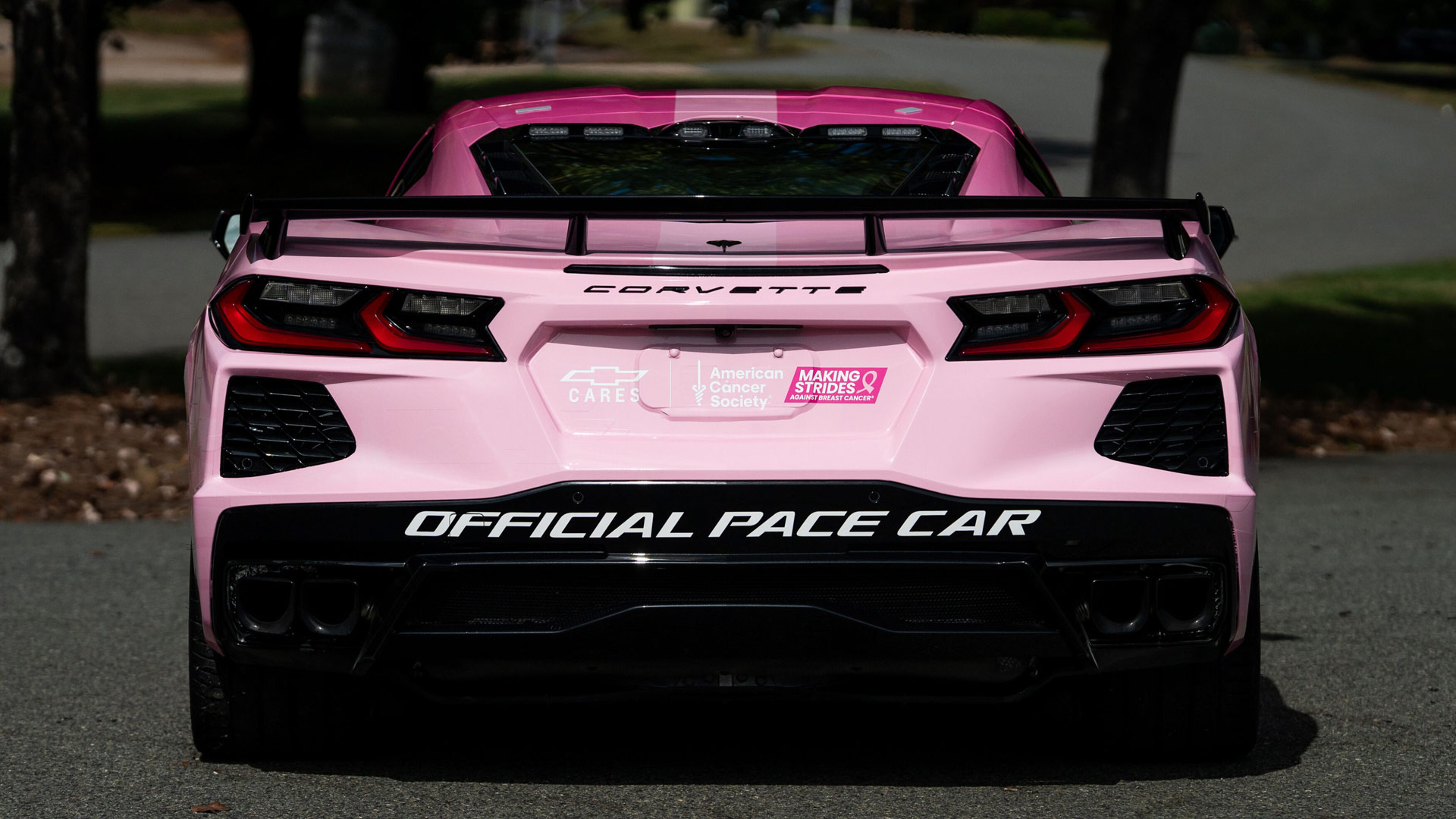
Pink Corvette NASCAR pace car will help to combat cancer

0
Chevrolet is celebrating 15 years of involvement of supporting the American Cancer Society with the pink Corvette

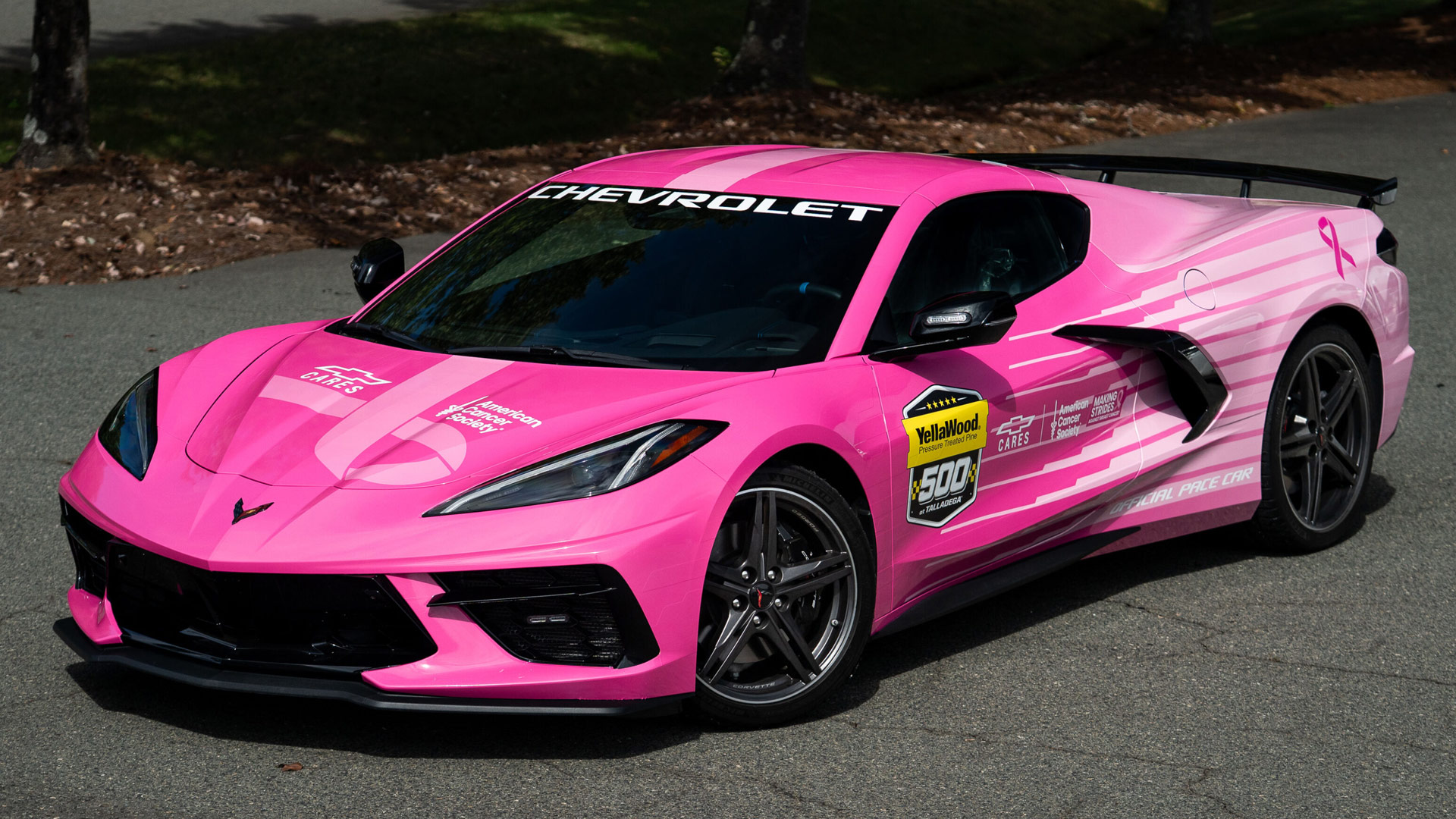
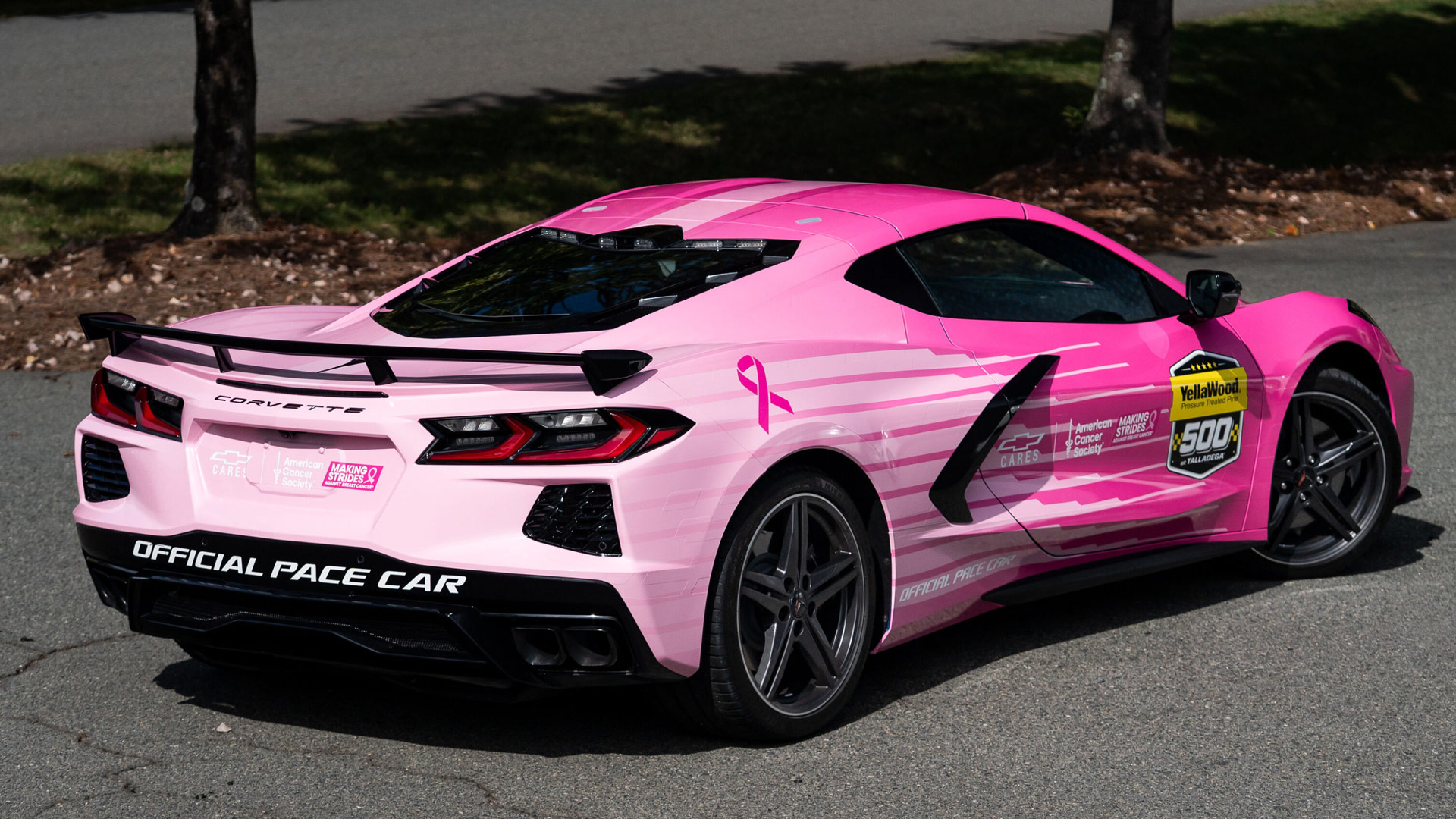
Chevrolet has revealed a shocking pink Corvette Stingray, set to serve as the official NASCAR Cup Series pace car. 

The dramatic-looking Corvette will appear at two forthcoming Cup Series rounds, as the NASCAR Playoffs reach a critical stage. 

Fans at Talladega Speedway this weekend for the YellaWood 500, and next weekend’s Xfinity 500 at Martinsville, will get a chance to see the pink Stingray. 

The car was created by Chevrolet to help raise money for the American Cancer Society, and its ‘Making Strides Against Breast Cancer’ initiative.

Yellow flags bring donations

Chevrolet Corvette Pink Pace Car

“Chevrolet stands with the American Cancer Society’s efforts to end breast cancer,” said Todd Christensen, director of motorsports marketing at Chevrolet. 

“When the pink Chevrolet Corvette Stingray pace car leads the NASCAR Cup Series field for the next two weeks, we hope fans will join us in raising funds for ACS by participating in ‘Making Strides Against Breast Cancer’ events across the US this October.”

Chevrolet will also donate $500 for every lap spent under caution behind the pink Corvette at the two NASCAR events, up to a maximum of $25,000.

In addition, a further $1,500 will be gifted to the organization for each Chevrolet driver that earns a top-10 finish in the two participating events – again up to a total of $25,000.

A history of support for good causes

Chevrolet Corvette Pink Pace Car

Chevrolet has been a partner of the American Cancer Society for 15 years. It has contributed multiple pace cars with special liveries to serve at NASCAR races, and made additional donations. 

In 2024, a total of 54 caution laps were completed in the two races, raising $18,900, while $40,250 was donated in 2023.

Last year, Chevrolet created a bright pink Camaro SS for use as the official NASCAR pace car. 

The pink Camaro is due to be sold at the Barrett-Jackson Scottsdale Fall Auction, with 100 percent of the hammer price going to benefit the American Cancer Society.

ALSO READ:

BMW M2 Turbo Design Edition celebrates classic 2002 Turbo

Drag-reducing kit launched for Tesla Model Y Performance

Toyota and Honda have the best brand loyalty in the USA

Advertisement

Winter motoring: get your car prepared for cold weather

0
Winter driving tips advice

Winter roads can be treacherous, as the nights draw in and surfaces get slippery. Taking time to prepare your car will help keep you safe. 

This guide looks at some straightforward ways to improve your safety on winter roads – and prevent you becoming stranded in the cold. 

We’ll start with what to pack before you leave the house, then look at how to prepare your car, then finish with some winter driving tips.

Winter essentials: what to keep in your car

Winter driving essentials

Every car should carry an emergency kit during the winter months – particularly if you’re driving in remote areas or far away from home. In extreme circumstances, being properly prepared for a breakdown or the car getting stuck could save your life.

Here’s a full list of what you should pack:

  • Mobile phone. The most important thing to do in an emergency is call for help
  • Mobile phone charger
  • Torch and extra batteries
  • Snacks and water
  • Spare tyre
  • Emergency poncho
  • Reflective safety vest
  • Socks and other spare clothing items that might get wet
  • First aid kit
  • Blanket
  • Two pairs of gloves, one leather and one latex
  • Rags or paper towels
  • Matches or a lighter
  • Whistle
  • Toilet paper
  • Tow rope
  • Jump leads
  • Flares

Preparing your car for winter roads

Motorists' poor knowledge around winter tyres

We cover the issue of winter tyres and whether they are necessary in a separate guide. However, the short answer is that winter tyres are beneficial – and will improve road safety – once the outside temperature drops below 7deg C. If you can afford the upfront cost, we recommend using them during the colder months.

You should also check the condition of your spare tyre and jack, and replace worn wiper blades if necessary. Keeping a windscreen scraper and a hardy pair of gloves in the car will prove invaluable on frosty mornings, too.

On that note, make sure your windscreen washer bottle is brimmed with the correct fluid. It contains anti-freeze properties that soapy water doesn’t have. 

Keeping your car’s fuel topped up is also important in harsh weather. When the gauge drops below half-way, refill the tank. If you get stuck on a snowy, deserted road, keeping the engine running and the heater working could be vital.

Lastly, consider the right cabin temperature for winter driving, as wearing bulky clothes will limit your movement. Research by Seat recommends a temperature of no more than 21.5 deg C to feel comfortable and stay alert. Driving with an interior temperature of 35 deg C is similar to having a blood alcohol level of 0.5g per litre.

Winter driving tips

Top tips for safer winter driving

Driving in winter weather demands a slower, more cautious approach. Visibility may be limited, and grip can’t be taken for granted.

Remember, the most important safety feature of any car is the driver, so heed the following advice to reduce your risk of an accident:

  • Slow down
  • Stopping may take much longer on icy roads
  • The bigger the car, the longer the stopping distance
  • Leave extra space to the car in front, even at low speeds
  • Do not accelerate hard
  • Do not brake hard unless necessary
  • Avoid using cruise control
  • Bridges, off-ramps and shady spots might be extra slippery. Be aware
  • Slow down and approach junctions with caution. These are the most likely places for other drivers to be out of control
  • Be extra cautious around pedestrians and cyclists
  • Give snowploughs extra room. Never pass a snowplough
  • Pay attention to weather reports and traffic advice for your route

ALSO READ:

How to drive safely in heavy rain

What to do after a car accident

The best new cars to buy in 2025

Advertisement

How to get the best price when trading in your car

0
How to get the best price for your PCP trade-in

The vast majority of new cars in 2025 are sold via Personal Contract Purchase (PCP) finance. However, only one in five drivers actually choose to buy their car outright when this finance agreement comes to an end.

This means most people either walk away at the end of the contract – usually after two or three years – or decide to trade their car in against a new model.

In fact, getting another new car on a fresh PCP is the most common option at the end of a finance deal. No wonder car manufacturers and dealers love them – they keep buyers coming back.

So, how do you ensure that you get the best possible price for your trade-in vehicle when your PCP term expires? Read on for money-saving advice.

Beware the ‘minimum’ in GMFV

Skoda Amazon Showroom

There are three parts to a PCP deal: the deposit, the monthly repayments and the final payment. The latter is often referred to as a ‘balloon payment’.

This final figure is set by the finance company, which estimates the car’s value at the end of the contract. Called the Guaranteed Minimum Future Value (GMFV), it’s your first indication of what the car will be worth as a trade-in.

However, it’s not set in stone, because a number of variables dictate the final valuation.

Note the use of the word ‘minimum’. If the car drops in value, you’ll be protected against a potential loss – the finance company will take the hit. But it’s your responsibility to maintain the car to the terms set out in your PCP contract.

Failure to do so could mean the price you get for the car drops below the ‘minimum’ agreed value.

Mileage limit

PCP mileage limit

Your first potential pitfall is the mileage limit you agreed at the start of the PCP contract. Car dealers tempt punters with low monthly payments based on strict mileage restrictions, so make sure you set a realistic limit.

A finance company might charge anything from 3p to 30p for every mile you go over, so a few thousand miles could cost you a few hundred pounds. You have been warned.

If you think you are likely go over the mileage limit, it’s far better to negotiate a new deal before the contract ends than to wait. The penalty is likely to exceed that of a higher mileage cap.

Damage charges

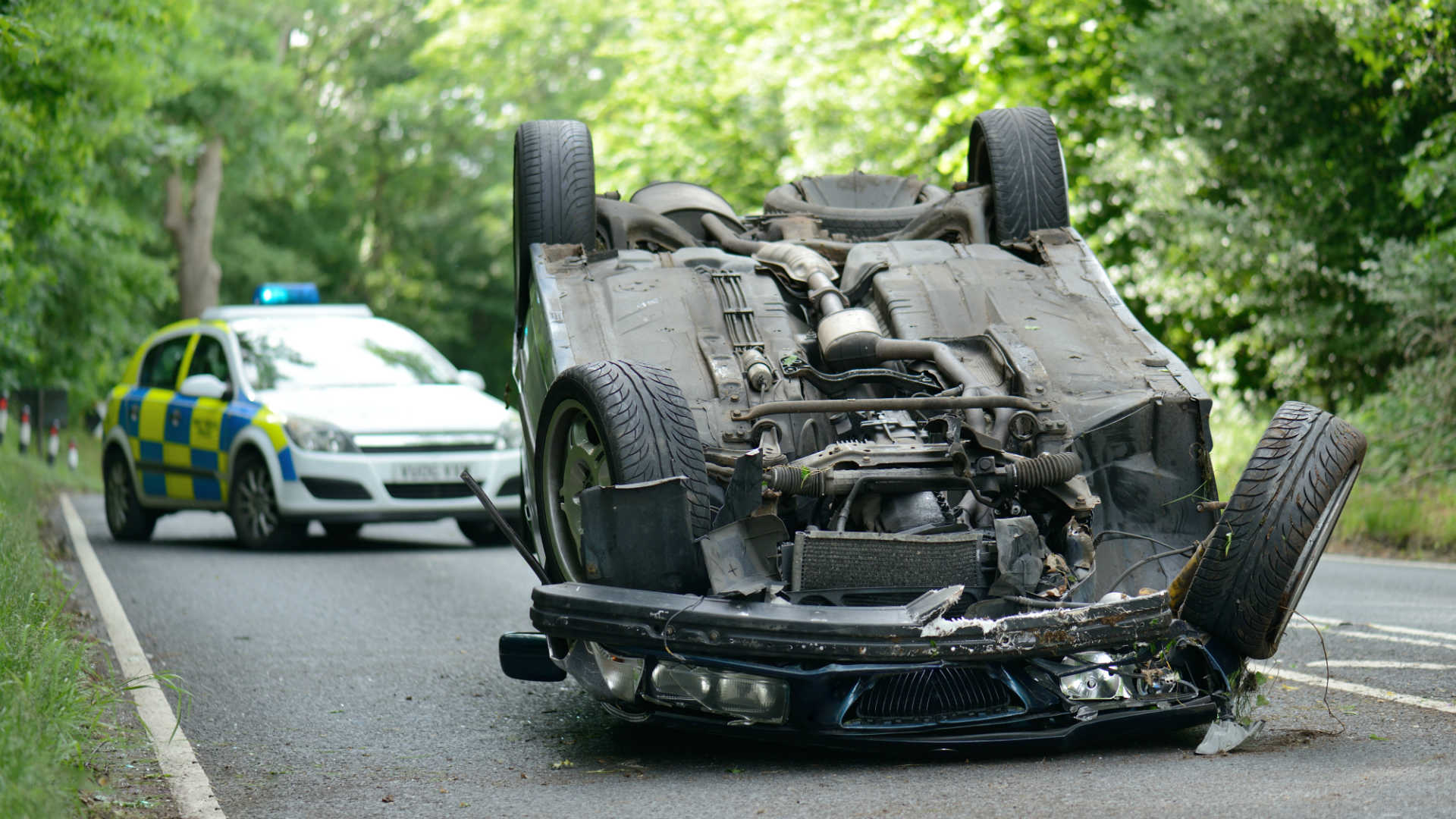
Overturned car on a road surrounded by trees; police vehicle parked nearby with lights on, suggesting an accident scene.

Read the small print of your PCP contract and you may notice financial penalties for minor damage to the car. Remember, you don’t own the car unless you make the final payment, so the finance company expects you to take care of the vehicle on its behalf.

If the car requires light work to make it ready for sale, you’ll be expected to stump up the cash. This could include damage to the paintwork, kerbed alloy wheels and stains on the upholstery.

Wear and tear is fine – you don’t have to live with a concours-winning car – but anything beyond that could cost you dear.

It’s in your interest to maintain the car to the highest standards, because the difference between the final payment and the car’s value can be used to reduce the deposit on your next car.

Service history

PCP deal service history

You must maintain the vehicle to the manufacturer’s service schedule at the correct franchised dealership. Failure to do so will cost you hundreds, possibly even thousands, of pounds at the end of the contract.

These points apply even if you decide to keep the car at the end of the PCP deal. So if you’re not comfortable with any of them, perhaps consider a different means of car finance.

For example, a personal loan means that you’re free from mileage and servicing restrictions, but at the mercy of depreciation – unless you decide to keep the car.

ALSO READ:

14 easy ways to save money on fuel

The best new cars to buy in 2025

Your EV questions answered on Motoring Electric
Advertisement

BMW M2 Turbo Design Edition celebrates classic 2002 Turbo

0
The BMW M2 Turbo Edition will go into production early in 2026, with prices starting from $82,900 plus fees

BMW has revealed a special edition of the M2 coupe, inspired by one of the German marque’s most famous performance cars.

The 2026 M2 Turbo Design Edition is a direct tribute to the BMW 2002 Turbo, a classic coupe produced between 1974 and 1975. 

The 2002 Turbo was Europe’s first production car to use turbocharging. Its boosted 170 hp four-cylinder engine delivered serious performance for the time. 

With the new M2 Turbo Design Edition, BMW has channeled the spirit of the 2002 Turbo, but with a thoroughly modern twist.

An M Performance throwback

2026 BMW M2 Turbo Design Edition

Alpine White paintwork is standard on the M2 Turbo Design Edition, combined with hand-painted BMW Motorsport stripes on the edges of the hood and trunk lid. More BMW M tricolor stripes are found on the standard carbon fiber roof panel, with the hood’s power dome finished in black.

Mirrored “turbo” lettering is a knowing nod to the original 2002, which had the word reversed on its front bumper. Unofficially, the idea was to warn other drivers who spotted the car in their rear-view mirror to move over…

More carbon fiber is found on the BMW M Performance trunk spoiler, plus there is a bespoke Turbo badge beneath the M2 logo

Black-painted dual-spoke alloy wheels are fitted, with M Performance items in Matte Gold Bronze on the options list.

Sticking with tradition

2026 BMW M2 Turbo Design Edition

Just like the BMW 2002 Turbo, the new M2 Turbo Design Edition uses a six-speed manual transmission. Forget any thoughts of a paddle-shift auto; this special model comes with three pedals only.

Other interior highlights include a heated Alcantara steering wheel and carbon fiber trim. BMW has added a “Turbo” plaque to the cup holder cover, too.

M Sport seats are finished in Black Vernasca leather with M Color highlights. Racier carbon fiber bucket seats are available at extra cost. 

Opening the door reveals custom sill covers featuring the “M2 Turbo” script, along with more BMW M stripes.

Set for production next year

2026 BMW M2 Turbo Design Edition

BMW has left the M2 Turbo Design Edition mechanically unchanged, meaning a 3.0-liter turbocharged inline-six that produces 473 hp and 406 lb-ft of torque. 

Accelerating from 0-60 mph takes 4.1 seconds, with a top speed of 155 mph. Specifying the M Driver’s Package increases maximum speed to 177 mph.

Prices for the M2 Turbo Design Edition will start at $82,900, plus an additional $1,175 for destination and handling charges. 

Production is due to begin in the first quarter of 2026, with the first deliveries expected next summer.

ALSO READ:

BMW M850i Edition M Heritage is a tribute to the original 8 Series

10 secret BMWs finally revealed

A tour of BMW GB’s car collection

Advertisement

Cardiff plans to charge heavy SUVs more for parking

0
Under new proposals, vehicles weighing over 2,400kg will see owners pay more for parking permits in Cardiff

Owners of the largest SUVs could soon have to pay more for parking in Cardiff. 

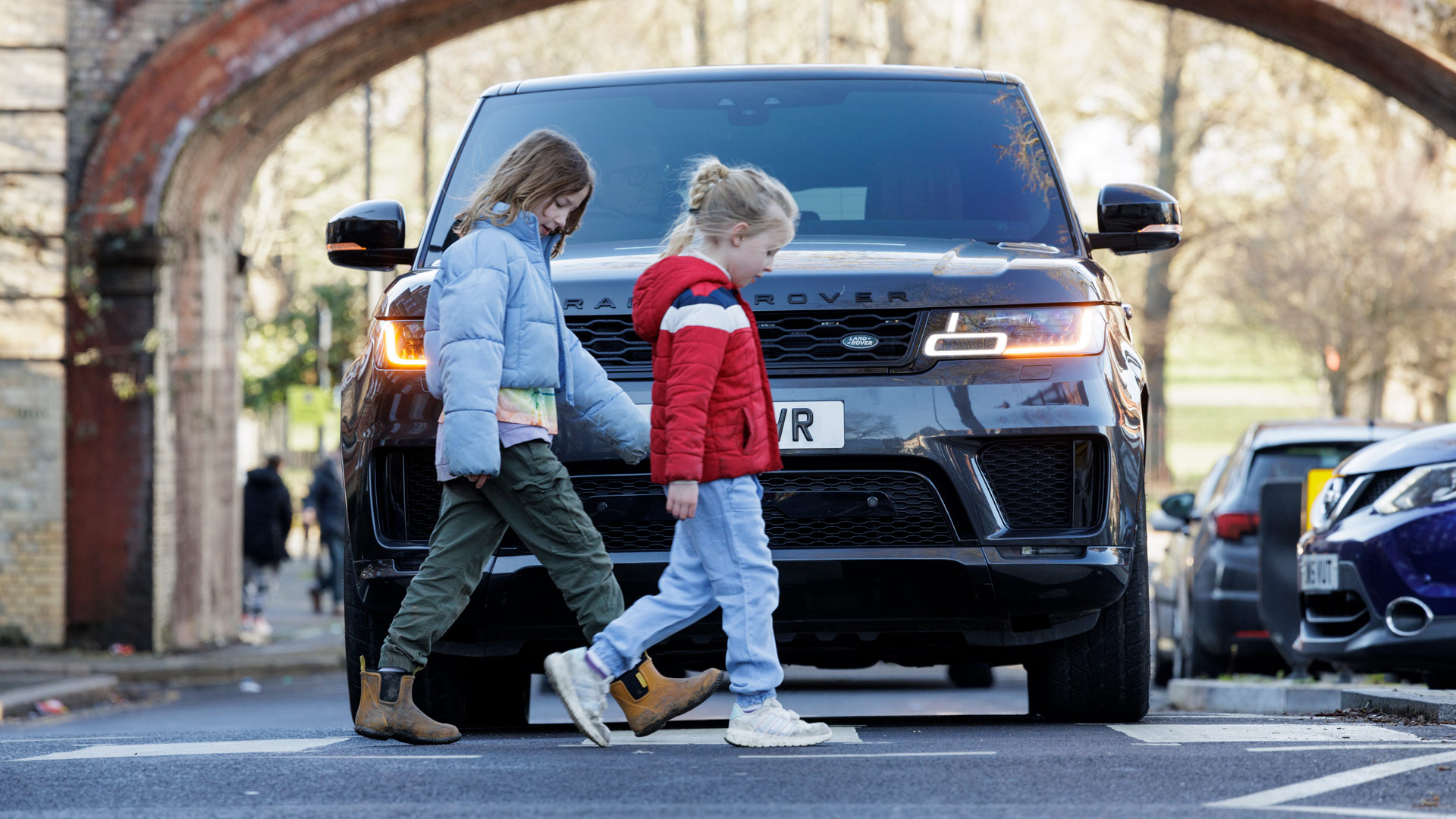
Councillors in the Welsh capital are set to vote on a proposal that specifically targets heavy vehicles, in a bid to stop them taking up space, and to improve road safety. 

Should Cardiff approve the plans, vehicles that weigh more than 2,400kg will be subject to an additional surcharge when applying for a parking permit.  

Cars and SUVs weighing in excess of 3,500kg will not be entitled to a permit at all under Cardiff’s proposed City Parking Plan.

Public support for SUV penalties

Cardiff Council SUV Parking

The move to implement higher parking permit fees follows a consultation held by Cardiff Council at the end of 2024. More than 6,000 residents took part in the study, which addressed a range of parking issues affecting the largest city in Wales. 

Two thirds (66 percent) of respondents backed the idea of making the owners of vehicles weighing in excess of 2,400kg pay more for a parking permit. 

In time, the proposals would see the weight limit reduced to 2,000kg, in a bid to encourage drivers to opt for smaller, lighter, vehicles. 

Somewhat controversially, however, Cardiff Council’s proposal would not apply a weight penalty to electric cars when introducing the lower 2,000kg limit.

This is despite numerous popular EV models, such as the Volkswagen ID.4, weighing more than 2,000kg.

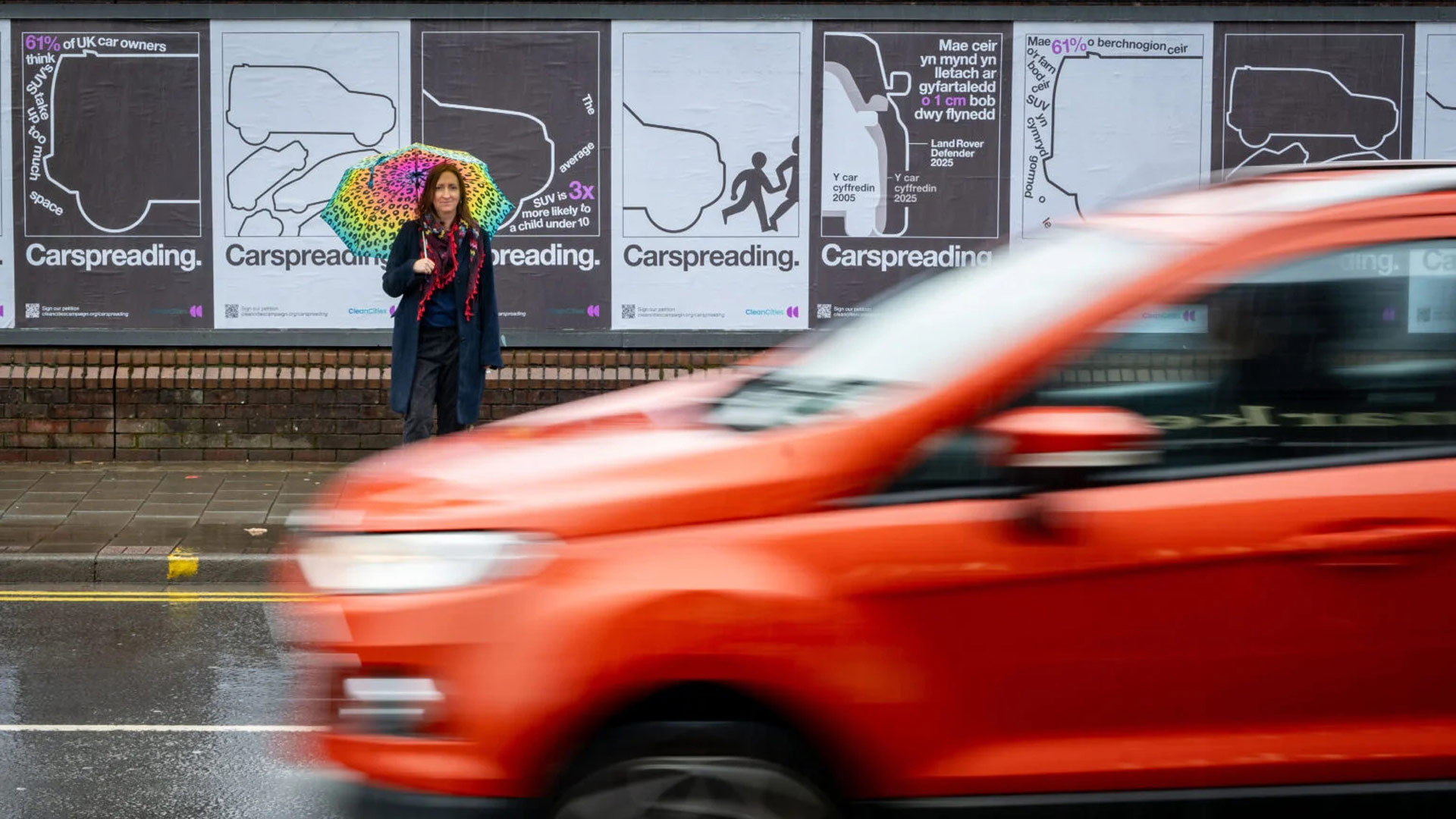
Standing up to SUV ‘carspreading’

Cardiff Council SUV Parking

The Clean Cities campaign group recently organised a petition to demand parking charges in Cardiff be based on vehicle weight. 

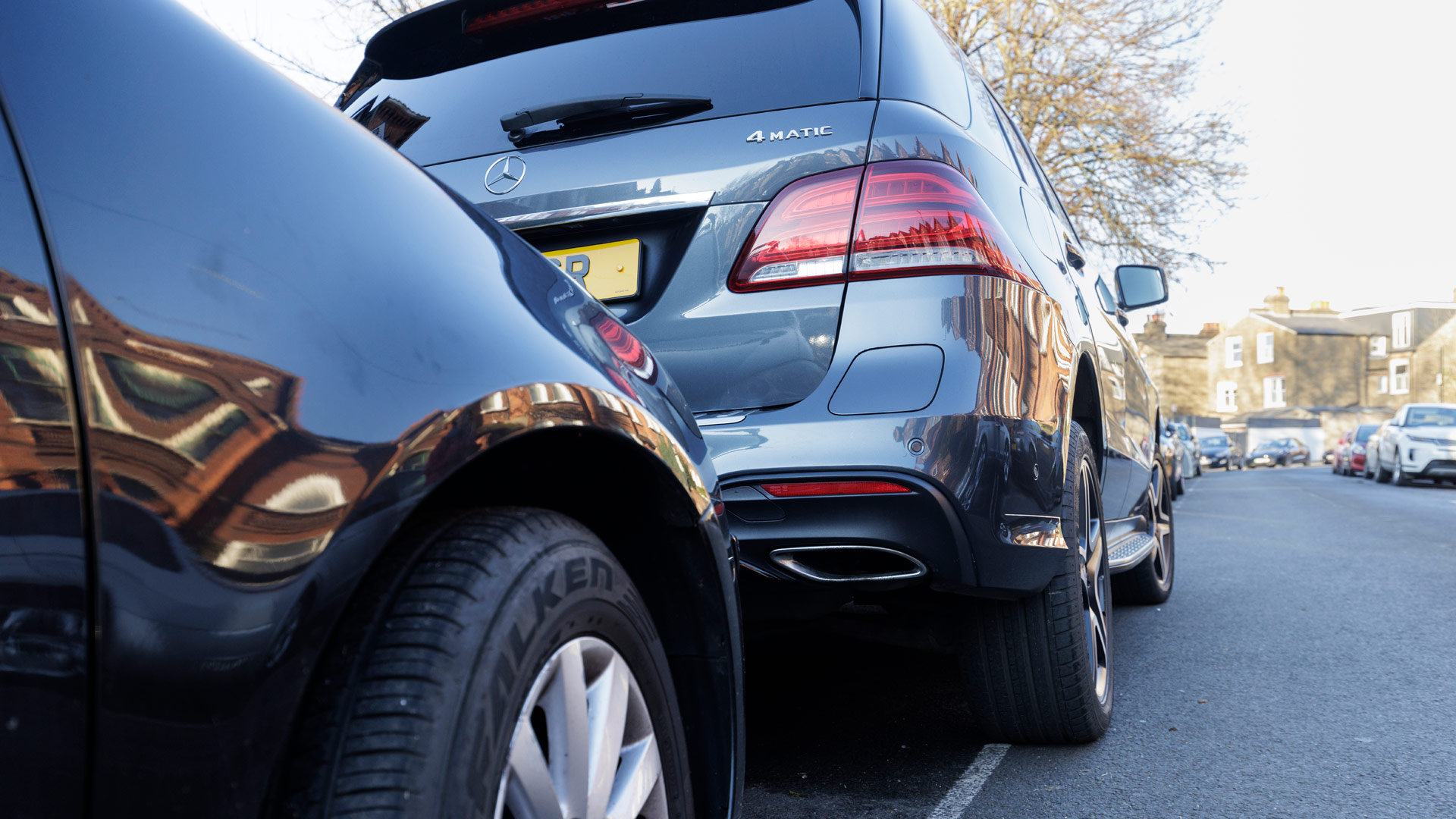
It forms part of the organisation’s ongoing fight against ‘carspreading’, a term used to describe how large SUVs are unable to fit within standard parking space. The result is a vehicle ‘spreading’ beyond the bay.

According to Clean Cities, each year some 1.2 million vehicles are sold in the UK that are too large for a standard parking space

Oliver Lord, UK head of Clean Cities, said: “Cardiff is showing real vision by standing up to the SUV carspreading that’s taking over our streets. It’s only fair that those driving the biggest, heaviest and most polluting vehicles pay more for the extra space and danger they bring. 

“This is a common-sense policy that will make our city streets safer, cleaner and fairer for everyone. Other cities across the UK could learn from Cardiff’s leadership.”

ALSO READ:

Shock study reveals 1 in 7 used cars has a hidden history

Citroen’s famous VTR badge is back… on a van

Your EV questions answered on Motoring Electric
Advertisement

Shock study reveals 1 in 7 used cars has a hidden history

0
Diagnostics platform Carly analysed more than 2.5 million diagnostic sessions to uncover hidden vehicle data

A high percentage of used cars in the UK show signs of digital tampering to hide their true history or identity. 

More than one in seven vehicles (16.25 percent) has potentially had its mileage wound back, or the VIN (Vehicle Identification Number) manipulated. 

Both actions mean used car customers might unwittingly pay more for a vehicle than it is actually worth. They could also be unaware of serious mechanical defects.

Previous research has found the UK is the worst-affected country in Europe for odometer tampering, also known as clocking.

Hidden car history exposed

Car Diagnostics Hidden History

Automotive diagnostics platform Carly uncovered the new data on mileage tampering and VIN manipulation by analysing vehicle diagnostic data.

More than 2.5 million Carly diagnostic sessions were included, covering over 550,000 cars tested in the UK between January and September 2025. 

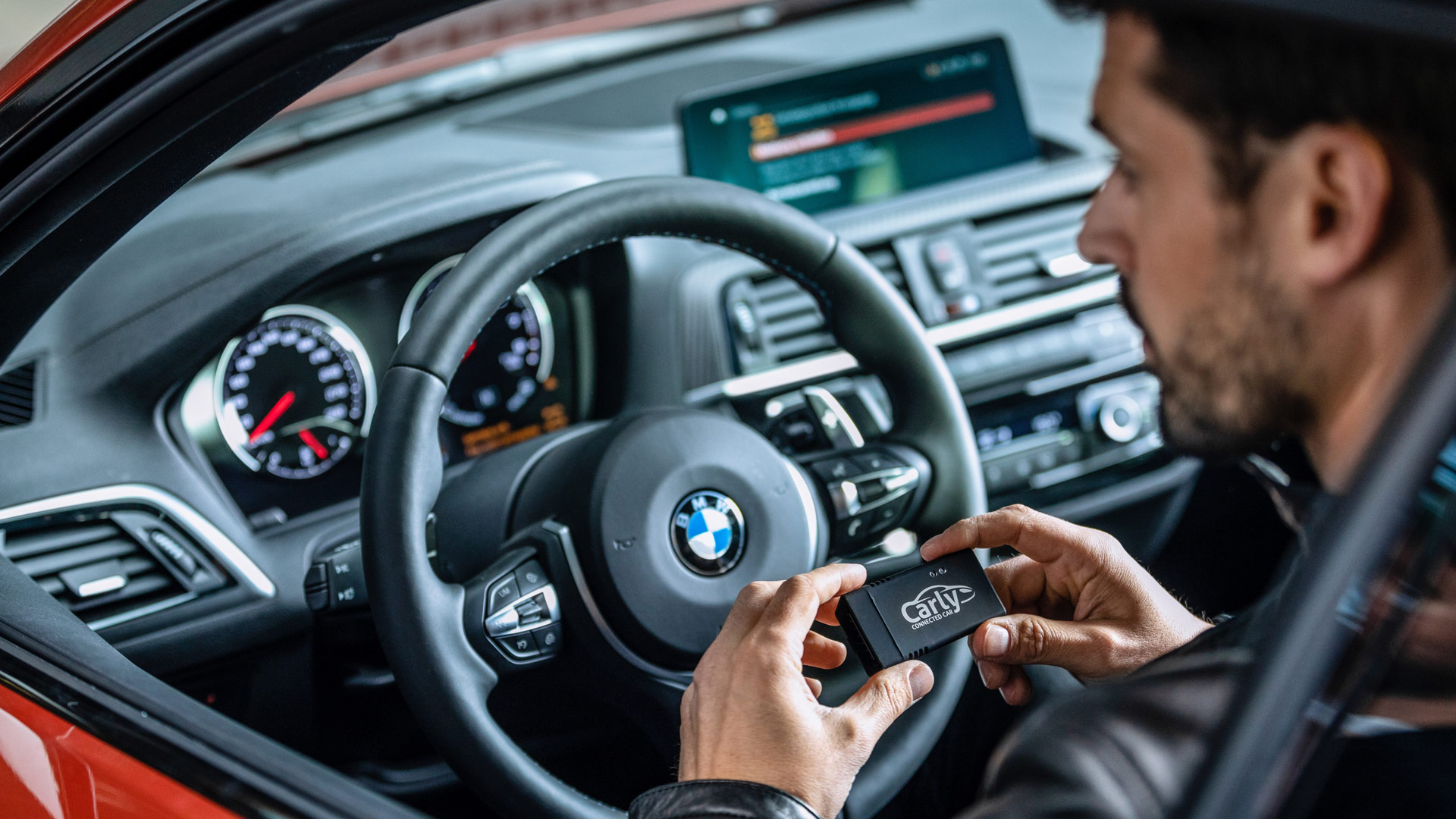
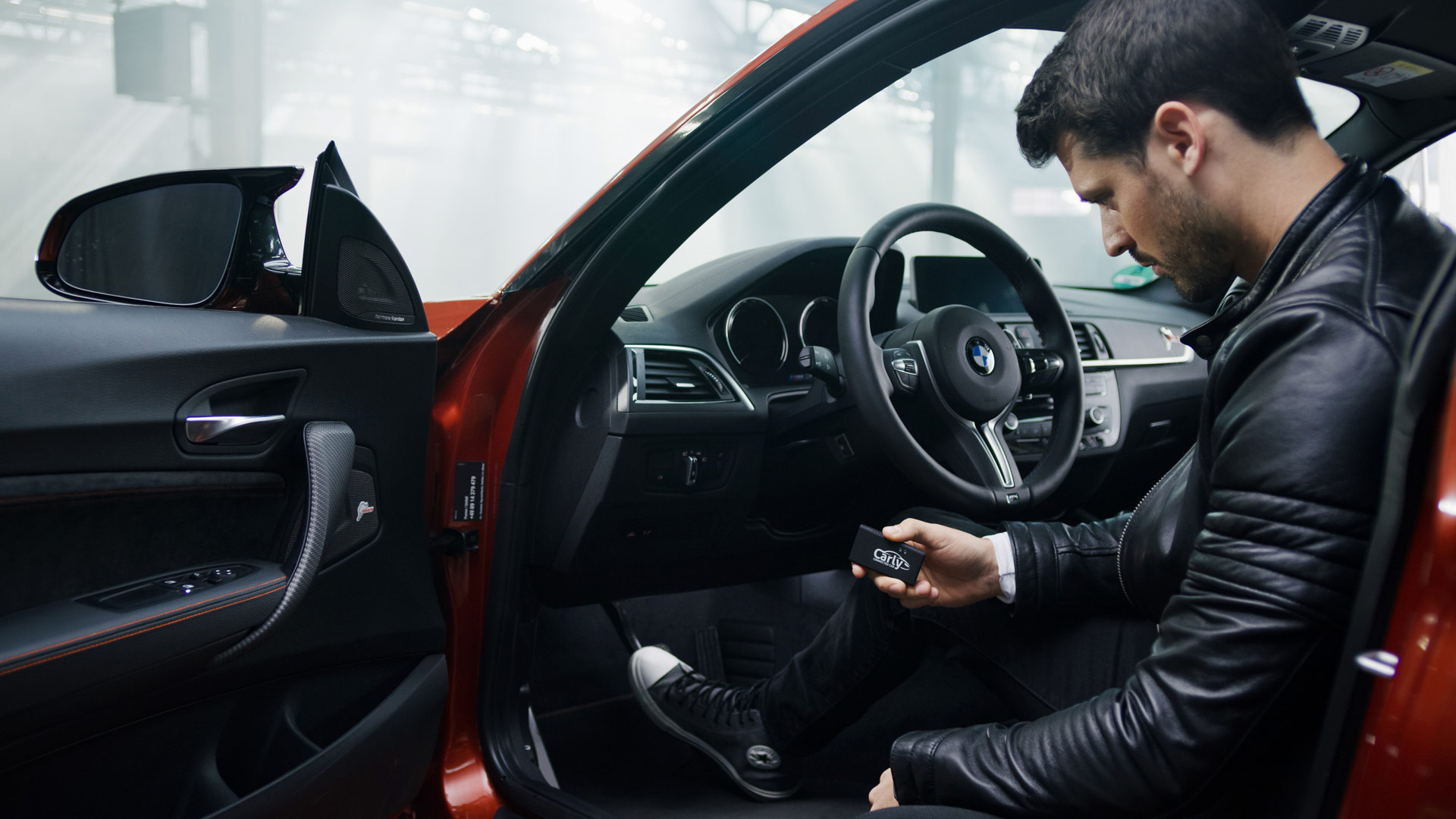
The Carly platform connects directly to a vehicle’s internal systems via the OBD (on-board diagnostics) port. This allows mileage readings and VIN records across multiple components to be compared, helping to identify any inconsistencies. 

Such issues would not typically be obvious through a basic visual inspection alone.

Helping used car buyers be informed

Car Diagnostics Hidden History

Carly’s research found that major cities and ports displayed higher levels of vehicle manipulation, due to a larger number of vehicle transactions. However, there was no great variance across the country. 

It means used car customers in the north of Scotland are as likely to encounter a vehicle with a hidden history as those in the south of England. 

Commenting on the findings, Dali Ati, head of internationalisation at Carly, said: “Mileage tampering can make a car appear newer and more valuable than it really is. But beneath the surface, it could be far more worn and that’s where unexpected problems begin. 

“We want drivers to feel informed and in control before they spend their money. A quick Carly scan, using the Carly Used Car Check, can uncover these hidden issues in just minutes. And the best part? The scanner costs as little as £41, and these checks can save buyers thousands.”

ALSO READ:

Car insurance auto-renewal costs drivers £560m a year

Two thirds say driving should be on the school curriculum

How to secure your car with an OBD port locking device

Advertisement

How to secure your car with an OBD port locking device

4
How to secure your car with an OBD locking device

Car crime has become increasingly sophisticated, with thieves using the On-Board Diagnostics (OBD) port fitted to modern cars to start the engine and drive away.

The problem has made headlines, typically with attention-grabbing videos of how quick and easy the process of stealing a car can be. 

Read on for our guide to what this kind of car crime means – and the measures you can take to protect your car from OBD port theft.

What is an OBD port?

OBD port locking devices explained

An On-Board Diagnostics port is a standard connector used to access information from the various sensors and electronic components inside a car. 

The earliest OBD ports were introduced in the 1970s, and they became more prevalent on American cars of the 1980s. Legislation introduced in California in 1988 required all new cars sold in the state to have basic OBD compliance. 

By 1996, this regulation had spread to all new cars sold in the USA, as part of the OBD-II specification. 

In 2001, the European Union also introduced a requirement that all new petrol cars must offer OBD access. New diesel-powered vehicles were included from 2003. This standard is often referred to as EOBD.

What can an OBD port be used for?

A person holds two car key fobs with lock buttons. The background shows a blurred car interior, including a steering wheel.

The basic idea of an OBD port is to allow car manufacturers, garages and owners easy access to diagnostic information about the vehicle. This is done via plugging a device into a port with a common design. 

When a fault occurs, an OBD reader can be used to scan for error codes that have been logged by the car. These correspond to a specific list of problems, which helps to narrow down what might have caused the issue. 

The OBD port may also be used to upload information to the car’s Electronic Control Unit (ECU). Manufacturers can update software this way, while tuning companies use it to remap the ECU for extra performance. 

Programming replacement car keys, should a new spare key be needed, can be done via the OBD port as well.

Why is the OBD port a theft risk?

OBD port locking devices explained

The rules around OBD ports mean that car manufacturers cannot restrict their access, or make them hard to locate inside a car. For professional car thieves, this delivers a potentially efficient way to steal a vehicle. 

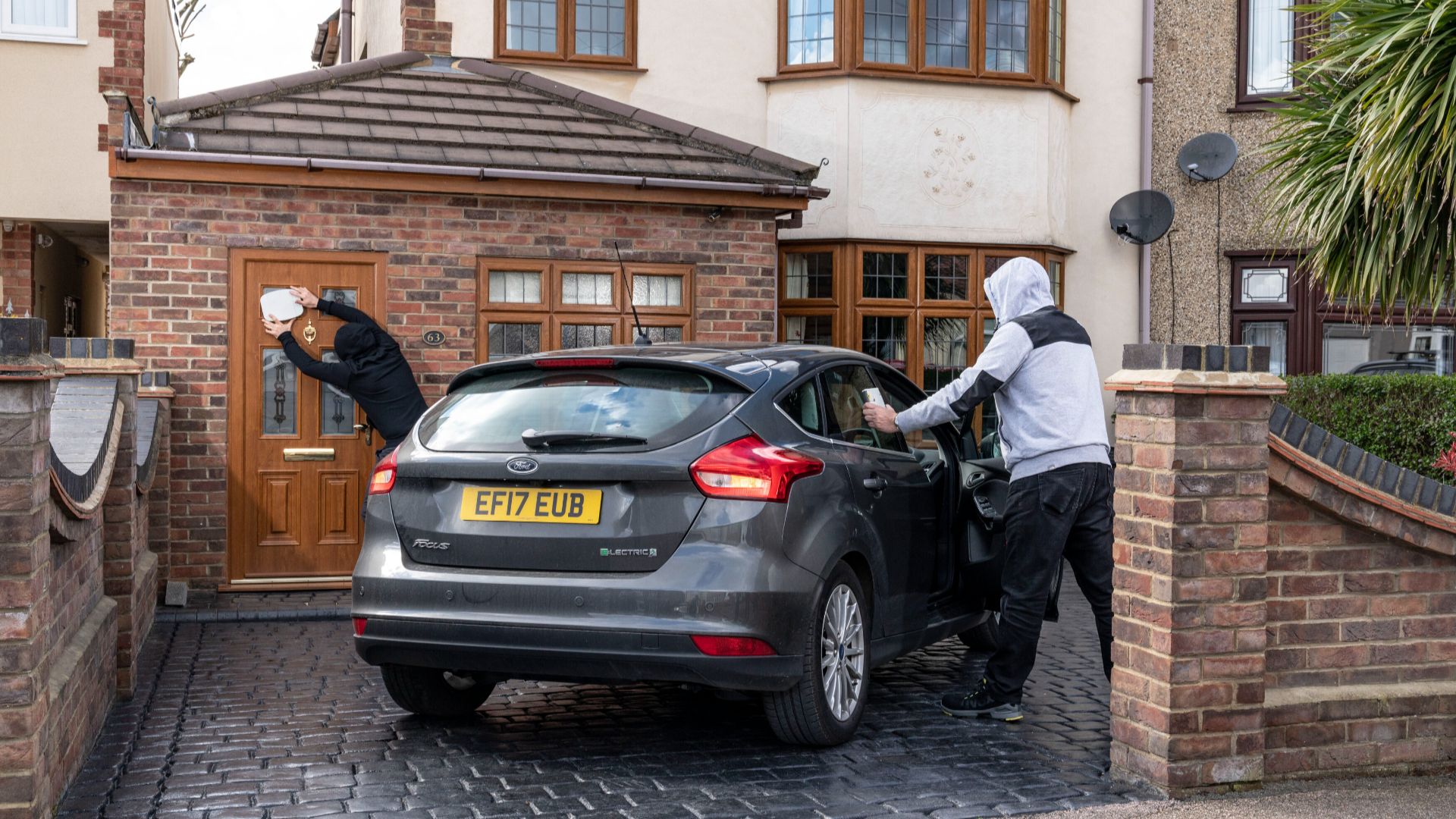
Criminals are able to plug commercially available devices into the OBD port, either by breaking the window or picking the door lock. With access to the car’s electronic brain, the OBD tool can be used to programme a blank key fob to work with the car.  

This allows a thief to steal the vehicle without needing the original keys. Worryingly, the whole process can take just a few minutes.

How common is OBD car theft?

OBD port locking devices explained

Thefts using OBD ports are just one of the methods used by professional car criminals. Exploiting keyless entry and start systems through relay devices is a tactic many people are aware of, but OBD thefts are also a problem. 

The early 2010s saw many BMW models stolen specifically through OBD weaknesses. Criminals found a black spot in the ultrasonic alarm system, which allowed them to break a window and attach an OBD device without detection. BMW later introduced several software updates to tackle the problem. 

A variety of Ford models have also been targeted, including the previous-generation Fiesta and Focus

Ford fitted newer cars with an upgraded security system to prevent key cloning. This sounds the alarm and locks down the vehicle software for 10 minutes should an unauthorised device be attached to the OBD port.

What is an OBD port locking device?

OBD port locking devices explained

Older cars can still potentially be vulnerable to OBD theft, while commercial vehicles are often targeted. Several manufacturers, including Ford, recommend the fitment of a physical OBD port locking device. 

OBD locks come in different types, dependent on the type of access needed and the level of protection required. 

Physical OBD locks cover the port itself, typically encasing it with solid metal. An access panel can be opened using a key, while other types have a combination lock. These do not stop the OBD port from working, but prevent thieves from simply plugging a device into them.

Electronic OBD locks are more advanced, and work with the standard engine immobiliser. Turning the car off, and engaging the immobiliser, sees the locking device prevent communications between the ECU and OBD port. This stops the port being used to programme new keys or other functions. 

Some electronic OBD locks require a special transponder-equipped authorisation card to be presented in order to operate the port.

What to consider when fitting an OBD lock

Car crime

Fitting an OBD locking device should be relatively straightforward. If your car is still under warranty, it is best to check with the manufacturer that adding the device will not affect your cover. 

Once installed, you will also need to ensure that mechanics or dealership technicians can access the port for maintenance or servicing. 

Given the numerous options available, a local car security expert should be able to offer more detailed advice.

What other options are there?

OBD port locking devices explained

Relocating the OBD port from the standard, easily accessible location is a popular option. An OBD wiring extension can be used to reroute the port to a different place in the car (often inside the glovebox). 

This allows the OBD port to still be accessed for servicing, but will hopefully confuse criminals long enough for them to give up.

Fitting extra security equipment to your car, such as an improved alarm system or physical steering lock, can also help deter thieves. 

ALSO READ:

How to protect your car from catalytic converter theft

Easy ways to save money on motoring

Your EV questions answered on Motoring Electric

Advertisement

New Toyota GR Yaris Aero Performance CONFIRMED for UK

0
Toyota GR Yaris Aero Kit

If your Toyota GR Yaris doesn’t look distinctive enough, how about the new factory-approved aero kit – which, after causing a sensation in Japan, is now officially coming to the UK?

The official ‘Aero Performance Package’ was developed by Toyota Gazoo Racing, with input from professional racing drivers using the car in motorsport. 

Competing in the Super Taikyu Series, along with the Japanese Rally Championship, provided Toyota with insights on how to improve aerodynamic performance and cooling. 

Japanese enthusiasts can already order the GR Yaris with the aero kit fitted. Now Toyota has now confirmed UK fans will have the chance to own the Aero Performance model, too.

Motorsport-inspired modifications

Toyota GR Yaris Aero Kit

Toyota Gazoo Racing has left almost no part of the turbocharged hot hatch untouched in its aero makeover.

This starts with a lightweight aluminium bonnet, which gains a new air duct designed to remove heat from the engine bay. The part is a direct copy of the carbon fibre bonnet used on the GR Yaris in the Japanese Rally Championship.

A new splitter has also been added, following feedback from racers in the Super Taikyu Series. This should reduce lift, keeping the front of the GR Yaris more planted.

Keeping calm under pressure

Behind the front wheelarches, Toyota Gazoo Racing has sculpted new ducts to extract air that accumulates around the wheels. Doing so is said to improve steering feel, and boost stability on corner entry.

Demonstrating the level of detail that has gone into the new aero kit, even the underside of the GR Yaris has received attention. 

A bespoke cover now sits beneath the fuel tank, smoothing airflow underneath the car to boost aerodynamic efficiency.

No snaking allowed

Toyota GR Yaris Aero Kit

At the tail of the GR Yaris, it is hard to miss the addition of an adjustable rear spoiler. According to Toyota, the new wing contributes to high-speed stability, and even ‘suppresses snake-like movement’. 

Adjusting the spoiler means the GR Yaris can be tailored to suit track driving or daily use as needed. 

Finally, a set of new ducts are added to the rear bumper to reduce its ‘parachute effect’ on drag. This was discovered after a car in the Super Taikyu Series lost its bumper mid-race.

Heading to the UK in 2026

Toyota GR Yaris Aero Kit

Following its public debut in Nagoya, Japan, Toyota dealerships in the country began accepting orders for the aero-enhanced GR Yaris on 1 October 2025. 

Toyota has also revealed the upgraded version of the rally-bred hot hatch will go on sale in the UK, but only in strictly limited numbers. Deliveries will begin in March 2026.

Prices for the GR Yaris Aero Performance model start at £48,995, and all cars will come equipped with a motorsport-style vertical handbrake.

ALSO READ:

Toyota has built a GR Yaris rally car powered by hydrogen

All we want for Christmas… is a Tamiya remote control GR Yaris

Toyota GR Yaris 2025 review

Advertisement

Citroen’s famous VTR badge is back… on a van

0
Priced from £42,745, the Citroen Dispatch VTR features sporty styling upgrades inside and out

Citroen has announced a special new version of its Dispatch van that celebrates the marque’s sporting heritage.

The Dispatch VTR Special Edition was inspired by Citroen’s back catalogue, with bespoke body styling and a revamped interior. 

The VTR badge was previously worn by Citroen performance models such as the Saxo, C2 and Xsara. 

Its comeback coincides with the French brand’s return to motorsport, as Citroen enters season 12 of the electric Formula E series.

A sporty special delivery

Citroen Dispatch VTR Van

Offered for both panel van and crew cab variants of the Citroen Dispatch, the VTR Special Edition comes with a front splitter, side skirts with integrated mud guards, and a rear roof spoiler.

There is also a restyled rear bumper, along with a set of diamond-cut ‘Dynamic’ 18-inch alloy wheels fitted with high-load-capacity Nankang tyres.

Inside, Citroen has fitted ‘eco leather’ seats with sporty red stitching, which are embossed with the VTR logo.

The Comfort Pack is included, adding dual-zone climate control, keyless entry and wireless smartphone charging. There is also a heated leather steering wheel, plus a heated seat for the driver.

Diesel or EV power available

Citroen Dispatch VTR Van

Buyers will be able to choose from Icy White, Perla Nera Black and Blue Lagoon paint colours, all combined with the unique VTR livery

There is also a choice between diesel or fully electric power for the Dispatch VTR van.

Prices for the 2.0-litre BlueHDi diesel start from £42,745 in panel van form, with the electric e-Dispatch costing £46,845. The latter is after the Plug-in Vehicle Grant has been applied. 

Greg Taylor, managing director of Citroen UK, said: “Citroen’s track record of supporting SMEs continues with the Dispatch VTR, a new halo vehicle of our LCV line-up. This exciting new van brings fun and accessibility to the commercial vehicle market through stand-out sporty styling that lives up to the heritage of the iconic VTR name.”

ALSO READ:

The Citroen H-Type van returns as an EV

Sleepers: Citroen Saxo VSX Auto

Falling in love again: driving the classic Citroens my dad owned

Advertisement