
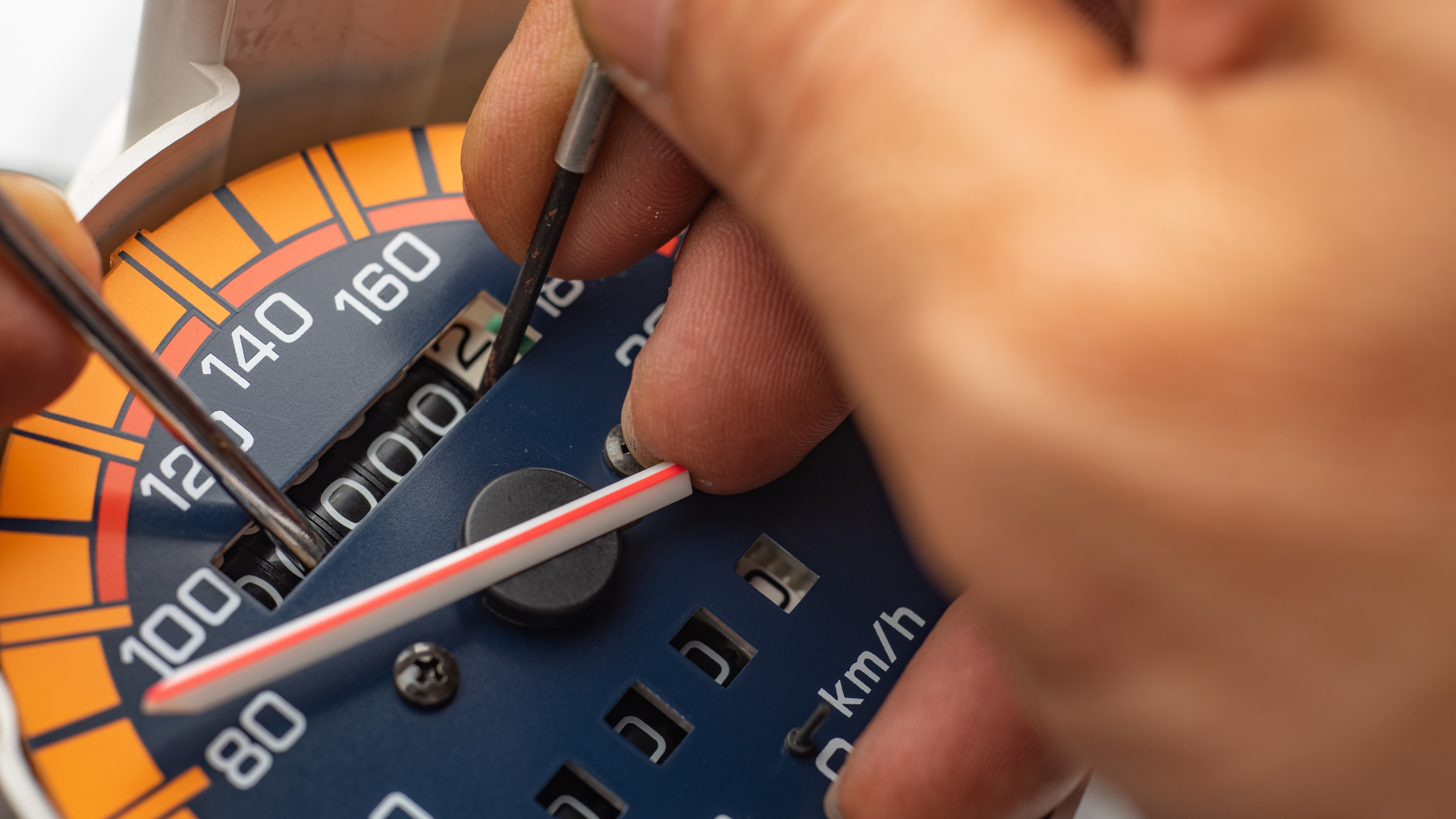
As many as one in 14 cars in the UK have been clocked, costing motorists around £800 million every year, according to data experts HPI.
This is up from one in 16 cars in 2017 and one in 20 in 2014 – an increase of 30 percent in just five years.
You’d be forgiven for thinking that the act of ‘clocking’ – or winding back the odometer – died along with the death of the analogue odometer, but digital dashboards have made it even easier to go all ‘Johnny Hates Jazz’ by turning back the clock.
While it’s illegal to sell a clocked car without declaring its genuine mileage, the act of altering an odometer is not an offence.
Commenting on the worrying increase in the practice, Barry Shorto, head of industry relations at HPI, said: “Clocking and mileage fraud is a problem that refuses to go away and continues to get worse.
“Used car buyers now have a one in 14 chance of purchasing a vehicle with a mileage discrepancy which is extremely concerning. Criminals are increasingly using more advanced technology to make it easier for them to clock vehicles and cover their tracks.
“The continued development of technologies to alter digital odometers, easy access to this technology via the internet and similarly, the ease of access to mileage adjustment services online, some of whom will behave legitimately, others less so, are all exacerbating the trend.
“The increase in mileage-related finance arrangements such as PCP and PCH may also be a contributing factor as motorists look to avoid costly penalties for exceeding mileage allowances.”
‘Impossible to tell a clocked vehicle’
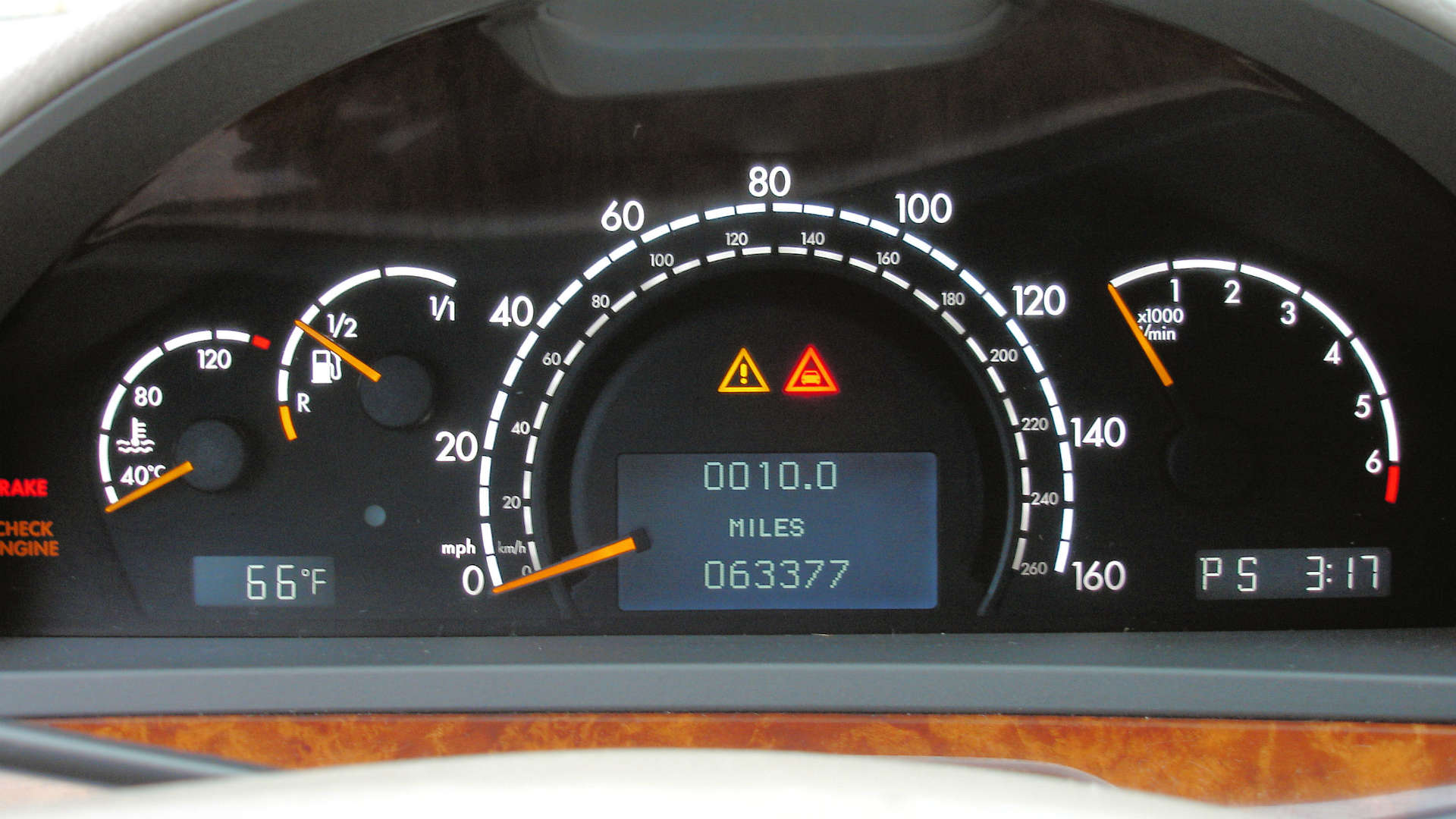
It can be difficult to spot a clocked car, but checking the service and MOT history will reduce your chances of ending up with a dodgy motor.
You can also ask HPI to check the car against the national mileage register. Barry Shorto said: “It can be almost impossible to tell a clocked vehicle just by looking at it, which makes a vehicle history check an even more vital form of protection for buyers.
“A clocked vehicle could be hiding serious levels of wear and tear, especially if it has been previously used as a high mileage private hire vehicle for a couple of years, meaning the additional cost of unexpected repairs or even a potentially serious safety threat to driver, passengers and other road users. An HPI Check can help protect consumers from buying a vehicle with something to hide, saving them cash and keeping them safe.”


[…] numbers have gone up by 30% over the past three years. Clearly, we’re in the middle of a national clocking crisis which shows no signs of abating anytime […]