When it comes to car insurance, the telematics black box is considered a bit of a last resort for many young drivers. They’re popular, though, given the cost savings that can be made.
Should we all have black boxes in our cars, then? That’s what new research by MoneySuperMarket has looked into, and the results are curious. It seems black boxes aren’t a universal friend of insurance premiums.
If you’re under 30, black boxes do usually lower insurance costs. For those aged 17-19 and 20-24, the effect is substantial: a respective 41 and 28 percent saving on the average premium cost.
That means the youngest drivers can save just under £800 on their typical premium of £2,079. For 20-24 year-olds, a black box could get their premium down below £1,000, from £1,380 to begin with.
For 25-29 year-olds, the returns diminish. A mere 2.4 percent can be saved on average if you’re in this age bracket. That represents a measly £20.
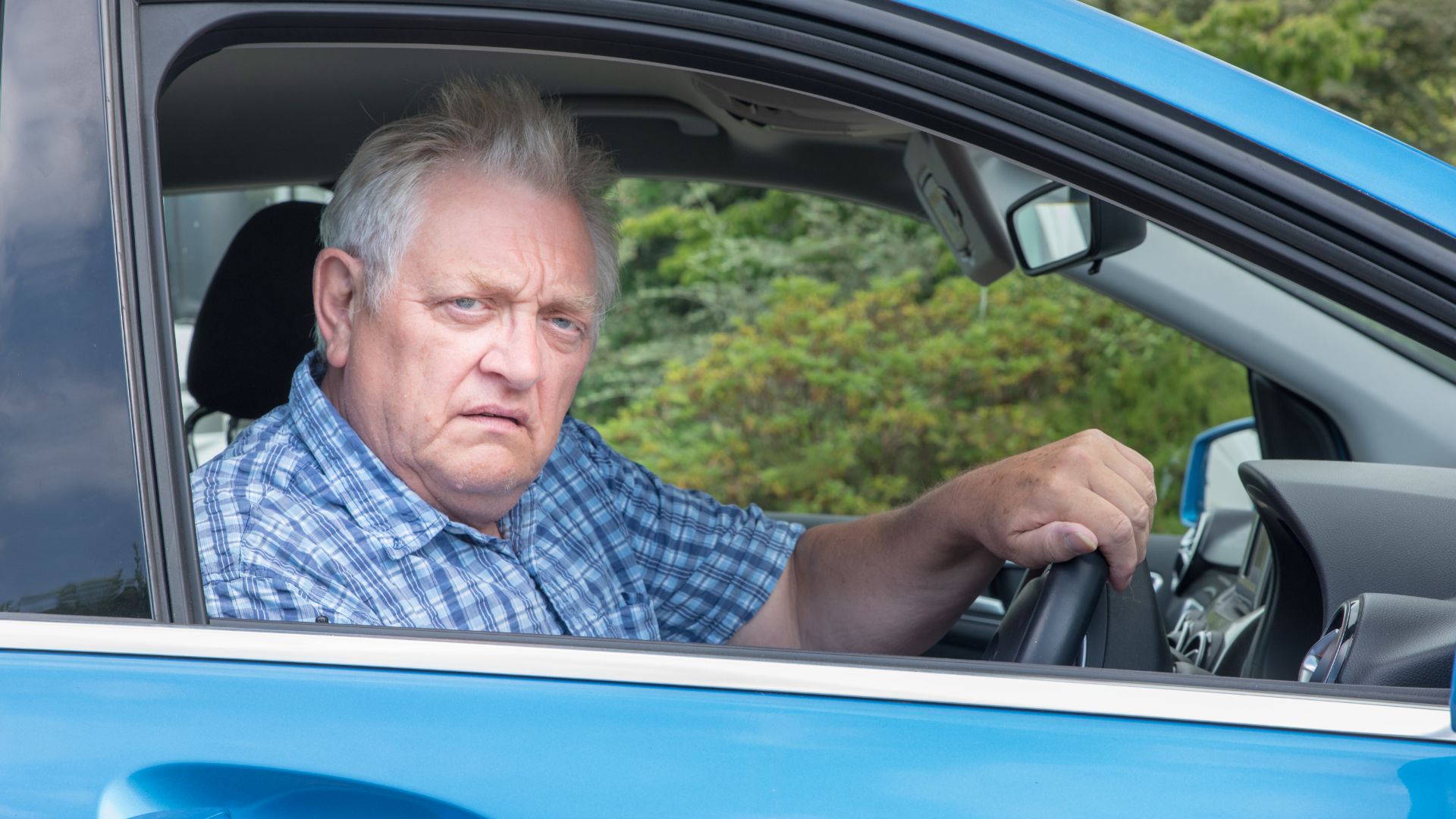
Things take a dramatic nose dive with older drivers. Among 30-39 year-olds, premiums increase by 22 percent – from £590, on average, to more than £700.
It gets so much worse, too. Premiums for those aged 40-49 jump 46 percent with telematics, from £435 to £634. If you’re 50 or older, don’t even think about it: a black box could add a massive 71 percent, or 77 percent if you’re over 65.
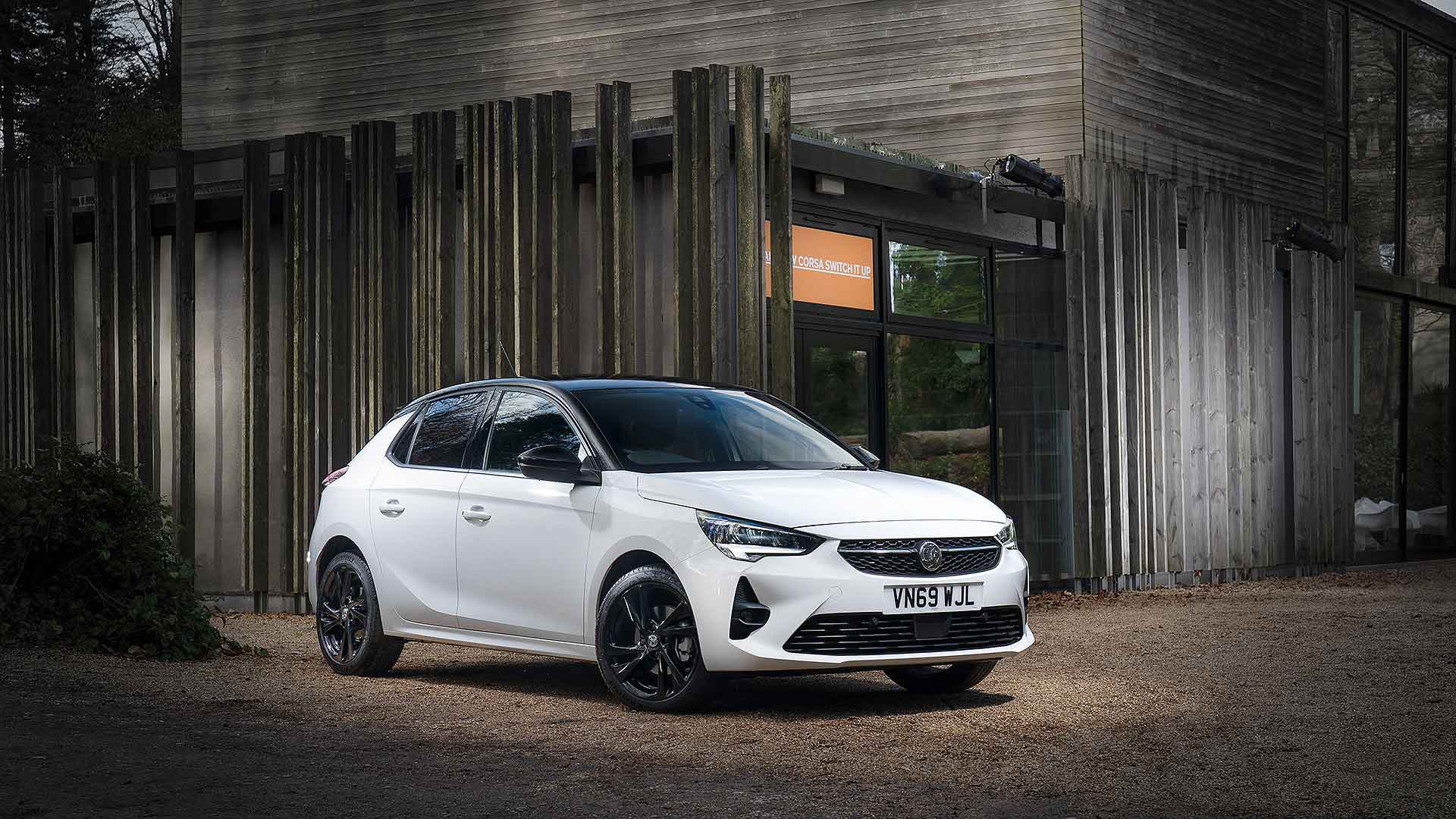
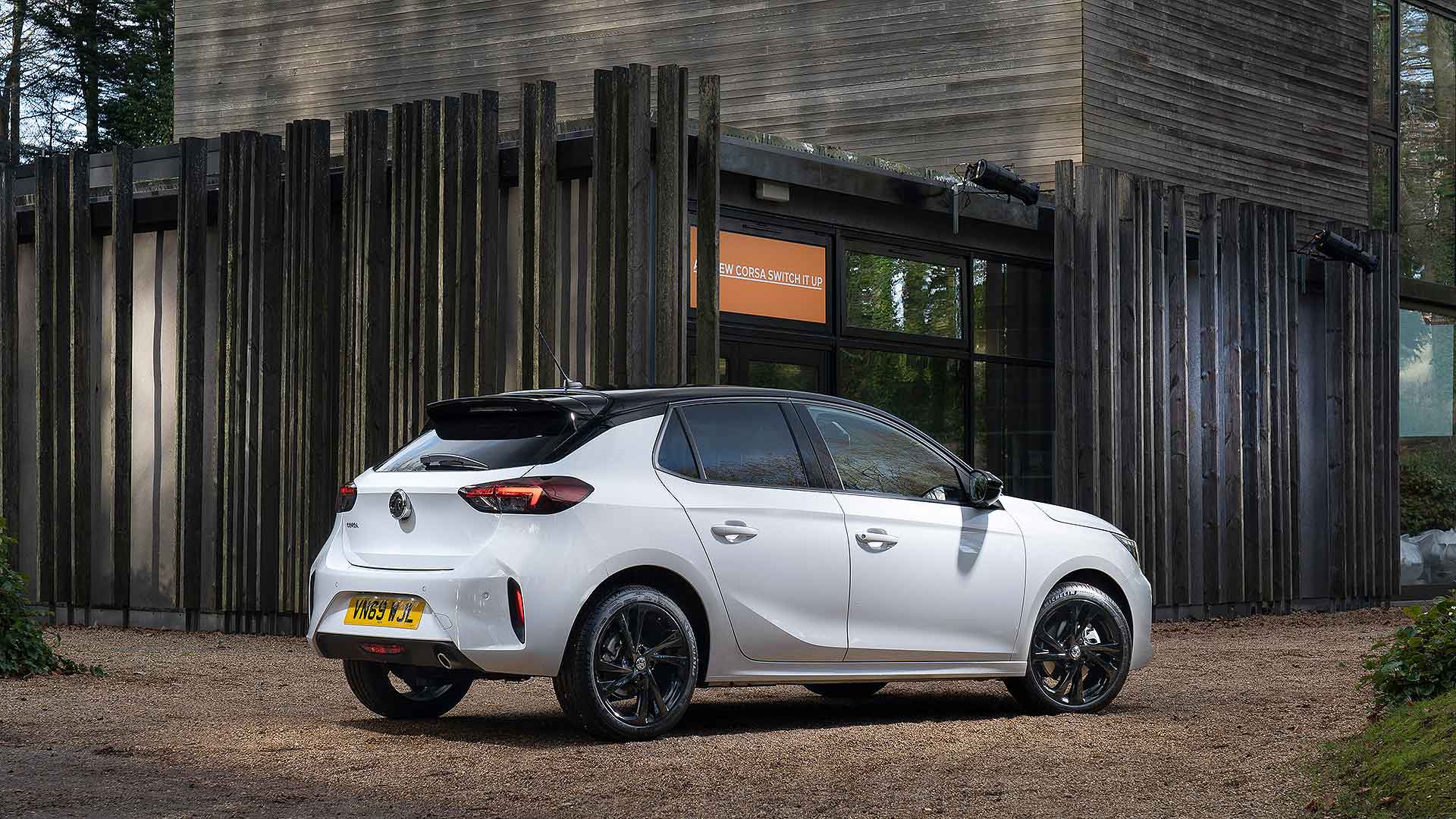
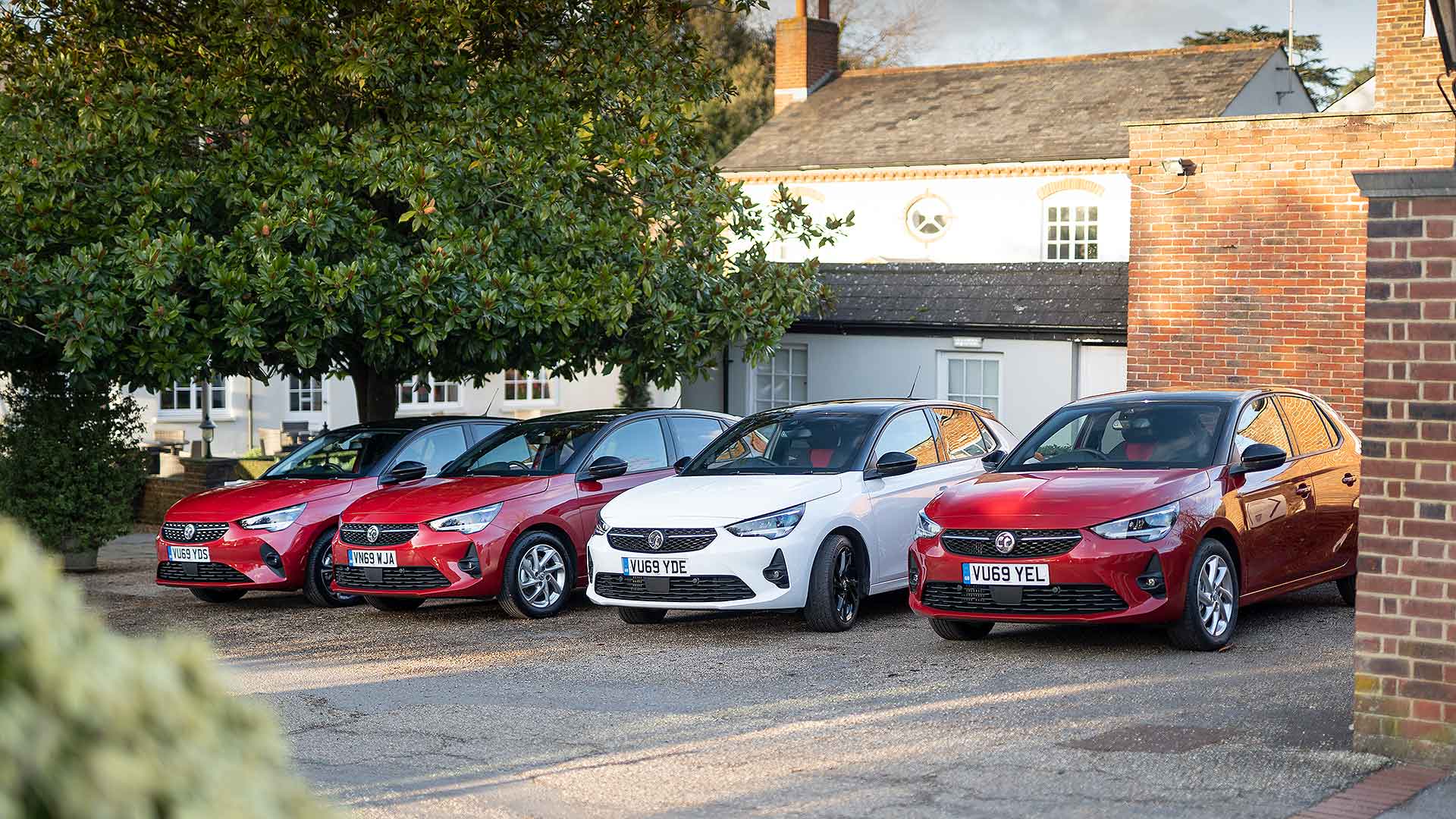
No surprise, then, that it’s ‘starter’ cars black boxes are fitted to the most – Vauxhall Corsas (12 percent of black boxes) and Ford Fiestas (nine percent).
“If you’re under the age of 24, our research reveals that telematics could be a good option, with potential savings of up to £855,” said Rachel Wait, consumer affairs spokesperson at MoneySuperMarket.
“If you’re an older driver, however, a telematics policy may not be the most cost-efficient way to take out a car insurance policy, which is why shopping around is so important.”
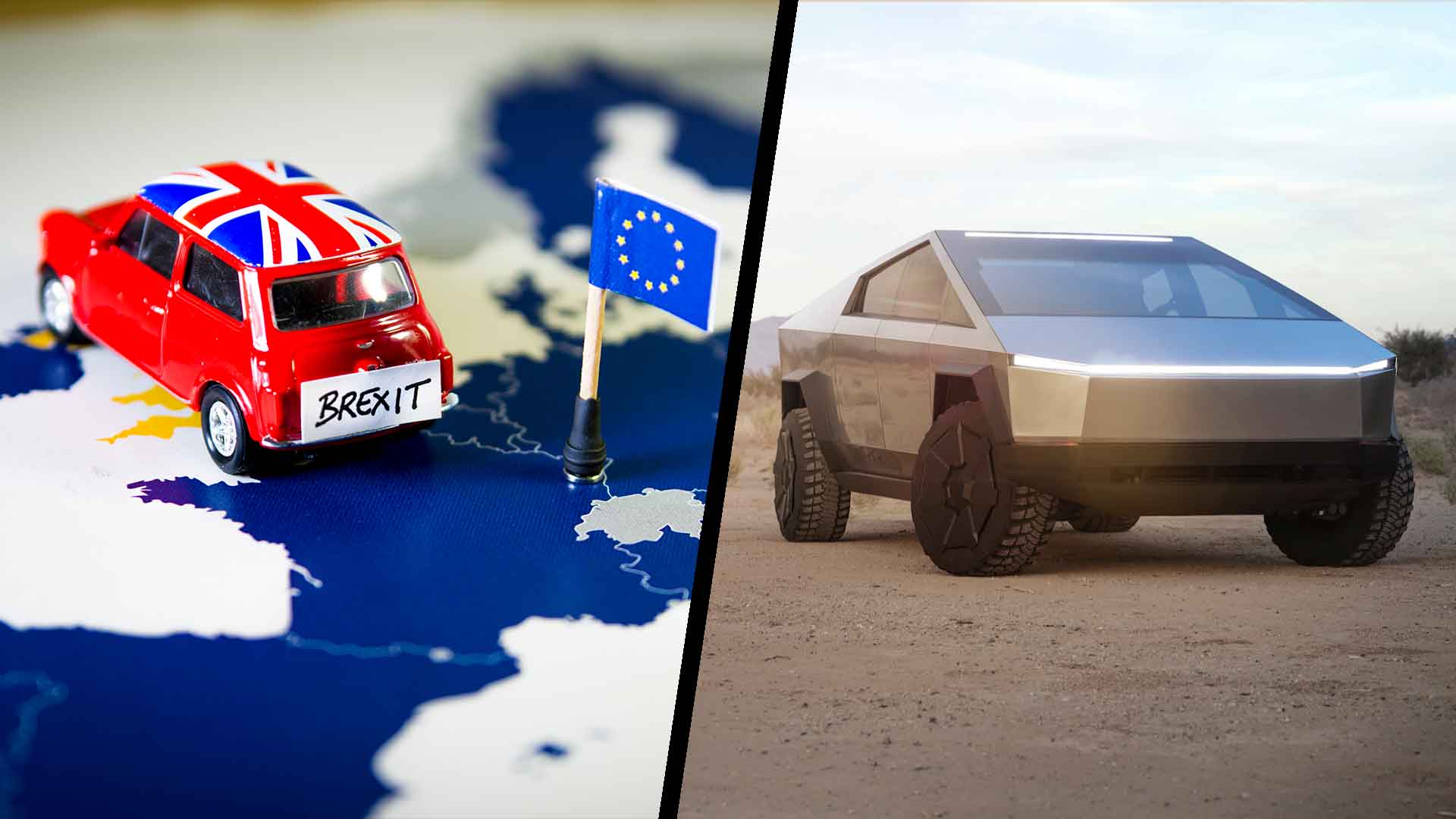
It’s been a big year for new cars and motoring news. In between stories about how Brexit is going to drag the British motor industry into the dark ages, new cars, new challenges and new ideas have permeated our online pages. Here’s a snapshot of 2019 on Motoring Research.
Ferrari to the borders
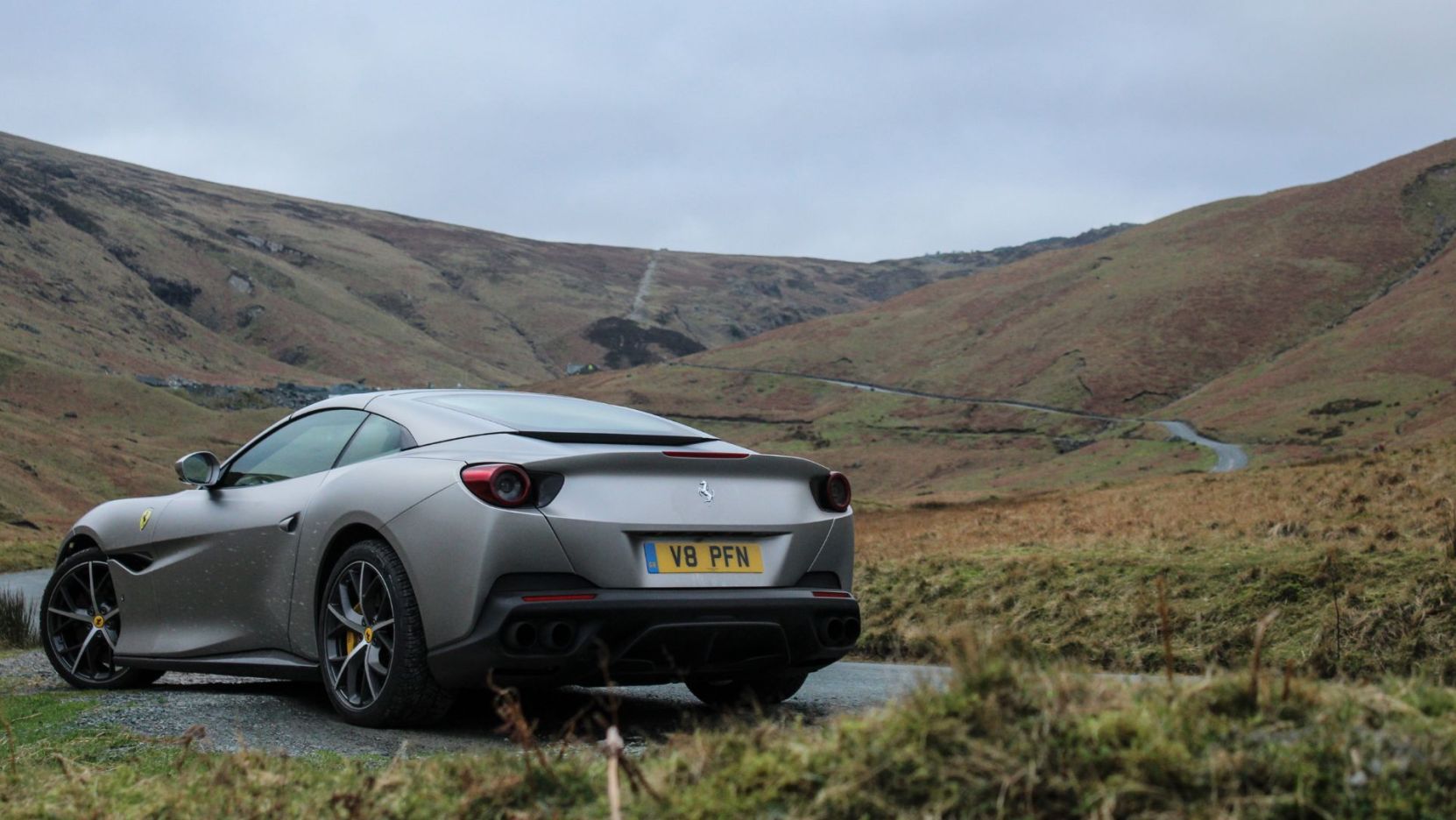
We started 2019 in the best way you possibly could: in a Ferrari, on a road trip. The car in question was a Portofino, with nearly 600hp. A sub-zero foray into the Lake District and up to the Scottish border was obviously the sensible thing to do for a first-time Ferrari driver. We had an absolute ball.
“The Portofino isn’t the most spine-tingling of sports cars,” I concluded. “It will put a smile on your face if you take the scenic route and let that muzzled 488 lump off its lead. The rest of the time, it really is a car for all seasons: a well-judged entrance into Ferrari ownership and a supremely accomplished GT. The smallest horse in the stable is still a prize steed, by my reckoning, a worthy introduction to this most prestigious of automotive marques.”
2019 Toyota Supra
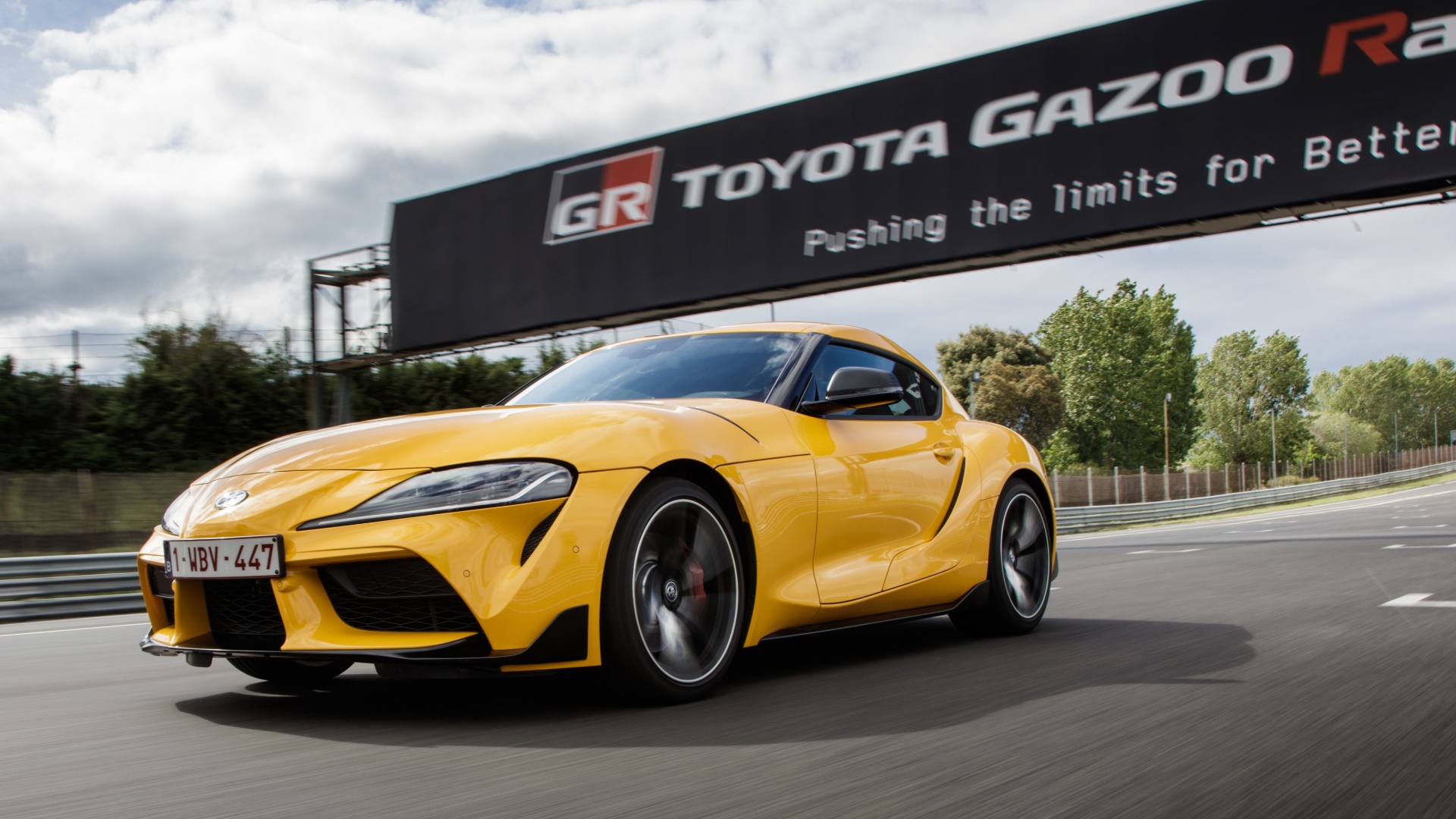
The Supra was the first of several icons to be overhauled in 2019. It joins the Land Rover Defender and the Chevrolet Corvette – the former in terms of being revived and reinvented, and both in causing an uproar about how it was carried out.
MR’s Tim Pitt was impressed by the tightened sports car the new Supra has become, saying “It feels malleable and confidence-inspiring, rewarding commitment yet forgiving mistakes. You can do your best Tokyo Drift impression (and I did), but side-on isn’t its preferred angle of attack. It’s too tenacious for that”. And the BMW thing? It’s your bone to pick. Although quite BMW-ey, Tim reckons “It feels closer to a well-sorted M car than a Z4 – and that alone shows the depth of Toyota’s input”. Would you really rather the Supra never came back at all?
Brexit, Brexit, Brexit…
Like it or not (who does at this point?) but Brexit was the buzzword of 2019 in the motor industry and, of course, far beyond. It was hardly a chirpy way to open the year, but on January 15 we reported on SMMT chief executive Mike Hawes warning of the “catastrophic consequences” of leaving without a deal in March. That didn’t come to pass, with Brexit at the time being delayed until autumn. And we all know how that went… You can find all of our Brexit coverage here.
Aston Martin on a roll
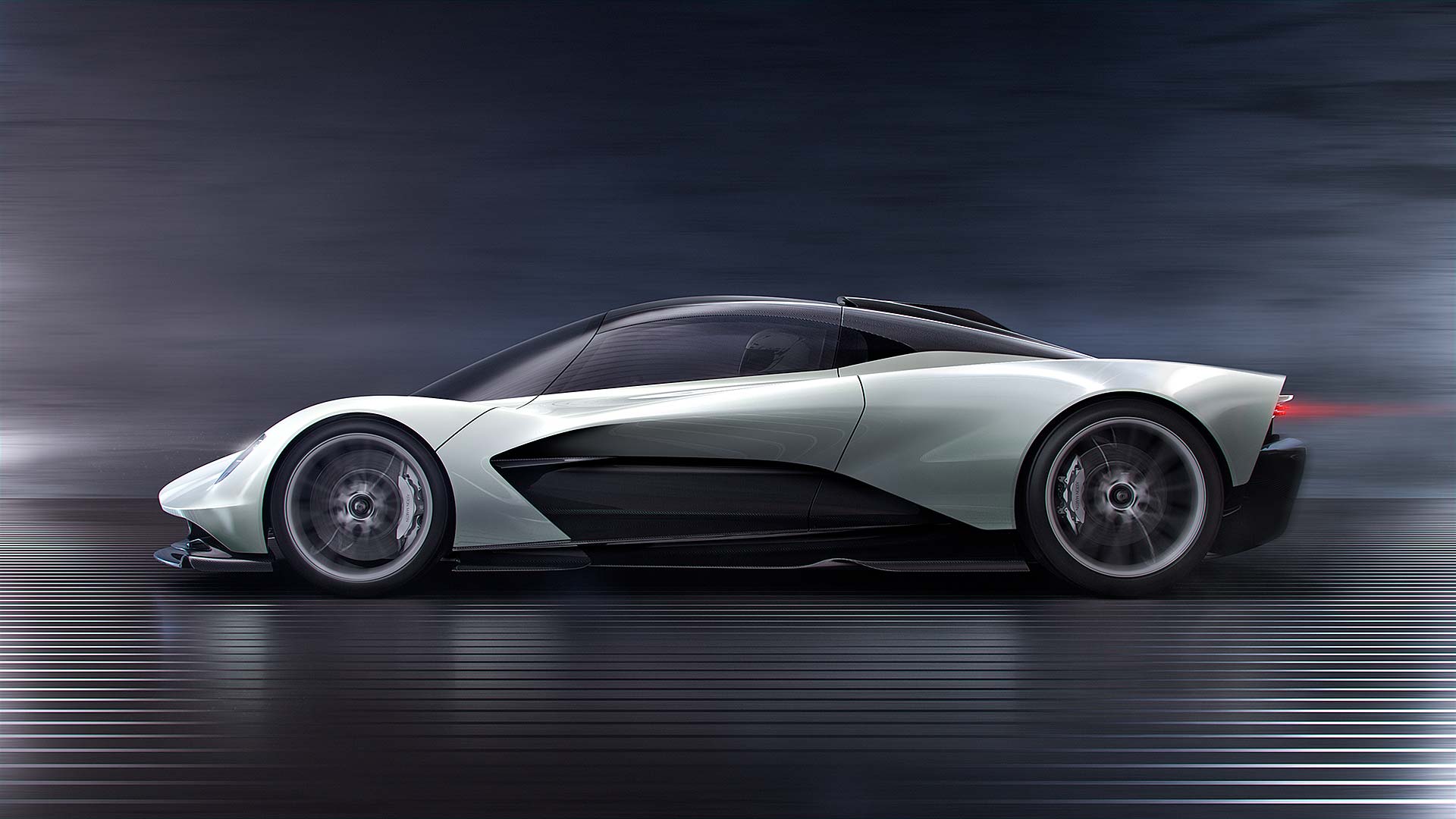
Happily, Aston Martin was at the Geneva Motor Show in March to show the world Britain still has an ambitious streak. As well as showing off the first running Valkyrie hypercar, it introduced what we now know is the Valhalla hypercar, as the AM-RB 003. Most surprisingly, though, it showed a concept for the forthcoming mid-engined Vanquish. Its Lagonda brand also revealed a concept for a lovely all-electric luxury SUV. MR’s Richard Aucock summed up Aston’s supercar assault at Geneva: “Stay tuned, because what we’re watching unfold is the remarkable expansion of Bond’s favourite GT brand into a bona fide supercar and hypercar maker.”
The ULEZ comes to London
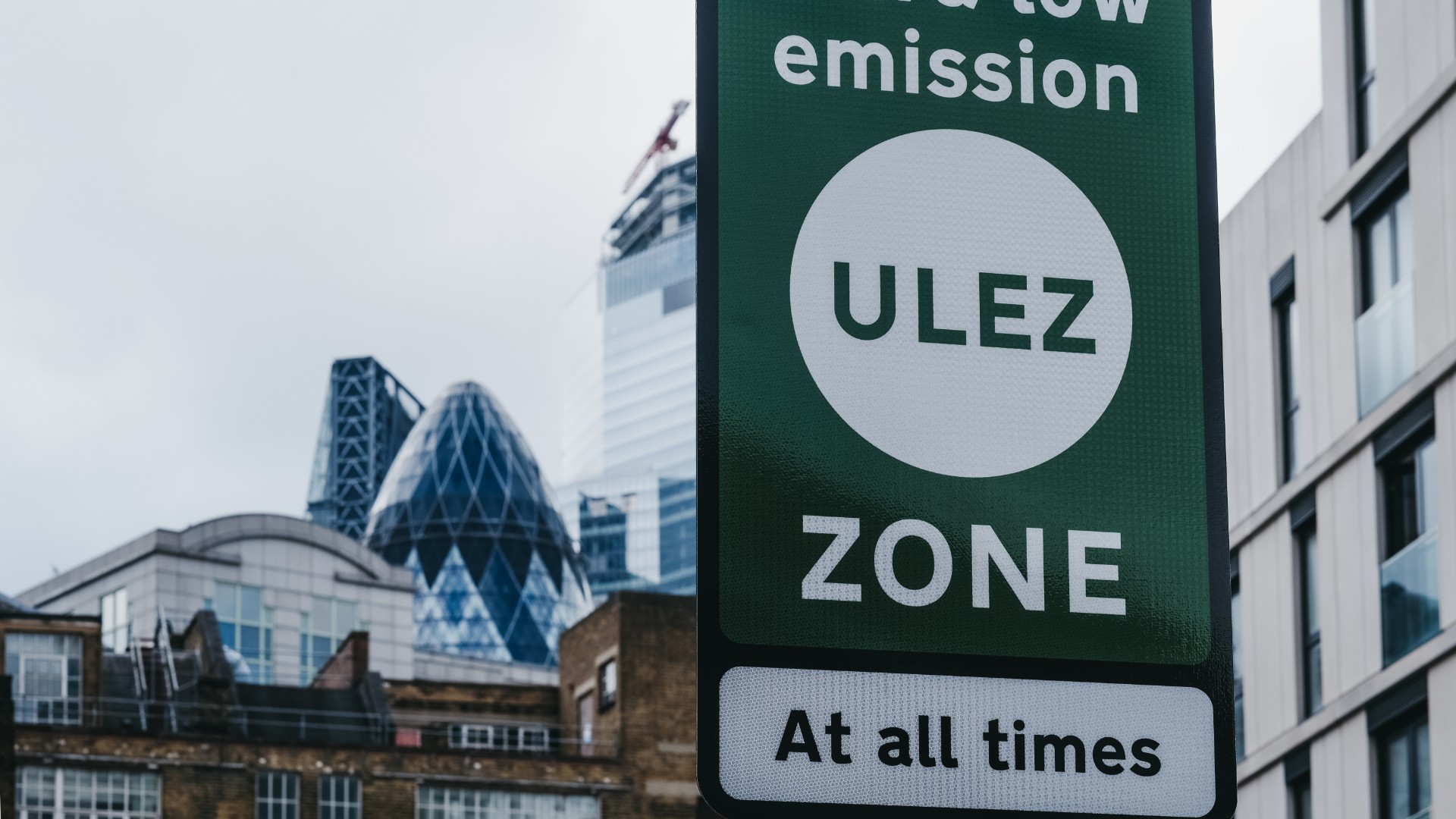
In April, the Ultra Low Emissions Zone (ULEZ) happened in London. It’s the beginning of a revolution on the road, as we are encouraged to ditch our dirty gas-guzzlers and move into ultra-low emission cars. The long and the short of it? If your car isn’t new and clean enough, and you drive into central London, you pay a charge, And that’s on top of the Congestion Charge, 24/7 and 365 days of the year. Find out more about the ULEZ here, and whether you have to pay.
Electric Peugeot 208
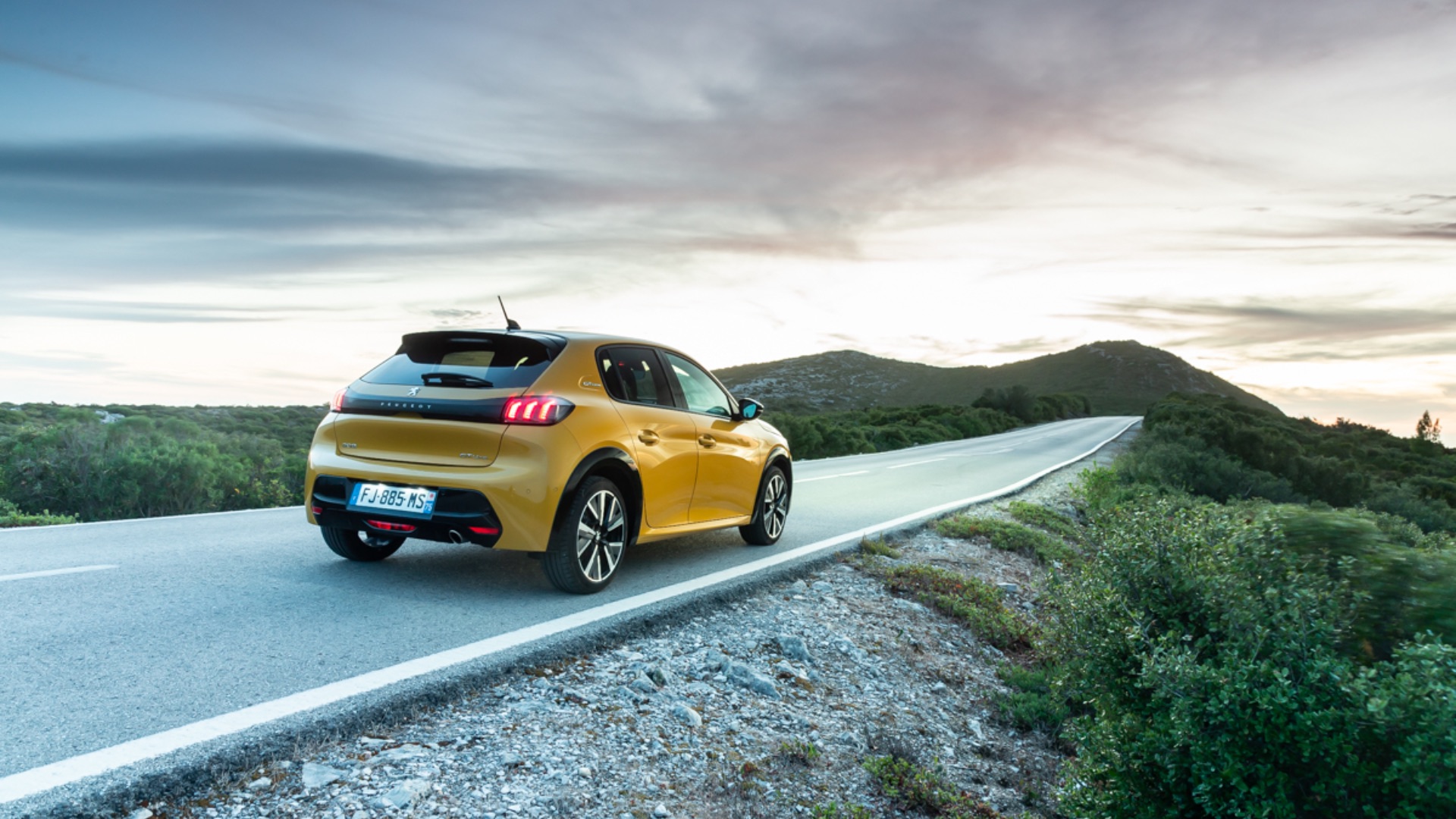
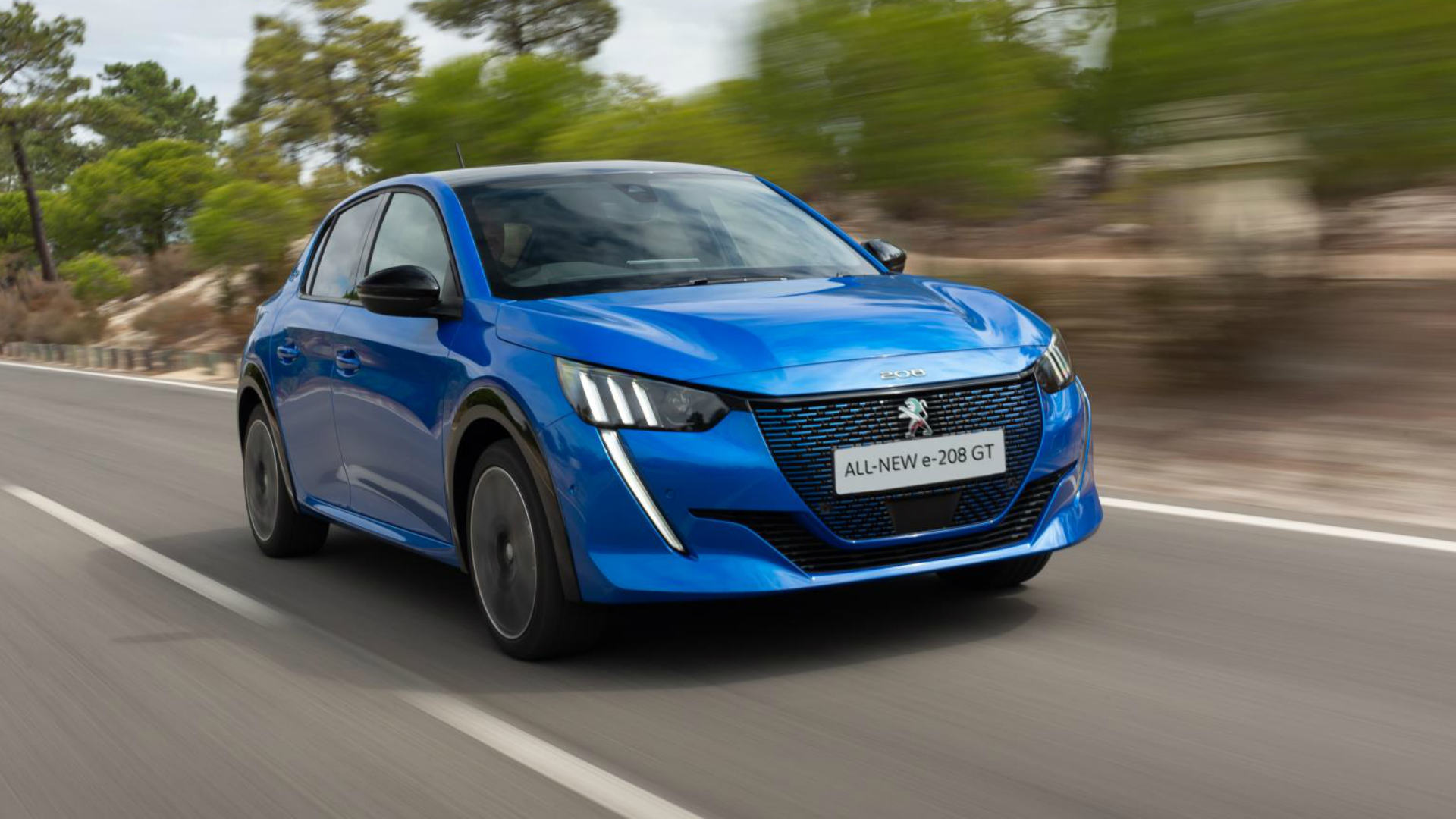
The perfect car for the ULEZ, or indeed the Congestion Charge zone? The new Peugeot 208 is available as a full EV, with more than 200 miles of range. The car was the first of a number of ‘attainable’ EVs to debut in 2019. When Tim Pitt drove it, he said “If you have a charger at home or work, the e-208 offers few compromises and several notable benefits – not least the environmental kudos of driving an EV”. It didn’t quite win him over though, given he concluded the more affordable petrol was his 208 of choice.
Electric Vauxhall Corsa
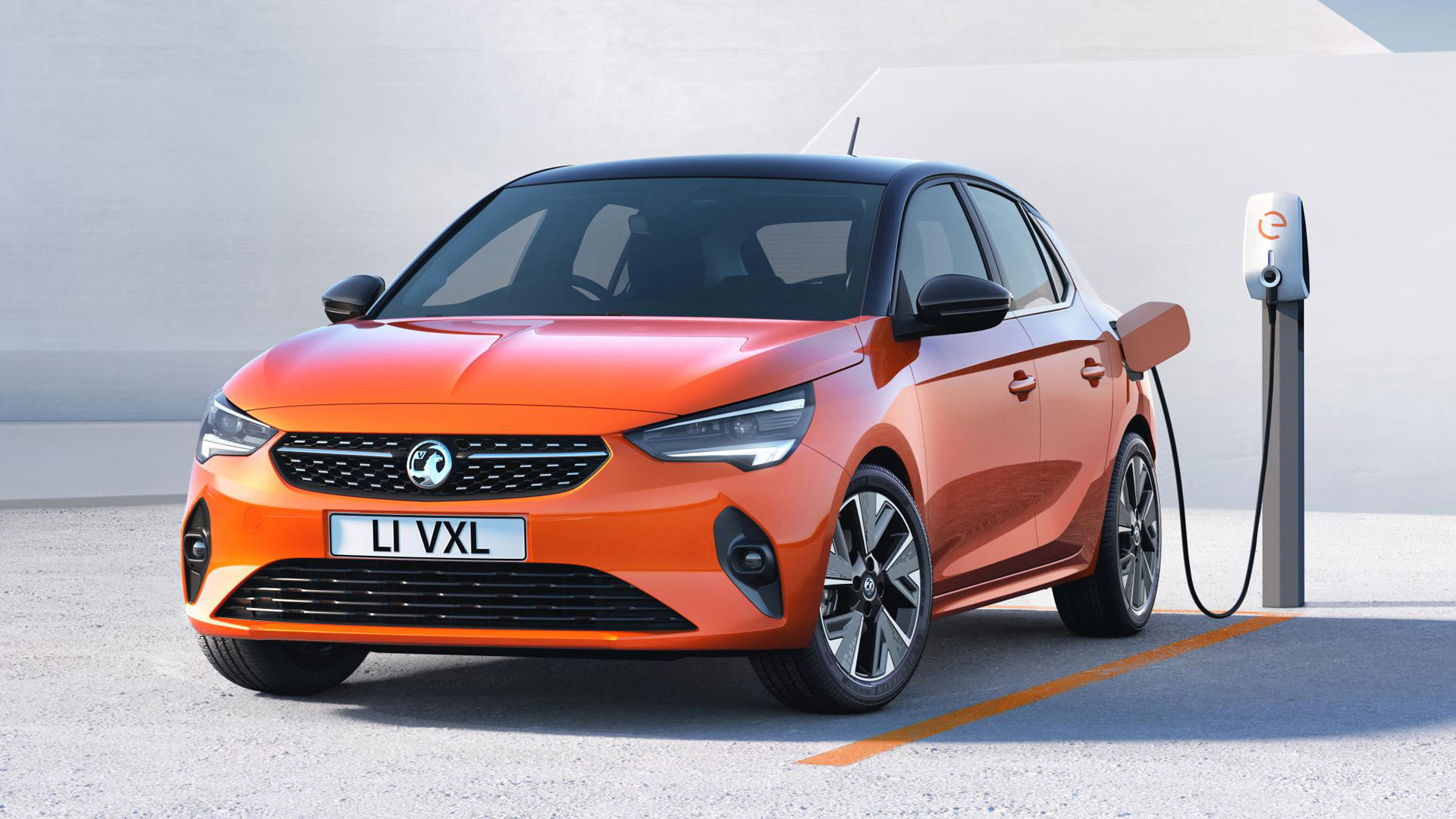
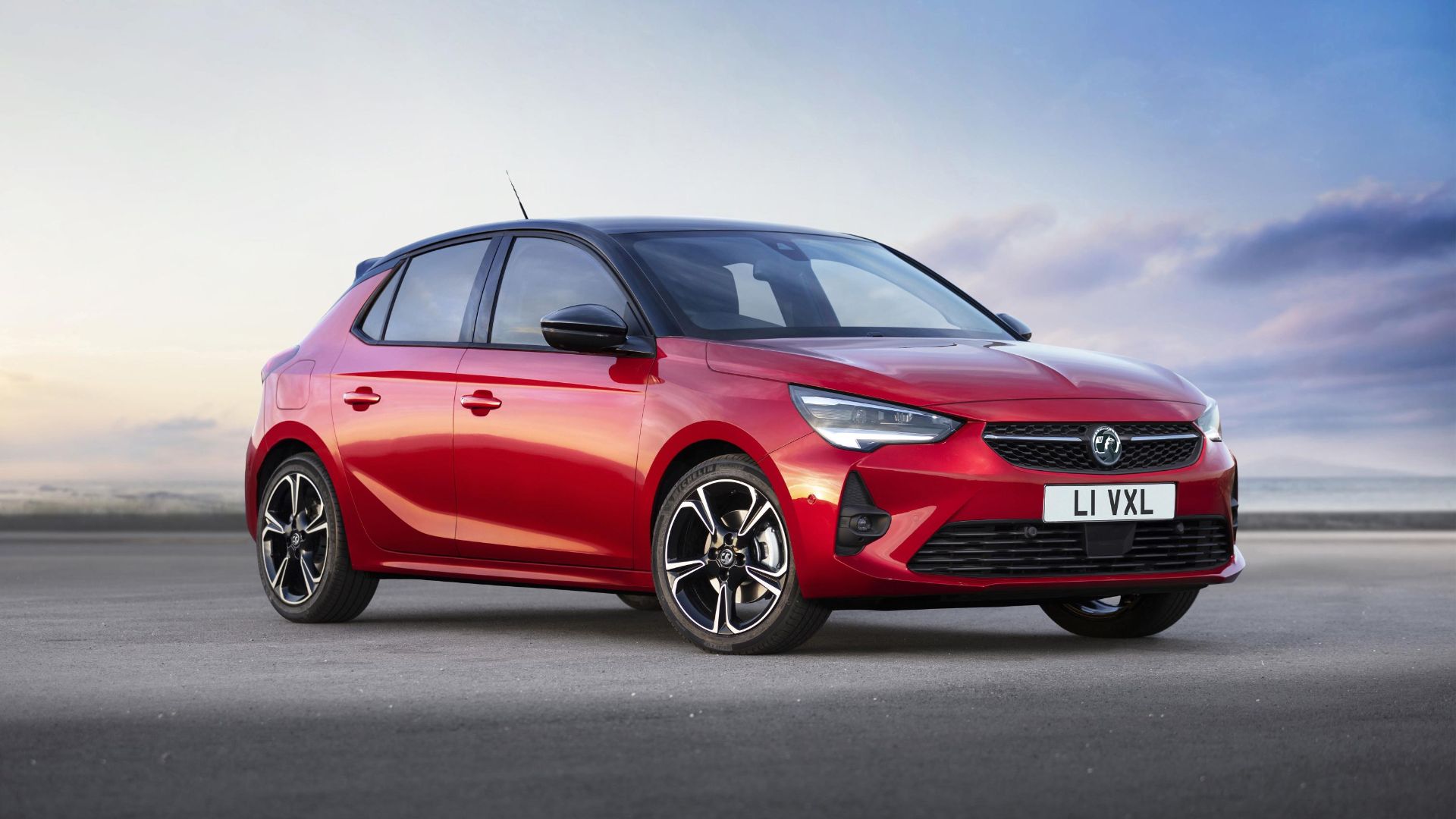
Hot on the 208’s heels was the new Vauxhall Corsa, which shares the same platform. So that means there’s also an all-electric Corsa. You can pick it up next year for £270 a month, albeit with a deposit of more than £5,000. The Corsa is a bit pricier than the Pug, starting from around £1,500 more.
Electric Mini
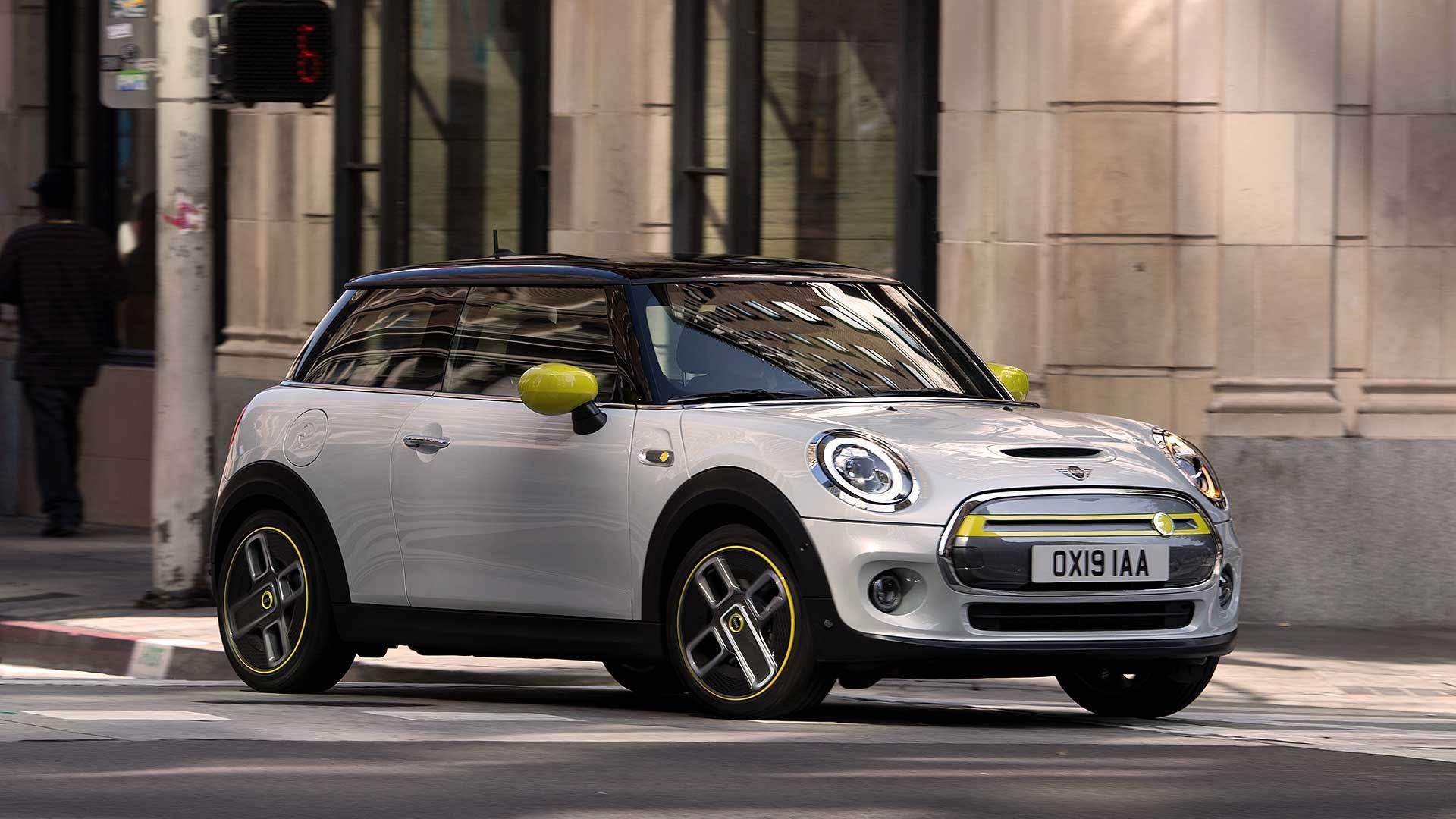
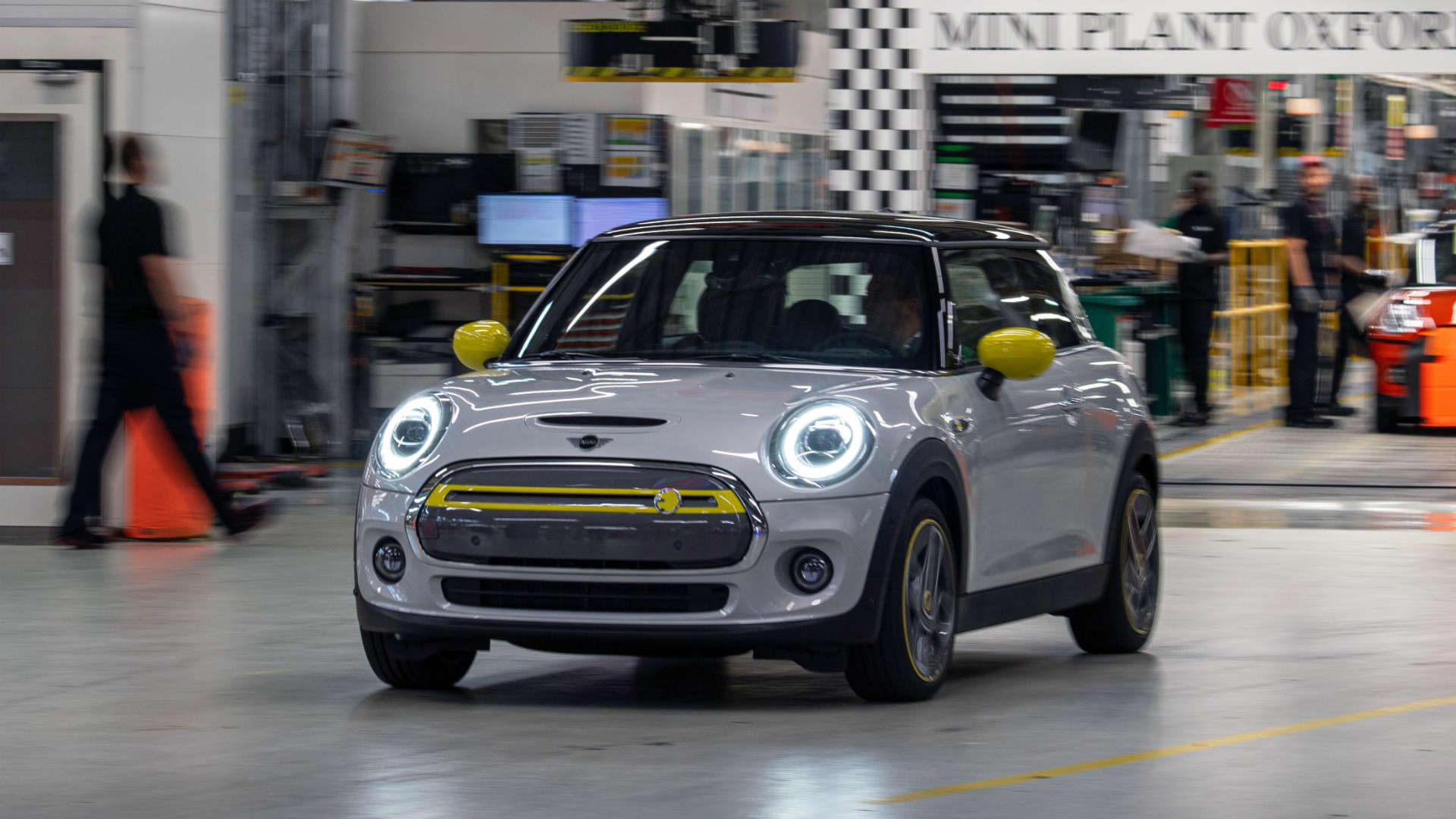
It’s not just PSA getting in on the electric small car action either. The original miniature marque – Mini – launched its Mini Electric, complete with a 144-mile range and a £24,400 start price (including government grants). Yours for £229 a month, and deliveries begin in March 2020.
Honda E
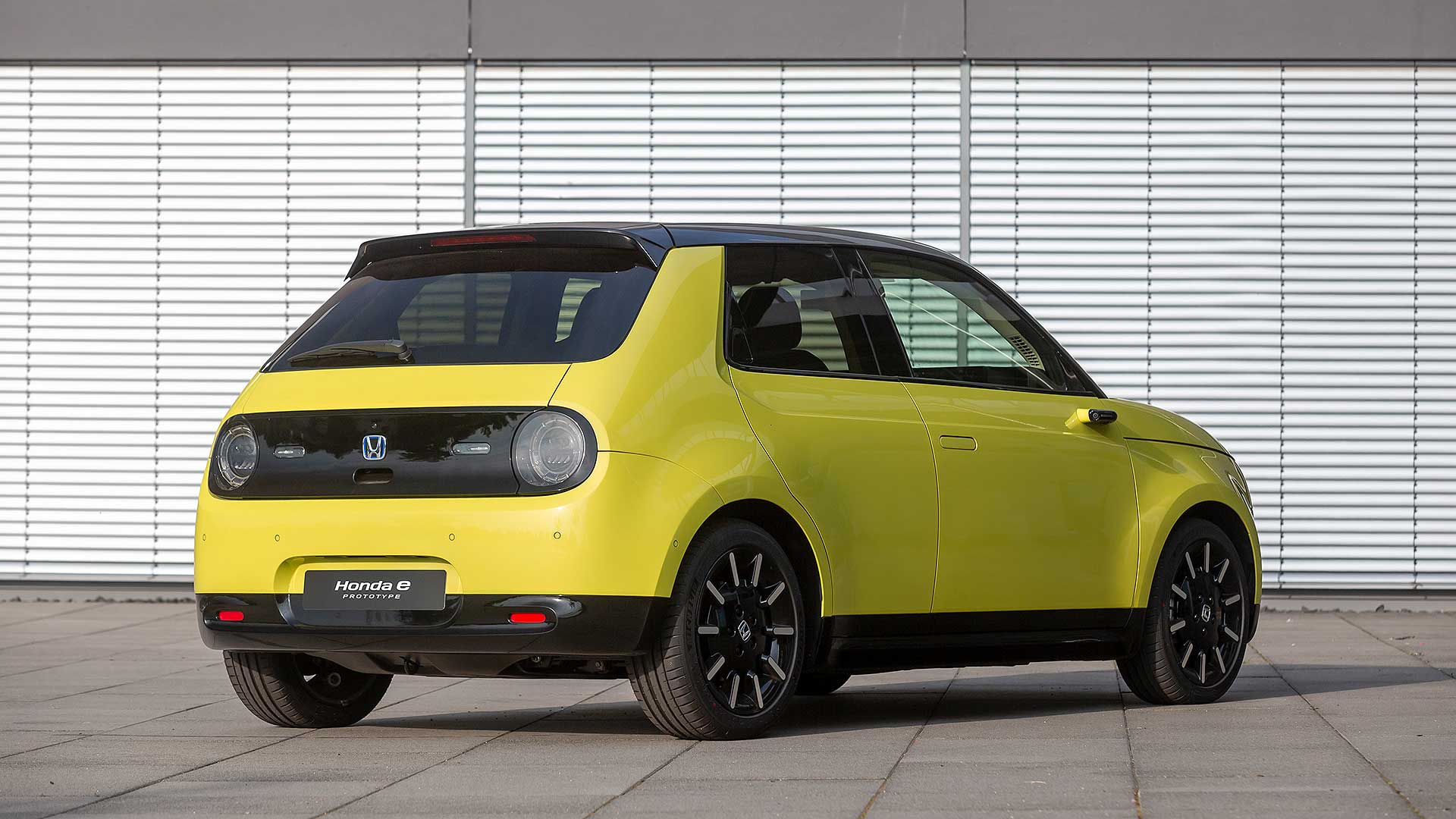
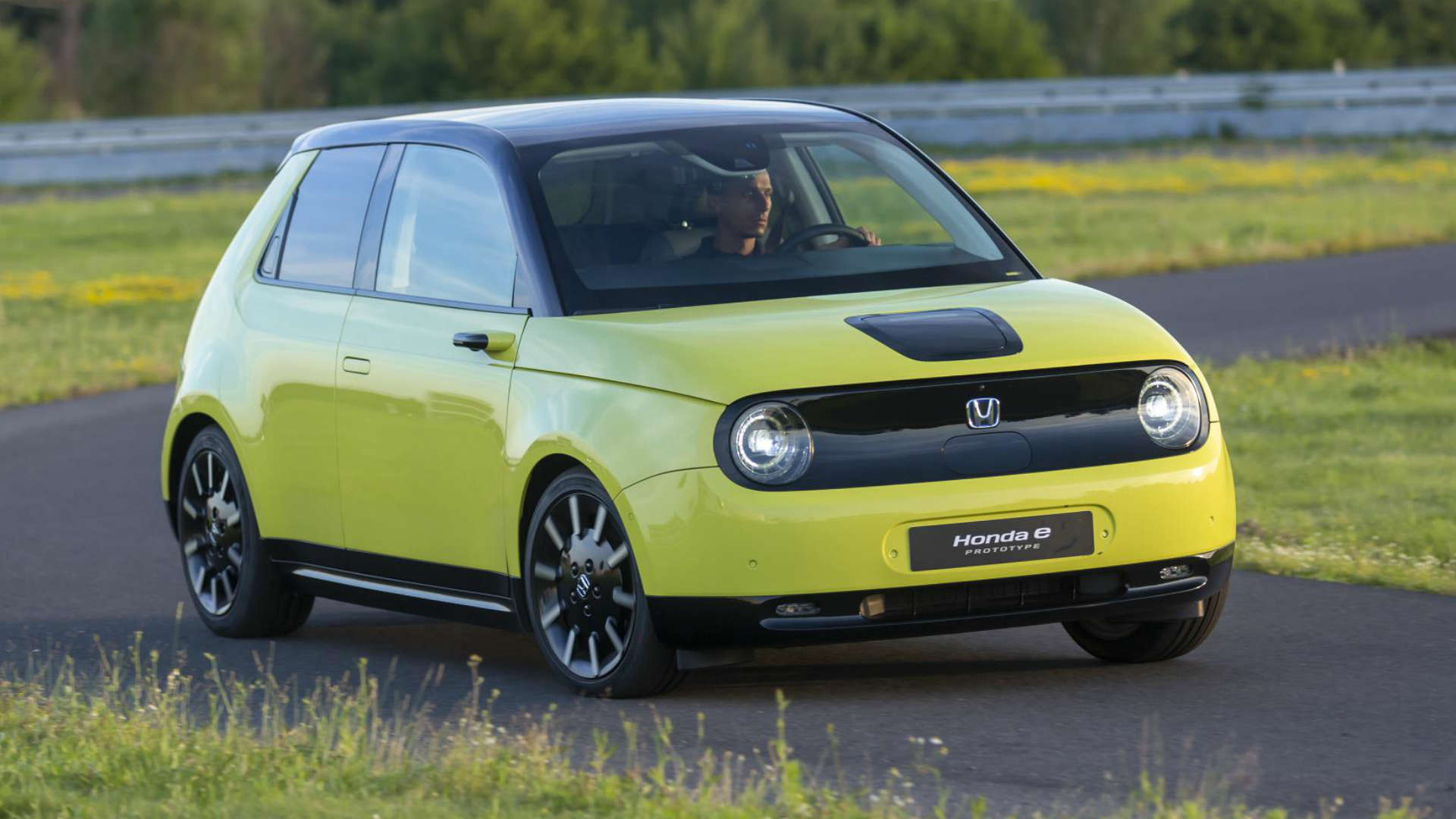
This is the last of 2019’s small electric cars, we promise. But this year really has been the year of the EV. With a 134-mile range and a £30,000+ price, the Honda is a tough sell. But just look at it! It drives well, too, according to MR’s Richard Aucock. “An early taster of the Honda e Prototype suggests it will be as appealing to drive as it is to look at and sit in. It looks characterful, and its on-road performance is distinctive, particularly the comfort, the quietness and the turning circle.”
Can an electric car really save you money?
At the end of the day, when considering spending £25,000 on an electric hatchback, you have to ask yourself: ‘Can an electric car really save you money?’. Clearly people want to know, because this was one of our biggest stories of the year. To buy, they’re quite expensive, but you’ll save on ‘filling up’ – at least for now. Electric cars will get cheaper, too. As I summed up in the piece: “The jumping-off point is coming, sooner or later, for most car buyers. It just needs the numbers to add up – even if they don’t yet.”
Keyless car theft – the scourge of 2019?
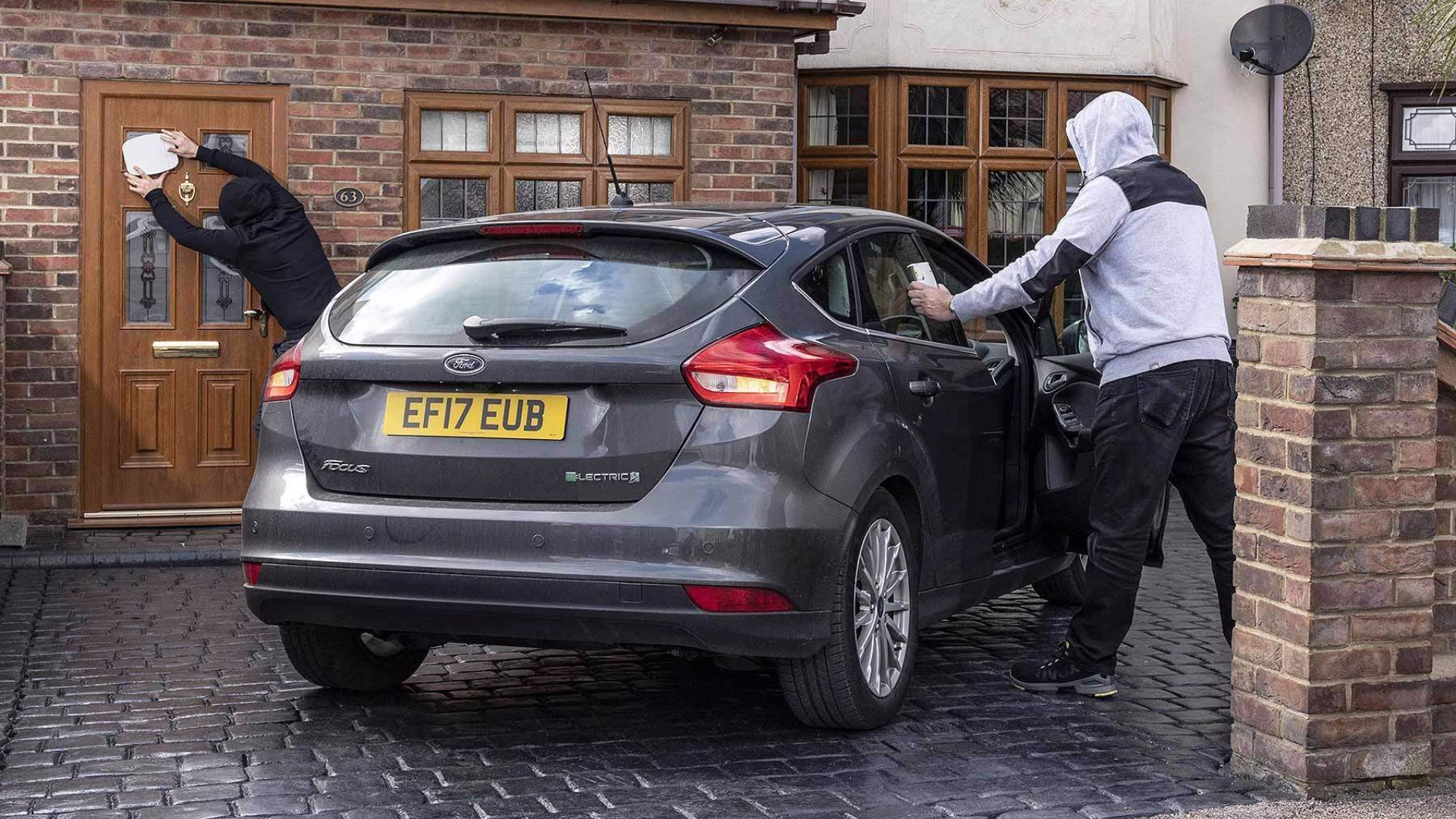
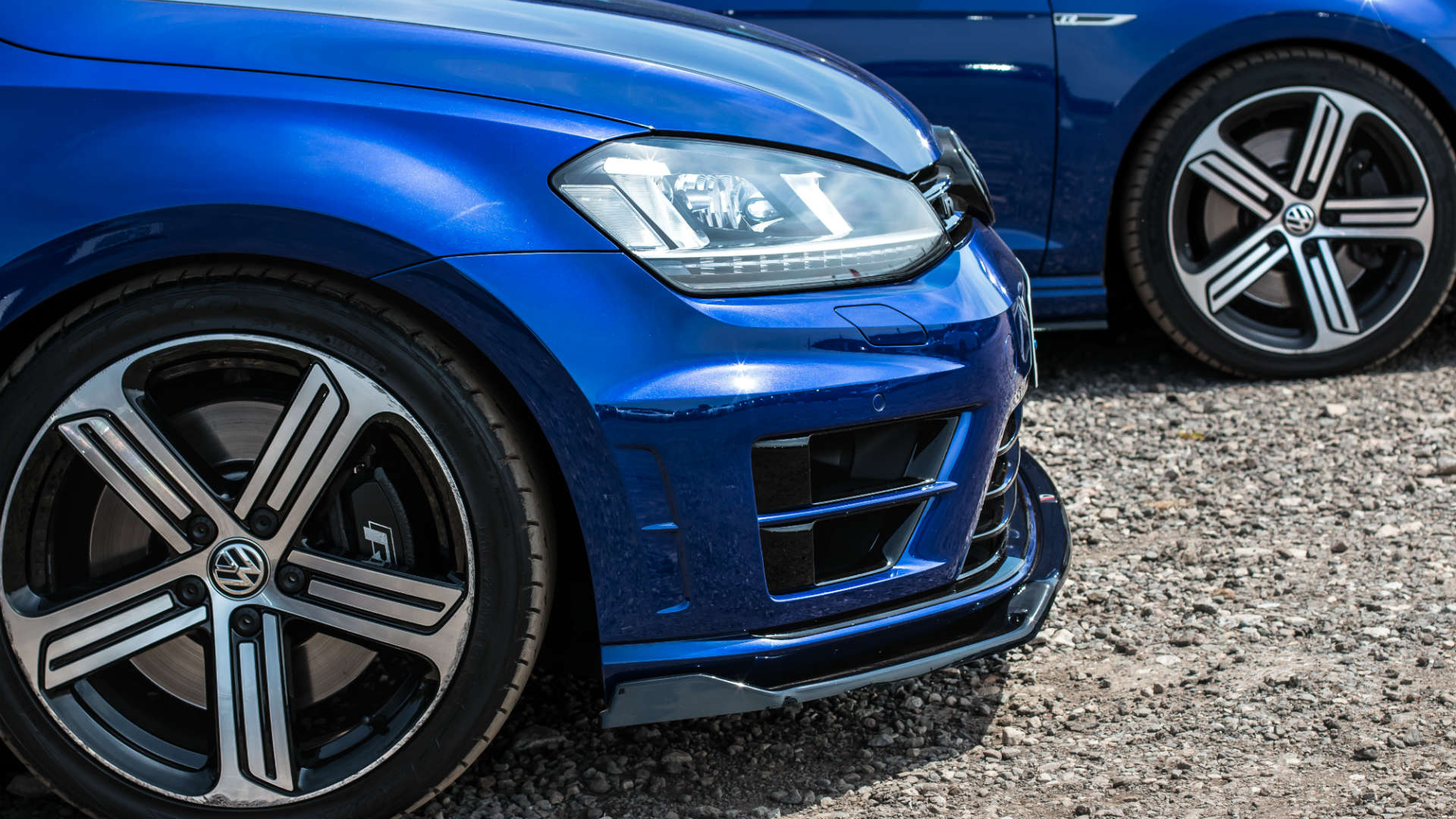
One of 2019’s biggest topics in the car world is keyless theft. Owners of recent and current models with keyless go have faced hackers ‘hijacking’ the signal from their cars. This lets them open, start and drive away, even with your keys hung up indoors. We have a rolling piece on the best ways to stay safe from keyless car theft, but we also reported on numerous keyless theft stories. Will the industry nip this nasty spike in 2020? It’s become such a problem that MR’s Gav wrote an opinion piece comparing the Volkswagen Golf R to the classic Ford Sierra Cosworth in terms of thievability…
Volkswagen Golf R – the new Sierra Cosworth?
Gav noted a tweet from Harry Metcalfe, which highlighted the fact that a third of cars stolen in his area were Golf Rs. Like the Sierra and other fast Fords back in the day, the Golf R is hot property for car thieves. Could it become ‘uninsurable’ as the Ford was?
“It’s easy to draw comparisons between the Cossies of the past and the Golf R of the present. Scary times if you’re an owner,” Gav said. “Would you consider selling yours to buy something less likely to be stolen?”
Mid-engined Corvette
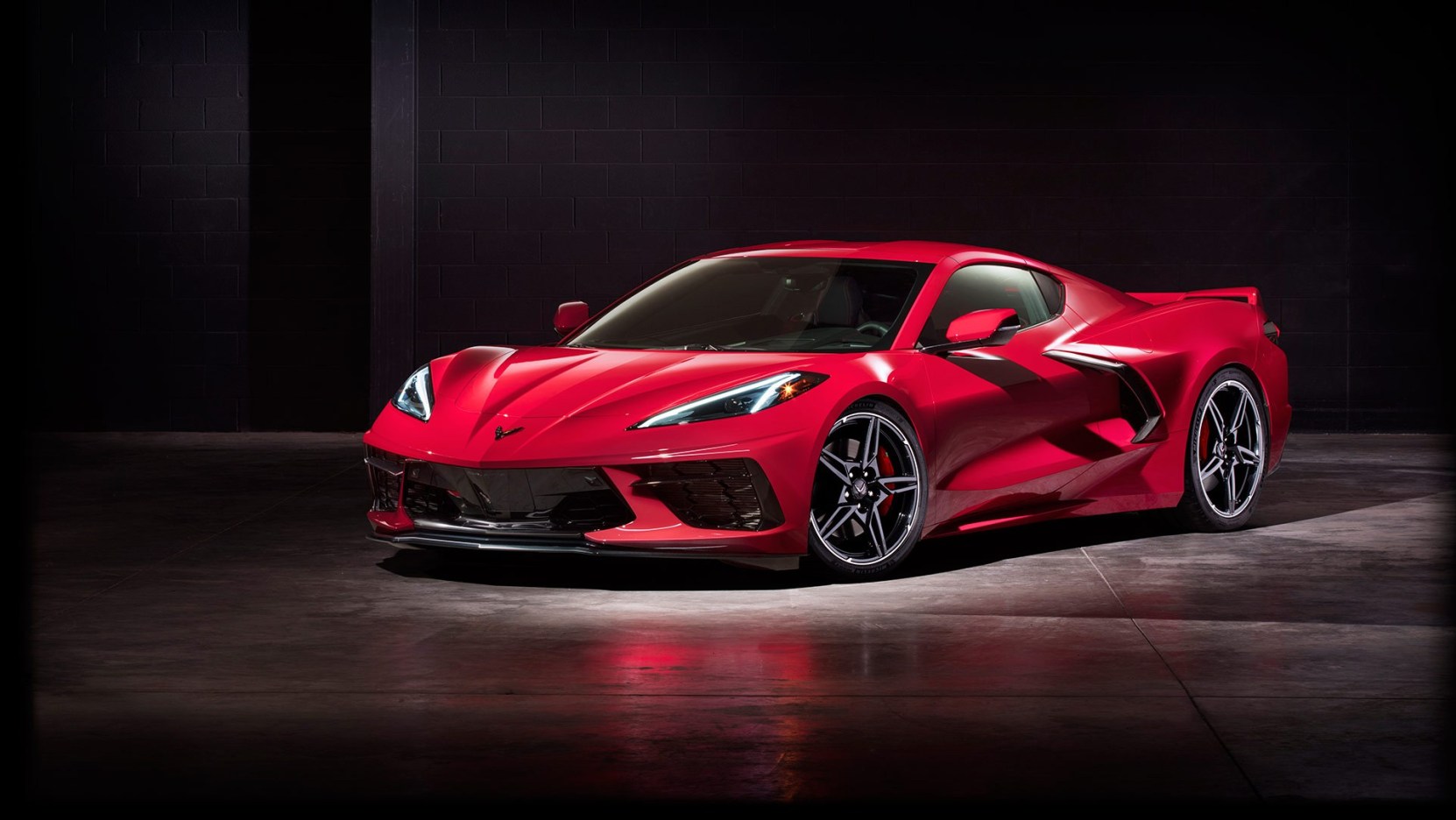
Back to some of the year’s most important car reveals. Probably the most dramatic overhaul of an icon in 2019 is the new Corvette, which is going mid-engined for the first time (in production form, at least). The latest Corvette also brings dual clutch-only shifting, improved cabin quality, much higher potential performance and even the possibility of right-hand drive. What the Corvette retains is its iconic pushrod V8 and, amazingly, a low entry price, which actually renders it unprofitable at first. You can pick up a base ’Vette, now a near-500hp pseudo-supercar, for less than the price of a Porsche Cayman in America.
Bugatti Chiron Super Sport 300+
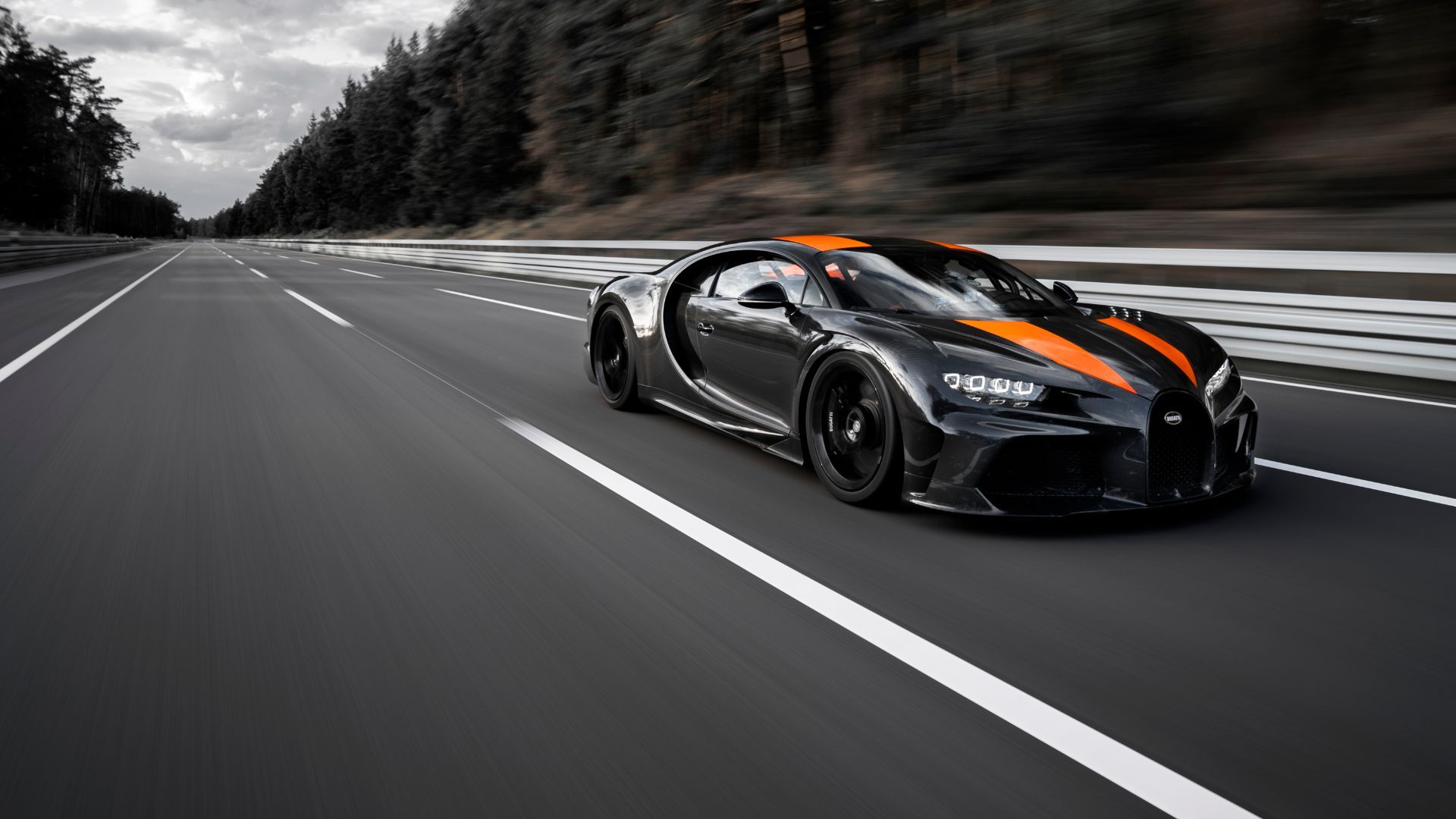
This year, a road-going car passed the 300mph barrier. Of course, the champion of speed for the new millennium, Bugatti, was the one to do it, with a specially-prepared Super Sport version of the Chiron hitting 304mph. A production variant was later announced, called the Chiron Super Sport 300+. There was a great deal of debate, both about whether the record was legitimate, with the car being a pre-production prototype, and whether top speed is still relevant. In my opinion piece, I argued aggressively in favour.
Green number plates
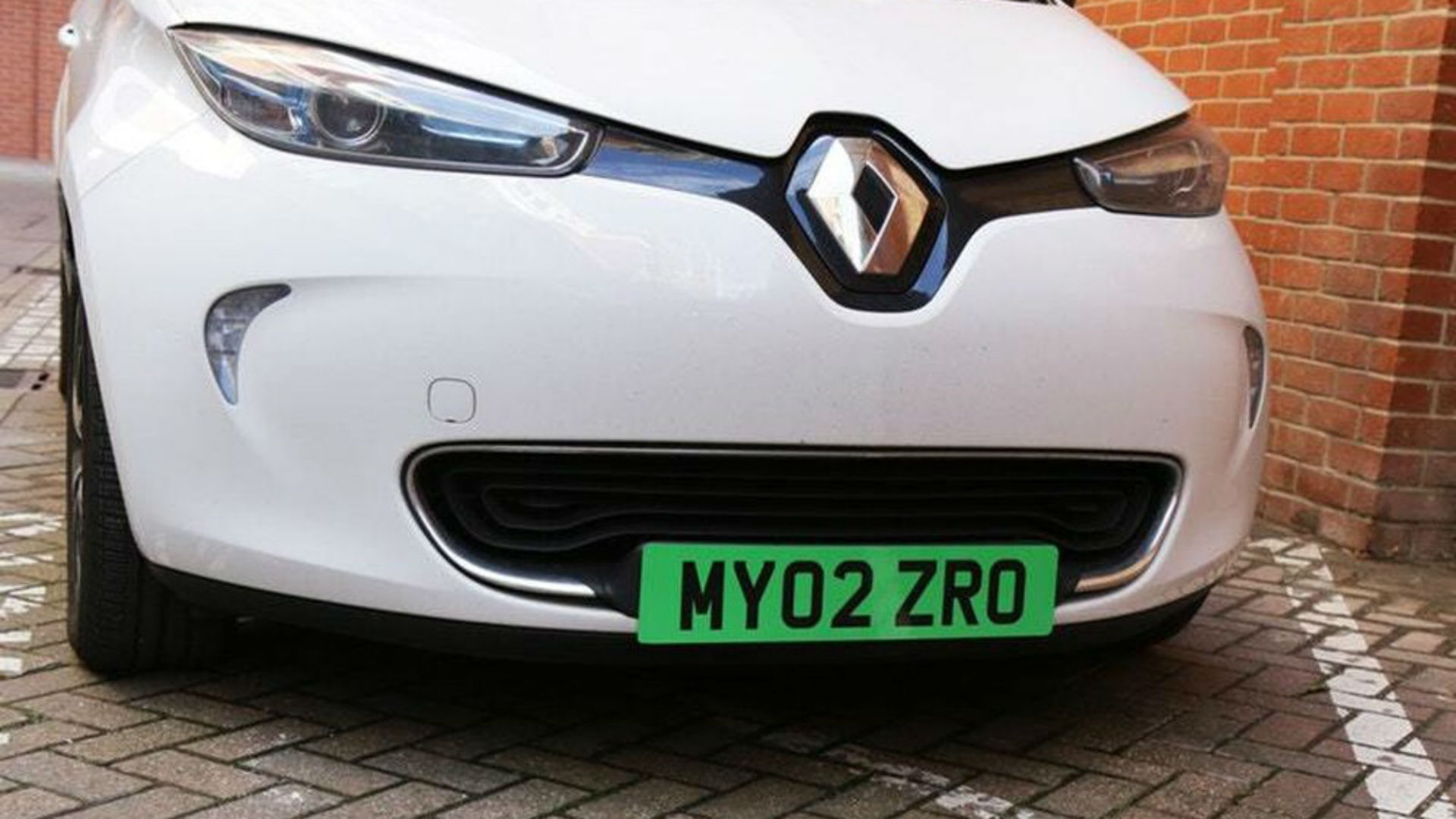
It wouldn’t be a year of motoring stories without a weird idea from the government. Green number plates, anyone? They were touted as a ‘very visible way of distinguishing [ultra-low emission] vehicles and raising their profile’. There’s also the possibility of giving these clean cars extra privileges on the road, including access to bus lanes and zero-emission zones. MR’s Gavin Braithwaite-Smith wondered if green number plates were the answer to a question nobody asked. The public seems to think so, with only one in five drivers liking the idea.
Volkswagen ID.3
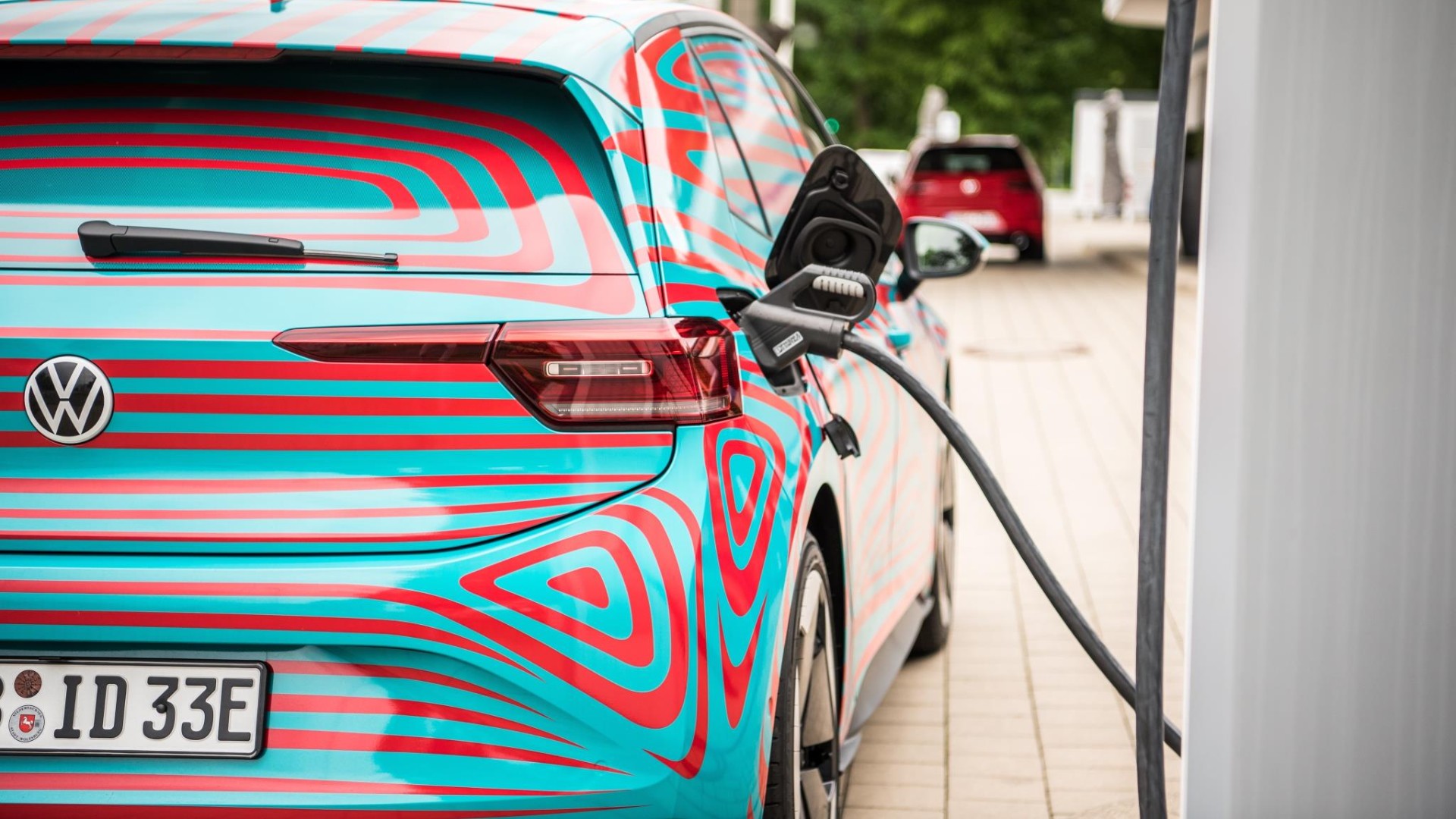
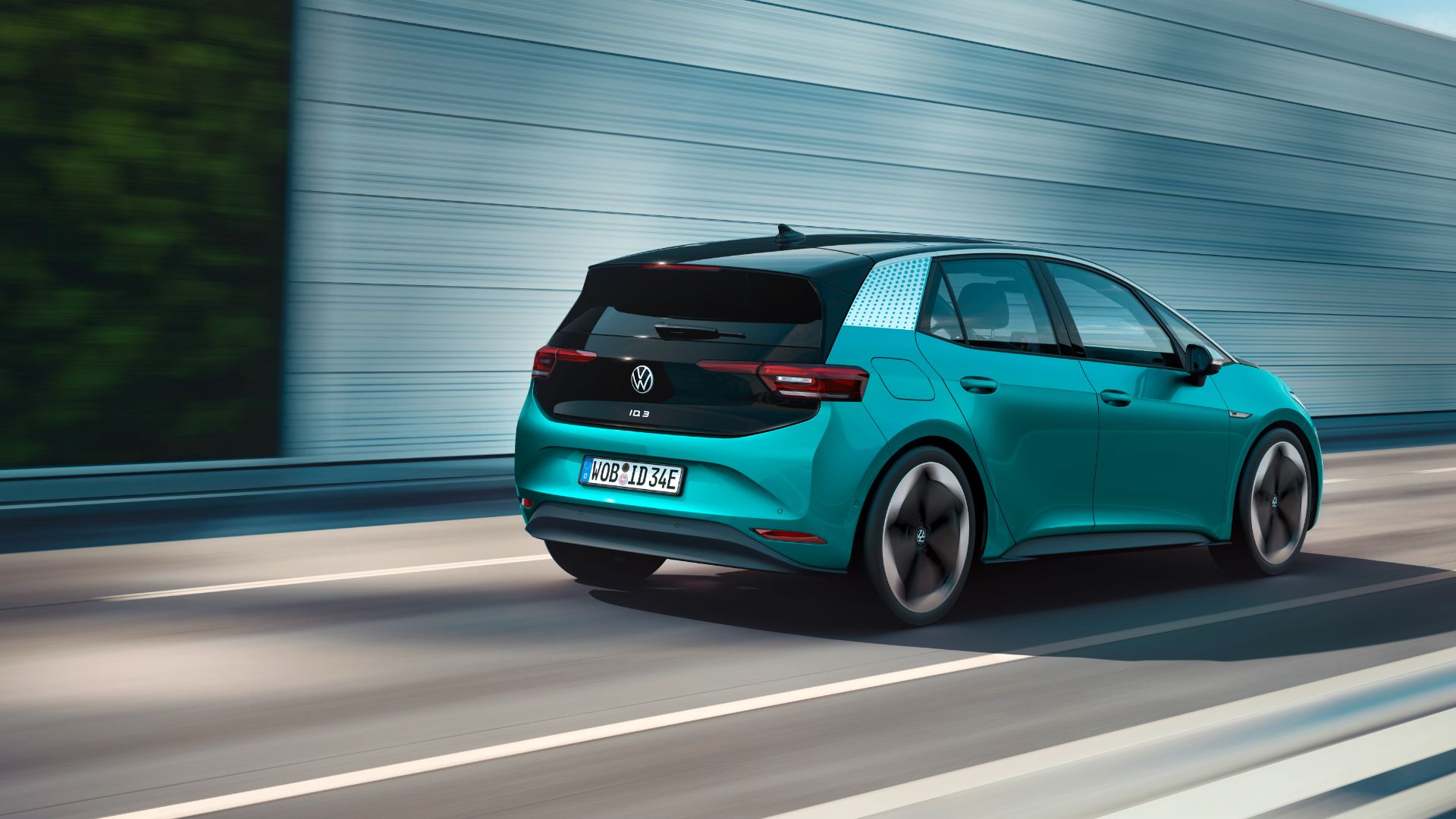
Joining the Porsche Taycan at the Volkswagen Group’s Frankfurt EV showdown was the long-awaited Volkswagen ID.3. ‘ID’ is the marque’s new electric sub-brand, while ‘3’ refers to the third chapter of the ‘people’s car’, following the Golf and Beetle.
Land Rover Defender
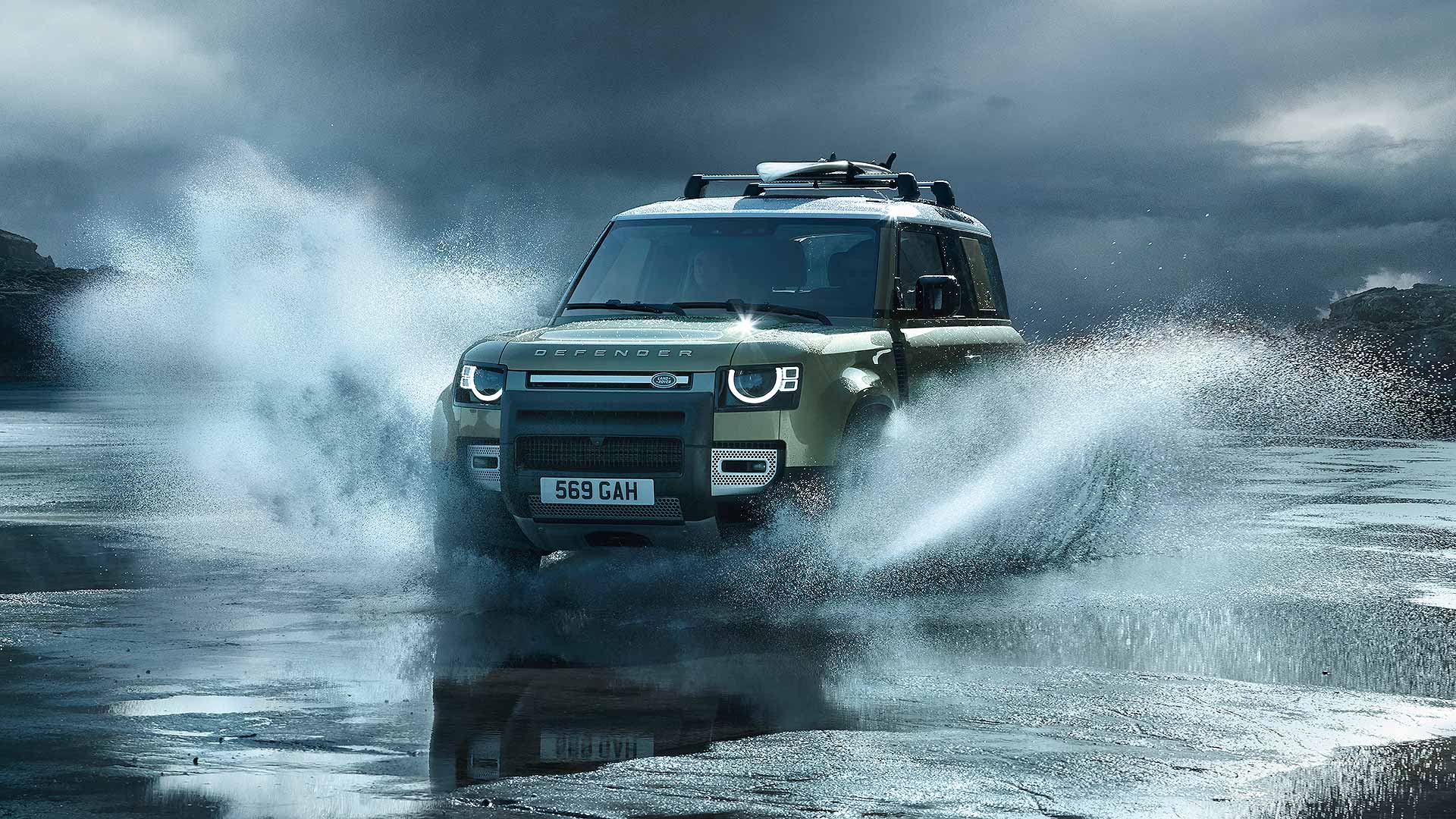
We’d been waiting an age. And unlike Toyota with the Supra, Land Rover kept the new Defender tightly under wraps. Its return at the 2019 Frankfurt Motor Show was probably the reveal of the year. The Defender is all-new, but retains much of the original’s rugged looks. It will be, by far, Land Rover’s best off-roader, with short overhangs for impressive approach and departure angles, plus a massive 900mm wading depth. Unlike the original, it should also be a good road car, with independent suspension, a new monocoque chassis and up-to-date infotainment. Available in three- (90) and five-door (110) guises, it won’t be cheap. The 90 starts at £40,000, while the 110 opens at £45,000. We can’t help but love it, but for now we can only afford the Lego version.
Brexit, Brexit, Brexit…
We asked whether keyless theft was the scourge of 2019 for motorists. For the motor industry, however, it was Brexit. We’ve covered it, but because leaving the EU was put off again in the autumn – and now until January – we’re reminding you that all of our Brexit coverage can be found here.
Bristol diesel ban
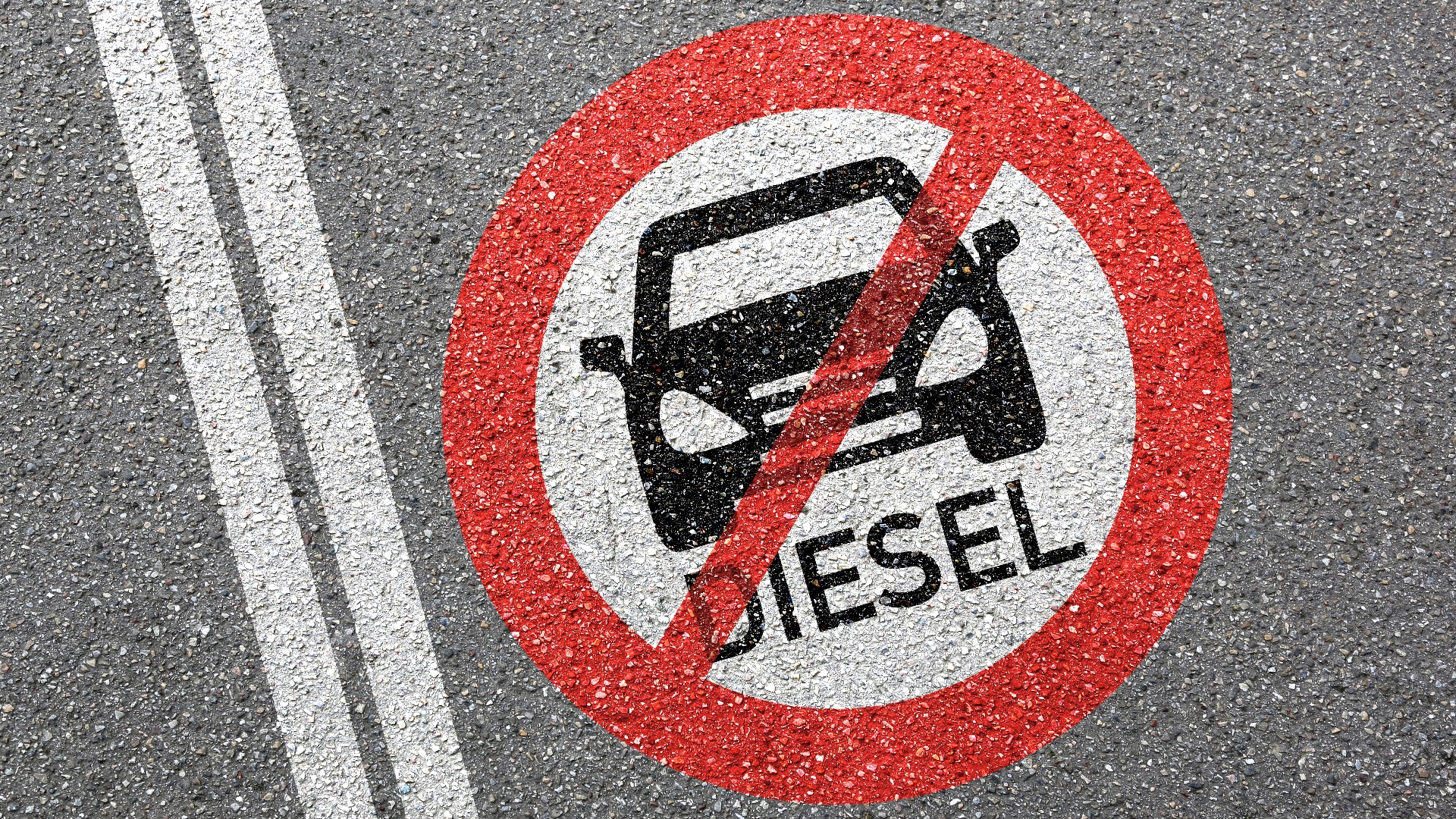
It’s official: the war on diesel is hotting up. Bristol is the first city in the UK ban diesel cars from certain areas. Yes, that means certain smoggy petrol cars from when emissions regulations were a pipe-dream still have access, while the very latest, cleanest diesels don’t. And there’s no ULEZ-style charge you can pay. The SMMT criticised the move, with chief exec Mike Hawes saying “we need a clear and consistent national approach to clean air zones that incentivises uptake of the latest, low emission vehicles, including new Euro 6 diesels”.
Morris J van
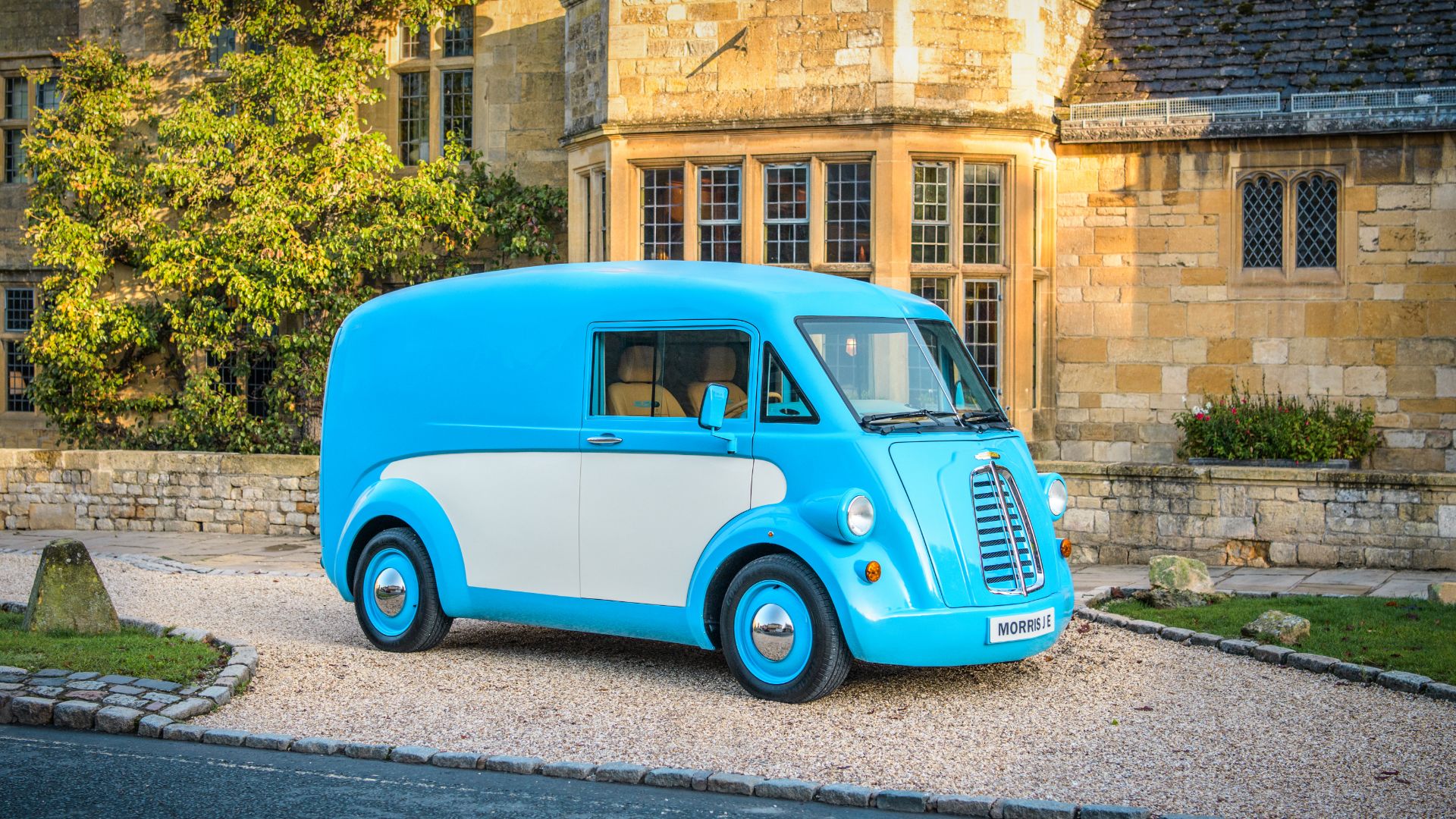
If the vendetta against diesel concerns you, don’t worry: the reborn Morris has got it covered. Of course, it might not, given its new J-type JE electric van will cost more than £60,000. MR’s Gav, often a classic evangelist, didn’t put on his rose-tinted spectacles. He has some strong opinions on the JE. “What’s the obsession with reimagining stuff from our past?” he asks. “What next, a reimagining of other distinctive elements of 1950s Britain, such as polio, pea-soupers and women tied to the twin-tub washing machine?”
Aston Martin DBX
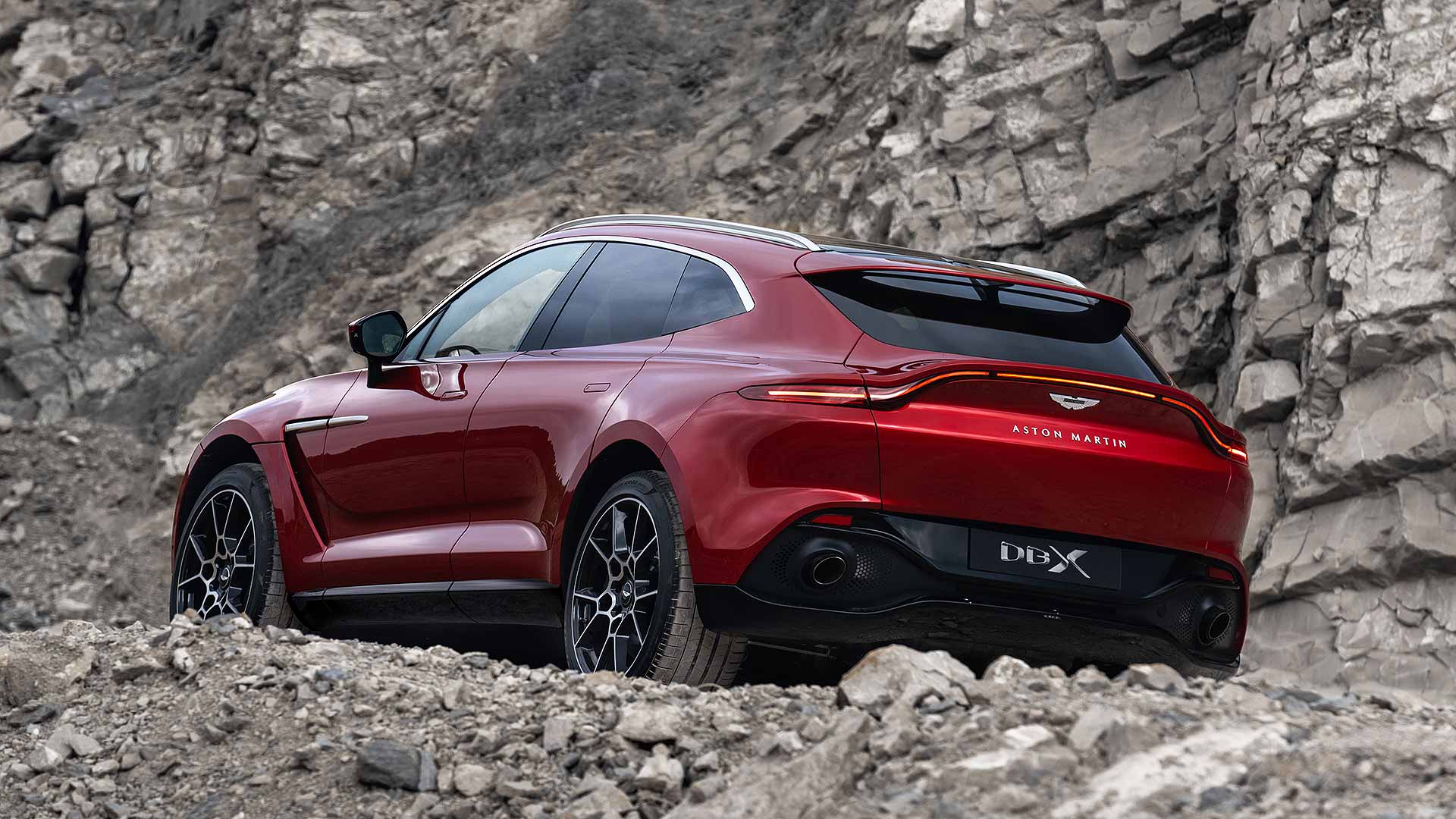
Another year, and another sports car manufacturer has gone to the dark side. We live in a world where Porsche, Bentley, Alfa Romeo, Rolls-Royce, Maserati, Lamborghini, and now, Aston Martin, make SUVs. Happily, the DBX is, for an SUV, quite a tidy looking thing. MR’s Richard Aucock called it “striking, stylish and suitably sporty. The DBX is a standout SUV that eschews boxy blockiness for a more elegant and exotic profile. Can SUVs be beautiful? This lays a greater claim to it than most.”
The cabin is gorgeous – by far Aston’s best of late – and it borrows Mercedes’ very talented twin-turbo V8, in 550hp guise. It’s a pricey thing, mind, starting from £158,000, but the super-SUV marketplace is surprisingly crowded. Leave the Urus, forget the Cullinan ever existed and swap out the Bentayga: if it drives as good as it looks, the DBX is the new king of the high-riders.
Tesla Cybertruck
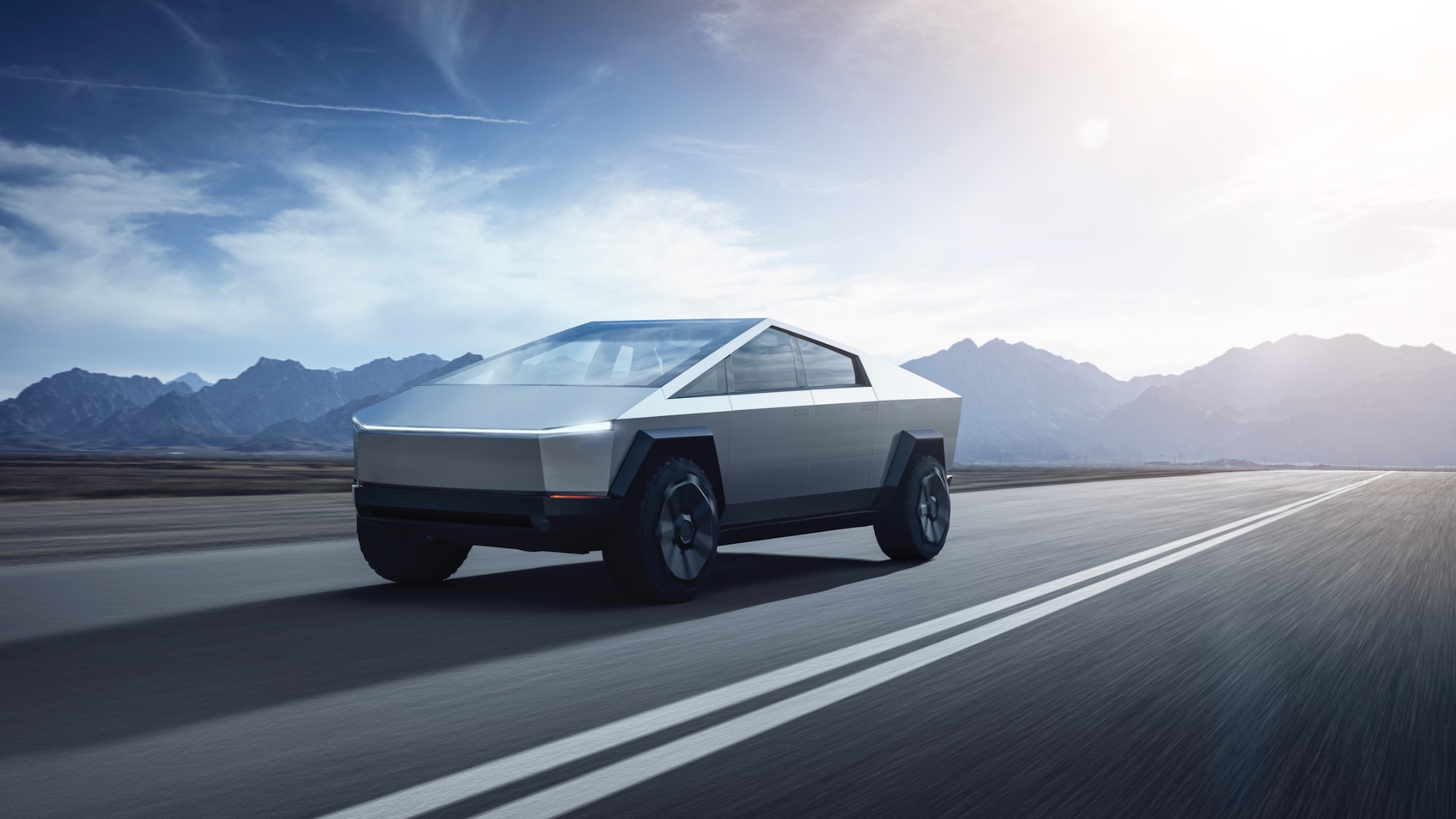
Next to this, the DBX is a veritable pin-up. Where to begin with Elon Musk’s latest ‘market disruptor’? We’ve covered the Star Wars prop department reject that is the Tesla Cybertruck extensively, from the reveal, to Elon’s accepting of Ford’s challenge for another rematch. More than 200,000 people have paid $100 for a reservation. How many will follow through? Will Tesla actually be able to deliver? Will you eventually be able to hit its ‘Armor Glass’ with a sledgehammer and not smash it? All burning questions, about one of 2019’s most polarising cars. The 2022 launch can’t come soon enough.
Uber loses its licence
Uber has been the subject of many a harsh headline over the past couple of years, but it all came to a head in late 2019. It has officially lost its licence to operate in London, one of its busiest marketplaces. We covered that licence loss, which was due to poor security, as well as the taxi alternatives.
FCA and PSA become one
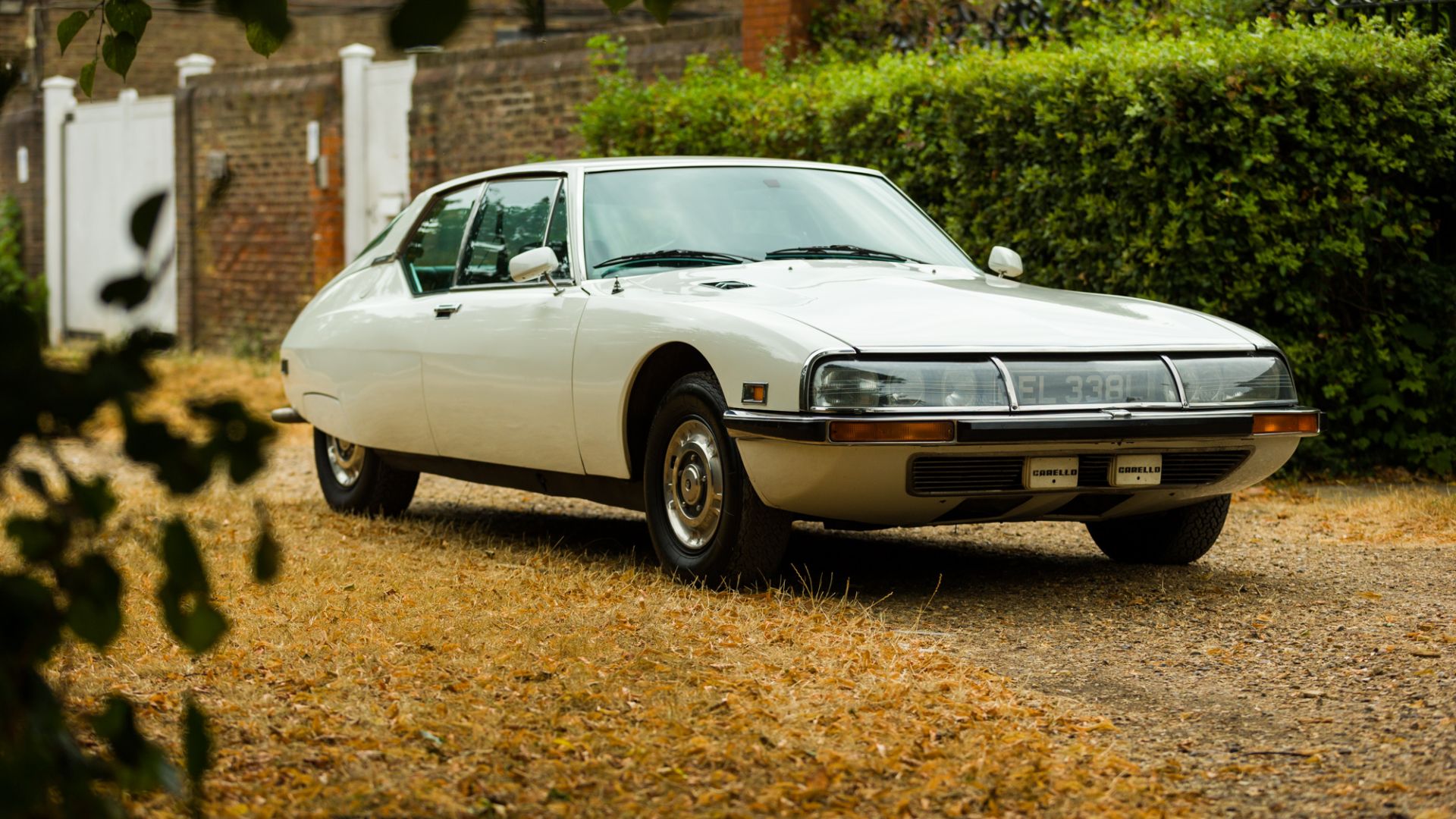
Our final big story of 2019? It’s the combination of FCA and PSA, bringing 13 brands under one roof, ranging from Peugeot and Citroen, to Jeep and Dodge, through to Maserati, Alfa Romeo, and Vauxhall. It’s hard to imagine. On the plus side, it does slightly increase the chances of a new Maserati-engined Citroen SM. We can but dream.
Until the toll was abolished, drivers were paying £5.60 to travel westbound into Wales. The move has saved commuters as much as £1,400 a year.
As a result, journeys into Wales over the Prince of Wales Bridge have increased by 16 percent, with an average 39,000 journeys being made each day.
The Prince of Wales Bridge – also known as the Second Severn Crossing – opened in 1996 to ease the pressure on the original Severn Bridge.
It cost £332 million to construct, but the overall cost, including debt repayments, interest and tax, spiralled to more than £1.3 billion.
When announcing the end of the tolls, the Welsh secretary Alun Cairns said: “The decision to abolish the Severn tolls next year sends a powerful message to businesses, commuters and tourists alike that the UK government is committed to strengthening the Welsh economy.
“By ending tolls for the 25 million annual journeys between two nations, we will strengthen the links between communities and help to transform the joint economic prospects of south Wales and the south-west of England.
“I want to ensure that visitors and investors know what Wales has to offer socially, culturally and economically. Most importantly, I want the world to know how accessible we are to business.”
It is thought that people have paid to cross the Severn Estuary since the 12th century, be it on a ferry, on a train, or in a car.
‘Paying dividends‘
Government minister for Wales David TC Davies said: “Over the last year, drivers have reaped the benefits of free road travel into Wales, which is paying dividends for businesses across both sides of the Severn.
“We are better connected economically as a result and through the Western Gateway initiative we will harness the joint strengths of these two regions while respecting our distinct identities and traditions.
“The UK Government is committed to boosting Wales’ transport infrastructure and connectivity which is central to ensuring we raise our game economically and boost our productivity as a result.”
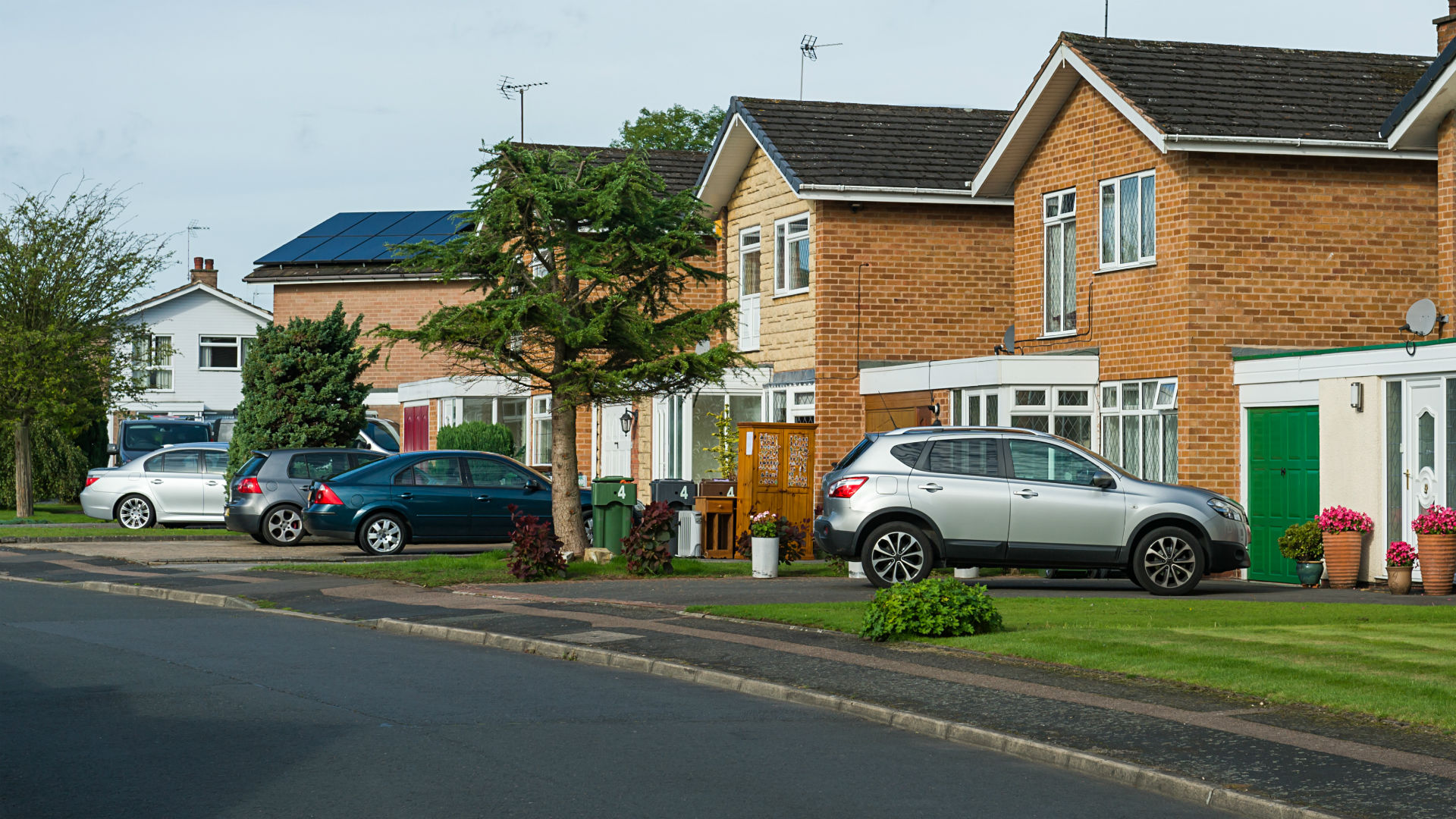
British homeowners made £24 million in 2019 by renting out their driveways and empty parking spaces.
Indeed, you could make around £1,000 a year by allowing a fellow motorist to park on your drive.
Figures from Your Parking Space show that 78,000 new driveways and spaces have been added to its portal over the last 12 months. Forget cash in the attic, there’s cash on the driveway.
Driveways are likely to be popular close to city centres and town centres, with shoppers and commuters left with a short walk. Other venues include sports stadiums, railway stations, airports and tourist destinations.
Harrison Woods, managing director at YourParkingSpace.co.uk, said: “Homeowners are seeing the financial benefits of renting out their empty driveways.
“Many are making a significant additional income with our figures showing the average annual driveway earning in 25 towns and cities is just over £1,000.
“However, it’s also businesses, schools and even churches that have unused parking spaces who are registering with Your Parking Space.
“If an empty space or driveway is in a location where there is a lack of parking, or because it could be cheaper than a traditional car park, then there will be a demand from motorists for this service.”
Renting out your driveway – the options
Your Parking Space isn’t the only company offering a ‘rent your parking space’ service. Other big names include JustPark, Parklet and Park On My Drive.
While most companies are free to join, you’ll be charged a fee or commission for successful transactions. The costs vary, so be prepared to do your homework.
Don’t base your decision on price. Consider other factors such as brand reach, website visibility and how hard the company works on your behalf.
It’s also possible to rent your driveway via Gumtree. While the costs are lower, you’ll have to do much of the legwork yourself.
As an alternative, ask your friends, family or colleagues if they know of someone who could use some convenient parking.
For more information, visit the Money Saving Expert website.
FCA, also known as Fiat-Chrysler, and PSA Group, which owns brands such as Citroen, Peugeot and Vauxhall, will merge operations to create ‘a world-class mobility company with global scale’.
In a tweet announcing the completion of the deal, FCA head of financial and corporate communications, Jeff Bennett said: “A New Day – Group PSA and FCA agree to merge. New entity will have the leadership, resources and scale to be at the forefront of a new era of sustainable mobility”.
This merger will see the new entity become the fourth-largest global car manufacturer in terms of production volume, at 8.7 million units.
A major goal of the merger, so the companies say, is to be able to invest in ‘innovative mobility solutions and cutting-edge technologies in new energy vehicles, autonomous driving and connectivity’. Shared platforms and tech development will streamline costs for both.
The company’s portfolio will be well and truly universal, covering the globe across all market segments. Peugeot, Citroen, DS, Vauxhall and Opel will be stablemates with Alfa Romeo, Maserati and Ferrari, as well as Fiat, Jeep, Dodge and Chrysler.
FCA’s passenger car offerings will be shored up with new investment, while PSA will be perfectly poised for its re-entrance into America. In theory, the merger will assist both parties where they’re weakest, helping them achieve their respective goals as well as face new challenges in a rapidly evolving motor industry.
It will be the third largest global OEM in terms of revenue, with a combined figure nearing £144.5 billion.
An expected £3.2 billion in savings should come from run-rate synergies and technology sharing.
The savings will NOT come from any plant closures on either side of the deal.
The new group will have ‘much greater geographic balance’, with its revenues now spread across the globe – 46 percent in Europe, and 43 percent in North America (2018 figures).
PSA boss Carlos Tavares will lead the new company, while John Elkann (FCA Chairman) will chair.
Some trivia
This merger isn’t unprecedented for the two groups – or, more specifically, some of the marques within them. The outgoing Fiat Punto for instance, shared a platform with previous generations of Vauxhall Corsa.
It will also be a reunion for Citroen and Maserati. The French company owned the Italian brand between 1968 and 1975. Citroen borrowed Maserati engines for its exotic SM.
In February 2020, it will be 17 years since the Congestion Charge was introduced for central London. Since then, the idea of incentivising uptake of cleaner cars has evolved.
The Ultra Low Emissions Zone (ULEZ) now operates in London 24 hours a day and 365 days a year. On top of that, 20 other UK cities are now considering similar schemes to the Congestion Charge. But how has air quality evolved over the past 17 years?
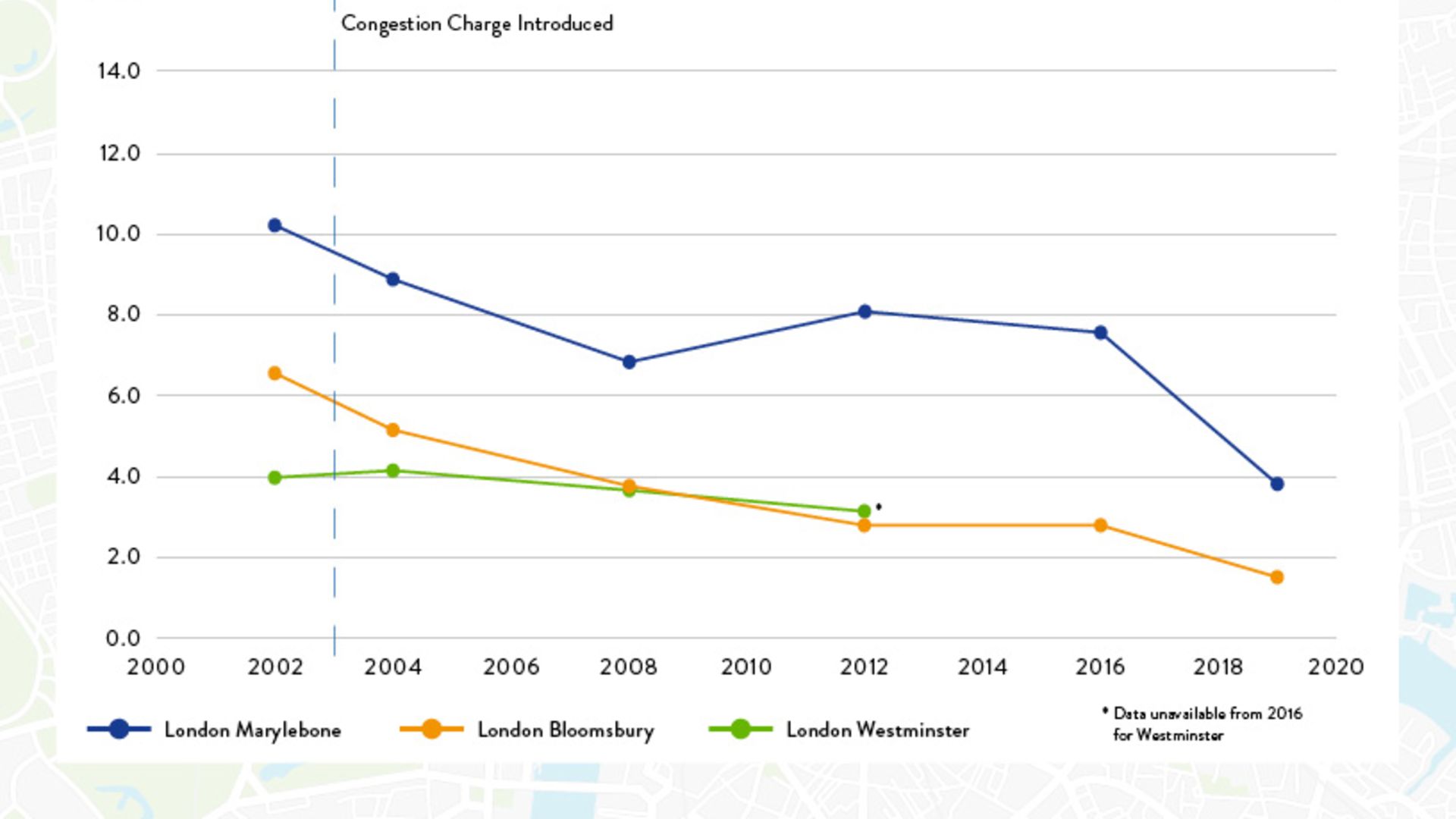
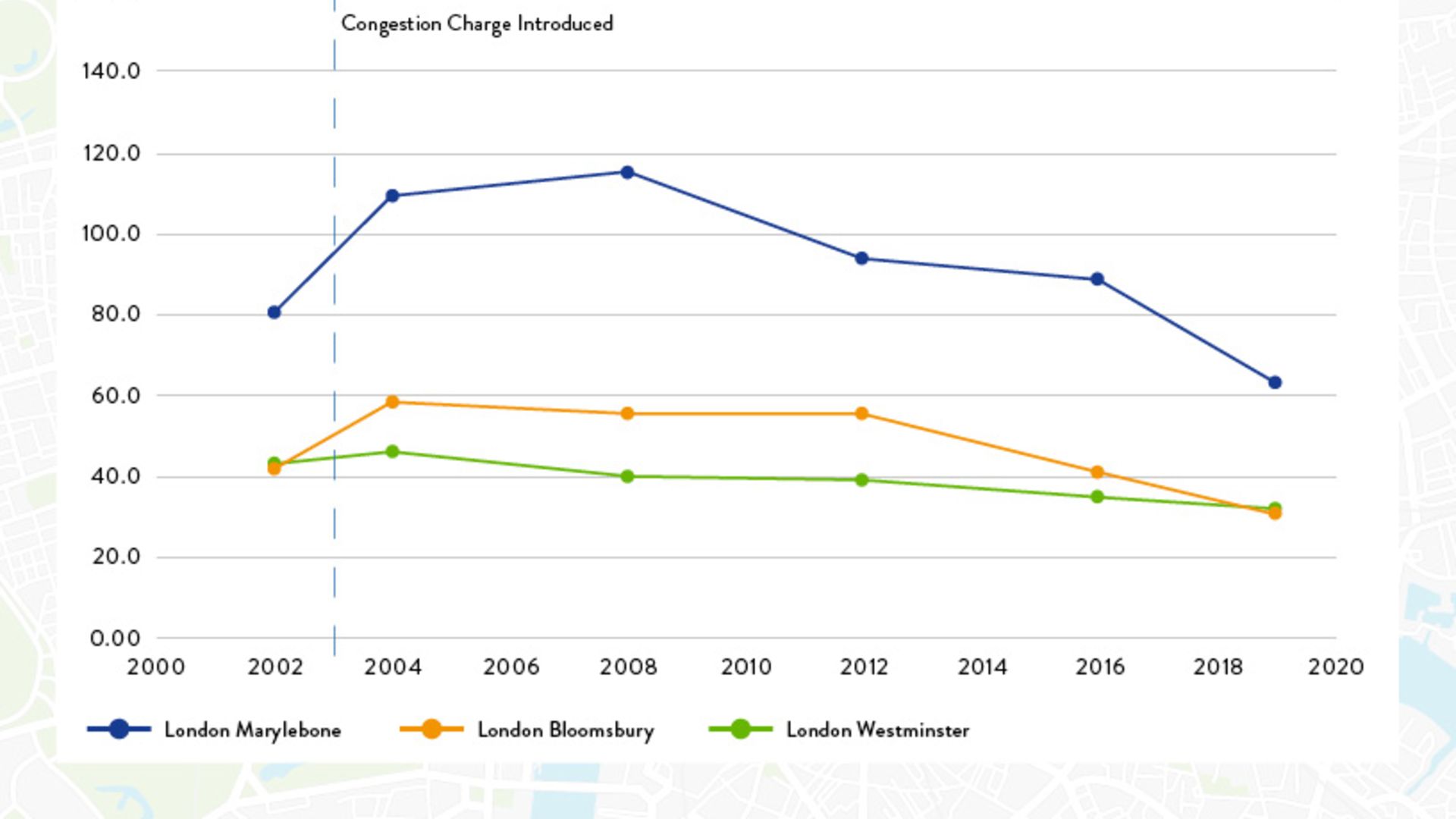
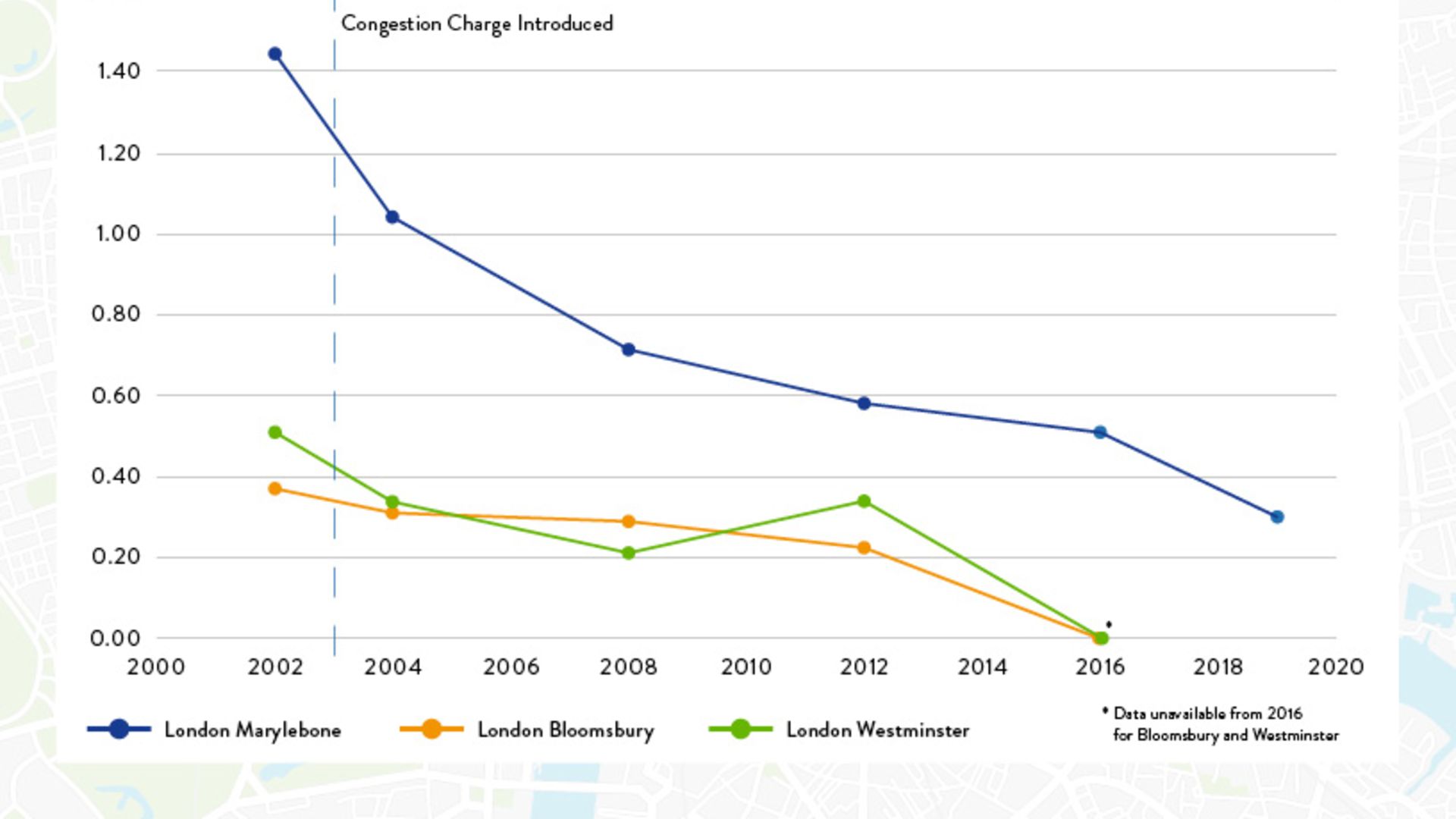
Select Car Leasing has analysed air quality data collected from three points within the zone, before and after the charge was brought in. Overall, carbon monoxide levels are 60 percent lower now than they were before the charge. Likewise, nitrogen dioxide is down by 24 percent, while suphur dioxide is down 61 percent.
2021 London ULEZ expansion: motorists are already searching for compliant cars
“Our data shows that the London Congestion Charge zone has broadly achieved its aims,” the report concludes.
“Many Londoners will believe that the cost of cleaner air is certainly a price worth paying. It could be down to this success that many other congestion charges and toll roads are planned throughout the UK in the near future.”
There are 20 further zones being considered across the United Kingdom. Glasgow, York and Leeds are confirmed to be following London.
Cities where schemes have been proposed include Newcastle upon Tyne, Manchester, Warrington, Birmingham, Sheffield, Oxford, Bristol, and Bath. Bristol has all but confirmed an outright ban of diesel-powered private cars in certain parts of its city centre. Edinburgh, Dundee and Aberdeen have proposals to follow in Glasgow’s footsteps for Scotland.
As for where could jump on the ULEZ bandwagon? Derby, Cambridge, Cardiff, Slough, Reading and Fareham are all possibles, according to Select Car Leasing.
84 percent of drivers oppose city diesel bans
The hope is these zones will encourage drivers to sell their petrol- and diesel-powered cars, and buy EVs. That means eventually, a great deal of cars paying minimal road and fuel taxes. At present, these represent a £28.8 billion revenue stream. Select Car Leasing suggests three possible options: taxing electric cars more heavily, putting duty on electricity and introducing more tolls. Whatever happens, the government will have to raise the funds sooner or later.
The new Vauxhall Corsa will not offer any individual optional extras apart from paint colour and a spare wheel, as the British brand looks to simplify things for car buyers.
The many thousands of configurations available with the outgoing Corsa have been cut, with Vauxhall instead offering a handful of upgrade packs for key variants.
These bundle individual options together, making things easier and offering better value – as the packs cost less than choosing the options individually.
“The old Corsa had over 3,000 different configurations,” said Vauxhall brand manager Zoe Peacock. “We’ve cut the confusion and bundled options into three packs – Nav, Premium and Nav Premium.”
Vauxhall isn’t doing this just to make things easier for customers and retailers, though. It also helps the firm manage CO2 emissions.
“The previous system made it very hard to control range CO2 emissions,” said Peacock. Under new WLTP fuel economy regulations, each individual option has an effect on CO2.
The amounts are small, but they start to add up – and it’s almost impossible to manage on an ongoing basis.
Given how, from 2020, car makers have to meet strict range-average CO2 targets or face hefty fines, Vauxhall made the decision to simplify things for its UK best-seller.
And, far from being disappointed, Peacock feels customers will react positively: “It’s going to be interesting to see if it encourages greater options uptake.”
2020 Vauxhall Corsa options
The 2020 Vauxhall Corsa is offered in SE, SRi, Elite Nav and Ultimate Nav guises. The core best-sellers will be SE and SRi – and it’s these two variants that offer the three new upgrade packs.
Nav is the most affordable (£740 on SE, £500 on SRi), and, as its name suggests, adds on satellite navigation.
Premium is £780 on SE, £1,240 on SRi, and incudes luxuries such as heated front seats, auto wipers and heated steering wheel. Nav Premium combines the best of both.
Otherwise, the only option with the new Corsa is paint colour: Navy Blue is free, while the other seven hues range from £340 to £650.
The firm will also sell a 15-inch emergency spare wheel for £110.
Renault now offers a five-year, 100,000-mile warranty on all new cars sold in the UK from 18 December 2019.
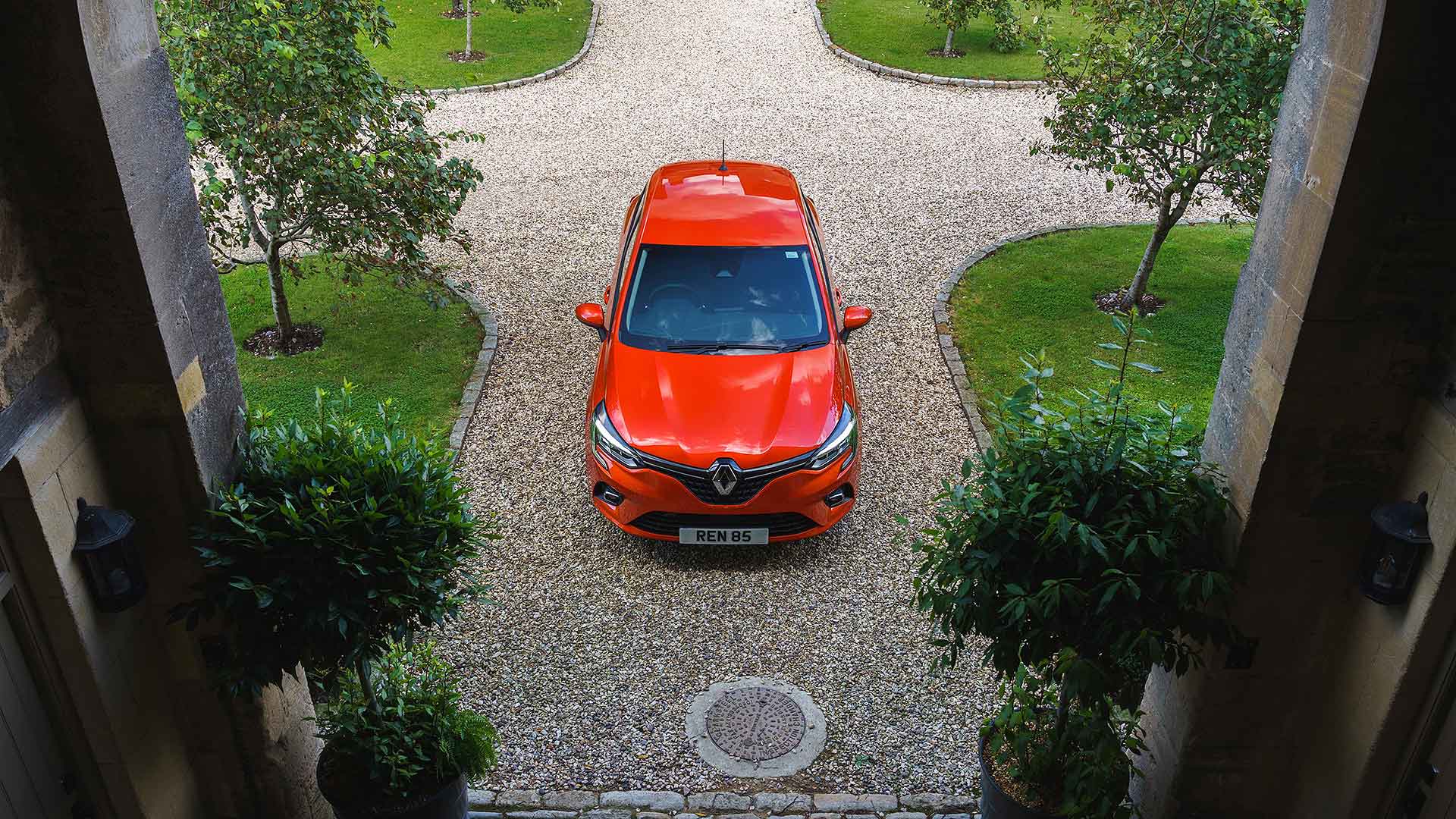
The French firm’s new warranty package improves its previous three-year, 60,000-mile warranty. It applies to all passenger cars – and every version of the new Clio, even those already registered.
Both fleet and retail customers benefit from the new 5-year warranty. Indeed, the first two years actually have an unlimited mileage limit. It’s for the final three years that the 100,000-mile cap is added.
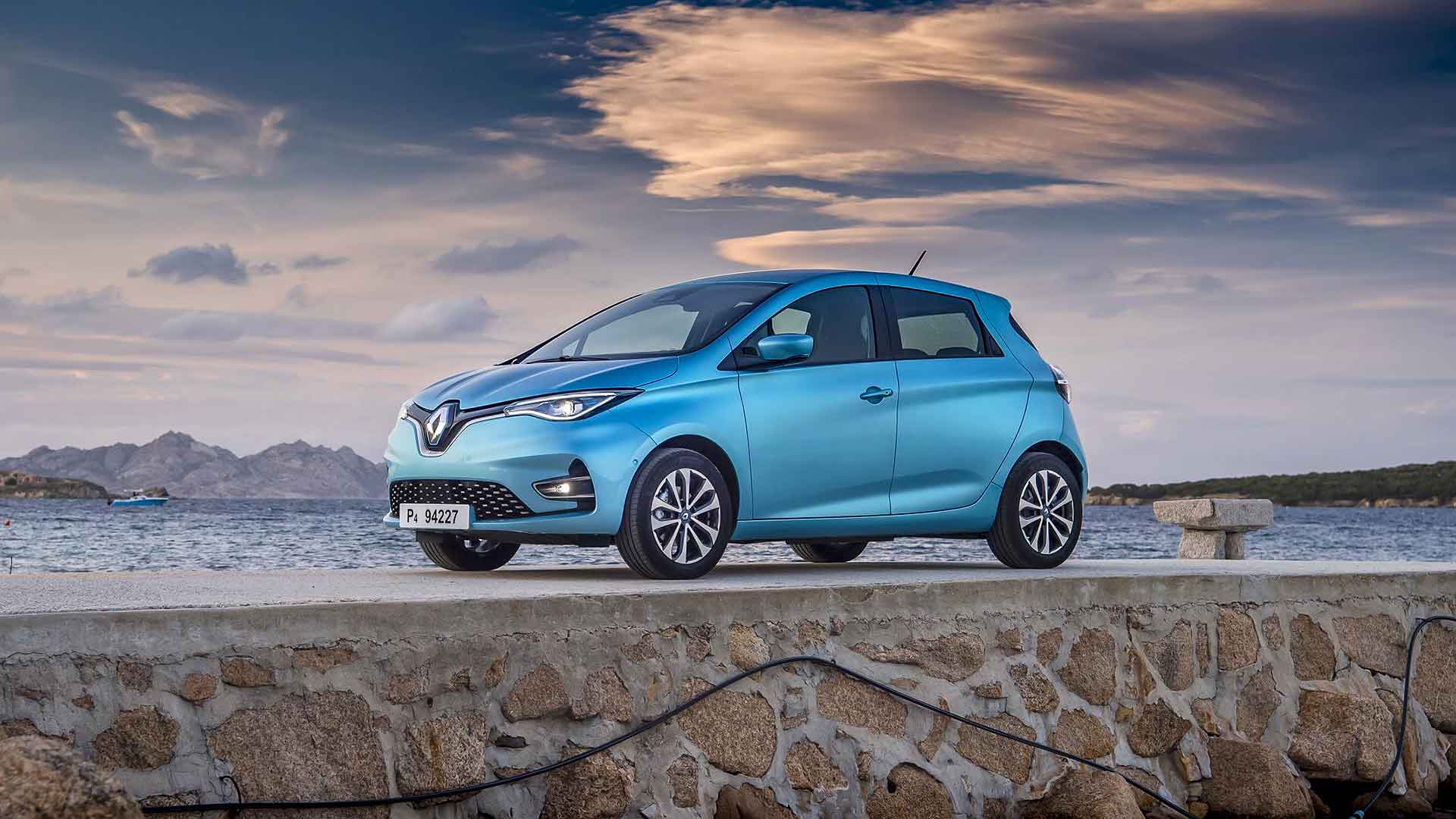
The all-electric Zoe (pictured above) and Twizy are included in the five-year warranty offer, too.
Vincent Tourette, MD of Renault UK said: “Renault is deeply committed to the quality and reliability of its products and this extended cover reinforces the confidence that both we and our customers have in our vehicles.”
Renault’s three-year roadside assistance package for all new car buyers remains unchanged, though. The mileage limit is 100,000 for its electric vehicles and the latest Koleos, 60,000 miles for all other models.
The improved package means Renault now offers one of the best new car warranties in the UK, matching the five-year deal of Hyundai and Toyota.
However, Kia, MG and SsangYong still lead the way, each with a seven-year warranty – limited to 80,000 miles by MG, 100,000 miles by Kia, and a stonking 150,000 miles by SsangYong.
The electric car race is gathering pace. Gone are the days when the electric car market was dominated by a few manufacturers. By this time next year, a host of new names will have joined the all-electric party, including Volkswagen, Honda and Ford.
Here, we’ve assembled some of the most exciting new electric cars, ranging from affordable superminis to expensive supercars. Ladies and gentlemen, charge your glasses as we toast the electric new year.
First look at mystery Maserati electric supercar due in 2020
Volkswagen ID.3
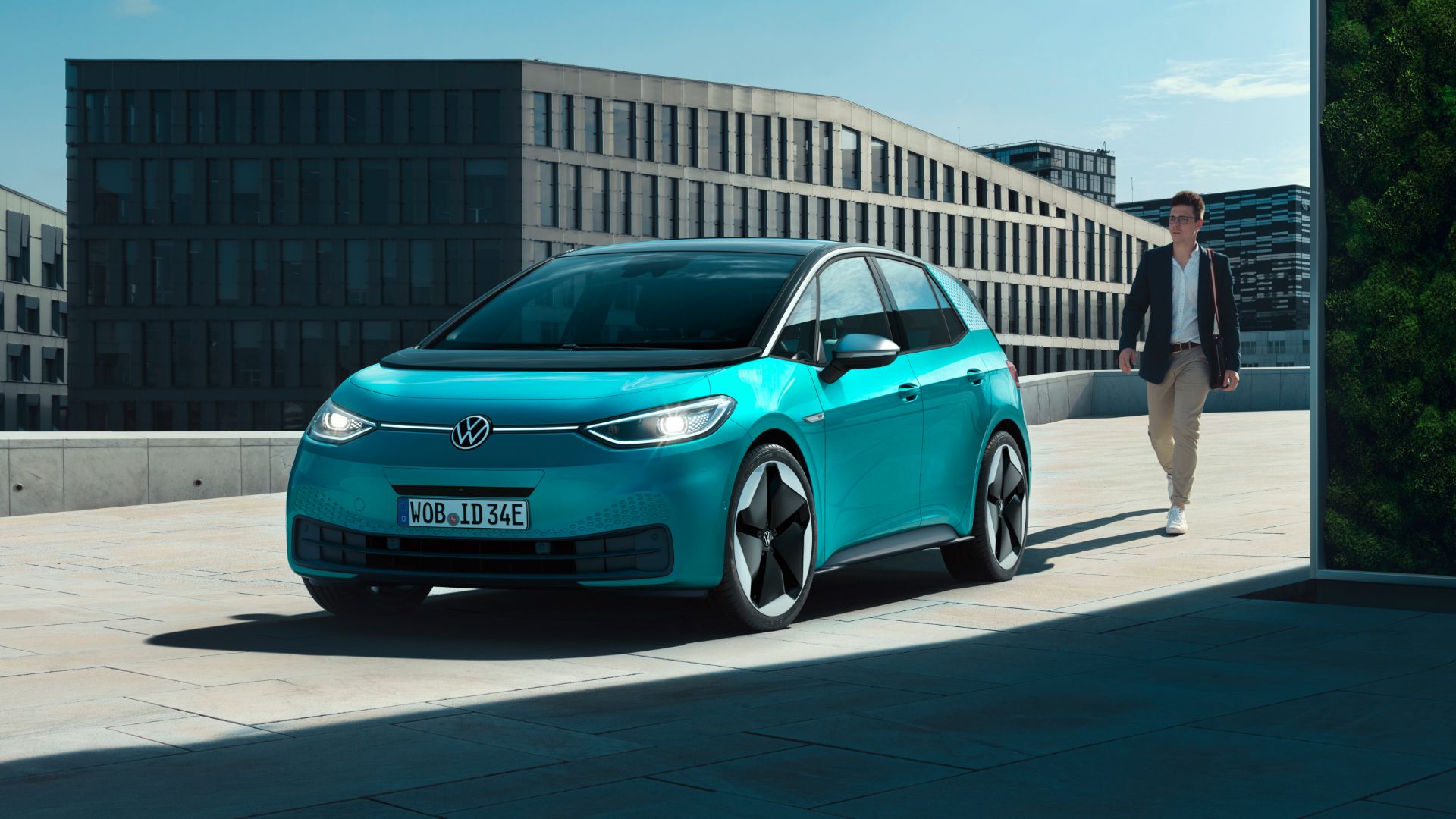
It might not be the most exciting new electric car, but it’s what the Volkswagen ID.3 can do for the entire industry that’s most intriguing. Volkswagen claims it will have the same impact as the Beetle and the Golf – hence the ID.3 name – and it will be interesting to see if it has any impact on sales of the new Mk8 Golf. Up to 341 miles of range is available, with top-end first edition cars available from £35,000.
Volvo XC40 Recharge
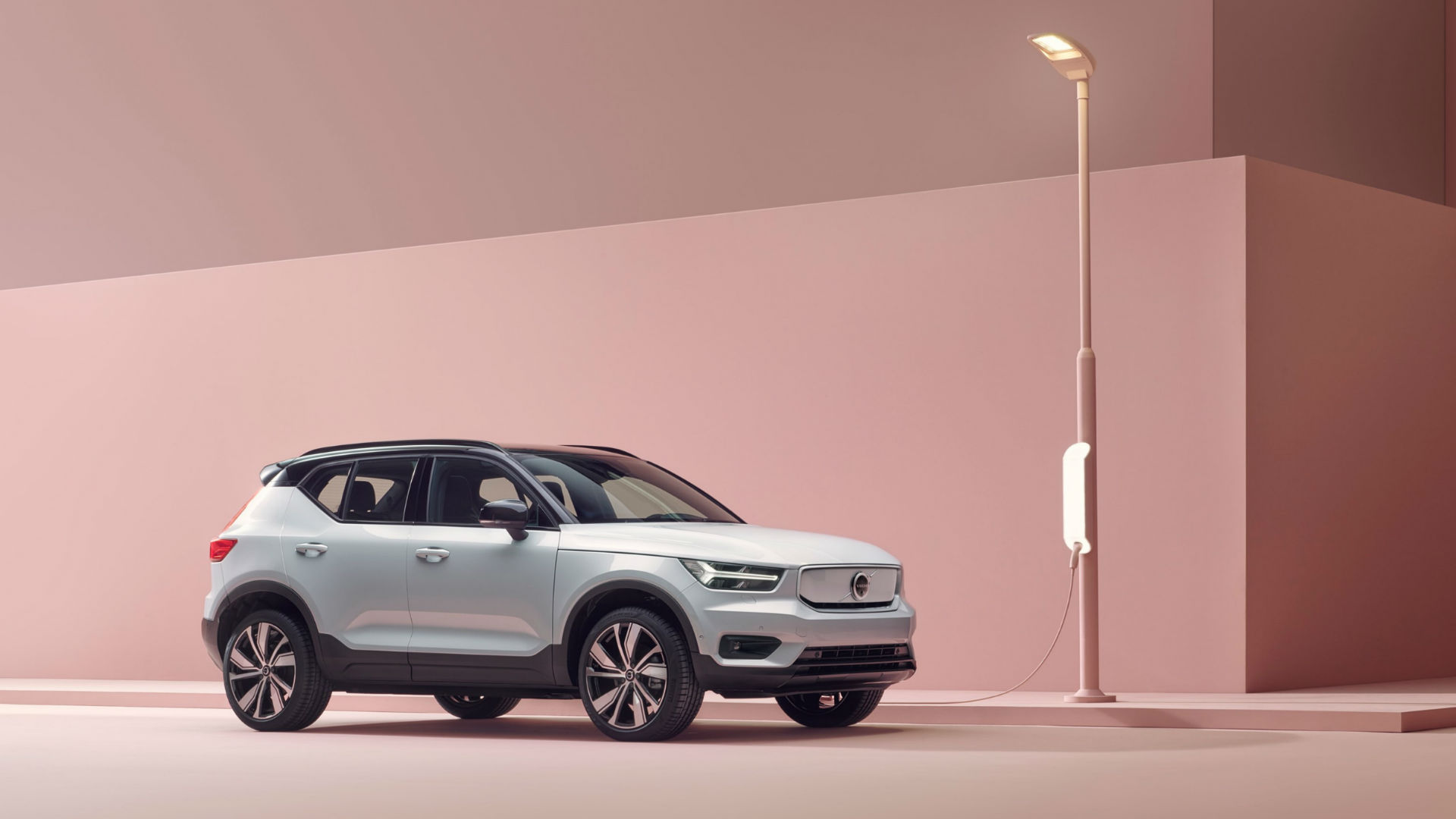
Volvo’s first all-electric car combines a 0-62 mph time of 4.9 seconds with an EV driving range of nearly 250 miles. The XC40 Recharge P8 AWD has two electric motors, giving a total output of 408 horsepower. Total battery capacity is 75 kWh, and Volvo says the batteries will recharge from zero to 80 percent in 40 minutes. It’s the first of a new range of all-electric Volvos, with the company launching one a year between now and 2025.
Audi E-tron Sportback 55
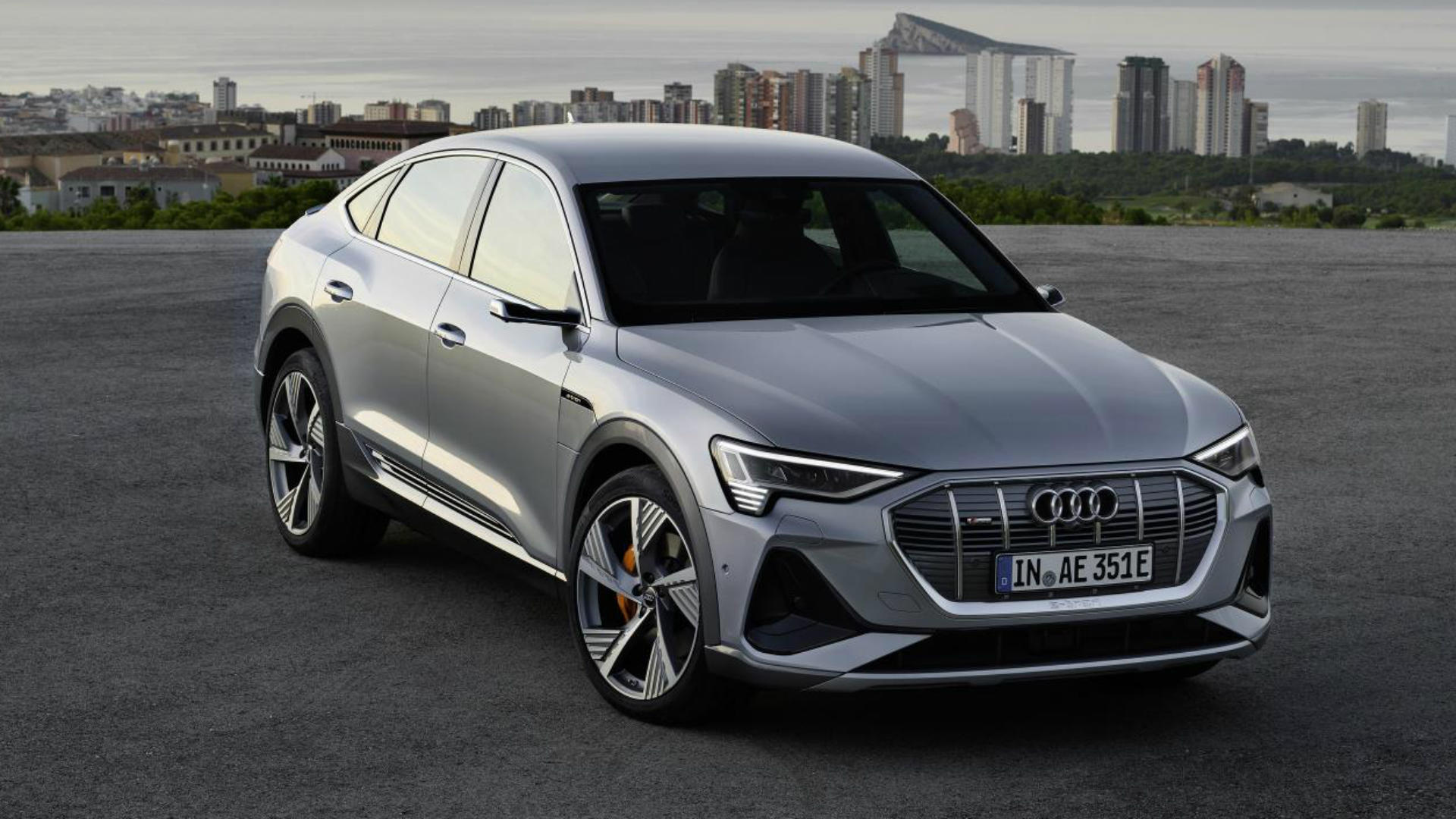
The Audi E-tron Sportback 55 follows the e-tron SUV as the company’s second all-electric vehicle. Improved aerodynamics add 6.2 miles to the range, giving a figure of 277 miles. Audi says maintaining keen dynamics and a sense of luxury are more important than maximum range, while the 615 litres of luggage capacity means the E-tron Sportback is as practical as more conventional rivals.
Ford Mustang Mach-E
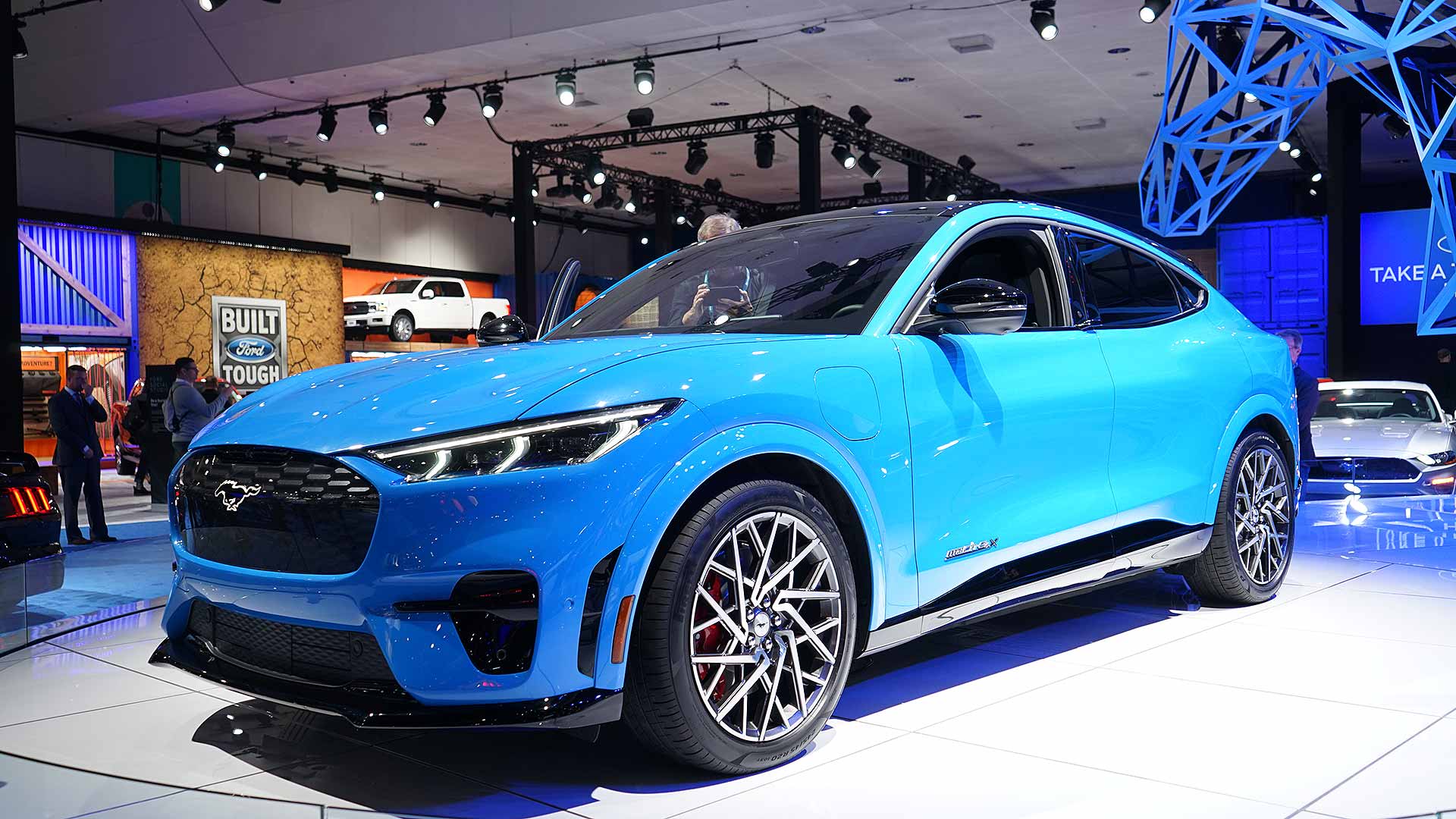
The fact that this iconic Ford has gone electric continues to raise a few eyebrows, but the use of the Mustang name makes sense. As does the fact that it’s an electric SUV, because that’s what the world wants. Available with a choice of two batteries and three power outputs, the Mach-E could offer up to 370 miles of electric range. It’s packed with the latest tech, while practicality is guaranteed thanks to a large 402-litre boot and a 100-litre ‘frunk’.
Honda e
We’ve driven a Honda e in prototype form. Our verdict: “It’s as appealing to drive as it is to look at and sit in. It looks characterful, and its on-road performance is distinctive too, particularly the comfort, the quietness, and the turning circle.” Post-grant prices start from £26,160 for the 100 kW version, while the 113 kW version costs £28,660. Alternatively, Honda e finance starts from £299 per month.
Mini Electric
The new Mini Electric is open for ordering with deliveries expected in March 2020. With an on-the-road price of £24,400 (after the grant) the Mini is cheaper than the Honda e, but the driving range is a similarly limited 124 miles. The compact 32.5 kWh battery has been used to keep the weight down, with Mini keen to preserve the famous ‘go-kart’ handling characteristics.
Peugeot e-208
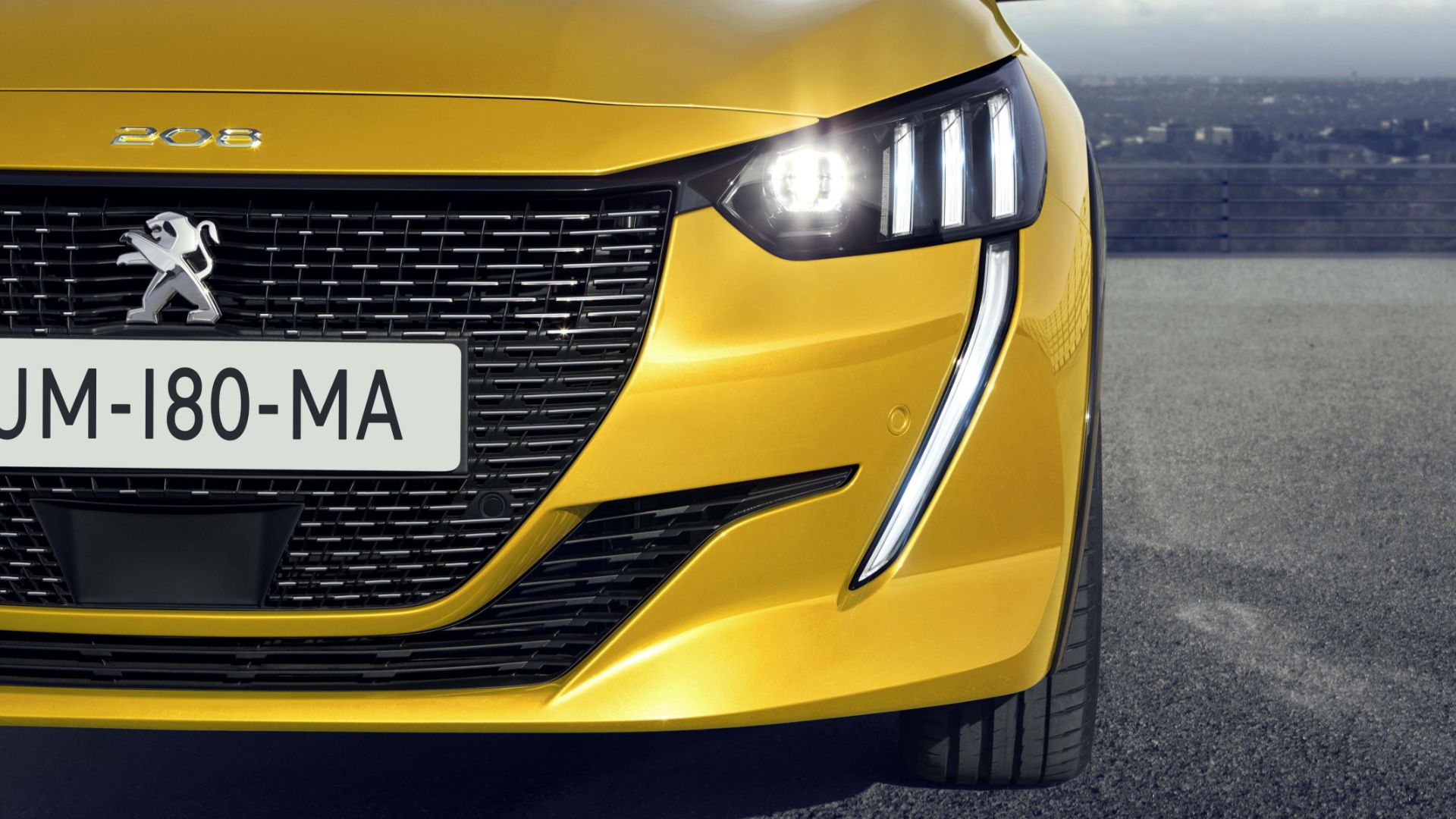
The Peugeot e-208 is more expensive than the Honda e and Mini Electric, but its 217-mile range is more impressive. It costs upwards of £25,050 after the plug-in car grant, although the top-spec e-208 GT is priced at £29,250. Unlike the Renault Zoe, which is built from the ground up as an electric car, the e-208 shares much in common with the more conventional Peugeot 208.
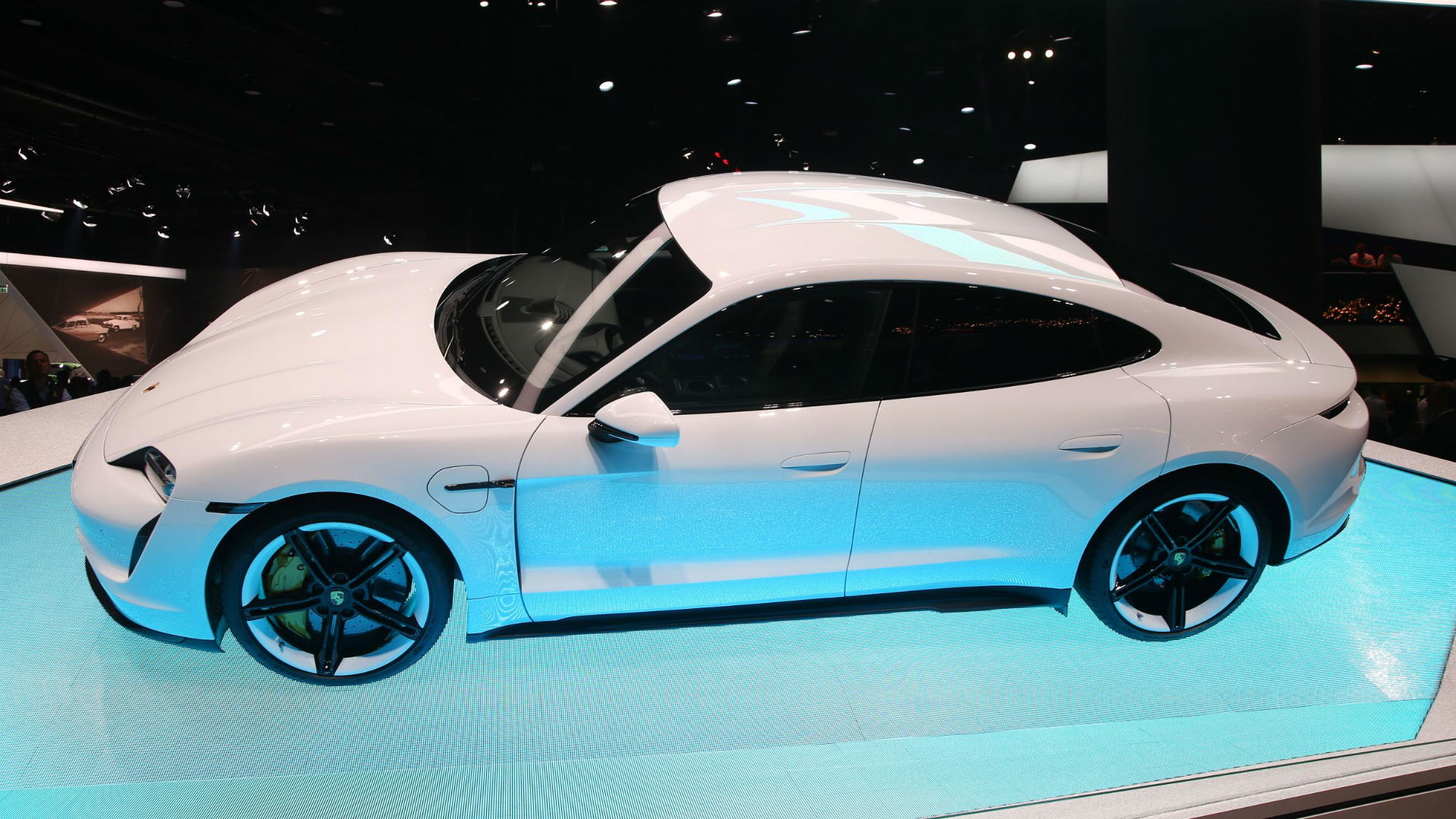
Porsche Taycan Cross Turismo
Hot on the heels of the Porsche Taycan, the new Cross Turismo variant will arrive in 2020. Not much is known about the Cross Turismo, other than the fact that it’s an estate version of the Taycan electric sports car and it will arrive as a 2021 model year EV. The current Taycan range (pictured) kicks off with the £83,000 Taycan 4S, while the flagship Turbo S costs £139,000.
Seat el-Born
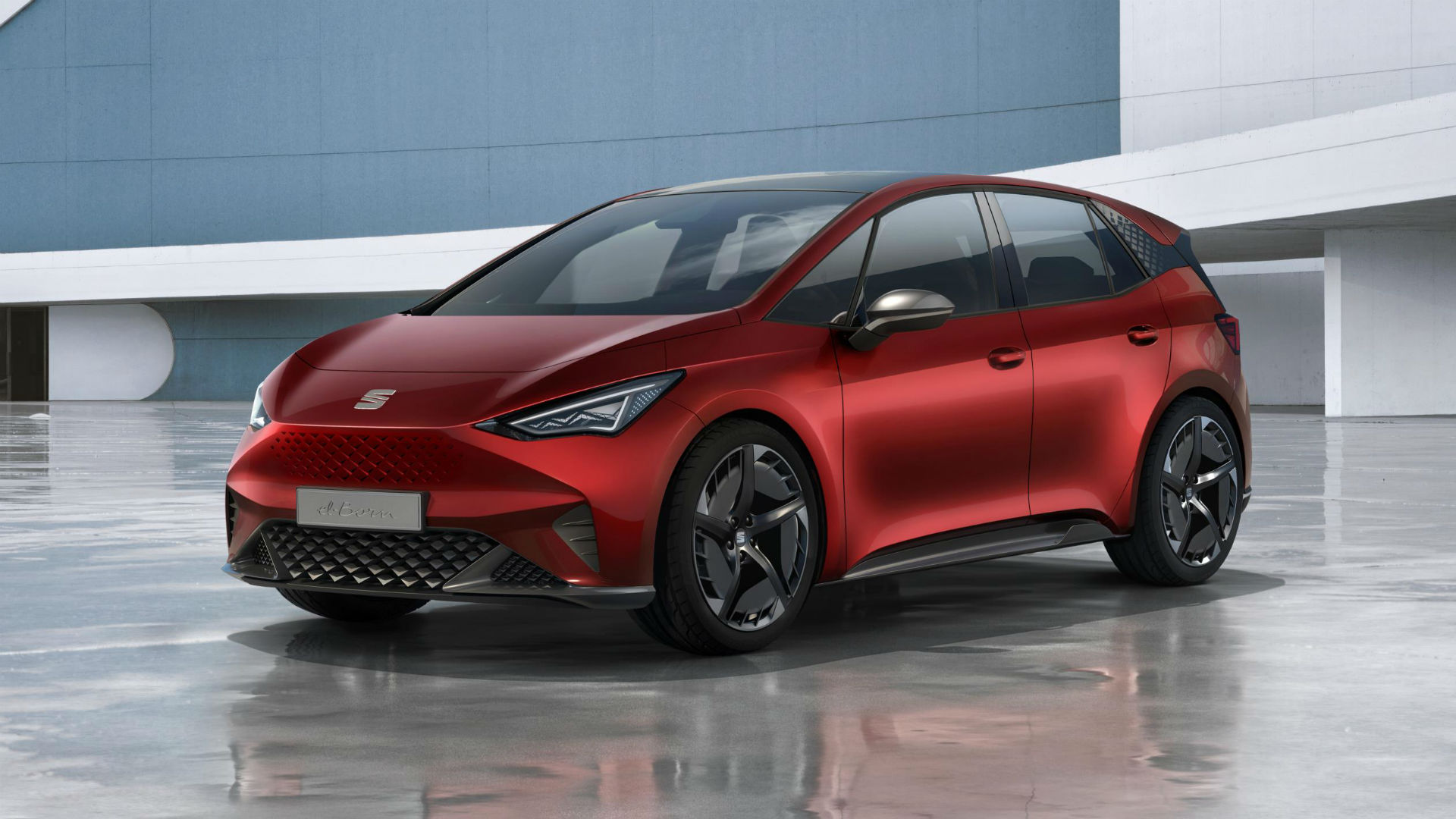
The el-Born will follow the Mii Electric as Seat’s second all-electric production car. It made its debut as a concept at the 2019 Geneva Motor Show, but Volkswagen will be keen to give the platform-sharing ID.3 some breathing space before launching the Seat. It will offer an all-electric range of up to 261 miles, with a price tag in the region of £26,000. As it’s a Seat, you can expect some sporty touches, including sports seats and a driver-focused dashboard.
Tesla Model Y
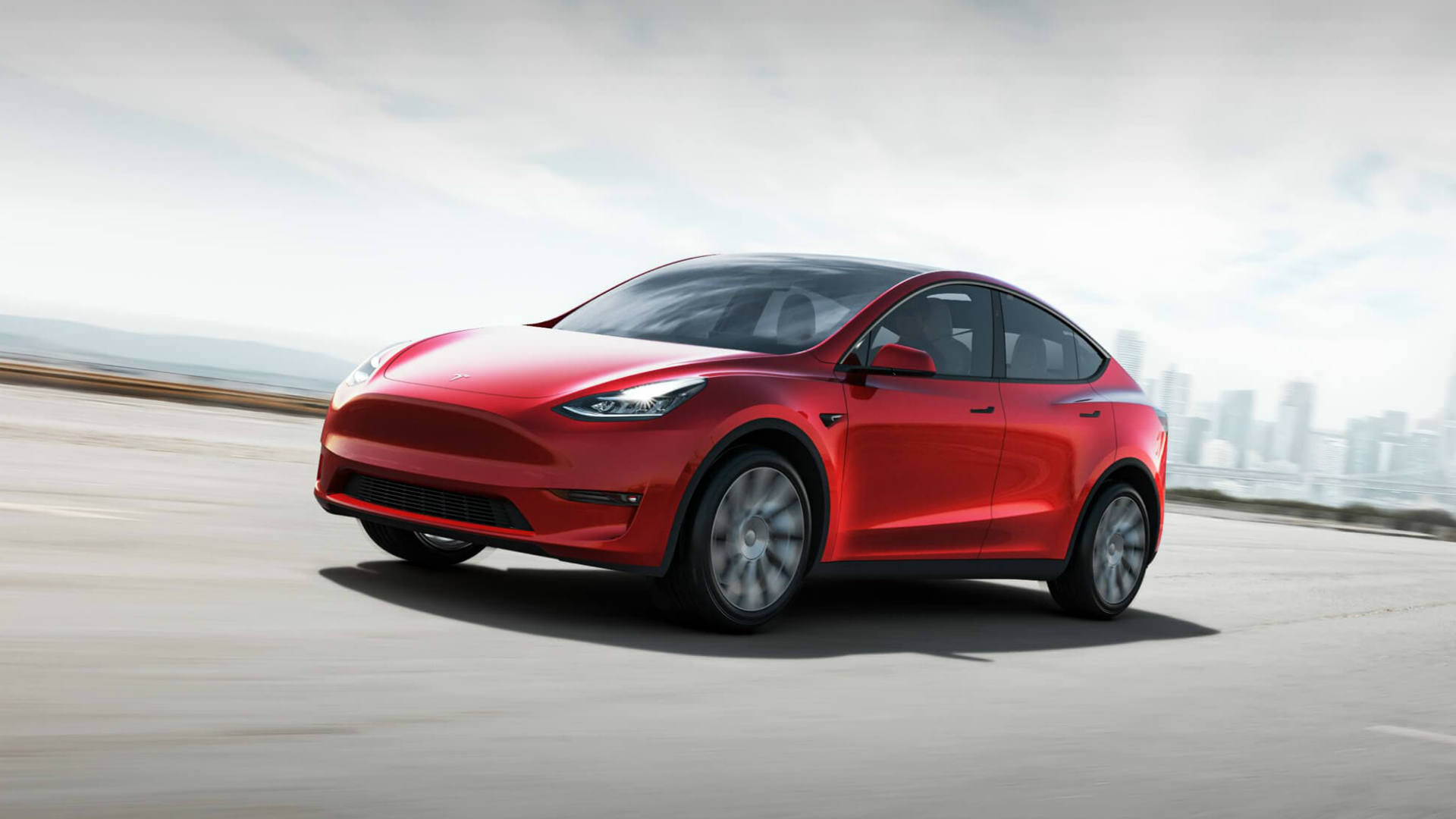
Officially, the Tesla Model Y isn’t expected to appear in the UK until 2021 or 2022, but North American customers are likely to get their hands on the seven-seat SUV as early as next year. Tesla is promising up to 336 miles of electric range from the Long Range AWD model, while the Performance edition will offer 298 miles and a 0-60 mph time of 3.5 seconds. If the Model 3 is anything to go by, anticipation will be high.
Vauxhall Corsa-e
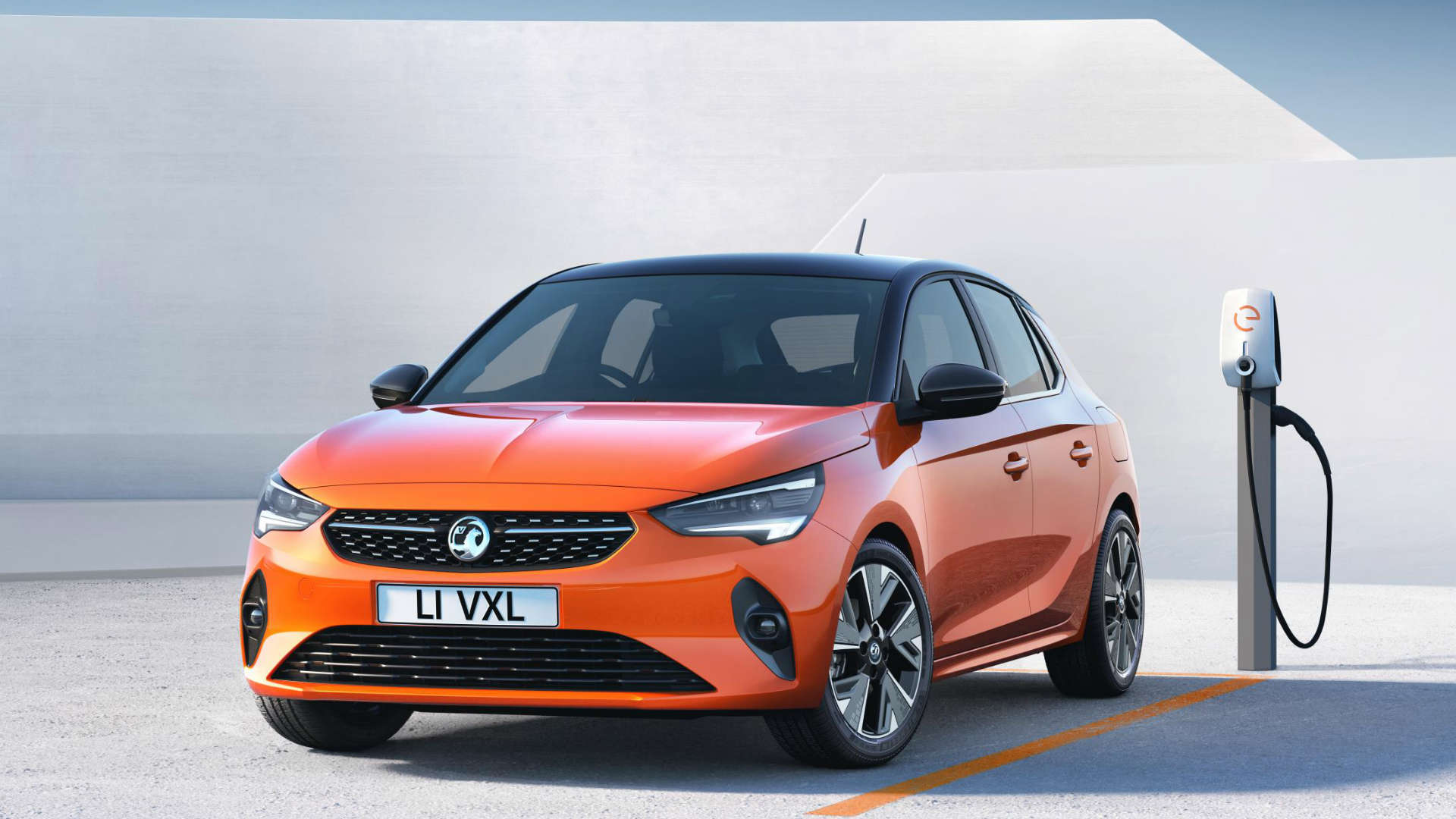
The Vauxhall Corsa-e is available for a competitive £295 on a four-year personal lease contract after a £5,310 initial rental. Alternatively, you can get a guaranteed £2,000 part-exchange allowance on your old car. The 50kWh battery in the Corsa-e offers 205 miles of electric range, although this can be extended by a further 40 percent by using a special eco mode.
BMW iX3
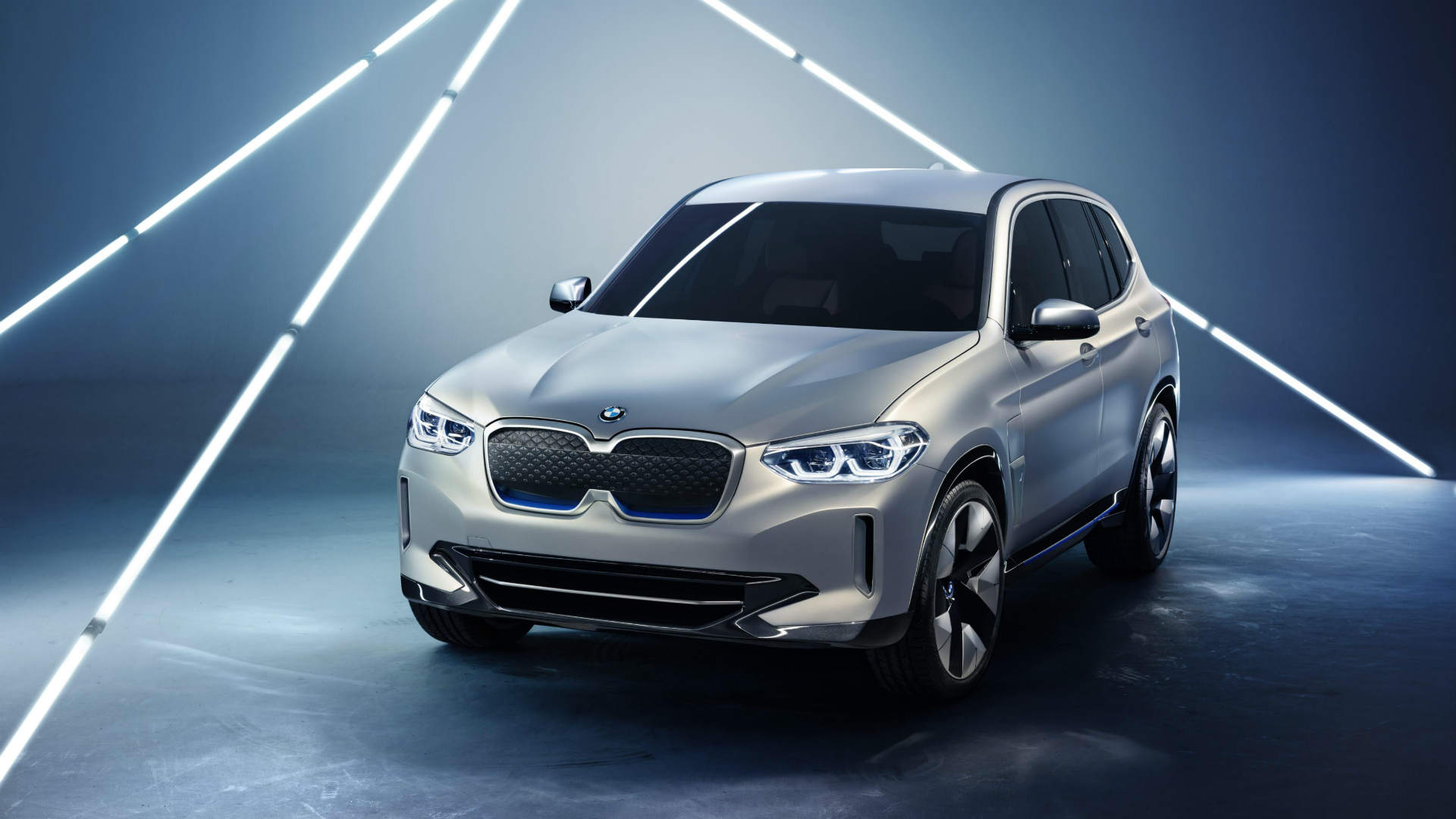
The BMW Concept iX3 was unveiled at last year’s Beijing Motor Show. BMW is promising a range of more than 249 miles from a 70 kWh battery, along with a newly-developed Charging Control Unit for accessing the latest fast charging points. Unlike the i3 and i8, the iX3 is based on existing architecture and is being developed alongside the i4 four-door coupe.
Fiat 500e
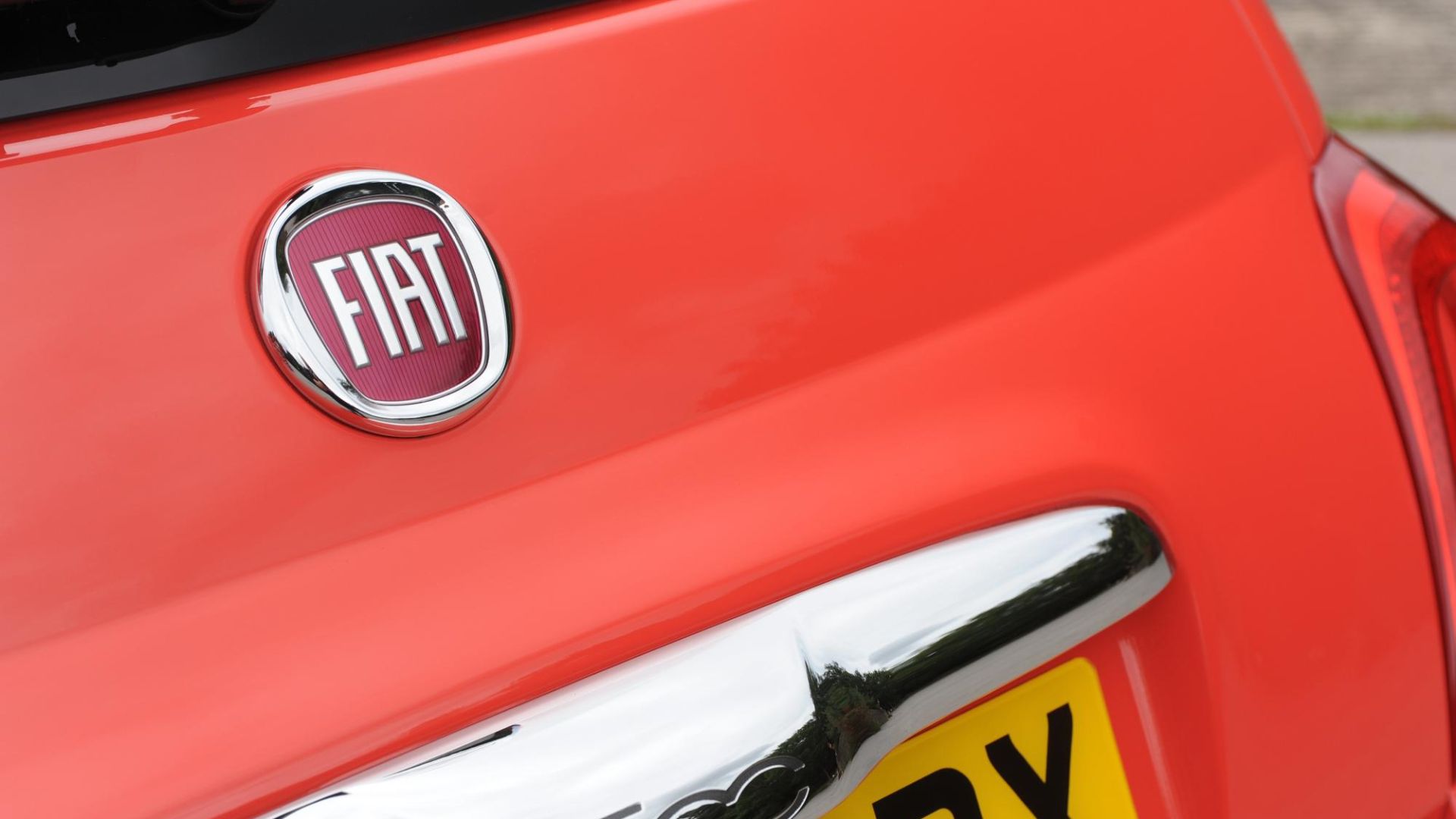
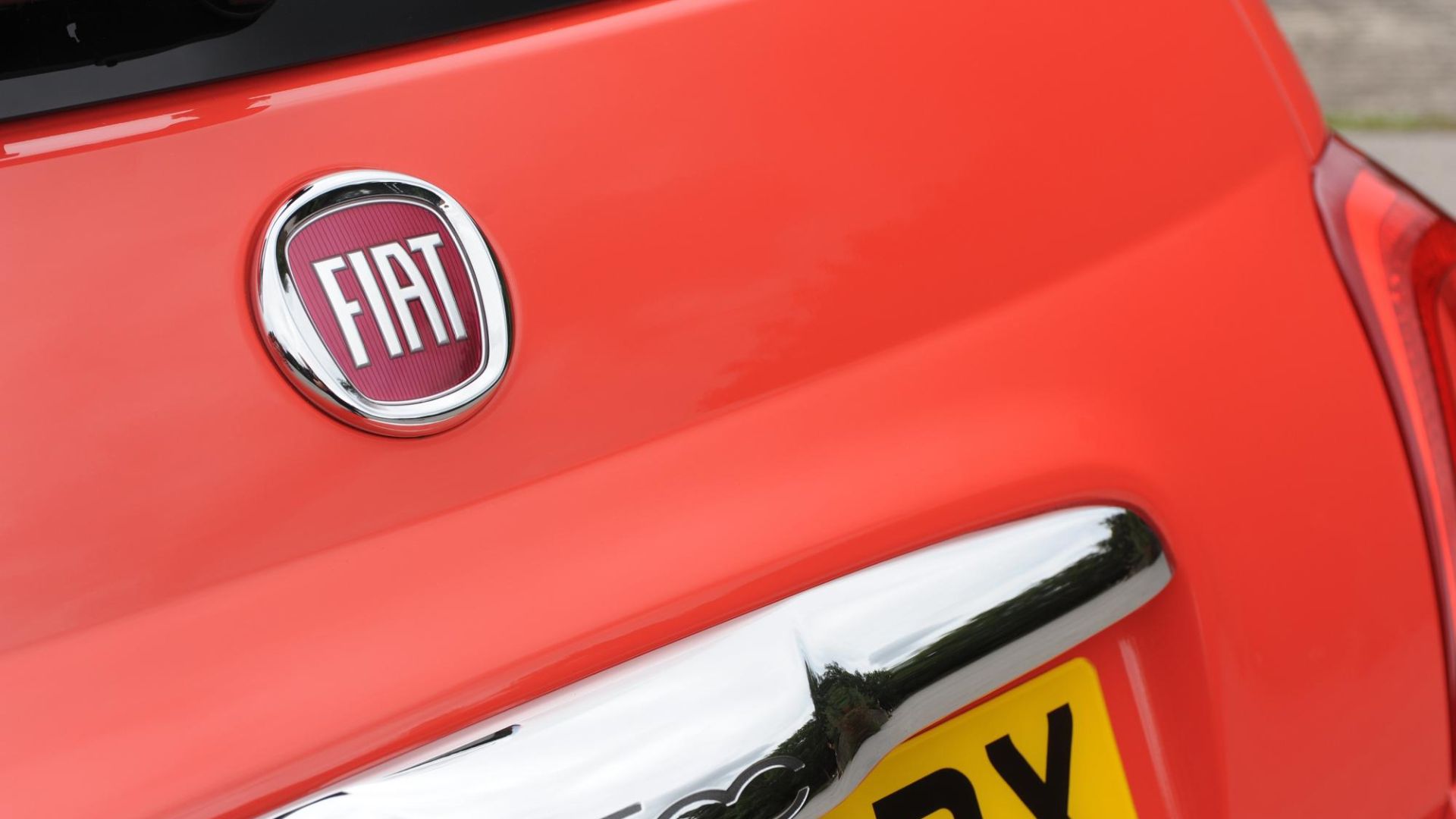
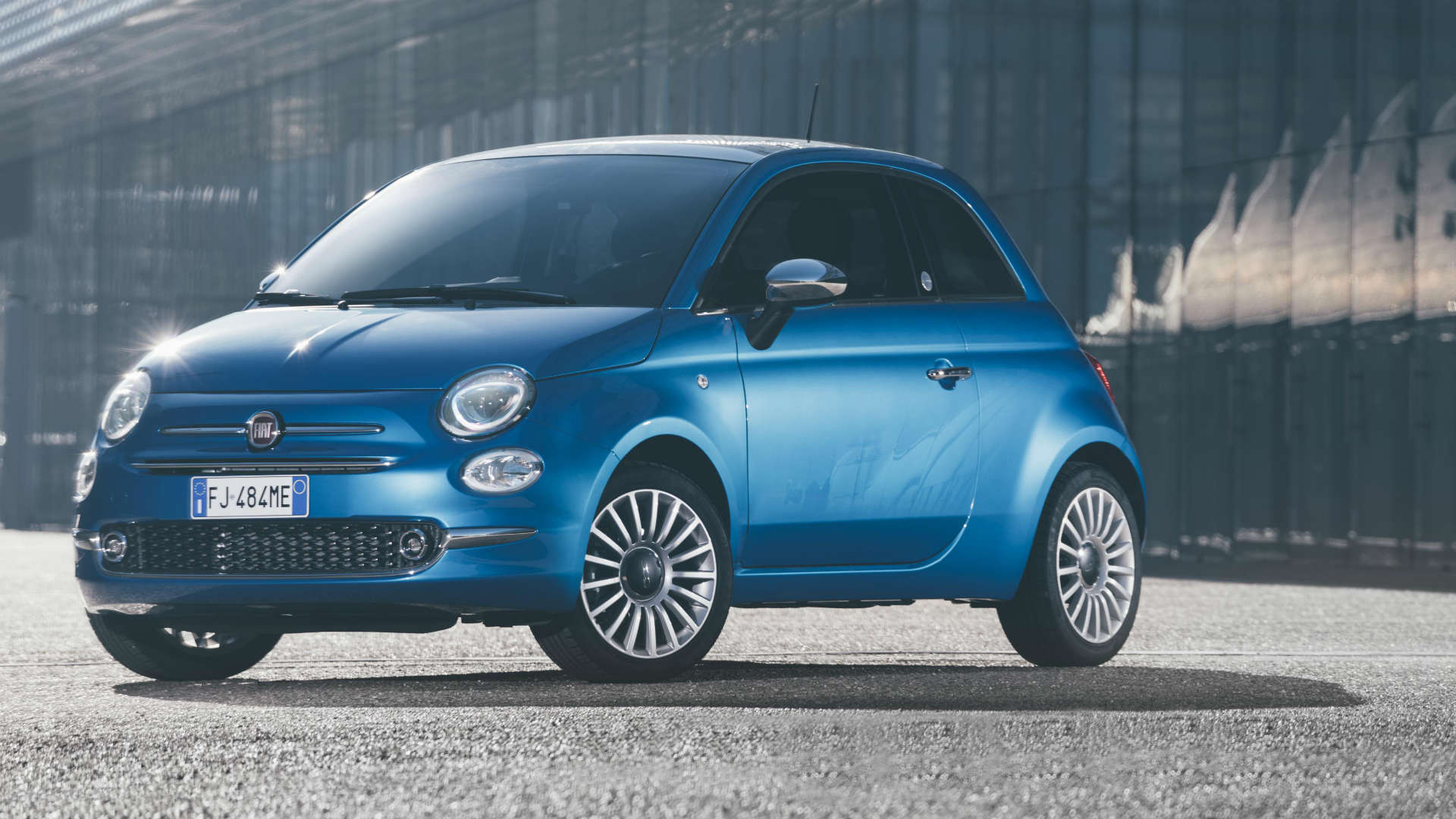
Fiat is investing heavily in the development of the new 500e electric car, including a new production line in Italy. Production is set to begin in the second quarter of next year, after its debut at the Geneva Motor Show, with the plant capable of building up to 80,000 all-electric 500s a year. Given the popularity of the conventional 500 (pictured), this could be one of the most important EVs of 2020.
Maserati supercar
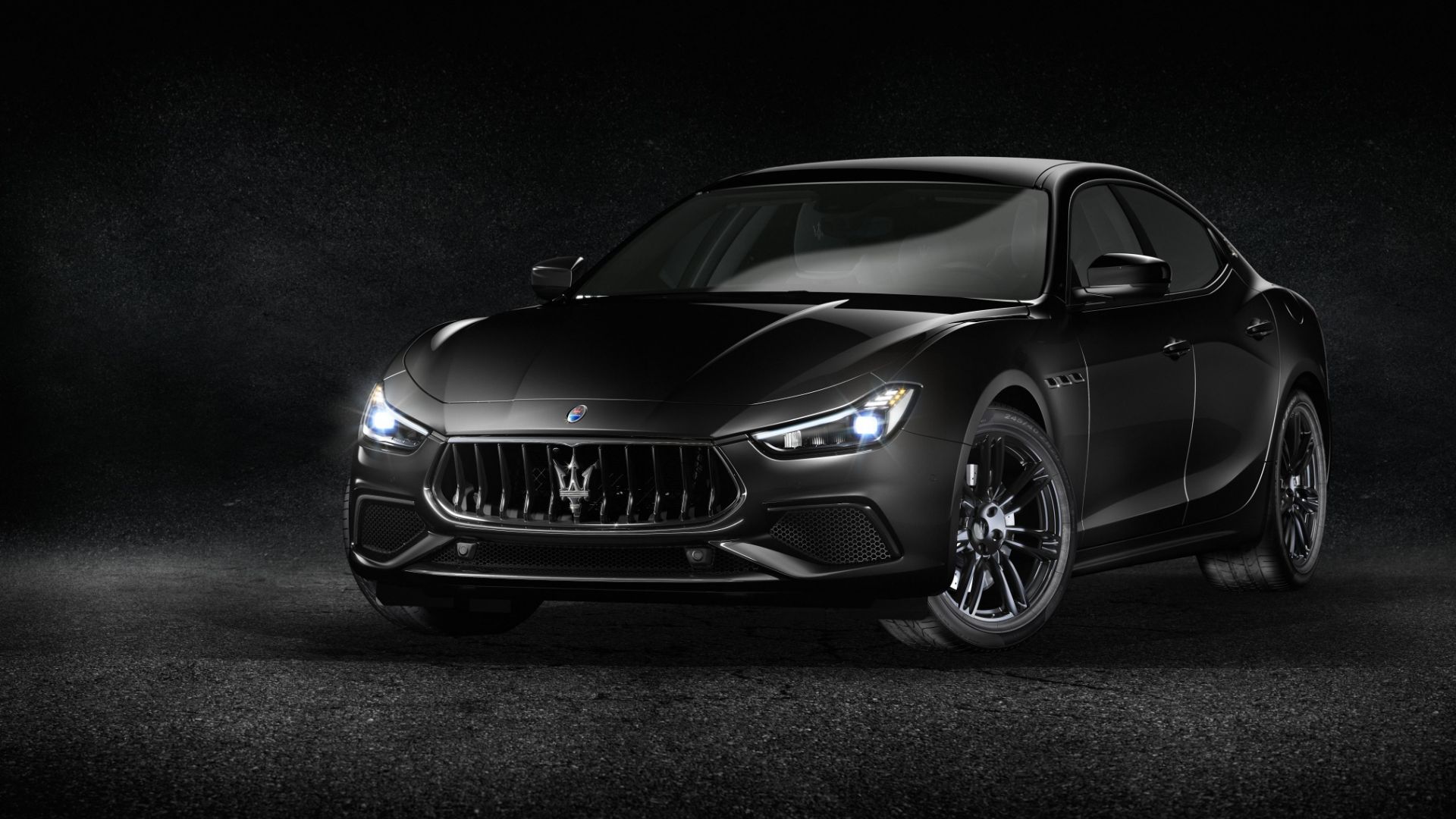
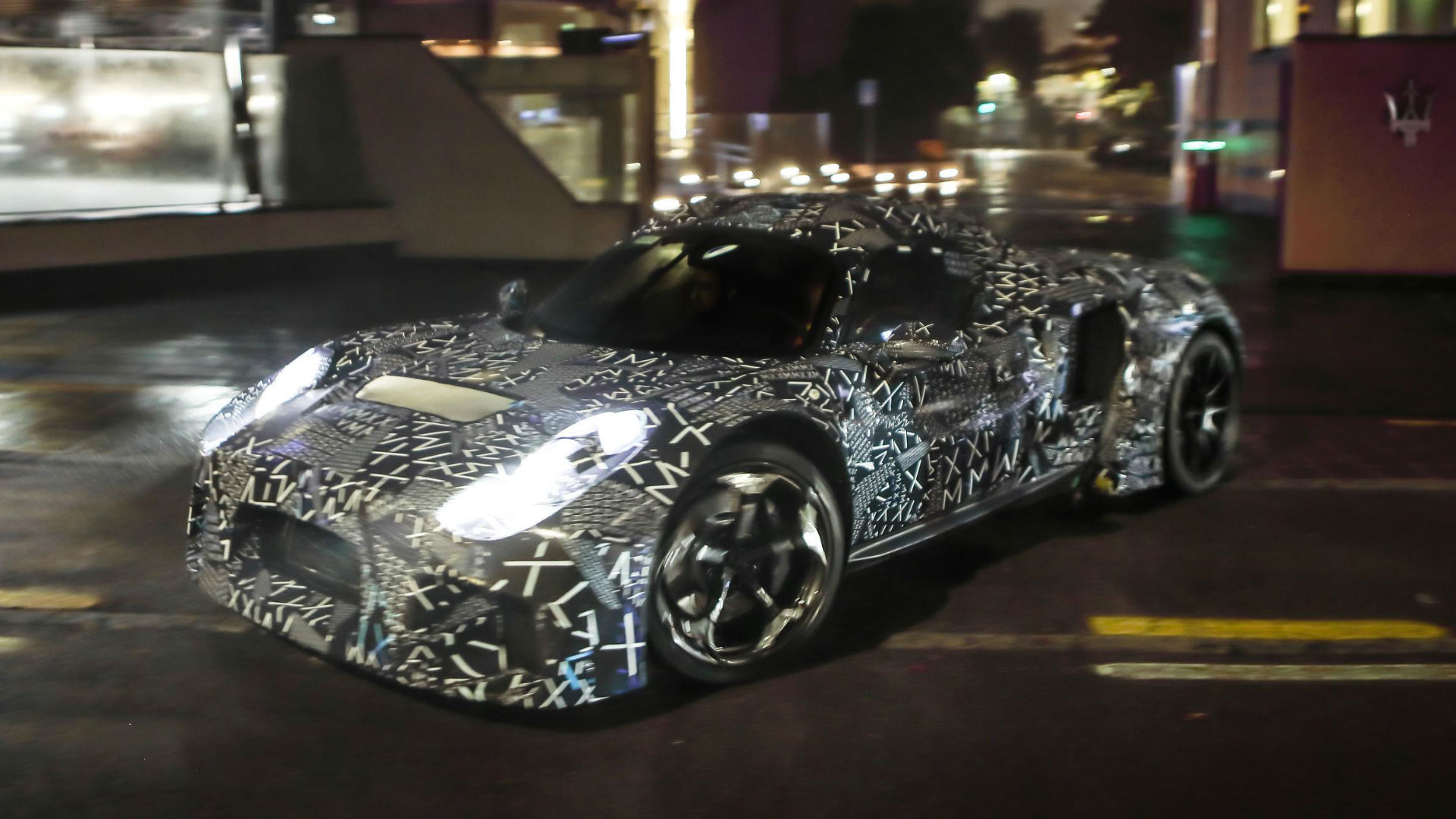
Maserati has revealed images of a mid-engined prototype testing on roads near its factory in Italy. Little is known about the car, aside from the fact that the “engine is 100 percent Maserati” and its likely to be unveiled in May 2020. What’s it doing in this gallery? Well, there are rumours that an electric version will appear in the future, although the launch car is more likely to be electrified rather than fully electric.
Mercedes-Benz EQV
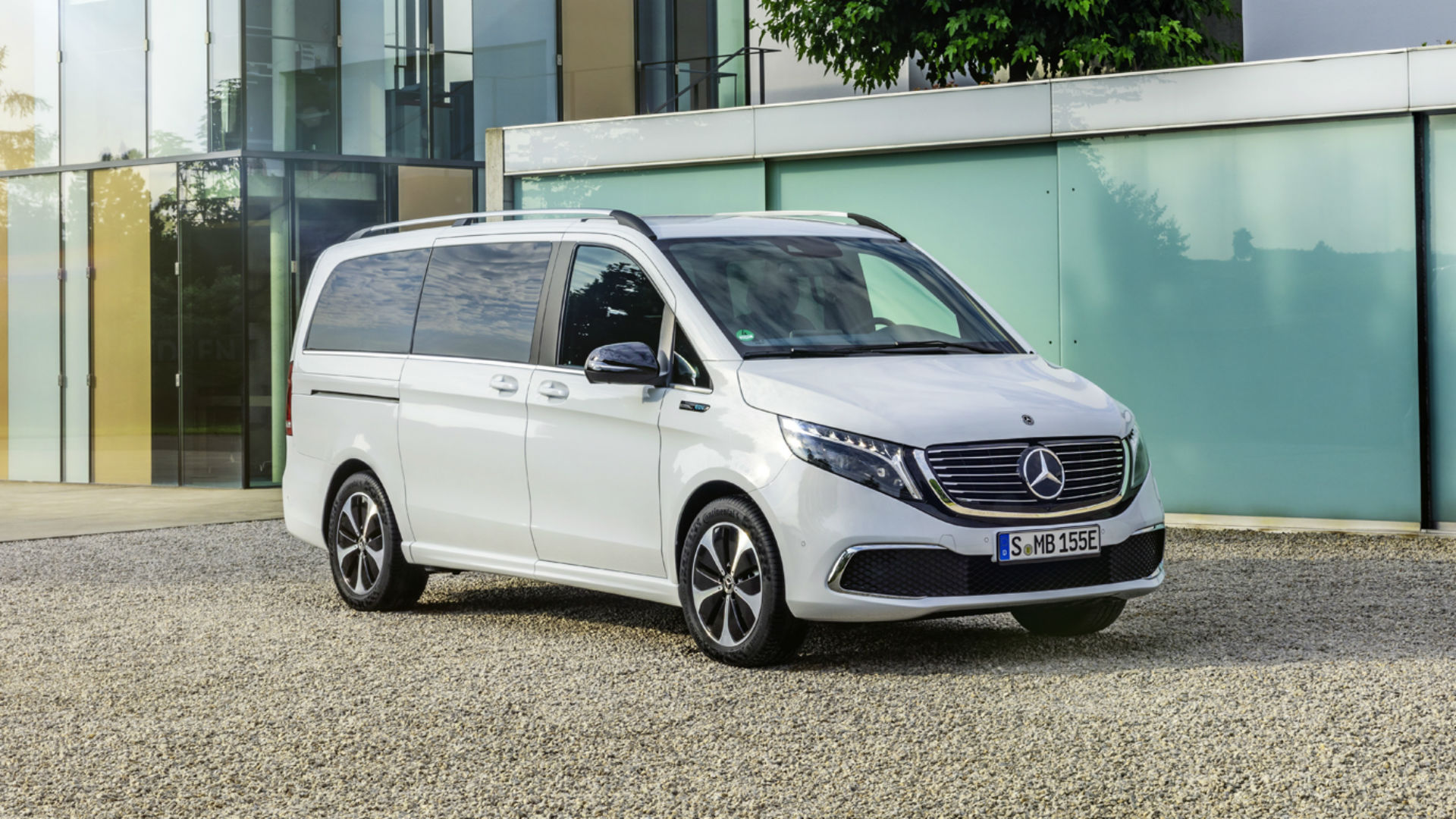
The Mercedes-Benz EQV electric people carrier made its debut at this year’s Frankfurt Motor Show. The company claims the EQV will offer a range of up to 251 miles, which is impressive for an eight-seat electric MPV. It also features a 1,030-litre load area. Still want seven-seat Tesla Model X?
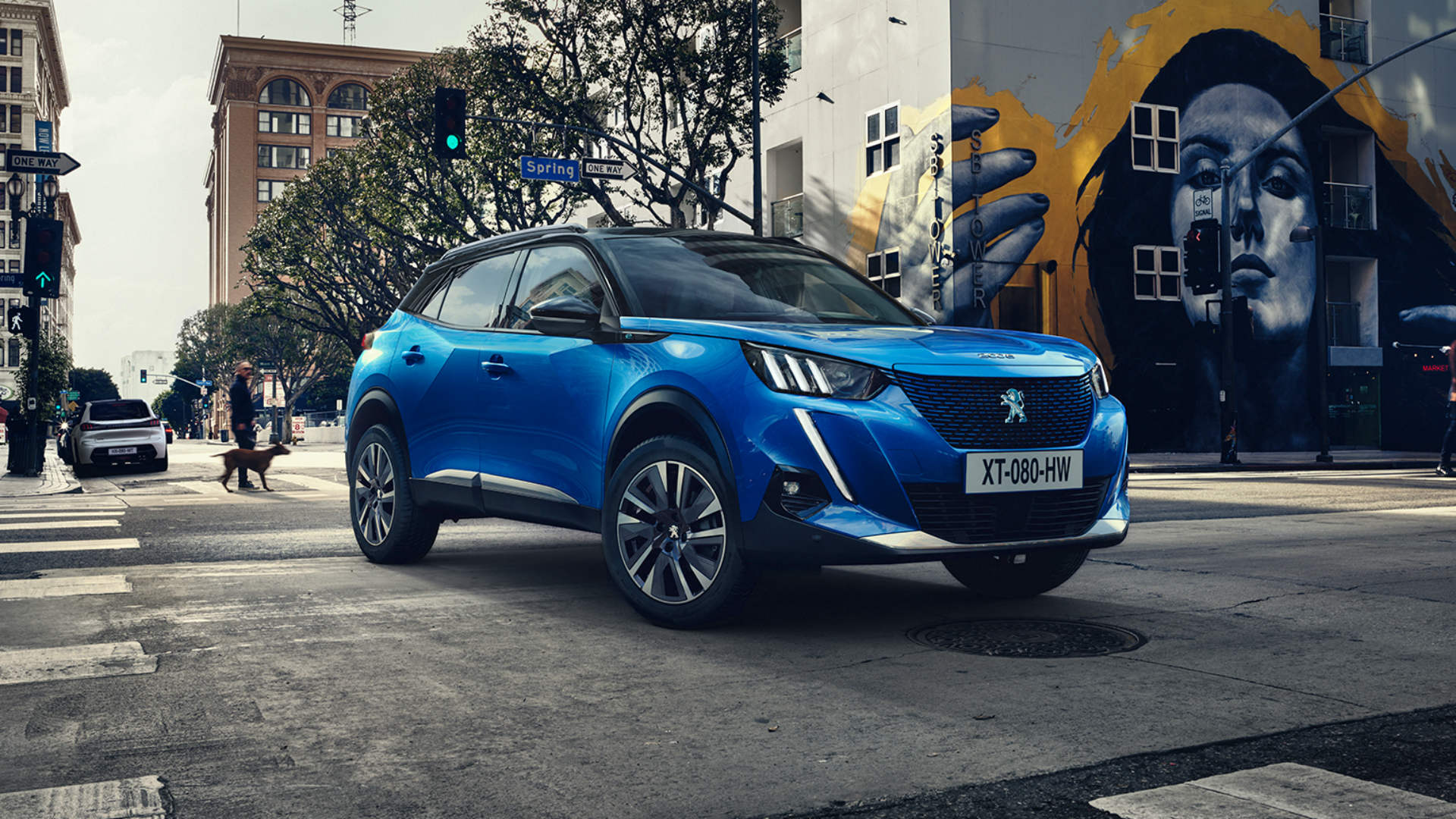
Peugeot e-2008
If the e-208 is too small, Peugeot has a ready-made alternative in the e-2008 SUV. It offers a range of up to 193 miles, while refilling to 80 percent takes 30 minutes when using a 100 kW fast-charger. Standard equipment is high, and prices start from around £28,500 after the plug-in car grant.
Pininfarina Battista
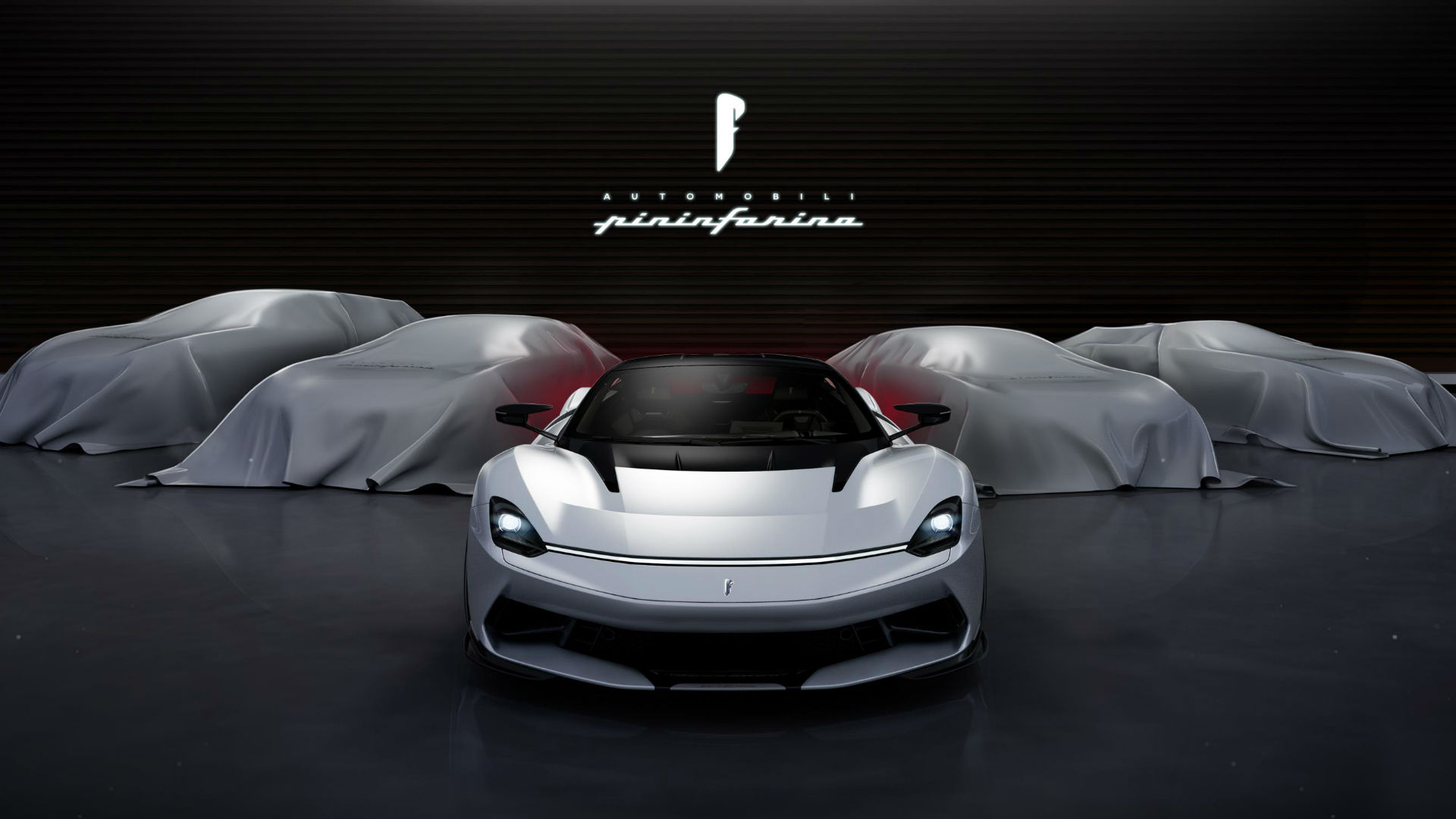
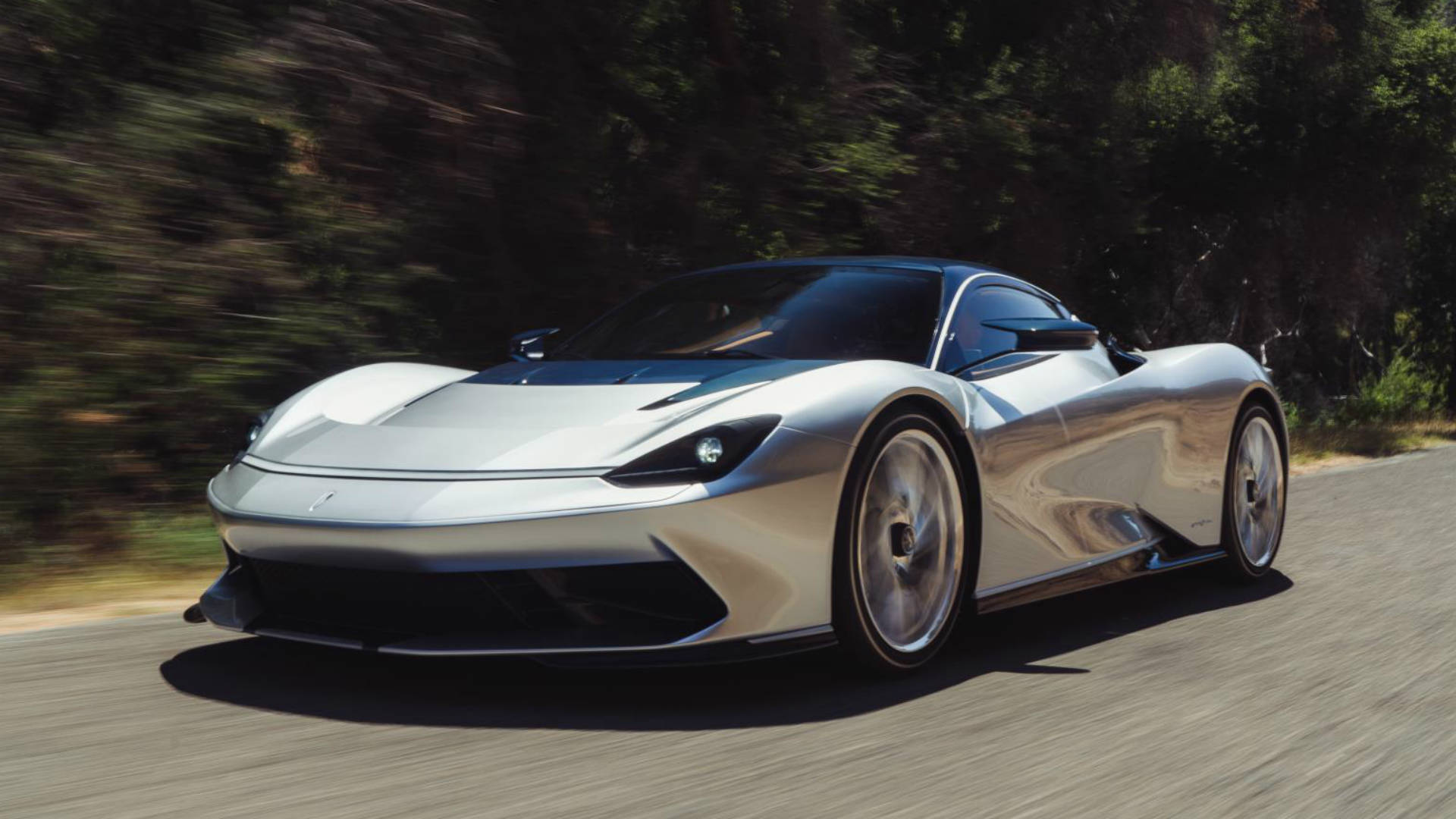
Deliveries of the Pininfarina Battista will begin in 2020. Only 150 will be built in Italy, carrying a rumoured £2 million price tag. Producing 1,900 hp – and faster than a Formula One car from zero to 60 mph – it will travel almost 280 miles on a single charge. The Mahindra-owned company will launch three EVs over the next three years, two of which will be SUVs.
Skoda Citigo e iV
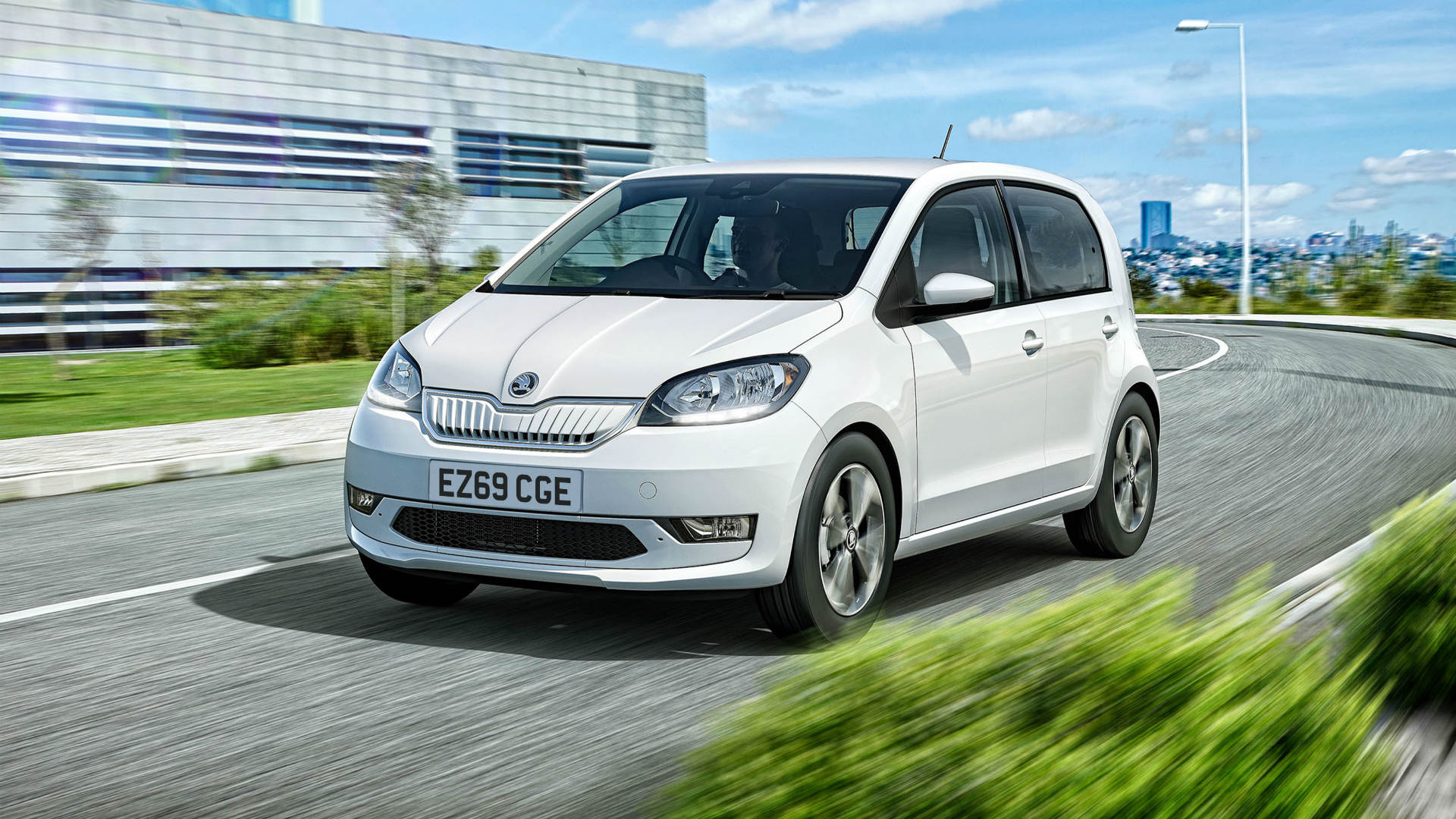
The new Skoda Citigo e iV went on sale on 10 December and will cost from £16,995. This is after the plug-in car grant and is based on the entry-level SE. The all-electric Citigo offers a driving range of between 140 and 170 miles, while the top-spec SE L can be charged using a CCS cable connected to a 40kW DC fast charger. First deliveries are expected early next year.
Jaguar XJ
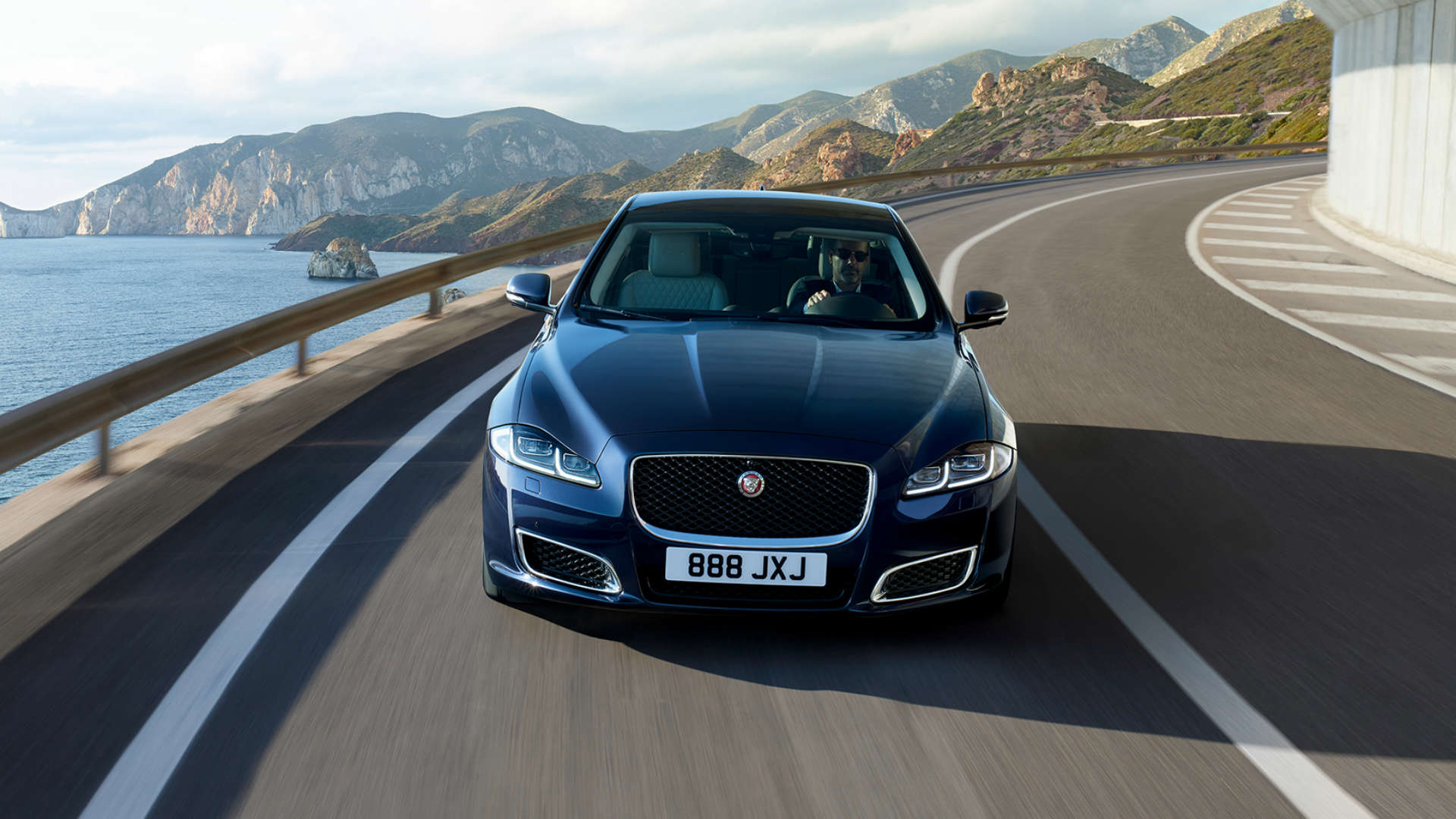
The all-electric Jaguar XJ represents a new era for the flagship saloon. Production of the current XJ (pictured) has come to an end, but Jaguar has announced plans to build a range of electrified cars at its Castle Bromwich plant in Birmingham. The electric XJ is expected to arrive in 2020, with Jaguar using its experience in creating the I-Pace SUV.
The most in-demand vehicles for theft in 2019 have been revealed, based on what criminals might be paid when they sell them.
The figures come from vehicle protection provider, AX. Car thefts have risen from 75,308 annually in 2013-2014 to 112,000 in 2017-2018: a rise of 50 percent in five years.
As we’ve previously reported, a large driver of this increase is the proliferation of keyless theft.
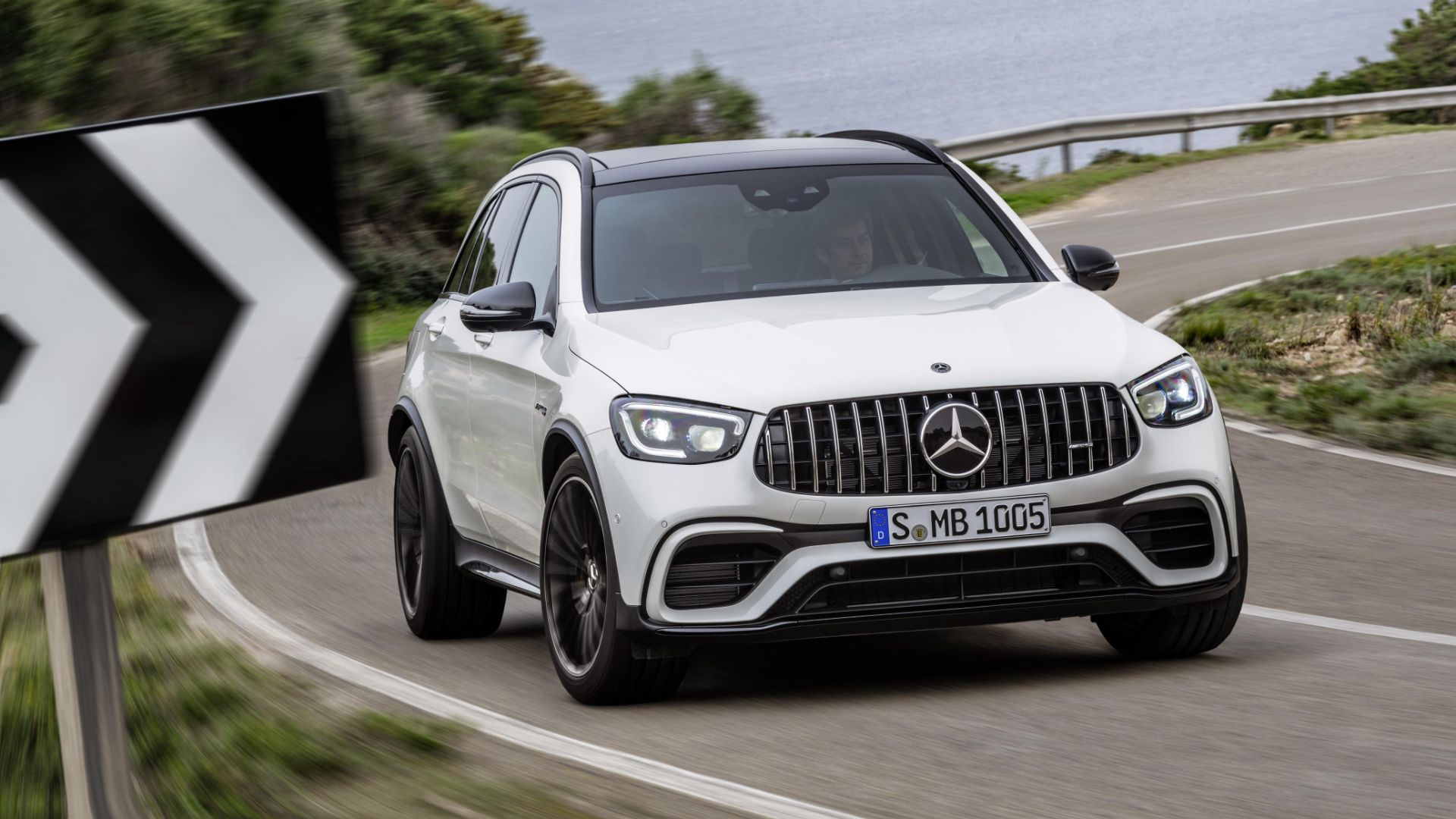
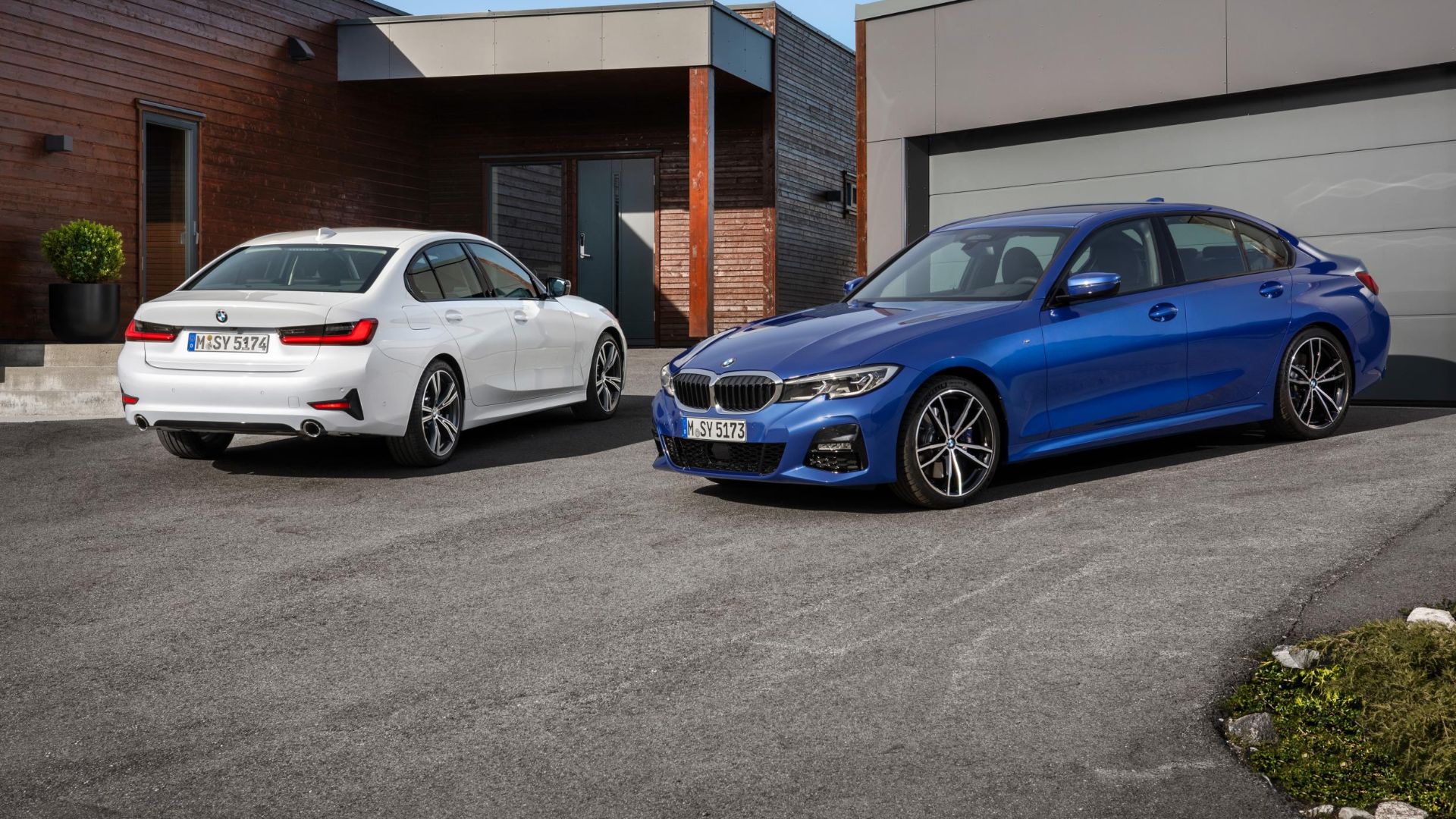
Premium brands such as Audi, BMW, Land Rover and Mercedes-Benz dominate the ‘shopping lists’ of car thieves.
In fact, the AX list of most-wanted cars is composed exclusively of models from those brands. Remember, these aren’t necessarily the cars that are stolen the most, but those thieves can best profit from.
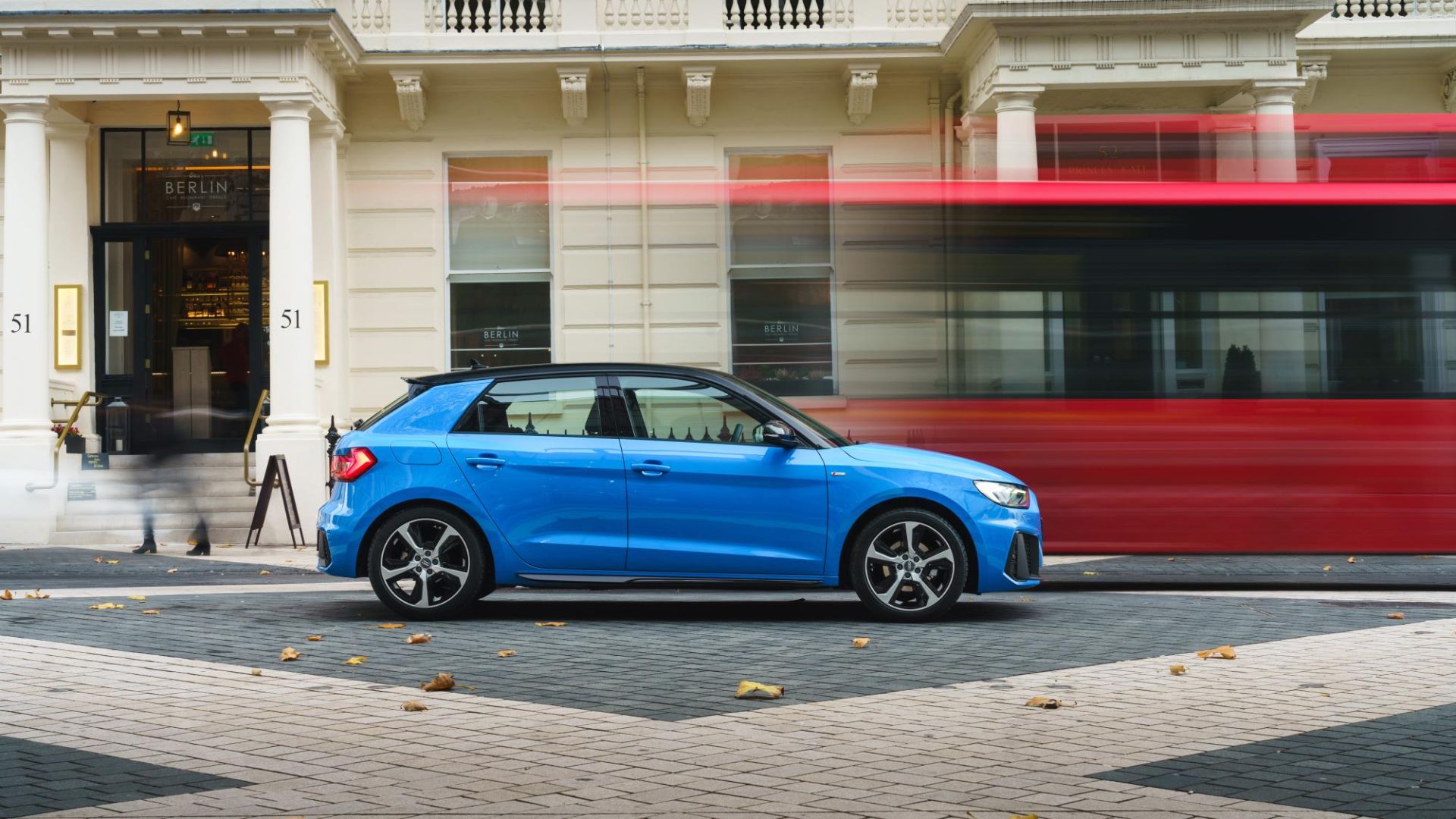
‘A’ models from Audi, ranging from the A1 to the A5, have a post-theft value of just £1,000. Models from BMW, from the 2 Series through to the 5 Series, can go for between £1,500 and £1,800. The Mercedes C-Class undercuts them slightly, retailing for between £1,000 and £1,500.
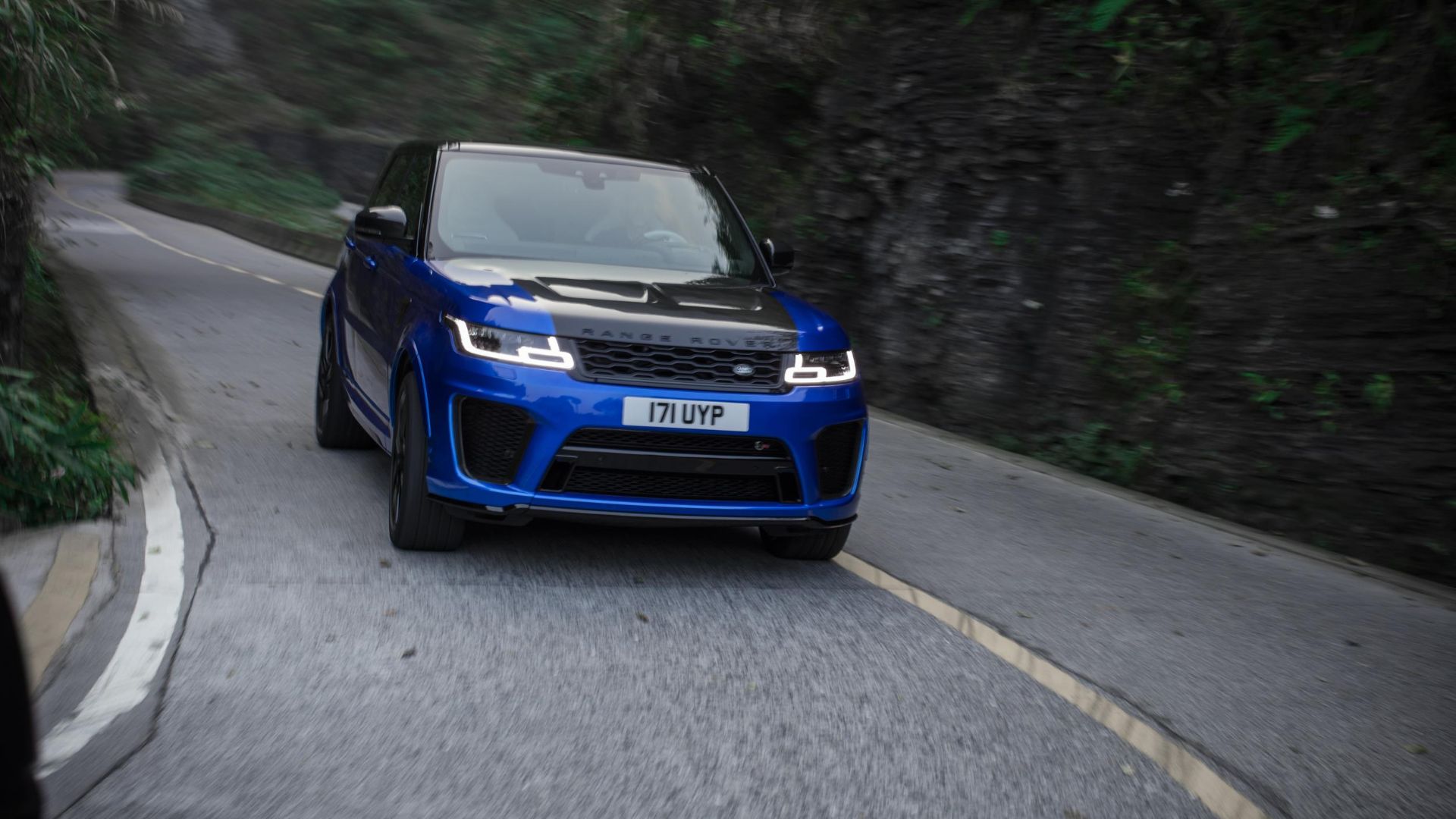
Large SUVs are the big-ticket items for thieves, though. The BMW X5 has a post-theft value of between £1,800 and £2,000.
Likewise, a Range Rover goes for between £1,500 and £2,000. The performance SVR variant, like anything from Mercedes-AMG, can fetch between £2,000 and £3,000.
“We know how the criminals operate but, with the UK theft figures in mind, it’s a sharp reminder of the problem car owners and the industry faces,” said Neil Thomas, director of investigative services at AX.
“The list is quite shocking, despite my 30 years working in the police force. Business and private owners alike are affected by the increase in thefts, so it’s paramount to take precautions to avoid being targeted, or ensure vehicles have robust covert technology so that they can be recovered.”