The company says it can afford the refunds due to fewer claims made during the coronavirus lockdown.
The LV refund scheme differs from Admiral’s £25 flat-rate approach. To qualify for LV’s refund of £20 to £50, a customer must meet the following requirements:
Have not yet received the 80 percent payment scheme from their employer, or;
Are self-employed and are unable to work or trade due to the coronavirus, and haven’t received the 80 percent payment, or;
They were made unemployed at any point after 1 March 2020
Customers who arranged insurance via a broker are excluded from the scheme.
“Our research shows that a third of people with motor insurance are currently concerned that they will struggle to pay bills such as insurance premiums over the next three to six months with 1 in 10 saying they are very concerned at their ability to do so.
“So, we believe it’s vital and the right thing to do to concentrate the additional financial support we can offer on those who are really struggling.
“We spent a lot of time thinking about the best way to help customers and this enables us to give between £20 and £50, which to some families will make a real difference.”
LV’s package ‘a step down’
James Blackham, CEO of By Miles, says the LV scheme doesn’t go far enough. “While another major insurer, LV, offering refunds to customers is a good thing – what they are offering is actually a step down from Admiral’s support.
“While Admiral gave an automatic £25 refund to all customers, LV is only offering refunds of between £20 – £50, but only to those who can prove they are financially worse off due to coronavirus.
“And they’re making policyholders do the leg work – asking drivers to contact them directly to apply for a rebate.
“We hope this is just the first step, and LV is prioritising customers who’ve experienced financial difficulties before offering refunds to all their drivers who have not been getting their money’s worth from their policy.
“Those who are driving less, you should pay less. It’s as simple as that. Any customers who are looking for refunds from their insurer (if they haven’t been already) should contact their insurers and make this point.
“We forecast traditional car insurers will save in excess of £1 billion due to the lockdown and hopefully today’s guidance from the FCA will see more car insurers do the right thing and pass on these savings – to all of their customers.”
The RAC responded to 3,426 pothole-related breakdowns in the first three months of 2020. That’s an increase of 1,337 (64 percent) compared with October to December 2019.
It’s also 150 more than during the same period in 2019 – a rise of 4.5 percent.
Damaged shock absorbers, broken springs and distorted wheels accounted for 1.6 percent of all RAC breakdowns in the period. The company said ‘these are most likely to be attributable to poor road surfaces’.
The country experienced a mild but tough winter. High winds and flooding hit many parts of the UK, with Storms Ciara and Dennis piling more pressure on the beleaguered road network.
In the last Budget, Chancellor Rishi Sunak announced the creation of a £2.5 billion pothole fund to be spent over the next five years. He said it would be enough to tackle 50 million potholes by the end of the parliament.
‘Storms and floods were major factors’
RAC head of roads policy Nicholas Lyes said: “The jump in pothole-related breakdowns from the last three months of the year to the first quarter of the next year is always the largest as winter weather has the greatest effect of all in wearing down our roads.
“Many parts of the country suffered very wet weather conditions throughout February, though the winter overall was generally mild. While the wet conditions mercifully gave way to much drier weather as we headed into March, it’s still likely that the storms and floods were major factors in why the number of pothole-related breakdowns was higher than the same period last year.
“While millions of cars are mostly confined to streets and driveways during the coronavirus lockdown, people are more reliant than ever on their vehicles to buy food and important household items. The last thing any driver needs on the way to do their essential weekly shop is to suffer a nasty pothole-related breakdown that puts their car out of action, especially with fewer garages open than usual. This means the quality of local roads is, ironically, is as important as ever.
“In his Budget in March, the Chancellor committed to funding our local roads and it is clear that the economic recovery as the UK emerges from the COVID-19 pandemic will need to be built on solid infrastructure – which of course needs to include good quality roads.
“Moreover, it will also be interesting to see if lower traffic volumes during the UK’s lockdown will help prevent further deterioration of roads as fewer wheels going over weaknesses in the asphalt should contribute to less surface wear.”
The price of car insurance has fallen to its lowest level in five years. That’s according to new research published this week.
Although the year-on-year cost of a fully comprehensive policy increased in the first quarter, data from April shows a steep decline. A policy in Q1 (January to March) cost £485, but had fallen to £462 by the end of April.
Prices fluctuated during 2019, starting the year at £480, then rising and falling, before settling at £503 by the end of the year.
RAC data shows the volume of vehicles on the road had fallen by 40 percent by the second week of the lockdown. This has led to speculation that insurance companies will reduce premiums in the second half of 2020.
There are still regional price variations in the UK. For example, a customer in East London is likely to pay an average of £986 for cover, while somebody in Llandrindod Wells will pay just £300.
Insurance is also three times more expensive for drivers under 25 than it is for motorists over the age of 50. Drivers aged 65 or over pay £289 on average.
‘Don’t let your policy automatically renew’
Dave Merrick, car insurance spokesman at MoneySuperMarket, said: “Our research shows car insurance premiums in the first quarter of 2020 increased marginally year on year. This is partly attributable to price rises in the final quarter of 2019 in response to a change in the discount rate – a figure applied to large personal injury compensation claims – which triggered premium inflation.
“But our latest research shows that April’s prices are at their lowest levels in five years. Whether there’s any link to the coronavirus crisis is difficult to say for certain, but it is likely to be a factor. An unintended consequence of the lockdown has been fewer cars on the roads and fewer accidents, so it’s fair to assume that this could result in reduced prices.
“Whatever happens to premiums in the coming months, make sure you don’t let your policy automatically renew as you’ll likely see your costs increase. Always switch your provider before your policy renews – doing so can save you up to £270.”
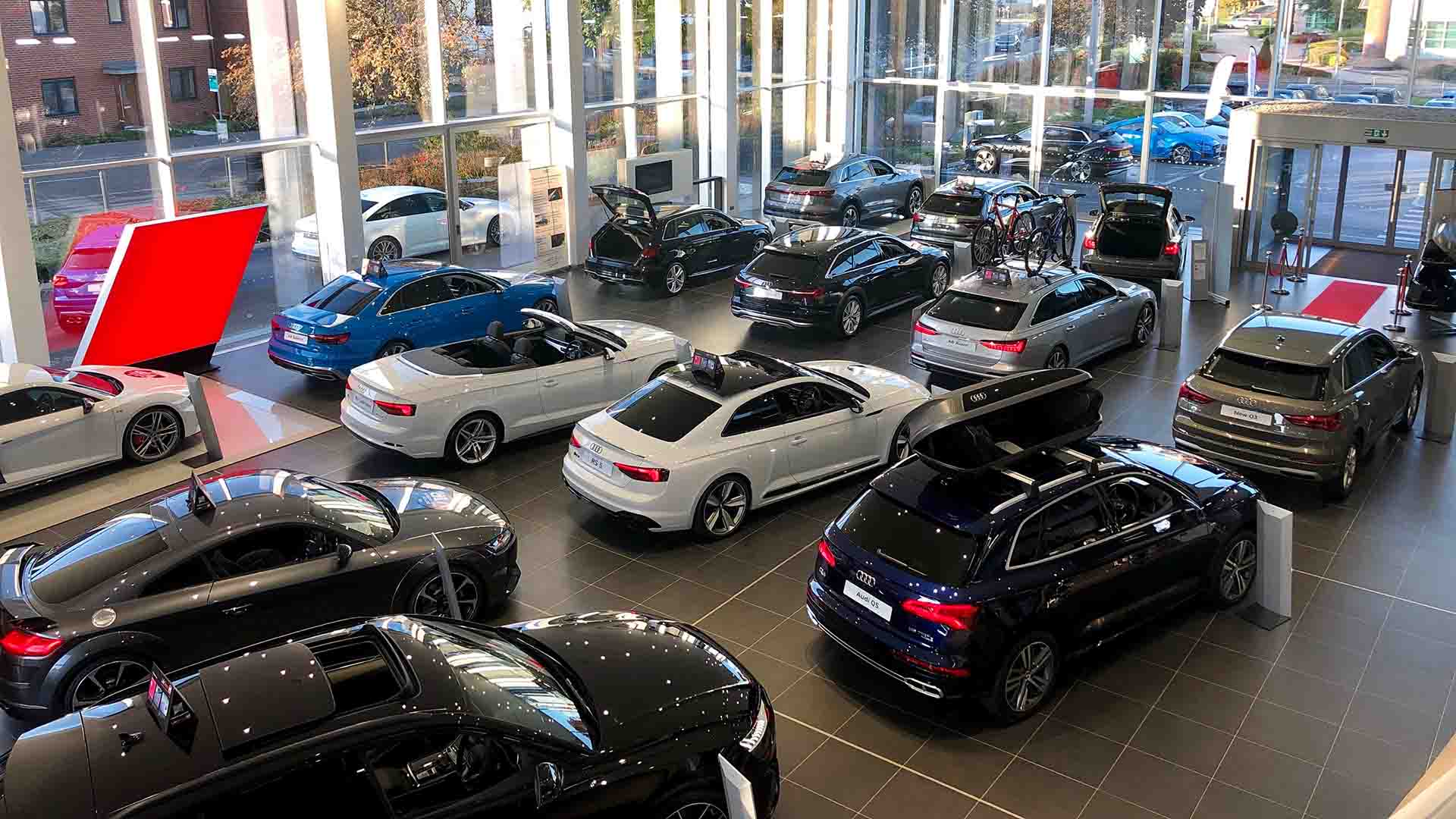
Audi is offering an extension of its new car warranties in the wake of the coronavirus crisis. This is to help customers who are unable to visit an Audi dealer during the lockdown.
The extension applies worldwide to all cars produced in Europe, Brazil, Mexico or India. Specifically, it applies to warranties due to expire between 1 March 2020 and 31 May 2020.
Warranties will be extended by three months after the original date of expiry, at the latest on 31 August 2020. Mileage restrictions remain unchanged.
Audi says that in the case of any overlap, the start of an extended warranty will be postponed for three months.
Horst Hanschur, vice president retail business development and customer services at Audi, said: “We are reaching out to our customers in these trying times and are enabling more flexibility in order to organise visits to Audi dealerships.
“Many of our dealer partners worldwide are still closed or just in the process of opening their doors again.
“We are therefore making adjustments in a number of areas in order to ensure our customers still have a premium experience with the Audi brand, as well as to ensure the future of our dealerships.”
Audi announced a temporary suspension of production at its European sites in mid-March, but says it expects to “gradually initiate the restart of production” over the coming weeks.
Vehicle production will be ramped up from the end of April onwards according to a fixed plan.
Peter Kössler, board of management member for production, said: “The focus is on the employees, because they need a safe working environment.
“Audi teams of experts have therefore adapted processes with a view to health protection in consultation with the specialist departments and works councils.”
It’s the end of the month, which means thousands of motorists might be considering taking their car off the road. But the government is warning motorists to be on their guard for potential scams.
Some websites are charging motorists up to £40 to make a SORN declaration. SORN stands for Statutory Off Road Notification and is the way of notifying the DVLA that you’re taking a vehicle off the road.
It takes a matter of minutes to complete – and it’s FREE.
One SORN scam website, which we won’t name or link to, asks for the vehicle registration number, before taking you to a second page. Here, it asks for the 16-digit reference number from the V11 reminder, or the reference number from a V5C log book or V5C/2 new keeper supplement.
It also asks for your email address and contact number, before requesting payment. There’s a charge of £30 for ‘regular’ processing, or £40 for a ‘fast-track’ service.
By using the official DVLA website, you’ll be asked for a reference number and registration plate, with the option of providing an email address or mobile number if you require a confirmation.
It takes no more than a minute to complete, so there’s absolutely no need for a so-called ‘fast-track’ service.
As we said earlier, IT’S FREE.
Don’t be fooled by a SORN scam
The DVLA told This is Money, “Motorists should always double check that they are using GOV.UK and not to be fooled by these sites.”
It’s worth remembering the following about DVLA services:
The DVLA doesn’t send emails or text messages asking you to confirm your personal details or to request payment information. Do not open any links. Delete the text or email immediately.
Beware of misleading third party websites passing themselves off as the DVLA. They might include ‘DVLA’ in the website or use DVLA colours and old logos.
Some will use search engine tactics to get to the top of Google. Don’t be fooled.
Only use GOV.UK.
Never share images on social media that contain personal information.
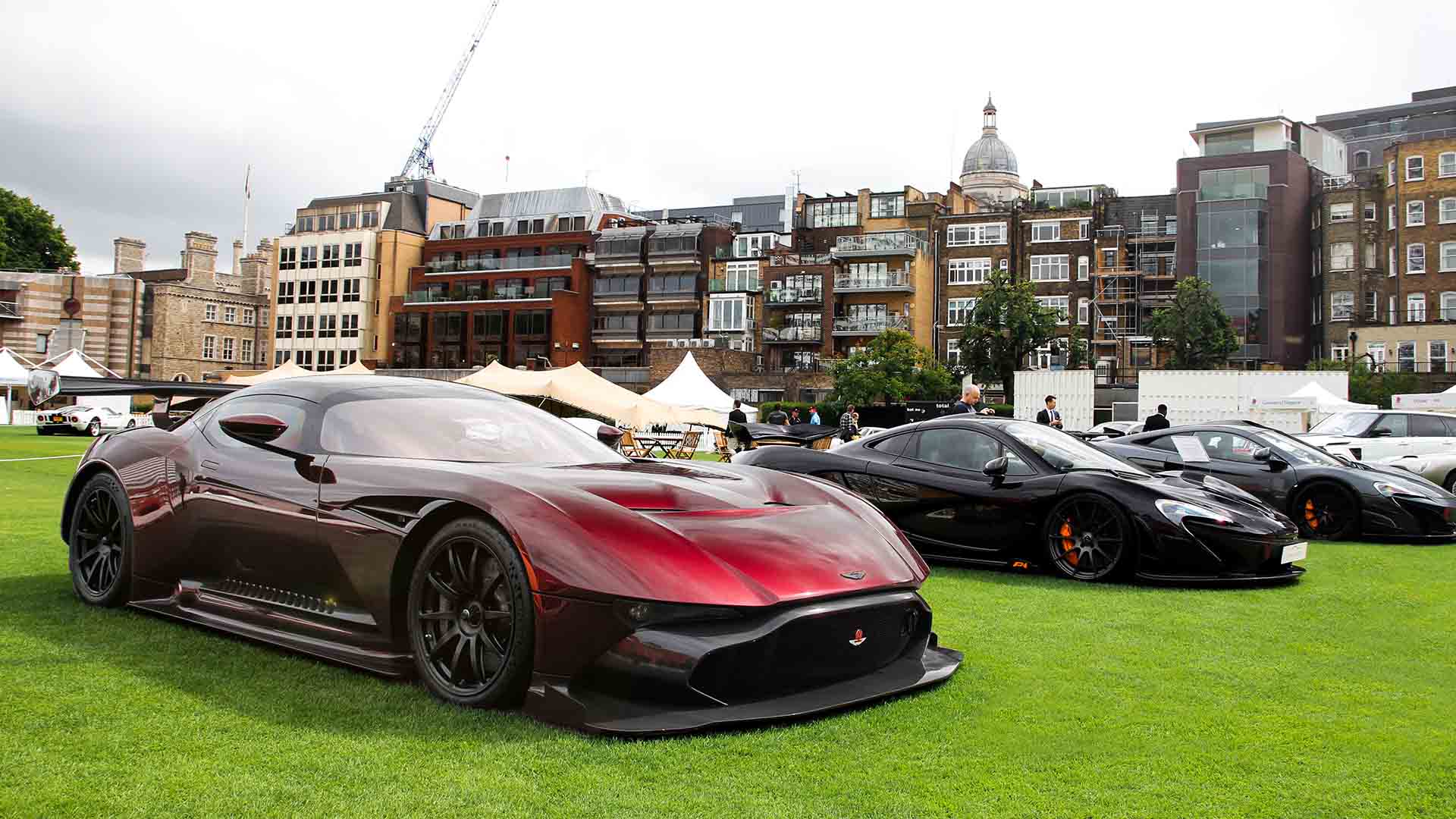
According to Gear Patrol, “the term ‘hypercar’ was coined to qualify the top one percent of supercars”. So, expensive, wild, ludicrously fast and out of reach to mere mortals.
“Hypercars are the stick against which all cars are meant to be measured, and not a single compromise can be made,” concludes Bryan Campbell on Gear Patrol.
It’s hard to argue with the list created by Motorway.co.uk. It has used DVLA data to discover there 298 hypercars registered in the UK. That’s 5.6 percent of total production for the 15 cars in question.
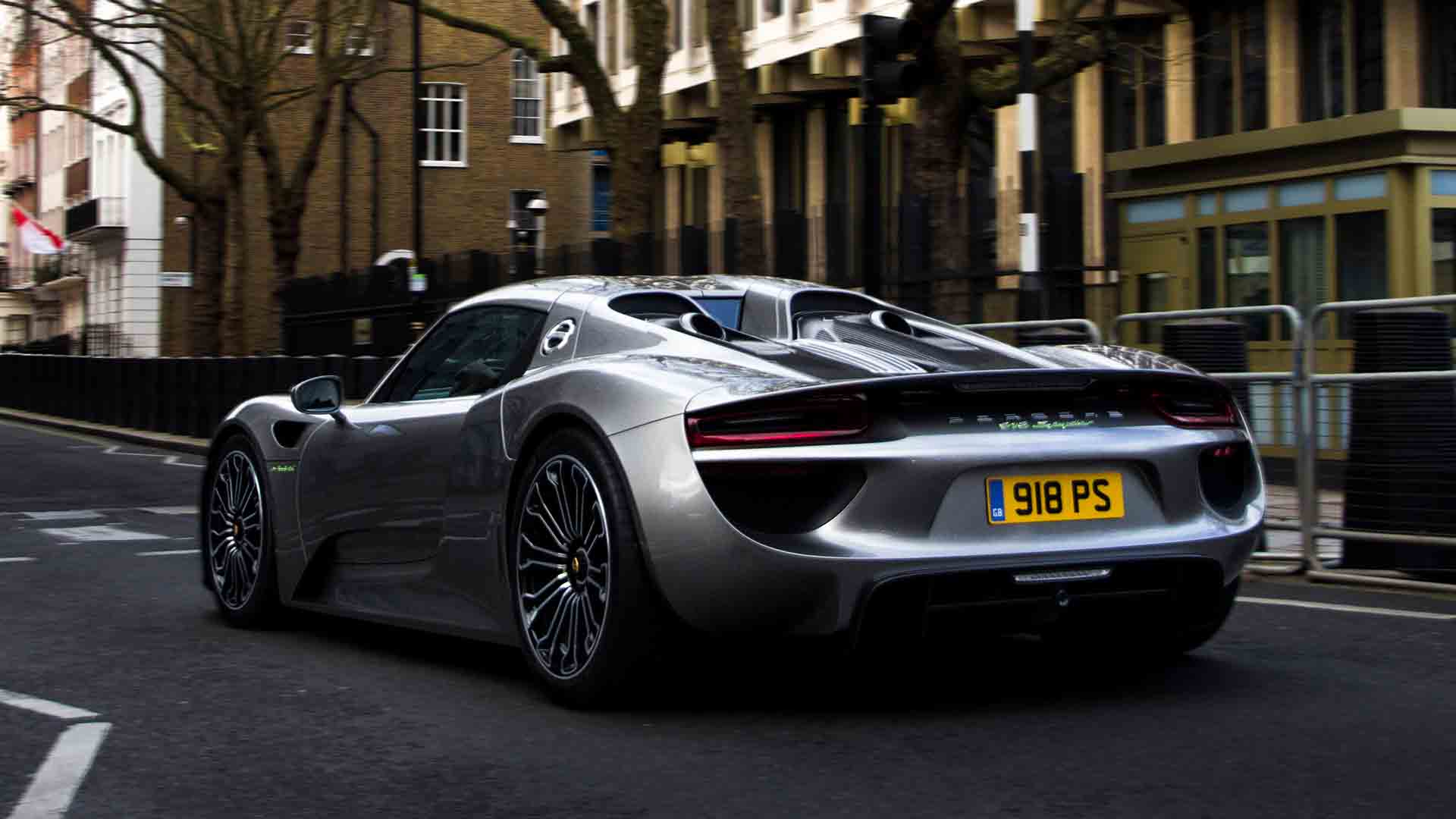
The Bugatti Veyron tops the table, with 65 registered. This is followed by the McLaren Senna (64), Porsche 918 Spyder (49) and Porsche Carrera GT (42).
DVLA data is only up-to-date on the day it’s issued. In other words, more cars are likely to be declared SORN in the winter, which could serve to skew UK registration data.
This might explain why there’s not a single Pagani Huayra showing as registered in the Motorway.co.uk data. Similarly, some cars located in the UK might be registered overseas.
It’s also worth pointing out that the Motorway.co.uk data doesn’t include model derivatives and special editions. For example, although production of the ‘standard’ Huayra was limited to 100, Pagani also built a Huayra Roadster and a number of specials.
The same could be said of the Koenigsegg Agera and the models that followed, including the S (5 built), R (18 built) and RS (25 built).
Alex Buttle, director of Motorway.co.uk said: “The hypercar is the ultimate driving machine; with seven-figure price tags and top speeds to melt your face, our research reveals just how rare these ‘supercars on steroids’ really are.
“With fewer than 300 registered to UK-owners, hypercars aren’t just for the wealthy connoisseur; these are cars that laugh at a £1 million price tag and sit in a league of their own for the mega-rich.
“Sadly, the closest most of us will ever get to a hypercar is seeing one unveiled at a motor show. Or, if you’re lucky, parked outside Harrods.”
Men are paying 26 percent more than women to insure their car. That’s according to data from 15 million insurance quotes provided from January 2018 to January 2020.
The research found that men pay an average of £581 for cover, while women pay £460: a difference of £121.
MoneySuperMarket, the company that commissioned the research, says there are a number of factors behind the price difference.
For example, men are five times more likely to own a car that costs £1,000 or more to insure. They’re also 16 percent more likely to own a car that costs £500 more to cover.
Similarly, men are 84 percent more likely to work in jobs that result in an average premium of £500 or more.
One such job is professional football. The data shows 96 percent of professional footballers who enquired about car insurance were men. The average premium for a footballer is a whopping £2,166.
Insurance group rating is another factor. In the UK, cars are placed into groups ranging from 1 to 50. Although there are a number of factors at play, the lower the insurance group, the less you’re likely to pay for car insurance. One in five men drive a car in the top 20 groups.
Shop around for a better deal
Dave Merrick, car insurance expert at MoneySuperMarket said: “Our research shows that on average men pay £121 more than women for car insurance. Whilst insurance providers cannot legally discriminate based on gender, other rating factors – such as the car you drive and your occupation – will influence the price you pay.
“Our data shows that men typically drive cars in higher insurance groups and work in professions that attract a higher insurance premium, pushing up the cost of their insurance.
“No matter your personal circumstances, there are a number of things you can do that may help to reduce the cost of your insurance. For example, parking your car in a secure location, fitting an alarm and reducing your mileage are all ways to bring costs down.
“Shopping around for a better deal can also save you up to £2,702. It’s vital to ensure your policy doesn’t auto-renew as this can sometimes lead to an increase in your premium. More than 14 million motorists still allow their policy to auto-renew every year, meaning that £565 million more is being spent on car insurance than is needed.”
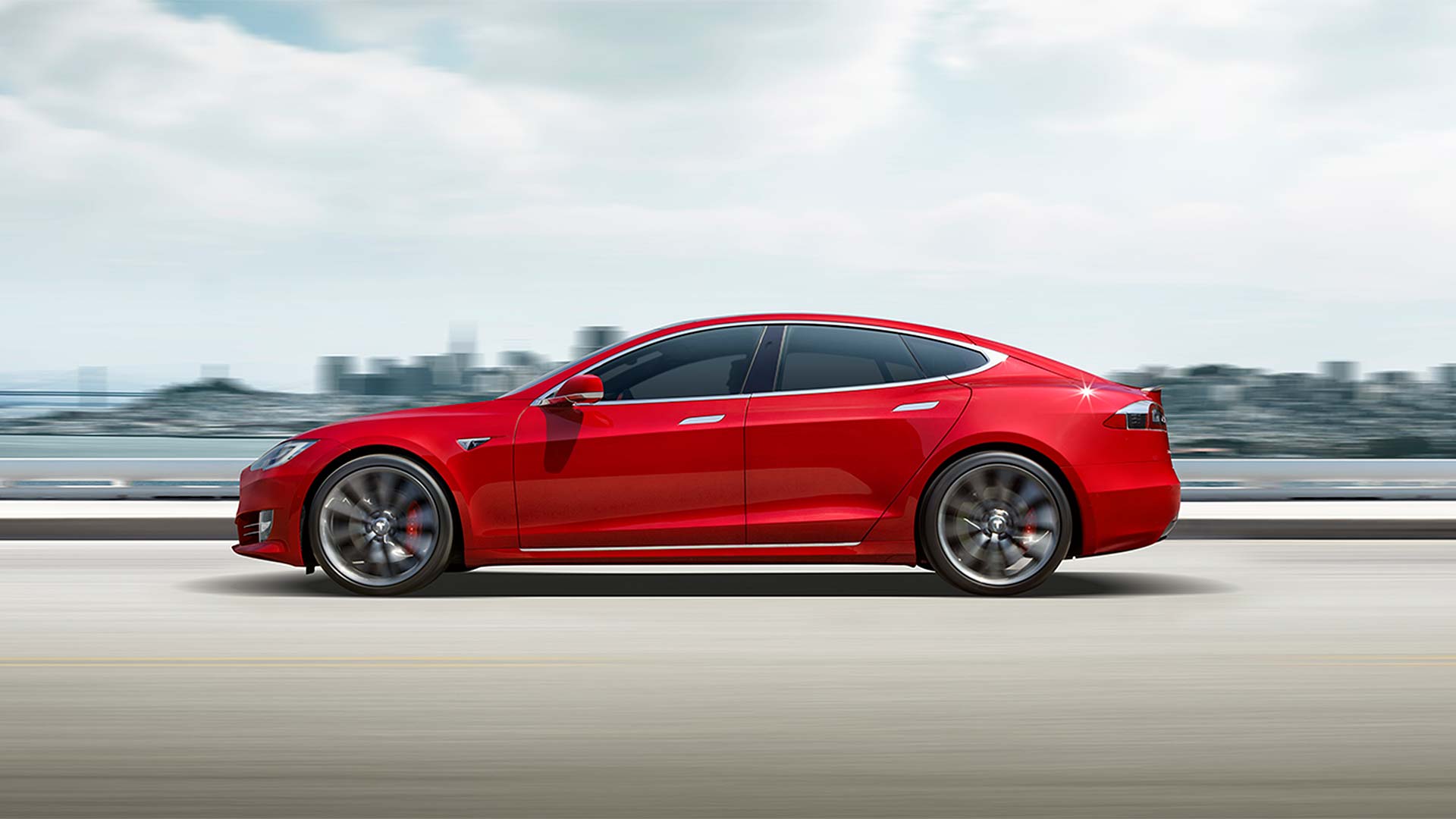
Part of the Launch Mode, Cheetah Stance lowers the front end of the car, while leaving the rear raised – just like a cheetah when it’s about to pounce.
Launch Mode itself is also easier to engage.
With a ‘free’ 50hp boost to peak power, the result is 0-60mph acceleration in just 2.3 seconds.
The standing quarter-mile dash also falls to 10.4 seconds. These are figures normally associated with high-end Ferraris and Bugattis. Power above 80mph is improved as well.
Tesla has also improved the thermal efficiency of the electric drive systems, which means such rapid acceleration can be repeated multiple times.
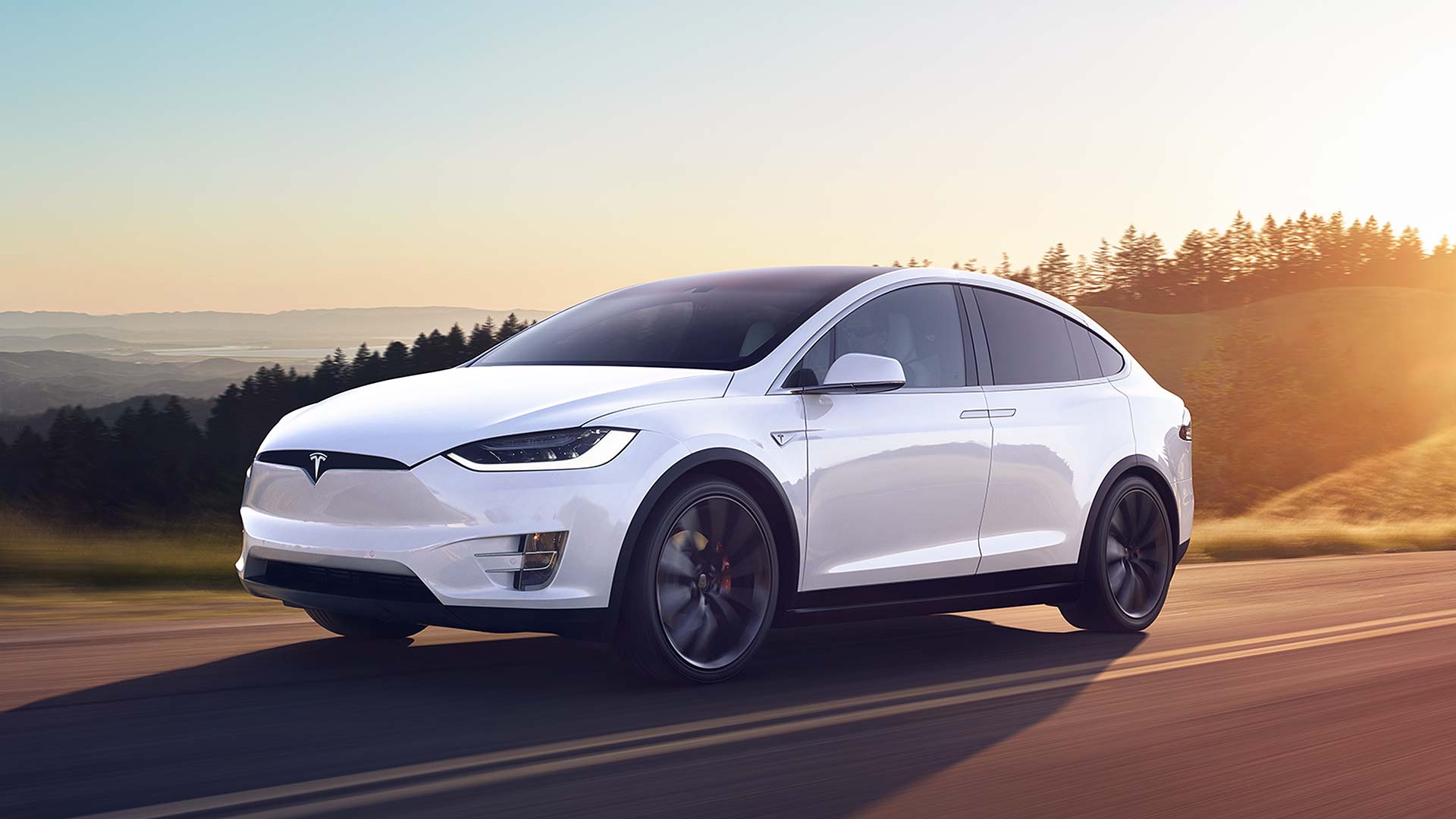
All UK Tesla Model S and Model X Performance owners, including earlier P100D vehicles, should now be receiving the over-the-air software update.
It’s part of the V2020.12.5 push that is now being supplied Tesla owners – and for free.
Launch Mode improved
Accessing Launch Mode to unlock such rapid acceleration is now more straightforward.
Owners are then advised to press hard on the brake pedal with their left foot, and the press the accelerator pedal to the floor with their right foot.
Then, wait for ‘Launch Model Enabled’ to display on the dashboard – the mode will remain active for 15 seconds.
Simply lift the brake pedal to access it (Tesla experts advise waiting a little while for the front end of the car to lower into Cheetah Stance).
The car should no longer ‘lurch’ when Launch Mode is activated either, thanks to improved driveshaft pre-loading.
Want to see it in action? U.S. drag racing experts DragTimes carried out a test – and validated just how fast Tesla Model S and Model X Performance models now are…
German sports car manufacturer RUF has released a special film on YouTube, telling the story of how the company has evolved.
Founded as a simple service station in 1939, RUF has gone on to become famed for its performance cars based on unstamped Porsche chassis.
With the brand celebrating its 80th anniversary during 2019, this was the perfect opportunity to document RUF’s history.
A turbocharged history lesson
Producing RUF: Love at the Red Line has been an intensive exercise, as the movie attempts to chronicle the eight decades of the company’s existence.
The film is centred on interviews with key people who have made RUF into a global success story. Alois Ruf Jr., son of company founder Alois Ruf Sr., takes a major role in the film, explaining how RUF began building its own performance vehicles in 1977.
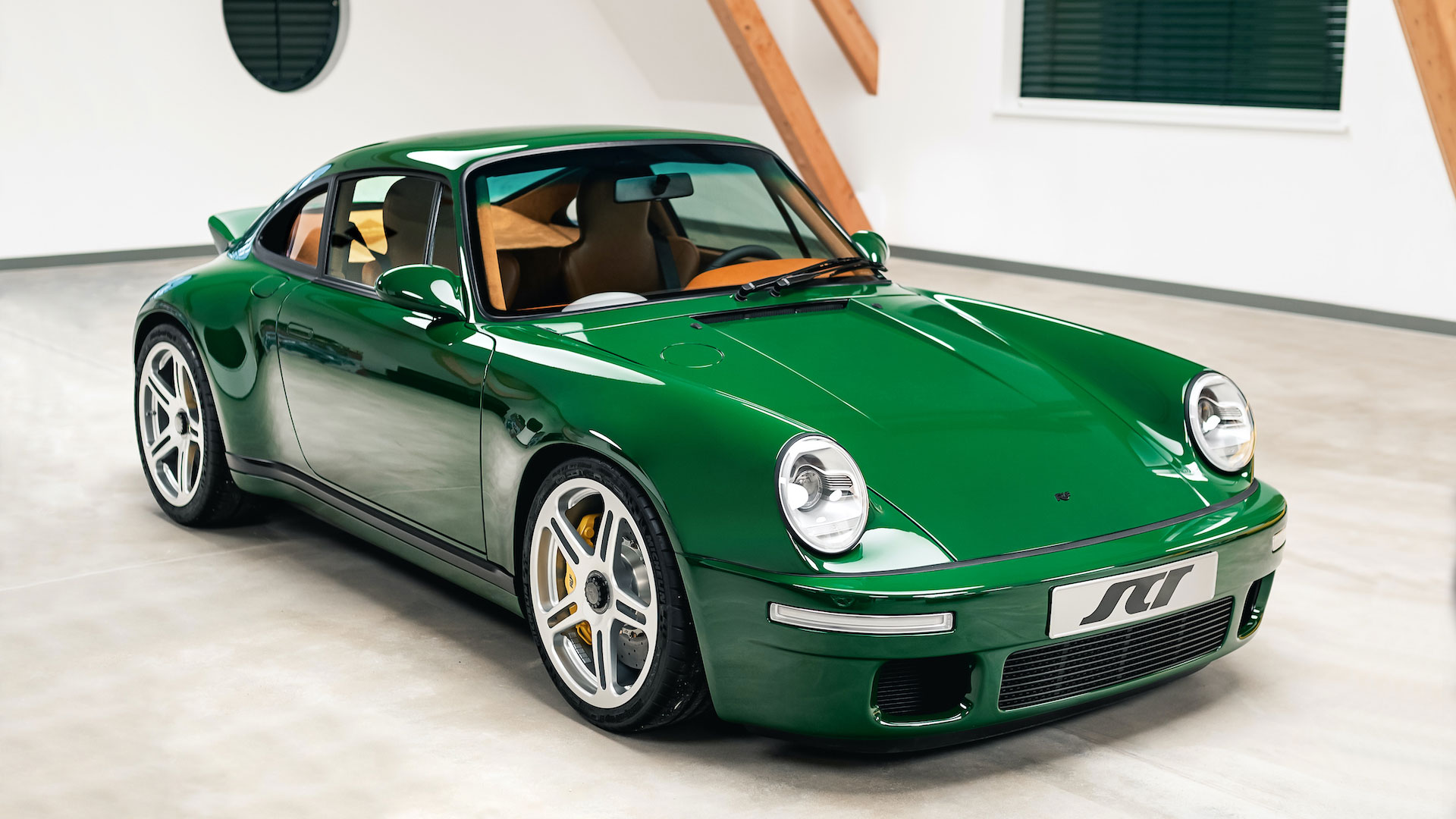
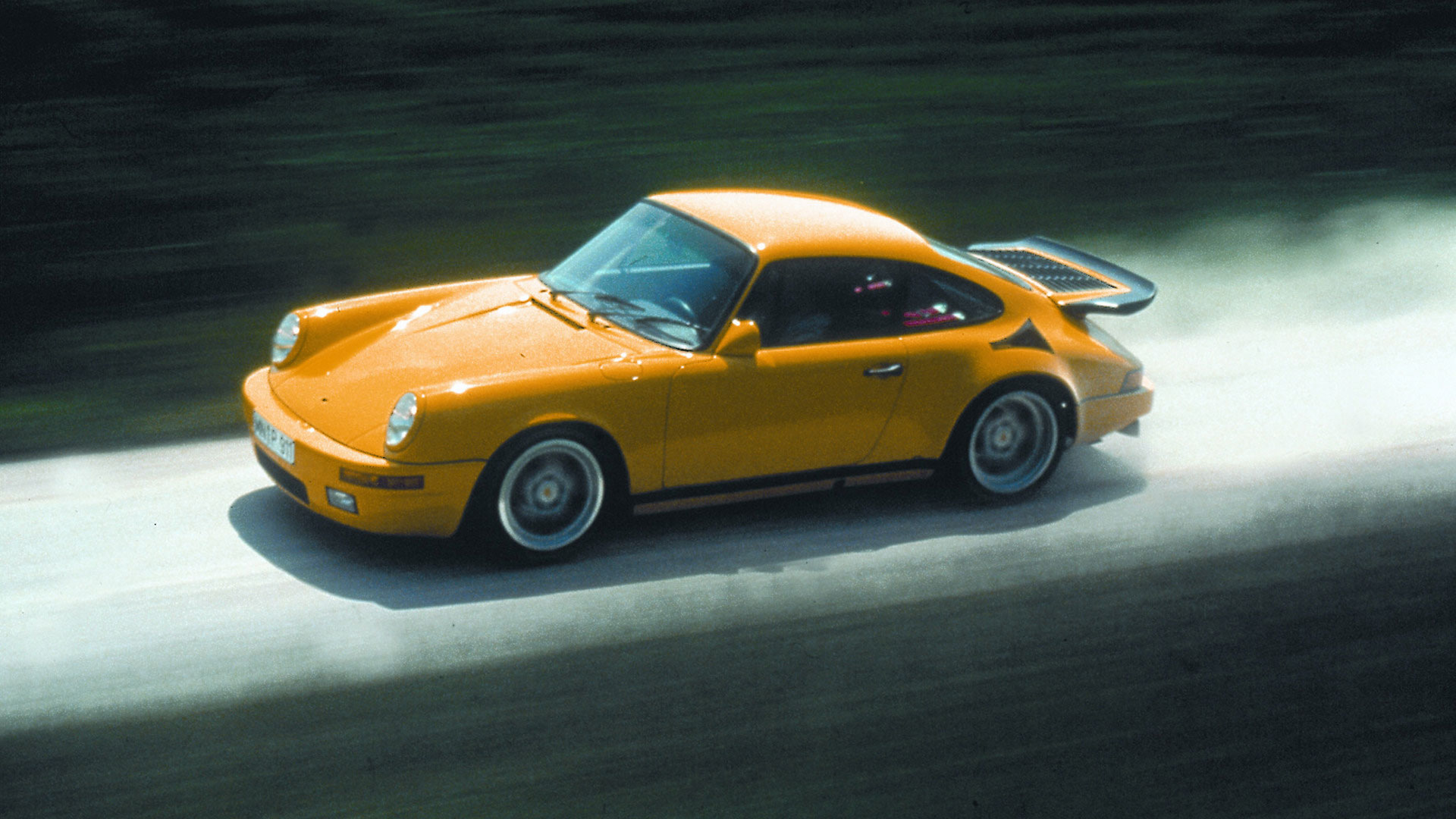
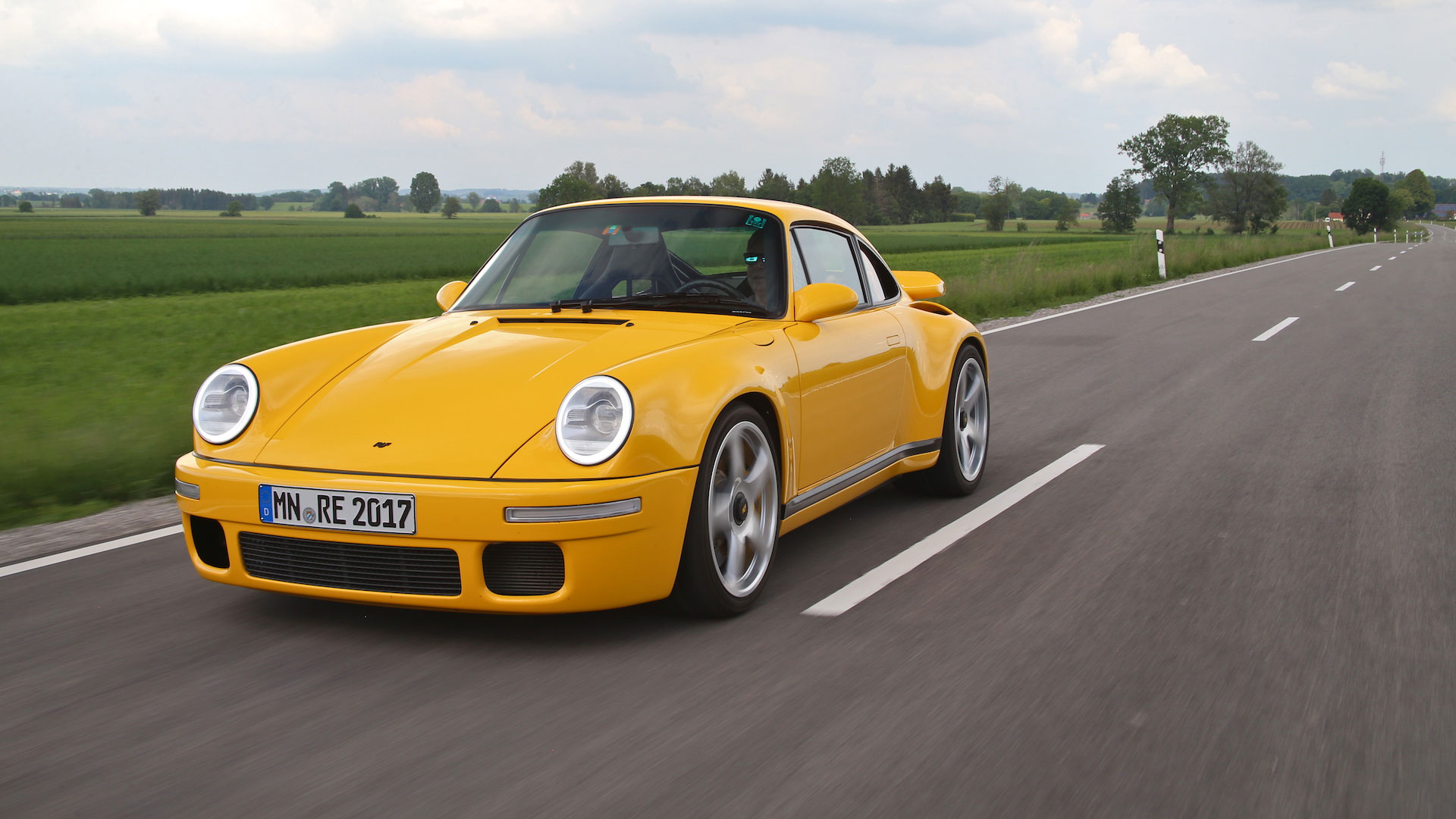
From that early development of the Porsche 930 Turbo, RUF has gone on to develop a range of performance cars. Along with iconic vehicles like the mythical CTR Yellowbird, RUF has also made mid-engined supercars like the CTR3, capable of over 235 mph.
Passion for performance
Kazunori Yamauchi, the CEO of Polyphony Digital responsible for creating the Gran Turismo video game franchise has contributed to the film. Gran Turismo 2, released in 1999, included a number of RUF models, bringing them directly to the screens of gamers around the world.
Also included is car designer Freeman Thomas. Having worked at Porsche following his graduation from the Art Center College of Design, Thomas went on to work at Volkswagen, Chrysler and Ford. His enthusiasm for rear-engined German sports cars brought him to assist RUF in the development of the carbon-bodied 2018 SCR.
Numerous other RUF enthusiasts have contributed to RUF: Love at the Red Line, which is available to watch now on YouTube.
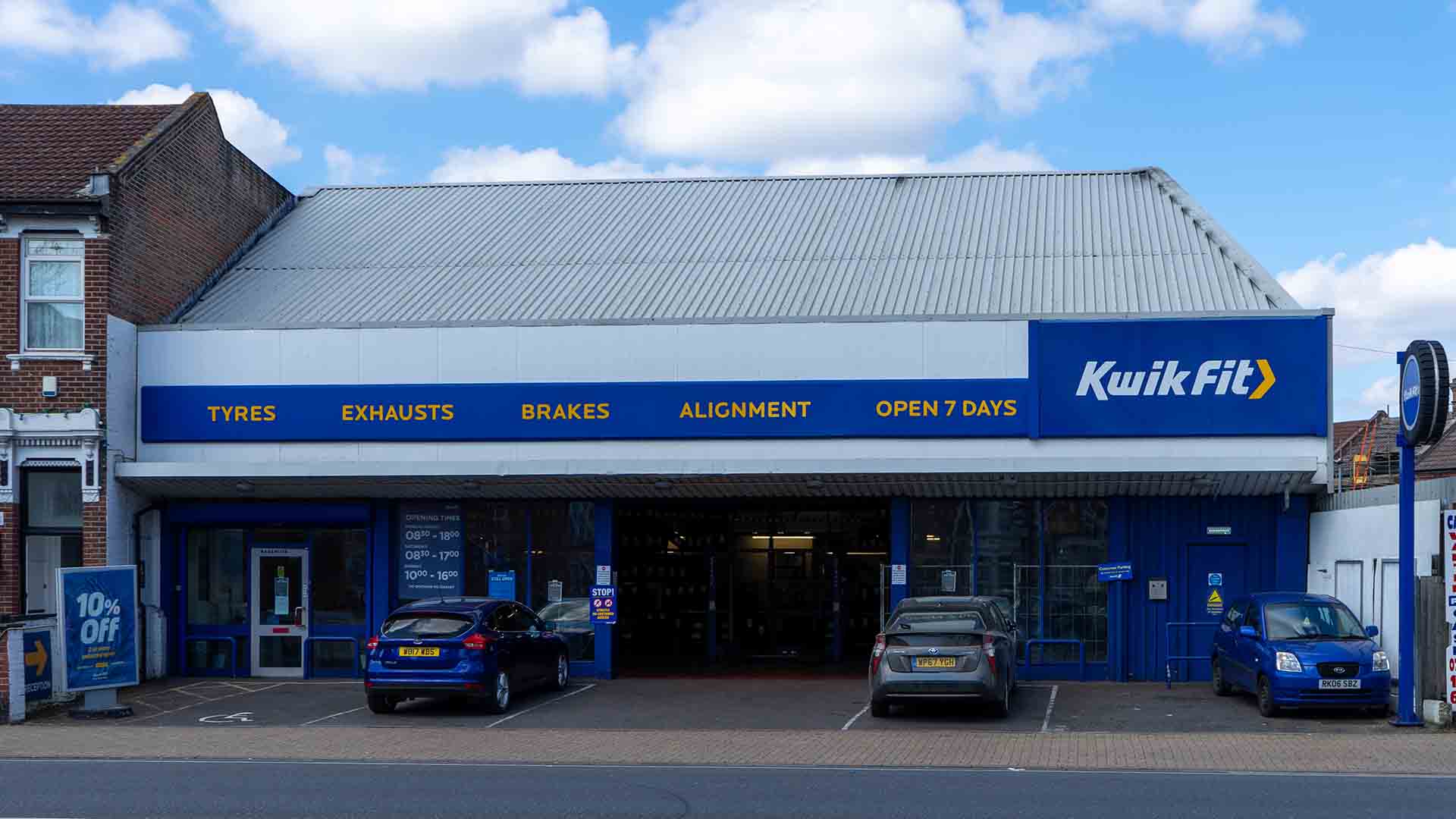
A leading UK tyre retailer is giving away free tyres to local NHS and emergency servics workers.
Kwik Fit is asking people to nominate someone who deserves a free set of tyres as a way of saying thank you to the frontline workers across the country.
To make a nomination, you need to visit your local Kwik Fit centre’s Facebook page and complete the entry requirements. Entries must be submitted by midday on Monday 4 May.
You can nominate yourself if you think you deserve a free set of tyres.
In total, 64 local heroes will be selected to receive four tyres. Winners will be drawn at random from all nominations received during the giveaway period.
‘Say thank you to these heroes’
Roger Griggs, communications director at Kwik Fit, said: “Throughout the last few weeks we have served many NHS and blue-light workers at our centres, both in emergency vehicles and in their own cars, so our staff have heard lots of stories from the frontline.
“One of our centre managers had the idea to provide community nurses with protective seat and steering wheel covers and gloves and we have now provided hundreds of thousands of these across the country.
“Offering free sets of tyres is a further way that we can say thank you to these heroes for keeping the nation rolling. We encourage anyone who would like to nominate a local hero to visit their nearest Kwik Fit centre’s Facebook page and let us know the reasons for their nomination.”
Kwik Fit is also providing a 10 percent discount off all its products for NHS workers and is raising money through its website.
Other tyre retailer schemes
Here’s a selection of initiatives and schemes being rolled out by the major UK tyre retailers:
ATS Euromaster is offering a discount to the fire service, police, NHS, ambulance service and armed forces via its Hero Club scheme
Halfords is offering free motoring and bicycle checks for NHS and emergency workers, along with a 10 percent discount on tyres
Blackcircles.com has a 15 percent discount for NHS workers when buying Avon, Michelin, Kumho, Yokohama and Nankang tyres