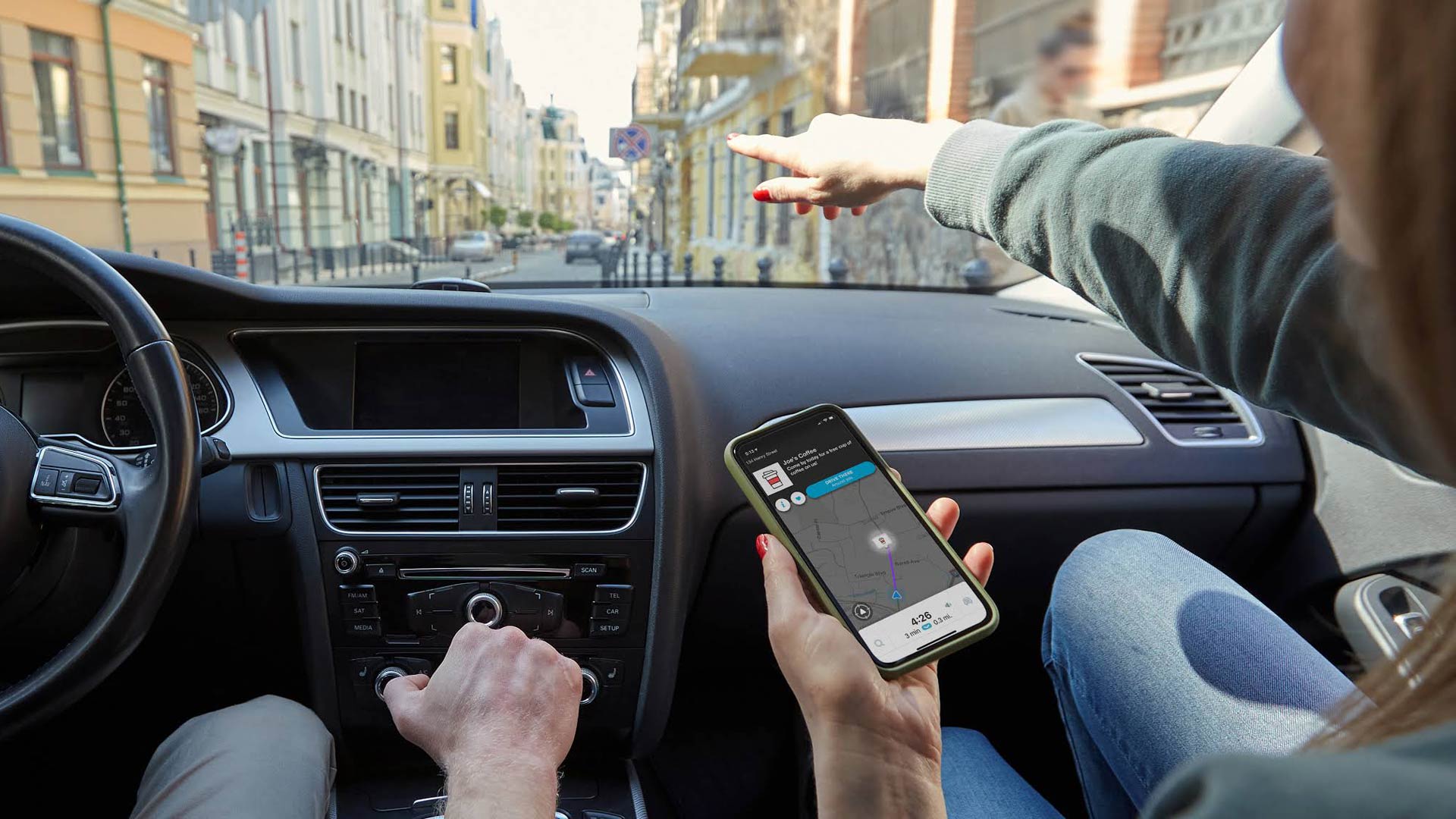
Smartphone navigation app Waze has announced plans to help local businesses after a difficult year.
Small firms will be able to register their details in the app, making it easier for customers to find them.
It comes as part of Waze’s Covid-19 response, with an eye on ‘Small Business Saturday’, which takes place on 5 December.
Helping you navigate to small businesses
Waze is underpinned by a global team of volunteer editors, who update the navigation app with the latest information. However, they can only update what they are told about.
Business owners will be able to submit information such as opening hours and contact details through one simple form.
The Waze Map Editors will then update the navigation software, helping users find small businesses and encouraging them to shop locally.
Local shops for local people
Small Business Saturday is a grassroots campaign that aims to encourage local shopping. The effect of coronavirus on smaller firms has made this year’s event on 5 December even more timely.
“We know small businesses have really been hit hard this year as the result of the pandemic,” said Dani Simons, head of public sector partnerships at Waze. “Earlier this year we launched location badges to help local businesses show if they have drive-thru and contactless pick-up available, giving drivers a way to safely collect their groceries or takeout.
“As we look towards Small Business Saturday and the holiday season, we wanted to make it even easier for drivers to reach these locations and support the economy by shopping local.”
Waze will operate the small business update form until 7 January 2021.
Season four of Netflix drama The Crown has the nation gripped, as Lady Diana Spencer begins her royal romance with Prince Charles. But while the soon-to-be Princess Diana had a lasting effect on British life, her impact on Audi in the UK is less well documented.
It seems unlikely The Crown will devote an episode to Diana’s Audi, but we’ll gladly take up the challenge. After all, with a car history including a Jaguar XJS-C and Ford Escort RS Turbo, the Princess clearly had good taste.
Fire up the Quattro
Audi had spent the 1980s riding the crest of a Quattro wave as the quieter, more considered German car company. Its cars were well engineered and understated, appealing to those who didn’t long to see a Mercedes-Benz or BMW parked on the gravel driveway of their mock-Tudor commuter belt home.
Little changed in the 1990s. There were high points – the S2, S6 and RS2, for example – but these felt like token efforts, akin to Colin from accounts undoing his top button and loosening his tie, before downing half a pint of Beck’s.
Colin’s shirt collar wasn’t going to cut it. Audi needed an injection of glamour. Step forward the most famous person on the planet: Diana, Princess of Wales
Diana falls for a German
Before Diana, the royal family drove British cars. It was the done thing. But all that changed in 1991, when Diana leased a thoroughly German Mercedes-Benz 500 SL. It’s not clear whether Charles choked on his Laurent-Perrier, but the tabloids were up in arms.
This was 1991, the year in which, coincidentally, Audi launched the cabriolet version of its steadfast but abstemious 80 saloon. The roofless 80 could breeze past The Ivy without anyone looking up from their seared foie gras or beetroot carpaccio. No, when it came to top-down glamour, the SL, 3 Series and 900 were the main courses.
But nobody banked on Princess Diana taking a shine to Audi’s first production drop-top. Legend has it that Diana fell in love with the model having borrowed one belonging to the wife of Viscount Linley.
Never one to tow the line, and with her relationship with the Royal Family growing increasingly fractious, Diana set about bagging her second German. She wasn’t short of willing suitors.
Dovercourt Audi of St John’s Wood was quick to realise the potential of the world’s most photographed woman being seen at the wheel of its slow-selling cabriolet. Majesty magazine estimated that Princess Diana generated £14.5 million worth of publicity for products she was seen with, a fact not lost on the canny team at Dovercourt.
It was a match made in heaven. Diana had the car of her dreams, and Audi had a passport to riches. In 1994, Audi reported that sales almost doubled after Diana was seen driving the car. Hardly surprising, when a magazine with the Princess on the cover would expect to see a circulation increase of between 30-40 percent.
As Jeremy Clarkson said at the time: “She alone has turned what might have been just another nice car into by far and away the coolest and most sought-after-four-wheeled status symbol of them all”.
But this was no stage-managed exercise in product placement. Photos of Diana and her Audi captured moments in time, most famously with the young princes in the back, roof down, showcasing Audi’s reinforced windscreen surround, which provided enough roll-over protection without the need for an ugly superstructure.
Not that readers of Hello, Tatler or Vanity Fair were interested in roll-over protection and superstructures. They simply saw Audi as a chance to live the life of a Princess, albeit without the constant gaze of the paparazzi.
These were different times when column inches were the media’s currency, long before the days of sponsored tweets and paid Instagram posts. Diana drove an Audi because she fancied one. As a result, the relationship felt more authentic. More believable.
Don’t pay the Ferry, man
Sure, Iron Man ‘chose’ an Audi R8, but when Loren Angelo, director of marketing for Audi of America, justified the product placement, there was a shallowness to the rationale. “When we read the script for Iron Man, he was someone who was self-made. He utilised technology and a certain level of personal intelligence to create things,” Angelo told Automotive News.
“That was a perfect fit for Audi because that’s exactly what we’ve done with our brand.”
Whatever. Just admit it, Tony Stark is a cool dude, and you kinda knew that a film that would gross nearly $100m in its opening weekend would be really beneficial for your profile. Oh, and everybody likes Robert Downey Jr, right?
And when Bryan Ferry drove to Sheffield, did he have to copy Audi in?
Back to Diana. In 1991, Audi sold 14,344 cars in the UK. By 2008, that number had increased to 100,845. Vorsprung Durch Umsatz, as Geoffrey Palmer nearly drawled.
Was Diana responsible for Audi’s ascent to the automotive top table, where it would rub shoulders with BMW and Mercedes? Not solely. But did she play a part? Absolutely.
Fit for a Princess?
The 1994 Audi 80 Cabriolet seen here is one of at least three examples driven by Diana in the mid-1990s. Back in 2016, L449 TRP sold for £54,000, having been cherished as a piece of royal history for its entire life.
L541 GJD passed into private ownership and was used a family car between 2004 and 2009. It was then stored away once the link to Diana became apparent.
Princess Diana’s charitable work left a lasting legacy following her death in 1997. Twenty-three years on, Audi is still benefiting from her brief time with an unassuming German.
ALSO READ
Modern classic Audis driven: a Retro Road Test special
Liverpool is the most expensive UK city for car insurance, according to new research. On average, motorists in the city pay £884.51 for cover, making Liverpool more expensive than London.
The data shows that large English cities attract the highest premiums. This isn’t surprising, given the population density, traffic and crime figures in places such as Liverpool, Manchester and Birmingham. Indeed, these cities fill the top three slots on the list of expensive car insurance.
Arguably the biggest surprise is that London doesn’t finish higher. Drivers in the capital city pay, on average, £725.60 for cover. That leaves London in fifth place, sandwiched between Bradford (£736.77) and Sheffield (£713.03).
There’s better news for motorists north of the border, with Scottish cities accounting for six of the top 10 least expensive cities for car insurance.
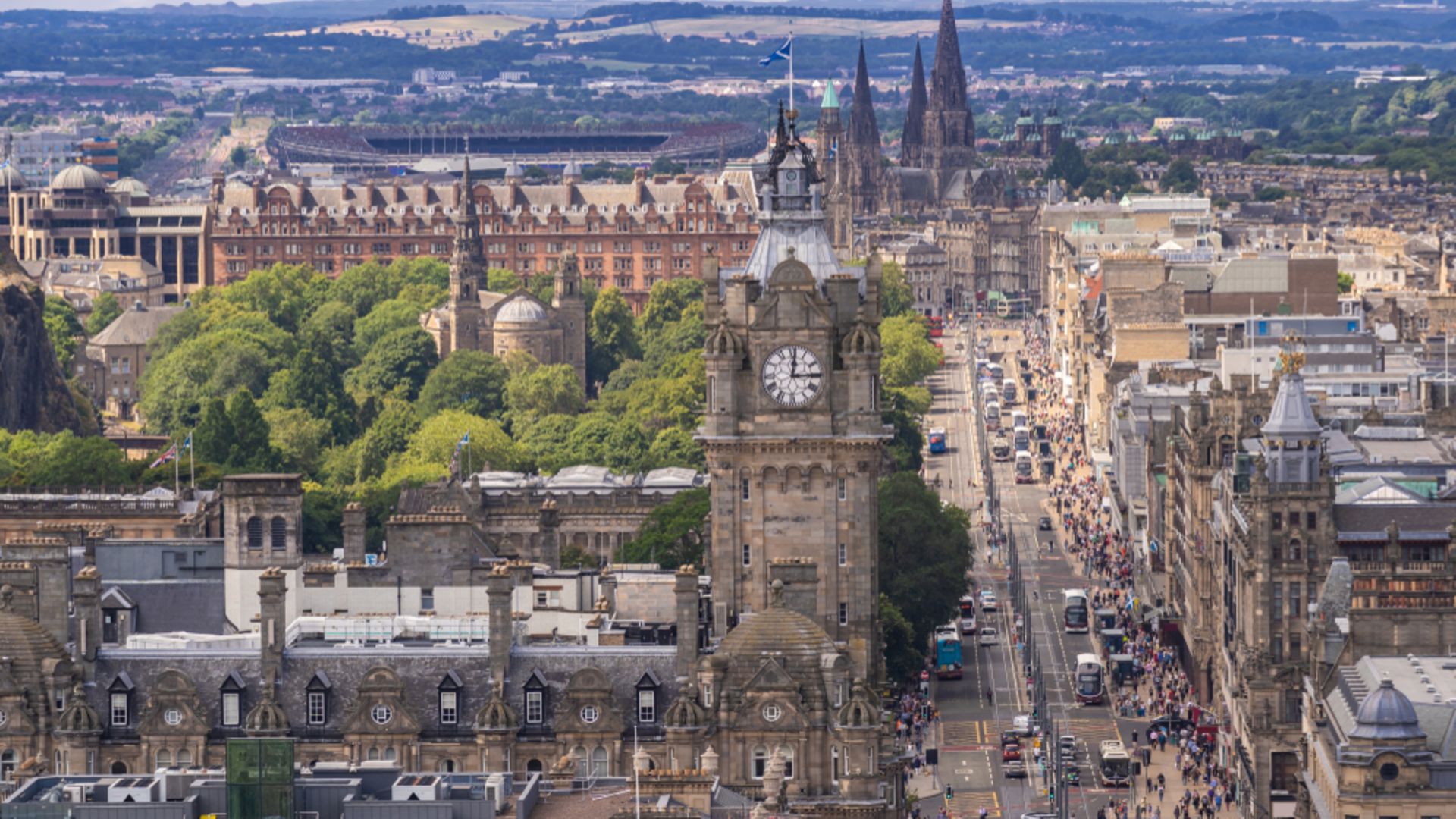
Aberdeen is the cheapest, with an average quote of £309.14 per annum. Perth, Inverness, Dundee, Stirling and Edinburgh were the other Scottish cities to make the list.
Jessica Potts of BookMyGarage.com, the company behind the research, said: “Location is one of the most important factors determining car insurance costs. The majority of claims occur within just five miles of the driver’s home, so residing in areas with higher theft and accident rates impacts premiums.
“While the research shows what a typical driver in these locations can expect to pay, it doesn’t cover every eventuality. Some may find their circumstances produce different results. The study does give us an intriguing insight into the regional difference across the UK – it is certainly good news for some.”
The most expensive cities for car insurance (average quote)
Liverpool: £884.51
Manchester: £848.97
Birmingham: £738.67
Bradford: £736.77
London: £725.60
Sheffield: £713.03
Nottingham: £709.44
Salford: £708.68
Belfast: £699.13
Preston: £640.16
The least expensive cities for car insurance (average quote)
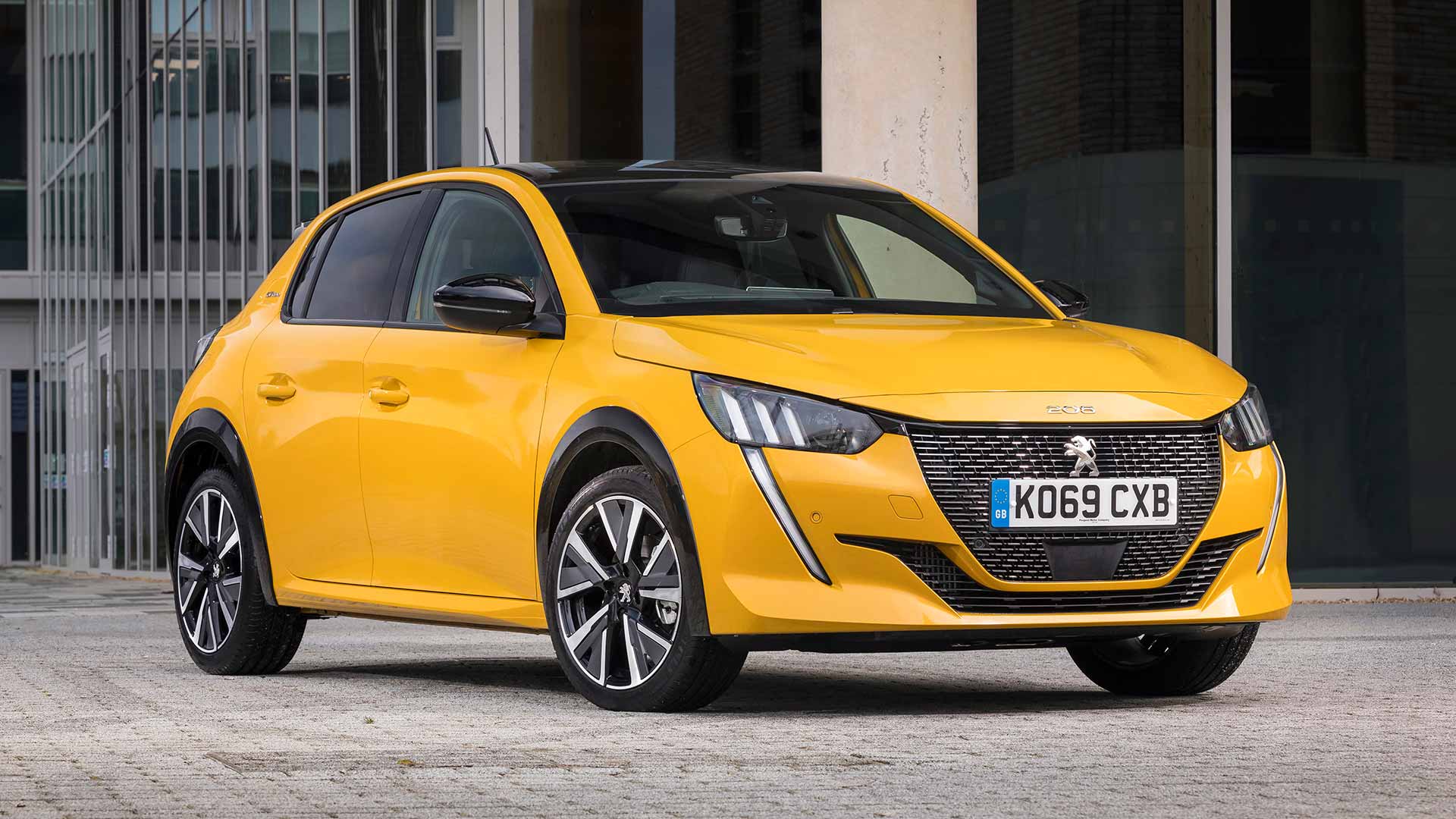
Peugeot’s PCP Plus is a four-year finance deal that includes two years of insurance and servicing within a single monthly payment.
It means that buyers can fix all of their major running costs, apart from fuel, for two years. After this point, if a customer decides to settle early and purchase a newer car, they have only paid for the servicing and insurance they have used. PCP Plus is available on all cars in the Peugeot range.
PCP (Personal Contract Purchase) is the most popular form of car finance. In simple terms, you only pay for the car’s predicted depreciation during the term of the contract. That’s the difference between the value of the car new, and its expected value when the deal ends.
A car will typically lose around 40 percent of its value over the first three years. Thus if a new car costs £10,000 new, it will be worth £6,000 after 36 months. That leaves £4,000 to finance via PCP, which will take the form of a deposit and fixed monthly payments. At the end, you have the option to pay the remaining £6,000 to buy the car, or hand it back and move on.
‘Simplifying the purchase process’
This is the first time car insurance and servicing have been included in a PCP deal. David Peel, managing director of Peugeot UK, said: “PCP Plus is a completely new ownership scheme that has been designed with the customer’s priorities in mind. By combining PCP payments, insurance cover and servicing fees in a single plan, we are simplifying the purchase process and cutting costs for our customers.
“We’ve also recognised that many PCP buyers opt for early settlement and purchase a new vehicle mid-way through their contract, and by limiting the insurance cover and servicing to two years, customers will only pay for the services they’ve used.”
Peugeot will continue to offer its innovative Just Add Fuel scheme. It includes finance, insurance, tax, warranty, roadside assistance and servicing within a single monthly payment. Drivers aged 18-20 can apply for Just Add Fuel with a telematics device.
It’s possible to buy a new Peugeot without visiting a showroom. Click here for details on which car brands offer an online buying service.
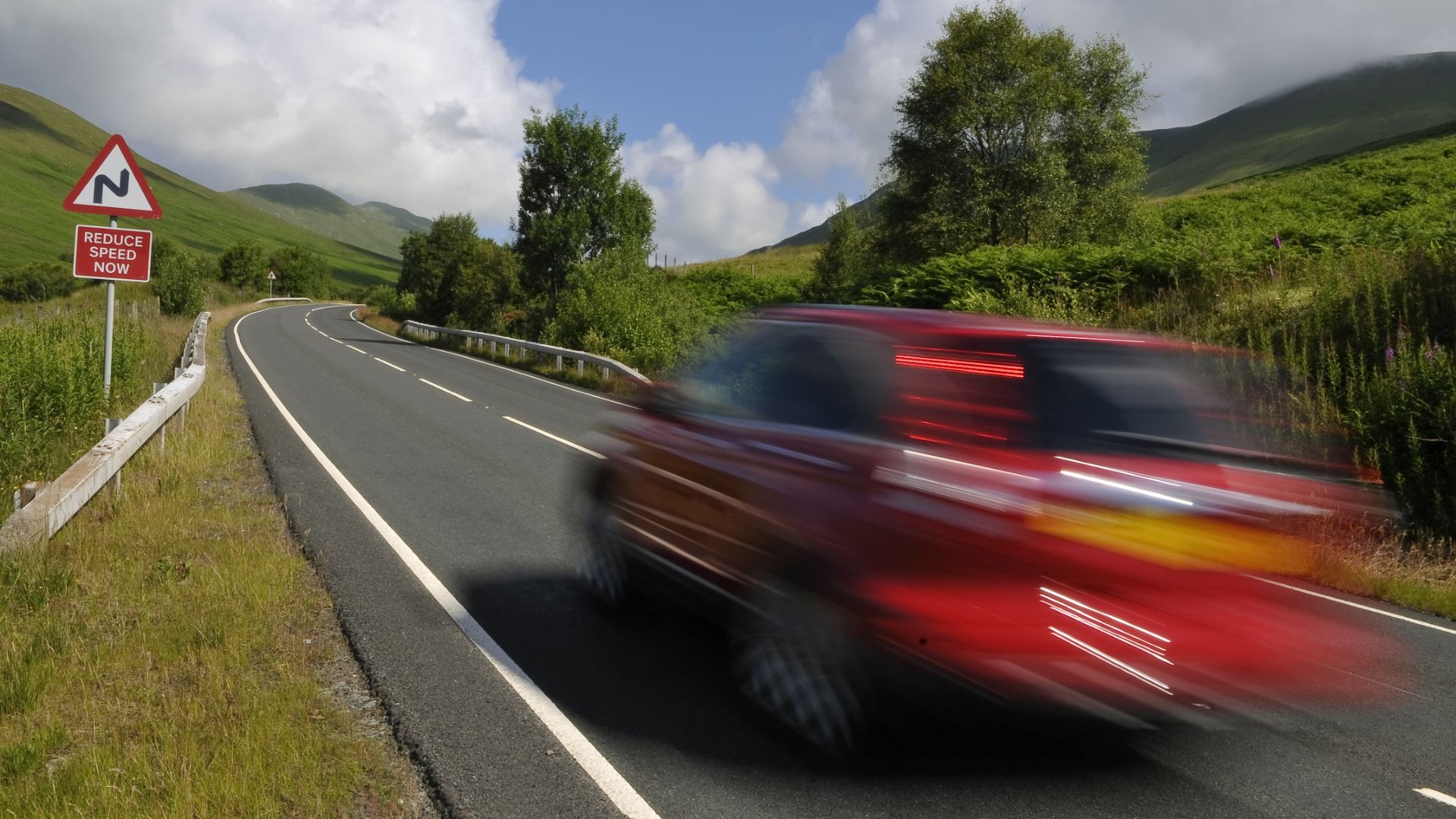
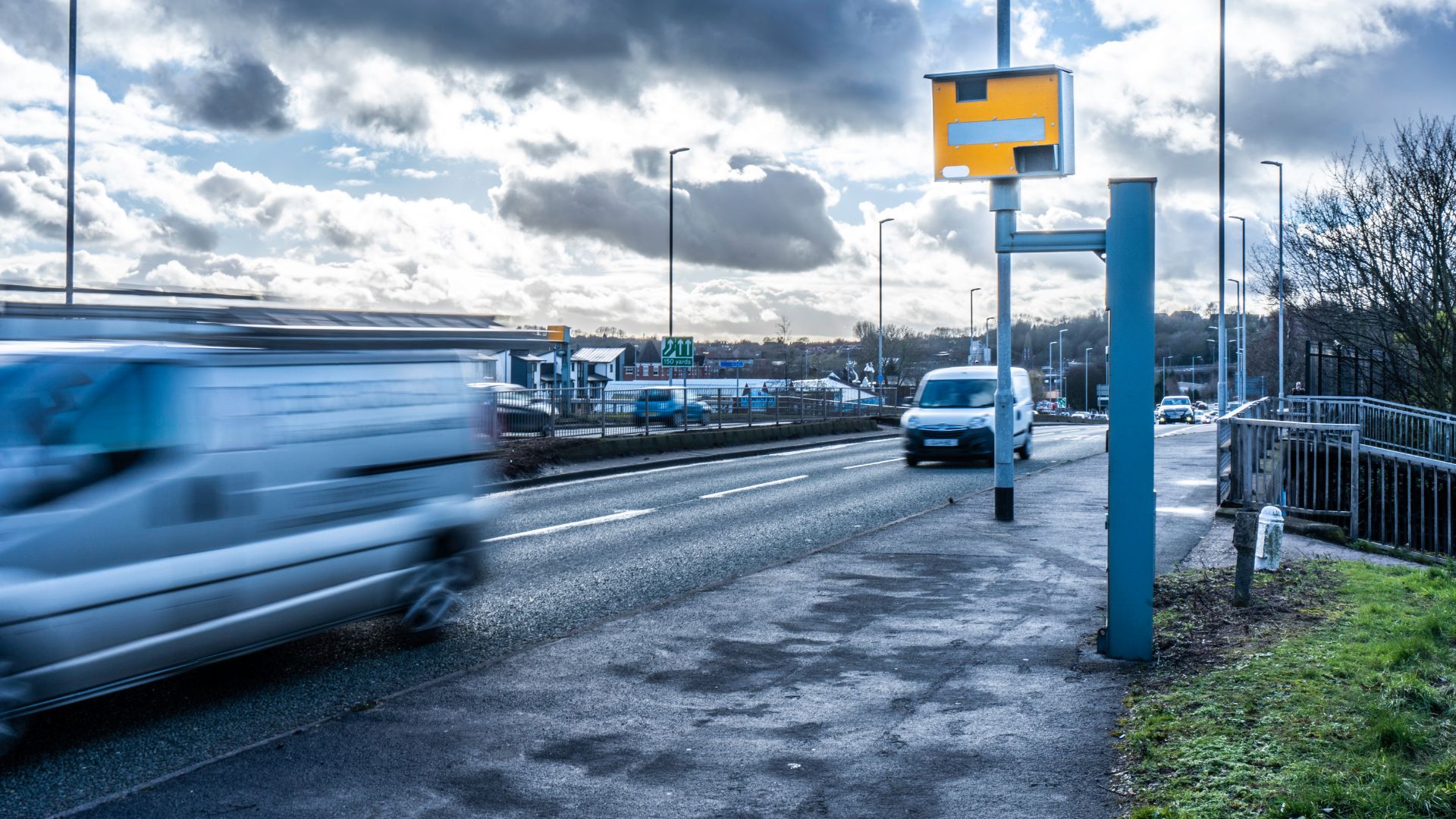
New government data shows a “shocking” rise in the proportion of people speeding during the first lockdown.
In the second quarter of 2020, 53 percent of cars exceeded the speed limit on motorways, compared with 52 percent in the equivalent period of 2019. On National Speed Limit (NSL) single carriageways, 17 percent exceeded the limit in Q2, compared with 10 percent in Q2 2019.
On 30mph roads, the figures were 63 percent and 56 percent respectively.
Road traffic levels reduced sharply in late March after the national lockdown was introduced. The number of drivers exceeding the speed limit returned to normal levels when lockdown measures were eased.
In the second quarter of 2020, the proportion of cars travelling at speeds of 80mph or faster was higher than the same period in 2019. This correlates with Freedom of Information requests sent to police forces in 2020. The RAC found that lockdown speeding was a “very unwelcome by-product” of the government’s fight against coronavirus.
One driver was caught driving at 151mph on the M62 motorway in Yorkshire. Another driver was recorded travelling at 140mph on the A14 in Suffolk.
Six forces caught motorists driving at speeds in excess of 130mph, while the Metropolitan Police witnessed a driver doing 134mph in a 40mph zone on the A10 in North London.
‘Shocking levels of speed limit disobedience’
Responding to the new figures, Nicholas Lyes, RAC head of roads policy, said: “This data confirms what we previously suspected: lower traffic volumes sadly led to some shocking levels of speed limit disobedience, particularly on 30mph limit roads. This dangerous behaviour unnecessarily put lives at risk during the first national lockdown when more people were walking and cycling.
“Empty roads should not be an excuse to drive dangerously and it would be frightening to think one of the legacies of the lockdown is a complete disregard for speed limits and other road users’ safety.”
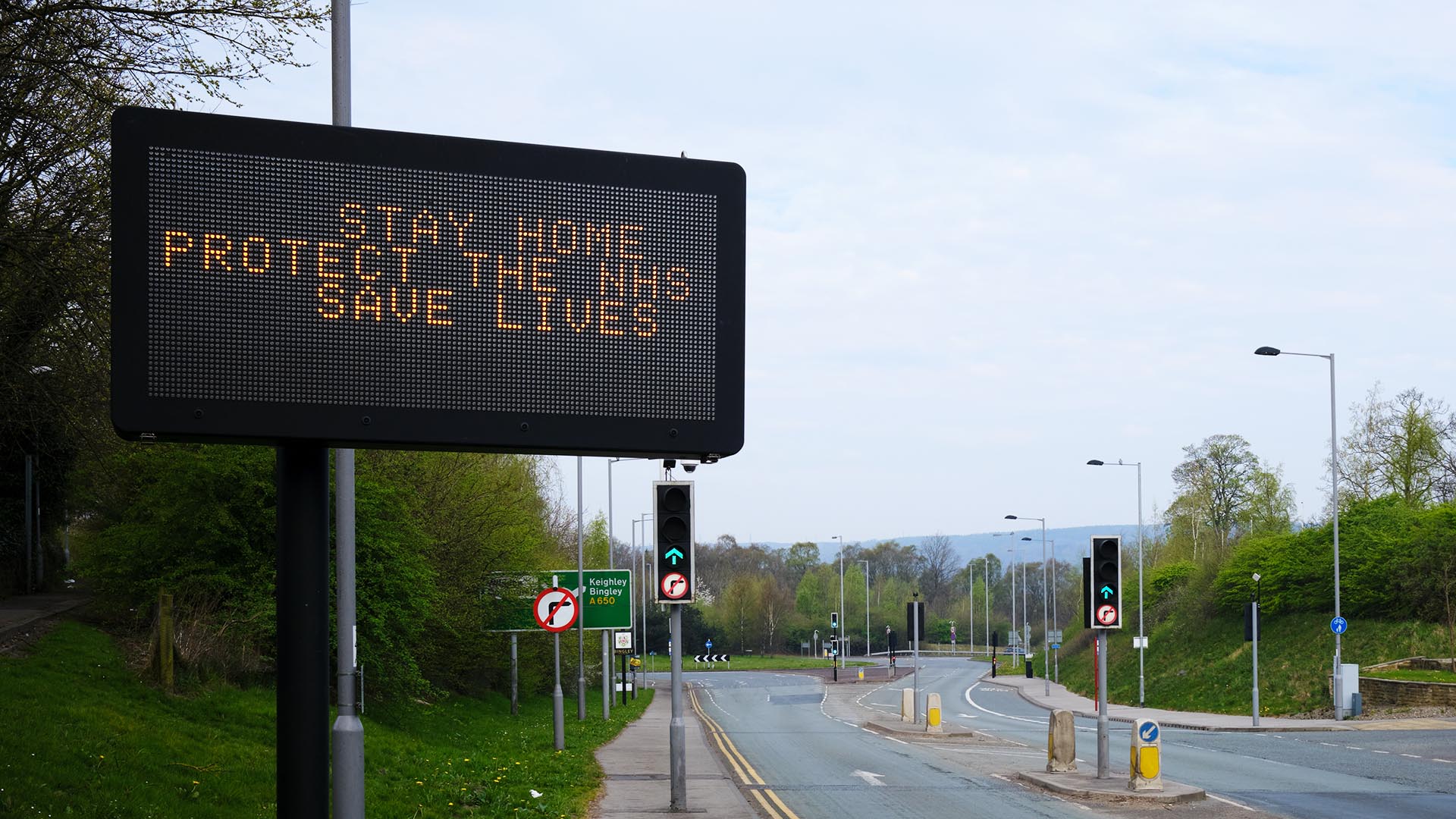
Tighter lockdown measures were introduced in England at the beginning of November. The restrictions will remain in place until 2 December. There are no travel restrictions within Wales, but regional measures remain in place in Scotland.
People living near roadworks in England can look forward to a better night’s sleep thanks to the new Deck Scraper.
Looking like Batman has gatecrashed a Carsmovie, the Deck Scraper vehicle uses a blade to shave off the road membrane more quietly – and without peeling off chunks of the surface. This is quieter and more efficient than using a large excavator to remove the waterproof layer on road surfaces.
The Deck Scraper is the first vehicle purpose-built for road scraping. It follows a £650,000 investment by Highways England.
Final trails were carried out at the Kier depot in Telford, following two years of development and testing in the United States. Deck Scraper will be taken to the market by National Flooring Equipment.
It’s smaller than excavators and diggers and does not require an arm or a bucket. It also gives the operator 360-degree visibility, making it safer for the workforce.
A further benefit of the Deck Scraper is reduced dust and noise, which is better for the environment and anyone living within earshot of the roadworks.
Deck Scraper will ‘set the benchmark’
Highways England innovations lead for the Midlands, Lisa Maric, said: “Current methods to remove the waterproof layer are quite antiquated, with environmental issues and some risk to the workforce. We wanted to develop a unique machine that would be more efficient and improve the safety of road workers while easing the impact on the environment and communities.
“Instead of essentially using a steel bucket with teeth to remove the membrane, we can use a blade to simply peel it off – quietly, effectively and without damaging the road, which will also save time and money.
“It is anticipated that thanks to the Deck Scraper, this method will now set the benchmark expected for membrane throughout the country.”
Kier highways senior project manager, Mark Sheppard, added: “This was an interesting opportunity to develop a prototype specifically designed to make the task of waterproof membrane removal techniques more efficient, cost effective and better for the environment.”
In 2019, Highways England used hydraulic piling equipment to minimise noise and disruption for people living close to the A500 in Staffordshire.
The new McLaren High-Performance Hybrid (HPH) will be called the Artura. The company says it will utilise its experience with the McLaren P1 to create its fastest ever car.
McLaren is targeting a top speed of 250mph, with power sourced from a hybrid powertrain based on a V6 twin-turbocharged petrol engine. Power, torque and economy figures haven’t yet been released.
It’s not clear why McLaren has chosen Artura as the name of the hybrid supercar. A Google search proved inconclusive, although a possible link to King Arthur seems rather appropriate for a British supercar. What’s clear is that Artura follows the Senna, Speedtail and Elva in having a name rather than a number designation.
McLaren says the V6 petrol-electric powertrain will offer the performance of a V8 engine, but with improved torque at low engine speeds. It will also run on electric power for zero emission urban journeys. This could be as much as 20 miles, according to Autocar.
‘Decades of McLaren experience’
“Every element of the Artura is all-new – from the platform architecture and every part of the High-Performance Hybrid powertrain, to the exterior body, interior and cutting-edge driver interface – but it draws on decades of McLaren experience in pioneering super-lightweight race and road car technologies to bring all of our expertise in electrification to the supercar class.” said Mike Flewitt, chief executive officer, McLaren Automotive.
The Artura is the first McLaren to be based on an all-new platform designed for electrification. It will be designed and built in the UK at the McLaren Composites Technology Centre in Yorkshire. The production facility was opened by The Duke and Duchess of Cambridge and Prince Salman bin Hamad Al Khalifa, the Crown Prince of Bahrain, in 2018.
It will go on sale in 2021, but not before our Tim Pitt has been treated to a preview. We’ll bring you more news in due course, including confirmation of any links to the legendary King Arthur.
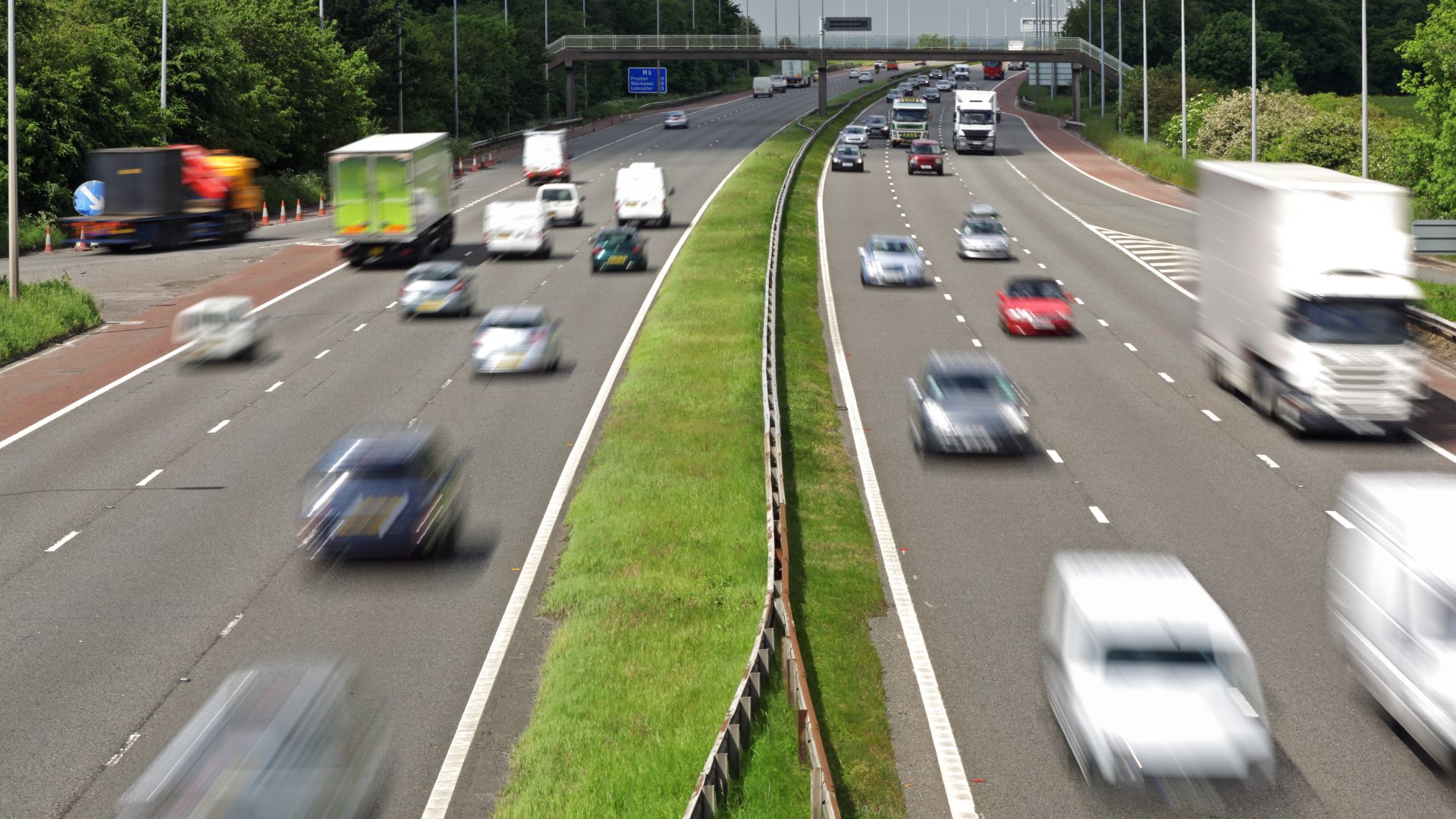
Car use is around 30 percent lower on weekdays during the second lockdown. This is according to new data released by the Department for Transport.
Weekend road use is also down 40 percent since tighter measures were introduced at the beginning of the month. The restrictions will remain in place until Wednesday 2 December, when a tougher three-tiered system of local restrictions will come into force in England.
Under current measures, people living in England must stay at home and avoid travel in the UK or overseas, unless for work, education or other legally permitted reasons. There are no travel restrictions in place within Wales, but travel to England is only allowed under limited circumstances, such as for work or education. There are regional restrictions in Scotland.
Compared to the year ending June 2019, car and taxi traffic decreased by 15.2 percent to 234.1 billion vehicle miles in the year ending June 2020. Analysis shows that without the impact of the coronavirus pandemic, car traffic would have gone up by 0.7 percent.
In the same period, motorway traffic decreased by 17.3 percent to 57.9 billion vehicle miles. Meanwhile, A-road traffic decreased by 14.1 percent and minor road traffic went down by 11.1 percent.
Responding to the latest data, Greg Wilson of Quotezone, said: “It’s interesting that although traffic decreases drastically with each lockdown, this time around there are far more cars on the road – perhaps due to our understanding now around social distancing measures, which were relatively new to all of us back in March.
“Of course, school runs are likely to be a contributing factor since schools aren’t currently closed this time. But it’s also possible that the fragmented nature of the new restrictions in different parts of the country are also causing confusion, which could in turn result in some motorists making journeys that they perhaps wouldn’t have been inclined to make during the first lockdown.”
Drivers making errors or bad decisions is the biggest contributing factors to road accidents in the UK.
Motoring Research has analysed data published by the Department for Transport, using reports from police officers attending a collision.
We have looked at the latest figures for 2019, which cover some 78,855 accidents attended by the police.
Errors of judgement
Driver error proved a contributory factor in two thirds (66 percent) of all accidents where the police attended. This covers a range of potential mistakes by drivers, with failing to look properly the biggest single error.
Poor behaviour, or a lack of experience, was found in more than one fifth (23 percent) of accidents. Categories recorded here included 16 percent of all crashes attributed to careless or reckless driving, with four percent a result of mistakes by learner drivers.
Speeding, included as part of ‘Injudicious action’, was only found to have played a part in six percent of the accidents recorded. Travelling too fast for the conditions also contributed to six percent of collisions.
Vehicle defects were a notably small occurrence, found to be present in just two percent of all accidents.
Tragically predictable
The factors contributing to fatal accidents are broadly similar, but with some key differences.
Again, driver error was the largest contributory factor to fatal collisions (62 percent), being present in a total of 874 incidents. Not looking properly by the driver was the most prevalent specific cause.
Drivers under the influence of alcohol accounted for six percent of all accidents, but this increased to eight percent of fatalities. The same was true for speeding, rising to become a factor in 15 percent of fatal collisions.
The level of detail found within the Department for Transport data stresses the importance of road safety messages. In 2019, four fatal accidents were attributed to vehicle doors being opened or closed negligently.
Overall improvements, but work to do
It is important to remember that the police cannot always assign a contributing factor to every accident. This means the figures recorded here may be slightly lower than the headline numbers for accidents.
However, the overall pattern demonstrates that driver error and poor decisions are the overwhelming factors at play.
Constant improvements in road safety and vehicle design have seen overall accident numbers fall by almost half (49 percent) in the past two decades.
Yet the proportion of fatal accidents has remained stubbornly static in the same period. They accounted for 1.33 percent of all collisions in 2000, and 1.41 percent in 2019.
Washing your car in winter can feel like thankless task. However, you could face a £1,000 fine if your number plates are obscured by dirt.
“Although there is no law against having a dirty car, the law is very clear when it comes to keeping your number plates clear; you risk a £1,000 fine if you allow it to become obscured,” said Neil Worth, GEM road safety officer.
“A number plate must be readable and not covered by dirt. This is to ensure a vehicle can be identified as and when required.”
On wet roads covered in salt and grit, number plates may need cleaning on a daily basis. But you don’t need to wash the entire car – a few paper towels soaked in hot water should make the plates legal again.
Keep your lights clean, too
As well as your keeping your number plates clean, it’s important to ensure your lights are shining bright as they should.
With the short winter days and long nights, lights are at their most essential at this time of year. Make sure your car’s headlights, tail lights, fog lights, side repeaters and reflectors are all wiped down and clean.
“It makes sense to get into the habit of giving your number plate a regular wipe – every day when conditions require. Do the same for your front and rear lights, and you will be doing your bit for safety during this risky time of year,” said Worth.