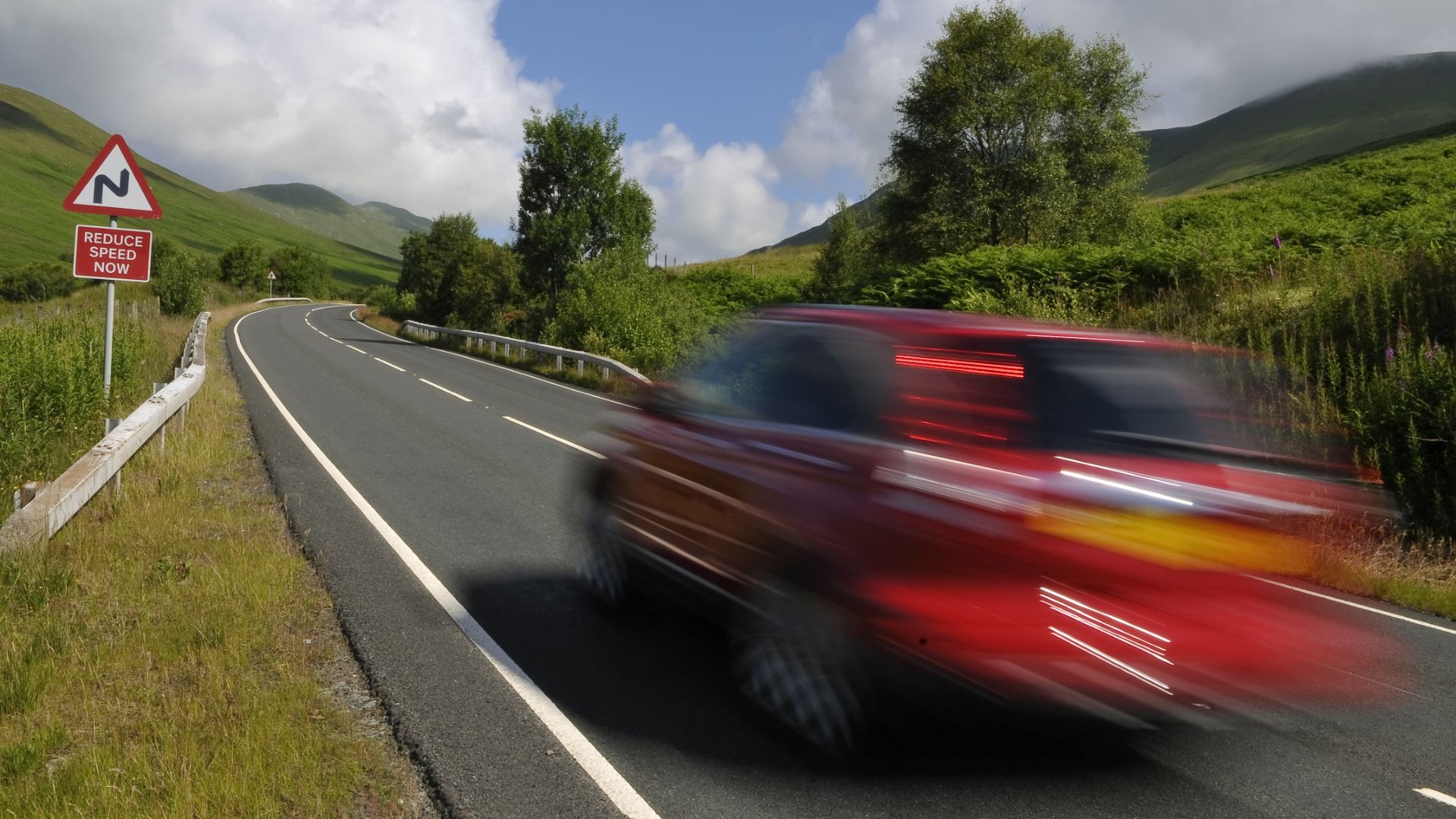
New government data shows a “shocking” rise in the proportion of people speeding during the first lockdown.
In the second quarter of 2020, 53 percent of cars exceeded the speed limit on motorways, compared with 52 percent in the equivalent period of 2019. On National Speed Limit (NSL) single carriageways, 17 percent exceeded the limit in Q2, compared with 10 percent in Q2 2019.
On 30mph roads, the figures were 63 percent and 56 percent respectively.
Road traffic levels reduced sharply in late March after the national lockdown was introduced. The number of drivers exceeding the speed limit returned to normal levels when lockdown measures were eased.
In the second quarter of 2020, the proportion of cars travelling at speeds of 80mph or faster was higher than the same period in 2019. This correlates with Freedom of Information requests sent to police forces in 2020. The RAC found that lockdown speeding was a “very unwelcome by-product” of the government’s fight against coronavirus.
One driver was caught driving at 151mph on the M62 motorway in Yorkshire. Another driver was recorded travelling at 140mph on the A14 in Suffolk.
Six forces caught motorists driving at speeds in excess of 130mph, while the Metropolitan Police witnessed a driver doing 134mph in a 40mph zone on the A10 in North London.
‘Shocking levels of speed limit disobedience’
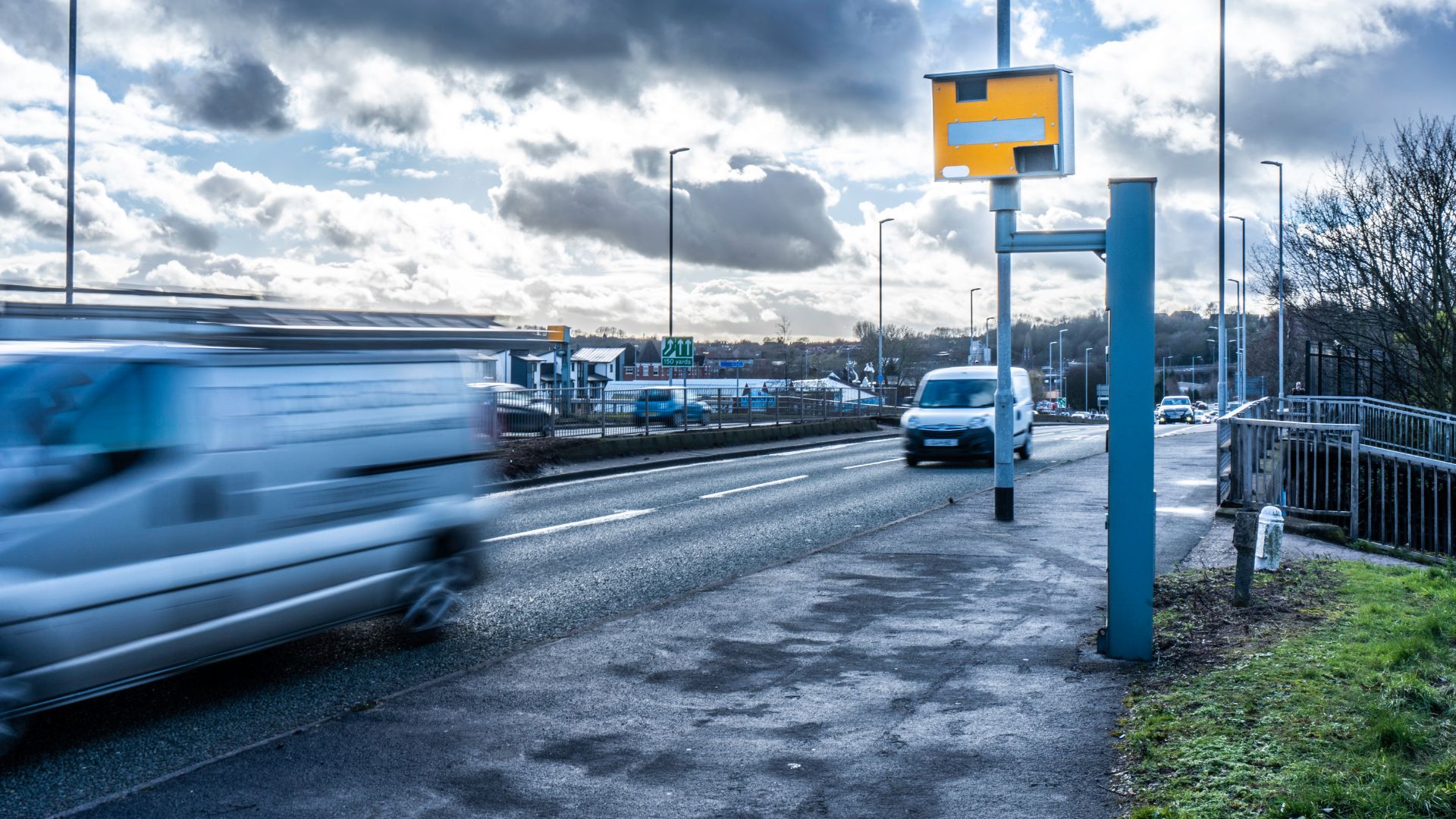
Responding to the new figures, Nicholas Lyes, RAC head of roads policy, said: “This data confirms what we previously suspected: lower traffic volumes sadly led to some shocking levels of speed limit disobedience, particularly on 30mph limit roads. This dangerous behaviour unnecessarily put lives at risk during the first national lockdown when more people were walking and cycling.
“Empty roads should not be an excuse to drive dangerously and it would be frightening to think one of the legacies of the lockdown is a complete disregard for speed limits and other road users’ safety.”
Tighter lockdown measures were introduced in England at the beginning of November. The restrictions will remain in place until 2 December. There are no travel restrictions within Wales, but regional measures remain in place in Scotland.
Car use is around 30 percent lower on weekdays during the second lockdown.
Read more:
2030 new petrol and diesel car ban explained