Home Blog Page 221

Millions fewer drivers planning festive journeys this Christmas

0
Fewer 2020 festive journeys

Despite plans for coronavirus measures to be eased over the festive period, around nine million fewer drivers could hit the roads this Christmas. 

A survey by the AA has found that less than a quarter of those asked were planning to travel by car.

This would mean only 8.1 million drivers on the roads, compared to the 17 million who intended to travel last Christmas.

Five days of festive freedom

Fewer 2020 festive journeys

Even after a second Coronavirus lockdown, and the return to tiered restrictions for many, motorists seem likely to stay at home over Christmas. A total of 46 percent of those surveyed said they had no plans for car journeys in the Yuletide period.

However, 1 in 3 said they were still yet to make a final decision. Tiered restrictions in England will be reviewed on 16th December, meaning some may make driving plans after the announcement. 

The easing of coronavirus restriction for five days – between 23rd and 27th December – could yet persuade more people to drive home for Christmas.

Keeping Christmas shopping under wraps

Fewer 2020 festive journeys

Of those who will be hitting the road, Christmas Eve looks set to be the busiest time of all. Nearly half of those planning to drive will do it on that day. 

Coronavirus restrictions have also had an effect on shopping habits this Christmas. The AA survey found that 57 percent have modified their gift buying to avoid crowds. Another 46 percent plan to finish shopping early to avoid problems with deliveries. 

The busiest shopping day of all looks set to be Saturday, 19th December. Shopping centres close to motorways could see the most traffic, as shoppers shun town-centres.

‘Oh, I got red lights all around’

Fewer 2020 festive journeys

To help reduce delays during the Christmas period, Highways England has plans to remove 750 miles of roadworks from major routes. 

Edmund King, AA president, wants local routes to be freed up as well, stating that: “With tier restrictions in place, many may opt to stay local, so we’d like to see councils remove as many roadworks as possible to help ease the flow of local traffic.”

He added that: “On balance, despite the reduced use of public transport and the five days of festive freedom, we don’t predict a total free for all on the roads… more ‘driving home for Christmas’ than ‘road to hell’ as Chris Rea sang.”

ALSO READ

Where can you park for free this Christmas?

Lewis Hamilton to be Christmas guest editor of BBC Radio 4 Today

Advertisement

Lewis Hamilton to be guest editor of BBC Radio 4 Today

0

BBC Radio 4 has announced that Lewis Hamilton will be a guest editor on the flagship Today Programme during the Christmas period. 

The news comes as the 35-year-old British driver has tested positive for Covid-19, which will see him miss the 2020 Sakhir Grand Prix. 

This year has seen Hamilton become the most successful Formula 1 driver ever in terms of wins, whilst also collecting a seventh World Drivers’ Championship. 

However, Hamilton’s off-track activities in 2020 have also pushed him into the spotlight. He has used his sporting successes to campaign for social justice, and action on climate change.

A real global influencer

Lewis Hamilton Today Programme

Following the global reaction to the death of George Floyd, Hamilton persuaded his Mercedes-AMG team to paint their cars black. It marked a major move for an outfit forever associated with the Silver Arrows image. 

Throughout the 2020 Formula 1 season, Hamilton has supported the Black Lives Matter movement. This included organising other drivers to ‘take a knee’ with him before the opening Austrian Grand Prix. The powerful statement has continued at other 2020 races.

He later established the ‘Hamilton Commission’, aimed at increasing diversity in motorsport.

His actions led to him being named as the most influential black person in the UK, based on the 2021 Powerlist.

‘Bringing novel ideas and unexpected perspectives’

Lewis Hamilton Today Programme

The role of guest editor on Today for 2020 is a prestigious one. It allows the guest to set the agenda across Radio 4 for the day, commissioning special reports and interviews. 

Previous guest editors have included Prince Harry, Professor Stephen Hawking, and Angelina Jolie. 

Hamilton has yet to announce what topics he will cover, but will be supported by regular editors to ensure he meets BBC editorial guidelines. The date for his show has not yet been decided, but will be between 26-31 December. 

Other Guest Editors for 2020 include Great British Bake Off judge Prue Leith, and Evan Spiegel, the CEO of media company Snap. 

Recording of the guest-edited shows has been done in a Covid-safe manner. This should mean Hamilton’s recent diagnosis should not stop him from being involved.

ALSO READ

The best motorsport face masks

How Formula 1 sells road cars

The history of in-car entertainment

Advertisement

Number of breath tests will DOUBLE in December

0
Motorists support in-car breathalysers

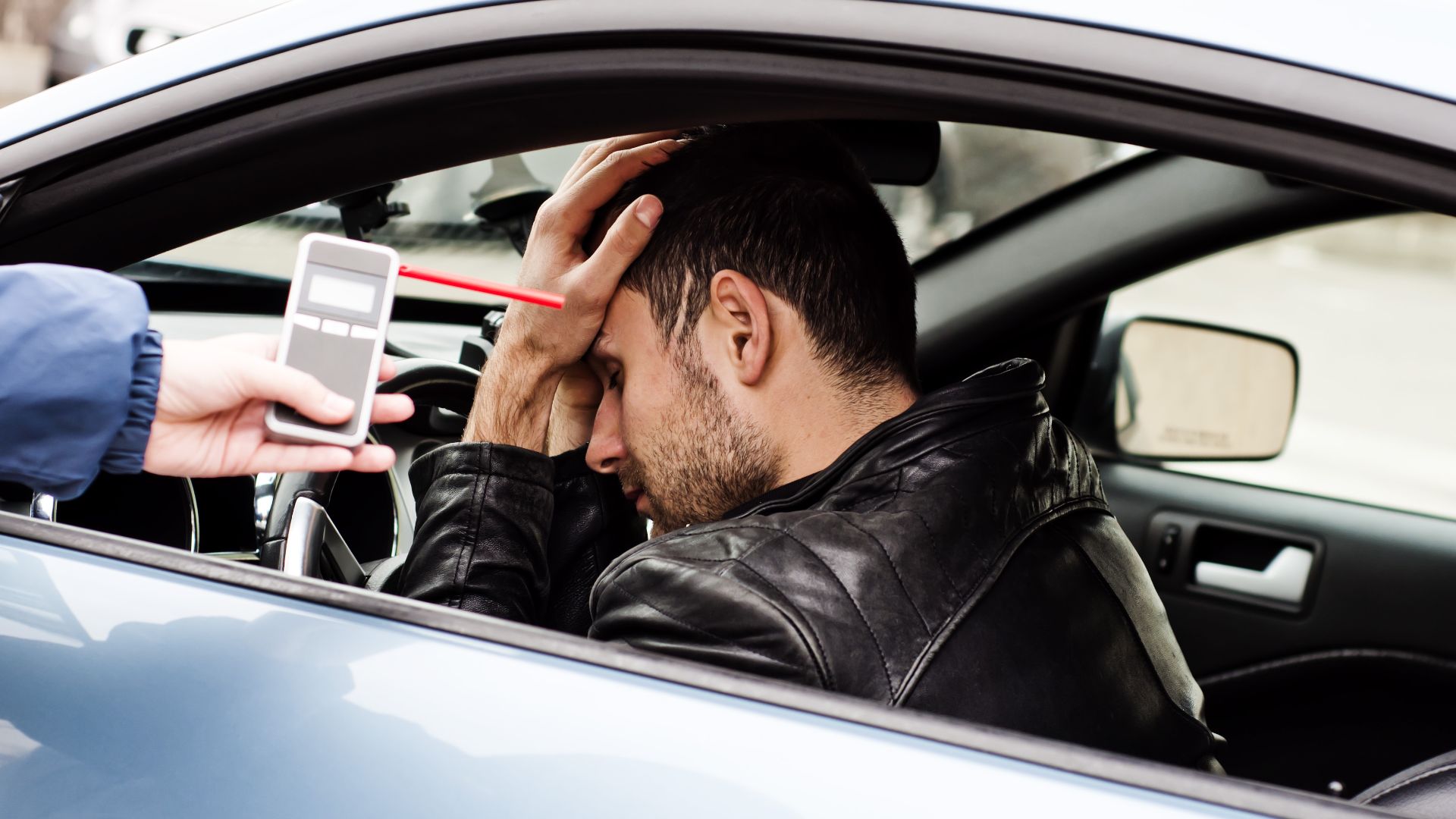
Drivers are twice as likely to be breath-tested in December than in any other month. This is according to new analysis of Home Office data.

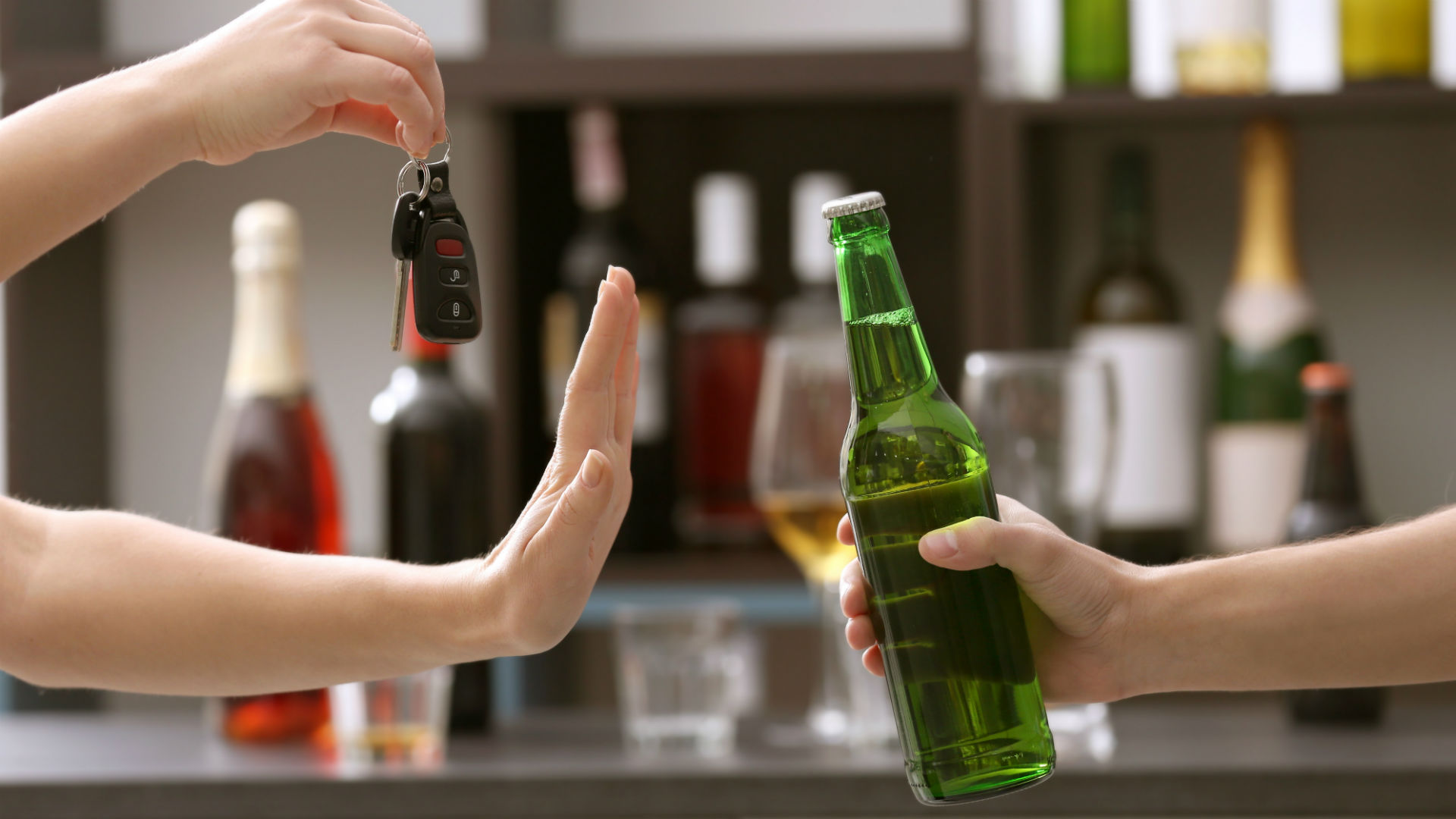
Many adults are drinking more since the coronavirus pandemic began. The Royal College of Psychiatrists estimates that in June, more than 8.4m people in England were drinking at higher-risk levels, up from 4.8m in February. Home drinking means many drivers could be unaware they’re over the legal limit for alcohol.

In December 2019, nearly 49,000 motorists were stopped on suspicion of drink-driving. The average for the other 11 months across England and Wales was 23,043.

There are significant regional variations. In North Wales, nearly 4,000 drivers were breathalysed in December 2019. In Wiltshire, the figure was just 31.

reporting family member drink-driving

In Northamptonshire, the county with the highest number of tests in England (2,957), the failure rate was two percent. In Cambridgeshire, nearly a third (30 percent) of the drivers tested were over the legal limit.

There are strict alcohol limits for drivers in England, Wales and Northern Ireland, with even stricter limits in Scotland:

  • Micrograms per 100 millilitres of breath: England (35), Scotland (22)
  • Milligrammes per 100 millilitres of blood: England (80), Scotland (50)
  • Milligrammes per 100 millilitres of urine: England (107), Scotland (67)

Motorists face severe penalties if found guilty of drink-driving. A fine, driving ban and a prison sentence are possible, with the actual penalty decided by the magistrates who hear the case. Being in charge of a vehicle while above the legal limit could result in three months’ imprisonment, a fine of up to £2,500 and a possible driving ban.

Causing death by careless driving carries a prison sentence of up to 14 years, an unlimited fine, a ban from driving for at least two years, and an extended driving test before a licence is returned.

Young men are heavily over-represented in drink-drive related accidents. In 2016, 280 men aged 16-24 were killed or seriously injured due to drink-driving in Great Britain.

‘Rise in at-home drinking’

coronavirus lockdown could cause more drink driving

“We might be going to fewer Christmas parties this year, but several studies show that people have been drinking more alcohol during lockdown,” said Hunter Abbott, MD of AlcoSense Laboratories.

“The increase has been driven by job uncertainty and pandemic anxiety, fuelled by the rise in at-home drinking where measures are more generous than a pub or restaurant.

“This trend makes it more likely that people may get behind the wheel and drive with alcohol still in their system the next morning. Even a small amount of alcohol slows reaction time, inhibits judgement and reduces concentration – increasing the likelihood of accidents.

“One in five drink-drive convictions are in the morning, but using a personal breathalyser takes the guesswork out of knowing when alcohol has cleared the morning after the night before.”

READ MORE:

1 in 4 accidents happen in first three minutes of driving

North-south divide in electric car charging points revealed

Electric cars get top marks in Green NCAP tests

Advertisement

How will Brexit affect your car insurance?

0
Brexit and the car industry

The UK has been in a transition period since it formally left the European Union on 31 January 2020. During this post-Brexit period, most things have remained the same, including travelling to and from the EU.

Following the Brexit withdrawal agreement, UK residents have been able to drive in Europe as freely as they could before Brexit. However, things could change at the end of the transition period at the end of the year. Much depends on the agreement (or otherwise) of a Brexit deal.

The rules for driving in Europe – passports, European Health Insurance Card (EHIC) cards, International Driving Permit (IDP), pet travel, etc – may change from 1 January 2021.

If a Brexit deal is agreed, you’ll be able to move around Europe in the same way. Many insurance companies have continued to provide the legal minimum car insurance cover for travel to EU countries throughout 2020. There hasn’t been a requirement to buy extra third-party cover.

You won’t require a Green Card if the UK and EU reach an agreement. A Green Card is an international certificate of insurance issued by providers to guarantee that the motorist has the minimum motor insurance required for that country.

Things will change if the UK leaves without a deal. A Green Card will be required for anyone driving to the following countries:

  • Andorra
  • Austria
  • Belgium
  • Bulgaria
  • Croatia
  • Cyprus
  • Czech Republic
  • Denmark
  • Estonia
  • Finland
  • France
  • Germany
  • Greece
  • Hungary
  • Iceland
  • Italy
  • Latvia
  • Liechtenstein
  • Lithuania
  • Luxembourg
  • Malta
  • Netherlands
  • Norway
  • Poland
  • Portugal
  • Republic of Ireland
  • Romania
  • Serbia
  • Slovakia
  • Slovenia
  • Spain
  • Sweden
  • Switzerland

Is a Green Card important?

Driving in Europe after Brexit

The Green Card is important, yes. Without one, you could be refused entry to the country or accused of driving without insurance. A fine is likely, but your vehicle could be seized. In a worst-case scenario, you could face prosecution.

A Green Card will be required for travelling in and out of the Republic of Ireland.

A Green Card is free and available from your insurance provider. You’ll need a physical copy, so don’t leave it until the last minute to order one. Many insurance companies recommend allowing two weeks for the processing of a Green Card.

The government suggests asking for a Green Card a MONTH before you plan to travel.

International Driving Permit (IDP)

International Driving Permit Brexit

You may need an IDP to drive in countries where your UK licence is not considered sufficient on its own. The official GOV.UK website states: ‘The type of IDP that you may need will depend on the countries you will drive through. Further detail on this will be available later in 2020.’ Click here to read more information on Brexit and International Driving Permits.

Much could change in the month leading up to the deadline for a Brexit agreement. We’ll update this story with more news when we get it. In the meantime, contact your insurance provider if you’re planning a trip to a European country over the New Year period.

ALSO READ

1 in 4 accidents happen within first three minutes of driving

Free car parking call for Christmas

Petrol station drive-offs: what does the law say?

Advertisement

1 in 4 accidents happen in first three minutes of driving

0
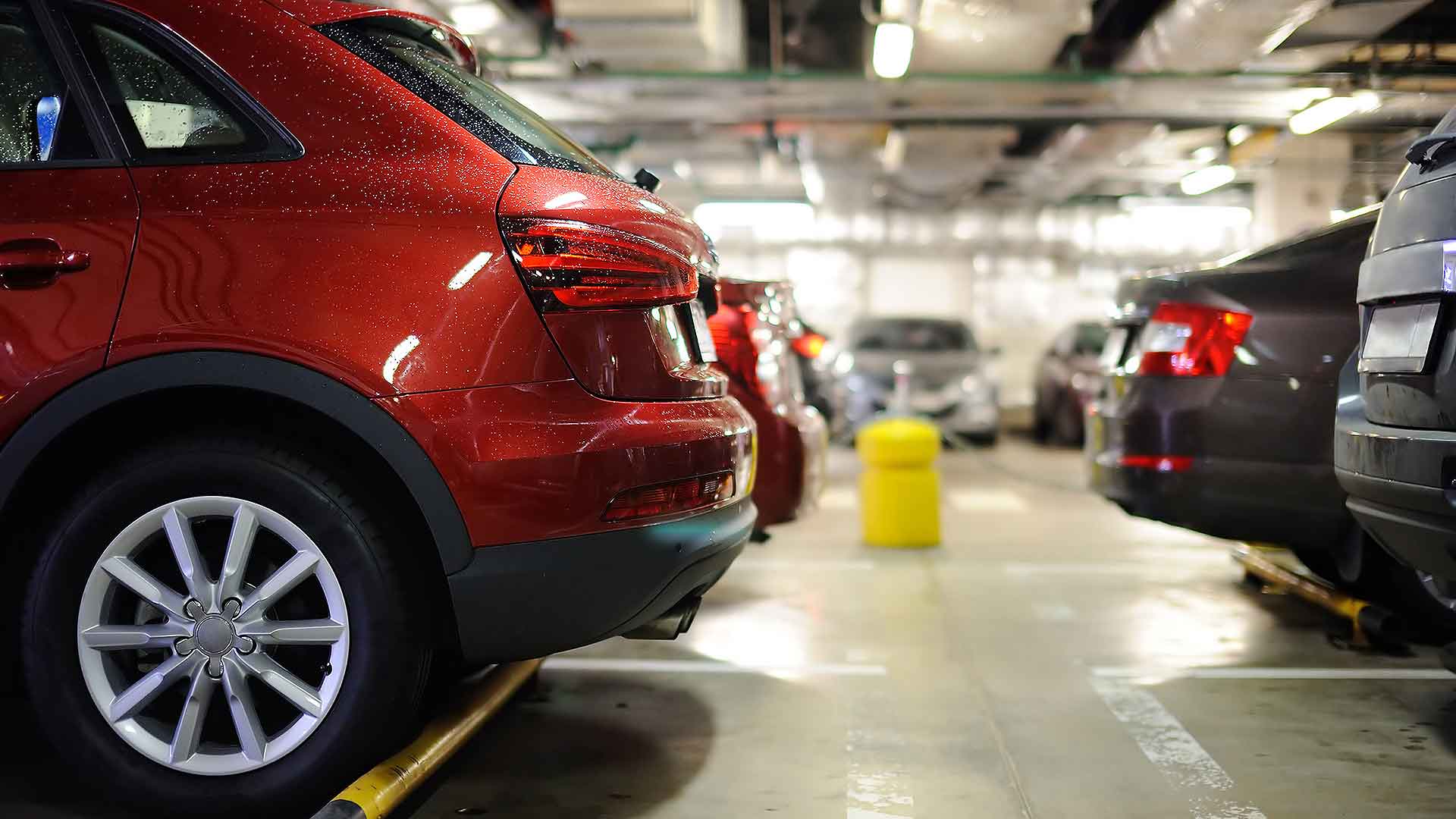
SUVs in an underground car park

Analysis of real-world telematics data has shown that 25 percent of traffic accidents happen within the first three minutes of a journey commencing.

Another 14 percent of accidents happen within the first six minutes of driving.

The analysis of 3.2 million car trips by 40,000 people across Europe during 2018 and 2019 was made possible by ‘black box’ telematics-style car insurance.

During the period, almost 2,000 accidents occurred.

What to do after a car accident

Telematics provider Dolphin Technologies has duly concluded that the number of accidents could be dramatically cut if motorists didn’t use their cars for short journeys.

“If we could encourage people to give up their cars for short distances,” said chief data scientist Katharina Sallinger, “up to 40 percent of all accidents could be avoided.

“We want to support people in being on the road safely: knowing which behaviour leads to accidents enables us to make targeted recommendations and minimise risks.”

Earlier this year, Motoring Research reported on Department for Transport data that showed more than two thirds of accidents happen on roads with a 30mph speed limit or less.

Risk falls – then rises

The data showed the lowest risk trips were those lasting between 10 and 20 minutes.

After that, risk rises disproportionately: those in the car for more than 40 minutes have two and a half times the risk of those motoring for less than 20 minutes.

Almost nine in 10 trips last less than 30 minutes, showed the data, while only 1 percent last longer than an hour.

To make longer trips safer, the researchers said motorists should plan regular breaks – and stick to them.

As for using a mobile phone behind the wheel, the figures are stark: it causes 26 percent of all accidents. It is, said the researchers, as bad as driving drunk or tired.

ALSO READ

Exclusive: police data reveals biggest causes of road accidents

Rear-end shunts ‘most common car accident’ – despite tailgating clampdown

How to avoid low-speed car parking accidents

Advertisement

Free car parking call for Christmas

0
High street car parking

High street and shopping centre car parking should be made free for Christmas in order to boost ‘Shop Local’ campaigns and help protect motorists against coronavirus.

The AA wants car parking charges lifted from 14 December “to revive the festive fortunes of beleaguered shops and street traders”.

President Edmund King said free car parking periods have been used in the past by councils and shopping centres to boost Christmas trade.

“Now, more than ever, the hours and free parking locations should be extended.”

Mr King also pointed to the irony of shops and stores taking great effort to socially distance shoppers – only for them to fall down as motorists cluster around ticket machines to pay for car parking.

“Opening up free parking would allow better social distancing instead of ticket machines becoming the Achilles’ heel of attempts to space out and protect visitors.”

The challenge has been made worse by complicated ticket machines requiring motorists to enter vehicle registrations numbers and credit card details – far from the ‘contactless’ experience often promoted during the coronavirus crisis.

“Queuing is often a problem as ticket machines are located where shoppers are squeezed at car park entrances or close to toilets.”

Although some councils have introduced parking via mobile phone apps, many are put off by how complex they are to use.

AA research found that 7 in 10 members were more likely to drive past than use a pay-by-phone parking space.

Earlier this year, London was revealed as the fourth most expensive place in the world to park a car.

ALSO READ

Advertisement

North-south divide in electric car charging points revealed

0
Young woman using a BP Chargemaster charging post

London and south-east England benefited from almost half the new electric car charging points installed in the UK during the past year.

This is despite these regions only accounting for 27 percent of the population.

In contrast, every other UK region received fewer new charging points in relation to their population.

The Guardian analysis of Zap Map data shows there are 63 public chargers per 100,000 people in London: more than double the average across the rest of the UK.

Northern Ireland only has 16.8 chargers per 100,000 people.

Narrowing the data to regions further underlines the disparities, with 46 local authorities boasting fewer than 10 electric car chargers per 100,000 people.

In Selby, North Yorkshire, there are just 3.3 chargers per 100,000 people.

In contrast, Westminster boasts 212.8 chargers per 100,000 people, while Hammersmith and Fulham has 202 chargers per 100,000 people.

‘Provide the incentive’

Matt Western MP, chair of the All-Party Parliamentary Group on Electric Vehicles, says the government must address the regional disparities.

“What we need is government incentives to put these charge points in place – to provide the incentive for consumers to follow.”

Ben Nelmes is head of policy at thinktank New AutoMotive. “The transition to electric cars has the potential to contribute to the government’s levelling-up agenda, because electric cars are much cheaper to run.

“Public funding for charge points should be spent where it is most needed and will provide most benefit to motorists, but cash-strapped local councils often struggle to get the data they need to bid for chargepoint funding from the Department for Transport.”

This week, Chancellor Rishi Sunak confirmed extensions to grant schemes targeting on-street electric car charging as part of the 2020 Spending Review.

New funding has been made available to local authorities, and £950 million will support rapid charging on the strategic and A-road networks.

The long-awaited green number plate scheme for electric cars also goes live on 8 December 2020.

EV breakdowns double

The RAC reports a doubling in the number of electric car drivers who have called out the breakdown organisation due to running out of battery charge.

This is because of motorists either running out of charge before reaching a charge point, or because the charge point has been broken.

There are currently around 20,000 public charge points in the UK.

Automotive industry trade body the Society of Motor Manufacturers and Traders has estimated the UK needs more than 1.9 million public chargers by 2030 to make the transition to new electric cars from 2030.

This equals more than 500 new chargers opening each day – at a cost of £16.7 billion.

“The industry invested £54bn in electrification across Europe last year,” said chief executive Mike Hawes.

“We need others to step up.”

ALSO READ

The cheapest electric cars you can buy on PCP

Electric cars get top marks in Green NCAP tests

Your questions answered on Motoring Electric

Advertisement

Rear-end shunts ‘most common car accident’ – despite tailgating clampdown

0
Tailgating on UK A-road

New figures show rear-end shunts have become the most common type of car accident on UK roads, due to a spike in numbers during the past 12 months.

They now account for almost one in four car crashes.

This is despite a high-profile clampdown on tailgating by the police and Highways England, which caught 10,000 motorists just two weeks after new ‘anti-tailgating’ cameras were installed.

The rise in rear-end shunts, revealed through analysis of data from car insurer Admiral, is also surprising given much lower levels of road traffic in 2020 due to lockdown restrictions.

The figures “suggest many people are still driving too closely to the car in front, despite potentially quieter times,” said Admiral head of motor product Clare Egan.

“Motorists can be prosecuted for tailgating as it could be considered as driving without due care and attention, or without reasonable consideration for other persons using the road.”

Ms Egan warned that new Admiral customers with a conviction for driving without due care and attention saw, on average, premiums increase by more than 50 percent.

“As we head into the winter months, bad weather and poor visibility make the stopping distance more important than ever.”

Alarmingly, a 2018 survey suggested three in four drivers would take some sort of action to deal with a tailgater – with one in three admitting they would ‘brake-test’ the car behind.  

ALSO READ

BMW eDrive zones help get the best from plug-in cars

Volvo creates ‘ultimate driving simulator’ to boost safety

Ferrari 812 Superfast (2020) review

Advertisement

BMW eDrive Zones help get the best from plug-in cars

0
New BMW eDrive Zones

BMW has unveiled new technology that could change the way we use plug-in hybrids. This comes as the UK prepares for the ban on new petrol and diesel cars, which will see hybrids granted an extension until 2035.

The system, which is the first of its kind, uses GPS geofencing technology to switch to electric power when entering a defined area. BMW says the eDrive Zones will boost the uptake and attractiveness of electrified cars.

BMW eDrive Zones have launched in London and Birmingham, with the tech available as a free over-the-air software update for compatible plug-in hybrid models running BMW Operating System 7. It’s available as standard on the 330e, 530e, 745e and X5 xDrive45e.

Compatible BMW plug-in hybrids will switch to electric-only power when entering the Congestion Charge/ULEZ zone in London and the proposed Clean Air Zone in Birmingham. BMW says it plans to introduce the technology in other cities across the UK and Ireland.

The system ensures sufficient electric power is conserved for use within the low-emission zone, if the relevant destination is entered into the BMW’s navigation system.

‘Fake electric cars’

BMW in eDrive mode

Plug-in hybrid (PHEV) models have come in for criticism for not being as green as advertised. Campaign group Transport & Environment branded them ‘fake electric cars’, claiming they’re built for ‘lab tests and tax breaks, not real driving’. Three of the most popular plug-in hybrids all emitted more CO2 than advertised, it’s claimed.

In response, Mike Hawes, SMMT chief executive, said: “There will always be a difference between lab tests and real-world use, but the internationally regulated WLTP and RDE tests prove that plug-in hybrids deliver substantial emission reductions compared to pure petrol or diesel equivalents.”

“We can’t comment on unverified, unregulated tests by commercial entities, but even these have found that PHEVs emit at least 25 percent to 45 percent less CO2 than their pure ICE counterparts, and of course, they emit 100 per cent less when driven in battery mode.”

The European PHEV market is up 175 percent compared to the first three quarters of 2019, with 340,000 registrations. There are now 63 different plug-in hybrid models on sale, compared with 30 in 2019.

‘Best of two worlds’

BMW eDrive tech

BMW says its eDrive Zone technology offers the best of both worlds: zero-emission driving in the city and an efficient internal combustion engine to cover long distances.

“This is the flexibility that customers want, as they make the transition to electromobility” said Pieter Nota, BMW board member for customer brands.

“A plug-in hybrid vehicle combines the best of two worlds: emission-free city-driving as well as long-distance capabilities. We urge governments to prioritise plug-in hybrid vehicles in order to encourage consumers to live a more sustainable lifestyle. BMW eDrive Zones technology supports customers to drive emission free in London and Birmingham. It improves air quality in cities fast and reduces running costs for drivers. It’s win-win for everyone.”

Click here to discover how a plug-in hybrid works.

ALSO READ

Electric cars get top marks in Green NCAP tests

Peugeot launches PCP Plus car finance with insurance and servicing included

Sat-nav app Waze to help small businesses

Advertisement

Electric cars get top marks in Green NCAP tests

0
Green NCAP test

Green NCAP launched in 2019 as a consumer programme to promote greener cars. It combines accurate measurements from laboratory testing with relevant real-world driving tests to provide a league table of energy-efficient cars.

In a format similar to the Euro NCAP safety rating, the cars are given an overall star rating out of five. The star rating indicates how well the car has performed overall. Five for ‘excellent’, four for ‘good’, three for ‘average’, two for ‘nominal’, one for ‘marginal’, and zero for ‘minimum’.

Cars are also analysed for their pollutant emissions, energy efficiency and greenhouse gases.

Today, Green NCAP has published the results for 24 cars. Only the Hyundai Kona Electric and Renault Zoe have achieved a five-star rating, with with the electric cars achieving top marks across the three individual categories. The Toyota C-HR is the only other car to achieve higher than three stars, with Green NCAP awarding it a 3.5-star rating.

At the opposite end of the table, the Volkswagen Transporter, Mercedes-Benz V-Class, Kia Sportage and Opel/Vauxhall Zafira can only manage a 1.5-star rating. Green NCAP blames weight and poor aerodynamics for the lowly ratings, but points out that they control emissions well.

‘Revealing and disheartening’

Renault Zoe Green NCAP

Niels Jacobsen CEO of international consumer research and testing and president of Euro NCAP, said: “Green NCAP’s rating scheme has been comprehensively overhauled and now also includes an evaluation of greenhouse gas emissions as well as clean air and energy efficiency.

“As we measure only tailpipe emissions, electric cars naturally come out best in this round of assessments. However, Green NCAP will continue to evolve and we plan to include well to wheel emission measures and, ultimately, life-cycle analysis as a baseline for future ratings.

“With our current ratings, hybrid cars have obvious opportunities to score better than non-hybrids, but they don’t always do that as manufacturers may decide to reduce costs by omitting simple but effective exhaust after-treatment devices such as particulate filters.

“Such lost opportunities are revealing and disheartening. Among combustion engine cars, the best performers are smaller cars, mounted with effective exhaust after-treatment where hybrid technology can give them an extra notch up in the ratings.”

Green NCAP results: November 2020

Hyundai Kona Green NCAP
  • Hyundai Kona Electric: 5 stars
  • Renault Zoe: 5 stars
  • Toyota C-HR: 3.5 stars
  • Mercedes-Benz C-Class: 3 stars
  • Peugeot 2008: 3 stars
  • Peugeot 208: 3 stars
  • Renault Captur: 3 stars
  • Renault Clio: 3 stars
  • Seat Ibiza: 3 stars
  • Volkswagen Polo: 3 stars
  • BMW 3 Series: 2.5 stars
  • Dacia Duster: 2.5 stars
  • Honda CR-V: 2.5 stars
  • Nissan Qashqai: 2.5 stars
  • Peugeot 3008: 2.5 stars
  • Suzuki Vitara: 2.5 stars
  • Volkswagen Passat: 2.5 stars
  • Audi A4: 2 stars
  • Jeep Renegade: 2 stars
  • Mazda CX-5: 2 stars
  • Kia Sportage: 1.5 stars
  • Mercedes-Benz V-Class: 1.5 stars
  • Opel/Vauxhall Zafira: 1.5 stars
  • Volkswagen Transporter: 1.5 stars

No plug-in hybrids are included in November’s results, but the first will be included in the next round, expected in February 2021. For electric car news and advice, visit our sister site, Motoring Electric.

READ MORE:

Green number plates to go live on 8 December 2020

‘Shocking’ rise in drivers caught speeding during lockdown

McLaren’s new hybrid supercar to be called Artura

Advertisement