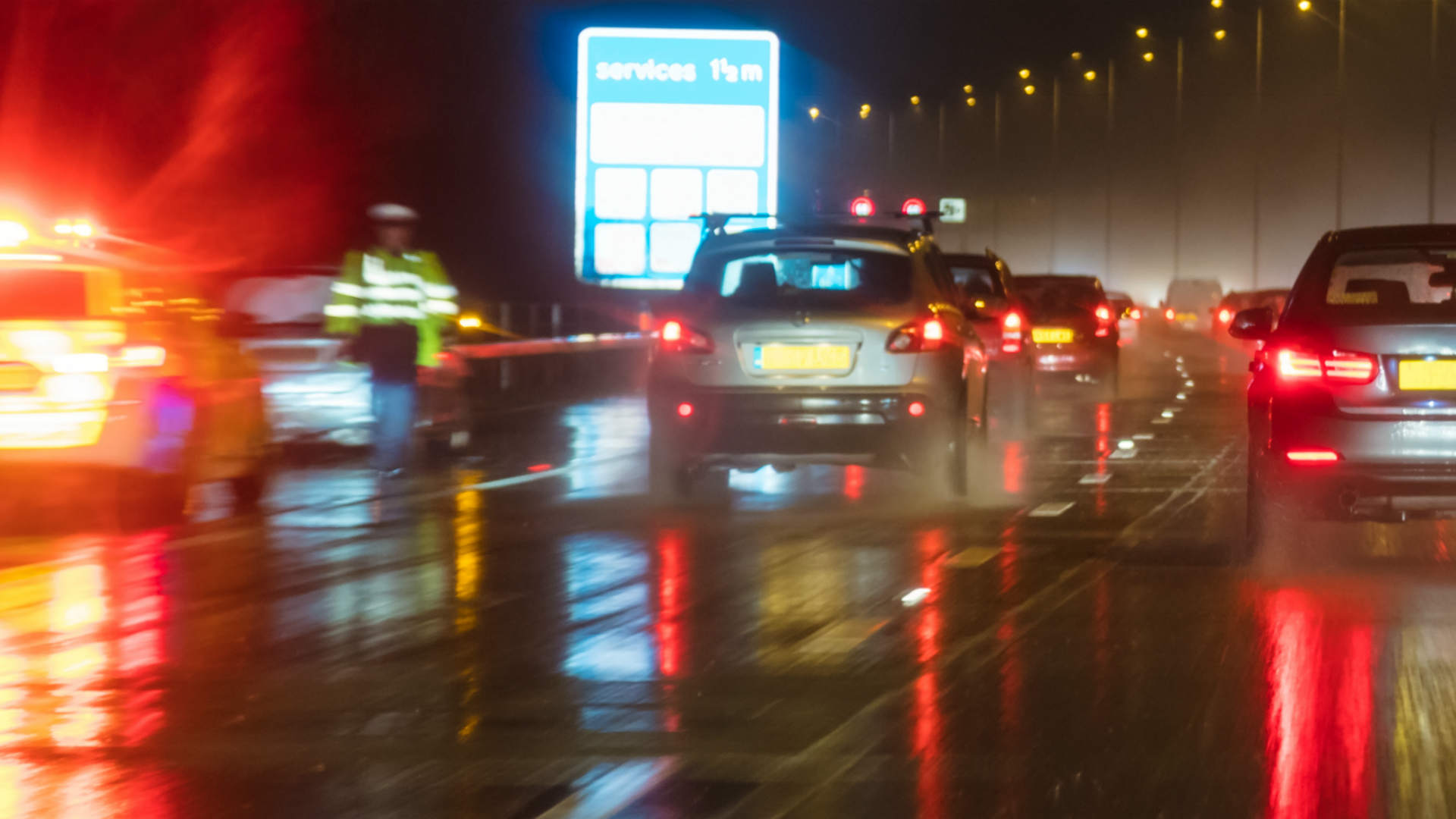
Of the 750,000 traffic incidents on UK roads between 2015 and 2017, 9,000 involved a vehicle colliding with a stationary vehicle.
Of these, 42 percent (3,780) occurred on a motorway or main road, a worrying statistic given the introduction of smart motorways, where stranded vehicles could be forced to stop in a live running lane.
The Department of Transport (DfL) figures reveal 24 parked vehicles are hit by another car EVERY WEEK, with a fifth of incidents on a motorway or main road resulting in death or serious injury.
There are more than 100 miles of All Lane Running (ALR) smart motorways in England, with a further 225 miles planned by 2025. Some smart motorways use the hard shoulder during peak traffic, while others use it as an additional lane.
Figures obtained from the RAC show that there were 16 serious crashes involving a stationary vehicle on the 100 miles of smart motorways in 2017.
While not all of the 3,780 incidents took place on a smart motorway, there have been calls to stop their rollout, over fears that they’re putting the lives of motorists and recovery workers at risk. The Campaign for Safer Roadside Rescue and Recovery (CSRRR) wants ALRs to be scrapped and for recovery vehicles to use red flashing lights.
MP Tracey Crouch said: “We need the government to pause and reflect on whether we’re getting this right. The rollout of ALR smart motorways should be stopped “until we have a better understanding about how we can protect those who have broken down and the recovery workers that come to assist them”
A hard shoulder is always identified by a solid white unbroken line. If there is no speed limit above the hard shoulder, or a red X is displayed, DO NOT use it except in an emergency.
If the hard shoulder is being used as an ALR, use a designated emergency refuge area.
If you break down on the motorway
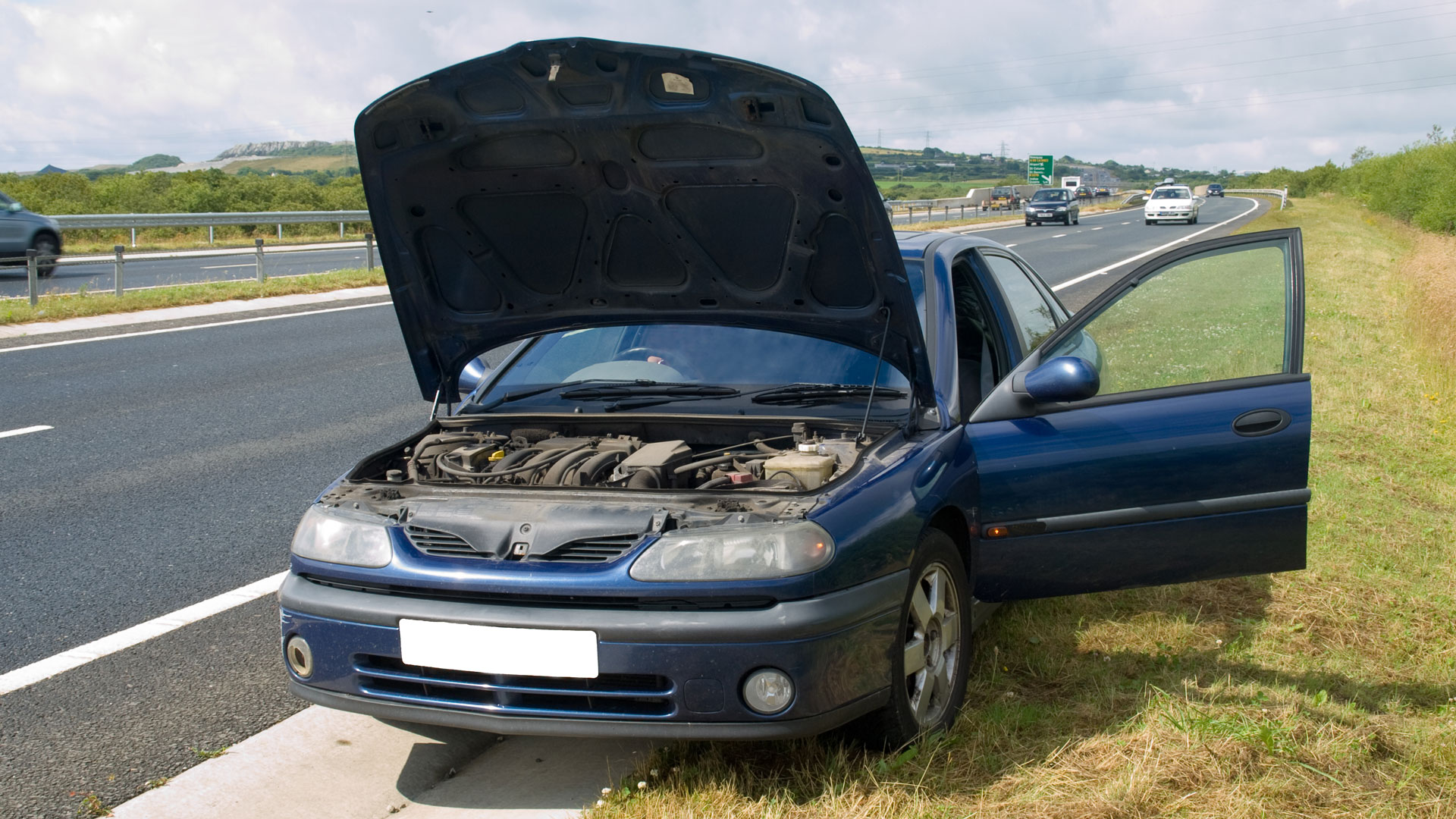
If you cannot reach a refuge area – or you breakdown on a standard motorway with a hard shoulder – here’s some safety advice from the RAC:
Pull over to the hard shoulder
Leave the vehicle via the left (passenger) door
Make sure all passengers do the same
Turn your hazard lights on
Contact your breakdown provider
Alternatively, use one of the emergency telephones, which are situated at one-mile intervals along the motorway.
Green Flag’s Damon Jowett said: “It’s important for people to be aware of the danger of driving on motorways, which are a hotspot for traffic incidents and resulting fatalities. Many accidents can be prevented.
“If there is a vehicle stopped on the hard shoulder, drivers need to slow down and move their vehicle over to the next lane if safe to do so. This simple manoeuvre not only helps protect the drivers and passengers in the stationary vehicle, but it also safeguards our roadside workers as they assist them.”
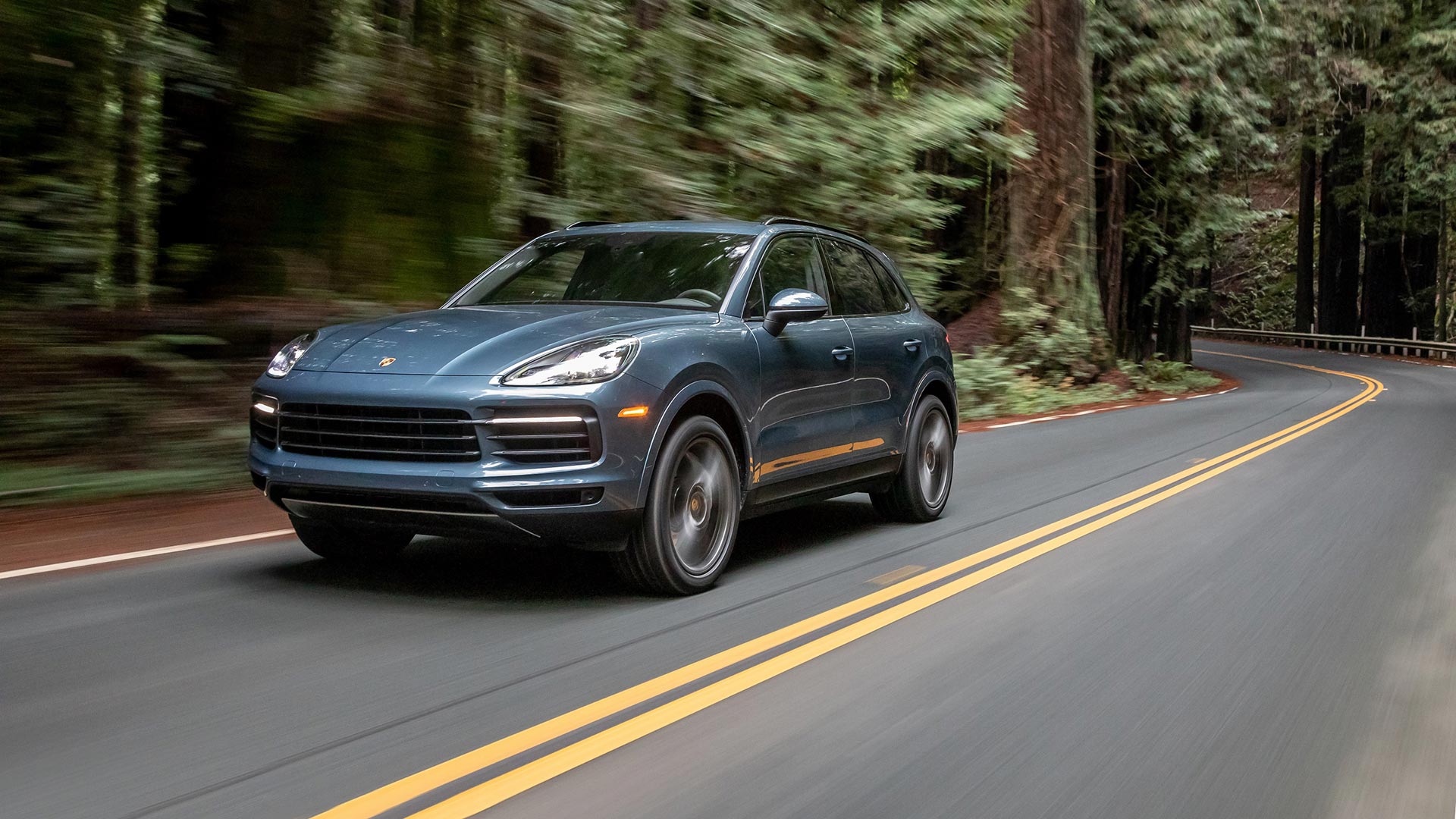
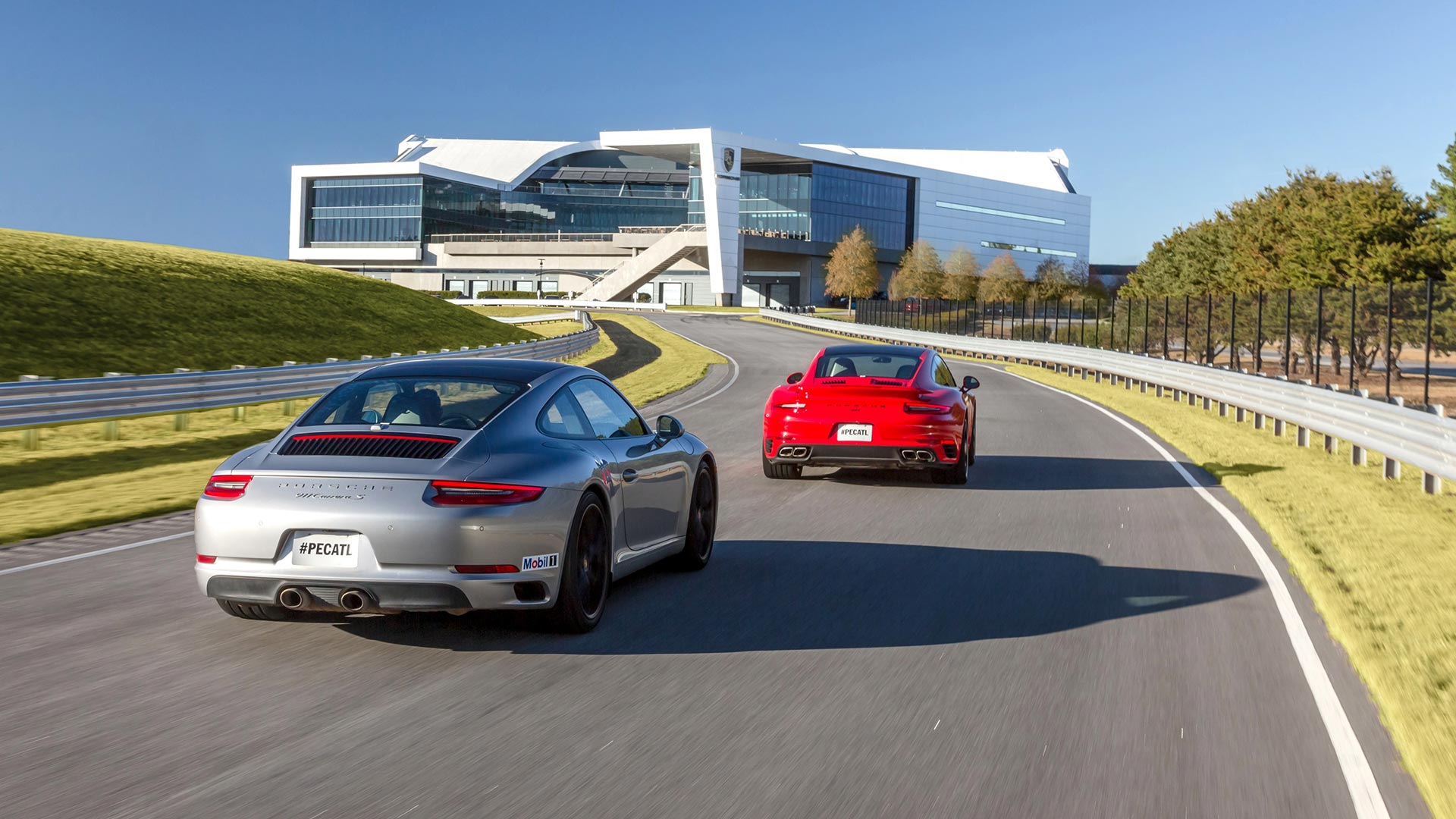
North American Porsche owners now have an easier way to reduce the environmental impact of driving their car.
The new ‘Porsche Impact’ online tool allows drivers to calculate their annual CO2 emissions, and then donate to projects designed to tackle climate change.
Previously offered to customers in Germany, Poland, and the UK since 2018, Porsche Cars North America has taken steps to enrol its own Porsche Experience Center vehicles.
Customers simply need to know the average fuel economy of their Porsche, along with the estimated annual mileage they will cover.
The Porsche Impact calculator then generates a figure for expected total CO2 emissions for the year. A financial value is attached to this CO2 total, representing the amount of funding needed to offset the emissions and one of four climate projects.
All four projects are internationally certified, and include hydro-electric power in Vietnam, solar power in Mexico, habitat preservation in Zimbabwe, and forest protection in the USA.
Drivers simply make a one-off payment through partner South Pole, who manages the allocation of funding. Porsche makes no profit from the money spent.
How much a driver pays is dependent on the Porsche they drive, and how frequently they use it.
For instance, a Porsche 911 Turbo – with an average fuel economy of 21 mpg – would generate 2.09 tons of CO2 if driven 5,000 miles per year. Offsetting this would cost between $25.77 to $58.56 depending on the project picked.
Whilst entirely optional Klaus Zellmer, President and CEO of PCNA, believes that “offering an option for greater sustainability is part of creating a superb Porsche experience”.
Porsche will launch the all-electric Taycan later this year, which will offer buyers the chance to sidestep internal combustion engine emissions completely.
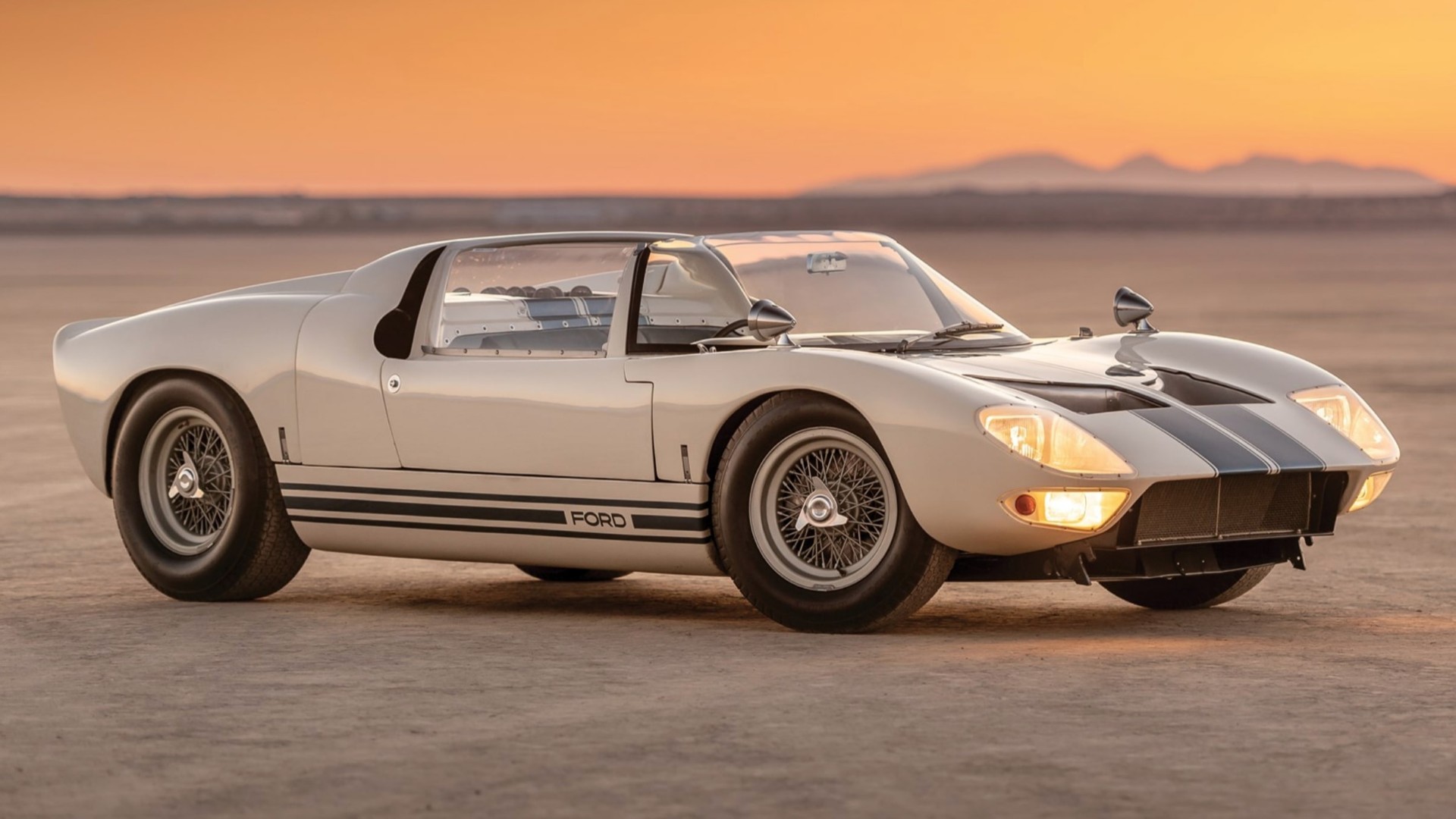
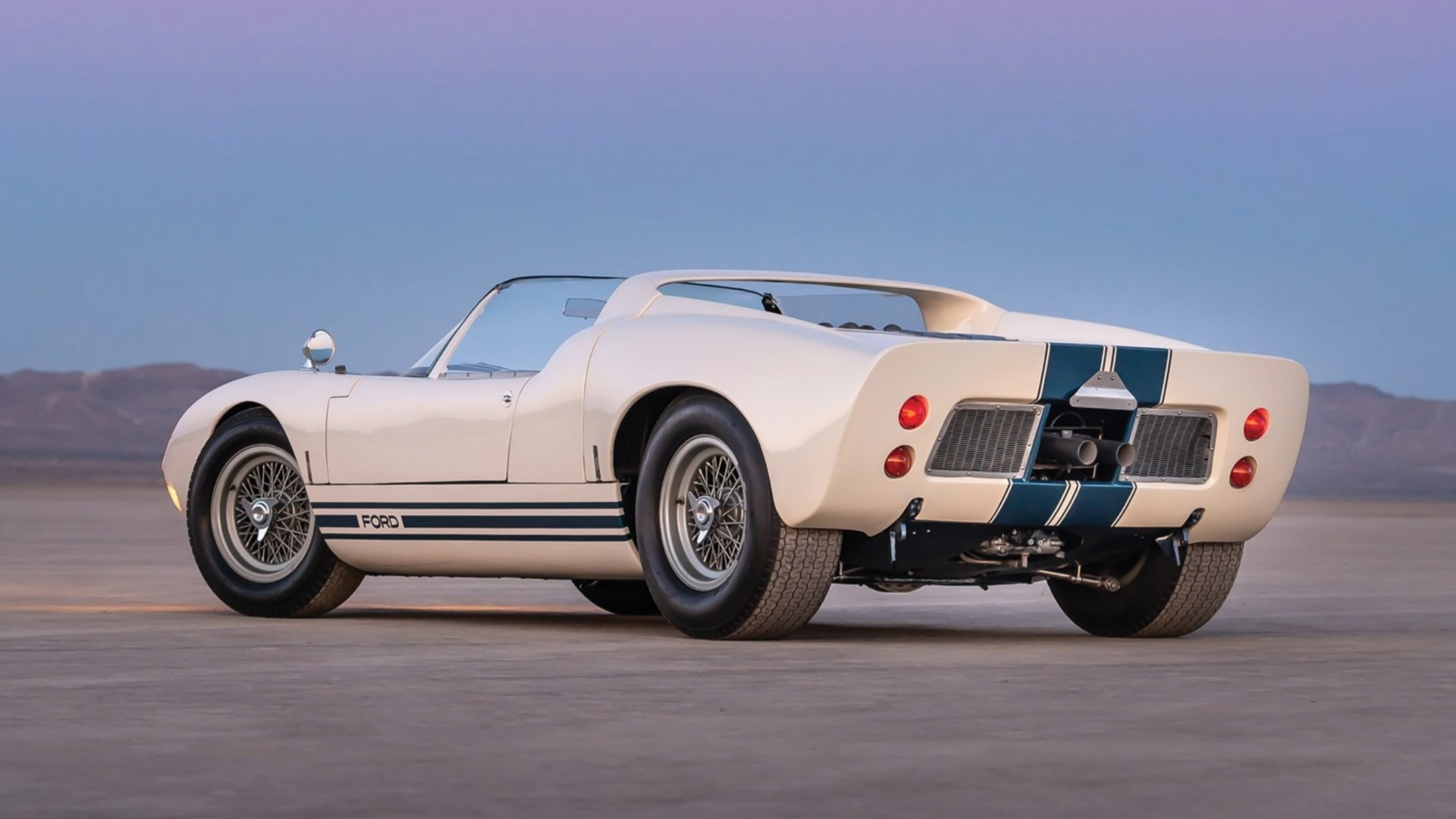
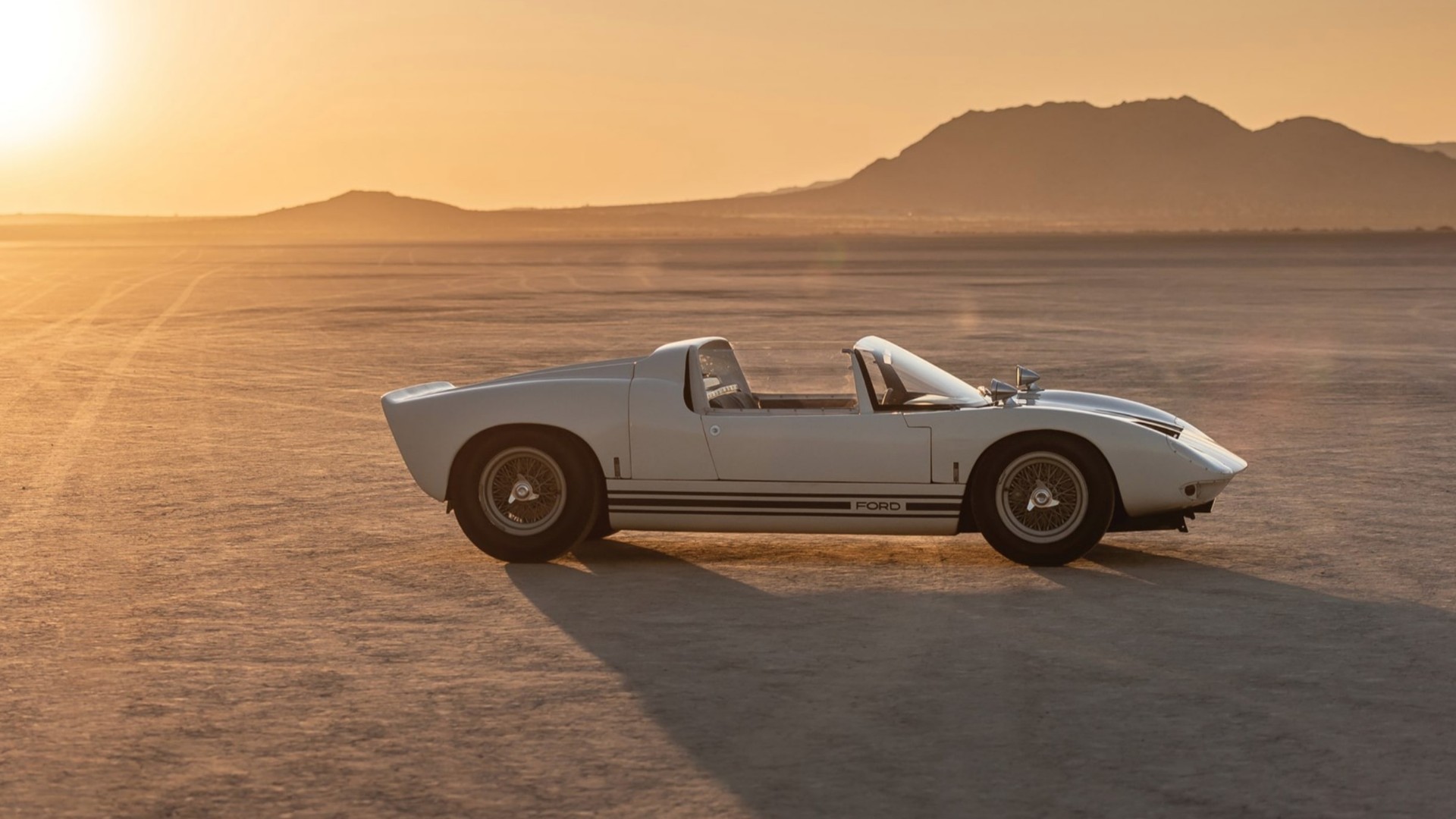
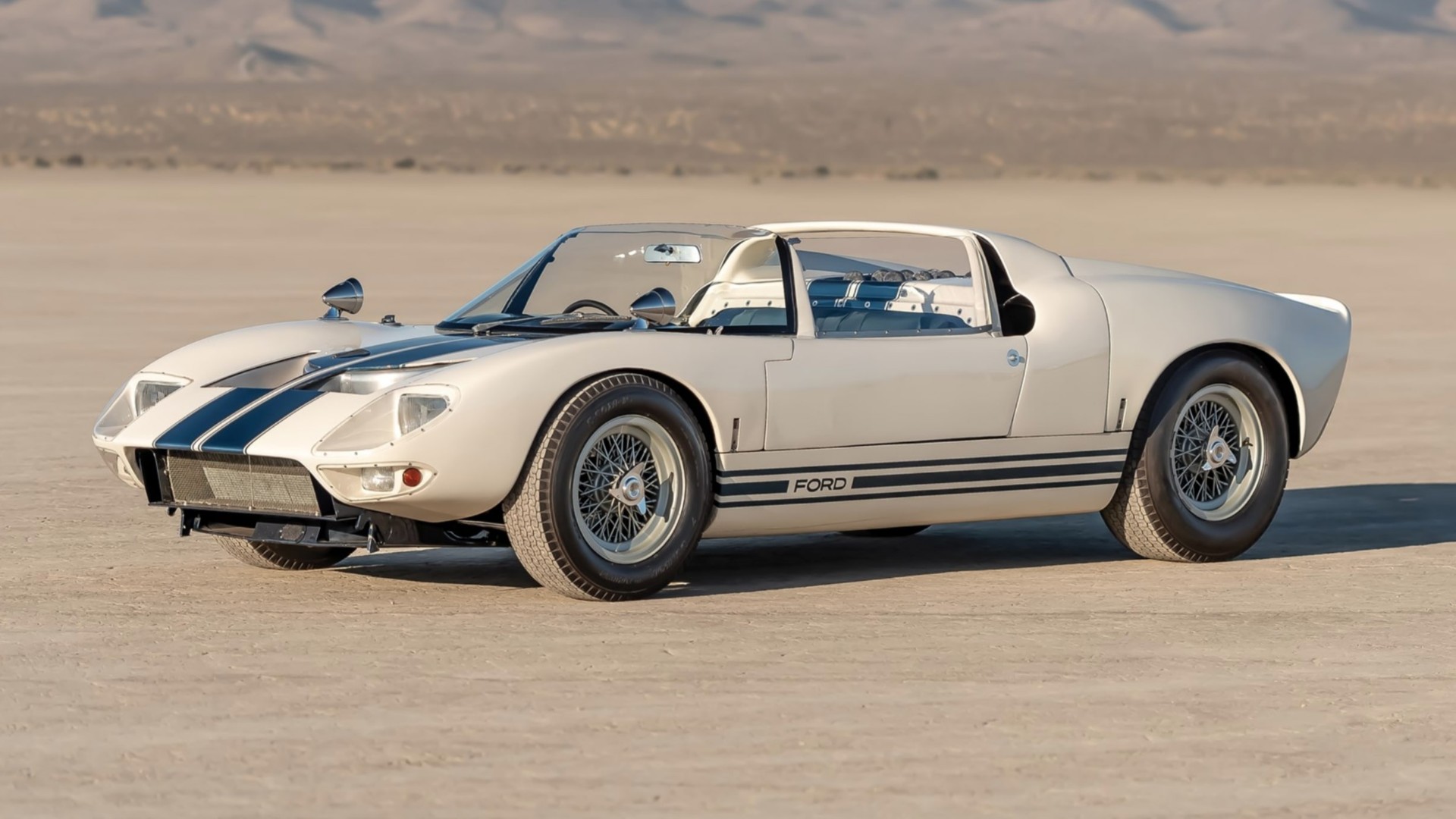
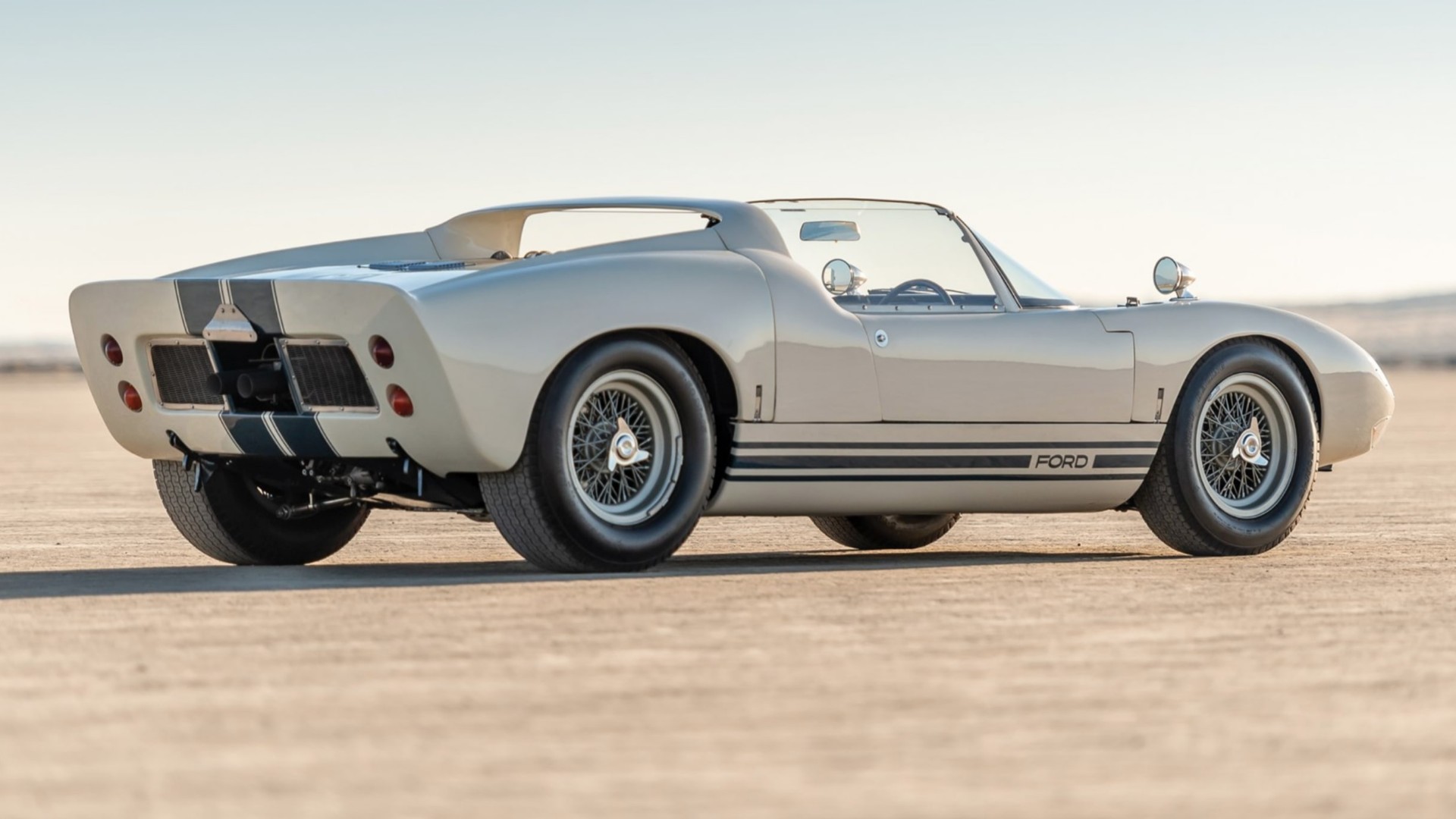
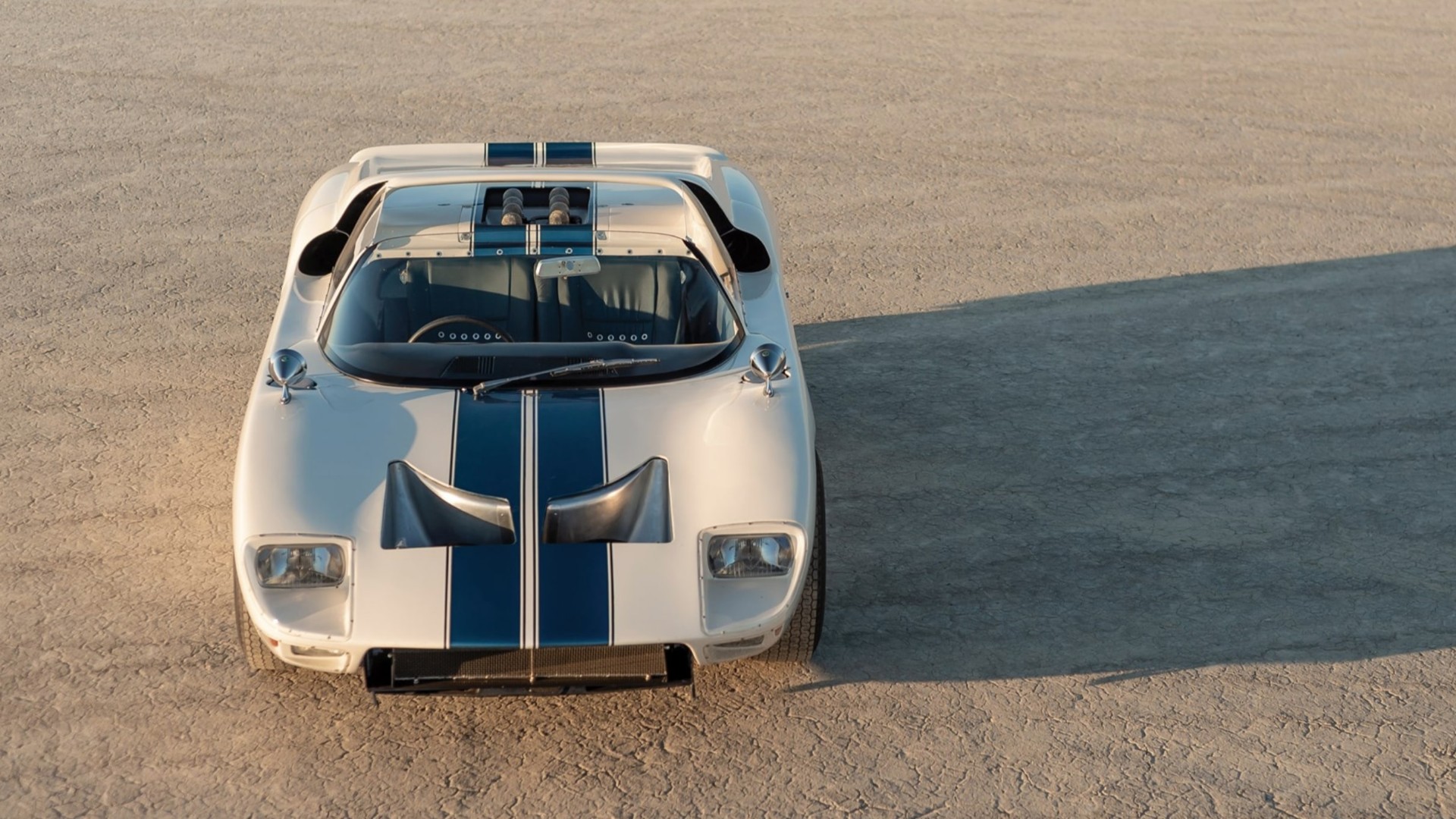
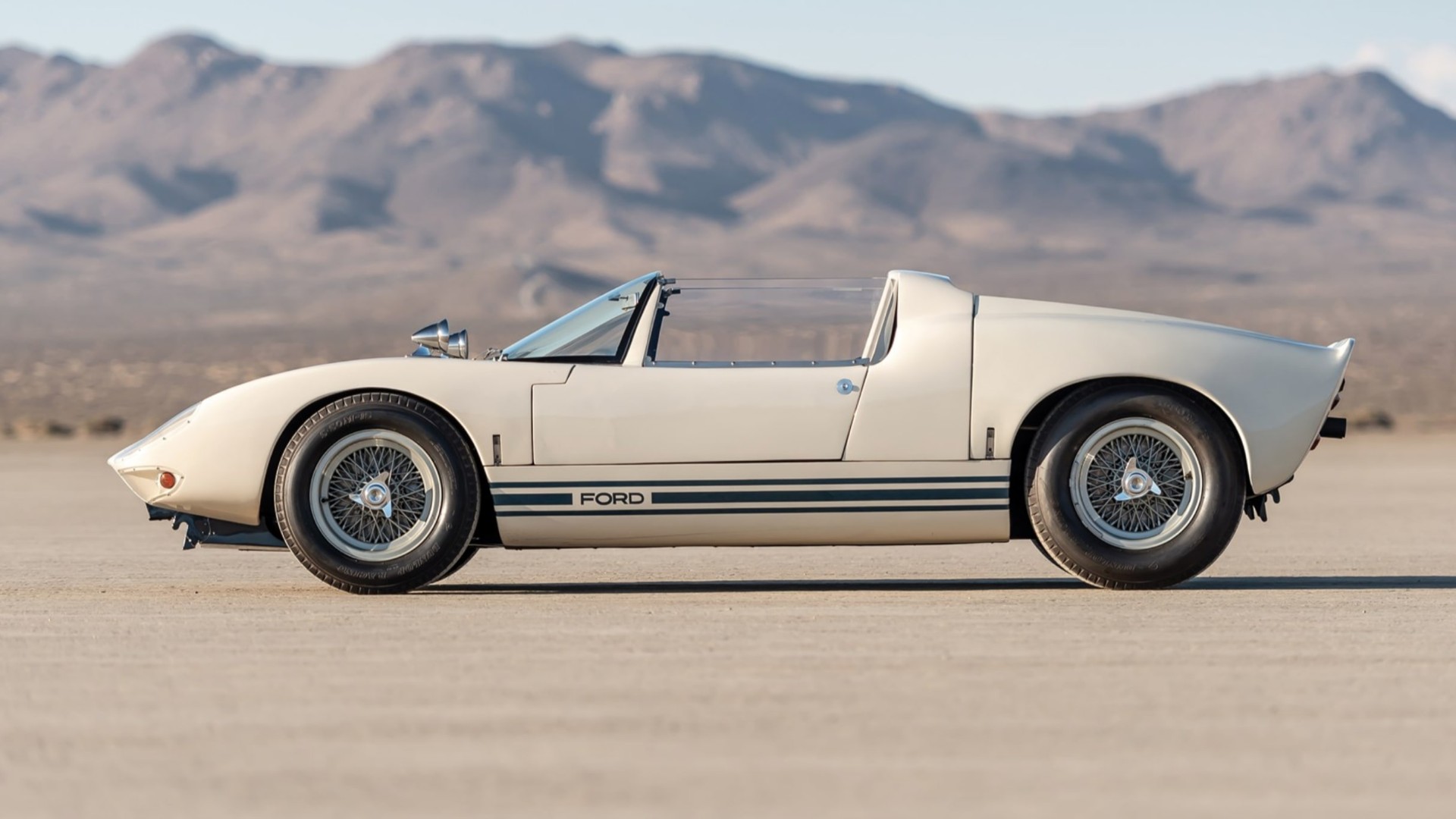
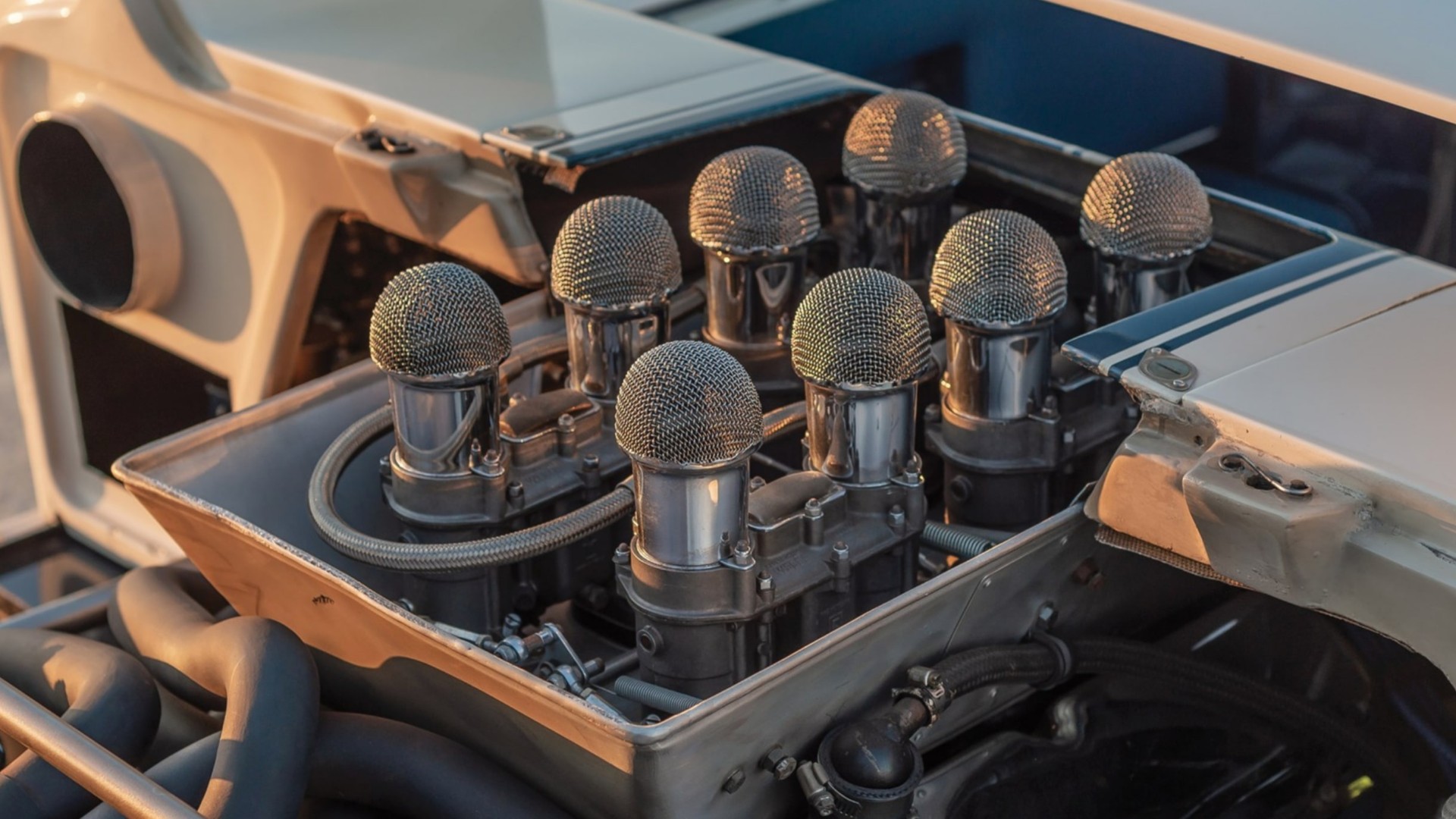
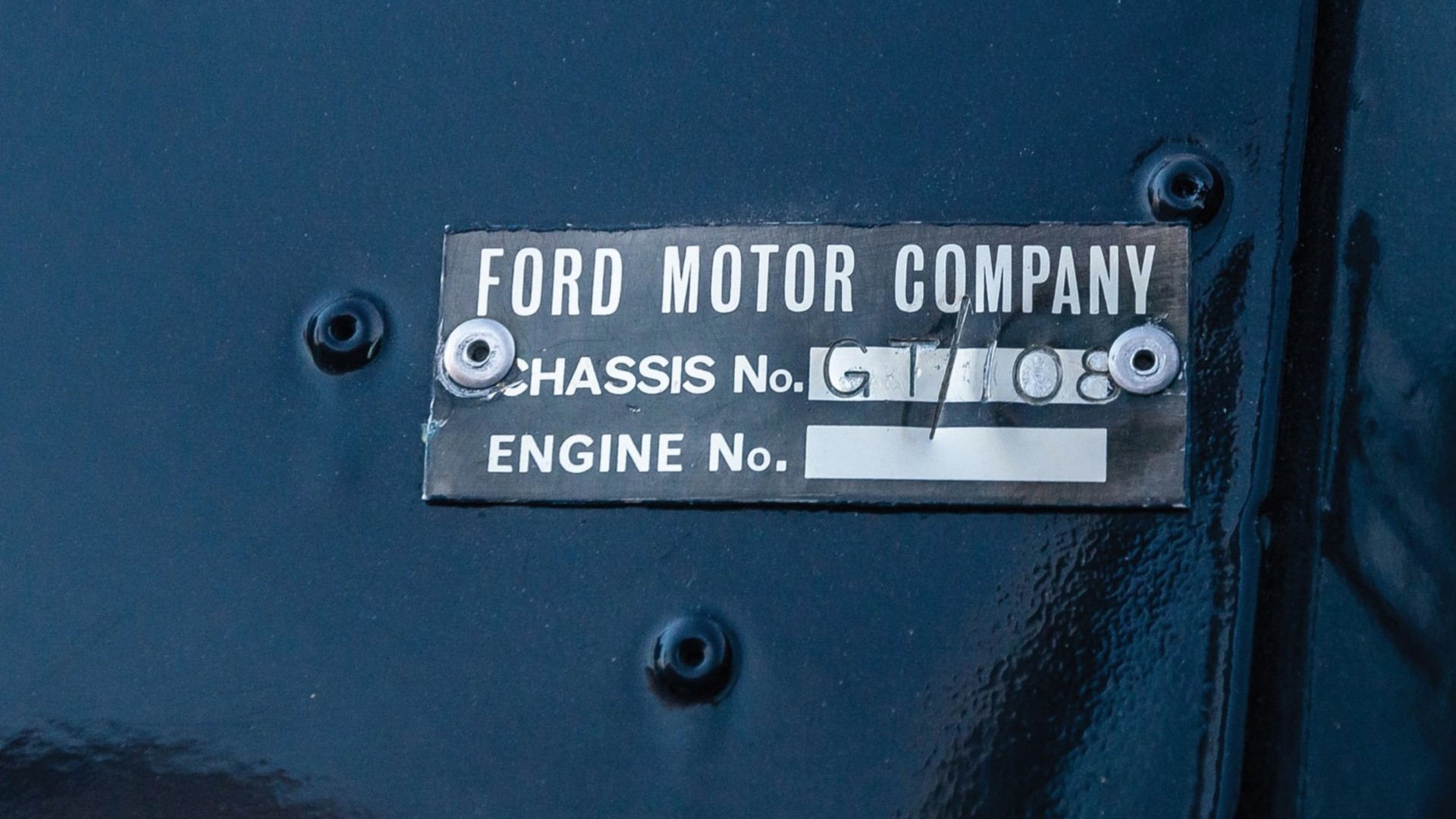
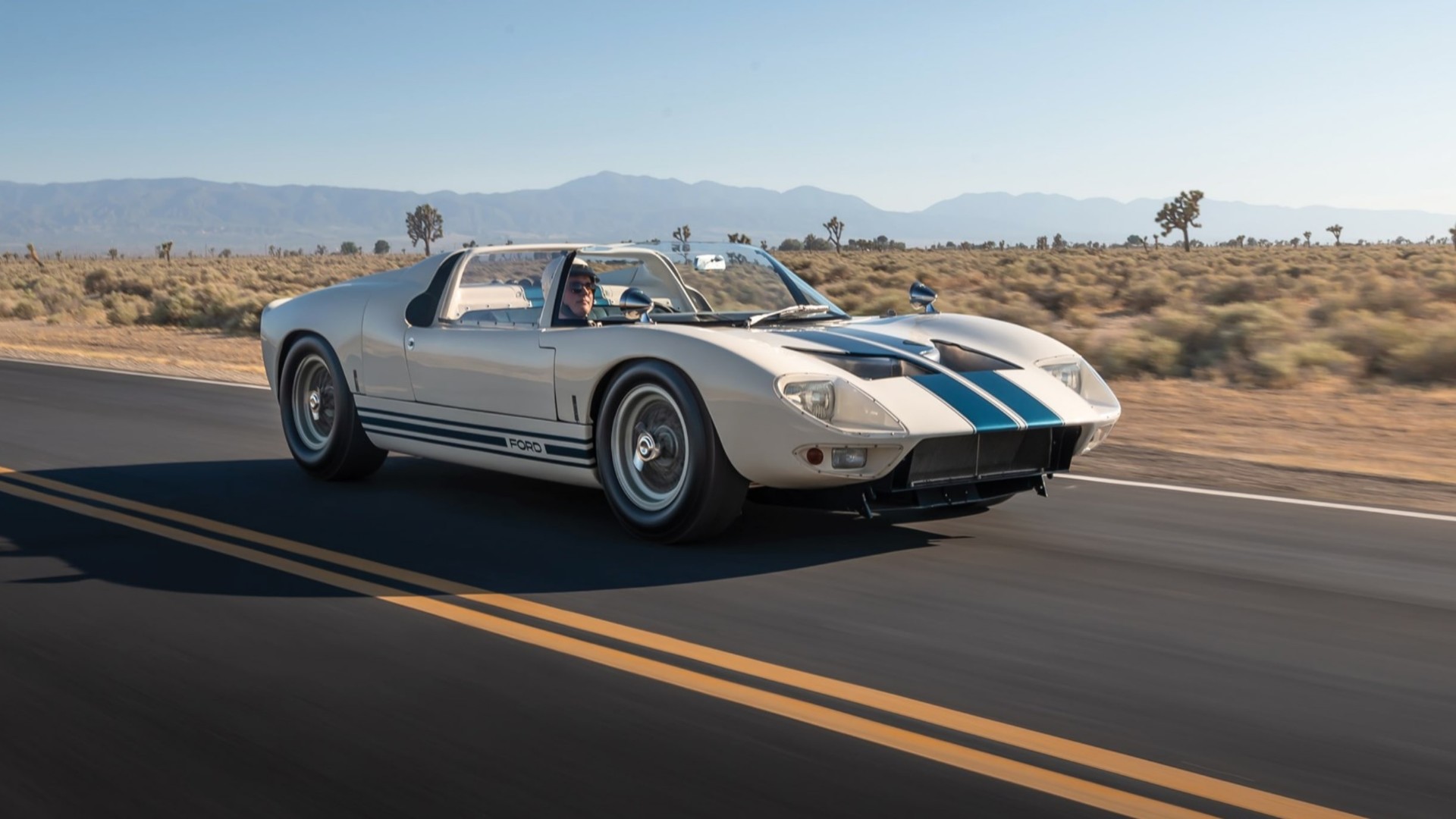
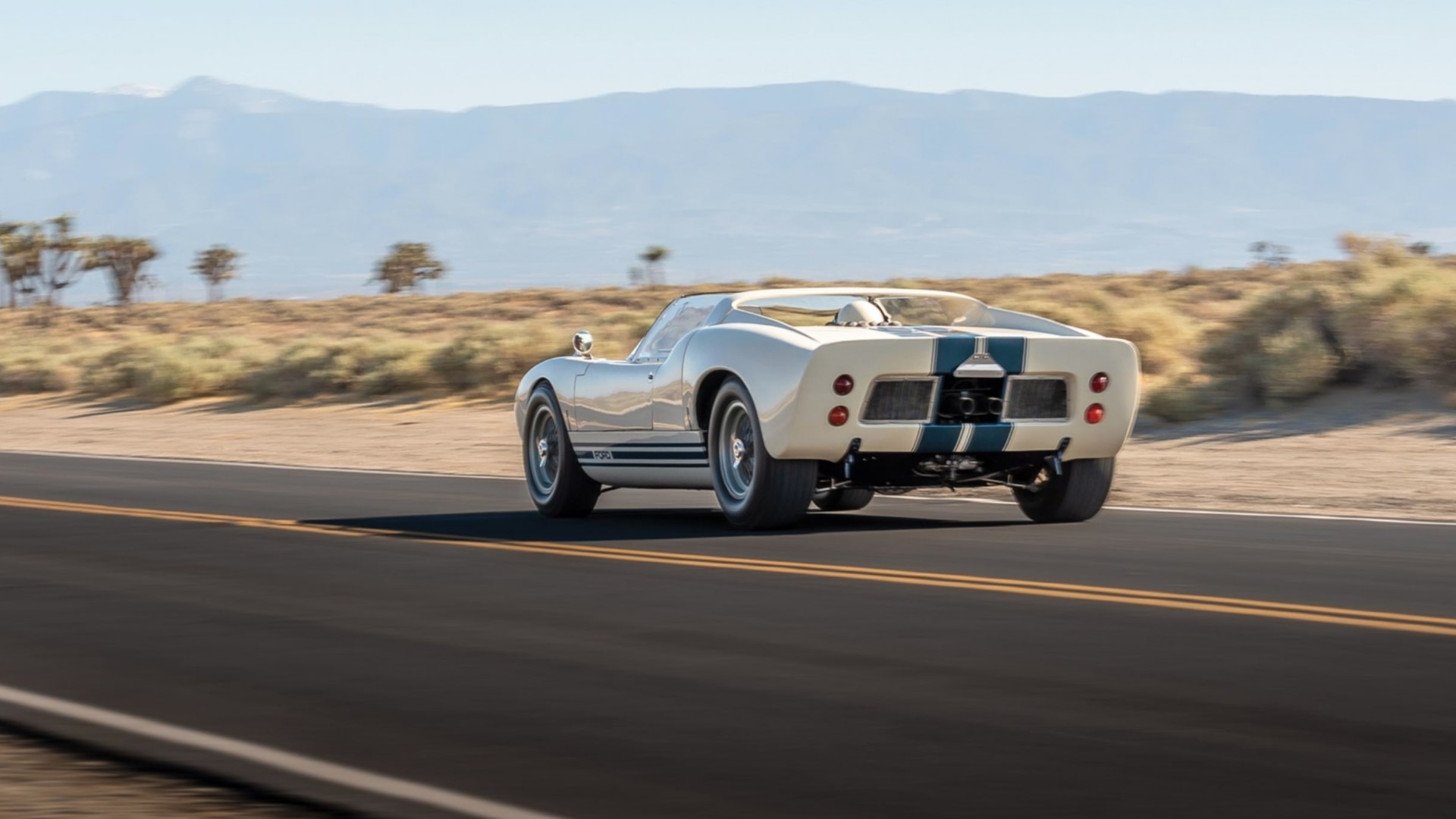
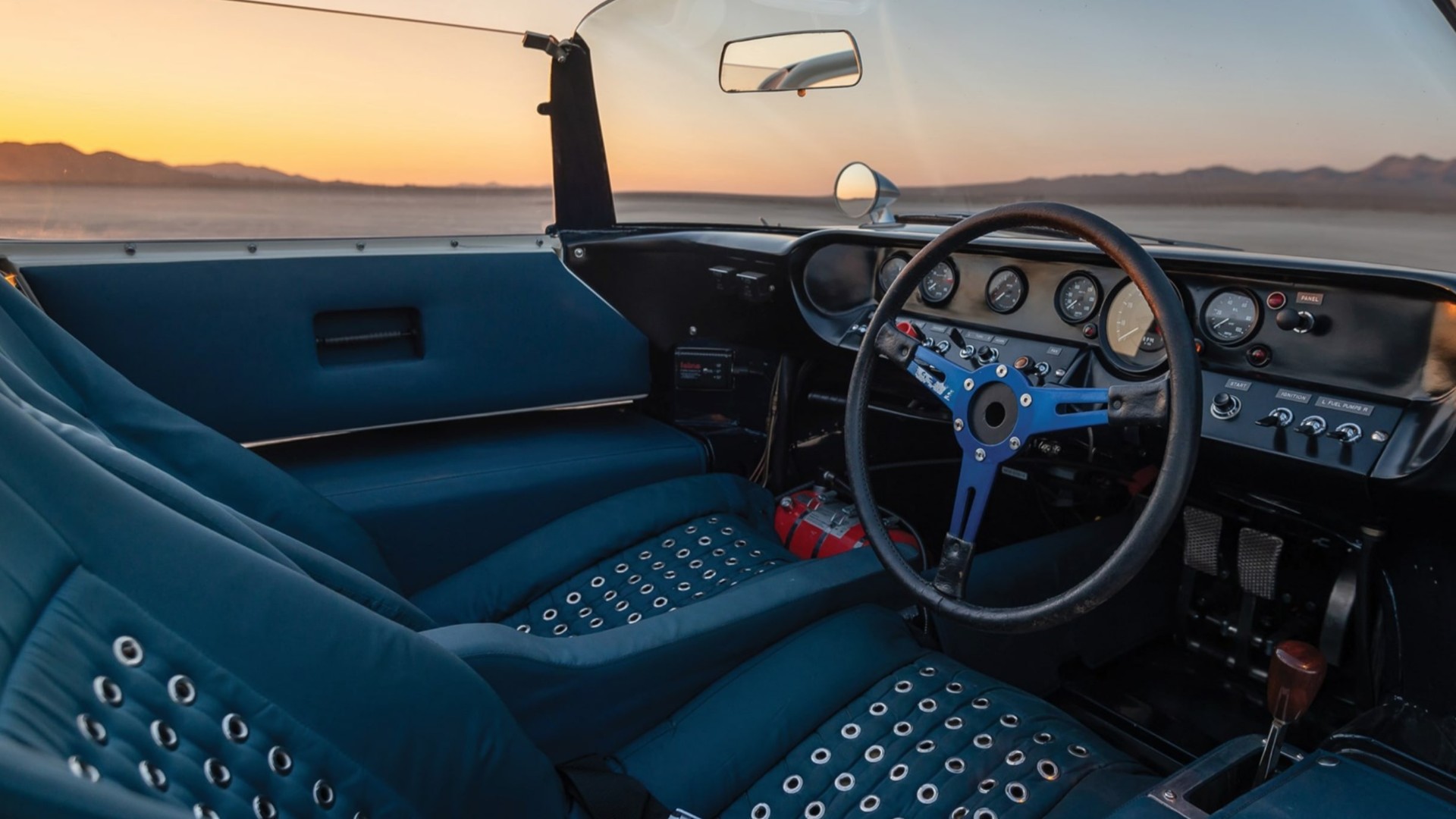
The first prototype of just five Ford GT40 roadsters is up for auction with RM Sotheby’s at Monterey Car Week.
Among the rarest variants of one of the greatest racing cars ever, the GT40 is estimated to make up to $9 million (£7.4 million) when it crosses the block on August 15 2019.
The roadsters were manufactured as a part of the batch of 12 prototypes that came before the 87 production GT40s. This particular car is the eighth of those 12, and the first of five roadsters.
Following testing at Silverstone in 1965 with Dickie Atwood and Sir John Whitmore, the roadster made its way over to the USA with Shelby American, on a ‘temporary importation for test purposes’ basis.
The car was tested at Shelby’s Imperial Highway headquarters (next to LAX airport), then shown to Ford executives. This is allegedly the only GT40 that Henry Ford II, the man behind the mammoth GT40 programme, ever rode in.
A representation of this car will likely be in the upcoming Ford v Ferrari movie, due out later this year.
This roadster is also believed to be the only GT40 that F1 ace Jim Clark ever drove. The legendary champion demonstrated the car during some downtime at the October 1965 Watkins Glen Grand Prix.
It also served as a testbed for the upcoming Mk IV Ford GT, which would go on to win Le Mans in 1967.
Bouncing between various owners over subsequent years, the car was raced on and off by a latter-day owner. His faithful-to-period restoration meant it wasn’t that competitive, but originality matters more to most collectors.
The condition of this GT40 Roadster undoubtedly contributes to its hefty valuation. Prior to the sale in Monterey, it has been in the owned by the same collector for 26 years.
Read more
Racing in the blood: the story of the Ford GT40
Porsche 917 meets Concorde – Golden jubilee of speed
There’s no such thing as a bad new car, but not all vehicles are created equal. So while the days of unsafe, unreliable and rust-before-your-eyes cars are, for the most part, behind us, there are still some munters on the road. Here are 15 cars from the past decade that shouldn’t have made it to these shores.
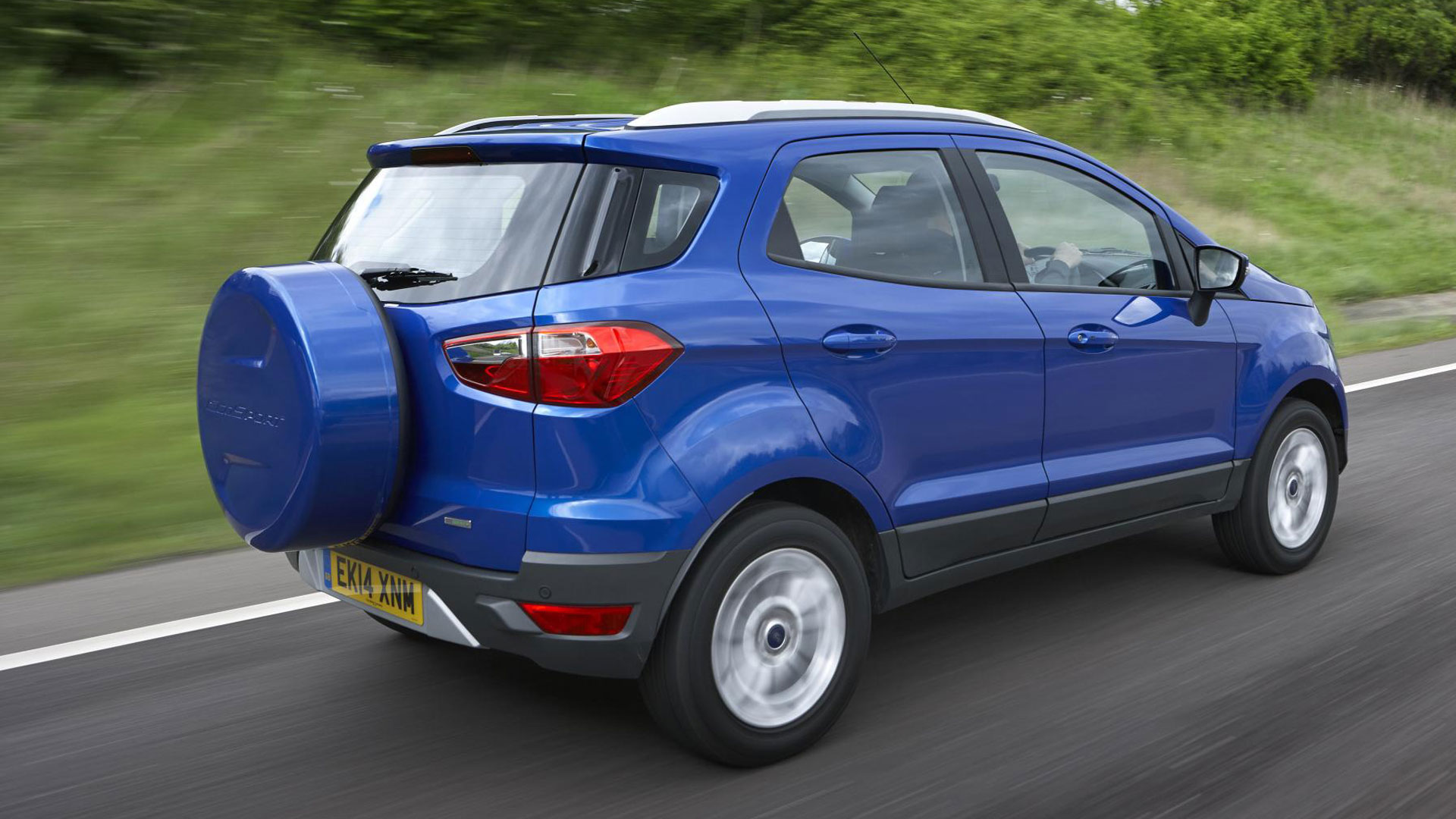
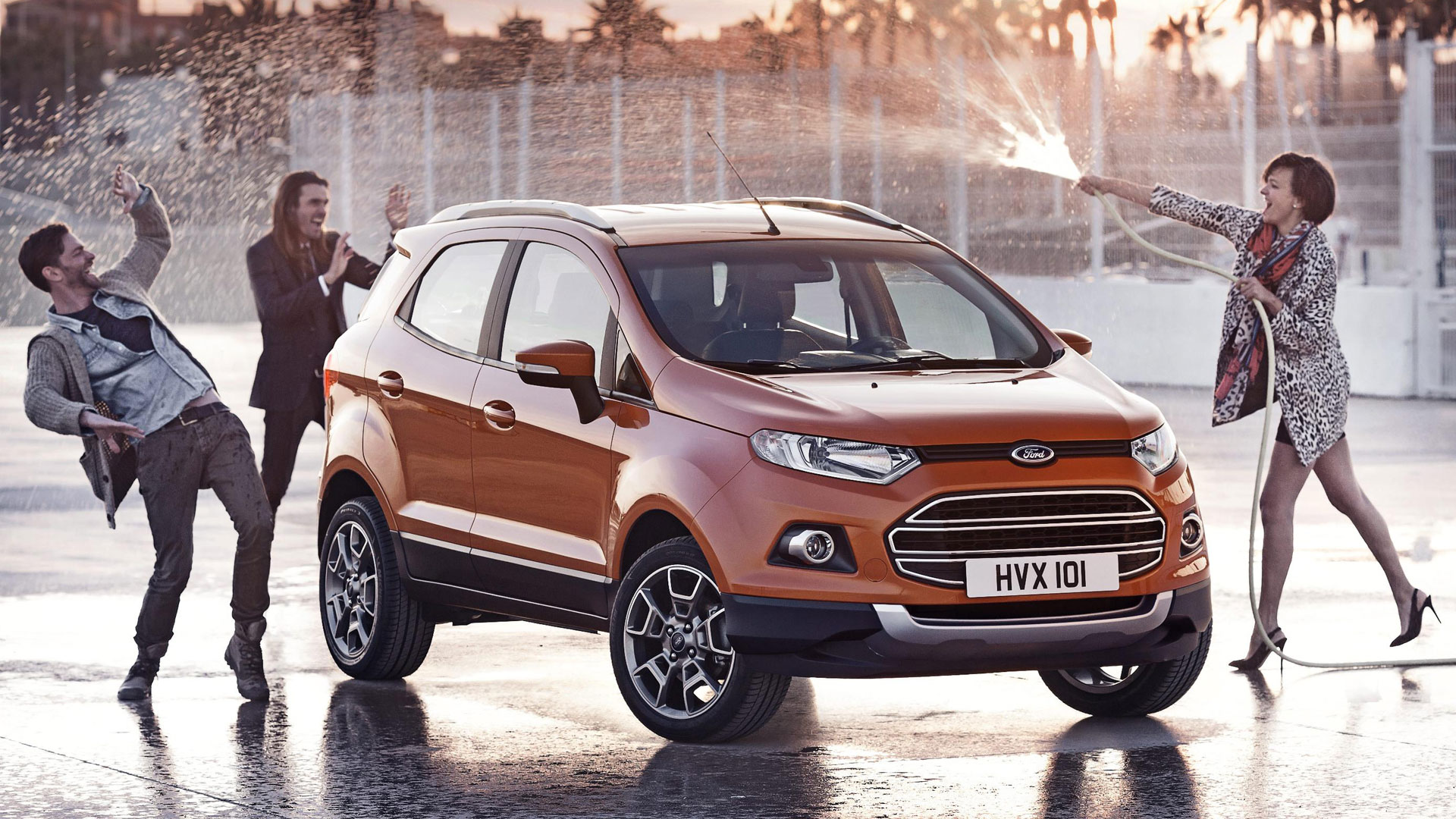
Ford Ecosport
Deciding to launch the Ecosport with a tailgate-mounted spare wheel was a touch of genius, because it drew attention away from the hideous, ill-judged and slightly terrifying styling. In fairness, the spare wheel was arguably the most interesting part of the car, so the decision to remove it felt like a double-edged sword. In a world of top-hinged tailgates, the side-hinged rear door felt like a blast from the past. If you love exposed spare wheels, buy a Suzuki Jimny. If you want a small Ford, buy a Fiesta or wait for the new Puma.
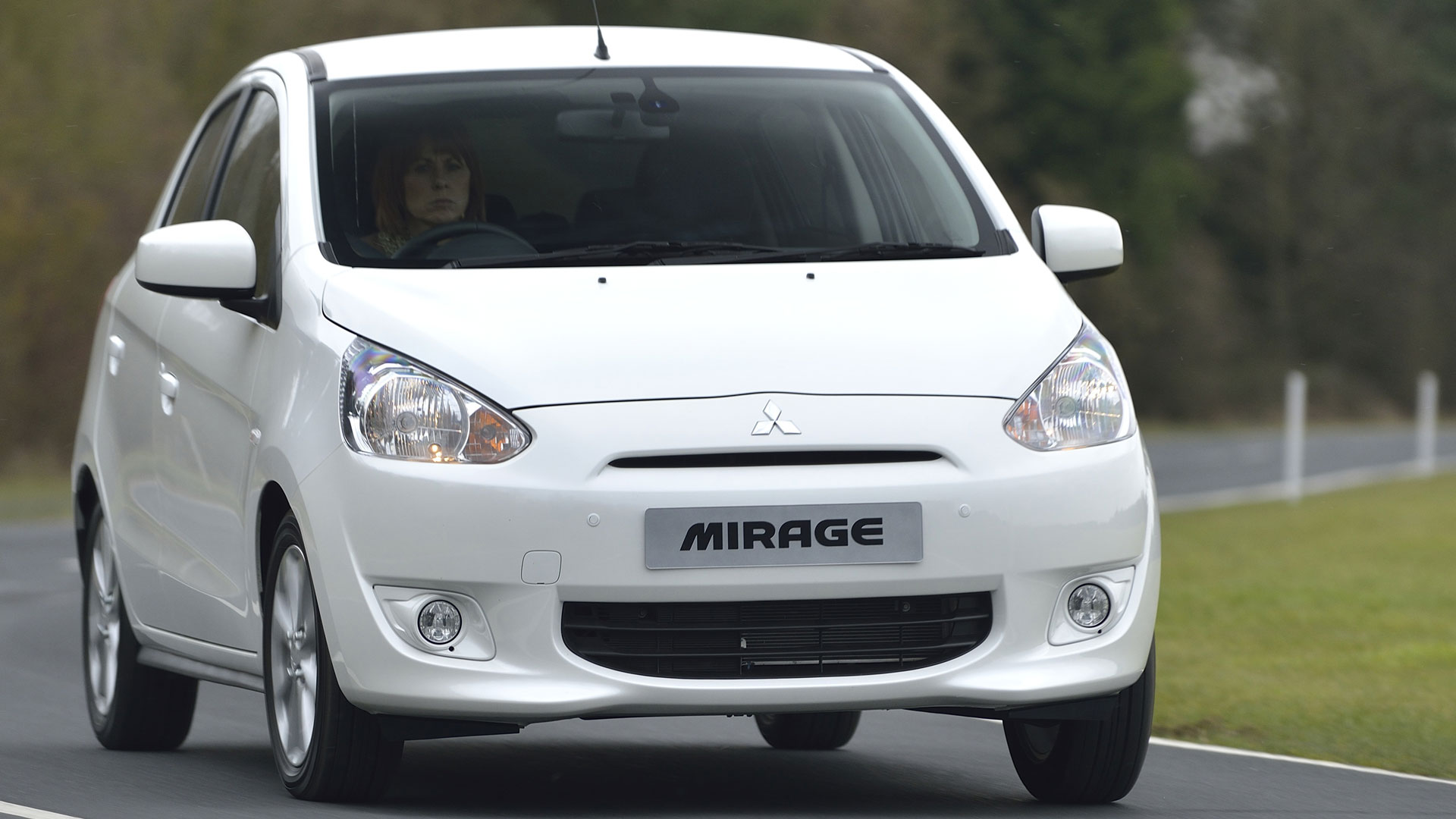
Mitsubishi Mirage
Take a look at the driver’s face and ask yourself: is that the look of a lady who is enjoying the drive? Even in isolation, it’s hard to recommend the Mitsubishi Mirage, but when viewed in the context of other small cars, it’s hard to make a case for the bucket of misery. Imagine looking at the Volkswagen Up, Skoda Citigo, Seat Mii, Kia Picanto and Hyundai i10 then opting to buy the Mirage.
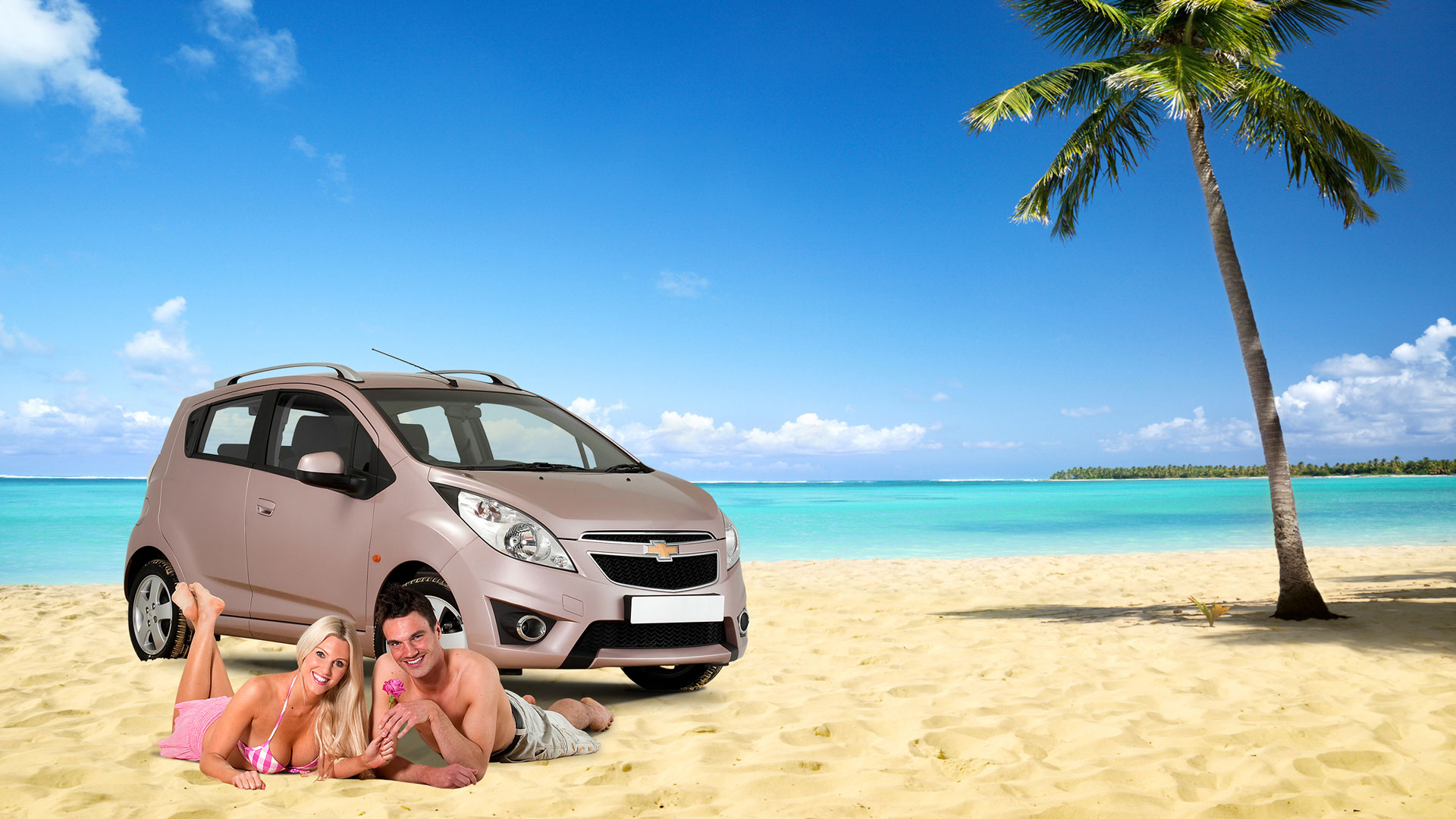
Chevrolet Spark
“The Chevrolet Spark isn’t a car without merit,” said Autocar. If your child’s school report started with something similar, you’d know you were in for a pretty dire end-of-term assessment. Entry-level versions were as cheerful as an undertaker’s waiting room, while the wind, road and engine noise combined to make a racket that was as appealing as telephone hold music.
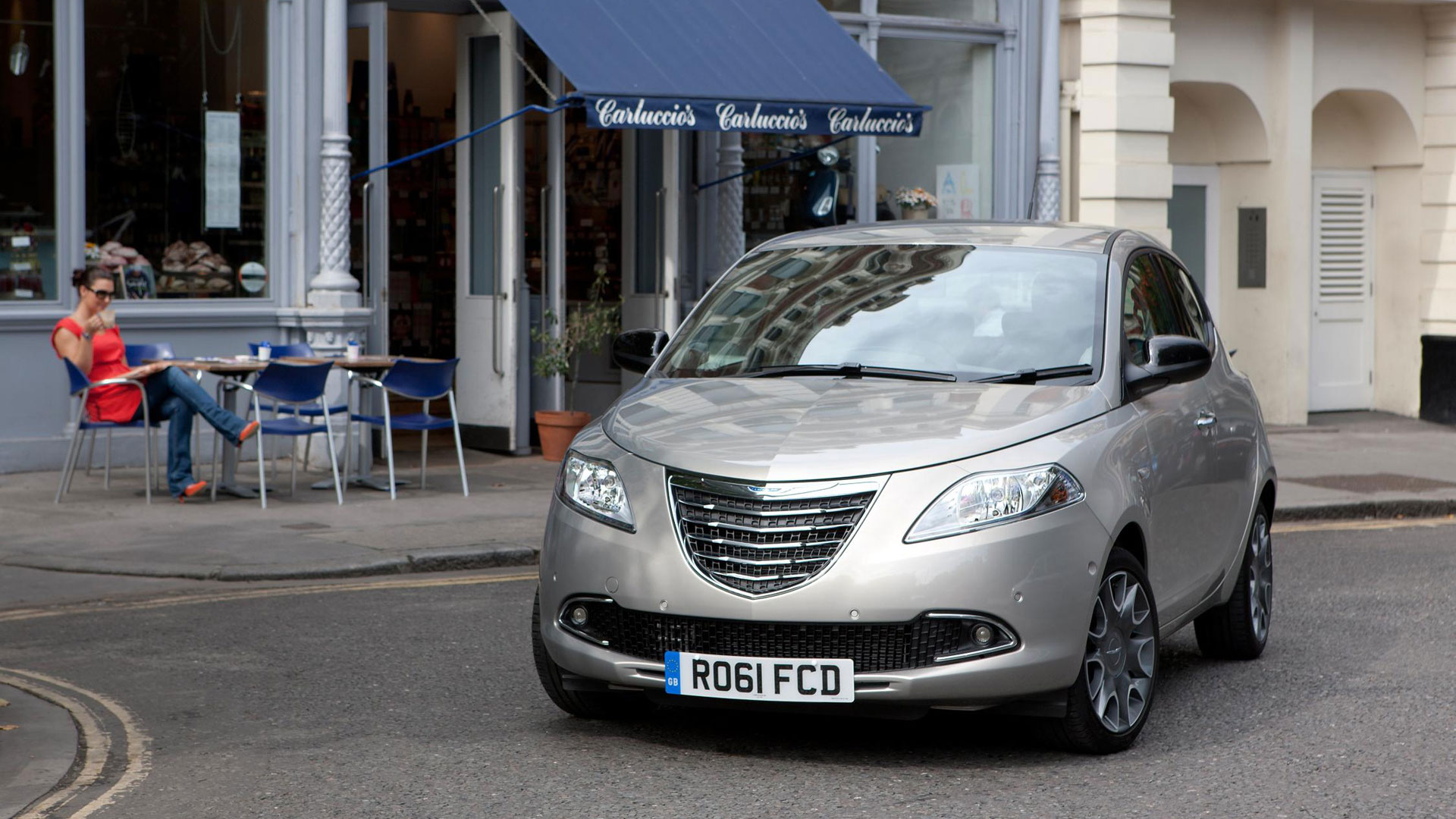
Chrysler Ypsilon
Such was Lancia’s monumental fall from grace in the UK, that when Fiat bought Chrysler, it thought the cosmetically challenged Ypsilon would sell better over here with a Chrysler badge. It didn’t. Fiat pulled the plug on Chrysler in the UK, signalling the end for the Ypsilon, although it still soldiers on in Italy, with FCA choosing to gloss over the horrendous Euro NCAP safety rating.
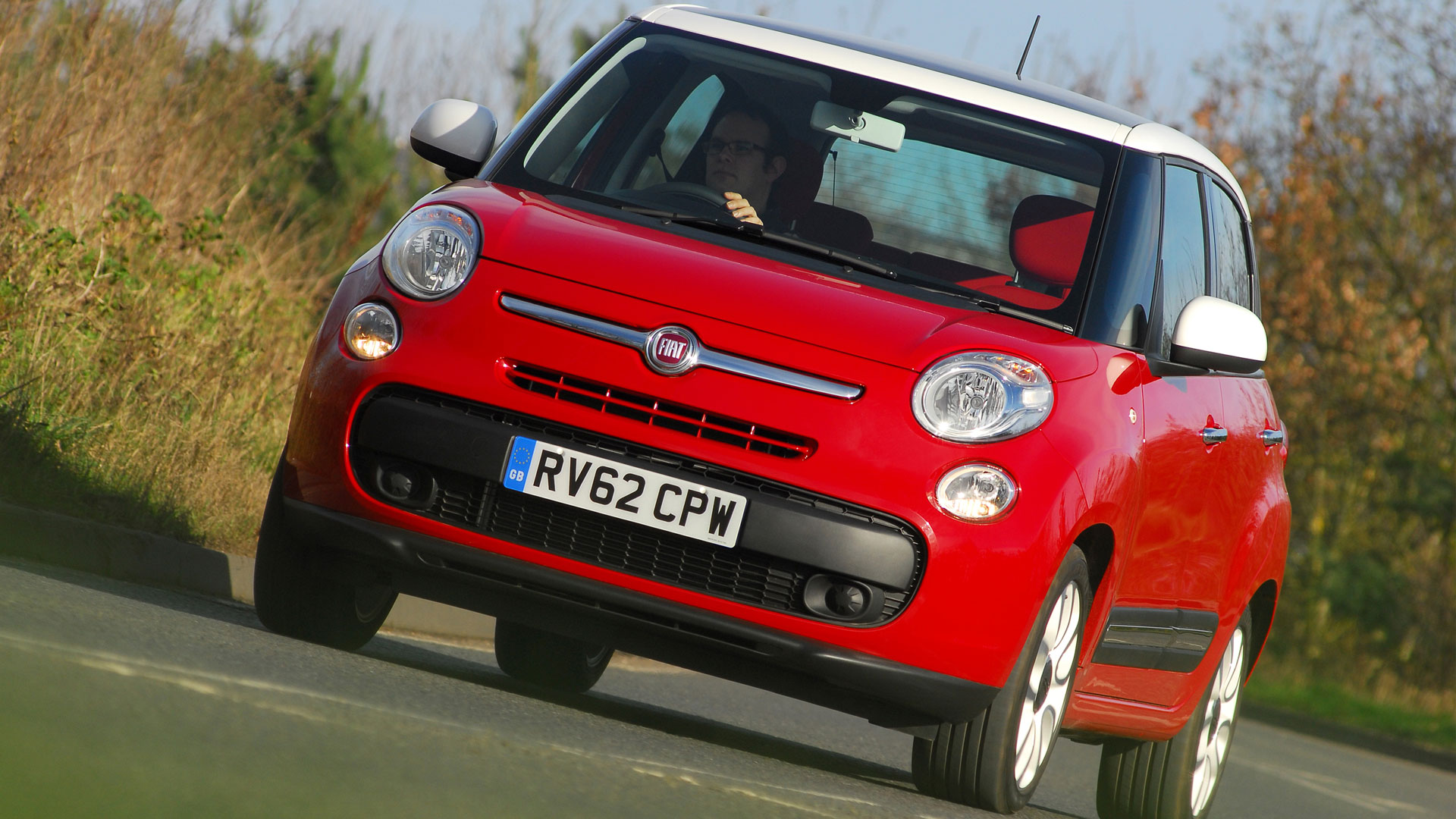
Fiat 500L
In an attempt to leverage some kudos from the hugely popular 500 supermini, Fiat created the 500L. The idea had merit: rather than risk losing loyal 500 customers to rival brands, simply create a bigger version for them to jump straight into. There was only one problem: the 500L is to the 500 what Margaret Beckett is to the Duchess of Cambridge. Fiat 500 customers retreated to the sanctuary of Audi, leaving the 500L to become the car you dread signing for at the holiday rental desk.
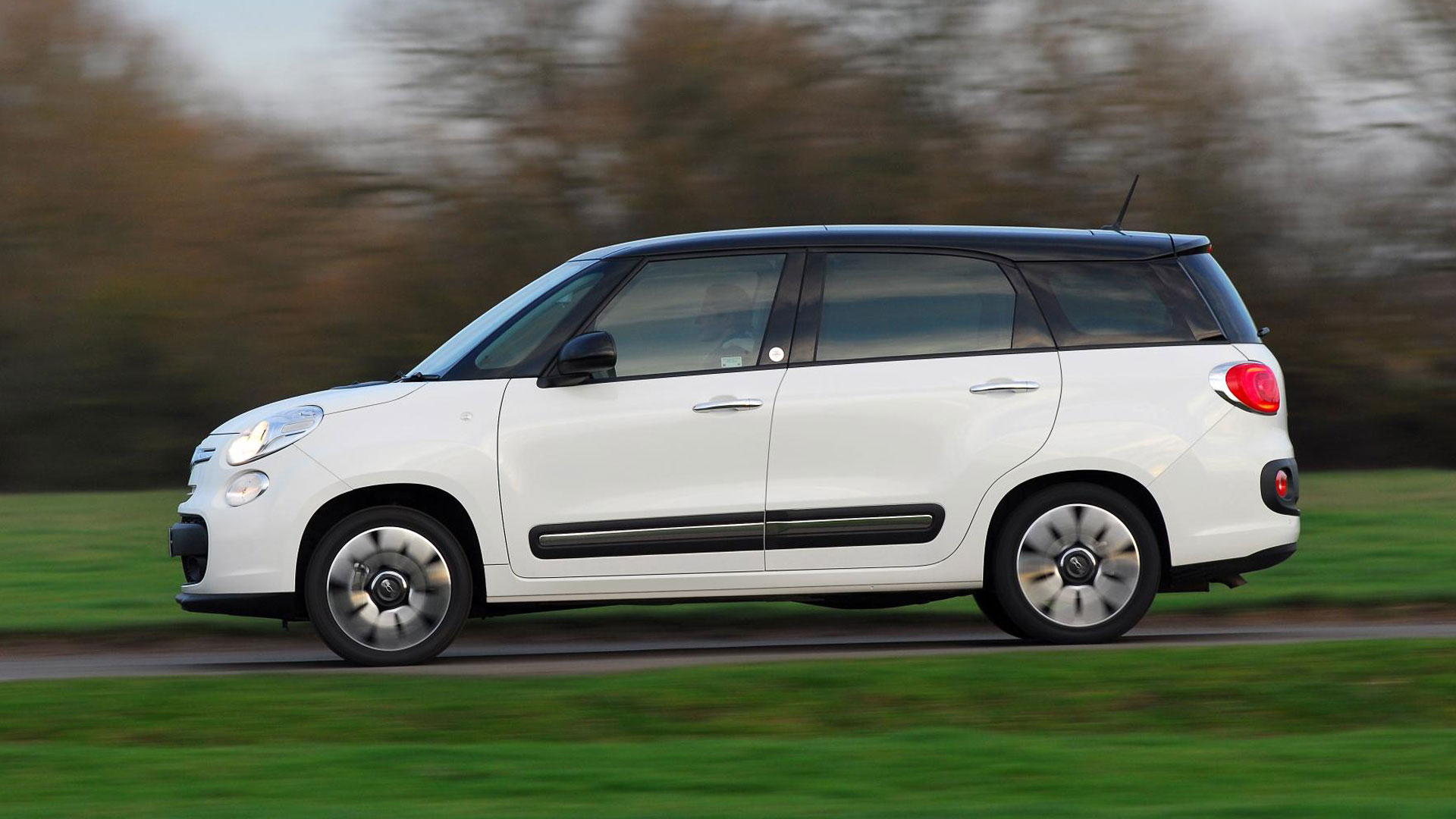
Fiat 500L MPW
Not content with sullying the 500 badge with the 500L, Fiat proceeded to create the 500L MPW, which allowed up to seven people to die of embarrassment on the roads of Britain. To think, Fiat could have leveraged the Panda brand to create the Giant Panda and the Giant Panda XL. The missed opportunity of the decade?
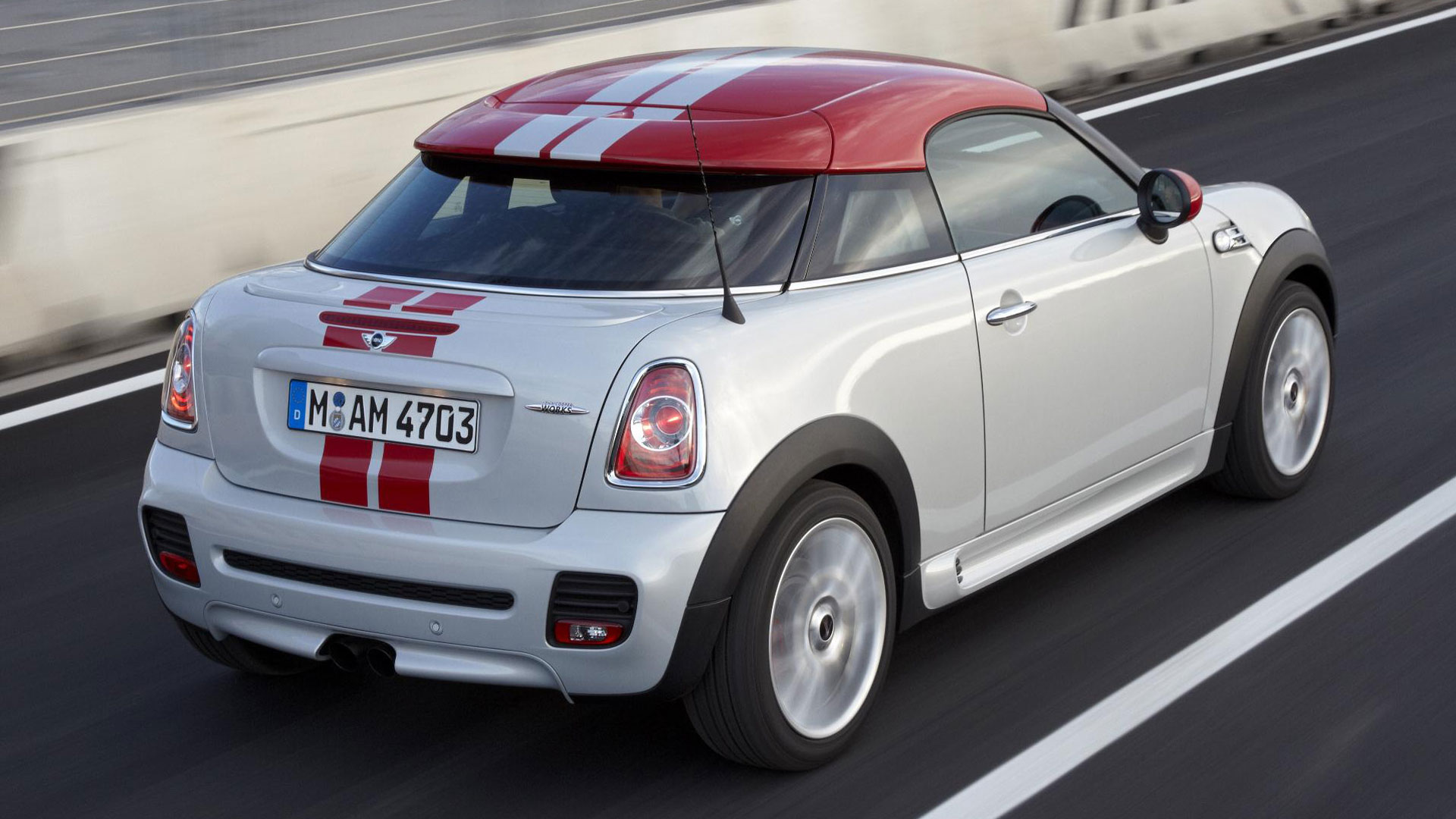
Mini Coupe
Search for the Mini Coupe on Google and you’re asked: “Did you mean Mini Cooper?” Well, quite.
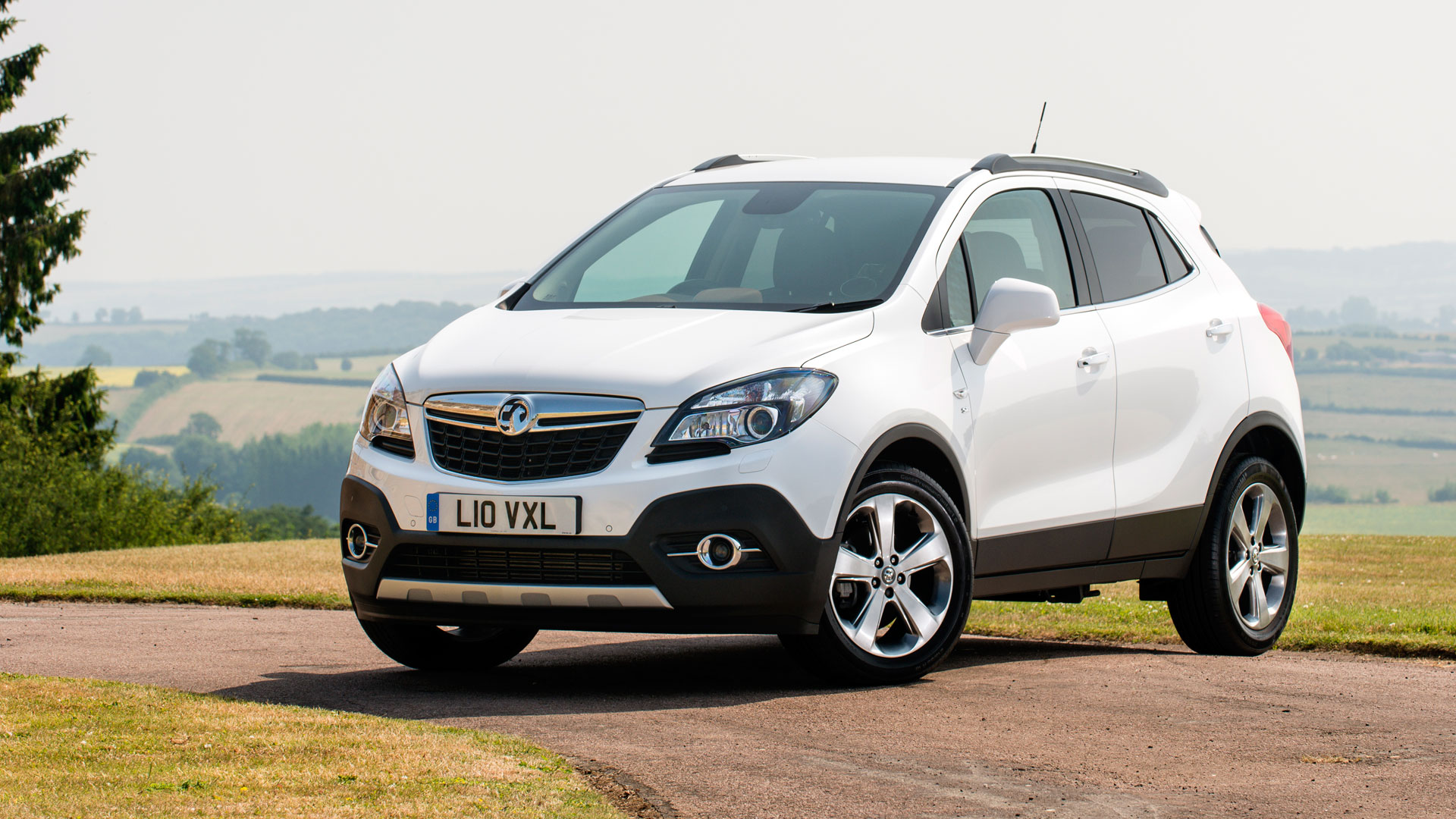
Vauxhall Mokka
Launched in 2013, the Vauxhall Mokka was sold alongside the almost identical Chevrolet Trax. But while the Chevy had the good grace to disappear, the Mokka continued to haunt our everyday lives, with Vauxhall having the audacity to add an ‘X’ to its name following a facelift. It sells in big numbers, which is one of the greatest mysteries of the past decade. God bless PCP deals, rental cars and the Motability scheme.
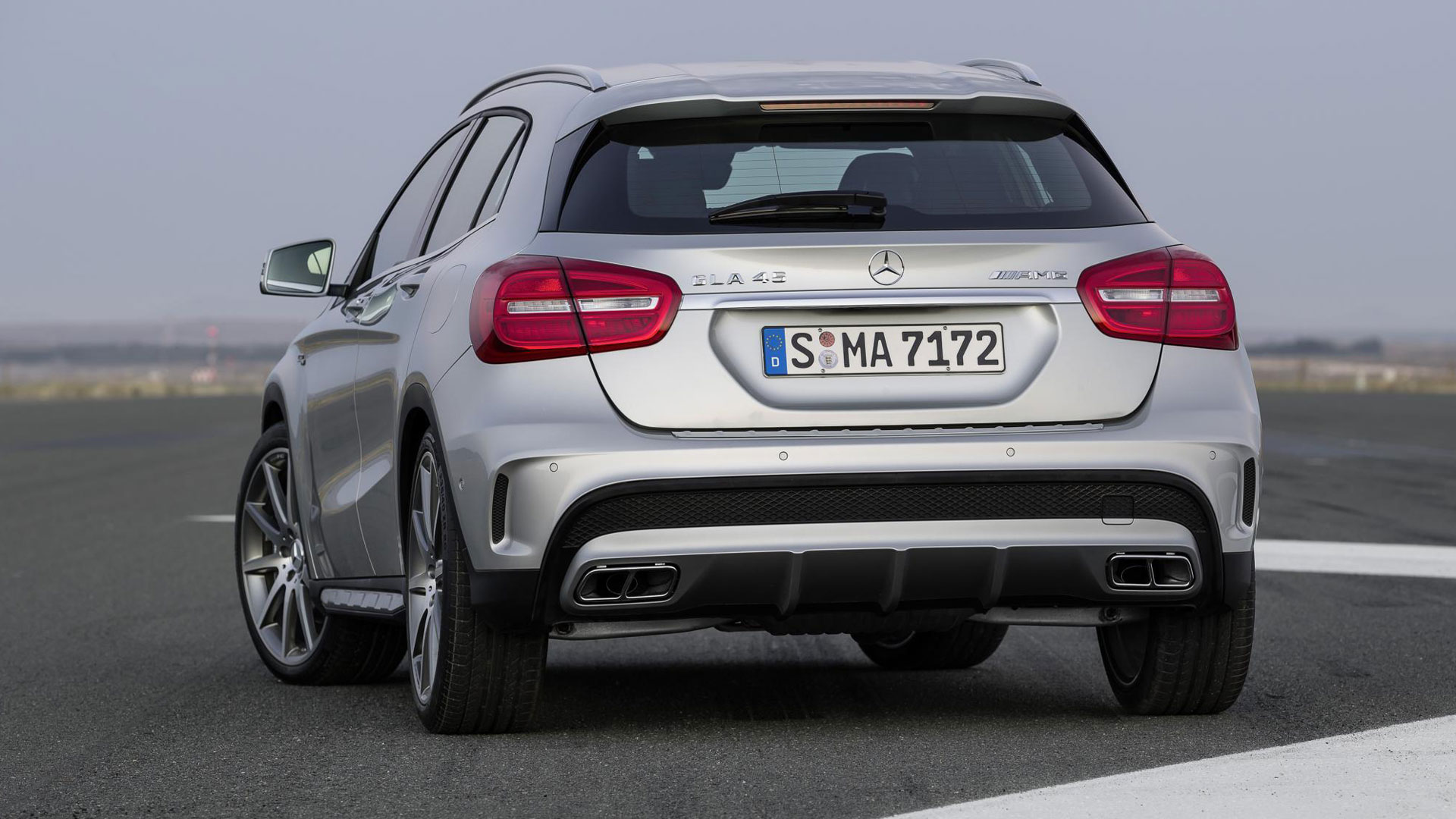
Mercedes-Benz GLA 45 AMG
In fairness to the this particular Mercedes, we could have selected any number of premium compact SUVs, but the GLA stands out like a guilt-ridden criminal in a police line-up. Sure, styling is subjective, but the GLA’s A-Class-on-stilts styling leaves a lot to be desired, and it’s difficult to understand why you’d choose this over the standard hatchback. The GLA 45 AMG might be blisteringly quick, but at £45k, you’d expect it to be.
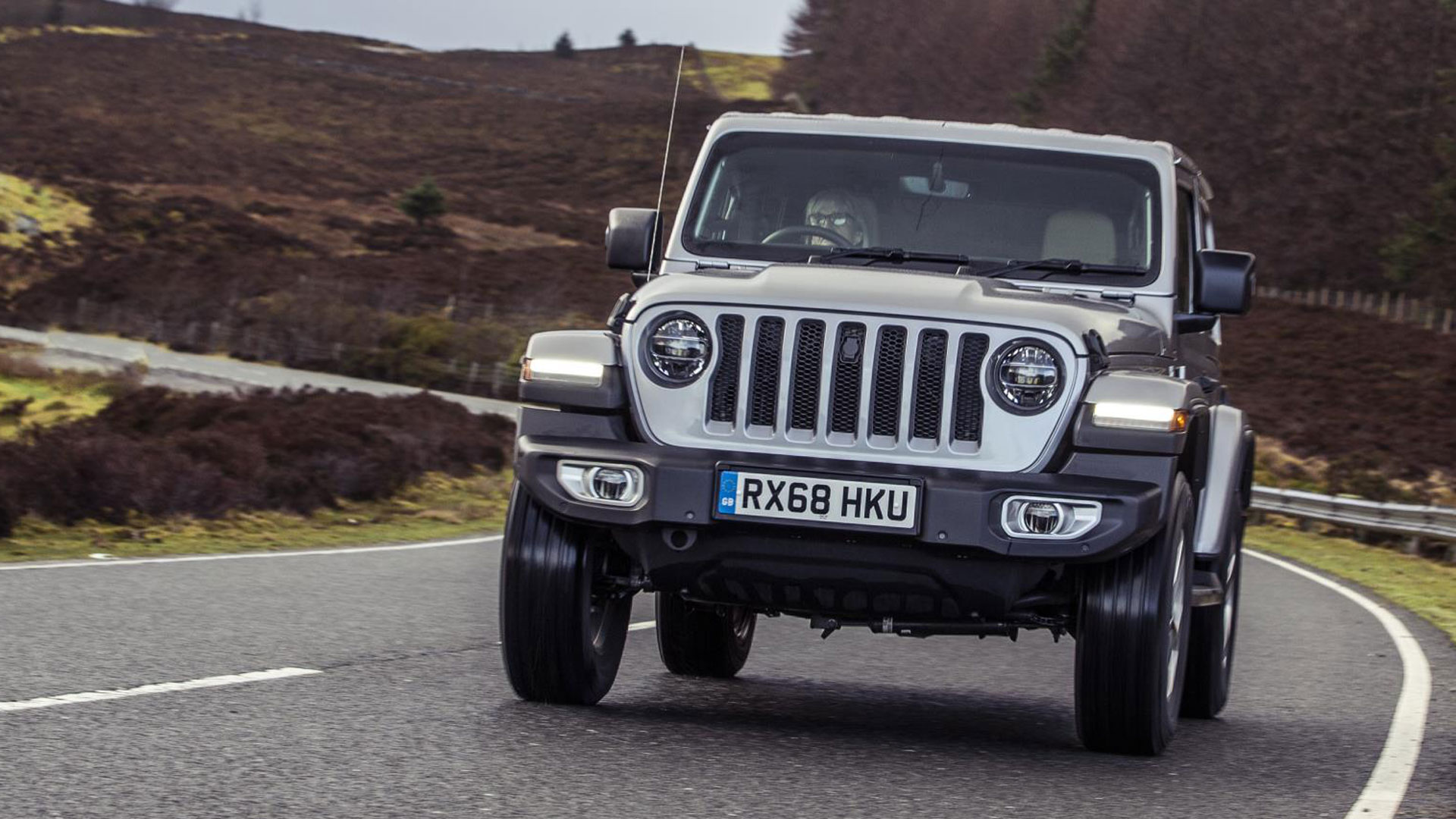
Jeep Wrangler
We’ve seen a fair number of disappointing (read: terrifying) Euro NCAP results over recent years. But while the ageing Fiat Panda and Punto can – to a certain extent – be forgiven for their poor performance, the brand new Jeep Wrangler’s one-star rating is more damning. “It is high time we saw a product from the Fiat-Chrysler group offering safety to rival its competitors,” said Euro NCAP. Ouch.
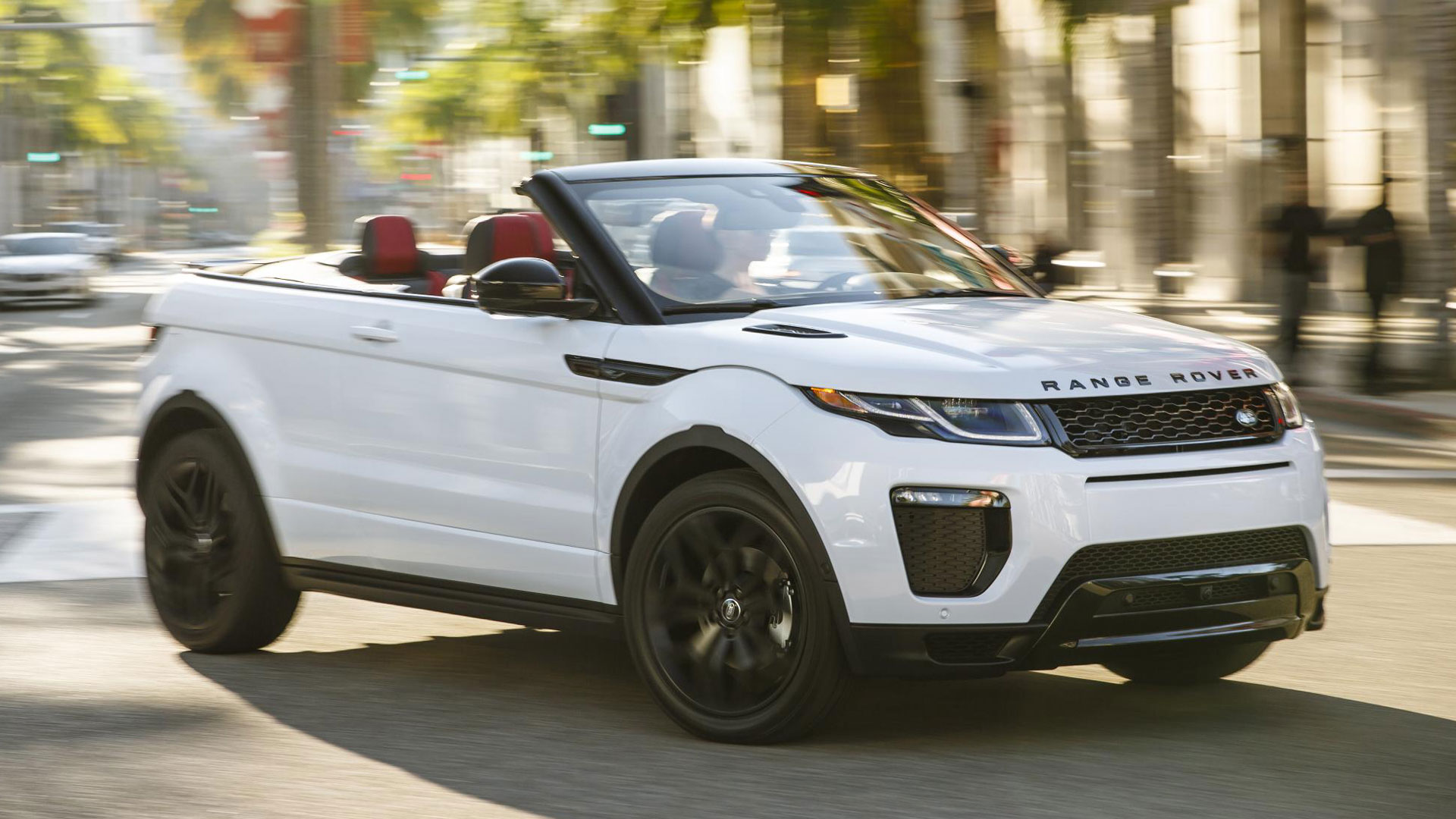
Range Rover Evoque Convertible
We readily admit that the Range Rover Evoque Convertible is here for irrational reasons. In the same way you might dislike BMW X5s with ‘X5’ number plates, or headlight eyelashes, or Lexus-style rear lights, there’s just something wrong about the topless Evoque. On the plus side, it’s not the Nissan Murano CrossCabriolet.
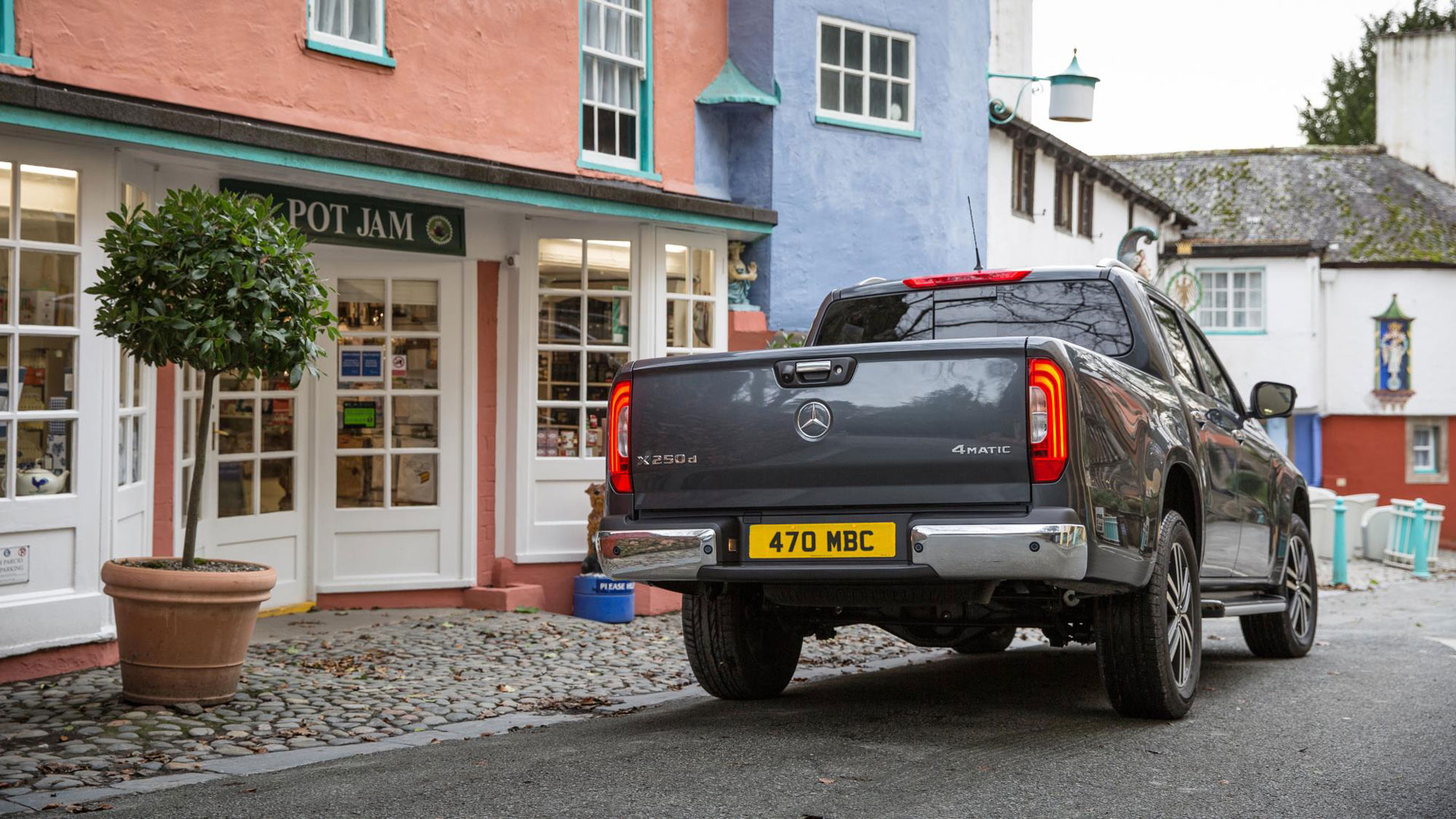
Mercedes-Benz X-Class
If the internet is to be believed – and who wouldn’t believe the internet? – the Mercedes-Benz X-Class is facing the axe. There’s nothing inherently wrong with the pick-up, but we expect more from Stuttgart. Slapping a Mercedes badge on a Nissan, adding some luxury chintz and charging an exuberant fee wasn’t going to fool today’s well-educated buyers. Fiat tried something similar with the L200-based Fullback. It failed. There’s a theme developing here.
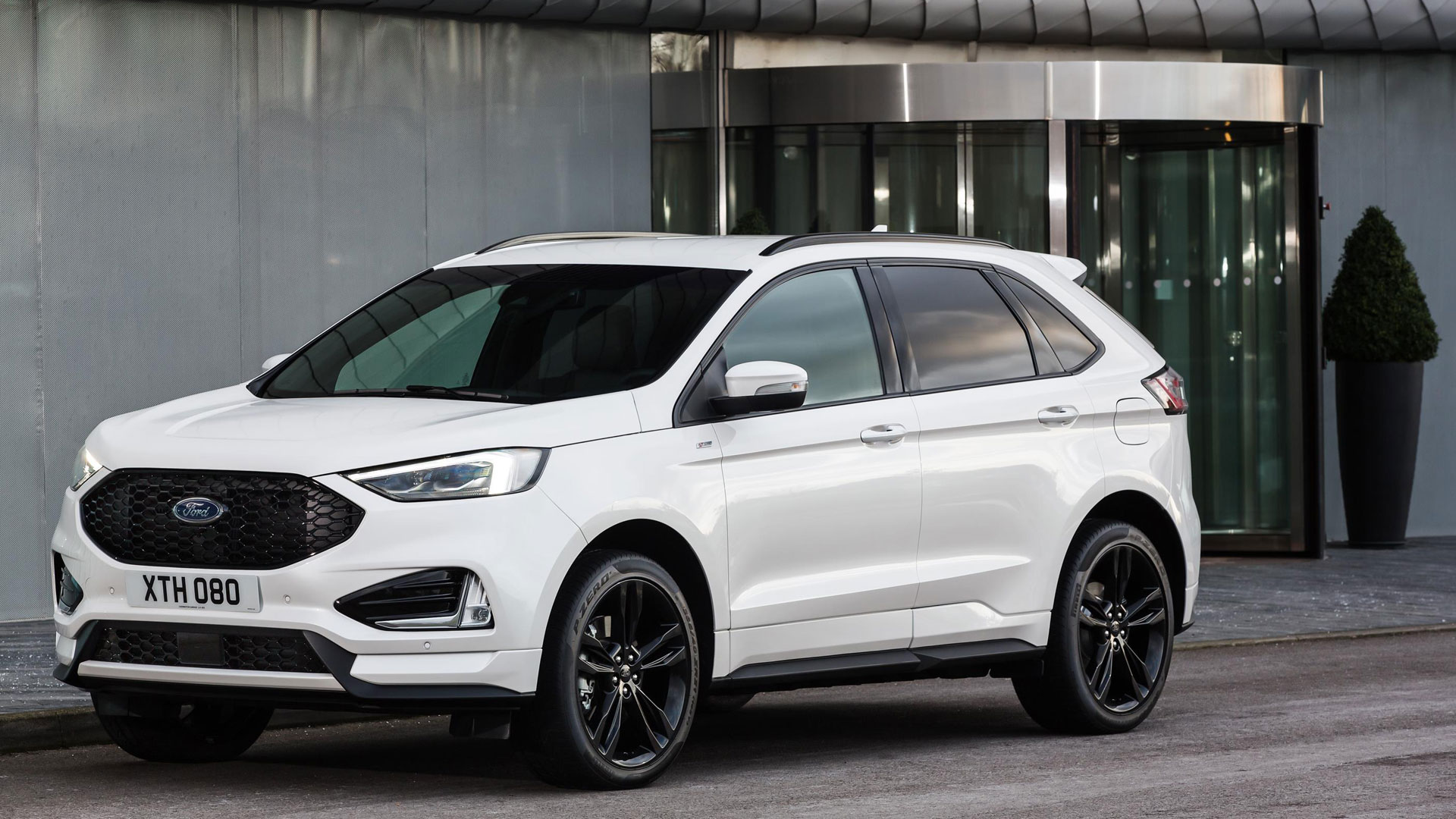
Ford Edge
The Ford Edge has “all the appeal of a Florida holiday rental car”. Not our words, but the words of the excellent and engaging Mark Nichol on the Honest John YouTube channel. Like and subscribe, etc, etc. It’s worth watching, because Mark makes some very good – and often amusing – points. Quite simply, if you want a big Ford, buy an S-Max.
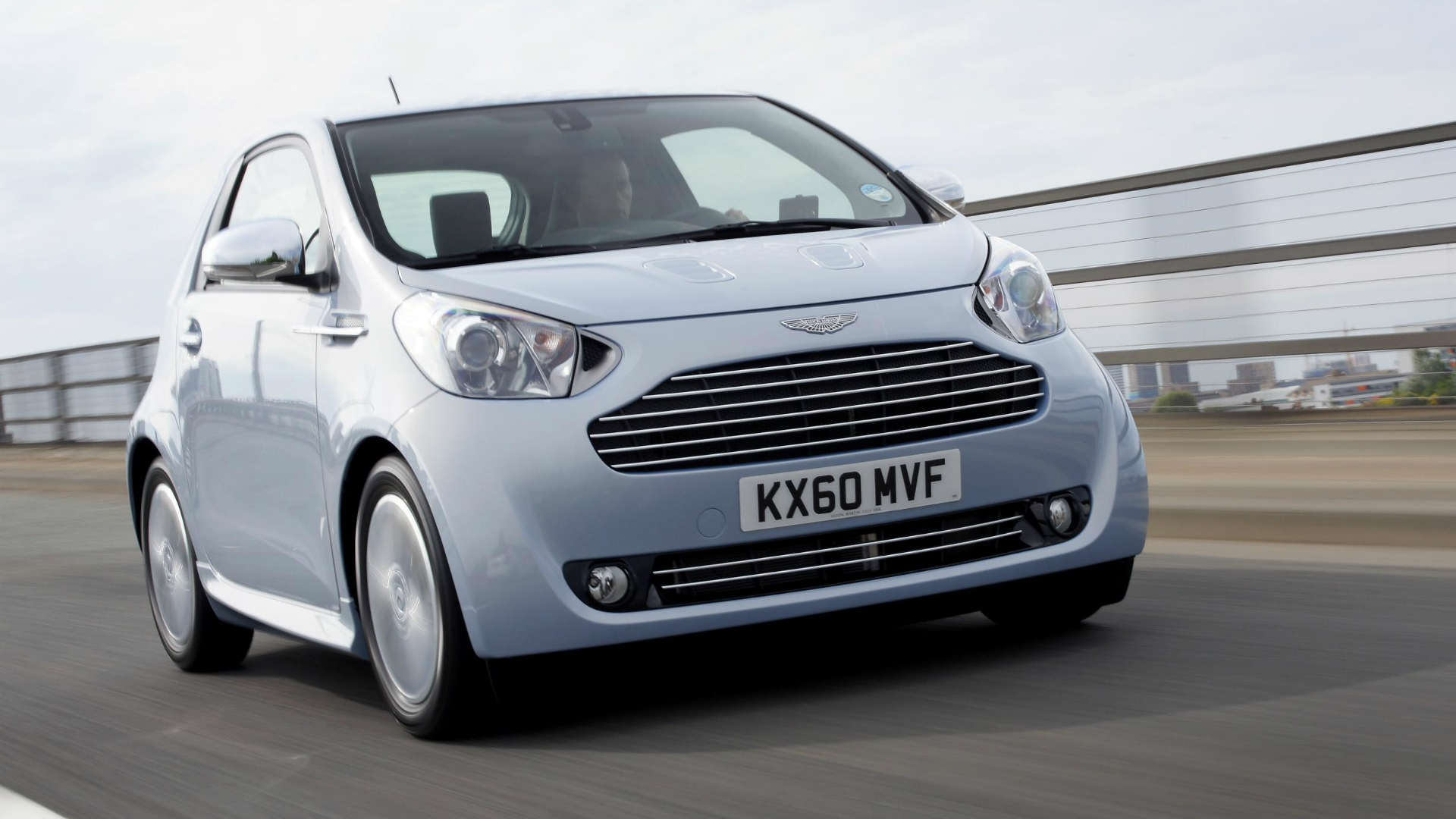
Aston Martin Cygnet
Our very own master of words, Tim Pitt, said the Cygnet is a “good car, but not a very good Aston Martin”. In fairness to Aston Martin, the Cygnet is more than just a Toyota iQ with a few posh badges. But it wasn’t worth the £30,000 price tag, which was close to three times the cost of the clever iQ. One of the more bizarre cars of the decade.
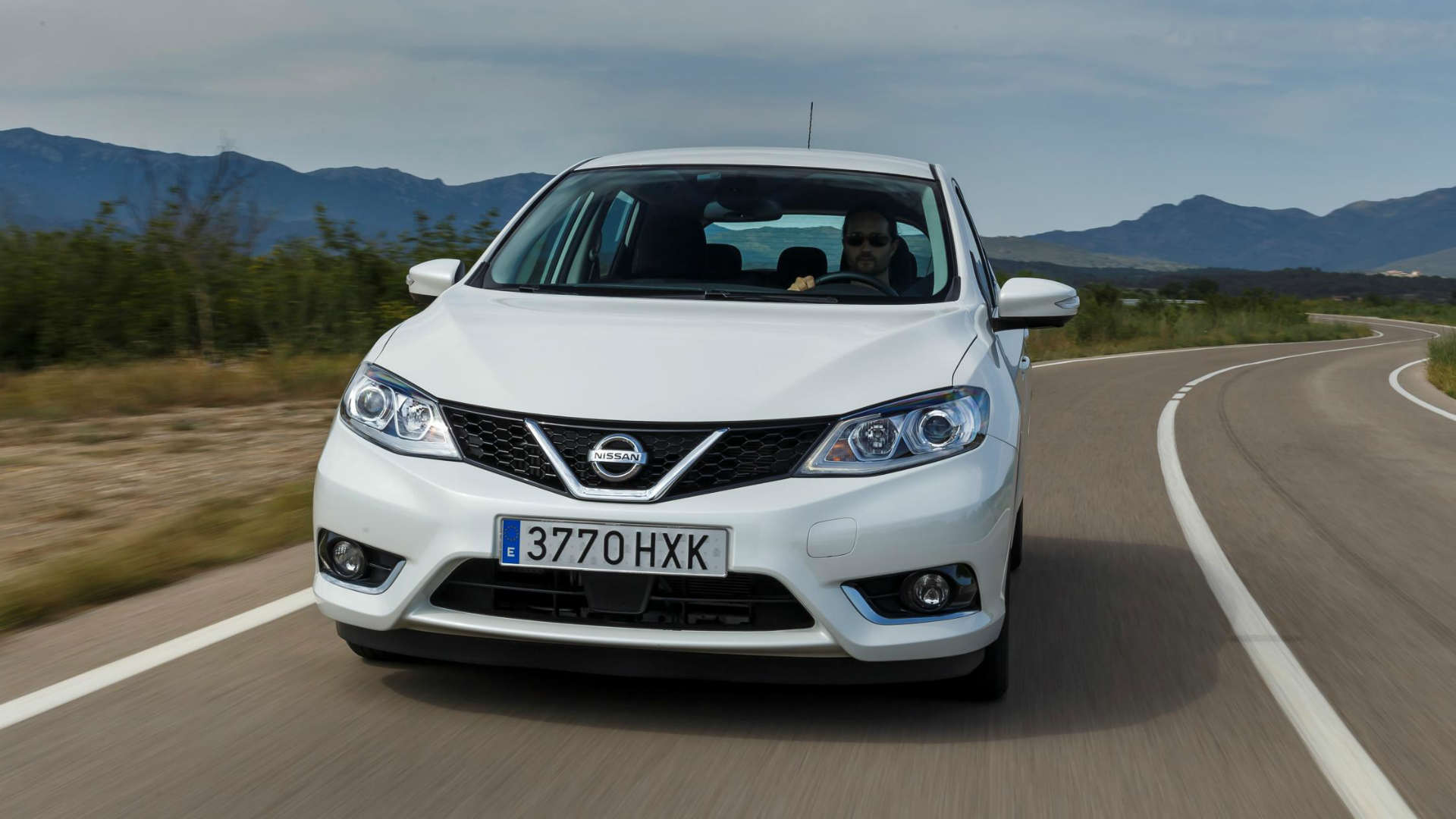
Nissan Pulsar
Speaking of bizarre. In 2006, Nissan turned its back on the family hatchback market, deciding to venture into the unknown with the Qashqai crossover. The gamble paid off, with the Qashqai becoming the nation’s favourite crossover and the inspiration for countless imitations. And yet, Nissan couldn’t resist retracing its old steps by launching the forgettable Pulsar in 2014. Fans of cars with a huge amount of rear legroom rejoiced, while the rest of us simply uttered “meh”.
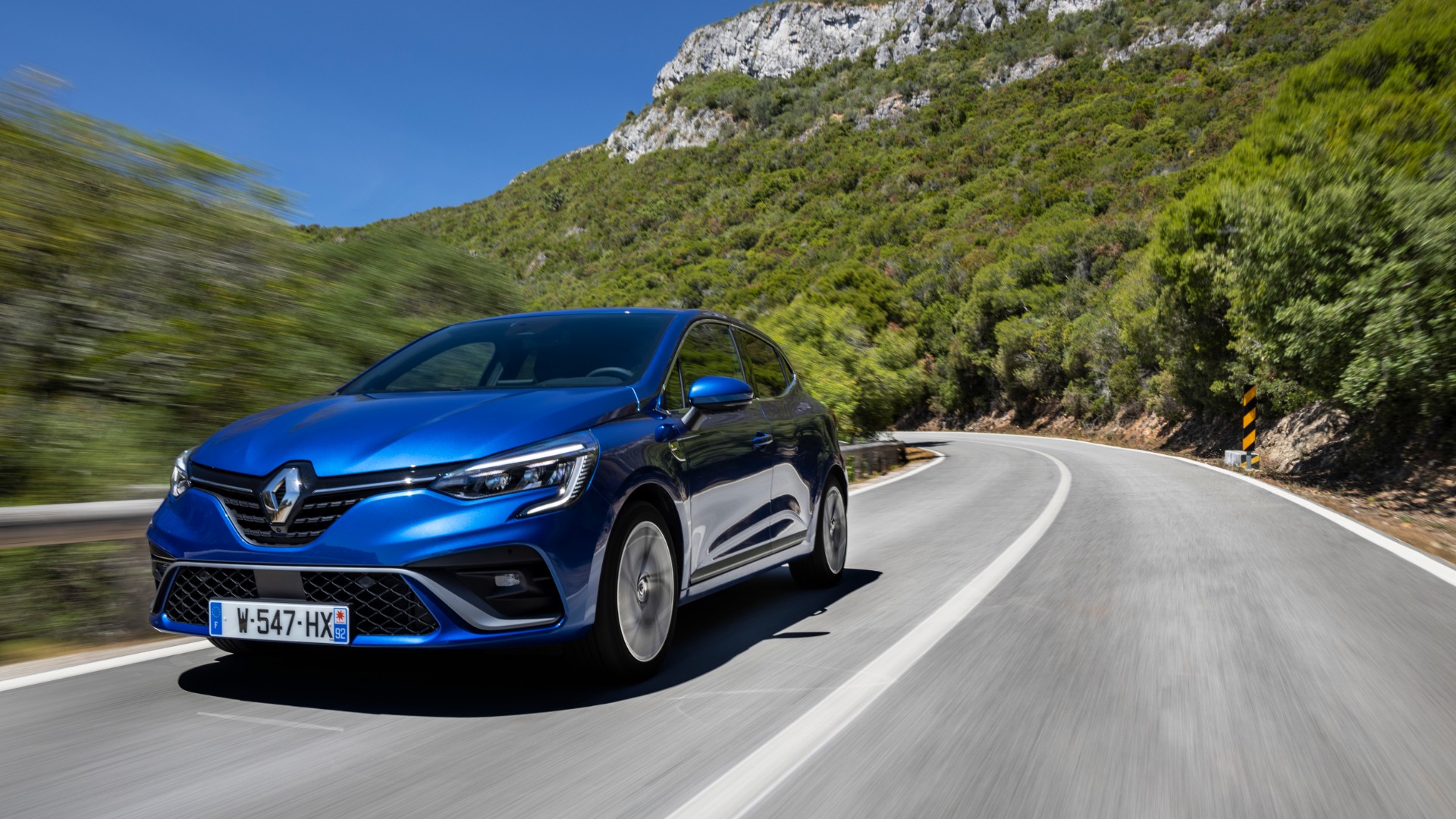
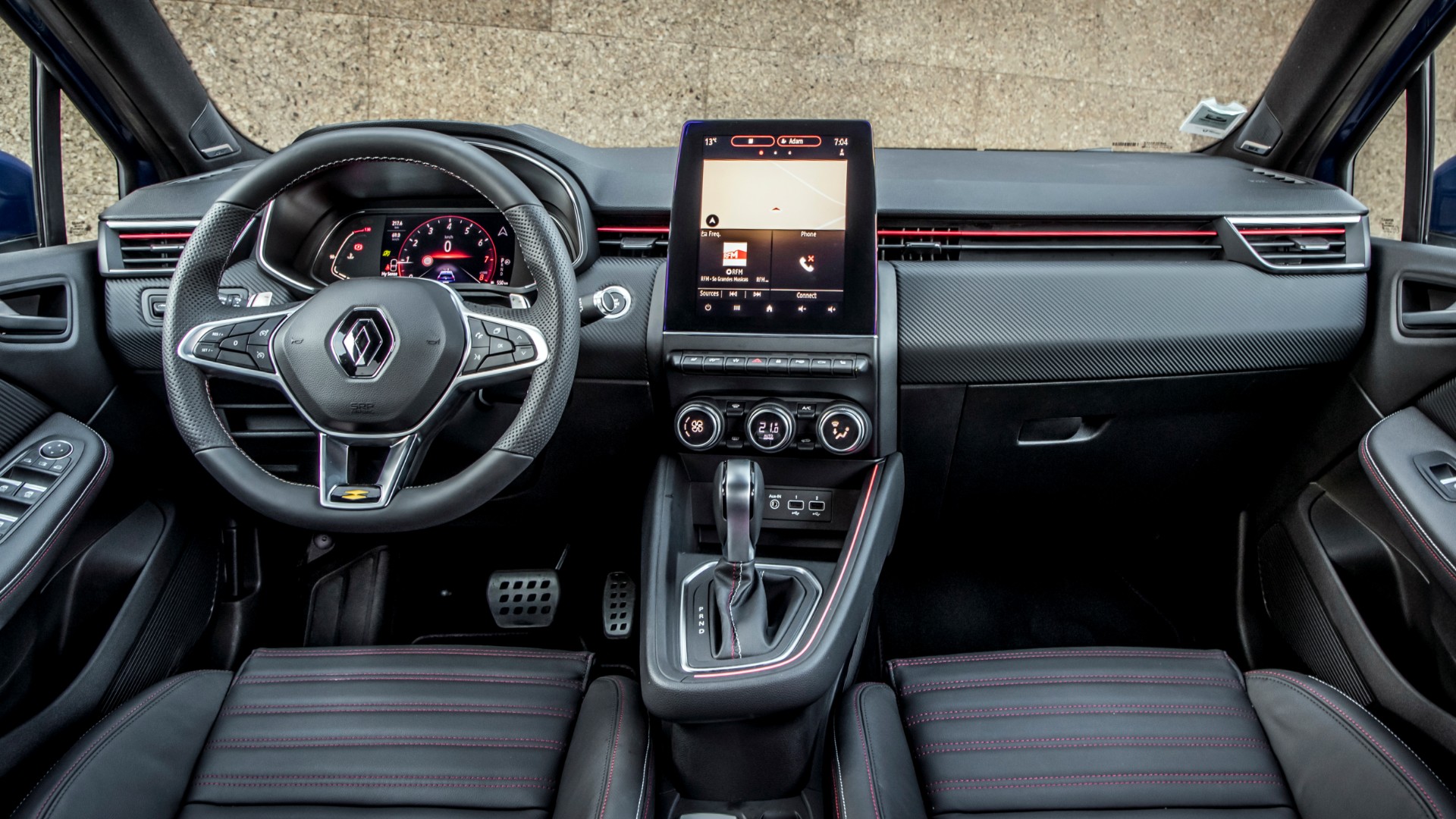
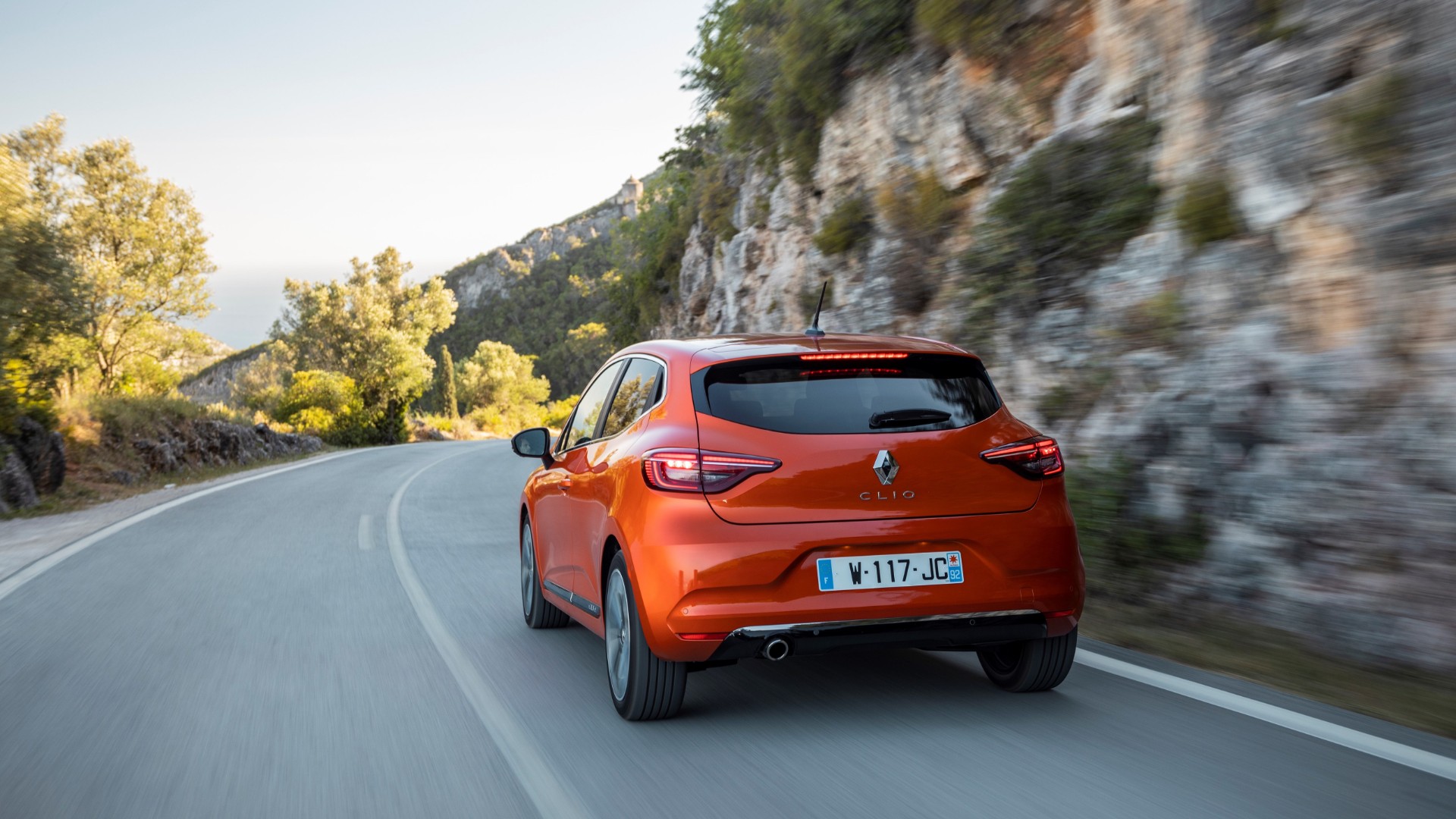
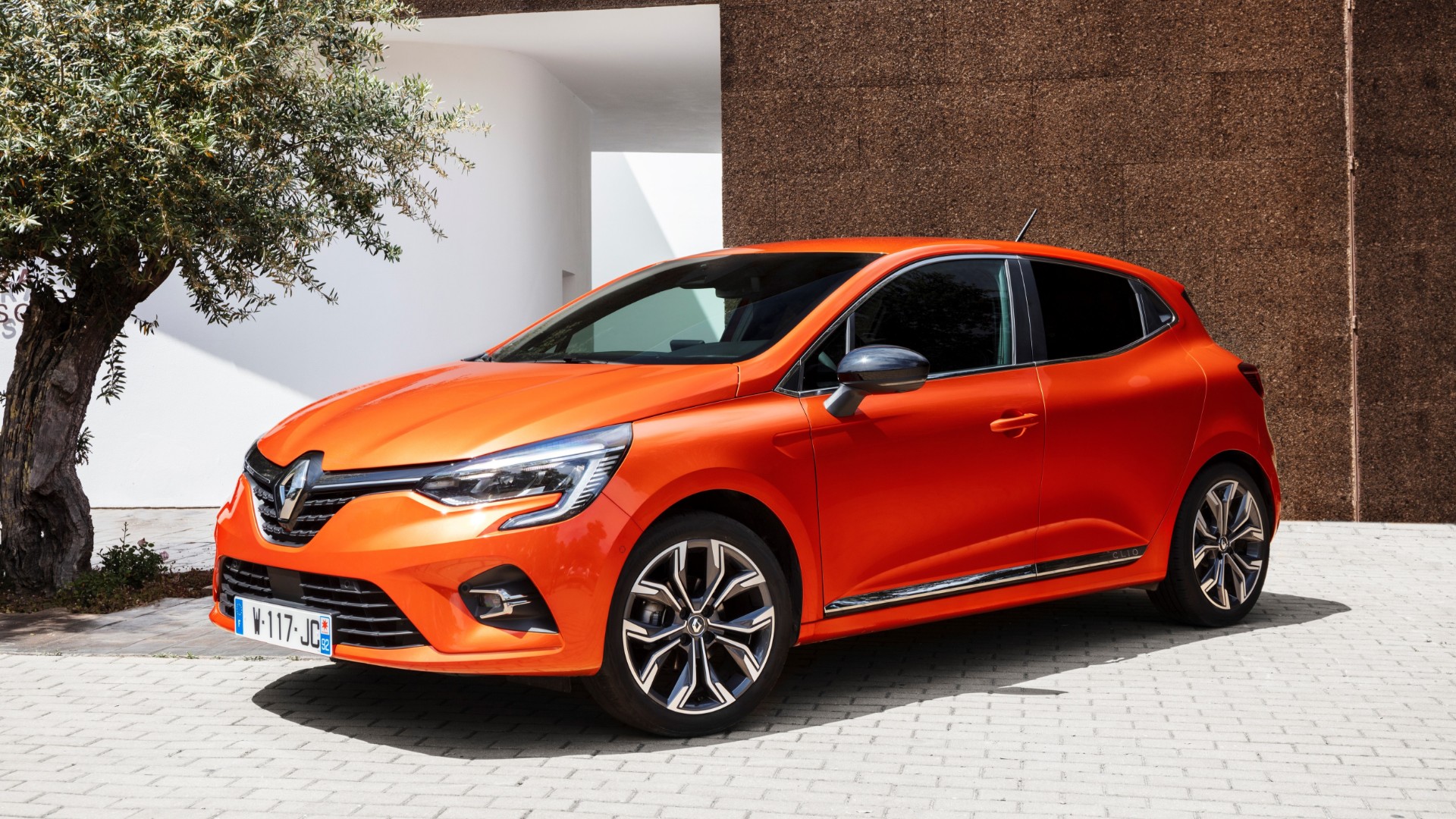
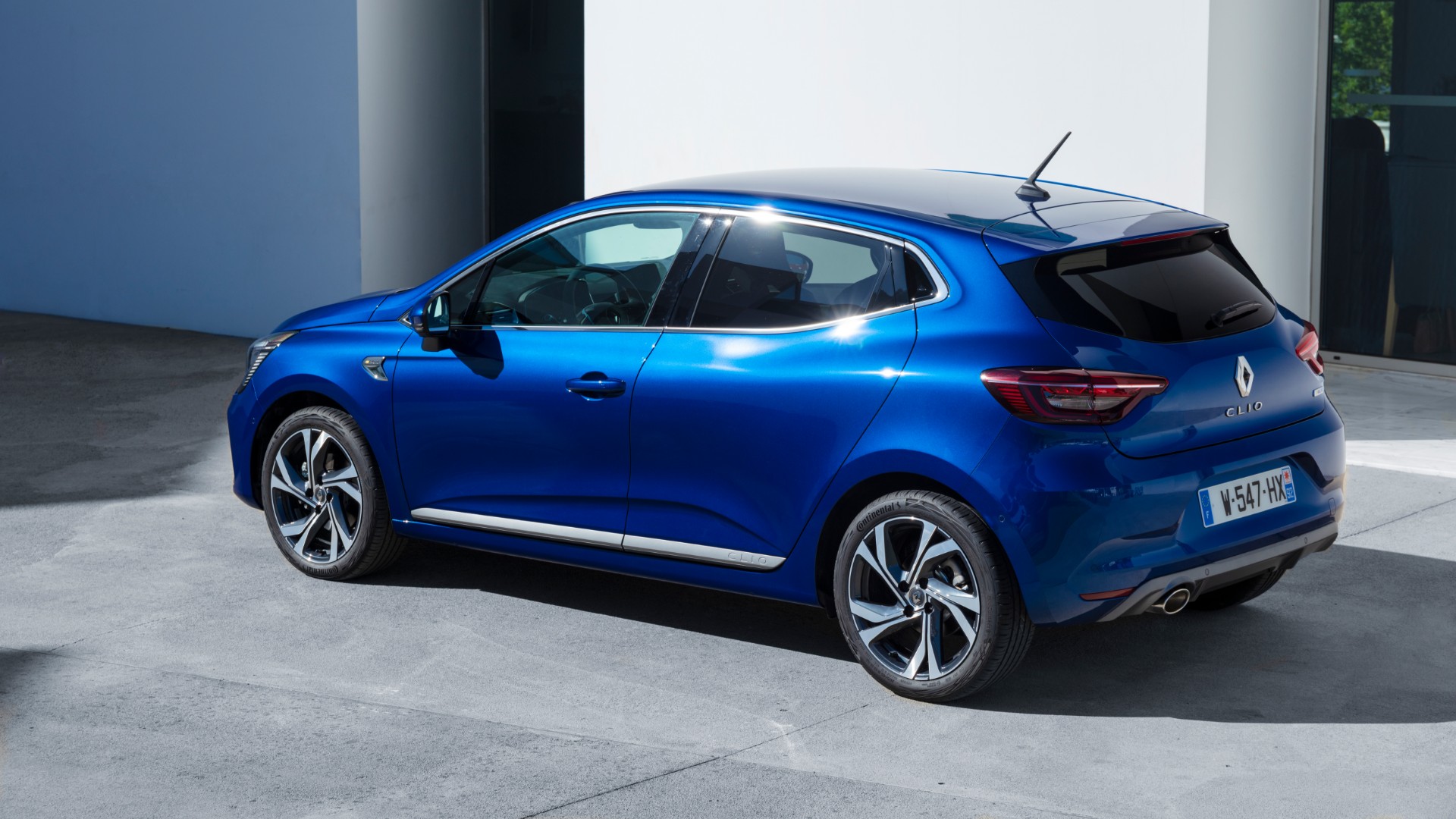
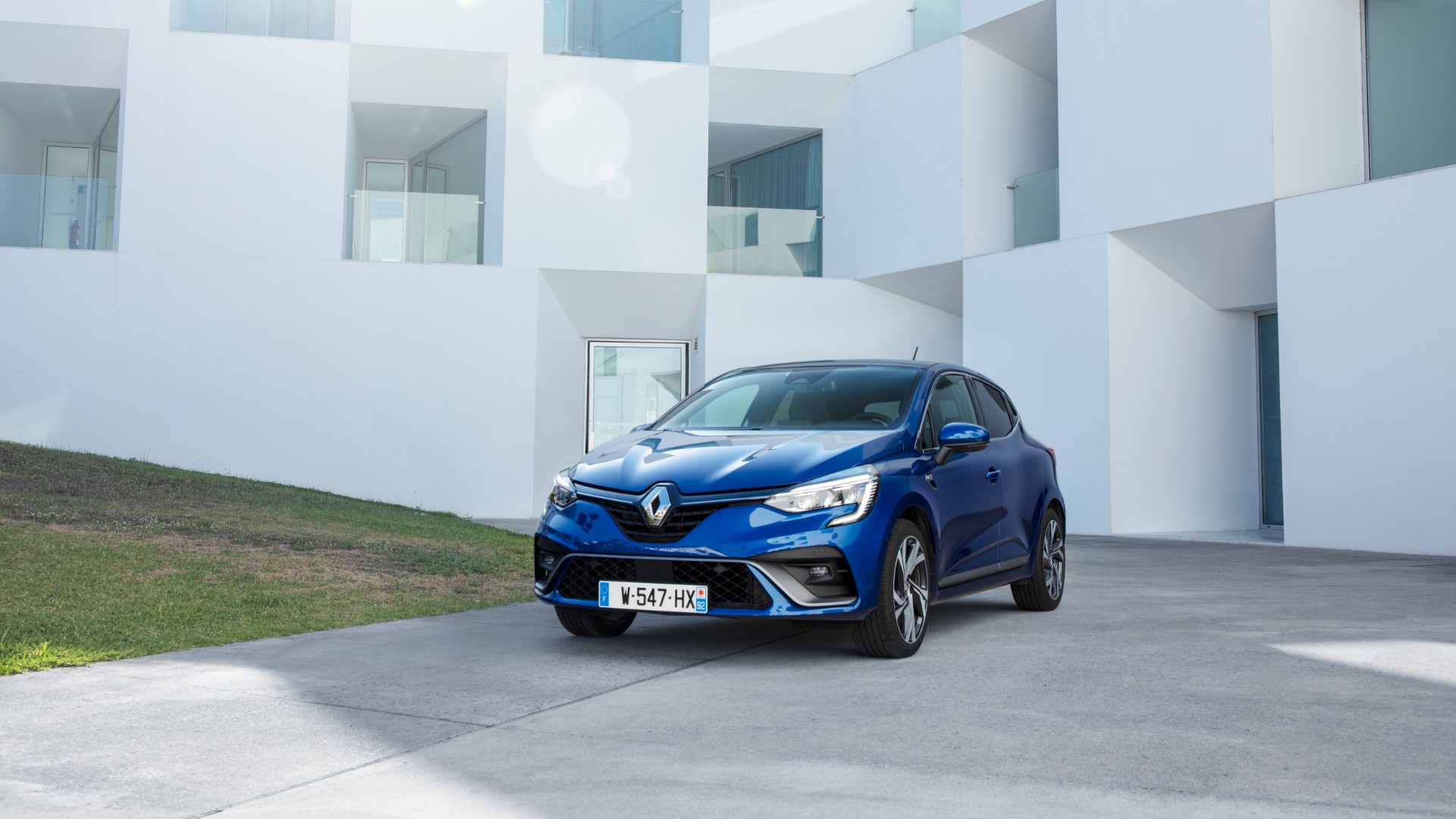
Renault has announced prices and an expected delivery date for the new Clio. Buyers will start receiving cars in October 2019, having paid from £14,295 for the privilege.
As standard, the 2020 Clio comes well equipped. All cars get full LED headlights, air conditioning, cruise control, DAB and advanced driver assistance systems.
For comparison, the fourth-generation Clio, which debuted in 2012, currently starts from £13,620.
Upgrading from Play to Iconic specification costs from £15,295. This adds keyless keycard access, rear parking sensors and LED fog lamps. On the inside, you get a leather steering wheel and seven-inch iteration of the Easy Link multimedia system with sat-nav, which features Apple CarPlay and Android Auto.
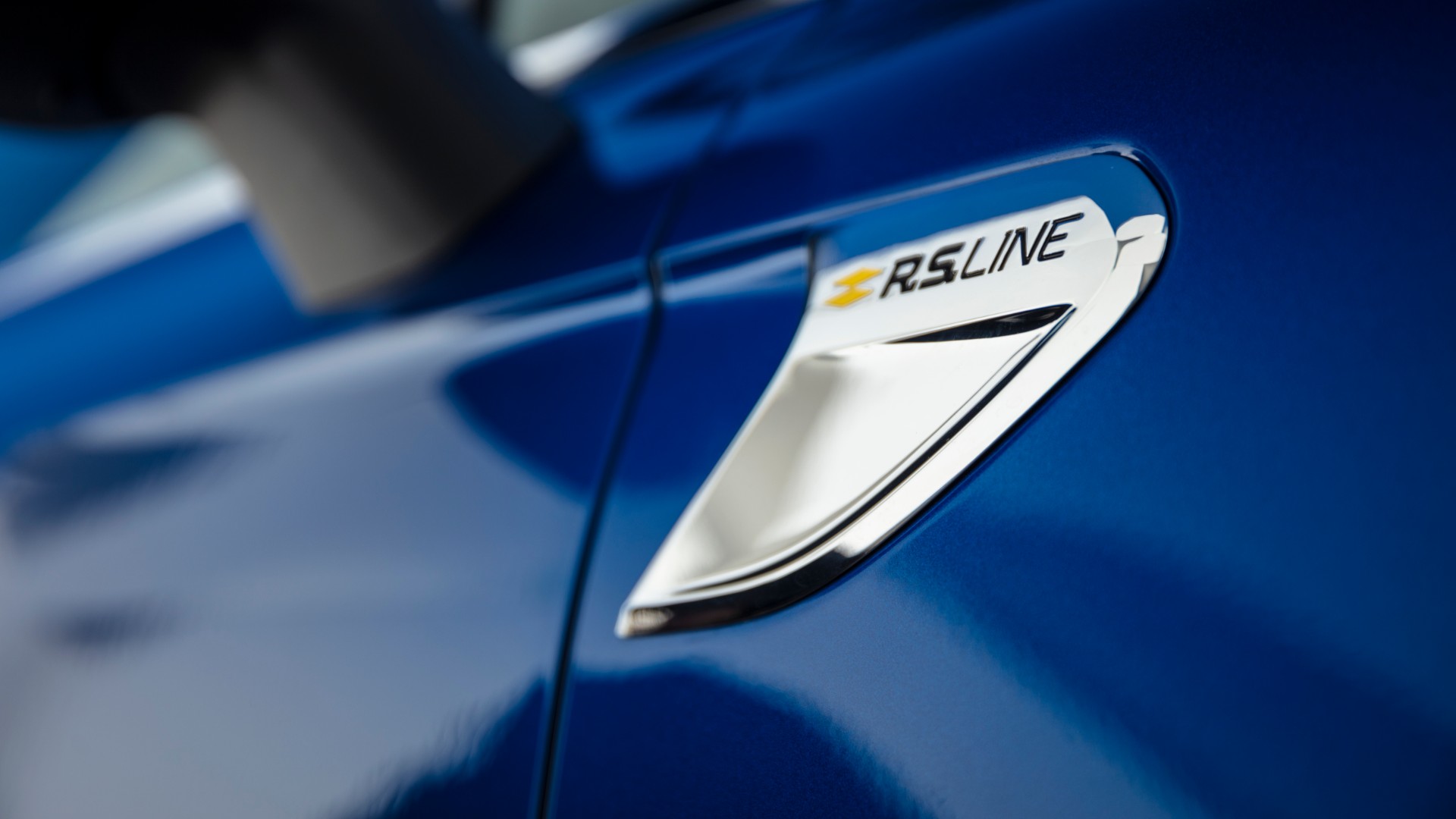
Leapfrog to the top of the line-up and R.S. Line replaces GT Line. The latter is available at present from £16,370, but the new R.S. Line is £17,795 minimum. It gets a rear-view camera and front parking sensors as standard.
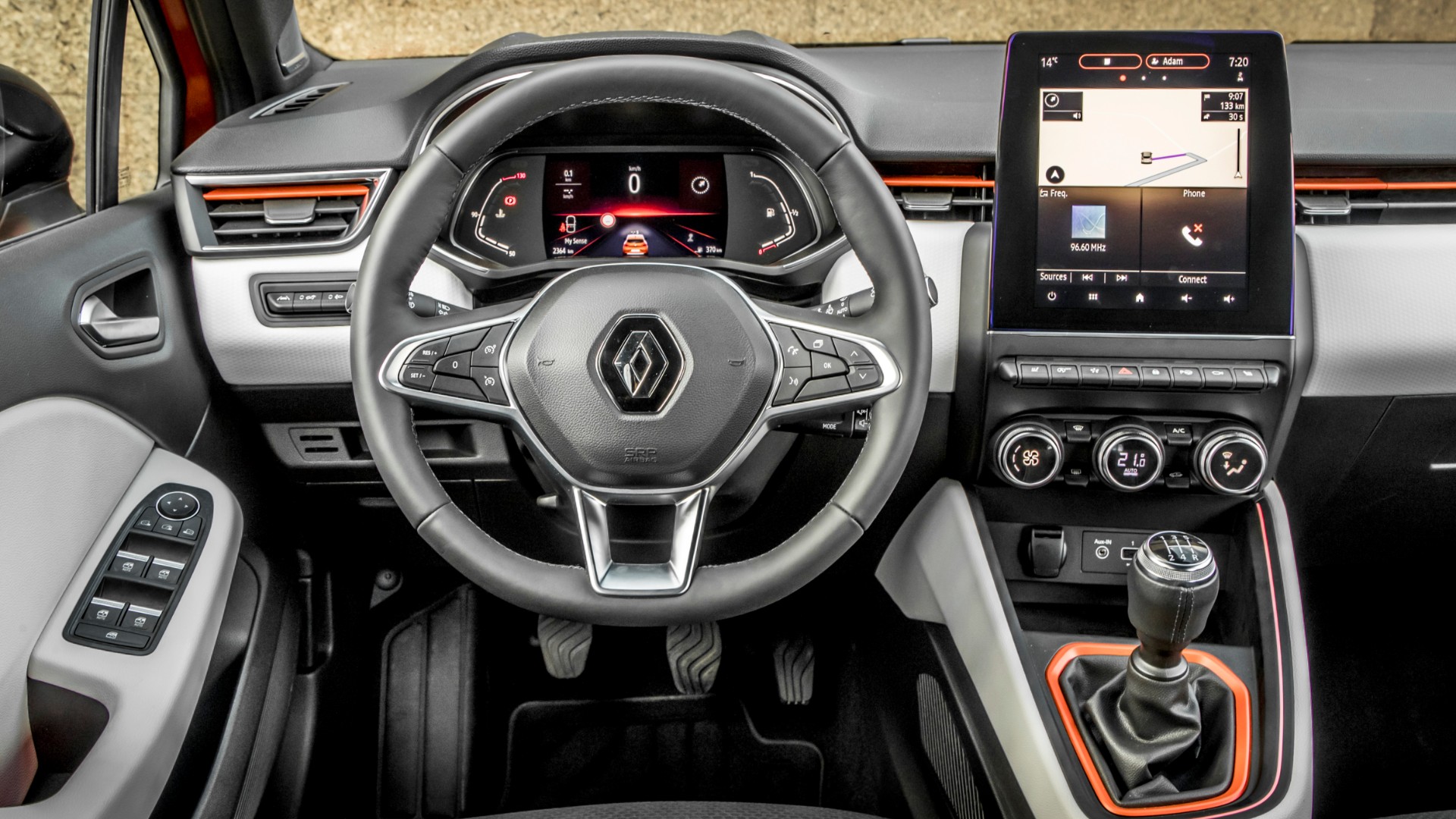
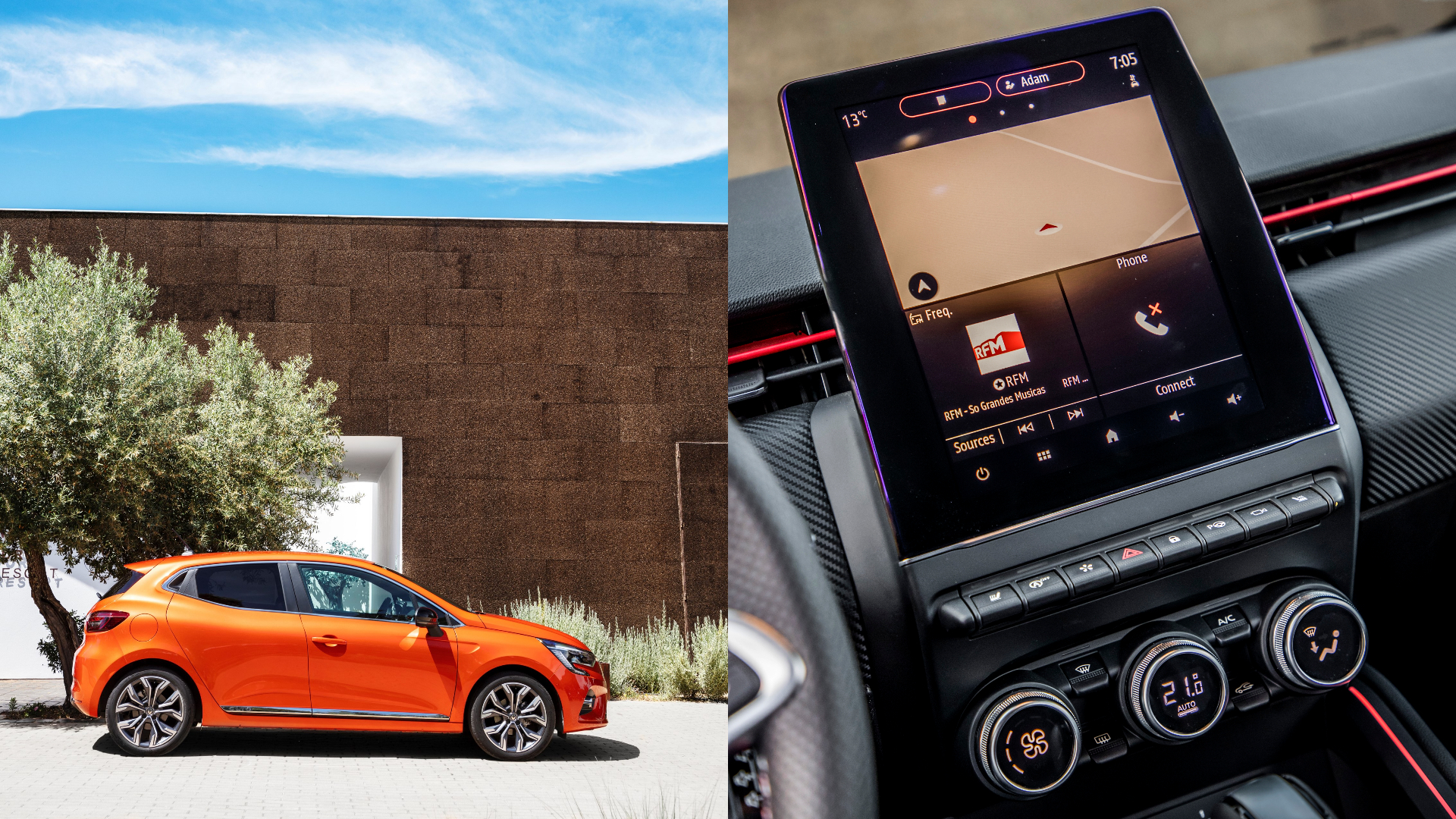
New to the Clio range is the S Edition, which sits below the R.S. Line. It takes a less sporty approach, but includes the Smart Cockpit 9.3-inch multimedia screen and 10-inch TFT instrument cluster. We don’t know yet how much S Edition cars will cost.
All together, Play, Iconic, S Edition and R.S. Line make up Renault’s ‘EasyLife’ model strategy.
Depreciation is the difference between the price you pay for a new car and the amount you receive when you come to sell it.
Most cars lose between 50 and 60 percent of their value in the first three years, with the biggest hit taking place in the first 12 months.
Here, we reveal the slowest depreciating electric cars, with data supplied by CAP. The results are presented in reverse order, with the slowest depreciators at the end of the gallery.
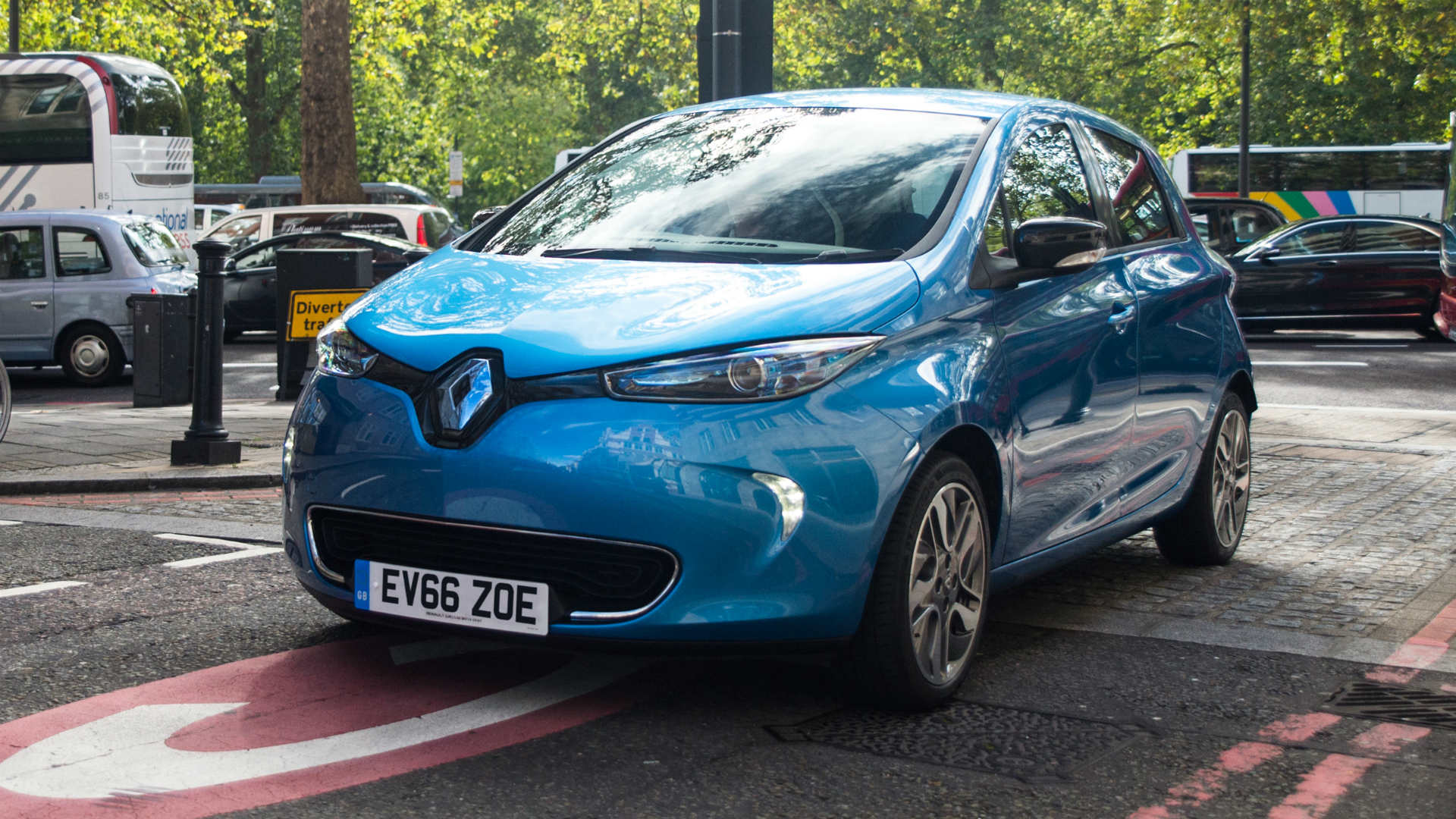
14. Renault Zoe
In nearly a decade, the Renault Zoe has shifted from concept to close to 150,000 registrations, establishing an 18.2 percent share of the EV market in Europe. Used prices start from £7,000, so it’s not particularly good at holding its value. CAP says the Zoe will lose just under £16,000 in three years, giving it a retained value of 47.5 percent. It’s the only car on the list to finish below 50 percent.
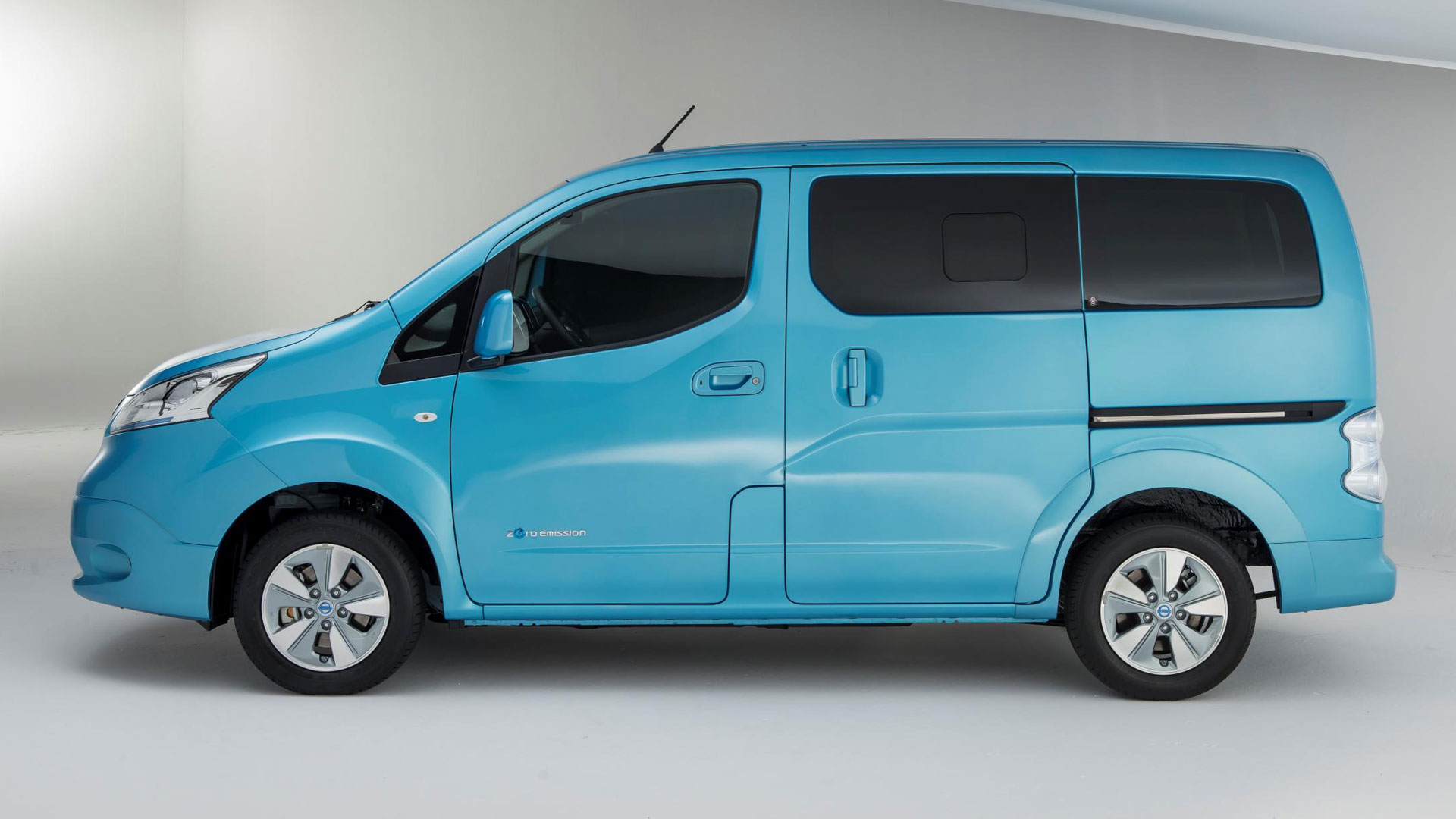
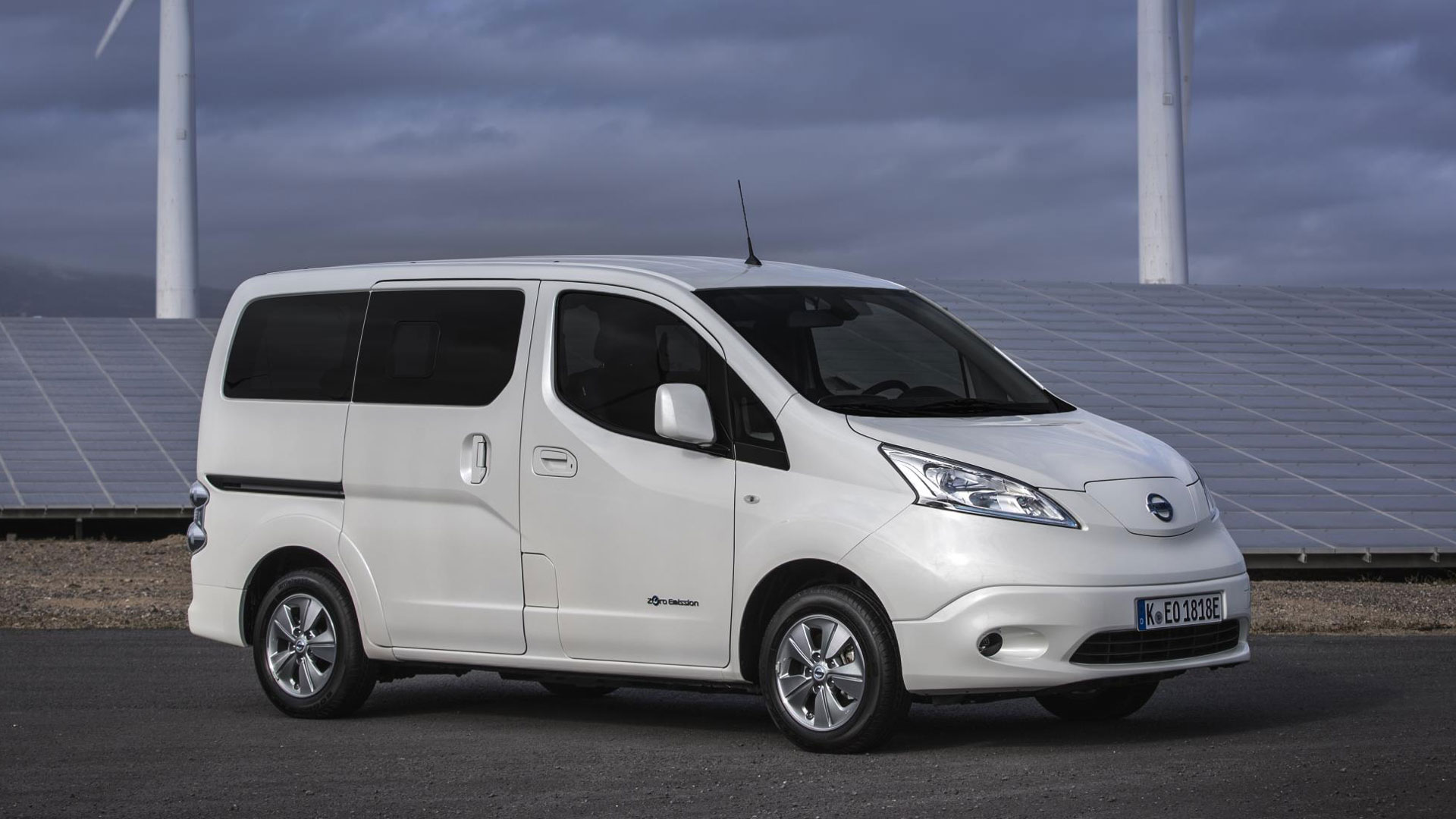
13. Nissan e-NV200
We’re braced for a new wave of electric cars to roll in on the tide, but the Nissan e-NV200 is one of the more established members of the EV fraternity. Launched in 2014, the e-NV200 is an all-electric version of the NV200 van, with the early versions offering a range of up to 110 miles. A 2014 model year e-NV200 should retain 52.6 percent of its value after three years.
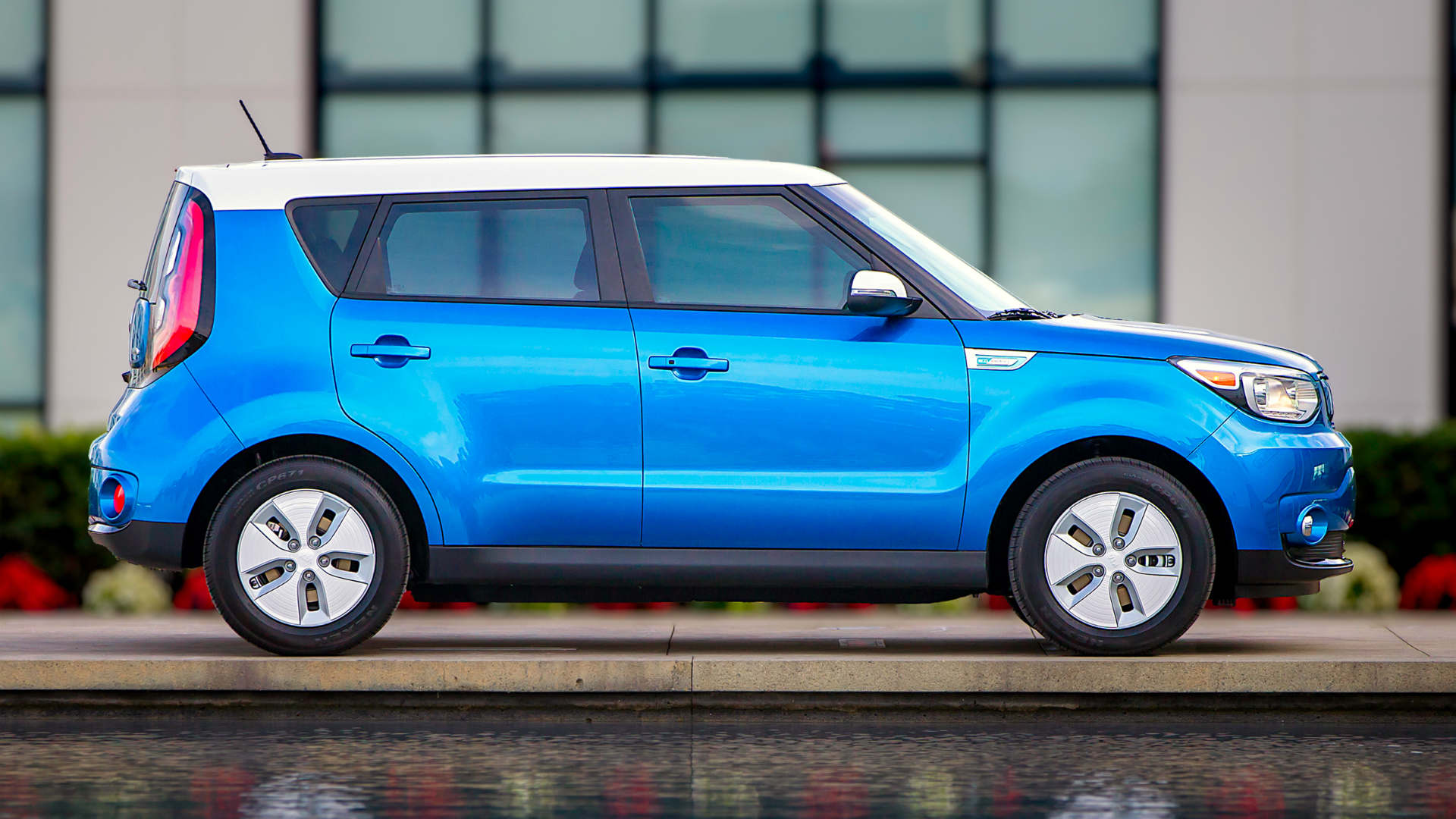
12. Kia Soul EV
The first Kia Soul EV was never more than a niche player in the UK, with the boxy SUV let down by a high price tag and a limited range. The all-new model should come with a similar price, but with a more realistic 280-mile electric range. In the meantime, the old Soul EV should retain 52.8 percent of its value after three years, losing around £14,500 in the process.
11. Nissan e-NV200
It’s the Nissan e-NV200 again, this time in post-2015 guise. It’s available in five- or seven-seat guise, with post-grant prices starting from a little under £30,000. You can expect a range of between 124 and 187 miles, which is 60 percent further than the previous-generation battery. It will retain 56.2 percent of its value after three years, helped in no small part by the fact that you’re not exactly spoilt for choice when it comes to all-electric seven-seaters.
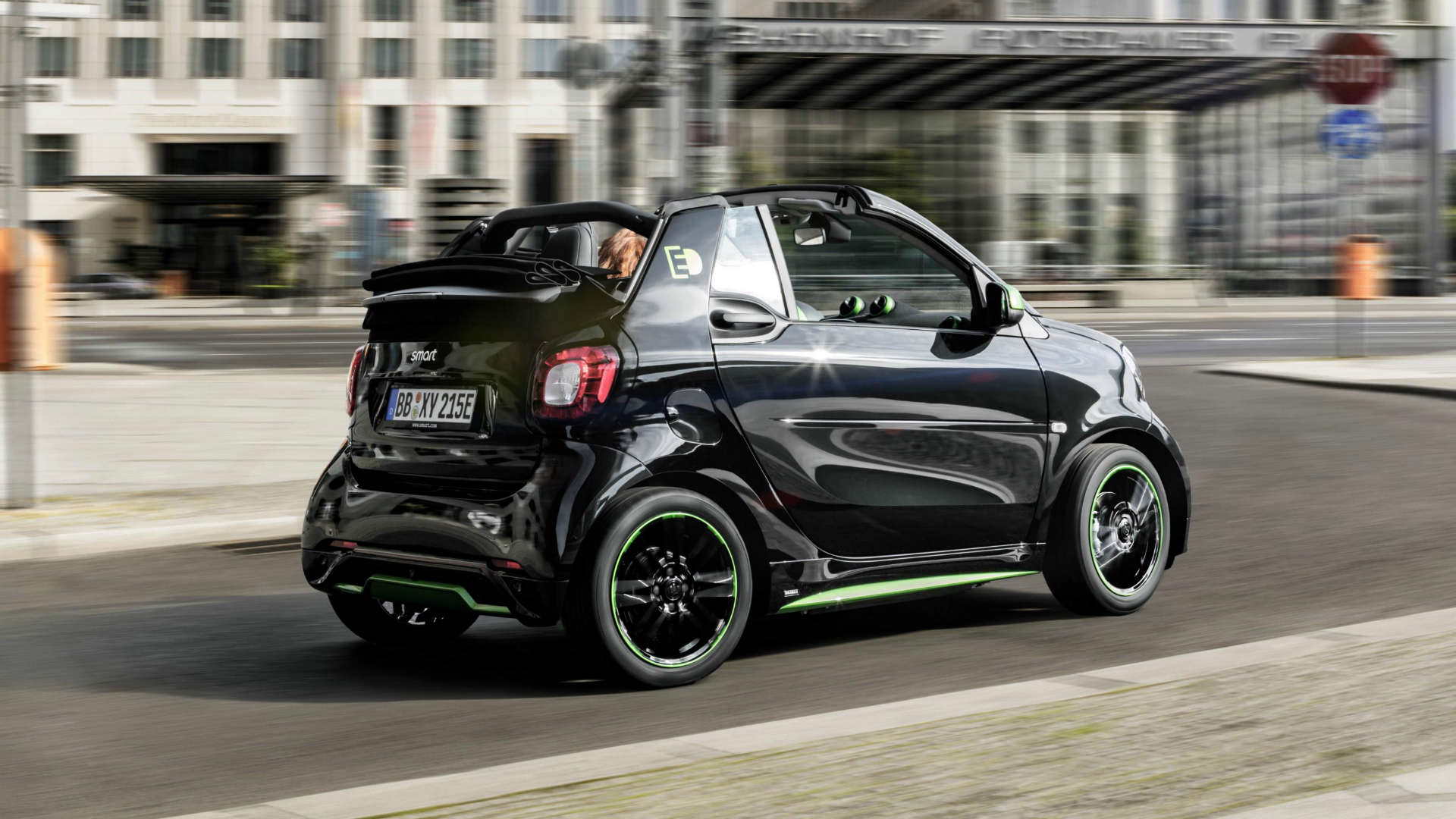
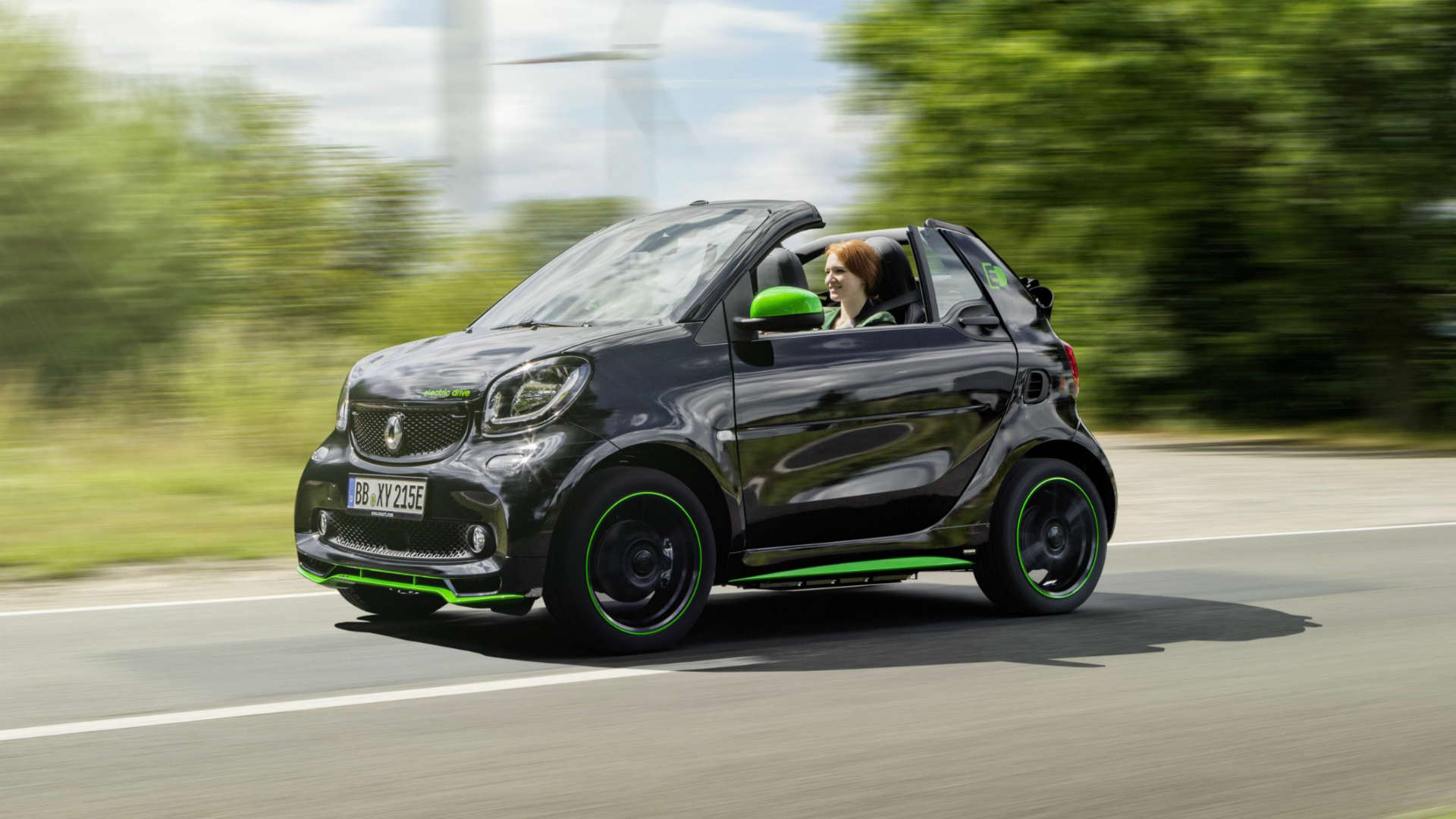
10. Smart EQ Fortwo Cabrio
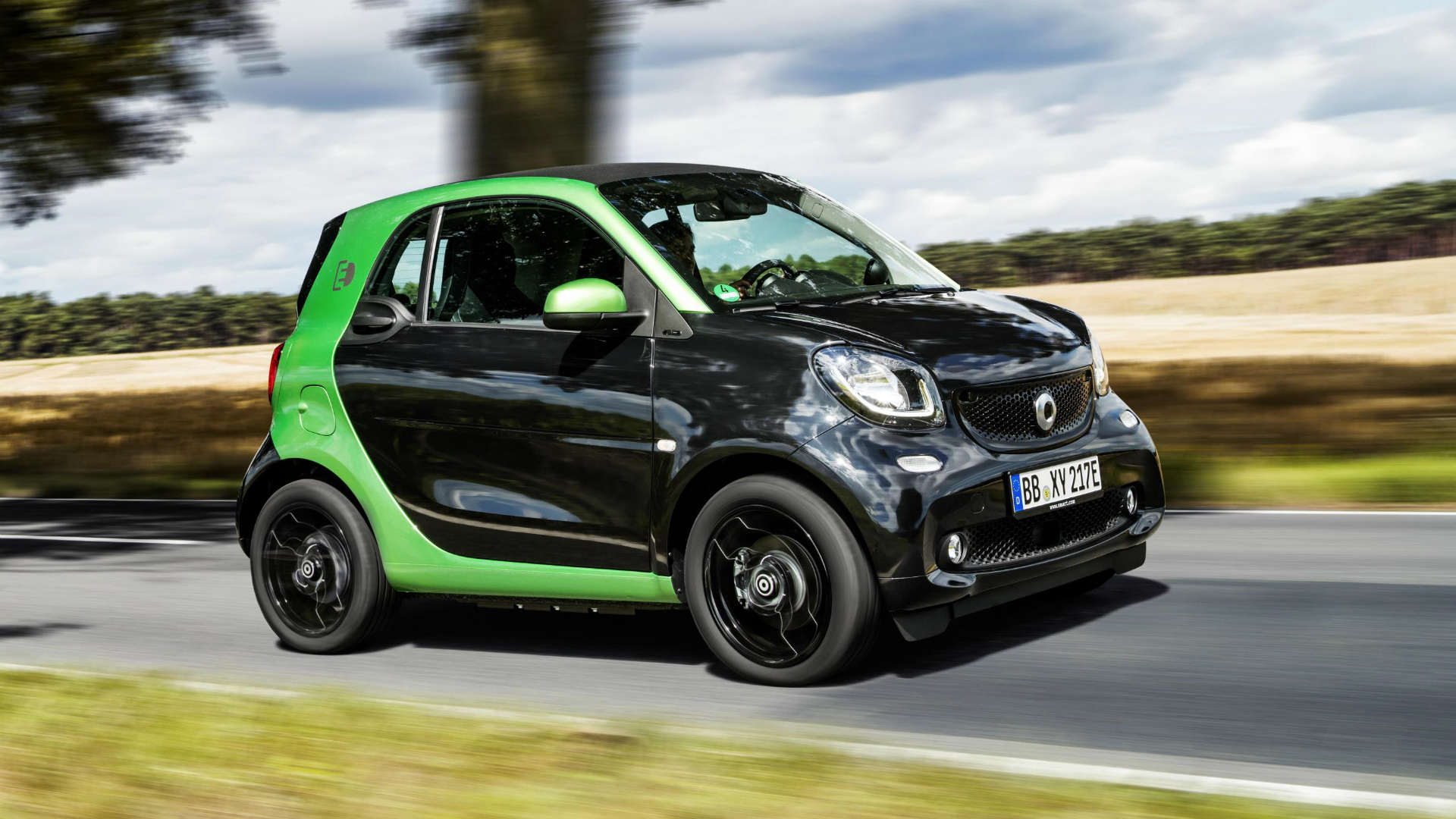
The electric Smart Fortwo Cabrio appears twice, with the recently rebranded EQ version up first. Right now, this is your only choice if you’re after an electric convertible, although you’ll have to make do with two seats and a limited 70-mile range. CAP says the Smart drop-top will lose £11,730 in the first three years, giving it a retained value of 56.7 percent.
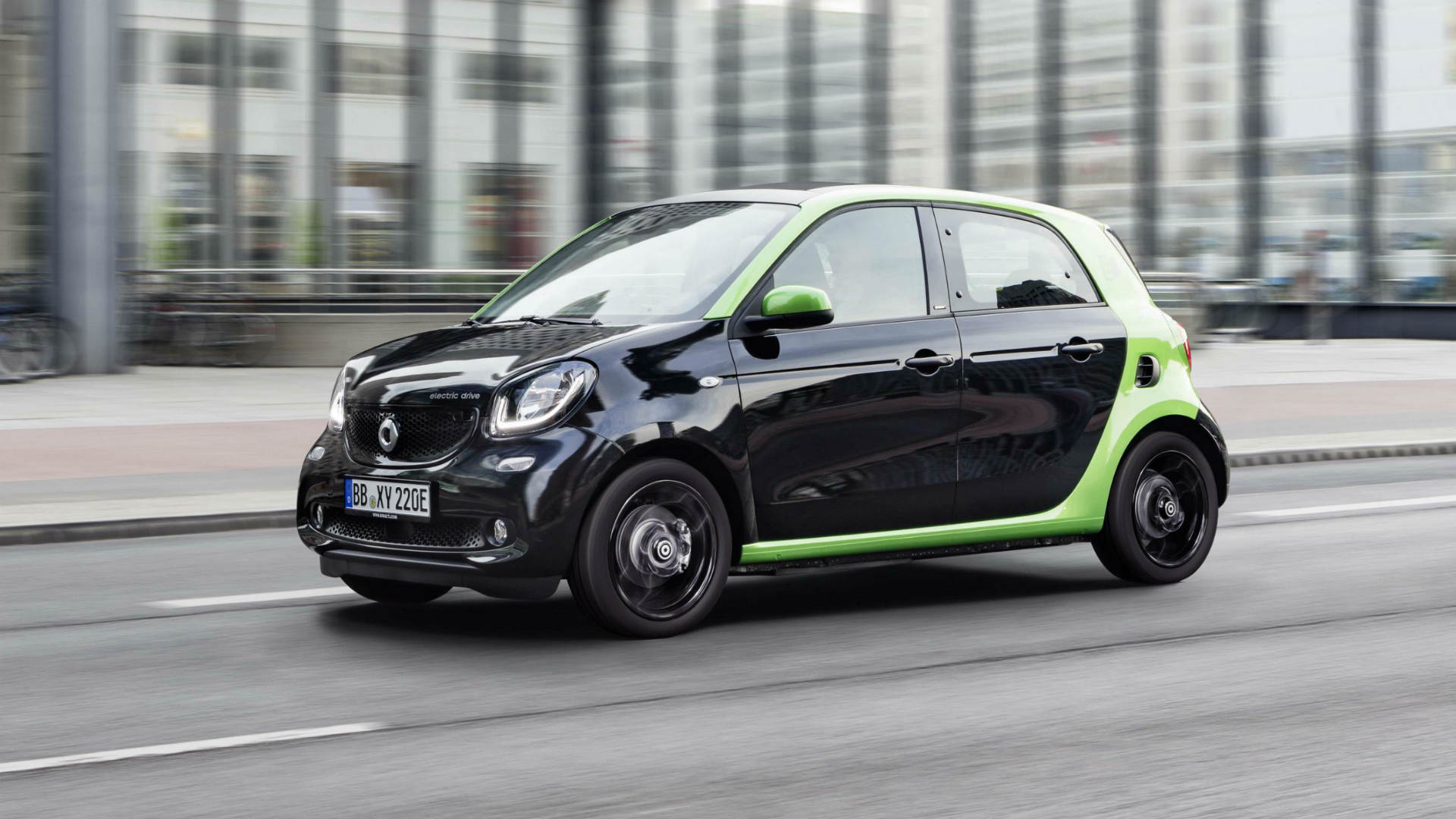
9. Smart EQ Forfour
In pure monetary terms, the four Smart cars on this list lose the least amount of cash. Take the Smart EQ Forfour, which costs upwards of £18,190 after the plug-in car grant, but will lose just £9,420 after three years. So while two electric cars at opposite ends of the price spectrum might have similar rates of depreciation, the financial hit will be more severe on the expensive EV.
8. Smart Fortwo Cabrio
It’s the Smart Fortwo Cabrio again, this time in pre-EQ branding guise. Strangely, CAP reckons the older version is better at holding its value, retaining 58.4 percent of its purchase price after three years. Right now, the Smart EQ Fortwo Cabrio is available on a three-year personal lease for £279 a month after an advance rental of £1,585.
7. Smart EQ Fortwo
The EQ Fortwo is the smallest electric Smart, but the one with the largest retained value after three years. With a tight turning circle and tiny dimensions, it’s perfect for the city centre, where the 70-mile range should be enough for the majority of buyers. Buy one today and it should retain 59.7 percent of its initial value in 2022, but with EV tech moving on at such a rate, it might find itself outmoded by the likes of the Honda e, Mini Electric and Peugeot e-208.
6. Tesla Model S
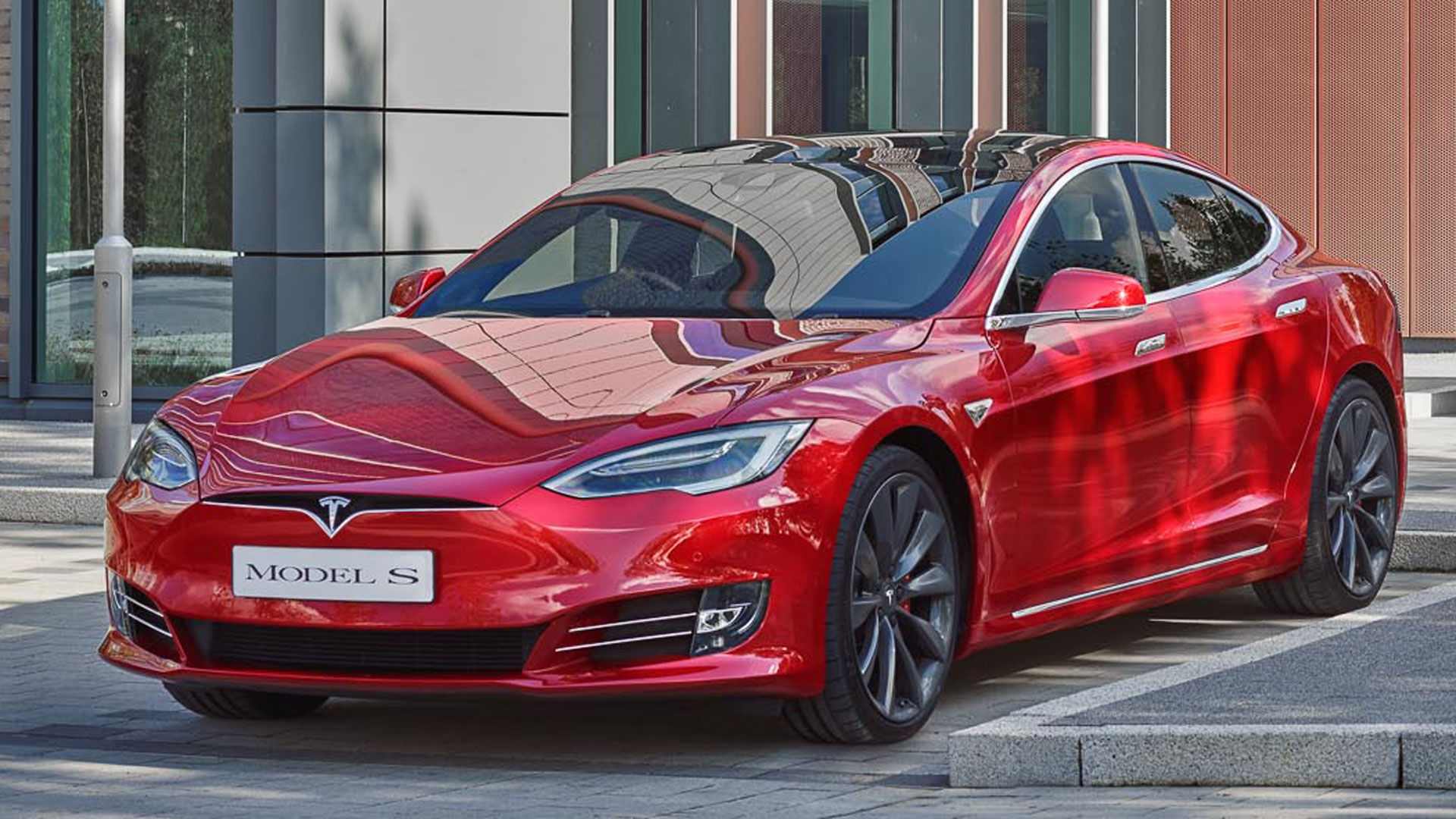
Although the Tesla Model S arrived in 2012, the CAP depreciation data relates to the facelifted model, introduced in 2016. Prices start from £77,200, with performance variants available from £91,800, and used examples remain in strong demand. On average, a Model S will lose £39,200 of its value in the first three years, giving it a retained value of 60.8 percent.
5. Hyundai Ioniq EV
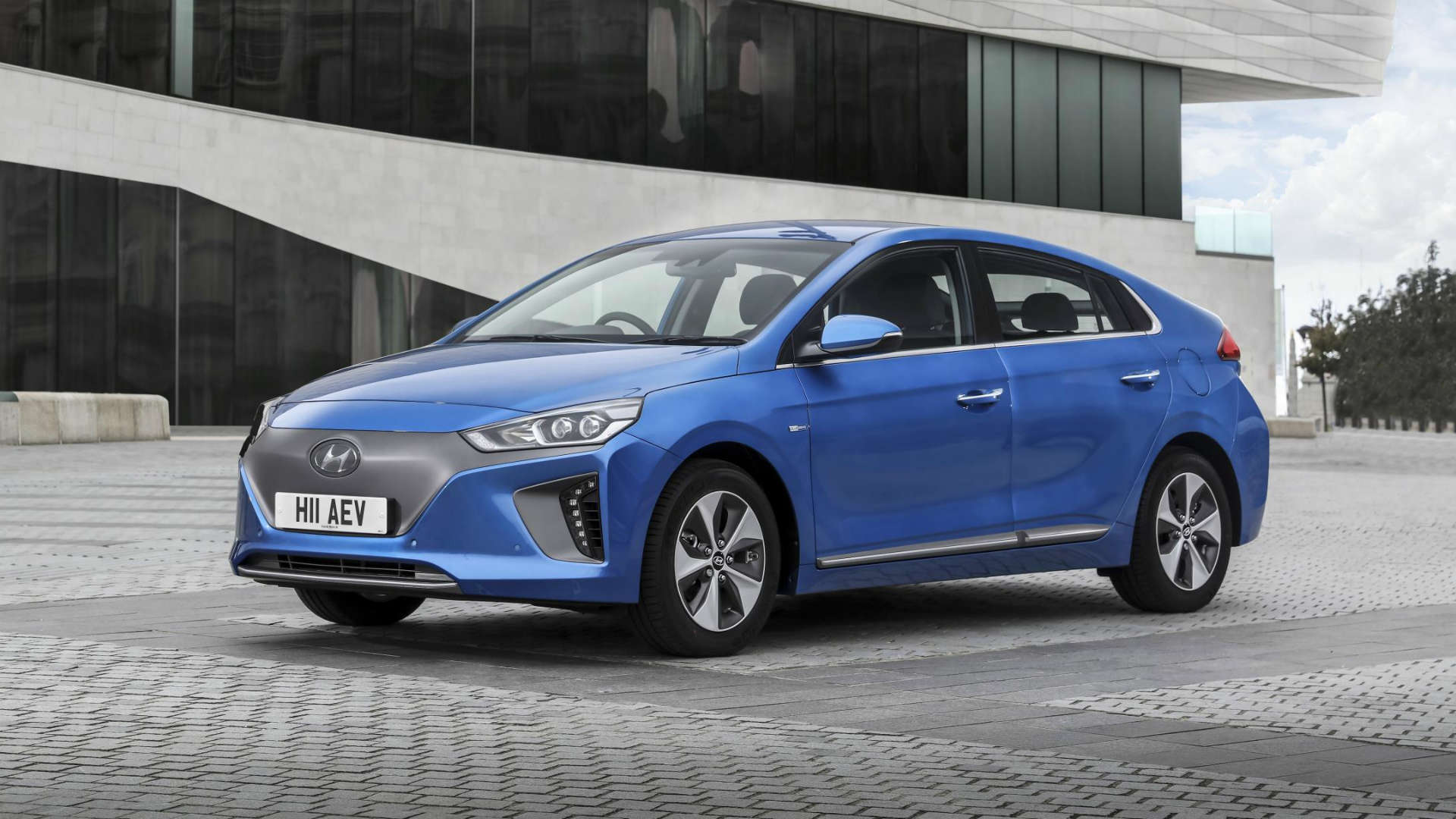
The Hyundai Ioniq is a relative newcomer to the electric car party, but its residual values are worth making a song and dance about. CAP says the Ioniq EV will retain 61.7 percent of its value, losing £11,740 in the first three years. It helps that it will still have the remainder of its five-year warranty, giving peace of mind to the new owner.
4. Nissan Leaf
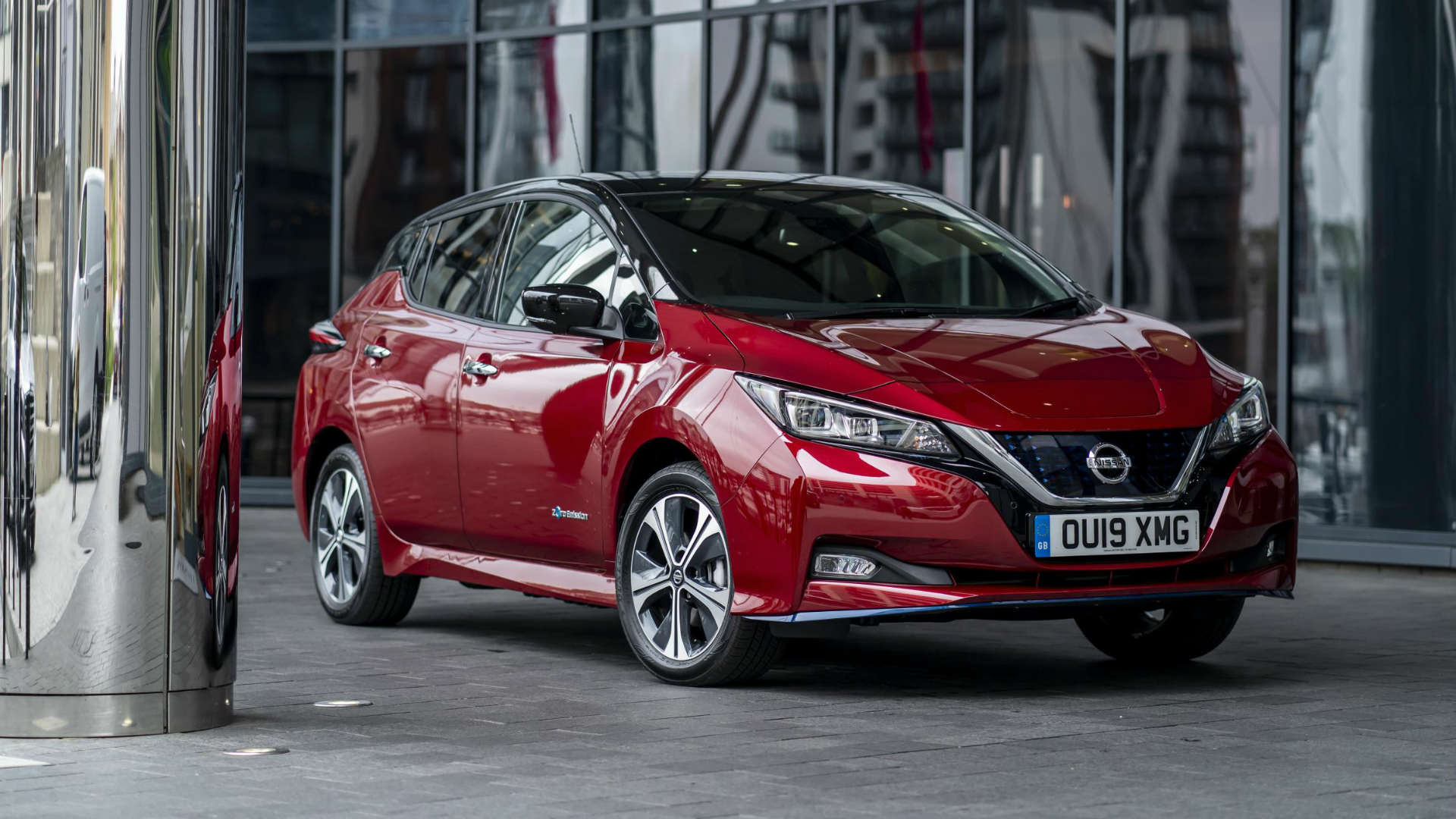
To date, more than 400,000 Nissan Leaf electric cars have been sold globally, making it the world’s most popular electric car. Recently, Nissan unveiled a new range-topping Leaf e+ Tekna, which delivers 217hp of performance and 239 miles of electric range. Buy a new Nissan Leaf today and it could be worth 64.5 percent of its original purchase price in 2022. That said, you need to factor in variables such as mileage, condition, market trends and spec.
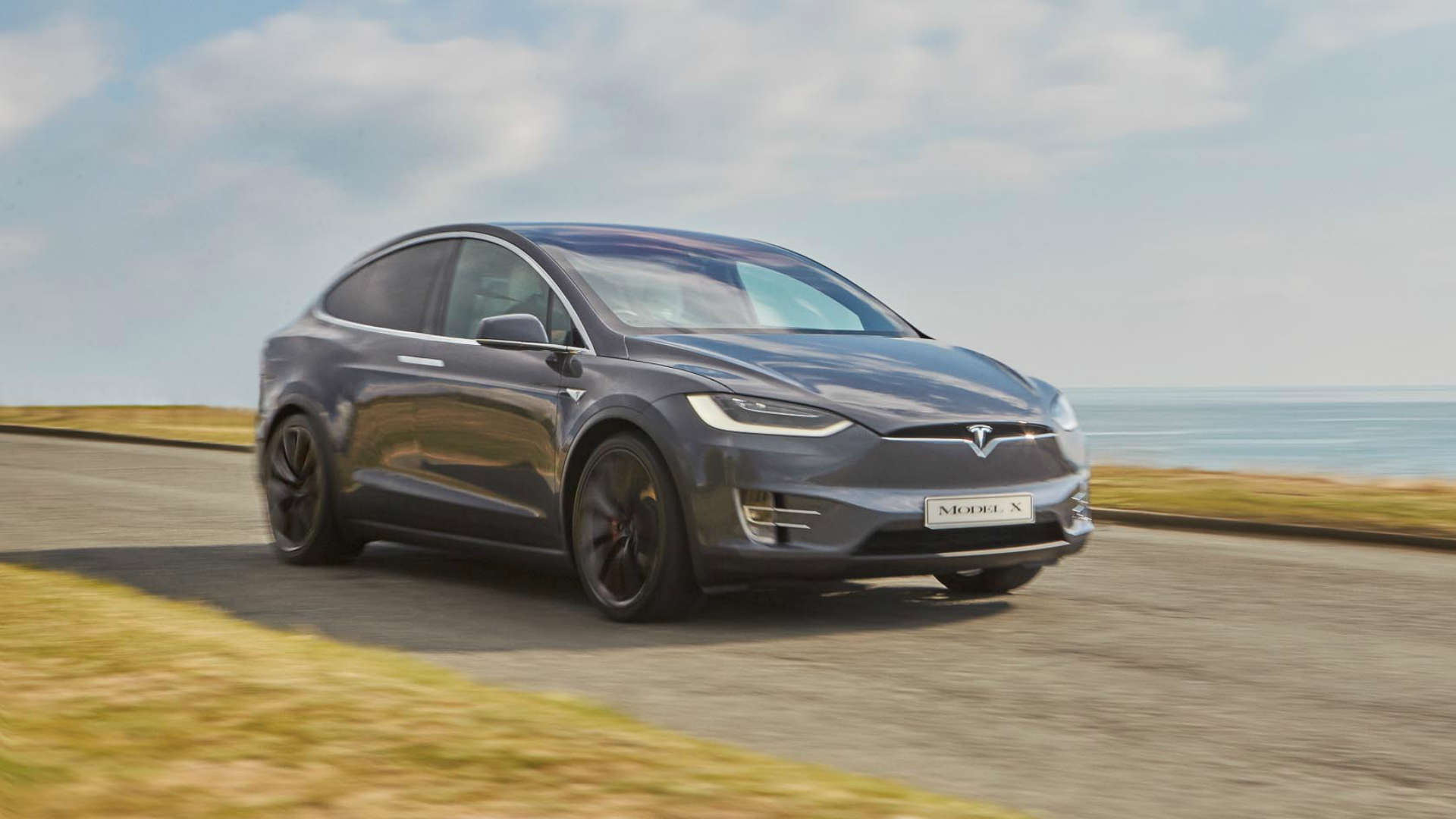
3. Tesla Model X
With an entry price of £82,200 for the standard version, rising to £96,400 for the performance variant, the Tesla Model X is the most expensive electric car to feature in the CAP data. It should retain 64.6 percent of its value after three years, although new electric SUVs from the likes of Mercedes-Benz, BMW and Audi could put a dent in its residual values. It will be interesting to see how the new Model 3 performs on the used car market.
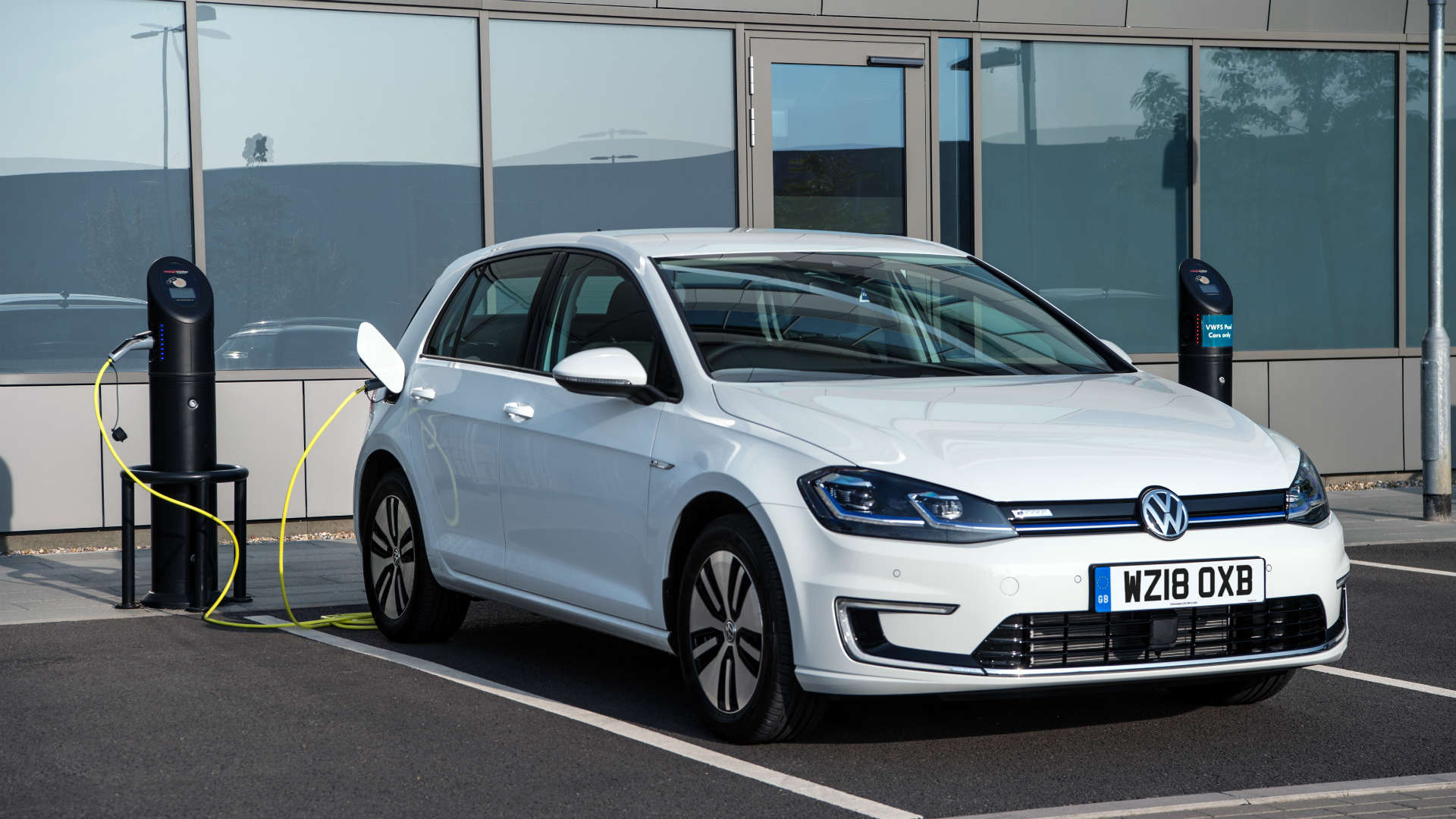
2. Volkswagen e-Golf
Such is the rate of progress in the EV segment, the Volkswagen e-Golf is beginning to look a little dated. At around £30,000 after the plug-in car grant, it’s relatively expensive, while the 144-mile range simply isn’t enough for a car of this ilk. But it’s biggest problem is the imminent arrival of the ID.3, a car designed from the ground up to be an electric vehicle. That said, the e-Golf will retain 66.3 percent of its value after three years.
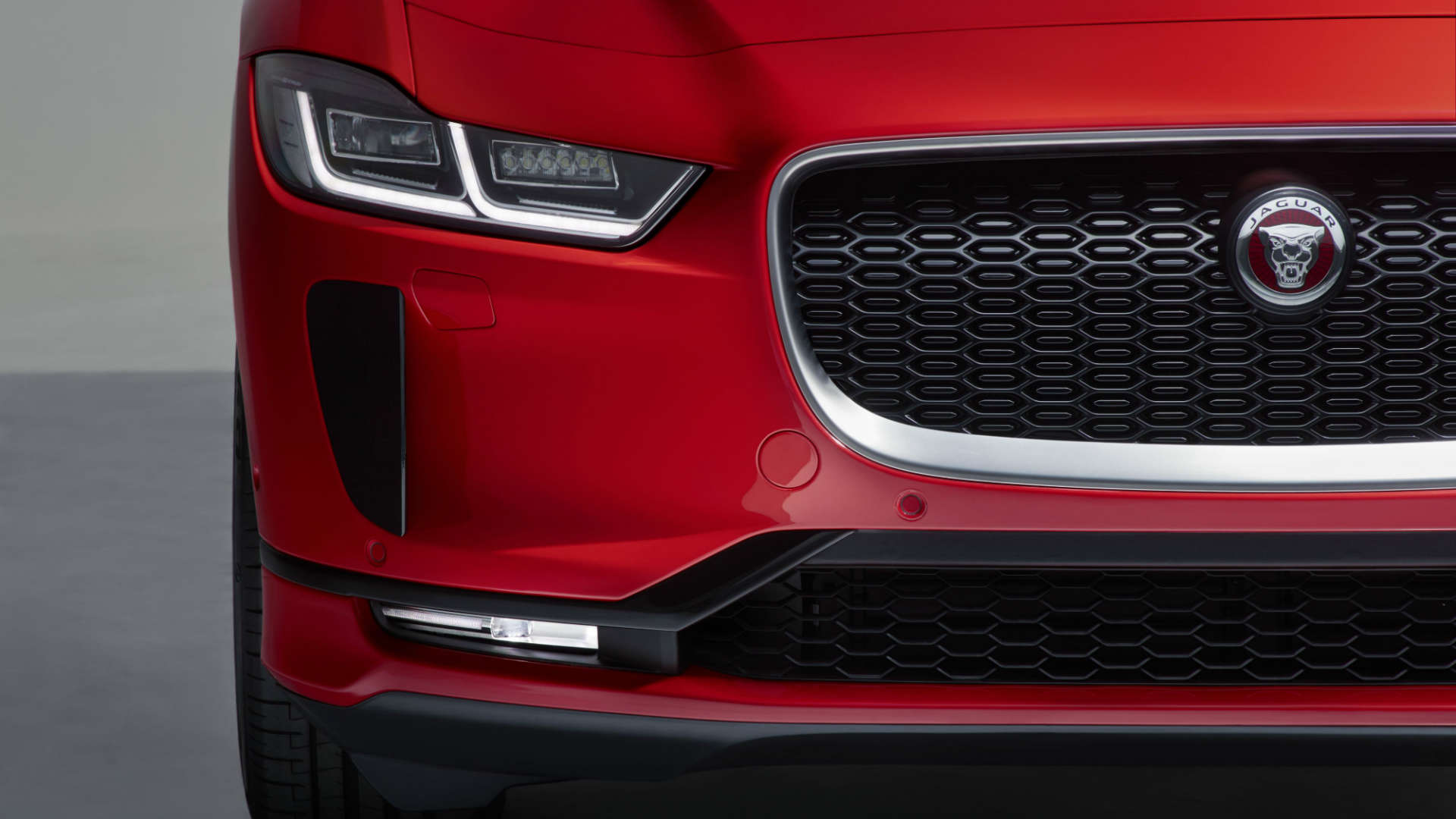
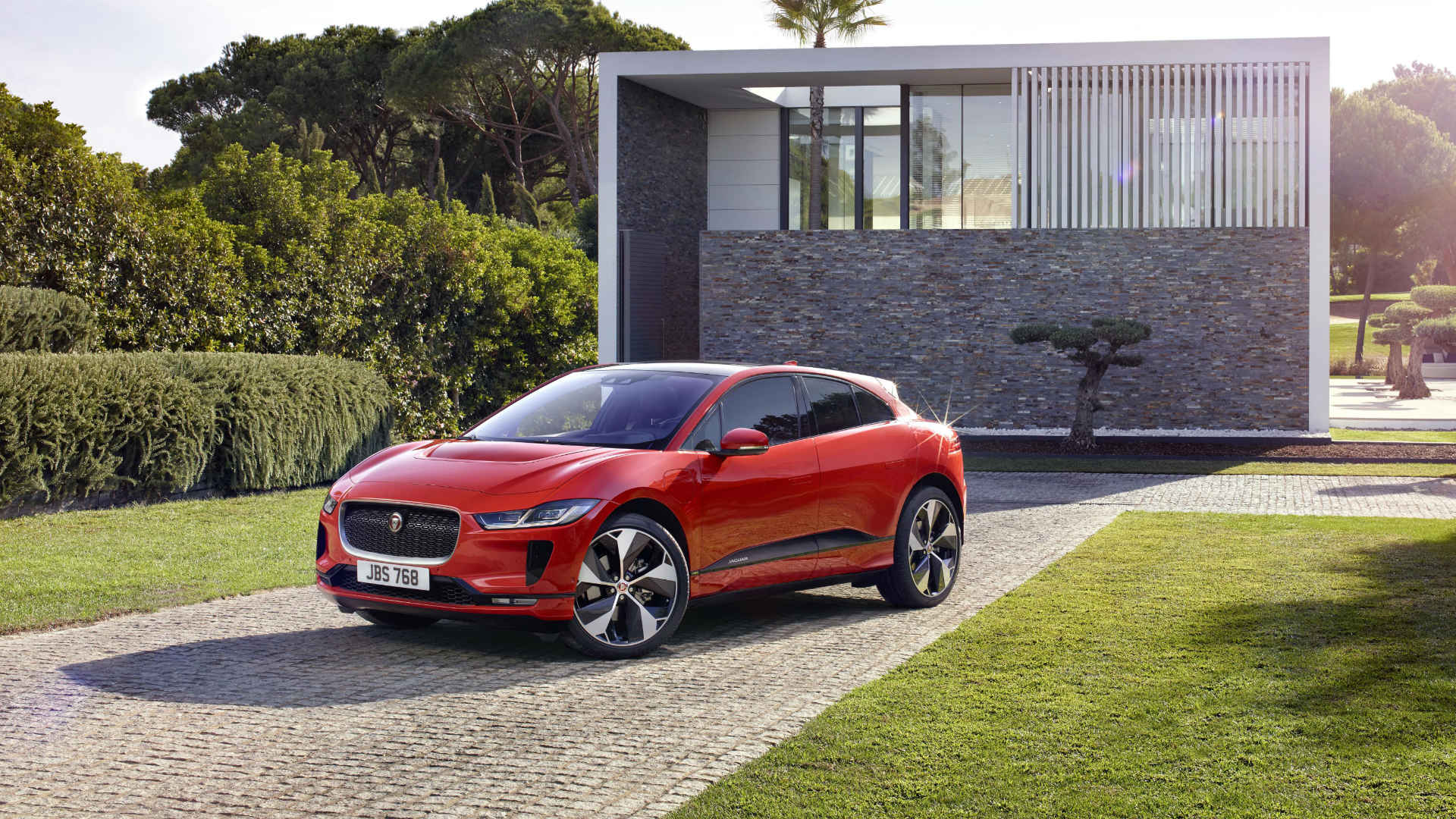
1. Jaguar I-Pace
The current World Car of the Year is also top dog when it comes to depreciation. CAP reckons the Jaguar I-Pace will retain an impressive 74.6 percent of its value after three years, as motorists clamour to get their hands on one of the most sought-after cars on the market. Next year, the I-Pace SUV will be joined by an all-electric XJ saloon.
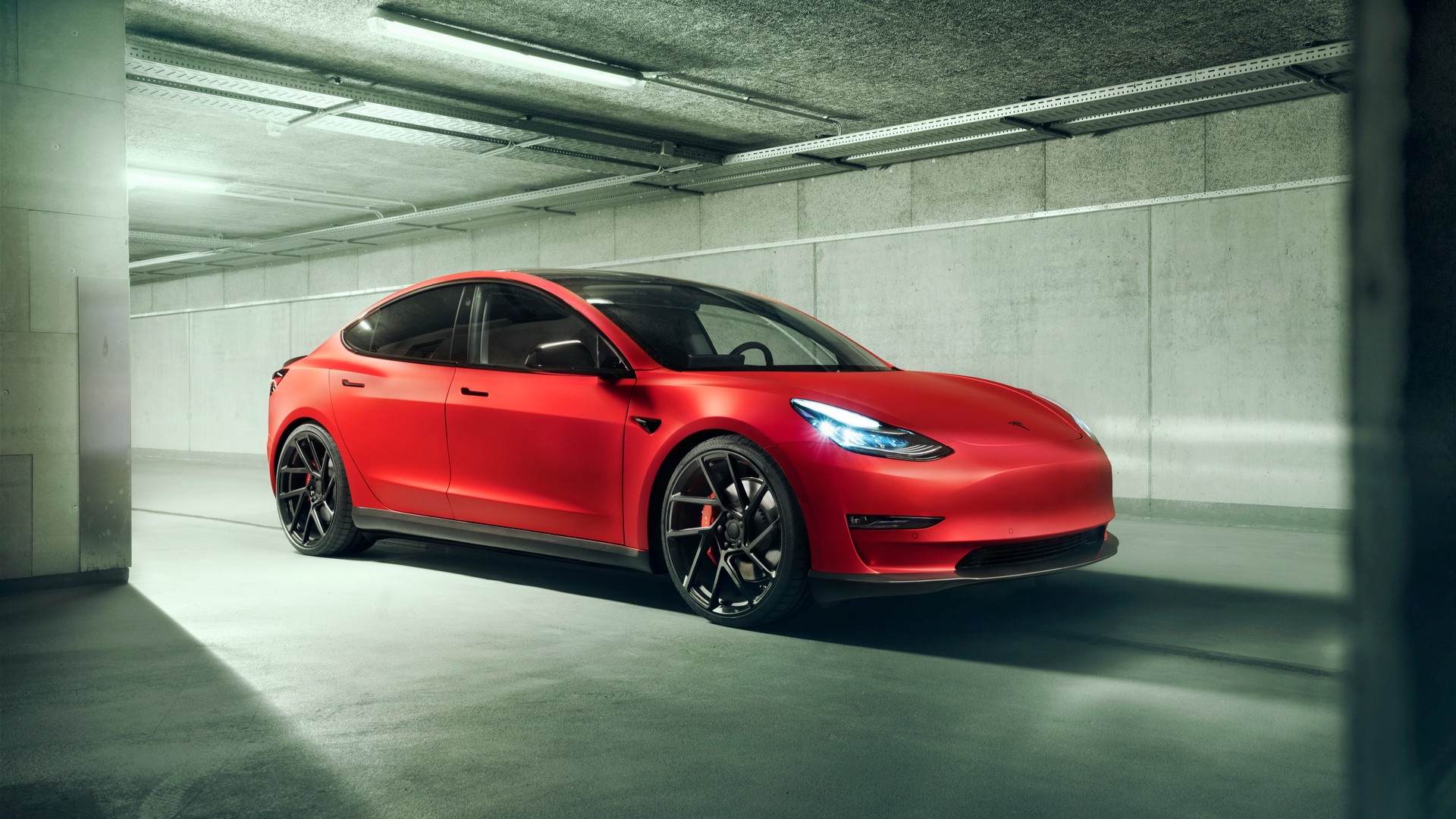
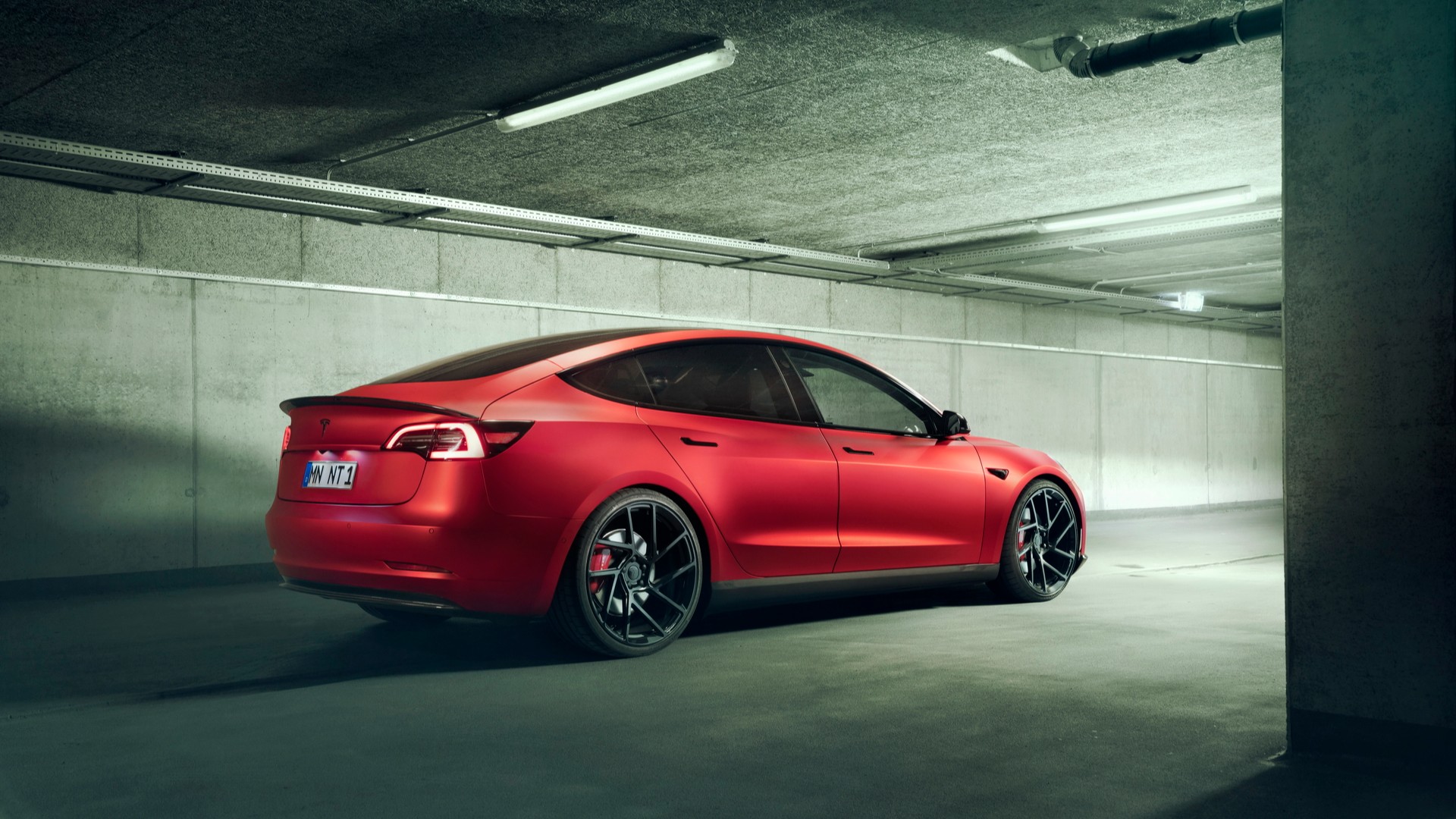
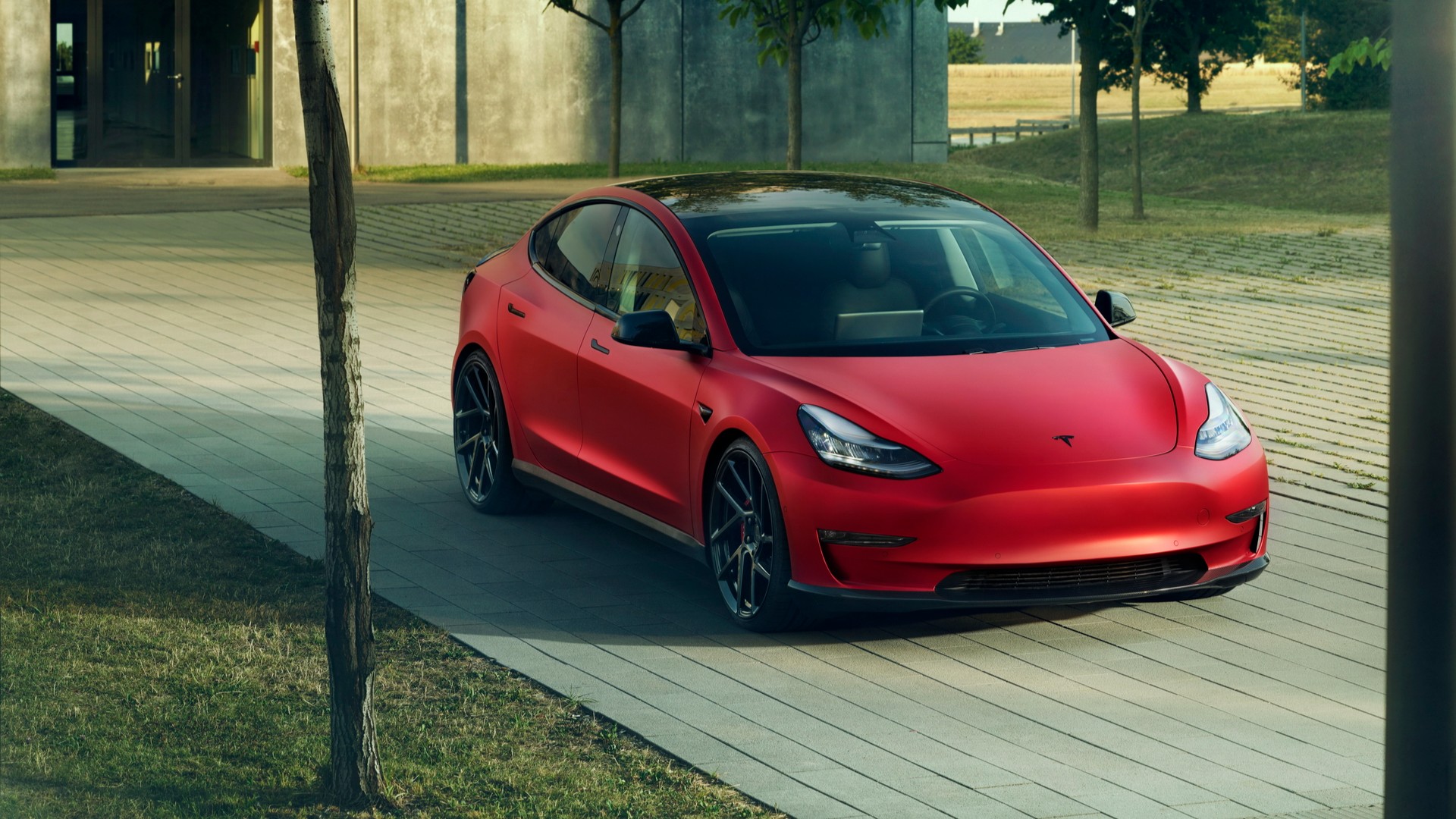
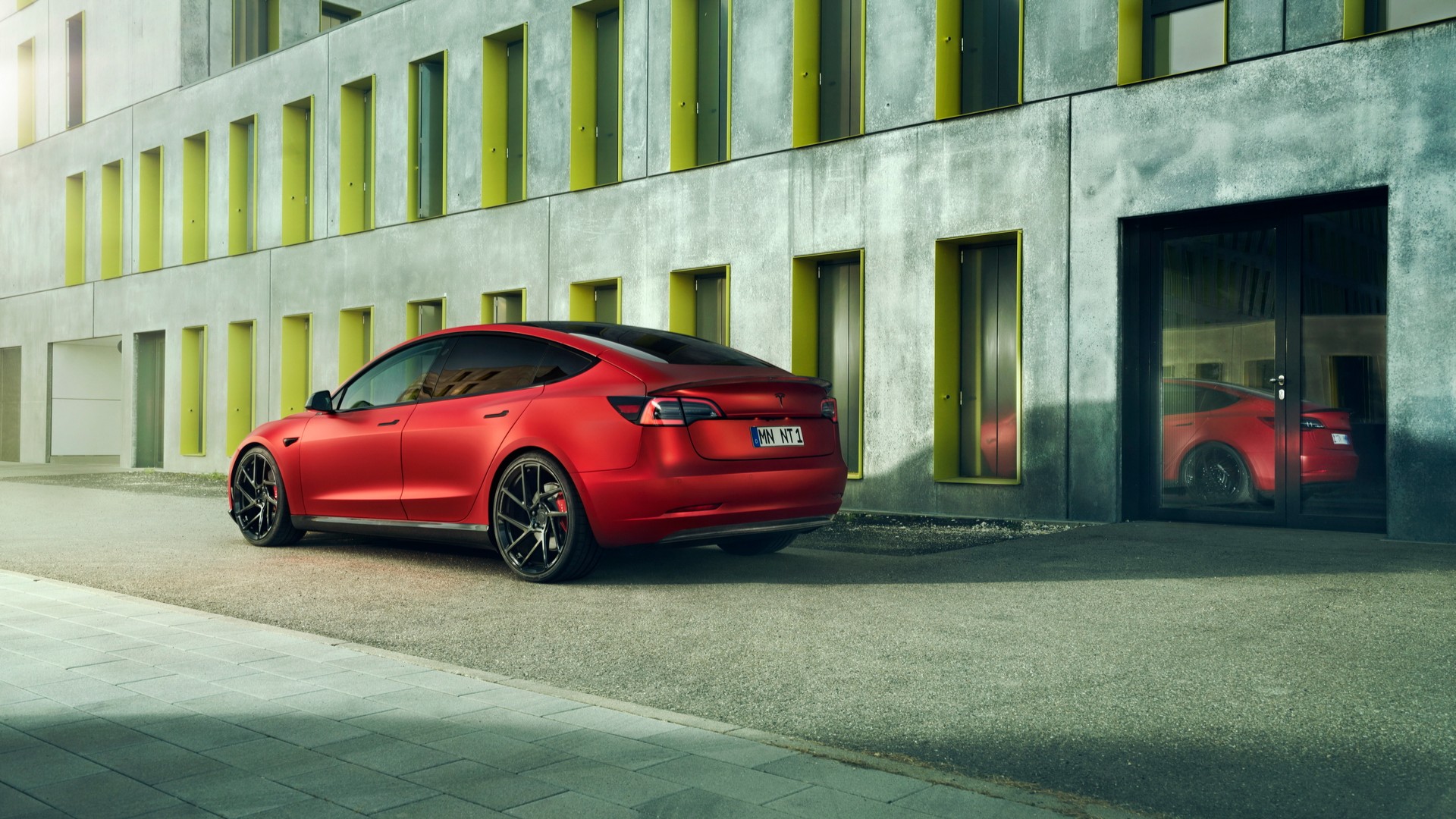
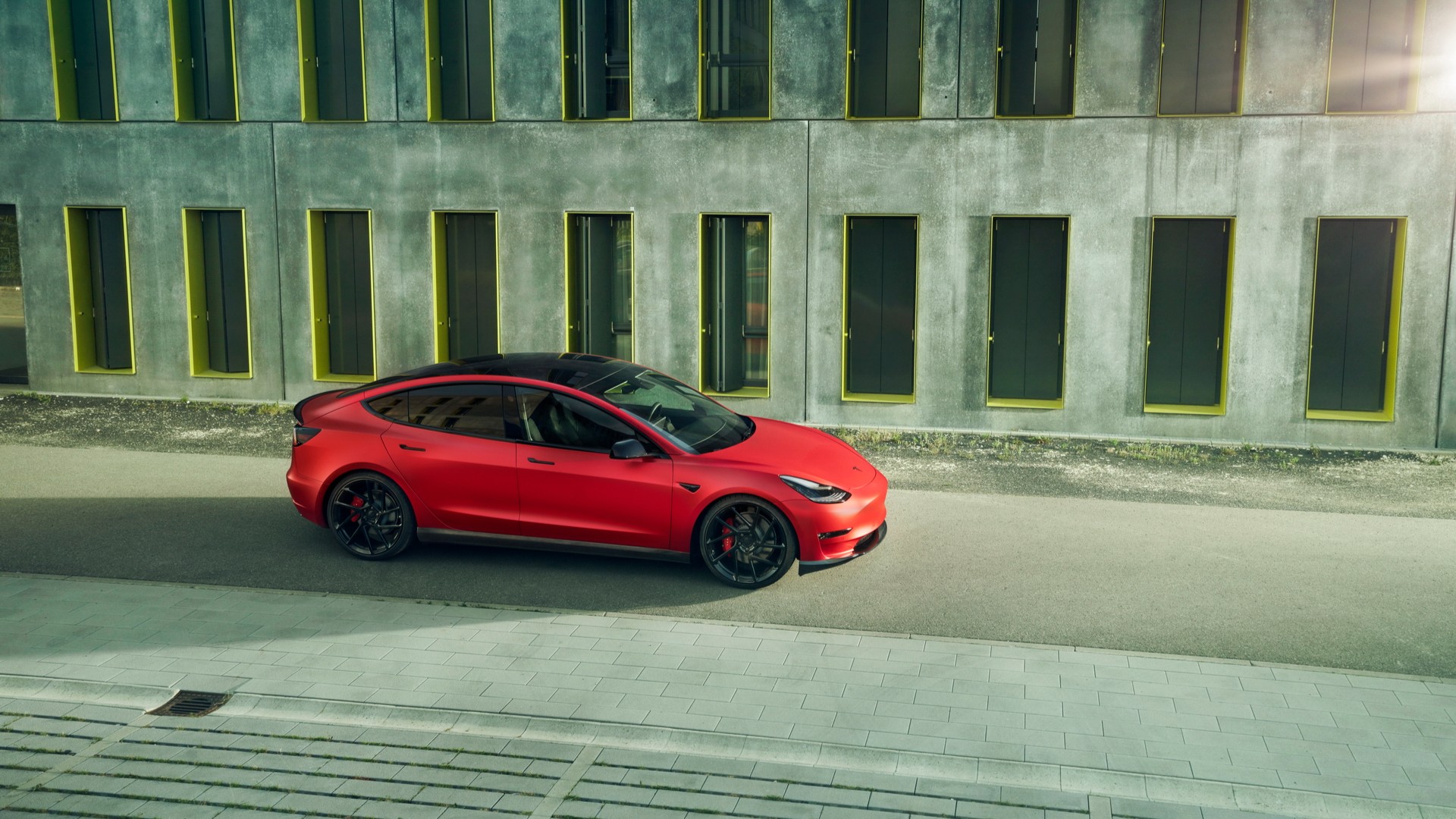
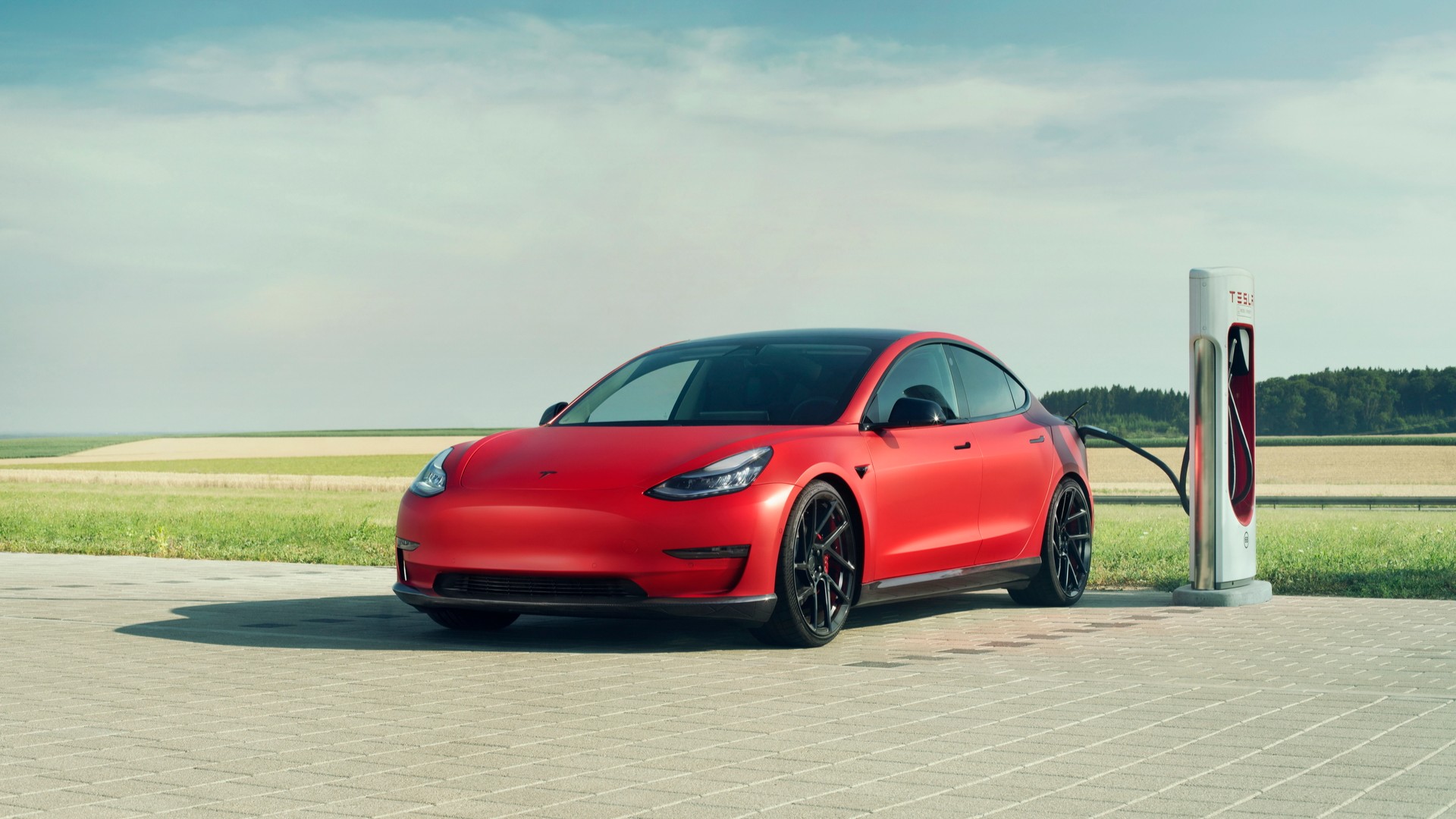
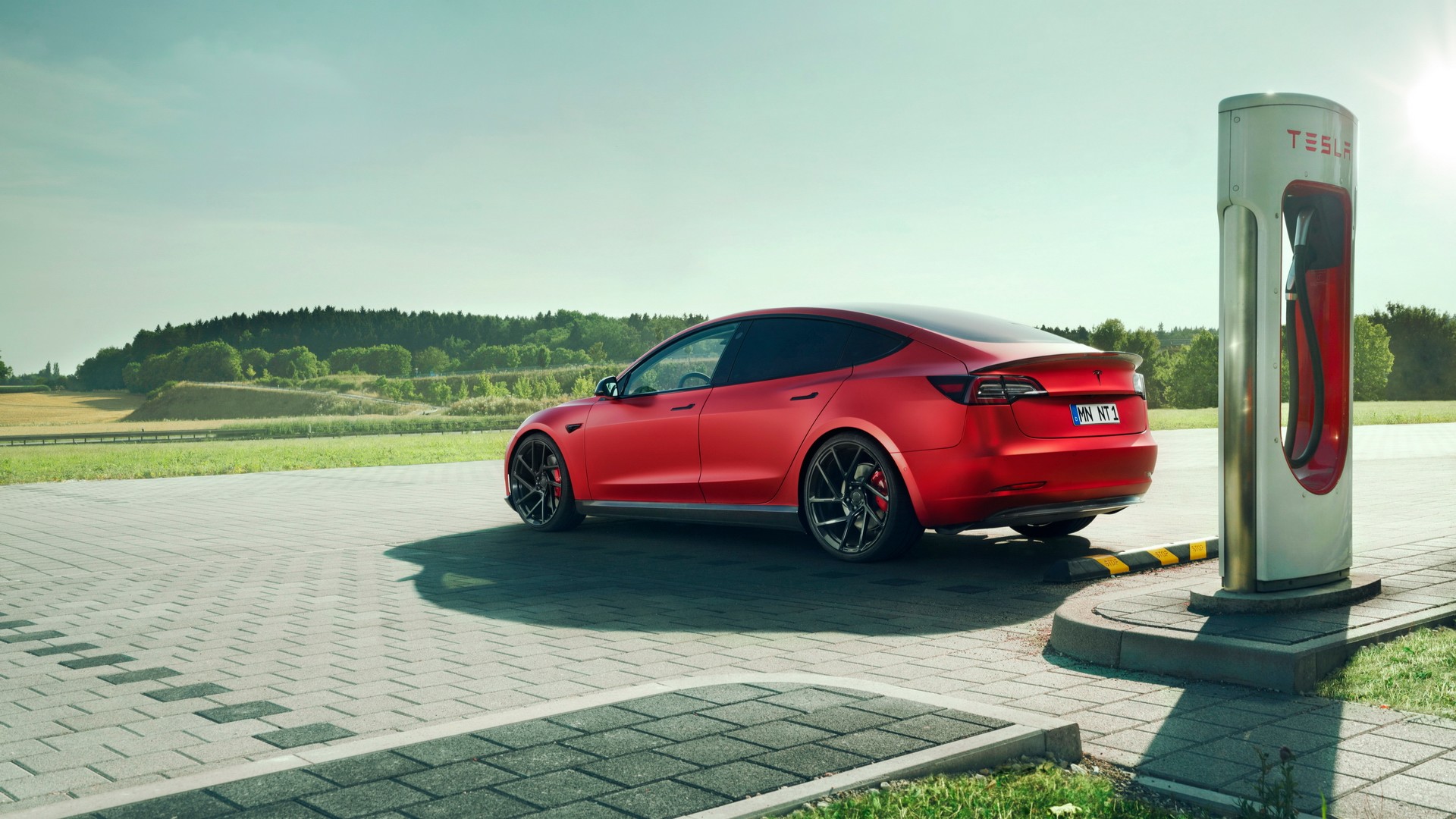
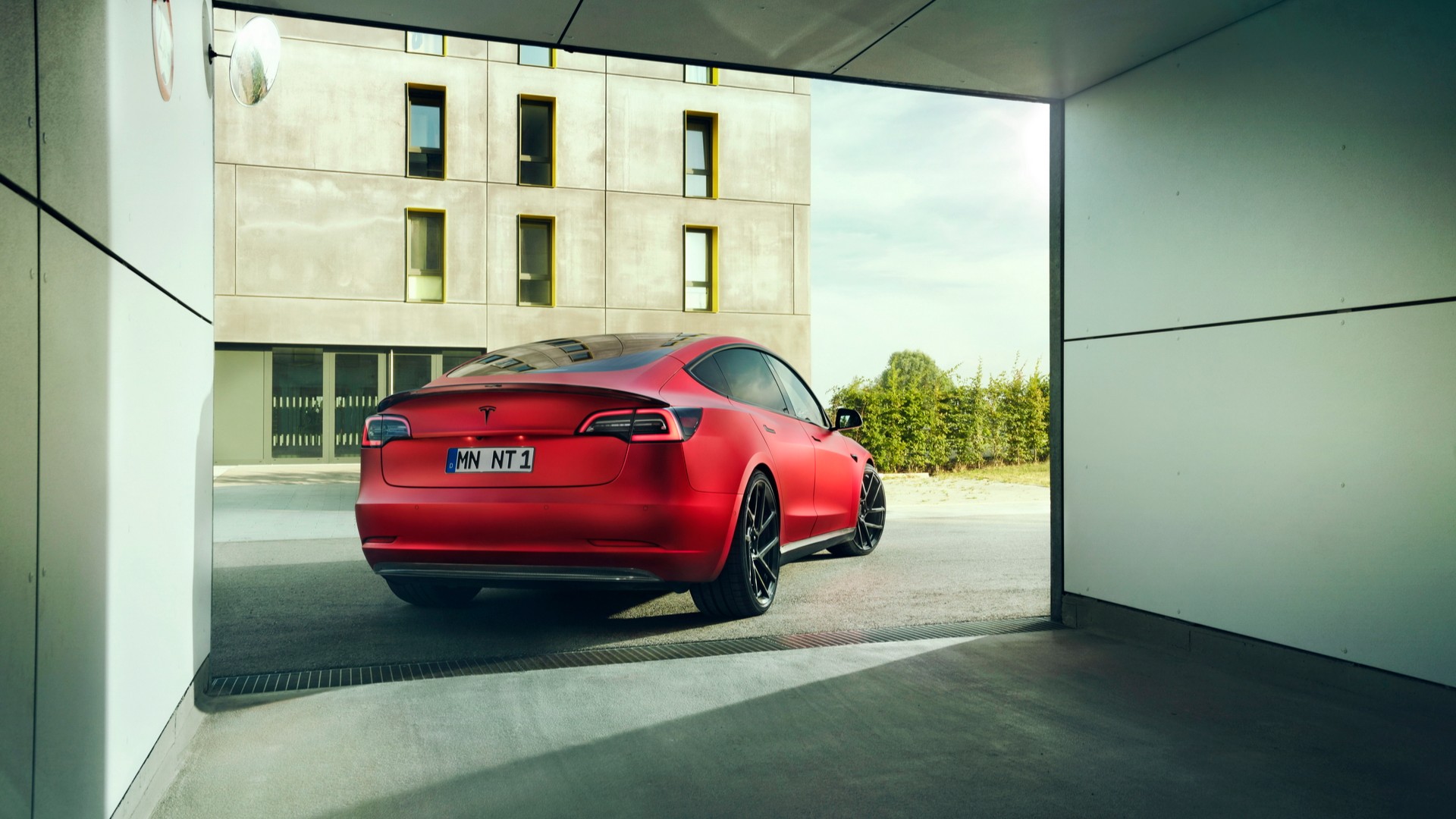
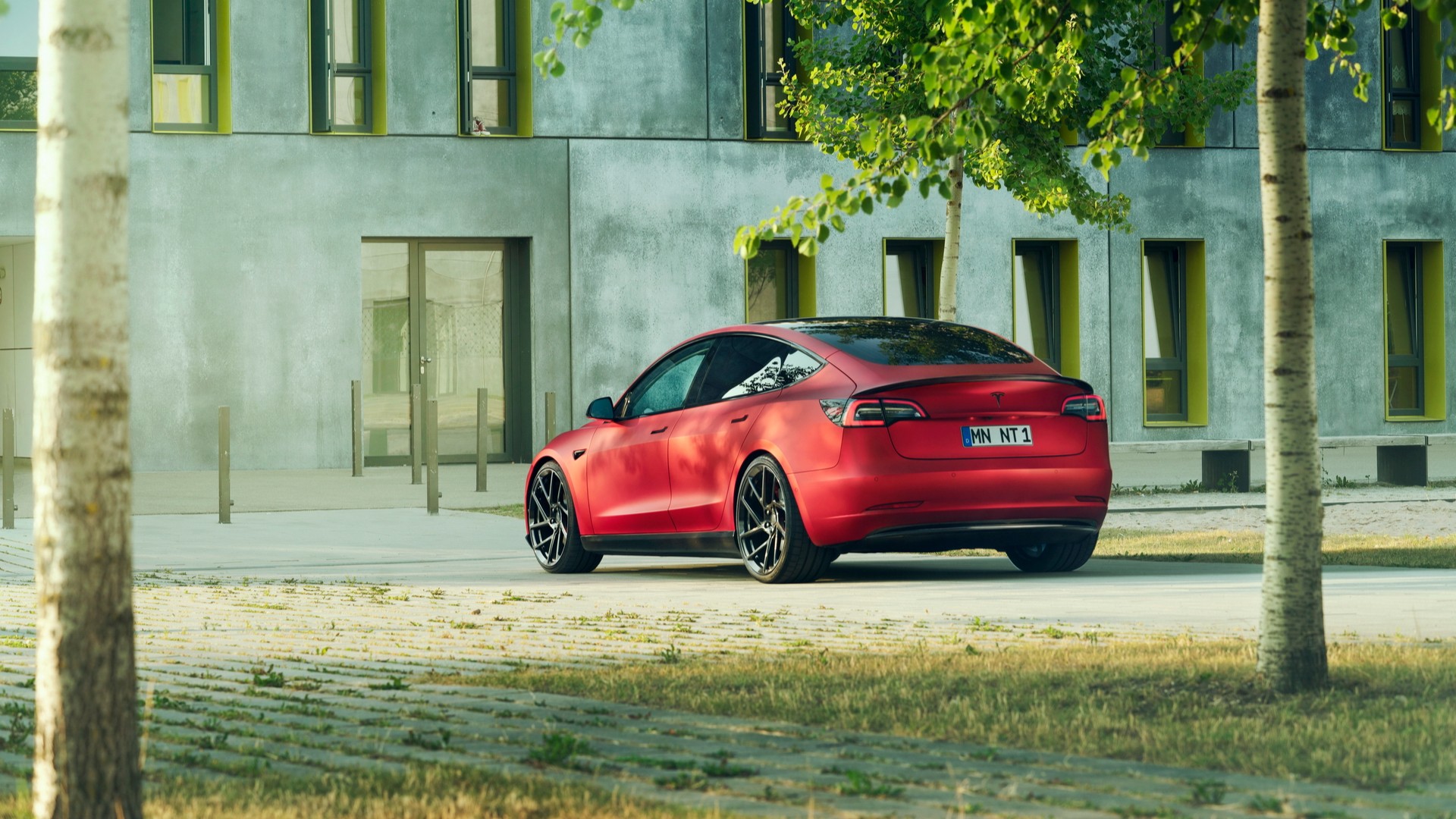
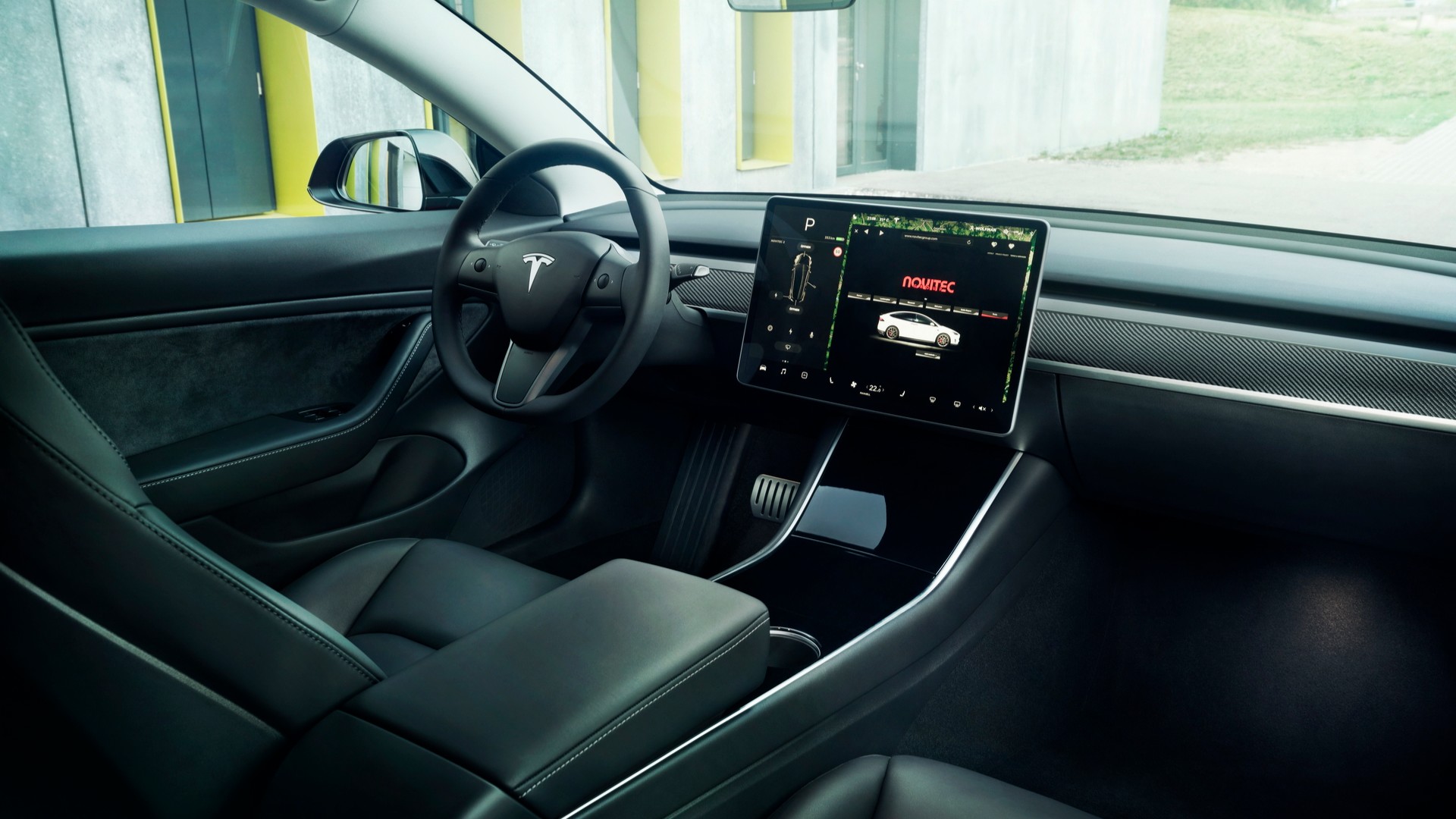
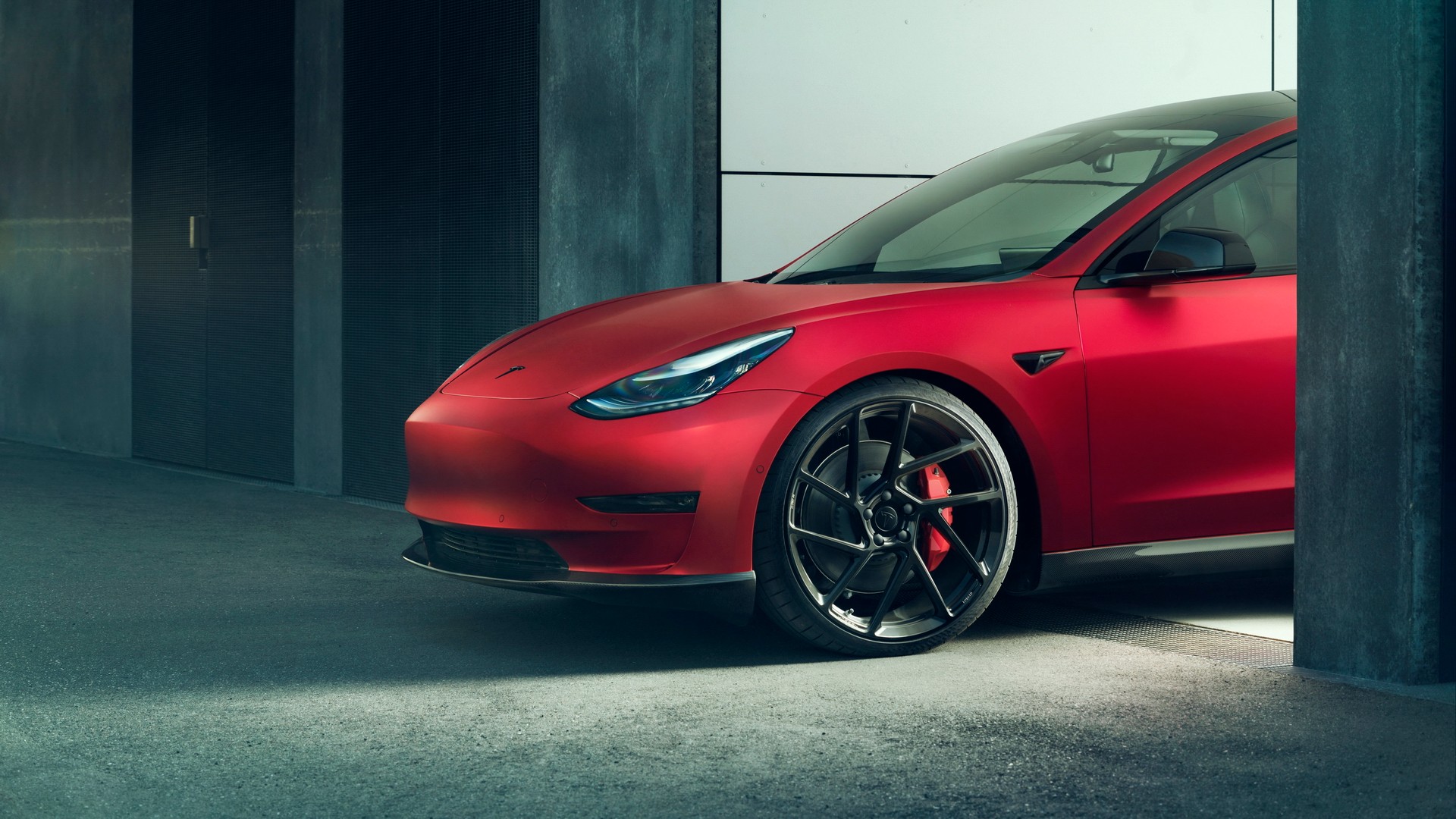
The Model 3’s visual makeover consists mainly of carbon aero addenda.
At the front, a new splitter reduces lift at high speed. A rear lip spoiler and diffuser help balance it out, and match the carbon side skirts.
The wheels have been changed for 21-inch forged items from Vossen. The spokes are curved and aerodynamically shaped like a windmill, helping to vent the brakes. They can polished or brushed, in one of 72 different colours.
Dropping the Tesla onto these bulbous new wheels is aluminium sports suspension, which lowers the car by up to 40mm.
A more subtle 30mm drop is available if you choose the spring upgrade in combination with stock dampers.
Reduced drag due to the lower ride height can reduce power consumption on long-distance drives by up to seven percent, says Novitec.
The Tesla Model 3 is the UK’s hottest EV to lease
Trimming a Tesla like a supercar
Novitec is known for its lavish and luxurious interiors. The Model 3 gets the full works, with leather and Alcantara available in any colour you wish. The carbon dashboard also adds a more exotic feel to the Model 3’s futuristic cabin.
A subtle upgrade seems unlikely from the company responsible for monstrous N-Largo modified McLarens and Ferraris, but Novitec has enhanced the Model 3 with the deftest touch.
An already agreeable looking car just got a very well-measured dose of attitude.
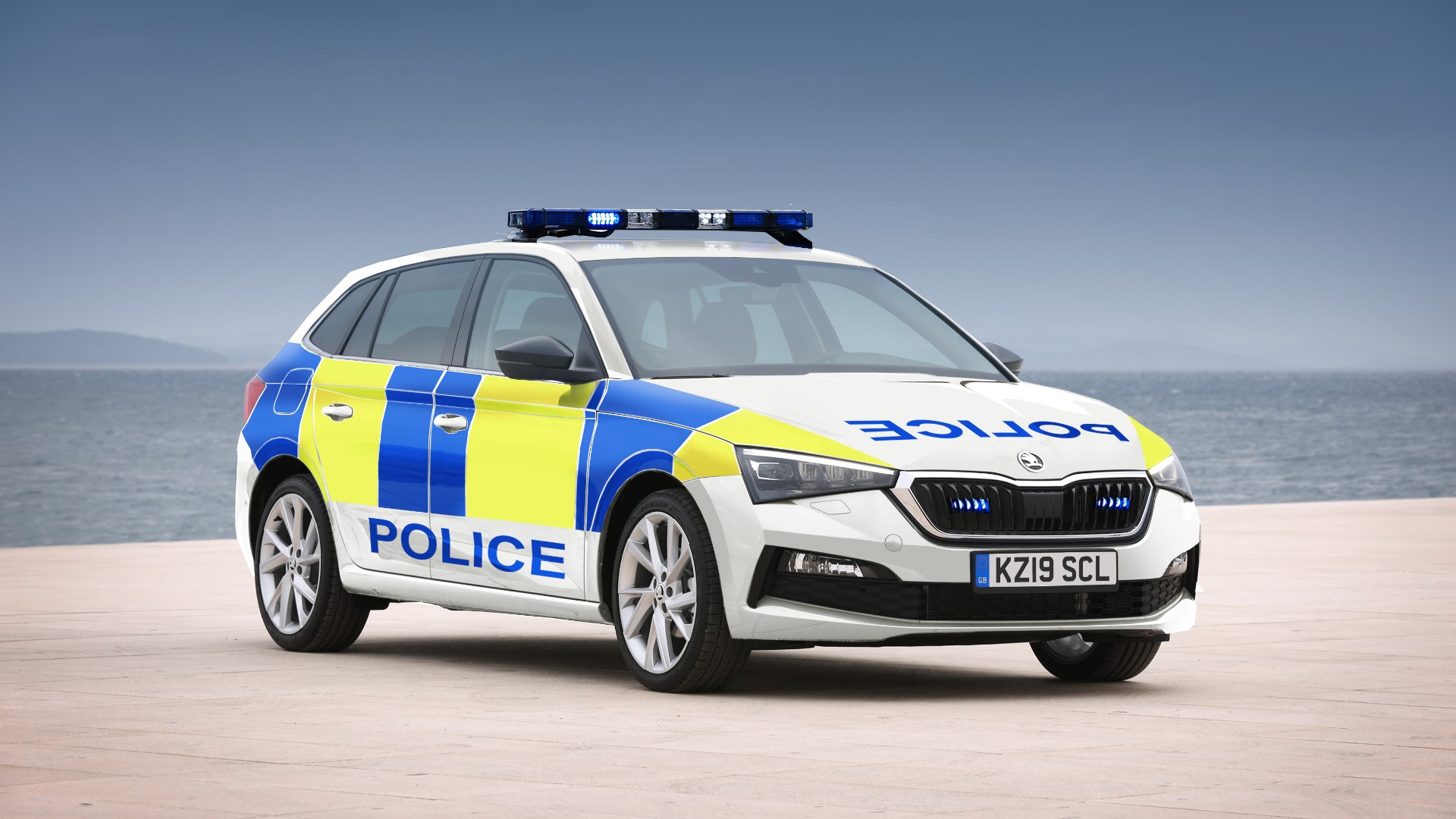
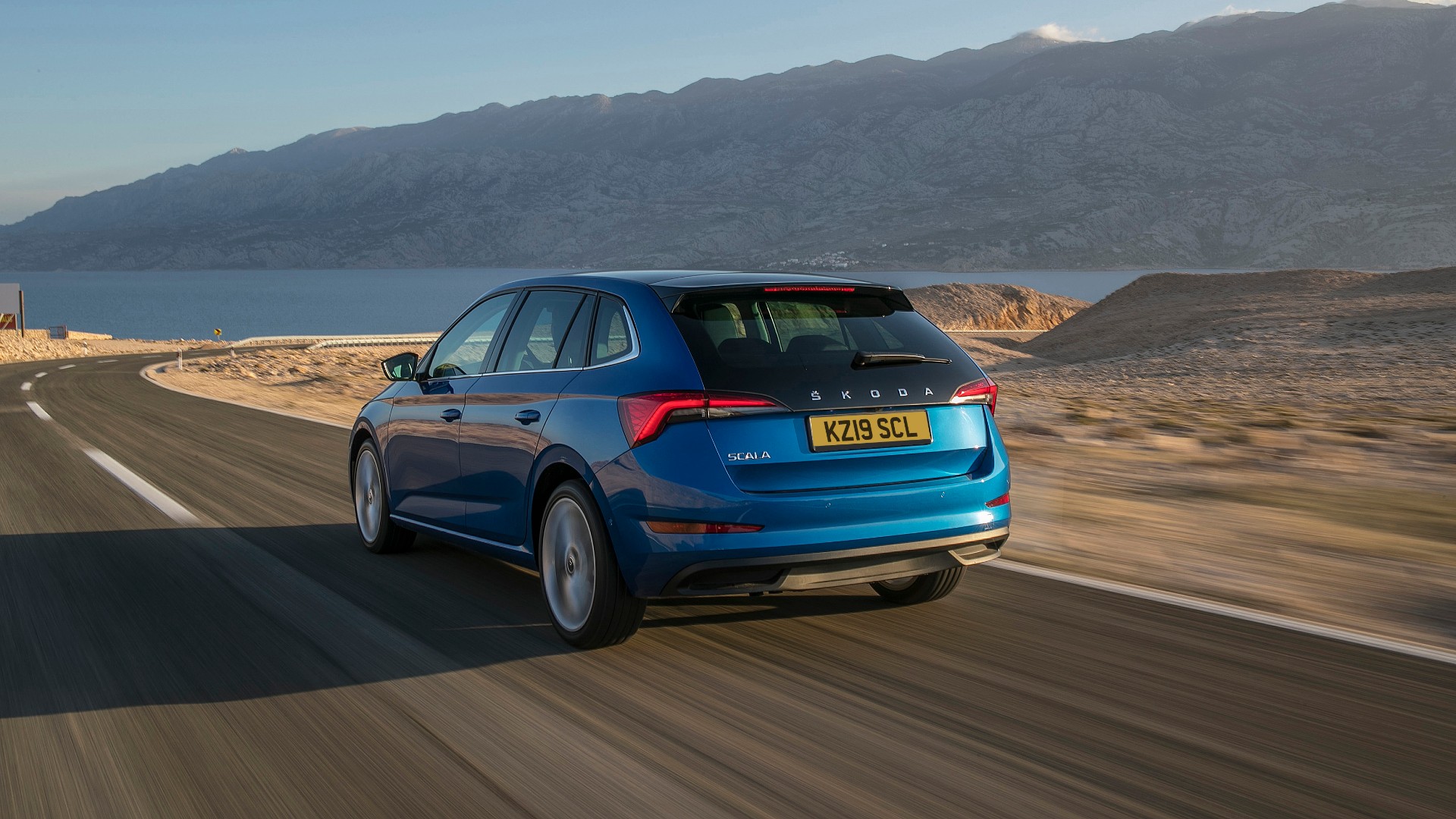
The police and other emergency services can now place orders for the Skoda Scala hatchback.
The Scala is the latest model to join Skoda’s ‘blue-light line-up’. The larger Octavia, along with the Karoq and Kodiaq SUVs, feature prominently in existing emergency fleets.
The fully-converted Scala comes with a range of gear that readies it for service. LED signal lights let everyone know the Skoda is in pursuit, as does a 100-amp three-tone siren.
Built-in active safety features such as blind-spot detection, side assist, front assist and lane assist all lend themselves to work with the services. A spacious cabin and 467-litre boot help, too.
The Scala went on sale earlier this year as a rival to the Volkswagen Golf, Ford Focus and Kia Ceed.
“Our partnership with emergency services teams stretches back over a century,” said Henry Williams, head of fleet at Skoda.
“It’s that extensive knowledge in the sector that makes Skoda a reliable partner for both technologically advanced cars and value for money, and Scala, our most connected car to date, more than fits the bill.”
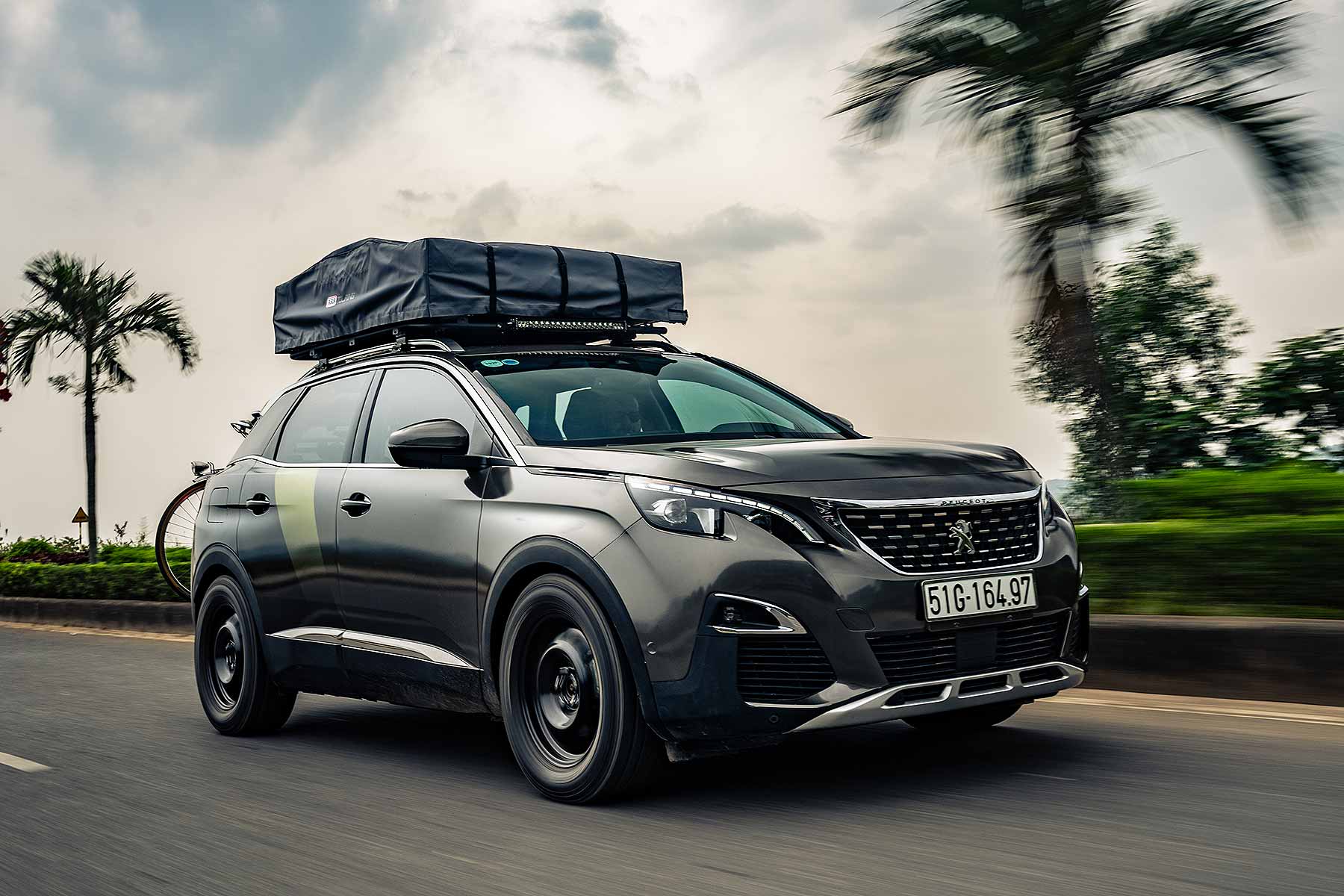
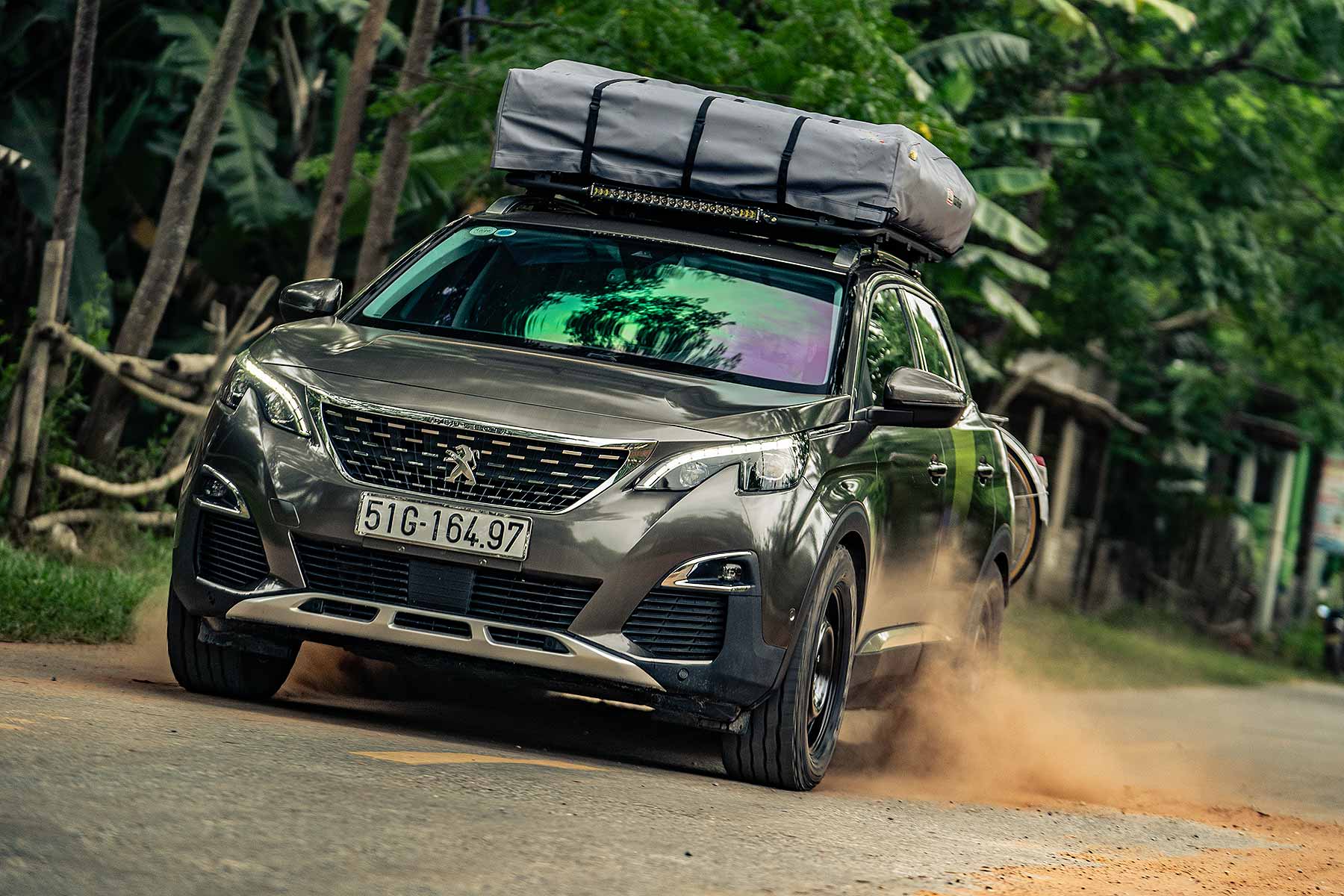
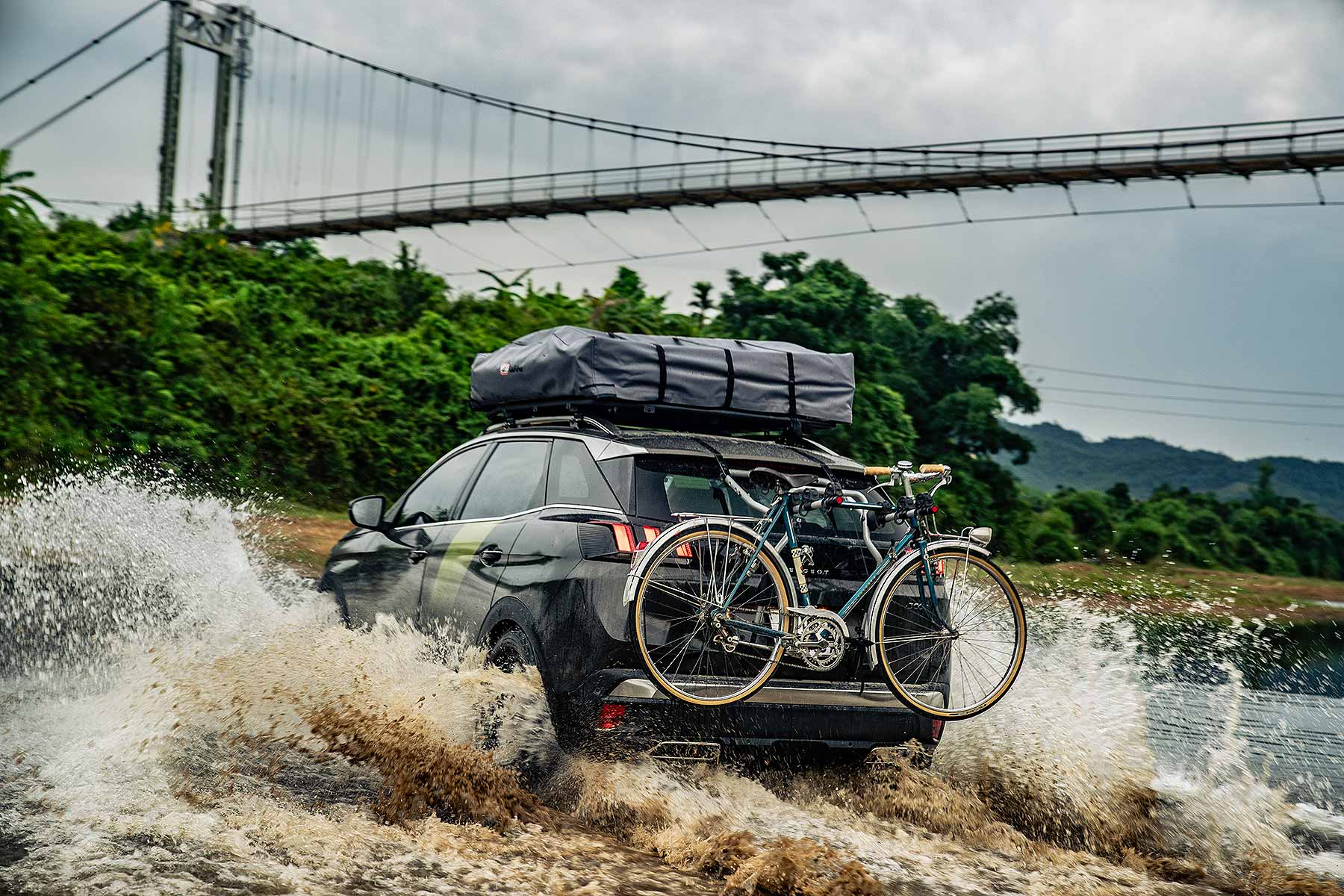
Peugeot has prepared its 3008 crossover for wilderness adventures.
The car started life as a 1.6-litre PureTech GT Line, not unlike one you might see outside a school at closing time. This one-off, however, had bigger plans.
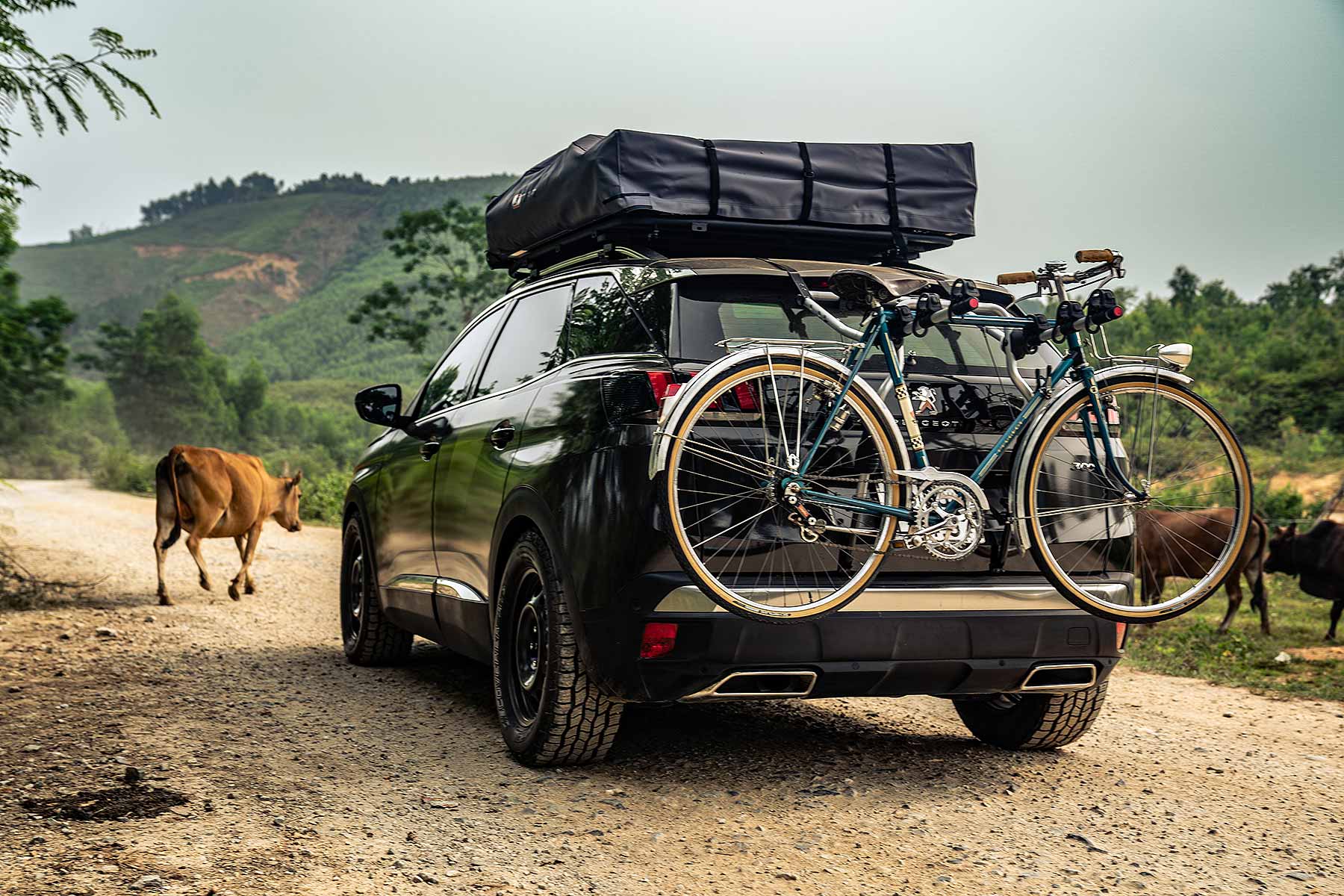
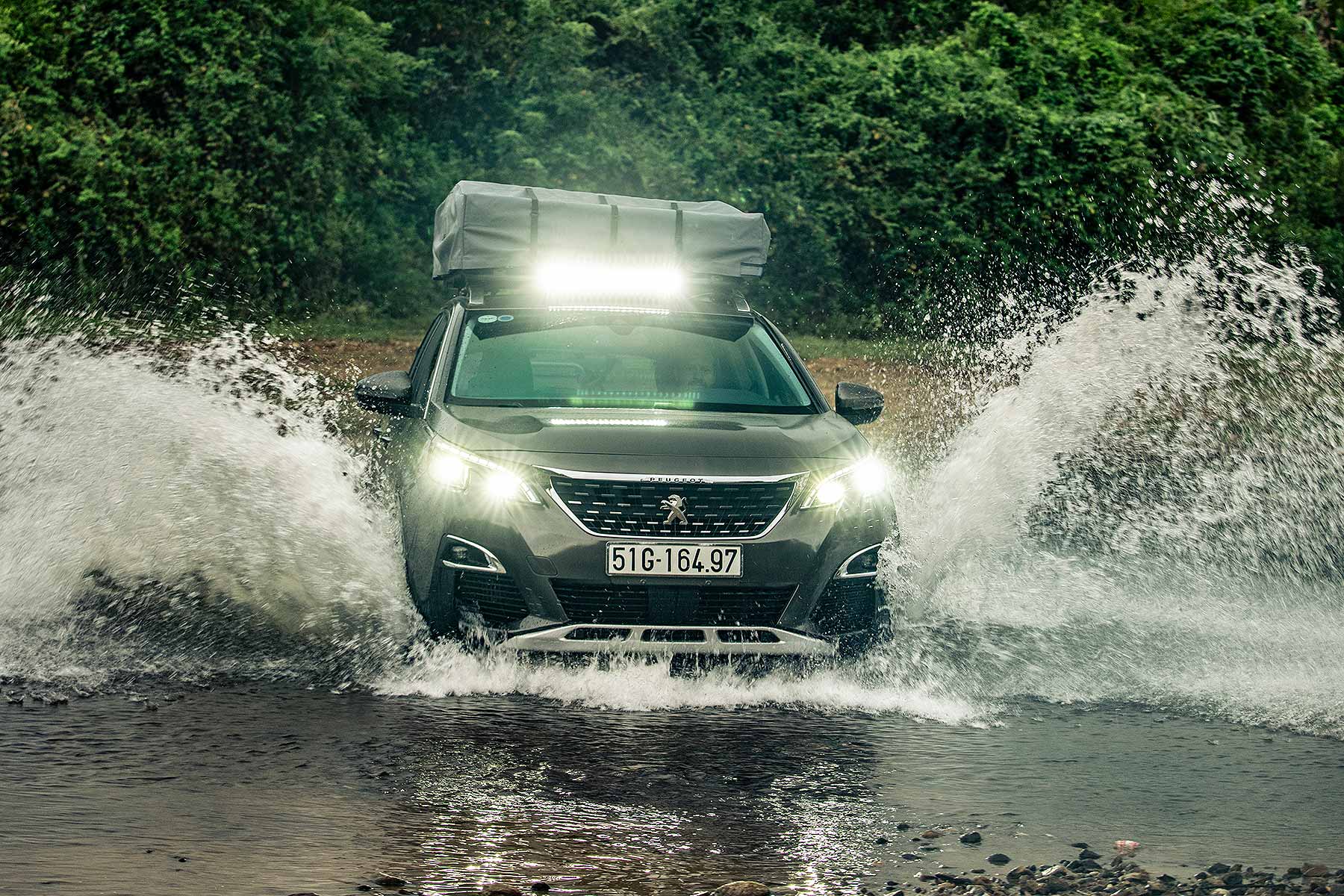
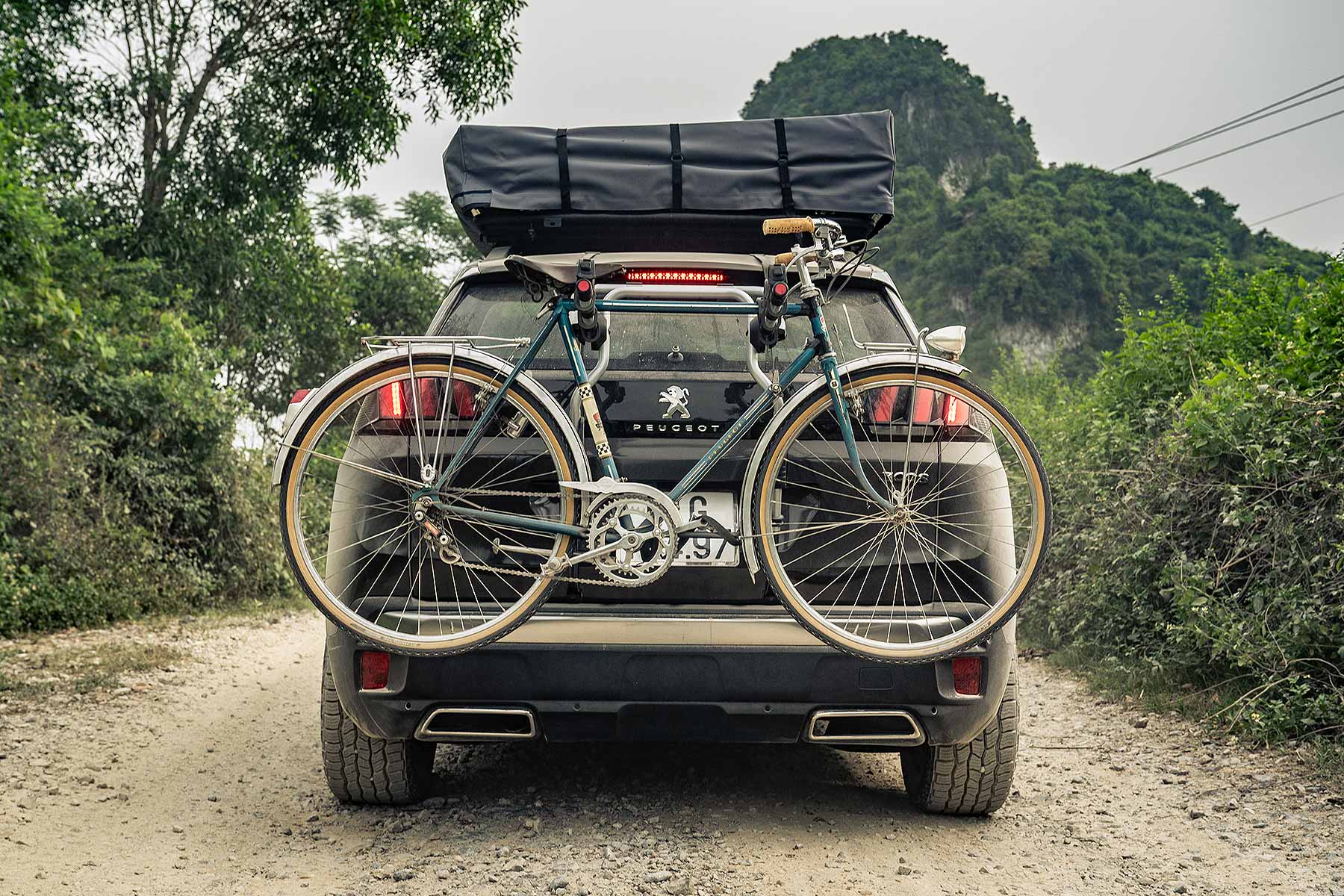
So what’s different about this special 3008? Quite a bit. Cooper AT3 off-road tyres wrap the 17-inch steel wheels, while the underbody is protected by skid plates.
There’s also a massive LED light bar mounted atop a stout alloy roof rack. And the 3008 is a camper of sorts, thanks to the addition of a retractable ARB Simpson roof tent.
Out back, there’s a bike rack and bike for when the trails get too tough even for this pumped-up Pug.
Although the incongruity of a 3008 getting this treatment is interesting, it pays to remember that Peugeot is no stranger to extreme off-roading, with its history of Dakar Rally machines.
The 3008 truck was created specifically for a Top Gear magazine feature and successfully tackled part of the Ho Chi Minh trail in Vietnam.
“This one-off model exemplifies the practicality and off-road ability of our best-selling SUV,” said David Peel, MD of Peugeot UK.
“With relatively minor modifications, the 3008 has tackled some tough terrain, proving the effectiveness of its Advanced Grip Control technology and demonstrating its true outdoor potential.”
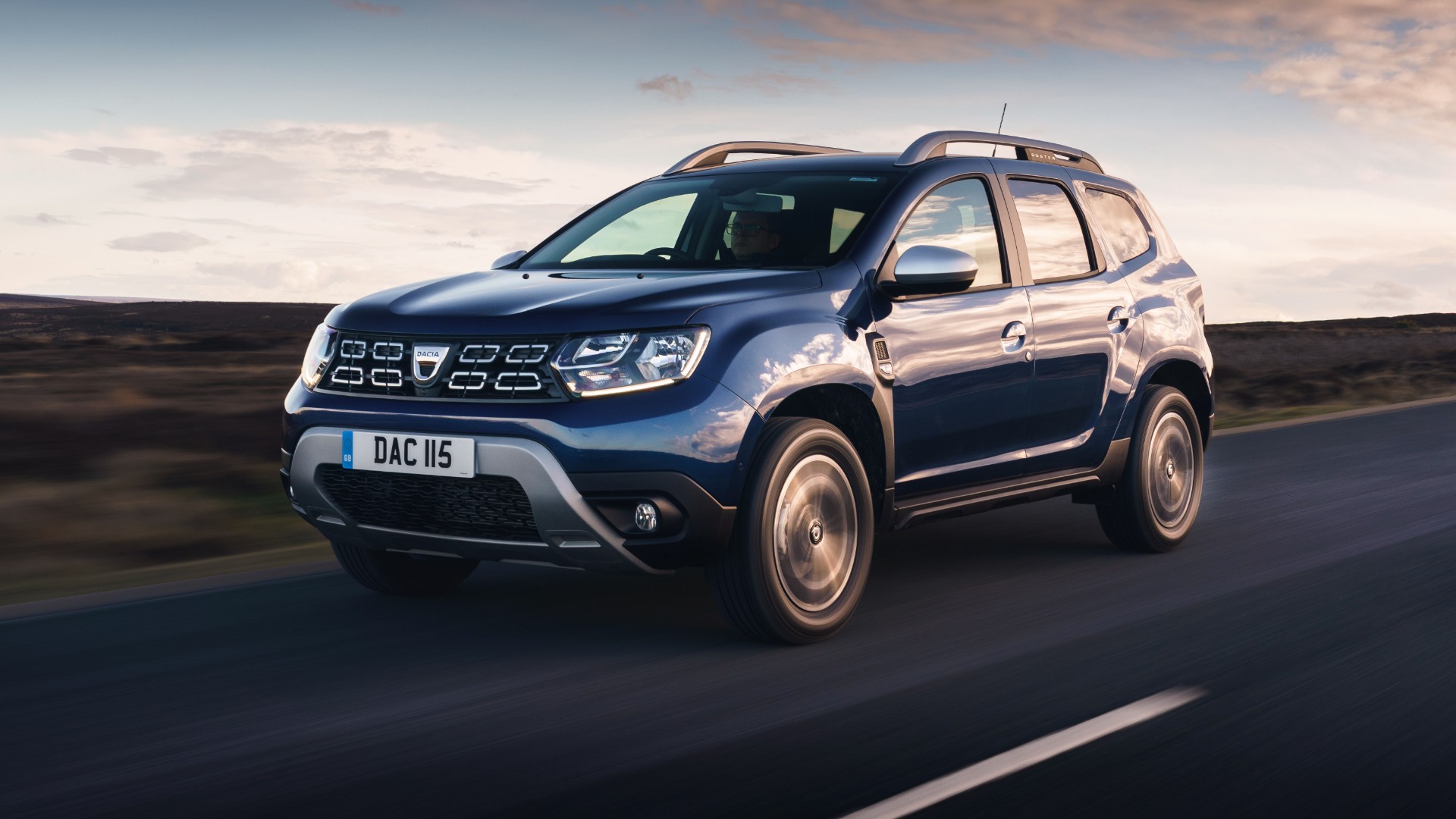
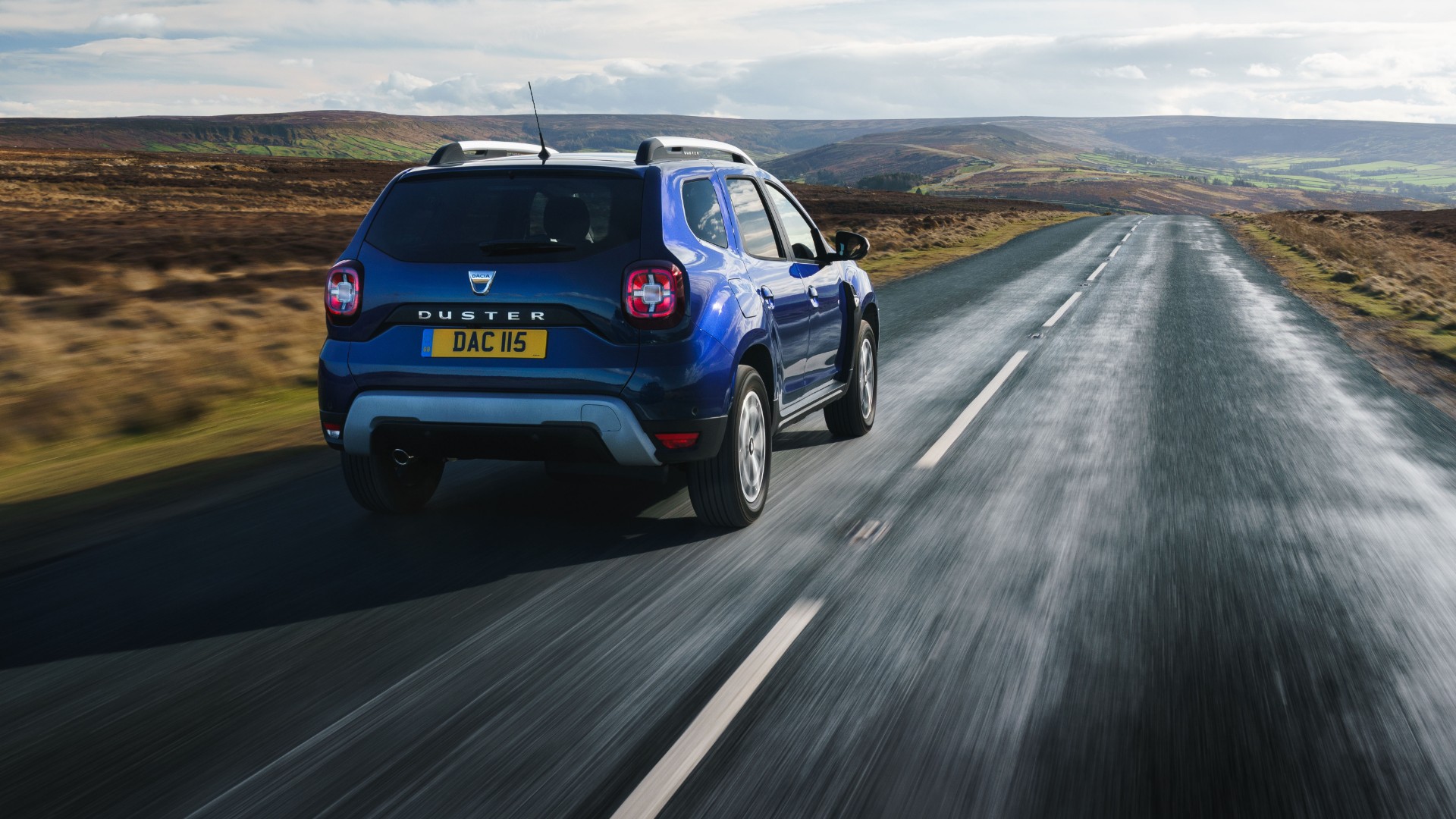
The Dacia Duster has earned praise from Good Housekeeping magazine, winning the Reader Recommended award.
There are four areas assessed by the panel at the Good Housekeeping Institute: performance/enjoyment, overall acceptability, whether they’d purchase again, and whether they’d recommend a product to friends and family.
An impressive 92 percent of Duster owners would happily recommend the car to people they know. Also, 85 percent said the Duster was good value for money, with an overall rating of 8.4 out of 10.
The Duster is ‘far better for the money’ than ‘more expensive competitors’, says Good Housekeeping, and beats them ‘hands down’.
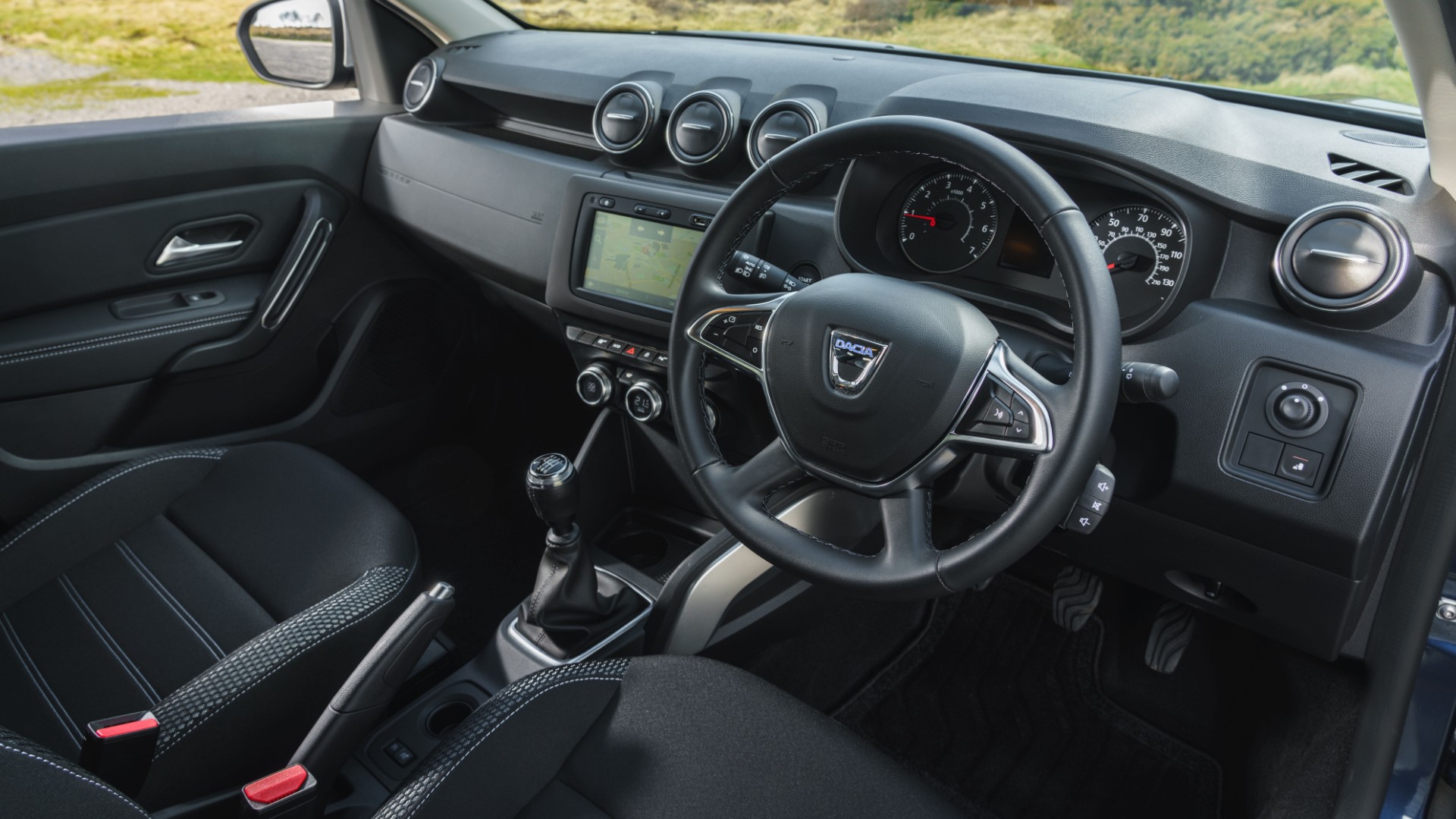
It also ‘looks stylish, has innovative technology and a quality interior and exterior’.
The Duster seems to punch above its weight in terms of perceived quality, equipment and style, reckons the expert panel, perhaps proving that saving doesn’t necessarily mean sacrifice.
“We’re hugely excited by the positive response and feedback that owners have for the Duster and delighted that the car has received a Good Housekeeping Reader Recommended stamp of approval,” said Ben Fletcher, head of Dacia UK.
 If you cannot reach a refuge area – or you breakdown on a standard motorway with a hard shoulder – here’s some safety advice from the RAC:
 North
North 
 There’s no such thing as a bad new car, but not all vehicles are created equal. So while the days of unsafe, unreliable and rust-before-your-eyes cars are, for the most part, behind us, there are still some munters on the road. Here are 15 cars from the past decade that shouldn’t have made it to these shores.