Ford has announced a special edition of the 5.0 V-8 Mustang, designed especially for performance fans in Australia.
Built in collaboration with tuning experts Herrod Performance, the new Mustang R-Spec has been created with a wealth of Ford Performance parts and experience.
It marks the first time a supercharged Mustang has been officially sold by Ford dealerships in Australia, and will come with a factory-backed five-year warranty.
Super ‘Stang
At the heart of the Mustang R-Spec is a Roush 2650 supercharger kit, attached to the regular 5.0-liter V-8 engine, along with a Herrod Performance exhaust system.
Ford Australia has not released performance figures for the R-Spec, other than stating it will be more than the 460 horsepower seen in the Mustang Bullitt. Roush typically quotes power outputs of 700 horsepower for Mustangs fitted with the company’s supercharger kit.
Also added to the R-Spec is a Ford Performance MagneRide Handling Pack, in combination with Ford Performance springs for a lowered ride height. A set of 19-inch Ford Performance alloy wheels are present, wrapped in Michelin Pilot Sport 4S rubber.
Stand out from the crowd
Ford has not held back on visual changes to the Mustang R-Spec, with matte-finish body stripes to the top of the car, and also hockey stripes to the sides. Gloss black has been used for the mirror caps, 5.0 badging, and rear spoiler. The exhaust tailpipes, hood vents, headlight surrounds, and front pony badge are black.
The interior features leather-trimmed Mustang GT seats, along with a Ford Performance gear shift knob. All 500 units of the R-Spec will be supplied with a manual six-speed transmission, and exclusively in the Fastback body shape.
Each R-Spec built will also feature a numbered plaque mounted on the dashboard, just in case buyers need a reminder of what they are driving.
King of the Hill
Prices for the Mustang R-Spec will begin at AUD $99,980 (USD $67,260), and will only offered to customers in Australia. Interested Ford fans will be able to place their orders from October 10th, with the first deliveries expected in early 2020.
Ford will also be showcasing the Mustang R-Spec at the famed Bathurst motorsport event this weekend. Local racing hero Dick Johnson will drive demonstration laps of the new car, ahead of the 2019 Supercheap Auto Bathurst 1000 race.
Ford Performance has dominated the 2019 Virgin Australia Supercars Championship with the Mustang, amassing an incredible 17 wins already. The Mustang Supercar also clinched the Manufacturers’ championship for the Blue Oval in July.
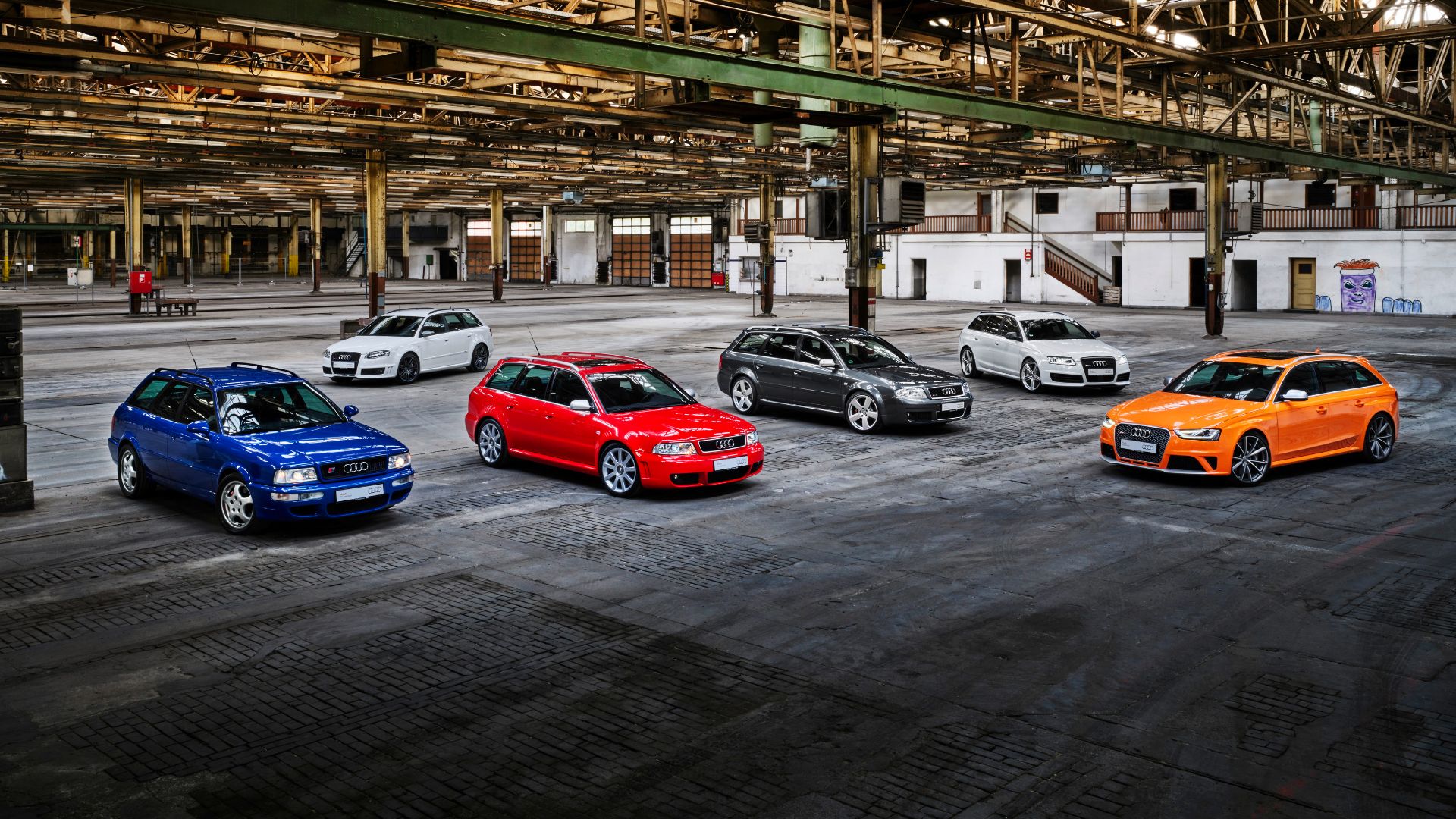
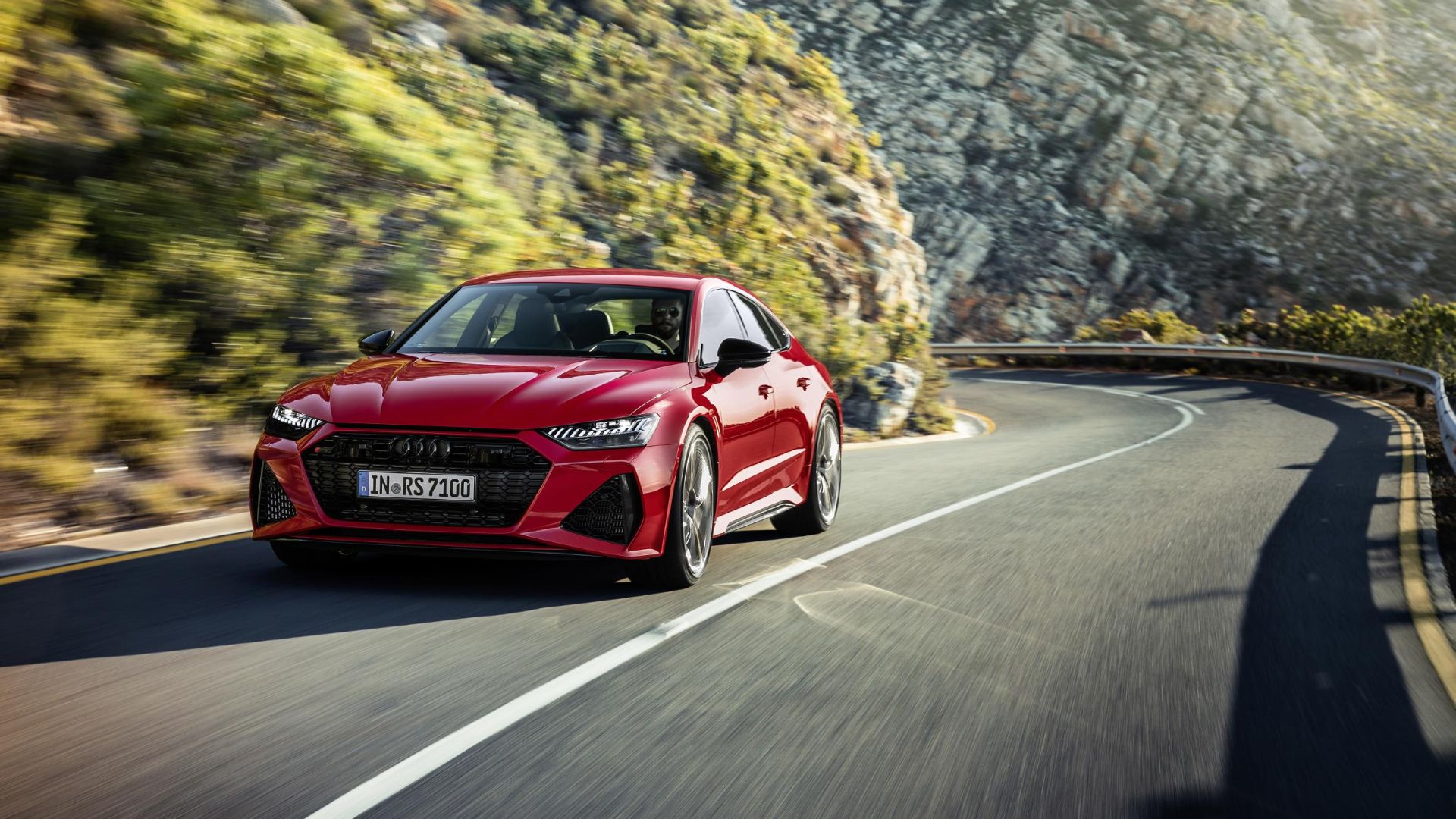
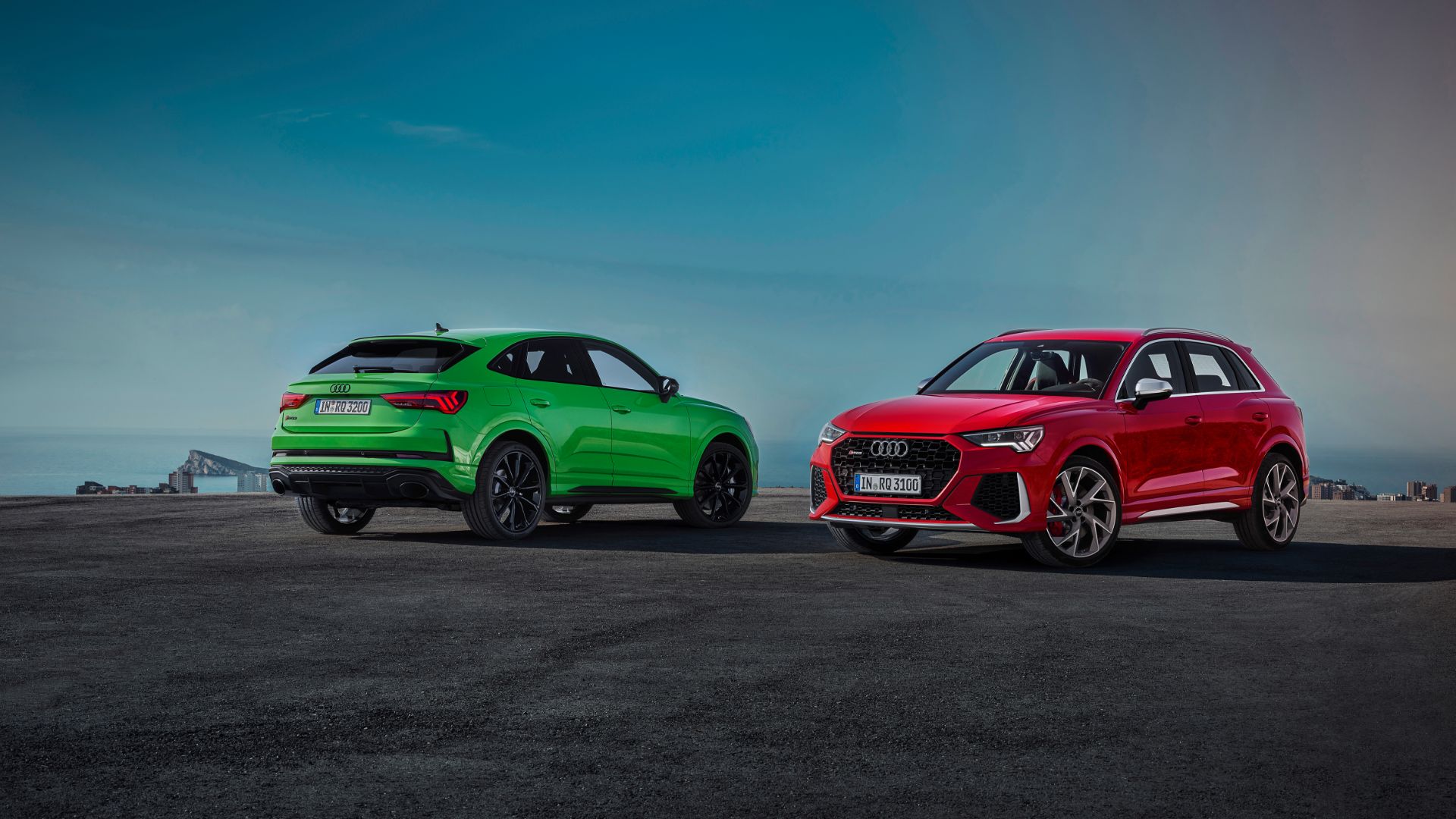
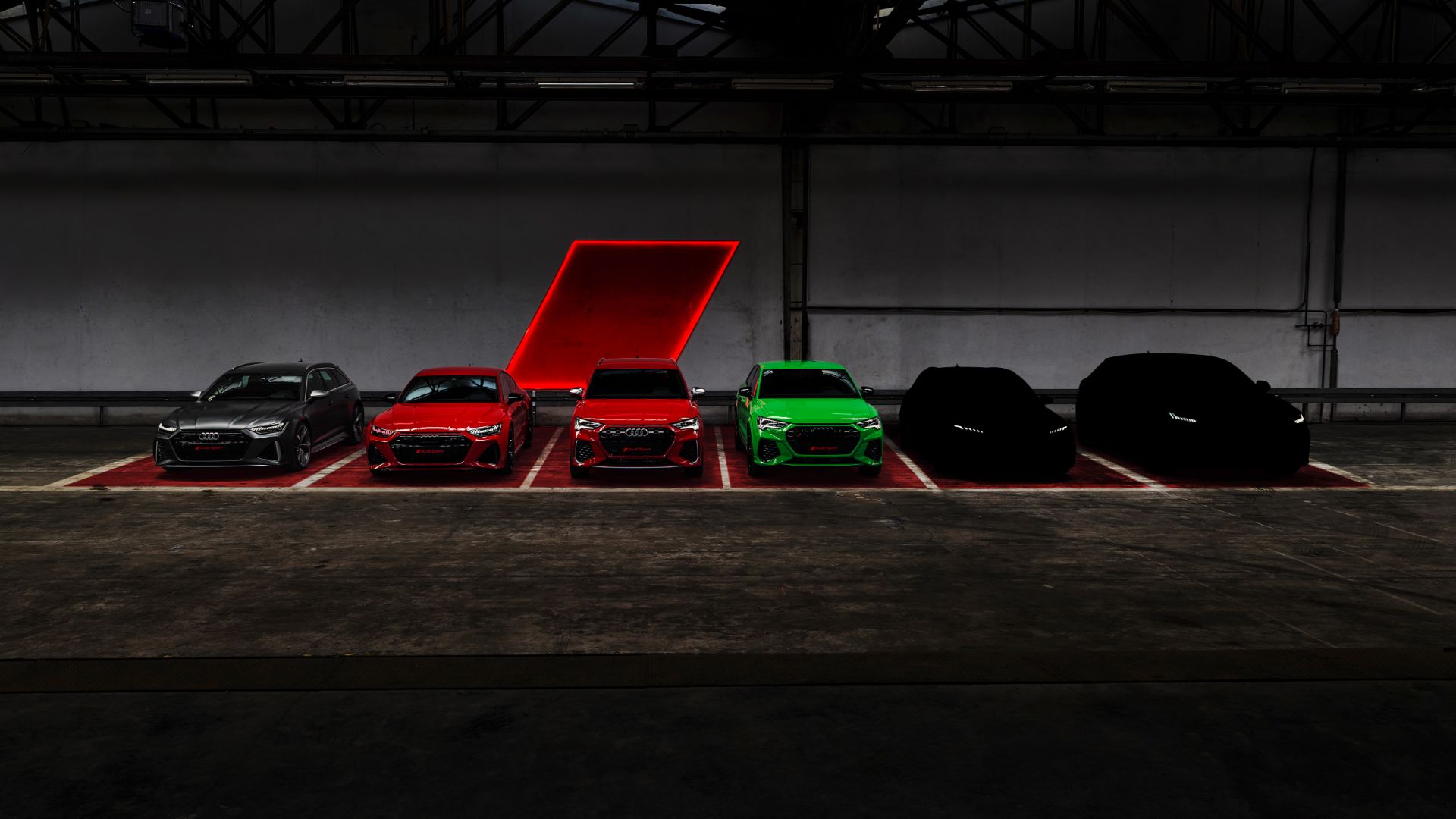
Audi’s RS-badged beasts have been roaming the autobahns and chasing down M cars since 1994. That’s 25 years of blistered arches, scowling snouts and bulbous bottoms, with a high-power wail of a soundtrack. We break down the history of the modern fast Audi.
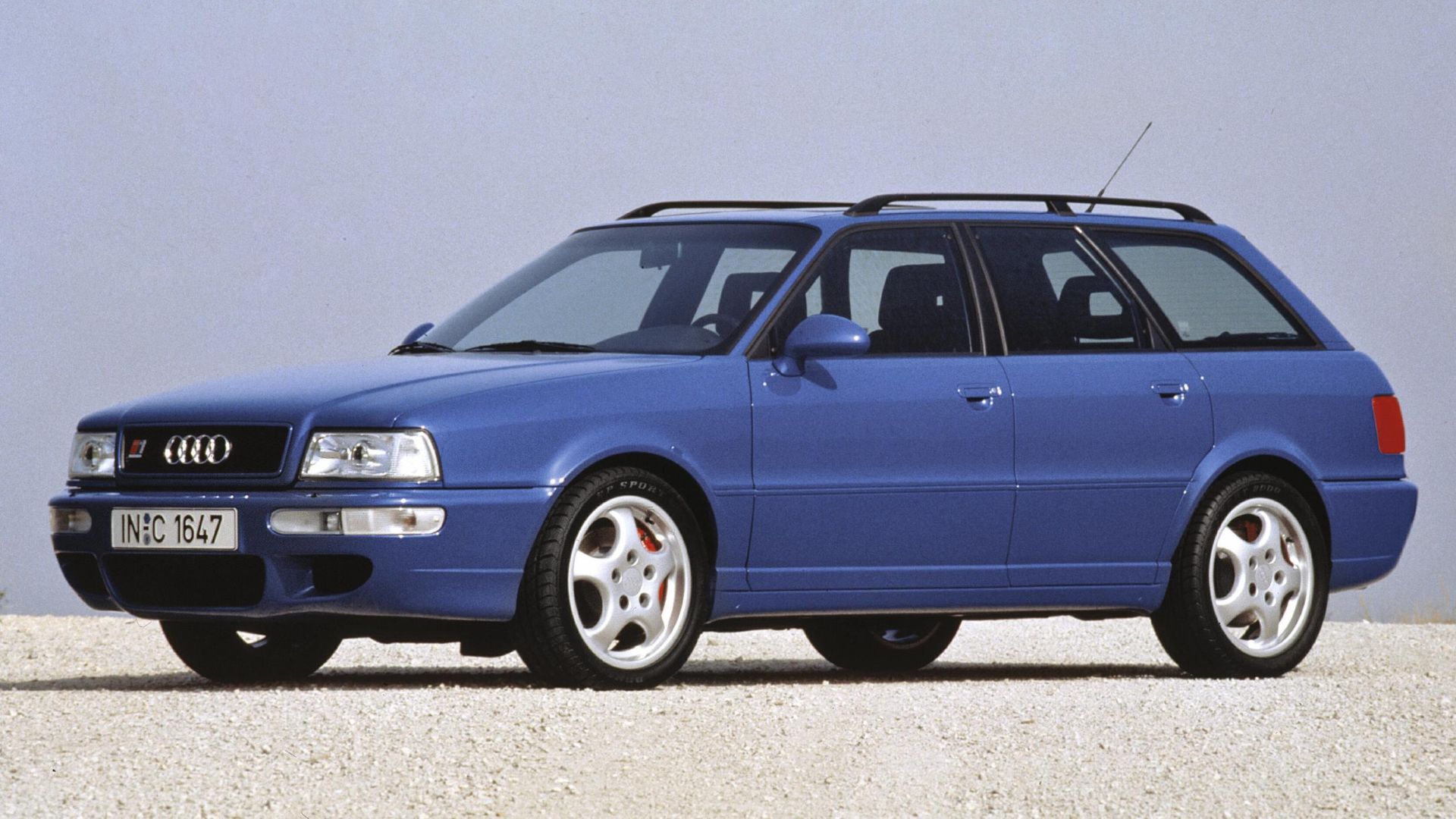
1994 Audi RS 2
With the help of Porsche, Audi brought its first RS-badged performance estate to the market, and the fast car world was changed forever. While 315hp from its 2.2-litre five-cylinder engine is modest by today’s standards, in 1994 the RS 2 was an angry ripsnorter of a thing.
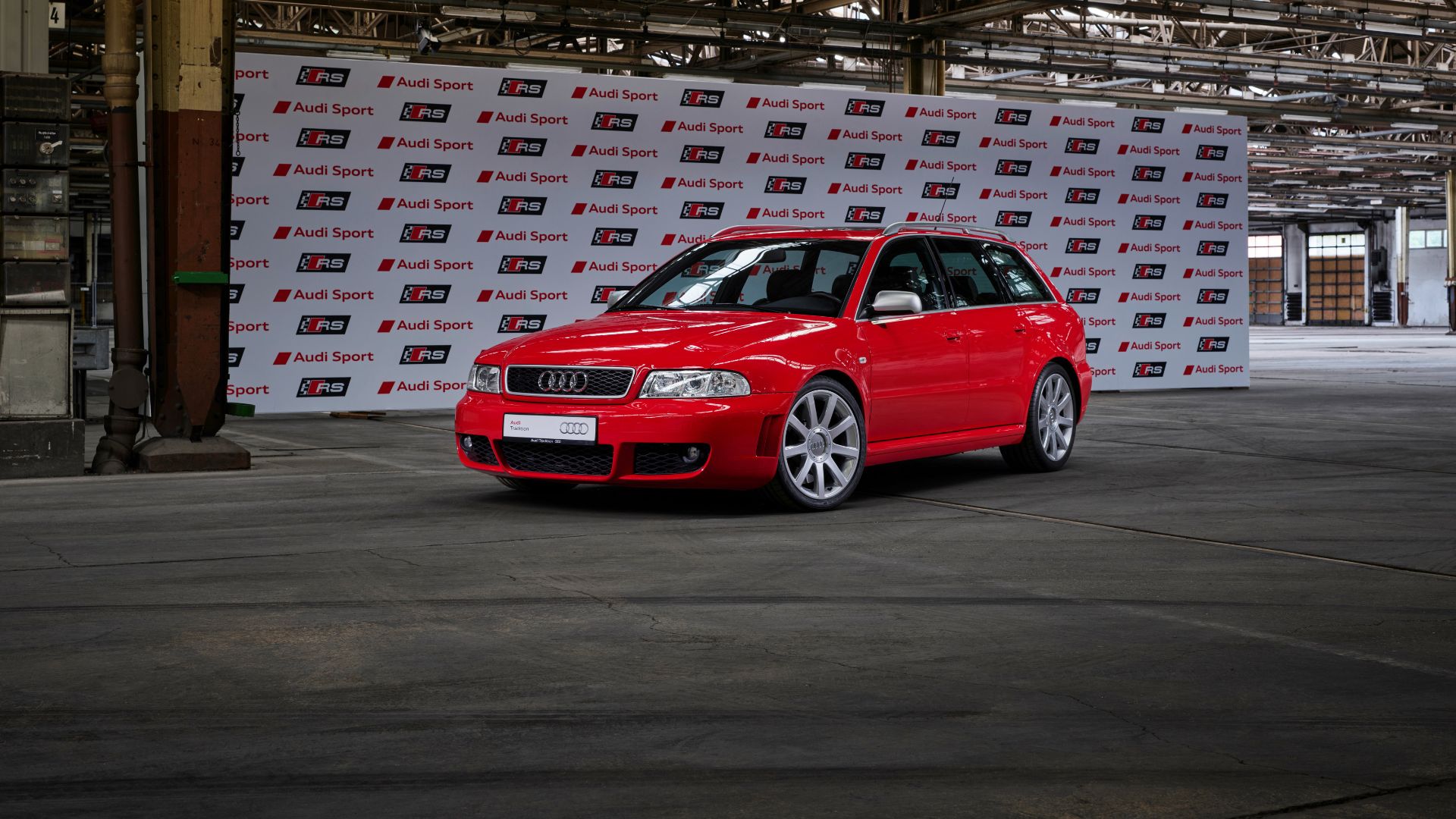
2000 Audi RS 4
The original RS 4 picked up where the RS 2 left off, and established how Audi’s RS cars would be tiered. Its 2.7-litre turbocharged V6 delivered a mighty 380hp – enough for the RS 4 to stand toe-to-toe with BMW’s M5, let alone the M3. Unlike the RS 2, the RS 4 was also available as a saloon.
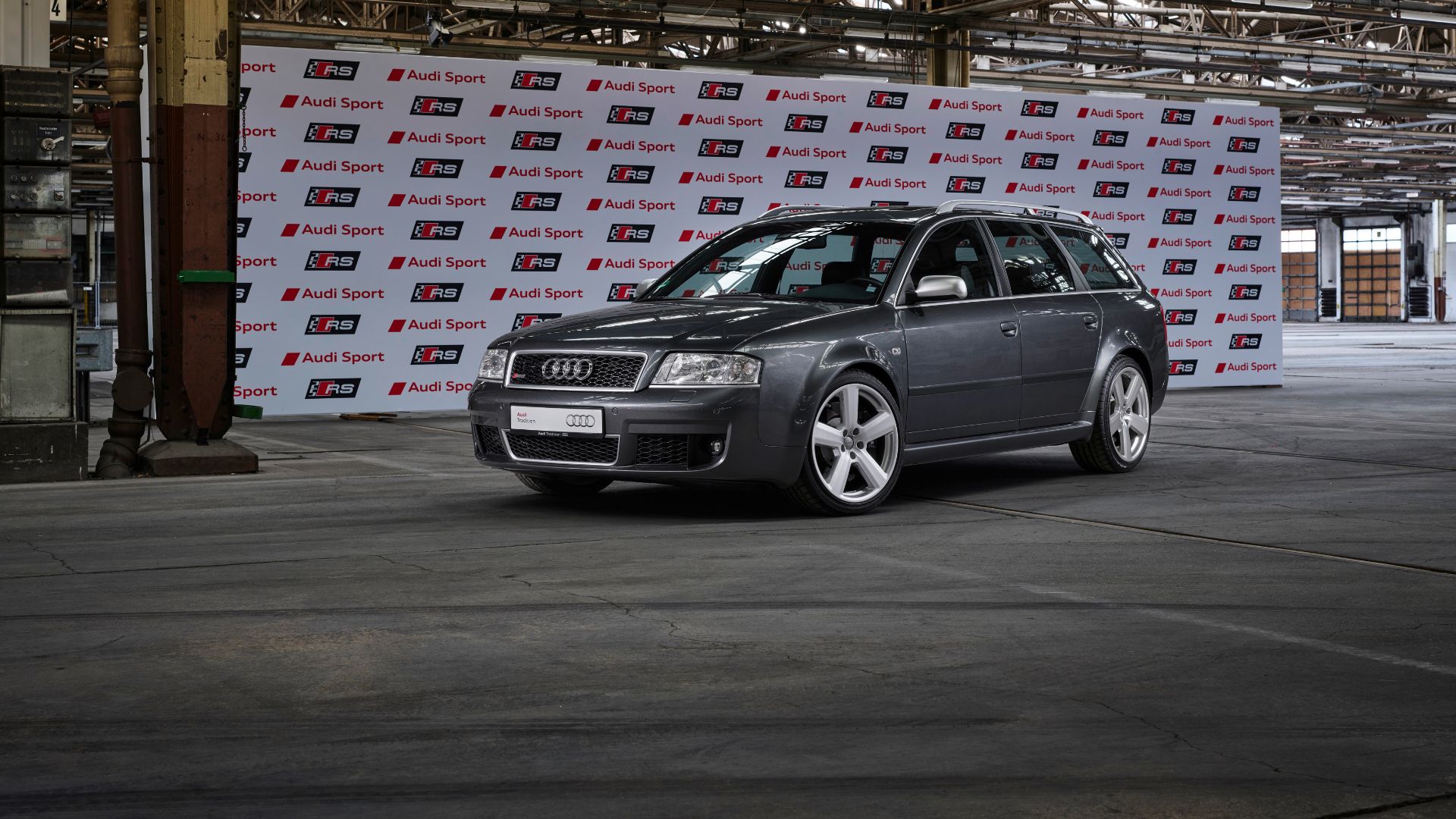
2002 Audi RS 6
The RS 6 has been a giantkiller since it was introduced. Packing 450hp in standard form from its twin-turbo V8, and 480hp in RS 6+ form, this thing could munch M5s on the way to nibbling at the heels of supercars. It was also available as a saloon.
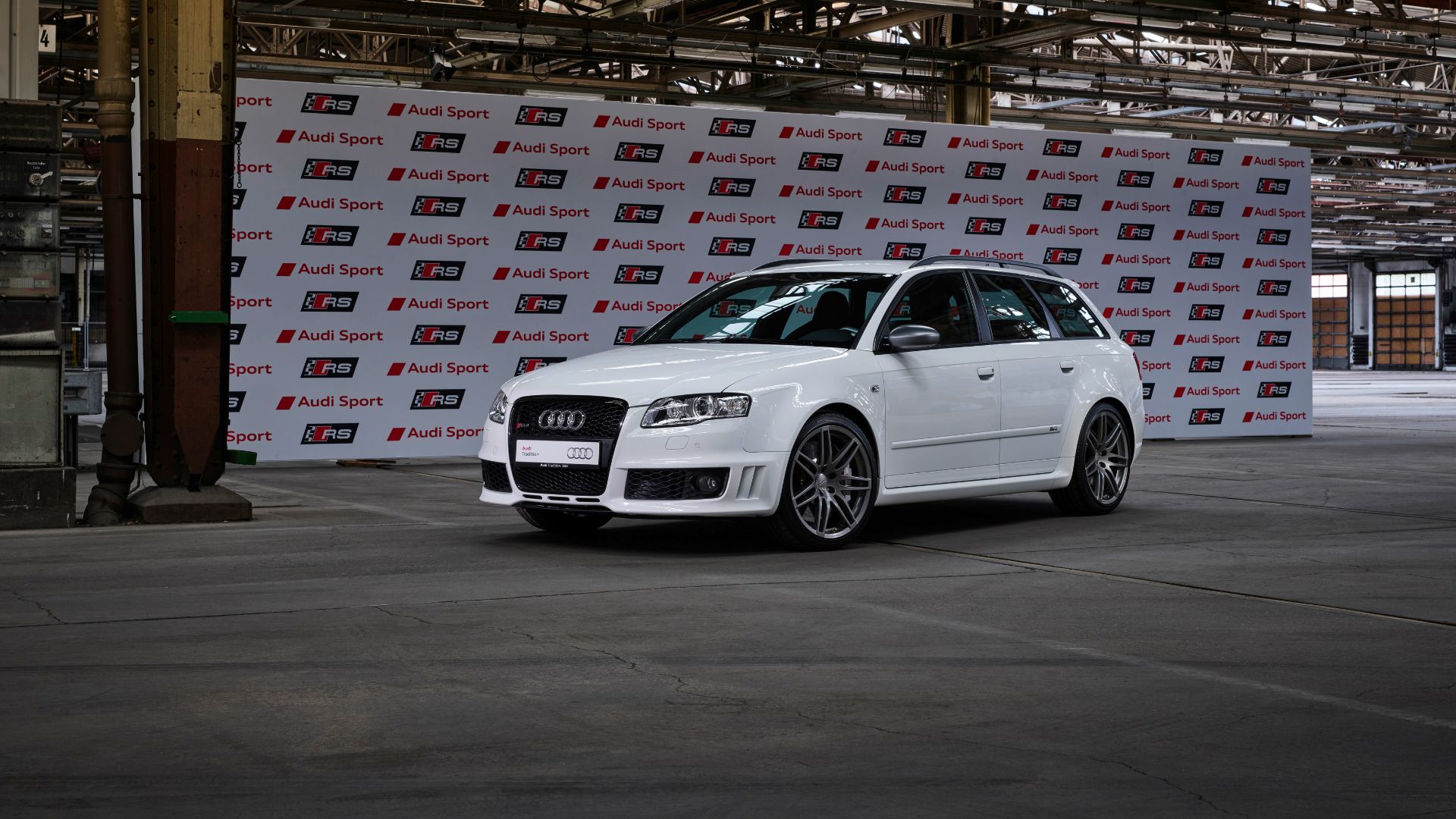
2005 Audi RS 4
But what fast Audis had yet to do, since the introduction of the RS 2, was deliver when it came to handling. Grip? They had bags of it. Balance? Not so much. Nose-heavy Audi RS cars loved to push. The RS 4 changed all that, delivering a balletic handling balance to go with that super-sweet singing 420hp 4.2-litre V8. In terms of styling, the RS 4 enhanced the steroidal RS look, and it was also the first appearance of the grille. The RS 4 was available as a saloon, Avant and a cabriolet.
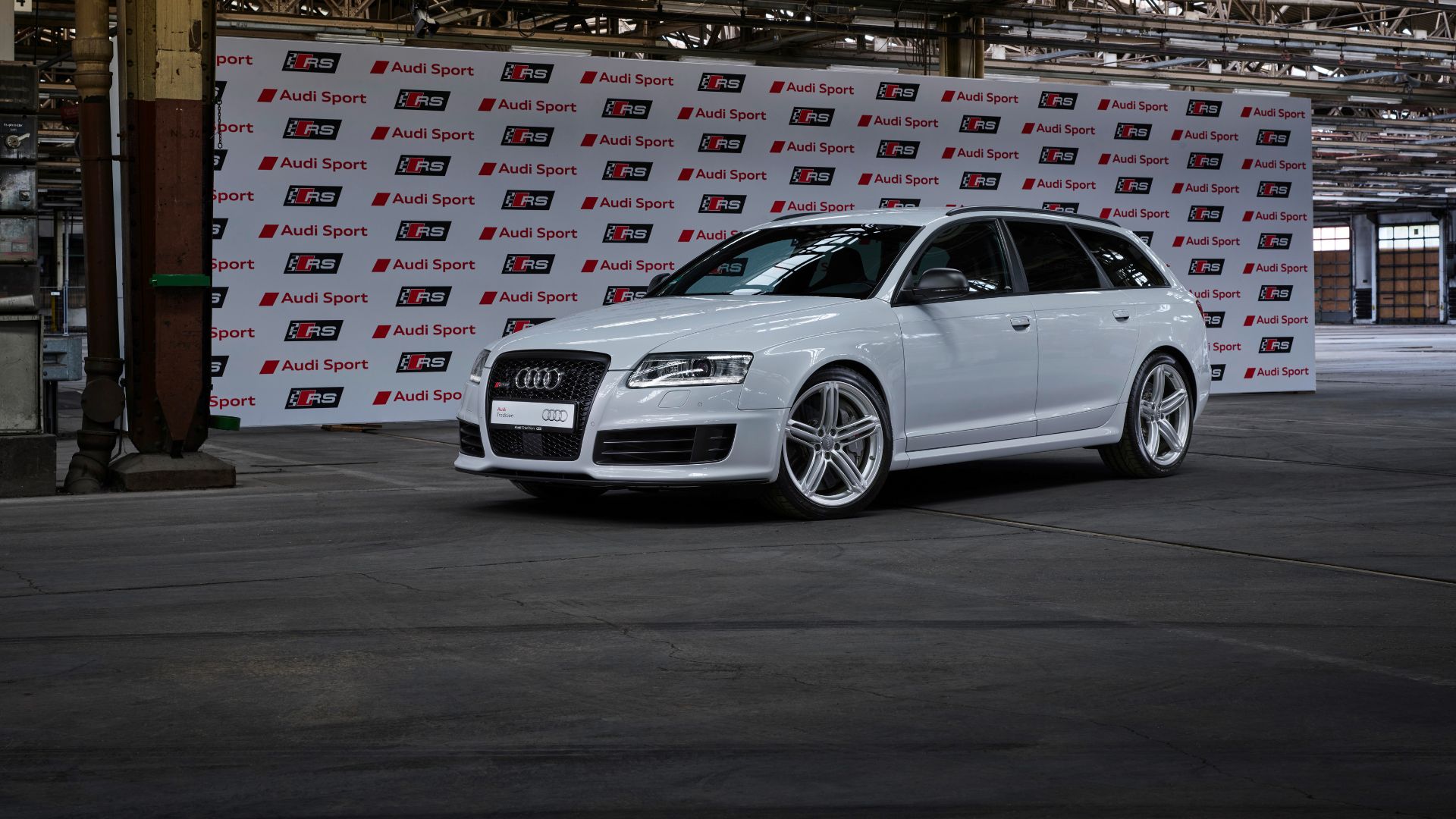
2008 Audi RS 6
The next RS 6 reverted to old habits. Big power – 580hp courtesy of a twin-turbo 5.2-litre V10, and brutally unsatisfying dynamics. It’ll obliterate most contemporary rivals point to point, but it’ll do so without delivering any feeling of satisfaction for the driver. It’ll easily push into understeer if you get too eager, too. Audi’s reputation for inconsistency was born with the second-generation RS 6, but lordy did it jelly your knees to look at. Yours in saloon or Avant format.
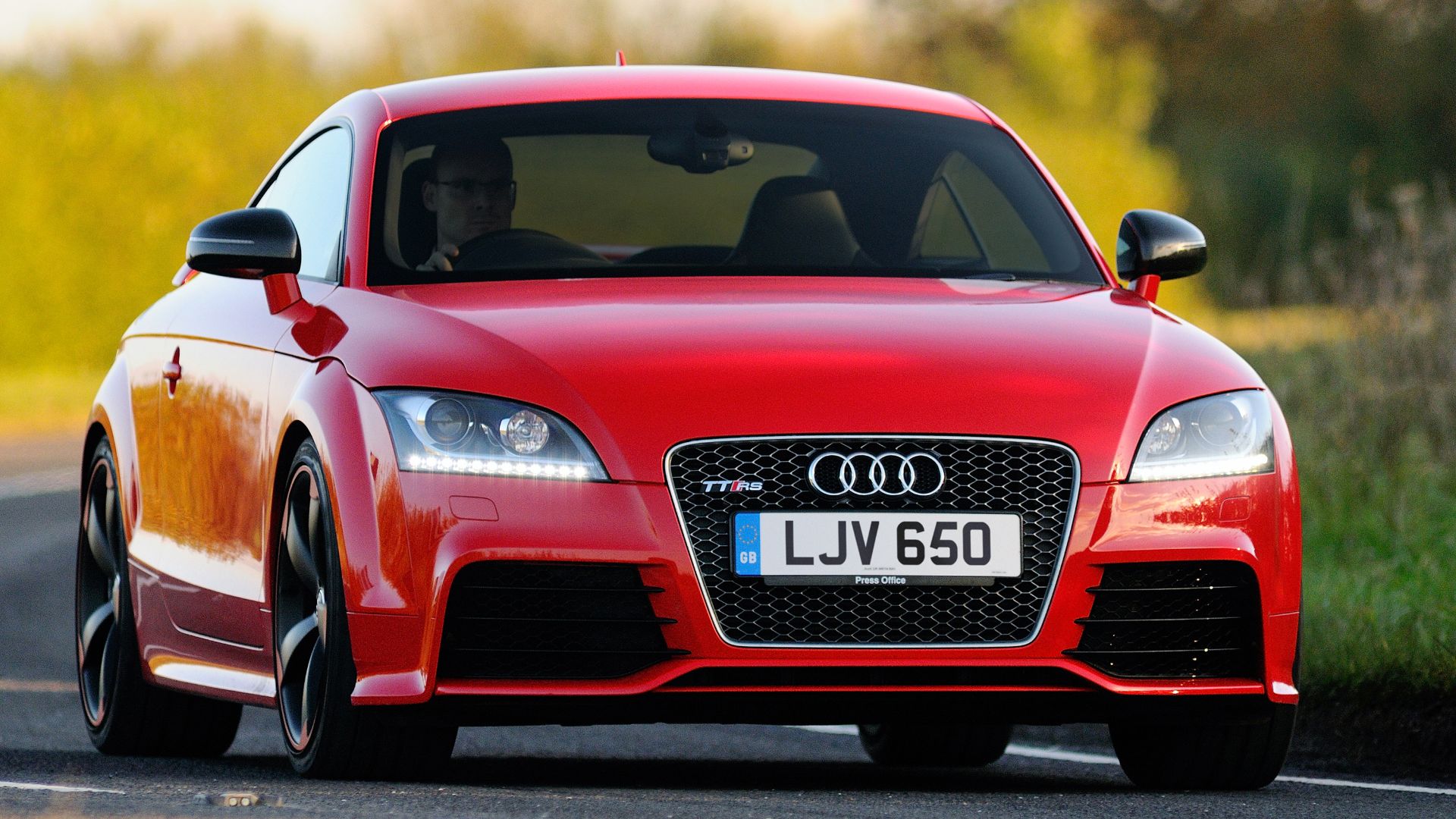
2009 Audi TT RS
A car we’d seemingly been waiting forever for – an RS version of the TT. The TT RS came along with looks to kill and an engine that thrilled. 2.5-litres of turbocharged five-cylinder power was a delight, but the warble was a distraction from a slightly underwhelming drive. Our advice? Get the roadster, to be closer to the sound.
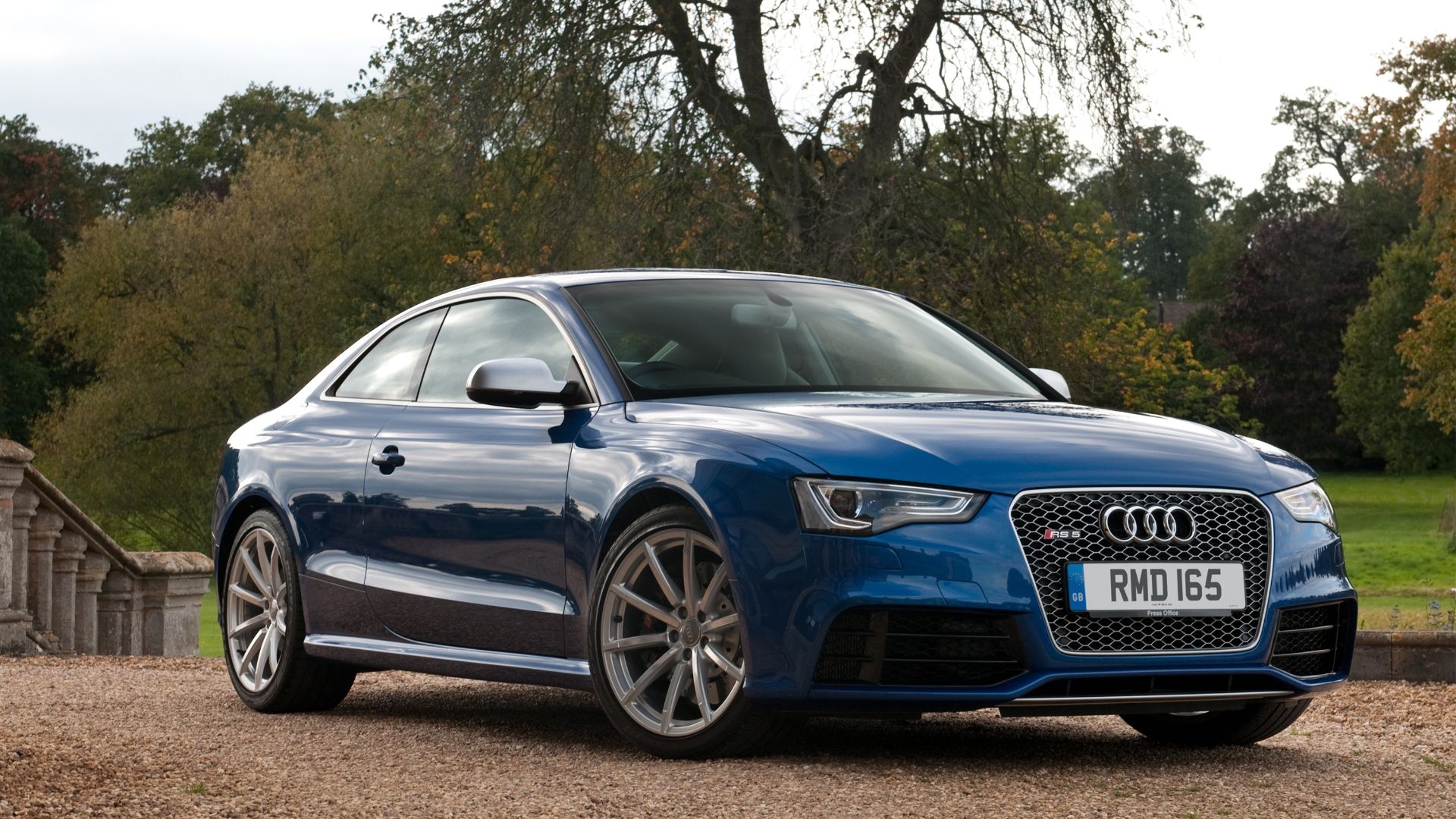
2010 Audi RS 5
The RS 5 was no M3 fighter when it came to dynamics, but you’d arguably take it on looks alone. The Cabriolet was the ultimate riviera cruiser.
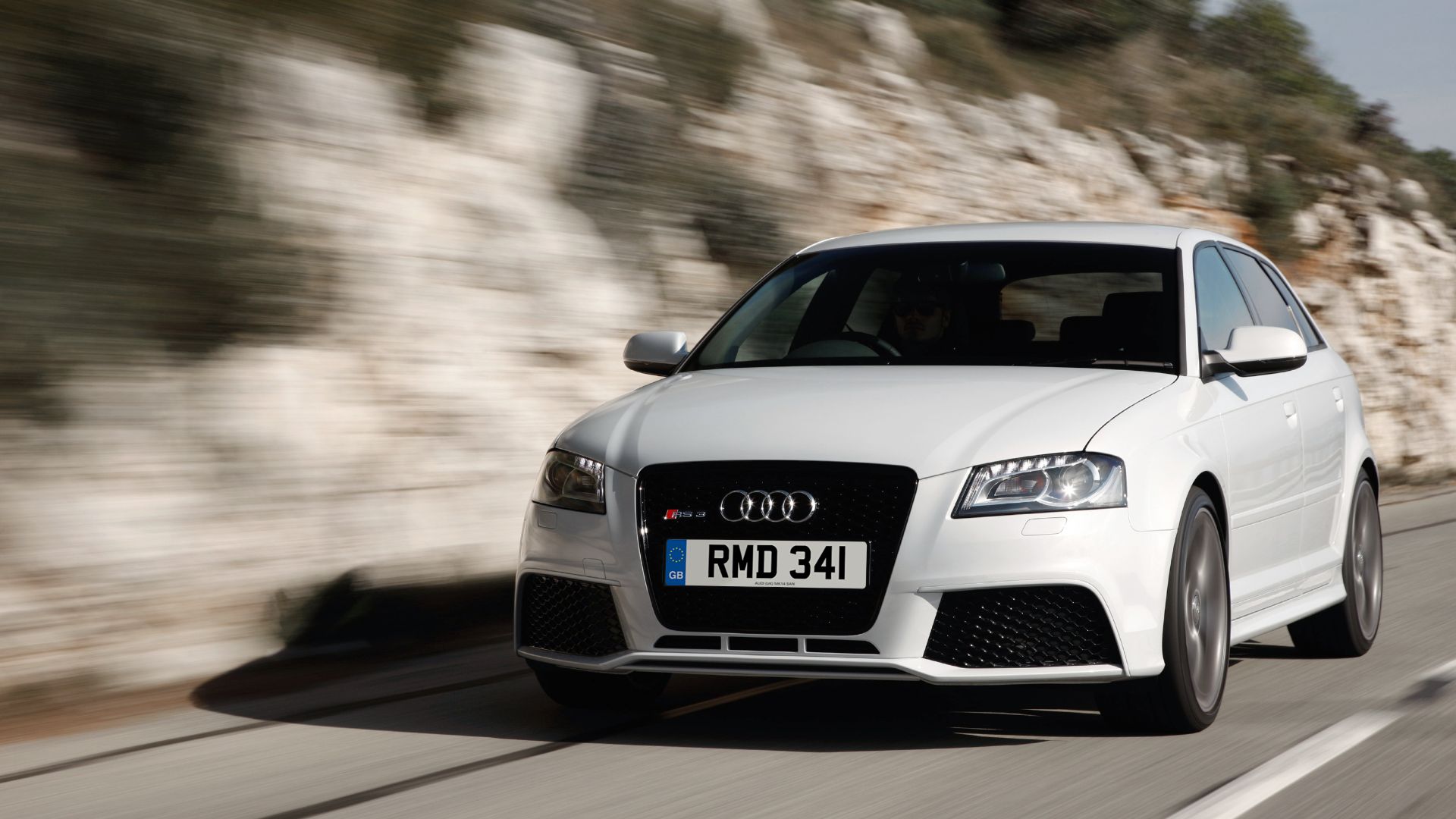
2011 Audi RS 3
Audi’s first hyper hatch picked up where the TT left off – five-pot power and a slightly disappointing drive. The engine is one of the modern greats though, and it survives to this day in current and future hot Audis. Praise be.
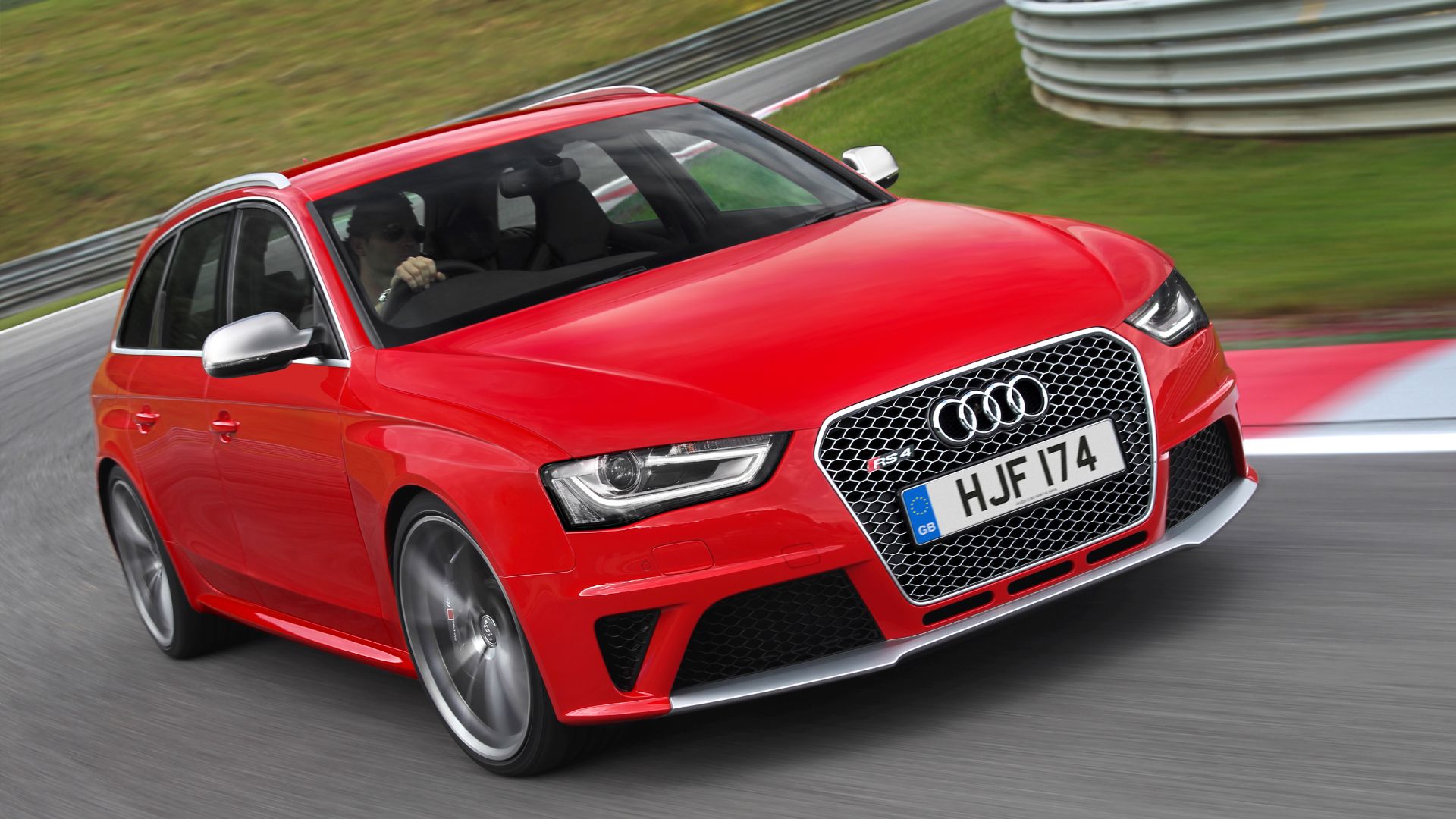
2012 Audi RS 4
In 2012, the mighty RS 4 made a return in wagon form only. It wasn’t quite as much of a standard-setter as its predecessor, but it was properly stylish. One thing Audi’s RS division has always nailed is style, never more so than with the B8 RS 4.
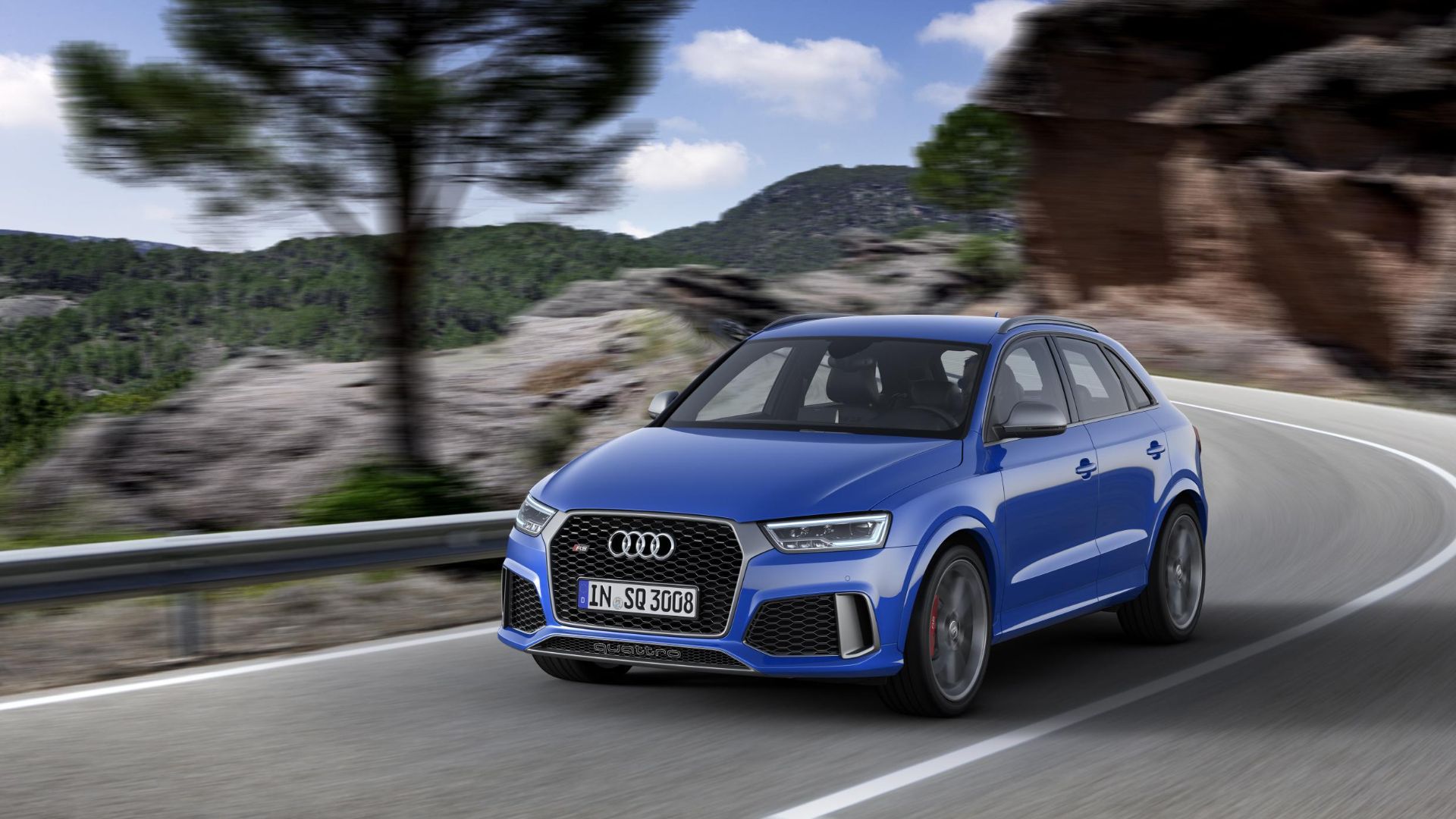
2013 Audi RS Q3
Then Audi changed the game, with an RS-powered crossover. Q3, the unassuming family mini SUV that it was, got swollen vents, a big oval exhaust and fabulous five-pot power. It even drove better than the RS 3 hatch.
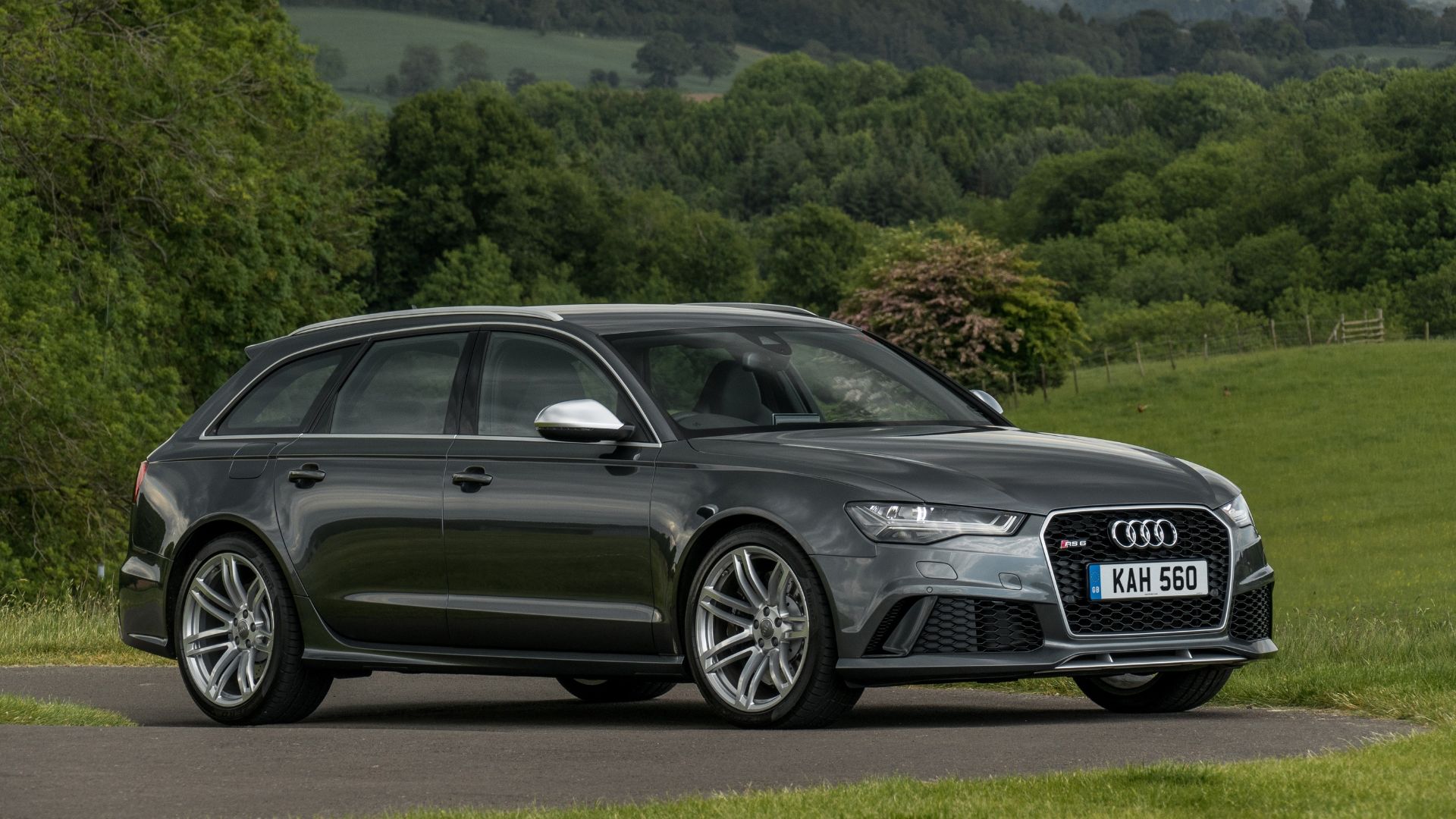
2013 Audi RS 6
With the 2013 RS 6, Audi got its mojo back. By far the best RS since 2005’s RS 4, this RS 6 downsized back to a twin-turbo V8, displacing four litres. It was also down on power, with 560hp, but was such a sweet drive. It was arguable the best-looking RS yet made, too. You’ll note, too, that this was the second RS car from Audi in 2013. With these two, Audi had begun its mission to deliver more RS to a power-hungry market.
2013 Audi RS 7
Audi’s late-in-the-game answer to the AMG-powered Mercedes CLS was, like its RS 6 counterpart, an absolute rocket, but it lacked the versatility of its esteemed sibling. It replaced the option of an RS 6 saloon.
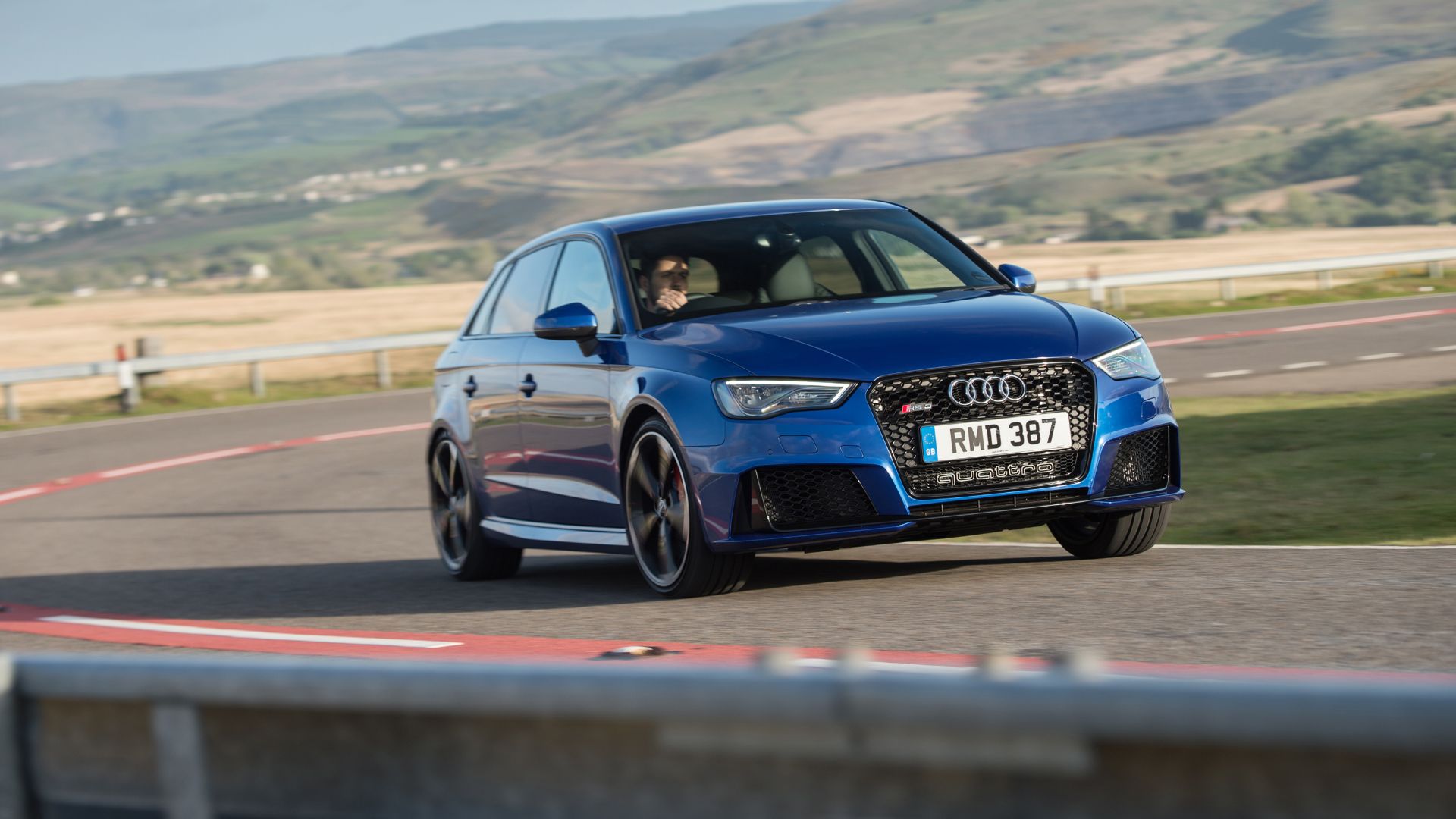
2015 Audi RS 3
In 2015, the RS 3 came of age. With the 2.5-litre turbo five cylinder and 360hp, the new RS 3 had the charming powerplant, but it now had a chassis with half a hope of complimenting it. It also looked absolutely spectacular, though it hadn’t reached the height of its aesthetic powers yet.
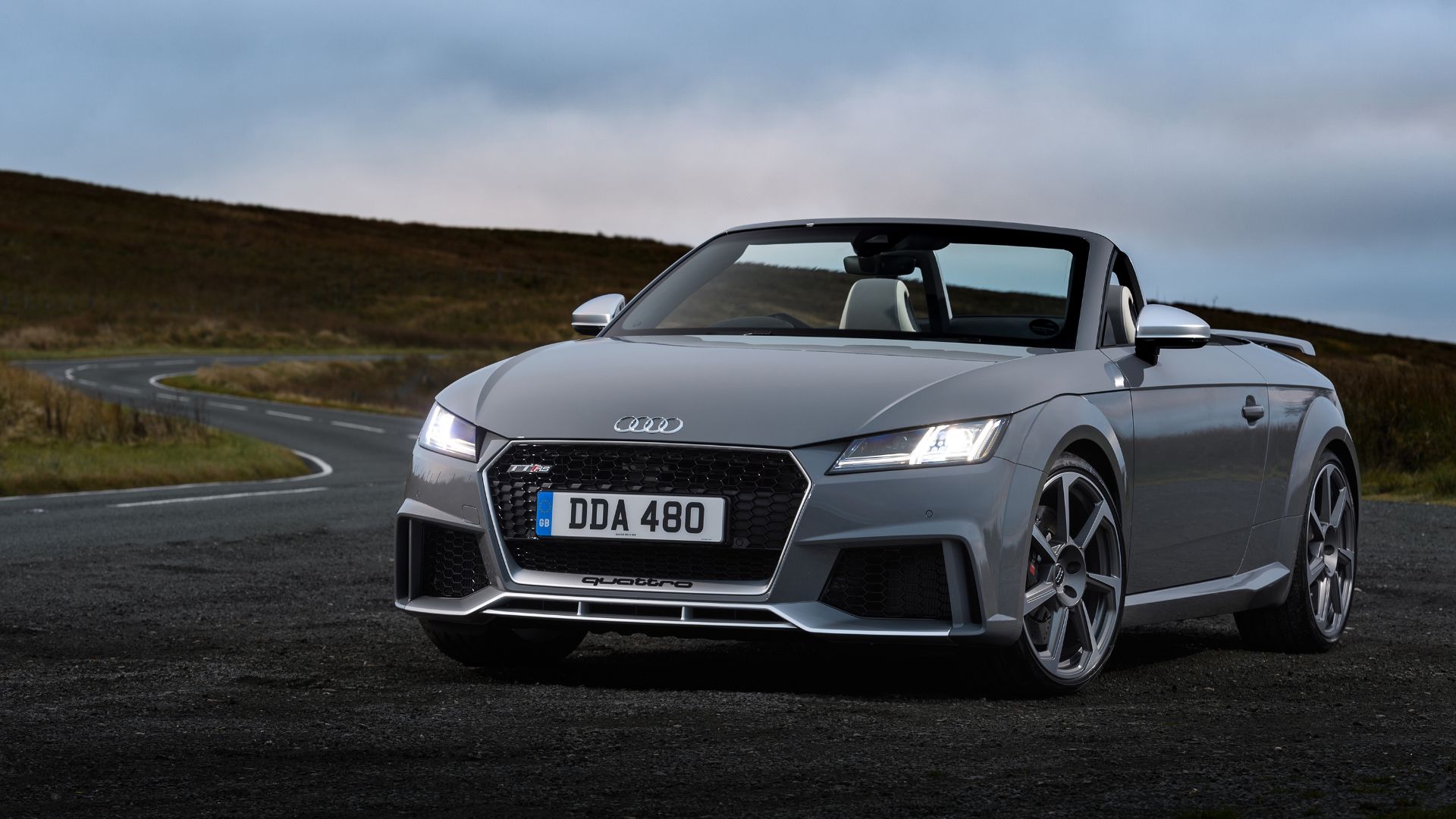
2016 Audi TT RS
With near-on 400hp, the TT RS, in coupe and roadster form, is a proper little supercar slayer. First-generation R8? Not a problem. Audi RS, as always, can keep supercars honest.
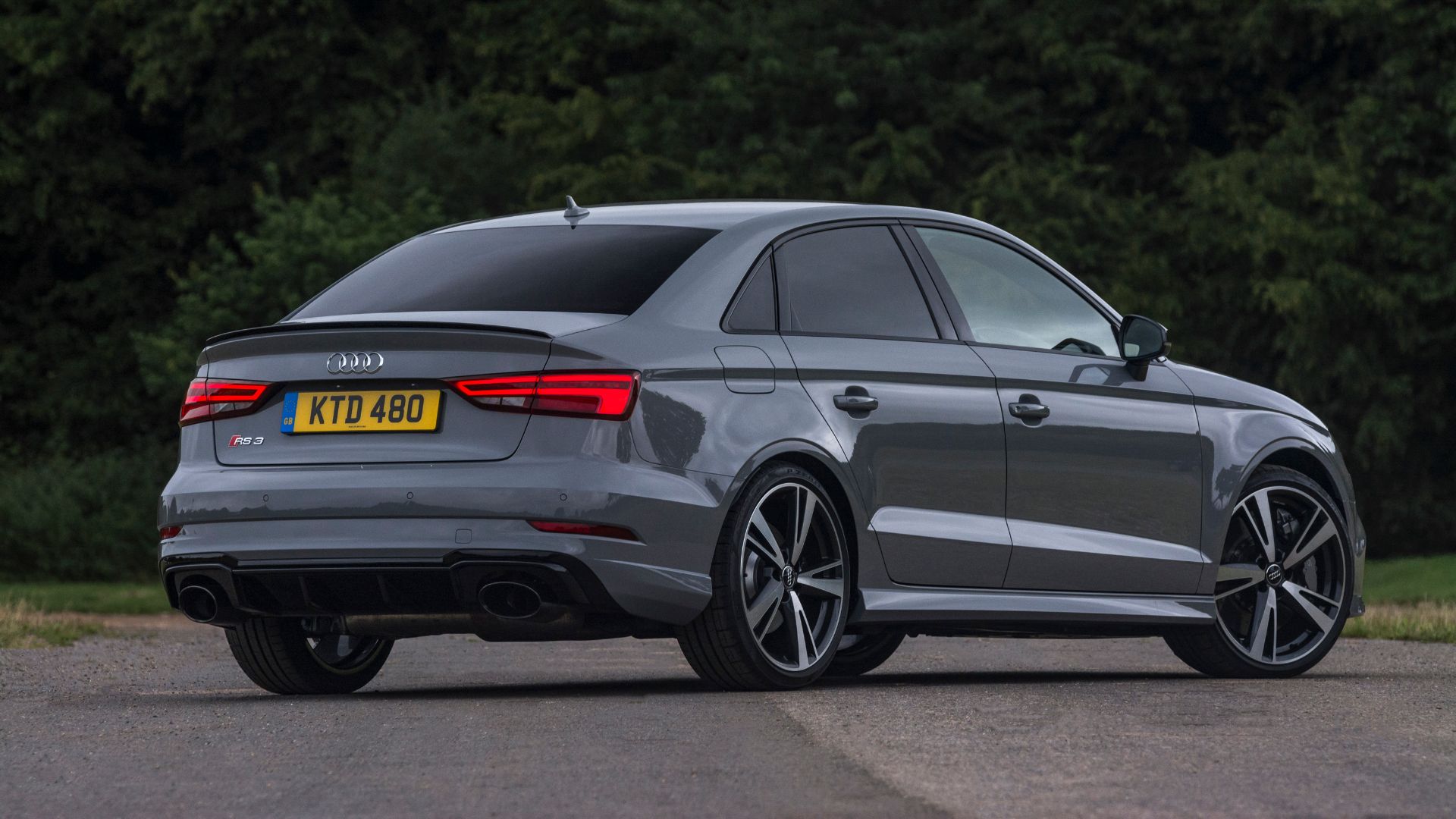
2017 Audi RS 3 Saloon
And now, one of the best-looking modern RS Audis. In fact, as of its release, the RS 3 saloon became the only RS 3 to have, in our opinion.
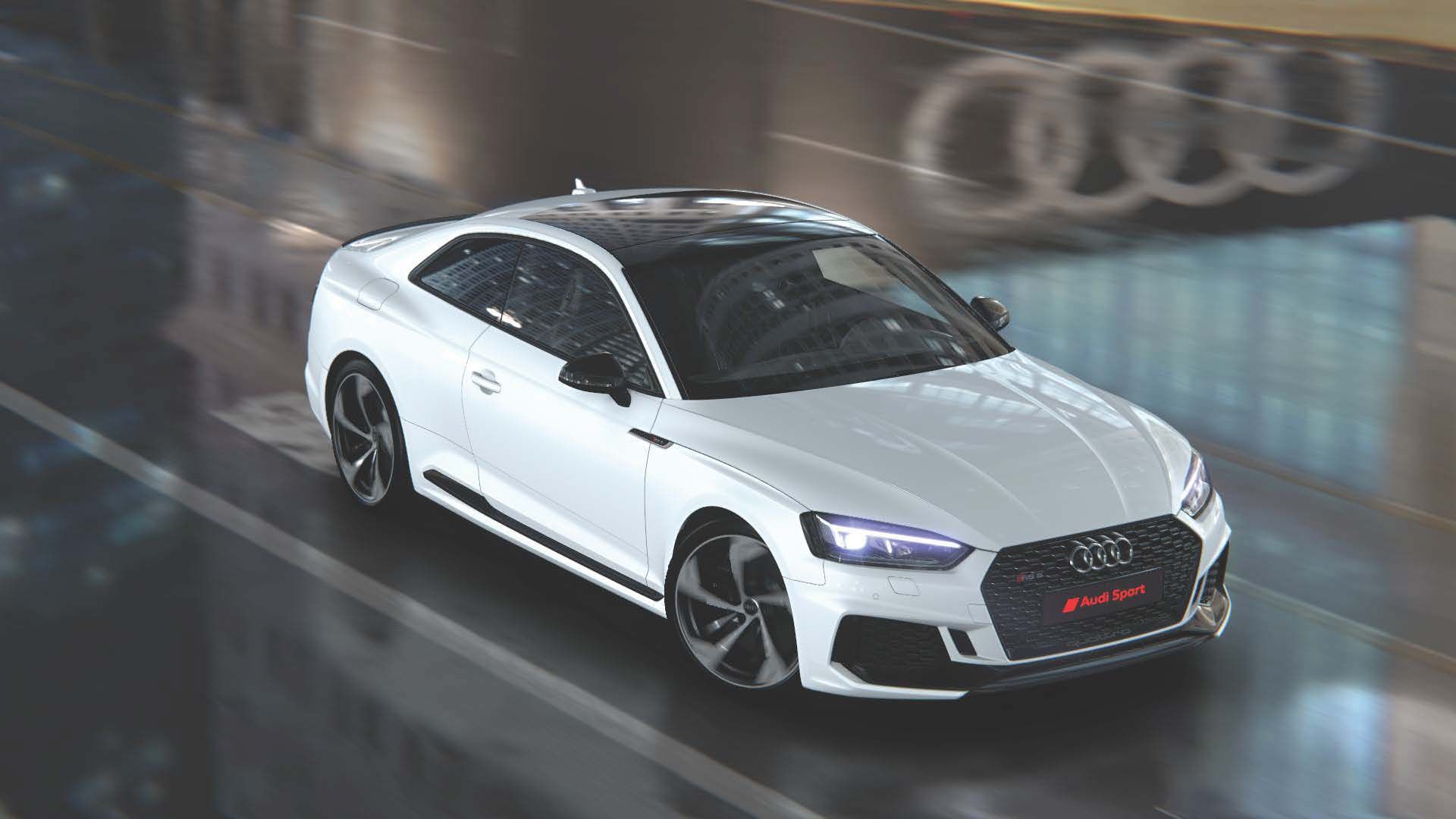
2017 Audi RS 5
While the last RS 5 was a bit of a posey beauty, this new one seems a bit more capable. The turbocharged V6 engine isn’t the heartthrob the old V8 was, but it’s devastatingly effective. It’s still a beauty, too.
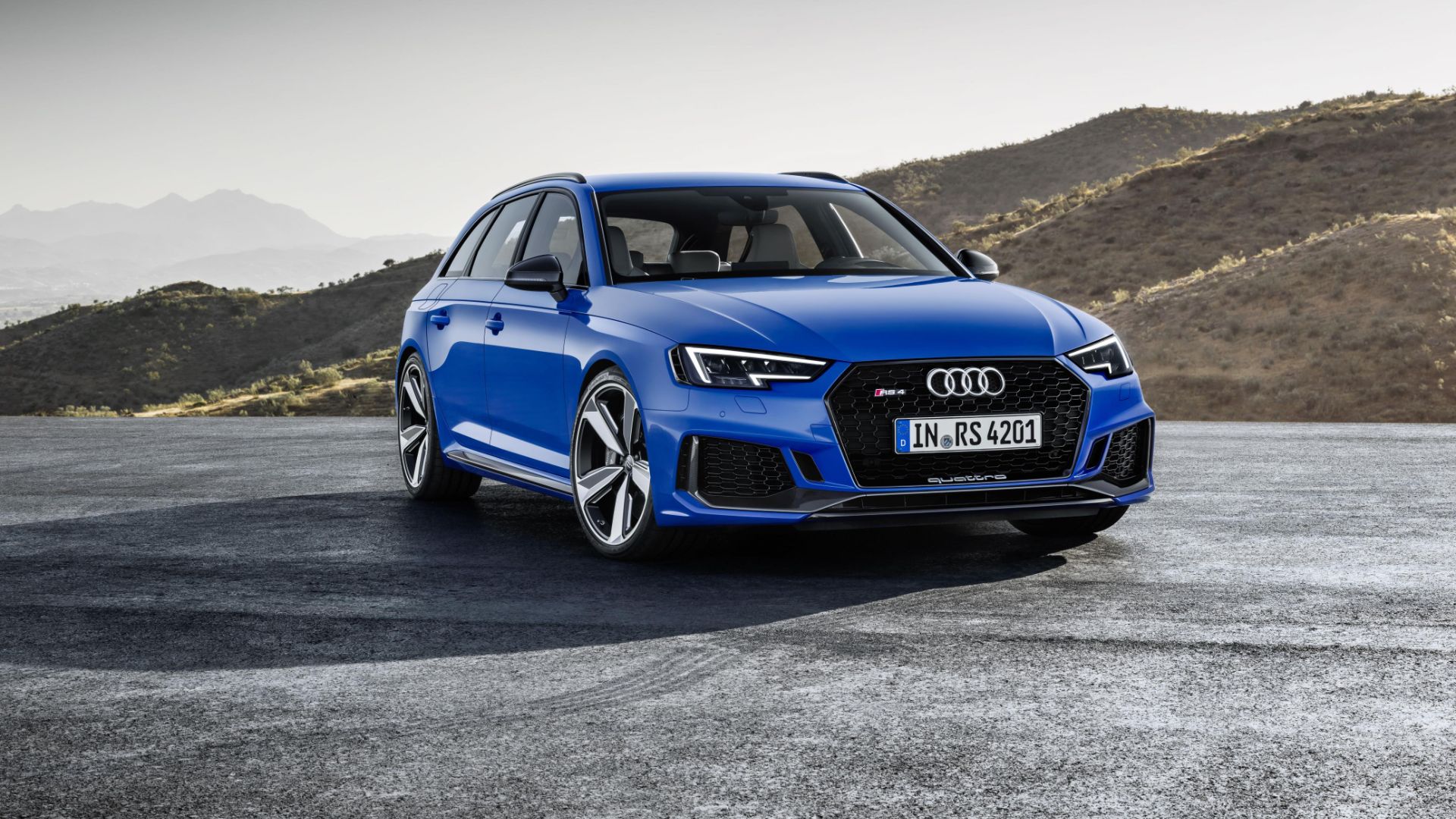
2017 Audi RS 4
As the new RS 4, which has the same powerplant, and has, in fact, just received a very slick facelift. It represents the definition of the ultimate daily, with its new versatile V6, by comparison to the fragile revvy old V8.
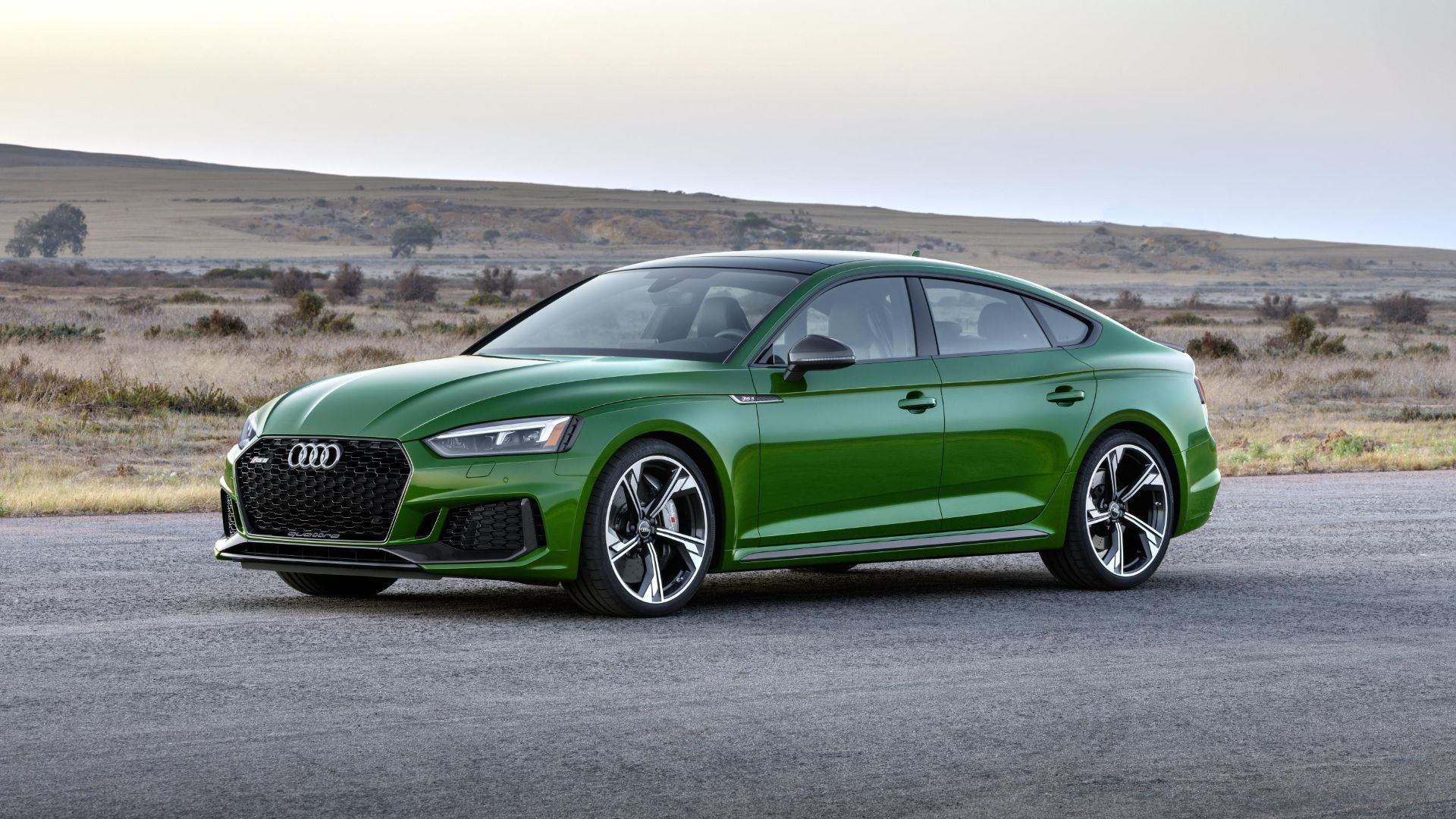
2018 Audi RS 5 Sportback
If the RS 4 is a bit too utilitarian for you, but the RS 5 coupe isn’t practical enough, Audi has the solution. Meet, for the first time, the RS 5 Sportback. Four doors, RS 5 styling, and a practical hatch. It’s almost a no-brainer.
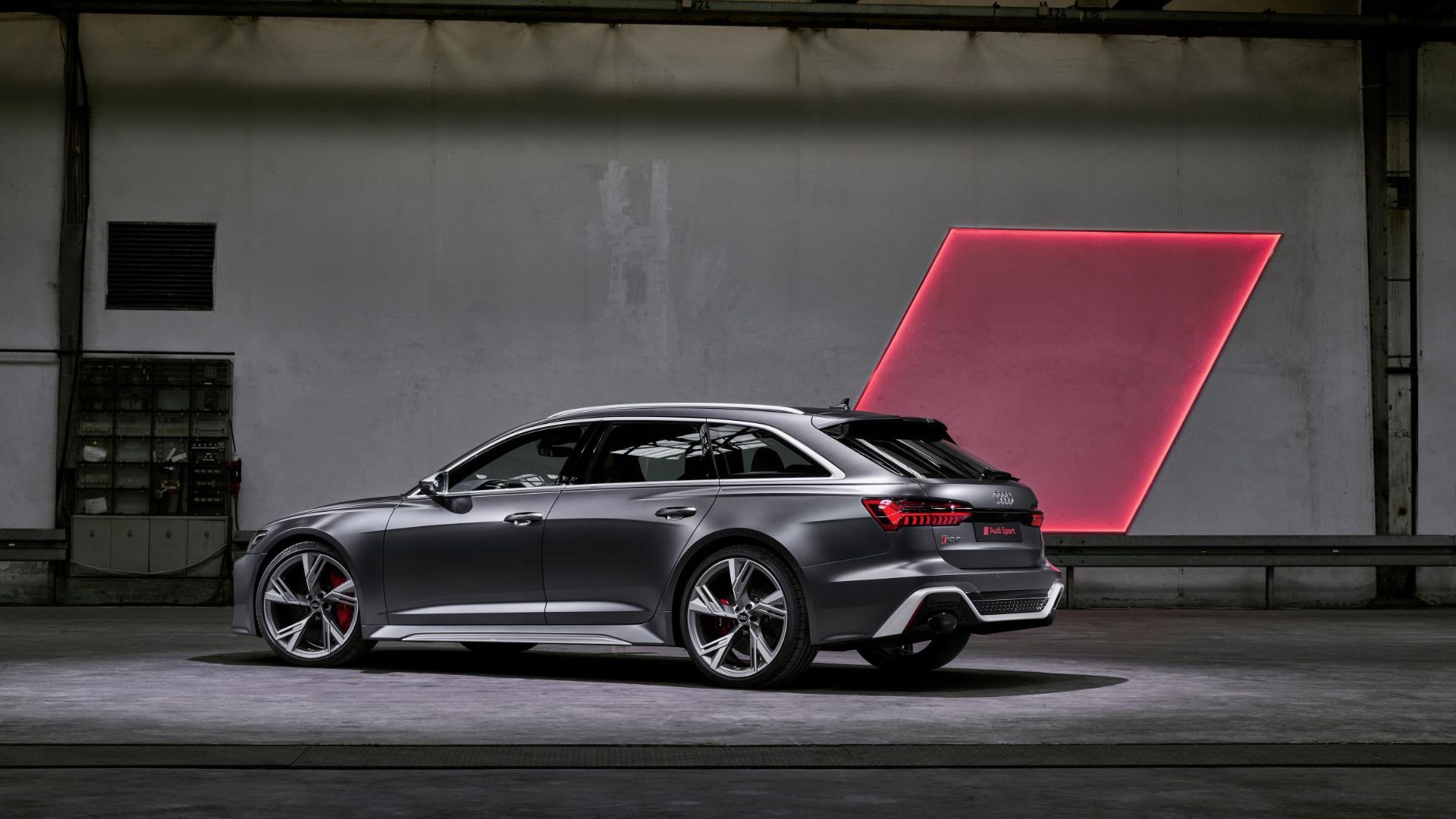
2019 Audi RS 6
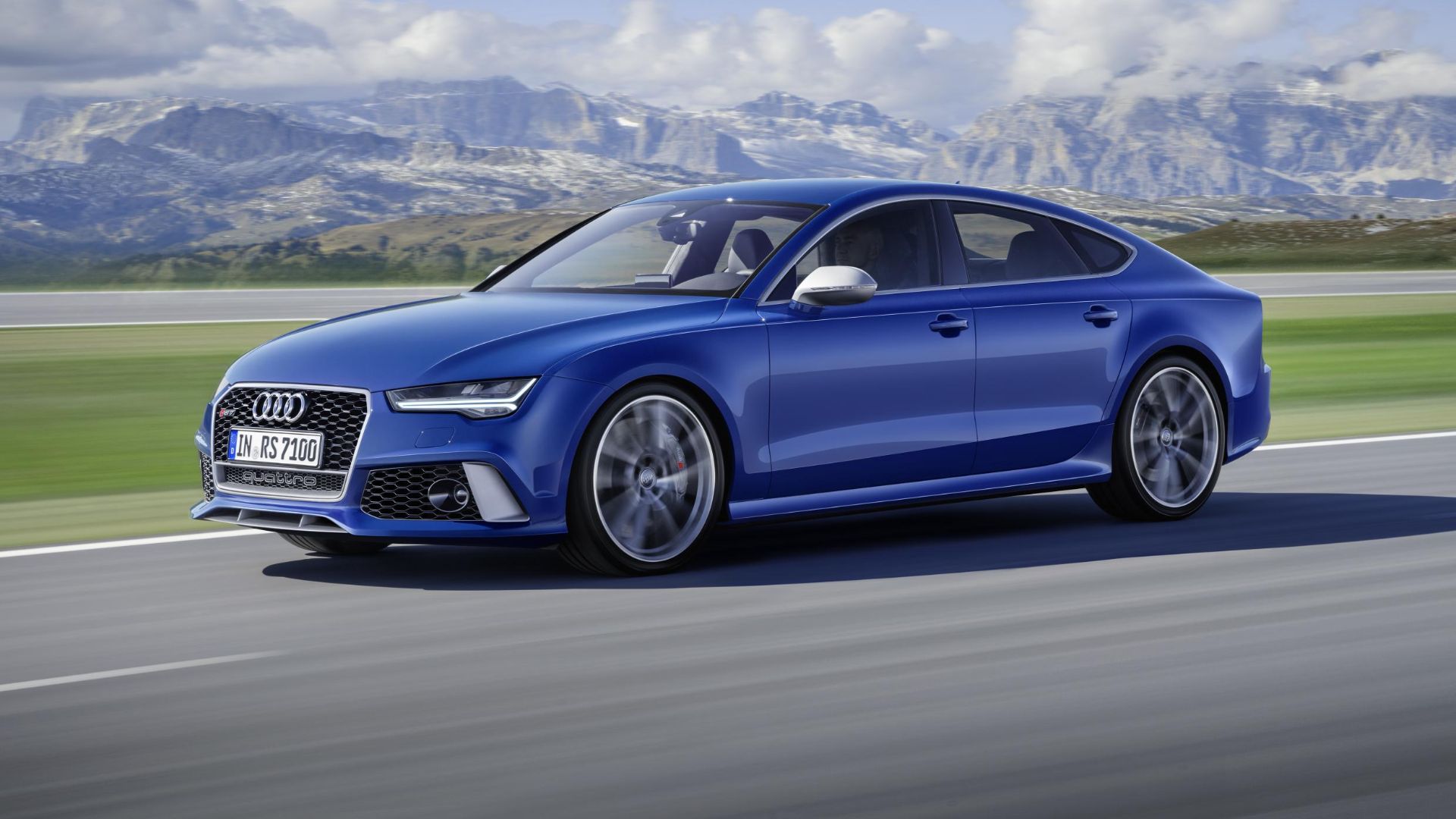
Now then, the new generation of Audi RS is here. Mild-hybrid tech, four-wheel steering, and a new generation of ultra-sharp looks. Would it be an Audi RS if it wasn’t the best looking performance car in its segment?
2019 Audi RS 7
Yet again, there is a less practical and more expensive flavour, in the form of the RS 7. Note that the 6 has borrowed the 7’s sharper snout.
2019 Audi RS Q3
Finally, the latest version of the car that brought into question what should and shouldn’t get the Audi ‘RS’ treatment. The new one is available in both normal and ‘Sportback’ form. Praise be, though, the five-cylinder has survived. We look forward to the next RS 3…
2020 RS Q8
Speaking of which, the RS SUV train isn’t stopping any time soon. If commonly-spotted prototypes are any indication, an RS version of the Q8 is next on the docket for 2020.
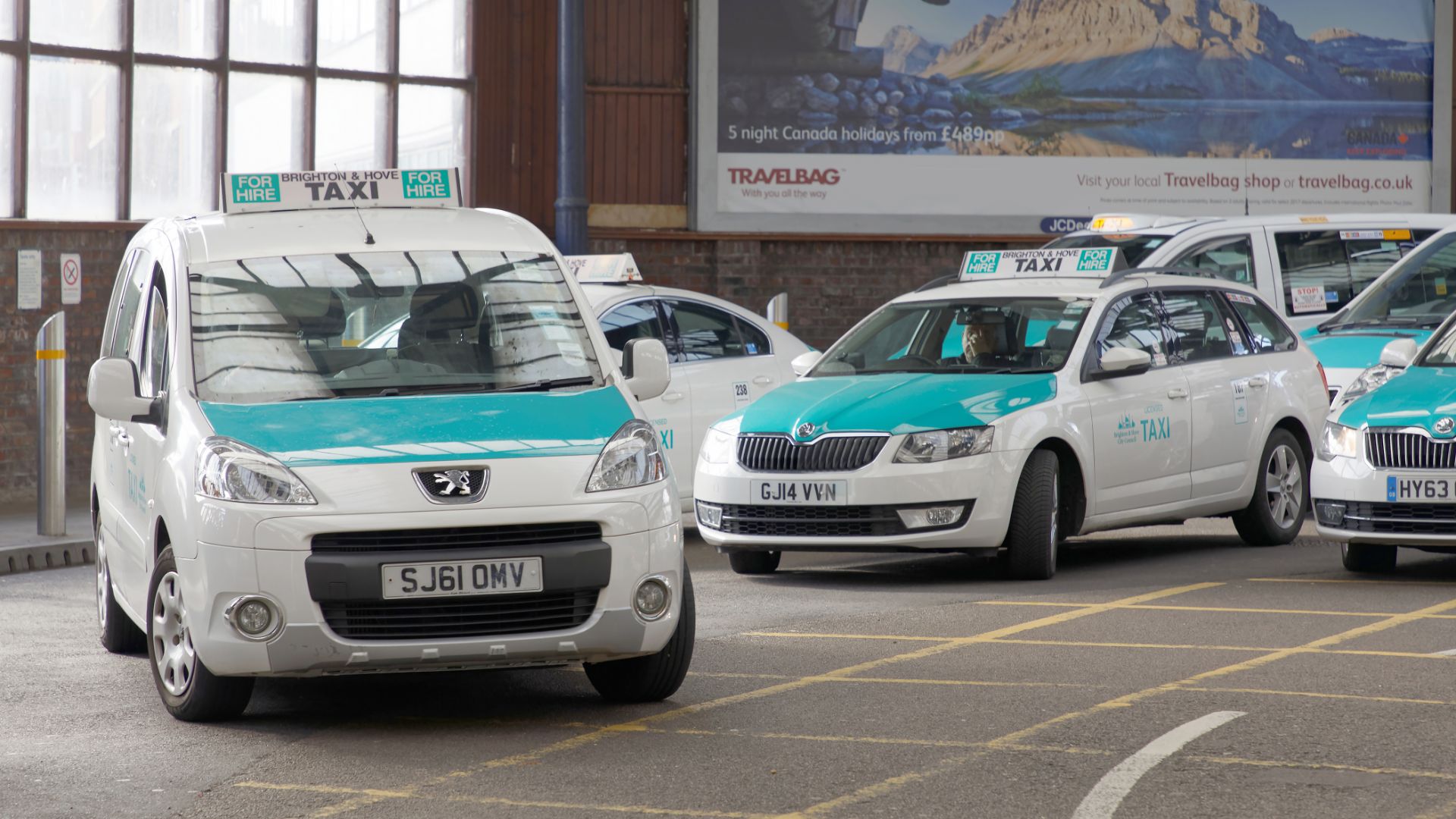
A survey to find out what the public think about taxi services has yielded some interesting results. A worrying 60 percent of Brits reckon cab drivers need a better grip of the rules of the road.
The survey was comprised of 2,424 British respondents. Sixty-three percent of those said they wished taxi drivers better adhered to speed limits and road regulations. Forty-seven percent said that cab drivers are too distracted behind the wheel.
What would you expect to be a typical complaint of taxi services? Of course, it’s the prices – 52 percent said they don’t think cab prices are fair.
Sixty-seven percent said they’d be more likely to use cab services if fares were lowered. One in three said they’d prefer fixed fares, guaranteed at the start of a journey, rather than ticking meters.
The modern cab wishlist
Are mobile phones worse for the planet than cars?
The factors that would make people more inclined to take a taxi included better availability (63 percent), shorter waiting times (58 percent) and extra safety features (42 percent).
The ideal cab of the future in the view of the respondents to this survey, will fundamentally have to be more modern. Thirty-three percent said a fresh look and new features like wifi and charging points for phones should make an appearance.
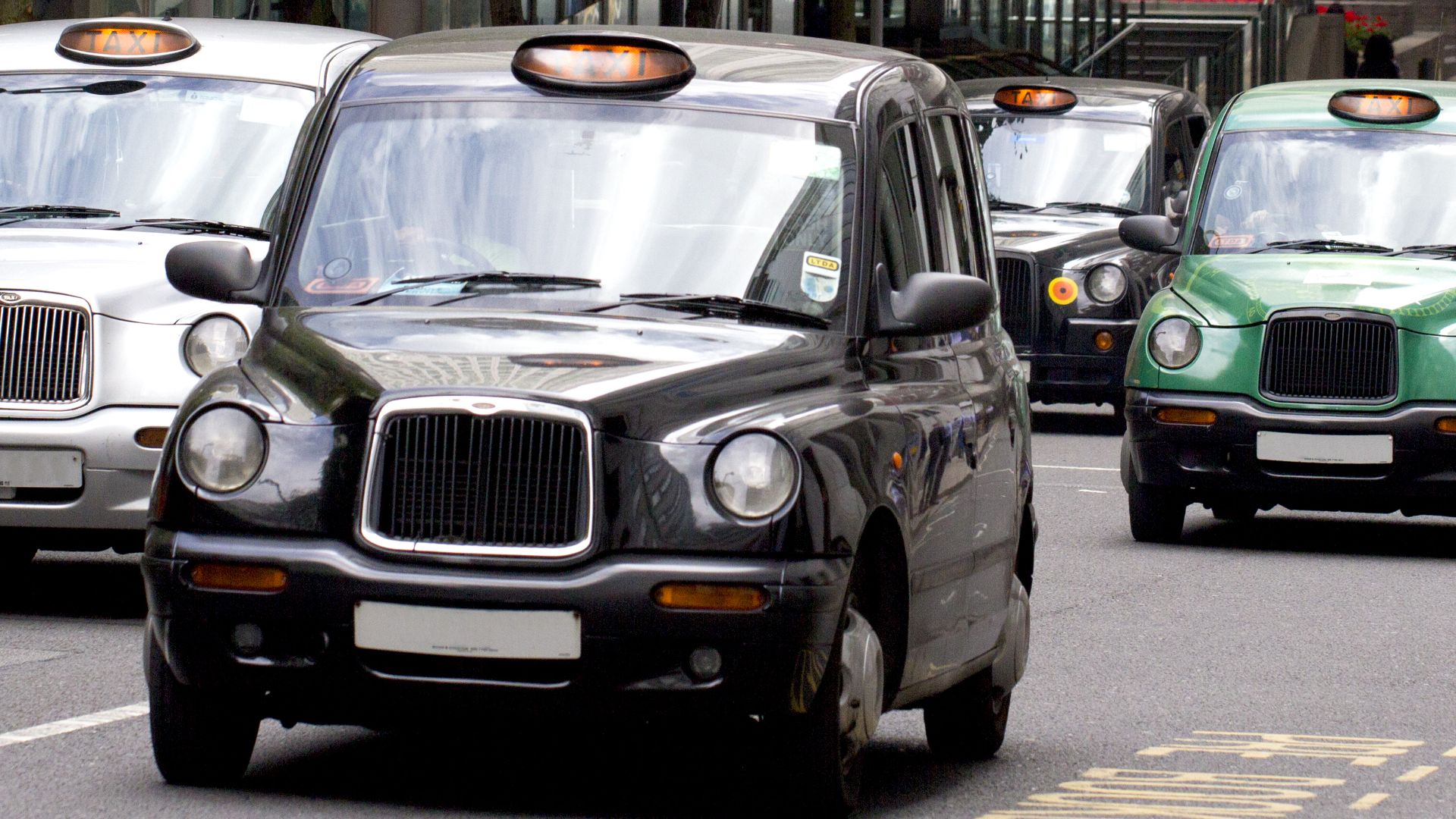
They also want their taxis to be more eco-friendly, with a broader range of eco-conscious cabs to choose from. Based on the above, it sounds like they’d be fans of the new LEVC cab.
Happily, however, the survey, conducted by taxi2airport.com, reported that 100 percent of respondents said they were happy with the service cab drivers provide.
The state of the taxi business
That’s not necessarily reflected in the health of the taxi business. Taxis have been on the decline across the UK. There were 70,600 licenced taxis on the road in 2019, down 3 percent on 2018’s figure. Contrast to private hire vehicles, like Uber, which are up 4.4 percent from 2018, at 221,200.
Can beige be beautiful? Not if you’re buying a new car it isn’t In fact, beige should be avoided at all costs.
Not only will beige cars shed value at an alarming rate, it will also take forever to find a buyer for your beige beauty. Beige: fine for hearing aids, old motorhomes and slacks. Not great for cars.
That’s according to a new study that looks into the depreciation over three years and the length of time it takes to sell a car. Beige believers look away now.
Not only will beige cars lose the most value after three years, they will also spend an average 46.6 days on the market. Of the ten colours in the study, yellow cars retain the most value after 36 months, but it’ll take 41.5 days to find a new home.
Orange and green cars are also pretty good at retaining value, which suggests the nation has a thing for citrus coloured cars.
It’s rather depressing to discover that grey cars spend the least amount of time languishing in the classifieds (34.2 days), which suggests we like our cars to mirror the colour of the sky above our heads. Surely beige is more beautiful than drizzle?
The study conducted by Crusader Vans found that silver, black and grey cars lose more value than blue, red, white, green, orange and yellow cars. There’s supply and demand at work here, with many new cars sold in sombre hues.
On balance, white is the safest bet, as it takes an average 35 days to sell cars in a shade that wouldn’t look out of place on your skirting boards, while the colour is the fourth best as retaining value. This should be music to the ears of Britain’s white van drivers.
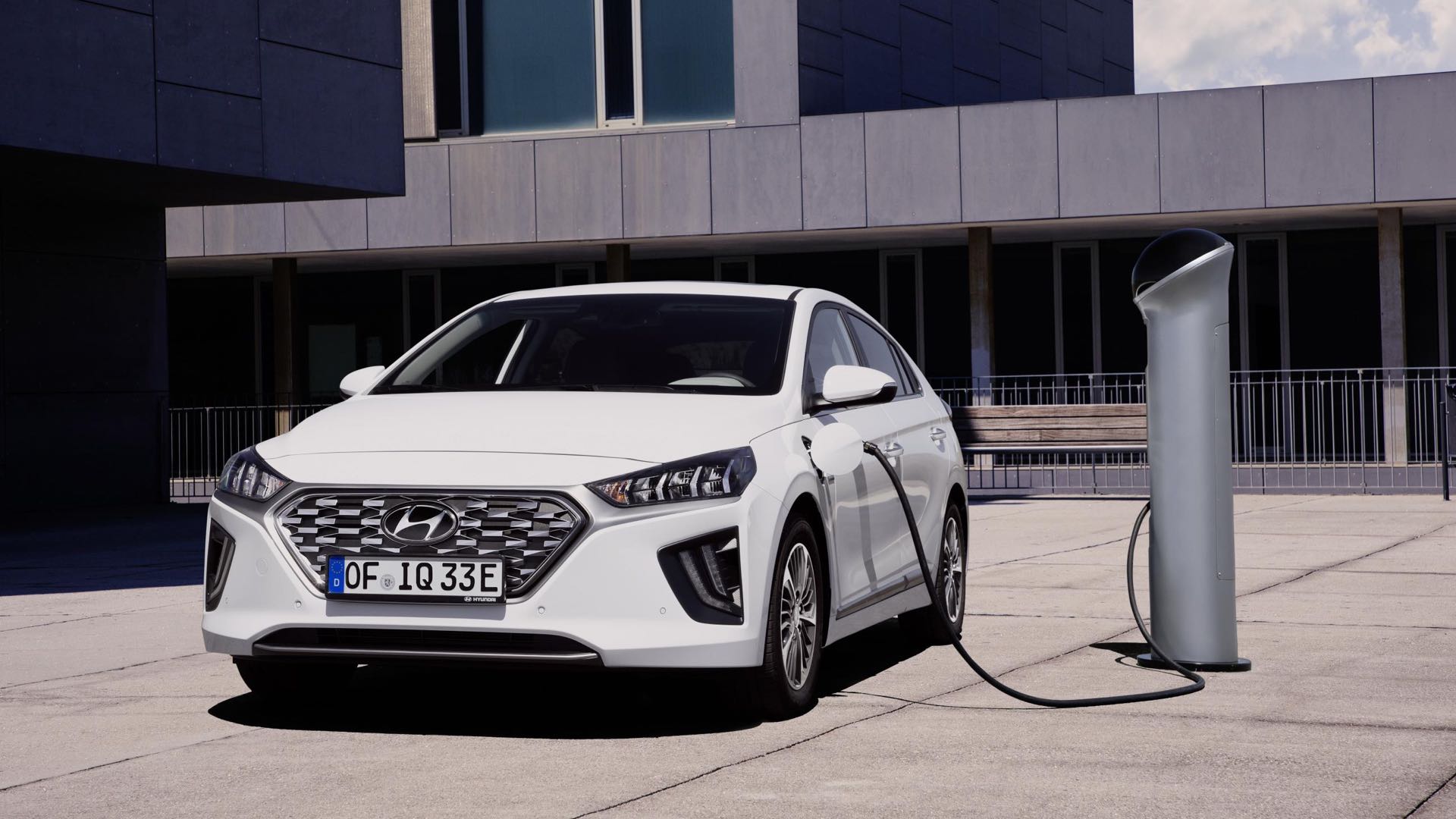
Hybrids are superior to plug-in hybrids (PHEVs) when it comes to delivering lower CO2 emissions, despite PHEVs performing far better on paper.
That’s according to a new report published by Emissions Analytics.
It found that PHEVs are “ineffective without behavioural compliance”. In other words, a PHEV that is never plugged in will achieve poor real-world results.
The report references PHEV use in the Netherlands, where the Dutch government removed subsidies, citing evidence suggesting that many owners rarely plugged in at home or work.
The UK government also removed previously generous subsidies for plug-in hybrid vehicles in November 2018, with the £3,500 plug-in grant only available to cars with CO2 emissions of less than 50g/km and an ability to travel at least 70 miles without any emissions.
In May, a government minister told Autocar that grants for plug-in hybrid vehicles would not be returning to the UK. Jesse Norman, minister of state for the Department for Transport, said: “We have to spend the tax payers’ money in a way that reflects the changing market.
“The evidence was very clear: owners of plug-in hybrids were not plugging them in, negating the environmental benefits and undermining the incentives.”
In tests, Emissions Analytics found that PHEVs that aren’t plugged in deliver an average 37.2mpg and CO2 emissions of 193.3g/km. These figures are 62.5 percent worse than the old NEDC results.
The report isn’t saying that plug-in hybrids are inferior to traditional hybrids, but says that authorities must enforce the correct use of a PHEV within fleet circles. Bus operators, fleet owners and taxi firms are just three examples where enforcement should be possible.
From a consumer perspective, tests conducted by Emissions Analytics found that non-plug-in hybrids “offer faster and more certain [CO2] reductions of up to 30 percent”.
Best and worst case scenarios
The testing and data specialist referenced best and worst case scenarios for PHEV use.
PHEV at its best: commuting to and from work, charging overnight and avoiding long distances. This results in virtually no use of the petrol or diesel engine, meaning the consumer has access to an EV “on the cheap”, without the weight and cost of a large battery pack.
PHEV at its worst: the best PHEV is deployed on long journeys and never plugged in. The vehicle typically offers worse fuel consumption and emissions than a conventional ICE-only drivetrain.
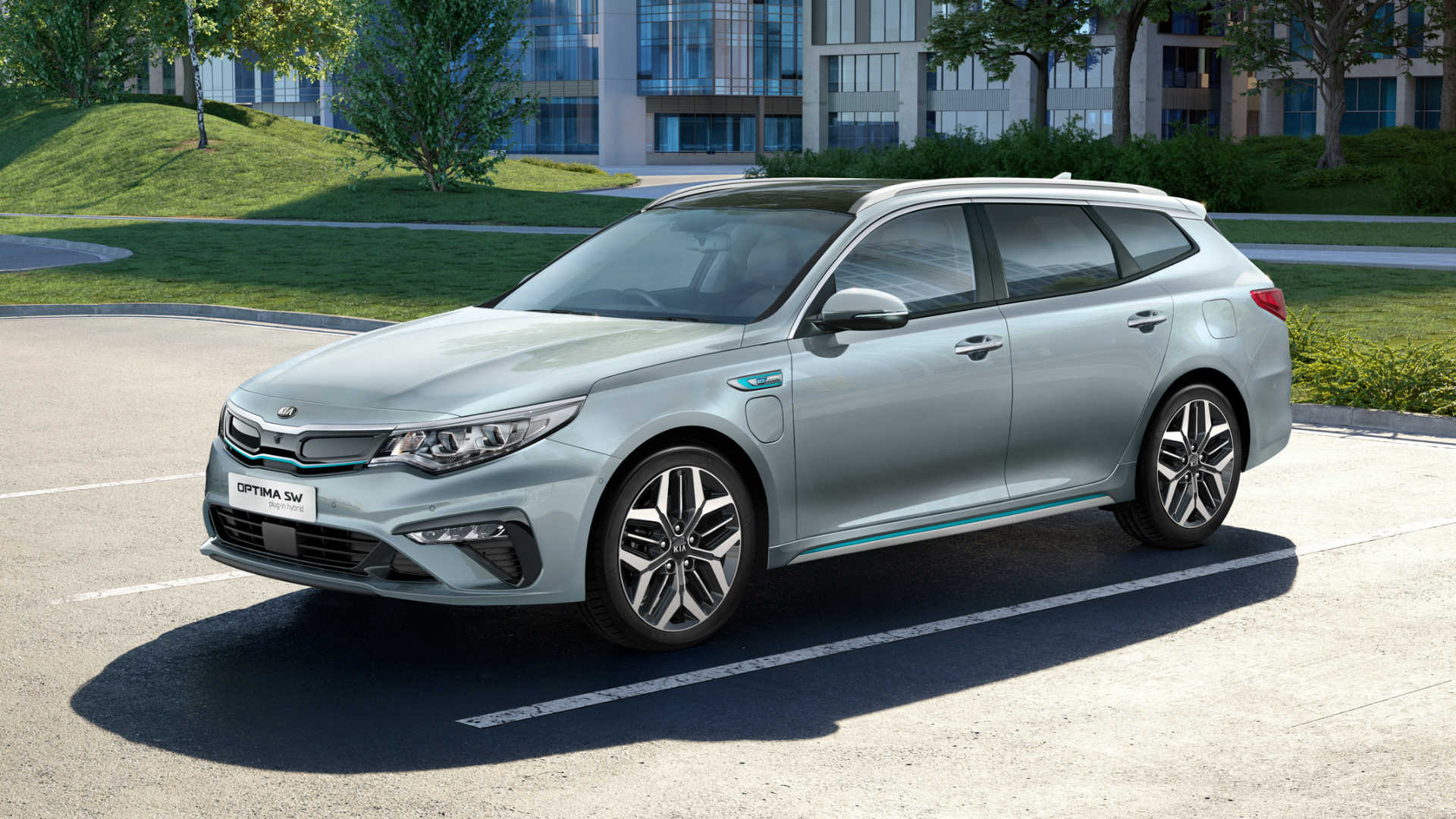
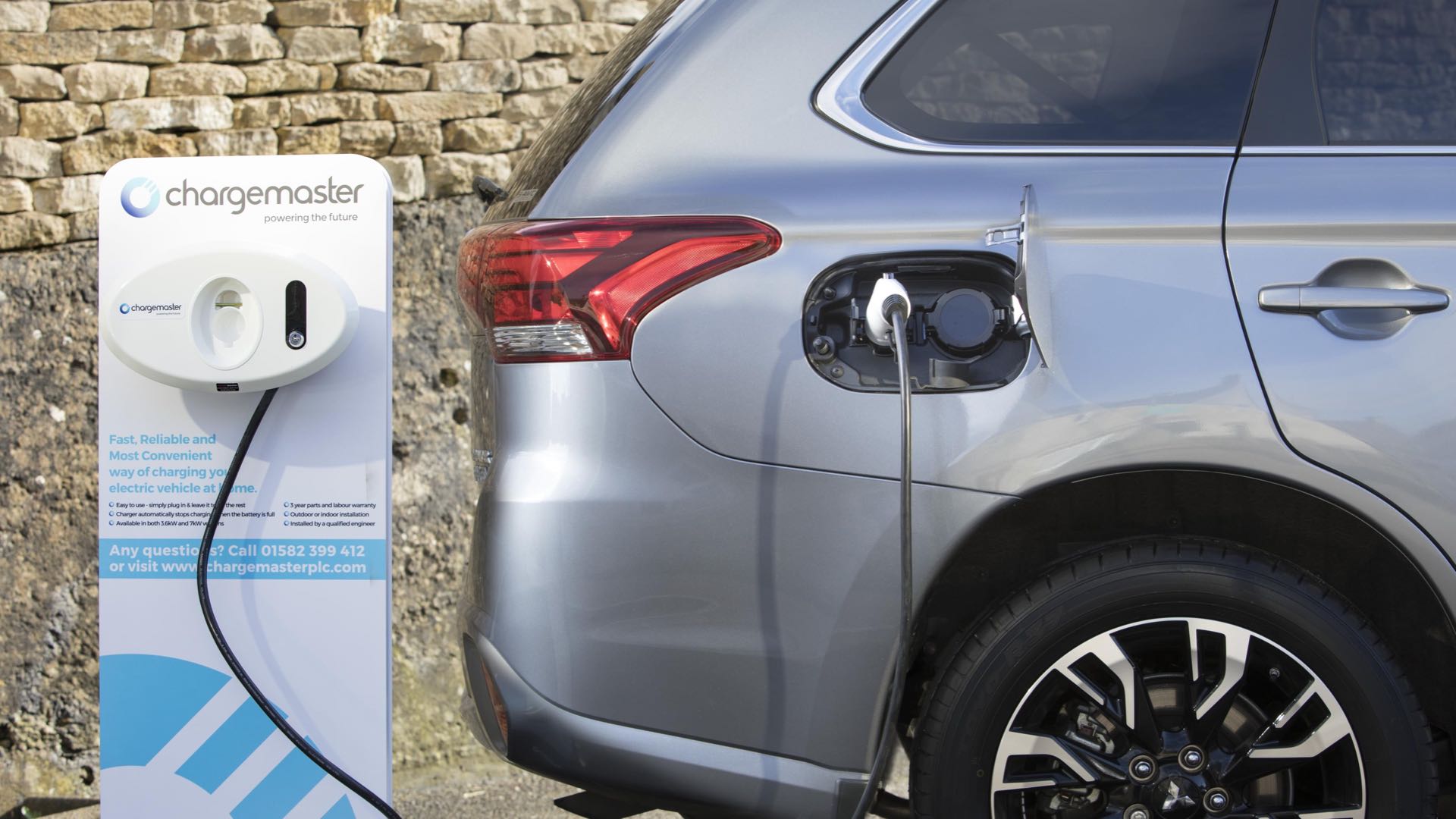
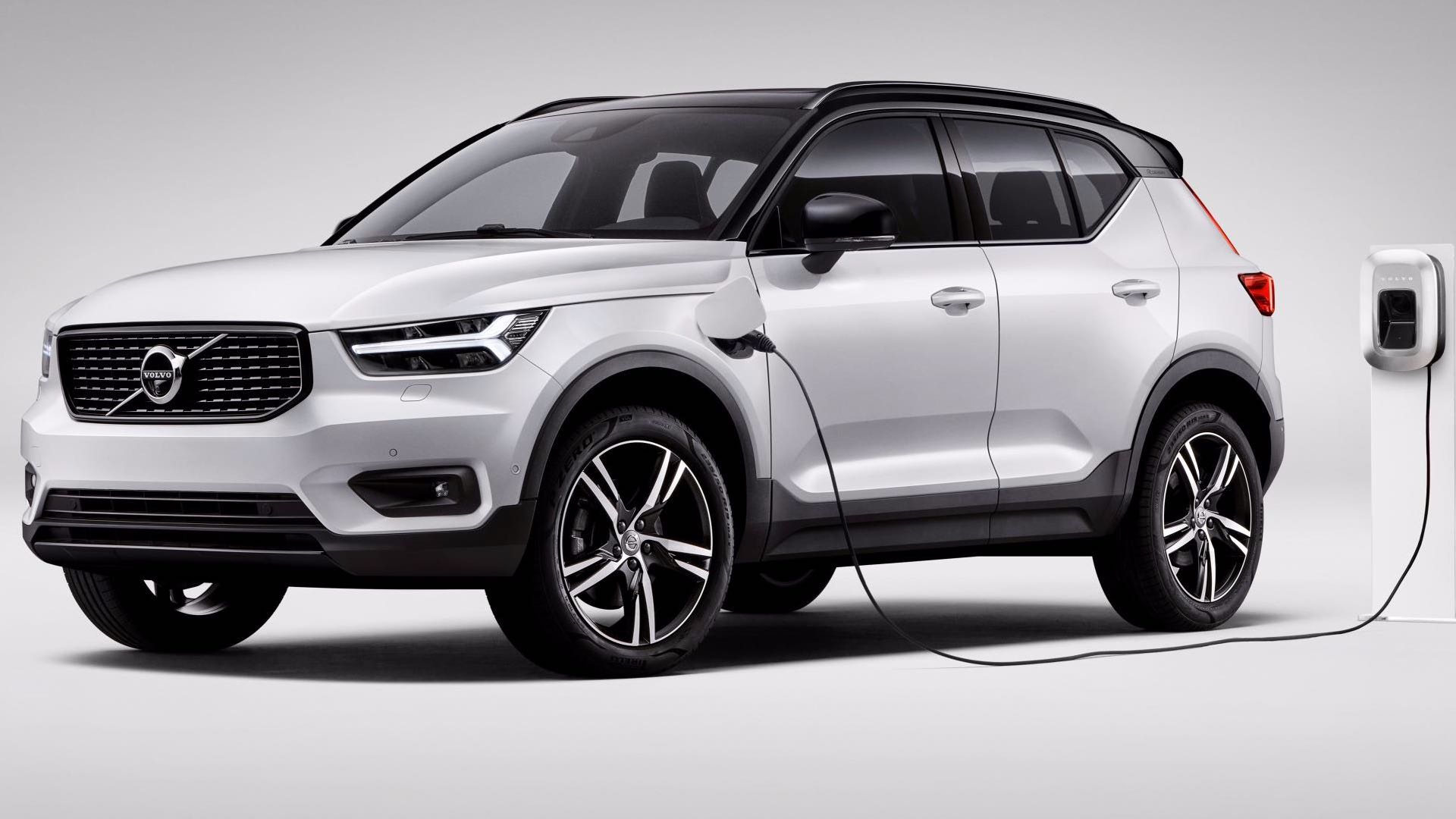
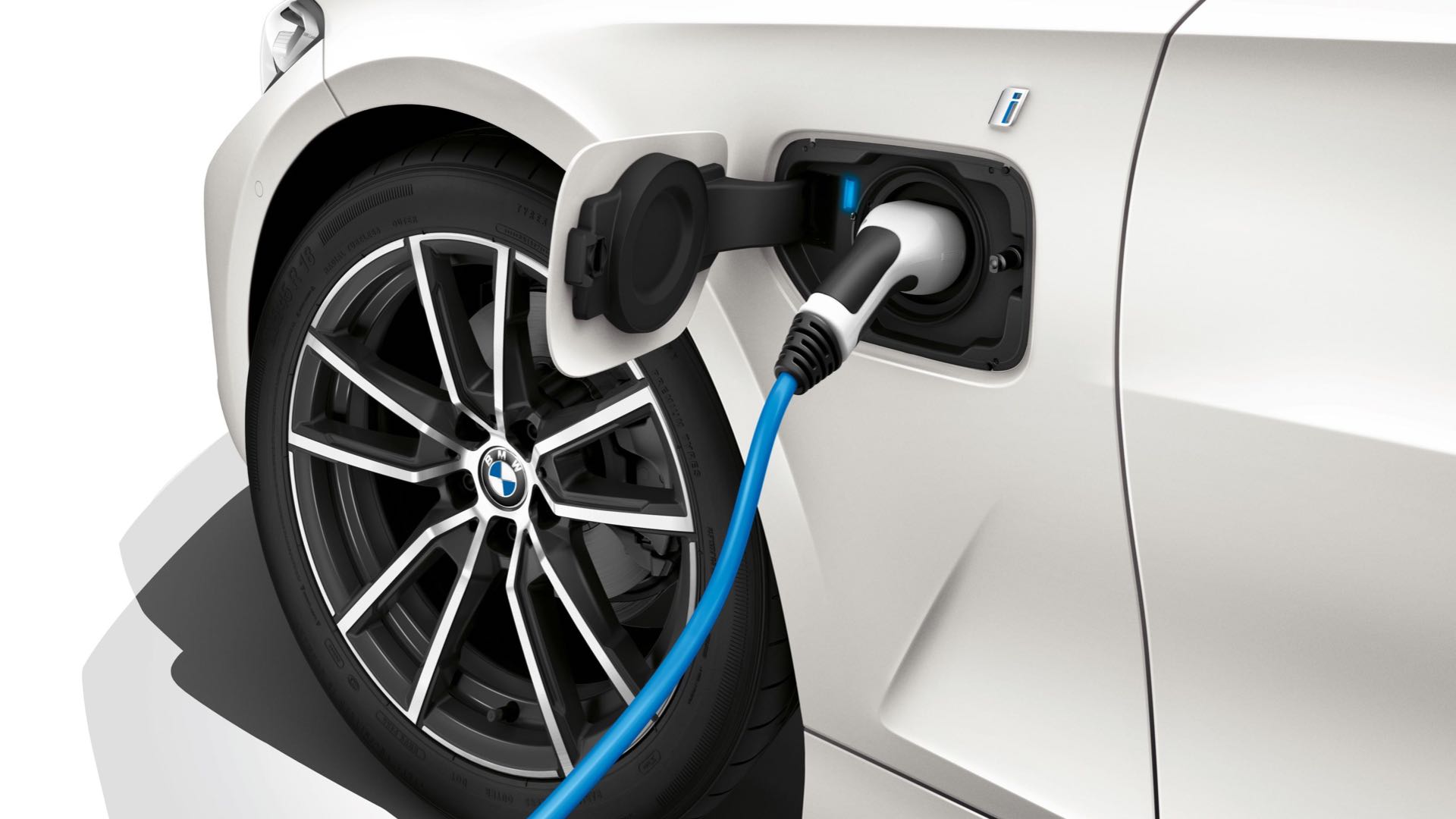
A BMW 330e could deliver up to 37 miles of electric range, while the Toyota Prius Plug-in Hybrid offers up to 39 miles. The Volvo XC40 T5 plug-in hybrid – the latest PHEV to hit the market – should offer 28.6 miles of pure-electric running.
Meanwhile, the Mitsubishi Outlander PHEV, which enjoys a 24.7 percent share of the plug-in hybrid market, offers 28 miles of electric range.
For its part, while not disagreeing with some elements of the report, a spokesperson for Mitsubishi UK said two-thirds of Outlander PHEV owners charged every day and half of the daily average mileage was conducted in EV mode.
Mitsubishi told Fleet World: “We don’t disagree that PHEVs need a degree of behavioural adjustment but in most cases that adjustment comes naturally.
“In the case of the Outlander PHEV, customers have found it is considerably more cost-effective to run than an ICE vehicle day-to-day and brings added benefits of reducing urban noise and air pollution especially during peak times when petrol and diesel are at their least efficient.
“For private customers, there are now no VED savings, no charging incentives and no plug-in car grant to reduce the purchase price. They buy purely for the driving experience and because PHEVs are more considerably affordable and more convenient to own.”
Mitsubishi also said that 25 percent of Outlander PHEV customers are considering a pure EV next.
Realistic range is the key
It’s clear that attitudes towards PHEVs need to change, not least from the owners themselves. Today’s plug-in hybrids offer longer electric range than earlier models, certainly enough to handle a typical daily commute.
When a PHEV boasts a realistic utility factor (UF) – that’s the electric driving share – evidence suggests that owners are more inclined to plug in.
A U.S. study based on 1,831 Chevrolet Volts – a plug-in hybrid with a range of up to 53 miles – found an average UF of 78 percent. In Dutch data, based on fuel card usage, the UF was 24 percent. Here, the study contained many smaller PHEVs with reduced electric range.
In conclusion, Emissions Analytics said that “PHEVs will deliver less and less certain reductions in CO2 than non-plug-in hybrids. In other words, that they are ineffective without behavioural compliance, and that such compliance is politically infeasible in most democracies where it would be considered an intrusion on privacy.
“The case for future PHEVs may lie principally in the light to medium commercial fleet, where the advent of zero-emission city centres may force dual-drivetrain approaches, the pure electric drive share being saved for last mile delivery and the ICE (diesel as well as petrol) permitting long highway distances, refrigeration units and so forth.”
Decline in PHEV demand is ‘bad news’
September new car registration figures released by the Society of Motor Manufacturers and Traders (SMMT) showed a 26 percent increase, albeit off the back of a fall of 22.3 percent in the same period last year. Year-to-date figures are now 5.2 percent below the same period last year.
Hybrid and electric car registrations are up 32.4 percent and 125.1 percent respectively.
The SMMT has previously called for the grant for PHEVs to be reinstated. Mike Hawes, SMMT chief executive said “the decline in PHEV demand and overall market softness is bad news.
“We’ve seen registrations of plug-in hybrid electric cars fall since the chancellor announced the scrapping of the grant for PHEV purchases in the autumn Budget last year.
“Manufacturers have invested and are committing further billions to bring the latest ultra low emission vehicles to market, but their efforts are being undermined by confusing policies and the premature removal of purchase incentives. These new technologies need long term support to become established as awareness grows and consumers get on board.”
New research has revealed what tops the list of UK motorists’ most annoying modern features and changes to cars.
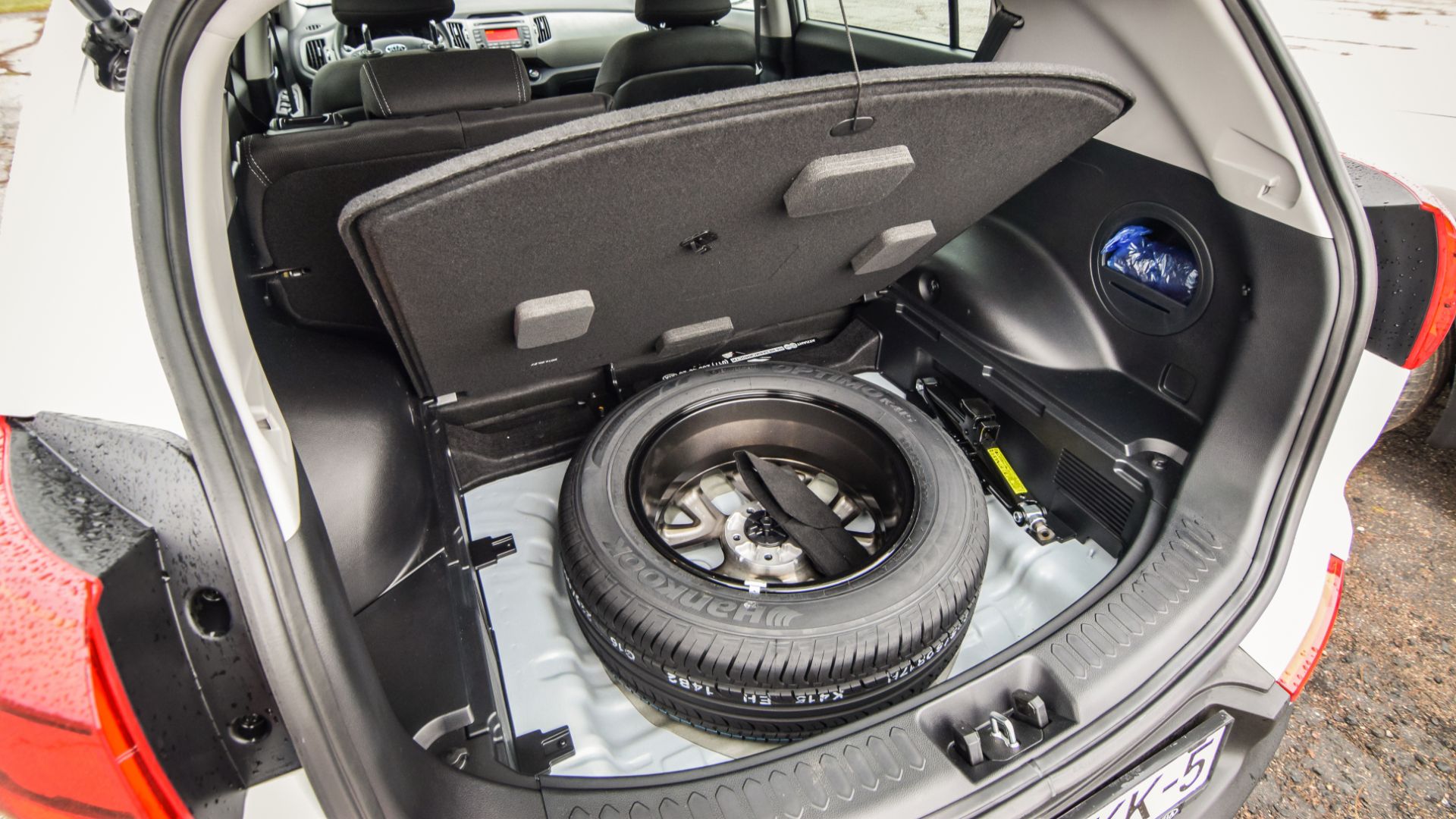
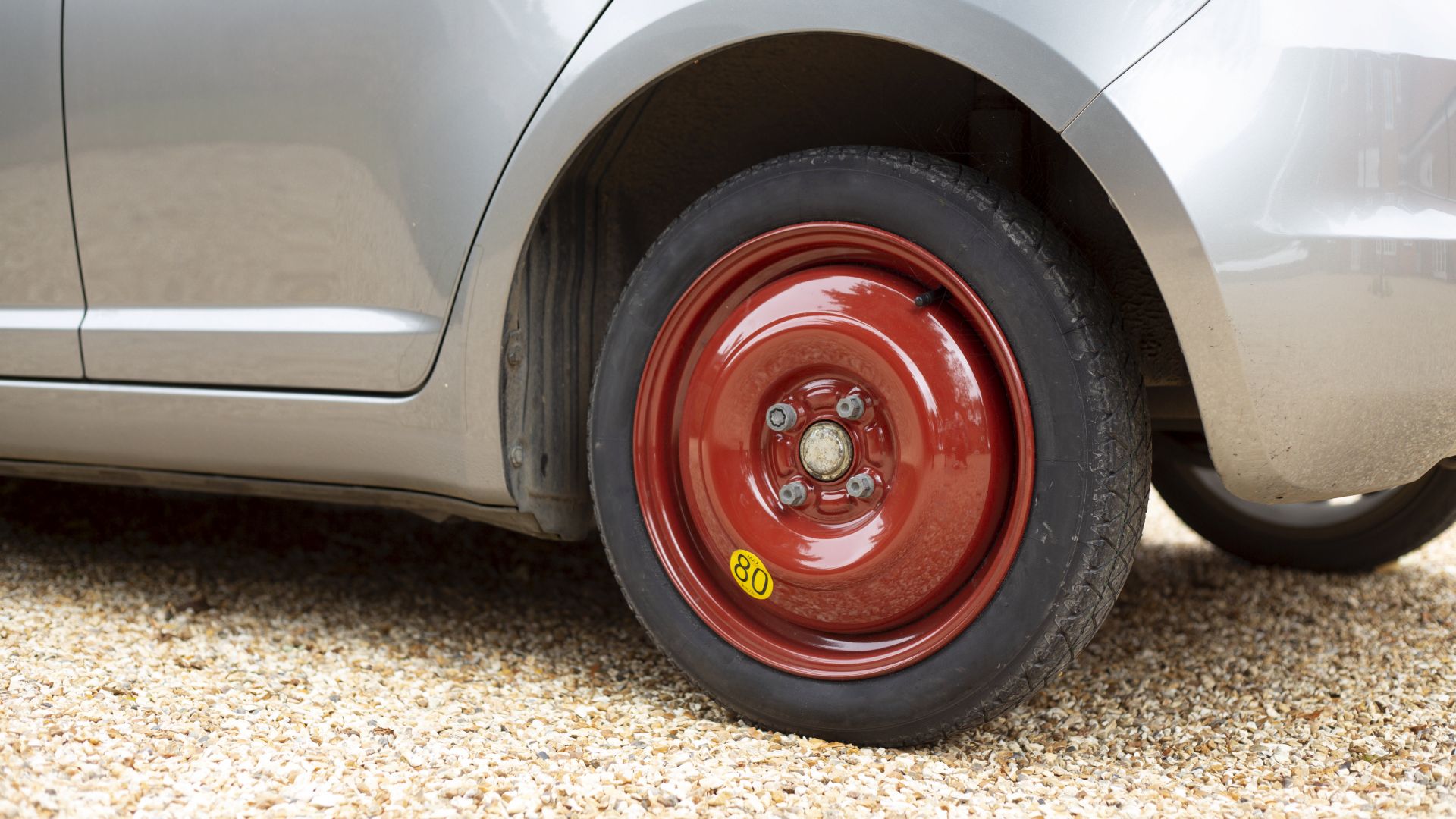
By some margin, the demise of the full-sized spare wheel – with space-savers and repair kits in its place – tops that list. More than a thousand were surveyed by Carbuyer about what modern car features they found most annoying. Two out of three, equivalent to more than 660 respondents, said the lack of a full-sized spare.
British drivers’ top 10 pet hates revealed
“The absence of a full-size spare appears to be overwhelmingly unpopular with drivers, doubtless because both alternative solutions are such inconvenient temporary solutions to a flat tyre,” said James Batchelor, editor-at-large at Carbuyer.
“Removing the standard spare does allow for more storage space and helps to cut CO2 emissions by reducing weight, but these benefits don’t impress most motorists.
“Continuing your journey on a speed-limited wheel – or using a temporary repair kit – are deeply unpopular options for an overwhelming majority of drivers.”
What other features popularised on modern cars were referenced in the study? Stop-start systems, which shut the engine off automatically when the car isn’t moving for an extended period of time, came second. Such systems have been around in a refined state since the 1990s, though they only became properly widespread around 2010.
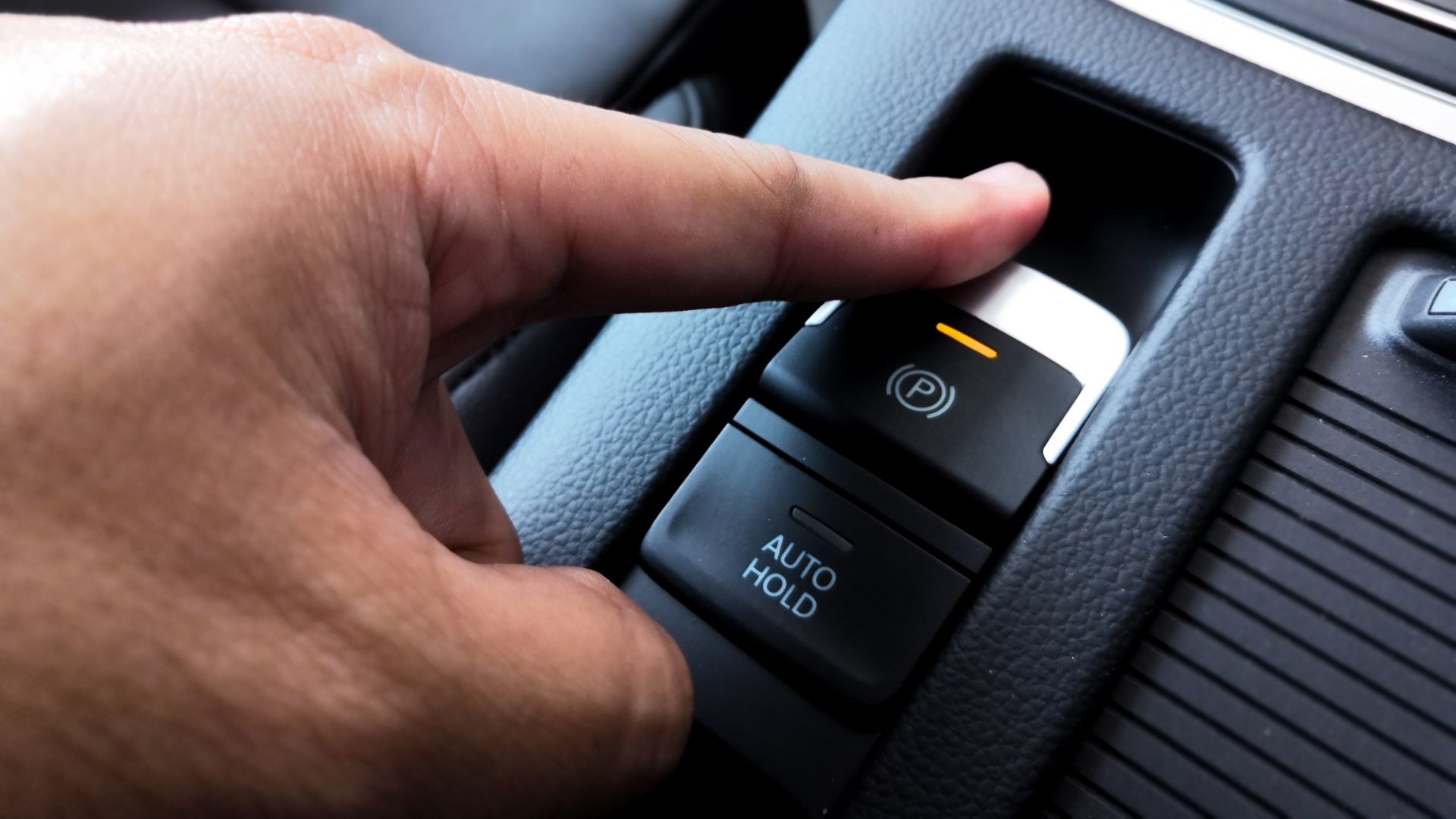
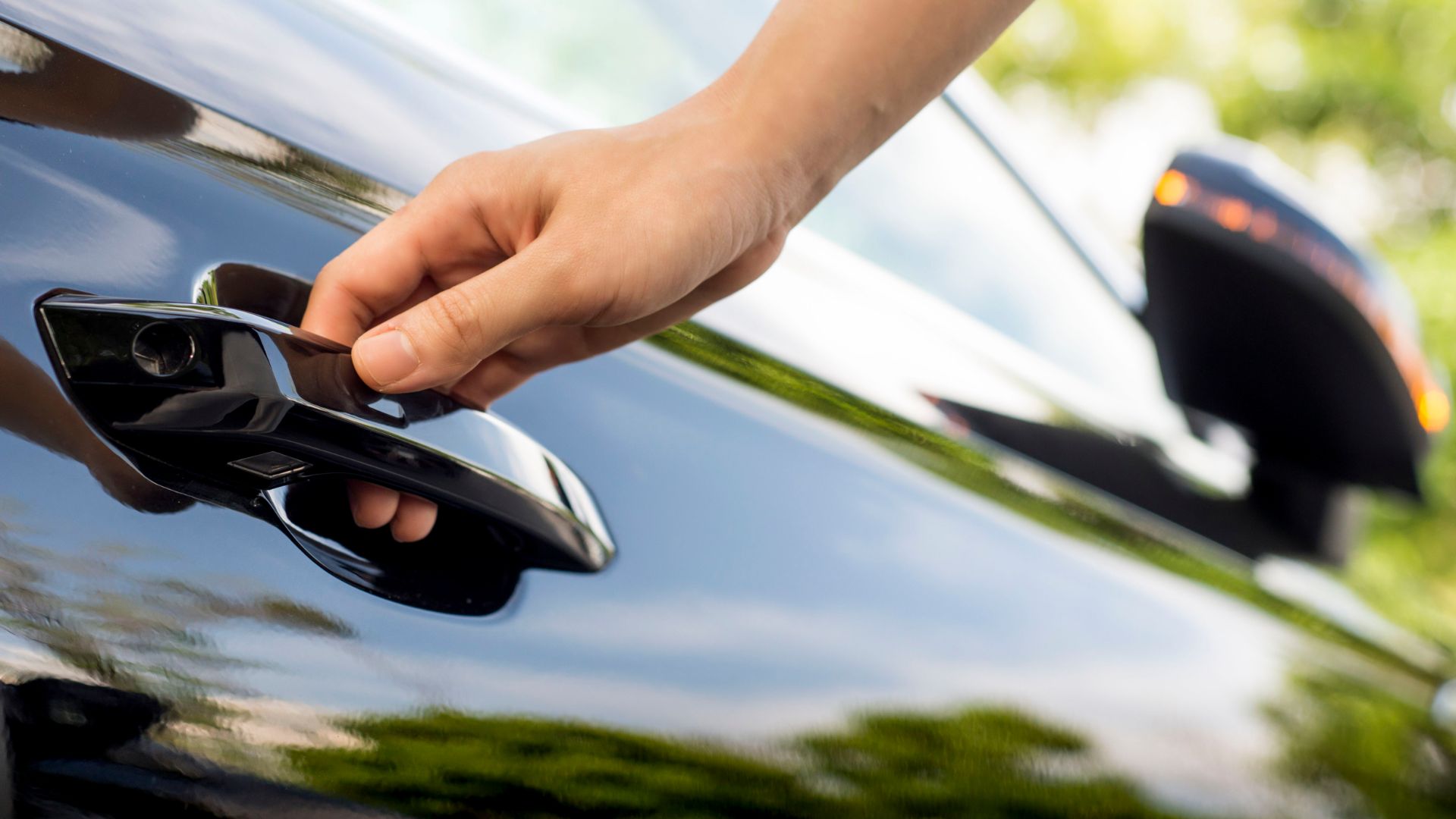
Automatic ‘electronic’ handbrakes came third – a feature made popular over the last decade again, which appeared in the early 2000s. Keyless entry and incompetent sat-navs came fourth and fifth. Lastly, cabin hazard sounds or ‘bongs’ as a Mr Jeremy Clarkson has called them, came in sixth.
A survey of 1,000 UK drivers has revealed some interesting insights into the habits of new drivers. This includes deliberately avoiding certain routine driving situations.
Parking predicament
According to the data, over a third of respondents (36 percent) said they actively avoided having to parallel park, while more than a quarter said that they will go the extra mile, or few miles, to park in a way that doesn’t involve reversing in.
Outside lane anxiety
Thirty percent of respondents said that the outside lane of a motorway was a lane too far for their nerves behind the wheel.
Just over a fifth (22 percent) said that they’d go out of their way to avoid junctions and roundabouts that take them out of their comfort zone. Similarly, 22 percent said they’d do the same to avoid hills.
In other words, many new drivers don’t feel confident driving on much of the UK’s road network. So much so, that ten percent said they’d be happier behind the wheel if their car had dual controls, so that passengers could intervene if needed.
That completes the top five, which reads as follows:
“It seems the UK’s drivers are passing their test and still feeling extremely nervous about many of the quite routine manoeuvres and situations you face on the roads,” said Sue Waterfield, head of marketing for Young Driver
“However, it’s understandable given the average learner only has 40 to 50 hours of driving before they pass their test. It stands to reason that the more experience young people have behind the wheel, the better a driver they will be – and the more ‘automatic’ those basic skills become.”
Champagne tastes but lemonade money? Have no fear, your cash stretches further than you think, giving you access to any number of luxury and premium badges. All of the cars we’re about to unveil can be parked on your gravel driveway for less than the price of a new Dacia.
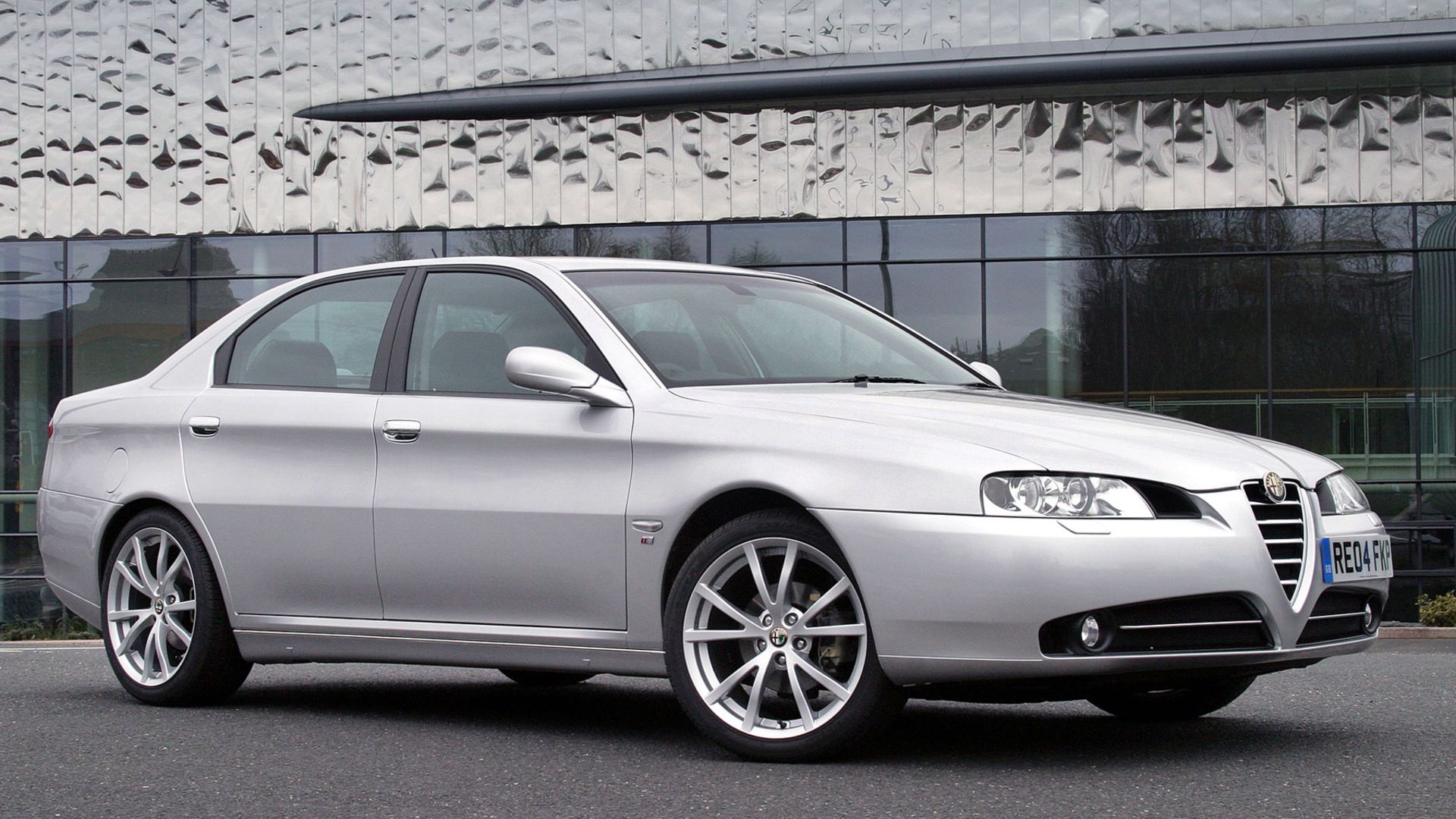
Alfa Romeo 166
Why you want it: because it’s the antithesis of a German luxobarge and it has an interior to die for. In full-fat 3.0-litre guise, it has the power to match its catwalk model styling, even if the facelift model is arguably less pretty than the original. It’s the ultimate motoring hipster statement.
Why you don’t: Alfa Romeo doesn’t have the best reputation for reliability, and although the 166 is more dependable than others, it could prove costly should the worst happen. Still, at least the days of catastrophic depreciation are behind it, although few people bought one in the first place.
Audi A8
Why you want it: the A8 still looks fresh today and Audi’s image is as strong as ever. The build quality is class-leading and the interior will remain rock solid even with six-figures on the clock. You can also pretend to be Jason Statham or a star of Ronin as you make your way to the in-laws on Boxing Day.
Why you don’t: because it’s an Audi, so it won’t offer the smooth comfort and joy of an S-Class. Petrol versions won’t be cheap to run, especially the W12, so don’t blow all of that £5k budget on the initial purchase.
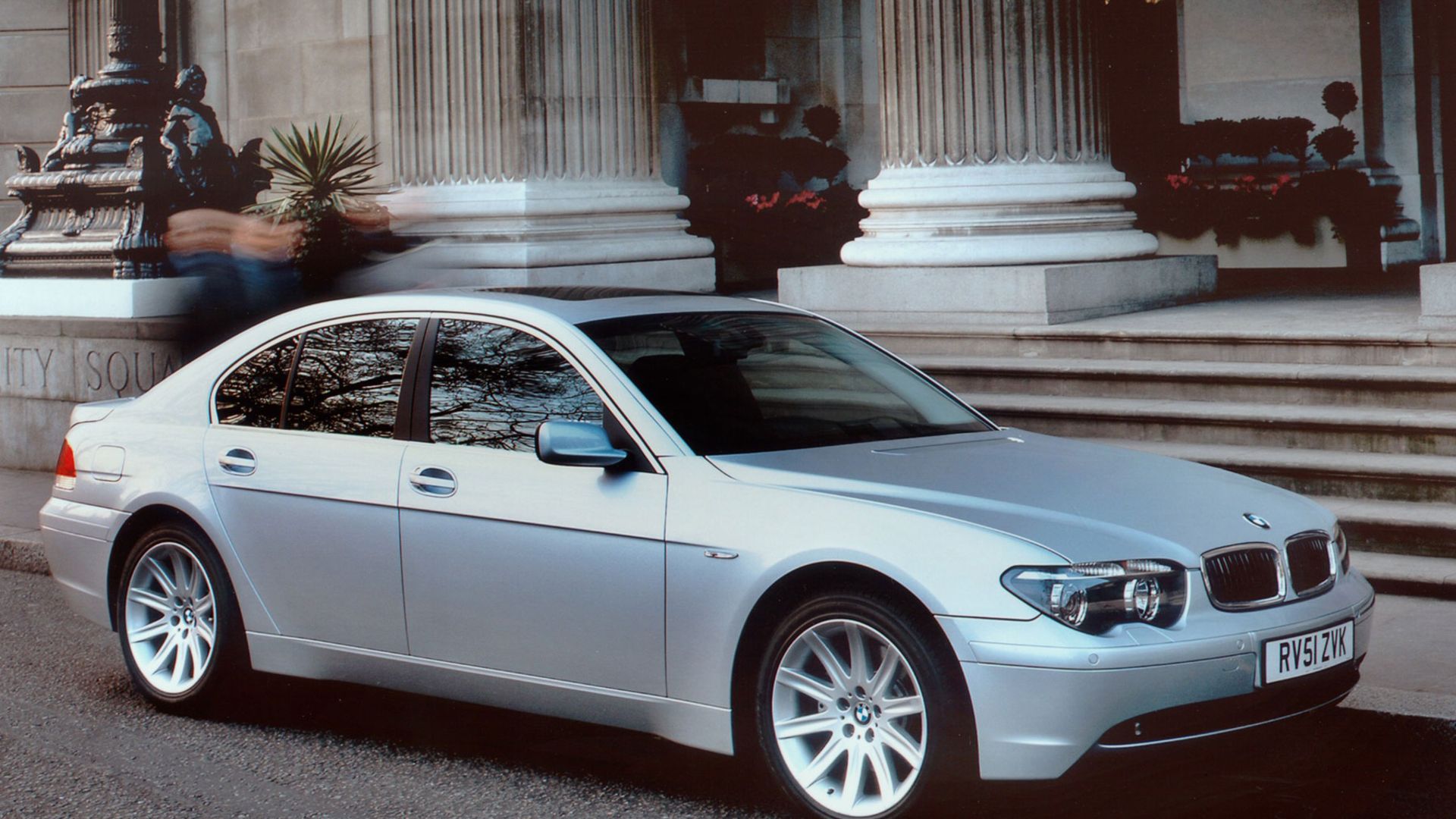
BMW 7 Series
Why you want it: the £5k budget will allow you to choose from the very best from some of the earlier 7 Series generations. From Bond to Bangle, the polar opposites of the 7er spectrum.
Why you don’t: the fourth-generation E65 7 Series remains an acquired taste and you’ll need to spend many hours learning the iDrive system. Still, reading a BMW manual is likely to be more entertaining than watching the Mrs Brown’s Boys Christmas special.
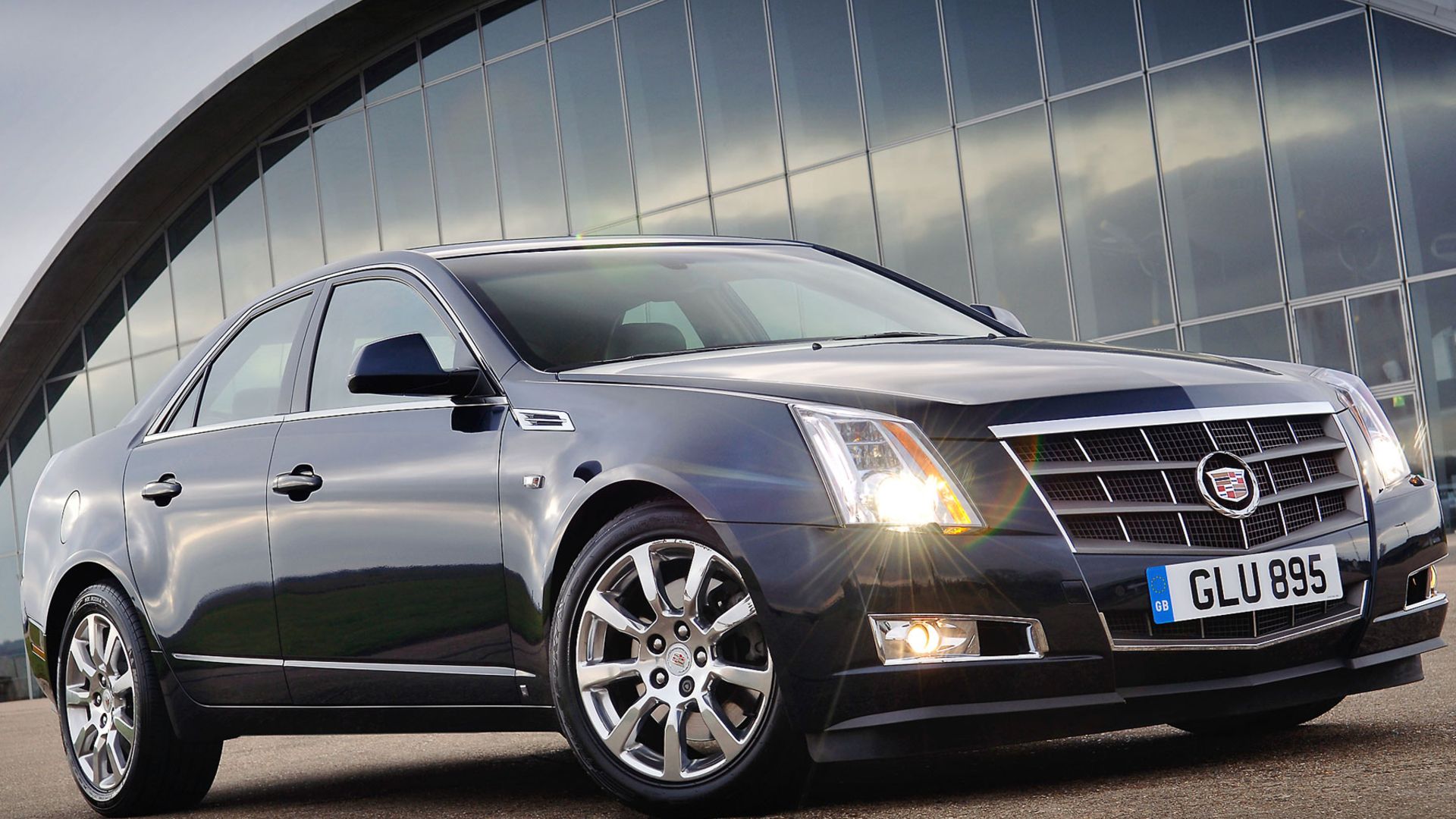
Cadillac CTS
Why you want it: the CTS looks good, has a series selection of toys and offers the benefit of rear-wheel-drive. Plus, it’s a Cadillac, which will deliver some much-needed kudos points when top-trumping with the army of office 3 Series drivers.
Why you don’t: you shouldn’t expect European levels of fit and finish or much in the way of fuel economy. Running a 2.8-litre or 3.6-litre Caddy will put you on first name terms with the cashier at the local petrol station.
Chrysler 300C
Why you want it: because you’ll look like you’re starring in your own rap video. It shares many of its components with the Mercedes-Benz E-Class and can be equipped with a monster 5.7-litre Hemi V8.
Why you don’t: because you’ll look like you’re starring in your own rap video.
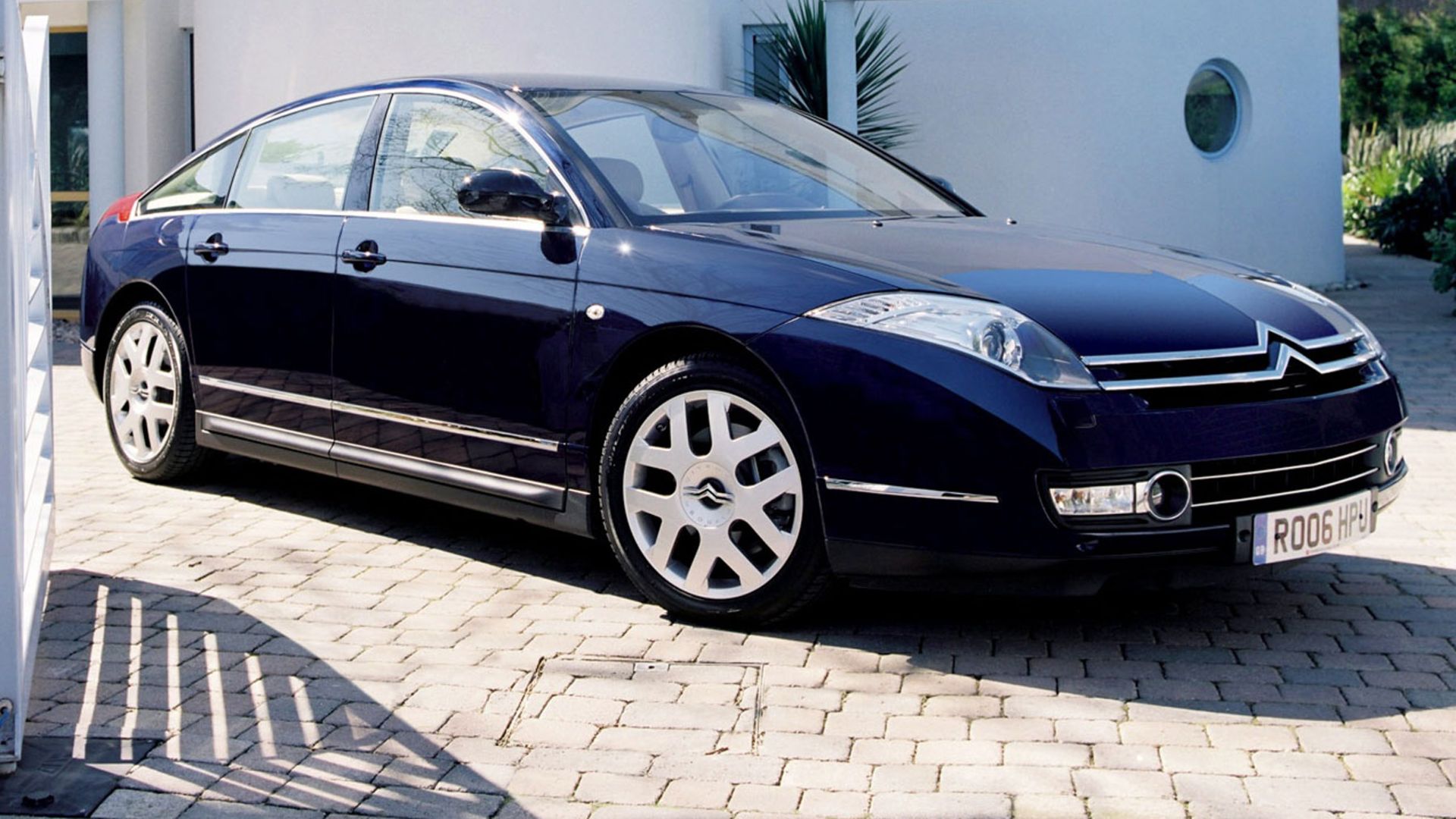
Citroen C6
Why you want it: it’s the last truly eccentric big Citroen and it depreciated like a stone, meaning you’ll struggle to find more bang for your French francs. It’s also a guaranteed future classic.
Why you don’t: beyond the fact that this budget is unlikely to stretch to a low-mileage example, we’re struggling to think of a reason why you shouldn’t buy a C6. There are the obvious connotations that come with French cars, but if you’re seriously considering a C6, you’ll be pretending they don’t exist.
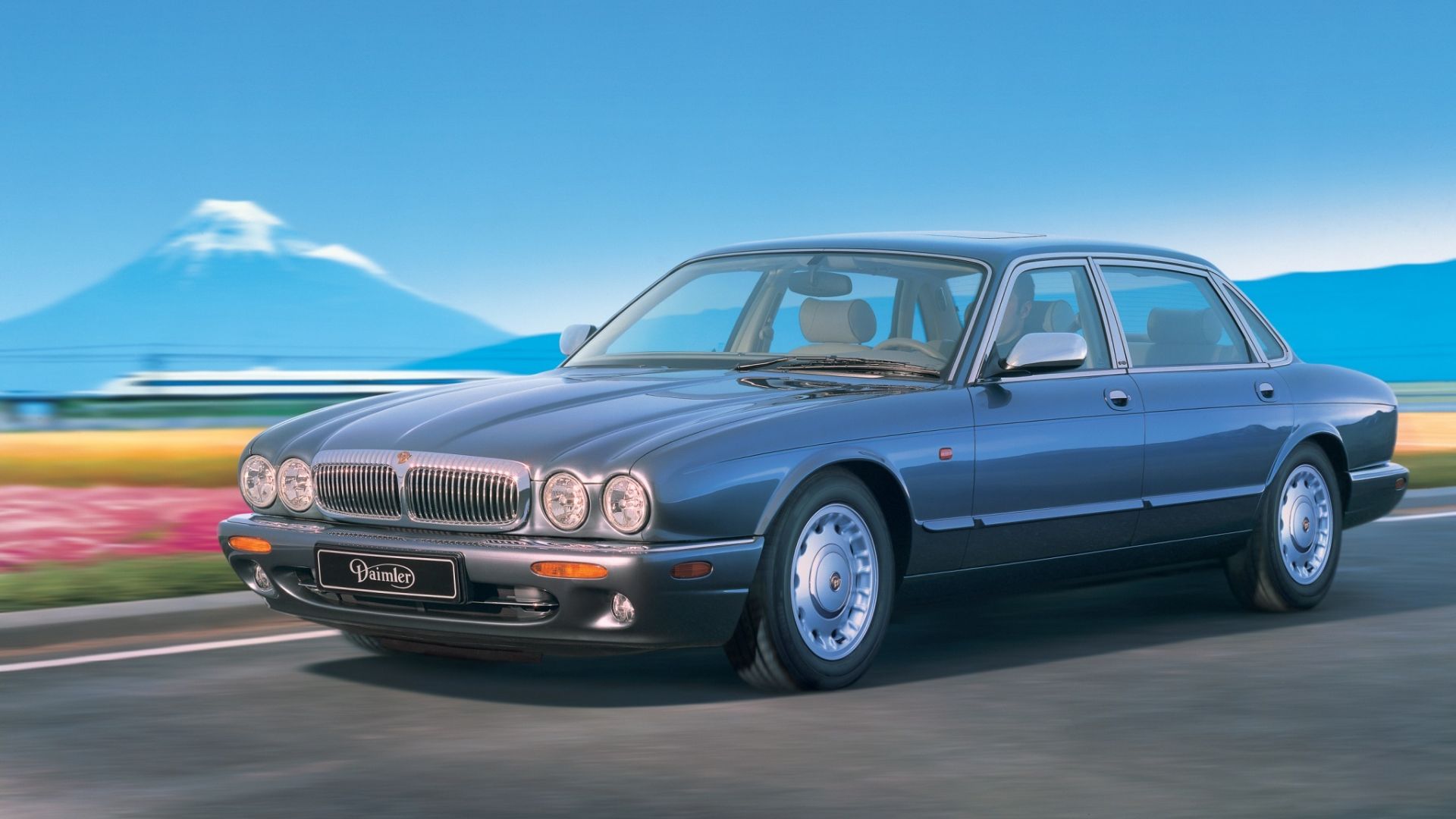
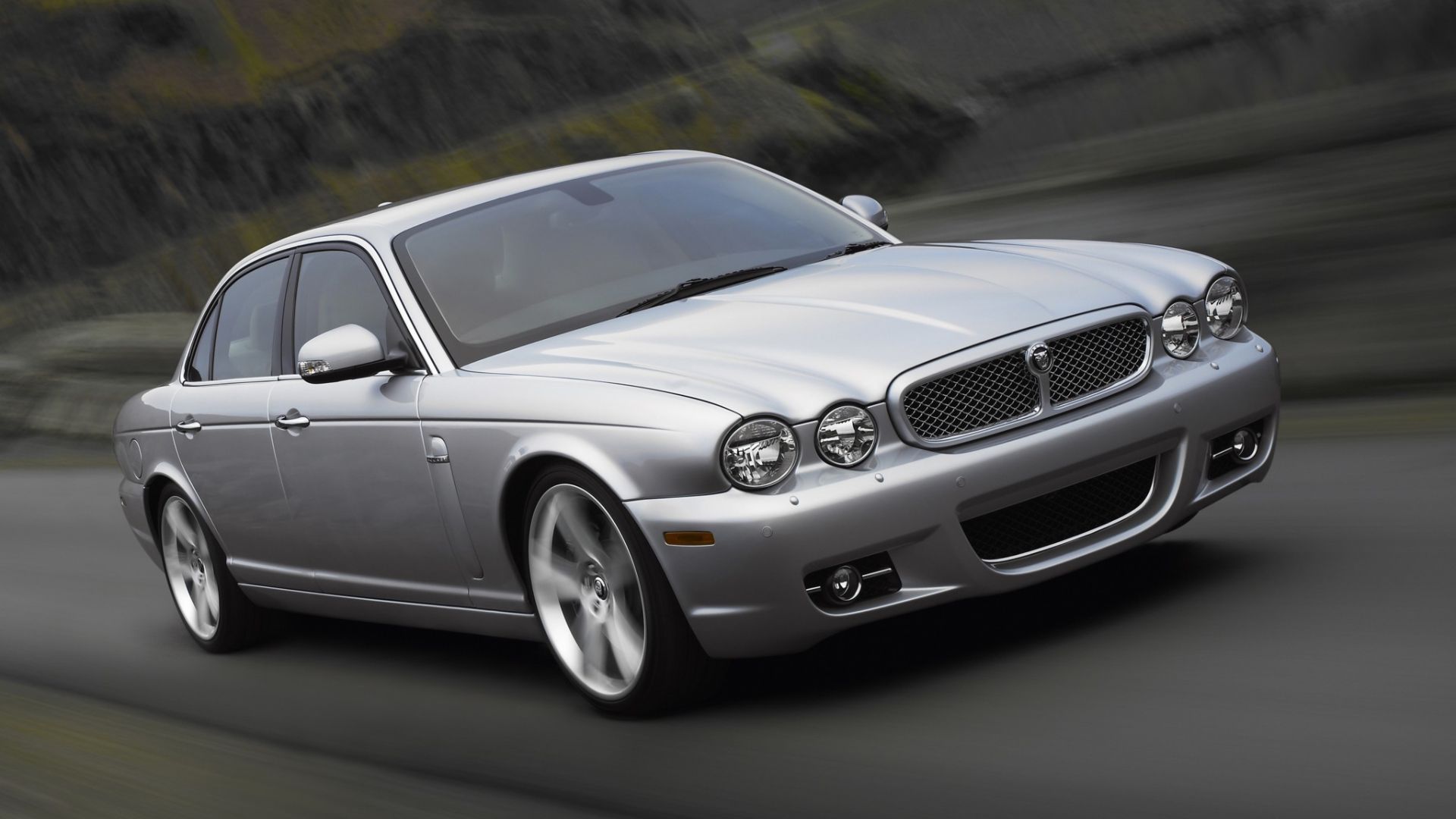
Daimler XJ
Why you want it: it’s an XJ, but even more alternative. You’ll think you’re the coolest person at the dinner party, but for some reason, no one will be sat next to you to hear your story about how Daimler and Jaguar are one and the same. It’s also your ticket to V12-powered luxury at this price point.
Why you don’t: you’ll quickly lose friends and, potentially, money. The former, because of how (un)interesting you’ll be explaining you’re a Daimler owner. The latter, because it’s a Jaguar. The usual financial caveats apply.
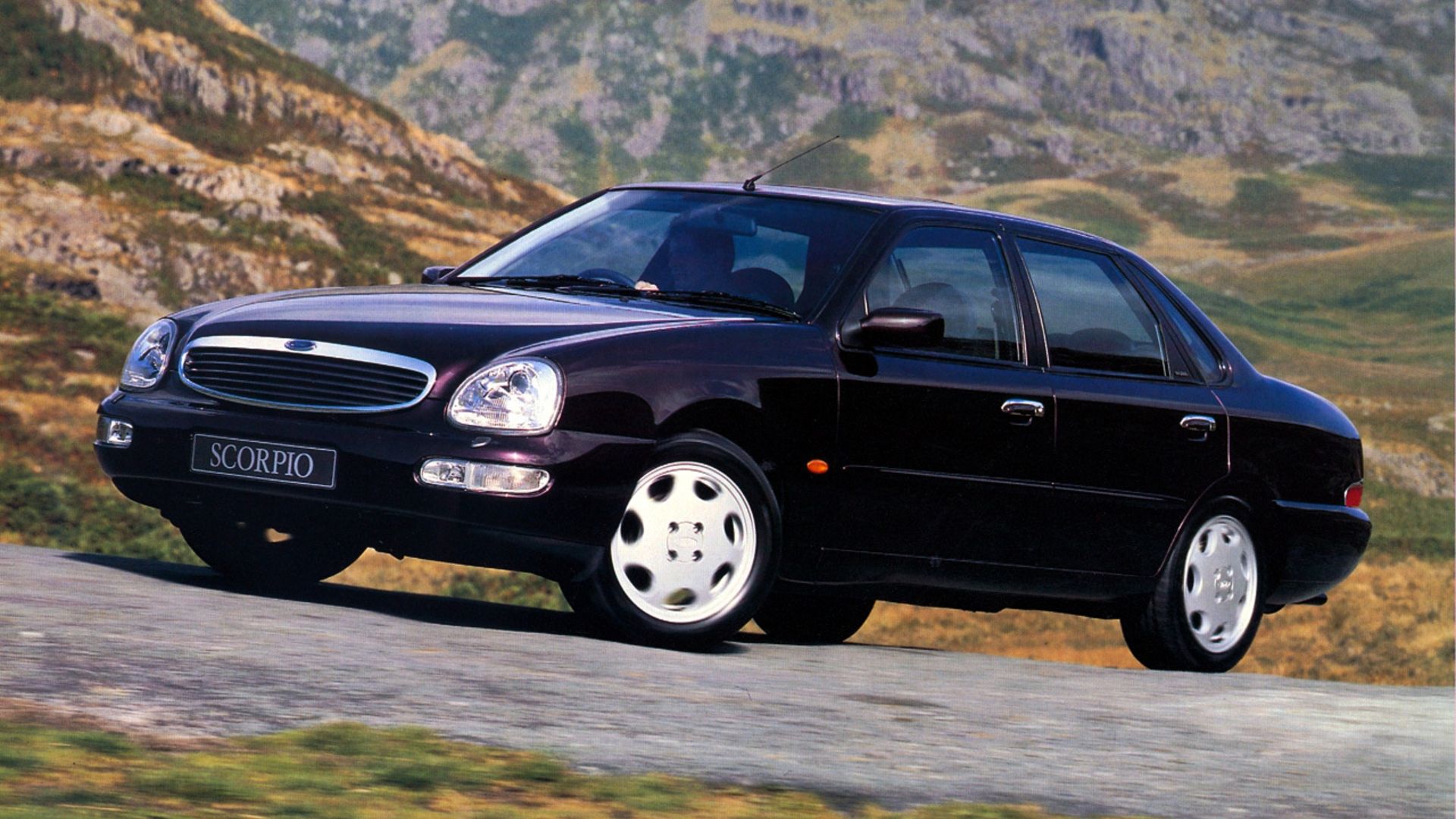
Ford Scorpio
Why you want it: because you won’t get a Ford Mondeo Vignale for £5k. The frog-faced Scorpio comes with those staples of 1990s luxury: acres of wood and leather.
Why you don’t: because you’ll have to look at it when walking up to it. As above, frog-face isn’t a looker.
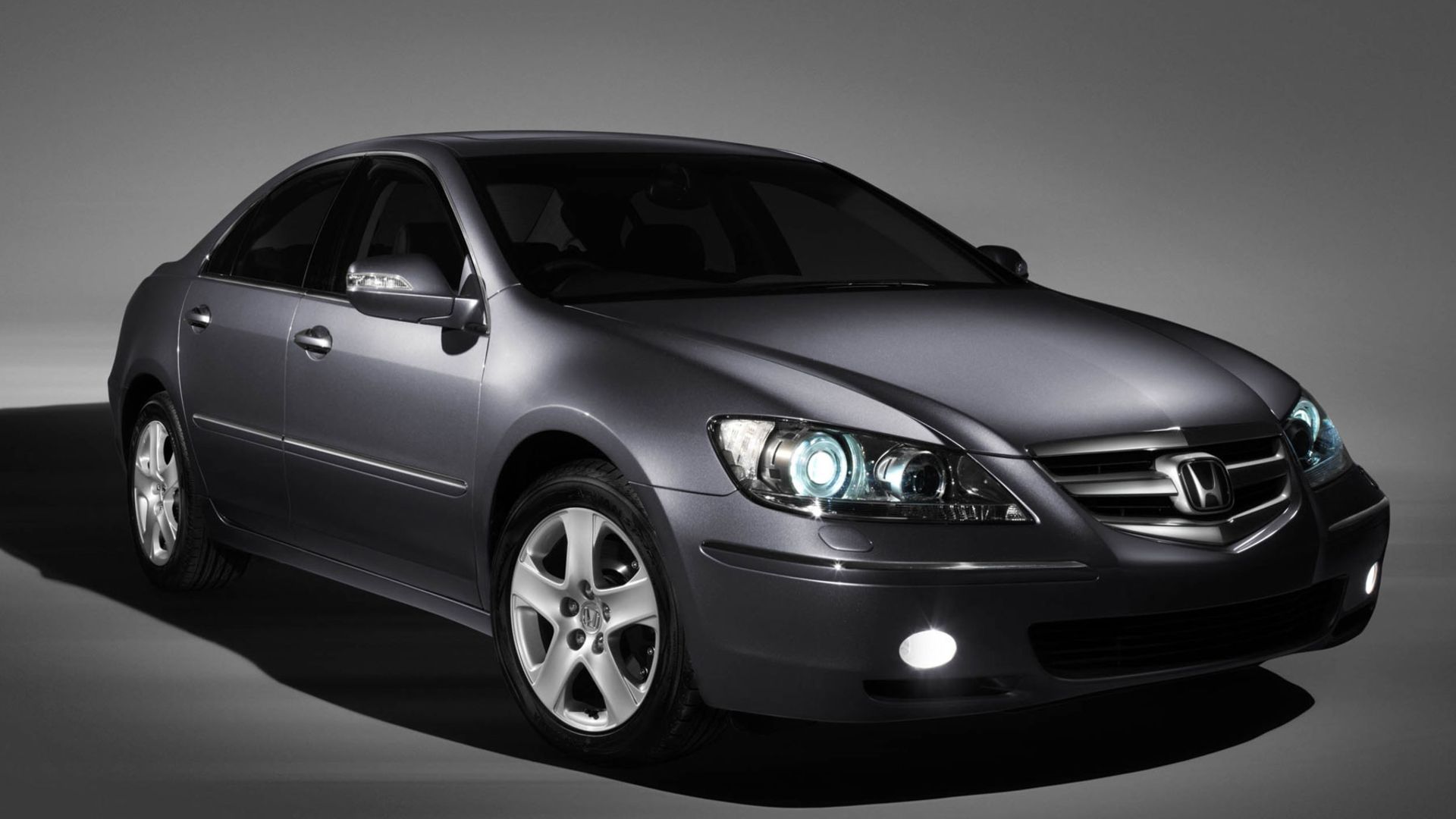
Honda Legend
Why you want it: the Honda Legend does more than a passable impression of a German luxobarge and is loaded with standard kit and a solid safety rating. As a bonus, it’s unlikely to go wrong.
Why you don’t: your friends will think you’ve arrived in a bloated Honda Accord. Meanwhile, the image is a bit ‘tea out of a Thermos flask in a National Trust car park’, and it has a drinking habit to rival any Bentley.
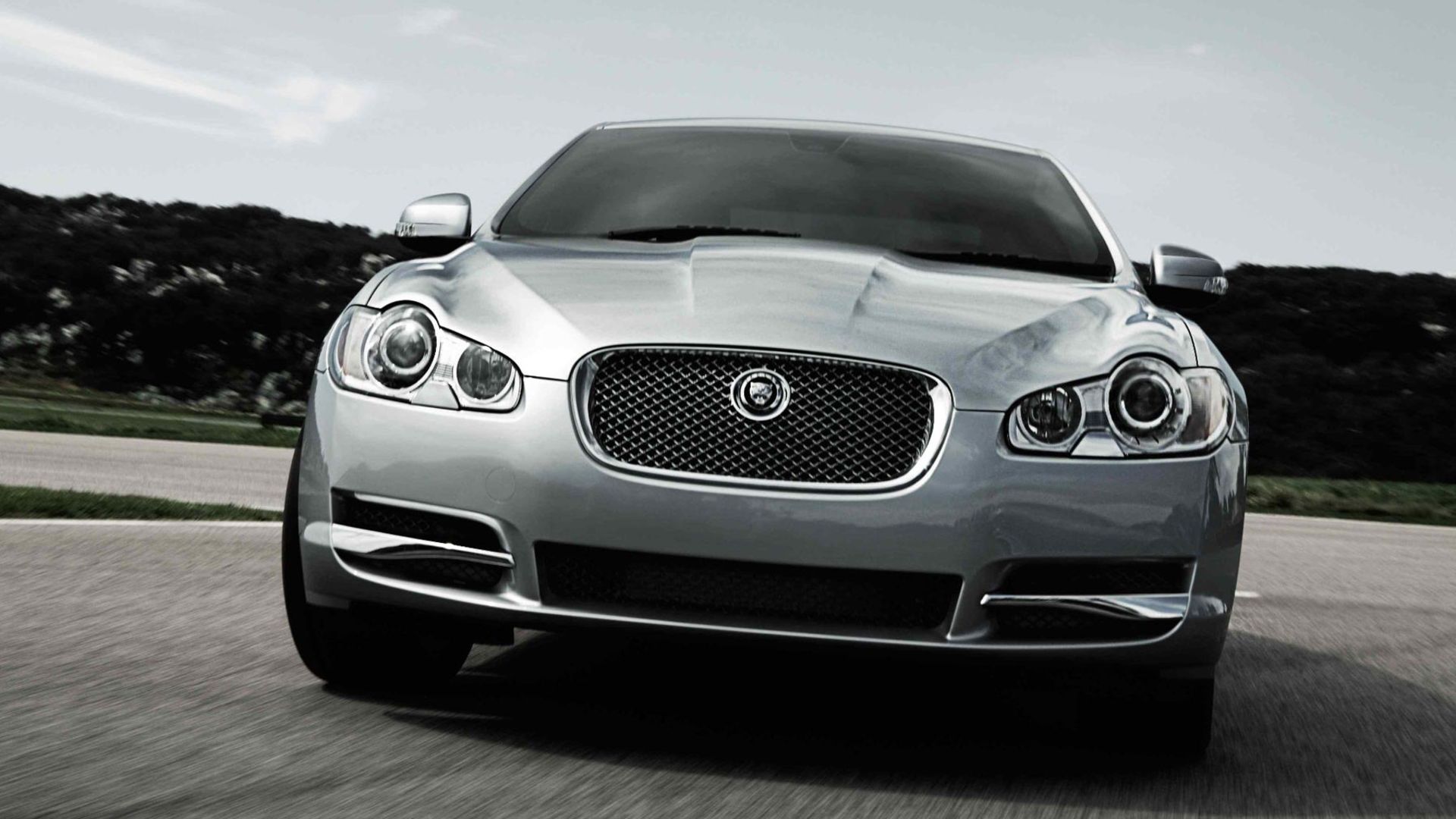
Jaguar XF
Why you want it: the styling is ageing well, especially when you consider that it replaced the S-Type, which looked dated even while it was on sale. All engines are good, but the 3.0-litre petrol is a cracker.
Why you want it: the styling is ageing well, especially when you consider that it replaced the S-Type, which looked dated even while it was on sale. All engines are good, but the 3.0-litre petrol is a cracker. Also, flippy vents!
Jaguar XJ
Why you want it: this is a luxury car in a very British sense, offering grace, space and pace in abundance. Also, you’ll be able to bore people about your Jag.
Why you don’t: the styling is more hip op than hip hop. Looking after it, mechanically, electronically and in terms of the body, could prove a tall order, too.
Lexus GS 450h
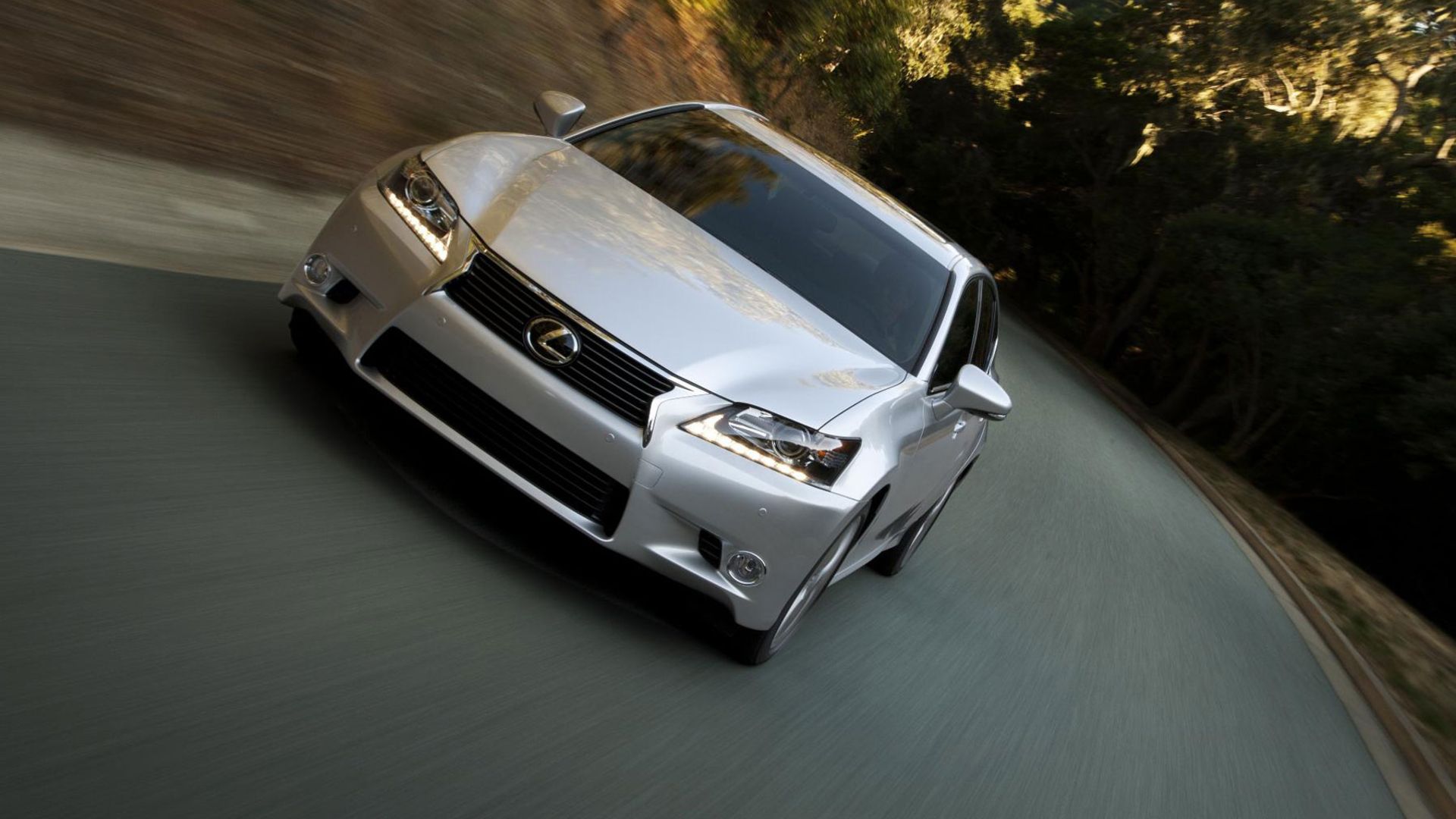
Why you want it: tt’s like a luxury Toyota Prius, albeit one with a 3.5-litre V6 hybrid powertrain and a cabin as well-appointed and comfortable as any German rival. As it’s a hybrid, it also feels very current.
Why you don’t: the cabin isn’t quite as sumptuous as some of its rivals, while the styling is bordering on anonymous. But we’re nitpicking – this is a fine choice if you’re looking for luxury on a budget.
Lexus LS 430
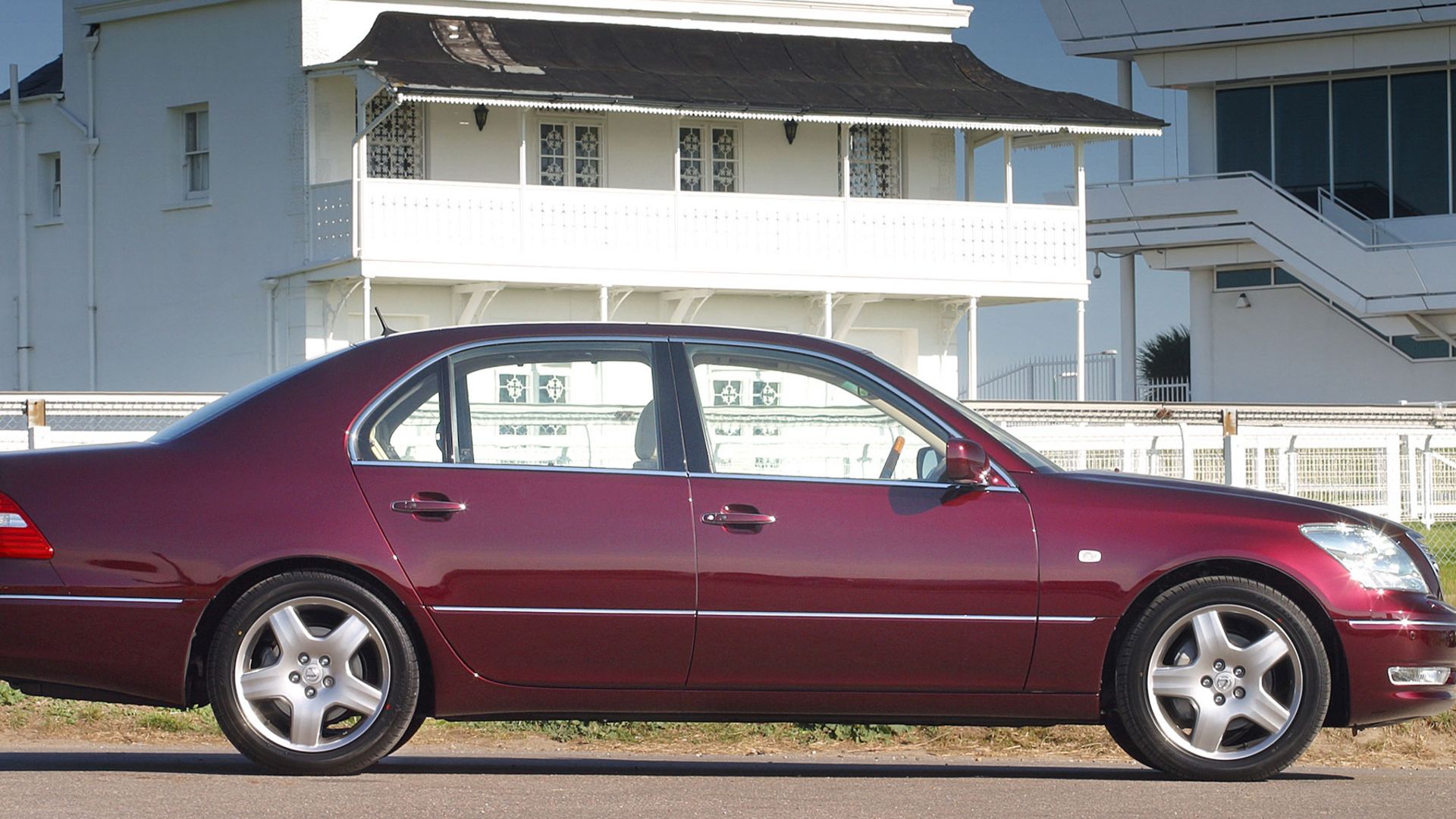
Why you want it: the ‘Japanese S-Class’ is refined and likely to be the most reliable luxury car you can buy for £5,000.
Why you don’t: it has a whiff of the golf club about it and lacks the authenticity of a German or British luxury car.
Lincoln Towncar
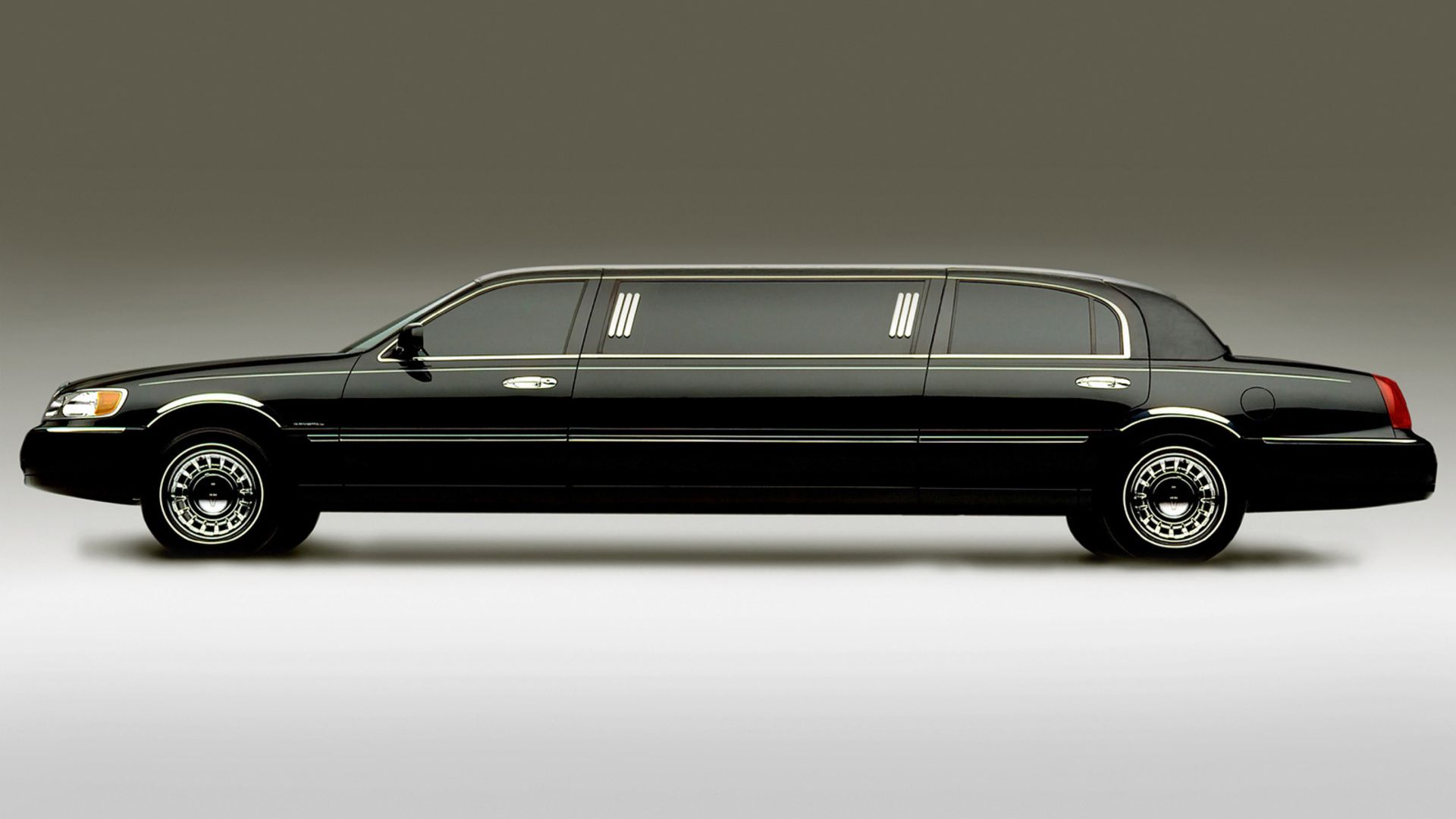
Why you want it: if you want your life to be one big prom night, or you want to be a prom night driver, you’ll never be short of work. Plus, what other luxury vehicle comes with a full crystal drinks set?
Why you don’t: the cabins of these limos are rinse-down for a reason…
Mercedes-Benz S-Class
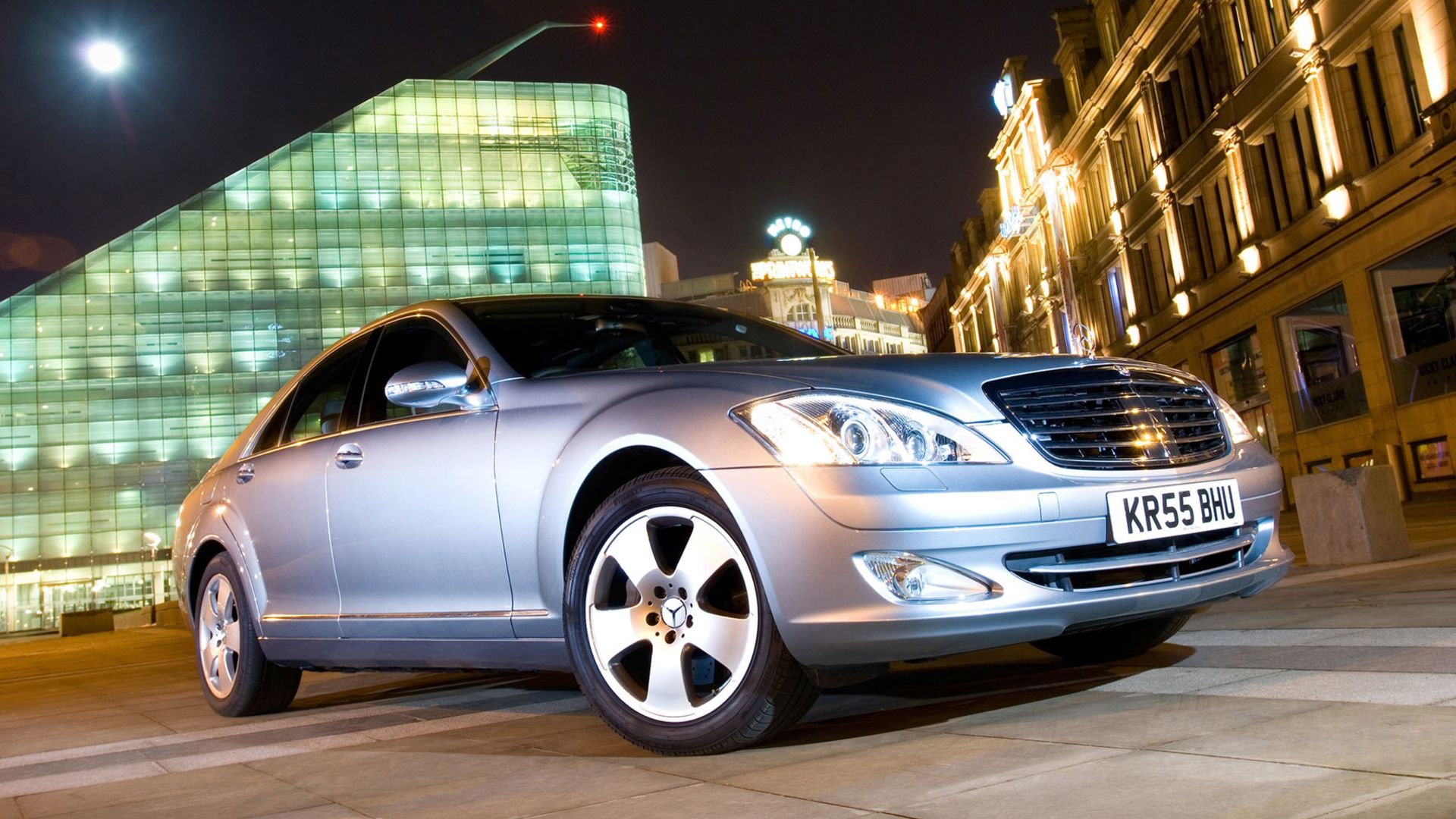
Why you want it: every new generation of S-Class represents the pinnacle of engineering and technology at the time of its release, so you’ll get a glimpse into how the other half lived when it was new.
Why you don’t: depreciation was a problem for its previous owners, but running costs will remain an issue for you to deal with. Also, venture anywhere near London and you’ll be fighting off flag-downs, thinking you’re a posh taxi.
Mercedes-Benz CLS
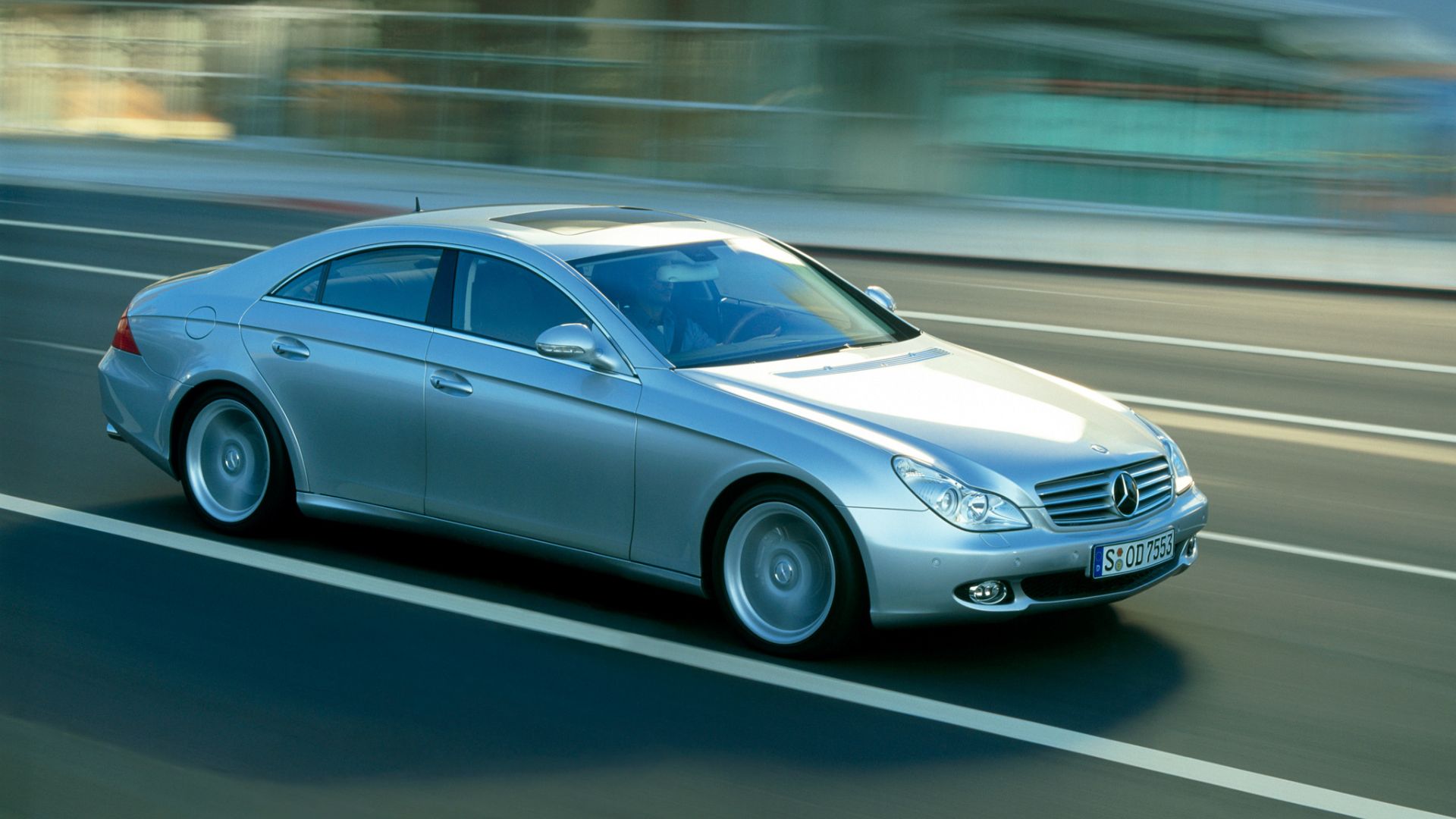
Why you want it: it’s arguably Merc’s best-looking modern four-door, has a better interior than an S-Class of a similar vintage, and has more V8 than any current non-V12 AMG.
Why you don’t: it’s a Mercedes from 2005. You enter into this at your own risk…
Peugeot 607
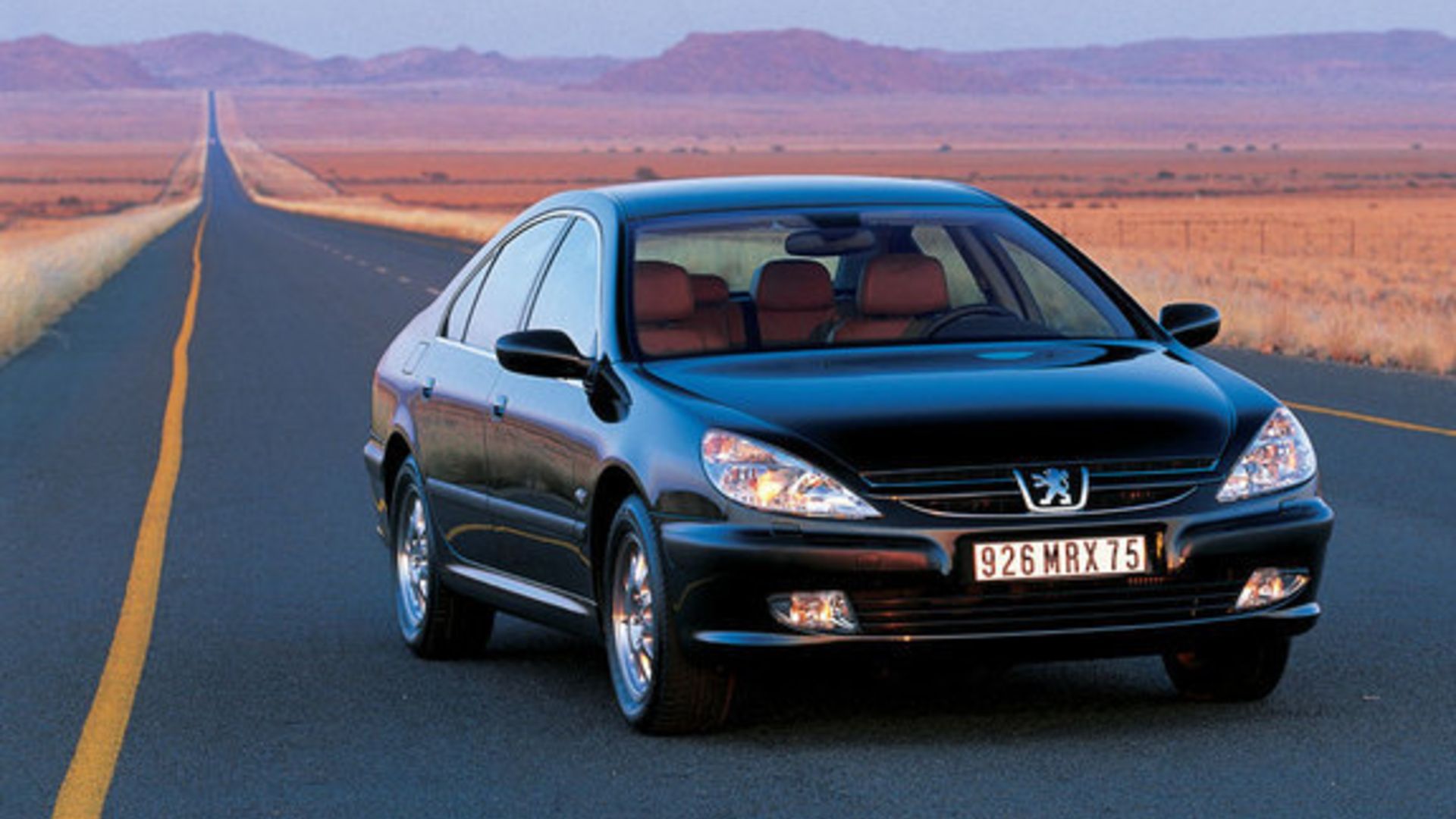
Why you want it: can’t find the right Citroen C6? French waft wrapped in wood and leather is just a Peugeot search away. It’s the C6 alternative you never knew you desired.
Why you don’t: it does have a steering wheel not unlike what you’d find in a Peugeot 206. Not very luxurious.
Porsche Cayenne
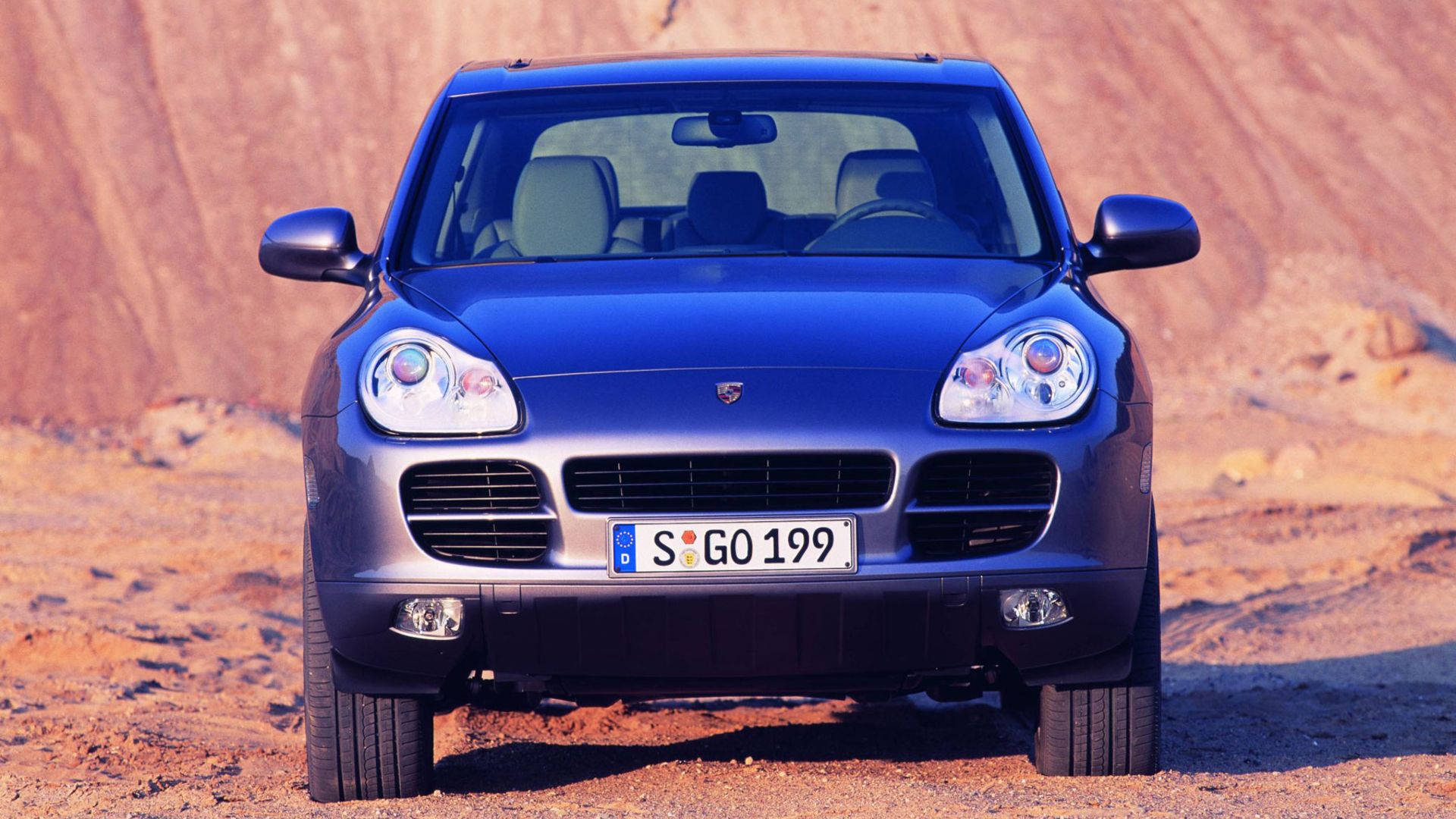
Why you want it: you can afford to live the Porsche SUV dream – some cars are available for as little as £3,500. Good off-road, even better on it – this feels like a proper Porsche.
Why you don’t: cars without air suspension are best avoided and some specialists recommend shunning early cars altogether. Catastrophic engine failure isn’t uncommon and you’ll need to fork out the price of a family hatchback to secure a new motor.
Range Rover
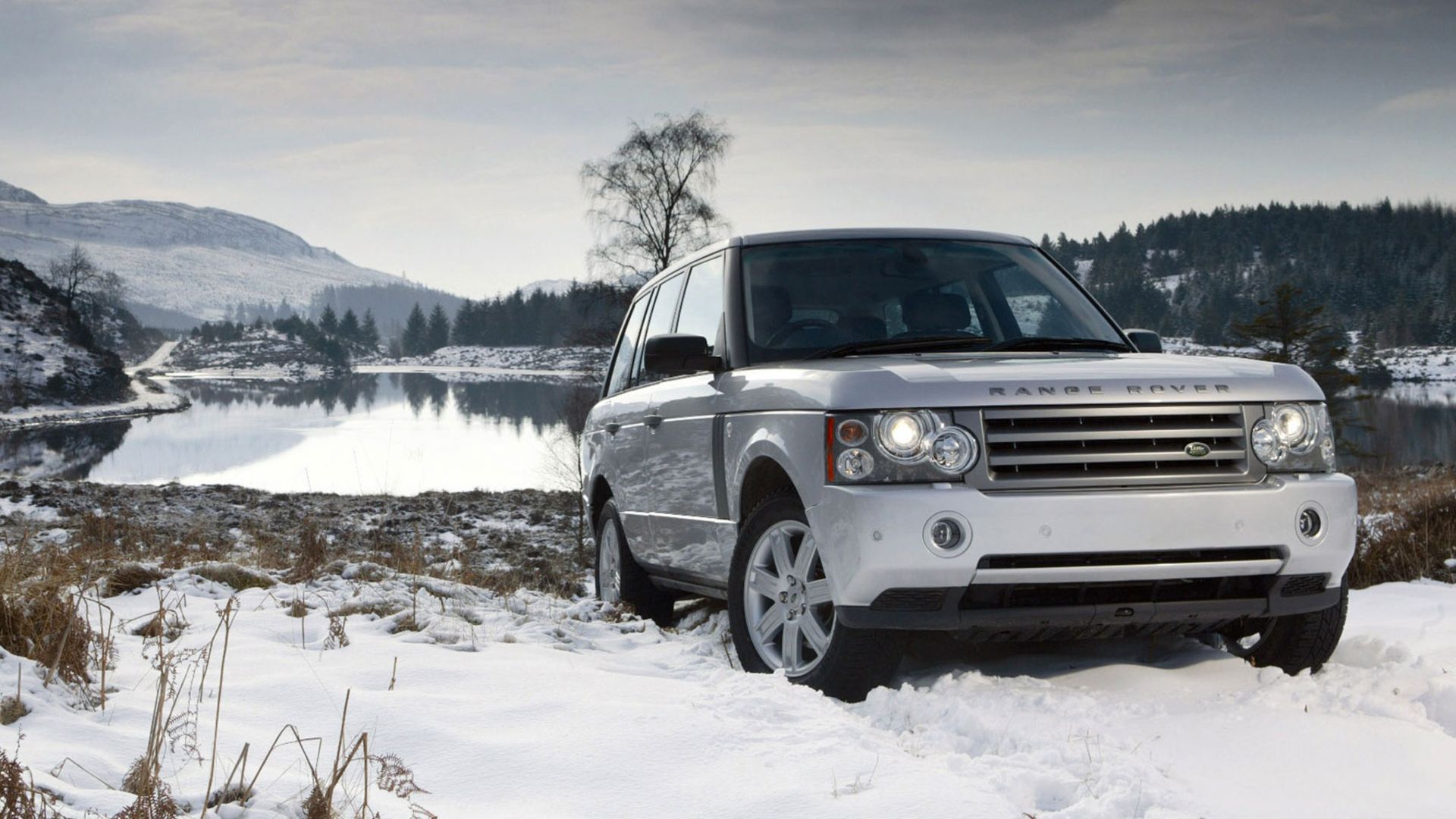
Why you want it: a gilt-edged image comes with proper off-road capabilities to create the perfect luxury SUV on a budget. As acceptable in the office car park as it is on the Boxing Day hunt.
Why it’s not: reading through the list of things to watch out for will give the car you’re considering enough time to rust away.
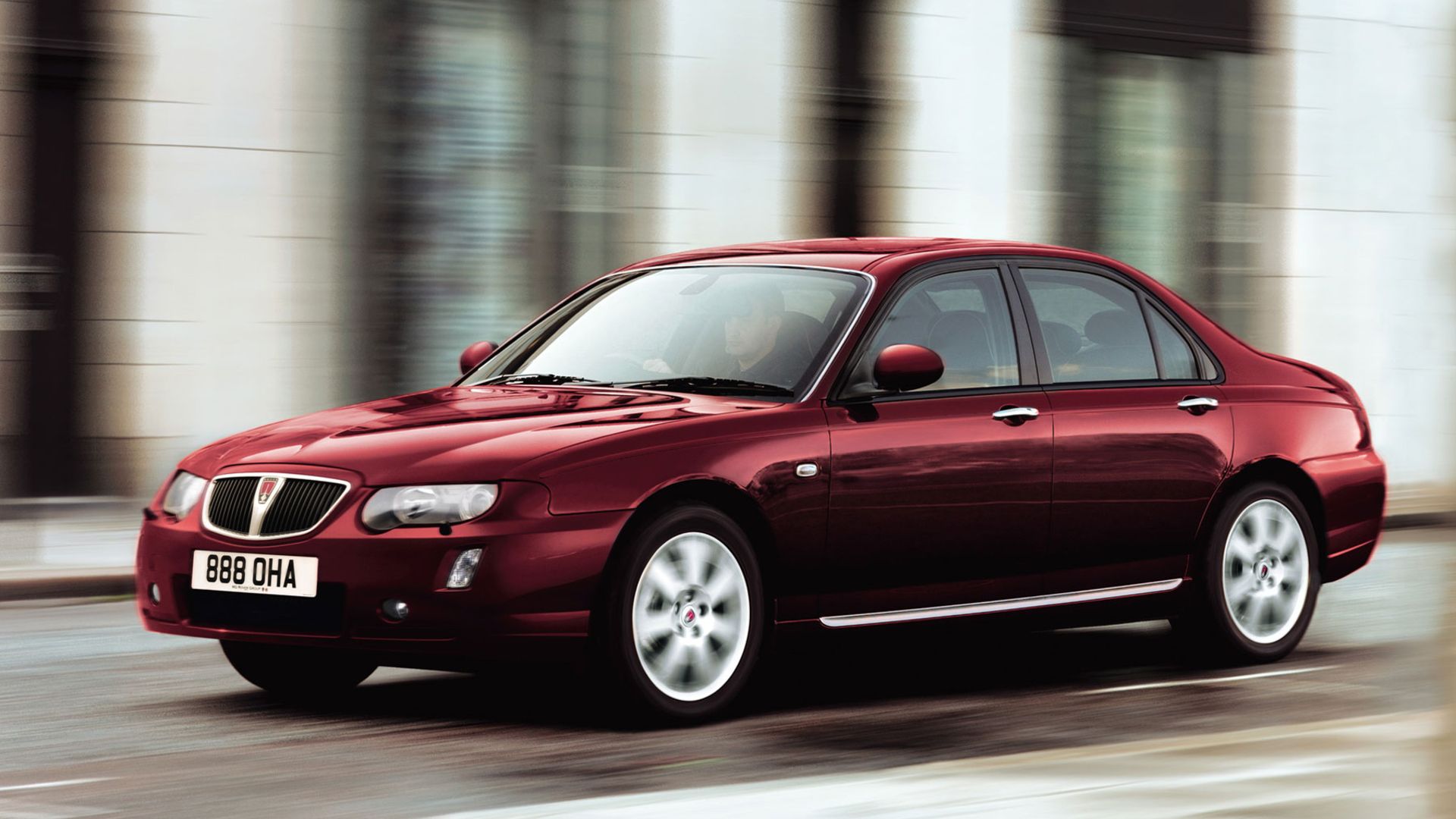
Rover 75
Why you want it: the 75 felt like a Rover in the truest sense – a fitting last hurrah for this once proud British brand.
Why you don’t: head gasket failure is common on the 1.8-litre petrol engine, so opt for the 2.0-litre diesel or 2.5-litre V6 petrol. Electrical problems could be an issue, too.
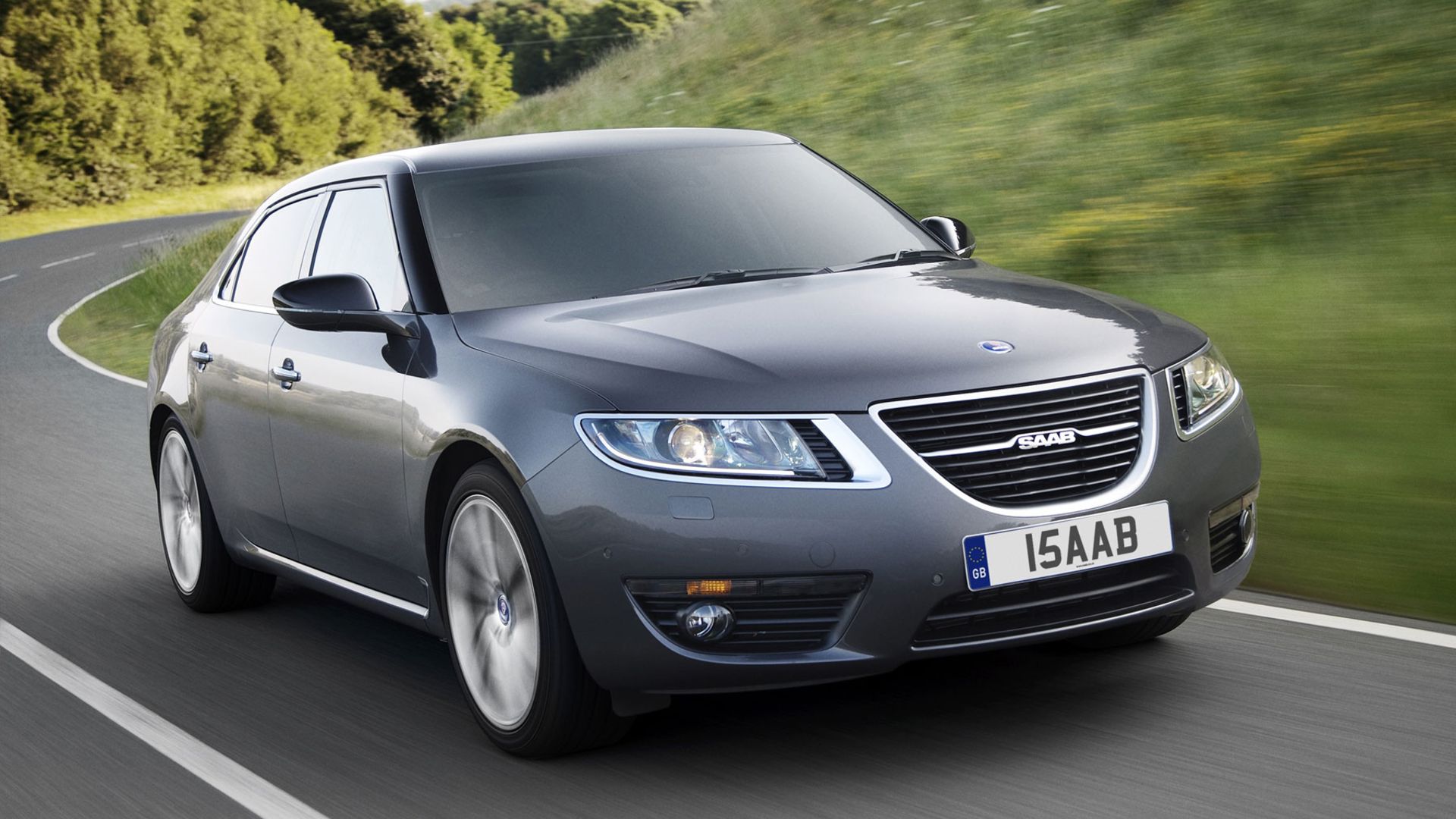
Saab 9-5
Why you want it: what it lacks in outright luxury, it more than makes up for in terms of exclusivity and eccentricity. A delightful cabin and a wealth of standard features will greet you if you take a punt on the last-of-the-line Saab 9-5.
Why you don’t want it: the ride quality isn’t a patch on the other cars featured here and you might struggle to find a fellow buyer who is willing to take on what’s essentially an extinct brand.
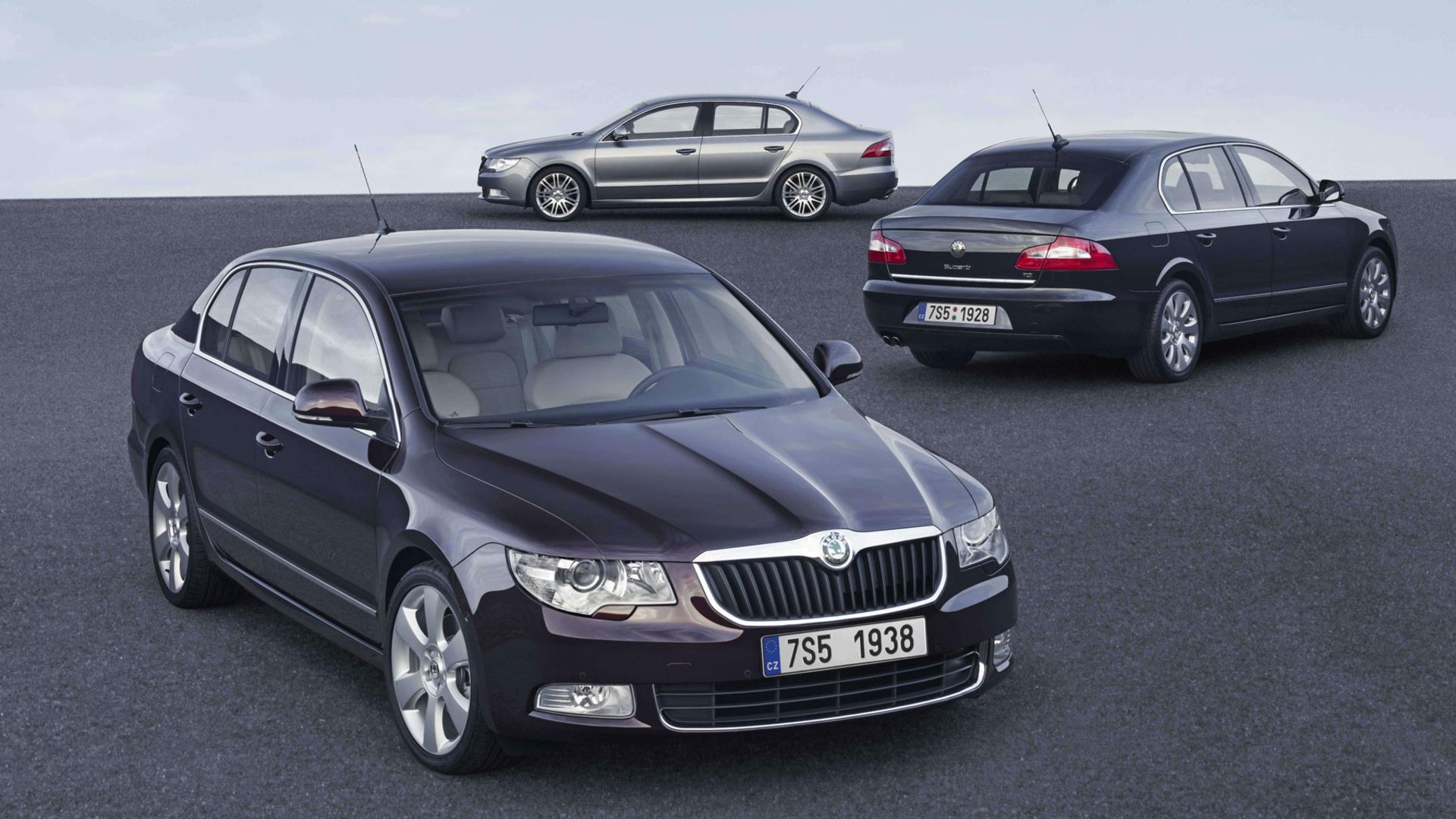
Skoda Superb
Why you want it: Superb by name, superb by nature. Skoda’s flagship model offers space in abundance, supreme levels of comfort and a generous level of standard spec. You’re also backed by one of the best dealer networks.
Why you don’t: to some, the Skoda badge remains a barrier, but it’s their loss. Don’t be surprised if folk start waving you down in the mistaken belief that you’re their minicab ride home from a boozy Christmas do.
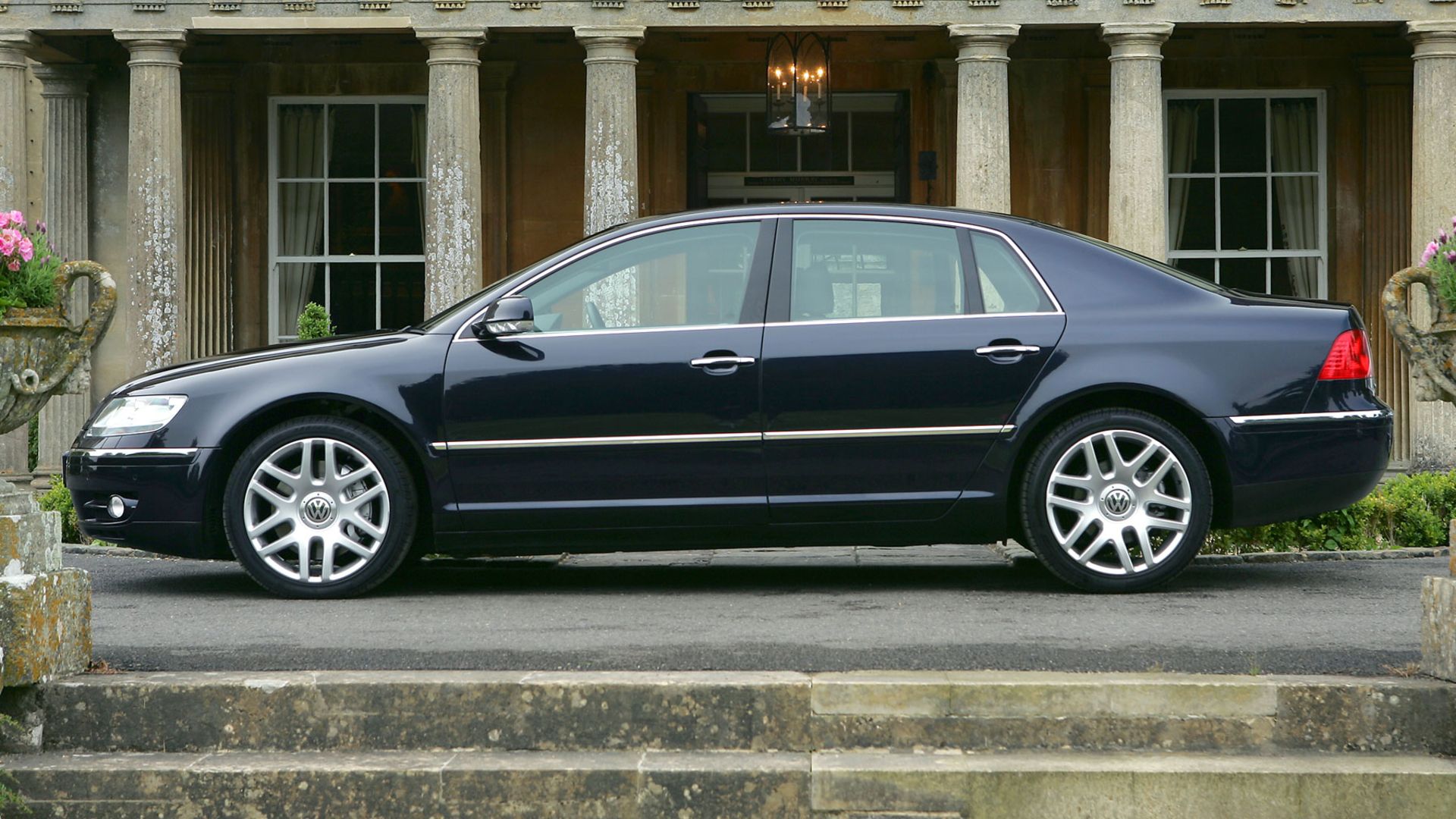
Volkswagen Phaeton
Why you want it: it shares its platform with the Bentley Continental.
Why you don’t: it looks like an oversized Volkswagen Passat.
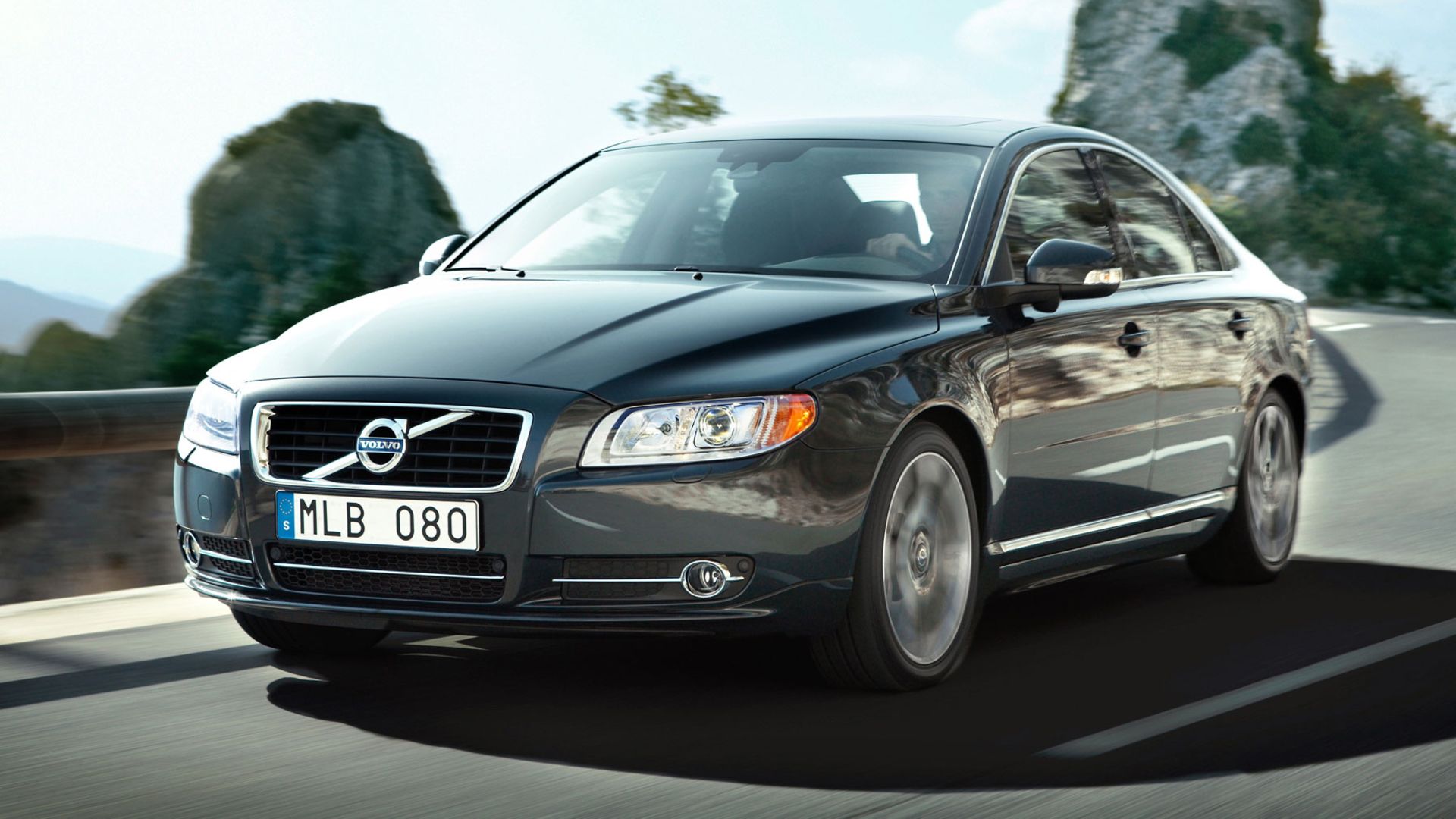
Volvo S80
Why you want it: the S80 offers a squishy ride, deep-pile carpets, a super-quiet ride and is very Swedish.
Why you don’t: it’s not as great to drive as a 5 Series and you’ll pass unnoticed in the majority of situations.
Are you sitting comfortably? Not if new research into back pain caused by uncomfortable car seats is anything to go by.
More than a third of UK drivers have taken at least one day off work every year for back pain. The cost to the economy is a staggering £8.8 billion in productivity.
The survey of 2,000 drivers who use a car for work purposes shines a light on our inability to sit comfortably behind the wheel. Back pain affects 80 percent of the population and is a leading cause for sick leave in the UK.
Of the 32.4 million people employed in the UK, more than two-thirds use their car to drive to work or for work purposes.
Of these, 12 percent have taken two days off for back pain, while 13 percent have been off for four days. Five percent were absent for a full working week, and 5 percent asked for seven or more days of rest.
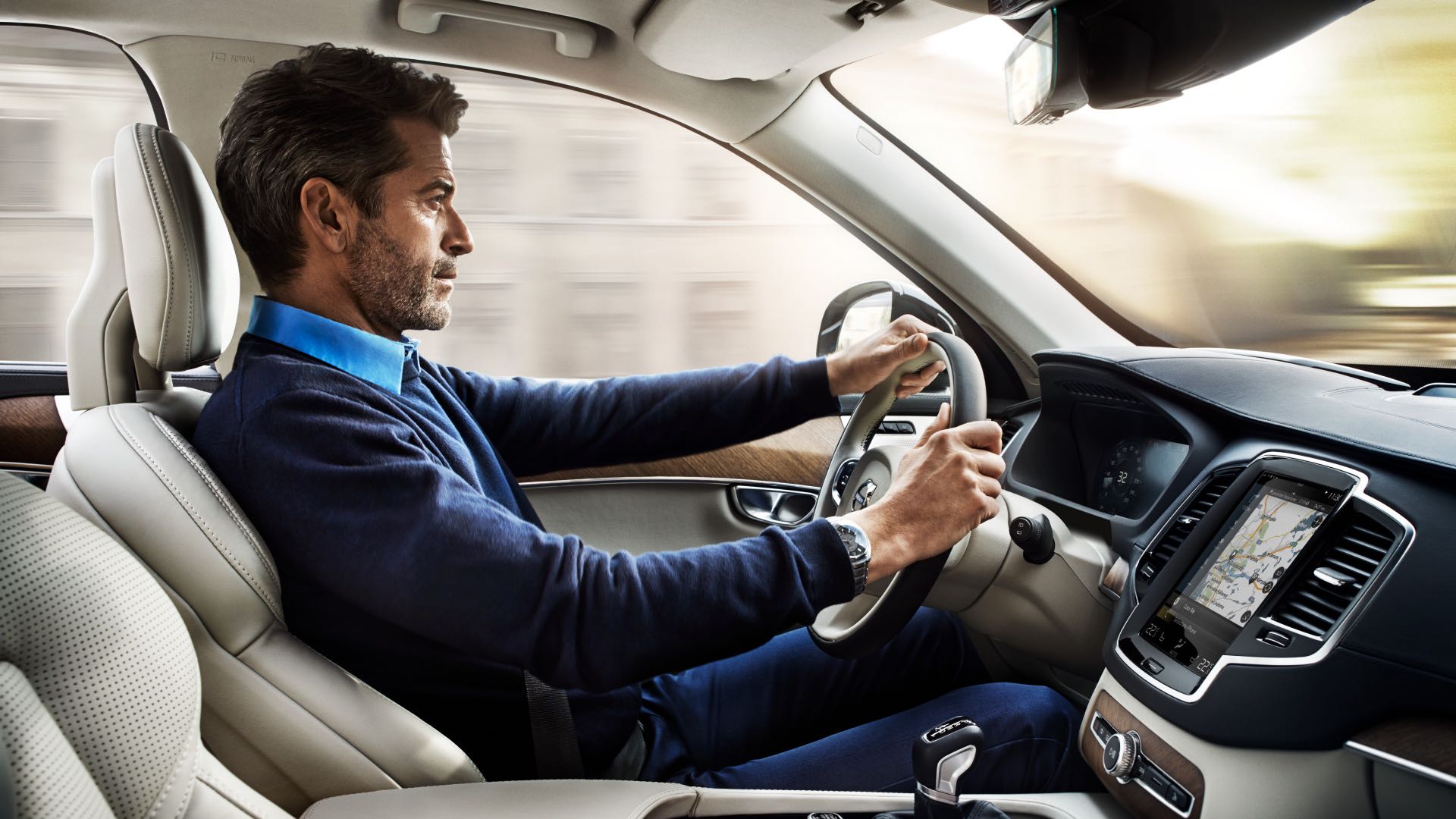
According to Volvo Car UK, the company behind the research, seat comfort is a top priority for 63 percent of UK drivers. Around a fifth of drivers have actually swapped a car for a model with more comfortable seats.
‘Comfortable and pain-free’
Kristian Elvefors, Volvo Car UK’s managing director, said: “Back pain from poor quality car seats is a bigger problem than many think.
“Not only is it costing the UK economy billions in lost productivity as employees take sick leave, but poor quality car seats are also placing an unnecessary burden on the NHS, costing hospitals and GP surgeries hundreds of millions a year.
“Volvo is committed to ensuring that all of its customers, regardless of shape or size, find the seats in their car incredibly comfortable and pain-free.”
Tommy Apell, senior attribute leader for seat comfort at Volvo, added: “At Volvo, we specifically opt to use softer foam compounds for our seats to ensure the fit is comfortable across all body shapes and sizes.
“We also specially tune our seat springs for improved comfort, with the ergonomics team working alongside designers to ensure things like seat stitching don’t create pressure points for drivers and passengers. Our lengthy development and testing programme means new seats take up to five years to move from concept to finished product.”
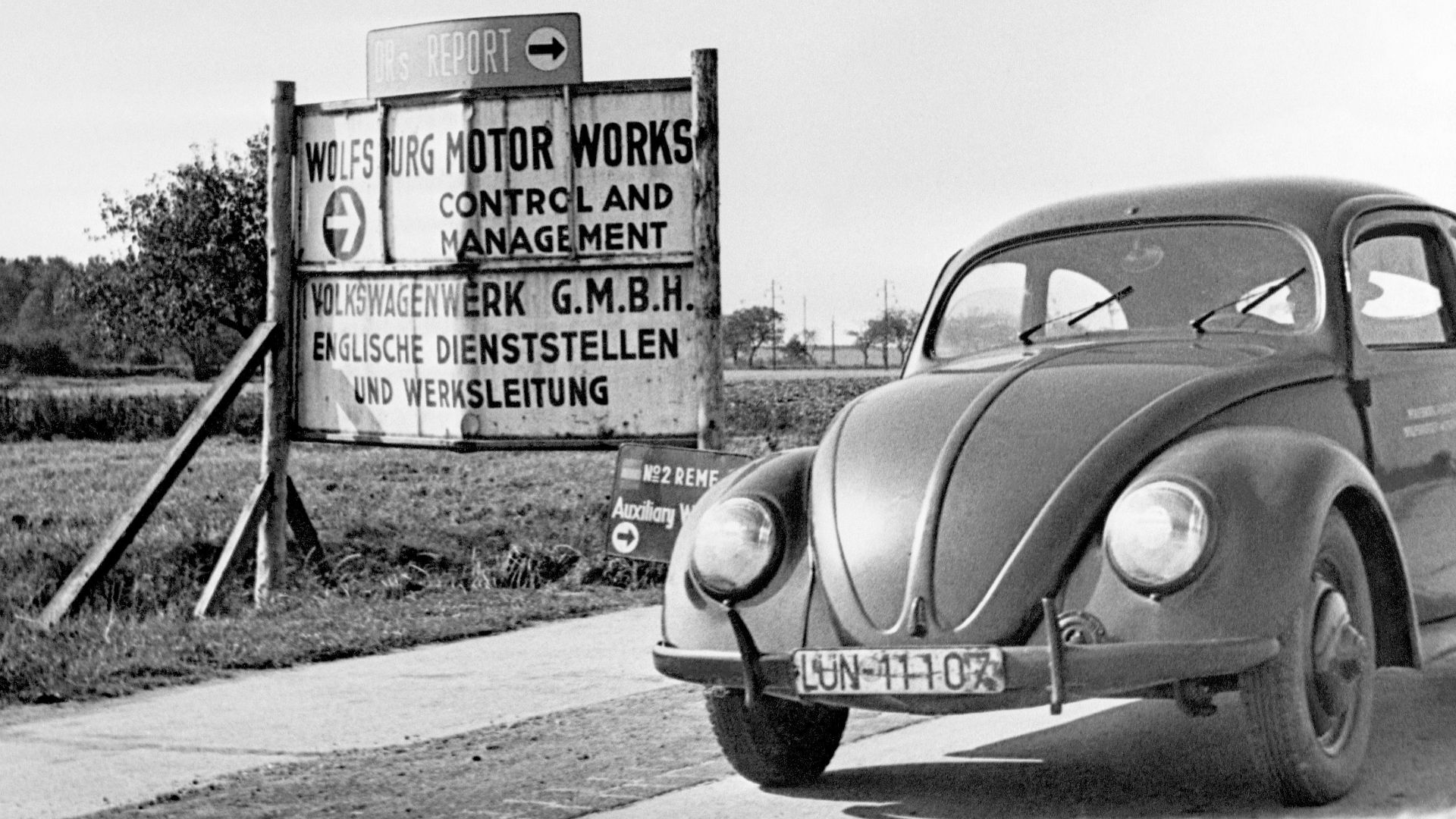
Volkswagen as we know it was born in 1949, after being returned to German ownership after World War Two.
Britain’s management of the company in the years between 1945 and the 1949 handover consisted of deliberately limiting production.
Britain’s great industrial blunder
October 8 1949 is the date that Britain officially gave away what would become one of the most profitable automotive enterprises of all time: the Volkswagen Group we know today.
The Beetle was, at the time, judged by British car manufacturers as “quite unattractive to the average buyer”.
“The vehicle does not meet the fundamental technical requirement of a motor-car… To build the car commercially would be a completely uneconomic enterprise.”
How wrong they were. Volkswagen’s short history under British control saw the Beetle made in small numbers, for military use to begin with.
A total of 20,000 was ordered initially. Within six years following the company’s handover to the German people in 1949, the one-millionth Beetle would be made.
Interestingly, it was the British Major Ivan Hirst who saved the factory, both from an unexploded bomb and later controlled demolition after UK carmakers turned it down.
If that bomb had gone off, the Beetle, and ultimately Volkswagen, may not have lived on.
ALSO READ
New Volkswagen Golf R – and its hot hatch ancestors
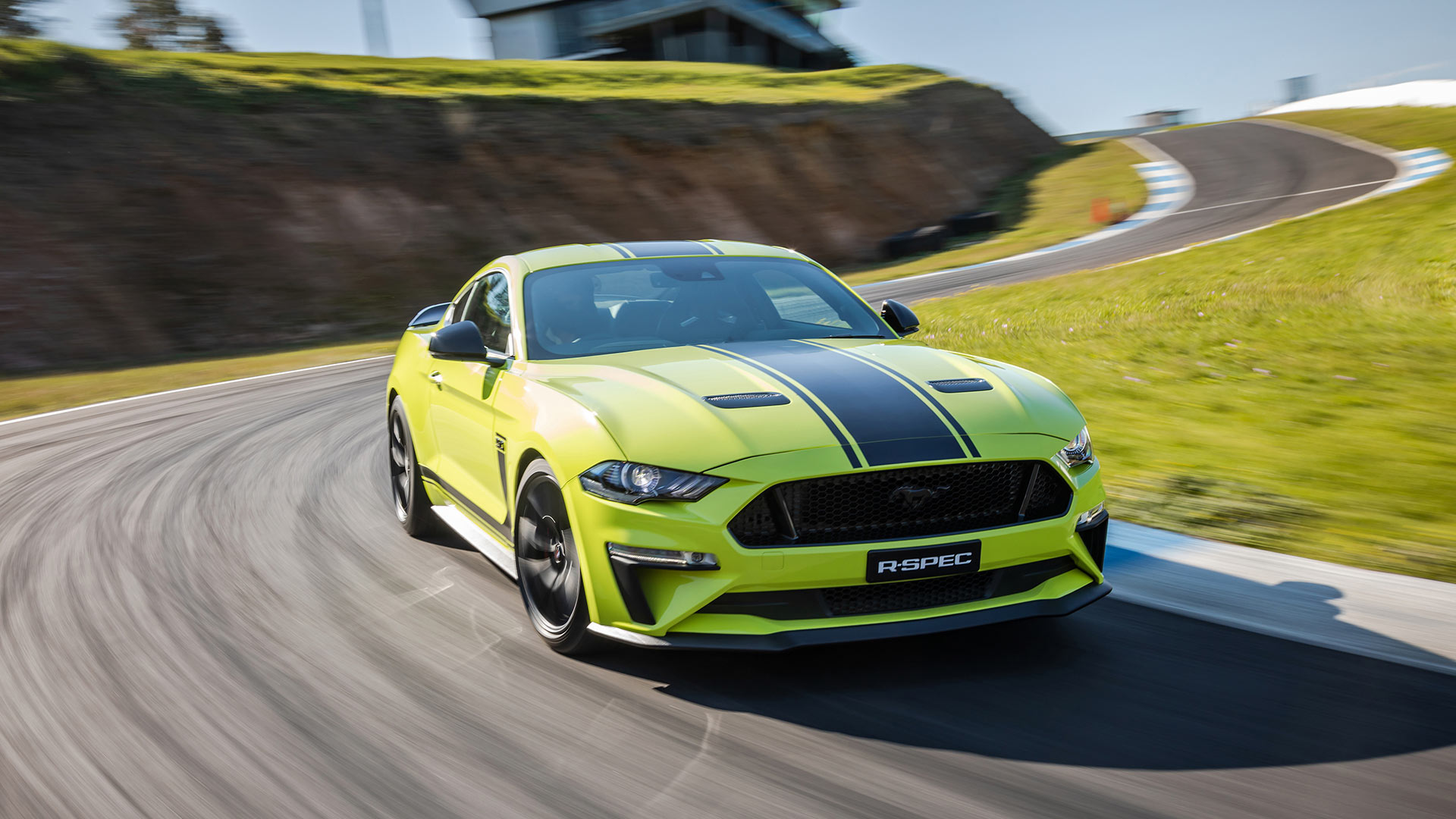 Ford has announced a special edition of the 5.0 V-8 Mustang, designed especially for performance fans in Australia.
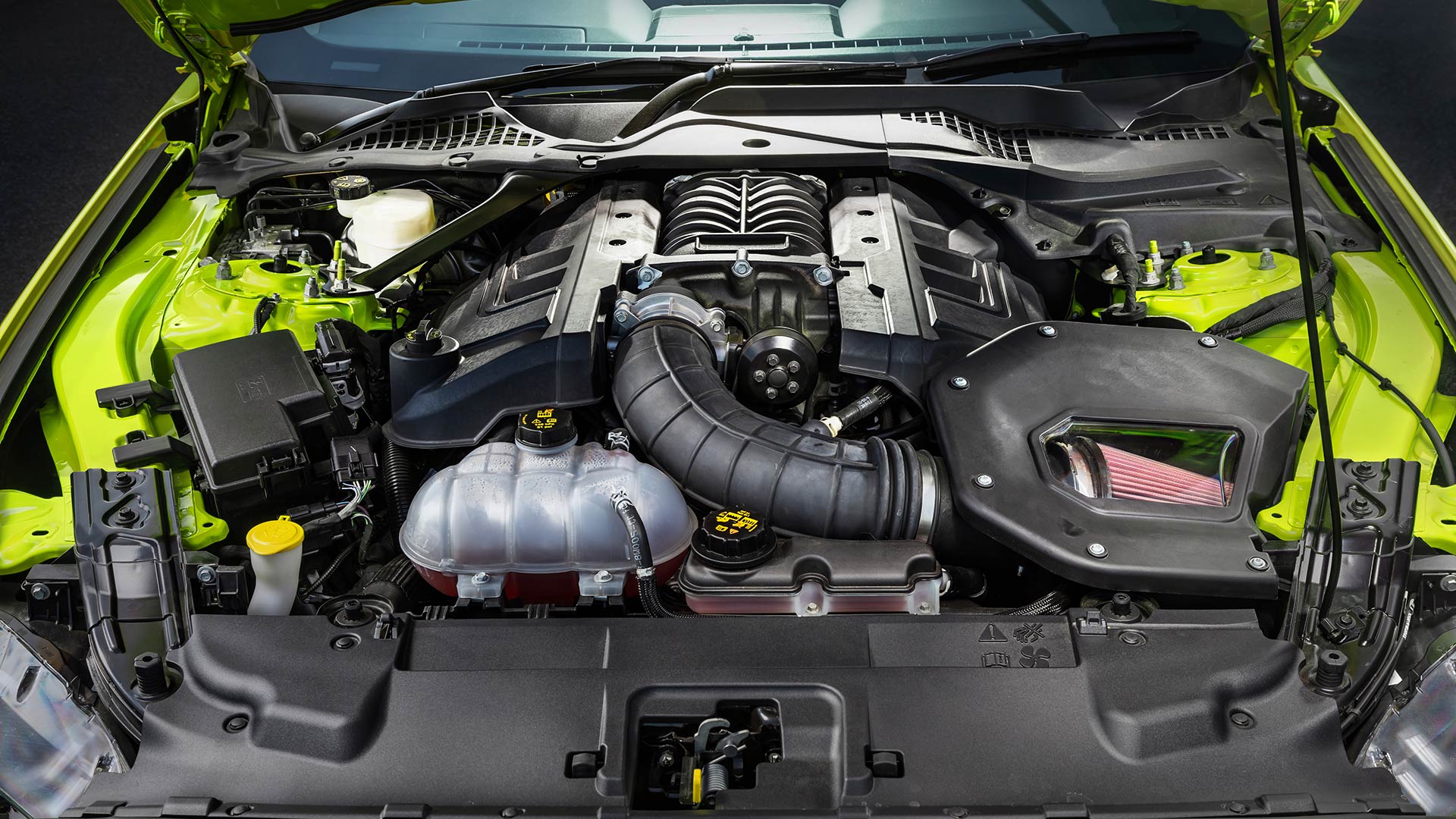 At the heart of the Mustang R-Spec is a Roush 2650 supercharger kit, attached to the regular 5.0-liter V-8 engine, along with a Herrod Performance exhaust system.
 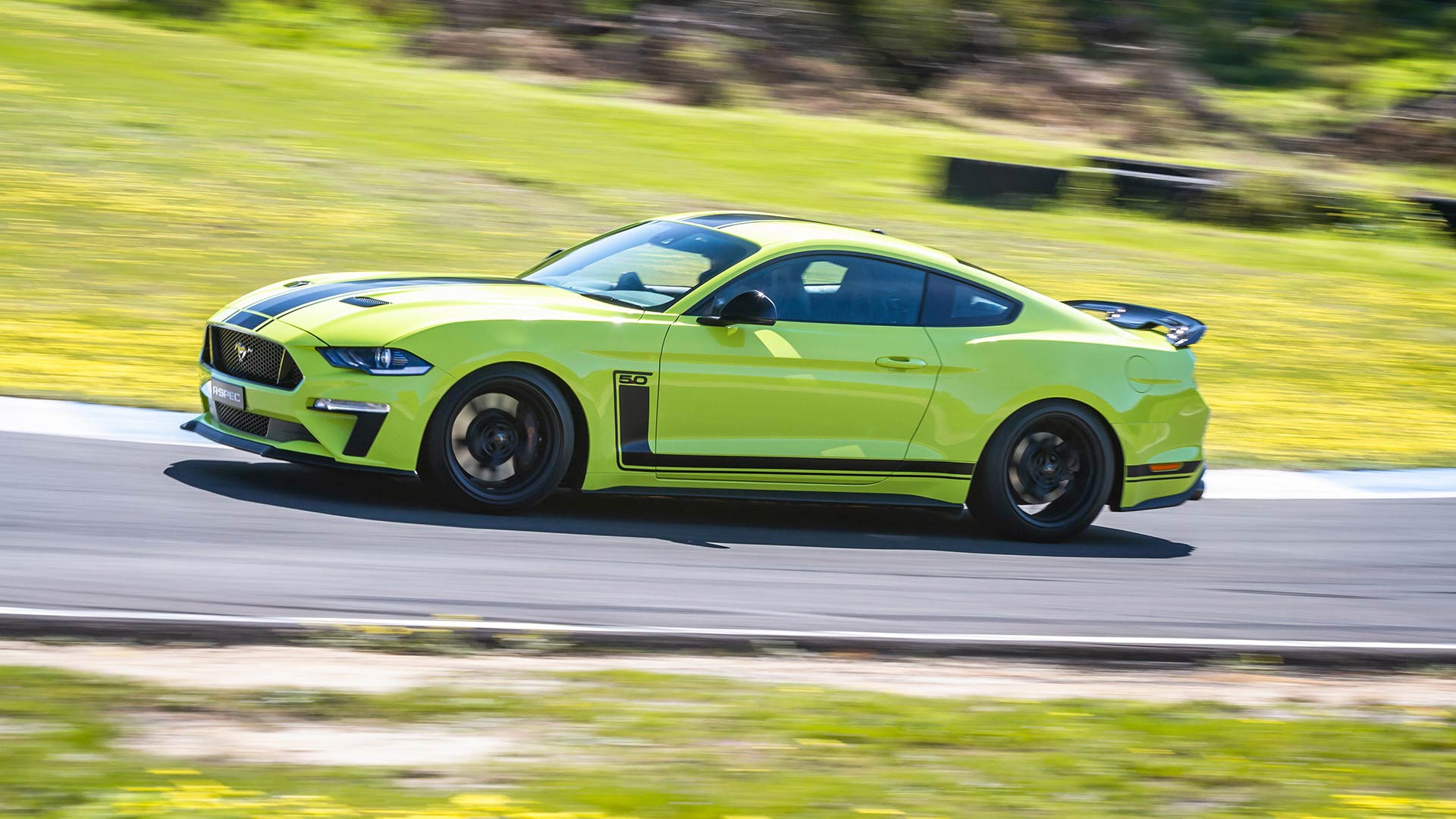 Ford has not held back on visual changes to the Mustang R-Spec, with matte-finish body stripes to the top of the car, and also hockey stripes to the sides. Gloss black has been used for the mirror caps, 5.0 badging, and rear spoiler. The exhaust tailpipes, hood vents, headlight surrounds, and front pony badge are black.
 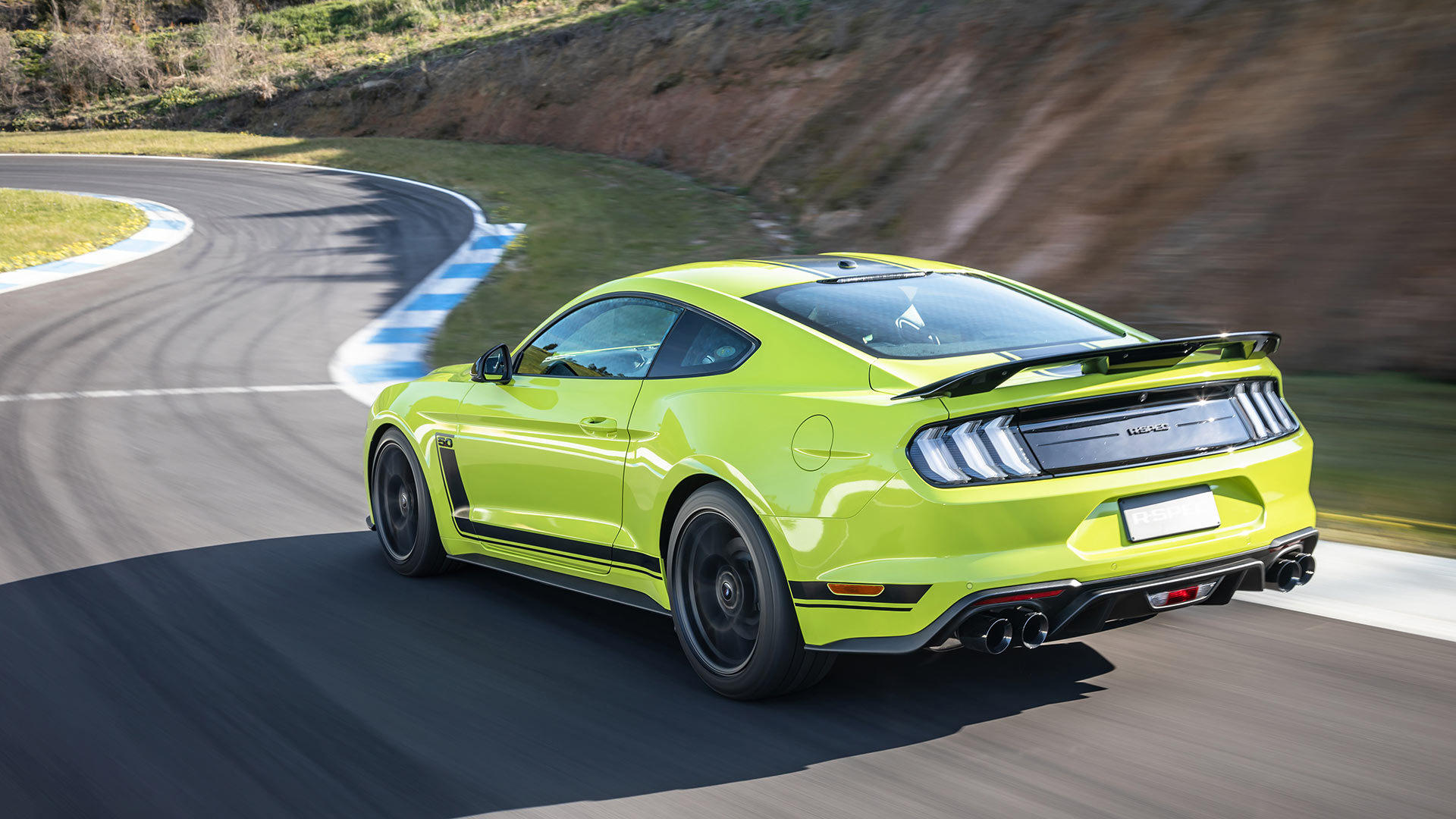 Prices for the Mustang R-Spec will begin at AUD $99,980 (USD $67,260), and will only offered to customers in Australia. Interested Ford fans will be able to place their orders from October 10th, with the first deliveries expected in early 2020.