Swedish hypercars and a barrage of new EVs not your thing? Is Geneva virtual reveal fatigue setting in? Here’s some welcome respite.
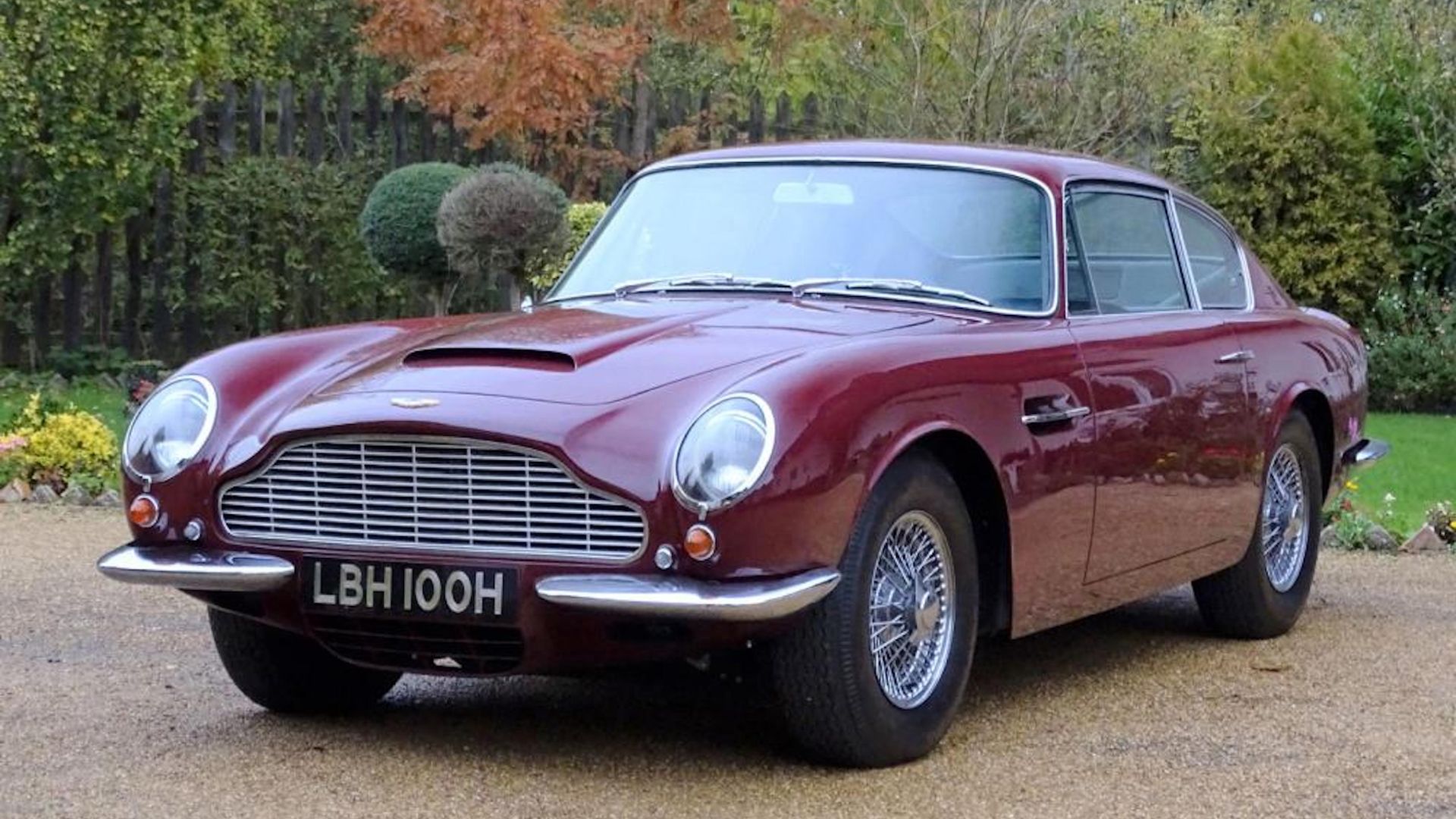
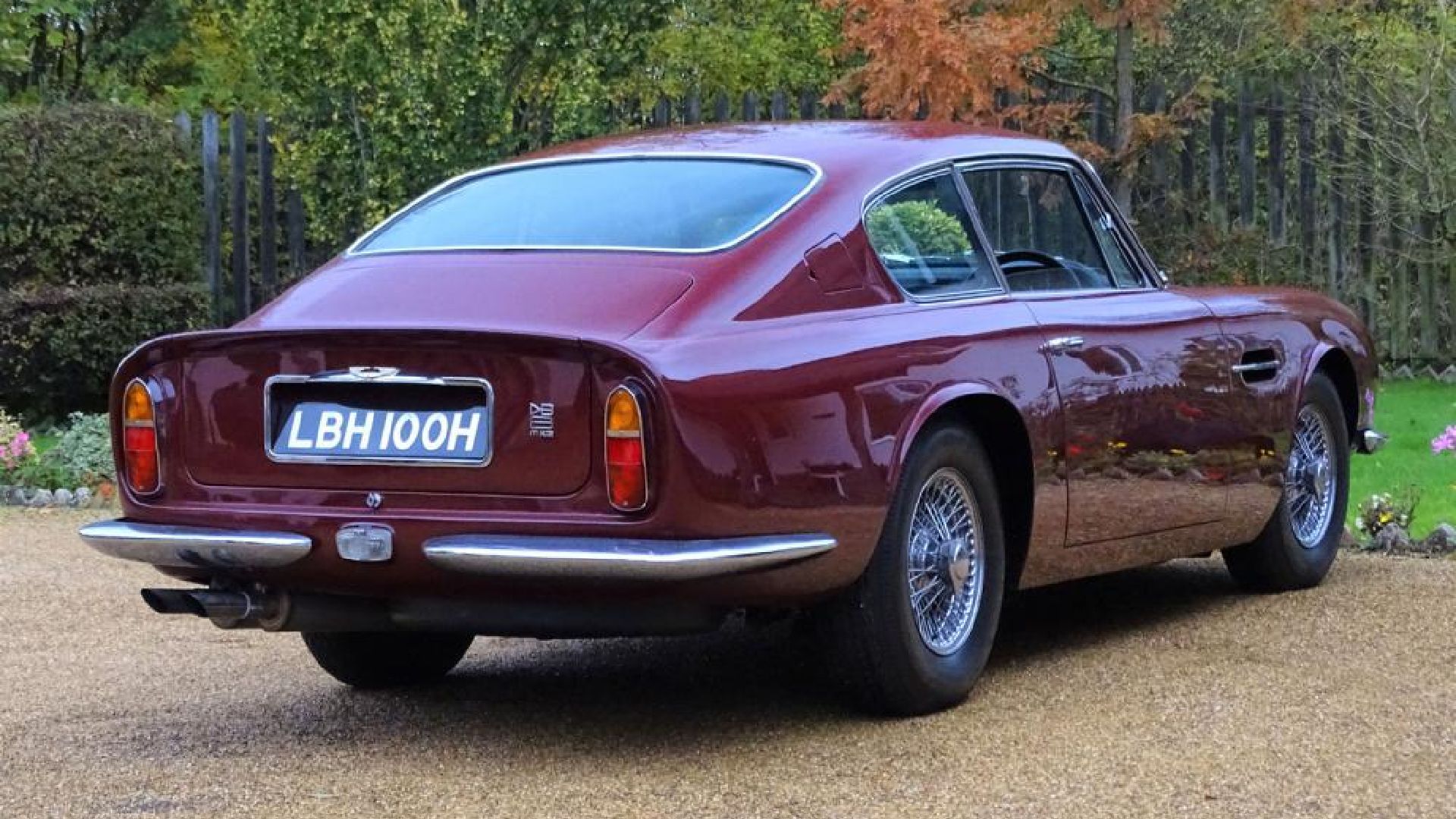
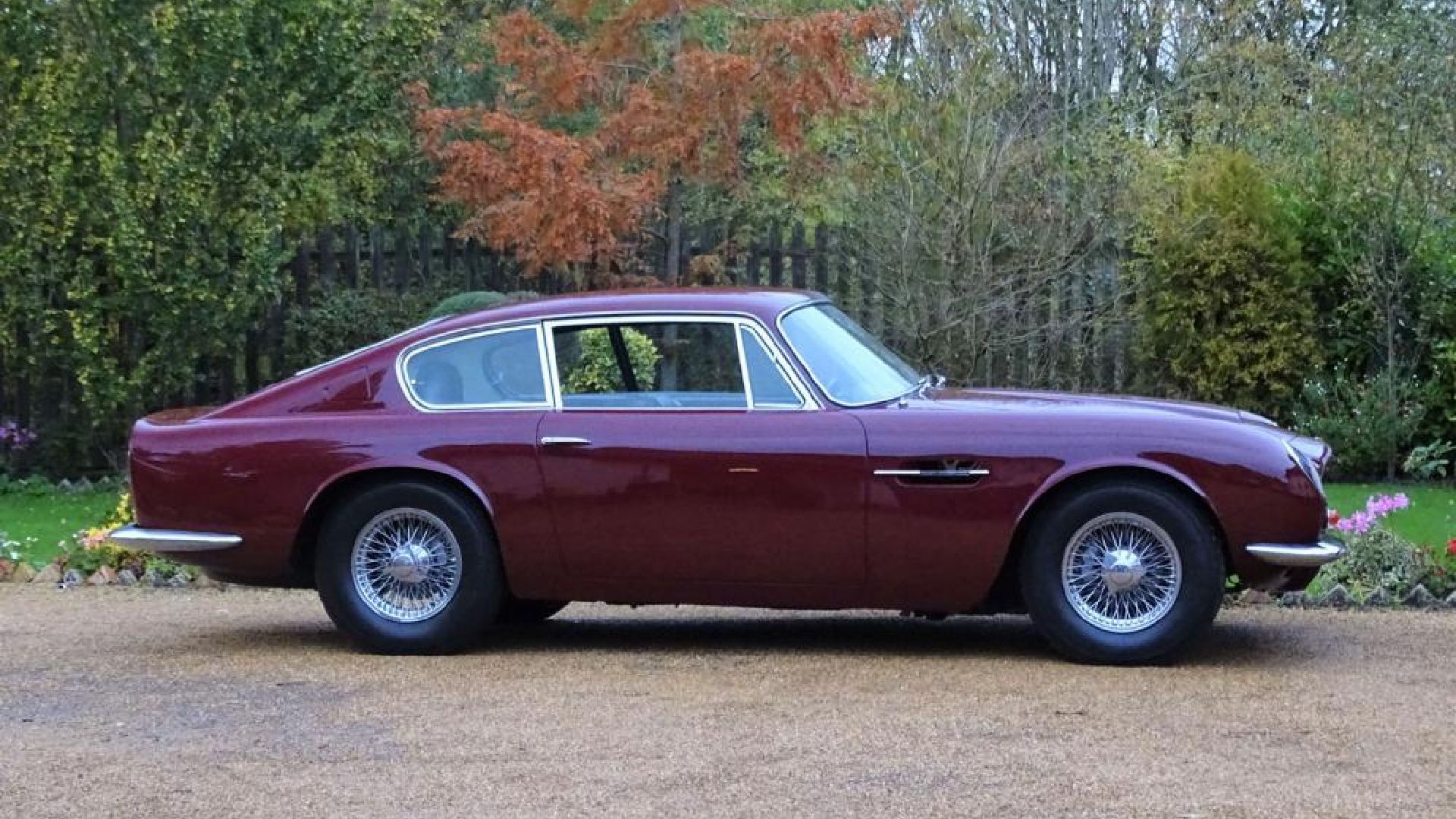
It’s an Aston Martin DB6 Vantage, once used regularly by Prince Charles when his Aston was being repaired. And it’s for sale.
The 1969 example was likely the courtesy wheels for the future king when his DB6 Volante was off the road. That car most recently served as wedding wheels for William and Kate.
This DB6 is what the Aston Martin Heritage Trust calls a ‘Works Demo’. At least, that’s what the green book entry for chassis 4107/R says.
“It’s common to see ‘BH’ number plates on Works cars,” said the AM Heritage Trust registrar, Tim Cottingham.
“So it’s possible even probable that HRH would have driven the car at some point. You would never find proof, but it’s believable I would say.”
In period, the car made the rounds. In addition to its likely royal duties, it was a star of the marque’s press photography. With a Vantage engine and a five-speed gearbox, it spent a year working hard at HQ, in the service of celebrities, royals and the company itself.
Now, it’s been in the same family ownership since 1975, and its odometer currently shows 83,400 miles. It’s covered just 600 miles since a full restoration in the early 2000s, however.
That included a bodywork refurb, a respray in original Dubonnet Rosso, plus the installation of a handling kit. The engine was also overhauled, with the triple SU carbs refreshed and displacement enlarged to 4.2 litres.
So perhaps this Aston is a classic with the best of both worlds. A good bit of history accompanies a well-used car that’s not museum piece, but in good order and ready to be enjoyed.
Of course, being a Vantage, it would be an appropriate purchase in this, the 70th year since Aston first used the Vantage name.
The price? H&H Classics estimates it will make between £260,000 and £300,000 when offered for sale at the Imperial War Museum on March 18 2020.
Petrol and diesel have been renamed at filling station pumps. You’ll now find petrol labelled ‘E5’ and diesel labelled ‘B7’.
Fear not, though: it remains obvious exactly which is which: unleaded nozzles are green, diesel are black.
Pumps themselves (and other signage, including the all-important fuel price displays) keep the ‘unleaded’ and ‘diesel’ labels, too.
How to find the cheapest petrol and diesel near you
What are the new fuel labels?
What does it all mean? For petrol, E stands for ethanol, while 5 is a percentage, referring to how much of the ethanol is synthetic.
Similarly, in B7 diesel, the B stands for biodiesel and the 7 stands for the percentage of it that’s renewable.
In short, the letter refers to the renewable element of the fuel, and the number is the percentage of it.
The labels will be in their own distinct shapes, to avoid confusion. E5 will be circled, while B7 is in a square.
Why are renewable fuels added?
Aside from eco credentials, the addition of renewable fuels cuts carbon dioxide (CO2) production.
According to government figures, blending renewable fuels reduces CO2 emissions equivalent to taking a million cars off the road.
E10 and ‘no biodiesel’ – explained
You may also see E10 fuel, with a higher amount of renewable ethanol. It’s fine for any modern car, but we’d suggest you avoid putting it in your classic.
It can be bad for fuel tanks, lines and fuel containment/distribution equipment not originally designed for it.
The government says nearly all cars homologated since 2000 should be okay to fill with E10. Not that it matters much to us, given the UK hasn’t yet joined the USA, Europe and Australia in offering it.
If your car has a sticker saying ‘no biodiesel’, B7 is still fine. B7 is normal diesel. What you mustn’t fill up with are high biodiesel blends or 100 percent biodiesel.
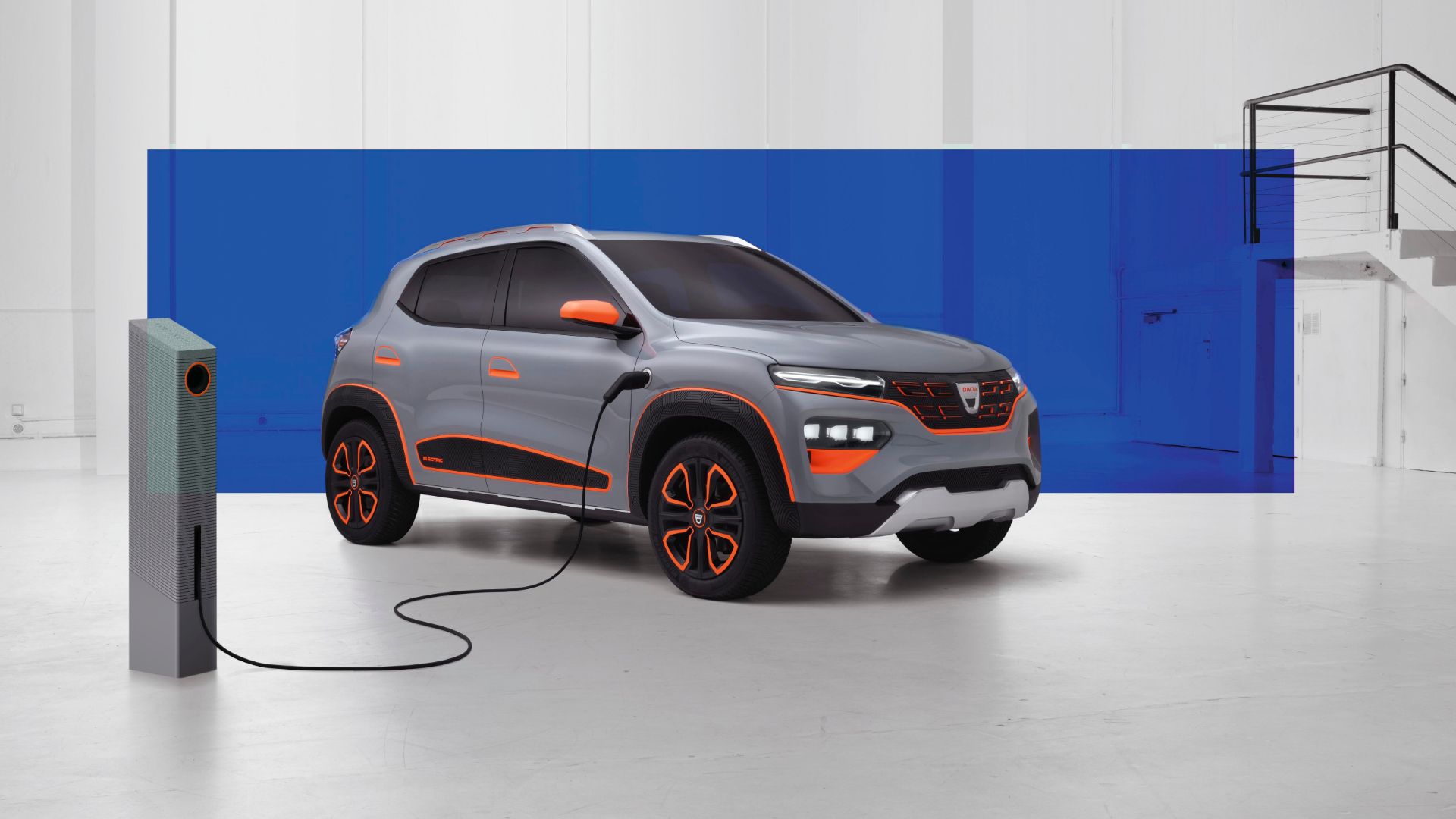
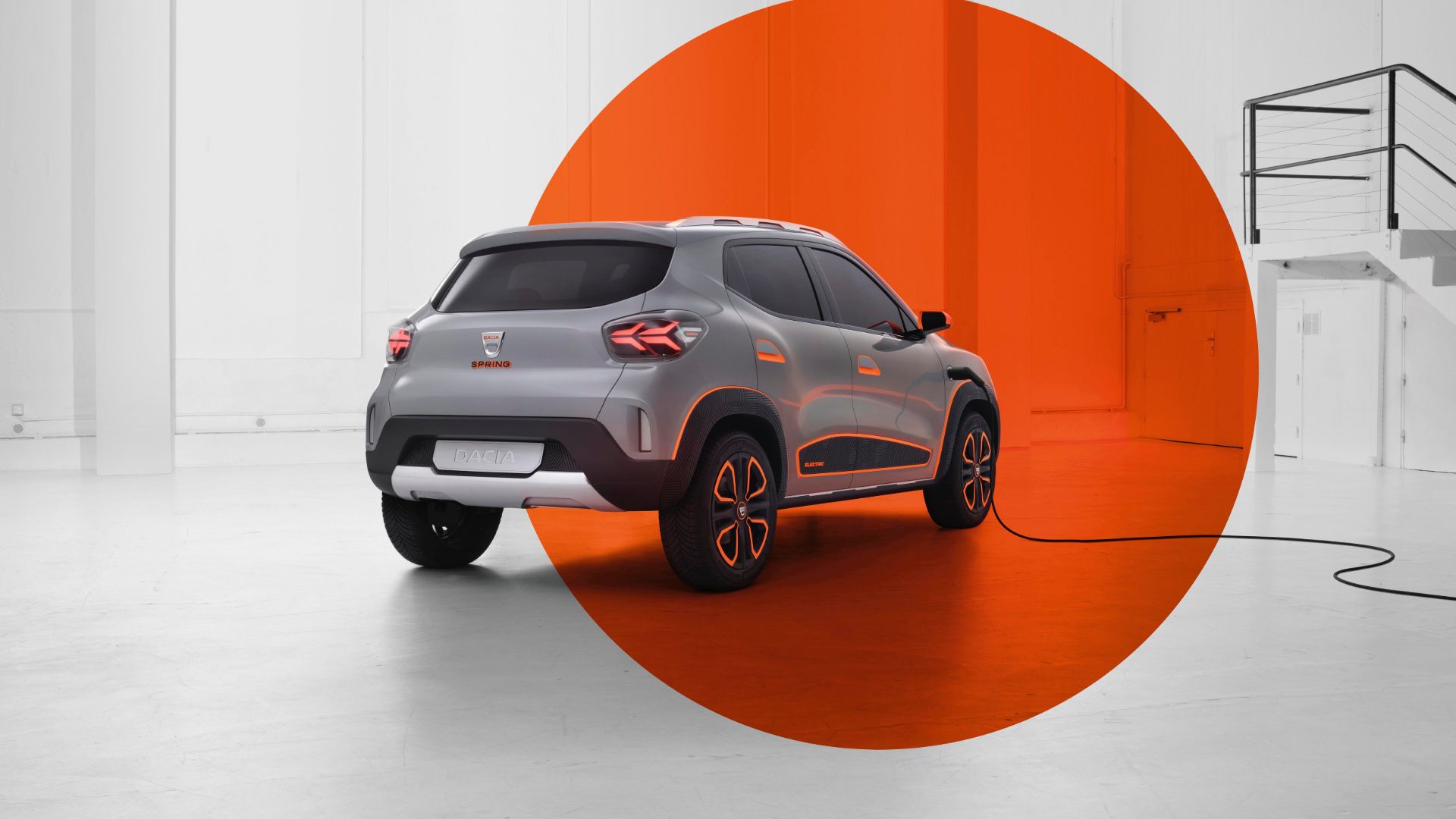
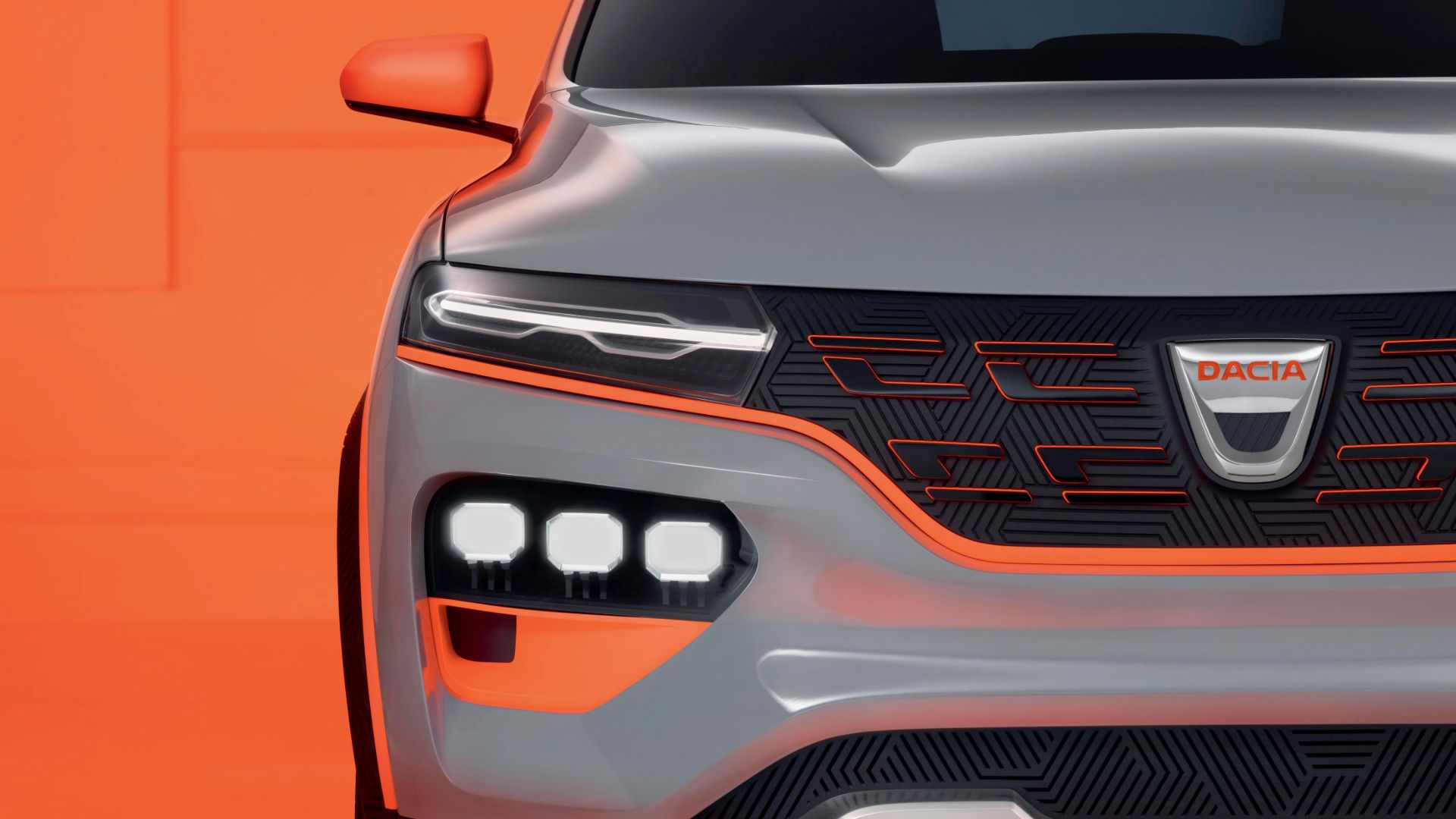
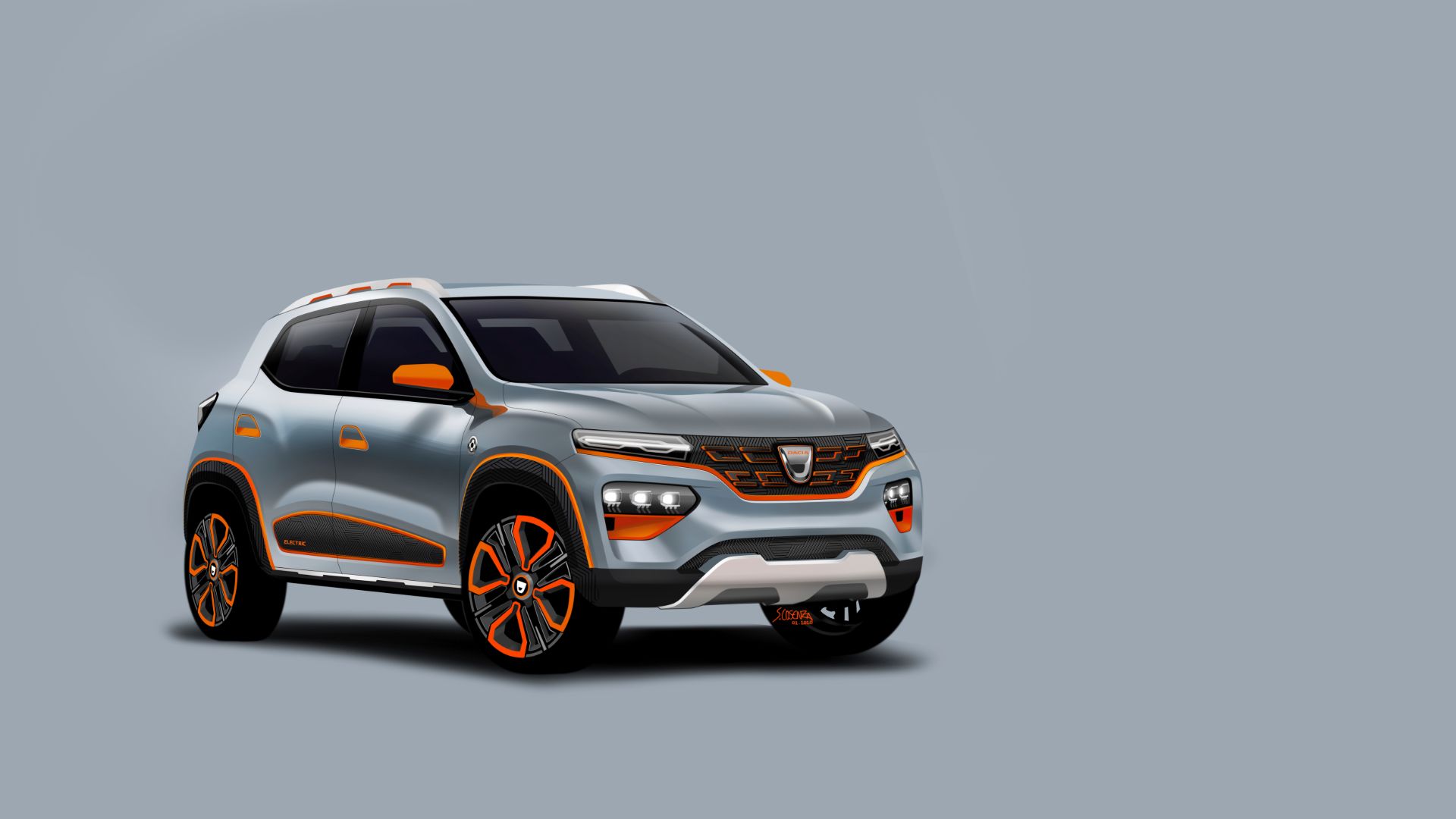
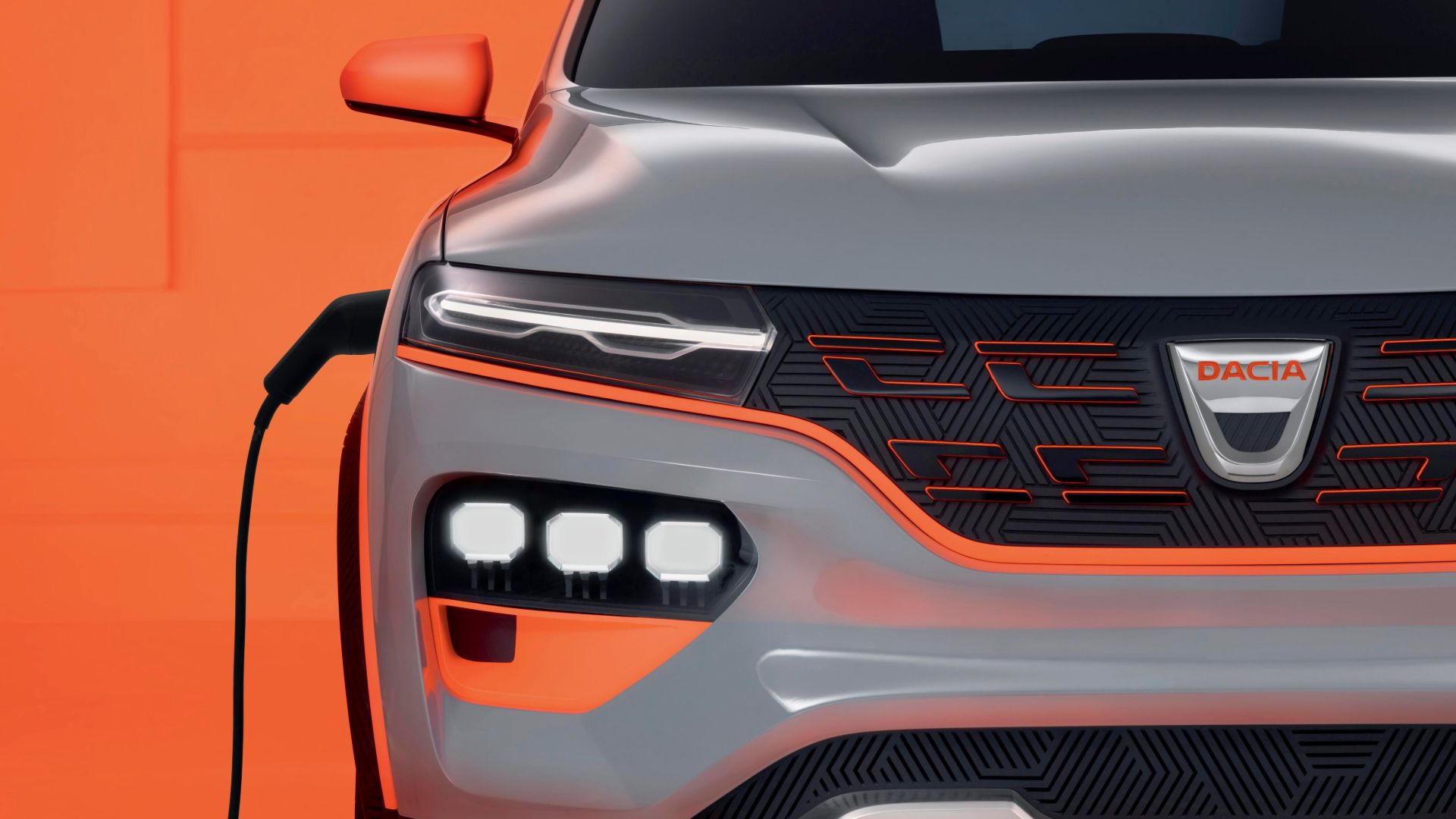
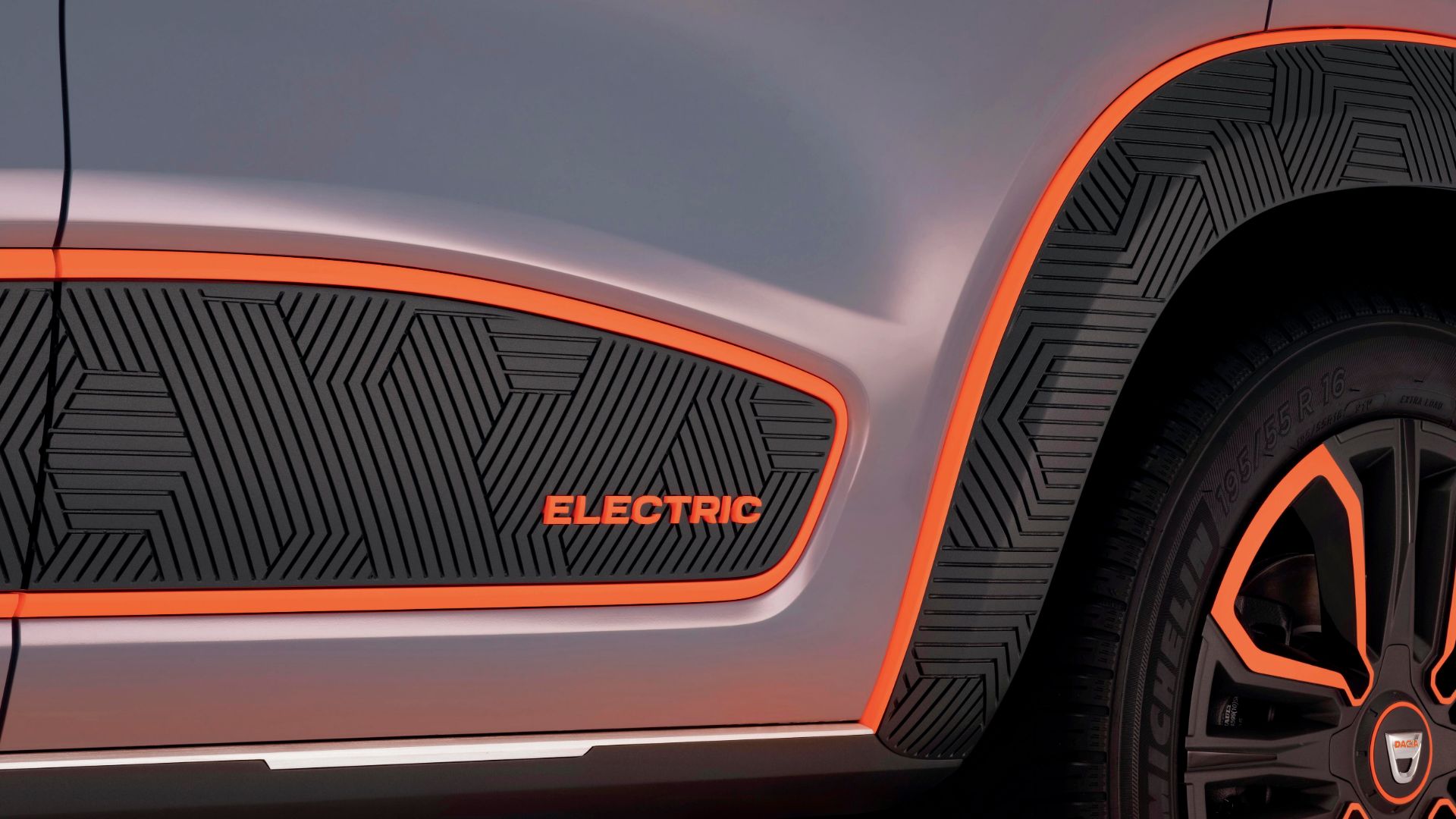
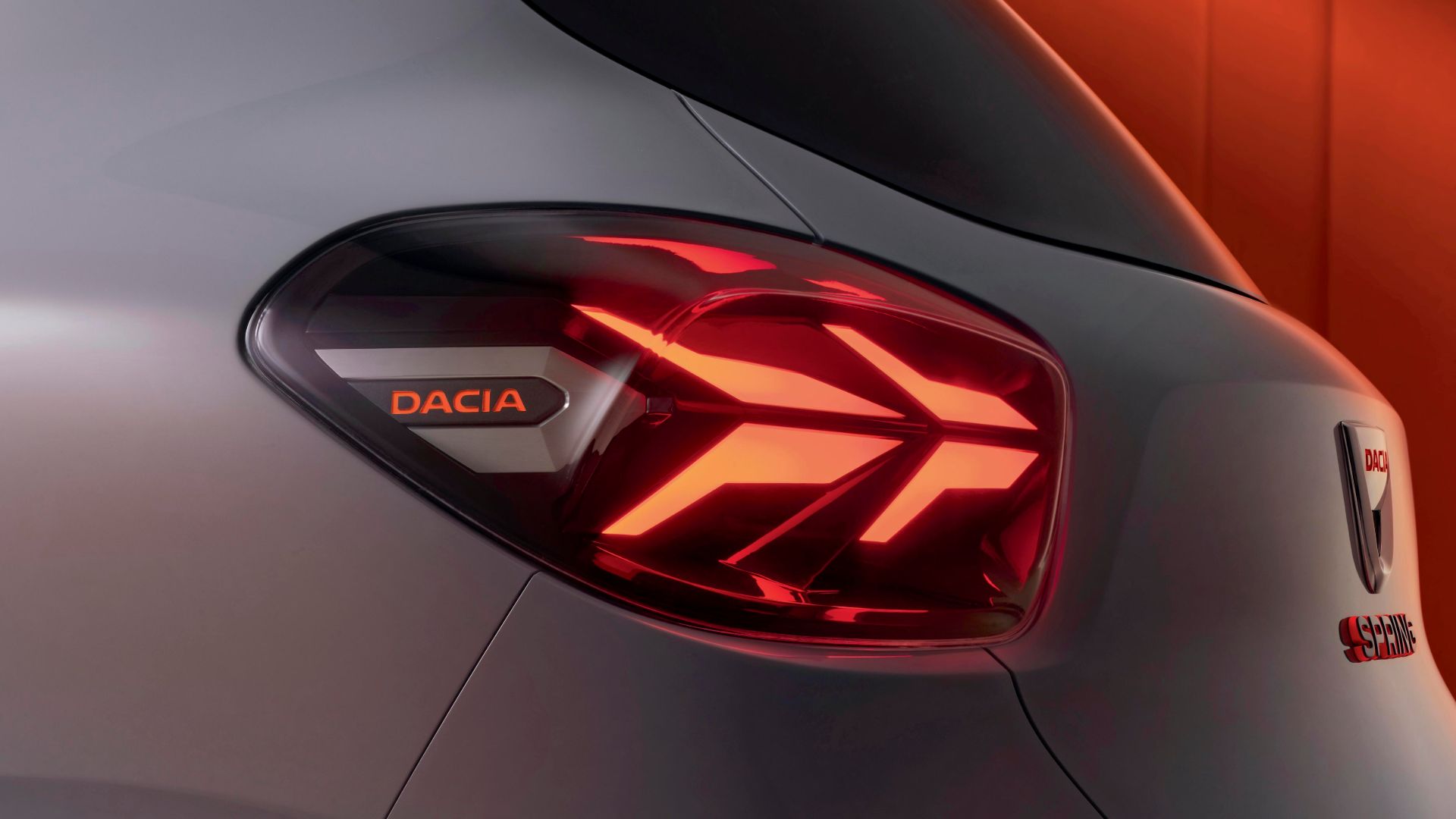
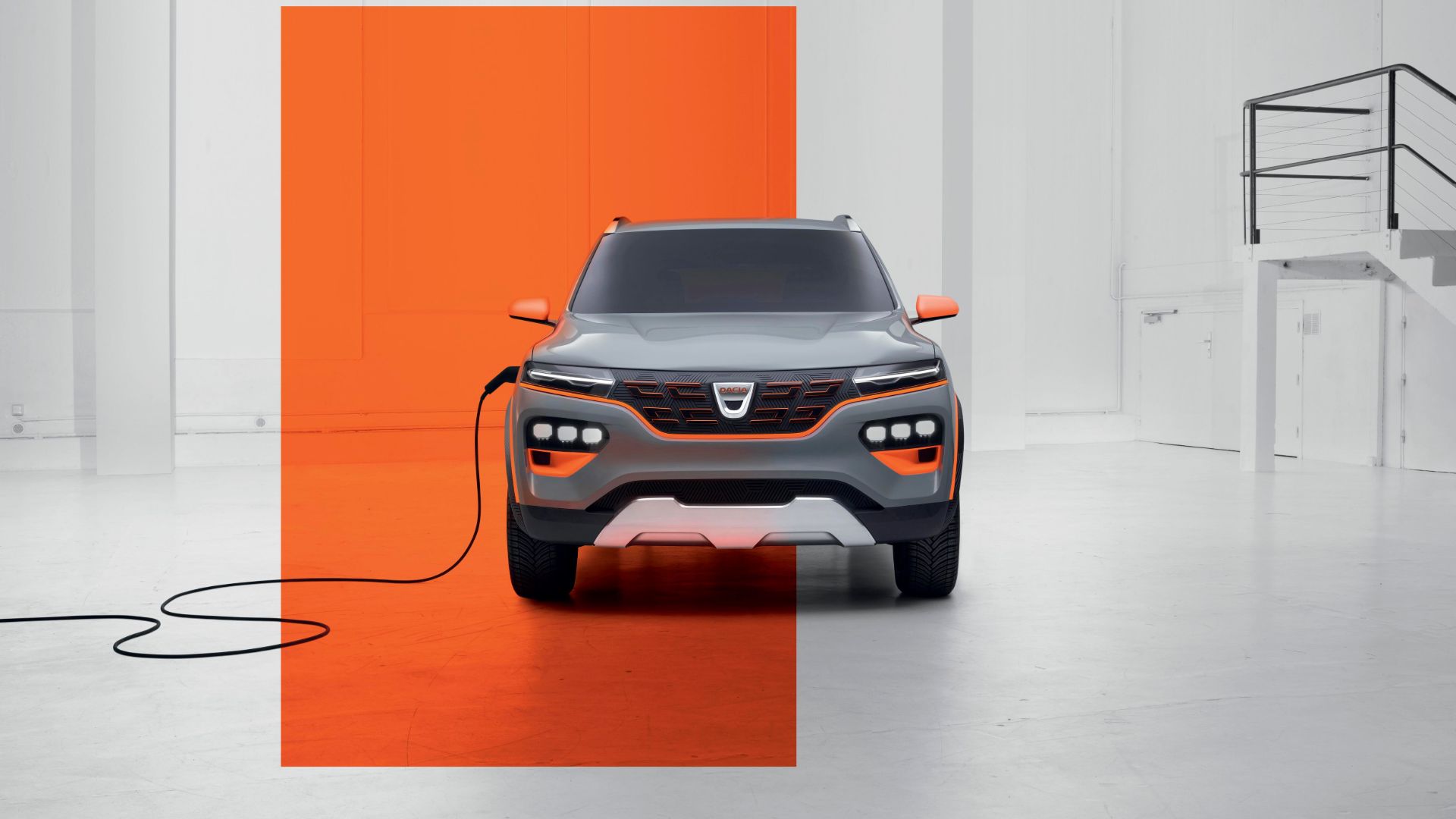
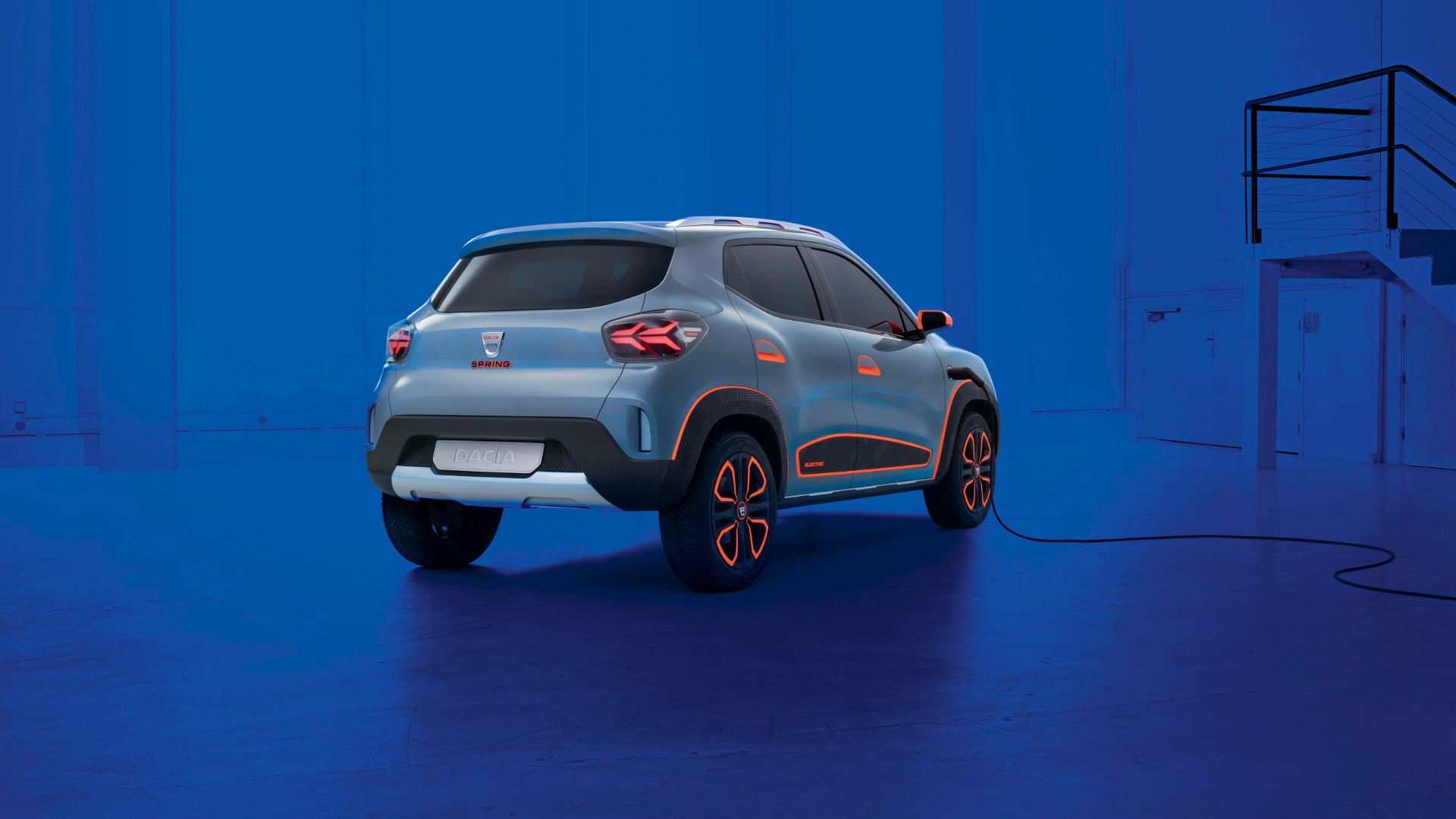
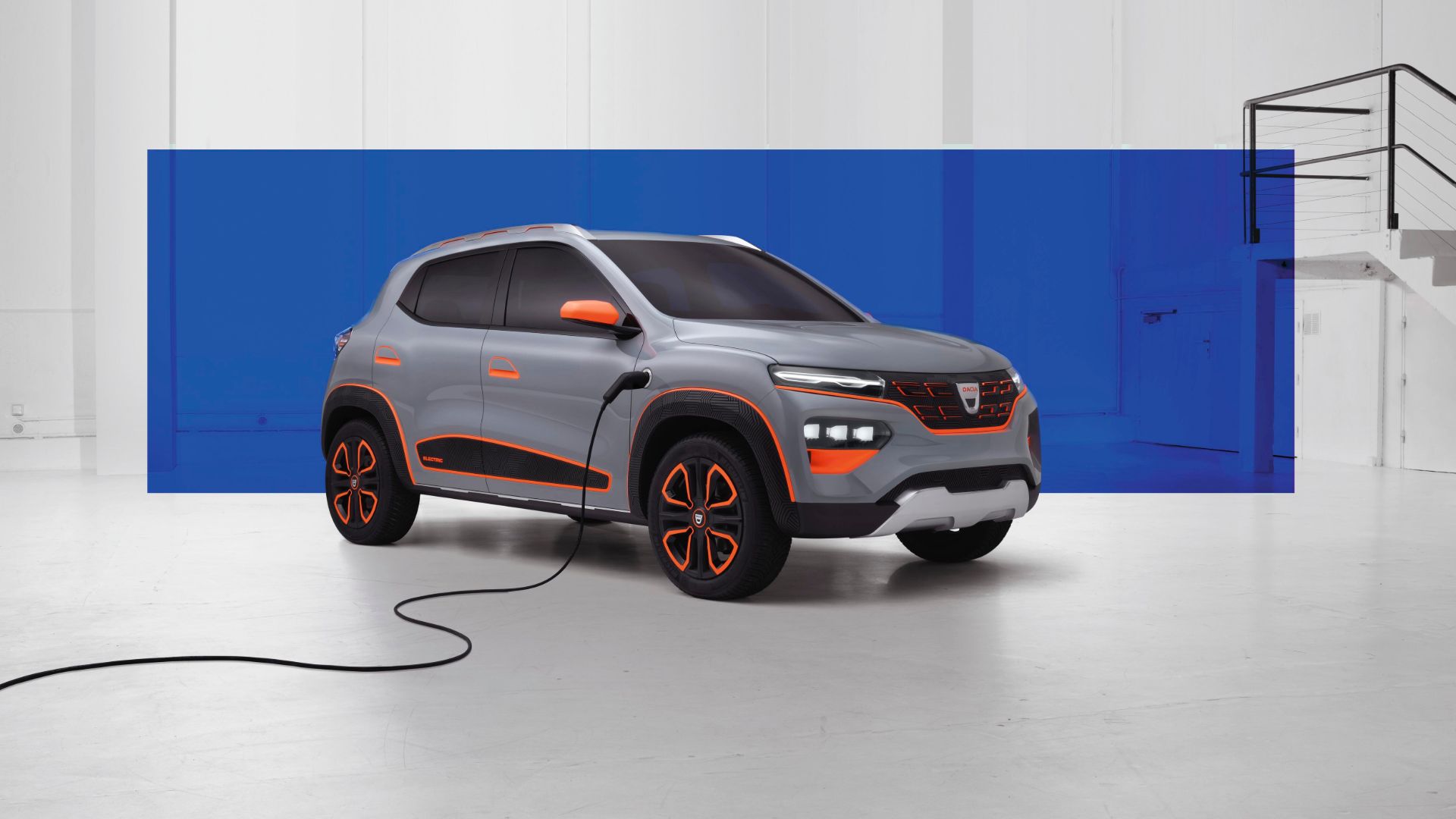
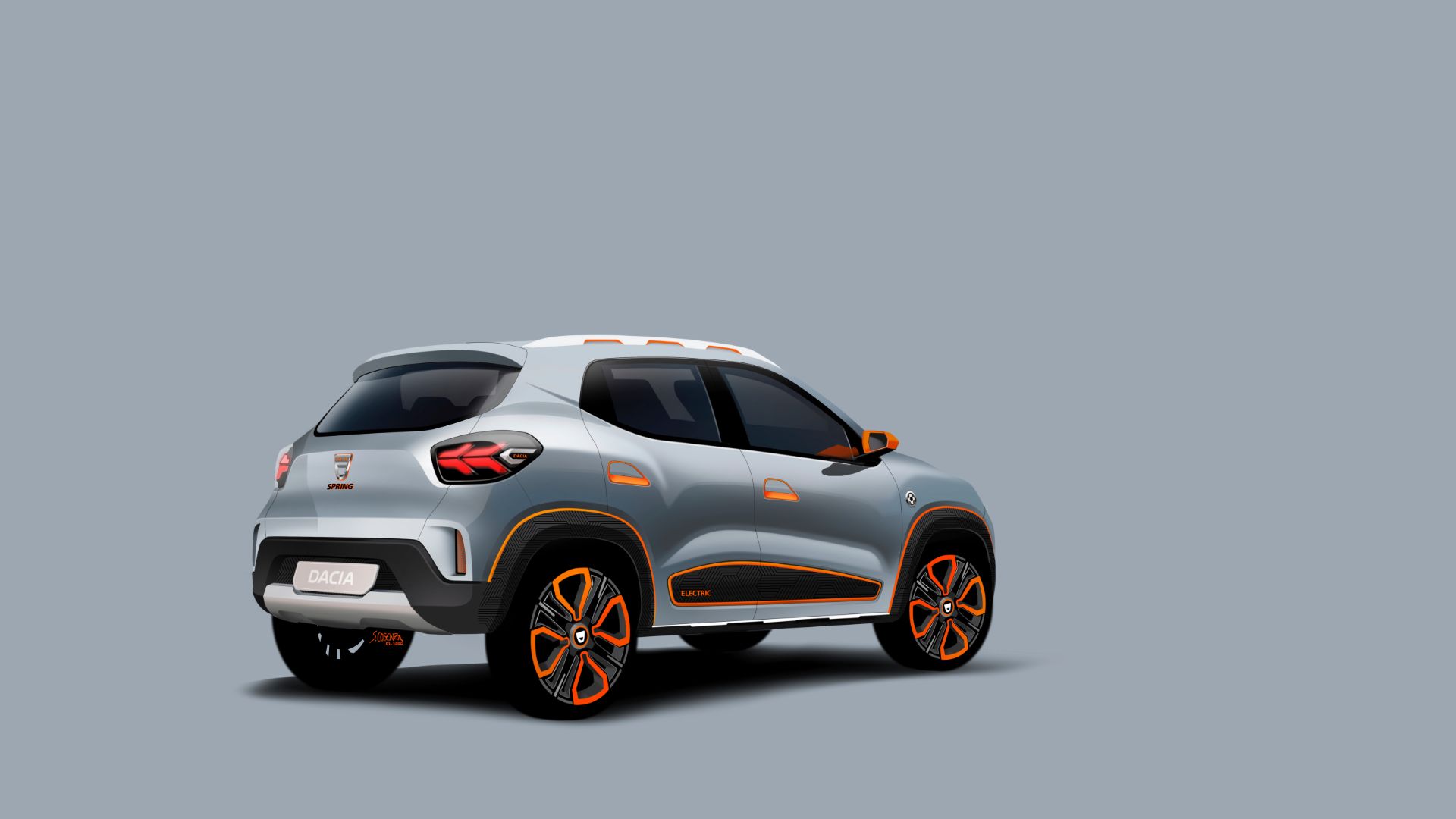
Dacia has unveiled what might be the most important concept car of the Geneva non-show. The Spring previews Europe’s most affordable electric car, with a production version due in early 2021.
‘Spring’ is an appropriate name, then, given it could launch many motorists into their first electric car. Dacia says it ‘utilises Group Renault’s 10-year experience as pioneer and leader in electric mobility’.
Reading between the lines, you might wonder if the Spring shares much with Renault’s popular Zoe EV.
It’ll actually be a much closer relation to Renault’s City K-ZE. Indeed, Dacia’s claim that the Spring will be good for ‘more than 124 miles’ based on the WLTP test procedure, sounds closer to the K-ZE’s NEDC-rated 168-mile range.
Dacia says the Spring will be ‘perfect for urban and suburban use’. If its charging specifications match the K-ZE, it’ll juice up to 80 percent in 50 minutes using DC fast charging. The K-ZE uses a 26.8 kWh lithium-ion battery, with a 44hp electric motor up-front. That could be improved for Western markets.
As the concept car shows, the Spring will be a robust yet compact SUV. It’s more stout, but no less stylish, than the sleeker, sportier new Ford Puma.
The Spring could prove to be a very well-timed low-budget EV entry, given the planned expansion of London’s Ultra Low Emissions Zone October 2021 – and, of course, the introduction of others like it.
And itcould be genuinely cheap, too. In overseas markets, the K-ZE sells for a quarter of the price of the cheapest Tesla. In the UK, our conservative guess is that will translate to an entry price of less than £15,000.
While the grey and orange contrast colours of the prototype seem like they’ll be the preserve of the (virtual) motor show floor, don’t discount some of the concept’s quirks making it to production.
The only thing that’s as much of a surefire win in dealers as small SUVs, is customisation. We anticipate the production Spring, while not as loud and proud as the concept, won’t be drab or dreary.
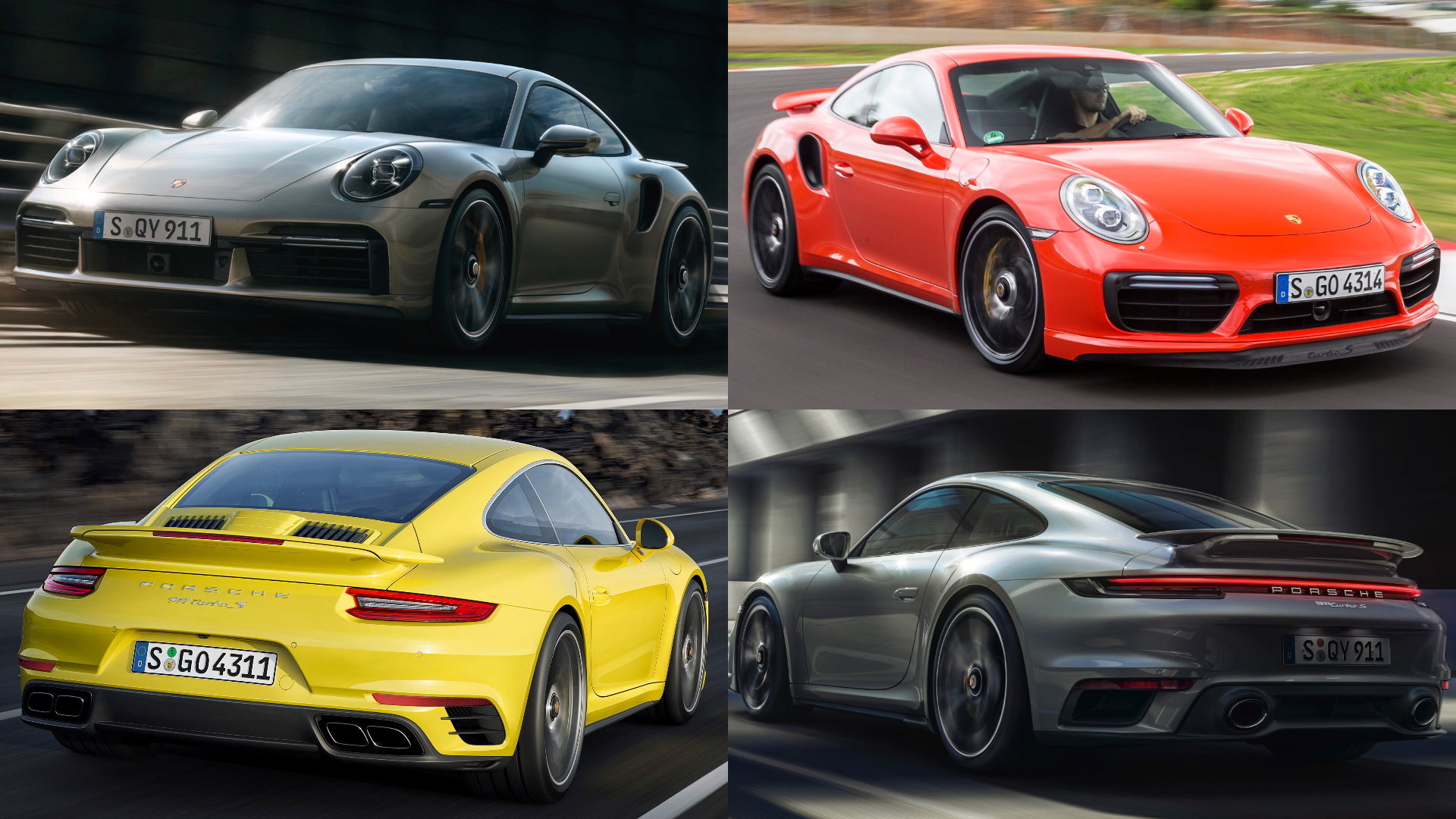
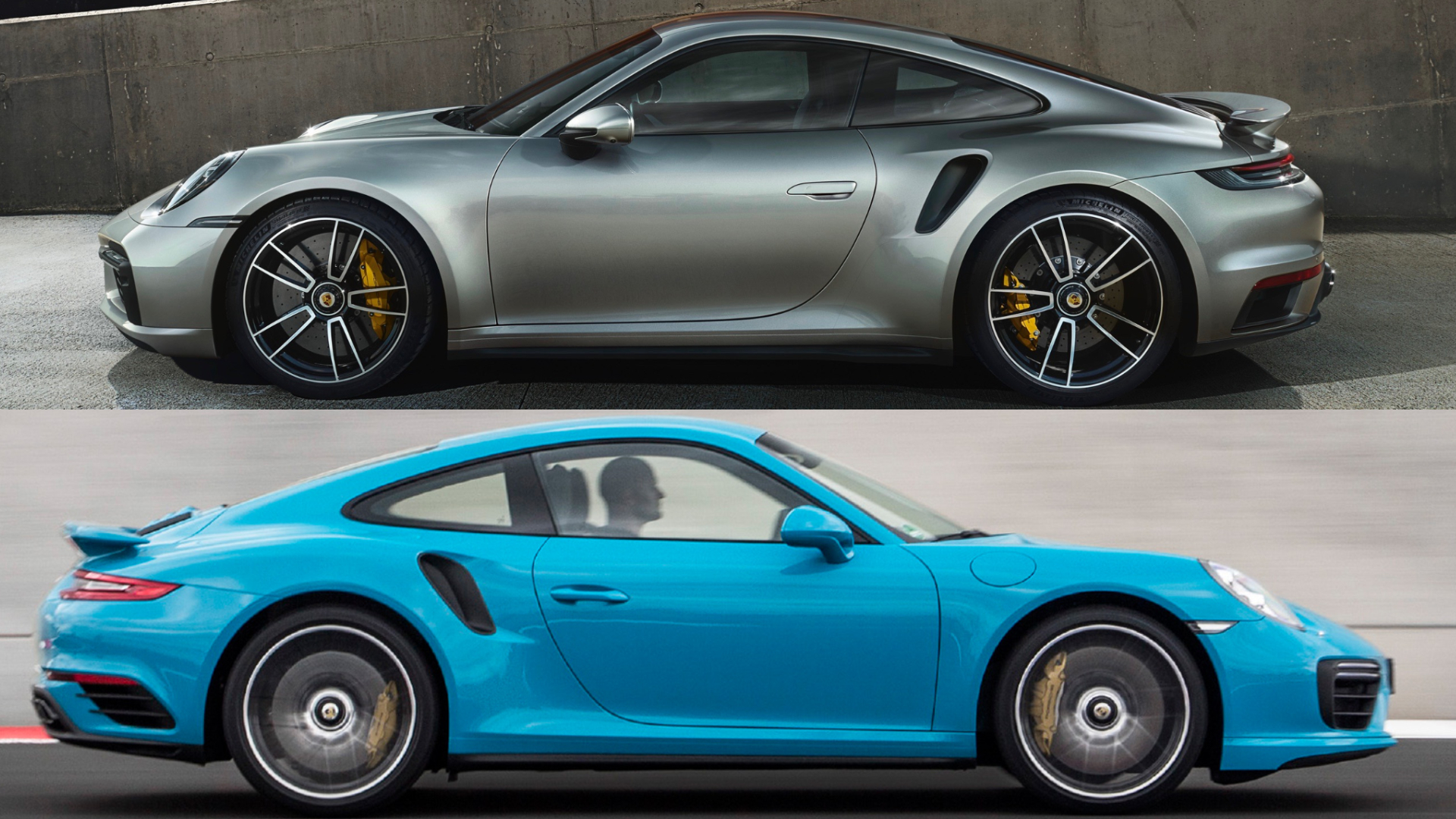
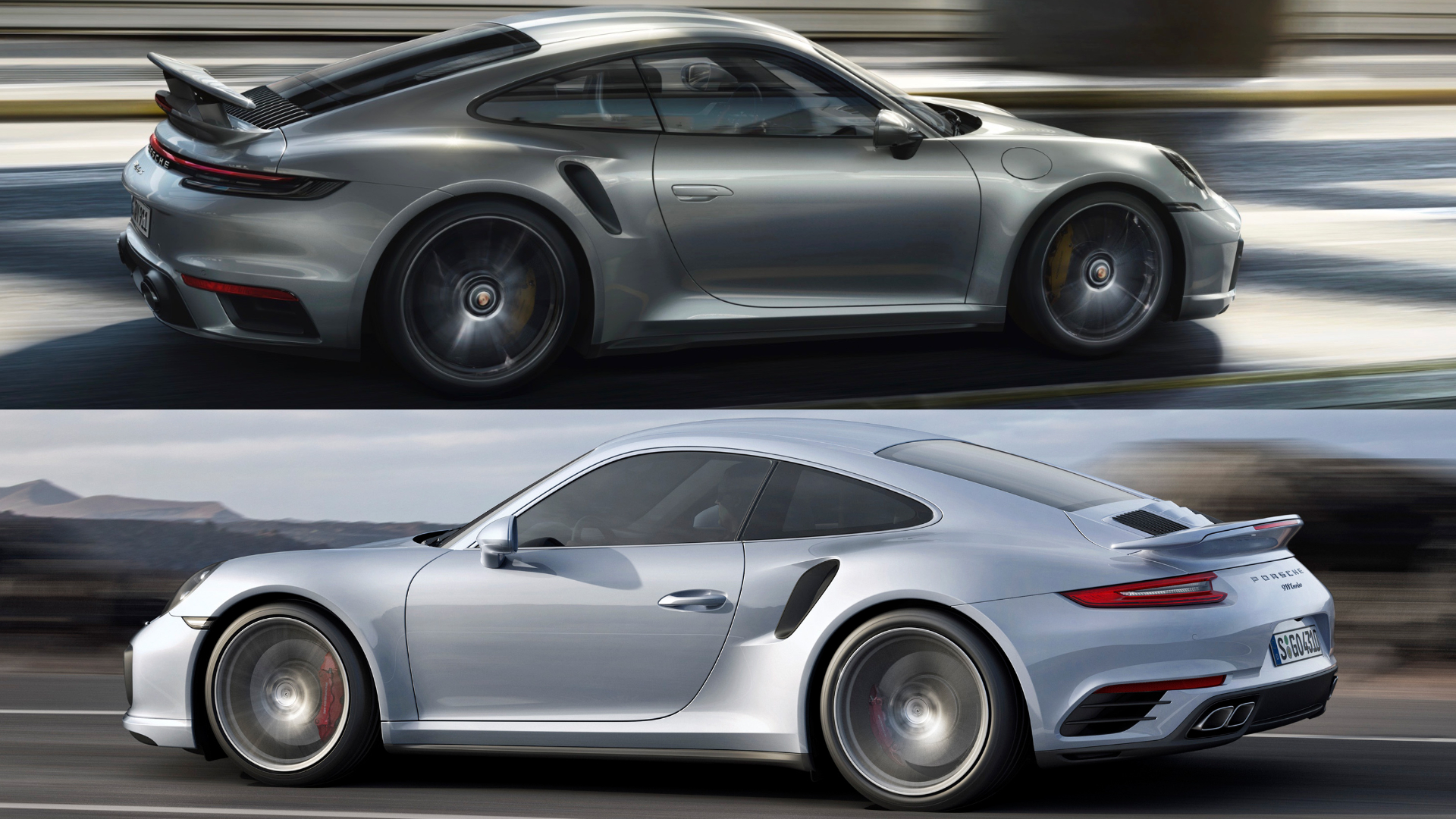
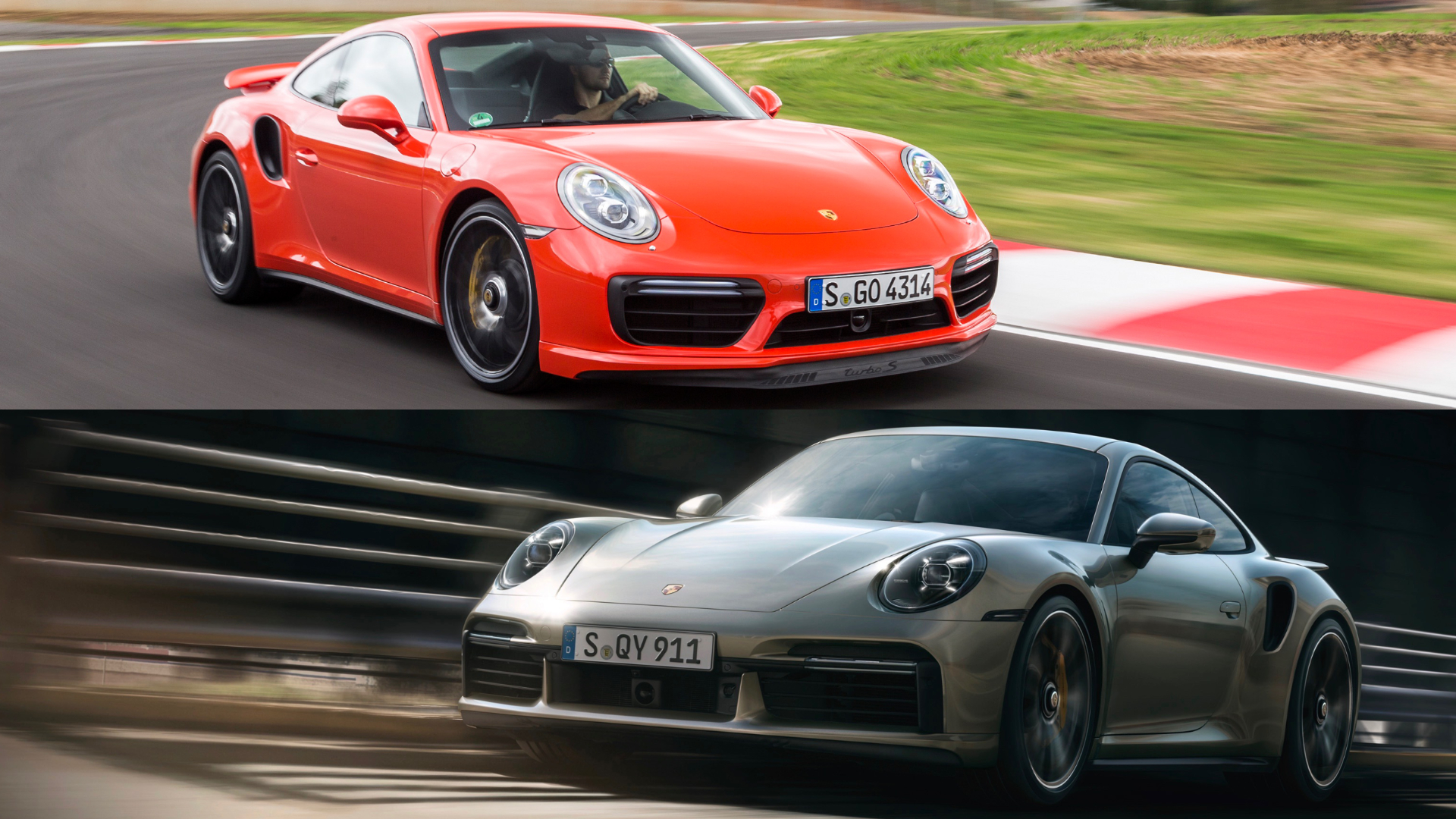
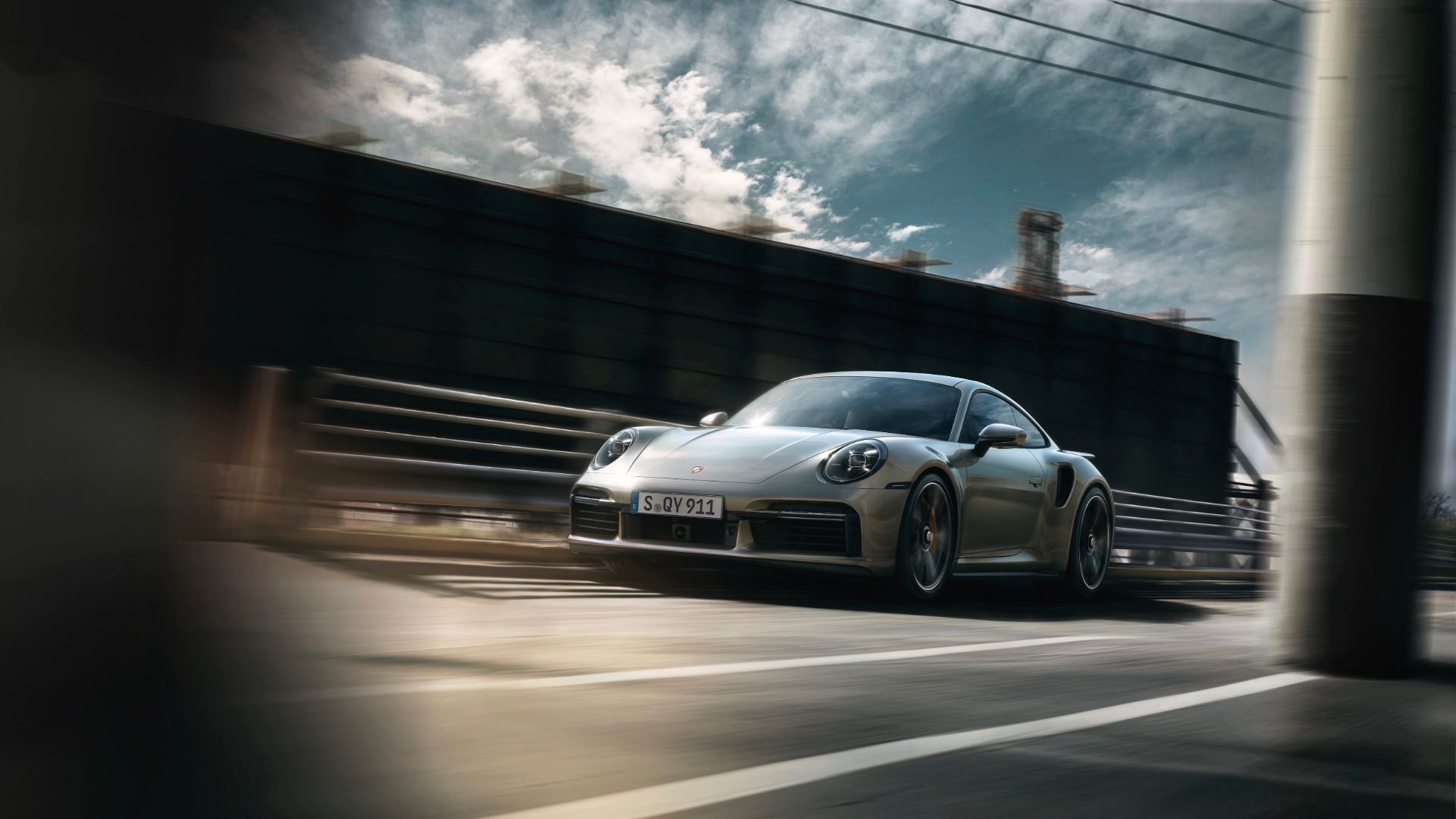
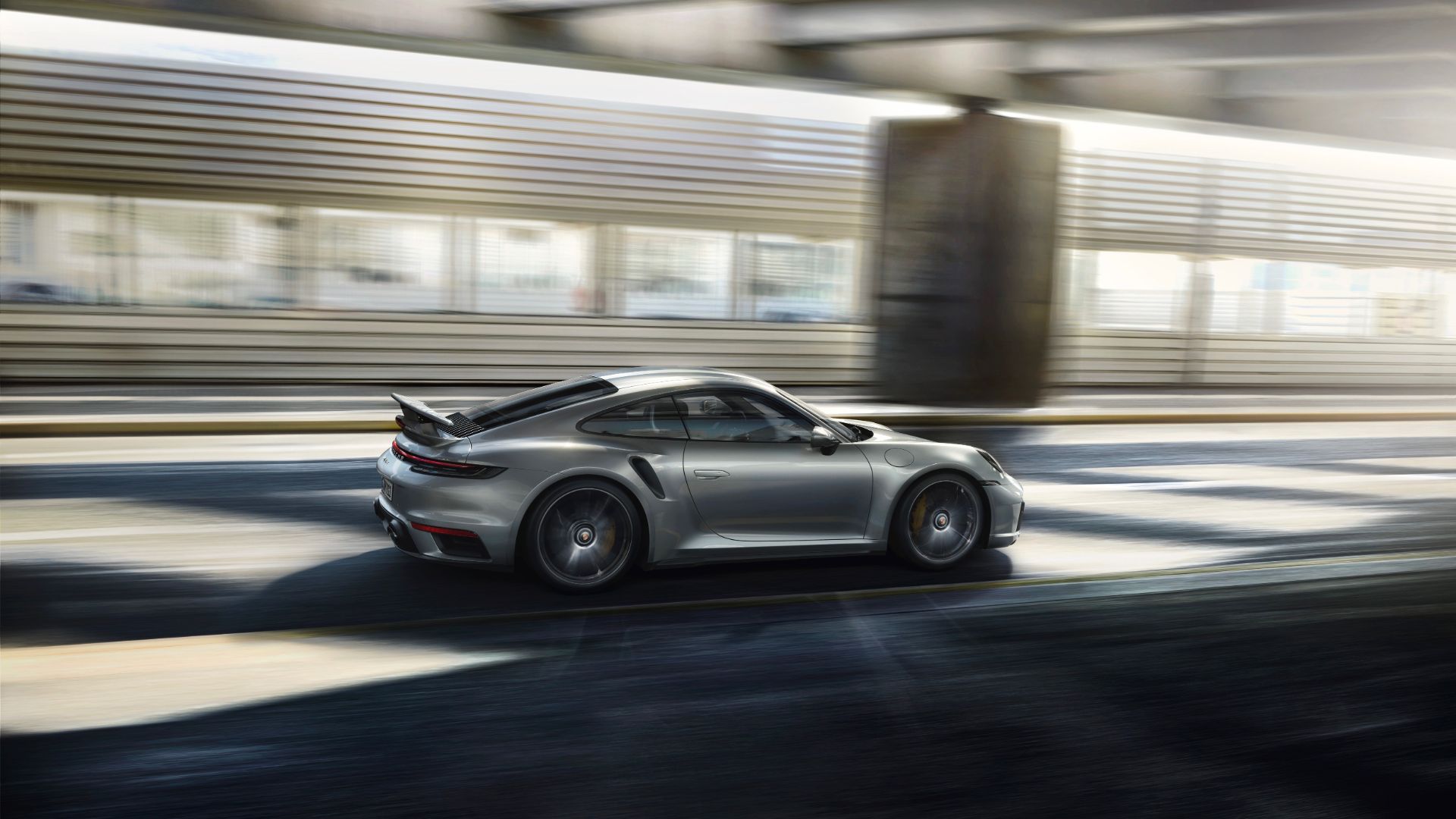
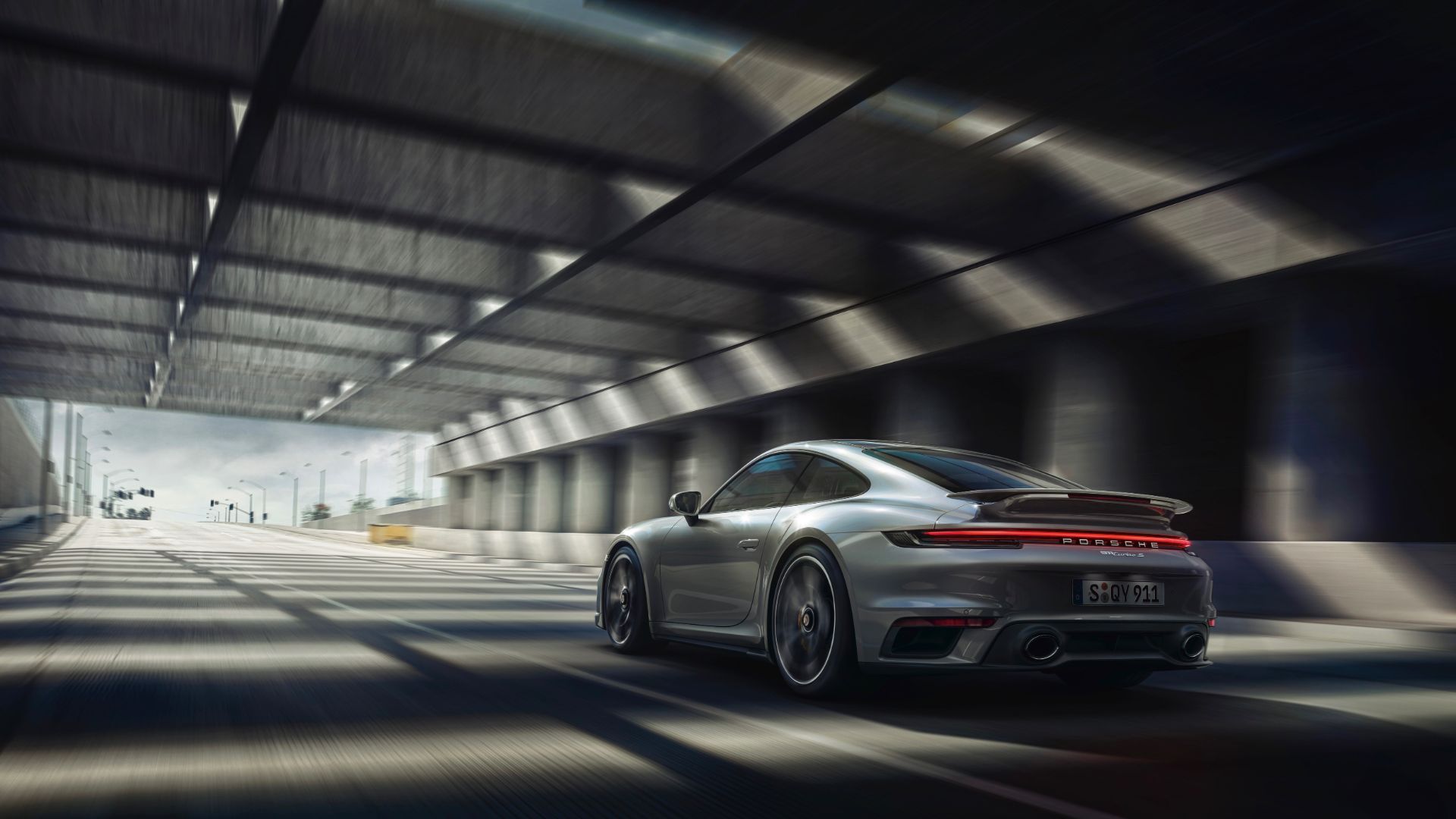
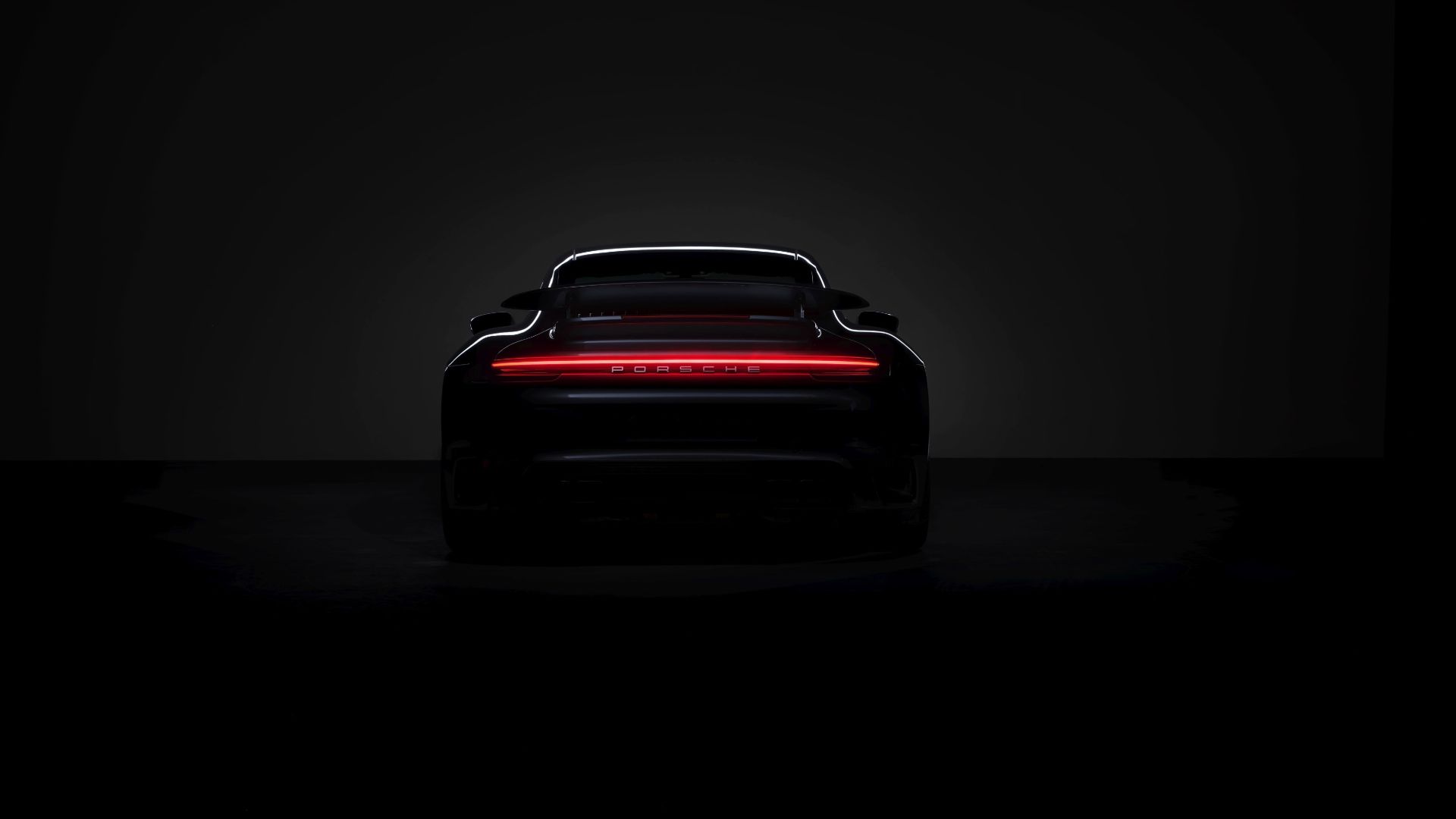
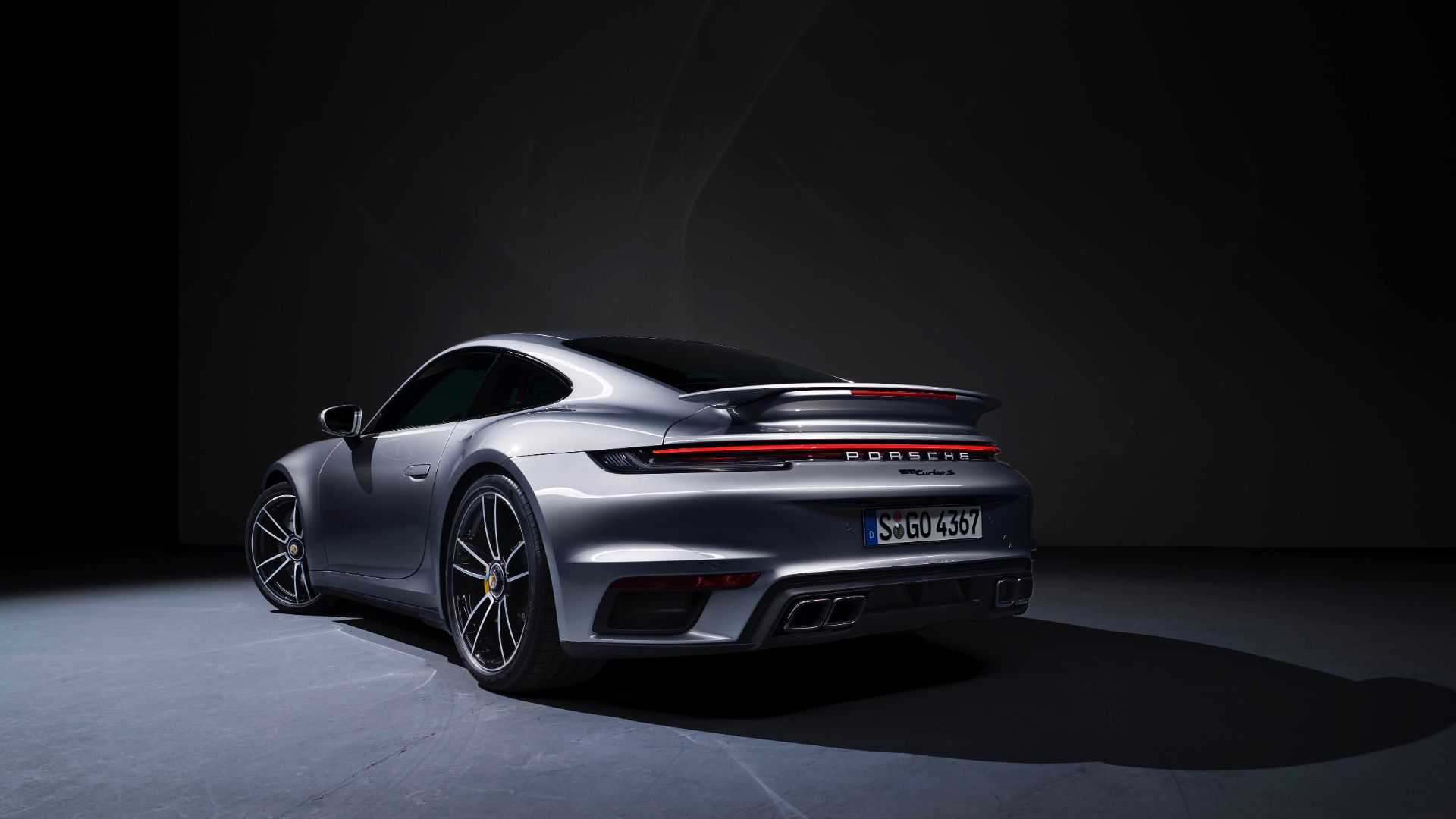
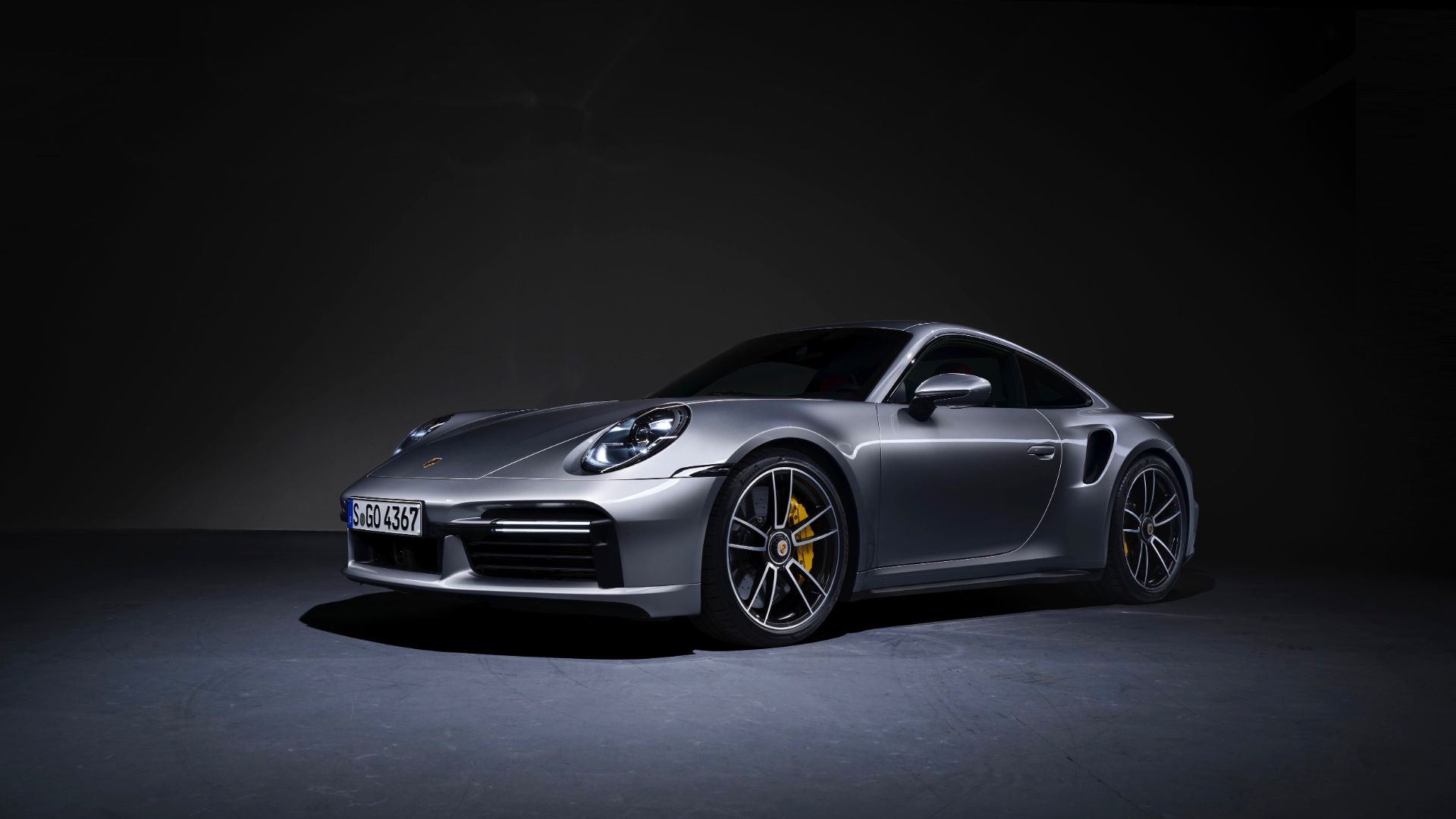
Every time a new 911 is launched, Porsche garners both praise and criticism for its evolutionary approach to design. Now, in the 40th year of the 911 Turbo, the latest ‘992’ 911 has a full-fat flagship. The new 911 Turbo has been revealed.
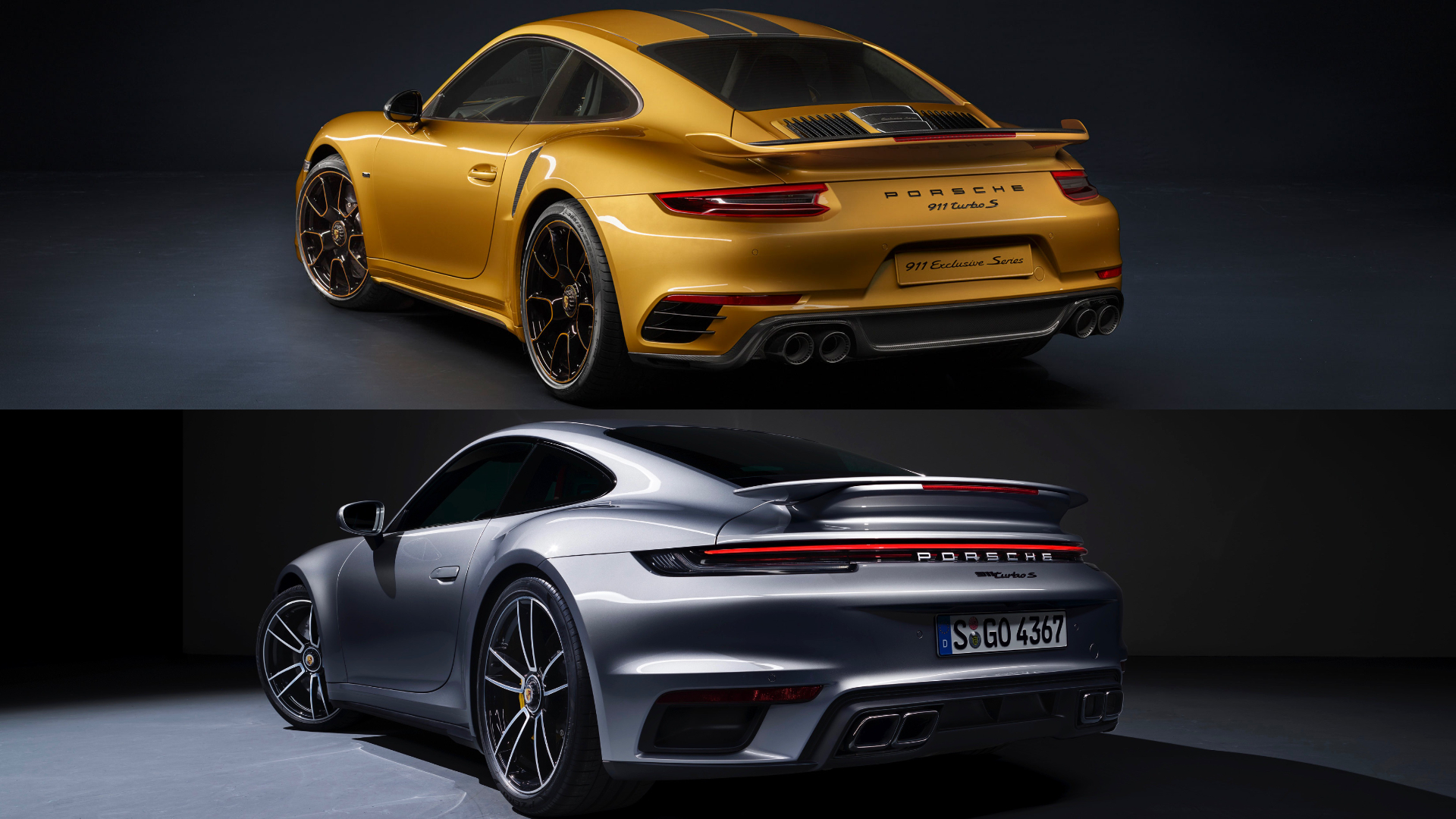
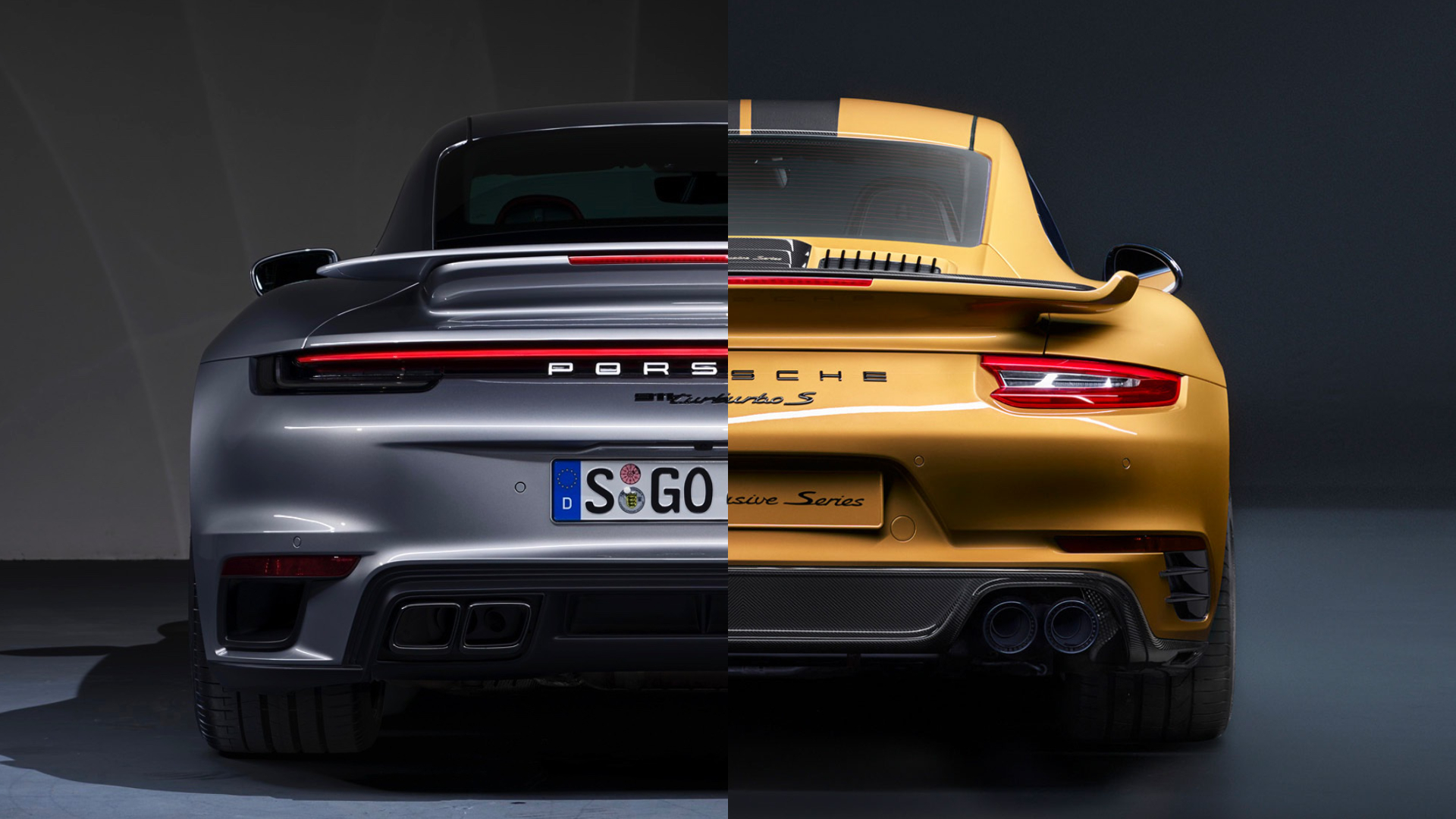
We compare new versus old, 992 Turbo versus 991 Turbo, to see how Porsche has changed the fastest 911. And we explain why this might be the defining variant of the 992.
The light bar
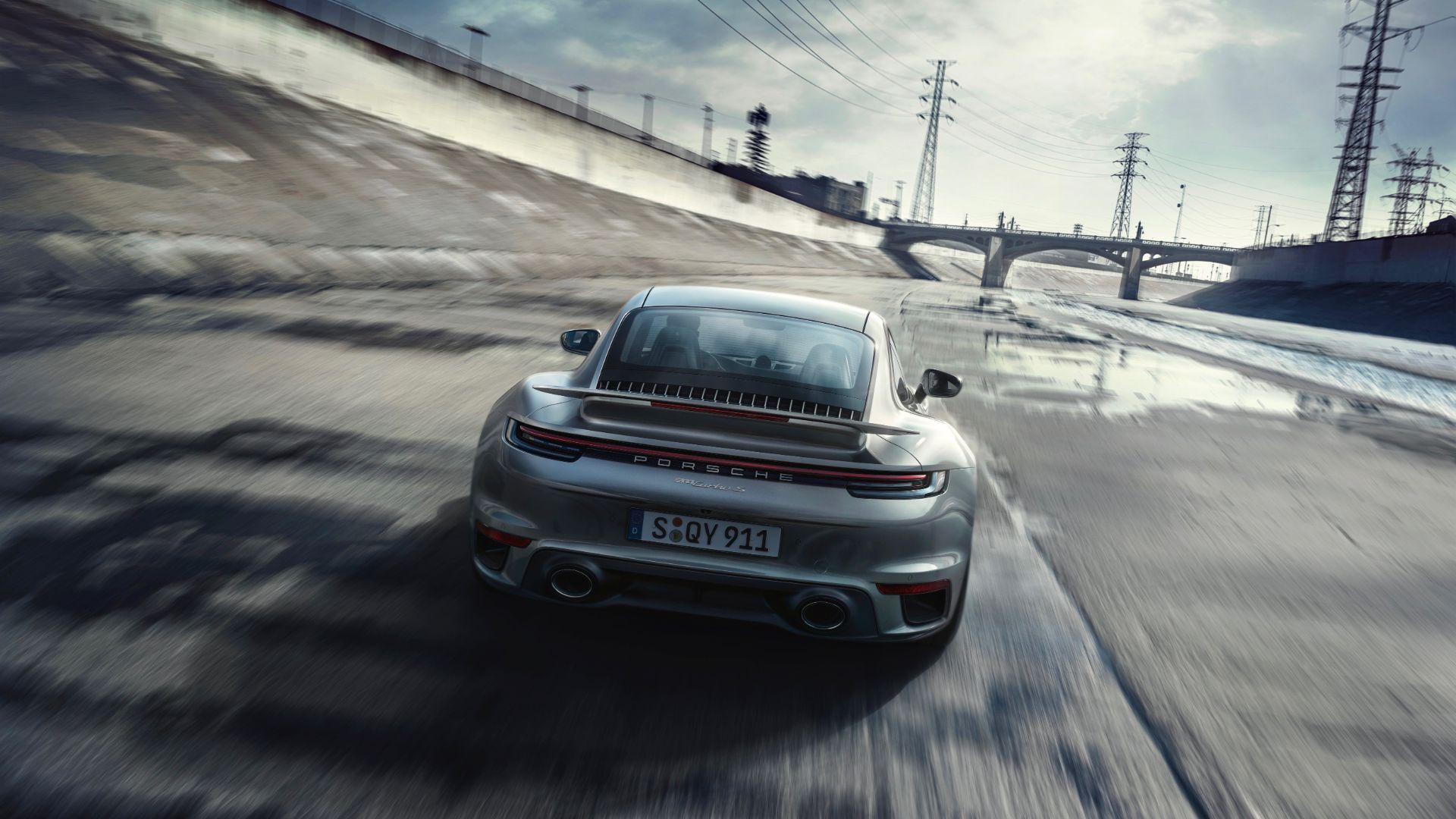
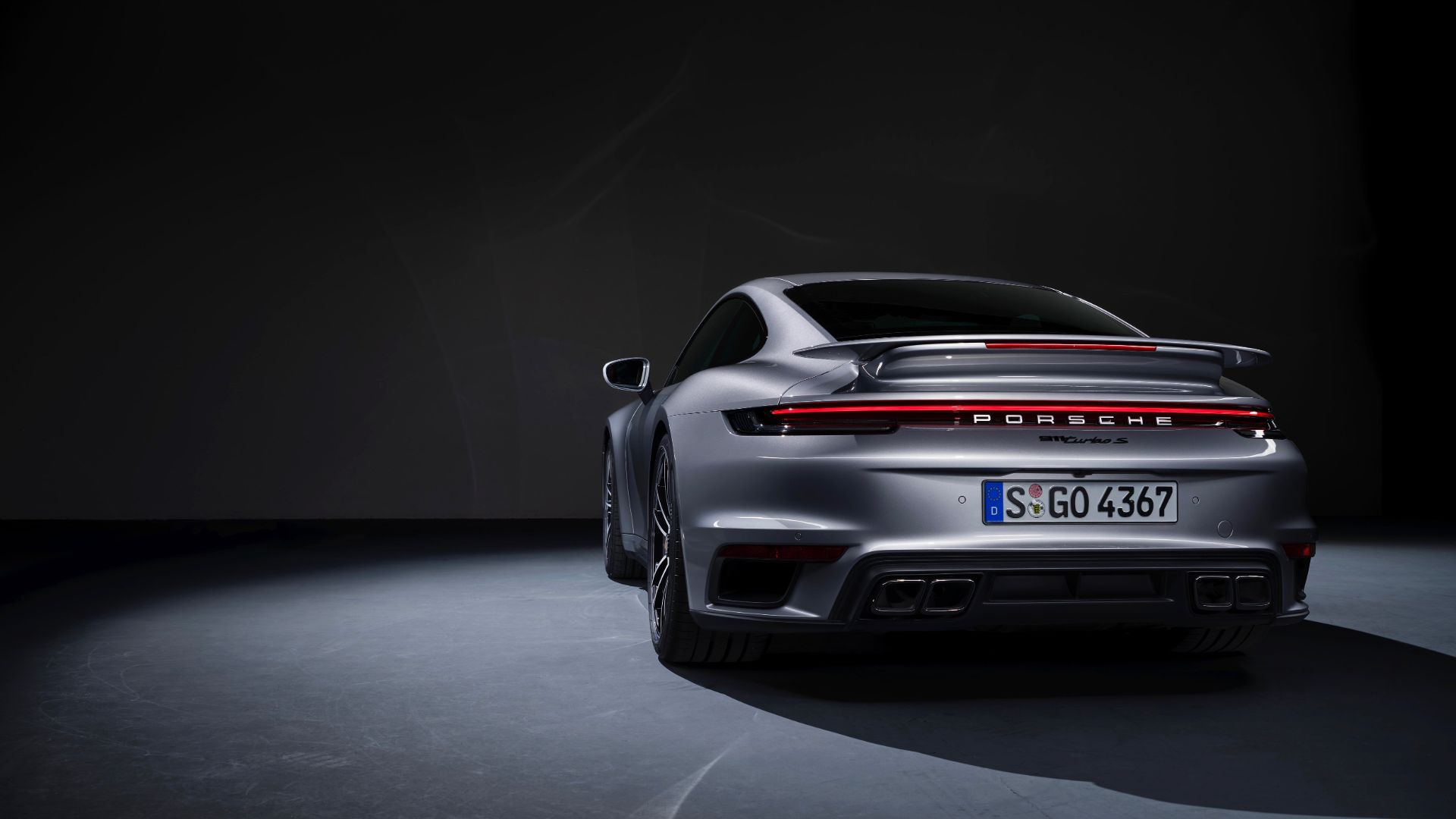
As we mentioned in our comparison between the 991 and 992 Carrera models, the most obvious change can be found at the back, with the new full-width LED light bar.
When we first saw the Carrera sporting this new feature, we had an inkling the Turbo might turn out to be the most desirable 992. And the new hero wears this very ‘Turbo’ trope predictably well.
The exhausts
While these only just appeared on the 992 Carrera, the Turbo has featured high-mounted exhausts, recessed into the bumper, since the 997 generation. The 992 Turbo continues that, staying true to form with cuboidal pipes as an option.
Another indication that the 992 was made to be ‘Turbo’, was the fact that no ‘narrow body’ configuration was offered, not even for the entry-level Carrera. In reality, that’s cost-cutting on Porsche’s part, but we couldn’t help but think of the imminent 992 Turbo.
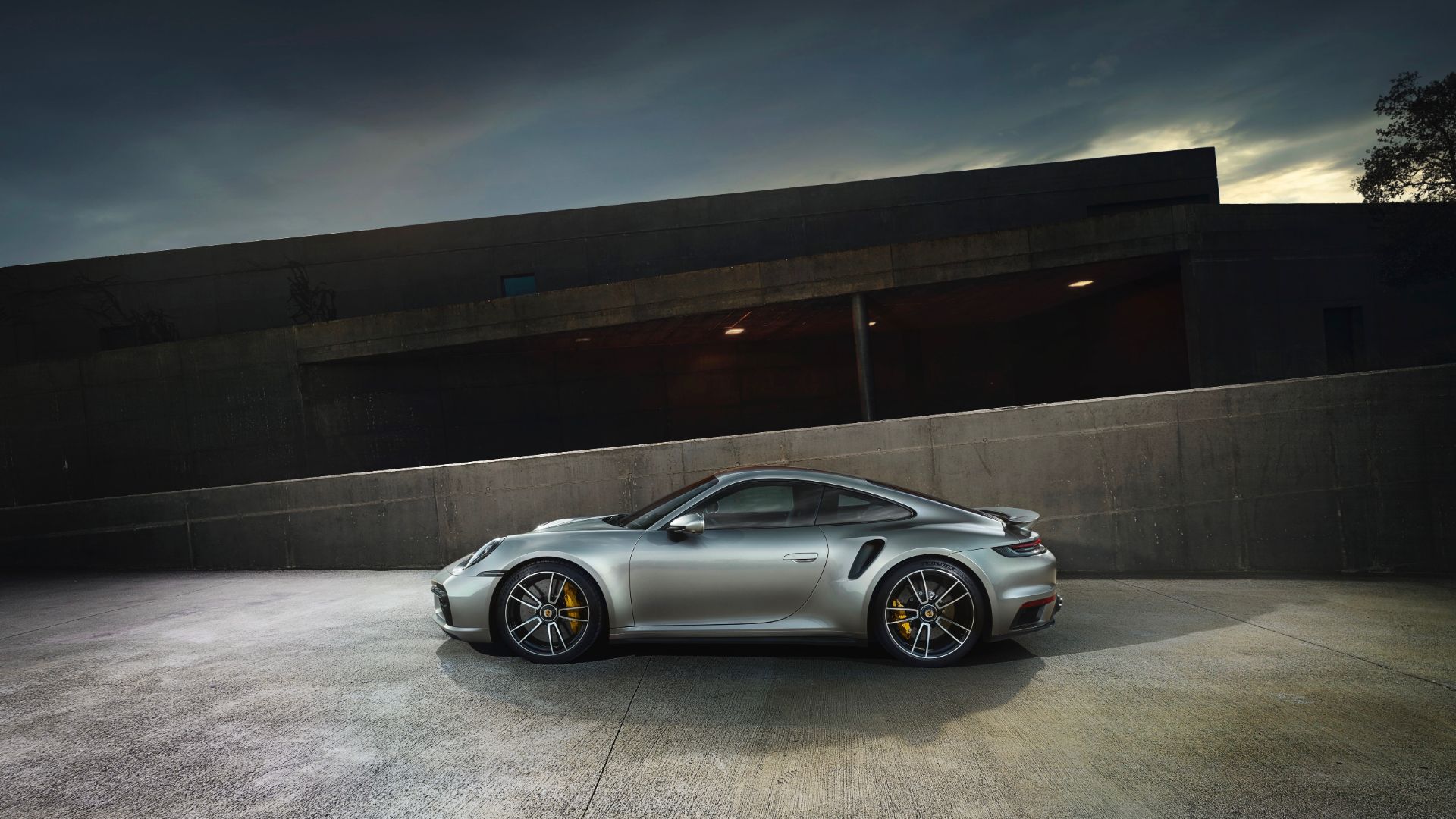
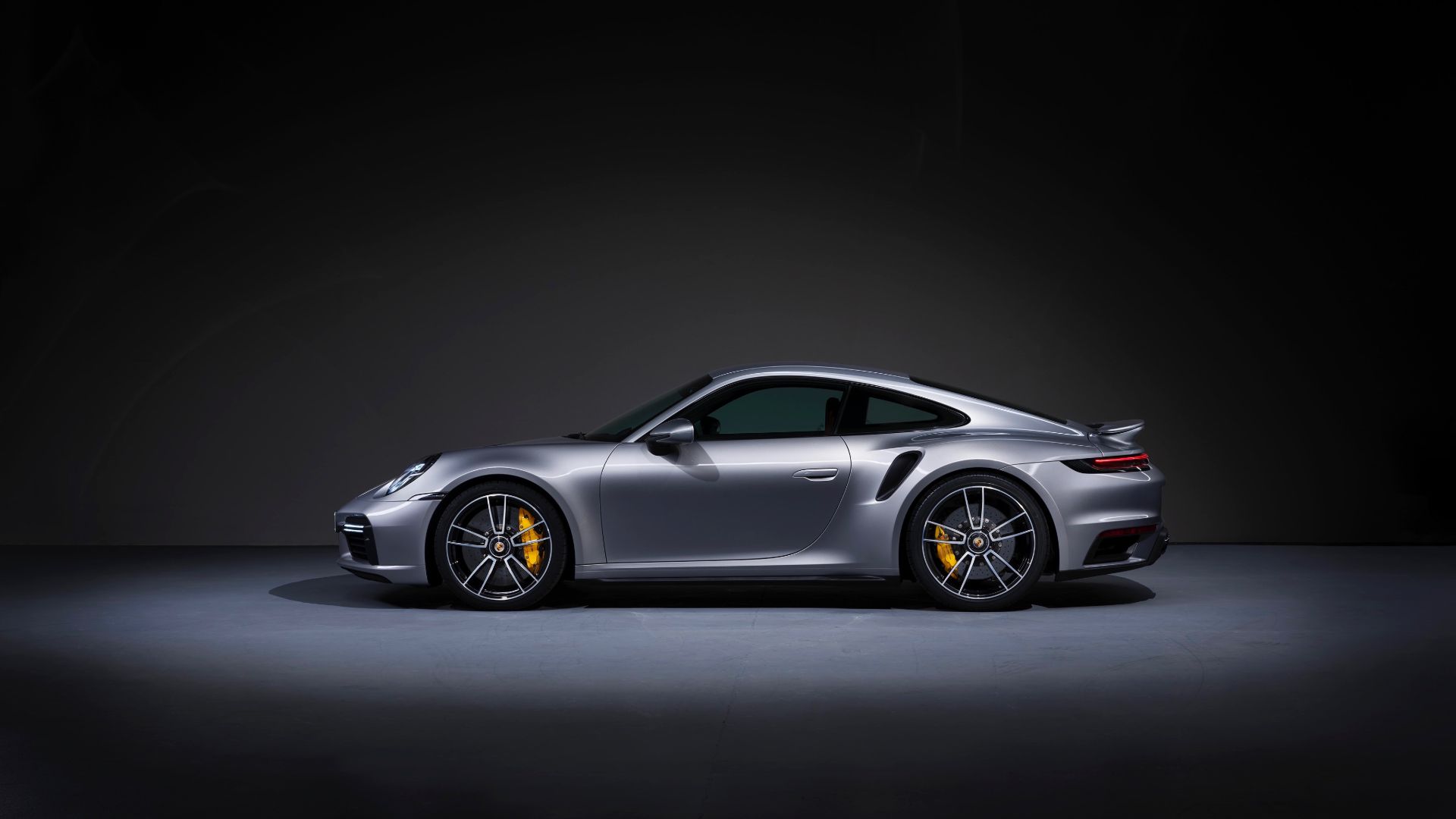
Specifically, the 992 Turbo is 10mm wider at the rear wheels. The familiar haunch vents carry over from the 991 Turbo, GT3 RS and GT2 RS variants, although they now feed air to the re-positioned air intakes. They share cooling duties with vents above the engine.
It wouldn’t be a Porsche 911 Turbo without a bit of a wing, although not too much. While the stubby retractable items we’ve seen over the last 20 years aren’t exactly whale tails, the new car stays true to its immediate lineage.
That said, there is a larger surface area, which, together with the rest of the 992 Turbo’s active aero, delivers a 15 percent increase in downforce over the 991.
Vents and creases
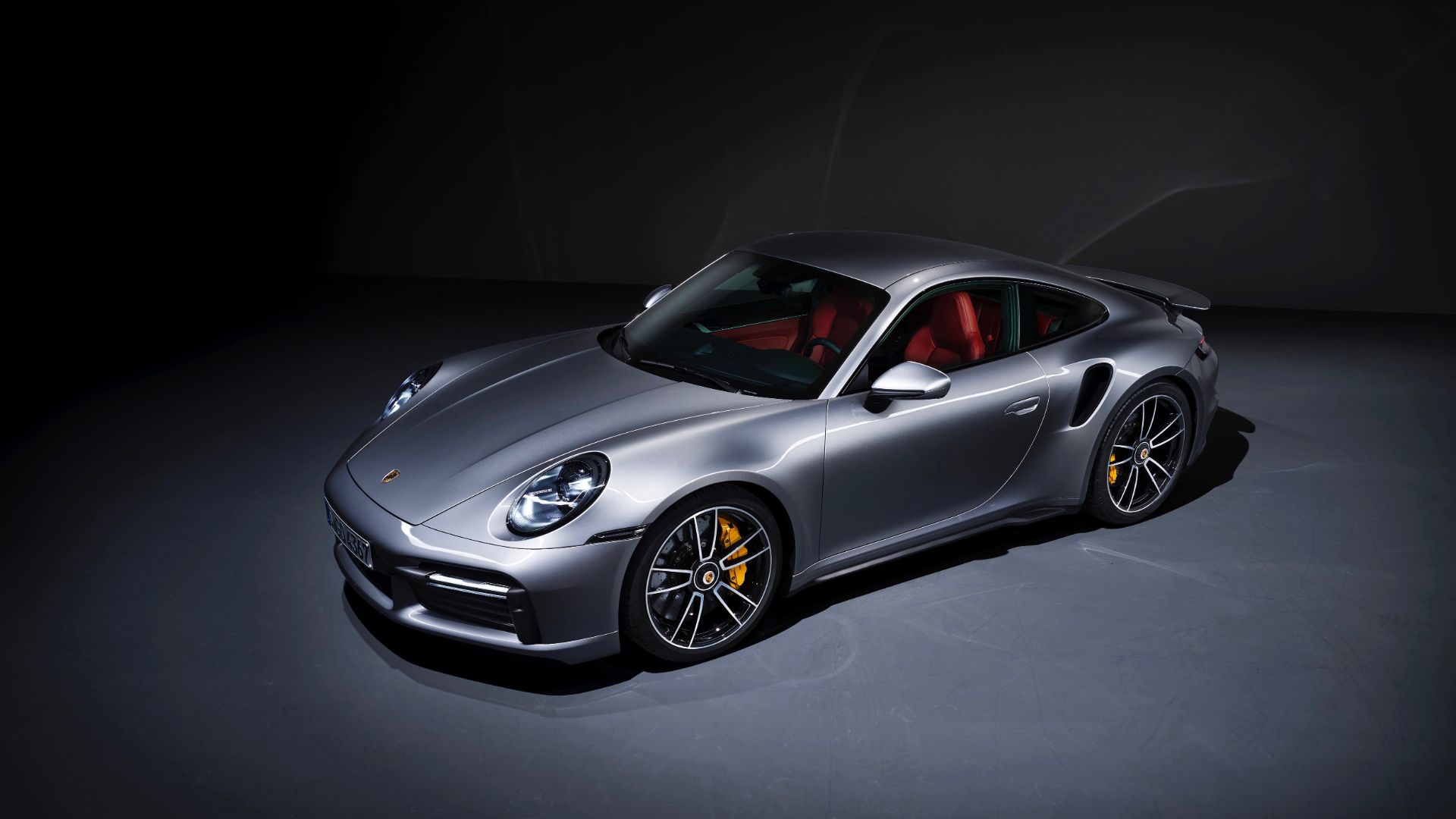
Last seen on the 993, retro bonnet creases are a callback to the air-cooled era. As for the ventilation, the new Turbo doesn’t stray as far from its Carrera stablemate, as all 991 variants did. Active vents in the nose work with the wing for increased downforce.
Could the conservative changes to the Carrera’s look be a problem for those who buy a Turbo? Probably not. You know what you’re looking at as soon as you see the vents in the hips, not to mention the fact that the 992 Turbo is 42mm wider at the front than even the 991 version.
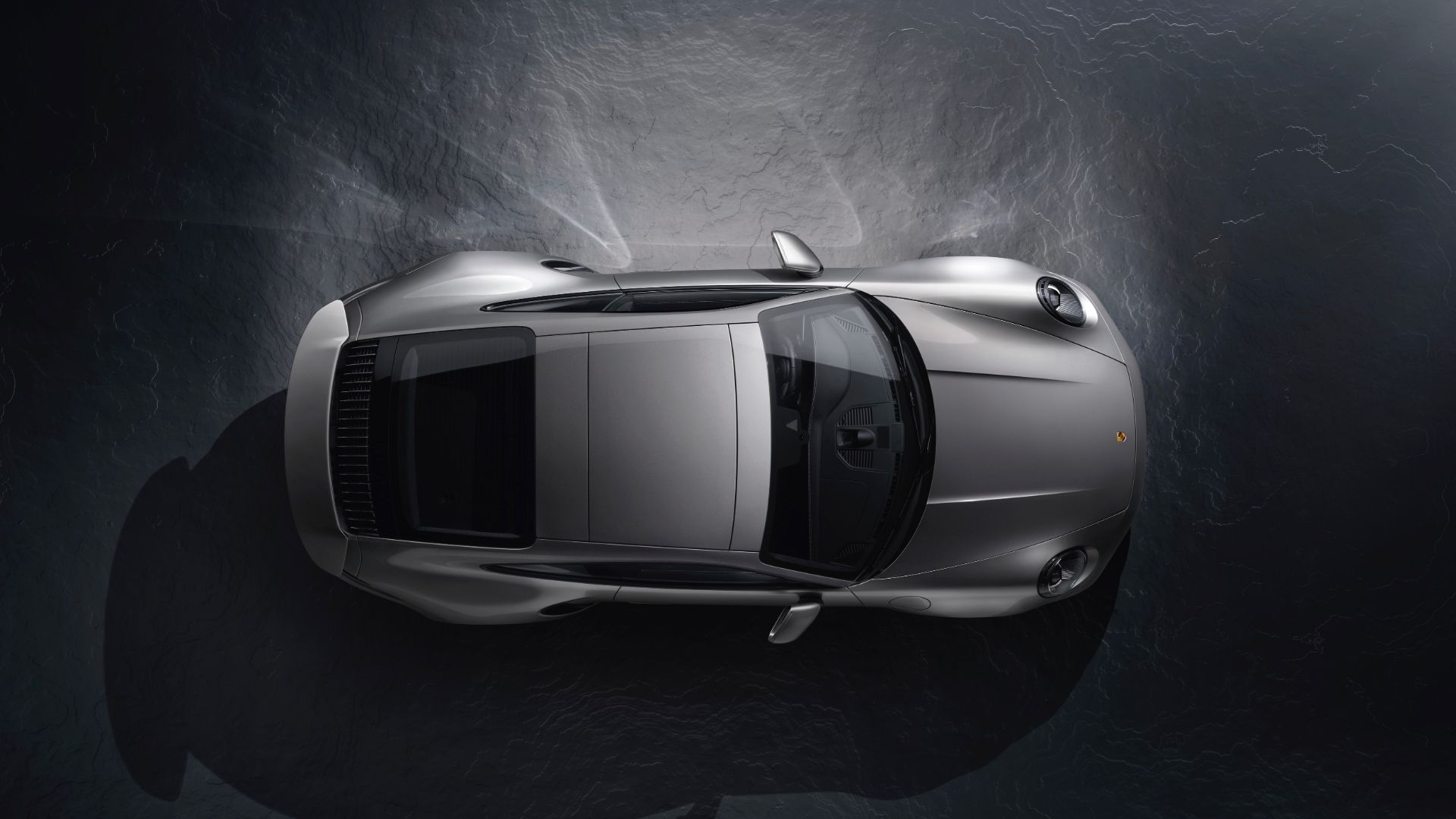
Pushing the wheels out on the standard 992 gave a very classic hourglass look from above. The Turbo only exaggerates that. The 992’s front end is overall more upmarket and cleaner than before, so it’s no bad thing that the Turbo has massaged the existing look, rather than brought an all-new design. It’s function over flamboyance.
The performance
We didn’t cover performance with the 992 Carrera, and admittedly it has nothing to do with the looks. But the long-standing reputation of the 911 Turbo as a supercar slayer warrants it. Especially given the new car’s very generous bump in punch. In full Turbo S spec, the new 3.8-litre twin-turbo flat-six delivers a massive 650hp. That’s a 70hp increase over the 991.
It achieves that with bigger turbos, which should flow more freely thanks to their symmetrical layout, plus compressor and turbine wheels that rotate in opposite directions. In combination with the eight-speed PDK double-clutch gearbox and four-wheel-drive, the Turbo S rockets to 62mph in 2.7 seconds (0.2 seconds quicker than the 991), on the way to a 205mph top speed. Both are figures that match the newly-revealed McLaren 765LT.
The biggest leap on from the 991 generation is the 0-120mph time. It’ll complete the sprint in 8.9 seconds – a full second quicker.
The price
Ah, the price. Gone are the days when the Turbo was the only 911 to tickle the £100,000 price point. While the 991 Turbo debuted in 2014 at around £130,000, the new Turbo S starts from £155,970 for the coupe, and £165,127 for the cabriolet.
That said, when you consider it could show most of the inventory at a McLaren dealer a clean pair of heels, it sounds like a bit of a bargain.
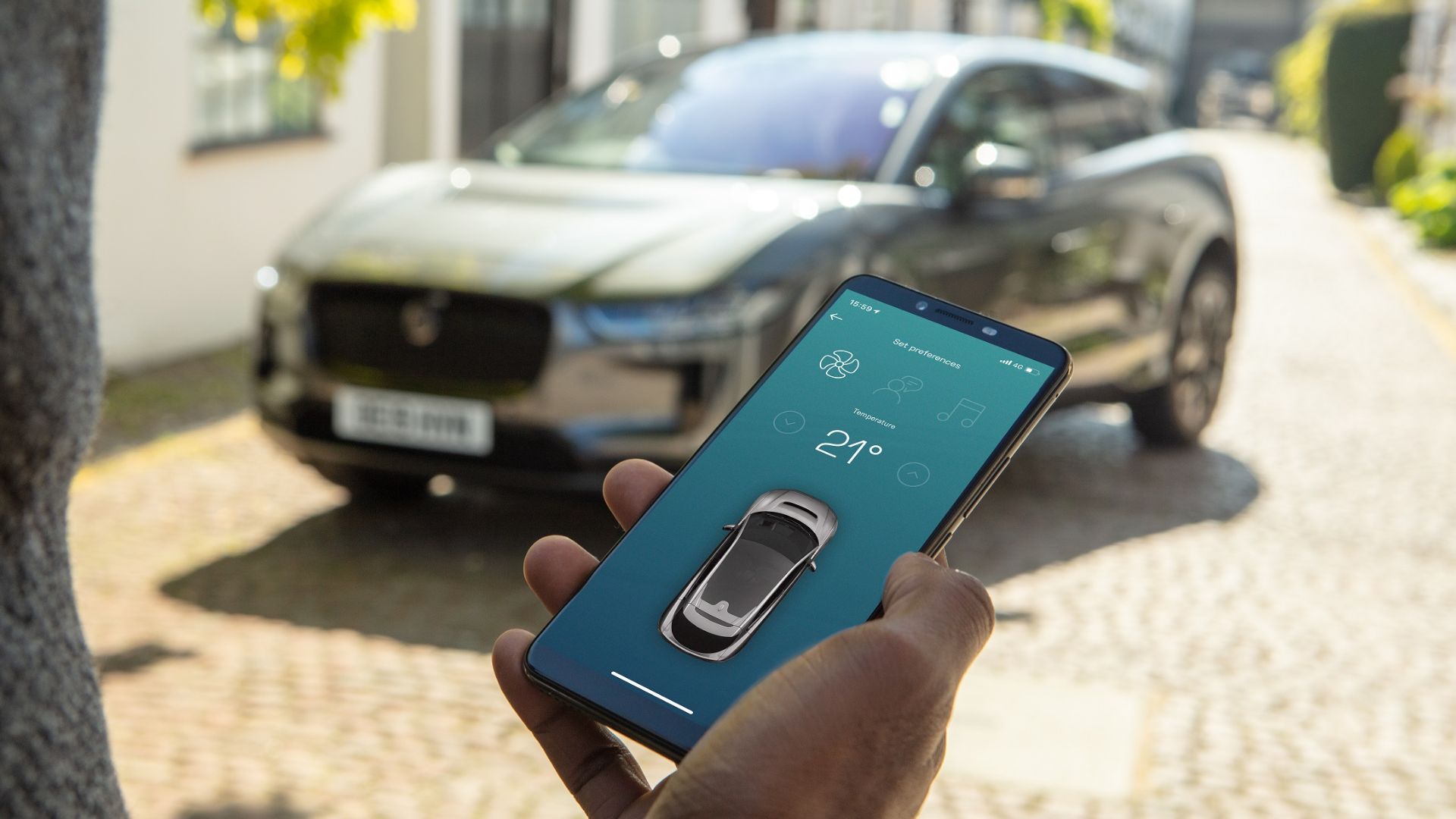
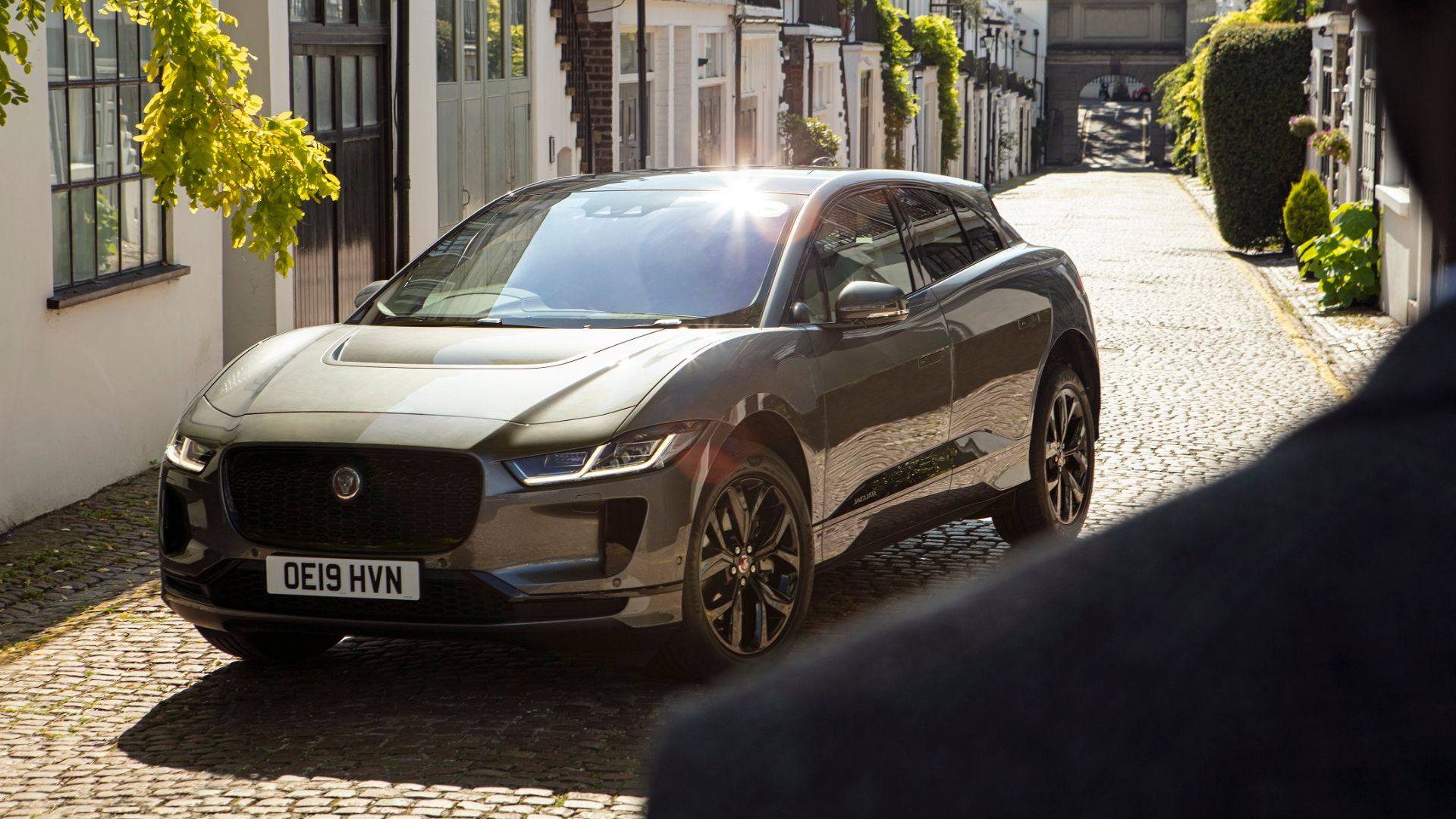
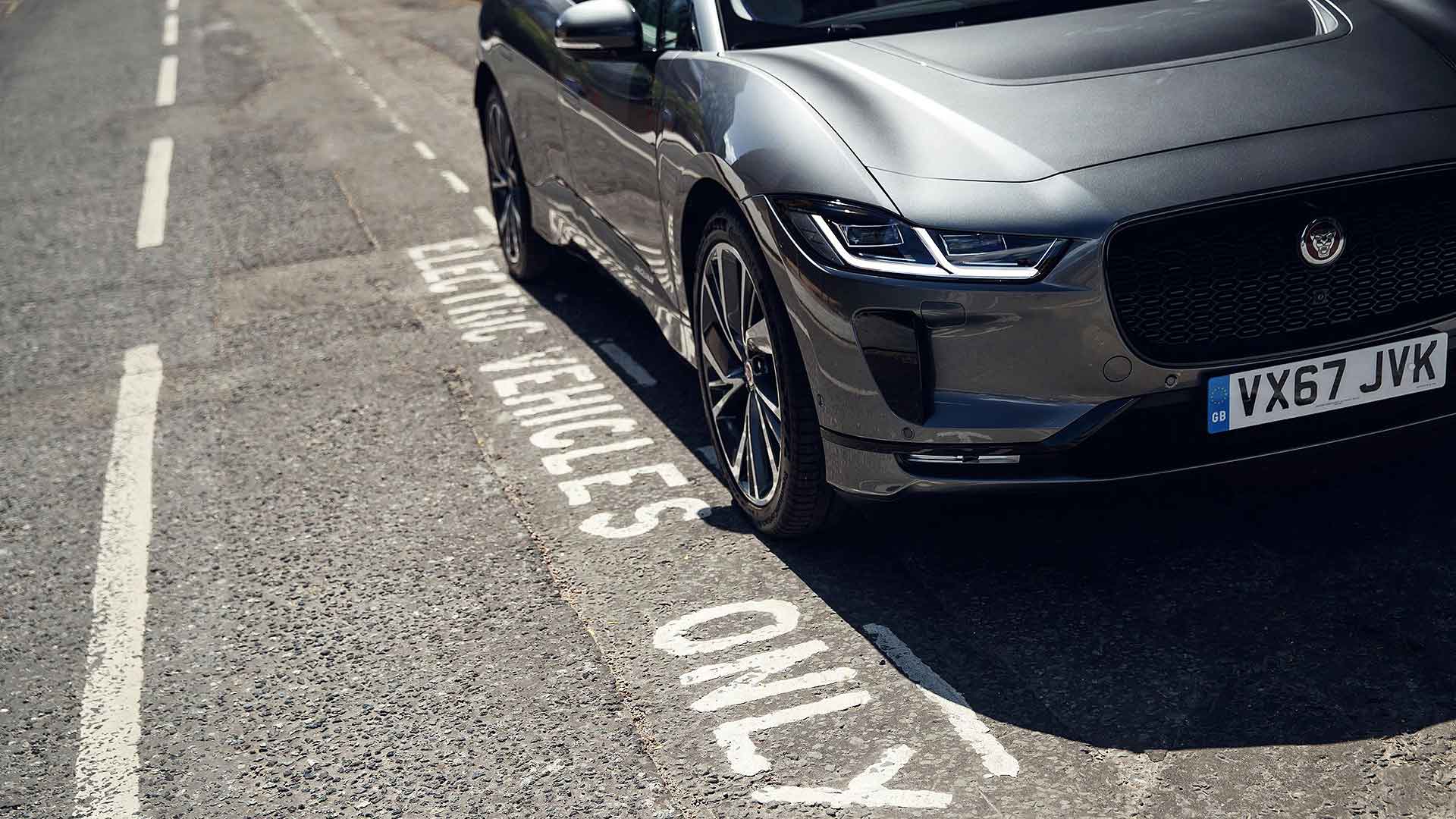
London has a new premium all-electric chauffeur service: say goodbye to Uber Luxe and hello to Havn. The app has launched with a fleet of Jaguar I-Paces for passengers who want to travel emissions-free.
Each ride can be customised, from the music you want playing in the car to the temperature in the cabin. You can even set your preference for how chatty the driver is.
All of the above can be pre-arranged via the iOS or Android app, or via the online booking portal, as you’re requesting your ride.
Havn drivers are full-time company employees who have gone through rigorous training. This apparently helps keep the app’s approval rating at a high 4.8 out of five. That’s perhaps some reassurance to stave off any associations with lax driver scrutiny in some other ride-hailing options. The app has has been downloaded around 5,500 times so far.
Since the trial began in September, Havn rides have covered more than 18,000 miles. With the backing of JLR’s InMotion mobility services arm, the I-Pace fleet has grown even more.
Jag queens: Jaguar teams up with drag acts for charity
DPD targets 1 in 10 electric van mix with new Nissan deal
“The decision to use the all-electric Jaguar I-Pace, the 2019 World Car of the Year, allows us to offer our customers a sustainable premium alternative – urban mobility with zero emissions,” said Joseph Seal-Driver, MD of Havn.
“In just four months we have proved there is a significant appetite from customers who want sustainable transport without compromising on luxury, we’re seeing a fantastic response from businesses who want to improve their corporate travel.”
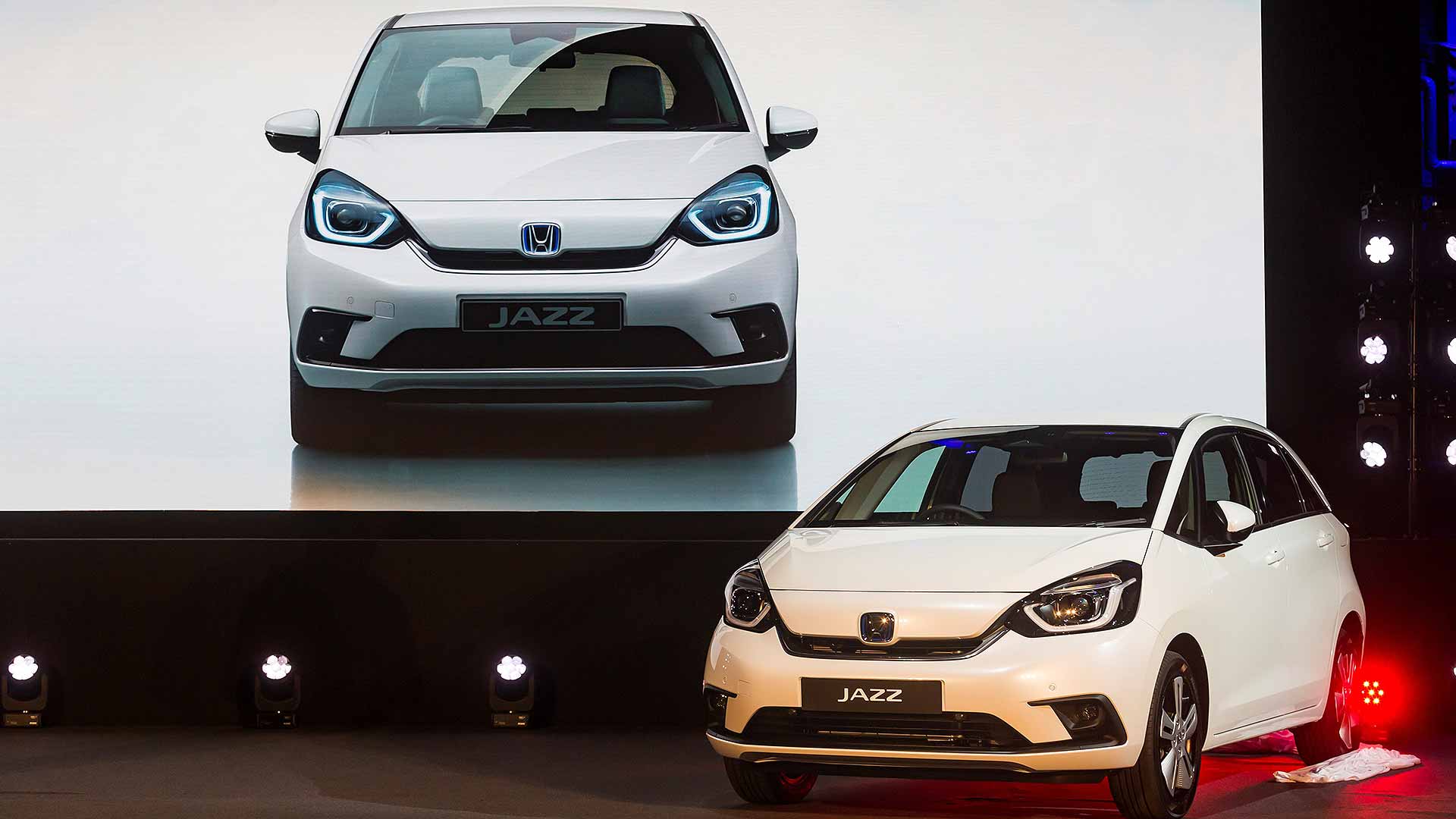
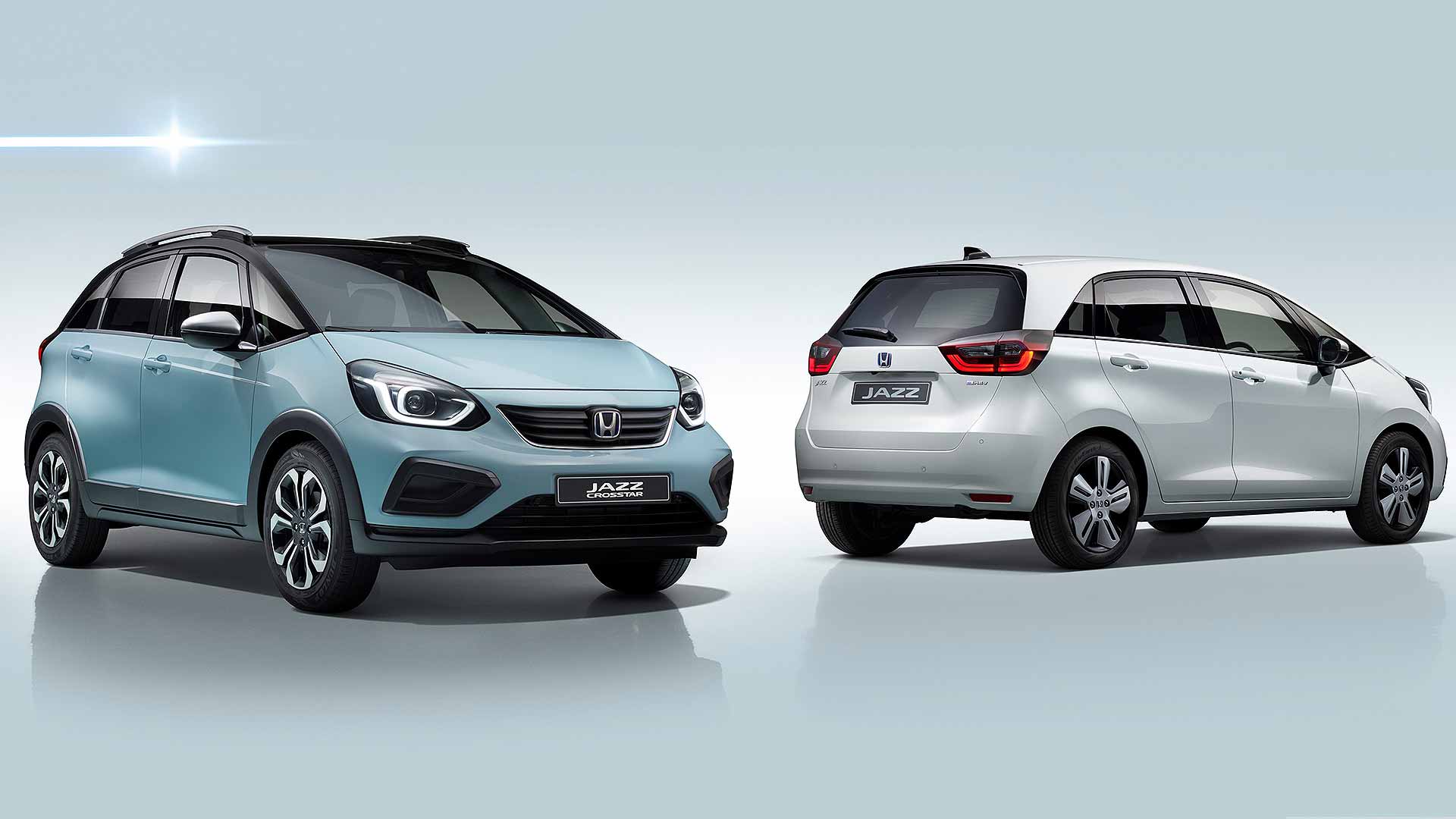
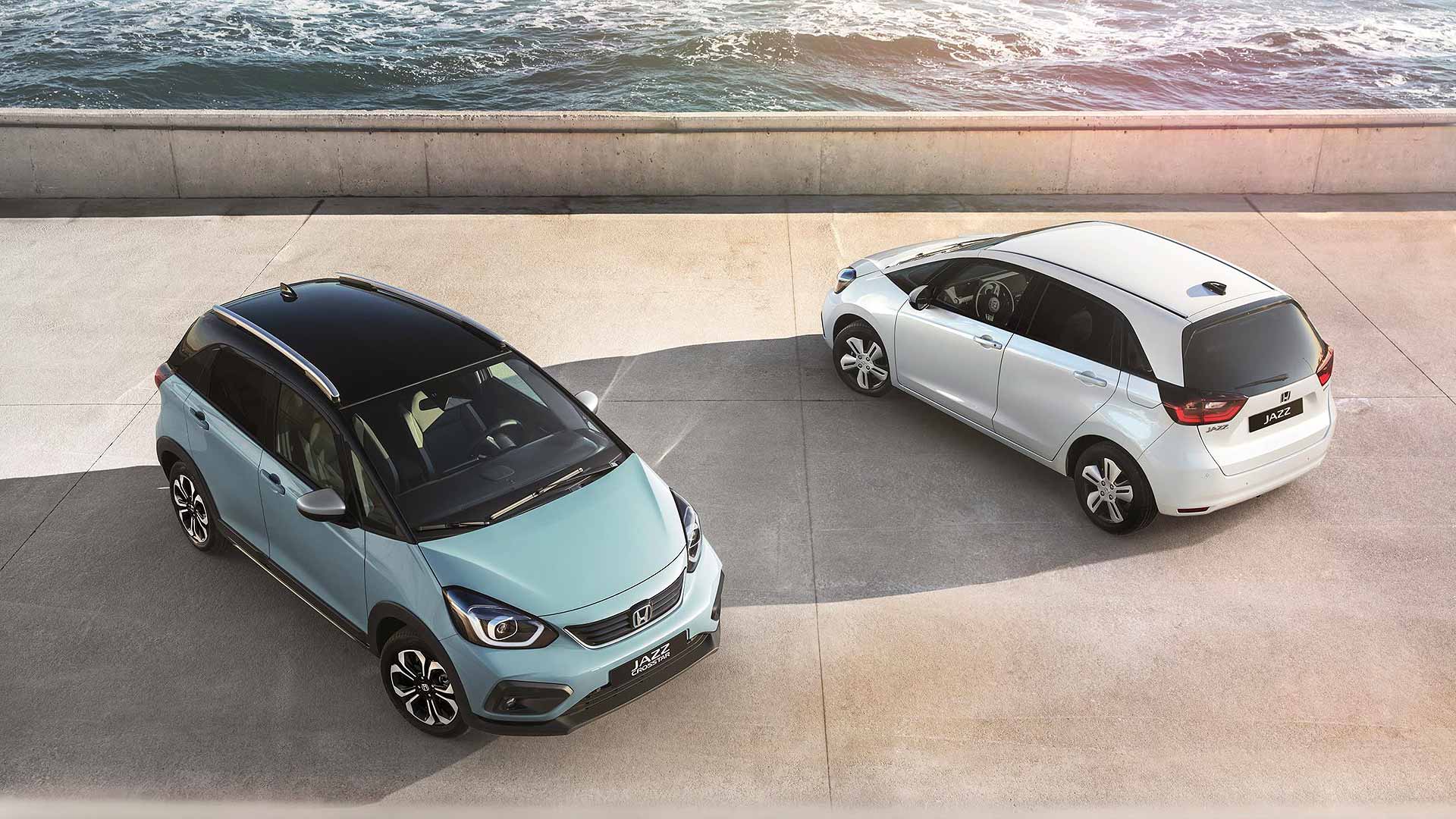
The Honda Crosstar only comes in two-tone combinations, with a gloss black roof.
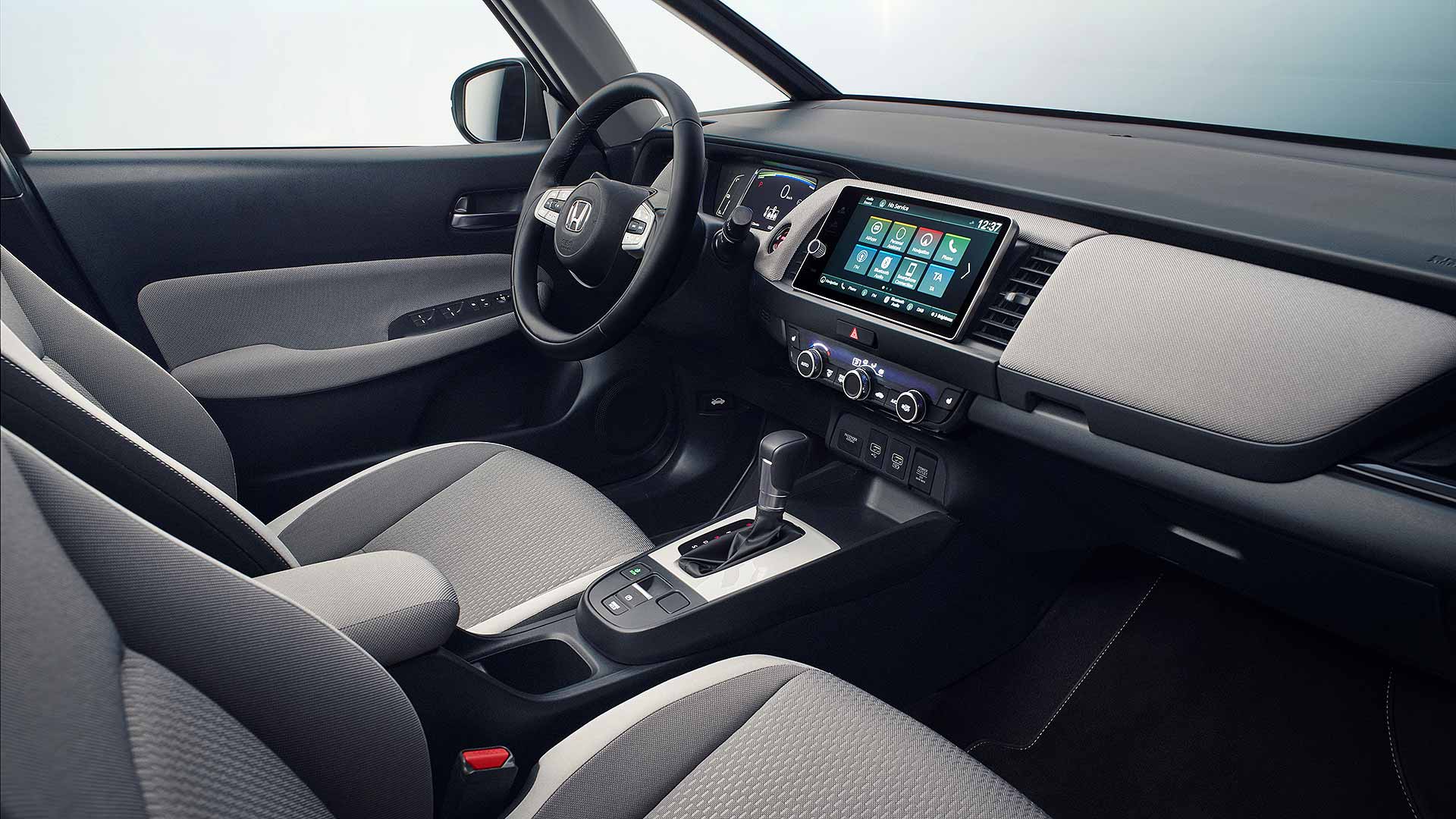
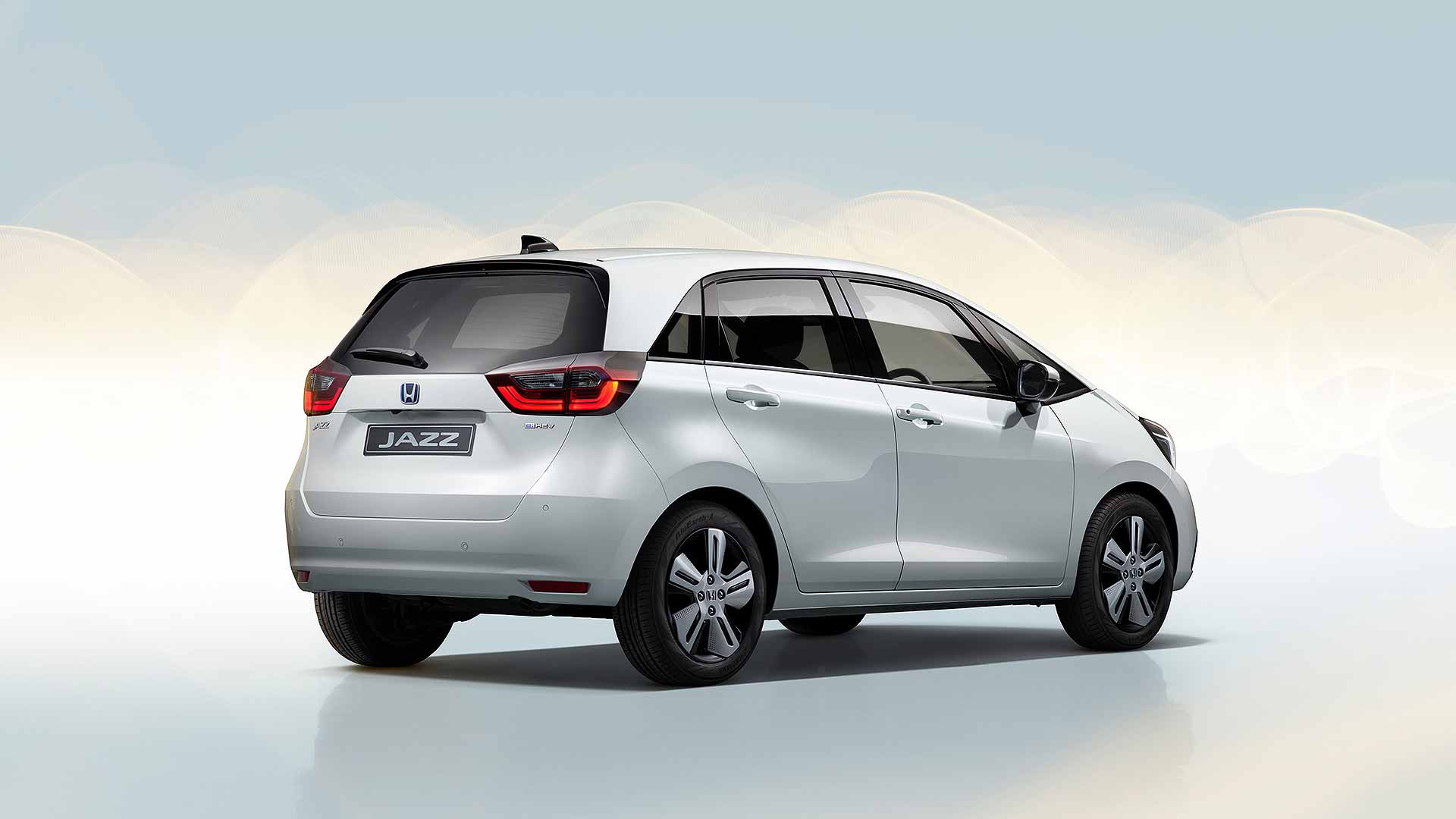
Honda bosses believe the new electrified Jazz will complement the new all-electric Honda e in retailer showrooms.
“The electrified Jazz is designed to encourage those who might not be prepared to make the leap to a full electric drivetrain,” said Honda UK head of car Phil Webb.
“The new Jazz is the embodiment of the brand’s commitment to a fully-electrified range and is another symbolic step towards our electric vision for 100 percent of European sales to be electrified by 2022.”
Deliveries of the new Honda Jazz will begin from early Q2 – April onwards.
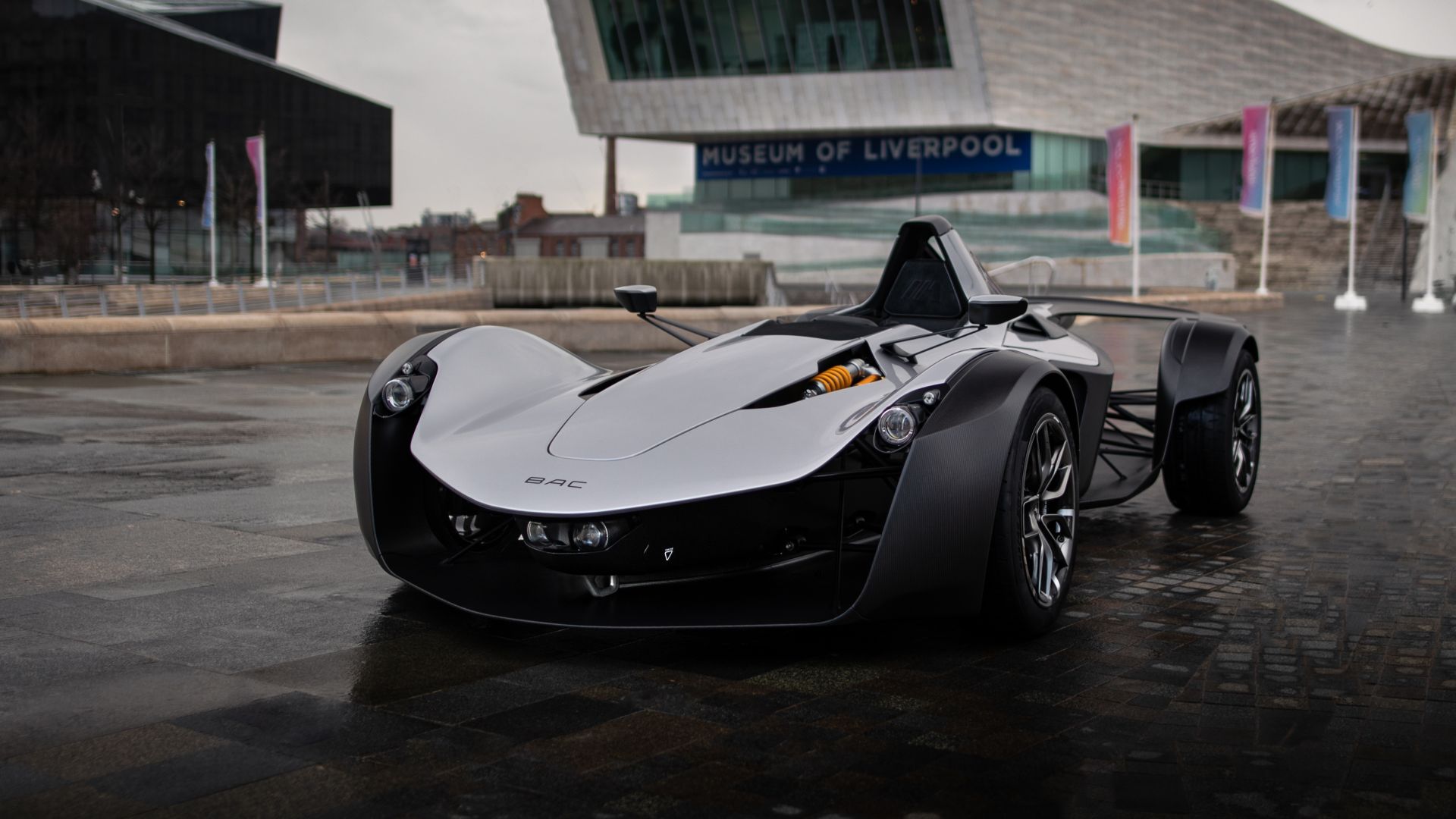
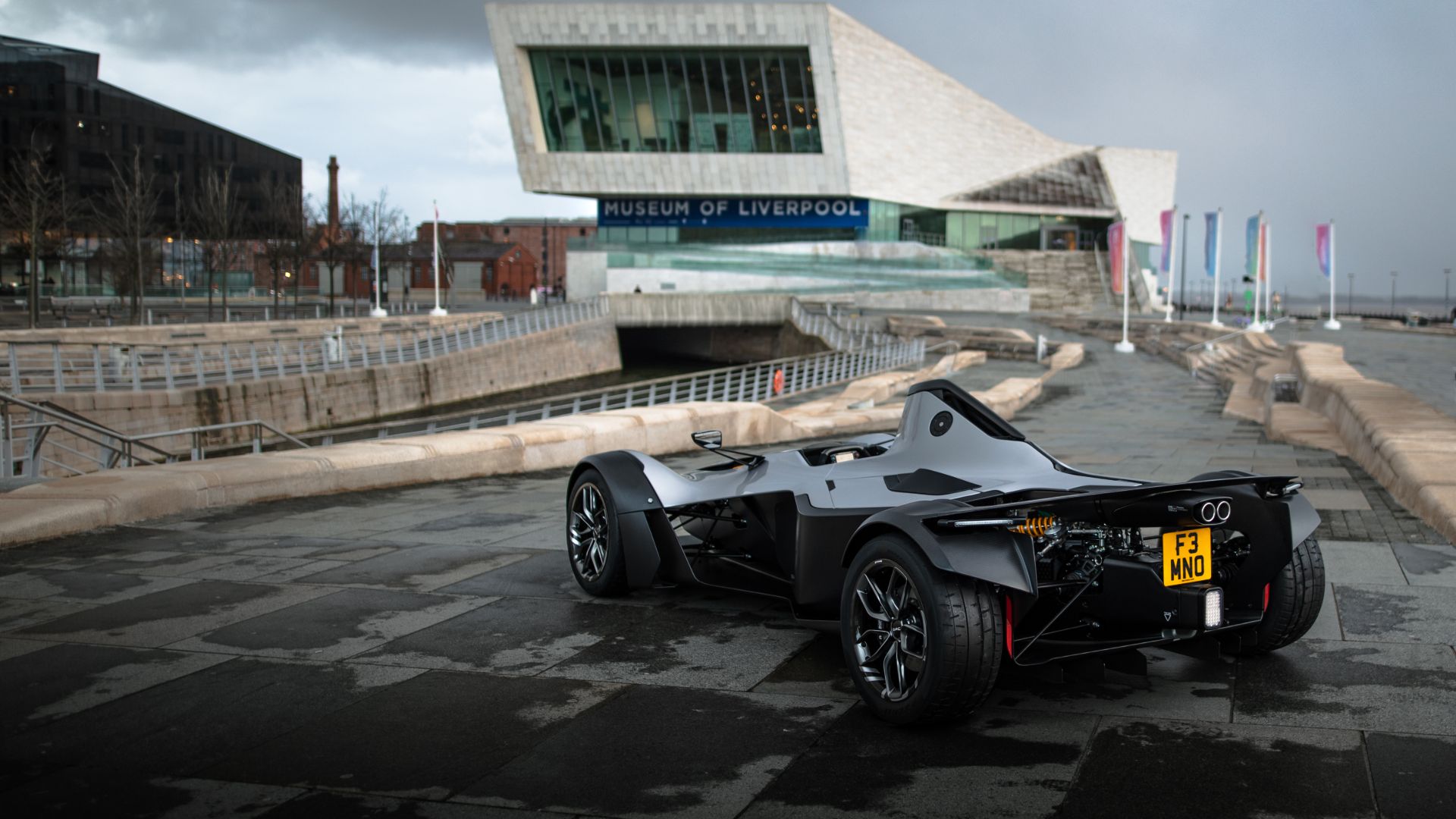
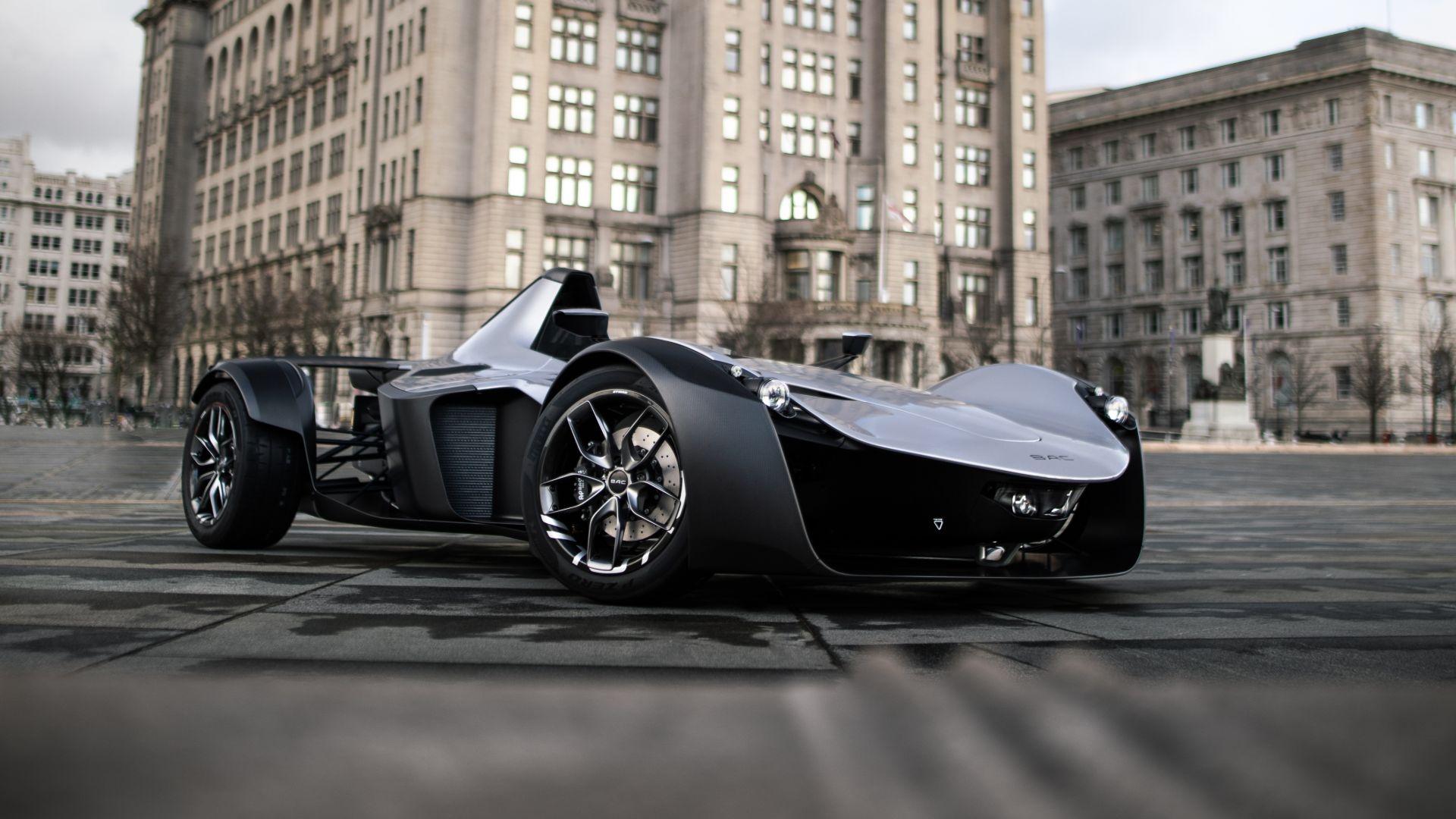
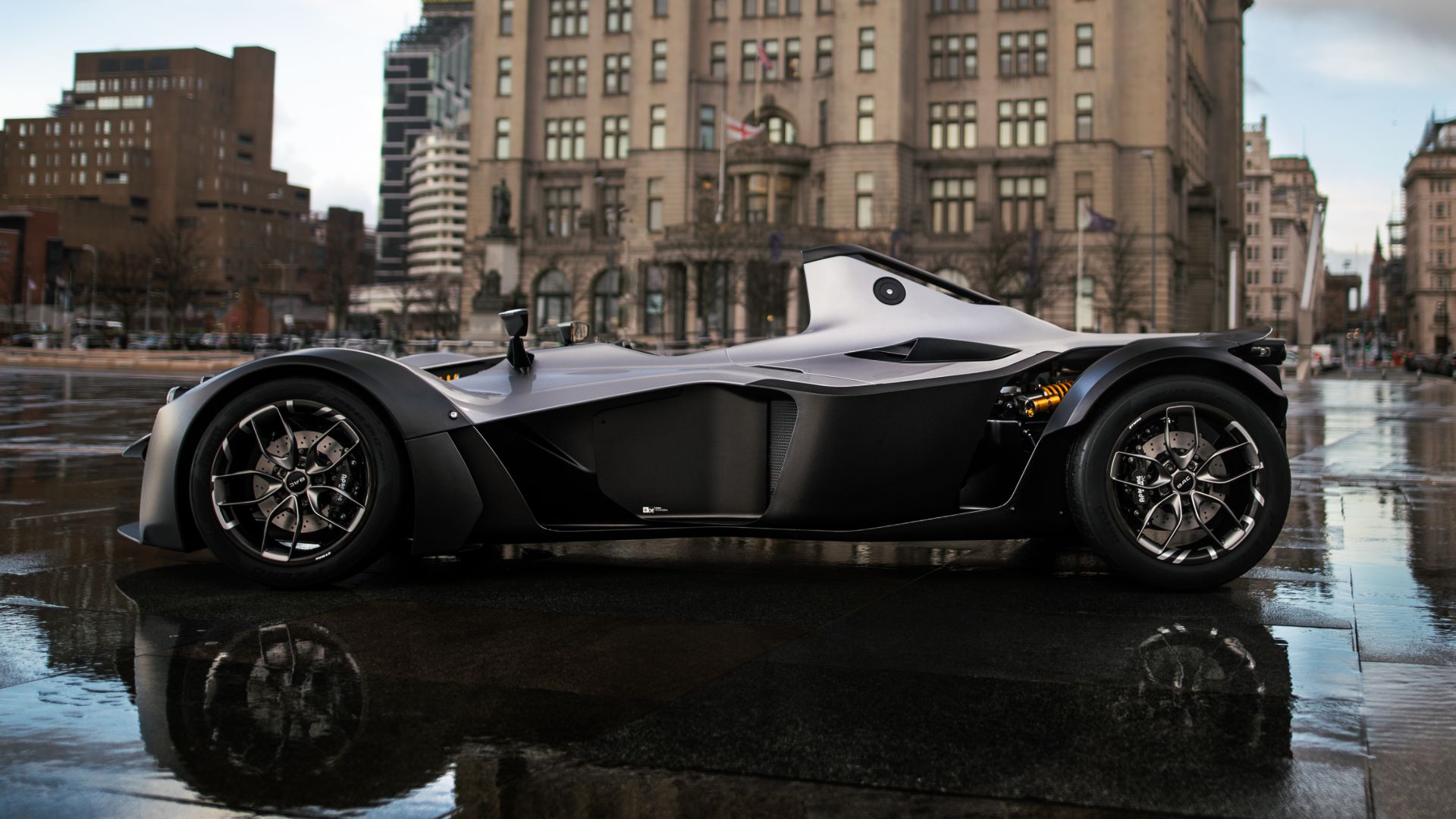
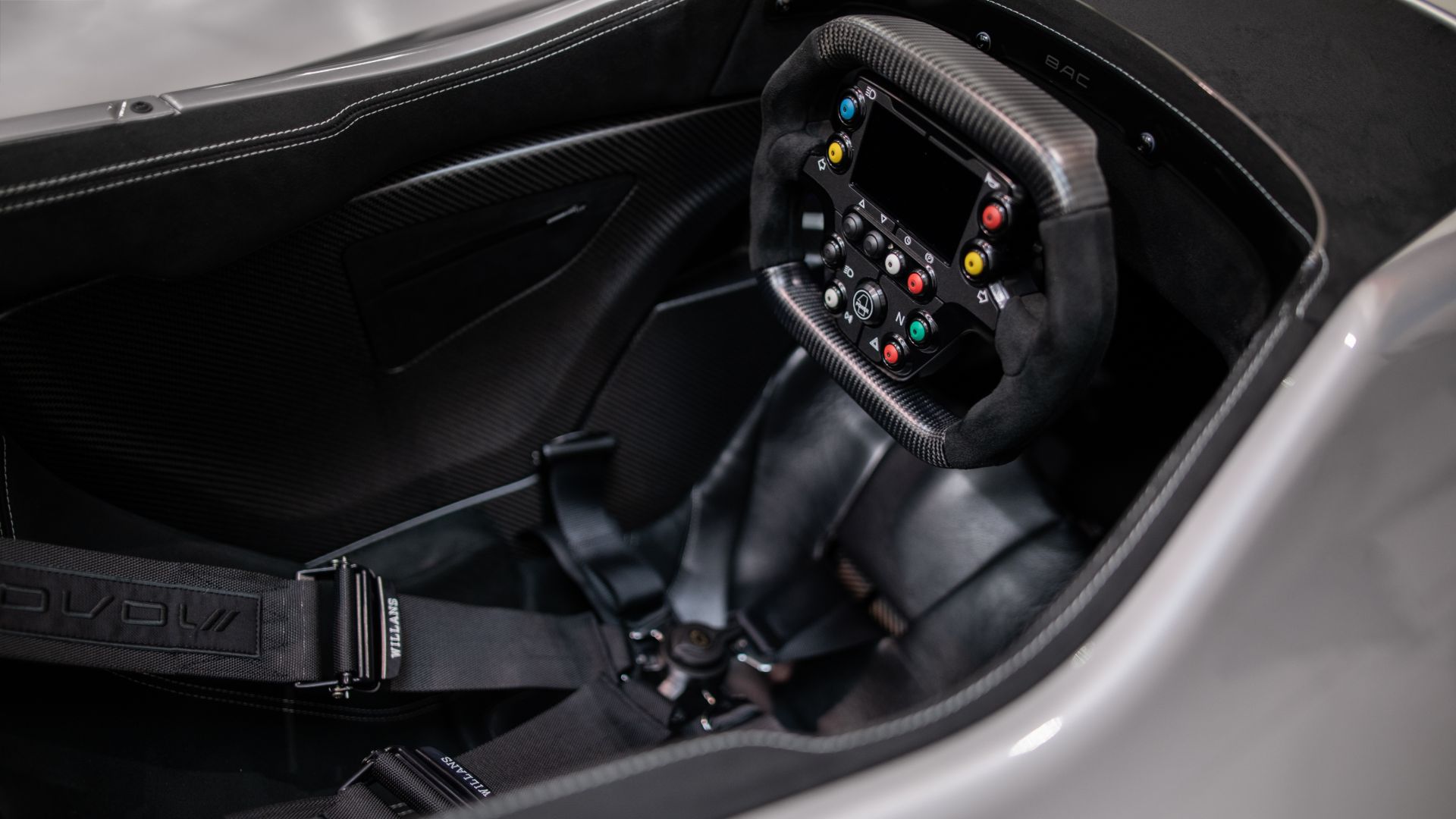
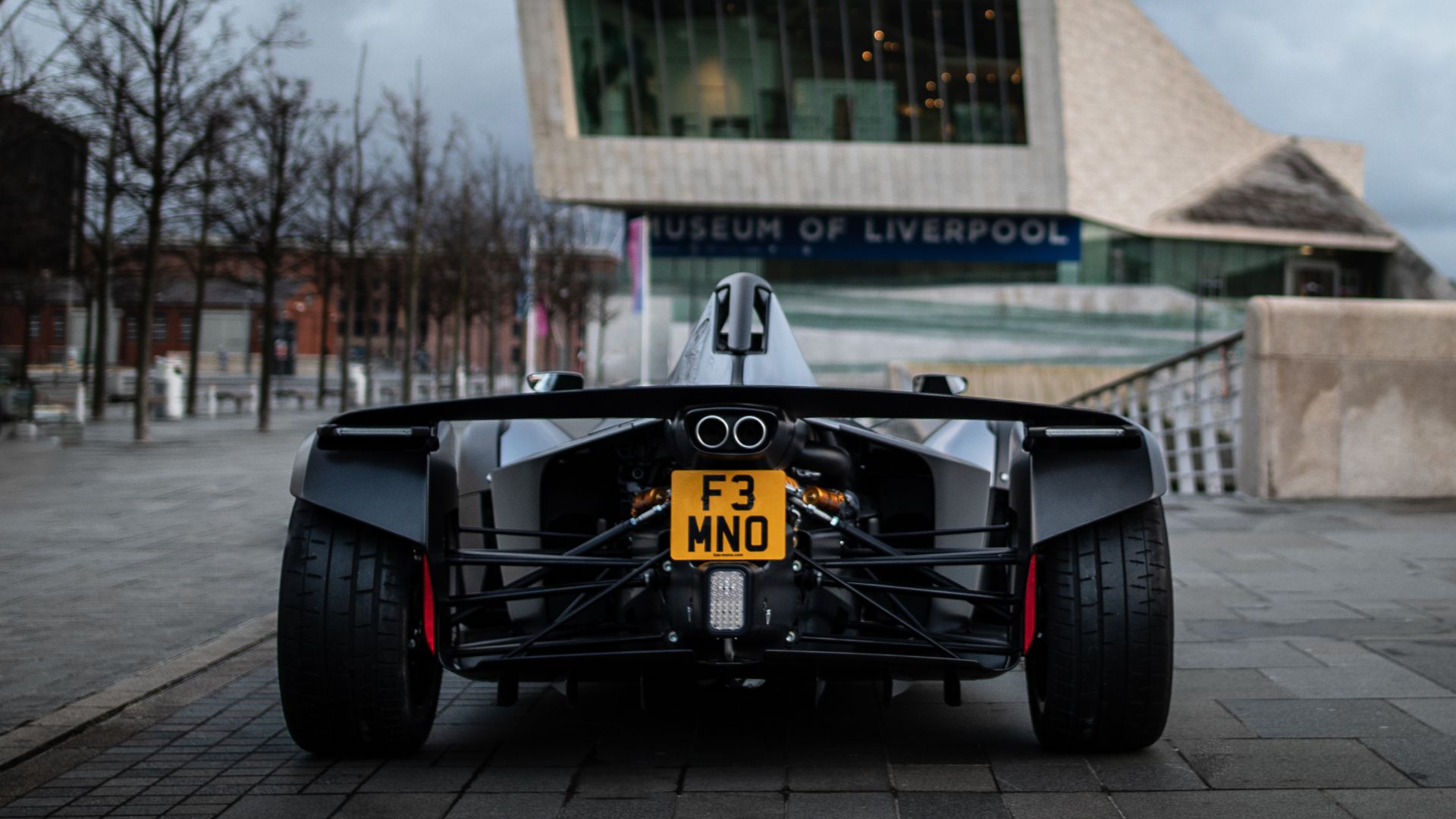
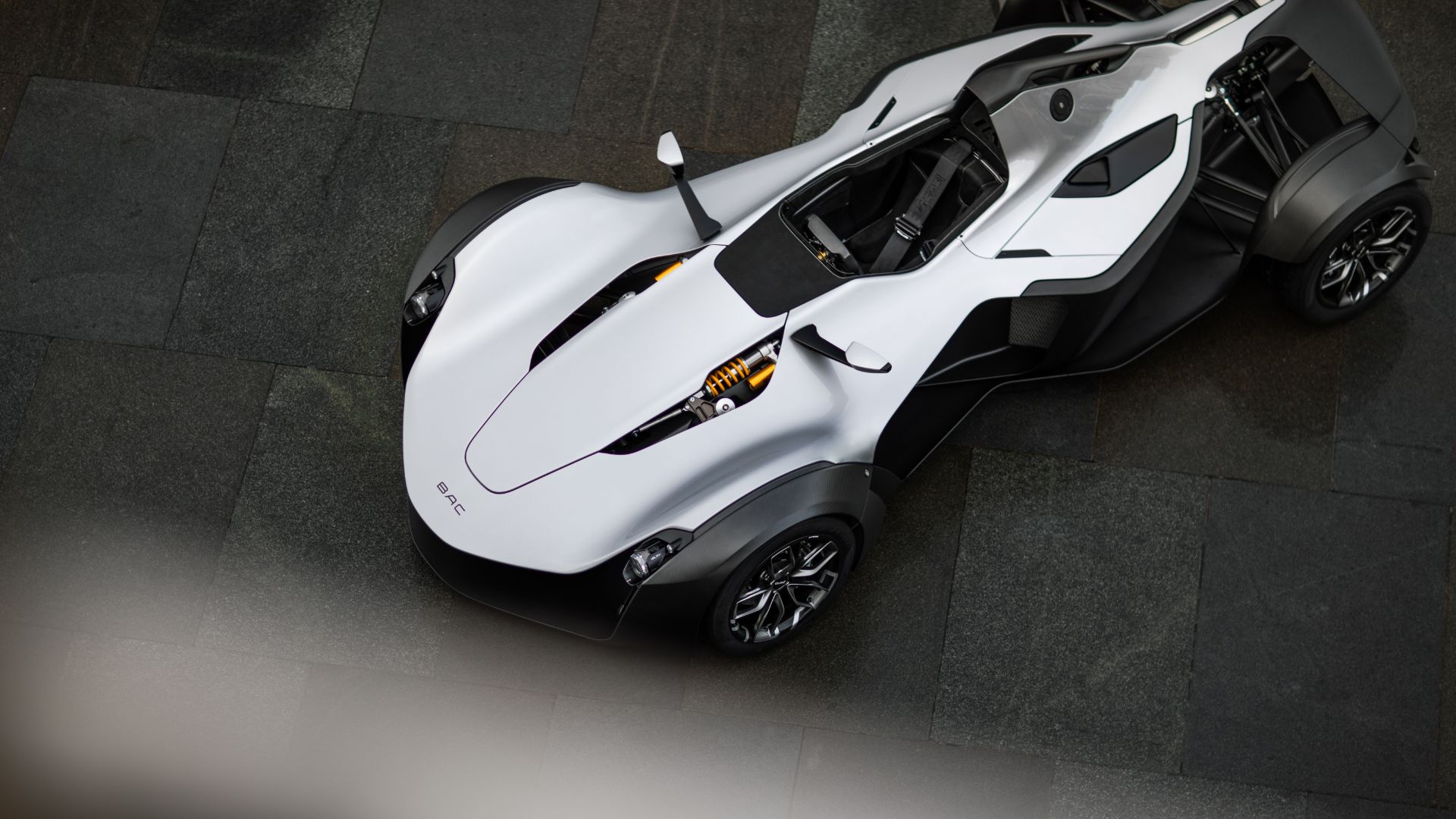
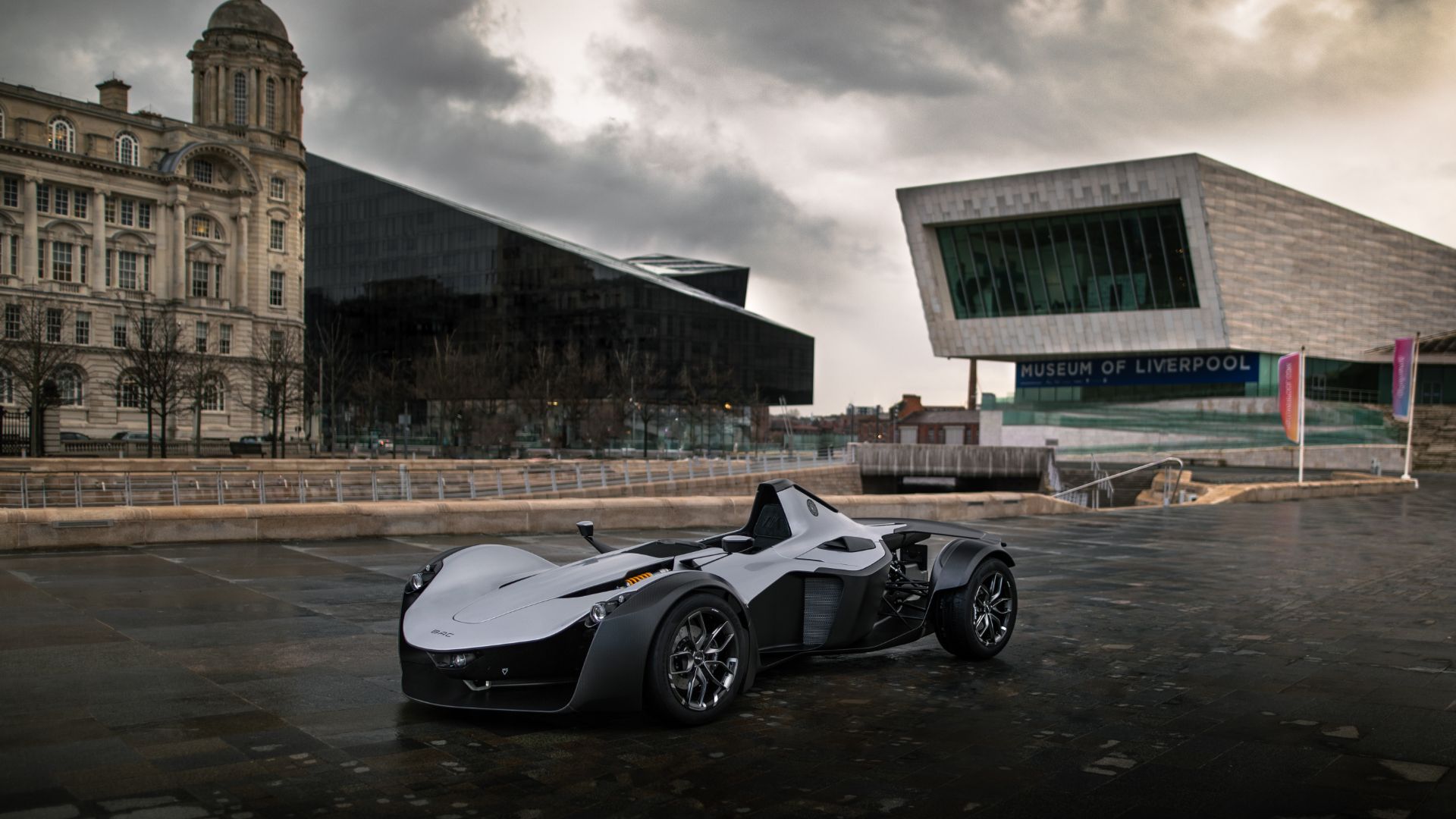
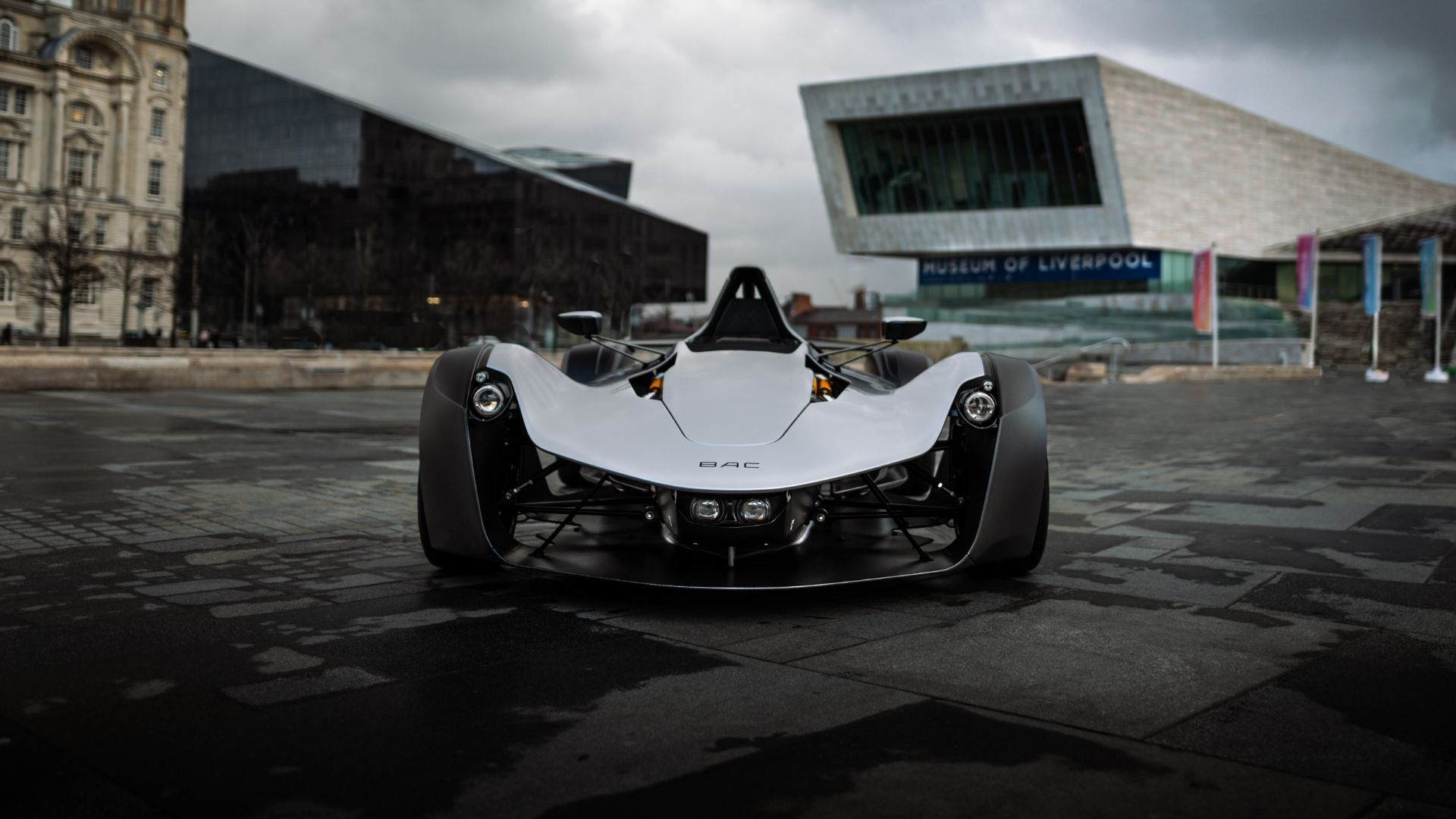
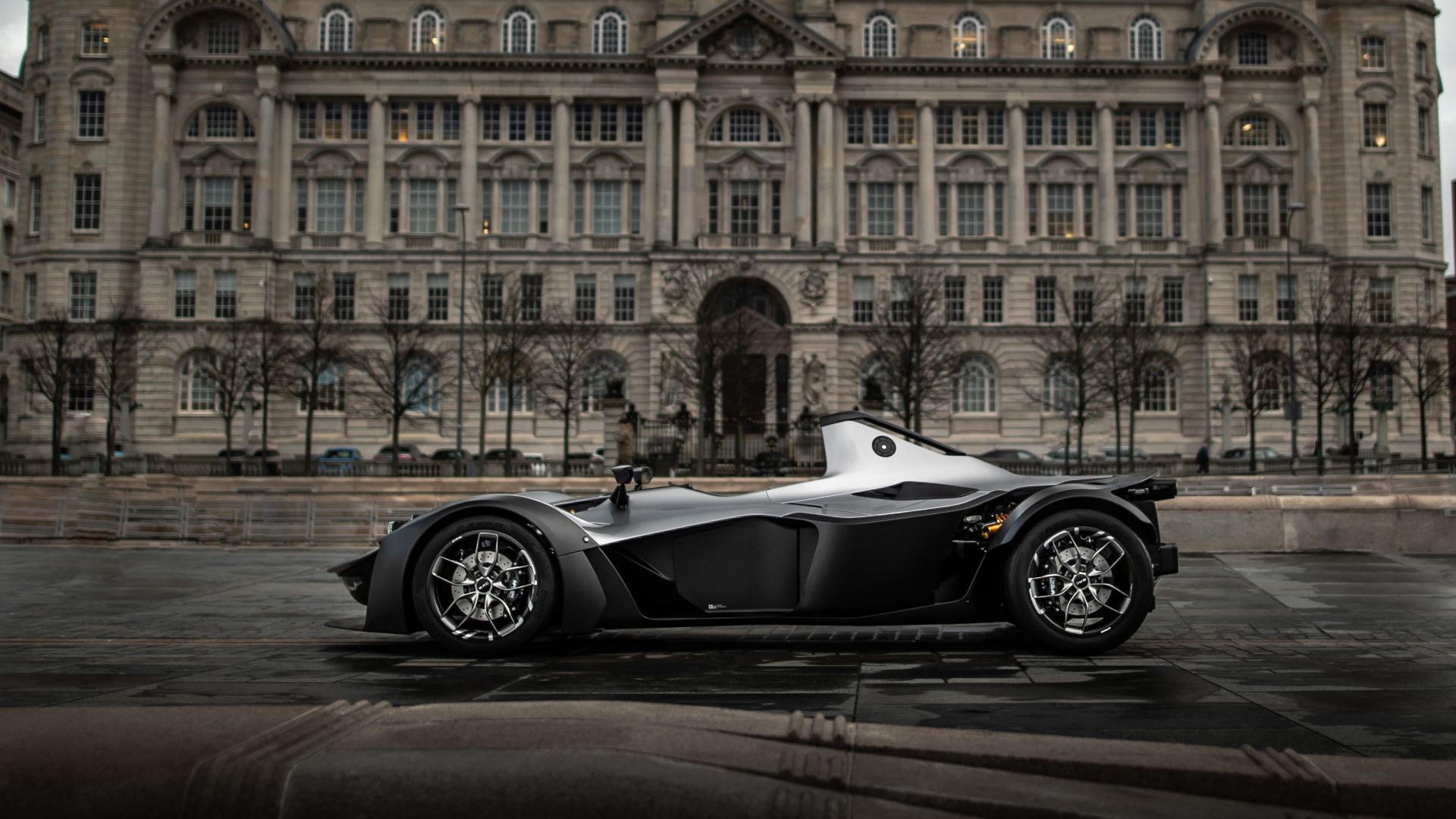
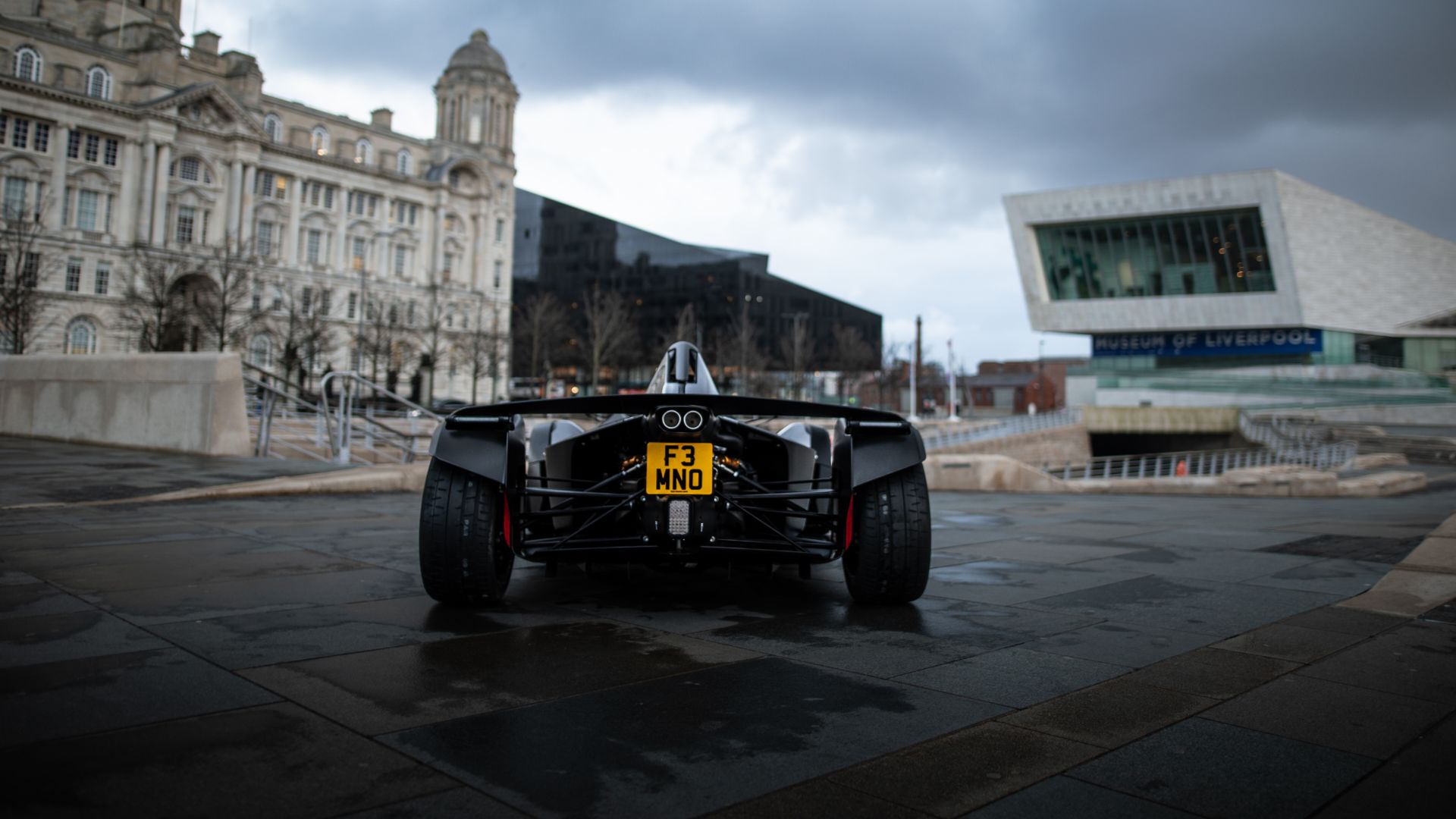
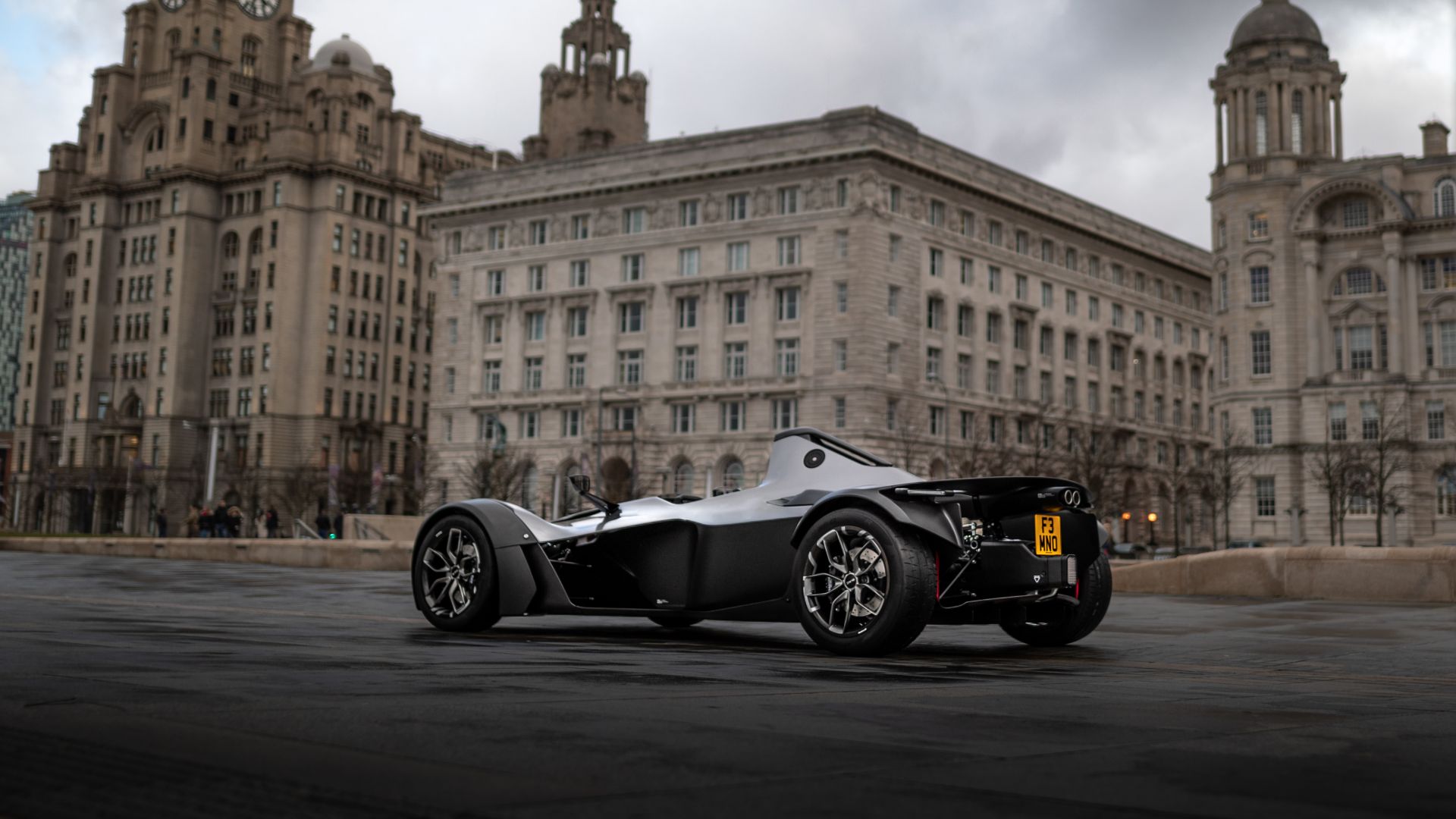
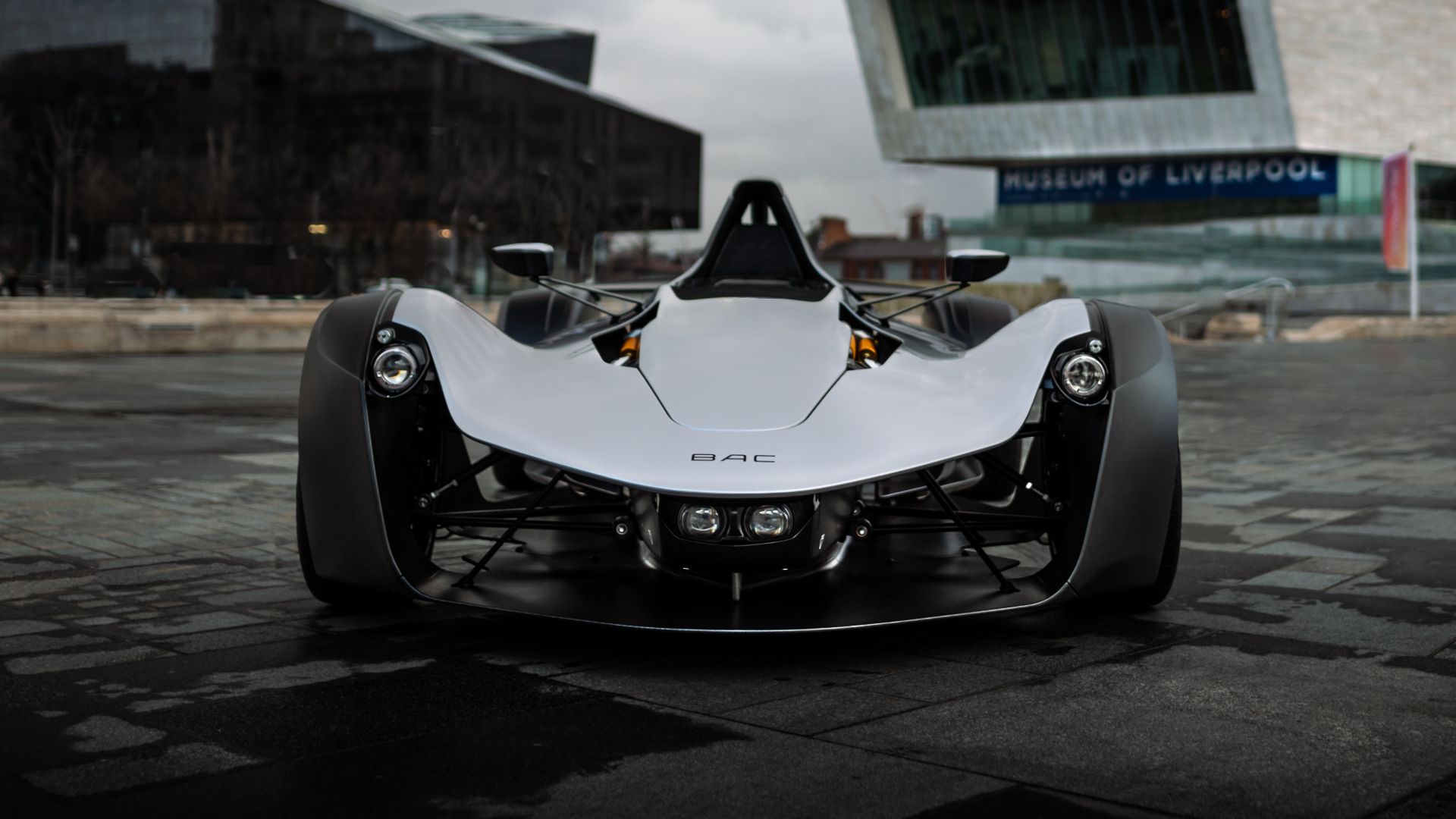
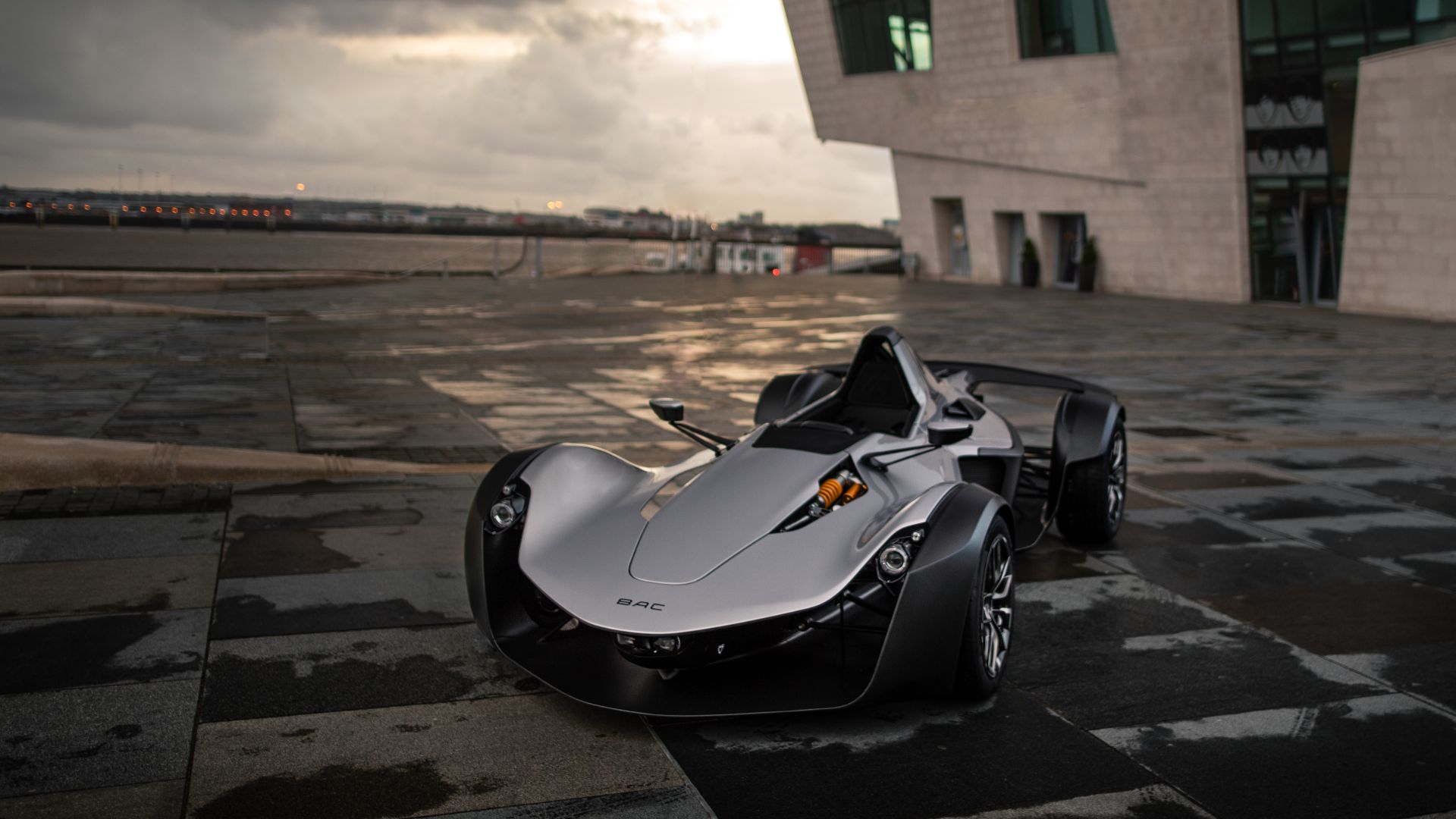
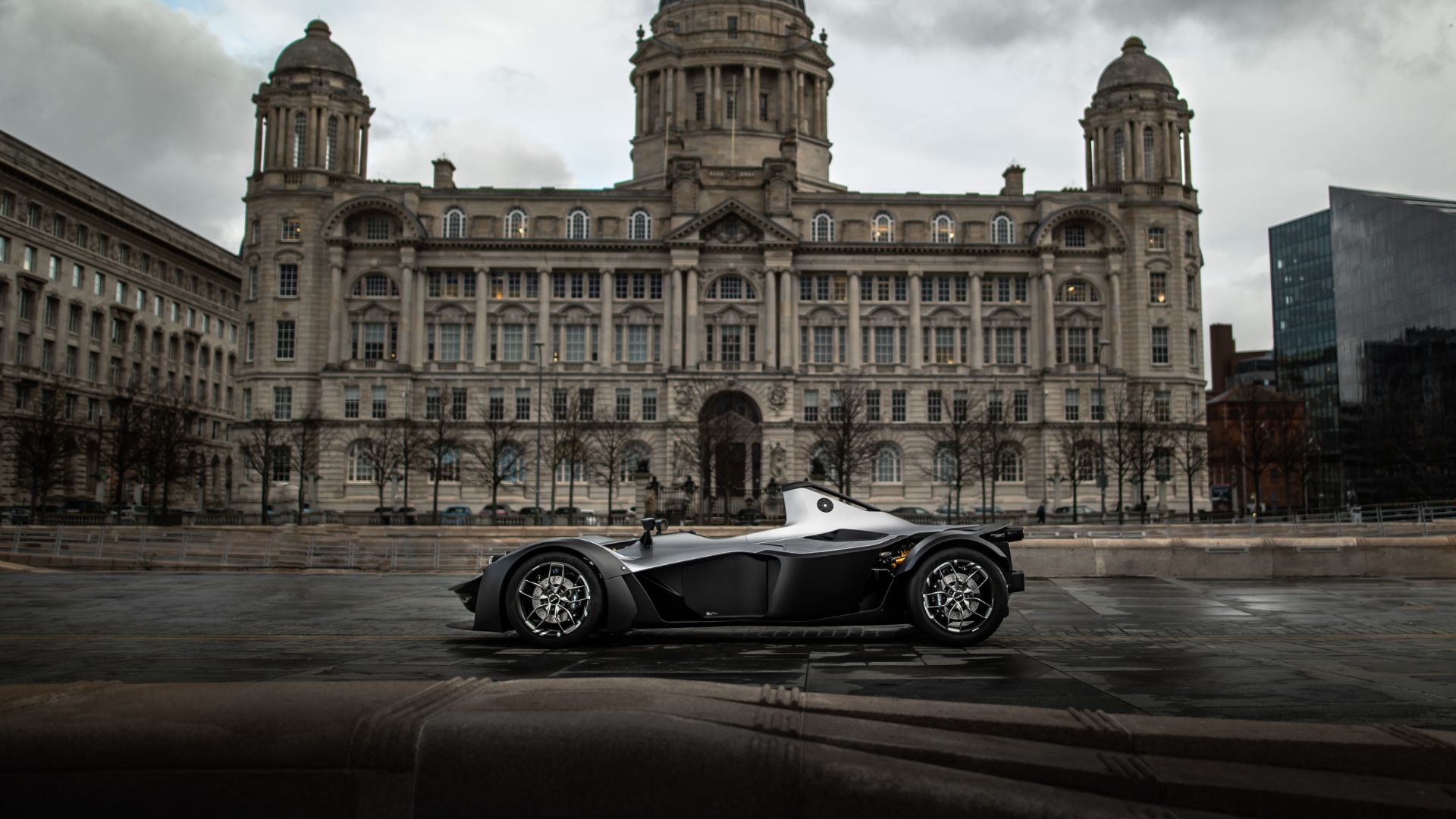
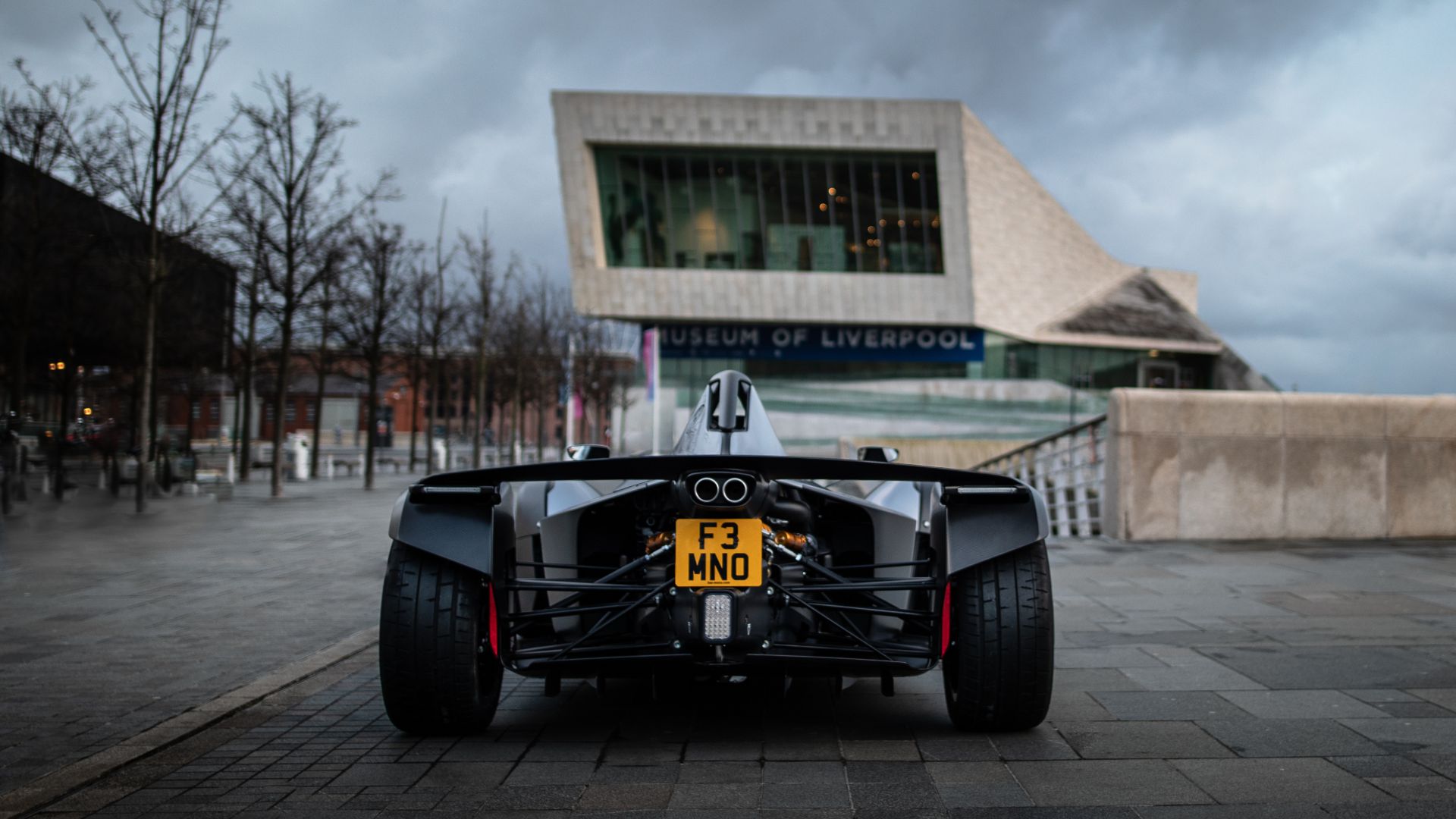
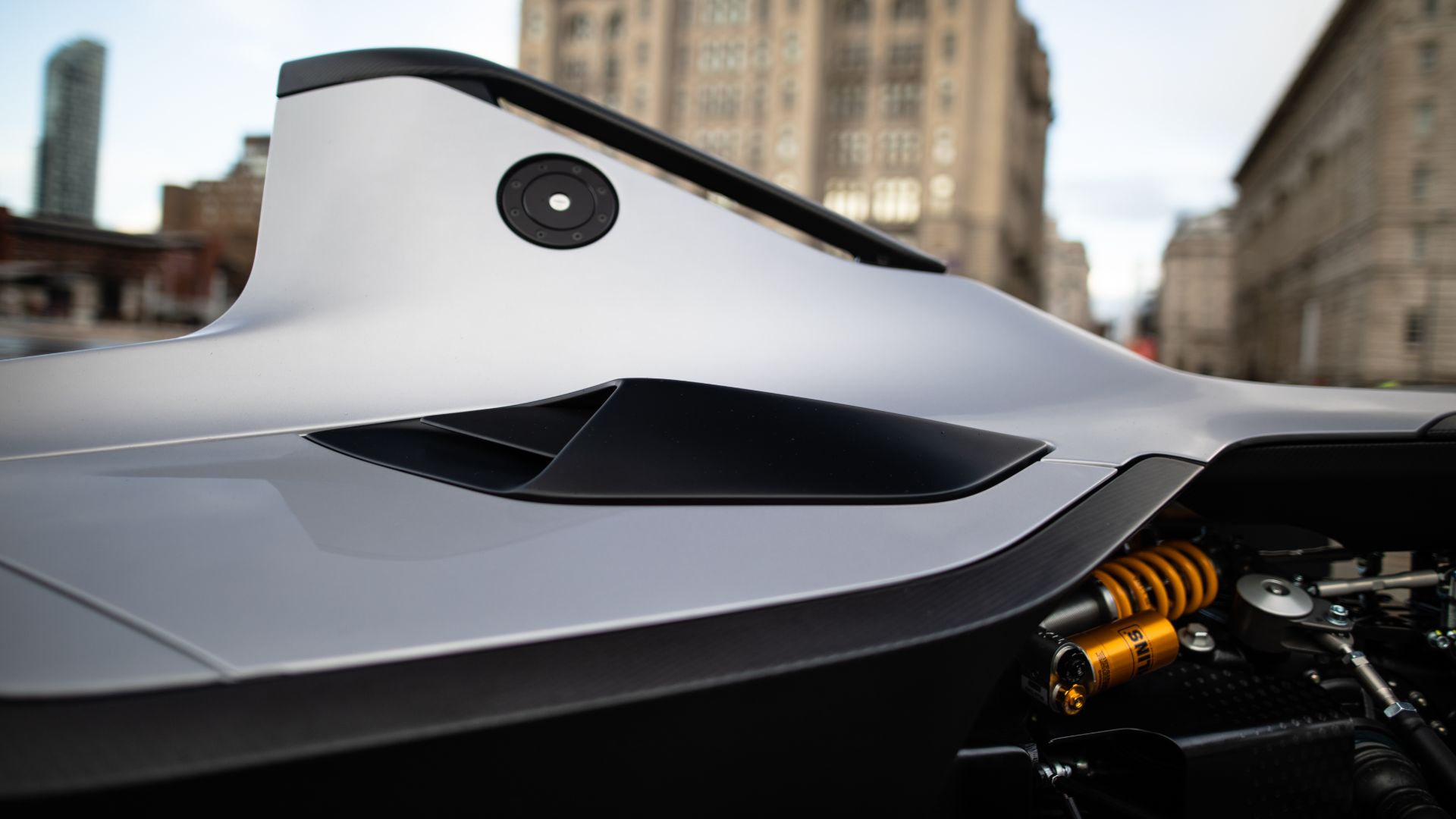
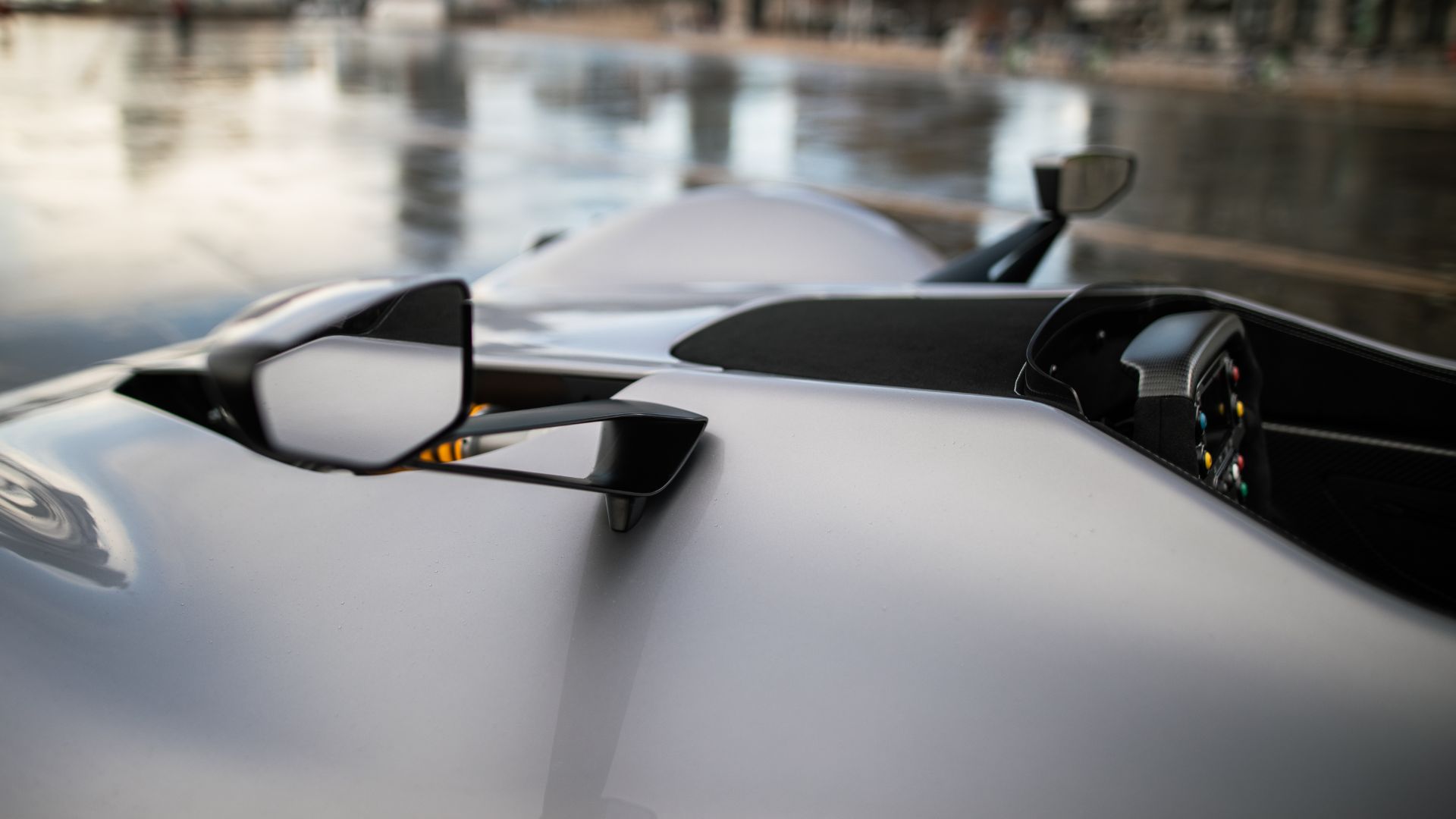
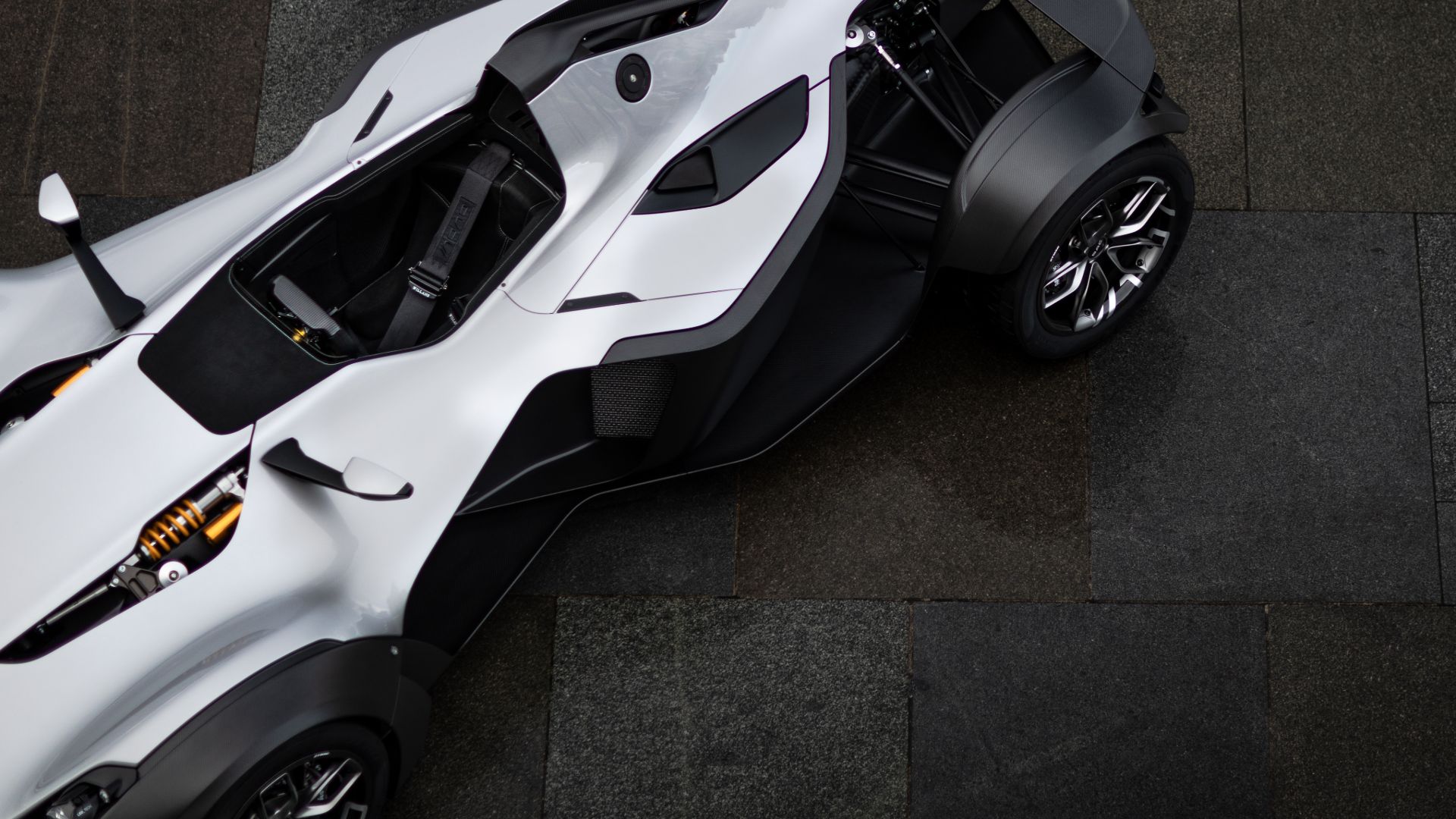
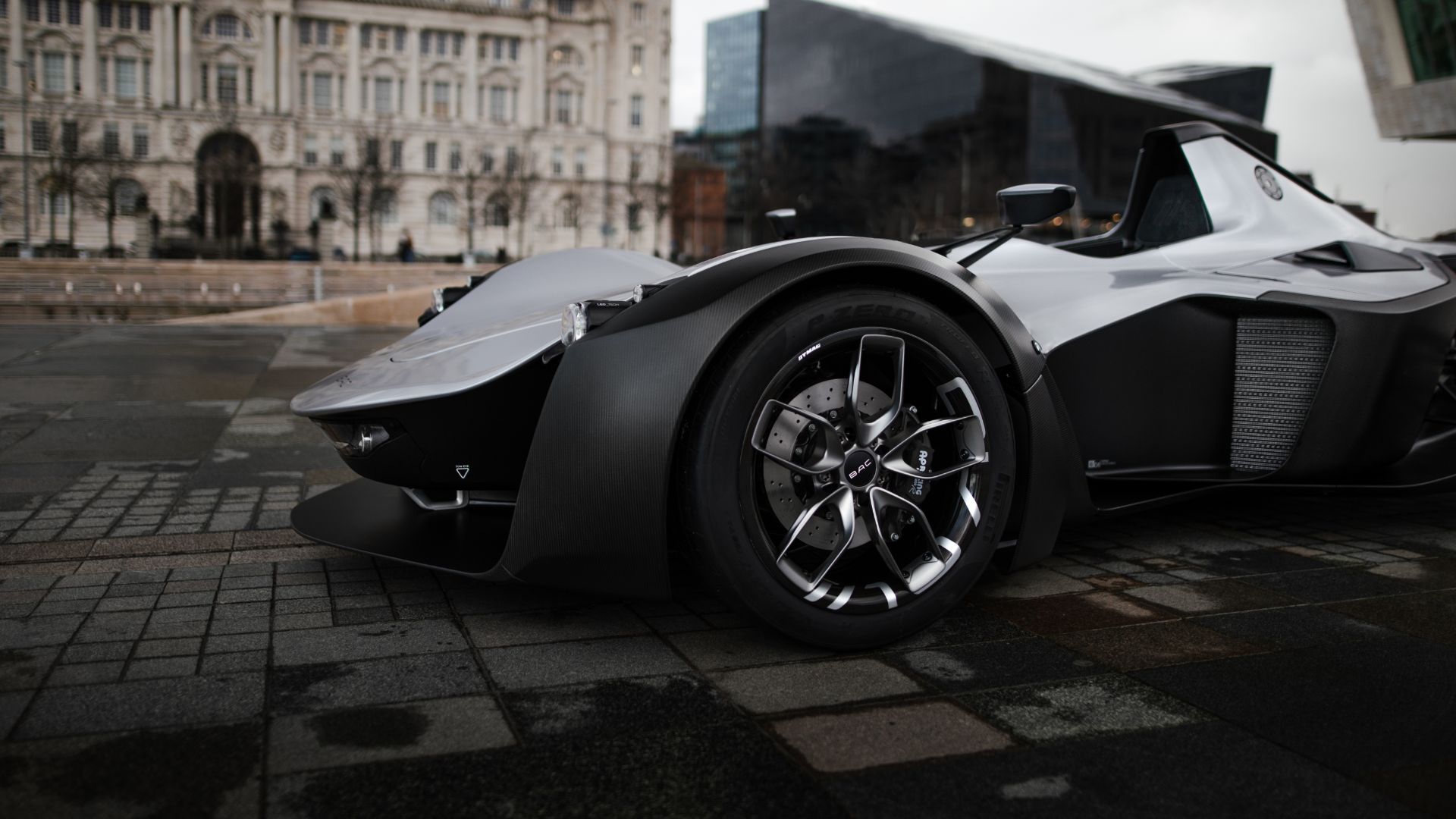
BAC has updated its Mono supercar for 2020. And while it looks similar, BAC has gone through its road-legal single-seater with a fine-tooth comb. The result promises to be even more focused and exciting.
The Mono was always a very single-minded machine, and the refreshed car sticks to that philosophy, improving on it where possible. Progress here means a little more power, no added weight, less frontal area and reduced visual mass.
If the first Mono already looked lean, this one appears primed for track-day action. The figures suggest as much. It will reach 170mph, hitting 60mph in 2.7 seconds along the way.
Weight drops by 10kg to just 570kg. This, in spite of more going on under the skin to make it meet European regulations. How does the Mono stop red tape from weighing it down? Innovation.
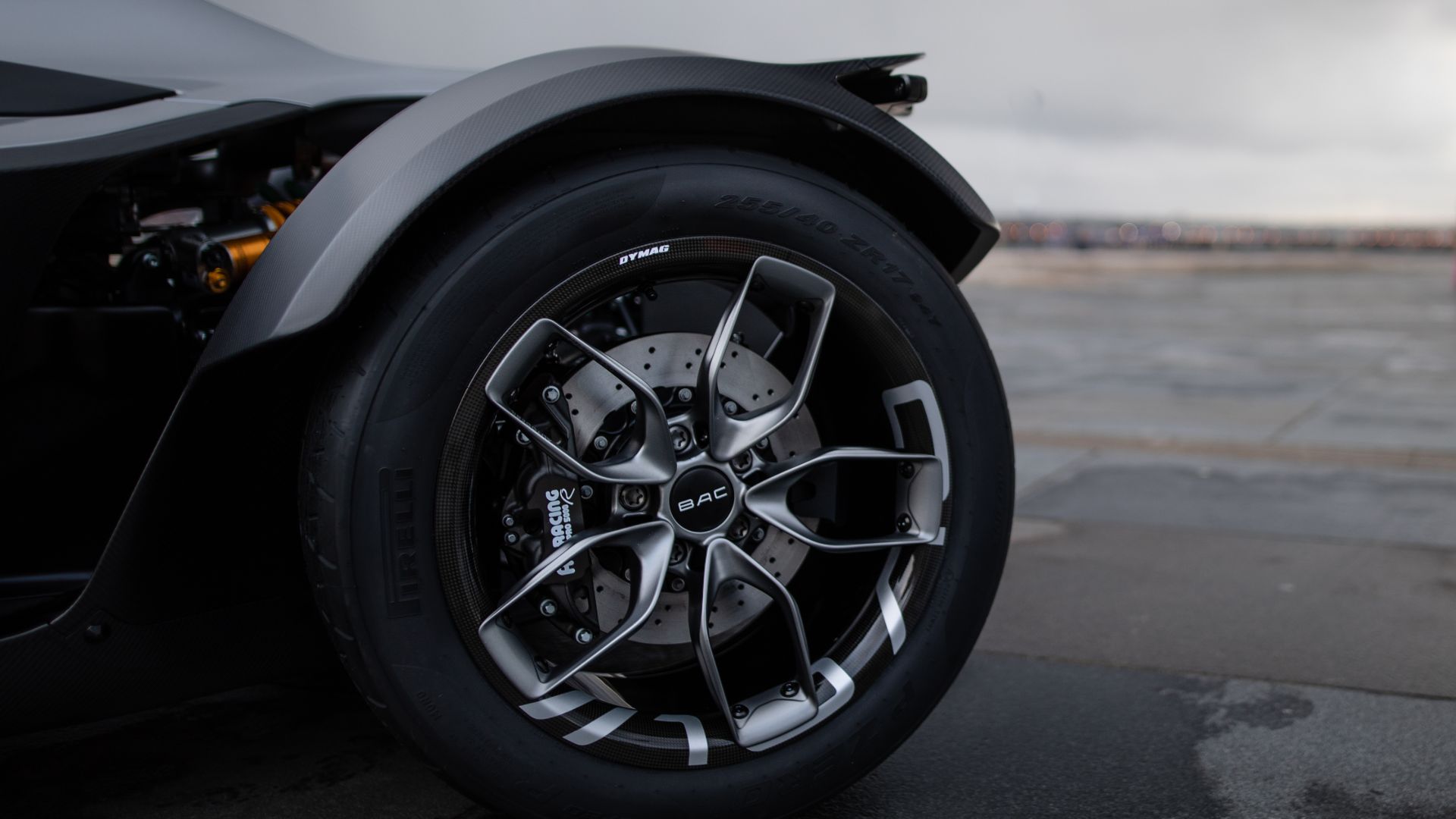
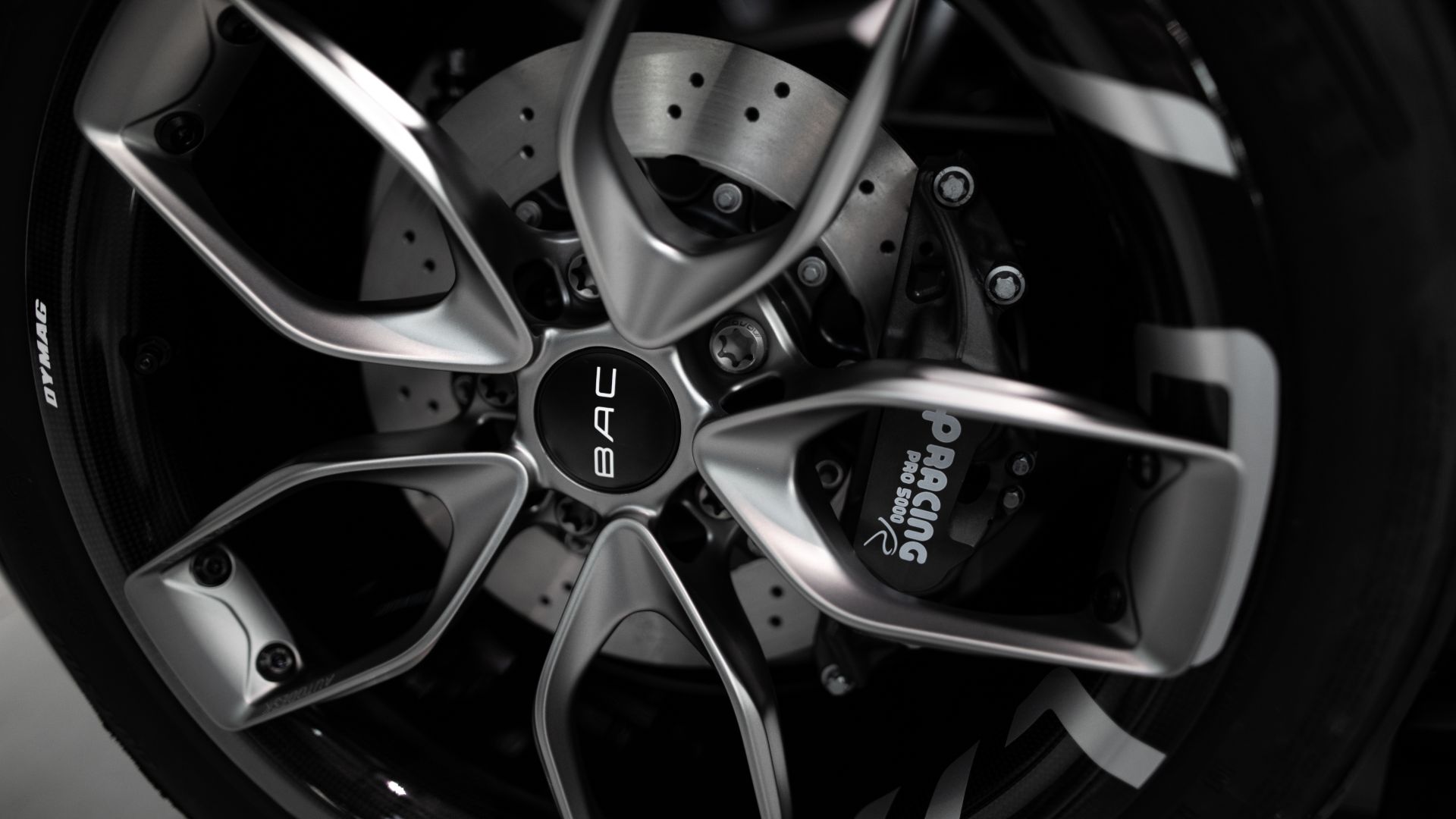
New wheels save 1.22kg of unsprung mass each, and are 35 percent lighter than those on the outgoing Mono. AP Racing brake calipers are carried over from the special edition Mono R, while carbon-ceramic discs save 2.55kg of weight per corner.
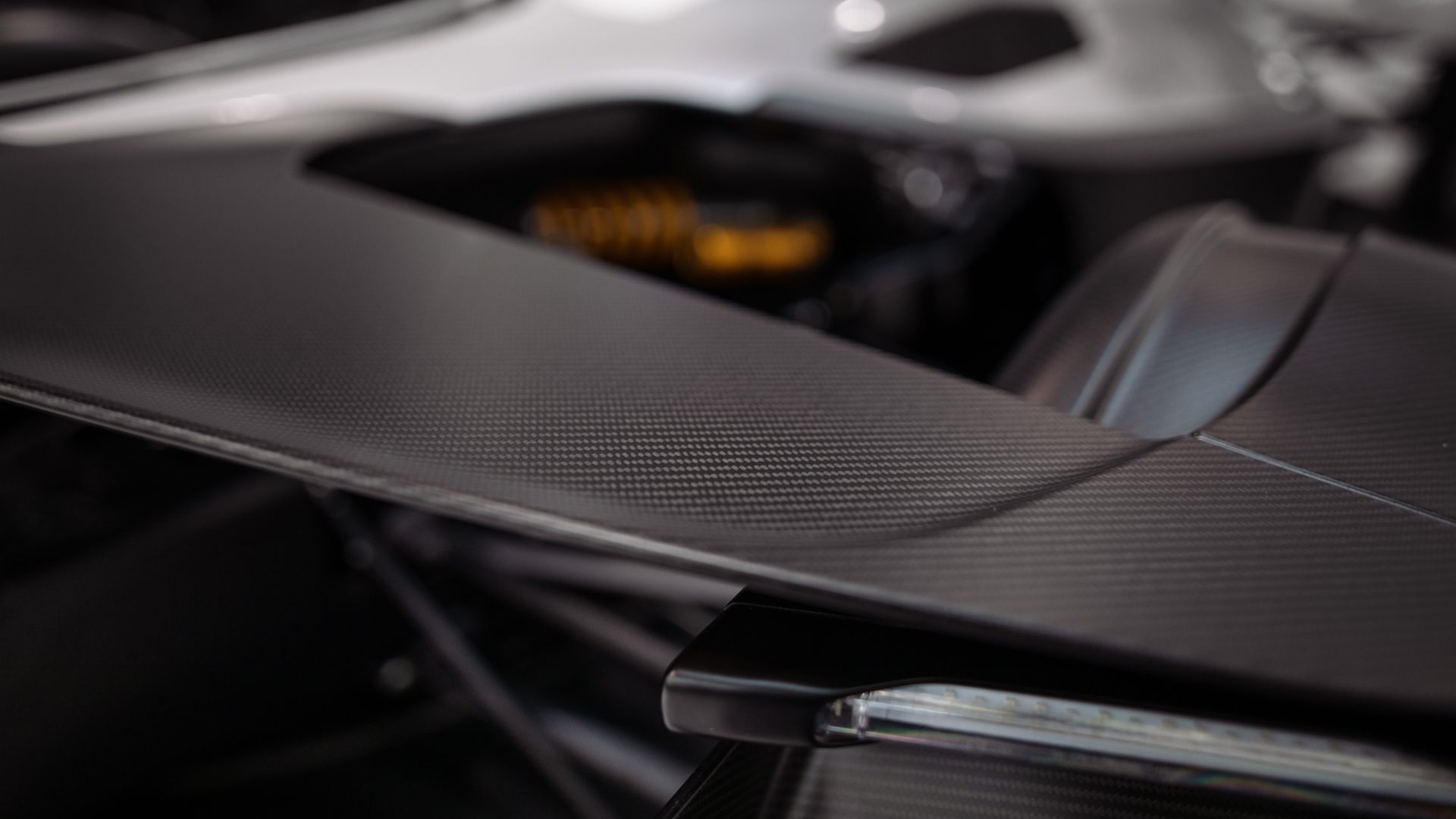
The new car also uses graphene-enhanced carbon fibre, a breakthrough made via BAC’s research and development projects. It represents a structural, mechanical, thermal and mass improvement versus ‘normal’ carbon for every piece of the car.
Additive manufacturing is also used extensively used on the Mono, with more than 40 components being 3D-printed.
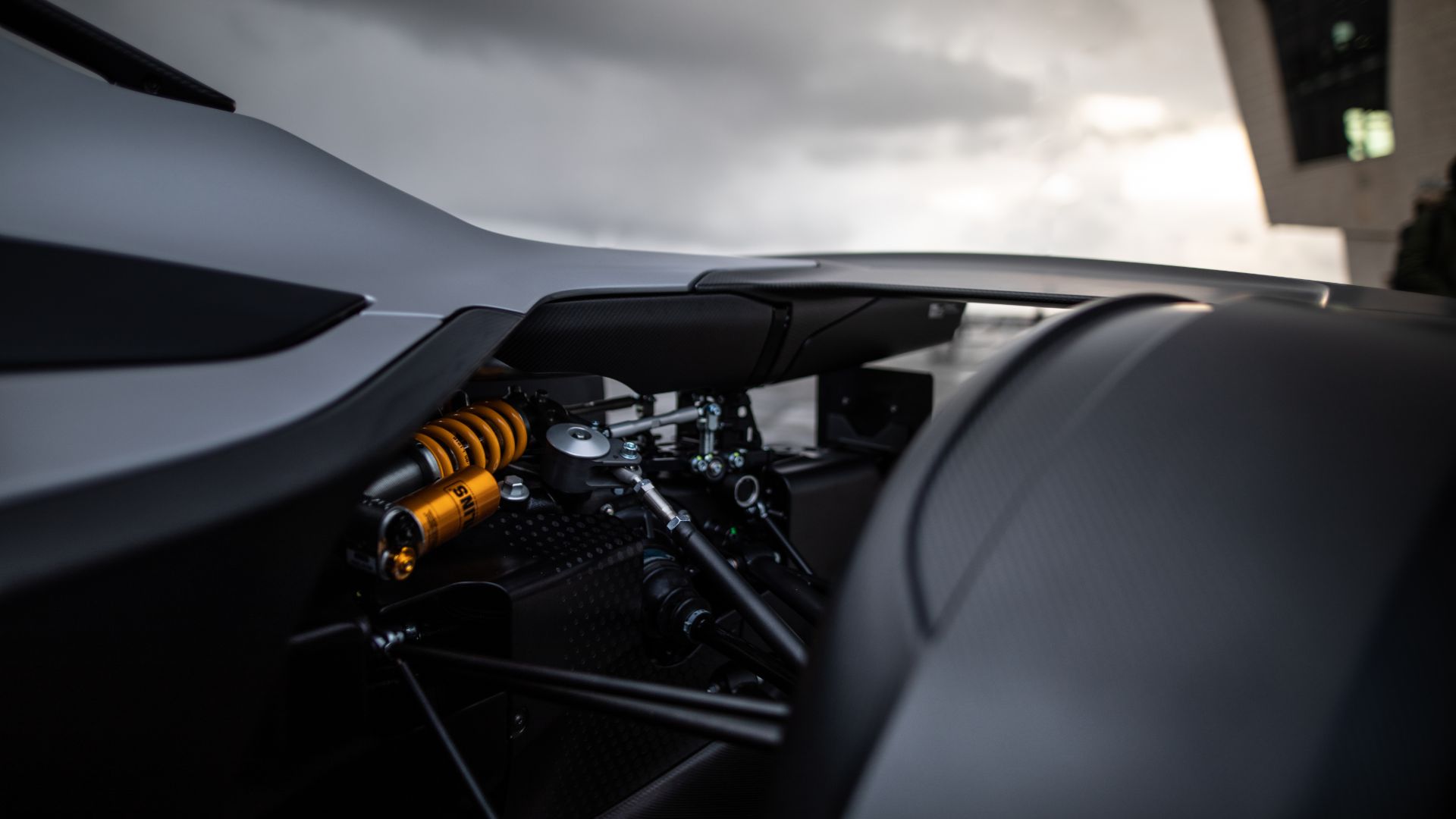
The weight has been shifted around in the car, too. A new dry-sump oil system gets the engine’s mass lower down, as does a lowered fuel tank. Even the battery has been placed under the driver, to achieve what BAC describes as ‘near-perfect’ weight distribution.
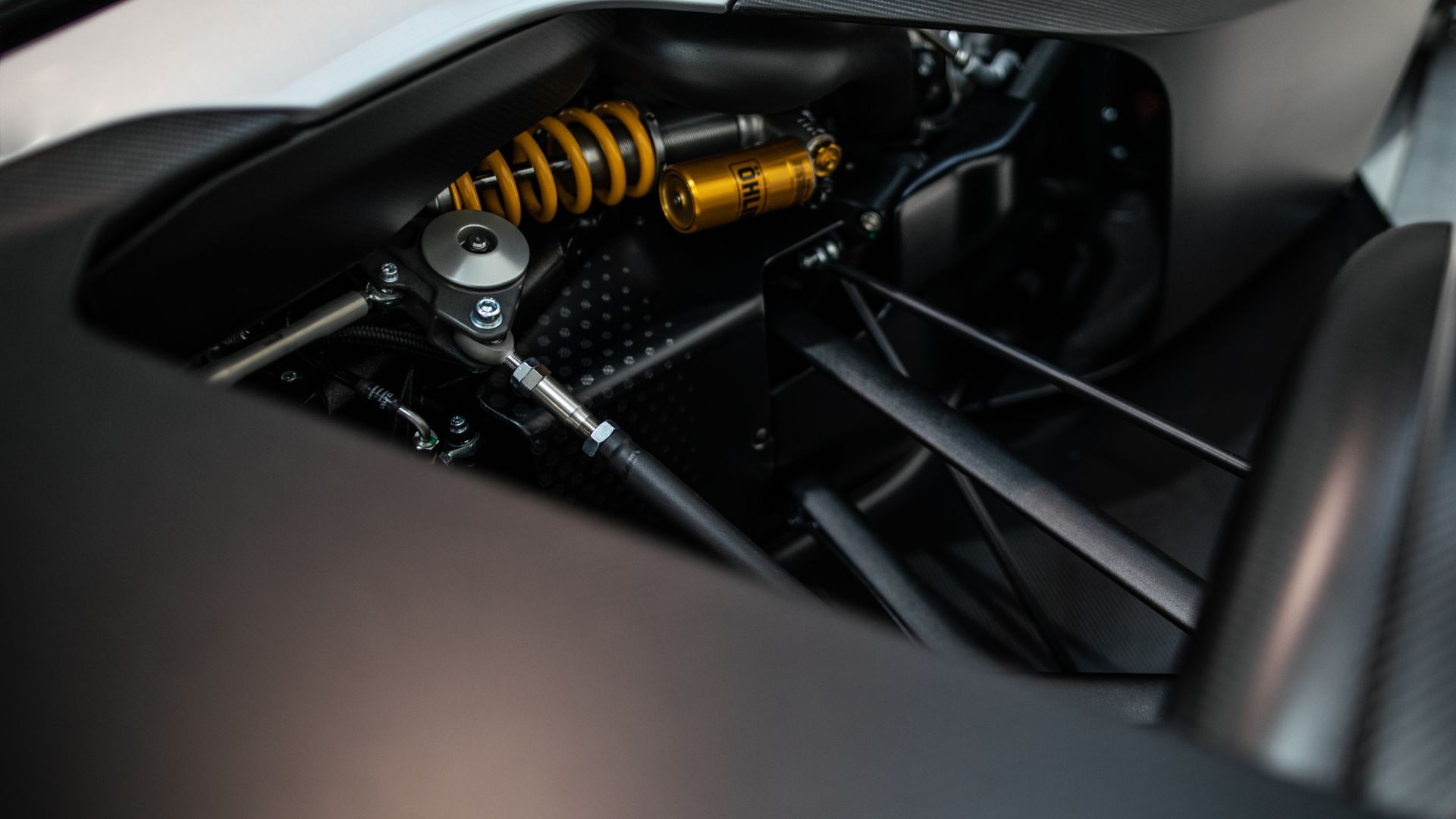
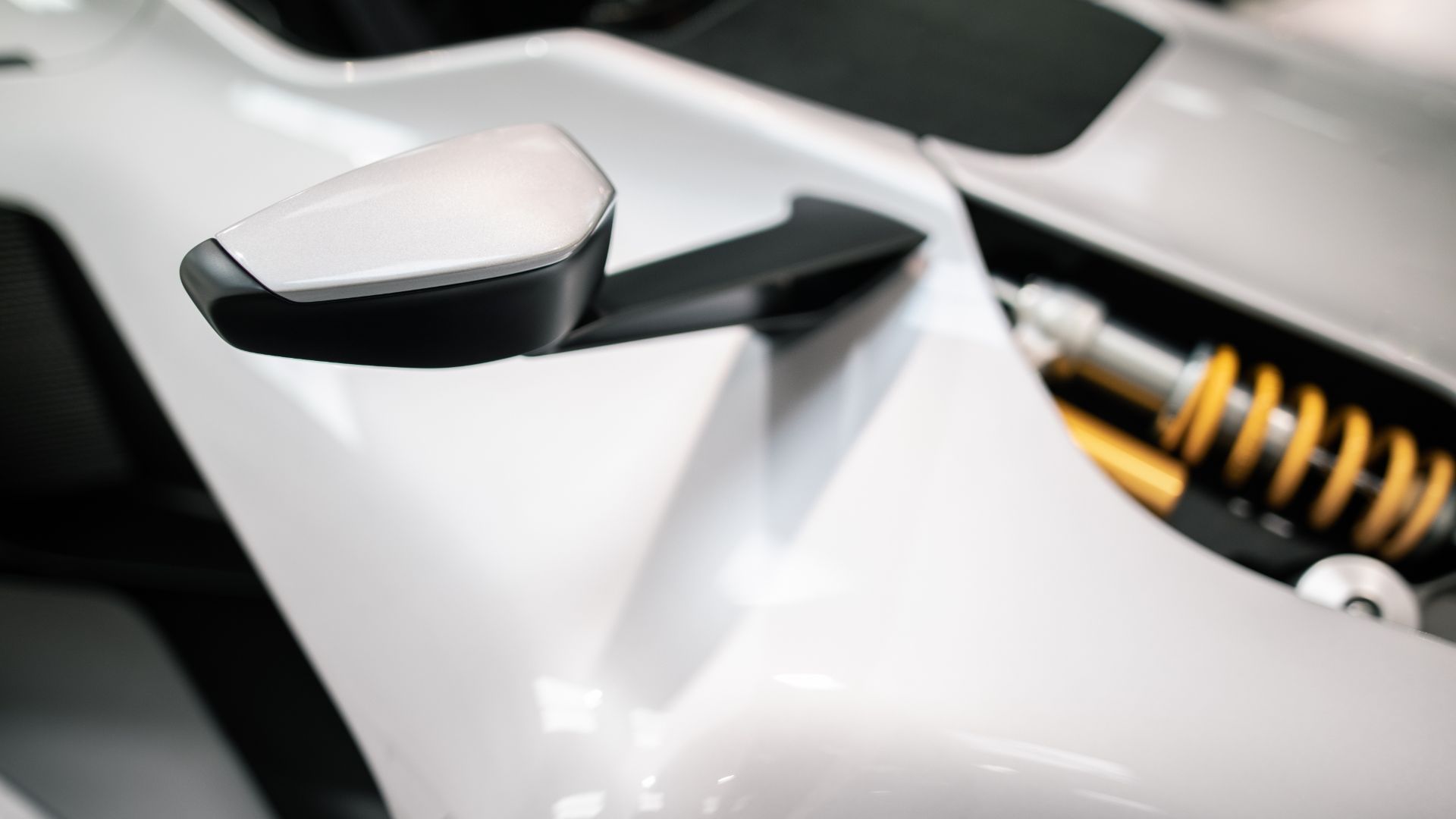
The car features two-way adjustable Ohlins dampers to handle what little weight the Mono does still have in corners. Grip comes courtesy of special Pirelli Trofeo R tyres, a standard fitment to all Monos. For reference, these were an optional extra on the McLaren P1.
So with what little excess weight the original Mono had removed, and the rest repositioned, the next upgrade was more power. While 340hp sounds like a hot hatch number, it’s plenty in a car a third of the weight of a Ford Focus RS. It’s also more than 30hp healthier than the outgoing model, with an EU6D emissions-compliant 2.3-litre turbocharged engine.
Yes, for the first time, the Mono comes with a turbocharger. The new engine was developed by Mountune, including its dry-sump system.
The Mono, much like the Ariel Atom, is very specific in its design brief. The way it looks is largely dictated by function, and what body panels it doesn’t need, rather than what can be restyled. Still, the new car enjoys a mild update.
In terms of dimensions, there is a change. It’s now 25mm longer and 20mm lower. Body surfaces have been completely redesigned, achieving ‘a more organic, lighter aesthetic’.
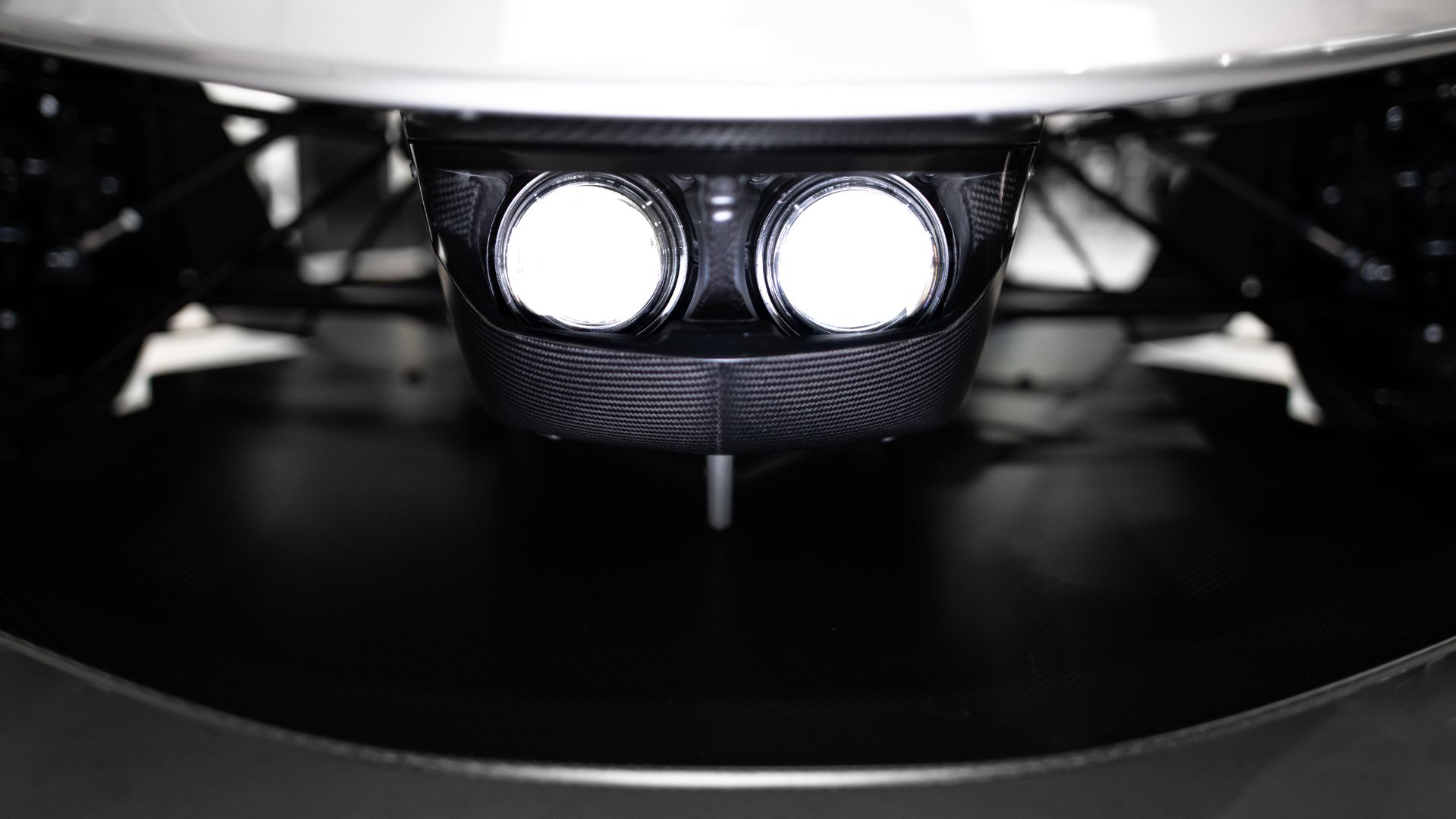
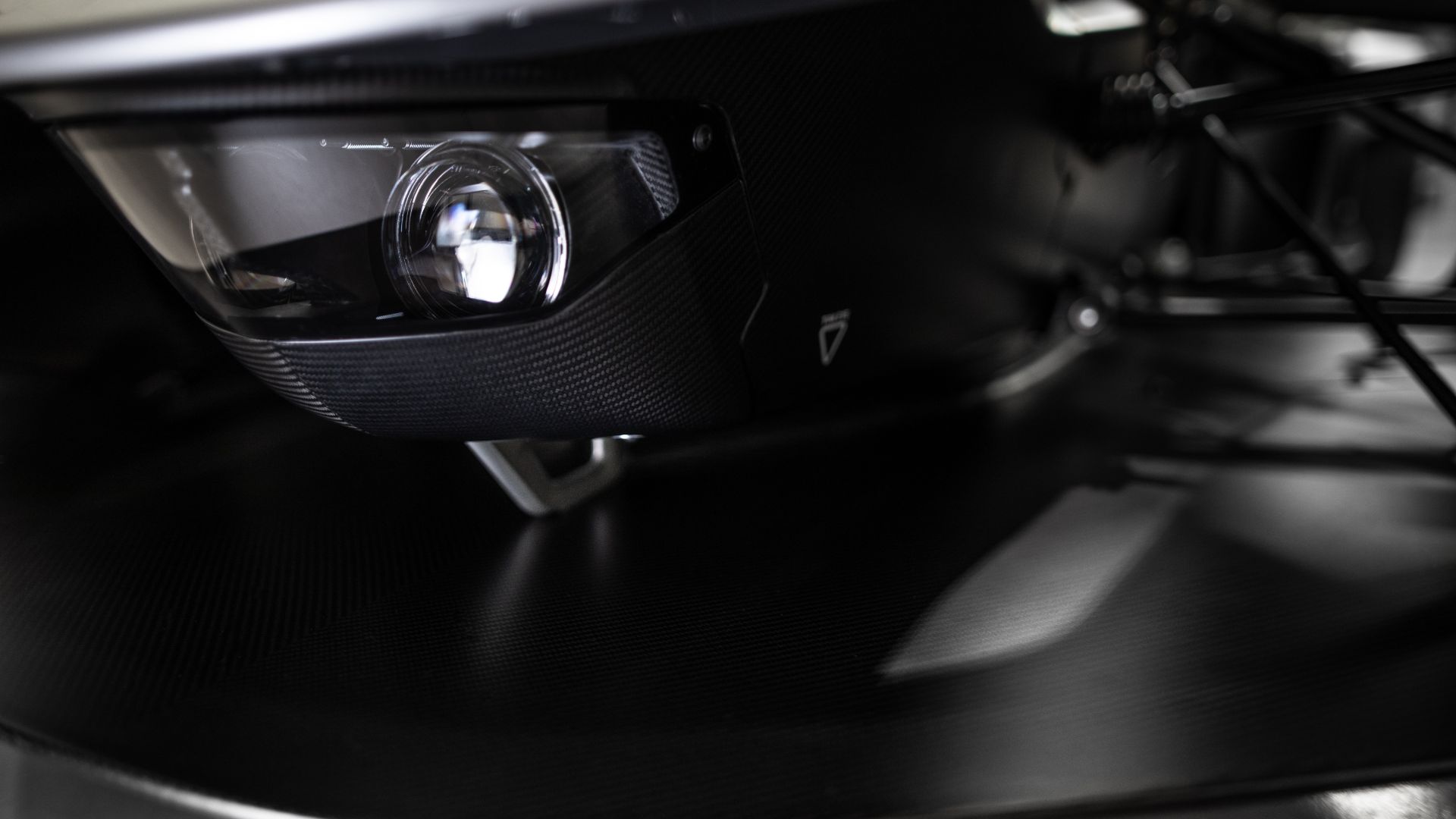
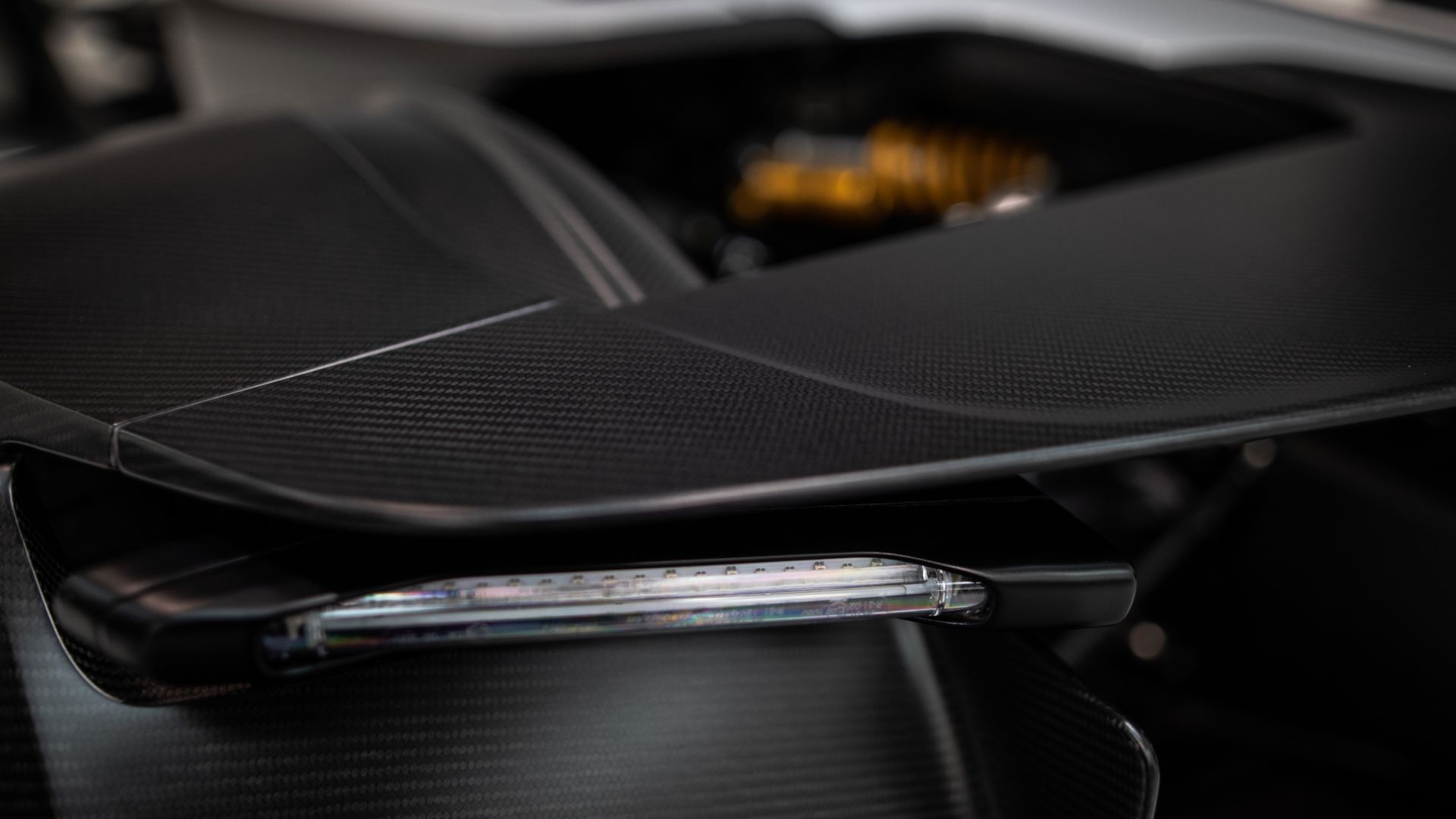
The ‘shark nose’ reduces frontal area and improves aerodynamics, plus it has new LED lighting. As does the rear, which is now narrower, while the larger spoiler extends over the wheelarches. These are more aerodynamically efficient and the side pods are wider, joining the spoiler from their introduction on the Mono R.
The idea of passing as much air through a car, rather than over it, is a popular aerodynamic ethos at the moment. The Ford GT, Honda NSX, various McLarens and Aston Martin Valkyrie all follow in the footsteps of the Mono in this respect.
The final number is the least appealing. That’s the price. If you’re sure you don’t want that Porsche 911 Turbo or McLaren 570S, the new Mono starts from £165,950. If you’re not UK-based, BAC also points out that the new Mono is fully road-legal across continental Europe and around the world.
2020 BAC Mono – the key figures
Top Speed: 170mph
0-60mph: 2.7 seconds
Power: 332bhp
Torque: 400Nm+
Weight: 570kg
Power-to-Weight ratio: 582bhp per tonne
Price: From £165,950
“When it came to designing the new-generation BAC Mono, we didn’t just want to set a precedent for the evolution of Mono – we wanted to set a totally new bar for supercar design,” said Ian Briggs, design director at BAC.
“The flowing, functional shape that’s full of undeniable Mono DNA is lighter-looking, more simplistic and cleaner than ever before, with a reduced frontal area and thinner surfaces throughout. Making the second Mono was always going to be a challenge – much like the ever-anticipated second album of an artist – but we’re confident the stunning look, innovation and driving experience of the new BAC Mono will more than meet the demands and expectations.”
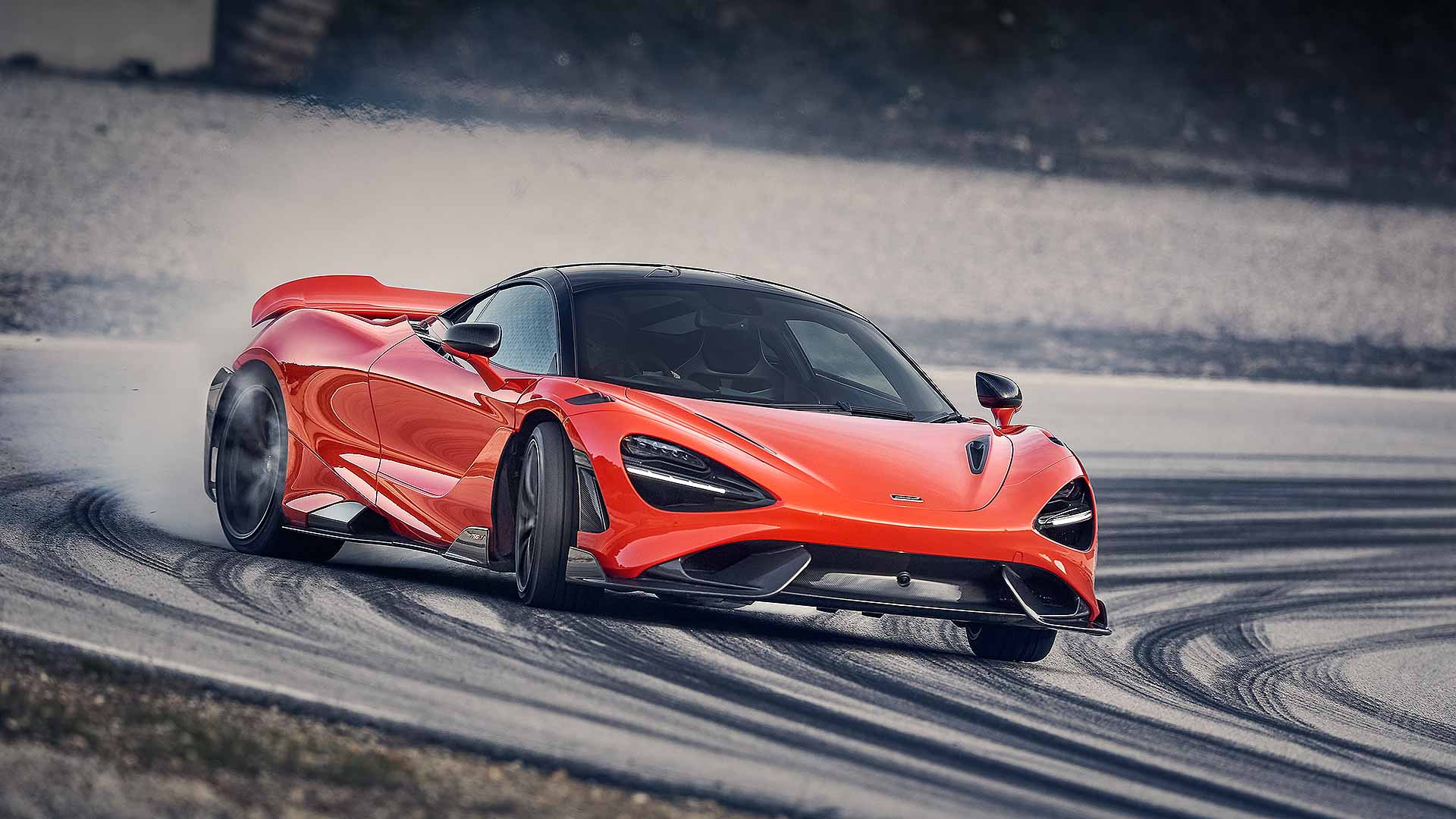
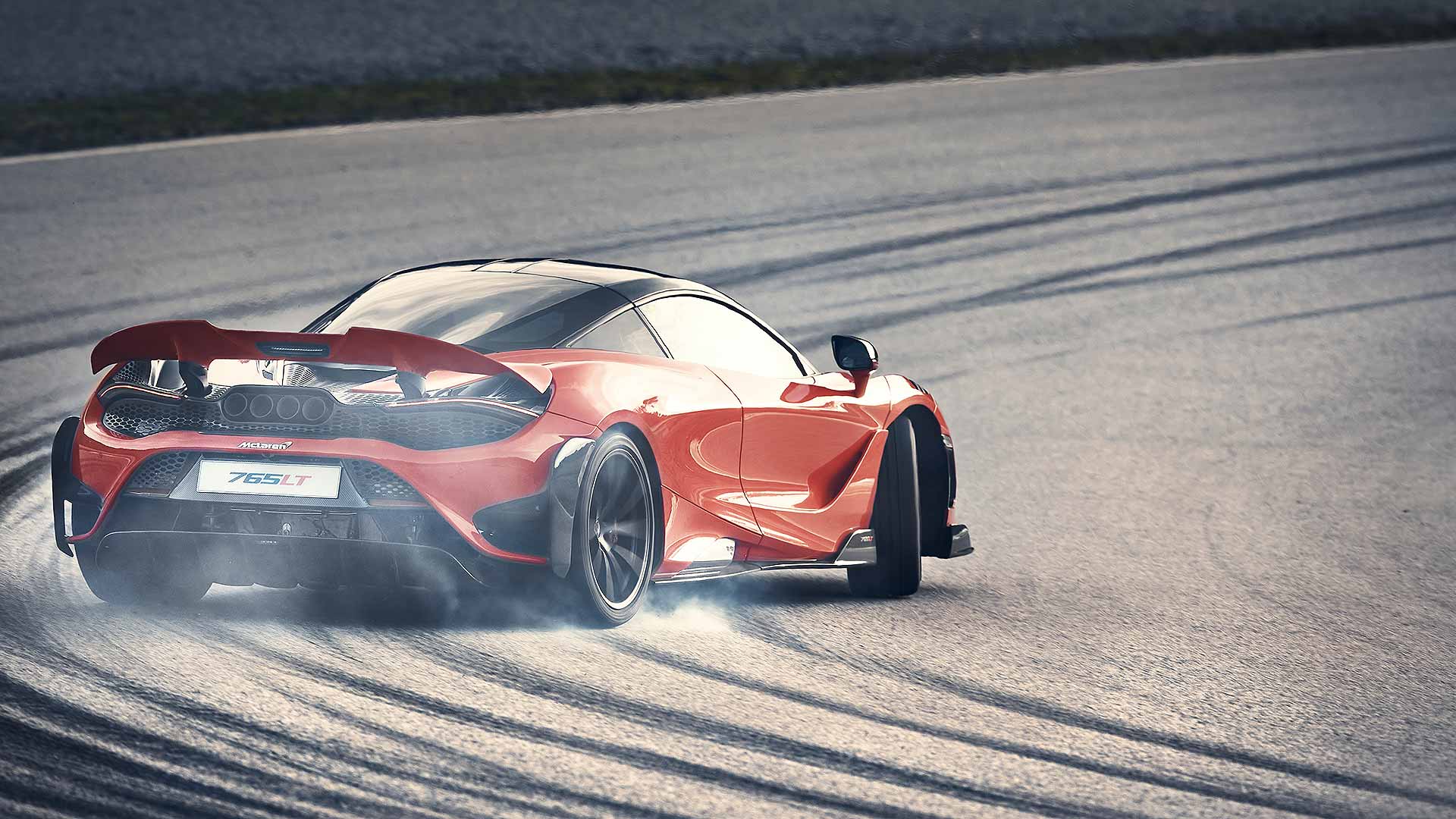
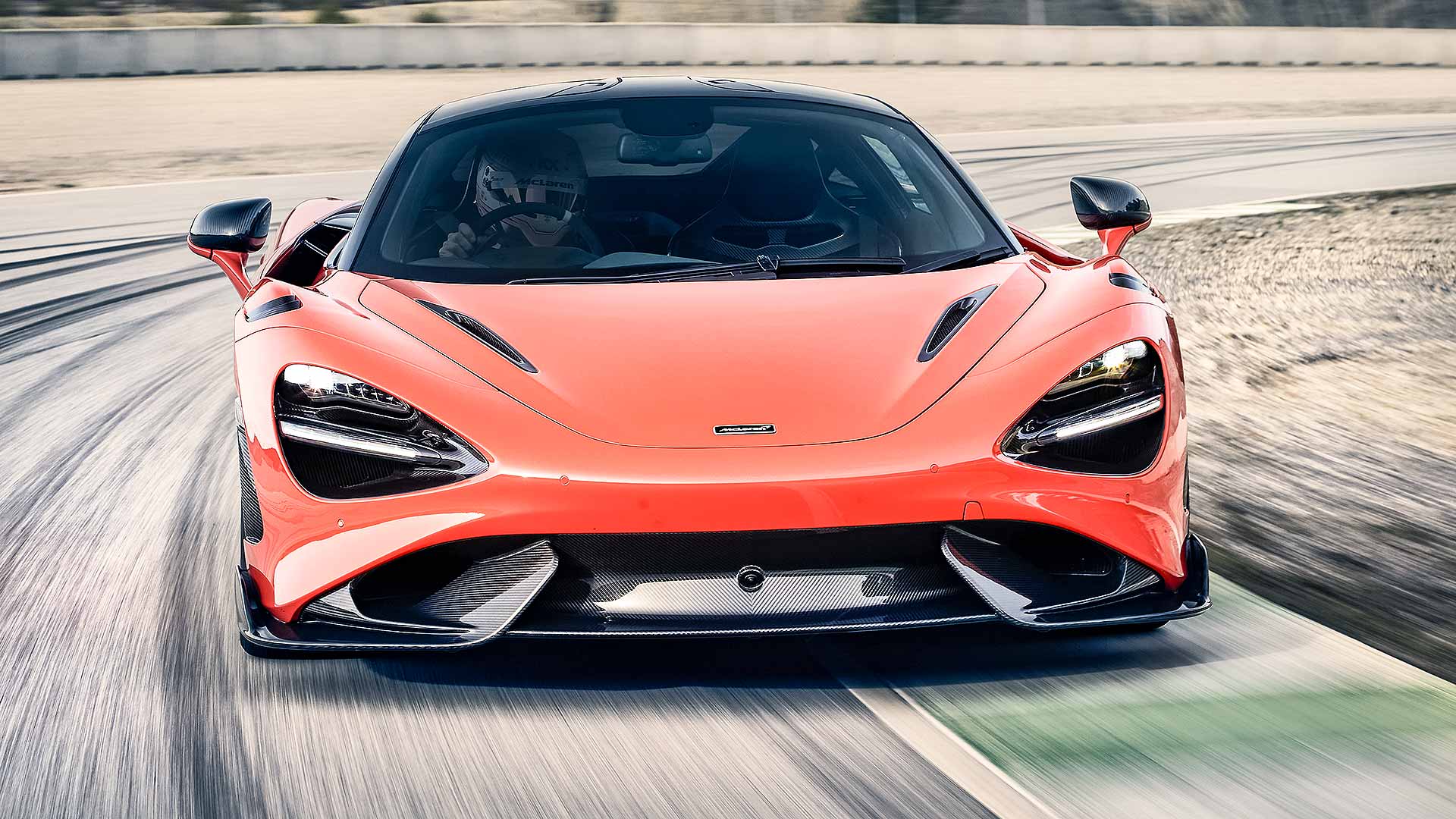
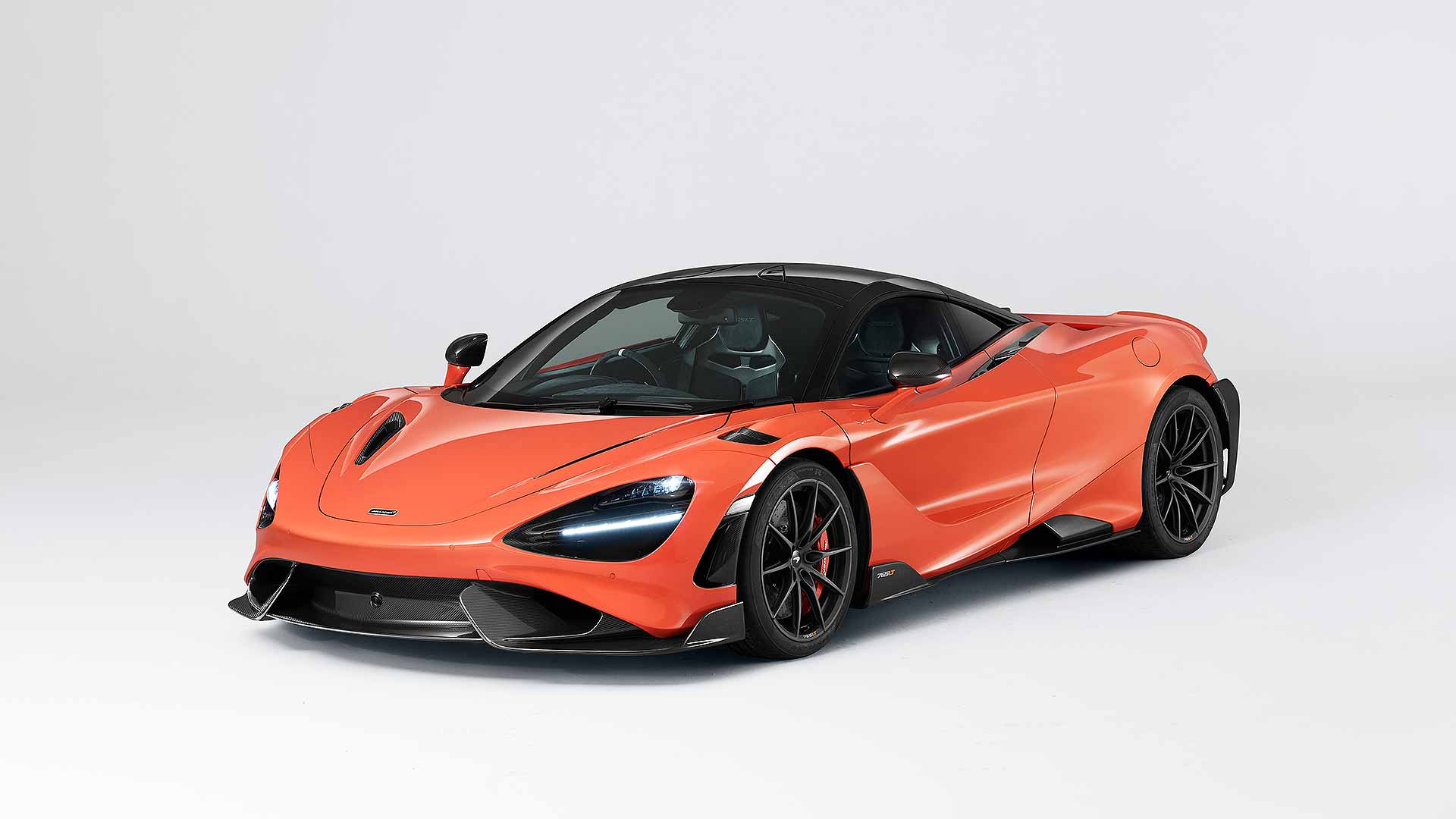
The press release for the McLaren 765LT contains around 6,000 words. This makes it a heavyweight among the press packs for cars that were to be unveiled at the 2020 Geneva Motor Show.
Six-thousand words is too many. Given the obsessive way in which McLaren has focused on the weight of the 765LT, it should have been written in text speak and bullet form. Srsly, Cln Chpmn @ Lts hs gt nthng on da McLaren 765LT.
Adopting every weight-saving measure available when specifying a 765LT results in a dry weight of 1,229kg.
It almost seems wrong to add a driver. If you want to be one of the 765 customers, may we suggest going on a diet before taking delivery? Either that or drive naked. Every kilogram counts.
The 765LT is 80kg lighter than the 720S coupe, but you’d probably expect this from a ’Longtail’ McLaren. What’s more impressive is how this weight saving has been achieved.
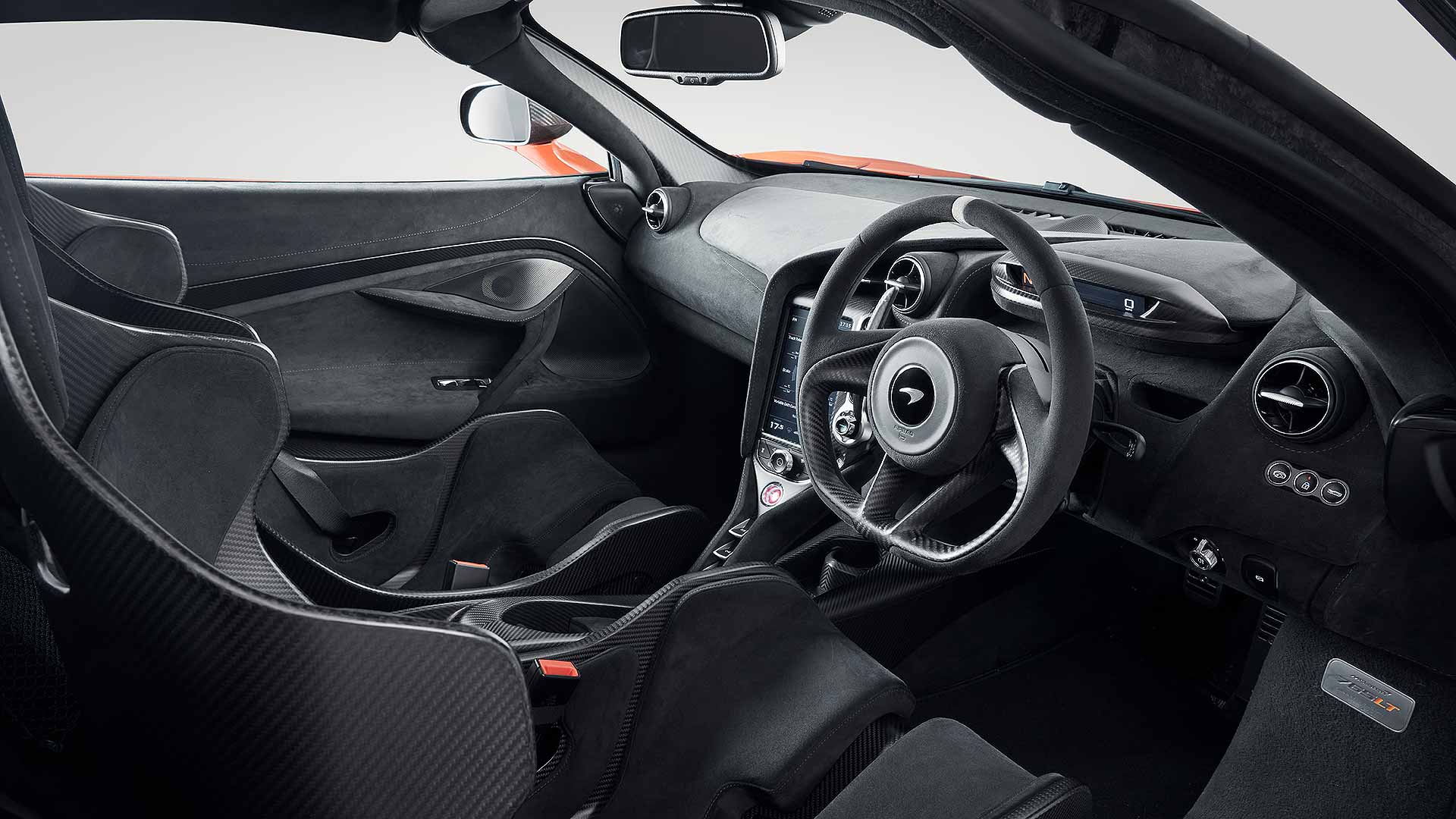
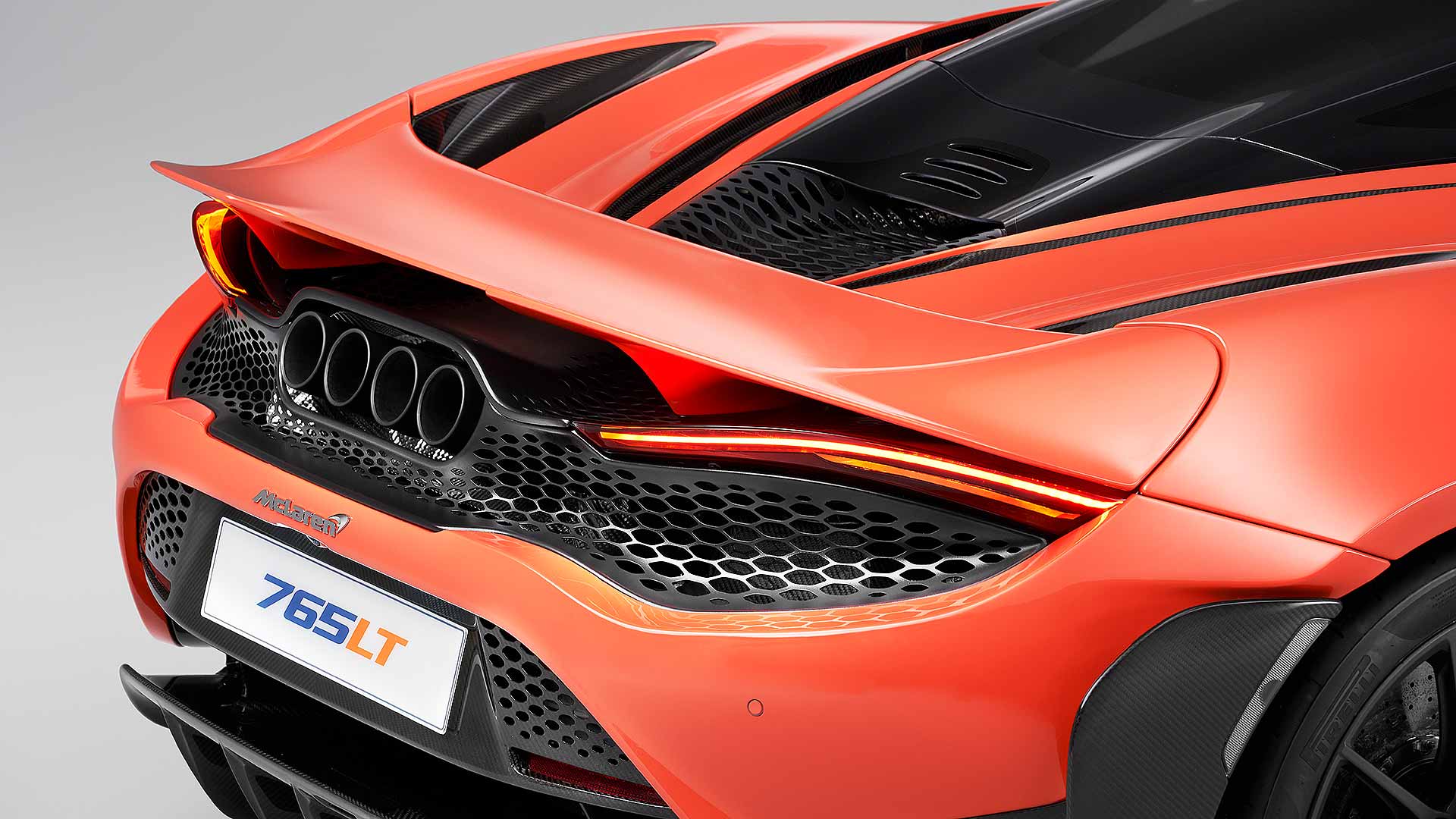
The number plate holder is made from carbon fibre. The window switch surrounds are made from carbon fibre. Door stowage nets replace hinged doors. The thickness of the side window glass has been reduced. The windscreen is thinner. Even the battery is 3kg lighter than the battery in the 720S.
Air conditioning and an audio system can be specified, but doing so will result in the sound of a collective sigh coming from the Woking direction.
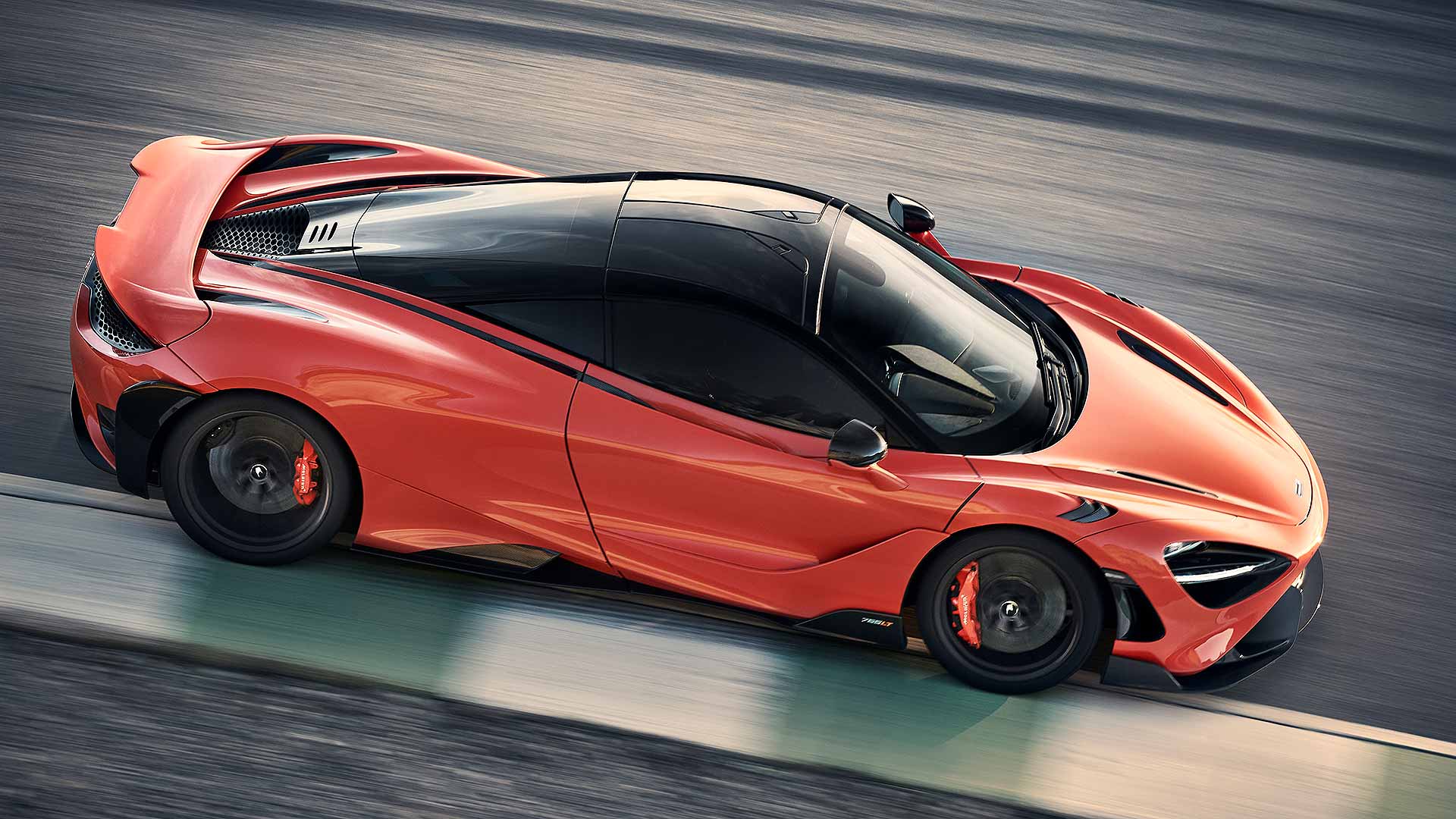
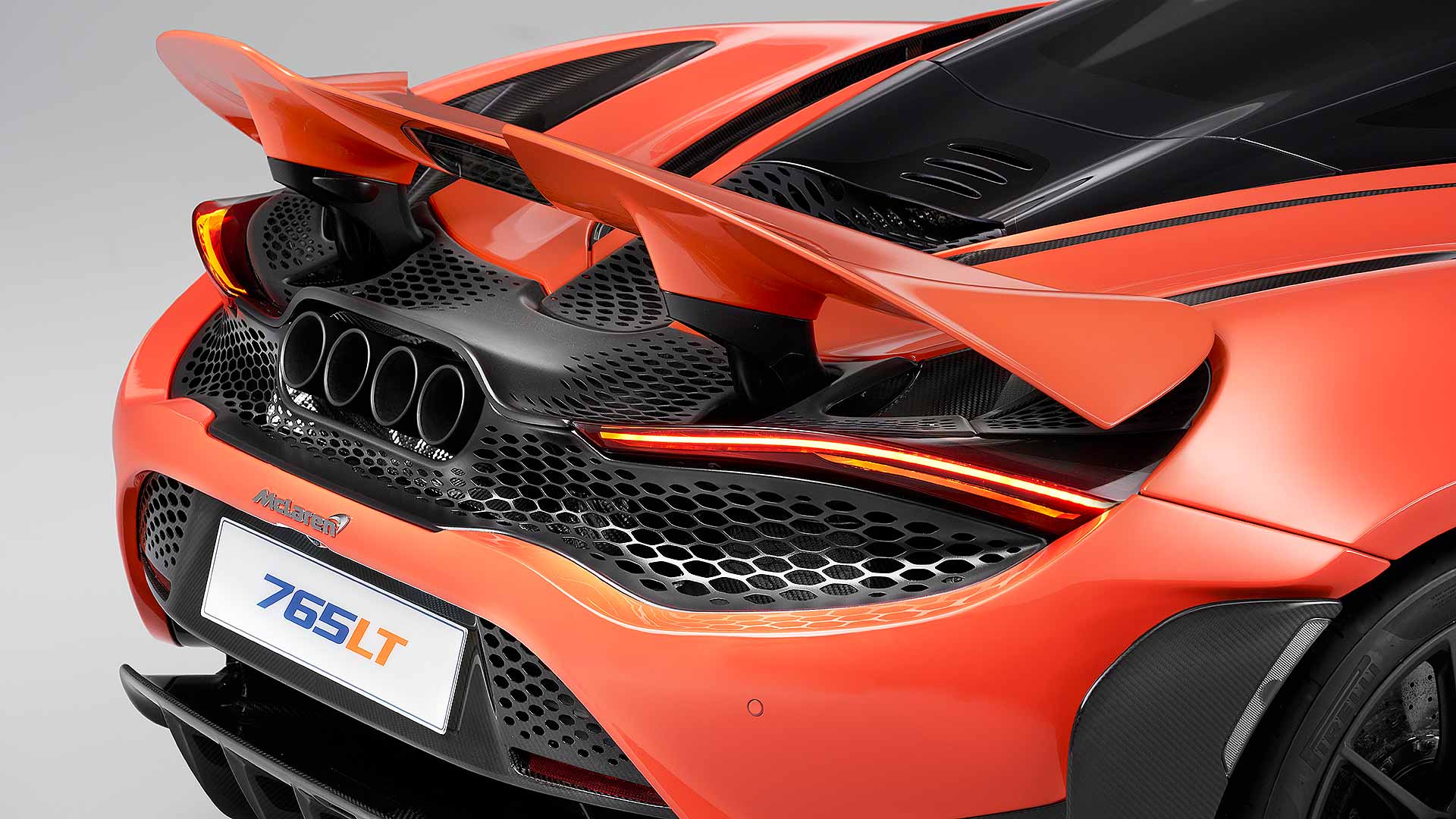
Some elements of the McLaren 765LT are carbon fibre as standard. These include the front splitter, front bumper, front floor, side skirts, rear bumper, rear wing and lengthened rear diffusers. Others are lightweight aluminium as standard, but can be optioned as carbon fibre if required. Examples include the bonnet, front wings, doors and rear wings.
On the inside, McLaren has used Alcantara trim, while there is no carpet on horizontal floor areas. To achieve maximum lightness, you’ll need the optional carbon fibre racing seats designed for the McLaren Senna.
The most powerful road-legal Longtail to date
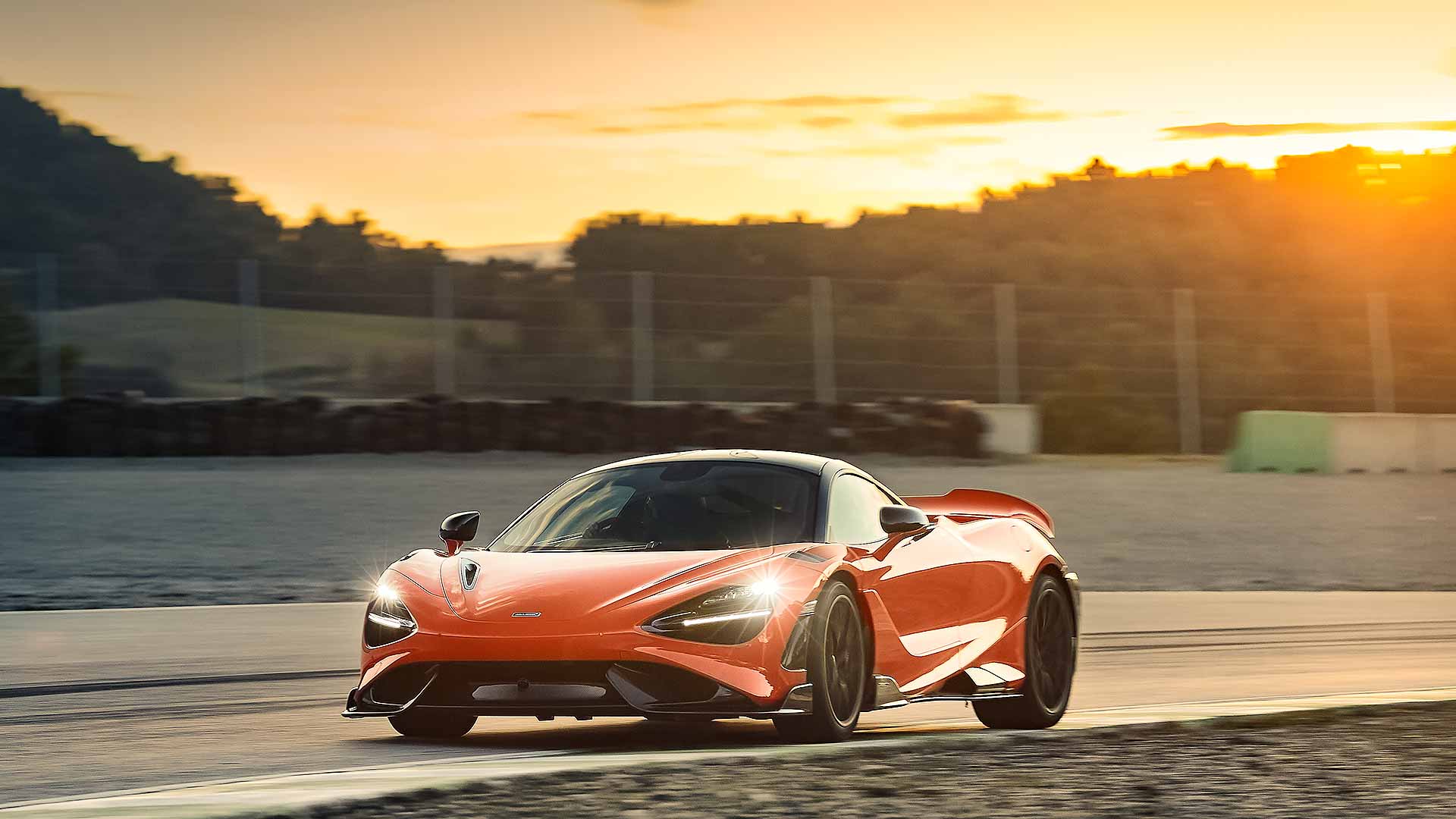
The subheading says it all. The McLaren 765LT is powered by a 4.0-litre twin-turbocharged V8 producing – predictably – 765hp at 7,500pm and 590lb ft of torque at 5,500rpm. McLaren says the shift times from the seven-speed transmission are 15 percent quicker than the 720S.
It’ll sprint to 62mph in 2.8 seconds before hitting a top speed of 205mph.
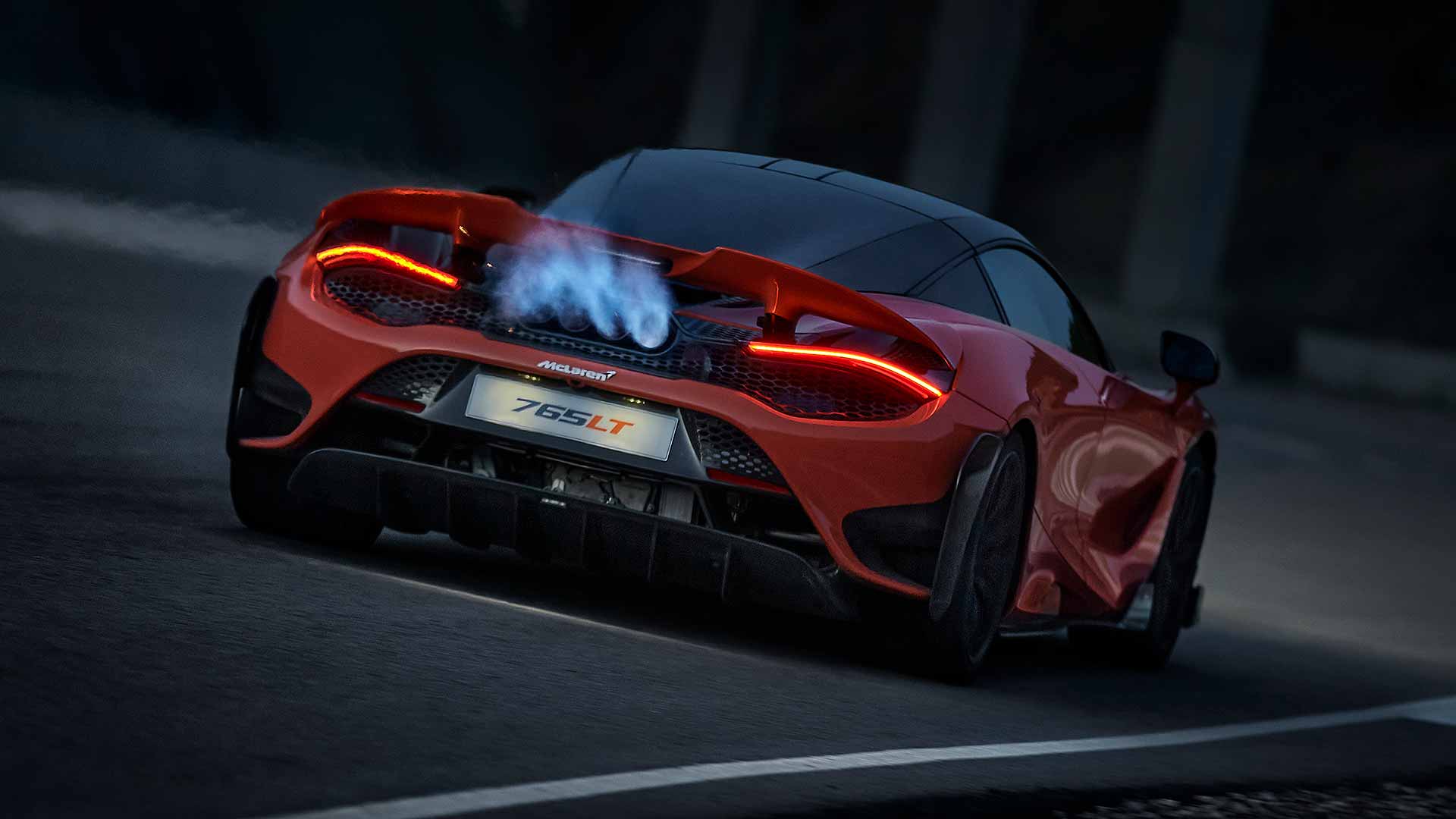
The full-titanium, quad-exit exhaust delivers the ‘precise harmonic content required to create a high-pitched, engaging note that becomes sharper and sharper as it builds to an incredible crescendo’. There are no tailpipe finishers – because lightness.
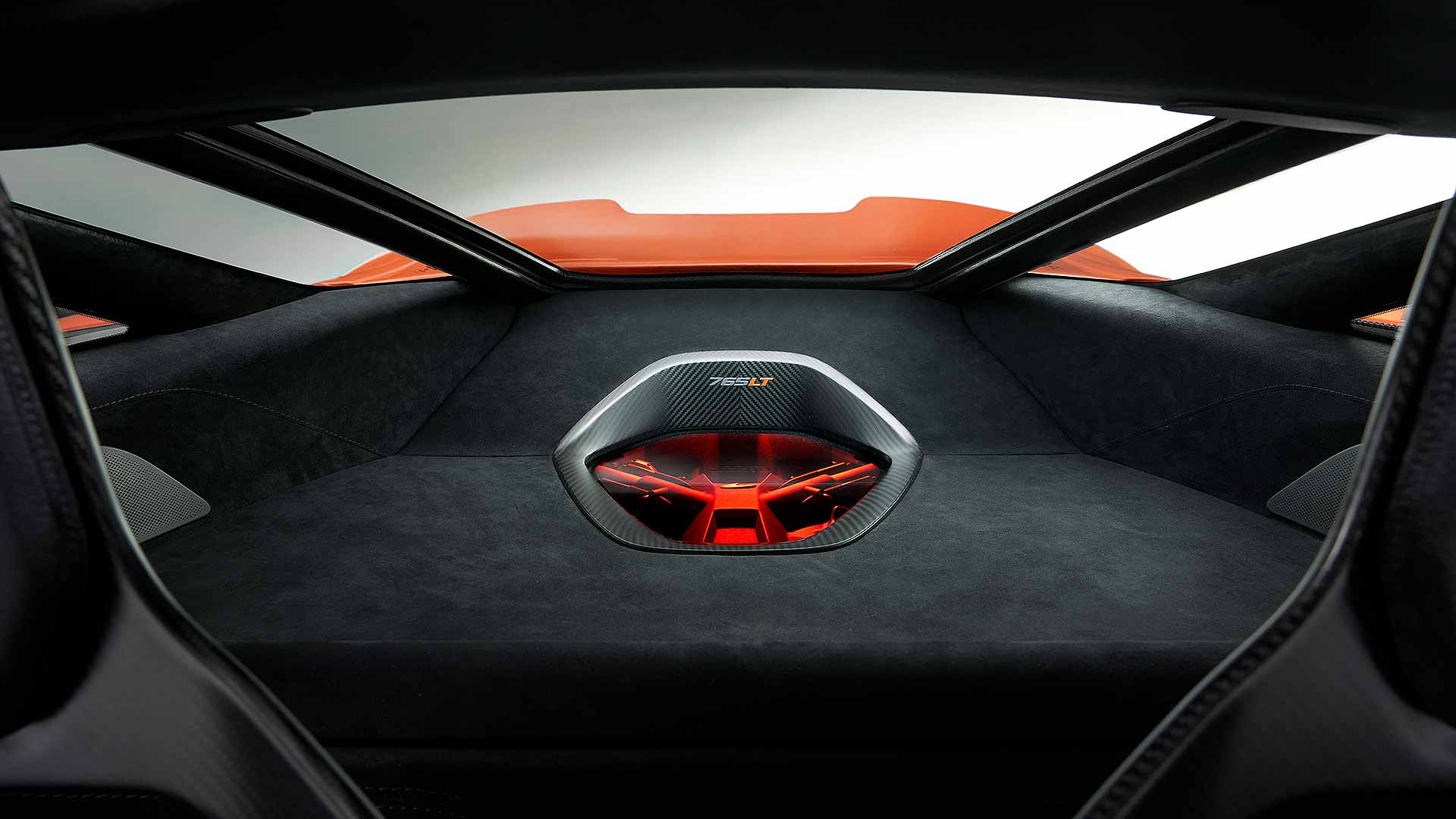
An optional double-glazed panel within the rear luggage shelf allows the engine to be viewed over the driver’s shoulder. A 765LT-branded carbon fibre frame supports the glass screen to showcase the McLaren logo on the plenum. Crucially, from a posing perspective, the engine can also be viewed from the outside, although privacy glass can be specified.
Aerodynamics and driver engagement
McLaren is promising ‘dynamic ability and precision’ on road and track. Highlights include quicker steering with more feedback, with the suspension honed using experience gained with the Senna and Speedtail. The front ride height is reduced by 5mm, while the front track is 6mm wider.
The extended front splitter and longer active rear wing work in conjunction with the carbon fibre floor, door blades and extended rear diffuser to deliver 25 percent more aerodynamic downforce than the 720S. The active rear wing also aids cooling by drawing hot air out of the engine bay.
The rear wing has three positions with deployment settings bespoke to the 765LT. ‘Driver Downforce’ is engaged when the ‘Aero’ button is pushed, increasing downforce levels during high-speed cornering. DRS delivers drag reduction when acceleration.
Finally, ‘High Speed Braking’ deploys the active wing in less than half a second, increasing rear downforce by more than 60 percent.
McLaren has also introduced a ‘limit downshift’ transmission function on the 765LT. The system will acknowledge the downshift request and will change the gear when the engine and road speeds can be harmonised.
Braking comes courtesy of carbon-ceramic discs, and calipers from the McLaren Senna, with F1-style integrated caliper cooling introduced on the 765LT. McLaren says brake pad temperatures are reduced by up to 50 degrees on the track. Speaking of which, a track brake upgrade adds carbon-ceramic discs from the Senna and bespoke LT brake pads.
The wheels are 10-spoke ultra-lightweight forged alloys created for the 765LT. They’re 22kg lighter than the wheels fitted to the 720S and are wrapped in Pirelli P Zero Trofeo R tyres.
First McLaren 765LT deliveries in September
It would be glutinous to add options and accessories to a car displaying such obsessive levels of weight reduction, but we suspect many McLaren 765LT owners will find it hard to resist ticking a few boxes.
An eight-inch infotainment screen is fitted as standard, but a four-speaker audio system can be specified if required. A Bowers & Wilkins sound system developed for the McLaren Super Series is a further upgrade, as is a reversing camera, park assist and remote opening of up to three garage doors or house gates.
There are also eight interior colour themes, a choice of 17 exterior paint colours, along with a wealth of personalisation options available via the McLaren Special Operations catalogue. Track-focused owners might wish to add the Clubsport or Clubsport Pro packs.
Unusually for a car of this nature, it’s still possible to place an order. Just 765 will be built, with first deliveries expected in September 2020. We suspect our Tim Pitt will be one of the first in the queue when McLaren is organising press drives.
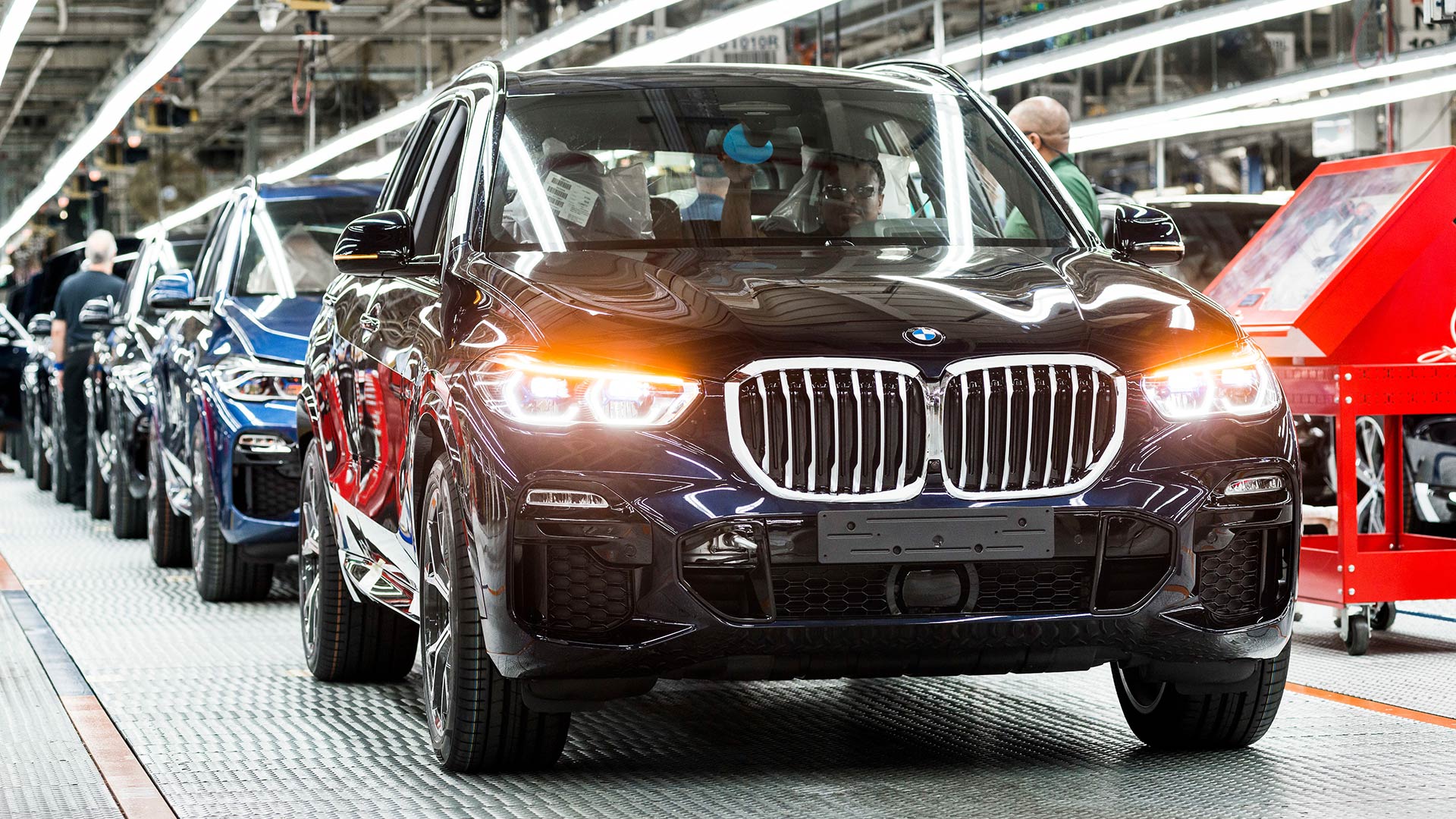
BMW Manufacturing achieved another record year in 2019, retaining the crown of largest automotive exporter by value.
Recent data released by the U.S. Department of Commerce confirmed that BMW has now held the title for six years consecutively.
It marked an impressive year of BMW Manufacturing, with the Spartanburg, South Carolina plant producing a record number of vehicles.
Exported to the world
Total exports from the Spartanburg facility during 2019 were valued at some $9.6 billion.
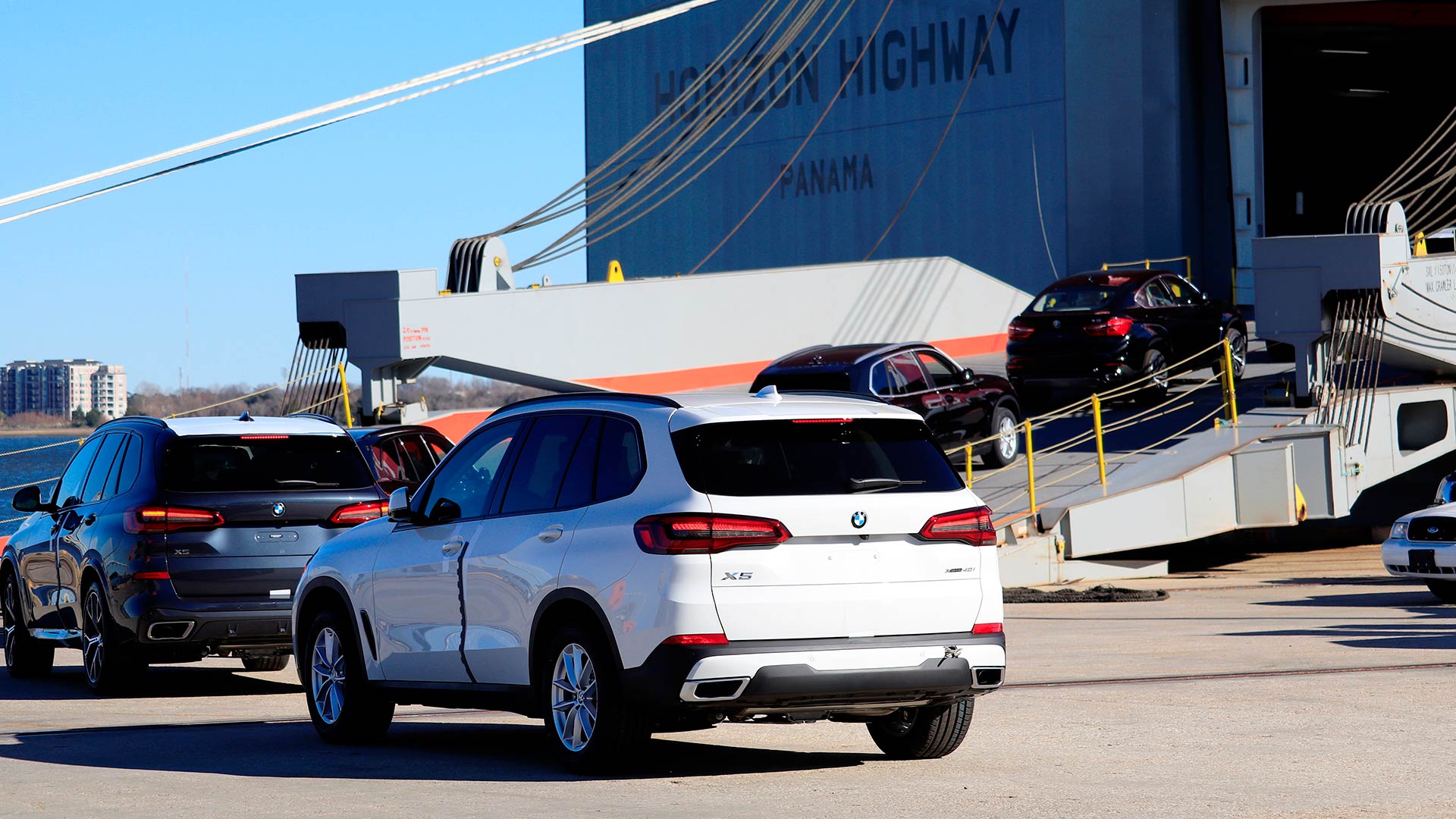
BMW Manufacturing saw 246,014 X-branded SUVs head abroad from the South Carolina factory, making use of six different ports.
Whilst the majority (195,000 units) passed through the Port of Charleston, SC., BMWs also left the country via Savannah, GA; Brunswick, GA; Jacksonville, FL; Miami, FL; and Everglades, FL. Rail travel accounted for a further 18,000 exports.
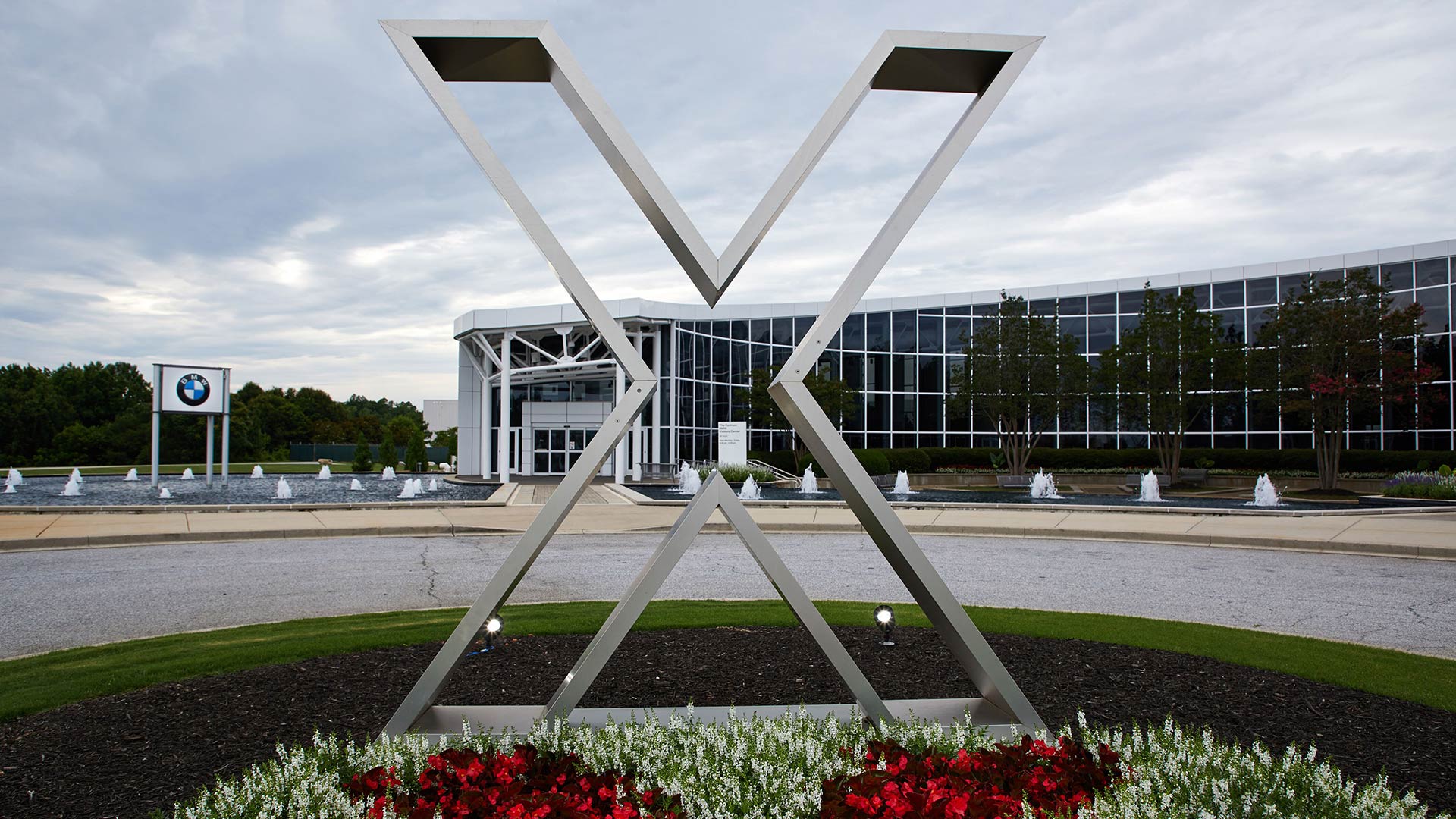
X marks the spot
Spartanburg is now responsible for producing five BMW X models, along with four performance M-branded versions. 2019 saw significant investment in battery technology at the facility.
Two plug-in hybrid models are now built by BMW in South Carolina, following on from the new $10 million production line installed last year. More than 11,000 employees now work at the sprawling factory.
This increased capacity saw BMW make more than 1,500 vehicles each day. A total of 411,620 left Spartanburg last year, marking a new production record for the facility.
Heading towards another milestone
From 2010 through 2019, BMW Manufacturing built 3,335,871 vehicles at Spartanburg. A considerable 70 percent (2,285,285) were sent abroad during the decade.
Knudt Flor, president and CEO of BMW Manufacturing, commented that “in addition to being the largest U.S. automotive exporter by value, our plant continues to be the largest facility in BMW’s global production network.
“These achievements are significant and clearly reinforce BMW’s ongoing commitment in the United States.”
The next major milestone for the facility will be producing the five millionth American-built BMW later this year.
BMW has also committed to using zero-emissions shipping by 2030.
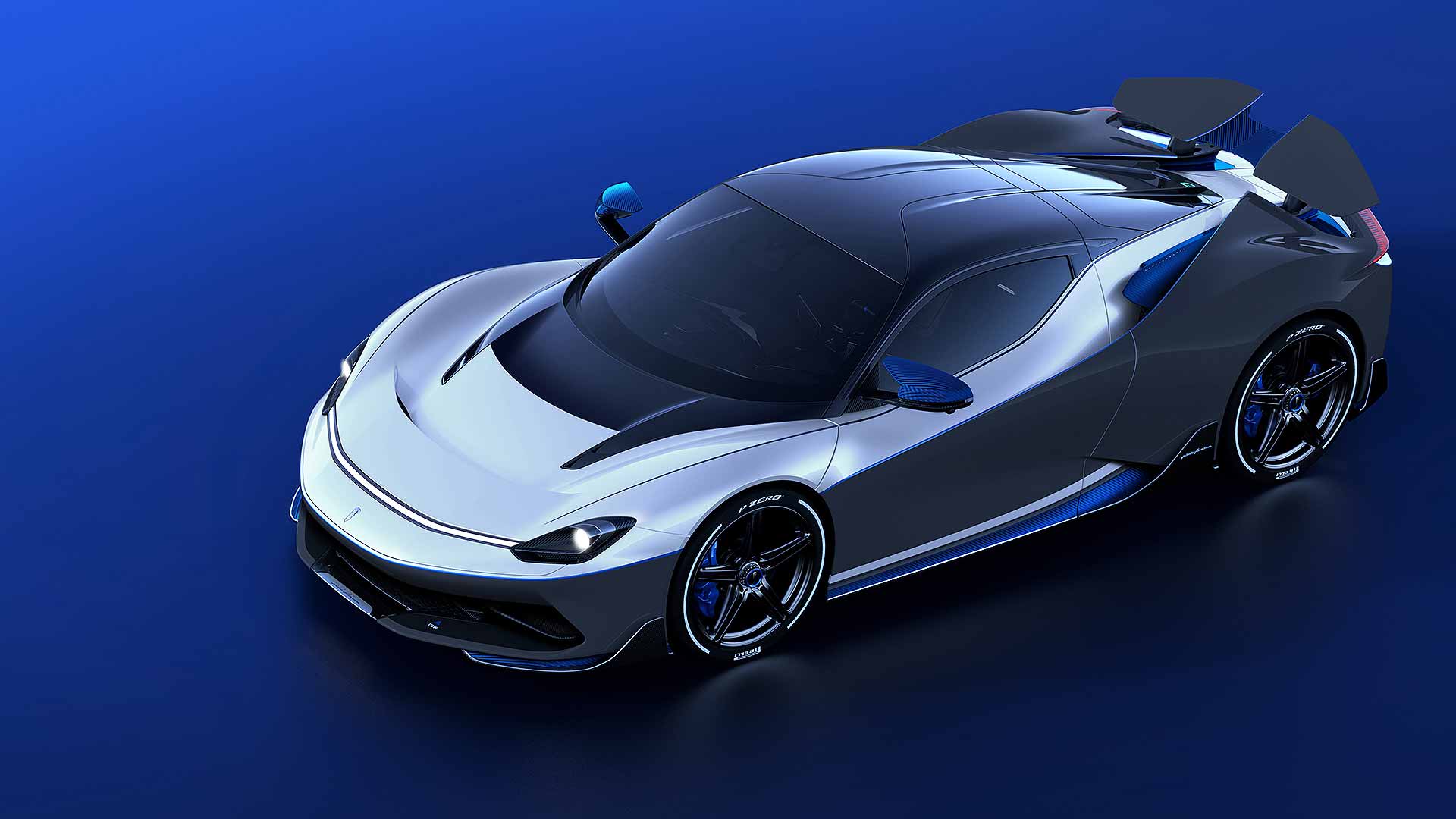
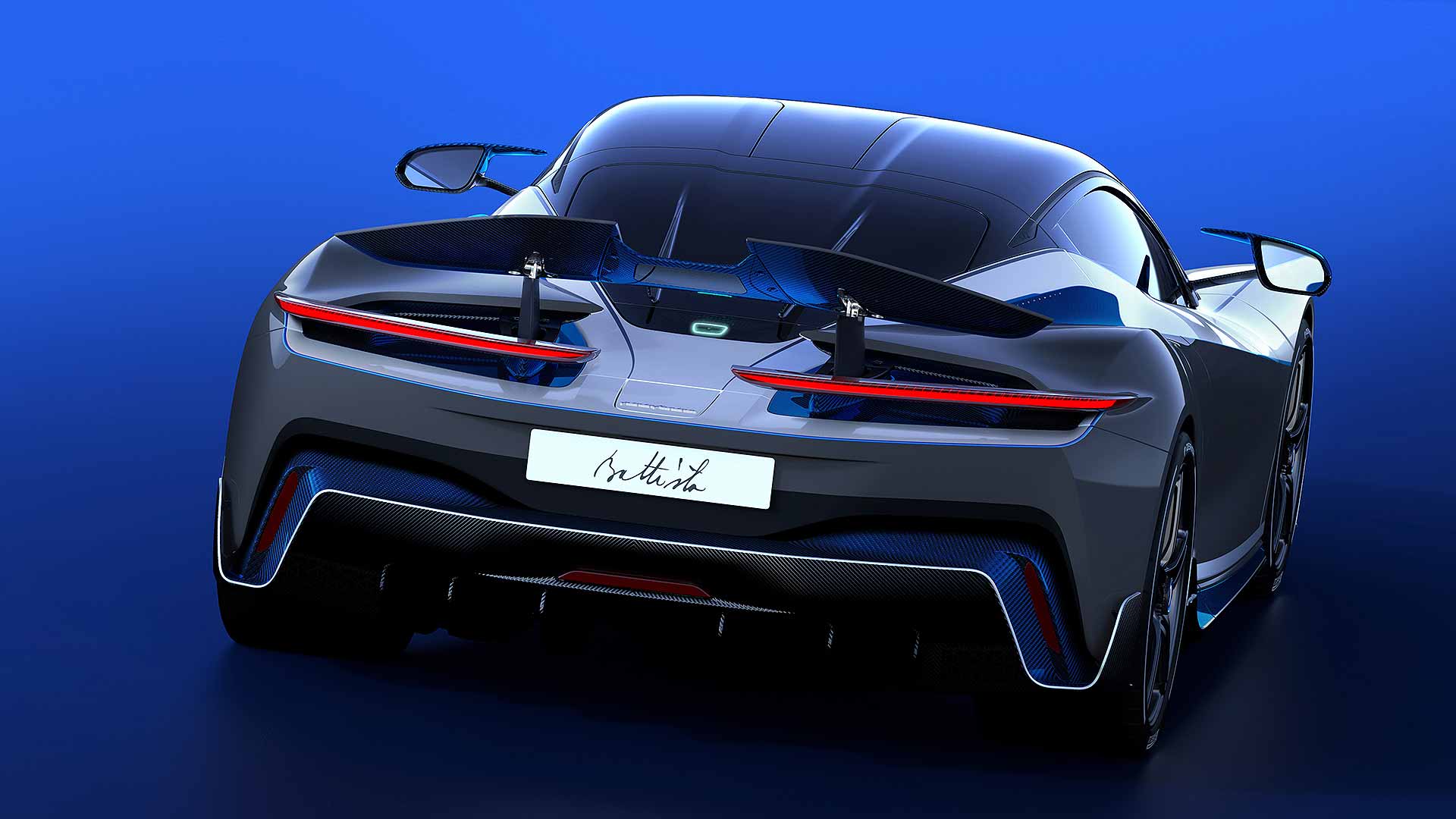
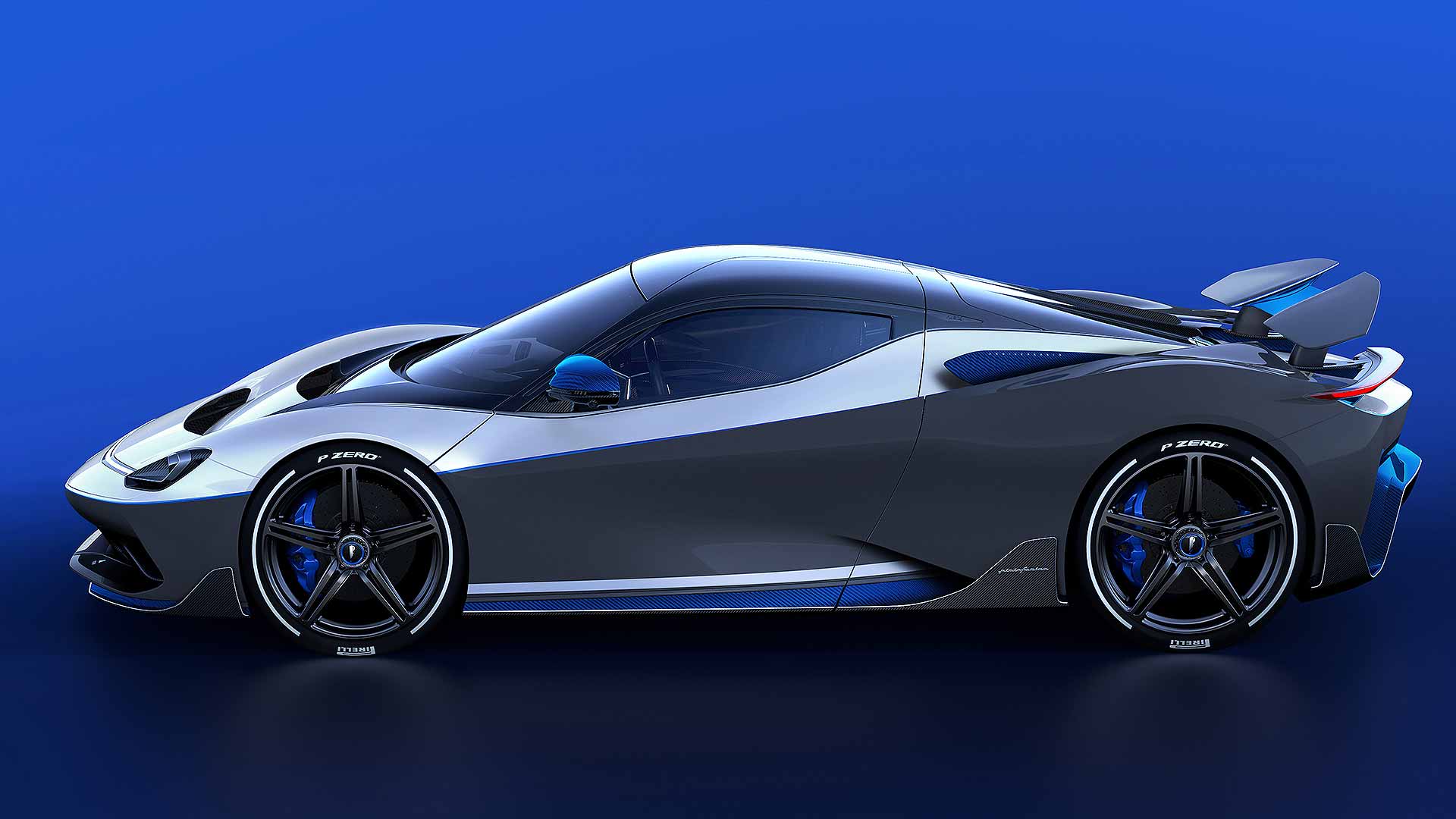
The famous Italian coachbuilder Pininfarina was established 90 years ago this year. To celebrate, an ultra-exclusive model, the Battista Anniversario, has been unveiled.
Just five of the all-electric hyper GT specials will be built, each costing upwards of €2.6 million (£2.3 million or $2.9 million).
For that, you get an EV capable of travelling over 368 miles in between charges, and one that will accelerate from 0-186mph in less than 12 seconds.
So what makes it special? A level of artisanship almost unparalleled in the auto sector.
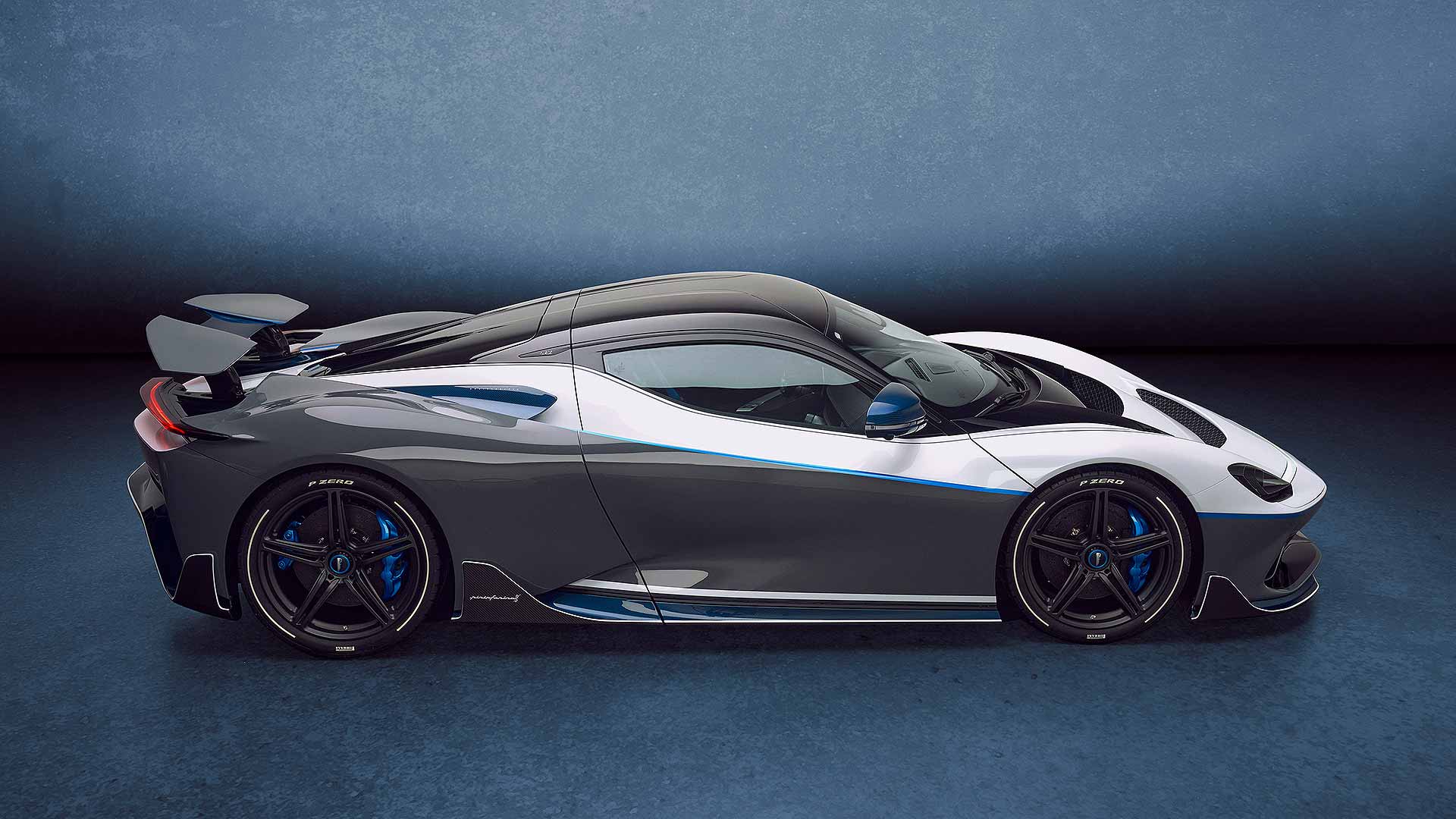
Each Anniversario, for example, is painted in a combination of three signature colours: Bianco Sestriere, Grigio Antonelliano and Iconica Blu.
It takes several weeks for a team of craftsmen to paint each car, layer by layer, colour by colour – and all by hand.
And how’s this for a fact: the body is disassembled and put back together three times during the painting process. Why? So pinstripes in three separate colours can be hand-painted on…
It is “one of the most complex paint finishes in the world,” says chief design officer Luca Borgogno. The process is “akin to a great artist completing an Old Master painting”.
Pushing boundaries
The Pininfarina Battista proves that electric cars can be thrilling records-chasers, and the Anniversario pushes the boundaries yet further.
Its top speed, for example, is now 217mph, thanks to new wheels, tyres, and optimised aerodynamics.
The rear wing, rear aero fins and other details are all bespoke, giving it more downforce and better stability at higher cornering speeds.
Brand new forged alloy wheels are fitted, and the rear wheels have grown from 20-inches to 21-inches.
Perfect for deploying the Battista Anniversario’s incredible 1,900-horsepower output (which accelerates it from 0-62mph faster than a contemporary Formula 1 car).
“I have piloted the quickest road and race cars in the world,’ said Pininfarina test driver Nick Heidfeld.
“I’ve never driving anything as powerful as the Battista.”
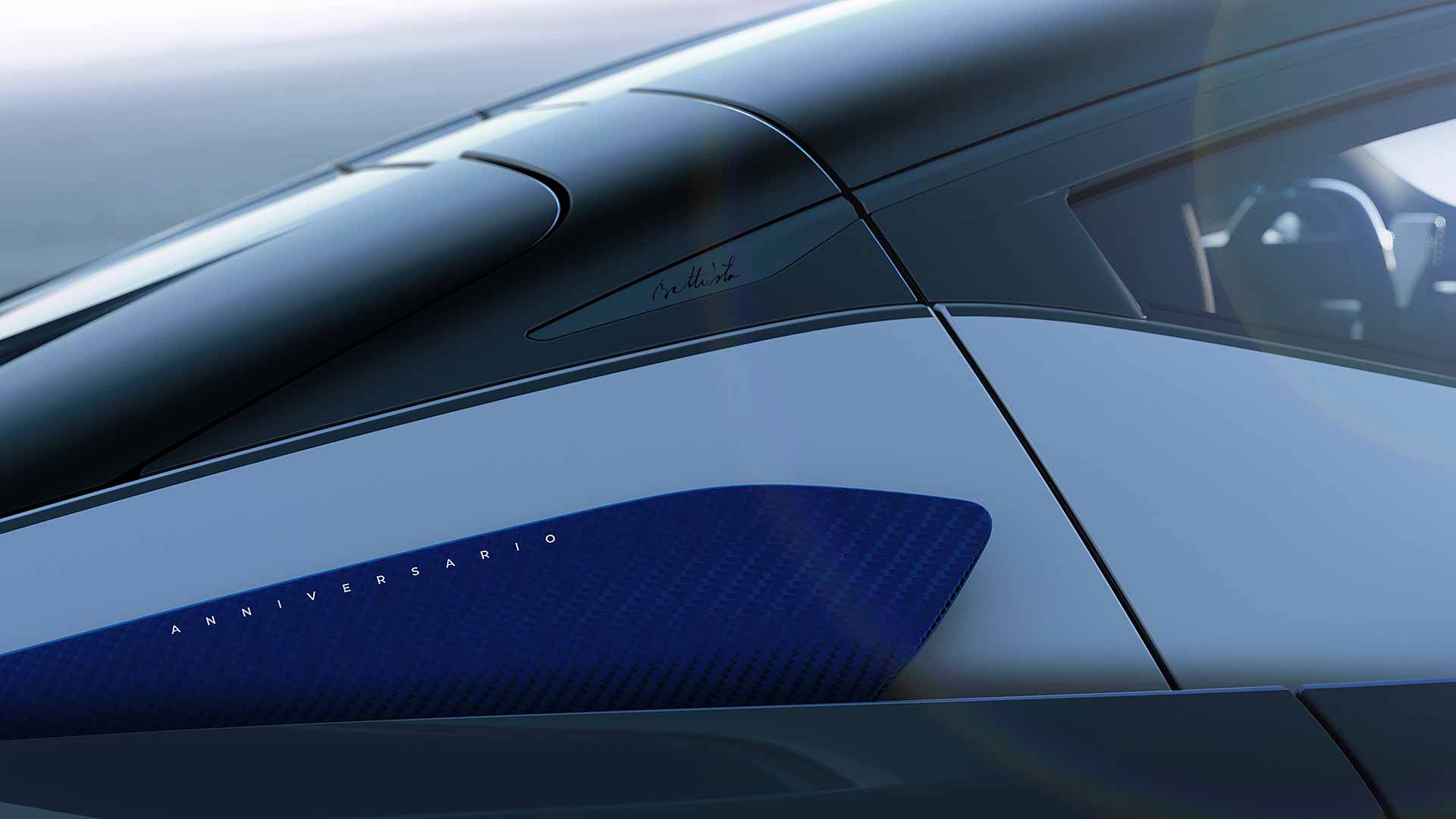
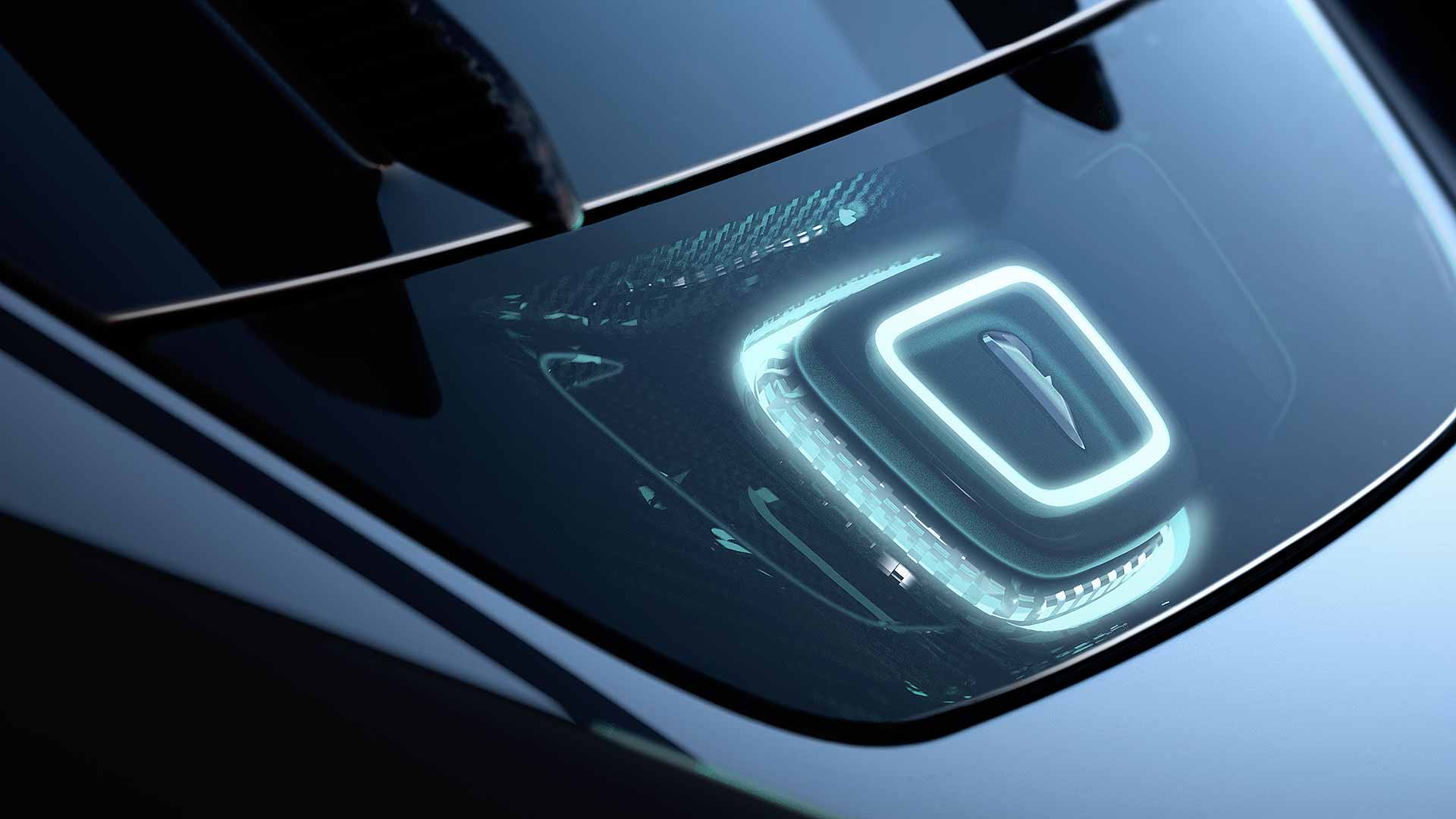
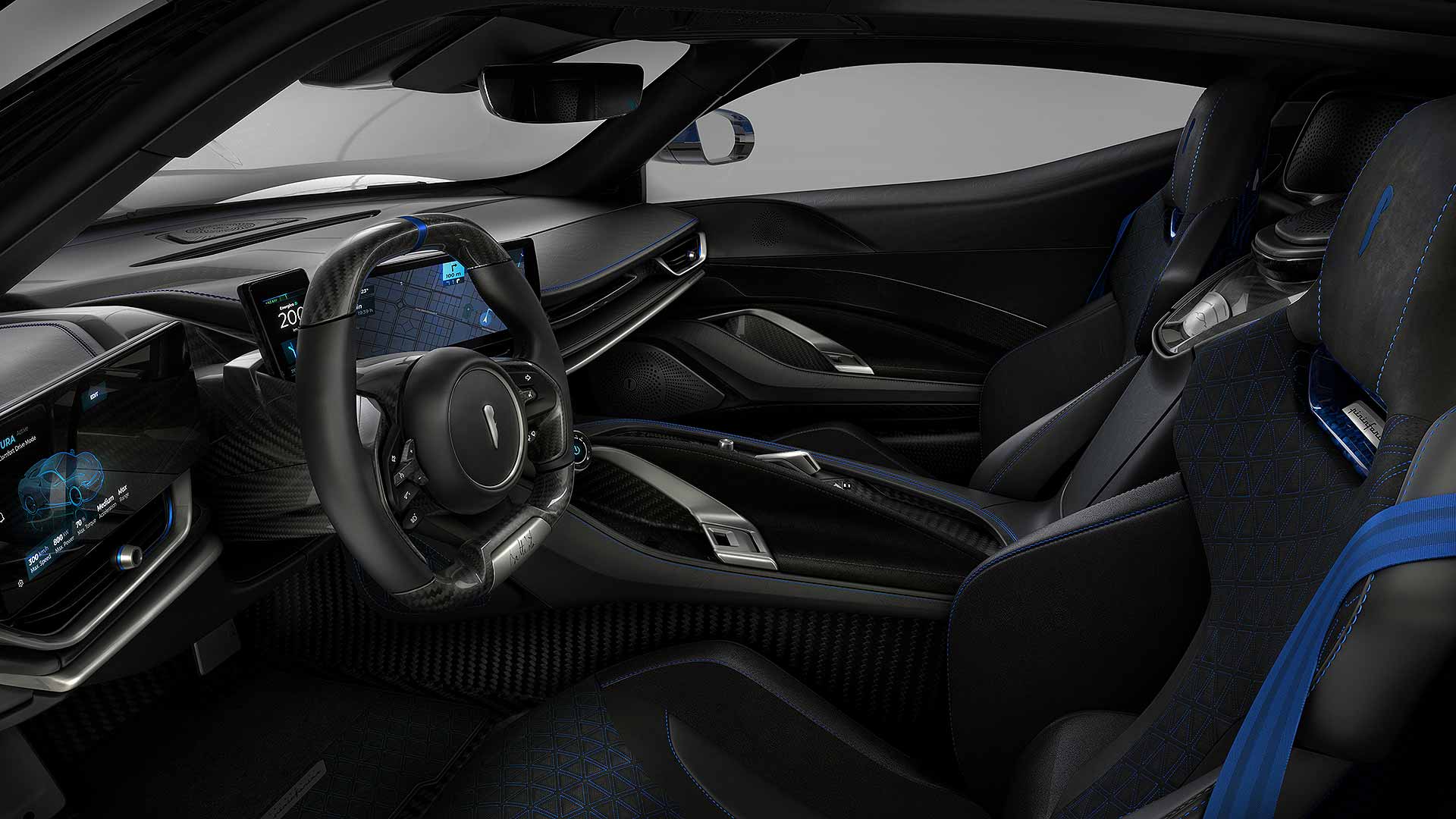
Other exclusive features for the Anniversario model include unique seats finished in sustainable leather, anodised door decoration plaques and headlights, plus an ‘Anniversario’ script on the wings.
‘Pininfarina 90’ logos and a special chassis engraving between the seats complete the ultra-exclusive makeover.
The Pininfarina Battista is already set to be a real rarity, with the company committing to making no more than 150. The one-of-five Anniversario genuinely is the rarest of the rare.
And lucky owners, adds the firm, will be getting their cars before 2020 is out…