Home Blog Page 231

Dramatic styling of new 2021 Hyundai Tucson revealed

0
2021 Hyundai Tucson

Hyundai has chosen to go bold with the new Tucson family SUV, due to go on sale in the UK early in 2021.

The unmistakably sharp-edged styling has a further surprise too – unique ‘hidden lights’ replace conventional headlights.

They are invisible when off, hidden within the grille. When turned on, the half-mirror LED tech “transforms into jewel-like shapes”.

2021 Hyundai Tucson

The complex shape features further ‘parametric jewels’ throughout, which Hyundai says come directly from the 2019 Hyundai Vision T SUV concept.

Inside, things are calmer, and based around what Hyundai calls segment-leading technology.

In the centre of the dash, there is a 10.25-inch HD screen, allowing all physical knobs and buttons to be eliminated.

2021 Hyundai Tucson

The rest of the interior has also been decluttered and Hyundai has even removed the cluster around the instruments, with a freestanding screen taking their place.

Multi-Air Mode climate control uses new indirect air vents, giving a gentler air flow. Hyundai says it “soften the air” and feels more luxurious.

On a more practical note, the boot is up to 107 litres larger, with a maximum of 620 litres.

2021 Hyundai Tucson

Hyundai Tucson: under the skin

Hyundai is offered an adaptive suspension option on the new Tucson, alongside standard setups – and even the conventional dampers have new, more sophisticated valve technology.

The firm claims the broadest range of electrified powertrains in the sector, with three electrified motors alongside regular petrol and diesel.

There are petrol and diesels all with 48-volt mild hybrid technology. Pick from a 1.6 T-GDI with either 150hp or 180hp, or a 1.6 CRDi diesel with 136hp.

There are various gearbox options and a choice of front- and all-wheel drive.

There’s also a hybrid 1.6 T-GDI, and a plug-in hybrid petrol offering 265hp.

2021 Hyundai Tucson

Hyundai indicates entry-level engines will be regular petrol and diesels without 48-volt mild hybrid tech.

There will also be a sporty N Line trim version, which might be announced just ahead of the car’s UK launch in early 2021.

Hyundai’s best-selling SUV in the world, the launch of the new Tucson is an important one for the firm.

It’s safe to say, on looks alone, it won’t be one that will pass unnoticed.

ALSO READ

First look at the new 2021 Dacia Sandero range

1 in 4 parents admit to illegal engine idling on the school run

2016 Hyundai Tucson first drive review
Advertisement

1 in 4 parents admit to illegal engine idling during school run

0
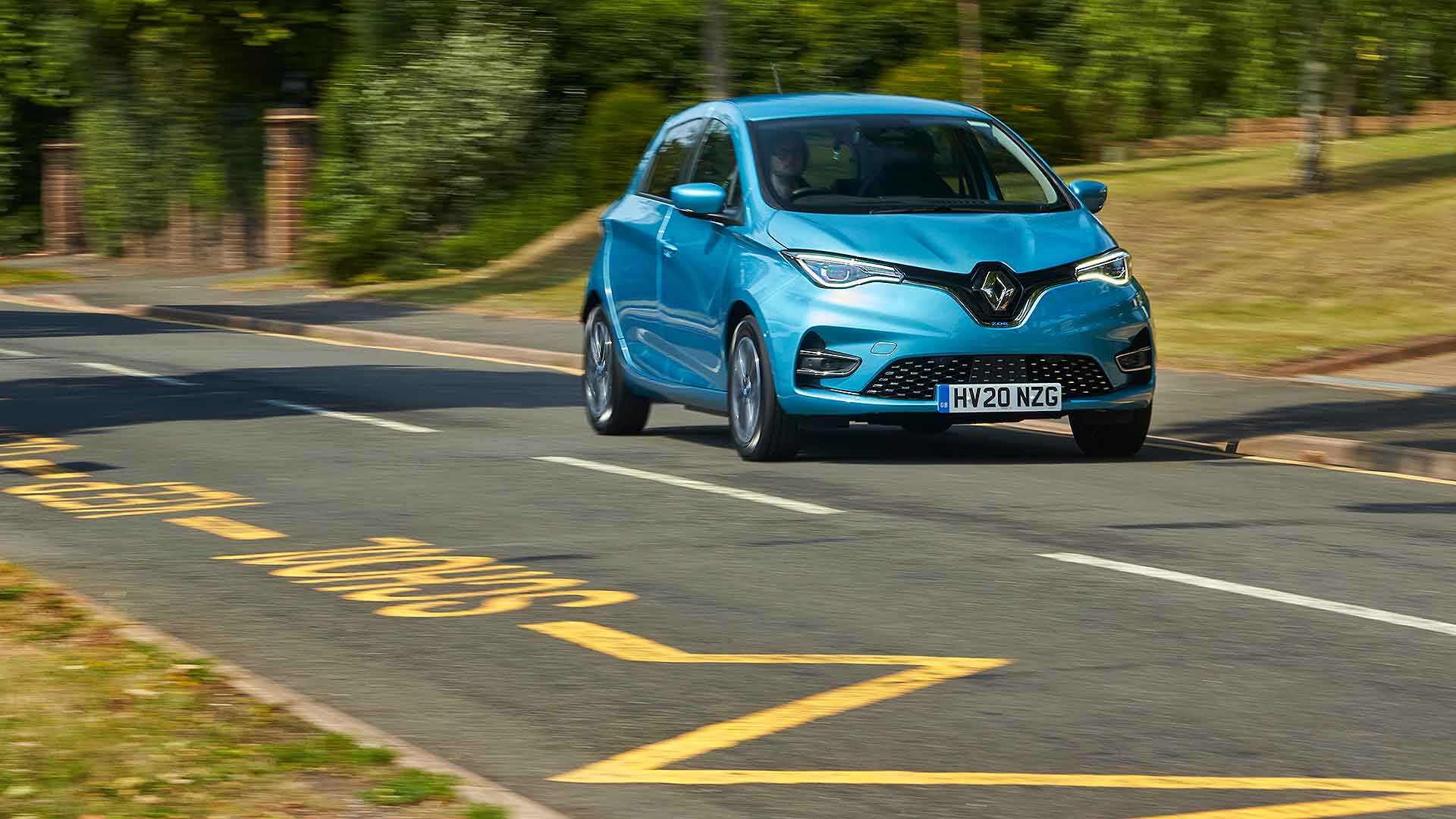
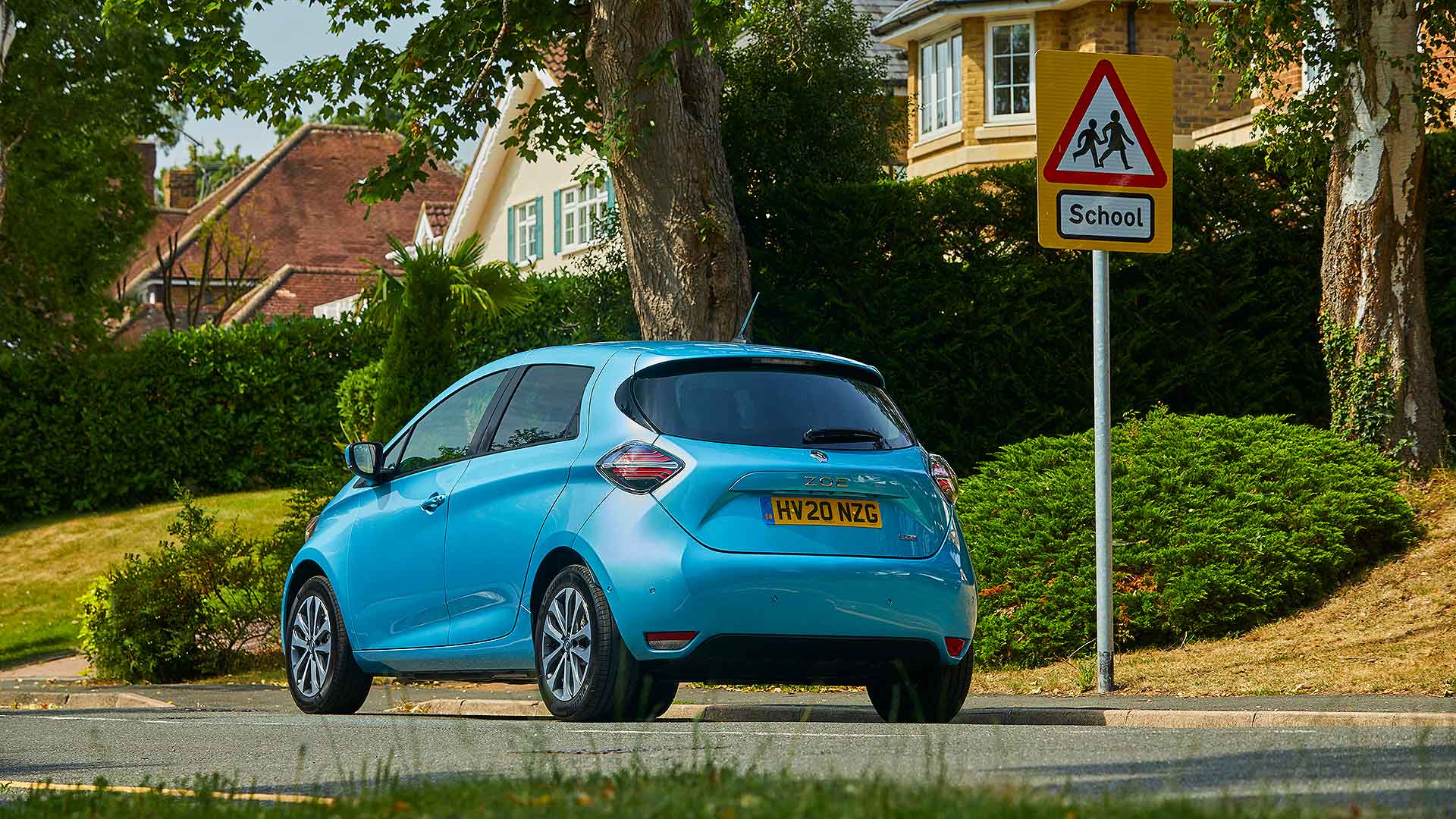
Renault Zoe zero emissions school run

A new study predicts a significant rise in the number of parents driving their children to school, with more than six in 10 saying COVID has increased the likelihood of using the car.

However, more than 1 in 4 also leave their car idling during the school run, which is leaving experts worried about the impact on air quality outside schools.

1 in 3 children are already growing up breathing unsafe levels of air pollution.

The biggest reason for parents leaving engines idling and producing excessive tailpipe emissions is a lack of parking outside schools. The predicted rise in the number of cars on the school run will only make this worse.

A quarter admitted not switching the engine off was because they wanted to keep the heater or air con running.

Renault Zoe zero emissions school run

The problem is being exacerbated because six in 10 parents don’t know that leaving their car idling is illegal.

Rule 123 of the Highways Code outlaws it and parents are at risk of an £80 fixed penalty fine.

Renault is now aiming to address the problem with a new campaign called ‘Be Mindful, Don’t Idle’.

“Every minute a car is idling, it produces enough emissions to fill 150 balloons,” said Renault’s Matt Shirley.

“This is not about demonising the school run. Our study underlines the importance, even more so since lockdown, of the car.

“We just want parents and guardians to be mindful of the detrimental impact of idling, and to alter their behaviours for their own children and those around them.”

Watch: Renault Be Mindful, Don’t Idle campaign

ALSO READ

Jaguar F-Pace facelifted, gains plug-in hybrid

Free 12-month engine warranty at Castrol workshops

Fuel prices are rising – but ‘not back to pre-pandemic levels’

Advertisement

What coronavirus precautions mean for your practical driving test

0
Driving test coronavirus precautions

The Driver and Vehicle Standards Agency (DVSA) has restarted practical driving tests for learners in England, Wales, and Scotland. 

However, COVID-19 means you can expect a different experience on the day.

Drivers are now once again able to book a driving test, with the DVSA using a new system to improve the chances of booking a slot. 

Should you end up having to self-isolate on the day of your test, it can be rebooked free of charge.

Limited waiting time

Driving test coronavirus precautions

Candidates are asked to arrive no earlier than five minutes before their designated test time. The test centre waiting room will be closed but, in case of last-minute nerves, the toilets will still be available to use on request. 

Before the test, candidates are asked to ensure the interior of their car is clean. The driving examiner will use an antiviral wipe on any surfaces they may touch during the test. They may make use of disposable seat covers and gloves, too.

Coronavirus also means your driving instructor may be prevented from sitting in the back of the car during your test.

Face masks are mandatory

Driving test coronavirus precautions

When attending your driving test, you must wear a face covering or mask. This includes wearing one during the actual driving assessment on the road.

Learners should try to get familiar with driving in a face mask before the big day. 

The DVSA will allow exemptions from wearing a mask, such as medical conditions or disabilities. However, this must be declared when booking an appointment, otherwise the test will be cancelled should you arrive on the day without a mask. 

According to the DVSA, wearing glasses does not count as a ‘good reason’ for avoiding wearing a mask or face covering.

Out on the road

Driving test coronavirus precautions

The examiner will stop the test to allow you to adjust your face mark. However, should it become a safety issue, they may terminate the test early. 

Making a serious or dangerous fault during the test will also result in an early end. The examiner will instruct you to return to the test centre, reducing the time spent together in the car as much as possible. 

Once the test finishes, the examiner will ask you to get out of the car before delivering their feedback and result. Your driving instructor will be allowed to listen to the feedback as well.

ALSO READ

How to check driving test availability online

The most likely reasons for failing the driving test

Motorists warned about MOT delays in predicted October peak

Advertisement

Jaguar F-Pace facelifted, gains plug-in hybrid

0
2021 Jaguar F-Pace

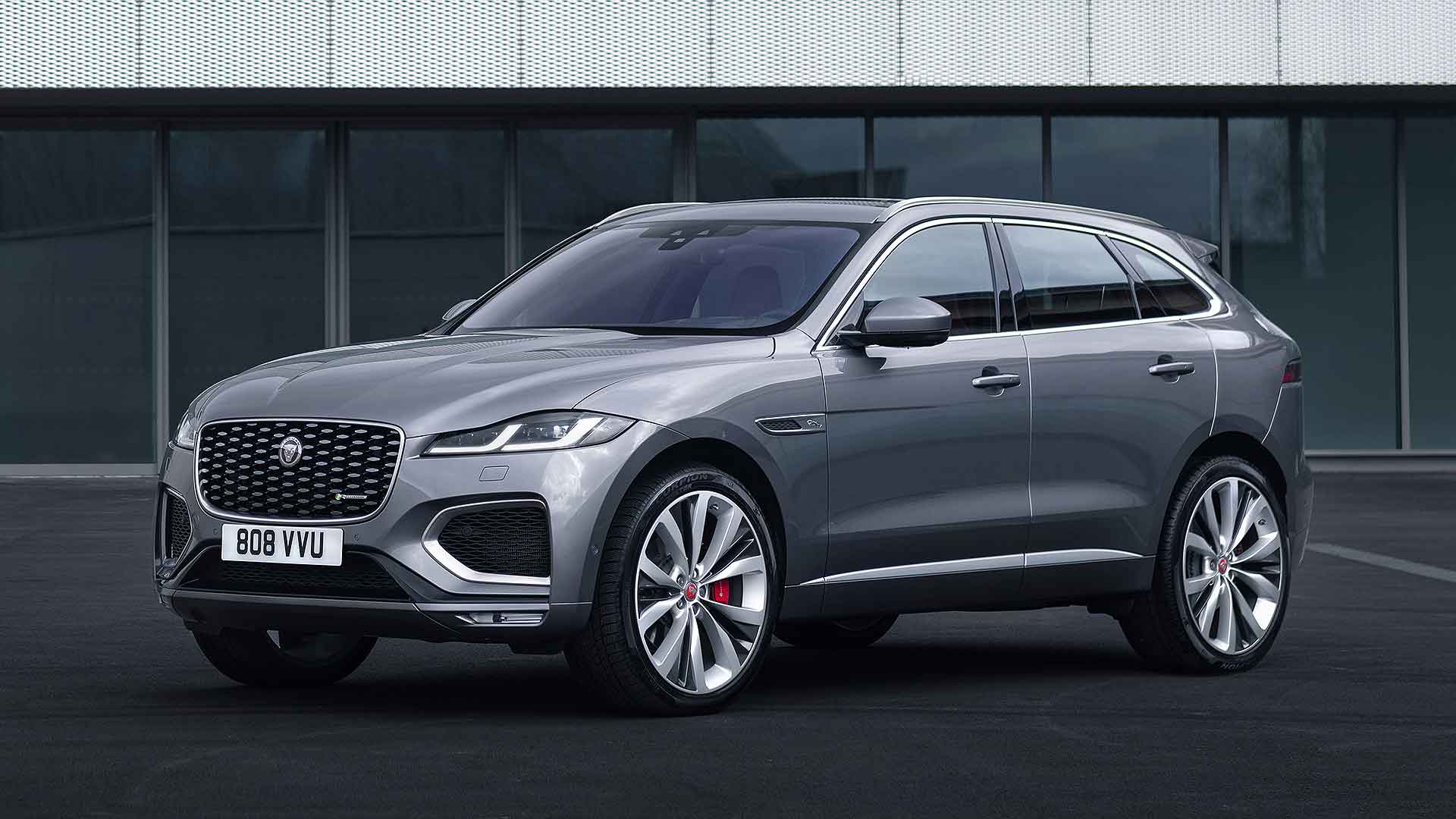
The facelifted Jaguar F-Pace SUV is now on sale with extensive updates including a much-improved interior and plug-in hybrid version offering sub-50g/km CO2.

The extensive package of revisions also includes new 3.0-litre six-cylinder Ingenium petrol and diesel engines, and an updated 2.0-litre four-cylinder diesel with mild hybrid tech.

The 2021 Jaguar F-Pace is identified by a cleaner look, helped by an all-new bonnet that eliminates the shutline above the front grille.

LED lights are slimmer, the grille is bigger, and there are new Jaguar ‘leaper’ emblems on the side vents.

2021 Jaguar F-Pace

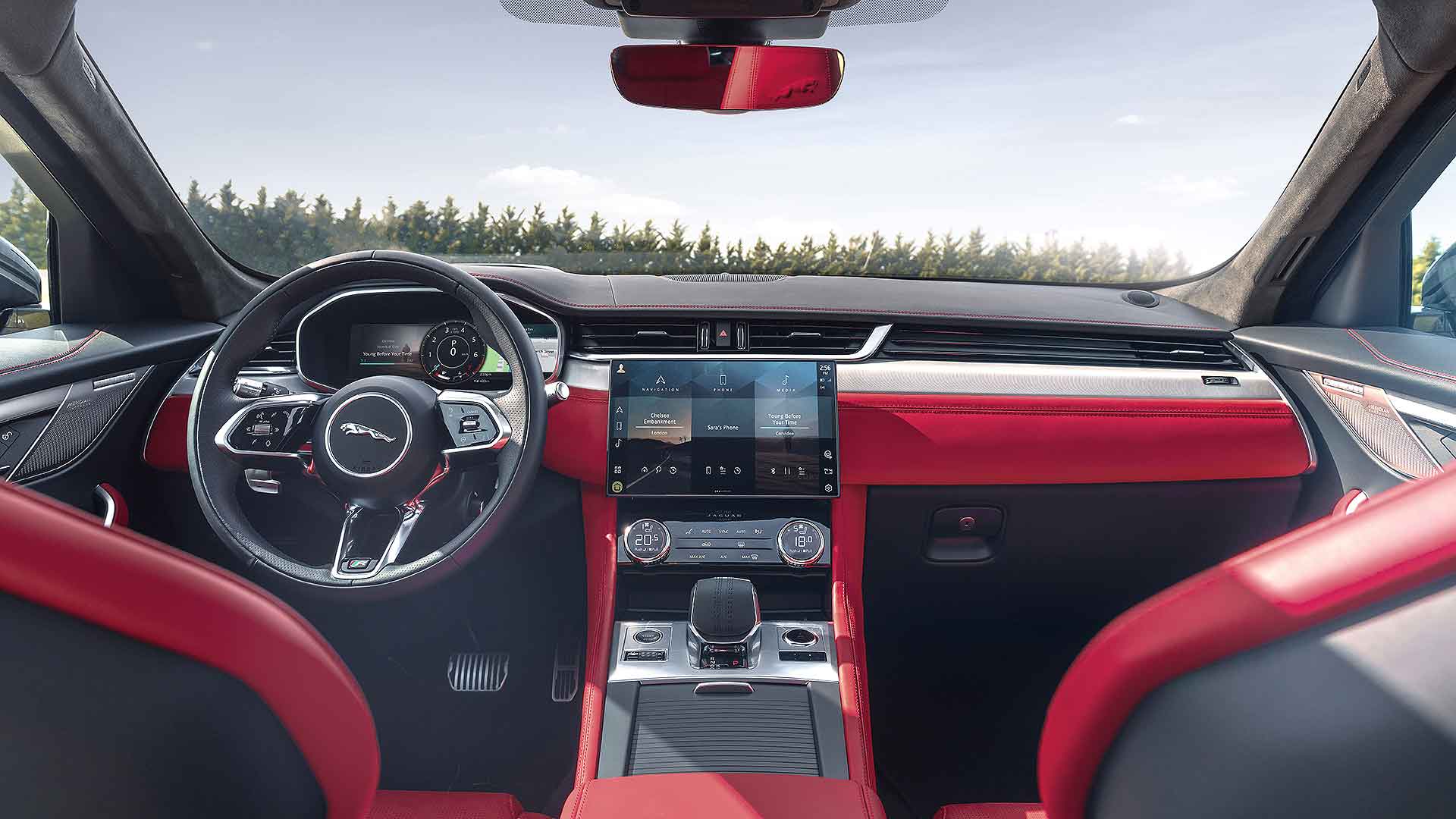
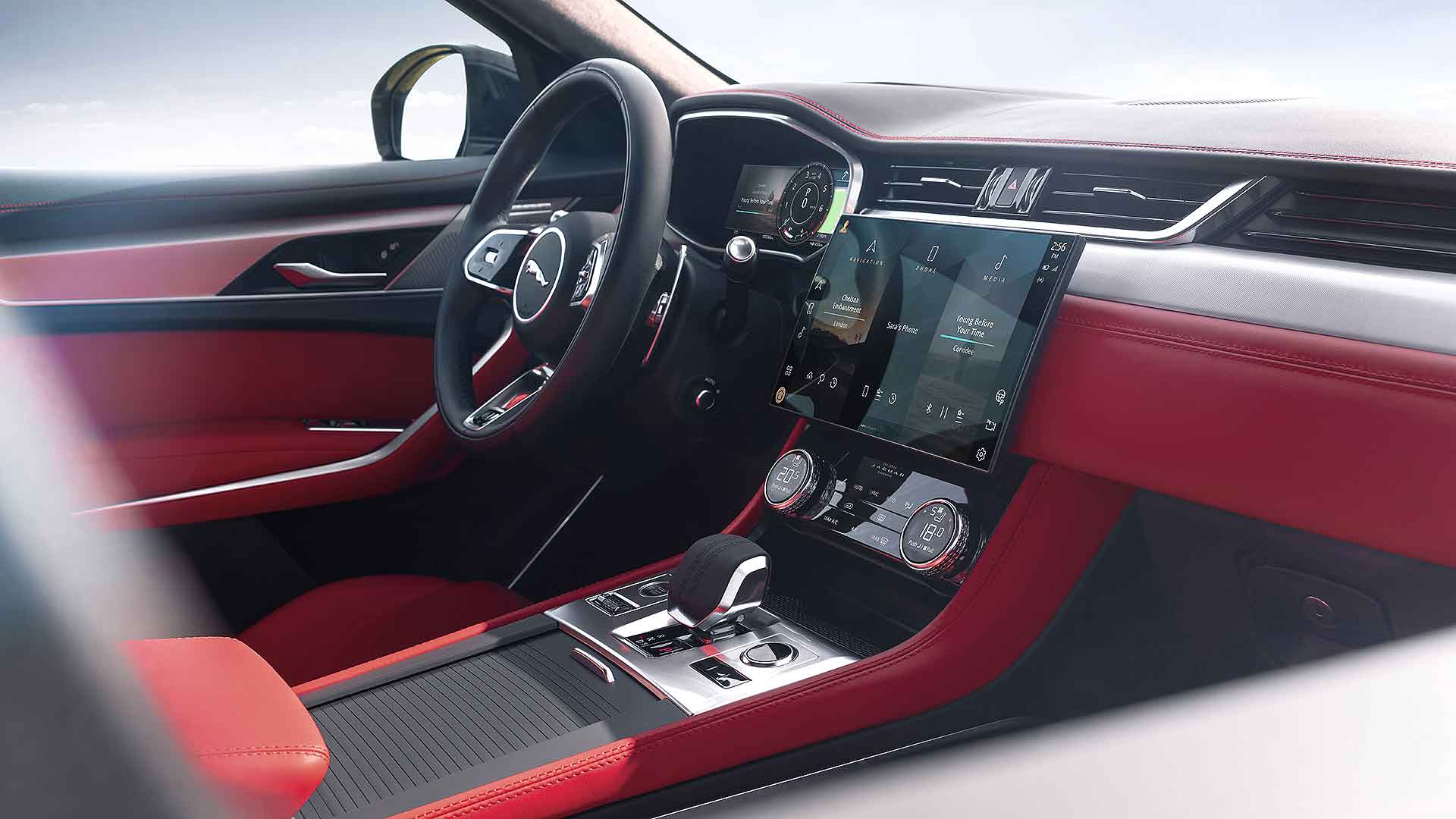
The interior is a big step on, Jaguar acknowledging the original F-Pace interior wasn’t good enough.

The centrepiece is a new freestanding 11.4-inch curved glass HD touchscreen mounted in a magnesium alloy casing. This uses JLR’s latest Pivi Pro infotainment system.

2021 Jaguar F-Pace

There are far more soft-touch materials and better attention to detail, while both the door casings and the seats are new.

The climate control system even includes a ‘Purify’ button that filters out ultra-fine PM2.5 particulates.

2021 Jaguar F-Pace

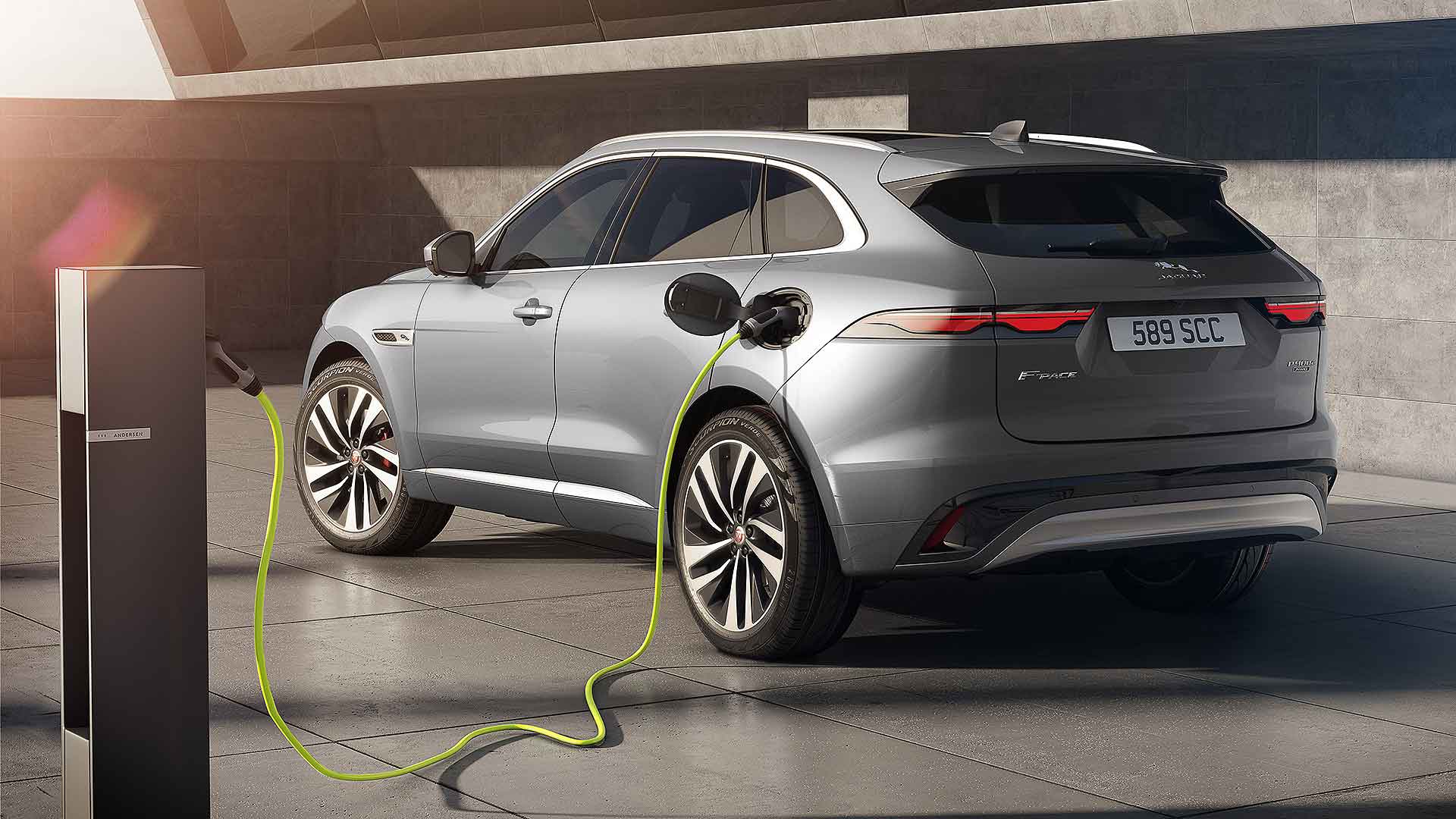
Plug-in F-Pace

The plug-in F-Pace is called P400e PHEV. It combines a 2.0-litre turbo petrol engine with a 105kW electric motor and 17.1kWh battery, for a system total of 404hp.

CO2 emissions start from 49g/km and official fuel economy is up to 130.2mpg. 0-60mph takes 5.0 seconds and it will travel up to 33 miles on a full charge.

Mild hybrid technology for the 163hp 2.0-litre turbodiesel improves economy to 45.4mpg with CO2 emissions of 163g/km.

The 3.0-litre six-cylinder diesel averages 38.1mpg, emits 194g/km and will do 0-60mph in 6.1 seconds.

Every 2021 Jaguar F-Pace uses all-wheel drive and has an eight-speed automatic gearbox.

Better refinement is promised too, with the F-Pace becoming the first car in its segment to feature active road noise cancellation.

2021 Jaguar F-Pace

The 2021 F-Pace also offers a Guardian Mode security feature. Owners can set times when the car will be inactive: if there’s a disturbance during this time, they’ll get a popup alert to their smartphone.

The feature is designed to reassure owners worried about keyless car theft.

Prices for the facelifted 2021 Jaguar F-Pace start from £40,860 for an entry-level D165 AWD. The P400e is priced from £56,060. Ordering is open now.

ALSO READ

Jaguar F-Pace is 2017 World Car of the Year

More than 1 in 3 new car buyers now choose an automatic

Waze now lets you plan trips to desktop and ‘send to app’

Advertisement

How to change the address on your vehicle log book online

0

DVLA online services replace paper forms

Motorists who need to change the address on their V5C vehicle log book can now go online to update their details, rather than sending paper forms back to Swansea.

The DVLA says this cuts the time to receive a new log book from six weeks to five days.

The government agency receives around 1.5 million paper change-of-address vehicle log book forms every year.  

“We’re launching this service at a time when online services are becoming even more vital to help people get back on the road,” said DVLA chief executive Julie Lennard. 

“This new online service is quicker and easier than sending your log book to DVLA.”

Online updates for driving licences have been in place for several years: two in three people now use it rather than sending forms in the post.

Motorists can update address details on their log book in two minutes, claims the DVLA. The information they need to have on hand is:

  • Vehicle registration number
  • Log book document reference number
  • Postcode

The DVLA is currently running a campaign encouraging motorists to use online services rather than sending paper documents to its Swansea HQ.

In April, the organisation warned of “significant delays” for motorists due to the coronavirus crisis.

Earlier in the year, an automatic seven-month extension to photocard driving licences was granted to motorists whose cards were due to expire.

This was later extended to 11 months. The extension applies to both photocard licences and entitlements to drive. 

ALSO READ

It’s now easier to replace a lost MOT certificate

Motorists told to beware of SORN scam websites

DVLA is clamping down on car tax evasion

Advertisement

Uber ‘more environmentally damaging than private cars’

0
Uber app

Emissions from Uber rides are 41 percent higher than the average privately owned vehicle, a new report reveals.  

The significantly higher carbon emissions are because of the time Uber drivers spend without passengers in their vehicles.

In response, Uber has pledged to make all its rides in North America and Europe 100 percent zero emissions by 2030. It is also targeting 100 percent electric trips in London by 2025, and 50 percent of trips in Europe to be zero-emissions.

The FT has analysed Uber’s first-ever environmental impact report, looking at trips taken in the US and Canada between 2017 and 2019.

Improved algorithms had reduced emissions per passenger mile – but they were still significantly higher than regular vehicles.

Uber, however, insisted the service was still more environmentally friendly than driving a vehicle one-up, as well as other taxi services.

“This is a start and we expect to be judged by our actions,” said Uber CEO Dara Khosrowashahi.

Nissan Leaf

Electrifying Uber

As part of its move towards electric cars, Uber has signed an MoU with the Renault Nissan Alliance to provide Uber drivers with affordable EVs, such as the Nissan Leaf pictured above.

A pilot is already operating in London, offering Uber App drivers access to cost-effective electric cars.

This will be extended to France later this year, then to the Netherlands, Portugal and other markets.

The aim is to give Uber users the chance to select a zero-emissions vehicle in 80 percent of European Uber regions by the end of 2021.

“By teaming up with Uber in the UK, we have already been able to increase the awareness and adoption of zero-emission vehicles, and we are looking forward to exploring how to roll that out further in Europe,” said Nissan Europe’s Jordi Vila

ALSO READ

Is Uber worse for the environment than driving yourself?

Uber gives free rides to NHS workers during coronavirus crisis

Uber users would pay more for an electric ride

Advertisement

Land Rover Defender electrified with new plug-in hybrid

0
2021 Land Rover Defender P400e PHEV

Land Rover has introduced a plug-in hybrid version of the new Defender, which combines 27 miles of pure electric driving with 404hp and 0-62mph in 5.6 seconds.

The new Defender P400e also averages 85.3mpg and emits 74g/km CO2 in official tests.

Combining a 2.0-litre turbo petrol engine with a 105kW electric motor (and 19.2kWh battery), Land Rover says the new Defender PHEV can be driven in pure electric mode even when running in off-road-biased low-range mode – for 100 percent zero emissions off-roading.

2021 Land Rover Defender P400e PHEV

Charging via the standard Mode 3 (wallbox charger) cable tops it up to 80 percent capacity in two hours. There’s an optional Mode 2 (three-pin plug) cable that takes seven hours.

The Defender P400e Plug-in Hybrid is also compatible with 50kW rapid chargers, where recharging to 80 percent capacity takes 30 minutes.

Land Rover’s electrified Defender is offered with the five-door 110 bodystyle, with either five or six seats. Impressively, it is still capable of towing 3,000kg.

Land Rover has yet to reveal prices for the Defender P400e, which arrives as part of the 2021 model year updates for the new vehicle.

2021 Land Rover Defender 90

Defender 90, six-cylinder on sale

The three-door Land Rover Defender 90 is now on sale, with prices starting from £43,625 (compared with £45,315 for the five-door Defender 110).

Land Rover suggests it’s the more suitable choice for urban dwellers, thanks to a turning circle of 11.3 metres.

Despite its more compact dimensions, the Defender 90 can still seat up to six people, with the addition of a middle-row front seat.

A smooth six-cylinder diesel Defender is now available, too. The D300 produces 300hp and will do 0-62mph in 6.7 seconds in Defender 90 guise. With a whopping 479lb ft of pulling power, Land Rover says the surge of torque ‘perfectly fits the Defender’s tough character’.

Surprisingly, Land Rover has swapped the current four-cylinder D200 and D240 turbodiesel engines for detuned versions of the new in-line six-cylinder. Both return economy of 32.2mpg and CO2 emissions of 230g/km.

2021 Land Rover Defender Hard Top

Other updates for 2021 include the launch of commercial vehicle Hard Top van versions of both Defender 90 and Defender 110.

The 90 Hard Top costs from £35,820 plus VAT, and the Defender 110 is priced from £43,012 plus VAT.

ALSO READ

Land Rover watch timed for launch of new Defender

This Land Rover Defender went from farm truck to bespoke masterpiece

Land Rover puts Defender to work for coronavirus crisis

Advertisement

T-plates for young drivers with telematics car insurance trialled

0
Young driver with a T-plate

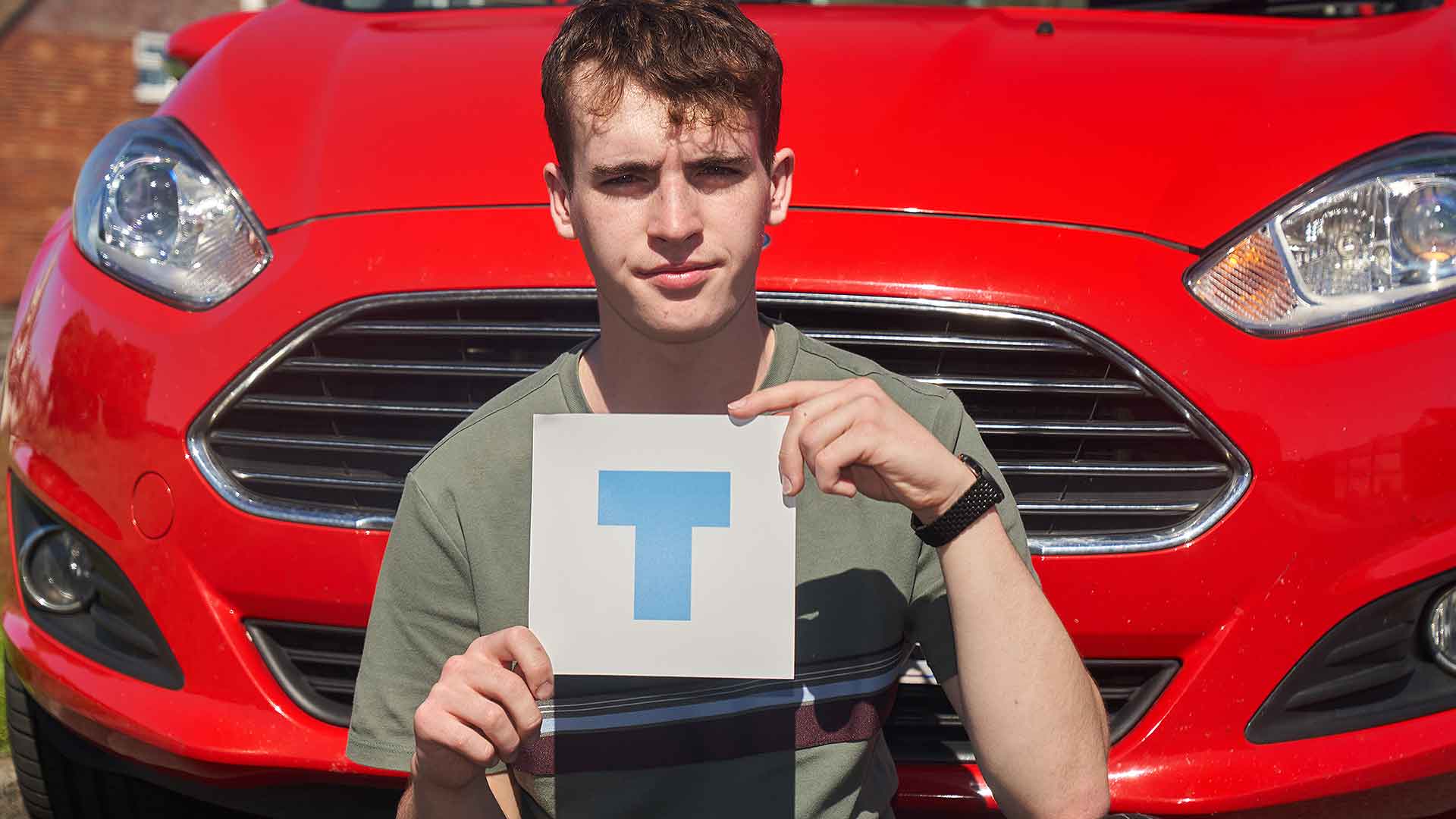
Young drivers say they feel pressured to drive faster by other motorists. To address the issue, Co-op has begun a trial of T-plates to help those with telematics (‘black box‘) car insurance feel safer.

Almost one in four young drivers aged 17-25 physically feel unsafe when they drive, due to the pressure from other motorists.

Nearly three in four have been overtaken when it wasn’t safe to do so – and 43 percent have received rude hand gestures from other drivers.

The nationwide T-plate pilot aims to combat this and help young drivers feel safer on the roads.

Drivers with black boxes will see their insurance premiums increase, or in some extreme cases, their policies cancelled if they don’t drive as they should,” said Co-op Insurance MD Charles Offord.

“Yet, currently it’s impossible for other motorists to know if another vehicle has a black box fitted.

“Young drivers want other motorists to know this, which is why we’re launching the T-plate.”

Backed by road safety charities

T-plates for young drivers

Co-op surveyed more than 24,000 young drivers and six in 10 said the T-plate would make them feel less pressured.

The trial begins today with hundreds of young drivers. The plan is to roll it out to thousands more in the coming months.

The initiative has been backed by road safety charity Brake and driving school RED.

Co-op research shows that more than six in 10 young drivers will look to use telematics car insurance, to help keep the cost of getting onto the road under control.

“The cost of my insurance has come down quite a bit since having the black box installed,” said 21-year old driver Callum Smith.

However, “I am often made to feel like I’m in the wrong for sticking to the right speed limit by other drivers.

“If they knew I had a black box, I think they would ease up a bit.”

ALSO READ:

Young drivers targeted with ‘fuss-free’ monthly car insurance

The cheapest new cars to insure for young drivers

Car insurance ‘rip-off’ as young drivers pay more than double

Advertisement

Waze now lets you plan trips on desktop and ‘send to app’

0
Waze Save To App goes live

After discovering that millions of Waze users plan trips using the desktop Live Map, the navigation app now lets you save and send trip plans direct to the smartphone app with a single click.

The functionality works on both Android and iOS devices.

Waze says the new functionality simplifies things for users, allowing them to find the best route and time to leave before getting into their car.

Once the trip is sent, users will receive time-to-leave notifications based on real-time traffic data – so they’ll be alerted to leave earlier if traffic is heavy.

Route navigation can also be quick-started with one click.

Waze product manager Yael Schwartzberg says the platform becomes the first in the industry to “bring their whole planned drive directly to their app at the click of a button.

“With many people stuck in front of their computer at home as a result of the Covid-19 outbreak, we’re now giving them a way to make the most of this setup and hit the road as easily as possible once it’s time to leave.”

How to use Waze Live Map Save To App

  • Visit Waze Live Map
  • Enter route
  • Enter desired arrival time
  • Click ‘save to app’
  • Planned drive appears on the Waze smartphone app

ALSO READ

Waze reports huge fall in miles driven due to coronavirus

Waze and Google Maps now in Apple CarPlay

FordPass connected car smartphone app is now free

Advertisement

Free 12-month engine warranty at Castrol workshops

0
Castrol Engine Warranty scheme

Independent Castrol Service workshops will now give a free 12-month engine warranty to all motorists who have an oil change using Castrol lubricants.

Neither the garage nor the customer have to pay a penny: all warranty costs are covered by Castrol.

Customers have seven days to register following the service for the 12-month warranty.

The warranty package, which is valid for those covering up to 18,000 miles in a year, is intended to help independent workshops attract and retain more customers.

Research by Castrol shows that comprehensive warranty cover is one of the main reasons that customers use franchised workshops.

The new Castrol Engine Warranty scheme allows more affordable independents to offer similar reassurance.

“There is no financial risk to the participating workshop should there be an issue with the engine following a service or oil change,” said Layla Yebaile, head of marketing at Castrol.

All warranty claims are submitted online by the customer. Once a claim has been received, owners either take their car to the workshop or, if it can’t be driven, arrange for a home inspection.

Customers will also be reminded just before the end of the 12-month warranty that it is about to expire.

“It gives greater peace of mind to the customer, and provides another way for businesses to differentiate themselves,” said Yebaile.

ALSO READ

More motorists risk car insurance ‘loyalty tax’

Zap-Map adds payment service to cure ‘charger anxiety’

How smoking affects the value of your car

Advertisement