As the coronavirus pandemic leads to real-world racing being postponed, drivers are taking to esports to keep competing.
This weekend should have seen the first round of the 2020 Formula One season take place in Melbourne, Australia.
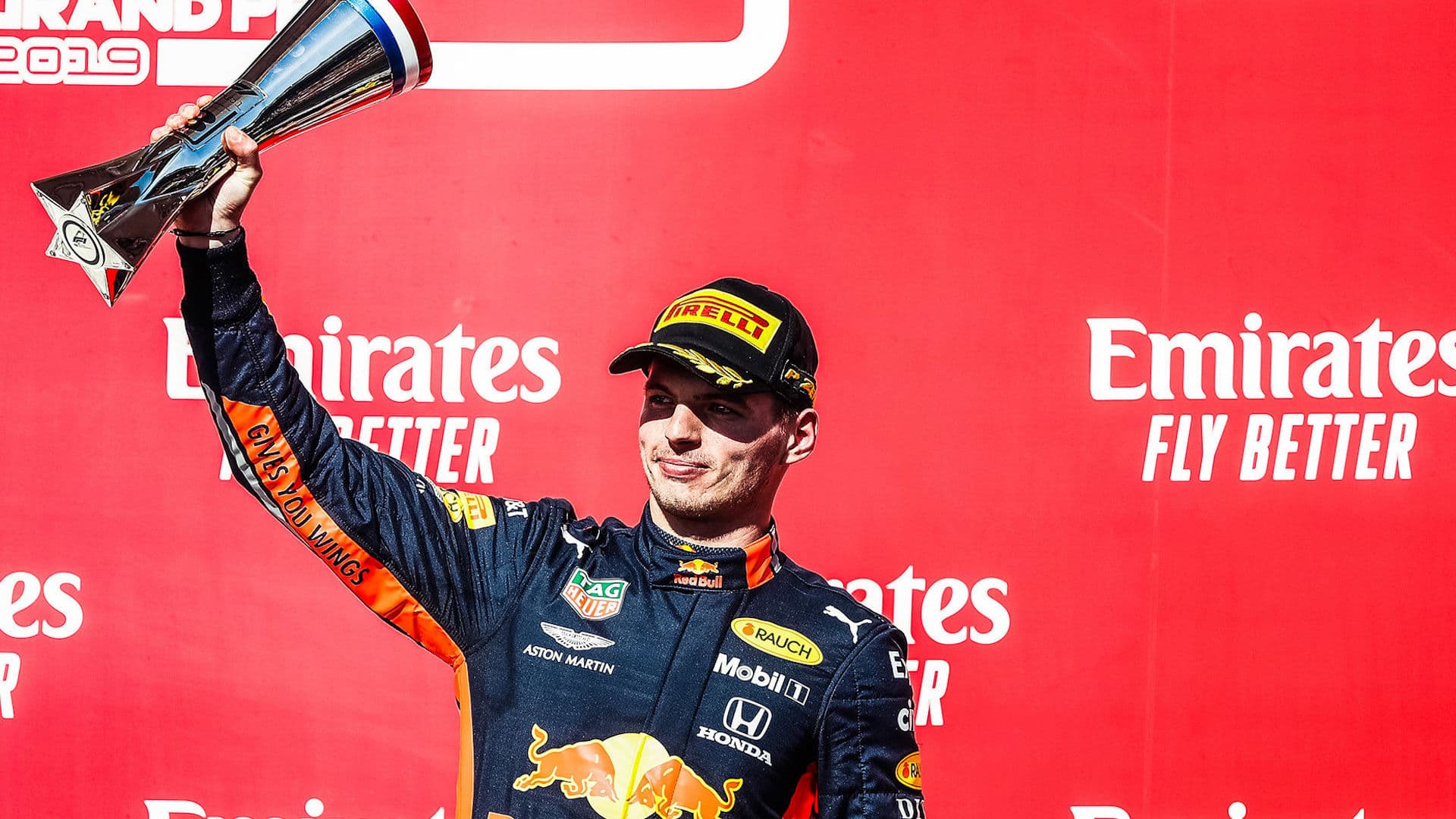
A late cancellation by the organisers has left F1 drivers like Max Verstappen with time on their hands. Thankfully, virtual racing has offered a solution for motorsport stars with new unplanned spare time.
Heroes from across the motorsport world
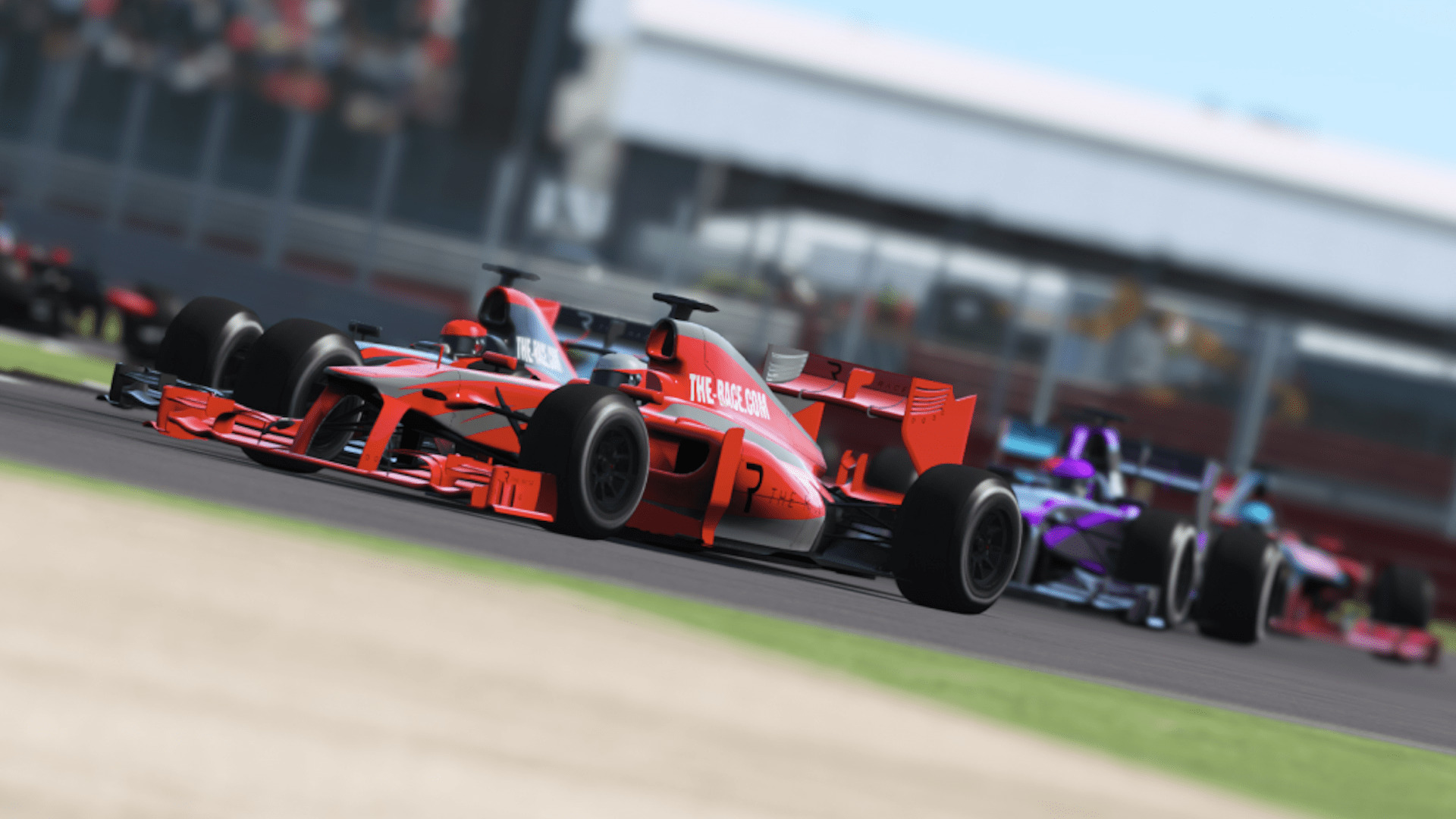
Online motorsport channel The Race has used the cancellations to arrange an All-Star Esports Battle. Scheduled to take place on Sunday, 15th March, the event has already attracted a stellar field of racing drivers.
Red Bull Racing driver Max Verstappen will be joined by Billy Monger – winner of the BBC Sports Personality of the Year Helen Rollason Award in 2018.
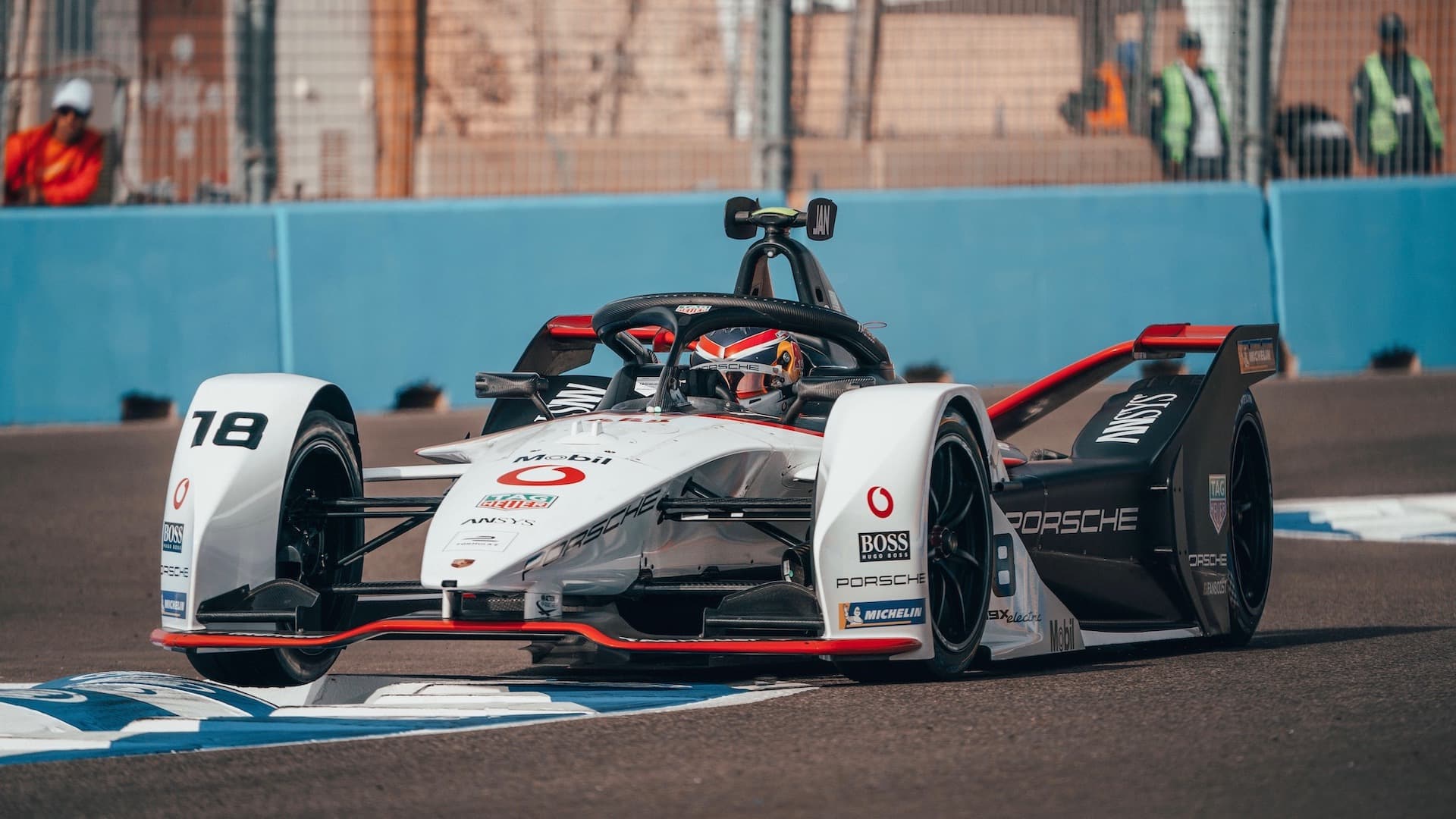
From the world of Formula E there is Antonio Felix da Costa, Neel Jani, and Max Gunther competing.
The 2014-15 Formula E champion, and ex-F1 driver, Nelson Piquet Jr. is another big-name contender.
When real and virtual worlds collide
The online competition has attracted 2019 Indianapolis 500 winner, and 2016 IndyCar champion, Simon Pagenaud to the field. Felix Rosenqvist and Colton Herta, also from the IndyCar, are set to take part.
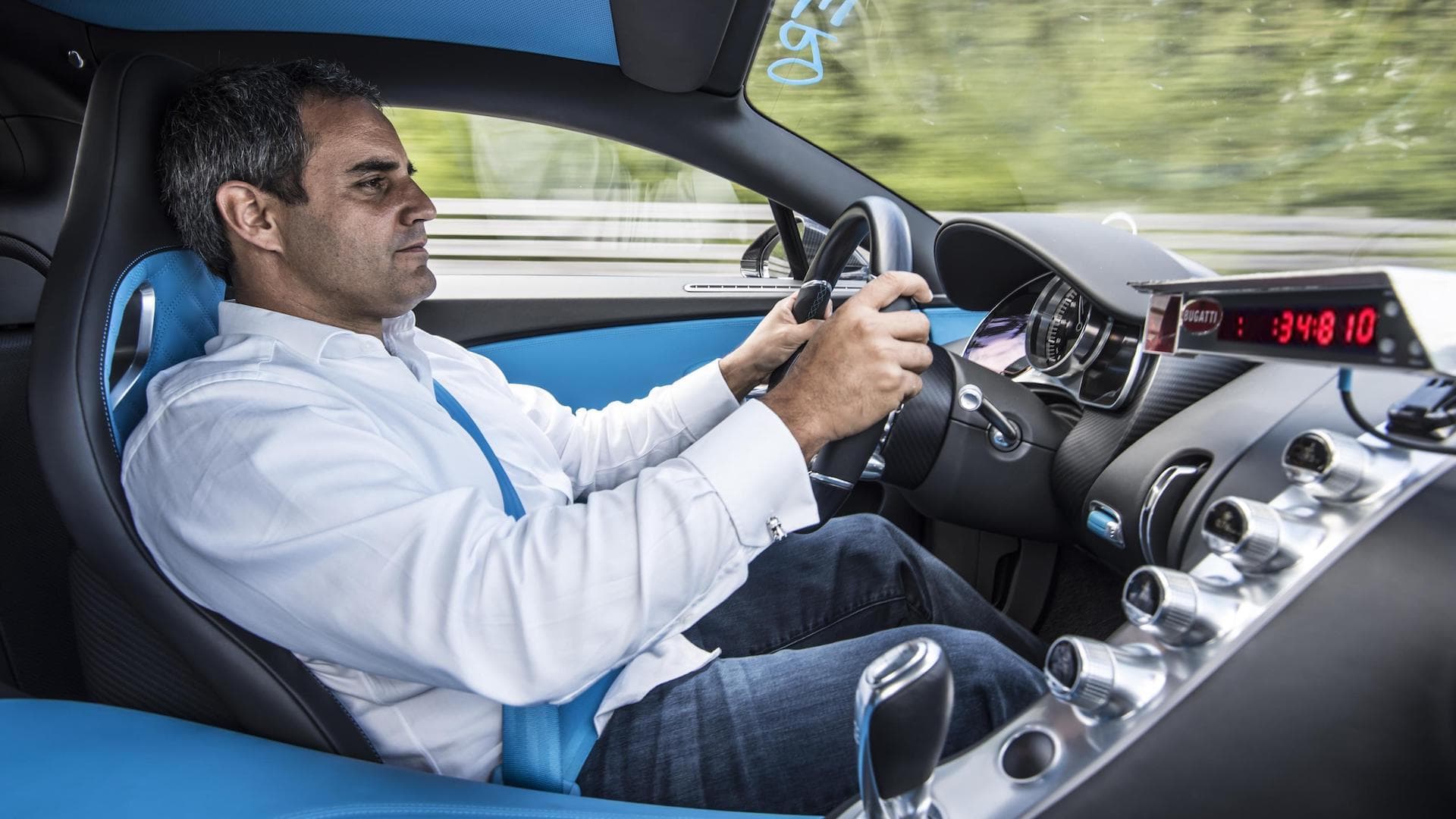
IndyCar, Daytona 24 Hours, and Formula 1 legend Juan Pablo Montoya, along with his son Sebastian, are two more names that have joined the incredible list of talent.
From the world of esports, Rudy van Buren, James Baldwin, and inaugural F1 Esports champion Brendon Leigh, are confirmed entrants.
All from the comfort of your own sofa
Professional racers will add to a total of 20 hand-picked drivers, with a further 20 gamers earning their spot through a qualification event.
Racing will begin on Sunday at 13:00 GMT, with two group sprint races held on Sunday, along with a last-chance qualifier.
The top eight from each heat and the last-chance qualifier will then progress through to a final battle.
A prize fund of $10,000 is on hand for the ultimate winner.
The-Race.com’s Head of Motorsport, Andrew van de Burgt, commented that this “is the beauty of virtual racing – we’ll have 40 racers competing around the world from their own homes and then thousands of fans also watching without having to leave their couch.”
Fans will be able to watch the competition for free through The Race’s YouTube channel.
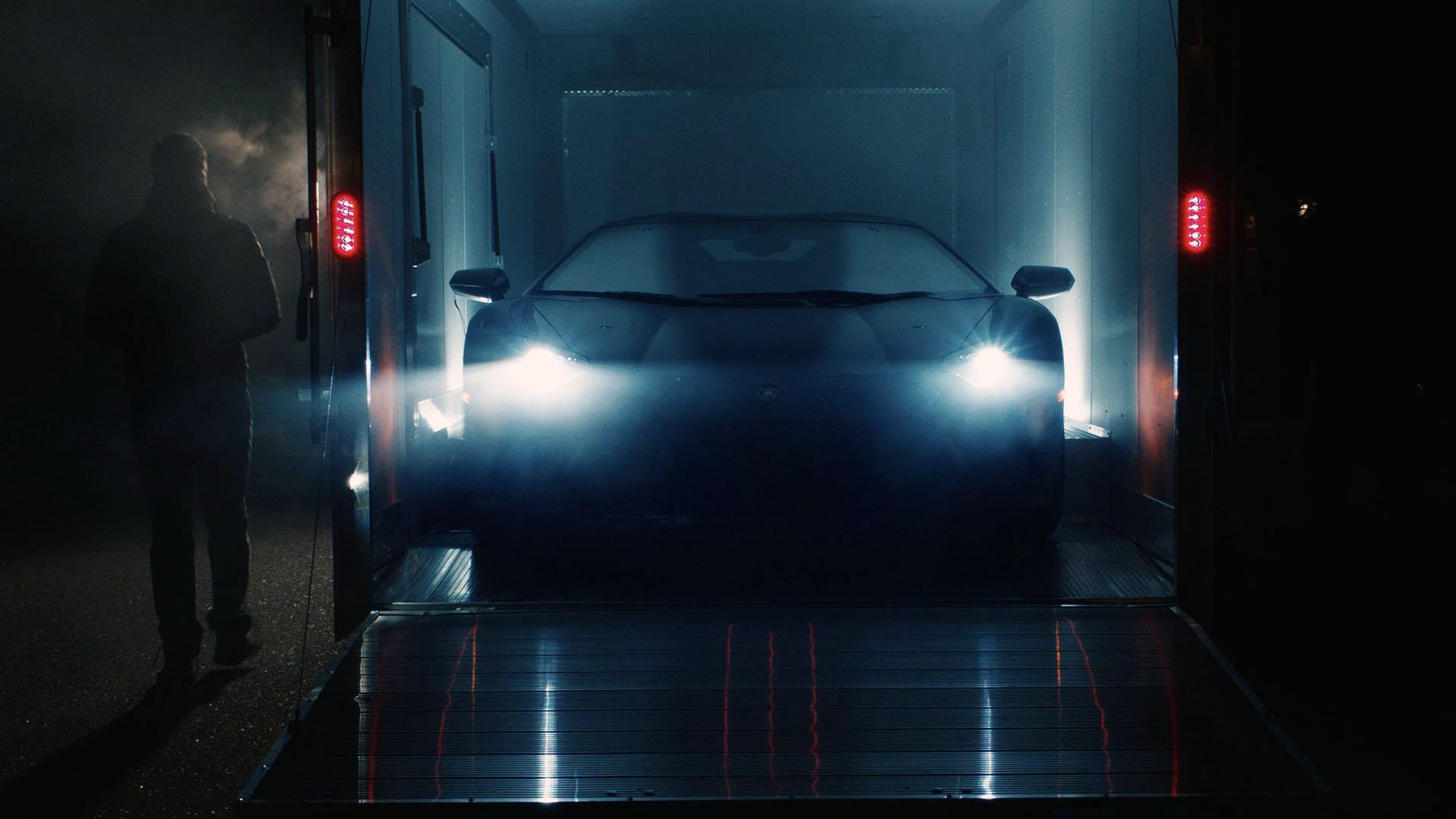
Lamborghini is the latest car manufacturer to fall victim to the coronavirus. The company has stopped production at its Sant’Agata plant for two weeks, until March 25. The move is part of Volkswagen Group’s plan to limit the impact of coronavirus on its operations.
Lamborghini is only the latest case of a coronavirus factory closure. It should come as no surprise, given the hold the virus has on Italy.
Italian Prime Minister Giuseppe Conte ordered lockdown in the country on Wednesday. All shops except grocery stores and pharmacies are closed. Factories, however, are allowed to stay operational, albeit with ‘precautions’.
“This measure is an act of social responsibility and high sensibility toward our people, in the extraordinary situation in which we find ourselves right now,” said Lamborghini CEO Stefano Domenicali.
“We continue to monitor the situation in order to react rapidly and with the right flexibility, in collaboration with our people and in order to restart with energy in the right moment.”
Lamborghini patents revolutionary electric car tech with university
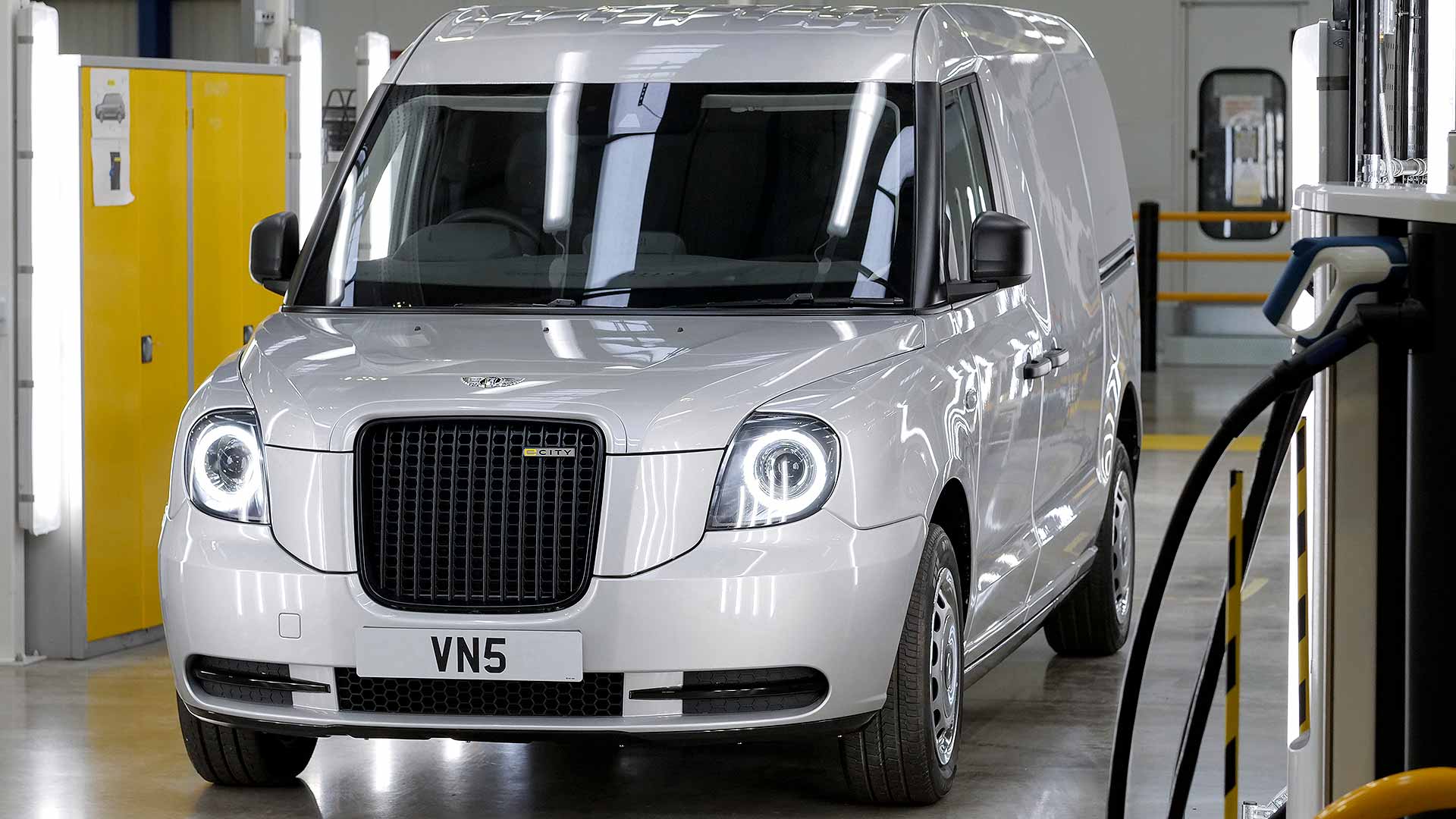
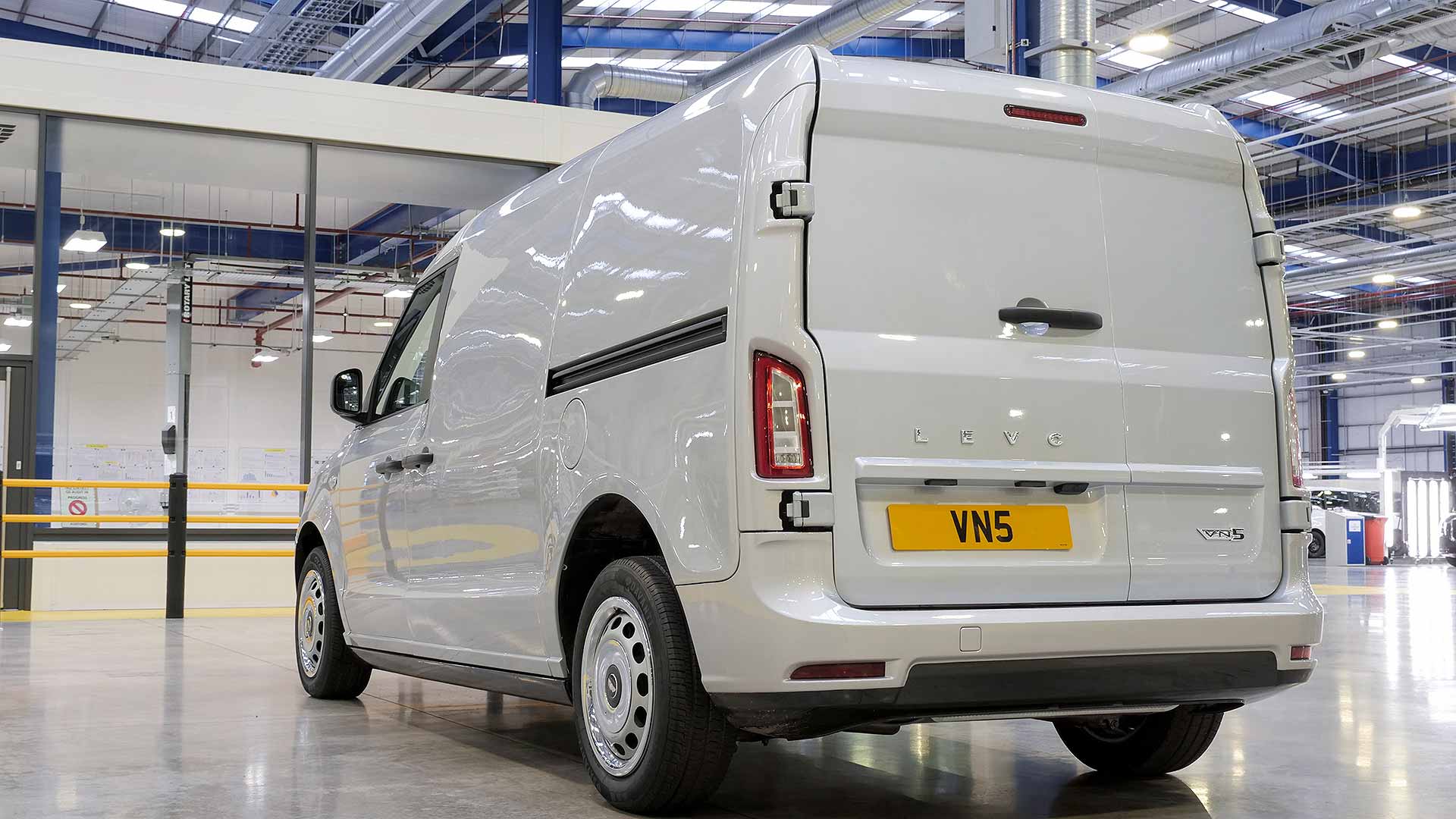
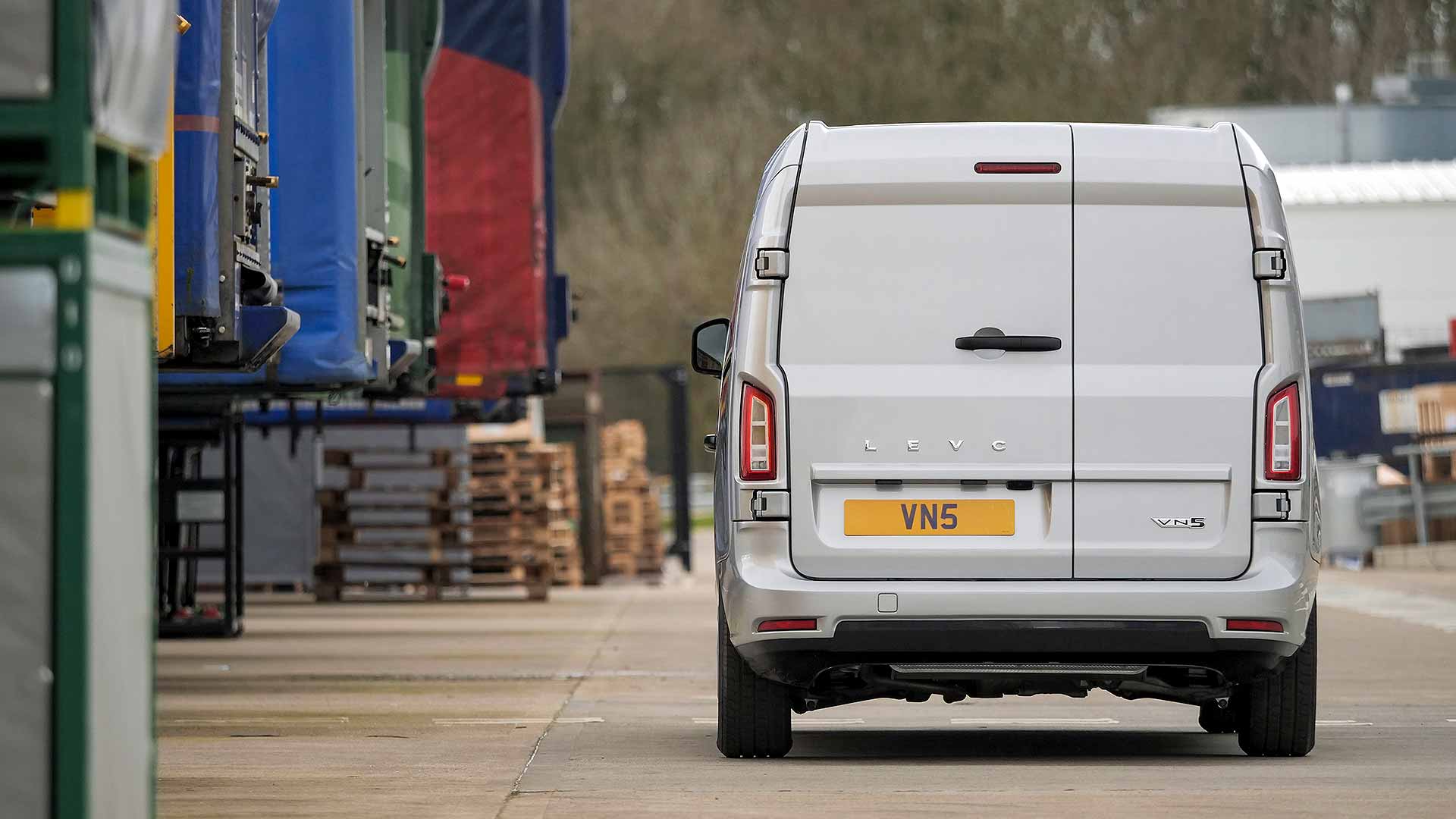
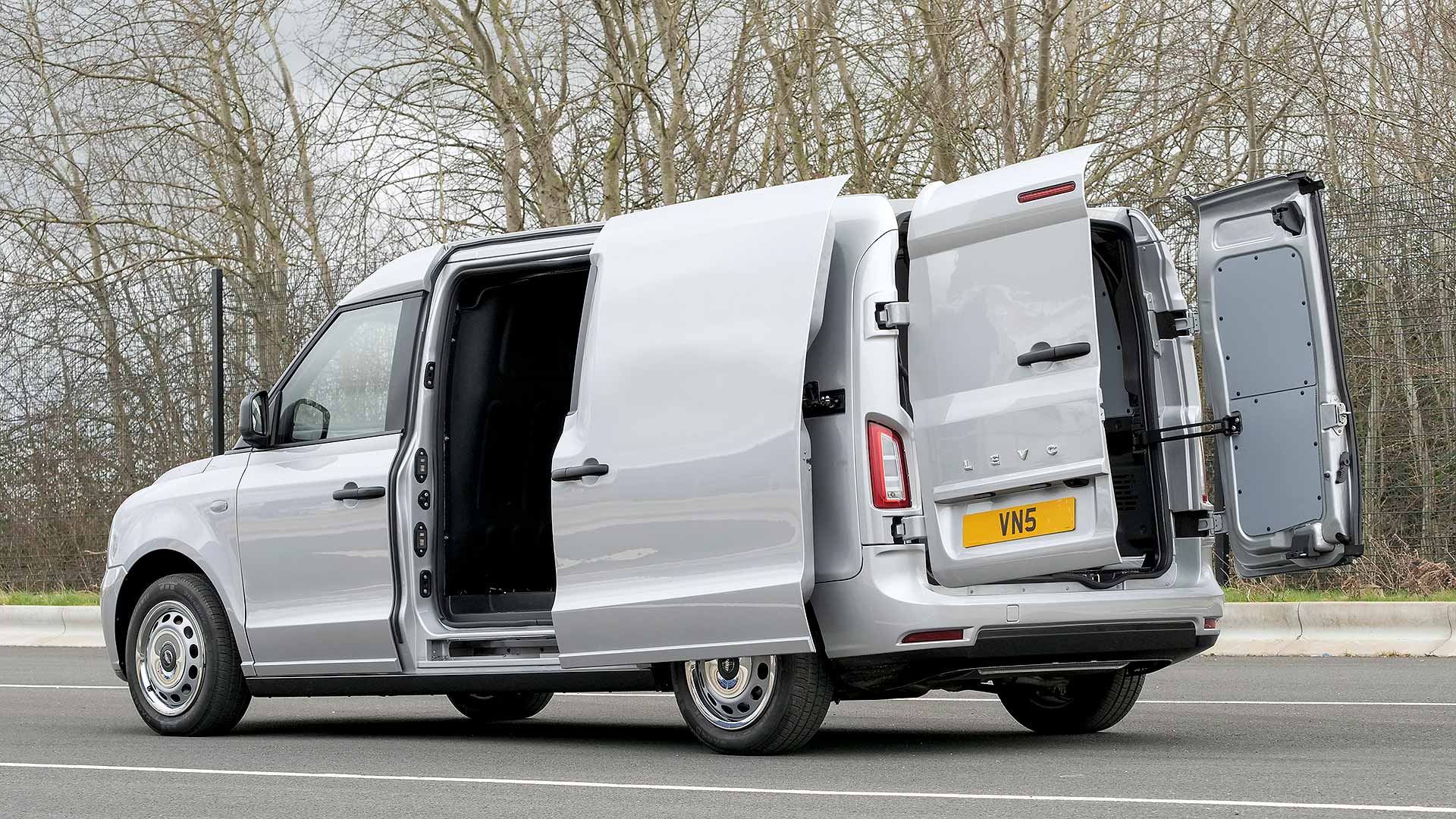
LEVC, the maker of the London taxi, has revealed the name for its next new product line: the VN5 electric van.
Just as it’s TX for ‘taxi’, the VN is short for ‘van’. And 5? That represents the load capacity, in cubic metres.
The LEVC VN5 will launch towards the end of 2020 and is set to quickly grow the Coventry commercial vehicle specialist’s annual production towards its 20,000-unit capacity.
“Our new VN5 further signifies our transformation from the iconic British taxi brand to leading electric commercial vehicle manufacturer,” said LEVC CEO Joerg Hofmann.
He adds it will also “revolutionise green logistics”.
How? With the same eCity range-extender technology as the LEVC TX taxi. A 31kW battery gives a pure EV range of 63 miles. This can be fast-charged in 30 minutes.
Alternatively, a 1.5-litre turbo petrol Volvo engine can act as an onboard generator, creating electricity to give a total range of 301 miles (it’s fuelled by a tiny 36-litre tank).
It is not plug-in hybrid tech, stresses LEVC. The electric motor is in the back, driving the rear wheels; the petrol engine is in the front.
There is no connection from the engine to the wheels; it is only hooked up to the rear drive unit by electrical cables.
‘New type of van’
The front end is shared with the TX taxi, but it is custom-designed from behind the front seats for the target one-tonne van sector (total payload is 800kg).
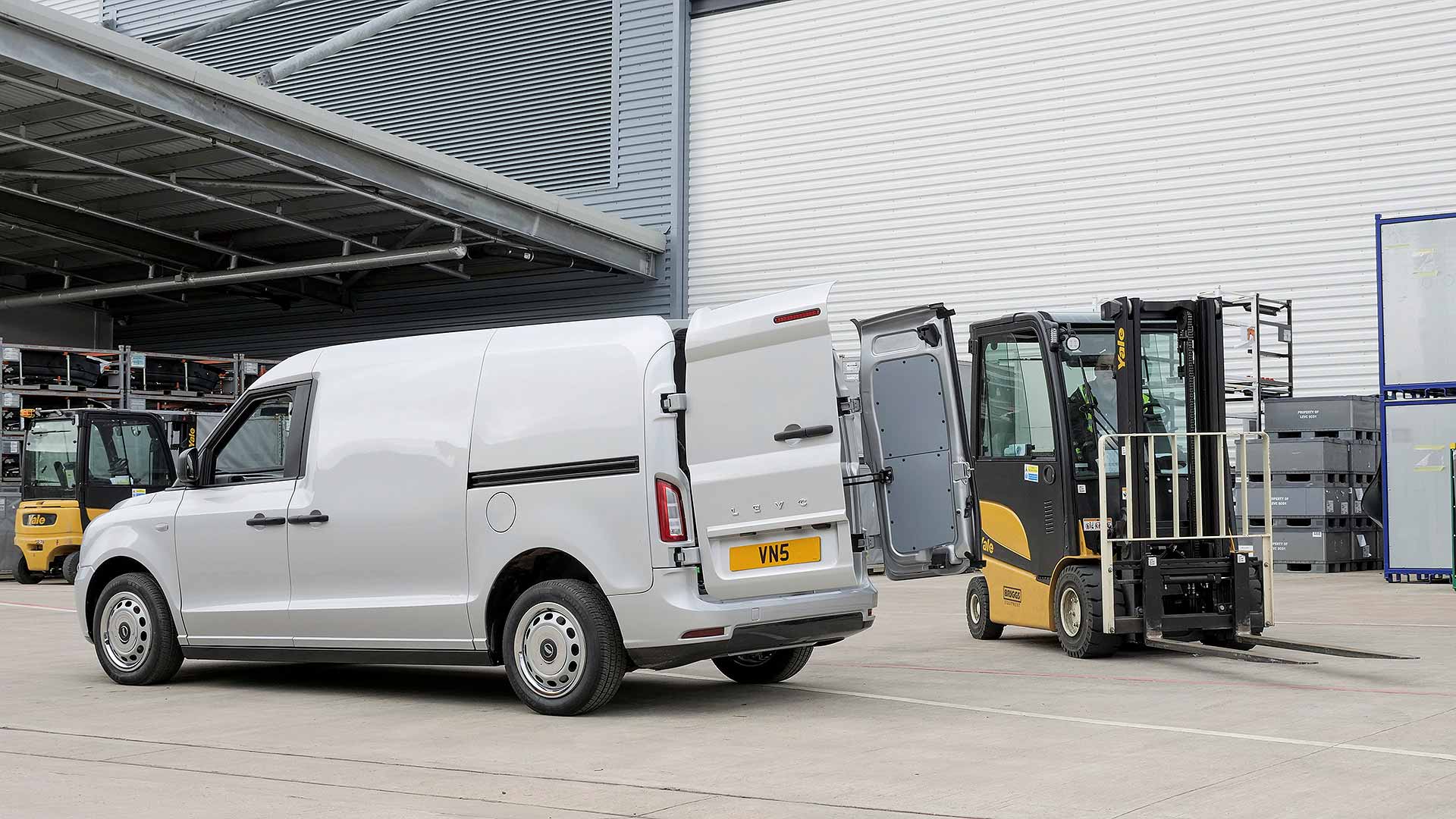
The VN5 is commodious. Total capacity is actually 5.2 cubic metres, it can swallow two Euro pallets, and has a load bay that stretches 2.4 metres front to rear.
The 60/40-split rear doors open wide, and a sliding side door has an opening more than 1 metre wide.
This gives the VN5 its party trick: one Euro pallet can be loaded in the side door, and another in the rear.
Mr Hofmann, a former Audi executive, says it has the potential to transform delivery van emissions. In London alone, there are 65,000 diesel van trips a day in and out of the city.
The new VN5 can switch these to zero-emissions electric without the range anxiety of other electric van solutions.
Fast-changing means the batteries can be replenished during a coffee stop or lunchbreak at the depot. And the range extender gives companies confidence to make the switch to electric without the risk of their drivers being left stranded.
Pre-production of the new green van is already underway in Coventry, with a market launch expected in the spring.
Prices have yet to be announced but will sit below the TX taxi, which costs from £55,000. The LEVC VN5 will also be eligible for the Plug-in Car Grant, worth up to £8,000 for commercial vehicles.
Who would not be tempted by the idea of owning a rare and historic Porsche, for less than $40,000 (£30,000)?
Forget ideas of buying a vintage 911 or 356 for that kind of money though. Your aspirations may need to be a little more agricultural and down to earth.
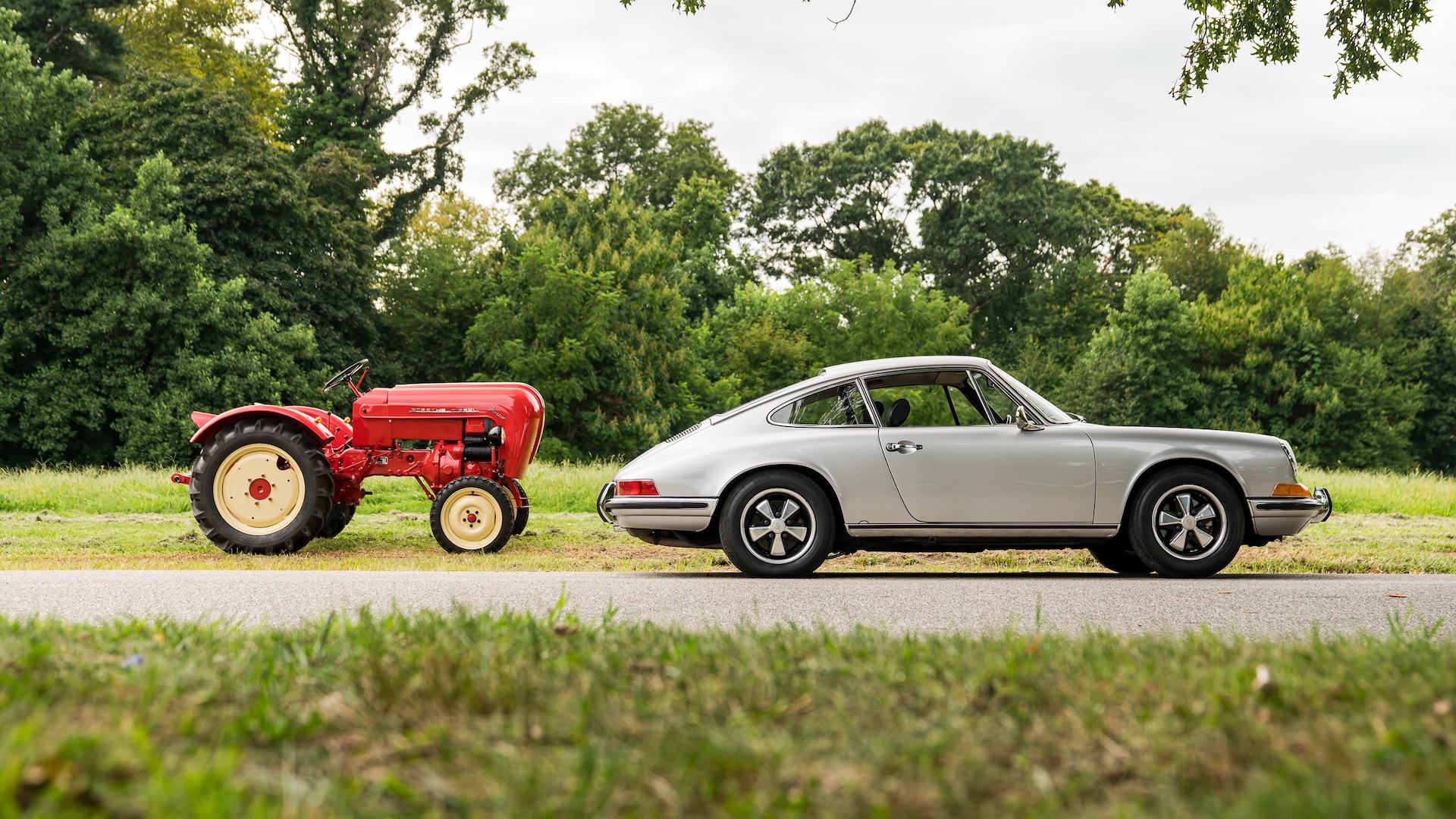
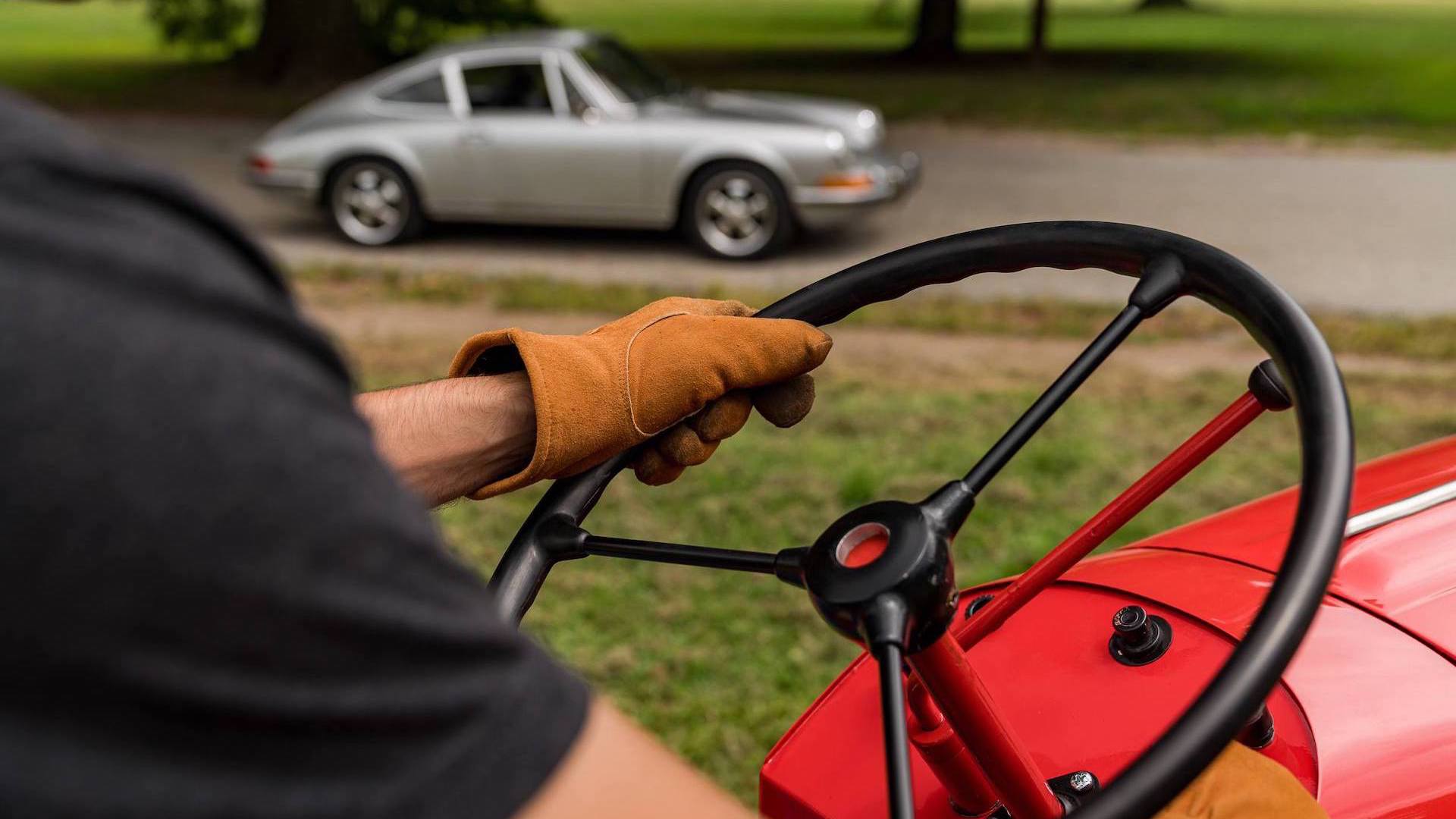
Instead, you could become the proud owner of a Porsche Diesel Junior tractor. Like the one currently advertised for sale on ClassicCars.com.
Tractors for the people
Company founder Ferdinand Porsche had experimented with the idea of an affordable tractor during the 1930s. World War II curtailed many of Ferdinand’s plans, including an early concept for a four-wheel drive tractor.
After WWII, Porsche signed licensing deals with various companies to enable their tractor ideas to be produced. In 1956, Mannesmann AG bought the rights to Porsche’s tractor designs, creating the Porsche-Diesel brand.
Between 1959 and 1963, some 125,000 examples of the Porsche-Diesel tractor were made, although only around 1,000 were exported to the United States.
A diesel Porsche that’s still cool
Although a whole range of Porsche tractors were sold, the Junior model proved to be the biggest success. Farmers would need to find $1,750 to buy one new, whilst the fancy ‘Super’ would cost $3,600.
It means that examples like this 1959 Porsche-Diesel Junior 108 are relatively rare in North America, boosting their collectibility.
Power comes from an 822 cc air-cooled single-cylinder diesel engine, producing 15 horsepower. Performance is, understandably, sedate but it does at least come with a six-speed transmission.
Restored from a working life
Information as to the early origins of the Junior 108 offered for sale are relatively slim, according to the seller.
However, it has been subjected to a recent and thorough restoration process in Germany. This has seen it returned to excellent condition, although still wearing the signs of a life spent working the land.
Original data tags from the factory are intact, and new parts have been added sympathetically where needed. These include the plastic lights mounted on the fenders, along with new rubber fixings to keep the tilting hood in place.
Mechanically this Porsche is noted to be in great condition, with the single-cylinder engine firing into life with ease. The selling dealership even has an audio recording of this on their website, allowing buyers to experience the unique sound of this diesel motor.
A number of hoses and cables beneath the hood appear to have been replaced during the restoration, along with the battery. Wiring behind the dashboard also demonstrates evidence of being updated.
The tires are in new condition, and mounted on wheels that were also subject to the restoration work. It means that virtually all the important mechanical aspects of this tractor have been covered.
For the Porsche collector who has everything
With an asking price of $35,000 (£26,800), this Junior 108 tractor is substantially cheaper than equivalent Porsche sports cars of a similar vintage. Examples of Porsche-Diesel tractors have recently attracted attention at auction on both sides of the Atlantic.
A tractor like this would appeal to fans of agricultural machinery, or Porsche fans looking for the perfect addition to their collection.
Underneath the shiny paintwork, this is still a farm vehicle. It means this could be one of the few classic Porsches that could earn its keep by helping out with yard work and other duties.
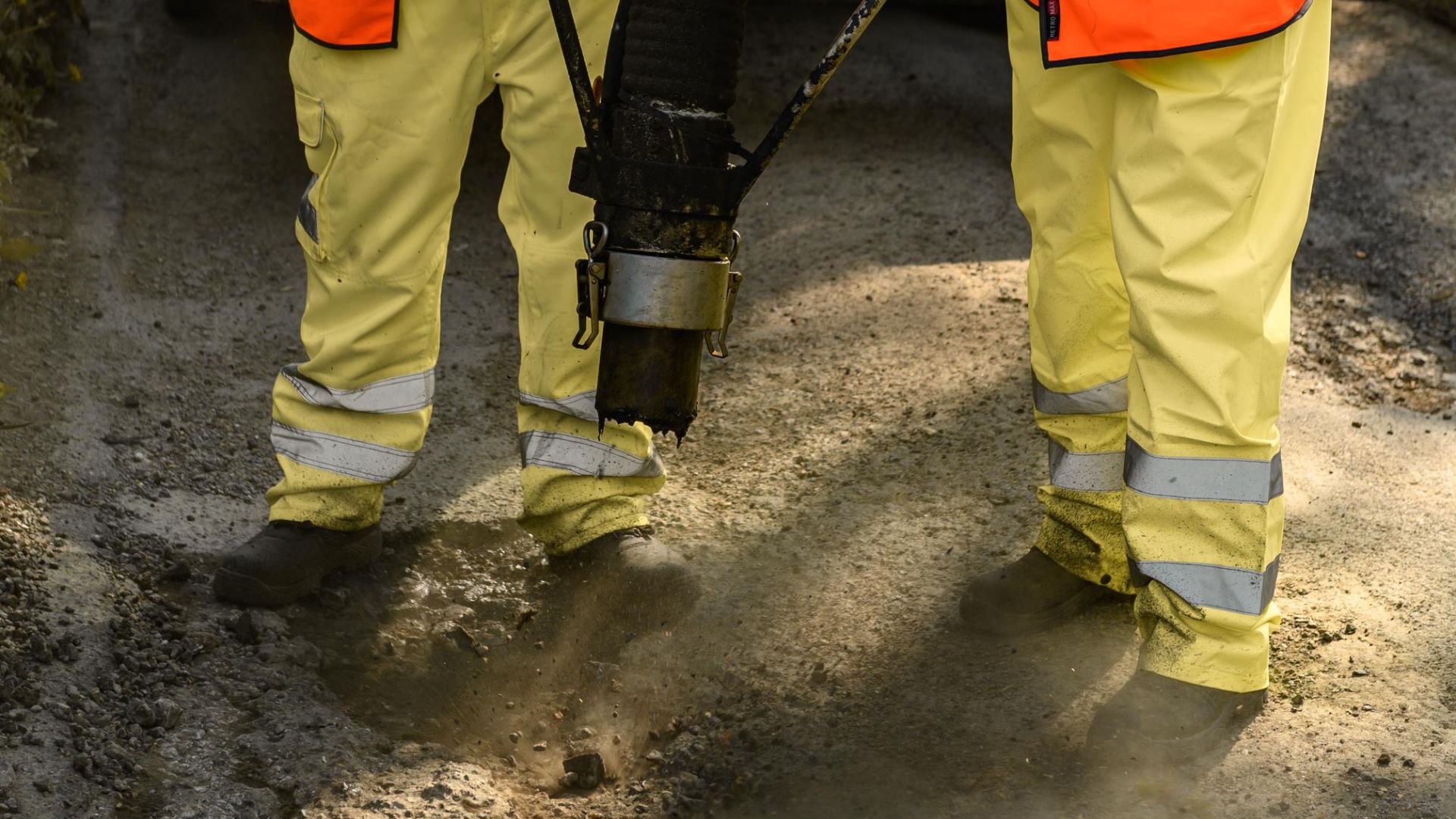
New research suggests that more than two million potholes could be left unrepaired every year, even after the Treasury’s cash injection from yesterday’s Budget.
As we reported in our Budget coverage, chancellor of the exchequer Rishi Sunak confirmed that £500 million extra would be allocated annually over the next five years to combat the problem.
The news was well received. Neil Worth, road safety officer at GEM Motoring Assist said: “We are delighted that the chancellor is willing to pour £2.5 billion into potholes over the next five years.”
“We would like to see action taken immediately that will give national highways agencies and local authorities the means to ramp up their programme of pothole repairs. Let there be no delay in improving the state of our roads.”
However, last year’s Annual Local Authority Road Maintenance (ALARM) report indicates more still will be needed. It showed an extra £657 million was required to repair potholes last year in England and Wales.
Assuming the numbers carry over, that leaves an annual shortfall of £157 million in funding. Sunak’s cash injection may be more plaster than cast.
Consider that the average unplanned pothole repair cost costs £65.33. Do the maths, and you’re left with around 2.4 million potholes unrepaired every year. That’s just over 10 million potholes over the next five years. Over this period, the government wants to see 50 million repaired.
Still, five-sixths of the job is a start. And since 2013, local authorities have spent £74 million in compensation for damage caused by potholes.
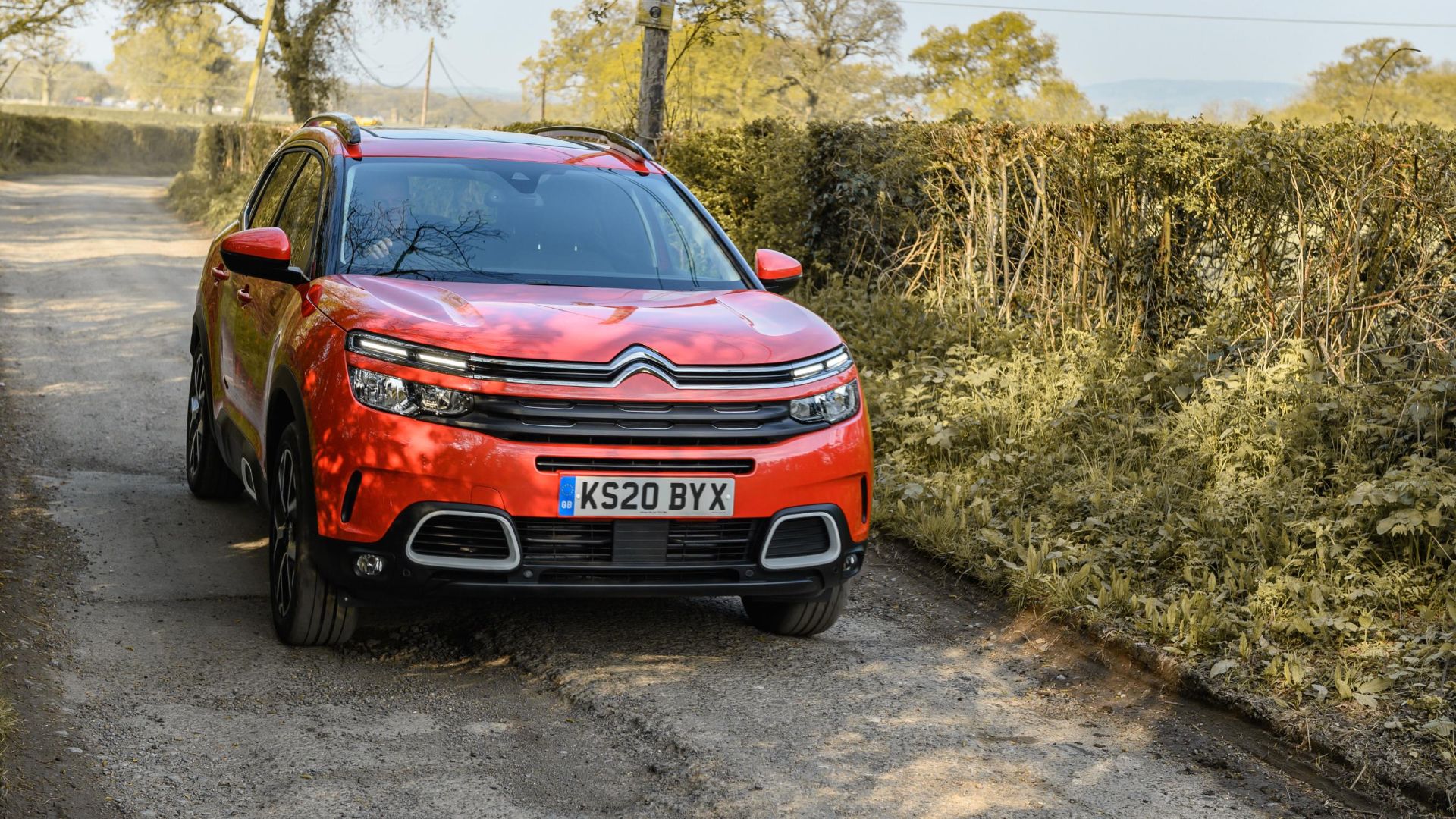
“The state of the roads in England and Wales is no secret to anyone, so people up and down the country will welcome this latest announcement of a significant increase in the funding to repair our roads,” said Souad Wrixen, marketing director of Citroen UK.
Citroen has highlighted the remaining deficit in funding, and the suitability of its cars for dealing with the remaining ruts in the road. Citroen’s progressive hydraulic cushion tech comes fitted to the C5 Aircross and C4 Cactus models as standard.
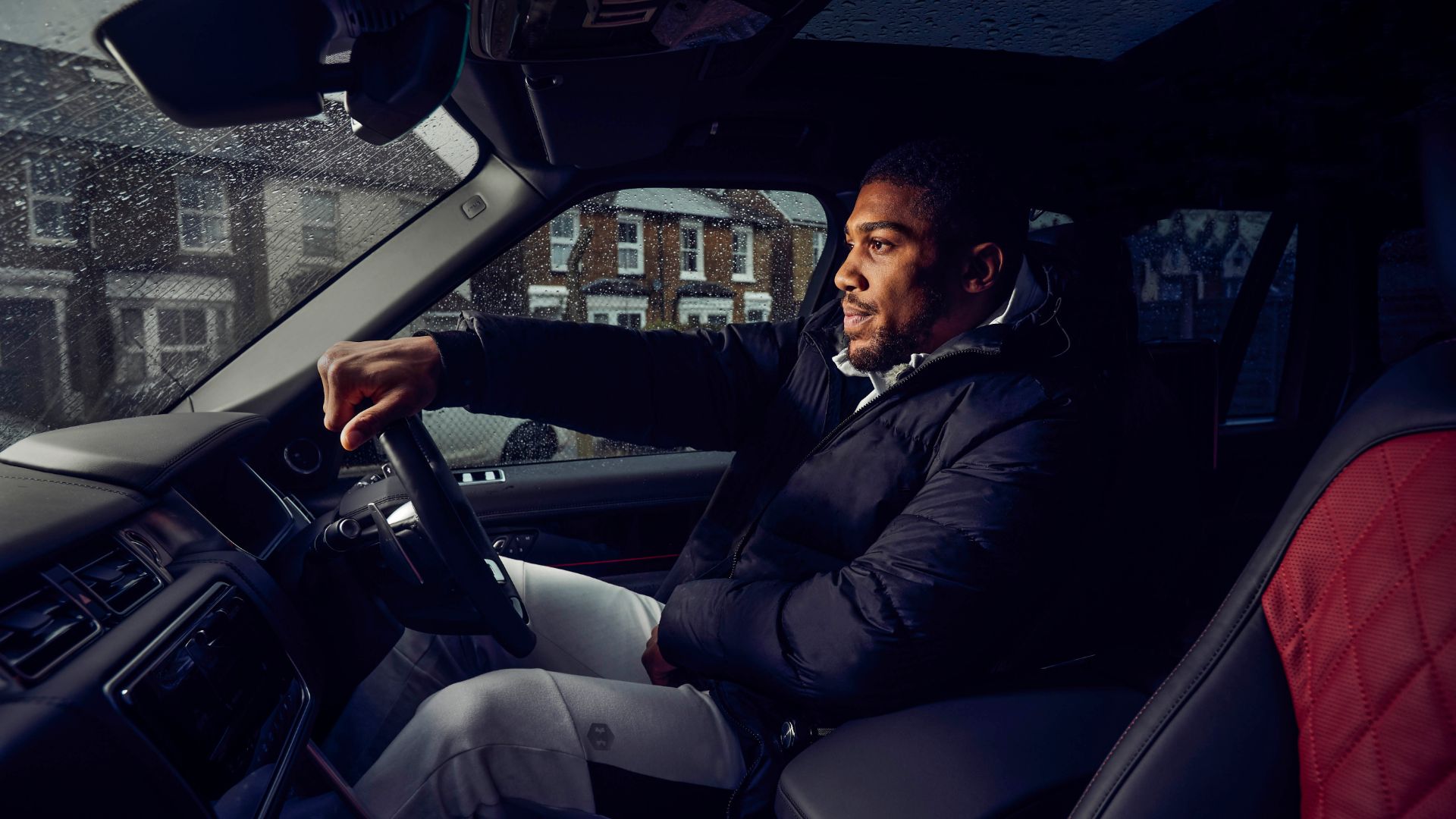
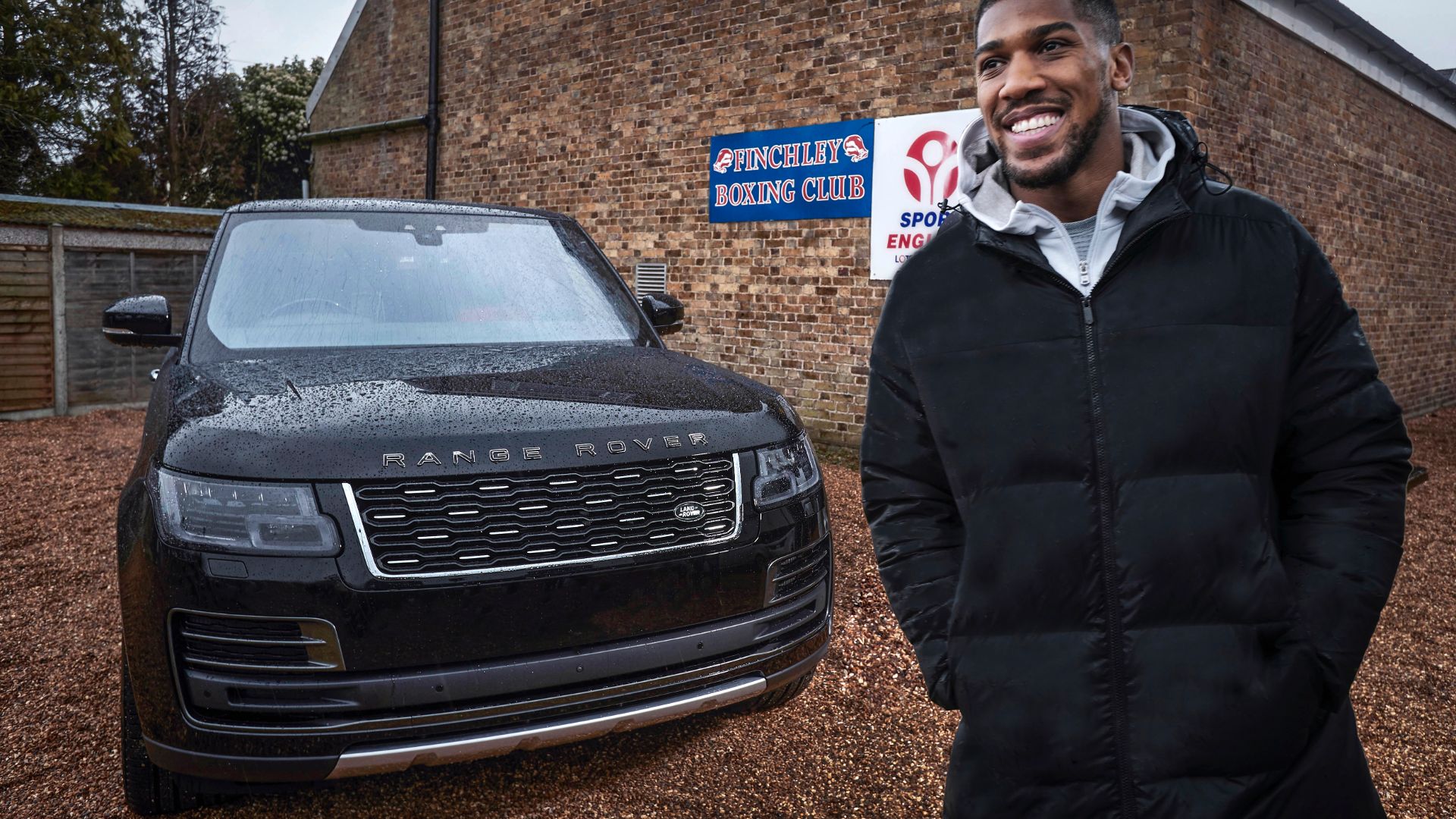
Heavyweight world champion boxer Anthony Joshua has taken delivery of a special commission Range Rover SVAutobiography from Land Rover.
He collected his new heavyweight car outside the Finchley Boxing Club in Barnet, north London – the place where he started his sporting journey.
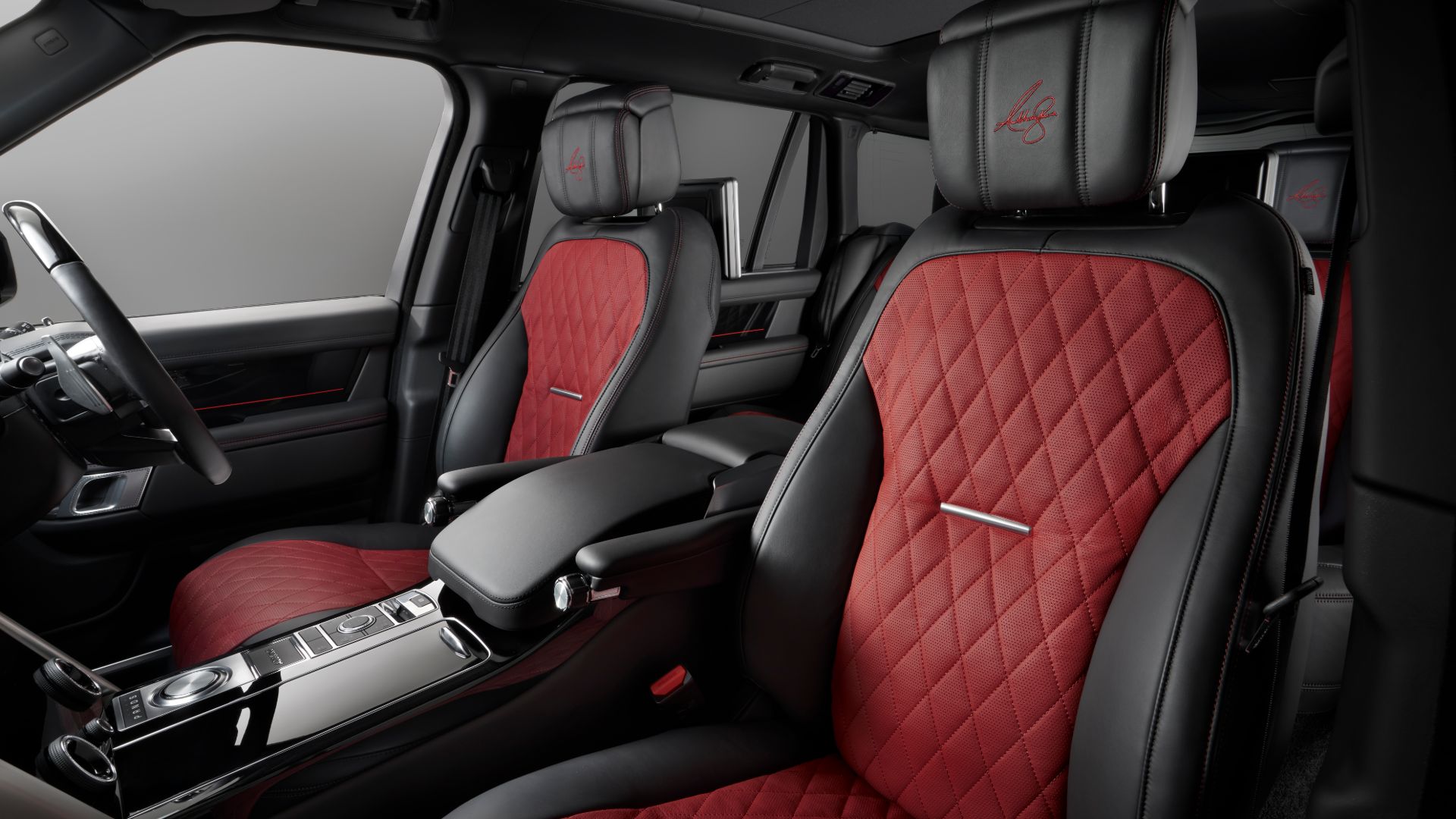
Unique touches on this SVA Range Rover include a special B-pillar badge with his family crest, plus recognition of his four heavyweight world titles. Joshua’s initials are embroidered on the headrests, too.
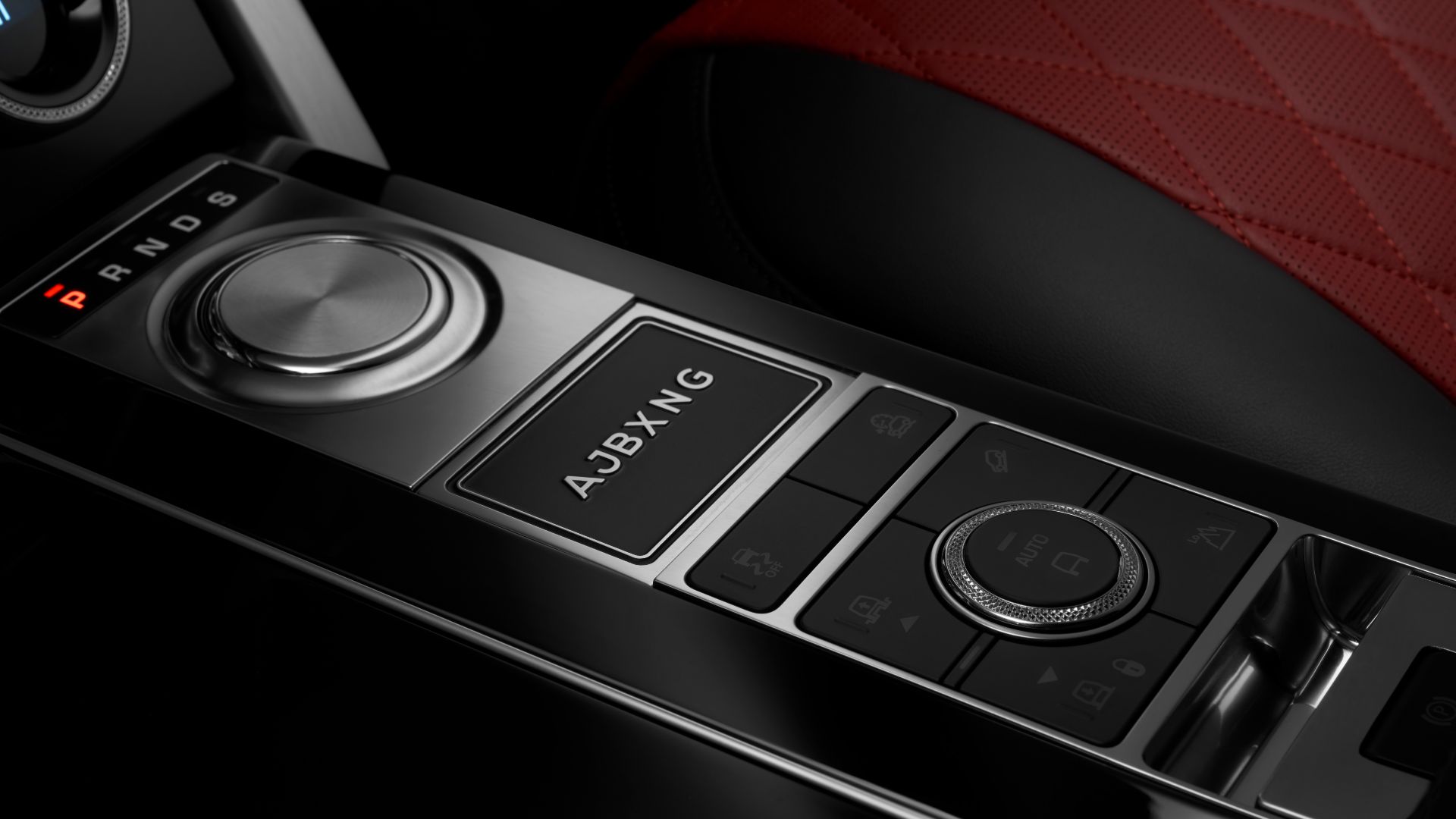
An ‘AJBXNG’ graphic features on the commissioning plaque on the centre console, as well as the illuminated sill treadplates. The alloy trim on the dashboard also has Joshua’s name engraved, while the interior door handles have subtle boxing glove motifs etched into them.
On the outside, Joshua’s car is finished in a bespoke black paintwork. The grille, side vent graphics and door handles are ‘Graphite Atlas’ grey. Union Jack flags feature on the wing vents, along with ‘258’ – the name of his management company.
The car is finished off by 22-inch split-spoke alloys. Turning these is the SVAutobiography’s 565hp supercharged V8, so Joshua won’t be late for any engagements.
Joshua is currently preparing for his next fight, against Bulgarian Kubrat Pulev. With the stresses and intensity of his day job, it makes sense for him to want a comforting and cossetting car.
Good job he likely has somewhere safe to store it, too, given it’s a model high on the hitlist for keyless theft attacks.
“With family and media commitments here in London and my training base in Sheffield, I spend lots of time on the road,” Joshua said.
“The SVAutobiography will take the stress out of long trips, allowing me to relax in complete comfort, and its unique design features both my family crest and references to my boxing success and I have to thank the team at Land Rover Vehicle Personalisation for taking my ideas and making them real.”
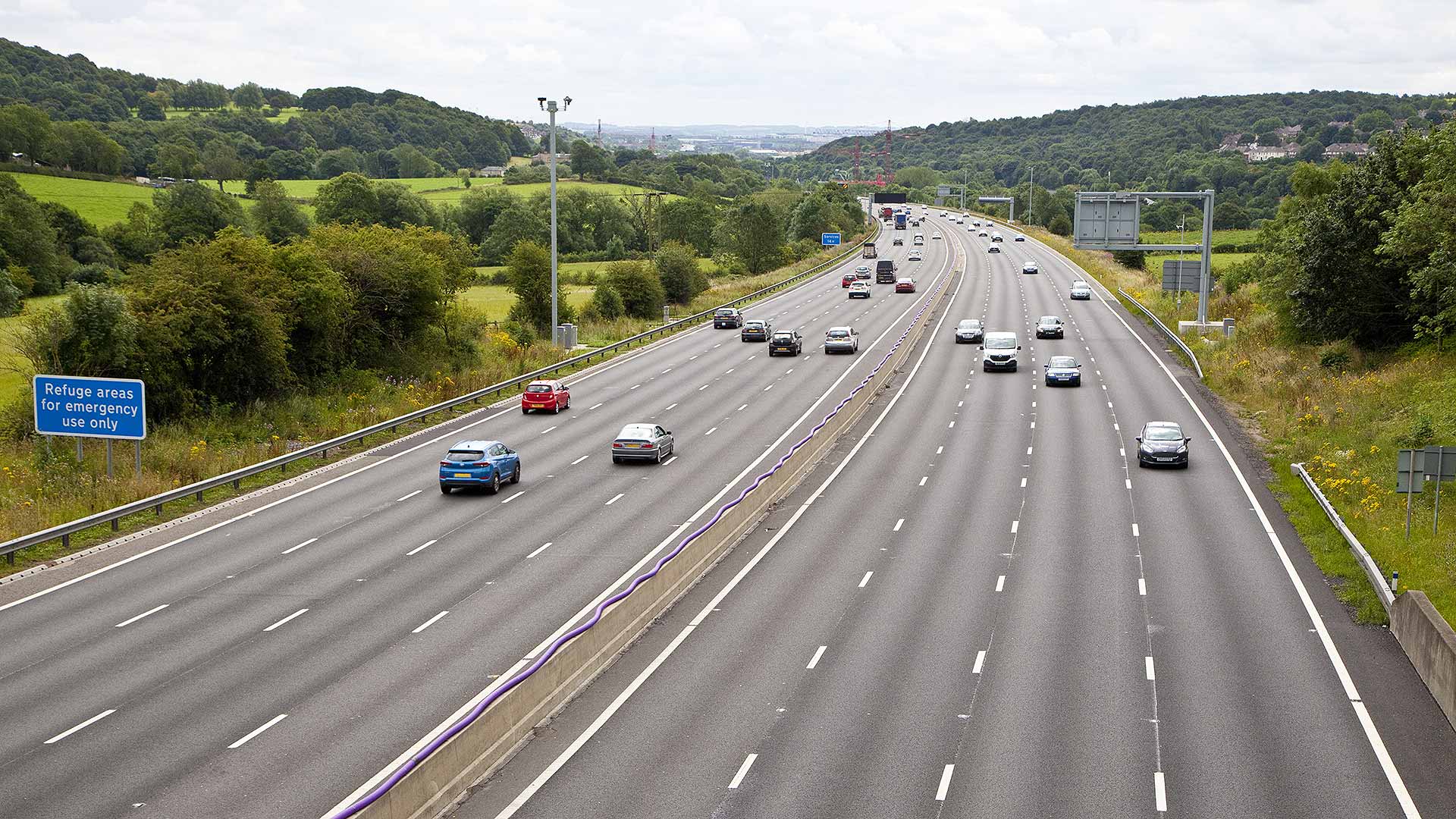
Smart motorways are to be overhauled by a series of measures aimed at improving safety and driver confidence.
These include abolishing the ‘dynamic hard shoulder’, building more emergency areas, and speeding up the installation of cameras that detect stopped vehicles.
The target is for a radar-based ‘stopped vehicle detection’ system to be installed across the smart motorway network within three years.
They can detect stopped vehicles within 20 seconds and then quickly close live lanes.
“In most ways, smart motorways are as safe as, or safer than, the conventional ones,” said transport secretary Grant Shapps in announcing the measures.
However, some risks are higher, he acknowledged – including the risk of a collision between a stationary and moving vehicle.
The action plan will “allow us to retain the benefits of smart motorways while addressing the concerns that have been identified”.
‘Confusing’
Mr Shapps acknowledged that dynamic hard shoulders are confusing. These are where the hard shoulder operates only intermittently, and is otherwise a live running lane during peak times.
This earlier type of smart motorway is no longer built and today only forms a small proportion of the overall network.
More significant measures include reducing the distance to emergency areas to around three-quarters of a mile, and to a maximum of one mile.
Today, they can be spaced up to a mile and a half apart.
An additional 10 emergency areas will be installed on the M25 and Highways England will investigate sections of the M6 and M1 where there has been a series of accidents.
The government also plans to spend an extra £5 million on campaigns to inform motorists about smart motorways and how to use them safely.
Launching later in 2020, these will include advice on what to do if drivers break down on a smart motorway.
Smart motorway action plan: industry reaction
RAC head of roads Nicholas Lyes said: “Two-thirds of drivers tell us that they believe permanently removing the hard shoulder compromises safety in the event of a breakdown.
“While it is welcome that the Government has listened to their concerns and undertaken this review, it remains to be seen whether these measures go far enough to protect drivers who are unfortunate enough to break down in live lanes.”
Road Haulage Association chief executive Richard Burnett said: “Mr Shapps is the first Secretary of State for many years who has listened to what we have to say and who is taking action.
“I am pleased at Mr Shapps’ announcement that an additional £5 million is to be spent on a national, targeted communication campaign to increase drivers’ understanding of how to use smart motorways properly.”
Regarding the number of safety areas, Mr Burnett said the RHA had “always considered there to be too few refuge areas following the initial pilot scheme on the M42 when they were 500m apart and we welcome an increase in their number.
“However, if smart motorways are to be smart, they should not have been rolled out before the ‘stopped vehicle detection systems’ were in place across the whole network. Waiting another three years is just too long.”
Mr Lyes agreed: “The commitment to install stopped vehicle detection technology on the whole network is a positive step, but a three-year timeframe will feel like an eternity considering the concerns many drivers have about all lane running schemes.”
The RAC did, however, praise a commitment to allow roadside patrols and recovery vehicles to use red flashing lights – “a step that we hope will improve the safety of roadside patrol and operators”.
Smart motorways: 18 new safety measures
Abolishing the confusing ‘dynamic hard shoulder’ smart motorways, where the hard shoulder operates only part-time and is a live running lane the rest of the time
Substantially speeding up the deployment of ‘stopped vehicle detection’ technology across the entire ‘all lane running’ smart motorway network, so stopped vehicles can be detected and the lanes closed more quickly
Highways England is to accelerate its plans and install the technology within the next 36 months, setting a clear public timetable for the first time
Faster attendance by more Highways England traffic officer patrols on smart motorways where the existing spacing between places to stop in an emergency is more than one mile, with the aim of reducing the attendance time from an average of 17 minutes to 10 minutes
Reducing the distance between places to stop in an emergency to three quarters of a mile where feasible so that on future schemes motorists should typically reach one every 45 seconds at 60mph. The maximum spacing will be one mile
Installing 10 additional emergency areas on the existing M25 smart motorways on the section of smart motorway with a higher rate of live lane stops and where places to stop in an emergency are furthest apart
Considering a national programme to install more emergency areas where places to stop in an emergency are more than one mile apart
Investigating M6 Bromford viaduct and the M1 at Luton, Sheffield and Wakefield where there is evidence of clusters of incidents. Where an intervention is considered likely to make a difference, we will look to make changes at these locations
Making emergency areas more visible – all emergency areas will have a bright orange road surface, dotted lines on the surfacing showing where to stop, better and more frequent signs on approach and signs inside giving information on what to do in an emergency. These will be installed by the end of spring 2020
More traffic signs giving the distance to the next place to stop in an emergency, so you will almost always be able to see a sign. Typically, these will be between approximately 330 and 440 yards apart
More communication with drivers. We recognise that we could do more therefore we are committing to an additional £5 million on national targeted communications campaigns to further increase awareness and understanding of smart motorways, how they work and how to use them confidently
Displaying ‘report of obstruction’ messages automatically on electronic signs, triggered by the stopped vehicle detection system, to warn drivers of a stopped vehicle ahead, this is currently being trialled on the M25 and then a further trial on the M3
Places to stop in an emergency shown on your sat-nav by working with sat-nav providers to ensure the locations are shown on the screen, when needed
Making it easier to call for help if broken down by working with car manufacturers to improve awareness of the use of the eCall ‘SOS’ button in newer cars to call for help
We have changed the law to enable automatic detection of ‘red X’ violations and enforcement using cameras and we will be expanding the upgrade of smart motorway cameras (HADECS) to identify more of those who currently ignore the ‘red X’. The penalty is three points on the driver’s licence and a £100 fine, or the driver can be referred to an awareness course
An update of the Highway Code to provide more guidance
Closer working with the recovery industry on training and procedures
Reviewing existing emergency areas where the width is less than the current 15 foot wide standard. If feasible and appropriate we will widen to this standard
A review of the use of red flashing lights to commence immediately. We have listened to the calls for recovery vehicles to be allowed to use red flashing lights. We will commence work immediately on a review
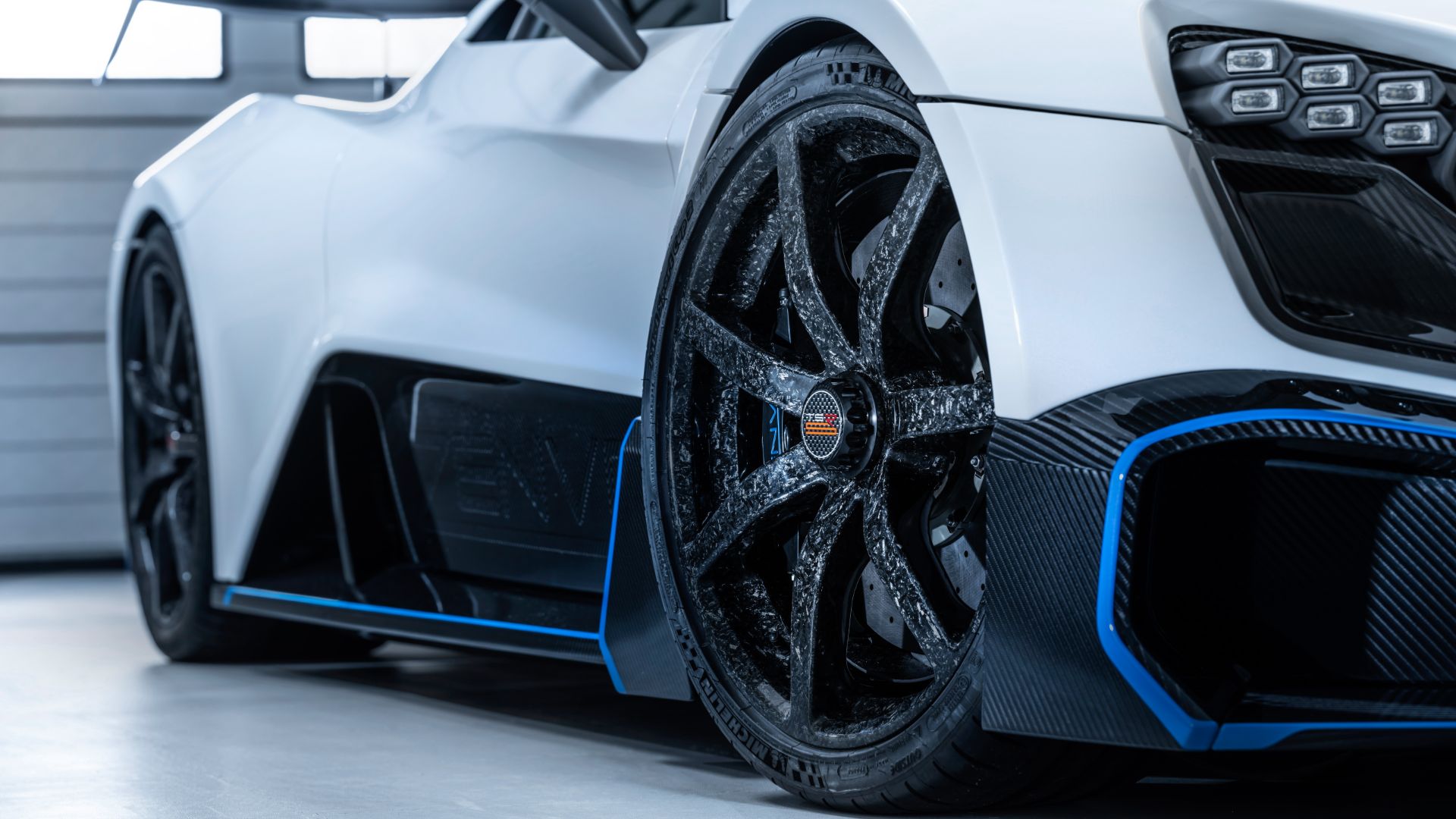
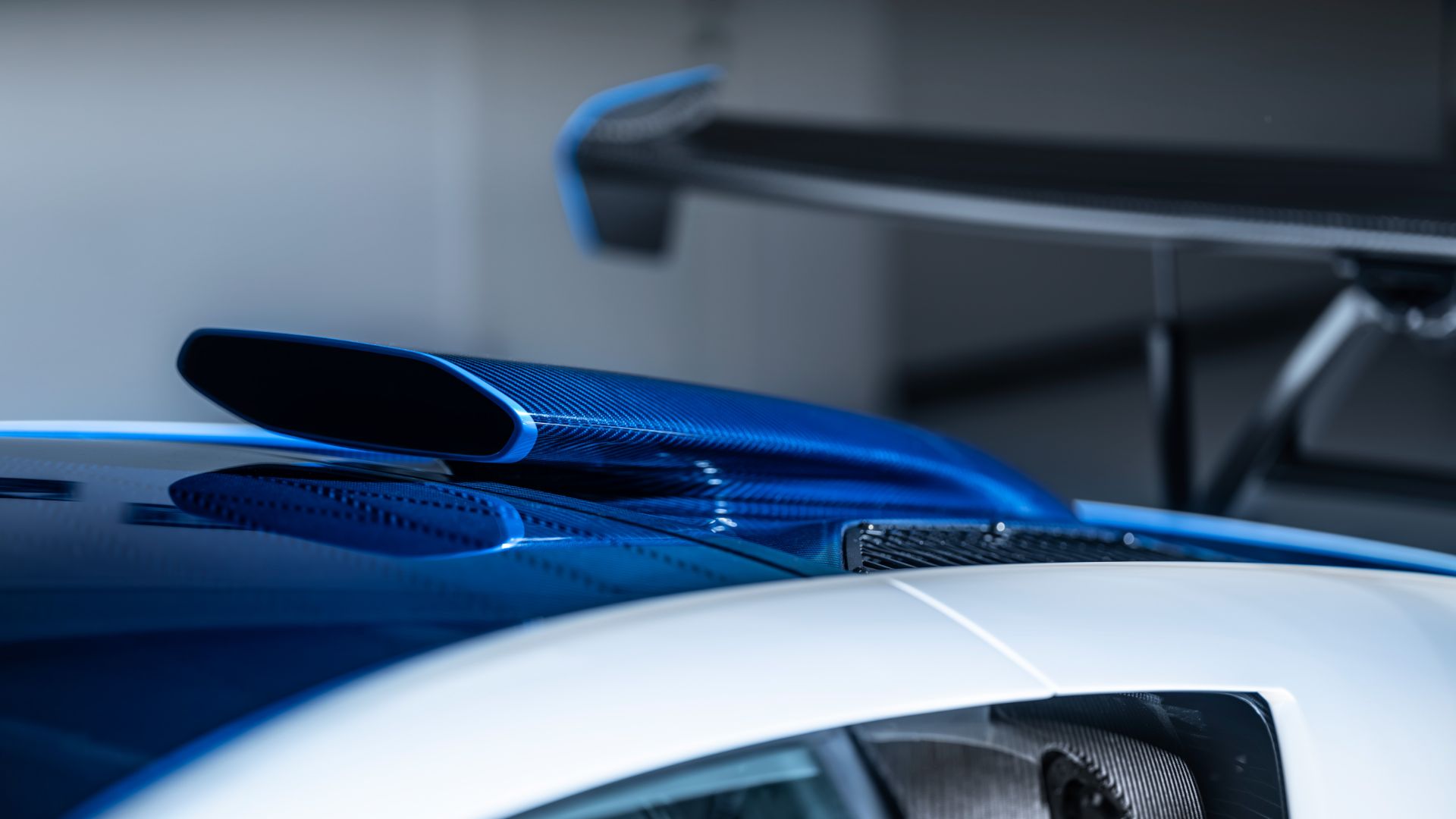
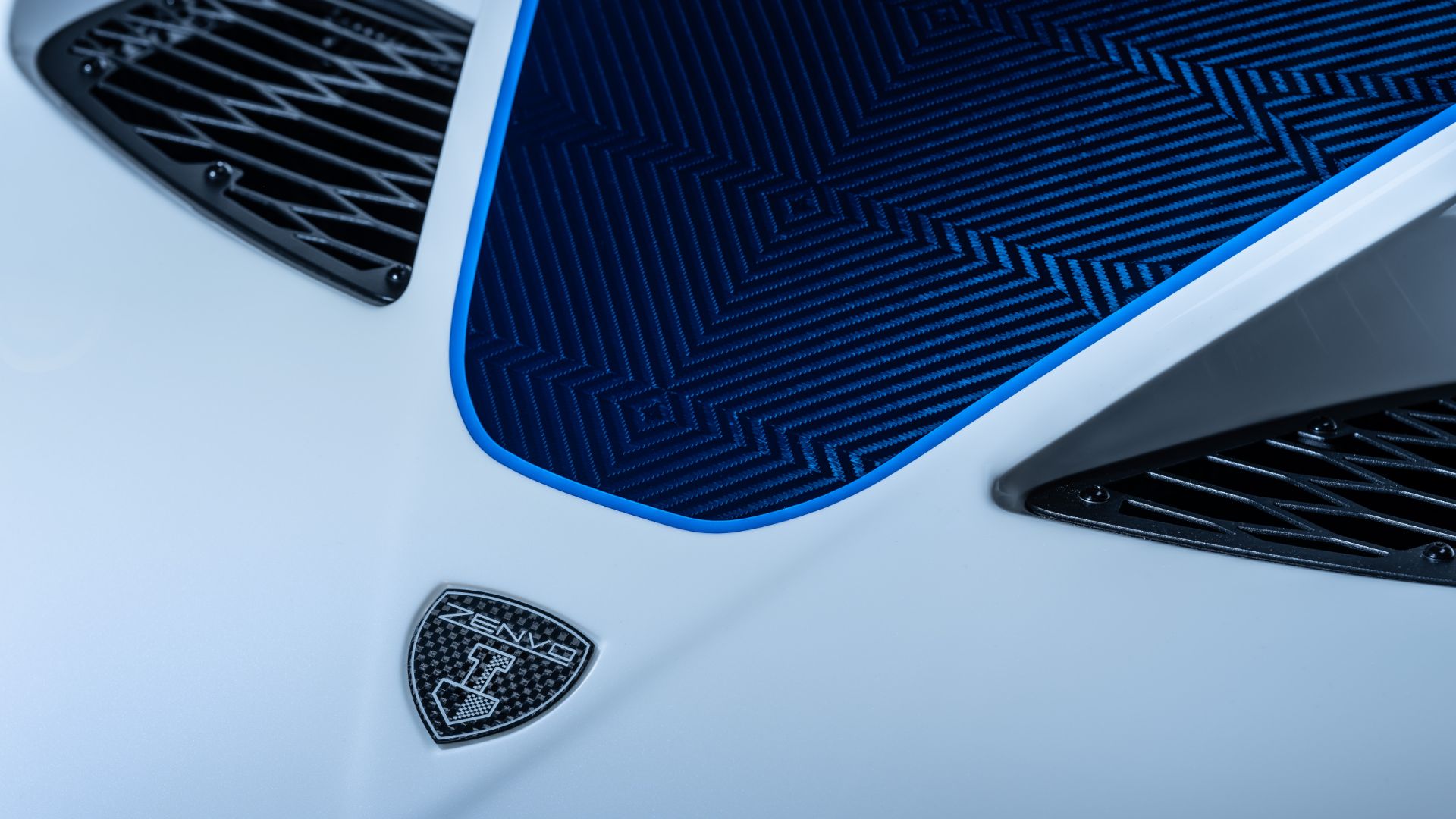
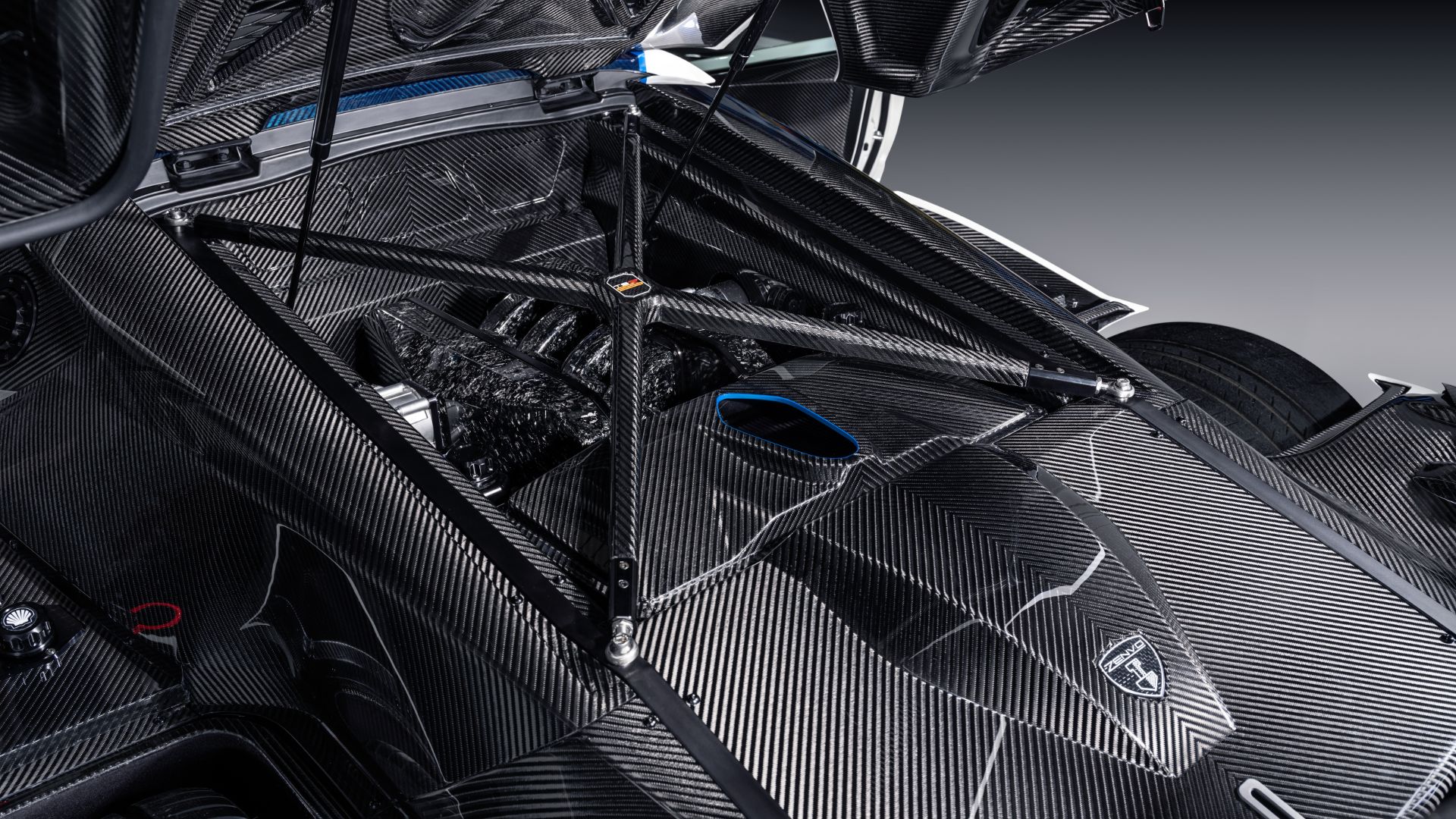
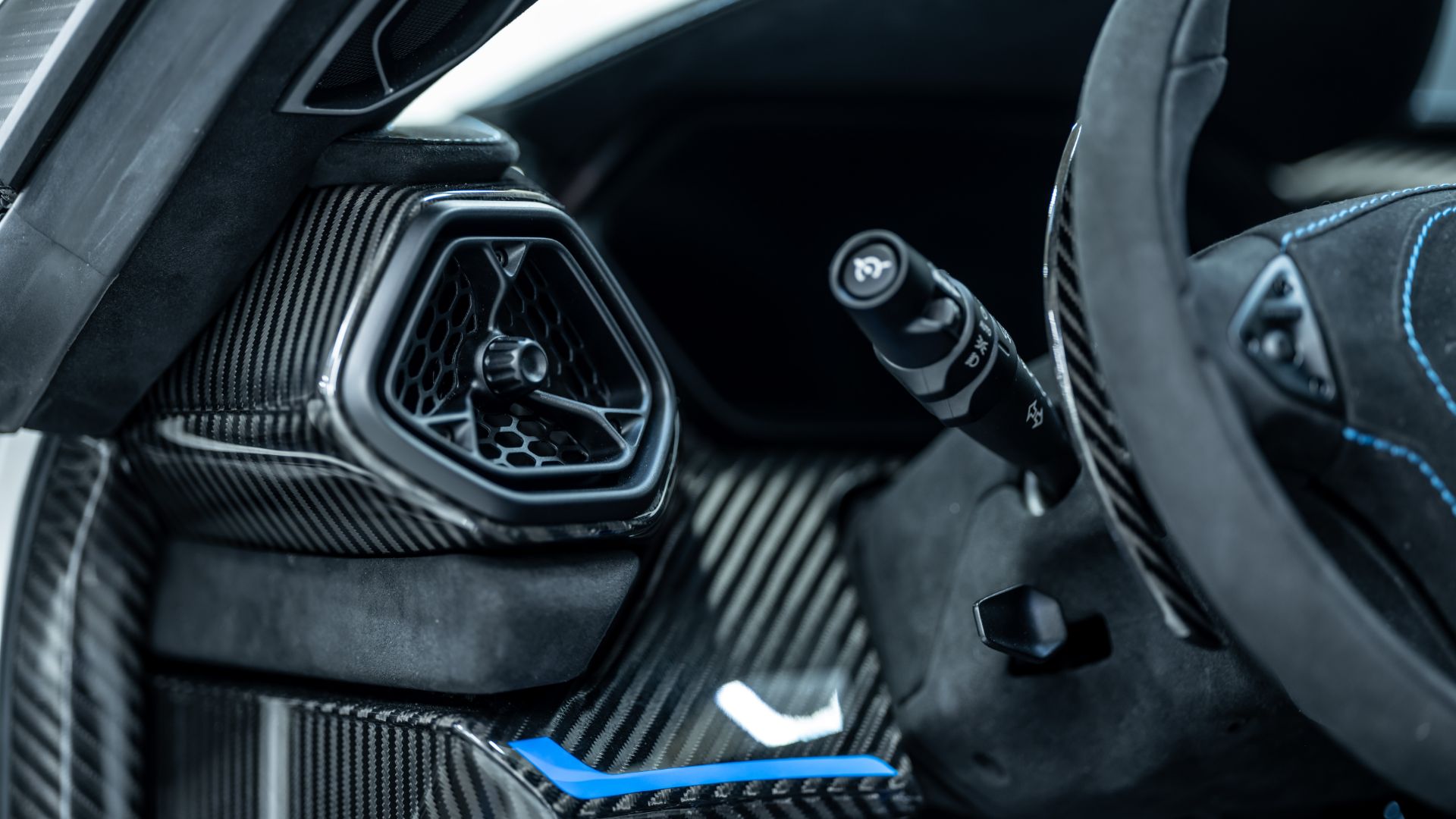
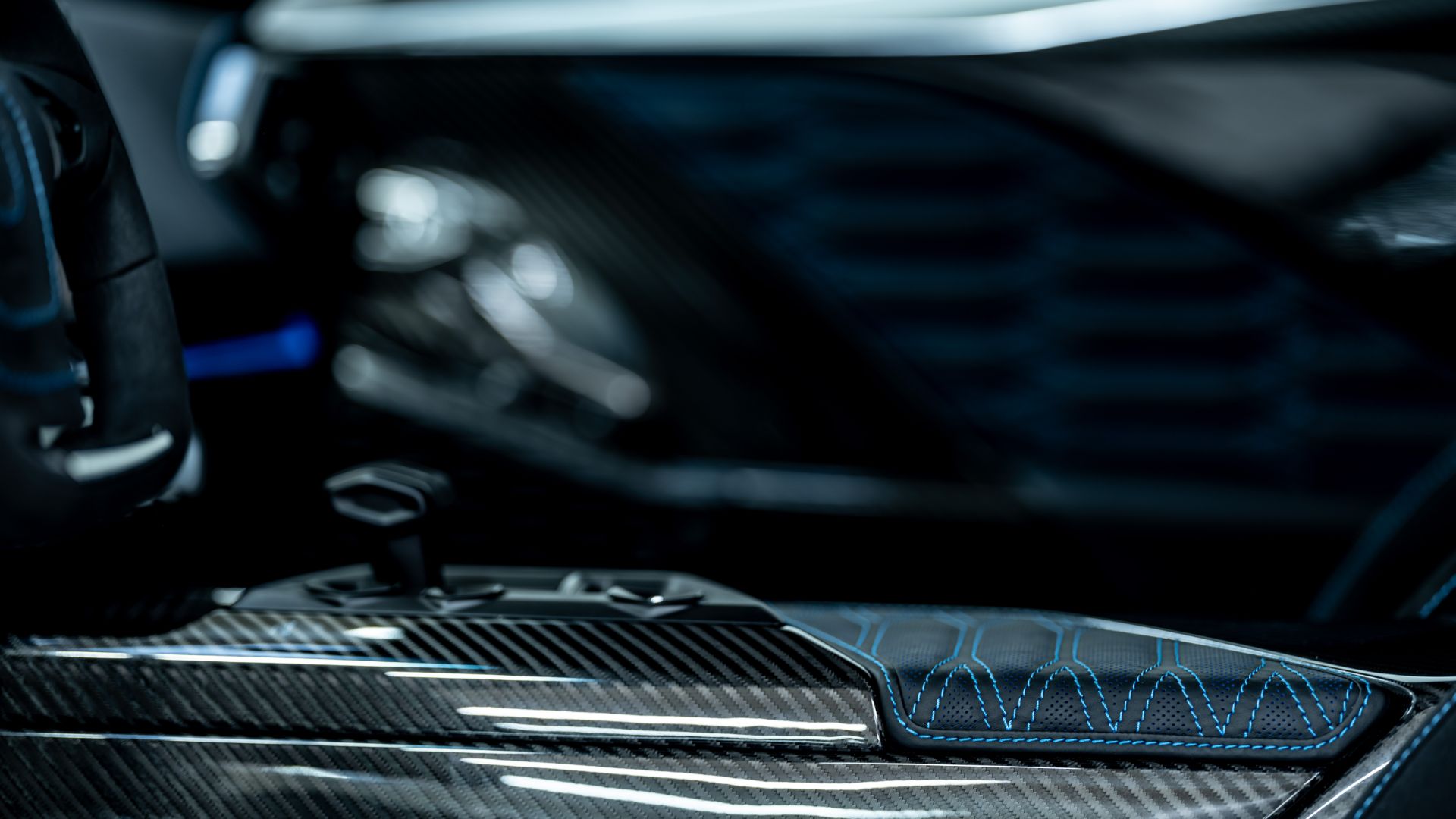
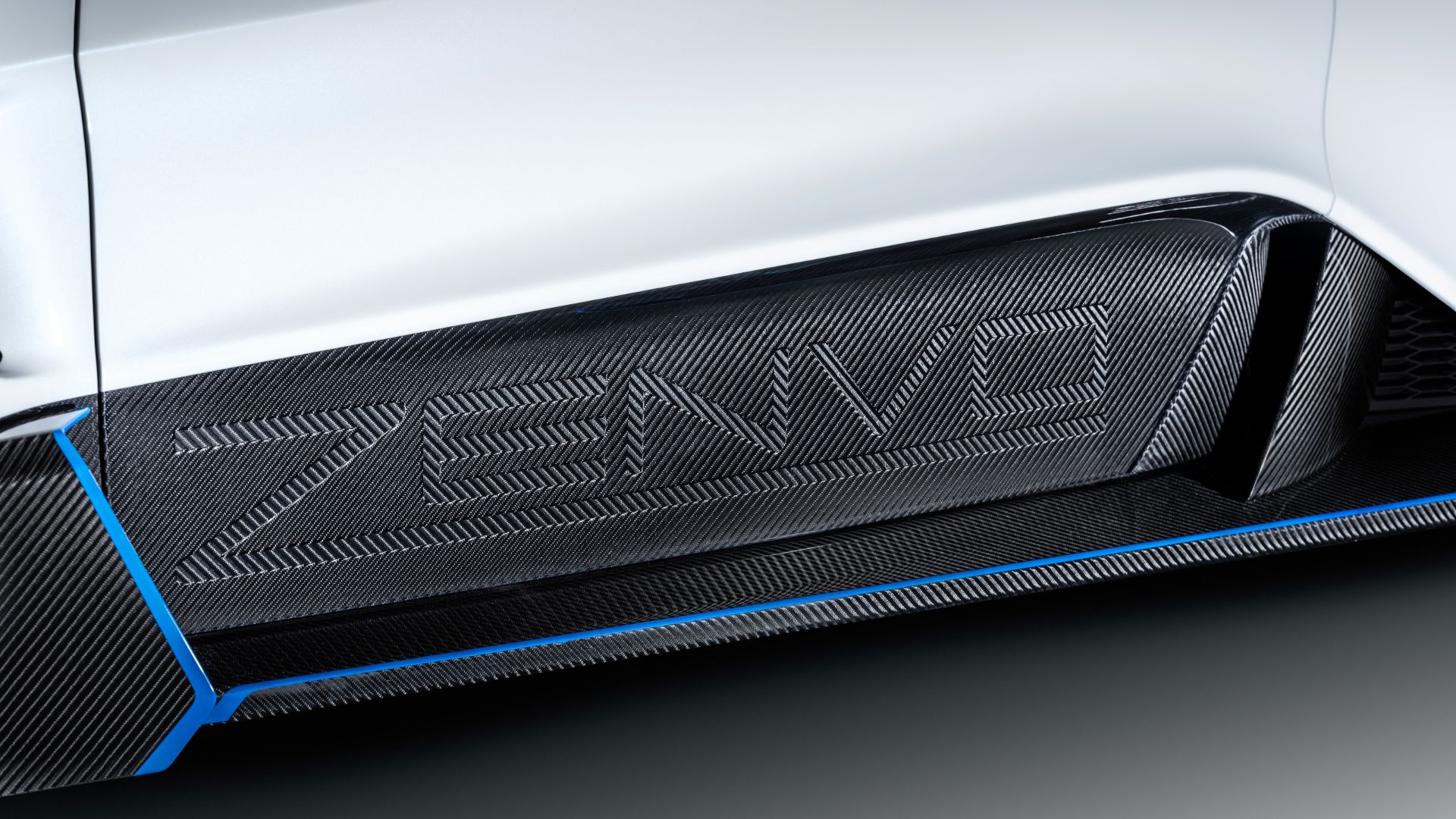
The latest commission for the Zenvo TSR-S has been revealed by the Danish hypercar company, sporting some interesting developments and bespoke touches. The wabbling wing is now old news, on a car that is constantly being developed and improved.
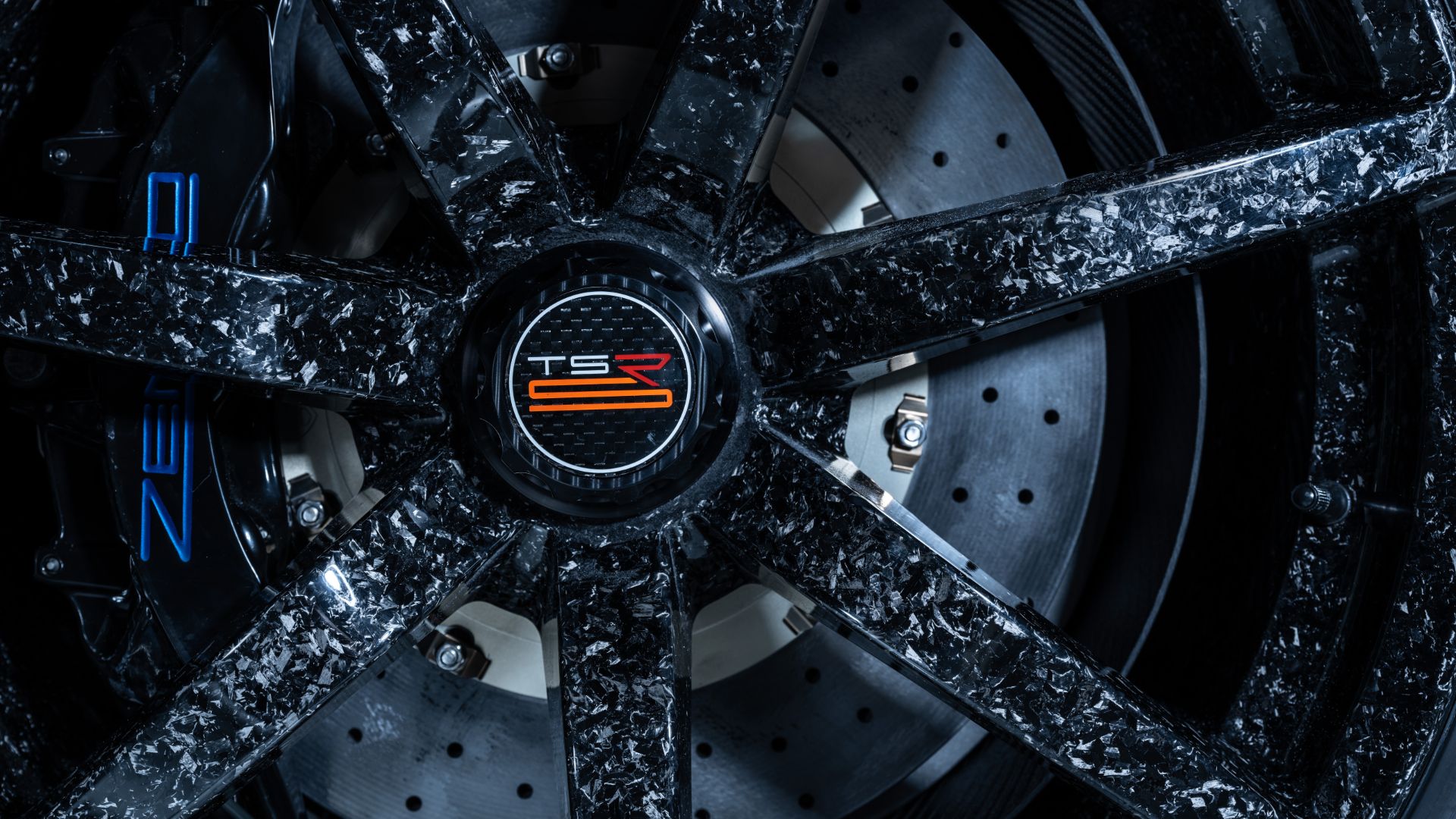
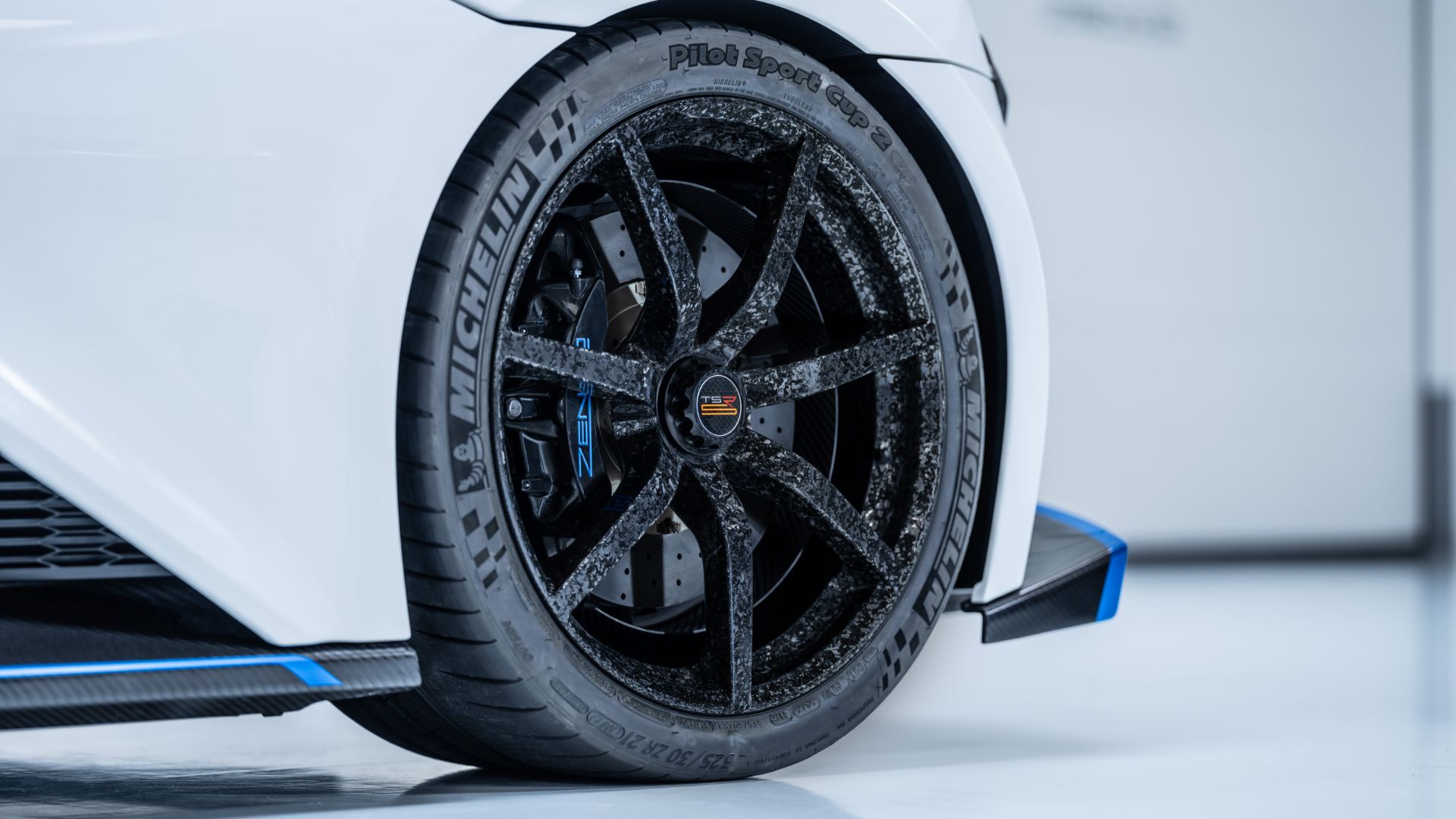
The latest TSR-S was due to be revealed at the Geneva Motor Show. It will now be shown to the media at Zenvo’s HQ in Denmark. The latest build has a new ‘hybrid’ gearbox and ‘fragmented’ carbon wheels.
Hybrid gearbox: racing shifts smoothed out for the road
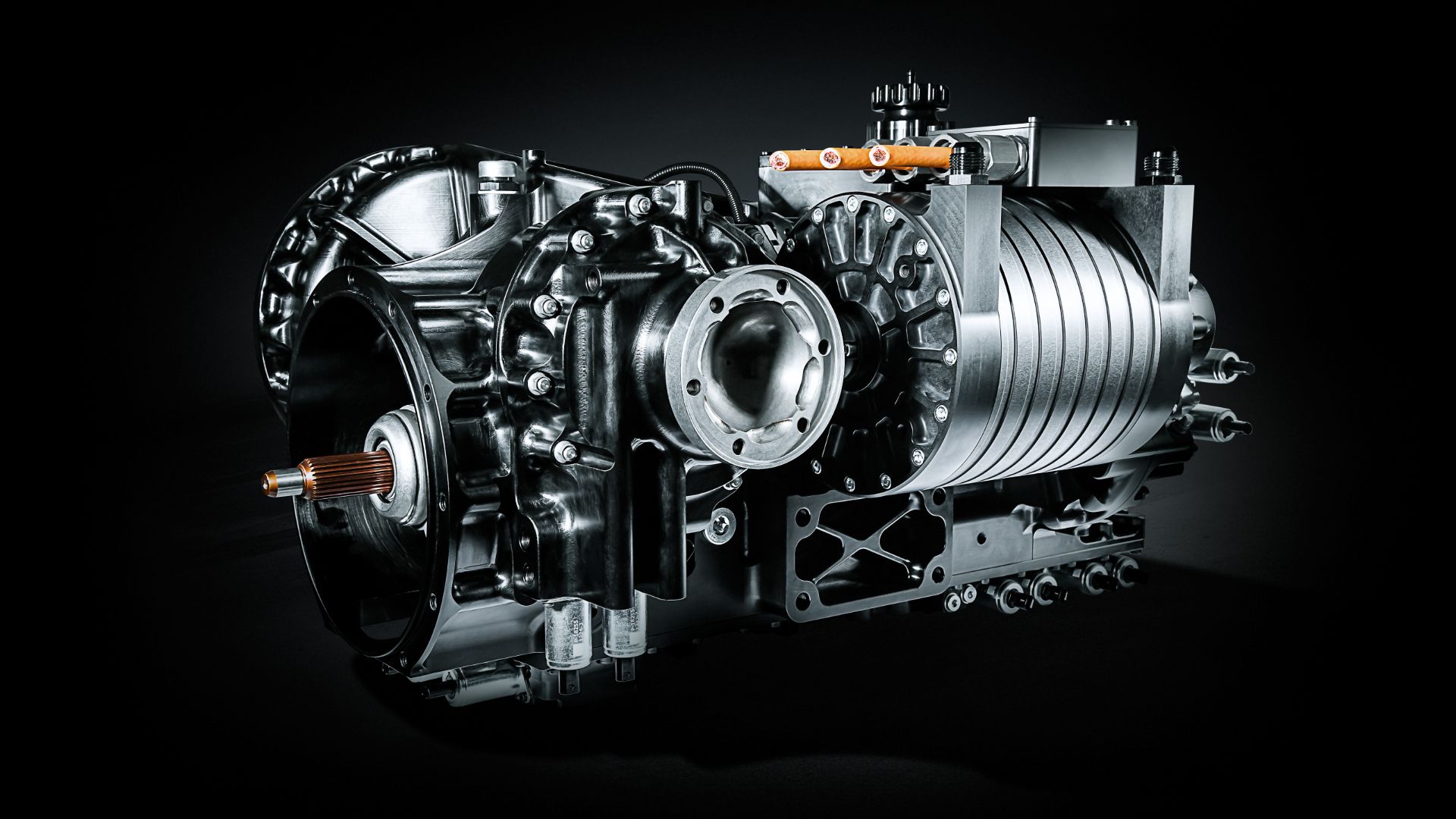
It’s easy to question what these flamboyant hypercar manufacturers actually bring to the table. However, Zenvo’s hybrid gearbox sounds like a genuinely clever thing. It’s a development of the seven-speed sequential box, with helical-cut dog gears. For reference, that’s racing-car spec in a road car.
The hybrid development adds a module which smooths out shifts in ‘road mode’. It also adds another forward gear, and an electric-only reverse system. ‘Race mode’ allows the fast (and often jerky) changes of a full-on racing car.
The new fragmented carbon wheels are a Zenvo-exclusive design, and relieve 15kg of unsprung mass compared with alloy equivalents. Each wheel takes two technicians a week to make, and can be tinted in whatever colour a customer wants.
Zenvo’s carbon advancements continue on the body, too, with this latest build showing new coloured exposed elements.
As ‘standard’, the TSR-S has a twin-supercharged 1,200hp V8 engine. It’ll reach 62mph in around three seconds, 124mph in just 6.8 seconds, on the way to a limited top speed of 201mph.
Zenvo builds just five cars a year to entirely custom specifications at its factory in Præstø, Denmark. The TSR-S starts from £1.28 million.
A new study has revealed that tyre emissions could be much worse than those coming from car exhausts. Testing was undertaken using a popular family hatchback, running brand new, correctly-inflated tyres.
The experiment was undertaken by Emissions Analytics, which has previously highlighted the issue of tyre emissions. The new study backs up those concerns.
For reference, Euro 6D emissions regulations state that a car should emit no more than 0.0045g/km of exhaust particulates. Emissions Analytics found that tyres, brakes and road surfaces combined emit 5.8g/km of non-exhaust emissions (NEE) – that’s 1,289 times worse. Tyre wear pollution is currently unregulated.
In reality, few cars will be running on new tyres inflated to the correct pressures. This means the actual NEE emissions figures could be much worse than the results of the Emissions Analytics test.
The UK government’s Air Quality Expert Group has requested before that NEEs be recognised as a source of airborne particulates, even on electric vehicles (EVs). It’s been pointed out before that EV NEE figures could be worse than an equivalent petrol or diesel-powered car.
“It’s time to consider not just what comes out of a car’s exhaust pipe but particle pollution from tyre and brake wear,” said Richard Lofthouse, senior researcher at Emissions Analytics.
“Our initial tests reveal that there can be a shocking amount of particle pollution from tyres – 1,000 times worse than emissions from a car’s exhaust. What is even more frightening is that while exhaust emissions have been tightly regulated for many years, tyre wear is totally unregulated – and with the increasing growth in sales of heavier SUVs and battery-powered electric cars, non-exhaust emissions are a very serious problem.”
“The challenge to the industry and regulators is an almost complete black hole of consumer information, undone by frankly out of date regulations still preoccupied with exhaust emissions,” said Nick Molden, CEO of Emissions Analytics.
“Ultimately, though, the car industry may have to find ways to reduce vehicle weight too. What is without doubt on the horizon is much-needed regulation to combat this problem. Whether that leads to specific types of low emission, harder wearing tyres is not for us to say – but change has to come.”
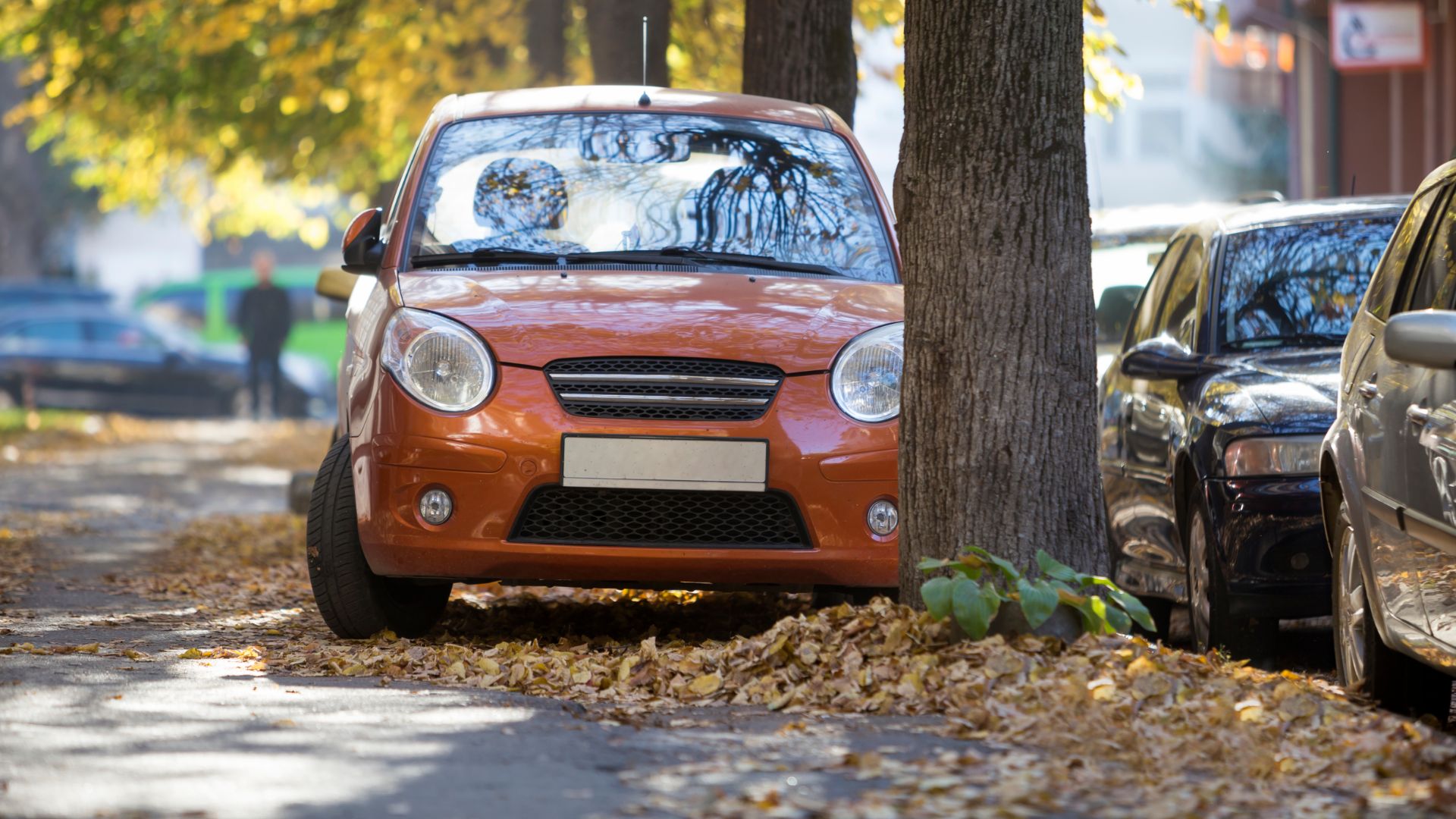
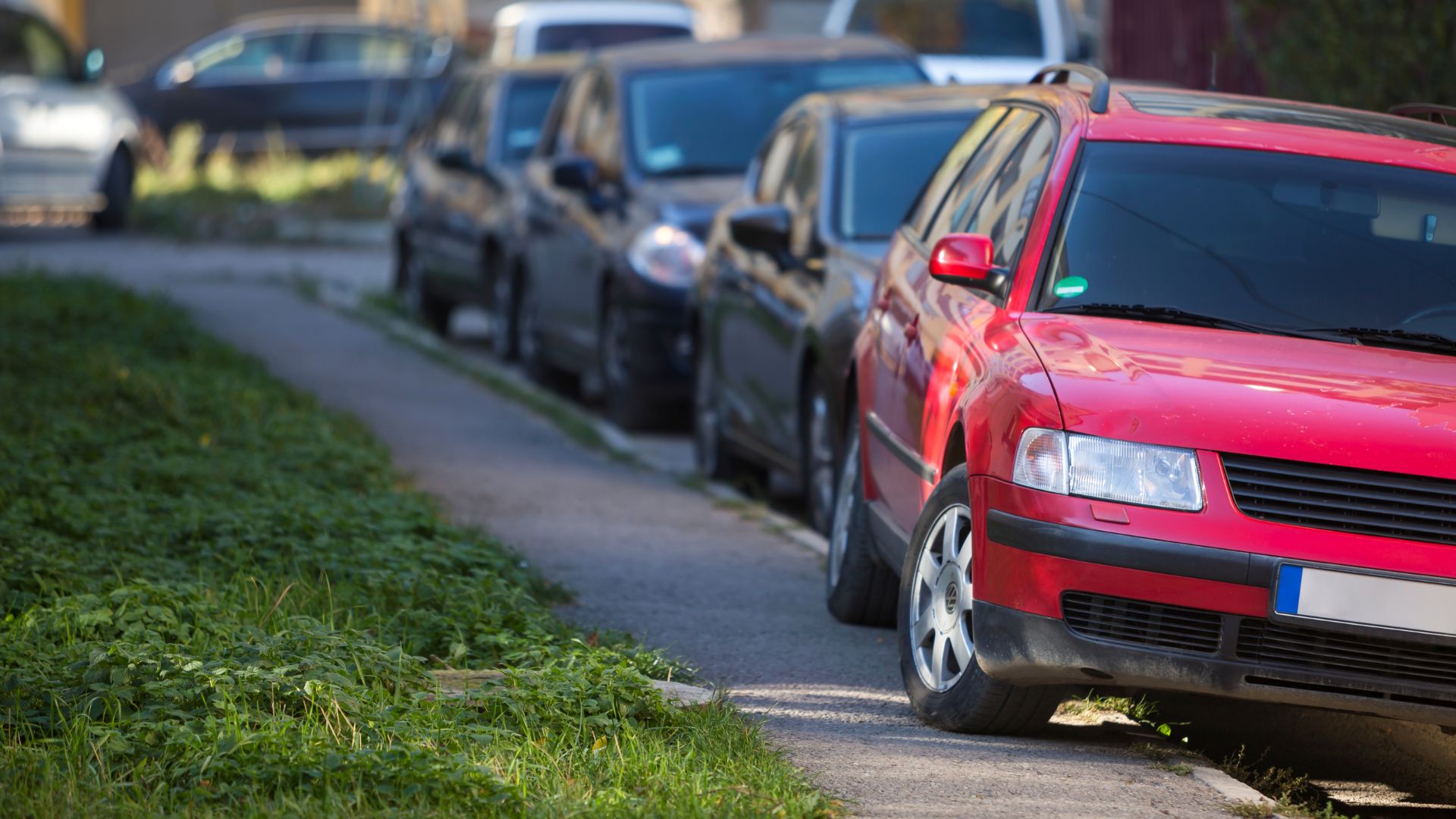
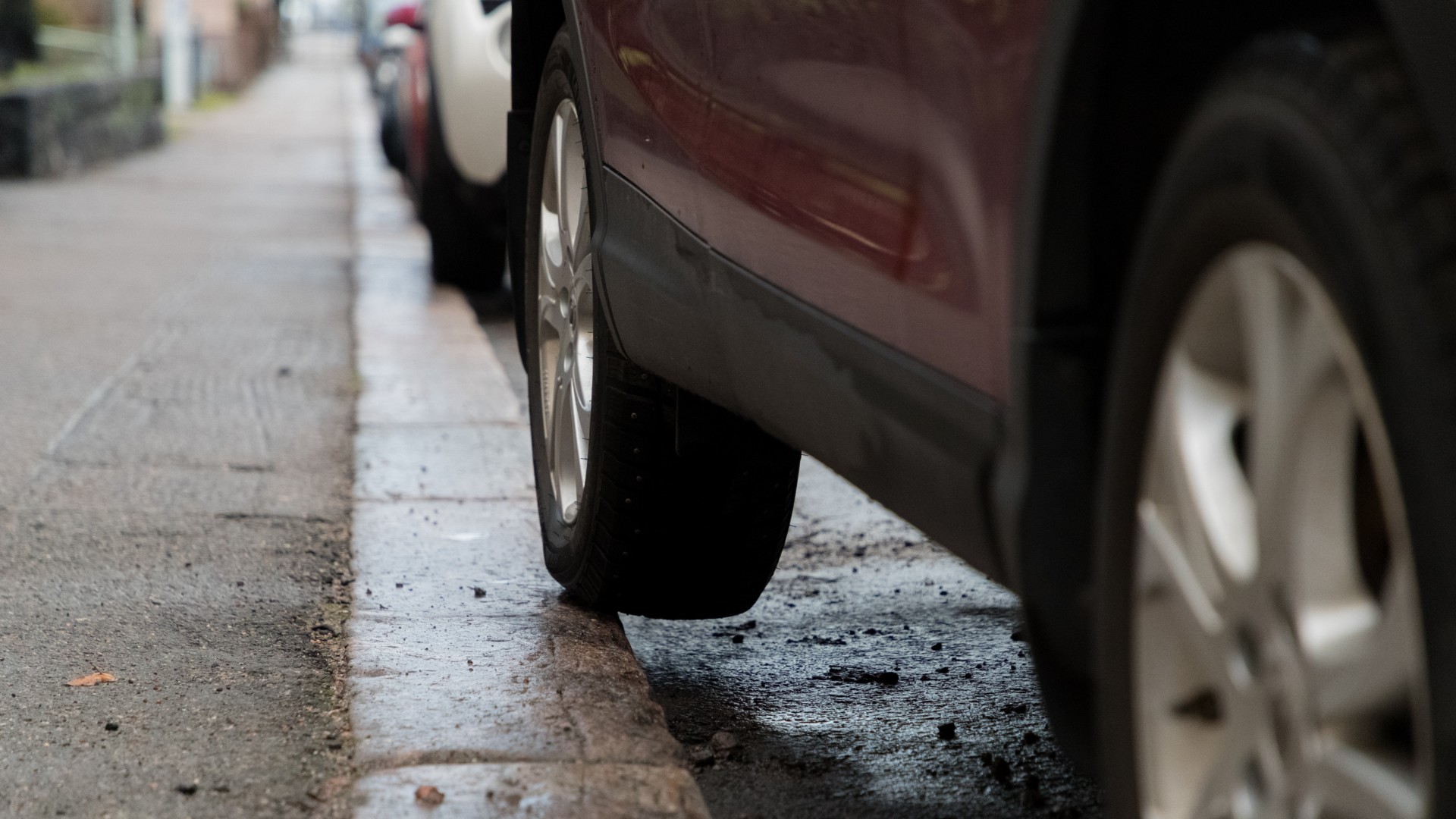
The Department of Transport (DfT) has suggested that pavement parking could be banned in the UK, pending a consultation.
The ban would be in aid of pedestrians, who may struggle with cars obstructing pathways. The elderly, and those in wheelchairs or with buggies are considered the most inconvenienced by pavement parking.
One of the primary concerns is the social isolation and loneliness a blocked pavement can cause, if older or impaired people are unable to get out.
The government has outlined its response to the Transport Committee’s 2019 report. The DfT says it:
Will address pavement parking in the Loneliness Strategy consultation ‘in the near future’
Will run a consultation on a national ban on pavement parking, increasing awareness and understanding of the issue
Will consider an offence of ‘obstructive pavement parking’, or ‘unnecessary obstruction’, enforceable by police and local councils
Will commit to further consultation this year on specific changes needed for Traffic Regulation Orders
In London, a pavement parking ban has been in effect for nearly 50 years. While opening up walkways for pedestrians, it also ensures they sustain less damage.
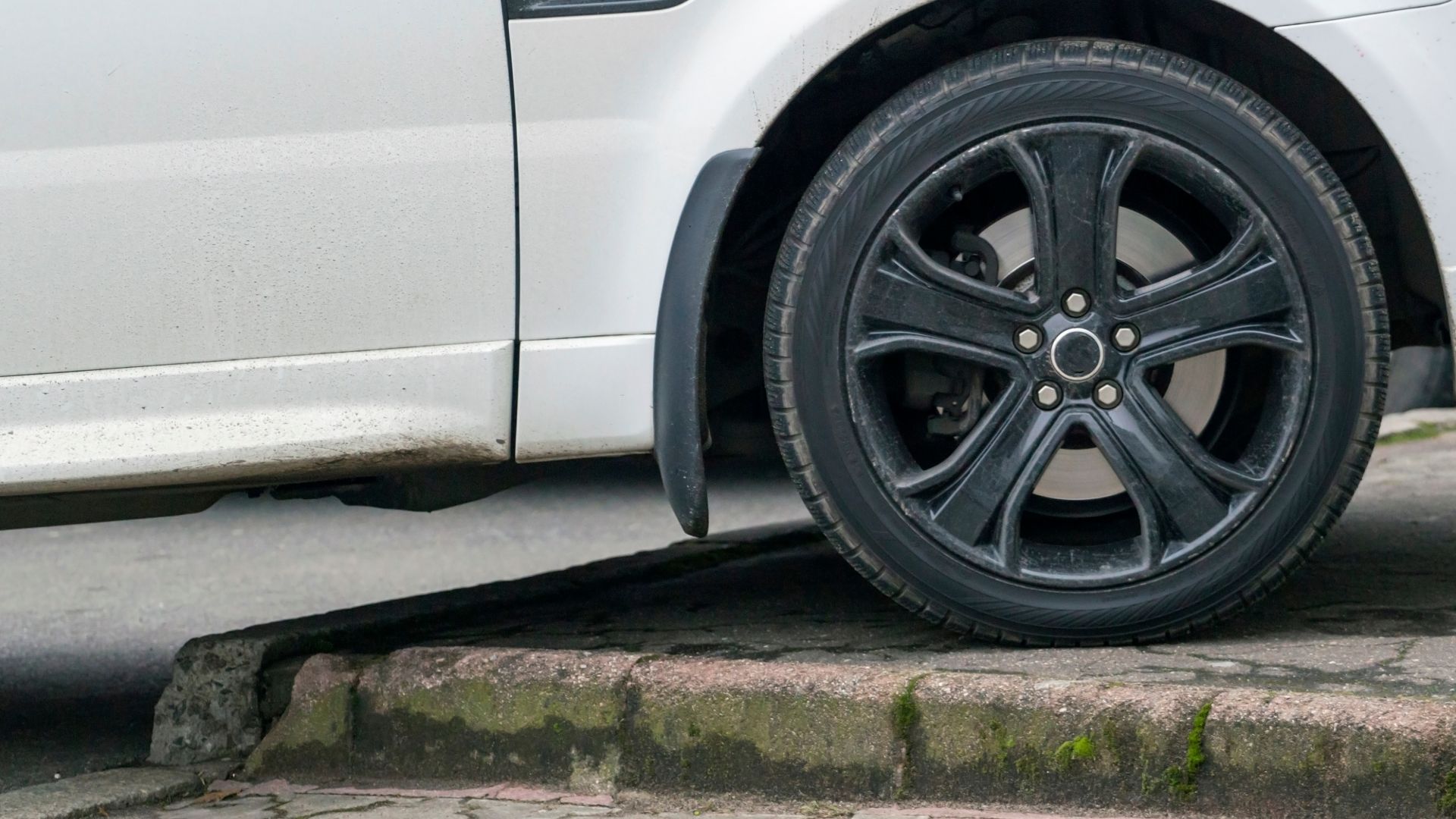
Pavement parking in London can see drivers landed with a fine of up to £100. Their car could even be towed away. All that’s needed is one or two wheels up on the footway to break the rules.
“I am pleased the government has taken on board the previous committee’s concerns about the very real difficulties presented by pavement parking and our proposed solutions,” said Huw Merriman MP in response to the DfT’s commitments.
“There is much to praise in this response and we particularly welcome the Department for Transport’s intention to consult the public on how a ban on pavement parking would work for them.
“However, we have to now deliver this change. The government promised to look into the issue in 2015 but consultations, round-table events and internal reviews failed to lead to any actions to improve the experience of the public. This government has signalled an intent to finally deliver change. We now need a detailed timeframe from the Department for Transport to ensure this happens.”
RAC comment: “Not all streets are the same”
“Blocking pavements impacts most on those with disabilities and those pushing buggies and creates unnecessary danger for pedestrians,” said RAC head of roads policy, Nicholas Lyes.
“In short, nobody should be forced into stepping into the road to get around a vehicle that has taken up pavement space, so the government is right to explore giving local authorities additional powers to enforce this type of selfish parking.
“However, outlawing pavement parking as a whole is more complex because not all streets in the UK are the same. For example, some drivers will put a tyre up the kerb on a narrow residential street to avoid restricting road access to other vehicles, while still allowing plenty of space for pedestrian access. Therefore better guidance and a definition of what is and isn’t appropriate would be a more practical solution, rather than an outright ban.”