Home Blog Page 250

Garages told to stop discounting MOTs

0

MOT test

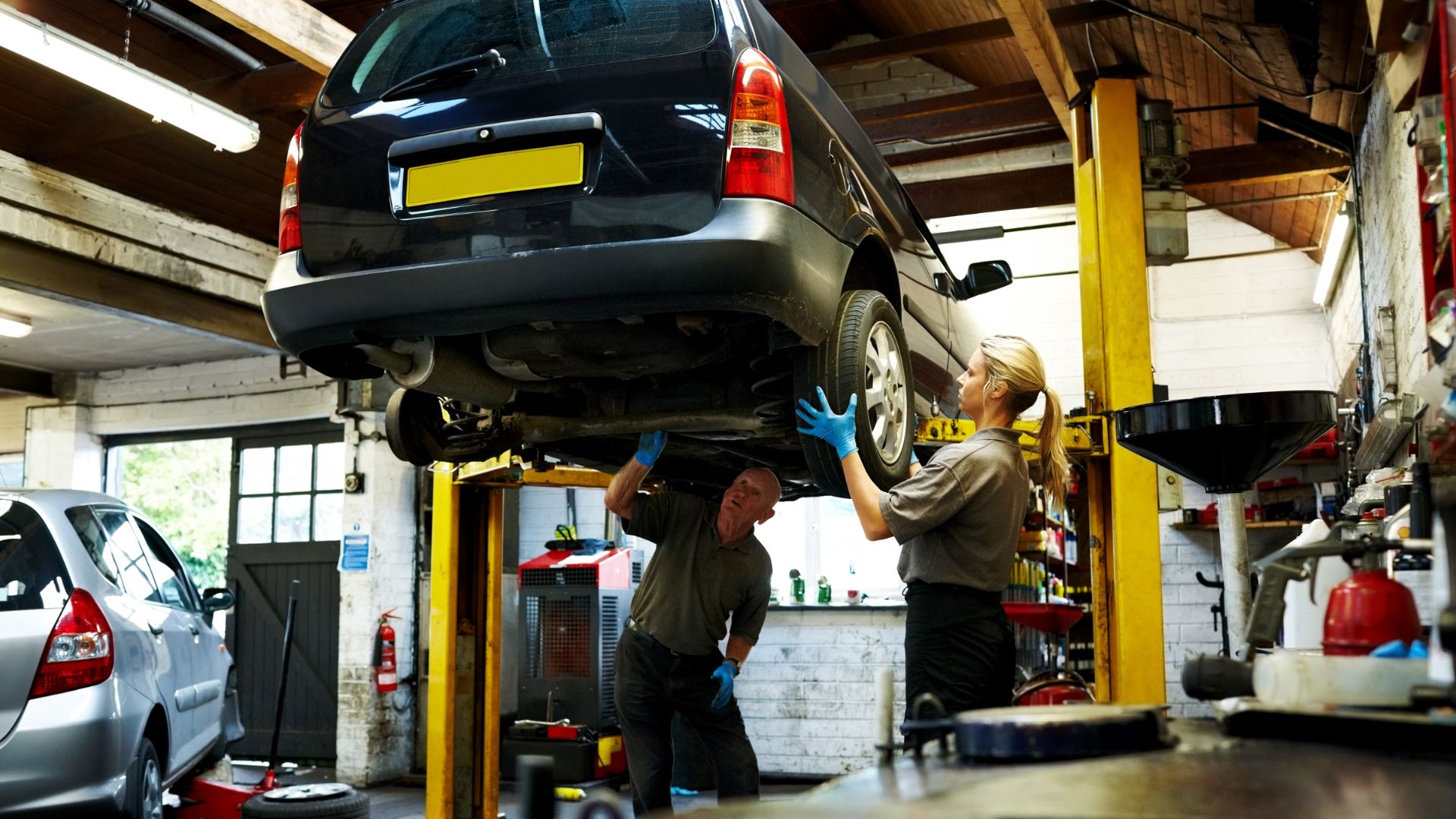
Garages have been urged not to discount MOT tests as customers stay at home. The advice, intended to minimise loss of income during the coronavirus crisis, comes from the Independent Garage Association. 

Car repair and MOT centres are deemed essential services and permitted to stay open during the Covid-19 lockdown. However, two factors have caused business to nosedive in recent weeks.

Firstly, the huge decline in driving. Mapping app Waze reports a 70 percent drop in miles driven as UK motorists heed government advice to remain indoors.

Secondly, all MOTs for cars, light vans and motorcycles due from Monday 30 March 2020 have been granted a six-month extension due to the pandemic.
MOT test

The Driver and Vehicle Standards Agency (DVSA) recommends charging £54.85 for an MOT test. However, many garages offer a reduced fee (typically between £19 and £35) to attract customers. 

Stuart James, chief executive of the Independent Garage Association (IGA) said: “Independent garages have faced a sudden, drastic decline in business due to the DVSA’s MOT extension and government instructions to stay at home.

“Provision of the MOT service is critical to the safety of UK road users, but many garages feel the need to discount MOTs to remain competitive, leaving them struggling to cover their hourly business costs. The industry cannot afford to continue providing MOT tests as a loss-making service going forward.

“As we start to see the lockdown easing, the time is right for garages to stand united by charging the DVSA’s recommended price of £54.85 for an MOT test.

“This will help independent garages to remain open, recoup recent losses, and allow them to carry out their vital roles keeping the UK’s vehicles running safely.”

Help your car pass its MOT with these 11 simple checks before the test.
Advertisement

Win a million-dollar racing contract by playing a game on your phone

0

2020 Worlds Fastest Gamer

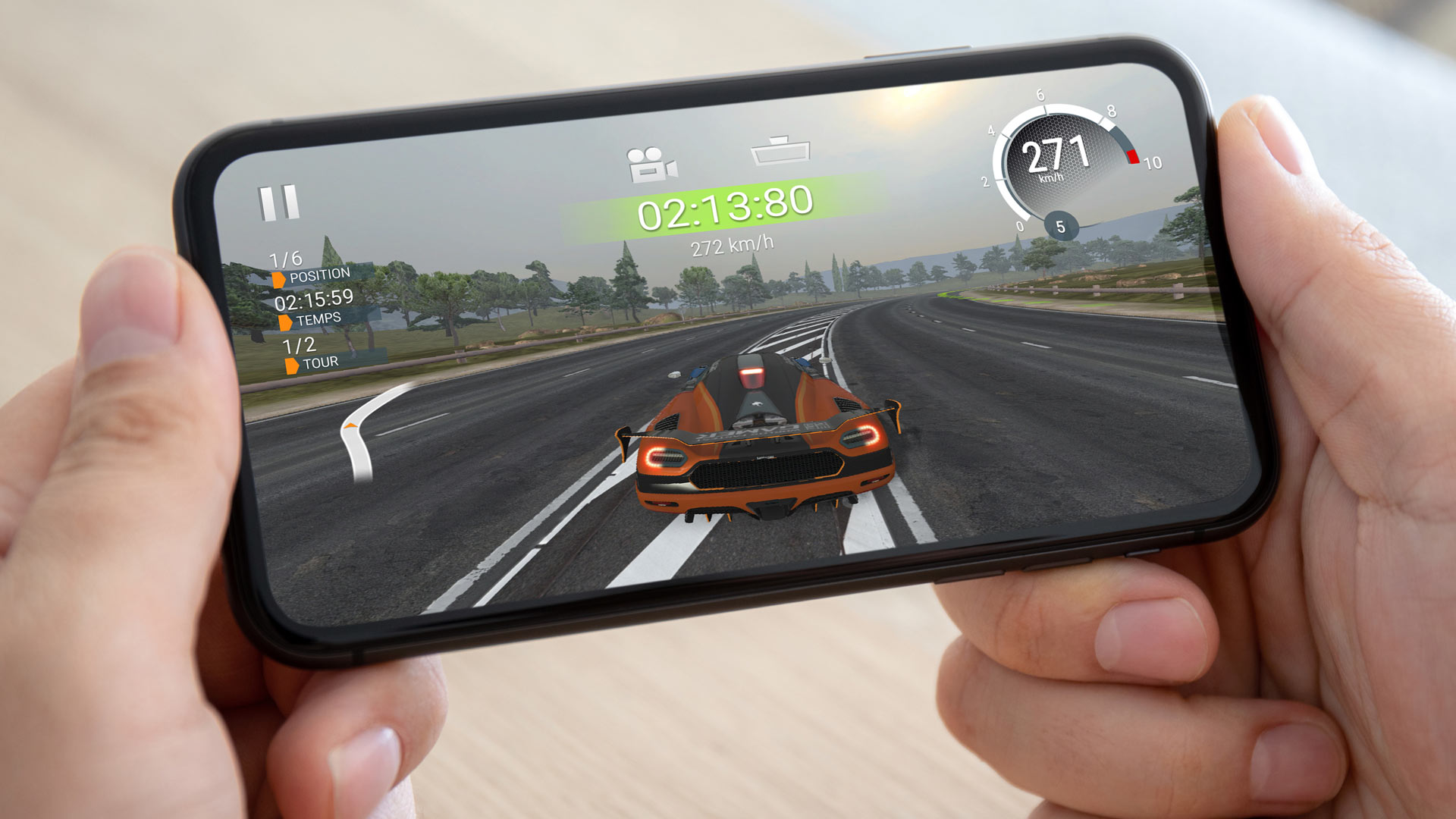
Going from playing a racing game on your phone, to taking part in genuine motorsport, might seem like a wild stretch of imagination.

However, that is exactly the prize awaiting the winner of the World’s Fastest Gamer competition, now into a third season. 

With esports now gaining substantial mainstream attention, this could be the perfect time to make use of those hours spent staring at your phone. 

Fastest thumbs at the ready

2020 Worlds Fastest Gamer

Created by Torque Esports, the World’s Fastest Gamer competition aims to find the most talented racers in a virtual world. 

Gamers will compete to qualify through mobile, games console, and PC platforms. The top ten players will then gather in Miami later this year, taking part in a series of online and real-world challenges to become the World’s Fastest Gamer.

For those wanting to get involved, downloading the free Gear.Club racing game from the Apple or Google Play app stores is the way to make a start.

The first of three qualifying sessions on Gear.Club will run until May 6th. 

Virtual racer to real-world driver

2020 Worlds Fastest Gamer

The ultimate prize of a $1 million racing contract will see the latest winner emulating the success of the previous two World’s Fastest Gamer champions.

Rudy van Buren, winner of season one, became a simulator driver for the McLaren F1 team. He has also undertaken simulator work for the Mahindra Formula E team, and will embark on a real-world racing career in the Porsche Carrera Cup Germany. 

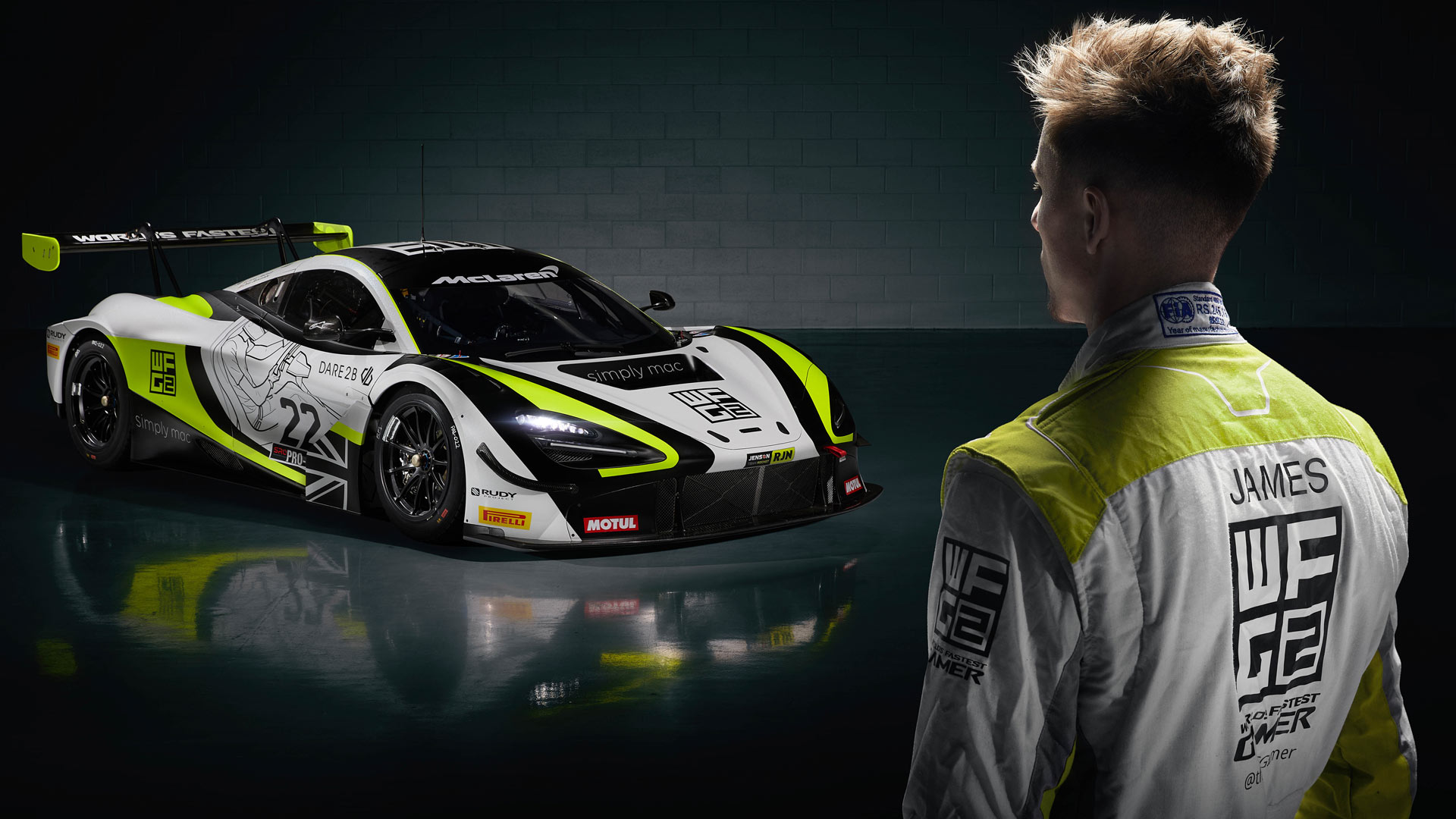
Last year’s winner, Britain’s James Baldwin, earned himself a real-world drive with Jenson Team Rocket RJN, a sports car team co-owned by ex-F1 World Champion, Jenson Button.

Stay at home, still become a racing driver

2020 Worlds Fastest Gamer

Although Baldwin’s prize of real-world racing currently on hold due to COVID-19 restrictions, he believes the lockdown rules will bring more people to esports.

Baldwin says “more and more people have seen the kinds of things that can come from” sim racing, and that ”the competition is getting harder” as a result. 

Darren Cox, founder of World’s Fastest Gamer, said that the current COVID-19 situation means “it’s challenging for us to pin down exact plans, but one thing we can definitely do in this #StayAtHomeEconomy right now is race virtually.”

Cox also states that using a mobile phone app opens the competition to people who “may not have ever dreamed they could qualify for a competition like this”, and that “the number of people playing Gear.Club is going to give us a massive talent pool.”

ALSO READ

Once again the Ford Mustang is the world’s best-selling sports car

Renault Clio Williams: hot hatch legend driven

Coronavirus could reduce the cost of car insurance

Advertisement

Once again the Ford Mustang is the world’s best-selling sports car

0

Ford Mustang Best Selling Sports Car 2019

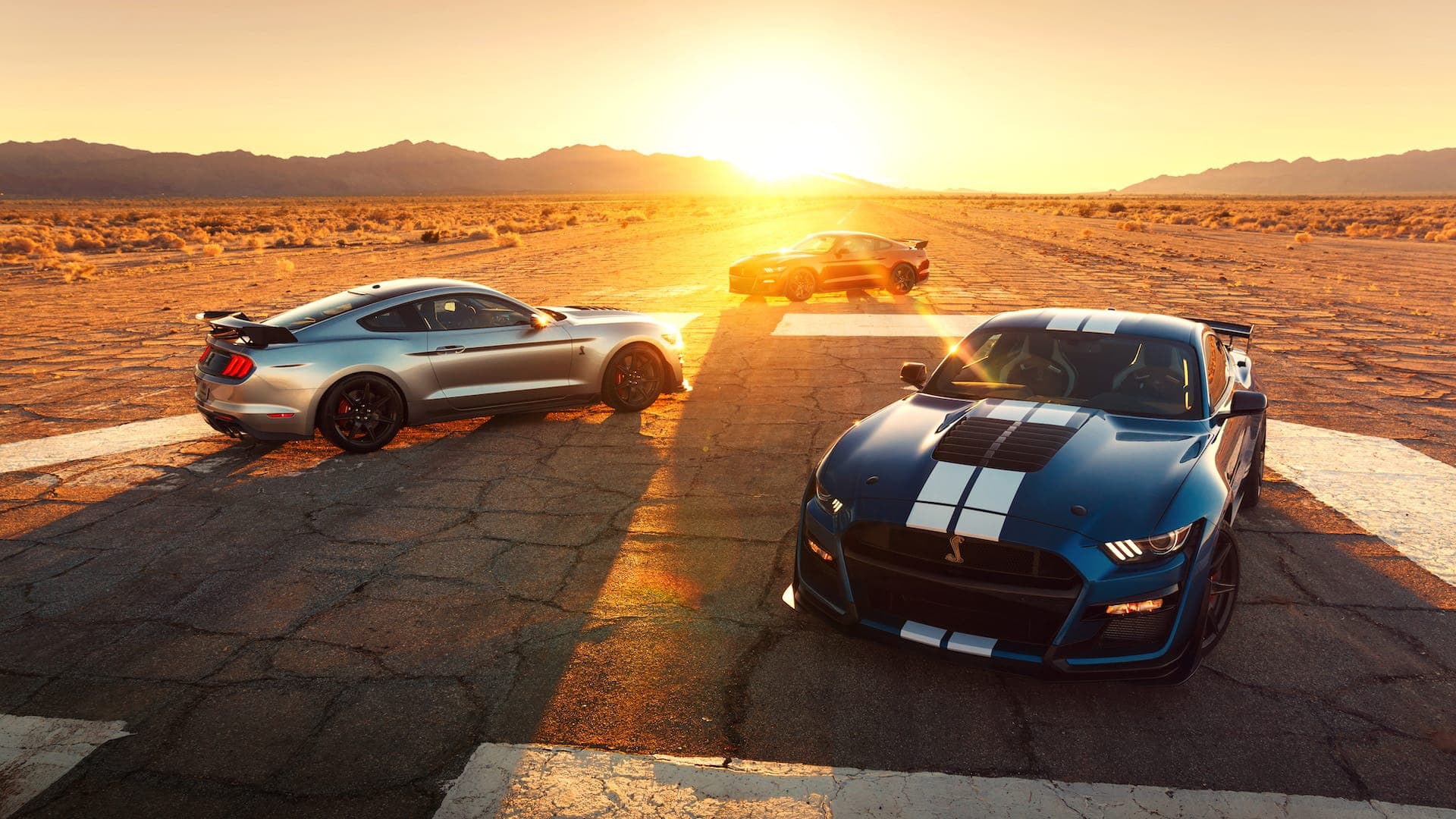
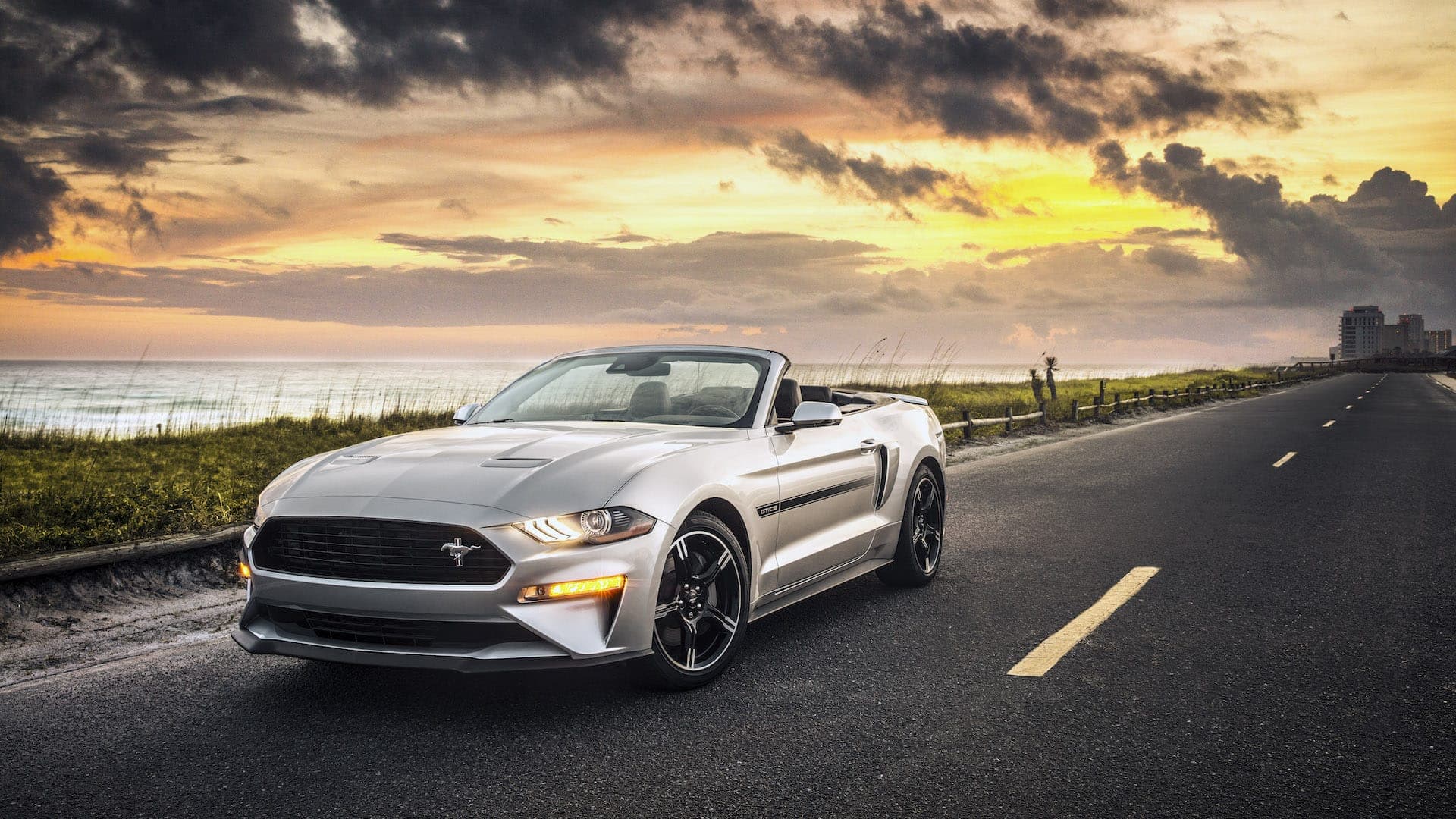
The Ford Mustang has claimed the crown of the world’s best-selling sports car for the fifth year in a row.

New data released by IHS Markit has confirmed that the American icon continued to prove popular with buyers across the globe in 2019.

Adding to the haul of trophies is that the Mustang was also the best-selling sports coupe in the world for 2019, according to IHS Markit.

Fewer sales but still winning

Ford Mustang Best Selling Sports Car 2019

Ford rather fittingly chose to make the announcement on April 17th – the official birthday of the Mustang

Having spanned six generations across 56 years of production, 2019 saw a total of 102,090 Mustangs sold during 2019. This marks a reduction from the 113,066 sold in 2018.

European sales in 2019 increased by 3 percent to account for 9,900 cars, with the German market seeing an impressive 33 percent boost.

Close to 50 percent more Mustangs were sold in Poland, whilst French sales almost doubled. 

Fans in the United Kingdom bought 1,300 right-hand drive ‘Stangs last year, down from the 2,300 sold the year before. 

Enjoy the feeling of the American open road

Ford Mustang Best Selling Sports Car 2019

More impressive is that the Mustang is the best-selling American sports car ever produced, with the sixth-generation model accounting for 633,000 sales alone.

Aided by a range of engine options and special editions, the latest car has found a home in 146 different countries around the world. 

It has also dominated on the racetrack, taking the 2019 Virgin Australia Supercars Championship with ease, and found success in NASCAR and drifting. 

Jim Farley, chief operating officer, Ford Motor Company, commented that the company is “proud of our growing Mustang stable and performance variants”. 

He added: “From Sweden to Shanghai, more and more driving enthusiasts are enjoying the feeling of freedom and the American open road in these new Mustangs. We are honoured to serve our owners, enthusiasts and fans for 56 years and counting.”

Ford announced the all-electric Mustang Mach-E late last year, aiming to apply inspiration from the classic sports car to the new SUV.

Advertisement

Can you jump start a car using an electric vehicle?

0

Can you jump start a car using EV

While it’s possible to jump start a car using an electric vehicle, it’s highly recommended that you don’t.

Electric cars feature two batteries: a large lithium-ion unit for the electric motors and a 12-volt battery for accessories. This second battery is similar to the lead-acid battery found in petrol and diesel cars. It ensures the main lithium-ion battery can be charged.

However, the 12-volt battery in an electric car lacks the punch required to crank an internal combustion engine and you risk damaging it if you attempt to jump start another vehicle.

The RAC is pretty conclusive on the matter, urging motorists to ‘avoid using a hybrid electric car [for jump starting] as this could cause damage’.

Similarly, many manufacturers advise EV owners against jump starting conventional vehicles. The handbook for the electric Nissan Leaf states that it ‘cannot be used as a booster vehicle because it cannot supply enough power to start a [petrol] engine’.

However, it does go on to say that a conventional engine ‘can be used to jump start [the] Leaf’s 12-volt battery’.

‘Risk of damage’

Motorist holding jump leads

In the handbook for the Renault Zoe, you’ll find the following warning: ‘Do not use your electric vehicle to restart the 12-volt battery in another vehicle. The 12-volt electric power of an electric vehicle is not enough to perform such an operation. Risk of damage to vehicle’.

This could extend to unnecessary stress on the 12-volt battery, damage to the DC-to-DC converter, and confusion of the software that monitors the battery.

The internet is awash with examples of EV owners jump starting conventional cars, and some owners might risk it in an emergency, but it’s not recommended.

While it’s far from conclusive, a section in the handbook for the Tesla Model S suggests you might invalidate your warranty by jump starting another vehicle. It states: ‘Do not use the battery as a stationary power source. Doing so voids the warranty’.

However, there is some good news. Other electric vehicles can be jump-started – you just need to locate the battery. Also, you can indirectly charge a conventional car by using a charger that’s charged using the EV’s 12-volt DC outlet. There are plenty of options available online.

Advertisement

You could own an Audi R8 for less than the price of a family hatchback

0

2008 Audi R8 Quattro Auction

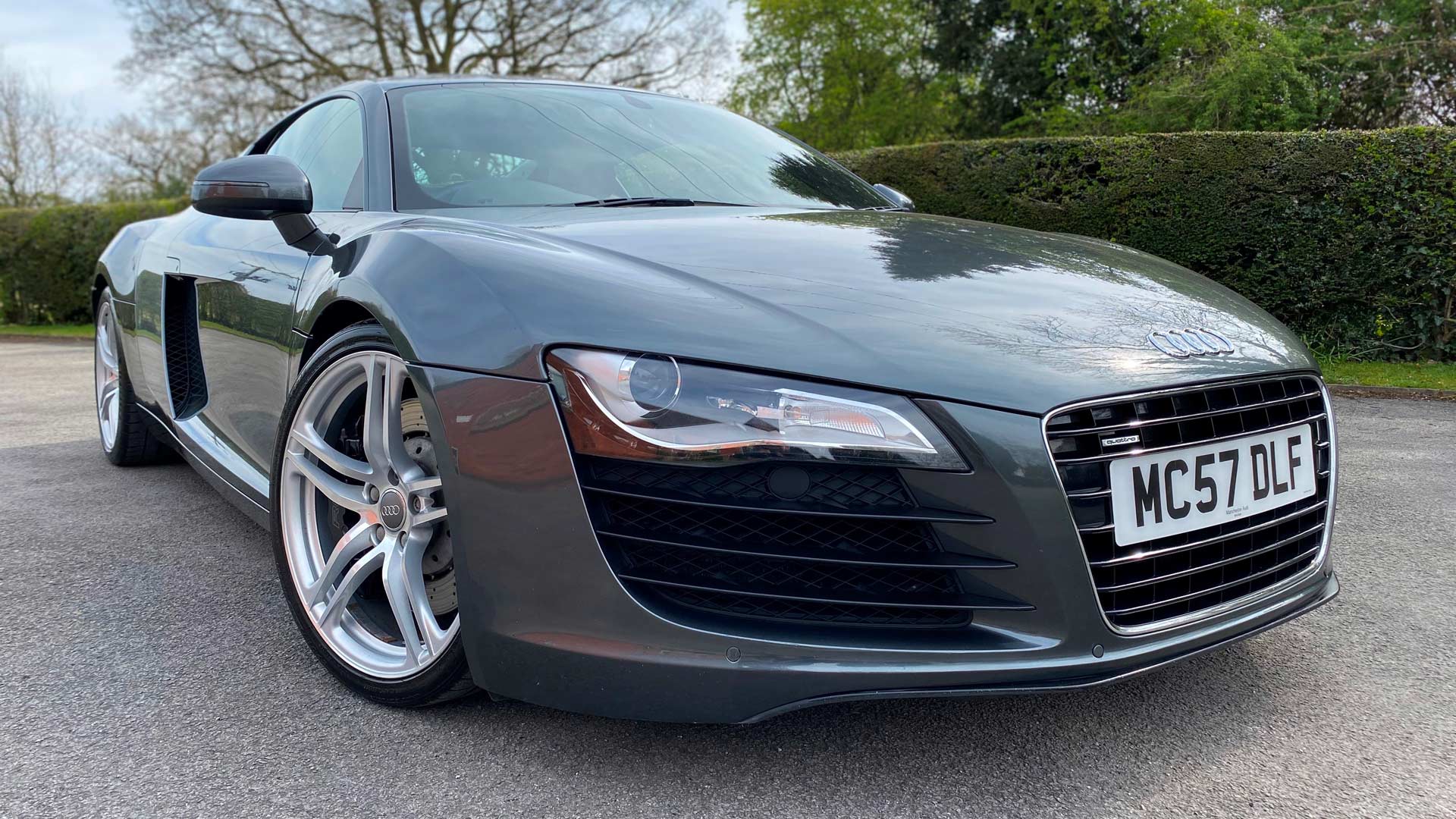
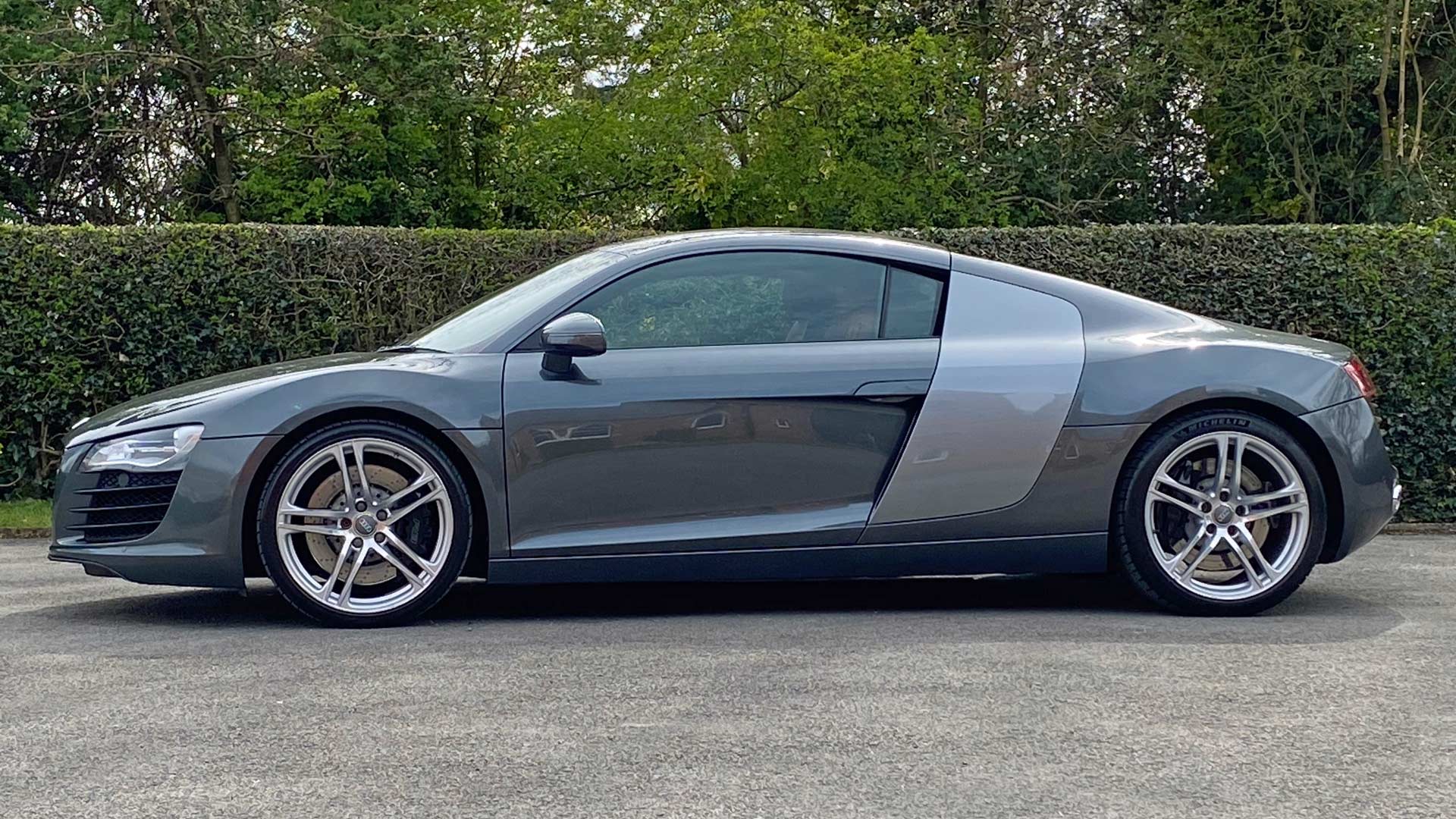
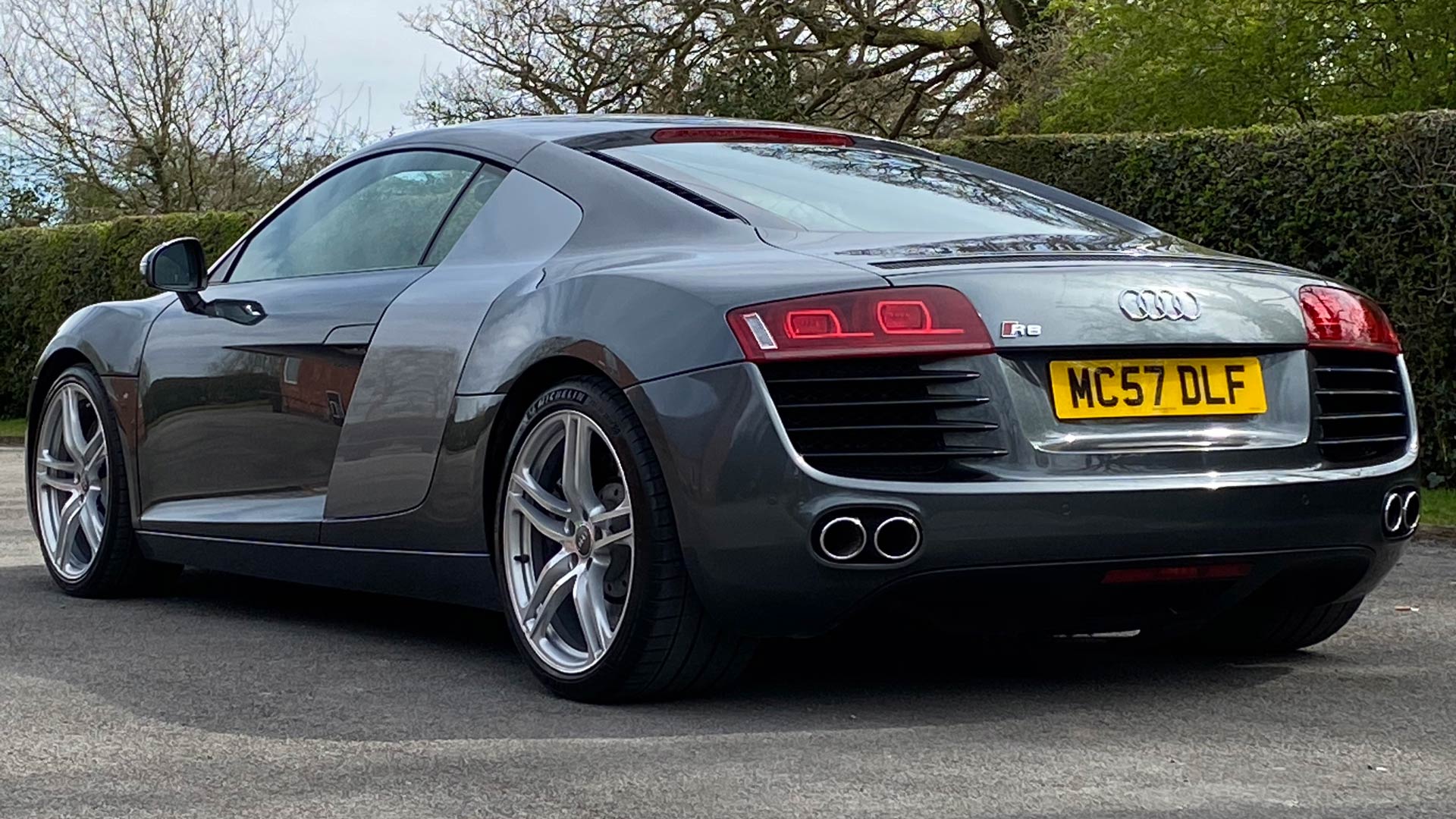
Proving that you really can live a champagne supercar lifestyle on a prosecco budget, say hello to this 2008 Audi R8.

Listed for sale in the H&H Classic Motor Auction, set to be held behind closed doors at the end of this month, this could be a mid-engined bargain.

With an estimated sale price of between £24,000 and £28,000 before fees, this V8-powered sports car could cost less than a new Audi A3 hatchback.

A bargain both then and now

2008 Audi R8 Quattro Auction

Whilst most people are likely to buy that hypothetical A3 using new car finance, it is still a reminder of just how much car is on offer for the money here. 

Launched in 2006, the first-generation Audi R8 was regarded as something of a bargain given the performance on offer. 

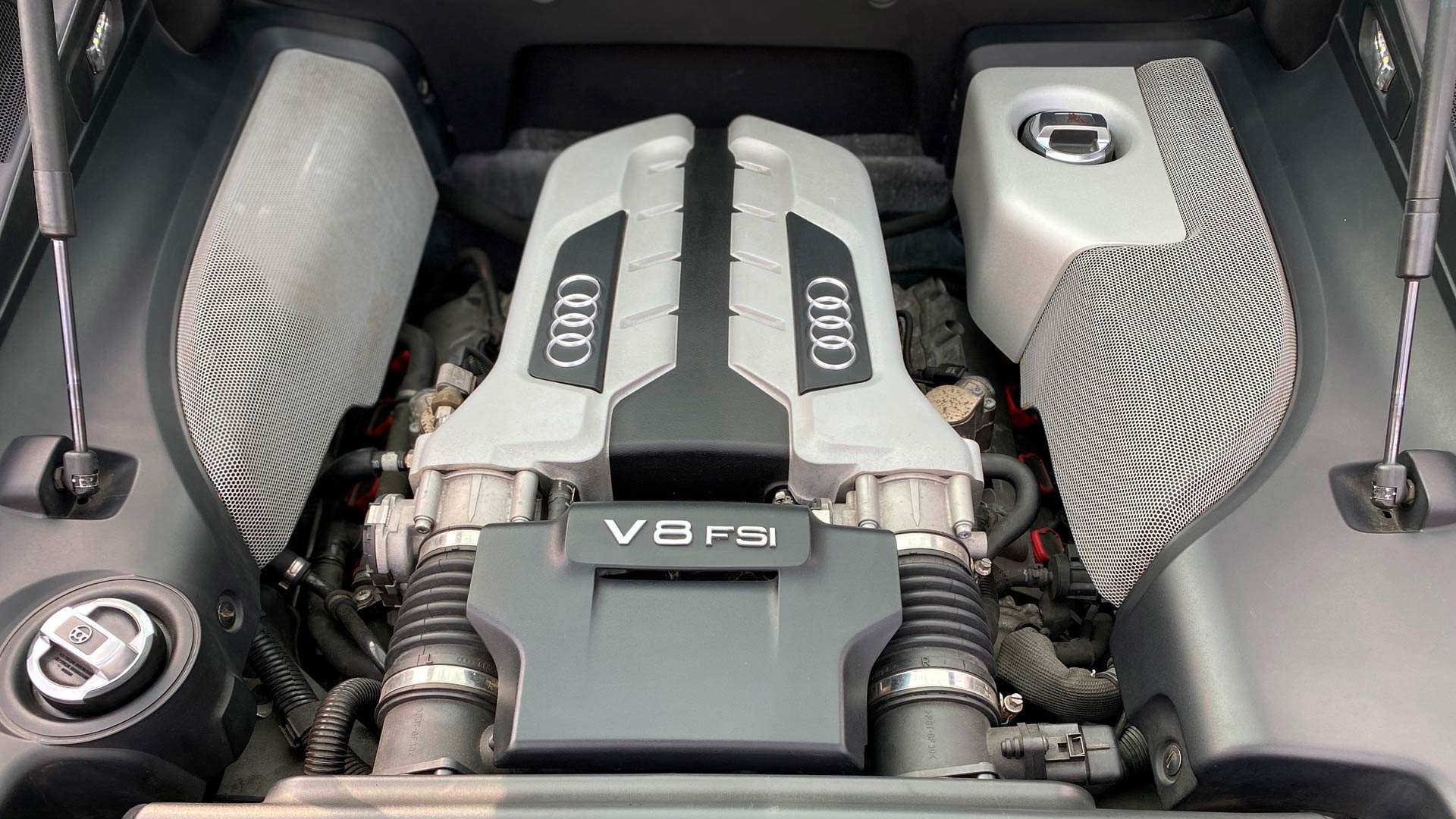
This particular 2008 R8, fitted with the 4.2-litre V8 engine, would have cost the original owner in excess of £77,000 before the temptation of the options list. 

Natural aspiration all the way

2008 Audi R8 Quattro Auction

The naturally aspirated V8 engine in the R8 is a relative of the unit found in the contemporary RS 4 model. Audi changed it to a dry-sump configuration, but the power output of 414 hp and 317 lb-ft of torque remained the same. 

Combined with Audi’s Quattro all-wheel drive system, the R8 was capable of accelerating from 0-62 mph in 4.6 seconds and on to a top speed of 187 mph. Certainly quicker than a new A3.

This example comes with the six-speed R-Tronic automated manual transmission. Developed from a Lamborghini unit, it was criticised when new for sometimes being jerky when driven in traffic.

Later models gained a newer seven-speed dual-clutch unit instead. 

Practical modern classic

2008 Audi R8 Quattro Auction

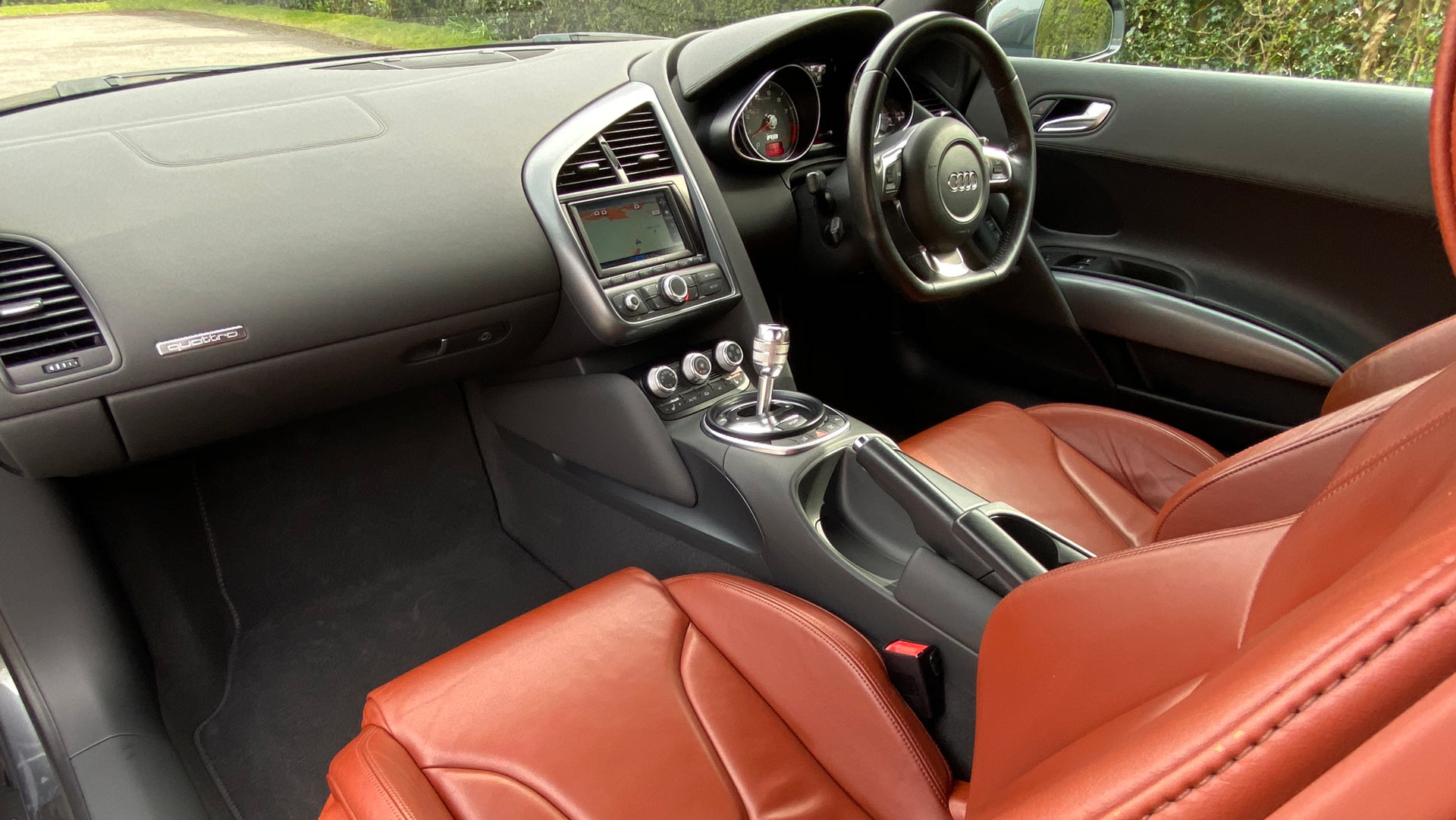
Gearbox aside, there is plenty to like about this R8. The combination of Daytona Grey with a lighter ‘sideblade’ detail looks relatively subtle. A red leather interior adds contrast, along with a hint of supercar dramatics.

Having had three owners from new, this R8 has covered a total of 65,000 miles. That does mean the winning bidder will be able to use their supercar without the guilt of adding more miles. 

A full service history is noted as being present, along with all recall work undertaken. The previous three MOTs were passed without issue, with a rear fog light being the only problem noted in 2017.

Stay at home, still buy a supercar

2008 Audi R8 Quattro Auction

As an alternative to the ubiquitous Porsche 911, the original Audi R8 goes a long way towards the usable everyday sports car. Whilst it may be the previous-generation model, this example is still likely to impress on the road. 

The H&H Classic Motorcar Auction will take place on Wednesday 29th April. To comply with Coronavirus precautions, bids can only be placed by telephone or online.

Other lots listed for sale include a 1982 Ford Fiesta XR2 in time-warp condition, along with a 1949 Land Rover Series I, and a breakdown truck first used in the Mersey Tunnel.

ALSO READ

1 in 10 drivers making non-essential trips

European new car sales plunge 55% in March 2020

3-month payment freeze proposed for car finance

Advertisement

Coronavirus could reduce the cost of car insurance

0

Coronavirus car insurance to fall

The average car insurance premium is now £755 – an increase of £24 compared with the previous quarter. This is a sharp rise from when premiums hit their lowest level in the third quarter of 2019 (£708).

Figures from Compare The Market show premiums are now perilously close to their peak of £758 at the end of 2017. This is around £200 more expensive than the low of £559 in 2012.

What are logbook loans – and are they a good idea?

Insurance Premium Tax (IPT) rises and the changes to the personal injury discount rate are two factors behind the increased cost of insurance.

IPT is calculated as a percentage of the annual cost of car insurance, which can penalise young drivers. Indeed, young motorists are charged an average of £134 in IPT every year – versus £77 for other drivers.

However, the cost of car insurance could fall in the next quarter. With lockdown measures in place, insurance companies are dealing with fewer claims. This could encourage them to offer cheaper premiums in the second half of 2020.

‘Lower prices to consumers’

Young driver deaths 'swept under the carpet'

Dan Hutson, head of motor insurance at Compare The Market, said: “Following a period of reducing premiums, motorists will be disappointed that premiums have continued to rise. This spiralling cost of insurance is thanks, in part, to hikes in Insurance Premium Tax.

“IPT remains a fundamentally unfair tax, as those that can afford it least pay the most. IPT is calculated as a percentage of the annual cost of insurance, which means that those who have higher premiums pay higher tax. This unfairly penalises young drivers, who usually pay higher premiums. The rising cost of running a car, particularly for younger people, is making driving a luxury for many who see it as necessity.

“However, while the impact of the coronavirus is still unclear, the reduction in car usage could result in a reduction in premiums around the UK. The Government has reported a near 70 percent reduction in motor vehicle use across the country. With mileage reducing, this is likely to result in significantly fewer claims, which could in turn mean that insurers can offer lower prices to consumers.”

ALSO READ

Government figures reveal huge decline in road travel

Fuel pumps should carry cigarette-style warnings

Coronavirus could lead to increase in drink-driving

Advertisement

10 percent of drivers making non-essential trips

0

Stay home road sign UK

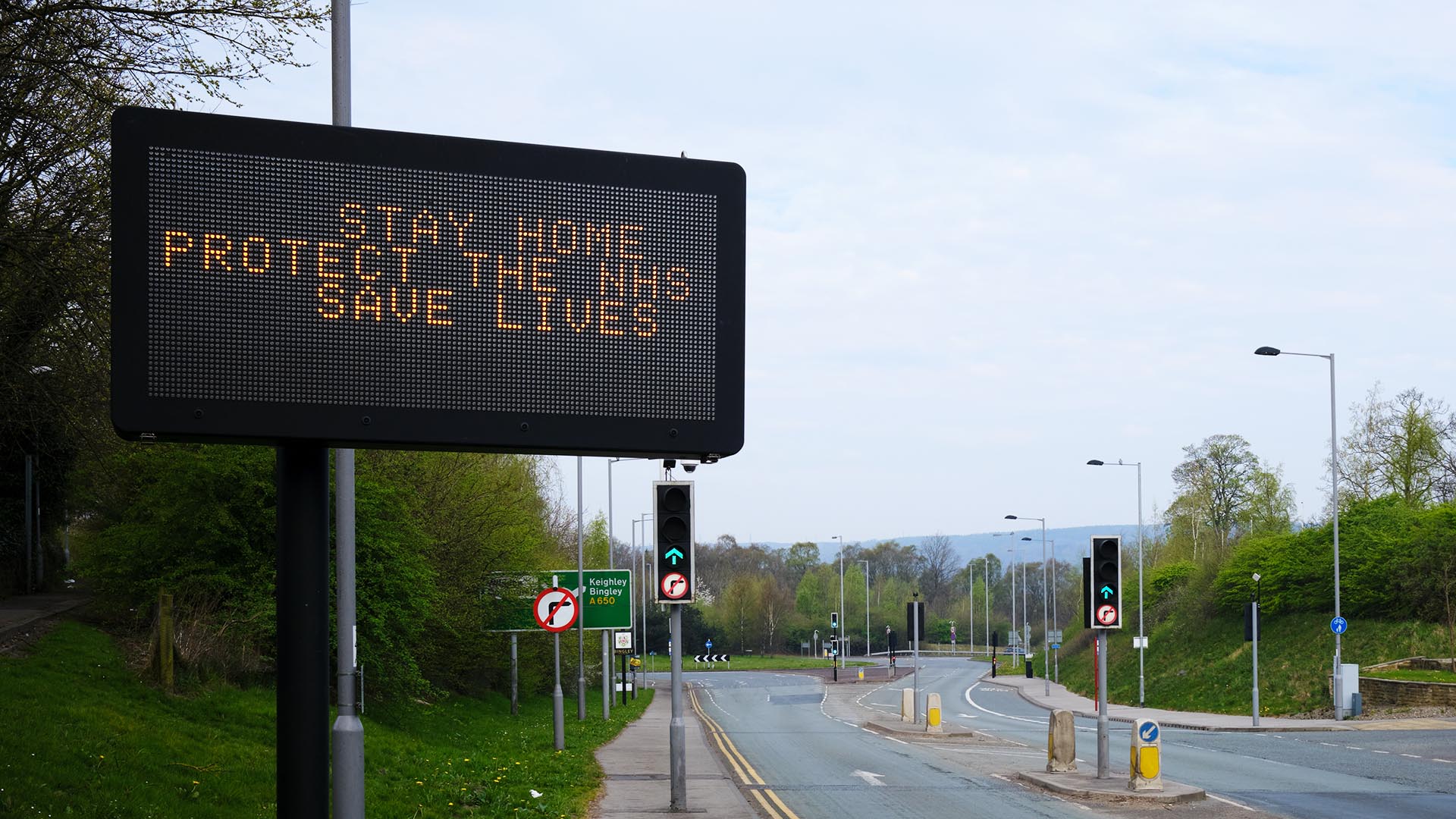
New figures released today show 10 percent of drivers are continuing to use their cars for non-essential trips. This is despite the government’s plea to leave the car at home unless absolutely essential.

The survey of 1,550 drivers also reveals five percent of motorists said they have driven a short distance to get some exercise. Meanwhile, four percent have gone for a drive to ‘give their cars a run’.

However, 60 percent of the respondents to the RAC survey said they are using their cars once a week or less for essential trips. Even more encouraging is the news that 97 percent of drivers stayed at home over the Easter weekend.

This is backed up by the RAC’s claim that it responded to 50 percent fewer breakdowns over the Easter weekend compared to last year.

The RAC is calling on all drivers to only see their vehicles for strictly essential journeys. Yesterday, Dominic Raab confirmed that the lockdown will remain in place for at least another three weeks.

‘Think twice’

Stay Home Save NHS

RAC Breakdown spokesperson Rod Dennis said: “These figures highlight the important role the private car still plays in enabling people to complete their essential journeys during lockdown.

“The reality for many people is that they still rely on the car for certain trips – be it for weekly food shopping, to get to and from work or when looking after a vulnerable person.

“The government has indicated that food shopping should be done as infrequently as possible, and consequently many people are using their cars to carry heavy bags of groceries. But only using cars infrequently can lead to problems, particularly with batteries.

“What is vital however, is that drivers heed the government advice and strictly use their cars for essential trips only. It’s encouraging to see just how many drivers reported they stayed at home over Easter, but there appears to be a small proportion who continue to get in the car either to drive somewhere for exercise, or to keep their vehicle’s battery healthy.

“While the temptation might be there with the car sat outside and largely unused, we really do urge people to think twice before they get behind the wheel. Every unnecessary journey potentially adds to the burden on our emergency services.”

Advertisement

European new car sales plunge 55% in March

0

Renault Dacia car dealer

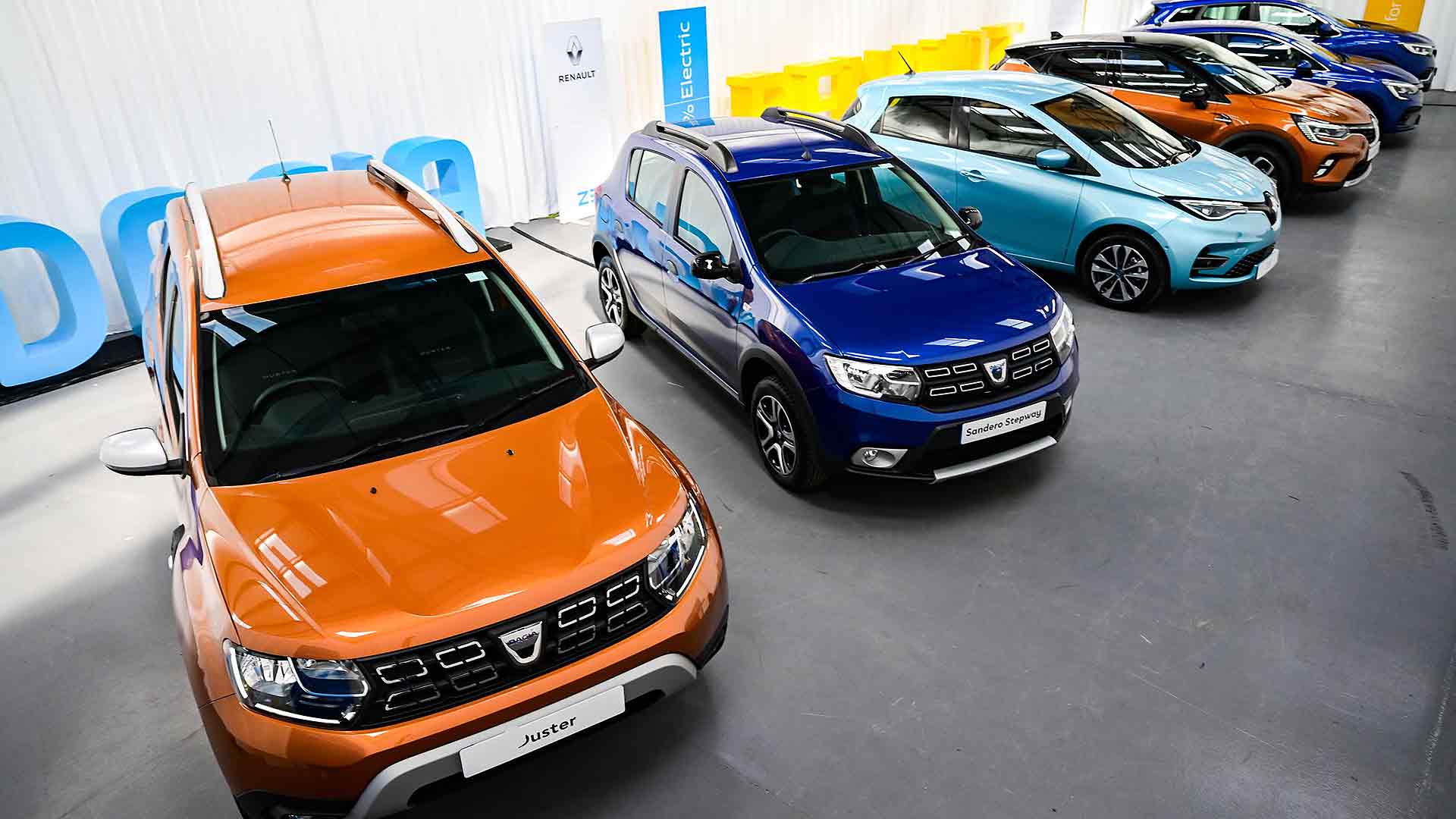
New car registrations fell 55.1 percent across the EU in March as the coronavirus crisis impacted all major markets.

Lockdown was in place in many countries from the middle of the month, leaving most EU car dealers closed.

This saw demand more than halve, from 1.26 million down to 567,308 vehicles.

Italy suffered the biggest hit, plummeting 85.4 percent.

France was down 72.2 percent and Spain was down 69.3 percent. The fall in Germany was less extreme, but was still down 37.7 percent.

The UK, which the European Automobile Manufacturers Association now lists as an EFTA country, was down 44.4 percent in March 2020.

Major falls

Some car companies were hit worse than others in March. FCA Group, which includes Fiat, Jeep and Alfa Romeo, was down 74.4 percent, due to its heavy reliance on the Italian car market.

Groupe PSA, including Peugeot, Vauxhall and Citroen, suffered a 66.9 percent March 2020 decline, and Renault-Dacia was down 63.7 percent.

Ford was down 60.9 percent.

Volkswagen Group, however, was ‘only’ down 43.6 percent, with Porsche experiencing just a 13 percent decline.

Other brands with ‘less bad’ performances include Volvo (-35.4 percent), BMW-Mini (-39.7 percent) and Toyota (-36.2 percent).

British brand Land Rover fell 39.2 percent, but Jaguar was down 53.5 percent, meaning JLR overall declined 44.1 percent.

Advertisement

3-month payment freeze proposed for car finance

0

Car finance calculator in a showroom

Car finance owners struggling to make payments during the coronavirus crisis should be given a three-month payment freeze, the finance regulator has proposed.

The FCA says firms should offer the payment freeze to both owners with car finance such as PCP, and those who are leasing their vehicles.

Firms should not take steps to end the agreement or repossess the vehicle.

ALSO READ: Car finance PCP – how to avoid charges when you hand back the keys

‘We are very aware of the continued struggle people are facing as a result of the pandemic,” said interim FCA chief executive Christopher Woolard.

“These measures build on the interventions we announced last week, and will provide much needed relief to consumers during these difficult times.

Calls to car finance lenders from motorists seeking help have spiked 20-30 times the typical level during the coronavirus crisis, reports the FT

Additional measures

The proposals from the FCA also state that contracts should not be changed in a way that’s unfair to customers.

This could include, for example, using a fall in used car values to recalculate the PCP balloon payment at the end of the term.

The FCA also says that if an owner wants to keep the vehicle at the end of the PCP term, but does not have enough money to cover the balloon payment due to coronavirus-related financial difficulties, finance firms should work with the customer to find a solution.

The proposed package of measures is now open for discussion, with submissions due by 5pm on Monday 20 April.

Advertisement

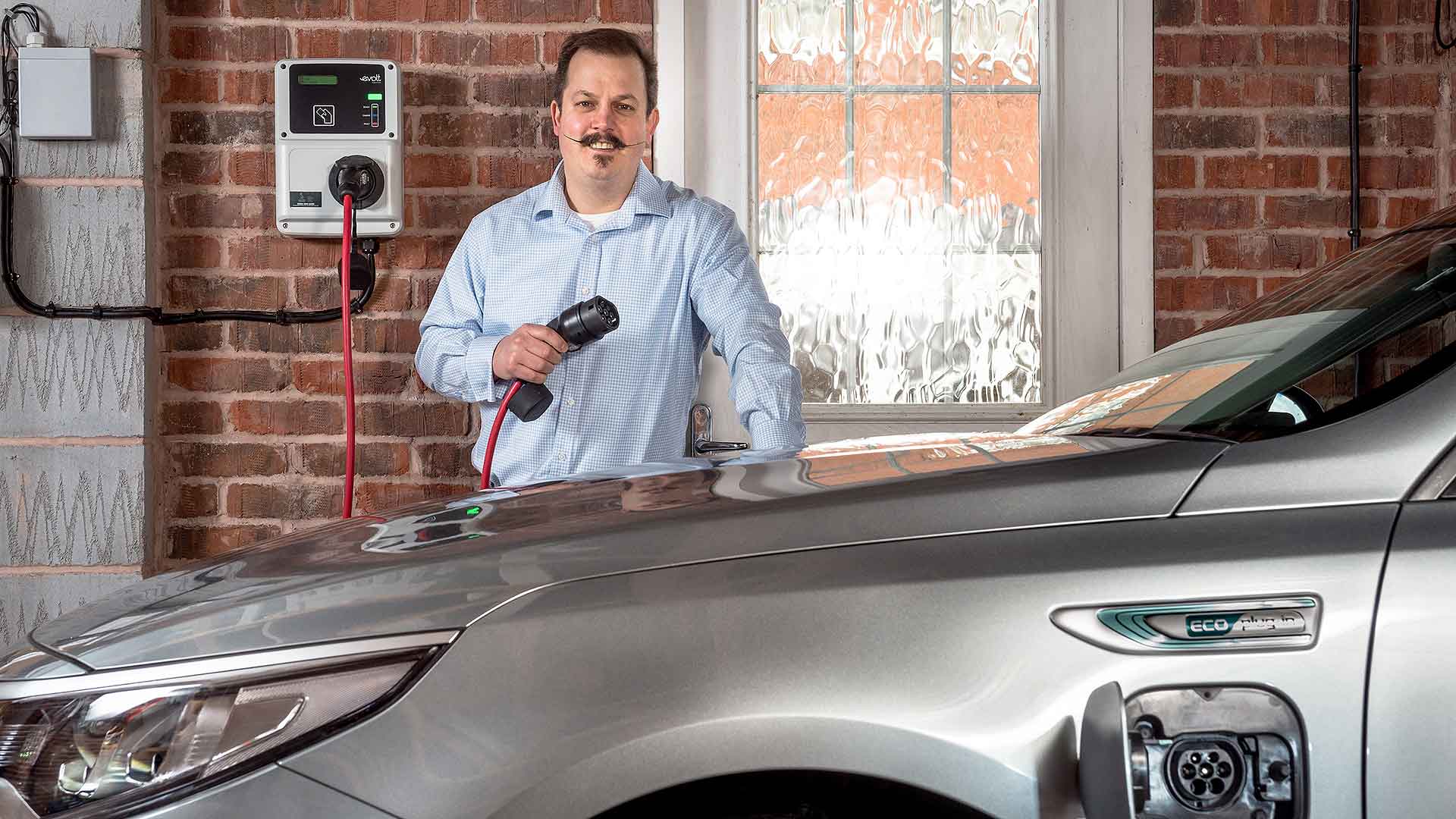
Electric car owners advised to unplug during lockdown

0

Electric car owner unplugging their vehicle

Electric car owners should unplug their cars when not is use during lockdown to avoid the risk of battery damage, say experts.

Keeping an EV permanently on charge could cause issues, leasing company Arval warns.

A consultant to the firm, David Watts, said it’s good practice to only charge to 80 percent battery capacity, if 100 percent isn’t required for your journey.

This will “reduce battery degradation and maintain its efficiency over time”.

Leaving an EV plugged in and keeping it continuously charged to 100 percent “has the potential to damage the battery.

“Experienced EV users may know this already, but in recent months, we’ve seen a significant increase in the number of electric car drivers.

“Many people may not be aware of the risk.”

The influx of new electric car owners is partly because of new company car tax rules, giving a zero percent benefit-in-kind (BiK) tax rate for the first year.

New car registration figures for March 2020 show electric cars took almost a five percent share of the market.

Watch the range

Mr Watts advised charging should generally only occur once the range drops below 50 percent.

Electric car drivers should try and avoid letting it drop below 20 percent, he added.

This is again something to keep an eye on during lockdown.

“All EVs will experience a degree of battery charge loss or self-discharge over time, due to power drain from electronics within the vehicle.”

This is generally around two percent per month.

“However, the level depends on the car or van, and the mode in which it has been left – such as standby or shutdown.”

Advertisement