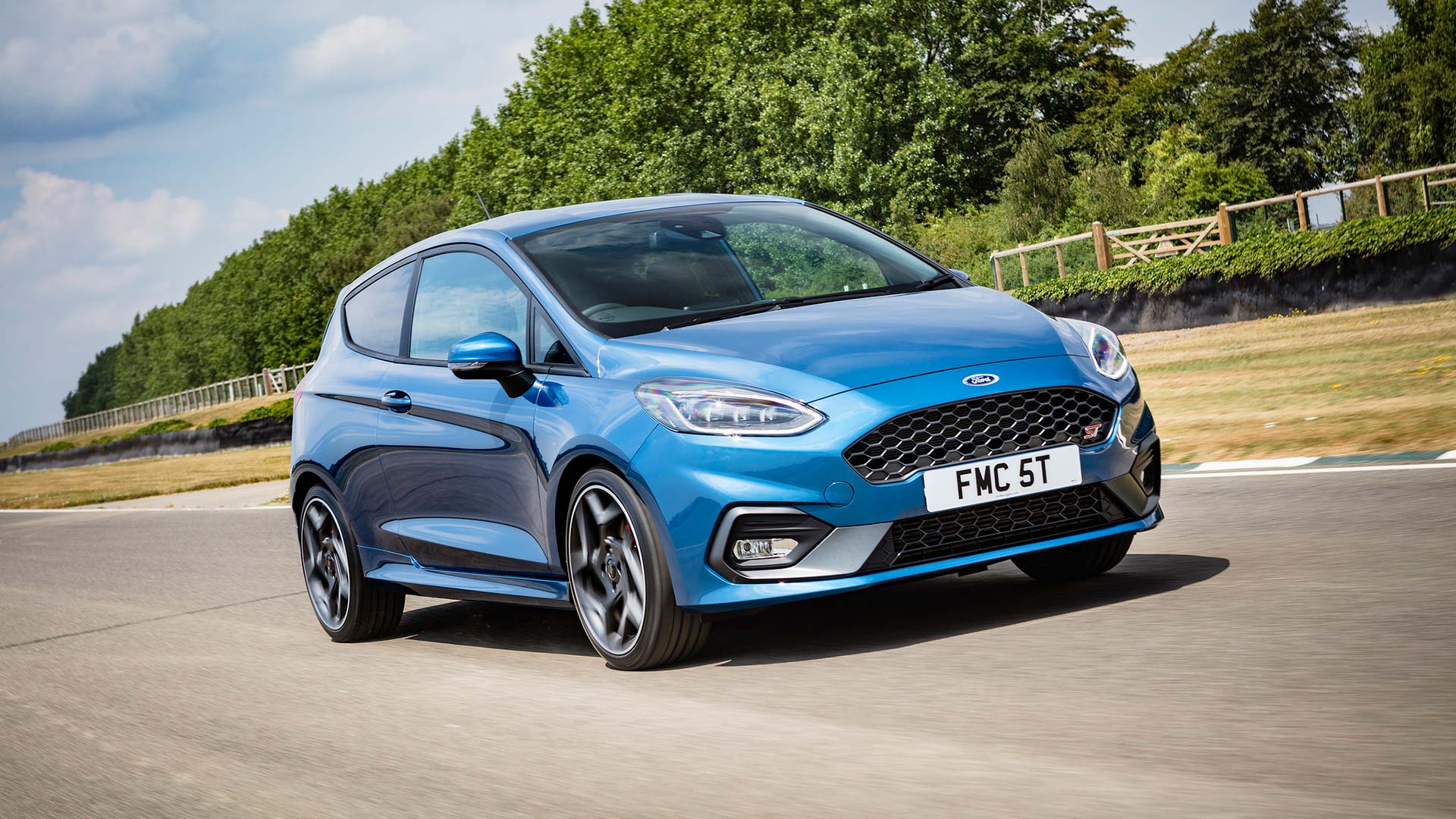
News coming out of Germany suggests we could be falling out of love with the Ford Fiesta.
Ford has cut production of the Fiesta in response to a number of factors, including a drop in UK sales. Production at the Cologne plant will reduce from five to four days a week, according to Automotive News Europe.
The plant builds 1,150 Fiestas a day, with a third of this output going to the UK. Although the Fiesta remains Britain’s best-selling car, registrations have been on a downward trend.
A Ford spokesperson told Automotive News Europe: “Southern Europe and the United Kingdom are seeing weaker demand [for the Fiesta] leading to the need to adjust production.”
In a separate development, Ford has confirmed that the new Puma will be recalled, and deliveries halted, due to problems with the driver’s airbag.
Still the UK’s number one
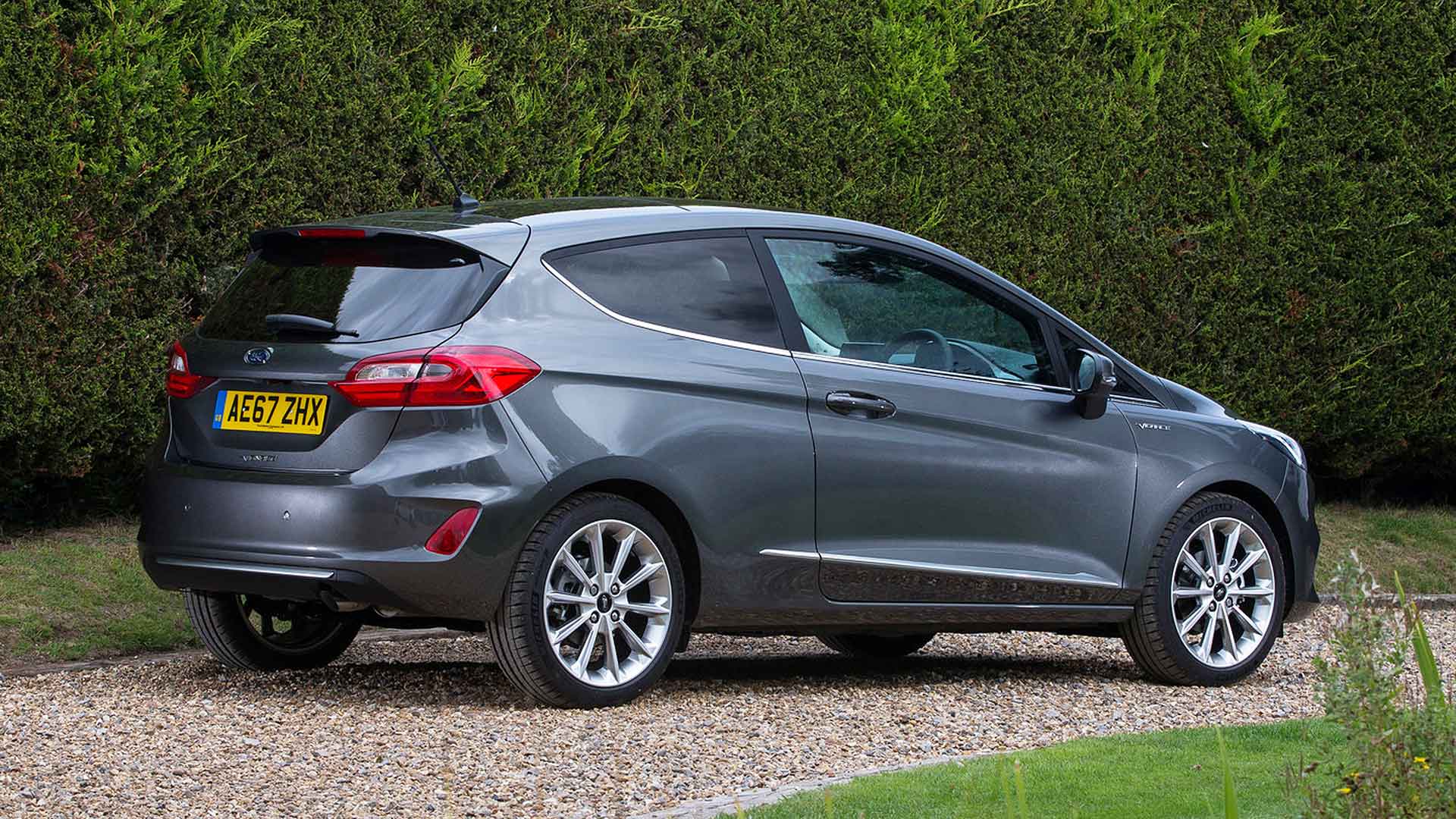
In 2018, registrations totalled just under 96,000 – an amazing 50 percent higher than its nearest rival, the Volkswagen Golf. A year later, registrations fell to almost 78,000. Still the UK’s number one, but with registrations reflecting a falling market.
Year-to-date figures put the Ford Fiesta on 6,087 – 800 ahead of the Ford Focus in second place.
The UK new car market declined -7.3 percent in the first month of 2020, with the Society of Motor Manufacturers and Traders (SMMT) blaming “continued confusion surrounding diesel and clean air zones and ongoing weak consumer and business confidence”.
‘Moving the goalposts’
Mike Hawes, SMMT Chief Executive, said: “The new car market is a key driver of the UK’s overall economy, so another month of decline is unsettling. Consumer confidence is not returning to the market and will not be helped by government’s decision to add further confusion and instability by moving the goalposts on the end of sale of internal combustion engine cars.
“While ambition is understandable, as we must address climate change and air quality concerns, blanket bans do not help short-term consumer confidence. To be successful, government must lead the transition with an extensive and appropriately funded package of fiscal incentives, policies and investment to drive demand. We want to deliver air quality and environmental improvements now but need a strong market to do so.”