Home Blog Page 248

How to keep your van roadworthy during the lockdown

0

How to keep a van roadworthy

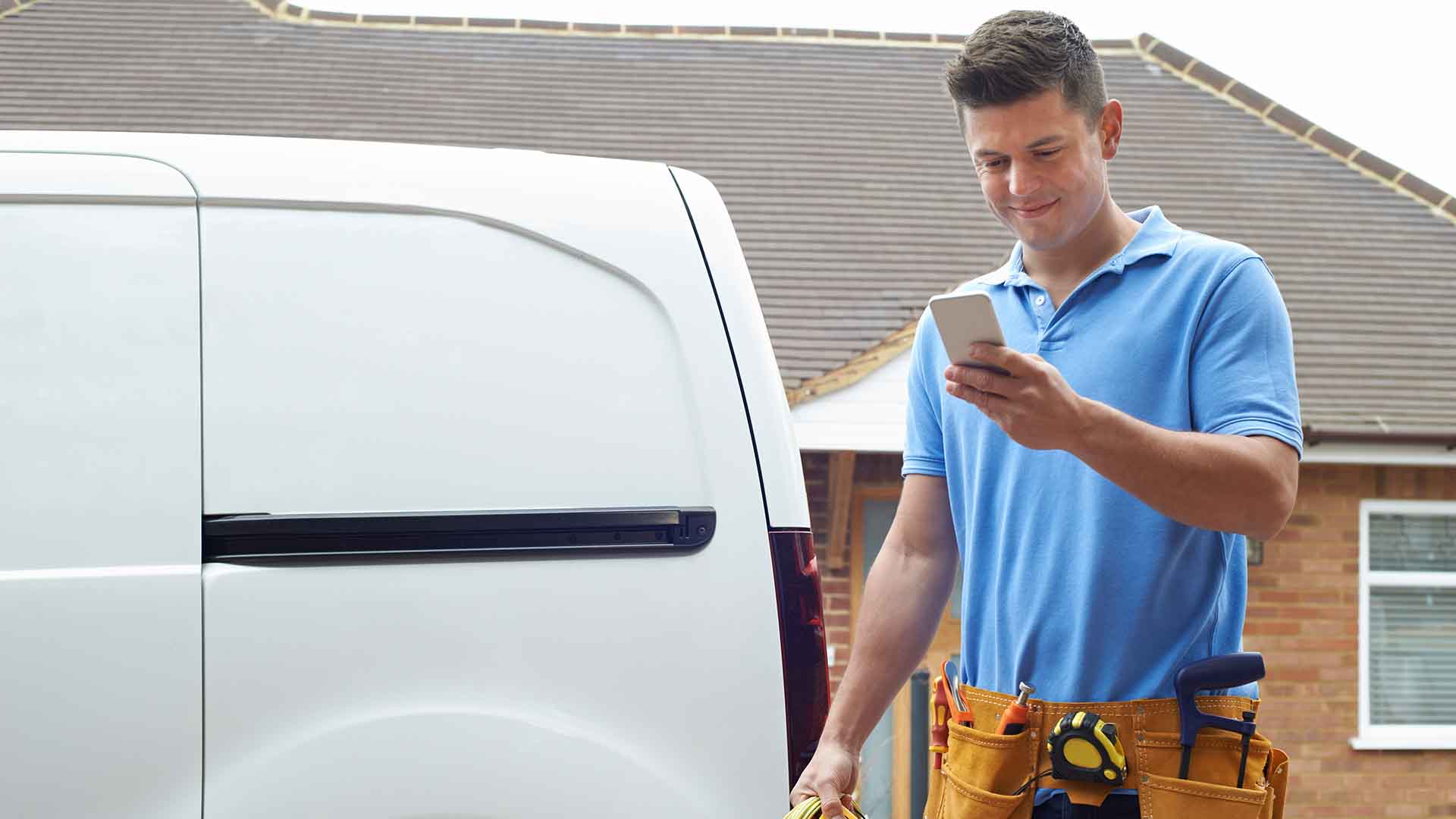
Van drivers are helping to keep the country running during the coronavirus crisis. Whether it’s delivering groceries to properties or transporting essential items for the NHS, van drivers provide a vital service.

Any MOTs for vans which expired on or after 30 March have been extended by six months. This means certificates are still valid, but it’s no guarantee that the van is roadworthy.

ALSO READ: 14 ways to make your car last longer

However, as the government points out, it’s the responsibility of the van owner or fleet operator to ensure the vehicle is safe to drive and roadworthy.

You could be fined up to £2,500, be banned from driving and get three penalty points for driving a van in dangerous condition.

With this in mind, Volkswagen has a list of tips for keeping your van roadworthy.
Van driver

David Hanna, head of service and parts at Volkswagen Commercial Vehicles, said: “Extending the MOT is great news for many drivers who would be unable to book in for a test but it does put the onus on owners and fleet managers to ensure the vans on the road remain roadworthy.

“We’ve compiled these top tips which can be done at home to make sure you to stay on the right side of the law during the COVID-19 crisis. And even if your van isn’t being used at the moment, when you go back to work it’s just as important to complete these checks, too.

“And if drivers identify any serious issue, we’re proud that nearly all our van centres and authorised repairers across the UK are open during the crisis for essential maintenance for key workers.”

How to keep your van roadworthy

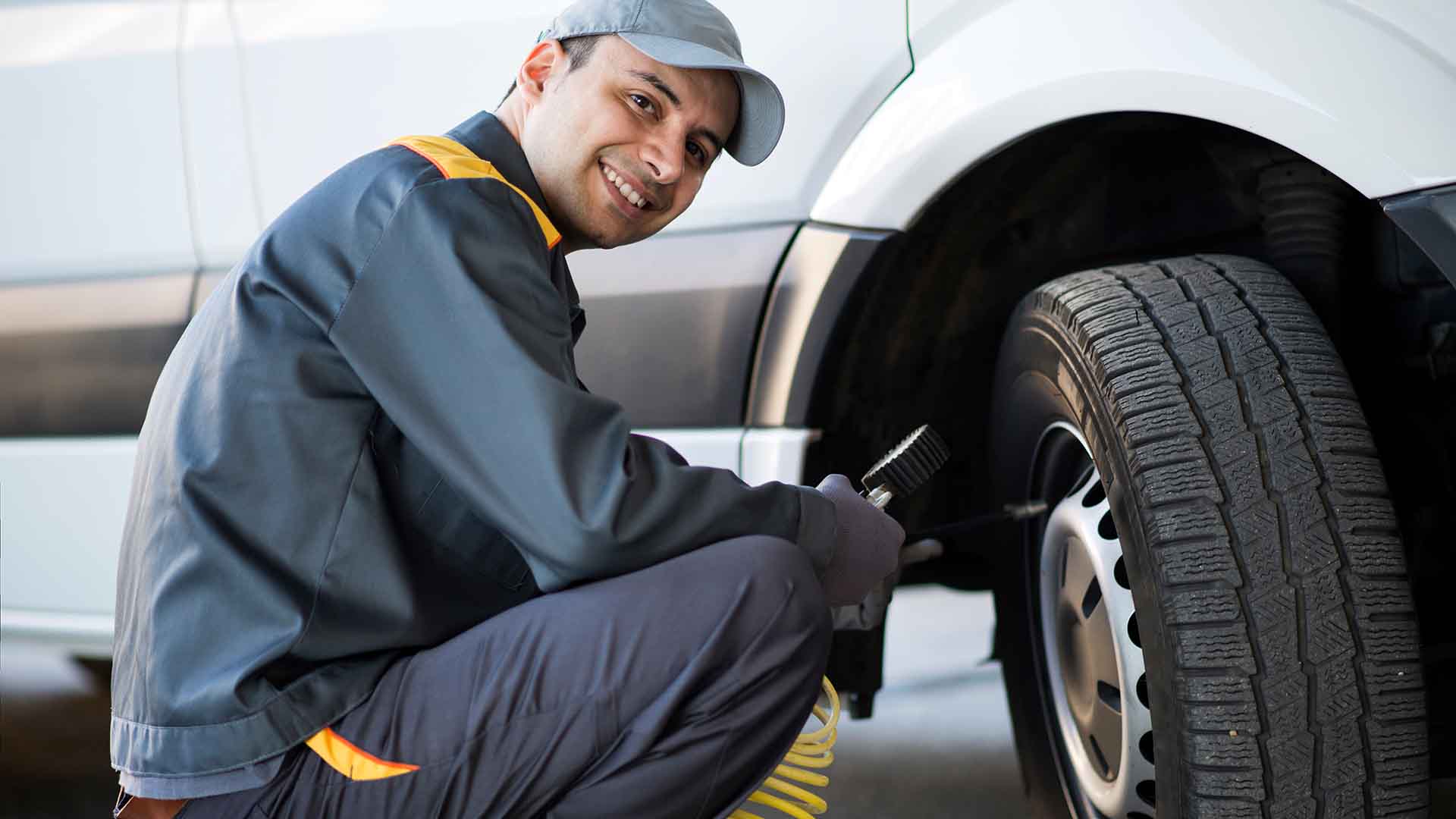
  • Tyres. Use a 20p coin to check that the tyres have at least 1.6mm of tread depth. If not, you’ll need to change at least one of the tyres.
  • Brakes. Any judder through the steering wheel could be a sign of warped discs. Also look out for excessive travel on the brakes, as this could be a sign of a hydraulic fault. Make sure the ABS light goes off when the van is running.
  • Lights. One of the most common reasons for a vehicle failing an MOT. Check front and rear bulbs, including brake and reversing lights. Also check the lights are properly aligned.
  • Steering. Serious squeals or judders are a sign of potential failure. Make sure the van isn’t pulling to the left or right.
  • Number plates. Make sure the plates are clean and be clearly read. Don’t forget to the check the number plate light bulbs – this is an MOT checkpoint.
  • Battery. Inspect the battery for any leaking, corrosion or loose cables. Weak headlights or a struggling starter motor are signs that the battery could need replacing.
  • Windscreen. Make sure the wipers are not smearing the screen. Any stone chips should be investigated – they could be repaired without the need for a new windscreen.
  • Fluids and oils. Check the brake fluid, engine coolant, engine oil and power steering fluid. Check for any puddles under the van.
  • Screenwash. An empty bottle is an MOT fail – keep it topped up.
  • Load bay and trailer. Check the door locks are in full working order. Also inspect a trailer, tow bar and any electrical fittings.

Click here for advice on how to pass an MOT at the first attempt

ALSO READ

Garages told to stop discounting MOTs

Coronavirus: how to sanitise your car and stay safe

Why record low oil prices might not mean lower fuel prices
Advertisement

Motorists with car finance to get three-month payment freeze

0

Car finance assistance measures announced

Customers with a car on finance can now access a three-month payment freeze under temporary new measures introduced by the Financial Conduct Authority.

Anyone with a PCP or PCH car finance plan will, if they’re struggling to make payments due to the coronavirus crisis, be able to request the payment freeze.

Finance companies should not take steps to end the agreement or repossess the vehicle during the payment freeze period, says the FCA.

Customers will continue to be allowed to drive the car.

ALSO READ: Car finance explained: the difference between PCP, PCH and leasing

“We have worked at pace to introduce temporary financial relief,” said FCA interim chief executive Christopher Woolard.

“These measures ensure all consumers affected by the coronavirus emergency can apply for a temporary freeze on their payments.”

No strings attached

Payment freezes should come without strings attached, says the FCA.

Car finance companies should not alter the terms of Personal Contract Purchase or Personal Contract Hire agreements in an unfair way.

They should not, for example, recalculate PCP end-of-term balloon payments due to a coronavirus-related fall in used car values.

Firms should “act fairly where terms are adjusted”.

Many PCP customers rely on the ‘equity’ at the end of a PCP term to help finance a new agreement: recalculating values to a lower level would have a big impact.

Those who have reached the end of their agreement and want to keep their car, but don’t have the cash to cover the balloon payment due to coronavirus-related difficulties, should also be helped, says the FCA.

“Firms should work with the customer to find an appropriate solution.”

The new measures come into force on Monday 27 April.

“Customers should be able to request a payment deferral at any point,” says the FCA, “for a period of three months.”

SIGN UP HERE FOR THE MOTORING RESEARCH NEWSLETTER

Advertisement

Parking problem? New insurance offer covers scratches and dents

0

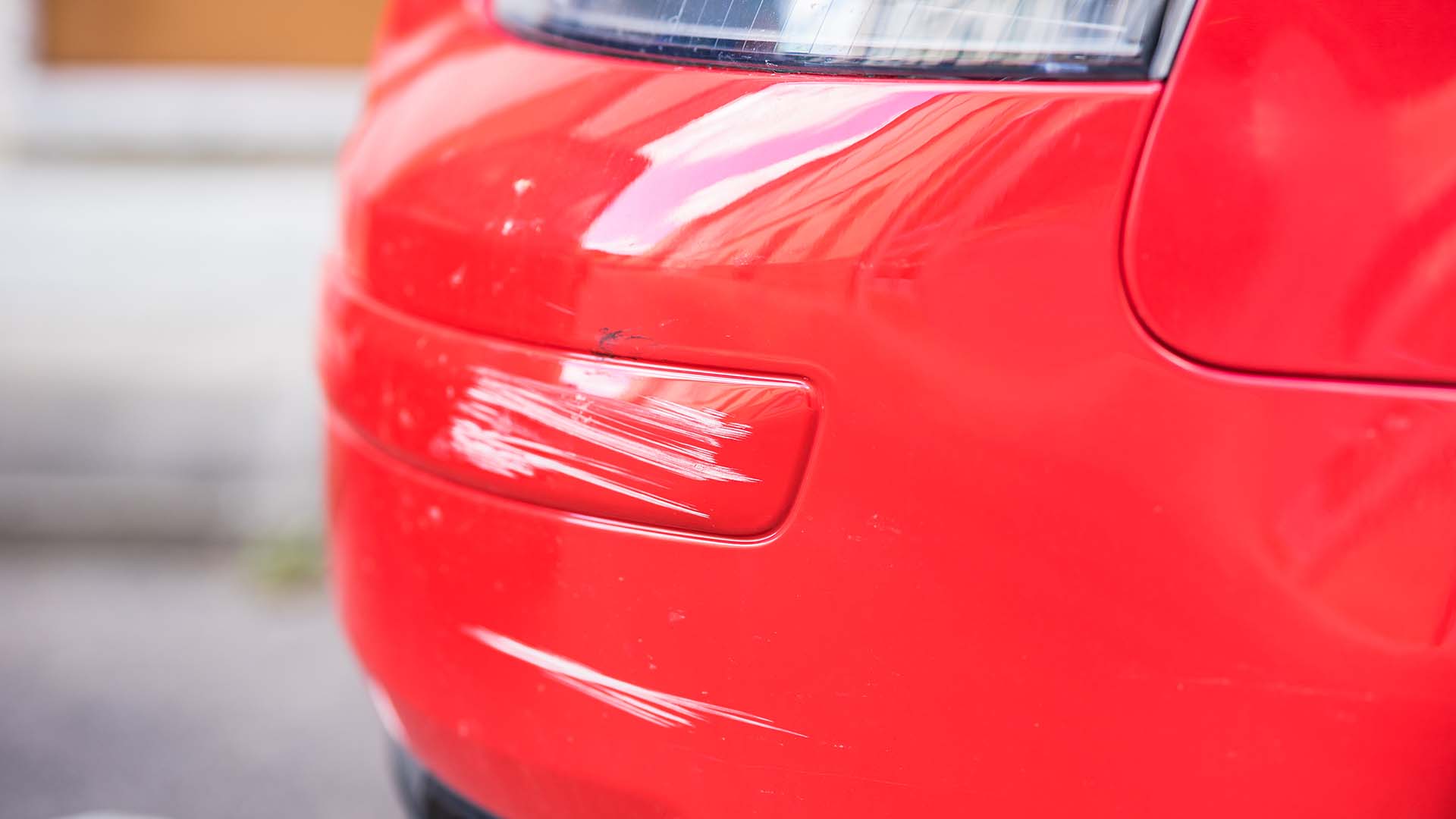
Scratch on car bumper

An insurance company has teamed up with a scratch and dent repair business to offer a new minor restoration service.

ChipsAway uses small to medium repair technology (SMART) to remove chips, scuffs, scratches and dents from vehicle bodywork.

The new partnership allows insurance policyholders to claim up to three times a year for minor repairs. It went live this week, with prices starting from £15 a month.

Although ChipsAway fees vary according to the damage, the company’s website quotes prices ranging from £70 to around £500 plus VAT.

In one example, a customer was quoted £3,200 for repairs to a Tesla. ChipsAway completed the job for £516 including VAT.

Not every job can completed using the SMART technique, but if the insurance cover costs £180 a year, it could be a worthwhile investment, especially if you live in a city – or are prone to parking mishaps.

There’s also the bonus of the work being completed at home, rather than the car having to visit a bodyshop for repairs. The service is available to customers in England, Wales and Scotland.

The Stubben Edge website claims the offering could save motorists up to £250 each time they claim.

‘Three claims during the policy year’

Scratches on car bumper

Stubben Edge deputy managing director Karen Barretto said: “Policyholders will be able to benefit from up to three claims during the policy year plus access the SMART rewards club, which will give them access to exclusive discounts and benefits from national retailers – offering great savings on motor-related services, food and fashion.”

ChipsAway managing director Tim Harris added: “Most repairs can be completed in under three hours at the motorists home or office, ensuring maximum convenience for customers. ChipsAway also has a lifetime of ownership guarantee, so customers can be confident they will be getting the best service possible.”

“ChipsAway is very pleased to be working with Stubben Edge and look forward to building the best SMART insurance offer for UK car owners.”

ALSO READ

2020 Fiat 500 revealed

City drivers could save £1,500 a year by joining a car club

New 2020 Honda Jazz prices start from under £19k

Advertisement

Car thefts rocket 21 percent in 3 years

0

Car thefts up in the UK

The number of car thefts rose by 21 percent between 2016 and 2019, according to data from a Freedom of Information (FOI) request.

Of the police forces that responded, Nottinghamshire saw the largest increase, with the county’s constabulary reporting an overall rise of 59.7 percent. Nearly 1,500 cars were stolen between 2018 and 2019.

Staffordshire Police reported a similar rise (53.8 percent), while there was a 50 percent increase in Hertfordshire.

It’s not all bad news. There was a 78.7 percent fall in car theft in Wiltshire, with just 156 stolen in 2018/19. Car crime was also down in Humberside (-35.8 percent), Merseyside (-26.9 percent) and Avon and Somerset (-3.5 percent).

Neil Thomas, director of investigative services at accident aftercare company AX, said: “While the lockdown may temporally reduce some types of car theft, criminals are using increasingly intelligent ways to steal vehicles and continue to find success. The combination of organised crime getting smarter and ability to make quick returns has drastically increased pressure on police forces to control the theft of motor vehicles.

“Car thieves are opportunists and have no respect for property and will remain determined to carry on illegal activity despite the current restrictions on movement across the UK. I have even seen recent reports of vehicles belonging to key workers being stolen.

“During this period of lockdown, it’s even more important that car owners remain vigilant and do what they can to keep their car safe while they’re using them less frequently, if at all.”

Biggest increases in stolen vehicles

  1. Nottinghamshire: 59.7 percent
  2. Staffordshire: 53.8 percent
  3. Hertfordshire: 50.0 percent
  4. West Midlands: 44.6 percent
  5. Surrey: 44.1 percent

Biggest decreases in stolen vehicles

  1. Wiltshire: -78.7 percent
  2. Humberside: -35.8 percent
  3. Merseyside: -26.9 percent
  4. Avon and Somerset: -3.5 percent

Keeping your car secure during the lockdown

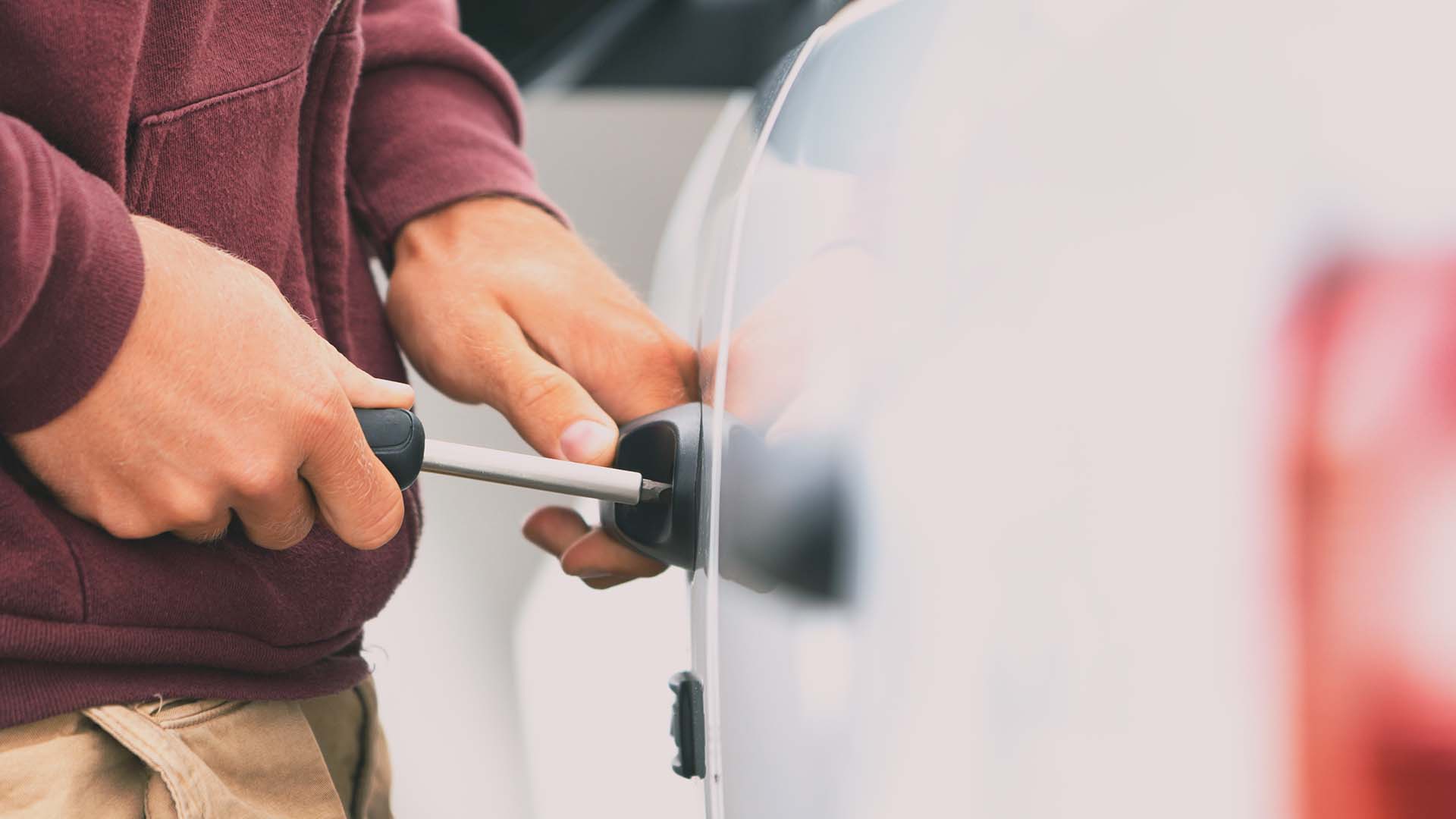
Car crime

Thomas, who is a former detective inspector, has the following advice for keeping your car safe when not in use.

  1. Keep your keys safe. Store your car keys away from the front door to prevent criminals from ‘fishing’ them through the letterbox. Avoid taking the keys upstairs. Click here for how to avoid becoming a victim of keyless car theft.
  2. Check the doors are locked. Electronic devices that jam the signal from your key fob are increasingly common.
  3. Consider disabling keyless technology. Many systems can be temporarily switched off to prevent electronic compromise.
  4. Review your home security. Consider the installation of motion-detecting CCTV at your property.
  5. Don’t despair. If the worst happens, there are tracking solutions and recovery services available to help you locate your vehicle.

 A total of 17 police forces responded to the FOI.

ALSO READ

Coronavirus could reduce the cost of car insurance

Car insurance company refunds customers due to lockdown

When is the best time to renew your car insurance?

Advertisement

New Toyota Yaris Cross small SUV revealed

0

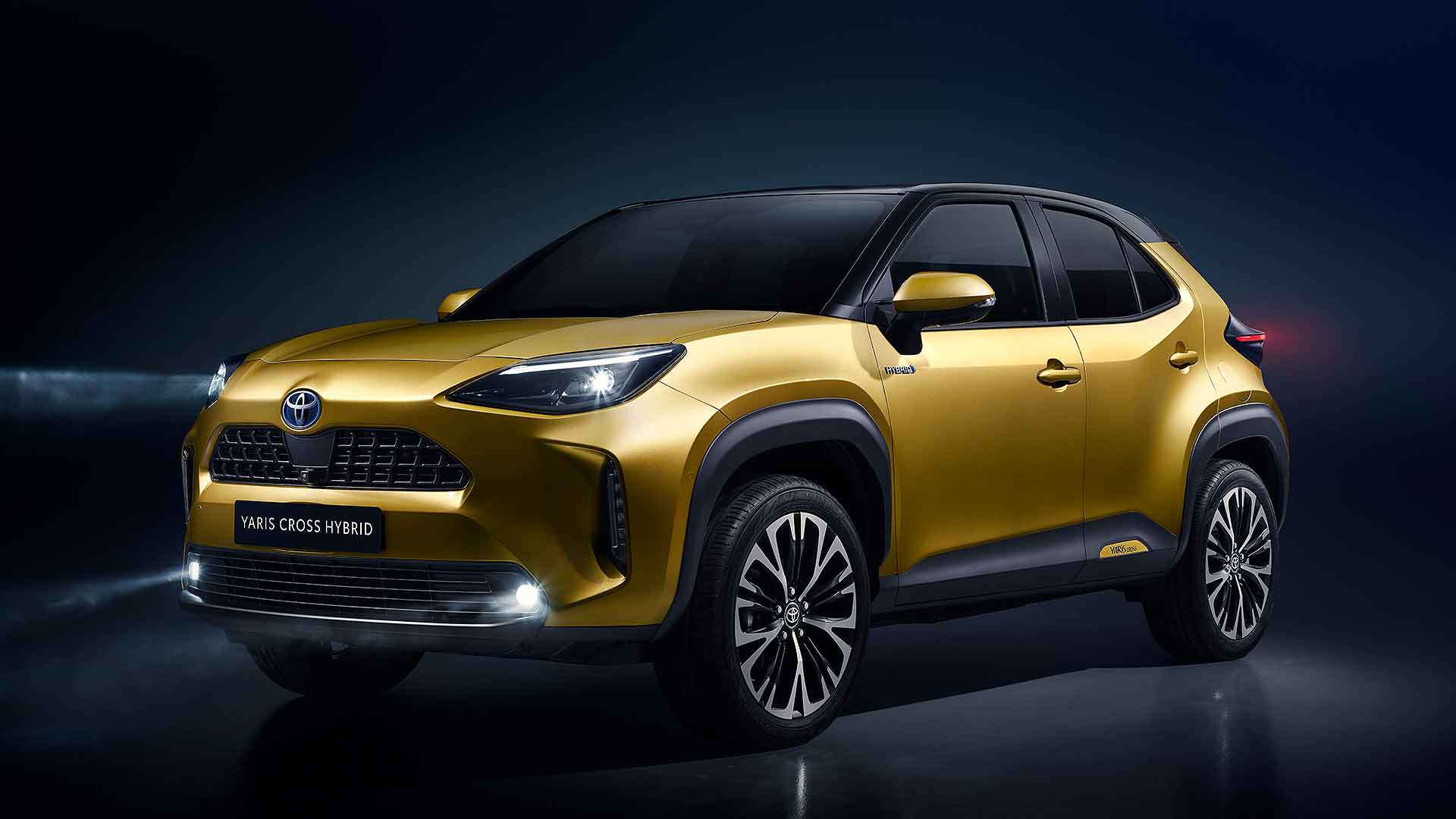
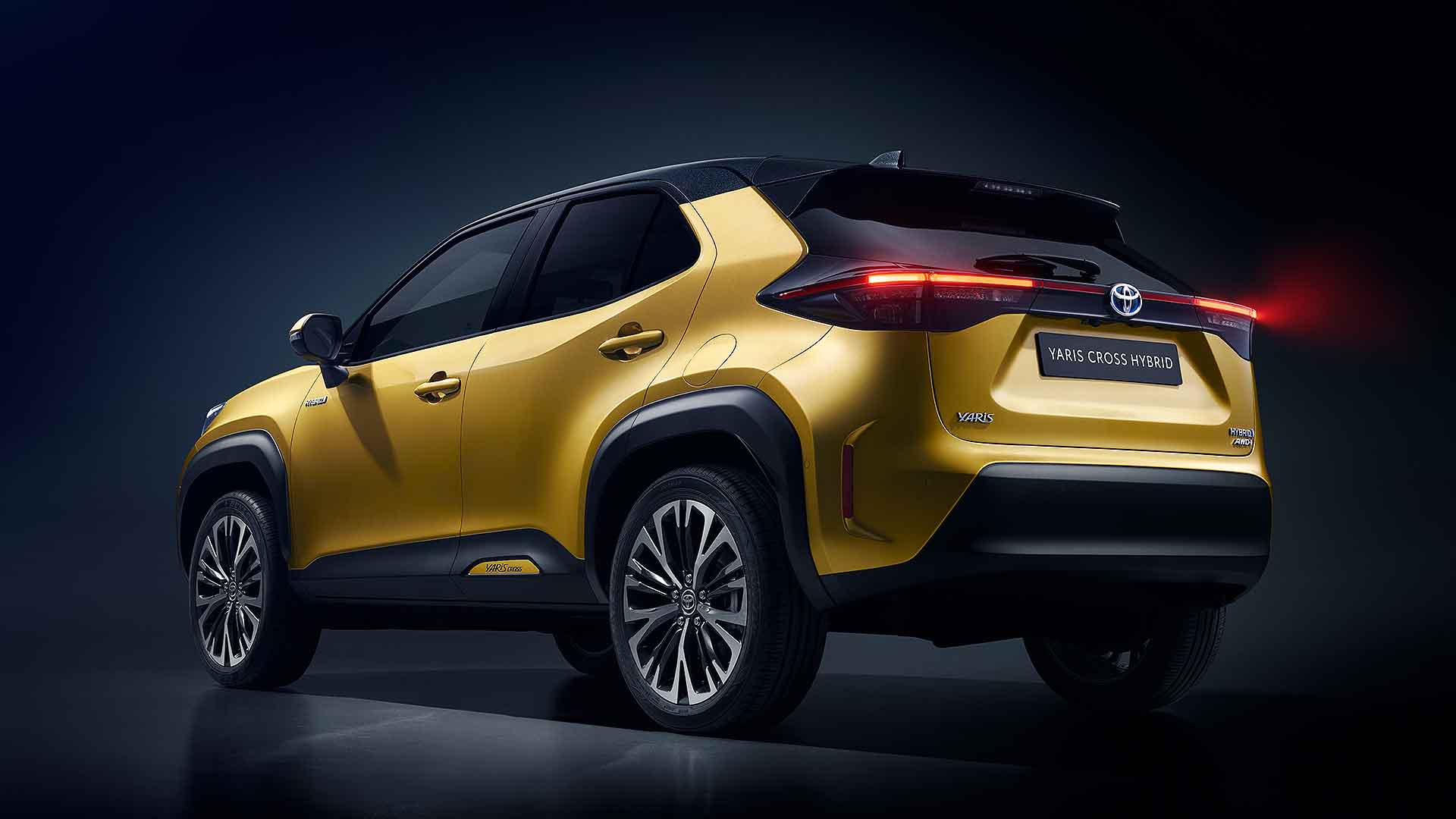
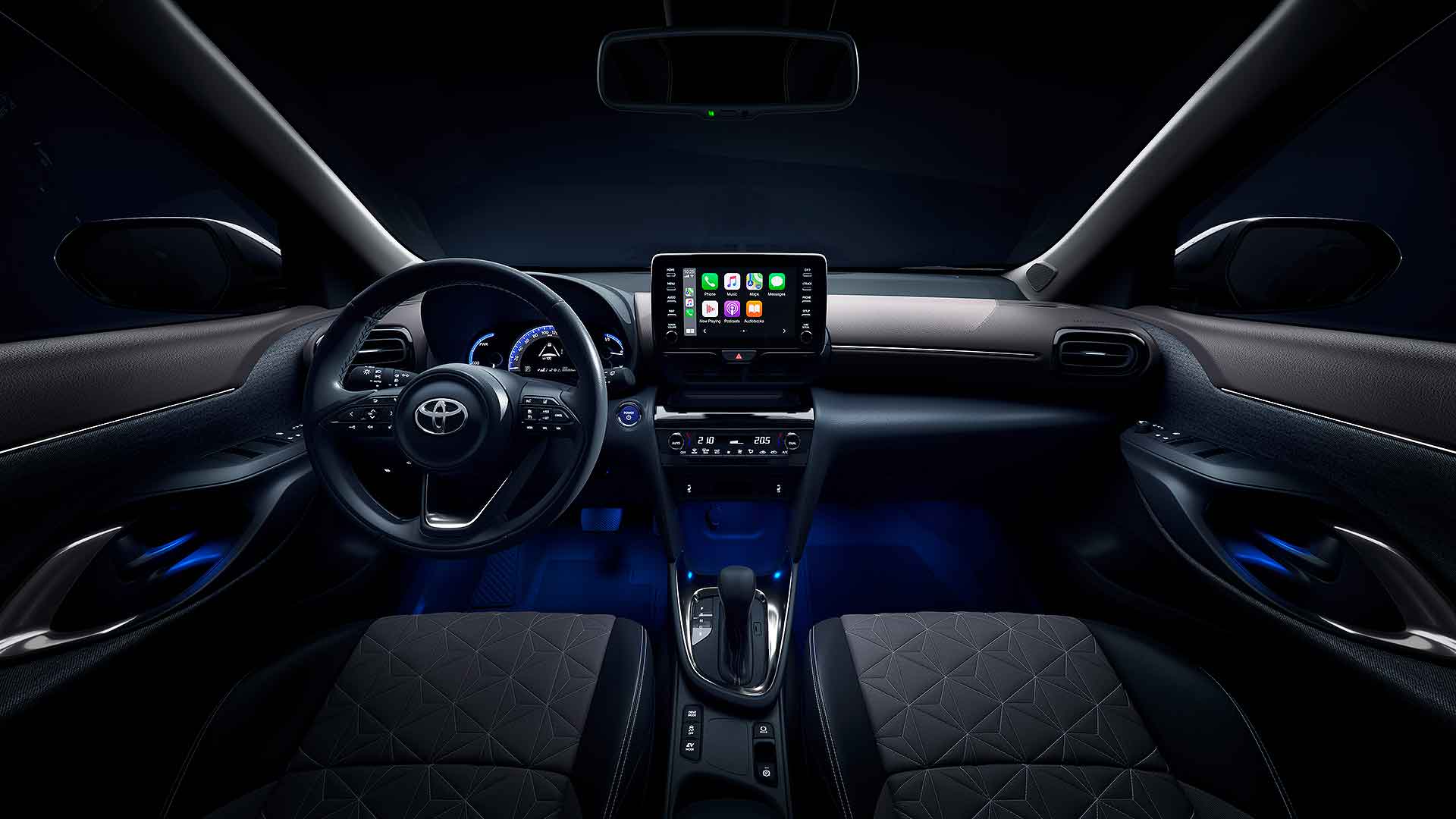
Toyota Yaris Cross

The Toyota Yaris Cross is a new small SUV that arrives in 2021 to take on the Nissan Juke and Ford Puma in Europe’s fastest-growing new car sector.

It will also face the new Vauxhall Mokka, which was revealed in teaser images yesterday

Toyota says the Yaris Cross will launch in the UK from June 2021. 

Inspired by the Toyota RAV4 family SUV, the new Yaris Cross boasts a chunky, distinctive design to help it stand out in this busy sector.

It is based on the same ultra-efficient underpinnings as the new Toyota Yaris, and will even offer a hybrid all-wheel drive variant, called AWD-i.

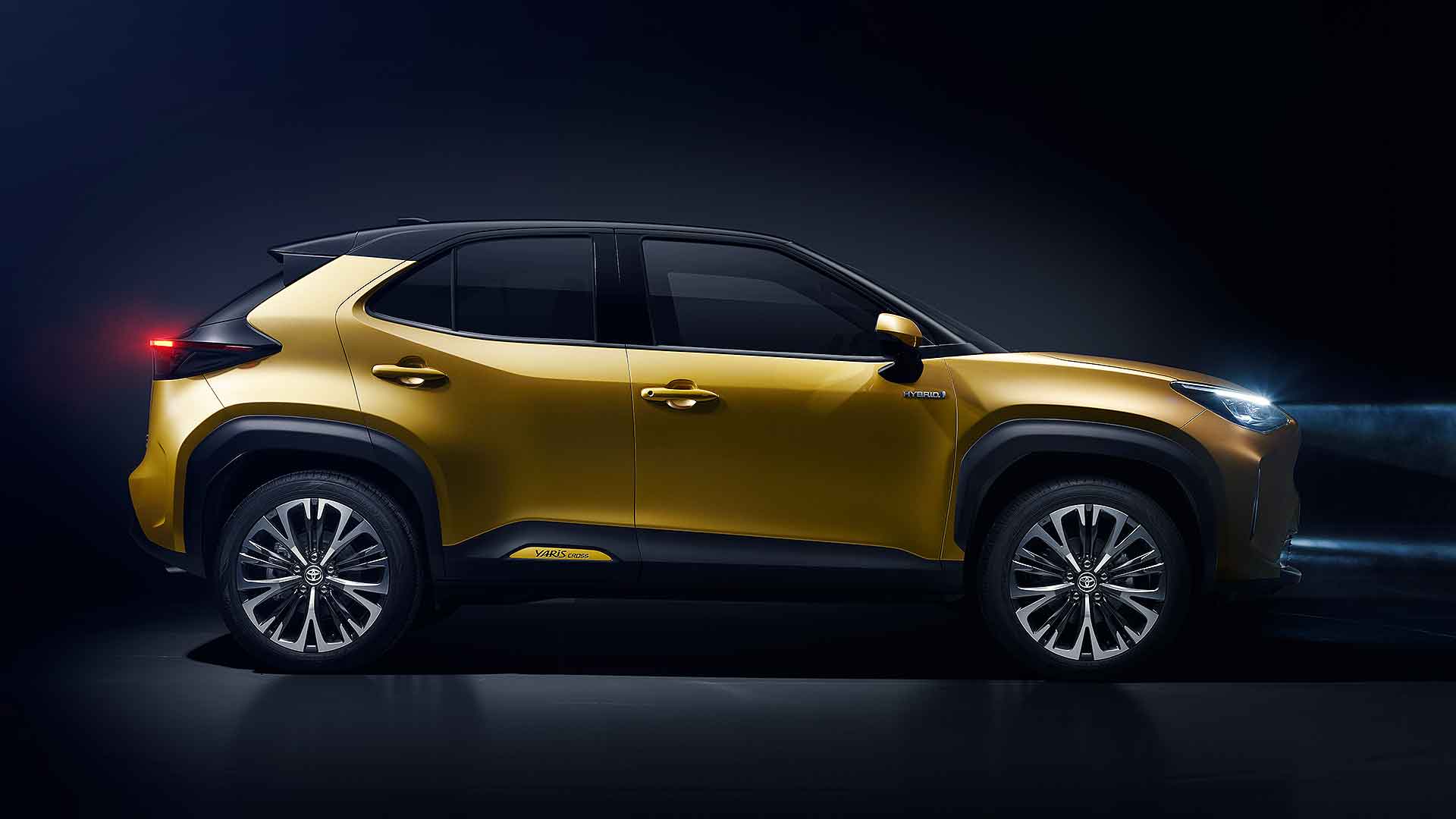
Toyota Yaris Cross

During the presentation, Toyota said the regular model will emit less than 90g/km CO2, while the AWD-i will produce less than 100g/km CO2.

“No rival comes close,” says the firm.

These are, however, tests to an older fuel consumption standard: newer WLTP figures are 120g/km for the regular hybrid, 135g/km for the all-wheel drive. 

Toyota will also sell a cheaper, less-efficient non-hybrid model, although the vast majority will be hybrid variants. 

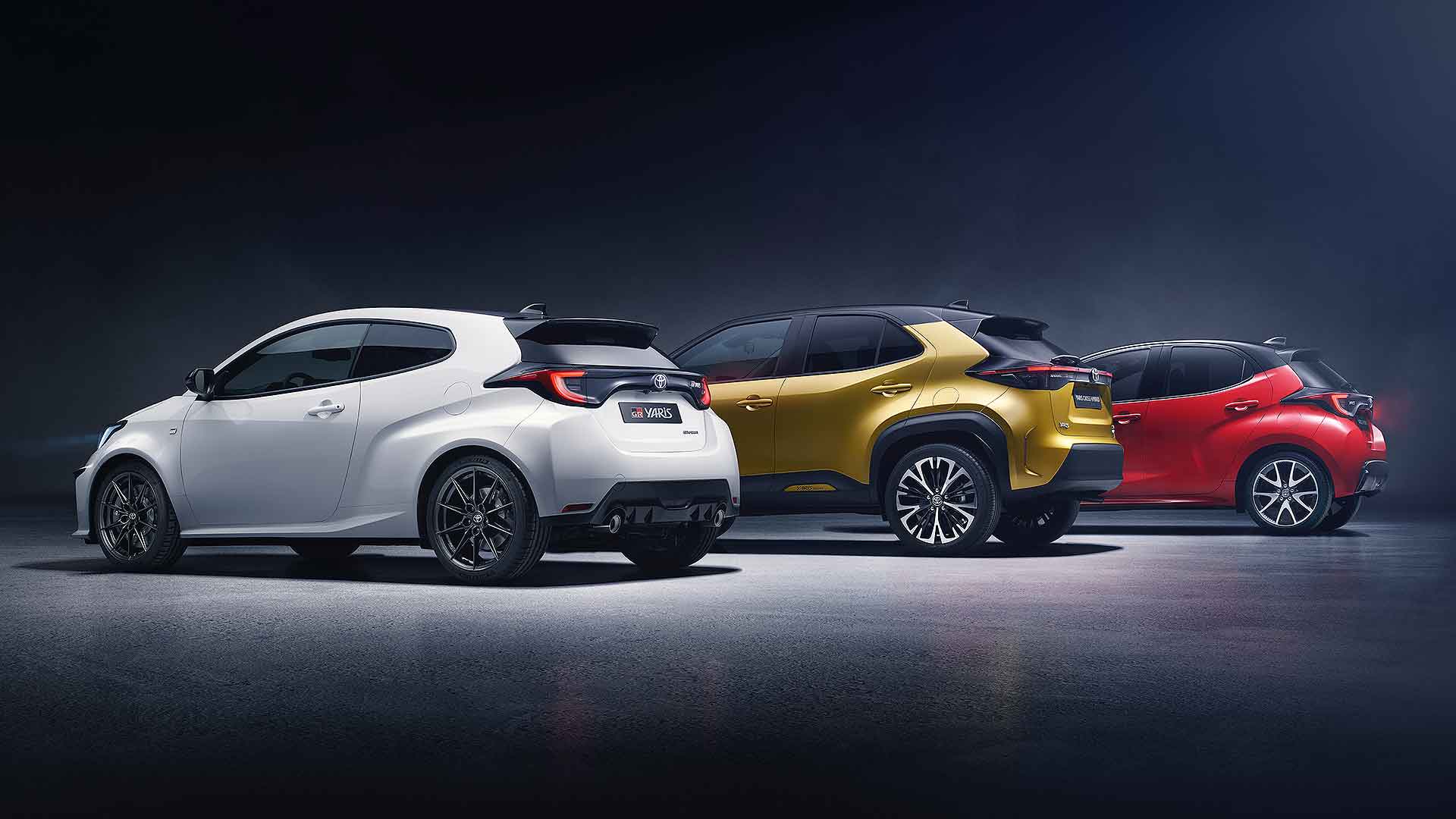
Toyota Yaris famili

Built in France alongside the new Yaris, Toyota predicts 150,000 examples of the Yaris Cross will be sold annually from 2021 – and it will in time account for one in three Toyota EU sales.

Toyota will also sell the Yaris Cross in Japan and Australia, plus other markets. It is the first time the Yaris name has been used globally. 

Toyota Yaris Cross

This is why the Yaris Cross name was chosen, rather than a bespoke name – the familiarity and “brand equity” of the Yaris brand will help consideration in a packed sector. 

Big and bigger

Toyota Yaris Cross

The Yaris Cross is 4,180mm long, or 240mm longer than the Yaris hatchback. It is 90mm taller and 20mm wider, and has 30mm more ground clearance. 

Toyota says that although it is shorter and narrower than the bigger C-HR crossover, the Yaris Cross actually has more interior space. 

It claims a big boot too, although it has yet to release figures. 

Toyota Yaris Cross

While Toyota expects to snare customers currently driving other small SUVs, and some Yaris owners trading up, it also says some buyers will downsize from larger, more expensive models. 

This is why it is offering the all-wheel drive version – and why the striking styling bears similarities with the Toyota RAV4, the world’s best-selling SUV. 

SIGN UP HERE FOR THE MOTORING RESEARCH NEWSLETTER

Advertisement

Independent petrol stations face fight for survival

0

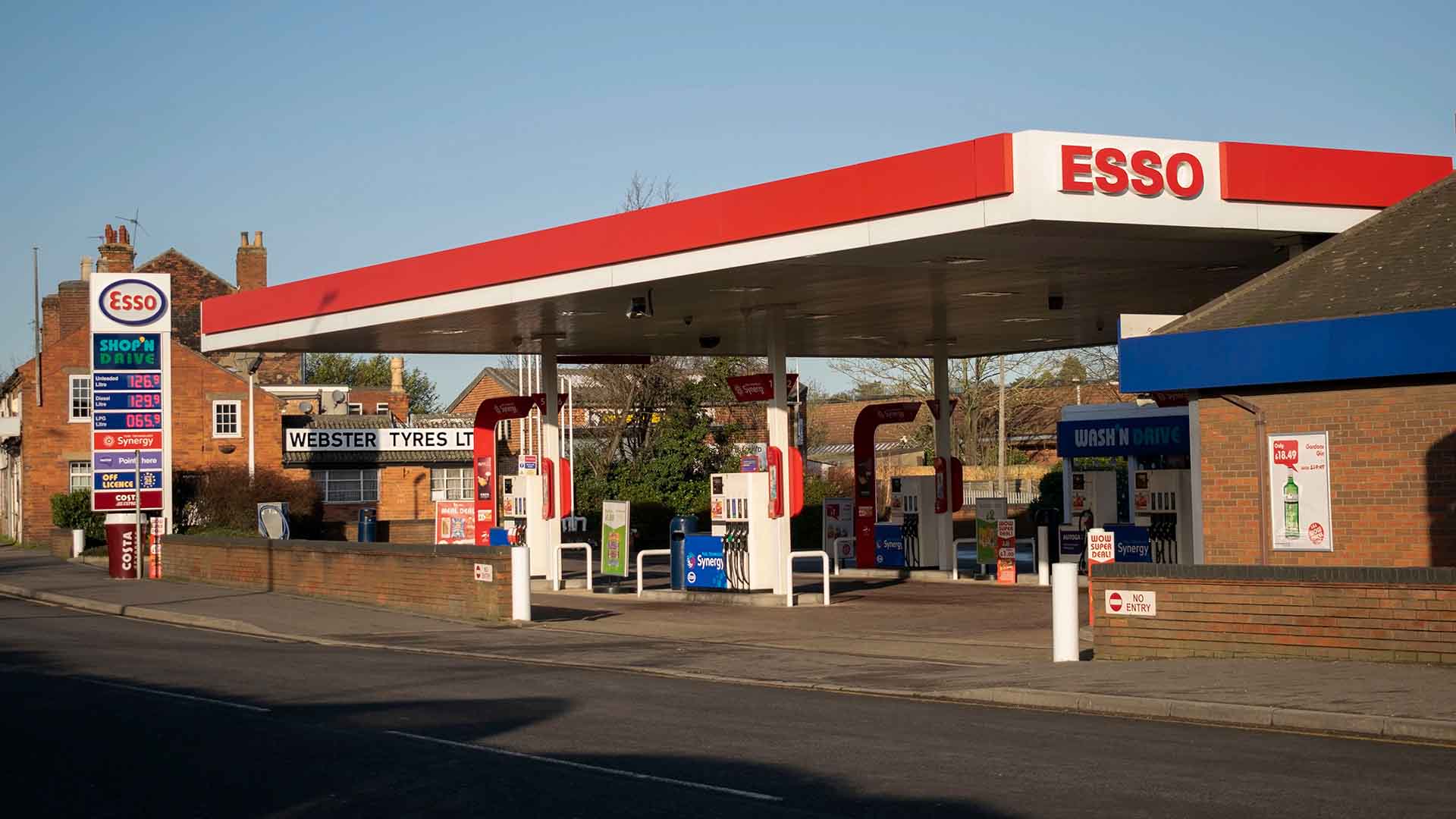
Esso petrol station

Thousands of independent petrol stations are ‘desperately trying to stay open’. That’s according to the Petrol Retailers Association (PRA).

It says that up to 100 petrol stations have been forced to close their doors during the lockdown. Of those that have remained open, many have had to reduce their operating hours, with staff lost to COVID-19 symptoms or the need to self-isolate.

Road travel has dropped by 73 percent during the lockdown, placing further pressure on independent retailers. Many petrol stations rely on non-fuel purchases to boost their profits – and fewer customers means fewer sales.

That’s not all. At the beginning of March, a barrel of crude oil cost $50, but by the end of the month it had plummeted by 66 percent to less than $18: the lowest level in 18 years.

As a result, more than 9p came off the average price of unleaded in the month, with diesel down 8p. RAC fuel spokesperson Simon Williams said: “We are very mindful at this time of the pressure this can place on smaller, independent forecourts that provide a vital service where there is no supermarket footprint.

“While we all want reasonably priced fuel for our essential journeys, surely none of us want to see smaller enterprises going out of business trying to match the supermarkets’ big price cuts at a time when so few of us are driving compared to normal.”

’Petrol stations have been hit very hard’

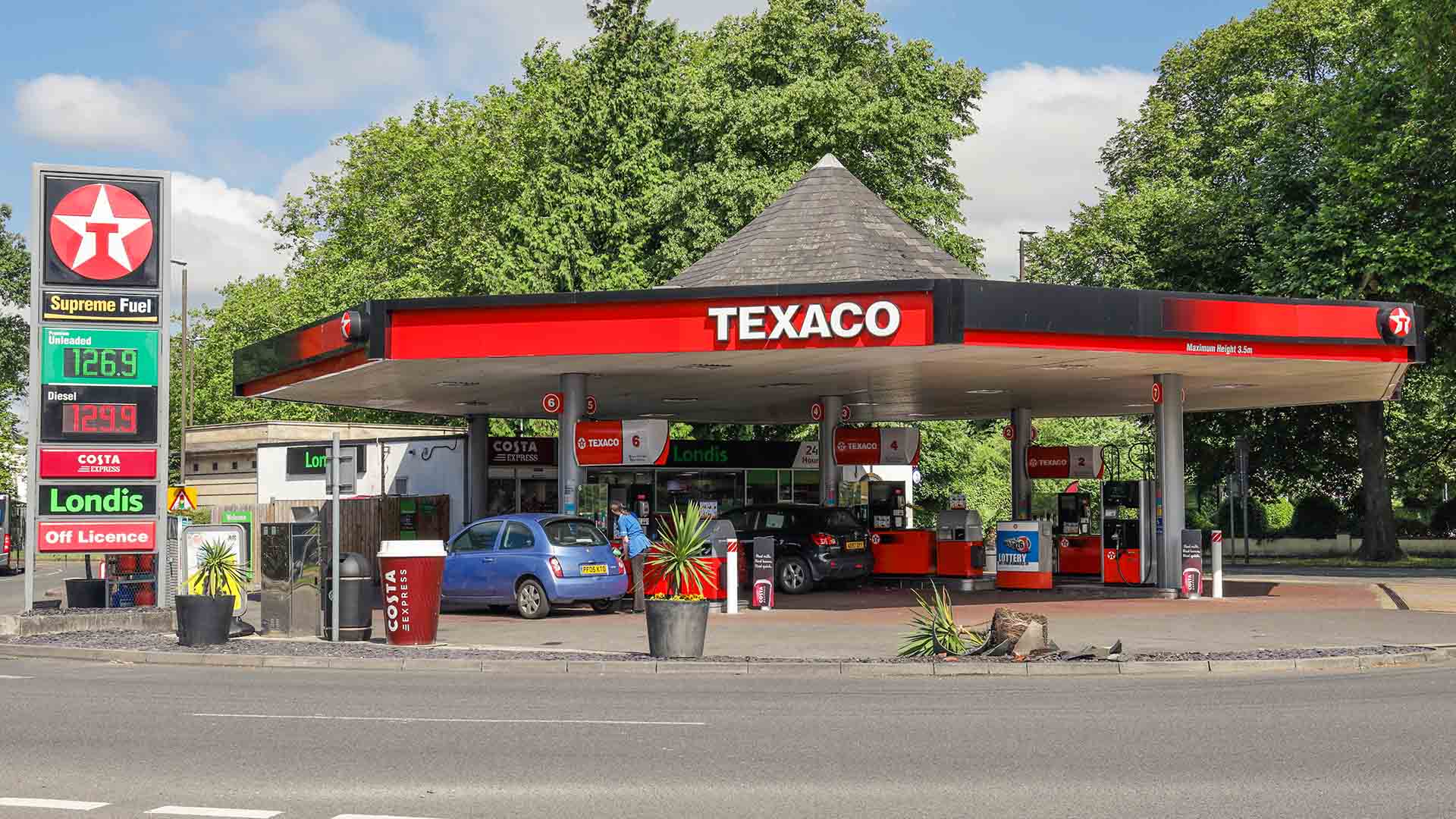
Texaco petrol station

The PRA has warned that 1,000 retailers could be lost as a result of the coronavirus and plummeting oil prices.

“These petrol stations have been hit very hard by the biggest, fastest drop in demand that any of us has ever witnessed” said Brian Madderson, chairman of the Petrol Retailers Association.

“For some of our members, this drop has been as much as 85 percent of normal volume leading to a huge cash flow crisis. The sector is unique, with over 70 percent of income taken by the Government through fuel duty and VAT. There is a cash grant of £25,000 available to small and medium size petrol stations, but this is swallowed by the next delivery, with a tanker needing over £26,000 just to pay the tax.

“There is speculation from some motoring organisations and lobby groups that UK fuel prices will tumble fast as a result of the historic event in North America yesterday, when the value of oil moved into negative territory.”

“However, with such low demand for road fuel, most petrol stations would risk their financial viability if they had to reduce prices still further. Instead of 100 closures, we could see 1,000 – severely disadvantaging so many of the essential frontline workers.

“The target remains to keep open and provide continuity of service.”

ALSO READ

How to self-isolate your electric or plug-in hybrid car

April 2020 new car sales collapse to 1946 levels – but Tesla Model 3 is number 1

Chevrolet NASCAR raced by Dale Earnhardt to be auctioned for charity

Advertisement

1 in 2 public transport users consider switch to cars

0

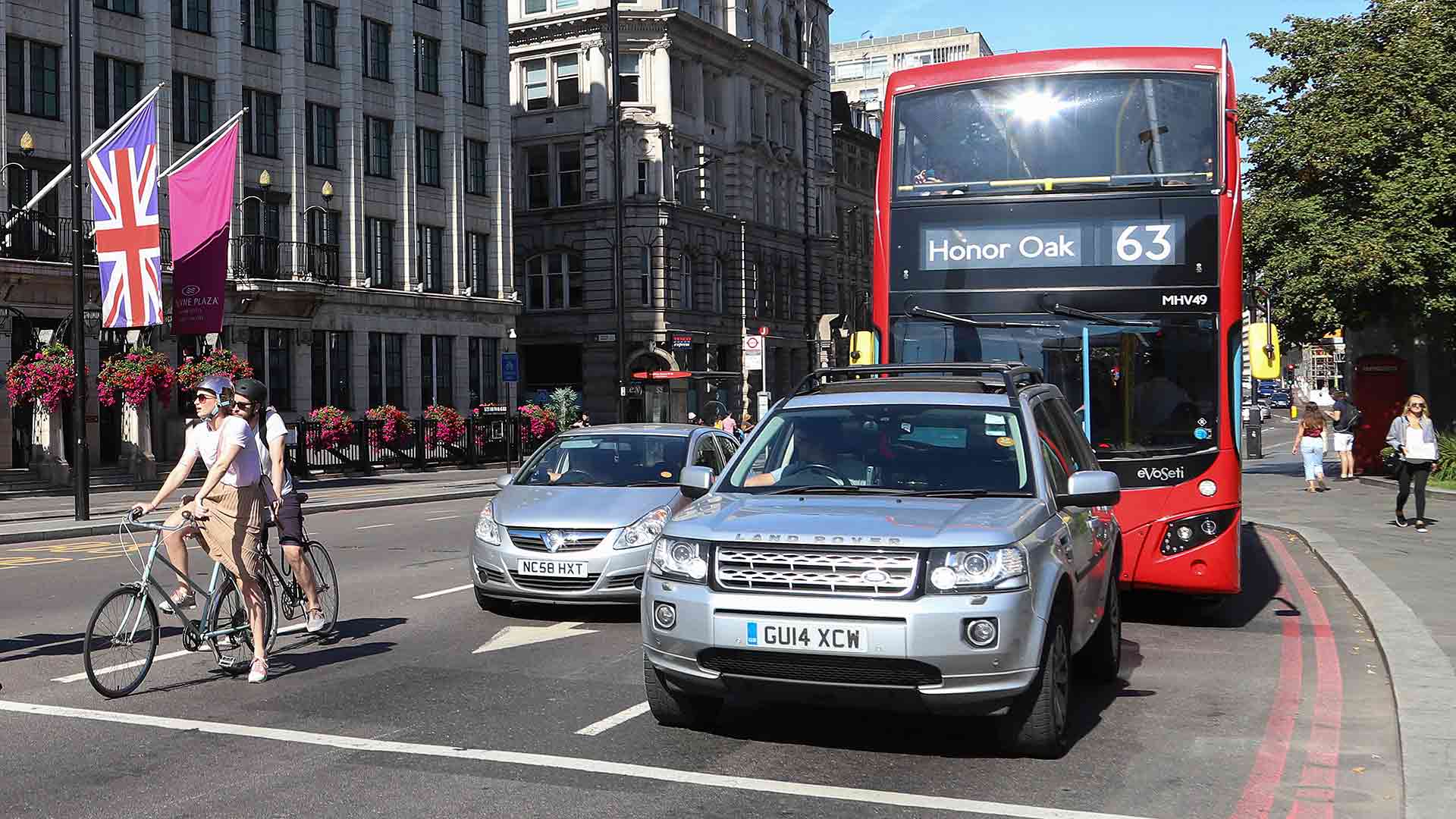
Cars, cyclists and a London bus

Almost one in two public transport users admit they will be less likely to use these services once lockdown restrictions end. The new trend is being dubbed ‘transport distancing’.

The desire to switch away from public transport is even more pronounced amongst younger users, with two in three of 18-24 year olds claiming they’d be less likely to use it.

Research carried out by Auto Trader revealed that 56 percent of public transport users believe owning a car in the future will be more important.

The figure swelled further for those living in city centres, to 64 percent.

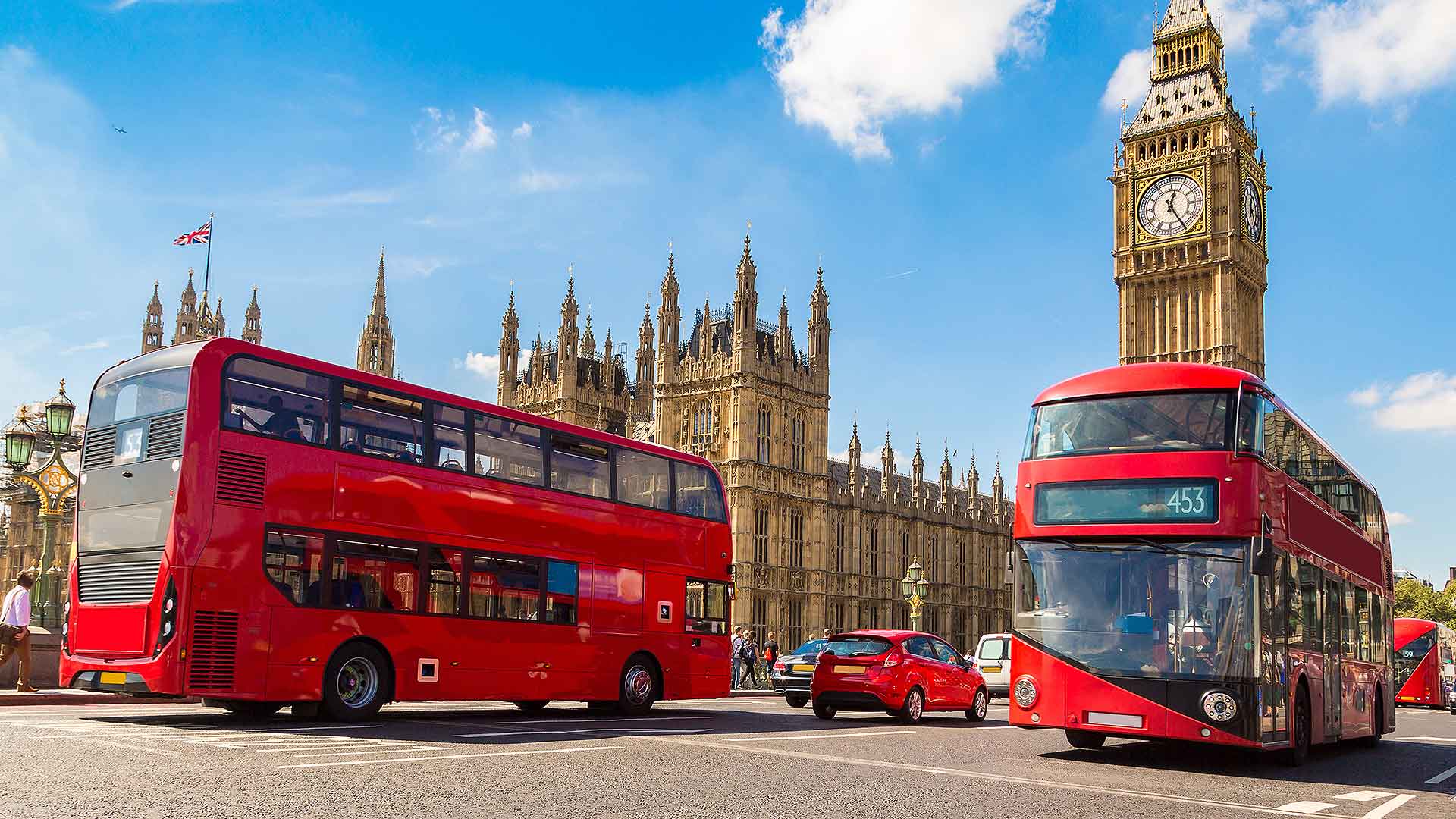
Cars and London buses on Westminster Bridge

The survey of more than 3,000 people “highlights just how profound an impact Covid-19 has had on consumer attitudes towards transport,” said Auto Trader COO Catherine Faiers.

“It also confirms that the global pandemic will have far reaching consequences that last after the current restrictions have been lifted.”

ALSO READ: Britain’s most popular used cars in 2019 revealed

Almost three in four respondents revealed a greater desire for their own personal space following the coronavirus crisis.

Amongst those who have a driving licence but don’t own a car, 56 percent said the Covid-19 pandemic has made them consider buying a car when it’s safe to do so.

The Auto Trader research also showed that although there are fewer in-market car buyers right now, most still plan to eventually buy a car – they’re simply delaying it until later in the year.

ALSO READ: Car insurance company refunds customers due to lockdown

Only two percent of people say they have cancelled plans to buy a new car due to the coronavirus crisis.

And despite the current economic uncertainty, only 16 percent of potential car buyers are worried about how they’d afford it before the end of June 2020.

SIGN UP HERE FOR THE MOTORING RESEARCH NEWSLETTER

Advertisement

Car insurance company refunds customers due to lockdown

0

Insurance refunds

Admiral is giving its car and van insurance customers a £25 refund. It’s in recognition of the fact that customers are staying at home and driving less during the lockdown.

The company expects this to result in fewer insurance claims.

Last week, we reported that the average car insurance premium has hit £755. This was countered by the potential for cheaper premiums in the second half of the year. Admiral is the first company to act.

The company says the refund – which will be automatically credited to customers by the end of May – will affect 4.4 million vehicles. It’ll cost Admiral £110 million – a third of its 2019 profits. In what could be a lesson for other providers, it says it is passing on ‘the savings from reduced claims the company may otherwise have benefited from during the lockdown’.

In addition to the refund, Admiral is waiving any excess fees for NHS or emergency workers. It’s also guaranteeing cover for customers using their vehicle to transport people, deliver medical supplies and equipment, or items to people who are self-isolating.

‘Give something back’

Ambulance driver

Cristina Nestares, CEO of UK insurance at Admiral said: “During this challenging period, our main priorities have been helping our customers, supporting our local community and protecting the wellbeing of our staff, which is why we have introduced these initiatives to give something back to the customers and communities we serve.

“This is an unprecedented time when people across the country are driving significantly less than before the lockdown, and we expect this to lead to a fall in the number of claims we are seeing. We want to give the money we would have used to pay these claims back to our loyal customers in this difficult time. We have also already reflected this change in driving behaviour in our pricing for customers and will continue to do so.

“There may be fewer cars on the roads at the moment, but for many NHS and emergency services workers their cars are vital for them to get to work. At the best of times it’s stressful if you’re involved in an accident, so we’ve implemented new measures to take some of the pressure off and ensure they can stay on the road.

“We wanted to show our support for NHS workers in all roles; from doctors and nurses to admin teams and cleaners, they are all doing a brilliant job of helping to save lives and keep the NHS running smoothly during this crisis.”

Click here for more information on the Stay at Home Refund.

Advertisement

Ford test reveals how much quieter new cars really are

0

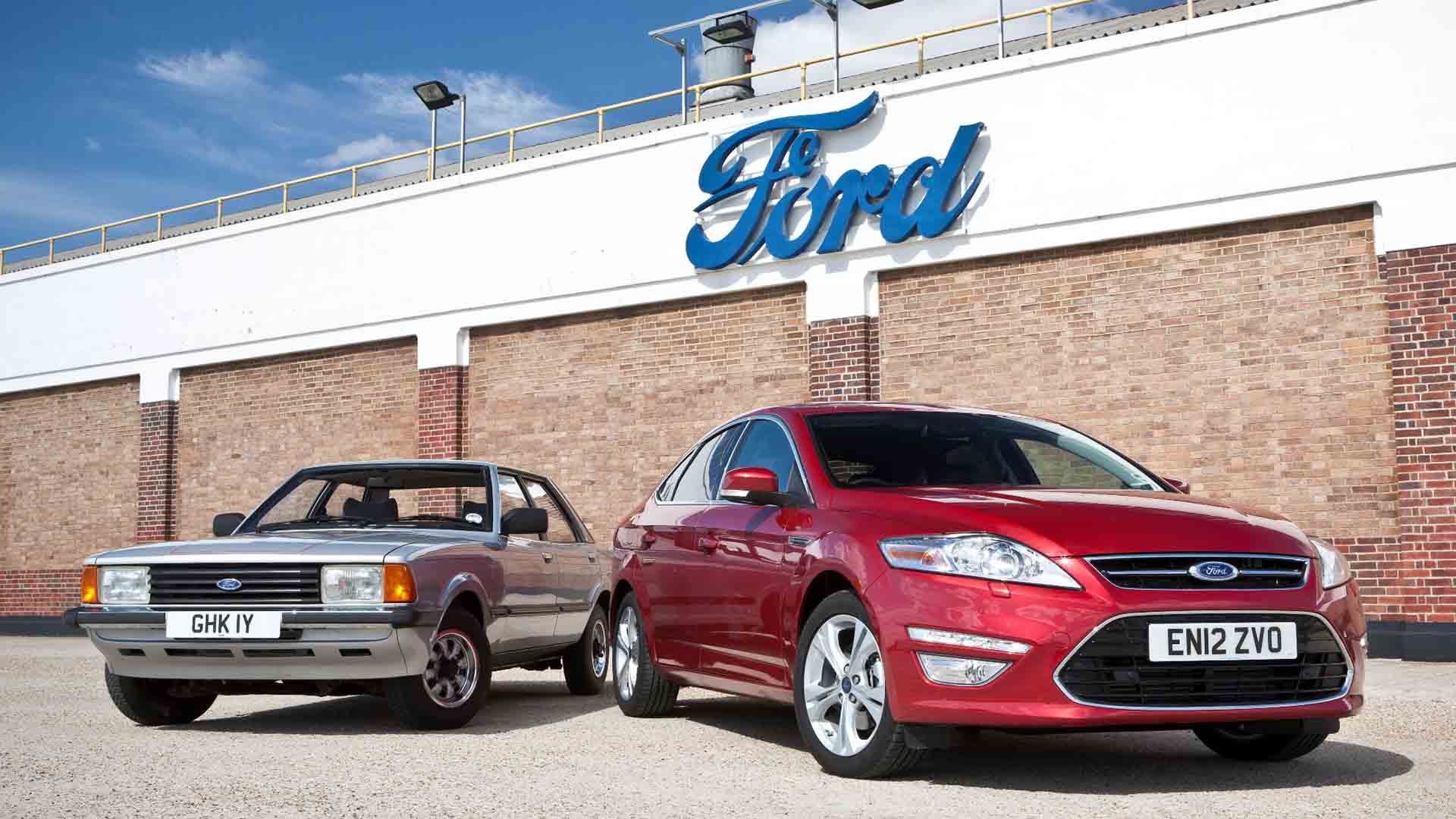
Ford Cortina and Mondeo

New cars are quieter than the cars driven by your parents. This might sound like stating the obvious, but did you know just how much quieter they are?

Ford engineers took to the roads around Dagenham to find out.

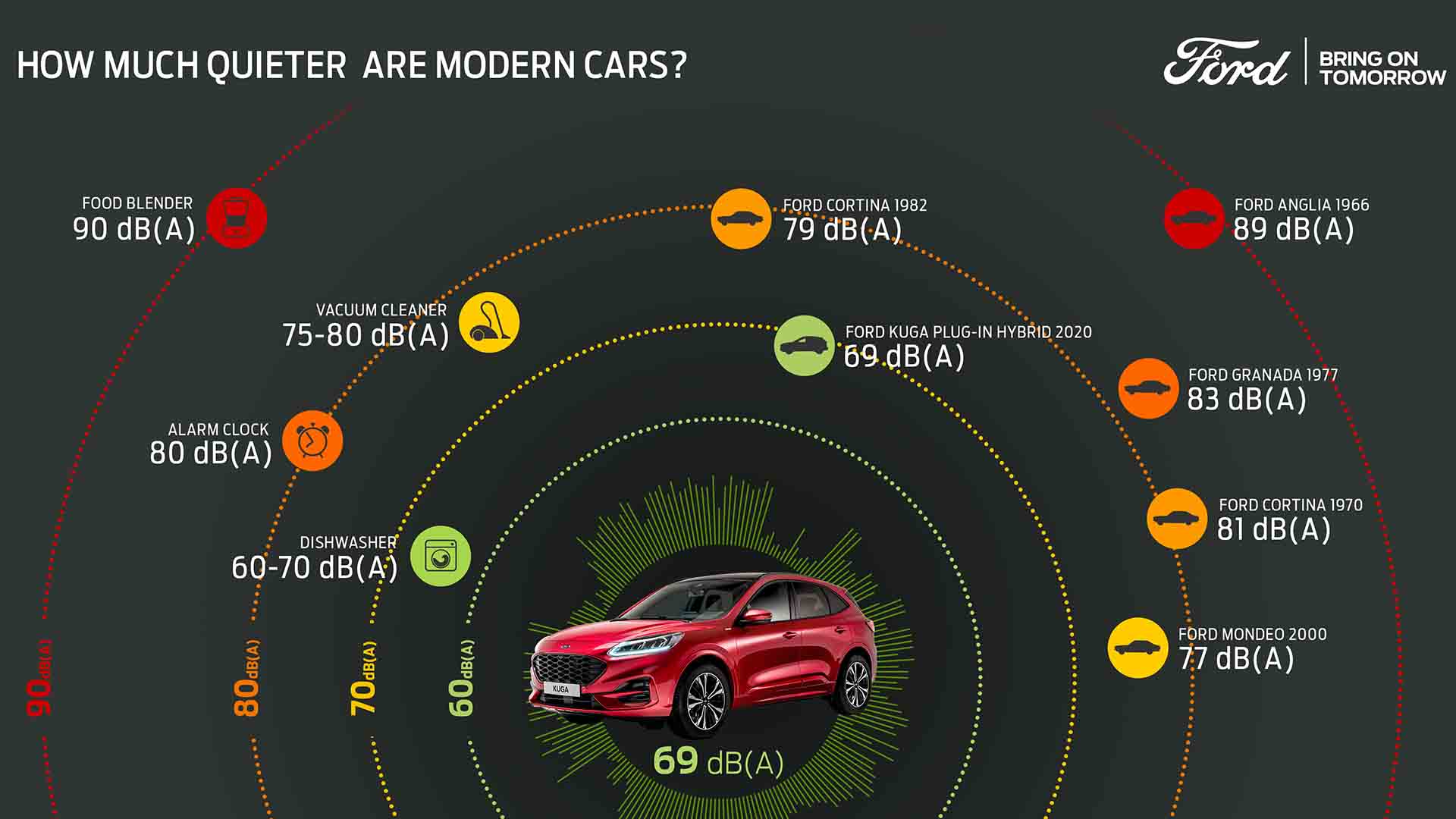
In unofficial tests, they found that passengers in a new Ford Kuga plug-in hybrid will experience noise levels a quarter of those in a 1966 Ford Anglia. The Kuga was measured at 69.3 decibels, while 89.4 decibels was measured in the Anglia.

The unscientific test was carried out in third gear at 30mph. The quietest car from yesteryear was a 2000 Ford Mondeo, followed by a 1982 Ford Cortina. The results in full:

  • 1966 Ford Anglia – 89.4 decibels
  • 1970 Ford Cortina – 81 decibels
  • 1977 Ford Granada – 82.5 decibels
  • 1982 Ford Cortina – 78.5 decibels
  • 2000 Ford Mondeo – 77.3 decibels
  • 2020 Ford Kuga – 69.3 decibels

‘Whisper strategy’

Ford Kuga sound

Amko Leenarts, director of design at Ford of Europe, said: “We had a clear vision for the Kuga from the very beginning – an approachable and sleek exterior design and an interior that provides a sanctuary space. The result is an SUV that connects with your life in a positive way.”

Ford calls its quest for quietness the ‘whisper strategy’. It says that a number of small noise improvements across the vehicle can add up to a big difference.

In the new Kuga, this included the addition of perforations in the seat bolsters to absorb rather than reflect noise. The car also features aerodynamically-tuned sound shields under the body to prevent road and wind noise from entering the cabin.

Ford even spent two years testing 70 different tyres over a range of surfaces to find the optimum blend of noise, comfort and grip.

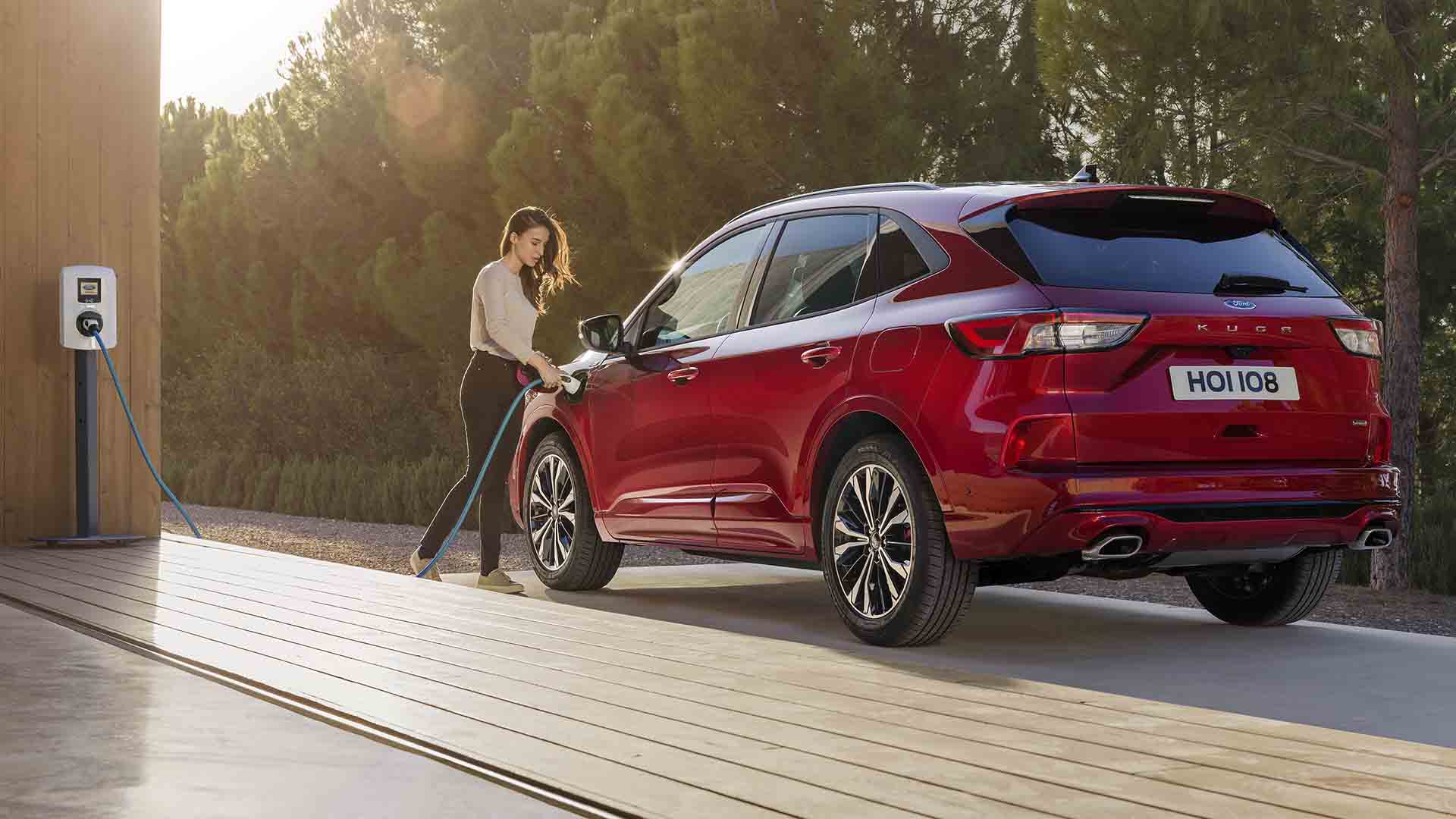
Ford Kuga plug-in hybrid

‘Listening carefully’

Glen Goold, Ford Kuga chief programme engineer, said: “Our ‘whisper strategy’ is designed to make journeys as quiet as they can possibly be – from absorbing sound through perforated seats to testing that involves listening carefully to the different sound patterns created by dozens of different tyres.”

Which is all when and good, but if truth be told, you’re really here for the old Fords. With this in mind, here’s the video.

Finally, while you’re here, check out the words and pictures from our visit to Ford’s collection of retro and classic cars.

ALSO READ

Historic American motorsport action to watch during lockdown

Petersen Museum to host first virtual cars and coffee meet

RUF premiers Love at the Red Line film

Advertisement

Plug-in hybrid Land Rover Discovery Sport and Range Rover Evoque launched

0

Range Rover Evoque PHEV

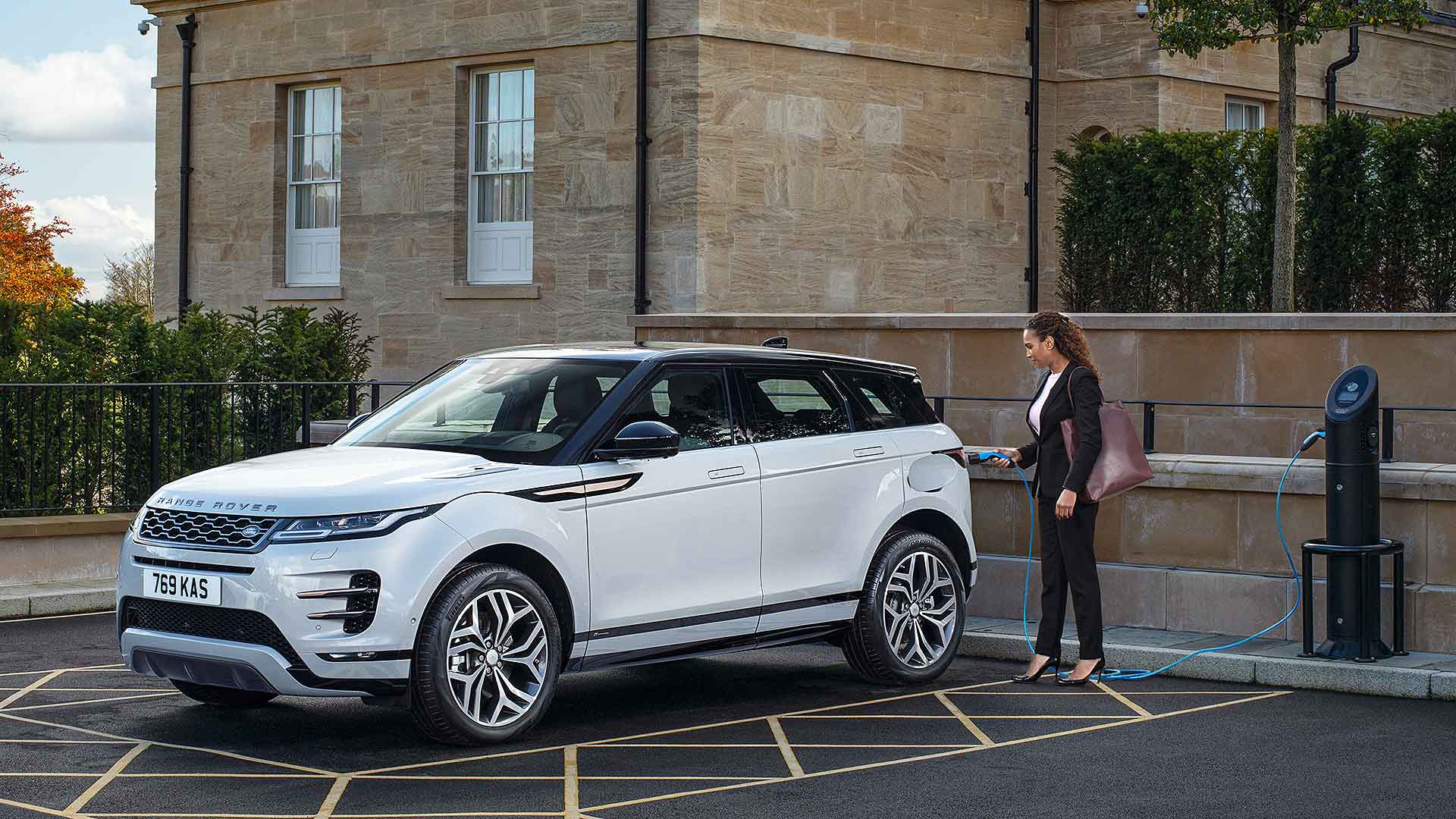
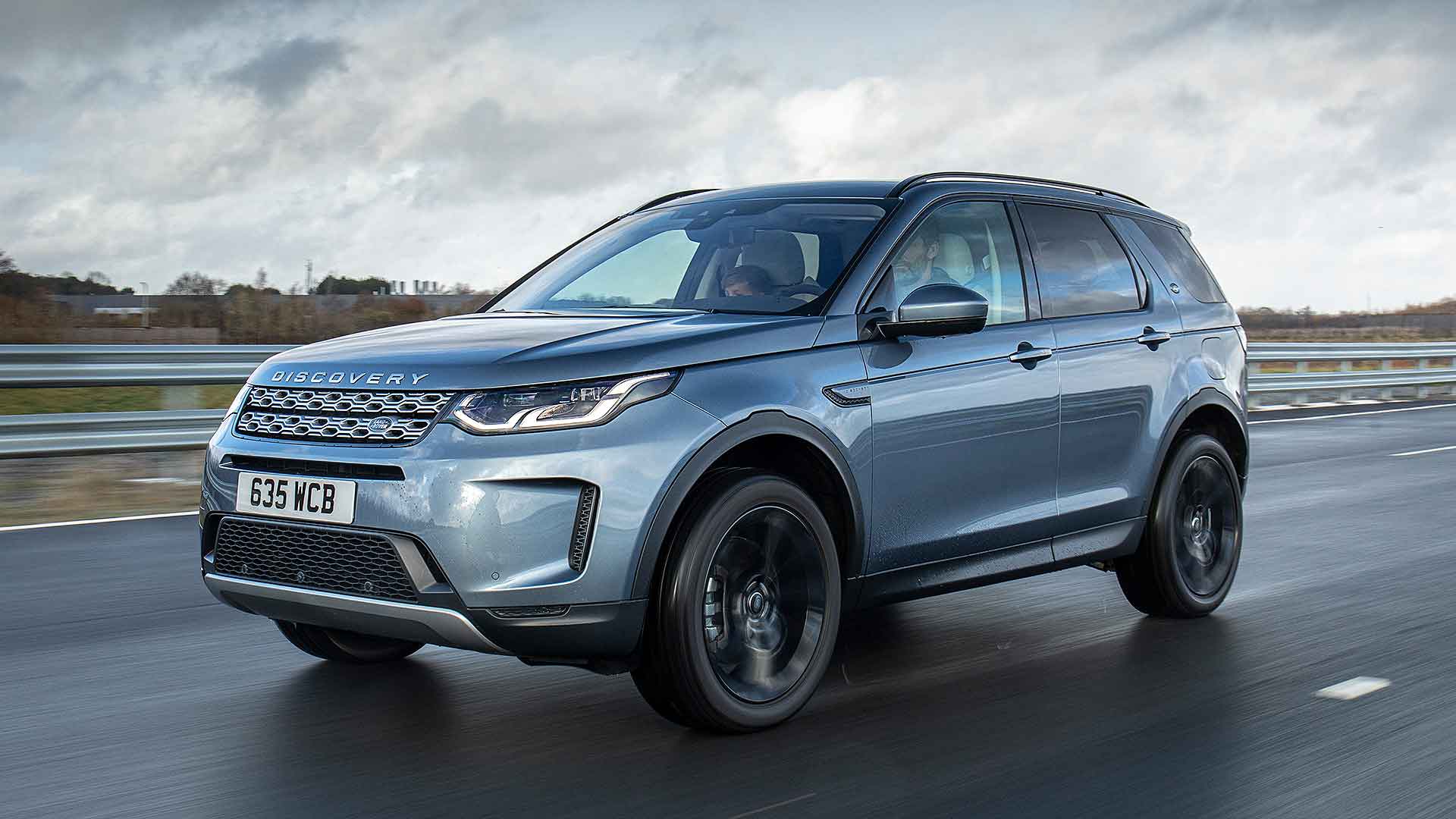
The Land Rover Discovery Sport and Range Rover Evoque ranges have been expanded with the launch of plug-in hybrid versions, both badged P300e.

Land Rover boasts of an electric range stretching up to 41 miles, and official CO2 emissions from 32g/km.

Claimed fuel economy of up to 201.8mpg is quoted, albeit only on shorter trips and with a fully-charged battery.

Range Rover Evoque PHEV

Both cars are open for ordering now: the Range Rover Evoque P300e is priced from £43,850, while the Discovery Sport P300e costs from £45,370.

A new British-built engine

Land Rover Discovery Sport PHEV

Land Rover’s PHEV system comprises a new British-built 200hp 1.5-litre three-cylinder turbo petrol engine driving the front wheels, plus a 109hp electric motor for the rear wheels.

This ensures all-wheel drive, maintaining the Land Rover off-road DNA. An eight-speed automatic gearbox is standard.

ALSO READ: Plug-in hybrid drivers need to change their behaviour

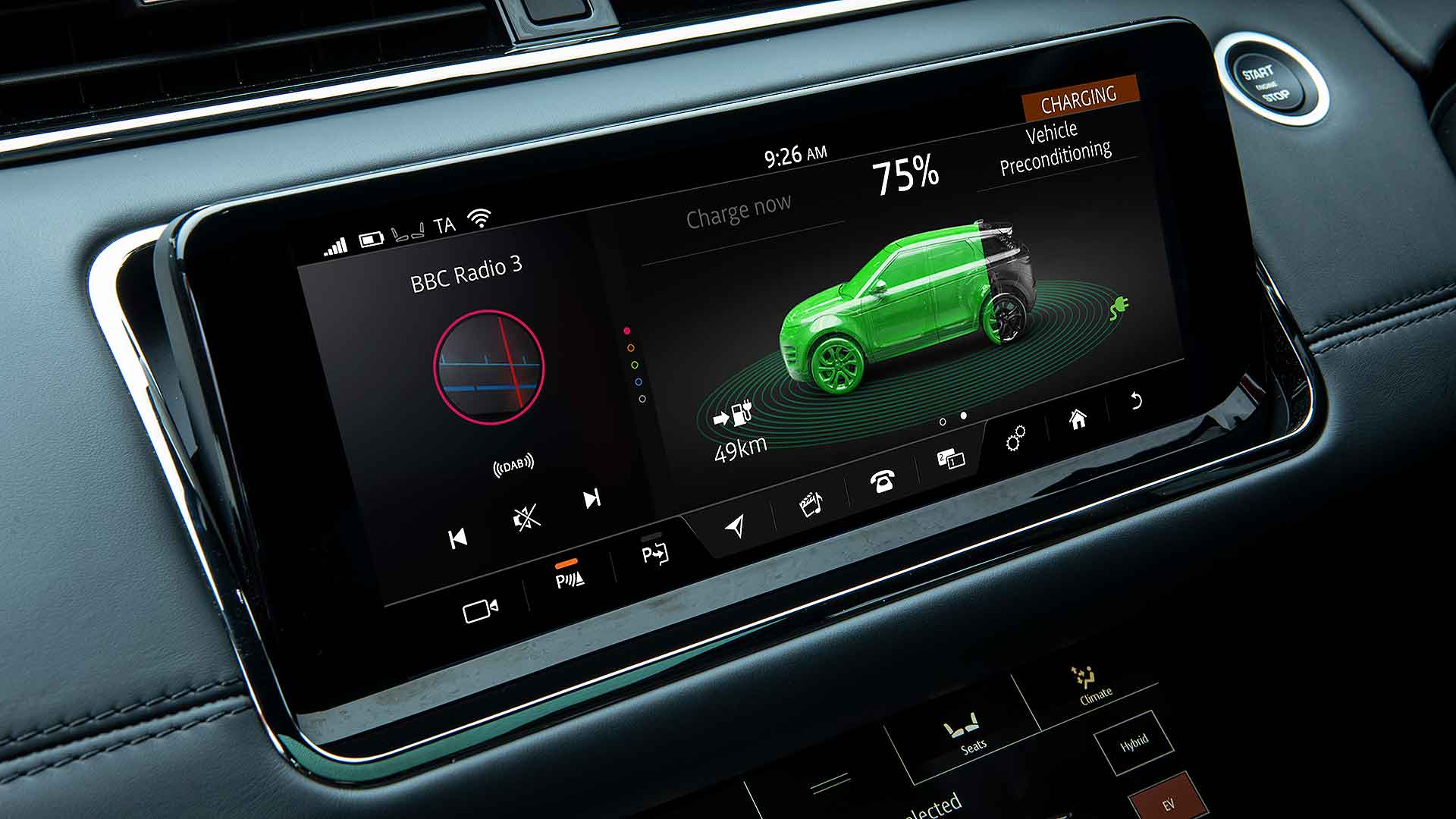
A 15kWh lithium ion battery is located beneath the rear seats. It can rapid-charge using a 32kW DC terminal from 0-80 percent in 30 minutes.

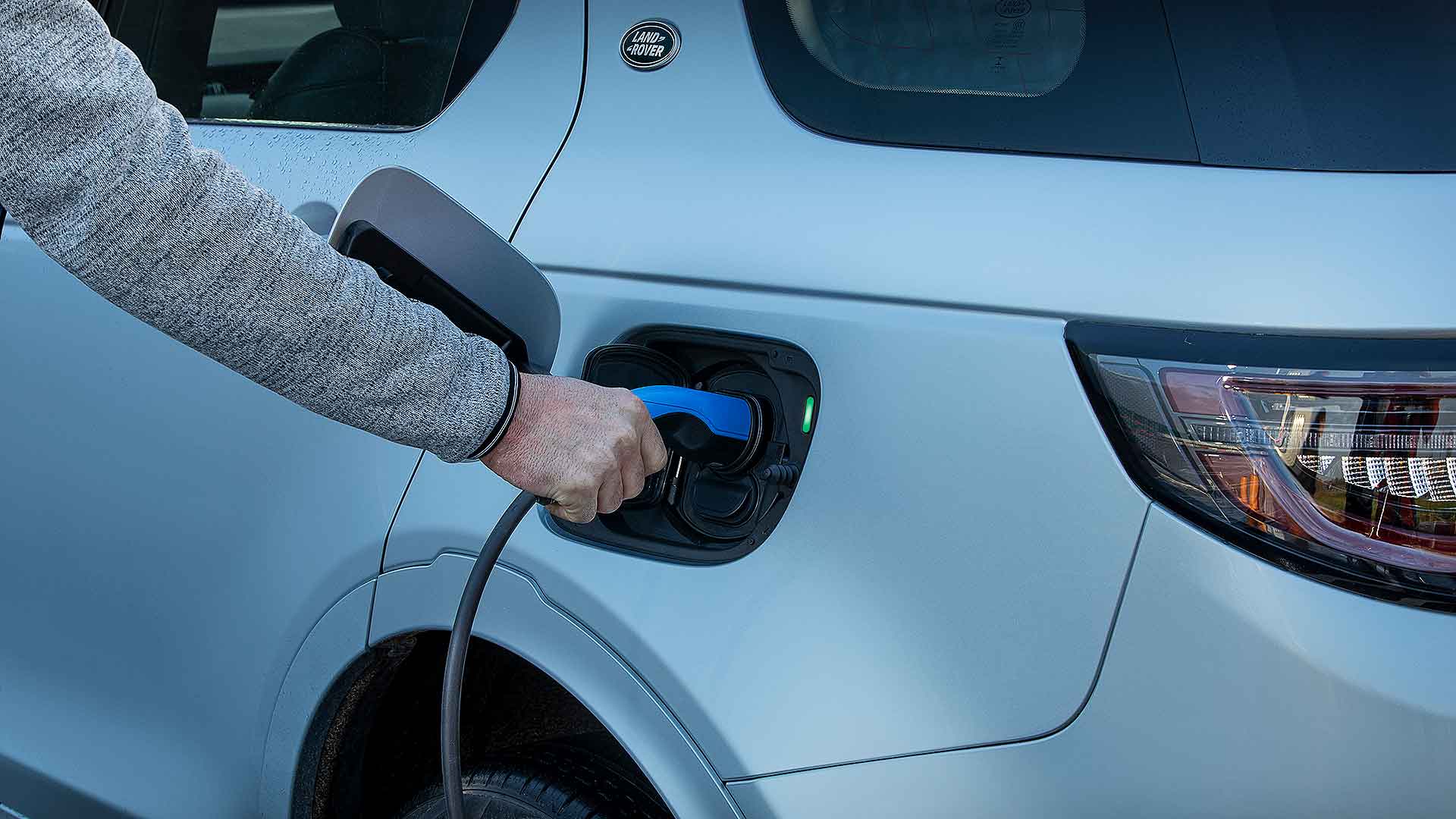
Charging with a 7kW wallbox takes one hour 24 minutes. The charge point is at the rear, on the opposite side to the fuel filler flap.

Land Rover Discovery Sport PHEV

Total power from the engine and motor is 309hp, for sprightly 0-62 mph in 6.1 seconds for the Evoque.

Impressively, both vehicles can reach speeds of up to 84mph on electric power alone before the petrol engine kicks in.

The Evoque is the more efficient of the two. It boats 32g/km CO2 emissions, the 41-mile electric driving range, and 201.8mpg economy.

The Discovery Sport PHEV emits 36g/km CO2 and will drive for up to 38.5 miles in pure electric mode. Clamed fuel economy is 175.5mpg.

Range Rover Evoque PHEV

Land Rover reckons fuel consumption won’t be a big issue for most people, though. The average UK commute is 18.8 miles a day, it says.

This means both models will be able to drive back to work and back TWICE without needing recharging.

SIGN UP HERE FOR THE MOTORING RESEARCH NEWSLETTER

Advertisement