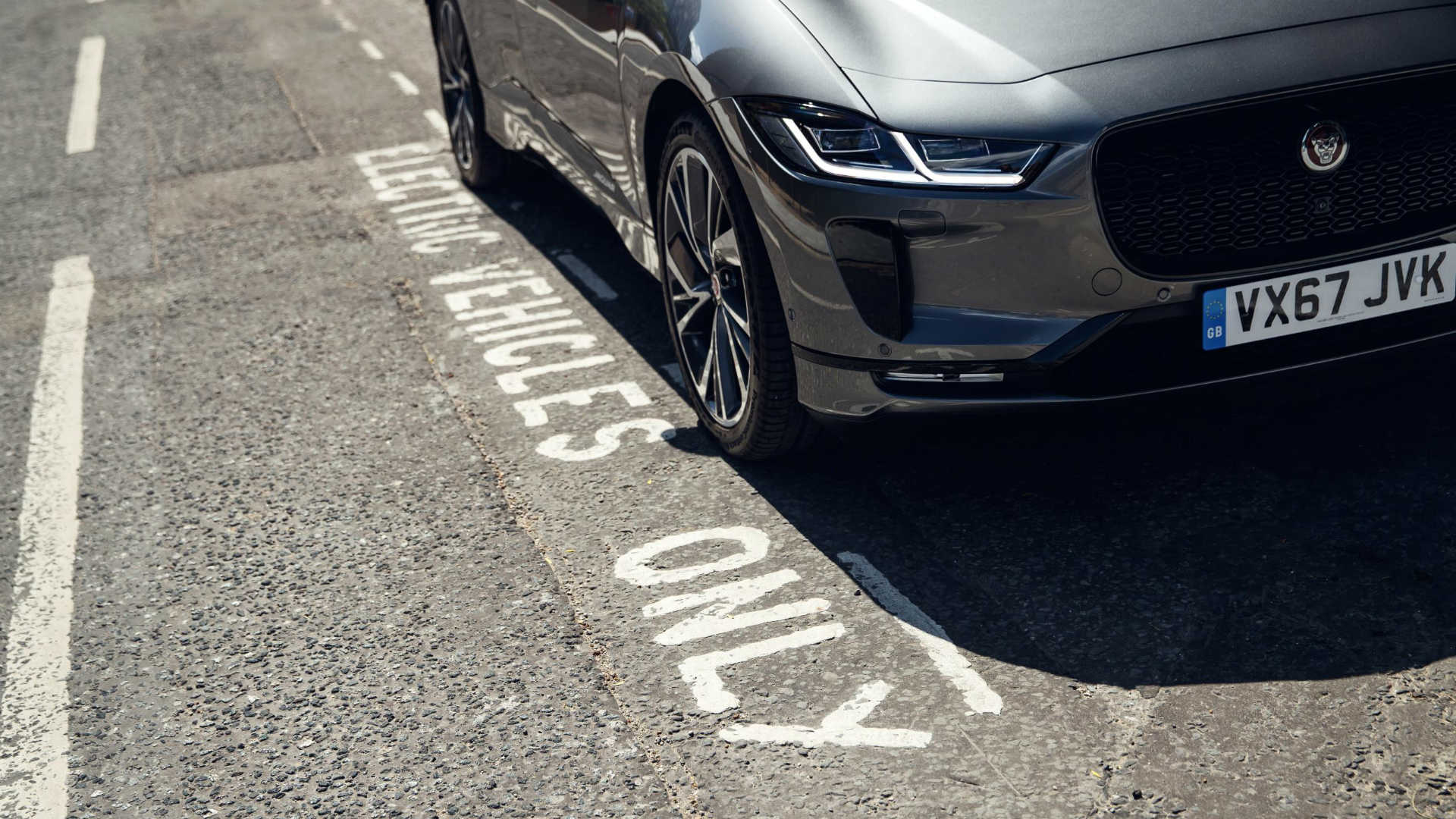
In a boost for the British car industry, Jaguar Land Rover (JLR) has announced plans to build a range of electrified cars at its Castle Bromwich plant in Birmingham.
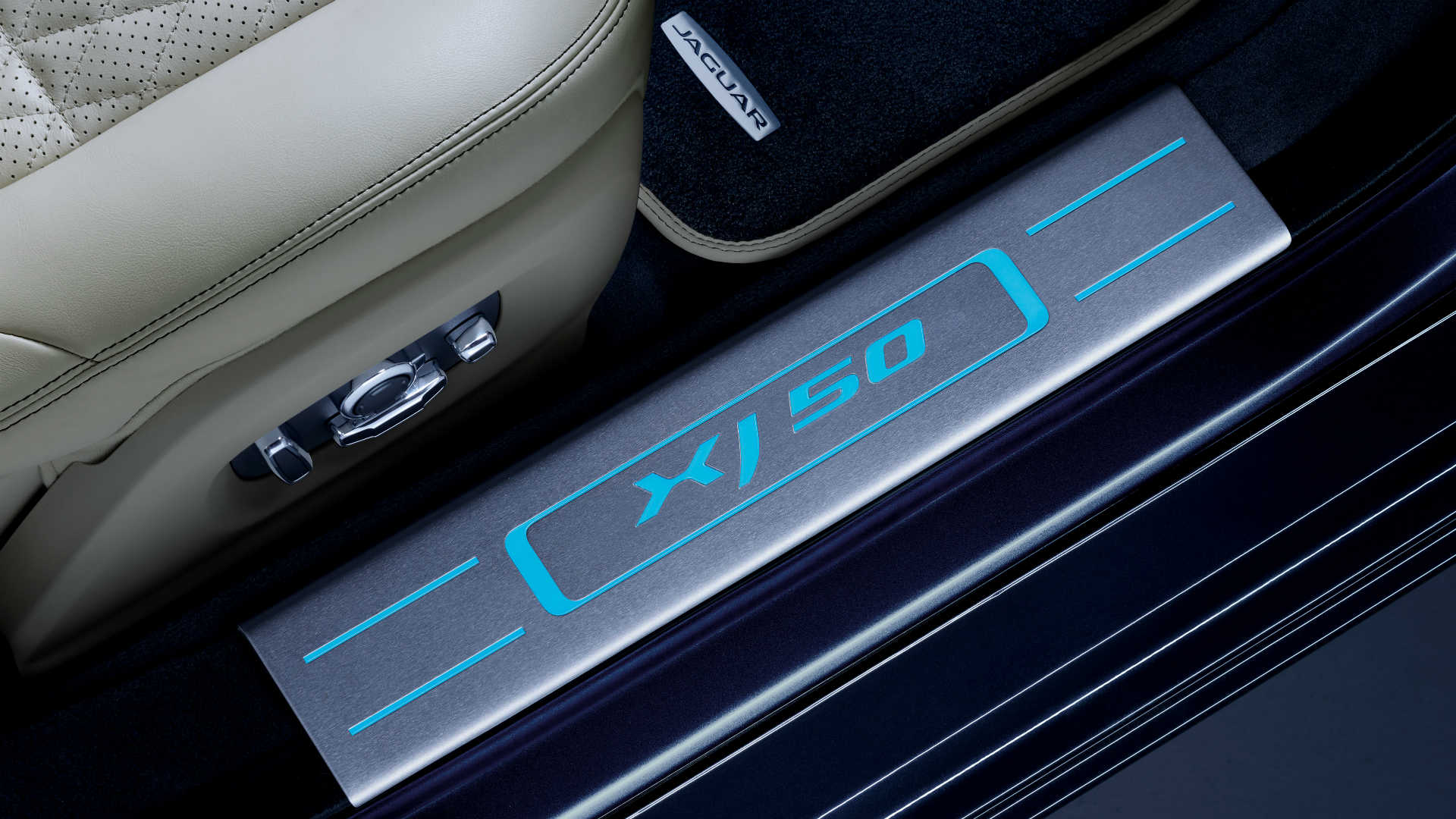
A new electric Jaguar XJ will be the first car to roll out of the plant, as JLR confirms its commitment to offer electrified options for all new models from 2020.
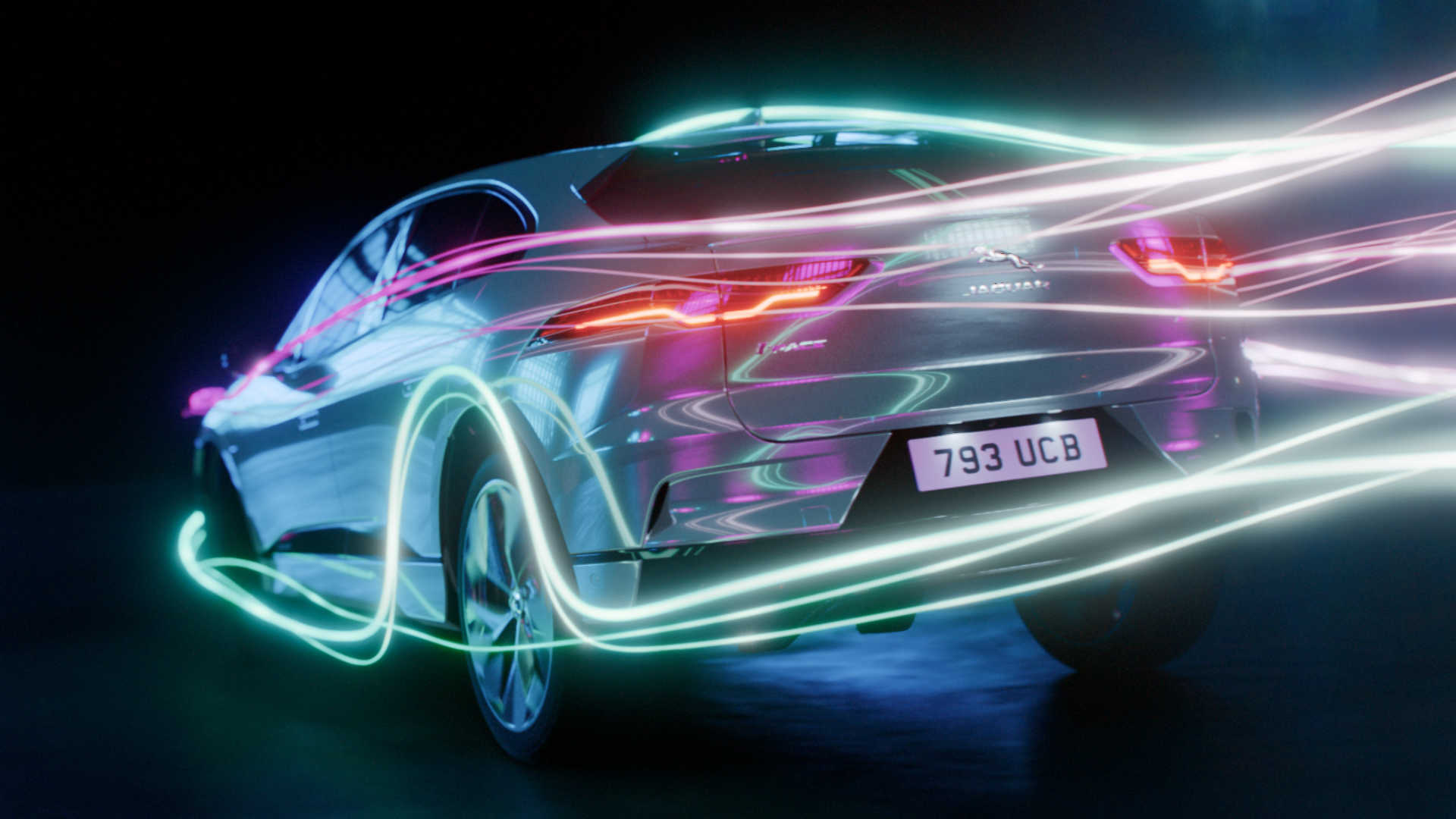
Production of the current XJ luxury saloon has come to an end, with the new electric version benefiting from the firm’s experience in creating the Jaguar I-Pace SUV.
The next-generation electric XJ is expected to arrive next year, but Jaguar hasn’t confirmed specifications or prices. The outgoing Jaguar XJ costs upwards of £62,400, while the I-Pace will set you back at least £64,500. A starting price in the region of £65,000 to £70,000 would be realistic for the all-electric XJ.
The news safeguards around 2,700 jobs and follows the announcement in January that its new battery making facilities would be located in the Midlands. The battery assembly centre at Hams Hall will be the ‘most innovative and technologically advanced in the UK,’ says the company.
‘Powerhouse of electrification’
Prof. Dr Ralf Speth, Jaguar Land Rover CEO, said: “The future of mobility is electric and, as a visionary British company, we are committed to making our next generation of zero-emission vehicles in the UK.
“We are co-locating our electric vehicle manufacture, electronic drive units and battery assembly to create a powerhouse of electrification in the Midlands.”
‘Charging should be as easy as re-fuelling’
Prof. Speth warned of challenges ahead as the country gears up for an electrified future. “Convenience and affordability are the two key enablers to drive the uptake of electric vehicles to the levels that we all need. Charging should be as easy as re-fuelling a conventional vehicle.
“Affordability will only be achieved if we make batteries here in the UK, close to vehicle production, to avoid the cost and safety risk of importing from abroad.
“The UK has the raw materials, scientific research in our universities and an existing supplier base to put the UK at the leading edge of mobility and job creation.”
Lamborghini has set an all-time sales record for the first half of 2019, delivering 4,553 cars.
Covering the period from January 1 to June 30 2019, the company has seen a staggering 96 percent increase versus to the same period in 2018.
The number of cars supplied so far this year has already surpassed all deliveries made in 2017, and is already closing in on the 5,750 units sold in the whole of 2018.
SUVs are the future
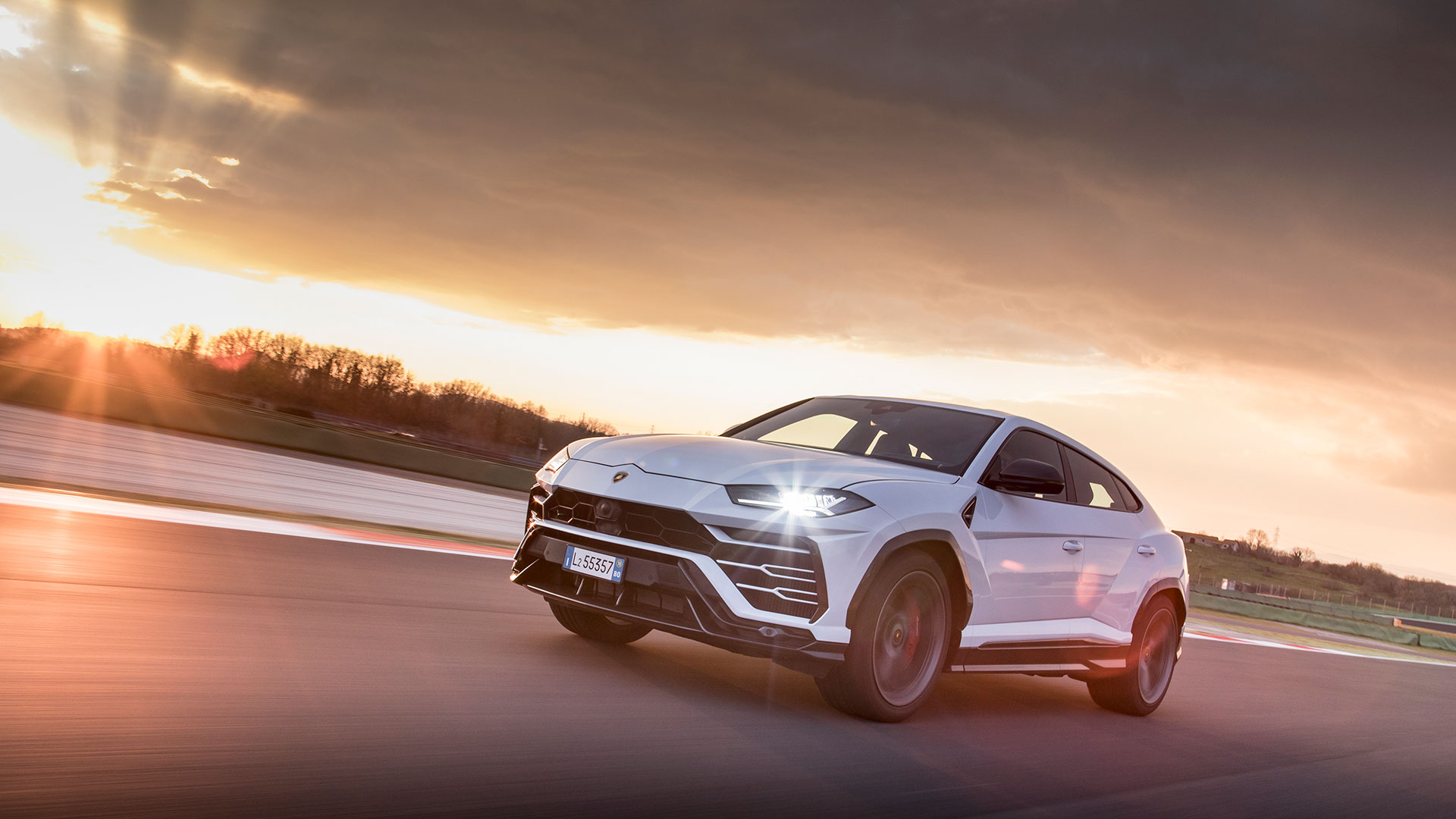
Unsurprisingly, the Urus super-SUV has accounted for a substantial proportion of those increased sales. So far during 2019, some 2,693 examples of the controversial off-roader have been delivered to customers.
It shows that while the idea of a Lamborghini SUV may upset brand purists, it will undoubtedly aid the long-term financial future of the company. The Cayenne and Macan models at Porsche are testimony to the appetite for hot SUVs.
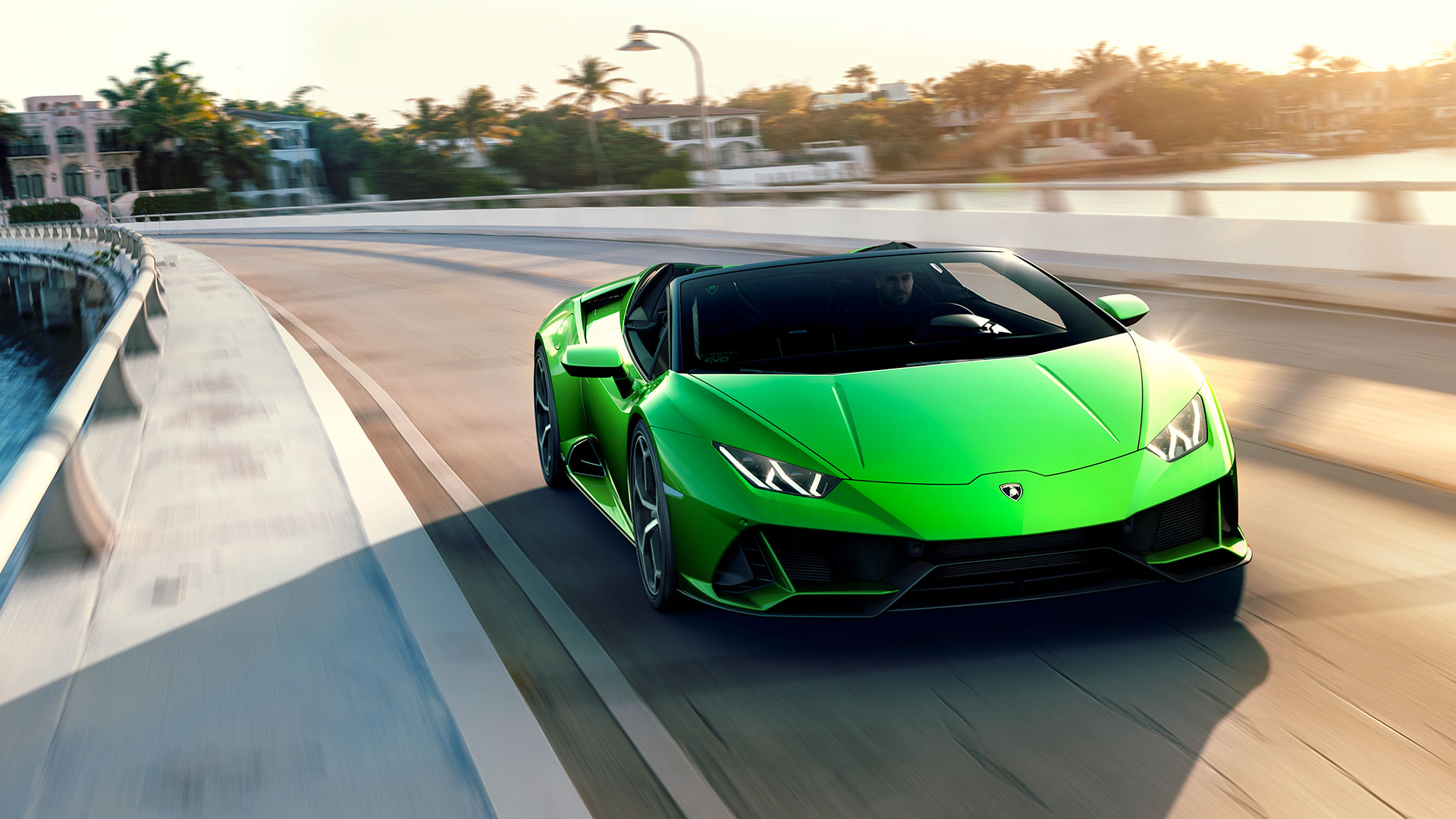
The Huracan has seen deliveries totalling 1,211 in 2019, which included early versions of the new Evo. Classic V12 power in the form of the Aventador also accounted for 649 new customers.
Supercars are still selling
Continuing an established trend, the USA remained the largest single market for Lamborghini sales. Despite concerns about the overall car market, China was the second largest customer, with the United Kingdom in third.
Stefano Domenicali, Lamborghini Chairman and CEO, commented: “Lamborghini continues to be in consistently good shape. Delivering another new all-time high, for the fifth consecutive half-year, confirms the sustainability of our brand, product and commercial strategy.
Our highly acclaimed super SUV Urus in its first full year of production brings further growth in new dimensions, and our super sports cars also delivered excellent results.”
Paint it any shade you like
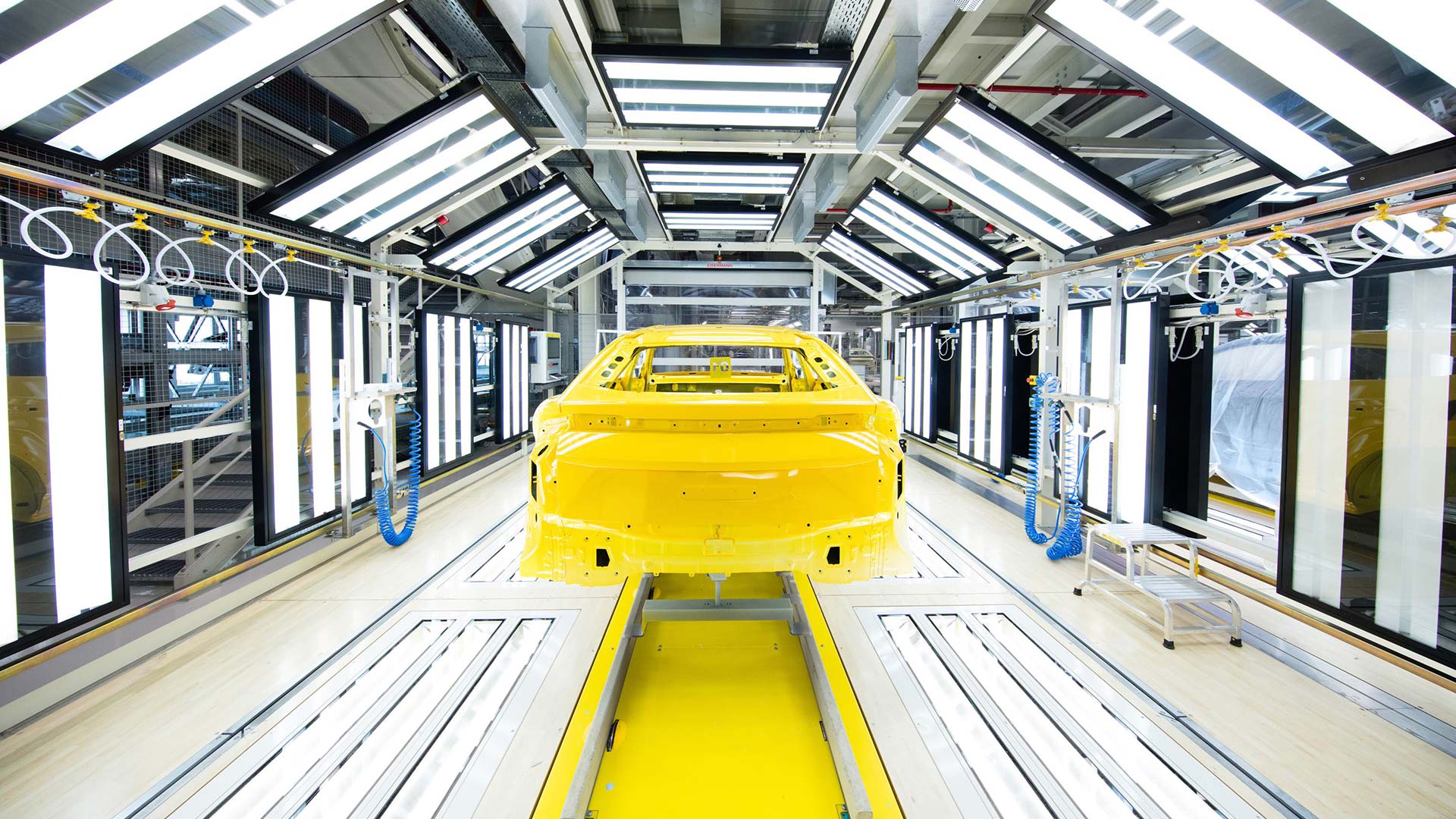
The Urus SUV is so key to the future of Lamborghini that the company has built an all-new paint shop at the Sant’Agata factory for it.
As part of the ‘Ad Personam’ offering, buyers can create their own unique shade of paint for their Lamborghini, along with custom graphics.
Lamborghini has invested heavily in new technology, with the paint shop employing artificial intelligence to speed up processes and increase efficiency. And the company has increased its workforce by more than 10 percent since 2017 to cope with the heightened demand.
Current trends suggest the new employees will be kept very busy in the near future.
The Goodwood Festival of Speed is fast becoming the UK’s most important motor show, albeit with a difference. Here, you get to see new cars in action – and driving flat-out.
Read on for our pick of the best new metal at Goodwood 2019.
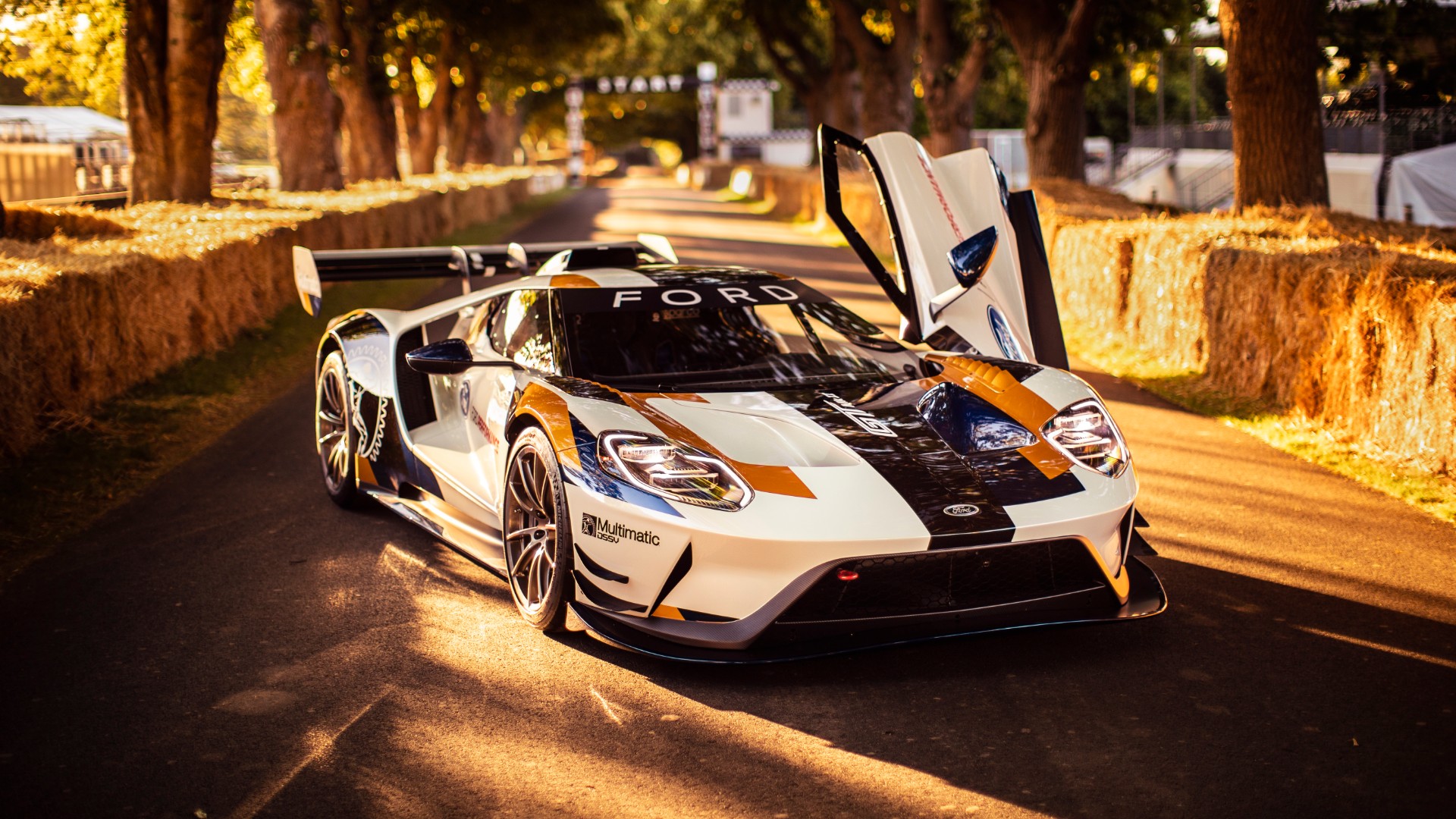
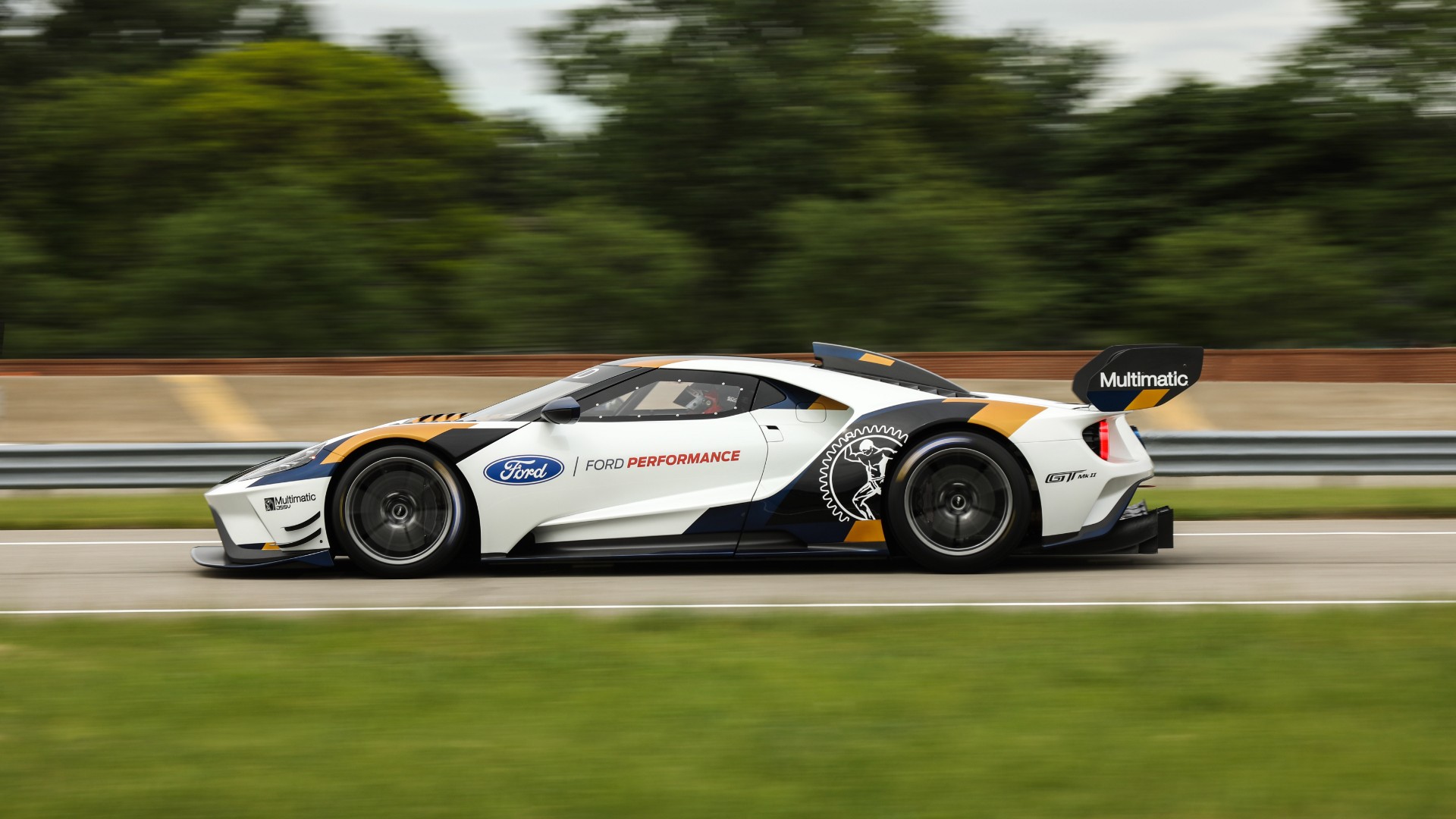
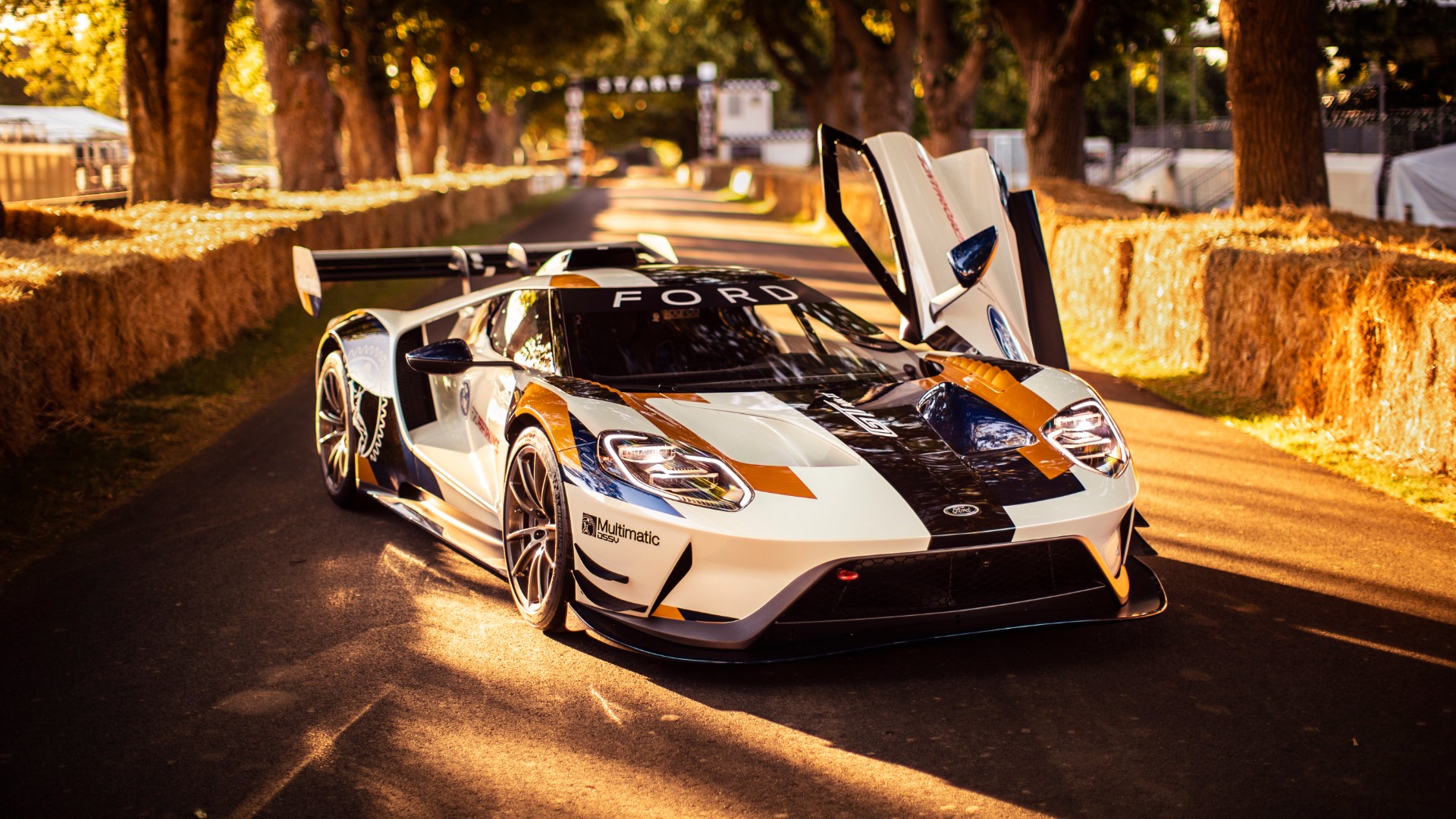
Ford GT MkII
As if the modern day homologation special that is the Ford GT needed more track-attacking attitude. The be-winged MkII brings it tantalisingly close to the GTE-spec Le Mans racer.
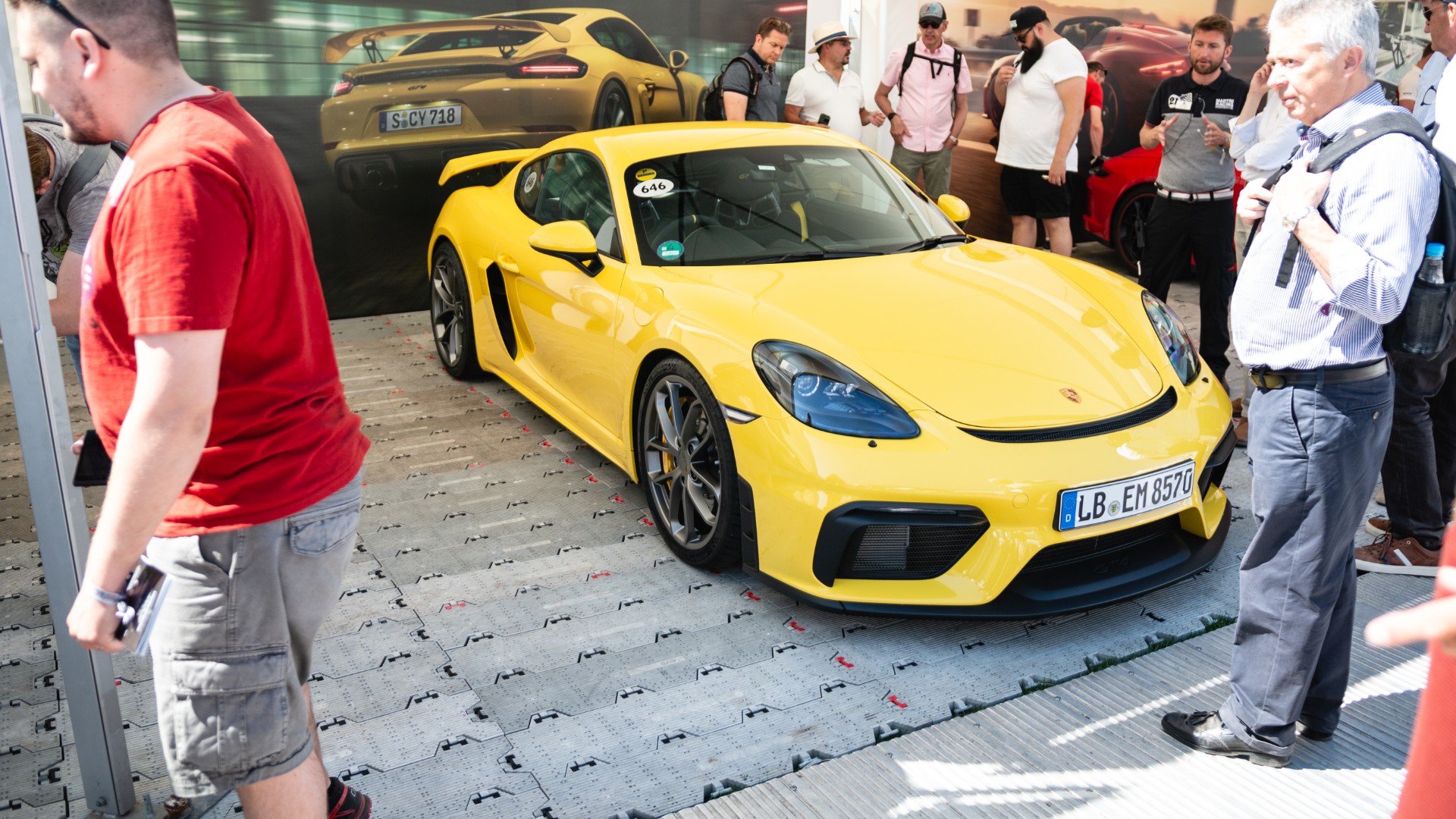
Porsche Cayman GT4
The return of what many believe to be the ultimate modern Porsche sports car. The new GT4 uses a 4.0-litre naturally aspirated version of the engine you’ll find in the new 911 Carrera S. It revs to 8,000rpm and, yes, it has a manual gearbox only.
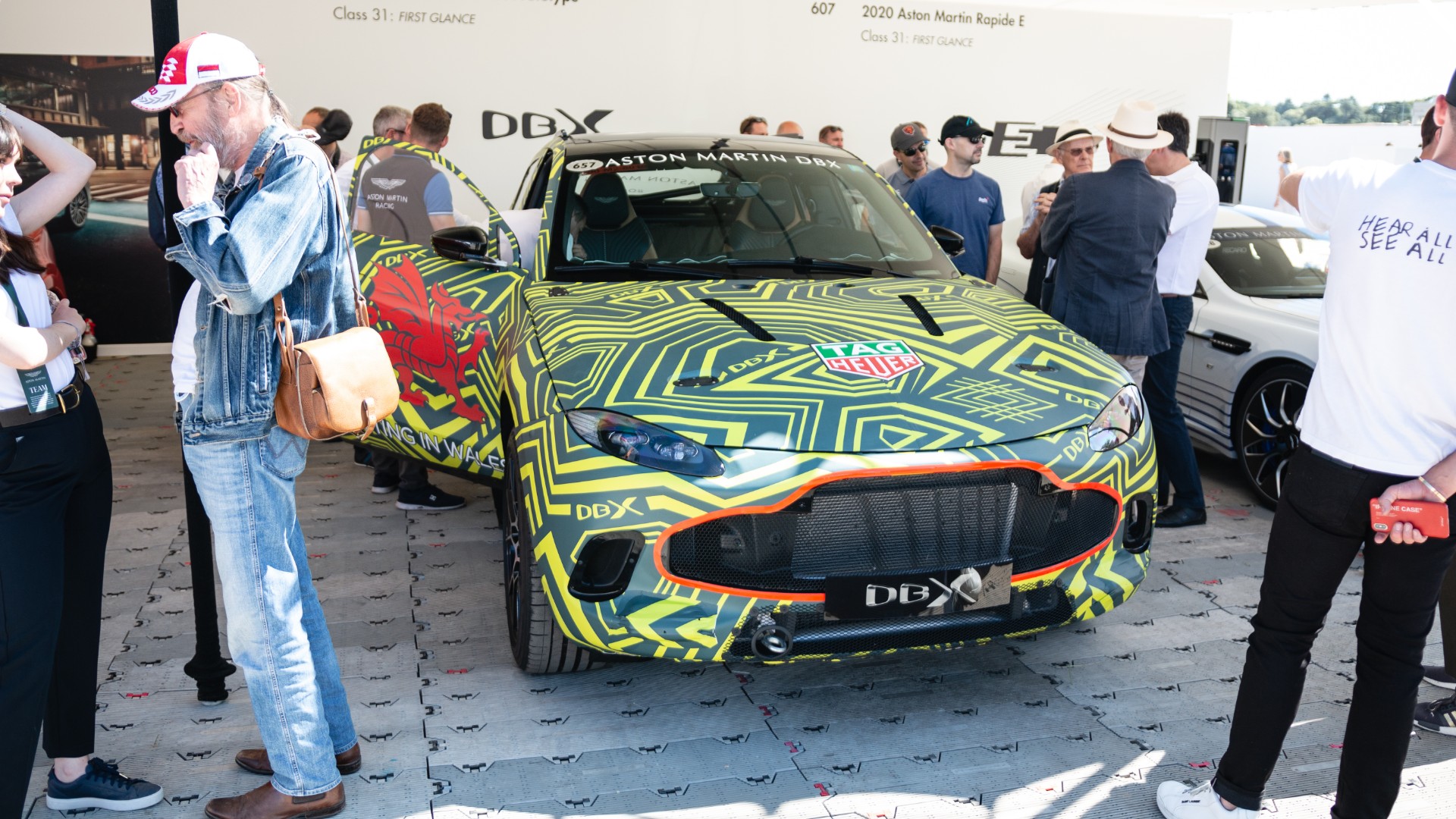
Aston Martin DBX prototype
Aston Martin’s SUV has been a long time coming and it’s still not quite ready. However, it’s on show at Goodwood in prototype form (well, something had to balance out the 11,000rpm V12 hypercars). What we’ve seen so far of the DBX looks impressive. It’s a sports utility vehicle with the emphasis on ‘sports’.
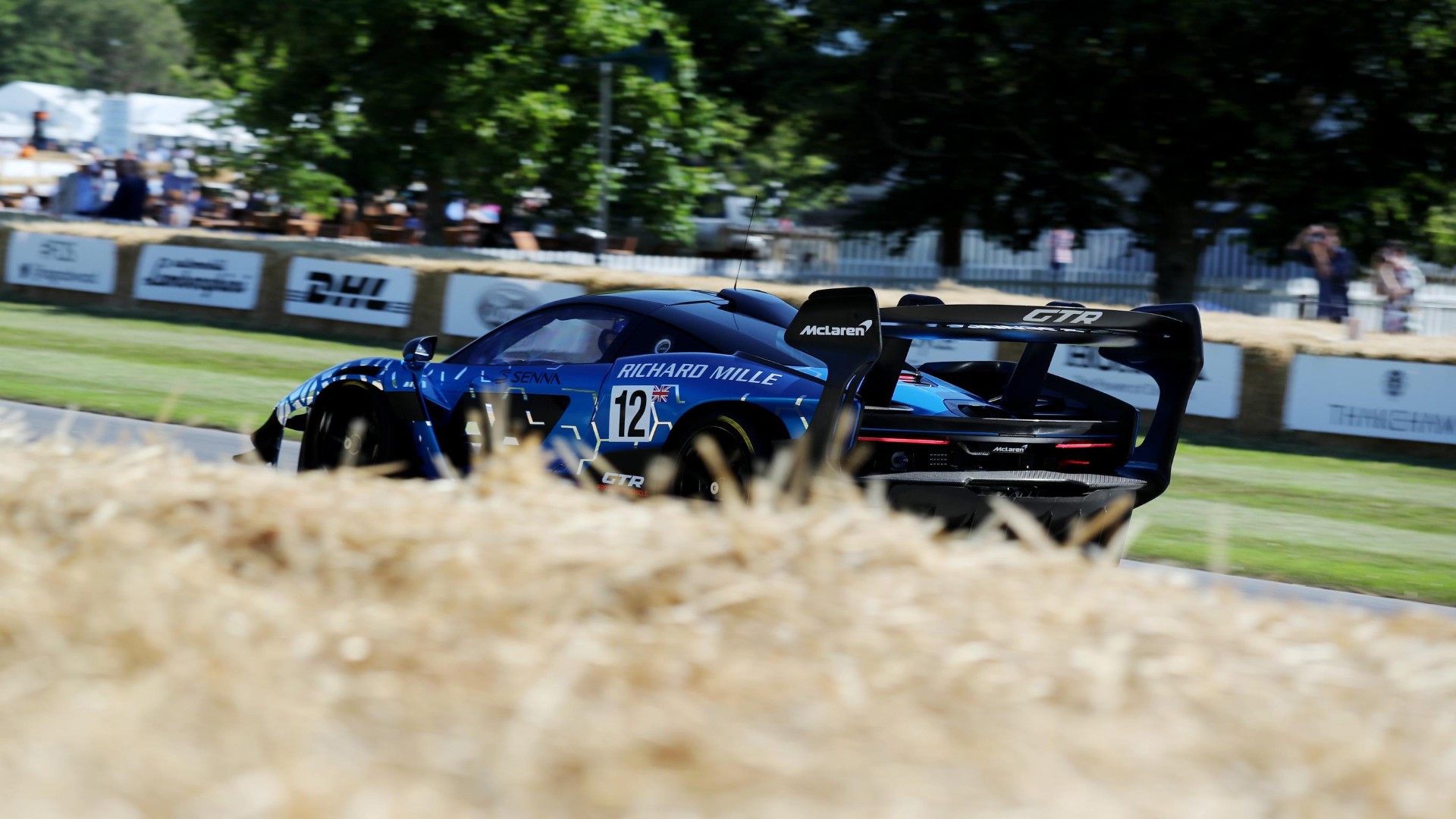
McLaren Senna GTR
‘Normal’ McLaren Senna not quite enough? Then you need a GTR, which takes track performance to another level. It isn’t road-legal, however, so banish any thoughts of driving one to McDonald’s. We love that mad rear wing.
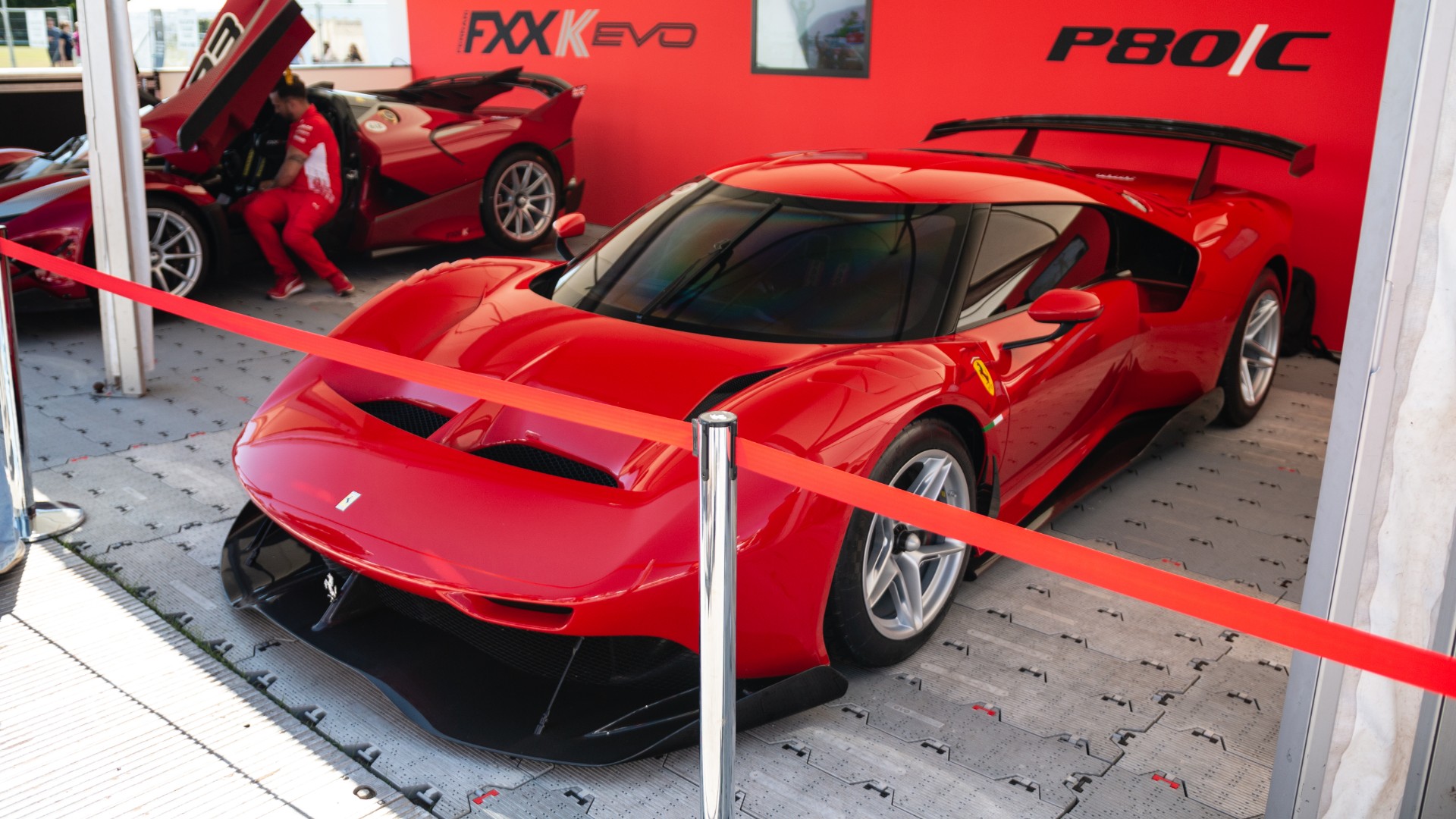
Ferrari P80/C
Ferrari’s latest one-off creation is a track-prepped special based on a racing car; underneath that crazy body is the blood and guts of a 488 GT3. In spite of the aggressive aero, it takes inspiration from two classics: the Dino 204 and 330 P3/4. Big tyre-tracks to follow…
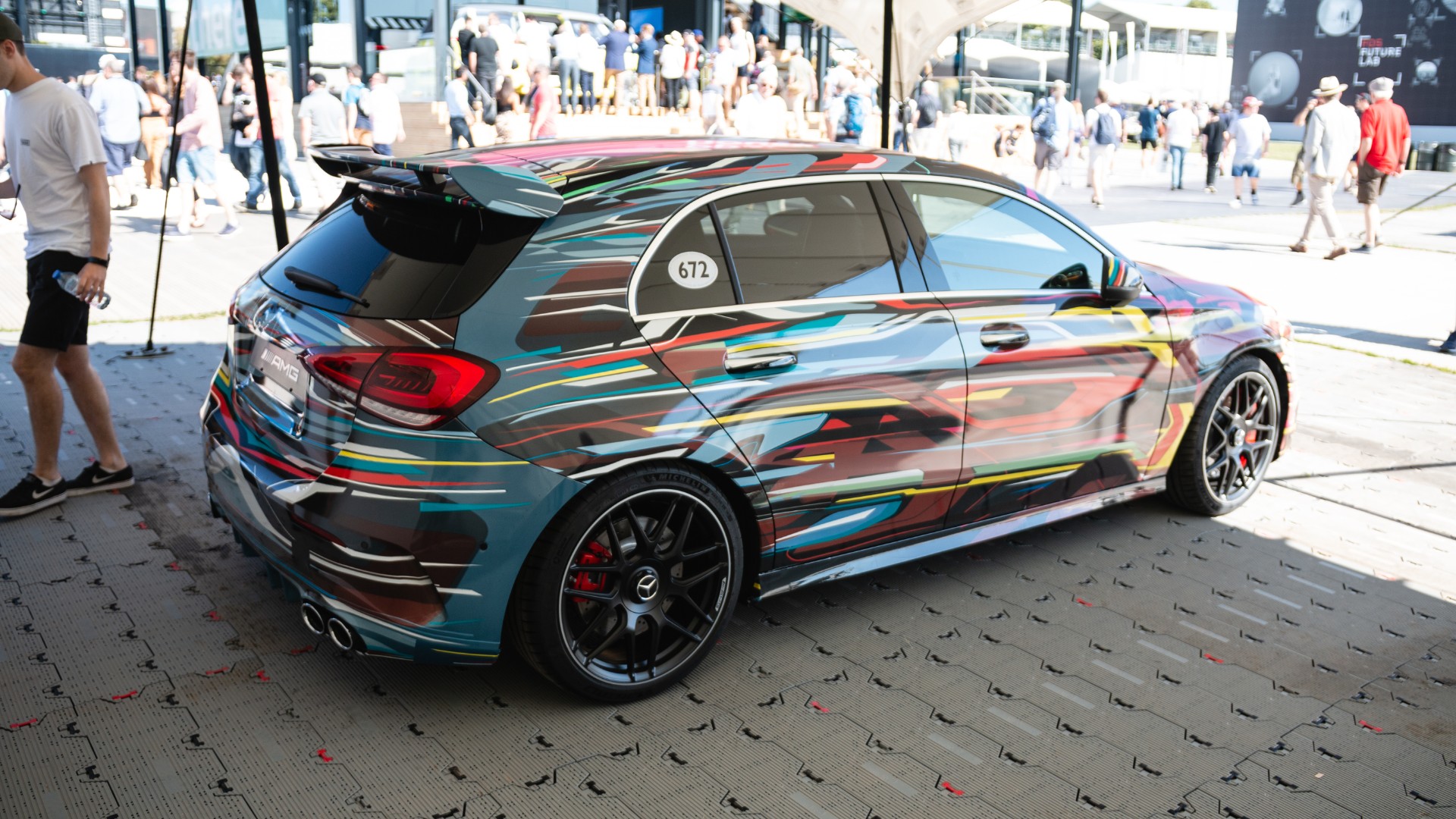
Mercedes-AMG A45 S
The hyper hatch wars rage on, as Mercedes-AMG debuts the latest, greatest and most monstrously powerful example yet. It’s the A45 S and it packs 421hp: only 24hp short of the new Porsche 911 Carrera S. It’ll chase the new 911 down on a back road, too, with four-wheel-drive to transfer all that grunt to the ground.
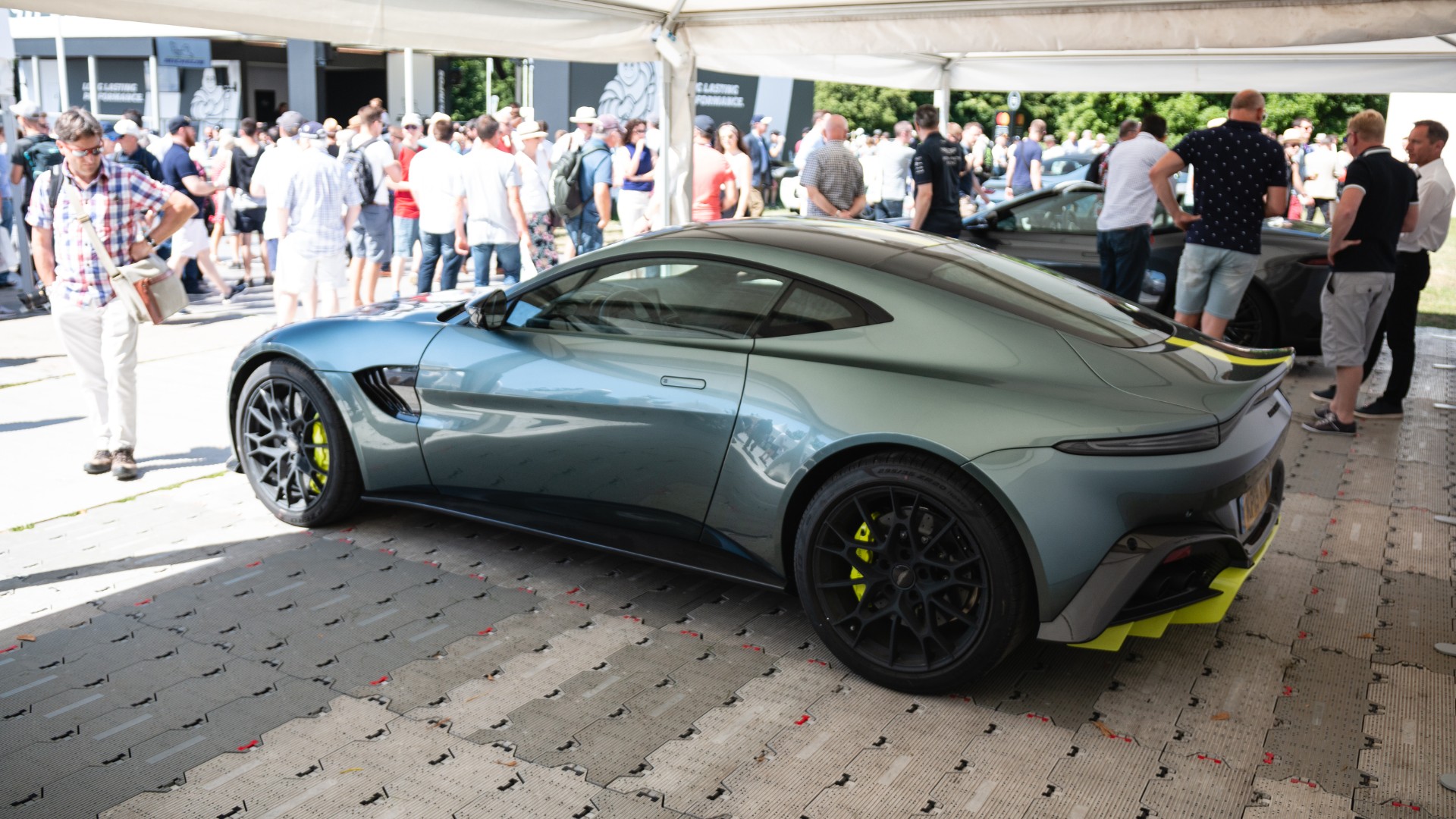
Aston Martin Vantage AMR
Aston Martin CEO Andy Palmer has said he wants to be the last sports car manufacturer to offer a manual transmission. The hardcore Vantage AMR is the first step toward that, swapping the eight-speed auto for a stick and three pedals.
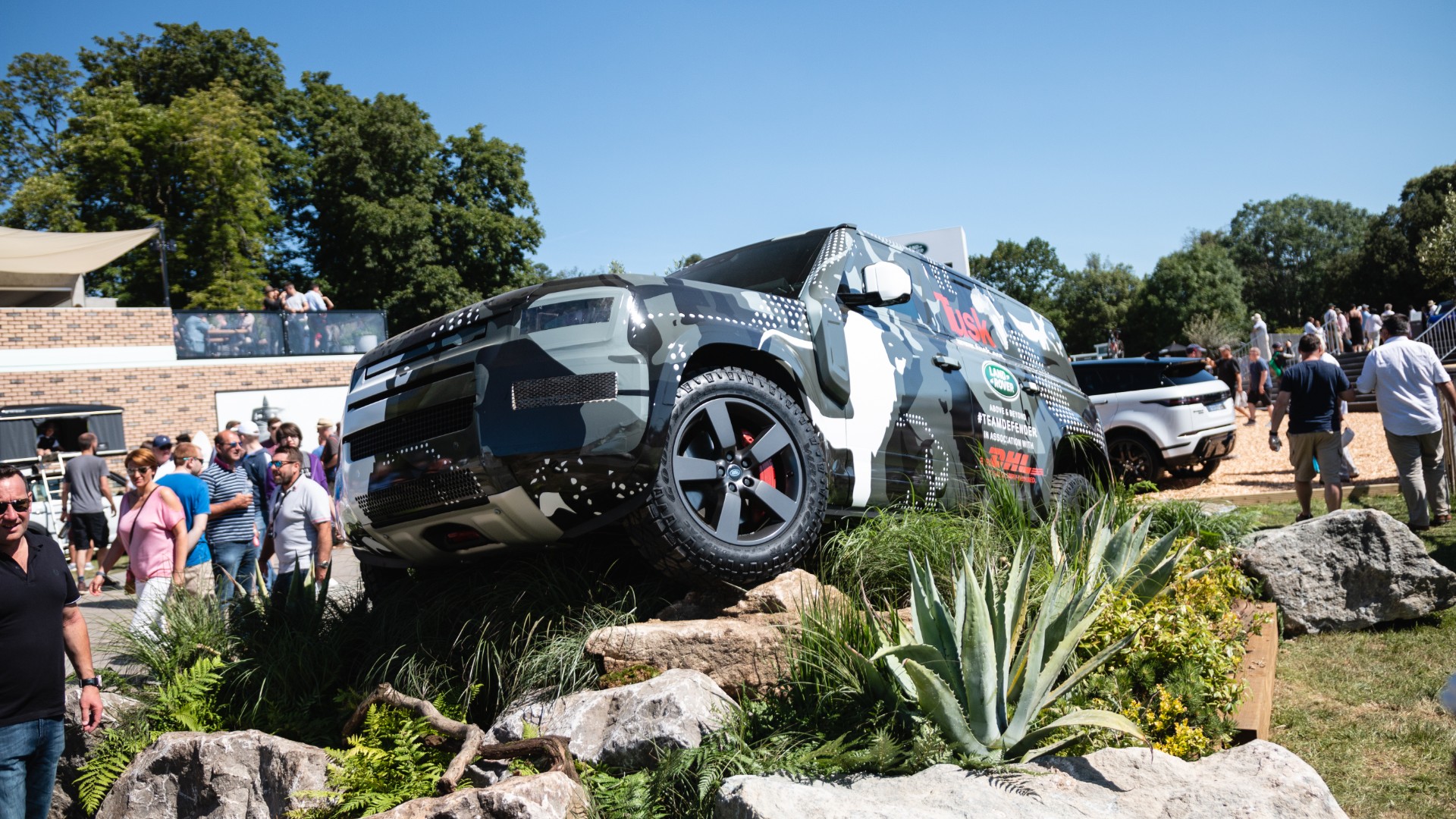
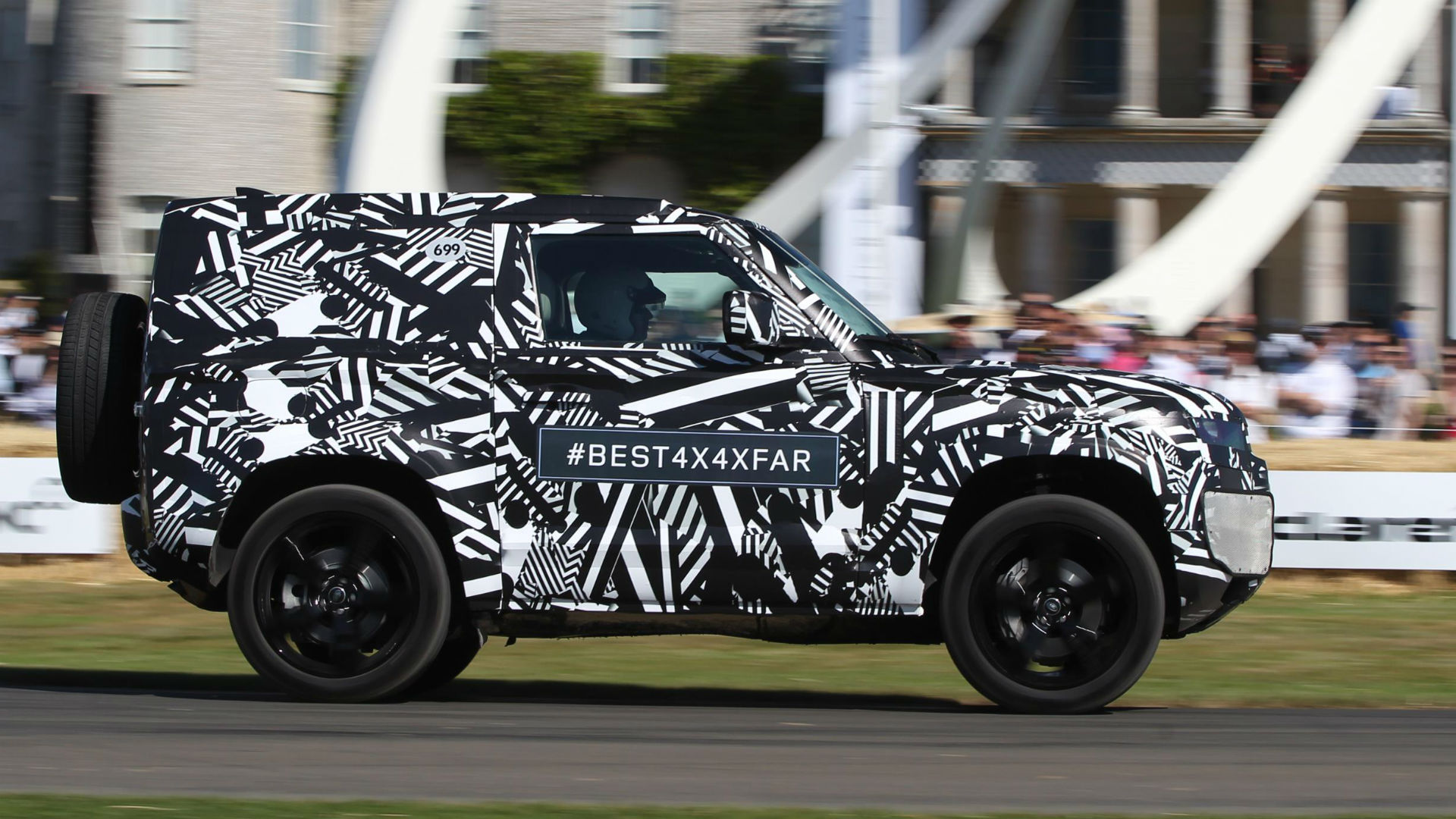
Land Rover Defender prototype
To say that this is the most important Land Rover of the decade might be an understatement. The new Defender has big boots to fill. Given this prototype has been around the world testing in the harshest of environments, it’s looking good so far.
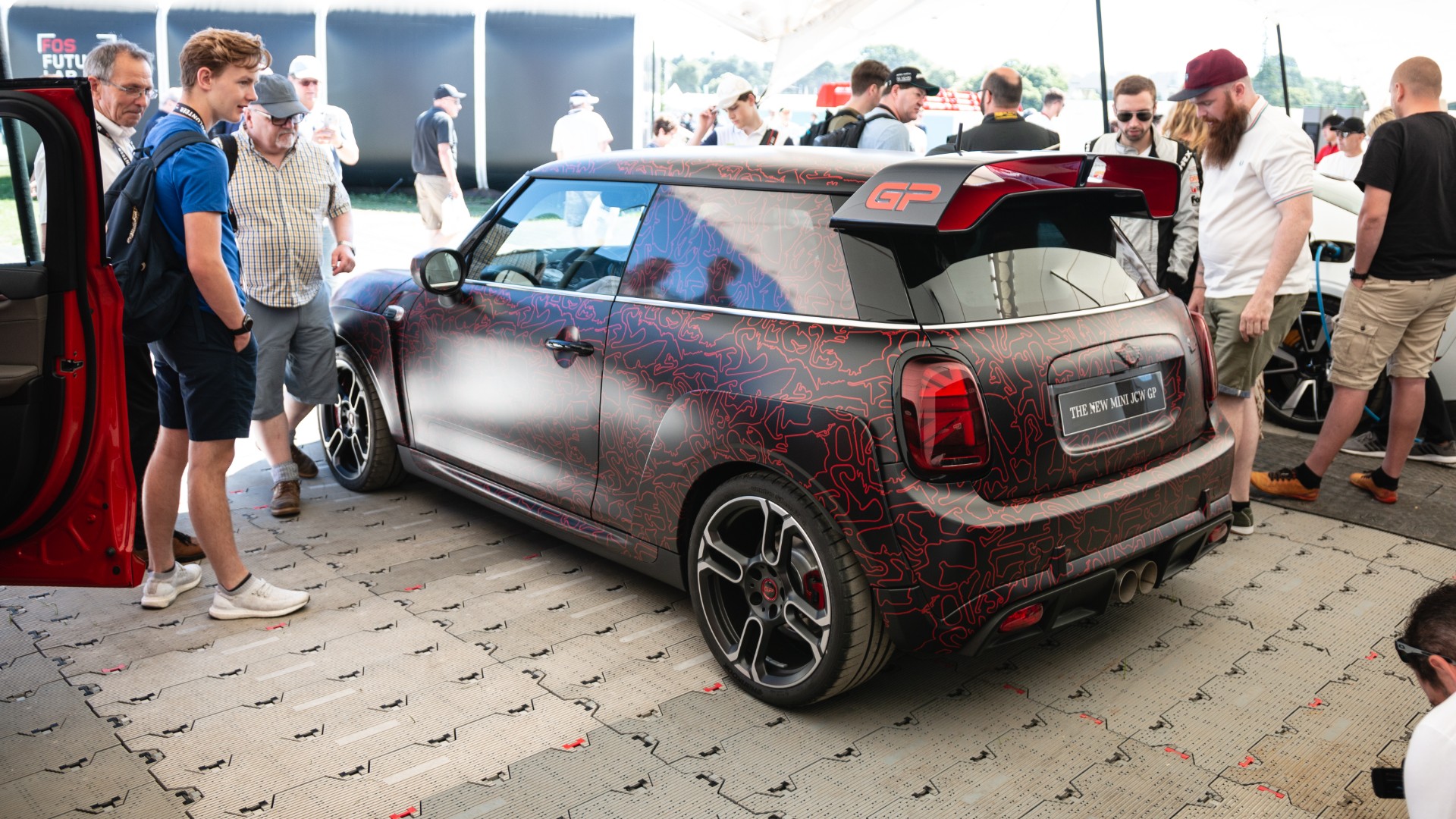
Mini JCW GP
The coolest modern Minis are always the mad GP versions they make to send off outgoing models with a bang. The new GP should have more power than ever, with upwards of 300hp and meaningful downforce from a new body kit. It’s no family hatch, either: the back seats are whipped out in favour of a brace bar for added stiffness.
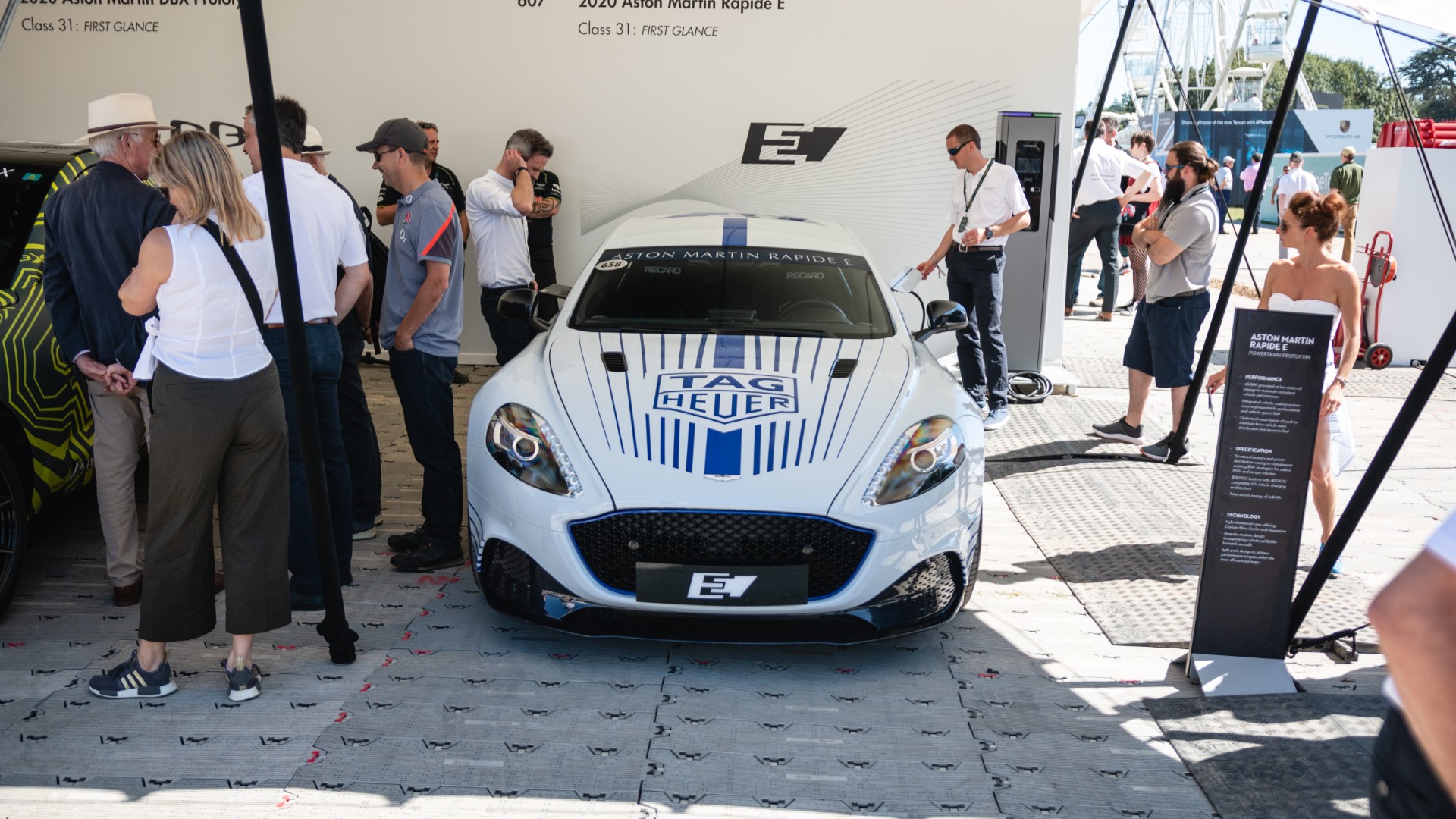
Aston Martin Rapide E
It’s a brave new world, as Aston Martin ditches its V12 for a bank of batteries. The limited-run Rapide E will serve as a test-bed for electric tech that will eventually find its way into future Lagonda luxury EVs.
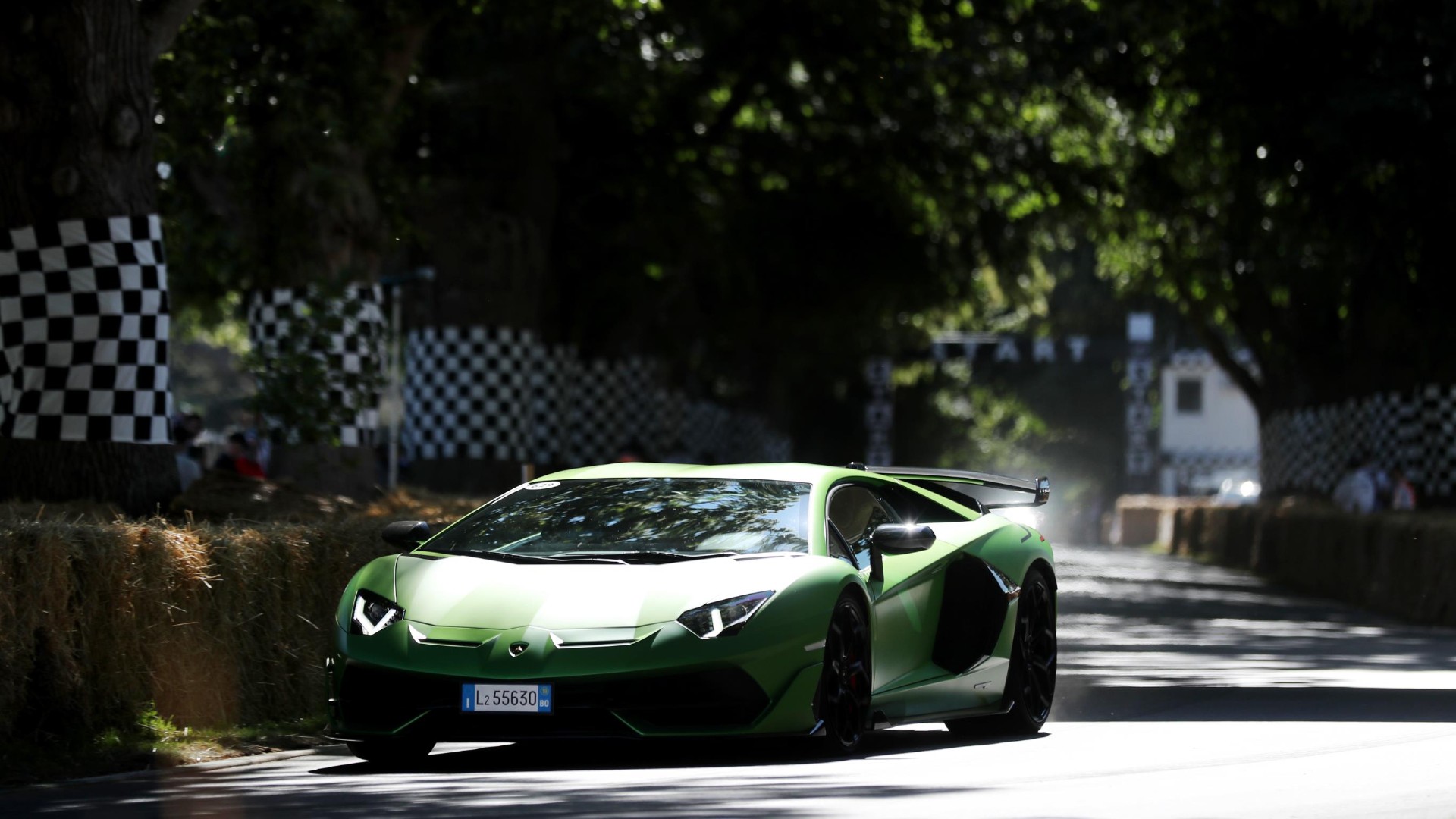
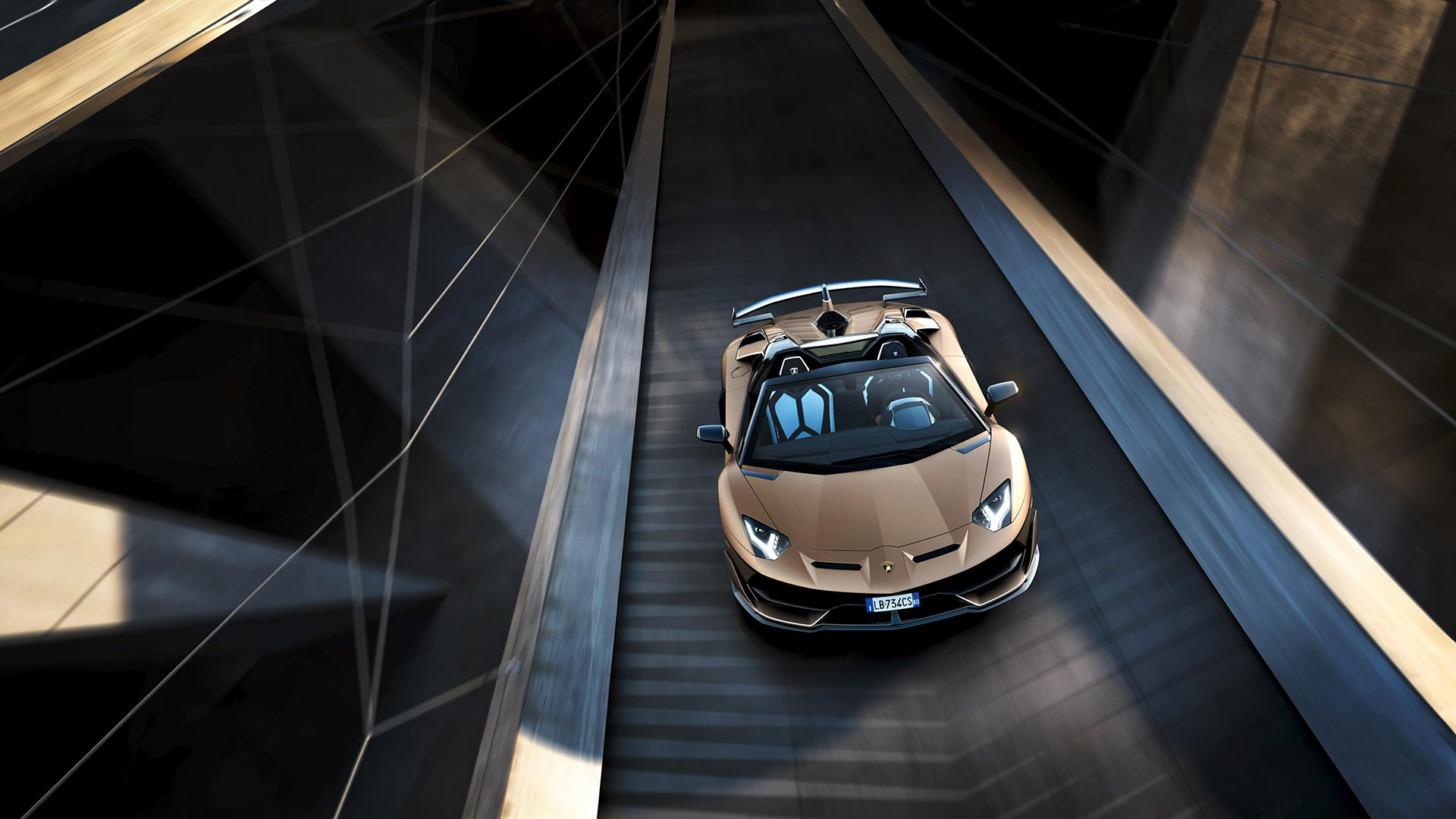
Lamborghini Aventador SVJ
Lamborghini’s Aventador SVJ is the swansong for its flagship V12 supercar. Packing clever aerodynamics and a 760hp V12, we reckon it’s thoroughly deserving of the iconic ‘Jota’ nameplate.
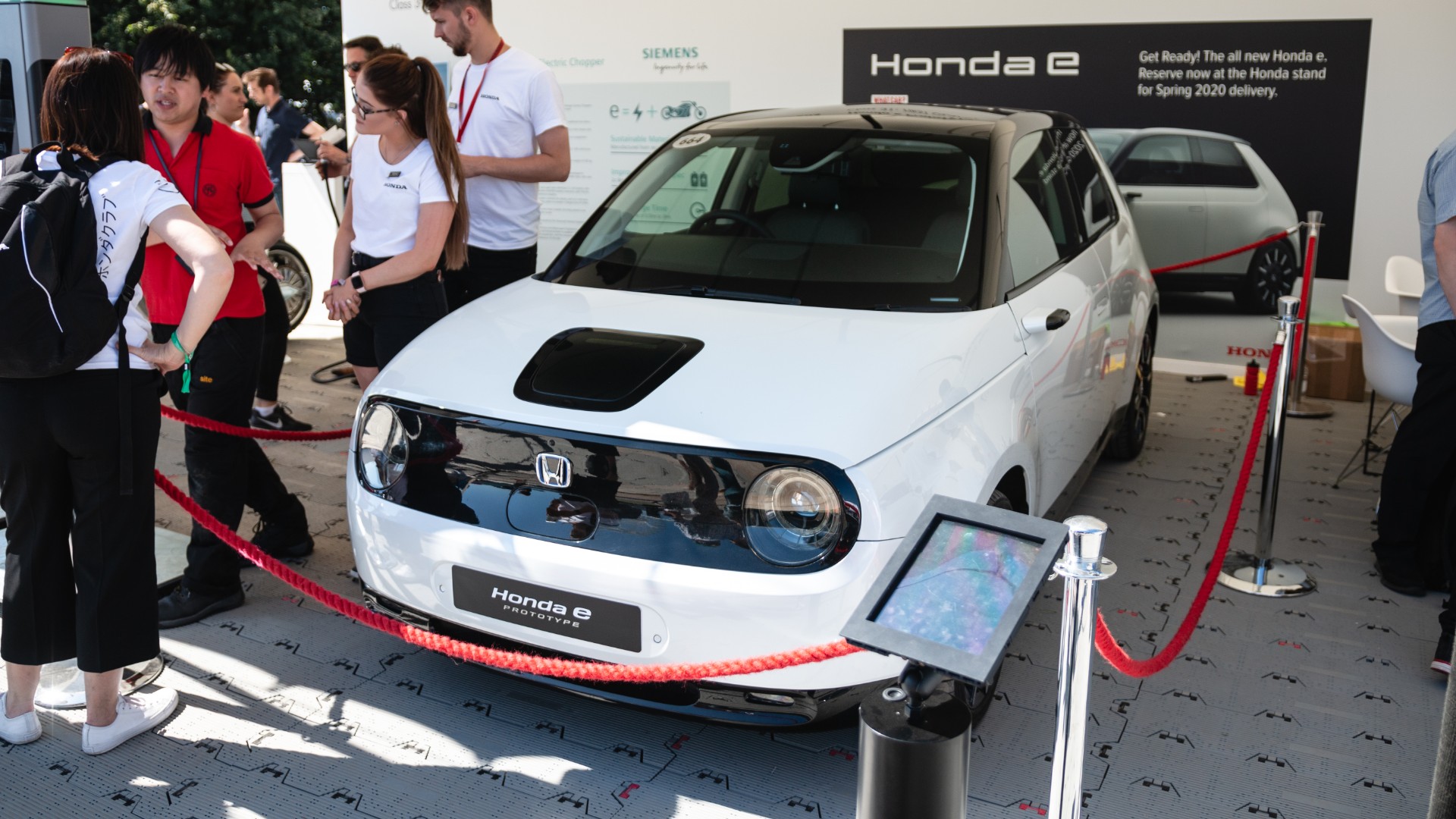
Honda e
One of the hottest cars of the moment is a tiny EV from Japan. Honda wants the e to be ‘the iPhone of cars’. If you like what you see at Goodwood, you can reserve one for just £800 (fully refundable).
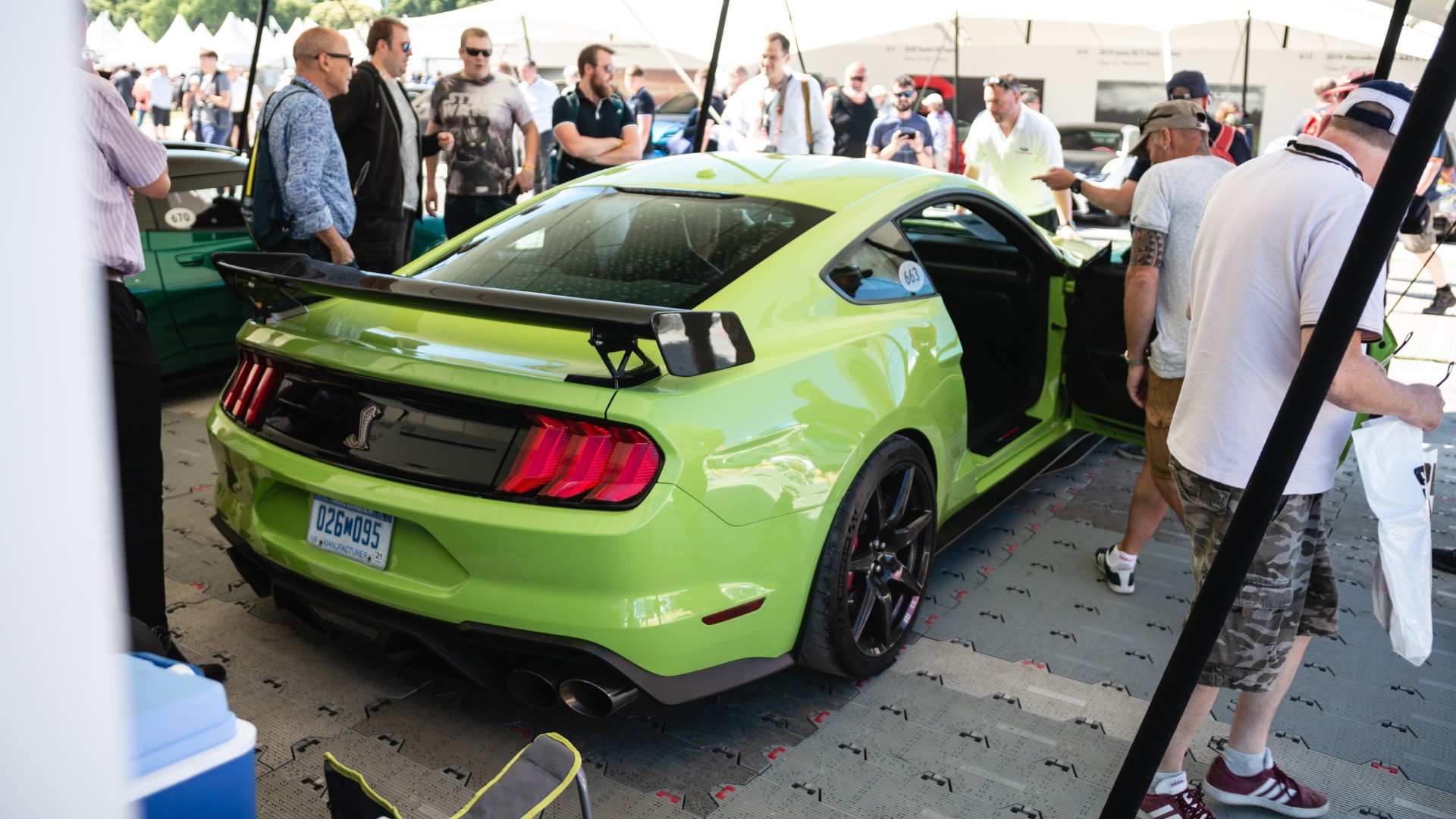
Ford Mustang GT500
Ford’s pony car gets more than 760hp of supercharged muscle for 2020. It’s not all about straight-ahead speed, though. A dual-clutch gearbox adds some sophistication, while aggressive bodywork and a rear wing serve up real downforce.
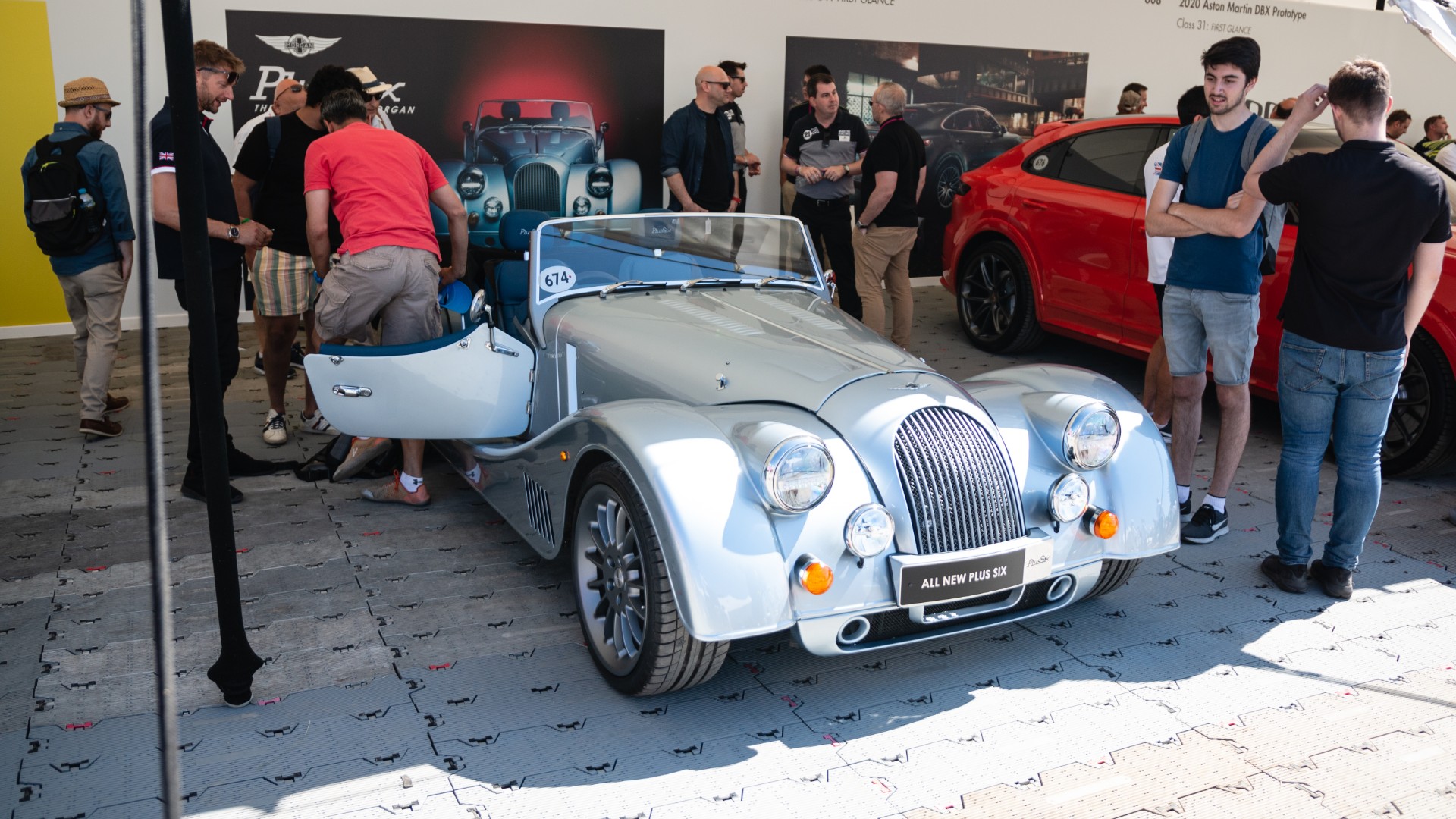
Morgan Plus Six
Morgan is going through a rebirth at the minute. The Plus Six is the beginning of that process, debuting a new aluminium structure and BMW-sourced twin-turbo straight-six engine. If it drives as well as the old Plus 8 sounds, we’ll be able to forgive the loss of the V8…
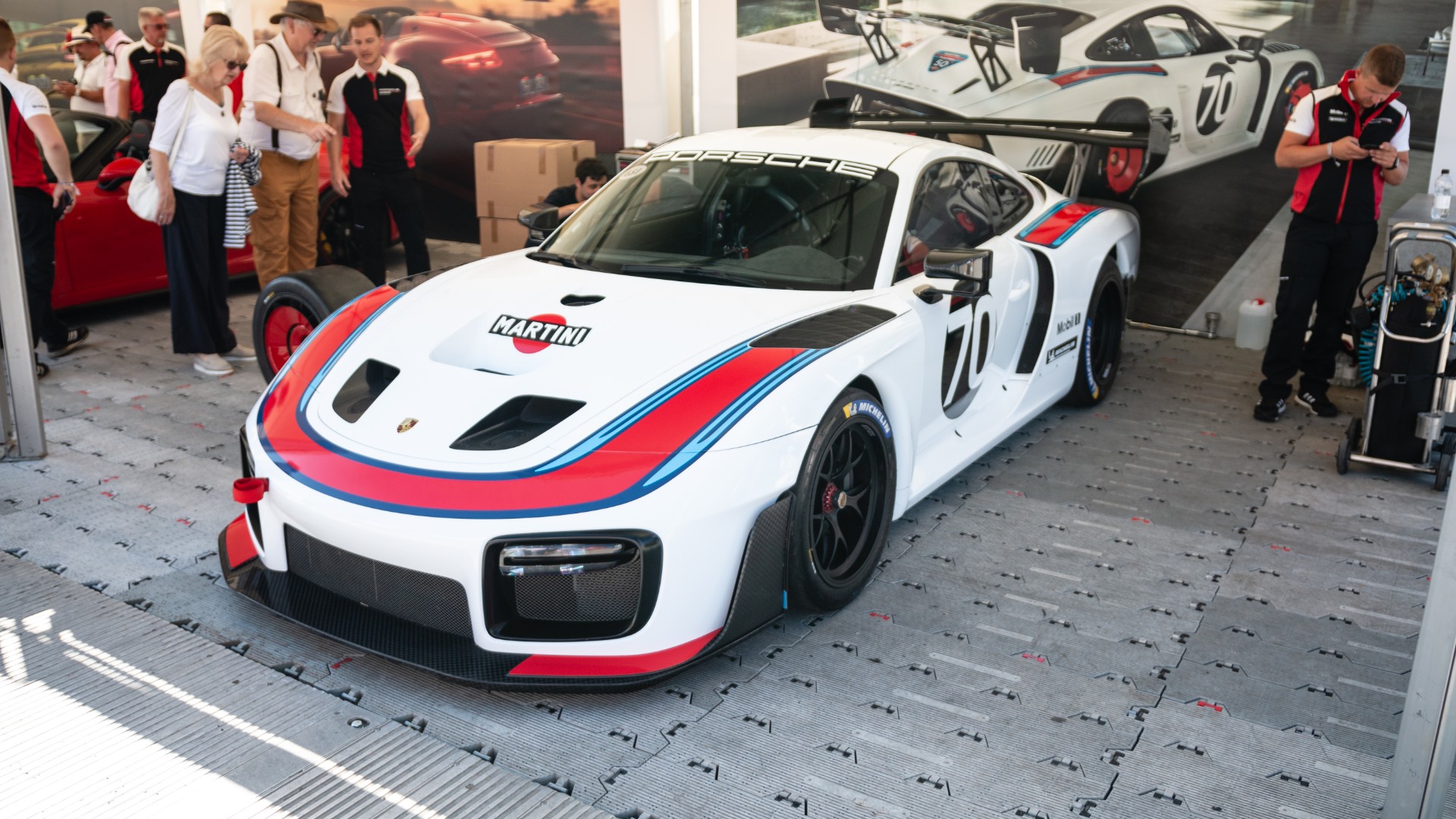
Porsche 935
Porsche pays tribute to the original box-arched 935 racer with this track-only modern interpretation, based on the outgoing 911 GT2 RS. The new 935 specifically references the ‘Moby Dick’ variant, with its elongated rear end that you can peer into.
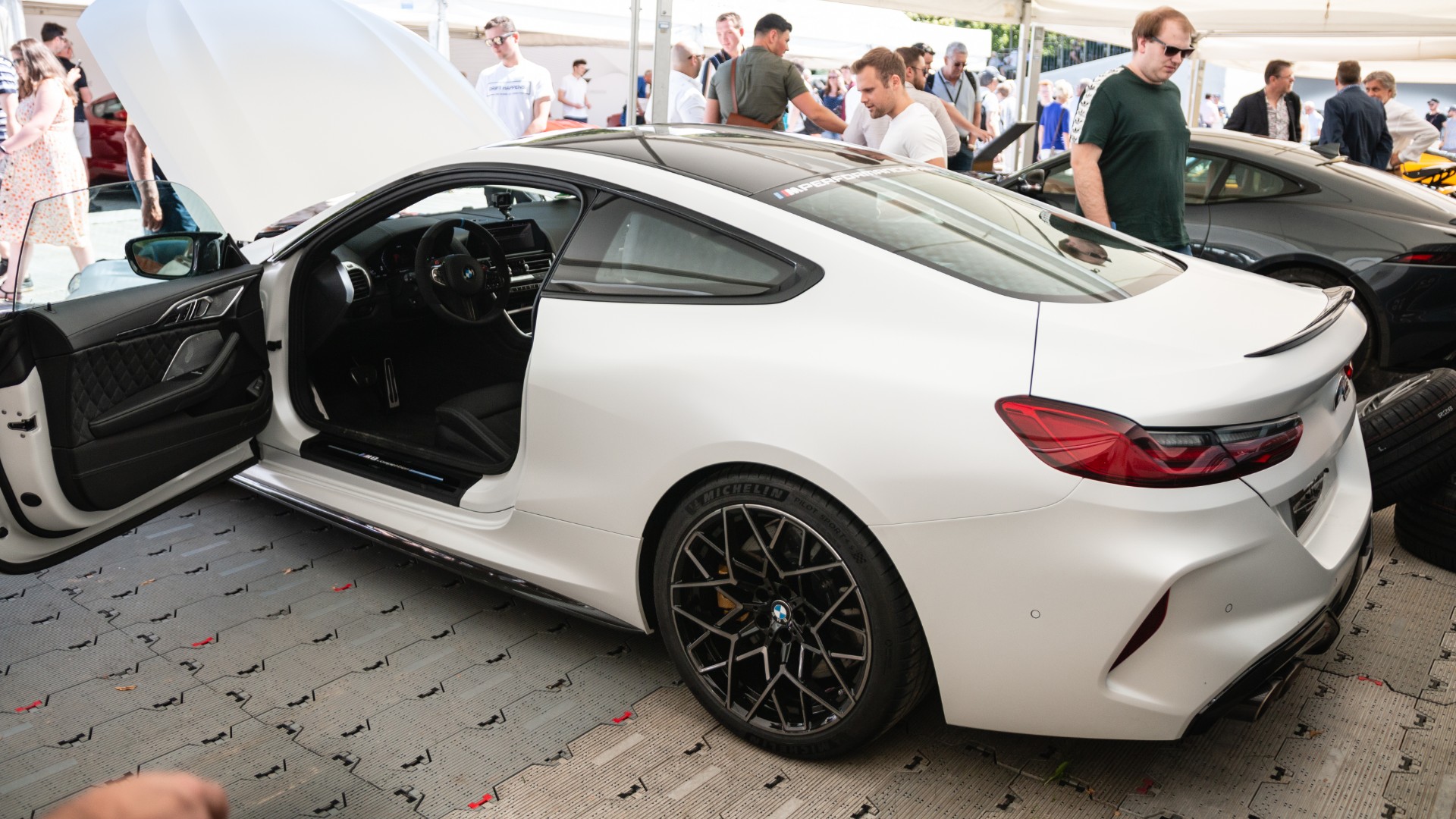
BMW M8 Competition
It’s the 8 Series we’ve all been waiting for. The M8 Competition is finally here, and it’s the most powerful car BMW has ever made, with 625hp from its 4.4-litre twin-turbo V8. It keeps that in check with four-wheel steering and four-wheel drive. No wonder it costs £123,000.
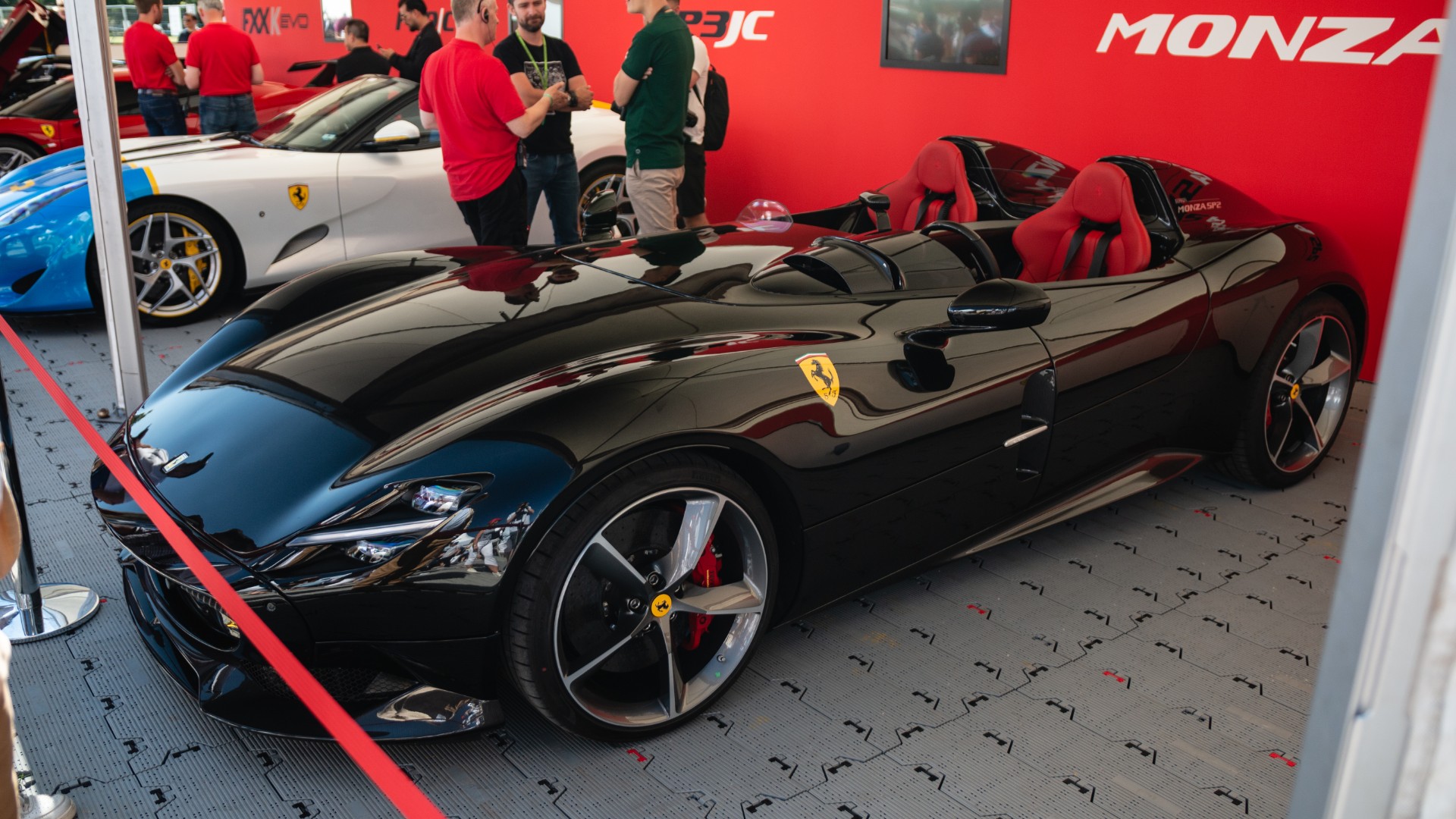
Ferrari Monza SP2
One of the more subtle and stylised Ferrari specials, the SP1 and SP2 pay homage to the Barchettas of the 1950s. Sumptuous leather and a tiny windscreen offer the authentic retro racer experience. As the names suggest, the SP2 is the one you want for passenger rides.
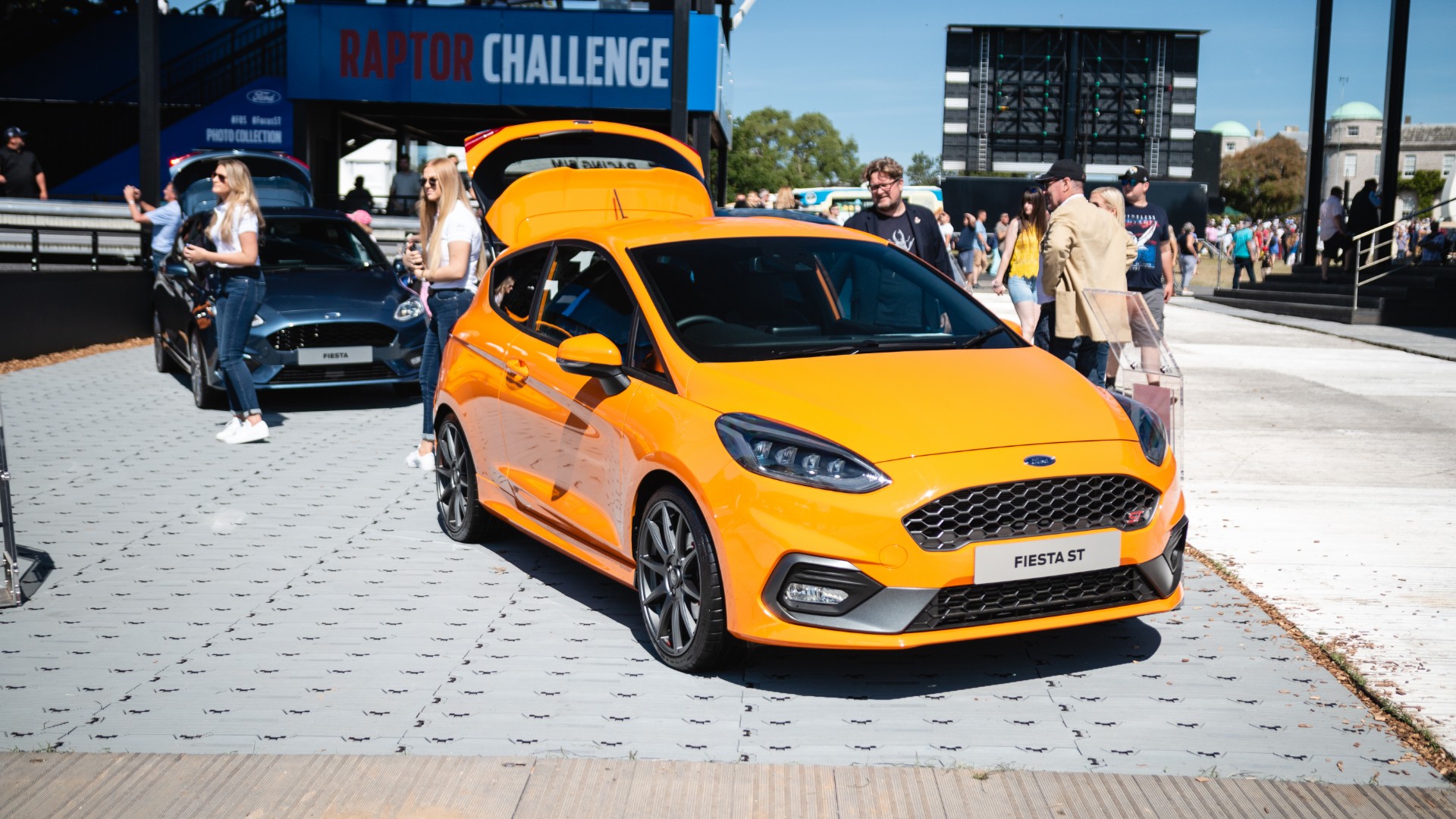
Ford Fiesta ST Ford Performance Edition
Ford’s award-winning hot hatch gets a splash of orange paint and some hardcore goodies in the new limited edition ‘Ford Performance Edition’ trim. These include coilover suspension and snazzy new wheels.
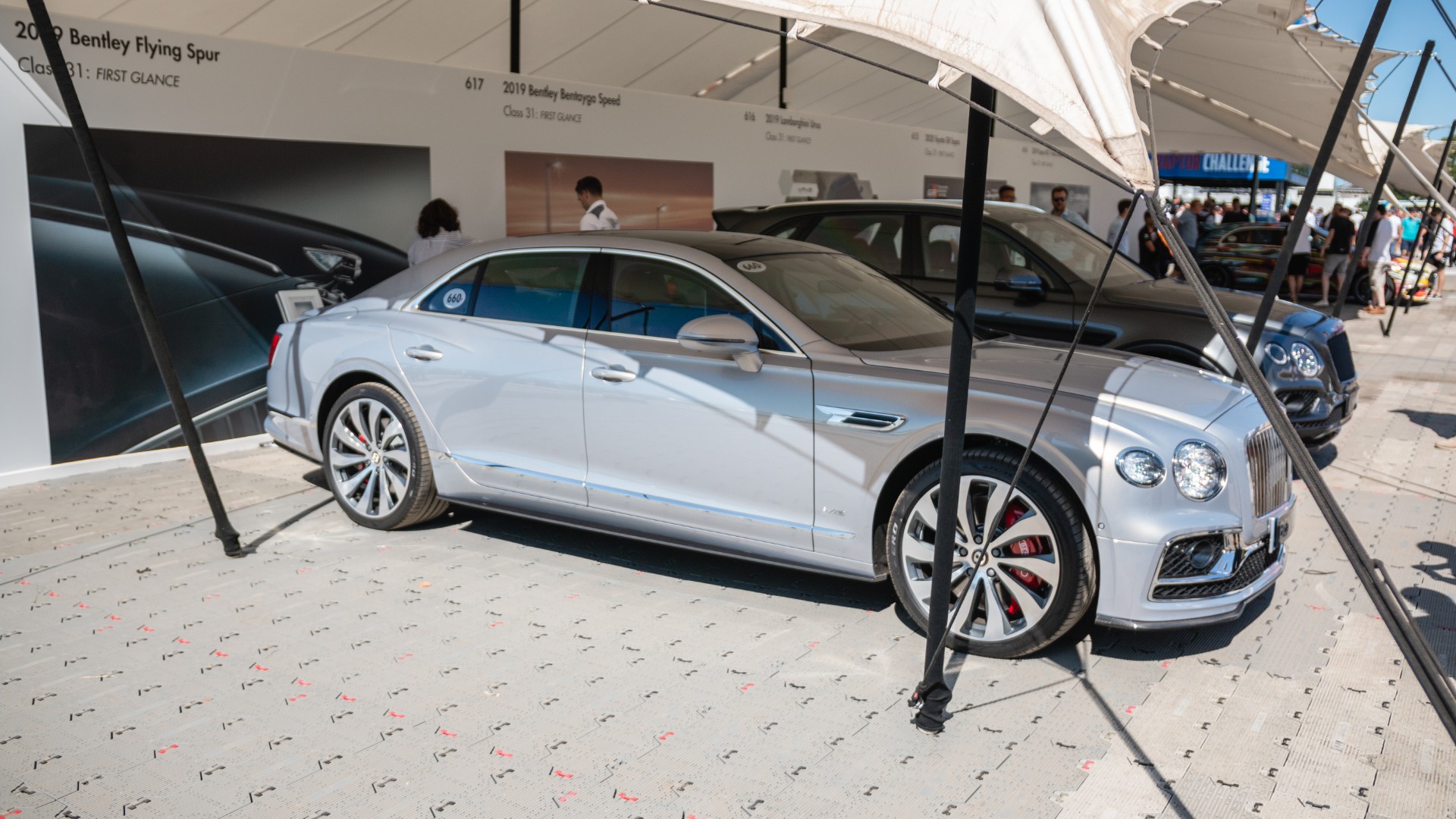
Bentley Flying Spur
Bentley’s more sporting four-door luxury car is the final Continental body style to debut. The Flying Spur has always been a swift and handsome underdog. If an Audi S8 is a bit too German, this could float your yacht.
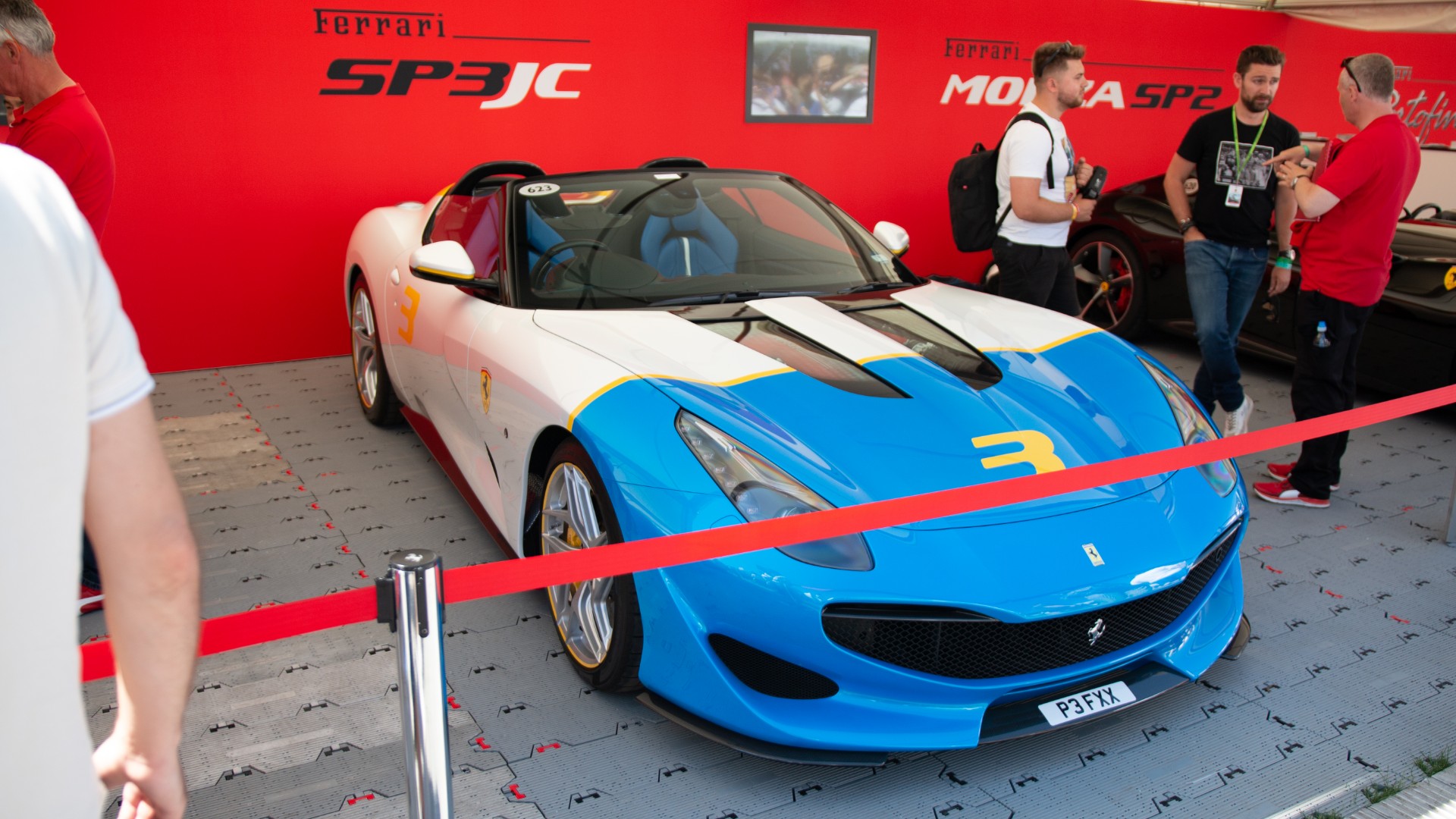
Ferrari SP3/JC
The Ferrari SP3/JC is a one-off that’s as close to an F12 TdF convertible as we’ll ever get. Designed to hark back to the V12-engined Spiders of the 1950s and 60s, there’s nowhere to hide from that screaming V12 under the bonnet.
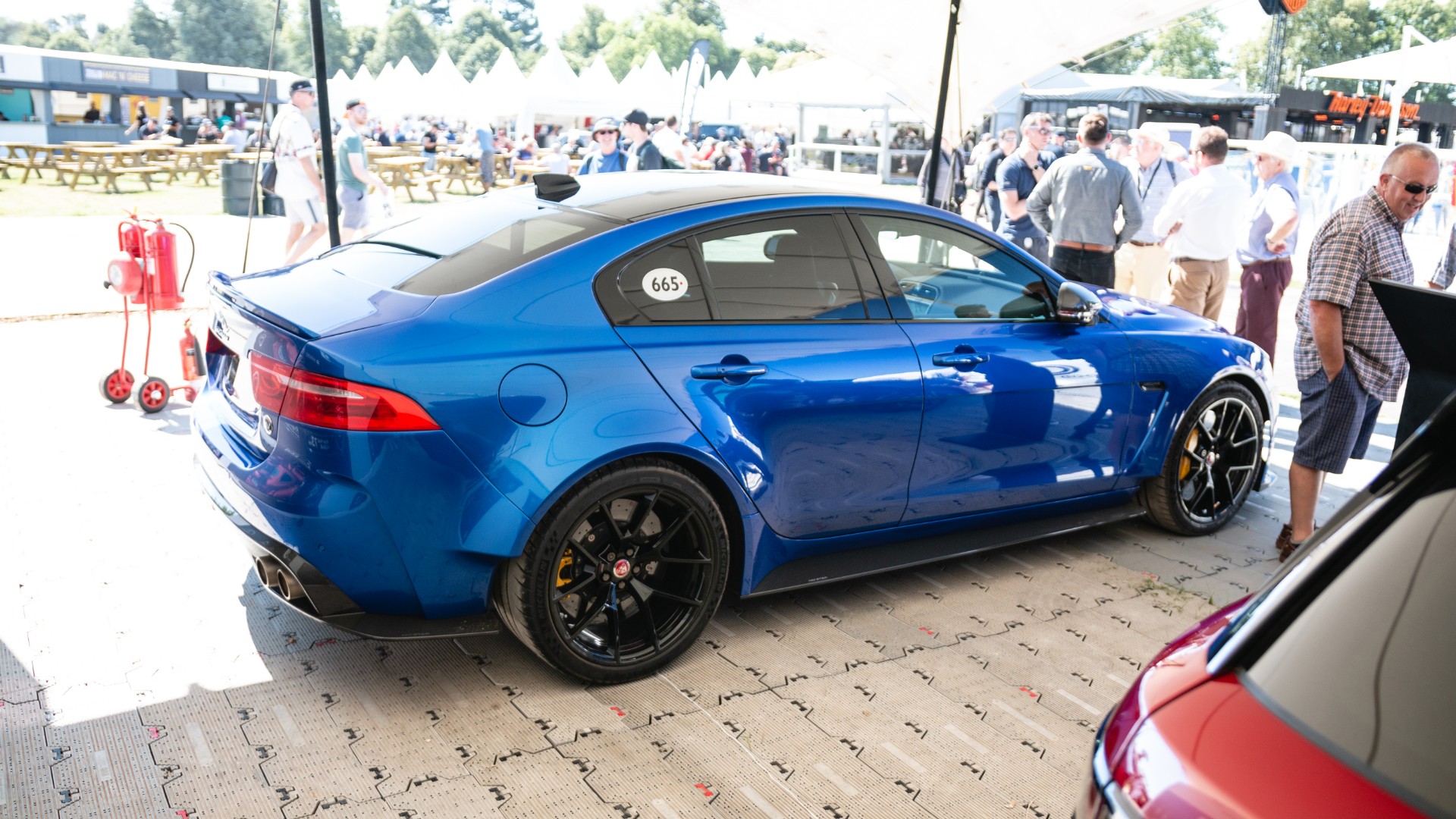
Jaguar XE SV Project 8 Touring
Jaguar’s snarling skunkworks special has been toned down in Touring specification, albeit not much. Without a wing, you might not spot it coming, but you’ll certainly hear it. There’s no taming a near-600hp supercharged V8.
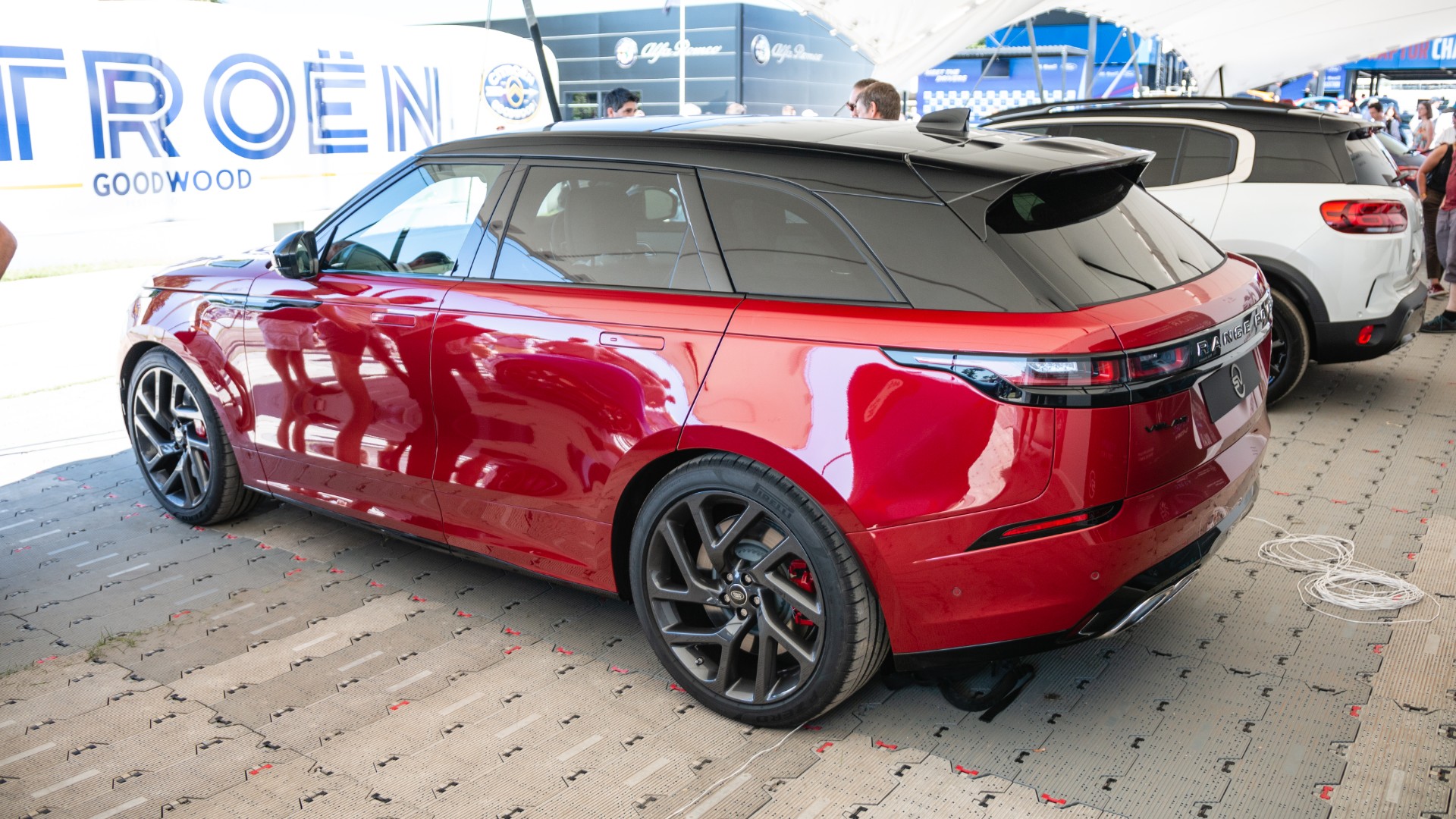
Range Rover Velar SVAutobiography
If a new Defender isn’t quite ‘Premier League’ enough, try the Range Rover Velar SVAutobiography Dynamic Edition. V8 power regresses this ultra-modern SUV into a gurgling supercharged super-truck. It’s a ‘yes’ from us.
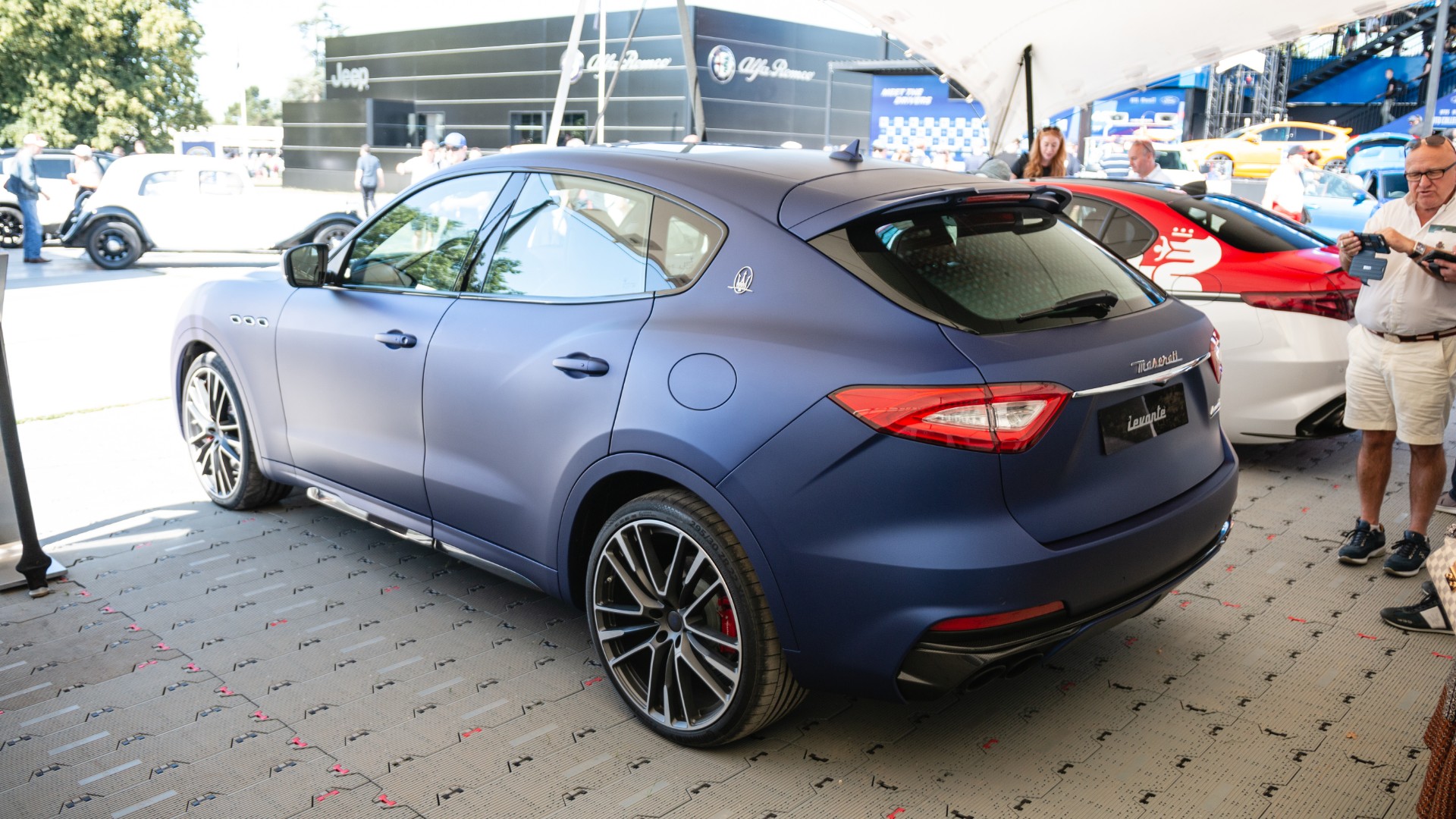
Maserati Levante Trofeo
Ever since the Levante debuted we’ve all been waiting for some classic Maserati V8 power. Finally, the Levante Trofeo delivers it. With a 3.8-litre 580hp twin-turbo V8, it should keep any Land Rover with an ‘SV’ badge honest.
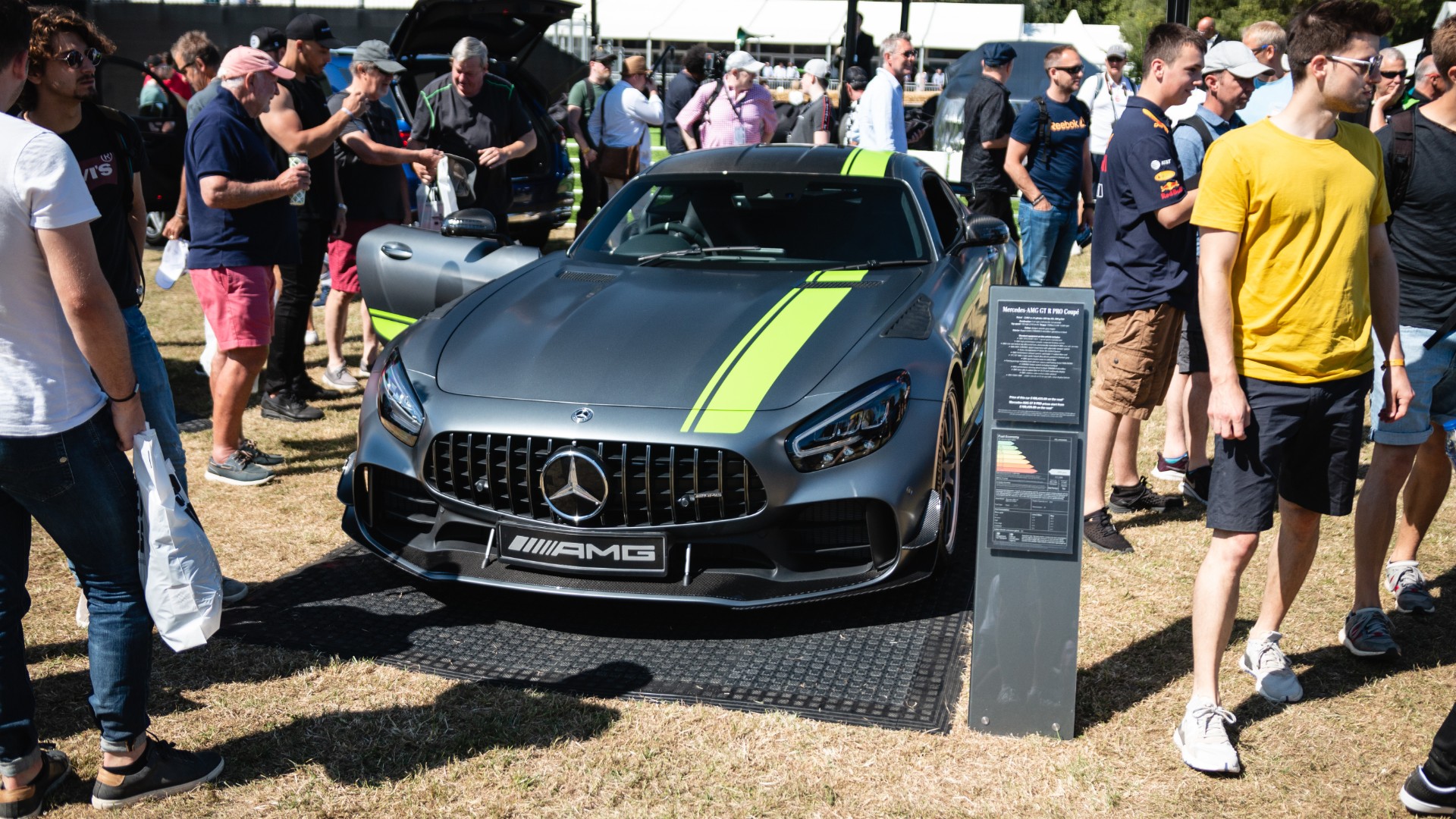
Mercedes-AMG GT R Pro
Taking the AMG GT R closer to its GT3 racer cousin is the Pro version. It does so with more downforce, wheel arch vents, lurid stripes and a bit of weight loss. Think Porsche 911 GT3 to GT3 RS and you’re pretty much there. It’s pricey, though, starting from £186,000.
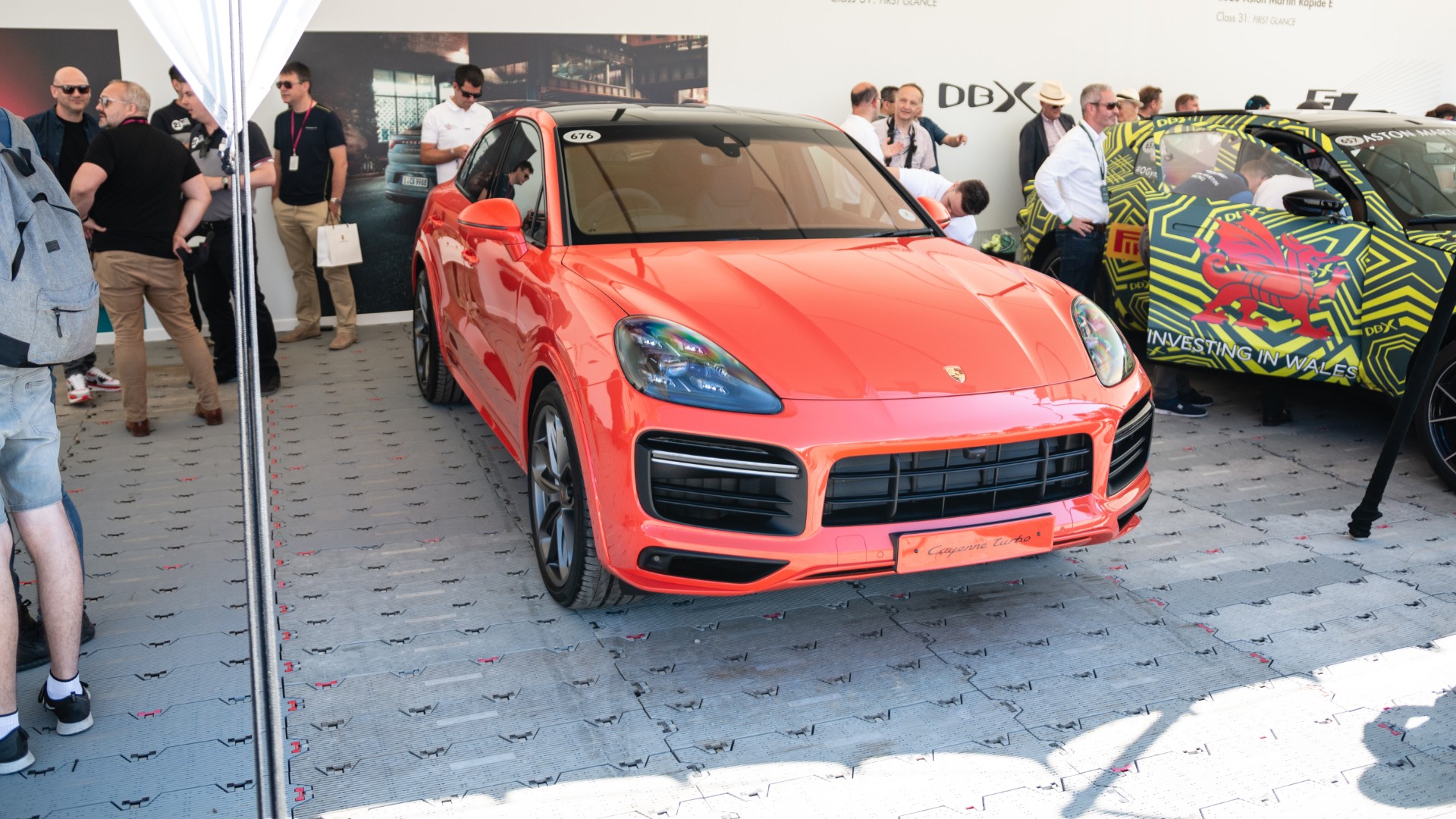
Porsche Cayenne Turbo Coupe
Porsche has come full circle, with a coupe based on the SUV that it started selling alongside its coupes. The Cayenne Turbo Coupe is a V8-engined answer to BMW’s X6M and Mercedes-AMG’s GLE 63 Coupe.
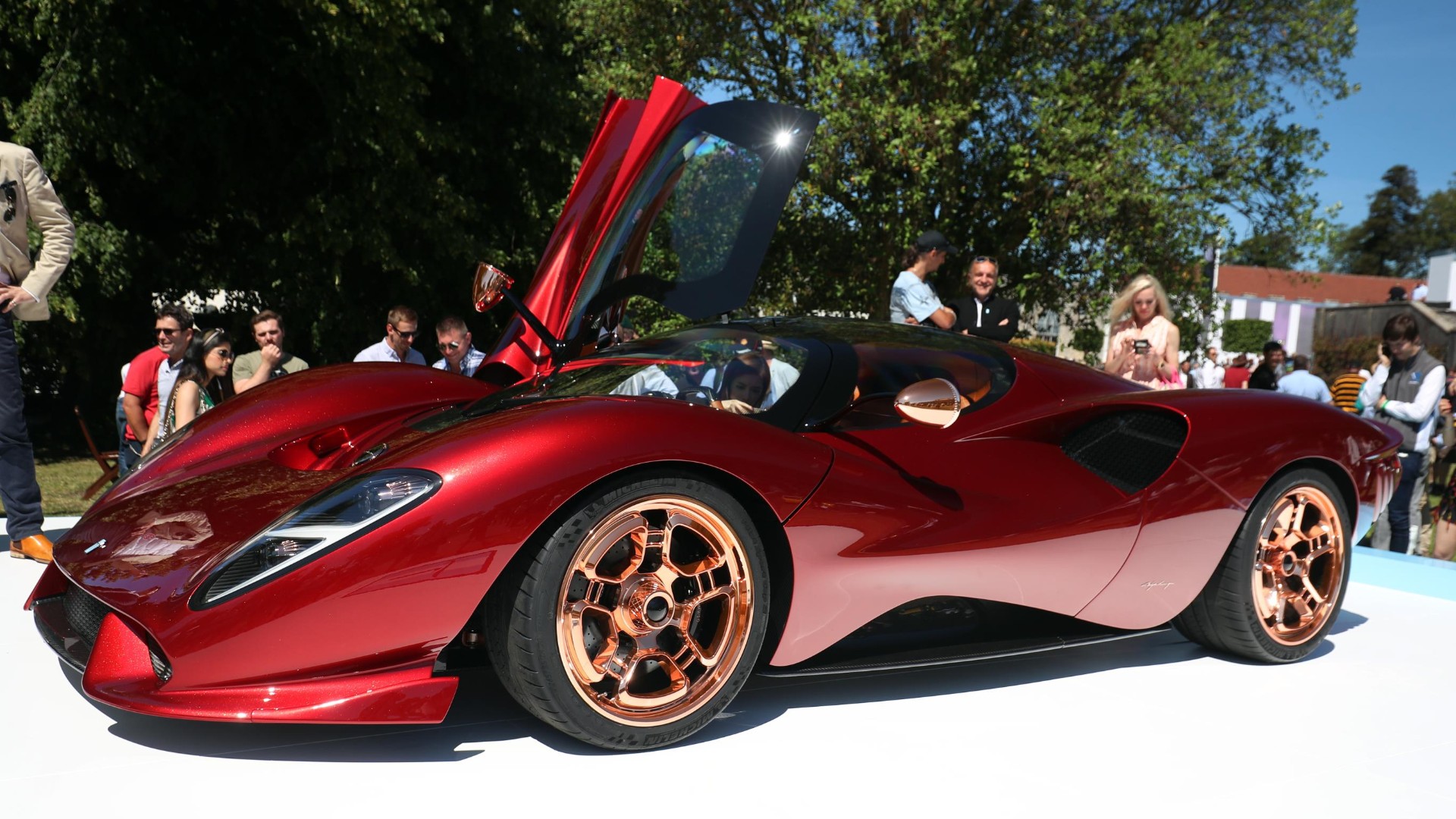
De Tomaso P72
Beloved Italian marque and maker of the Pantera, De Tomaso is back with this stunning retro-styled supercar. The P72 borrows a carbon tub from Apollo and has a manual gearbox. It could be the most beautiful new car at the 2019 Festival of Speed.
A basketball-playing robot designed by volunteers at Toyota has broken the Guinness World Records title for the most consecutive basketball free throws by a humanoid robot (assisted).
CUE3 is six feet, 10 inches tall and a member of the professional basketball team, Alvark Tokyo. Wearing number 93, it contains small motors in each axis and detects the goal position using the camera and radar attached to its chest.
Using the readings taken off the camera, CUE3 moves the motors based on AI learning.
The robot with a fondness for shooting hoops was unveiled at a basketball match in Japan, with a film of it landing a shot from the centre line prompting a bid to set a Guinness World Record for the most consecutive basketball throws by a humanoid robot.
Going beyond five successful shots would be enough to set the record, but earlier versions of the robot had proved unsuitable as it took up to three minutes to reset the machine after each shot.
Shooting hoops and setting records
But after five months’ development work, CUE3 took to the court with the aim of setting the record. The volunteers had to take into the account the air pressure in the ball, the true angle of the ball, and the process of retrieving the ball and placing it in the robot’s hand.
Having landed the first five shots, CUE3 set a new record, then progressed to 1,000 perfectly scored baskets, at a rate of one every 12 seconds.
Eventually the team’s ambition was reached with 2,020 shots – the number matching the date of the Tokyo Olympics and Paralympics – accomplished in six hours 35 minutes.
Project leader Tomohiro Nomi said: “For the record attempt, we remained members of Toyota, but also collaborated with a professional sports team to embark on a challenge no one else had undertaken.
“We would be delighted if as many people as possible developed an interest in basketball, robots and manufacturing as a result of watching our efforts.”
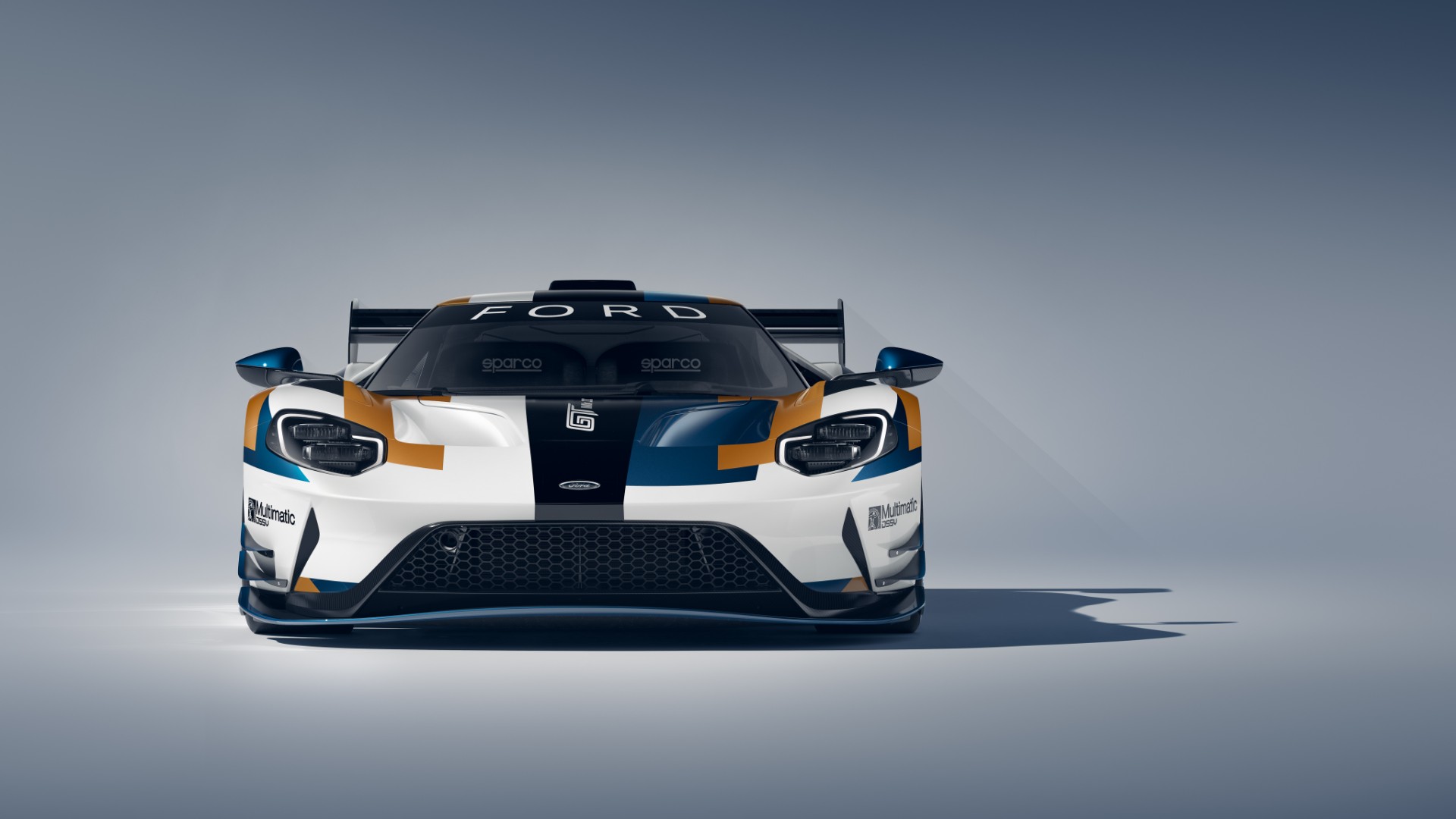
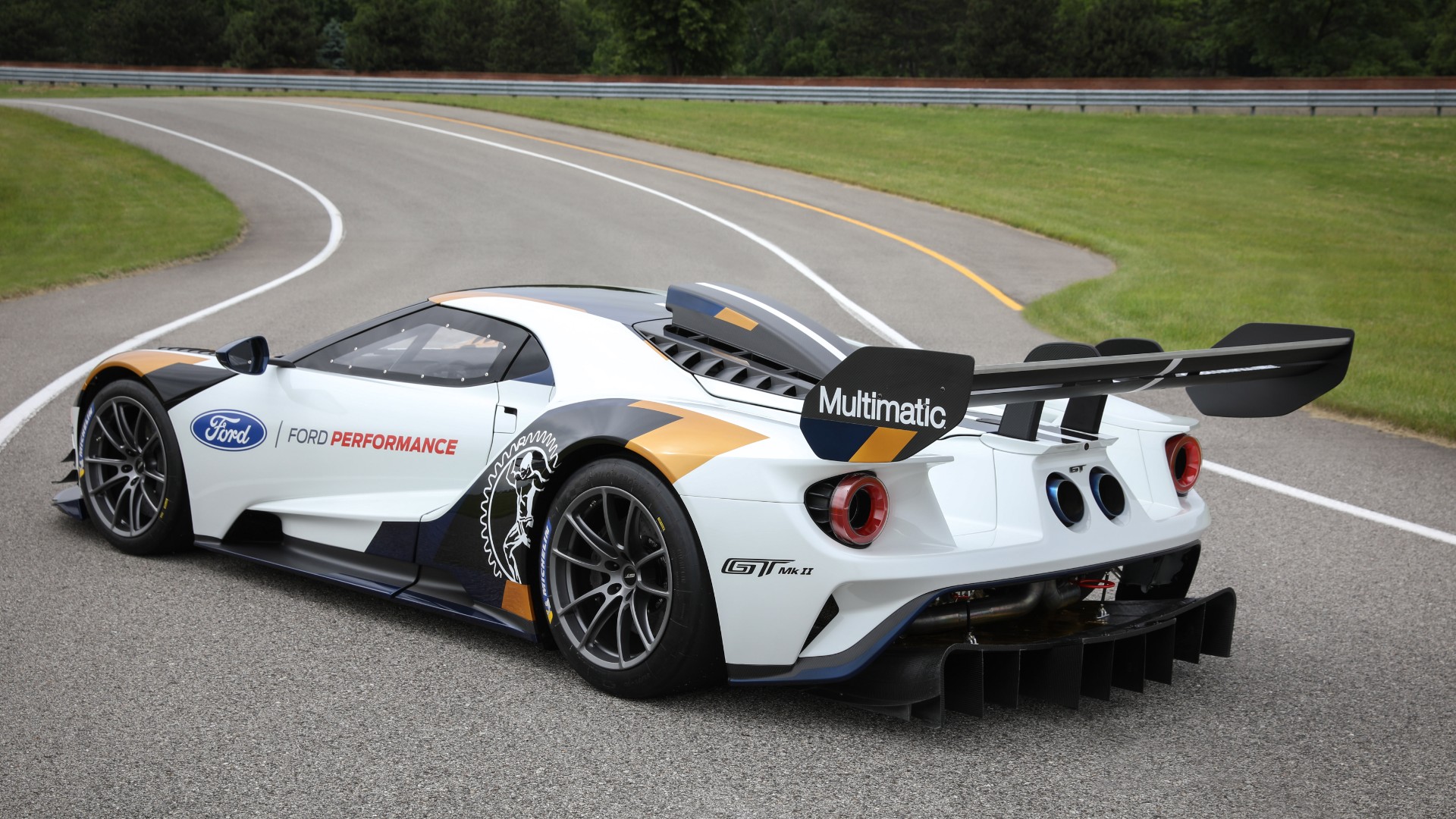
It seems Ford isn’t quite done with the GT just yet. The MkII, which debuts at Goodwood Festival of Speed today, is a track-only version of the supercar that outguns the GTE racing version Think of it as Ford’s McLaren Senna GTR.
Costing from £950,000, it’s a lot more expensive than a ‘standard’ GT. So what makes the MkII special?
Best of both worlds
Ford’s goal with the MkII is to combine the best of both worlds: the GTE racer and the road car. The GTE, while fully competition-prepared, is hamstrung by power limitations and other regulations.
The road car, while unrestricted in terms of performance, needs to comply with occupant and pedestrian safety regulations. It needs to get over speed humps and meet emissions regulations. And it needs to have road tyres.
“The true off-the-hook performance capability of the GT hasn’t yet been fully showcased,” said Larry Holt, chief technical officer at Multimatic, which builds the MkII.
“The road car is obviously limited by the many global homologation requirements that it must comply with, and the race car suffers from the restriction of the dreaded ‘Balance of Performance’, resulting in it being 150hp down on the road car. The MkII answers the regularly asked question of ‘How would the car perform with all the limitations lifted?’. The answer is ‘spectacularly.’”
So, while the GTE produces well short of the road car’s 650hp, the MkII gets 700hp from its 3.5-litre twin-turbo V6. Unlike the road version however, the MkII has slick tyres, race-spec fixed suspension and more wing than any GT yet seen. It’s also significantly lighter than the road car, having shed 90kg.
The dual-element wing is joined at the back by a large diffuser, while a new splitter, wing louvres and dive planes balance out the front. All in, there’s up to 400 percent more downforce than the road car, and it’s capable of pulling up to 2g in corners.
Carried over from the road car are the ceramic brakes and distinctive headlights.
Cooling has also been significantly improved, with the addition of a high-capacity charge air cooler with water spray tech.
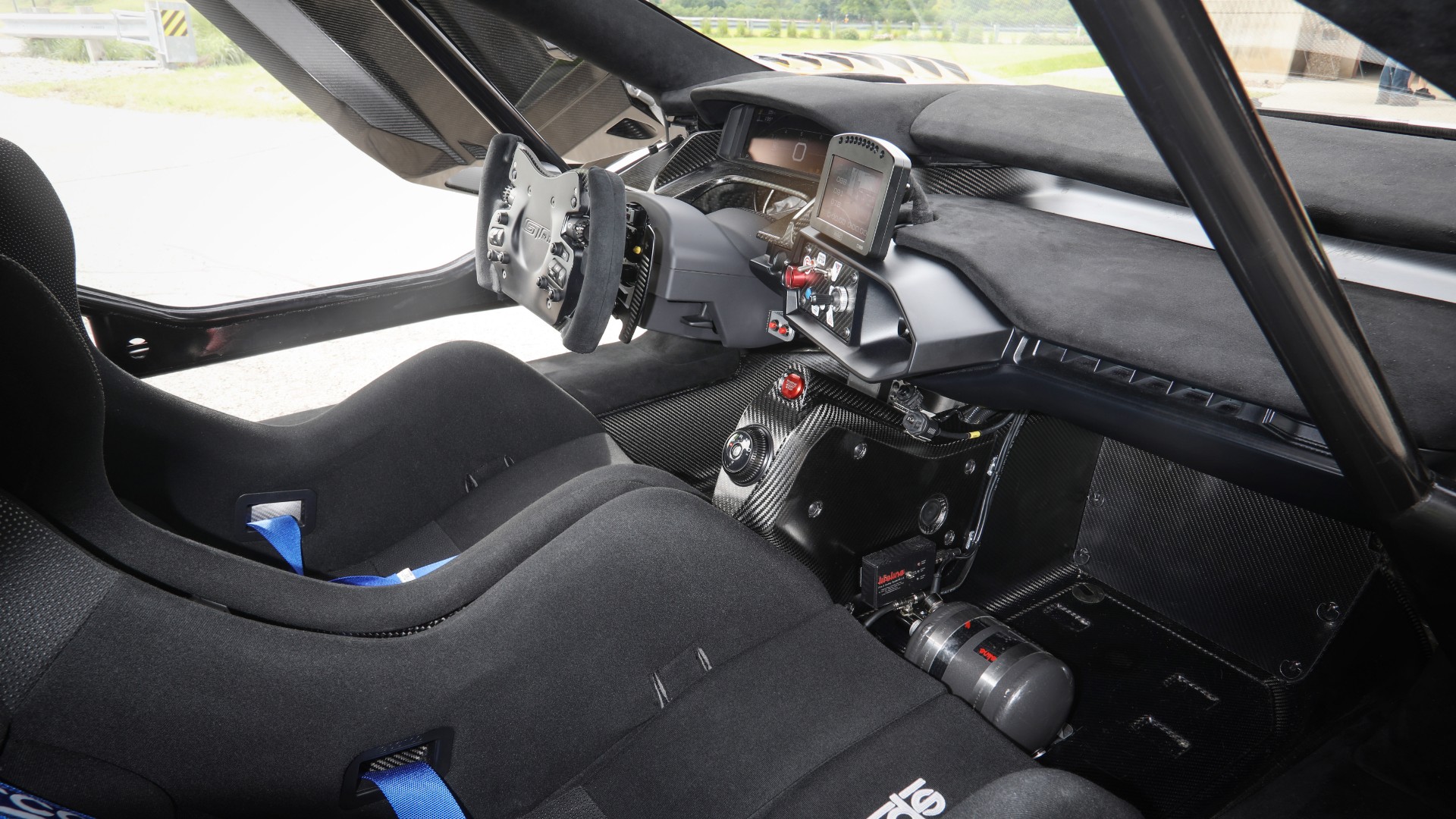
On the inside, it’s very ‘race car’. You get a bespoke Sparco race seat with a six-point harness. A passenger seat is optional, although a Motec data system is standard.
The Ford GT MkII is limited to just 45 units. To get hold of one, you’ll need to go straight to Multimatic. We suspect they won’t be available for long.
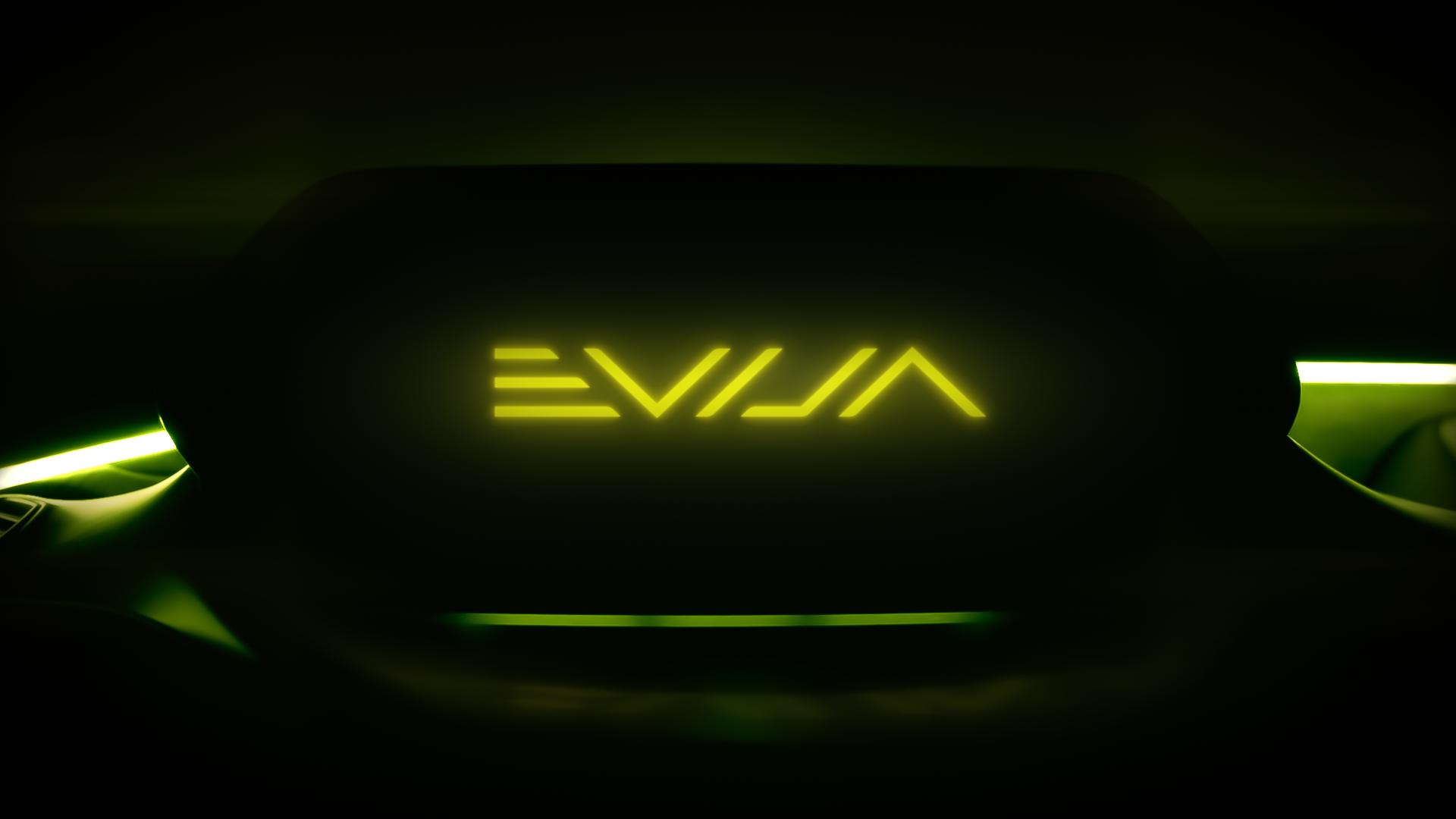
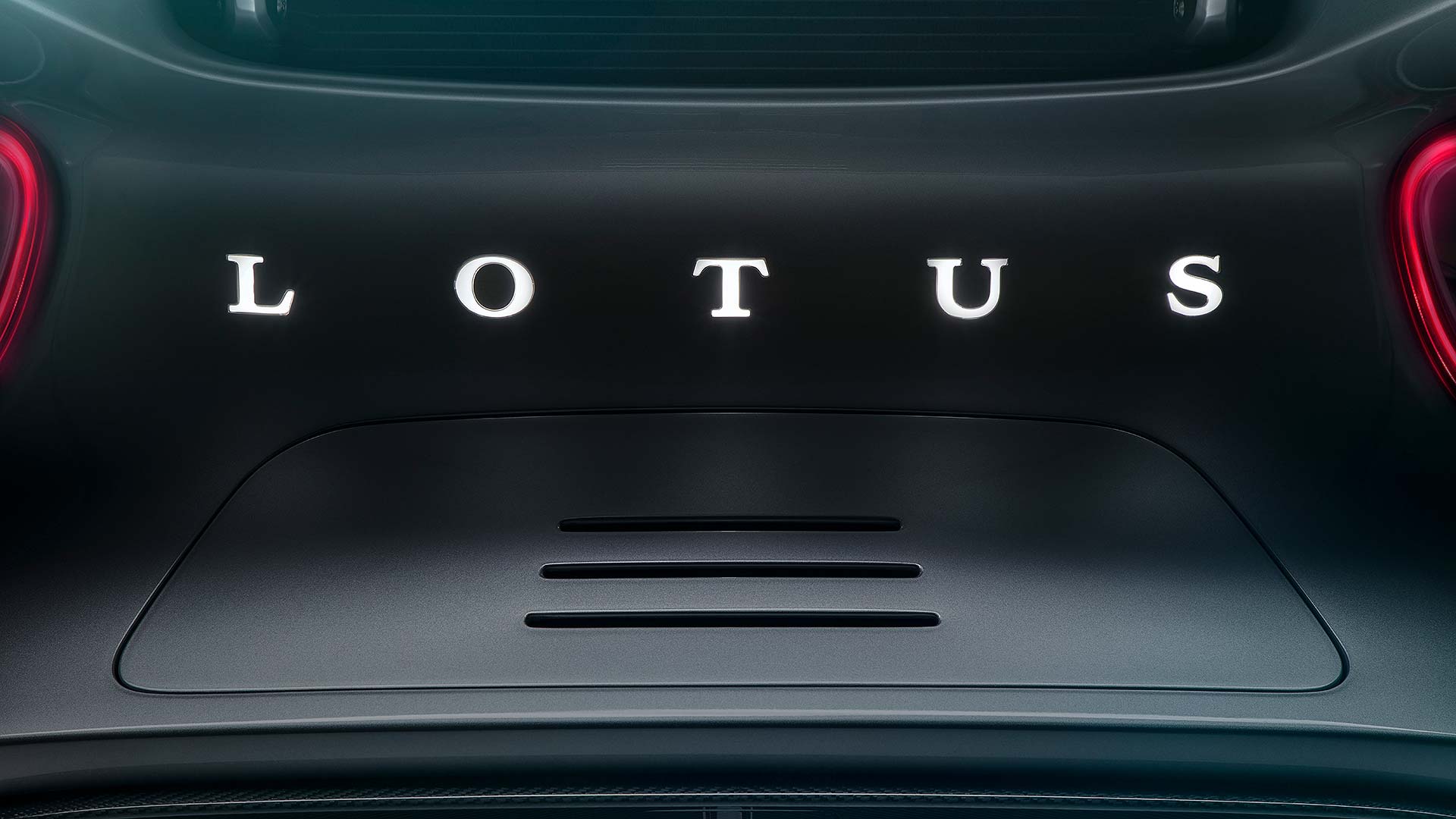
Lotus has revealed the name of its forthcoming electric hypercar, previously known as ‘Type 130’, at this year’s Goodwood Festival of Speed.
Hethel’s very own 130-off hypercar will be called Evija
Lotus Evija – what’s in a name?
The name reveal is a big moment for Lotus. This is to be the first all-new car Lotus brings to market under new owners Geely, and a hypercar really sets the tone for what else we can expect going forward.
Even the name itself hints that Lotus is only just getting started with this new lease of life. Translated, Evija means ‘the first in existence’ or‘the living one’.
That first meaning in particular hints at the big plans Geely has for Lotus, beginning with Evija. More electric sports cars to come?
“As the first major Lotus model launch under the stewardship of Geely – the world’s fastest growing automotive group – its significance cannot be overstated.”
Quite. We look forward to more where that came from, Lotus.
As for how you say it? Apparently, it’s pronounced ‘Ev-eye-ja’. If only we’d had such help from the horses mouth when the Pagani Huayra came out…
Lotus isn’t quite ready to show the Evija in full, but it’s eager, as evidenced by the tease it’s set up at Goodwood. Anyone can go and see a ‘light show’ over the course of the weekend, revealing more about the design of the car.
We don’t have long to wait, though. Lotus intends on unveiling the car in full in London later this month. Just 130 Evijas will be built, hence the Type-130 code name.
As for whether Lotus founder Colin Chapman would approve? Well, electrification simplifies, but does it add lightness? We’ll be intrigued to hear more details upon the car’s full reveal.
“Evija is the perfect name for our new car because it’s the first hypercar from Lotus, our first electric offering and is the first new model under the stewardship of Geely,” said Lotus Cars CEO Phil Popham.
“The Evija is a Lotus like no other, yet a true Lotus in every sense. It will re-establish our brand on the global automotive stage and pave the way for further visionary models.”
Many people would buy a Ferrari if their lottery numbers came up, but as this gallery proves, you might need more than a few Euromillions to secure a classic example of the Prancing Horse. Indeed, 13 of the top 20 most expensive cars sold at auction wear a Ferrari badge, and 17 are Italian. We’ve included a conversion to UK pounds, with the exchange rate correct as of July 2019 (not at the time of sale).
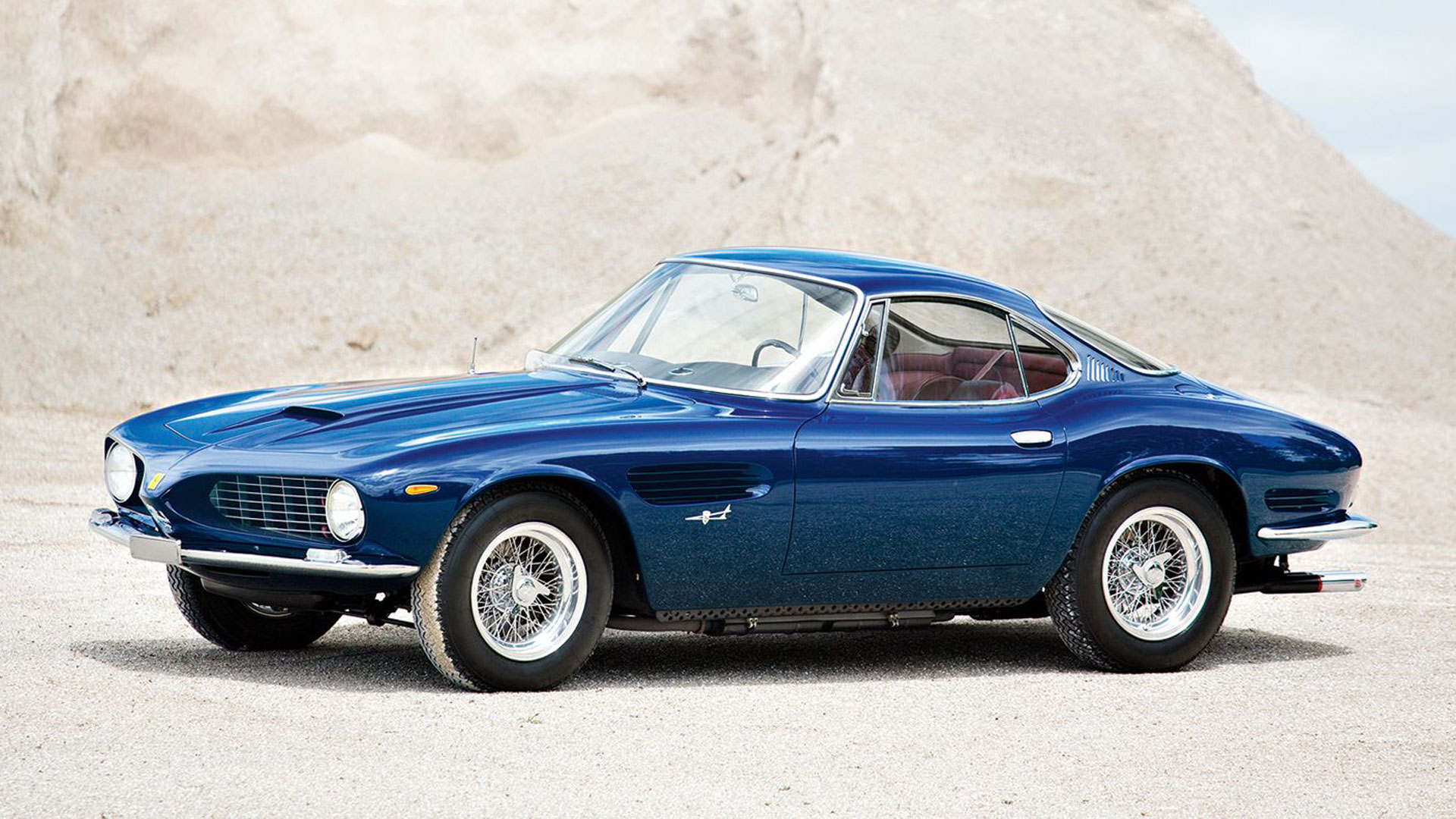
20. Ferrari 250 GT SWB Berlinetta Speciale – $16,500,000 (£13,055,000)
When the least expensive car in the gallery weighs in at $16.5m, you know you’re in for some huge numbers. This 1962 Ferrari 250 GT SWB Berlinetta Speciale was Nuccio Bertone’s personal car and was displayed at the Geneva and Turin Motor Shows. It went under the hammer at a Gooding & Company auction in August 2015.
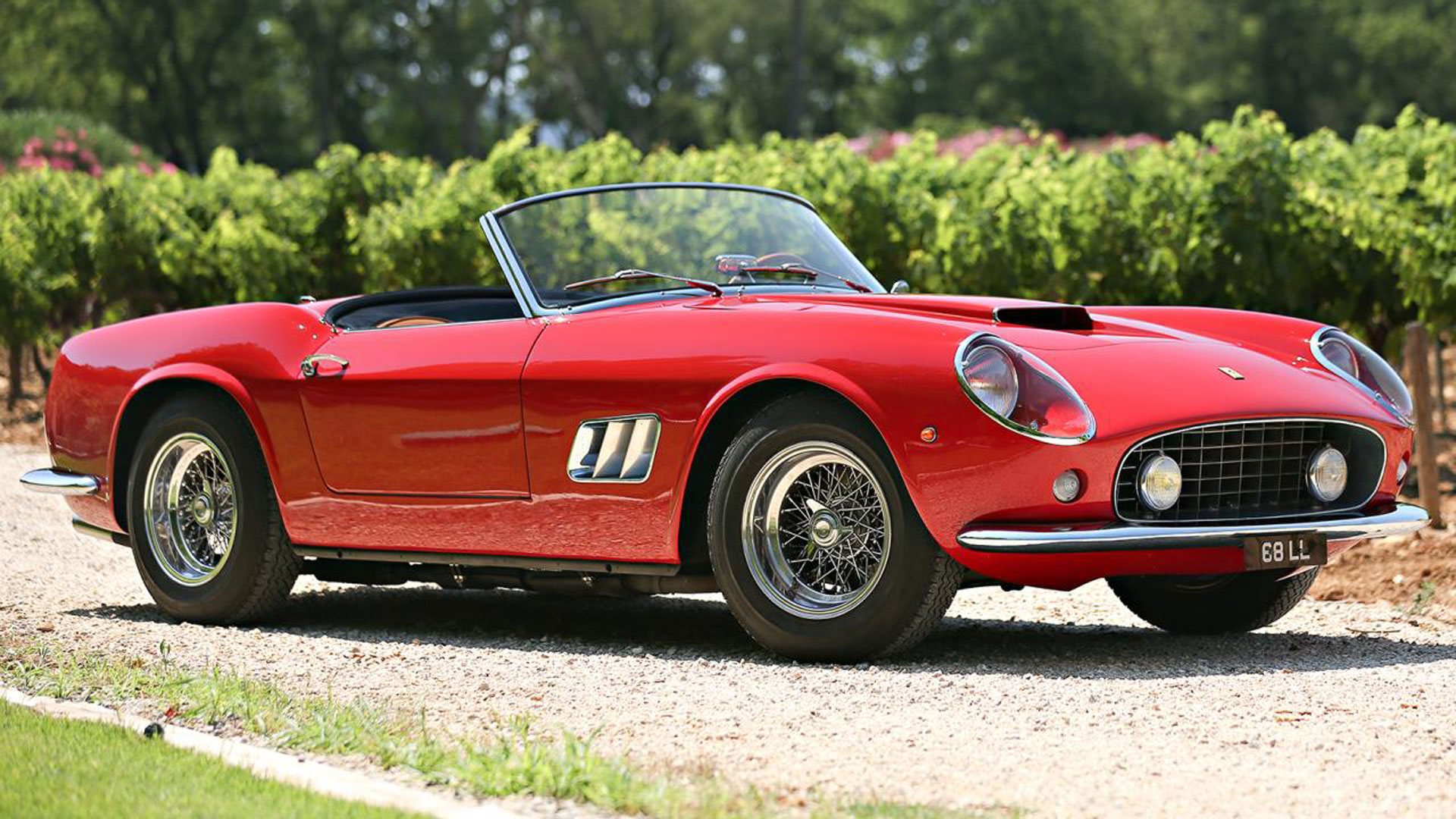
19. Ferrari 250 GT SWB California Spider – $16,830,000 (£13,165,000)
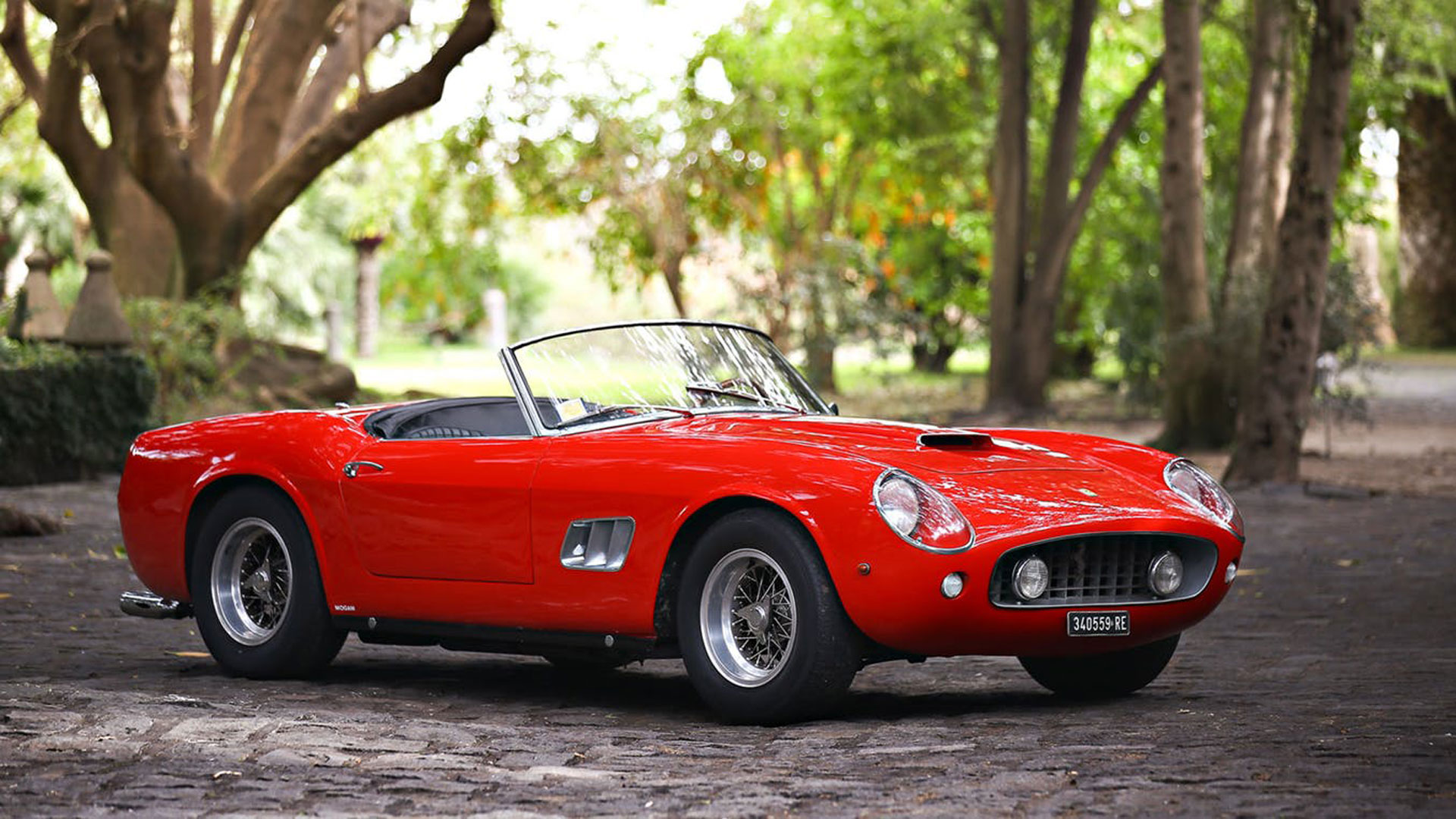
This 1961 Ferrari 250 GT SWB California Spider was sold at the same Pebble Beach auction in 2015, with the hammer falling at $16.8m. It was the first time the car had been offered for public sale and is one of only 37 covered-headlight SWB examples.
18. Ferrari 250 GT SWB California Spider – $17,160,000 (£13,580,000)
Another Gooding & Company auction and another Ferrari 250 GT SWB California Spider. This 1961 example was the 22nd SWB California Spider built and another one of the 37 covered-headlight cars. It also featured in an Italian film starring Sophia Loren.
17. Ferrari 250 LM – $17,600,000 (£13,925,000)
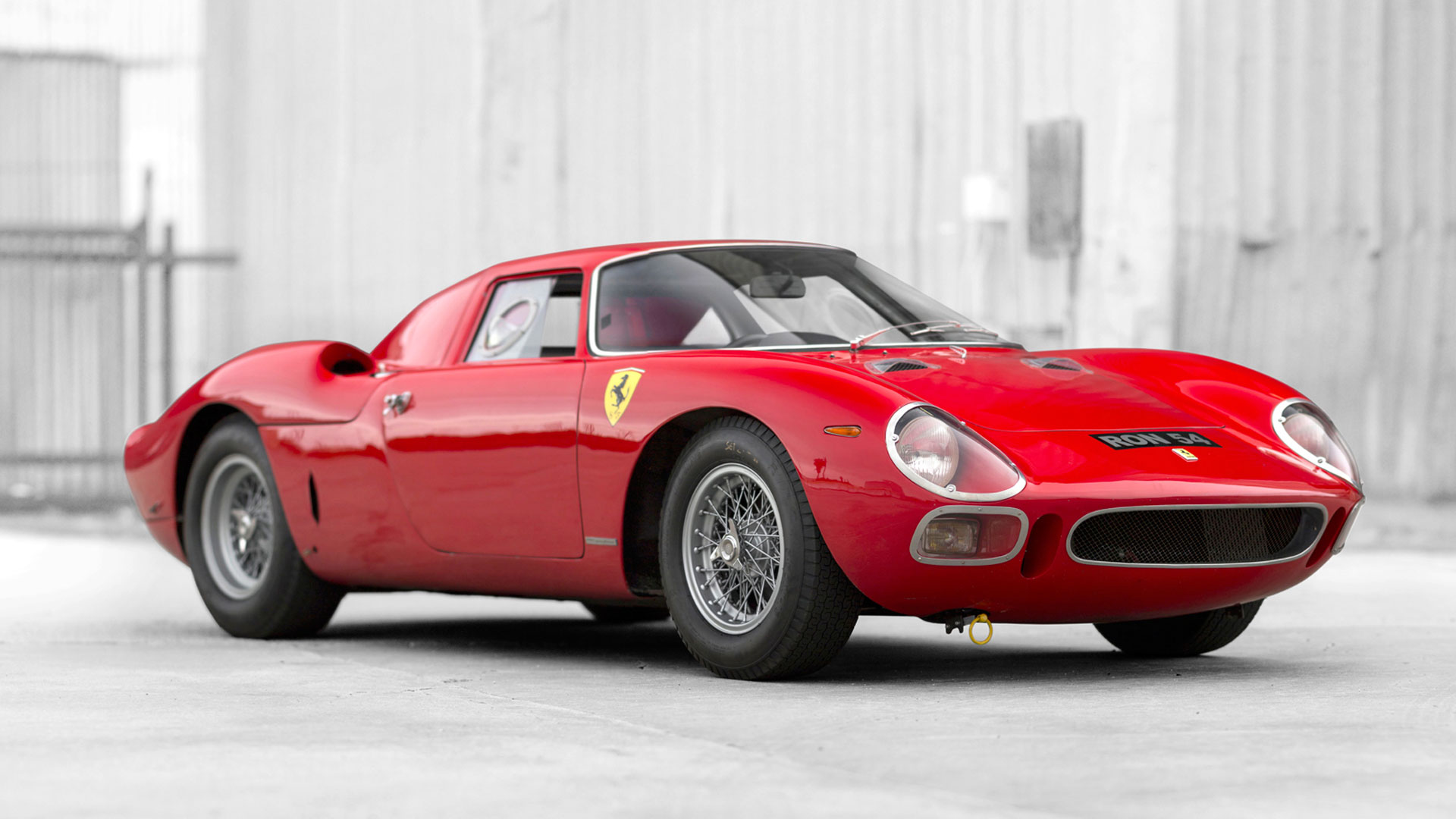
One of only 32 Ferrari 250 LMs built, this car was ordered new by Ronald Fry, a descendant of the famous Fry family who made their fortune in the chocolate industry. The 1964 car, which was shown at the 1966 Earls Court Motor Show, made a sweet fortune at the RM Sotheby’s Monterey sale in 2015.
16. Ferrari 250 GT LWB California Spider Competizione – $18,150,000 (£14,360,000)
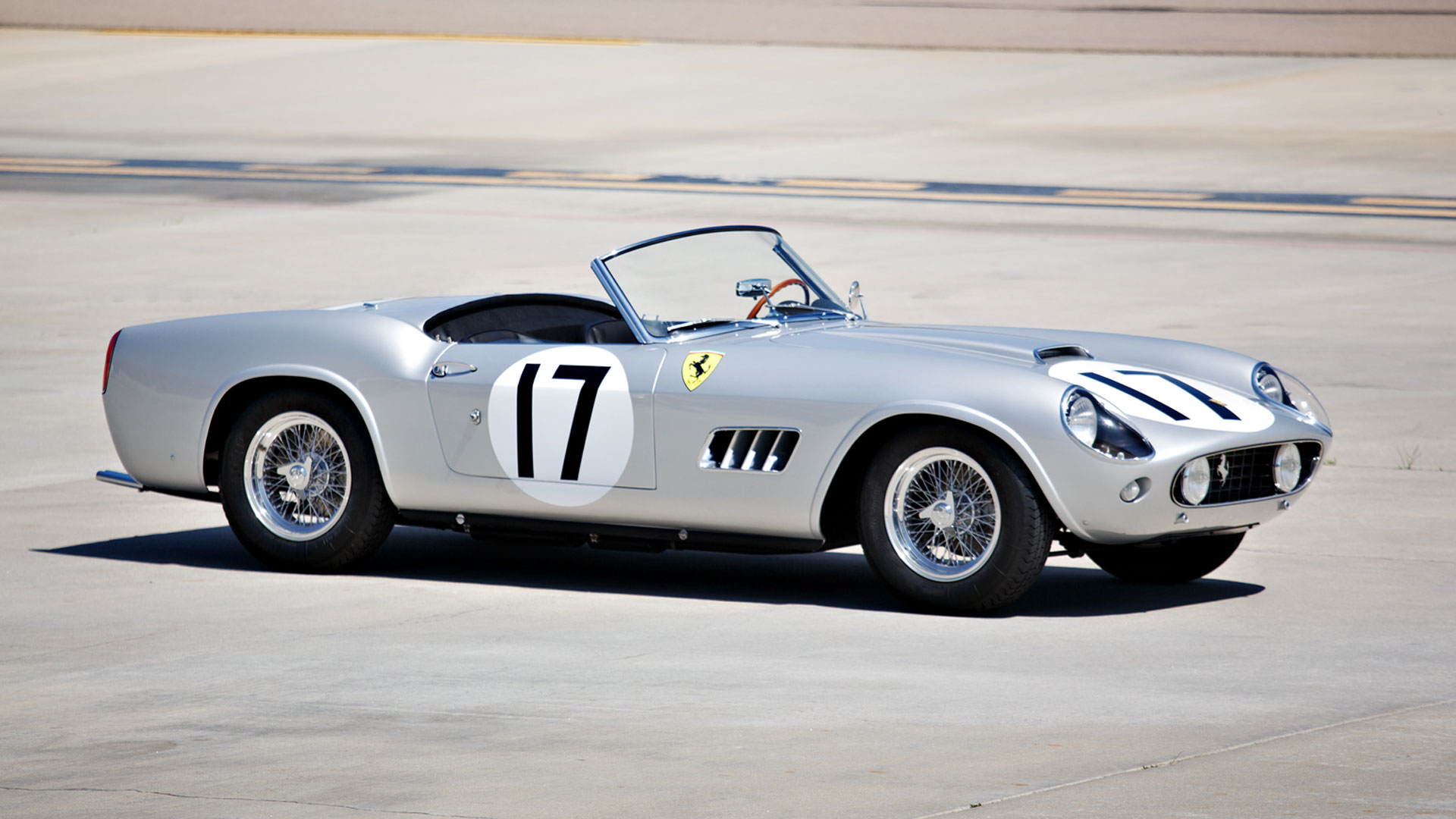
One of only nine alloy-bodied Ferrari 250 GT LWB California Spiders built, this 1959 example finished fifth overall at the 1960 12 Hours of Sebring. It sold for $18.15m at Pebble Beach in 2016, where sales fell 14 percent from 2015.
15. Ferrari 375 Plus Spider Competizione – $18,400,177 (£14,560,000)
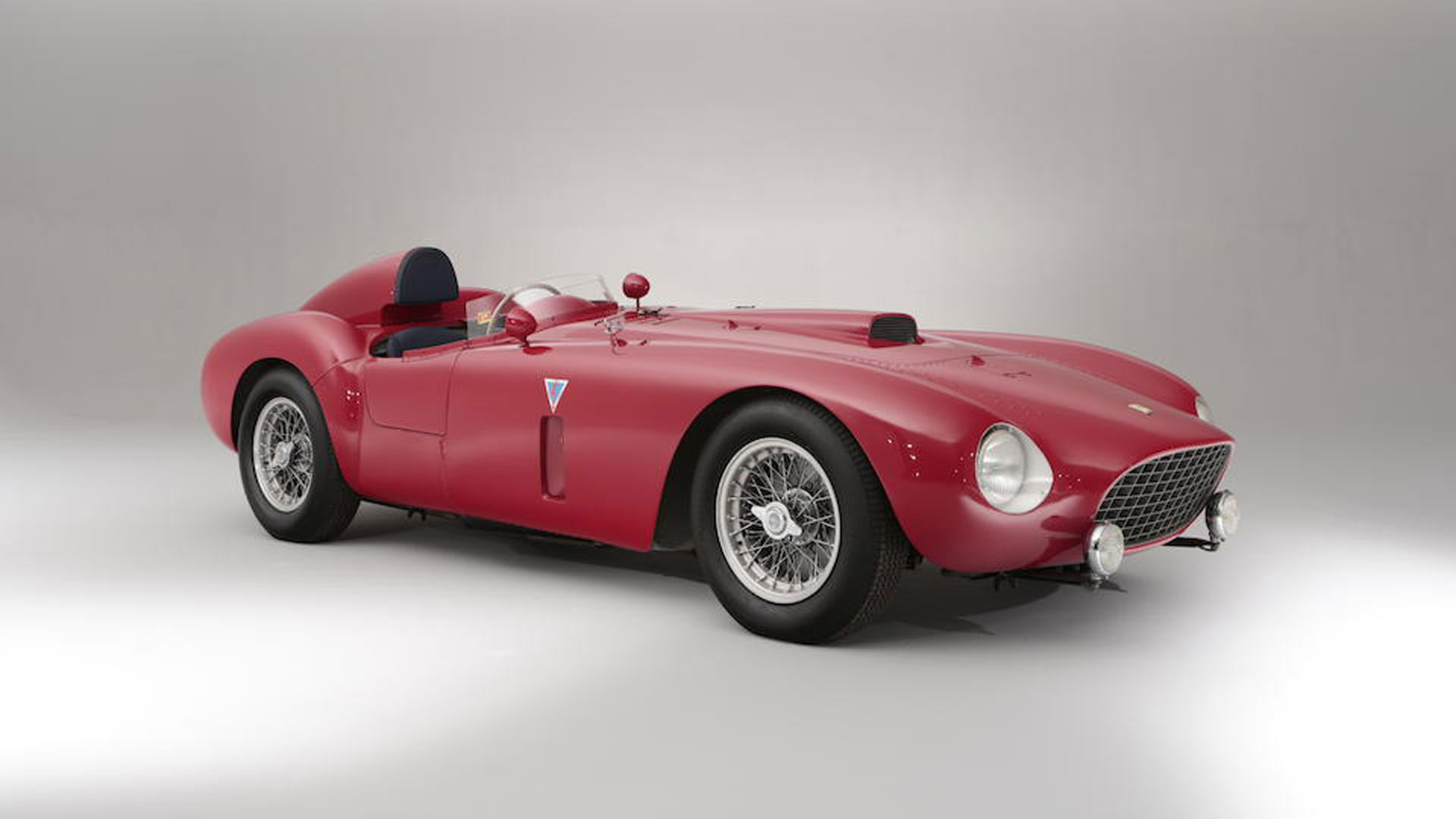
Constructed purely for racing, this Ferrari 375 Plus Spider was one of five built. Its history includes competitive action at Le Mans and the Mille Miglia, which partly explains why it made $18.4m at the Bonhams Goodwood sale in 2014.
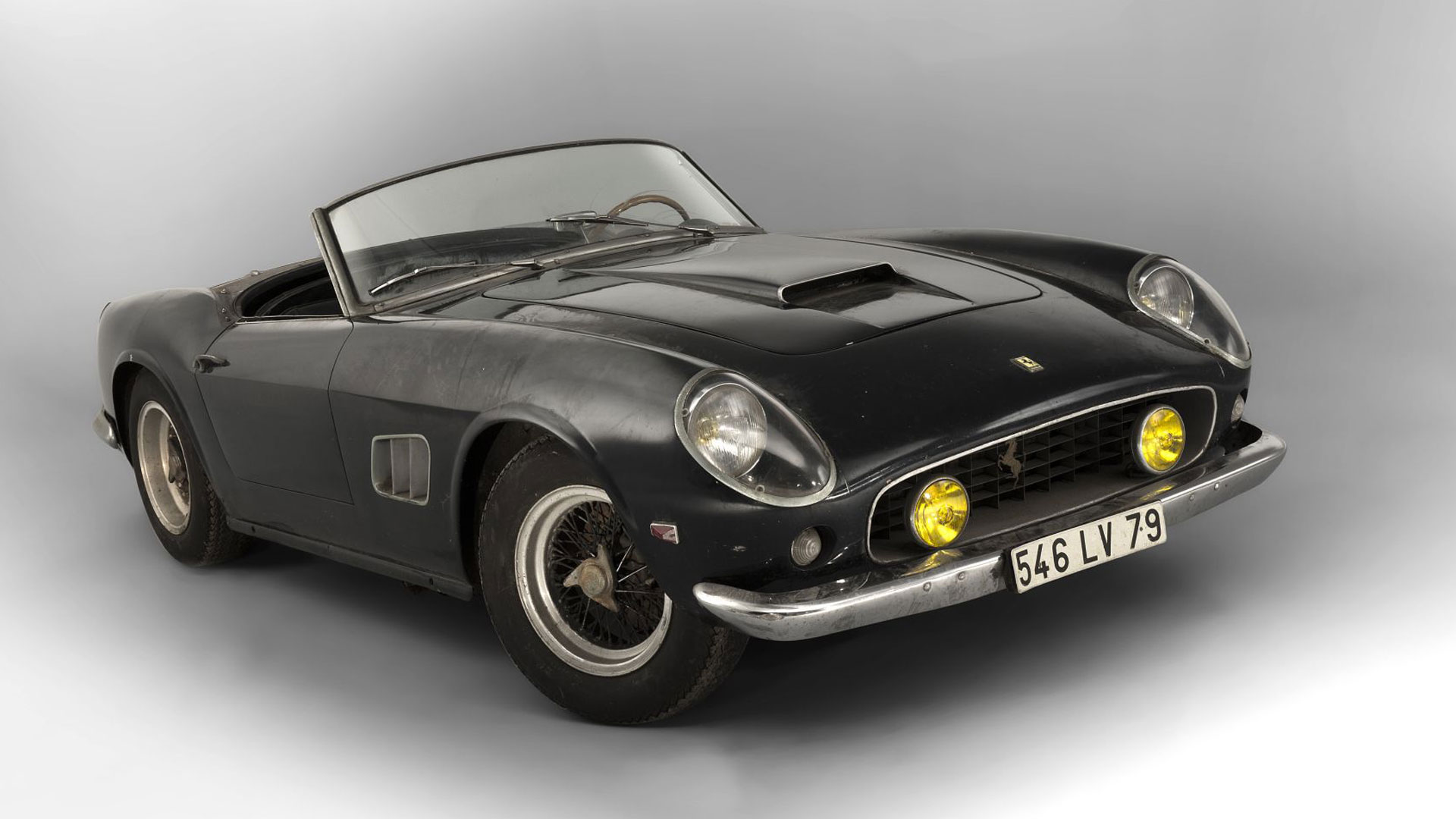
14. Ferrari 250 GT SWB California Spider – $18,500,000 (£14,640,000)
You might recall the remarkable Baillon barn-find collection unearthed in France in 2014. More than 60 cars, including this Ferrari 250 GT SWB California Spider, were stashed away by a wealthy collector and then forgotten about. The 2015 auction realised $28.5m in sales, with the Ferrari selling for $18.5m.
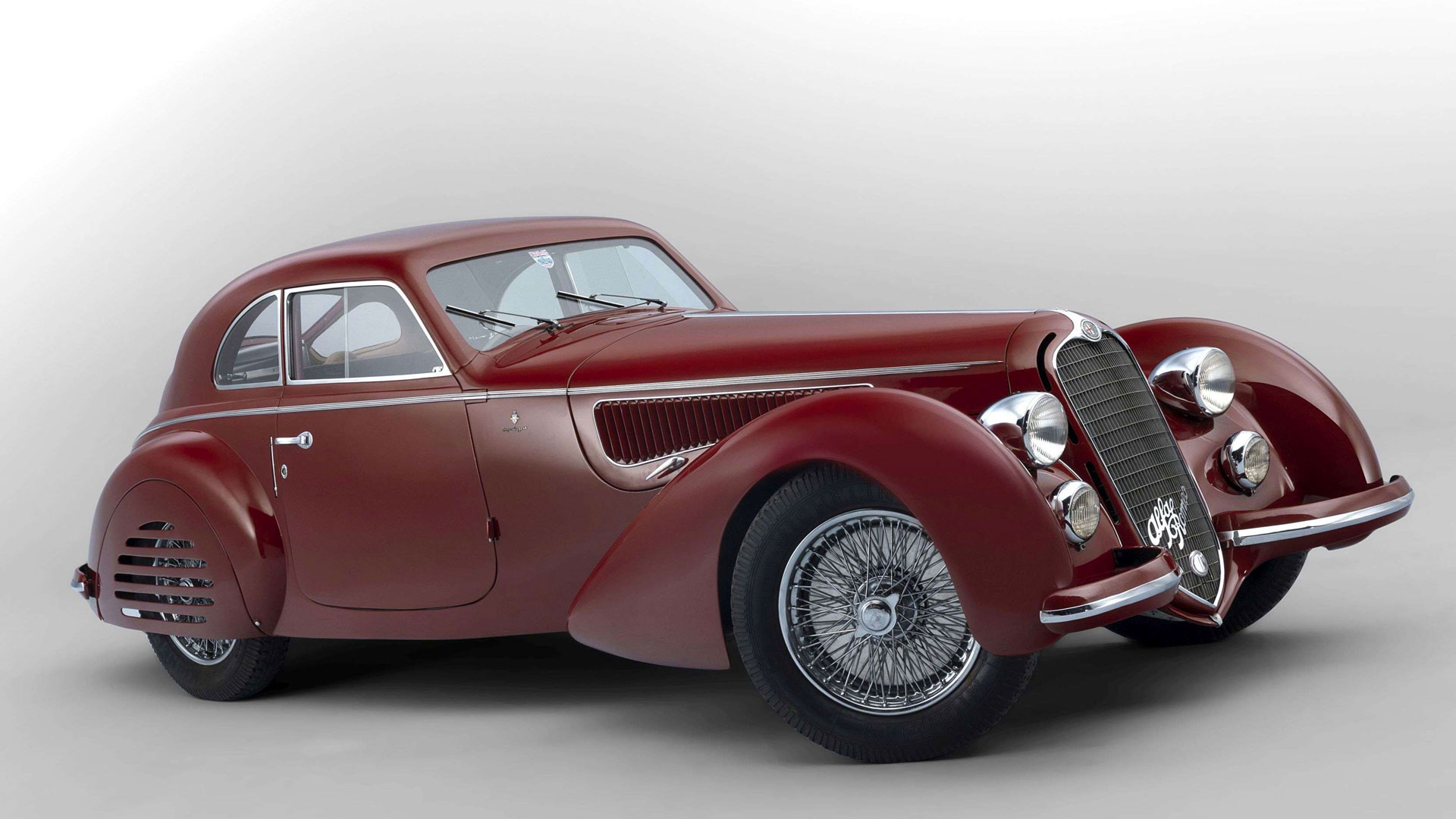
As things stand, this Alfa Romeo 8C 2900B Touring Berlinetta is the most expensive car to sell at auction in 2019. Before the Retromobile event, Artcurial predicted it could sell for up to $25m, but it only just made the lower estimate. A sign that the market is cooling this year?
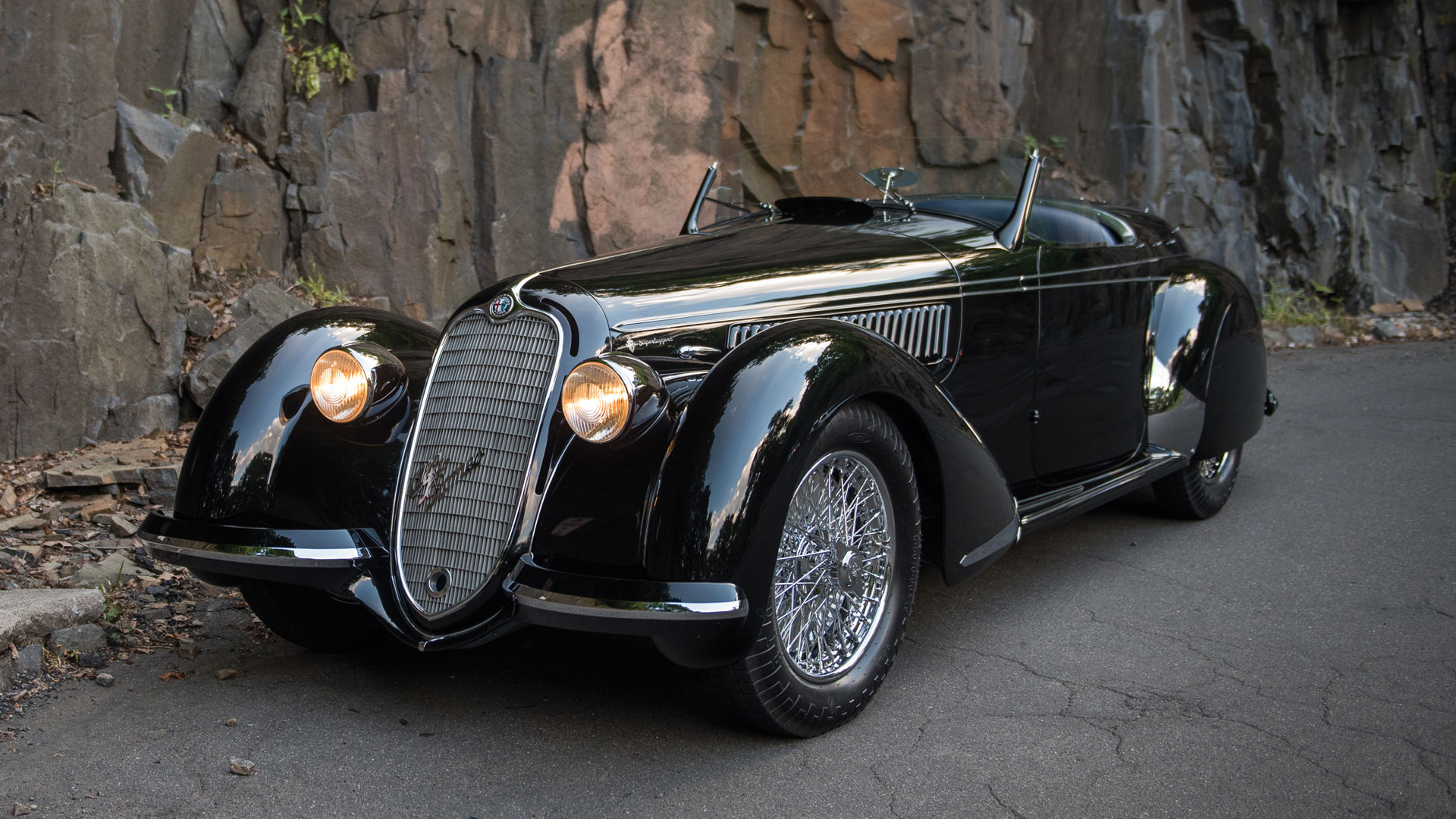
12. Alfa Romeo 8C 2900B Lungo Spider – $19,800,000 (£15,670,000)
Billed as the Italian equivalent of the Bugatti Atlantic by auctioneers RM Sotheby’s, this 1939 Alfa Romeo 8C 2900B Lungo Spider made $19.8m at Monterey Car Week in 2016. At the time of sale, it was the most expensive pre-war car to sell at auction.
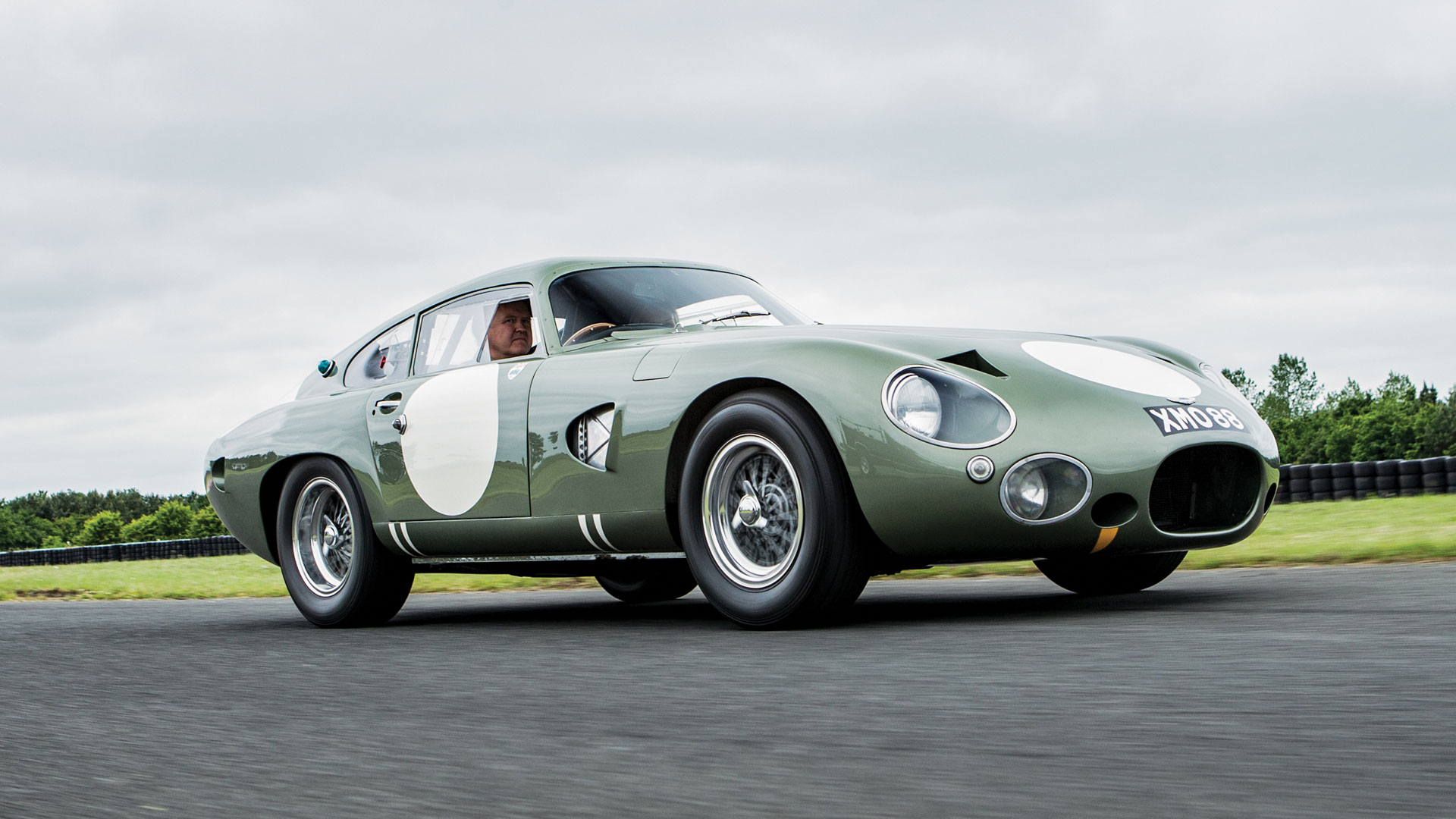
11. Aston Martin DP215 – $21,455,000 (£16,975,000)
This one-off Aston Martin DP215 sold for £21.45m on day one of the RM Sotheby’s Monterey sale in 2018 and is the second most expensive Aston to sell at auction. It was clocked at doing 198.6mph on the Mulsanne Straight during the 1963 Le Mans 24 Hours.
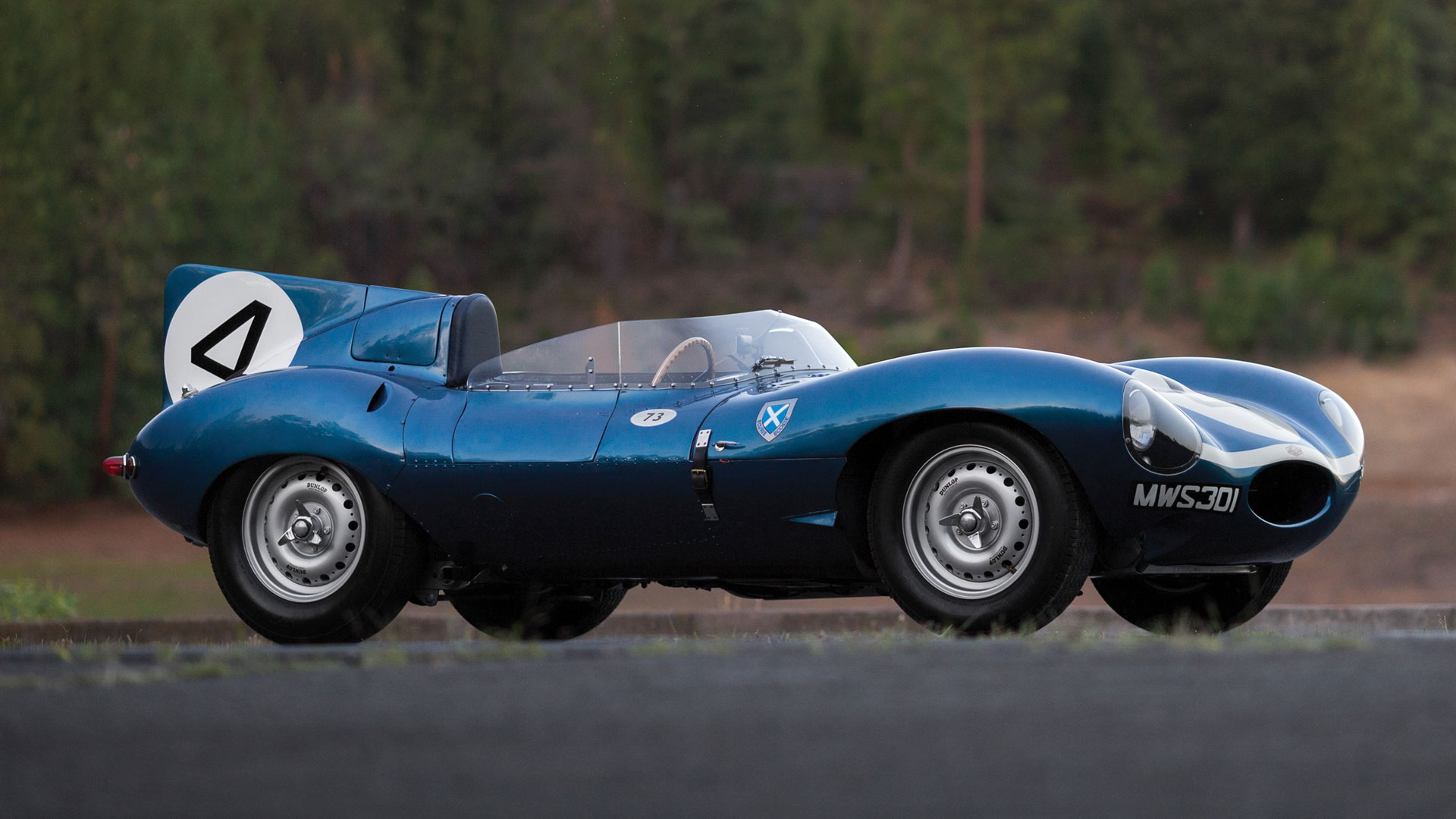
10. Jaguar D-Type – $21,780,000 (£17,235,000)
Speaking of Le Mans, this 1955 Jaguar D-Type was the overall winner of the famous race in 1956 and is the only Le Mans-winning C- or D-Type that has survived intact and remained essentially true to its original form. “Unequivocally one of the most important and valuable Jaguars in the world,” said RM Sotheby’s. Quite.
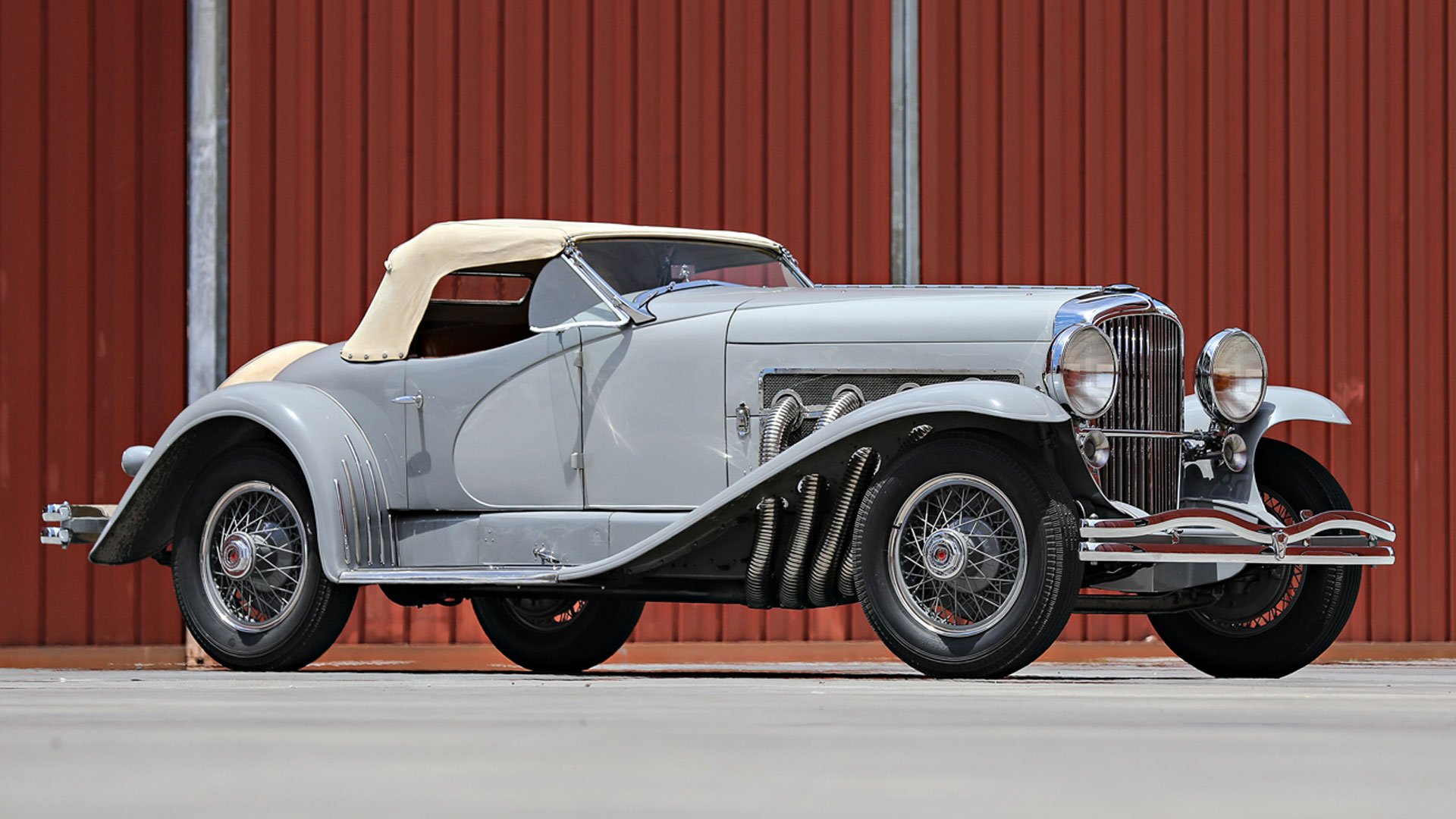
9. Duesenberg SSJ – $22,000,000 (£17,410,000)
The 1935 Duesenberg SSJ formerly owned by actor Gary Cooper sold for $22m at the Gooding & Company Pebble Beach sale, setting a record for the most expensive pre-war car at auction. It also became the most expensive American car sold at auction.
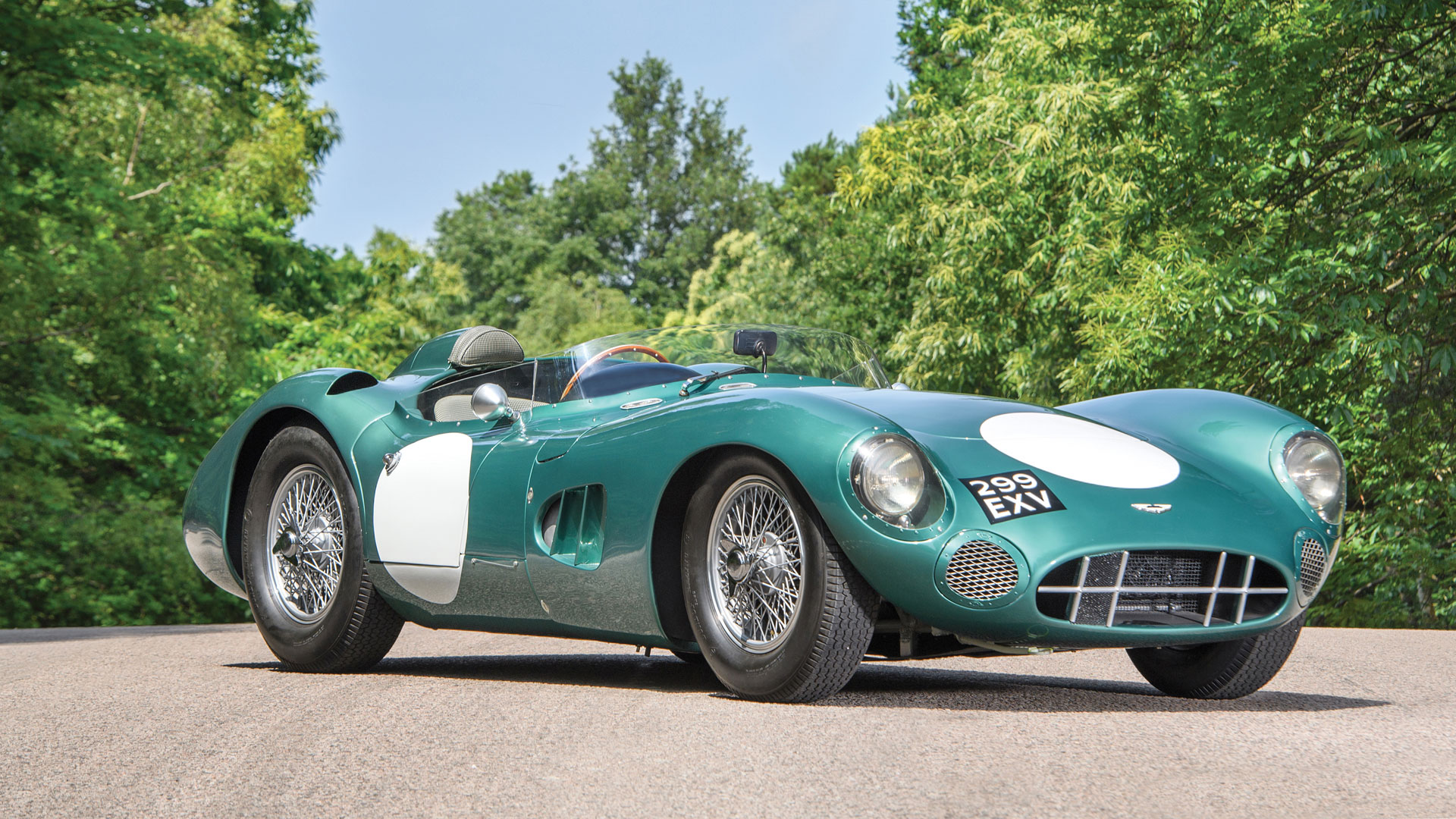
8. Aston Martin DBR1 – $22,550,000 (£17,845,000)
From the most expensive American car to the most valuable British car, this 1956 Aston Martin DBR1 sold for $22.55m at the RM Sotheby’s Monterey sale in 2017. Its racing history includes overall victory at the 1959 Nurburgring 1000km, along with some of the greatest names in motorsport, including Carroll Shelby, Sir Stirling Moss and Jack Brabham.
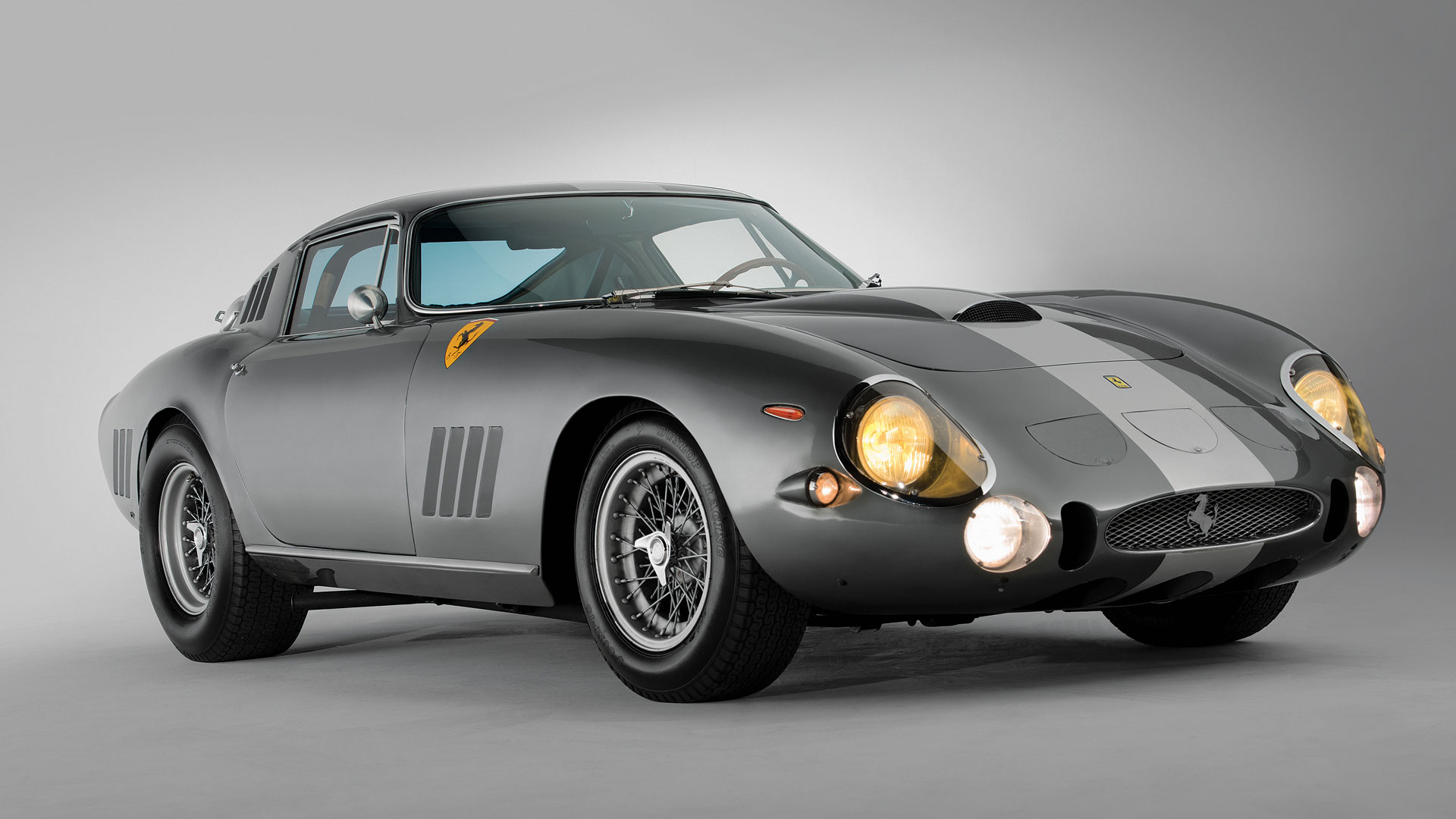
7. Ferrari 275 GTB/C Speciale – $26,400,000 (£20,890,000)
Only three Ferrari 275 GTB/C Speciales were built to compete in the 1965 Le Mans 24 Hours, which is why the first car produced made $26.4m at RM’s Monterey sale in 2014.
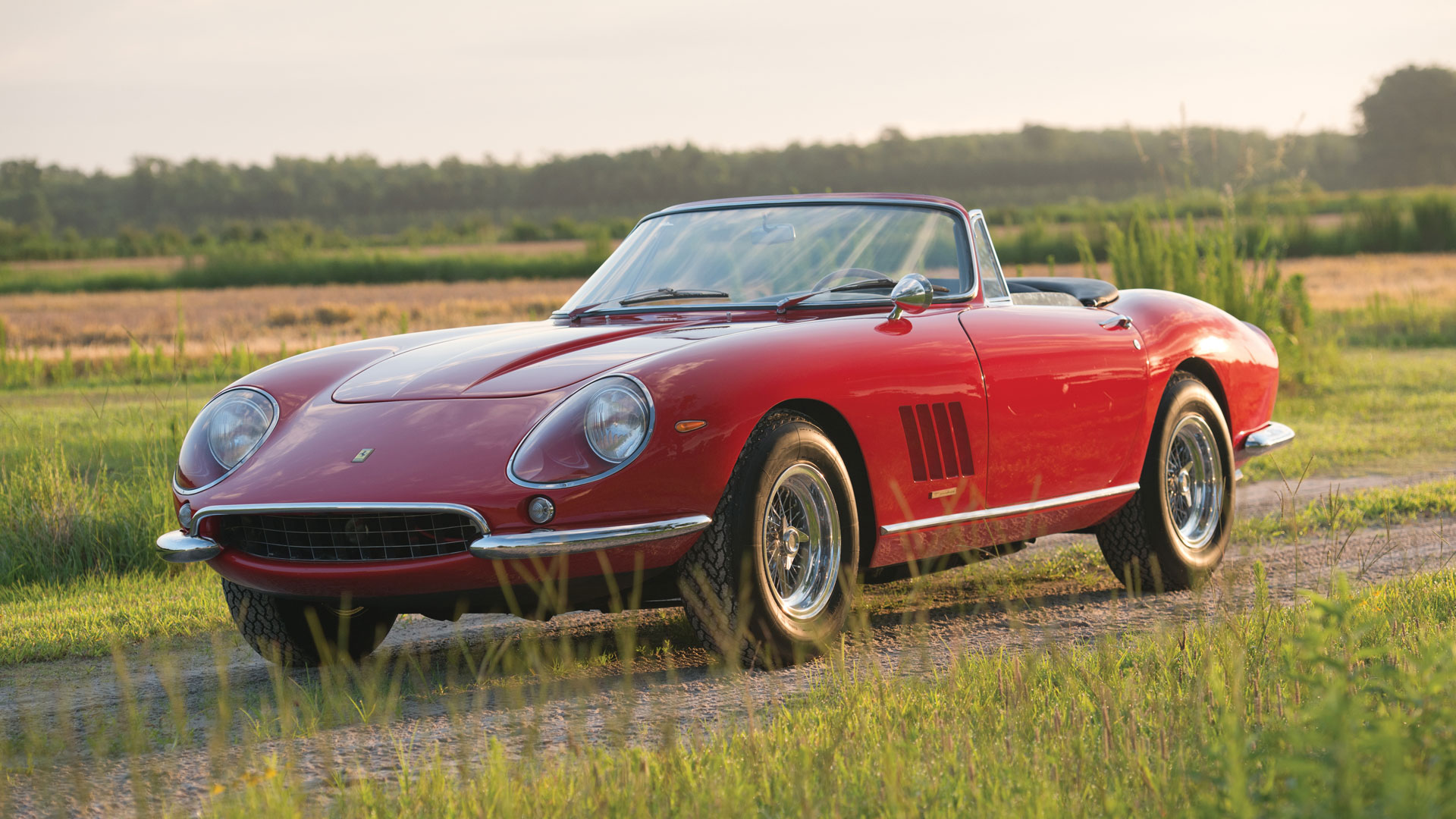
6. Ferrari 275 GTB/4*S NART Spider – $27,500,000 (£21,790,000)
Amazingly, even with a sale price of $27.5m, this 1967 Ferrari 275 GTB/4*S NART Spider wasn’t the most expensive car to sell at auction in 2013. We’ll come back to that in the moment, but this single-ownership car was one of only 10 cars built, hence the eyebrow-raising price.
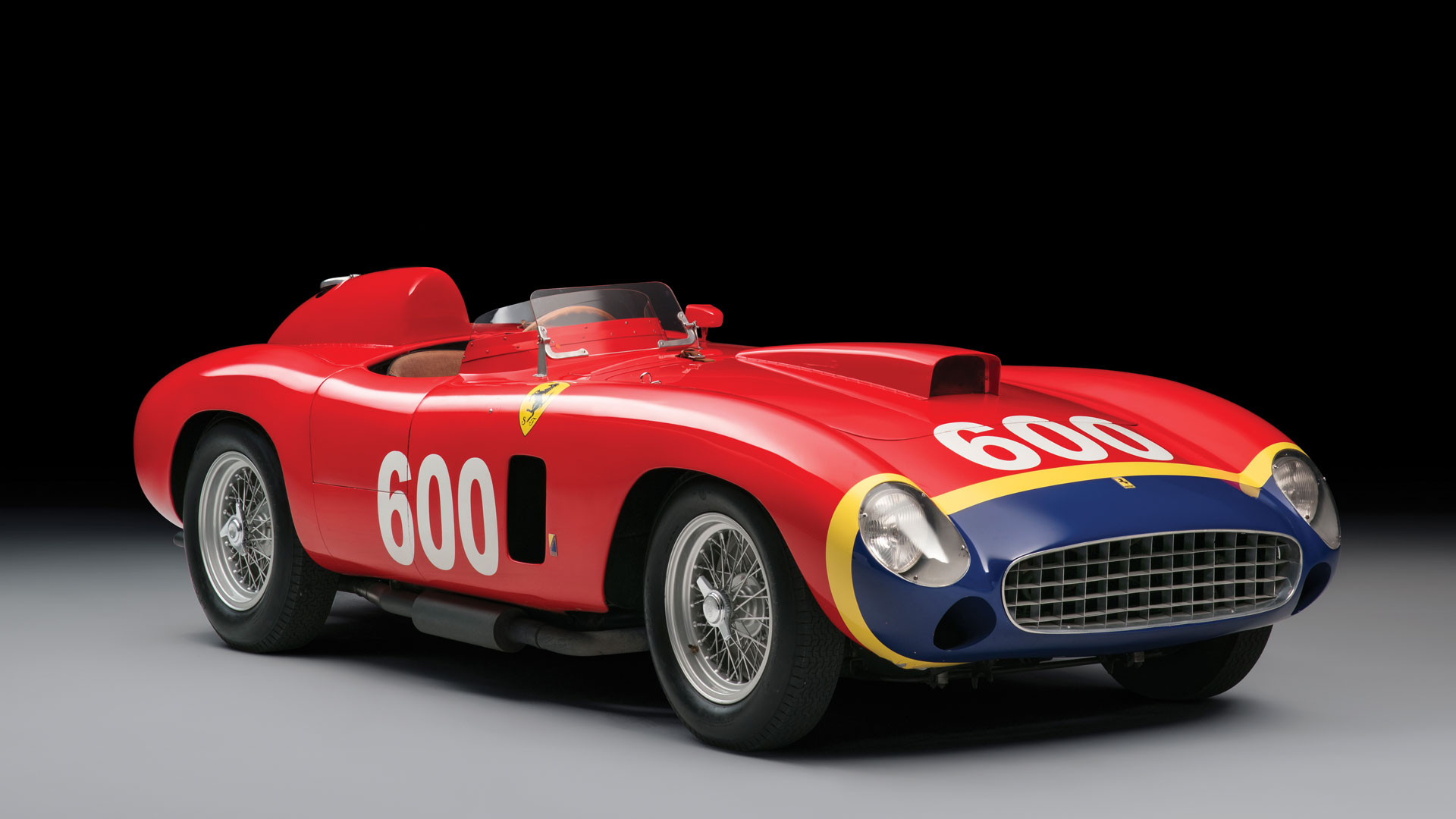
5. Ferrari 290 MM – $28,050,000 (£22,195,000)
This 1956 Ferrari 290 MM headlined the RM Sotheby’s ‘Driven by Disruption’ sale and was the most expensive car to sell at auction in 2015. It was built for Formula One legend Juan Manuel Fangio and was one of only four 290 MMs built.
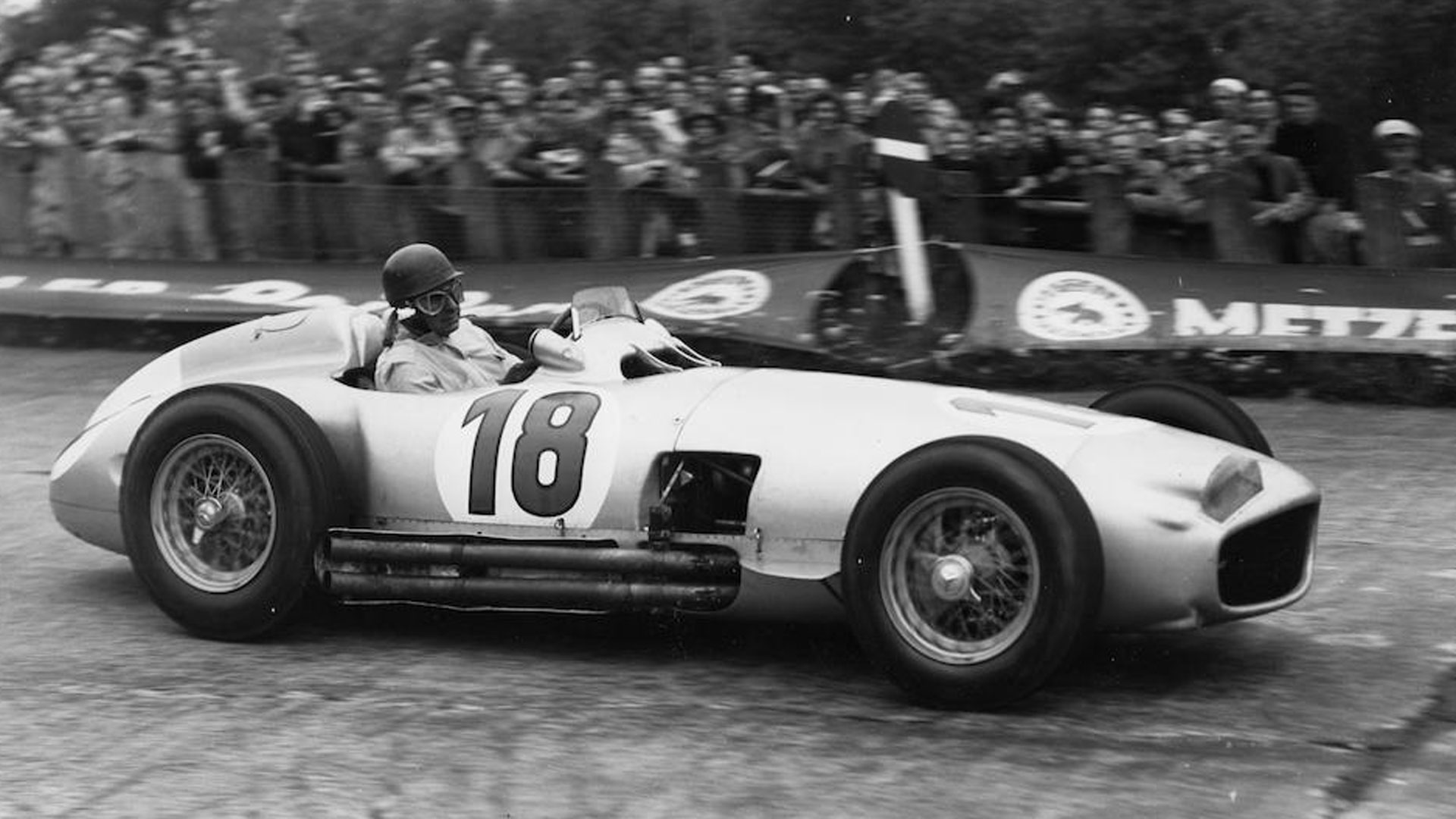
4. Mercedes-Benz W196 – $29,600,000 (£23,420,000)
The most expensive German car to sell at auction, the most expensive Mercedes-Benz, and the most expensive auction car of 2013. The Mercedes-Benz W196 also manages to disrupt the Ferrari monopoly at the top of this table. Fangio raced the car to victory in the 1954 German and Swiss Grand Prix.
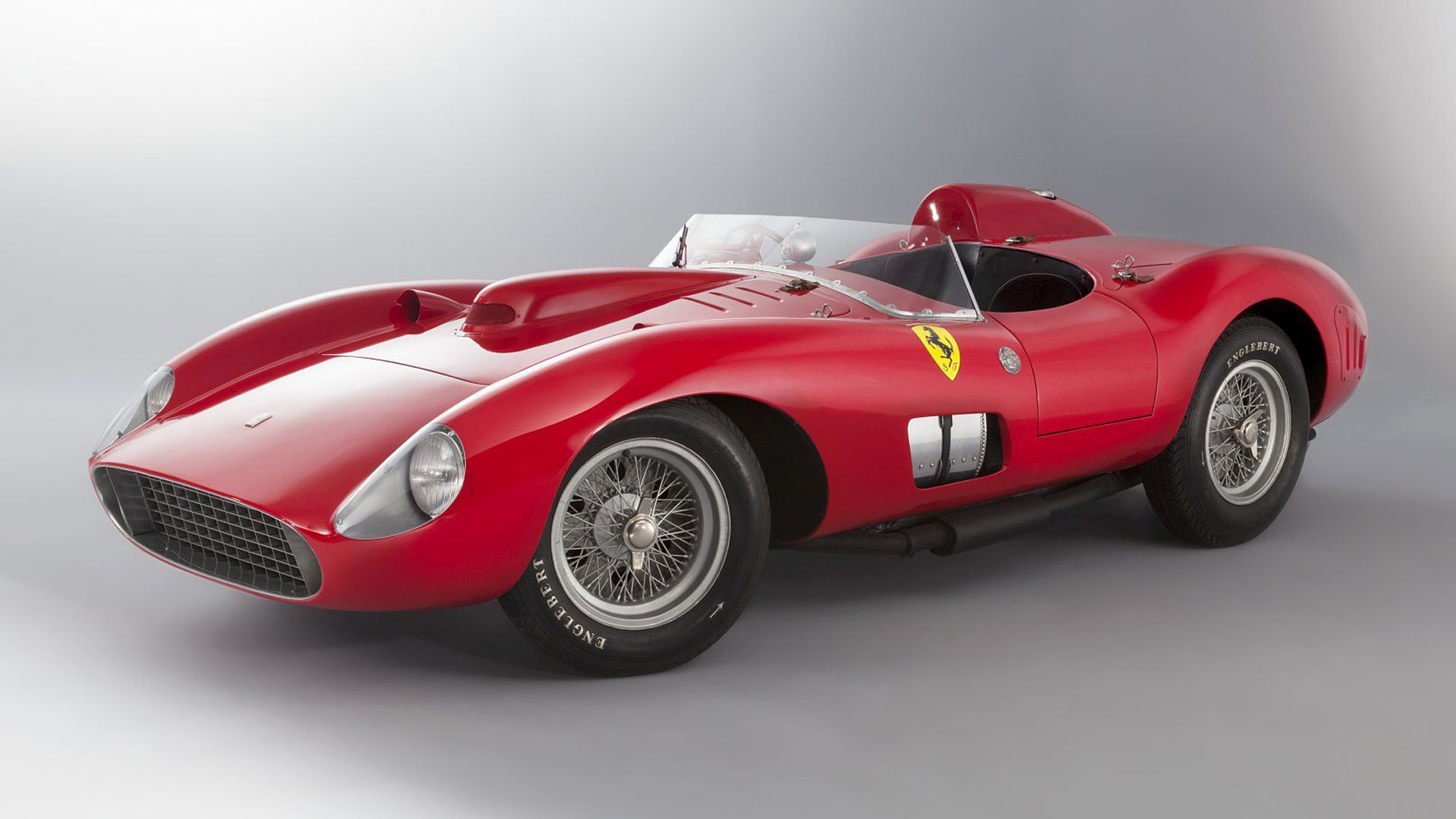
3. Ferrari 335 Sport – $35,711,359 (£28,255,000)
This 1957 Ferrari 335 Sport is the most expensive car to be sold at auction in Europe, with the car driven by some of the world’s greatest drivers. It finished second in the 1957 Mille Miglia and was the winner of the 1958 Cuba Grand Prix.
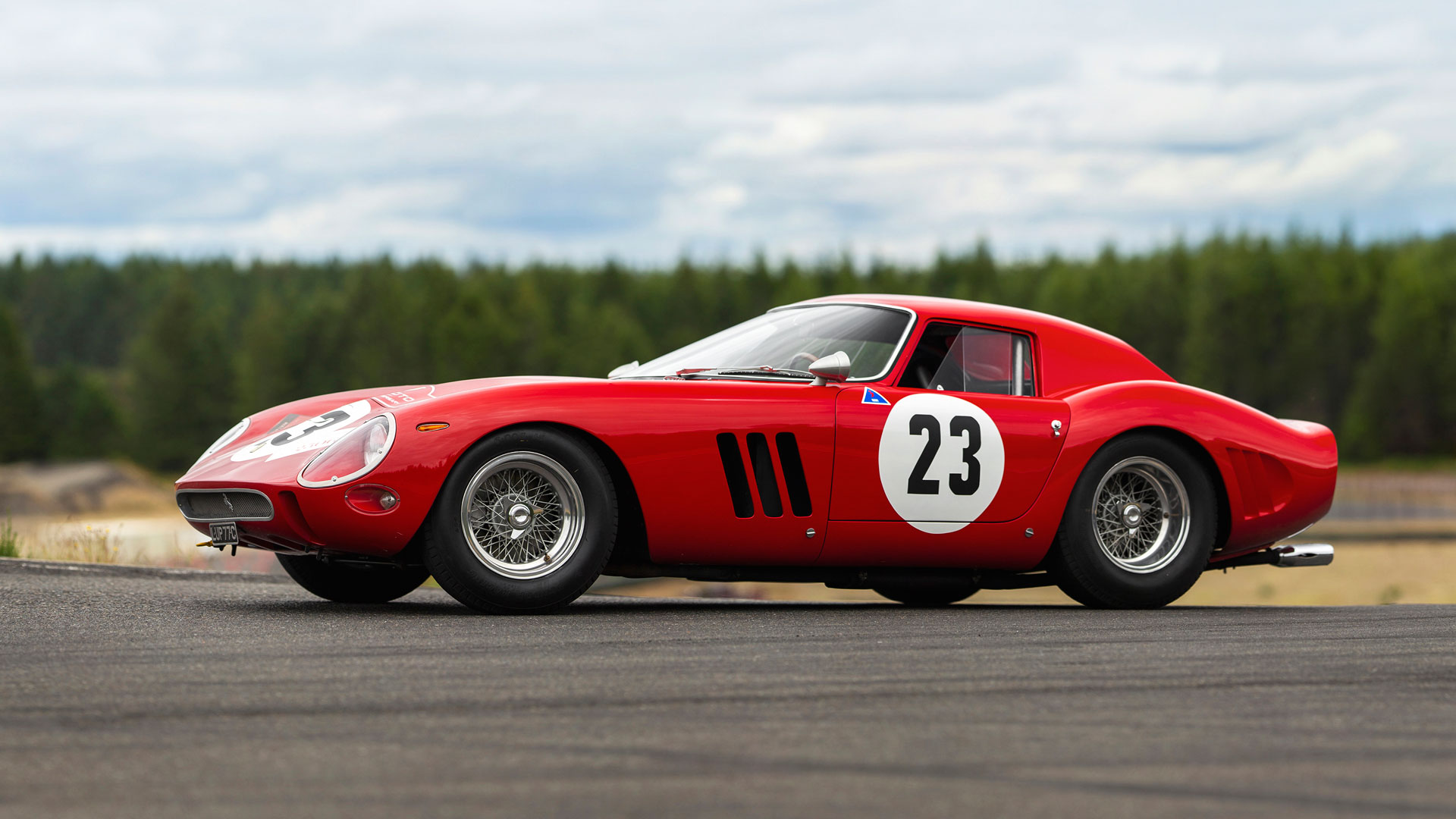
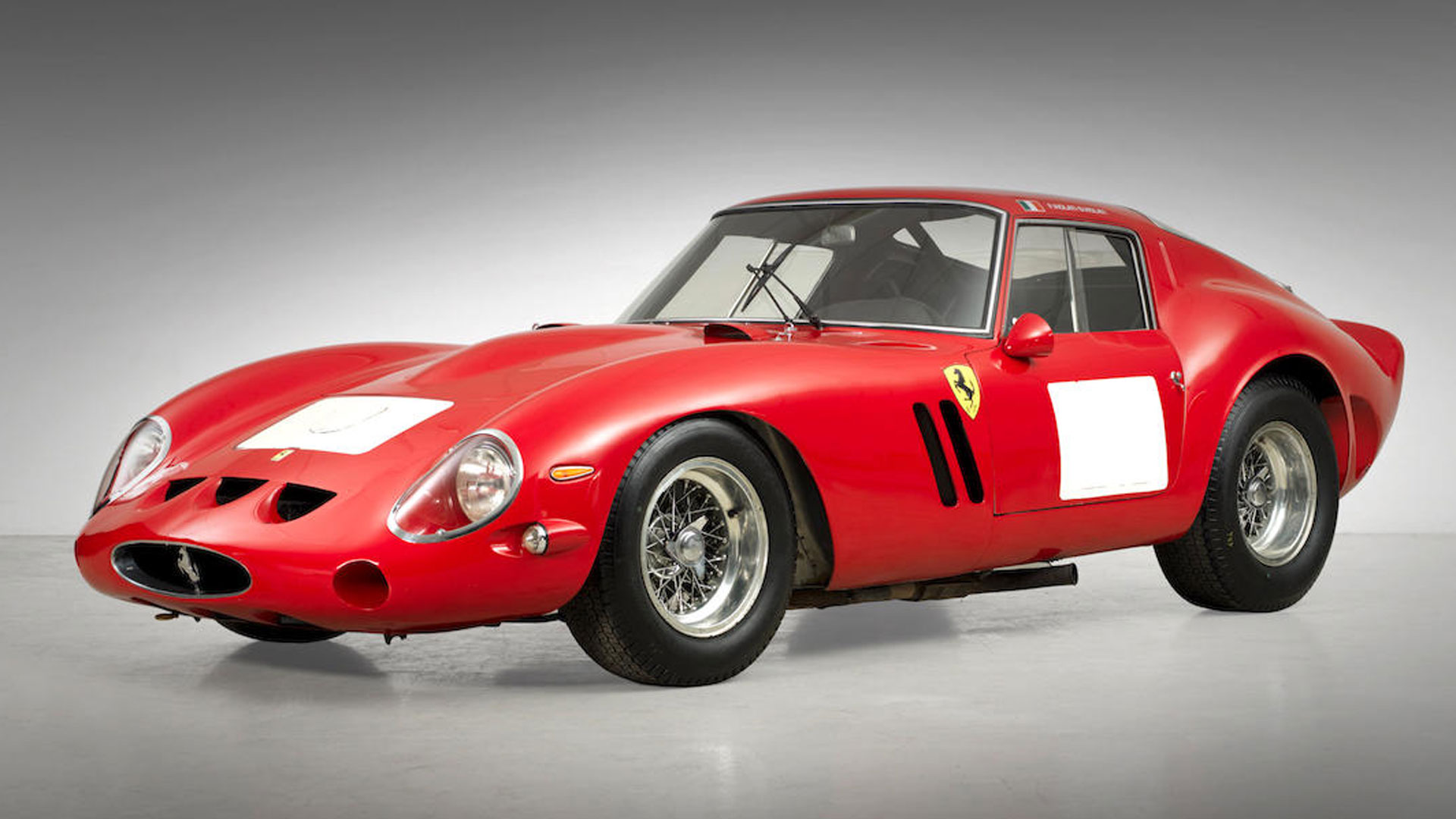
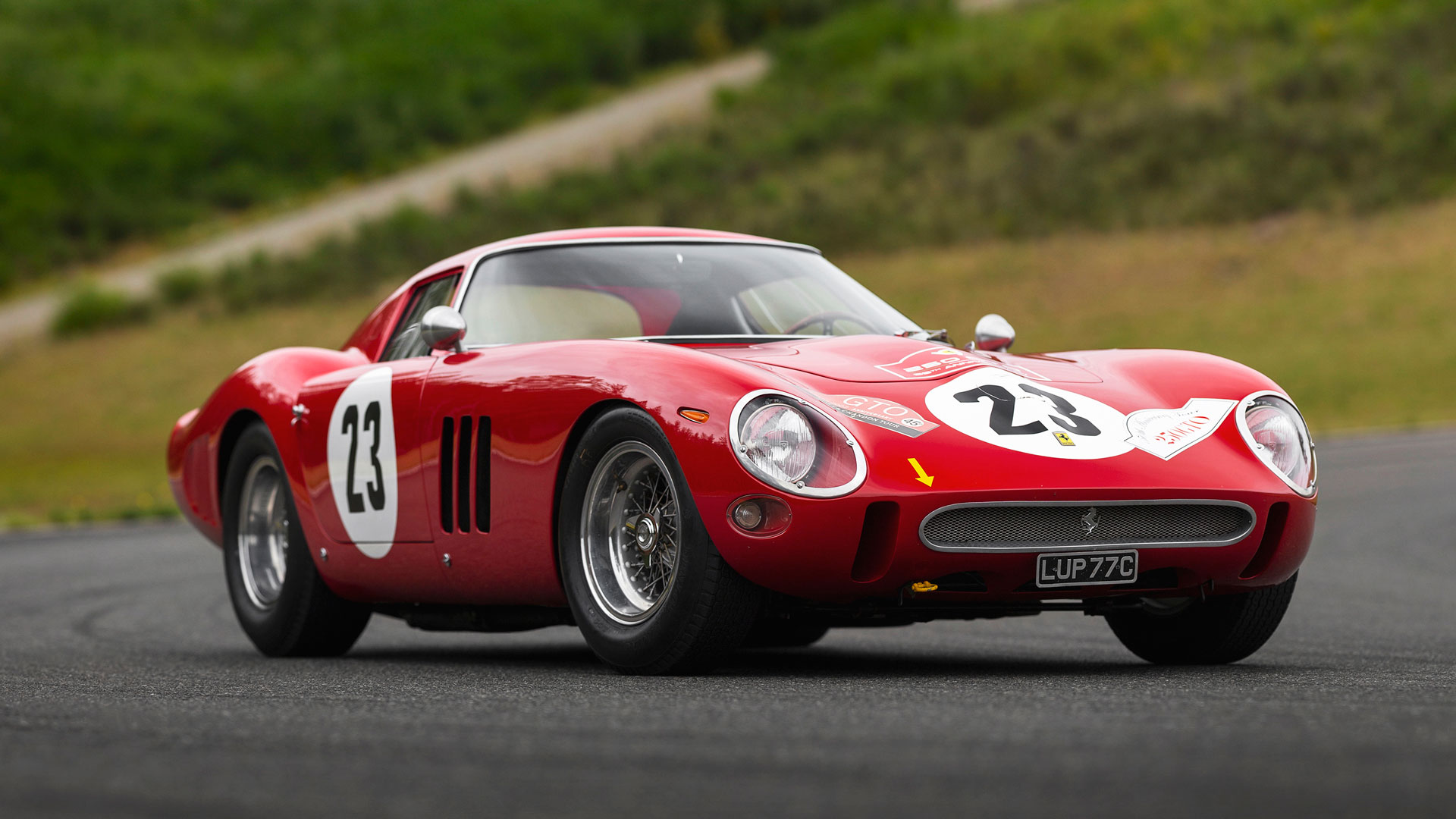
2. Ferrari 250 GTO – $38,115,000 (£30,160,000)
For four years, this 1962-63 Ferrari 250 GTO was the most expensive car to be sold at auction. At the time, Robert Brooks, chairman of Bonhams, said: “We’ve always maintained that we would exceed the current world record and that the car would bring between $30-$40-million. And today the GTO did just that.”
1. Ferrari 250 GTO – $48,405,000 (£38,300,000)
Described as the ‘holy grail’ of classic and collector cars, this 1962 Ferrari 250 GTO smashed its $45m pre-auction estimate. Only 39 cars were built, and this example was raced by Jo Schlesser. If the market cools, is it destined to remain as the king of the auction cars?
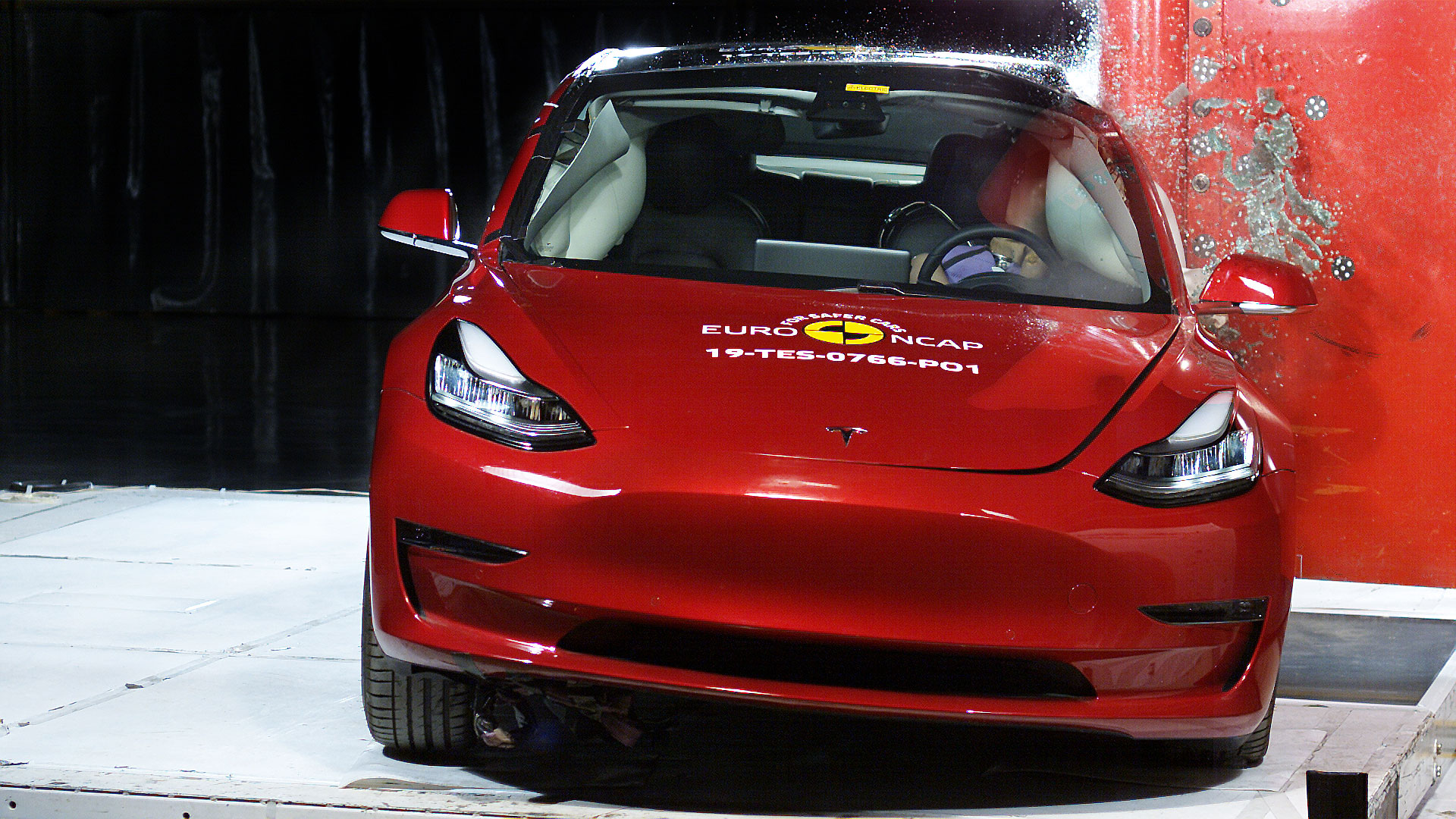
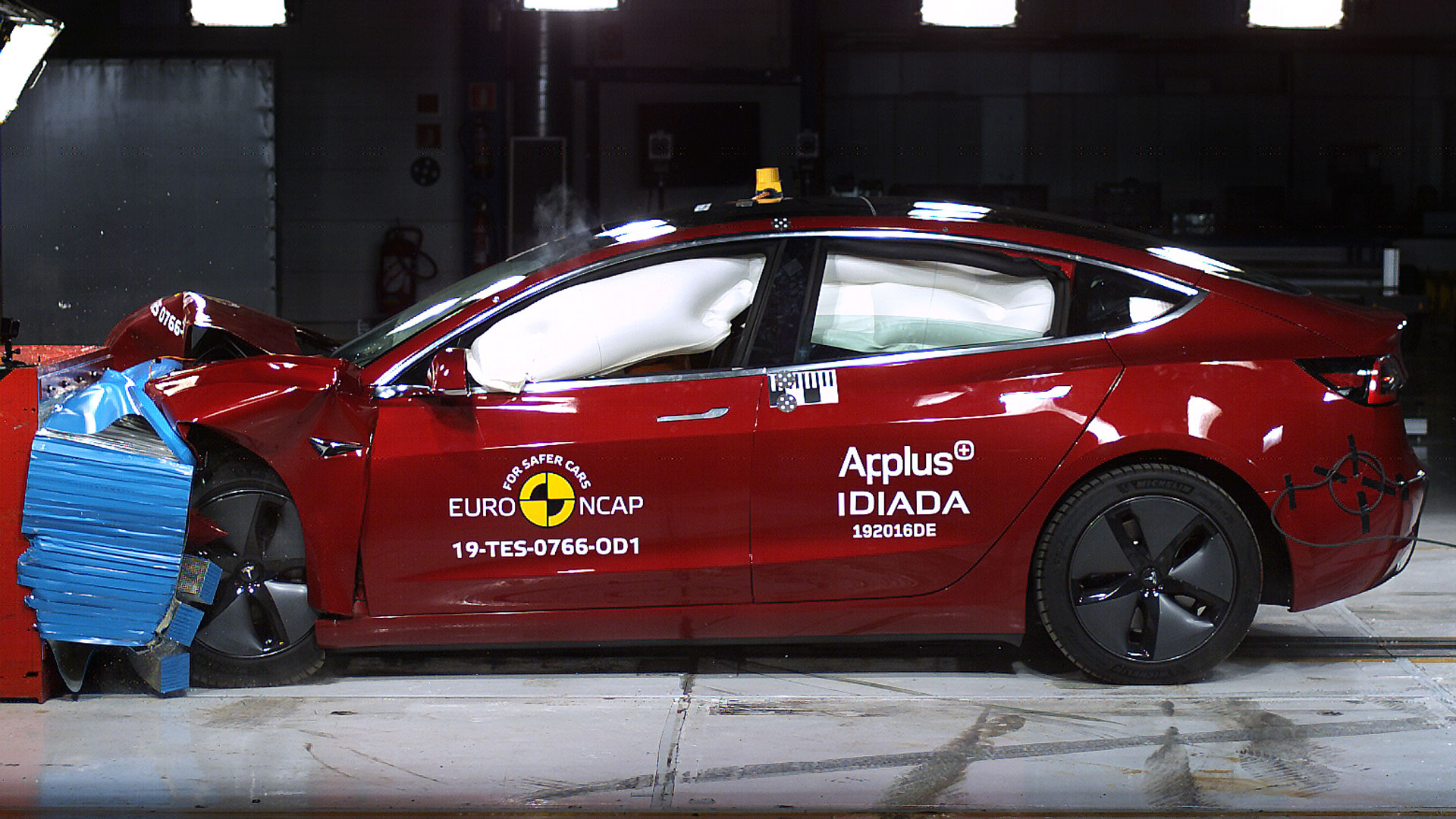
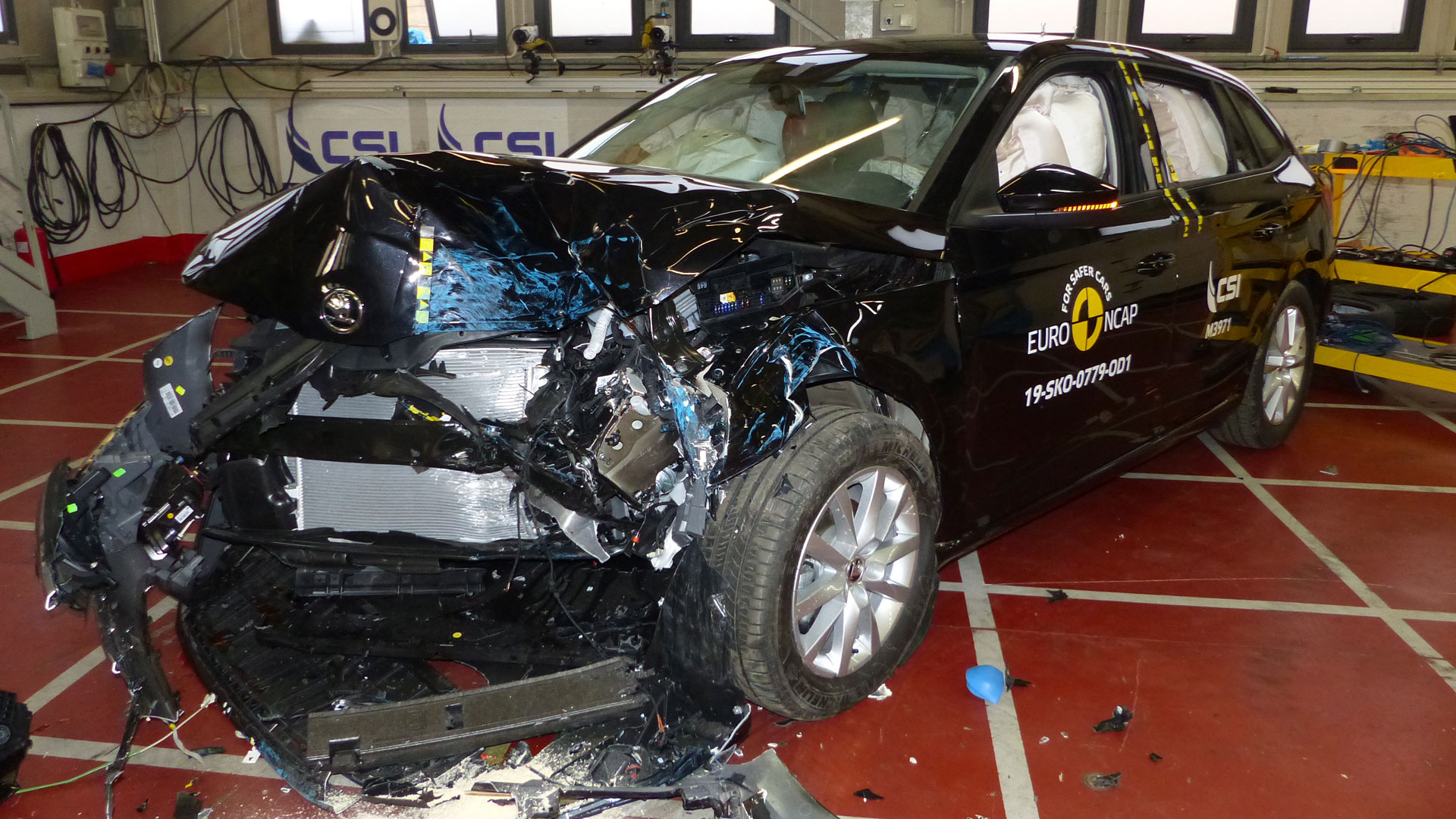
The Tesla Model 3electric car has scored 94 percent in the 2019 safety assist test, as Euro NCAP releases the latest crash safety ratings.
A perfect score in the frontal deformable barrier crash test contributed to an impressive set of results, including 96 percent for adult occupant safety, 86 percent for child occupant and 74 percent for vulnerable road users.
The Model 3’s safety assist rating is a new safety benchmark; the previous highest rating in 2019 was the 82 percent scored by the Citroen C5 Aircross, while the Audi Q3 was given an 85 percent rating in 2018.
Lane support, speed assist and autonomous emergency braking were three Model 3 highlights referenced by Euro NCAP.
Matthew Avery, director of research at Thatcham Research, said: “The Tesla Model 3 achieved one of the highest safety assist scores we have seen to date.
“Its collision avoidance assist system is first class, with its autonomous emergency braking and forward collision warning systems showing high levels of performance.
“Tesla has done a great job of playing the structural benefits of an electric vehicle to its advantage. Impact performance is enhanced by the absence of a mechanical engine and the car’s low centre of gravity.
“The Tesla Model 3 really benefits from its all electric-architecture.”
The Tesla was one of six new cars to be crash tested by Euro NCAP, with the Skoda Scala, Mercedes-Benz B-Class and Mercedes-Benz GLE given five stars for safety.
Skoda’s new Scala hatchback scored an excellent 97 percent for adult occupant safety – the second highest rating of 2019. Scala prices start at £18,585 for the SE, and the five-star rating applies to the entire range.
The same isn’t true of the Kia Ceed and DS 3 Crossback, with both cars receiving a four-star rating – or five with the fitment of an optional safety pack.
‘Tougher and tougher’
Michiel van Ratingen, secretary general of Euro NCAP, said, “It’s great to see cars doing so well. Our tests get tougher and tougher, and cars continue to perform well, which means that car-buyers are getting an ever-safer range of vehicles to choose from.
“Next year, we up the ante again, with better tests of driver-assistance systems, a completely new frontal crash test and more attention to protection in side crashes. These new tests should help to make the roads safer for everyone.”
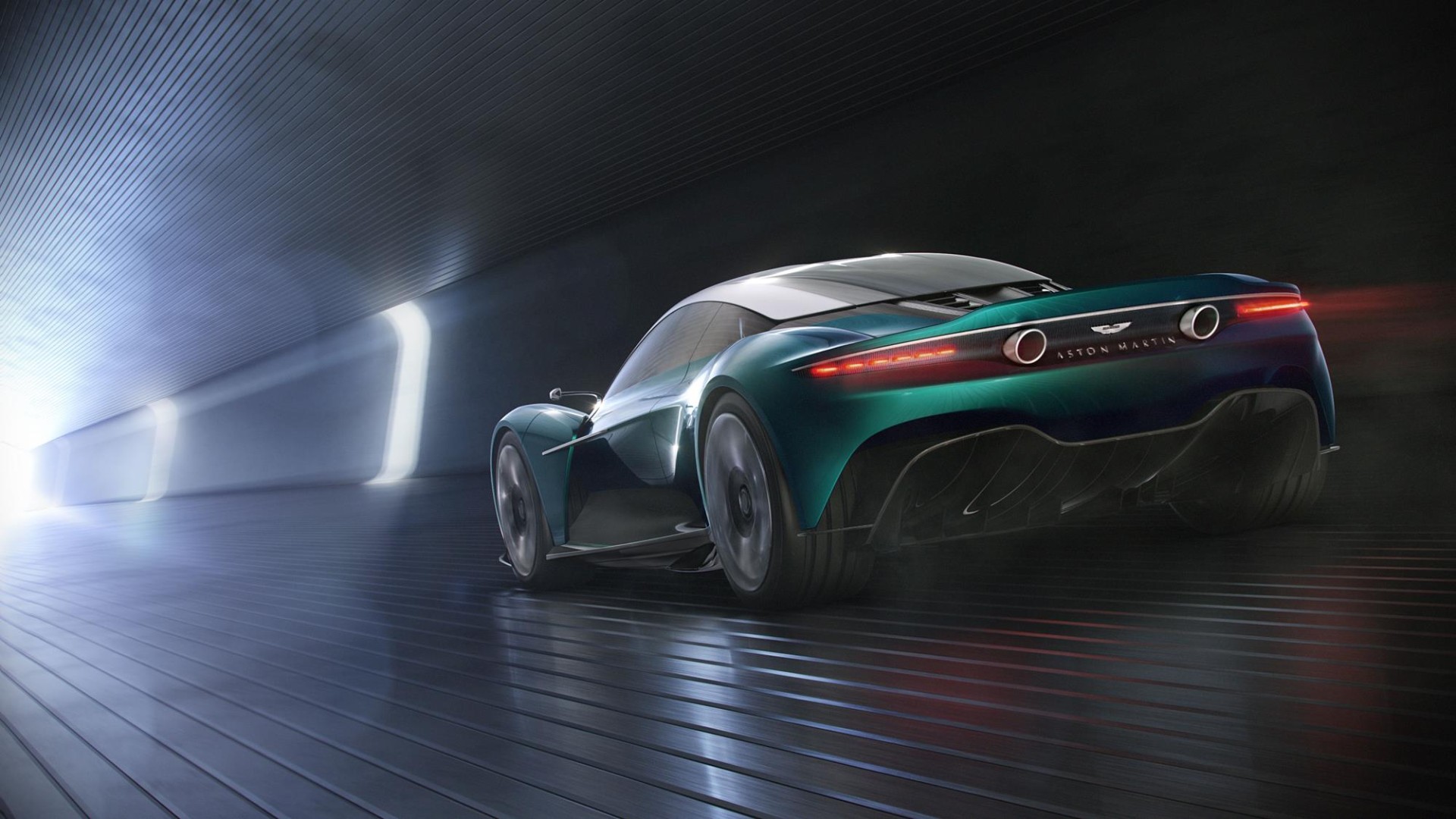
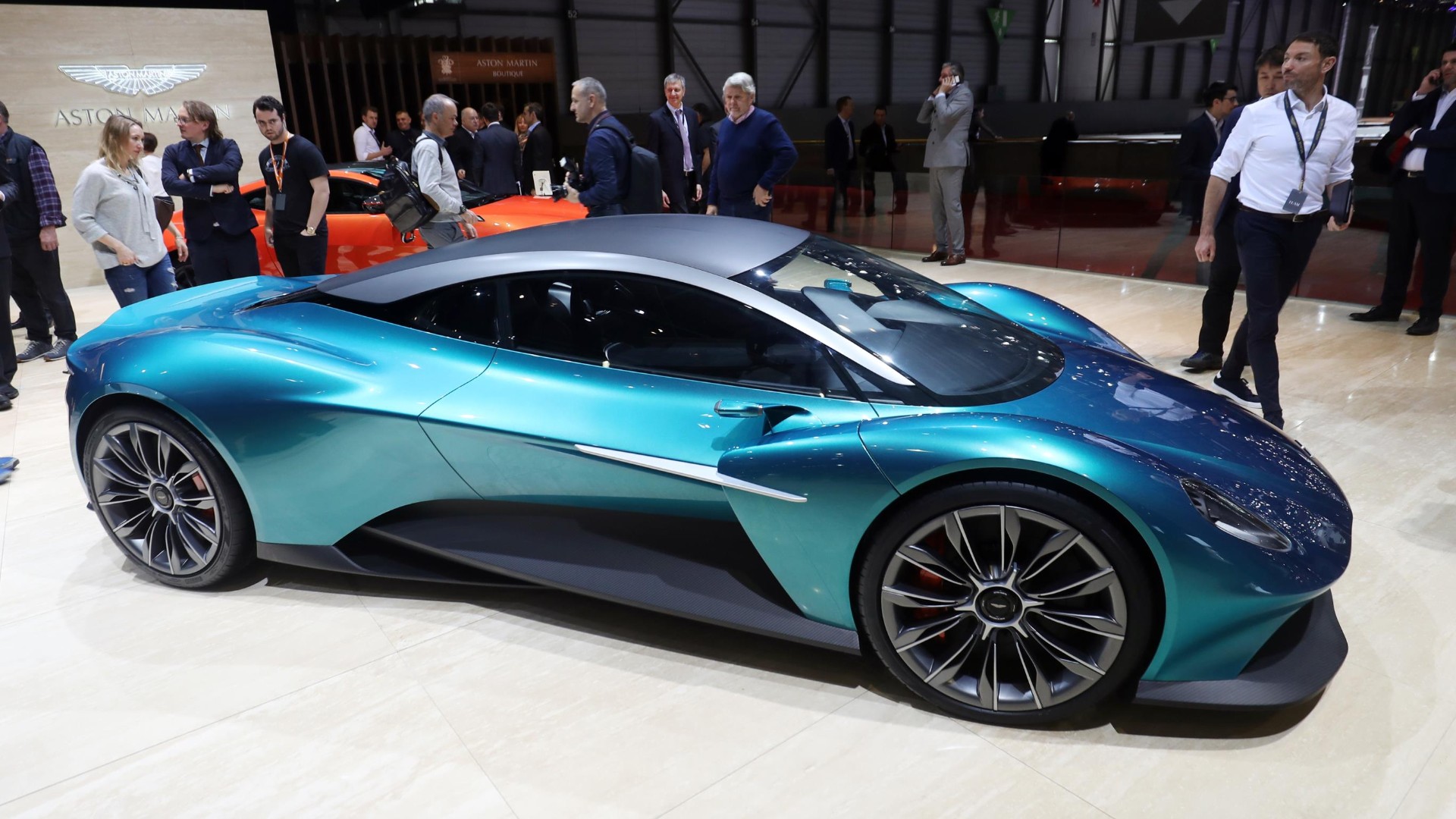
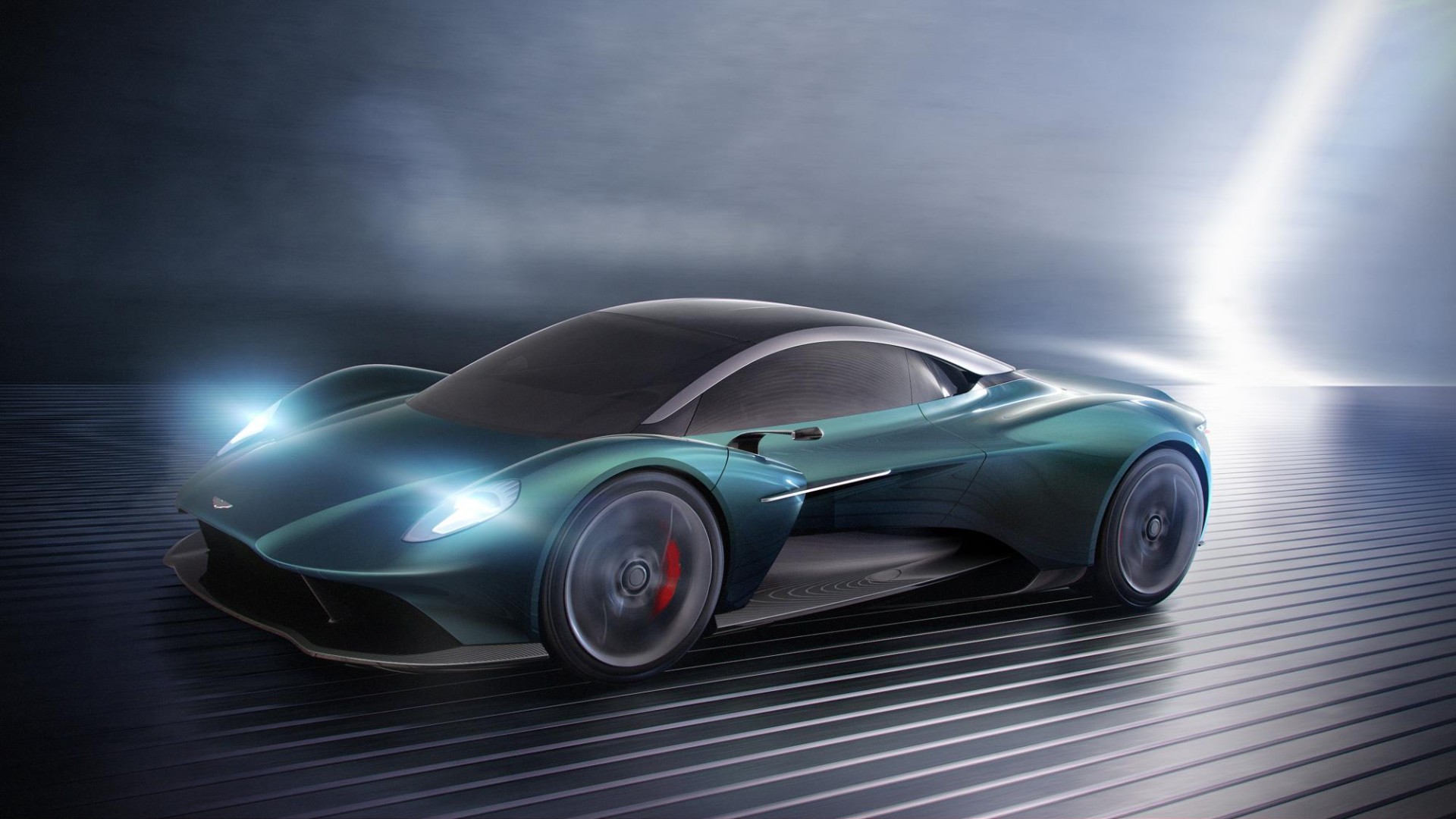
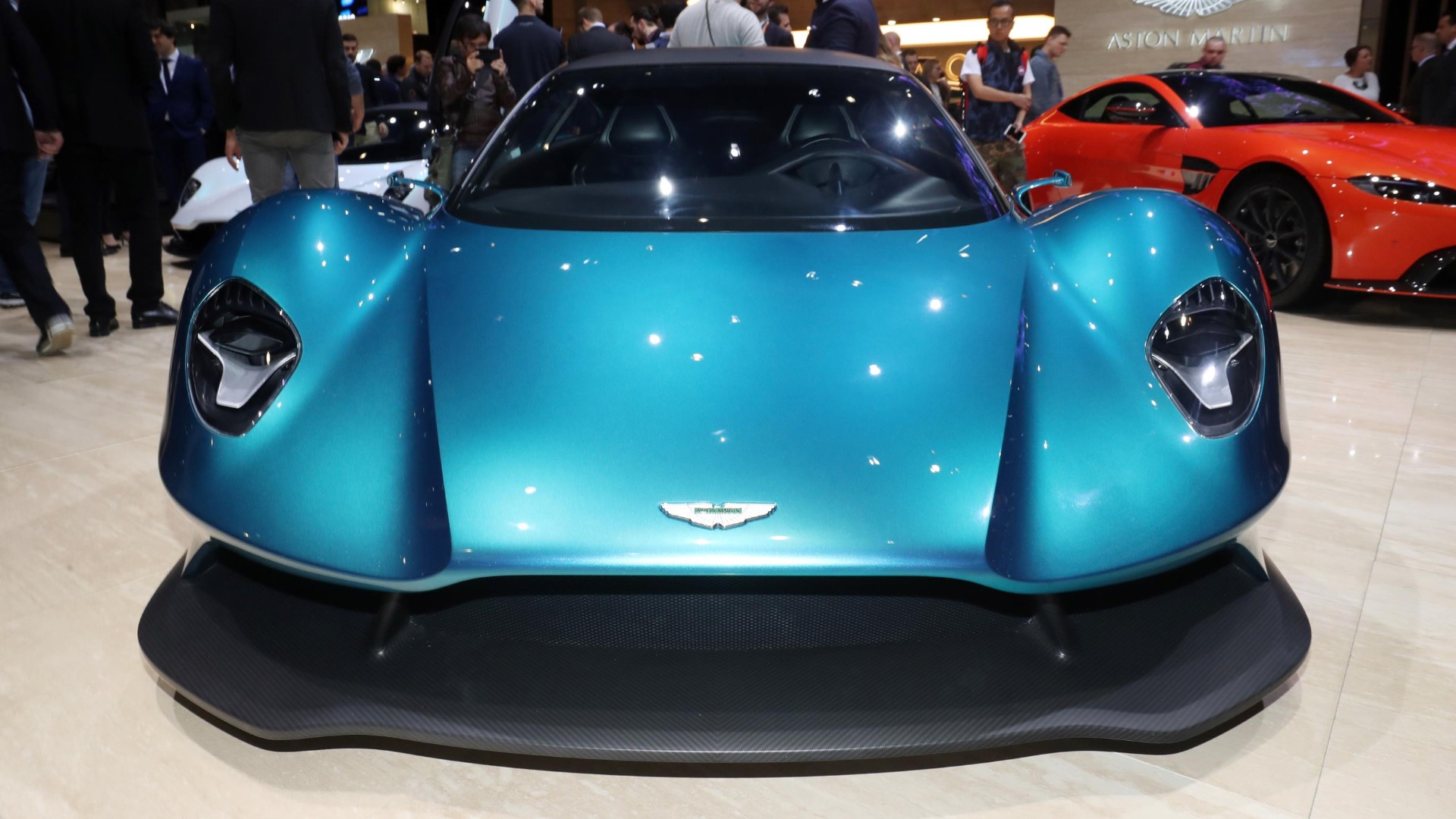
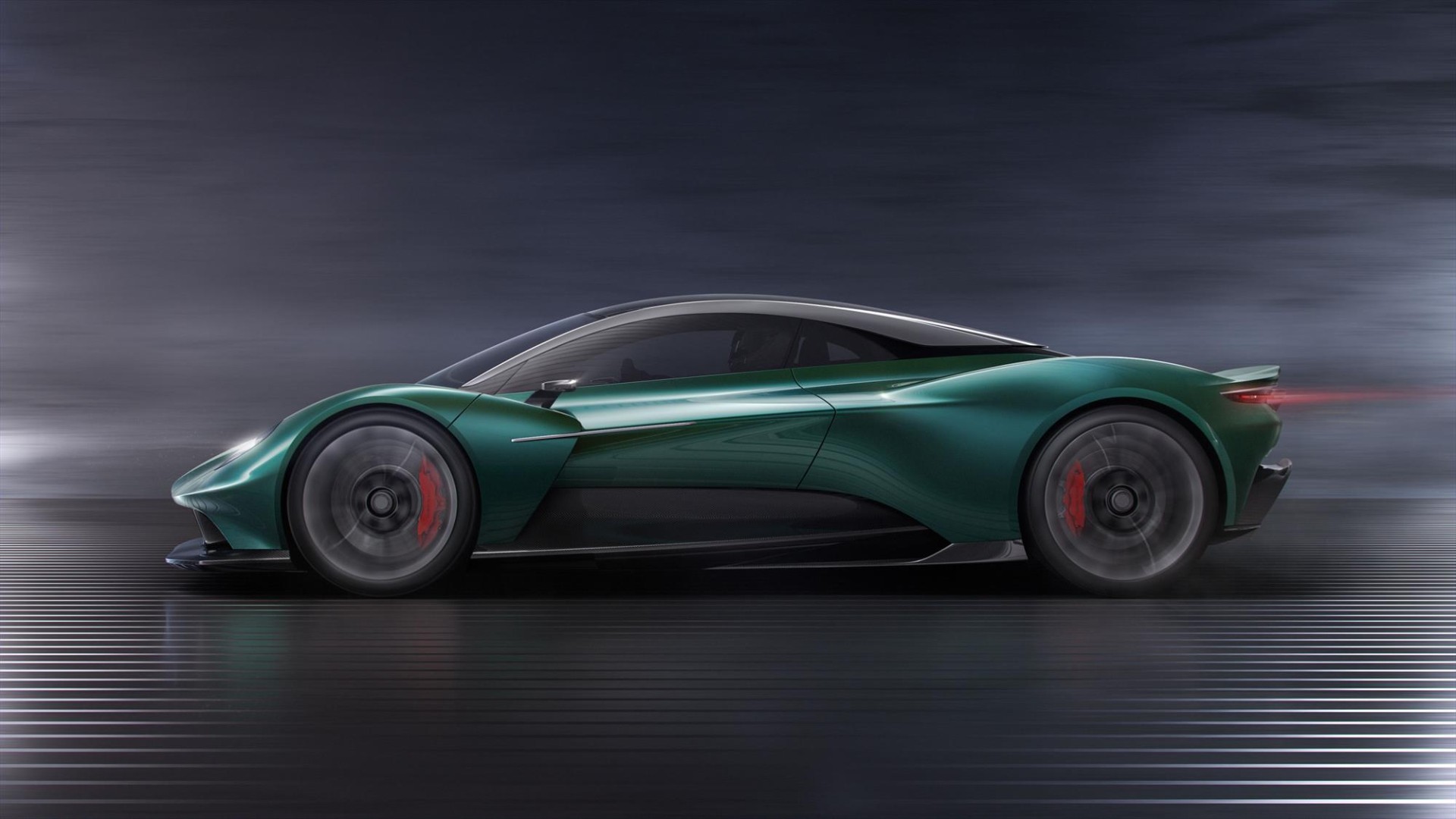
The Vanquish is still a way off. The shock Vanquish Vision Concept at Geneva 2019 didn’t have an interior, or indeed an engine. Yet as a statement of intent, and proof that Aston could make a mid-engined supercar look pretty, it worked a treat.
When it comes to the production Vanquish, Palmer has again reaffirmed his determination for Aston to be the last sports car manufacturer to offer a manual.
“I’ve already made a commitment that I want to be the last manufacturer in the world to offer manual sports cars and I want to honour that commitment,” he said, in an interview with Carsales.
While Palmer didn’t reference the Vanquish specifically, he goes on to criticise McLaren’s single carbon tub methodology. By contrast, Aston Martin opts for differing aluminium structures, benefitting ease-of-use and comfort for different models.
“Unlike McLaren we’re not trying to stretch the same assets over and over again. Our approach is a more expensive philosophy, but hopefully it’s a more compelling way of addressing a customer’s needs.
“Our mainstream cars, have been created to be useable daily – that’s why they employ an aluminium tub for a lower and narrower sill – it makes them easier to get in and out of.”
His previous assertion that the Valhalla hypercar – which will share its twin-turbo V6 engine with the Vanquish – will not get a manual ‘box, seems to suggest that the Vanquish possibly will.
Aston Martin is playing coy on specifics for the Vanquish, however. “It is too early for us to comment any further on the specific technical details of the upcoming Vanquish,” a spokesperson told The Drive.
Once again, Andy Palmer performs a delicate dance around juicy details on upcoming cars. If we were him and if the Vanquish is getting a manual, we’d struggle to contain ourselves, too…
It’s 10 years now since Ferrari made the bold move of abandoning a manual transmission for the 458. McLaren, in its renaissance, did the same, offering twin-clutch paddle-shifting only
The original Vanquish got a lot of stick for not offering a stick, and for its automated paddle-shift transmission. How poetic it would be for the new car to turn the tables.
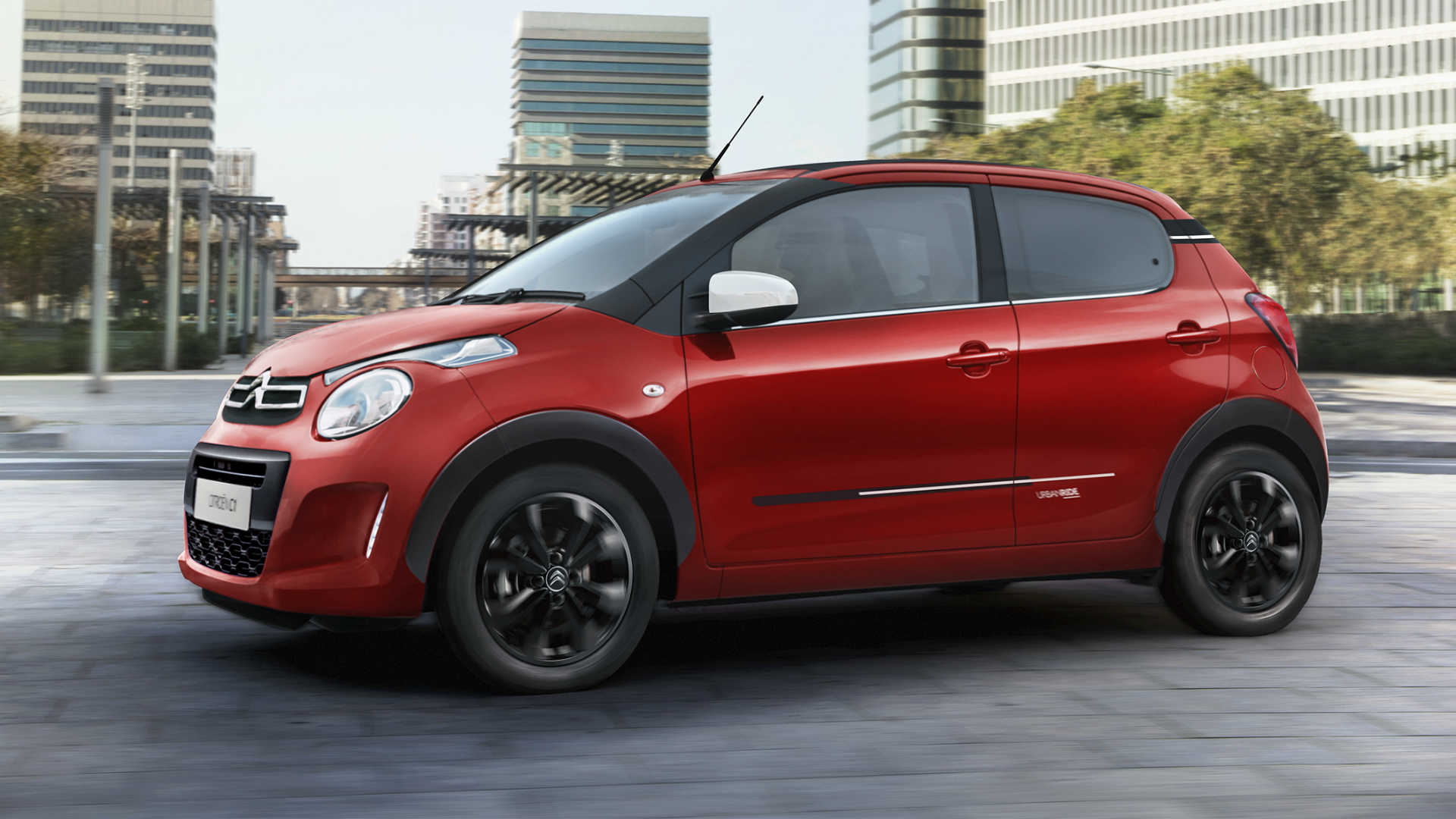
Young drivers can take advantage of a free insurance offer when they buy a new Citroen C1 city car this summer.
A year’s free insurance is available to customers aged 18 and over if they order and register a brand new Citroen C1 between now and the end of September.
The offer is available on all but the entry-level Touch trim level and includes hatchback and ‘Airscape’ body styles. The recently launched ‘Origins’ Collector’s Edition – which celebrates 100 years of Citroen – is also eligible for free cover.
‘A helping hand’
Eurig Druce, Citroën UK’s sales director, said: “C1 is an extremely popular urban vehicle that’s packed with style, technology and safety equipment, including those all-important full-length curtain airbags.
“We’re delighted we can now make this attractive model even more desirable, with free insurance for retail customers from 18 years of age.
“This offer has been designed in particular to offer a helping hand to younger drivers, whose insurance costs are usually higher. By covering these costs we hope to get as many young drivers into a safer, brand new car that they can be proud of.”
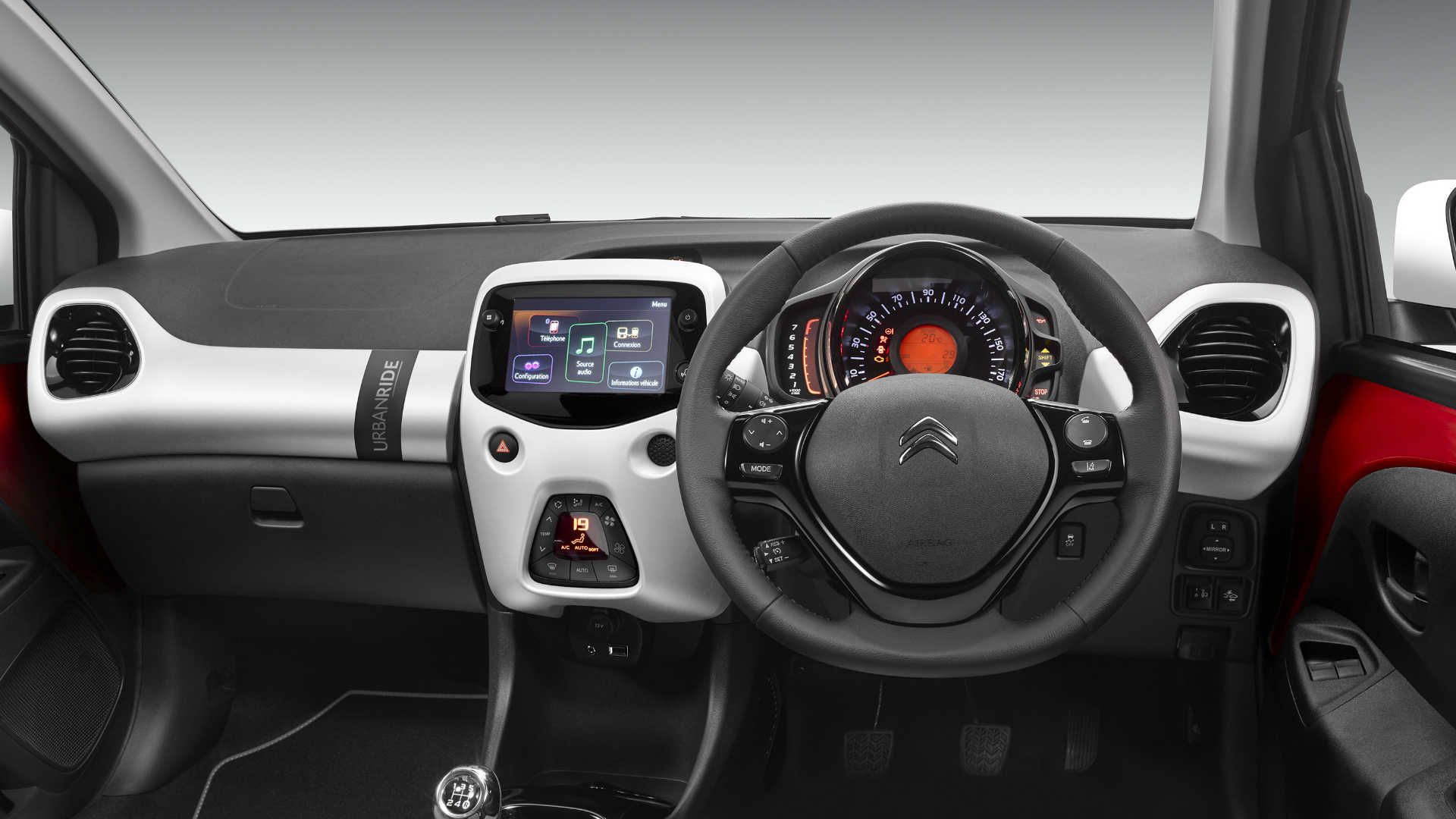
A Citroen C1 Feel costs £11,900 and boasts a seven-inch touchscreen, DAB radio, Bluetooth, Apple CarPlay and Android Auto as standard. Some 65,000 C1s have been sold since the current generation was launched in 2014.
Manufacturers are ramping up their summer offers, with Vauxhall and Ford recently unveiling their new scrappage deals. Meanwhile, the Toyota Aygo X-Trend – which shares a platform with the Citroen C1 – is available with a £2,000 scrappage allowance.
 Lamborghini has set an all-time
  Unsurprisingly, the
  Continuing an established trend, the USA remained the largest single market for Lamborghini sales. Despite concerns about the overall car market, China was the second largest customer, with the United Kingdom in third.
 The Urus SUV is so key to the future of Lamborghini that the company has built an all-new paint shop at the Sant’Agata factory for it.
  The Goodwood Festival of Speed is fast becoming the UK’s most important motor show, albeit with a difference. Here, you get to see new cars in action – and driving flat-out.