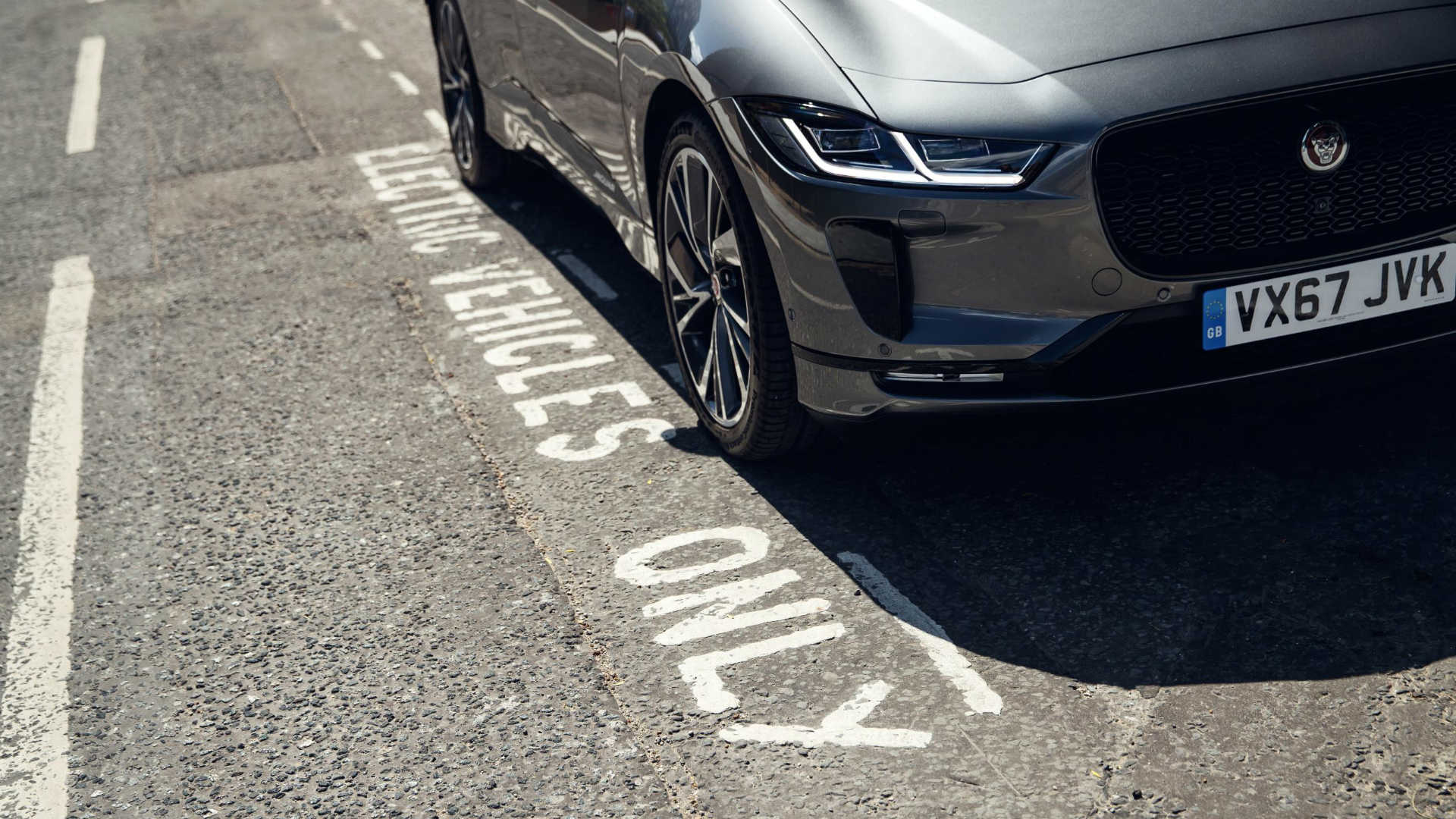
In a boost for the British car industry, Jaguar Land Rover (JLR) has announced plans to build a range of electrified cars at its Castle Bromwich plant in Birmingham.
A new electric Jaguar XJ will be the first car to roll out of the plant, as JLR confirms its commitment to offer electrified options for all new models from 2020.
Production of the current XJ luxury saloon has come to an end, with the new electric version benefiting from the firm’s experience in creating the Jaguar I-Pace SUV.
The next-generation electric XJ is expected to arrive next year, but Jaguar hasn’t confirmed specifications or prices. The outgoing Jaguar XJ costs upwards of £62,400, while the I-Pace will set you back at least £64,500. A starting price in the region of £65,000 to £70,000 would be realistic for the all-electric XJ.
The news safeguards around 2,700 jobs and follows the announcement in January that its new battery making facilities would be located in the Midlands. The battery assembly centre at Hams Hall will be the ‘most innovative and technologically advanced in the UK,’ says the company.
‘Powerhouse of electrification’
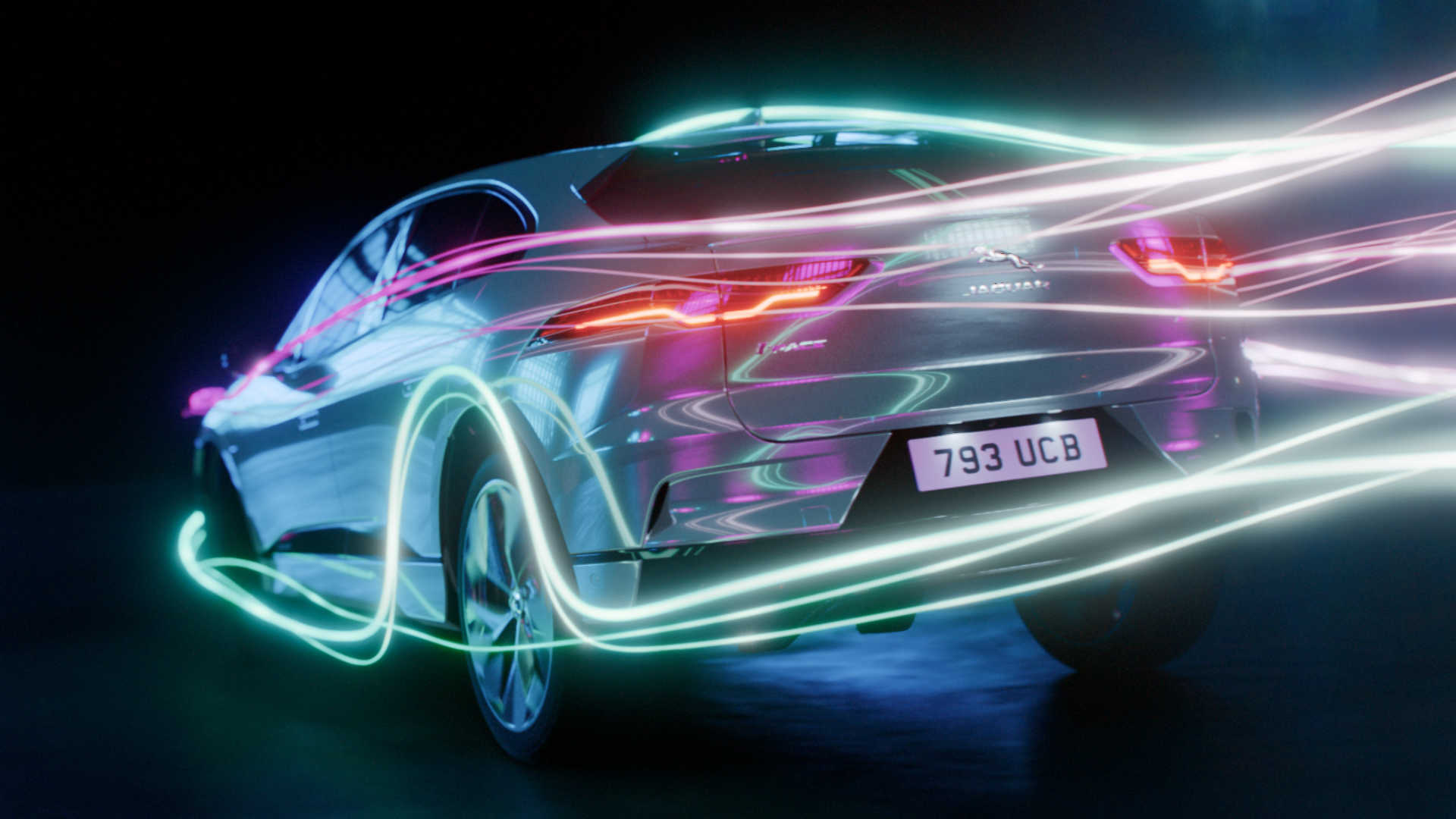
Prof. Dr Ralf Speth, Jaguar Land Rover CEO, said: “The future of mobility is electric and, as a visionary British company, we are committed to making our next generation of zero-emission vehicles in the UK.
“We are co-locating our electric vehicle manufacture, electronic drive units and battery assembly to create a powerhouse of electrification in the Midlands.”
‘Charging should be as easy as re-fuelling’
Prof. Speth warned of challenges ahead as the country gears up for an electrified future. “Convenience and affordability are the two key enablers to drive the uptake of electric vehicles to the levels that we all need. Charging should be as easy as re-fuelling a conventional vehicle.
“Affordability will only be achieved if we make batteries here in the UK, close to vehicle production, to avoid the cost and safety risk of importing from abroad.
“The UK has the raw materials, scientific research in our universities and an existing supplier base to put the UK at the leading edge of mobility and job creation.”