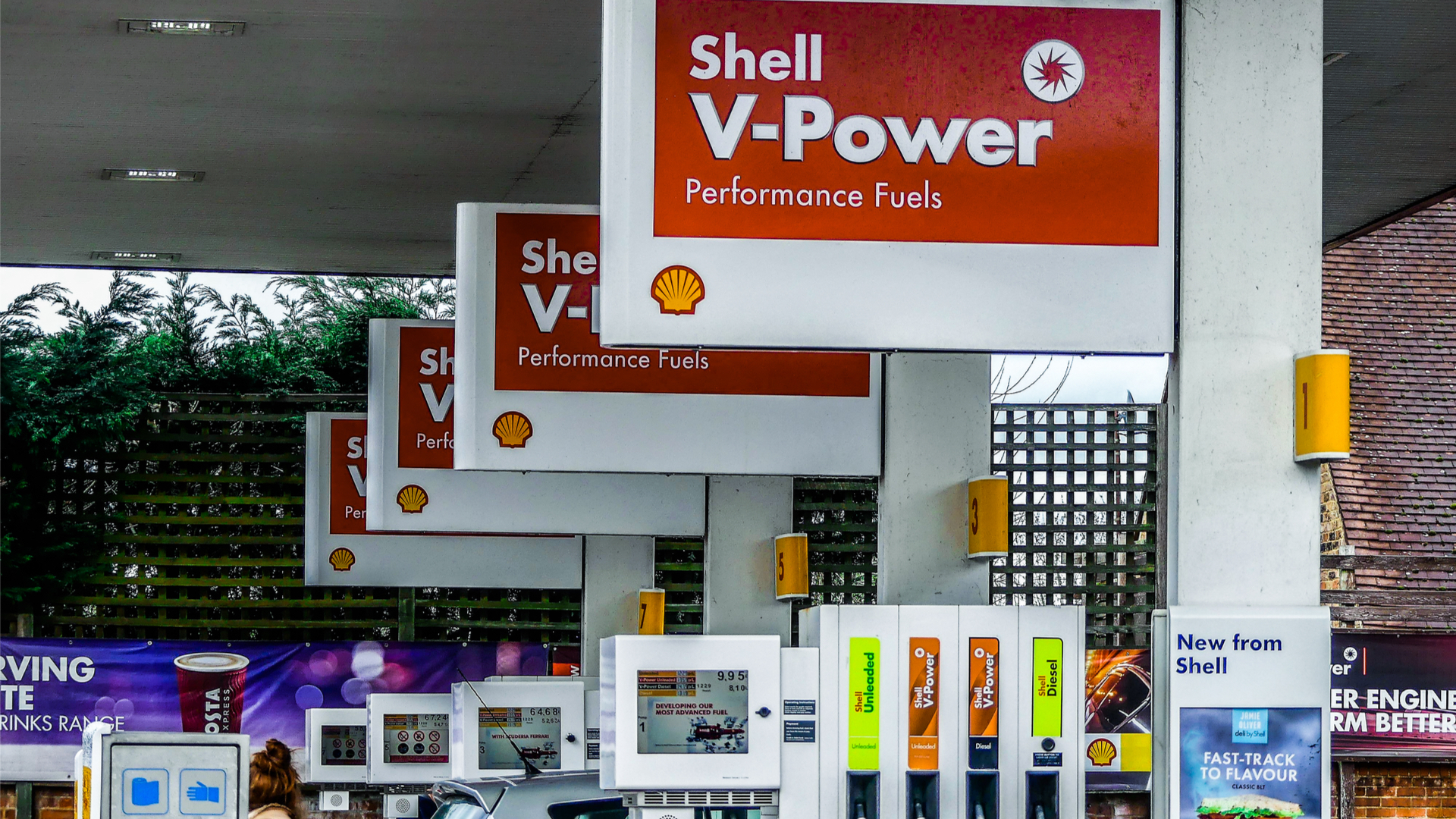
If you thought the days of highway robbery were over, think again. New research reveals the SHOCKING prices motorists are being charged to fill up with fuel on the motorway.
There’s a kind of reluctant acceptance of the inflated fuel prices charged at motorway services, but some of the figures revealed as part of the study by PetrolPrices.com will raise a few eyebrows.
But there is an alternative. Leaving the motorway and driving a couple of miles is often rewarded with fuel that could be up to 37 pence per litre cheaper. Lining the pockets of Dick Turpin isn’t a prerequisite of motoring driving.
Take Leicester Forest East on the M1. You’ll pay 167.9 pence per litre of diesel on the motorway, but fill up at the nearby Sainsbury’s at Fosse Park and you’ll be charged 130.9 pence. That’s a difference of 37 pence per litre.
It’s a similar story for drivers on the M5 in Somerset, where a litre of petrol costs 148.9 pence at Bridgwater services, or 119.9 pence at a nearby Sainsbury’s. You have to use local roads to access the motorway services, so travelling an extra 2.5 miles for cheaper fuel is no hardship, especially when refreshments are likely to be cheaper, too.
Unfortunately, unless a service area is situated at a junction or on a roundabout, some forward planning might be required to find fuel just off the motorway. ‘As the crow flies’ distances might be a little wayward after you’ve factored in any potential detours.
But this doesn’t alter the fact that motorists are being overcharged for fuel on the motorway.
Stung by ‘extortionate’ fuel prices
Kitty Bates, consumer spokesperson at PetrolPrices.com, said: “Our research shows that many motorway service stations are pricing their fuel well over the odds with some stations charging up to 37p per litre more than their nearest forecourt operator.
“Motorway service areas have long been overpriced because operators know that motorists have to fill up there, and they have a captive audience, so they charge a similar rate year round, regardless of the fluctuations in the wholesale industry.
“Their argument is the costs are higher, which is something the government has been saying that it wants to investigate for quite a few years now. For too long millions of UK motorists have been stung by extortionate motorway service area fuel prices.”
The research follows comments by Transport Secretary Chris Grayling in which he called for fuel retailers to allow motorists to check the price of filling up at their forecourt before they travel using a smartphone app after accusing them of ‘taking advantage of drivers’.
Kitty Bates added: “For Chris Grayling to suggest a live fuel pricing service for motorway service areas seems almost pointless. A trial on the M6 a year or so ago made no difference to prices, as no alternative cheaper station was shown.”
Top 10 most expensive motorway service areas for unleaded
Motorway service area
Motorway
County
Closest unleaded station
Motorway price per litre
Cheapest price per litre
Price difference per litre
Distance between stations
Bridgwater
M5
Somerset
Sainsbury’s Bridgwater
148.9p
119.9p
29p
2.5 miles
Tamworth
M42
Staffordshire
Centurion Service Stn
150.9p
123.9p
27p
1.9 miles
Keele
M6
Staffordshire
Morrisons Stoke
148.9p
124.7p
24.2p
15 miles
Newport Pagnell
M1
Buckinghamshire
Tesco Milton Keynes
148.9p
123.9p
25p
5.1 miles
Cherwell Valley
M40
Oxfordshire
Tesco Bicester
148.9p
124.9p
24p
6.7 miles
Exeter
M5
Devon
Tesco Exeter Vale
148.9p
124.9p
24p
1.9 miles
Hartshead Moor
M62
West Yorkshire
Tesco Brighouse
148.9p
124.9p
24p
3 miles
Heston
M4
Greater London
Tesco Hayes Bulls Bridge
148.9p
124.9p
24p
2 miles
Medway
M2
Kent
Sainsbury’s Hempstead
148.9p
124.9p
24p
7.8 miles
Pont Abraham
M4
Carmarthenshire
Tesco Pontarddulais
150.9p
126.9p
24p
3.3 miles
Top 10 most expensive motorway service areas for diesel
Motorway service area
Motorway
County
Closest diesel station
Motorway price per litre
Cheapest price per litre
Price difference per litre
Distance between stations
Leicester Forest East
M1
Leicestershire
Sainsbury’s Fosse Park
167.9p
130.9p
37p
2.1 miles
Woodall
M1
South Yorkshire
Bridgehouse Service Stn
165.9p
134.9p
31p
3 miles
Maidstone
M20
Kent
Ashford Rd Service Stn
165.9p
135.9p
30p
4.4 miles
Rownhams
M27
Hampshire
Shell Bassett
168.9p
138.9p
28p
6 miles
Cherwell Valley
M40
Oxfordshire
Tesco Bicester
155.9p
129.9p
26p
6.7 miles
Bridgwater
M5
Somerset
Sainsbury’s Bridgwater
155.9p
130.9p
25p
2.5 miles
Exeter
M5
Devon
Tesco Exeter Vale
155.9p
130.9p
25p
1.9 miles
Oxford
M40
Oxfordshire
Asda Wheatley
155.9p
131.7p
24.2p
1.4 miles
Todhills Rest Area
M6
Cumbria
Asda Carlisle
155.9p
131.7p
24.2p
10.4 miles
Annandale Water
A74(M)
Dumfriesshire
Lockerbie Service Stn
154.9p
130.8p
24.1p
9.1 miles
If you find yourself running low on fuel, the advice is to refuel with enough petrol or diesel to allow you to reach your destination or the nearest filling station away from the motorway. Never brim the tank at a motorway service area.
Click here to find the cheapest and diesel near you.
Forget the summer weather outside, as Xbox One gamers now have eight new reasons to stay inside on the sofa instead.
The latest update for the Forza Horizon 4 game has gone live this week, which brings an octet of new vehicles plus special challenges and races.
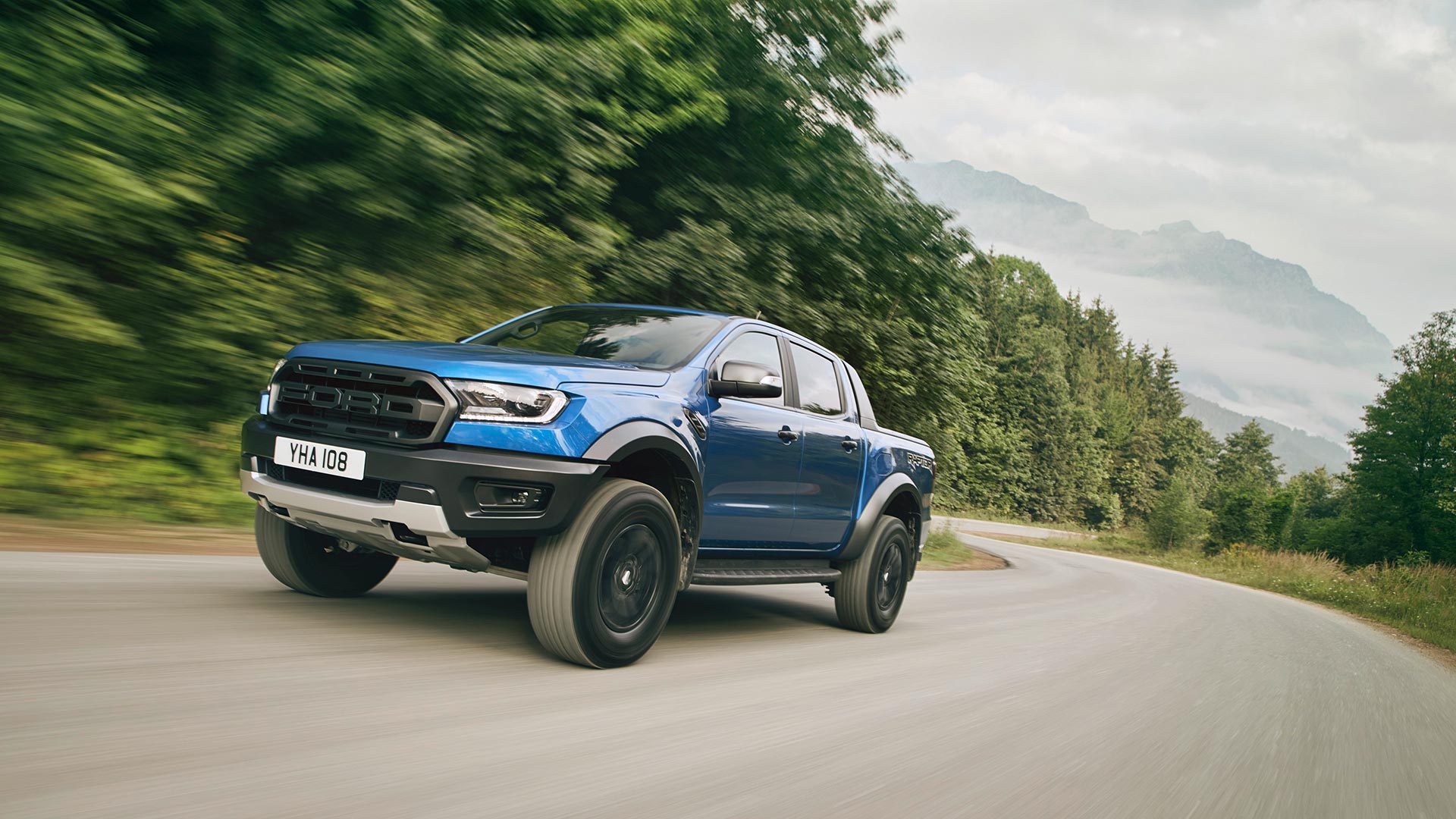
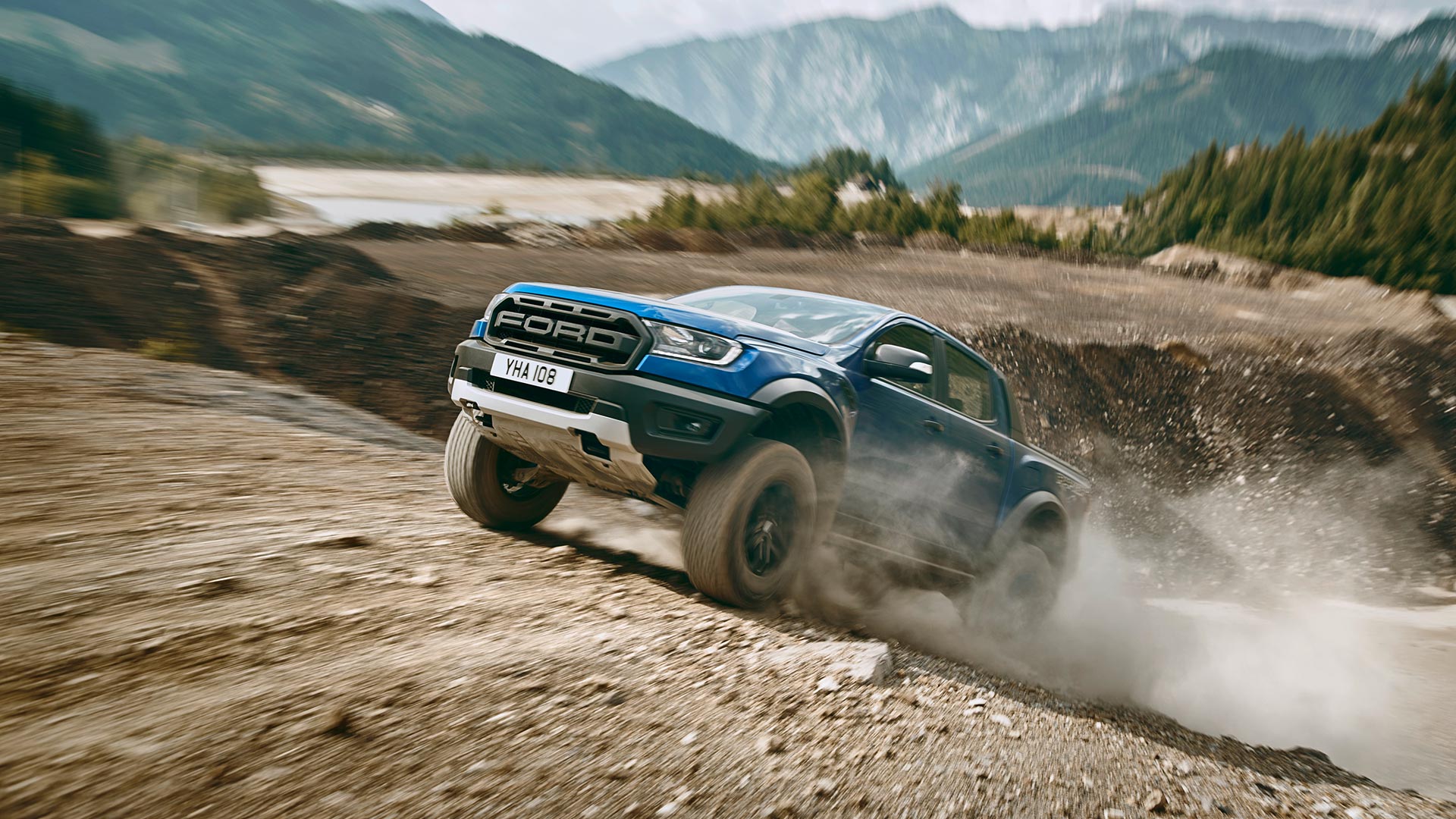
Included in the update is the addition of the Ford Ranger Raptor. This performance pickup truck first appeared in a trailer for Horizon 4 last year, yet only now makes its digital debut.
Ford became the first car manufacturer to launch a vehicle at a gaming show, using Gamescom in Germany for the big reveal. However, it has taken some 11 months for the extreme off-roader to finally appear in the game.
Players will be able to purchase the Ranger Raptor from the Forza Horizon Autoshow, and then set to work ripping up the British countryside with it. Forza may be the only place American fans can get to try Ford’s newest performance truck, unless the Blue Oval has a change of heart.
With 213 horsepower and 369lb-ft of torque from a 2.0 twin-turbo diesel, the Ranger Raptor certainly impressed us when faced with the Moroccan desert. Special Fox Racing shock absorbers also allow it to tackle rocks and jumps with ease.
Another key element of the Series 11 update is the launch of special new Horizon Story for Forza players.
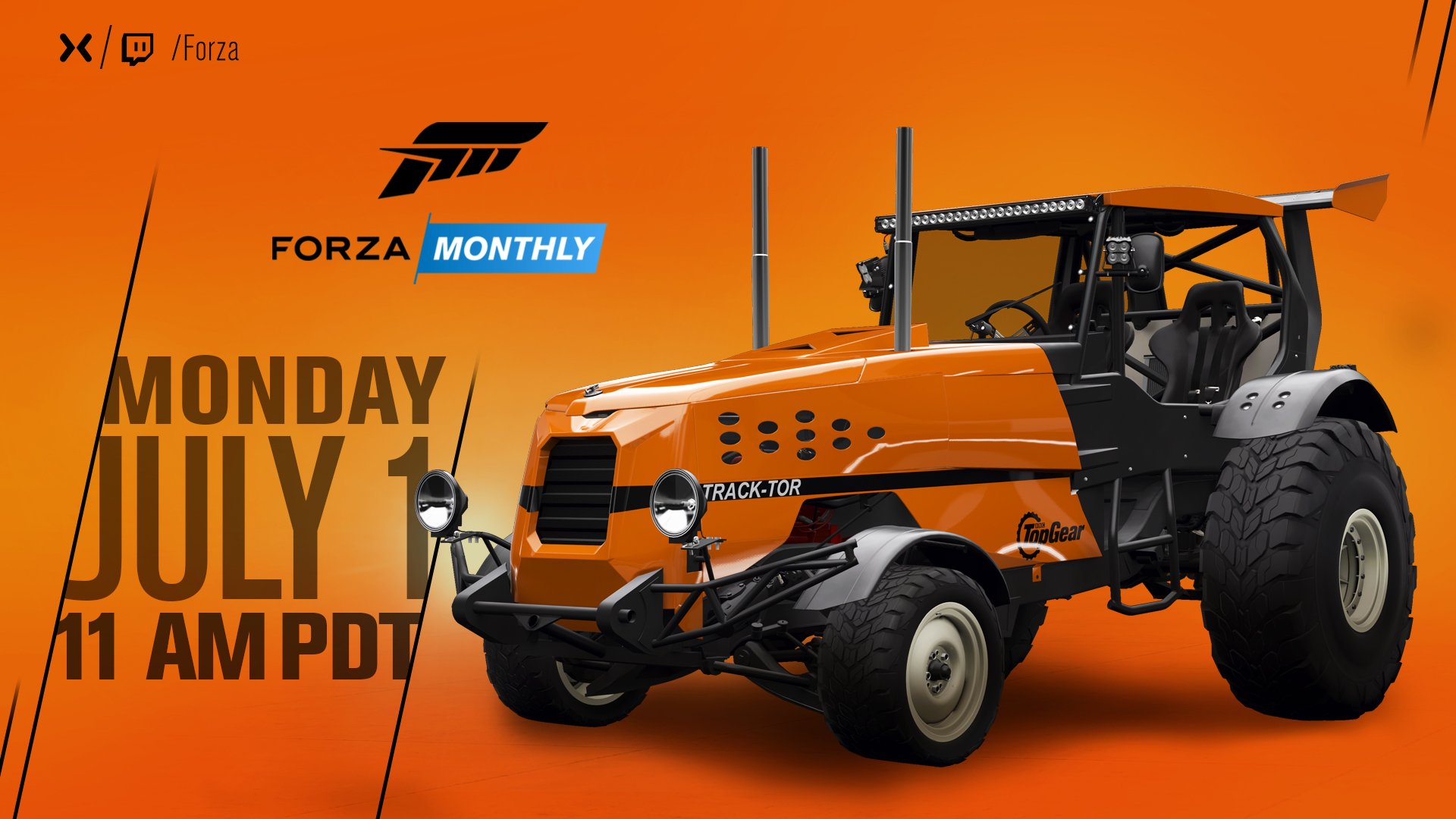
The ‘Top Gear: Horizon Special’ offer seven chapters for gamers to work through, with cameos from Top Gear presenter Chris Harris and, of course, The Stig.
Included as part of the Top Gear challenge is the ridiculous Track-tor, a modified 50 horsepower creation which set a land speed record for tractors in 2018. We can gloss over the fact that the record was recently topped by Guy Martin in his 1,000 horsepower JCB…
Also appearing from Top Gear is the Mercedes-Benz G63 6×6, along with the modified Mercedes-Benz E350d All-terrain ‘Project E-AT’.
Other cars added to the game include the 1996 Chevrolet Impala SS, 2006 Koenigsegg CCX, 2011 McLaren 12C Coupe, and the 2013 Jeep Wrangler Unlimited Deberti Design edition.
Players should also notice a number of fixes applied to various bugs identified in the game, have the opportunity to win new in-game rewards, and partake in extra races.
Used car dealers are coming under scrutiny by Trading Standards regarding outstanding manufacturer recalls, the Vehicle Remarketing Association (VRA) reports.
The organisation represents businesses that deal with as many as 1.5 million used vehicles per year in various capacities. It’s warning that dealers should start taking extra care to carry out outstanding recall work.
Recall spotlight: staying on top of cars that need manufacturer attention
Why are they taking such a keen interest? Many cars are recalled for repairs post-debut and post-sale. This can be for issues of varying severity, from a glovebox that won’t stay shut, to brakes that don’t work. The troublesome job is rounding up all the cars that need attention…
These are issues that product safety laws could determine are the responsibility of these dealers. Especially before moving cars on. Dealers could find themselves on thin ice in scenarios where they can opt to undertake an outstanding recall when a car is brought into stock, and don’t.
“Trading Standards appear to be looking quite closely at used car sales where retailers have not notified customers that vehicles are the subject of outstanding manufacturer recalls,” said VRA board member Jonathan Butler, of specialist automotive solicitors, Geldards.
“This might be seen as a product safety issue under the General Product Safety Regulations 2005 other than in certain exceptions. However, it is not a clear area and one where some dealers could, unless they are very careful, potentially find themselves encountering difficulties.”
Get the work done
The advice to dealers by the VRA? Get the work done. The minimal cost now is significantly more desirable than the potential ramifications of not doing so.
“Bearing in mind the small additional cost involved, we would very much recommend this as an action by all used-car dealers. In our opinion, it should form part of best practice procedures that are undertaken before vehicles are advertised for sale.”
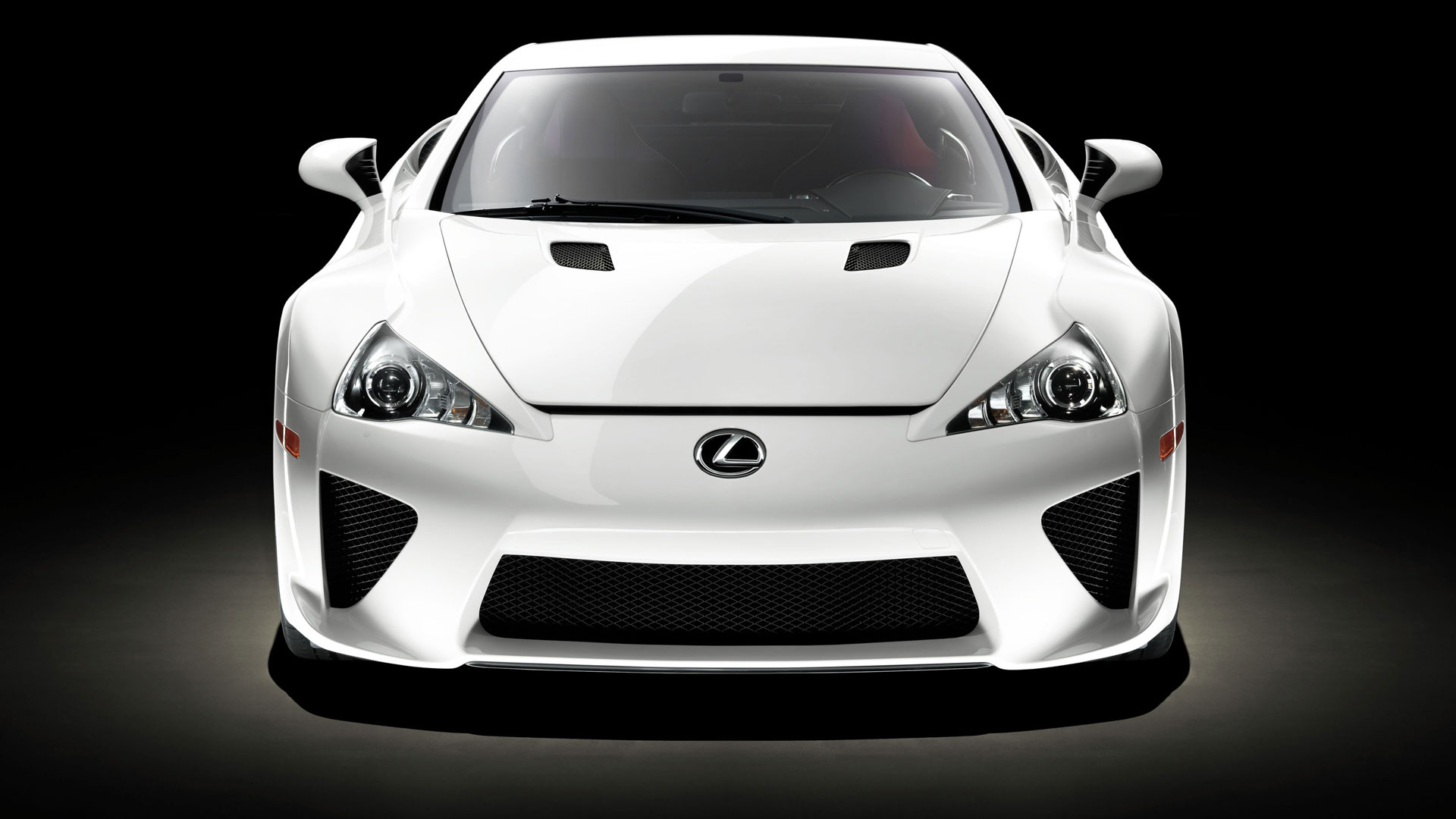
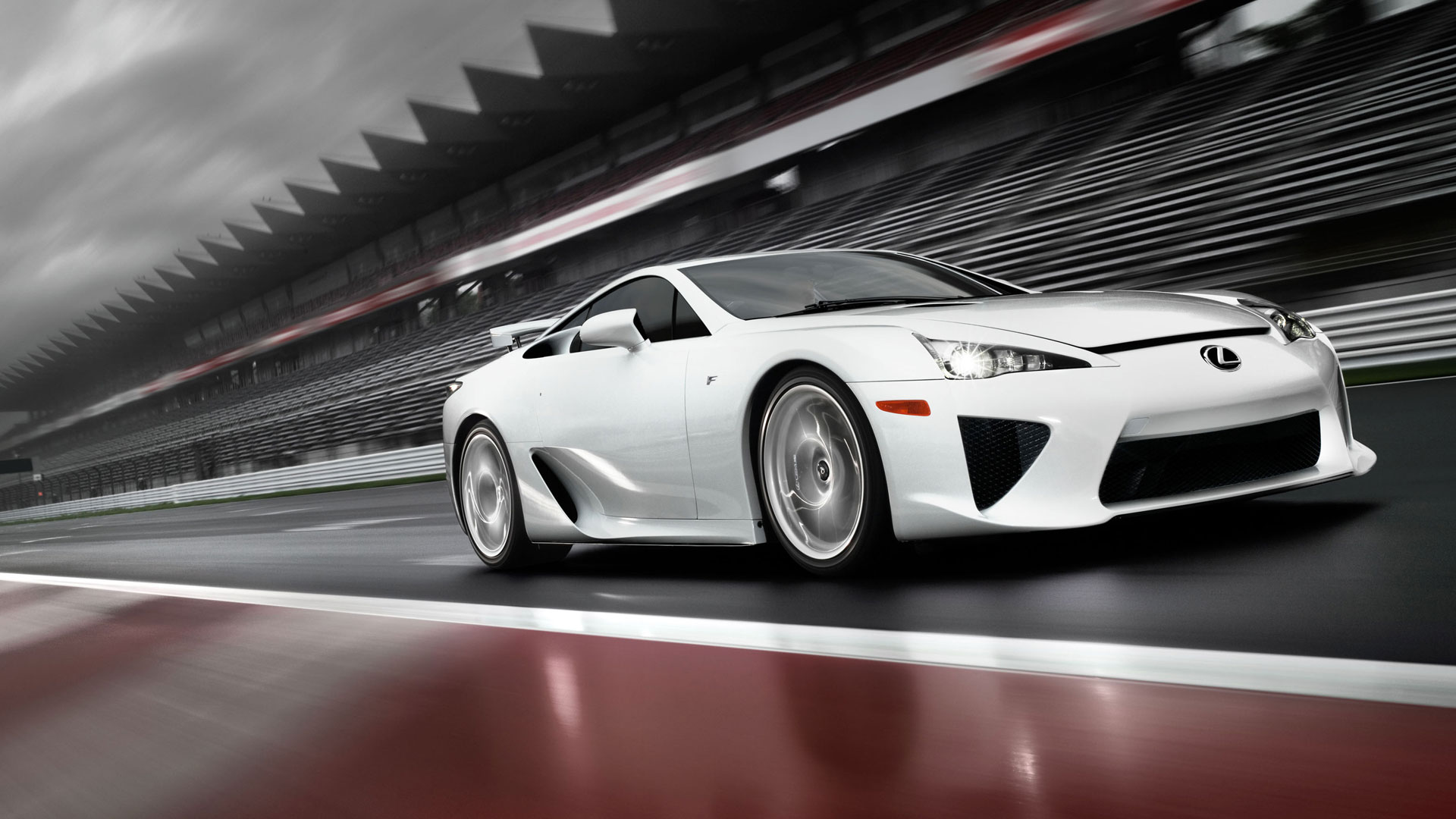
Lexus sold its 10-millionth vehicle in February 2019 – a remarkable achievement for a brand with just 30 years heritage to its name. The LFA (pictured) is arguably the company’s most high profile vehicle, but the Lexus story begins in the mid-1980s with the development of bespoke luxury car. We’ll attempt to tell the Lexus story in just 30 captions.
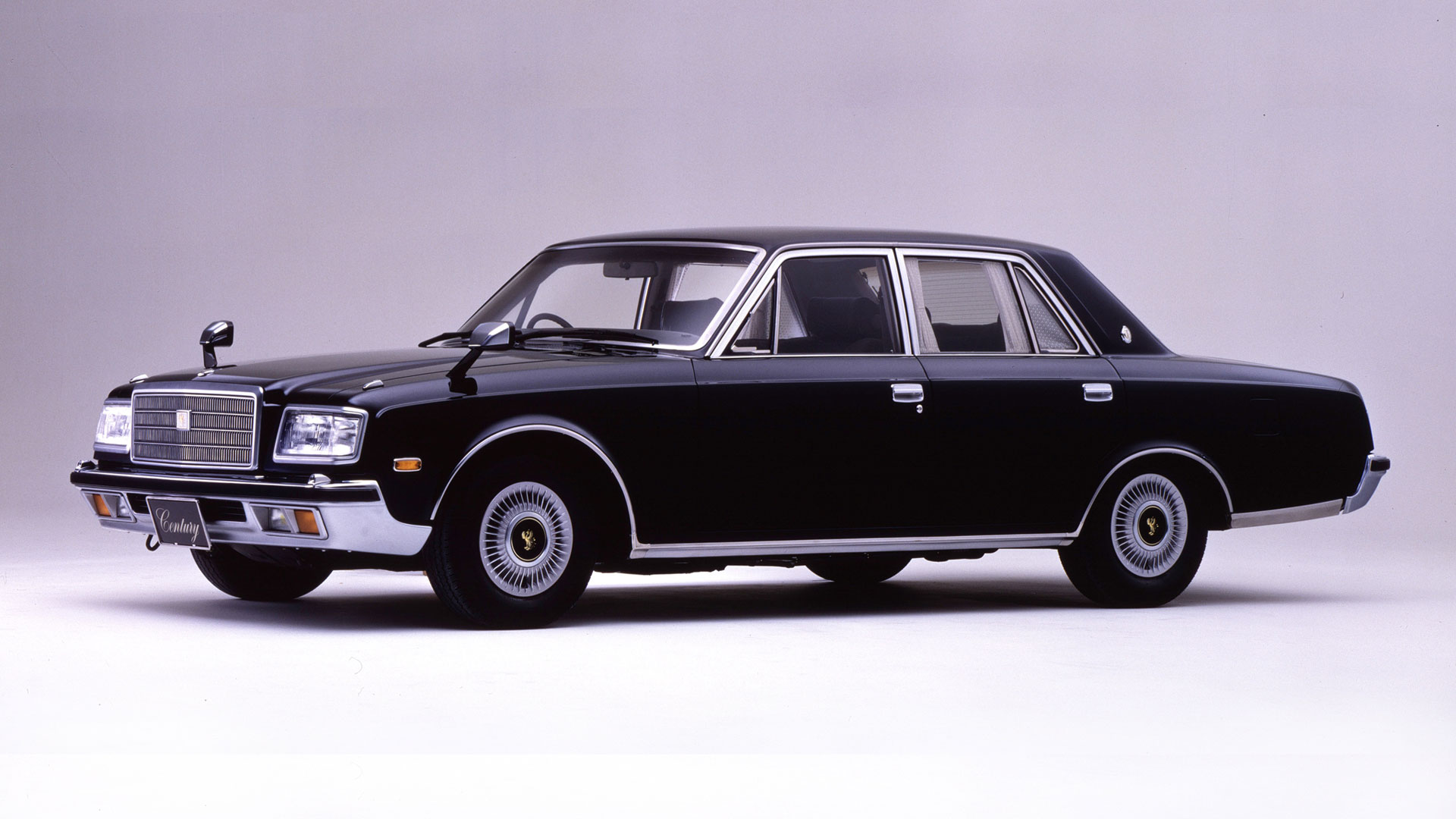
Toyota Century
The Lexus timeline begins in 1983, when Toyota chairman Eiji Toyoda asked his staff if they could build a world-beating luxury saloon. Merely competing wouldn’t be enough; this car would need to exceed the high standards set by Mercedes-Benz, Jaguar and BMW. Toyota knew how to build a luxury car for the domestic market – the Century was proof of that – but creating something for export was a different proposition.
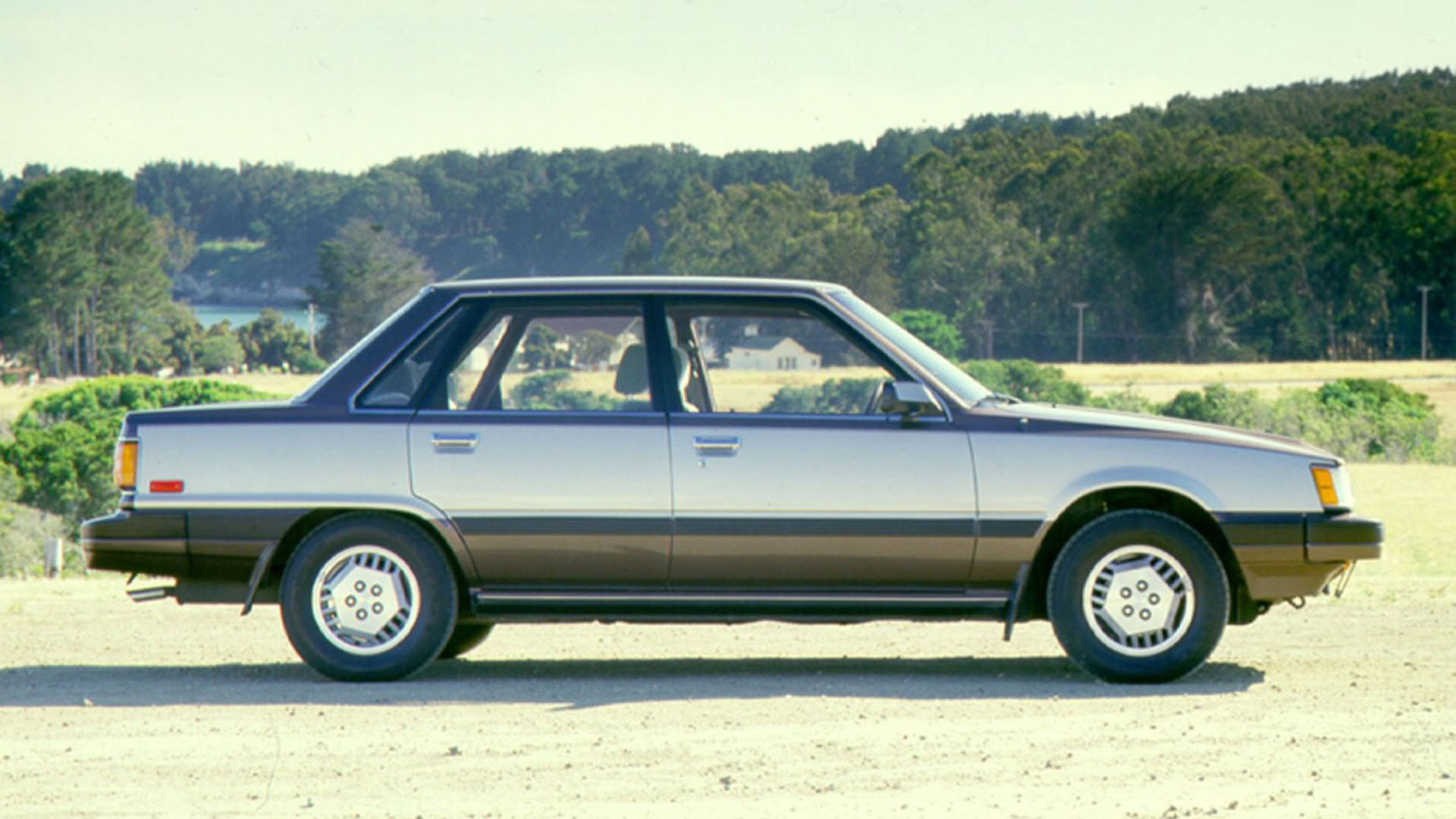
Toyota Camry
Toyota knew the market was there, particularly in the United States. “The luxury car market is projected to be the fastest growing segment over the next several years as the ‘baby boomers’ enter their peak earning years,” it said with confidence. As much as their loyal customers liked the Camry, as they became more affluent, they began demanding more. A Toyota badge just wouldn’t cut it – not when they could afford a Cadillac, Mercedes or Jaguar. Yukiyasu Togo, president and CEO of Toyota US was highly supportive and actively encouraged the Japanese to progress the project.
Project F1
The result was the F1 project – that’s F for Flagship and 1 for excellence. Amazingly, Toyota didn’t set a time limit for completion; the engineers and designers were given free rein in the pursuit of excellence. Researchers were sent to America for four weeks to explore the heart and minds of the US consumer. A five-person design team was dispatched to Laguna Beach to study the lifestyles of the traditional luxury car buyer. When Japan sets out to do something, there are no half measures – no stone is left unturned. Toyota identified which manufacturer led its field of expertise, analysed why, and then developed a plan to beat it.
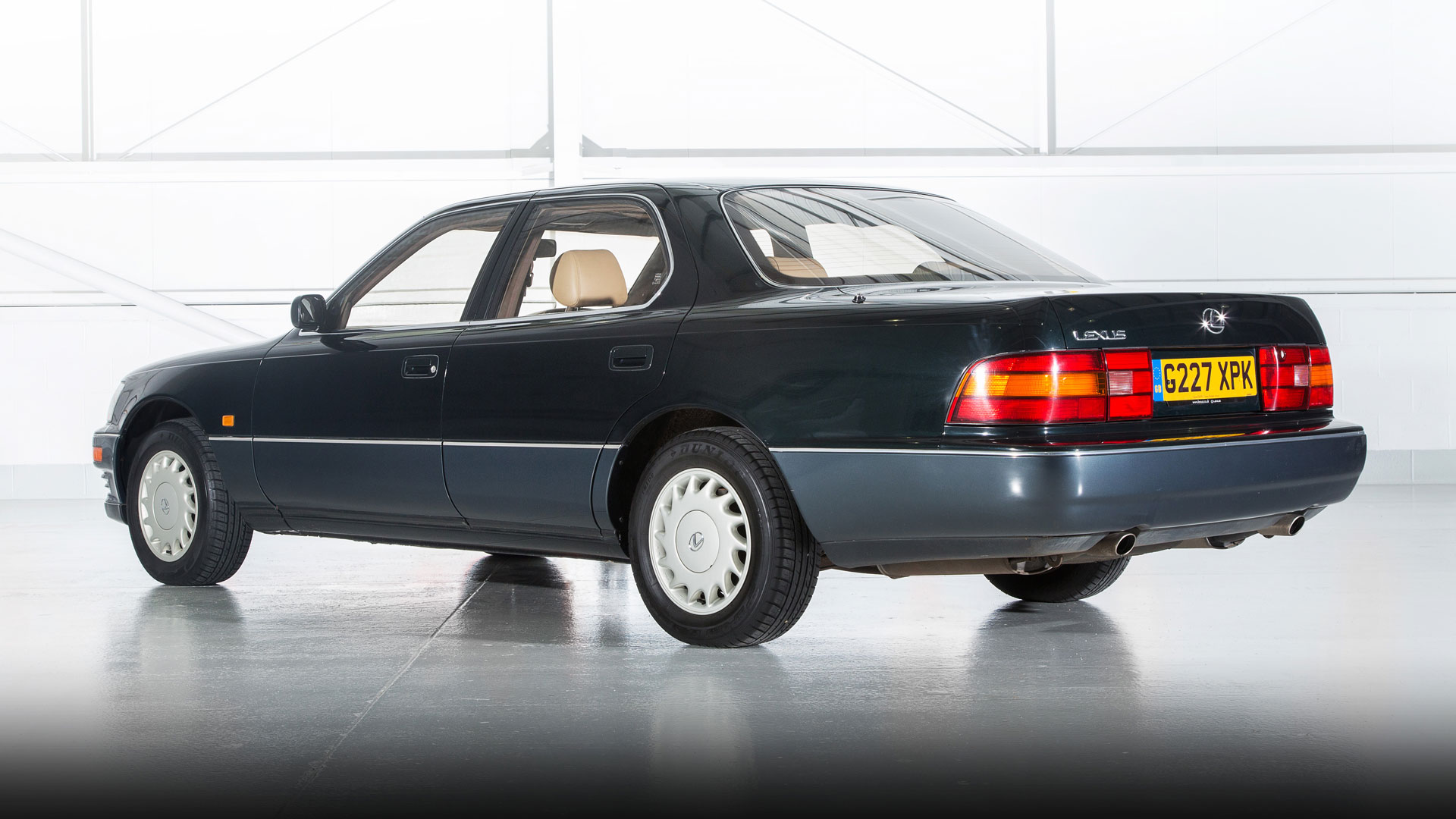
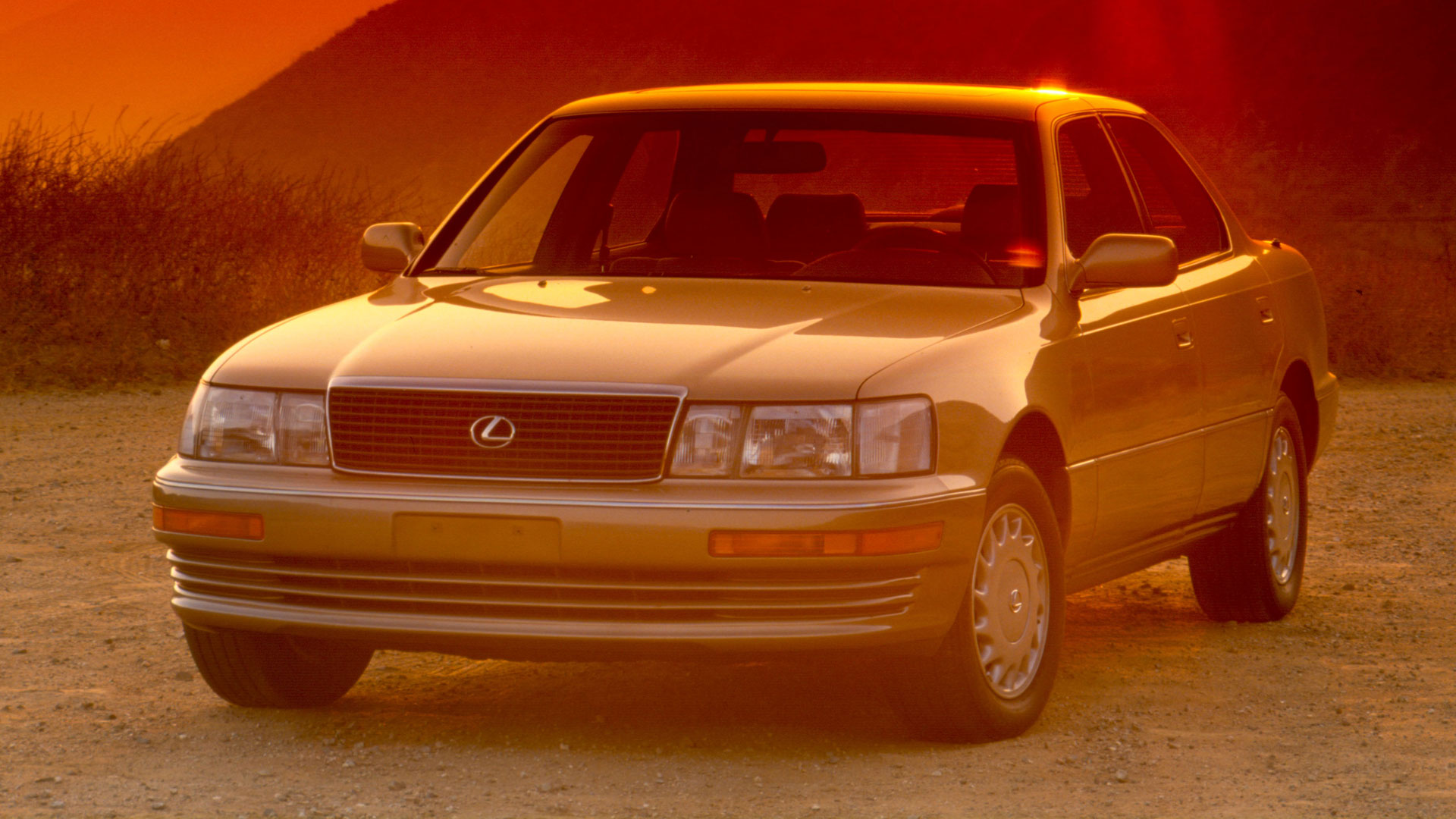
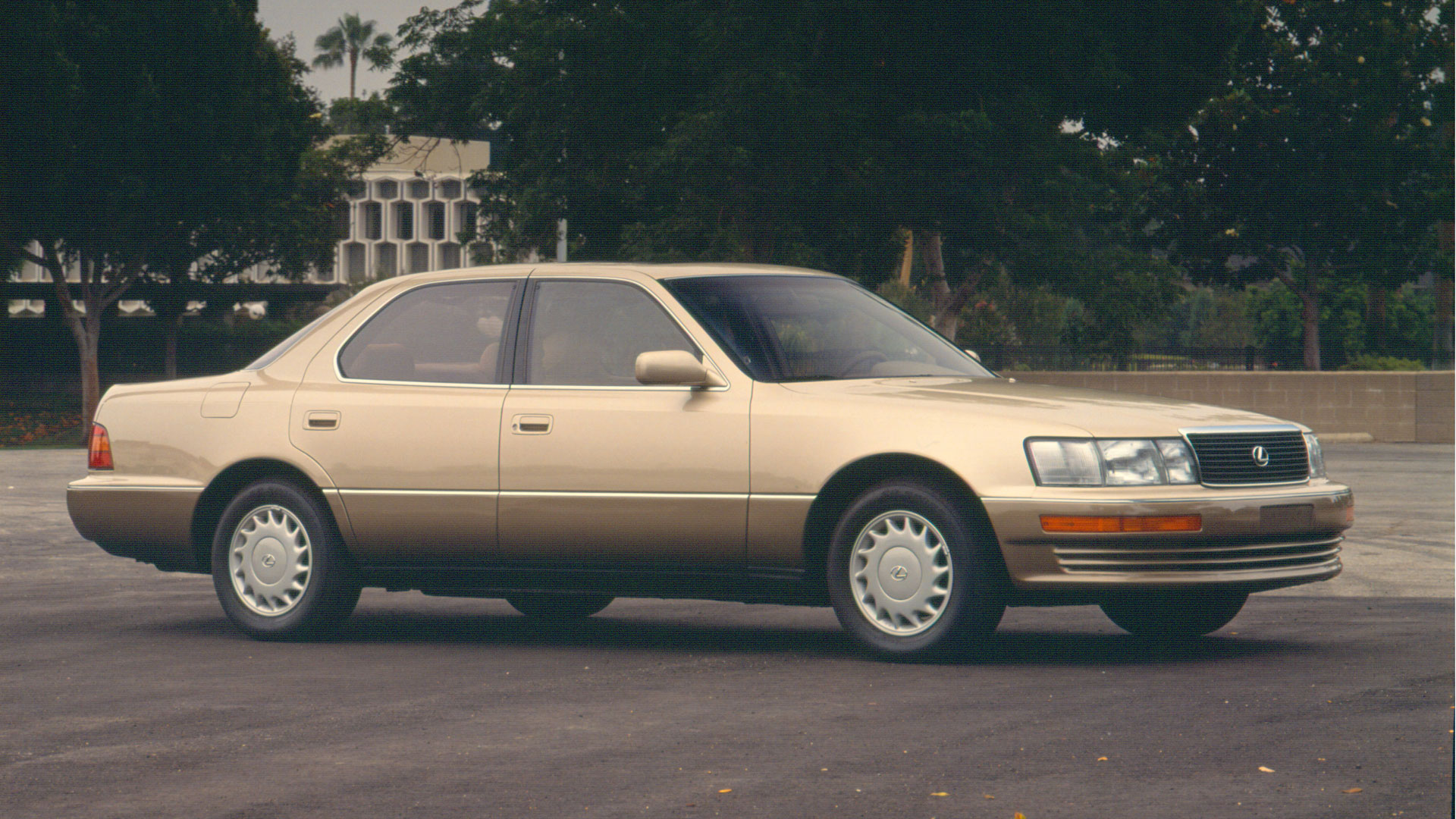
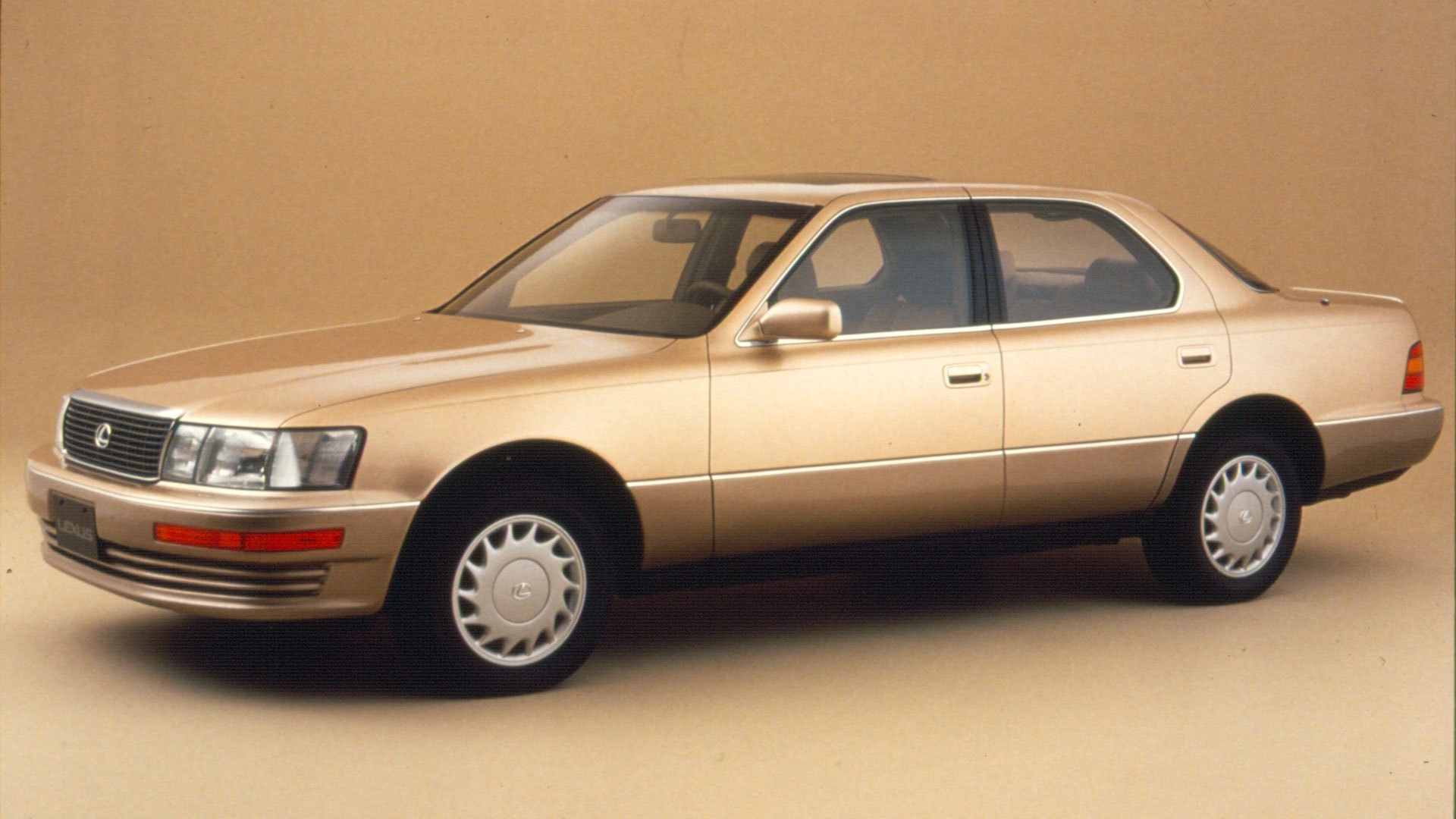
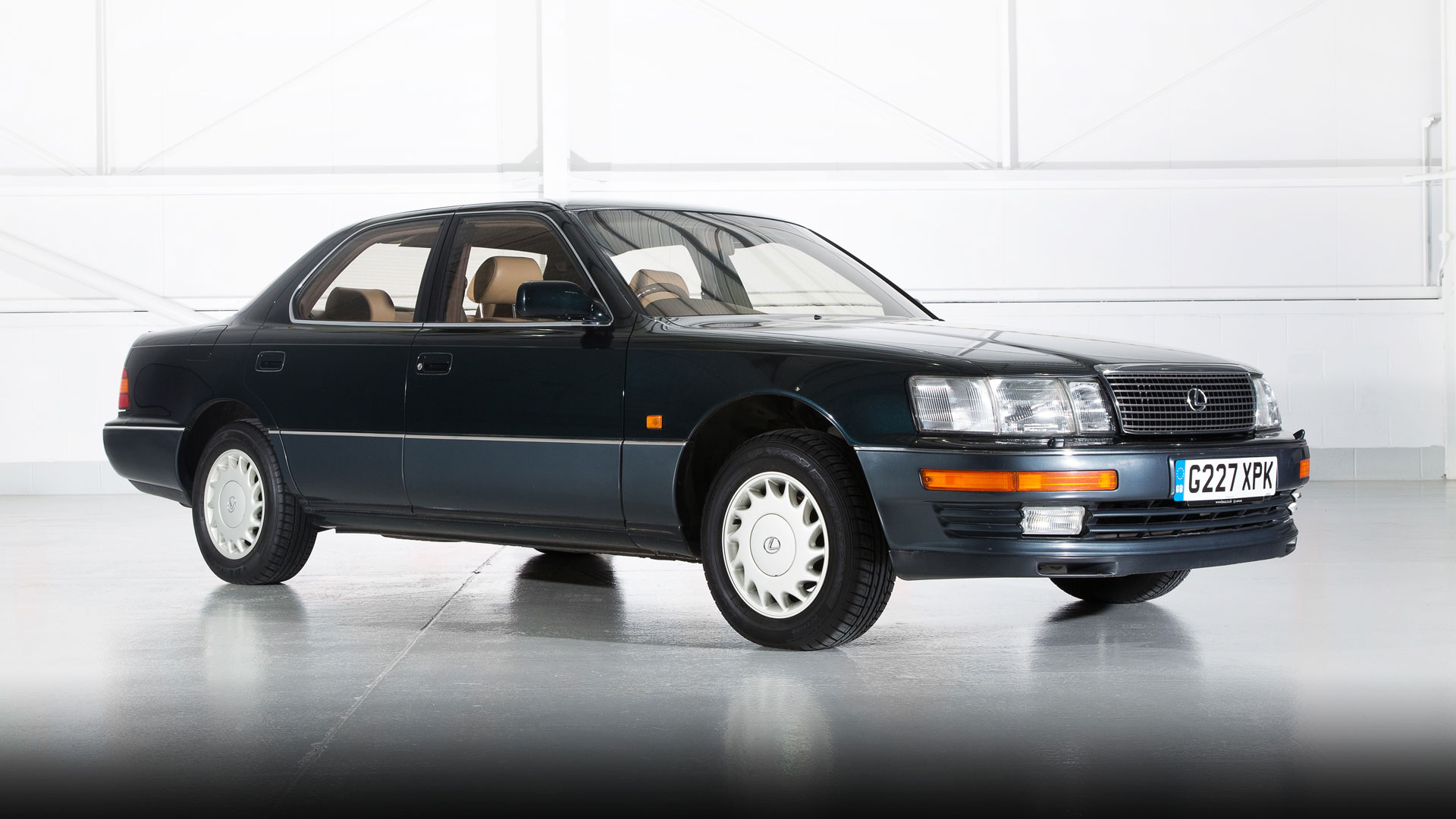
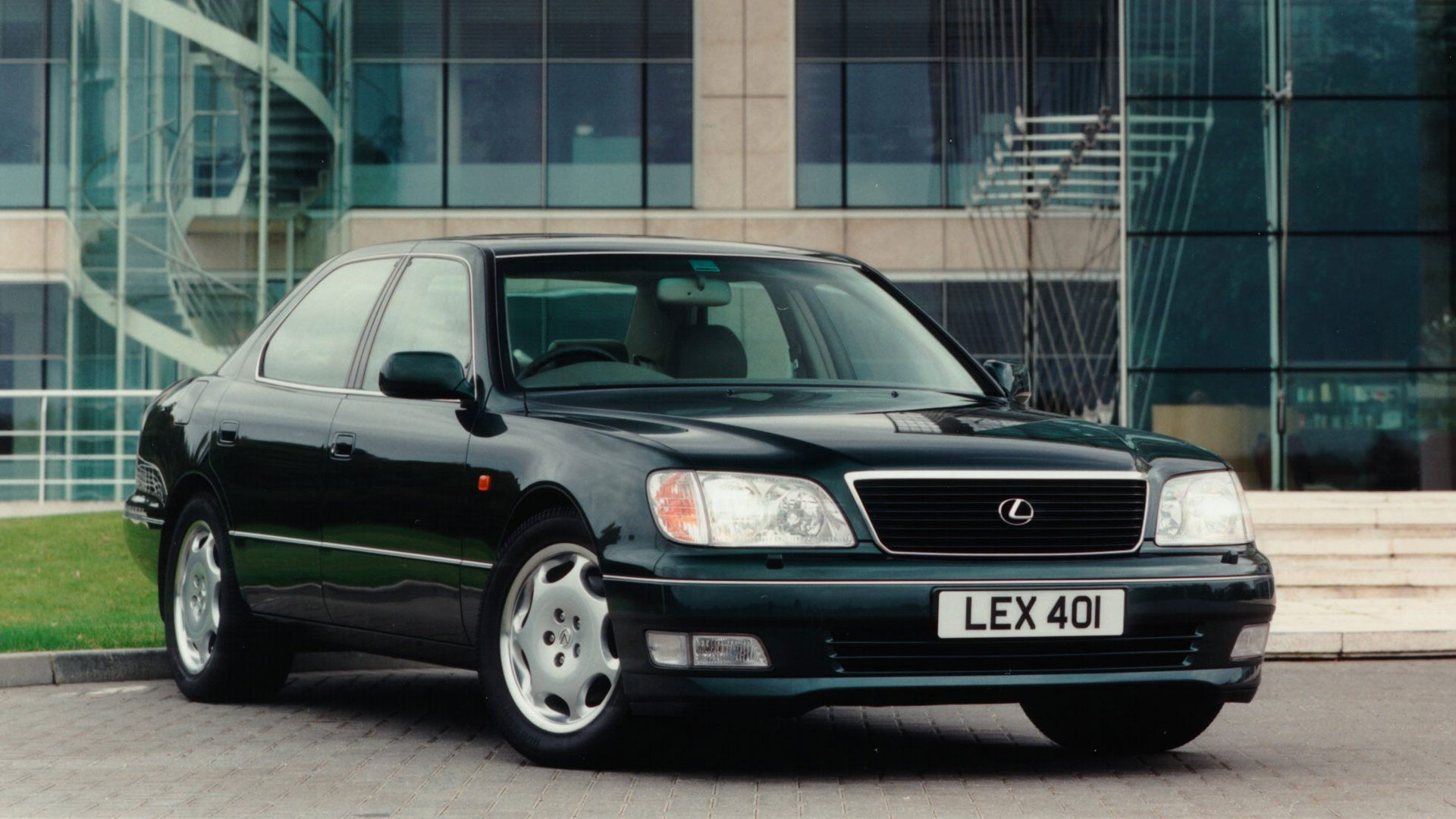
Lexus LS 400
The result was the Lexus LS 400: a car we waxed lyrical about in February. The car unveiled at the 1989 Detroit Auto Show followed 450 prototypes, millions of miles of testing and a team of thousands. No fewer than 973 prototypes engined were created, with Toyota opting for a 4.0-litre V8 because a six-cylinder unit wouldn’t have delivered the smoothness and efficiency required for a high-end luxury vehicle.
Lexus dealers
The Lexus brand debuted a year earlier at the 1988 Los Angeles Auto Show, with the first 70 dealers named in May. A massive 1,500 US dealers enquired about a Lexus franchise, but each one was subjected to a careful and considered selection process. Toyota dealers were considered if they could demonstrate a track record of delivering first class customer service, but ultimately 121 outlets were selected for Lexus’ first year of business.
Lexus advertising
Toyota’s incumbent advertising agency, Saatchi & Saatchi, was given the task of launching Lexus to the world, but a new outlet (Team One) was created to maintain a distance between the mainstream and luxury operations. “It’s not a car. It’s an invention”, proclaimed the press ads, laying the foundations for a brand that would hit a million US sales in 10 years.
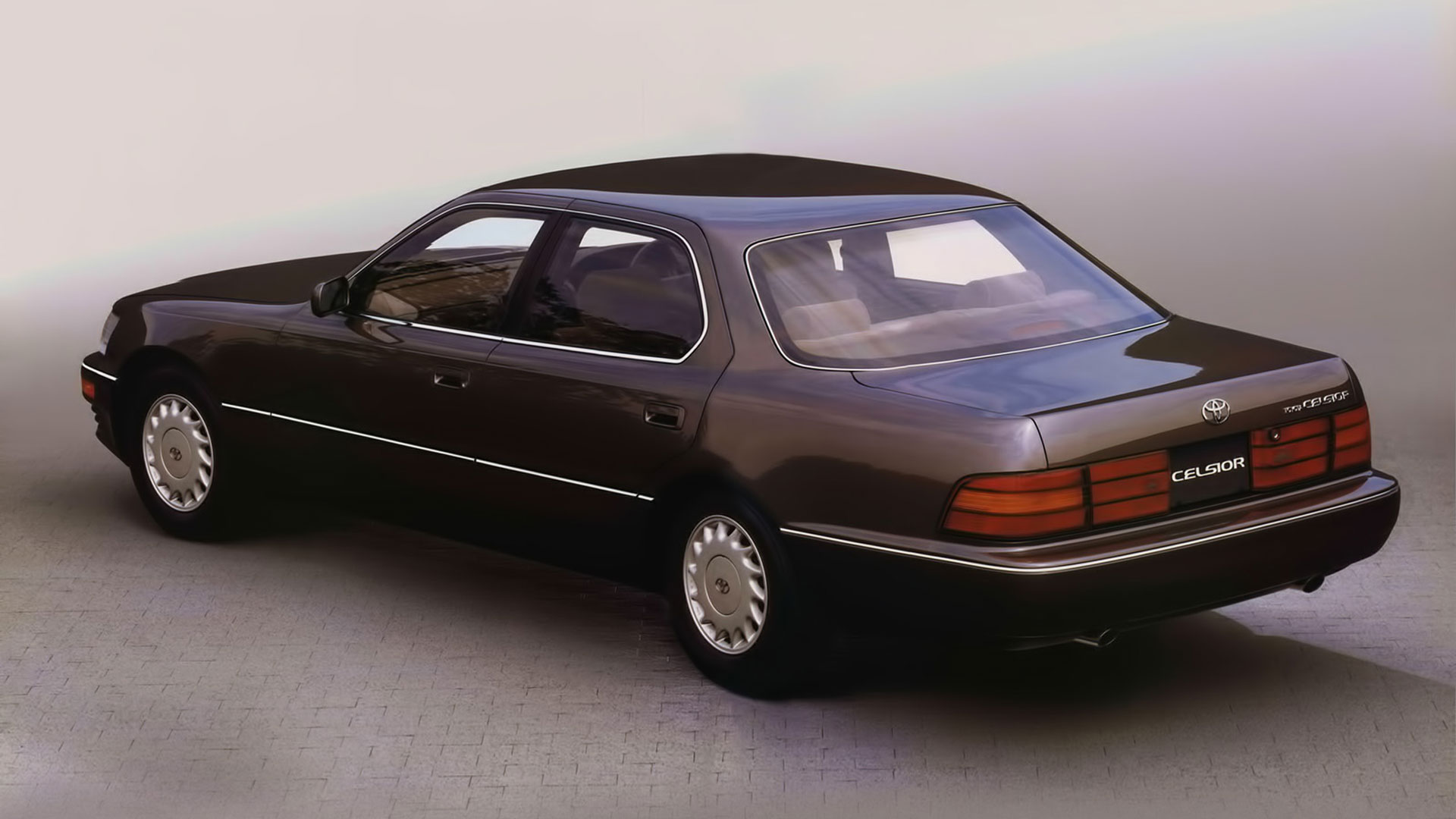
Toyota Celsior
Although rival companies wouldn’t like to admit it, Lexus made a huge impression Stateside, hitting 16,302 sales by the end of 1989, of which 70 percent were the LS 400. The following year, Lexus sold 63,534 cars. Roger Smith, chairman of GM, said: “It’s the customer that benefits from the increased competition, so I say to Lexus – or whatever its name is – come on aboard.” Meanwhile, in Japan, Lexus models were badged as high-end Toyotas. In the case of the Lexus LS 400, the Japanese equivalent was the Toyota Celsior.
Lexus LS 400 in the UK
Early LS 400 owners were treated to a book on the history of Lexus, which included a wonderful paragraph written by Dr Shoichiro Toyoda. “In our language we have a saying for the occasion when a daughter is given away in marriage: ‘Here’s our cherished child – please take good care of her.’ That’s just how we feel about the Lexus LS 400. This beautiful motor is, indeed, our cherished child.” Lexus arrived in the UK in June 1990, and although its impact was less dramatic than in the US, the LS 400 was given rave reviews by the motoring press. Journalist Richard Bremner famously did a twin-test against a Rolls-Royce.
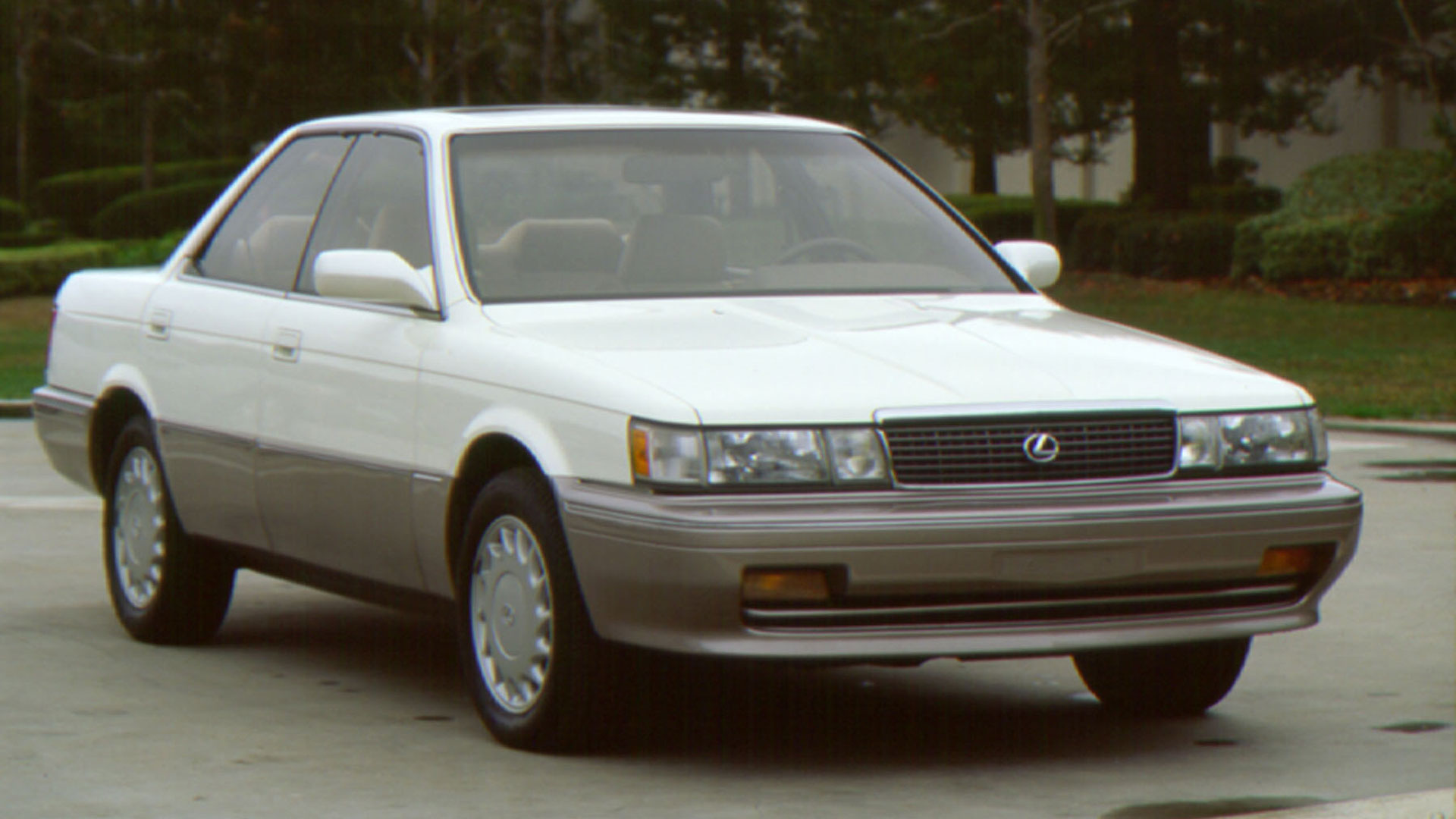
Lexus ES 250
Lexus arrived in the UK as a single model manufacturer, but things were different in America. Sitting alongside the LS 400, you’d have found the ES 250, which was essentially a 24-valve V6-engined Toyota Vista or Camry with a new badge and all of the toys. It’s “more like a Camry that went to finishing school”, proclaimed Motor Trend, rather brilliantly.
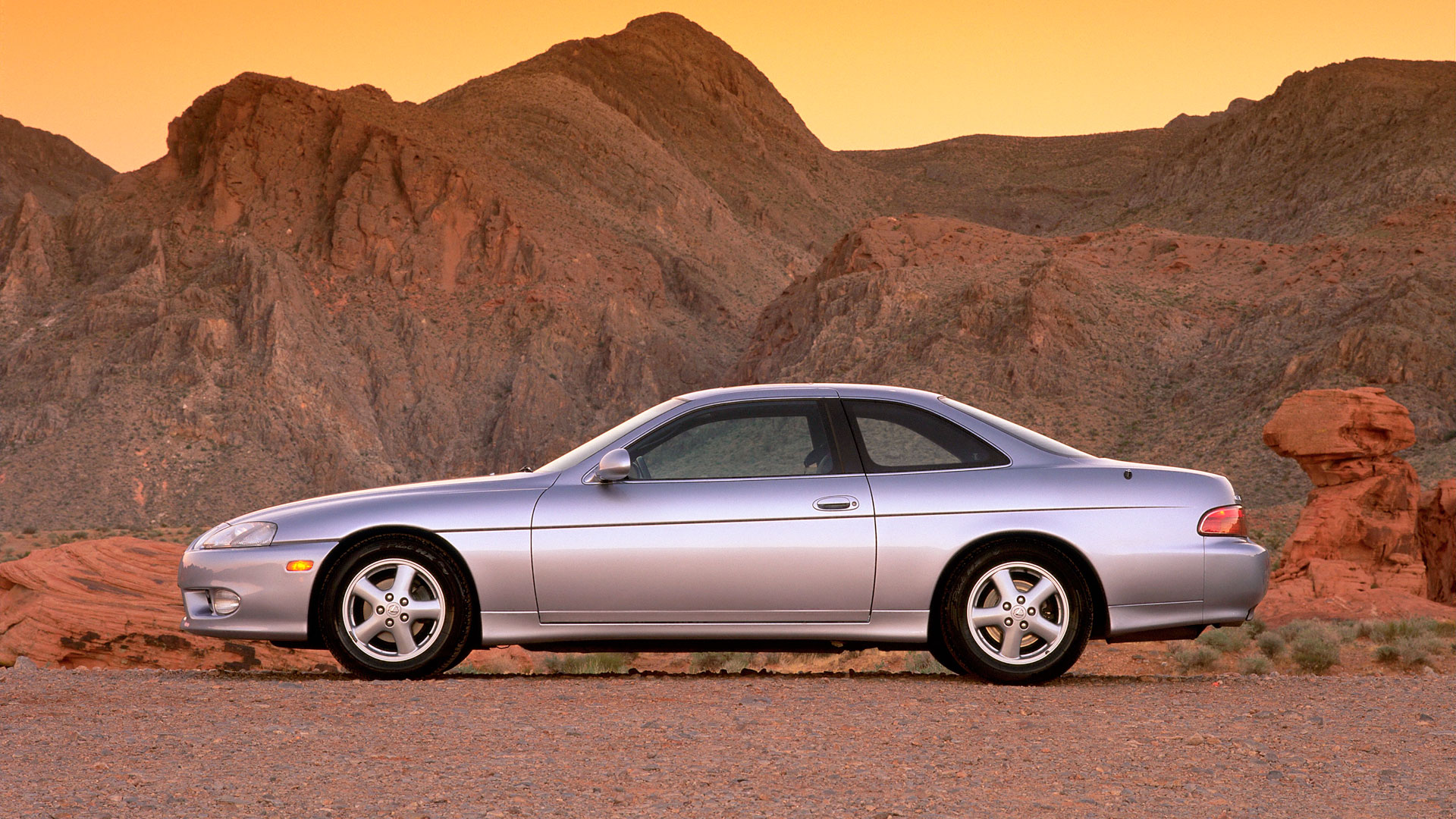
Lexus SC 300
This isn’t a definitive history of Lexus; listing every car and the company’s most notable achievements would require far more than 30 slides. That, in itself, demonstrates how far the company has come in a relatively short space of time. But Japan has a strong track record of upsetting the establishment. Witness the success of the Mazda MX-5, the original Honda NSX and Mazda’s and Toyota’s victories at Le Mans. The Lexus SC was aimed at the Mercedes SL market, with the exterior development handled in California. It was never officially sold in the UK, but many were imported from Japan, where it was known as the Toyota Soarer.
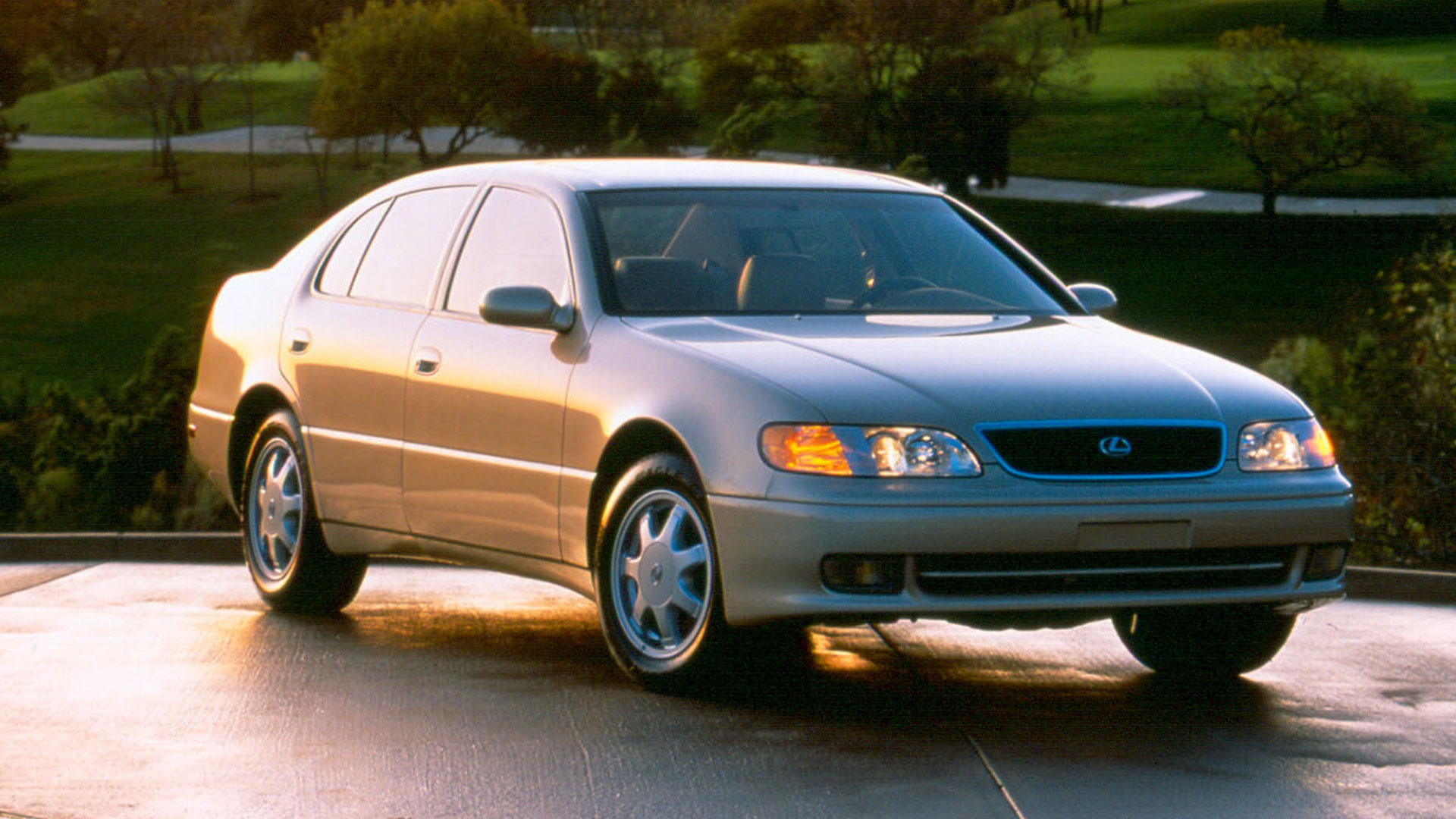
Lexus GS 300
The Lexus GS 300 arrived soon after, looking every inch the lovechild of the LS 400 and SC 300. The elegant Giugiaro-designed GS (Grand Sedan) – which was known as the Toyota Aristo in Japan – debuted with a 3.0-litre straight-six Supra engine, but a 4.0-litre V8 engine arrived later. Further versions followed, including the fourth-generation of 2012, which featured the world’s first 12.3-inch display.
Second-generation Lexus LS 400
Meanwhile, work on the second-generation LS 400 began in 1991, just two years after the launch of the original car in 1989. Although it looked similar, 90 percent of the components were either new or redesigned, with Lexus working hard to answer many of the criticisms of the first LS 400. A 35mm longer wheelbase resulted in 65mm more rear legroom, while interior storage was up 300 percent. Other highlights included the world’s first six-disc CD autochanger, the first seat suspension, and the first production car with a collapsible steering column.
Lexus RX 300
With the RX 300, Lexus was way ahead of the curve. The idea of a premium crossover was floated in 1993, before development started in 1994. The final design was approved by the end of 1995, with prototypes tested in early 1997. It launched in Japan as the Toyota Harrier in December 1997, before exports started in March 1998. It became the best-selling car in the range – at one point it accounted for half of all Lexus sales – with 370,000 RX 300s sold worldwide before the second-generation model debuted in 2003.
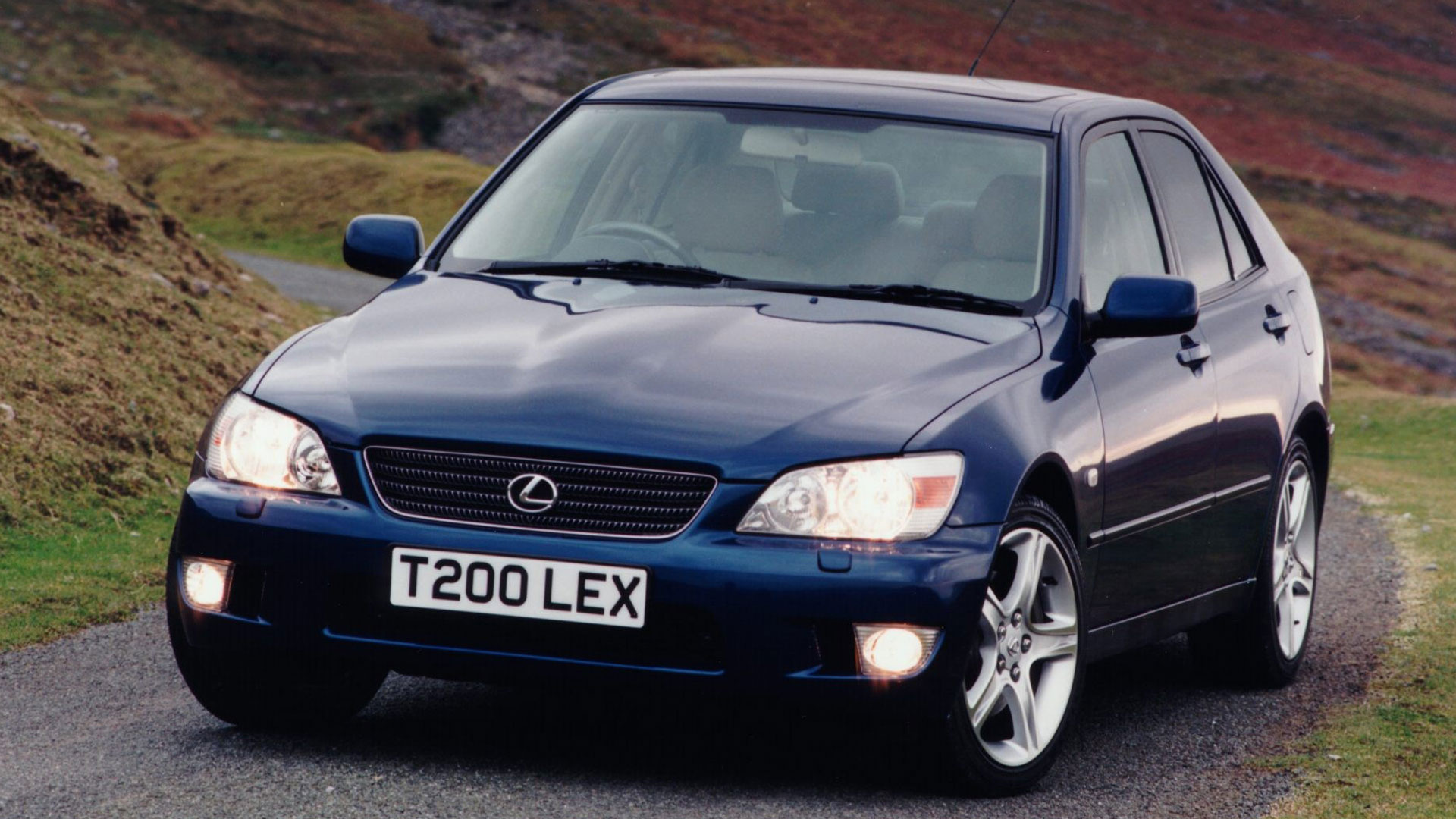
Lexus IS 200 and IS 300
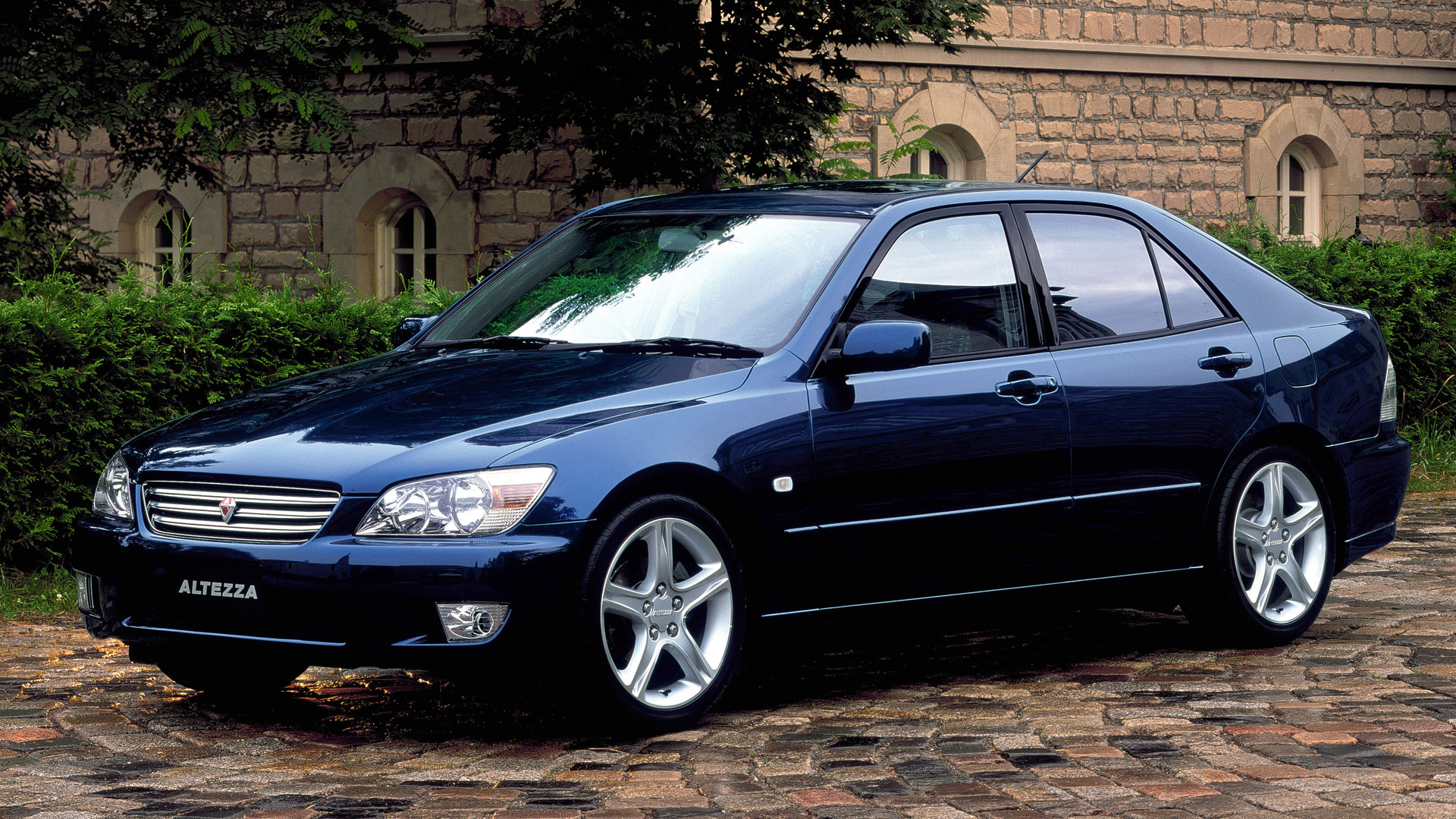
The IS 200 and IS 300 represented Lexus’ assault on the compact executive market, with the Japanese company hoping to woo buyers of the 3 Series and C-Class. Development was led by Nobuaki Katayama, who had previously worked on the AE85/86 Corolla, as well as being involved in Le Mans and rallying. Known as the Toyota Altezza in Japan, the IS arrived in the UK in 1999.
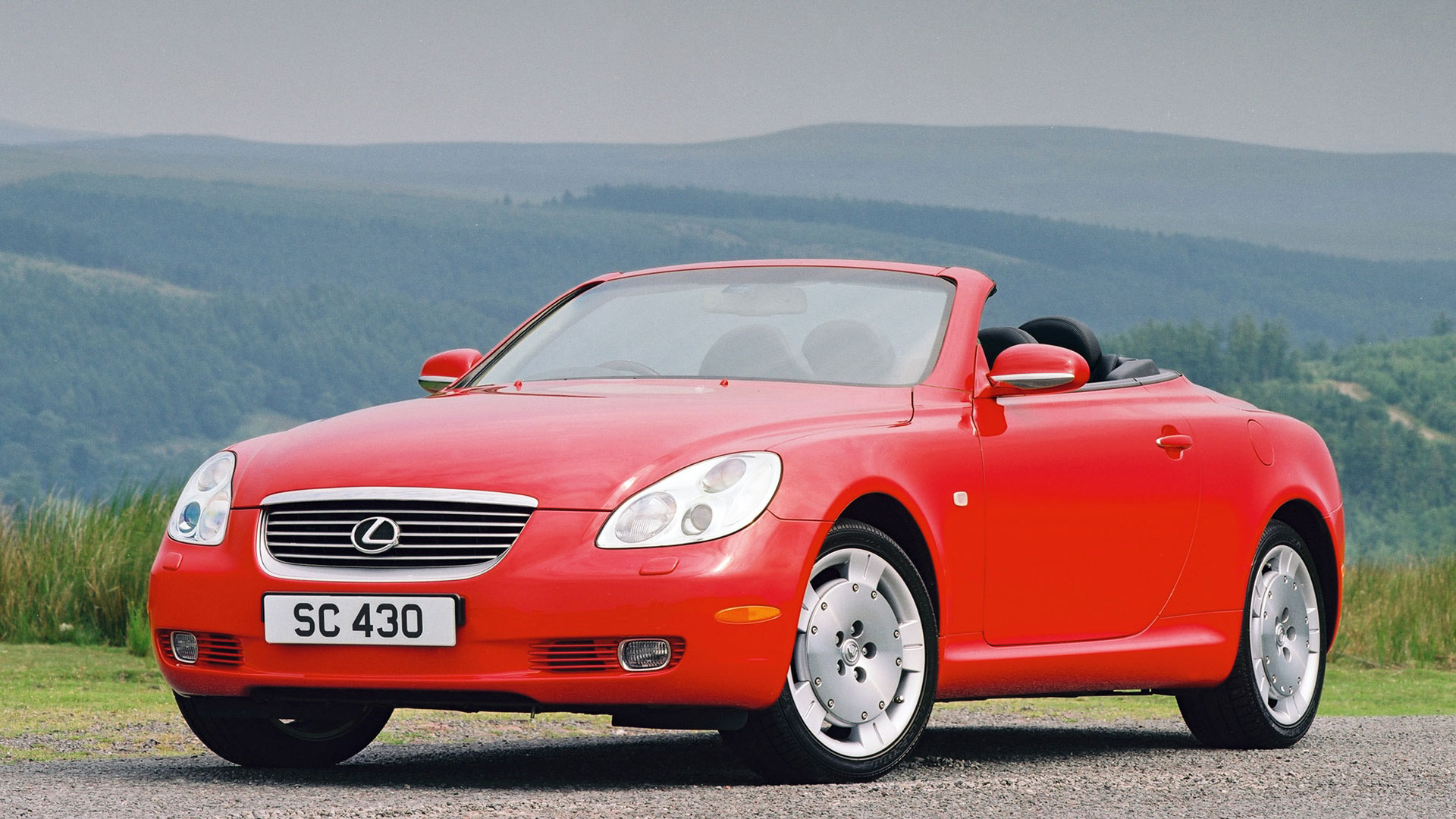
Lexus SC 430
The much-maligned and misunderstood SC 430 was first shown at the 1999 Tokyo Motor Show as the Sport Coupe concept. A production version was unveiled at the 2000 Paris Motor Show, before being released in 2001 to coincide with the 20th anniversary of the Toyota Soarer. Designer Sotiris Kovos took inspiration from Italian Riva powerboats, with power sourced from the 4.3-litre V8 engine found in the LS 430.
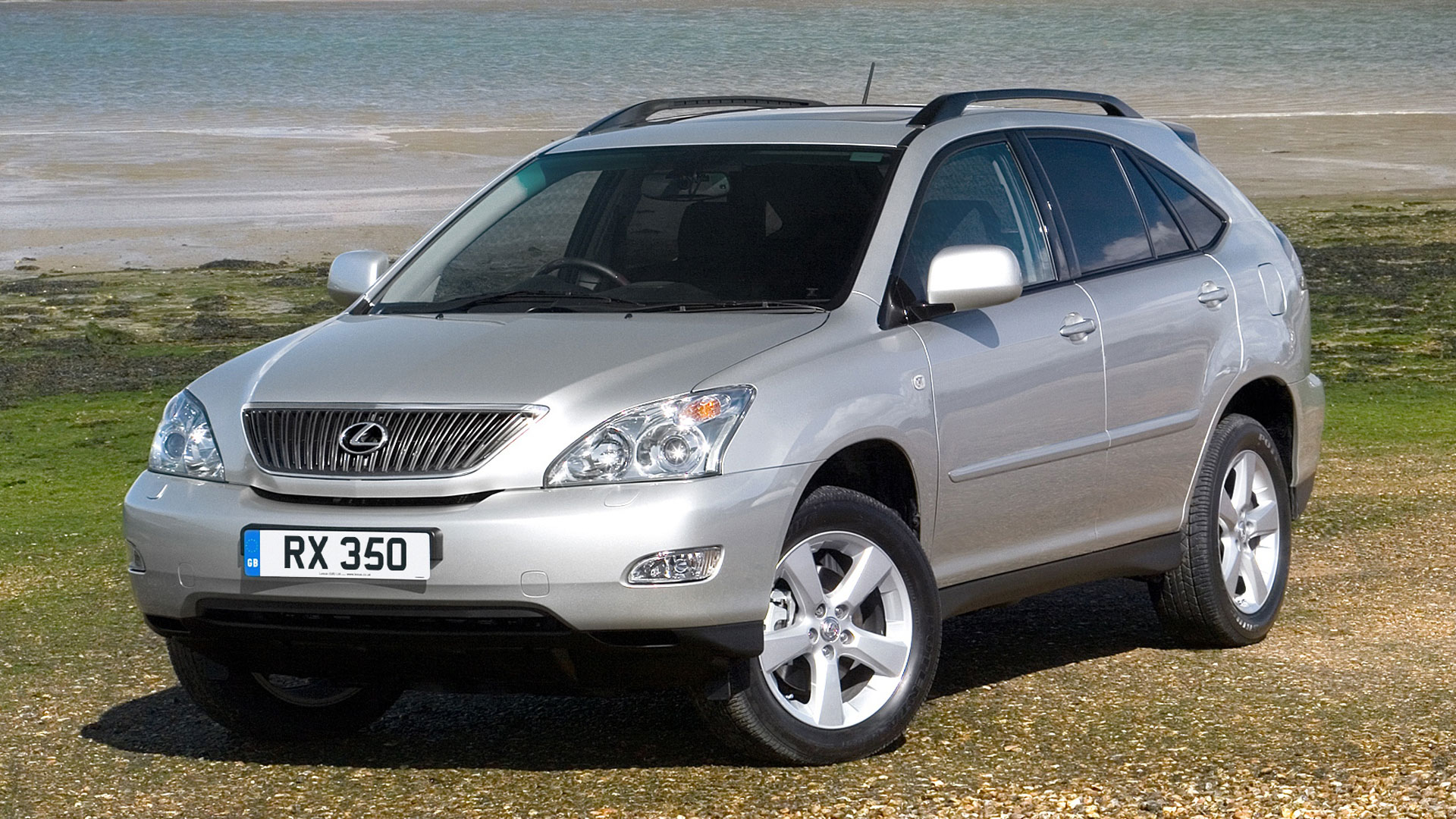
Lexus RX 330
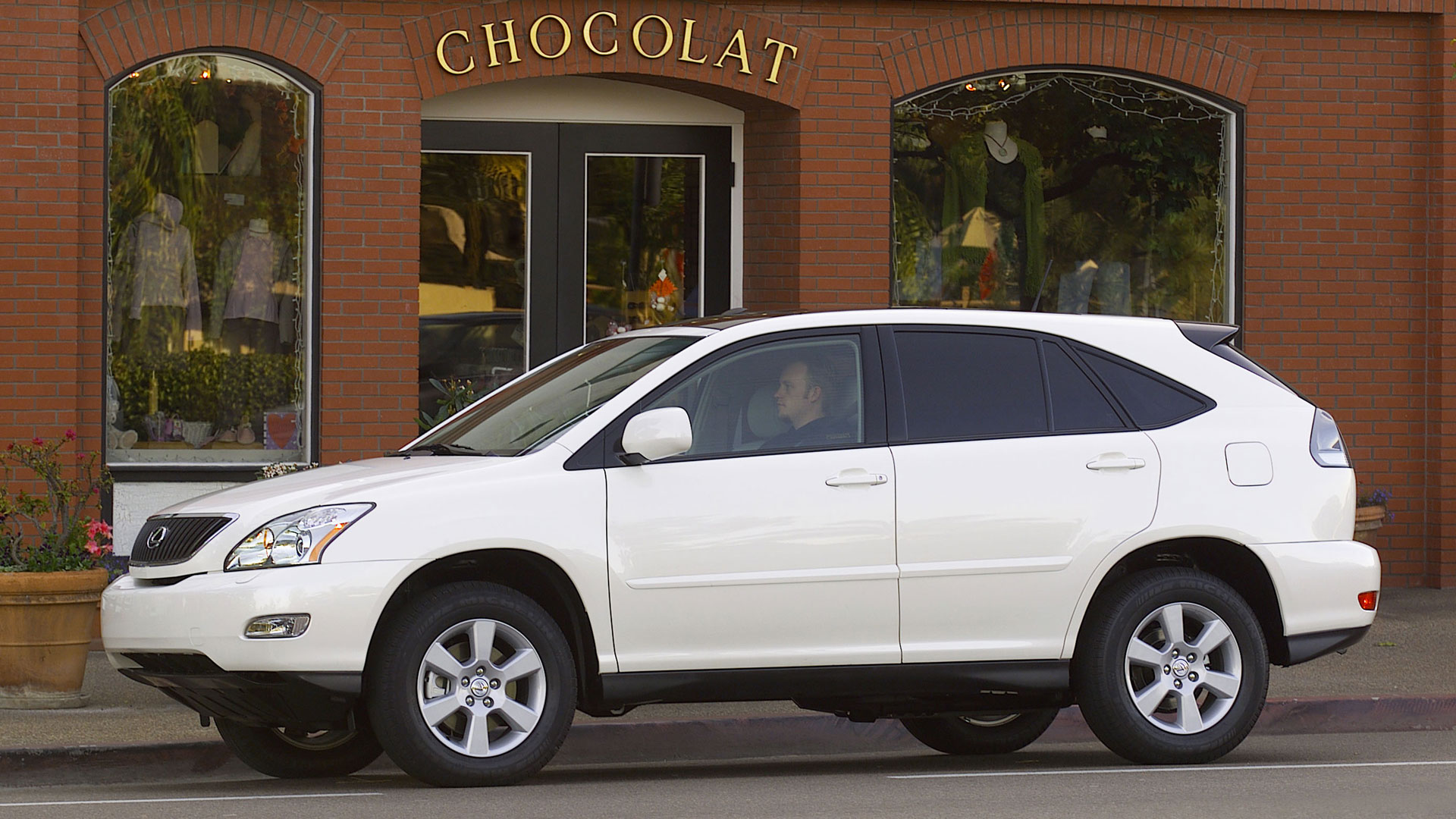
In the RX 300, Lexus claims to have created the premium crossover segment, and it soon became America’s best-selling SUV. The second-generation RX 330 went on sale in 2002, becoming the first Lexus vehicle to be manufactured in North America. The plant in Ontario was the first plant outside of Japan to produce a Lexus model.
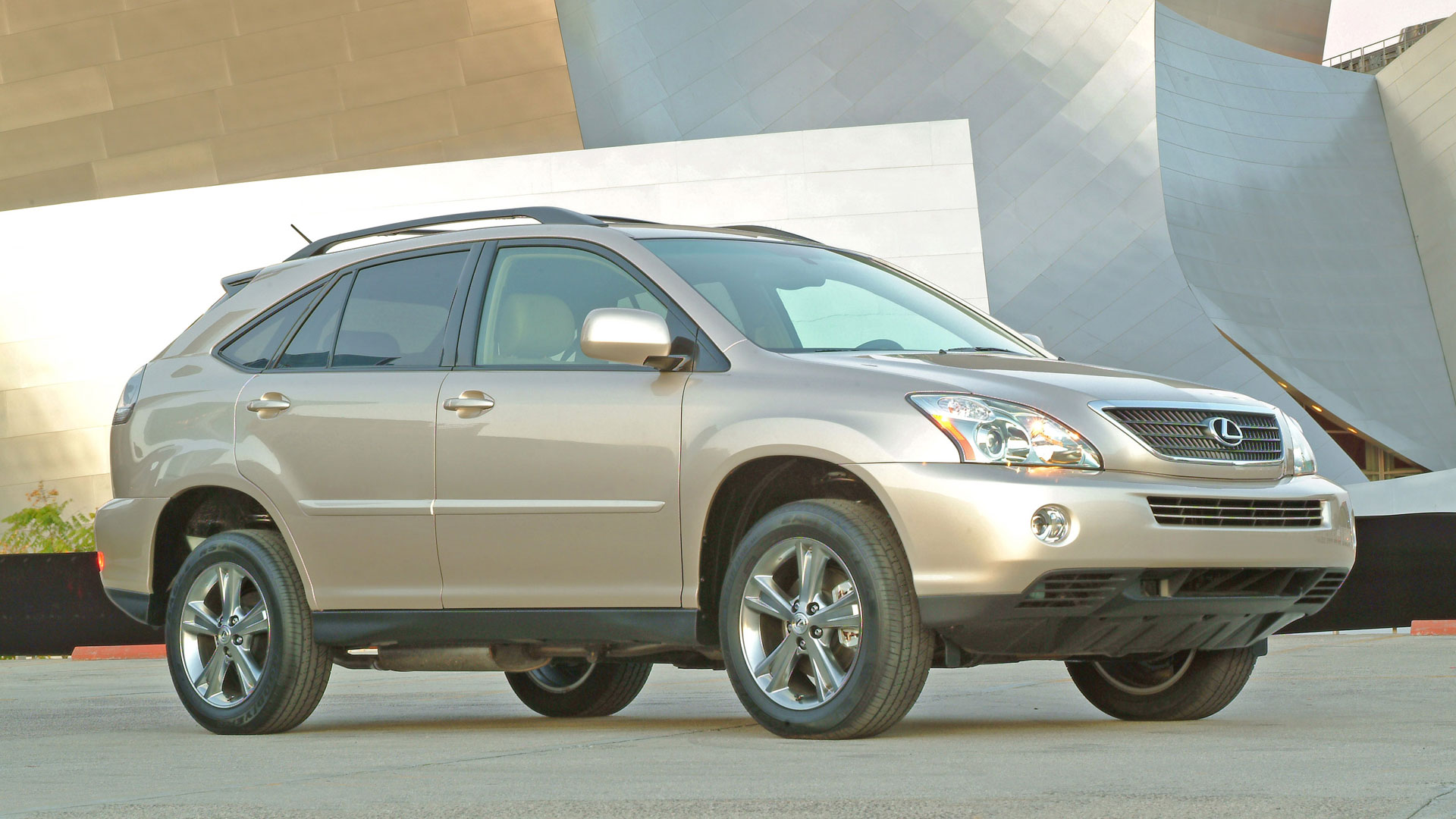
Lexus RX 400h
In 2004, Lexus sold its two-millionth vehicle in the US and introduced the world’s first luxury hybrid vehicle: the RX 400h. In the same year, Lexus unveiled the third-generation GS 300 and GS 430, along with all-new IS 250 and IS 350 saloons. A timeline will show that Lexus was churning out cars with a fair degree of regularity, but it was struggling to recapture the euphoria associated with building the ‘best car in the world’, aka the LS 400. It needed a halo model.
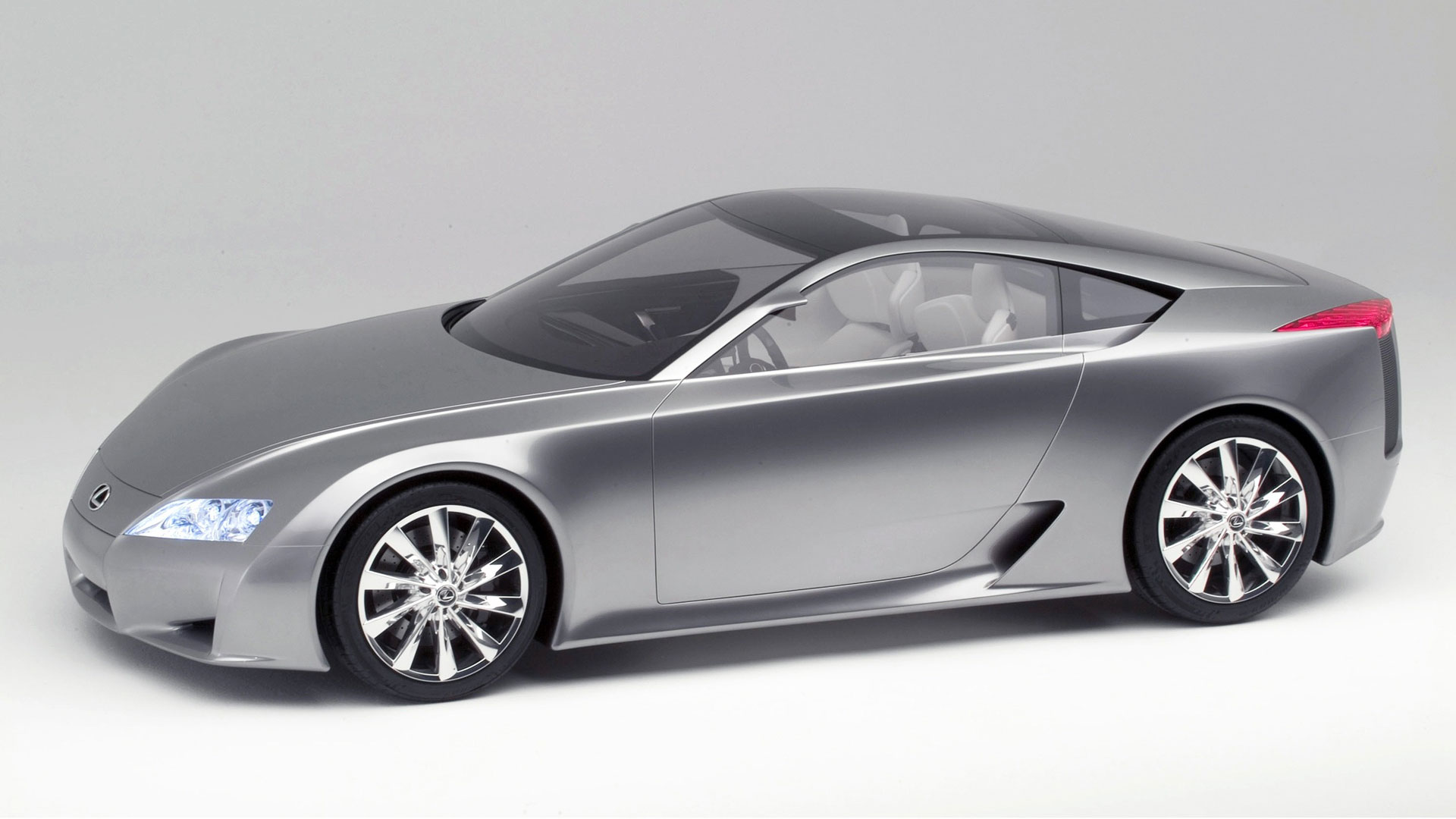
Lexus LF-A concept
Step forward the LFA supercar, which by the time it debuted as the LF-A concept in 2005 had already undergone five years of development. For a brand built on the luxury of hydraulically-damped cup holders, ashtrays and coin holders, the idea of a supercar was straight outta the weird closet. This was Toyota CEO Akio Toyoda’s Volkswagen Phaeton or Bugatti Veyron. A project designed to show the world what Lexus can do when let off the leash.
Lexus LFA
The five-year development plan turned to seven when Toyota decided to build a car entirely from carbon fibre. A second concept was unveiled in 2007, before the production version debuted at the 2009 Tokyo Motor Show. Power was sourced from a 4.8-litre V10 engine co-developed by Yamaha. Jeremy Clarkson said: “If someone were to offer me the choice of any car that had ever been made ever, I would like a dark blue Lexus LFA.”
Lexus in Japan
The year 2005 was a significant one for the company, with Lexus-badged products sold in Japan for the first time. The likes of the Toyota Aristo, Harrier and Altezza bowed out with grace and dignity.
Lexus GS 450h
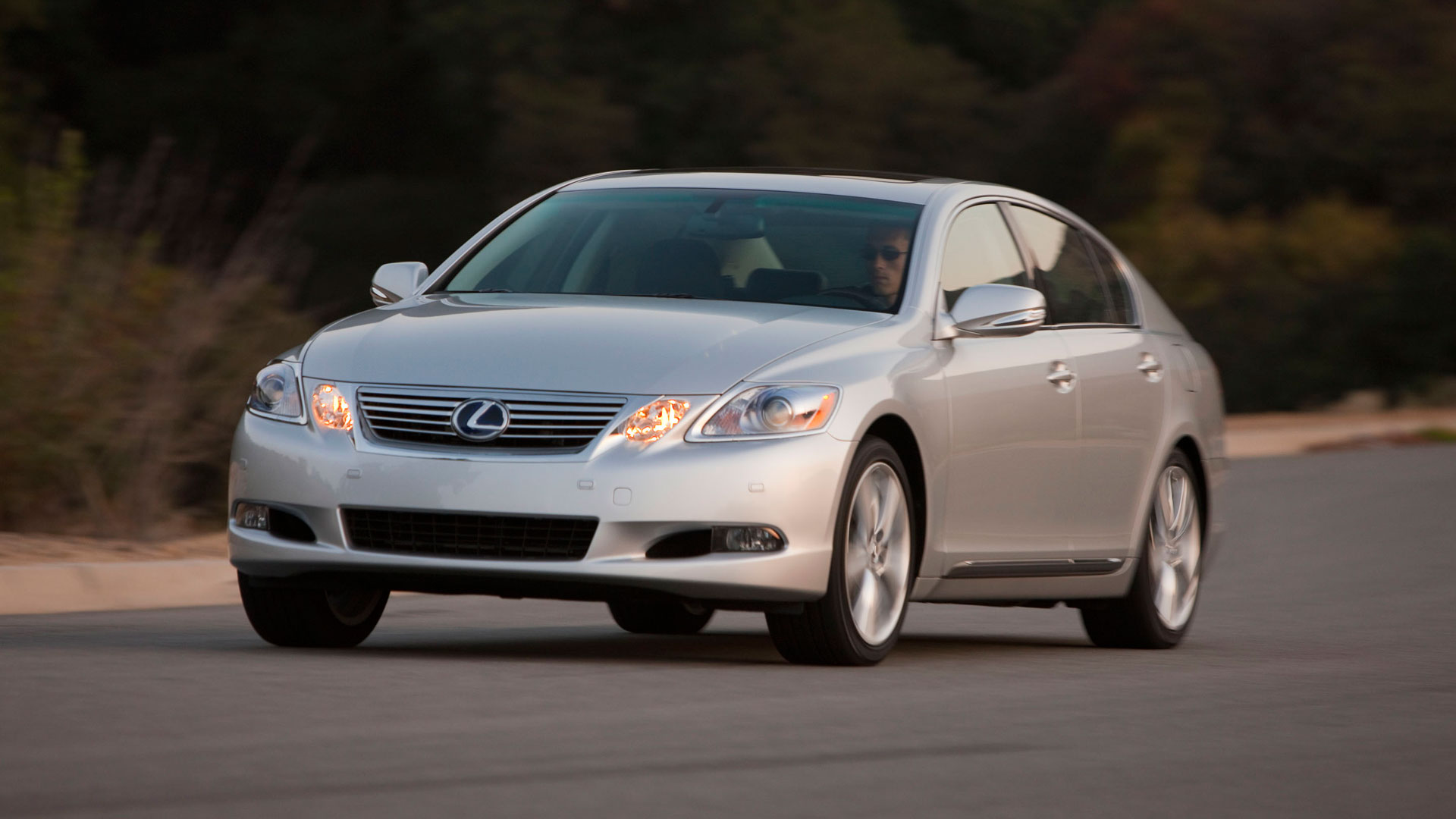
The LS 400 might have laid the foundations for Lexus as a luxury brand, but the RX 330 and GS 450h (pictured) were two of the first luxury hybrid vehicles. Earlier this year, Lexus announced that it had sold 1.45 million hybrid cars, with sales of ‘self-charging’ vehicles up 20 percent in 2018.
Lexus IS F
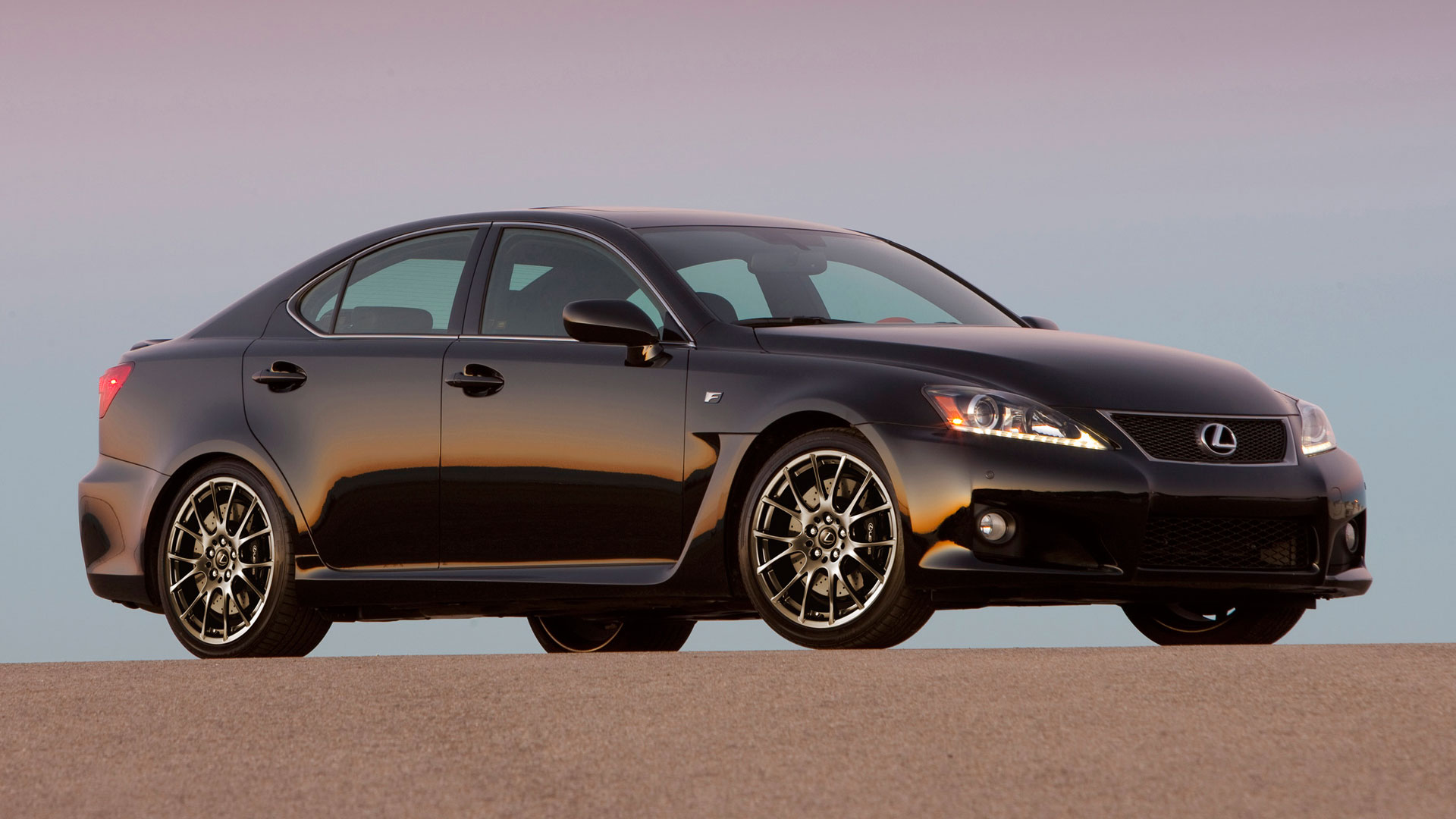
In 2007, Lexus unveiled the 416hp IS F. Designed to take on the might of BMW’s M division and Mercedes’ AMG, this was the first F product and it was, according to Lexus, “the most uncharacteristic car [it] had ever built”. Well, it did pre-date the production version of the LFA.
Lexus HS 250h
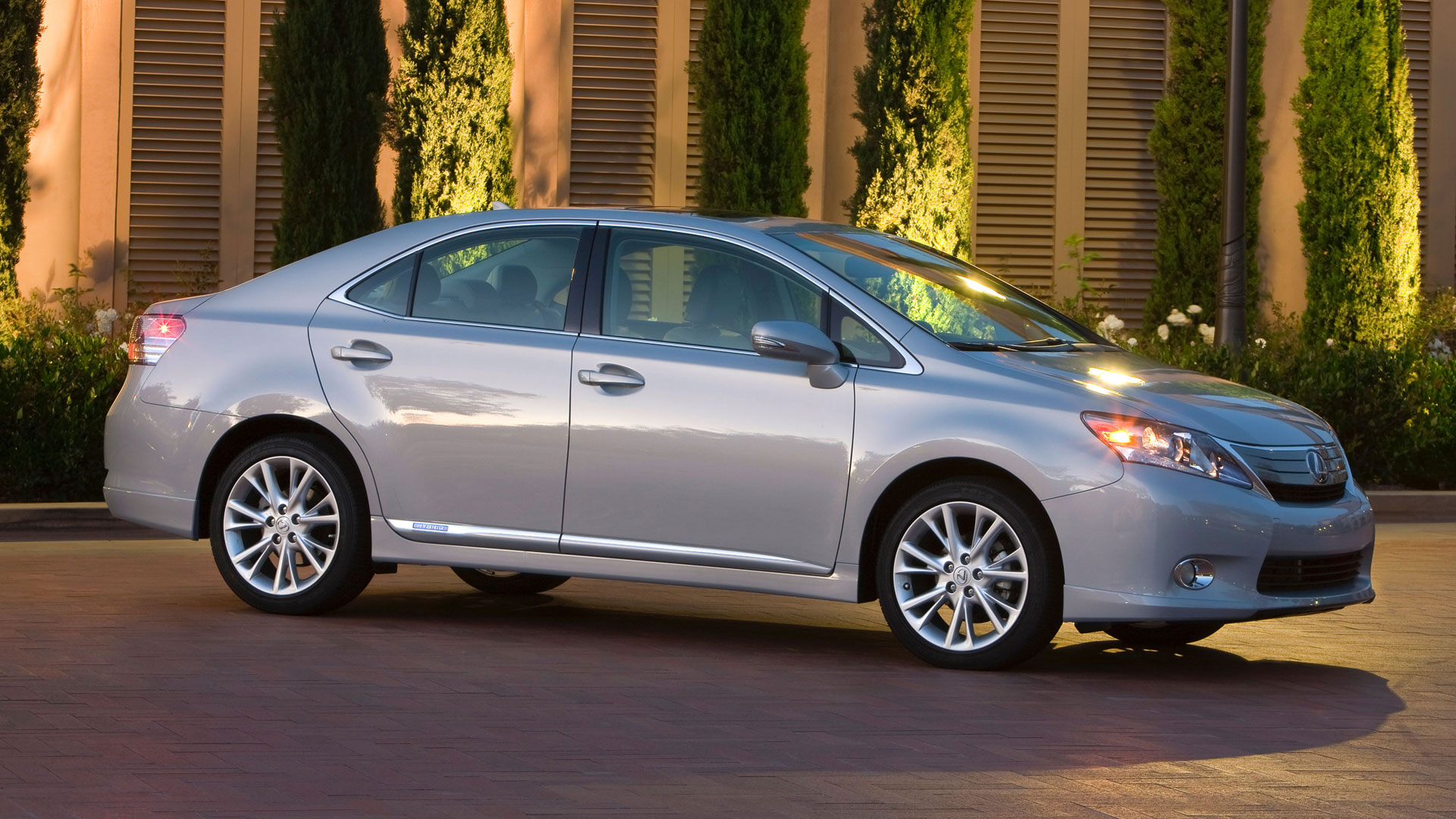
Lexus likes ‘world-firsts’. The HS 250h might be largely unknown in the UK, but it just happened to be the world’s first hybrid-only luxury vehicle…
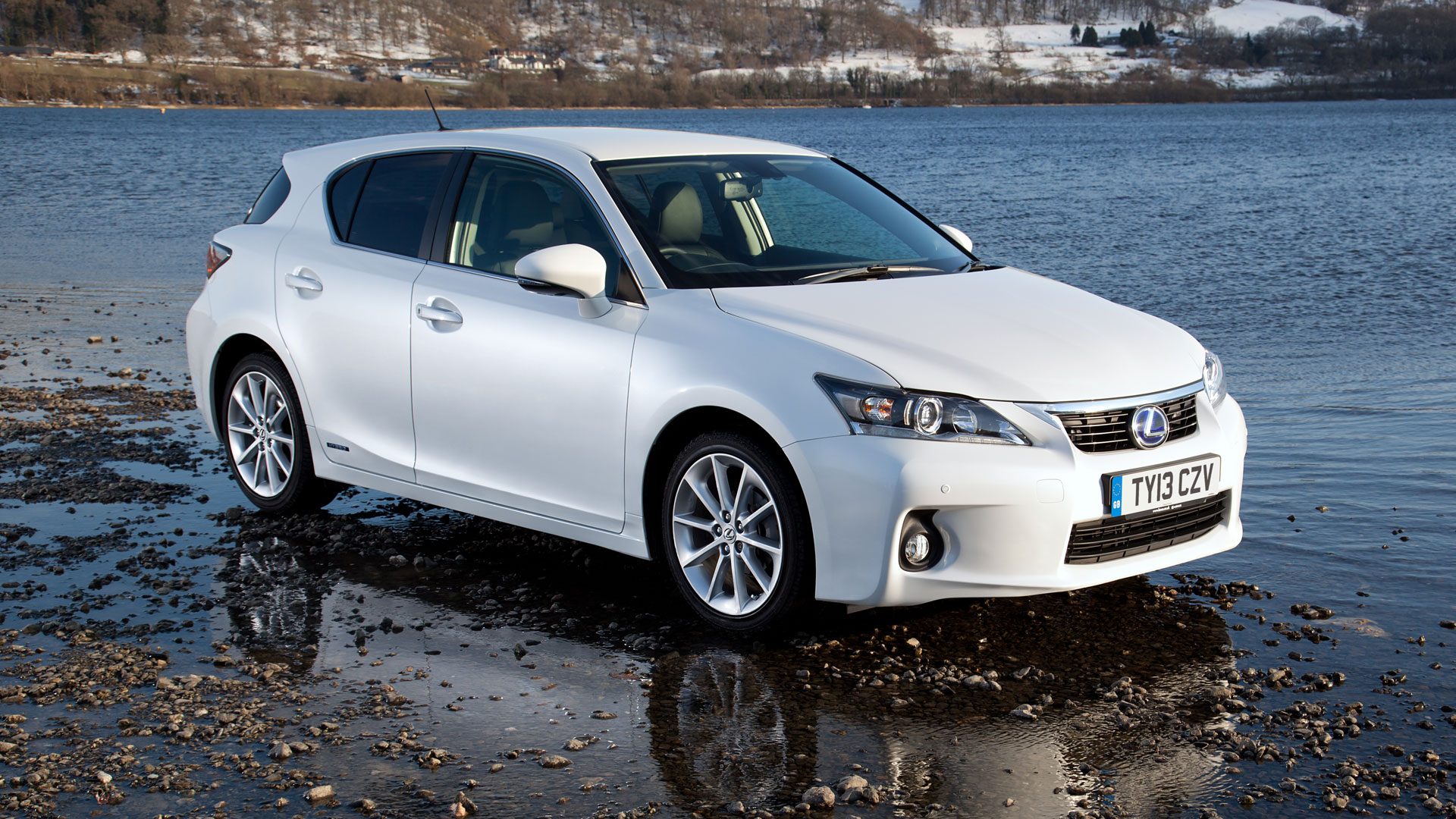
Lexus CT 200h
This was followed by the CT 200h – the world’s first hybrid premium hatchback. In truth, low running costs and Lexus’ legendary reputation for reliability were its two strongest points, because the CVT transmission was woeful, space in the back was compromised and it wasn’t that great to drive. Still, if you wanted a Toyota Prius with a tad more luxury, the CT 200h would fit the bill.
Lexus LF-LC
Lexus has a habit of building drop-dead gorgeous or dramatic concepts. Or, in the case of the LF-LC, drop-dead gorgeous and dramatic. That’s Future-Luxury Coupe, by the way.
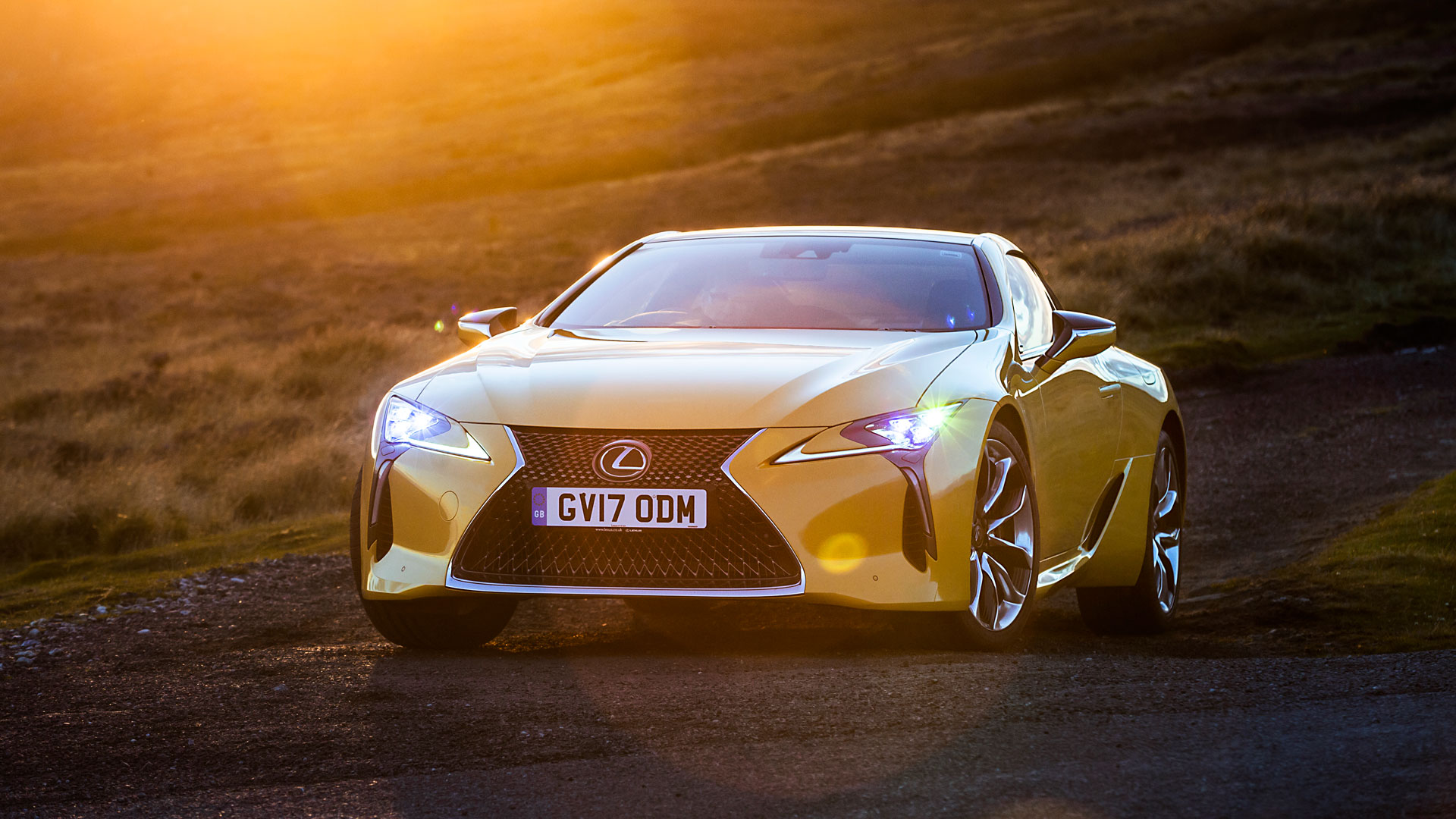
Lexus LC
Lexus wasn’t lying when it said ‘Future’, because the LF-LC concept spawned the equally alluring LC performance coupe. We don’t think it’s possible to buy something more dramatic or eye-catching for less than £100,000.
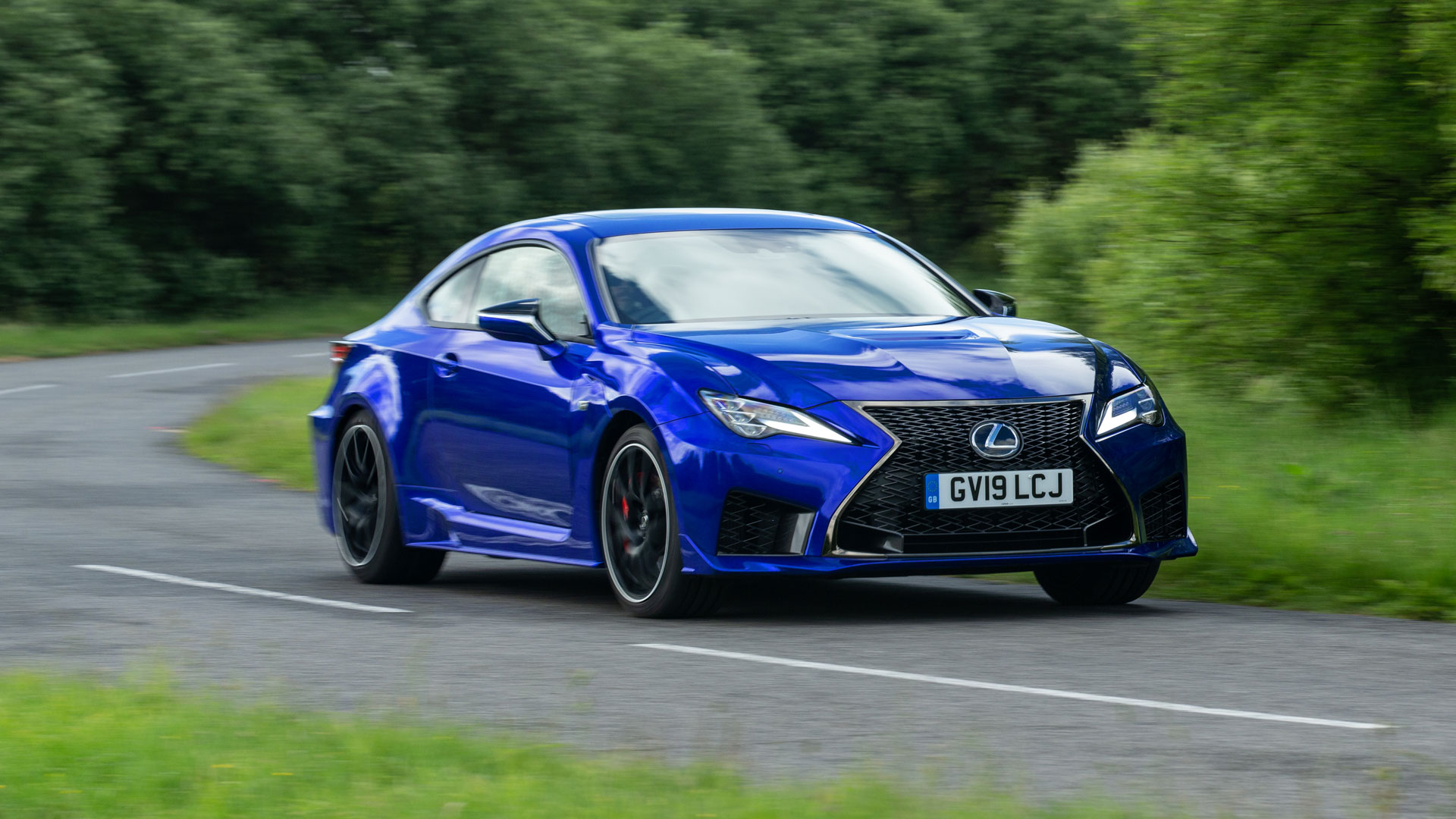
Lexus RC F
We could be closing this gallery with a look at the countless saloons and crossovers launched by Lexus over recent years, but you’ll forgive us for highlighting the RC F instead. This is Lexus’ response to the German performance saloons and coupes – a kind of BMW M4 with a Japanese twist. You can even get a Track Edition of this V8 monster, complete with a significant weight reduction and carbon ceramic brakes.
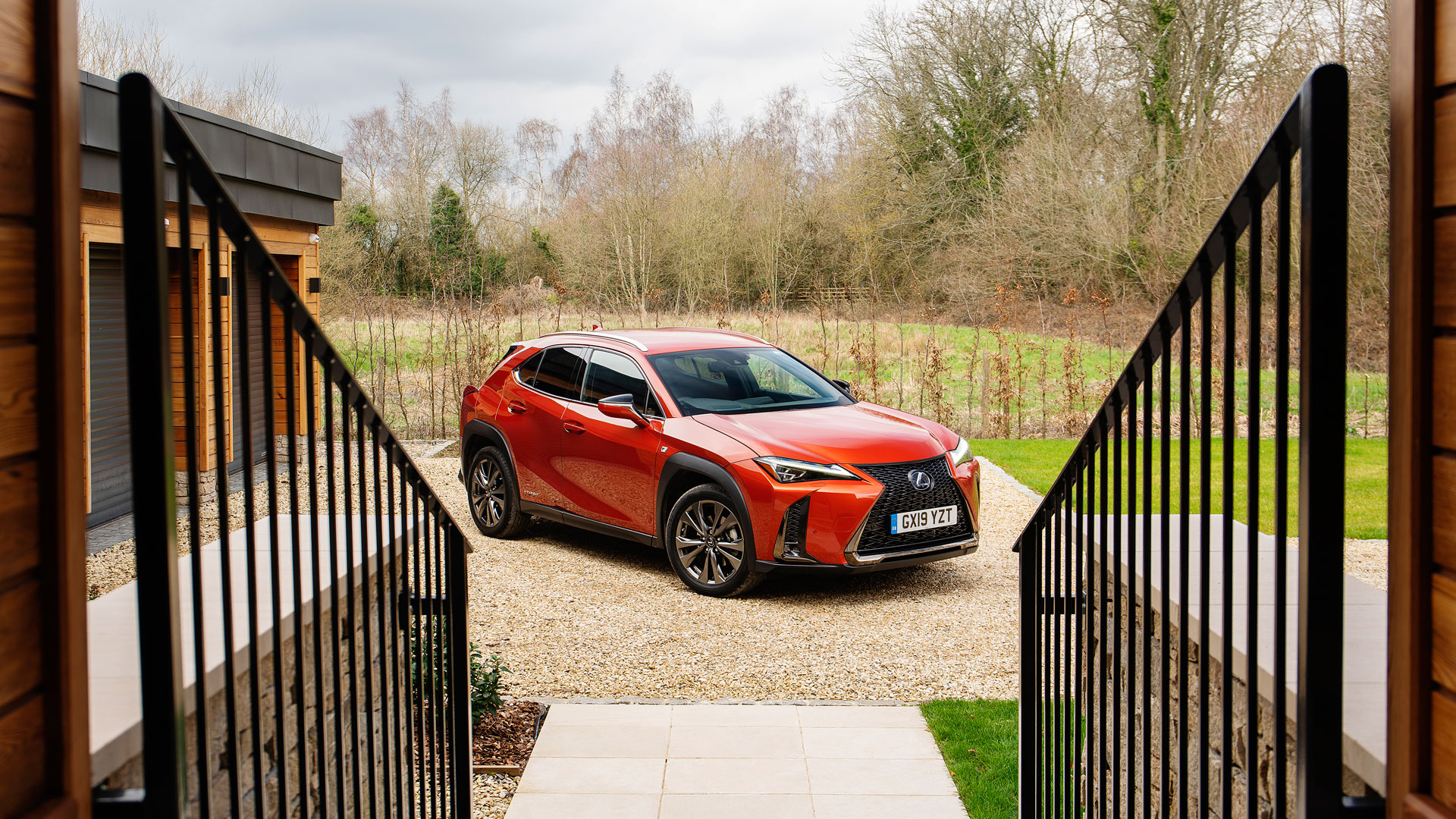
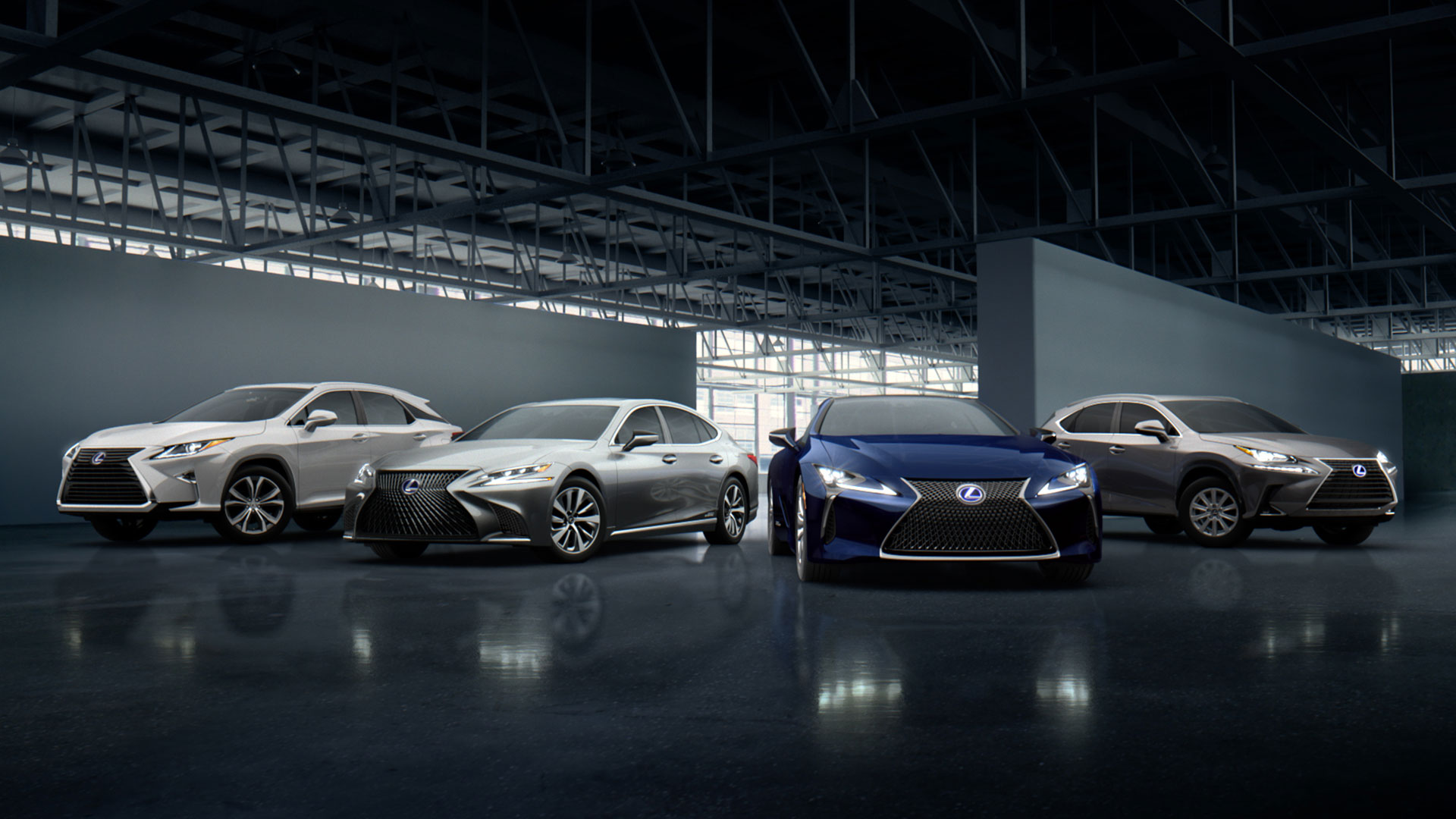
Lexus UX, NX and RX
But as much as we like to watch videos of the LC and RCF – not to mention dream about the LFA – the future of Lexus will be underpinned by crossovers with hybrid powertrains, like the UX, NX and RX. Alternatively, you could buy a sub-£2k LS 400 to relive the glory days.
10 million vehicles sold
In Europe, Lexus has sold around 875,000 cars since 1990 – less than 10 percent of the 10 million vehicles sold since the brand launched in 1989. However, the European market appears to be on the up, with sales increasing by 76 percent in the last five years. We’re expecting to see the first all-electric Lexus in 2020, while all models will have an electrified option by 2025.
Honda wants the e, its first all-electric production car, to be an ‘iPhone for cars’ moment. But, just as people don’t just buy an iPhone for how it looks, so the Honda e needs to deliver a suitably Apple-like driving experience as well.
To Germany, then, for a secret first drive of the Honda e Prototype. That’s ‘prototype’ in the loosest possible sense. Save for a few upgrades in dashboard plastic quality and fully-functioning infotainment, this is the Honda e coming to showrooms in early 2020.
Even from this 20-minute early drive, it’s clear those placing reservations have a lot to look forward to.
Quietly confident
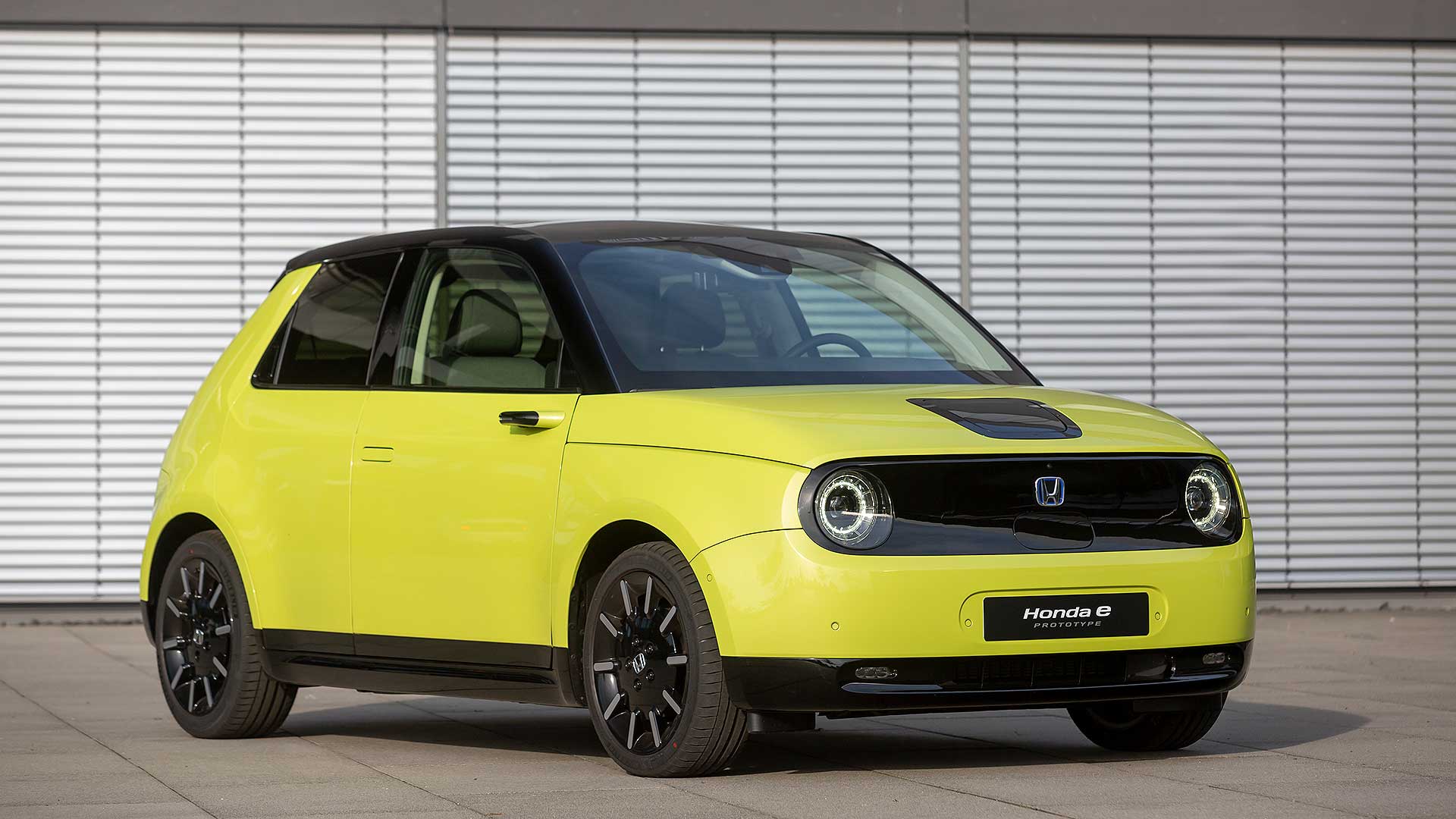
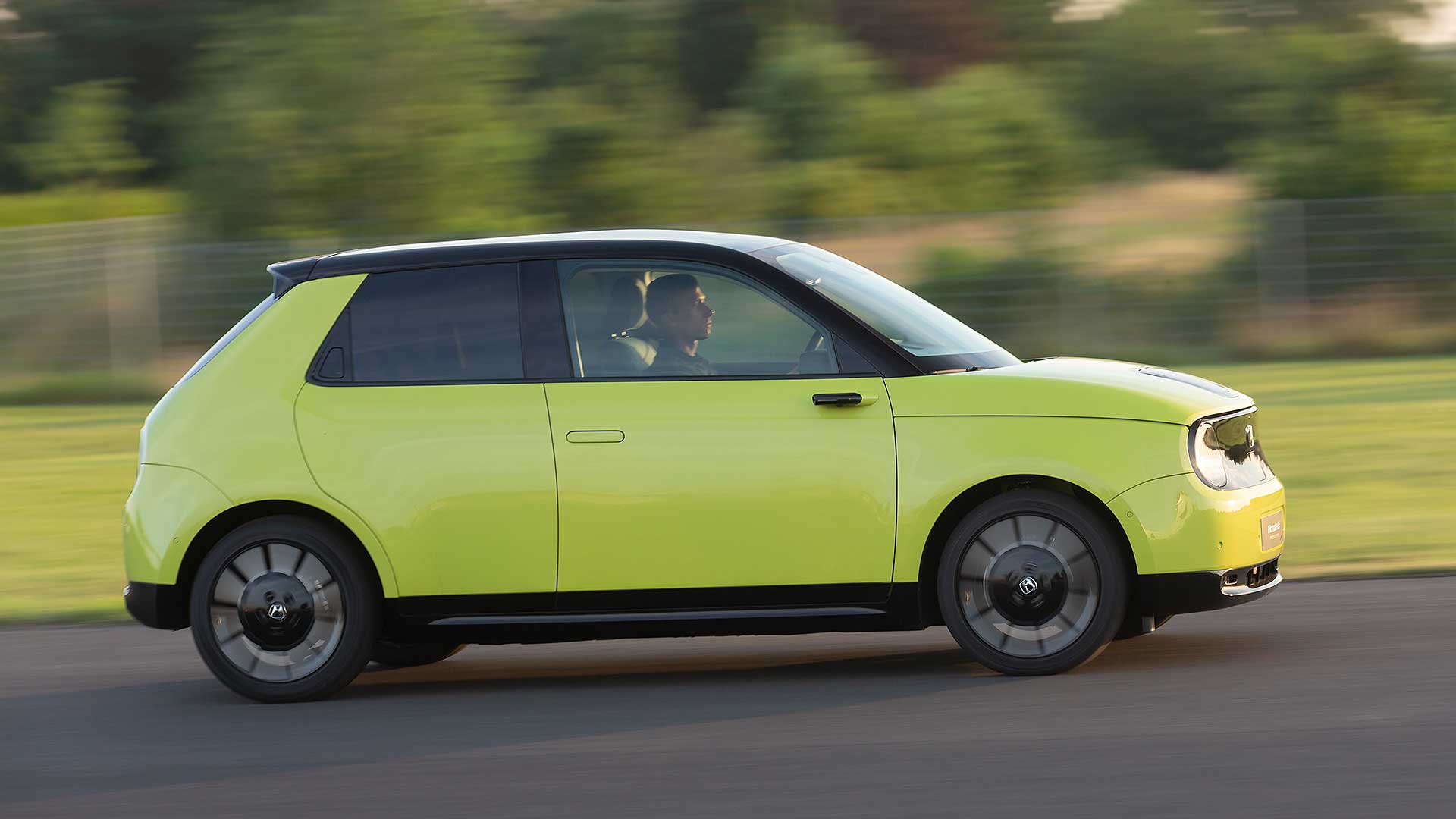
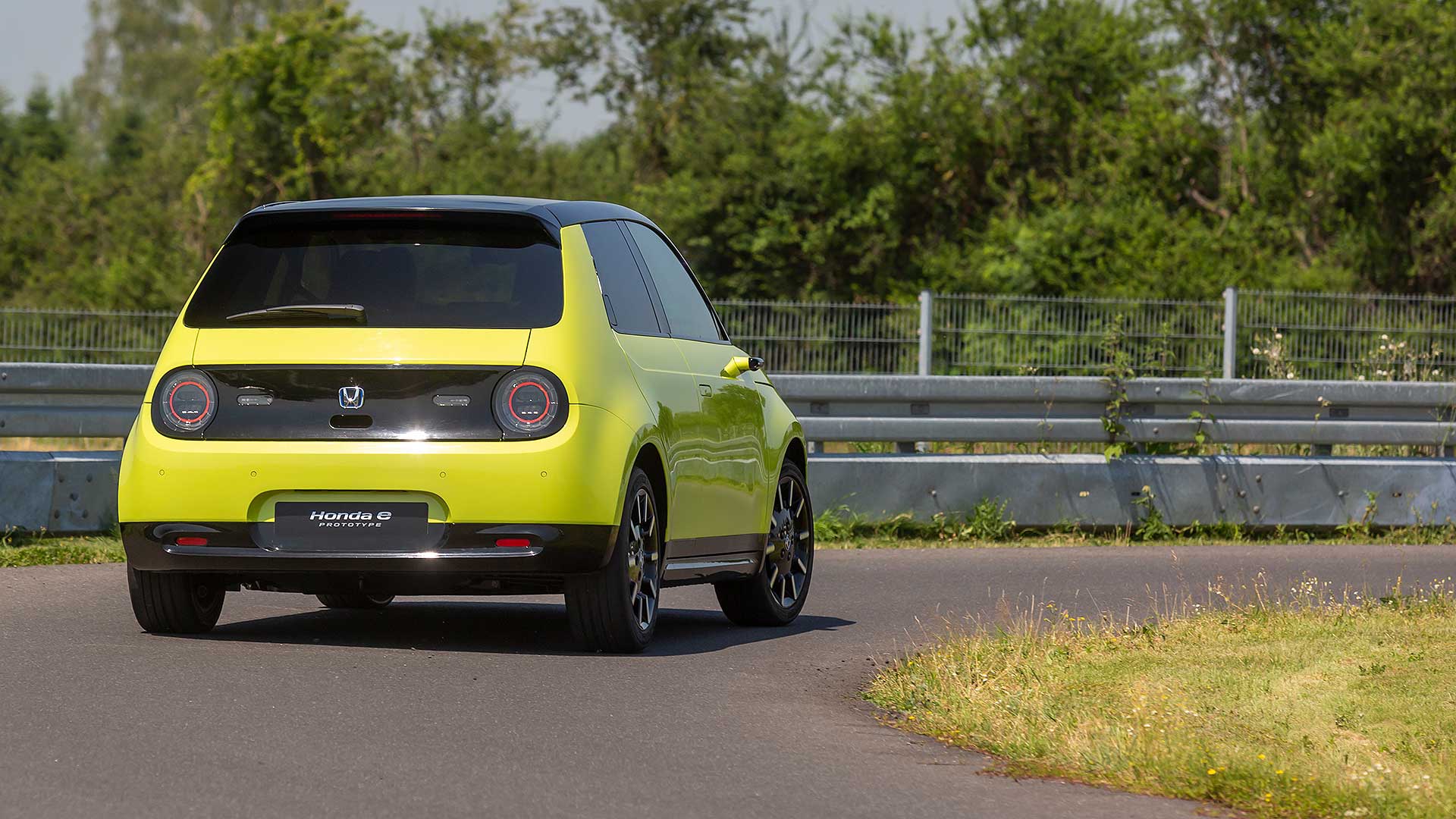
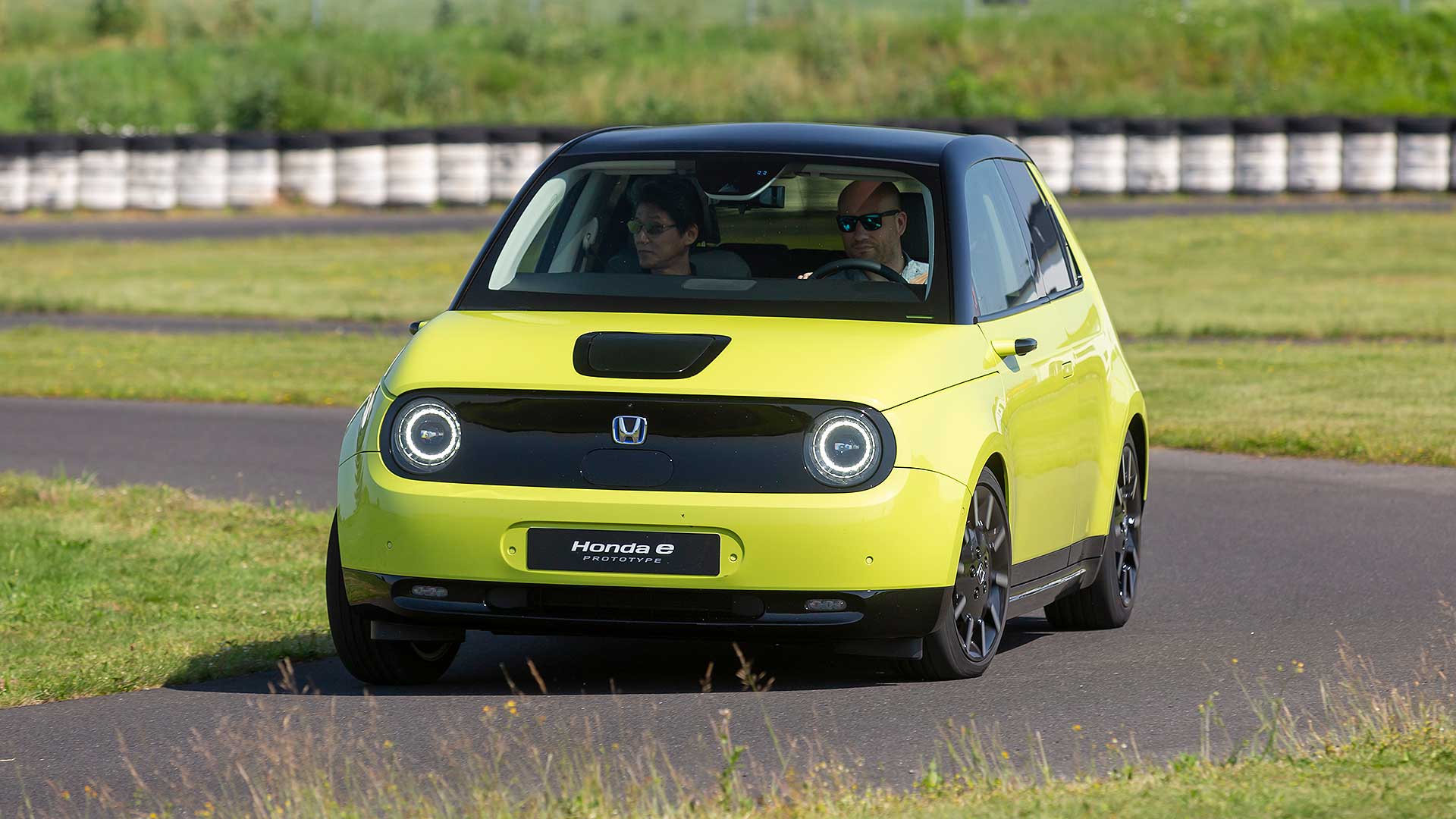
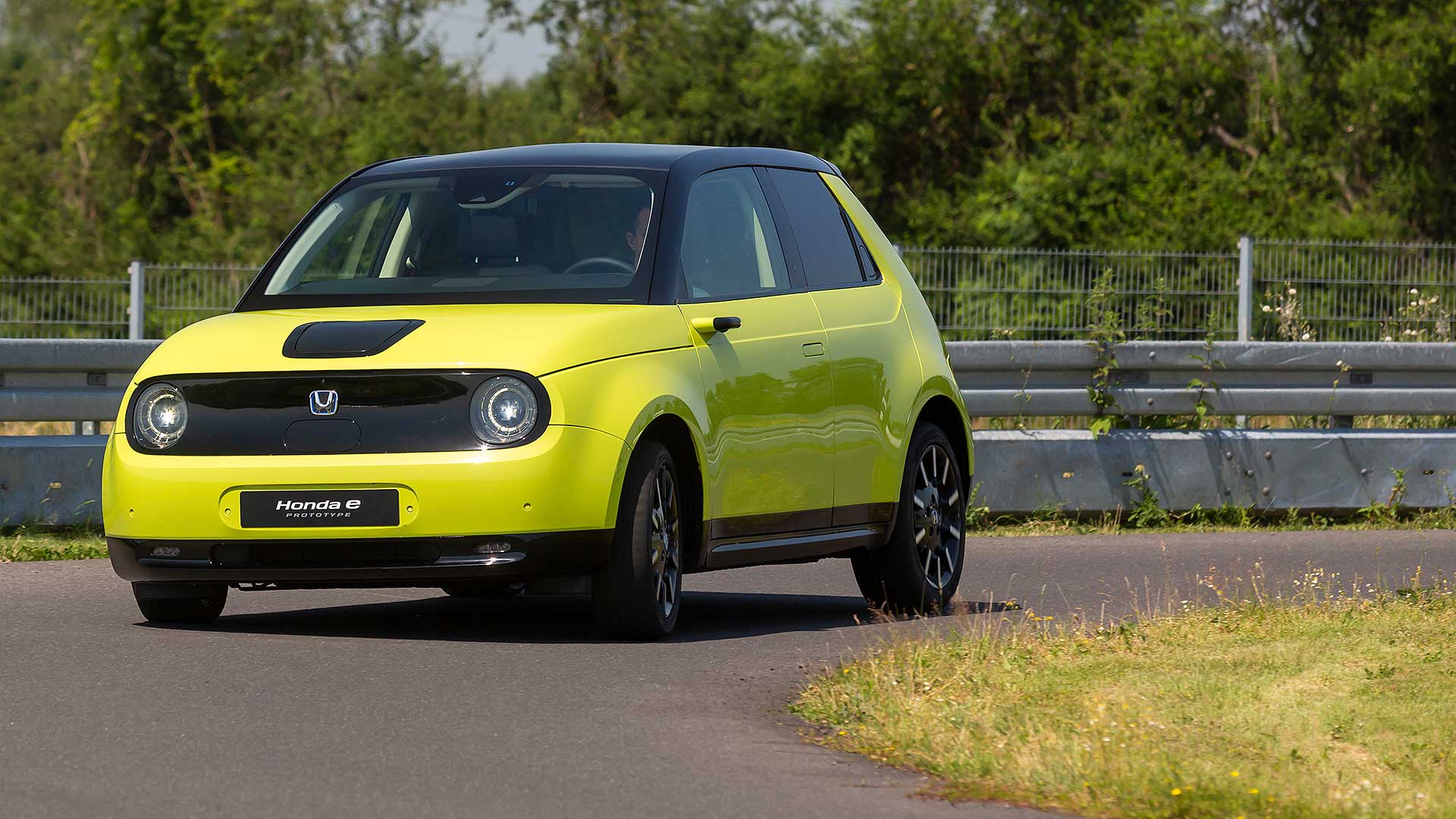
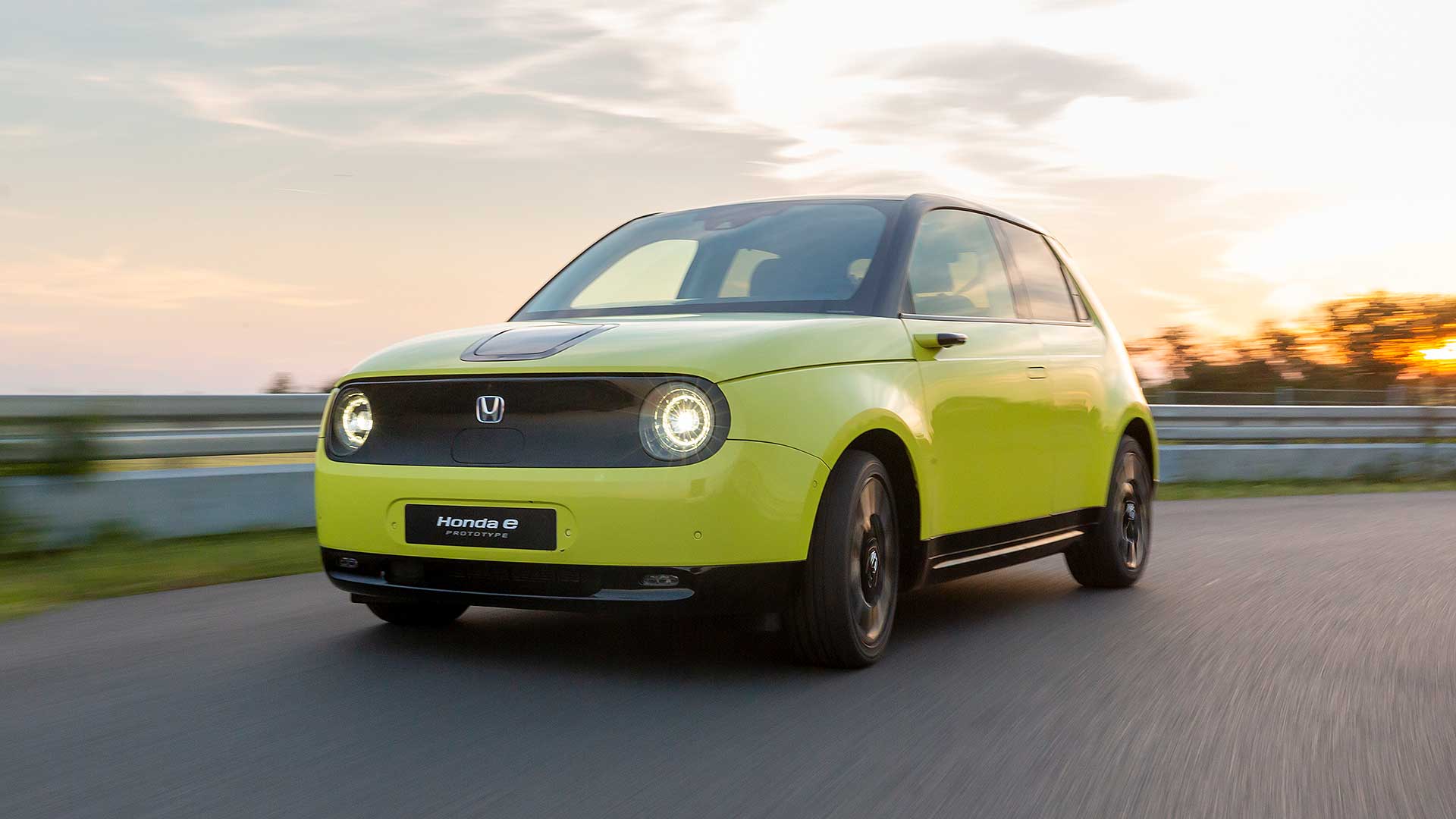
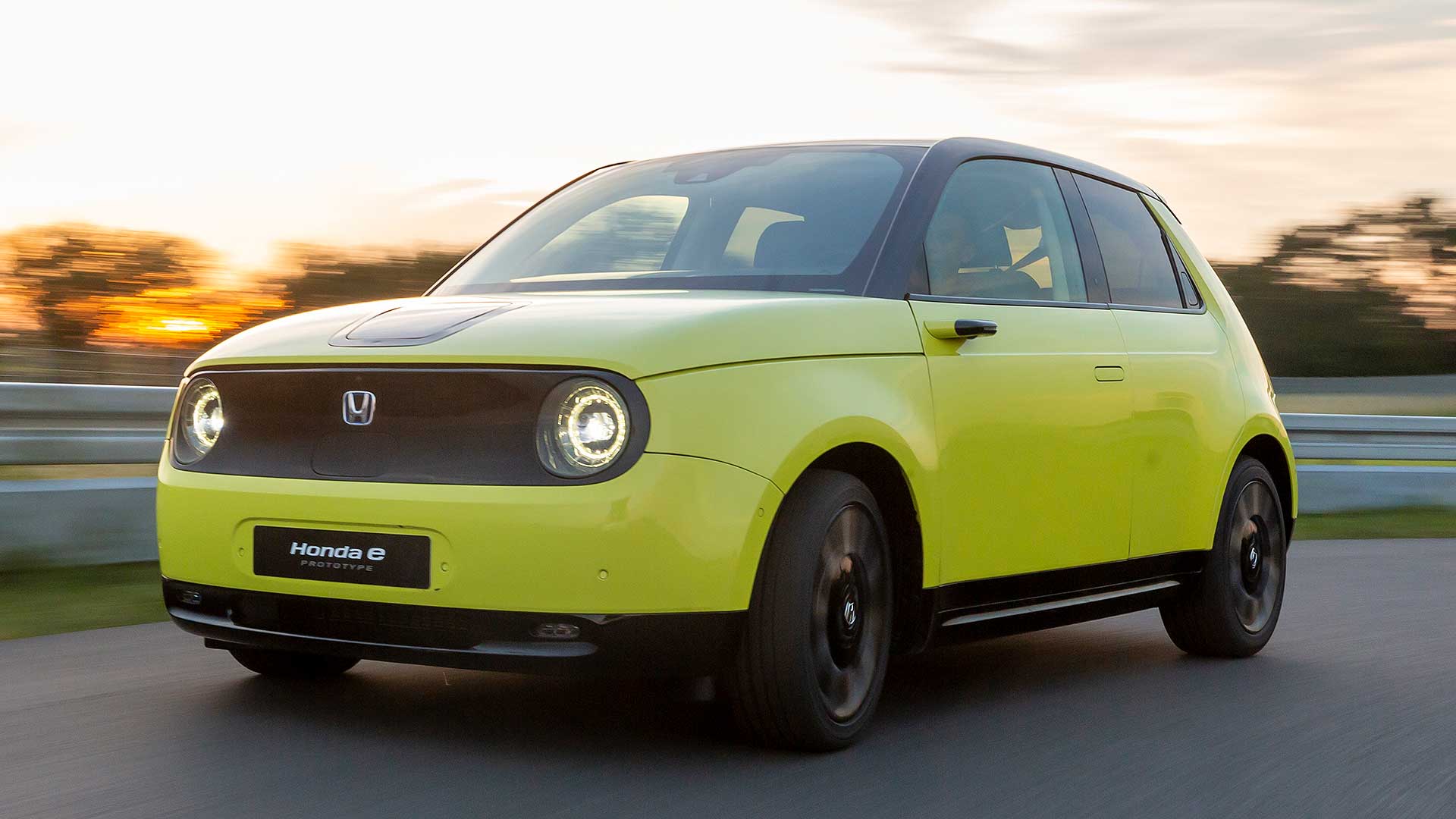
Honda had shipped over two vehicles from Germany for the drives at its training centre just outside Frankfurt. A third, static, car was on show inside for us to peer over, poke and prod. Two were white; pleasingly, the third was Charge Yellow – the first time we’ve seen a Honda e in the metal not finished in white.
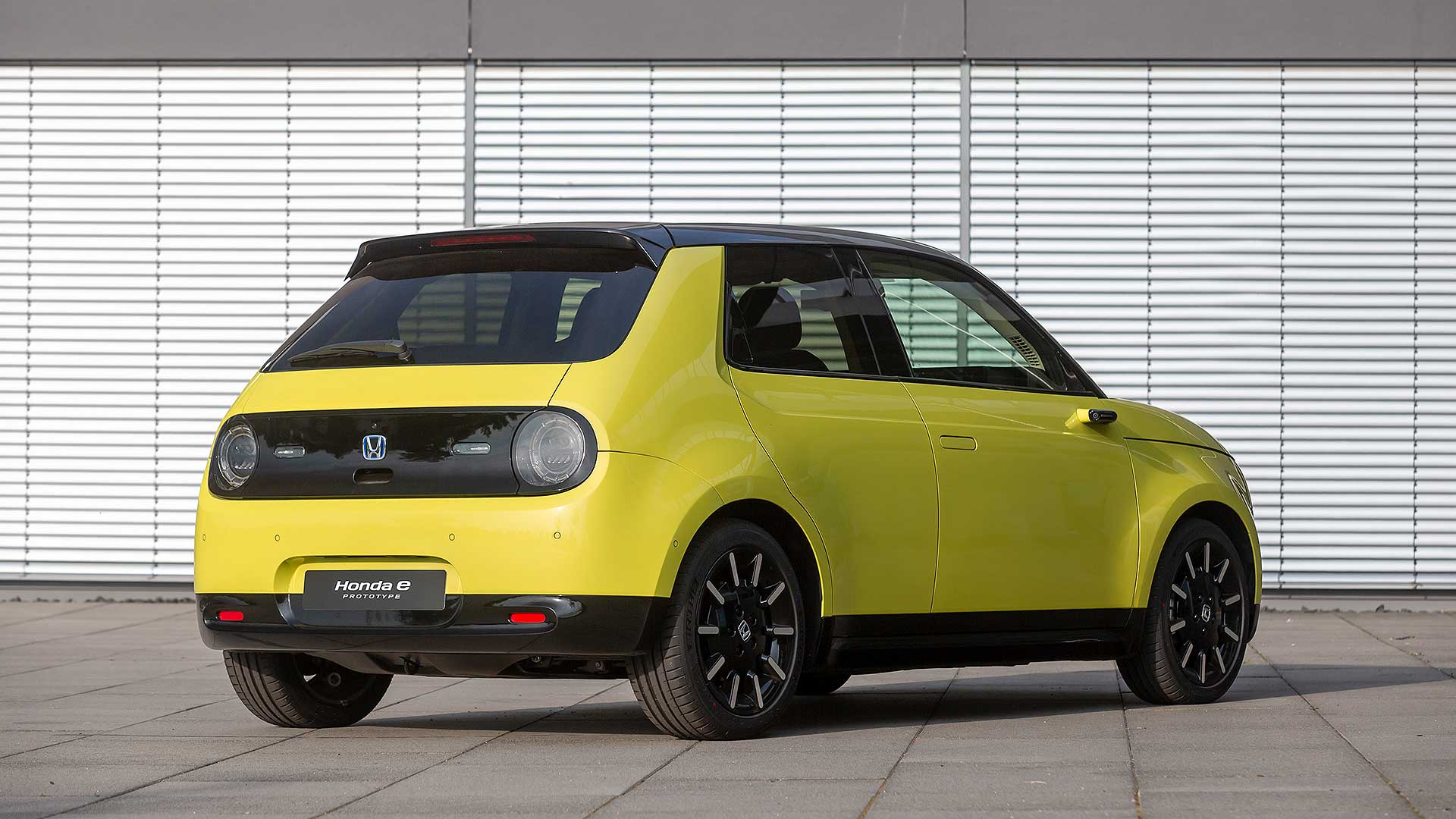
It’s also the first time we’ve seen a Honda e outdoors. Natural light makes it look even more ‘concept car for the road’. Hidden door handles, hidden windscreen wipers, cameras instead of door mirrors, nothing exposed that couldn’t be concealed – this really is a car for the 2020s. And, in yellow, it looks magic.
Intentionally simple lines create a ‘quiet’ design, and a neatly proportioned one. The boss of the project, Kohei Hitomi, says it was inspired by the original 1970s Honda Civic (the Honda Urban EV concept, he later admitted, even more so). But it’s not retro.
The clean nose and cute round LED headlights give it a lovable look, an effect replicated at the rear. The floating roof strengthens the rear C-pillar design. Packing such impact into a car shorter than the Honda Jazz gives it concentrated purity and suggests no corners have been cut. This is a premium product, alright.
Cabin fever
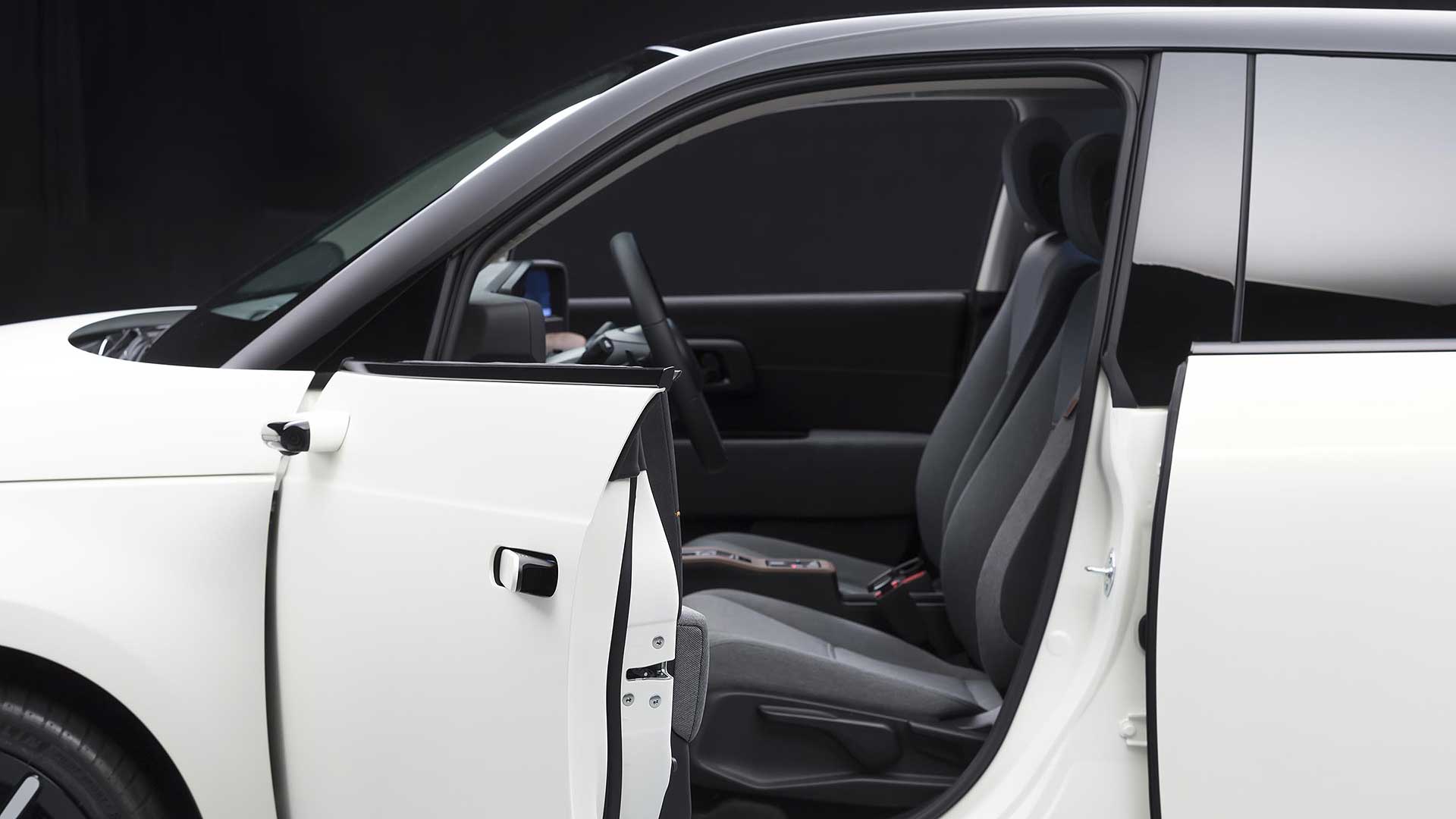
I tug the retractable door handle and step in. The opening is extremely long for such a small car, making it open-plan and easy to walk inside (it’s tighter for you, rear-seat passengers – sorry). Bathed in natural sunlight, the lounge-like cabin is very welcoming.
Nicely-padded seats are supportive, and set fairly high for a good view out. The lack of door mirrors is a surprising highlight – combined with relatively flat side glass, it gives a panoramic-like view from side to side. This is motoring in widescreen.
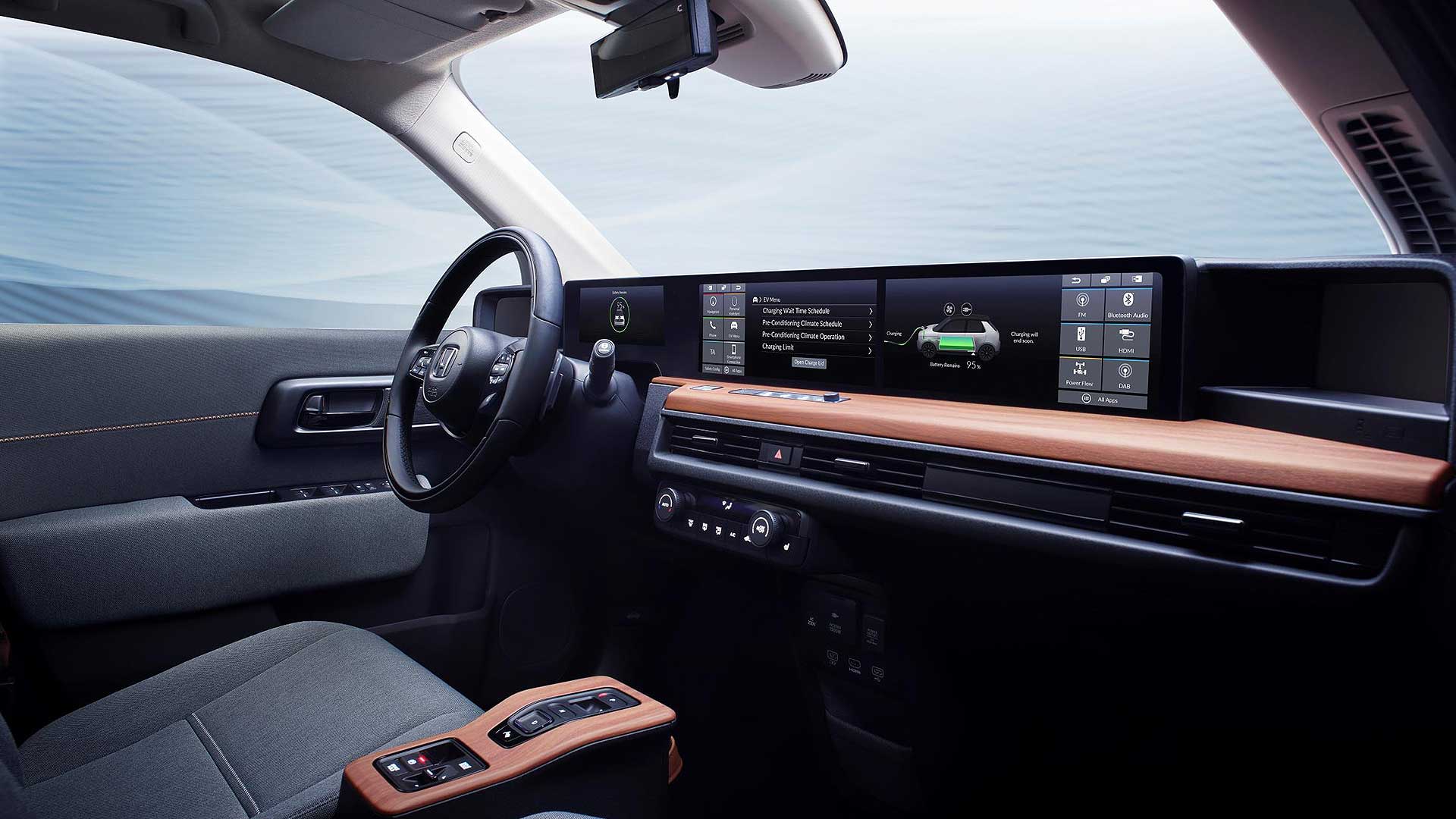
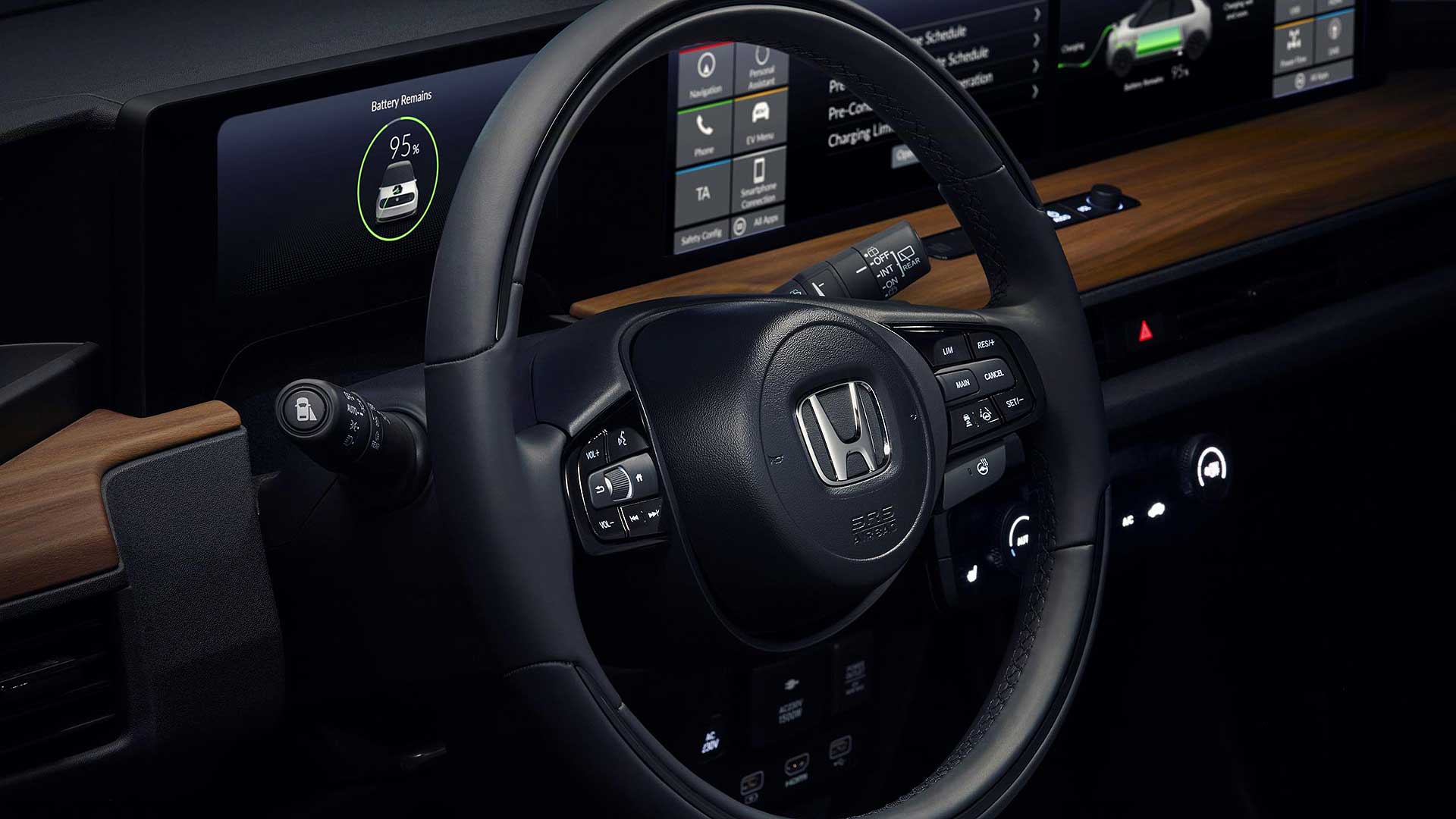
The shelf-like dashboard enhances this, with its own widescreen effect thanks to the stack of screens from left to right. The outer two are for the rear-view cameras; the middle ones are driver displays and infotainment. They’re not fully functioning in this prototype but I saw enough to suggest Honda’s weaknesses in this area may be fixed.
Plush, modern fabrics, some surprisingly pleasant wood-effect trim and a wonderful large two-spoke steering wheel modelled on the original 1970s Civic are further tactile treats. There’s plenty more to investigate, but it’s to do what I was in Germany for – drive it.
E-sy does it
Honda’s first electric car, like all EVs, makes no noise when you turn it on. First-timers still find this spooky. What experienced EV drivers will like about the Honda e is how much silence is retained even when you get underway.
I press ‘D’ on the auto shifter, squeeze the accelerator, and glide away with just a faint whirr in the background. Speeds quickly rise, but noise levels don’t. Wind noise doesn’t rustle, the tyres don’t roar, the suspension doesn’t bump and thump. Certainly at urban EV speeds, the Honda e Prototype serves up premium car refinement.
Acceleration is satisfying, rather than Tesla-like obscene (0-62mph will take around 8.0 seconds). That’s fine; this is a punchy 150 horsepower city car rather than a performance machine. The Honda e is rear-wheel drive, too, so has brilliant traction off the line. It also means the steering wheel doesn’t squirm and fight when you boot it in bends.
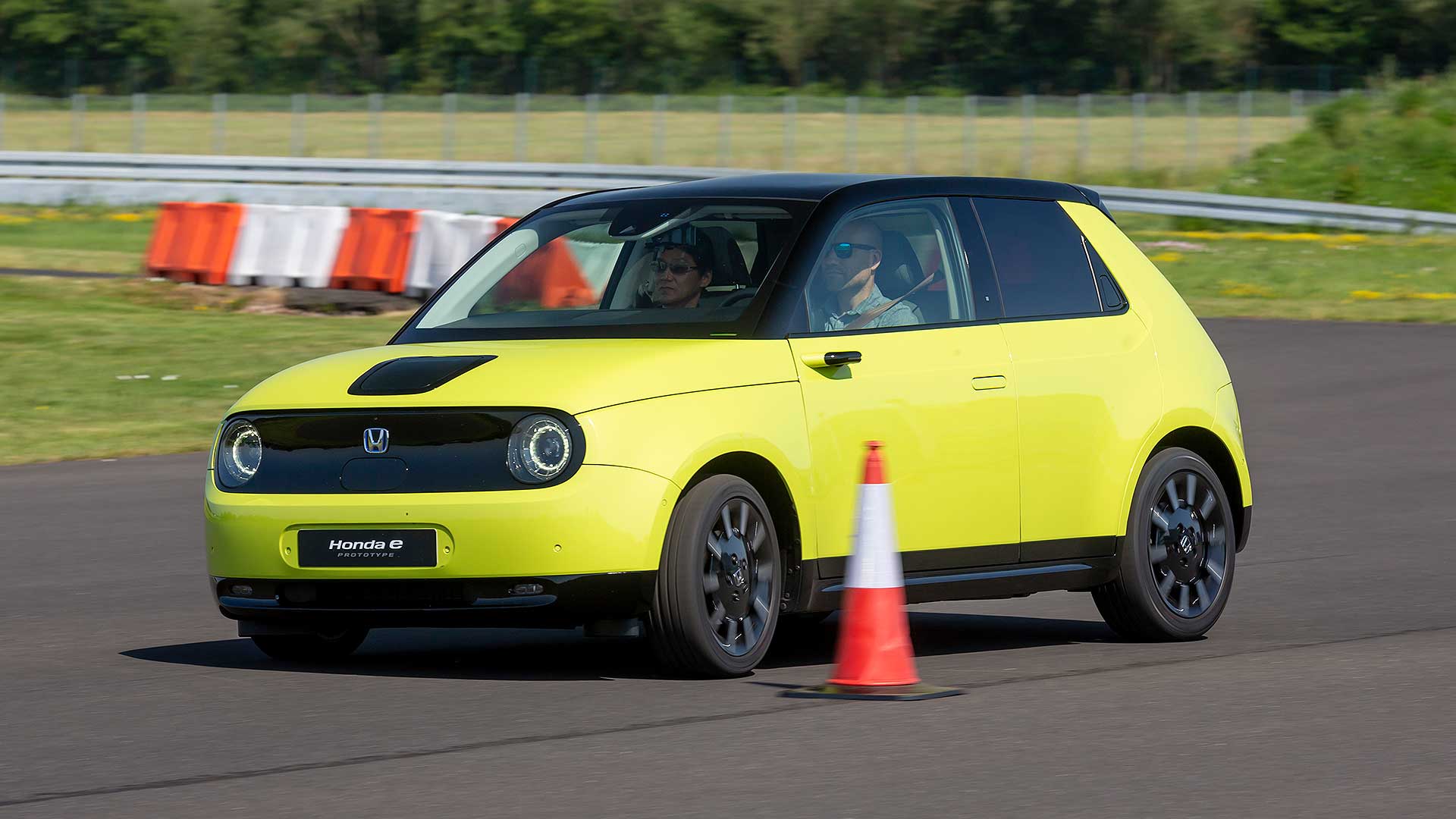
The heavy batteries are positioned low in the car, so the centre of gravity is also low. This makes it stable and sure-footed in corners. It’s not over-stiff, like a hot hatch, but it’s still agile enough through a slalom Honda has set up on its little test-drive course. And at the bottom, yet another surprise awaits.
Turning circle
I drive through a cone gate. Painted on the tarmac is a white line, just a bit longer than the Honda e Prototype itself. The Japanese engineer alongside me instructs me to circle it, so I move off and wind on some steering lock. And some more…
… and some more. And gasp. Because we are driving round in a circle within that white line. The only time I’ve experienced this before is in a black cab – but the little Honda is way shorter than a London taxi, emphasising the effect further.
It’s so mesmerising, I keep on circling. It feels like I’m turning around in a space shorter than the car itself; with a turning circle of just 4.3 metres, it’s not far off. I get dizzy; the scenery comes into view sideways at an incredible rate. Again, the panoramic view out further accentuates it.
In an instant, Honda’s ambition to be readying the best urban EV in the world is reinforced. But there’s more.
Premium class
The test track tarmac is smooth, so I have to go a little off piste to find some bumps. It seems to soak them up smoothly, and the ride comfort generally seems nicely cushioned. The Honda e Prototype glides, rather than jiggles, with a premium-like plushness.
Steering is smooth and reassuring, and the response of the electric motor is impeccable. At the press of a button, you can turn it into a ‘one-pedal car’, which increases the regeneration effect of the electric motor as you ease off the accelerator.
It means that, in 95 percent of instances, you won’t need to use the brake pedal. Mastering it will further enhance the linear feel you get driving the Honda e. It seems a sophisticated machine that Honda’s brightest engineers have poured their heart and soul into.
Prototype provisos
Of course, there are still plenty of unknowns. This is a prototype, so we can’t judge whether final quality really will warrant comparisons with Apple. We don’t know the range yet; Honda’s merely said it will be more than 125 miles, which could be a challenge in an era where mainstream Kias and Hyundais are edging closer to 300 miles.
What we do know is that rear-seat space is compact car-like, and getting in and out is awkward due to the small door openings. The boot is tiny, with a high floor due to the motor mounted beneath. Honda has even designed a central one-tug handle to quickly fold the rear seat flat and create more space. This likely is how many will frequently be configured.
Then there’s the price. This is a city car that will command a premium car price: upwards of £30,000. For a model with such a short range, that could be a challenge, even if the 35.5kWh battery can fast-charge to 80 percent in 30 minutes.
Honda insists it’s not a problem. This is the world’s best electric city car, where range isn’t an issue, but compactness, comfort and cutting-edge design are. It is a luxury good, an Apple-like electric car early adopters will be willing to pay a premium for. The bigger, longer-range stuff can come later.
We shall see. What we do know is that an early taster of the Honda e Prototype suggests it will be as appealing to drive as it is to look at and sit in. It looks characterful, and its on-road performance is distinctive too, particularly the comfort, the quietness, and the turning circle.
On this evidence, anticipation for the Honda e deserves to ratchet up a further notch towards Tesla levels of desire. Place your reservations now, if you haven’t already…
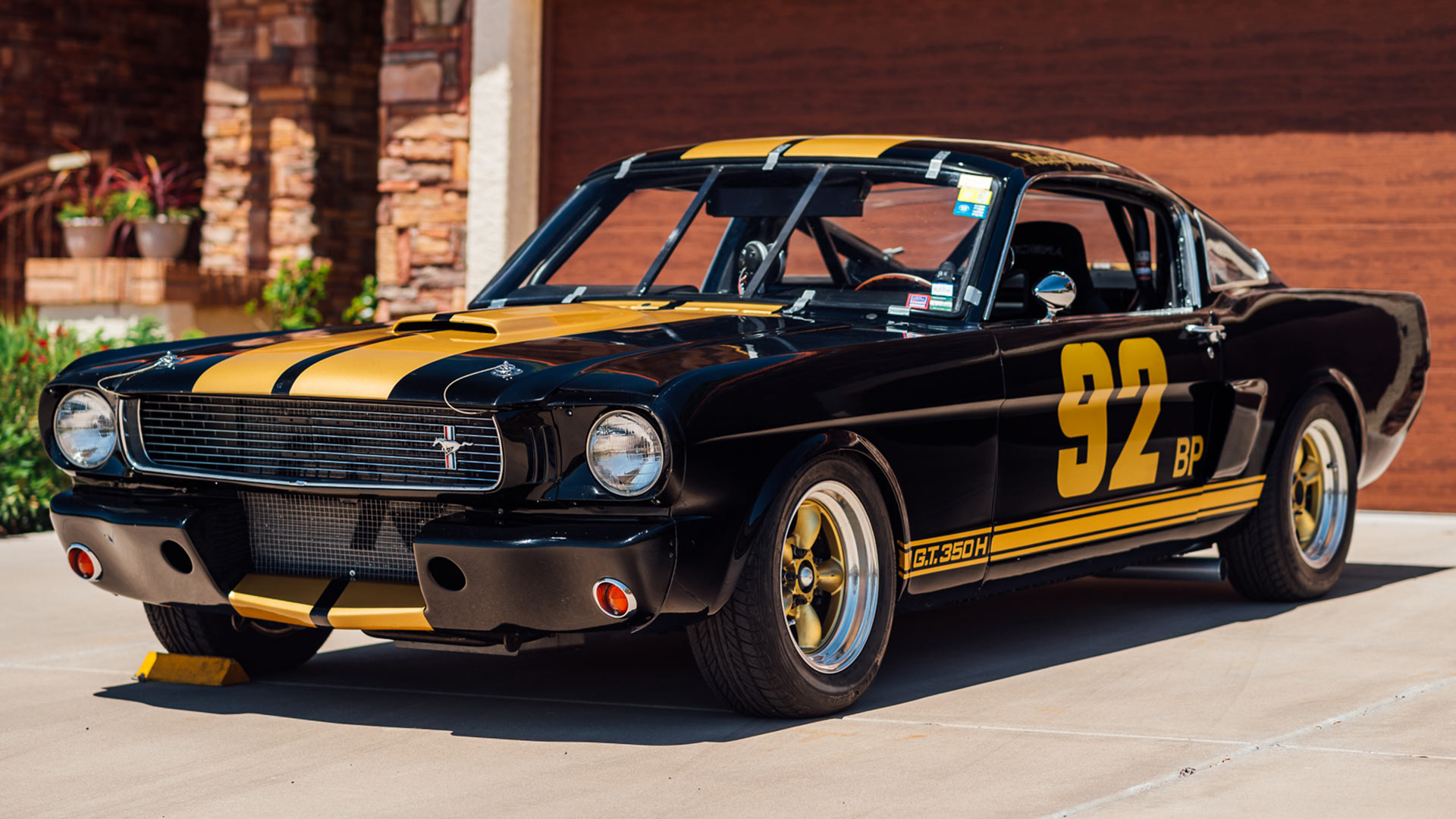
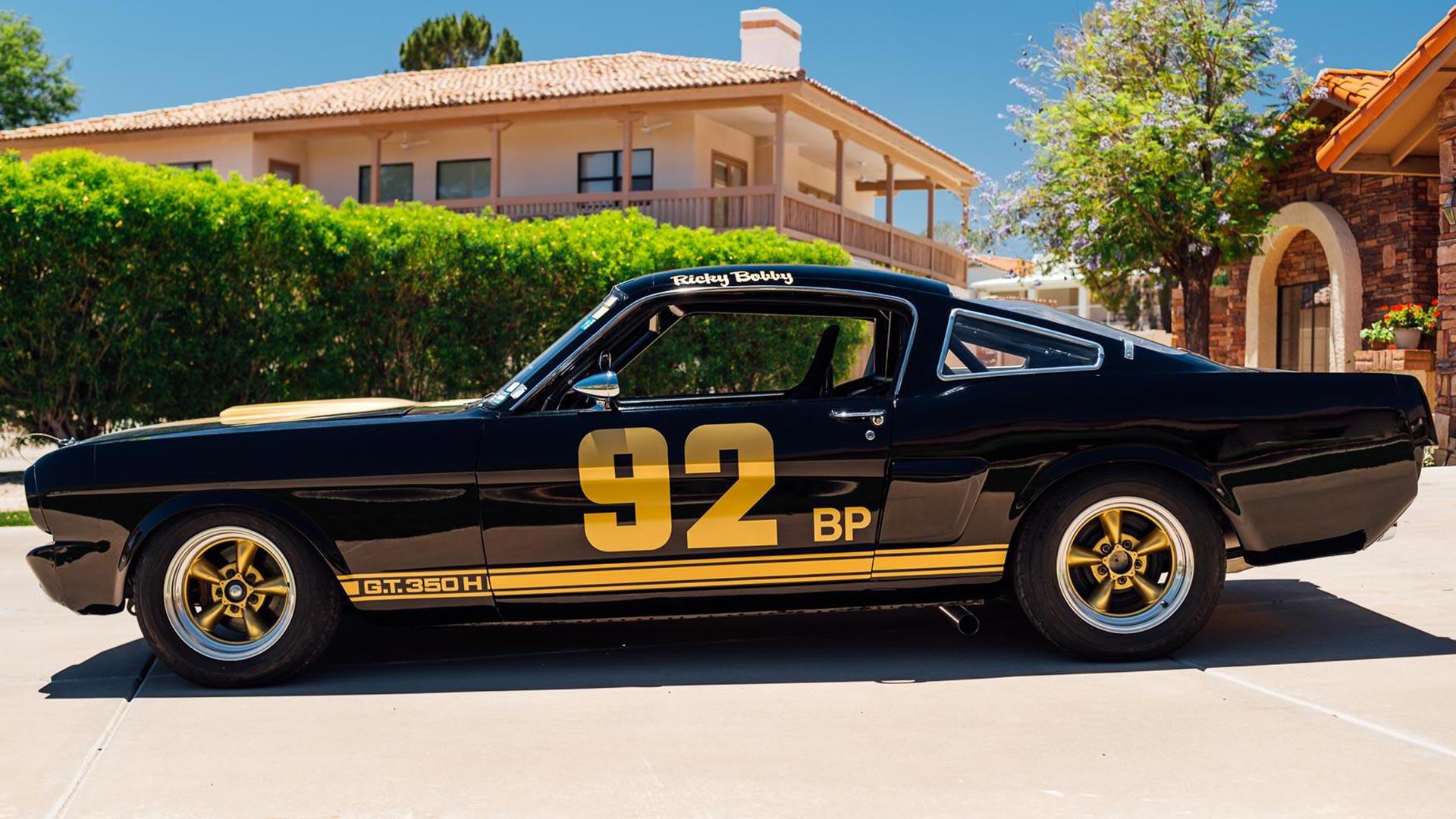
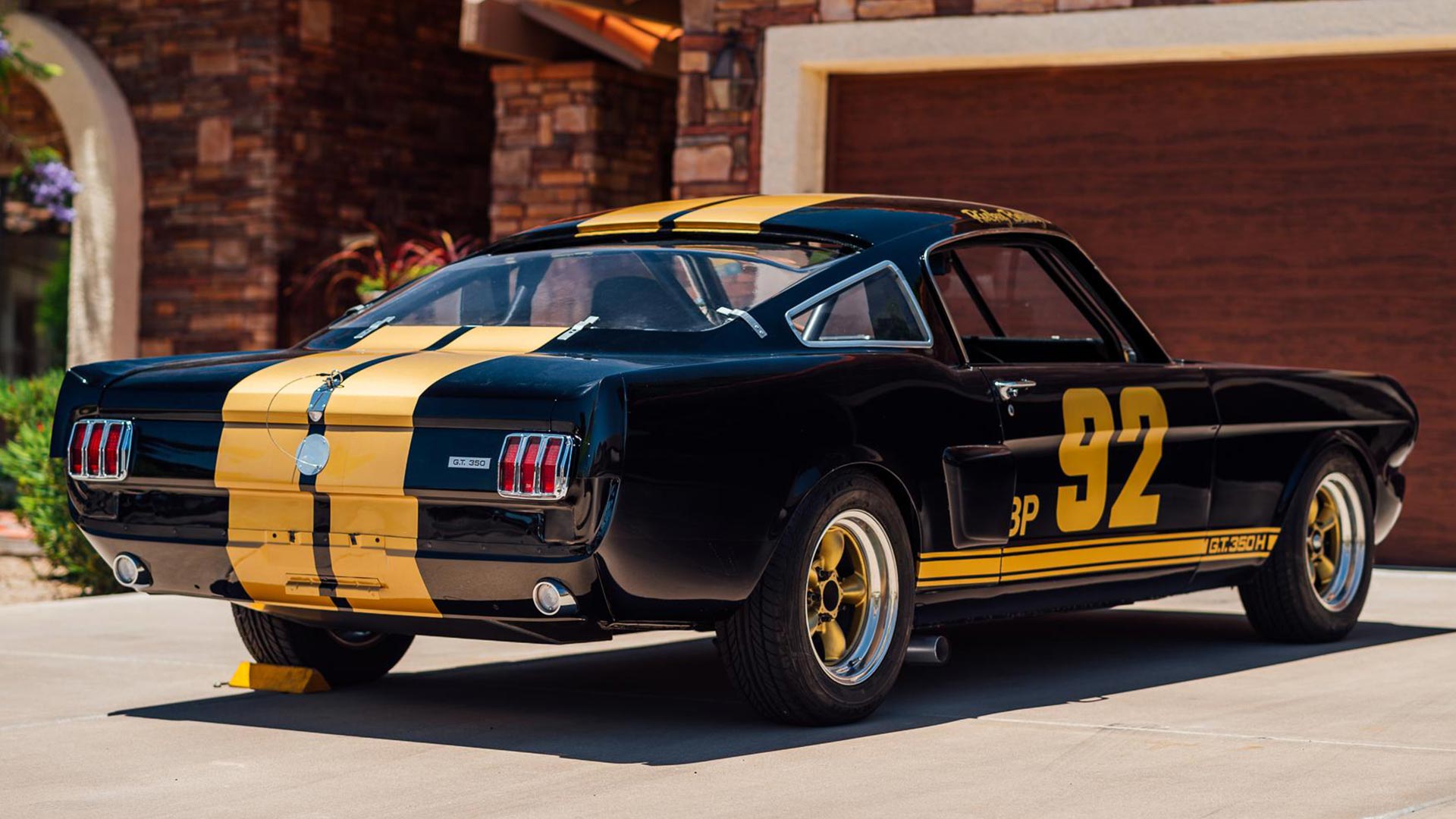
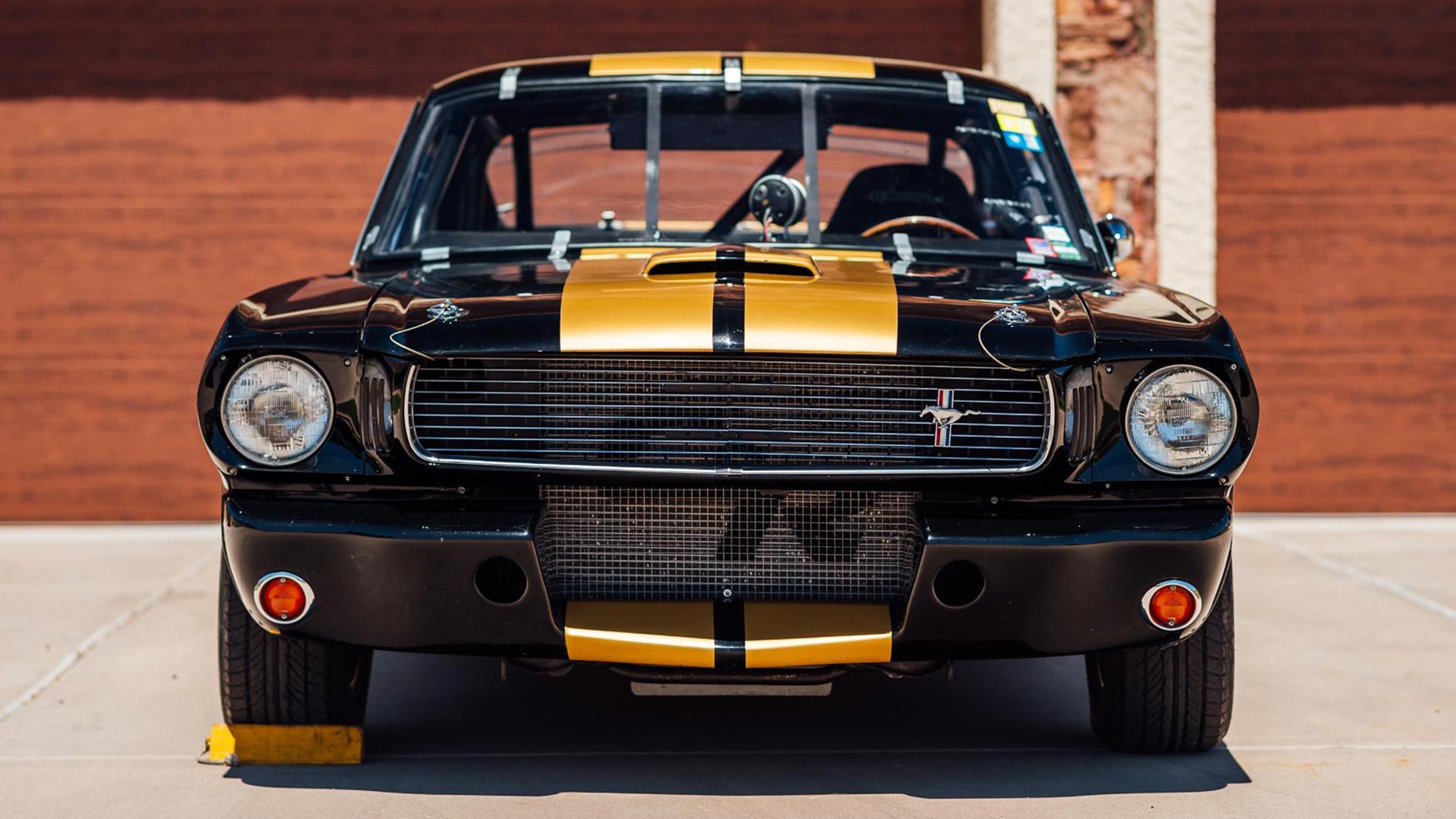
Forget just renting: auction website Bring a Trailer has this wonderful ex-rental 1966 Shelby GT350H currently available to buy as a premium listing.
One of just 1,000 models created for the Hertz Corporation to offer out for hire, the GT350H added a number of stories to Shelby folklore.
Most notable is that weekend racers would hire a GT350H from Hertz, and then enter it into production-based SCCA competitions. Cars would frequently return with performance parts missing, or evidence of a roll cage being hastily added.
Despite the appearance, this GT350H served its time with Hertz before being turned into an actual racing machine.
After around a year of rental use in Arizona between 1966 and 1967, this car was returned to Ford. In 1968 a Mr. Goetz then purchased the car from Canyon Ford in Phoenix, and used the GT350H in various drag and hill climb events.
The car was then placed into storage in 1975, before being purchased by racing driver Tommy Thompson in 1999.
Thompson restored the car to full B-Production competition specification between 2001 and 2003. This included a full respray in Raven Black, matched with Le Mans-style stripes in gold, for the full Hertz effect.
A 289-cubic inch V-8 engine was also fitted, replacing the Boss 302 block added in the late 1960s.
Refreshed in 2015, the 289 engine is connected to a BorgWarner four-speed manual gearbox, and a 9-inch Ford rear axle featuring an Eaton Detroit Locker differential.
A dyno test in 2009 showed the V-8 engine producing 387 horsepower and 353 lb-ft of torque – substantially more than the 306 horsepower made by factory GT350H models.
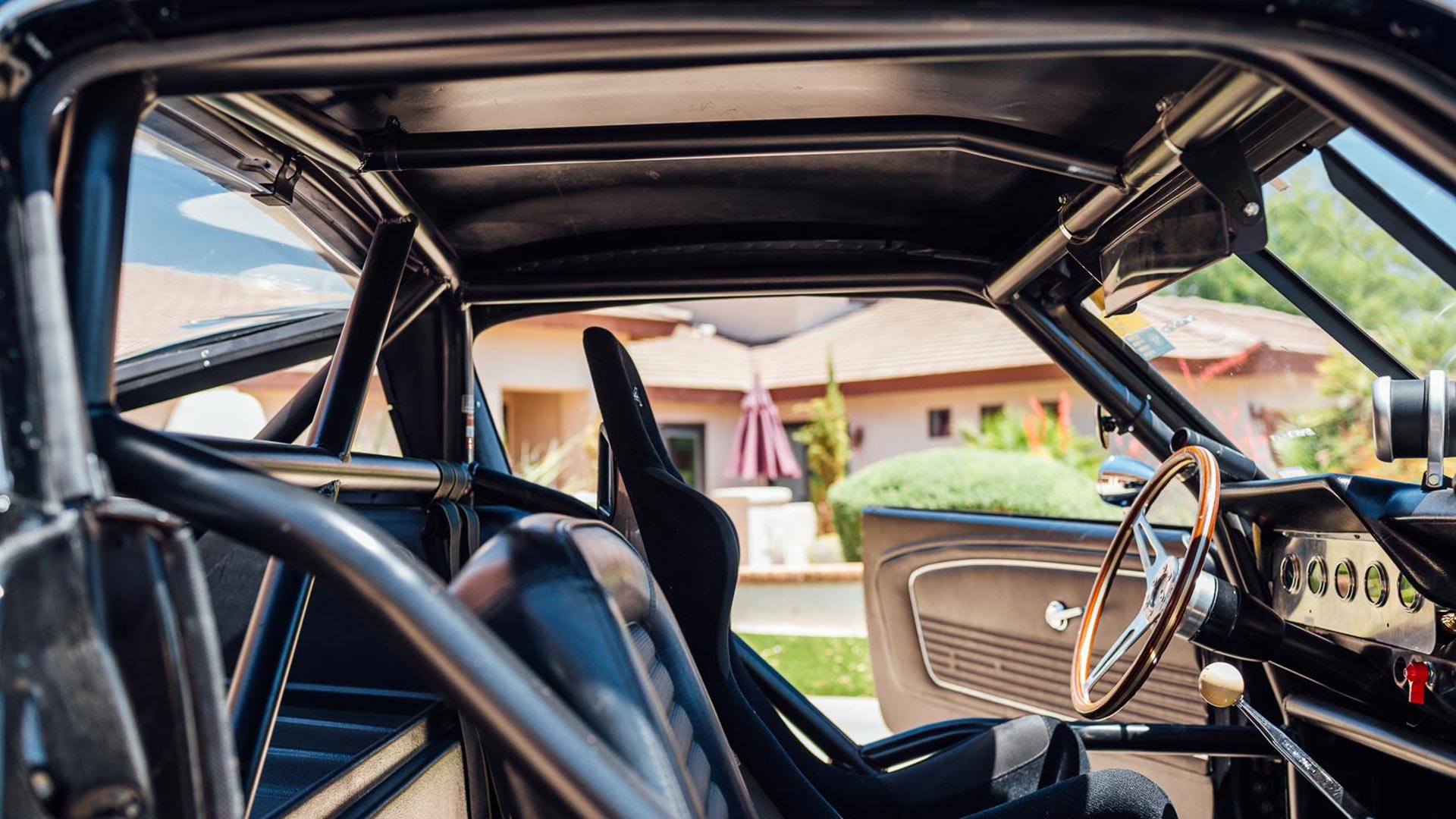
Suspension and brakes have been fully updated and enhanced to cope with the extra power, whilst the chassis benefits from additional bracing. A full roll cage has also been added.
The interior has been stripped back, with a Cobra competition bucket seat for the driver combined with a five-point racing harness. A quick-release Mota-Lita steering wheel sits in front of a GT350R-specification dashboard, complete with an Autometer tacho.
Buying this GT350H could also earn the winning bidder an entry to the 2019 Rolex Monterey Motorsports Reunion. This would be dependent on the driver meeting the requirements of the Historic Motorsport Association (HMSA).
A logbook from the HMSA is provided, whilst the car has also been registered with the Shelby American Automobile Club. With a substantial competition past, the new owner should find no problem entering this hire car into a number of vintage events.
Those interested have until Tuesday July 9 to place their bids and hope. Whilst a rental car is always the fastest thing you’ll ever drive, just remember you have to fix the damage with this one!
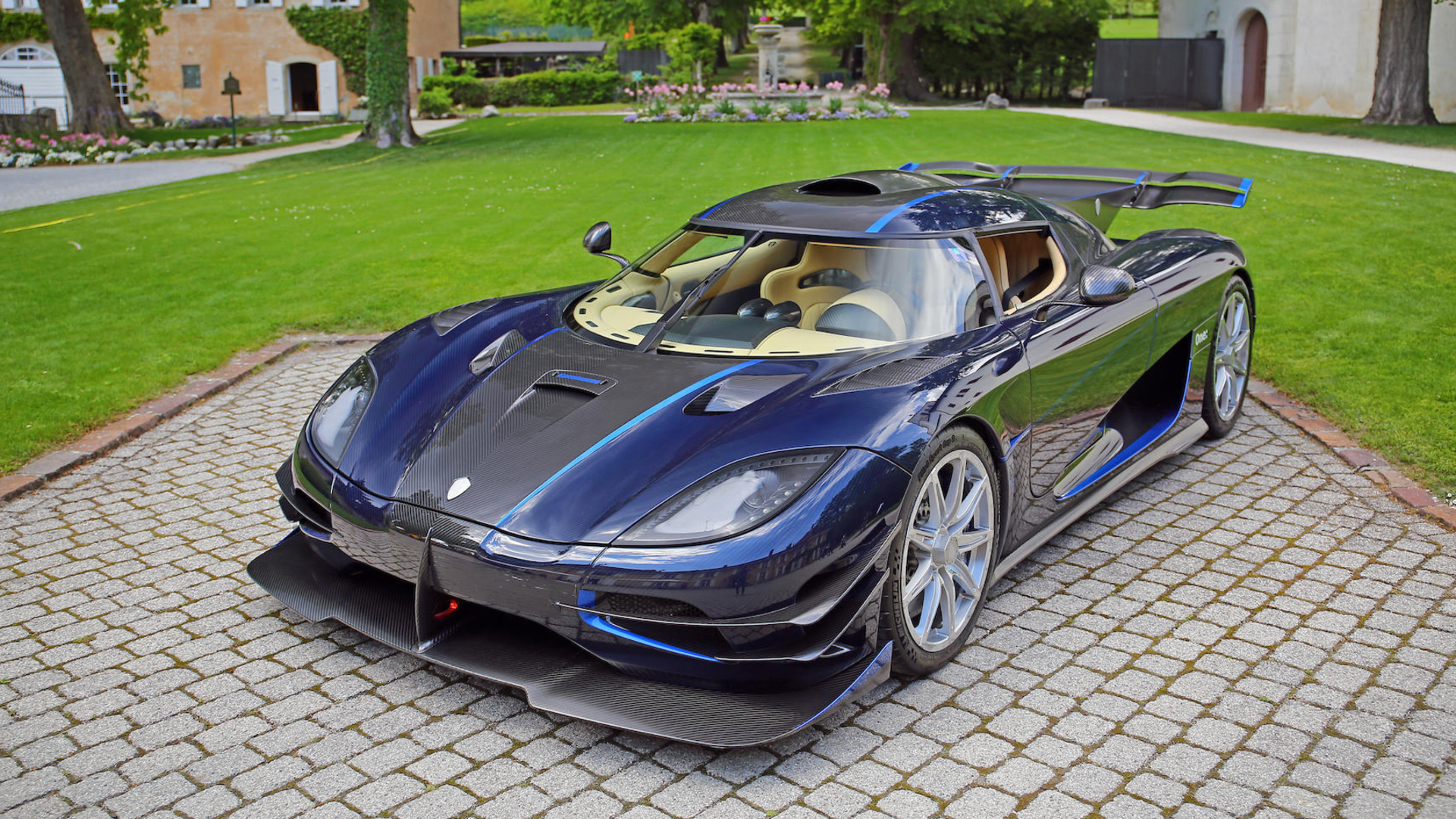
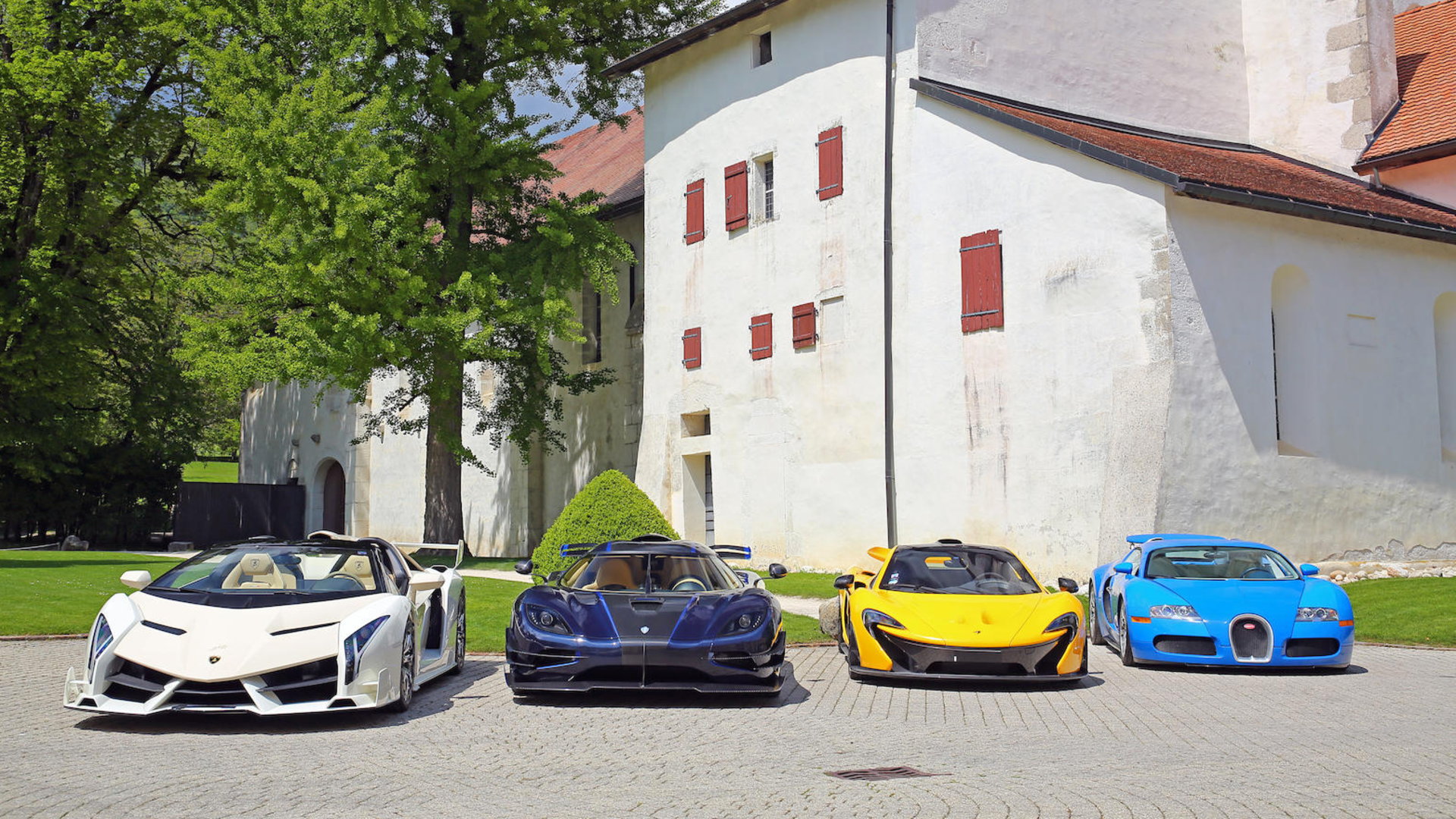
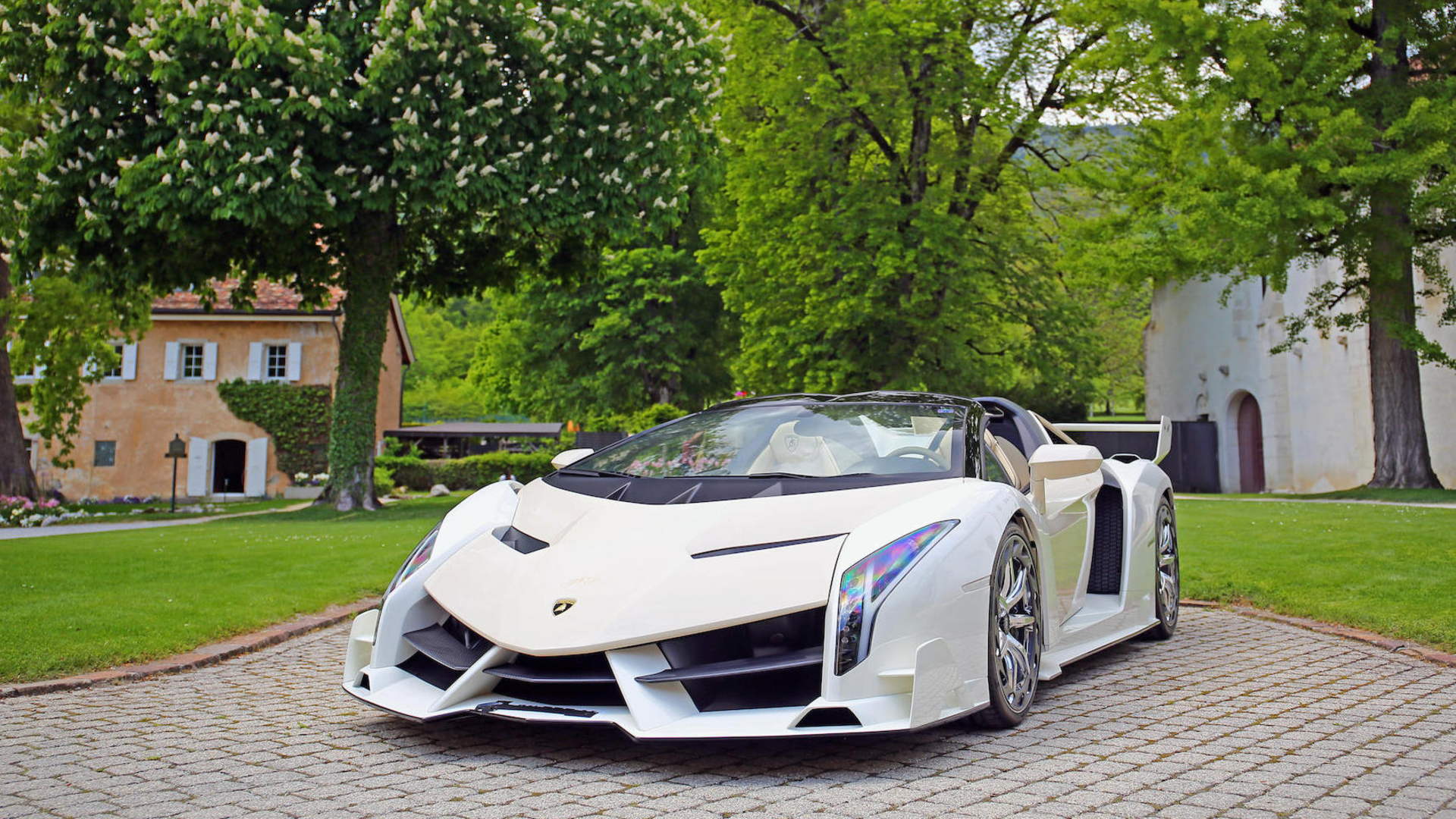
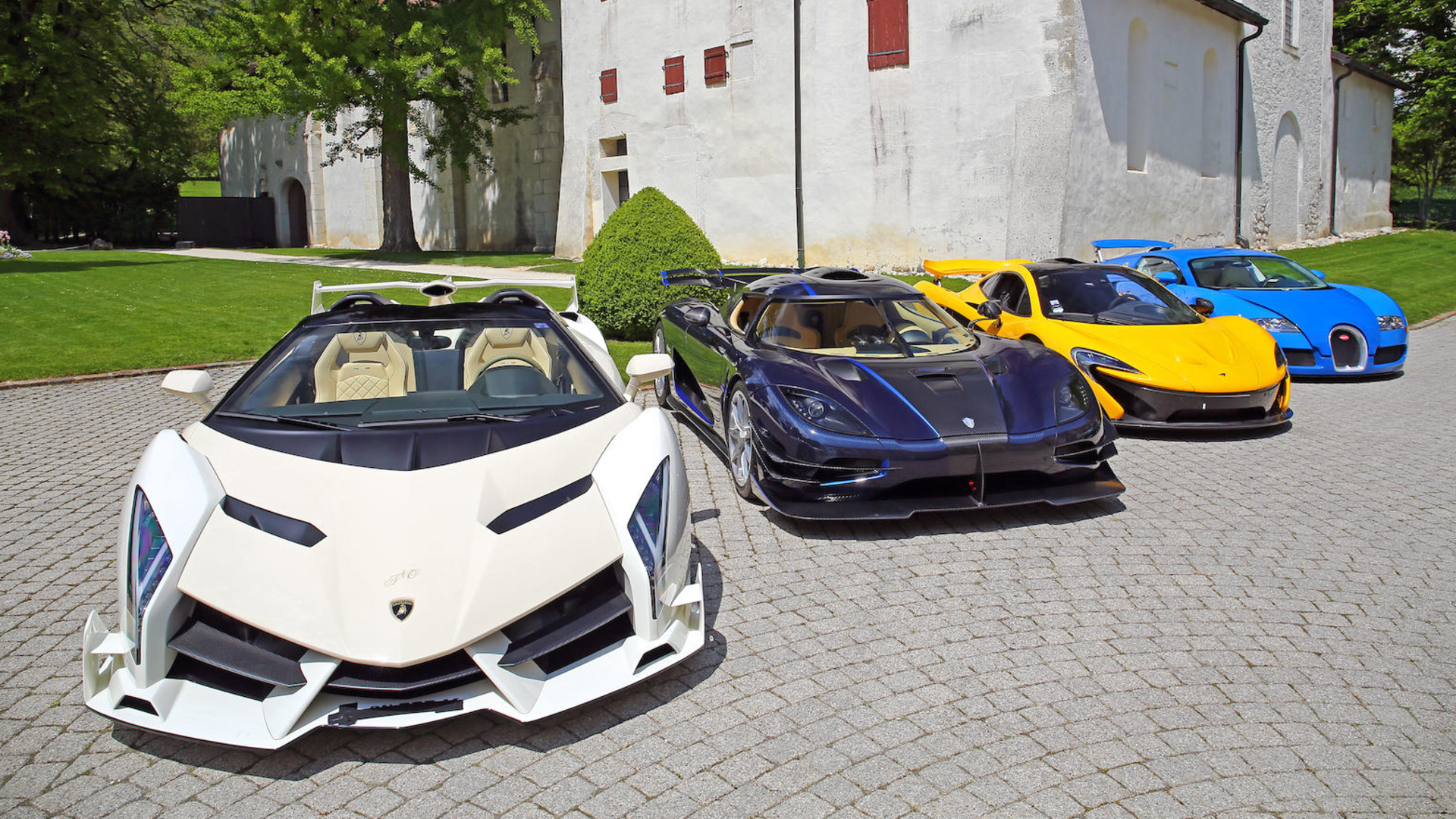
Rarest of all, though, is a Koenigsegg One:1.Of the lot, it is the super Swede that could prove a serious bargain if Bonhams’ estimation hold true.
Half-price hypercar
This 370-mile example has been given a sale estimate of between $1.8 million and $2.3 million. That’s between £1.4 million and £1.8 million, which is, of course, no small amount of money, for a house, let alone a car.
However, Koenigsegg, the manufacturer of the One:1, is suggesting that this is a gross underestimation of the car’s value. One:1s have sold for over double the top end of Bonhams’ present estimate.
In a punchy statement titled “Bonhams – should you trust their appraisals?”, Koenigsegg has claimed to go out of its way to provide Bonhams with accurate value figures for a better estimation based on previous sales.
It even offered to buy the car, for well over the estimate, which Bonhams declined.
Bonhams has since amended the estimates slightly in response to the statement, but not by much. A total of £100,000 (around $125,000) on both ends, taking it to between £1.5 million and £1.9 million ($1.9-$2.4 million).
Why is Koenigsegg angry about this low estimate?
Koenigsegg’s statement is scathing of Bonhams, saying that “Bonhams are simply not doing their job or living up to their reputation as a serious auctioneer” and that their estimations are “wrongful and harming behaviour”.
Koenigsegg believes the estimation is harmful because it could have a knock-on effect of other car’s valuations. If it sells for nearer to Bonhams’ low estimation, the values of the other cars could come down to meet it.
Sordid history
Whys the valuation so low, then? It could have something to do with the circumstances of the sale.
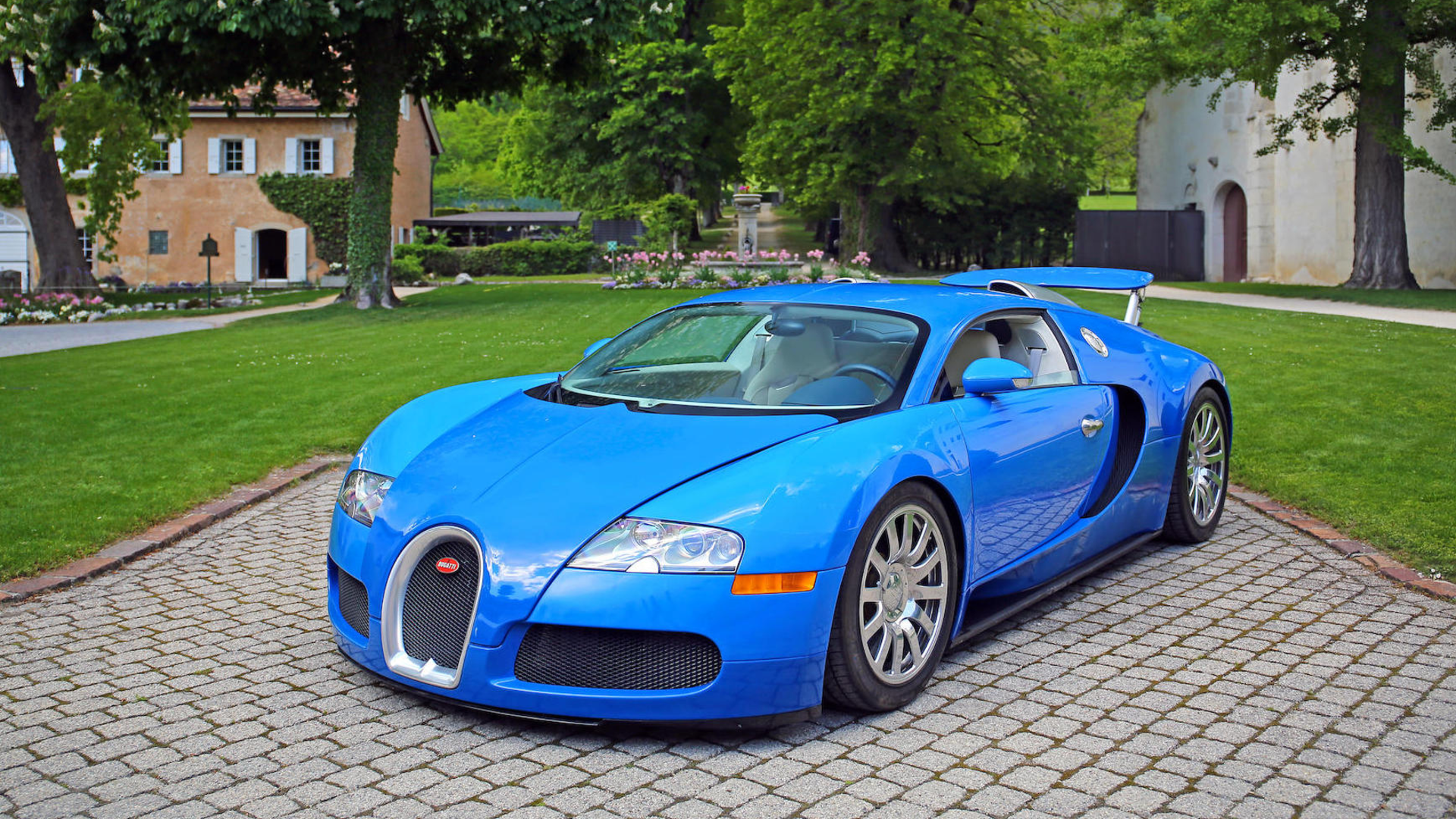
These cars were the property of Teodoro Nguema Obiang Mangue, the son of the dictator of Equatorial Guinea, before they were seized in Switzerland three years ago.
He was the focus of an investigation into money laundering and “unfair management of public interest”.
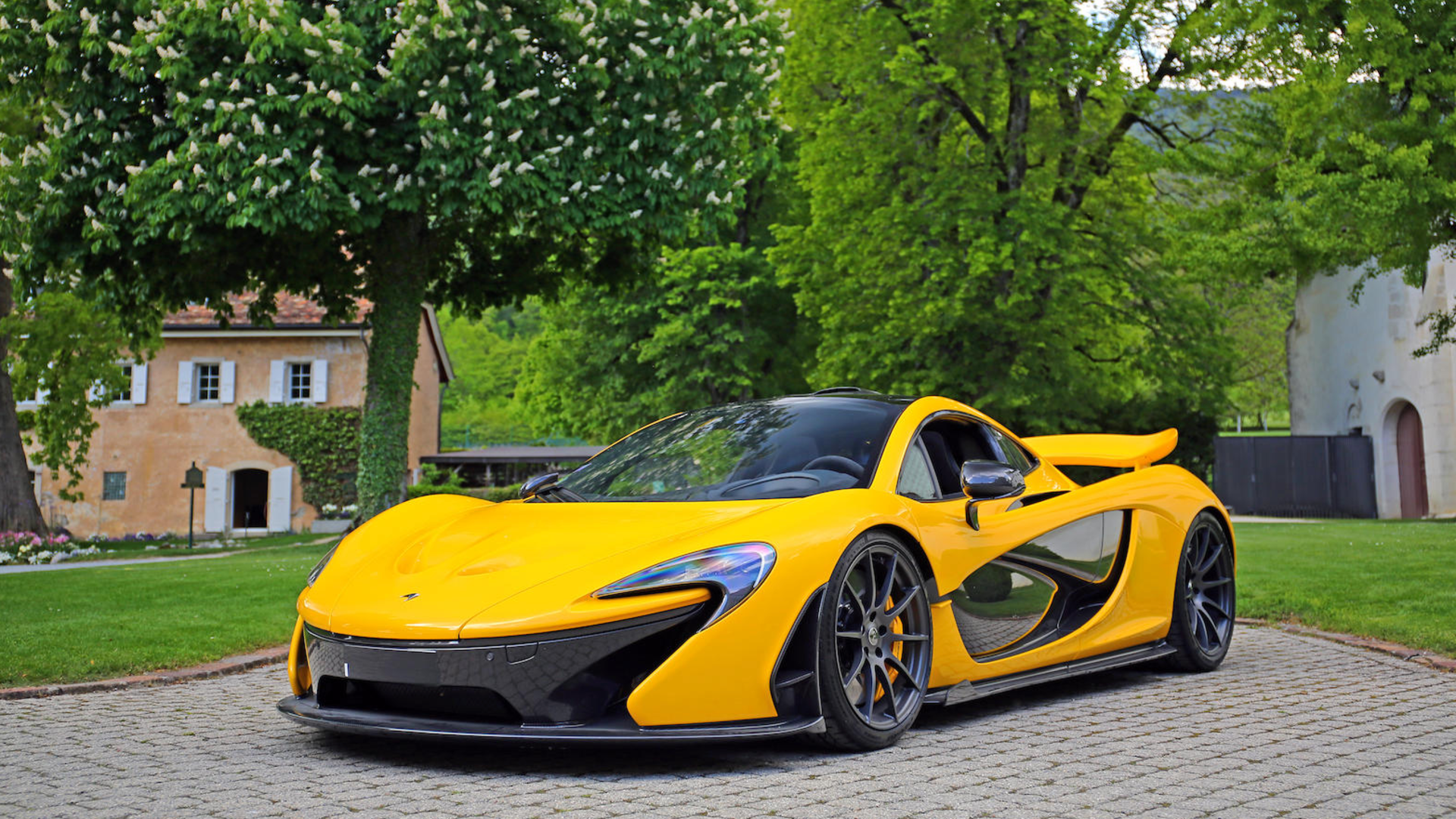
So the ‘Egg has something of a sordid past. That hasn’t affected the valuations of some of the other cars due to cross the block, though. Certainly not as adversely, anyway – £1.5 million sounds about right for a McLaren P1 to us.
Of course, it’s relatively common knowledge what other One:1shave made at sale before. The likely outcome is that Bonhams’ estimations will be blown out of the water. Still, they’ve rubbed the Swedes up the wrong way a bit…
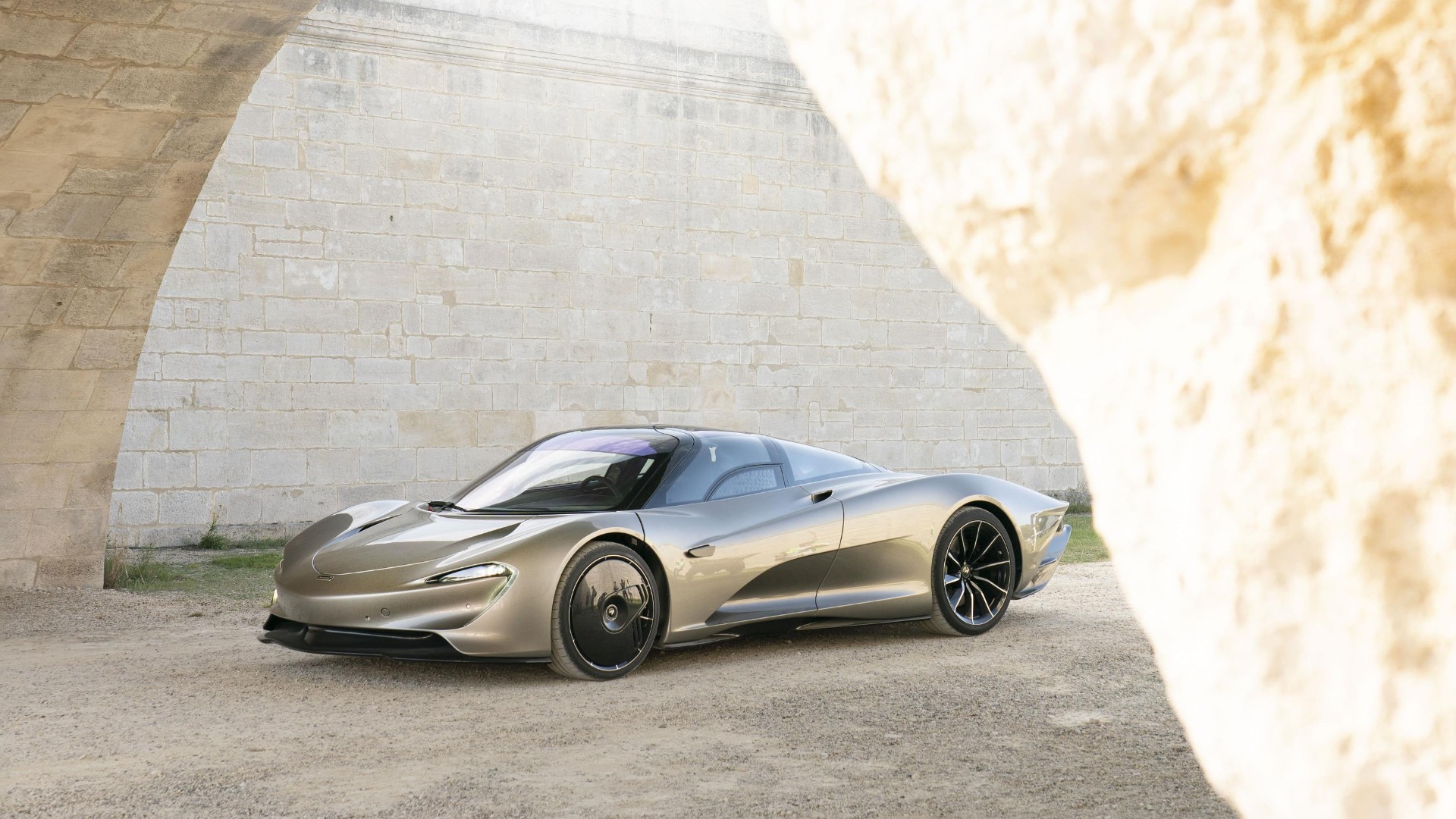
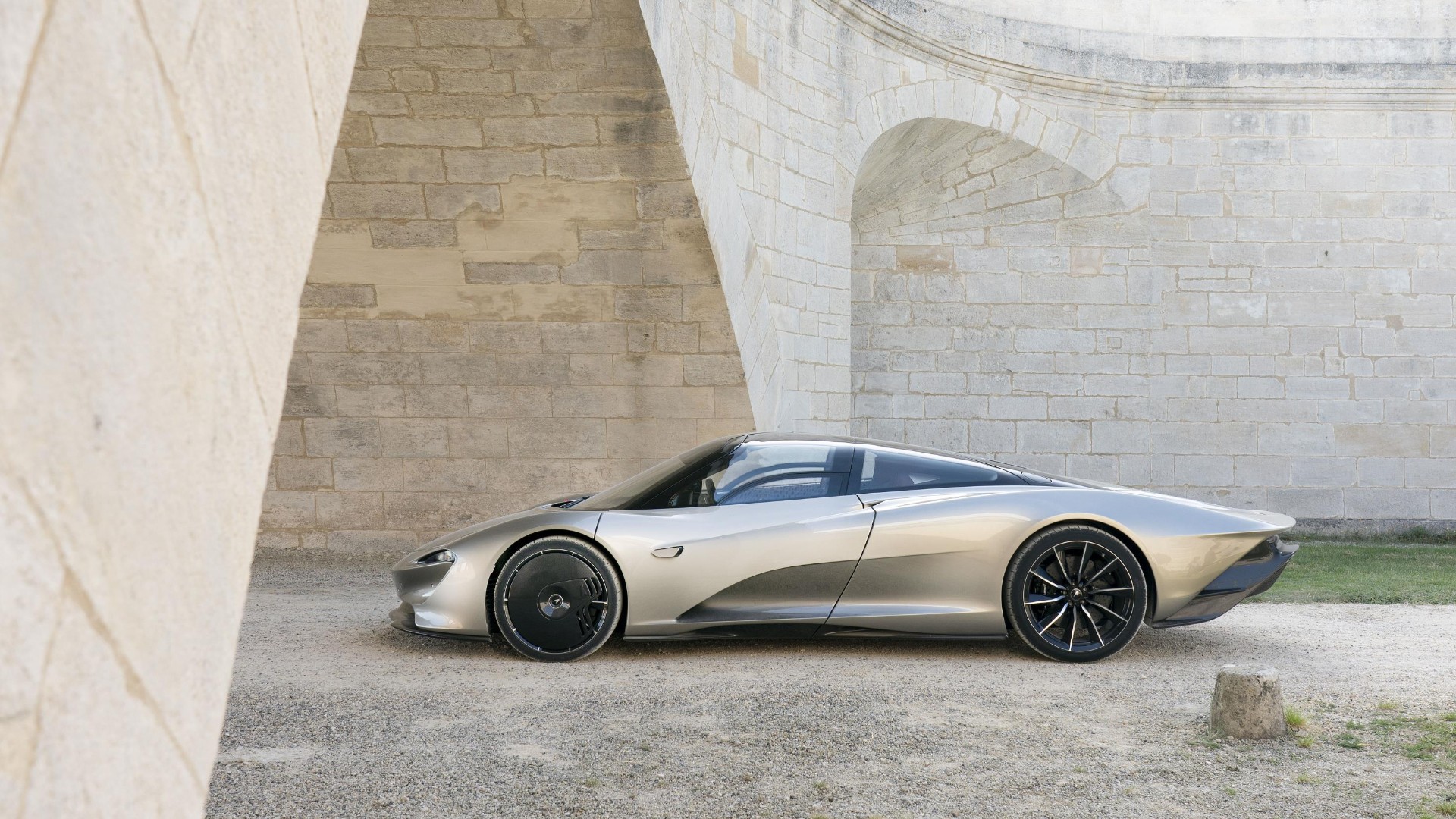
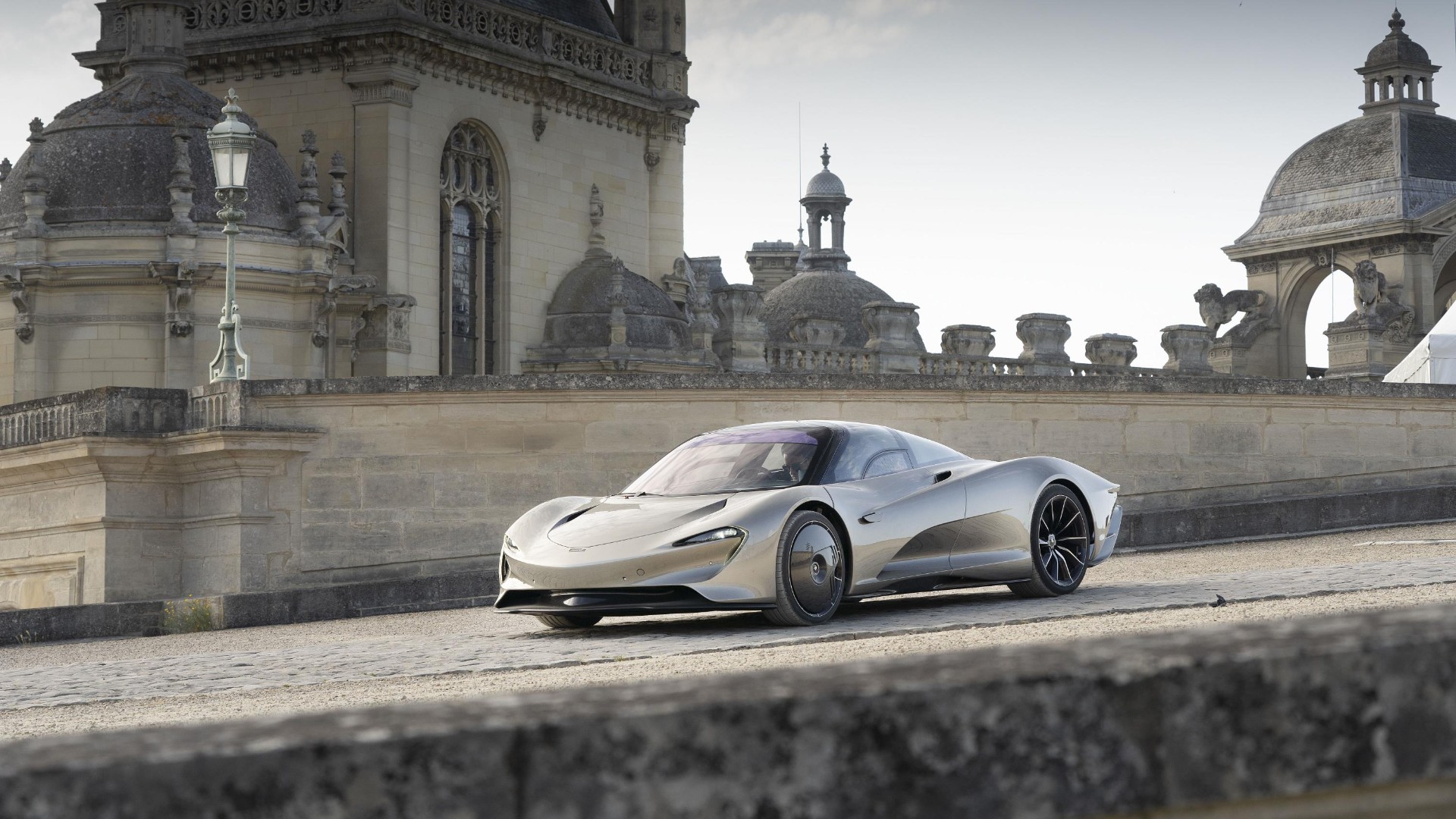
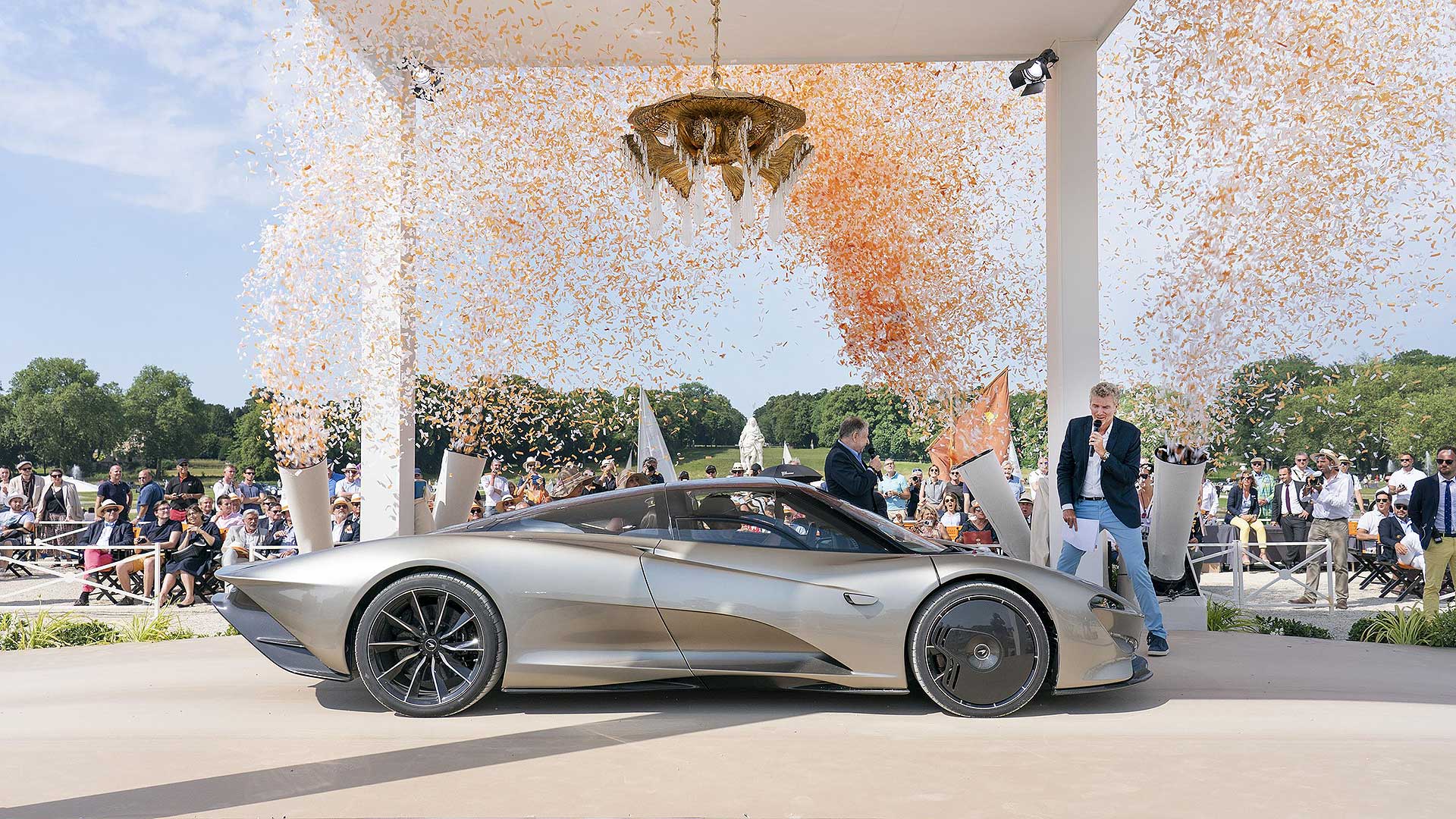
McLaren’s Speedtail, the long-awaited hyper GT currently in development, is still some way from the clutches of its lucky owners. However, it has been named ‘Best in Show’ at an event in France – the Concours d’Elegance at Chantilly Arts & Elegance.
This is a previously unseen example of the Ultimate Series grand tourer. Presented in a Saragon Quartz body with an Oxblood aniline leather and nubuck interior, it’s subtle but stylish.
It’s intended to showcase the bespoke luxury materials and finishes available on the Speedtail.
It wowed the crowds, winning ‘Best of Show’ 2019 in the Concours d’Elegance. Grand touring was a bit of a theme for McLaren at the event, with the Speedtail joined by its junior sibling, the McLaren GT.
As a reminder, the McLaren Speedtail is the marque’s fastest car to date, with a top speed of over 250mph. It does so with the power of a petrol hybrid powertrain with over 1,000hp.
Famously, it joins the F1 in being able to bring two other passengers along for the ride. Yes, the classic central-driving three-seat layout is back. Just 106 examples of the Speedtail are set for production, with each one reportedly spoken for.
“To have the McLaren Speedtail recognised as ‘best of the show’ by the judges of the Chantilly Arts & Elegance Richard Mille is a great honour for us,” said David Gilbert, managing director Europe, McLaren Automotive.
“The McLaren design team is always brave in its approach. Receiving this award for the stunning design, craftsmanship and innovation is a fantastic reward to the team back in Woking.”
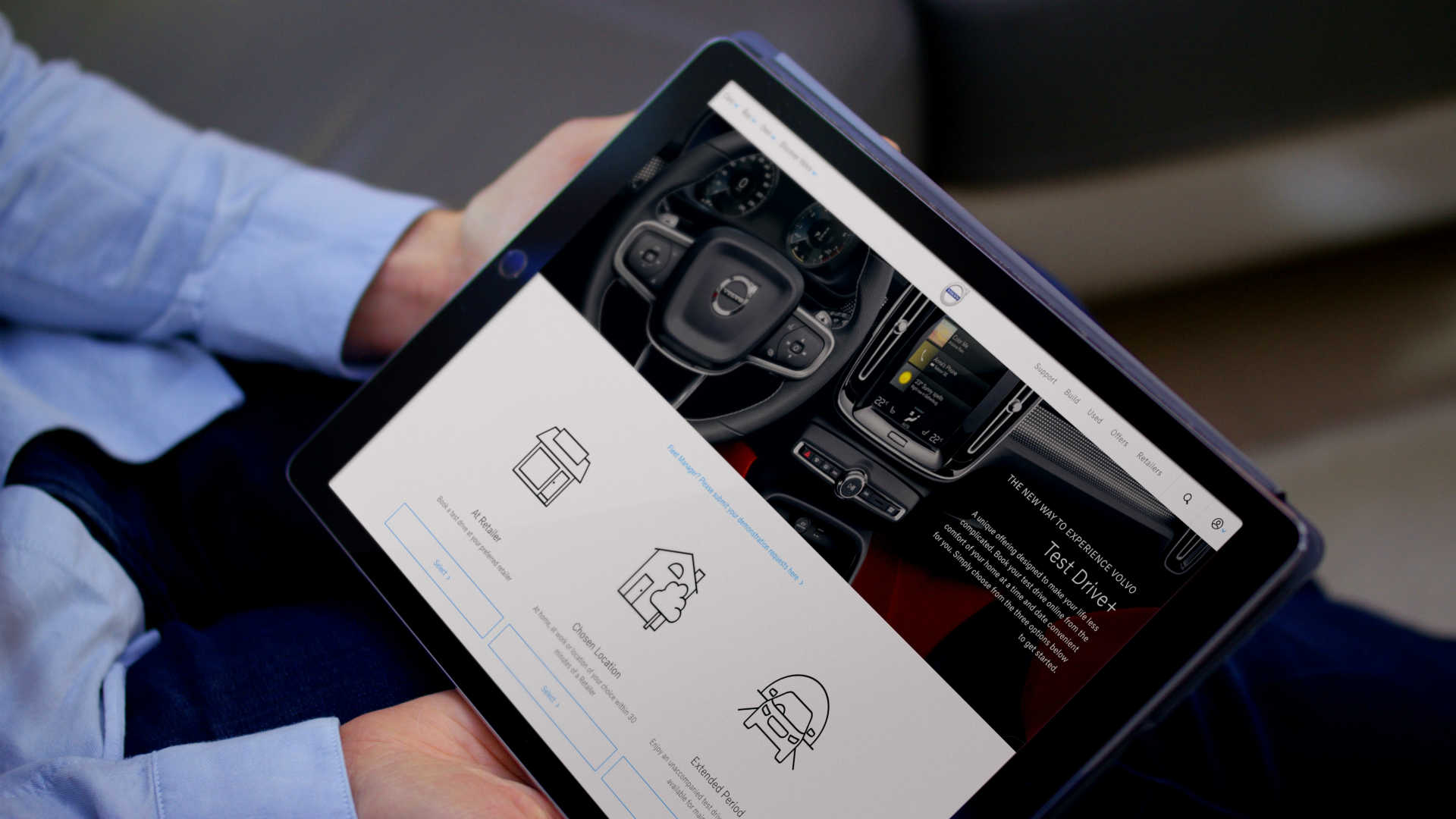
Volvo has launched a new premium test drive service in the UK, called Test Drive+, in response to ever-growing expectations from premium car buyers.
Available initially on the XC40 compact SUV, Test Drive+ is “designed to put total control in customer’s hands”, says Volvo.
Test drives are available at Volvo dealers, or cars can be delivered to the customer’s home or place of work. An hour is available, although extended test drives can be arranged for up to four days.
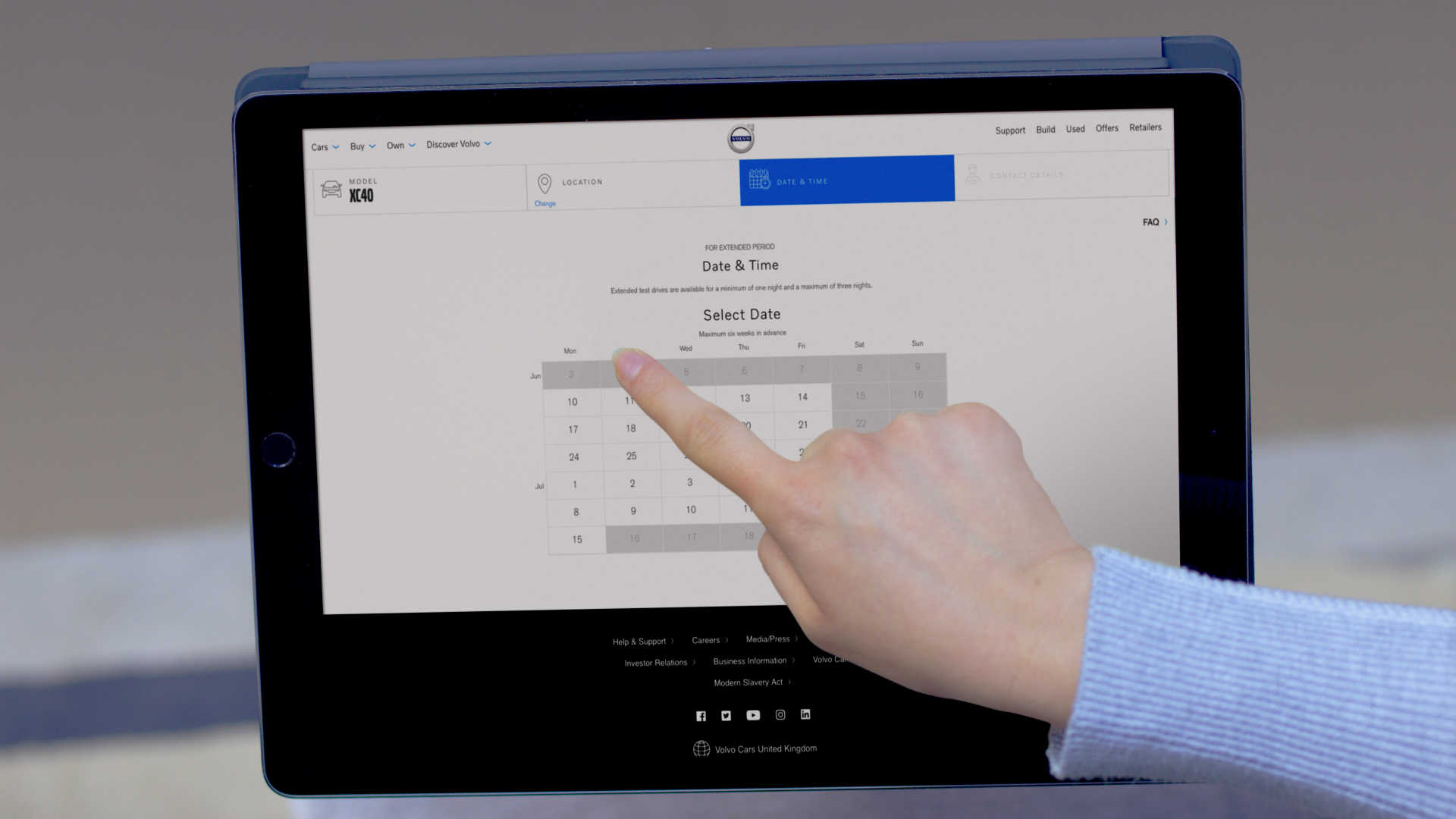
Bookings are done online or by calling a team of Test Drive+ agents, with customers able to view a real-time calendar to see what dates are available.
A confirmation email is sent once the booking has been made, and the customer will be directed to a reserved parking space upon arrival at the dealer.
VIP to the max!
‘At ease and valued’
Kristian Elvefors, Volvo Car UK managing director, said: “The test drive is a critical element when people are making the important decision about whether or not to buy a new car, so we want to make sure it’s an experience that makes them feel at ease and valued as a customer, and which also reflects the premium quality of our brand.
“With Test Drive+ we have looked at every aspect from the customer’s point of view to make it as flexible and informative as possible. We want people to enjoy an ideal introduction to our cars, one which is completely designed around them.”
Test Drive+ is available across the UK, initially for the XC40 and then the S60 saloon.
According to the terms and conditions, customers must be 25 years or over to use the Test Drive+ service, while drivers over the age of 75 might require proof of their fitness to drive.
Extended test drives are subject to a £500 pre-authorisation charge, but funds will only be taken to cover any payments or charges outlined in the Ts and Cs.
Click here to read more about Volvo’s Test Drive+ service.
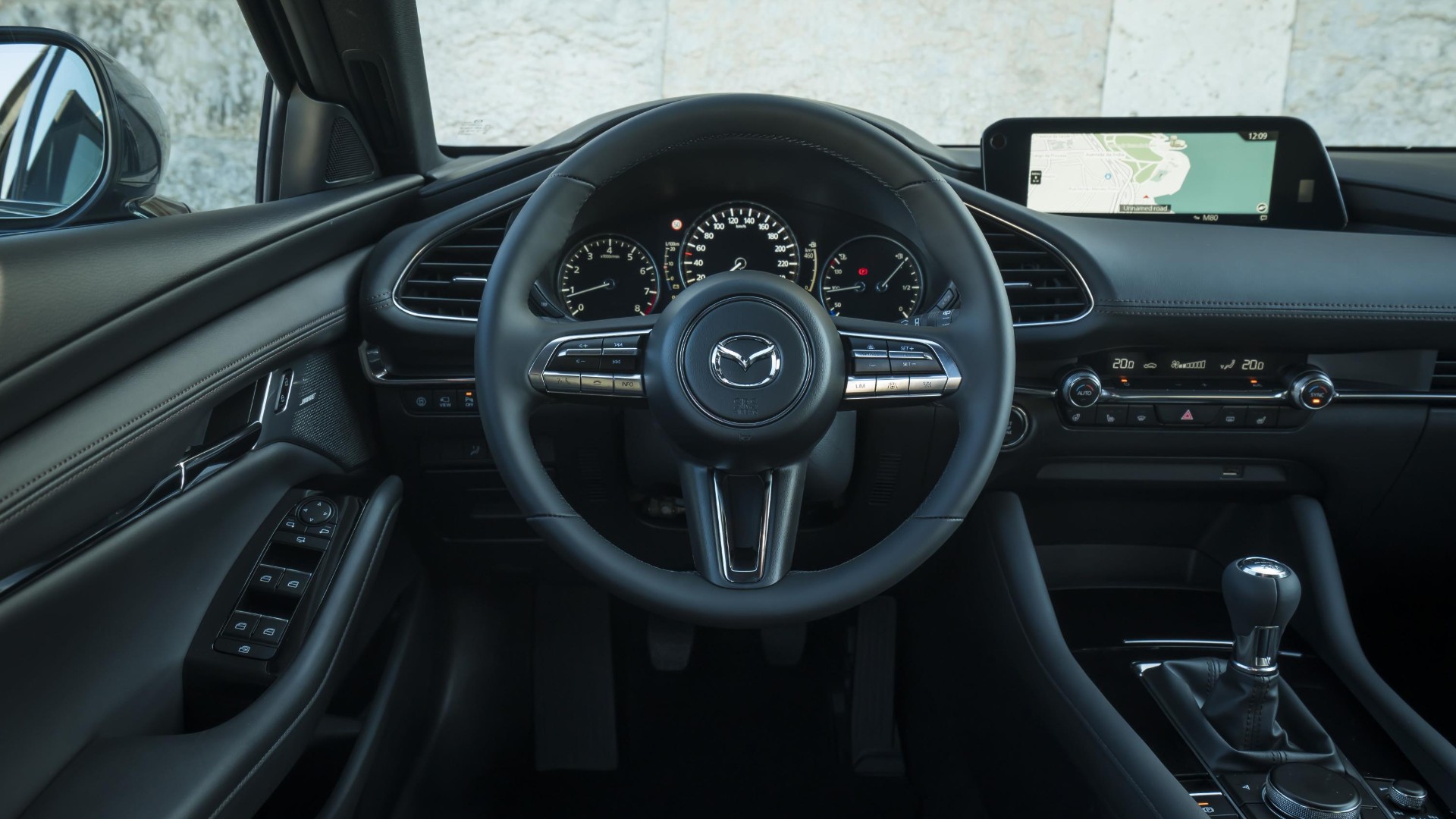
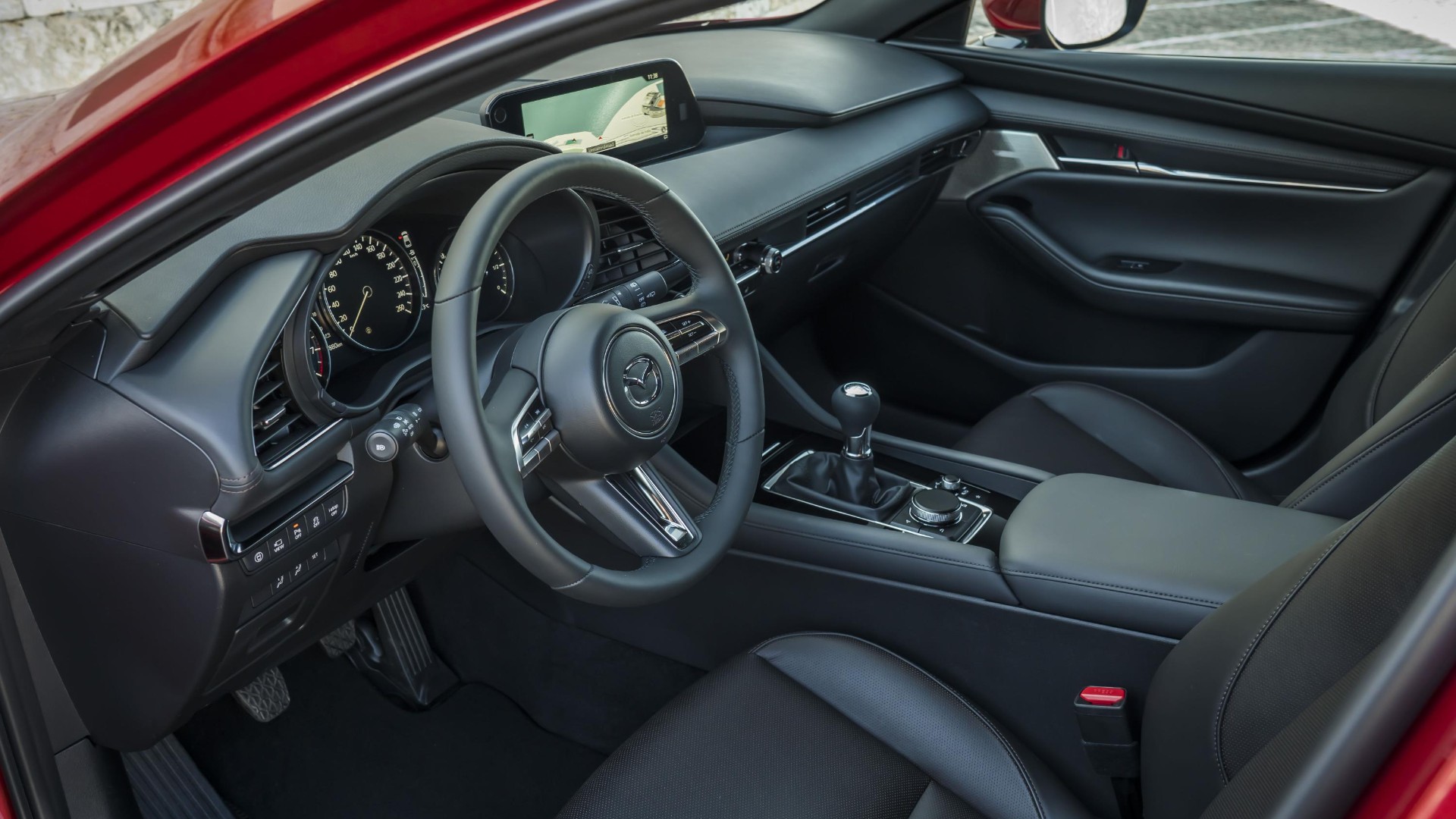
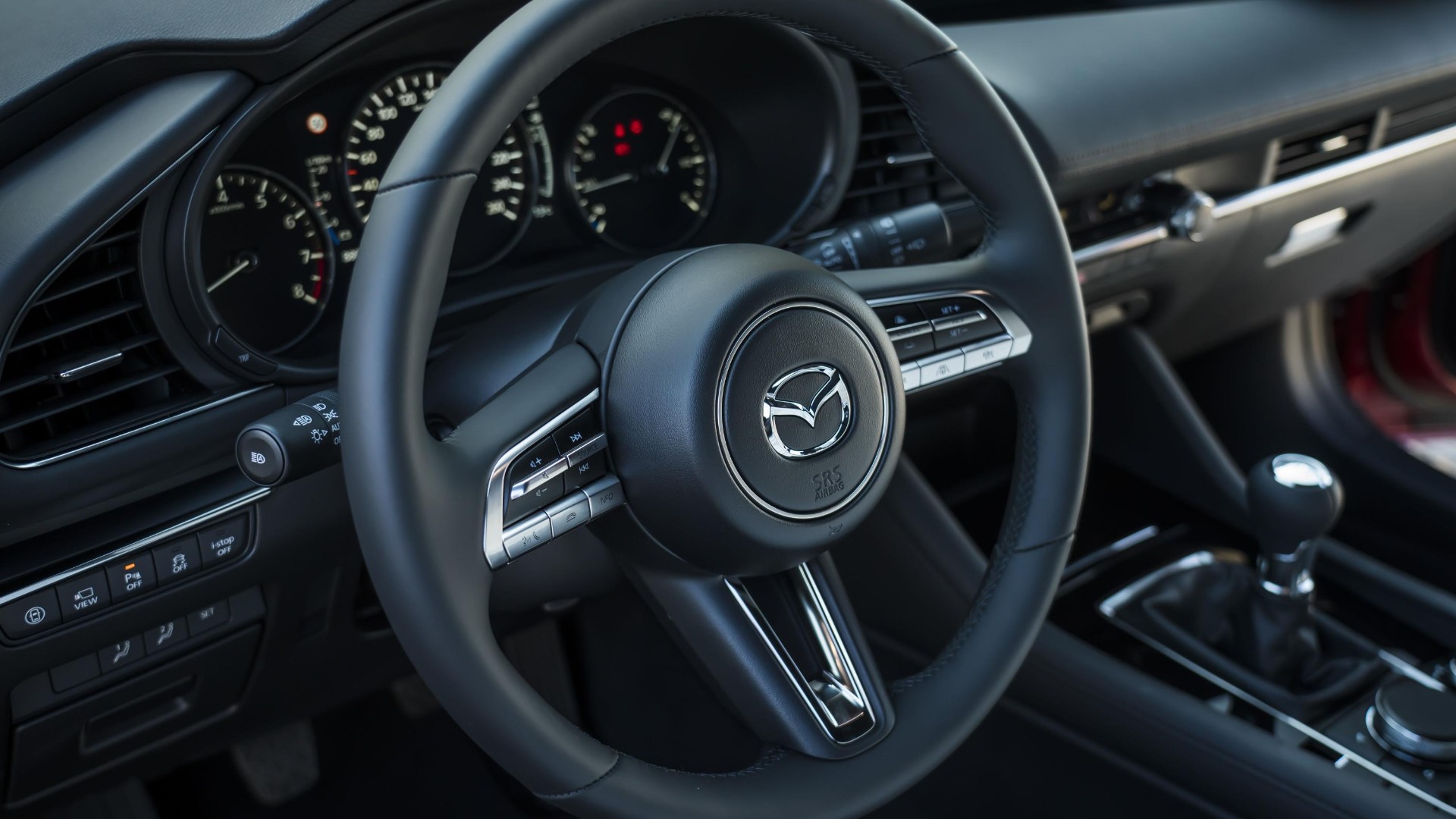
Mazda has begun the eradication of touchscreens in its cars, starting with the new 3 hatchback. It’s often a marque to buck prevailing trends, but never without reason, and this latest dismissal of dashboard touchscreens is no exception.
Why get rid of touchscreens?
Touchscreens have been hot tech since they became mainstream over decade ago. They’re now getting up to a standard of clarity and responsiveness in our cars that we’ve been enjoying with our smart hand-held devices for the last 10 years. So why is Mazda ditching them?
There is method and logic in Mazda’s madness. Research has suggested that touchscreens can present too much of a distraction for drivers, finding usage both takes our attention away from the road, and affects our physical control of the car.
“Doing our research, when a driver would reach towards a touchscreen interface in any vehicle, they would unintentionally apply torque to the steering wheel, and the vehicle would drift out of its lane position,” said Matthew Valbuena, Mazda North America’s lead engineer for HMI and infotainment.
Touchscreens require what Mazda calls ‘gross’ motor skills. These are large movements on our part to achieve specific goals. By our recollection, lifting your hand up to a screen and accurately pressing a ‘button’ has been a bit of a chore in some cars, and has felt like a distraction too far.
Head-up displays and Command Controllers
Mazda wants to revert to safer ways of delivering information and controlling in-car systems. As for the former, head-up displays gain favour given they require less of a transition in focus with your eyes.
In short, a head-up display is basically a part of the scenery as far as your eyes are concerned. Contrast that with a touchscreen that’s much closer and requires more of a re-focus. You’ll note in the cabin of the new Mazda 3 that the screen is further away, out of reach. Indeed, it doesn’t need to be in reach.
As for controlling systems? Mazda wants to go analogue, with physical toggles. In the 3 it’s the Command Controller, positioned naturally within reach. It requires what Mazda calls ‘fine’ motor skills, rather than ‘gross’, as above. These are small precise movements that require less concentration to achieve, and are staggered by the controls themselves – i.e. when toggles, spin-wheels and buttons ‘click’.
Why touchscreens are pursued
We would suggest that all who use touch screens in cars will feel pangs of uncertainty at some point about whether they’re safe.
Assuming that safety is in question, why are manufacturers sticking with them?
Well, reverting would literally feel like a backward step. Can you imagine an Audi A8 that replaces two giant touch panels with buttons once more?
On the button issue, too, touchscreens are simpler to tool for carmakers. Smatterings of buttons can be fiddly to both manufacture and use. Touchscreens can also pack a lot more functionality into a finite space.
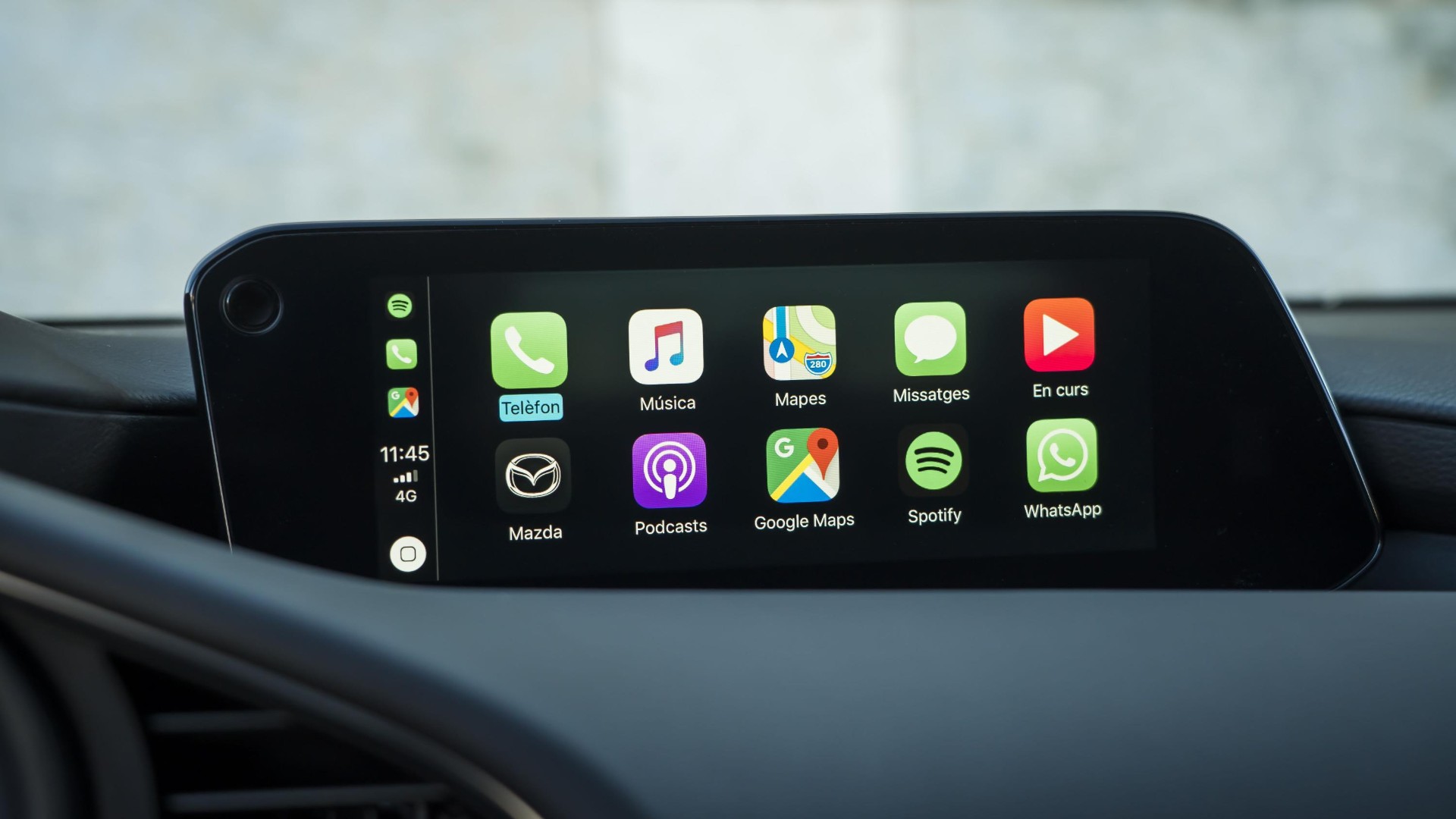
Then there are systems that are now being integrated. How does one control a touch interface like Apple Carplay with physical controls? That’s part of the reason Audi is discontinuing its rotary controller, allegedly.
Regardless, Mazda is the first to commit to persevere without touchscreens, for all the right reasons we’d say.



 Forget the summer weather outside, as
  Ford became the first car manufacturer to launch a vehicle at a gaming show, using Gamescom in Germany for the big reveal. However, it has taken some 11 months for the extreme off-roader to finally appear in the game.
  Another key element of the Series 11 update is the launch of special new Horizon Story for Forza players.
  Also appearing from Top Gear is the Mercedes-Benz G63 6×6, along with the modified Mercedes-Benz E350d All-terrain ‘Project E-AT’.



 Anticipation for the