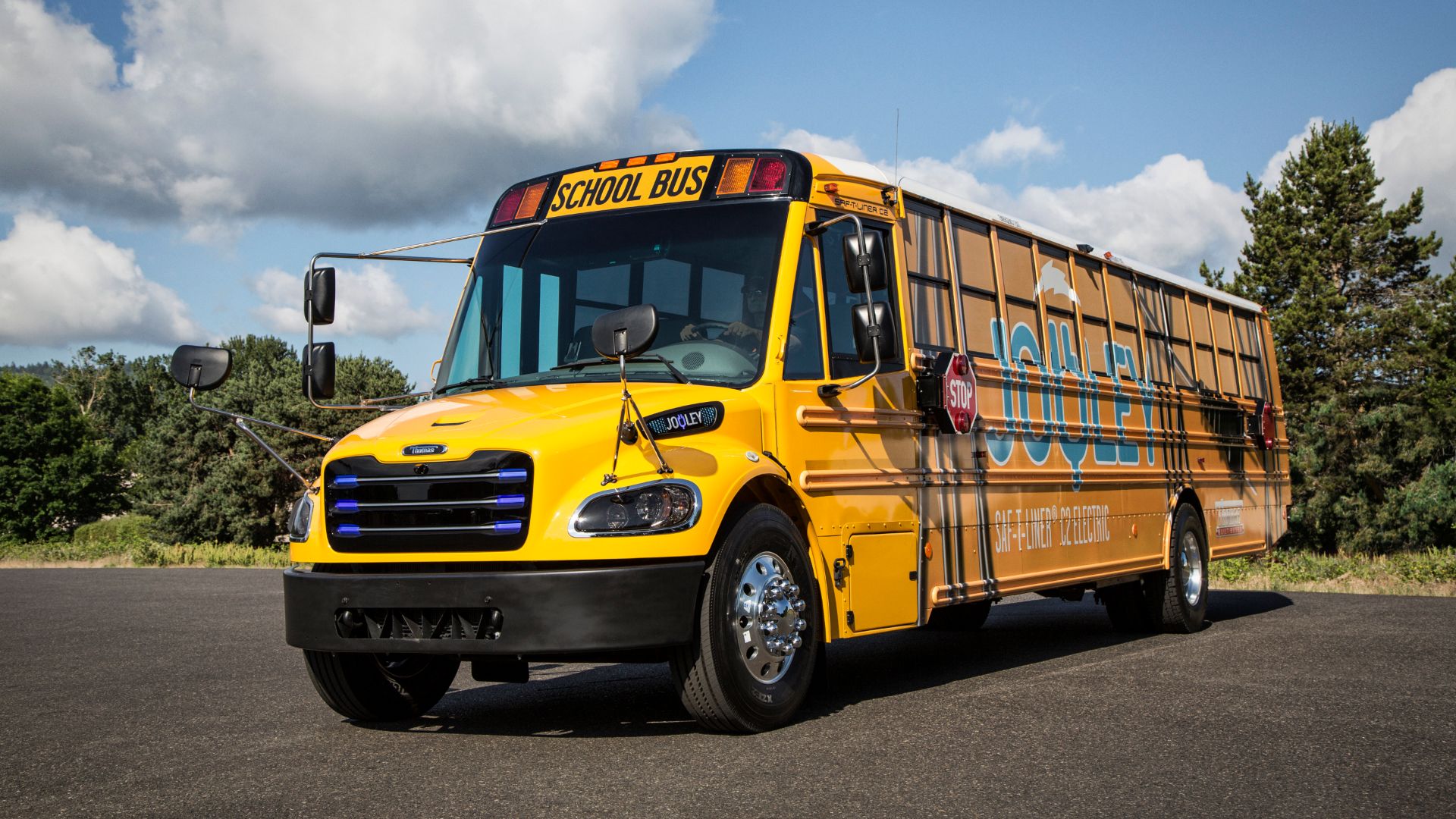
Daimler-owned Thomas Built Buses has begun supplying fully-electric versions of the famous black and yellow American school bus. The first 50 examples of the ‘Jouley’ have been ordered in the state of Virginia.
The goal is to have at least 1,000 electric buses on American roads by 2025, although a bus manufacturer has not yet been selected to fulfill this order.
The Thomas Built bus has been developed in collaboration with California company, Proterra. Its battery has a total power capacity of 220 kWh – just over twice that of a top-end Tesla Model S – and has a theoretical range of 134 miles. These buses are also the only of their kind to feature DC fast charging as standard.
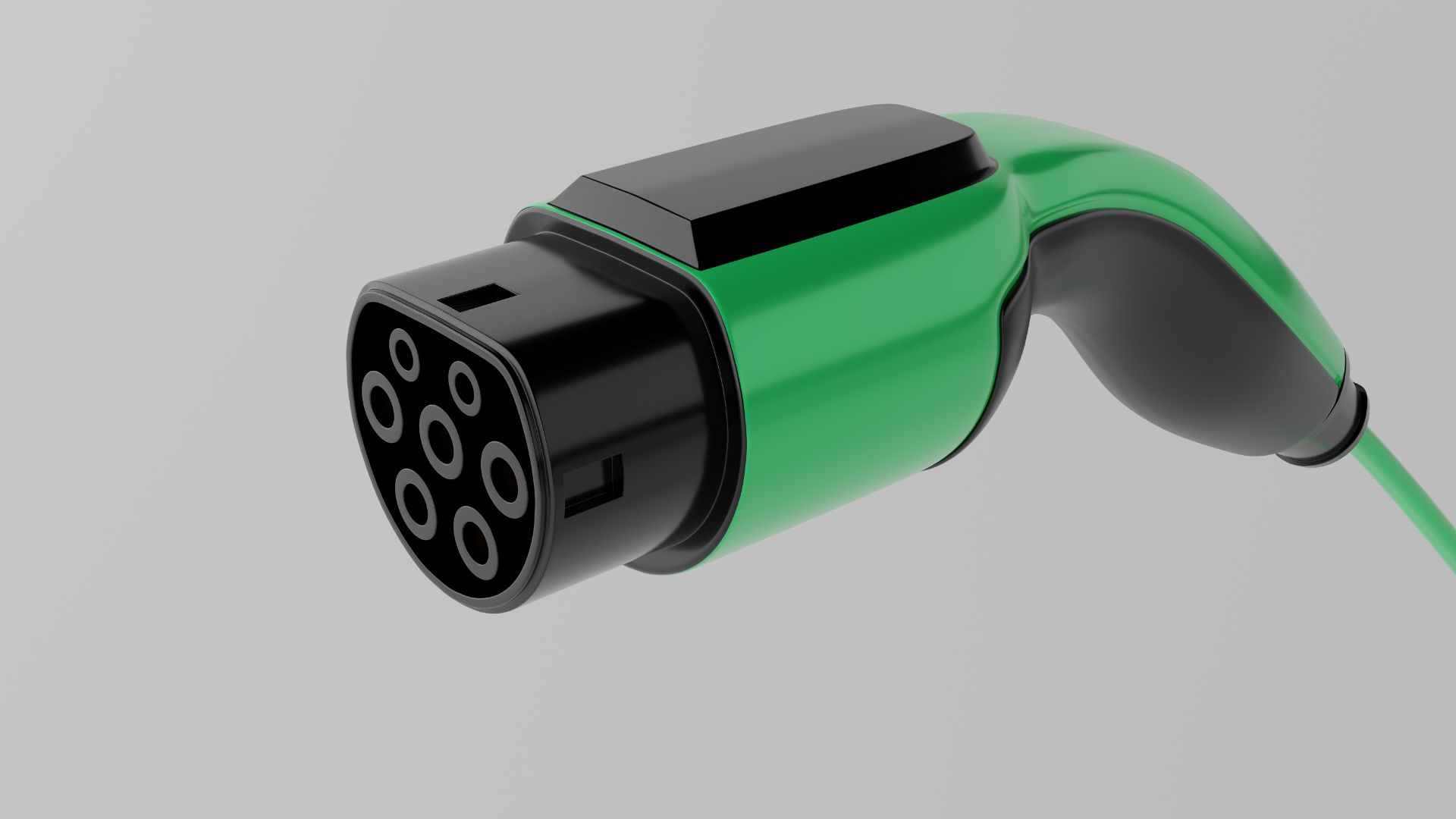
So how quickly can an electric school bus be charged? If the 60 kW fast charging system is used, it’ll juice up in around three hours. That leaves plenty of time in between the morning drop-off and the afternoon pick-up for buses to be prepared for their second shift of the day.
Interestingly, these buses are also equipped with vehicle-to-grid technology, allowing them to supply power back into the grid. With 1,000 buses in use, their batteries could provide enough energy to power more than 10,000 homes.
How can you tell the difference between the new electric bus and its diesel predecessor? Well, if it’s running, you’ll clock one even with your eyes closed. There will be no diesel clatter – and no smell of fumes. To look at, the differences are subtle. Pictured above is an older, more traditional American school bus.
There’s blue LED lighting in the grille to mark it out, while ‘Jouley’ is plastered down the side. It still has the silhouette of the familiar American school bus, though, right down to the long nose where you might ordinarily find an engine.
Toyota has teamed up with Joby Aviation to develop an electric vertical take-off and landing (eVTOL) aircraft.
Little information has been released, but Toyota hopes to commercialise the eVTOL, with the aim of delivering “fast, quiet and affordable air transportation”.
An eVTOL combines elements of helicopters and small aeroplanes, offering zero emissions, fast travel and quiet operation. Details of the prototype aircraft and the production plans will be announced at a later date.
Toyota is the lead investor in Joby Aviation’s $590 million (£452 million) Series C financing. In addition to a $394 million (£302 million) investment, Toyota will also share its expertise in manufacturing, quality and cost control.
Founded in 2009, Joby Aviation is at the forefront of the Urban Air Mobility (UAM) market. The Californian company has developed a four passenger aircraft that can fly at speeds of up to 200mph, delivering 150+ miles of flying ranging from a single charge.
‘On land, and now in the sky‘
Akio Toyoda, Toyota Motor Corporation president and CEO, said: “Air transportation has been a long-term goal for Toyota, and while we continue our work in the automobile business, this agreement sets our sights on the sky.
“As we take up the challenge of air transportation together with Joby, an innovator in the emerging eVTOL space, we tap the potential to revolutionise future transportation and people’s lives.
“Through this new and exciting endeavour, we hope to deliver freedom of movement and enjoyment to customers everywhere, on land, and now in the sky.”
JoeBen Bevirt, Joby Aviation founder and CEO, added: “This collaboration with Toyota represents an unprecedented commitment of money and resources for us and for this new industry, from one of the world’s leading automakers.
“Toyota is known globally for the quality and reliability of its products, driven by meticulous attention to detail and manufacturing processes. I am excited to harness Toyota’s engineering and manufacturing prowess to drive us towards our dream of helping a billion people save an hour-plus commuting time every day.”
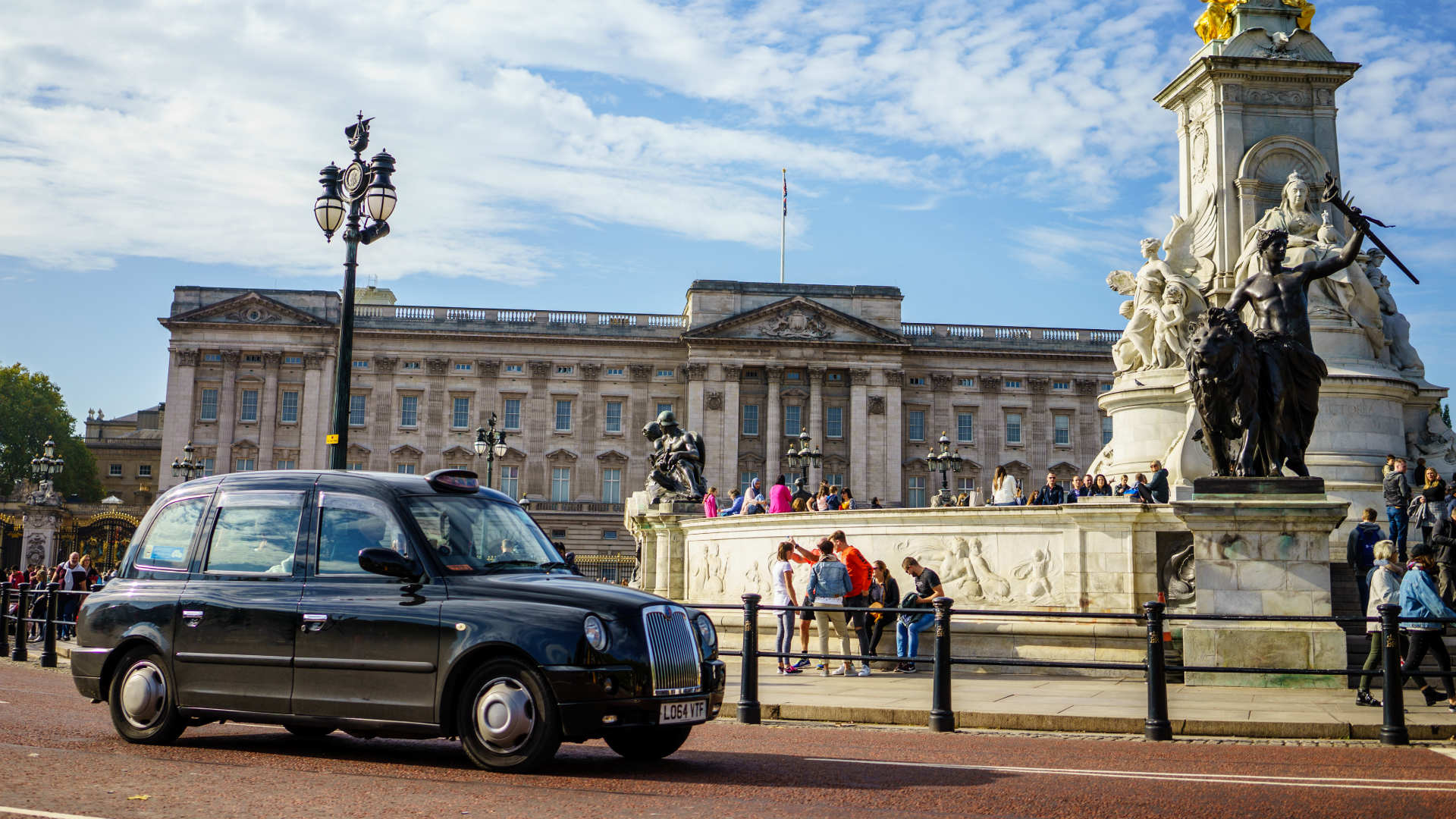
Buckingham Palace is the UK’s most dangerous landmark to drive past. That’s according to new research conducted using data from a road safety charity.
Using traffic accident statistics gathered between 2013 and 2018, the monarchy HQ is one of three London landmarks to appear in the top ten – the others being the Houses of Parliament and St. Paul’s Cathedral.
If the Queen was in residence at the right time, Her Majesty would have witnessed 203 accidents over the three-year period – that’s an average of 34 accidents a year.
Select Car Leasing, the company behind the study, puts this down to a “glut of tourists, cabbies, private vehicles and cyclists”. It’s also claimed that the roads around Buckingham Palace are “fast-becoming a hotbed of road accidents”.
Somebody ought to warn the Queen.
The leasing company used the Think! crash map to count the number of accidents within 10 metres of 50 of the UK’s most popular landmarks.
Only three of the landmarks in the top ten are adjacent to what you’d call a fast road. This suggests a number of the accidents are low-speed collisions, caused by inattentive drivers and ‘rubberneckers’.
Top 10 most dangerous landmarks to drive past
Landmark
Accidents (2013-2018)
1. Buckingham Palace, London
203
2. Brighton Pier, Brighton
124
3. Scott Monument, Edinburgh
89
4. Houses of Parliament, London
79
5. Stonehenge, Wiltshire
60
6. Angel of the North, Gateshead
53
7. Humber Bridge, Yorkshire
49
8. St. Paul’s Cathedral, London
40
9. Blackpool Tower, Blackpool
30
10. Windsor Castle, Berkshire
28
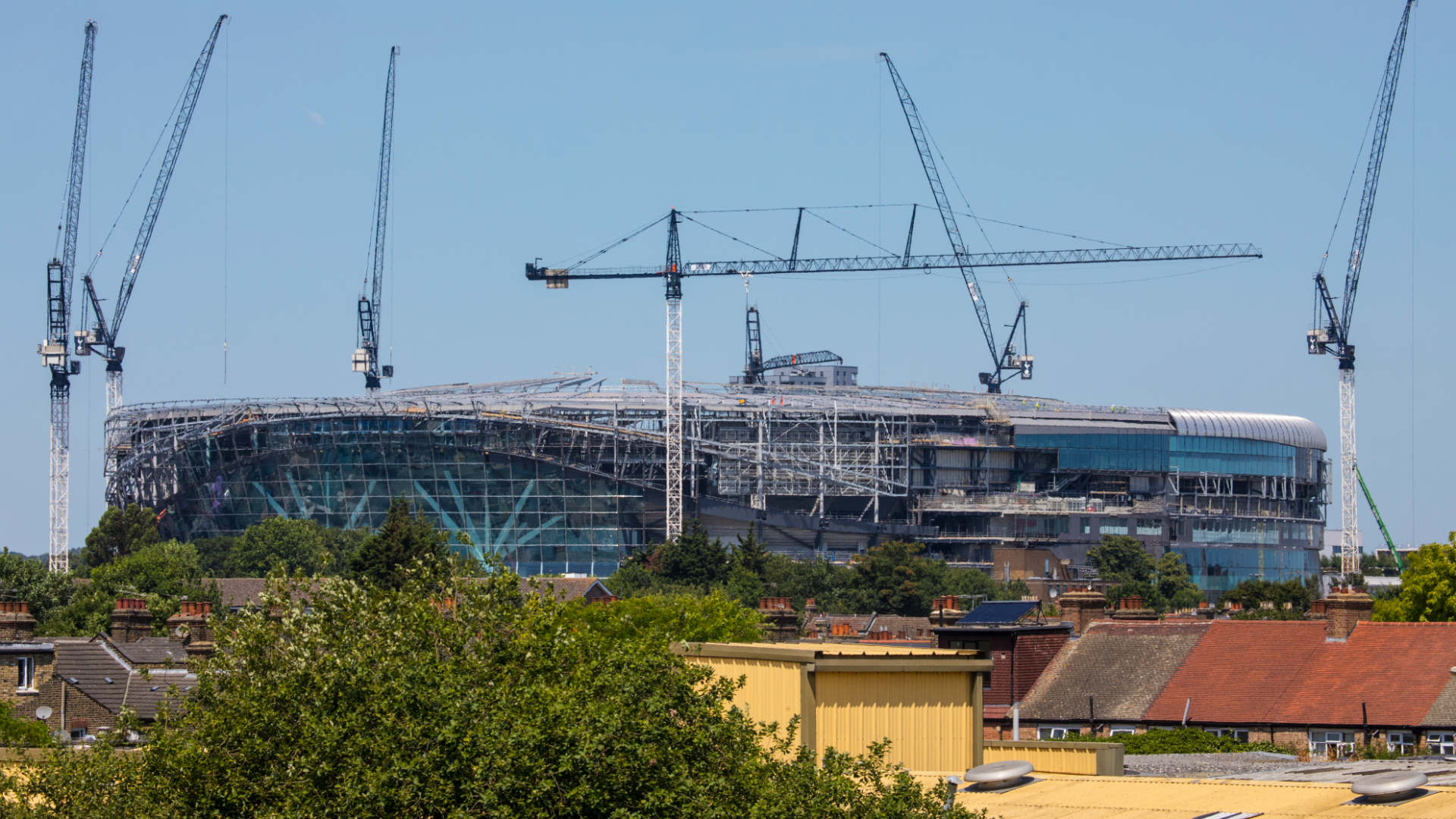
As part of the research, Select Car Leasing also looked into the accidents around the Tottenham Hotspur Stadium in London.
In the years prior to construction (2013 and 2014), there were 17 accidents – an average of 8.5 a year. Once construction has started (2015 to 2018), the number increased to 47 – or 11.8 a year.
That’s a 39 percent rise in traffic accidents, presumably as a result of construction traffic and people stopping to take a look at the new stadium.
Select Car Leasing said: “The advice is clear on passing landmarks: when you’re driving, keep your focus and watch the car in front.
“They may be tempted to slow down to view the passing monument or attractions. It’s also important that your own eyes aren’t drawn from the road towards the landmarks, or it might be you who causes the accident.”
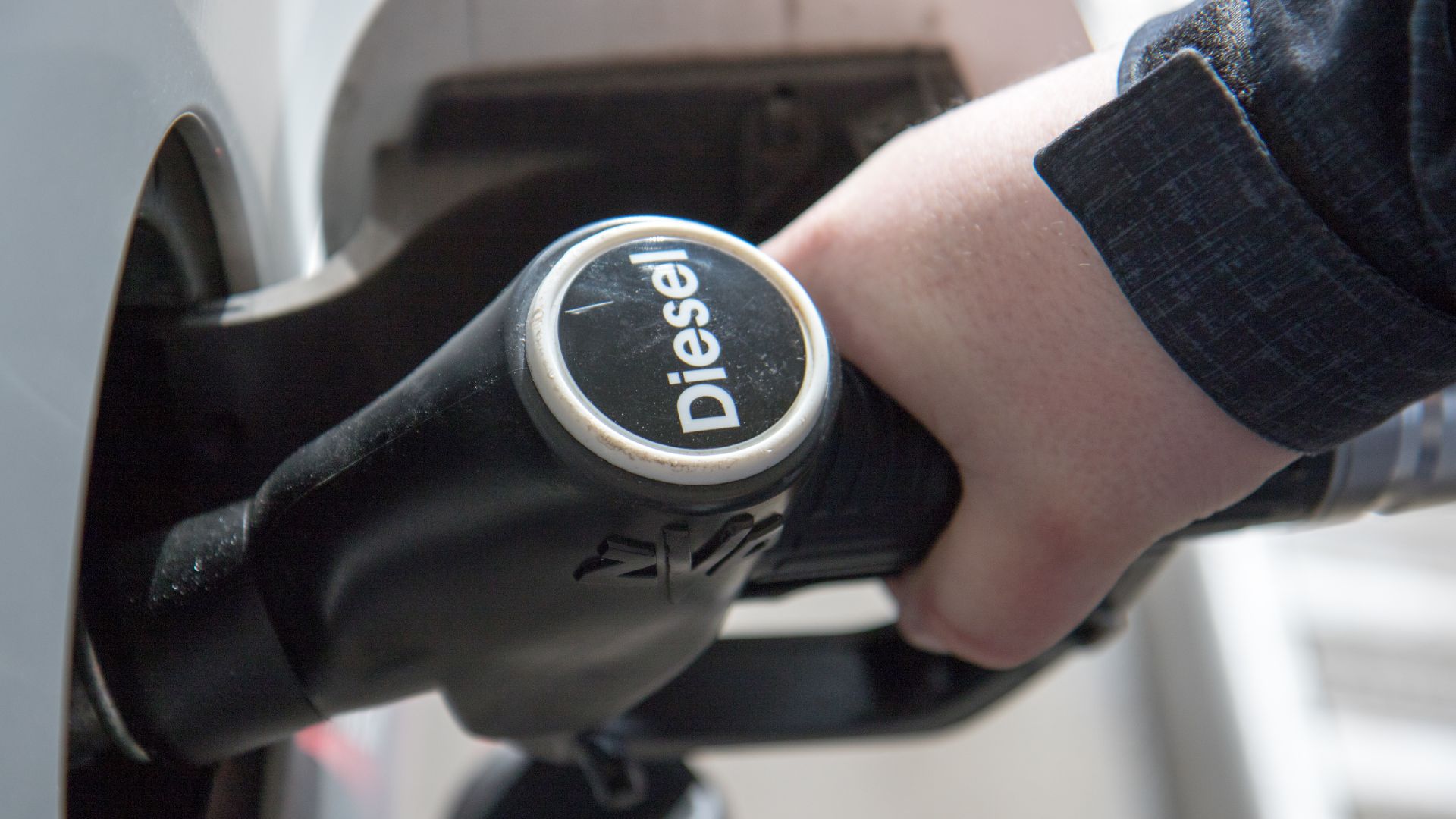
The ‘decline of diesel’ often refers to diesel car sales. Now, the amount the UK has burned in its vehicles is down, for the first time in a decade.
The amount burned was down by just under 500 million litres between January and November 2019. That’s 27.416 billion litres burned last year, compared with 27.909 billion litres burned in the same period in 2018.
After ten years of increasing demand, last year’s figure is lower than 2016’s. For reference, 500 million litres is roughly what the country’s diesel vehicles consume within a week.
It’s the first time that the use of diesel has dropped since the financial crisis over a decade ago. Is it because there are fewer diesel-powered cars on the road?
According to the AA, not entirely. The drop-off of oil burners in the new car market has had something to do with it. However, it’s also claimed that a fall in lorry and van traffic last year, as a result of economic uncertainty, will have contributed.
The drop is actually not as dramatic as some might have expected, given the scale of the scandal around diesel and the drop in appeal the fuel has suffered since it broke cover in 2015. However, as the popularity of SUVs, which are mostly diesel-powered, has ballooned, the losses have been cushioned somewhat.
“The first drop in UK diesel demand in a decade is one to watch,” said Luke Bosdet, from the AA.
“Whether a Brexit economic bounce back reinvigorates commercial traffic levels and therefore diesel use, or whether the reduction signals UK fossil fuel use moving from tipping point to actual decline.”
Transport secretary Grant Shapps said: “We want to make electric cars the new normal, and ensuring drivers have convenient places to charge is key to that.”
Real-time chargepoint info
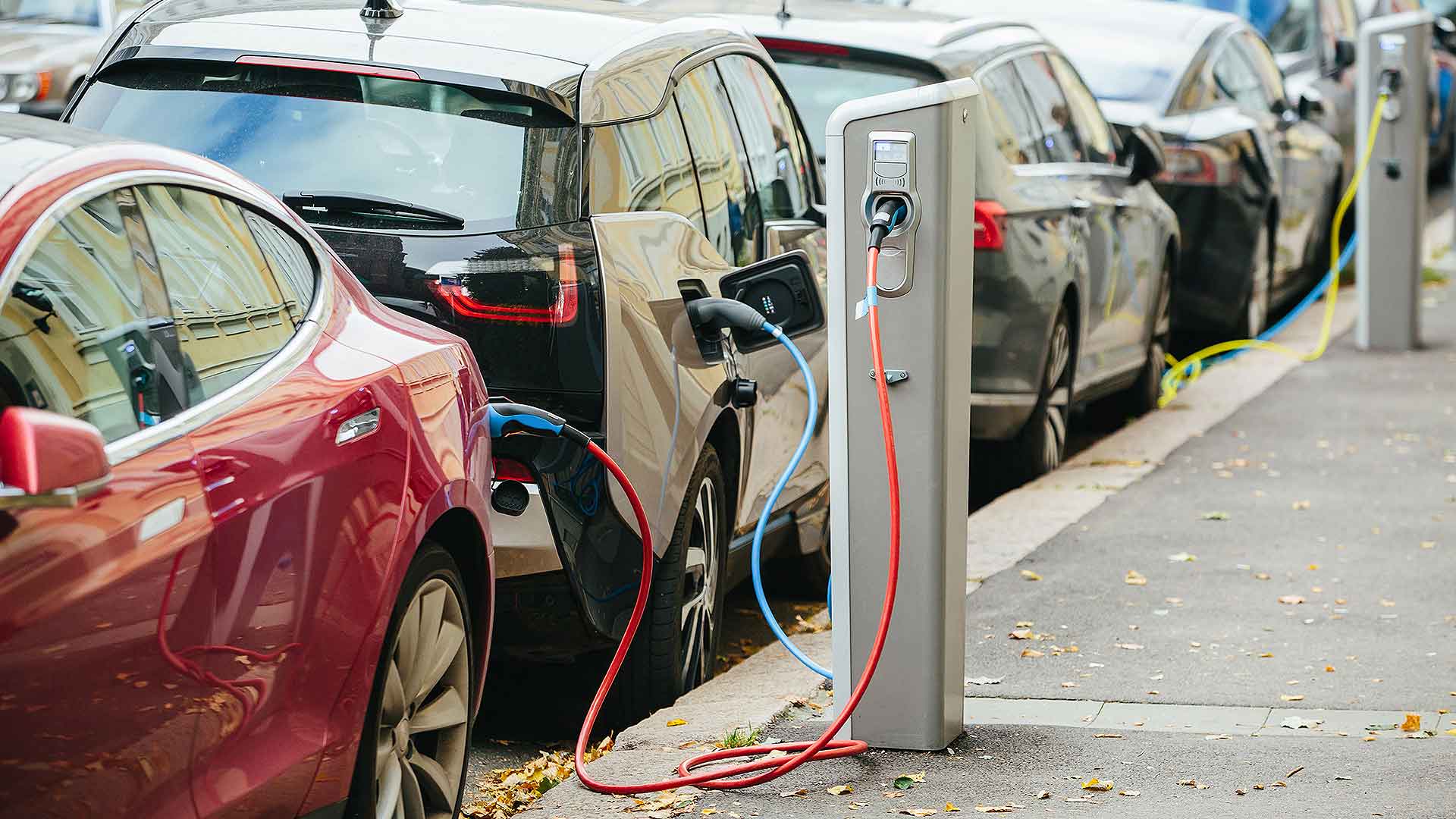
Sharing information about chargepoint location and power ratings in a standard, open format for the first time will be investigated by the government.
This data would also show whether chargepoints were actually working, in real time, and could be used by developers to build into sat nav systems and route mapping apps.
Future of transport minister George Freeman said: “Supporting the smart use of open data for new apps to help passengers and drivers plan journeys, and to reduce congestion and pollution, is key.
“Comprehensive chargepoint data is crucial for mapping charging hotspots and notspots for consumers, to help to drive forward the electric vehicle revolution.”
This initiative would be a further development of the government’s National Chargepoint Registry (NCR) which launched in 2011. This is an open-source dataset of all public chargepoints.
It follows on from an earlier government challenge to industry to allow debit and credit card payments at all new rapid chargepoints.
The government also wants firms to roll out a roaming solution so electric car drivers could use any public chargepoint via a single app or payment method.
Already, claim ministers, Britain has one of the largest electric car charging networks in Europe. There are 17,000 devices and 24,000 public chargepoints: 2,400 of them are rapid chargepoints.
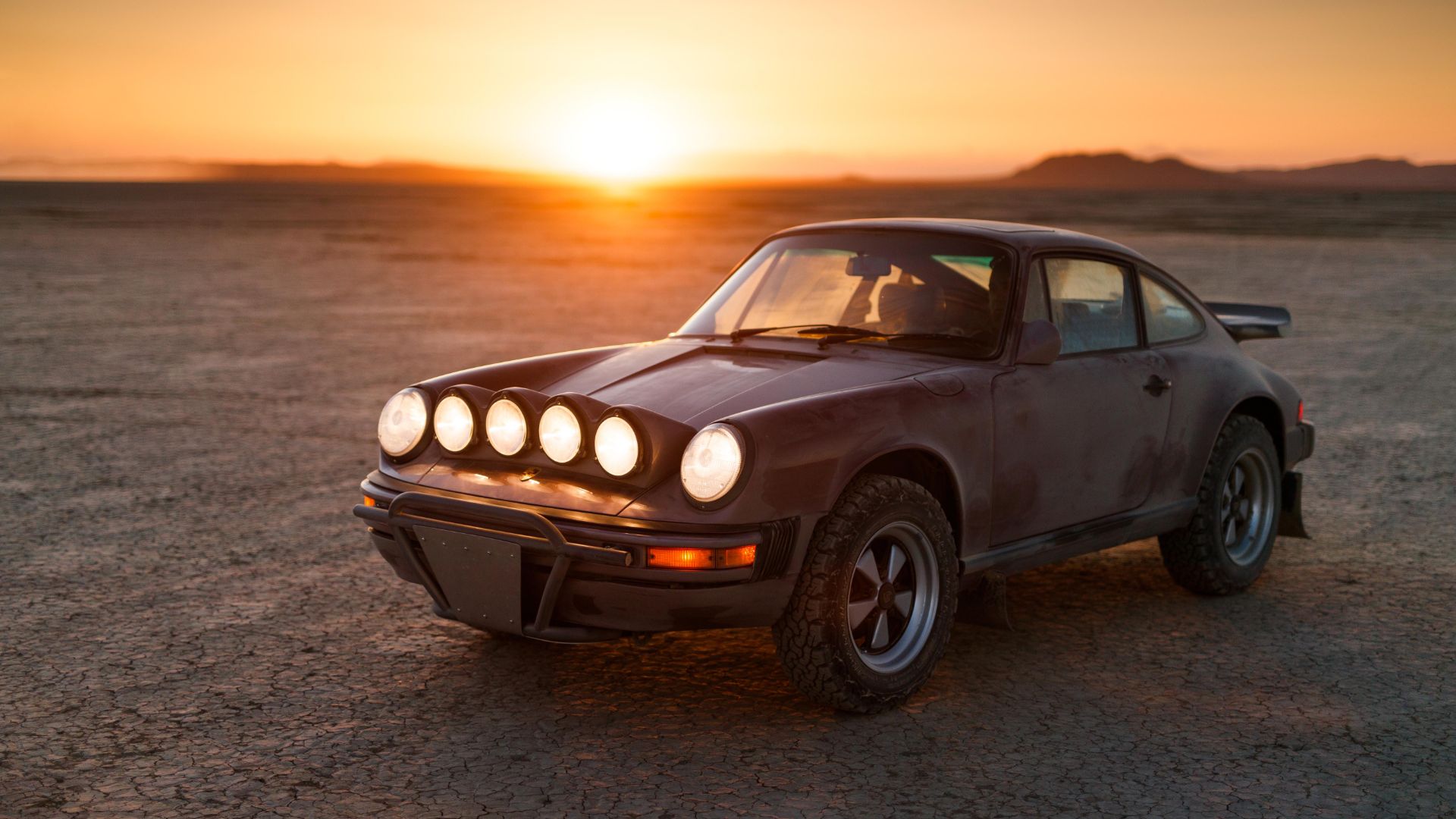
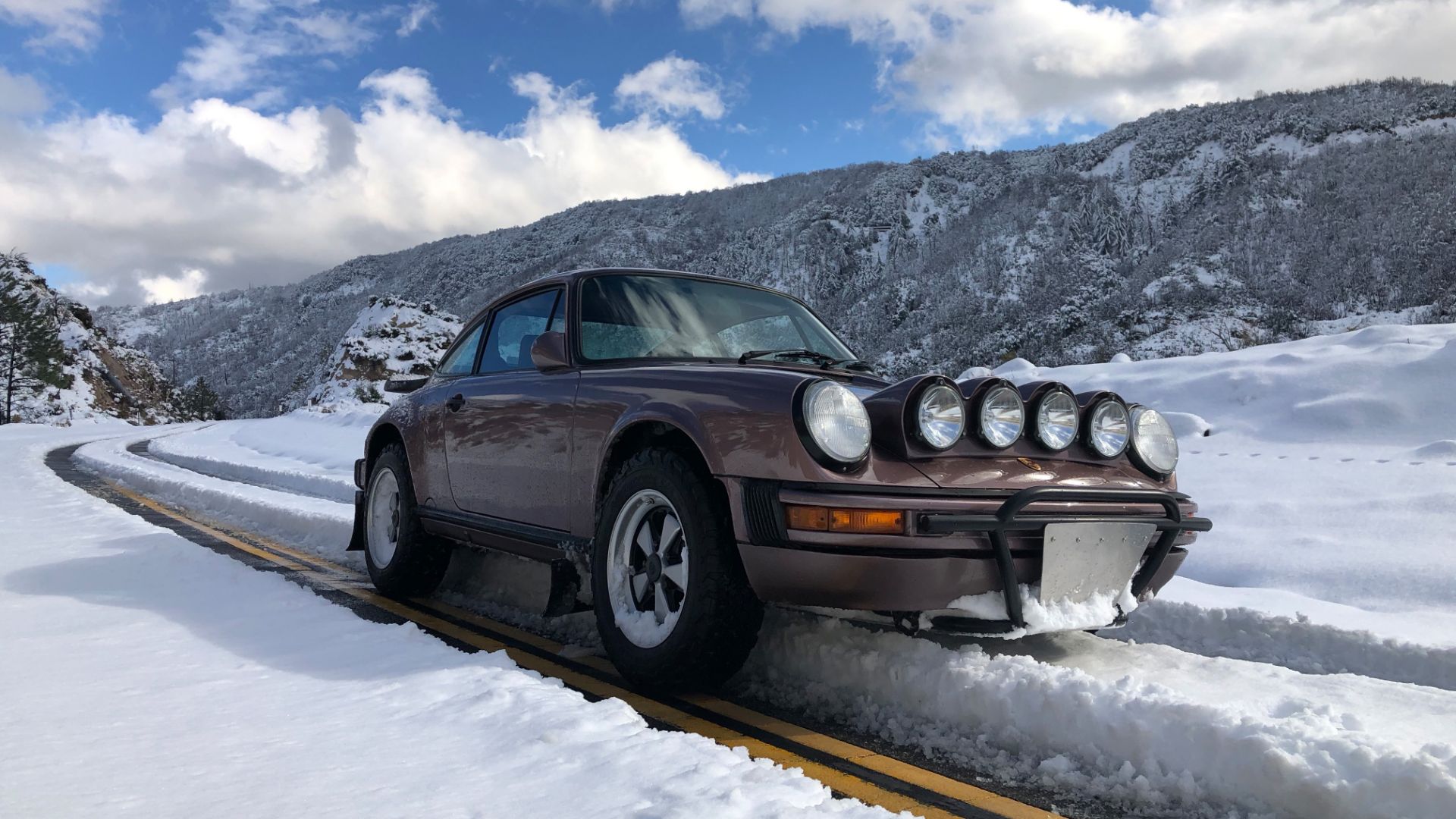
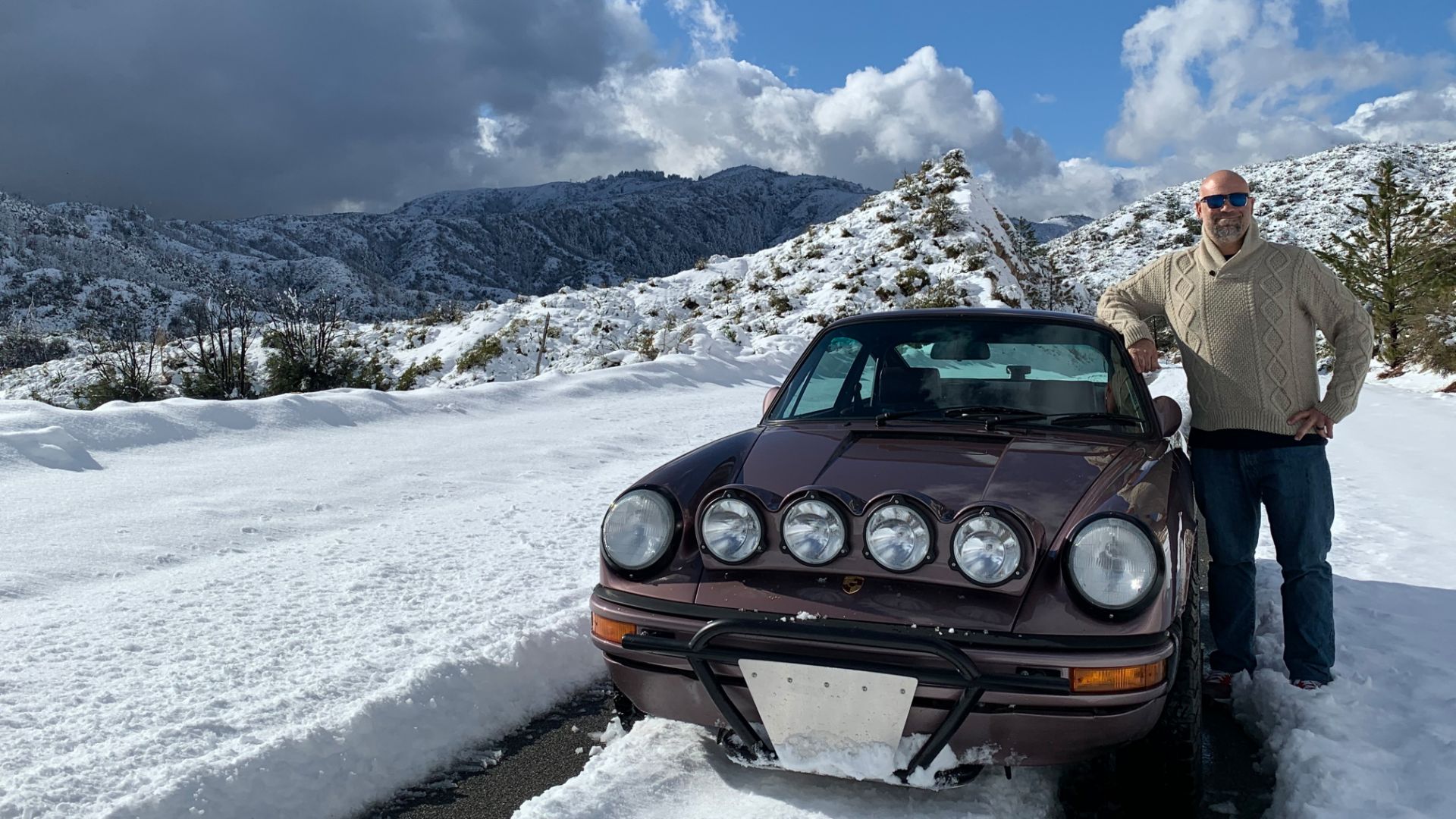
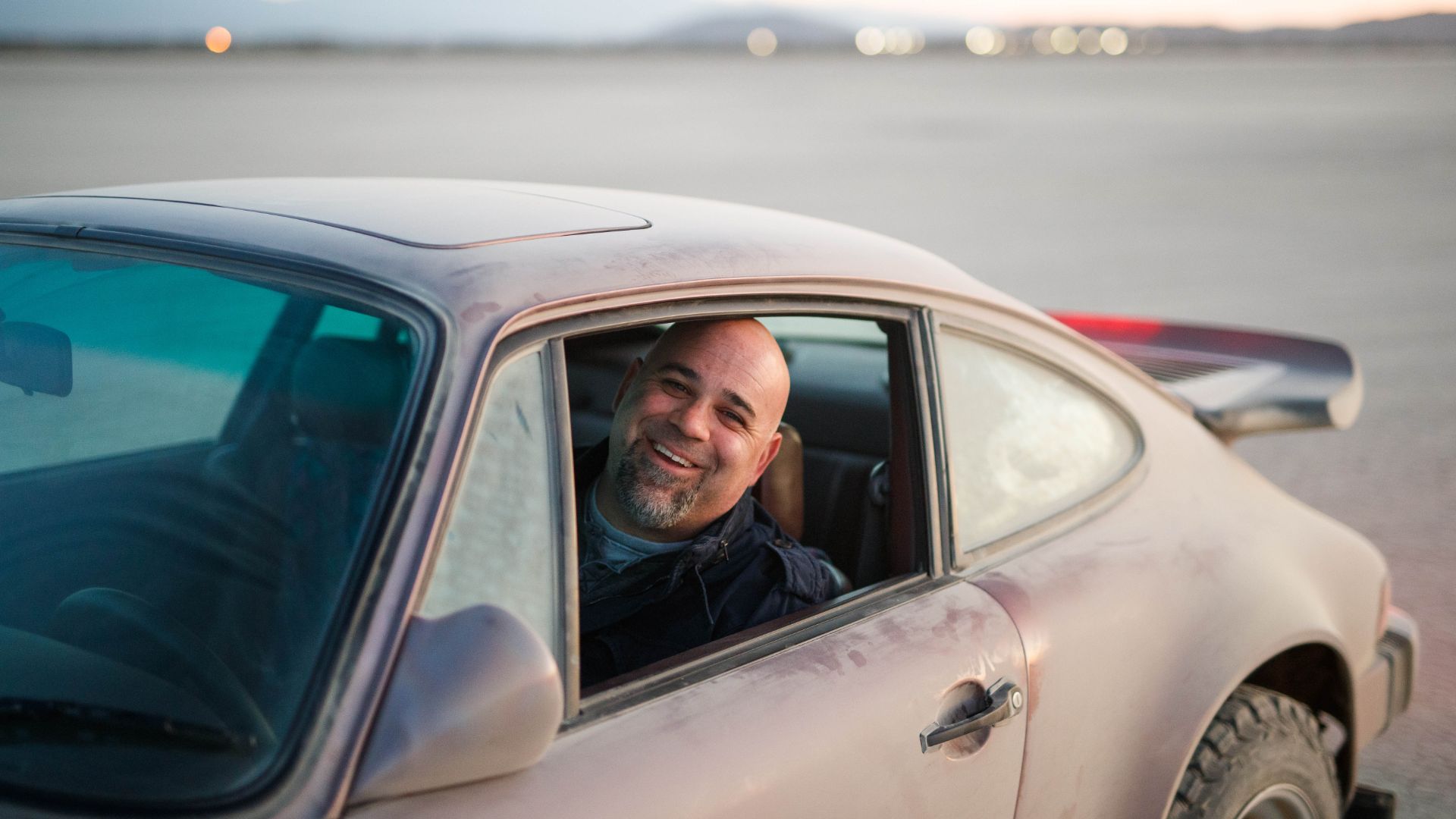
Many think the answer to speed humps and potholed roads is a crossover. They’re wrong. The correct answer is a ‘Safari’ Porsche 911, as auto journalist Matt Farah has discovered in Los Angeles.
Glamorous it may be, but Los Angeles has one thing in common with Britain: how damaged its road network is. Farah sought to find a solution.
”Although we are blessed with places like the Angeles Forest and Malibu Canyons, two of the finest places on Earth to drive a sports car, the city itself is a nightmare,” Farah explains.
“The infrastructure is crumbling, repairs are rarely thorough, the freeway expansion joints are a sports car owner’s worst nightmare, and for a city as ‘spread out’ as LA is, it’s awfully crowded all the time. It can be a real challenge in low, modern sports cars.”
A baja-bashing Ford Raptor might have been a more obvious choice than a 911. However, such a truck would be more difficult to thread through LA than the compact, classic Porsche.
“I wanted something like the Raptor, but smaller, so the obvious answer was a rally car. Once I drove Leh Keen’s personal Safari 911, it was like a light bulb moment.”
Keen is a builder of go-anywhere Porsche 911s, aping the classic ‘Safari’ rally cars. Farah had a taste of the first build a few years ago. He then described it as “totally different to what most people think you should be doing with a 911”. Contrarian though the idea is, he was sold on the project: “I sent him a deposit check (sic) almost immediately afterwards”.
Going for an 87-onwards car, Farah wanted to ensure a better gearshift feel, and be able to pick the colour. Keen can handle the job from start to finish, including sourcing a car, if the buyer wants. Matt’s is a 1987 Carrera 3.2 in Cassis Red, a desirable colour preserved underneath a wrap.
Turning a sports car into a diet dune buggy is no small job: the parts list is extensive. Front to back, it features bash bars, skid plates, rally light pods, shaved side door mirrors, tucked bumpers, Braid Motorsport Fuchs-style wheels, Elephant Racing Safari suspension, a Quaife limited-slip differential and BF Goodrich K02 tyres. It’s jacked-up, jump-ready and looks the absolute business.
On the inside, Matt made a bold but practical choice for the trim. Replacing the burgundy leather is commercial-grade LA city bus fabric, designed for 20 years of constant wear. “It’ll probably outlast the rest of the car,” he says.
There were worries it wouldn’t match the rest of the burgundy leather that was retained (headliner, door uppers, dashboard upper and base carpet), but it turned out well. Even the new Momo Prototipo steering wheel was trimmed to match the burgundy, and apparently took 20 attempts to get right.
You can keep your Audi A1 Citycarver, or your Vauxhall Adam Rocks. Matt Farah has helped create the perfect city car. “It is literally my daily driver,” he concludes.
“I recently loaded three bushels of firewood behind the rear seats. I mean – it’s not meant for attacking the canyons or going to the racetrack, it’s meant for going to the shops, driving to my office, running errands and then taking to the dirt for some fun. It really is the best parts of a Baja truck and the best parts of an air-cooled 911.”
“If the car industry wants to be part of the solution to the climate and ecological crisis as they pretend, then they should be doing all they can to help a fundamental and democratic change in the way we perceive and practise mobility.
“New, large, powerful individual cars, whether powered by petrol, electricity, or whatever other type of energy source must no longer be made the symbol of human freedom and accomplishment: they are in reality one of the balls and chains which are holding us back.”
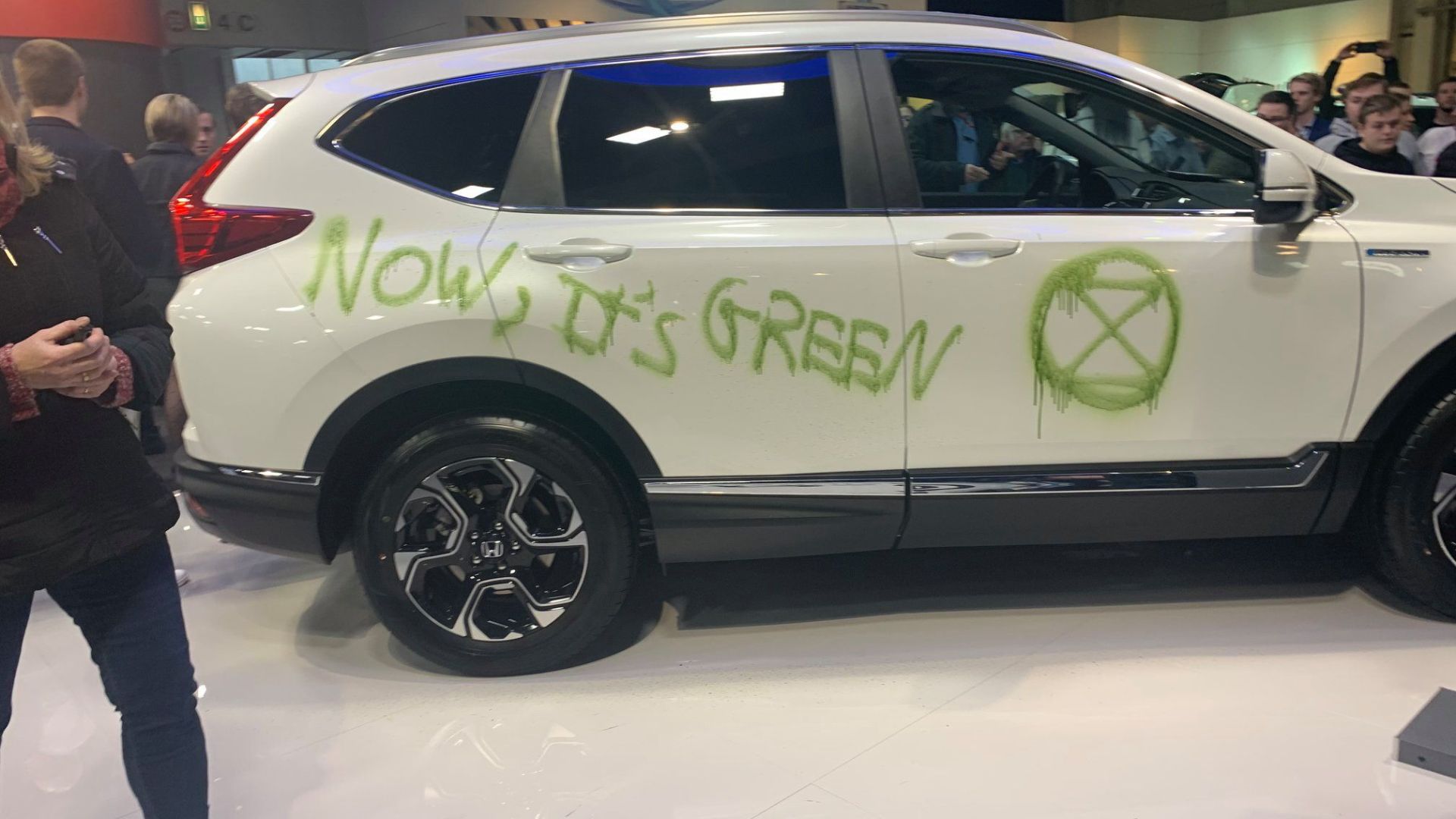
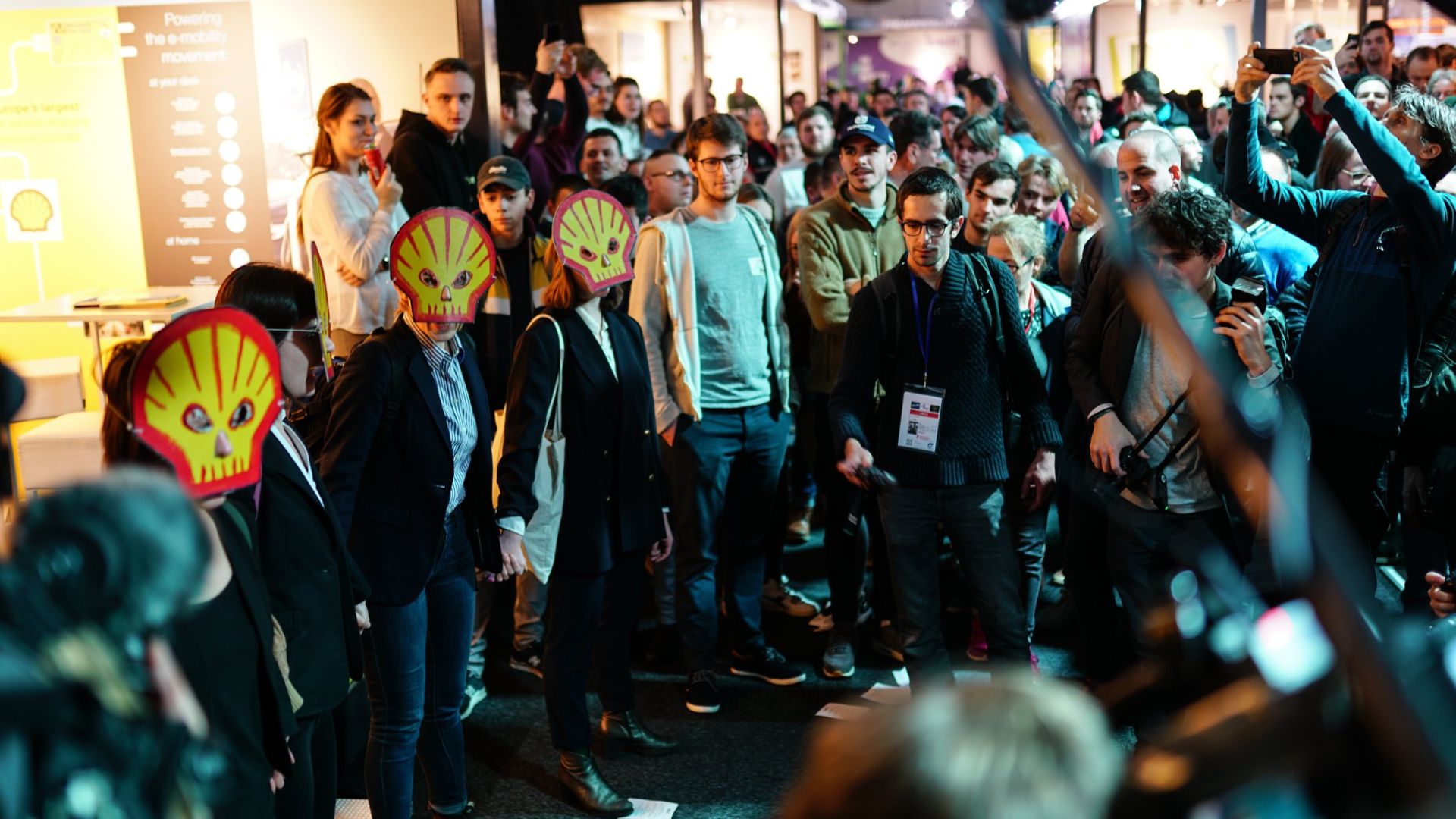
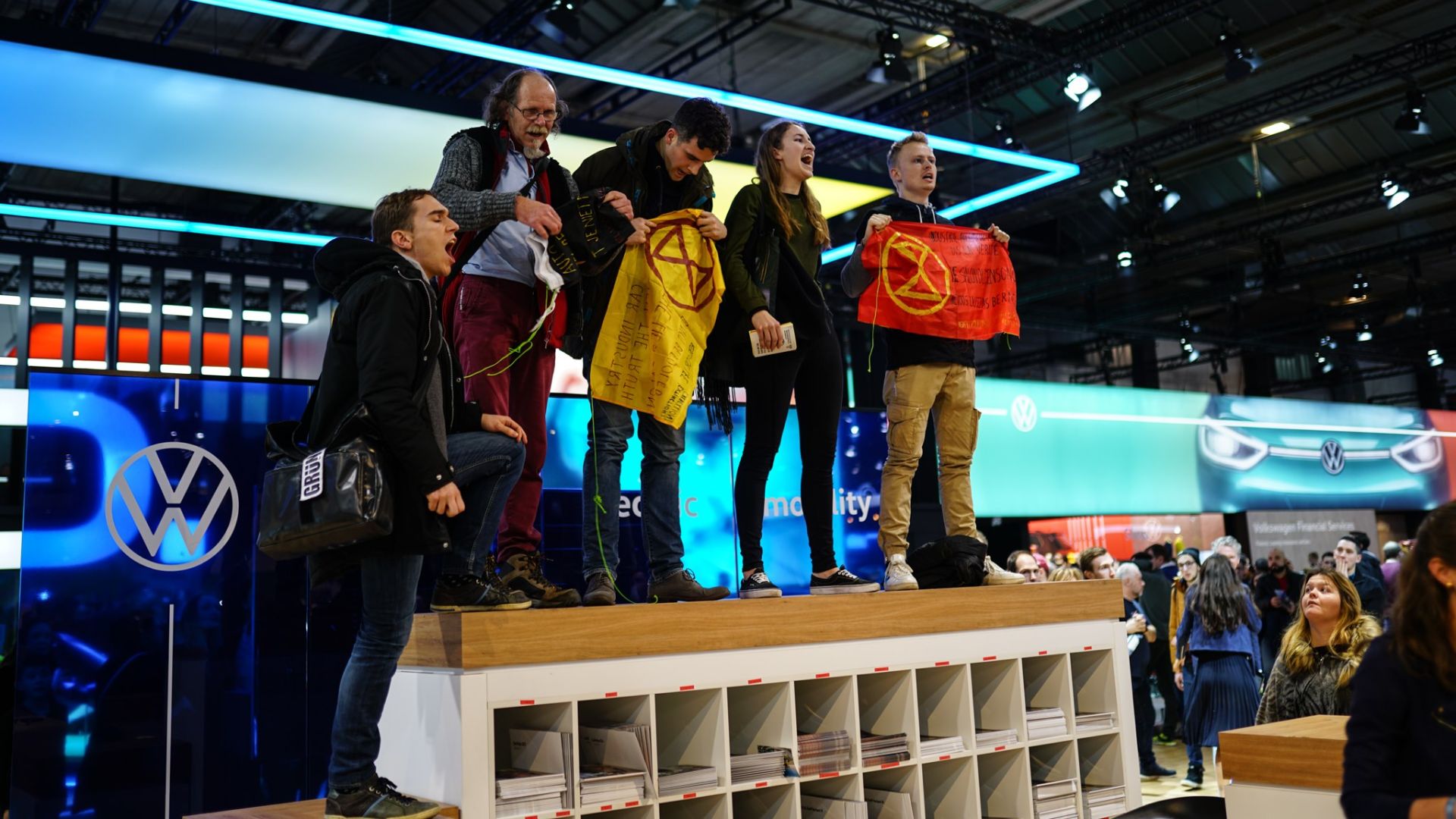
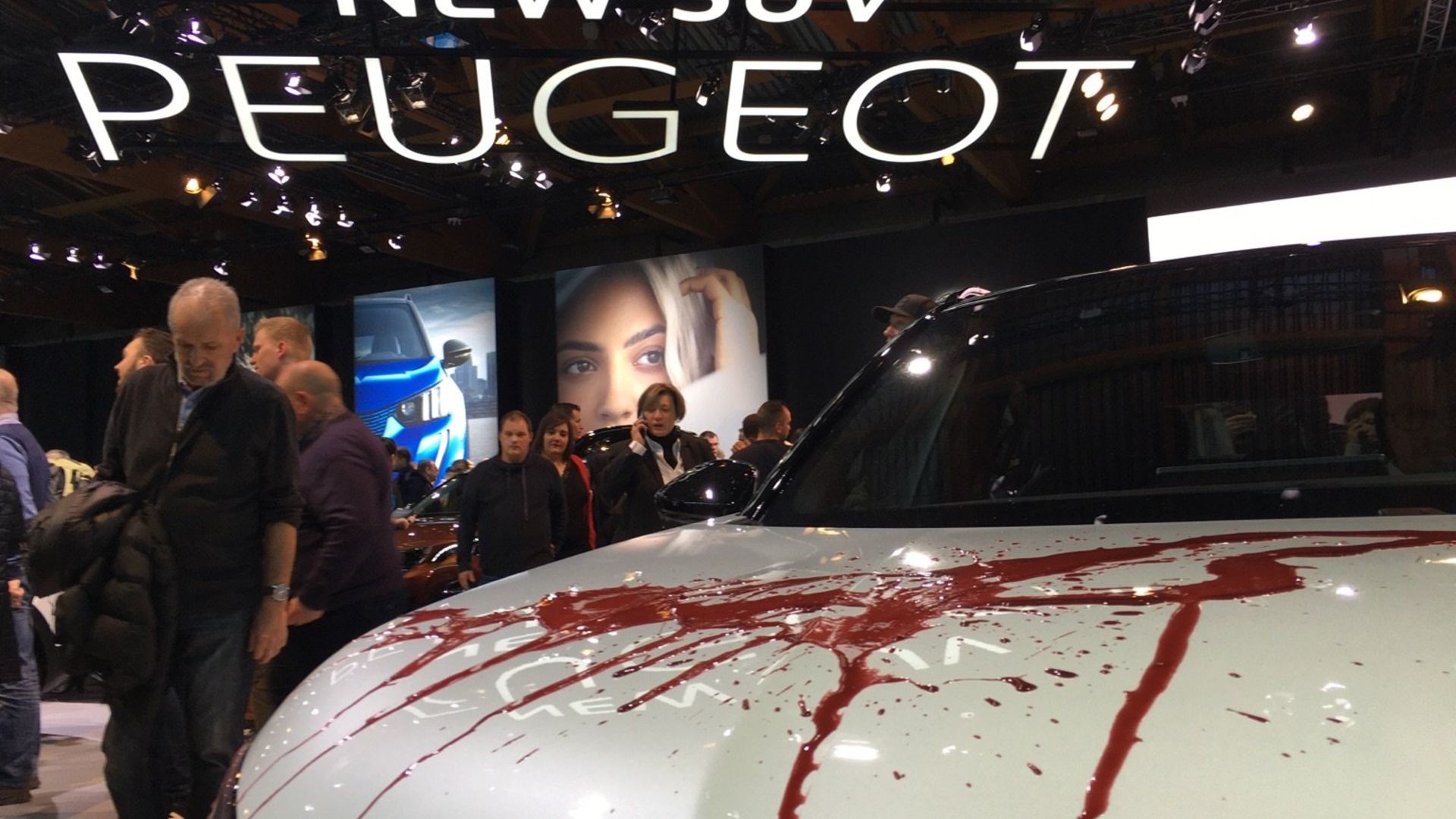
As well as spray painting some cars, with SUVs a specific target, some members staged ‘die-ins’, which involved laying down and blocking access to the event. Some climbed the exhibition building to drop a banner saying ‘Open your eyes’ over a carmaker’s advert.
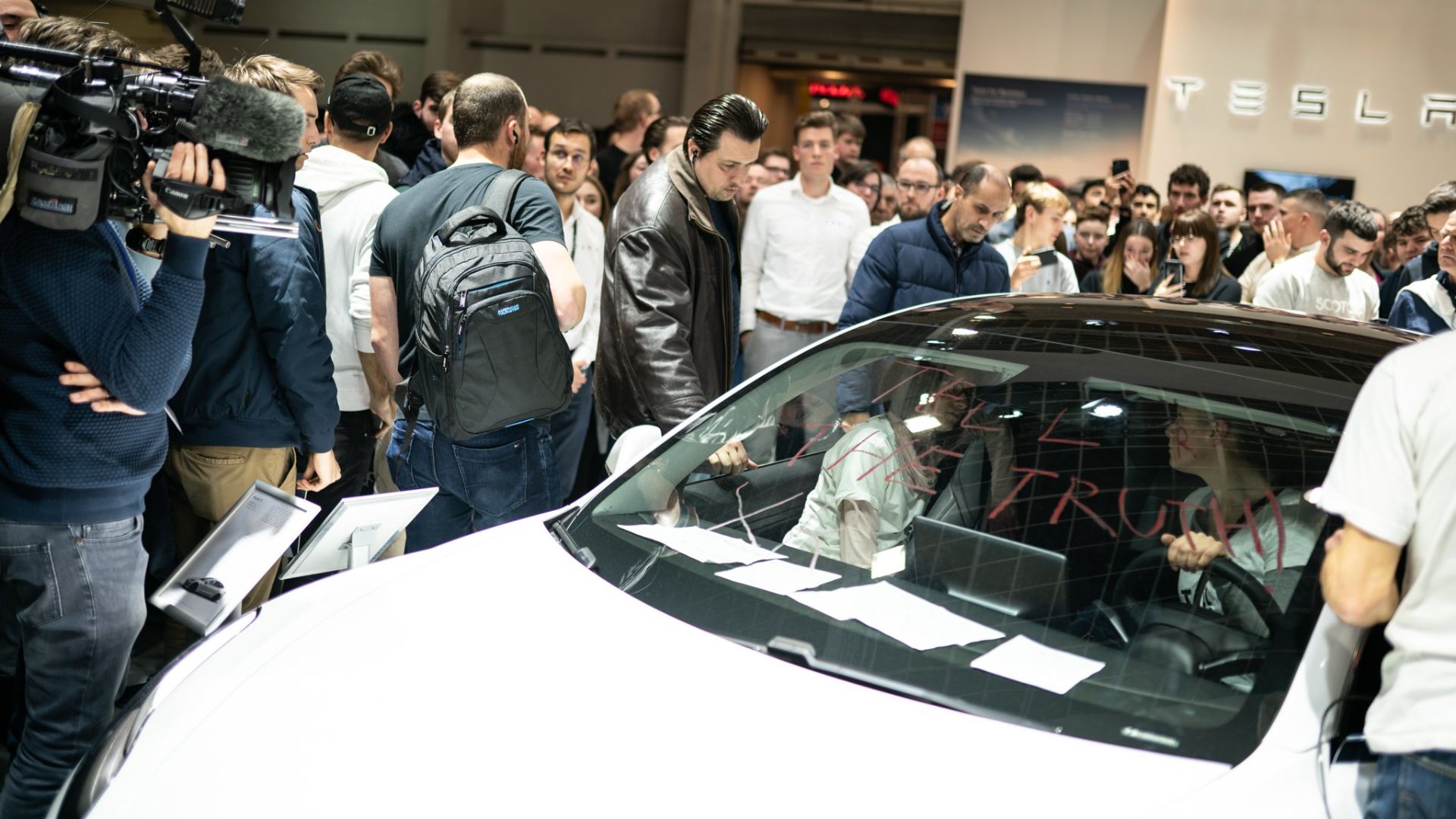
Photos show members of the protest group masked with the Shell logo covering their faces. Curiously, one of the images the group posted to its Facebook group appears to depict a vandalised Tesla Model 3 EV. Police at the show have arrested 185 protesters so far.
The activity follows last year’s Frankfurt Motor Show, where it was reported that security had been upped to combat such threats.
Extinction Rebellion posted a statement on January 6 about what it calls the ‘salon of lies’. It claimed that it ‘does not aim at blocking the fair, nor targeting the visitors themselves’. At some point there seems to have been a change of plan on that front.
‘By telling the truth about the false image car companies give of themselves, Extinction Rebellion sides with all victims of the industry’s noxious practices,’ says the website.
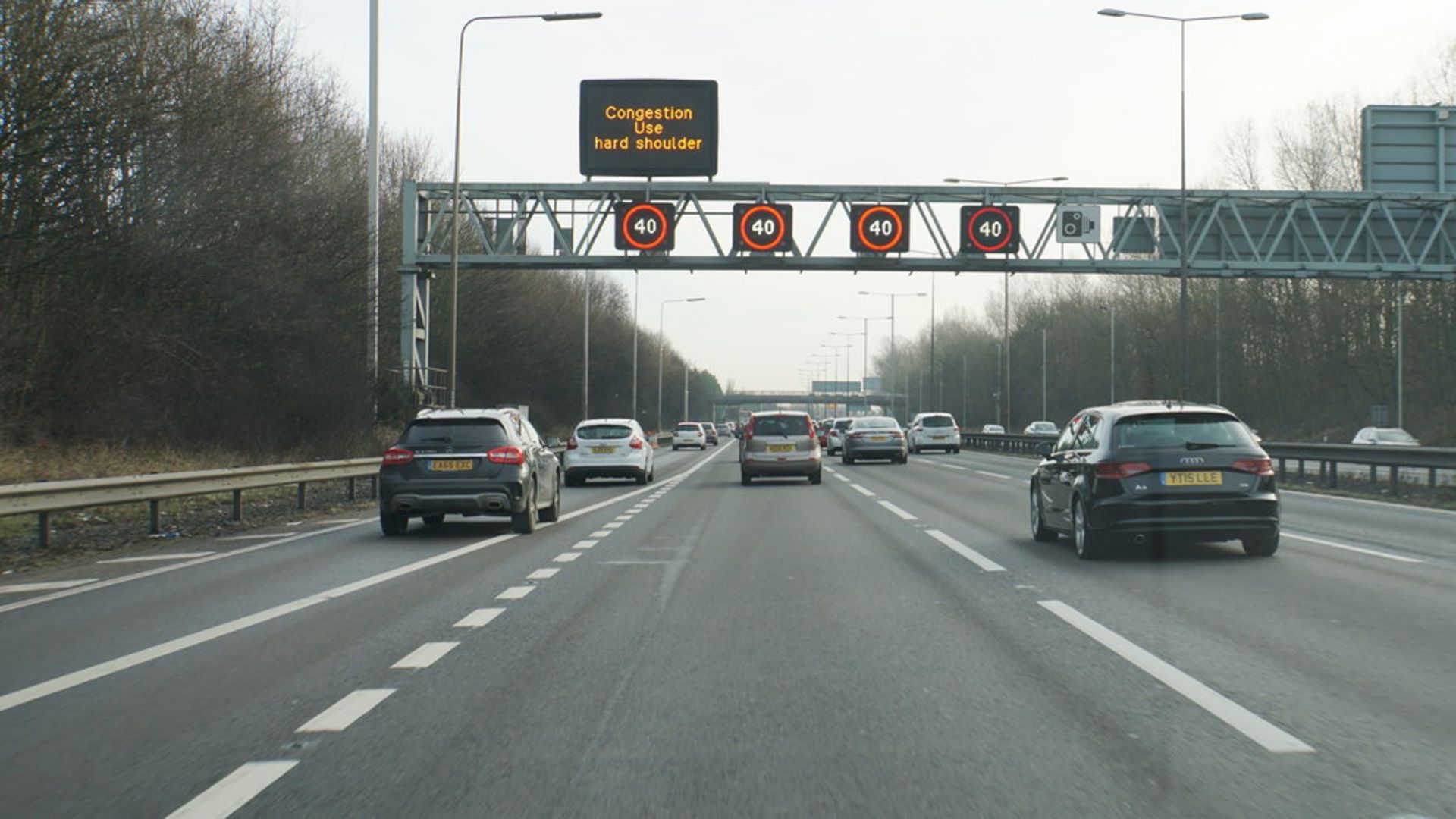
It’s been revealed that the Stopped Vehicle Detection (SVD) systems currently in use on the M25 and proposed for other smart motorways aren’t always effective. This is because it generates an “unmanageable amount of false alarms” when there is a high volume of traffic.
According to documents obtained by The Sunday Times, there is no way to detect a stopped car when the volume of traffic exceeds a certain level. Similar issues occur when speeds drop to crawling pace. On average, drivers spend 17 minutes in live lanes before they are detected as being stationary.
In a letter, Britain’s chief highways engineer, Mike Wilson, wrote: “the density of traffic at higher volumes means it is very difficult to detect stopped lone vehicles without an unmanageable amount of false alarms”. This letter was contained within inquest documents pertaining to the case of Dev Naran, an eight-year-old killed in a collision on a smart section of the M6. He was in a stationary car hit by a lorry between junctions five and six.
“I remember the night the police officers came to tell me that Dev had died,” Dev’s mother said in a statement.
“Even they told me smart motorways are dangerous. Why won’t Highways England and the government accept the truth?”
It seems that SVD isn’t the comprehensive solution that’s needed, even as the government moves to deploy it country-wide. At the moment, smart motorways aside from the M25 rely on a Motorway Incident Detection and Automatic Signalling (Midas) system.
At present, there are 13 ‘all lane running‘ sections of motorway where the hard shoulder has been removed, on the M1, M3, M5, M6 and M25. Nine were killed on the UK’s smart motorways last year. Five came within ten months on a section of the M1 near Sheffield.
Uber’s licence renewal in Birmingham is being denied. This news comes as the dispute around the safety and security protocols of the ride-hailing company continues in London. Come February, Uber will no longer have a licence to operate in Birmingham.
Uber has applied for a five-year licence extension, however the council is waiting for the outcome of the London appeal before making a decision. The company has continued operating in London since November when its licence was stripped, while it opened the appeal process.
As the appeal continues, Uber will continue to operate in Birmingham, even beyond the end of January, albeit on an appeal-pending basis.
Official: Britain’s worst drivers are in Yorkshire
Birmingham has had little to no issues with Uber. However, if the company’s appeal fails and the ban in London is upheld, it will be considered a “matter of concern” in Birmingham.
Outside of London, Birmingham is one of Uber’s biggest markets. If the revocation of its licence becomes a trend that spreads beyond the capital, it could find itself in real trouble in the UK. Uber’s Manchester licence is due to expire in 2021, so the authorities will be watching the situation with interest.
Uber posted a third-quarter loss of $1.2billion in November. The ongoing battles around the safety of the service are causing real damage to both its reputation and its profitability.
In London, around 45,000 drivers are a part of the ride-hailing company’s fleet. The revocation of its London licence came in November of 2019. This, after what was described as a “pattern of failures” in its approach to safety. TfL claimed that 14,000 fraudulent unlicenced (and unchecked) trips were taken under the Uber banner in late 2018 and early 2019.
“We recognise Uber has made improvements,” said Helen Chapman, director of licensing at TfL.
“It is [however] unacceptable that Uber has allowed passengers to get into minicabs with drivers who are potentially unlicensed and uninsured.”
This year is likely to be pivotal for the electric car industry. Recent growth will be accelerated by a growing range of EVs, including some affordable entries at the lower end of the market. But which towns and cities are playing host to EV advocates and early adopters? To find out, Motorway.co.uk submitted a Freedom of Information request to the DVLA. Here, we reveal the number of EVs registered in the first nine months of 2019 compared with the same period in 2018. The results are presented in reverse order, ranked by percentage increase.
20. Stafford – 233.3 percent
Our first stop is Stafford, where 13 electric cars were registered in the nine months to September 2018. Fast-forward 12 months and the number over the same period had increased to 43. Stafford isn’t to be confused with Stratford, where the number of EV registrations went down 47.8 percent.
19. Newark – 233.3 percent
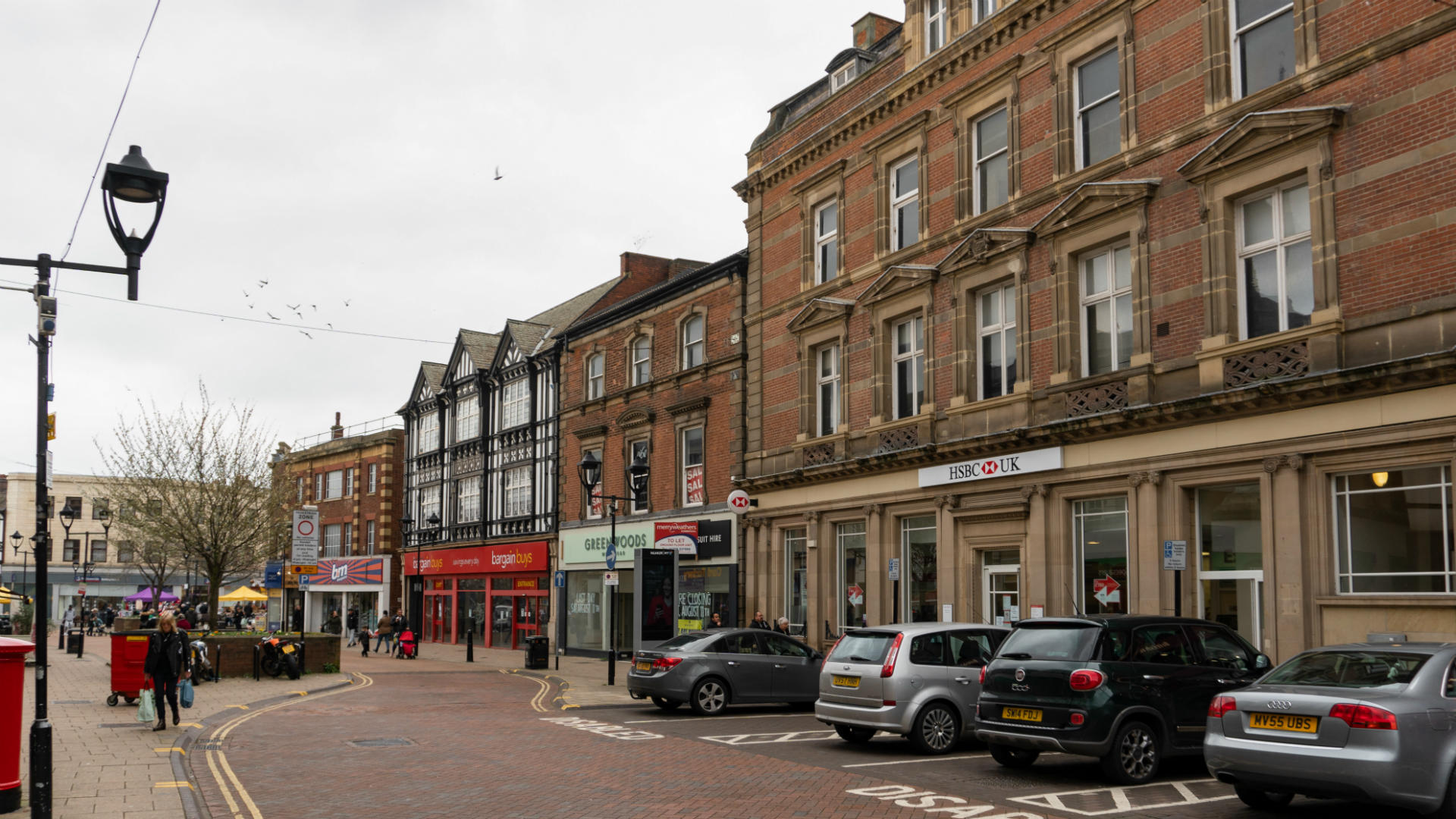
Heading east from Stafford, we arrive at the Nottinghamshire town of Newark. Here, electric car registrations have increased 233.3 percent, from 12 to 40. Alex Buttle, Motorway.co.uk director, said: “The government is under huge pressure to encourage switching to electric cars and these figures do suggest that car buying habits are changing, although not equally across the UK.”
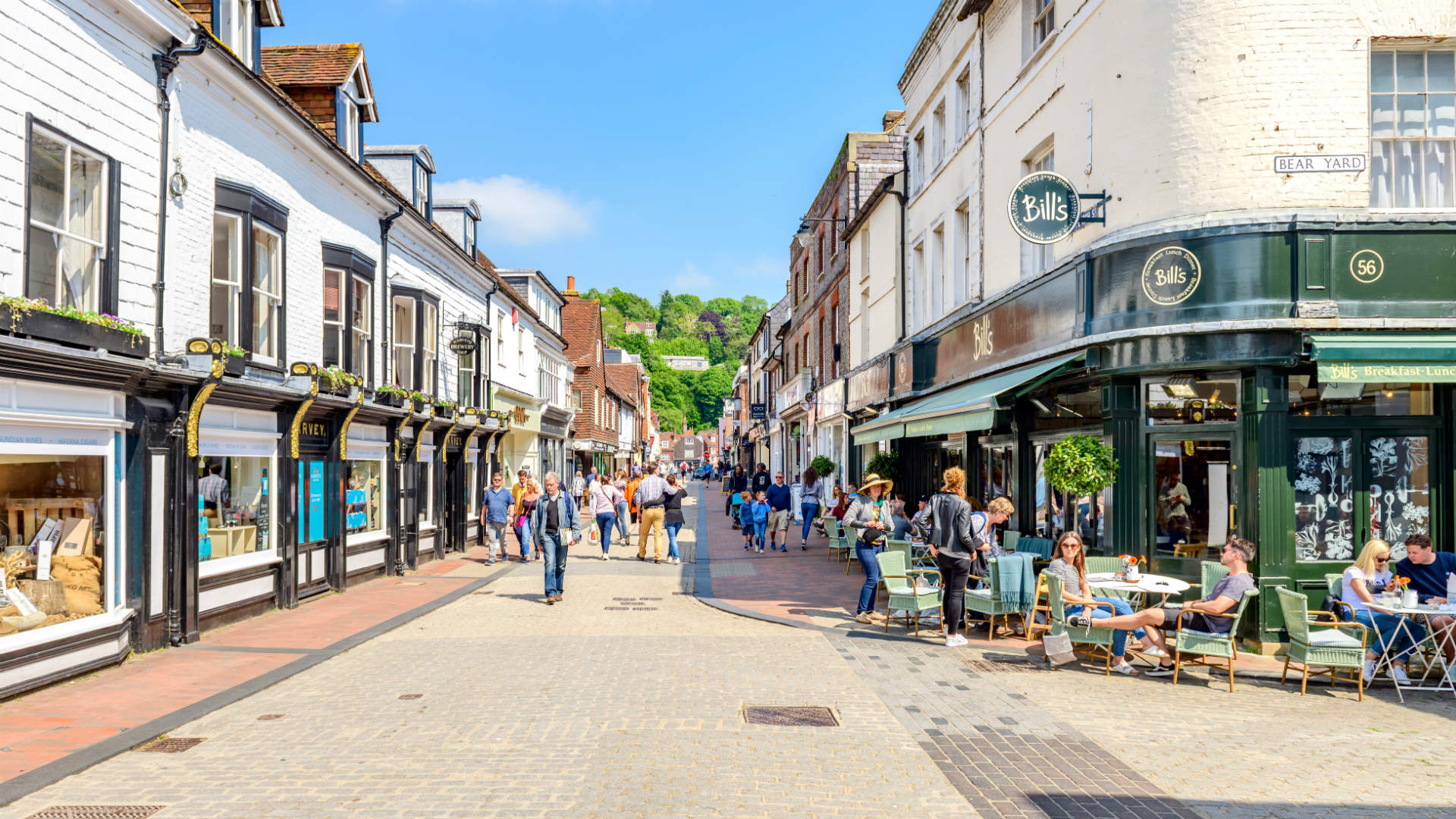
18. Lewes – 238.5 percent
Lewes is the county town of East Sussex and home to a growing number of electric cars. A total of 44 EVs were registered in the nine months to September 2019 – that’s far more than the 13 registered in the same period in 2018. Let’s hope there are enough charging points for everyone.
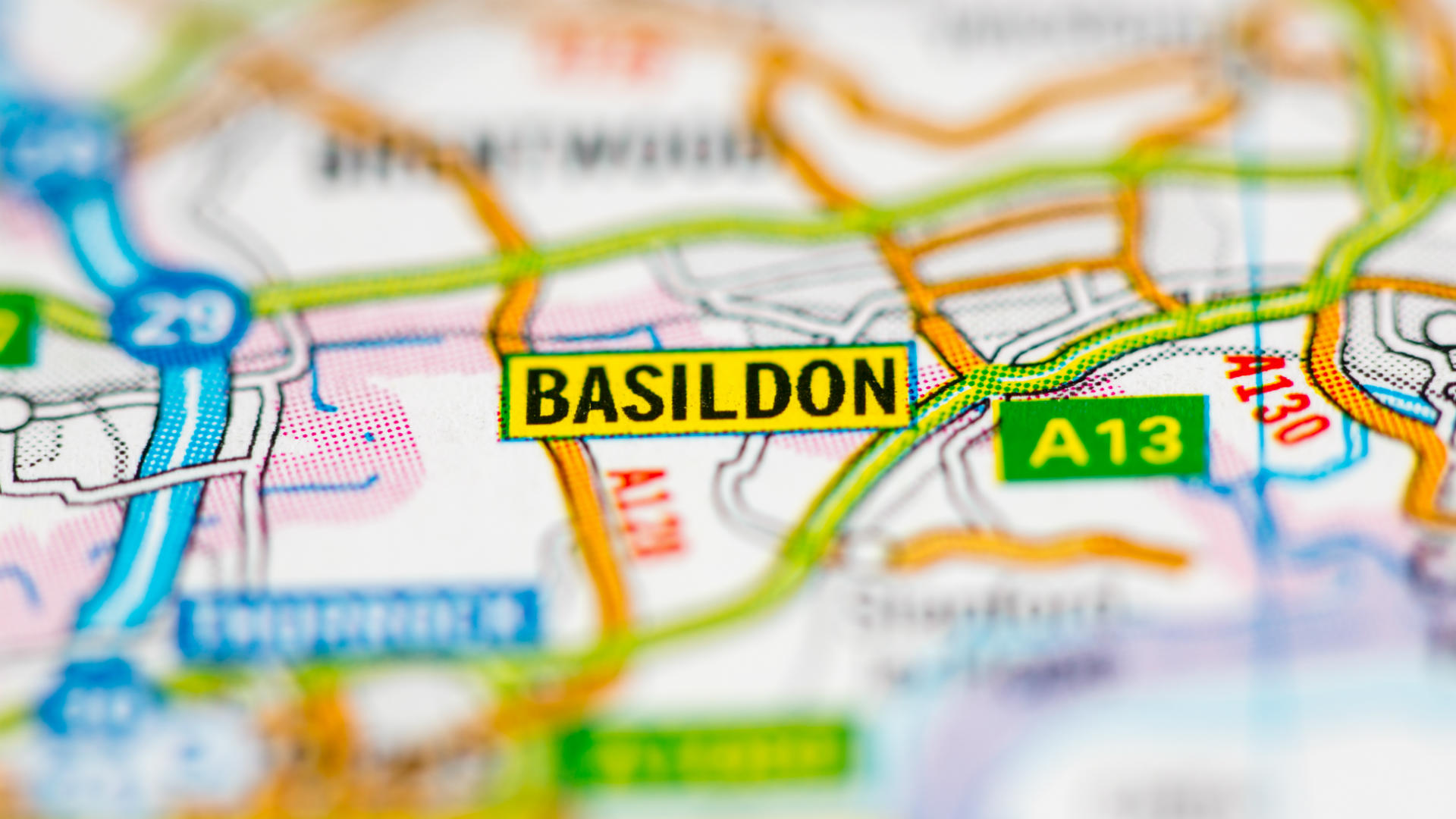
17. Basildon – 240 percent
Basildon was created following the Second World War to house the overspill from London. Today, its residents are doing their bit for lower emissions by buying more electric cars. The number is up from 20 to 68.
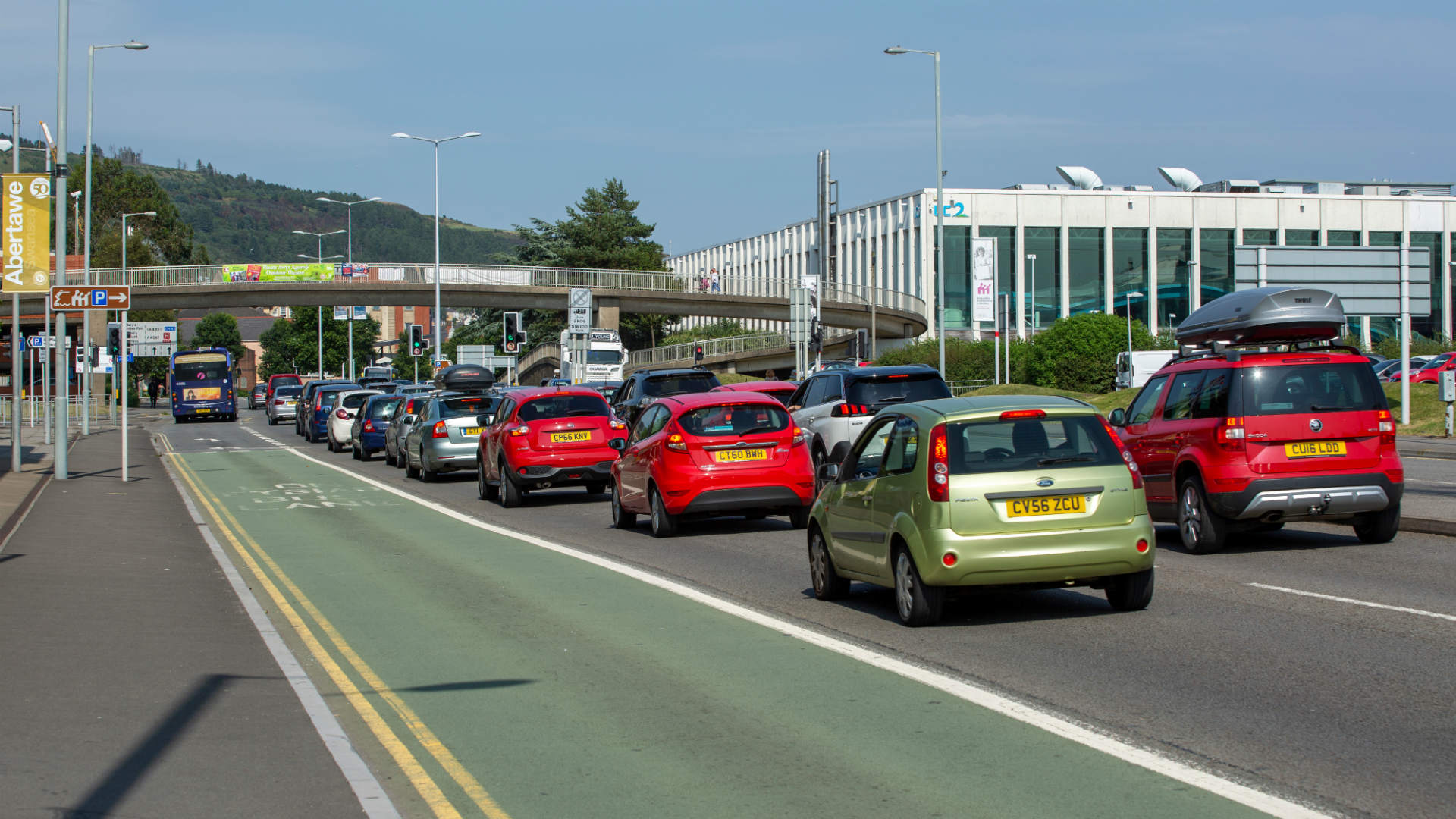
16. Swansea – 248.5 percent
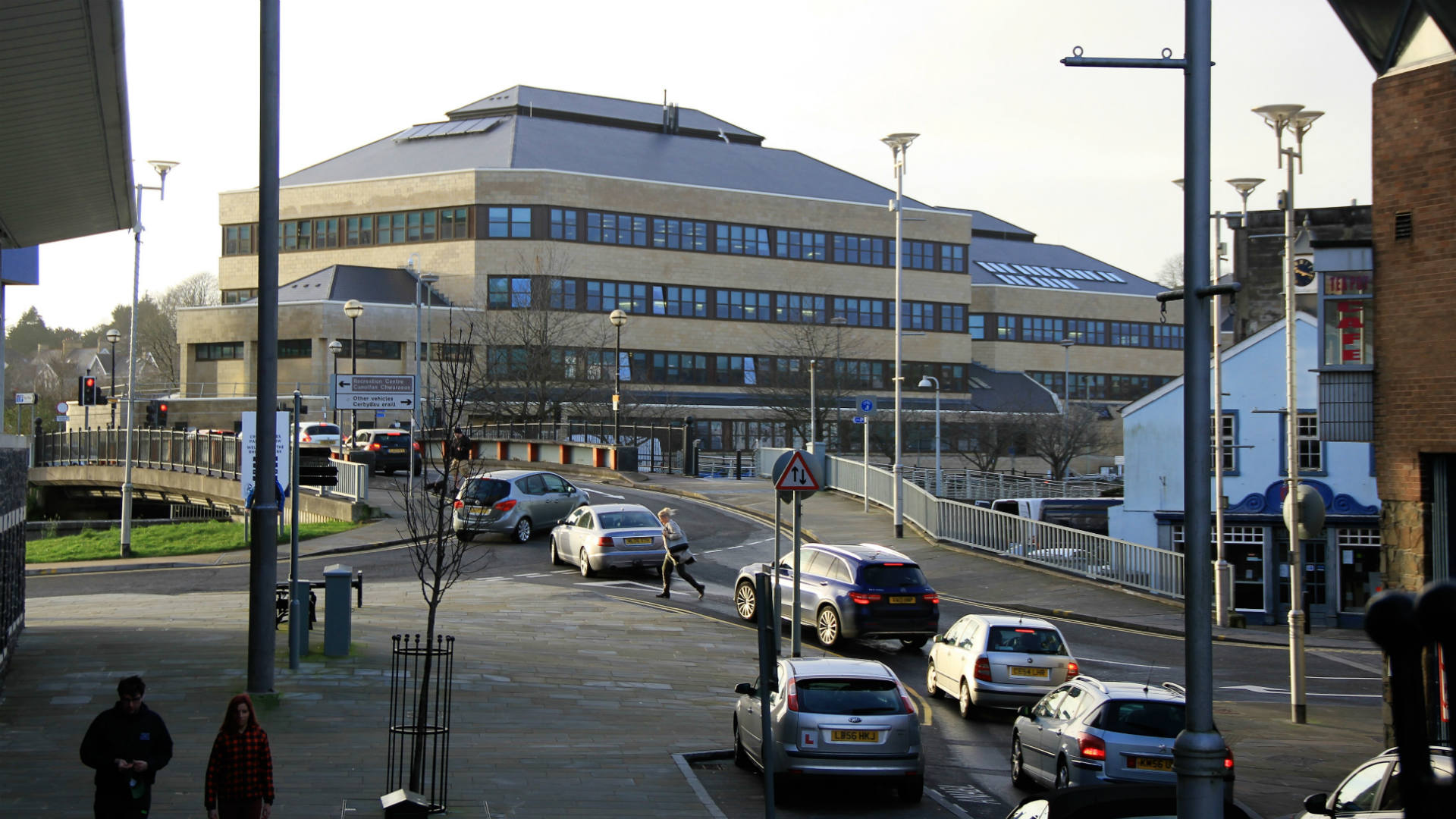
Swansea appears to be cleaning up its act, with the city witnessing a 248.5 percent increase in the number of electric cars, up from 33 to 115.
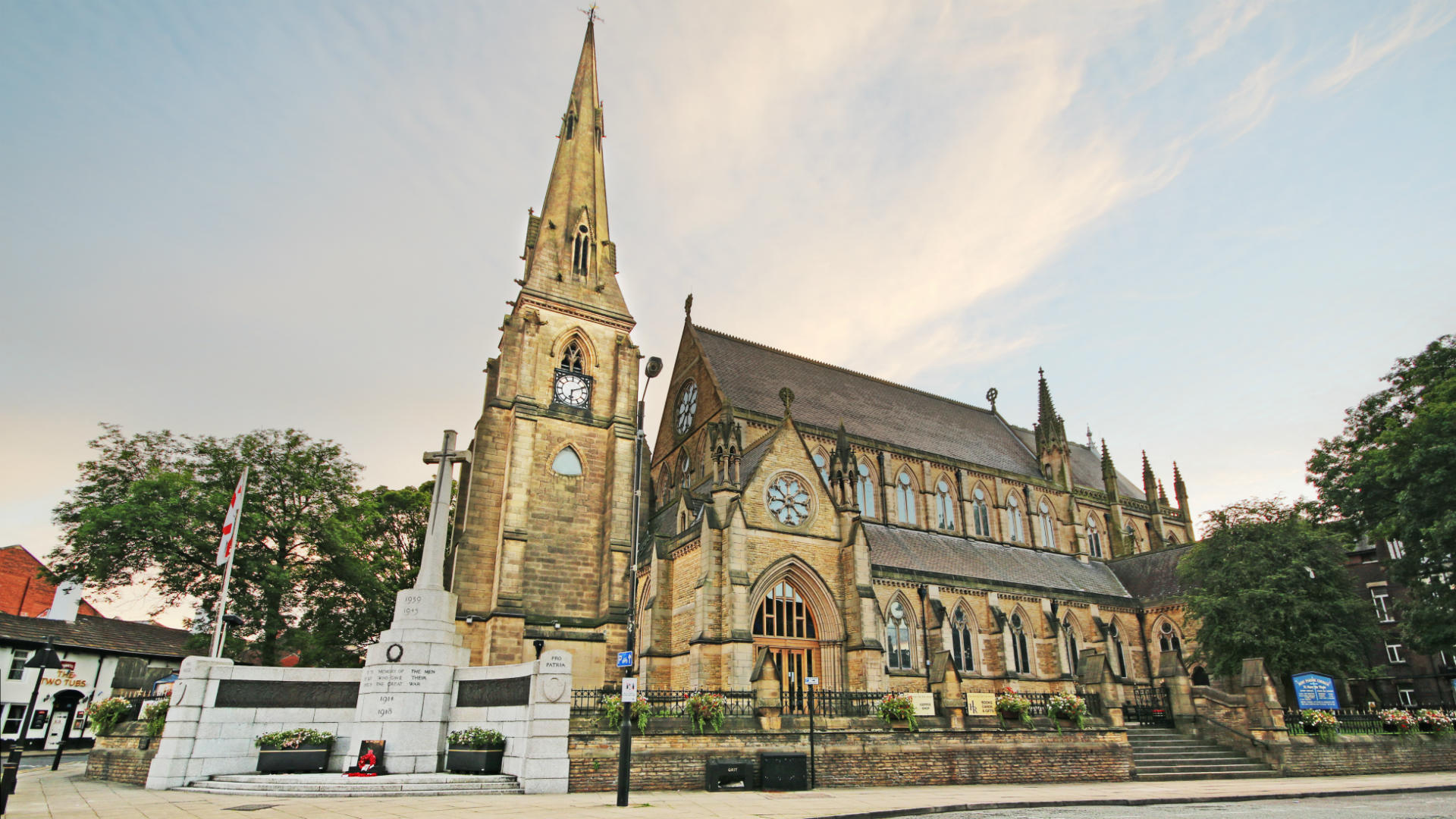
15. Bury – 250 percent
“Many car owners have expressed a reluctance to switch to electric until they are confident that there is a charging infrastructure in place that will be able to cope with demand,” said Alex Buttle. In Bury, EV ownership has gone up from 26 to 91.
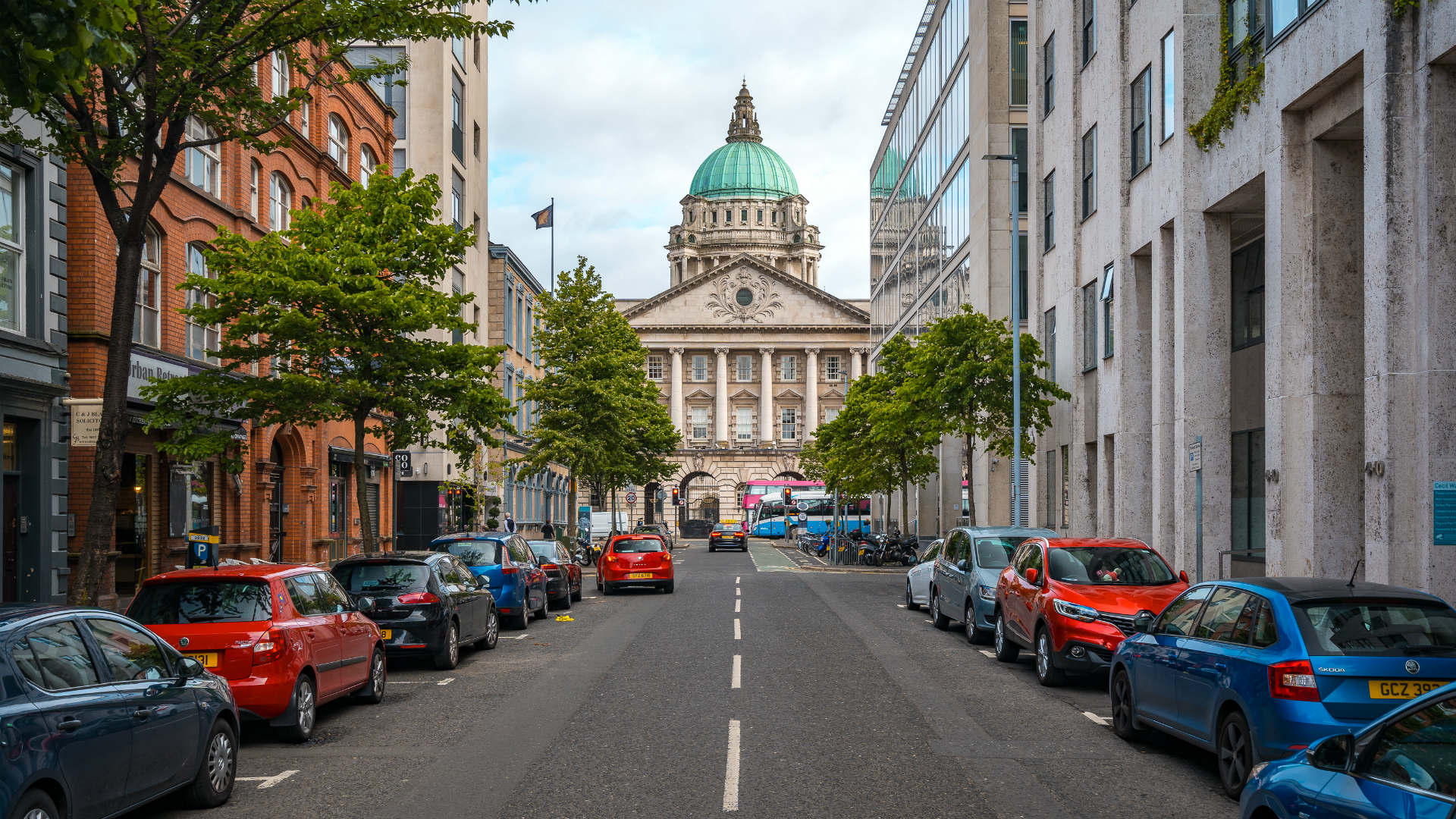
14. Belfast – 251.9 percent
Things are even better in Belfast, where EV ownership has increased by 251.9 percent. A total of 95 electric cars is a relatively small figure, but with more EVs coming to market, the number can only increase.
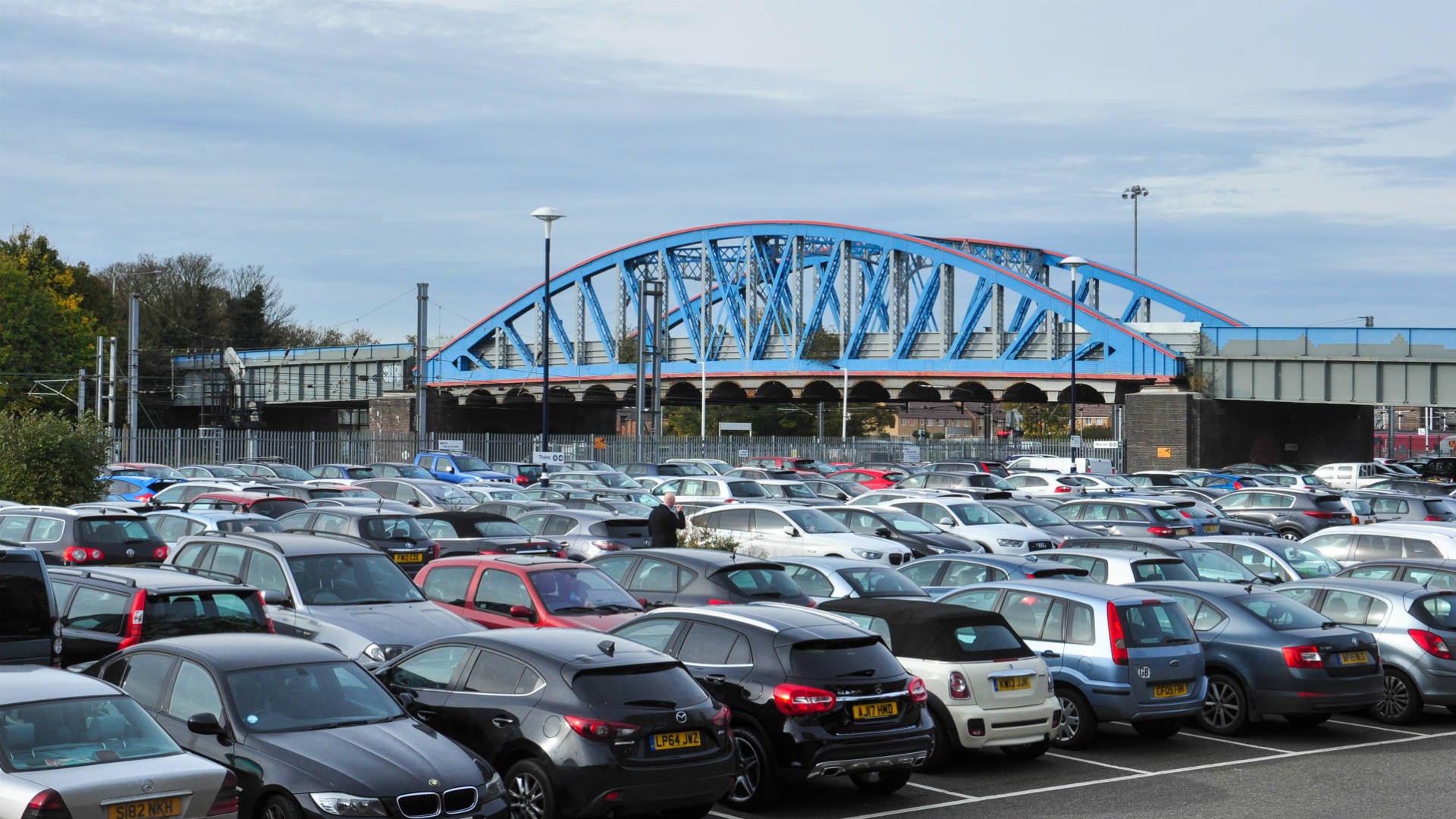
13. Peterborough – 270.9 percent
In Peterborough, the percentage increase is only half the story. A total of 664 electric cars were registered in the nine months to September 2019 – the third highest on the list. That’s up from 179 in 2018.
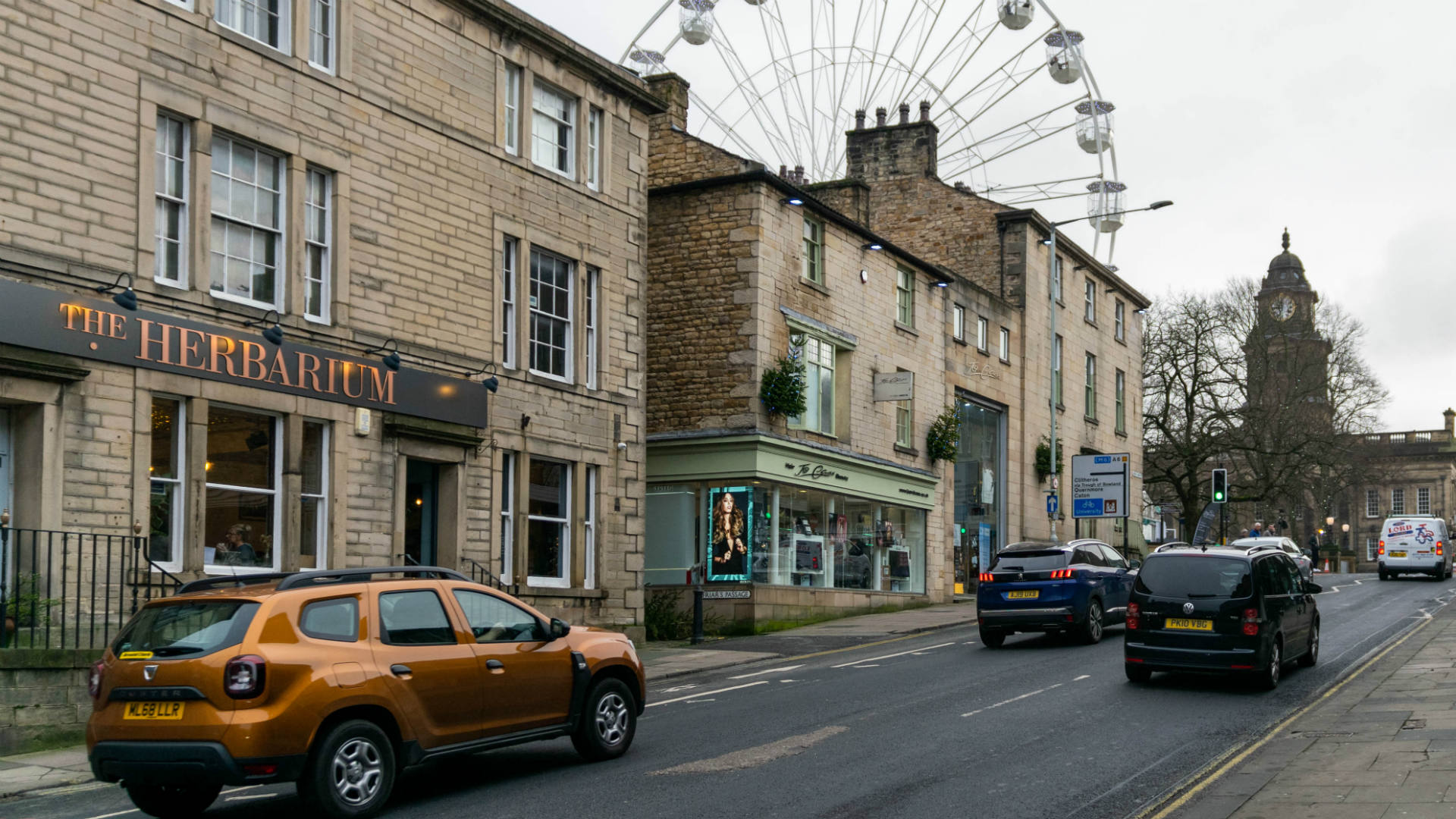
12. Lancaster – 276.9 percent
Just 49 electric cars were registered in Lancaster, but that’s a 276.9 percent increase. Using a service like Zap-Map will allow visitors to Lancaster to find local charging points.
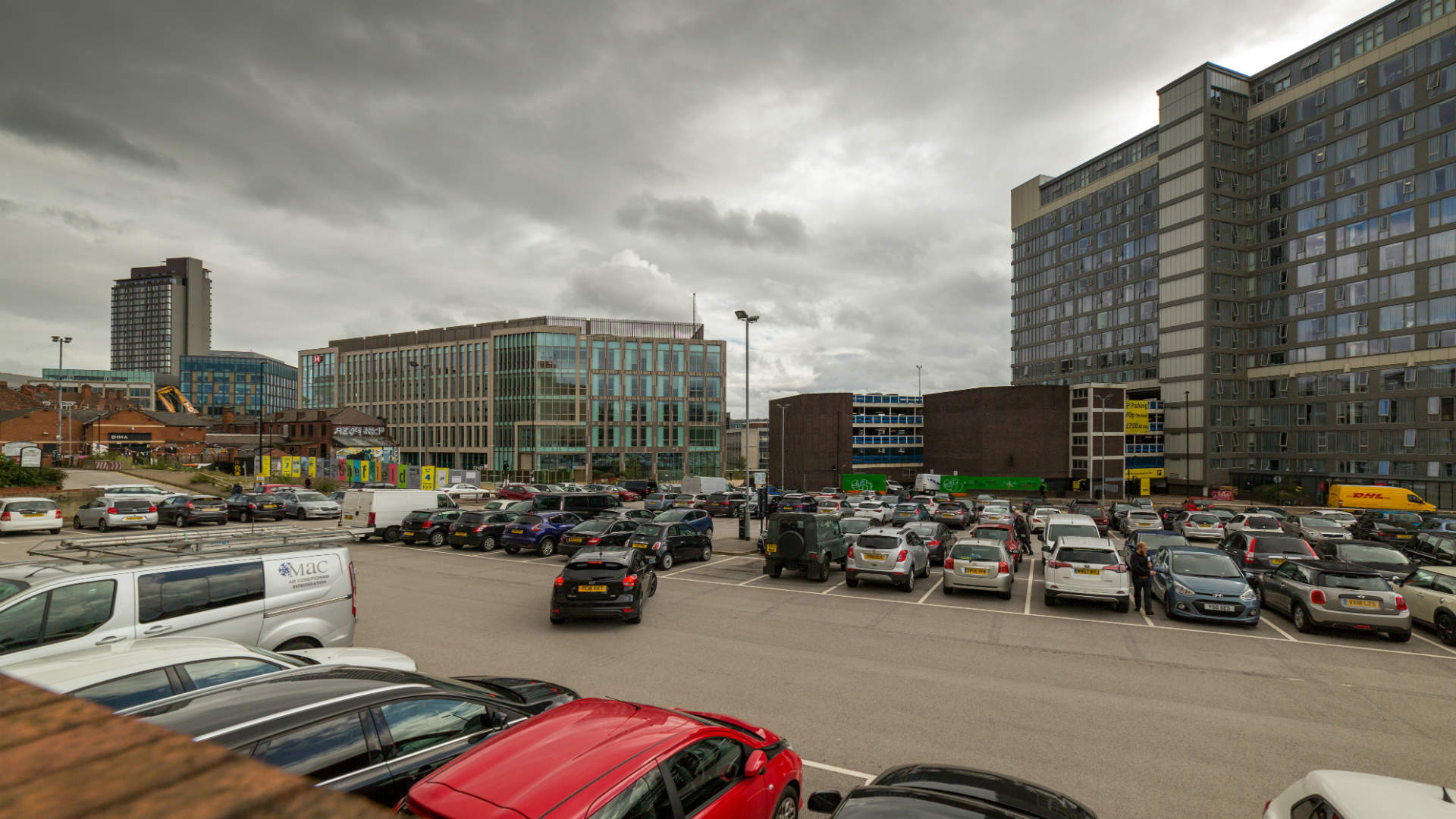
11. Sheffield – 278.4 percent
“The challenge for the government over the next 12 months is not just to support a car industry that has been through tough times since 2016, but also to find a way to encourage and incentivise more car owners to buy new electric and hybrid cars now,” said Alex Buttle. It looks like the people of Sheffield are ahead of the curve.
10. Bridgend – 280 percent
With 38 electric cars registered in the nine months to September 2019, Bridgend has the lowest concentration of EVs in the top 20. Still, you have to start somewhere.
9. Rotherham – 281.8 percent
Just 42 electric cars were registered in Rotherham in the 12 months to September 2019 – that’s an increase of 281.8 percent.
8. Tunbridge Wells – 329.4 percent
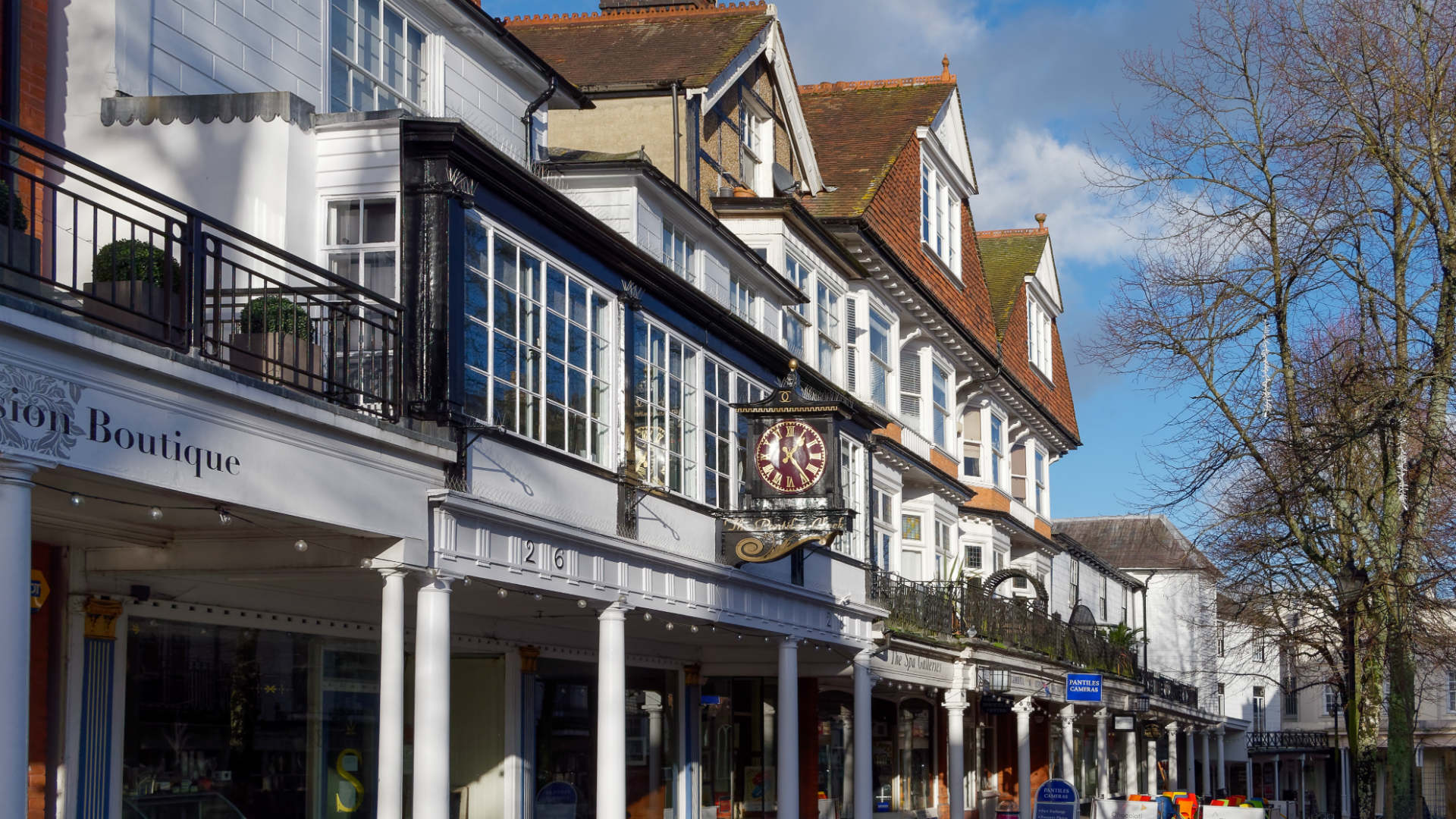
We’d have expected a greater number of affluent towns and cities in the South East to appear on this list. As it happens, Tunbridge Wells is the only south-eastern town to appear in the top 10, with the number of EVs going up from 17 to 73.
7. Leeds – 358.5 percent
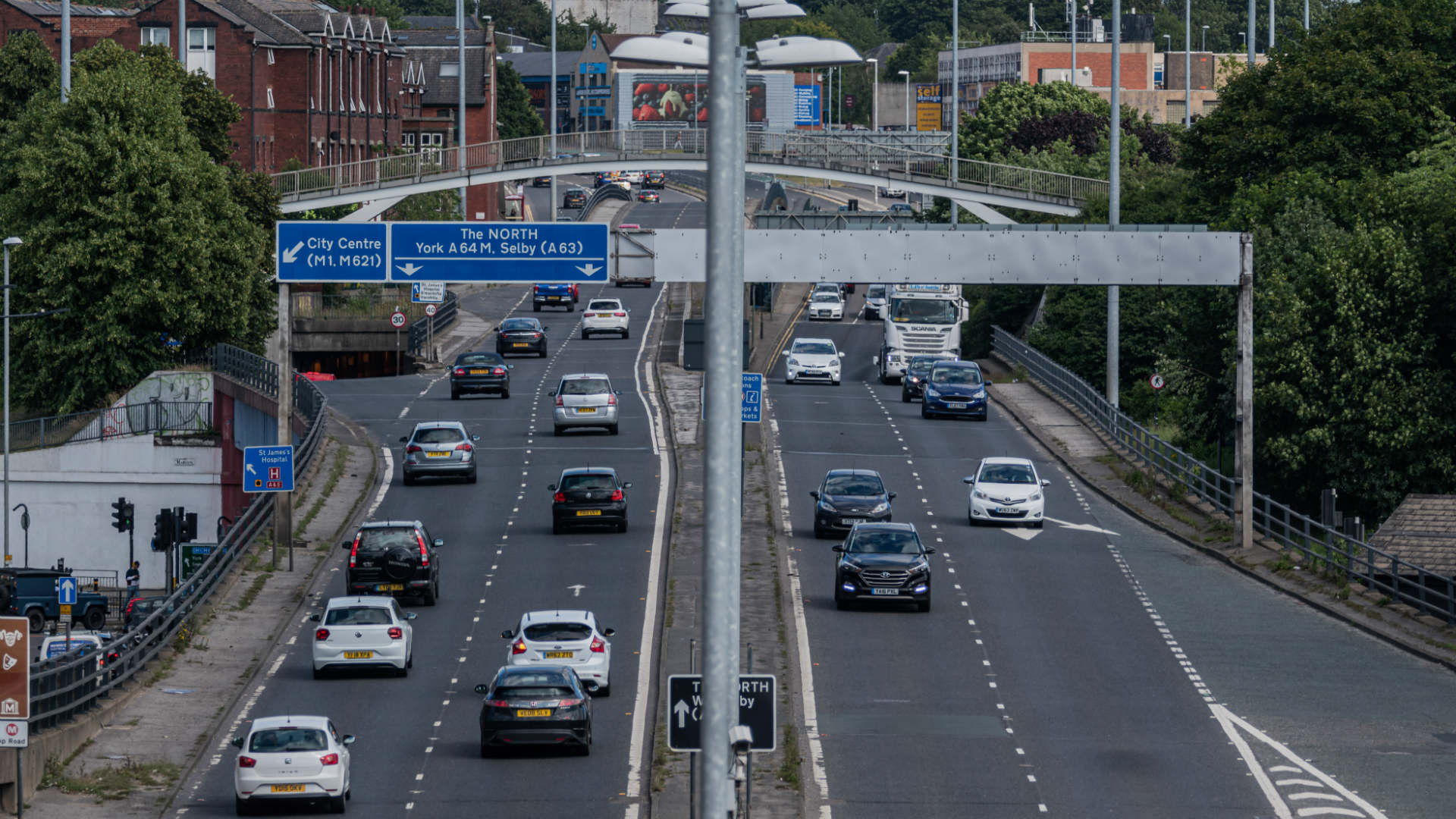
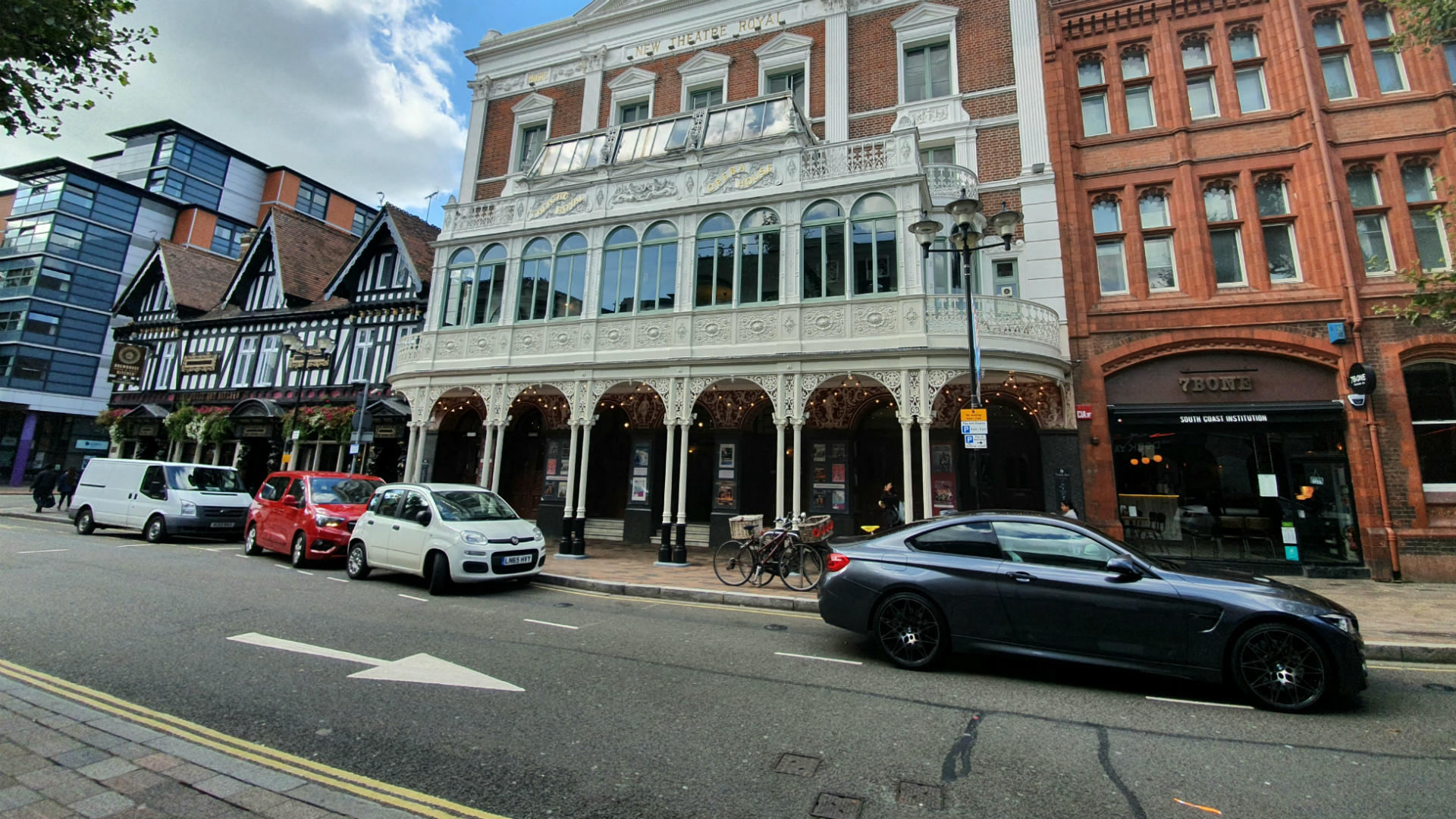
With 674 EVs registered in the nine months to September 2019, Leeds has the second highest concentration of electric cars in the top 20. We could make a joke about charging Leeds, but we won’t.
6. Solihull – 400 percent
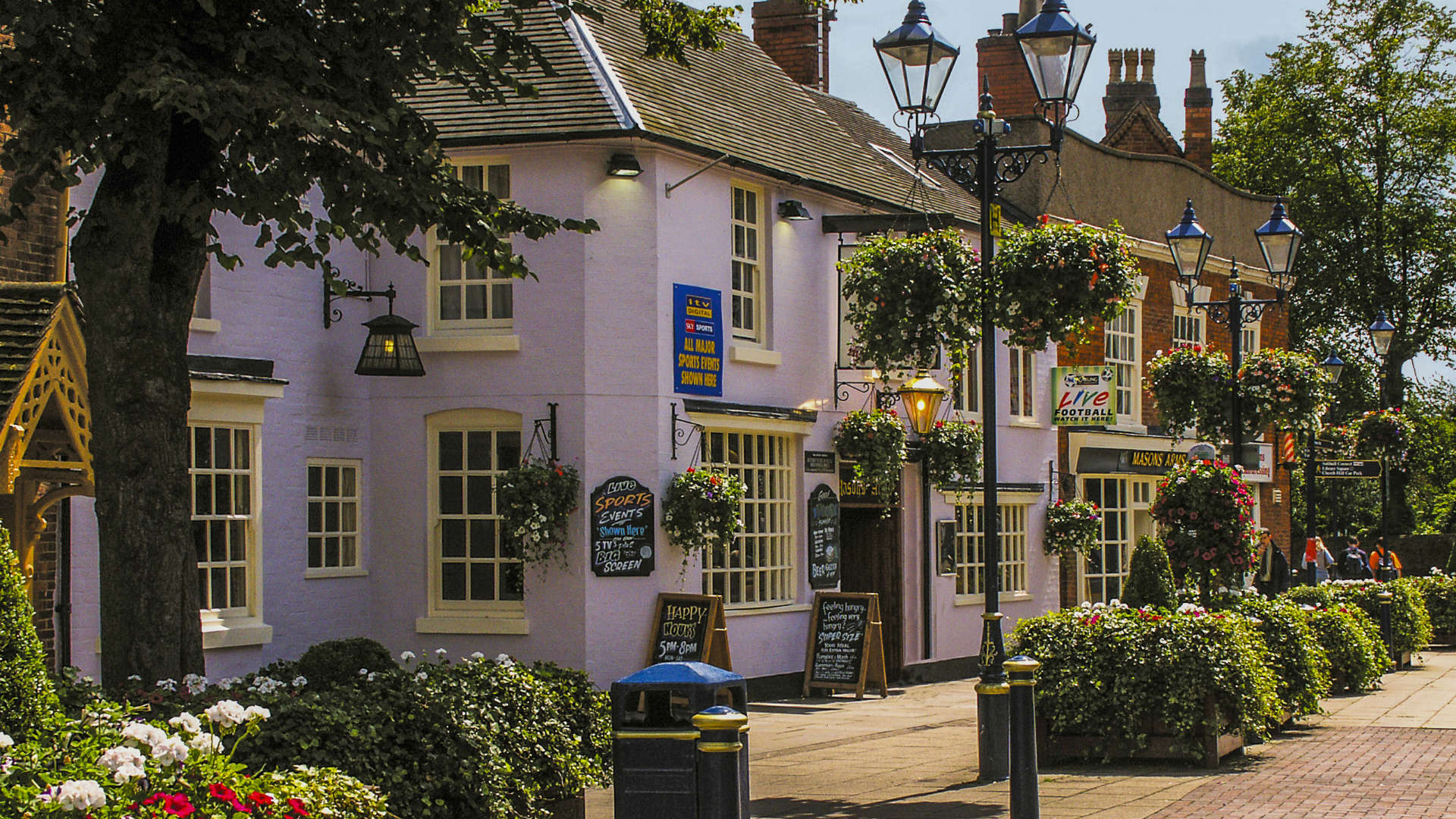
Fortunately, we don’t know any Solihull jokes. However, we do know that 255 electric cars were registered in the West Midlands town in the nine months to September 2019 – that’s a 400 percent increase.
5. Chesterfield – 400 percent
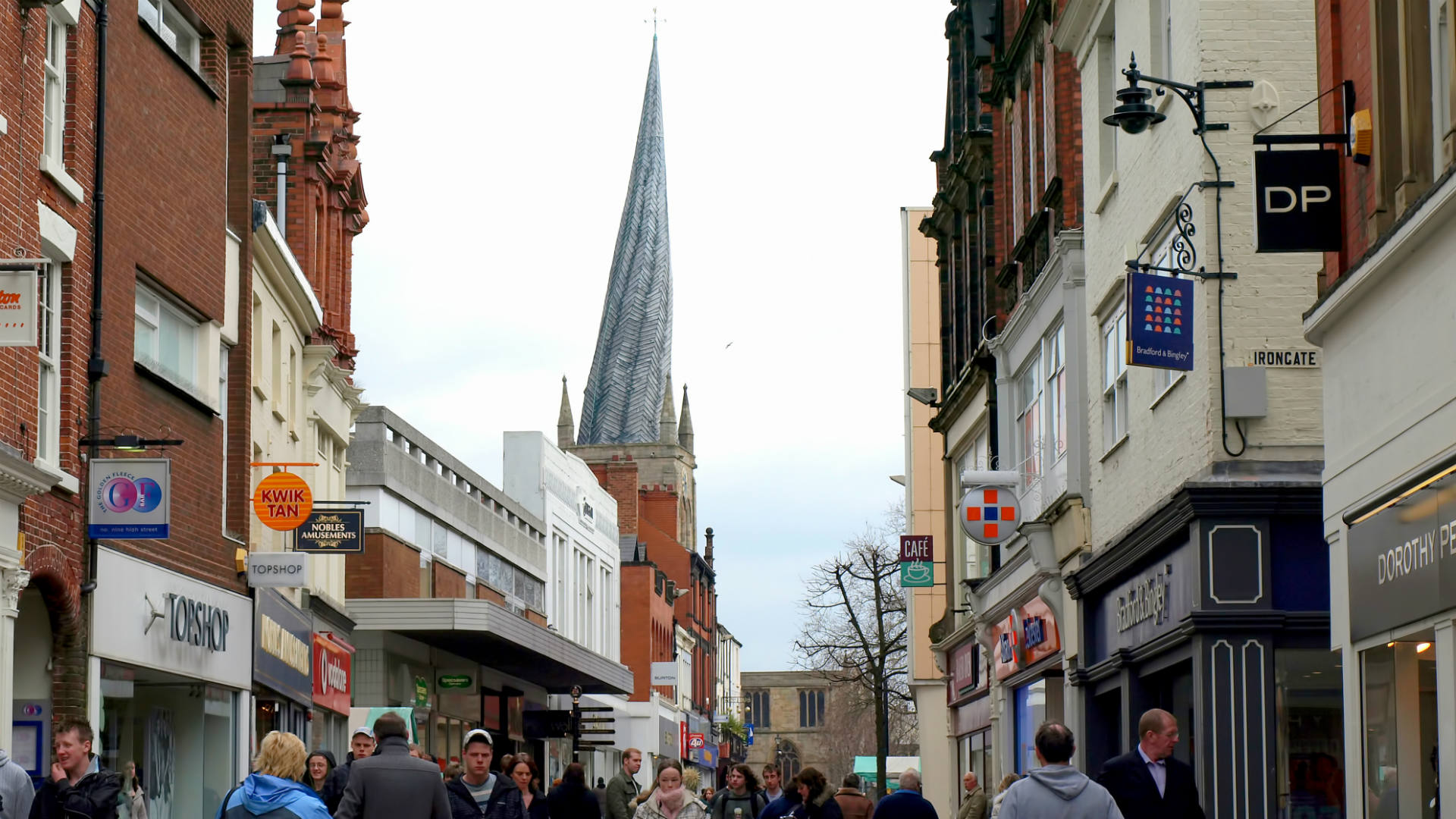
Chesterfield is famous for its crooked spire, but there’s nothing wonky about these figures. In 2018, just eight EVs were registered in the Derbyshire town. A year later, that number had increased to 40.
4. Portsmouth – 416.2 percent
There are contrasting fortunes down in Hampshire. While Eastleigh has seen a 40.7 percent fall in the number of EV registered, down on the coast, the number has gone up by 416.2 percent. Play up, Pompey. Or something.
3. Stirling – 416.7 percent
Into the top three, where we find the Scottish city of Stirling. The number of EV registrations has gone up from 24 to 124.
2. Doncaster – 489.1 percent
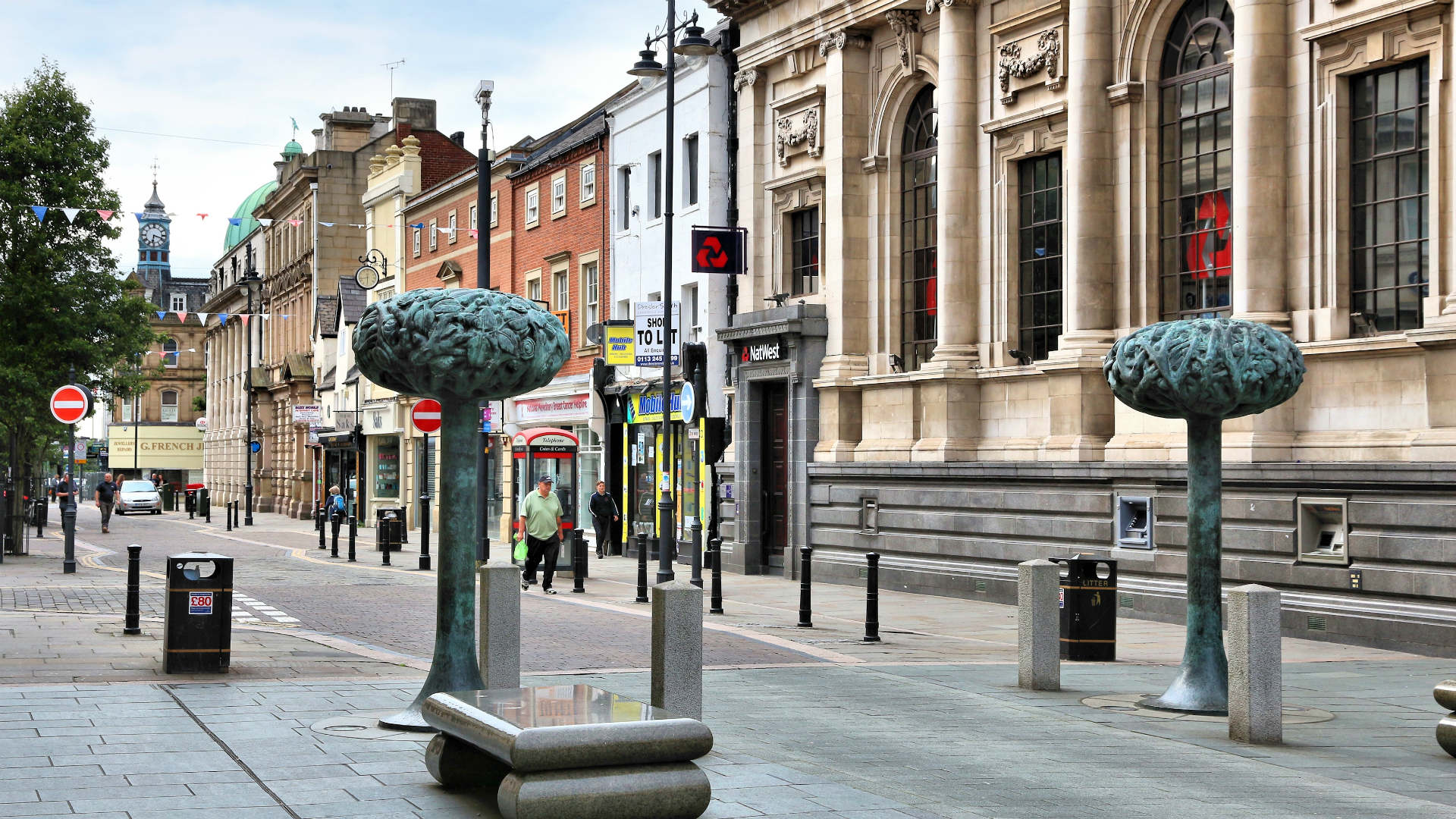
Next up is Doncaster, with the South Yorkshire town playing host to a 489.1 percent surge in the number of EVs. The figure is up from 55 to 324.
1. Birmingham – 527.1 percent
Birmingham has seen the fastest growth in new electric car ownership of any town or city in the UK. A total of 2,132 EVs were registered in the nine months to September 2019, making it the UK’s most switched on city.