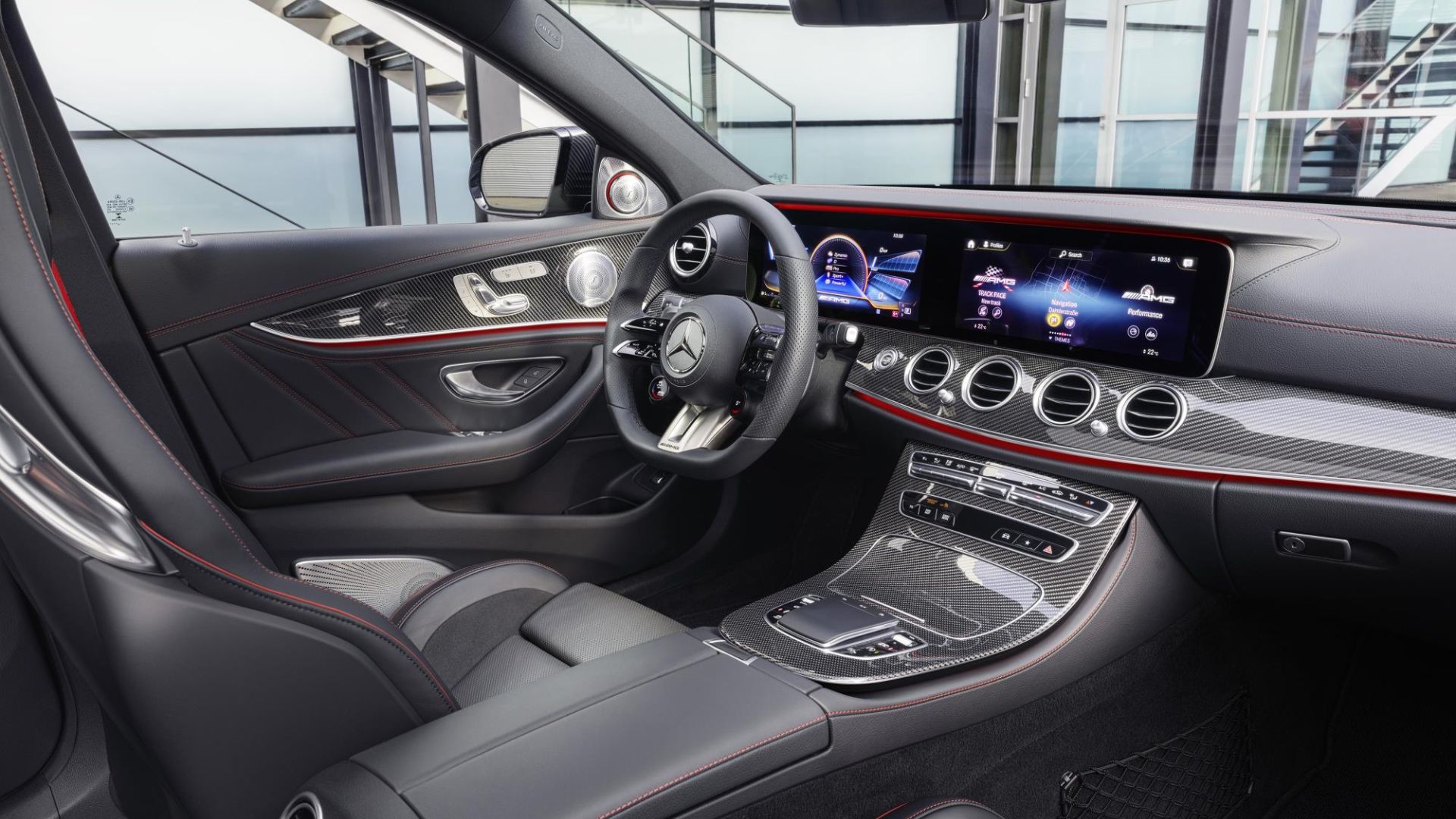
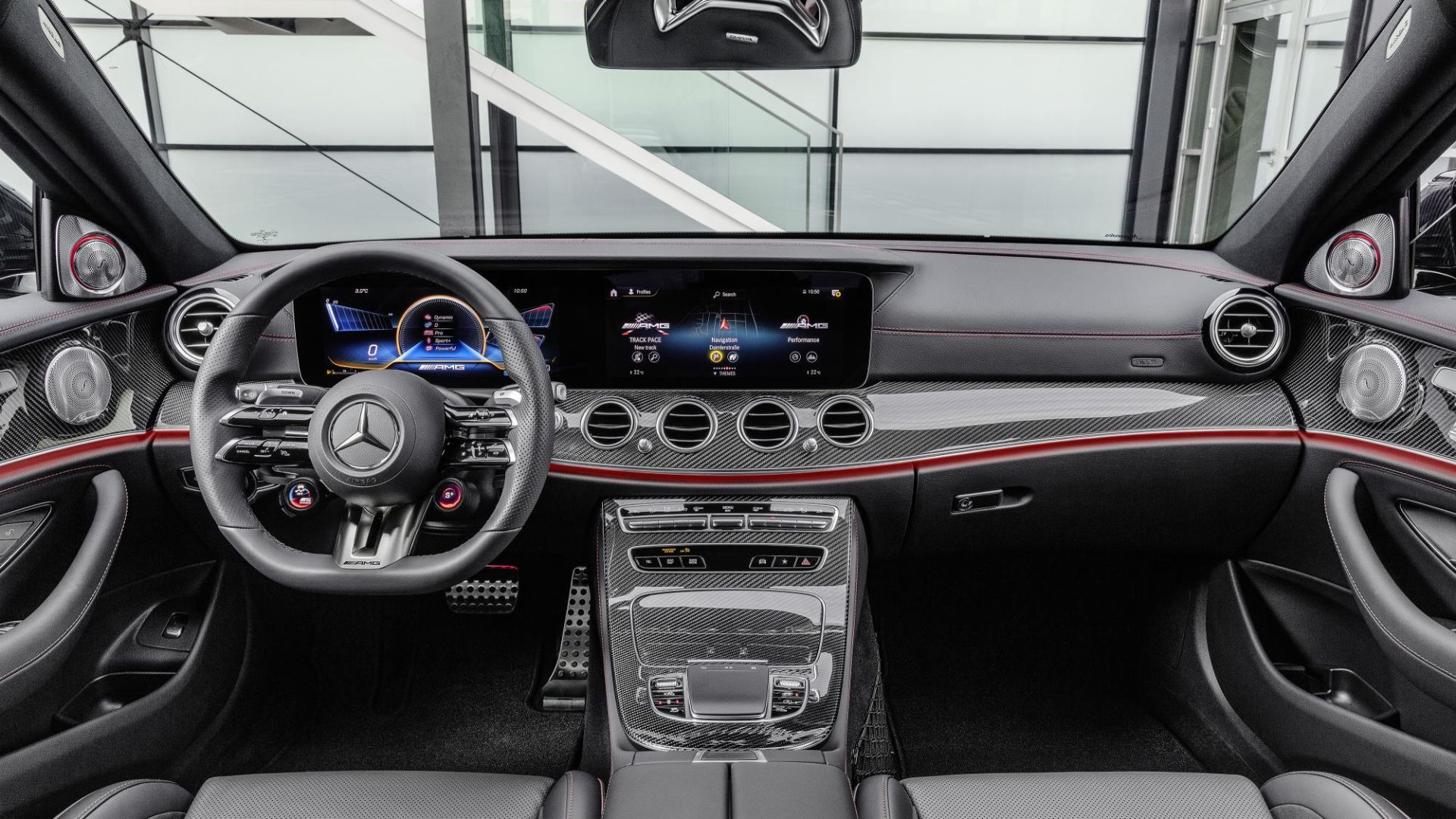
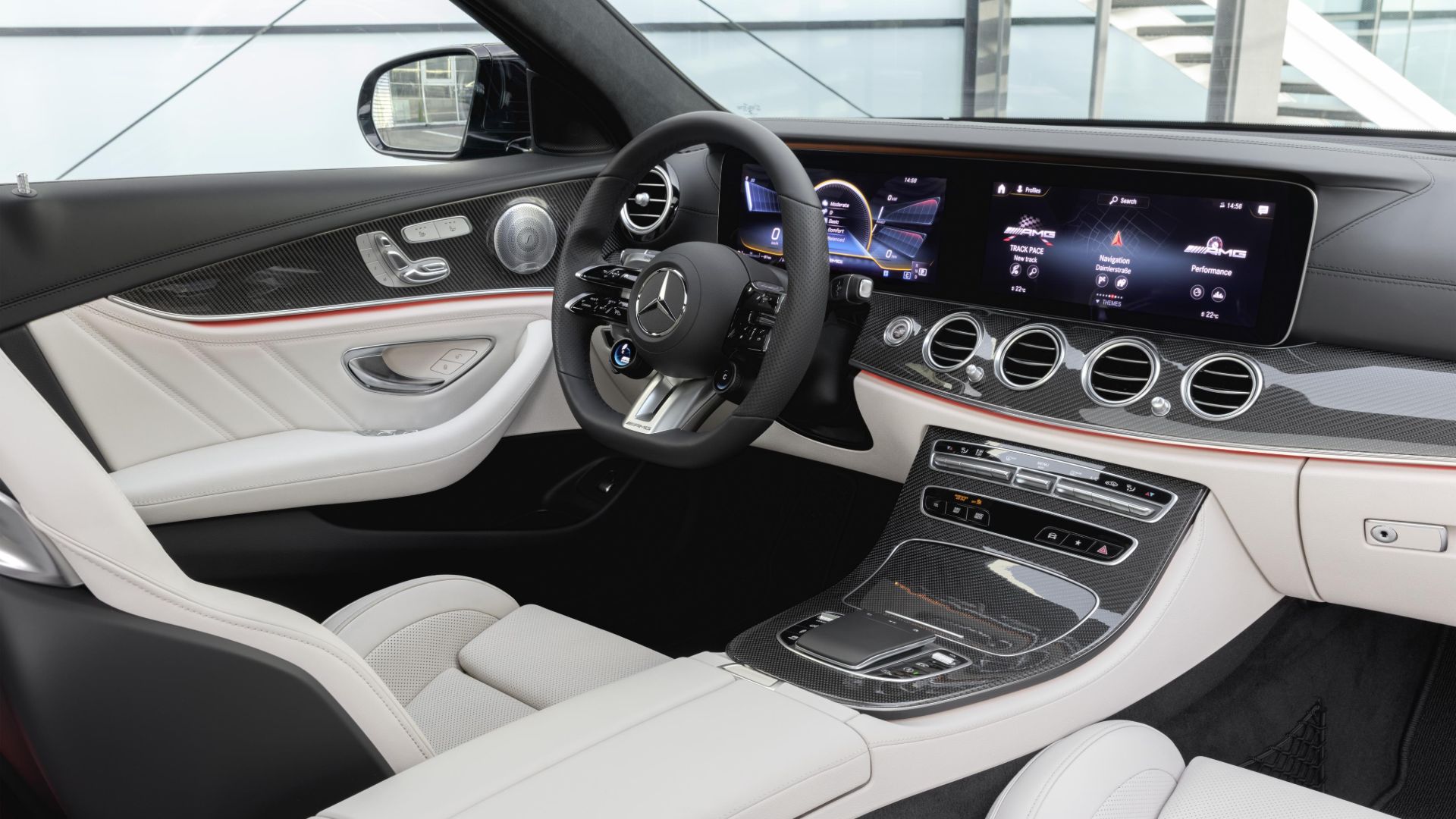
MBUX-equipped Mercedes can now deliver your forecast from the stars. For example, if you’re an Aquarian, you’d say “Hey Mercedes, give me a horoscope for Aquarius”.
Only available in German or British English, the date of birth or the star sign of the driver will be requested for a forecast to be given.
It joins region-specific weather enquiries and even a quiz feature.
The former means that someone planning on skiing in Samnaun, for instance, can ask “what’s the snow like in Samnaun?”. This feature is available in virtually any language. The car would show details on the depth of snow and how many lifts are available, as well as how many are operating.
MBUX can now act as a quizmaster too, with a geo quiz on capital cities of the world. This will help ease long journeys, and make Mercedes-specific journeys more enjoyable and memorable.
Take that, Tesla Arcade mode.
Another update in April will make MBUX more informal. This will be available for users in Germany, Sweden, Spain, Italy, Brazil, Poland, Taiwan and Hong Kong.
Mercedes says that MBUX has ‘loosened its tie’, with the ability to use the familiar form of “you”.
The MBUX user interface debuted on the Mercedes-Benz G-Class, with significant updates coming to it upon the introduction of the A-Class.
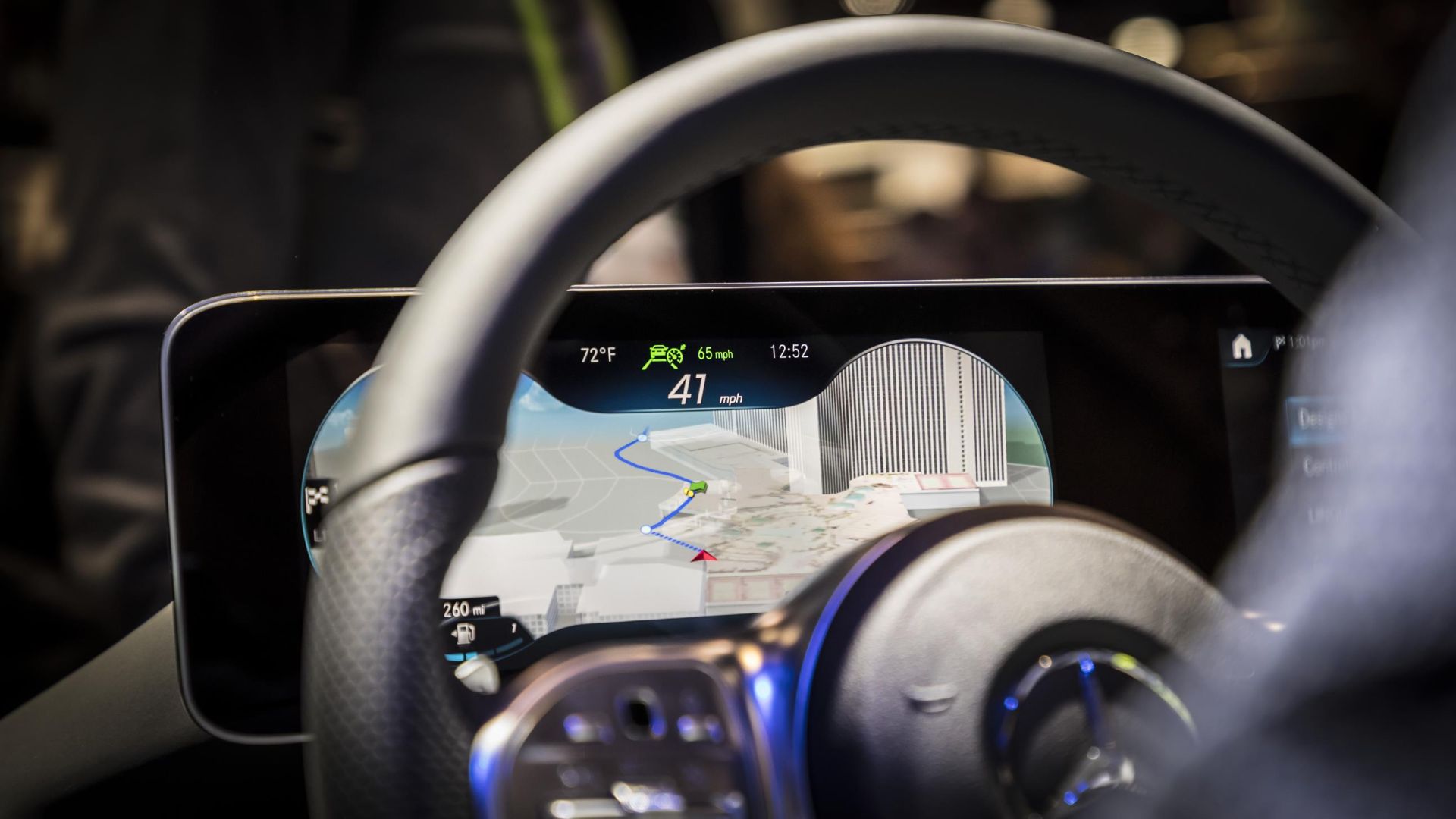
It already features touchscreen controls and augmented reality navigation, with the latter overlaying directions onto a video image of your surroundings.
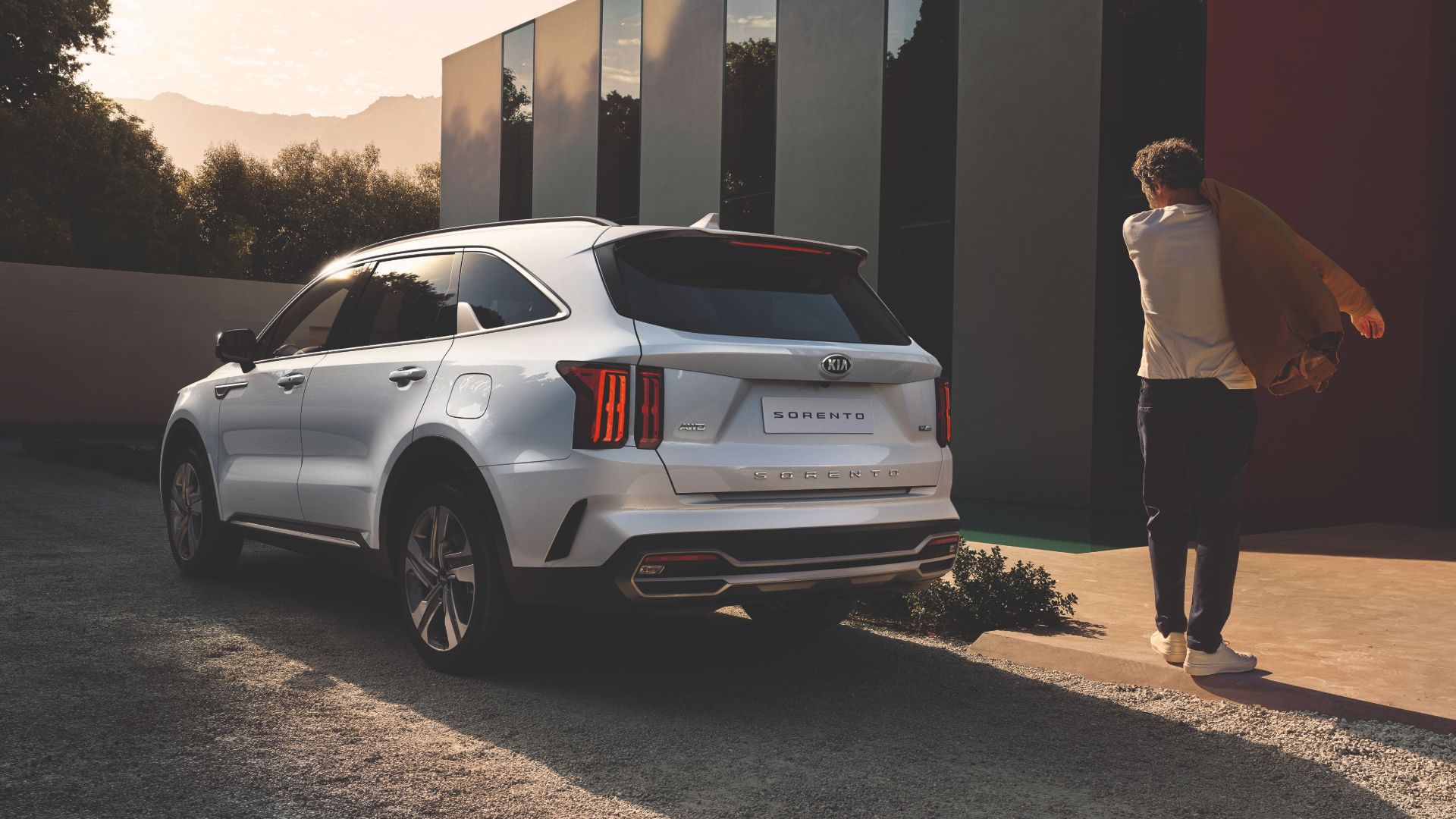
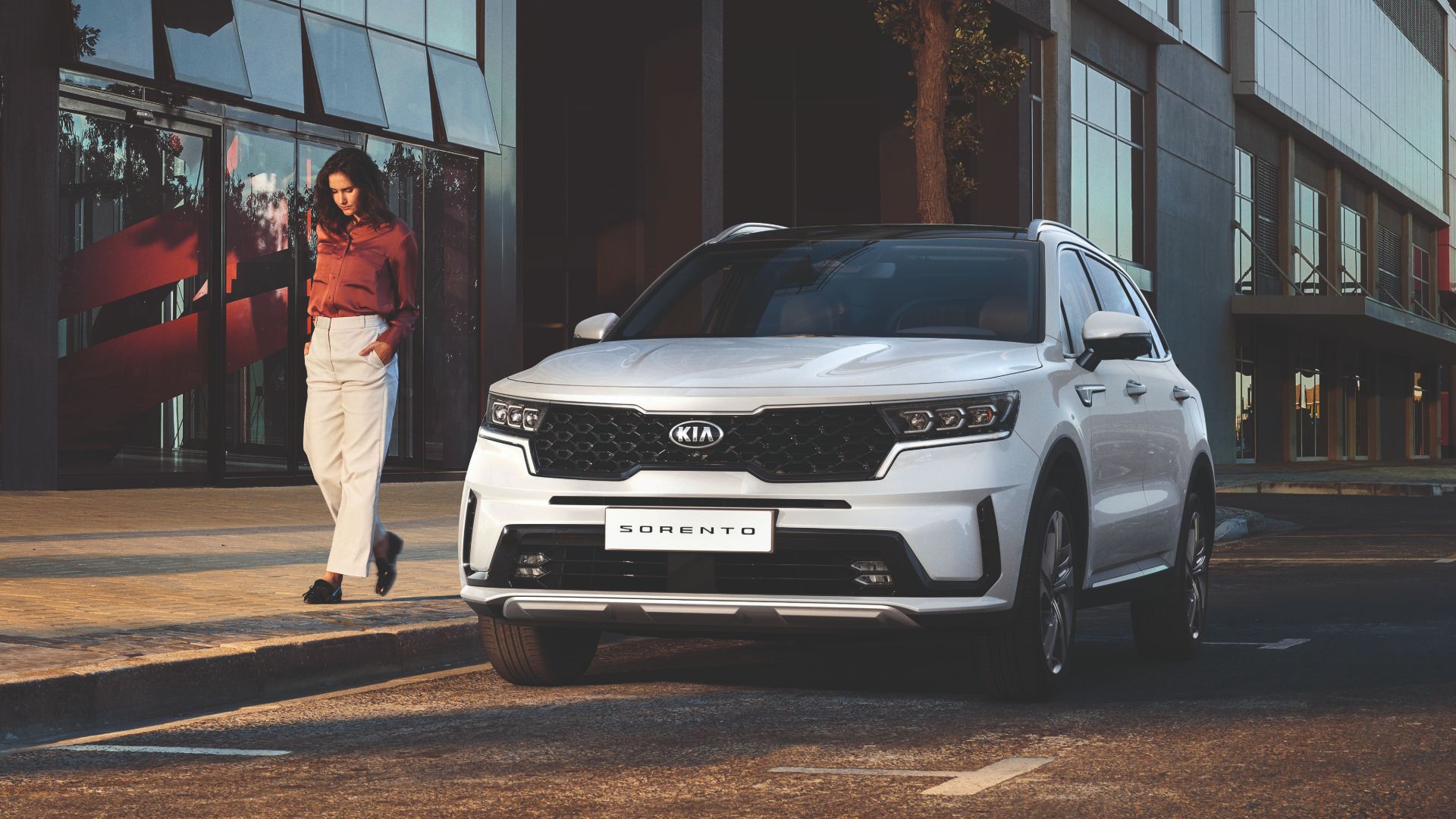
Kia will launch the fourth-generation Sorento SUV on a Facebook live stream on 19 March. This follows the cancellation of the Geneva Motor Show due to the coronavirus.
The stream will begin this Thursday at 1130 GMT (1230 CET). Kia is inviting viewers to participate by asking questions via the comments section. Representatives from the Korean company will be on hand to answer them.
Those who ask the best questions will be rewarded, with 60 six-month print and digital subscriptions to Time magazine up for grabs. The subscriptions will be awarded to those who ask the 60 best questions.
With the 2020 Sorento, Kia has looked to inject some maturity and coolness. It unashamedly borrows some style from the larger and more luxurious Telluride.
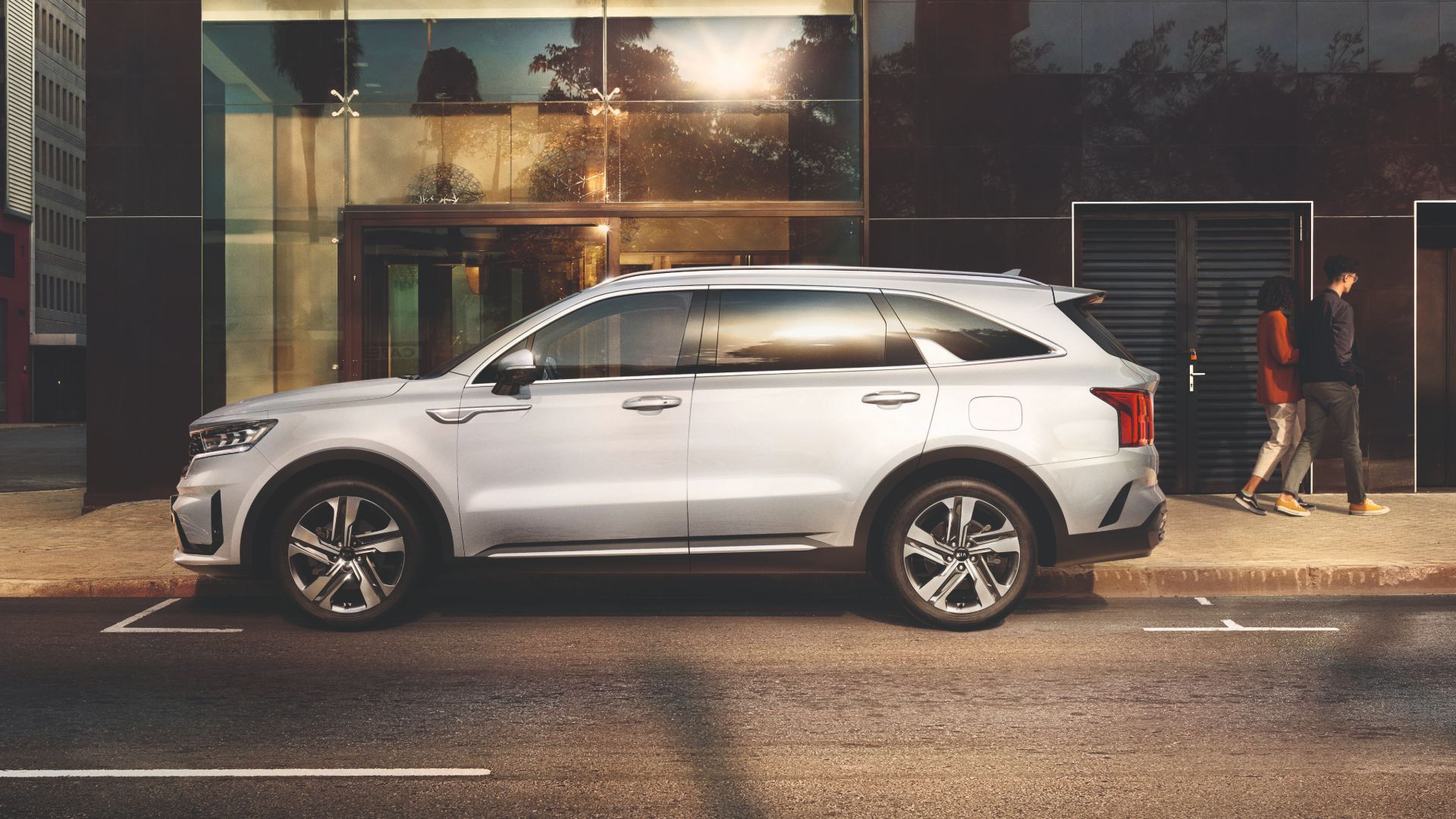
Kia says the design is centred around ‘refined boldness’. Stylish, elegant, but still sturdy and tough-looking. The ‘sharper lines, high-tech details, and elongated proportions’ lend the new Sorento a ‘more confident and mature presence’.
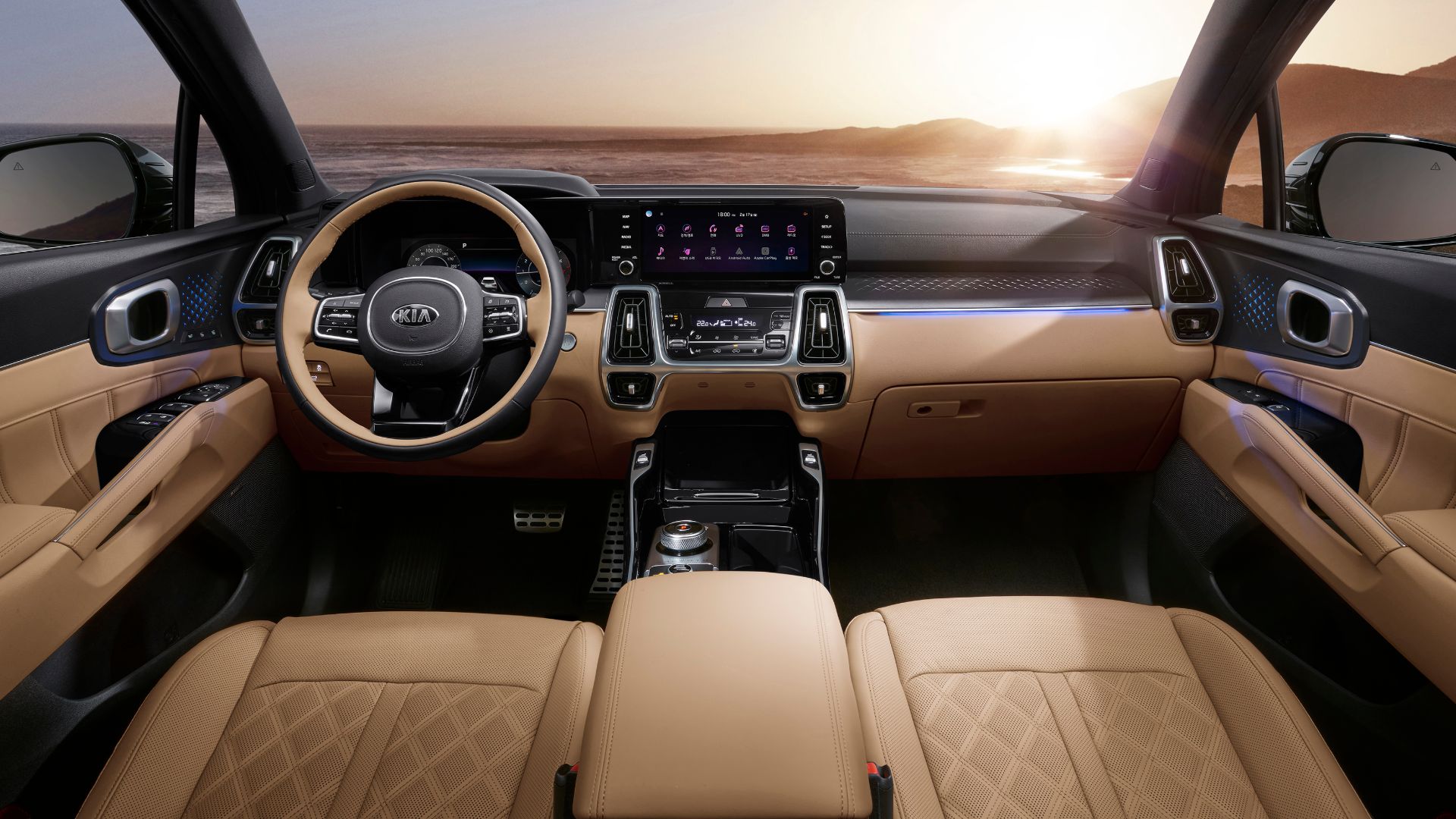
The A-pillar is 30mm further back from the front axle, allowing a more ‘cab-rearward’ design. The redesign continues on the inside, with updated infotainment and a move towards a premium feel.
The Sorento is getting a big update under the skin, with a selection of ‘Smartstream’ electrified powertrains. This will be the first Sorento to boast hybrid power.
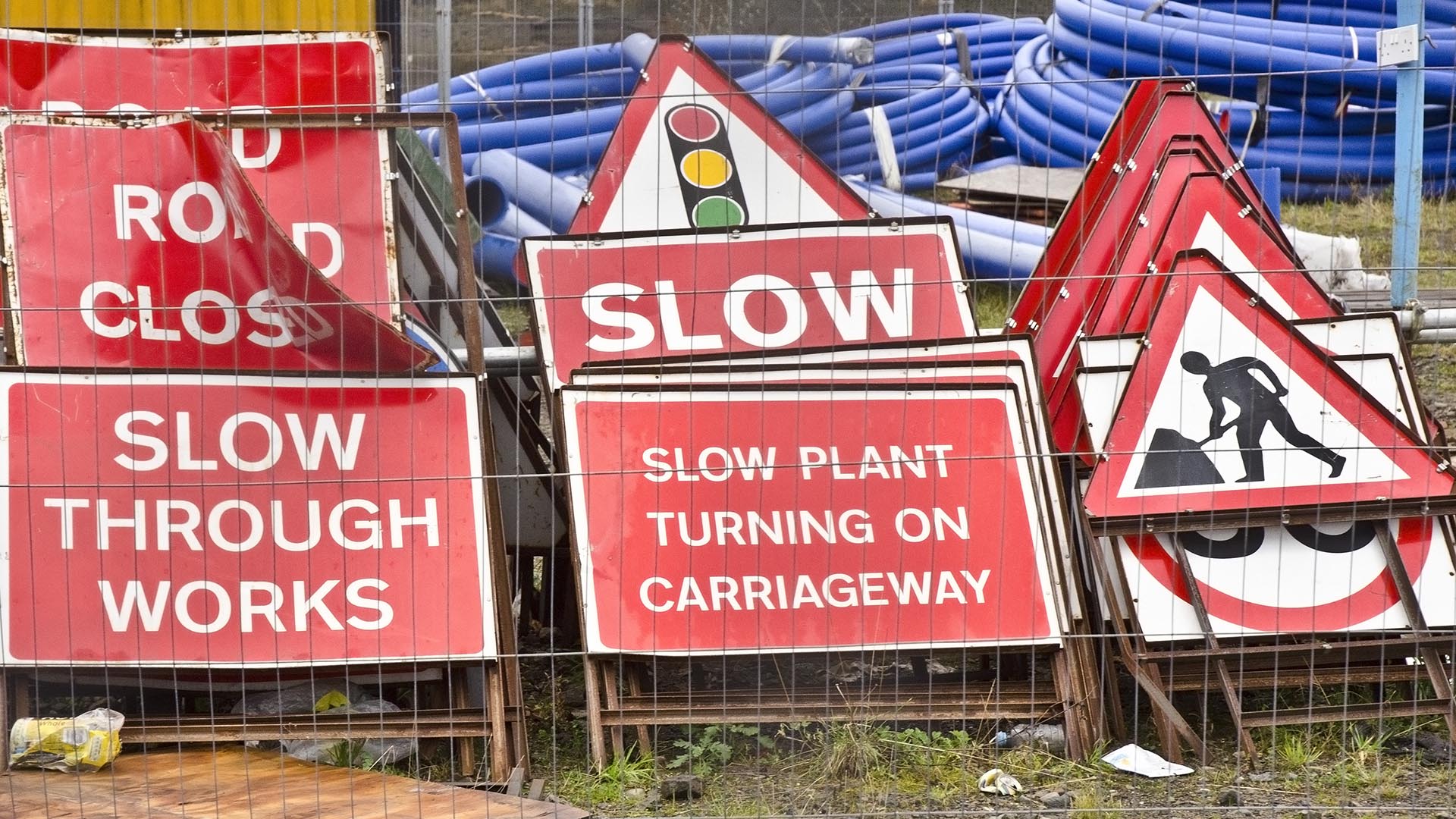
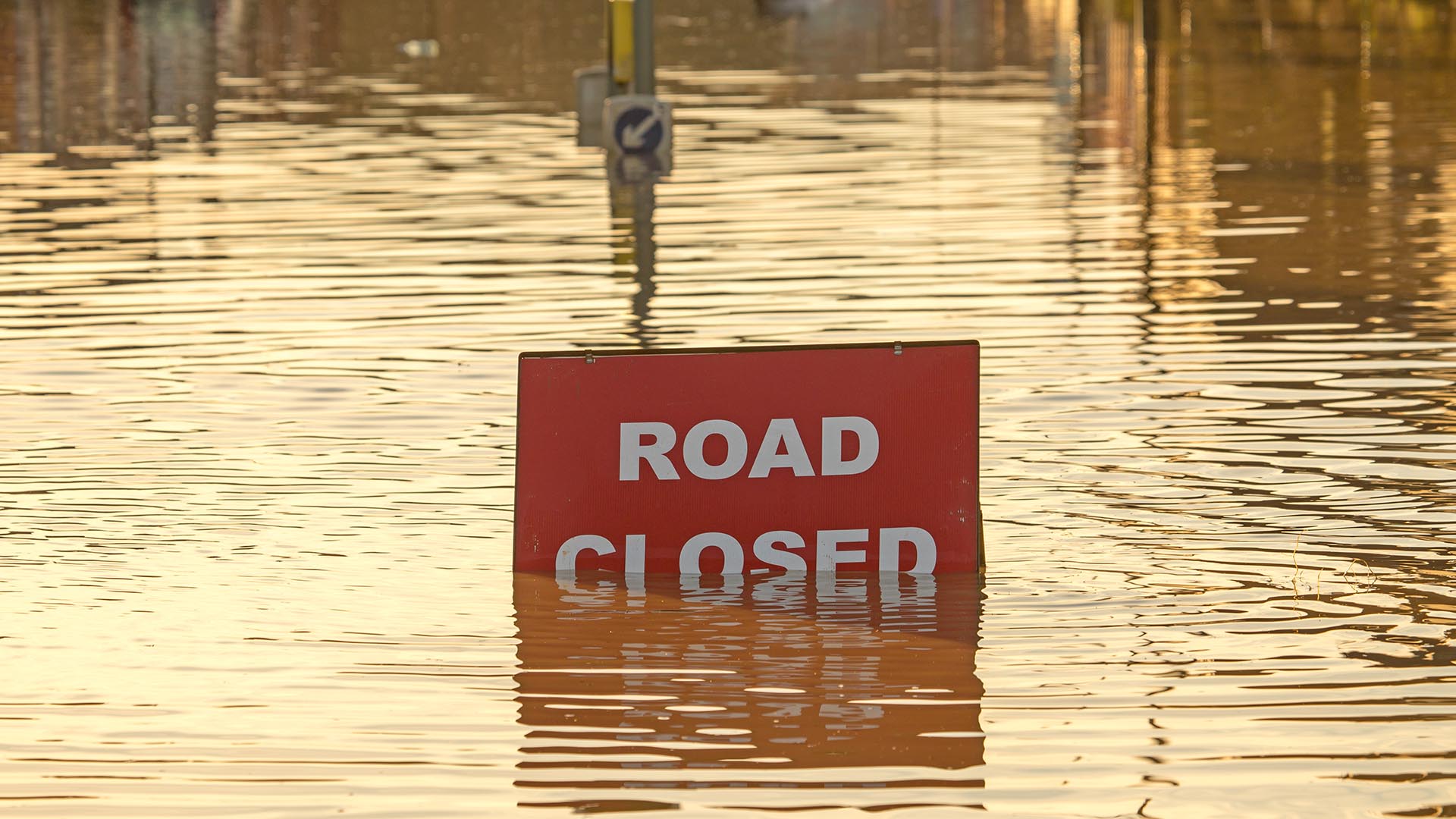
A transport watchdog has launched a new campaign calling on motorists to report broken, confusing and hidden road signs to Highways England.
The appropriately named ‘Sort My Sign’ campaign aims to increase the usefulness and effectiveness of the signs on the 4,300 miles of motorways and major A-roads managed by Highways England. Inadequate signage can be reported via the Transport Focus website.
Using the information, Transport Focus will press Highways England to sort individual problems, and work to force policy change so these issues don’t happen in the future.
Recently reported problems include overgrown vegetation obscuring a large green sign on the A1 at Wyboston, a similar problem on the A1 at Sandy, and more overgrown vegetation on the A34 at the junction with the M60.
A total of 140 problems have been reported since the campaign launched a month ago. One road user was quoted as saying: “I have had to make last minute lane changes that were less safe than I would like, but have also chosen to miss exits altogether and return via the next exit. In my view motorway exit signs are not best placed for visibility.”
Transport Focus wants Highways England to:
sort broken or inaccurate signs
provide better information during delays and unexpected disruption
review the existing standards for signs on motorway and major ‘A’ roads.
‘If it’s not clear, it’s not safe’
Anthony Smith, chief executive of Transport Focus, said: “We want to hear from road users about signs and information that aren’t up to scratch. We’ll use what you say to press Highways England to make journeys easier and safer.
“There is nothing more frustrating than missing your turnoff because the sign was hidden behind a tree or missing crucial information.
“While we have some of the safest roads there are still too many signs which are broken, confusing or out of date. If it’s not clear, it’s not safe.”
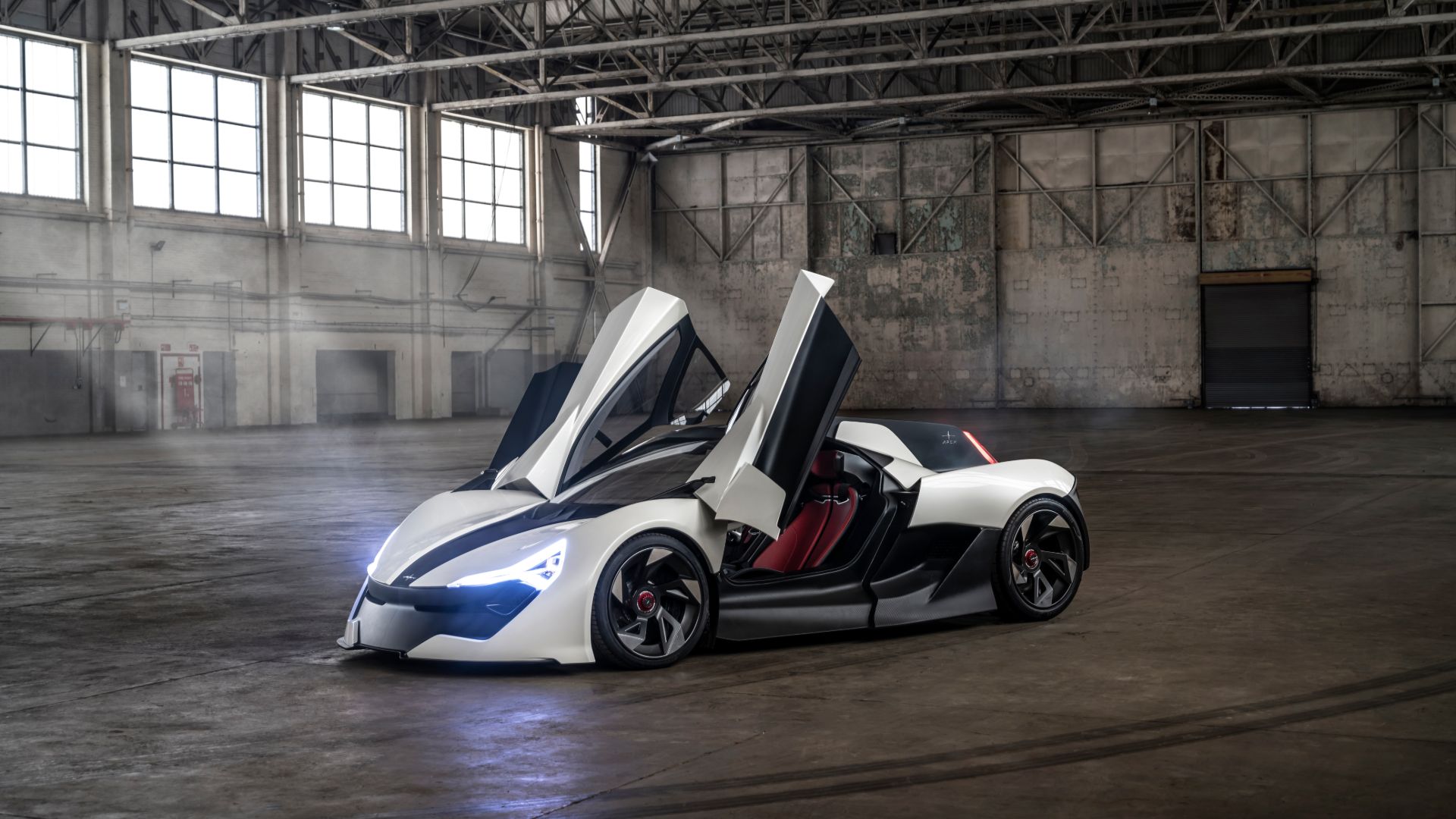
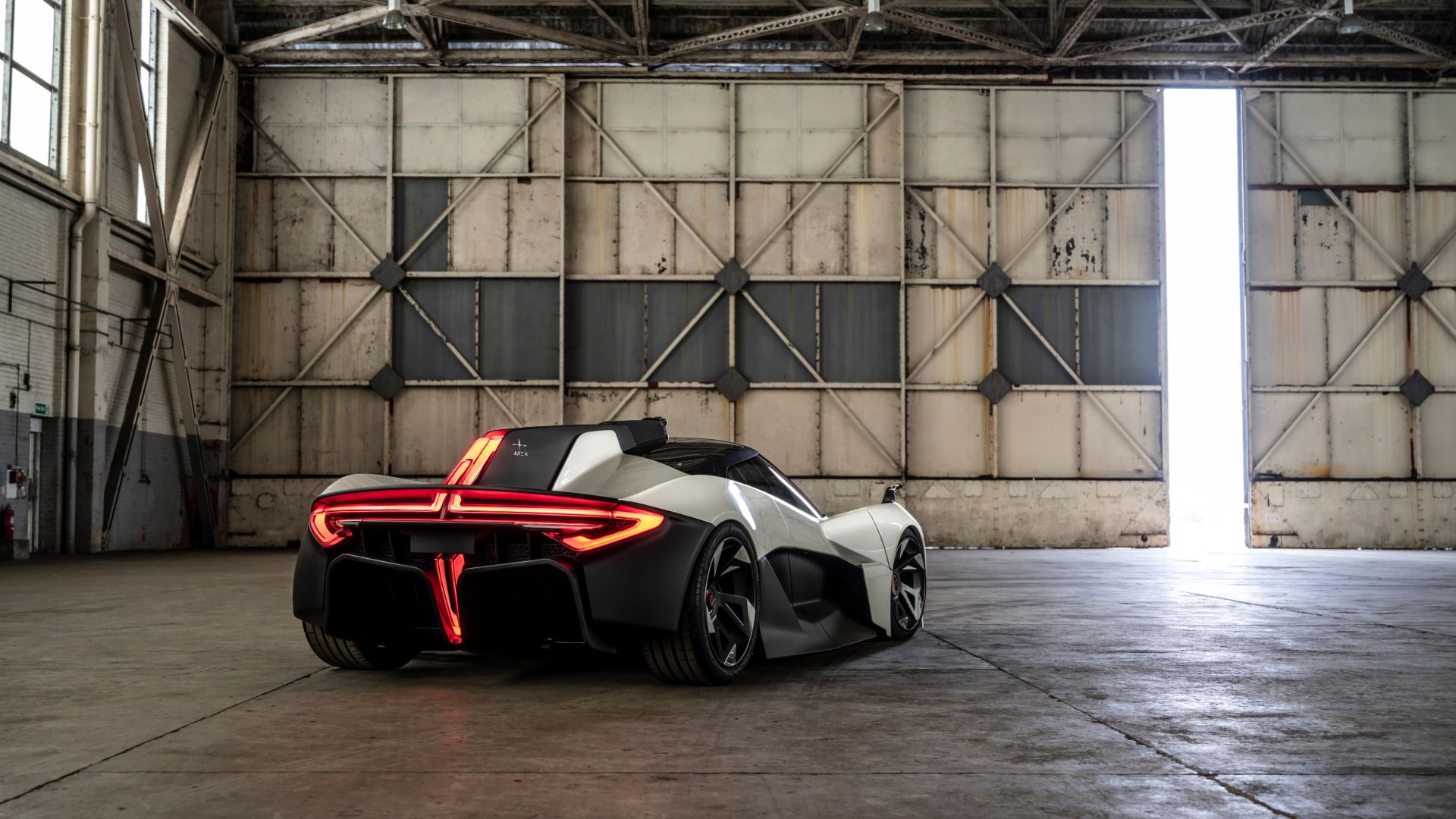
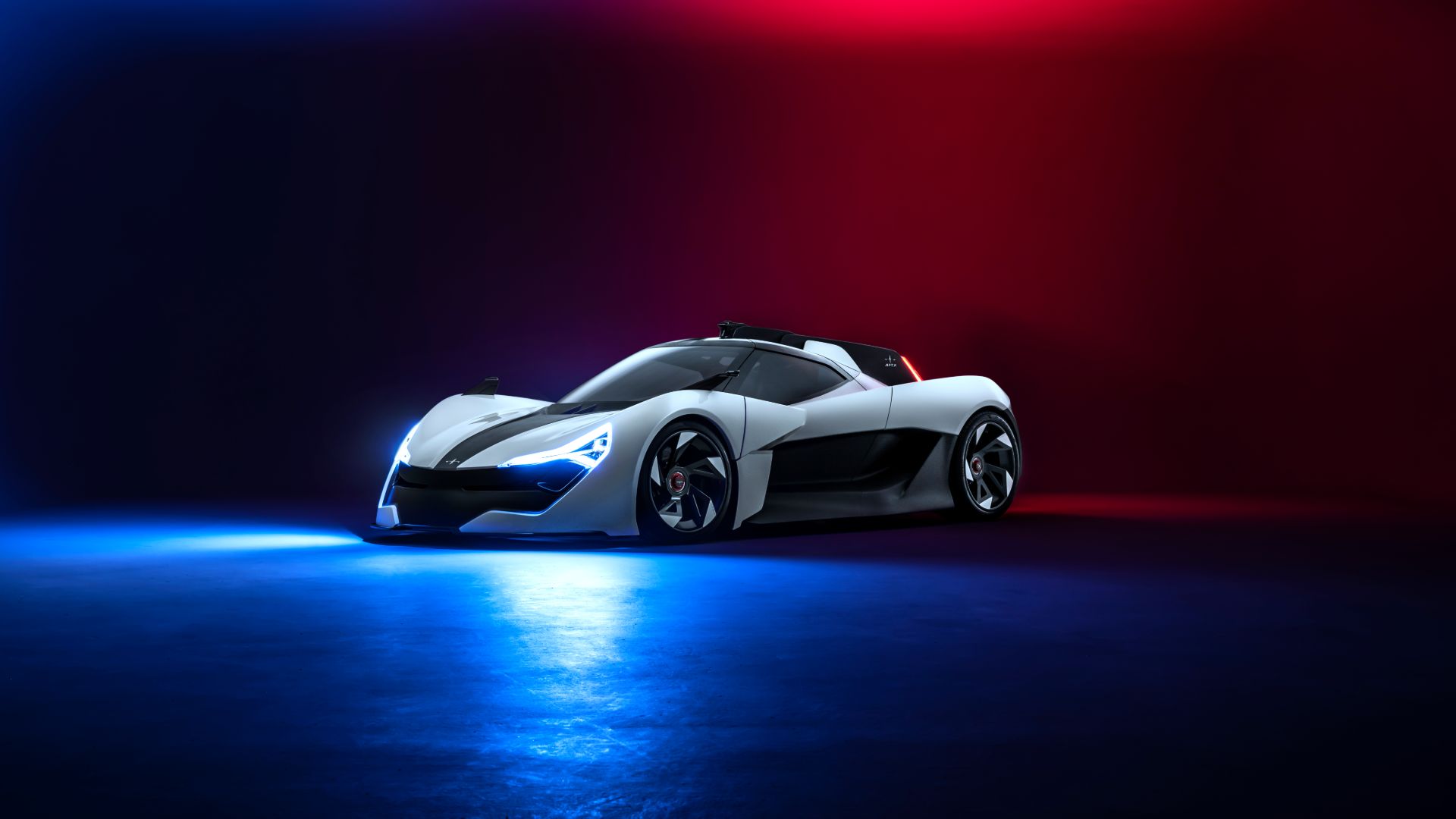
A new electric car manufacturer has revealed its first concept. The Apex AP-0 previews a production model, due in 2022. And while it’s said to perform like a hypercar, Apex will price it like a supercar (from £150,000).
The performance figures sound mightily impressive. So impressive, in fact, that some are difficult to believe…
Apex AP-0: key stats of the ‘super EV’
Price: £150,000
Power: 650hp
0-62mph: 2.3 seconds
Top speed: 190mph
Kerb weight: 1,200kg
Battery/range: 90kW/320 miles
Charging time: 80 percent in 15 minutes (CCS), full charge in eight hours (Type 2)
The Apex is just a concept at present, but you don’t give out numbers without some hope of substantiating them. Perhaps most impressive is that kerb weight. Battery electric vehicles are notoriously heavy, so 1,200kg (a bit less than a typical lightweight petrol supercar) seems incredible.
The weight savings are partly due to the AP-0’s monocoque carbon chassis, with modular spaceframes and a central spine. Of that 1,200kg, a total of 550kg is the battery. The body panels wrap the chassis, although not in its entirety.
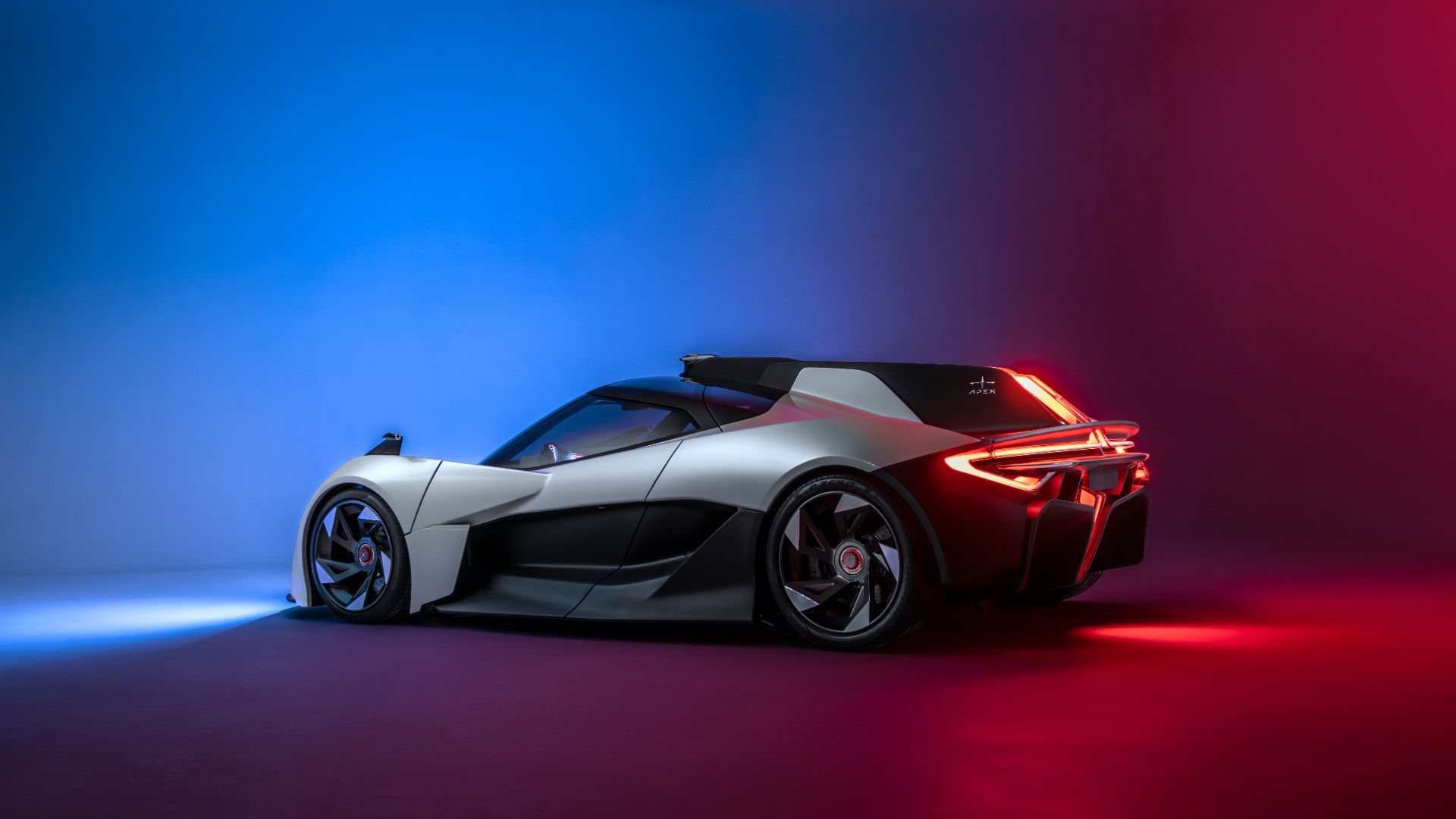
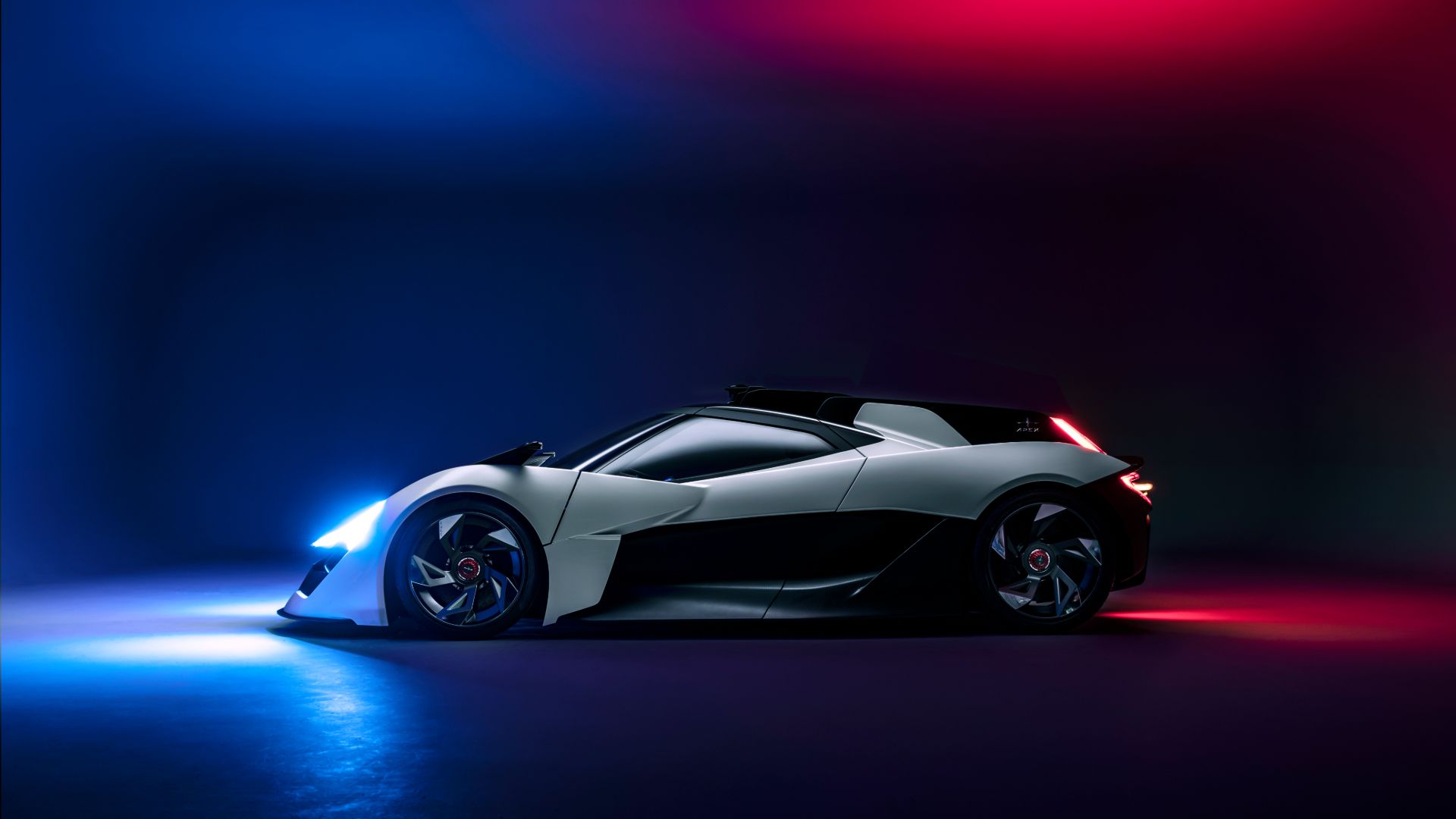
Speaking of those body panels, it’s quite a striking looking thing, isn’t it? It’s all angles and jagged lines, which Apex says ‘evokes its powerful performance attributes and emphasises the lightweight structure of the car’.
They also work together with the flat underfloor and ground-effect aero for downforce. To that end, it’s just 95mm off the ground, negating the need for a rear spoiler and reducing drag.
The front apes that of the Ferrari F12 TdF with a Jack Nicholson Joker smile, flanked by futuristic LED lights. The mixture of materials is McLaren-esque, with white body panels shrink-wrapping the carbon construction. Carbon is everywhere, of course, including the wheels.
Unique to the AP-0 is the rear fin, sprouting from the teardrop cockpit and leading down into the brake lights. In conclusion, it’s about as striking (and as fast, incidentally) as a McLaren P1, but for one-sixth of the price. The price is difficult to believe, too.
Like many supercars, and indeed F1 racers, the AP-0 uses pushrod suspension. Automatic ride-height adjustment allows the car to be set in modes that best suit the driving situation.
Apex says that its definition of connectivity is “about linking the car with those who have a true passion for driving”. So there is a sophisticated LIDAR sensor system, able to create high-res 3D imagery of the car’s surroundings. It’s effectively able to identify obstacles, accurate to a few centimetres, up to 100m away.
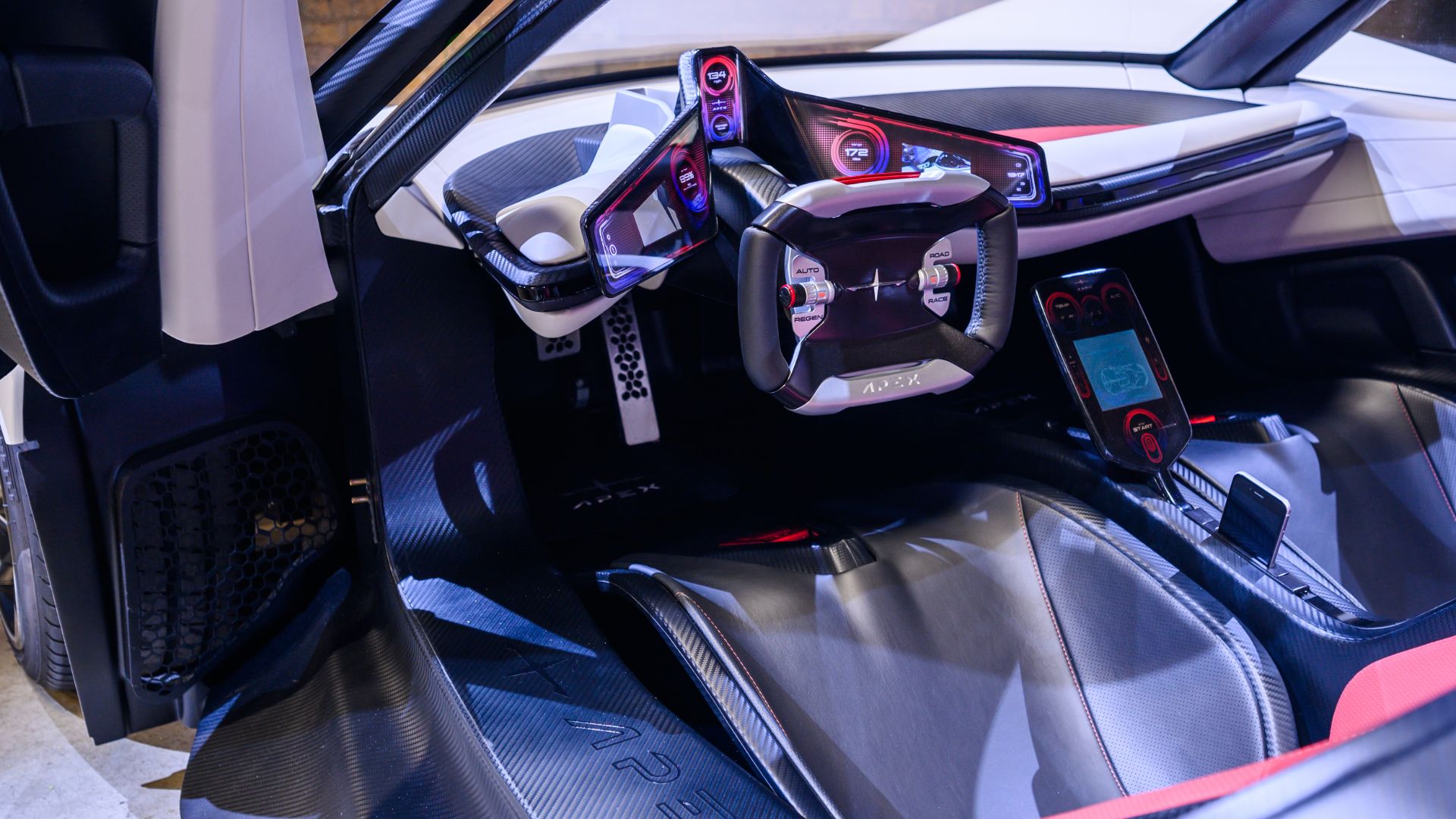
On the inside, there’s a holographic AR display, and an AR Race Instructor, giving you a game-like experience when on-track. Driver and passenger sit just 180mm above the ground in carbon seats.
Overall? It’s like a BAC Mono, Tesla Model S and McLaren P1 had a love child, with fast, futuristic, surprisingly lightweight and low-priced results.
When looking at a Pininfarina Battista, one has to consider whether a Bugatti Chiron would better suit Sir’s taste. When looking at the AP-0, it’s a choice between this, a 911 Turbo or an Audi R8.
All of a sudden, the EV seems like a very interesting and appealing alternative. We look forward to learning more, as the AP-0’s 2022 launch date draws nearer.
As the coronavirus pandemic leads to real-world racing being postponed, drivers are taking to esports to keep competing.
This weekend should have seen the first round of the 2020 Formula One season take place in Melbourne, Australia.
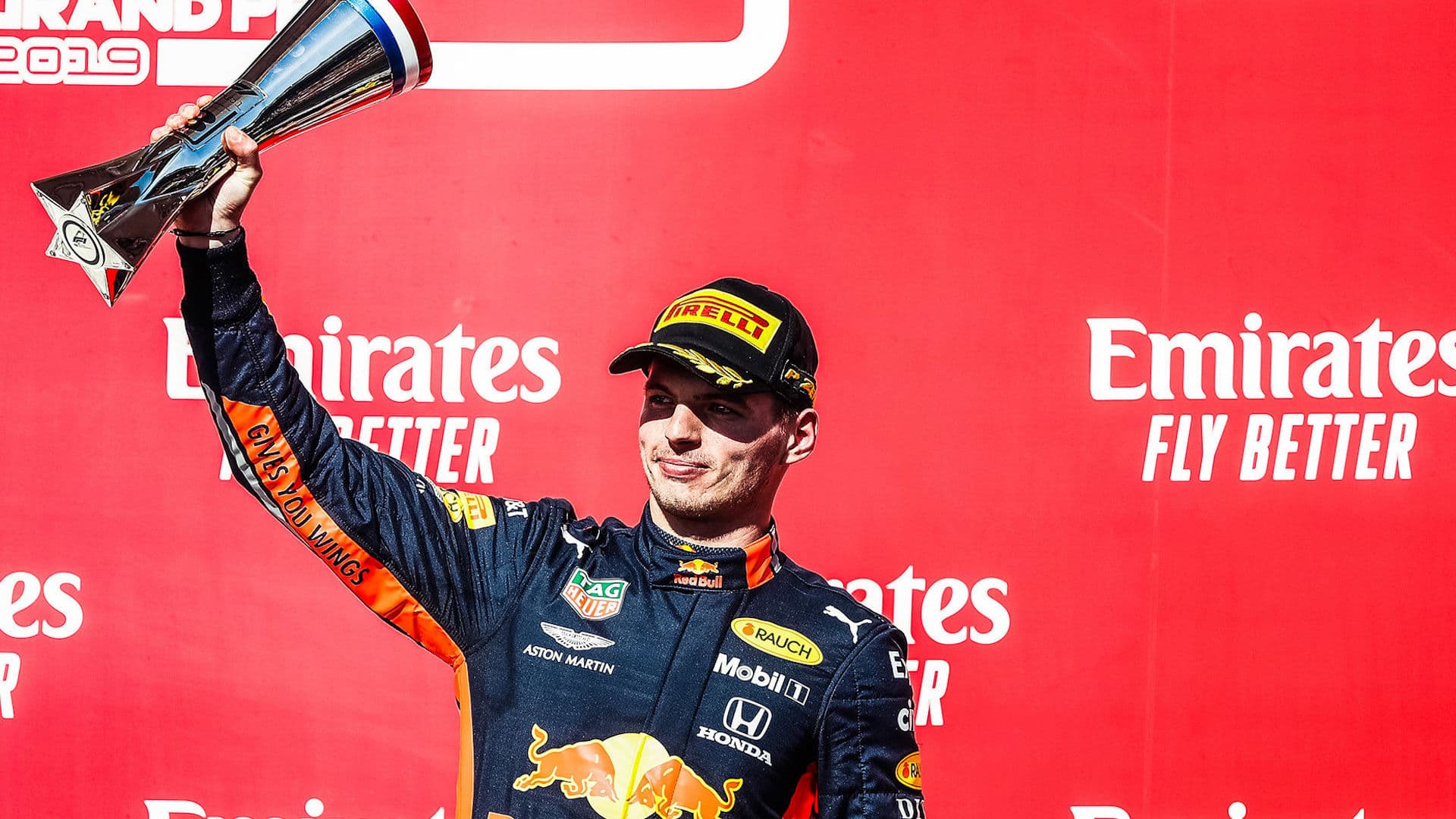
A late cancellation by the organisers has left F1 drivers like Max Verstappen with time on their hands. Thankfully, virtual racing has offered a solution for motorsport stars with new unplanned spare time.
Heroes from across the motorsport world
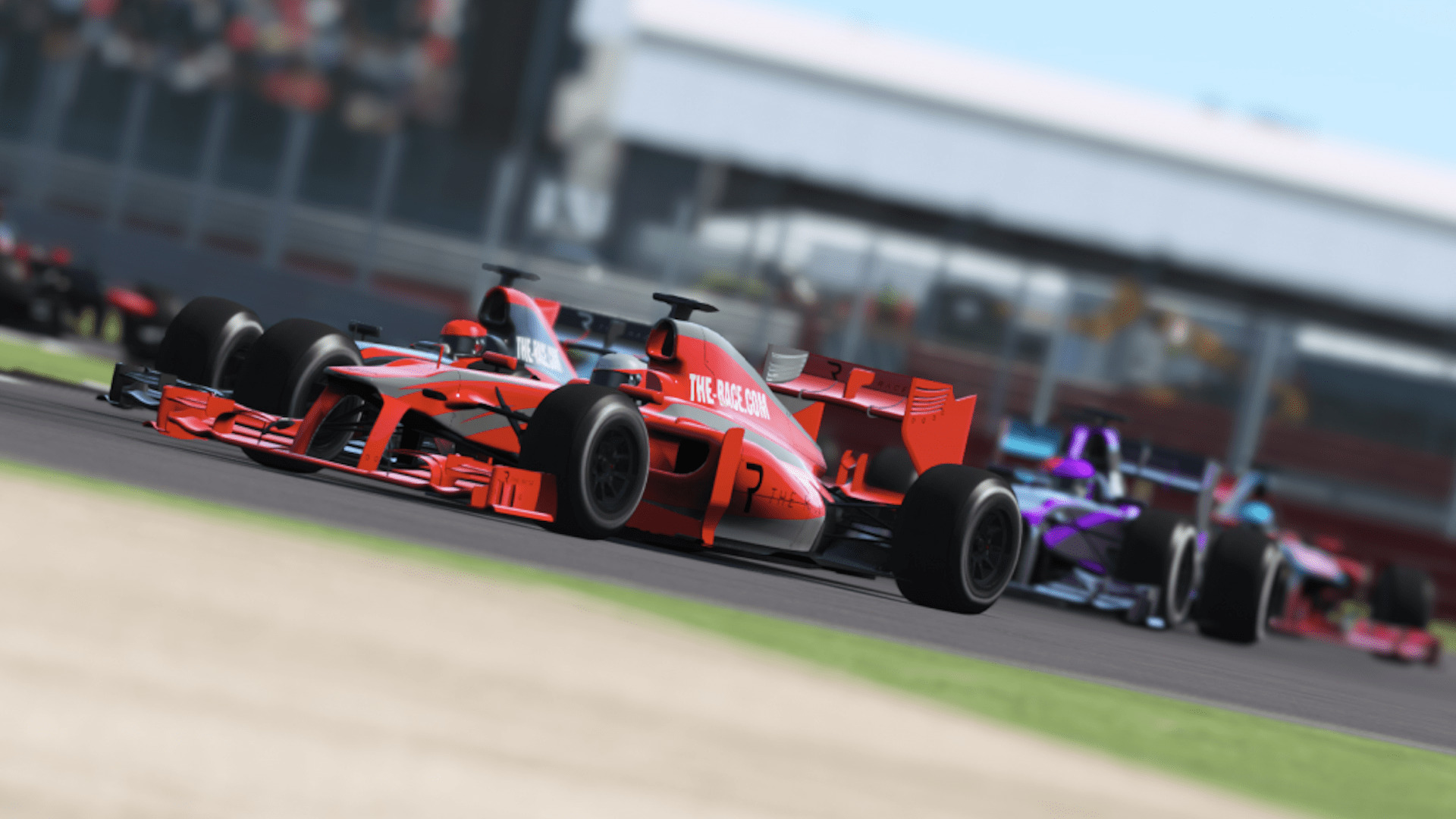
Online motorsport channel The Race has used the cancellations to arrange an All-Star Esports Battle. Scheduled to take place on Sunday, 15th March, the event has already attracted a stellar field of racing drivers.
Red Bull Racing driver Max Verstappen will be joined by Billy Monger – winner of the BBC Sports Personality of the Year Helen Rollason Award in 2018.
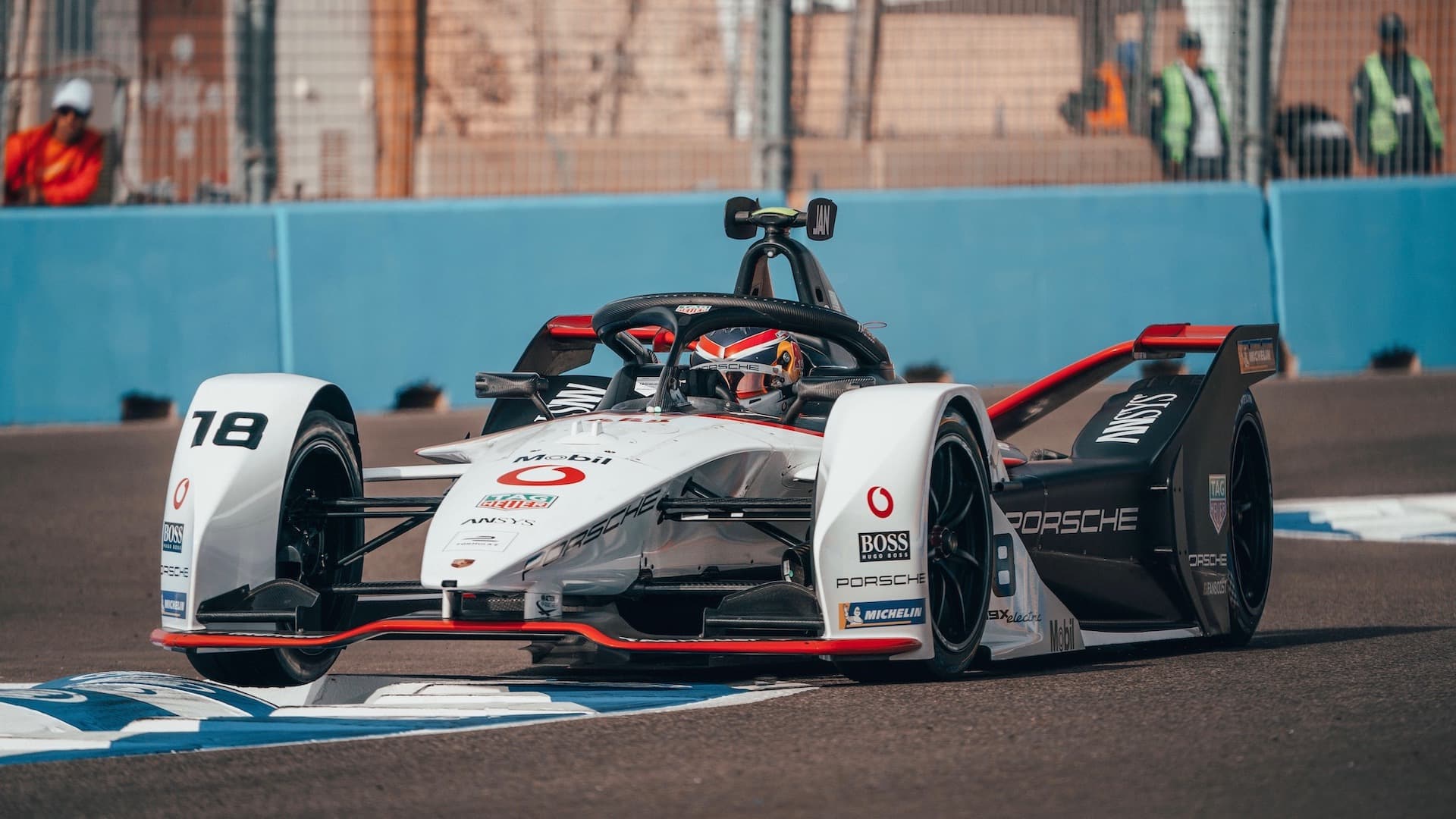
From the world of Formula E there is Antonio Felix da Costa, Neel Jani, and Max Gunther competing.
The 2014-15 Formula E champion, and ex-F1 driver, Nelson Piquet Jr. is another big-name contender.
When real and virtual worlds collide
The online competition has attracted 2019 Indianapolis 500 winner, and 2016 IndyCar champion, Simon Pagenaud to the field. Felix Rosenqvist and Colton Herta, also from the IndyCar, are set to take part.
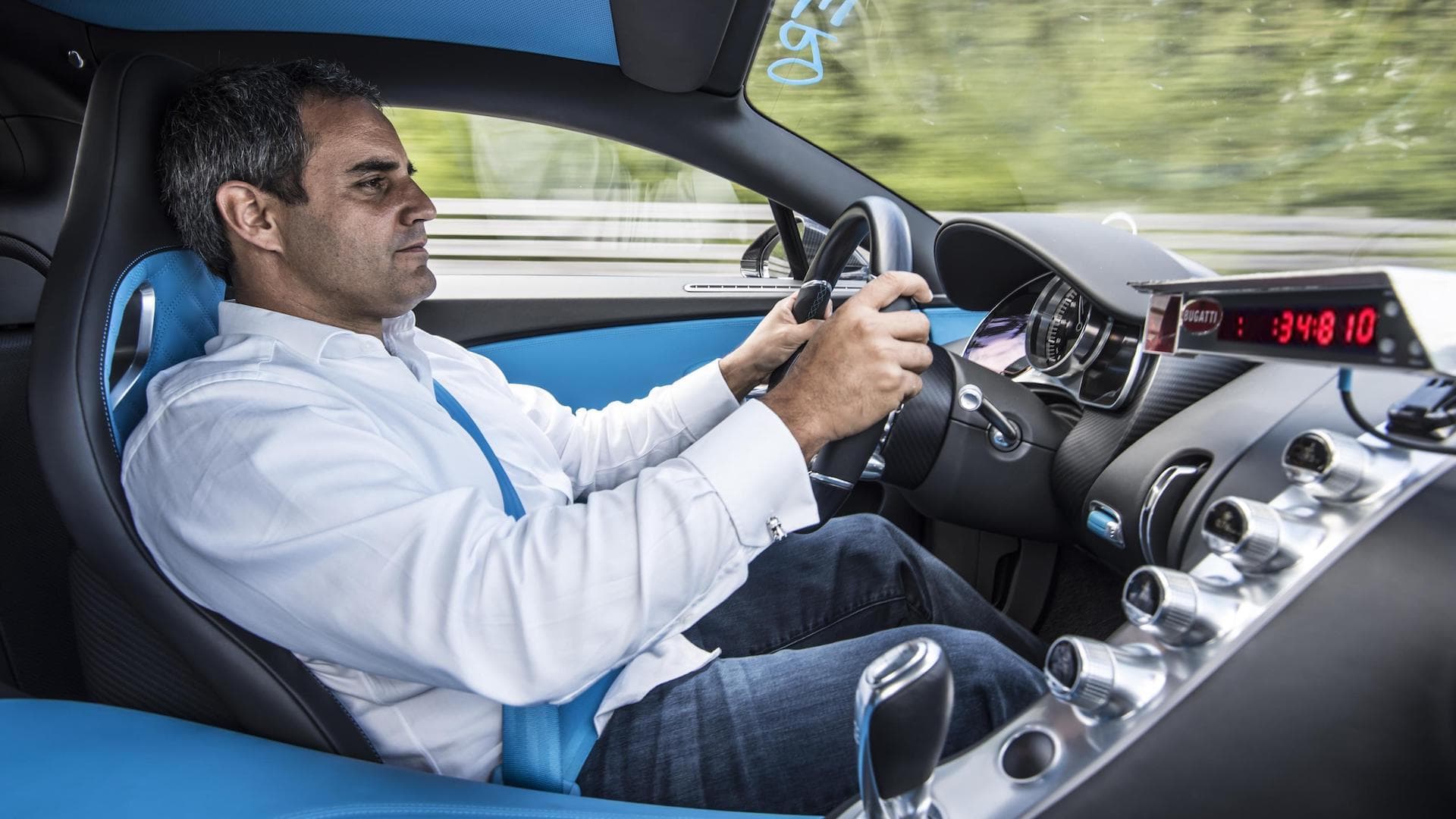
IndyCar, Daytona 24 Hours, and Formula 1 legend Juan Pablo Montoya, along with his son Sebastian, are two more names that have joined the incredible list of talent.
From the world of esports, Rudy van Buren, James Baldwin, and inaugural F1 Esports champion Brendon Leigh, are confirmed entrants.
All from the comfort of your own sofa
Professional racers will add to a total of 20 hand-picked drivers, with a further 20 gamers earning their spot through a qualification event.
Racing will begin on Sunday at 13:00 GMT, with two group sprint races held on Sunday, along with a last-chance qualifier.
The top eight from each heat and the last-chance qualifier will then progress through to a final battle.
A prize fund of $10,000 is on hand for the ultimate winner.
The-Race.com’s Head of Motorsport, Andrew van de Burgt, commented that this “is the beauty of virtual racing – we’ll have 40 racers competing around the world from their own homes and then thousands of fans also watching without having to leave their couch.”
Fans will be able to watch the competition for free through The Race’s YouTube channel.
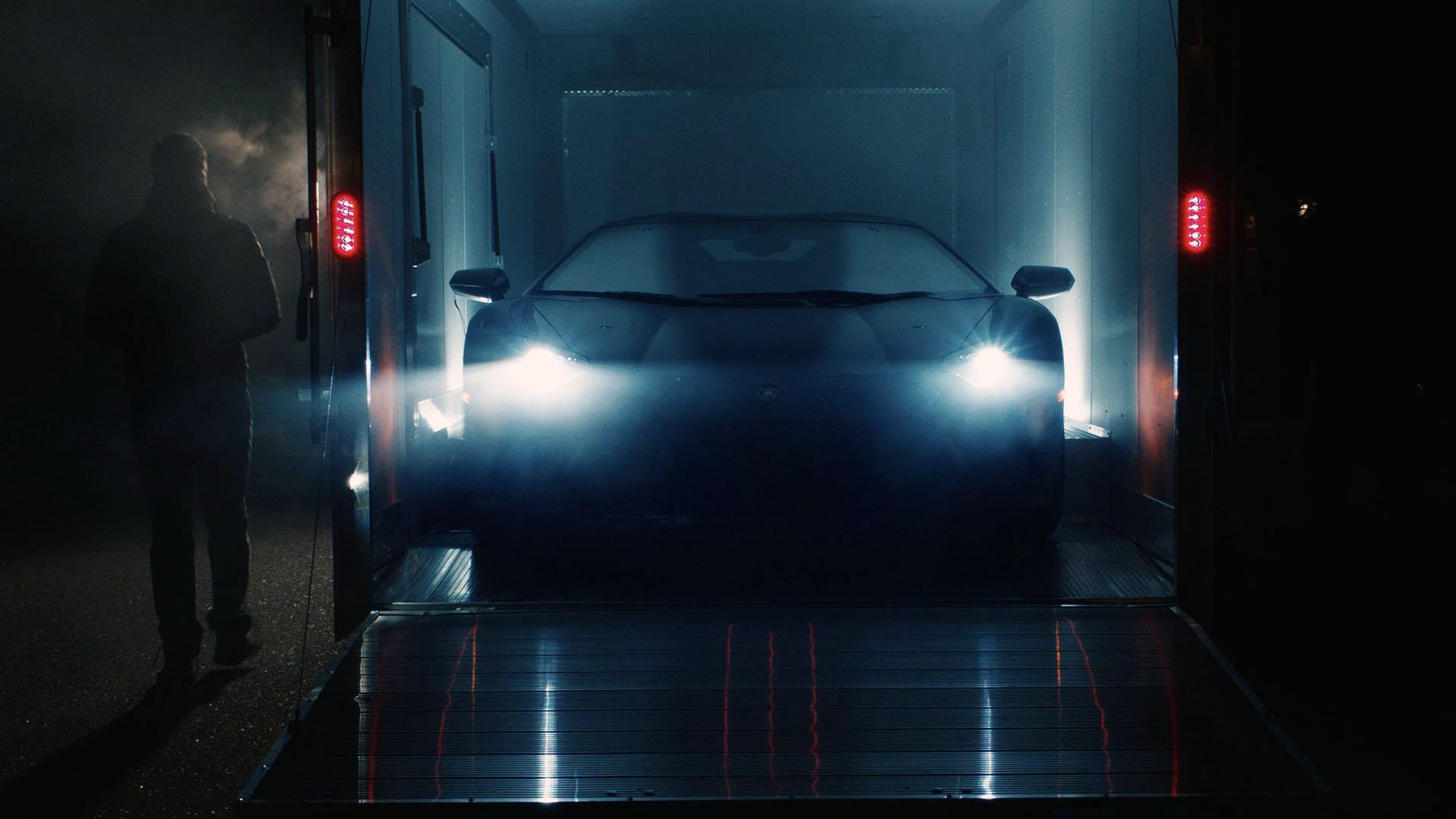
Lamborghini is the latest car manufacturer to fall victim to the coronavirus. The company has stopped production at its Sant’Agata plant for two weeks, until March 25. The move is part of Volkswagen Group’s plan to limit the impact of coronavirus on its operations.
Lamborghini is only the latest case of a coronavirus factory closure. It should come as no surprise, given the hold the virus has on Italy.
Italian Prime Minister Giuseppe Conte ordered lockdown in the country on Wednesday. All shops except grocery stores and pharmacies are closed. Factories, however, are allowed to stay operational, albeit with ‘precautions’.
“This measure is an act of social responsibility and high sensibility toward our people, in the extraordinary situation in which we find ourselves right now,” said Lamborghini CEO Stefano Domenicali.
“We continue to monitor the situation in order to react rapidly and with the right flexibility, in collaboration with our people and in order to restart with energy in the right moment.”
Lamborghini patents revolutionary electric car tech with university
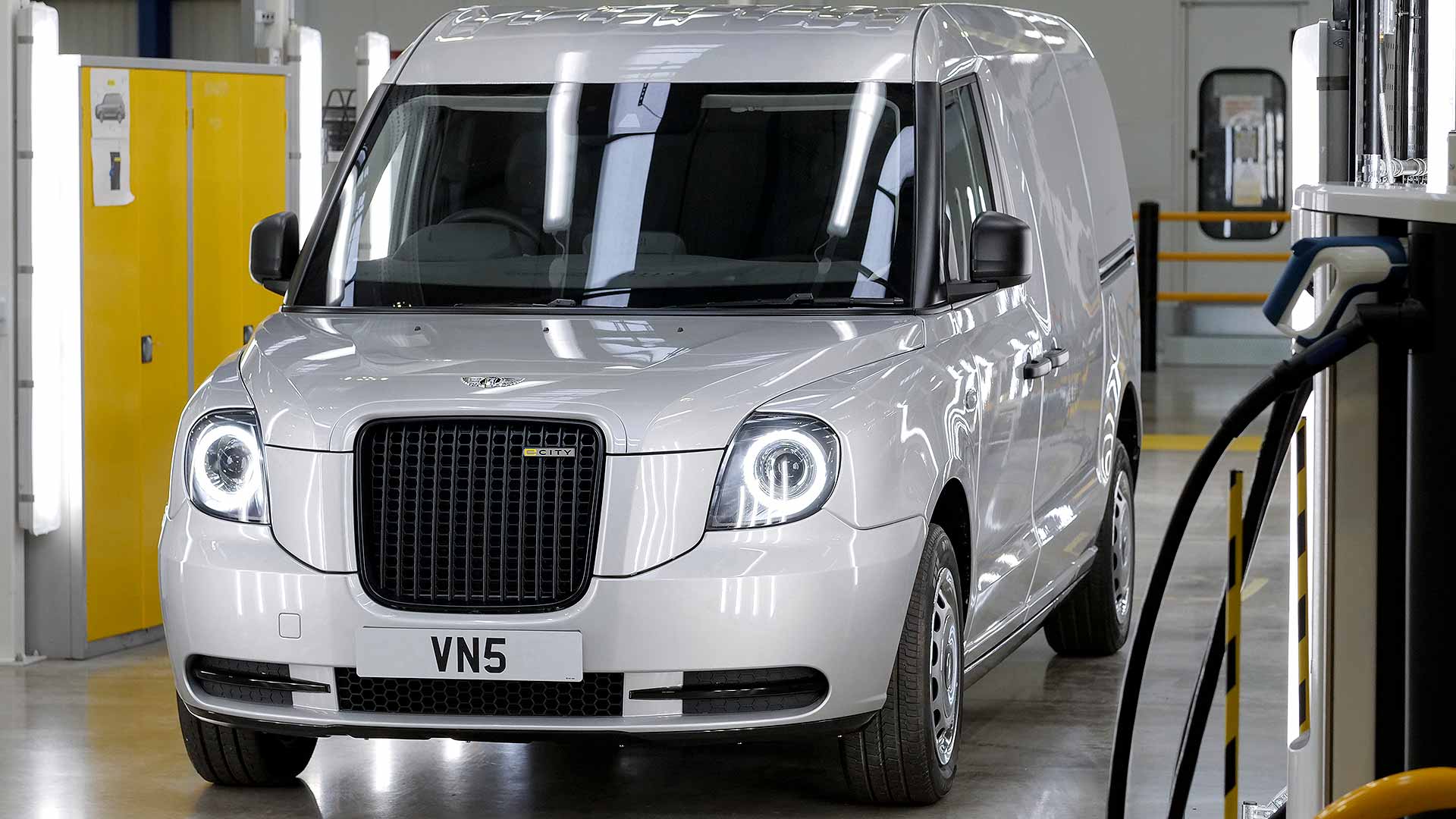
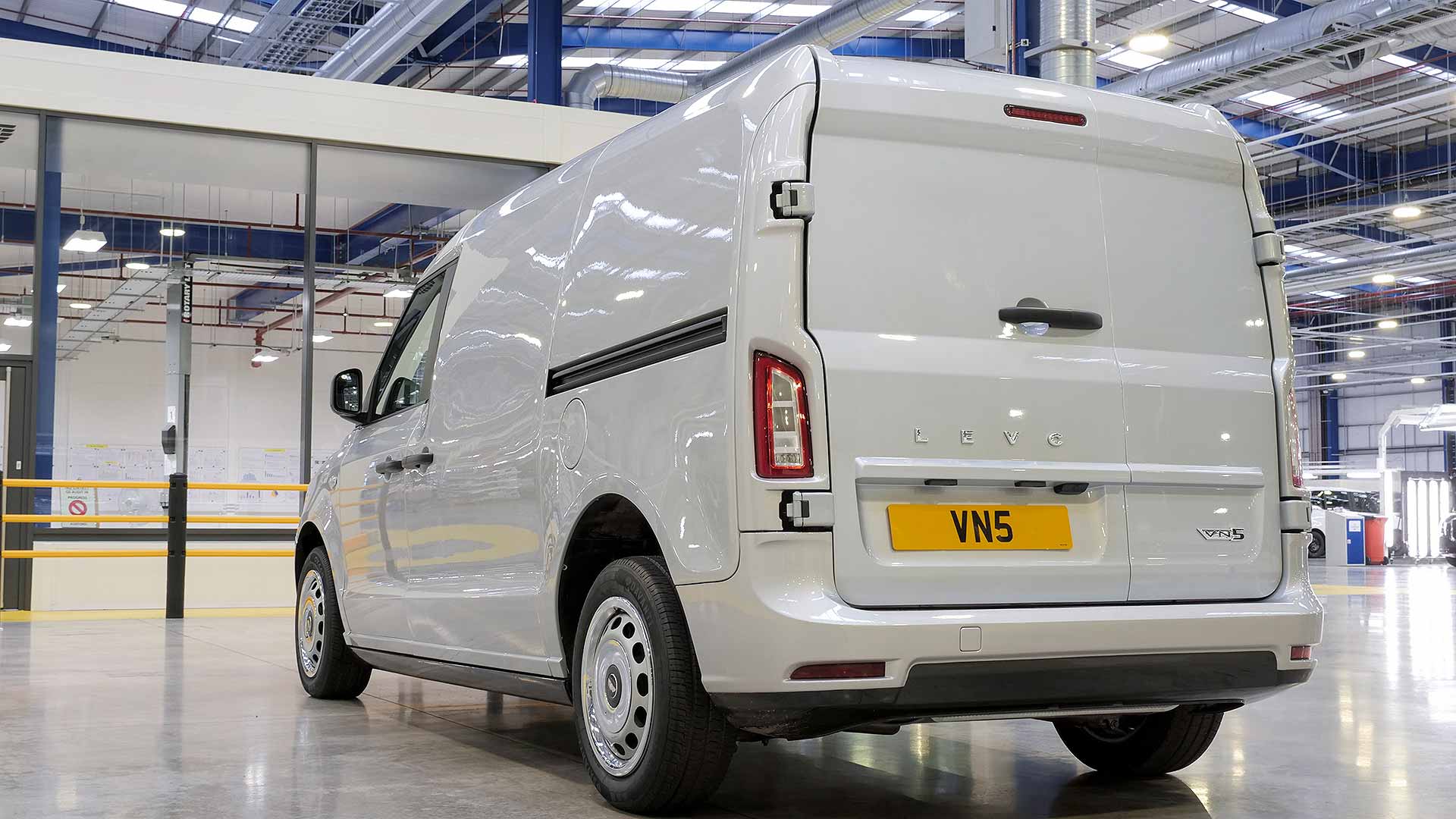
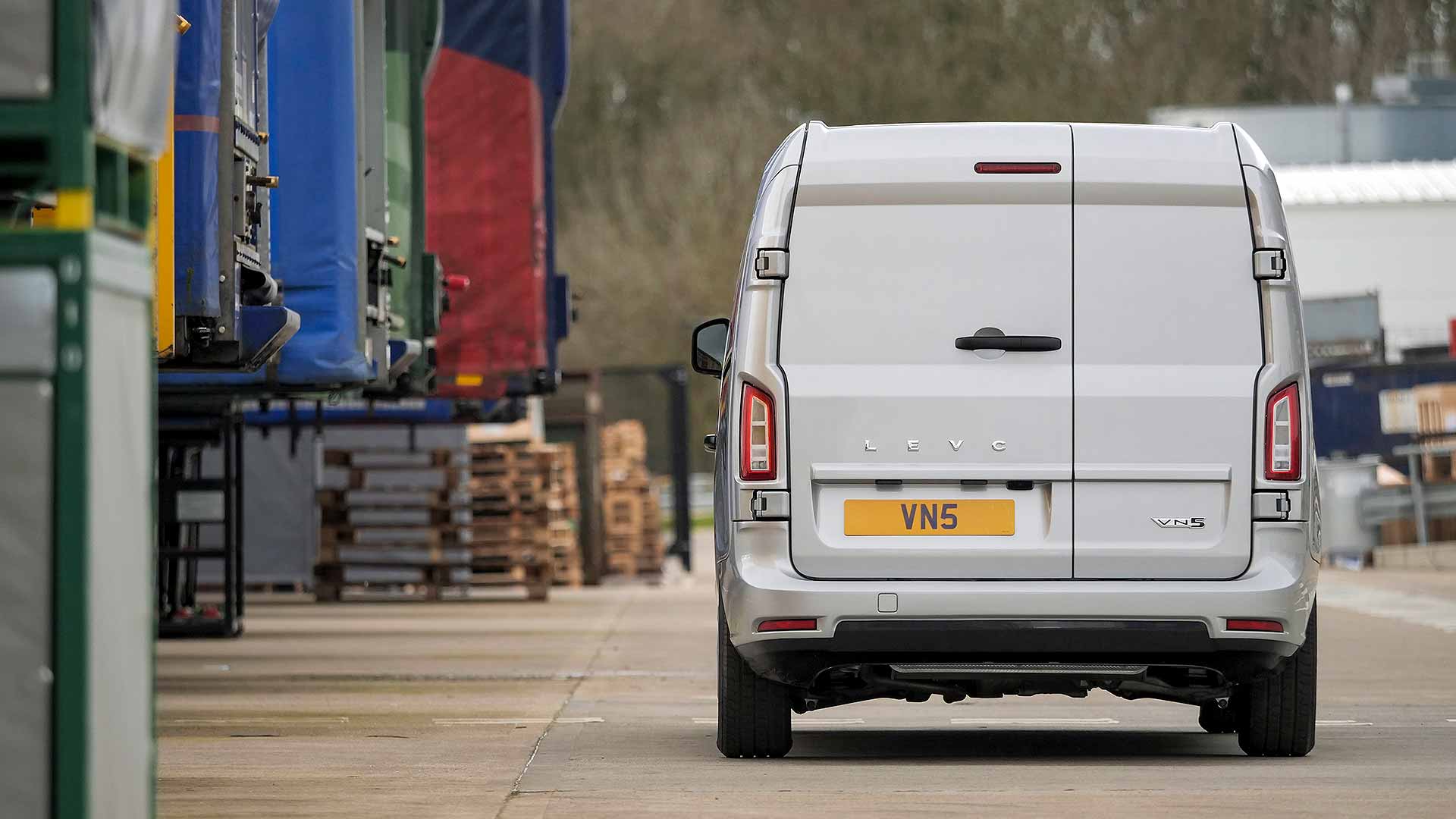
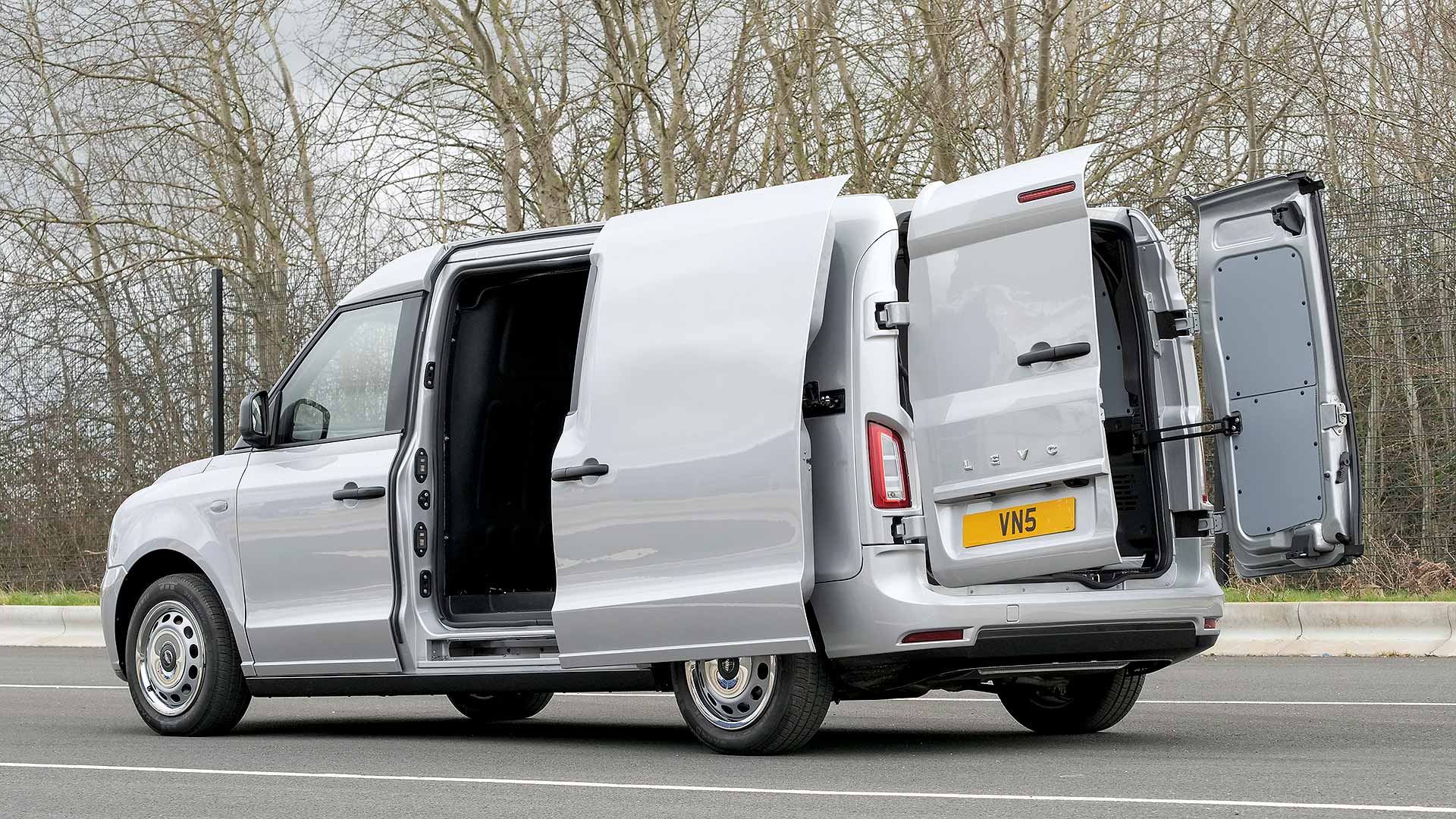
LEVC, the maker of the London taxi, has revealed the name for its next new product line: the VN5 electric van.
Just as it’s TX for ‘taxi’, the VN is short for ‘van’. And 5? That represents the load capacity, in cubic metres.
The LEVC VN5 will launch towards the end of 2020 and is set to quickly grow the Coventry commercial vehicle specialist’s annual production towards its 20,000-unit capacity.
“Our new VN5 further signifies our transformation from the iconic British taxi brand to leading electric commercial vehicle manufacturer,” said LEVC CEO Joerg Hofmann.
He adds it will also “revolutionise green logistics”.
How? With the same eCity range-extender technology as the LEVC TX taxi. A 31kW battery gives a pure EV range of 63 miles. This can be fast-charged in 30 minutes.
Alternatively, a 1.5-litre turbo petrol Volvo engine can act as an onboard generator, creating electricity to give a total range of 301 miles (it’s fuelled by a tiny 36-litre tank).
It is not plug-in hybrid tech, stresses LEVC. The electric motor is in the back, driving the rear wheels; the petrol engine is in the front.
There is no connection from the engine to the wheels; it is only hooked up to the rear drive unit by electrical cables.
‘New type of van’
The front end is shared with the TX taxi, but it is custom-designed from behind the front seats for the target one-tonne van sector (total payload is 800kg).
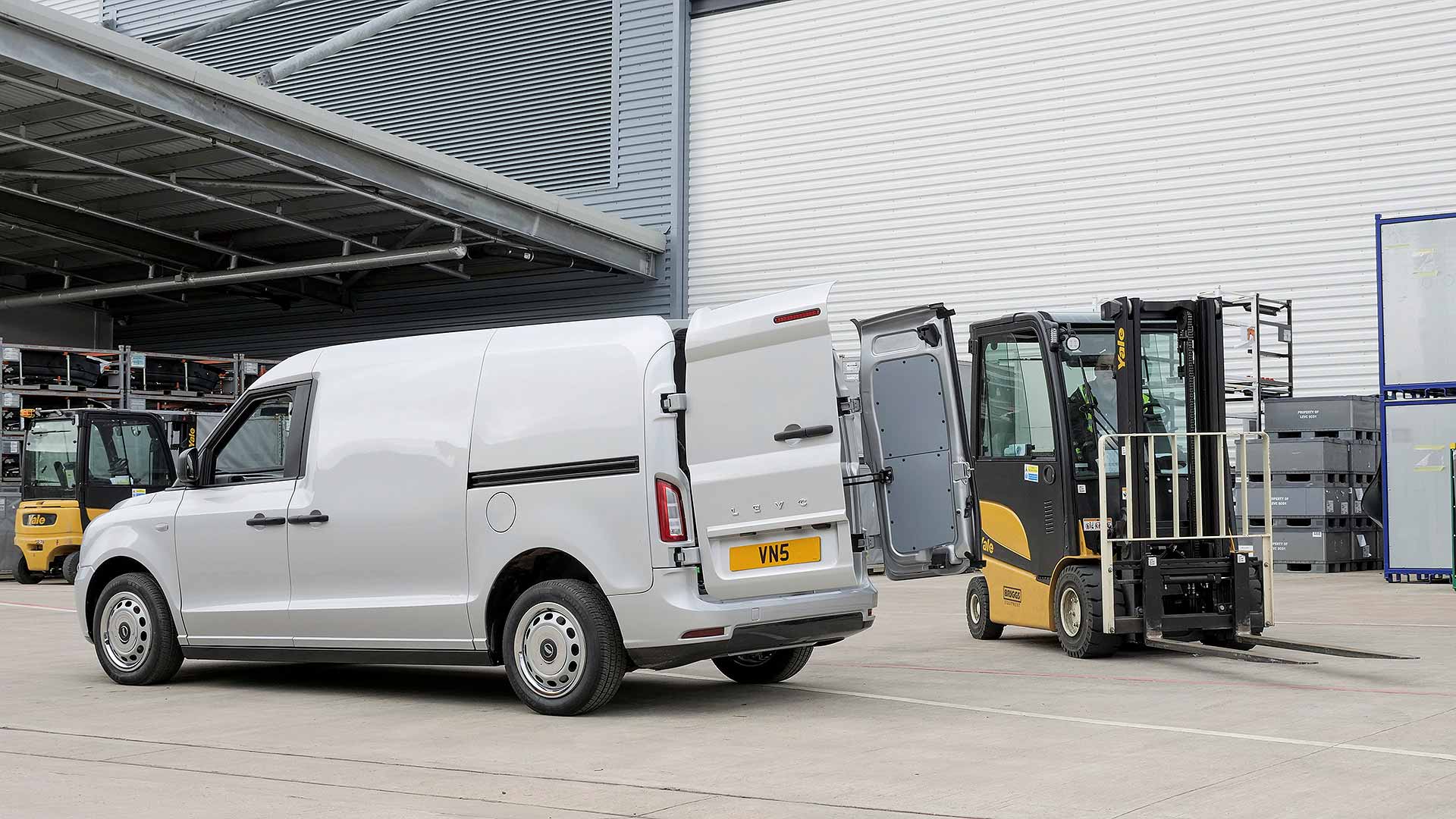
The VN5 is commodious. Total capacity is actually 5.2 cubic metres, it can swallow two Euro pallets, and has a load bay that stretches 2.4 metres front to rear.
The 60/40-split rear doors open wide, and a sliding side door has an opening more than 1 metre wide.
This gives the VN5 its party trick: one Euro pallet can be loaded in the side door, and another in the rear.
Mr Hofmann, a former Audi executive, says it has the potential to transform delivery van emissions. In London alone, there are 65,000 diesel van trips a day in and out of the city.
The new VN5 can switch these to zero-emissions electric without the range anxiety of other electric van solutions.
Fast-changing means the batteries can be replenished during a coffee stop or lunchbreak at the depot. And the range extender gives companies confidence to make the switch to electric without the risk of their drivers being left stranded.
Pre-production of the new green van is already underway in Coventry, with a market launch expected in the spring.
Prices have yet to be announced but will sit below the TX taxi, which costs from £55,000. The LEVC VN5 will also be eligible for the Plug-in Car Grant, worth up to £8,000 for commercial vehicles.
Who would not be tempted by the idea of owning a rare and historic Porsche, for less than $40,000 (£30,000)?
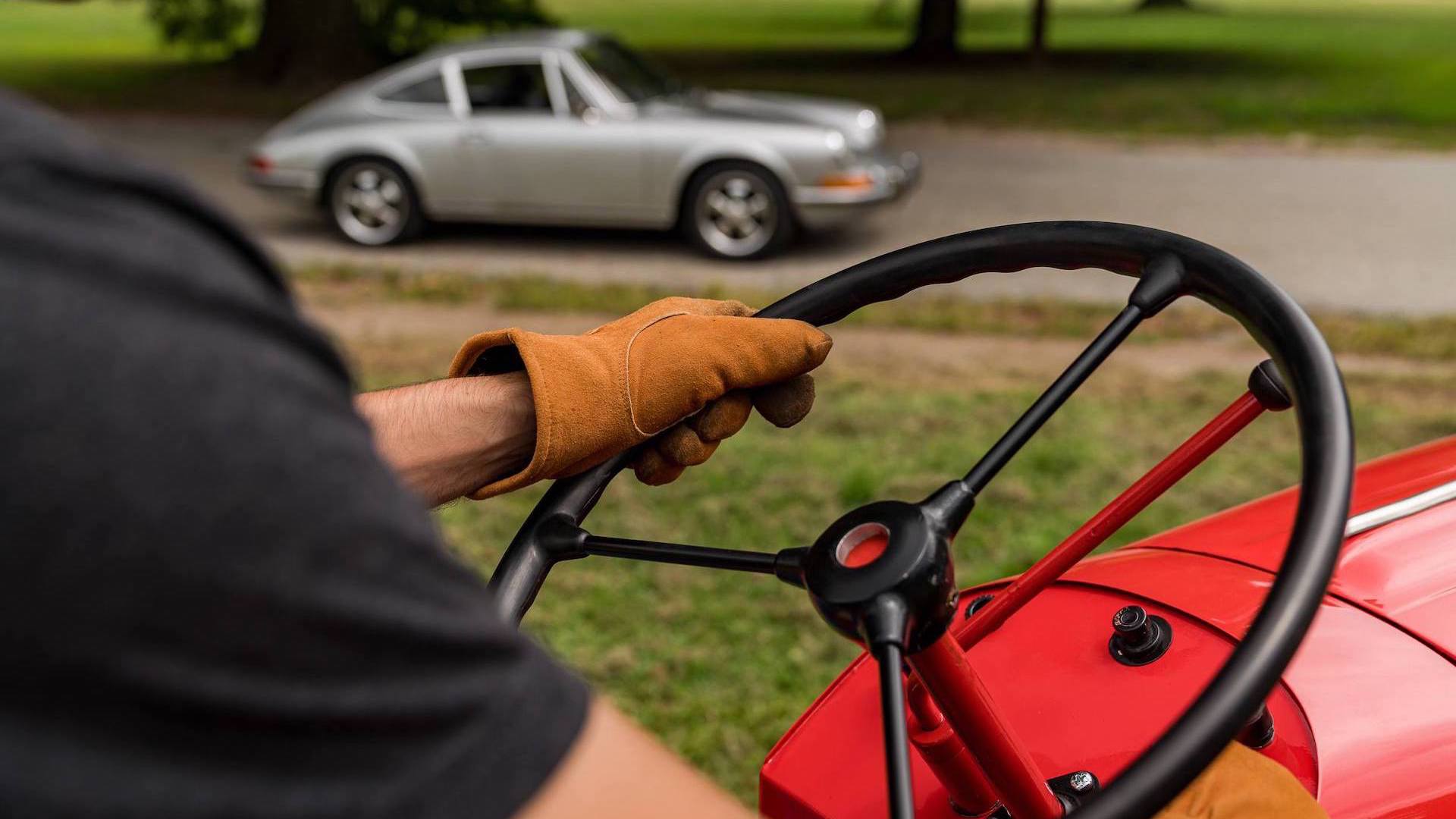
Forget ideas of buying a vintage 911 or 356 for that kind of money though. Your aspirations may need to be a little more agricultural and down to earth.
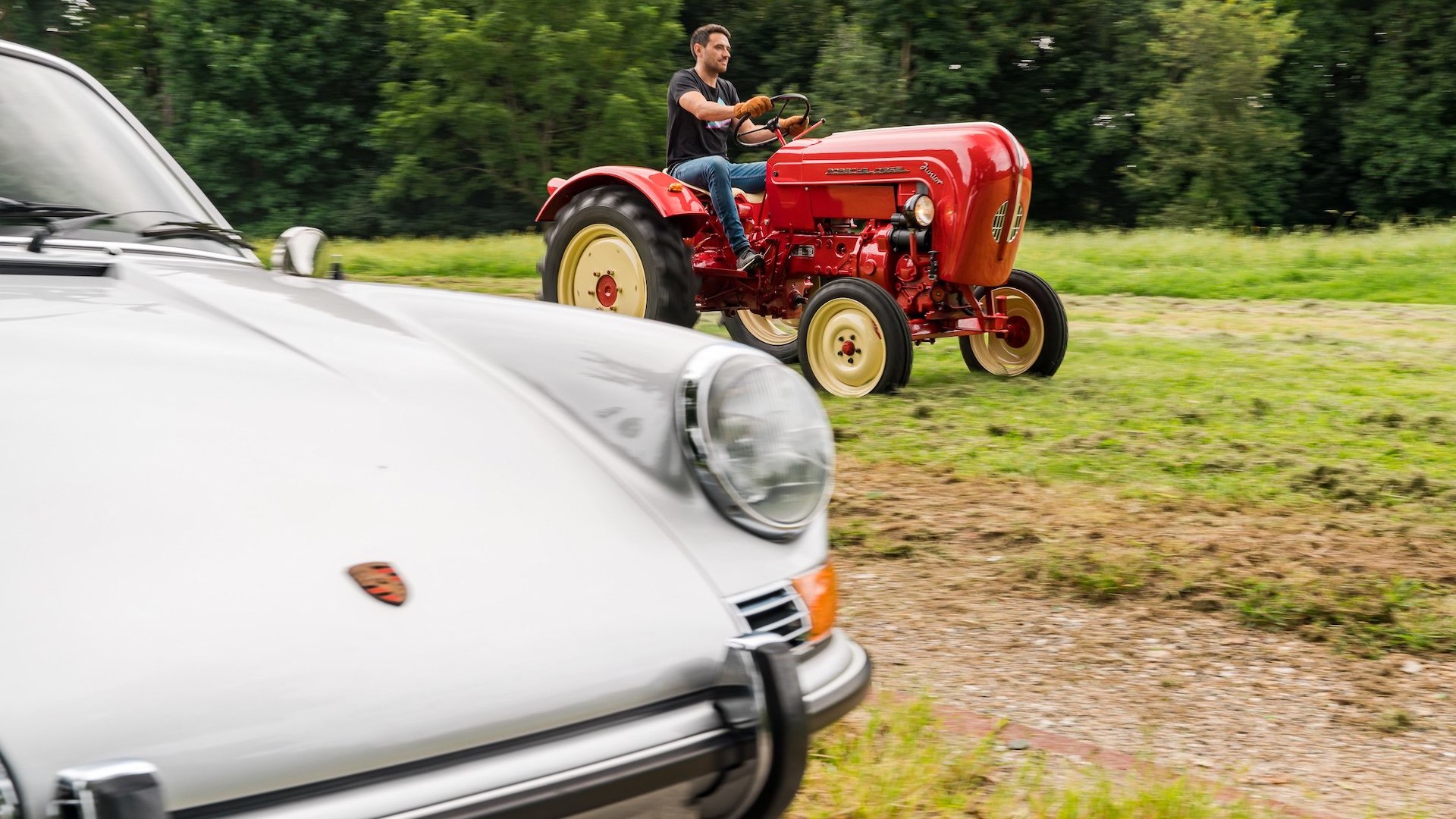
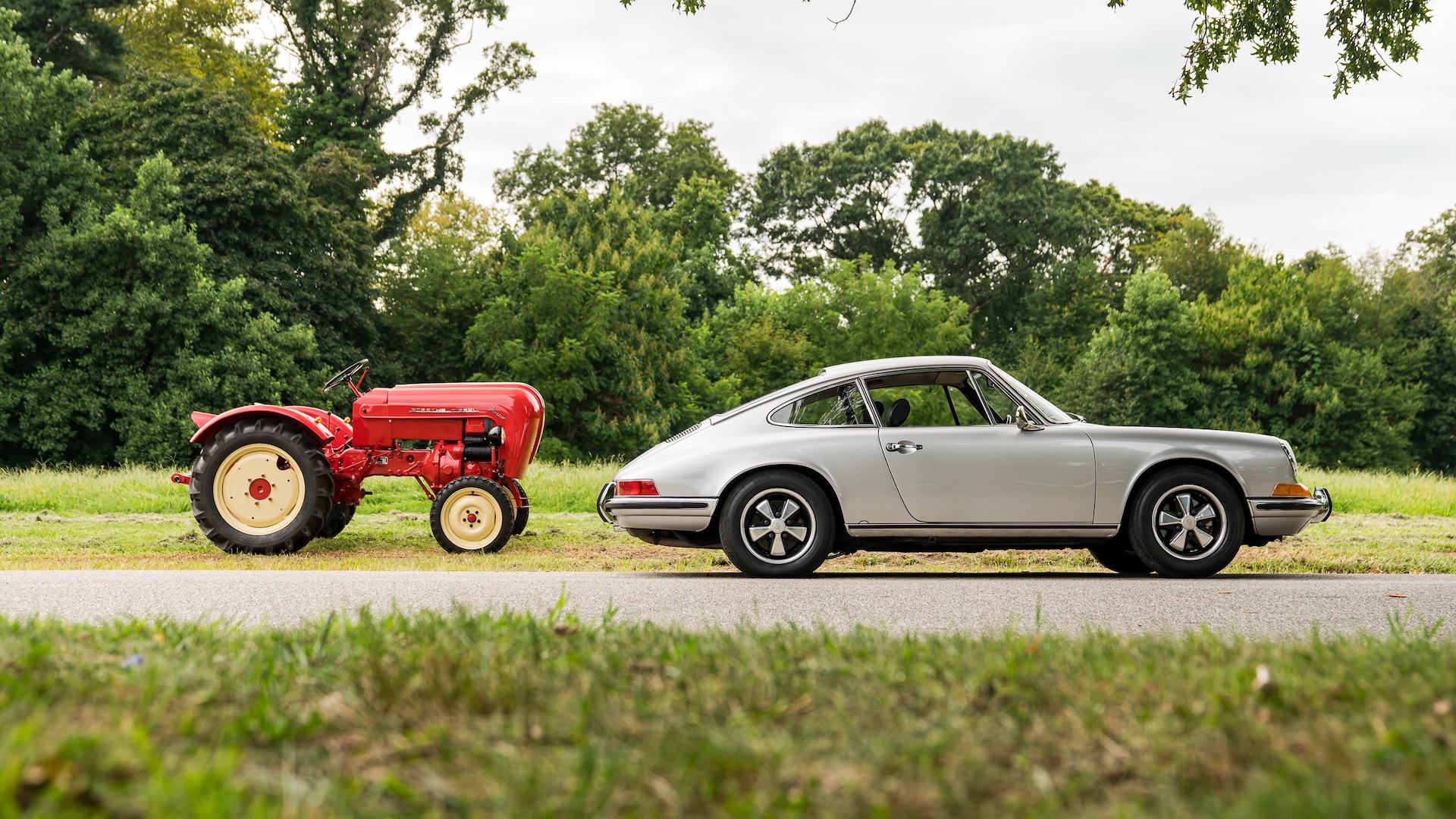
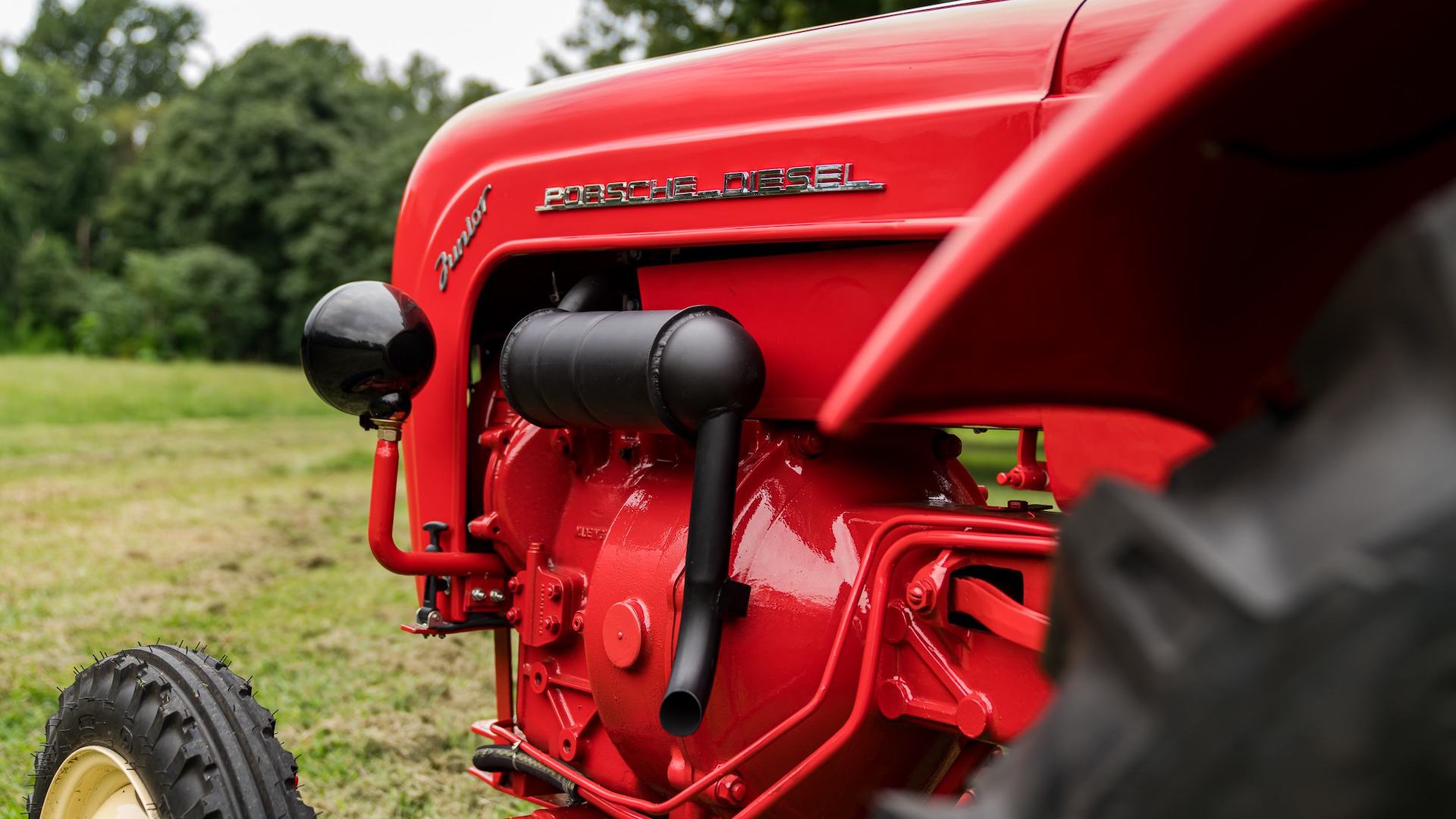
Instead, you could become the proud owner of a Porsche Diesel Junior tractor. Like the one currently advertised for sale on ClassicCars.com.
Tractors for the people
Company founder Ferdinand Porsche had experimented with the idea of an affordable tractor during the 1930s. World War II curtailed many of Ferdinand’s plans, including an early concept for a four-wheel drive tractor.
After WWII, Porsche signed licensing deals with various companies to enable their tractor ideas to be produced. In 1956, Mannesmann AG bought the rights to Porsche’s tractor designs, creating the Porsche-Diesel brand.
Between 1959 and 1963, some 125,000 examples of the Porsche-Diesel tractor were made, although only around 1,000 were exported to the United States.
A diesel Porsche that’s still cool
Although a whole range of Porsche tractors were sold, the Junior model proved to be the biggest success. Farmers would need to find $1,750 to buy one new, whilst the fancy ‘Super’ would cost $3,600.
It means that examples like this 1959 Porsche-Diesel Junior 108 are relatively rare in North America, boosting their collectibility.
Power comes from an 822 cc air-cooled single-cylinder diesel engine, producing 15 horsepower. Performance is, understandably, sedate but it does at least come with a six-speed transmission.
Restored from a working life
Information as to the early origins of the Junior 108 offered for sale are relatively slim, according to the seller.
However, it has been subjected to a recent and thorough restoration process in Germany. This has seen it returned to excellent condition, although still wearing the signs of a life spent working the land.
Original data tags from the factory are intact, and new parts have been added sympathetically where needed. These include the plastic lights mounted on the fenders, along with new rubber fixings to keep the tilting hood in place.
Mechanically this Porsche is noted to be in great condition, with the single-cylinder engine firing into life with ease. The selling dealership even has an audio recording of this on their website, allowing buyers to experience the unique sound of this diesel motor.
A number of hoses and cables beneath the hood appear to have been replaced during the restoration, along with the battery. Wiring behind the dashboard also demonstrates evidence of being updated.
The tires are in new condition, and mounted on wheels that were also subject to the restoration work. It means that virtually all the important mechanical aspects of this tractor have been covered.
For the Porsche collector who has everything
With an asking price of $35,000 (£26,800), this Junior 108 tractor is substantially cheaper than equivalent Porsche sports cars of a similar vintage. Examples of Porsche-Diesel tractors have recently attracted attention at auction on both sides of the Atlantic.
A tractor like this would appeal to fans of agricultural machinery, or Porsche fans looking for the perfect addition to their collection.
Underneath the shiny paintwork, this is still a farm vehicle. It means this could be one of the few classic Porsches that could earn its keep by helping out with yard work and other duties.
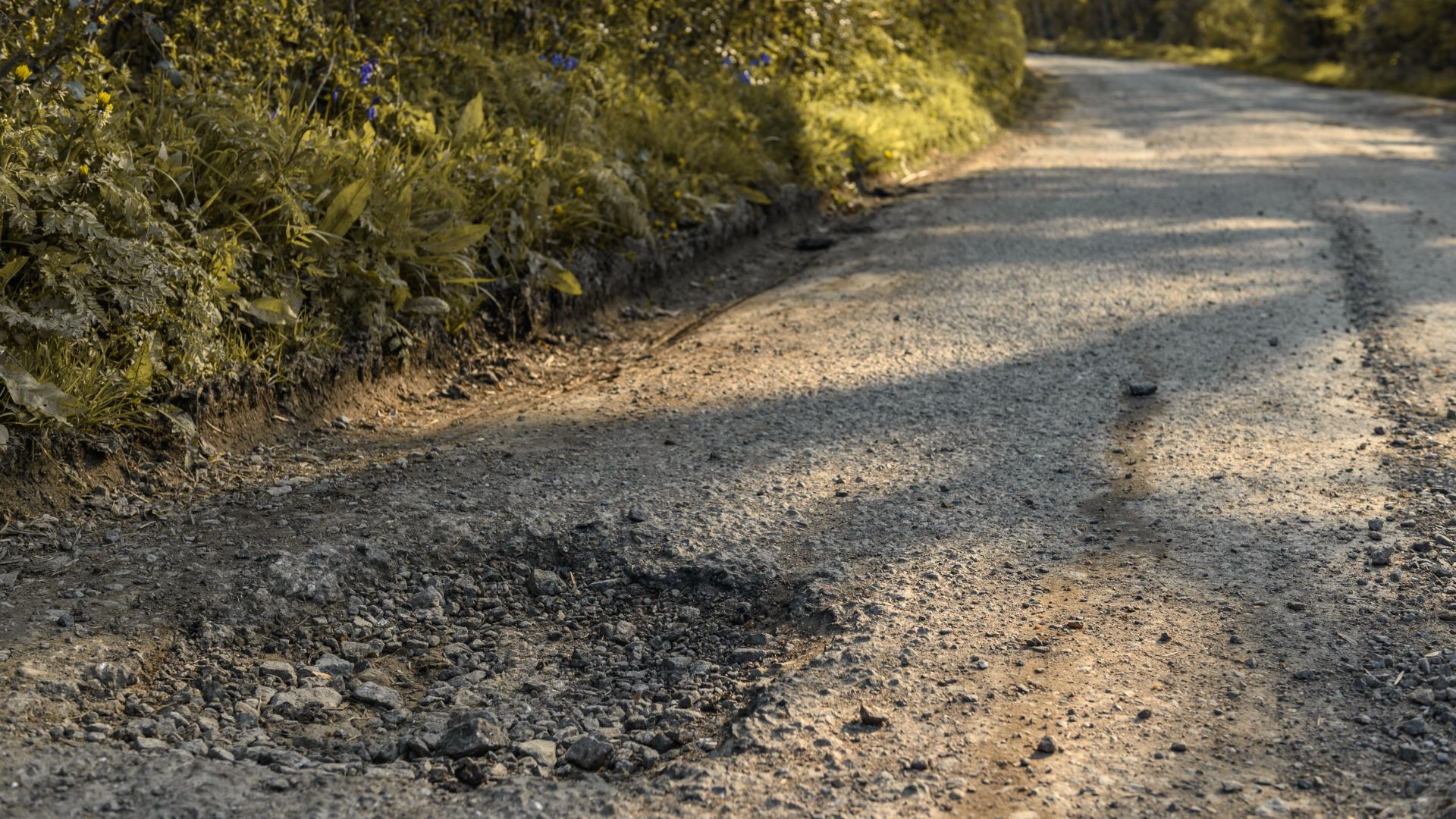
New research suggests that more than two million potholes could be left unrepaired every year, even after the Treasury’s cash injection from yesterday’s Budget.
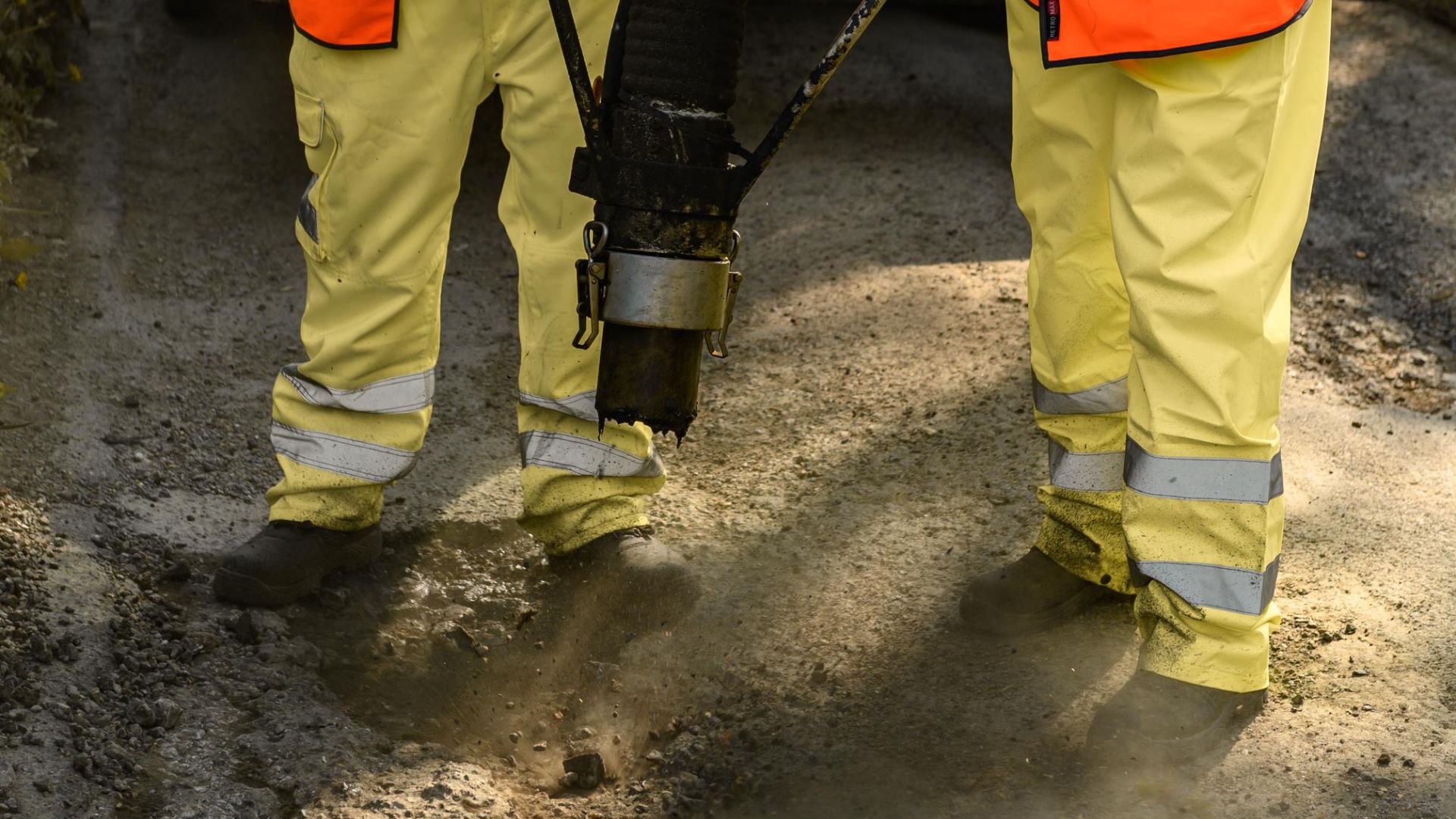
As we reported in our Budget coverage, chancellor of the exchequer Rishi Sunak confirmed that £500 million extra would be allocated annually over the next five years to combat the problem.
The news was well received. Neil Worth, road safety officer at GEM Motoring Assist said: “We are delighted that the chancellor is willing to pour £2.5 billion into potholes over the next five years.”
“We would like to see action taken immediately that will give national highways agencies and local authorities the means to ramp up their programme of pothole repairs. Let there be no delay in improving the state of our roads.”
However, last year’s Annual Local Authority Road Maintenance (ALARM) report indicates more still will be needed. It showed an extra £657 million was required to repair potholes last year in England and Wales.
Assuming the numbers carry over, that leaves an annual shortfall of £157 million in funding. Sunak’s cash injection may be more plaster than cast.
Consider that the average unplanned pothole repair cost costs £65.33. Do the maths, and you’re left with around 2.4 million potholes unrepaired every year. That’s just over 10 million potholes over the next five years. Over this period, the government wants to see 50 million repaired.
Still, five-sixths of the job is a start. And since 2013, local authorities have spent £74 million in compensation for damage caused by potholes.
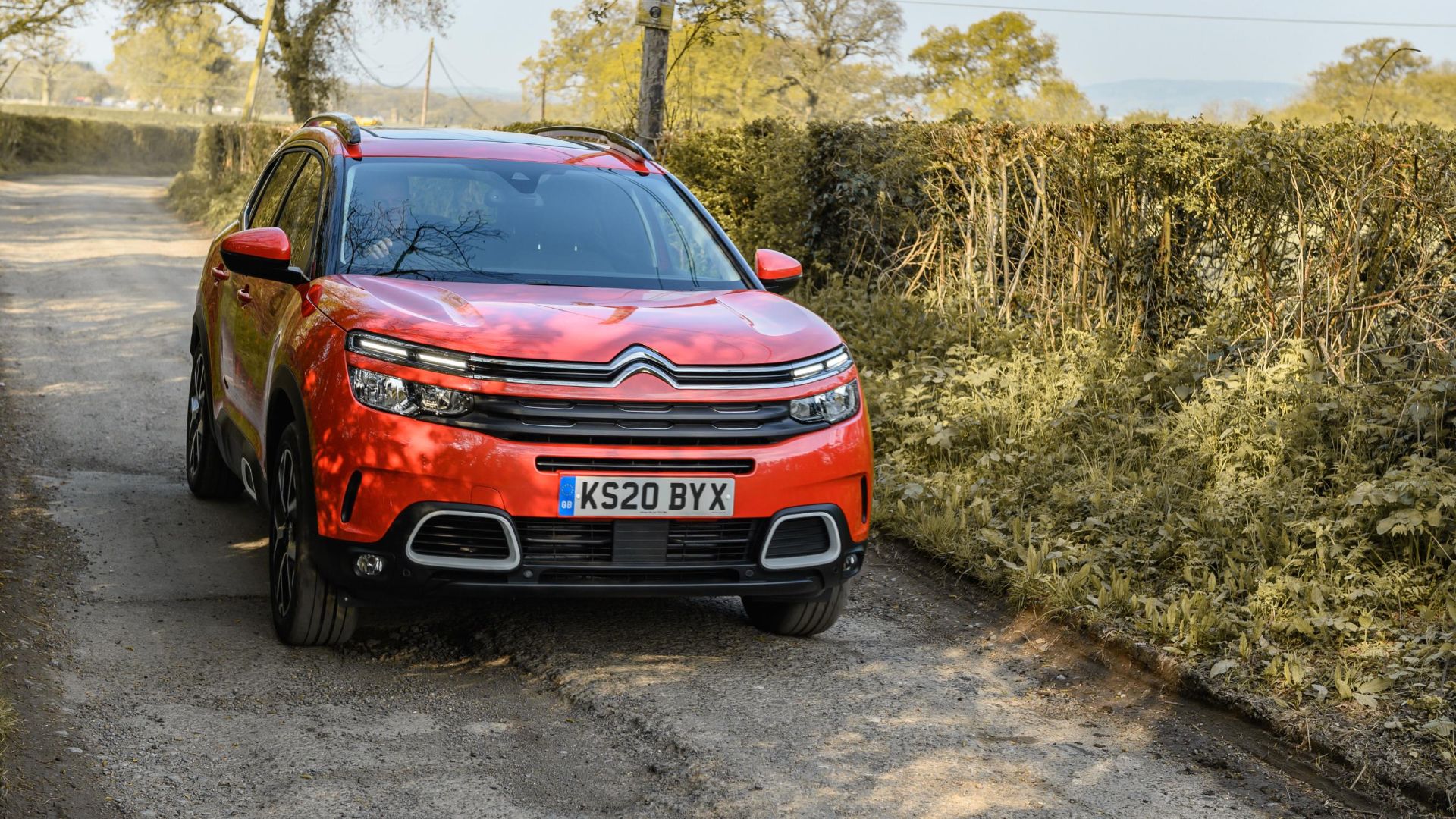
“The state of the roads in England and Wales is no secret to anyone, so people up and down the country will welcome this latest announcement of a significant increase in the funding to repair our roads,” said Souad Wrixen, marketing director of Citroen UK.
Citroen has highlighted the remaining deficit in funding, and the suitability of its cars for dealing with the remaining ruts in the road. Citroen’s progressive hydraulic cushion tech comes fitted to the C5 Aircross and C4 Cactus models as standard.
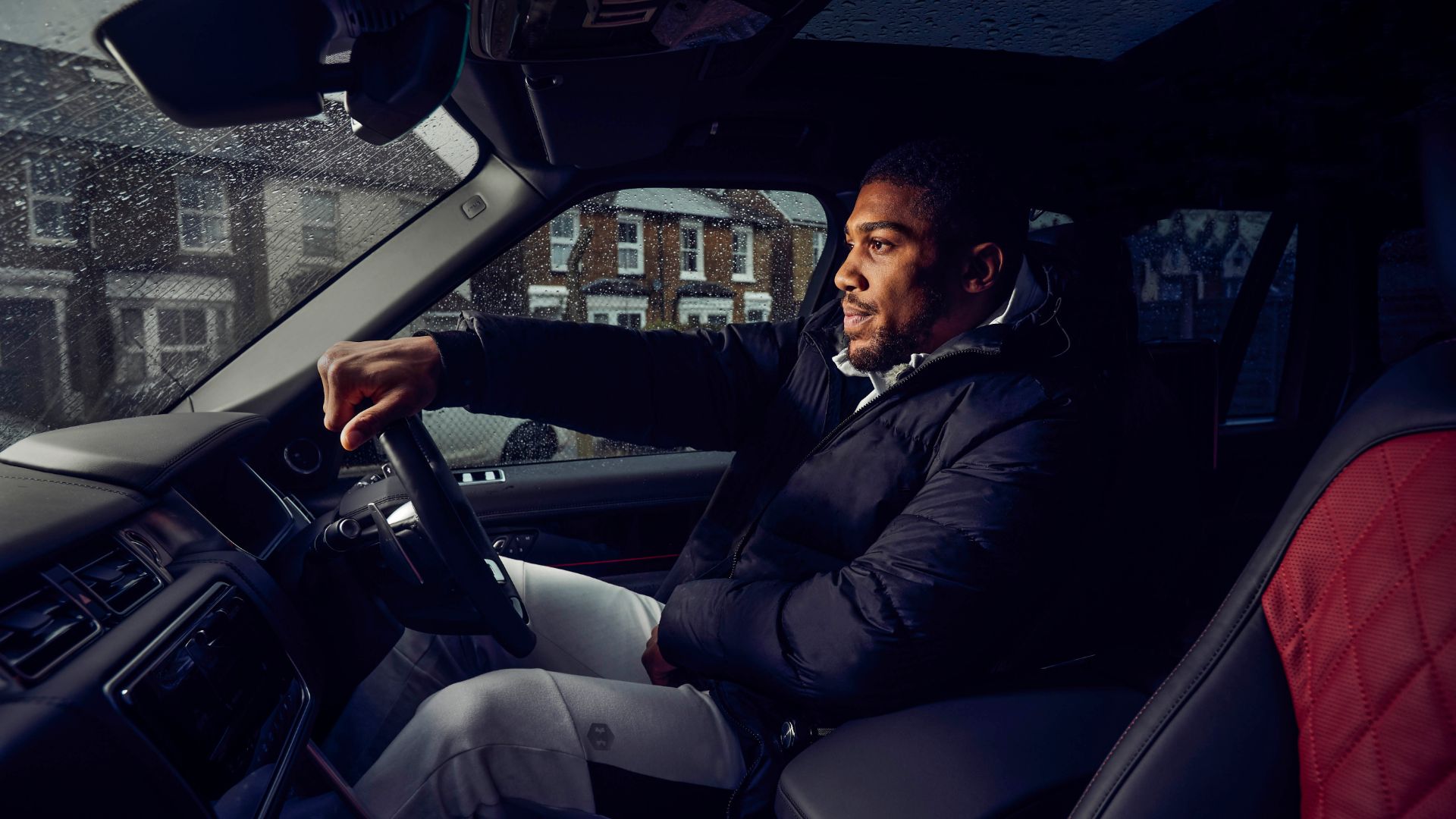
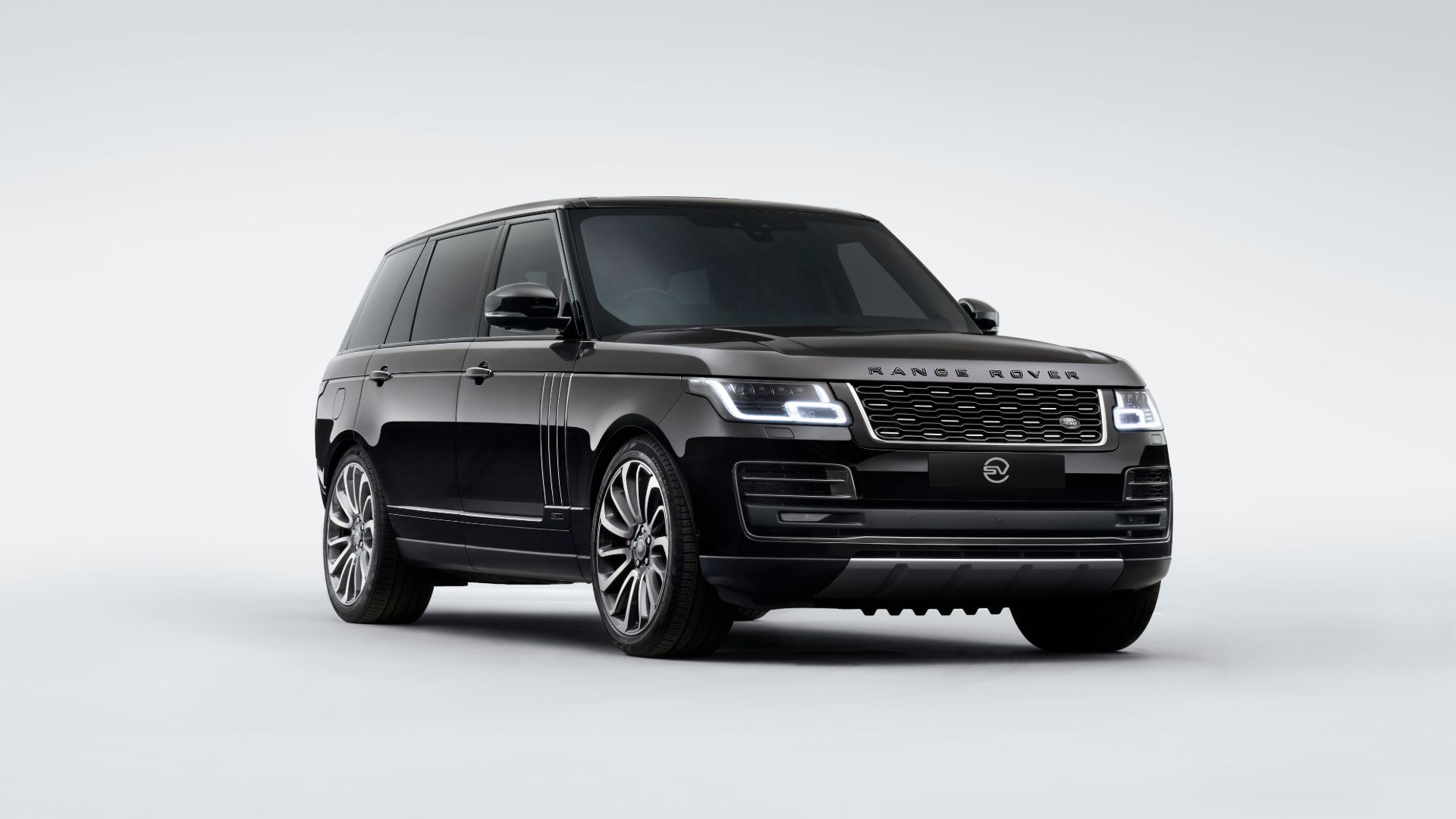
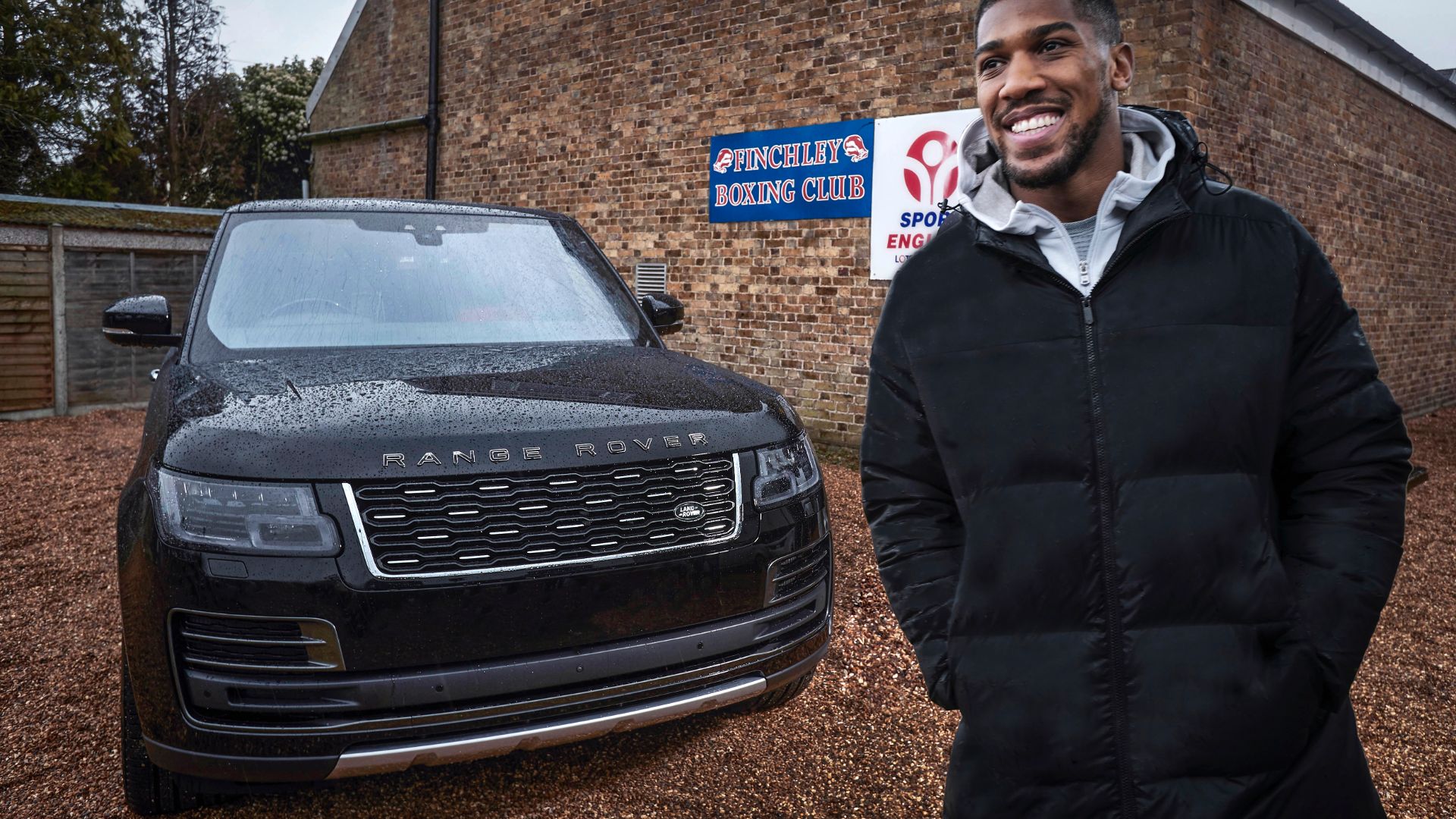
Heavyweight world champion boxer Anthony Joshua has taken delivery of a special commission Range Rover SVAutobiography from Land Rover.
He collected his new heavyweight car outside the Finchley Boxing Club in Barnet, north London – the place where he started his sporting journey.
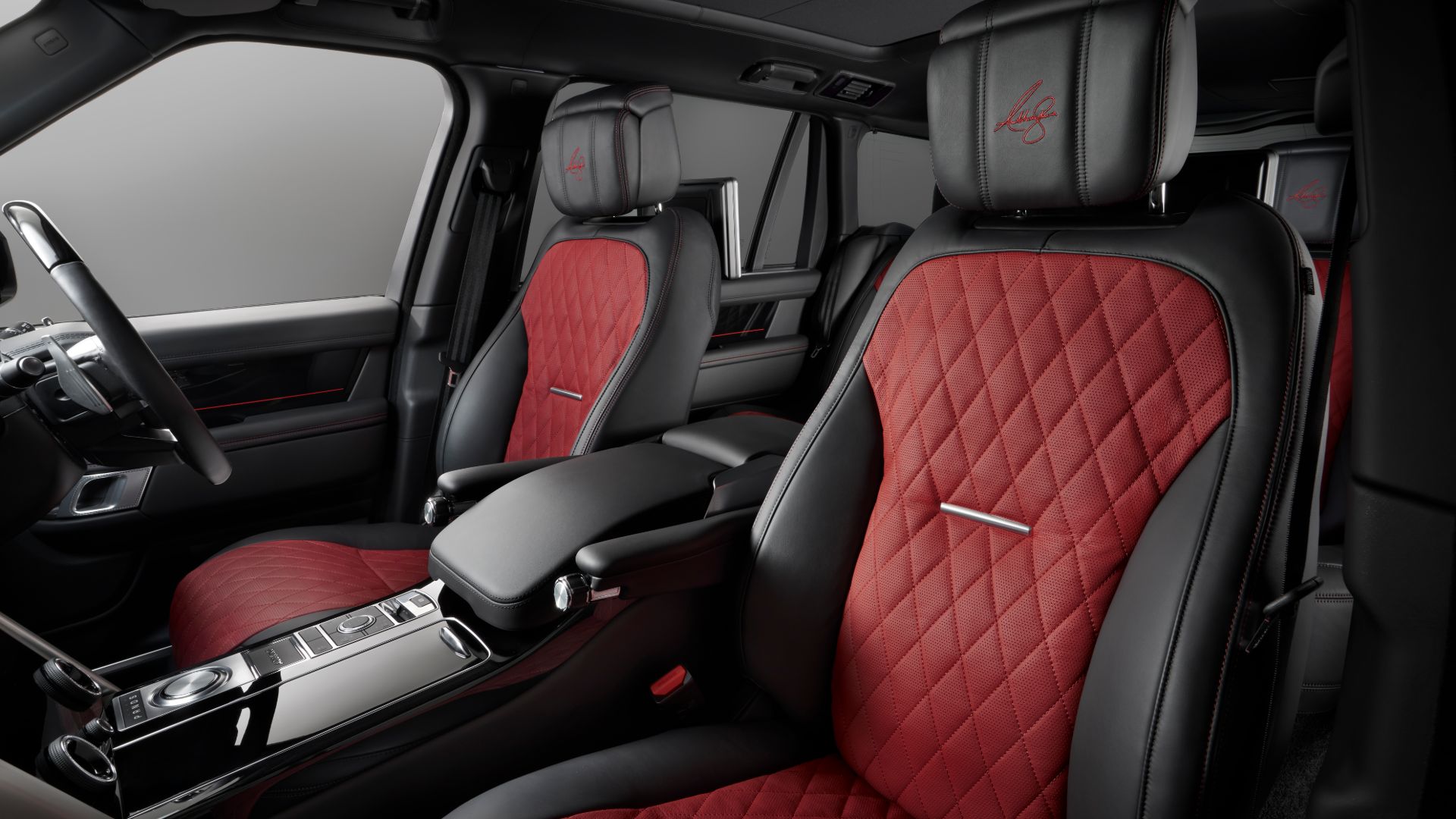
Unique touches on this SVA Range Rover include a special B-pillar badge with his family crest, plus recognition of his four heavyweight world titles. Joshua’s initials are embroidered on the headrests, too.
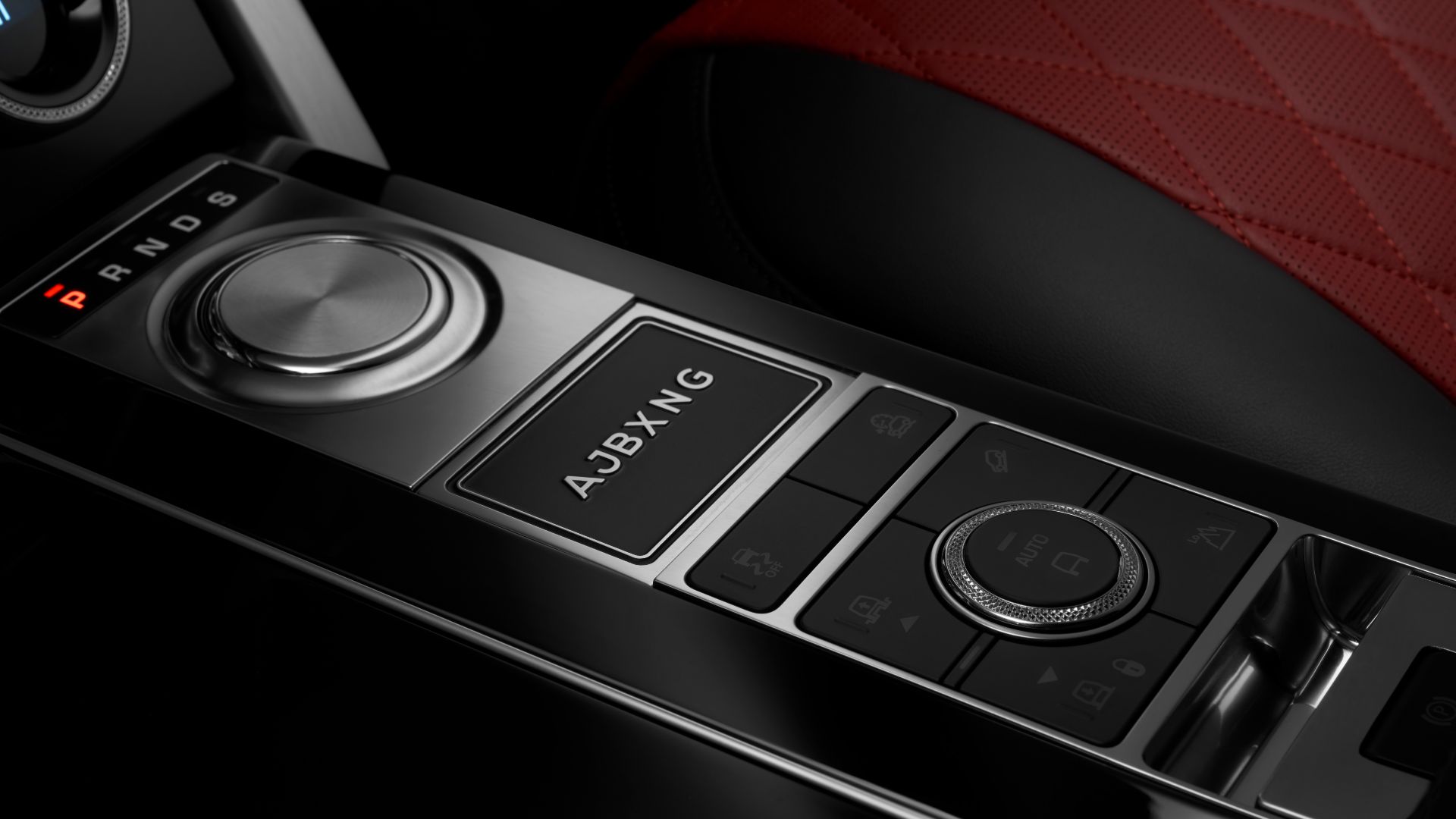
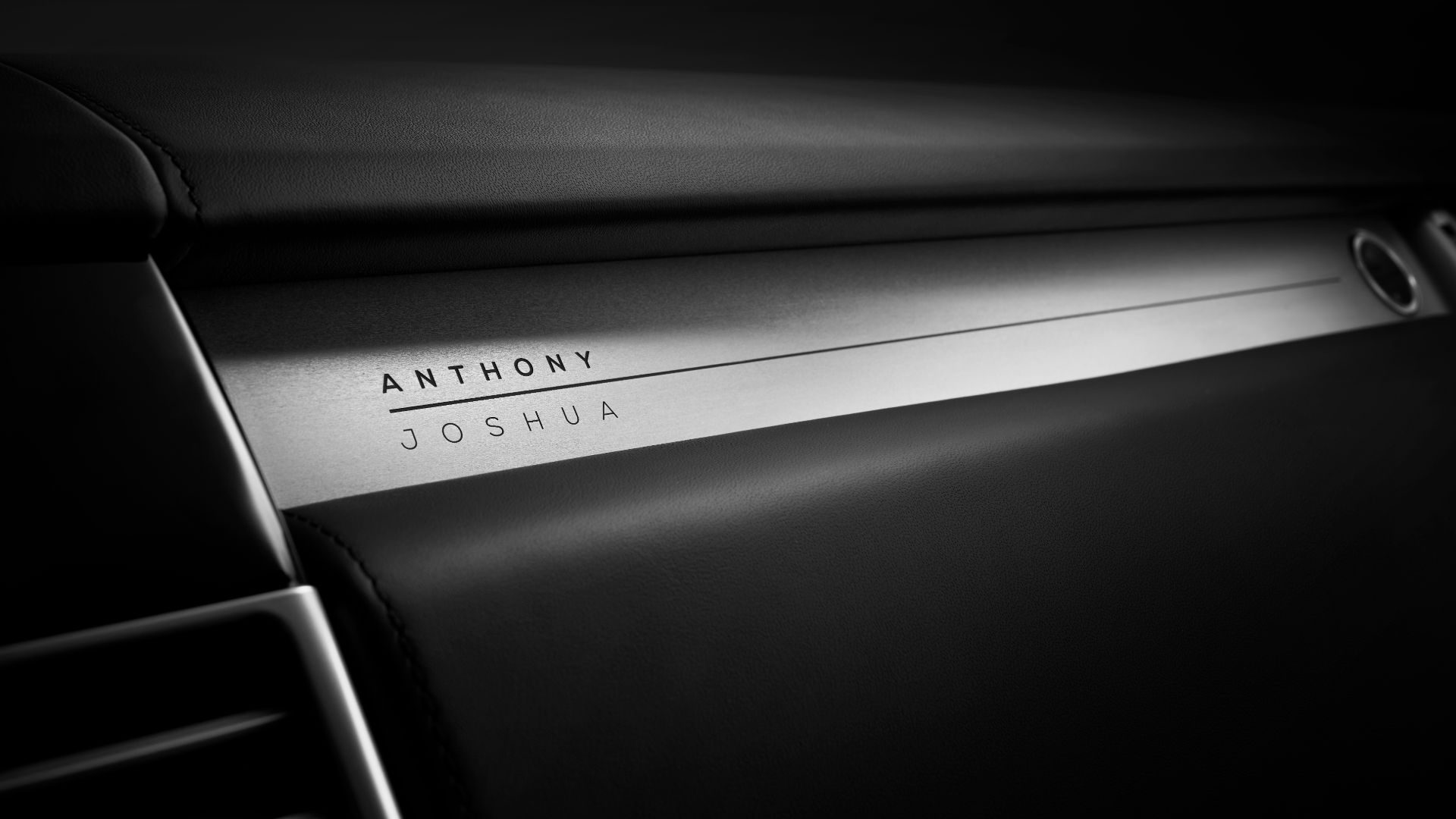
An ‘AJBXNG’ graphic features on the commissioning plaque on the centre console, as well as the illuminated sill treadplates. The alloy trim on the dashboard also has Joshua’s name engraved, while the interior door handles have subtle boxing glove motifs etched into them.
On the outside, Joshua’s car is finished in a bespoke black paintwork. The grille, side vent graphics and door handles are ‘Graphite Atlas’ grey. Union Jack flags feature on the wing vents, along with ‘258’ – the name of his management company.
The car is finished off by 22-inch split-spoke alloys. Turning these is the SVAutobiography’s 565hp supercharged V8, so Joshua won’t be late for any engagements.
Joshua is currently preparing for his next fight, against Bulgarian Kubrat Pulev. With the stresses and intensity of his day job, it makes sense for him to want a comforting and cossetting car.
Good job he likely has somewhere safe to store it, too, given it’s a model high on the hitlist for keyless theft attacks.
“With family and media commitments here in London and my training base in Sheffield, I spend lots of time on the road,” Joshua said.
“The SVAutobiography will take the stress out of long trips, allowing me to relax in complete comfort, and its unique design features both my family crest and references to my boxing success and I have to thank the team at Land Rover Vehicle Personalisation for taking my ideas and making them real.”