Home Blog Page 280

Bentley takes glory at thrilling 2020 Bathurst 12 Hour endurance race

0

Bentley Wins 2020 Bathurst 12 Hour

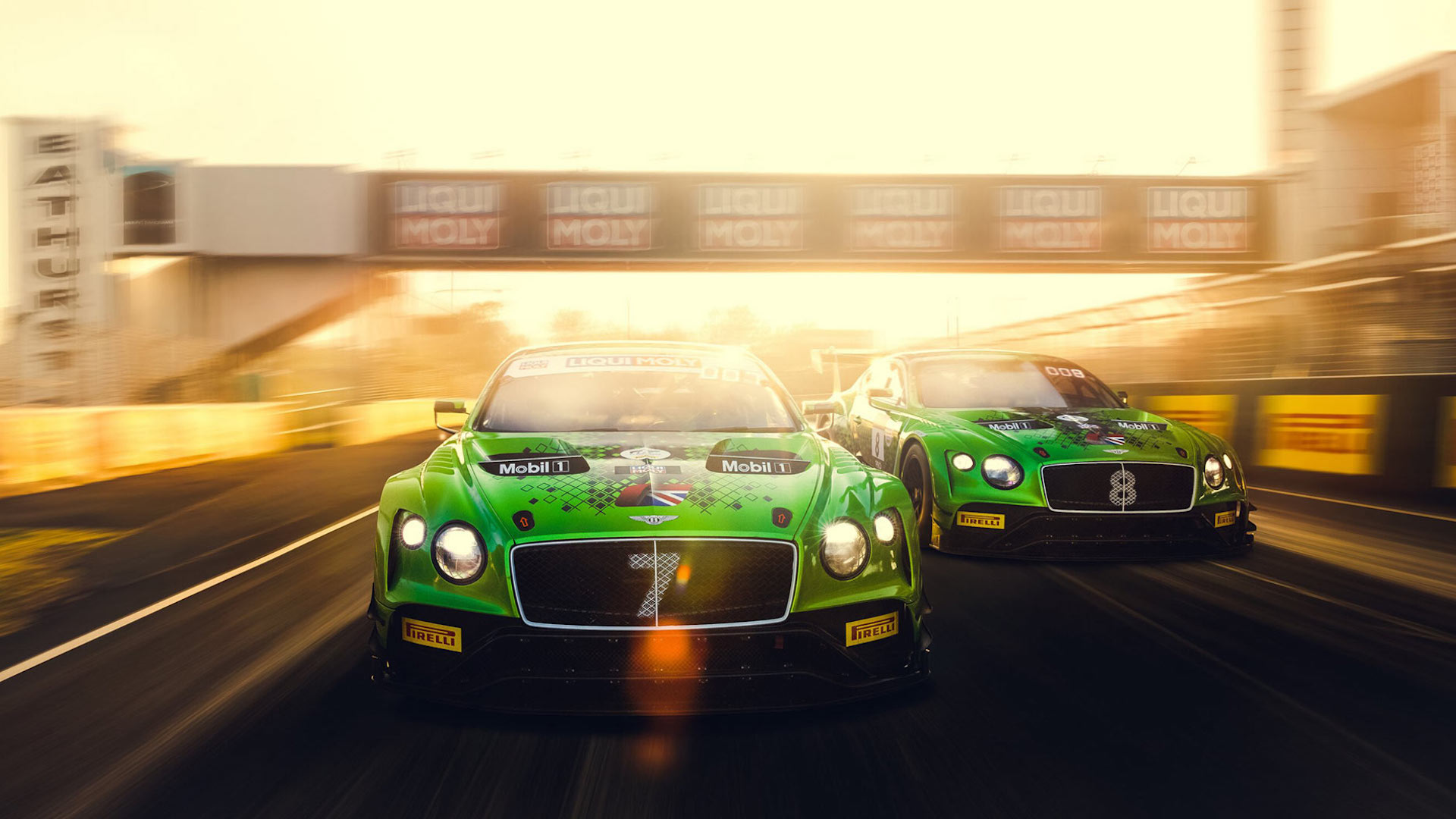
Bentley Team M-Sport can finally celebrate success in the Bathurst 12 Hour endurance race, with the British outfit taking a decisive win. 

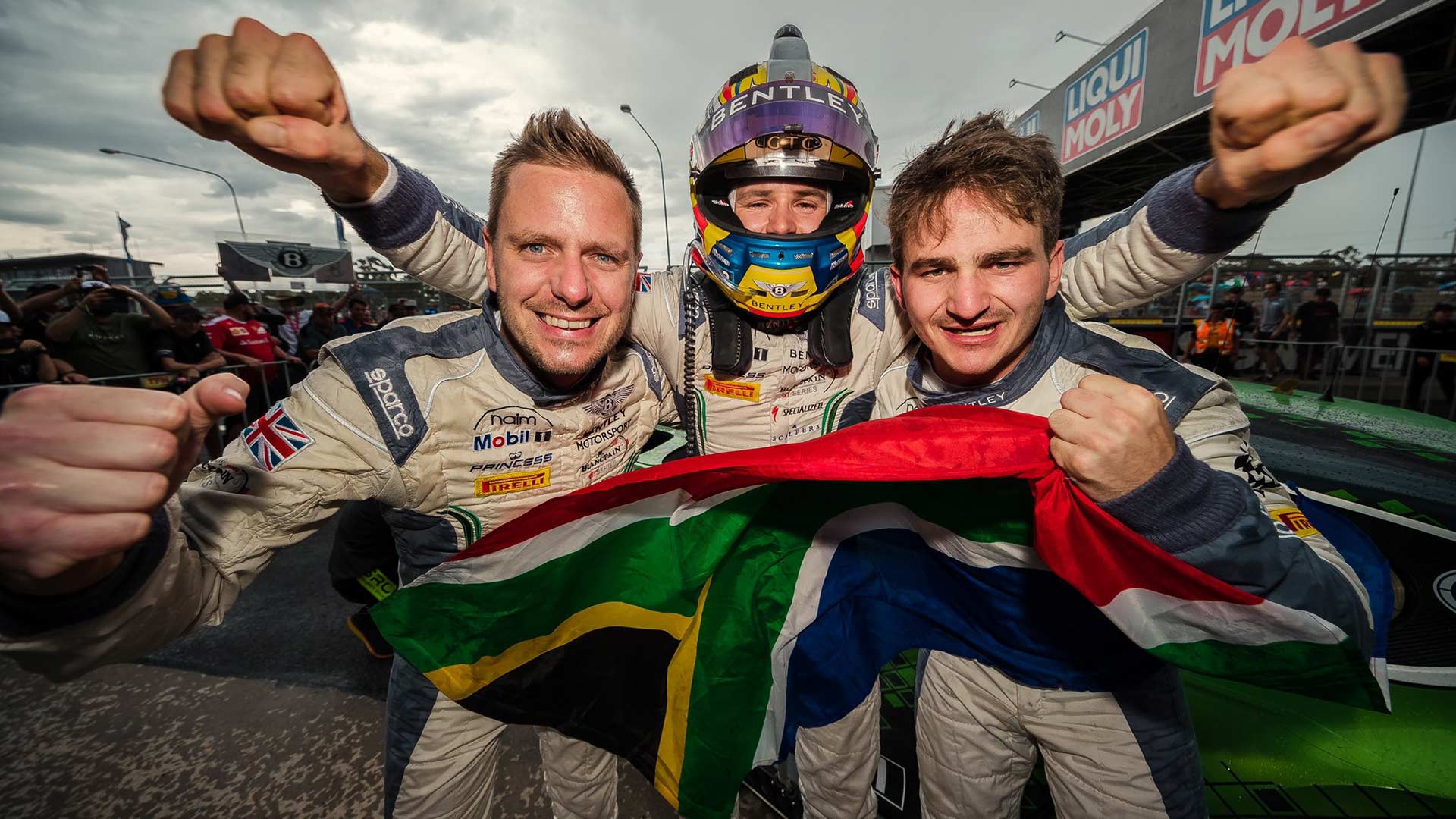
Not only did the #7 Continental GT3 of Jules Gounon, Maxime Soulet, and Jordan Pepper win the race, the trio also managed to set a new distance record for the Australian race.

It marks a strong statement of intent for Bentley Motorsport, as the Crewe-based company has declared 2020 to be its biggest motorsport programme to date.

An endurance race like no other
Bentley Wins 2020 Bathurst 12 Hour

Marking the first round of the 2020 Intercontinental GT Challenge, the Bathurst 12 Hour sees teams tackle the fearsome Mount Panorama Circuit in New South Wales. 

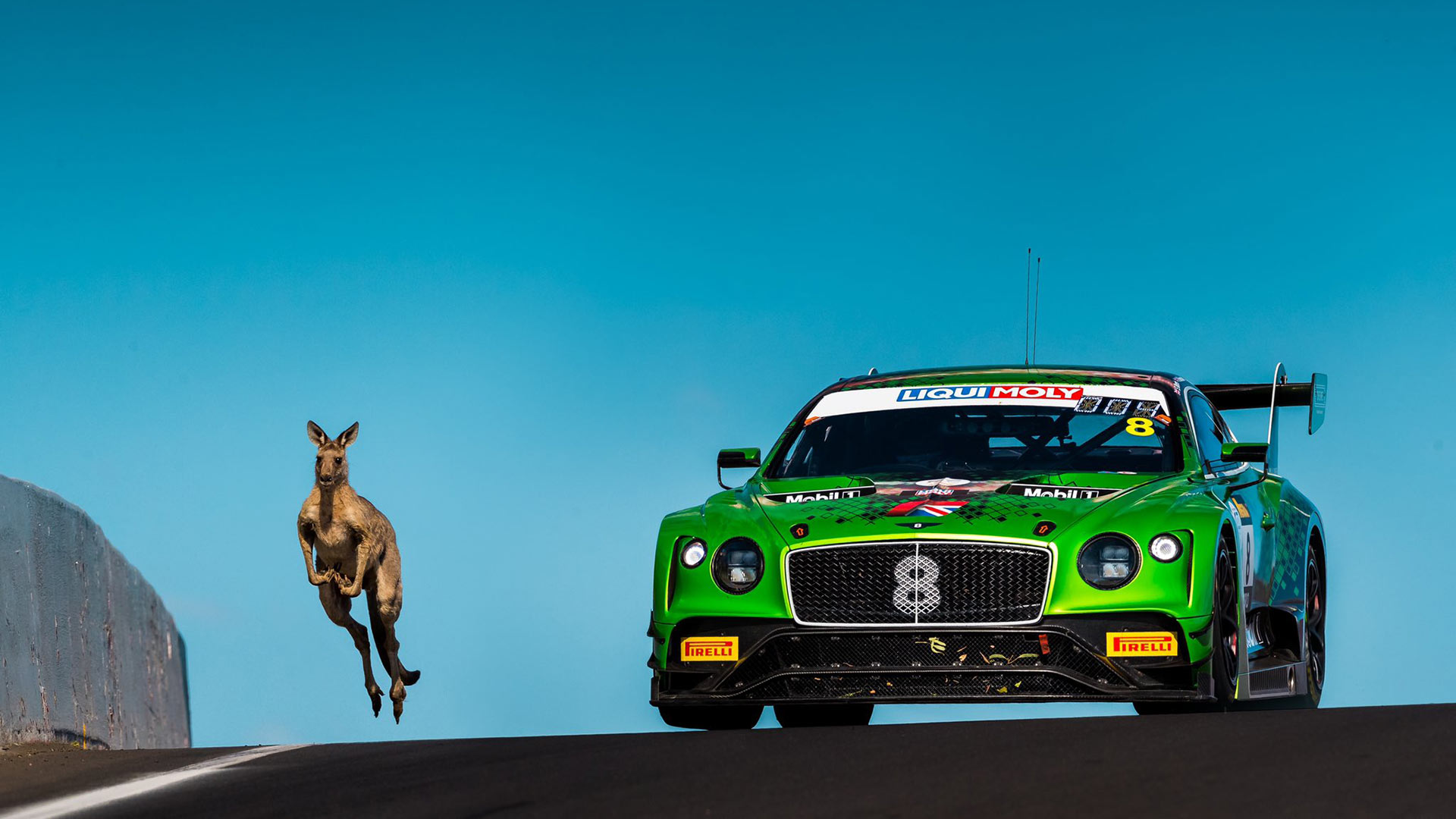
Demonstrating the unique challenges of the event, the final practice session saw the track red-flagged due to kangaroos making an unexpected appearance.

The #7 failed to reach the top-10 shootout for qualifying, with the Porsche 911 GT3 R and Mercedes-AMG GT3 Evo looking like the cars to beat. Repairs to the #8 Bentley of Al Buncombe, Oliver Jarvis, and Seb Morris would see the car set no time in qualifying, forcing it to start at the back of the grid. 

Thunder Down Under
Bentley Wins 2020 Bathurst 12 Hour

Starting in the predawn darkness, the twists and turns of the 3.861-mile long Mount Panorama Circuit would claim a number of victims, including two Audi Sport R8s. 

Despite the huge efforts of Bentley to even get the #8 car into the race, a late spin would see it retire with damage. Meanwhile, the pace of the #7 Bentley pushed it into contention late in the race, with even a puncture failing to stop progress. 

The #7 Bentley crossed the finish line more than 30 seconds ahead of their nearest rival, and did so just before a huge rainstorm hit the track.

For Bentley it marks a major milestone in the development of the Continental GT3, with the M-Sport outfit aiming for more glory throughout the year.

More British success
Bentley Wins 2020 Bathurst 12 Hour

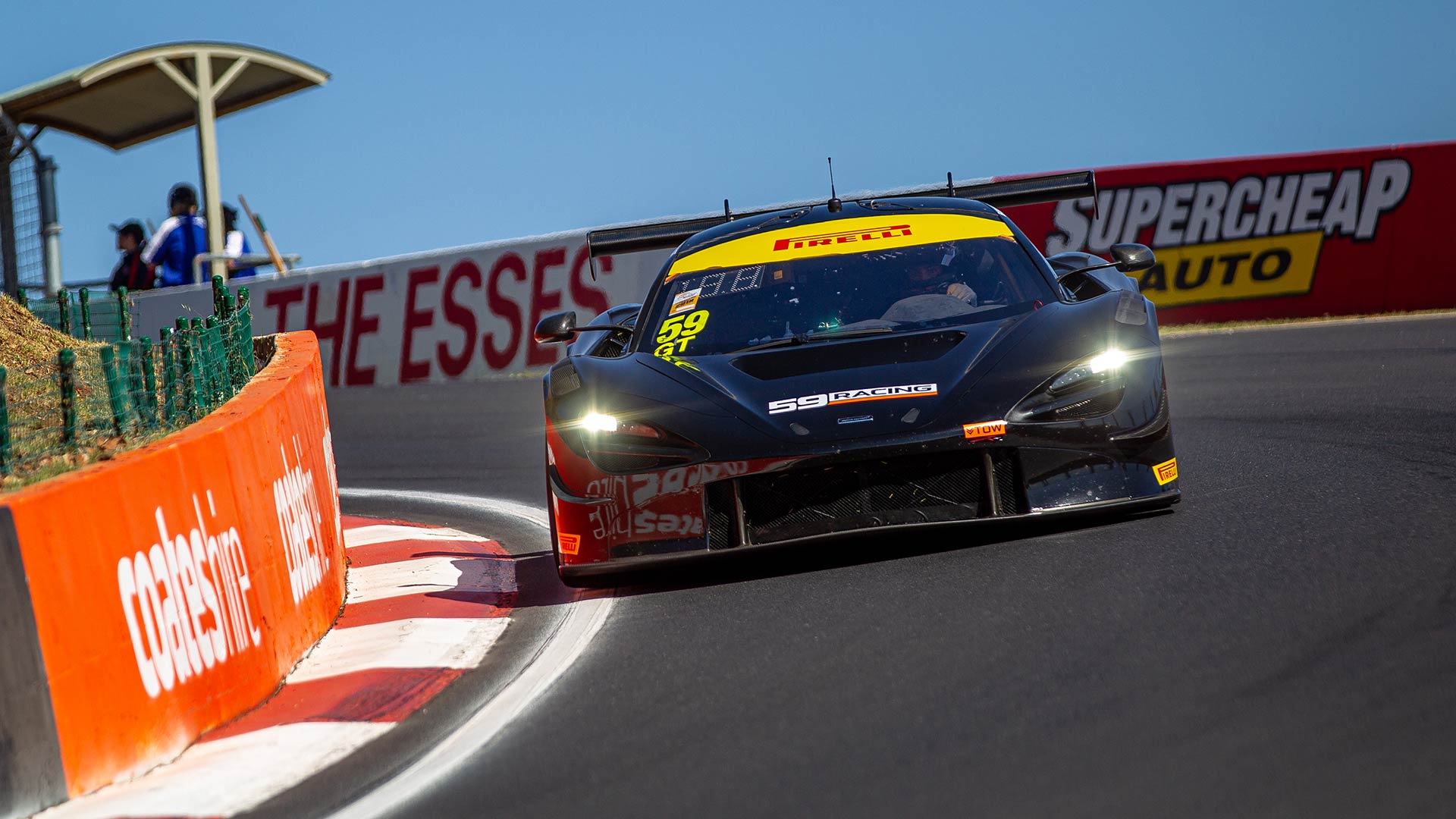
The Bathurst 12 Hour podium also featured another British brand, with the Team 59Racing McLaren 720S GT3 claiming second place. Ben Barnicoat, Tom Blomqvist, and Alvaro Parante brought the new McLaren home for an impressive finish on its Bathurst debut.  

Despite the motorsport excitement at the Bathurst 12 Hour race, the event has been set against the backdrop of the terrifying bushfires seen across Australia. 

Race organisers appointed the Lions Club of Bathurst Macquarie to help raise money for those affected by the bushfires. This has included accepting cash donations from fans at Mount Panorama, along with pledges made by teams and drivers across the weekend.
Advertisement

Can diesel engines CLEAN urban air?

0

Can diesel engines CLEAN urban air?

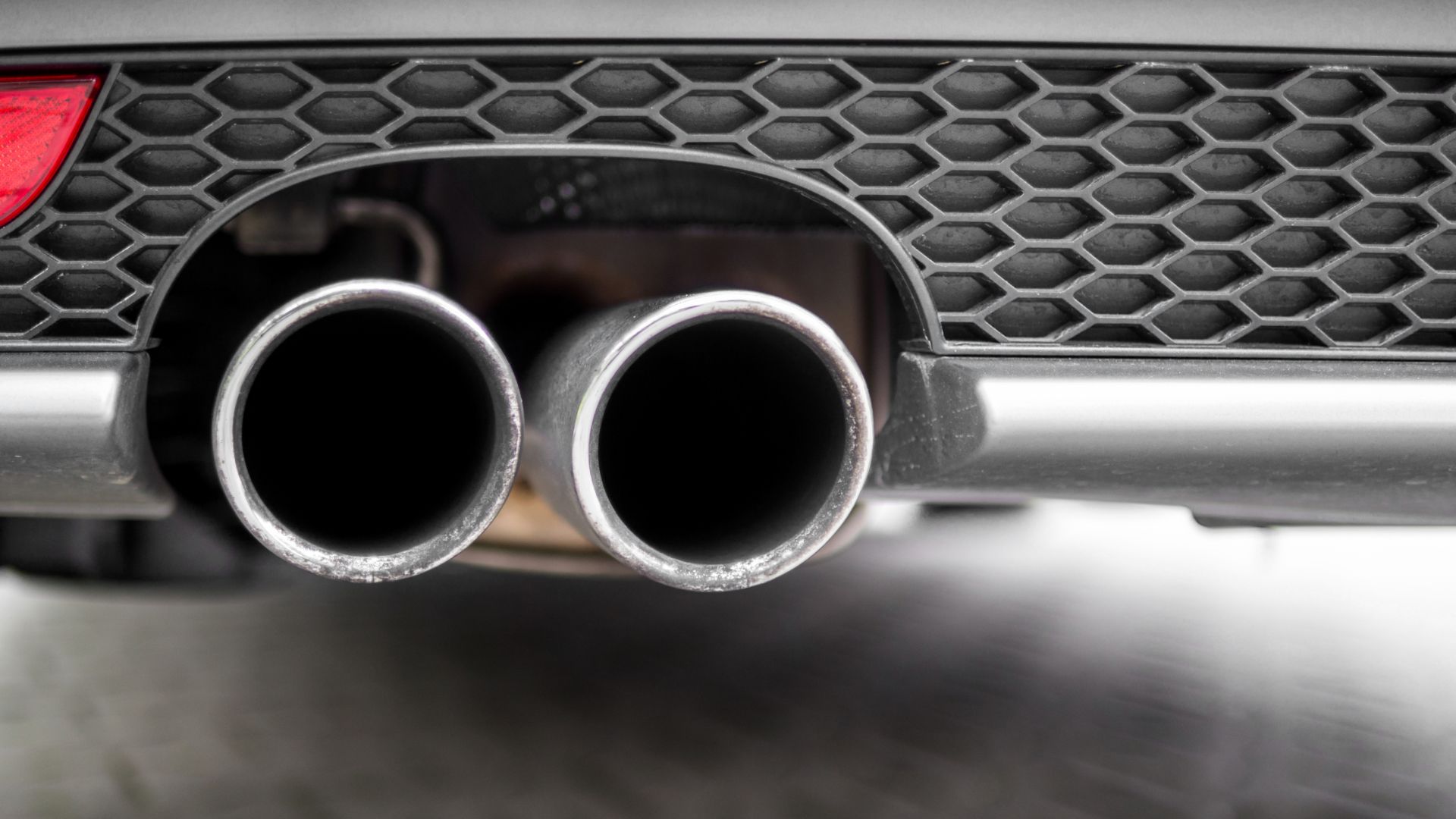
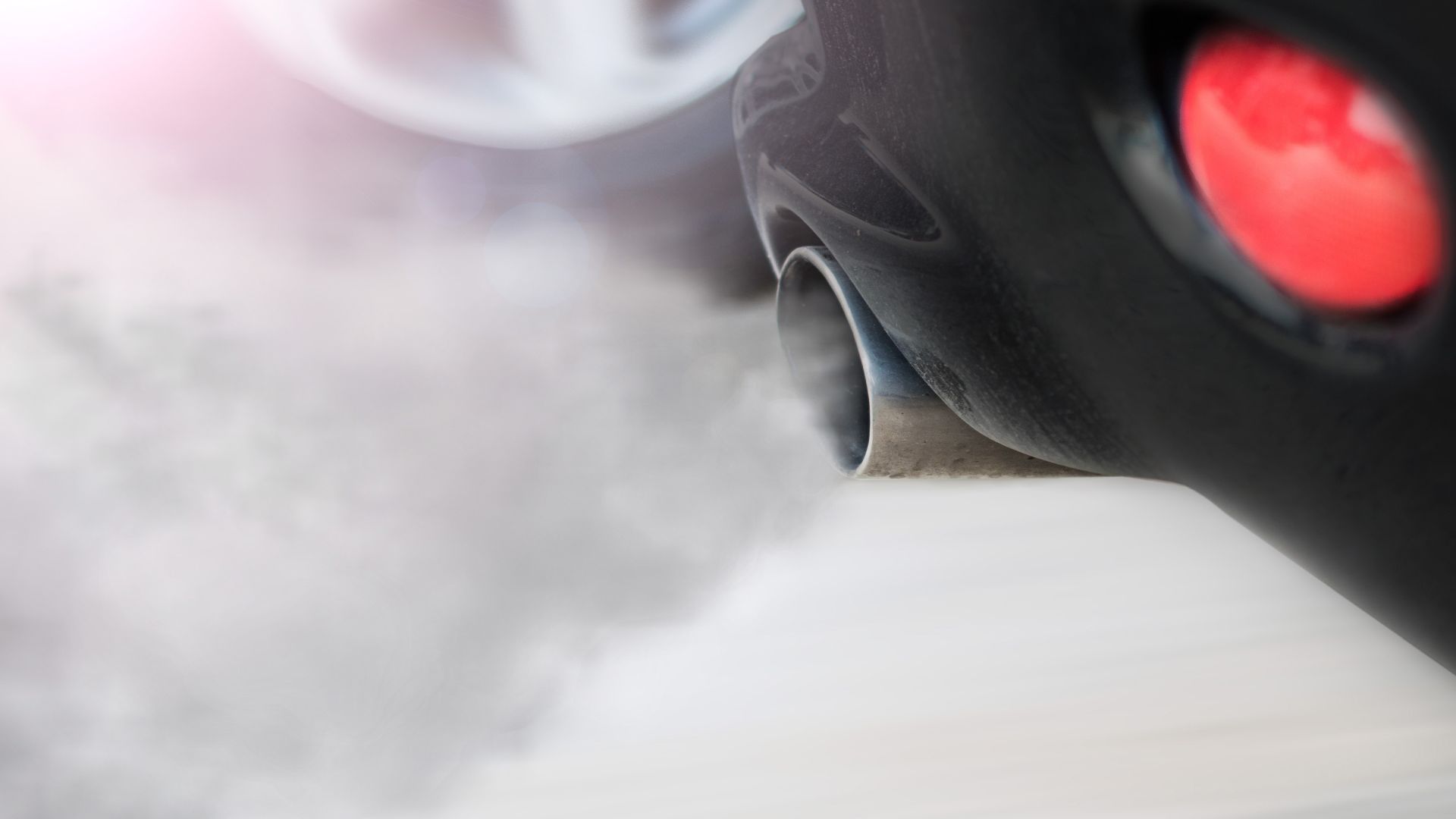
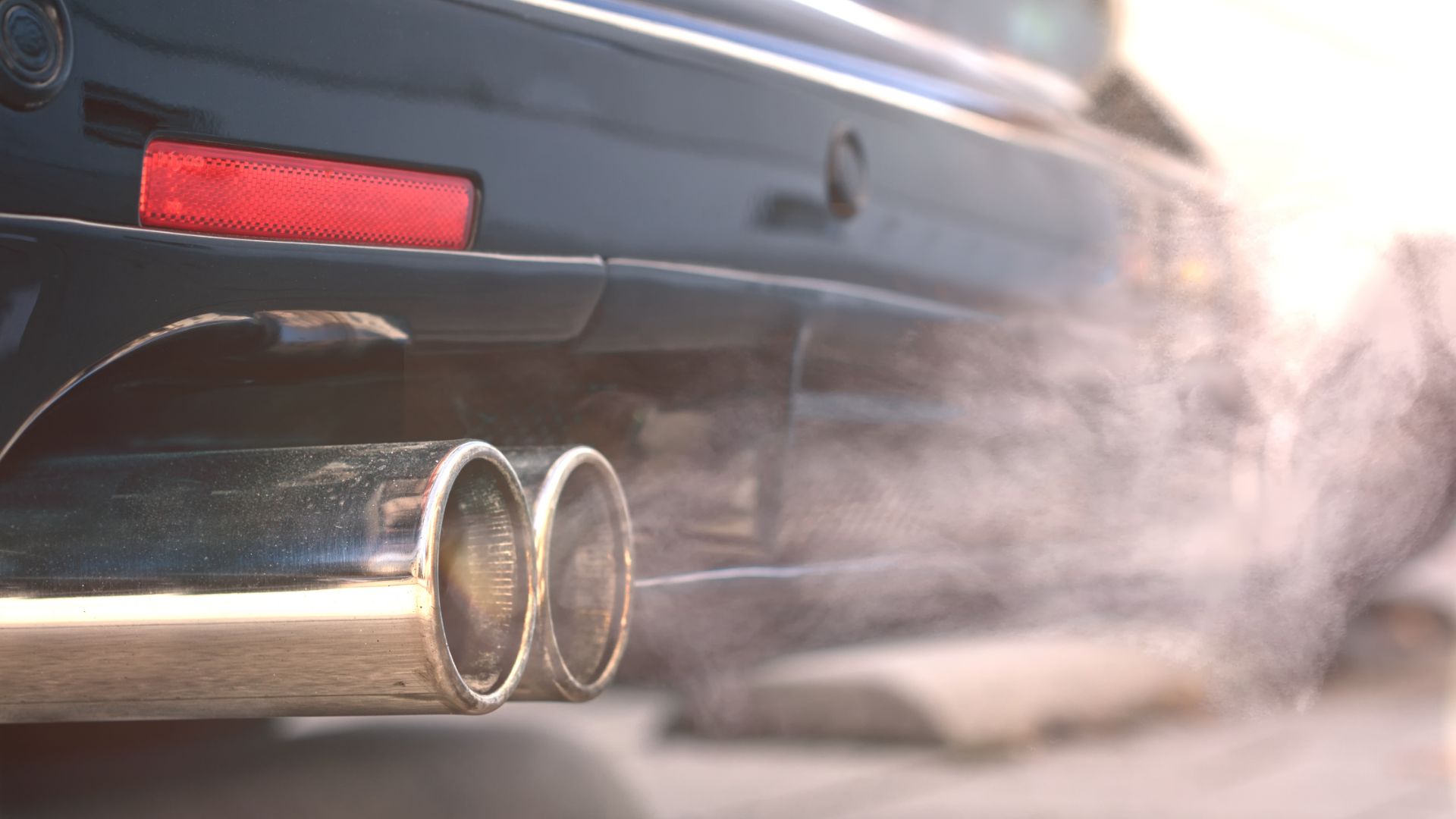
A new report into the particulate emissions of non-exhaust sources such as tyres has reached a rather shocking conclusion. One of the findings is that a modern diesel engine can actually CLEAN the air it’s driving through. 

This is highly contradictory to some of the negative talk around diesel cars. The Emissions Analytics report opens the diesel discussion, saying “the truth is that they have emitted very few particles, at least in relative terms, since the broad introduction of diesel particulate filters a decade ago”.

“Filters are in fact so good, that in certain circumstances, when the ambient air is already polluted, a diesel car will tend to extract more particles from the air than it emits”.

Cleaning the air with diesel engines: nonsense?'make or break' for diesel in 2020

To test the theory, it worked with Auto Motor und Sport using four recent diesel models. Going to the extreme, they opened canisters of high intensity particles in front of the air intake on the cars as they idled for an hour. Particle concentration at the front soared from the 11,000 cm3 or-so ambient, to over 100,000 cm3. 

In contrast, the particle concentration measured at the rear, near the exhaust, remained flat, even dropping to around 10,000 cm3 towards the end.
  • Tyre emissions 1,000 times WORSE than exhausts

Diesel use down for the first time in a decade

Then they moved to more realistic on-road testing for the four vehicles. Exhaust particles were measured from cold, neutral warm idle, under heavy load, and during DPF regeneration.

As best as possible, the typical operating conditions of a car day-to-day were simulated. Long distance, middle distance and short drives, with a mixture of cold and warm engine states, idling, heavy loads, regeneration conditions, etc.

The results were as follows:

  • Idle: 10,246 cm3
  • Warm engine: 15,803 cm3
  • Cold start: 9,114 cm3
  • Heavy load: 16,894 cm3
  • Filter regeneration: 155,555 cm3

Denmark wants 2030 ban on petrol and diesel cars

The standout result that Emissions Analytics cites, which it says it didn’t expect, is that the net addition of the car’s pollution is mostly dependent on the ambient air pollution. This reflects the way the car breathes air in, as well as the way it exhausts waste.

The overall results are staggering, with just two out of the six conditions showing emissions from the car being dirtier than the air the car is driving through. These were long distance and middle distance, in ‘clean air’ with an ambient of 10,000 cm3.

The ‘dirty air’ baseline was around 50,000 cm3. Over long distances, the cars removed around 27,984 cm3 from the dirty air. Over middle distances, they removed around 8,025 cm3 from the dirty air. On short drives, they removed around 40,886 cm3 from the dirty air.

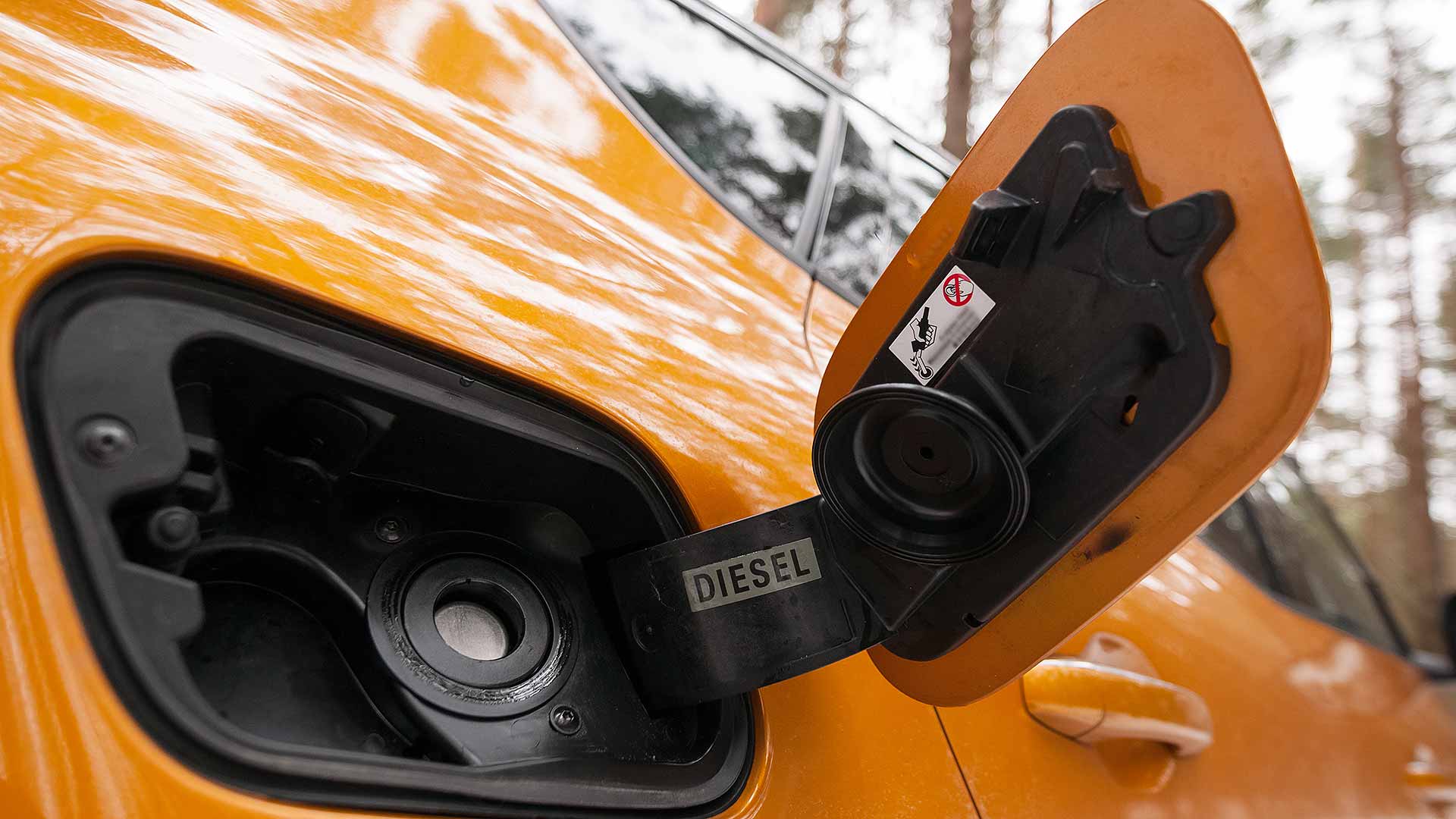
Diesel car fuel filler

Even in clean air, as above at 10,000 cm3, a short drive removed 886 cm3 from the ambient air. Long distance and middle distance did, however, add 2,000 cm3 and 21,000 cm3 respectively.

Emissions Analytics clarifies, that it would be a broad stroke to say that diesel engines clean the air. This is purely a measurement of particulates, and ignores nitrogen oxides and other gaseous emissions. 

It’s also worth considering that many diesels still on the road are pre-DPF models. The results, nonetheless, remain food for thought.

Advertisement

New Porsche app guides you to the best driving roads

0

Porsche Roads app guides you to the best driving routes

Porsche has released a free app to help keen drivers find beautiful landscapes and good driving roads anywhere in the world. And you don’t need to own a Porsche to use it.

You do need an Apple device, though. The Porsche Roads app is only available on the Apple app store at present, but should be in the Google Play Store before long – so Android-using enthusiasts won’t have long to wait.

Given the Apple version works with CarPlay, we can assume it’ll be Android Auto compatible as well. 

Porsche Roads app guides you to the best driving routes

The Roads app will be regularly updated with new functions. It currently has more than 2,000 routes, submitted by users, from all over the world. All users can add driving routes to the collection, so that list is growing by the day.

The app also allows access by community members to a magazine dedicated to the important scenes and sights along the best routes. The goal for the app is to be the largest user-generated collection of scenic and high-quality driving roads.

Putting Roads to the testPorsche Roads app guides you to the best driving routes

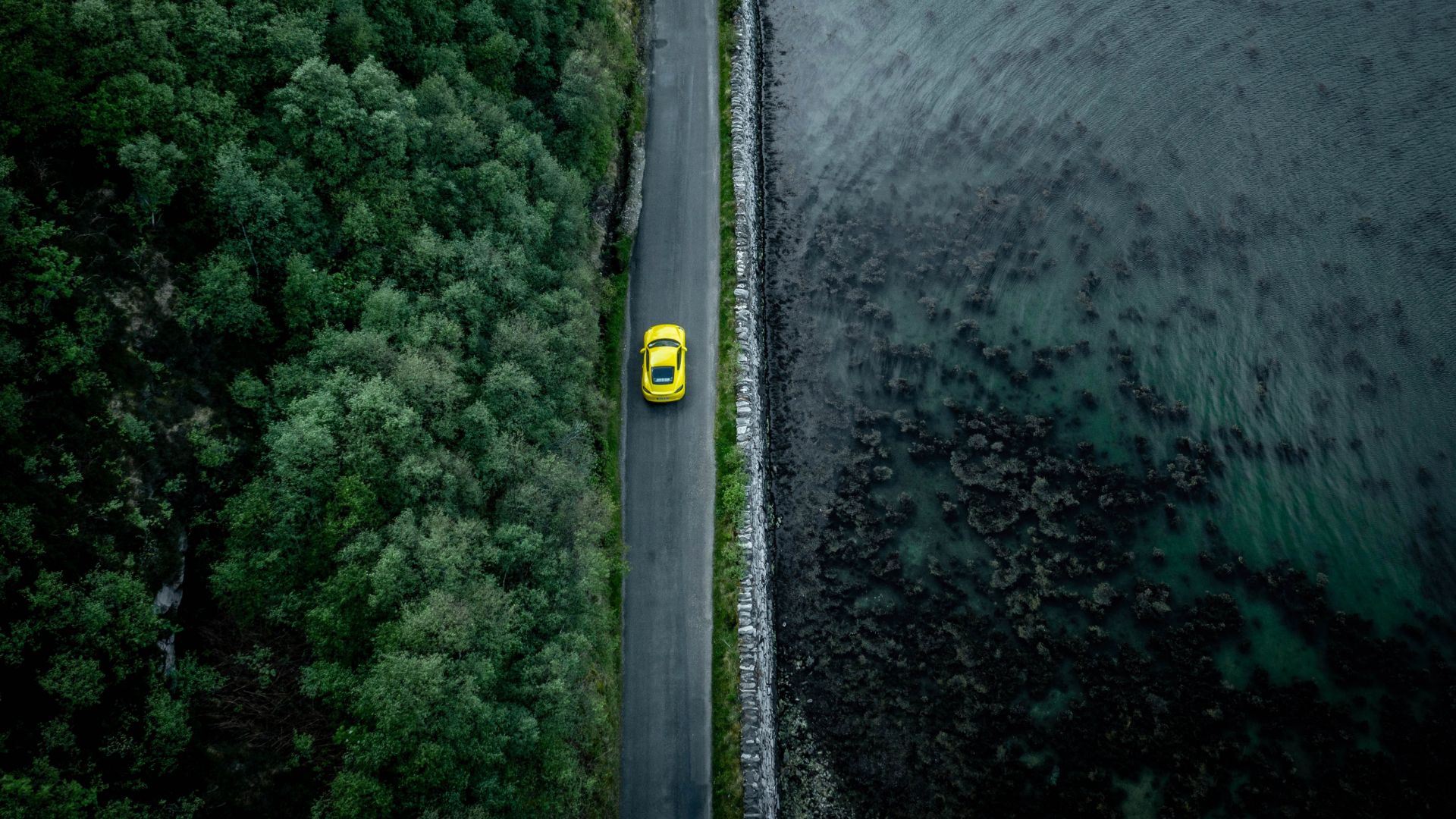
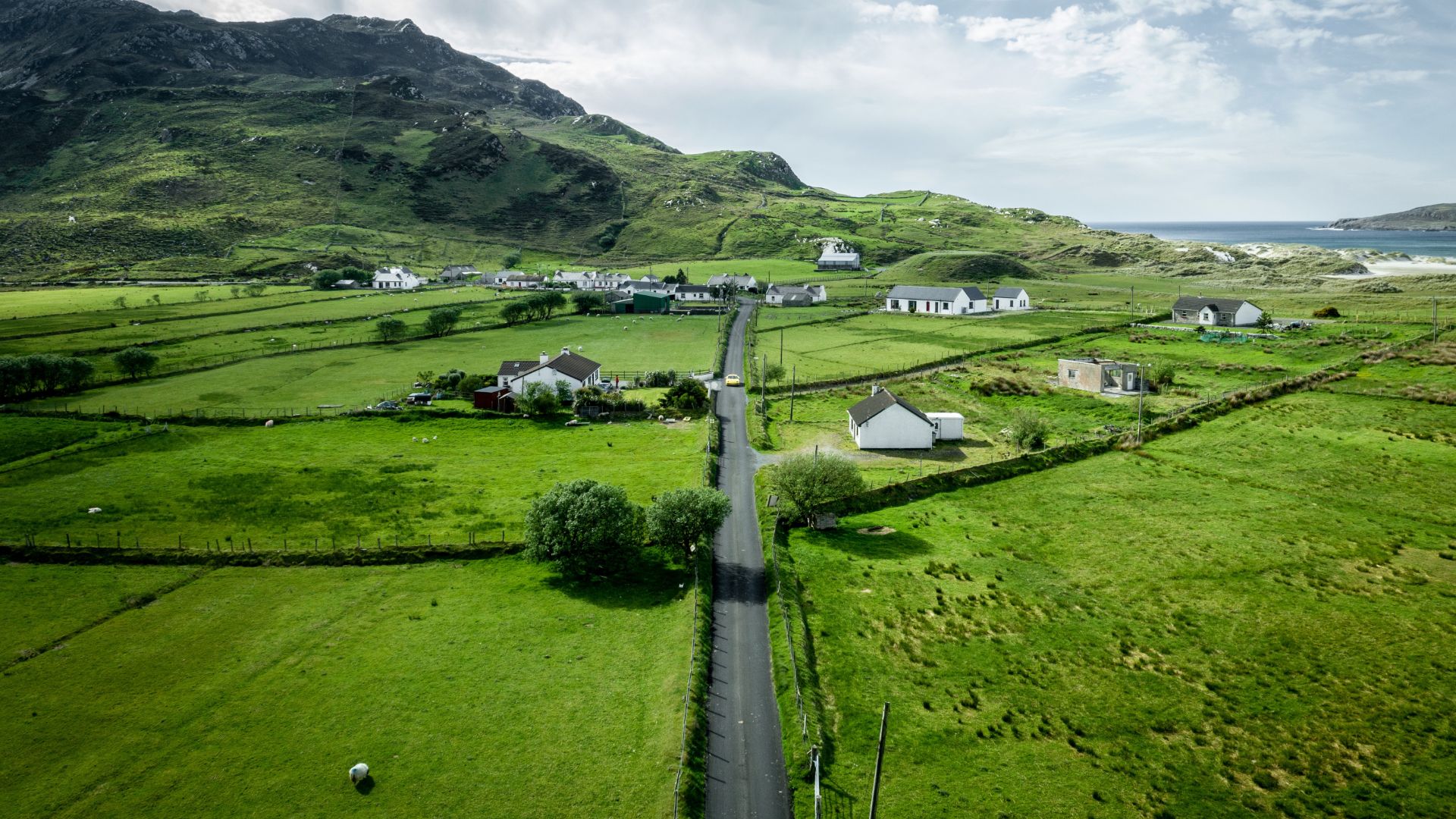
Travel blogger Sebastian Canaves put the app to the test by driving a Porsche 718 Cayman GTS along the Wild Atlantic Way, through the north-western part of Ireland. Canaves used the Roads recording function, to share the route he took with the community in the app.
Roads users are able to drive that route, following turn-by-turn navigation, and rate it. You can also follow other users and be up-to-date when they post new routes.

“Doing a journey like this by car gives you a very special feeling: the absolute freedom to drive wherever the road takes you,” he said. “With Roads, I can share this passion with other people who love driving and make my contribution to the world’s largest collection of epic routes.”
Advertisement

This unique BMW-badged prototype is heading to auction in Paris

0

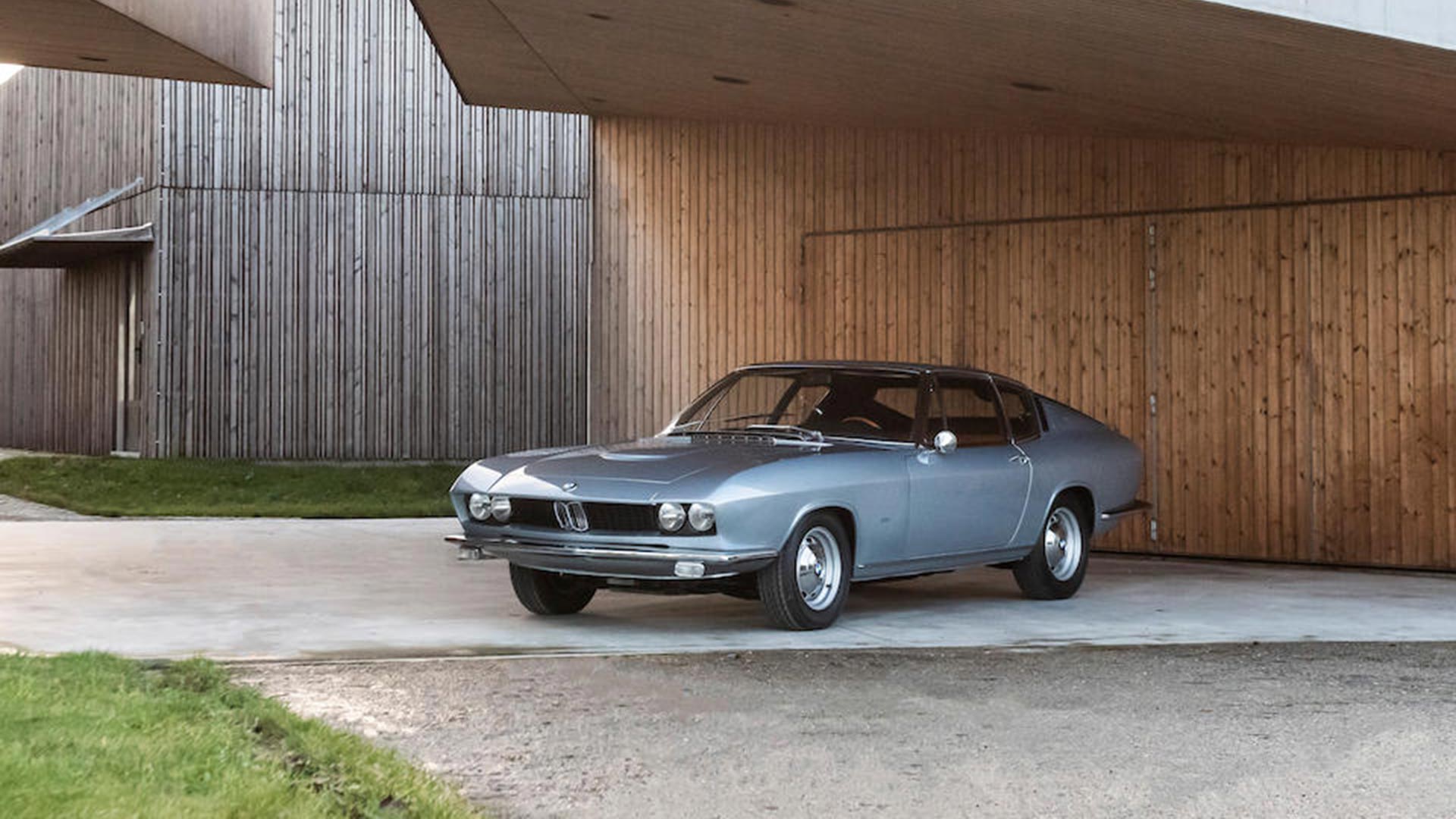
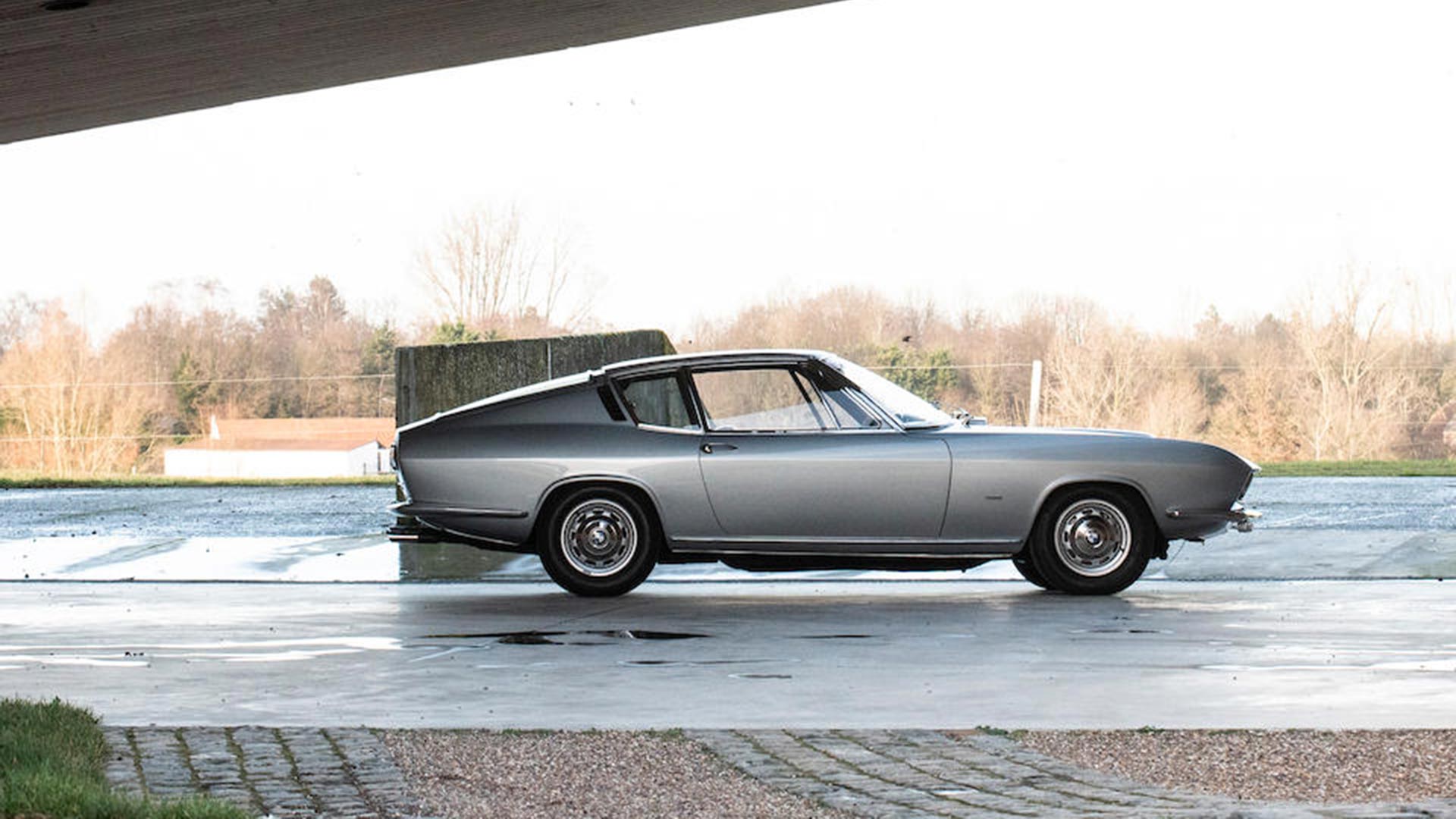
Bonhams BMW Glas 3000 V8 Fastback

A shock announcement has stunned the automotive world that the Frankfurt Motor Show, responsible for some of the world’s biggest car launches, will be no more. 
Now is the chance to buy one of the cars that featured at Frankfurt more than five decades ago, with this rare BMW-Glas 3000 V8 Prototype. 

Set to be sold at the Bonhams Les Grandes Marques du Monde sale next week, this could be a serious momento of the German motor show

Heart of Glas

Bonhams BMW Glas 3000 V8 Fastback

The car in question is based on a model made by Germany’s smallest car manufacturer, Glas. Best known for producing its tiny Goggomobil range, Glas had attempted to move upmarket with a V8-engined coupe model.

However, Glas encountered financial difficulties as it began producing the new 2600 V8. The firm had tried to save money by making its own V8 engine, and also asked stylists Carrozzeria Frua to use components from existing cars where possible. 

By 1966 Glas company was seriously struggling. This meant its nearest neighbour, BMW, swooped in to pick up the pieces of the existing model range. 

Bonhams BMW Glas 3000 V8 Fastback

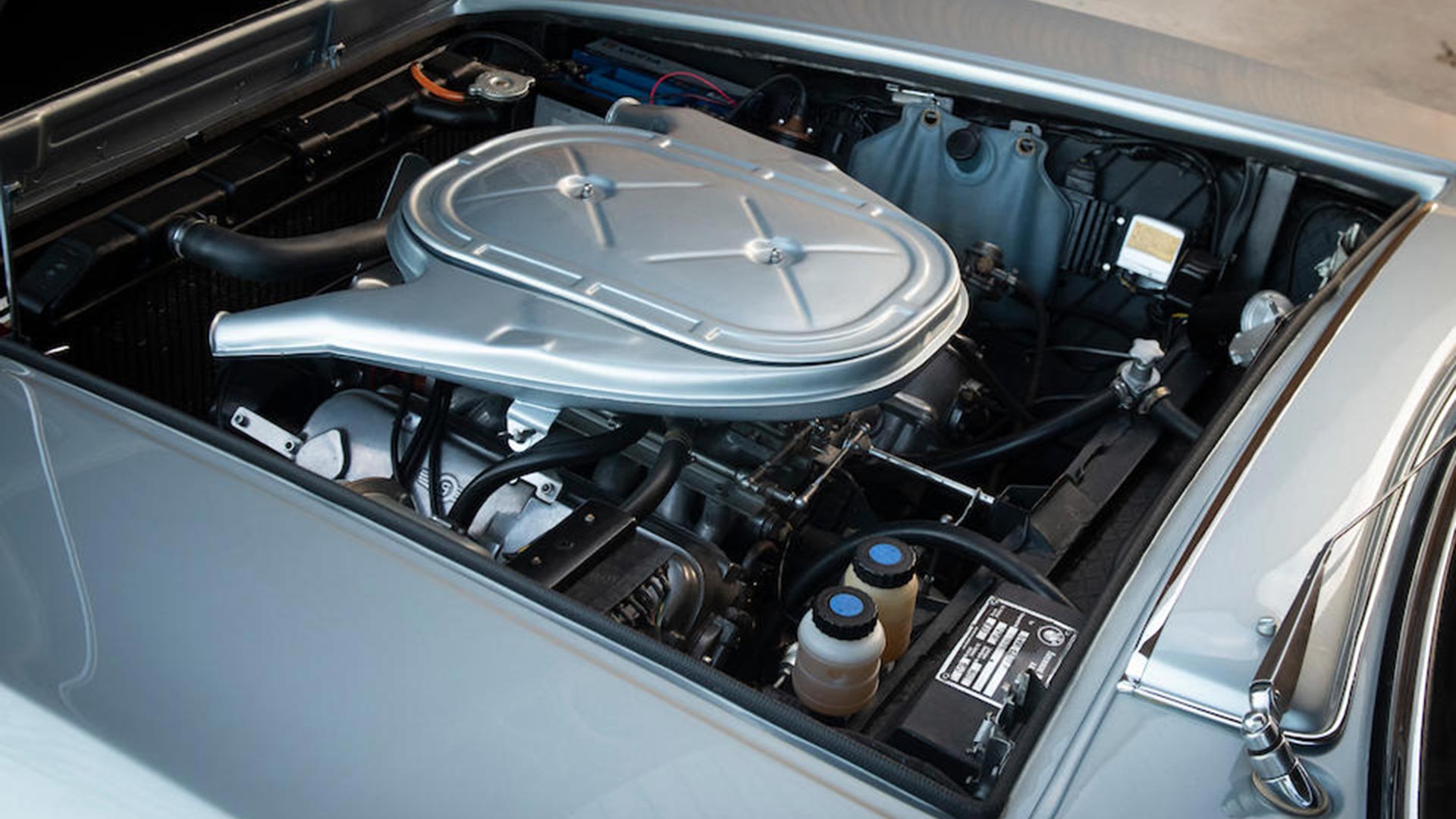
The 2600 V8 was now badged as a BMW-Glas, and remained on sale for a year. Then a new model, powered by a larger 160 hp 3.0-litre V8 engine, was released as the 3000 V8.

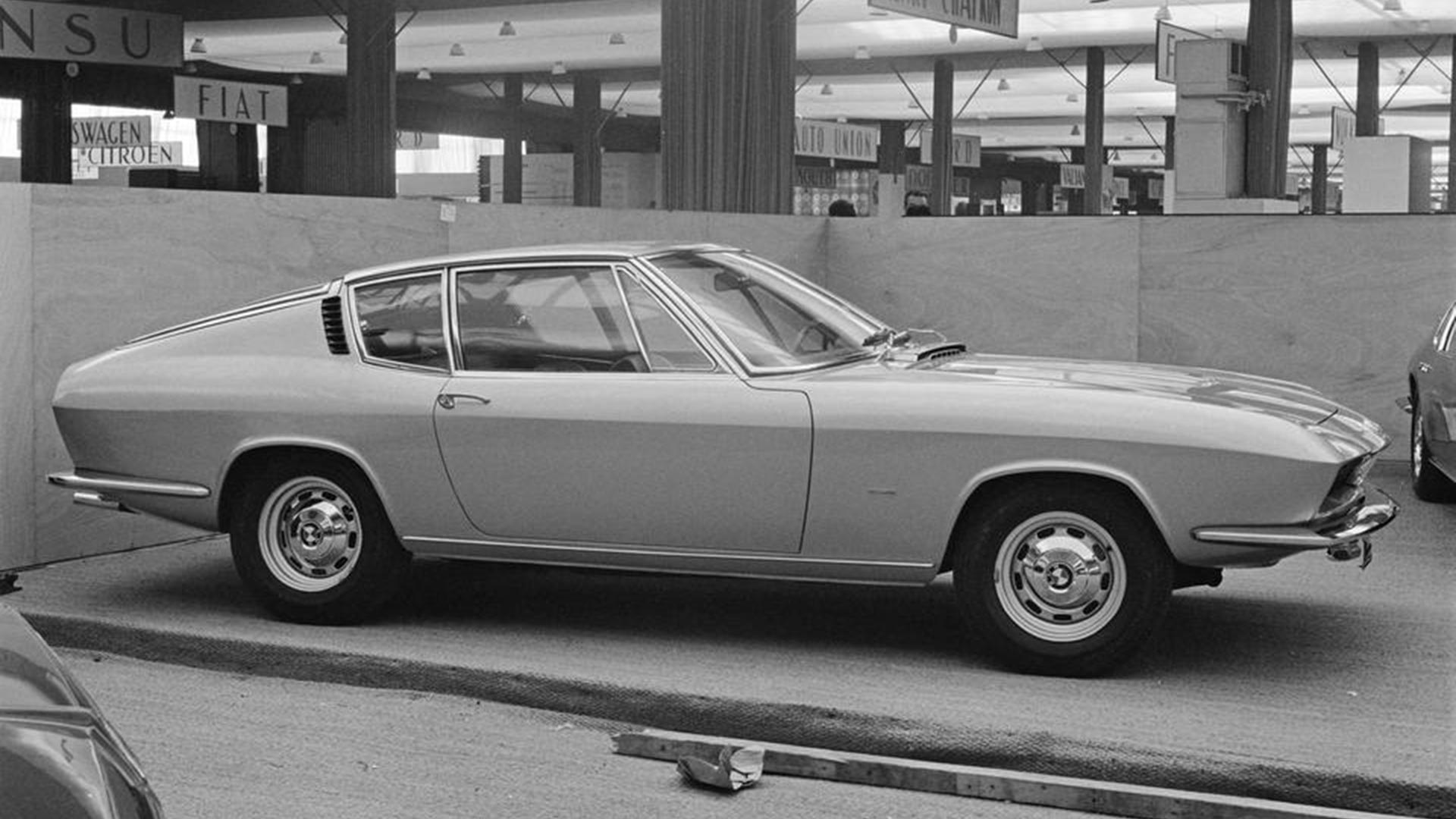
Also in 1967, BMW commissioned Carrozzeria Frua to create a concept of how a reborn 3000 V8 could look with a fastback coupe body shell. 

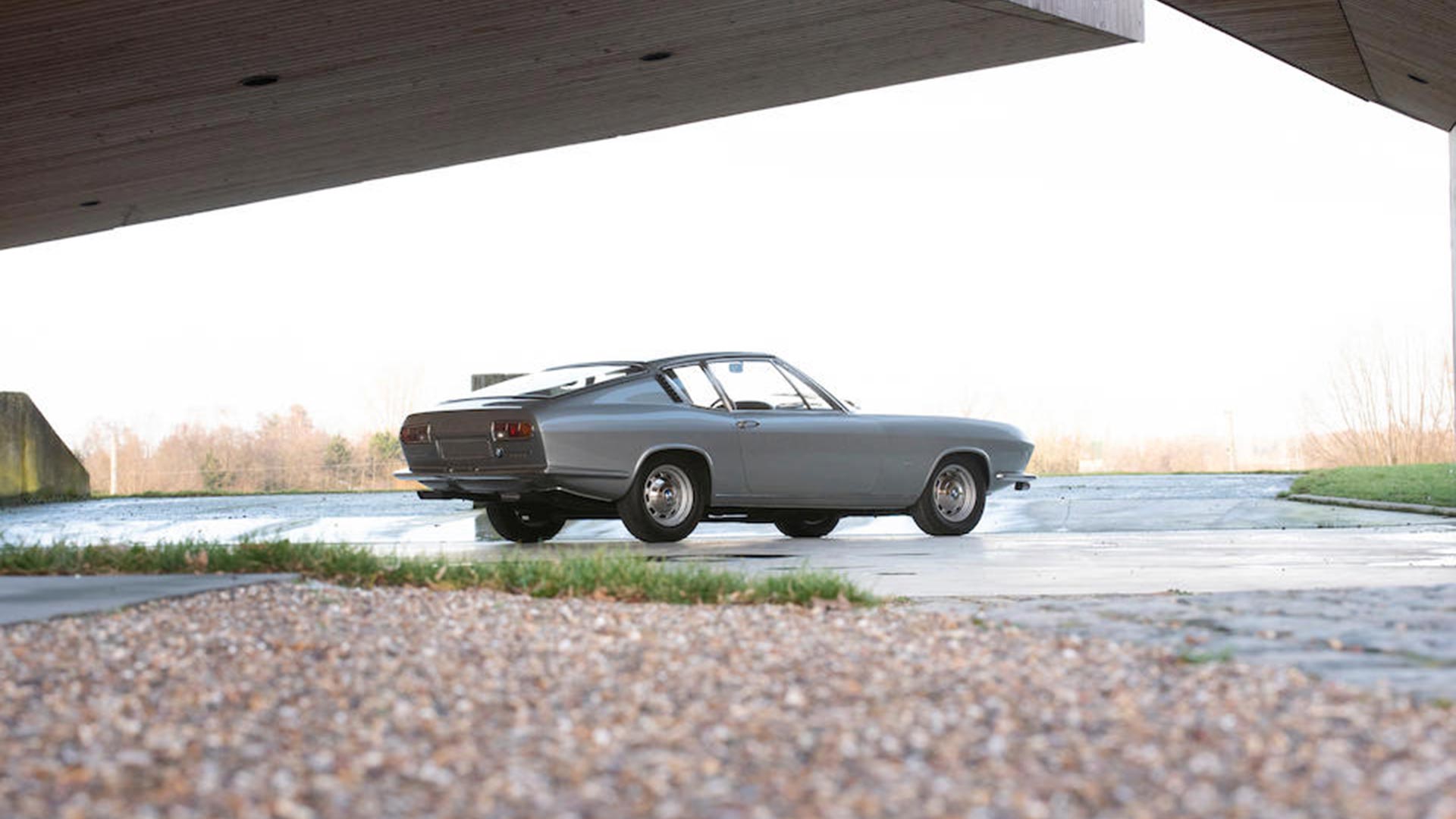
Unlike the slightly awkward regular Glas models, the Fastback Coupe was sleek and streamlined. 1967 saw it appear at both the Frankfurt and Paris motor shows, impressing the crowds. 

Kidney (grille) donor wanted

Bonhams BMW Glas 3000 V8 Fastback

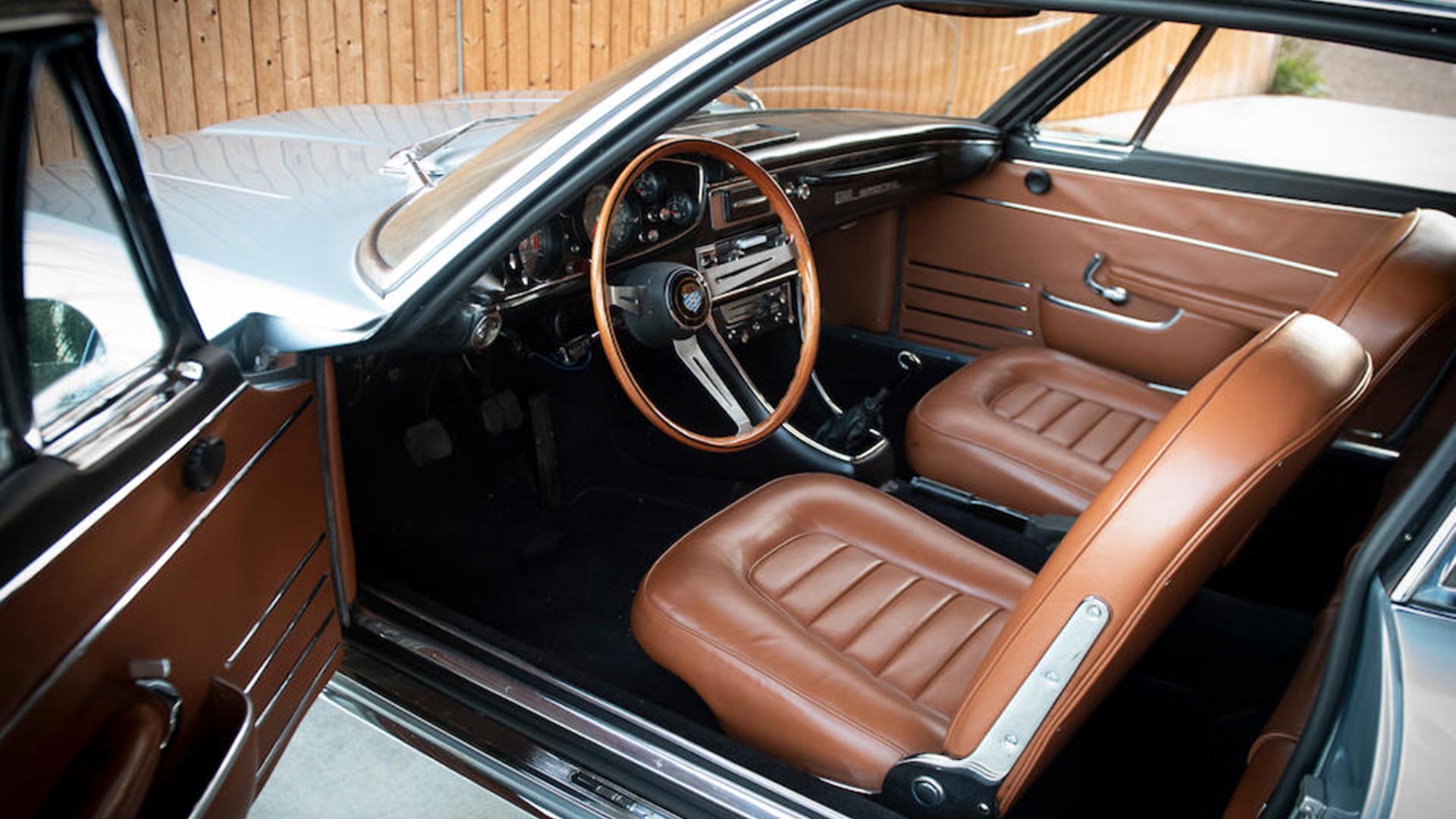
Finished in the silver-blue paintwork seen on the car today, one of the most notable additions to the Fastback Coupe was the distinctive BMW kidney grille. BMW had previously resisted the urge to use its visual trademark on the V8 Coupe range, despite adding it to the smaller Glas GT.

The Fastback Coupe prototype would also appear at the Geneva Motor Show in 1968, followed by an appearance in Barcelona the following year. By that point the car had been painted red, but was otherwise unchanged. 

Despite the popular response to the concept, BMW dropped plans to build the Glas Fastback. Instead, the company opted to develop its own grand touring range, including the 3.0 CS coupe. 

Bonhams BMW Glas 3000 V8 Fastback

No longer needed by BMW, the Glas Fastback Prototype was sold to an owner in Spain. Records show that buyer kept the car for more than 20 years, before it passed into the hands of an employee. 

The second owner subjected the car to a thorough restoration, with the work for this being completed in 2015. Changes included restoring the paintwork to the original silver-blue metallic, and having the plush leather interior reupholstered. 

Acquired by the current vendor in 2016, the car has also benefited from recent mechanical maintenance and restoration work. 

On your marques…

Bonhams BMW Glas 3000 V8 Fastback

Ahead of the Les Grandes Marques du Monde sale, Bonhams has estimated that the 1967 BMW-Glas V8 Fastback Prototype could sell for between £210,000 to £290,000 ($275,000 to $380,000).

Being a one-off creation does values hard to compare. The car did appear at an RM Sotheby’s auction in 2015, but failed to find a buyer at a higher estimated sale price. 

The rare BMW-Glas V8 will head across the auction block in Paris next week on Thursday 6th February. Other cars set to feature include a prototype Ferrari Dino racer, and a 1938 Bugatti Type 57 Atalante Coupe.

ALSO READ

London Classic Car Show 2020 preview

1 in 3 motorists don’t know all the rules of the road

VW could buy back prototypes it mistakenly sold

Advertisement

Smart motorway rollout is put on hold, pending safety review

0

smart motorway rollout halted

Transport Secretary Grant Shapps has put the expansion of the smart motorway network on hold, following high numbers of road deaths and reports of ‘near misses’.

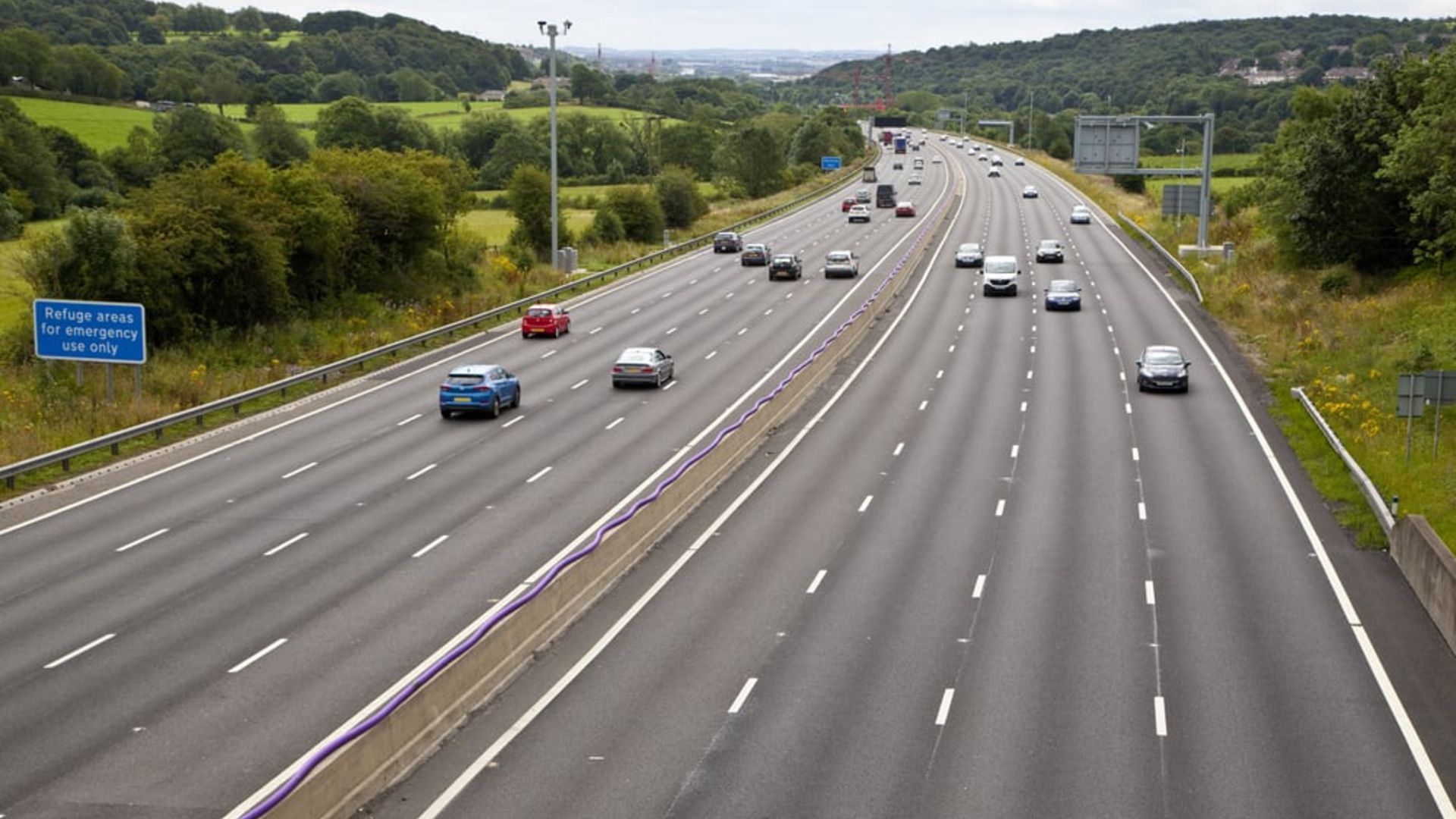
The rollout will be halted until the government has concluded a review, first announced in October 2019. This followed concerns about drivers who break down in live lanes with no hard shoulder.

“For me, we must make them at least as safe, if not safer, otherwise they cannot continue,” said Shapps. smart motorway speed cameras one minute grace period

“Any death on our roads is one too many, and our deepest sympathies remain with the family and friends of those who lost their lives,” a Highways England spokesperson said in a statement.

“The Transport Secretary has asked the Department for Transport to carry out, at pace, an evidence stock-take to gather the facts about smart motorway safety. We are committed to safety and are supporting the department in its work on this.”

Smart motorways 2020

It’s been a bad couple of weeks for smart motorways. Damning figures related to motorway deaths and near-misses, related to ‘all-lanes-running’ sections have drummed up a media furore. In total, 38 people have been killed on smart motorways in the past five years. An increase in near-misses of 2,000 percent was also reported on a section of the M25.

A group of MPs, led by the ex-minister who signed off smart motorway expansion, then published a damning report on the programme. Sir Mike Penning revealed that he wasn’t privy to the plan to extend the 600-metre distance between refuge areas – used for the trial-run on the M42 – to 2,500 metres.

“I feel I was totally misled,” said Penning. “They are endangering people’s lives. People are being killed and seriously injured on these roads, and it should never have happened.”

Smart motorway rollout halted: the RAC reactssmart motorway speed cameras one minute grace period

  • Smart motorway ‘near misses’ soar by 2,000 percent

“The fundamental issues of SOS area spacing and stopped vehicle detection, raised four years ago, remain,” said RAC head of roads policy, Nicholas Lyes. 

“We very much hope the current review results in some meaningful changes that give drivers confidence in all aspects of safety on smart motorways. The type of smart motorways that have been built in recent years differ enormously from those from those that were first introduced in England. On today’s ‘all-lanes-running’ smart motorways, hard shoulders have been permanently removed and SOS areas are spaced much further apart.”

Smart Motorway stopped vehicle detection doesn't always work

“Short of reintroducing the hard shoulder, the introduction of the latest radar technology to detect stationary vehicles automatically, together with many more SOS areas and a large-scale public information campaign, should help make drivers feel more confident in the safety of the UK’s motorway network.

“A rethink in the design of smart motorways is clearly needed to bring consistency, reduce risks in breakdowns, and turn around plummeting public confidence. As it stands, we are not convinced that the current ‘all-lanes-running’ design is working and have reservations as to whether it should be the de facto standard going forward.”

Advertisement

New £82,900 Lotus Evora GT410 is ‘exceptional value’

0

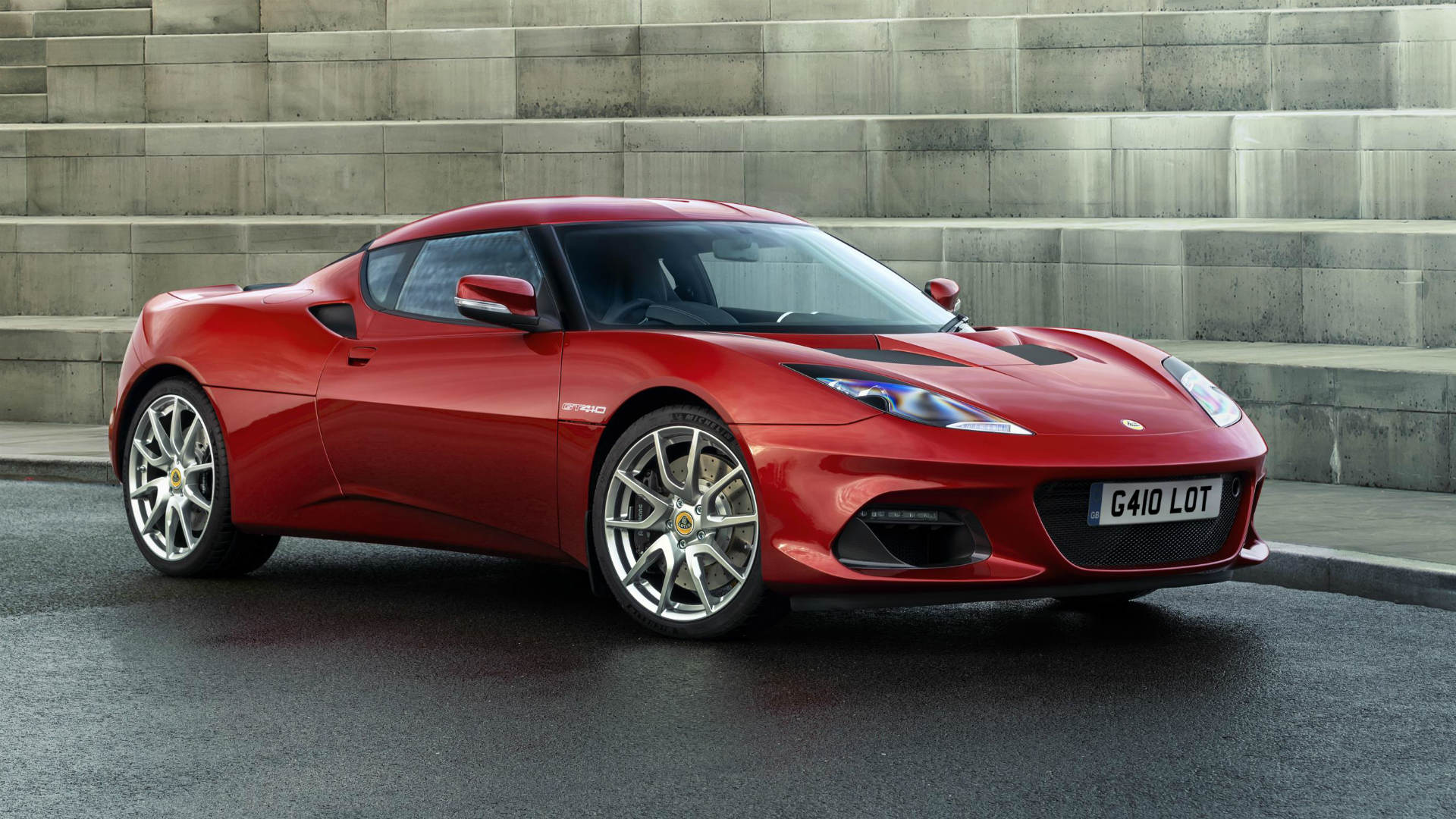
Lotus Evora GT410

The new Lotus Evora GT410 costs £3,000 less than the GT410 Sport. And at £82,900, it represents ‘exceptional value for money‘. Not our words, but the words of a Lotus press release.

Everything is relative, right? Lotus says it has designed the entry-level Evora GT410 ‘to be a more usable everyday car’.

To this end, the Evora GT410 comes with Sparco seats and air conditioning, plus a reversing camera to help with parking.

Apple CarPlay is standard, as is DAB digital radio. Lotus has also improved the sound insulation to reduce road noise. It’s more ‘just add luxury’ than ‘just add lightness‘.

Evora GT410: just add armrests

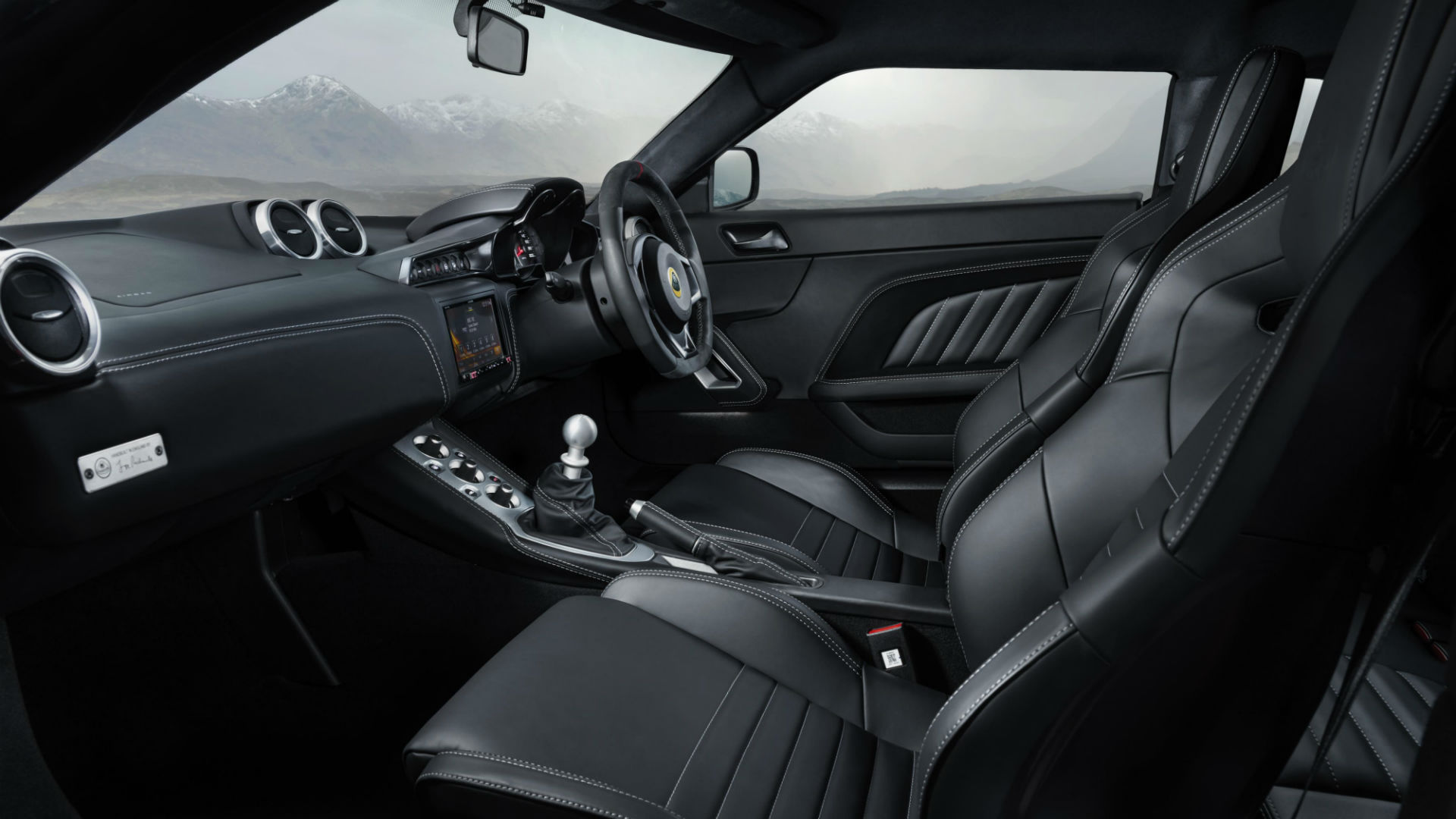
Lotus Evora GT410 interior

Inside you’ll find integrated armrests and storage bins ‘for greater comfort and practicality’. Time to cancel that order for the Nissan Qashqai, this is the daily driver we’ve been waiting for.

There’s more. Lotus has revised the damper rate compared with the GT410 Sport to create a more comfortable ride. A set of Michelin Pilot Sport 4S all-weather tyres will ensure the Evora needn’t be confined to the garage when the weather turns British.

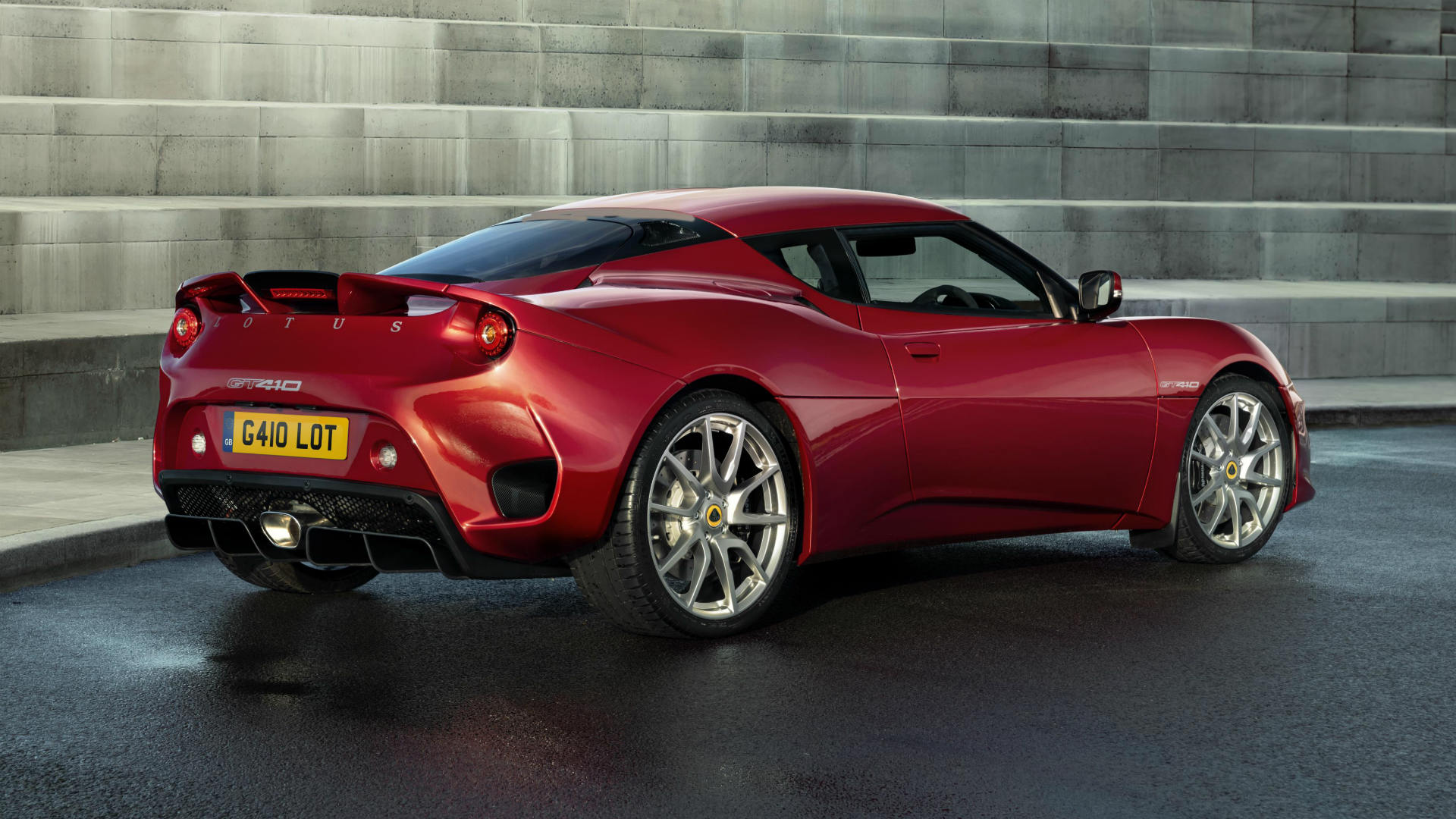
At the back, a larger glass section in the tailgate will make it easier to reverse out of a garage. You can’t only rely on that camera, after all.

Further standard equipment includes cruise control, heated seats and rear parking sensors.

Lotus Evora GT410 launched

If you’re not ready for the soft-focus Evora, Lotus has revised the standard specification of the GT410 Sport. Upgrades include the integration of Sparco sports seats, air conditioning and a premium infotainment system.

Not to be left out, the Elise and Exige can be ordered with optional Touring and Sport packs. As the names suggest, one is for enhanced road use, while the other is designed for track-based frolics.

Advertisement

Tesla Model S and X could offer 400-mile electric range soon

0

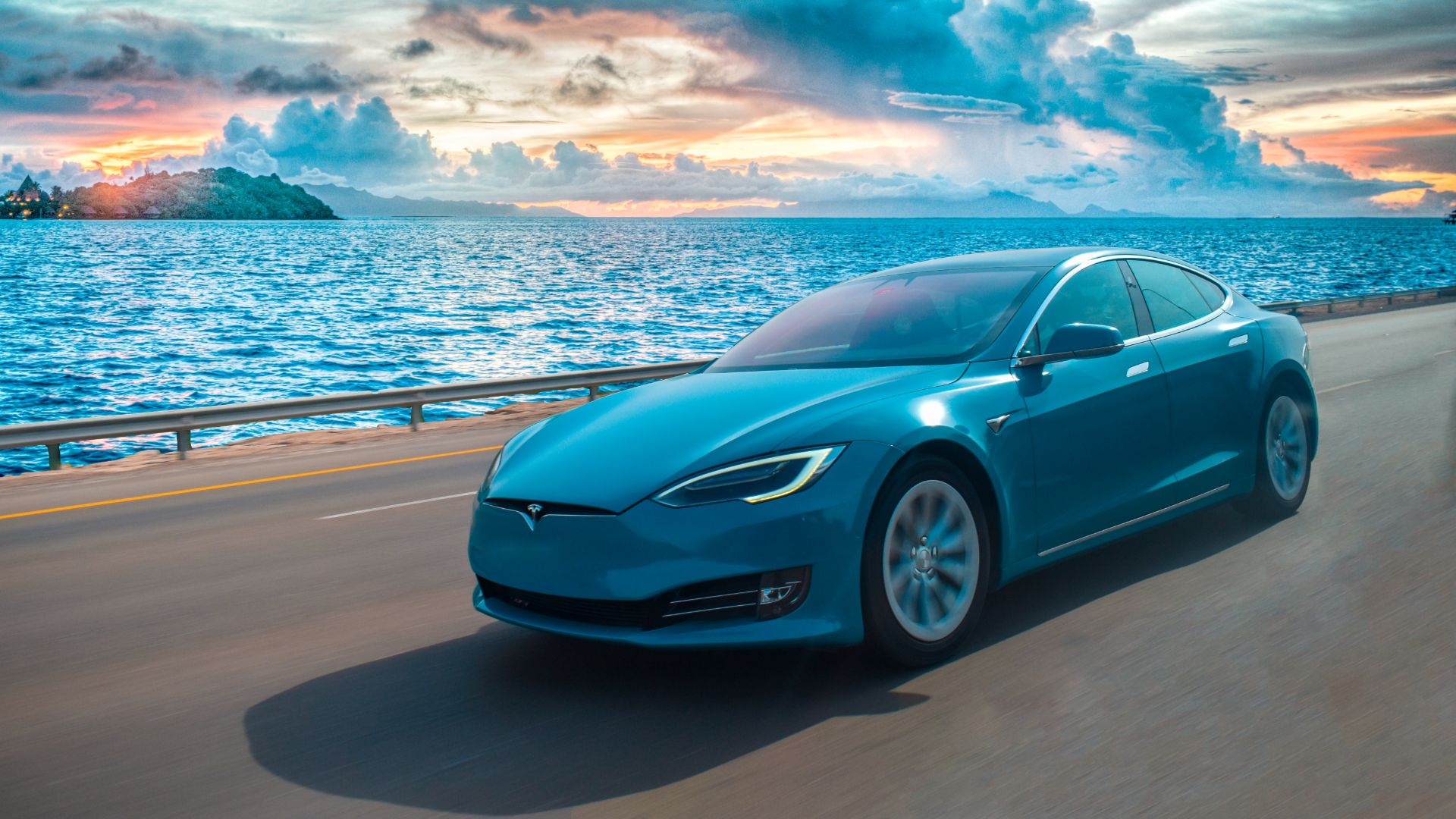
Tesla Model S range

Tesla boss Elon Musk has announced during a financial meeting that the Model S and Model X are due a new EPA rating for range. According to the American standard, the existing cars are rated at 373 miles and 328 miles respectively.

While this isn’t a physical update, Musk did field questions as to why the Model S and X hadn’t adopted the ‘2170’ battery cell used in the Model 3 and Model Y.

“We’re pretty happy with the energy content of the [current] cell, and the improvements in the efficiency of the vehicle,” he explained. The Model S received its last range upgrade last year, jumping to a circa 370-mile WLTP-certified figure for both the USA and Europe.

As for what’s to come, Musk hinted that “We’re rapidly approaching a 400-mile range for Model S”.

Plaid powertrain is ‘like alien technology’Tesla Model S range


Speaking about the upcoming Plaid powertrain, Musk said “This is like alien technology, it’s insane”. Plaid will consist of three motors when it arrives on a top-end Model S later this year. Whether this version will offer a range upgrade to take it past the 400-mile barrier remains to be seen.

More likely, it is partly a rebuttal to claims that Teslas cannot sustain their performance for extended periods of time. Tesla was hot on the heels of Porsche at the Nordschleife, following the record set by the Taycan, with a Plaid-equipped prototype Model S. It claims to have beaten the four-door lap record at Laguna Seca, too. 

Musk has revealed before that Plaid will also be available on the Model X SUV, along with the upcoming Roadster. The 3 and Y, however, will miss out on the three-motor drivetrain.

Advertisement

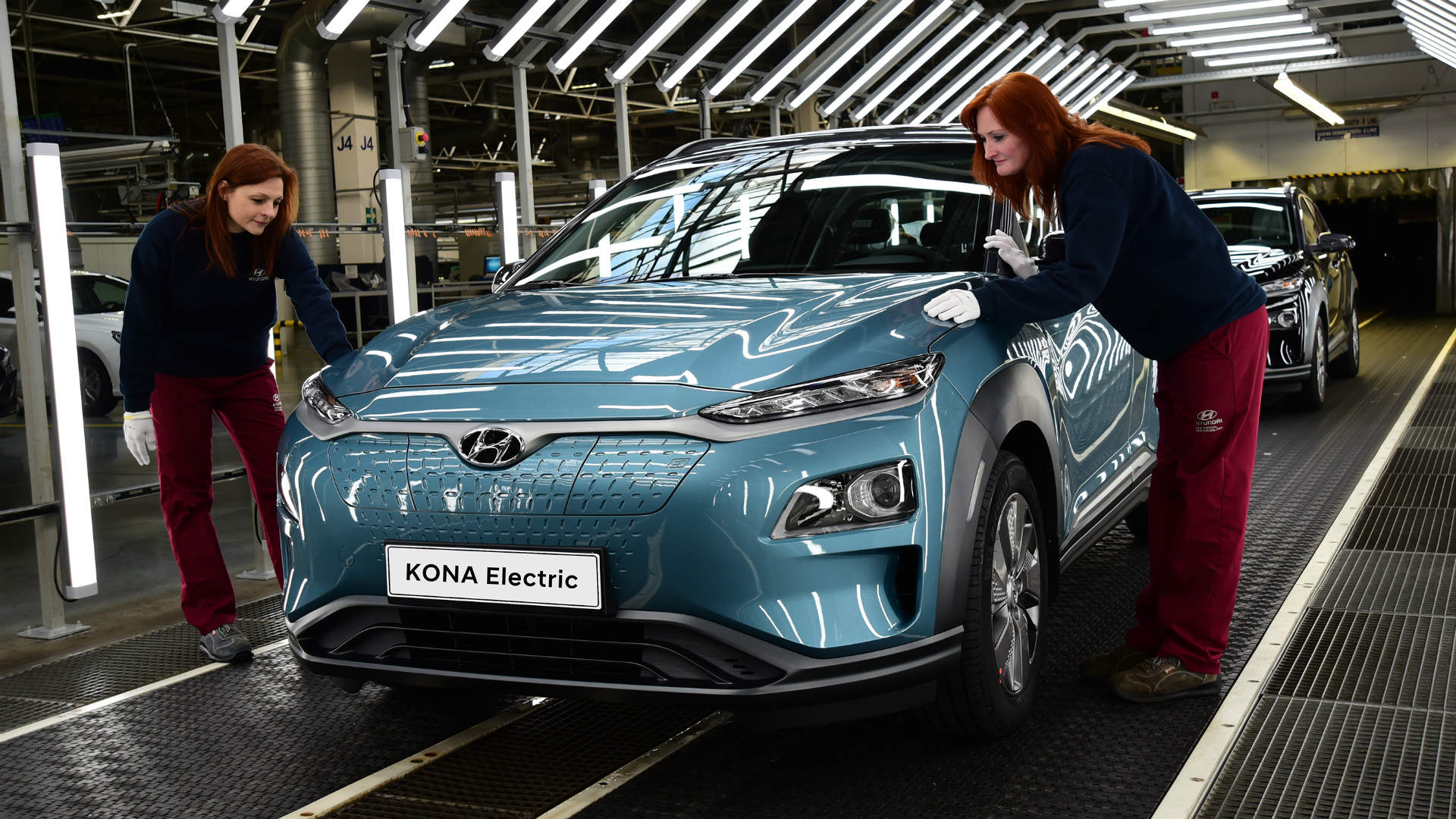
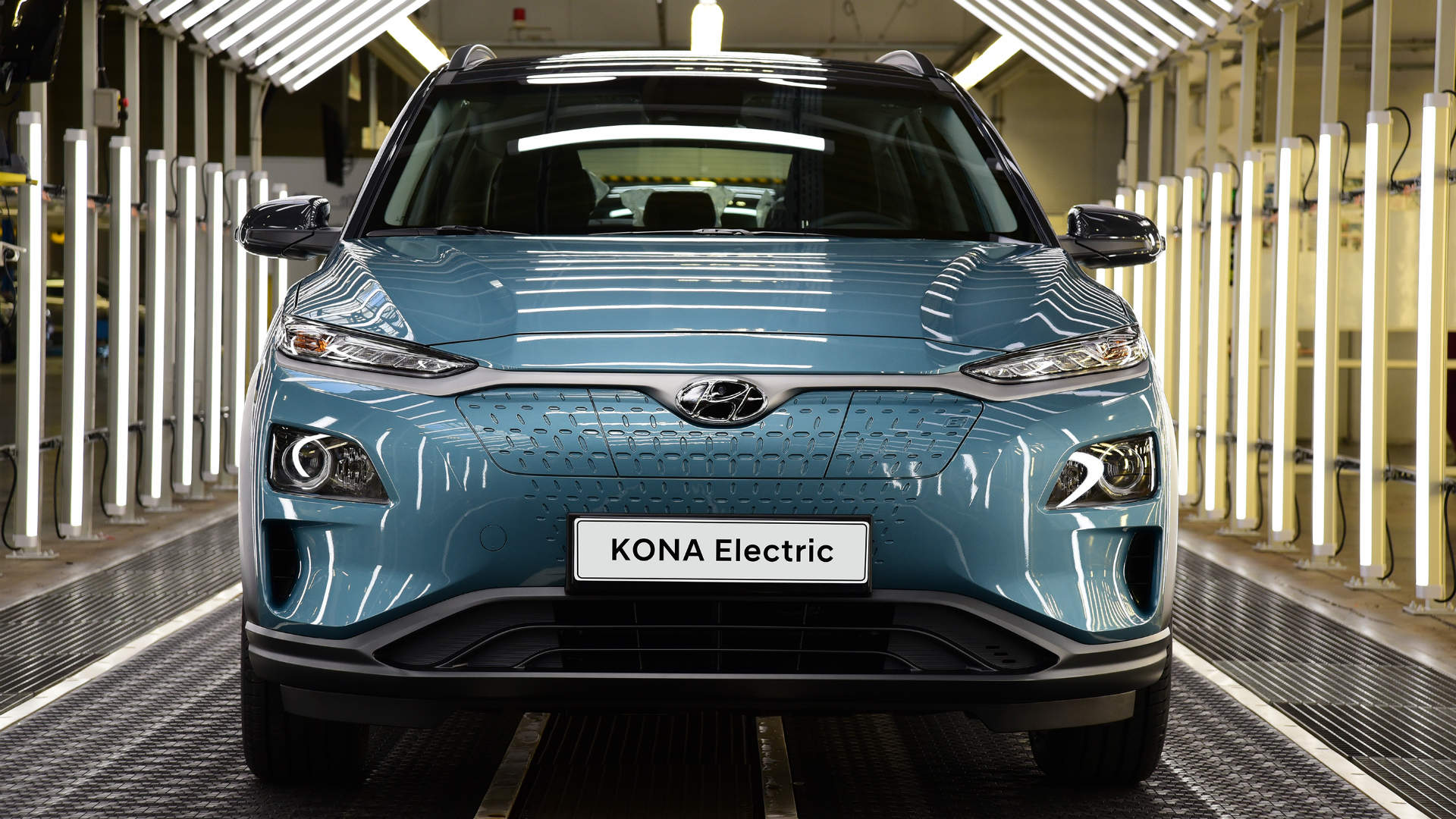
Hyundai now builds Kona Electric in Europe to meet demand

0

Hyundai Kona Electric built in Europe

Waiting lists for the new Hyundai Kona Electric will be ‘significantly reduced’.

This comes as a result of a new production plant in the Czech Republic and the ramping up of supply from Hyundai’s facility in Ulsan, South Korea.

Availability of the Kona Electric has tripled, says Hyundai.

The Hyundai Kona Electric Premium costs £35,100 after the government plug-in car grant, while the top-spec Premium SE costs £37,450. Both versions feature a 64kWh battery and can deliver up to 278 miles of all-electric range.

When using a 50kw DC charging station, the battery can be charged to 80 percent in about 75 minutes. Using a domestic wallbox charger, a full charge can be achieved in a little over 10 hours.

Standard equipment includes 17-inch alloy wheels, climate control, front and rear parking sensors, a 10.25-inch touchscreen, wireless charging, Apple CarPlay and Android Auto.

The Premium SE adds electric seats, front and rear heated seats, a heated steering wheel and head-up display.

The Kona Electric is available to order now and comes with Hyundai’s standard five-year/unlimited mileage warranty. The battery pack is covered by an eight-year warranty.

‘Outstripping supply’

Hyundai Kona Electric 2020

Ashley Andrew, managing director, Hyundai Motor UK, said: “The Hyundai Kona Electric has achieved outstanding success in the UK since its introduction, with demand for the model quickly outstripping supply.

“We have listened to our customers and are significantly ramping-up availability in order to cut delivery times, a move that we hope will encourage more people to consider a fully electric car.”

The Kona is also available as a hybrid model, which pairs a 1.6-litre petrol engine with an electric motor to emit just 90g/km of CO2. It costs upwards of £22,500.

Alternatively, the regular Kona is available from £17,500. Unlike other compact crossovers, the Kona was designed from the ground up as a crossover and isn’t based on a regular hatchback.

Advertisement

Ford’s 3D-printed wheel nuts could prevent theft

0

Ford locking wheel nuts stop thieves

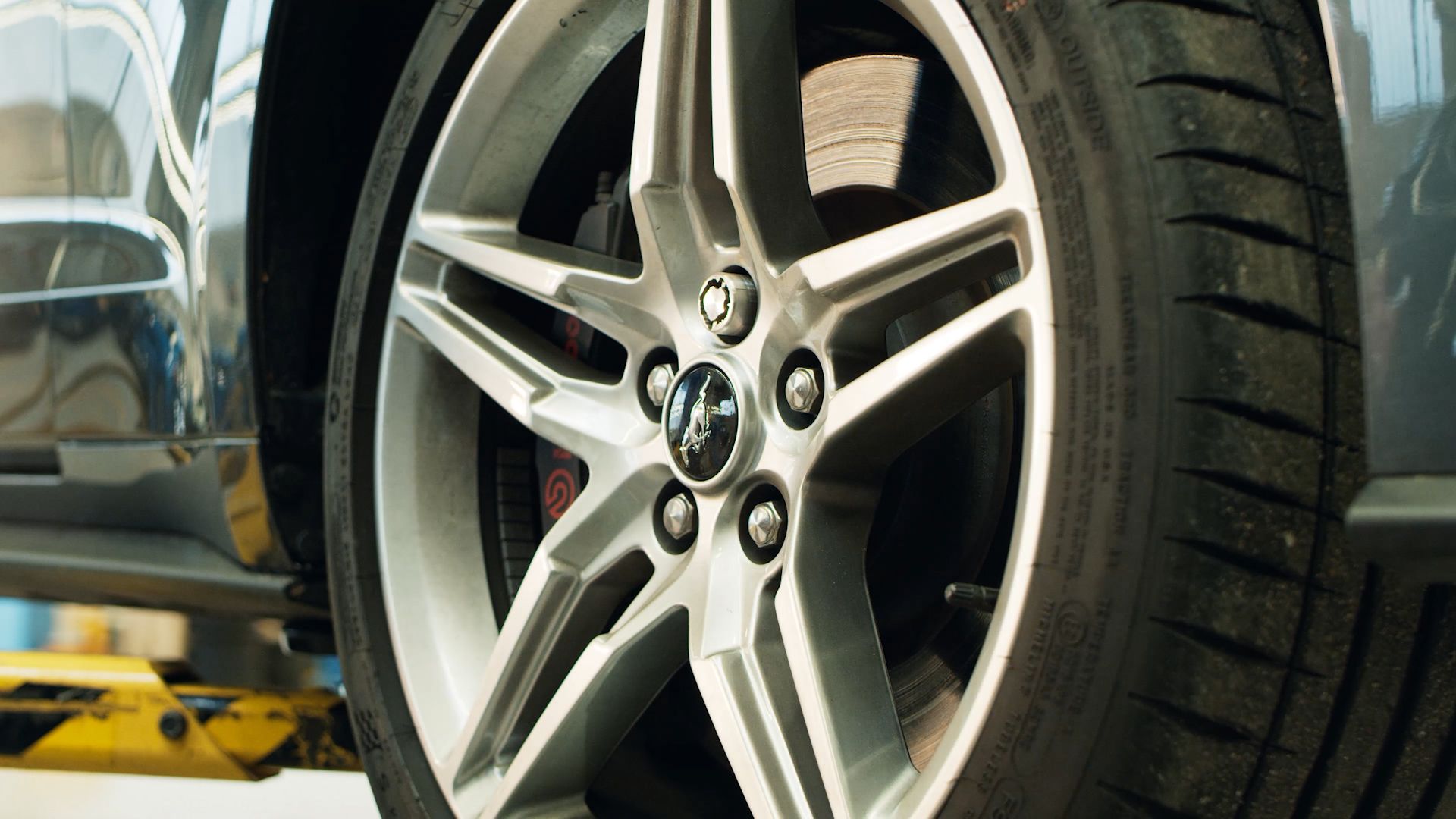
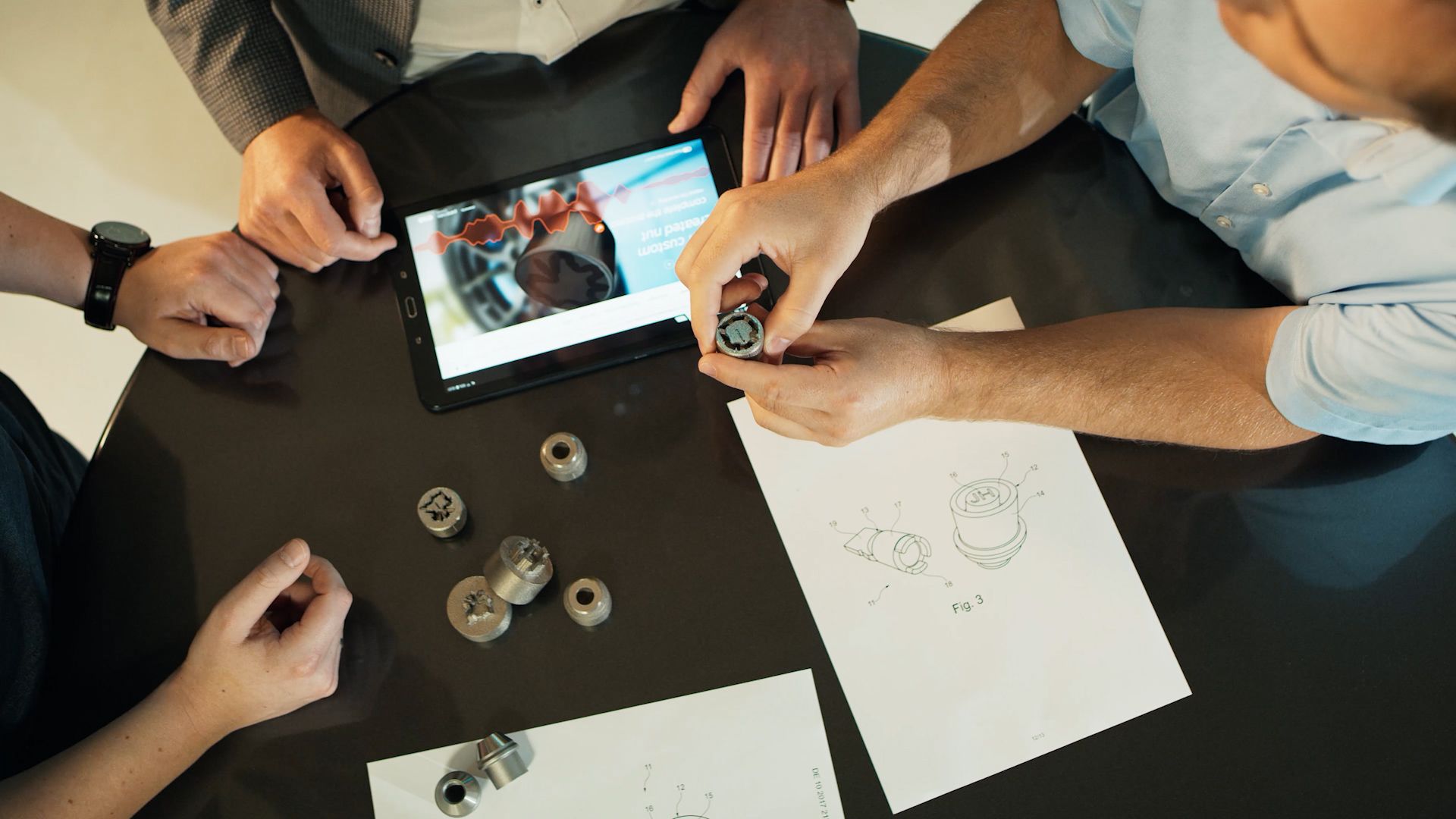
Ford has patented a unique 3D-printed locking wheel nut designed to thwart alloy wheel thieves. So, could the days of finding your pride and joy up on bricks be coming to an end?

The 3D printing itself is clever, but even smarter is what it enables. By using the technique, you can create whatever pattern you want for the nuts, and for their key.

Ford locking wheel nuts stop thieves

As an example, Ford developed a way to record your voice, then convert the sound waves into the locking nut’s indentation. It’s unique, like a fingerprint for your car.

Using wax to clone the pattern is virtually impossible, too. Ford calls it a second-level security feature, using unevenly-spaced ribs inside the nut, plus indentations that widen the deeper they go.

It’s not only soundwaves that could be used to make the lock and key either. Any shape you like, from the Mustang logo to your favourite racetrack, can be adapted.

Ford locking wheel nuts stop thieves

  • Van drivers spend 7 billion hours a year looking for parking

“It’s one of the worst experiences for a driver, to find their car up on blocks with all four wheels gone,” said Raphael Koch, a research engineer at Ford.

“Some alloy wheels can cost thousands to replace, but these unique rim nuts will stop thieves in their tracks.

“Making wheels more secure and offering more product personalisation are further proof that 3D printing is a game-changer for car production.”

If you’ve got carbon fibre wheels on your Mustang GT350R or Ford GT, these unique items could be a worthwhile investment…

ALSO READ

Bloodhound 1,000mph car to use zero-emissions rocket

This unique BMW-badged prototype is heading to auction

London ULEZ exemption expires BEFORE expansion: who has to pay?

Advertisement

Most popular cars built in Britain revealed

0

Most popular cars made in Britain

Britain still builds a huge variety of cars, from the legendary Mini hatchback to the mighty Rolls-Royce Cullinan SUV.

Although 2019 was a year of decline for the industry, with production falling to a nine-year low, we still make a multitude of motors in the UK.

Mini Plant Oxford 60 years

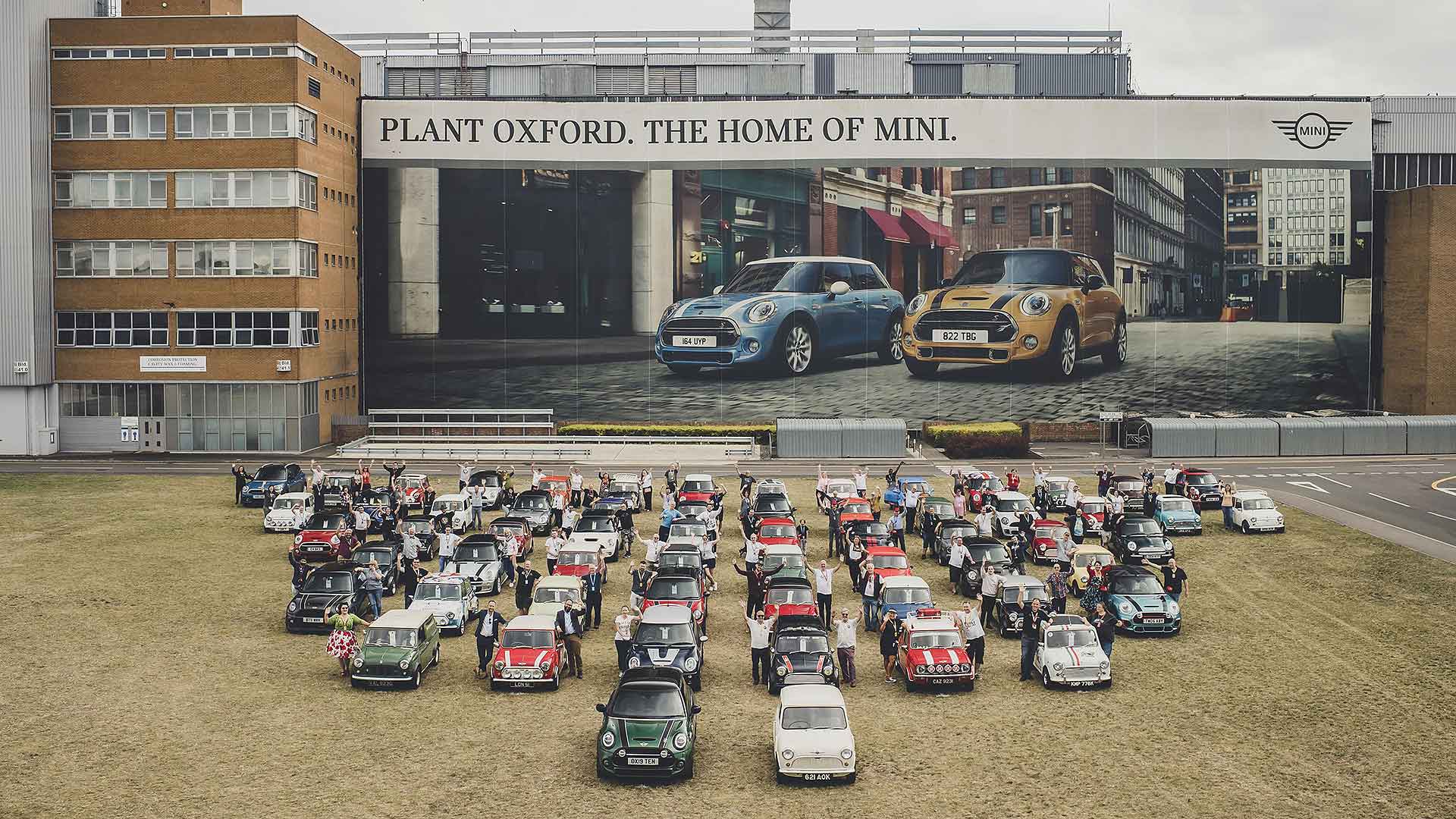
Indeed, 2019 saw a major landmark reached by Mini, with the 10 millionth model rolling off the Plant Oxford production line. Coinciding with the car’s 60th year, the factory celebrated by inviting 60 Mini owners for a memorable day out.

The Mini model is not the only British success story, though, as the top 10 most popular cars built here in 2019 reveals…

10: Land Rover Discovery Sport

Land Rover Discovery Sport

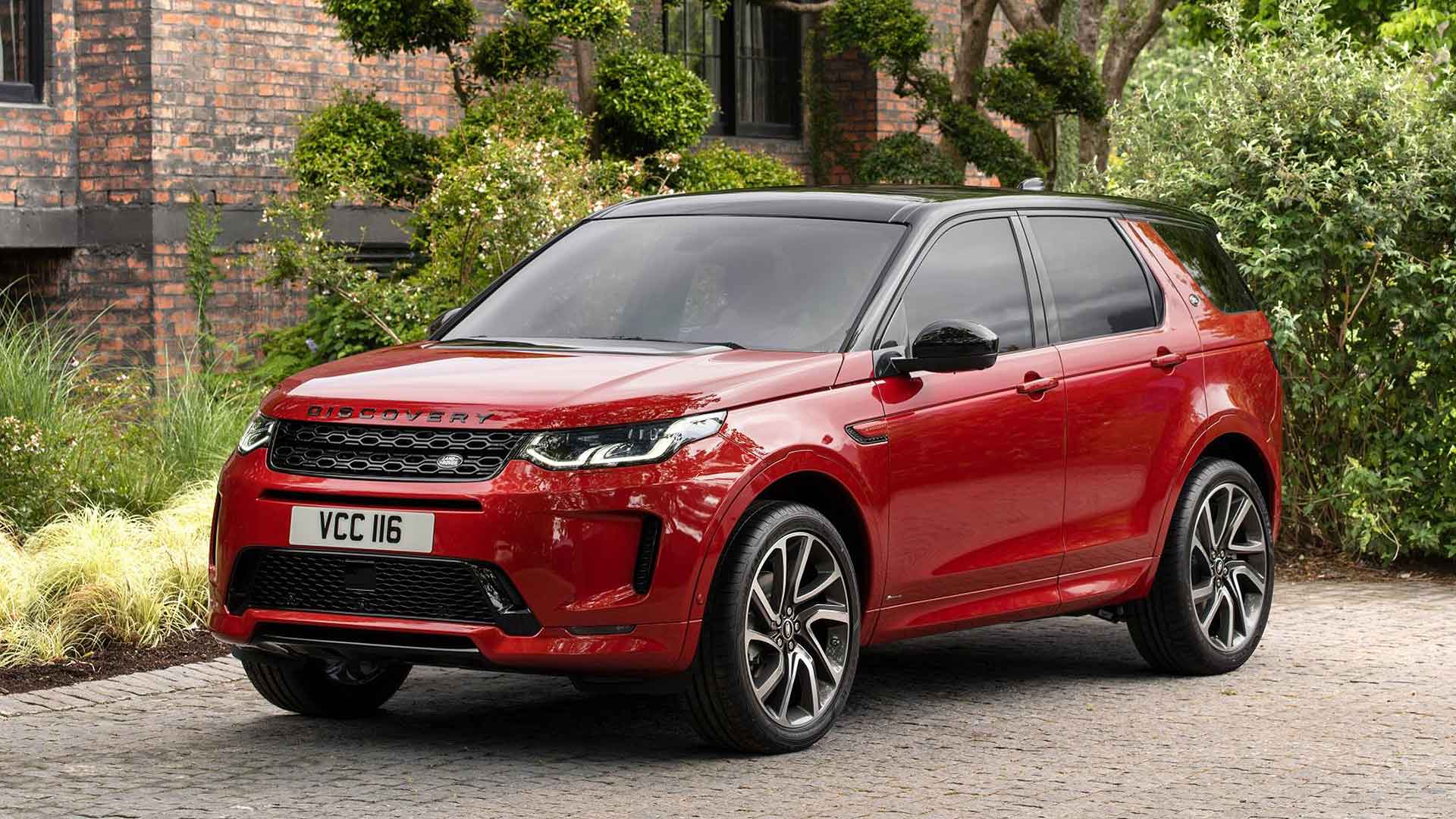
It may not look it, but the Land Rover Discovery Sport is all-new beneath the surface. It now drives with the sophistication you’d normally associate with the upmarket Range Rover, and seats up to seven, which the firm hopes should push it up the production charts in 2020.

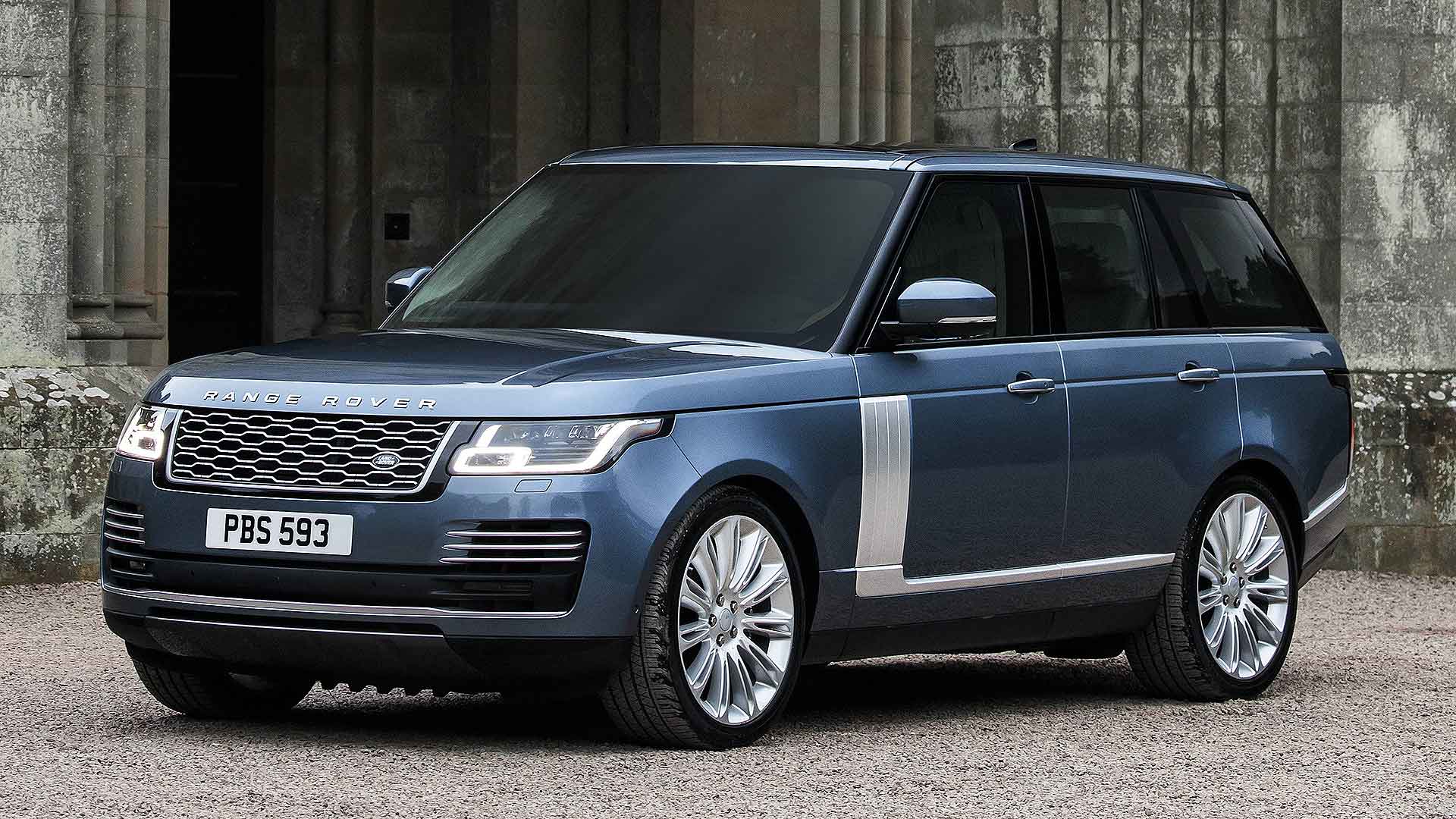
9: Range Rover

Range Rover

This is first Range Rover in the top 10, but not the only one. The full-size Range Rover will surely have bean-counters at Jaguar Land Rover celebrating – selling so many of a vehicle that starts from more than £83,000 (many have price tags well into six figures) is great news for the bottom line.

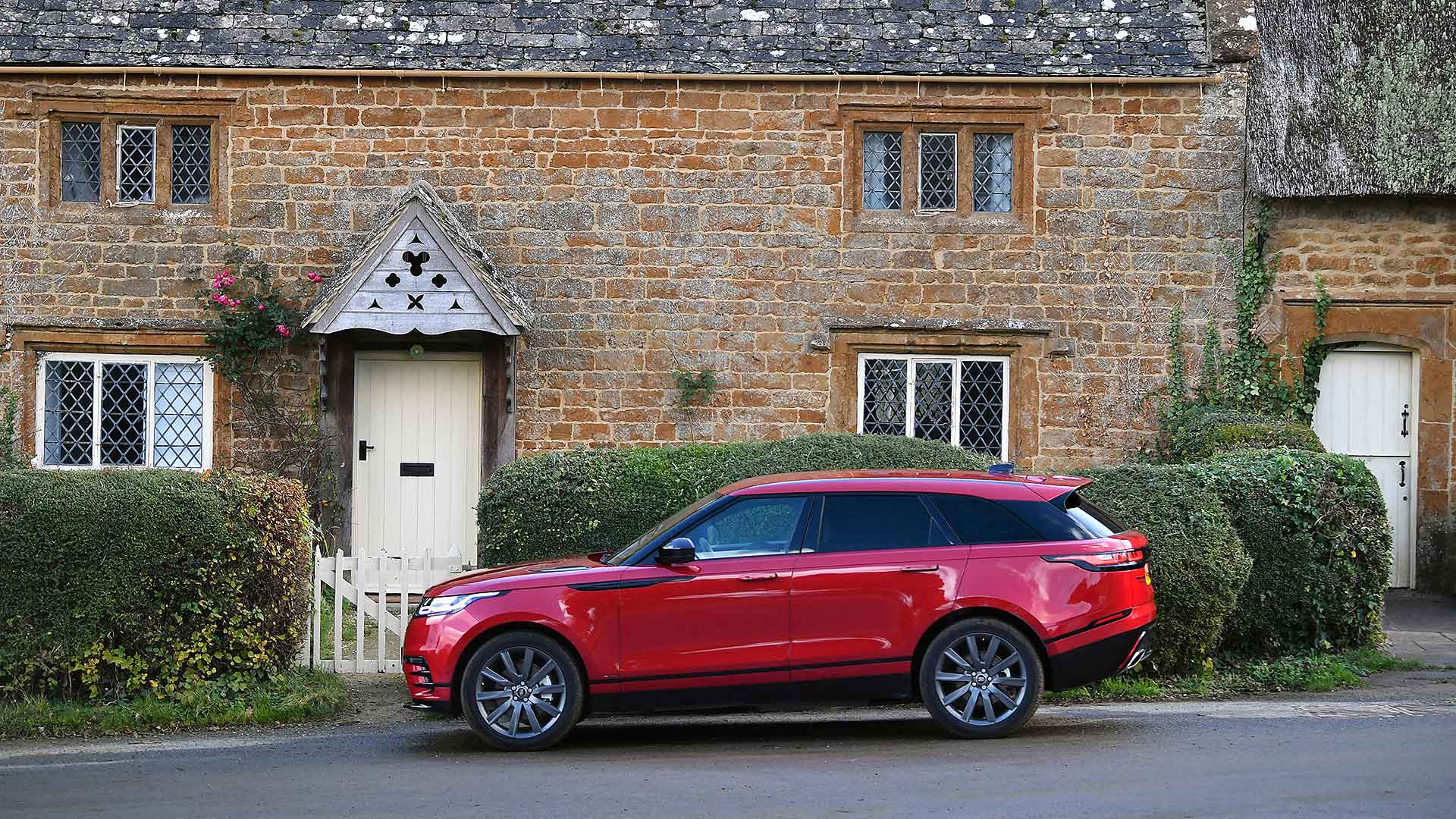
8: Range Rover Velar

Range Rover Velar

After a shaky start where Land Rover struggled to position it in the market, the Velar is now growing in popularity as a bigger, posher alternative to the Evoque – without going full-fat Range Rover.

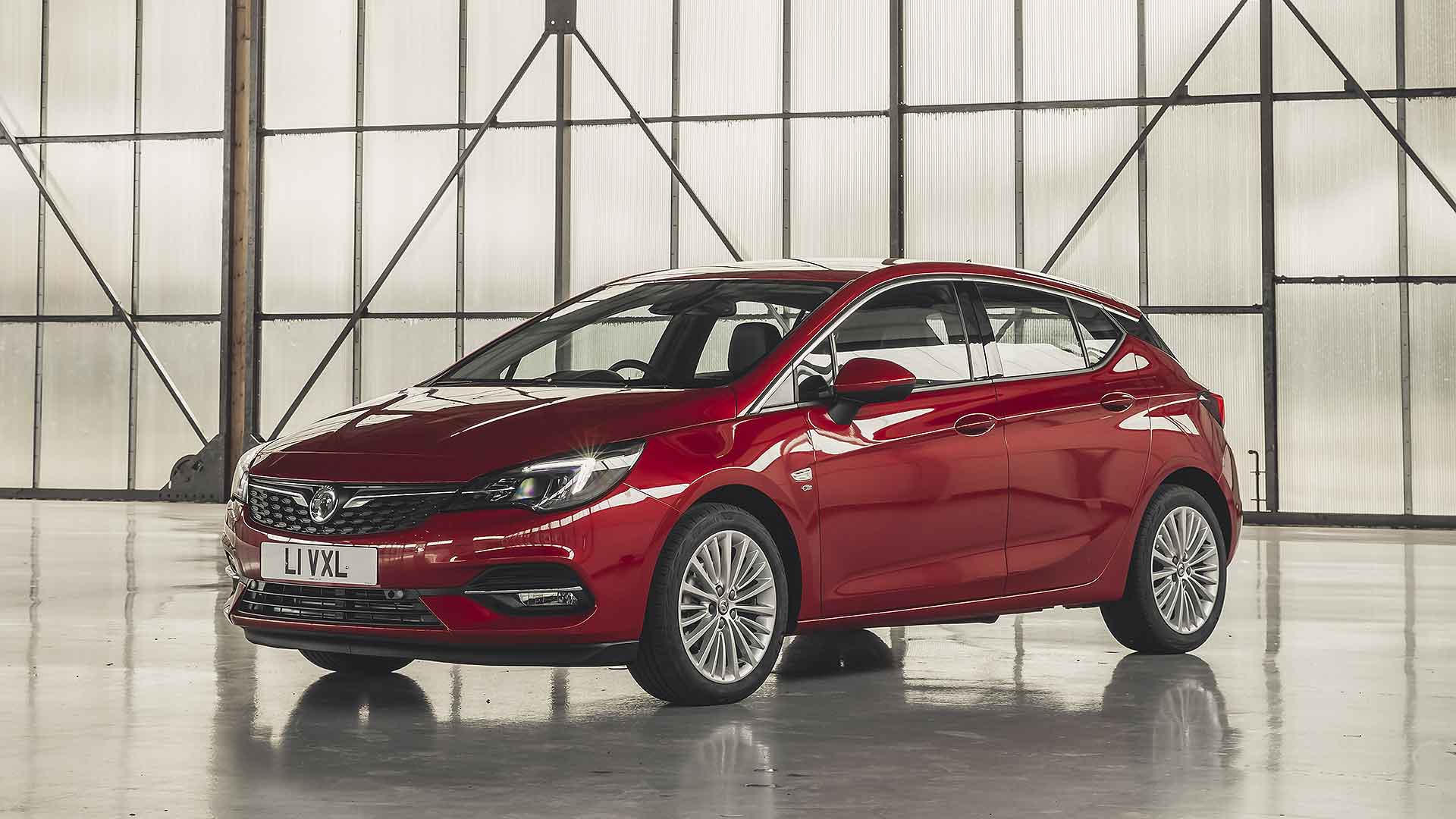
7: Vauxhall Astra

Vauxhall Astra

Surprise – it’s not a JLR product. The Vauxhall Astra is made at Ellesmere Port and production there slumped a worrying 20 percent in 2019, to less than 62,000 cars. Bosses are crossing their fingers that the UK government can strike a Brexit deal that pleases owners PSA. The plant’s future depends on it.

6: Range Rover Evoque

Range Rover Evoque

In previous years, the Evoque has been higher up the rankings, but it switched over to an all-new model in 2019, which did lead to a few delays. Expect it to move back up the chart in 2020.

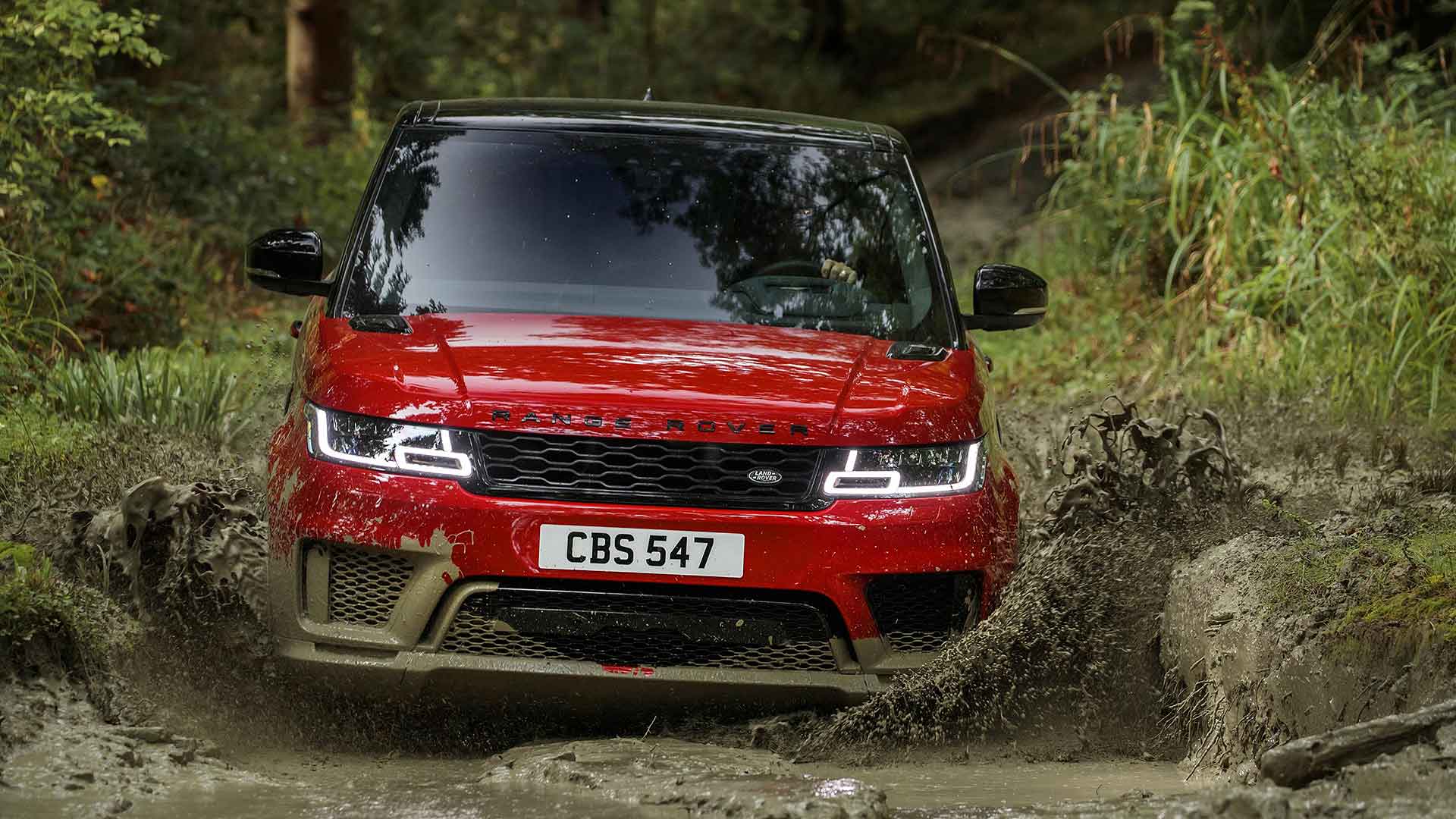
5: Range Rover Sport

Range Rover Sport

The Range Rover Sport is a hugely profitable model for JLR, with the range pushed ever-higher thanks to the launch of premium-priced versions such as the SVR. Don’t expect it to beat the Evoque in the 2020 production charts, though.

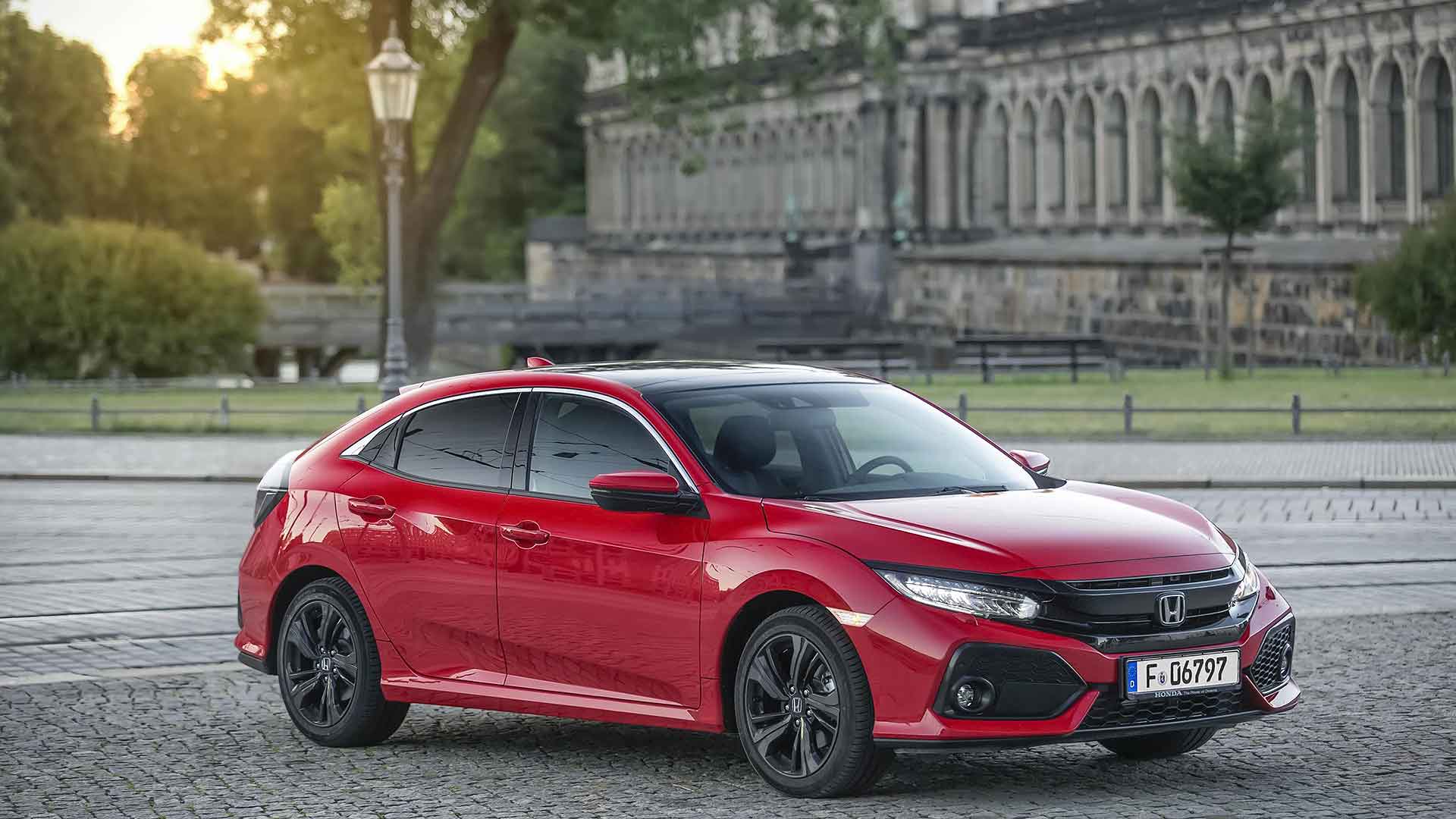
4: Honda Civic

Honda Civic

Yes, Honda is closing the Swindon Civic factory in 2021, but it still has cars to build until then. While production was down 32 percent in 2019, it still made more than 108,000 cars, many of which were exported to the United States.

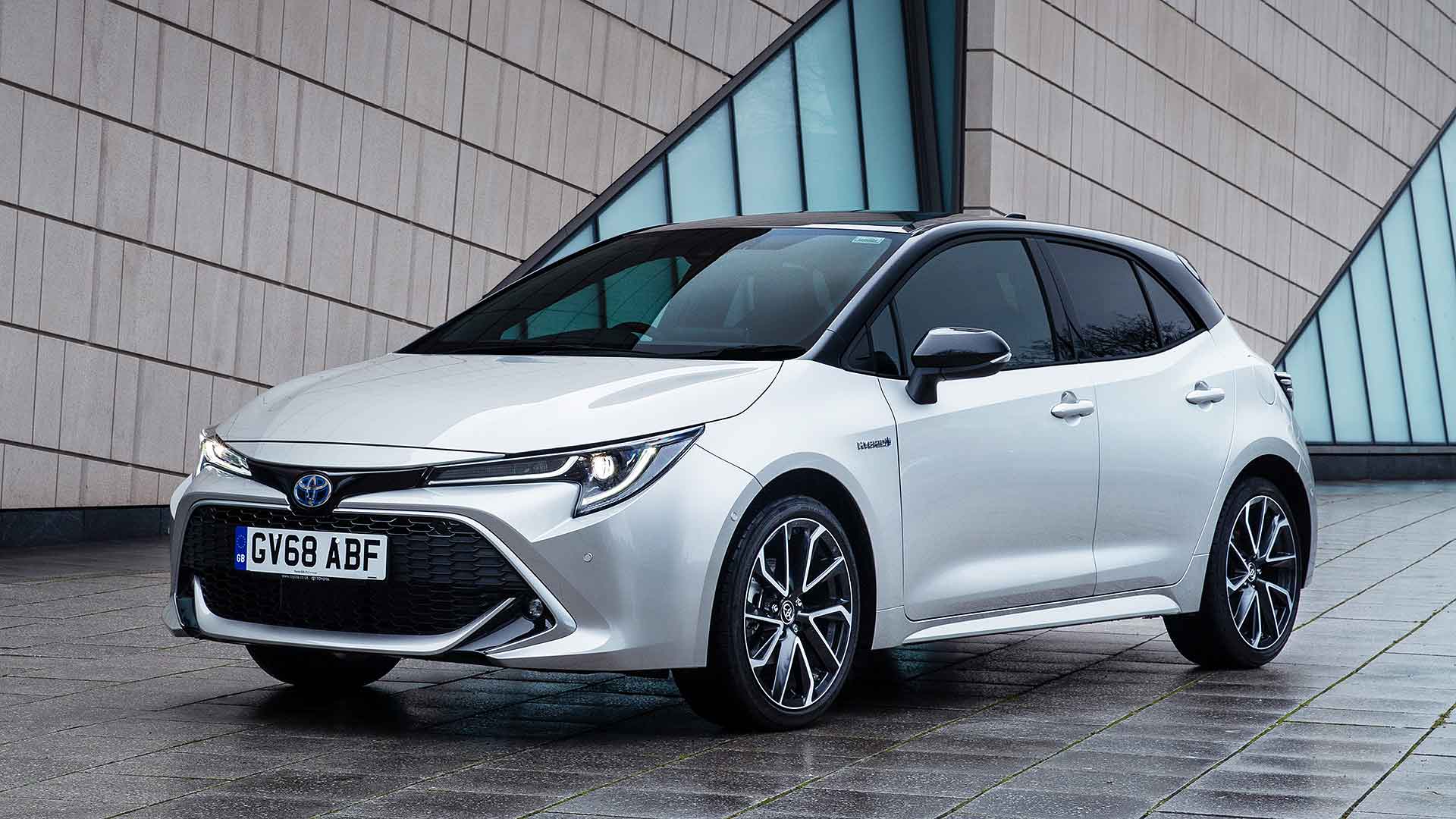
3: Toyota Corolla

Toyota Corolla

Toyota’s Burnaston, Derbyshire factory was a rare bright spot for UK automotive production in 2019. The plant made almost 15 percent more cars, thanks to the positive response for the stylish new Corolla hybrid. Will it top the 150,000 mark in 2020, we wonder?

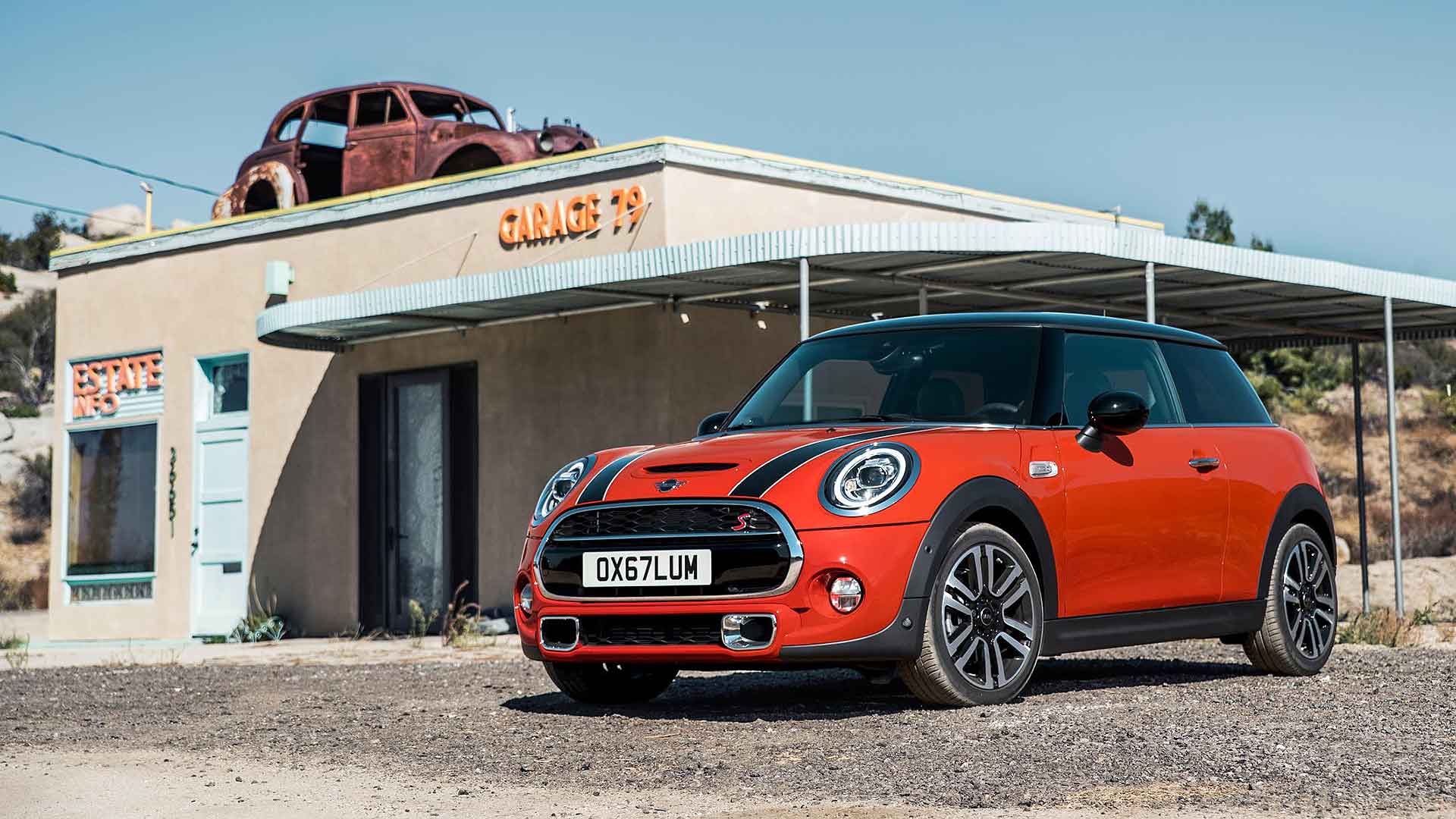
2: Mini

Mini

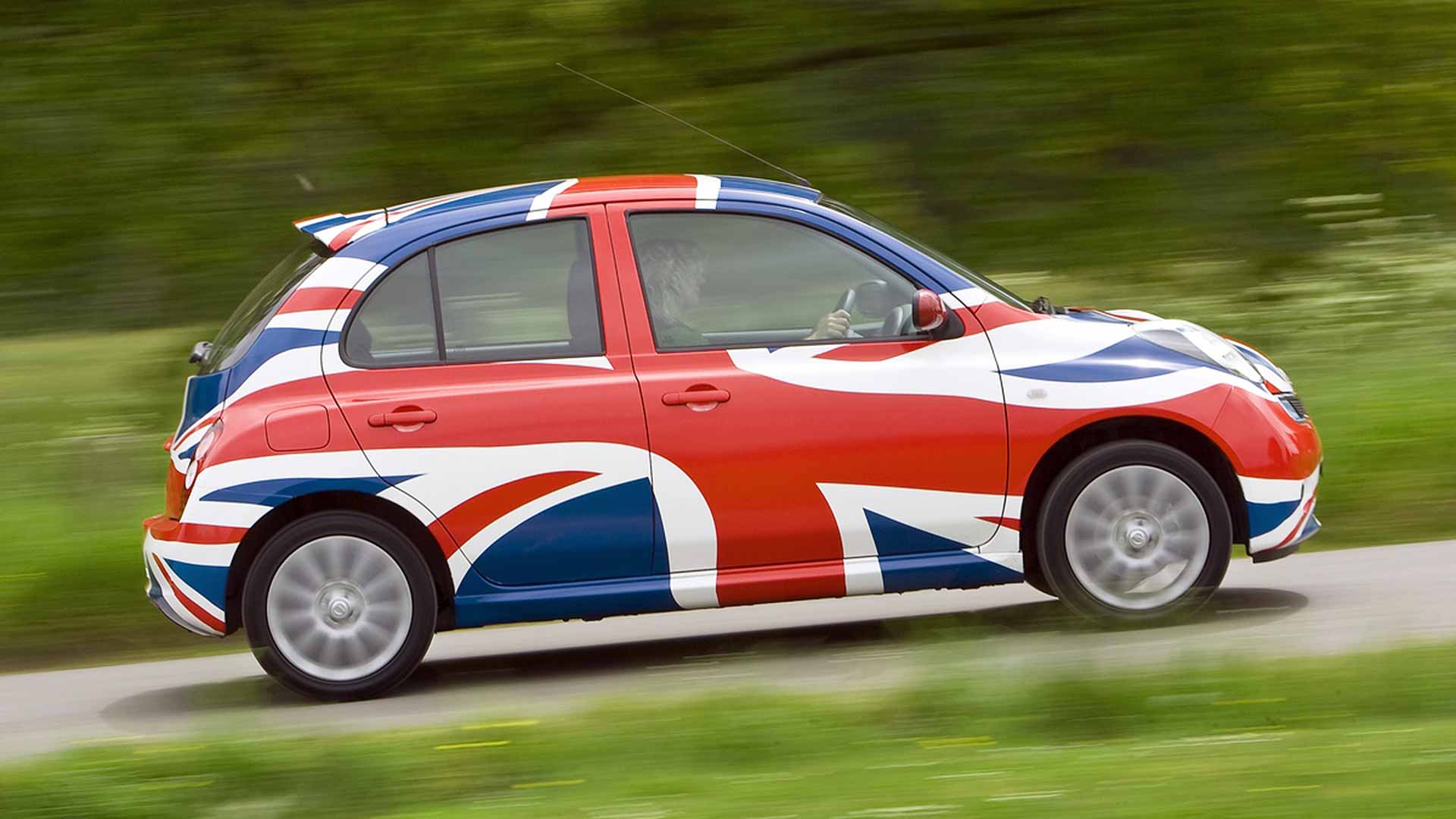
The mighty Mini has been a stalwart of best-selling British-built cars for years. It is a regular in the UK top 10 registrations and exports are also high. Production at Plant Oxford dipped by just over five percent in 2019, but this is seen as a manageable figure in the context of huge losses elsewhere.

1: Nissan Qashqai

Nissan-Qashqai

The Nissan Qashqai remains a stalwart of UK car production, even in the runout years of this ageing current model. The firm has committed to making the stylish new model in Sunderland, so hopefully this run will continue: expect 2020’s production figures to also include the Qashqai’s Sunderland-built sister car, the Juke. A painful switchover to an all-new model saw it drop off the top 10 in 2019 for the first time in years. 


Advertisement