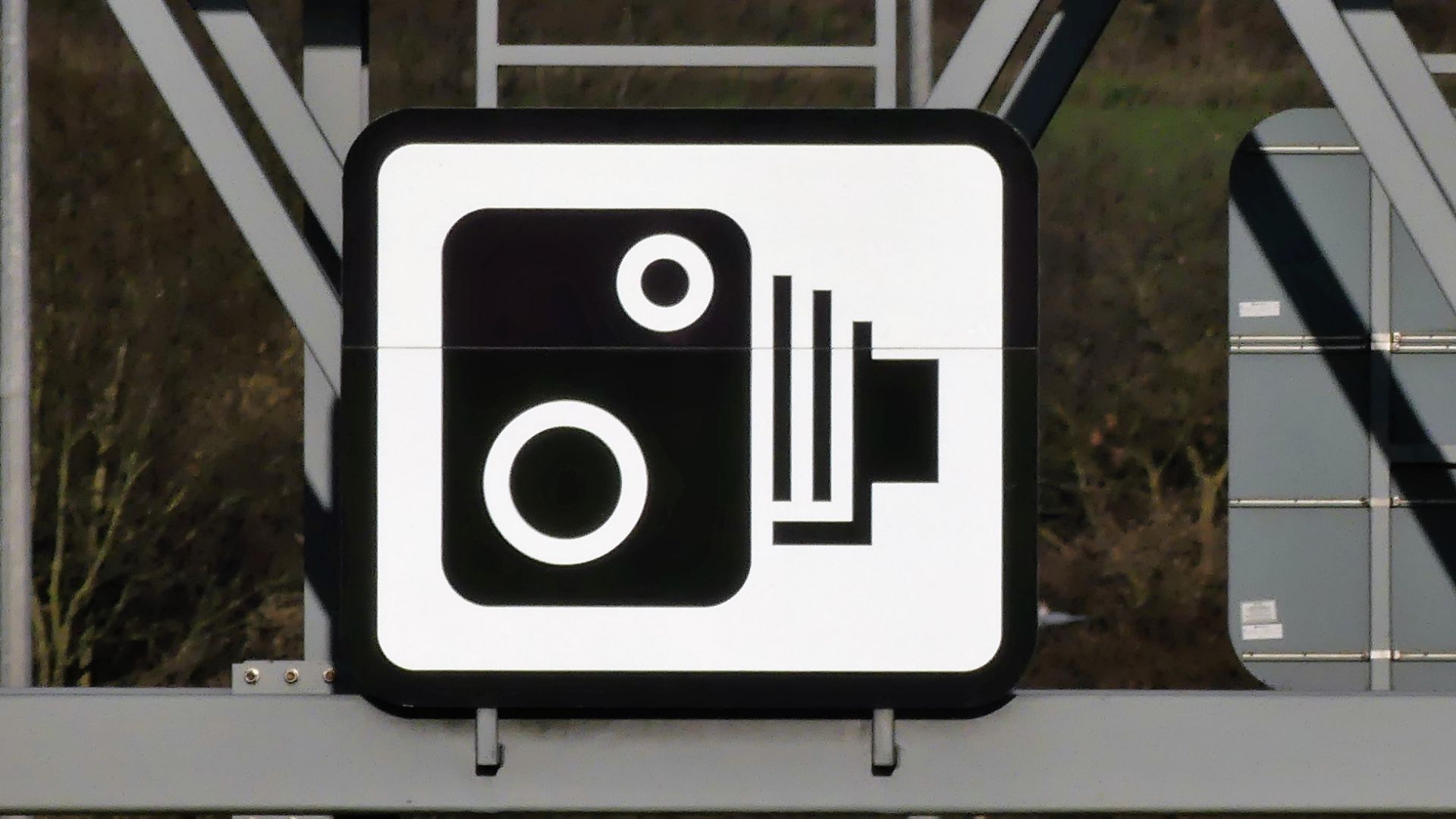
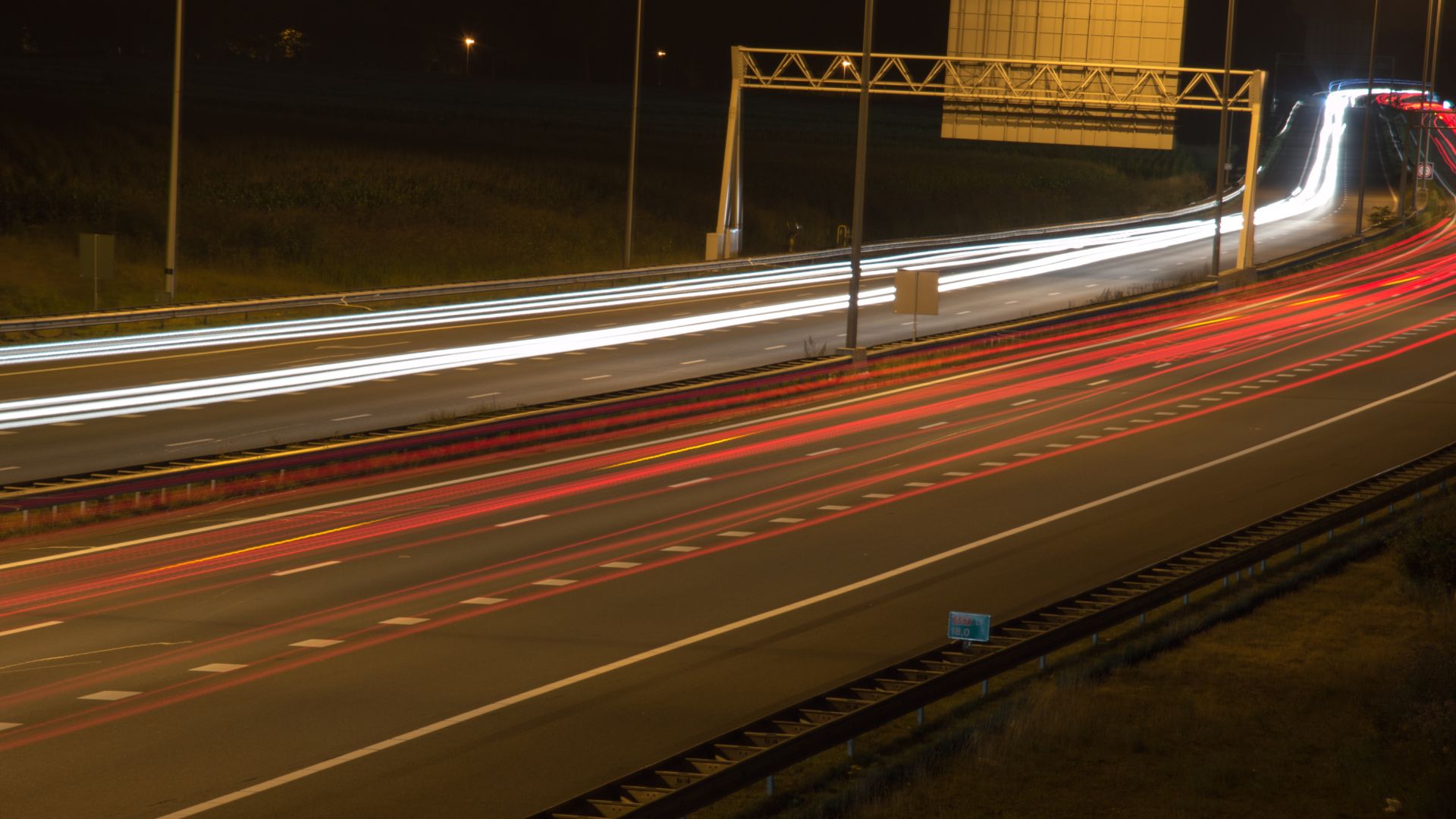
New research reveals that when a speed limit changes on a smart motorway, drivers have a one-minute ‘grace period’ before speed cameras will flash them.
A Freedom Of Information (FOI) request to Highways England, made by Auto Express, revealed that the cameras do not begin enforcement of the new speed limit until one minute after it has changed.
‘Following a change in the speed displayed by signals there is a 60-second ‘grace period’ before HADECS3 cameras start enforcement, giving time for drivers to adapt to the new mandatory speed limit, especially when speed limits are reduced due to slow-moving or queuing traffic up ahead,’ the organisation told Auto Express.
‘This gives drivers time to slow down and reduces the need for braking sharply.’
What does this mean for motorists? Well, if the speed limit has changed on a smart motorway, and you aren’t able to slow down in time, as long as you’re within a minute of the change, you shouldn’t be flashed.
“This discovery will reassure drivers passing under motorway gantries just as they’ve reduced the limit that a nasty letter won’t be in the post to them,” said Jack Cousens, head of roads policy at the AA.
“A 60-second grace period seems sensible and allows more than enough time for drivers further back to slow down safely.”
By default, the national speed limit of 70mph applies on smart motorways. And there is the ‘margin of error’ that we’ve reported on previously to consider, too – so you shouldn’t be flashed at 73mph, for example.
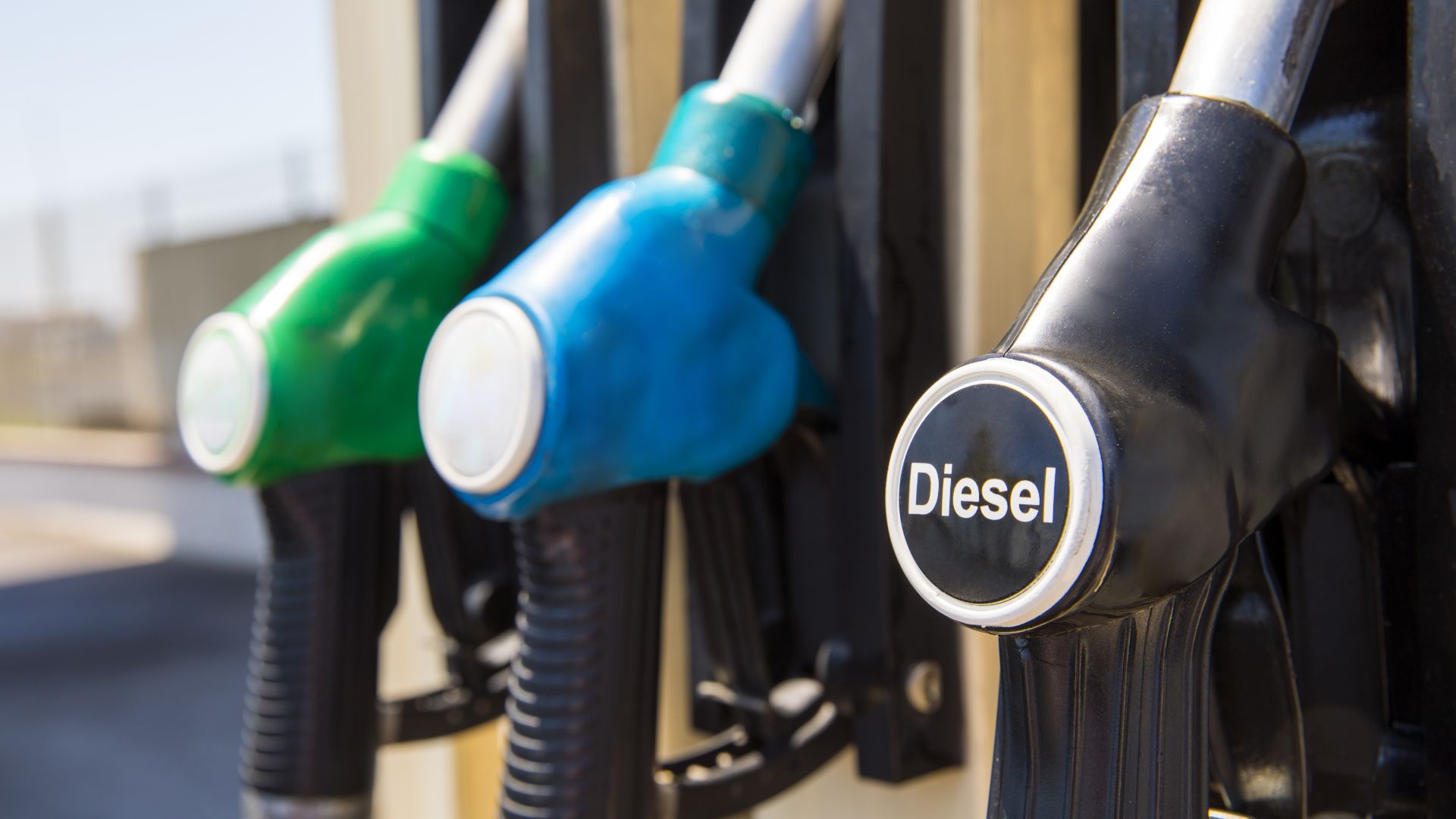
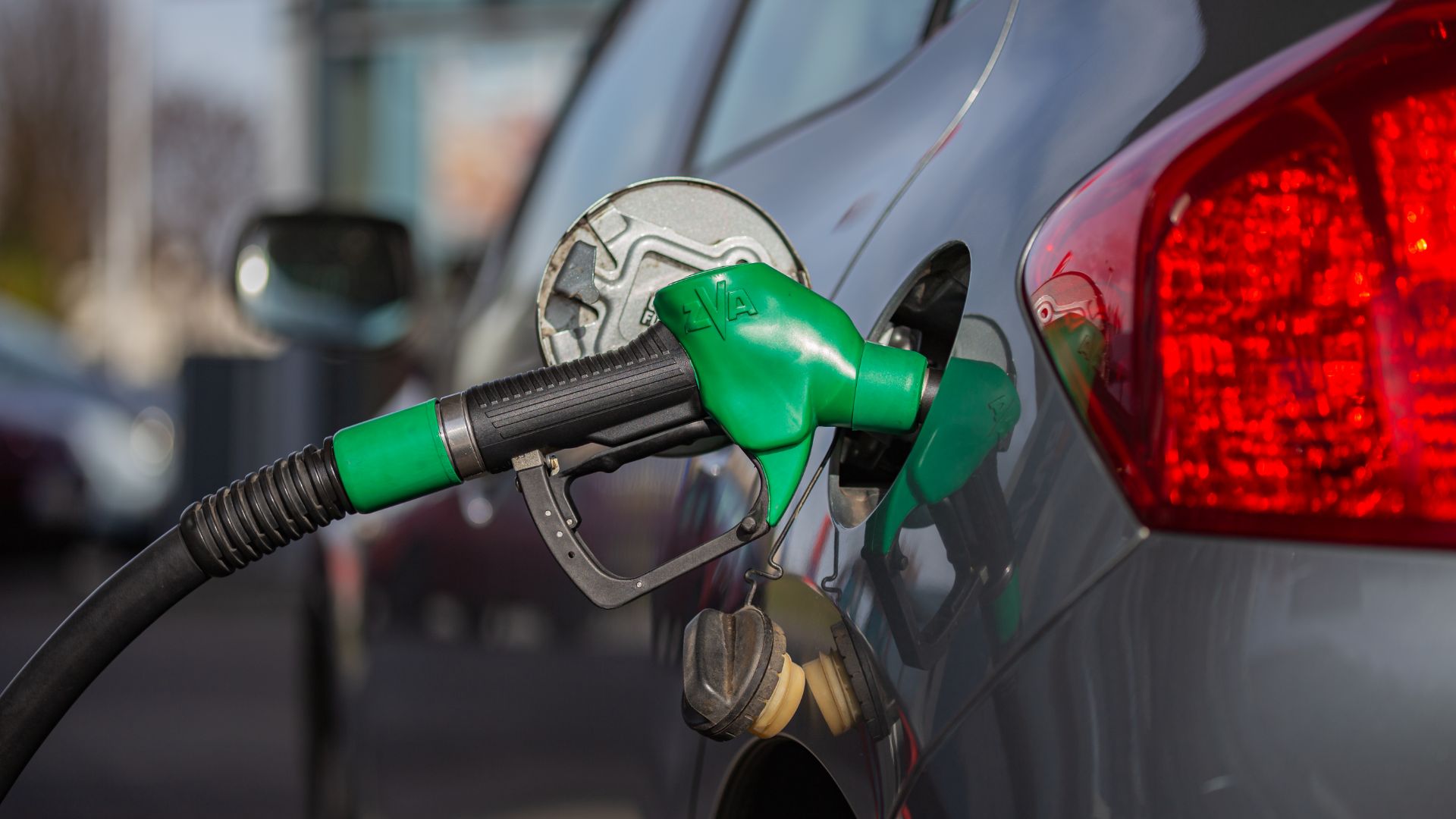
In the past, if you made the mistake of putting the wrong fuel into your car, your insurance company would usually cover it. In recent years, however, many are declining to pick up the bill.
According to new research by Defaqto, payouts for putting the wrong fuel into a car have been declining since 2016. Using the wrong fuel can potentially destroy your engine, and cost thousands to put right. This has lead insurers to back away from covering it under ‘accidental damage’ in their policies.
In 2016, 49 percent of insurance products on the market excluded misfuelling damage, although 51 percent would have covered the claims. In 2020, nearly two thirds (59 percent) exclude it.
Asda cuts fuel prices by 3p per litre
As insurance providers ditch misfuelling, breakdown providers are more likely to cover costs of recovery. In 2016, 49 percent excluded cover for this, compared with just 36 percent who exclude it today.
Running an engine with the wrong feel can be catastrophic. However, just because you’ve filled up, that doesn’t mean the damage is already done. If you realise before you fire the car up, the fuel can be drained and the cost mitigated.
“It is easy to put the wrong fuel in your car by mistake, particularly if you are driving one that you’re not used to,” said Michael Powell, consumer motor expert at Defaqto.
“If you do have breakdown cover, call your provider and ask if they can help. Otherwise, you may need to call a repairer and pay for the costs involved. Either way, it is essential that you do not start your car’s engine as the potential damage could be very expensive to repair.”
Misfuelled your car? Here’s what to do:
Push, don’t start. Save your engine by not firing up
Call your breakdown provider. They may be able to recover you
Check if your recovery also covers draining the fuel
Check if the repairer will be able to get you the right fuel
What’s worse? Diesel in a petrol, or vice versa?
10 tips to cut your fuel bills
Petrol in a diesel car is generally worse news, and unfortunately is more common. Diesel acts as a lubricant in a diesel engine system. Petrol, however, causes more friction. It can be especially damaging to high-pressure common-rail diesel systems.
Diesel in a petrol, while inconvenient, shouldn’t be as bad. It’ll clog the spark plugs and the fuel system, but the AA says petrol engines shouldn’t sustain permanent damage: the engine simply won’t start when fed diesel. It’s also harder to put diesel in a petrol car, as the fuel nozzles usually don’t fit.
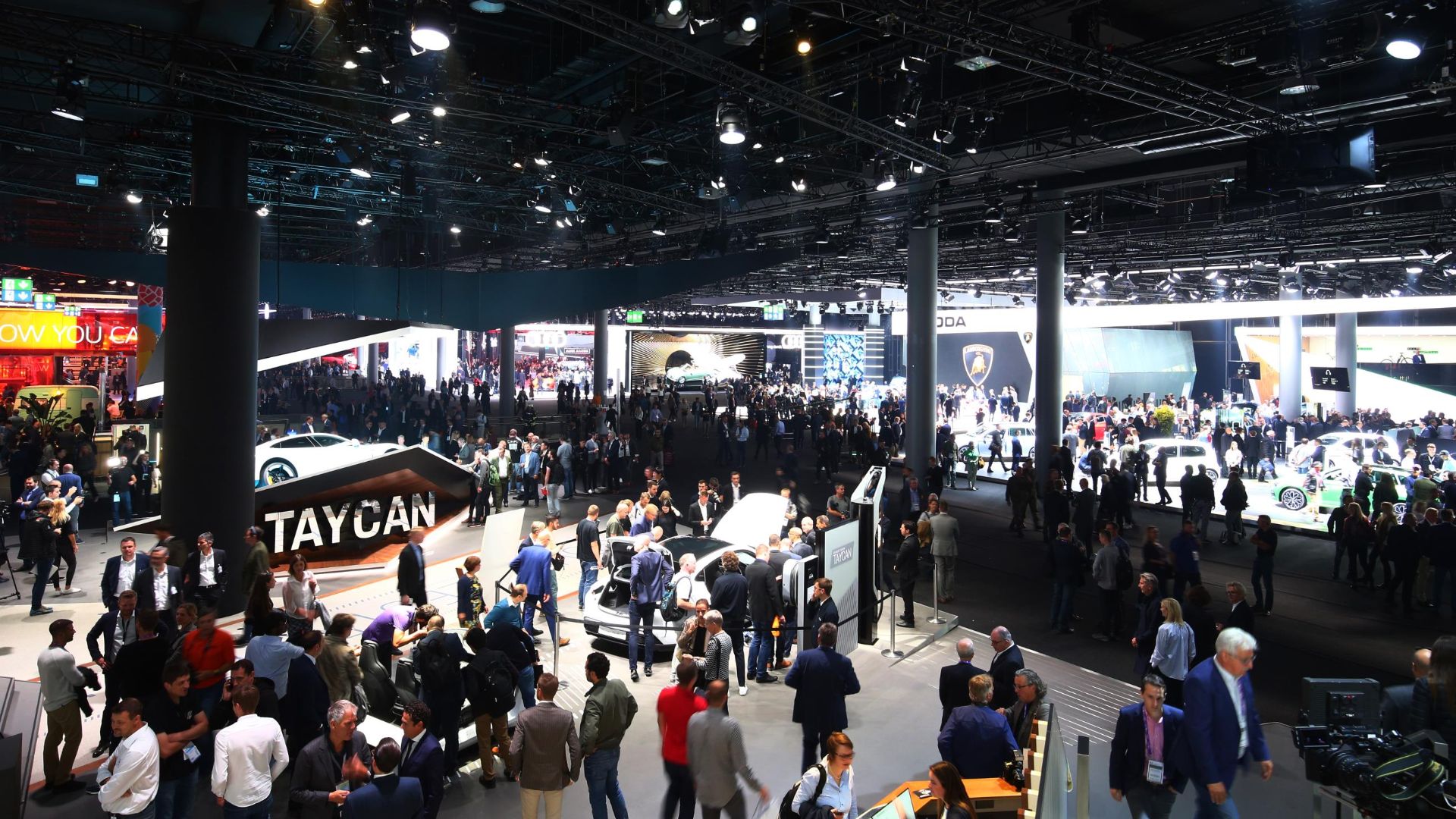
For now, the Frankfurt Motor Show is no more. We’ve got used to walking the huge halls of the IAA every two years, but the biggest motor show on the calendar won’t be held there in 2021.
Home of the greats
Which is a shame. It’s the show where some of the all-time great cars were seen for the first time. Where will the icons of the future be revealed? The internet, probably. From the BMW M3 to the Ferrari F40 – we look back on some of the biggest Frankfurt Motor Show debuts of the past 50 years.
Porsche 914 – 1969
Like the other German marques, Porsche makes a big effort for Frankfurt. In 1969, it brought along the mid-engined 914 sports car. Much derided for many years, the 914 is now a leftfield classic, and popular in the historic racing scene.
BMW 2002 Turbo – 1973
Can you imagine being stand-side as BMW revealed the mad little 2002 Turbo? Even outside the context of pre-M performance cars, the 2002 was important. It was BMW’s first turbocharged production model.
Lancia Delta – 1979
As modern classics go, the Lancia Delta is well up there. On its debut at Frankfurt in 1979, it was far from the blister-arched, flame-spitting rally monster that evolved over the coming decades. Back then, the Delta was merely a stylish, Giugiaro-penned family hatchback.
Porsche 944 – 1981
At the start of the 80s, Porsche wanted to move away from the rear-engined 911, which wasn’t even 20 years old at the time. The 944 was a fine front-engined coupe, but the fact that the 911 lives on today, while a 944 successor is nowhere to be seen, seems telling.
Mercedes-Benz 190E – 1983
Mercedes is a marque made famous by executive saloons, and the 190 is one of its greatest. The original 190 debuted at the 1983 Frankfurt Motor Show. It would be replaced by the C-Class in the 1990s, which remains in production today.
Volkswagen Golf Mk2 – 1983
The sophomore Golf is a fan favourite today, for some even more so than the Mk1. It grew up and grew bigger, but designer Herbert Schafer maintained a lot of the original Giugiaro style. The Mk2 GTI is among the best of the hot hatch breed, too.
BMW M3 – 1985
At this point, you might think Frankfurt is the place to reveal your future motoring icon, and you’d be right. Without the first BMW M3, there’d be no CSL, no M4, no C63 AMG, no RS4. Bahnstormers the world over owe their existence to this mid-80s homologation special.
Porsche 959 – 1985
Some consider the 959 a bit of a white elephant, especially alongside Ferrari’s contemporary rival, the F40. Regardless, this incredibly sophisticated four-wheel-drive supercar could walk the walk, hitting 60mph in 3.6 seconds on the way to nearly 200mph flat-out.
Ferrari F40 – 1987
The last road car to get sign-off from Enzo himself, the F40 is considered one of the greatest Ferraris ever made. It had visible carbon you could see through the paintwork, plus turbo lag measured in calendar days rather than seconds. A gloriously single-minded supercar and a Ferrari great, first seen at Frankfurt.
Vauxhall Calibra – 1989
The Calibra is one of the Griffin’s modern greats: handsome when new, and even cooler today. Especially now all the cars that were extravagantly modified in the 90s have made their way to the scrapheap in the sky.
Land Rover Discovery – 1989
Land Rover’s bridge between the utilitarian Defender and luxurious Range Rover came in 1989, and was an instant hit. Its high-sided silhouette would endure for 24 years, before the Disco got a full overhaul for its third generation in 2004.
BMW 8 Series – 1989
Yep, 1989 was a cracking year for new car debuts. Joining the Disco and the Calibra at Frankfurt was BMW’s soft-focus supercar, the lavish 8 Series. Overnight, night club owners needing transport had the answer to their prayers.
BMW 5 Series – 1995
Another Beemer, and the 1995 Frankfurt debut of what some argue remains the best car ever made. The E39 5 Series is still very highly regarded, but it all started at Frankfurt in 1995. The M5 it spawned is also one of the greatest sports saloons ever.
Land Rover Freelander – 1997
The last proper Land Rover? Well, it was the last developed by the Rover Group, as we knew it then. Test mules were even disguised as Austin Montegos. The Freelander arguably invented the crossover back in 1997.
Mercedes-Benz A Class – 1997
Some revolutionary cars don’t have staying power. Merc’s clever compact was yet to face the infamous rollover ‘elk test’ when revealed at Frankfurt in 1997.
Audi A2 – 1999
Unfortunately Audi drank the same Kool Aid as Mercedes for the A2. Its lightweight, alloy-bodied eco hatch was brilliant but expensive. Indeed, it was clear from the beginning that this car wouldn’t be a commercial success. A brilliant machine that was ahead of its time.
BMW X5 – 1999
Say what you like about the X5, but BMW rewrote the rules back in 1999, showing Mercedes that a German-badged SUV could be a success. The X5 was part of BMW’s three-pronged assault on Frankfurt that year.
BMW Z8 – 1999
Remember the BMW Z8? Henrik Fisker’s forgotten roadster borrowed the M5’s heart and mated it with a retro-futuristic body. It was as expensive as it was pretty, but the drive didn’t live up to expectations.
BMW M3 – 1999
Quite the opposite is true for the E46 M3, which also debuted in 1999. Alongside the E39 M5, it’s considered one of the M car sweet-spots. A singing six and perfect coupe proportions made for an very desirable sports coupe. That it drove like a dream only added to its allure.
Vauxhall VX220 – 1999
Some non-BMW madness from 1999’s Frankfurt show comes in the form of the Vauxhall VX220. It’s what happens when you restyle and re-body a Lotus Elise. A firecracker of a car.
Lamborghini Murcielago – 2001
Lamborghini came out swinging at the first Frankfurt show of the new millennium, launching the long-awaited successor to the Diablo. With new-found Audi money and razor sharp looks, the Murcielago became an instant pin-up. If you’re a top-level Lambo, that’s job done.
Mercedes-Benz SL – 2001
The year 2001 was important for Mercedes, too, with the launch of the svelte ‘R230’ SL roadster. AMG versions came with a 493hp supercharged V8, while monstrous turbocharged V12 models had more than 600hp. The former was famously championed by Jeremy Clarkson in the early years of ‘new’ Top Gear.
Mercedes-Benz SLR McLaren – 2003
Of course, the SL, with help from McLaren, spawned Mercedes’ split-personality supercar: the SLR. Not sure whether it wanted to be the ultimate GT or a successor to the F1 hypercar of the 90s, the SLR caught a lot of grief from critics. We happen to think this droop-snoot supercharged savage is one of the best-looking cars of its era.
Aston Martin DB9 – 2003
Aston Martin was making waves in 2003, too. If the Vanquish was a bit of a non-starter, the DB9 was a breakout success. So revolutionary was it in comparison with its DB7 predecessor, it skipped a number in the naming system.
Maserati Quattroporte – 2003
The reborn Maserati Quattroporte came with Ferrari V8 power and oodles of desirability. Another modern classic in the making, once the numbers begin to dwindle.
Porsche Carrera GT – 2003
Can you tell the economy was booming around 2003? The Porsche Carrera GT was the second German hypercar to launch at Frankfurt 2003, and had a starting price over £300,000. With a manual gearbox, screaming V10 and engineering that’s as artful as it is functional, it’s one of the last great analogue supercars.
BMW 6 Series – 2003
Arriving to fight the Mercedes SL at Frankfurt in 2003 was the reborn BMW 6 Series. Jeremy Clarkson famously said it looked like the stylist died while designing it, with BMW finishing it the job by dumping a duvet on the back.
Porsche Cayman – 2005
Returning to the show in 2005 was Porsche, with a hard-top version of its Boxster roadster. The Cayman quietly became the best sports car Porsche makes. Sshhh, don’t tell the 911!
Jaguar XF – 2007
The triumphant return of a Jaguar for the mainstream, the sleek XF is the seed out of which today’s brand grew. And it all started at Frankfurt in 2007.
Ferrari 430 Scuderia – 2007
About time we featured a Ferrari, right? Normally frequenting Geneva’s hallowed halls with its new models, Ferrari chose Frankfurt in 2007 to debut its hardcore F430, the Scuderia. It’s one of the most beloved driver’s cars to come out of Maranello.
Ferrari 458 Italia – 2009
But it didn’t shake up the supercar world like the 458. This thing was an absolute revelation. Indeed, much of the 458 lives on in the new F8 Tributo. It was the last non-track-focused mid-engined Ferrari with a naturally-aspirated V8.
Bentley Mulsanne – 2009
An old-school Bentley for the modern era, Frankfurt was chosen to debut the Arnage successor in 2009. Rumours were it would borrow the W16 engine from the Bugatti Veyron. In spite of that not being true, the Mulsanne was every bit as imperious as we’d hoped. It soldiers on even today, selling fewer than 1,000 units a year.
Volkswagen Up! – 2011
Volkswagen’s clever supermini was a long time coming, but worth the wait. It’s still one of the most satisfying small cars on sale, especially now it comes in pokey GTI guise.
BMW i8 – 2013
It’s amazing to think this car is six years old. Alas, we’re now less than a year away from the i8 ceasing production. When it debuted at Frankfurt in 2013, it offered a brave new world of eco-conscious performance. No-one saw the barrage of 2,000hp electric hypercars coming back then.
Porsche 918 Spyder – 2013
Ten years on from the Carrera GT’s arrival at Frankfurt 2003, the production version of Porsche’s all-wheel-drive hybrid hypercar was revealed. A Nurburgring lap-record holder, it also started the journey to the all-electric Taycan.
Jaguar F-Pace – 2015
Jaguar really got into its stride with the F-Pace SUV, revealed at Frankfurt in 2015. It seemed to achieve the impossible by making an SUV look sleek and sexy.
Bentley Bentayga – 2015
Jag wasn’t the only British luxury marque to jump on the SUV bandwagon in 2015. Bentley was also at Frankfurt with its own 4×4, although it was the opposite of sleek and sexy. Still, the Bentayga was a slam-dunk in terms of sales.
Volkswagen T-Roc – 2017
Finally, we arrive at the previous Frankfurt Motor Show in 2017. Our pick of the bunch when it came to new reveals? The T-Roc – Volkswagen’s replacement for the beloved Scirocco coupe. Blasphemic though it may seem to replace a coupe with a crossover, the T-Roc is a cool looking thing. Ford is taking a similar direction with the new Puma, which debuts at Frankfurt 2019.
Land Rover Defender – 2019
It’s fair to say Frankfurt went out on a high, with 2019 one of the biggest years in recent memory for hot debuts. None more so than the all-new Land Rover Defender, which was finally revealed after a five-year wait.
Volkswagen ID.3
Volkswagen chose Frankfurt to unveil the third chapter for the people’s car. First Beetle, then Golf, now the all-electric ID.3. Deliveries of the dedicated all-electric hatchback begin this year.
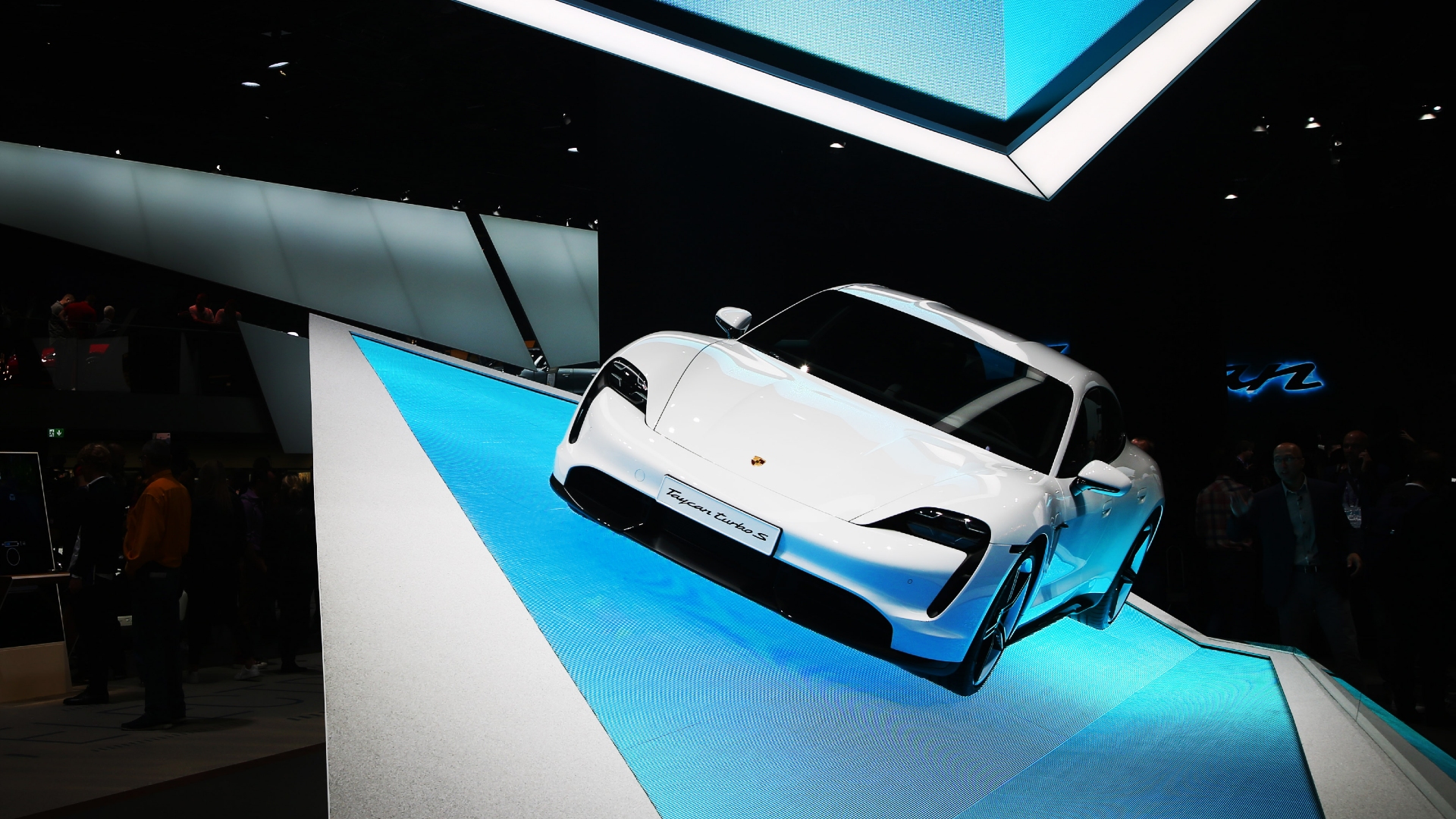
Porsche Taycan
We began this gallery with a Porsche and we followed the marque through its history of Frankfurt debuts, from the 914 to the Carrera GT. It’s fitting, then, that perhaps one of the most important Porsches in history should arrive at the final Frankfurt show. An electric super saloon, the Taycan is here to show Tesla just what ‘legacy’ manufacturers are capable of. It’s a brave new world, now, sadly, bereft of the Frankfurt Motor Show.
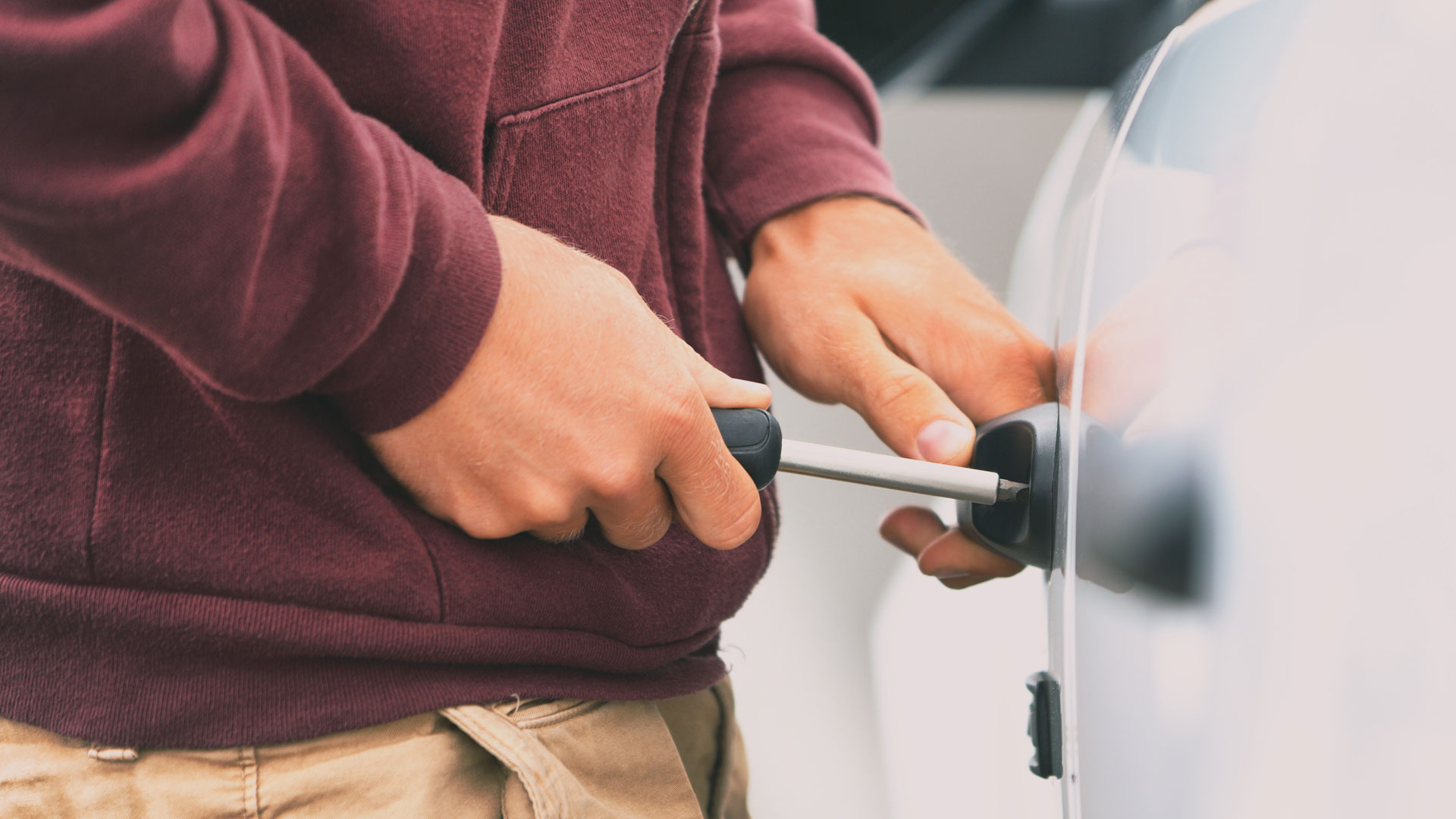
A Freedom of Information request has revealed the cities where your car is most likely to be stolen.
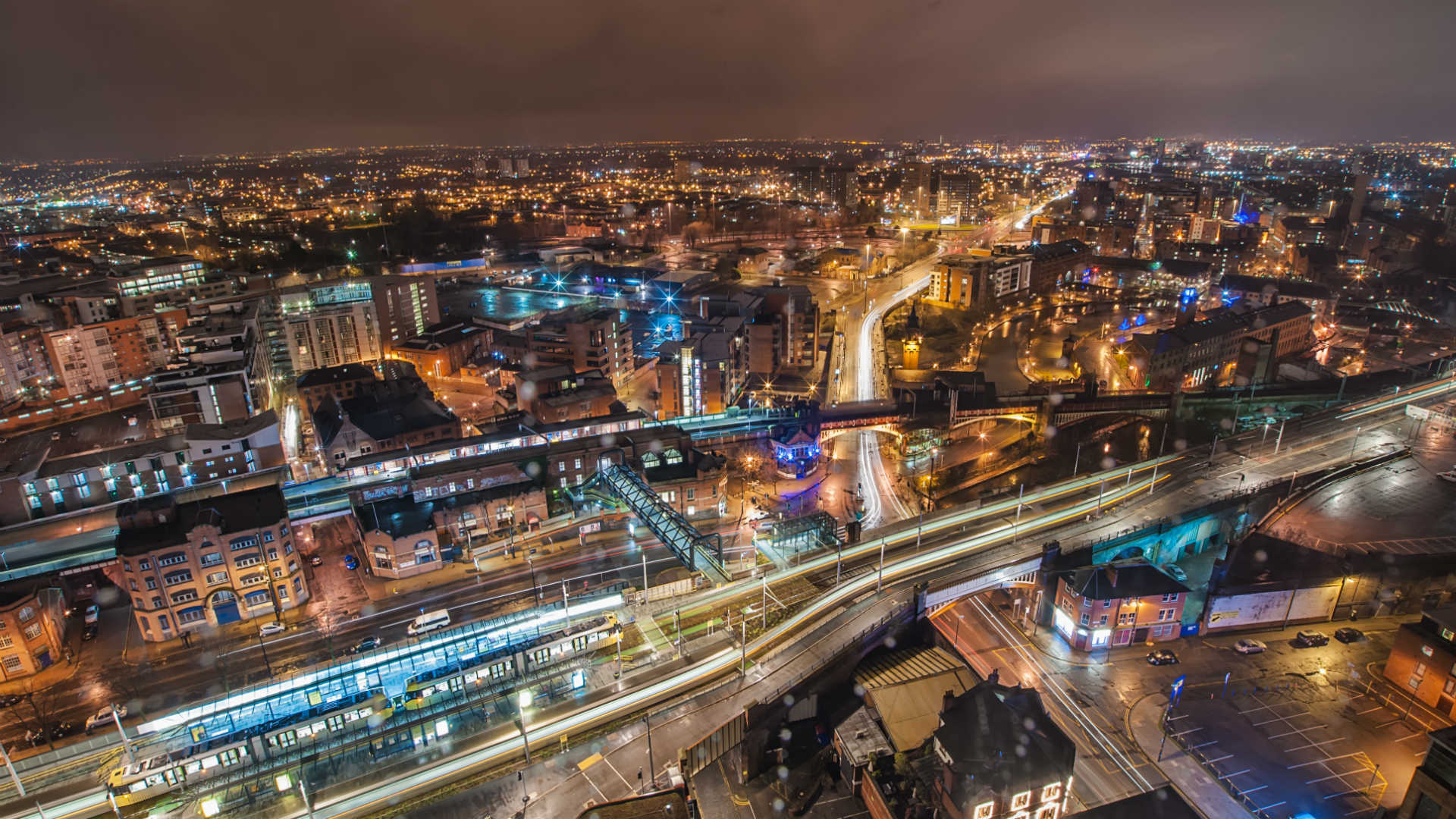
Taking London out of the equation, Manchester tops the table, with 50.66 crimes per 1,000 vehicles. Of the 178,400 registered vehicles in the city, 9,037 were targeted in some way.
The data was sourced from Freedom of Information requests made to the police constabularies of the UK’s 30 most populated towns and cities. Crimes were committed between 1 April 2018 and 31 March 2019.
Although Birmingham doesn’t make the top 10, the city has the most overall car crimes in the UK. There were 14,758 car crimes during the period, but there are far more vehicles on the road in Birmingham, so the crimes per 1,000 vehicles figure is lower.
Nottingham, Bradford, Wolverhampton and Northampton complete the top five, but there’s better news elsewhere in the country.
Just 395 car crimes took place in 12 months in Luton – 10 times less than hotspot cities such as Liverpool and Bristol. The Bedfordshire town is named alongside Plymouth and Belfast as the safest places to own a car.
Top 10 UK car crime hotspots
City
Crimes per 1,000 vehicles
1. Manchester
50.66
2. Nottingham
29.51
3. Bradford
27.59
4. Wolverhampton
27.07
5. Northampton
25.97
6. Liverpool
25.95
7. Bolton
24.86
8. Coventry
22.24
9. Kingston upon Hull
22.13
10. Leicester
21.74
Perhaps predictably, the capital sees more car crime than anywhere else in the UK. The worst hit areas are in the centre of London, with Westminster, Hackney and Tower Hamlets topping the table. It’s worth remembering that the figures relate to all motor vehicles, including motorcycles and light vans.
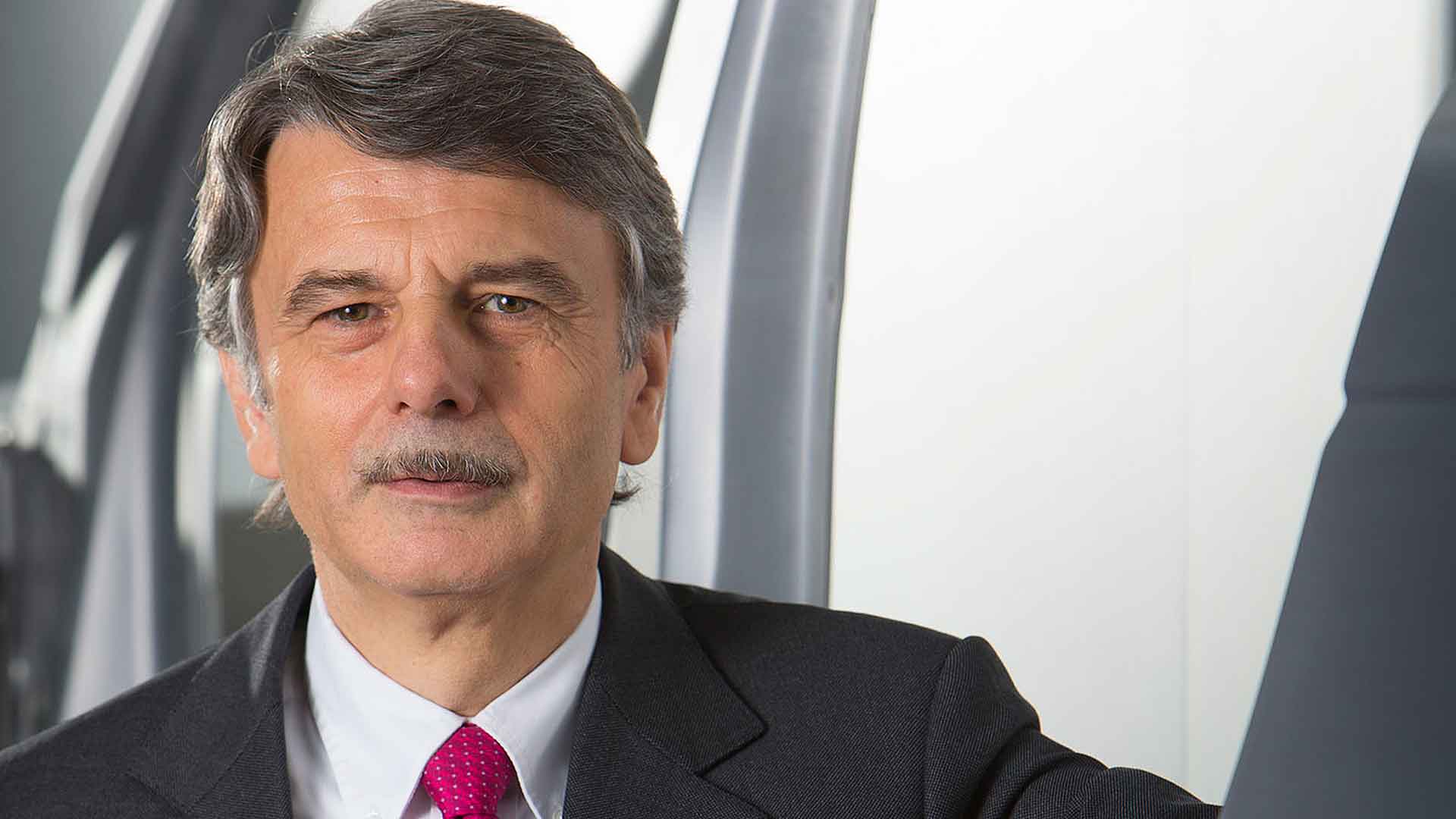
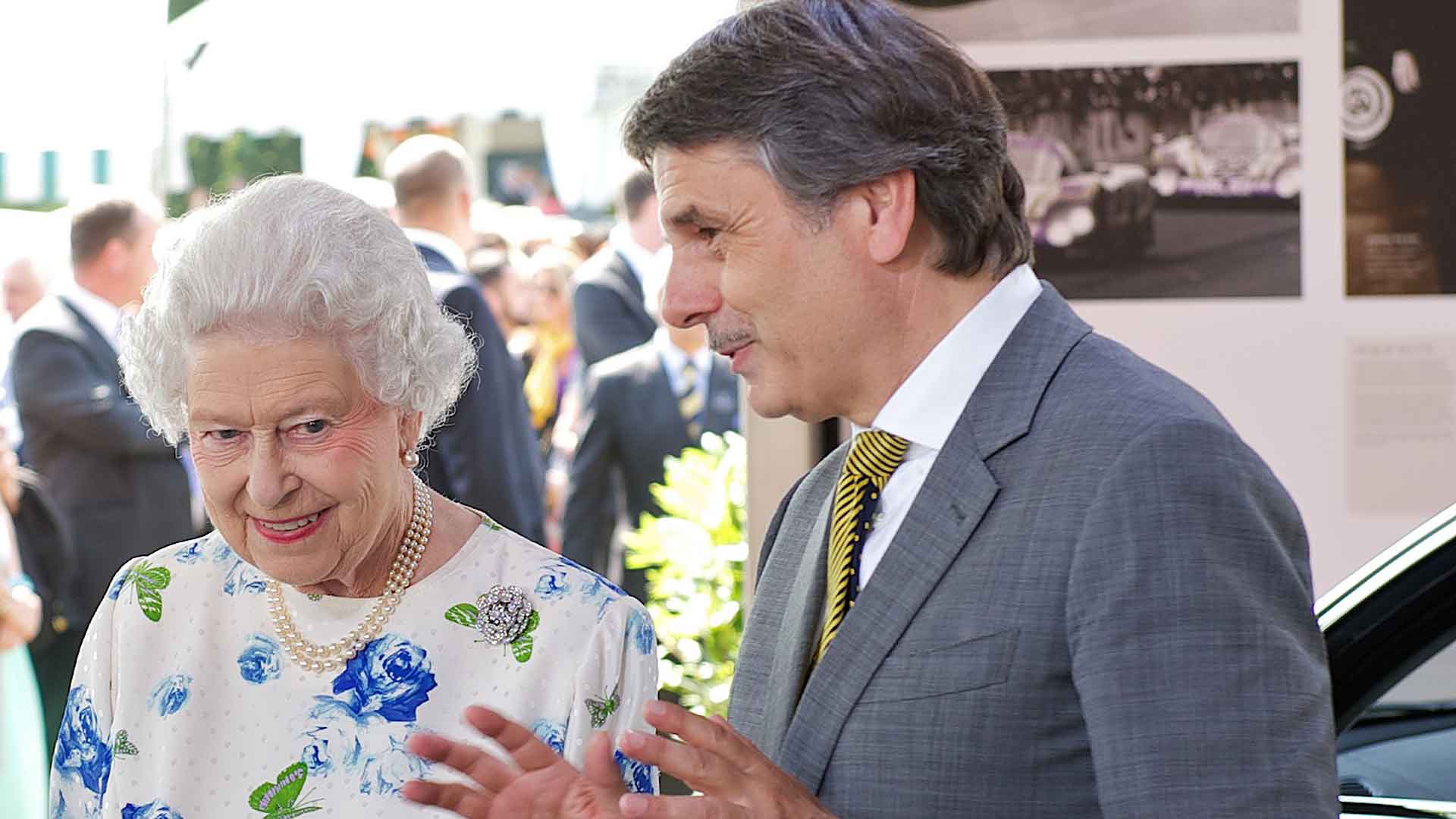
The former BMW executive, who has overseen a turnaround in fortunes for JLR, will become non-executive vice chairman of the firm.
He will also remain on the board of JLR owner Tata Sons.
A replacement for Sir Ralf has not yet been announced. Tata Motors said in a statement that a search committee has been formed ‘to identify a suitable successor in the coming months’.
‘Honoured’
In a statement, Sir Ralf said he was “very honoured to have worked with so many dedicated and creative people, both inside and outside of JLR.
“We have elevated Jaguar and Land Rover. We offer our customers multi-award-winning products and will continue to surprise with the best pipeline of new, innovative products we have ever had.”
Currently executive director and CEO, Sir Ralf Speth took over JLR in February 2010, when Ford sold JLR to Tata.
He joined the Ford Premier Automotive Group in 2007 as production and product planning director.
Sir Ralf, a 64-year old German born in Bavaria, began his career at BMW in 1980, where he worked for two decades.
He was made a Sir in 2019, for services to the British automotive industry. He also has a doctorate from the University of Warwick.
Car production in Britain fell for the third year running in 2019 with an alarming 14.2 percent decline taking the number of vehicles built in the UK down to 1.3 million.
That’s the lowest figure since 2010.
The Society of Motor Manufactures and Traders (SMMT) says two Brexit-related factory shutdowns in the spring and autumn had a “marked effect” on overall UK production.
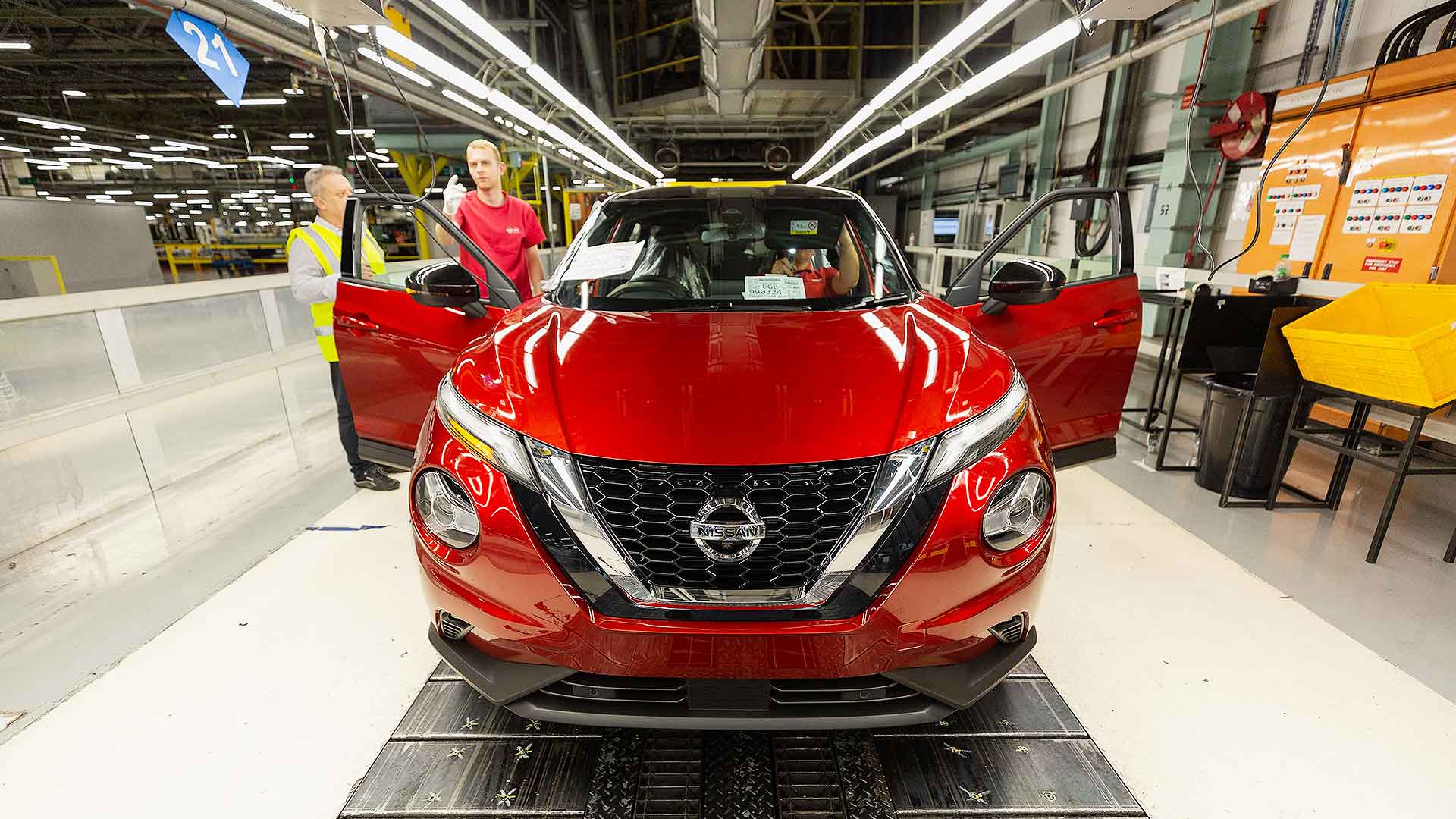
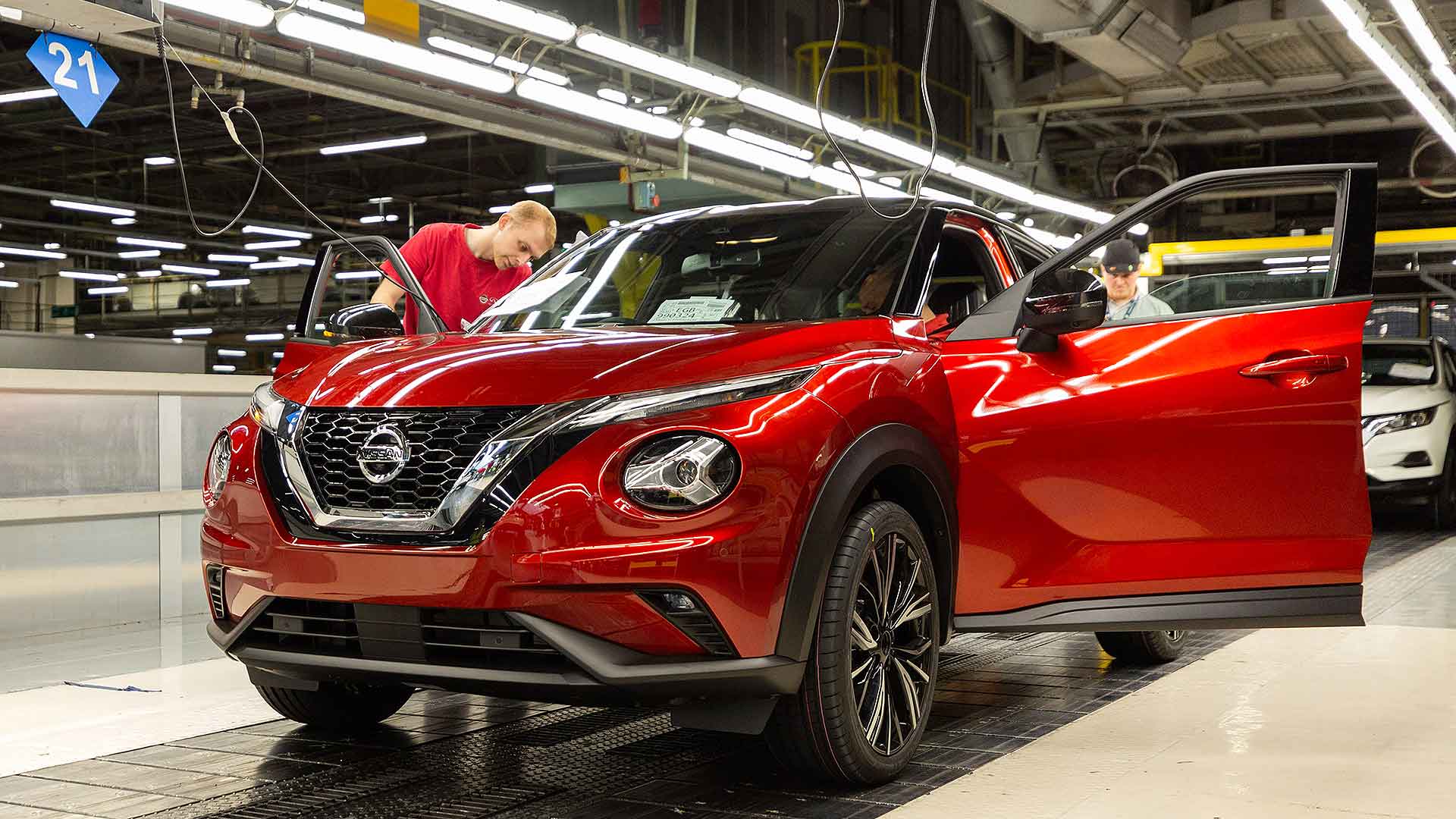
Other factors include a lack of consumer and business confidence, weaknesses in key expert markets (particularly China), the replacement of best-selling British-built cars such as the Nissan Juke, and the EU-wide dash from diesel.
The current outlook for 2020 is not encouraging, either. Independent forecasts suggest another year of declining car production in the UK, with the total dropping to 1.27 million.
Just four years ago, 1.72 million cars were made in Britain – it was then a 17-year high.
Free trade “essential”
SMMT chief executive Mike Hawes said the fall of UK car manufacturing is “of grave concern” as Brexit finally nears. In a briefing, he stressed the importance of quickly securing a post-Brexit deal.
“Given the uncertainty the sector has experienced, it is essential we re-establish our global competitiveness and that starts with an ambitious free trade agreement (FTA) with Europe, one that guarantees all automotive products can be bought and sold without tariffs or additional burdens.”
He predicted negotiations will be challenging “but all sides stand to gain”.
A deal will “boost manufacturing, avoid costly price rises and maintain choice for UK consumers”.
It would also support a vital part of the British economy. UK automotive is an £82 billion industry that adds £18.6 billion of value to the economy and directly employs 168,000 people (and indirectly employs over 820,000).
In the North East and West Midlands, 1 in 6 manufacturing jobs is in automotive.
JLR is Britain’s biggest – again
Jaguar Land Rover ended the year with the highest UK production figure in 2019, building 385,197 cars. This was, however, a 14.3 percent decline on 2018.
Even steeper was the fall suffered by Nissan. 346,535 cars built was a 21.6 percent decline – although the Sunderland factory did suffer from the model change-over to the new Juke.
Mini was next up, with 221,928 cars made at its Oxford plant.
All the volume manufacturers suffered production falls in 2019, apart from Toyota, which boosted production nearly 15 percent thanks to the arrival of the new Corolla.
Small-volume car production was also up a healthy 16.2 percent, to more than 30,000 cars. This is thanks to the success of sports car brands such as McLaren and Lotus, plus luxury brands like Bentley and Rolls-Royce.
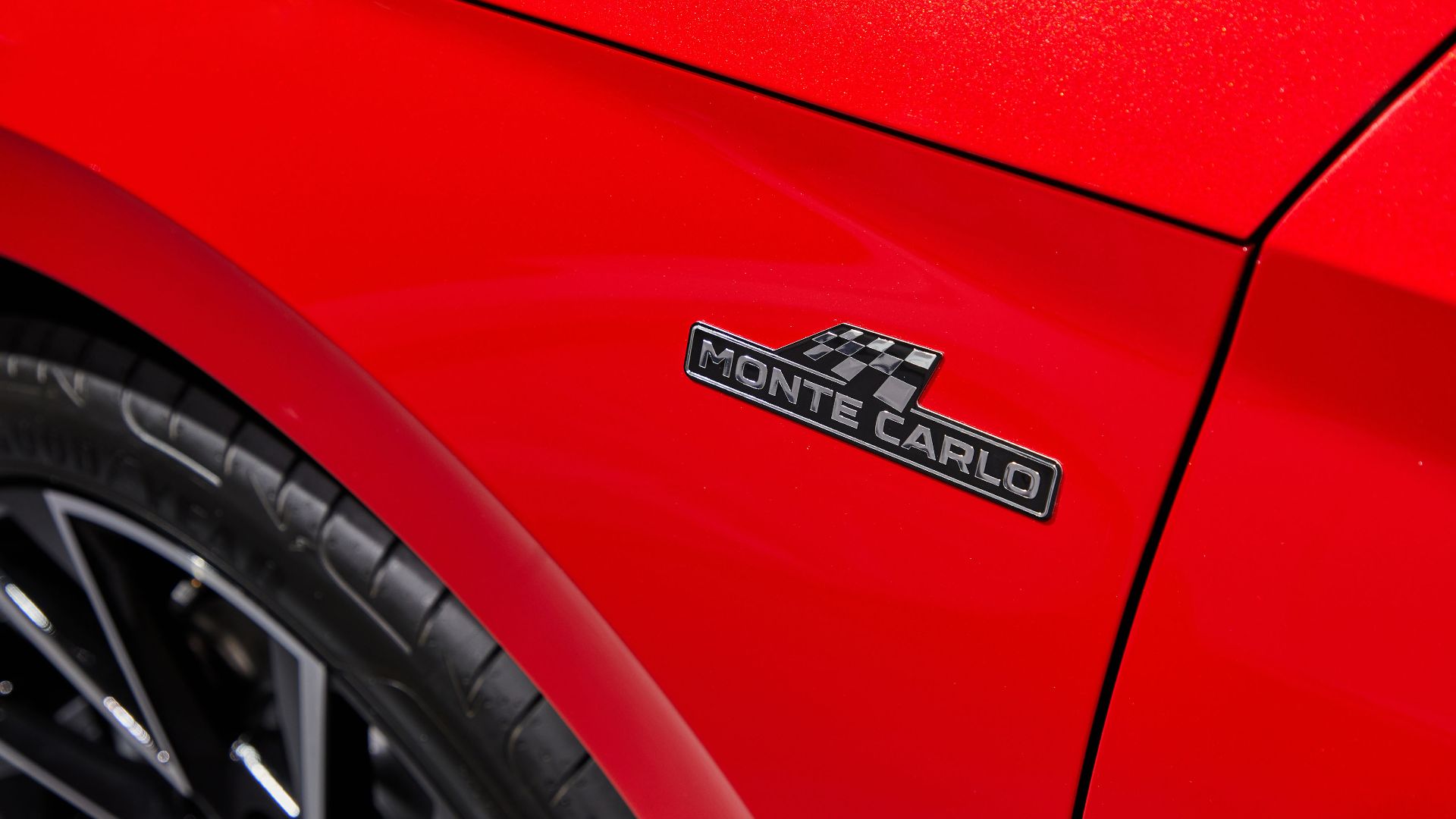
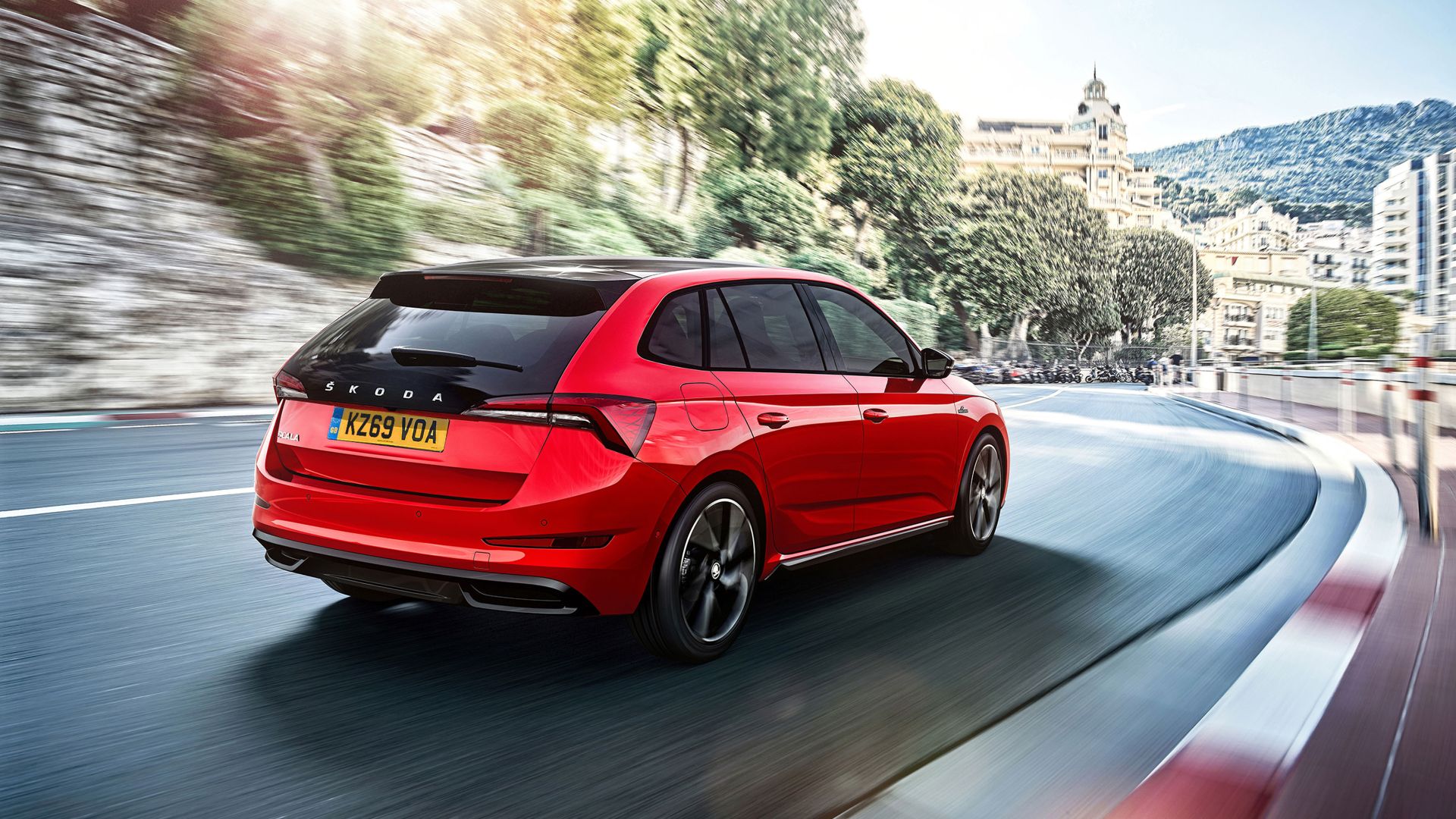
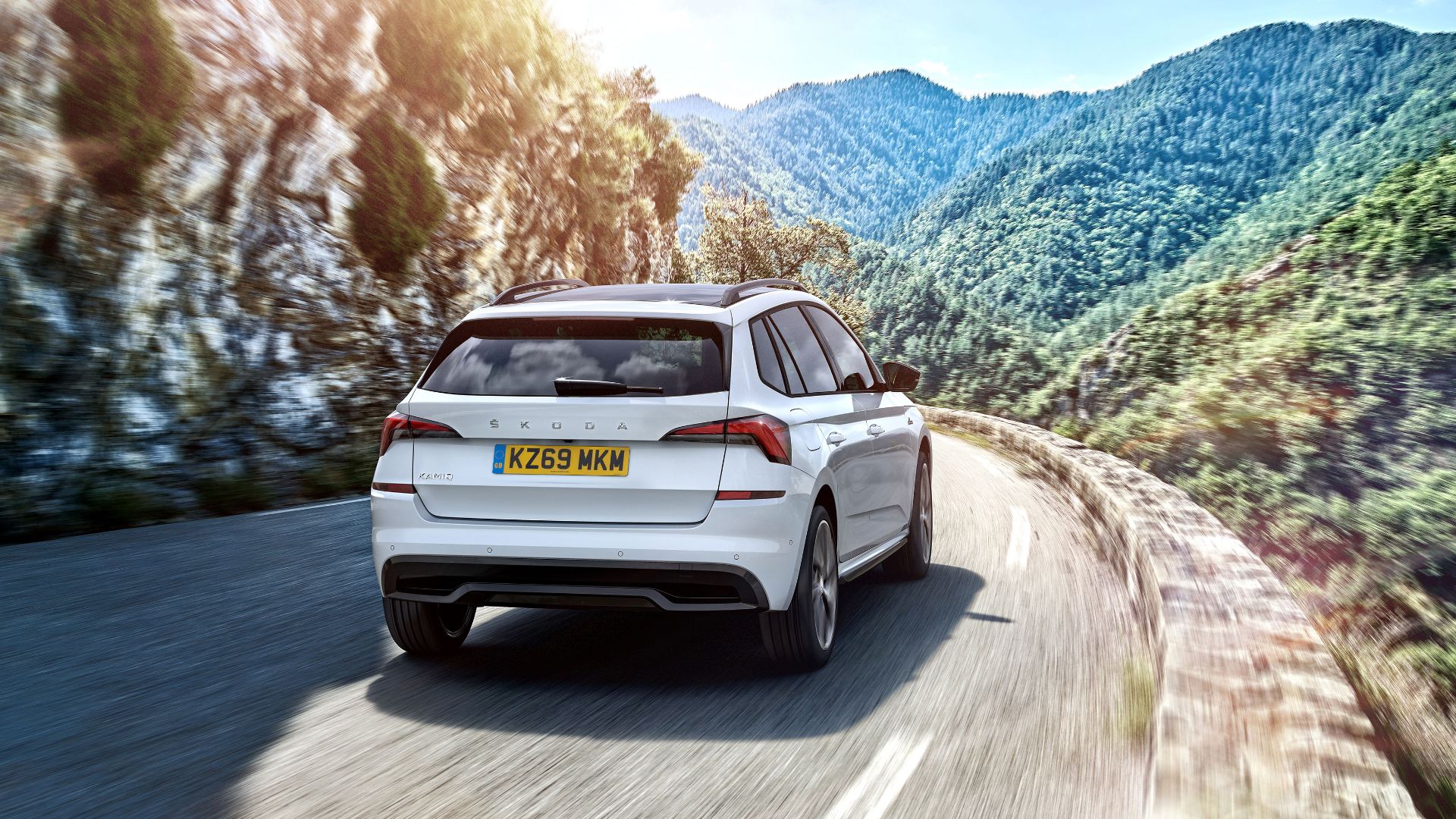
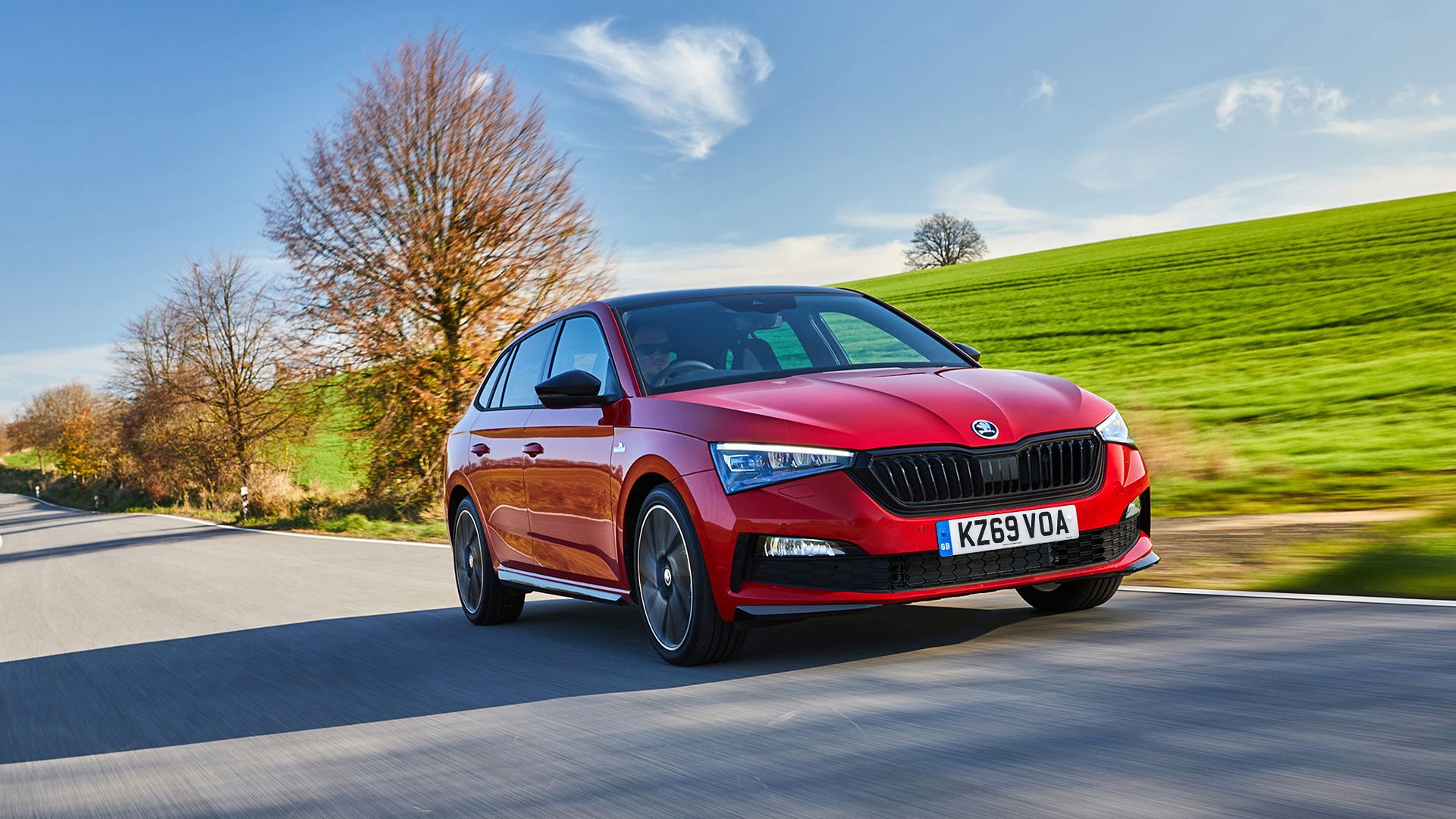
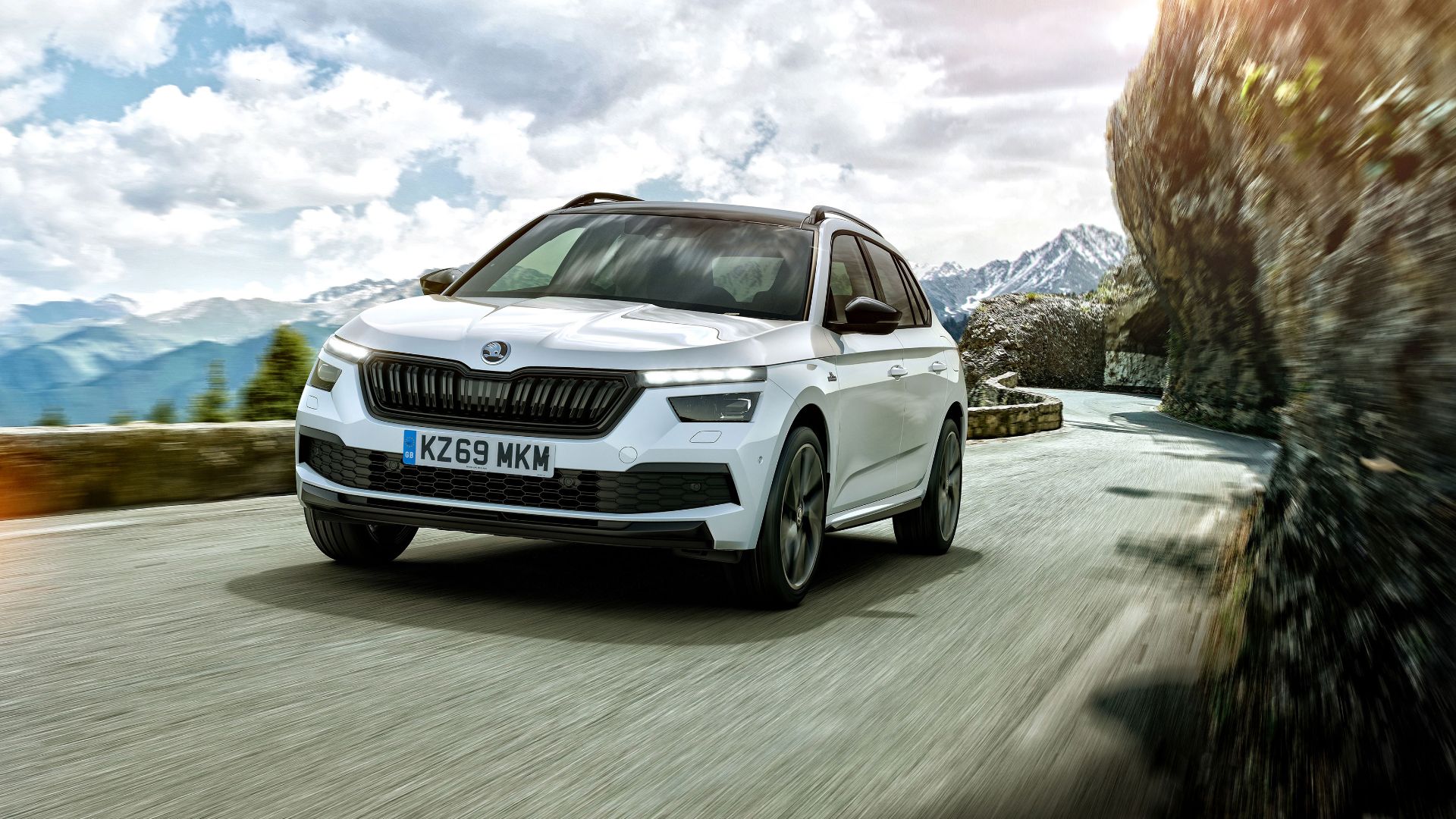
Skoda’s range of small family cars expanded in 2019, with the introduction of the Kamiq crossover and Scala hatchback. Now, to cement those models in the lineup, Skoda has given the pair a Monte Carlo makeover.
Monte Carlo has been the sporty visual and equipment upgrade on smaller Skoda models for a decade, first arriving with the second-generation Fabia. Available with a variety of engines, the Monte Carlo trim adds sporty aesthetics and more equipment to the standard specs.
That hasn’t changed with the Scala and Kamiq, with the Monte Carlo spec available on the 1.0-litre TSI and 1.5-litre TSI, with manual and DSG transmissions available.
Typical to Monte Carlo spec is a selection of gloss black detailing. This includes all of the brightwork, like the grille, door mirrors and window trims. There’s a sportier bumper up front, and at the back, there’s a black diffuser and boot lettering, too. Big 18-inch black alloy wheels, a panoramic roof, full LED headlights and rear lights join as added equipment and luxuries.
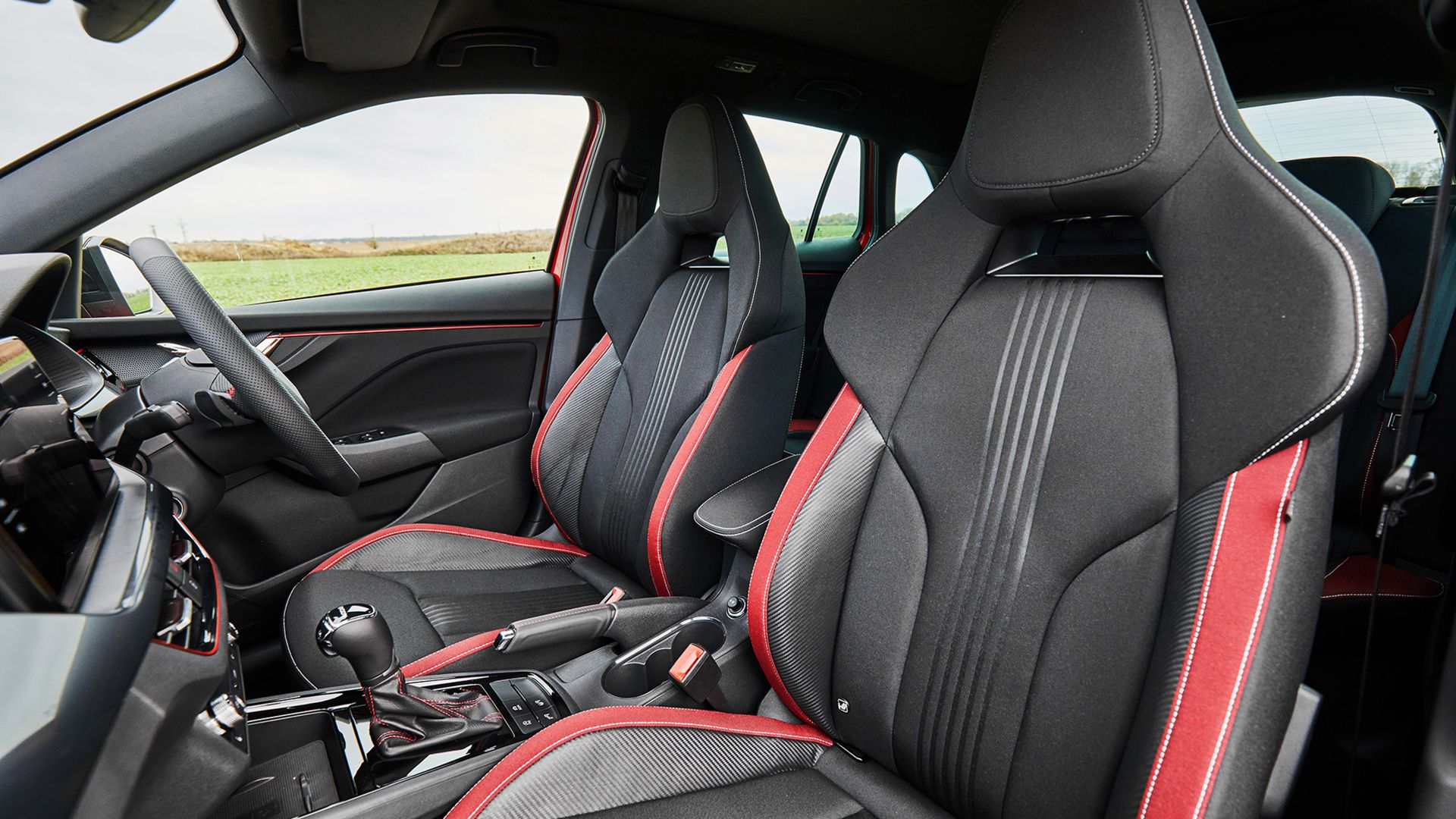
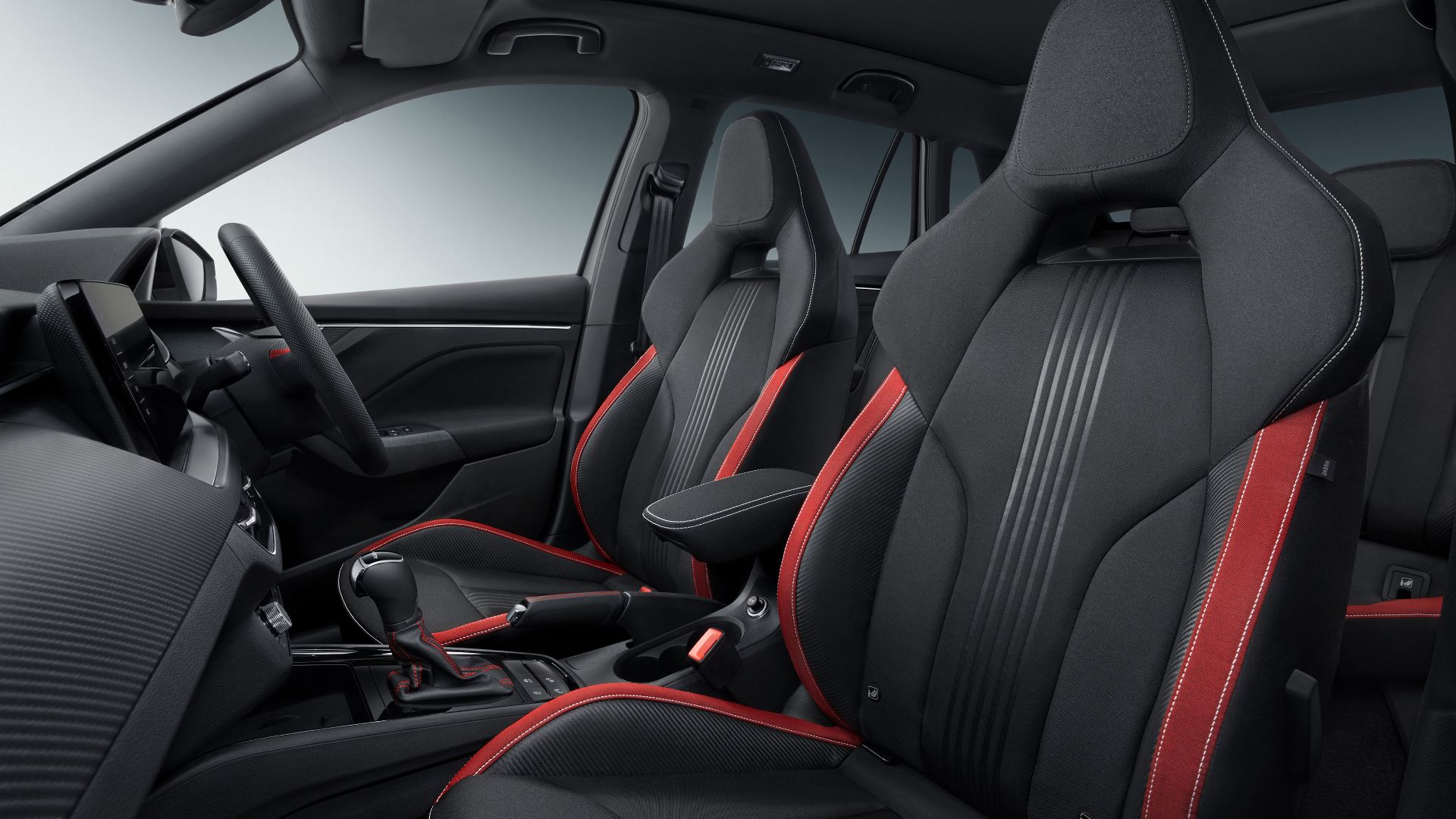
On the inside, dramatic colour-coded Porsche-esque sports seats join a sports steering wheel and aluminium pedals. At night, red ambient lighting adds to the sporty feel. The virtual cockpit instrument cluster comes along with Monte Carlo spec, as well as the Amundsen infotainment system with a 9.2-inch display. In the Scala exclusively, chrome surrounds appear on the air vents.
Kamiq Monte Carlo prices start at £23,305 for the entry-level manual 1.0-litre TSI, and swell to £25,955 for the 1.5 petrol DSG. The Scala is similarly priced, with a saving of around £500 at every level. It opens at £22,680 for the 1.0 manual, and swells to £25,350 for the DSG 1.5. You can order both now, with deliveries expected to begin in the spring.
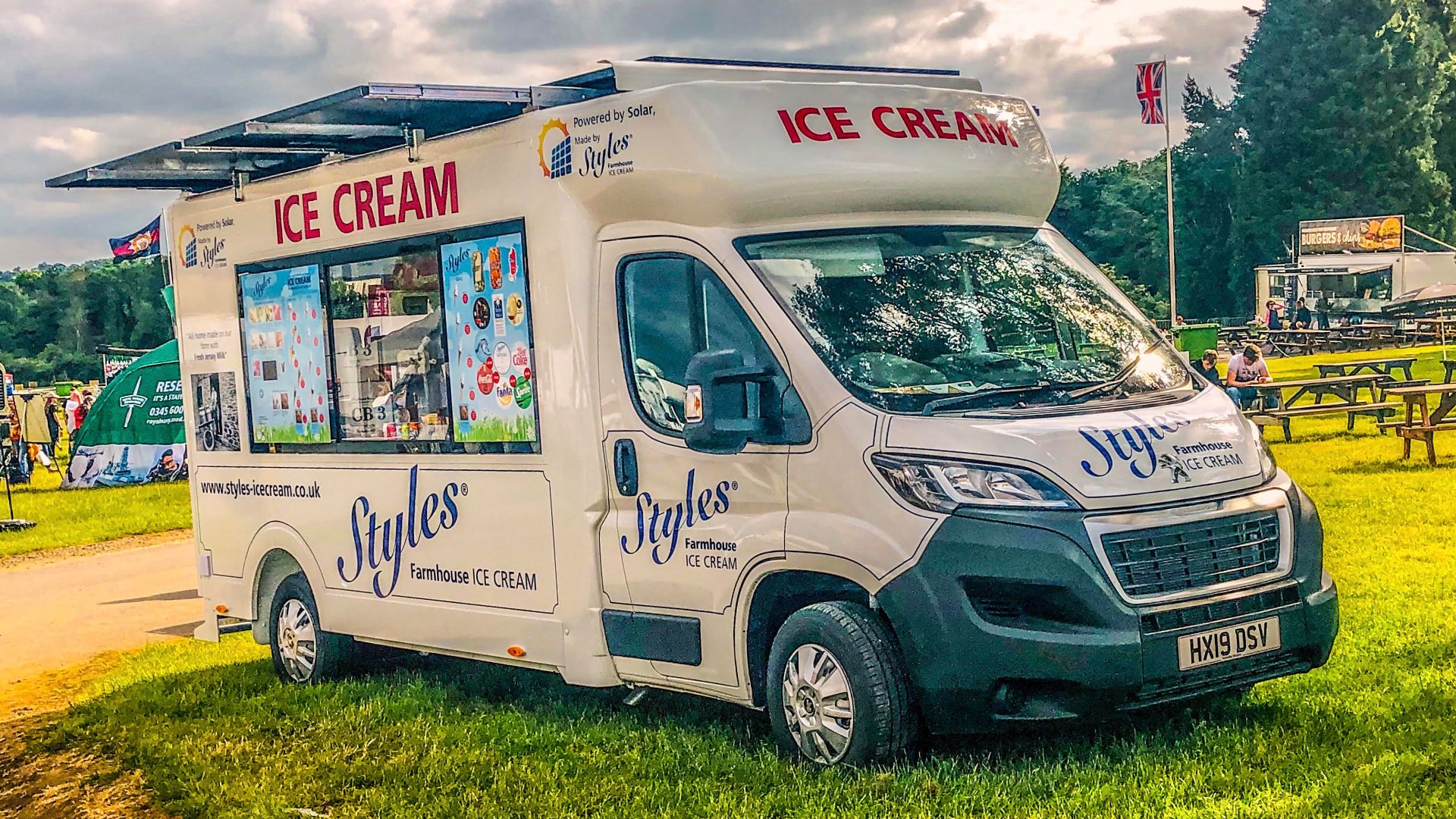
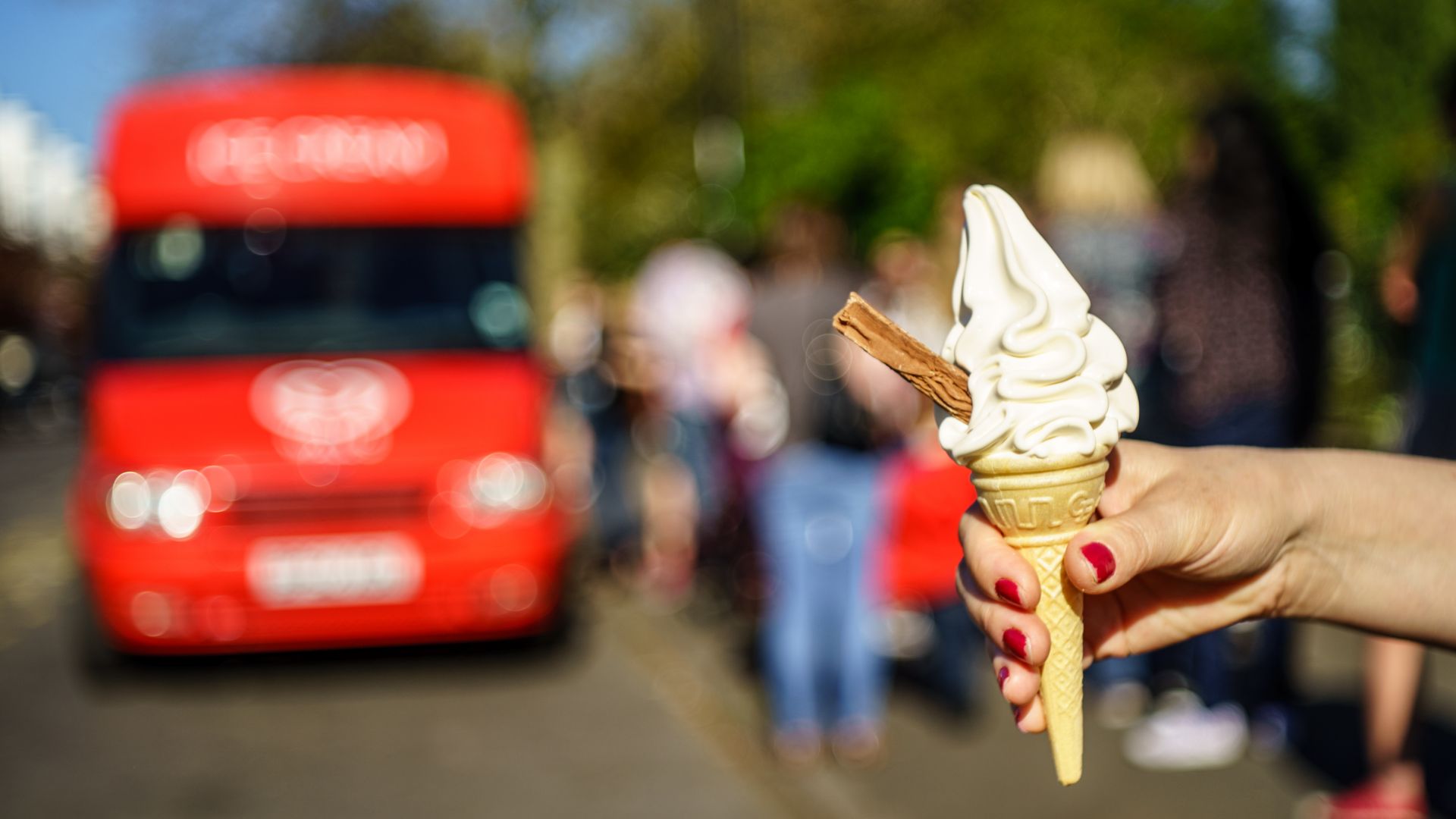
The Styles Solar Van is the first solar- and battery-powered ice cream van. The eco-friendly vehicle will debut at the Ice Cream and Artisan Food Show in Harrogate from 11-13 February.
Designed by David Baker, owner of Styles Farmhouse Ice Cream, the van has a zero-emissions generator to prevent diesel fumes when parked up.
Electric car searches up 78 percent on Auto Trader
“I listened to our customers – event organisers and show directors – who did not want their visitors to inhale fumes from a diesel engine ice cream van while they were stationary selling ice cream,” he said.
“So, I went looking for a solution. After a great deal of research and development, I created a successful system using solar panels and batteries.”
The van is based on a Peugeot Boxer with a diesel engine. The ‘A to B’ motoring is handled by that, but when you’re moored up and ready to serve scoops, David’s generator kicks in. Solar panels and batteries power the freezers and Mr Softee maker, plus the coffee and slush machines.
Van drivers spend 7 billion hours a year looking for parking
Initial prototype testing used four solar panels, but for the 2019 version that was upped to eight. Summer 2019 saw the van put to the test at events such as Glastonbury and the Henley Regatta.
The results were impressive. The van ran emissions-free for six days with good sun coverage, and two-to-three days with cloud cover. Plug it into the mains and the batteries are replenished in four hours.
You can order a Styles Solar Van now and have it delivered in the summer. No prices are available yet, although they will let you know on application.
In the past, one of the main stumbling blocks around electric cars was range anxiety: the worry about whether a car can travel far enough on a full charge to meet the driver’s needs.
With many EVs now rated for a realistic range of 200 miles or more, that worry is slipping away. But it’s being replaced by something else: charge anxiety.
That’s according to Autovista Group, which highlights the mismatched language around electric car charging, and the vast differences in charging performance.
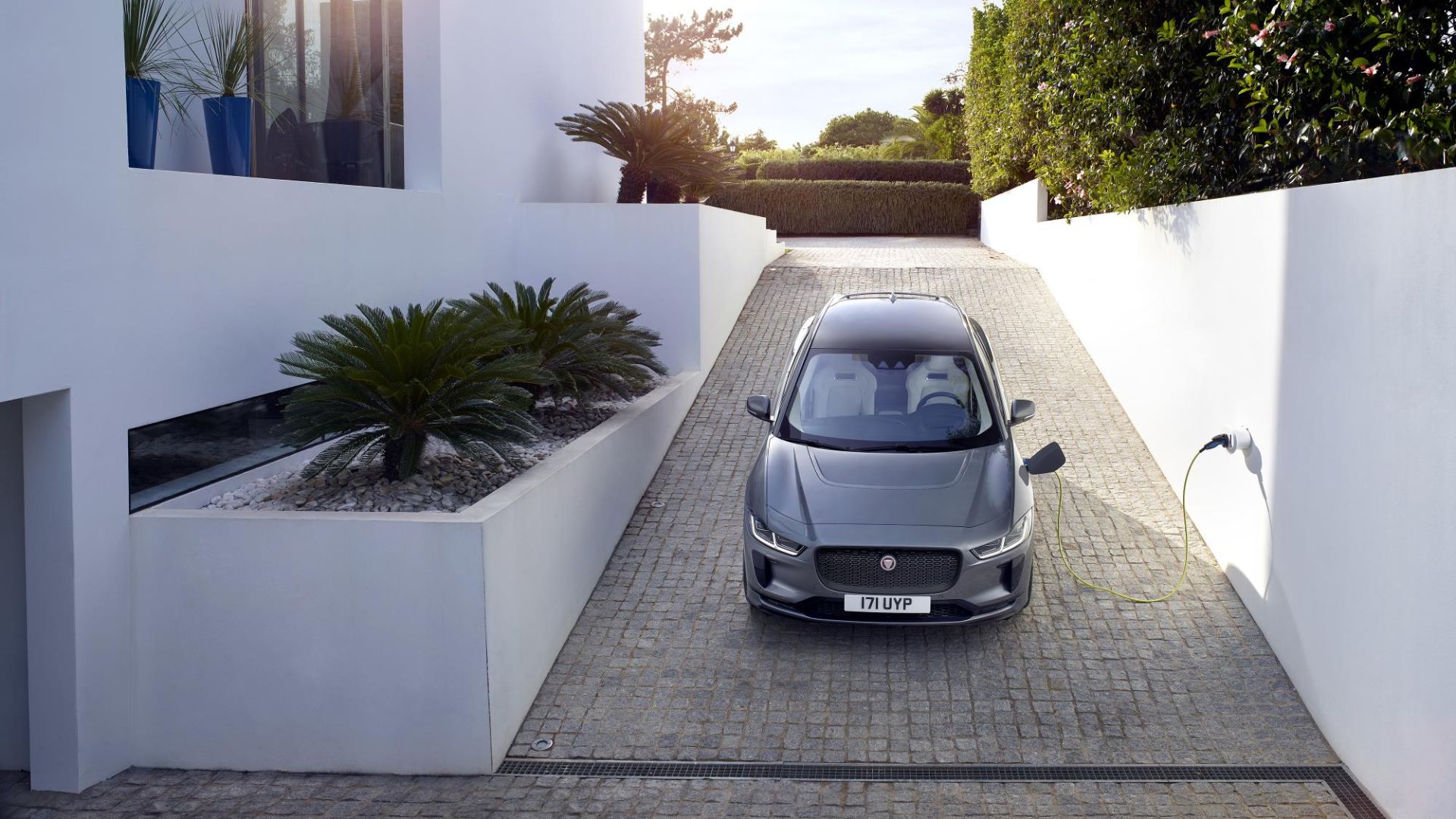
While the Jaguar I-Pace, Audi E-tron, and even budget EVs such as the Hyundai Kona and Kia e-Niro, now rival the likes of Tesla for range, charge times can vary hugely.
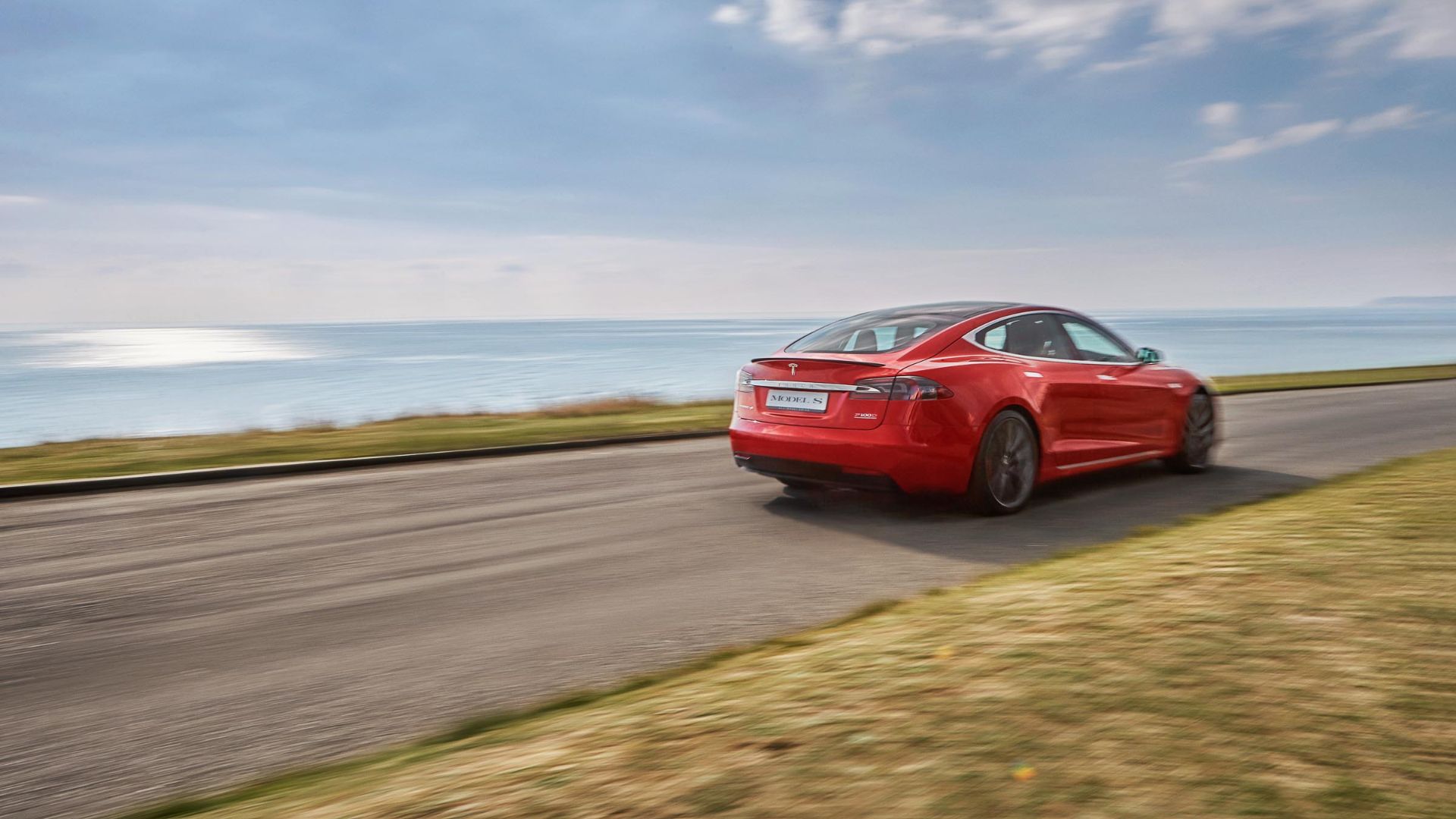
A Tesla Model S will fill up in 6.5 hours, assuming you’re charging from a 22kW-capable wall box. That’s because of its three-phase 22kW on-board charger. By contrast, the Jaguar, with a similar battery size of 90kWh, needs 13 hours due to its lower 7.2kW on-board charging capability.
There is no universal standard for rate of recharge, either. Some carmakers quote 0-100 percent charge times, while others quote 10-100 percent, or even 20-80 percent.
So what buyers are faced with are different standards of charging, by different measurements, and to different levels. Capable of 200 miles or more their car may be, but exactly what will they face when plugging it in?
Ralf Sulzbach and Jennifer Bilatscheck of Autovista Group see two things that need to happen.
Firstly, a standardisation of faster onboard chargers for cars with batteries of 50kWh or more. That means three-phase on-board chargers with 11kW AC charging at minimum, and 22kW to be optionally available.
Secondly, consistent standards of charge time. Autovista reckons DC charge times for a quick 20-80 percent fill-up on the road, and AC times for 0-100 percent at home should be standardised.
Drivers would then be better-equipped to understand and assess what they’re buying. It’s an age-old statement, but if electric cars are to take over from internal combustion, charging needs to be as easy as pulling up at the pumps.
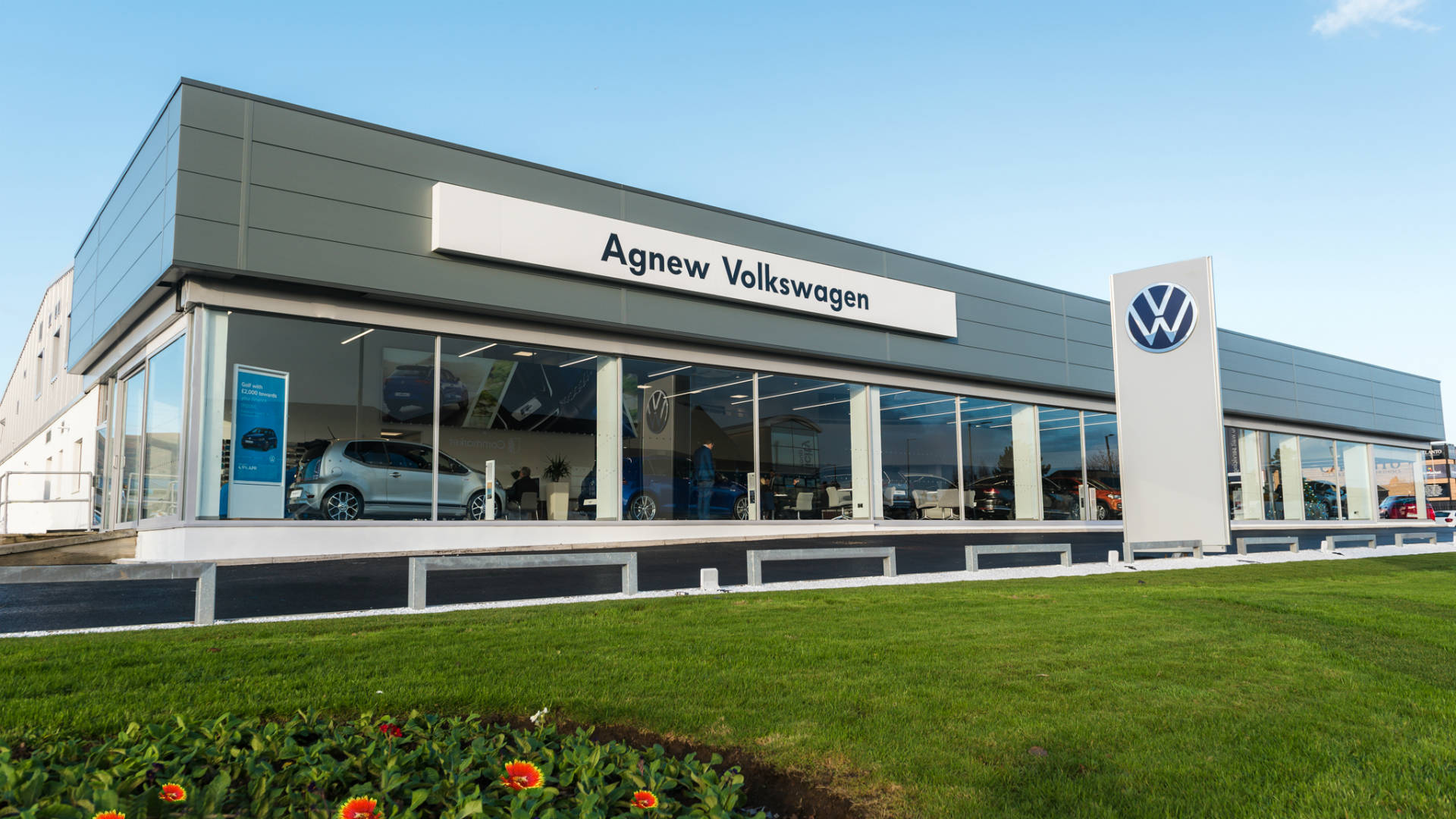
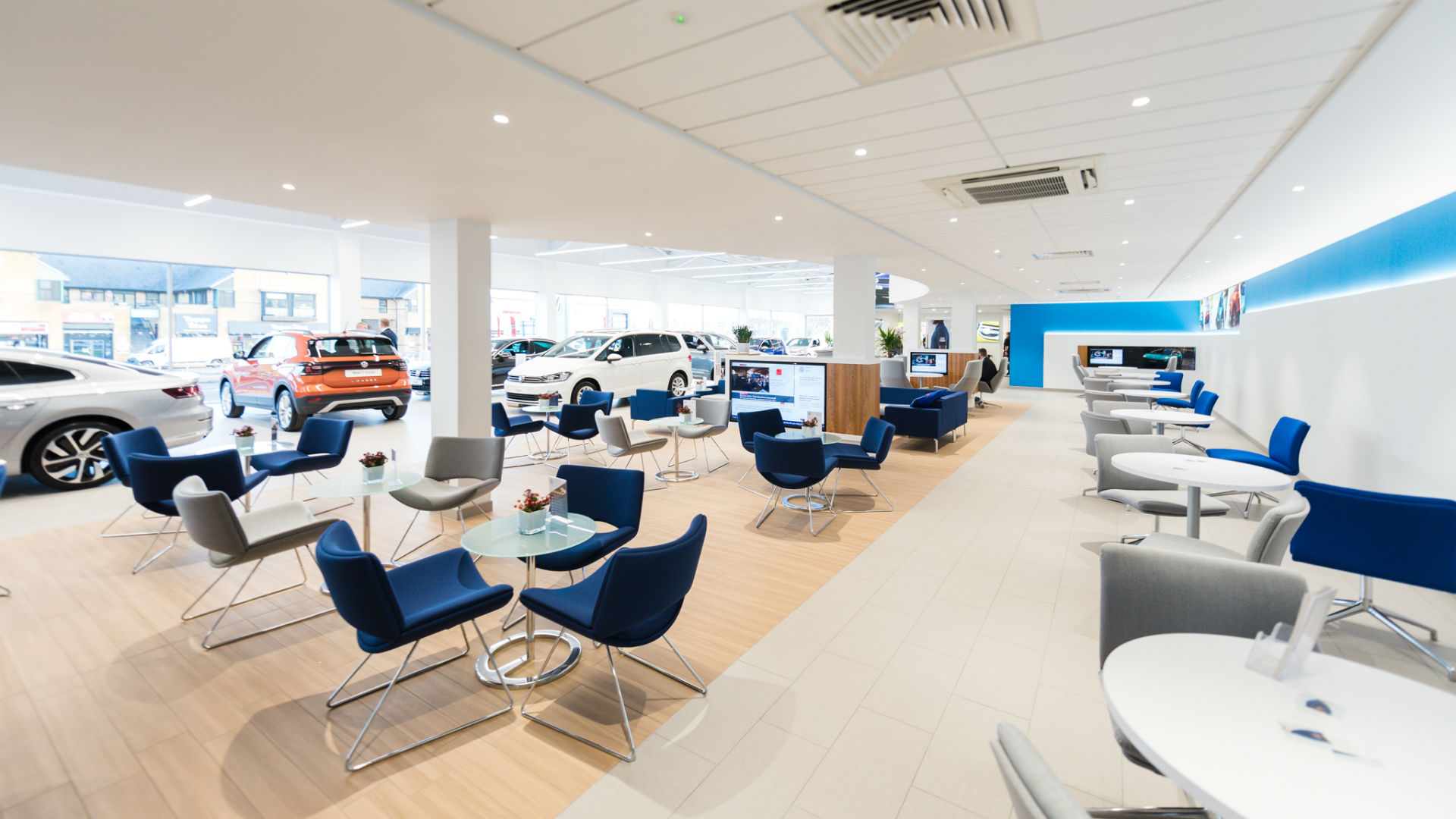
Meet the Volkswagen dealer of the future. Whether you’re collecting a new ID.3 electric car or servicing your ageing Golf diesel, it’s likely the showroom will look like this.
Agnew Volkswagen is the first dealer in the UK to display the company’s new branding. Note the illuminated totem displaying the new logo. The Belfast dealer spent £2 million on the refurbishment.
The coffee will remain hotter than the sun, the suits worn by the sales team will be shinier than a freshly minted penny, and the smell of cleaning products will be as overpowering as ever. But the showroom and some of the cars are all-new.
Inside, the fixtures and fittings showcase Volkswagen’s new ‘Vibrant Power’ ethos, with a colourful palette and a ‘heavier focus on people’. There’s a dedicated area for electric vehicles, ready for the arrival of the ID.3 in 2020.
Volkswagen says the new identity will be appearing at dealers throughout 2020, with the rollout expected to be complete by spring 2021.
‘Exciting new tone’
Brian Robinson, franchise director at Agnew Volkswagen said: “These new and significantly improved facilities come in response to the expectations of our customers in the Greater Belfast region and the performance of Agnew Volkswagen in the long-term. We are proud to be the first showroom to showcase the new retail experience and branding in the UK, which now provides a luxurious environment for our customers and staff.”
Chris Stevens, head of network development at Volkswagen UK, added: “The new Volkswagen logo represents the automotive world into which we are moving – digital, intuitive and user-friendly. All of this is happening while Volkswagen moves into a new era of electrification, and democratises electric mobility, just as the Beetle democratised mobility and the Golf, luxury.
“The new ID family of pure-electric models will usher this in as the electric ‘people’s car’, while the revamped logo signifies this step-change to the world.”



 Skoda’s range of small family cars expanded in 2019, with the introduction of the Kamiq crossover and Scala hatchback. Now, to cement those models in the lineup,