Home Blog Page 274

The new 827 hp Pagani Imola costs £5 MILLION

0

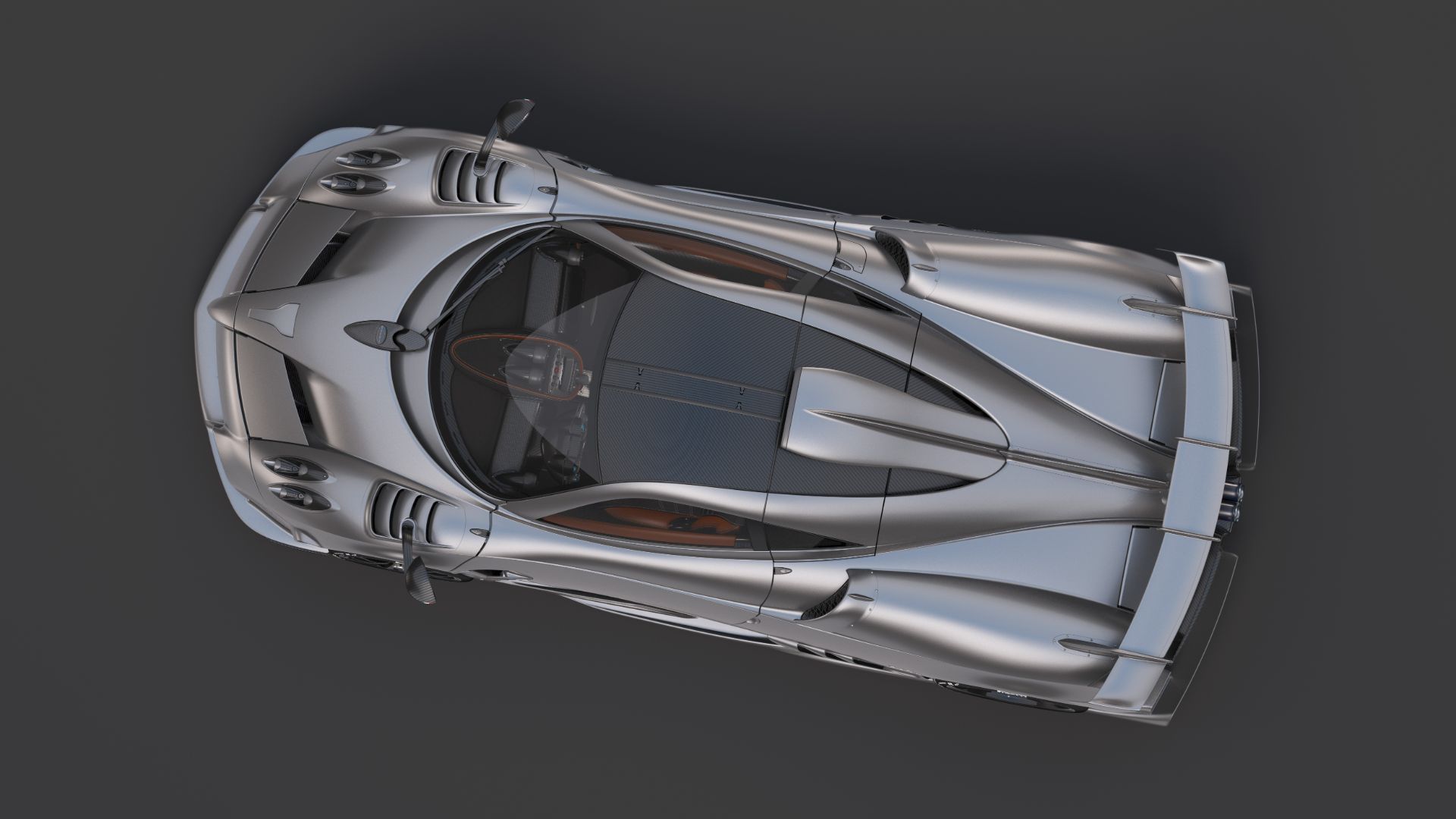
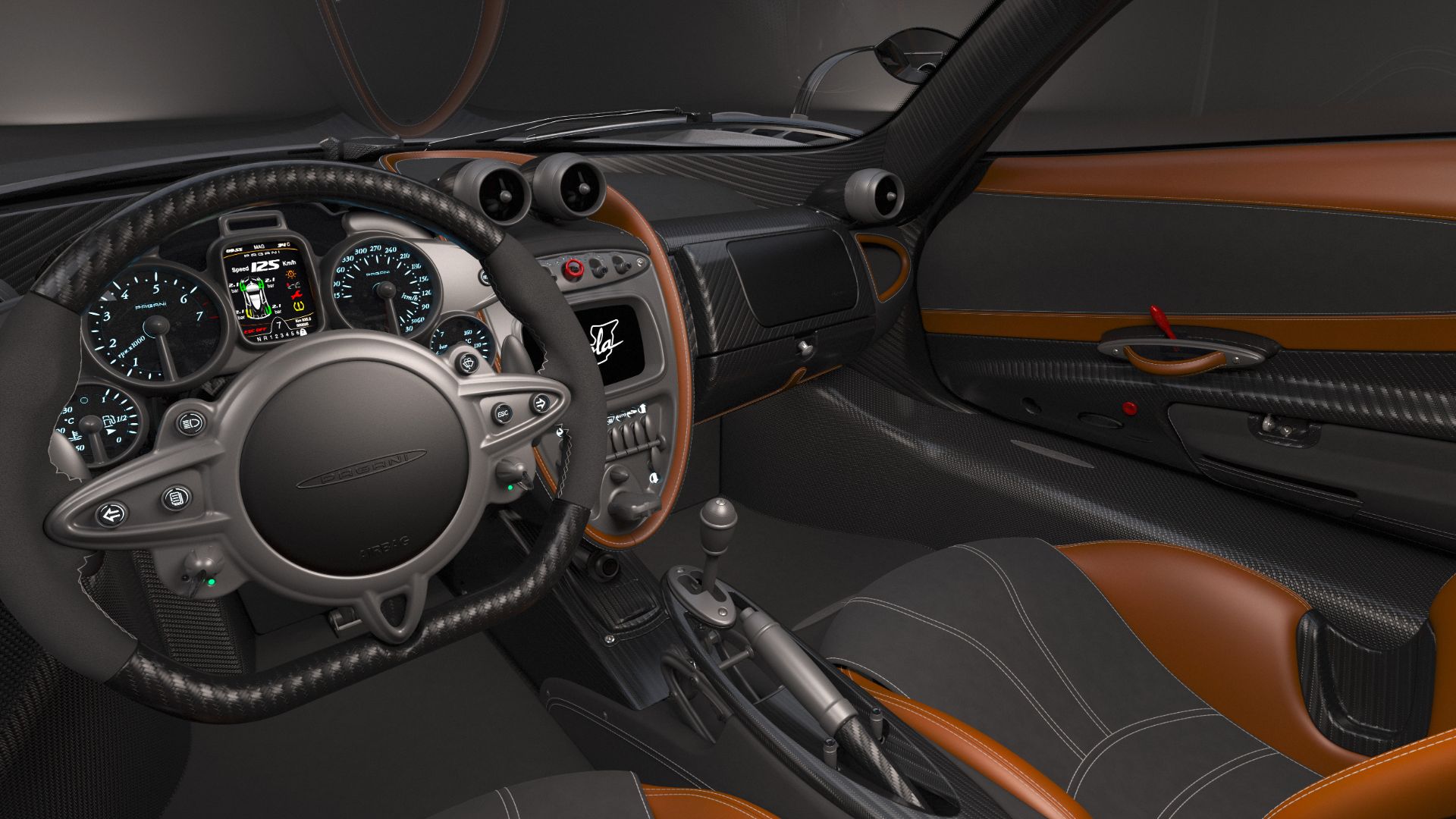
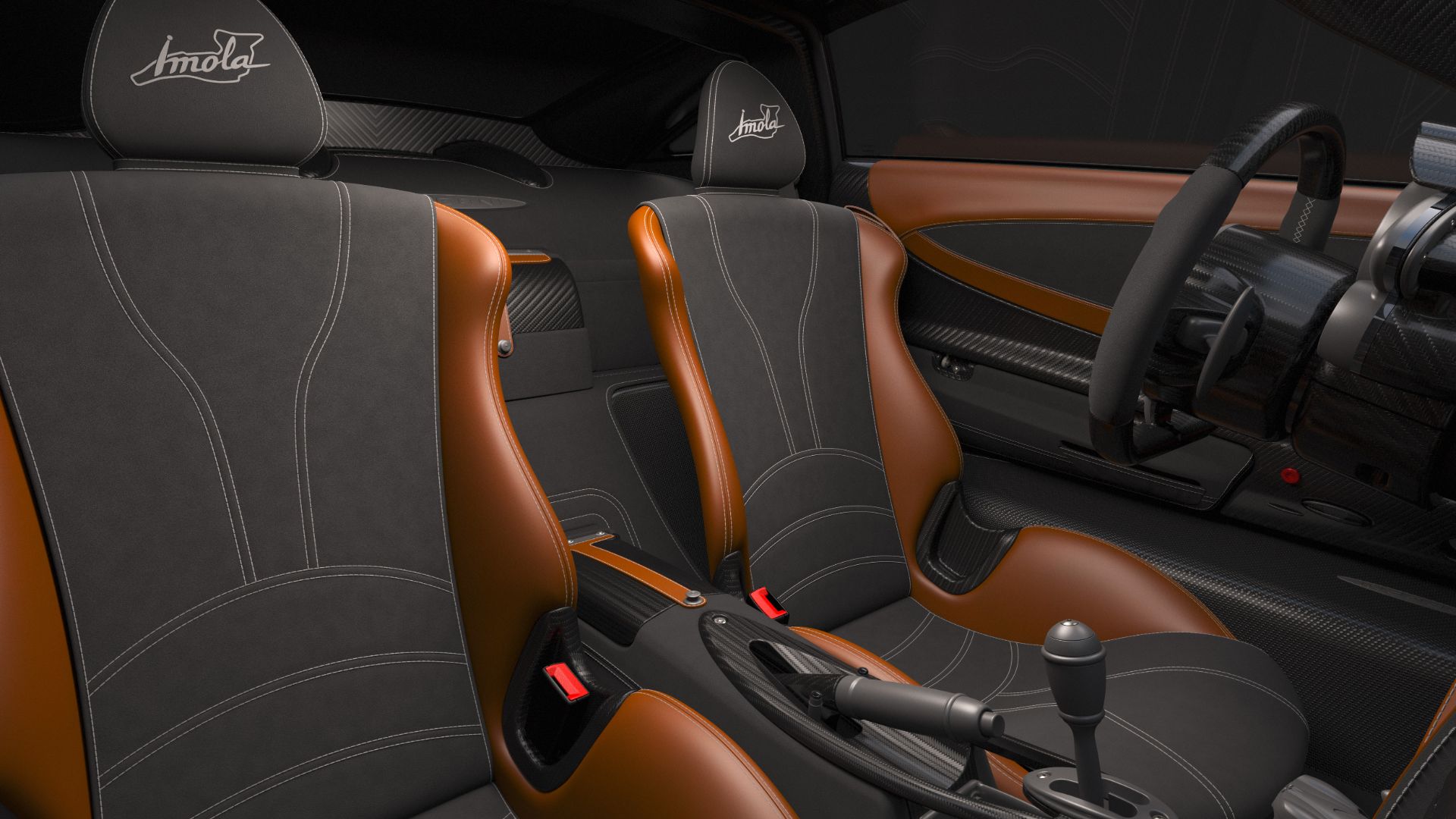
£5million Pagani Huayra Imola revealed

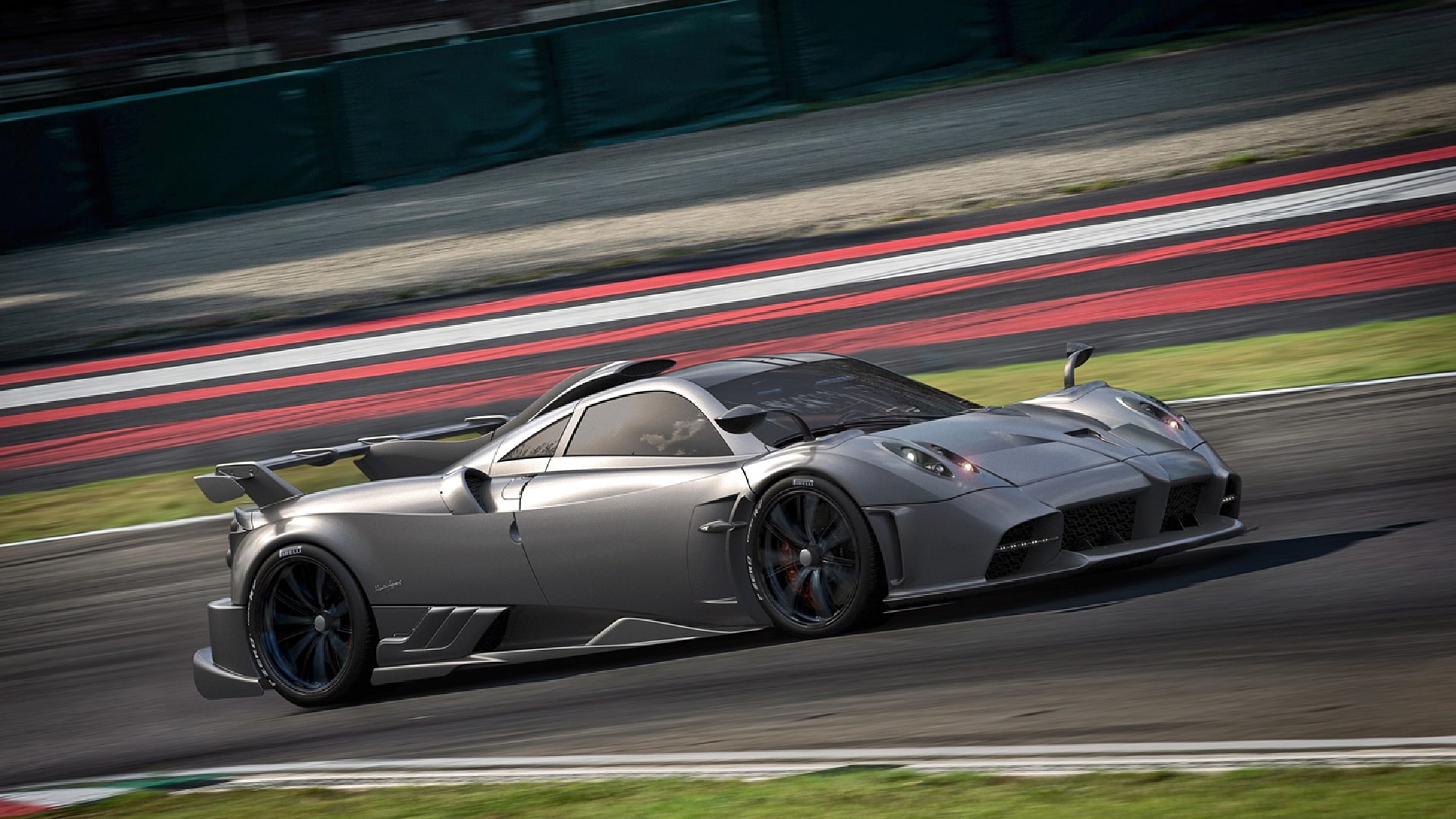
Pagani has revealed the latest mutation of its long-serving Huayra hypercar, the Imola – which comes with a remarkable price tag of €5 million, not including VAT, or just under £5 million with VAT.

That makes it the most powerful and (second) most expensive Pagani yet. Just were five available. That was, before they all sold out.

The Imola is the latest in a succession of Huayras, and a veritable army of Zondas. Curiously, Pagani refers to it only as ‘Imola’, not ‘Huayra Imola’. Technically, that makes it Pagani’s third distinct model, after the Zonda and the Huayra, though it is very obviously based on the latter.

It follows the BC and BC Roadster, as well as the ‘Tempesta package’, in terms of performance and track capability, but should outdo them  all some margin. Pagani calls the Imola a “powerhouse of technology” and “a vehicle laboratory”.

Hyperbole aside, the car has allegedly been something of a testbed, both for components that wound up on the Roadster BC, and what will “be a feature of Pagani’s future creations”.

Horatio Pagani – “We can’t say that it’s an elegant car”

  • Exclusive look: London’s new hypercar showroom – and a Pagani Huayra Roadster

Even the boss has admitted that the Imola is somewhat challenging to behold. An arsenal of diffusers, intakes, winglets and channels rivals that of a McLaren Senna.

Odd, for Pagani, is the utter absence of exposed carbon fibre, at least on the ‘show’ car. This will be the first time the marque has debuted a car without any exterior carbon on show since the original Huayra in 2011, and before that, the first Zonda. 

“We wanted an efficient vehicle,” Pagani said of the Imola.

“Just as you’d expect if you were looking at an F1 single-seater, this led us to design a car with additional aerodynamic features. So, although on the one hand these details may detract from the lines and overall aesthetics of the vehicle, on the other, they also allow to improve lap time, ease of driving and especially safety.”

In terms of weight, the Huayra Imola is down to 1,246 kg (dry). One of the developments Pagani has made to get the weight lower, is its new Asquarello Light painting system. It allows a saving of 5 kg in paint alone, while still maintaining the kind of richness of colour you’d normally expect. Under the skin the Imola is constructed of Pagani’s signature carbon-titanium material.

Pagani’s tribute to the Imola circuit
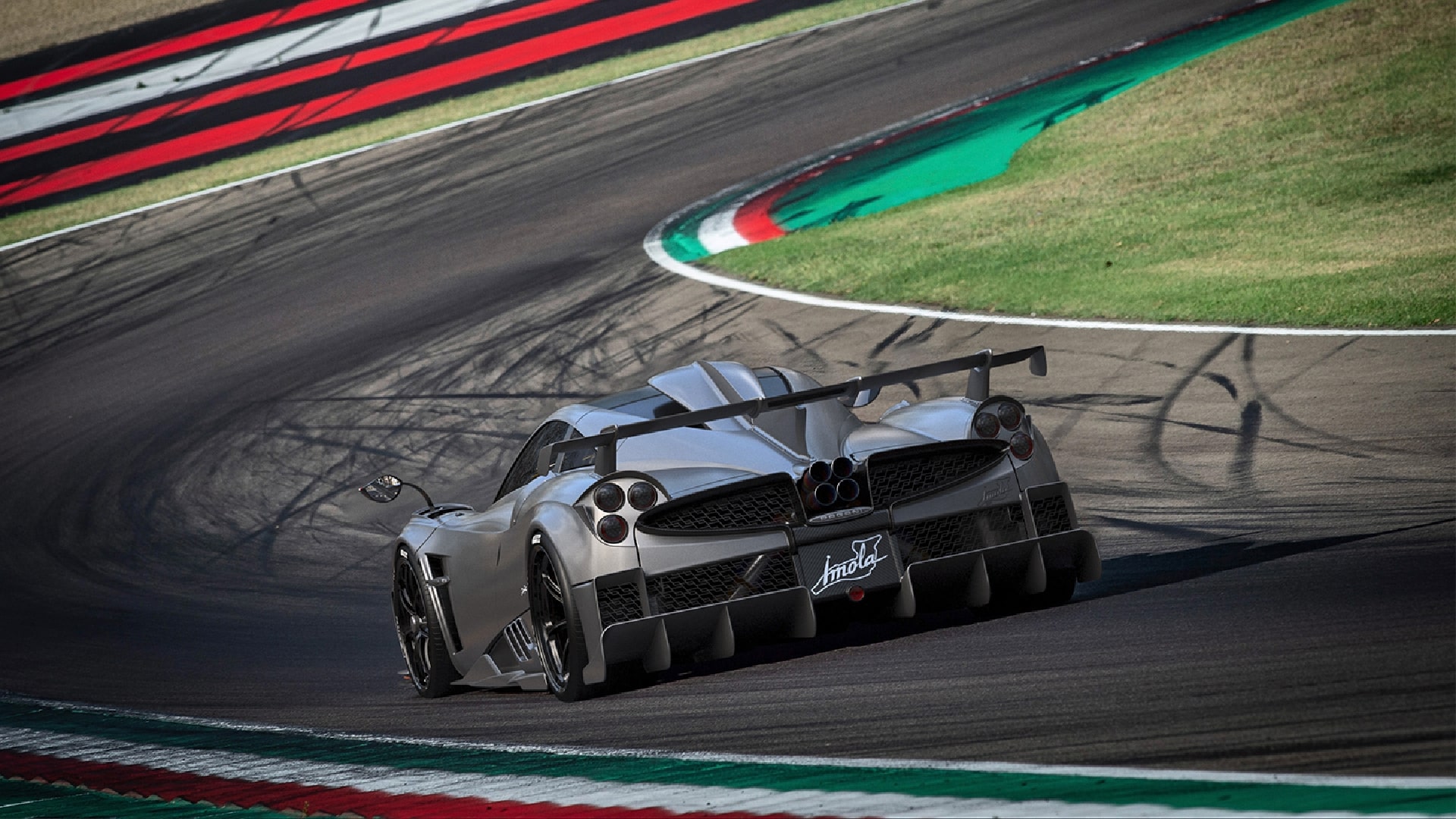
£5million Pagani Huayra Imola revealed

As is often the case with Pagani, the name is a tribute of sorts. It’s Horatio Pagani’s way of saying thank you to a circuit that’s been the scene of legendary race victories, and key developmental miles for road cars.

The latest, naturally, is the Huayra Imola, which has seen near-on 10,000 miles of race-pace testing at the circuit. Pagani reckons that’s equivalent to three times the 24 hours of Le Mans.

“Imola is a sacred place for car enthusiasts,” Pagani continues.

“It’s a fast, difficult, technical circuit that has always separated the wheat from the chaff, in terms of both men and machines. A circuit that has made the fastest drivers faster, one that has given rise to fierce duels between opponents and gentlemen, and where the sweetest victories and bitterest tragedies have been witnessed.”

£5million Pagani Huayra Imola revealed

“A circuit in the Motor Valley of Emilia Romagna. A place that has given so much to the automotive industry. That has given so much to Pagani.”

Expect the Imola to make its first official appearance at next month’s Geneva Motor Show. Then, for your spotter’s guide, you won’t go too far wrong in Central London, LA or Monaco, if you want to spot one in the wild.

Here’s hoping one of the lucky owners takes an Imola to the circuit after which it was named. 

Advertisement

UK drivers aren’t confident in stormy weather

0

Motorists aren't confident driving in stormy conditions

With Storm Ciara battering the UK over the past week and Storm Dennis on the way, new research reveals British drivers’ lack of confidence in difficult weather conditions.

The study by Young Driver found one in five UK drivers said they’d had no experience of driving in bad weather when they passed their driving test.

Another fifth admitted they don’t like driving in the rain. And 46 percent said they felt unprepared to deal with ice or snow on the road.

A bit of experience helps. The most confident drivers in bad weather were aged between 25 and 34. Regardless, those in this age group also had their concerns.

Eighteen percent said they worried about driving in the rain, and 28 percent in frost. The youngest drivers, aged 18-24, were most worried about driving in the rain.

driving in the rain

  • Tired drivers labelled a ‘significant safety threat’

“Obviously when conditions are as bad as we have seen in the last week, the advice is not to travel unless absolutely necessary,” said Sue Waterfield, head of marketing at Young Driver.

“But living in the UK we often have rain or frost over the winter months and motorists do need to be confident that they know how to handle their vehicle if they’re driving in those situations.”

  • Camper van tax could push ‘staycation’ families abroad

driving in rain

“Unfortunately, it seems many feel they were unprepared during their learning journey, with one in five new drivers never having experienced driving in any kind of difficult weather.”

Storm Dennis is expected to bring more than a month’s worth of rainfall to some parts of the UK. Expected to hit the UK today, Dennis will continue its assault over the course of the weekend.

Advertisement

Highways England doing ‘rubbish’ work in the South West

0

Litter in a lay-by

Highways England is to install bins and ‘Keep it tidy’ signs in 14 lay-bys in the South West of England. This follows the work of local councils in identifying the worst affected lay-bys for roadside rubbish.

Signage has been installed along the A30 and A38 in Devon and Cornwall, but Highways England is also teaming up with councils in Wiltshire, Bath and North East Somerset, South Gloucestershire, Tewkesbury, Gloucester and the Forest of Dean.

Work on the £80,000 scheme will start this weekend, initially in three lay-bys near Bath. Lay-bys to receive attention over the coming weeks are on the A303, A36, A40, A46 and A4.

Highways England says the work will improve the lives of local communities and motorists, but will also save time and money spent clearing rubbish from the roadsides.

Around 200,000 bags of rubbish are collected from England’s motorways every year. Although removing litter from the side of A-roads is the responsibility of local authorities, Highways England assists with any necessary road closures.

‘Littering is a social problem’

A303

Chris Regan, South West head of service delivery for Highways England, said: “Littering is a social problem across the country and our priority, working closely with our partners, is to keep our roads safe and well maintained for drivers and neighbouring communities.

“Roadside litter is not just unsightly but it’s a threat to wildlife and the environment and it can also be a safety hazard for drivers, can block drains and picking it up puts roadworkers at risk.

“Litter collections are the responsibility of local authorities, but we’re delighted to be working in partnership with our councils and hopefully the layby work will not only help to get the message across but also reduce the work and risk for the councils’ workers.”

Councillor Bridget Wayman, Wiltshire Council Cabinet Member for Highways, added: “We welcome this initiative on our major roads in Wiltshire, and we are pleased to be working in partnership with Highways England to reduce litter throughout the county.

“Wiltshire is a beautiful county and we are committed to keeping it that way, so please, use these bins and help to keep our lay-bys litter free.”

Advertisement

Are roundabouts good for your health?

0

Roundabouts good for your health

Roundabouts could be good for your health. That’s according to a recent study of air pollution levels.

Scientists from the Birmingham Institute of Forest Research and the Lancaster University Environment Centre looked at the UK’s 146 most populous urban areas.

They wanted to discover if there’s a correlation between a town’s layout and the levels of pollution.

The 146 largest conurbations were ranked by their NOx emission levels, with the data overlaid with the size of the population. Taking this into account, Milton Keynes is the city ‘most improved by urban form’.

‘Roundabouts do two things’

Speaking to the BBC, lead author of the study, Professor Rob Mackenzie, said: “The Milton Keynes roundabouts do two things – they reduce stop-start driving which reduces production of pollution, and they make space to help the pollution dilute and mix away.

“Milton Keynes has taken up much more space for its people and its transport which means the pollution it produces is diluted in a greater space.”

Just 23 miles down the road in Luton, the story is less positive. The town’s compact and built-up nature means fumes are unable to disperse as easily.

“Luton is much more compact so it doesn’t gain from that dilution benefit. The biggest effect green spaces have on air pollution in urban areas is to provide space for that pollution to disperse.”

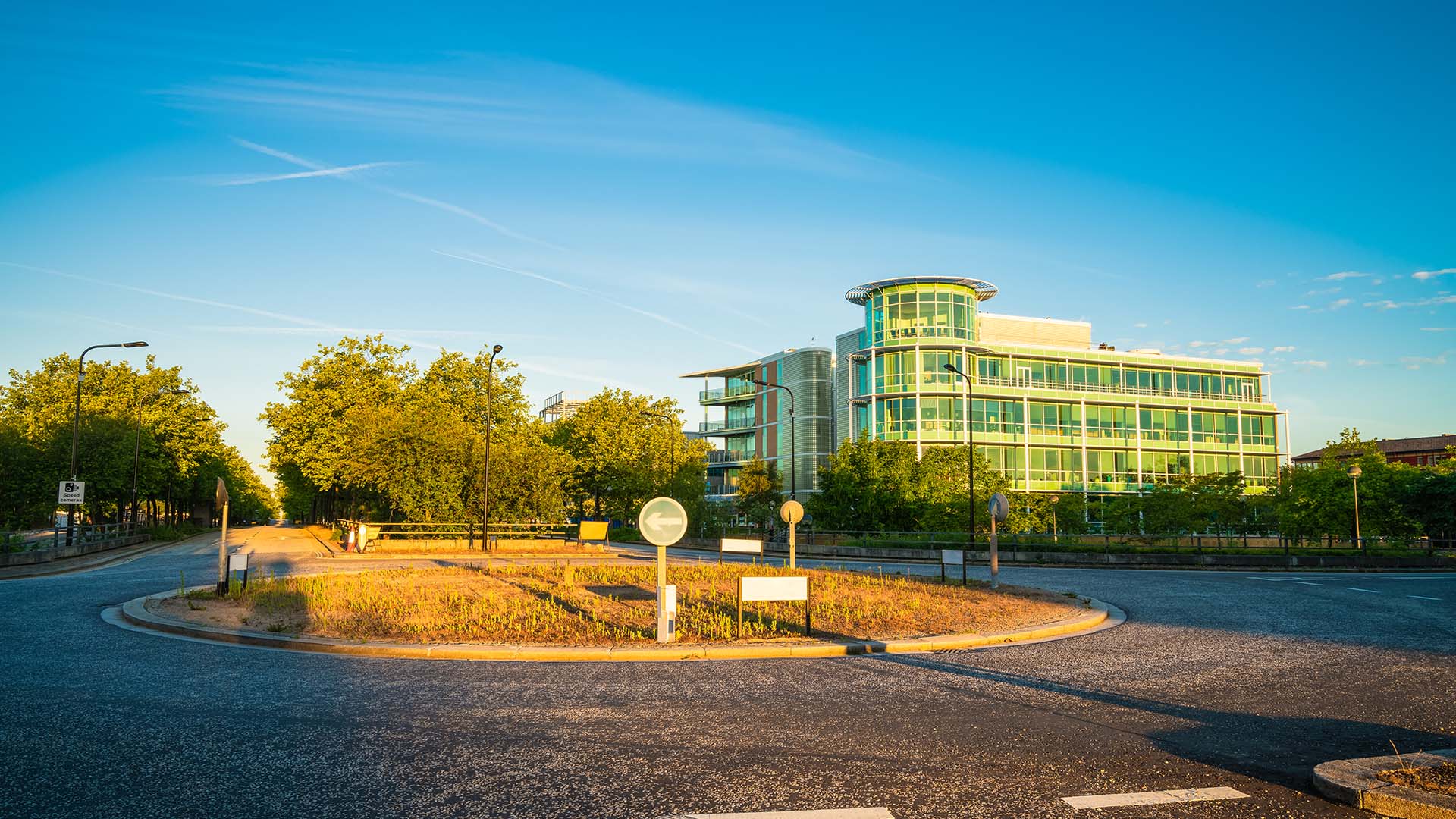
Roundabout in Milton Keynes

Crucially, the two towns produce roughly the same amount of pollution for their size. But the air in Luton is much dirtier, because the pollution is trapped by tight roads and building. Conversely, the roundabouts, boulevards and open roads of Milton Keynes allow the poisonous gases to escape.

Professor Mackenzie said towns like Luton cannot “rely on the dilution effect of it being spread out to avoid the problem”.

“I’d be advocating that Luton recognise that their particular situation puts them at a relative disadvantage, so they ought to work even harder at driving down emissions from traffic.”

The following tables show the best and worst urban areas when it comes to dispersing pollution. The rankings are based on the percentage change relative to the 146 largest areas in the country.

Top 10 most improved by urban form

Urban area Percentage change
1. Milton Keynes 22%
2. Stoke-on-Trent 21%
3. Weybridge 20%
4. Aldershot 19%
5. Macclesfield 18%
6. Livingston 18%
7. Swansea 16%
8. Manchester 16%
9. High Wycombe 14%
10. Birmingham 14%

Top 10 least improved by urban form

Urban area Percentage change
1. Luton -24%
2. Crawley -15%
3. Leamington Spa -13%
4. Cardiff -12%
5. Coventry -12%
6. Stevenage -12%
7. Tamworth -12%
8. Bradford -12%
9. Oxford -12%
10. Worcester -12%
Advertisement

DVLA clamping down on car tax evasion

0

DVLA clamping down on tax evasion

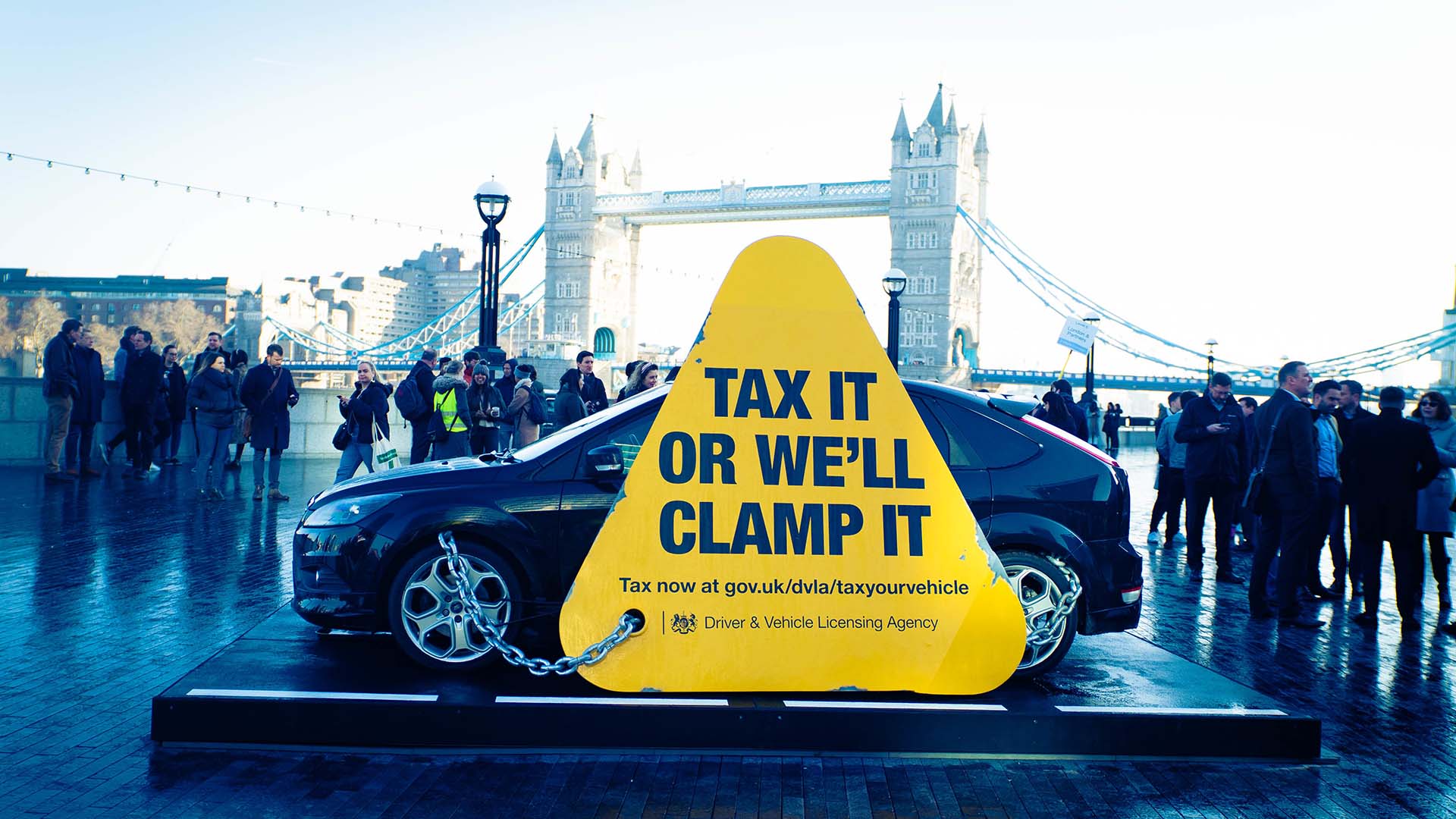
The DVLA is taking its vehicle tax evasion campaign to the road with a clear message: ‘Tax it or lose it’.

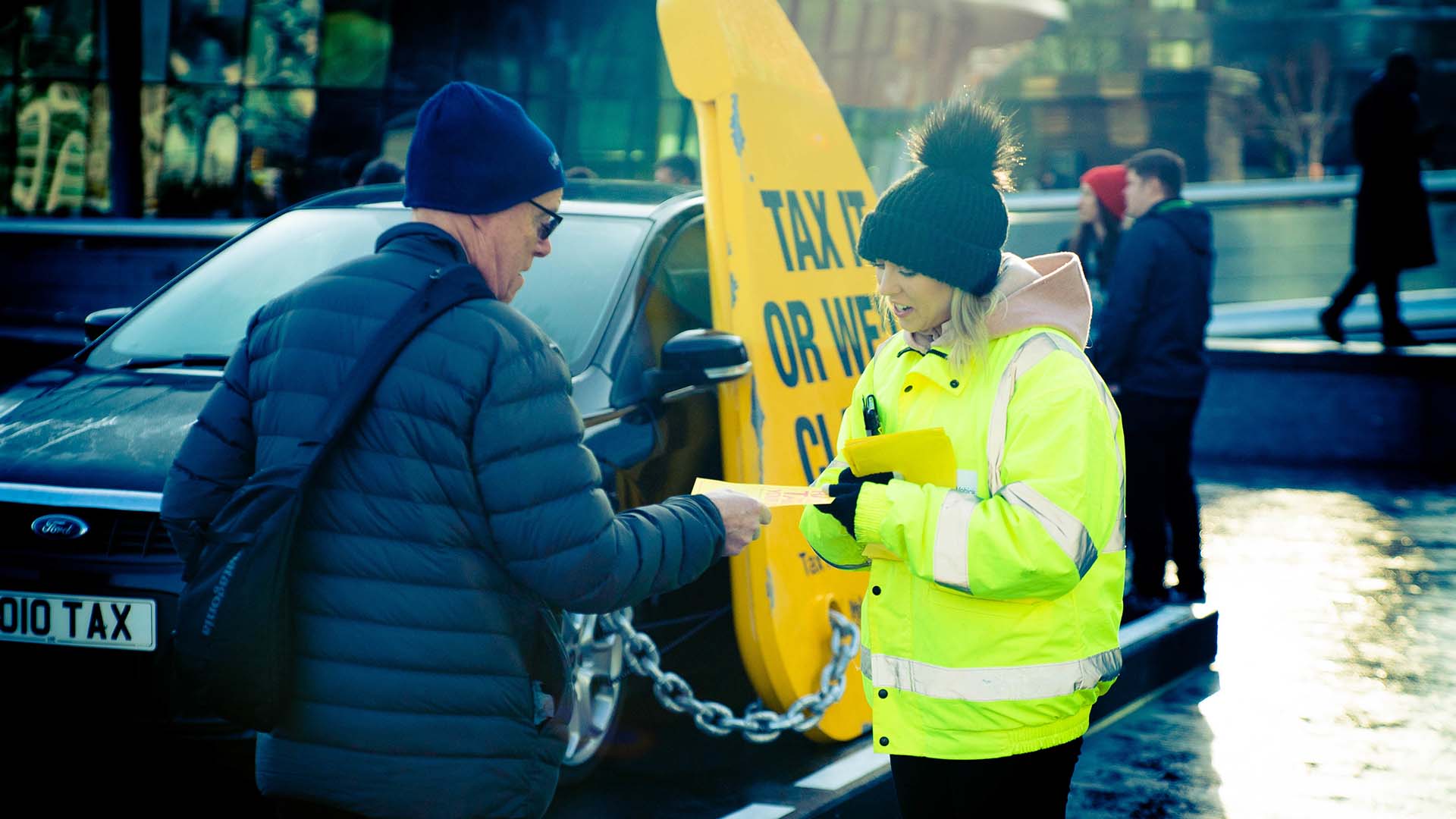
A giant clamp is at the centre of the campaign, with the DVLA warning motorists that they face ‘real consequences’ if they don’t tax their vehicles. At best, they risk a penalty or having their car clamped. At worst, they could lose their vehicle altogether.
If an enforcement officer spots a vehicle on the road that isn’t taxed or is wrongly declared SORN (off the road), there’s a chance it will be clamped or impounded. The enforcement teams are based around the country and travel in vehicles equipped with number plate recognition cameras.
Your chances of being caught are likely to be higher in one of the 20 locations named by the DVLA. These are the regions of the UK where vehicle tax evasion is rife. In total, the DVLA took nearly 590,00 enforcement actions in these regions alone.

Belfast tops the list, with 78,501 enforcement actions in 2019. Birmingham isn’t far behind, on 61,531, while 34,375 motorists were caught driving an untaxed vehicle in Glasgow. The full table is below – so you know where the giant clamp is likely to appear.

‘There really is no excuse’

DVLA tax it or lose it

Julie Lennard, chief executive of the DVLA, said: “The number of untaxed vehicles on the road is falling, but we are determined to reduce this even further. We operate a range of measures to make vehicle tax easy to pay and hard to avoid, so there really is no excuse if you fail to tax your vehicle.

“While the vast majority of motorists do the right thing and tax correctly, this campaign highlights the real consequences that motorists face if they don’t tax their vehicles.”

RAC spokesman Simon Williams added: “While the vast majority of motorists abide by the law and tax their vehicles correctly, high-profile enforcement campaigns like this are needed to make sure the consequences of not doing so are fully understood. This DVLA campaign gives a very clear warning of the action that will be taken on untaxed vehicles. Having your vehicle clamped is expensive and inconvenient so it’s far simpler to make sure you tax it.

“You can easily check when your tax is due using DVLA’s vehicle enquiry service on GOV.UK: all you need is your vehicle registration. It’s also really important to tell DVLA straightaway if you move house, so you don’t risk missing the reminder letters that DVLA sends to all vehicle keepers.”

The 20 regions where vehicle tax evasion is highest

Area Total enforcement actions in 2019
Belfast 78,501
Birmingham 61,531
Bristol 24,747
Cardiff 28,857
Coventry 23,739
Doncaster 17,885
East London 26,005
Edinburgh 24,779
Glasgow 34,375
Leicester 23,174
Manchester 34,106
Newcastle 22,996
Northampton 18,729
North London 24,766
Nottingham 26,134
Peterborough 23,271
Romford 18,325
Sheffield 30,467
South London 29,336
Swansea 18,237

Taxing a vehicle has never been easier. Motorists can do it online 24 hours a day, and can check whether their tax is up to date by asking Amazon Alexa or Google Home. It’s important to remember that vehicle tax is not transferred to a new owner when buying a used car.

Click here for our dedicated motoring advice section.

Advertisement

Ford boss: 2032 petrol and diesel ban would be ‘hugely ambitious’

0

Ford boss calls 2032 ban "hugely ambitious"

Stuart Rowley, the boss of Ford in Europe, has expressed concerns over the petrol and diesel car ban, and the possibility of bringing it forward to 2032.

In an interview on Radio 5 live’s Wake Up To Money, Mr Rowley highlighted a number of issues with the push for an all-electric car market. These included infrastructure, required investment and the collaboration required between industry, government, local authorities and consumers.

He also spoke out in support of plug-in hybrids, saying “They can be an important part of the technology mix”.

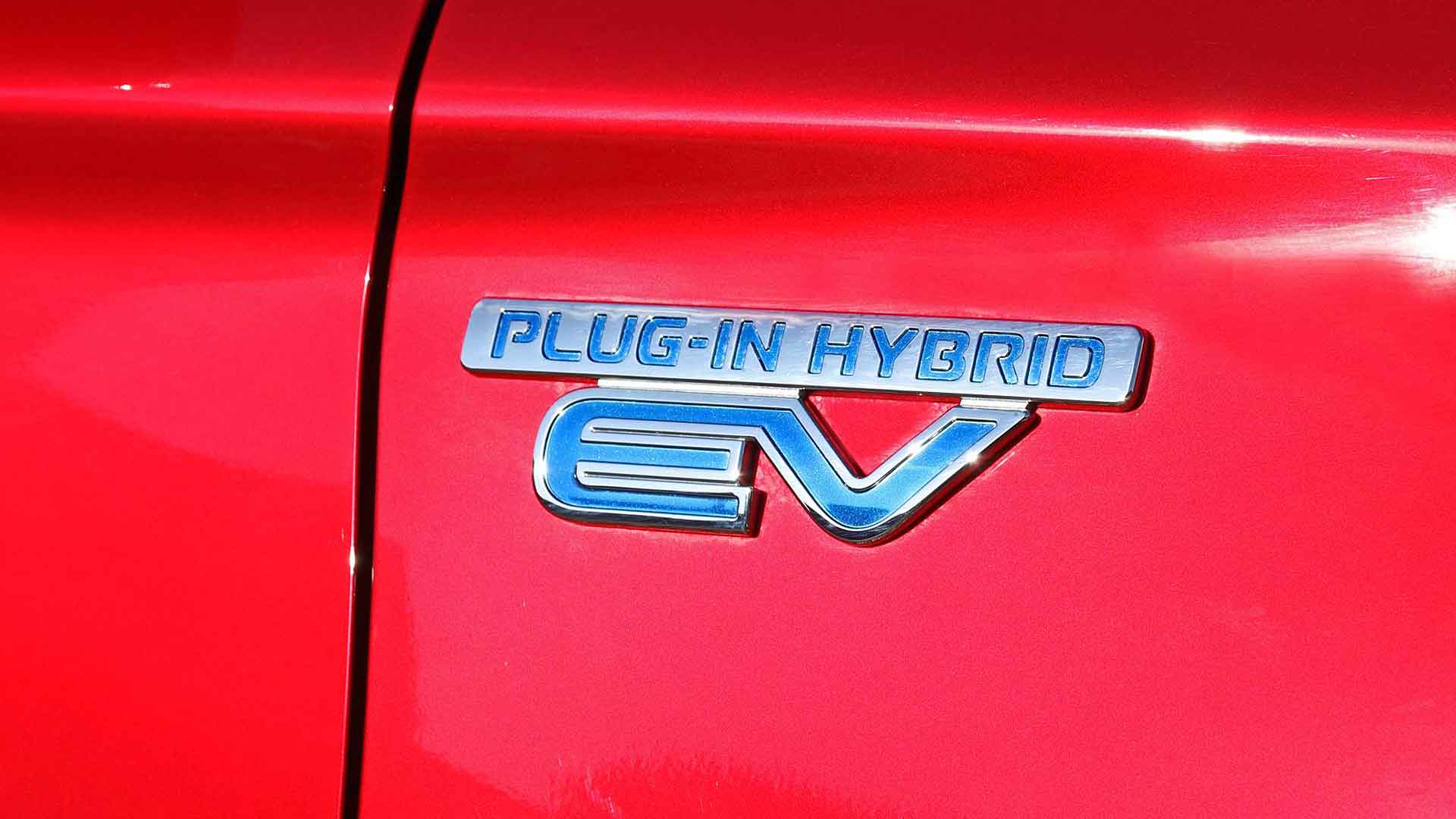
Plug-in Hybrid PHEV logo

The Department for Transport was critical of plug-in hybrids in a statement, highlighting that they’re not always used in zero-emission mode, if at all. We recently reported on how plug-in hybrids can use up to three times the fuel stated by official figures when the plug-in facility isn’t fully utilised.

This is why, the government says, it’s including them in the ban. Industry experts warn that this has compromised an important stepping stone for buyers on the road to zero-emission motoring.

“Whether we are going to achieve 2035 or 2032, it’s going to require huge investment and for us to work together as an industry, the government, cities and consumers to make this transition,” Rowley said.

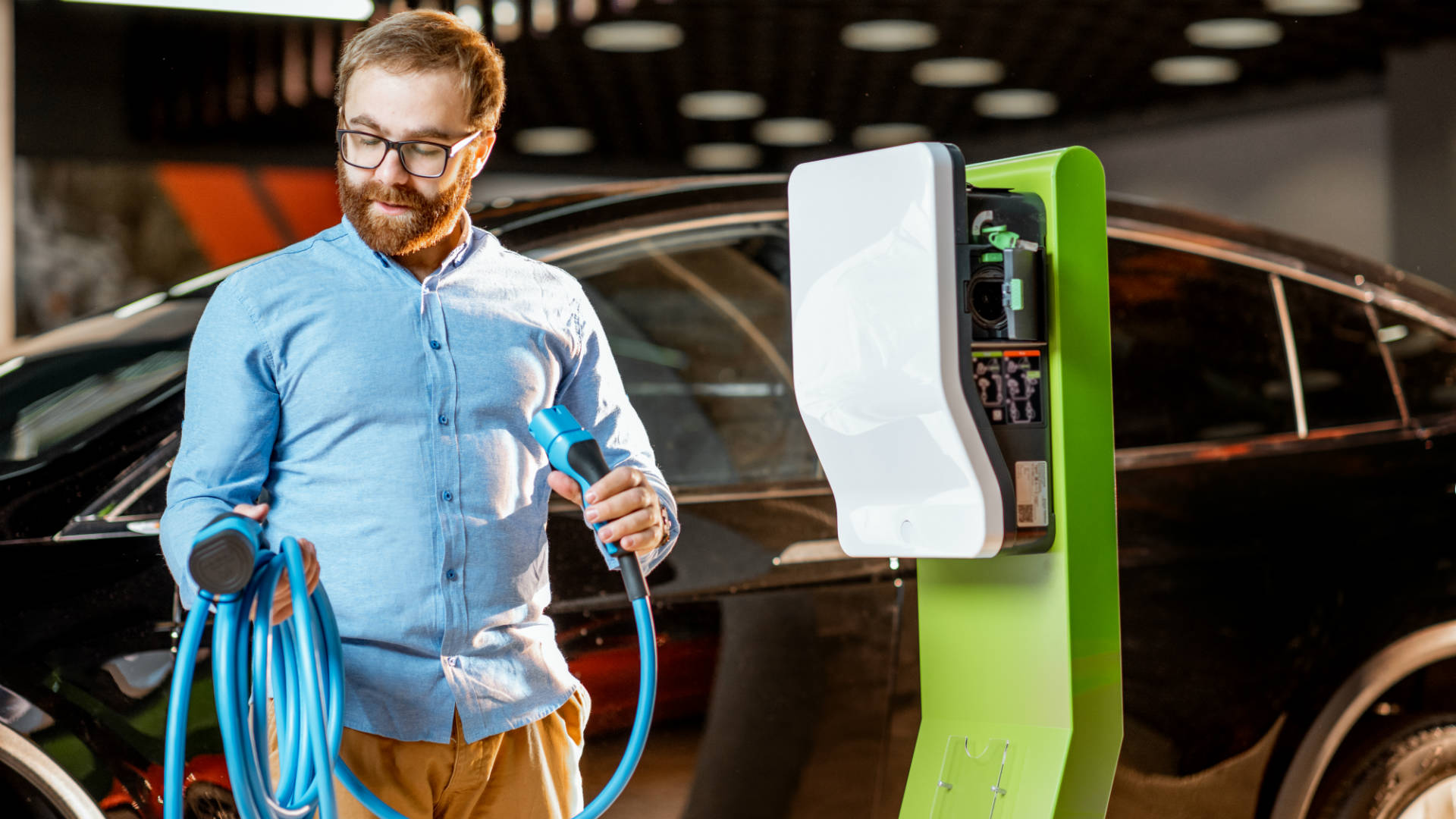
“Today very few people have the ability to charge an electric vehicle, whether it be at home or whether it be in public places. The investment in the infrastructure is going to be critical, that requires government investment, cities to organise for that, and people to be able to install charging in their homes.”

  • Fiat wants to build 80,000 electric 500s per year

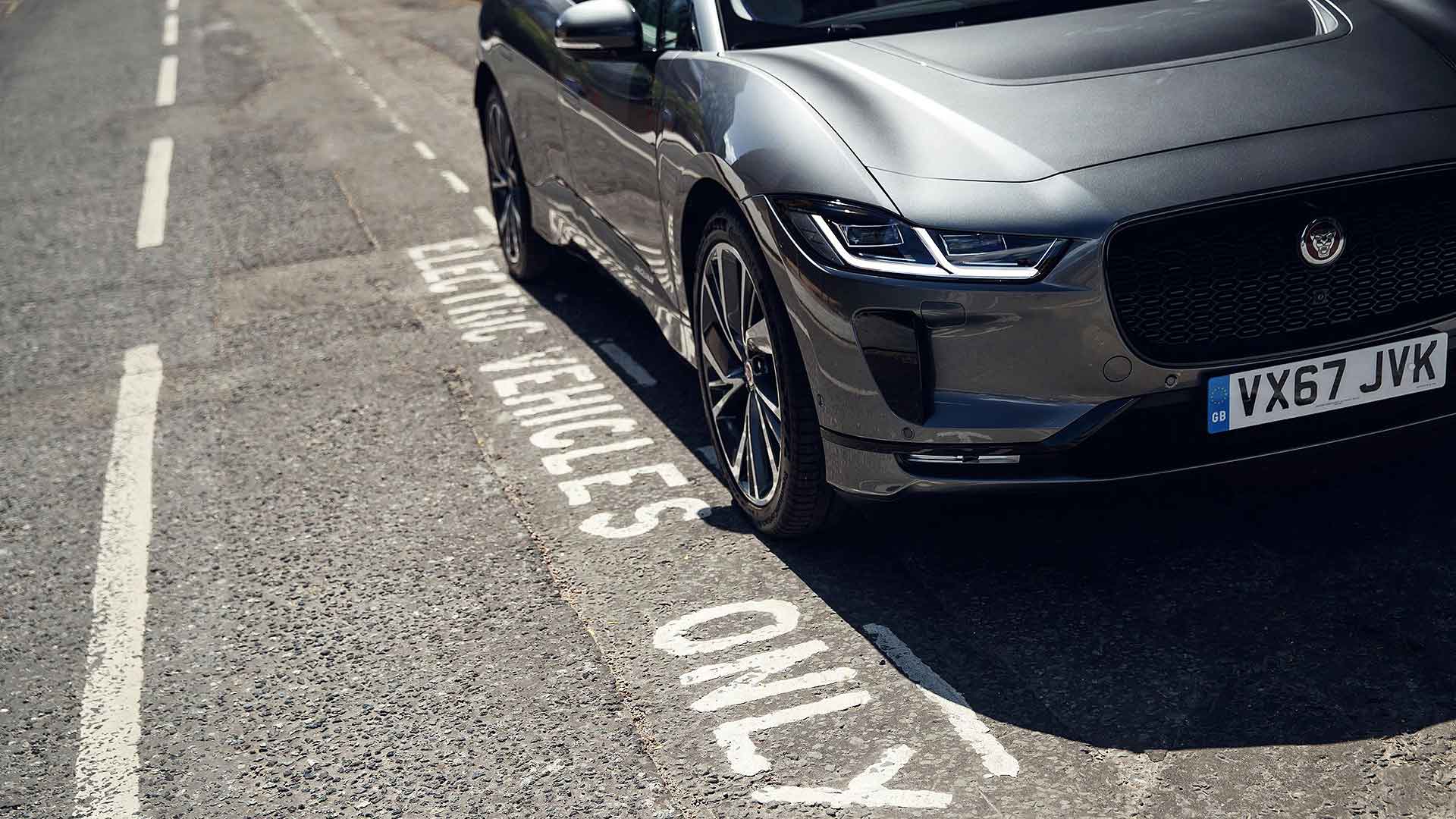
Jaguar I-Pace electric vehicle

“We’re putting 1,000 charging facilities at our plants and offices, and we’re going to need to see more across the country, not just in the big cities.”

The gulf in distribution of electric car chargers is a real issue. London, for instance, is home to 25 percent of the 10,800 electric charging locations in the UK. Meanwhile, Wales hosts just three percent of chargers at present.

Advertisement

Majority of motorists ‘unaffected‘ by petrol and diesel ban

0

Car buyers not worried about ban

In 2040, 2035, 2032 or maybe 2030 – it’s difficult to predict when the government will ban the sales of non-electric vehicles. But a recent survey suggests motorists are feeling relaxed about the ban.

A snap online poll found that almost three in five (58 percent) of motorists said the proposed ban won’t affect their car-buying decisions. Just 28 percent said they felt more inclined to buy an electric car.

Benjamin Hunt, a motoring trade analyst at Carwow isn’t surprised by the poll. He points to the fact that the average life of a car is currently around 13 years, which makes the 2035 date seem like a long way off. Even the rumoured 2030 cut-off is a decade away. Some motorists might buy a couple of cars in that time, especially if they’re locked into a PCP deal.

‘Electric isn’t quite right’

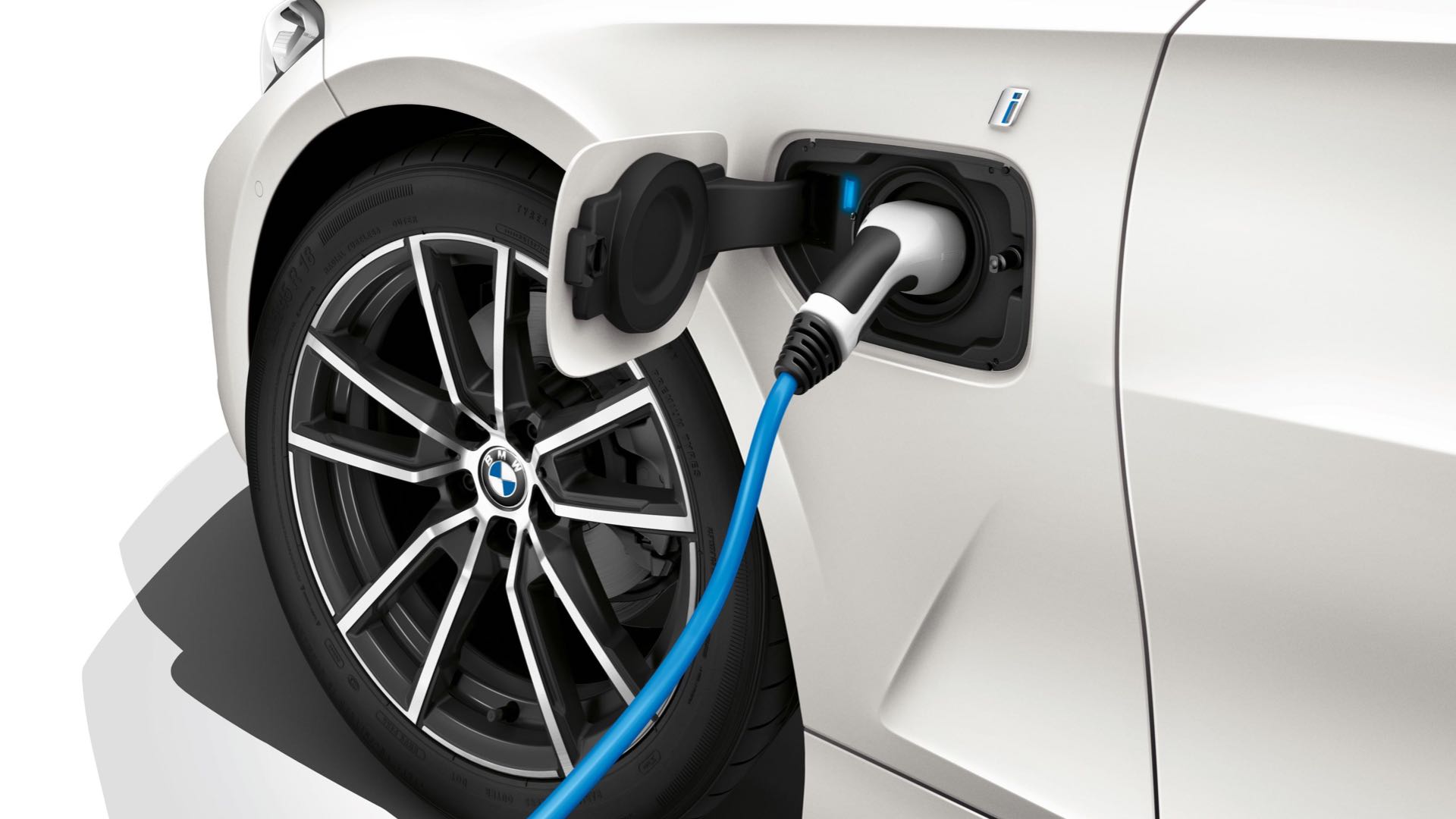
Electric car charging lead

Hunt said: “One is unlikely to consider purchasing an EV or hybrid vehicle based purely on the government’s announcement alone, purely as the financial impact 15 years away from the rules coming into effect are still so insignificant.

“If looking to invest in a new vehicle, consumers shouldn’t necessarily ignore petrol, diesel or hybrid. The simple reality is that electric isn’t quite right for every motorists’ needs just yet and, despite the bad press given, traditional cars are showing increasing levels of efficiency.”

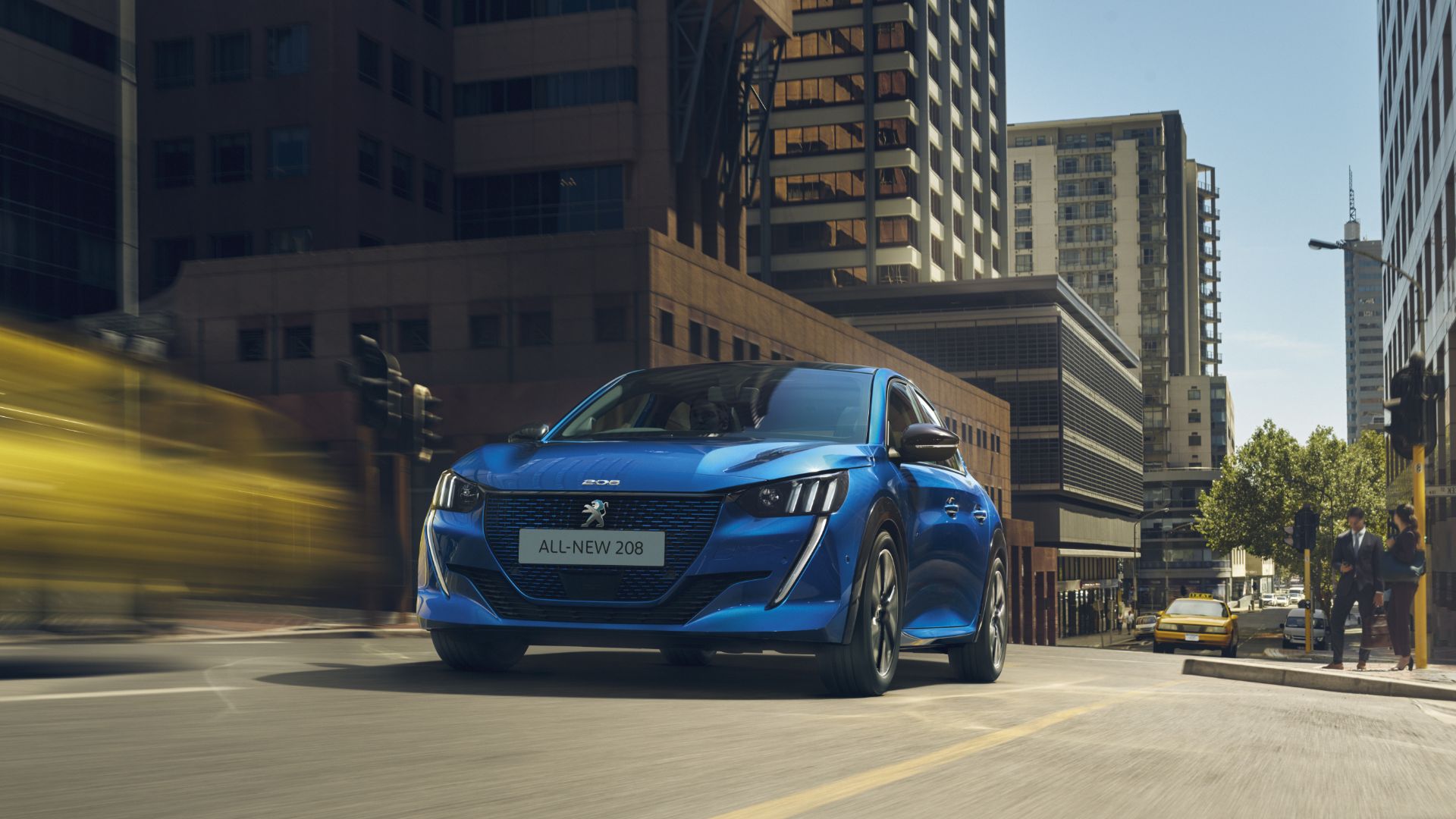
Hunt references the Peugeot 208 to highlight the price difference between a conventional supermini and an electric version. A Peugeot 208 Active would cost £16,250 with its smallest petrol engine, while the e-208 would cost £28,550, albeit before the government plug-in car grant. 

In conclusion, Hunt said: “On balance, while consumer demand is naturally moving away from diesel and, to a lesser extent, petrol vehicles, in reality there is little for the immediate consumer to worry about.“

Which, in summary, means you’re free to go out and buy that Ford Mustang 5.0 V8. Get one while stocks last, etc.

Advertisement

Triumph pairs up with location app What3Words

0

Triumph adds What3Words to connectivity system

Triumph Motorcycles is the latest company to team up with the geolocation and navigation tech firm What3Words. It follows the news that the AA is using the location tool to find stricken motorists.

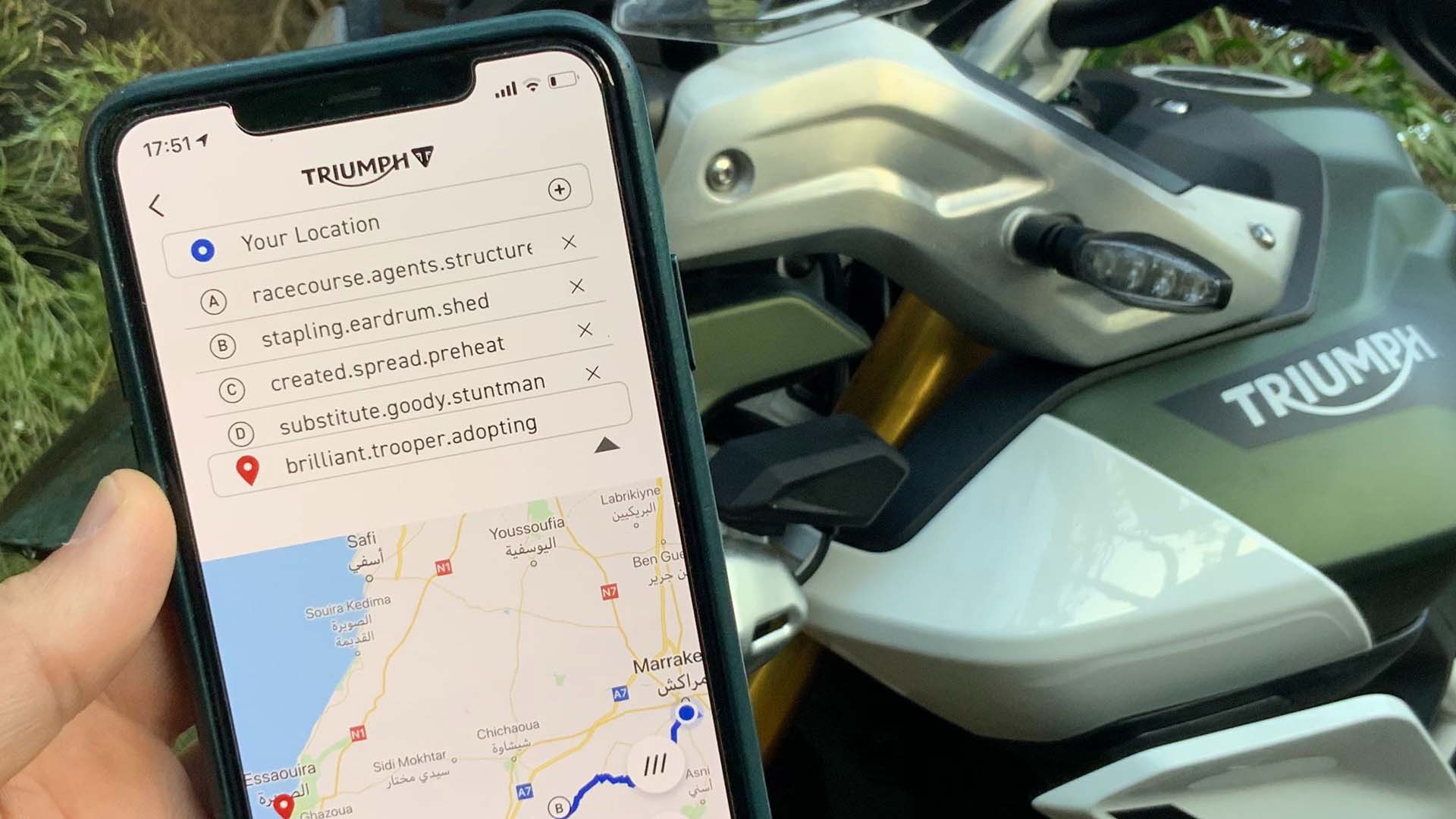
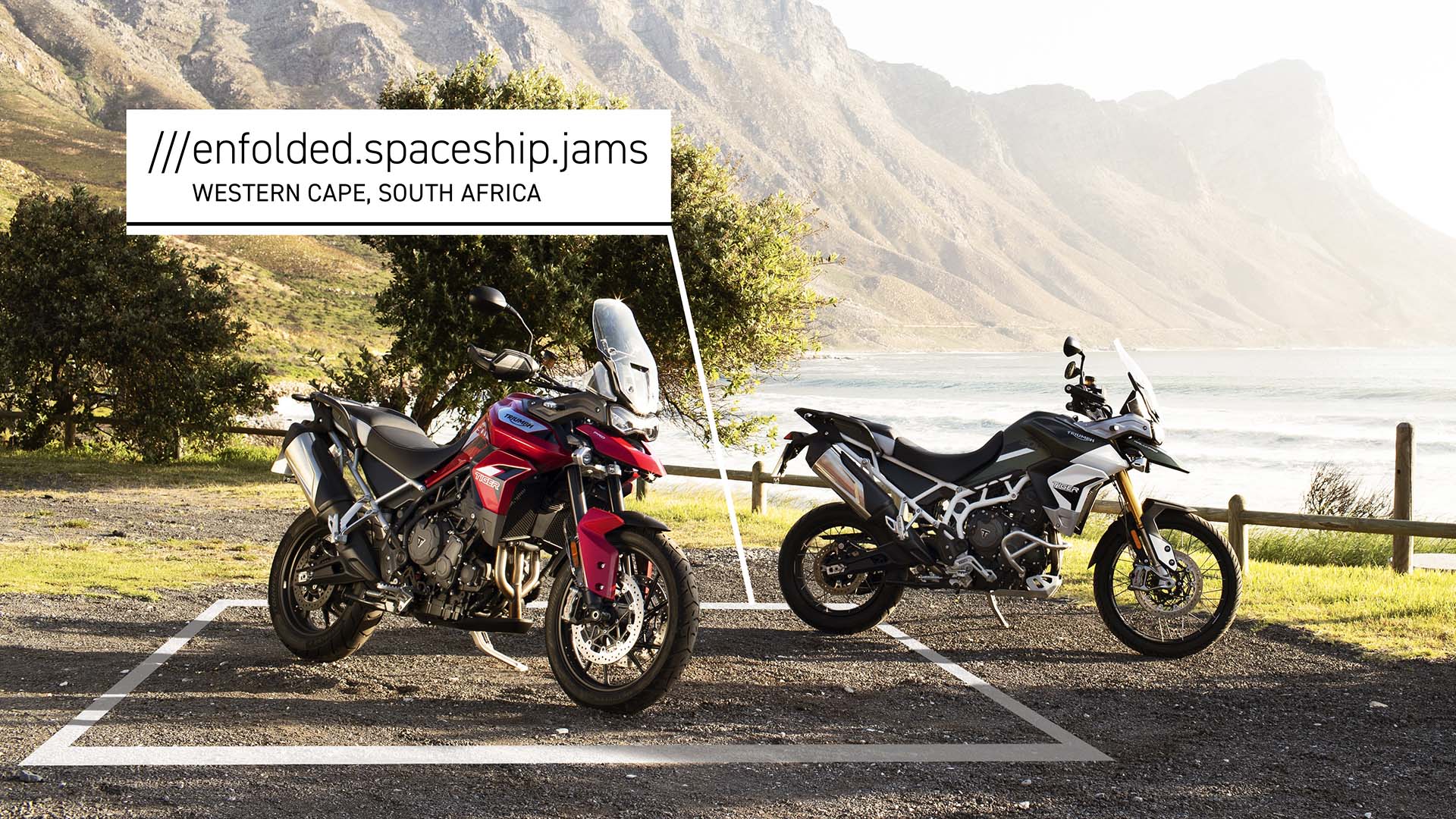
The technology divides the world into a grid of 3m x 3m squares – each one given a unique What3Words address. Triumph is adding the tech to its motorcycle connectivity system.

If you’re after Triumph’s HQ in Leicestershire, you’ll require ‘Needed.Exist.Brands’. Meanwhile, ‘Gentle.Coins.Sadly’ will take you to Peel Road in Douglas, Isle of Man.

Triumph Motorcycles and What3Words

Triumph says riders can use the What3Words function of the app to navigate the world and to meet friends in places without addresses. Examples include that really neat corner on your favourite road, or the remote cafe that serves the best bacon sarnies on a Sunday morning.

Nick Bloor, CEO at Triumph Motorcycles said: “The Triumph brand and our riders seek adventure and this new collaboration with What3Words allows our riders to explore the world with ease. We’re excited to be the first motorcycle brand to feature What3Words, providing precise, easy to use navigation.” 

Chris Sheldrick, CEO and co-founder of What3Words, added: “The addition of What3Words navigation to the iconic British brand Triumph Motorcycles is an important first for us. What3Words addresses are easier to remember than a postal address and can be shared more accurately than any other location reference system, which makes it an ideal navigation solution for the adventurous motorcyclist.”

Triumph using What3Words

The What3Words app hit the headlines this week when it was used to rescue four people caught in blizzard conditions in Scotland. ‘Tortoises.Swarm.Announce’ was used to direct rescuers to within metres of their precise location. One of the rescuers said they were lucky to have been at a place on Ben Nevis where they could get mobile phone reception.

The What3Words feature will be available via an update to the My Triumph app in April 2020, and will allow three-word address input in 35 different languages.

Advertisement

Five classic Minis available at CCA’s March sale

0

CCA March sale Minis

The CCA March sale at the Practical Classics Classic Car and Restoration Show will see five different classic Minis hit the auction block. Different eras, different body styles, and differing condition levels at different budgets. There could be a classic Mini for everyone. 

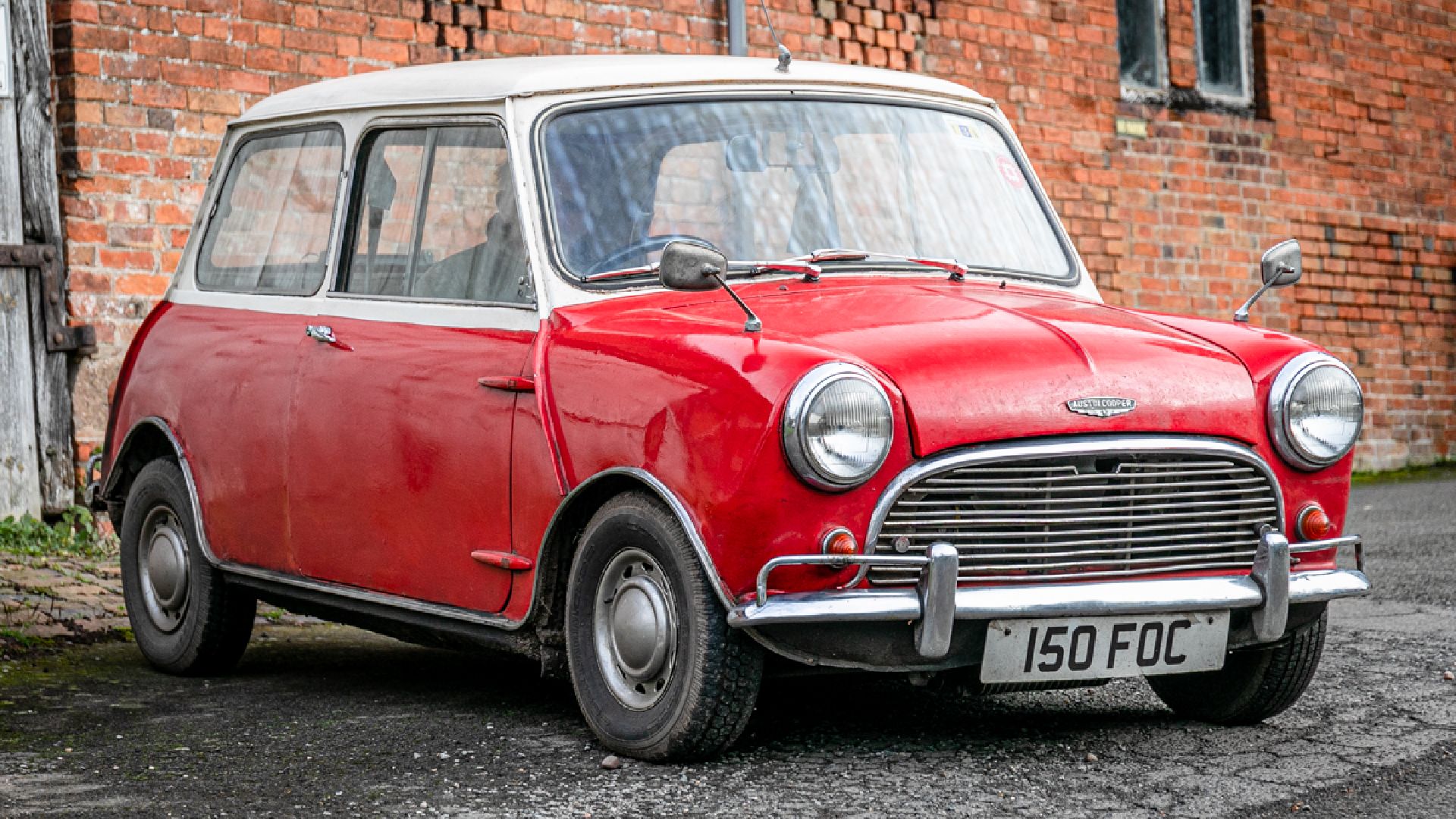
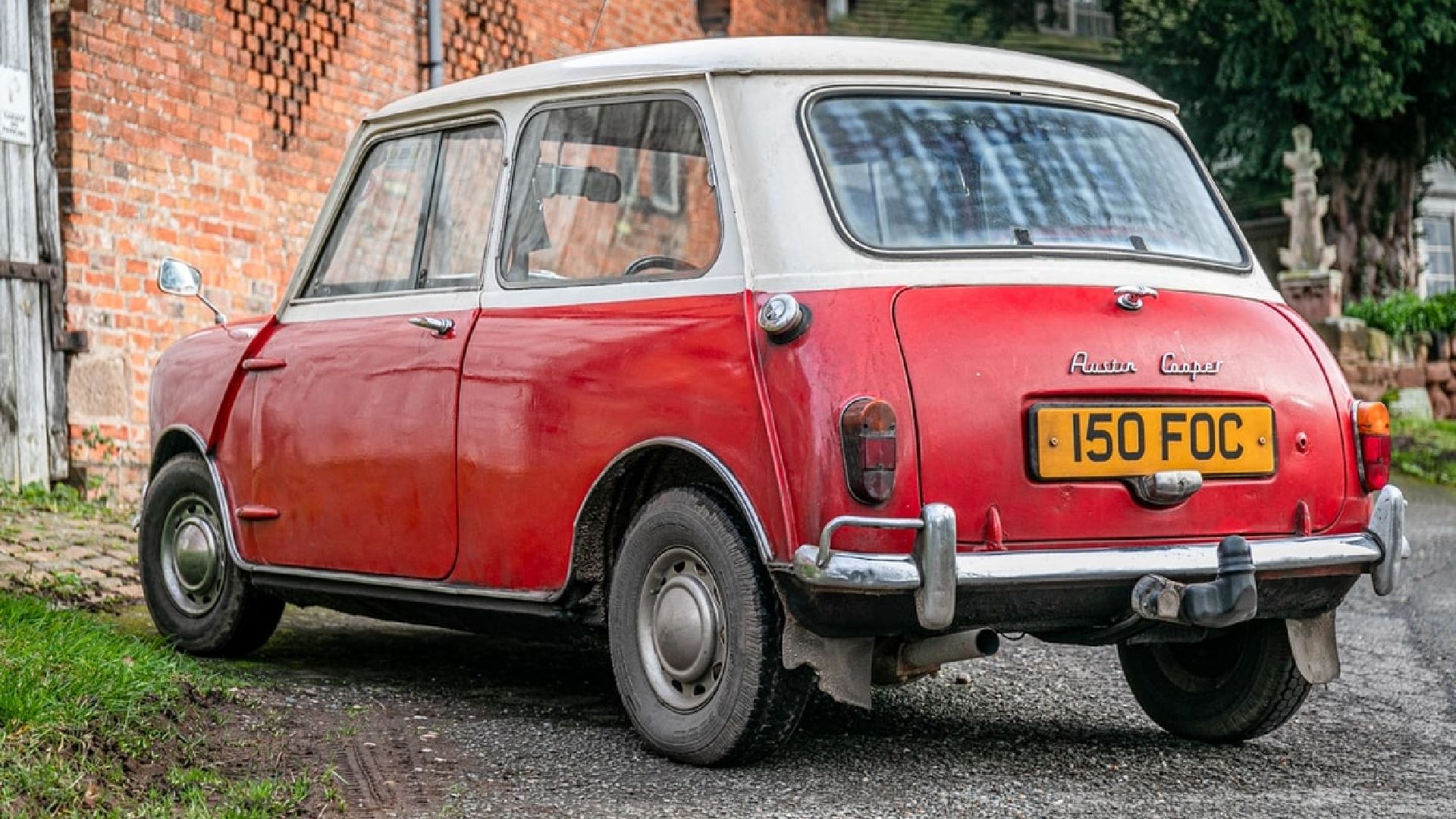
The first is a 1962 Mk1 Mini Cooper which, amazingly for its 58-year life, has been with the original owner that bought it new all those years ago. That owner put it to work, too, with the car covering around 300,000 miles over six decades.

CCA March sale Minis

  • The celebrity owners who add most – and least – value to a used car

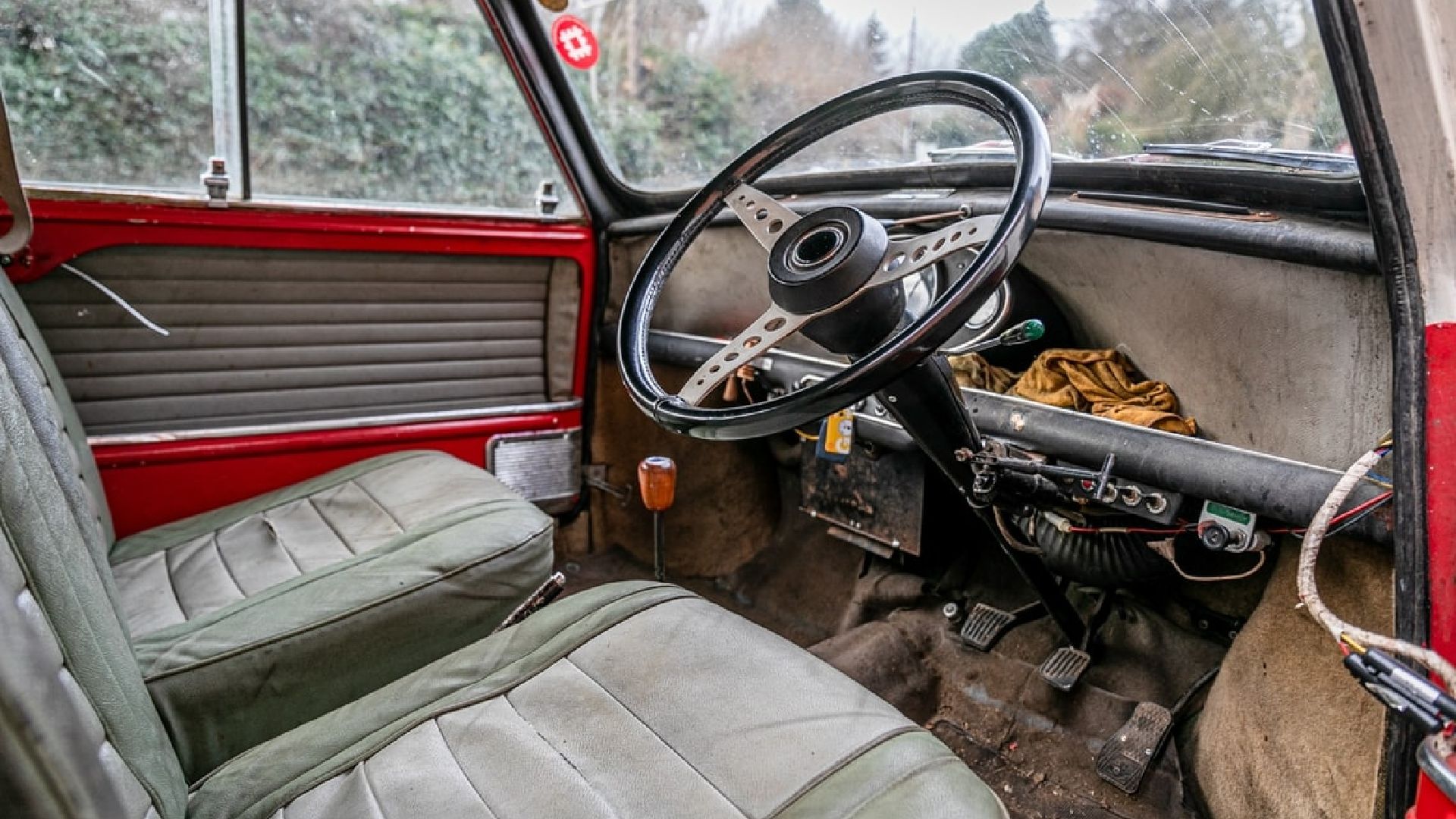
Needless to say, a life at work means this Mini could use a spruce up. It comes fitted with an 850cc short-stroke engine, in place of the original one-litre. 

The prospective buyer might like to return it to its almond green with an old English white roof specification. The cabin remains the original dove grey, with porcelain green vinyl. The car as it is, will be driven to the show for the auction. 

  • The 20 biggest Bring a Trailer auction sales of 2019

“The 300,000 mile Mk1 Cooper is staggering and has the most fascinating story,” said Gary Dunne, Classic Car Auctions (CCA) manager.

“The vendor told us it was bought new for him by his mother-in-law because she didn’t like his choice of cars to drive her daughter around in!”

CCA March sale Minis

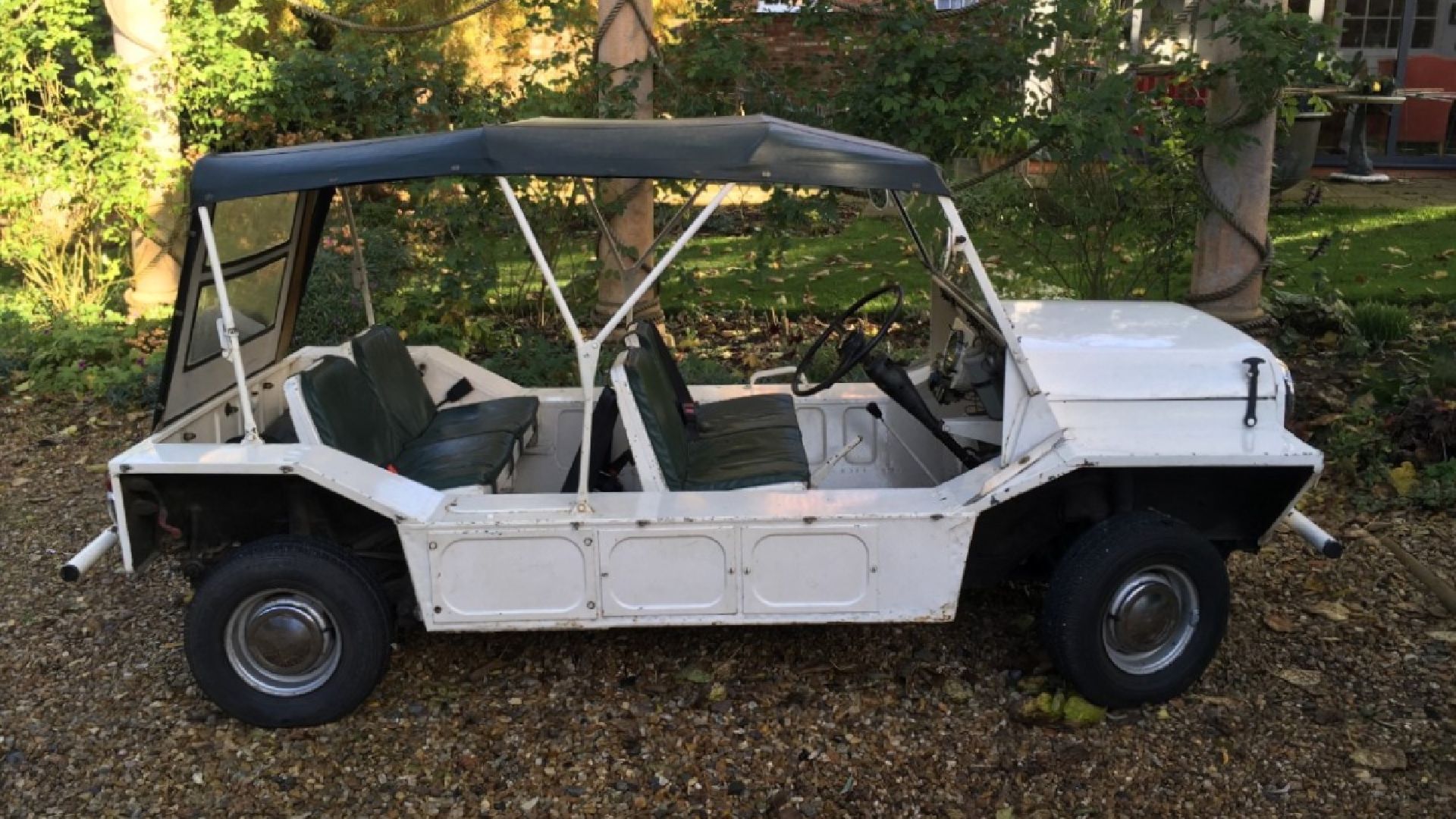
Joining it will be one of the quirkiest variants of the Mini, the Moke. Originally destined for military duties, when deemed unfit to serve, it became a fan favourite as a recreational vehicle. 

The example for sale with CCA is a 1968 car with 89,000 miles. It’s described as having the potential to be made ‘concours’ condition, though as it stands there is age-related wear. It’s estimated to make between £10,000 and £12,000. 

CCA March sale Minis

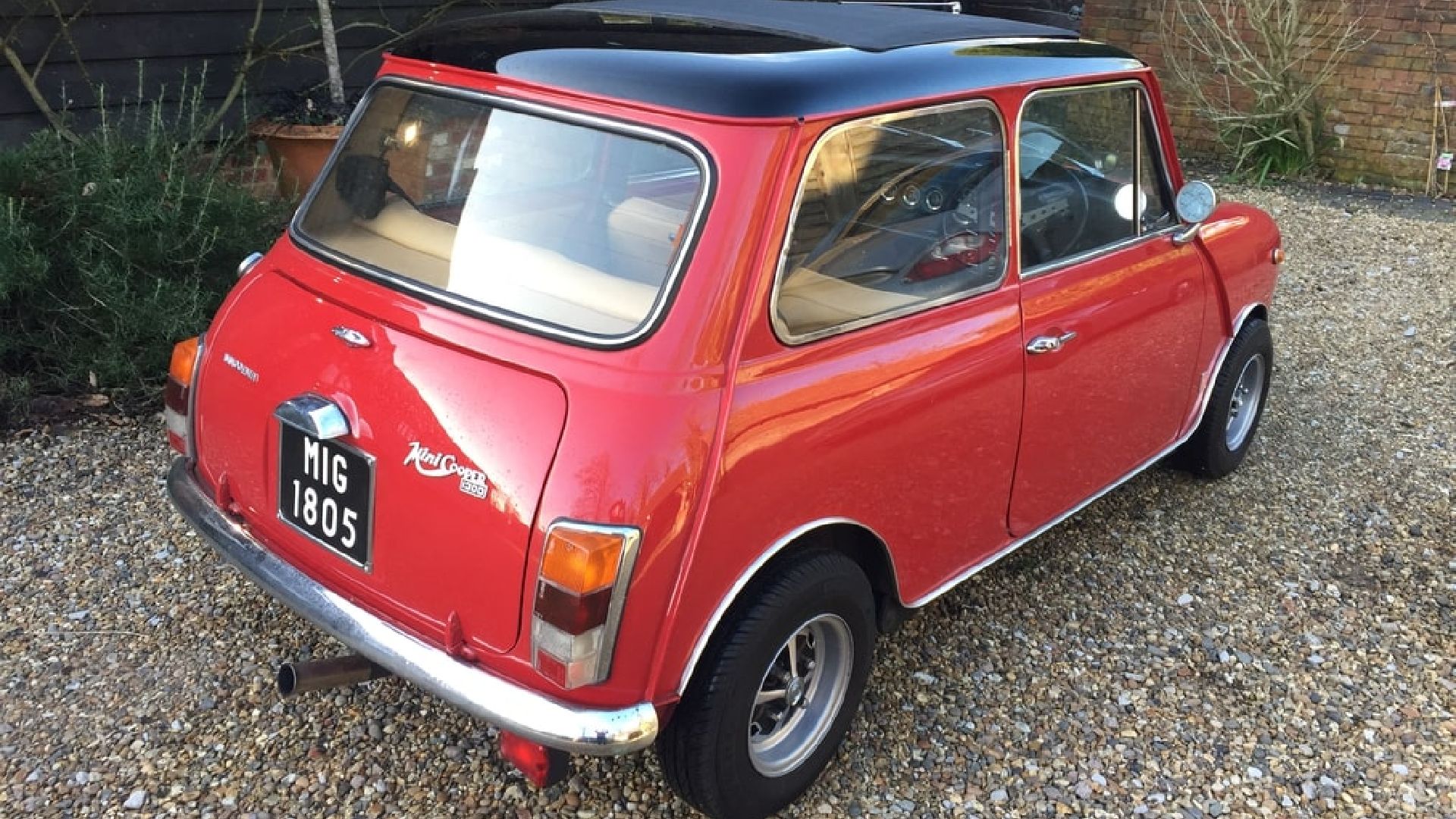
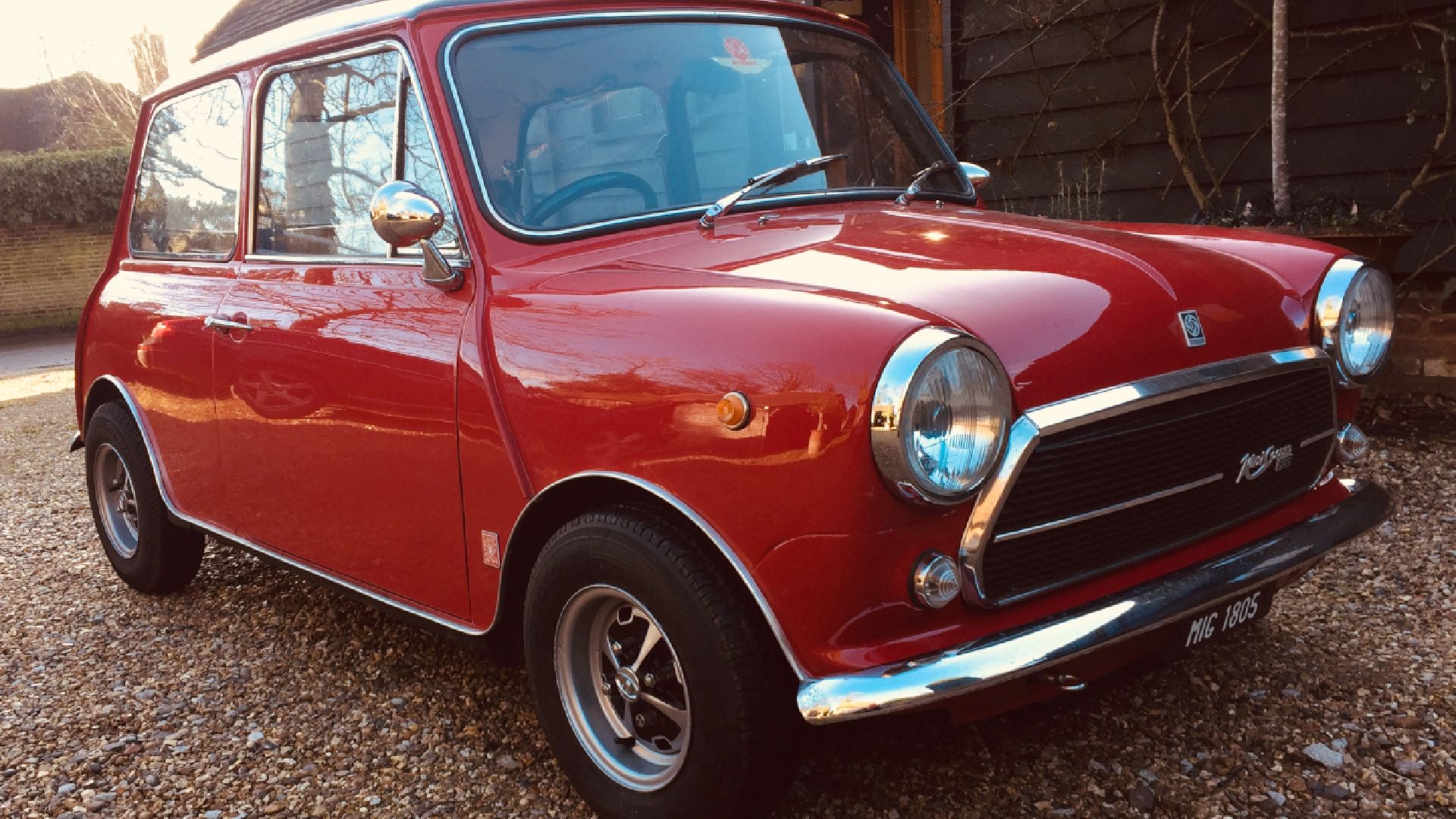
The third car is an Italian-built 1975 Innocenti Mini Cooper. It was imported in 1982, and following the current owner buying it in 2014, the car was faithfully restored and re-trimmed with correct Innocenti features. £12,000 to £15,000 could buy you one of the last export 1300 Minis, in fine fettle.

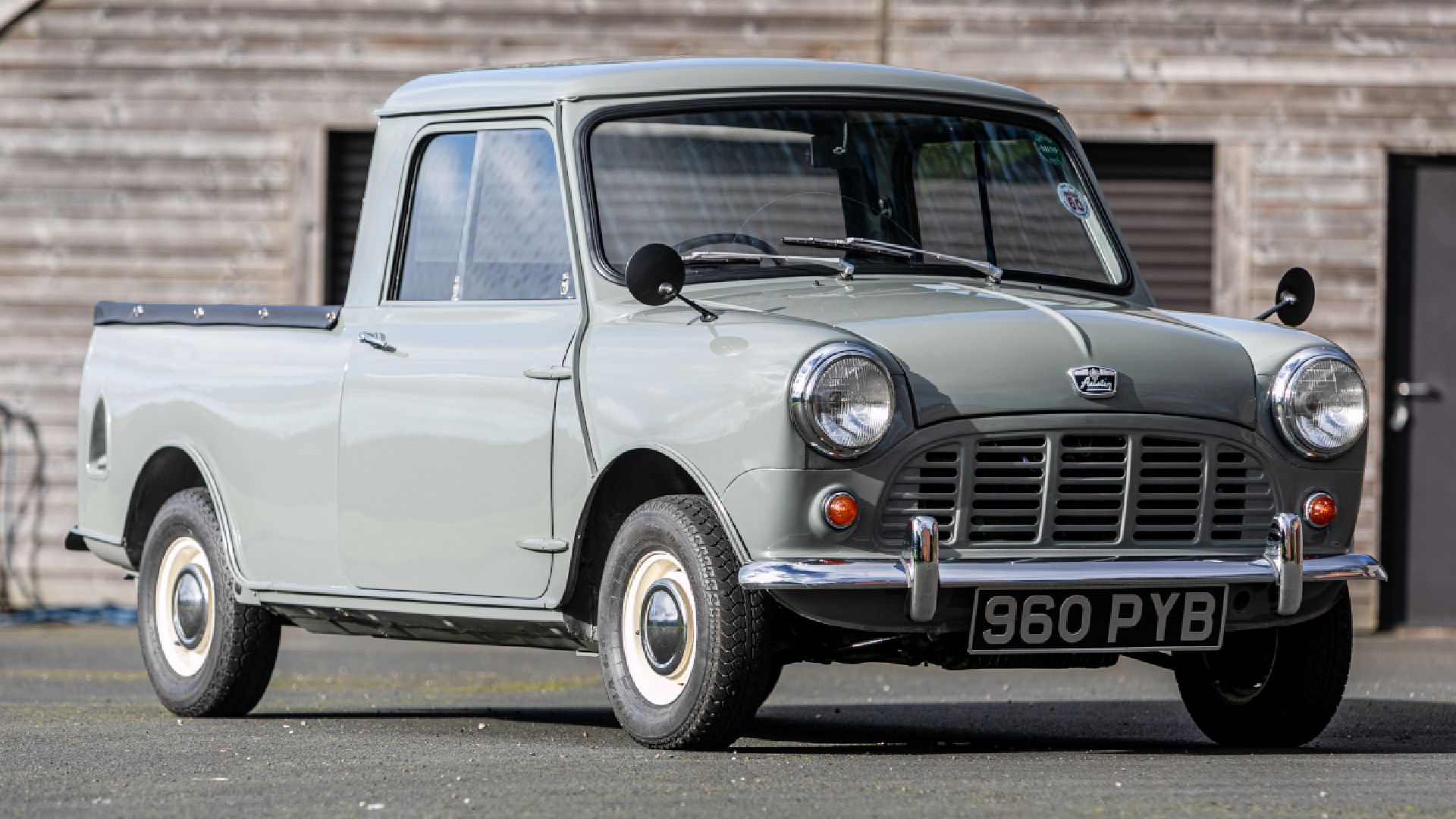
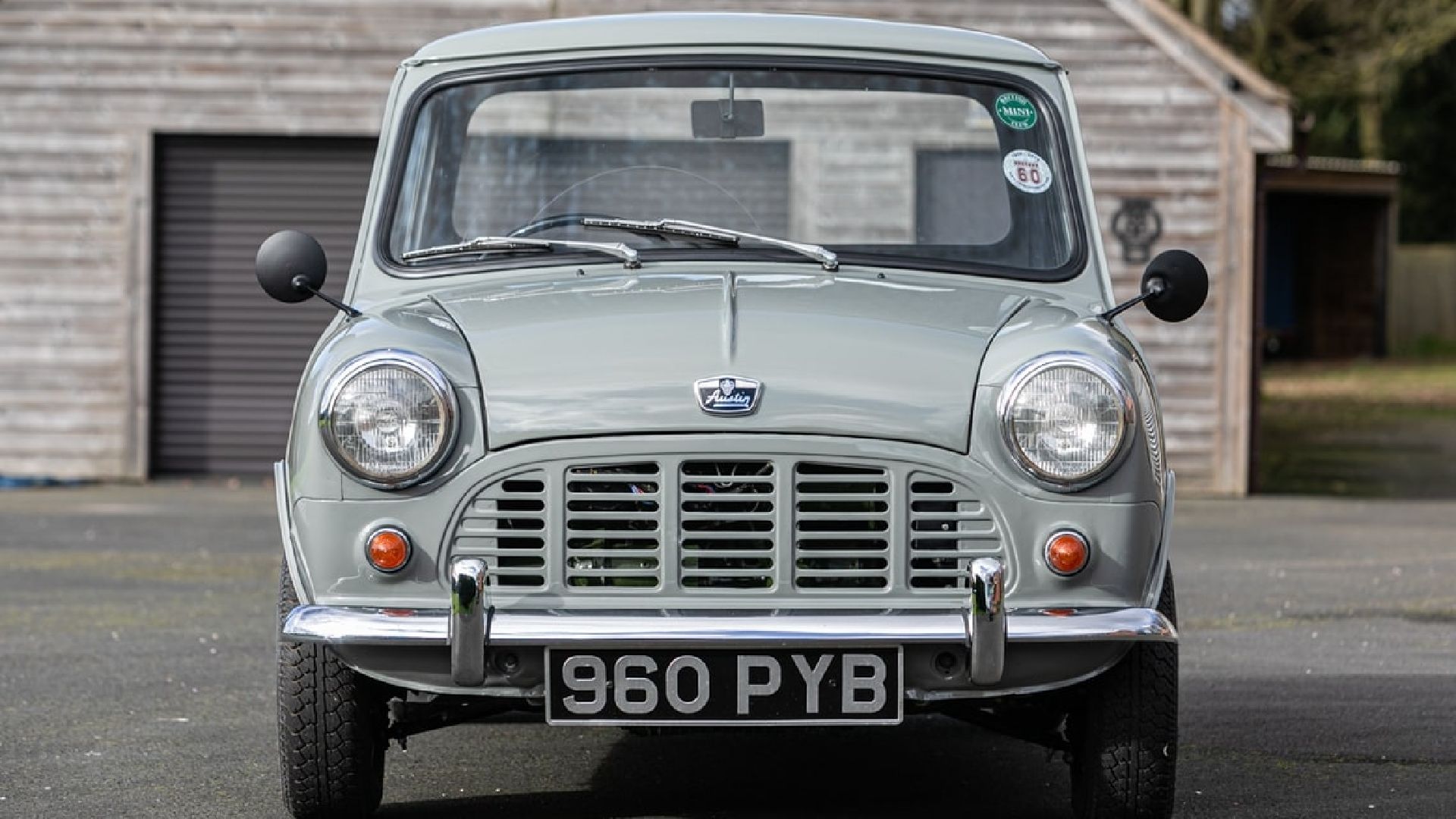
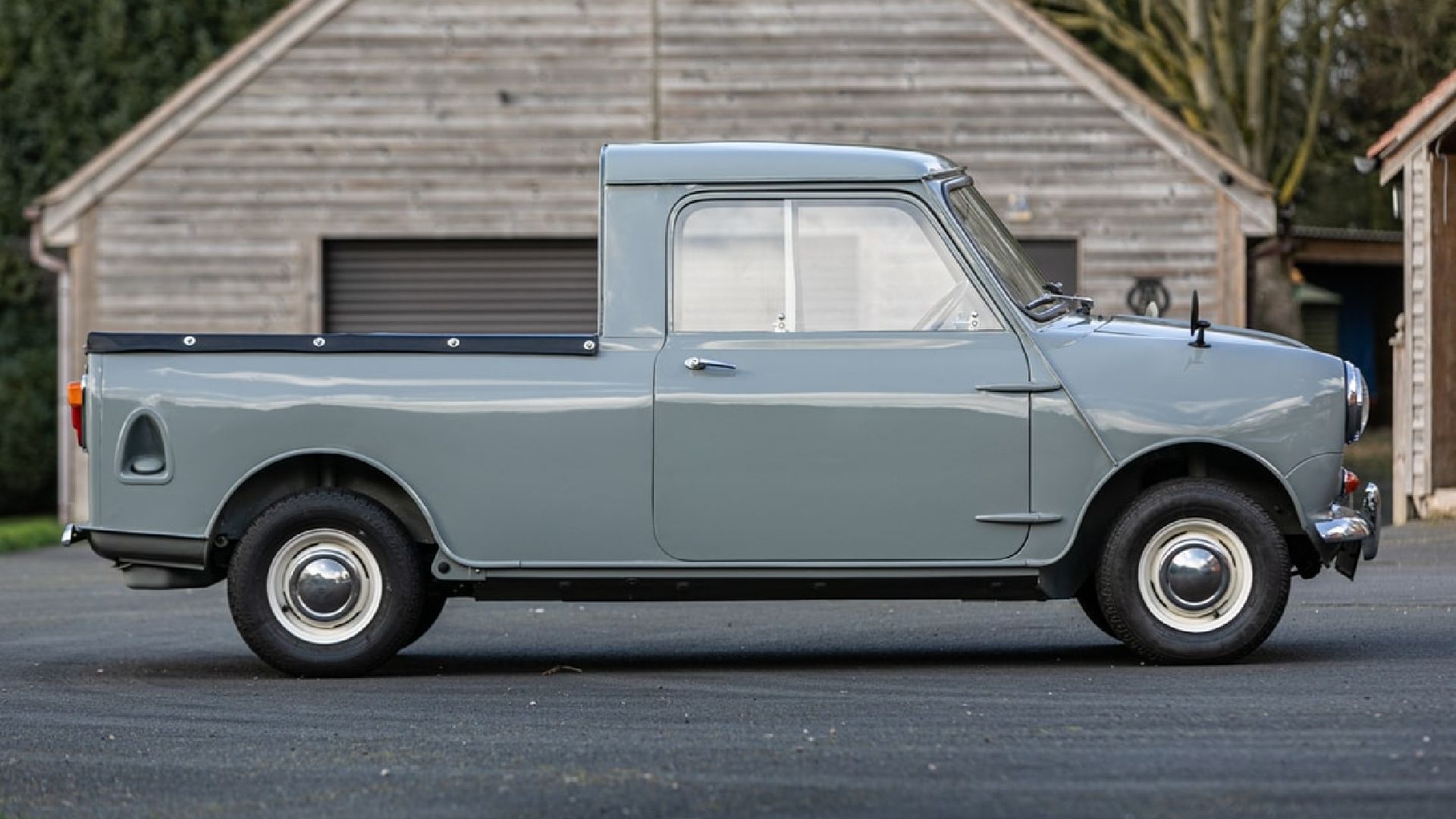
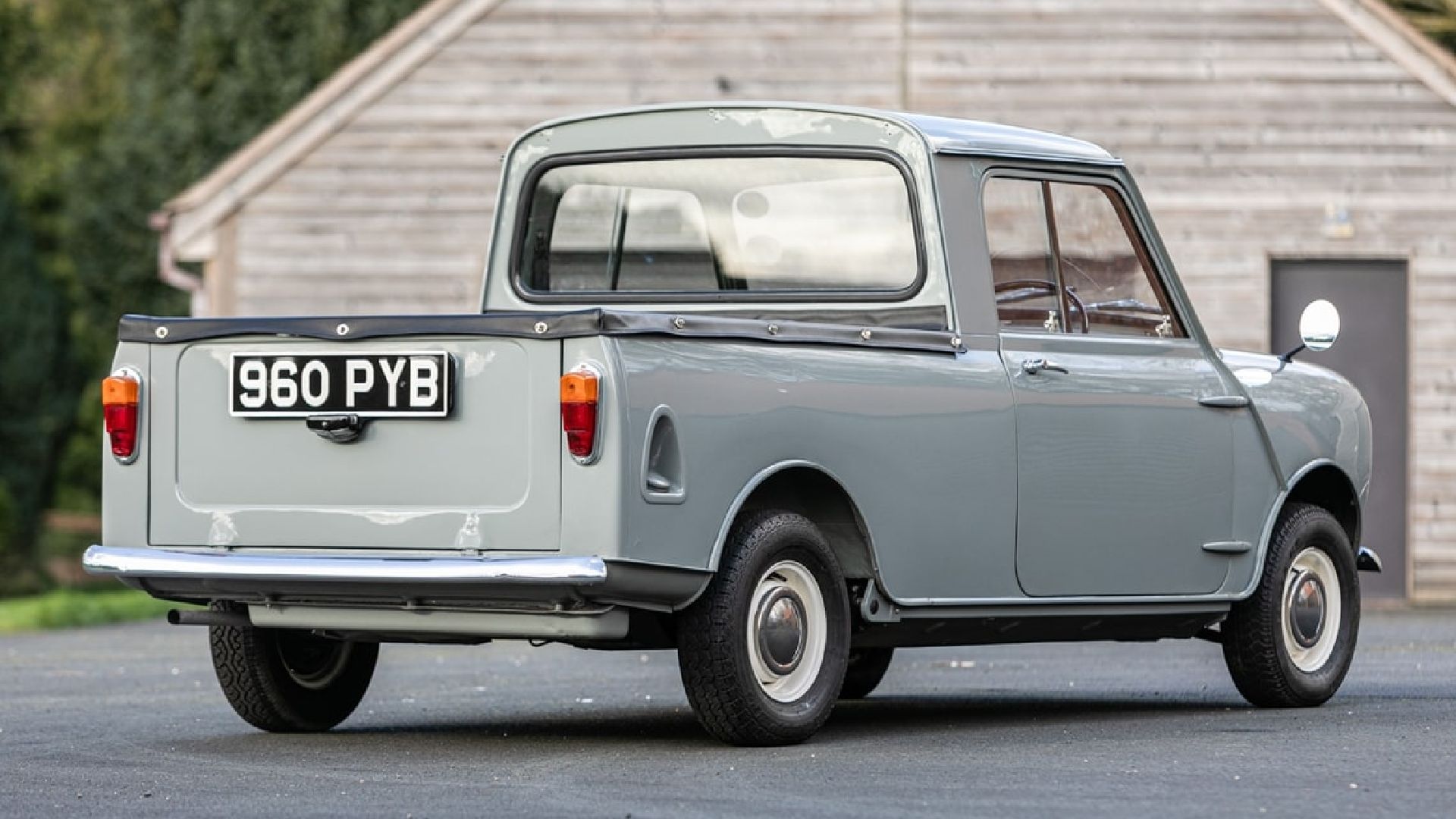
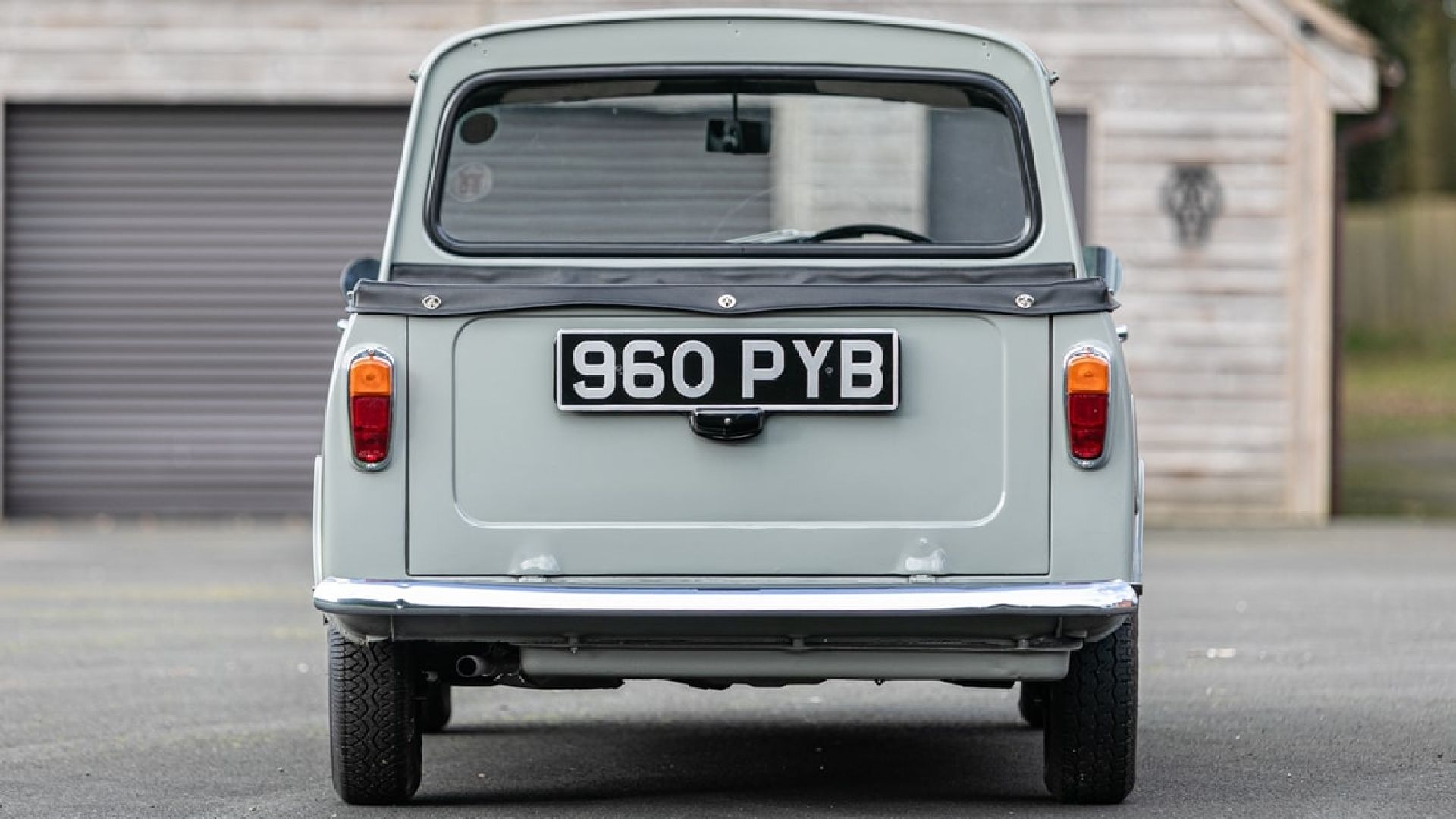
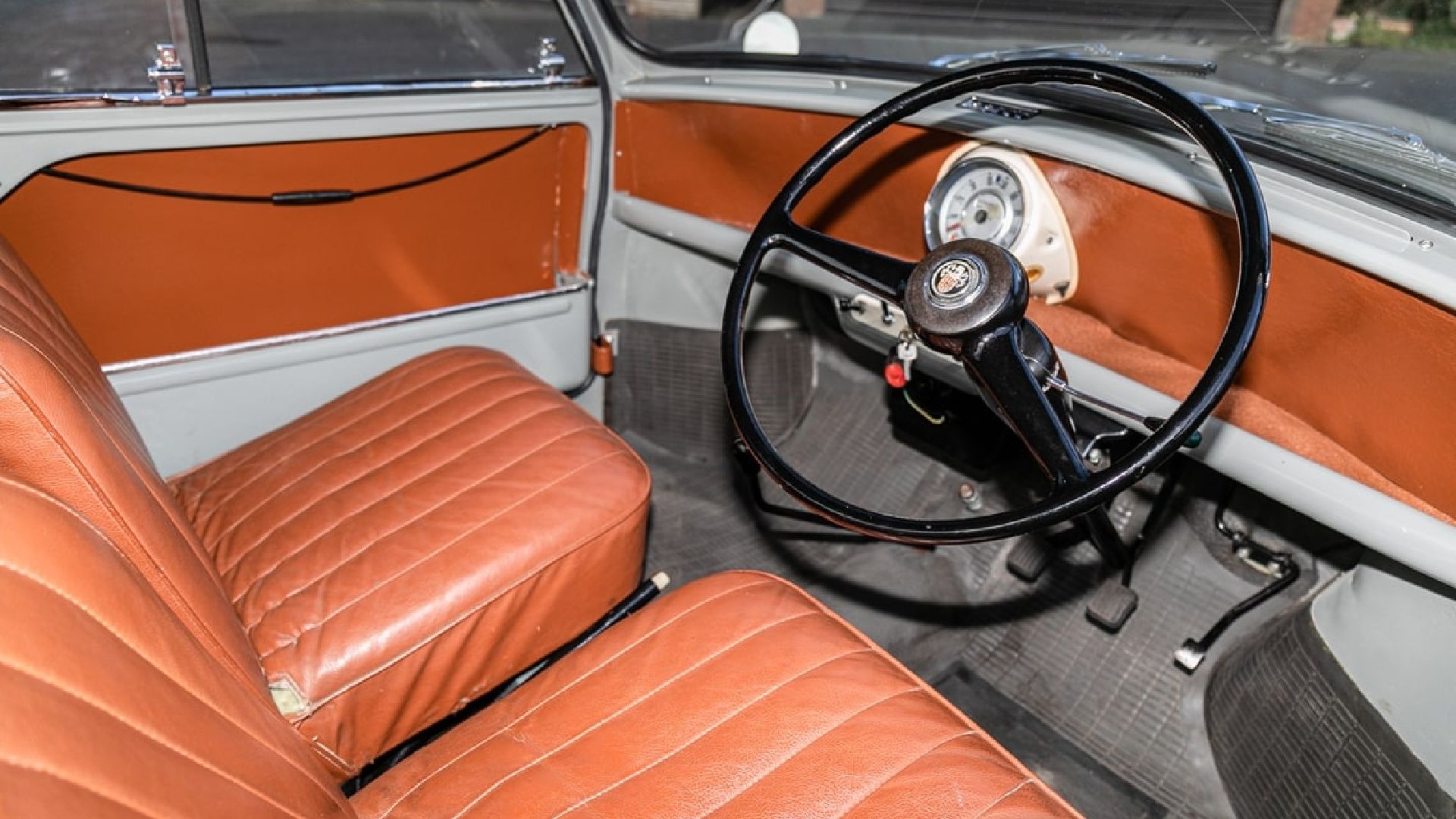
The fourth Mini is an early 1962 Mini Seven pick-up. This car comes in spectacular condition, having undergone a bare-metal restoration starting in 2010. Presented in its original tweed grey paint with a tan interior, it has all the correct period features and even the original engine. 

CCA March sale Minis

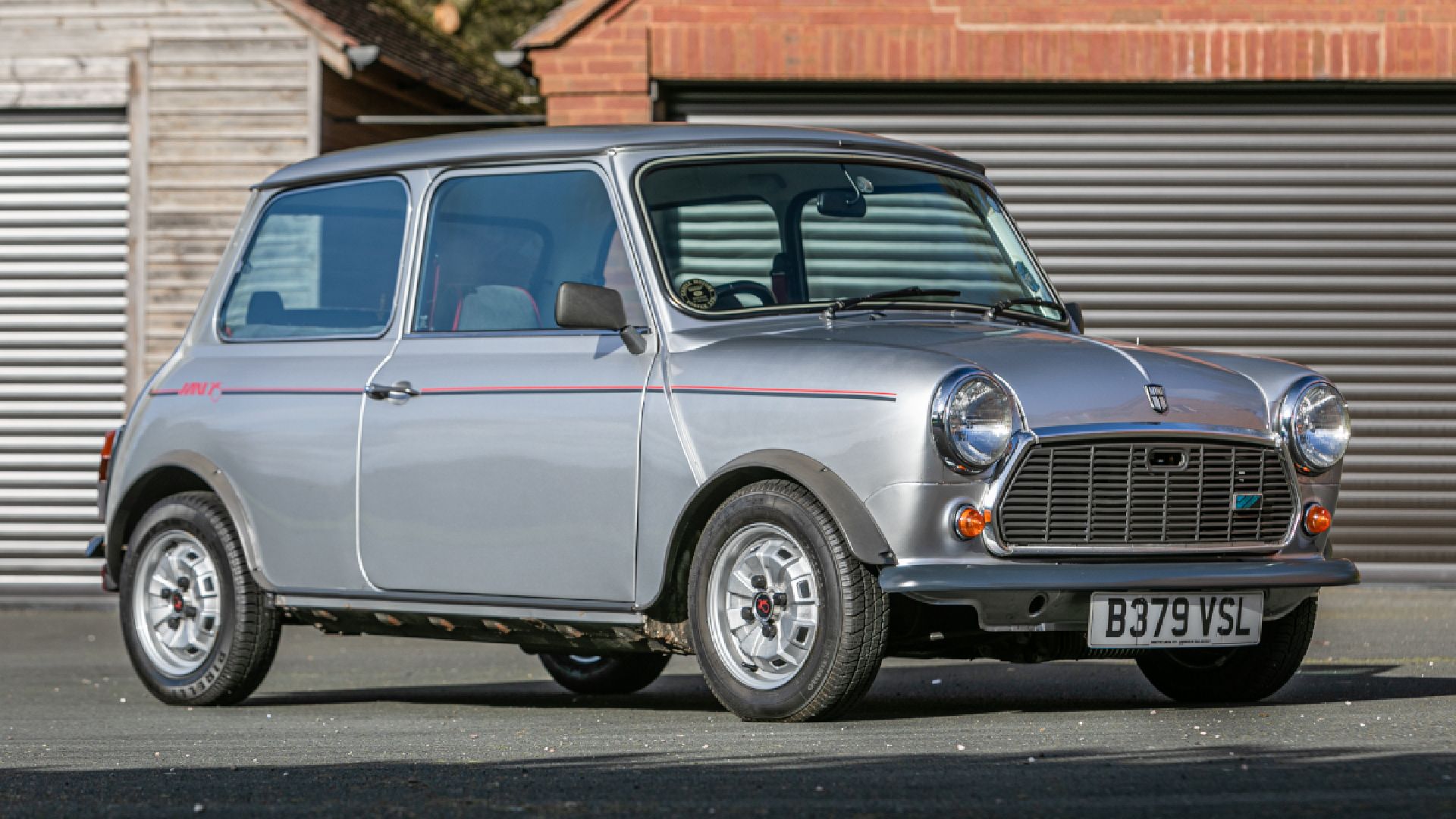
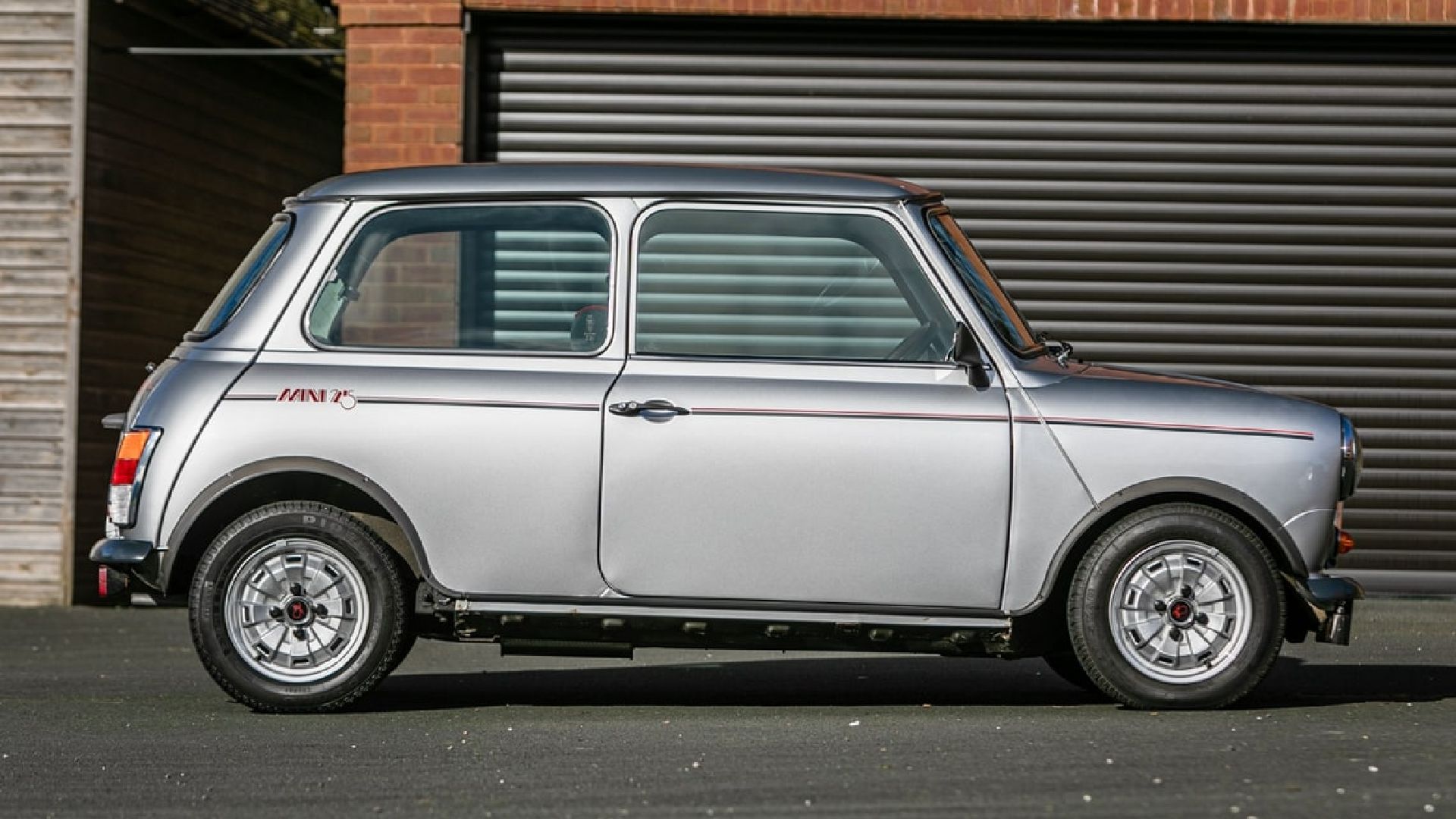
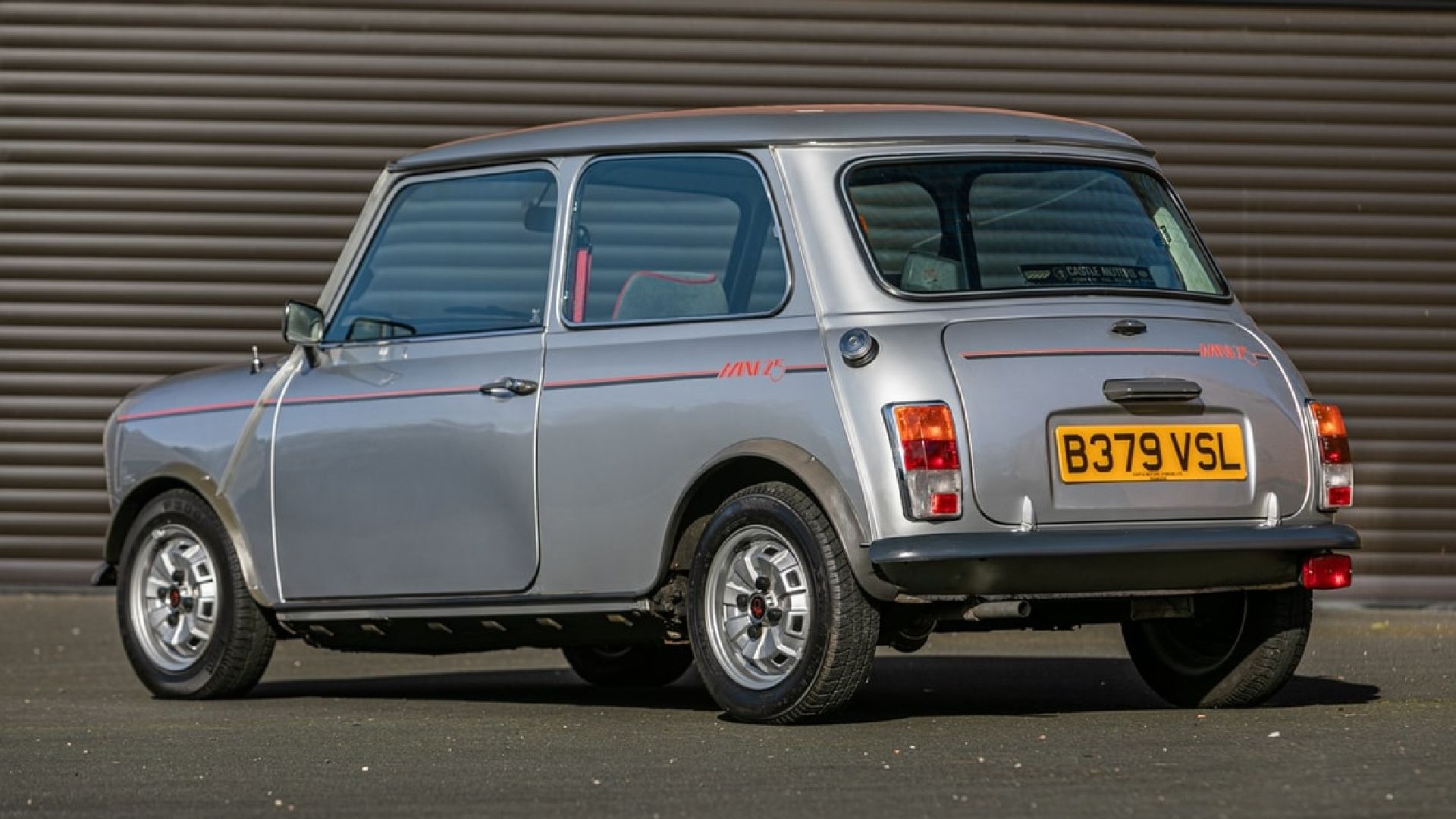
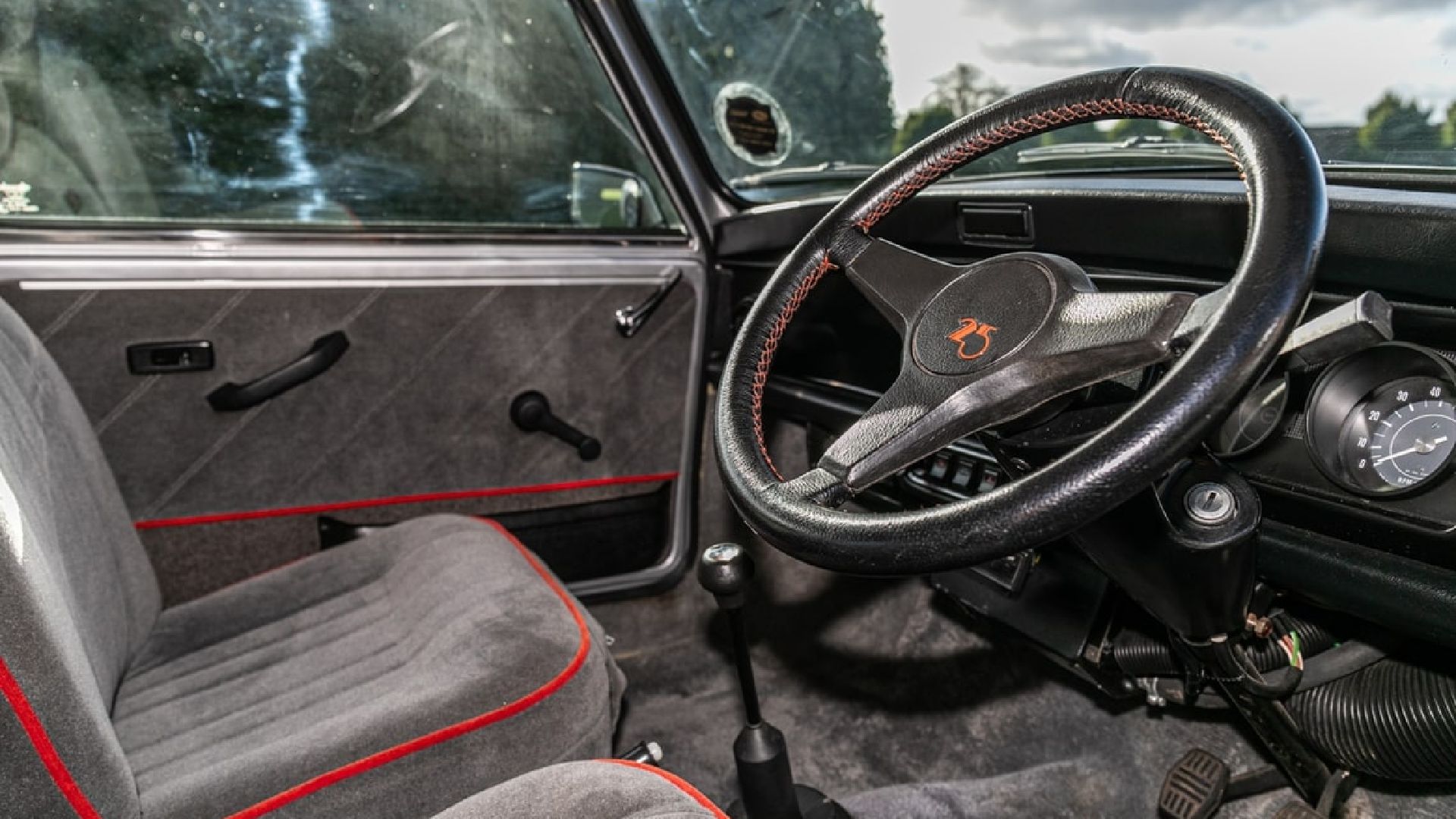
Finally, the newest Mini of this five-piece offering. It’s a 1984 25th Anniversary edition, which has covered just 8,730 miles.

It even gets trailered to shows, to save it from the rigours of today’s road network. This clean original late-era Mini, could be yours for £6,000 to £8,000.

Advertisement

UK government ‘isn’t doing enough’ to encourage electric cars

0

Best countries for electric car road trip

New research shows just 30 percent of people working in the automotive industry believe the UK government is doing enough to incentivise electric cars.

That’s according to a DNV GL survey of motoring manufacturers, charge point operators, power suppliers and investors. However, 69 percent still feel the ‘Road to Zero’ goal of half of new cars being ultra-low-emissions by 2030 is achievable.

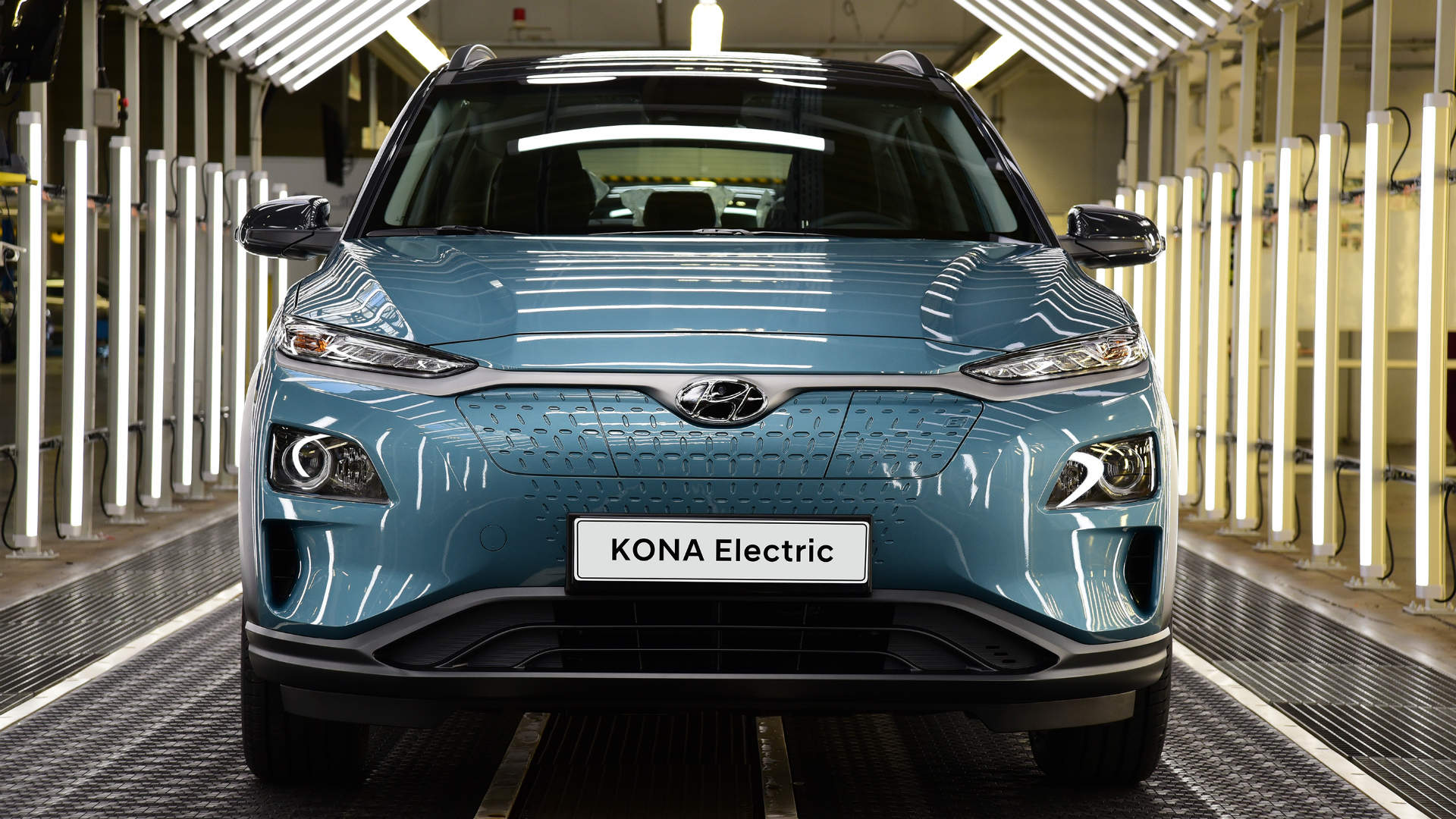
Hyundai Kona Electric 2020

  • Motorists could save £41,000 by switching to electric

In total, 48 percent said they’d consider buying an electric vehicle for their next car. However, 42 percent said ‘not now’.

That kind of reluctance is widespread across British car buyers. A 2019 survey by the Transport Research Laboratory found that just one in four people in the UK have a fully electric car on their shopping list for the next five years.

It’s also worth noting that the government Plug-in Car Grant is due to elapse at the end of March 2020. As yet, there has been no word on whether it will be extended, or what could replace it.

Peugeot offers six months free electric car charging

The AA has proposed that VAT be slashed on electric cars. Incentives are a hot topic too, given the bringing forward of the internal combustion vehicle sale ban, from 2040 to 2035.

There’s even talk that it could be brought forward to as soon as 2030.

Car manufacturers have created their own incentives, with scrappage schemes and deposit contributions. And they have their own reasons to shift low- and zero-emissions cars, too. Soon, if the average emissions of their ranges exceed 95g/km CO2, they will face heavy fines.

Advertisement