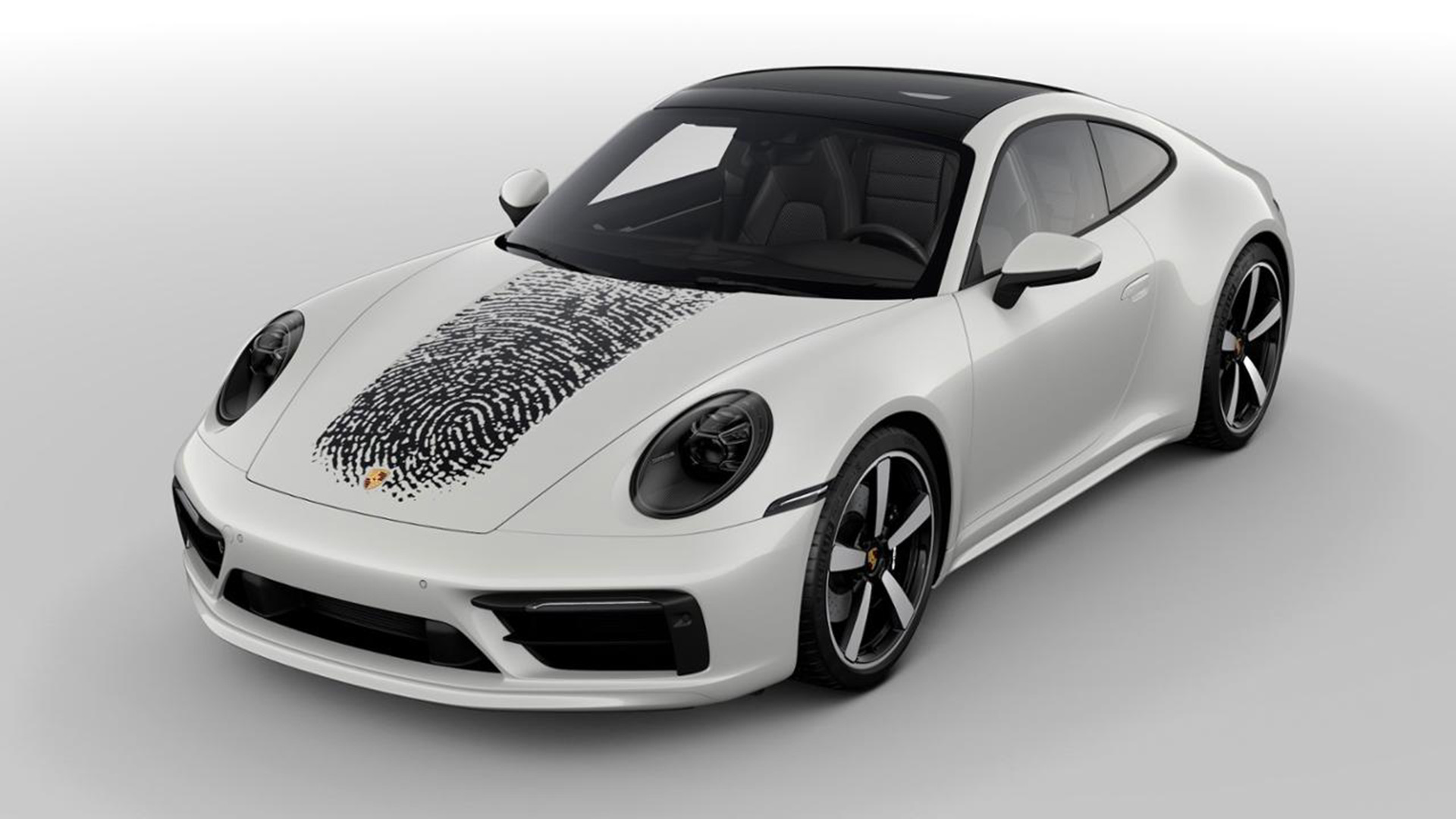
Buyers of exclusive German sports cars have long had the chance to add their own custom touches. However, Porsche has upped the ante with a new direct printing option.
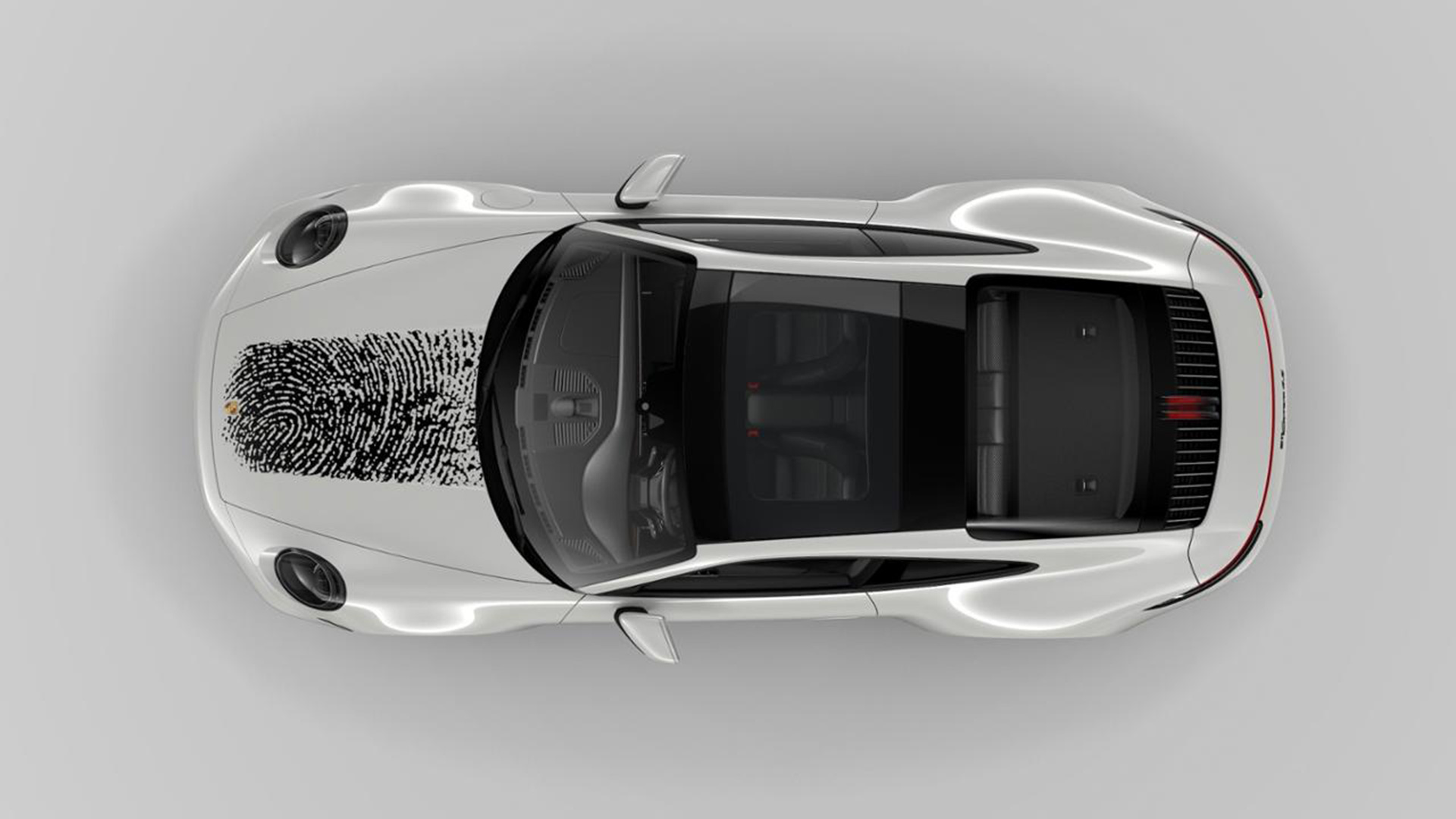
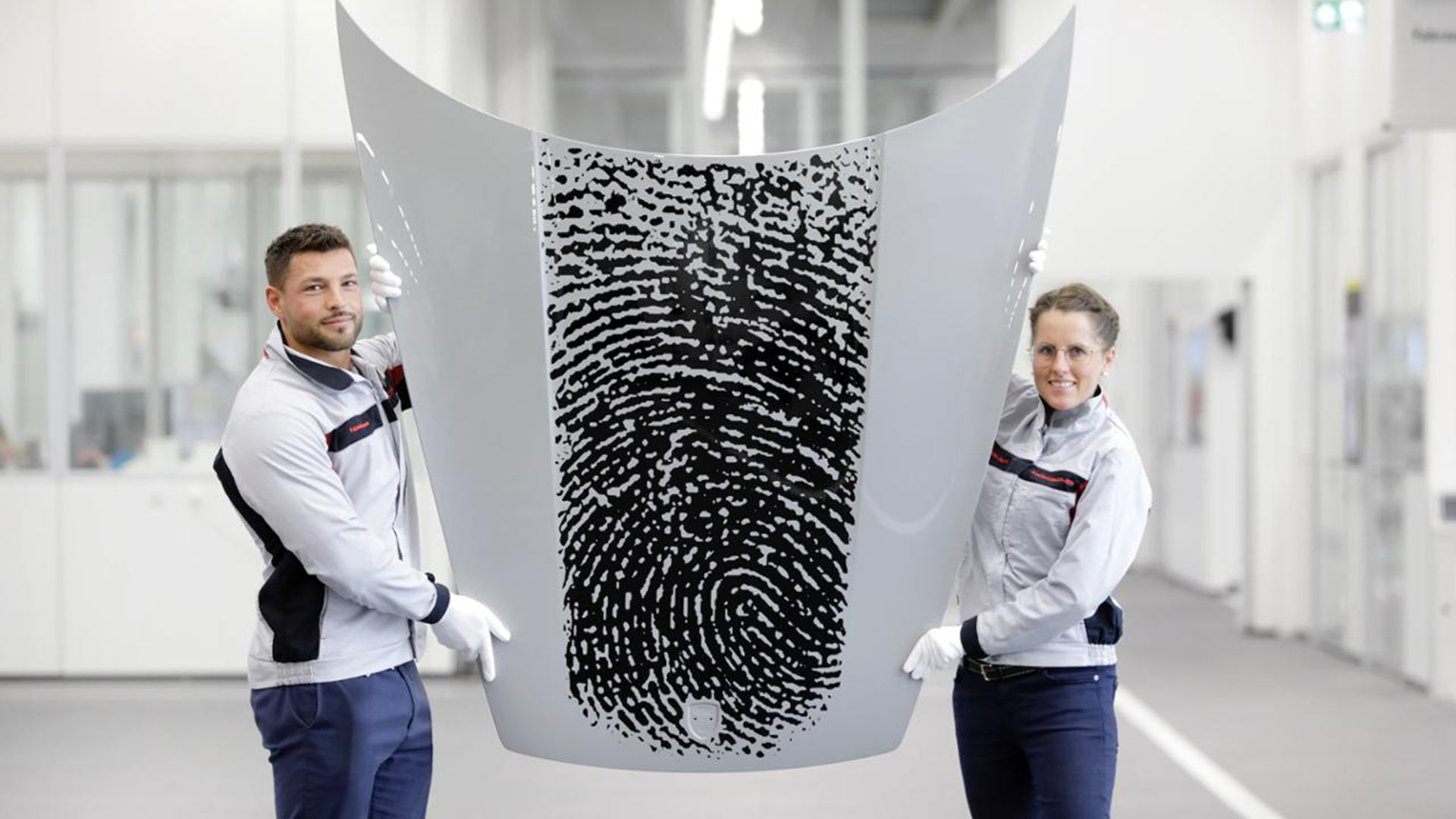
It allows customers to add a replica of their very own fingerprint to the bonnet of a new 911, creating a truly unique vehicle.
The bespoke creation is due to a new printing process, developed by the Exclusive Manufaktur department at Porsche’s Zuffenhausen headquarters.
This fingerprint won’t polish out
Sports car owners might typically spend ages detailing their cars to remove fingerprints. Porsche’s new process ensures the large scale replica applied to a new 911 stays for good.
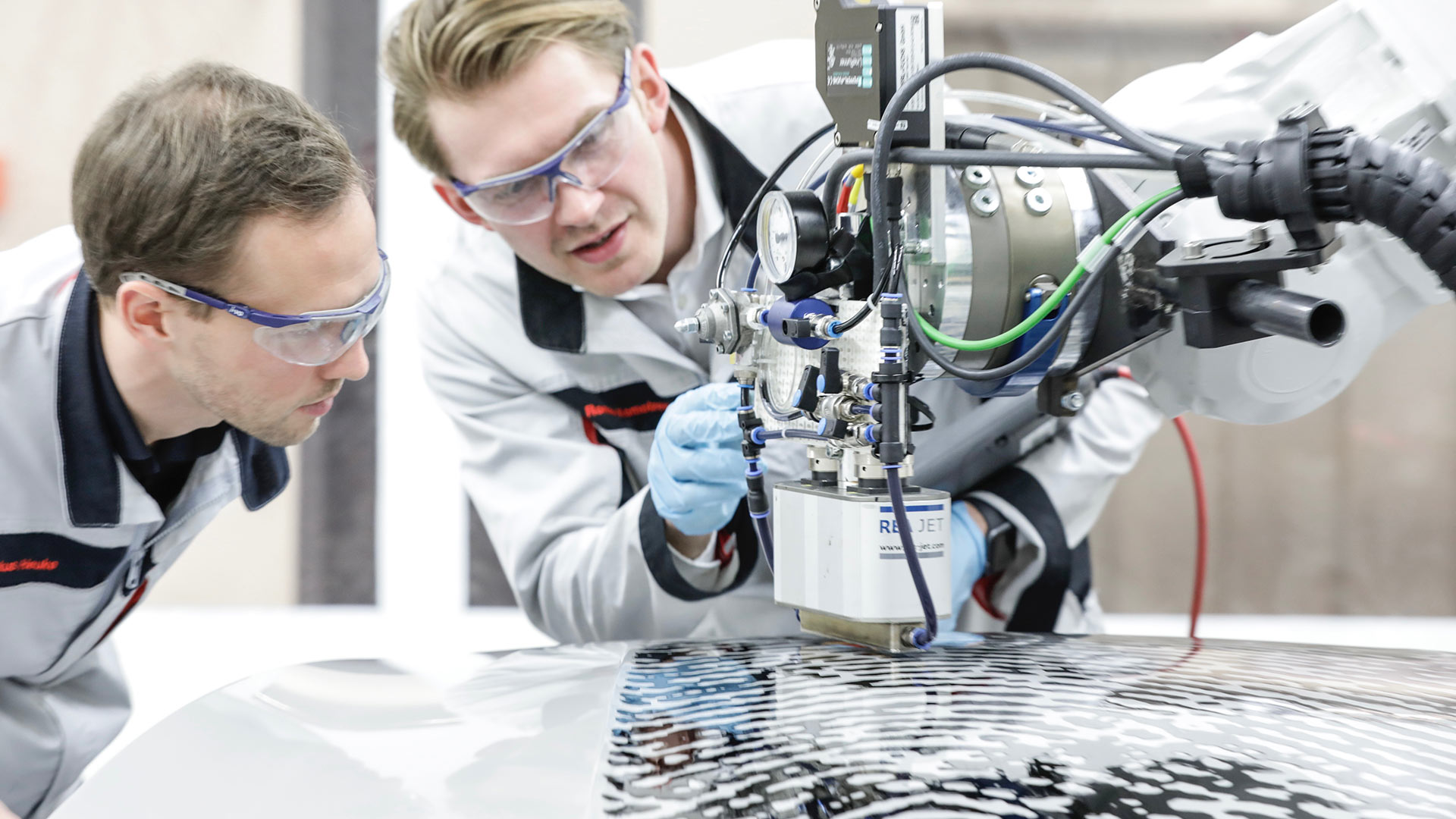
A specialist team at Porsche’s paint shop worked to develop the printing technology, allowing the complex design of a fingerprint to be replicated.
Using a similar concept to an inkjet printer, a robotic arm is in charge of applying the fingerprint design. A clear coat is added afterwards to ensure the hard work is not rubbed off, with the bonnet polished to a gloss finish.
Technology with a human touch
Christian Will, Vice President Production Development at Porsche AG, comments that the “ability to control the nozzles individually permits targeted application of every paint droplet” with the new print head technology.
Porsche will initially limit the painting technique to fingerprints for now, plans are in place to expand it to other customer-specific designs.
For now, the fingerprinting option will be offered solely for the latest Porsche 911, starting in March 2020. Priced at €7,500 (£6,300, $8,100), this is a rather pricey way to add a custom touch to a new sports car.
Leaving a mark
Porsche is also keen to note that all biometric data is handled “to make sure it cannot be used for an unauthorised purpose”. How important that is when you have decided to publicly display your fingerprint to the world is another matter.
Customers are kept fully informed of how the process works, and have control over their personal information.
Porsche Exclusive Manufaktur has also recently announced two new body kits for the latest 911. These might be a more conventional option for buyers wanting to add a personal touch to their new car.
The 90th Geneva International Motor Show gets underway next month, kicking off with the media days on 3 and 4 March 2020. We’ll be braving the wheeled flight bags and sacrificing our shoe leather to bring you all the big reveals and the latest concepts. In the meantime, here are some of the cars we’re expecting to see in Switzerland.
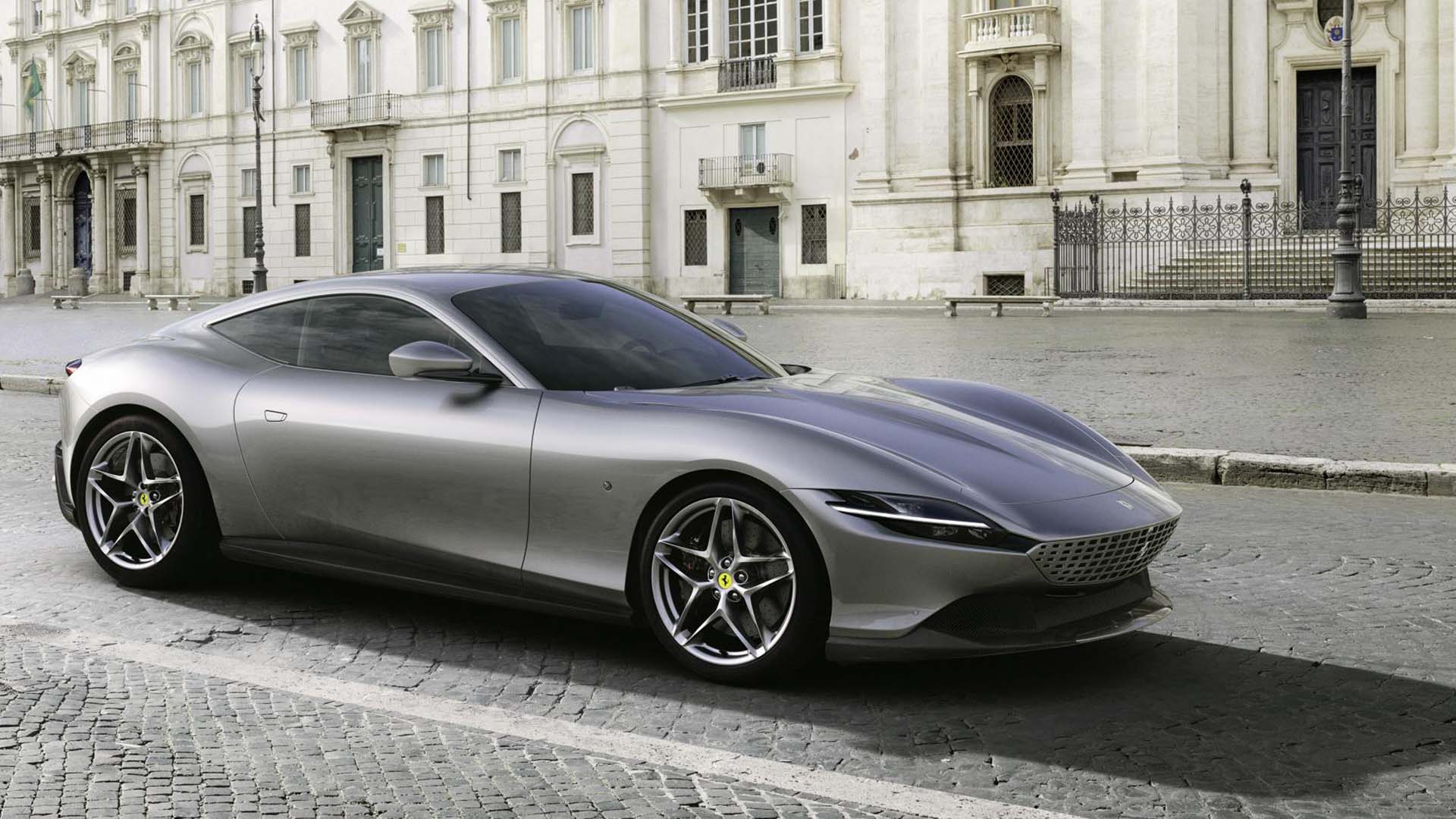
Ferrari Roma
Although it was unveiled to the press in November, the Ferrari Roma will make its public debut at the Geneva show. The ‘2+’ coupe boasts a 3.9-litre V8 twin-turbocharged engine producing 620hp, which is enough for it to hit 62mph in just 3.4 seconds, plus a top speed just shy of 200mph. The seats in the back are fine for children – if your children happen to be a pair of tufted capuchins. In truth, they’re designed to fold down to create more space, allowing you to enjoy the ‘carefree lifestyle of 1950s and 60s Rome’. Sounds idyllic.
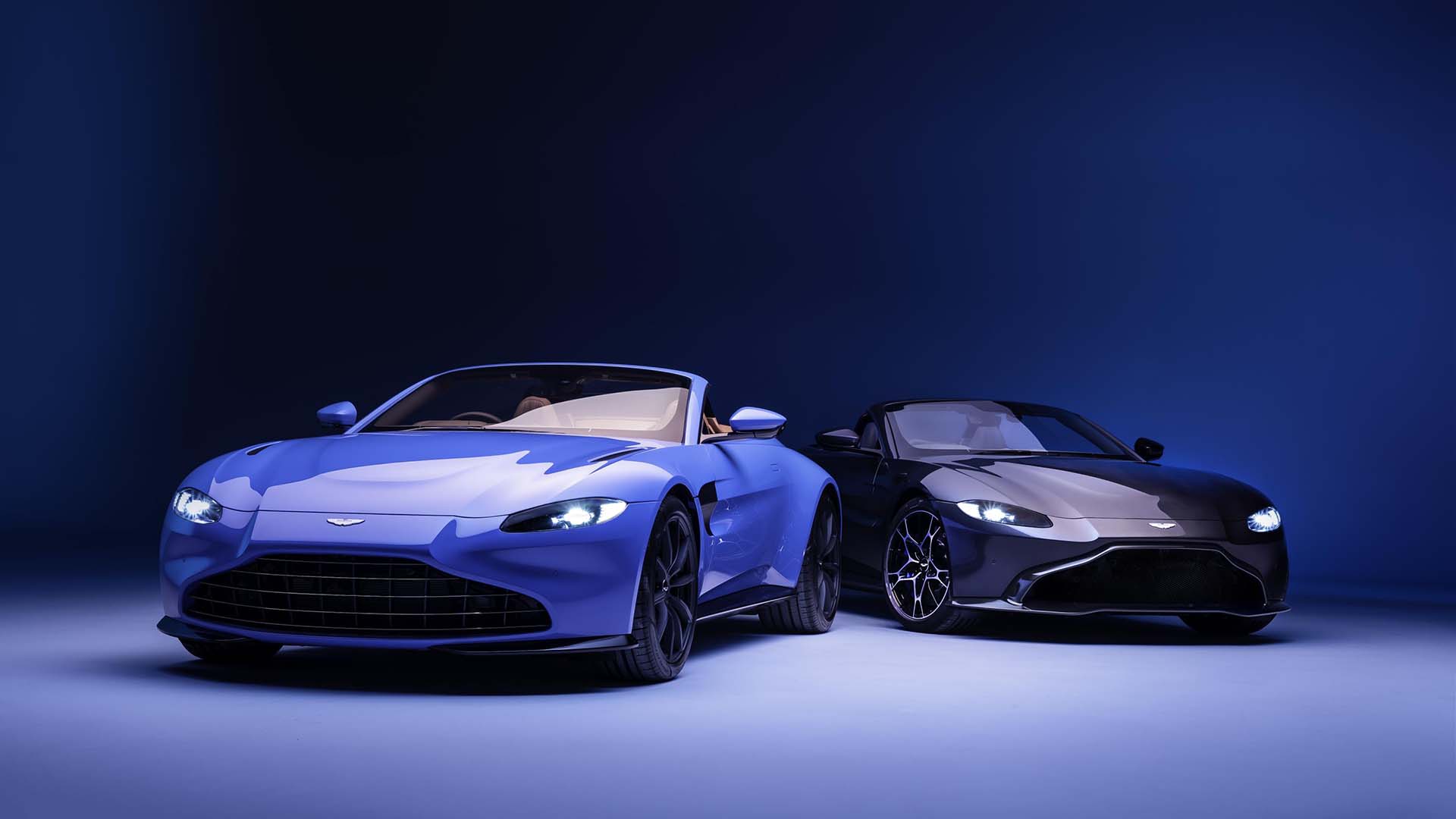
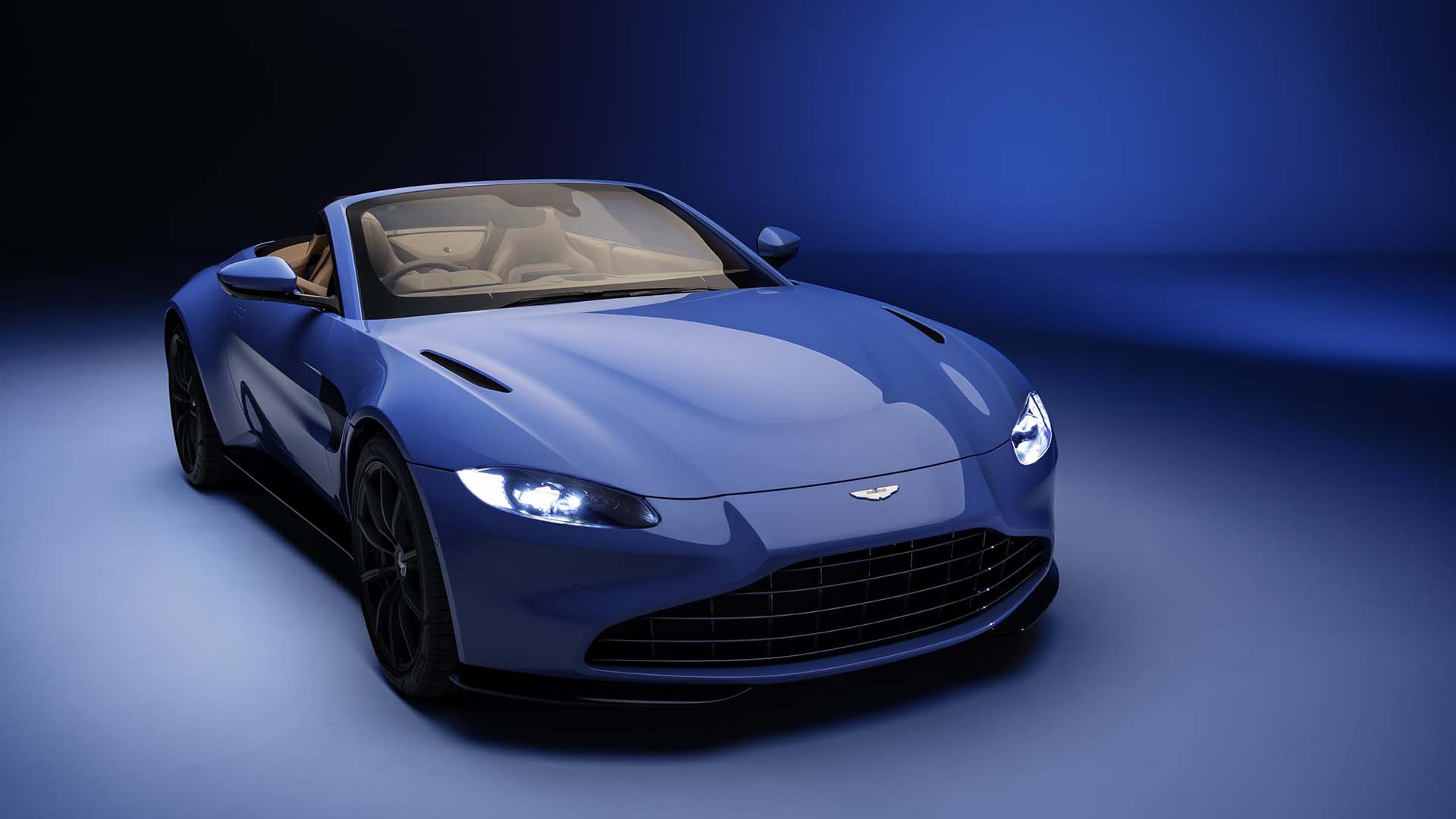
Aston Martin Vantage Roadster
If the Ferrari Roma has a little too much roof, the Aston Martin Vantage Roadster might be the V8 toy you’re looking for. It weighs just 60kg more than the coupe, which means it’ll hit 62mph in 3.8 seconds – 0.2 seconds slower than the ‘standard’ Vantage. Crucially, the Z-fold roof can be lowered in 6.7 seconds or raised in 6.8 seconds at speeds of up to 31mph. The Vantage Roadster costs £126,950, with deliveries beginning in the spring.
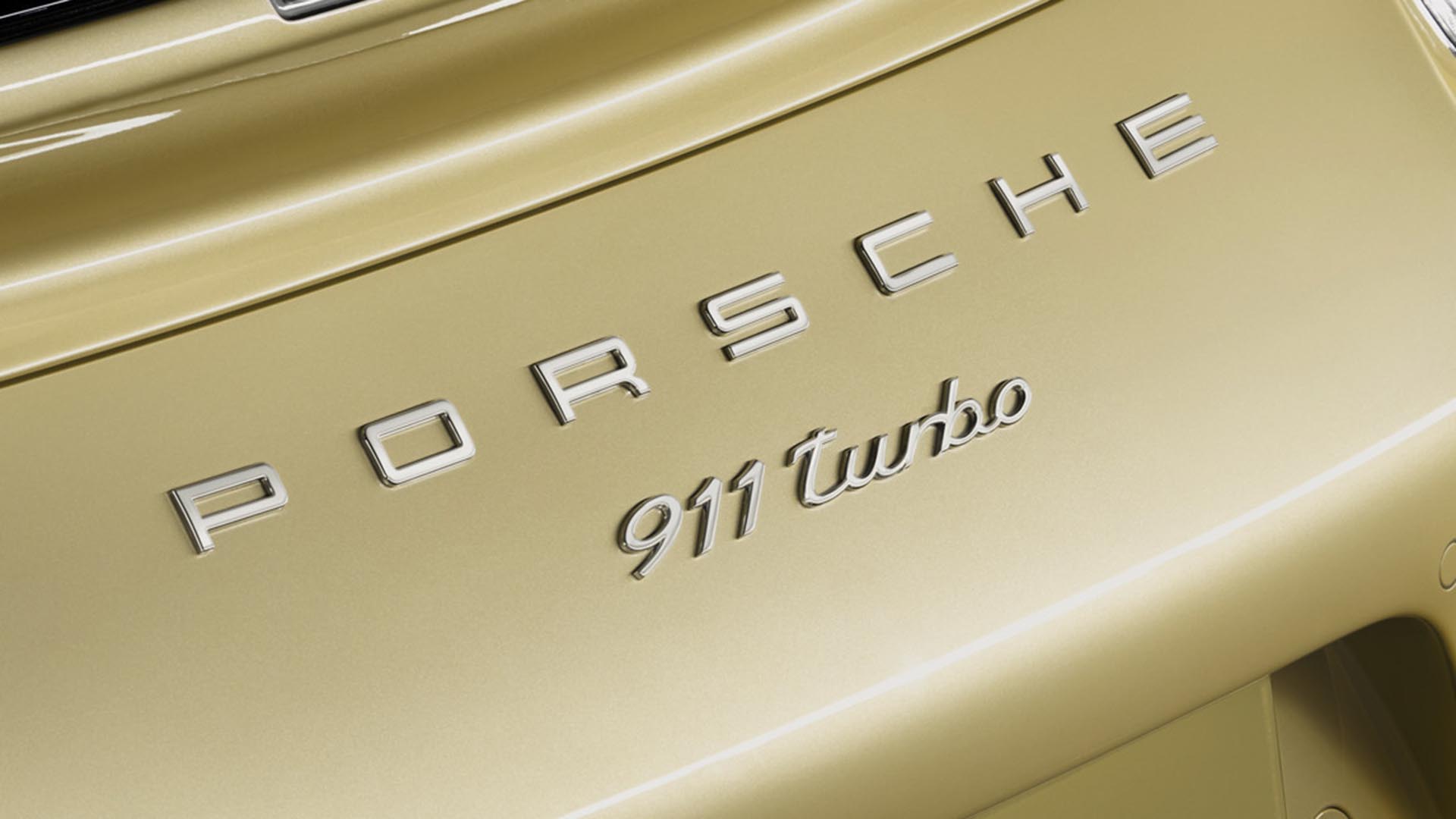
Porsche 911 Turbo
At the time of writing, there are images of the new Porsche 911 Turbo S circulating on social media. Whether or not this means Porsche will release official photos and details of the car ahead of Geneva remains to be seen. In the meantime, we know that the Turbo and Turbo S will be powered by a twin-turbocharged 3.8-litre flat-six engine, with the S developing in the region of 620hp. Cabriolet versions of the pair will arrive at a later date.
Fiat 500e
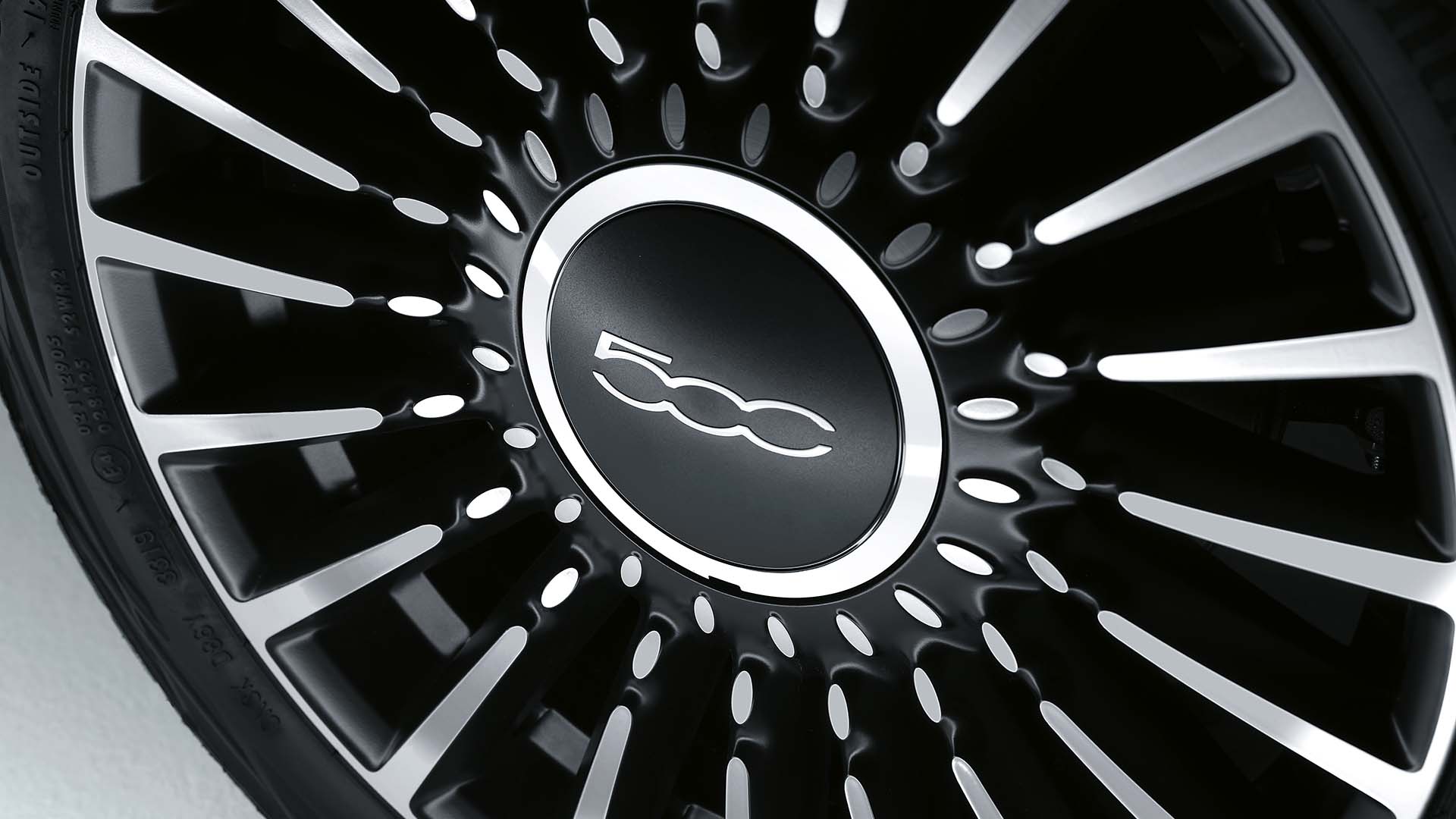
Meanwhile, back in the real world, an electric version of the Fiat 500 is likely to be very popular. Predictably, the 500e will look similar to the standard 500, which will continue to be offered alongside the EV. We know that it will feature a completely new cabin, but little is known about the architecture. It will need to match the range of the Mini Electric and Honda e, so we’d expect something in the region of 150 miles.
Renault Morphoz
Not to be confused with the plasticine character created by Aardman Animations, the Renault Morphoz is described as a ‘modular vehicle’ that previews a new family of electric vehicles. Renault says it ‘adapts to the personal needs, desires and uses of each user’. A new electric car is required to replace the ageing Renault Zoe.
Audi A3
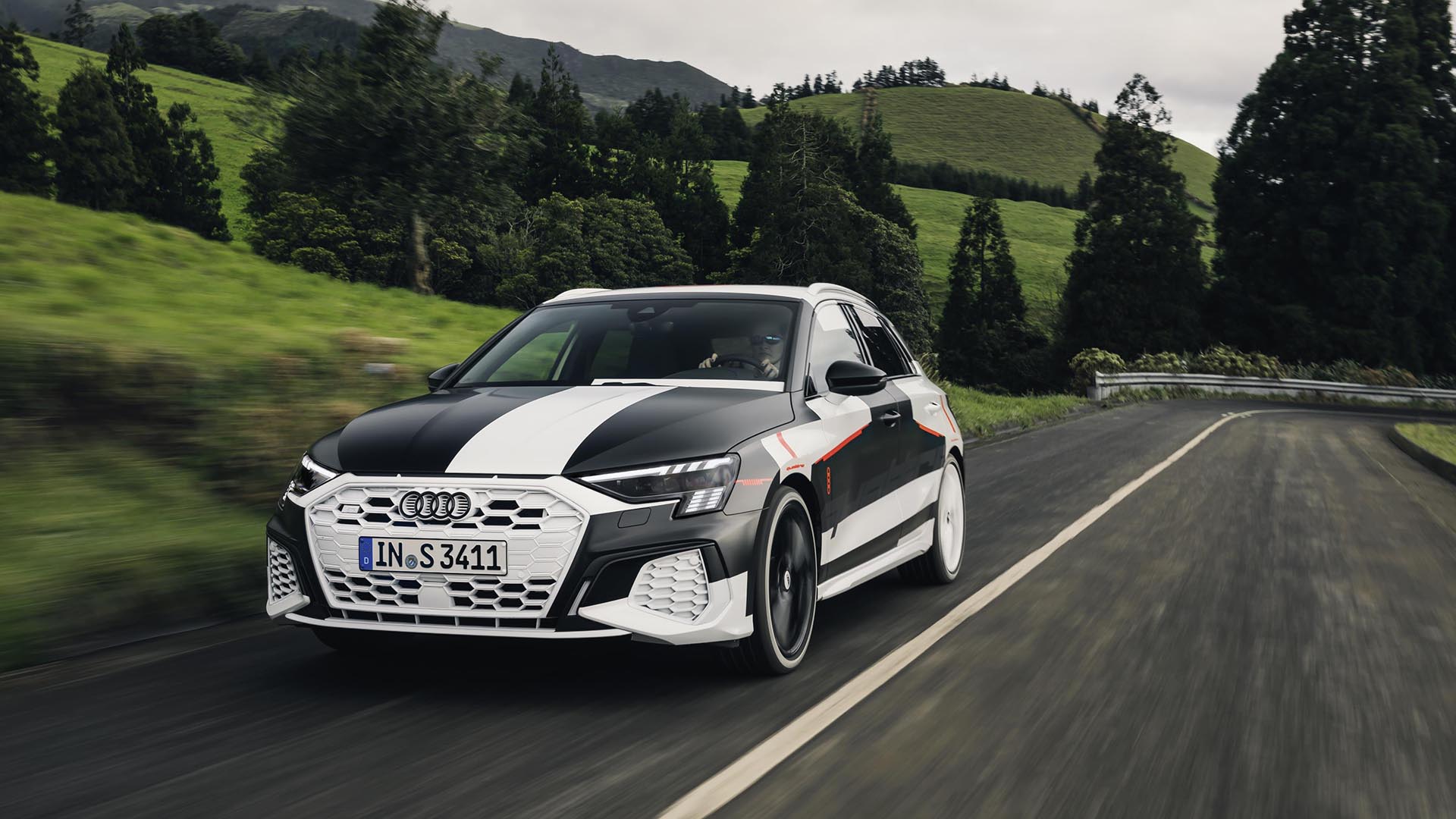
As Audi’s most popular model in Europe, there’s a lot of pressure on the new A3. It shares a platform with the recently launched eighth-generation Volkswagen Golf, with petrol, diesel and plug-in hybrid versions likely to be offered in the UK. The lightly camouflaged prototypes suggest Audi has taken an evolutionary approach to the styling, but you can expect an improved cabin, more tech and future S3 and RS3 models.
Seat Leon
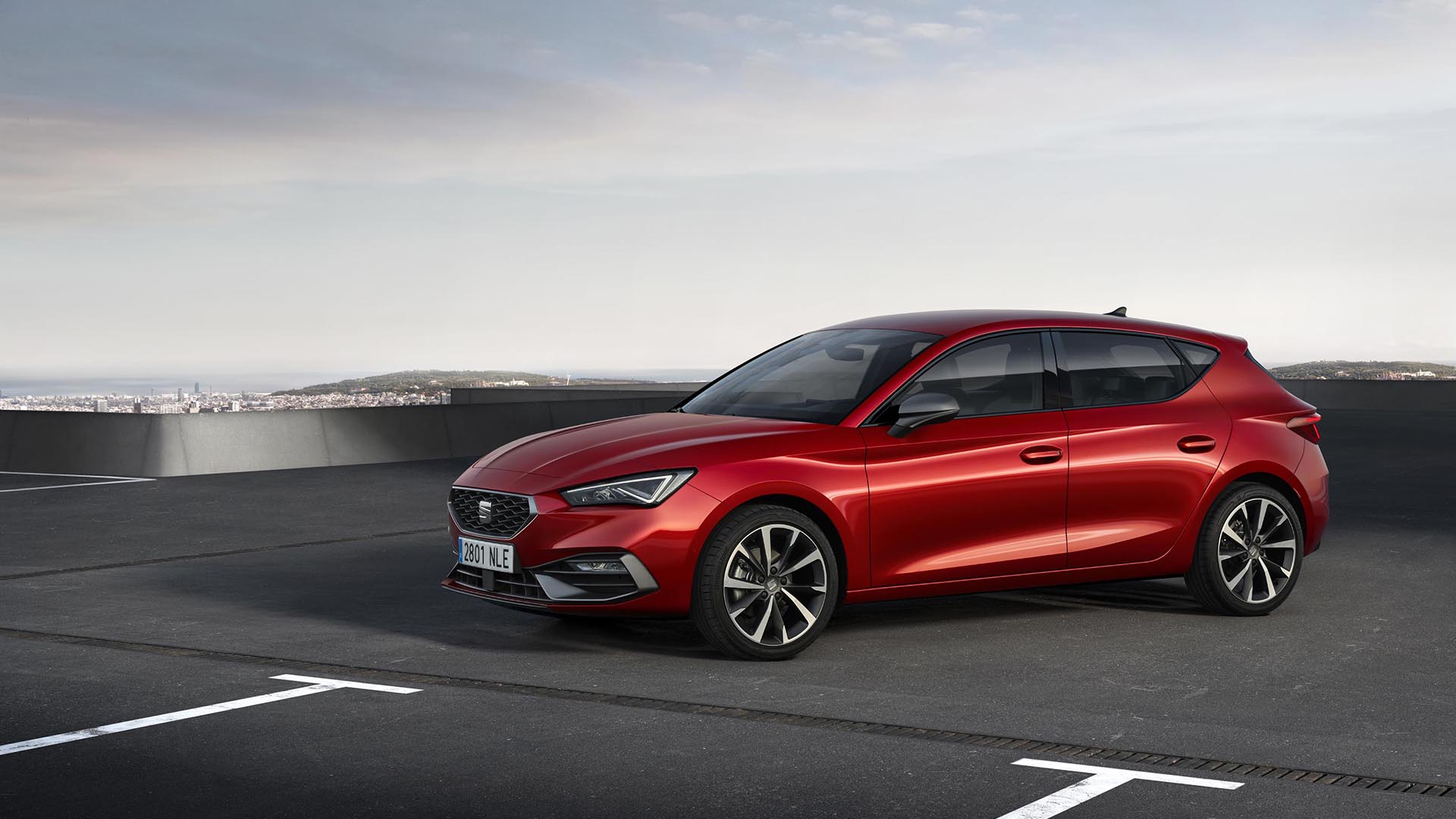
Has the new Seat Leon upstaged its German cousin? We reckon it looks sharper than the Volkswagen Golf, with a design that’s more cohesive, if a tad derivative. The three-door Leon has been consigned to the history books, but it’s Seat’s first fully connected vehicle, with wireless Apple CarPlay and Android Auto on board, and vehicle data monitoring via an app. Plug-in and mild hybrid versions will be available, while a performance version will be launched under the Cupra banner.
Skoda Enyaq
The Enyaq is the first all-electric Skoda – and the first of 10 electrified vehicles to be launched by the Czech brand. Aside from the fact that the Enyaq is an SUV – and that its name is derived from the Irish name ‘Enya’ – we don’t know a great deal about the Enyaq. The platform sharing Volkswagen ID.3 offers a range of between 242 and 342 miles, so we’d expect something similar here.
Alpine A110
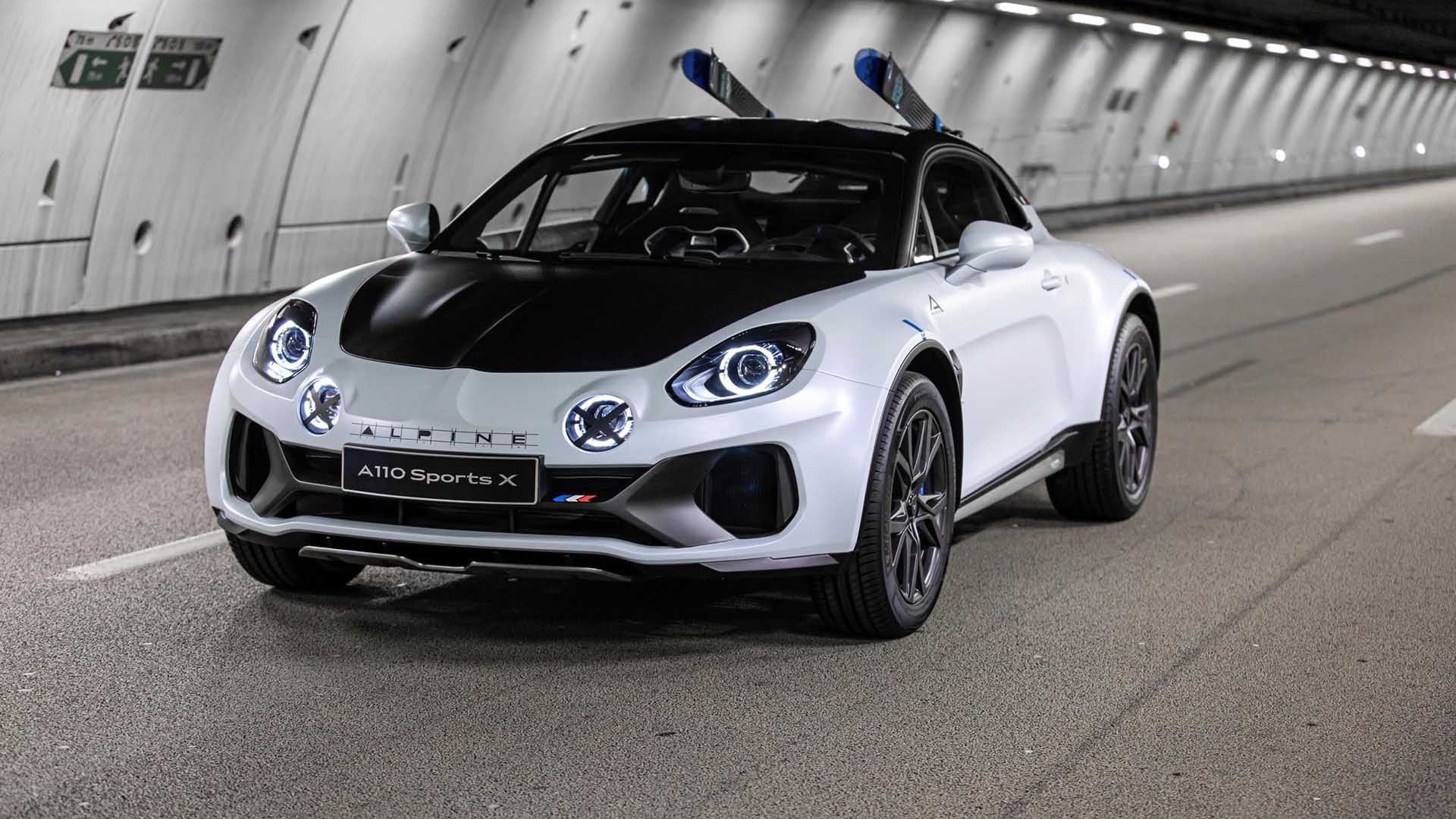
Alpine will unveil two limited edition versions of the A110 sports car, along with the SportsX styling exercise. Taking its inspiration from the Alpine A110 Monte Carlo Rally car of 1973, the SportsX features a 80mm wider body and ground clearance raised by 60mm. Unfortunately, we’re not expecting the limited editions to be based on this ‘coupe SUV’.
Toyota Yaris GR and small SUV
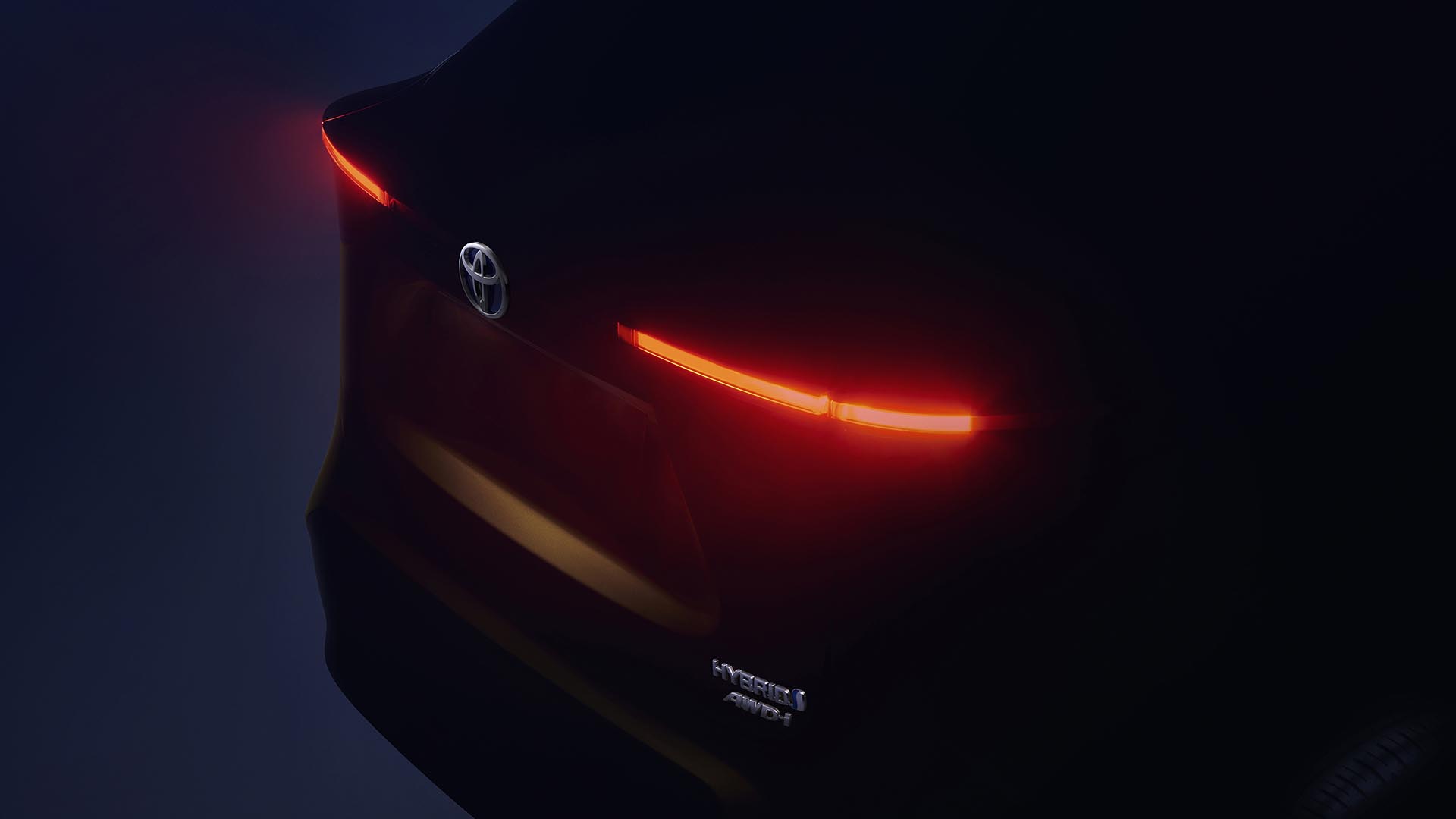
The new Toyota GR Yaris is a custom-built hot hatch that will be built in low numbers to help deliver WRC competition success. Not to be confused with a special edition, the GR Yaris is the real deal. It has been created by Toyota Gazoo Racing and WRC team Tommi Makinen Racing, with first deliveries expected in the second half of 2020. Toyota will also unveil a new small hybrid SUV, while giving European debuts to the new RAV4 plug-in hybrid, Yaris and Mirai hydrogen fuel cell car.
Czinger 21C
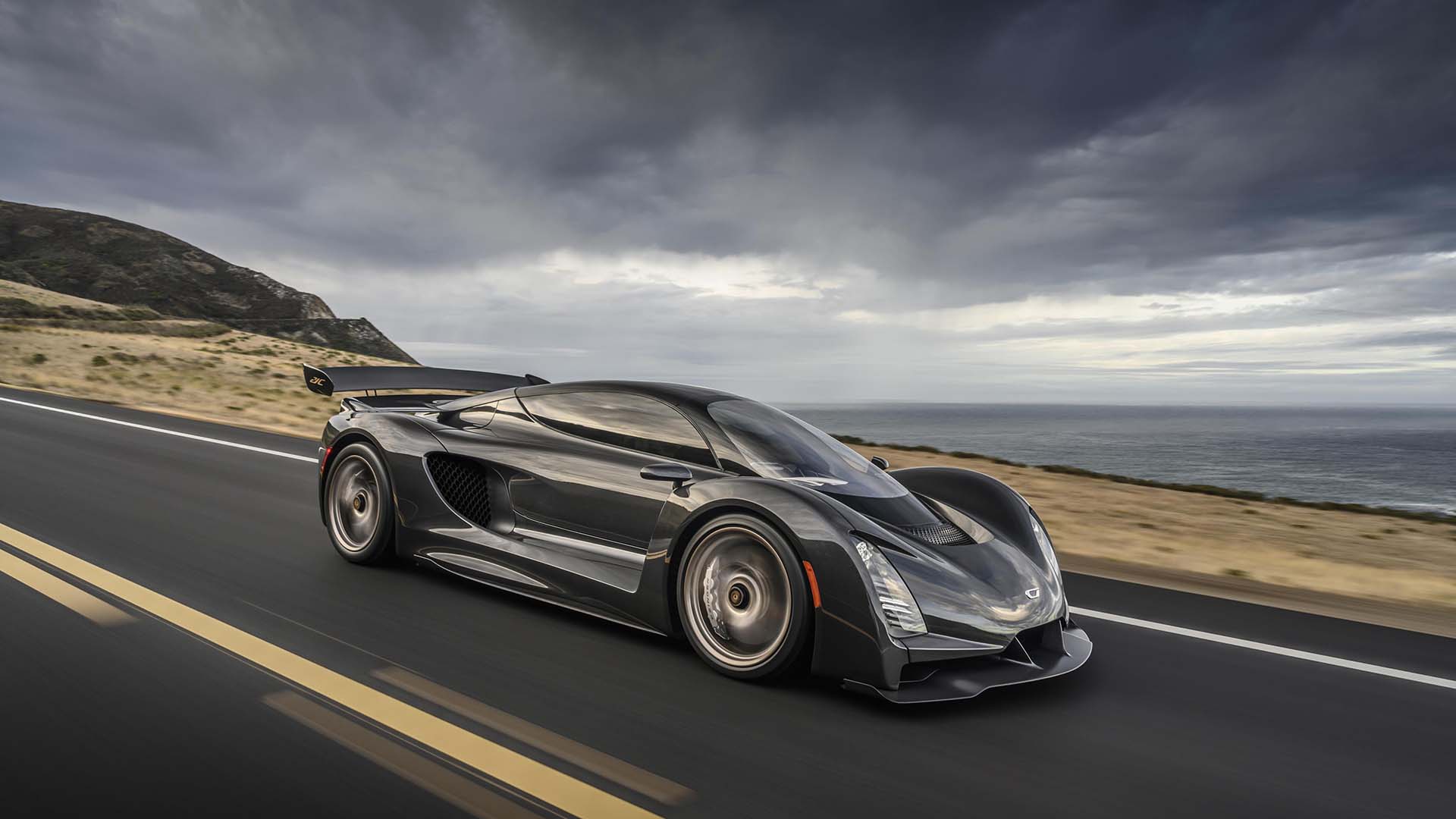
Czinger will build just 80 units of its ‘groundbreaking’ 21C hypercar, with road and track variants being readied for Geneva. Both are powered by a 2.88-litre flat crank V8 with a pair of turbos. It develops 1,250hp at 10,500rpm to deliver some eyebrow-raising performance figures. In ‘standard’ guise, the 21C will hit 62mph in 1.9 seconds, before reaching a top speed of 432km/h (268mph). We’re itching to see the 3D-printed hypercar up close.
Dacia electric city car
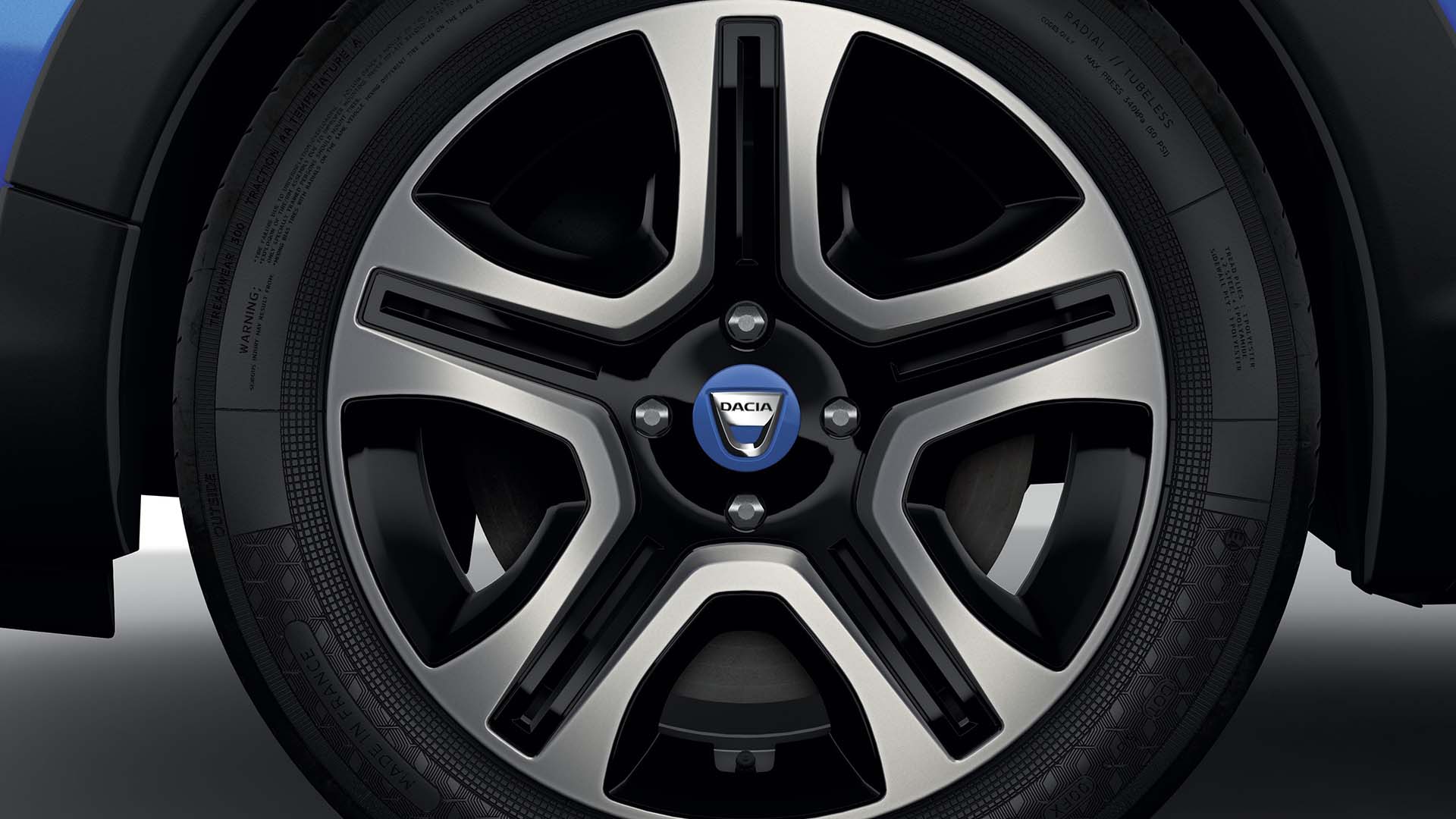
Dacia is entering the EV market with an electric show car. Little is known about the Dacia EV, aside from the fact that the company is promising to deliver ‘the most accessible 100 percent electric city car on the market’. This could mean a sub-£25,000 EV with a range of up to 150 miles – a kind of budget alternative to the Honda e and Mini Electric. This could be an interesting one, so we’ll be on the Dacia stand at 8am for the first glimpse of the budget EV.
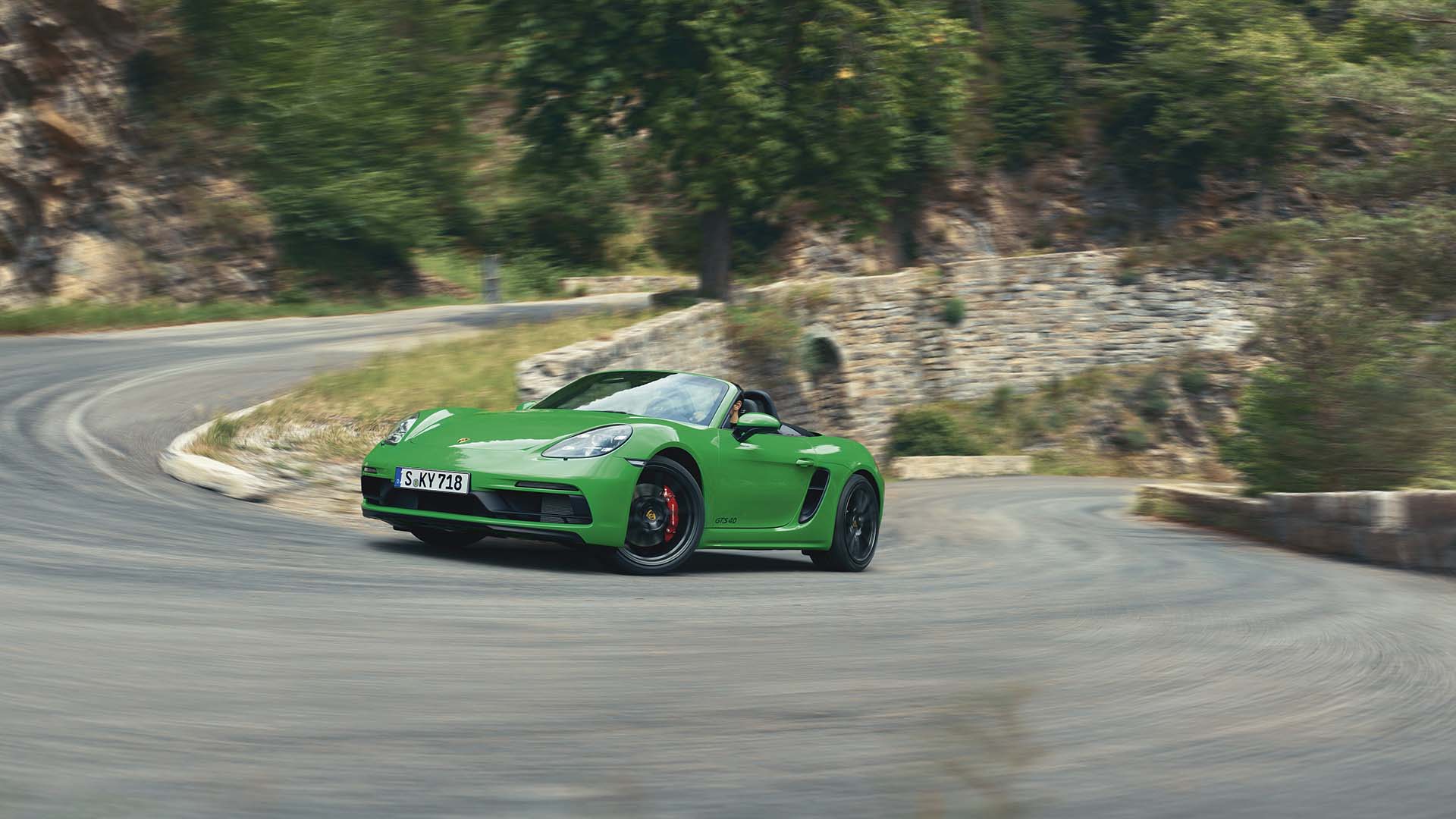
Porsche 718 Cayman and Boxster GTS
Porsche will give European debuts to the new 2020 GTS versions of the 718 Cayman and Boxster. The big news is the return of the flat-six engine, which is combined with a six-speed manual gearbox. The 4.0-litre unit produces an impressive 400hp and 310lb ft of torque, with performance figures that are only marginally slower than the GT4. Prices start from £64,000 for the 718 Cayman, or £66,000 for the 718 Boxster. Orders can be placed now.
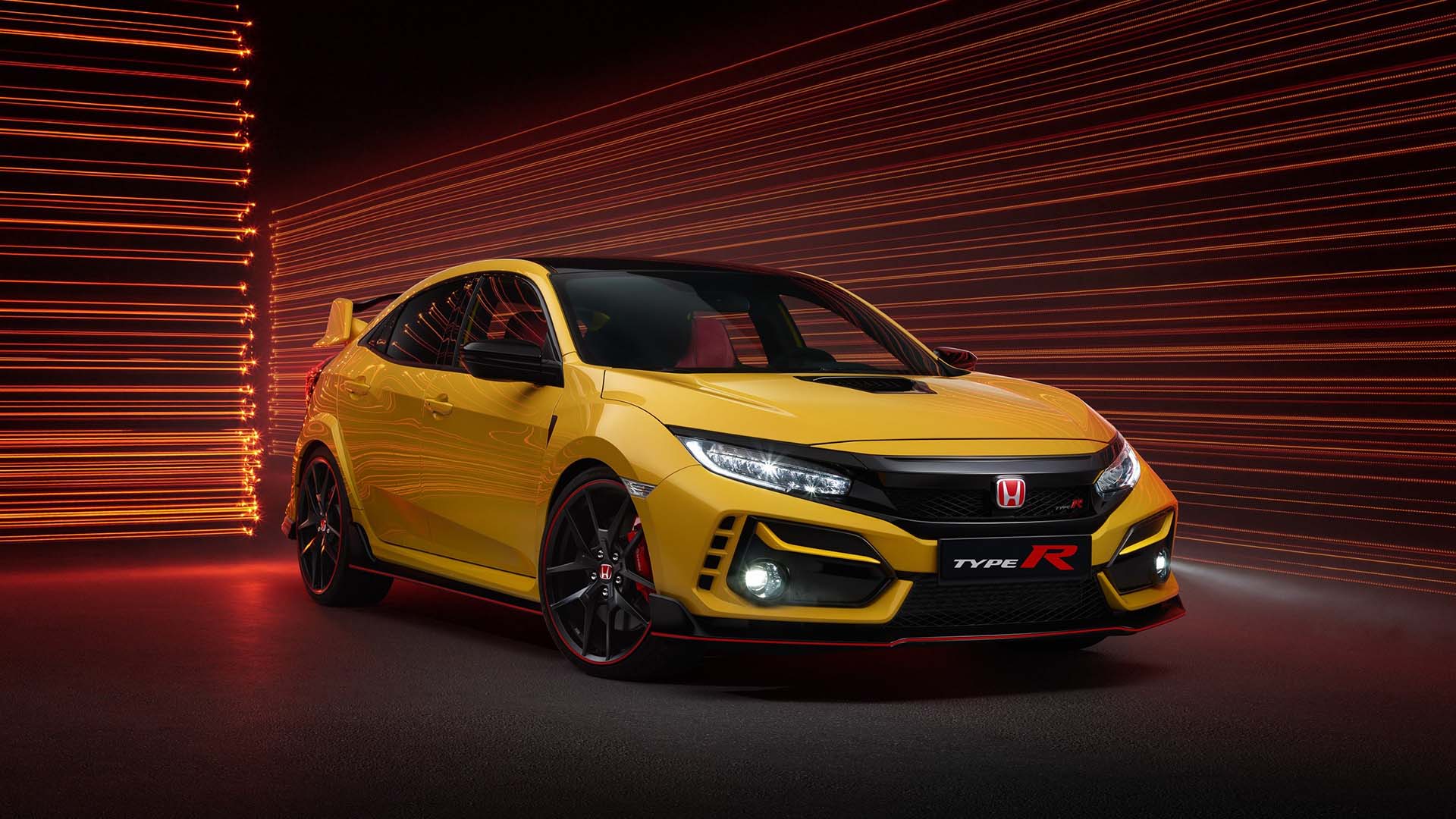
Honda Civic Type R
Honda has given the Civic Type R a mid-life refresh, and introduced a pair of special variants. While the regular Type R receives a mild makeover, the Limited Edition is the most extreme version to date. Just 100 of these track-focused Type Rs will be available, with upgrades including BBS alloy wheels, Michelin Cup 2 tyres and modified dampers. Meanwhile, the Sport Line is a more mellow affair, with Honda removing the rear wing and adding soft-sidewall Michelin tyres and more sound deadening.
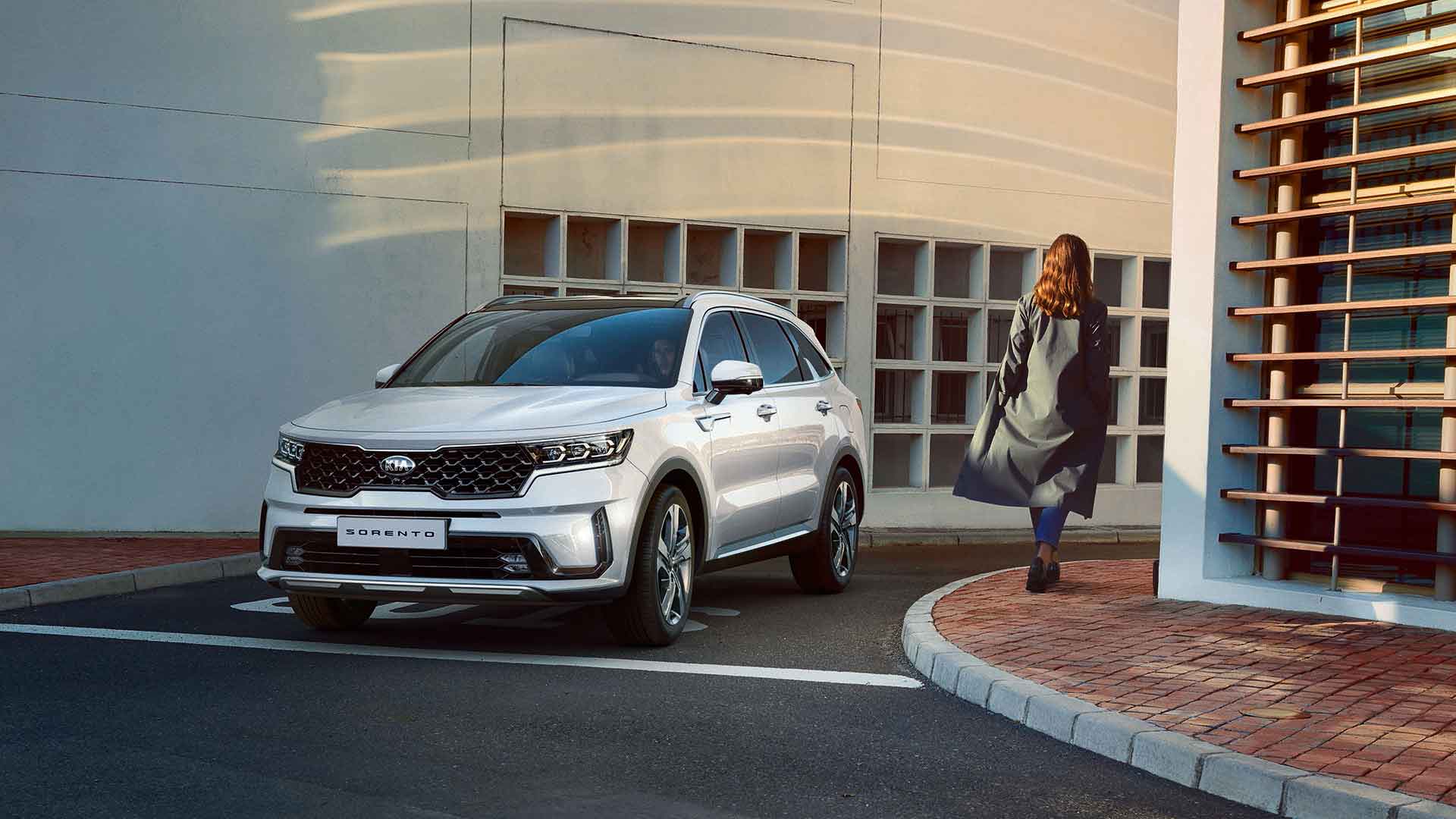
Kia Sorento
The fourth-generation Kia Sorento sits on a new platform and, for the first time, will be offered with a hybrid powertrain. Kia has paired a 1.6-litre turbocharged petrol engine with a 44.2kW electric motor and a 1.49kWh battery pack. A plug-in hybrid version will follow later. Alternatively, UK buyers can opt for a 2.2-litre diesel engine producing 202hp. All UK variants will be seven-seaters.
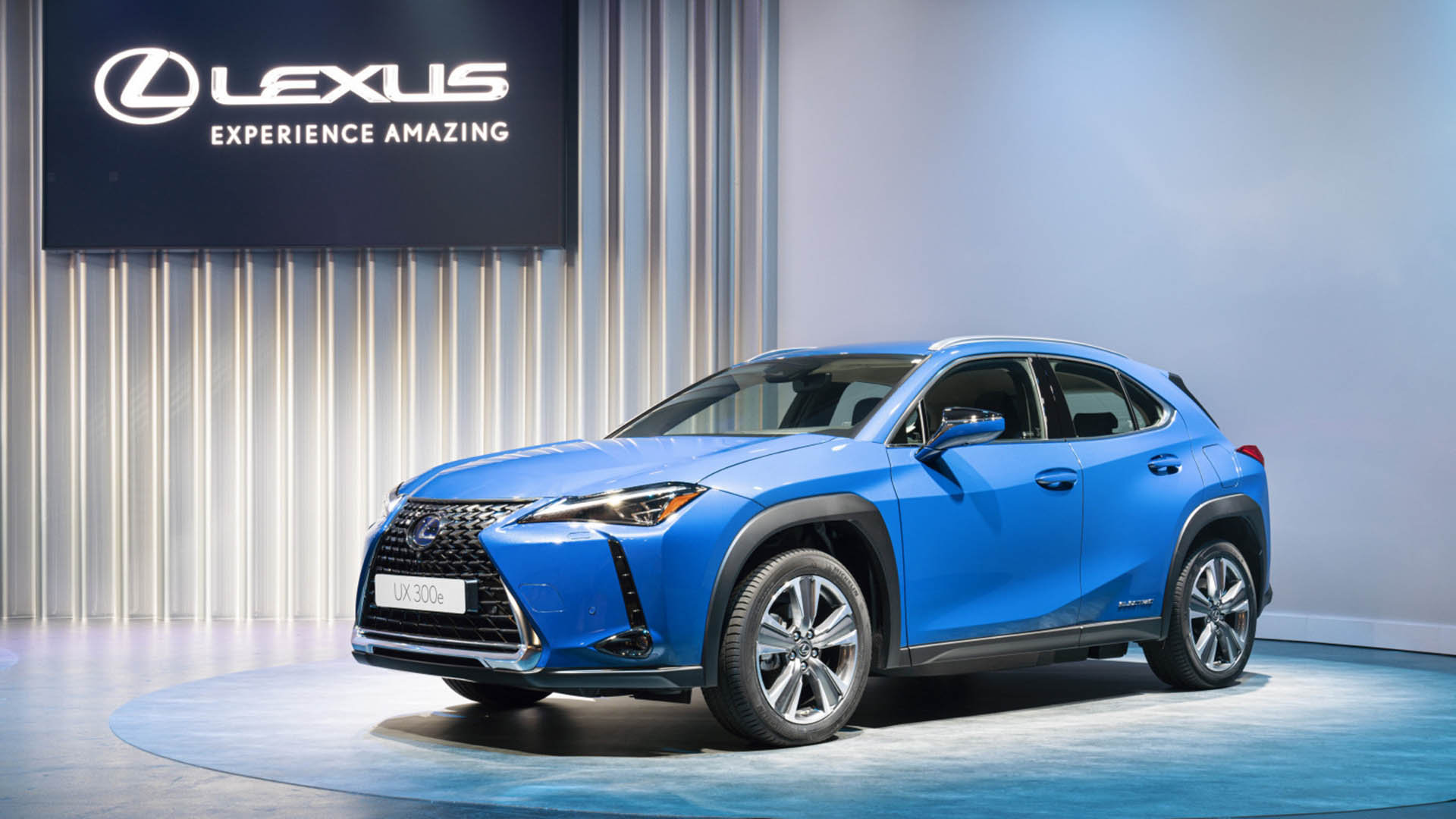
Lexus UX 300e
The first all-electric Lexus will make its debut at the Geneva Motor Show. The UX 300e features a 54.3kWh battery beneath the cabin floor to deliver a WLTP range of 186 miles. Recharging to 80 percent is available in 50 minutes when using a DC charger, or a full charge will take seven hours using a domestic socket. Lexus says the UX 300e will go on sale in the UK in January 2021, with prices announced nearer the time.
BAC Mono One
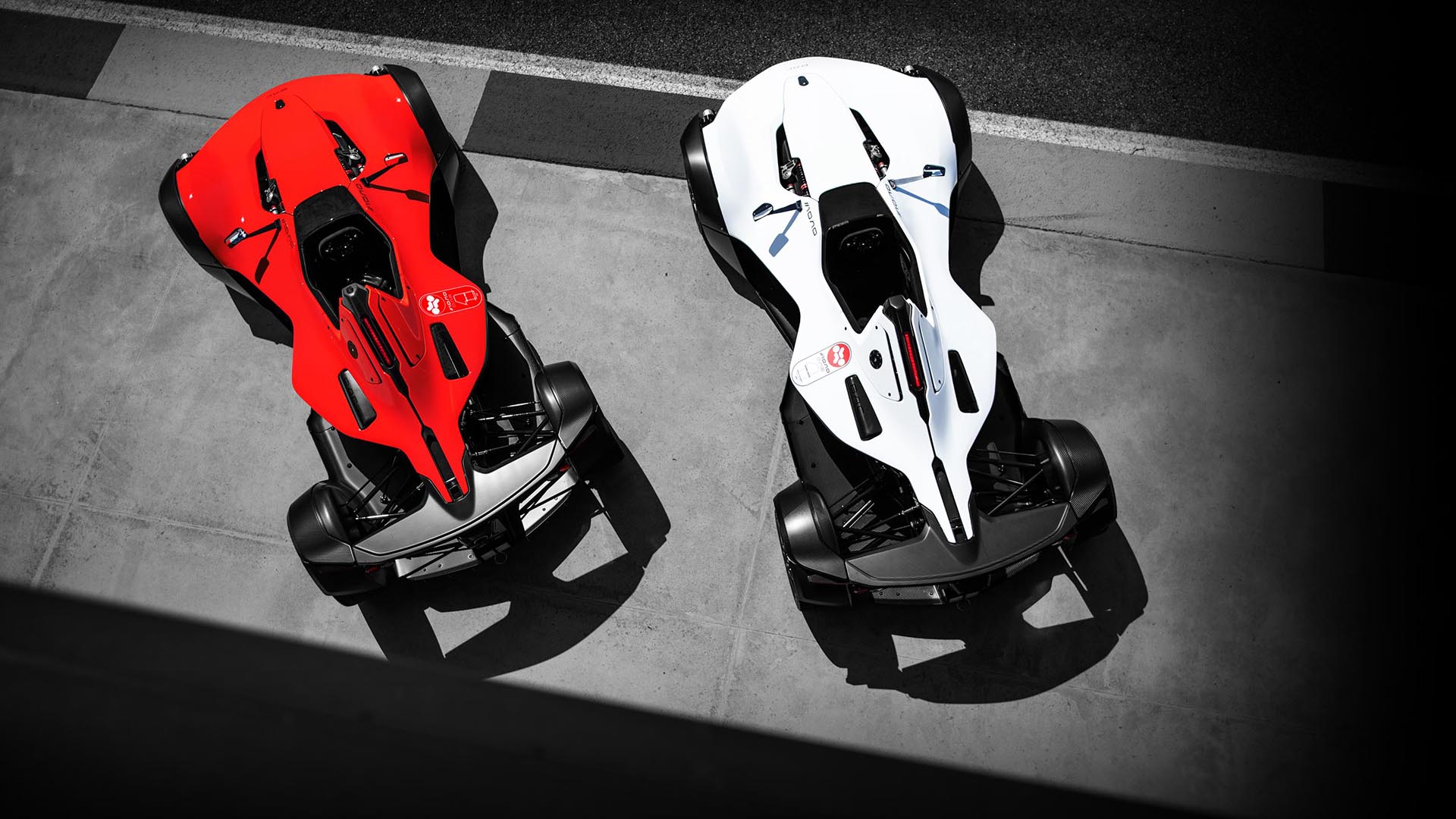
BAC is using the Geneva Motor Show to say goodbye to the Mono. Just three examples of the Mono One will be available worldwide, before production stops to make way for a new car in 2021. The three editions are made up out of BAC’s corporate colours of white, black and red, with each one featuring a Bjork-robot-inspired logo on the wing and headrest. Which is something we never thought we’d write.
Bentley Mulliner Bacalar
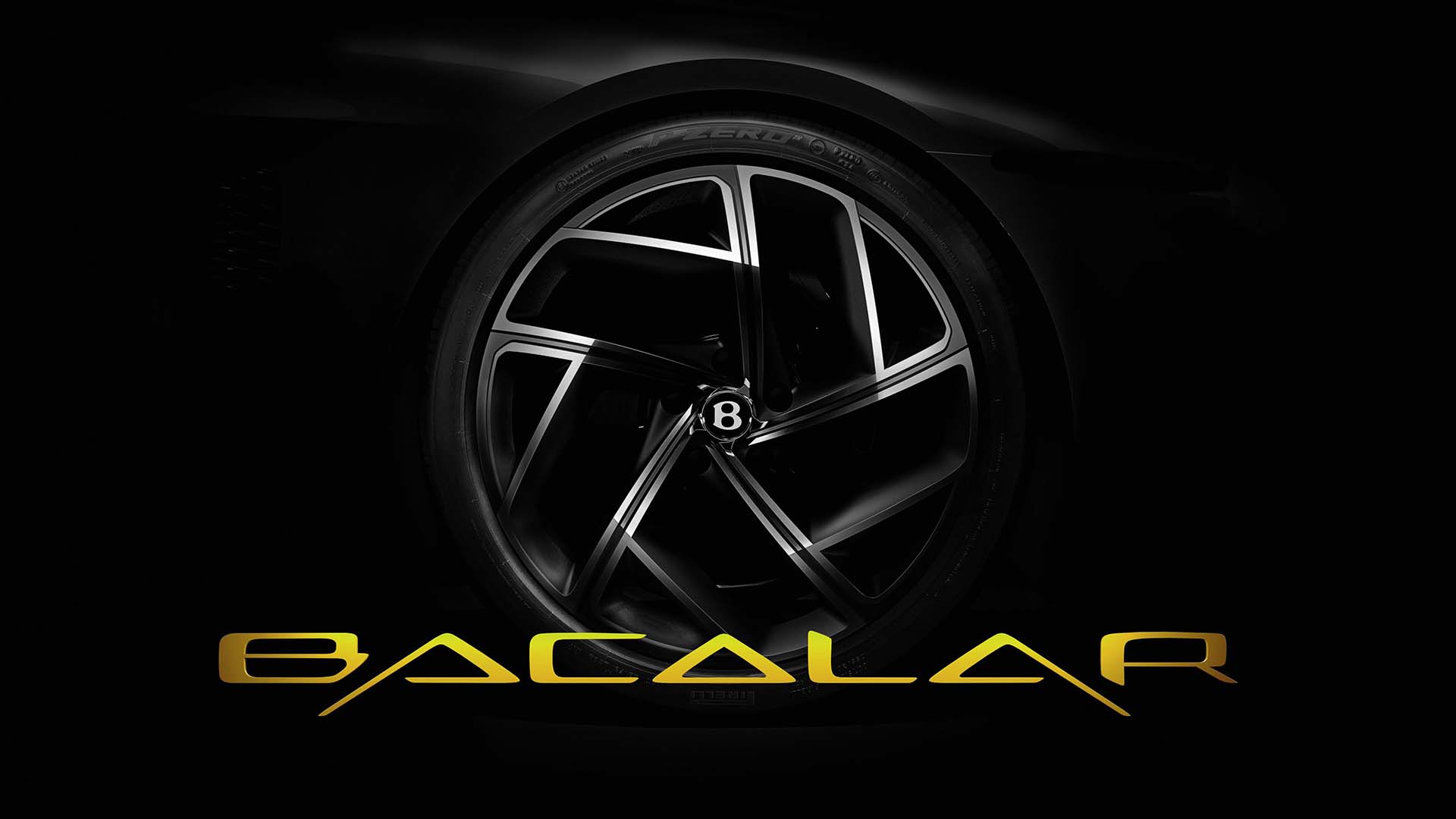
The Bentley Mulliner Bacalar ‘will only be enjoyed by a very few’. This is Bentley-speak for expensive and limited edition. The company says the Mulliner Bacalar represents ‘the future of coachbuilding’, so we’re intrigued to see what it is. It’s likely to borrow heavily from the EXP 100 GT concept of last year – with all units snapped up before the car is unveiled next month.
Hyundai Prophecy
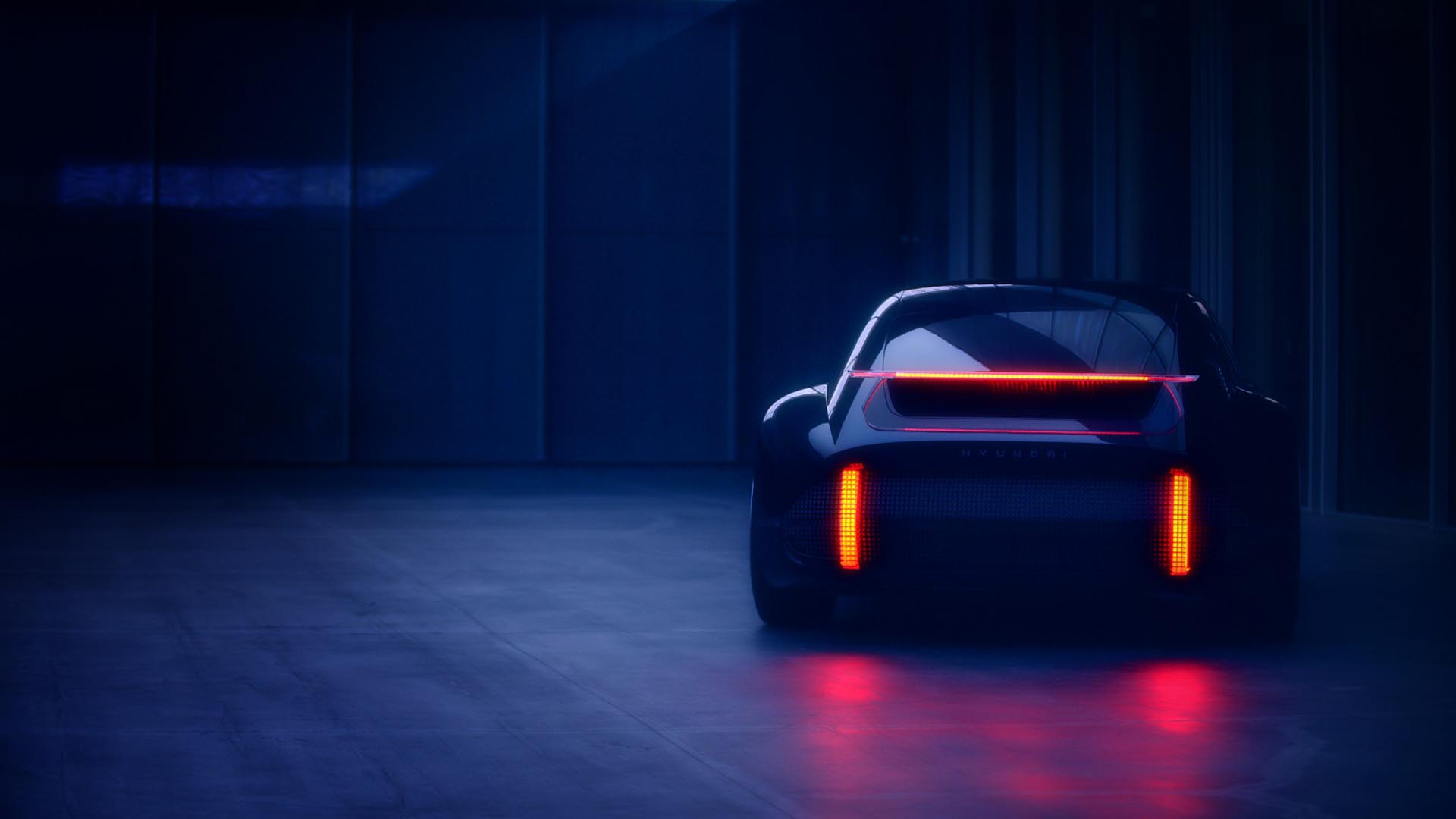
From the atmospheric teaser image, the Hyundai Prophecy looks remarkably like a Porsche 911. The reality is likely to be very different, but Hyundai has certainly got our attention. The press release uses many words but gives little away – you can tell it’s motor show season – but the electric concept is said to define the direction of future Hyundai designs. Still want that Magentis?
Volkswagen Golf GTD
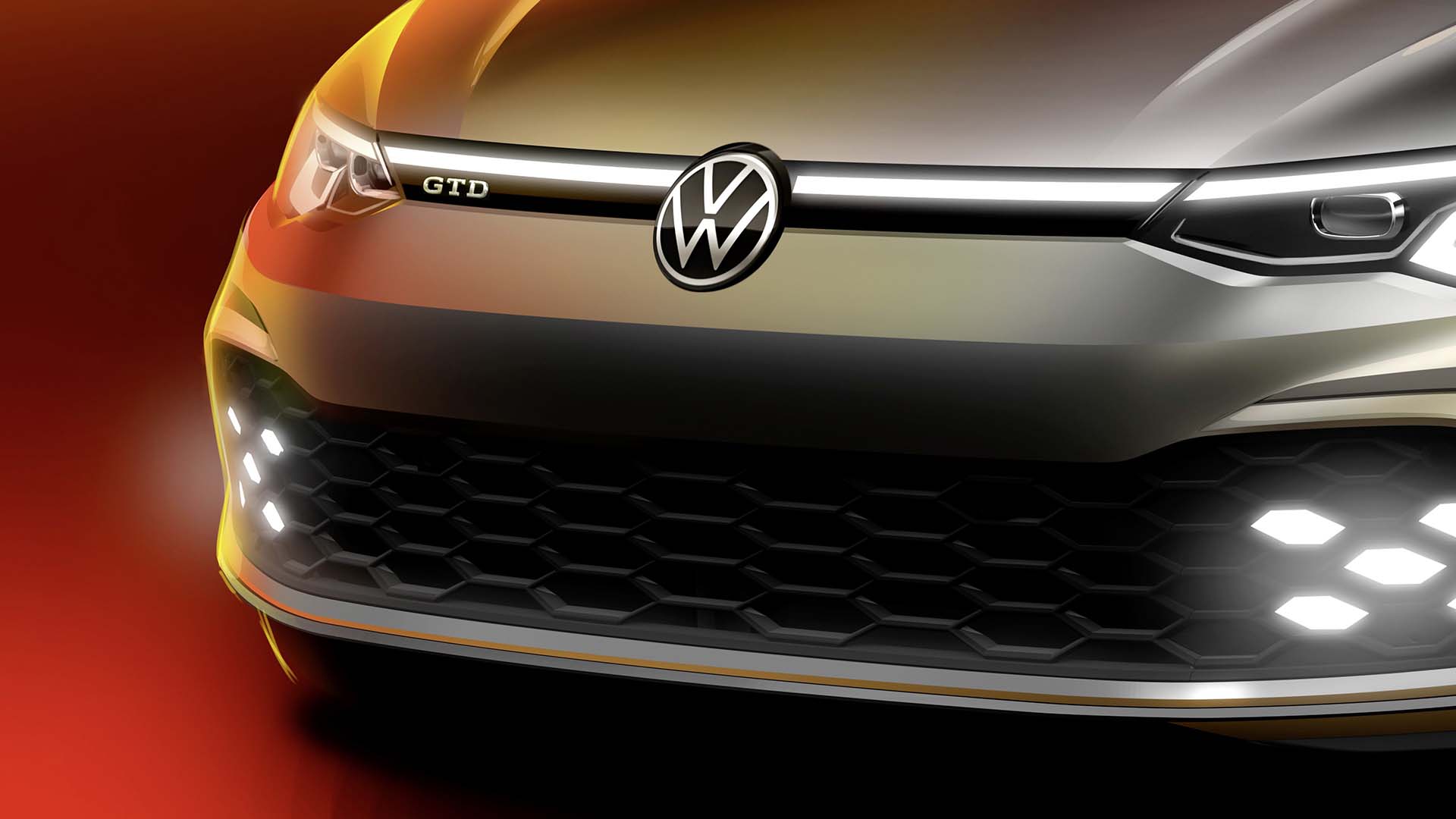
Volkswagen says the Golf GTD boasts ‘the most powerful and, thanks to twin dosing, cleanest turbo diesel injection (TDI) engine ever to be installed in a Golf’. The 2.0-litre diesel is likely to produce around 200hp, while mild hybrid tech should boost the fuel economy. The engine starts via a pulsing button in the completely digitised cockpit.
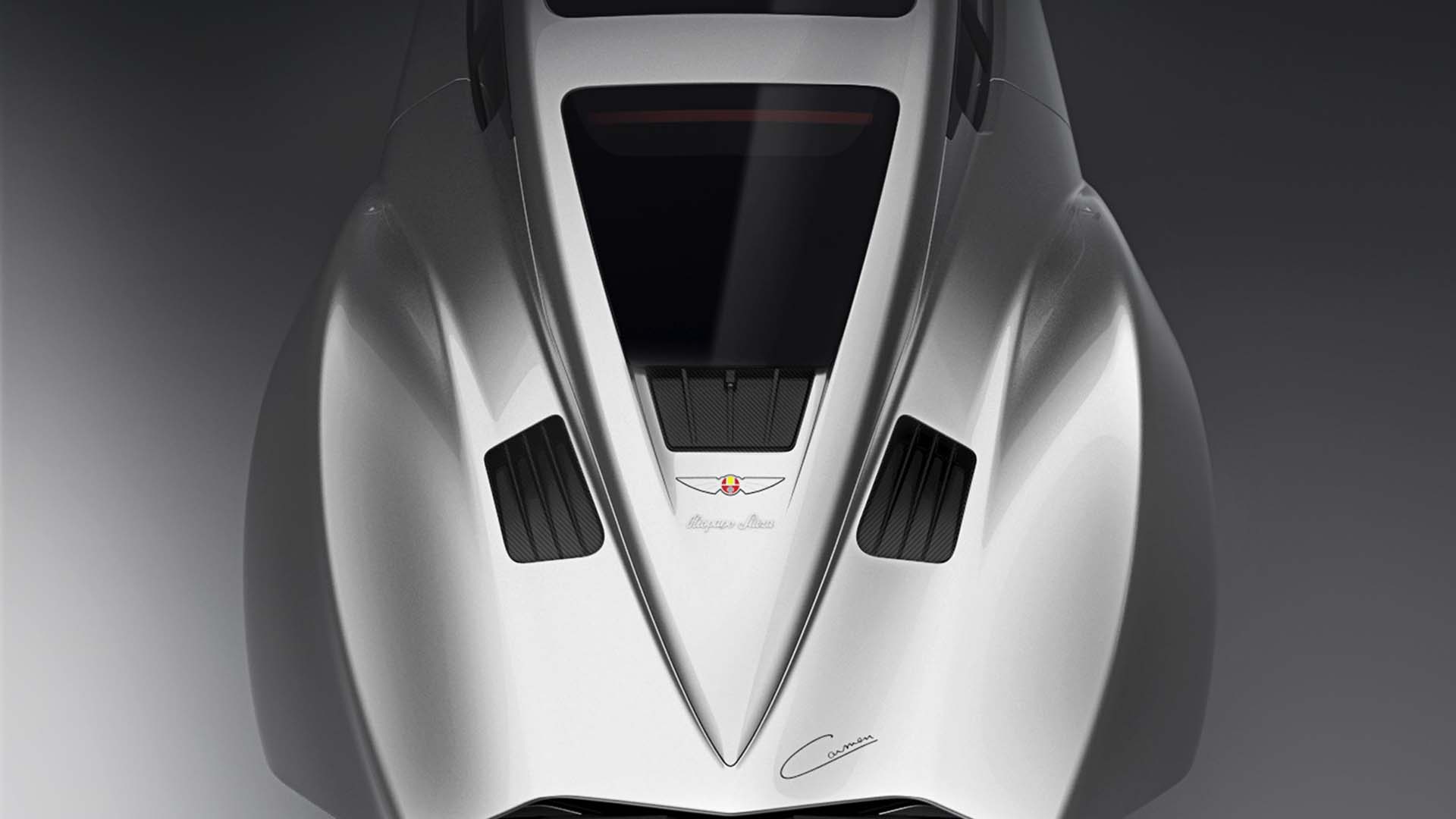
Hispano Suiza Carmen
Inspired by the Dubonnet Xenia of 1938, the Hispano Suiza Carmen features a fully electric 1,019hp (750kW) powertrain and a bespoke carbon-fibre monocoque chassis. It weighs just 1,690kg, which helps it to hit 62mph in under three seconds and to reach a top speed limited to 155mph. It costs €1.5m (£1.25m) plus taxes, and only 19 will be built from late 2019 until 2021.
Apex AP-0
Designed and built in the UK, the Apex AP-0 is an “‘xpertly crafted EV sports car’. It weighs just 1,200kg, with Apex claiming it offers ‘rapid acceleration, superior agility, outstanding handling and exceptional cornering ability’. The British manufacturer also claims that the AP-0 features tech that makes it more aware of the world around it…
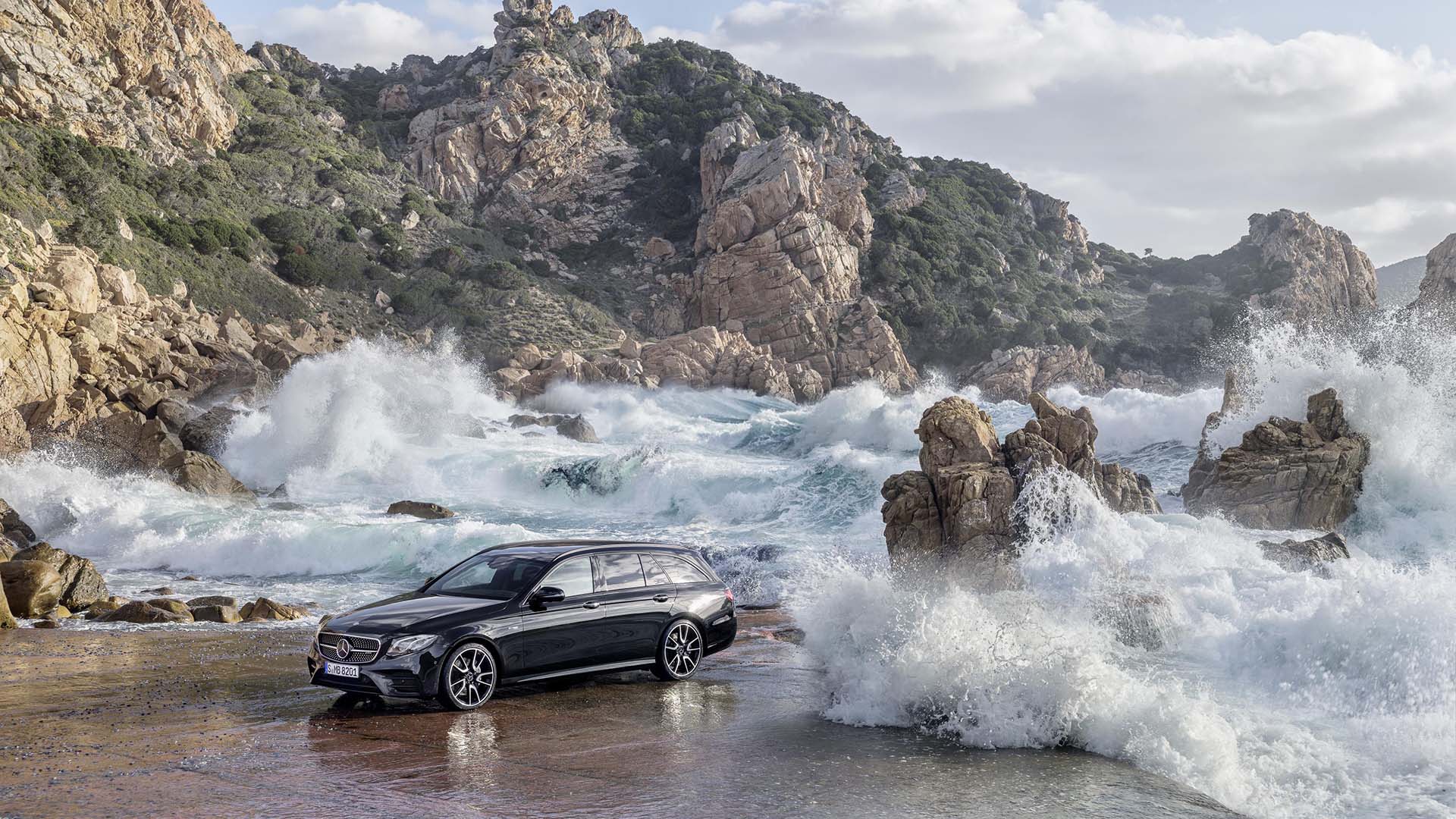
Mercedes-Benz E-Class facelift
The Mercedes-Benz E-Class facelift has been caught testing and, judging by its appearance, it’s ready for Geneva. The styling will fall into line with the rest of the range, while the E-Class will also get the latest MBUX infotainment software. You can also expect new mild and plug-in hybrid powertrains, plus an improved cabin and enhanced driver assistance systems. There are no official images, so here’s the outgoing E-Class looking like it’s on the front cover of a power ballad CD.
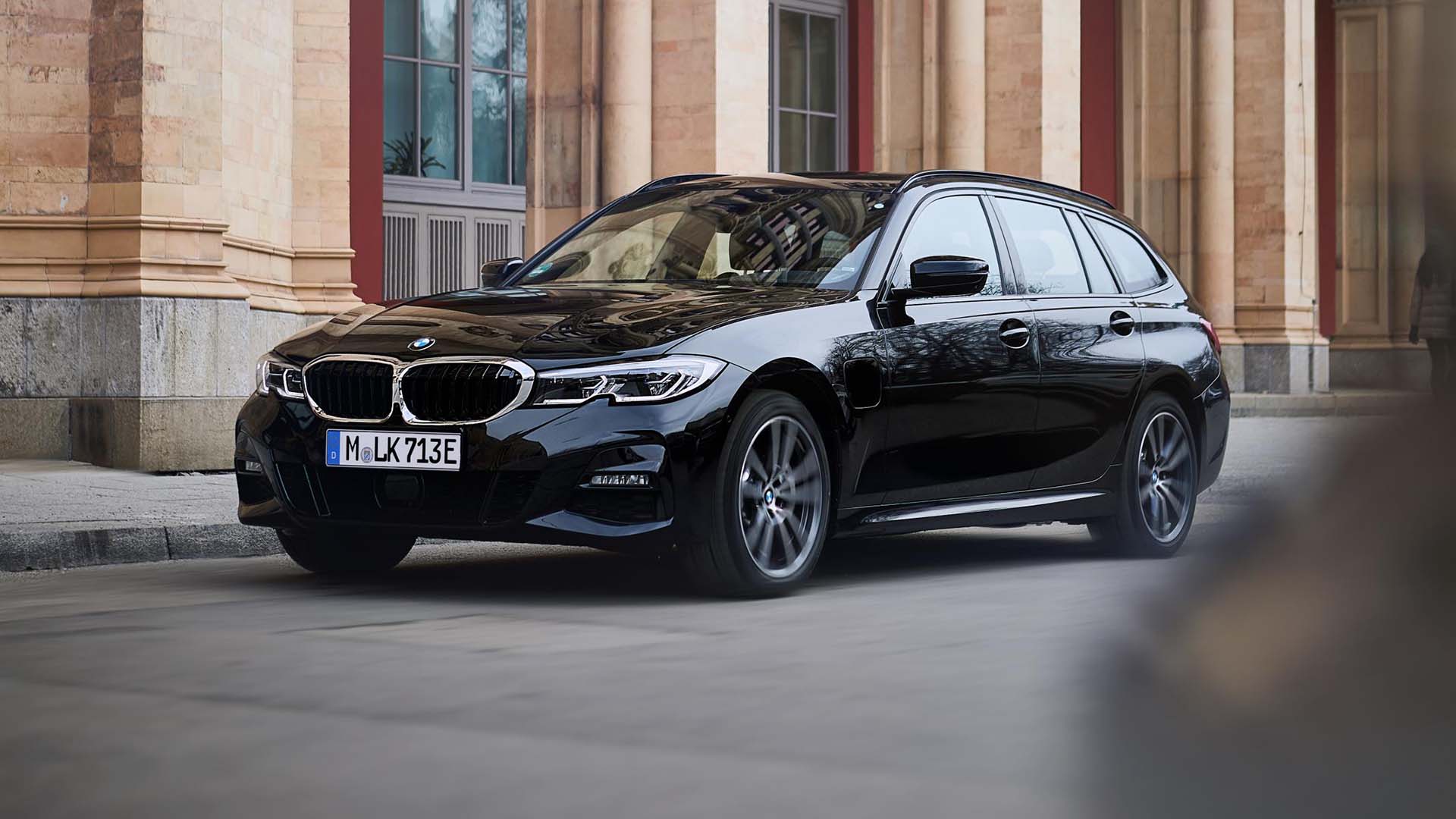
BMW 330e Touring
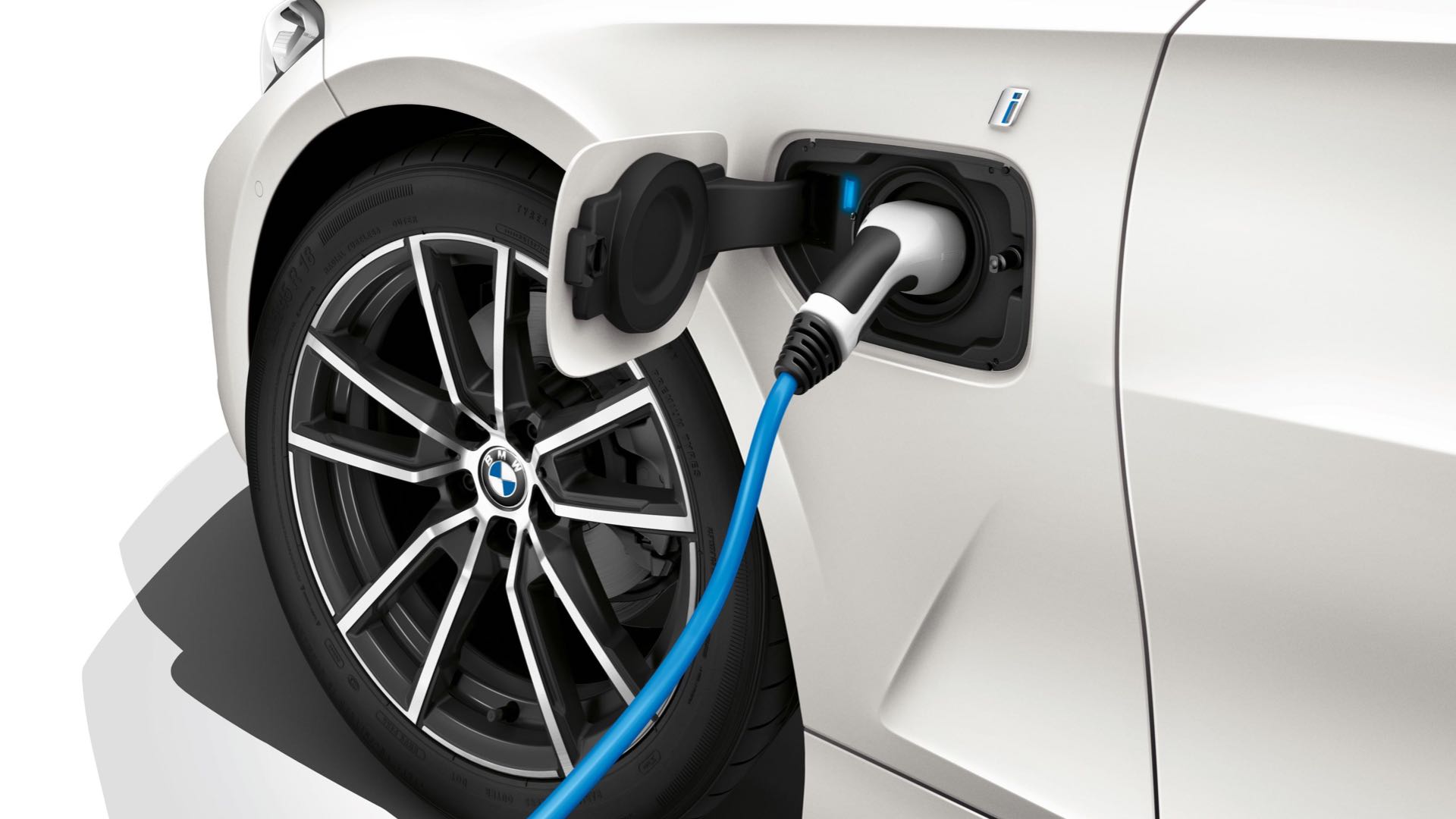
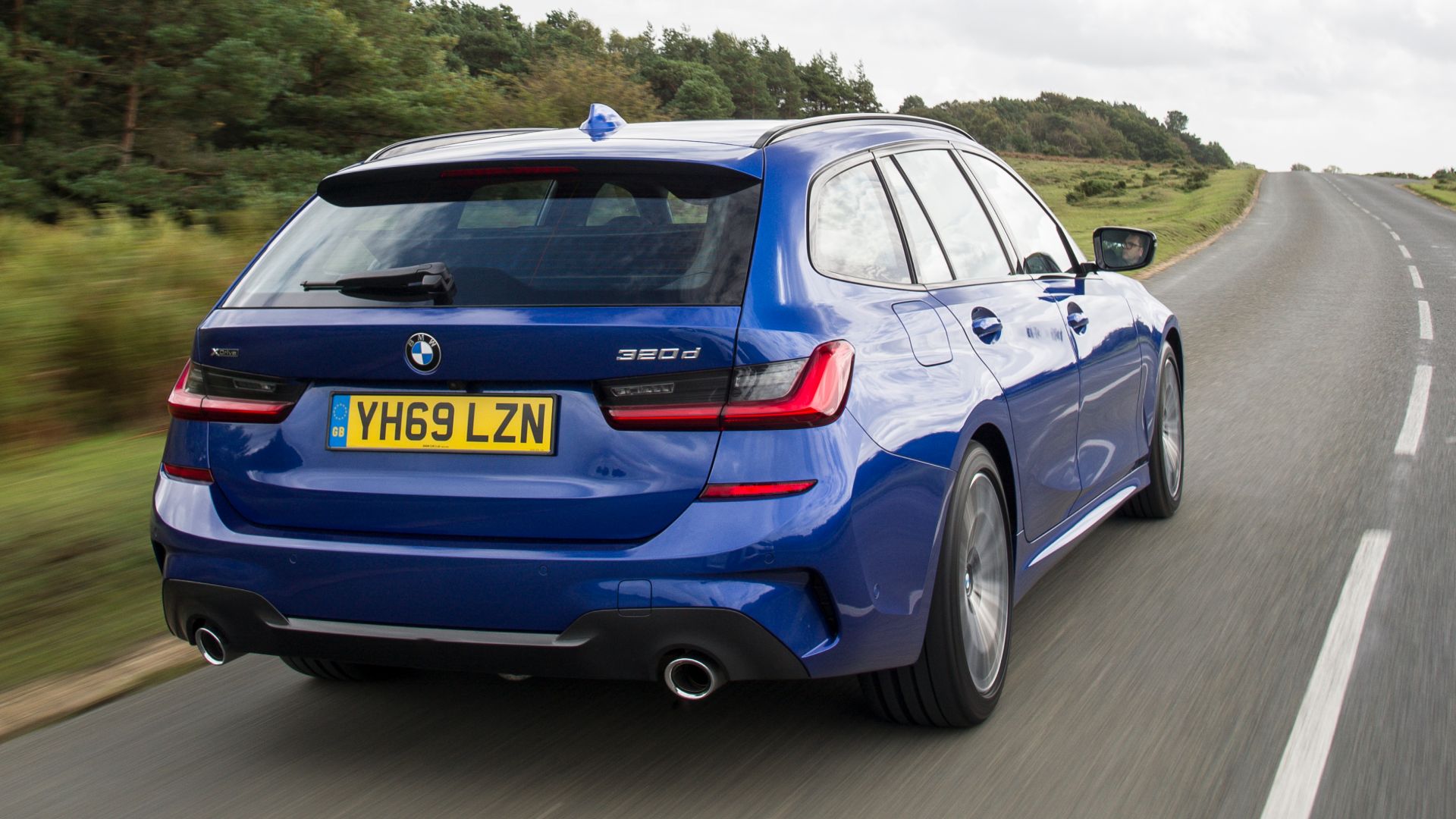
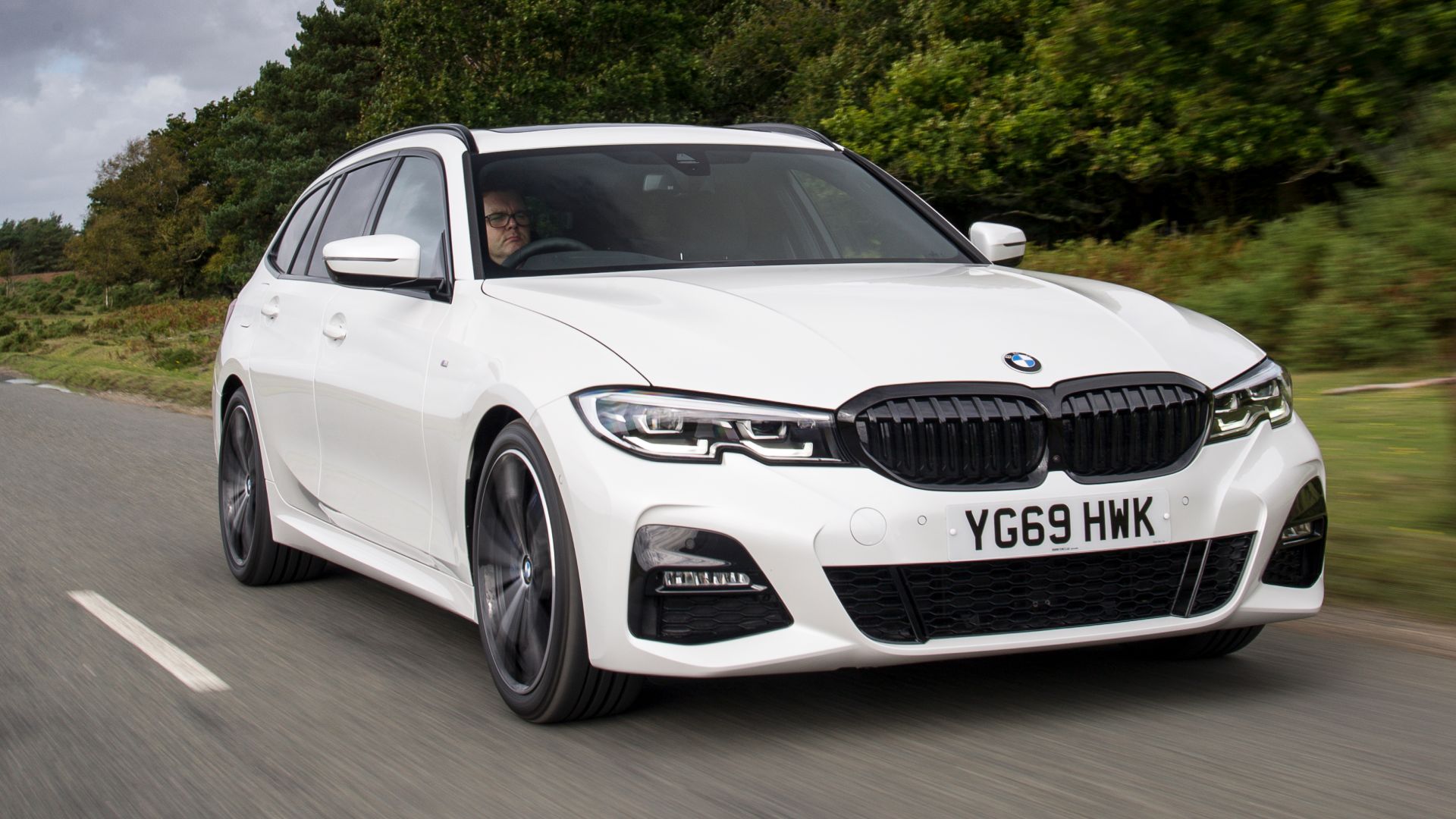
A new BMW 330e Touring plug-in hybrid will join the 3 Series range in the summer, with both the saloon and estate offered with a choice of all-wheel drive or rear-wheel drive. Like the 330e saloon, the Touring estate pairs a 2.0-litre petrol engine with an electric motor to deliver a claimed 176mpg, with CO2 emissions of just 39g/km. It also offers up to 34 miles of electric range.
Volkswagen Golf GTI
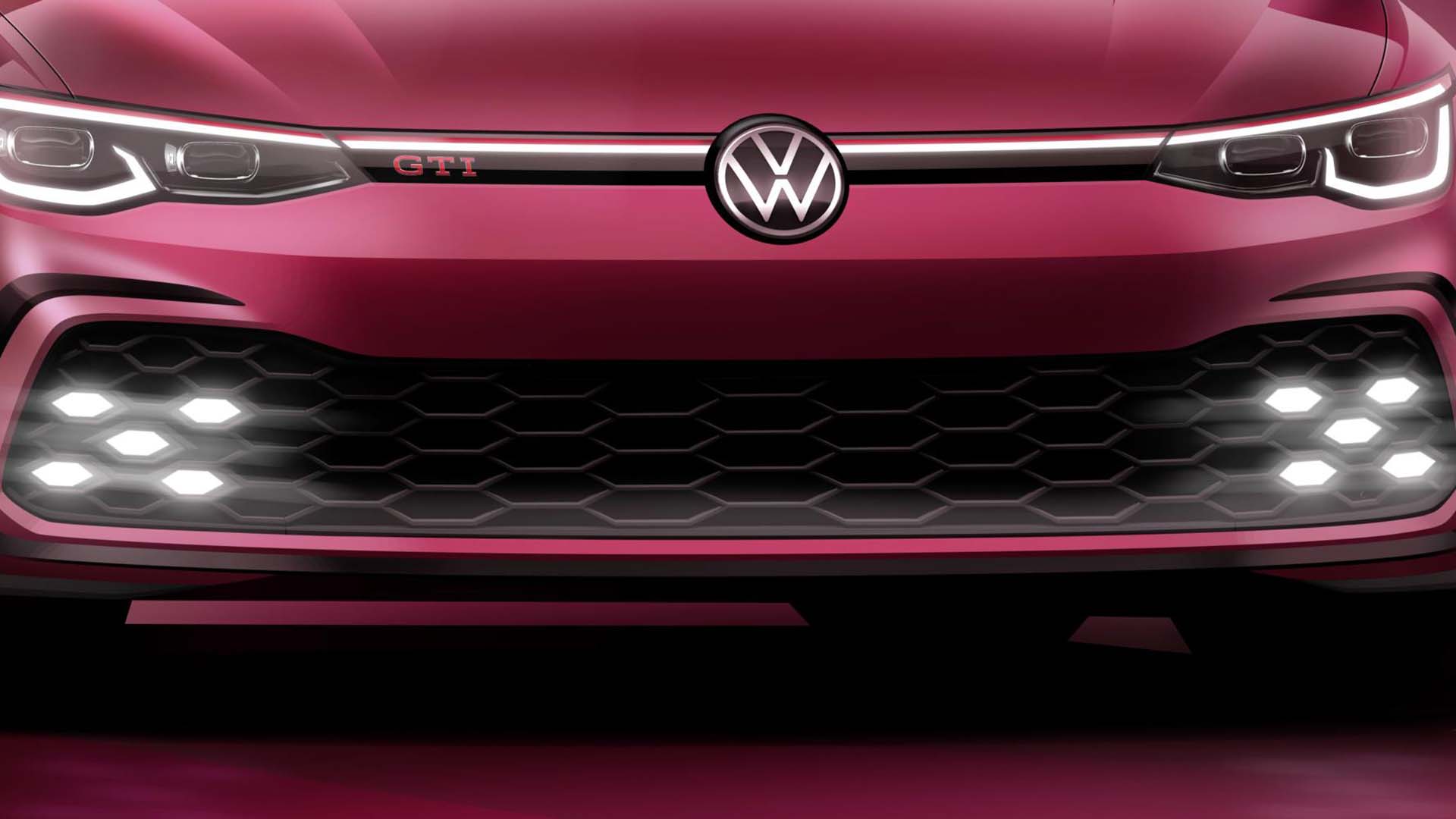
The pre-show teaser image for the Volkswagen Golf GTI is… illuminating. It features both the red stripe on the radiator grille and an optional LED crossbar integrated in the daytime running lights. It’s also the first Golf GTI to feature a completely digitised dashboard, which seems a world away from the original Mk1. Volkswagen says the power delivery of the GTI engine will ‘exceed expectations’. No pressure.
Skoda Octavia vRS iV
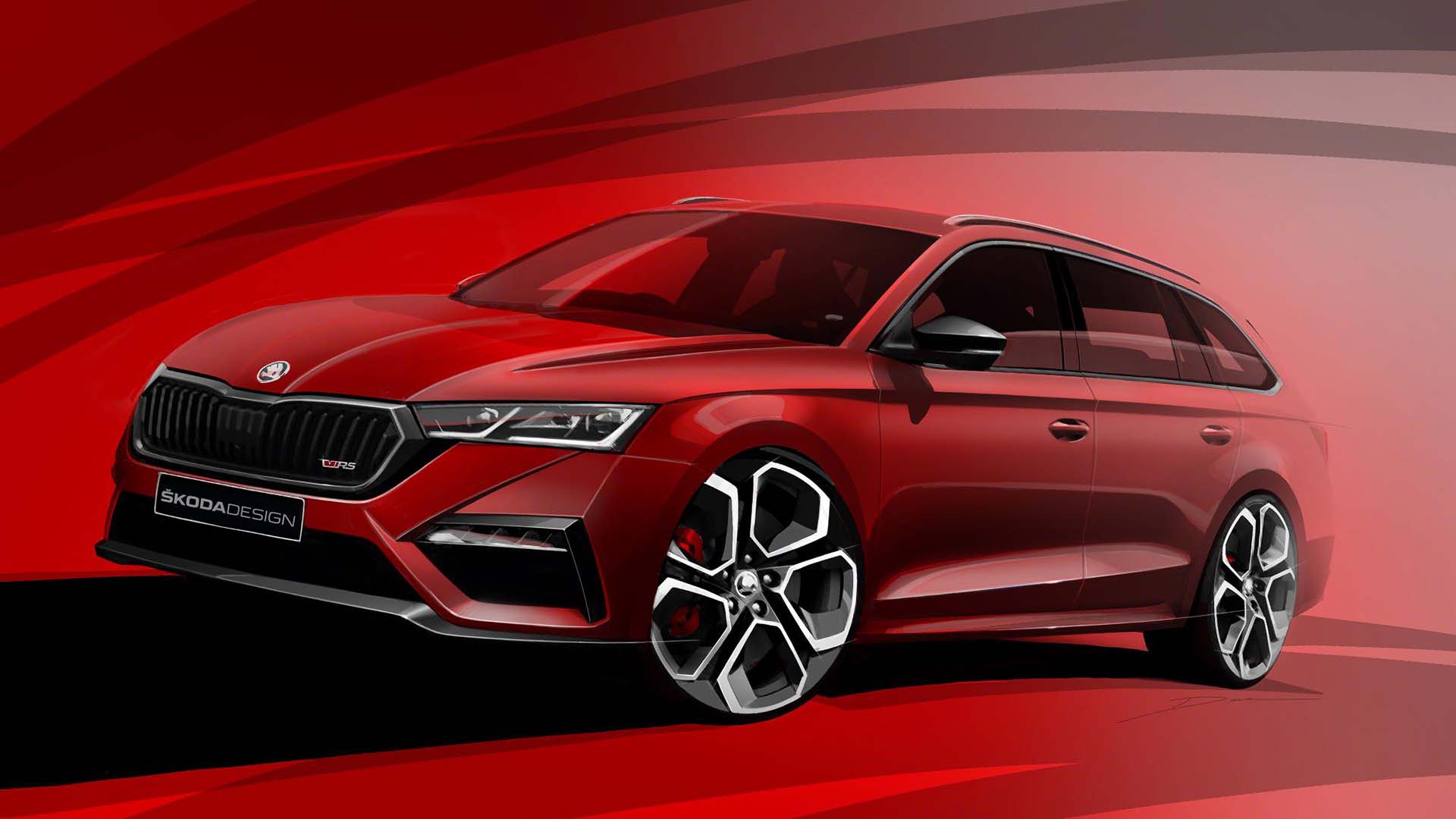
Like before, the new Skoda Octavia vRS will be available as a practical hatchback and an even more practical estate. The big change is the plug-in hybrid powertrain, which develops a total system output of 245hp. Skoda hasn’t supplied any efficiency figures, but we’d expect you to be able to achieve a short commute on electric power. For now, the company is promising ‘superior fuel economy and low CO2 emissions’.
Automobili Pininfarina Battista
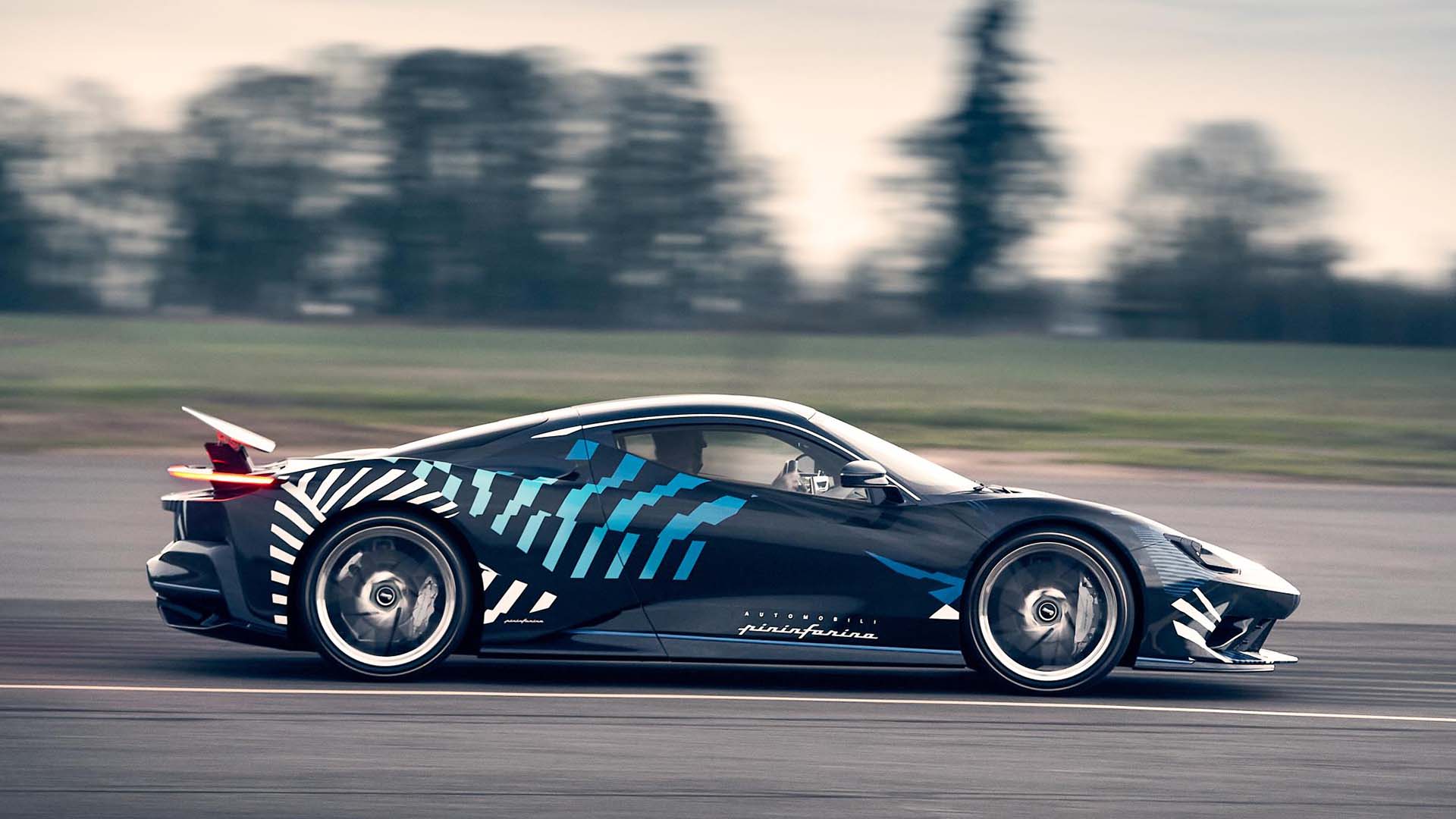
Automobili Pininfarina is marking the 90th anniversary of the famous design house with a special unveiling in Geneva. The company says the Battista development mules have ‘achieved 80 percent of their performance capability without issue’, with the first deliveries expected later this year. Pininfarina is calling the 1,900hp Battista ‘the world’s first fully electric luxury hypercar’.
Renault Twingo ZE
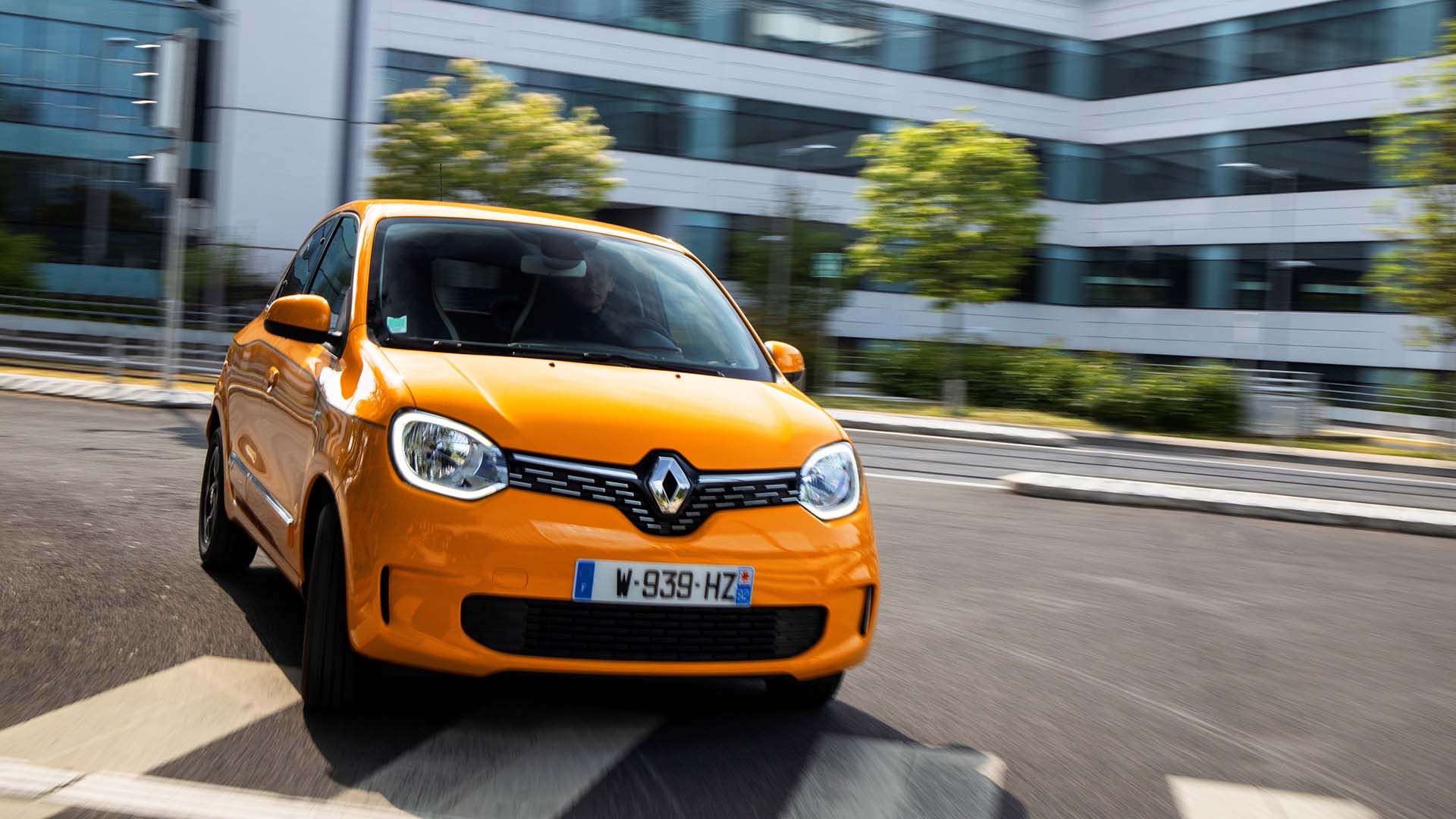
Renault will present a 100 percent electrified stand during press days, with eight cars on display. One of these will be the new all-electric Renault Twingo. But before you get too excited, it’s not coming to the UK. The Twingo was developed from the ground up with electrification in mind and is expected to offer around 70 miles of range.
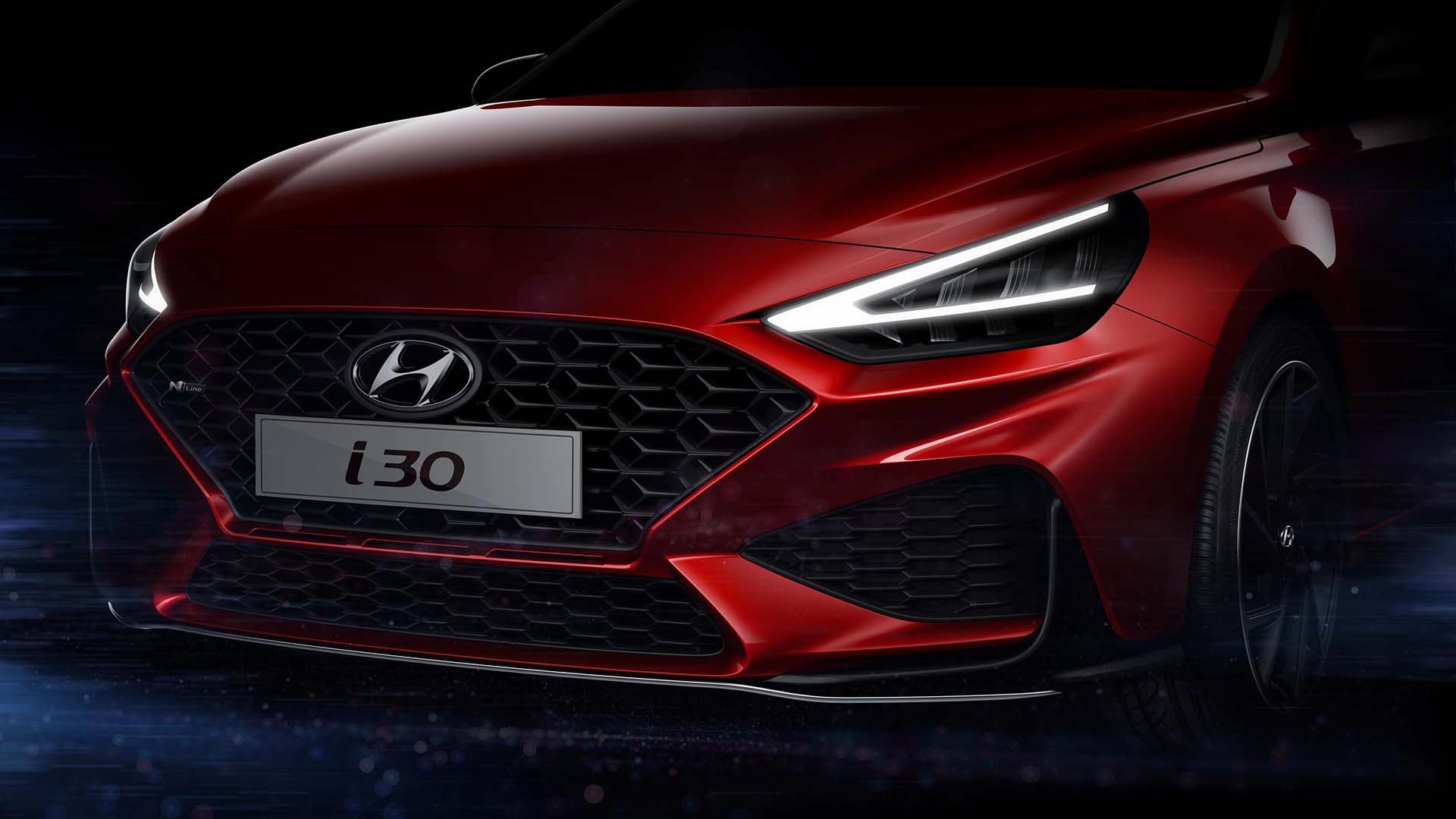
Hyundai i30
The facelifted Hyundai i30 will feature a redesigned bumper, new LED headlights and V-shaped daytime running lights. That much is clear from the teaser image, but further changes include new rear bumper, rear lights and alloy wheel designs. Hyundai will also unveil an N Line version of the i30 estate. This is fine, but we’d really like to see a full-fat i30 N wagon…
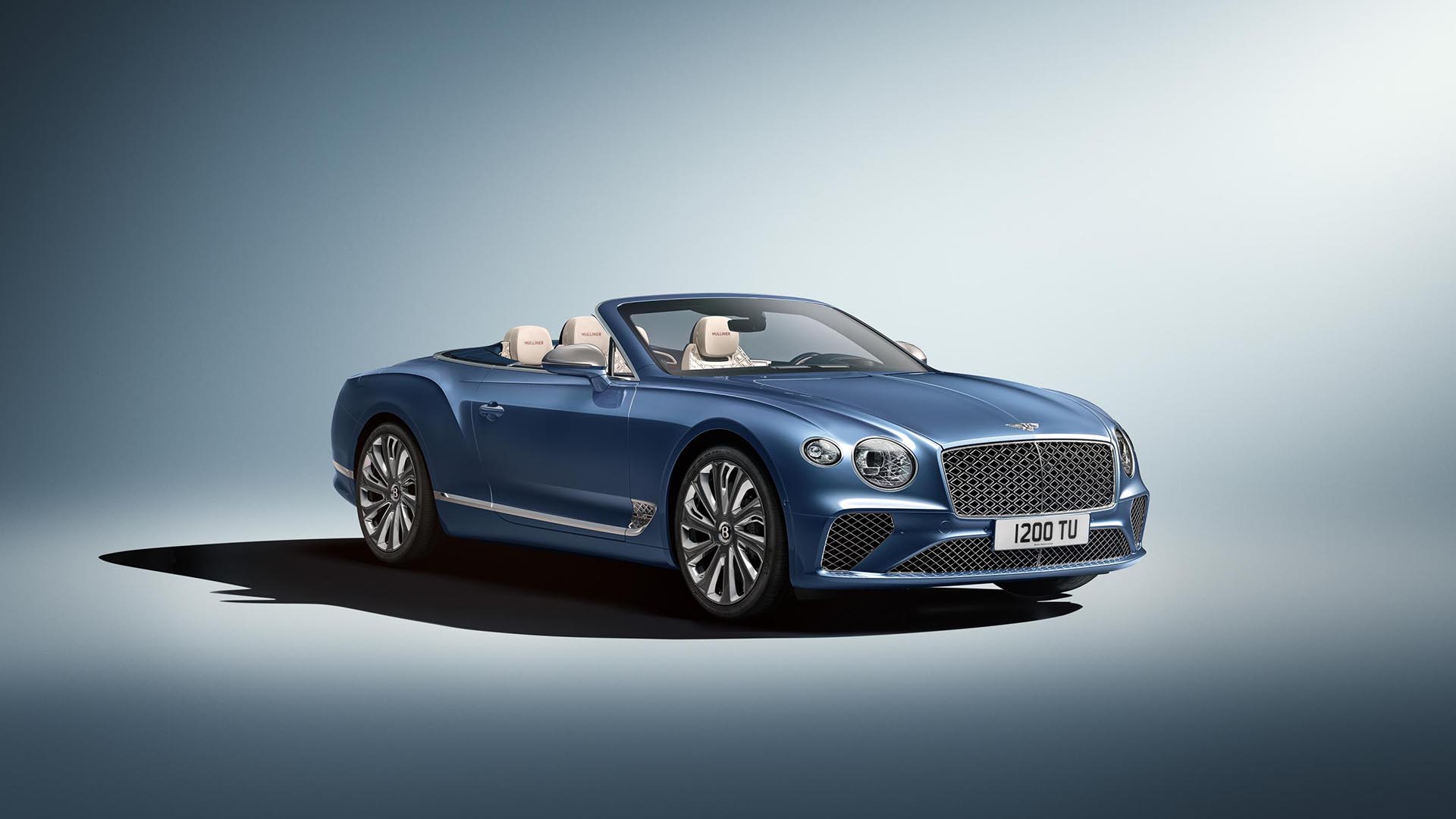
Bentley Continental GT Mulliner Convertible
Bentley says it’s ‘raising the bar for luxury open-top Grand Touring’ with the launch of the Continental GT Mulliner Convertible. The car boasts ‘Diamond-in-Diamond’ interior quilting which adorns all four seats, the door casings, rear quarters and the tonneau cover. It takes almost 400,000 stitches, with each diamond containing exactly 712 individual stitches. Further treats include 22-inch polished wheels with self-levelling badges, mood lighting, illuminated tread plates and LED welcome lights. As for the price, if you have to ask…
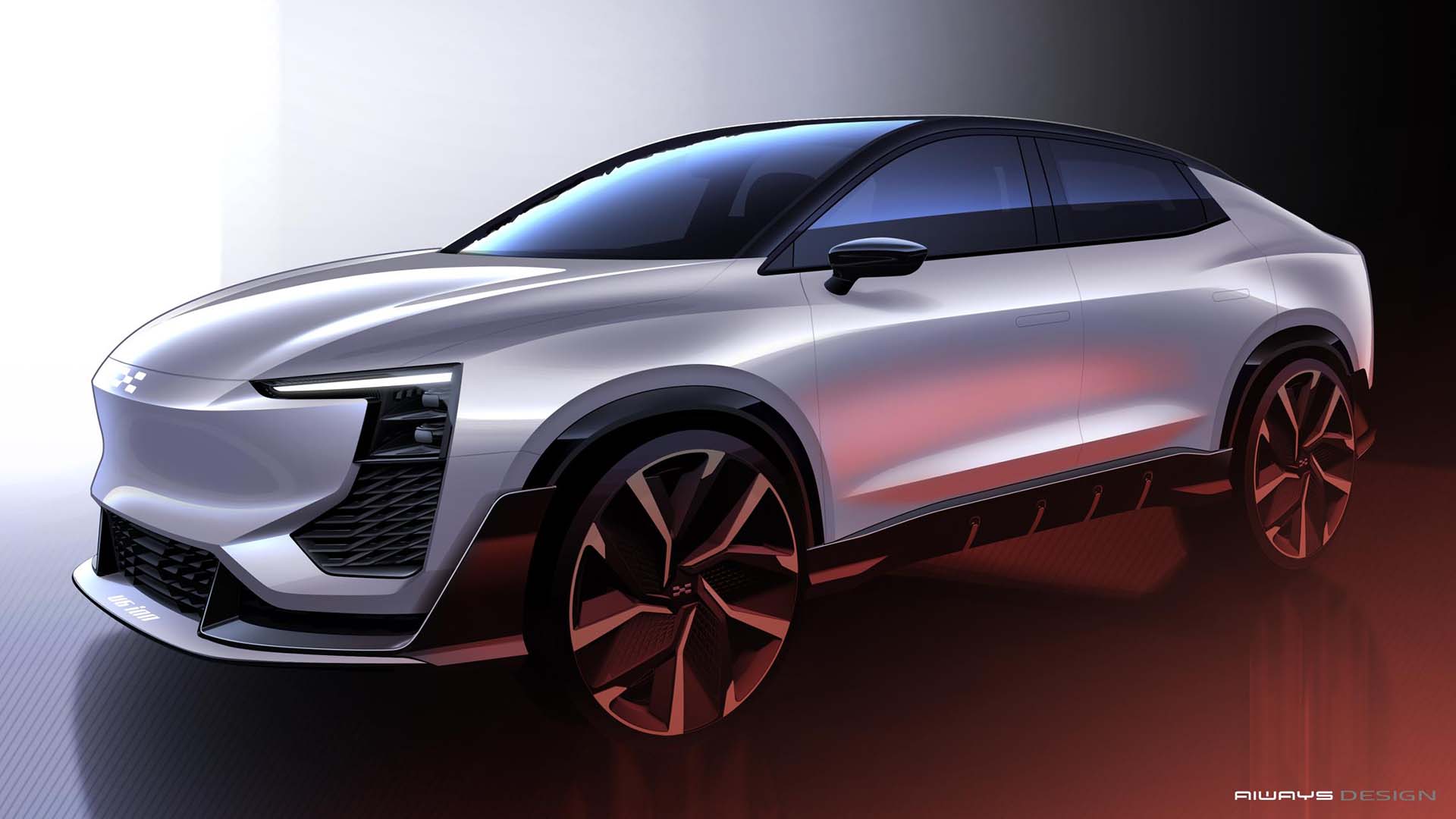
Aiways U6ion
Shanghai-based Aiways will unveil an all-electric crossover concept at the Geneva Motor Show. Not much is known about the U6ion, but it’s based on the same platform as the U5 electric car. Chief designer Dongfei Luo said: “The U6ion sketches present a crossover coupe with a harmonious and exciting body shape, aimed at attracting young car users looking for a zero-emission SUV that offers style, practicality and electric performance.”
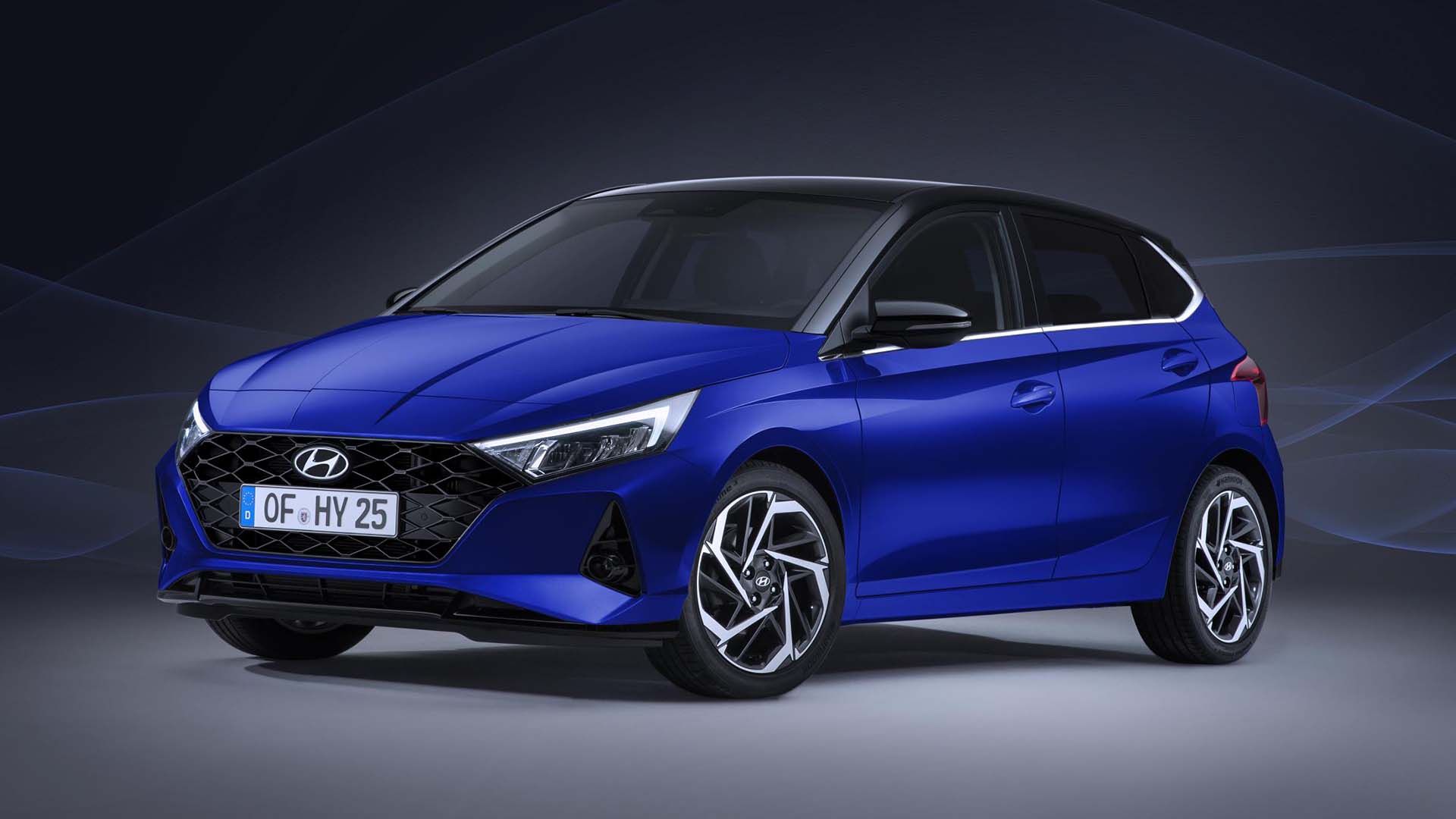
Hyundai i20
The new Hyundai i20 is lower, wider and longer than its predecessor. It’s also four percent lighter than the outgoing model, which, when combined with new mild hybrid technology, should make the 2020 i20 more efficient. Available connectivity equipment includes a 10.25-inch digital cluster, a 10.25-inch touchscreen, Android Auto, Apple CarPlay and wireless charging.
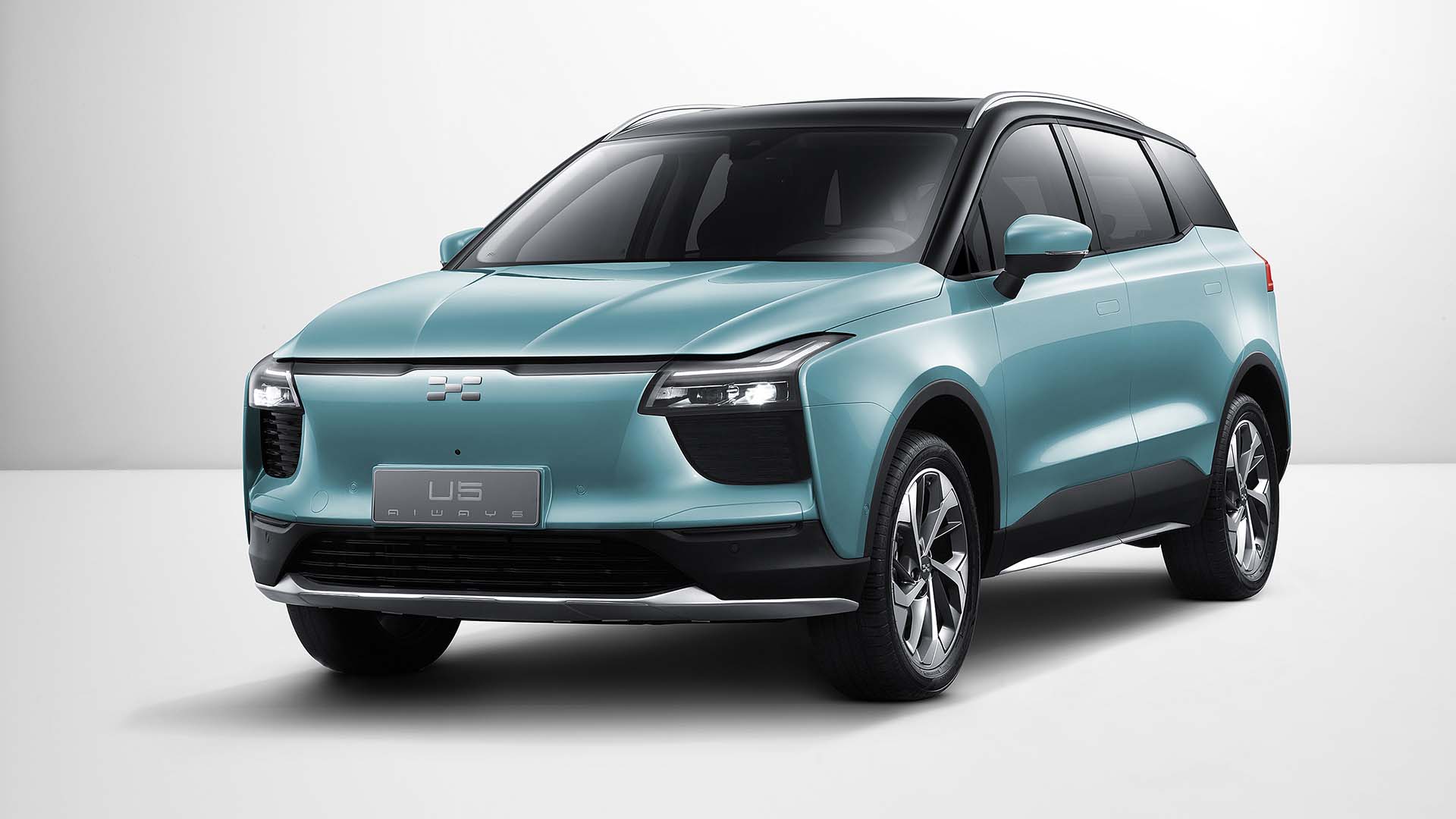
Aiways U5
The European version of the Aiways U5 electric SUV will make its debut in Geneva. More details will be revealed at the show, but the company says the U5 “will offer a unique means of owning a new electric vehicle that will provide users with an original customer experience”. Aiways is offering 10-minute test drives at the show.
DS Automobiles
A Citroen SM will be on display on the DS Automobiles stand – 50 years to the day since it first appeared. We understand DS will also unveil a ‘sophisticated and technically advanced’ new car, but we can’t look beyond the SM. That’s the danger of taking a heritage car to a motor show – it tends to hug the limelight. Come back in March for our round-up of the best reveals and the coolest concepts at the Geneva Motor Show.
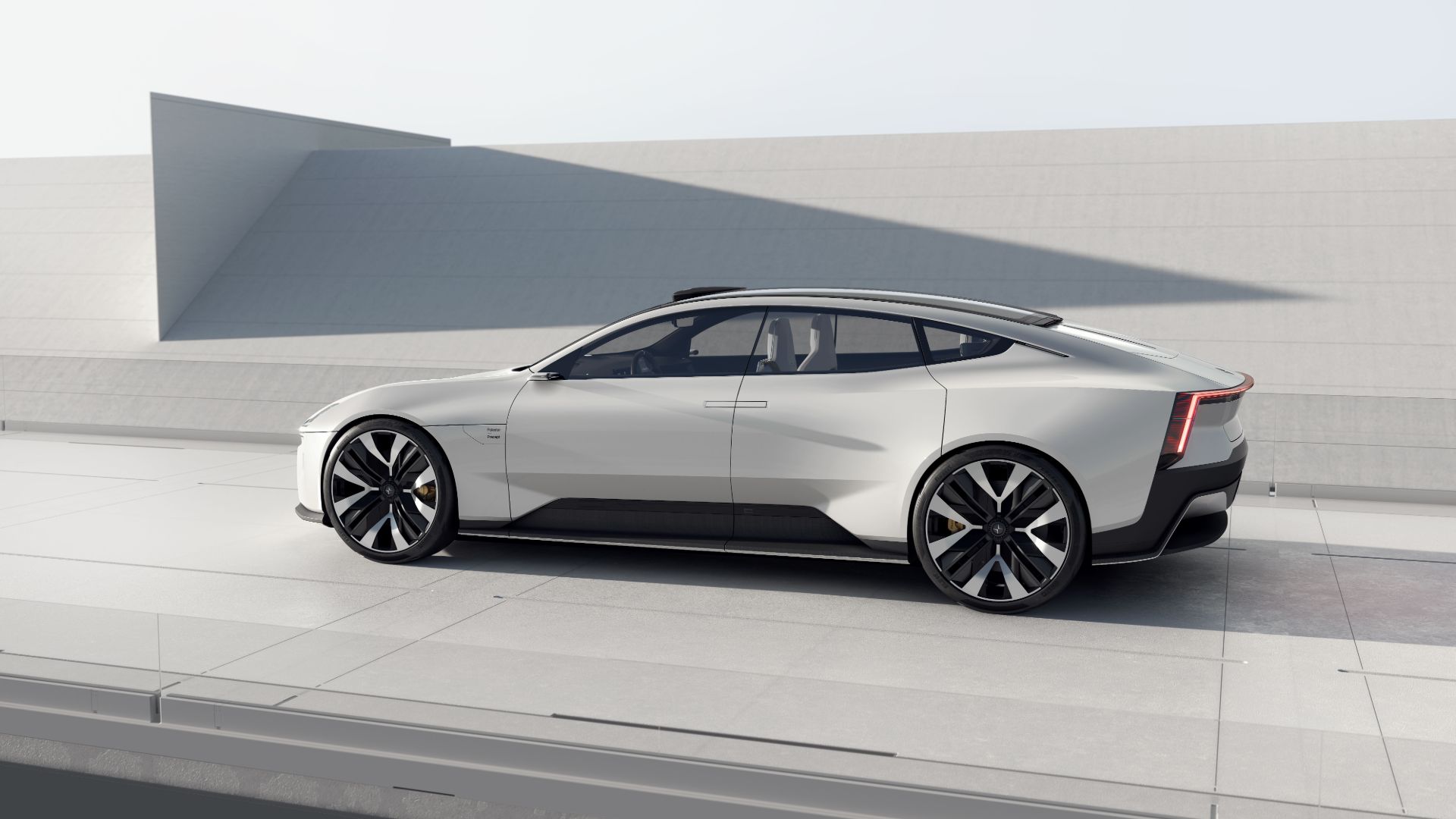
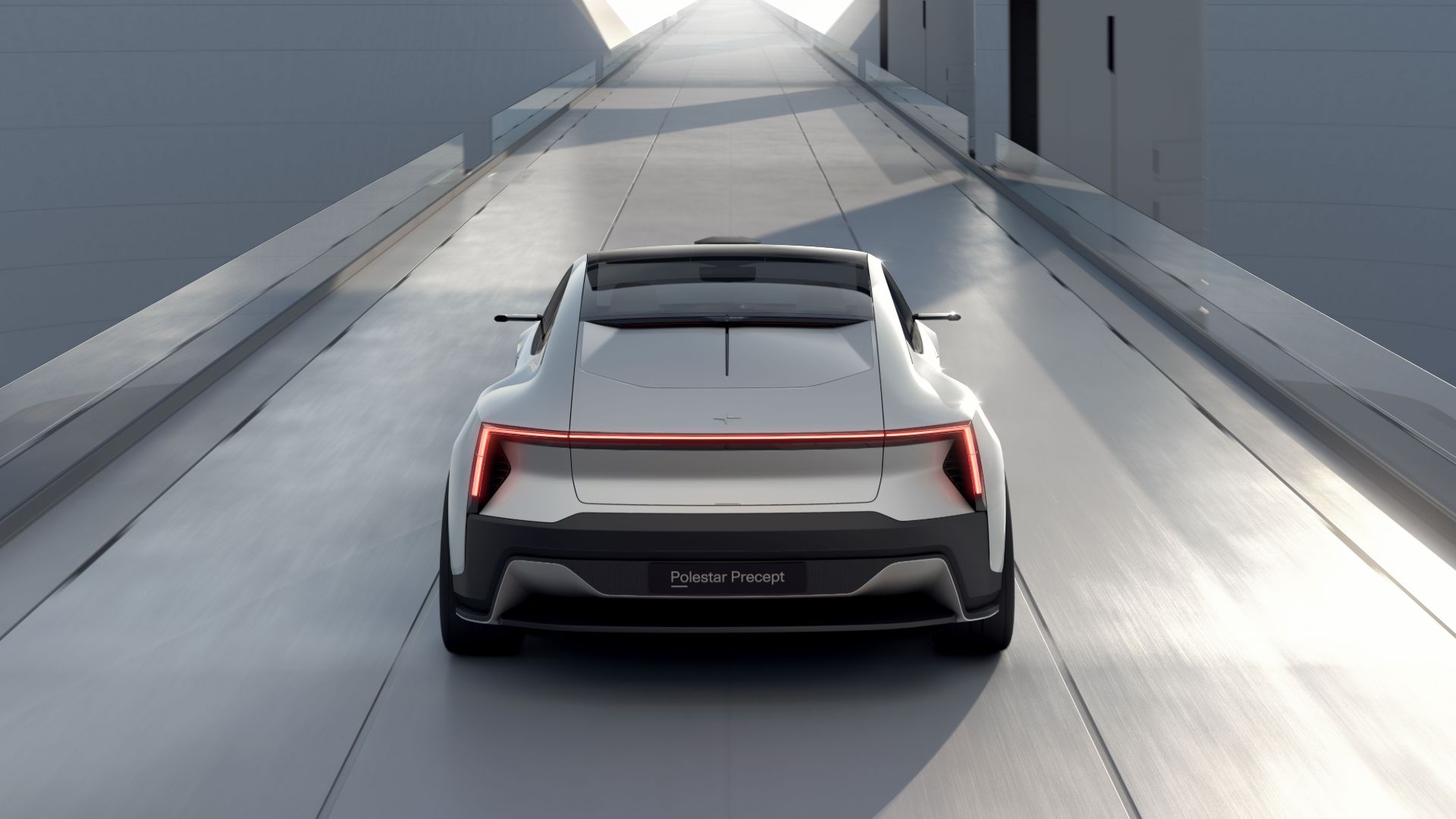
Polestar Precept
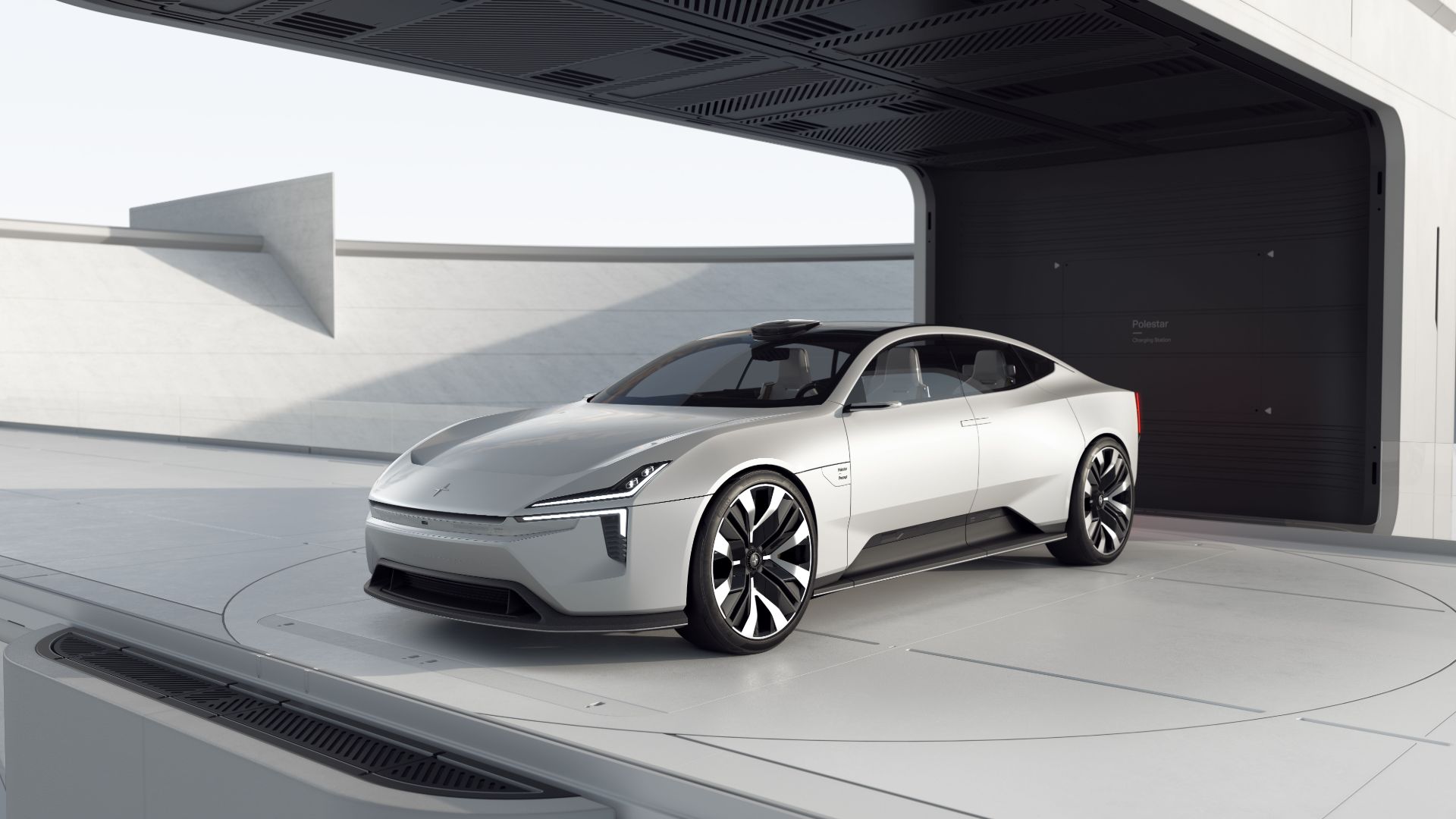
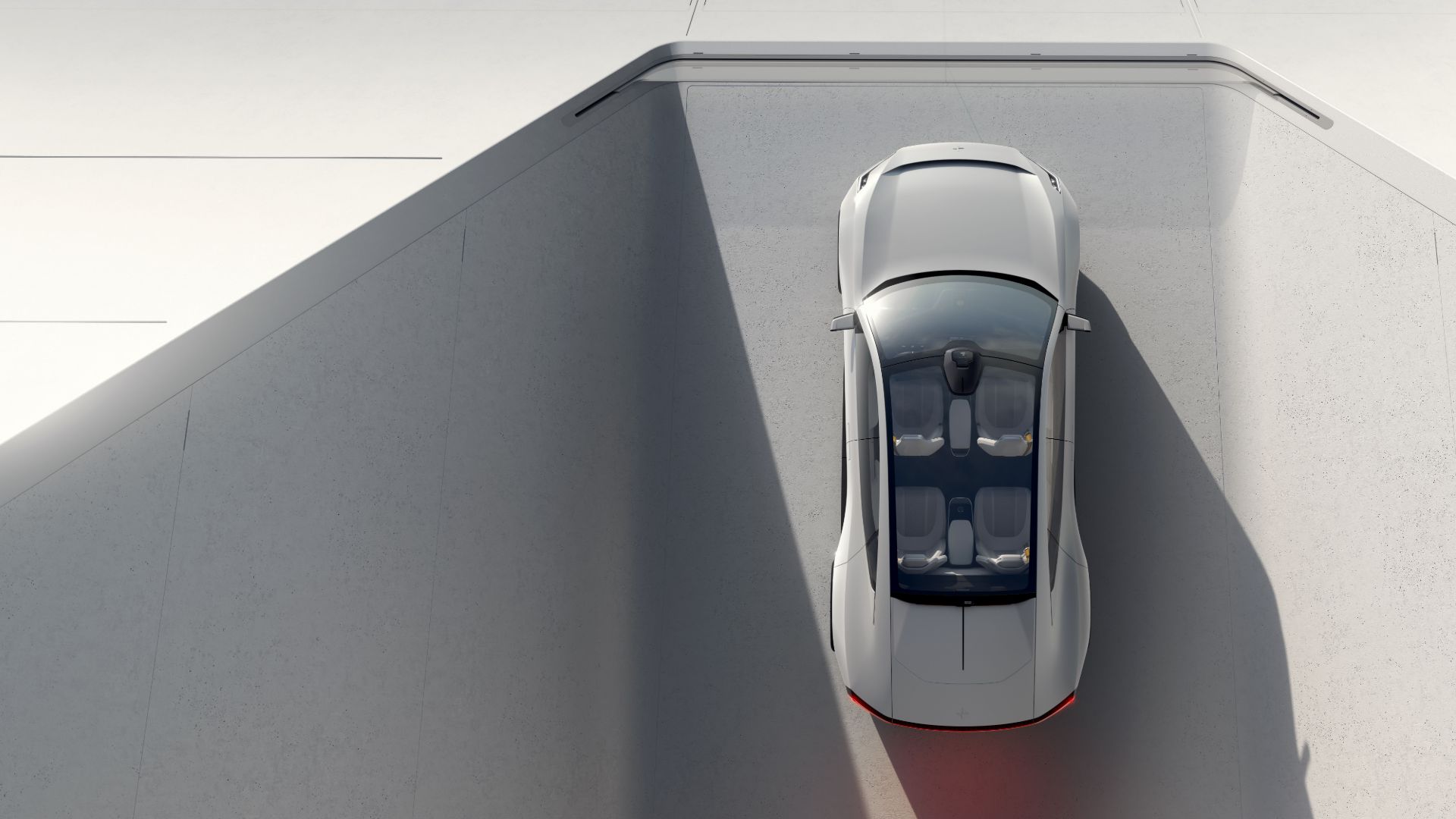
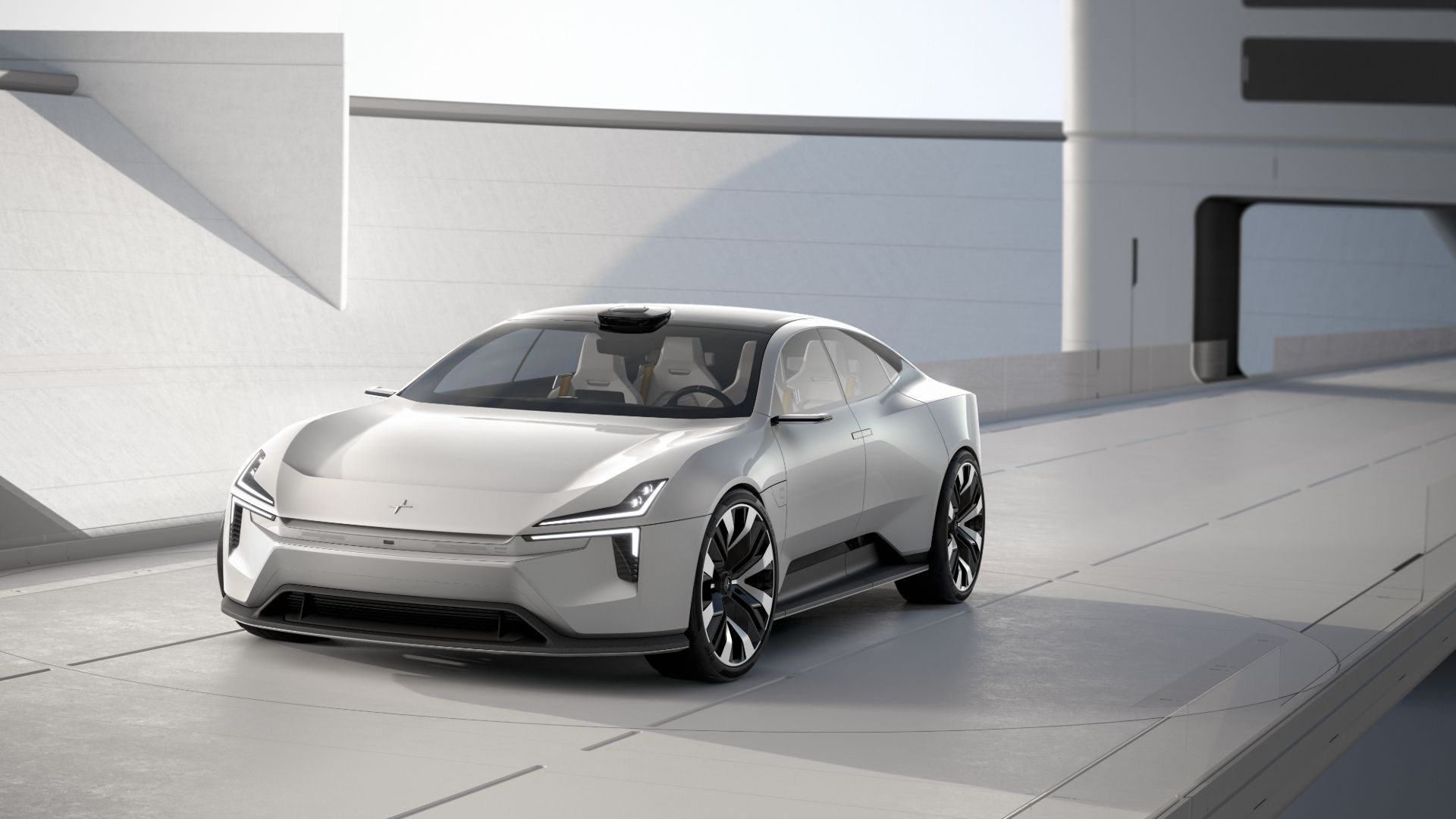
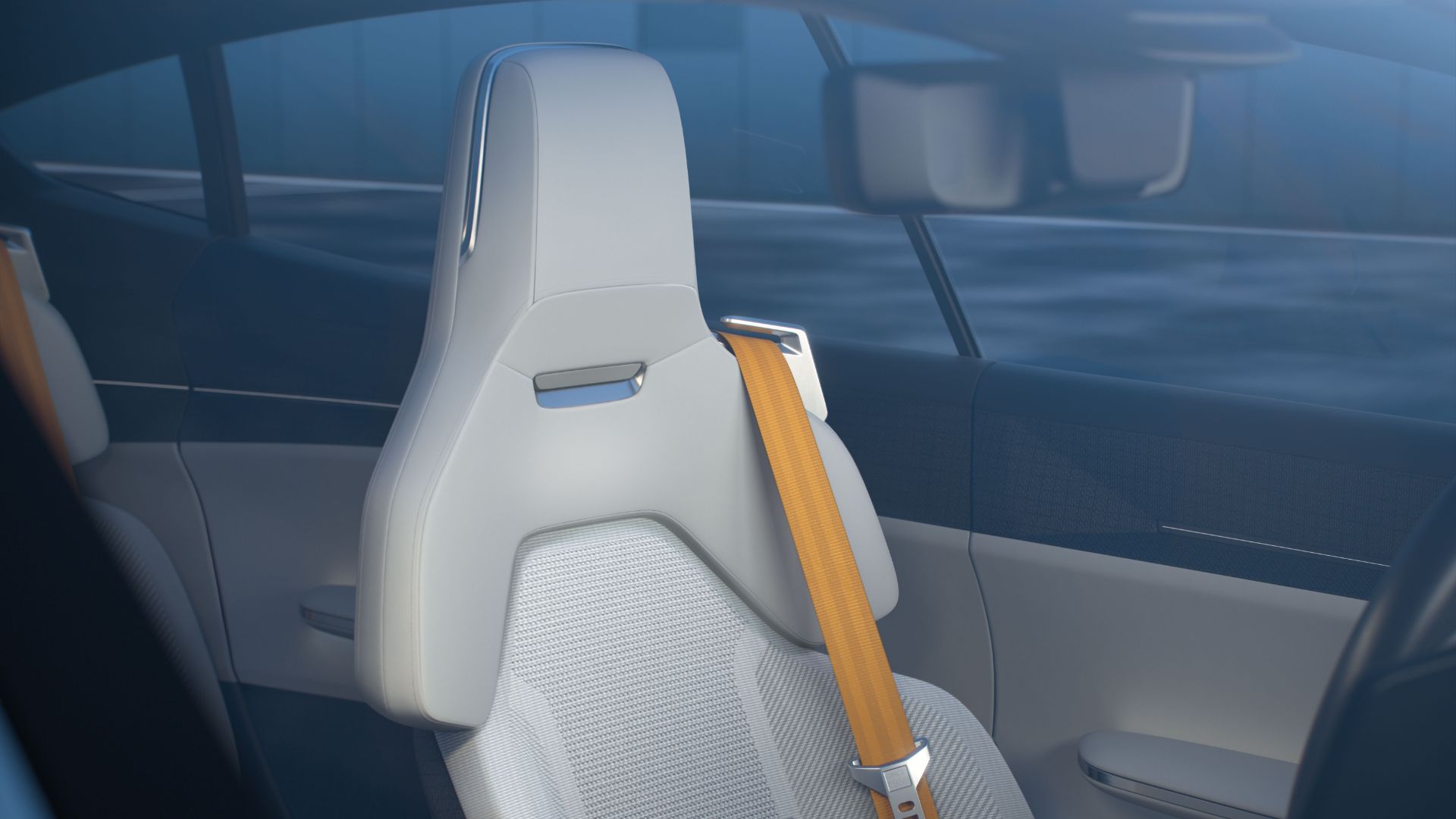
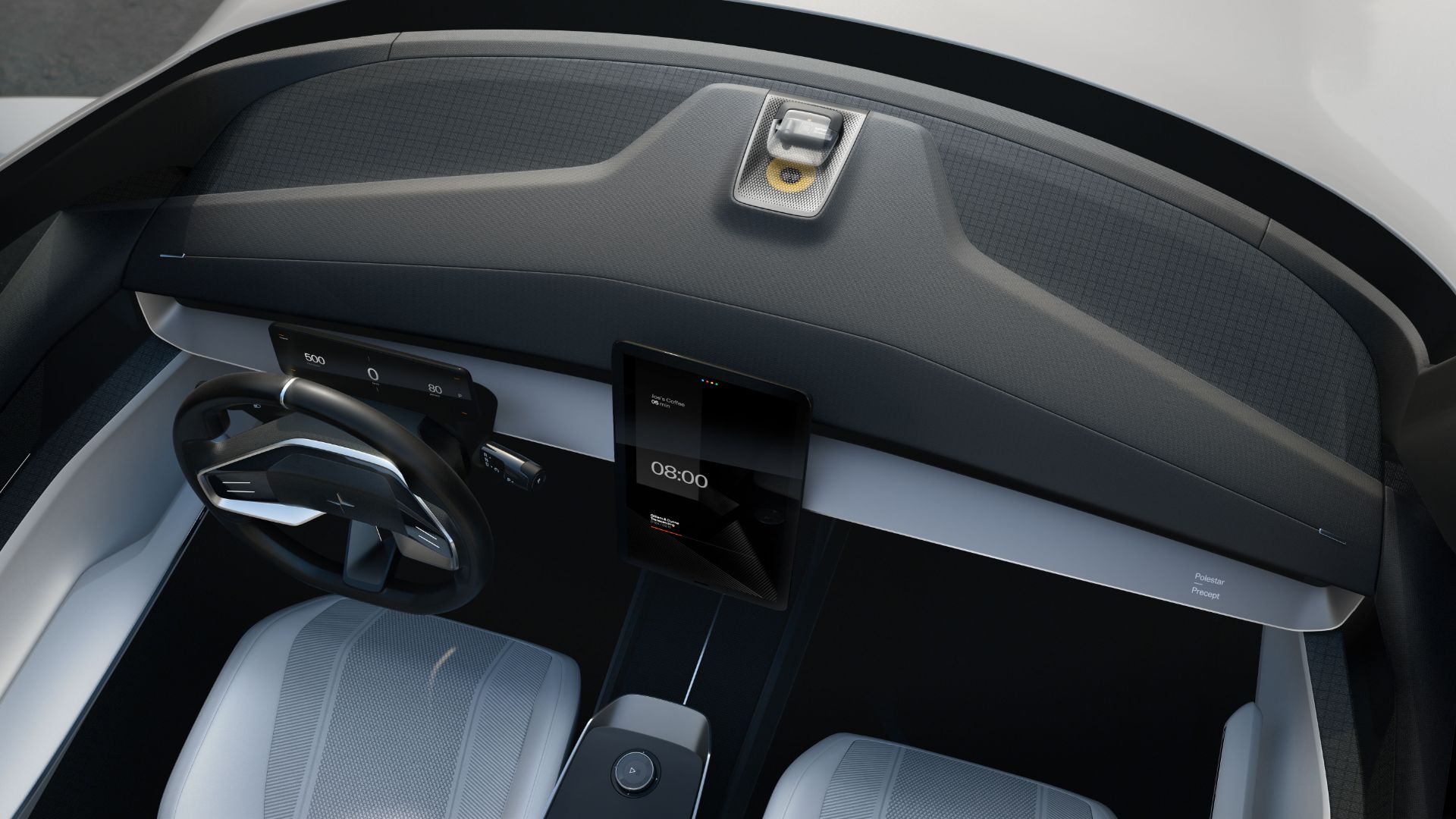
Polestar is growing up, and distancing itself from parent company Volvo, with the sleek Precept concept. It’s designed as an indication of where the fledgling electric marque will go in the near future. If that means a new model the same size and with similar styling to this, perhaps Porsche and Tesla should be worried. We reckon the Precept, with its recycled fishing net carpets and reclaimed plastic bottle seats, could be the coolest concept of Geneva 2020.
Polestar has revealed the Precept concept ahead of its debut at the 2020 Geneva Motor Show. It’s an ‘expression of intent’, designed to show Polestar’s future design and philosophical direction. It might have already snagged the title of Geneva 2020’s coolest concept.
Even the name ‘Precept’ tells the car’s story, meaning ‘a manifesto of things to come, a declaration’. For Polestar, it’s the biggest diversion yet away from parent company Volvo in terms of design and ambition.
“Precept is a declaration, a vision of what Polestar stands for and what makes the brand relevant,” says Thomas Ingenlath, CEO of Polestar.
“The car is a response to the clear challenges our society and industry face. This is not a dream of a distant future, Polestar Precept previews future vehicles and shows how we will apply innovation to minimise our environmental impact.”
Firstly, that styling. It’s a proper knockout, isn’t it? It might be the first EV design to do away with the internal combustion design trope of an air intake at the front, and look good for it. Polestar says the grille has been replaced by a ‘Smartzone’. Instead of an inlet, there’s an arsenal of sensors to aid the car’s autonomous efforts.
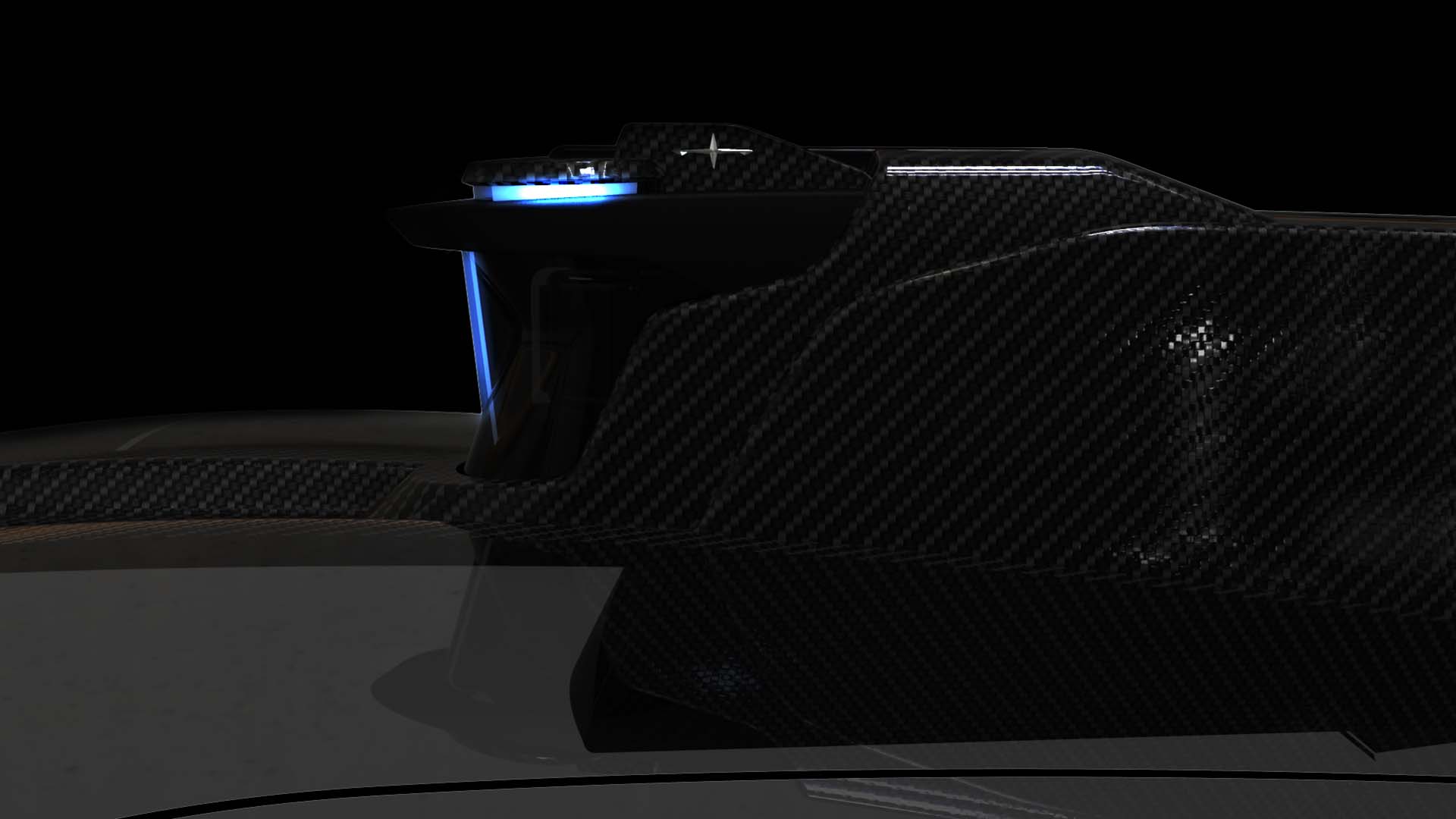
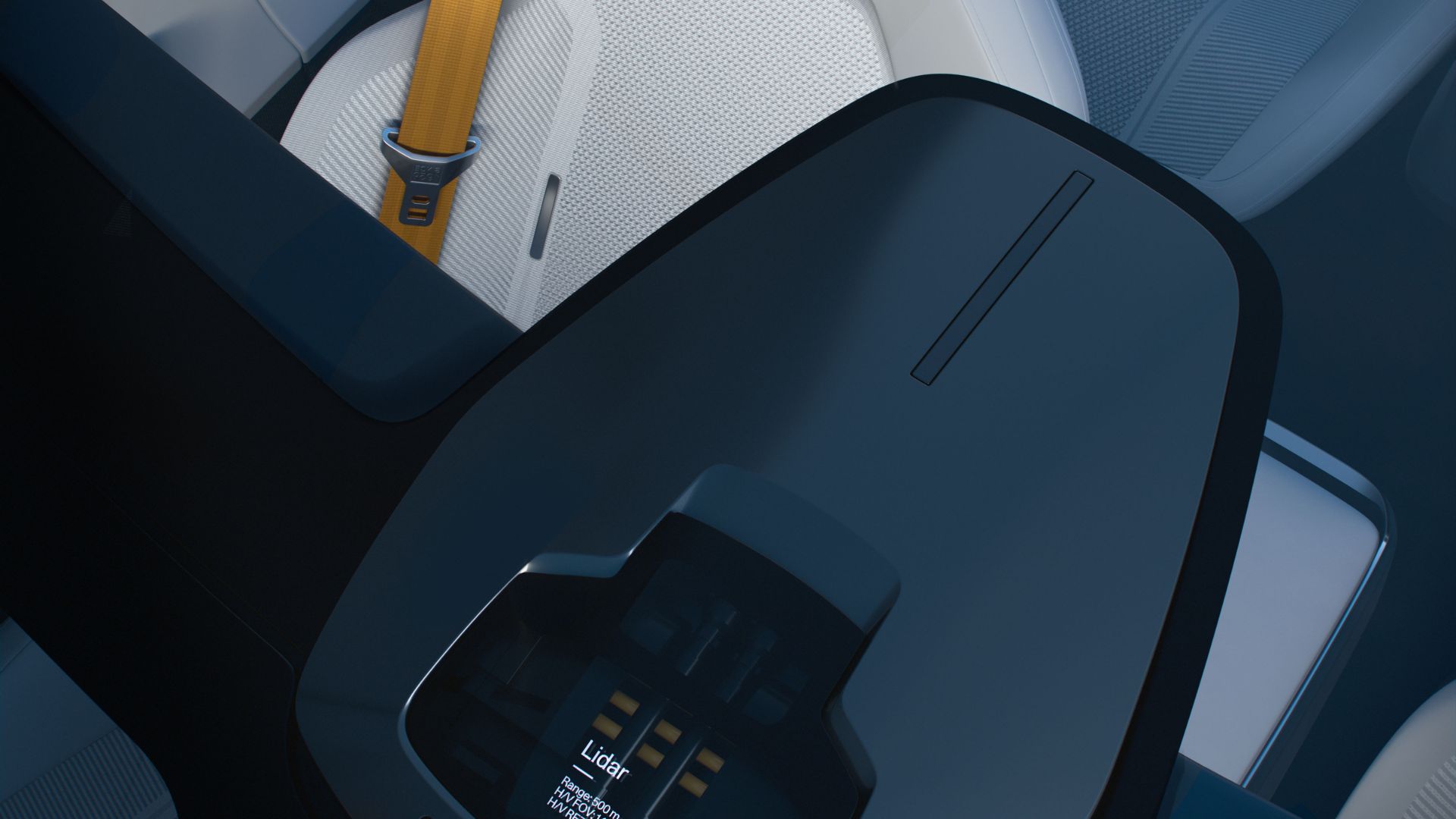
‘From breathing to seeing. An area which once channelled air to radiators… now houses technology for safety sensors and driver assistance’, says the company. In the Smartzone are two radar sensors and a high-definition camera, while at the top of the glasshouse is a lidar pod.
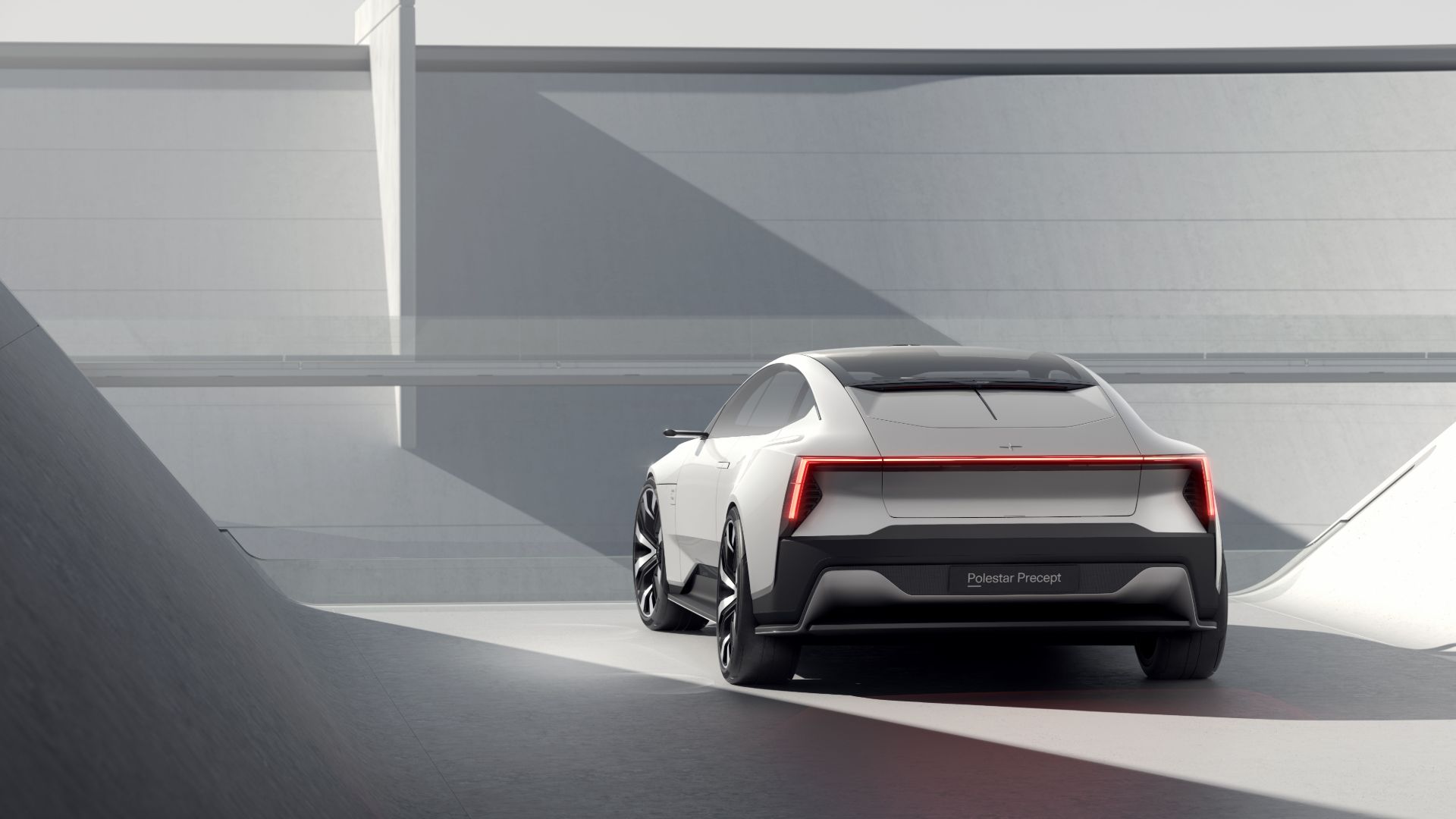
Otherwise, Polestar says the design ethos for the Precept is ‘minimalistic athleticism’. You can see its Volvo roots, but there’s more definition and much more aggression. The ‘Thor’s hammer’ lighting has been split into two pieces, for example, for a more Polestar-specific design.
The styling is also aimed at improving aerodynamics. The integrated front wing gets air flowing over the car more efficiently, while the rear features vertical aero elements integrated into the light bar.
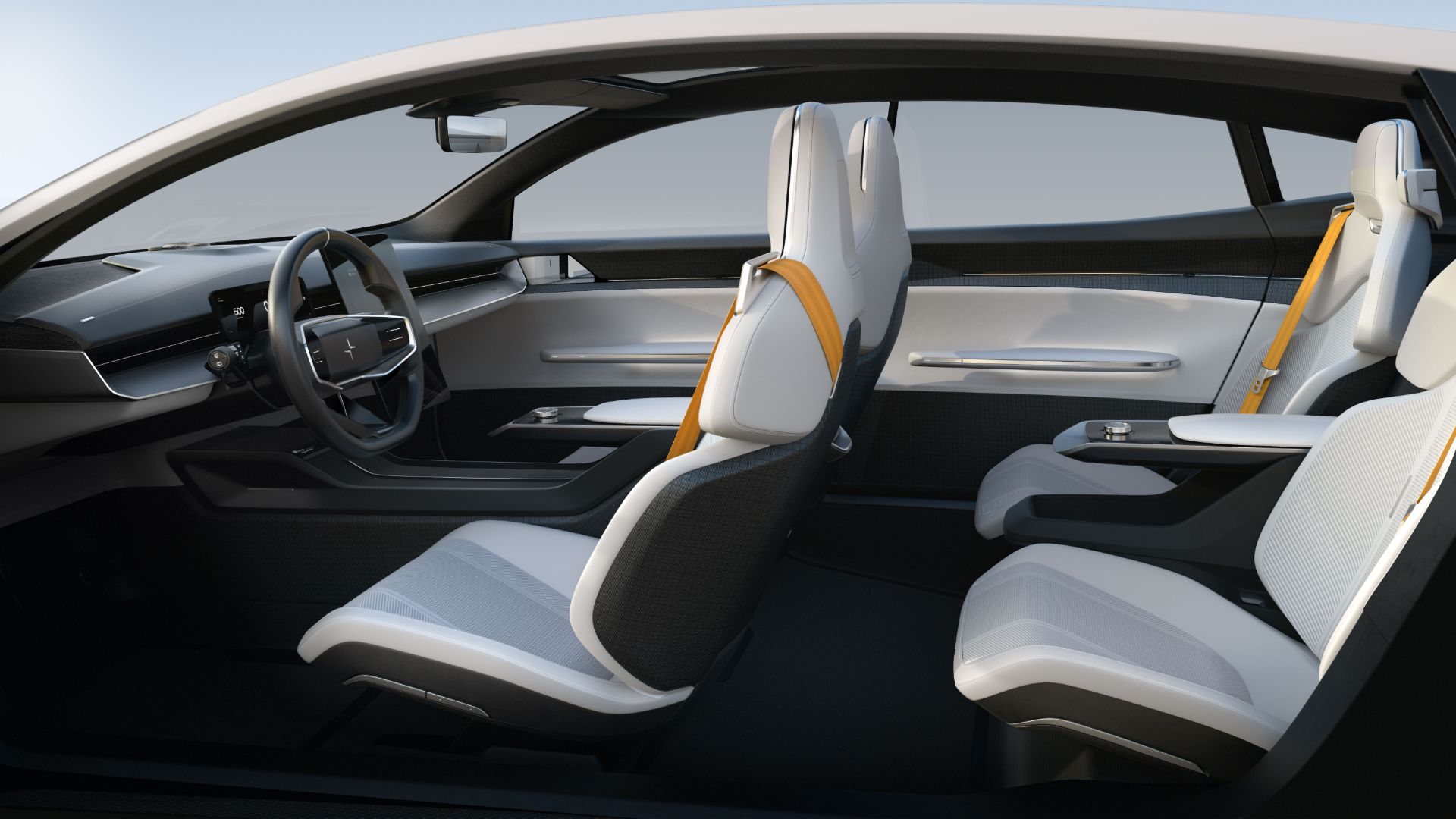
The Precept is also designed to be practical, with a large 3.1-metre wheelbase and a boot that latches high up for a large aperture.
“Polestar Precept’s aesthetics are rooted in cutting-edge technology rather than looking back in time at historical, automotive references,” said Maximilian Missoni, head of design at Polestar.
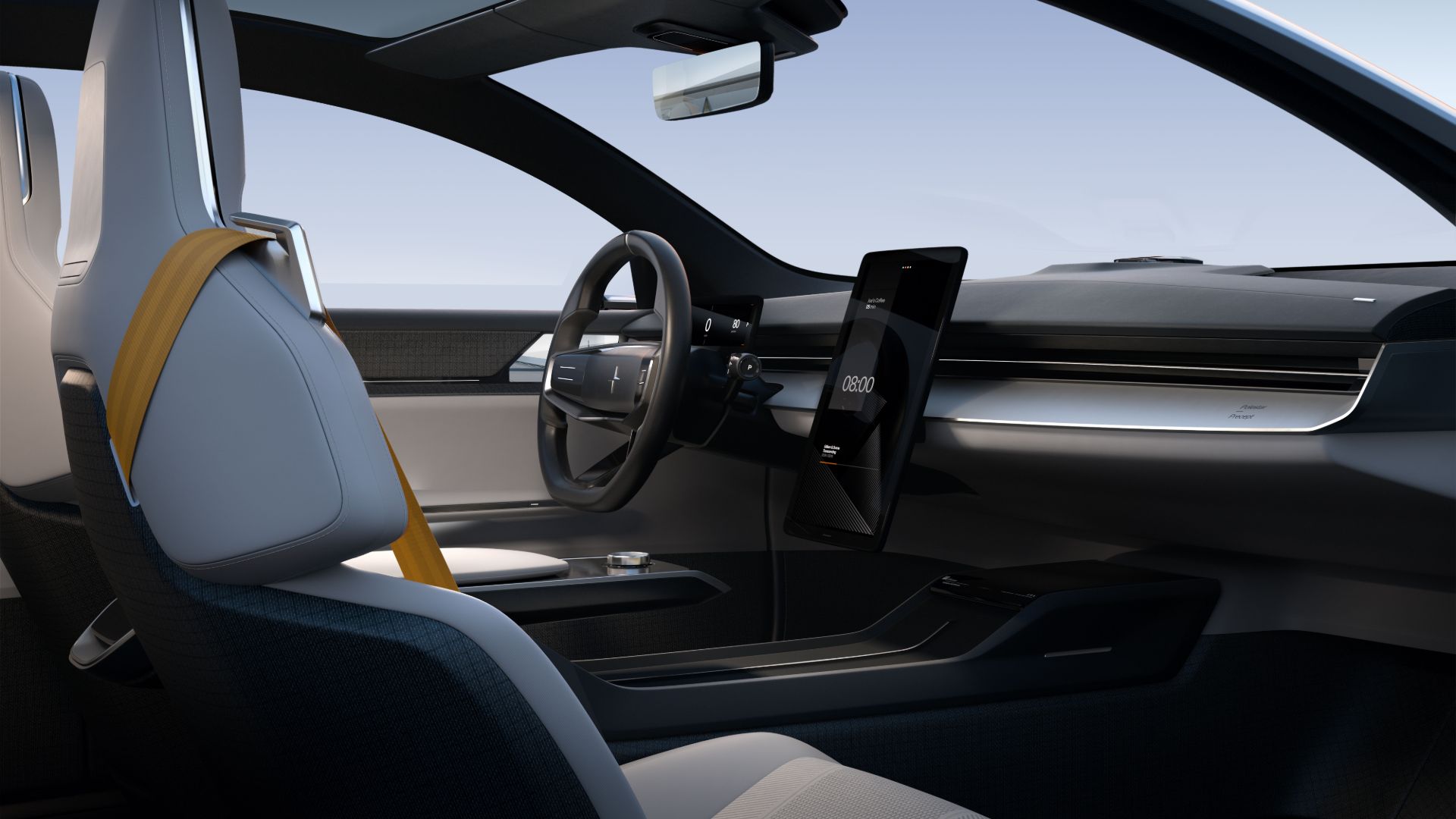
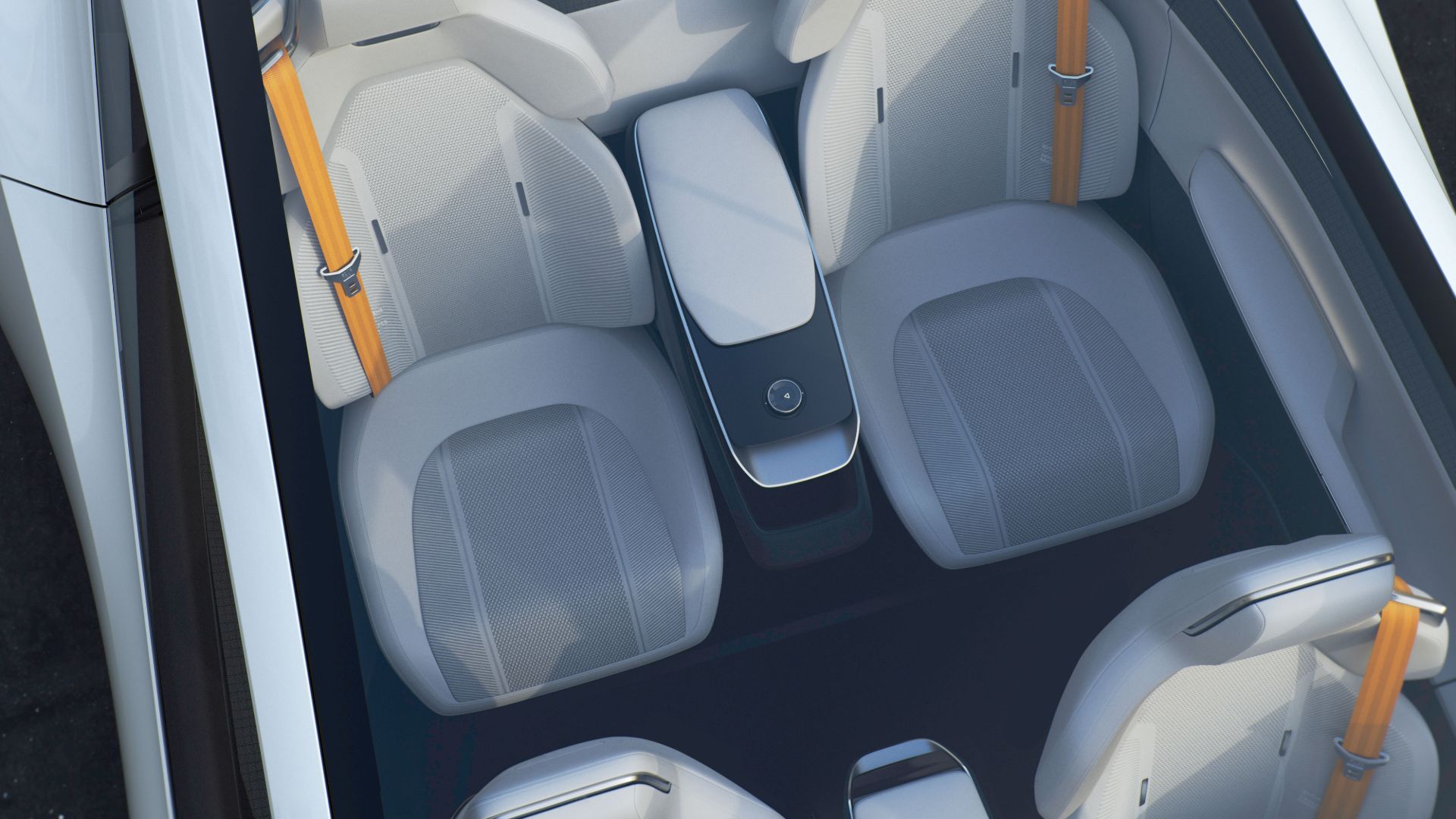
On the inside, Polestar has pushed the envelope of sustainable material use. New flax-based composites for cabin panels and seat-backs shave weight by 50 percent, and plastic waste by 80 percent. In place of leather comes a 3D-knitted fabric made from recycled PET bottles. The seat bolsters and headrests are made of recycled cork vinyl and the carpets from reclaimed fishing nets.
Grand designs: Polestar inaugurates new minimalist company HQ
In terms of technology, the new portrait 15-inch centre touchscreen and 12.5-inch driver display use a next-generation interface powered by Android. Very Tesla-esque, but a generation or two ahead. The instrument cluster also houses driver monitoring sensors, including eye-tracking.
Curiously, no mention is made of what powers the Precept, besides how the ‘large battery pack’ and its location in the car enable its sleek looks.
You’ll be able to see the Precept at the 2020 Geneva Motor Show, March 5-15, in Hall 5. We wonder if Mr Musk will pay the stand a visit.
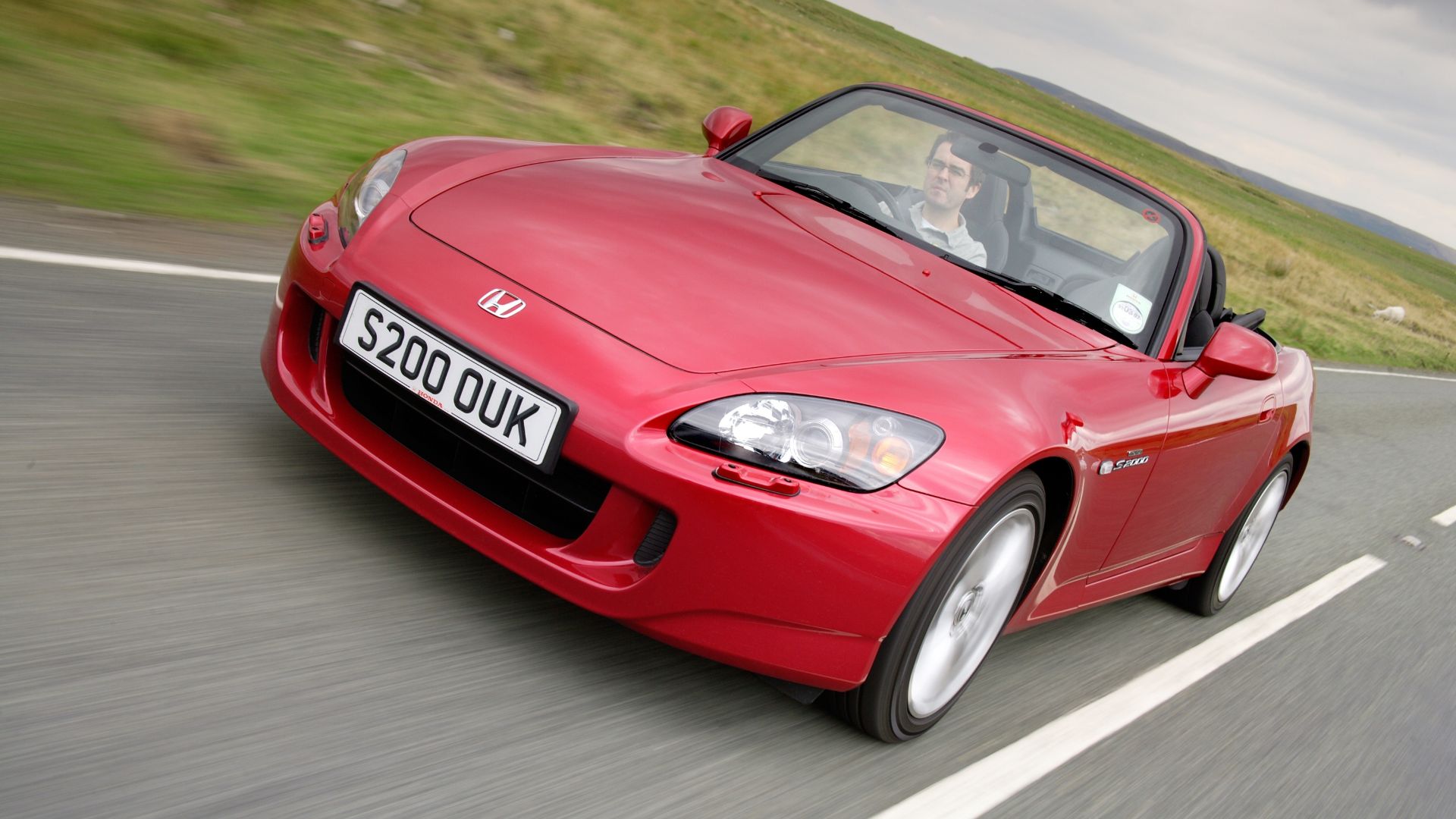
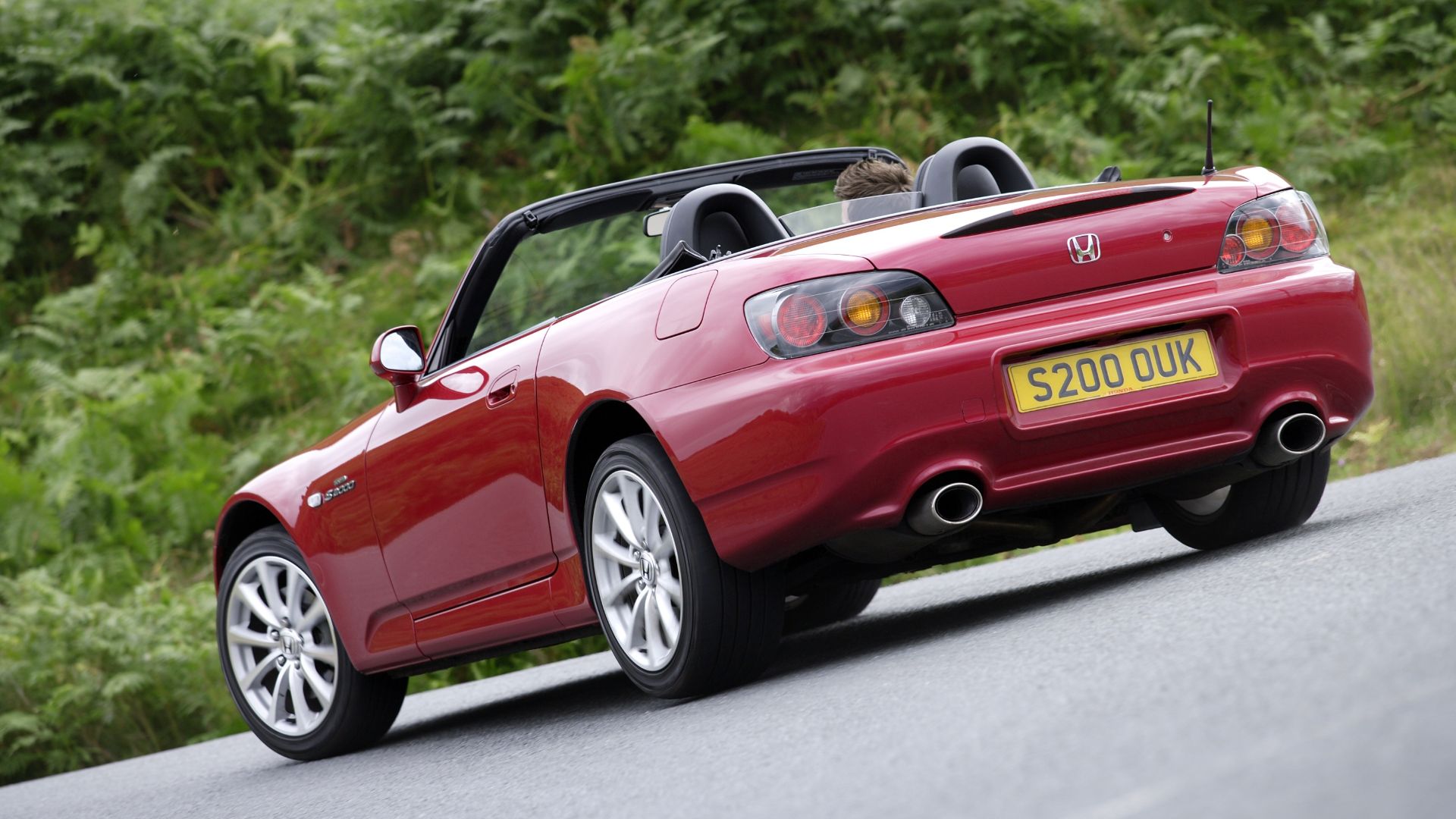
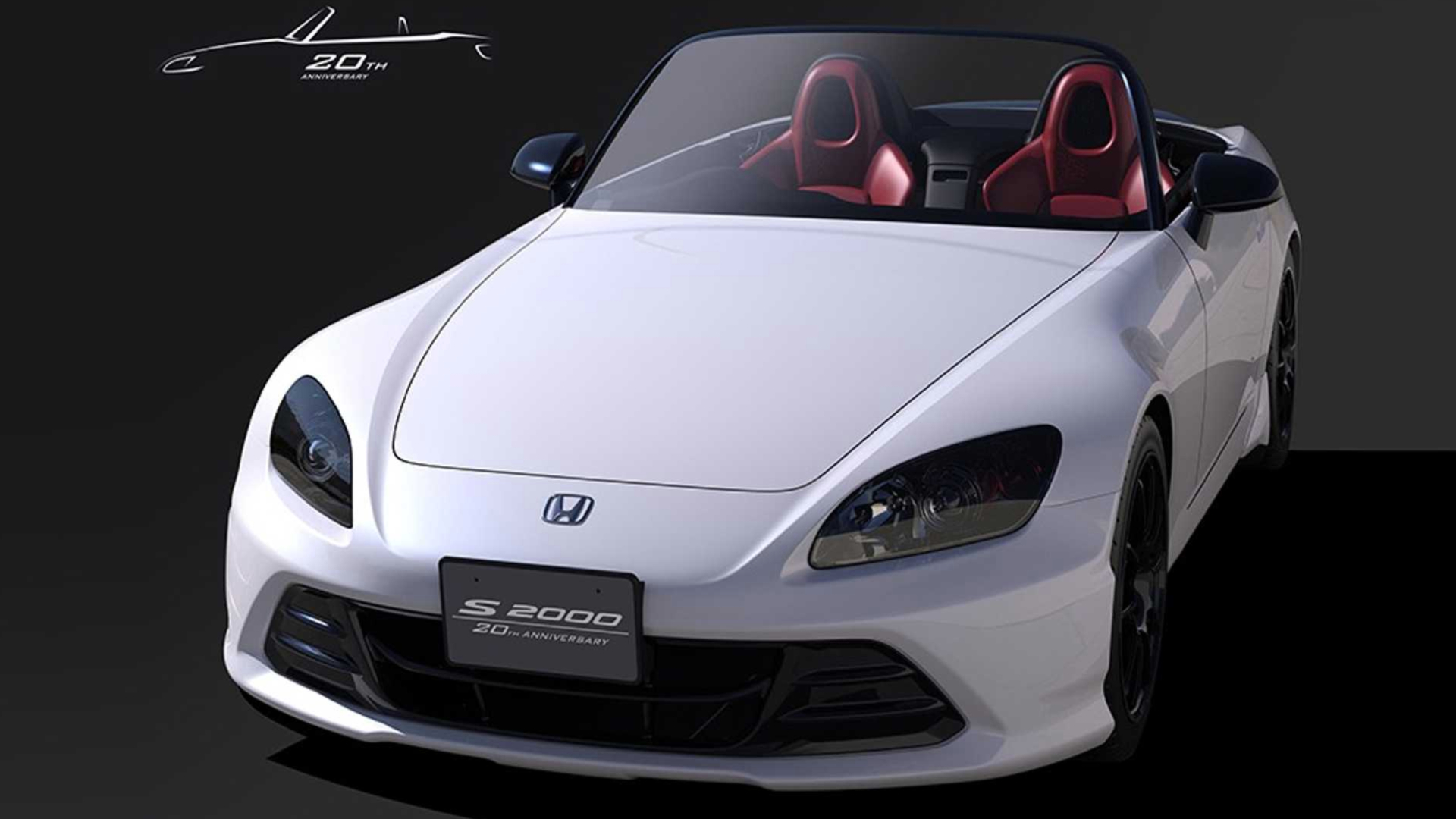
Honda has suggested it will soon release a catalogue of parts for the S2000 sports car. But it needs owners’ help with deciding which parts to offer.
On a Japanese website, Honda teased that a catalogue will go online sometime in June 2020. At the moment, the site shows an X-ray diagram of an S2000, with a caption: ‘S2000 parts catalog website. 2020.6’.
Honda will be taking recommendations from Facebook and Twitter. Posts with suggested parts to reproduce must be hashtagged #S2000PartsCatalog, and be posted between now and the end of April.
It’s the latest in a trend of Japanese marques announcing parts for their most iconic models. Toyota, for example, recently announced it will be remanufacturing parts for the Mk4 Supra. Mazda also has a restoration program for the MX-5, while Nissan has looked at reproducing parts for Skylines.
The Honda is, by comparison, quite new, but is still considered a part of that era, albeit its tail end. There’s no forgetting the S2000’s older brother, the NSX, either.
Although these are modern classics, marques catering to older models is not unusual From Land Rover to Lamborghini, in-house programs are the norm for restoring classic models to as-new condition. It’s especially common among exotic brands. The difference here is that Honda is unlikely to take your car, strip it down and fully recommission it. Come back in another 30 years’ time, maybe.
Rumours of a Honda S2000 revival have lingered on and off since the last variant’s demise.
Honda celebrated the car’s 20th anniversary by presenting a specially updated version at the Tokyo Auto Salon, along with an original Civic Type R. Upgrades for the S2000 included a revised front bumper, reworked suspension and an improved sound system.
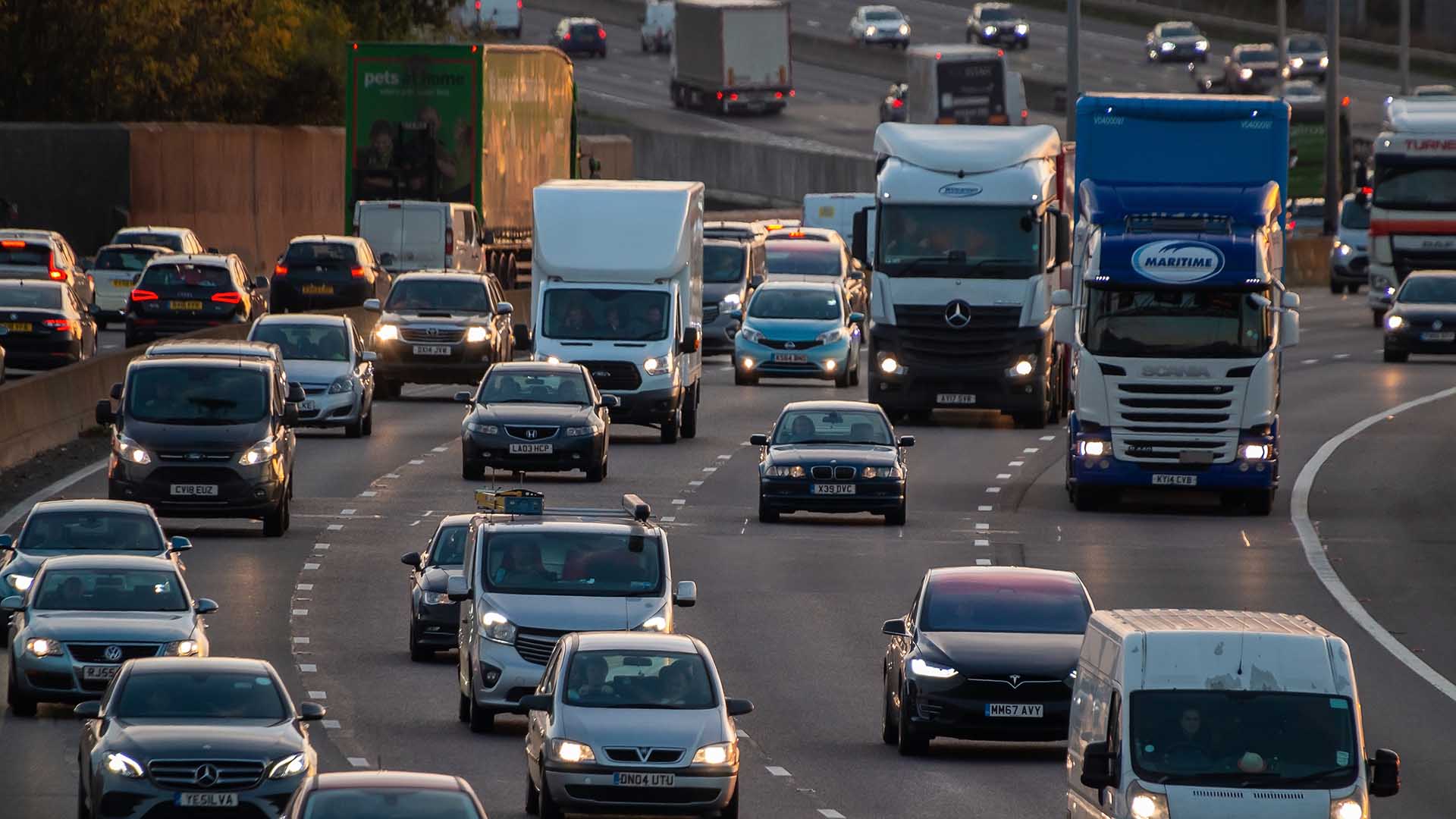
A poll of 1,415 motorists has found 90 percent want action taken against fuel vendors with significantly higher prices on motorways. Motorway fuel prices can be up to 37 pence per litre more.
Additionally, 94 percent of drivers said they want to see the price of motorway-sold fuel brought into line with prices elsewhere. The government already announced plans to investigate high prices at motorway filling stations. However, little has come of it so far in terms of price changes.
According to the RAC Fuel Watch, the current average price of diesel in the UK is 127p per litre, while petrol 124p is per litre. Yet many motorway filling station charge much more.
The ultimate guide to finding cheaper fuel
As an example, I just checked a route on Waze from where I live in Suffolk down to Brands Hatch in Kent. Prices for petrol didn’t go over 131p per litre all the way down the A11. However, as soon as the route switched to the M11, Birchanger Services popped up as the next stop, with a dizzying fuel price of 147p per litre.
If I were to fill a 55-litre tank at Birchanger, therefore, I’d pay £80, instead of £69 at my local vendor. That’s an £11 difference.
“The results of the Motorpoint poll clearly show the strength of feeling among motorists about the ‘exploitative’ price of fuel on our motorways,” said Mark Carpenter, chief executive officer at Motorpoint.
“While many drivers value having the services available, and don’t mind paying a small premium for the convenience, the current disparity between the price of fuel on our motorways and the price of fuel elsewhere are completely unjustifiable and action is needed to bring them more in line with each other.”
A ban on the sales of new petrol and diesel cars was expected to come into force in 2040. Earlier this month, it was reported that this ban could be brought forward – and would include hybrids and plug-in hybrids.
In an online document, the government said that a ban ‘could be earlier if a faster transition appears feasible’. There are rumours of a 2030 deadline, although much will depend on the results of the consultation.
The government says it is seeking views on the following:
The phase-out date
The definition of what should be phased out
Barriers to achieving the above proposals
The impact of these ambitions on different sectors of industry and society
What measures are required by government and others to achieve the earlier phase out date
‘Confusion and instability’
The industry is calling for clarity. In response to the recently announced 7.3 percent fall in the UK new car market, Mike Hawes, chief executive of the Society of Motor Manufacturers and Traders (SMMT), said: “The new car market is a key driver of the UK’s overall economy, so another month of decline is unsettling.
“Consumer confidence is not returning to the market and will not be helped by government’s decision to add further confusion and instability by moving the goalposts on the end of sale of internal combustion engine cars.
“While ambition is understandable, as we must address climate change and air quality concerns, blanket bans do not help short-term consumer confidence. To be successful, government must lead the transition with an extensive and appropriately funded package of fiscal incentives, policies and investment to drive demand. We want to deliver air quality and environmental improvements now but need a strong market to do so.”
Consultation open until 29 May
The SMMT is demanding an extension to the Plug-in Car Grant (PiCG), which is set to expire in March, arguing that it should be widened to include plug-in hybrid vehicles.
It also wants to see what it calls ‘an extensive package of government support’ for consumers, manufacturers and the charging network.
Consumers have until the end of 29 May 2020 to have their say on the date of the proposed ban. Details of where to send comments can be found here.
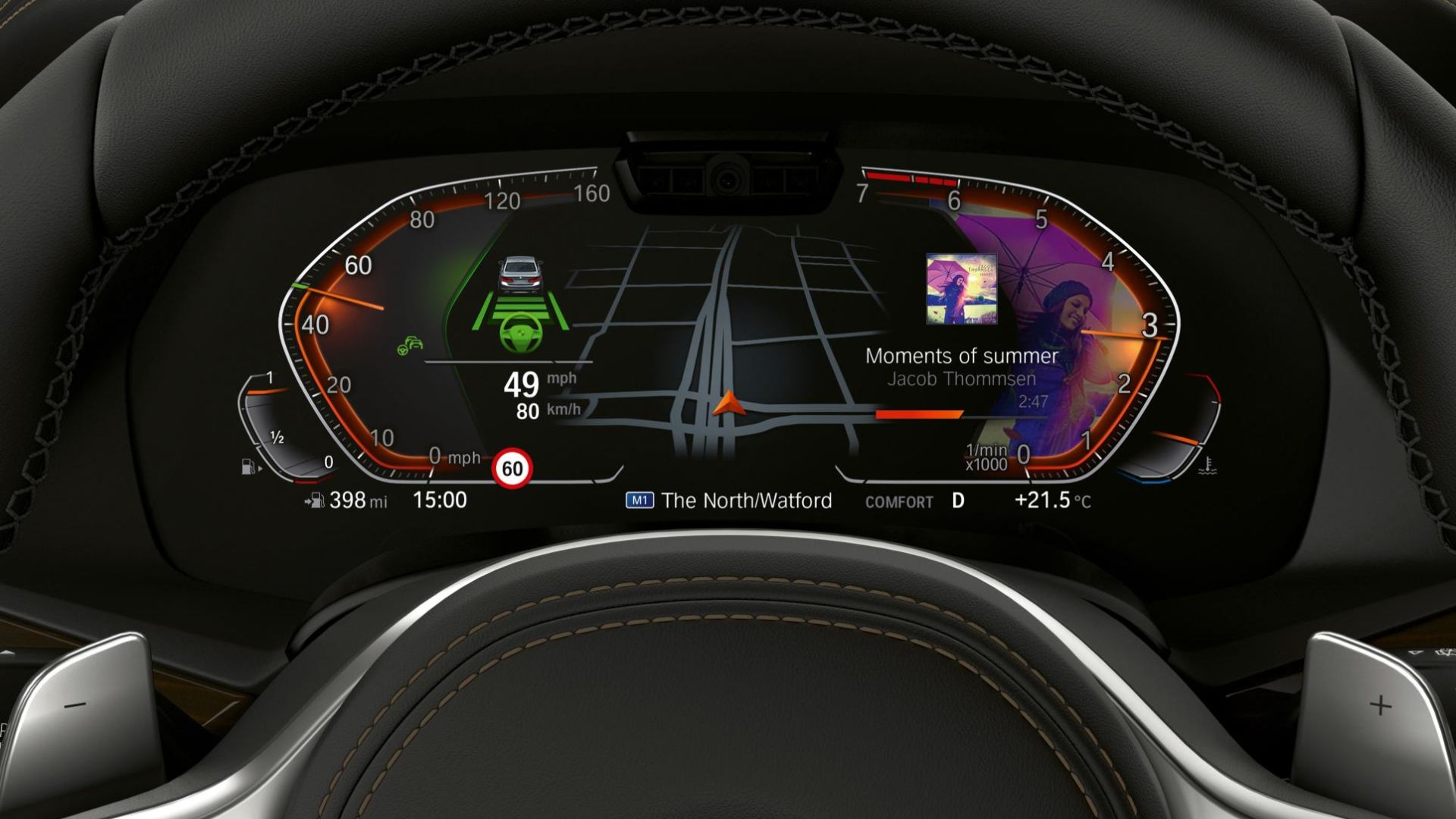
What’s more, one in five said they use less than half of the technology that their car features. A paltry 10 percent said they understood less than a fifth of their car’s equipment.
“We’ll provide show visitors with the opportunity to immerse themselves in all of the latest and greatest tech that the car industry has to offer,” said British Motor Show CEO, Andy Entwistle.
The goal is to provide education on the kind of features many may have, and could benefit from, but don’t use.
“It’s clear that consumers need greater understanding about just how technologically advanced cars are,” Entwistle continued.
“The British Motor Show 2020 is an indispensable opportunity for them to find out.”
Further research found that 71 percent of drivers feel they were not given adequate information or education by their dealer.
One in four, worryingly, said that no information whatsoever was given on their car’s tech. Many of these features are expensive boxes to tick on certain cars. If they go unused, it’s money wasted for the buyer.
The 2020 re-launch of the British Motor Show will take place at the Farnborough International Expo Centre. It runs during the summer holidays, between August 20-23.
Footfall is expected to be around 50,000 over the course of the show. Tickets are available for £18.50 for adults, or £37 for a family with free admittance for children.
New research has revealed that a quarter of potential new car buyers are waiting for the 69-plate period to elapse before they take the plunge. The reason: they’d rather own a car with the more ‘vanilla’ 20-plate.
The 20-plate change is due next month, with the ‘more family-friendly’, as Carwow calls it, number 20.
Auto Trader saw ‘all-time record‘ car buying interest in January
If you’re wondering whether sales figures have been impacted, don’t worry: the poll also revealed that just under 33 percent of the respondents to the survey said that the 69-plate made new cars more appealing than usual.
Which means sales might be up. Registration figures should be revealed in the coming months, after the 20-plate change. Needless to say, we’ll only be able to speculate on the effects of the 69-plate on sales figures. Even when the numbers laid bare.
“Despite having six months to get acclimatised to seeing this arguably suggestive plate on the roads, it’s interesting to see that some drivers of the general public still haven’t particularly adjusted,” said Vix Leyton, consumer expert at Carwow.
“Drivers often look for ways to add a personal touch to their cars, either through colours, optional experts or with a personalised number plate. Despite almost a quarter being put off by the association of the number 69, our research in August ahead of the release found that just under a third of Britons were, in fact, MORE likely to buy a car, maybe enjoying the novelty of being able to get their hands on an inadvertently suggestive number plate that the DVLA typically don’t allow.”
Indeed, the DVLA often goes to great lengths to neuter rude plate options. It’s actively made sure certain suggestive or rude personal plate combinations are not in circulation.
That said, as Carwow reveals, some do slip through the net, with prices ranging from between £2,245, and £120,000. You’d either need too much money to care, or be a particularly eager beaver for your own risque plate…
The government is to review the potential hazards that electric cars can pose on UK roads. Concerns have been raised over how electric cars can be moved when they breakdown, given that many cannot be towed.
Transport Minister Baroness Vere said that she was ‘astonished’ to learn that electric cars slow to a stop comparatively quickly, rather than coasting to a stop like a normal car. There are also concerns that electric cars are more difficult, and therefore slower, to remove.
The debate in the House of Lords comes amid the current ongoing discussion around smart motorways.
“When an electric vehicle ceases to function, it stops; it does not coast in the way that other vehicles do,” said Barnoness Randerson, Lib Dem transport spokesman, during the debate.
“Smart motorways are supposed to be the future, but the future is electric. Those vehicles stop very suddenly. They also cannot be towed; they have to be put on a low-loader, which is a much more complex and longer process that will put rescue teams in greater danger.
“So can we have special consideration for how these new motorway layouts will operate when there are lots of electric vehicles on the road?”
“When I first heard this, I was absolutely astonished,” Baroness Vere said in response.
“Quite frankly, this is applicable not just to smart motorways but to every single road. We will need to be able to move electric vehicles, wherever they happen to stop or end their days…“
If you imagine trying to move an internal combustion car when it’s off, while still in-gear, or in park in the case of an automatic, and you’re unable to get it out of gear, or park, you won’t be far off. Towing an electric car when it’s off can cause damage to the expensive electric motors, as well as other components.
The AA has also highlighted the issue. It said that the problem with electric car manoeuvrability when they’re either out of battery or malfunctioning is another in a growing list of reasons that emergency refuge areas should be more frequent on smart stretches of motorway.
“You can’t flat tow some electric vehicles more than 800 metres, some you can’t flat tow at all,” said Edmund King, president of the AA.
“So the problem is they will take longer to get off the motorways.”
Baroness Vere concluded, saying that “work is underway to look at short-term measures to make sure we can get electric vehicles off to places of safety as quickly as possible, on whichever road, because that certainly would be a large drawback to the introduction of electric vehicles“.
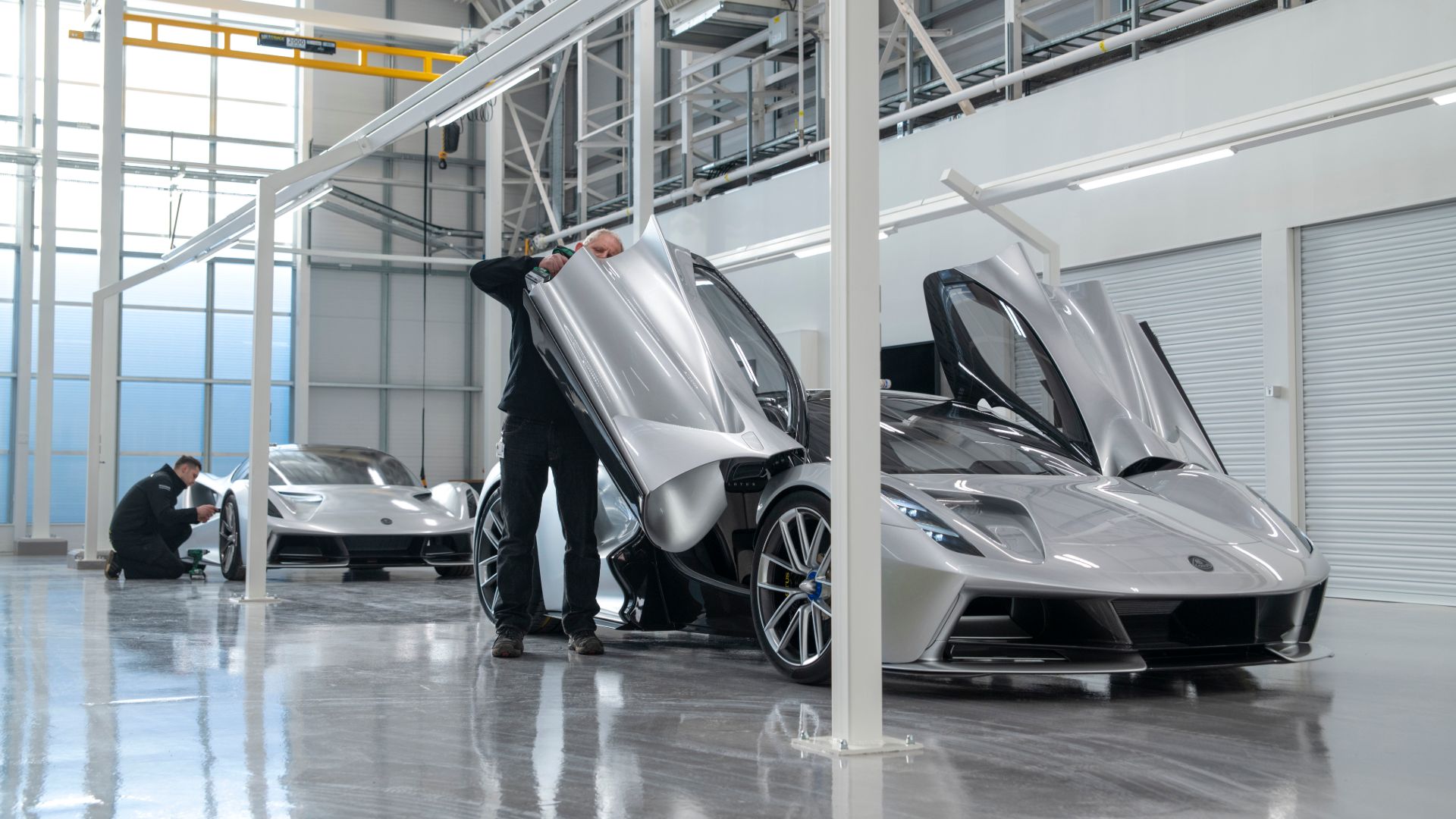
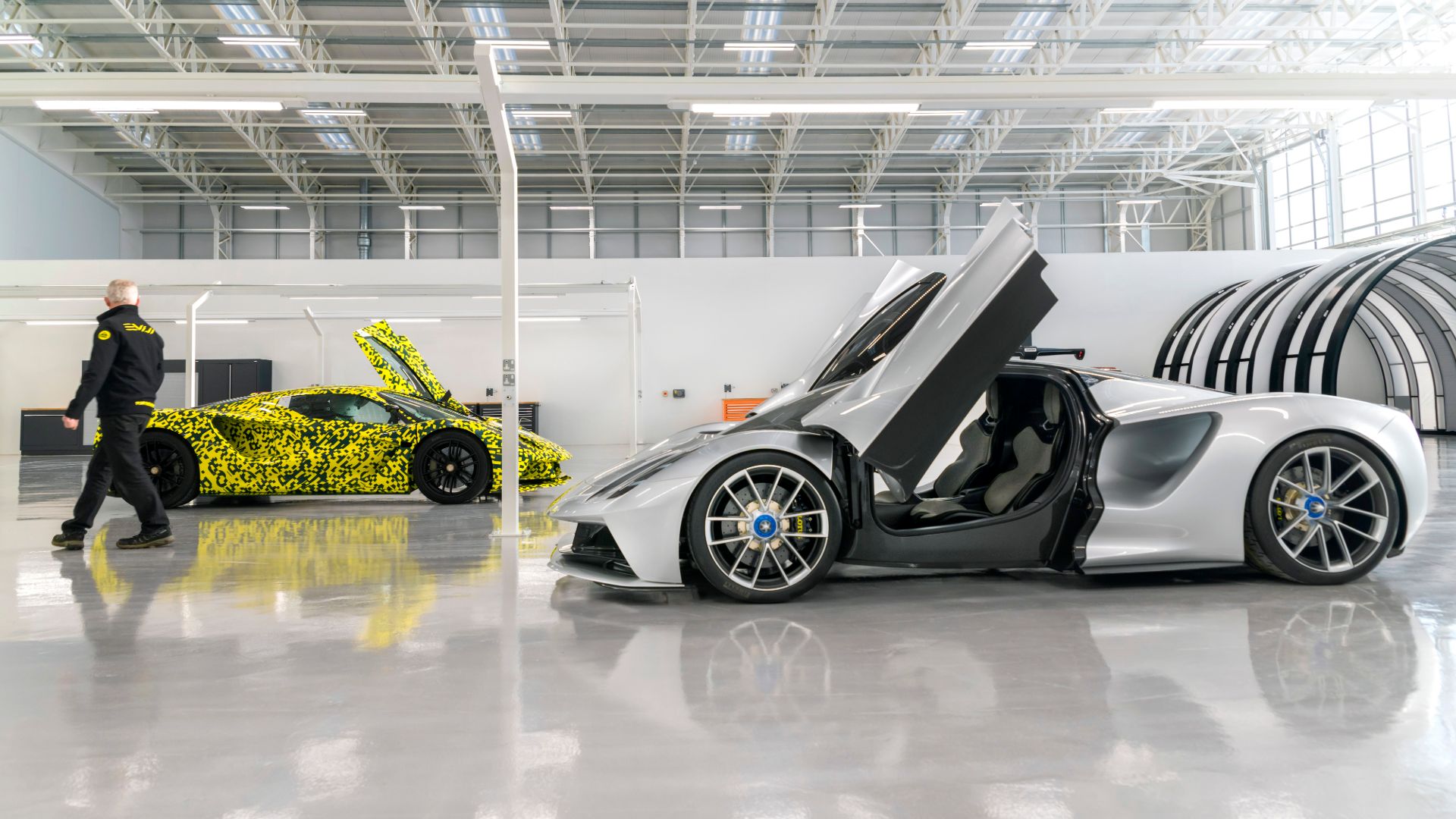
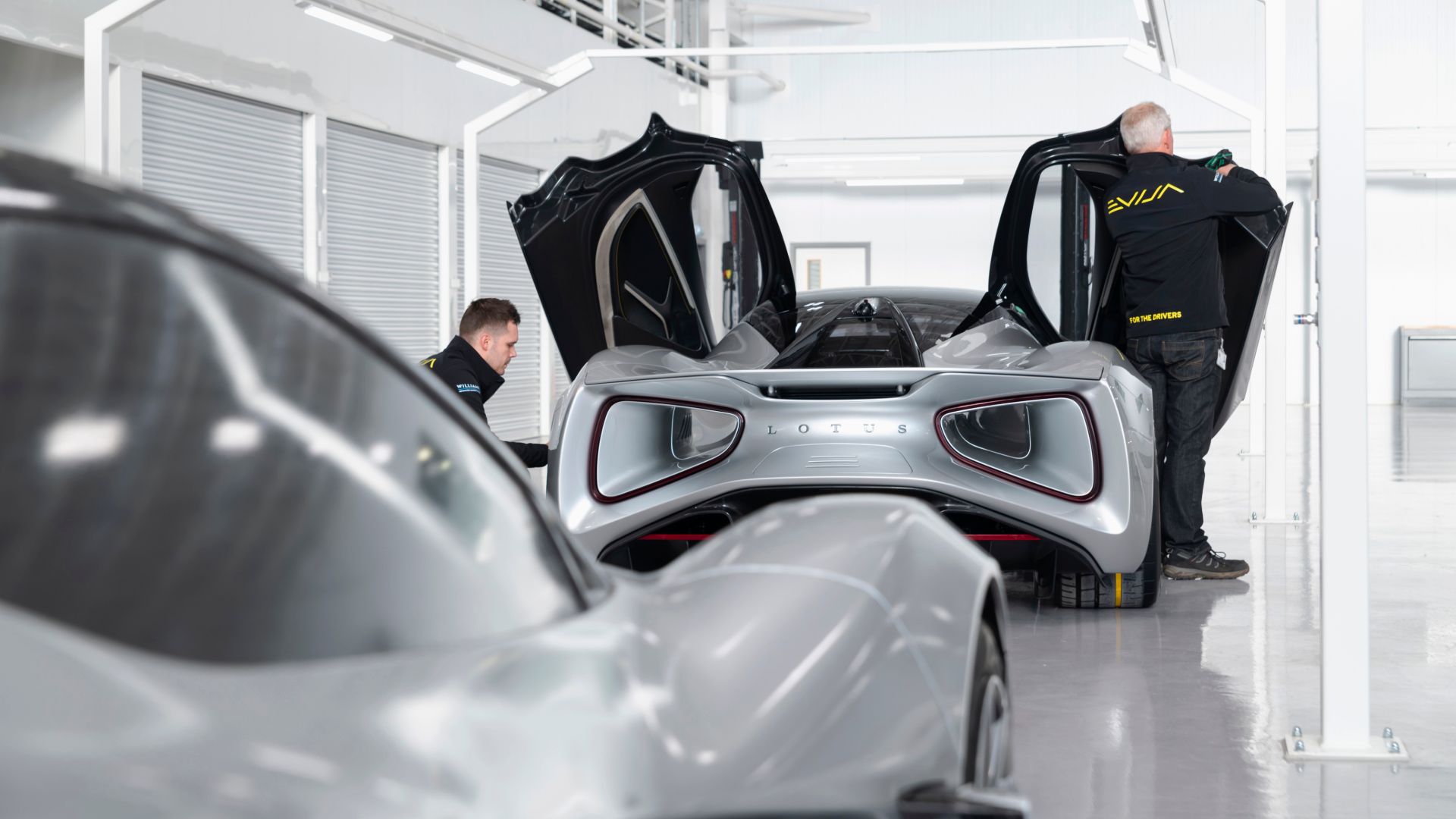
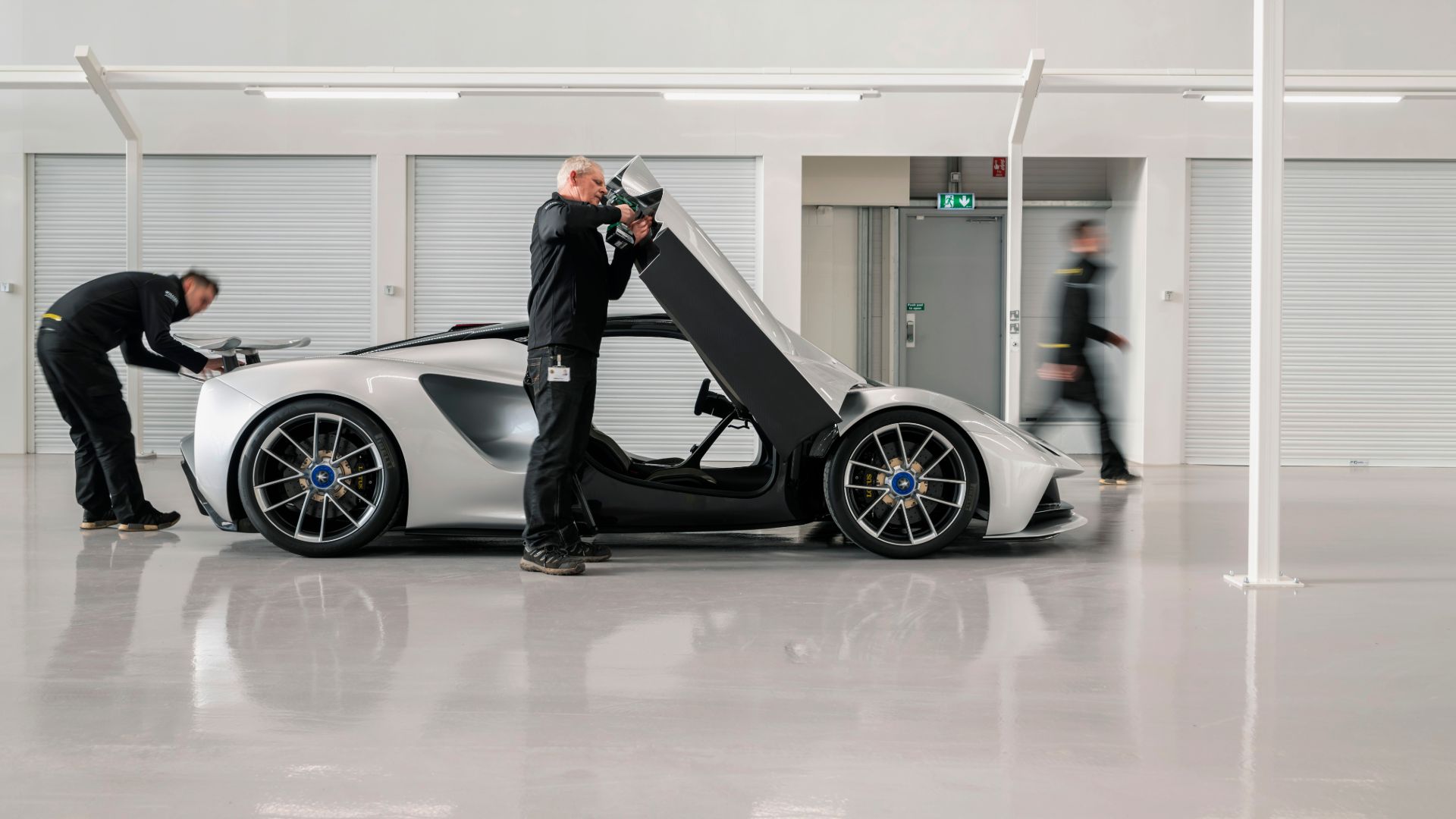
Lotus is in the final stages of completing its high-tech new assembly hall for the 2,000hp all-electric Evija hypercar. Production should begin this summer.
First, though, final prototypes will need to be assembled on the line for the last round of testing and quality control. Following this, customer cars will be built and delivered.
The ‘hall’ as Lotus calls it, was unveiled by Lotus CEO Phil Popham in front of 1,400 employees in Hethel, Norfolk. The facility nears completion after work began in summer of 2019, making this a quick turnaround. It has three sides, with gantries that frame the build stations. There’s an overhead crane, plus vehicle lifts and a wheel alignment ramp.
Watch the 2,000hp Lotus Evija drift in video debut
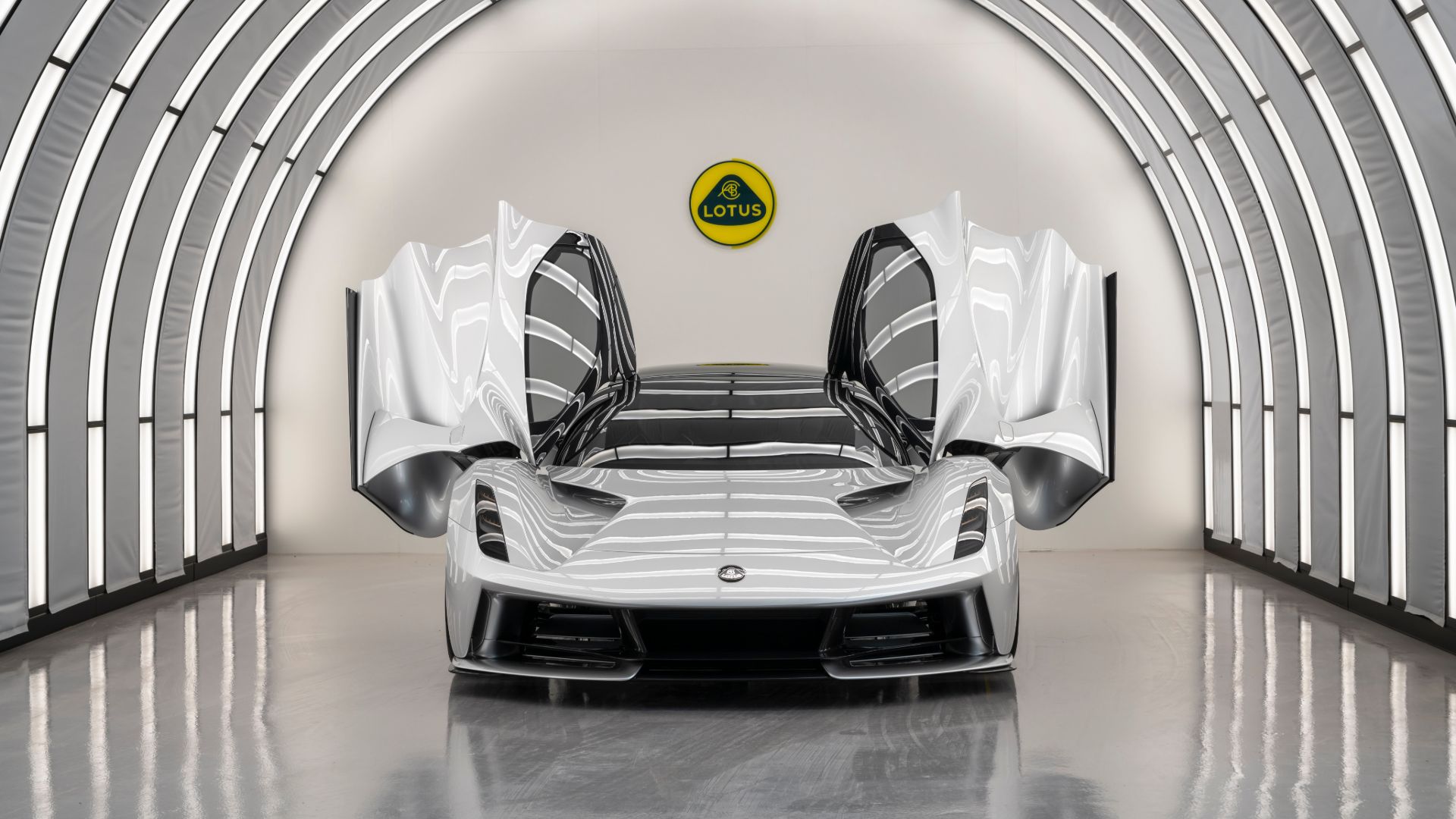
Not wanting to leave its skilled hypercar assembly team in the dark, Lotus had 30,000 LED lights installed to illuminate the facility. Before venturing out into the world, all Evijas will be subject to inspection in a new light tunnel. They’ll then head out onto the marque’s very own 2.2-mile test track for dynamic validation.
Lotus wants to hand-build 130 examples of the Evija at the facility – and the first year’s allocation of cars is sold out. There are, however, cars left to sell. If you want your very own example of what is currently the world’s most powerful hypercar, get your name down.
“With our new factory ready, we are ahead of the pack in the emerging EV hypercar segment and 100% ready for some healthy competition,” said Popham
“This is now the newest car production facility in the world, and to witness it move from the drawing board to reality has been deeply satisfying. It’s testament to the commitment of all involved, and is the perfect sleek and high-tech production home for the Evija at our iconic Hethel headquarters.”
Evija and a reborn Lotus
The Evija is the first all-new model to come from Lotus following its acquisition by Chinese company, Geely. It’s the first of many electric Lotuses to come, with more affordable models to follow.
Four electric motors, one for each wheel, deliver 500hp apiece. The 0-62mph sprint takes less than three seconds, with 186mph in less than nine. Top speed is projected to be over 200mph.
The battery is capable of being charged in under 10 minutes at maximum speed, with a driving range of 250 miles. The Evija name means ‘the first in existence’.
Phil Popham told MR’s Tim Pitt the ‘For The Drivers’ tagline is “more than just a marketing statement. It also defines how we develop new models. Lotus is all about the enjoyment of driving”.
Lotus is alive and well, then, with its identity intact and real money behind it. Exciting times indeed.
Finally, if you didn’t already know, it’s pronounced ‘Ev-eye-ya’.