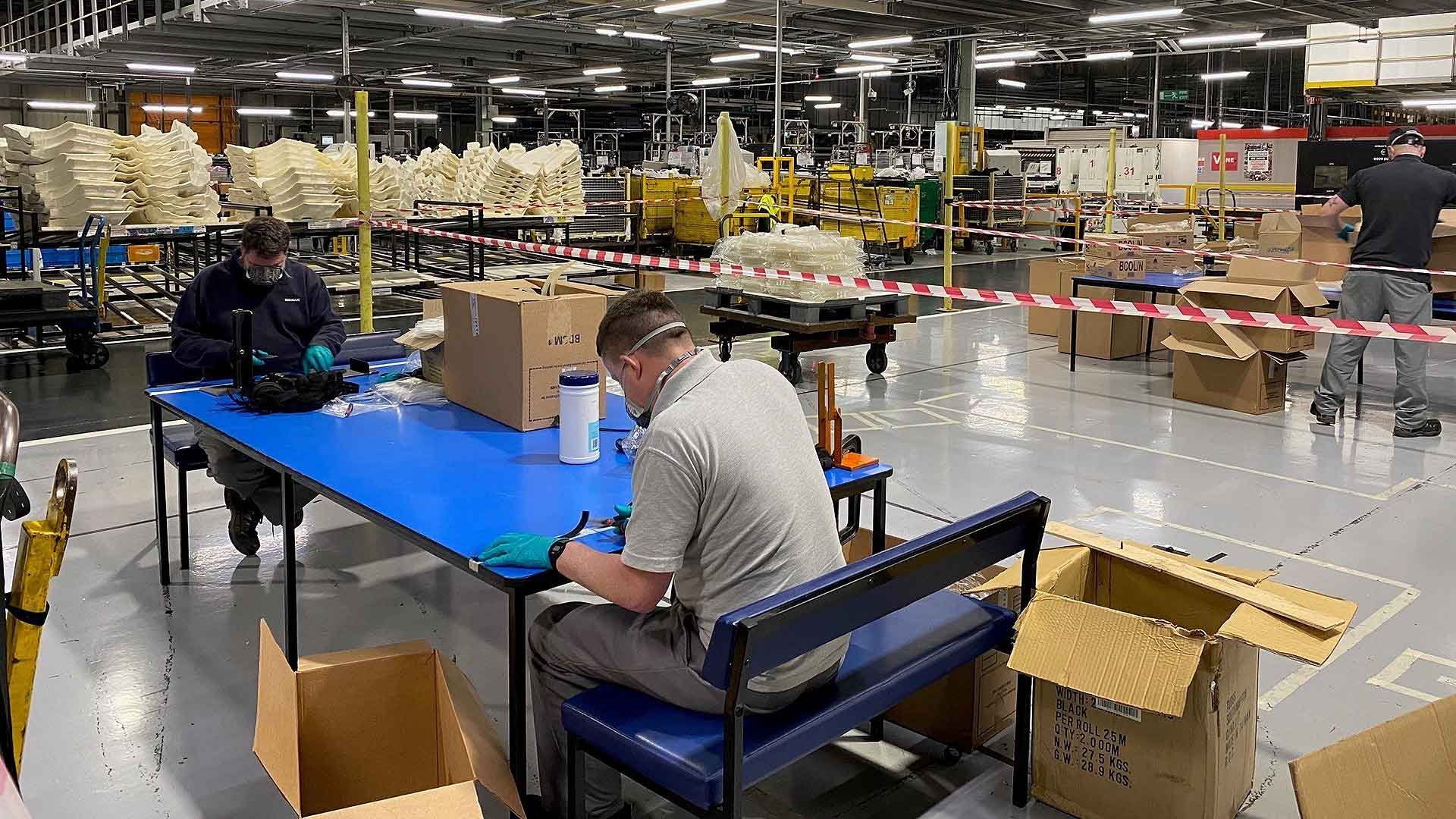
They were among hundreds of people in the UK who have been making PPE using their 3D printers. Supplies were purchased using crowd-funded donations.
Hundreds of boxes of volunteer-produced visor parts have now been delivered to Nissan Sunderland. The experts there have worked on the logistics to create an efficient PPE supply chain.
One of the brothers, Anthony Grillis, said: “We had the ability to support the national effort to produce more PPE for frontline health workers and we just had to help.
“We quickly mobilised to produce parts using our 3D printing capability at home and we’re grateful to everyone that donated through our crowd funding site to help us get this going.”
Nissan has also stepped in to fund an injection-moulding tool, allowing a greater volume of parts to be produced.
The visors are made of three parts: an elastic headband, frame, and the see-through visor itself.
Nissan packs and distributes the visors to an NHS procurement centre in a ready-to-assemble format.
This helps minimise the risk of damage during transit, and ensure as many pieces of PPE can be dispatched at once.
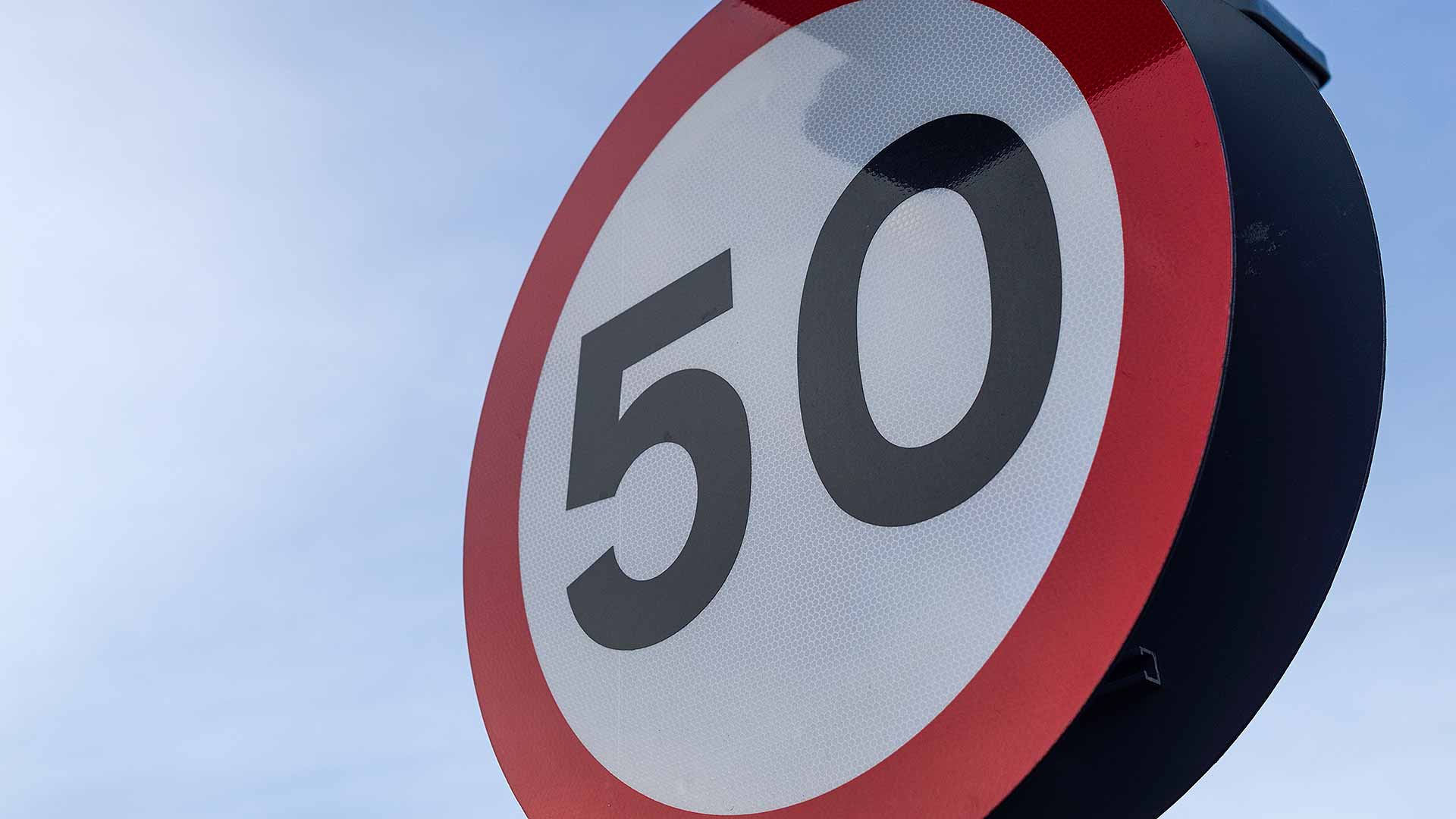
Emergency national legislation already exists, making the changes possible. They have previously been used in response to fuel shortages, such as in the 1970s.
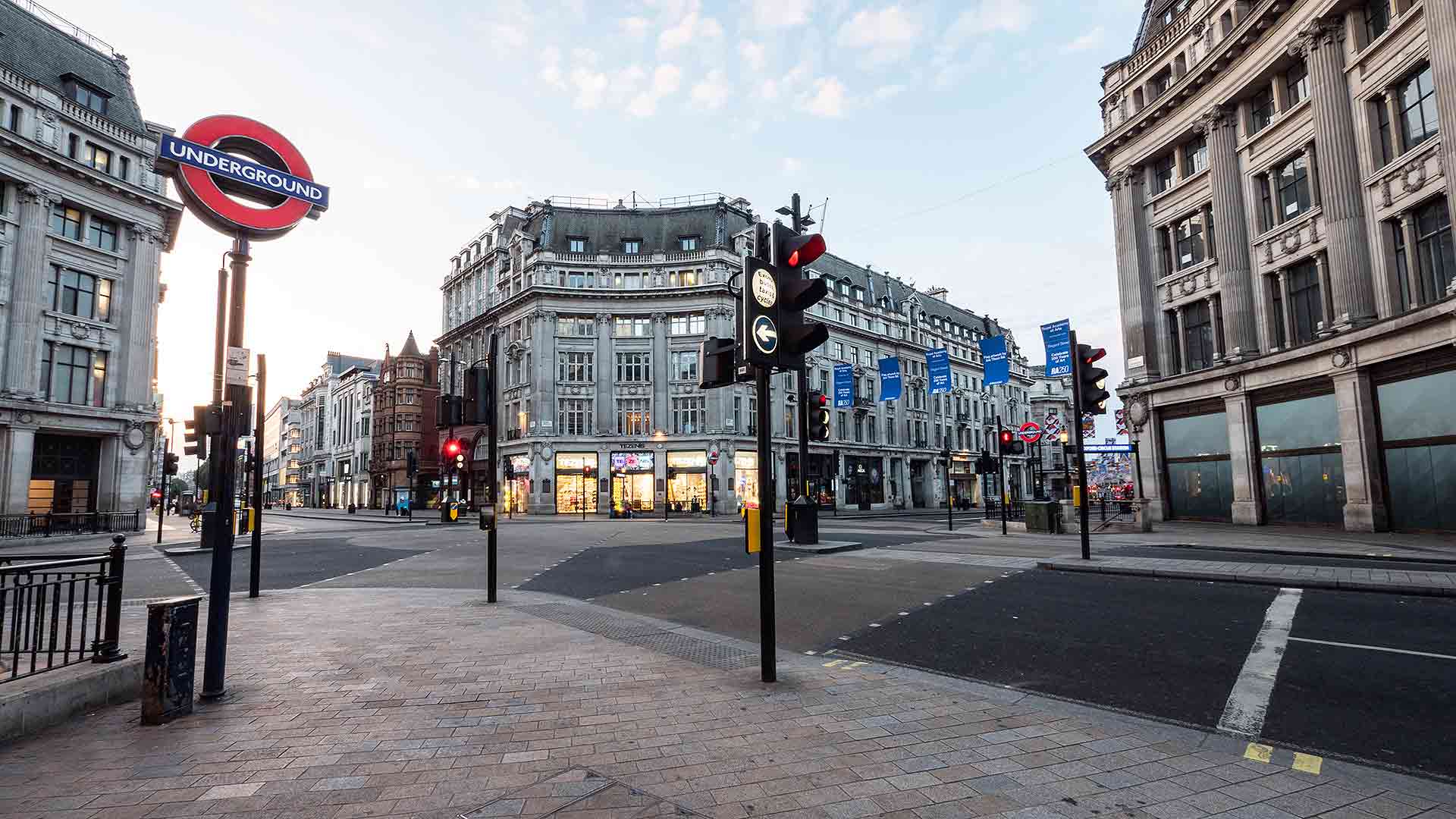
“We are seeing a massive change in the way people are travelling because they are rightly avoiding public transport except for essential journeys,” said Ms Russell.
“This will have threefold benefits, protecting key workers making essential journeys on public transport, reducing the number of collisions and therefore pressure on our already pressured emergency services AND crucially protecting people walking and cycling.”
No road signage changes would be necessary, she added, but there should be a public information campaign to make motorists aware of the changes.
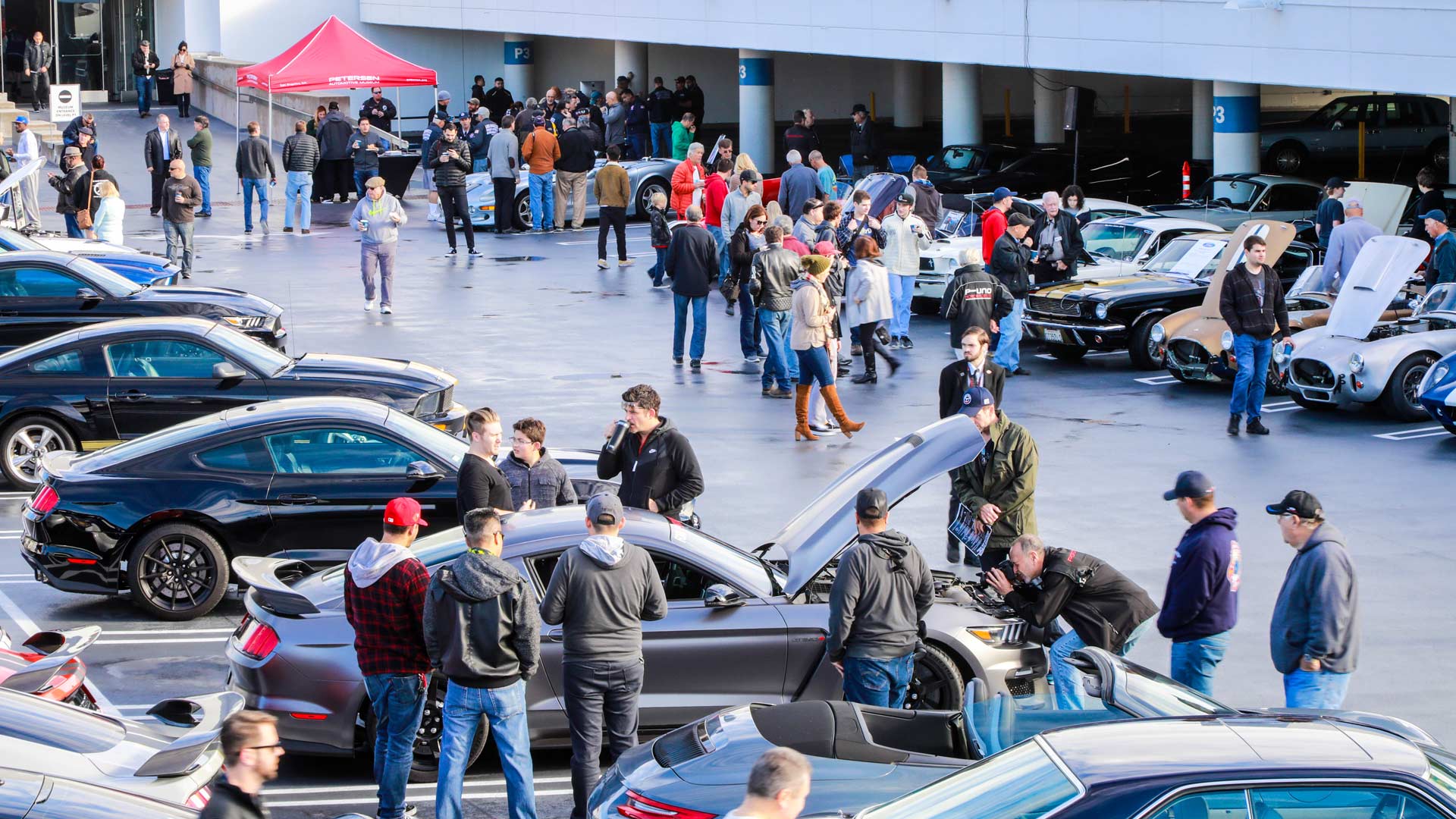
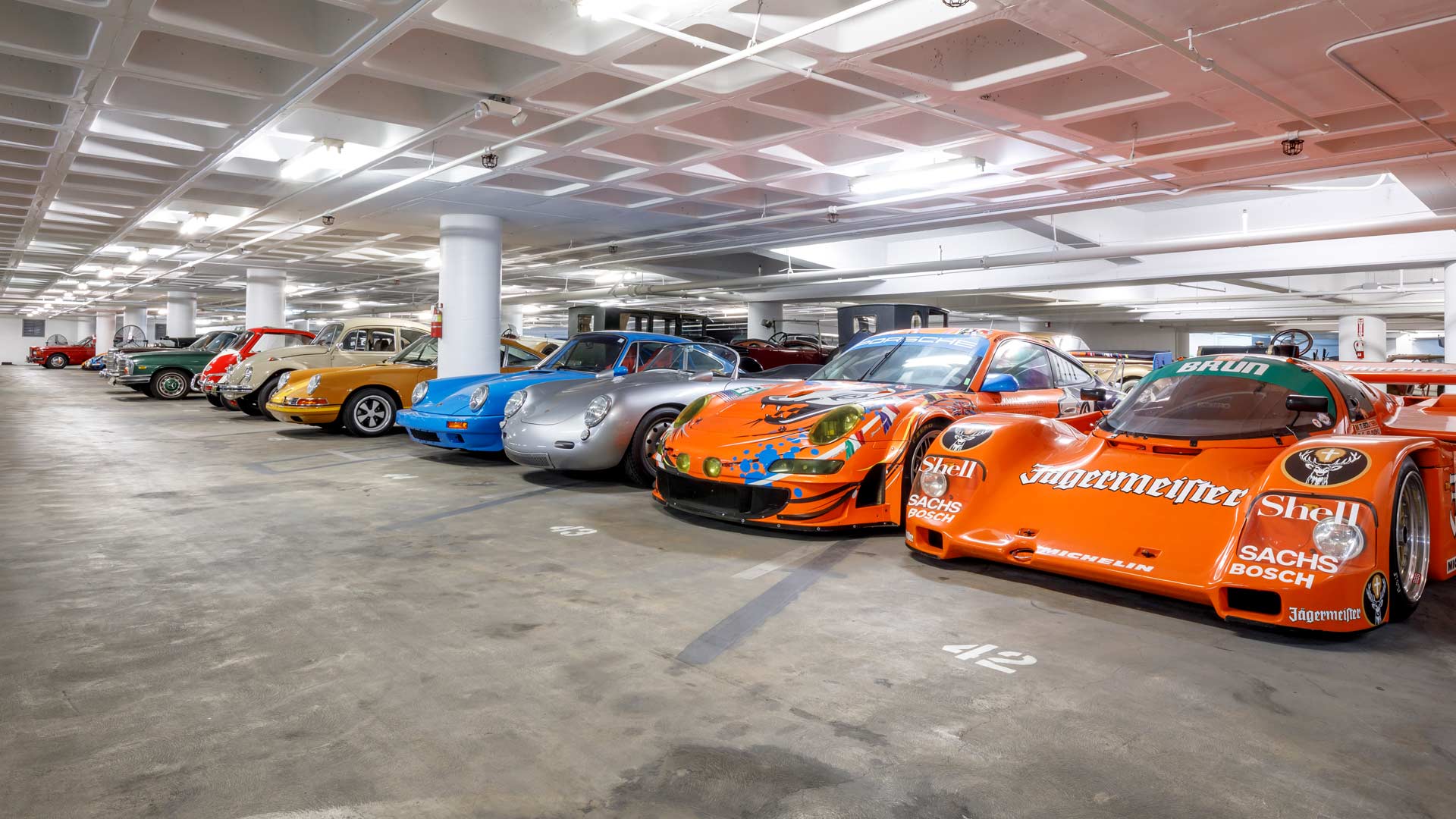
With the current coronavirus situation requiring people to stay home, numerous car shows and auto meets have been cancelled.
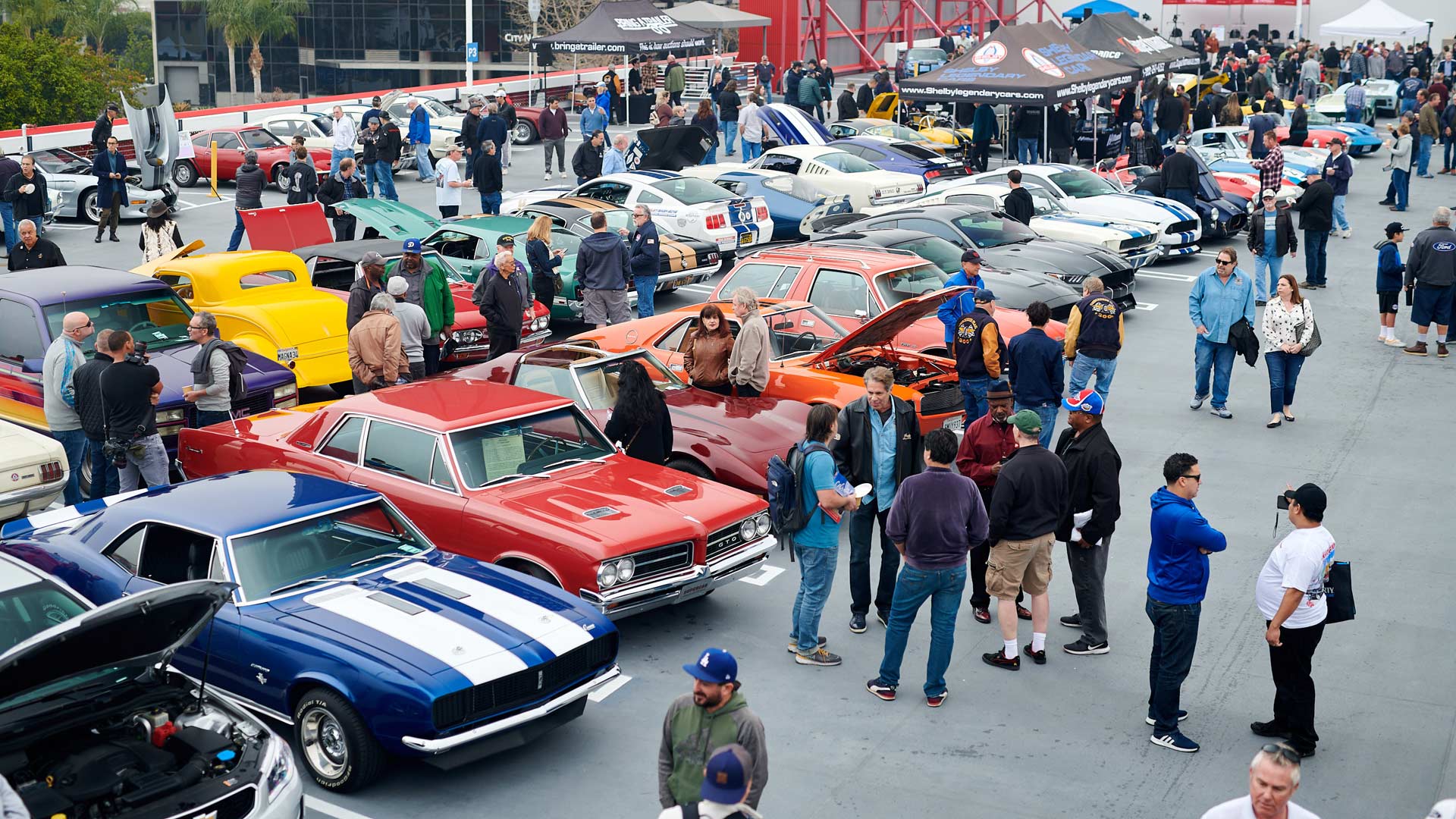
However, that has not stopped the Petersen Automotive Museum from sticking with an eight-year tradition of a monthly meet.
Instead of the regular once-a-month Breakfast Club Cruise-In at the Los Angeles museum, enthusiasts will instead be invited to a virtual online version later this month.
Keeping the car community virtually together
To make the digital Breakfast Club Cruise-in happen, video contributions from car fans across the world are being encouraged. These will then be combined to create a 90-minute YouTube video, set to premiere on the Petersen’s website.
Petersen Executive Director Terry L. Karges commented that: “We didn’t want to stop the tradition this month because of the pandemic, so we had to get creative to keep it going and also make it more inclusive than ever before.
“We look forward to seeing the stories from enthusiasts all over the globe and sharing their passion in a way that unites us all in spirit even while we are standing apart.”
During the video premiere, the museum will also host an accompanying live stream and a poll to vote for the People’s Choice Award. Winners of the Petersen Perfection award and Best in Show will also be chosen.
Time to start cleaning and polishing
Taking part in the virtual cars and coffee meet is intended to be as simple as possible. Interested enthusiasts need to follow just three steps:
Record a short 20- to 30-second video of their car using their phone (exterior, interior, engine and start-up). Videos must be shot in landscape format (held horizontally),
Upload the video to one of the following services: Dropbox, Google Drive or YouTube,
Fill out the special form with their details, car story and video link.
Once completely compiled, all those who made a submission will receive a YouTube link 24 hours before to the live stream on Sunday, April 26th. The winners of the various prizes will also have them shipped to them after the event.
The Petersen has also seen huge interest in the virtual tours of The Vault at the museum, held during its coronavirus closure. The museum has also offered a range of free online educational programming for students.
Metallic AMG Green Hell Magno paint is a £7,500 option on the Mercedes-AMG GT R. That takes it up to more than £150,000-worth of ‘racing car for the road’. And it looks the part, with a huge rear wing and enormous bonnet – the latter covering a 585hp 4.0-litre twin-turbocharged V8.
If you’re someone who doesn’t like to stand out, this probably isn’t the car for you. I’m not the sort of person who likes to stand out. I get a quiet thrill out of reviewing a Nissan Qashqai.
So why was I in central London in this ‘look at me’ supercar? It was video guy Bradley’s idea. He’s young, an AMG GT R is his dream car and he wants to be seen in the one we have on test for the week.
“We could take it on a road trip,” I suggest. Scotland isn’t that far when you’ve got a near-200mph supercar at your disposal. Not that we’d advocate speeding.
He protests. He tells me taking the GT R into London will make people happy. It’s the sort of car that people love to see, he says. I think people look at it and think impolite words, but maybe that’s just me?
If you’re not familiar with supercar spotting, it’s pretty much what you’d expect. In my day, youths would be happy spotting trains or Eddie Stobart lorries. Now it’s supercars.
There are hotspots in London where spotters will gather and wealthy (or, like me, faux-wealthy) supercar drivers show off their cars. It’s actually become a real issue for the residents of Kensington and Chelsea, especially over summer when rich Saudis, Emiratis and Kuwaitis ship their motors across just to be seen in London.
A Public Space Protection Order has now been put in place around areas where supercars gather in London. This gives police the power to issue dispersal orders to drivers they suspect have entered the area just to show off.
Even teenage supercar spotters can be given an official order to leave the area. It promotes anti-social driving, apparently.
Against my better judgement, I’m on Sloane Street being ignored by gangs of supercar spotters. Suddenly, on a road frequented by Lamborghinis, Ferraris and even a Porsche 918 Spyder, our GT R looks like a Qashqai in suburbia. “Give it some revs,” says Bradley, as he presses the GT R’s noisy exhaust button.
I’m reluctant – there are signs warning that anti-social driving will not be tolerated – but I give the AMG’s throttle a mild prod and watch as supercar spotters start to notice us. A guy in a Ferrari California T drives alongside, giving us a cool raised eyebrow acknowledgement.
In truth, we were hoping to be a social media sensation. I wanted to embed pictures and videos of our GT R, driven by a reluctant red-faced driver, in this feature. While lots of people took our photo, we’ve since failed to find the pictures anywhere online.
As we drive along one back street, we spot a flash of green the same as ours. A three-point turn later, and I’m parked alongside an almost identical GT R. It’s even more eye-catching than ours, though, with black wheels and a ‘devil’ number plate.
AMG GT R has titanium rear exhaust silencers, but I’m sad to report they don’t work very well. If at all. pic.twitter.com/T6cNsKqVGD
No wonder our standard-looking car hasn’t been deemed worthy of an Instagram post, when there’s an even more outlandish one parked nearby.
Despite being a damp evening, there are still plenty of supercars about. I’m amazed – and slightly disappointed – at how many owners are happy to spend an evening loitering around the back of Harrods. I wonder how often they use anything close to the car’s full potential.
So, while we failed at being spotted ourselves, we did spot lots of supercars. Watch our video to get a taster of a Saturday night in Chelsea. And if you’re a resident, I’m sorry if we disturbed your evening.
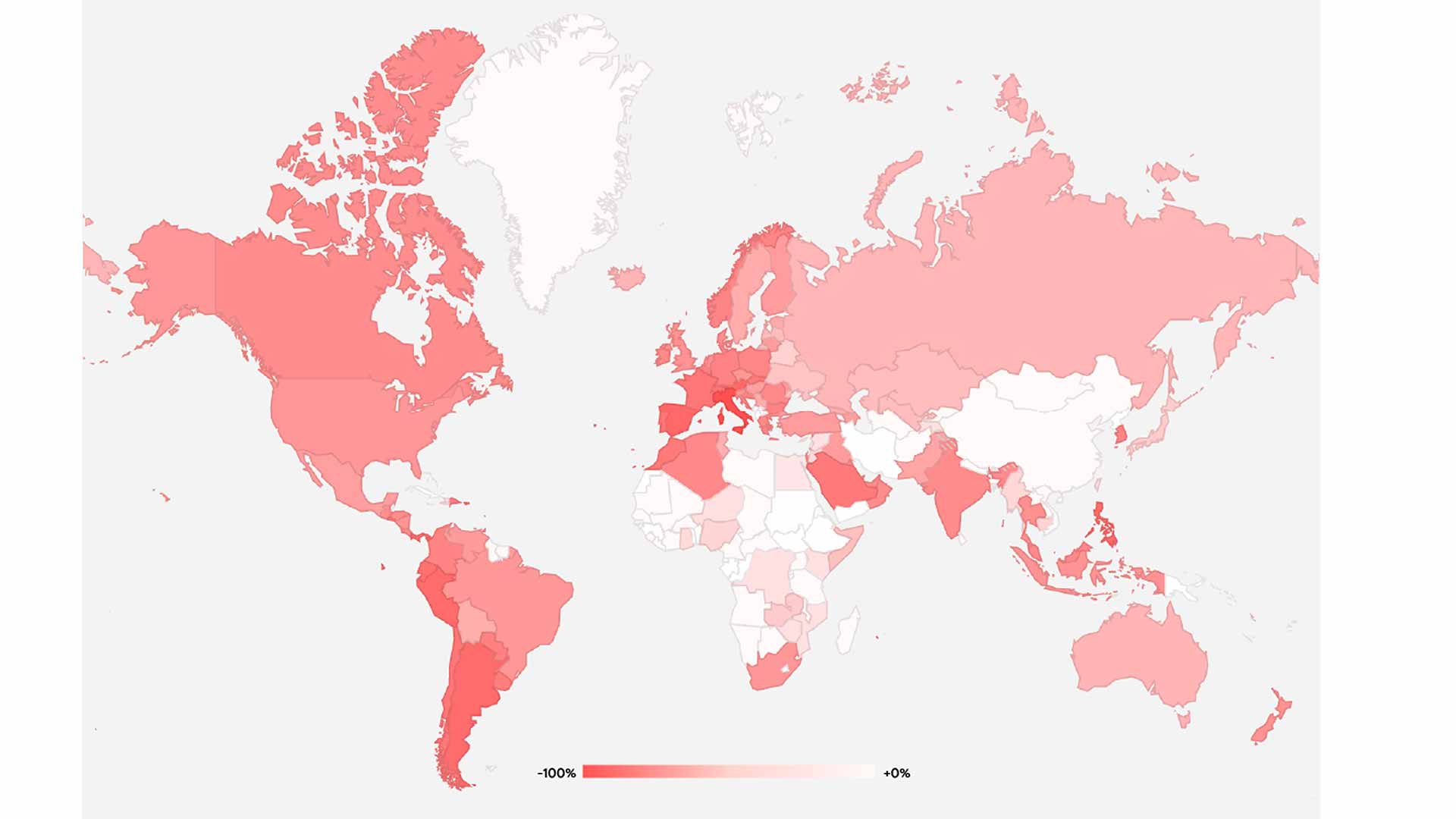
No nation has ruled out essential journeys, though. That’s why Waze has developed a number of tools to help key workers get around efficiently.
In 58 countries, Waze map editors (there are more than 30,000 globally) and a Waze Crisis Response Team are working on region-specific initiatives including road closures, red zones and so on.
More countries are regularly being added to the service.
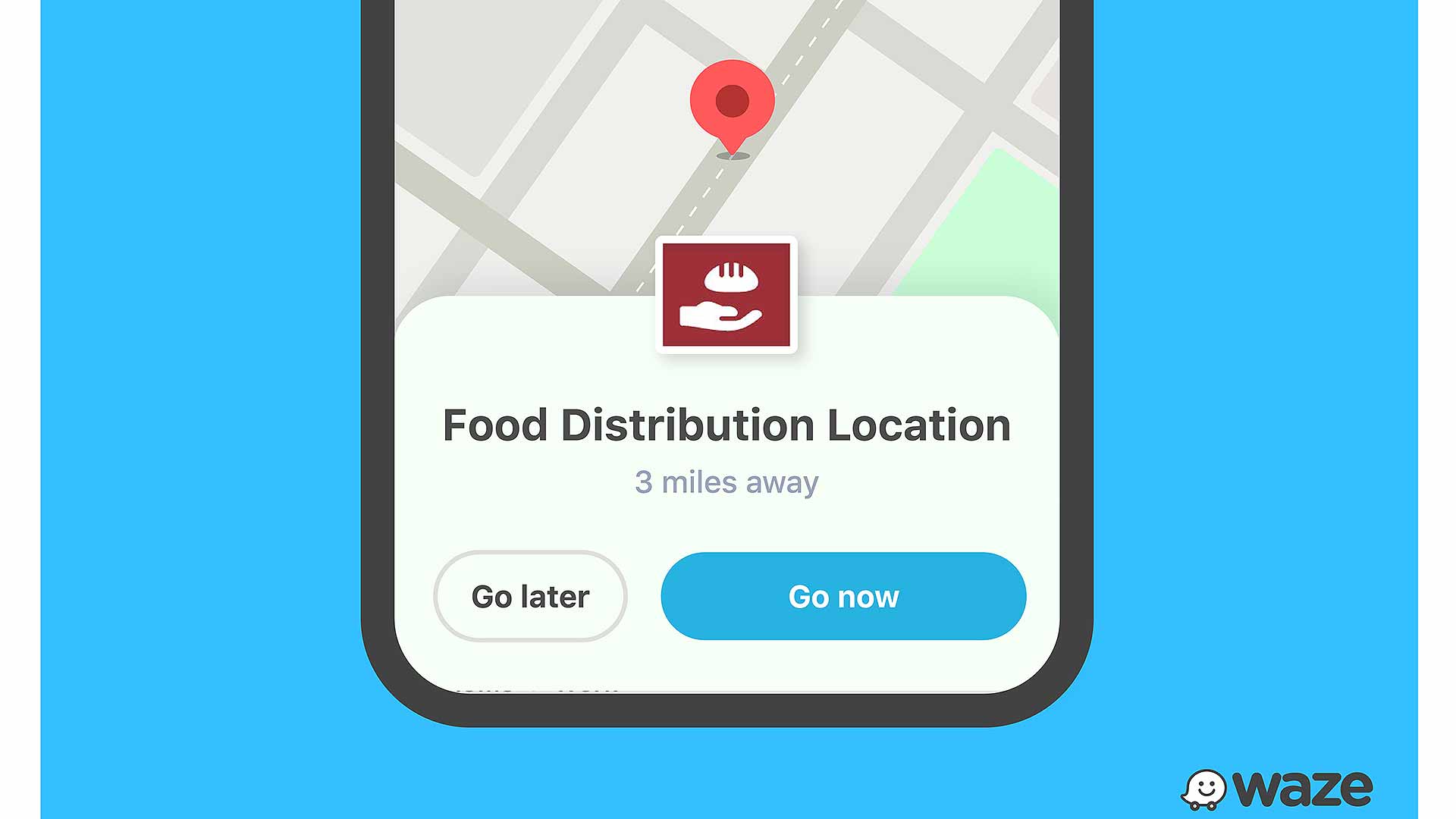
Waze has also launched a special COVID-19 landing page, intended for use by governments around the world.
The idea is for officials to add data about medical testing facilities and emergency food distribution locations as map pins, to help Waze users during the pandemic.
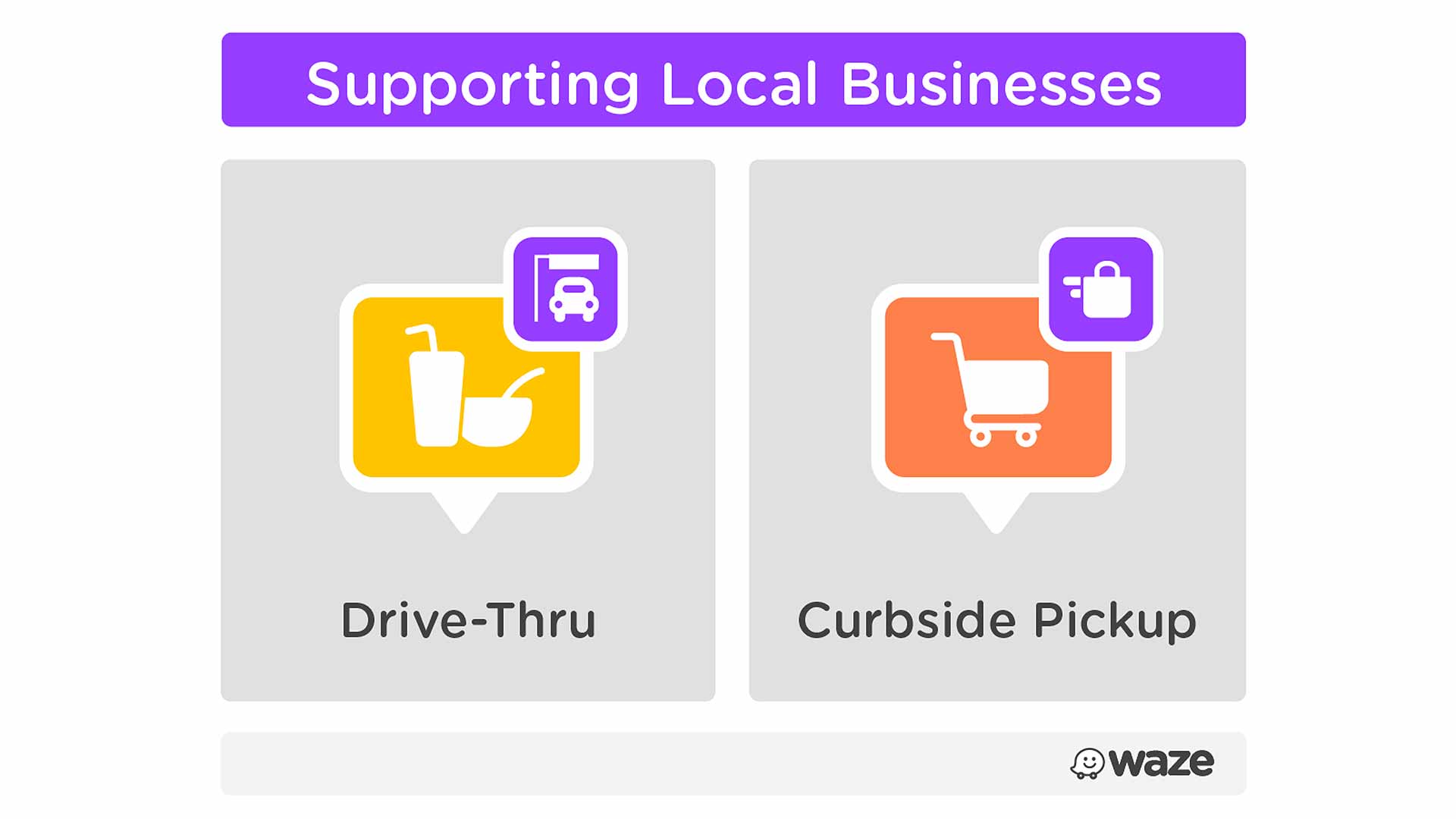
Waze is even helping local businesses add information about whether they offer drive-through or contactless kerbside pick-up of food and other essentials.
Information can be added via ‘location personality’ badges, through the Waze Local service.
‘The more up-to-date the map,’ said Waze in a statement, ‘the more drivers we can help, and the more people we can keep safe.’
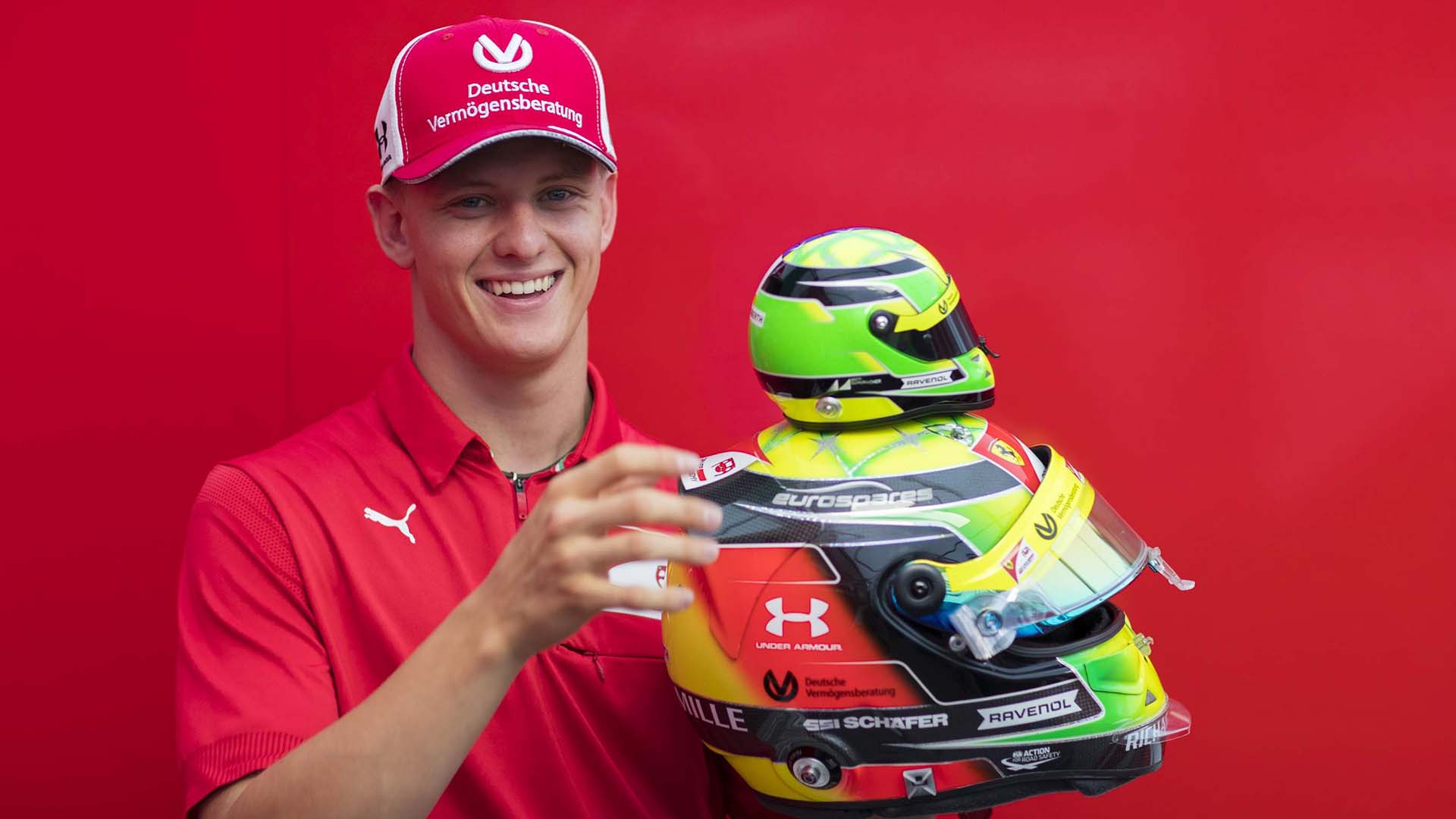
Formula 2 driver Mick Schumacher has opened an online shop. This follows ‘numerous calls’ for the son of the legendary F1 driver, Michael, to create access to his collection and prized memorabilia.
The Mick Schumacher range includes caps, t-shirts, hoodies, model cars, miniature helmets and items relating to his even more famous father.
To celebrate the launch of the shop, orders over €75 (£65) will receive the 2019 cap for free.
Although the Mick Schumacher model cars look good, we’re rather taken by the Michael Schumacher Mercedes-Benz 190E DTM Car from 1991. It’s not available to order, which is good news for our bank account.
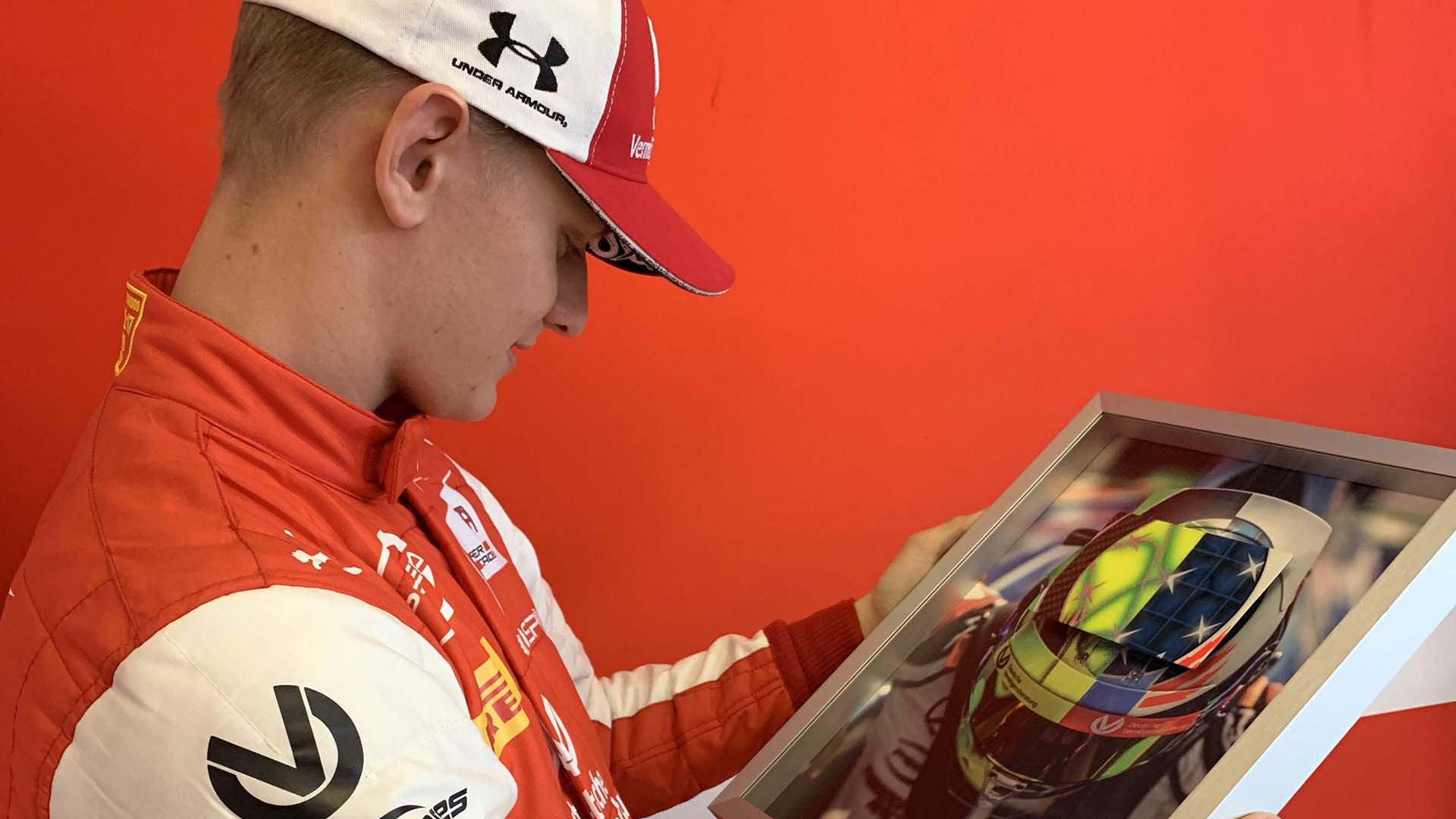
If you’re feeling flush for cash, you can pre-order a Mick Schumacher half helmet mural for €1,699 (£1,483). Only 50 will be produced – each one coming with a certificate signed by Schumacher.
Mick Schumacher said: “I am happy to present mickschumachershop.com as part of our joint journey in motorsport. It’s great to have a new platform for my entire collection, documenting my way in motorsports so far.”
Markus Schell, CEO of MBA-Sport, the company behind the shop, added: “It is a pleasure to see Mick Schumacher grow up as an up-and-coming motorsport icon and to develop his collection alongside that of his father Michael.
“We are big Mick Schumacher fans and follow his career with great interest, while we would like to offer his growing fan base an attractive online shop portal with his collection and many collectables.”
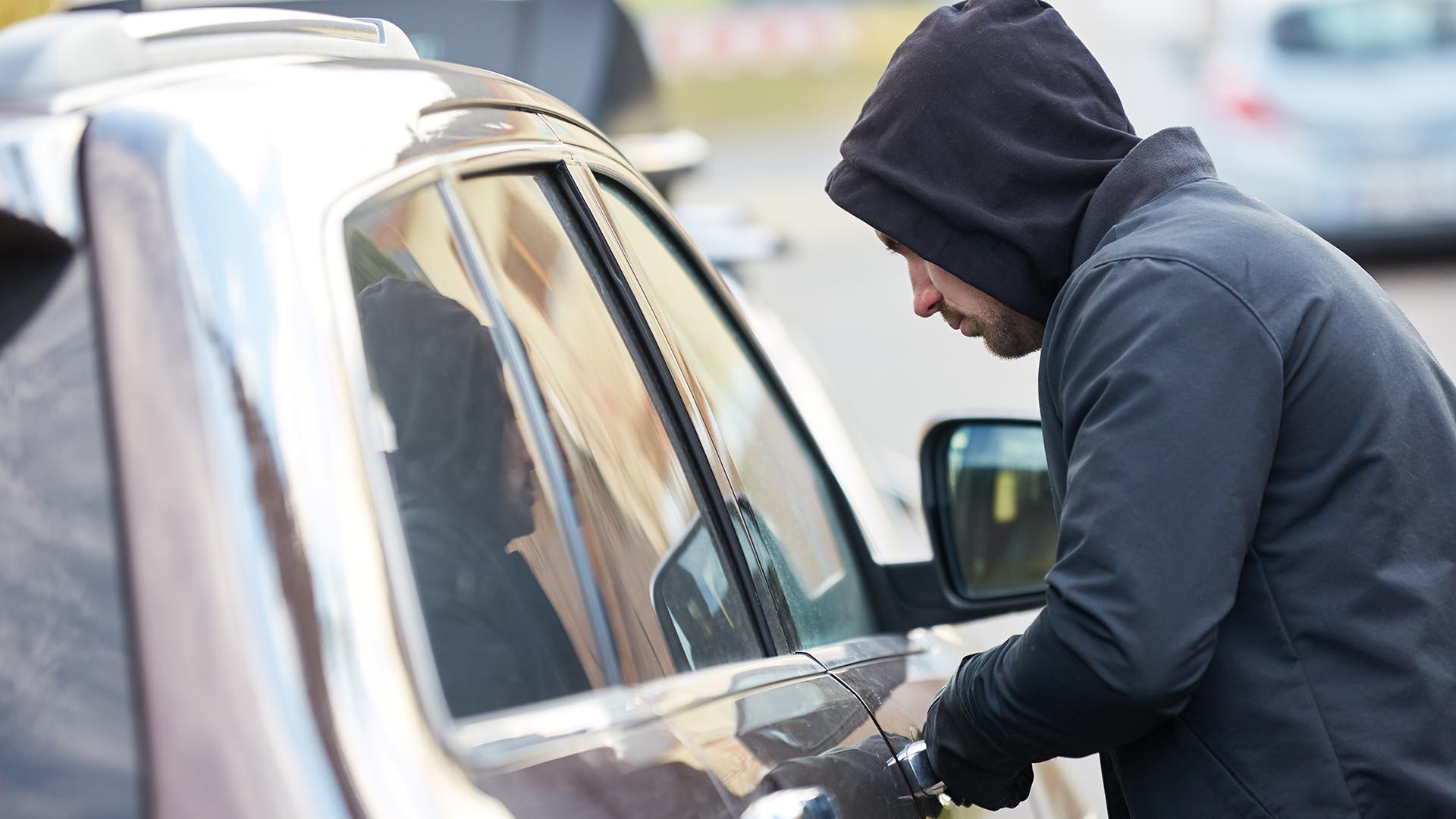
The shortage of new car parts could lead to a rise in the number of vehicle-related thefts. That’s the warning from a leading car tracking company.
It says opportunistic criminals are targeting vehicles to fill the replacement parts gap, caused by the shutting down of manufacturer supply chains. Police are fighting an increase in the number of ‘chop shops’, where stolen vehicles are stripped for their parts. These parts are then sold on.
Although criminals tend to target premium and expensive vehicles, no car is immune from the problem. Indeed, Tracker recently recovered a Volkswagen Polo worth less than £600.
Stolen cars are often left for up to four days to check they are not being tracked. Once the coast is clear, the vehicle is taken to a garage to have its identity changed, with high-value parts removed for sale.
Clive Wain, head of police liaison at Tracker said: “These are unprecedented times, and sadly we cannot look into the future to see how long the current restrictions will affect the car manufacturer supply chain. However, what we can do is protect ourselves while it does. Sadly, whilst we are seeing many positives come out of the current crisis – such as communities pulling together and environmental benefits – we could in the coming weeks and months see criminals take advantage of new opportunities.
“With movement so restricted, most of us are using our cars far less frequently, so it is easy to get out of the habit of checking doors are locked and keys are secured after those rare essential journeys. It’s even easier to forget these good habits after popping out to the car to collect something you left behind.
”Ninety-two percent of the vehicles we recovered last year were stolen without the thief having possession of the vehicle’s keys. As such, we advise owners of all vehicles to take extra care to fully secure their vehicle and keep remote locking keys as far away from the car as possible, and in a closed tin so that they are protected against relay-attacks.”
How to protect your car during the lockdown
Tracker has the following advice for keeping your car safe during the lockdown:
Protect your key fob. To prevent keyless car theft, keep the key away from where the vehicle is kept when not in use. Click here for tips to avoid being targeted by keyless car thieves.
Switch off and lock up. Never leave your car running idle and unattended. During the lockdown, the advice is to keep the car running for 20 minutes to maintain battery life, but make sure you stay with the vehicle.
Make life difficult for thieves. Fit security gates if you’re parking on the drive. Opportunistic thieves prefer an easy ride.
Don’t advertise your stuff. Remove personal belongings from the vehicle.
Keep paperwork indoors. Don’t store personal documents or spare keys in the car.
Plan for the worst. Consider installing security cameras and lighting.
Use a steering wheel lock.
Click here to find out how to keep your car safe from catalytic converter theft during the lockdown.
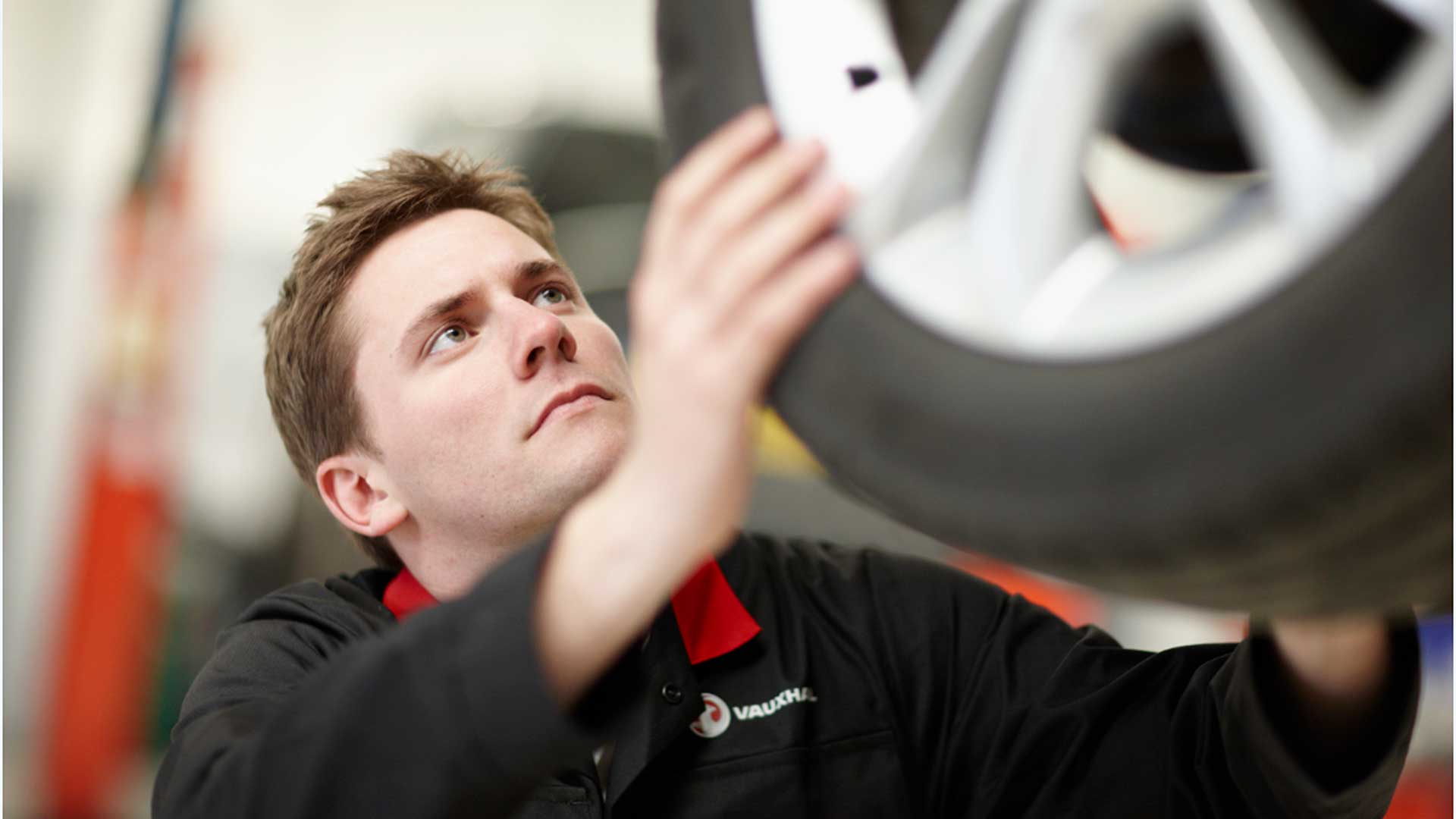
Called Vauxhall Fixed Price repairs, the new initiative has two levels:
Vauxhall Genuine – for owners who want genuine Vauxhall manufactures parts
Vauxhall Approved – for owners of cars over three years old after a more affordable alternative
Quotes prices are bundled to include parts, labour and VAT, and Vauxhall Approved parts have a two-year parts and labour warranty.
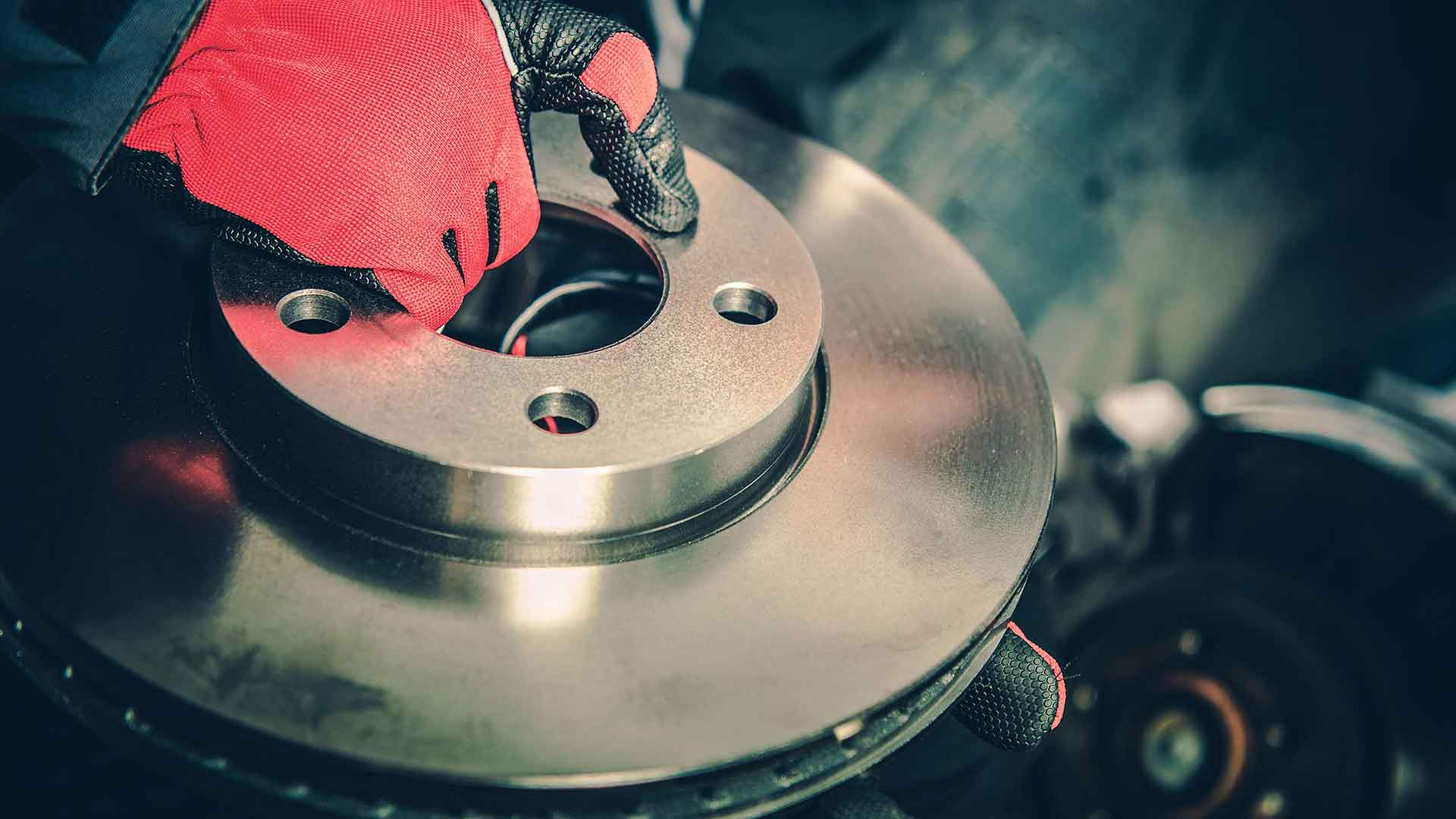
And those prices? On average in the UK, a front brake pad service costs £185, says Vauxhall.
With Vauxhall Genuine, the price is £149. And with Vauxhall Approved, just £99.
Vauxhall is also offering zero percent finance on all parts and servicing, from three to 12 months. It means a Vauxhall Approved brake service will cost £24.75 over four months.
Wiper blades are normally £48; they’re £39 for Vauxhall Genuine, £29 for Vauxhall Approved – that’s fully-fitted.
Batteries might be taking a hit during the coronavirus lockdown. On average, a new battery costs £202 – but a Vauxhall Genuine one is £169, while Vauxhall Approved is £109.
A cambelt service is available under the new Vauxhall Fixed Price Repairs scheme for £399 – or £33.25 a month over 12 months.
“Vauxhall is committed to putting value and quality front and centre in the minds of its owners,” said Stephen Norman, MD of Vauxhall Motors.
“With the Fixed Price Repair programme, our customers do not need to compromise by visiting aftermarket retailers, when they can visit their local Vauxhall dealer and enjoy comparable pricing, yet with the absolute confidence of being looked after by trained and qualified Vauxhall technicians.”
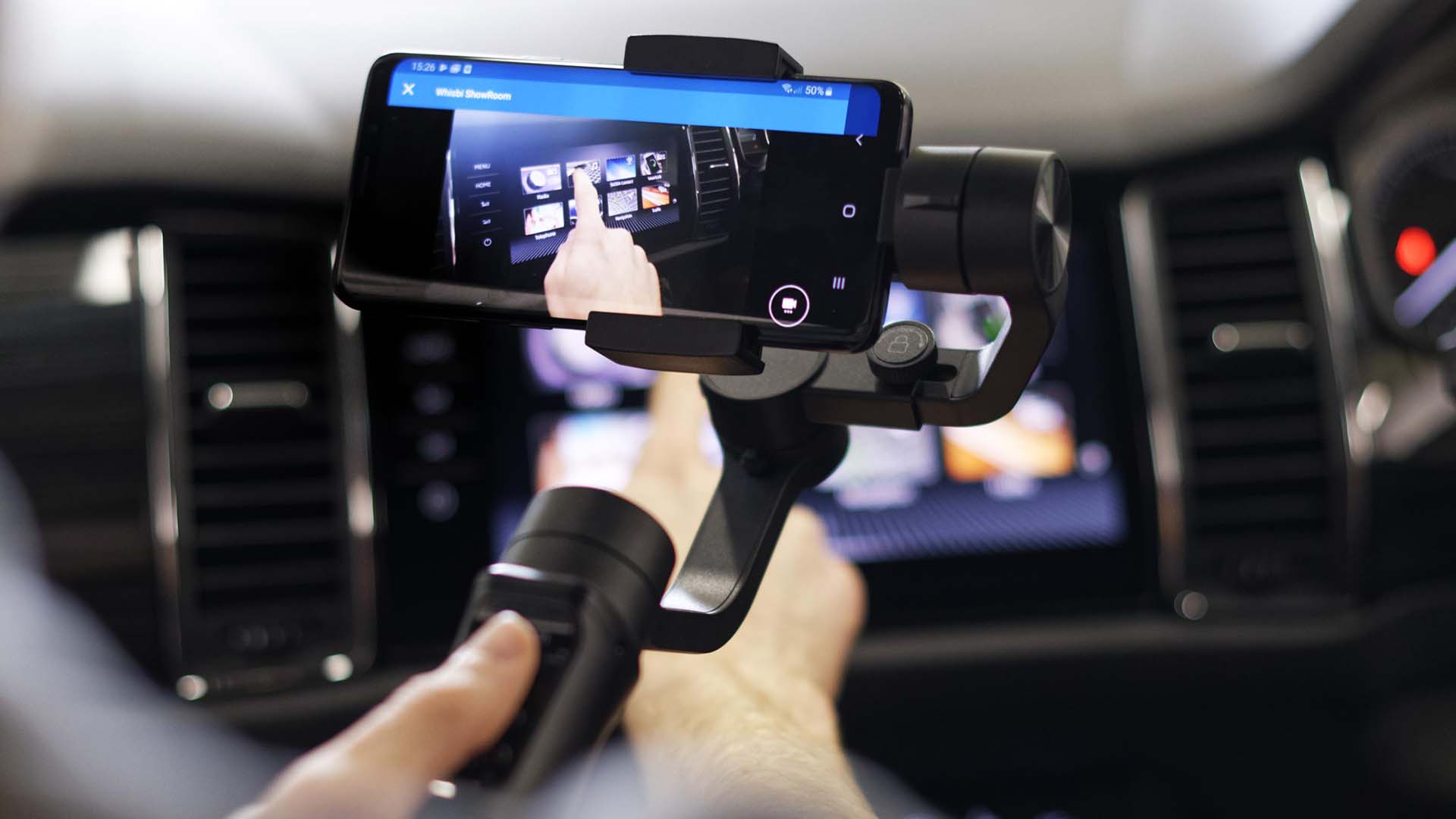
Skoda’s showroom staff are, quite literally, taking their work home with them. By using 4G and video technology, a Skoda representative can provide a customer with a virtual tour of their chosen car.
Skoda says it handled hundreds of video calls in the first week since the service went live.This comes amid lockdown measures aimed at stopping the spread of COVID-19.
Live demonstrations are available for the Kamiq, Superb, Octavia and Karoq, while pre-recorded video footage is available for the rest of the Skoda range.
John French, head of sales operations at Skoda UK, said: “Our dedicated specialists have been quick to adapt to the current environment and we have worked extremely hard to ensure they can continue offering support to our customers when they need it. I’d like to thank these colleagues for opening up their homes to enable us to provide this service to customers.
”We’re here to support in any way we can during these challenging times and more than anything, I hope our customers and their families are keeping safe and well.”
Electric Citigo sold out
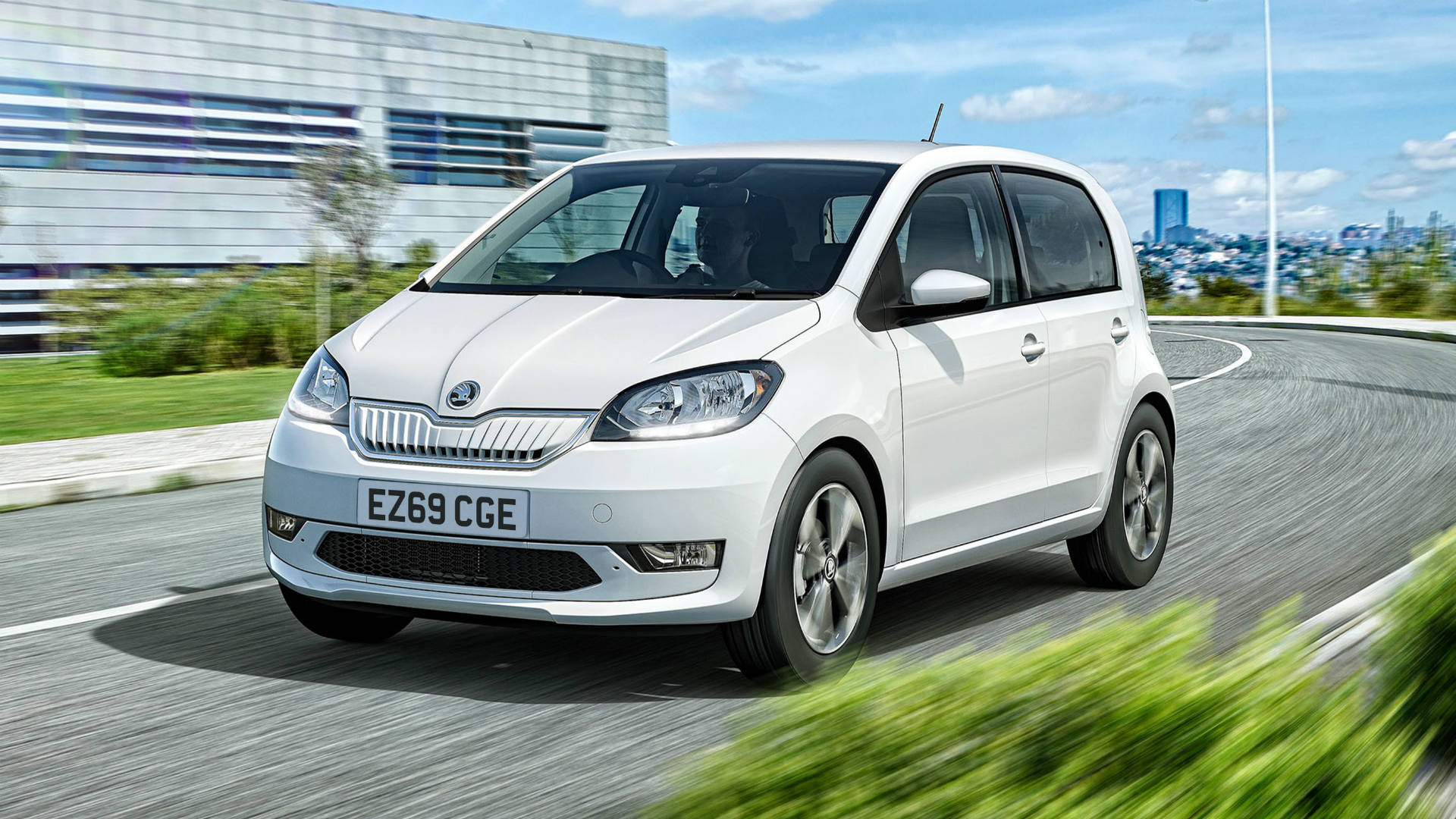
In a separate development, Skoda has removed the Citigo-e iV from sale. The decision was made after Skoda sold its initial batch of 400 units, with the allocation spoken for by mid-March.
The electric car will be available again when production restarts following the coronavirus pandemic. If you fancy an electric city car in the meantime, your best options are the similar Volkswagen e-Up and Seat Mii Electric.
A spokesperson for Skoda told Autocar: “We had lofty expectations for the car and customer demand was exceptionally high. As a result, it sold out quicker than expected.”
The Seat Mii Electric is available for just shy of £20,000, while the Volkswagen e-Up costs £21,000. These prices are after the government plug-in car grant has been deducted.
A driver was filmed doing 151mph on the M1 motorway over the Easter weekend. Superintendent Andy Cox posted the footage of the speeding car on Twitter, although the driver managed to evade the police.
The detective superintendent tweeted: “Extreme speeds this weekend in London. Many enforced including 97mph (40) on A10. This driver reached 151mph on M1 before decamping car and evading on foot. We will do [our] upmost to identify and take action. Anyhow no doubt will come to our attention again before he hurts somebody!”
Extreme speeds this wkend in #London. Many enforced including 97mph (40) on #A10. This driver reached 151mph on #M1 before decamping car & evading 👮♂️ on foot. We will do upmost to identify & take action. Anyhow no doubt will come to our attention again🤞 before he hurts somebody! pic.twitter.com/SyGV1aS3l5
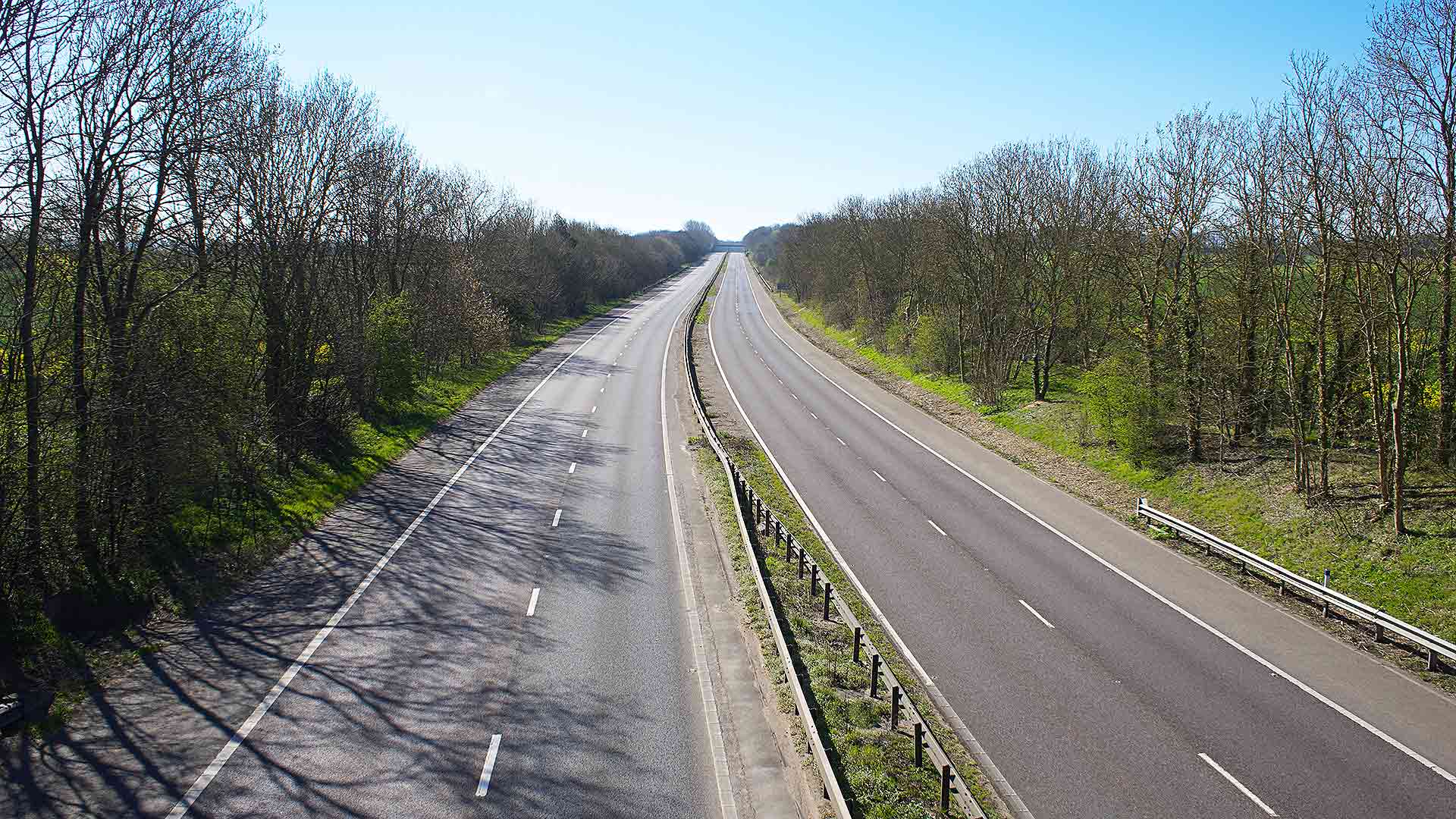
The number of motorists breaking speed limits has doubled in some parts of the country, as reckless drivers take advantage of the near empty roads.
On Saturday, Greater Manchester Police tweeted footage of a Mercedes-AMG reaching 128mph on the East Lancashire Road. The police said “He’s off to court for speeding and breaching cover regulations”.
Police forces across the UK have warned drivers they will be fined if they are in breach of the coronavirus lockdown restrictions. Officers can give motorists an on-the-spot fine of £60, reduced to £30 if paid within 14 days. Repeat offenders could be fined up to a maximum of £960.
Although reports of high speed driving grab the headlines – another motorist was caught doing 134mph in a 40mph zone – the authorities are also concerned about speeding in urban areas. Since the lockdown, the Metropolitan Police has seen an average speed of 37mph in the capital’s 20mph zones.
This is the putting key workers’ lives at risk, not to mention a further strain on the NHS should the speeding result in a collision.
‘Biggest cause of fatal collisions’
In a message to London drivers, Supt Andy Cox said: “We’ve seen some exceptionally high-speed driving. Speeding is our biggest cause of fatal collisions in London.
“Fatal or serious collisions require the use of NHS, fire and police. Those involved in a serious collision are likely to end up in hospital, depriving people suffering from COVID-19 of precious NHS resource, precious medical care and potentially hospital beds.”