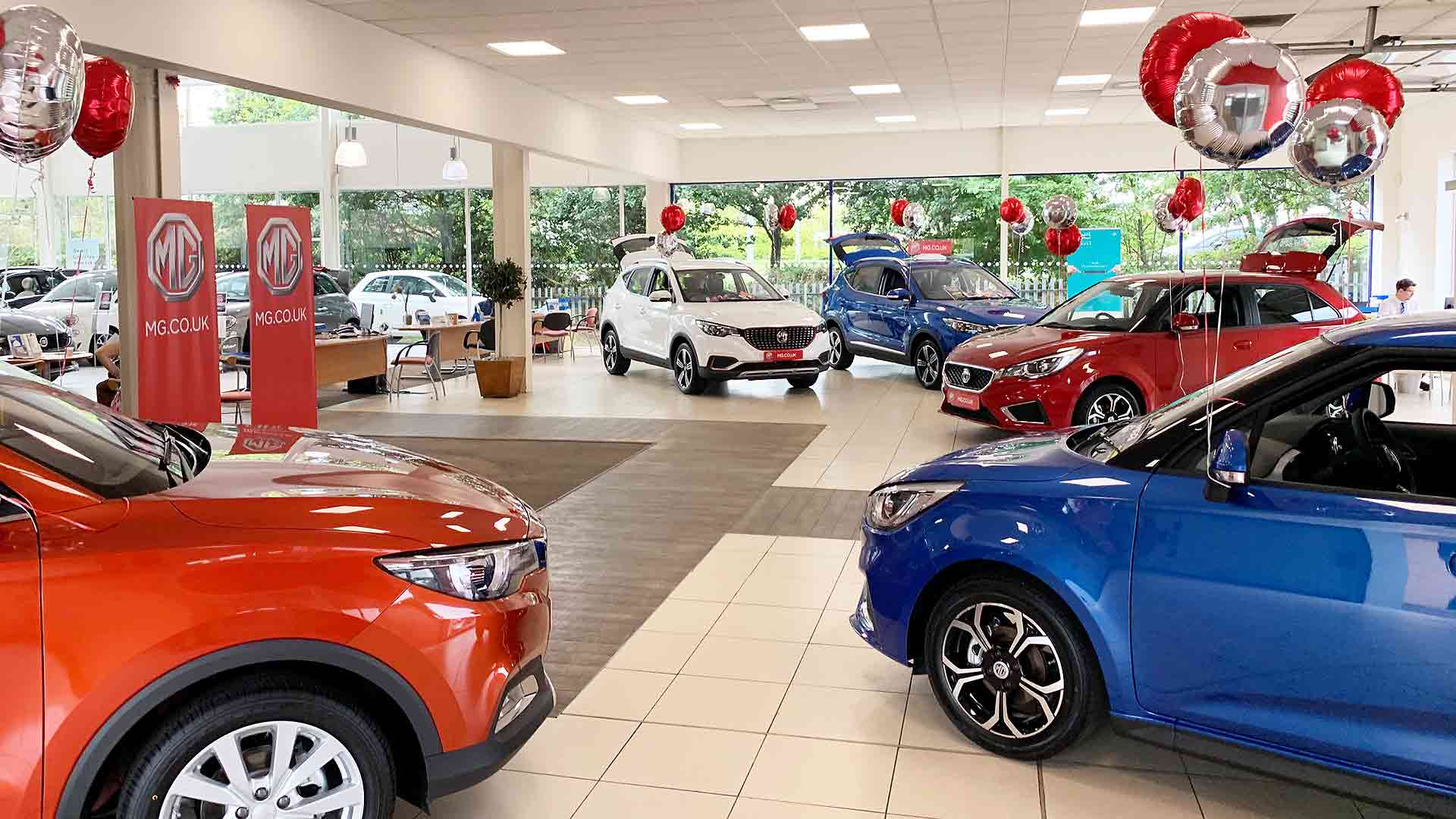
Trade body the Society of Motor Manufacturers and Traders says auto retailers are ready to go back to work with social distancing and hygiene measures already in place.
It calculates the daily cost of car showrooms remaining closed to be £61 million, due to lost VAT income and furlough payments for almost 600,000 employees.
“The sector is now ready to return to work,” said SMMT chief executive Mike Hawes.
“Car showrooms, just like garden centres, are spacious and can accommodate social distancing easily, making them some of the UK’s safest retail premises.”
Mr Hawes said a green light to reopen would stimulate consumer confidence and restart the sale of new cars.
The SMMT is backing its call with a campaign called ’10 reasons to #unlockukauto’, highlighting the importance of reopening car showrooms.
This is aimed at encouraging ministers to clear car dealers to reopen, and outlines some of the measures retailers have put in place during the past few weeks.
These include one-way walkways, shielding, contactless transactions, cleaning and test-drive processes, appointment systems and revised showroom layouts.
Many retailers are already offering ‘click and collect’ facilities.
Peugeot, Citroen, DS and Vauxhall dealers have introduced a new service to give cars an anti-bacterial clean to help stop the spread of COVID-19.
The Complete Anti-Bacterial Refresh service includes a full clean of the air conditioning system to both remove bugs and lockdown-induced odours.
Pollen filters in the vehicles will also be replaced: these cleanse the air and remove dust, as well as keeping pollen at bay.
Technicians will carry out a 29-point vehicle health check, including tyres, battery condition, brakes and engine drive belts.
At the end of the service, cars will be fully disinfected before handover, both outside and in.
The service costs £99 and Peugeot, Citroen, DS and Vauxhall owners can book their car in to their local retailer online.
Groupe PSA, the parent company behind the brands, says it is offering the service as travel restrictions begin to lift.
The aim is to ensure cars left stationary during lockdown are safe, and also that occupants can travel in the safest possible environment.
All Group PSA technicians follow social distancing guidelines, adds the firm. Contactless vehicle drop-offs can be arranged, plus a car collection and delivery service from home or work.
The four firms have all set up dedicated pages for owners keen to take up the Complete Anti-Bacterial Refresh service:
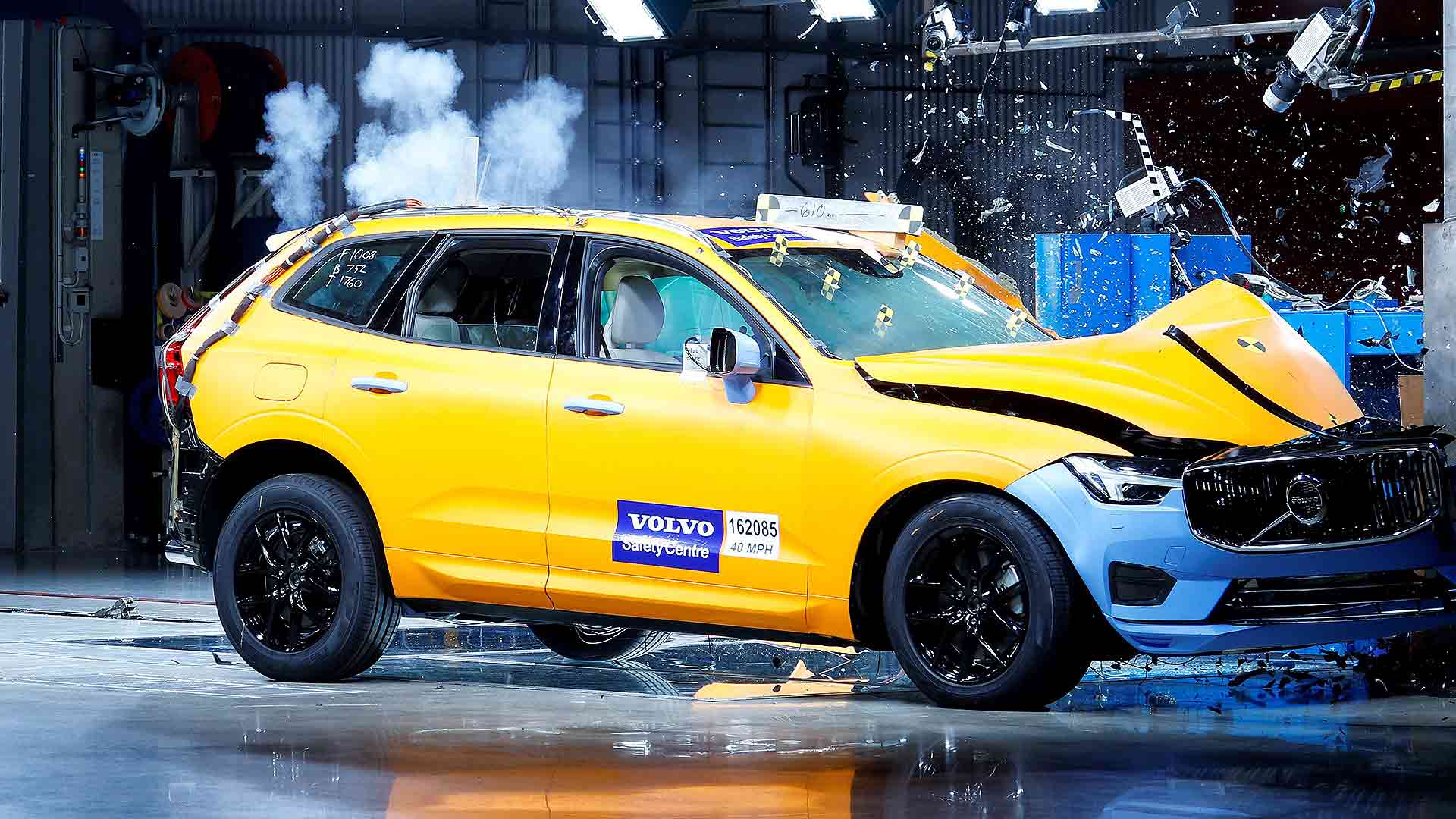
Safety organisation Euro NCAP has announced stringent new standards for crash tests from 2020 which include assessing the impact of big vehicles on smaller ones.
It replaces a ‘static’ barrier test used by Euro NCAP for the past 23 years and allows testers to judge how the test vehicle contributes to injuries in the other vehicle.
Called the compatibility test, the UK’s Thatcham Research has been a lead partner in creating the new regime.
“However, the smaller vehicles they sometimes crash into can fare less well.”
“In the new compatibility test, if the larger vehicle is too stiff in an impact scenario, it will be penalised accordingly. This levels the playing field for all vehicle sizes, which is a win-win for road safety.”
Euro NCAP 2020
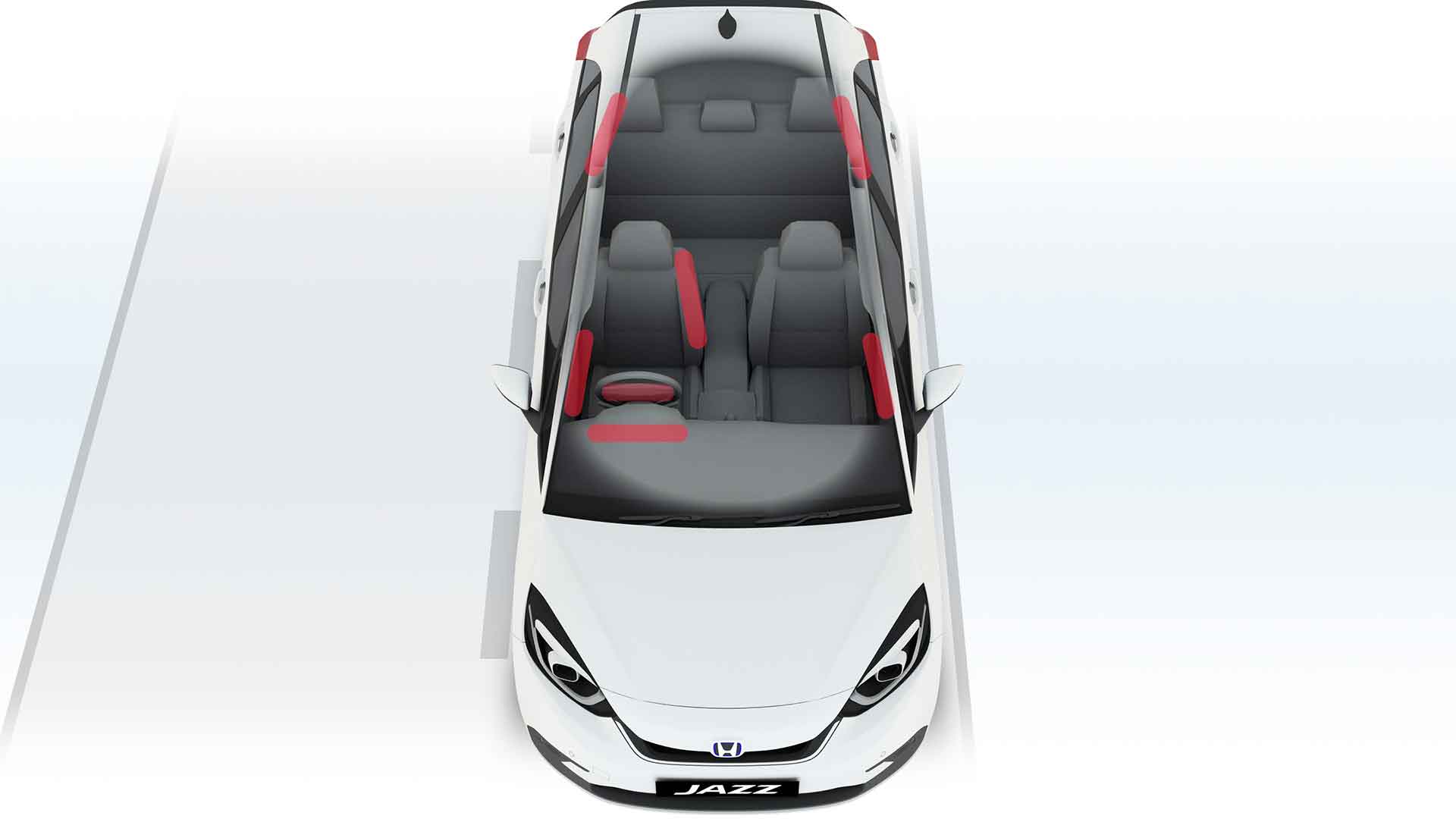
Other changes include a new test to assess centre airbags, which are designed to protect interaction between driver and passenger in side impact tests.
Side impacts cause the second-highest rate of death or serious injury in vehicle collisions.
The new 2020 Honda Jazz, pictured above, is one of the first mainstream cars to be available with a centre airbag.
The standards for assessing AEB autonomous emergency braking systems are raised, and Euro NCAP is to carry out the first assessments of driver alert systems.
“We believe that driver monitoring is the next big thing in active safety technology,” said Mr Avery.
Post-crash safety will be rated too, including how accurately e-call systems send rescue information to emergency services, and how easy it is to get occupants out of a crashed vehicle – this includes rating aspects such as electric door handles.
Carmakers will also be rewarded for making information on where it’s safe to cut a vehicle should extraction be required easily available.
The first tests to the new standards will be announced later this summer, after Euro NCAP testing was put on hold due to the coronavirus crisis.
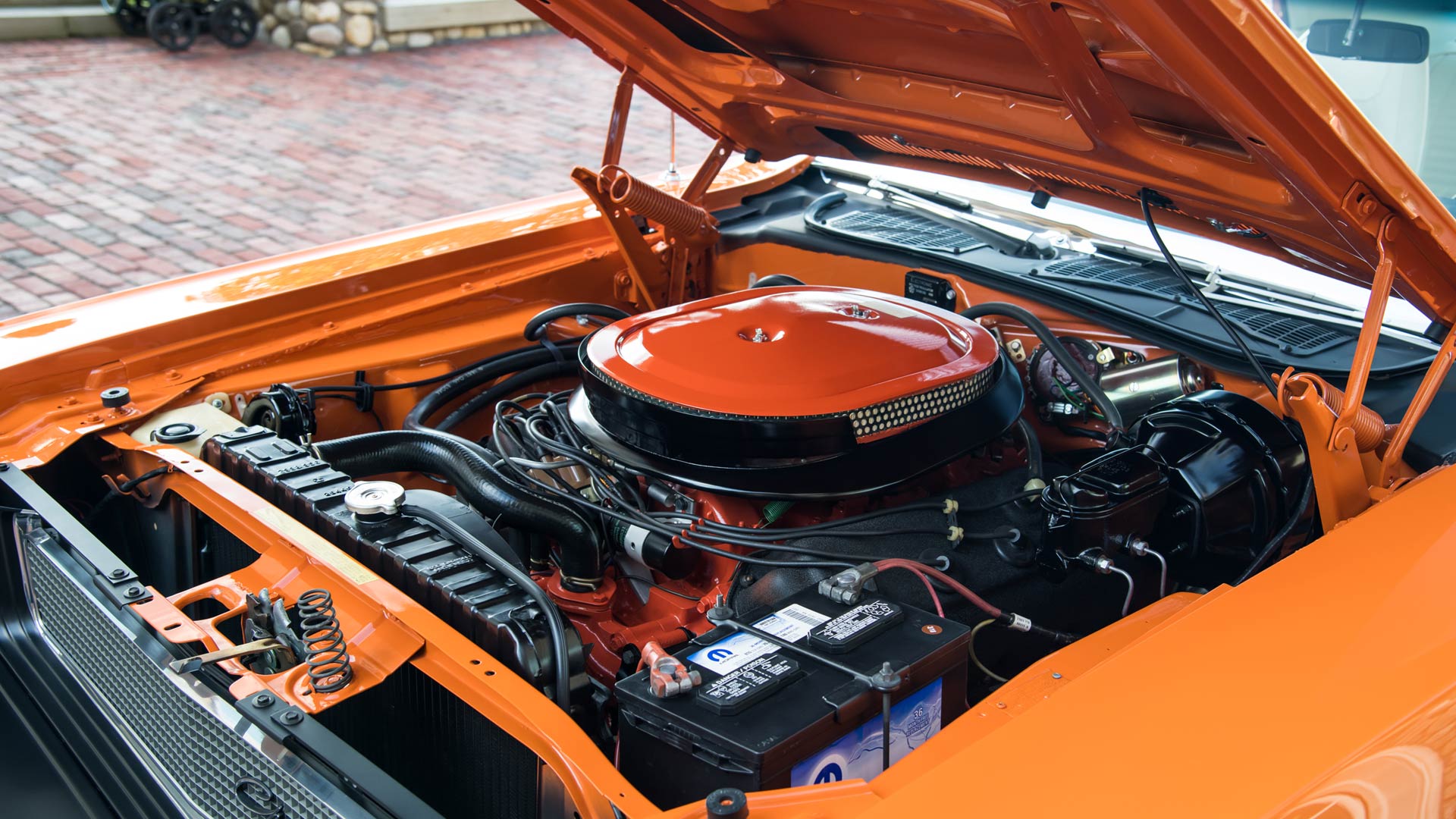
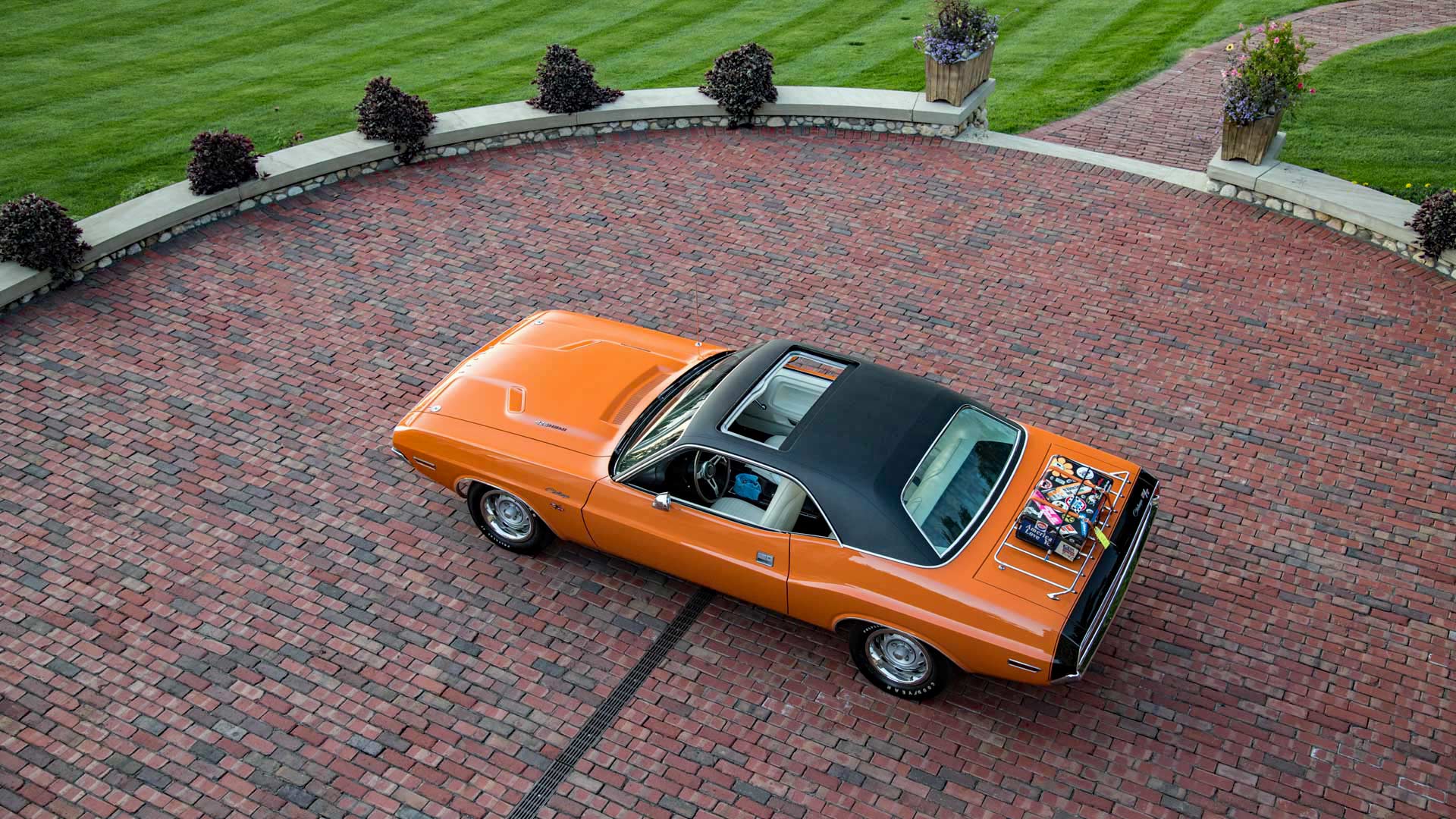
Original Dodge Challengers powered by Hemi engines are already close to the peak of muscle car collectibility.
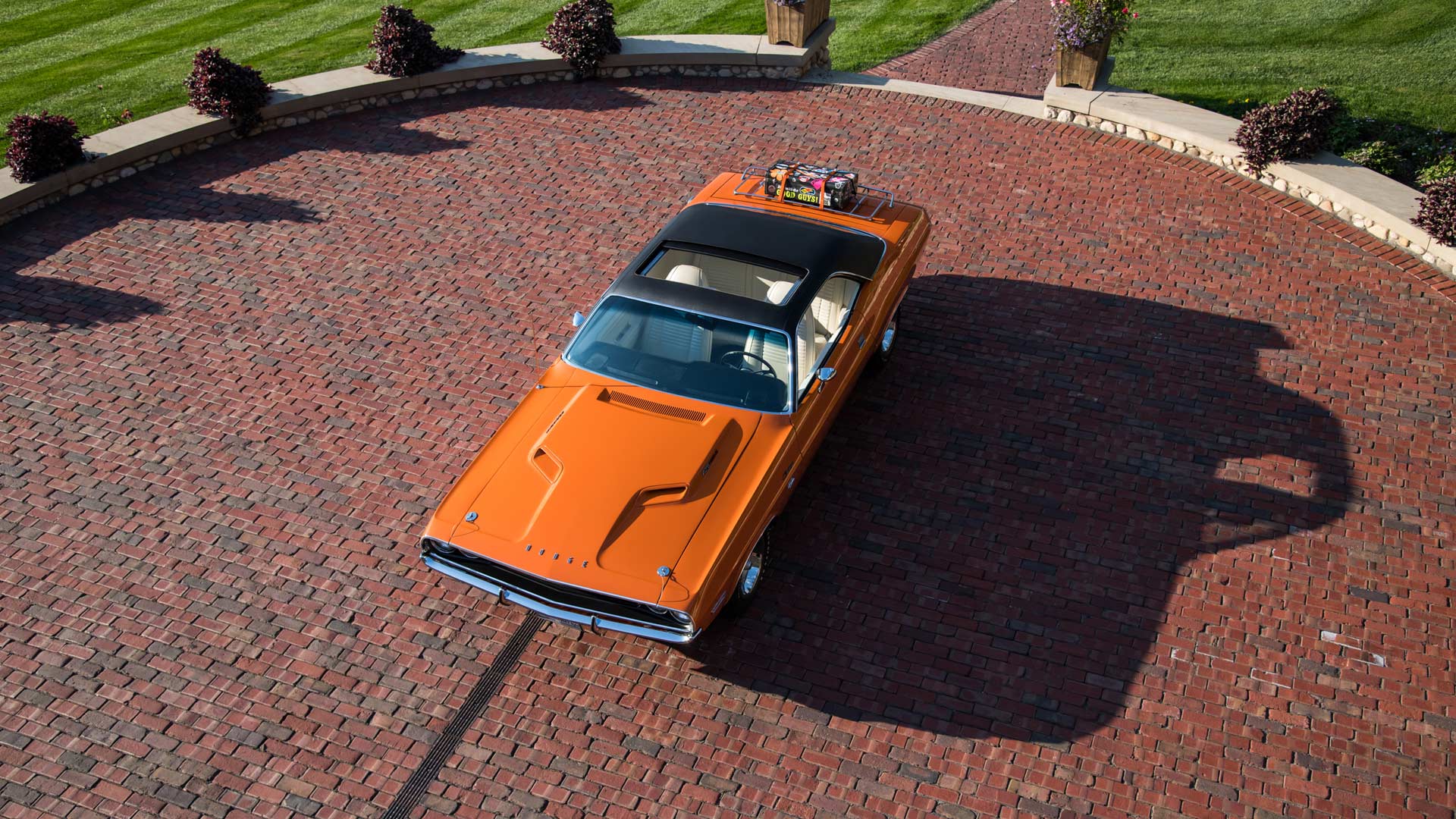
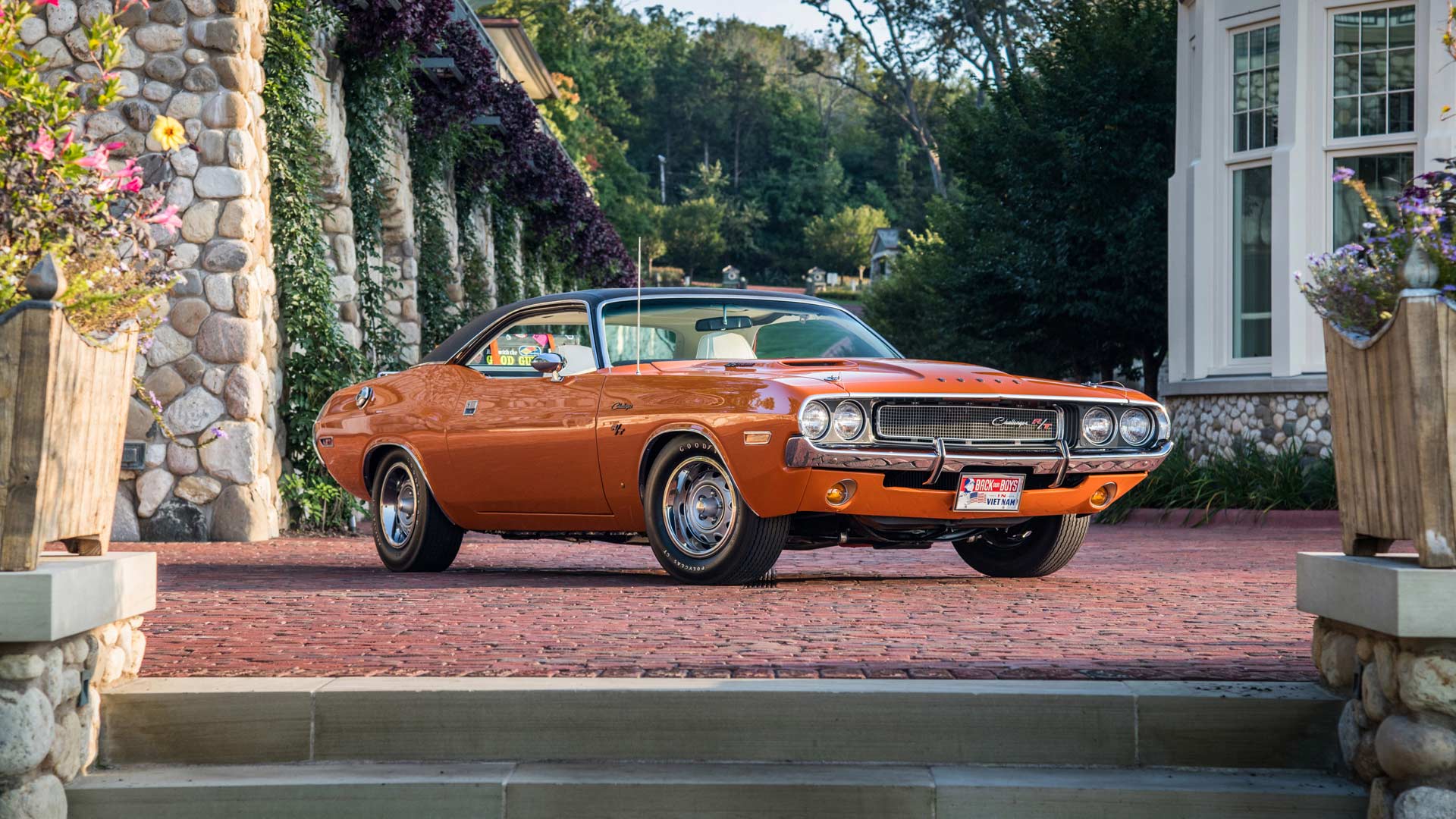
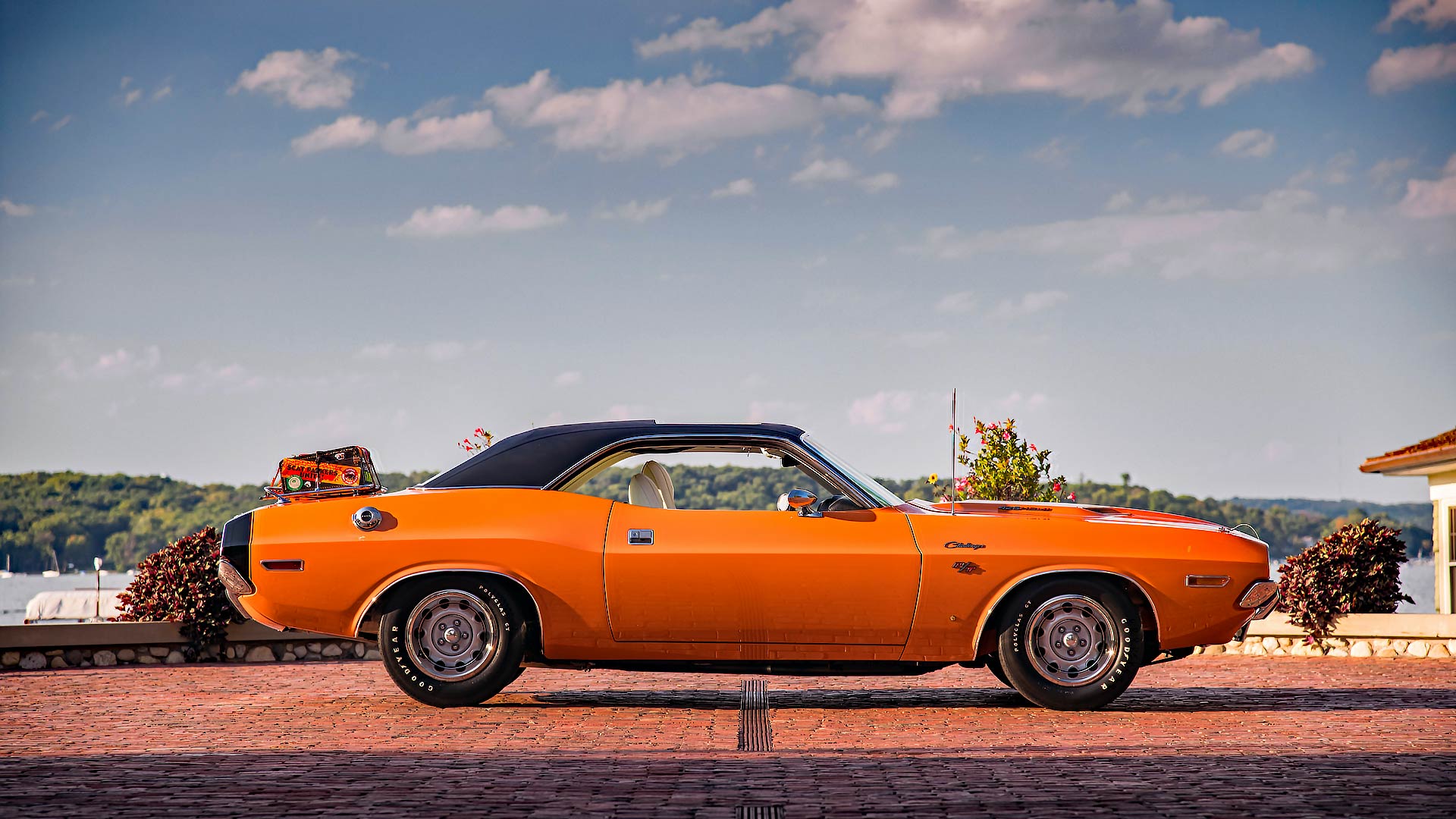
However, a bright orange Challenger coupe could possibly be the holy grail for Mopar enthusiasts.
Thoroughly restored to immaculate condition, this is the only 1970 Hemi Challenger R/T that was made with a factory sunroof
From the track to the street
The significance of the 426-cubic inch Street Hemi engine on the muscle car world is just as great today as it was when new. Originally designed to dominate on NASCAR ovals, the “Elephant Engine” became available in Dodge road cars to help homologate it.
Producing 425 horsepower and 490 lb-ft of torque, the 426 Hemi was sold for just five years between 1966 and 1971. Fewer than 11,000 cars were sold with the giant block, in part due to the substantial cost.
A 1970 Challenger R/T buyer would have needed to spend an extra $779 to get the Hemi, adding almost 25 percent to the list price. It perhaps explains why fewer than 200 Challenger Hemi coupes were sold that year.
Fully loaded with options
Whoever originally bought this Challenger R/T was clearly not worried about the price tag. Along with the monster Hemi engine, this also dived deep into the extensive options list for the brand-new Challenger.
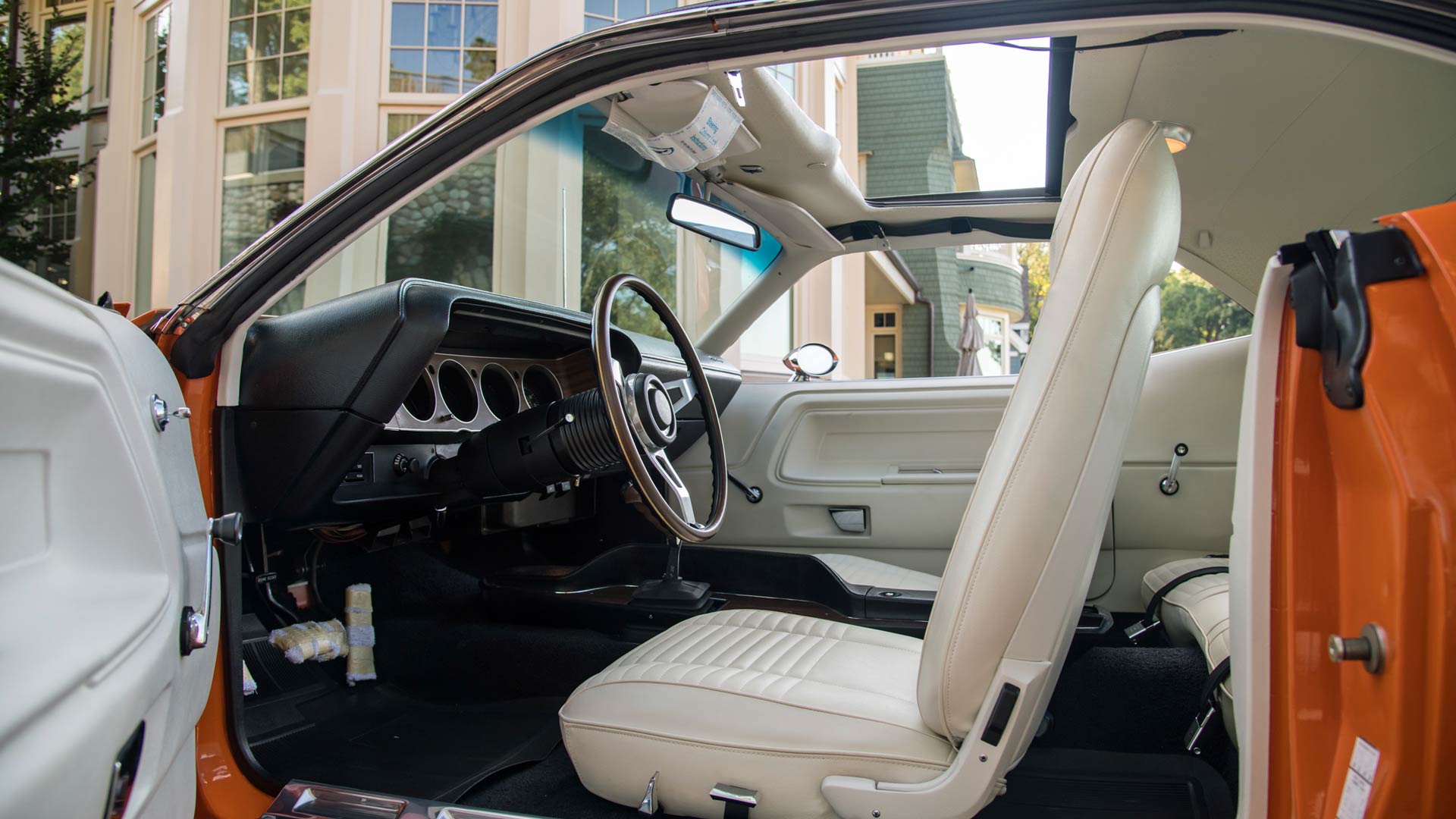
The impressive Go Mango exterior paint was complemented by optional 15-inch Rallye wheels. A white interior features six-way power bucket seats, along with a AM radio and 8-track player.
A four-speed manual transmission came as part of the Super Track Pak, along with a 4.10 Dana rear axle. Power steering and power brakes were included due to the Hemi engine being equipped.
A truly unique machine
The option that makes this car unique is the sunroof. Mopar historians believe that this was the only 1970 Challenger R/T to combine the monster Hemi engine with the M51 sunroof option.
Ticking this box meant the Challenger would be taken from the production line in October 1969 and handed to Detroit-based ASC. The company would complete the official sunroof conversion, before the car went on to its life in California.
Steve Juliano, the late car collector and restorer, would come to acquire the car. The unique sunroof Challenger R/T would be the final restoration project completed by him.
Restored to original condition
Juliano spent more than thirty years creating an extensive collection of cars and motoring memorabilia, including restorations made in painstaking detail.
This Hemi Challenger R/T still wears its original bodywork, and has the same Hemi engine it left the factory with. Inside, the dashboard is original, whilst the optional Rim Blow steering wheel is a new old stock item.
The Rallye wheels wear period-correct Goodyear Polyglas tires, serving as a reminder of just how much attention was paid by Juliano.
Just how expensive is a unicorn?
Trying to place a value on this unique Mopar machine is not an easy task.
Examples of the nine Hemi-powered Challenger R/T convertible frequently top more than $1.5 million at auction, like this car sold in 2019.
A closer comparison might be the 1971 Plymouth ‘Cuda convertible, of which only two exist with a Hemi engine and manual transmission. Mecum’s 2014 Seattle sale saw one of these cars sell for an incredible $3.5 million.
No silence needed in this gallery
Mecum is also currently advertising the sunroof Hemi Challenger R/T as part of its Gallery sales platform. This allows buyers to deal directly with the company to buy a car, rather than through the traditional auction route.
The car was featured at the Mecum 2020 Glendale event earlier in the year, but for now remains unsold. No price is listed, leaving serious buyers free to negotiate.
Whatever the cost, this sunroof Hemi is likely to be worth the price for the muscle car collector who already has everything.
ALSO READ
Petersen Museum transforms 2020 Monterey Car Week into virtual event
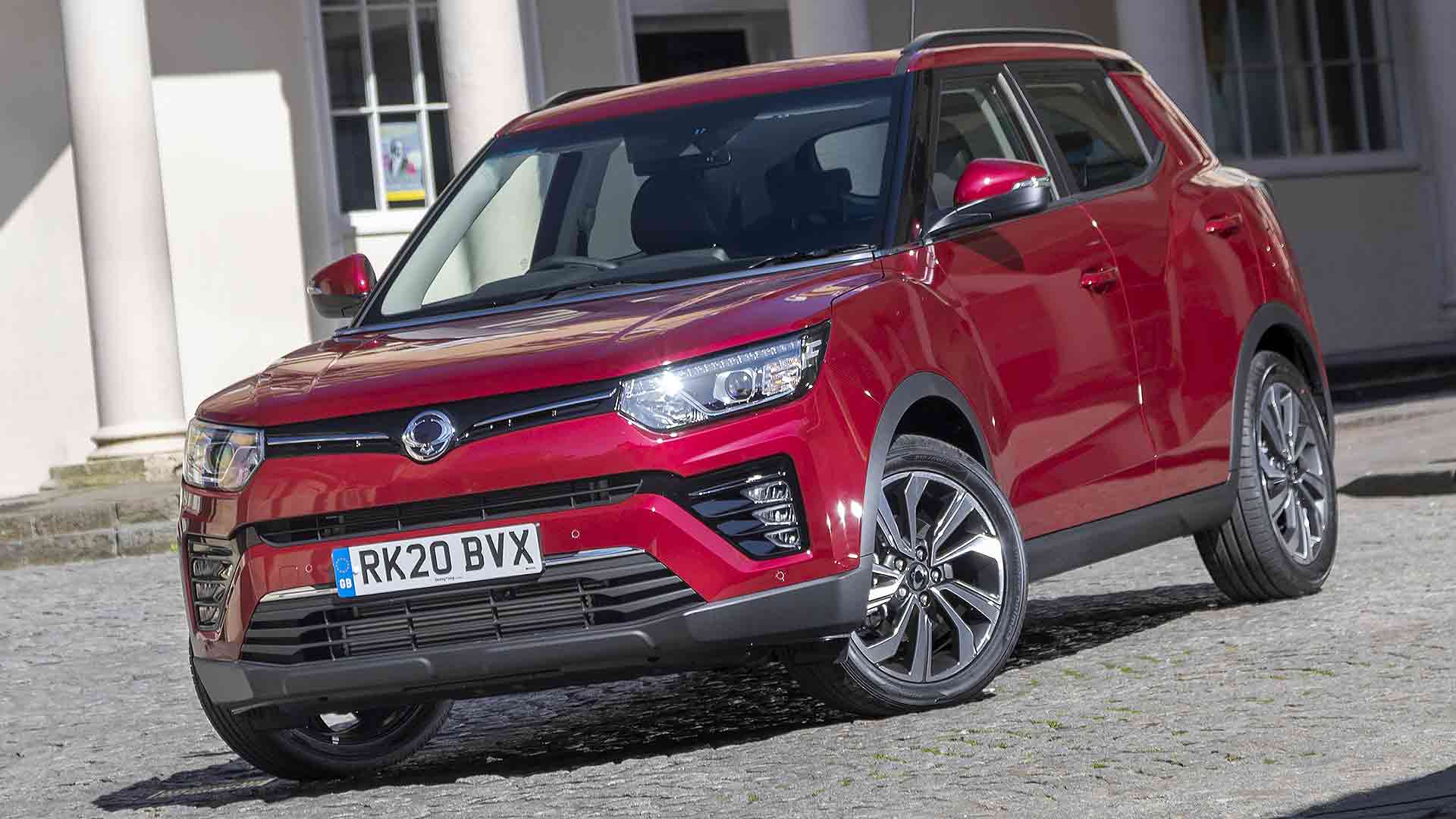
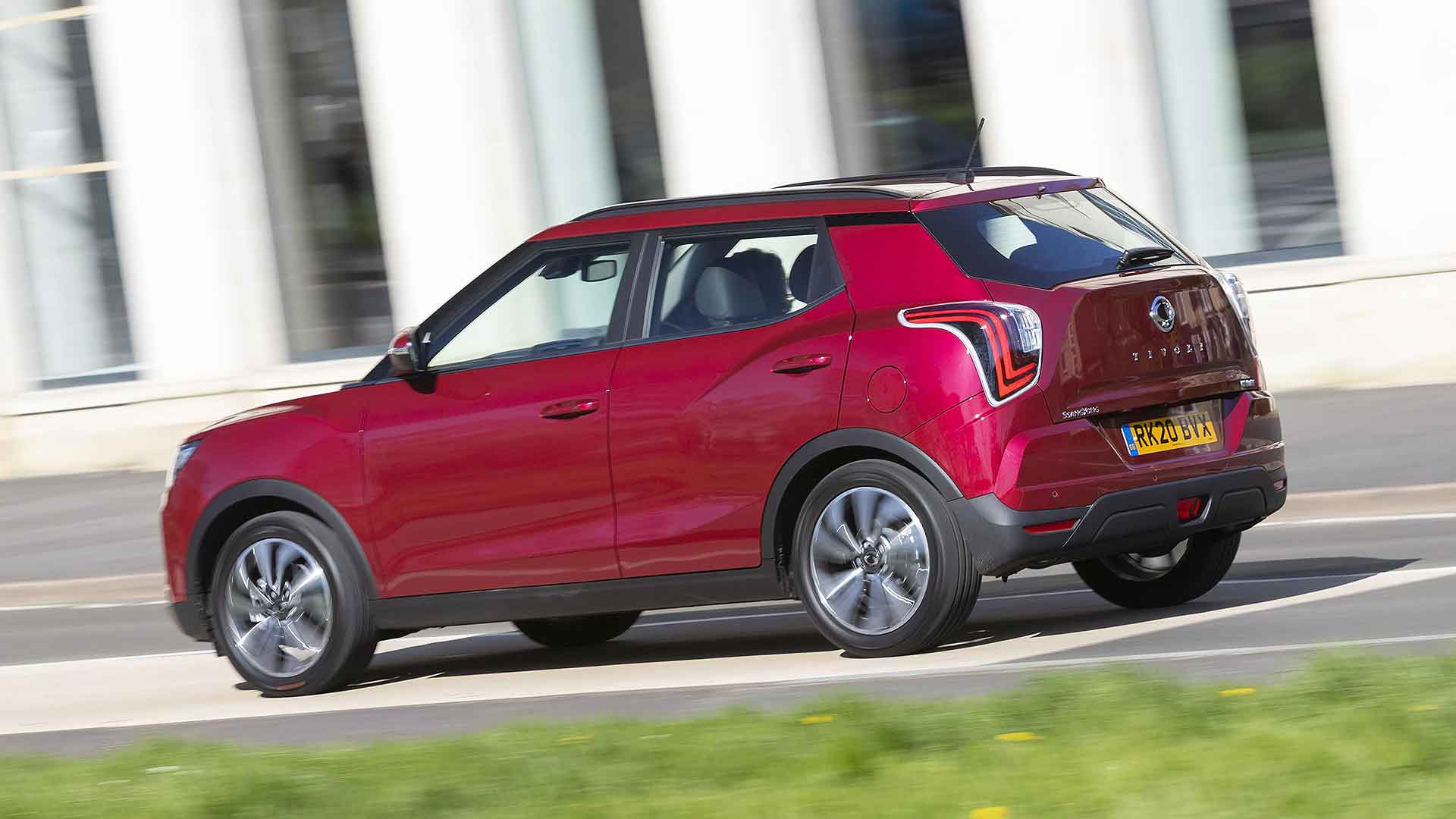
The updated 2020 SsangYong Tivoli has opened for ordering with prices starting from £13,995.
The improved model has new engines, a better spec and styling tweaks outside and in.
First launched in June 2015, the 20-model-year Tivoli comes with two new petrol engines, a 1.2-litre turbo and 1.5-litre turbo.
The 1.2-litre GDi-T is a three-cylinder motor producing 128hp. It comes with a six-speed manual gearbox and averages 40.4mpg.
The 1.5-litre GDi-T is a four-cylinder engine producing 163hp. It has a standard manual gearbox and an optional automatic. Fuel economy isn’t far behind the 1.2 GDi-T at up to 39.2mpg.
SsangYong has also improved the existing 136hp 1.6-litre turbodiesel. It averages up to 50.4mpg.
Those who tow will prefer the diesel: it can haul 1.5 tonnes, rather than the 1.0 tonnes of the two petrol versions.
Styling front and rear includes a new set of rear lights, and there’s a full set of digital instruments on the range-topping variant.
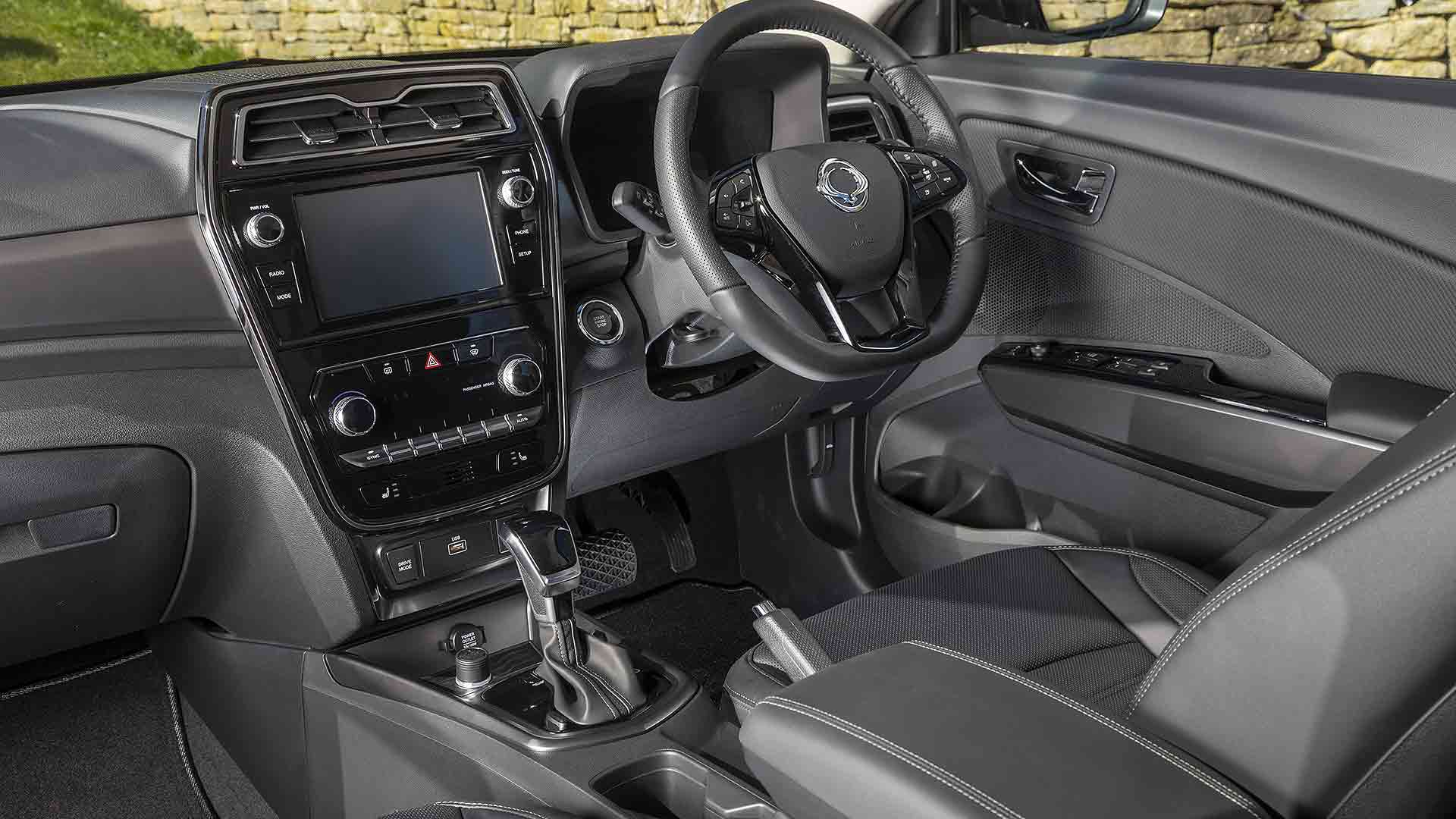
Infotainment systems have been improved, with a 7.0-inch screen and standard Apple CarPlay and Android Auto.
SsangYong offers three trim lines on the 2020 Tivoli, called EX, Ventura and Ultimate.
EX only uses the 1.2 GDi-T engine and costs £13,995.
Standard equipment includes air conditioning, cruise control, remote locking, DAB radio with Bluetooth and a safety assist pack including autonomous emergency braking, lane-keep assist, traffic sign recognition and a driver attention alert.
Ventura also only comes with the 1.2 GDi-T and costs £16,995. The basic steel wheels become 16-inch alloys, and it gains heated part-leather seats (although the leather is fake).
The stereo is upgraded to the 7.0-inch touchscreen and other luxuries include a heated steering wheel, automatic headlights, all-round parking sensors, rear parking camera and a luggage cover.
Ultimate offers either the 1.5 GDi-T or 1.6-litre diesel. It costs from £19,995 for a petrol manual, up to £22,995 for a diesel auto.
The wheels are upgraded to 18-inch alloys, interior upholstery becomes full (real) leather, dual-zone climate control is included and the new 10.25-inch smart LED instrument pack is added.
Deciding the fuel type of your new car used to be simple. Diesels were workhorses that sounded like black cabs, hybrids were the choice of the open-minded (or open-toe sandaled), and petrol was for performance.
Today, those lines have become blurred. You can buy refined diesels, highly efficient petrol engines and performance-oriented hybrids – along with plug-in hybrids that function like electric cars when their batteries are charged.
To help you choose the right fuel/engine type, we’ve listed some key points to consider before you buy.
Purchase price
Whatever your budget, purchase cost is an important consideration. It can vary enormously within a model range, with fuel type being a major factor.
As a general rule, the more advanced or economical the car’s powertrain becomes, the more expensive it will be to buy.
So a diesel car usually costs at least £1,000 more than its petrol-engined equivalent – and the clever technology in a hybrid costs more again. But your outgoings don’t end there, of course…
Fuel economy
While weighing up list prices on dealer forecourts or used car prices in the classifieds, you also need to consider how many miles you drive each month.
A diesel is typically around 30 percent more economical than a petrol engine of similar output, with that advantage being greater the larger and heavier the car.
Hybrids can be even more thrifty, but it very much depends on how you use them. Regular hybrids such as the Toyota Prius (also known as ‘self-charging’ hybrids) are most efficient around town.
And plug-in hybrids, such as the Mitsubishi Outlander PHEV, only deliver optimum economy if you recharge them before every journey.
The price of fuel differs as well – with diesel currently costing around 5p per litre more than petrol at the pumps. So you need to gauge your likely mileage first.
Better still, come up with an annual cost comparison, as we’ve done below with three derivatives of the Volkswagen Golf.
Note: we used the outgoing Mk7 model as the Mk8 Golf GTE hybrid hasn’t been tested yet. Fuel prices are averages in April 2020, according to the AA.
Costs
VW Golf petrol: 1.4 TSI (5dr) DSG SE Nav
VW Golf diesel: 2.0 TDI (5dr) DSG SE Nav
VW Golf GTE hybrid: 1.4 TSI (5dr) DSG Advance
List price
£22,865
£25,515
£32,600
Average fuel cost*
110.4 per litre
115.6 per litre
110.4 per litre
Combined mpg
54.3mpg
64.2mpg
156.9mpg
Annual fuel cost (10,000 miles)
£924.29
£818.58
£319.88
This illustrates the diesel-powered Golf will only save you around £106 a year in fuel, assuming like-for-like driving styles over 10,000 miles. Given that the car itself cost £2,650 more to buy, it would take 25 years to claw back that initial outlay.
By contrast, the hybrid costs nearly £10,000 more than the petrol to buy, but (theoretically) uses around one-third of the fuel. With a £604 annual saving at the pumps, it will take 16 years to break even. That said, if you plug in to charge every day and mostly do short journeys, you could recoup the difference much sooner.
Longevity
Car technology is developing fast in the motor industry – but how long will it last? That’s of particular concern to buyers of hybrid cars, which place huge reliance on battery power. How many years or miles will the cell last? And how much will it cost to replace?
Renault has a battery leasing scheme to help alleviate those concerns. So, if the item fails, owners can automatically swap it for a new one. Other brands cover the hybrid and battery components under a separate warranty (typically five to eight years).
As for traditional fuel types, diesels have always been regarded as more durable. However, all modern engines should be capable of clocking up at least 200,000 miles if serviced regularly. In reality, it’s body corrosion and the failure of high-cost parts (often elecrronics) that usually end an old car’s life.
Tax
Road tax has been dictated almost entirely by carbon dioxide (CO2) emissions since 2001.
If you buy a new car now, your annual VED (Vehicle Excise Duty, the official name for road tax) will be based on CO2. If the car fails to meet the Real Driving Emissions 2 (RDE2) standard, you will pay slightly more.
For cars registered between 1 April 2017 and 31 March 2020, the first payment will have been higher – known as ‘showroom tax’ – particularly if the car’s list price was over £40,000. Thereafter, the rate is based on fuel type and CO2 emissions.
If your car dates from before 1 March 2001, VED is based on engine size. And cars over 40 years old pay no road tax at all.
The picture is far from clear, then, and our best advice is to use the government tax tables and calculate your annual costs before you buy.
The environment
The most recent technology is almost certainly going to be the ‘greenest’. But the government’s ever-changing stance on what is bad for the environment, and the levies that accompany that, make choosing a car difficult.
Plug-in hybrids – and even pure electric cars – aren’t totally in the clear, as the electricity used to charge their batteries often comes from polluting power stations.
Petrol power was long considered the dirtiest option, and slammed for its higher CO2 emissions. Thus businesses were incentivised to stock their fleets with diesels. However, diesel cars have recently been stripped of their eco-credentials, and local authorities are implementing ways to restrict their use – particularly in urban areas.
Carmakers are at pains, though, to stress that the latest Euro 6 diesels are virtually as clean as petrol cars in all measurable tailpipe emissions.
ALSO READ
How to find the cheapest petrol and diesel near you
York is planning a bold bid to become Britain’s first 100 percent zero emissions city centre.
UK Transport Secretary Grant Shapps has called for at least one zero-emissions city in the coming months.And the York Labour group has contacted council leaders asking them to go ahead with a bid.
Local newspaper the York Press reports that City of York deputy leader Andy D’Agorne indicated he would support a bid.
The move would ban petrol and diesel cars, plus buses and trucks, from York city centre.
It would see York become a ‘showpiece zero-emissions city’, and benefit from millions of pounds of investment from the government.
Mr Shapps has earmarked £2 billion to encourage cycling and walking.
“Over the next few months, we will set out further measures to make a ‘once in a generation’ change to the way people travel in Britain.”
These include plans for zero-emissions cities where the centre is restricted to bicycles and electric vehicles.
The £2 billion package, he said, “represents the most significant package of cycling, walking and green travel by any British government”.
Speaking to the York Press, Labour councillor Jonny Crawshaw said: “Although Grant Shapps isn’t a natural ally of Labour, we were pleased to hear how much government thinking on future transport policy chimes with the steps York has already begun to take toward a lower-car, low-carbon, people-friendly city.”
Earlier this year, York became Britain’s city to introduce a voluntary Clean Air Zone.
It has since committed to banning private car journeys, excluding those by disabled people, by 2023.
To prepare for this, York plans to install electric car charging points in five percent of all council-owned parking spaces.
ALSO READ
Diesel car numbers down for first time in 25 years
London Congestion Charge and ULEZ return from Monday 18 May
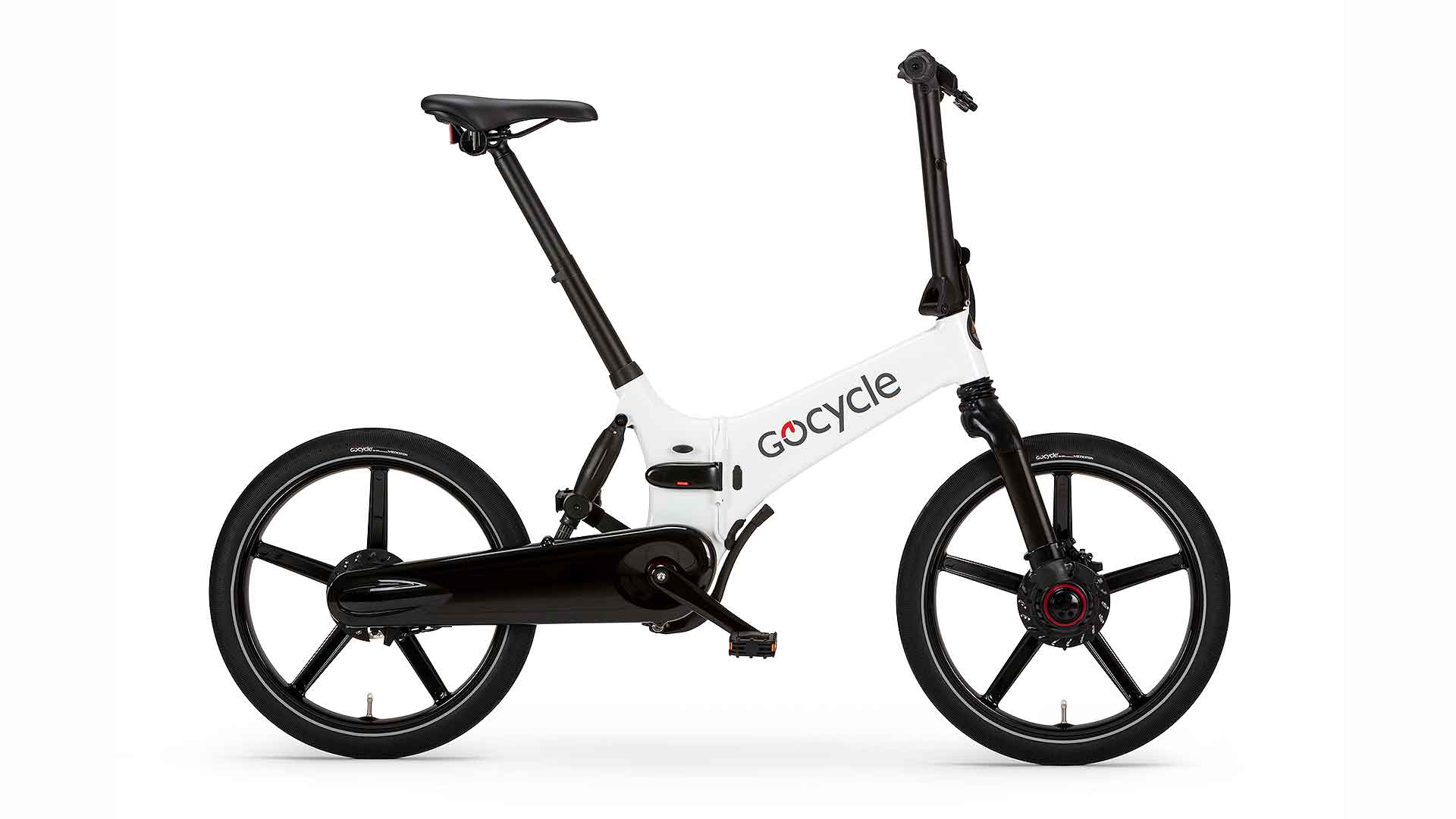
Gocycle is a British electric bicycle manufacturer founded by a former designer of McLaren racing cars. It has produced several bikes since being founded in 2002, but the Gocycle GX, introduced in 2019, is easily its fastest-seller.
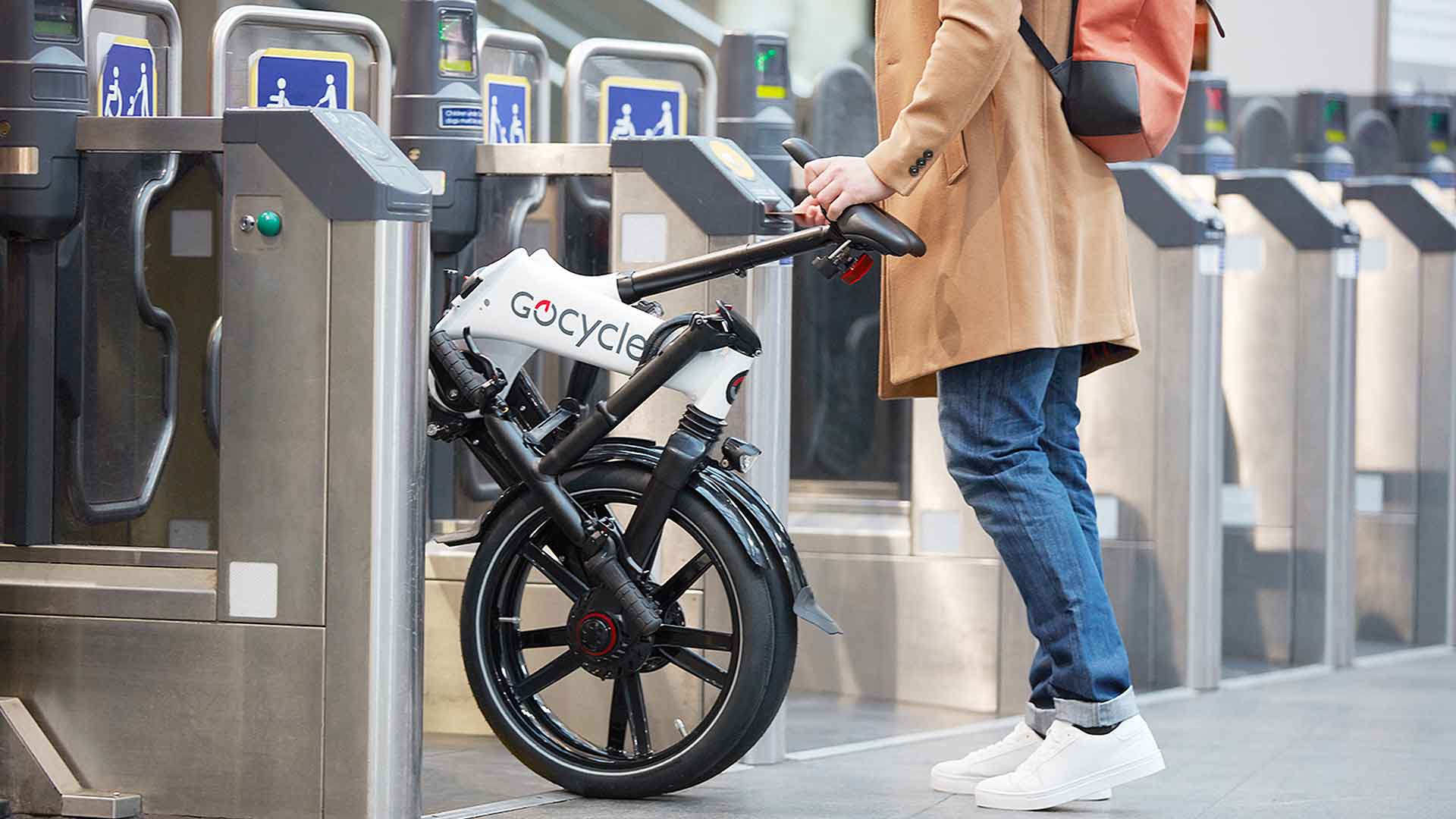
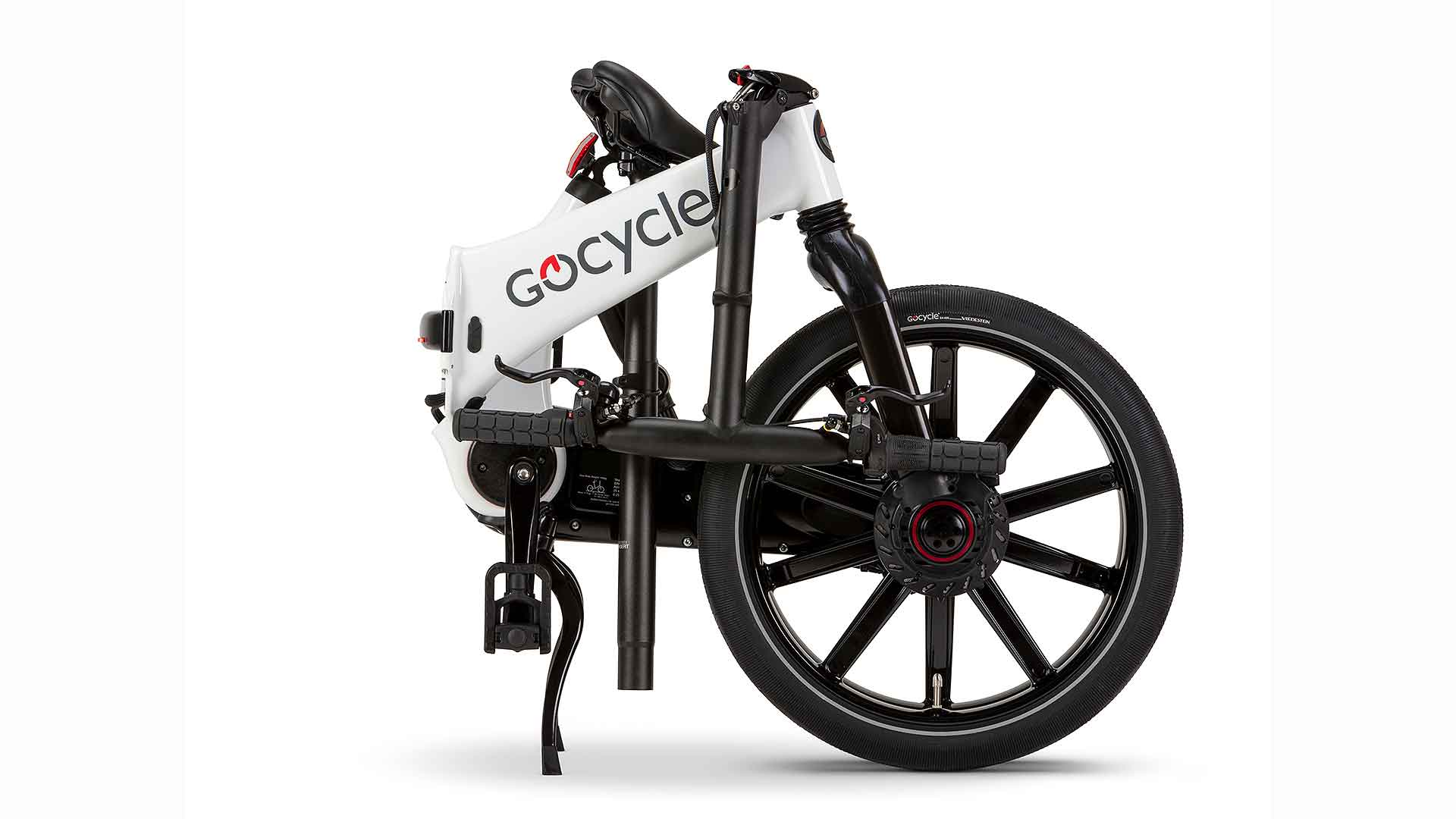
The GX’s secret is a commuter-friendly fast-folding design. You could fold older Gocycles, but the process took several minutes. With the GX, it takes as little as 10 seconds. Then, simply grab the saddle and wheel it away.
An electric bike, or e-bike, could be the answer these rusty riders are looking for.
Added bonus of electric assist? The potential for businesspeople to avoid buses, trains and the underground without getting sweaty. It’s a genuine barrier to cycling for some.
To find out what commuting by electric bicycle is like, we have been living with a Gocycle GX for the past few weeks. Here’s what we discovered.
What is the 2020 Gocycle GX?
The Gocycle GX costs £2,899 (a Brompton Electric, a rival premium electric bicycle, costs from £2,595). It is driven by a custom-designed front hub motor, producing 250 watts. There are three Shimano Nexus gears sealed in a patented Cleandrive transmission – so your trousers won’t get covered in oil.
Top speed before the electric assist cuts out is 15.5mph (or 25kph), limited by European law. It is powered by a 300 Watt-hour lithium-ion battery hidden in the frame. This gives a range of up to 40 miles, depending on pedal input. Charging time is seven hours. Gocycle says it costs 4p per charge.
A simple five-LED display indicates battery charge, but the Gocycle GX also connects via Bluetooth to a comprehensive smartphone app.
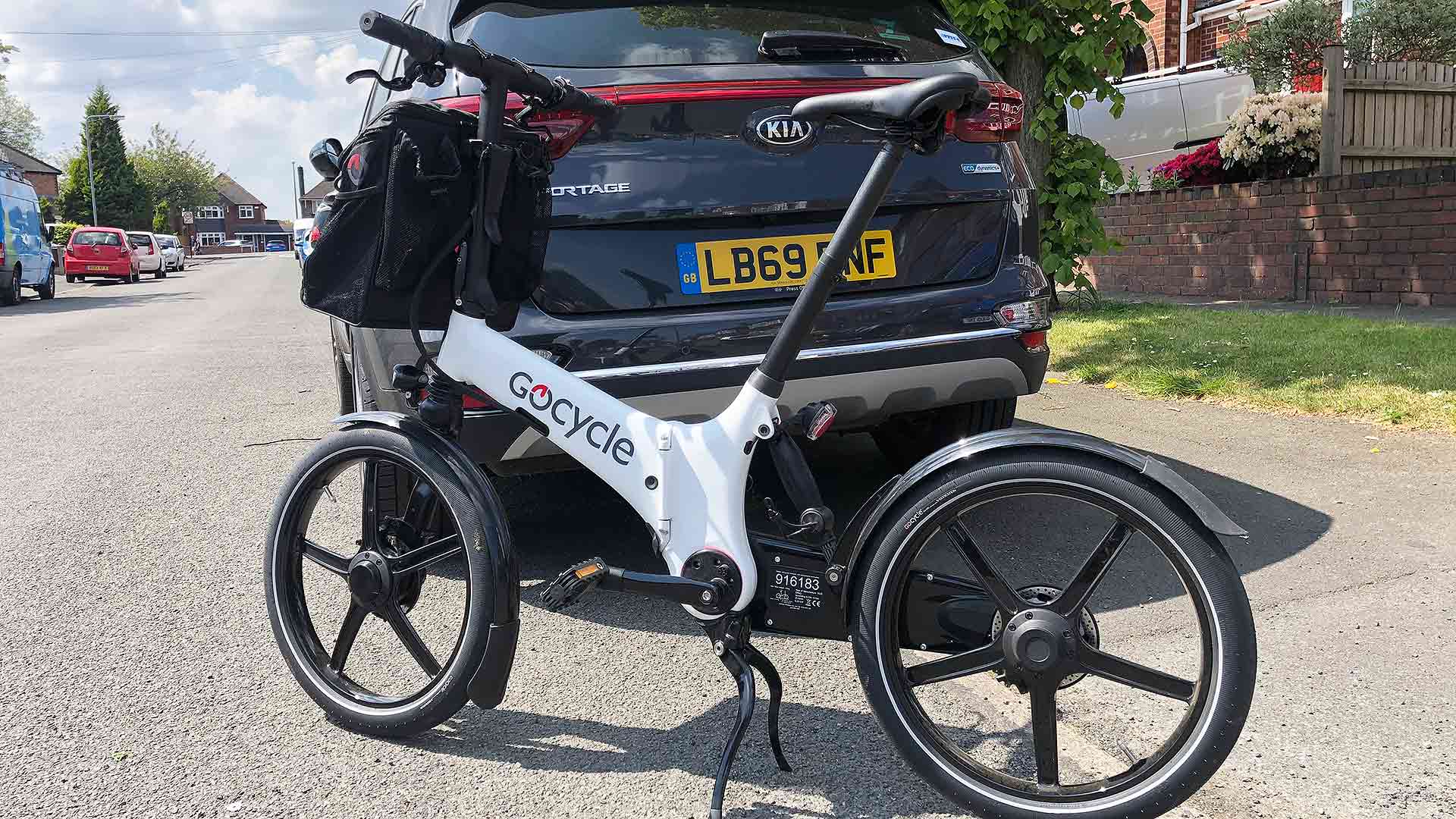
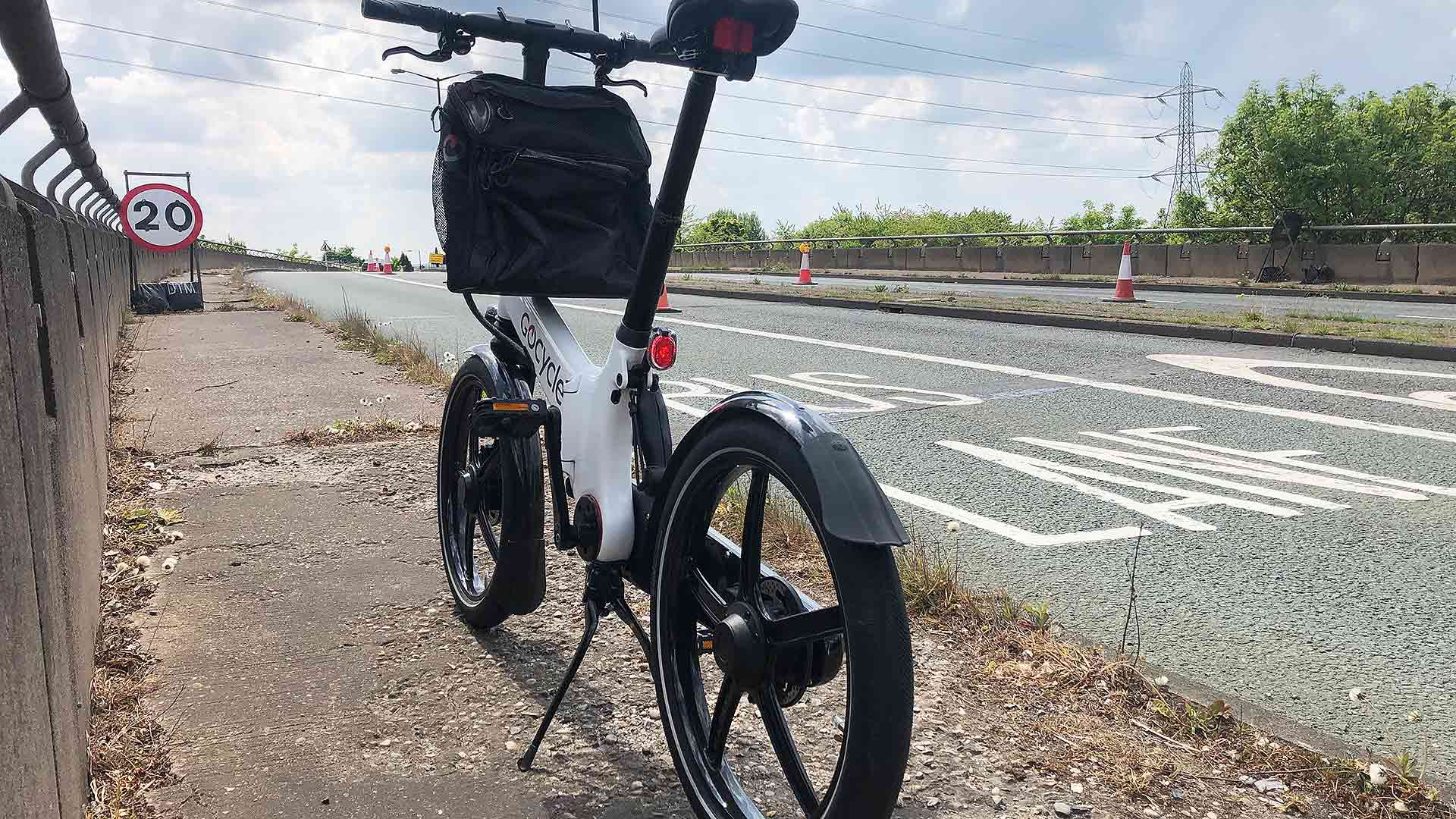
The 2020 GX model has improvements over 2019 bikes. There is a new front fork design that makes it easier to ride and (along with changes to the frame) saves 0.4kg. The whole bike now weighs 17.4kg: light enough to lift into a car boot with one or two hands without tweaking your back.
The folding mechanism is also smoother, and Gocycle has reduced external cabling down to one thin cable, making it easier to fold and stow away, as well as cleaner-looking.
It is a genuinely stylish and head-turning bike, as modern-looking as a Brompton is traditional.
Unboxing the Gocycle GX
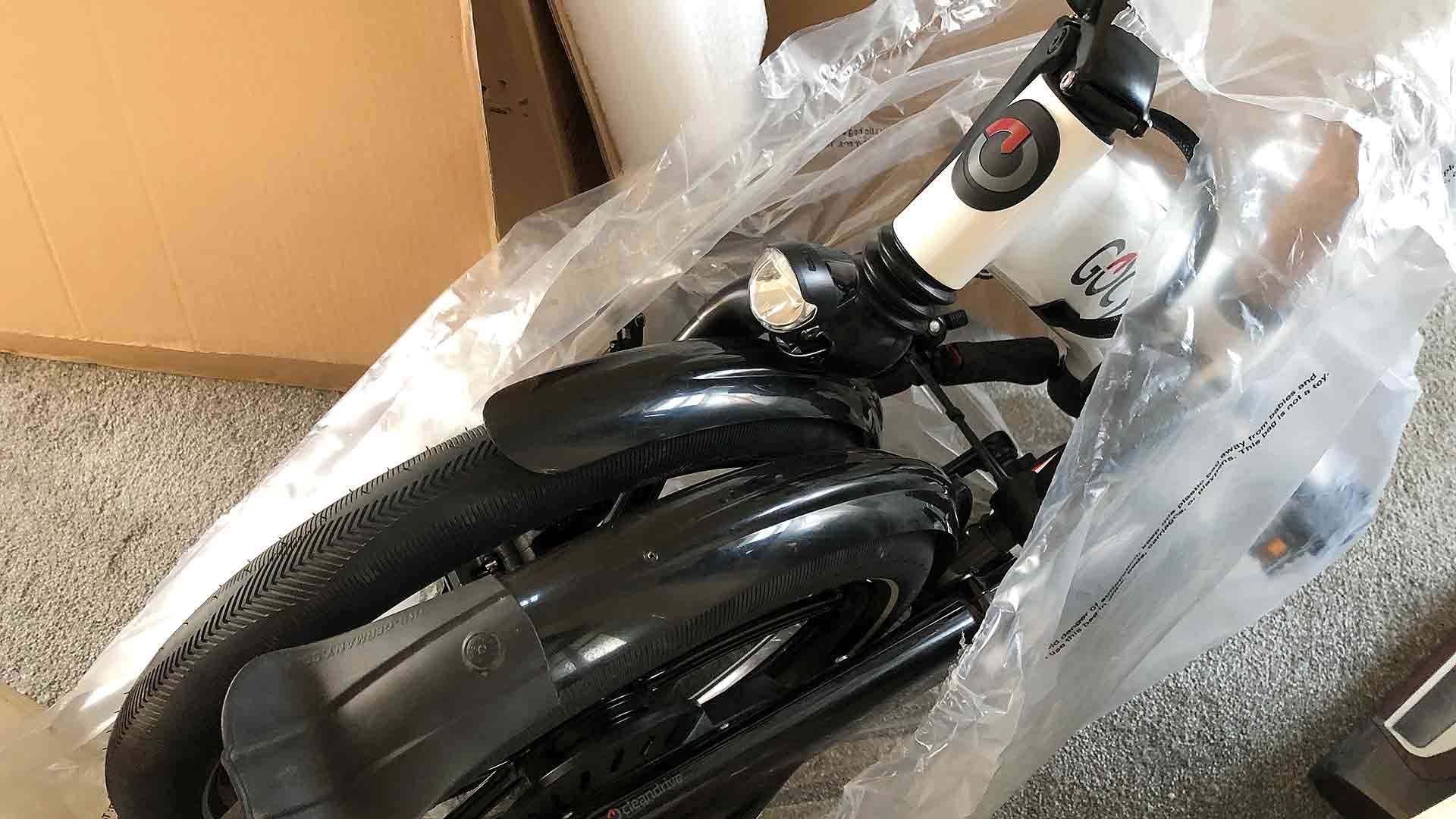
Buyers can order a Gocycle from a local dealer or online. Our test model was delivered, and unboxing it was a fun process in itself.
Importantly, it was fully assembled. We simply opened the box, folded back the protective padding and lifted out the GX. The folding mechanism is so intuitive, we didn’t need instructions: flip the frame sideways and click the clasp, then lift up the handlebars and do the same.
We slotted in the saddle and tightened the clasp using the slightly fiddly thumb wheel, then adjusted it for height with an Allen key. If you want to let someone else ride it, you need the Allen key, which isn’t the smoothest solution, although there is a stowage slot for it beneath the saddle.
The bike arrived fully charged. Once we found the ‘on’ button – a black rubber pad on the other side of the folding clasp – we were ready to go.
Riding the Gocycle GX
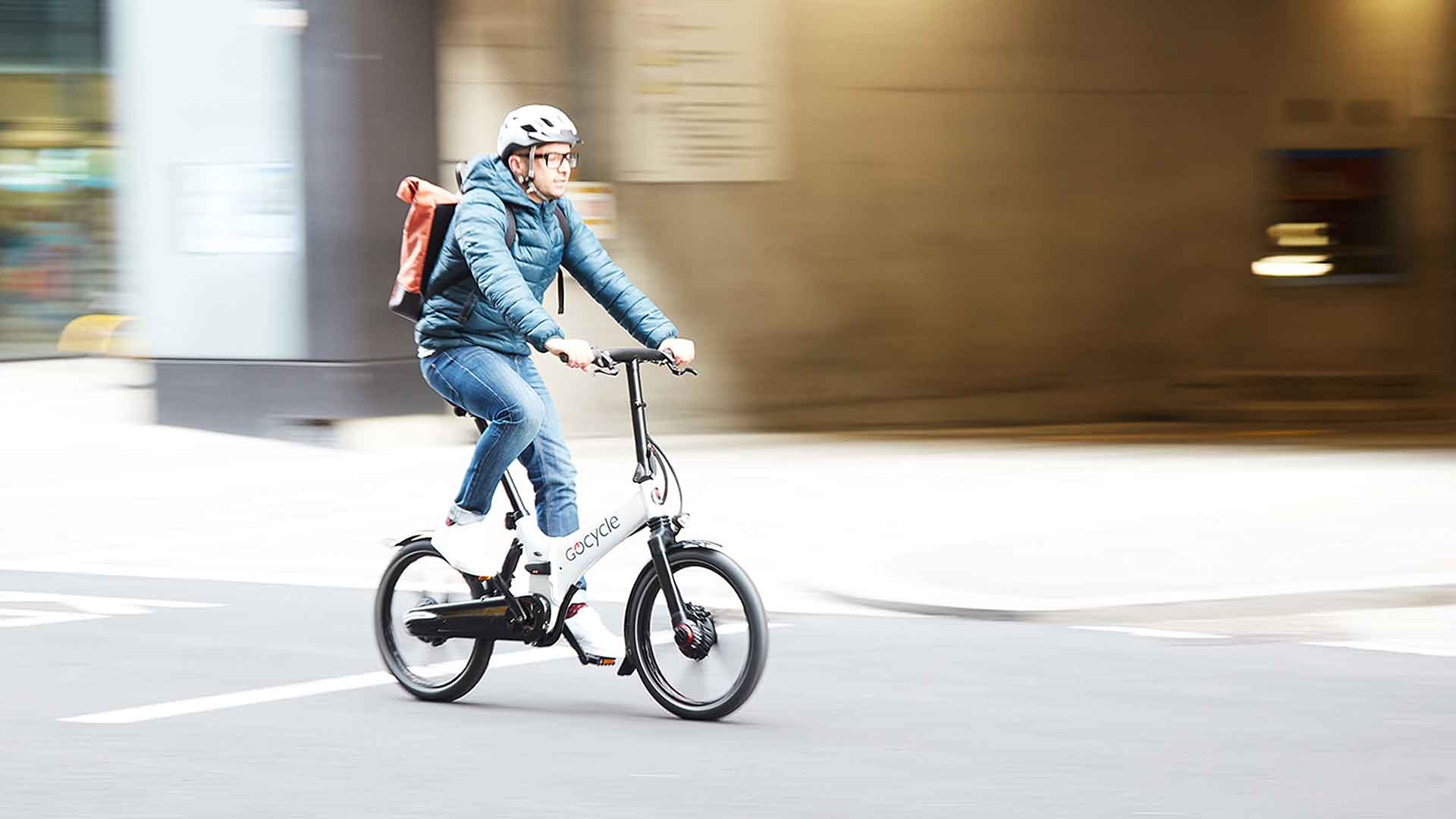
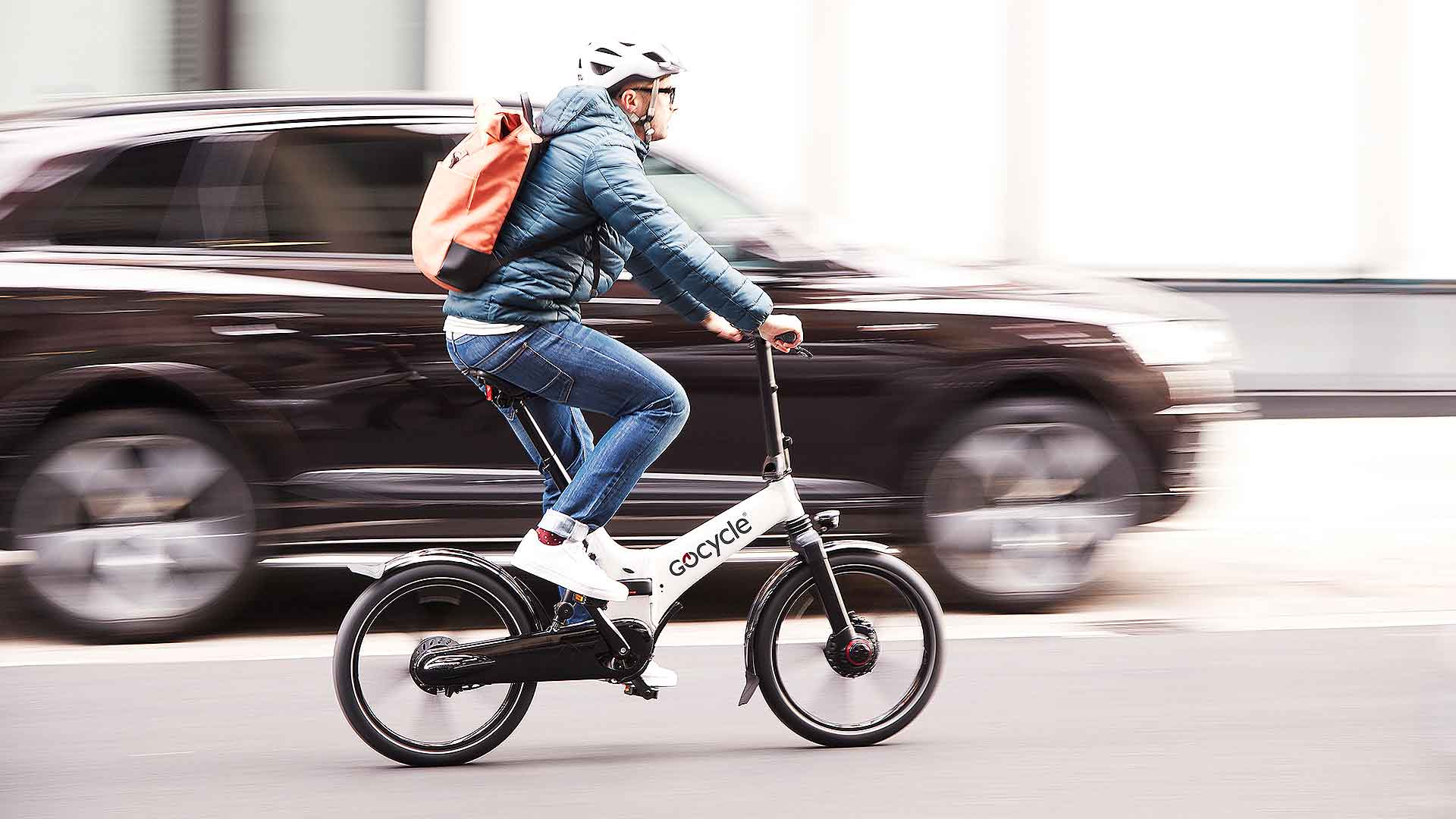
This is a premium bicycle to ride. It is smooth, sturdy and stable. Unlike some folding bicycles, you barely feel any trace of flex, and it rolls along serenely.
It’s child’s play to ride. Simply step over the low frame and push away on the pedals. It’s exceedingly easy to roll along wobble-free. Those who haven’t ridden a bike in decades should have no trouble – proven by a willing volunteer.
It has a firm but absorbent ride, taking the edge off broken roads without shaking the rider or causing any instability. In fact, it has a similar rolling feel to a McLaren supercar, with the same feeling of controlled accuracy. The disc brakes are also superb, and a tactile pleasure to use.
But what about the electric part? To be clear, this is not a pure electric bike where you press a button and sit back: you still have to pedal. Indeed, you don’t actually get any electric assist for the first couple of pedal rotations after pulling away – Gocycle believes human legs are best for getting going.
However, you soon feel the assist kick in. This takes the load off your legs and makes acceleration much easier. There are several modes, allowing you to vary the amount of assist given, and it eases out at 15.5mph (you can legally go faster in America, though).
Even without assistance, this is an inertia-free ride. The really clever bit comes when you reach a hill. As your speed drops, you’ll feel the electric assist kick back in, easing you up the hill without making you out of breath. A little button on the left handlebar grip gives you an on-demand e-boost, provided your speed is below 15.5mph.
On faster roads, more gears would be nice, so you could go more quickly. But then, this is a city commuter bicycle, so perhaps that’s not so relevant. Certainly, first gear is low enough to help you pull away easily even before the electric assist starts up.
Oh, and being electric is no cop-out. You still pedal, still get fit, still burn calories. What the electric assist does is take away the spikes in effort that put many off cycling, and make it too much of a burden in everyday use for others.
The Gocycle takes away the excuses and fear factor of cycling, opening it up to many more people. That’s not such a bad thing, is it?
No sweat
What about the sweat aspect? I put on jeans and a shirt, then went for a 13-mile ride. It was a hot day, too.
Verdict? Barely a trace of sweat – and I was putting the bike through its paces. This is the secret of cycling: once you’re up to speed, the wind keeps you beautifully fresh and cool, while the Gocycle’s e-assist means you don’t have to ramp up the effort going up hills.
I would not think twice about using it to zip around the city between meetings while suited up for work. Don’t forget the added bonus of relieving stress while out cycling, either: it’s far preferable to catching a busy tube – or, indeed, getting anxious in traffic.
The folding aspect is crucial here. The GX collapses in seconds to be popped into a car boot, meaning you can do the long-distance stuff by road, then last-mile it into the city by bicycle. When things get back to normal, this is absolutely what I’ll be doing.
2020 Gocycle GX: Verdict
Many commuters will now be investigating bicycles as an alternative to public transport. The Gocycle brand aims to capitalise on this by easing them into something that could transform their daily routine.
Yes, it’s expensive. But electric bicycles do cost more, and premium machines cost more on top. This is a quality item, the British supercar of electric bicycles, with a head-turning design and impeccable riding characteristics.
There’s also the government Cycle to Work scheme (of which Cyclescheme is the biggest provider). This now allows bicycles costing more than £1,000 to be purchased. It works by employers buying the bicycle and employees ‘hiring’ it via a salary sacrifice scheme. After 12 months, employees can then buy the bicycle at a ‘fair market value’. It’s a tax friendly-way of buying a Gocycle without forking out upfront costs.
It saves you between 25 percent and 39 percent on the price of a bicycle: on a Gocycle GX, that’s many hundreds of pounds. You can calculate here how much you could save.
You might not be able to commute in a supercar in this world of staying alert for coronavirus. But the Gocycle GX means you can certainly ride one. Swap that public transport season ticket for one of these instead. It’s one of the easiest ways to finally make cycling one of your main forms of transport.
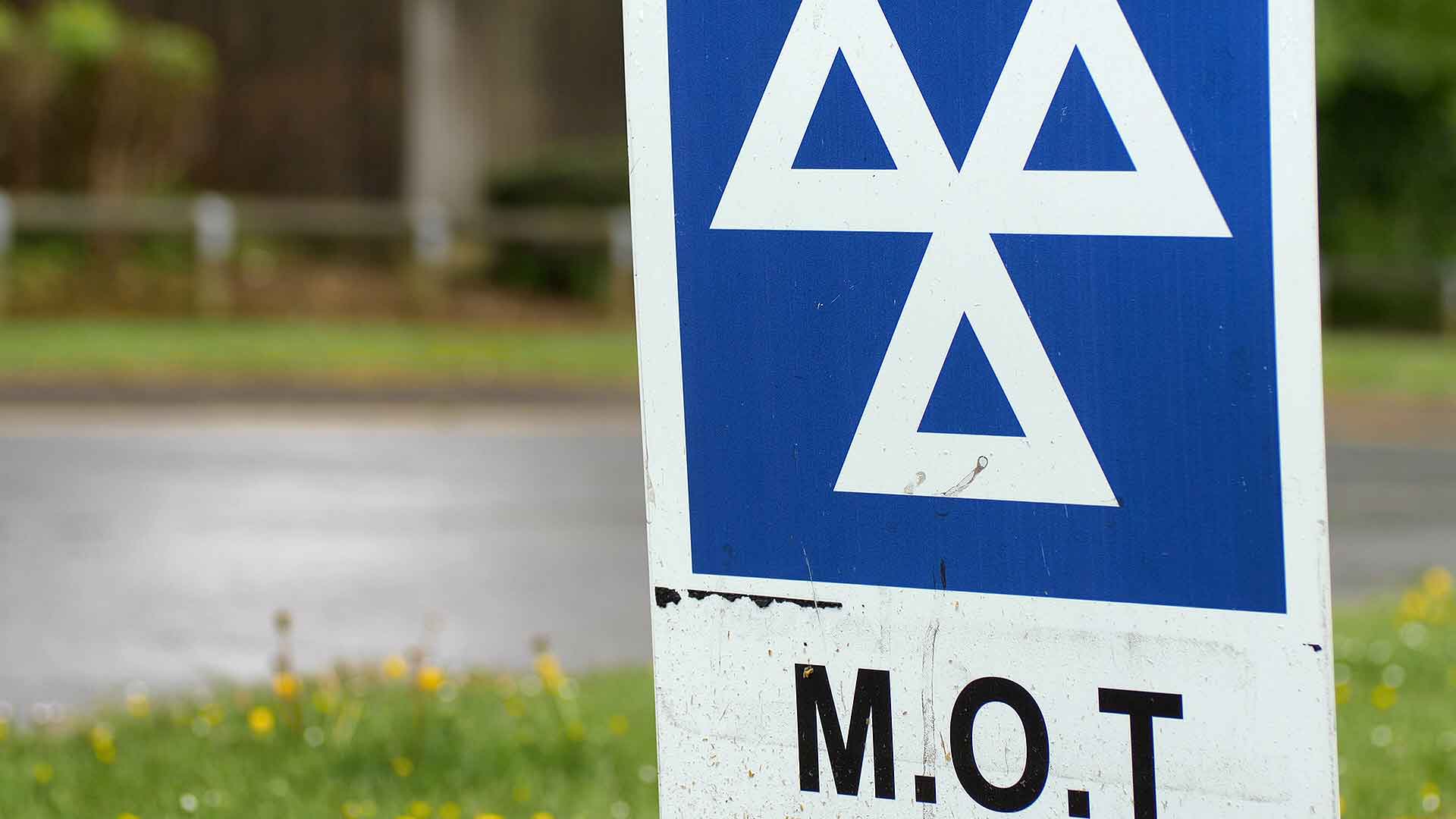
The six-month MOT extension brought in to help keep key workers mobile during the coronavirus lockdown should be ended as soon as possible, says trade body the Society of Motor Manufacturers and Traders (SMMT).
“With government advice stating that works should avoid public transport when returning to work,” said chief executive Mike Hawes, “the use of private cars is likely to rise.
“Given many of these vehicles have been idle for weeks, a reconsideration of the six-month MOT extension neds to be made as soon as possible.”
The extension saw MOTs that expired during the lockdown automatically extended by six months.
The rule change was introduced on 30 March and is currently in force until March 2021. This means that any MOT expiring until then will be granted an automatic six-month extension.
In the interests of safety and vehicle reliability, the SMMT believes the regular annual MOT check needs to recommence quickly. This would see the current emergency legislation withdrawn again.
Roadworthiness risks
Steve Nash, CEO of the Institute of the Motor Industry, echoed the SMMT’s call.
“Whilst the motives for the initiative were sound at that time, there are serious risks in the extension remaining in place now.
“First and foremost, if vehicles are coming back onto the roads in volume, it is vital for all road users’ safety that they are roadworthy.
“The other issue is that if all motorists wait up to 6 months from when their MOT expired to get their vehicle tested, there is going to be a big backlog of tests in the autumn and winter, which could significantly overwhelm the sector.”
Mr Hawes said the sector has now introduced coronavirus safety guidance to minimise the risk of Covid-19 transmission.
“It is timely that the aftermarket can assure customers and colleagues that it is ready to reopen safely to ensure workers’ vehicles remain roadworthy.”
The sector is ready to cope with a “significant ramp-up in demand,” he added.
McDonald’s has announced plans to reopen its UK restaurants – including the drive-thru service.
All McDonald’s in the UK and Ireland were closed down two months ago in response to the coronavirus pandemic. From today (Wednesday 13 May), the company begins a gradual return to business.
The process begins with 15 pilot sites in the south-east of England, which will offer delivery via Uber Eats. There will be a £25 order cap (to support smaller teams and social distancing), while seating areas, car parks and drive-thrus will remain closed.
McDonald’s plans to add a further 30 outlets from Wednesday 20 May – the date drive-thru lanes will also start to reopen.
“Moving in step with government guidelines, we plan to reopen all our drive-thrus by early June,” says the company. “We will keep the restaurant locator on our website updated as our drive-thrus reopen over the coming weeks.”
From 20 May, there will also be a £25 spending limit for drive-thru customers, with customers encouraged to use contactless payment.
However, it’s worth noting that paying via your smartphone in a drive-thru is illegal – and could land you with six penalty points and a £200 fine. Police advice is to switch off your car’s engine and engage the handbrake if you wish to pay via Apple Pay or Google Pay.
Paul Pomroy, CEO of McDonald’s in the UK and Ireland, said: “When your local drive-thru does reopen, it will be different. Our service will not be as quick as you might be used to. We expect there will be some queues for some of our busier sites and our restaurants will look different, with Perspex screens at our drive-thru windows and employees wearing protective equipment.”
As McDonald’s sites – usually at motorway services – are the unofficial offices of Motoring Research, we look forward to decent coffee and wi-fi again. But the point where restuaurants fully reopen is still some months away…






 McDonald’s has announced plans to reopen its UK restaurants – including the drive-thru service.
 From 20 May, there will also be a £25 spending limit for drive-thru customers, with customers encouraged to use contactless payment.