It features on the engine cover and rear-view mirrors, and also the racewear of the team and drivers, including Brit Lando Norris.
RELATED: How to find the cheapest petrol and diesel near me
Gulf will, from 2021, also become the choice oil supplier for McLaren Automotive’s road cars.
The company will recommend the supercars are filled with Gulf lubricants and run on Gulf fuel.
What’s more, a “small and exclusive” number of customers will be given the option to have their McLaren supercar painted in a Gulf livery modelled on the Le Mans 24 Hours podium-placing McLaren F1 GTR racer (pictured above).
This will be a guaranteed collectible for those lucky enough to get the opportunity.
“Like McLaren, the Gulf name is synonymous around the world with technical excellence and innovation and the excitement of going racing and motoring,” said McLaren Automotive CEO Mike Flewitt.
“Every supercar will have Gulf fuel and lubricants when it leaves the McLaren Production Centre and I know our customers will be thrilled to be able to work with our in-house bespoke team on the option of being one of the few to be able to personalise their McLaren supercar in the iconic Gulf livery.”
McLaren first partnered with Gulf in 1968, winning together both in F1 and the Can-Am series. The collaboration lasted until 1973.
Gulf and McLaren were reunited in the 1990s with the McLaren F1 GTR, which ran Gulf colours throughout the decade.
“Widespread use of this type of commission creates an incentive for brokers to act against customers’ interest,” said the FCA.
The FCA estimates the ban, which comes into force on 28 January 2021, will save car finance customers £165m a year.
Christopher Woolard, FCA’s interim chief executive, said: “By banning this type of commission, where brokers are rewarded for charging consumers higher rates, we will increase competition and protect consumers.”
Car finance customers will also receive more comprehensive information about the commission they are paying to the dealer or broker.
Treasury coffers were hit by a £2.4 billion plunge in fuel duty revenue during the April and May coronavirus lockdown, new figures have revealed.
Diesel fuel duty revenue income fell by the largest amount. It plummeted almost 50 percent to £1.5 billion over the two months.
Last year, the Treasury received more than £2.9 billion in diesel fuel duty during the months of April and May.
Petrol fuel duty income was also down, with May bringing in just £251 million – the lowest figure since 1990.
As a percentage, the fall in petrol duty income was even greater. It dropped 61 percent, from £1.6 billion to £634 million, a fall of almost £1 billion.
Fuel duty is charged at 57.95p for every litre sold. In 2019, the Treasury received a total of £4.5 billion from diesel and petrol sales over this period.
This year, the total is £2.1 billion.
“The financial impact of the coronavirus on the government has clearly been immense,” said RAC head of roads policy Nicholas Lyes.
“The lost revenue on fuel duty is a further blow to the public finances.” He added that although traffic volumes have recovered, they are still 10-15 percent below pre-lockdown levels.
However, Mr Lyes warned Chancellor Rishi Sunak to resist the temptation to increase fuel duty.
“With the country staring down the barrel of one of the sharpest recessions on record, such a move would risk choking any economic recovery at a time when drivers and businesses are struggling the most.”
Mr Lyes added the lockdown fuel duty decline also gives the government an insight into the effect of greater numbers of electric vehicles on the road.
“Treasury officials might want to start thinking about how the government approaches such a scenario, considering fuel duty normally generates around £27 billion a year.”
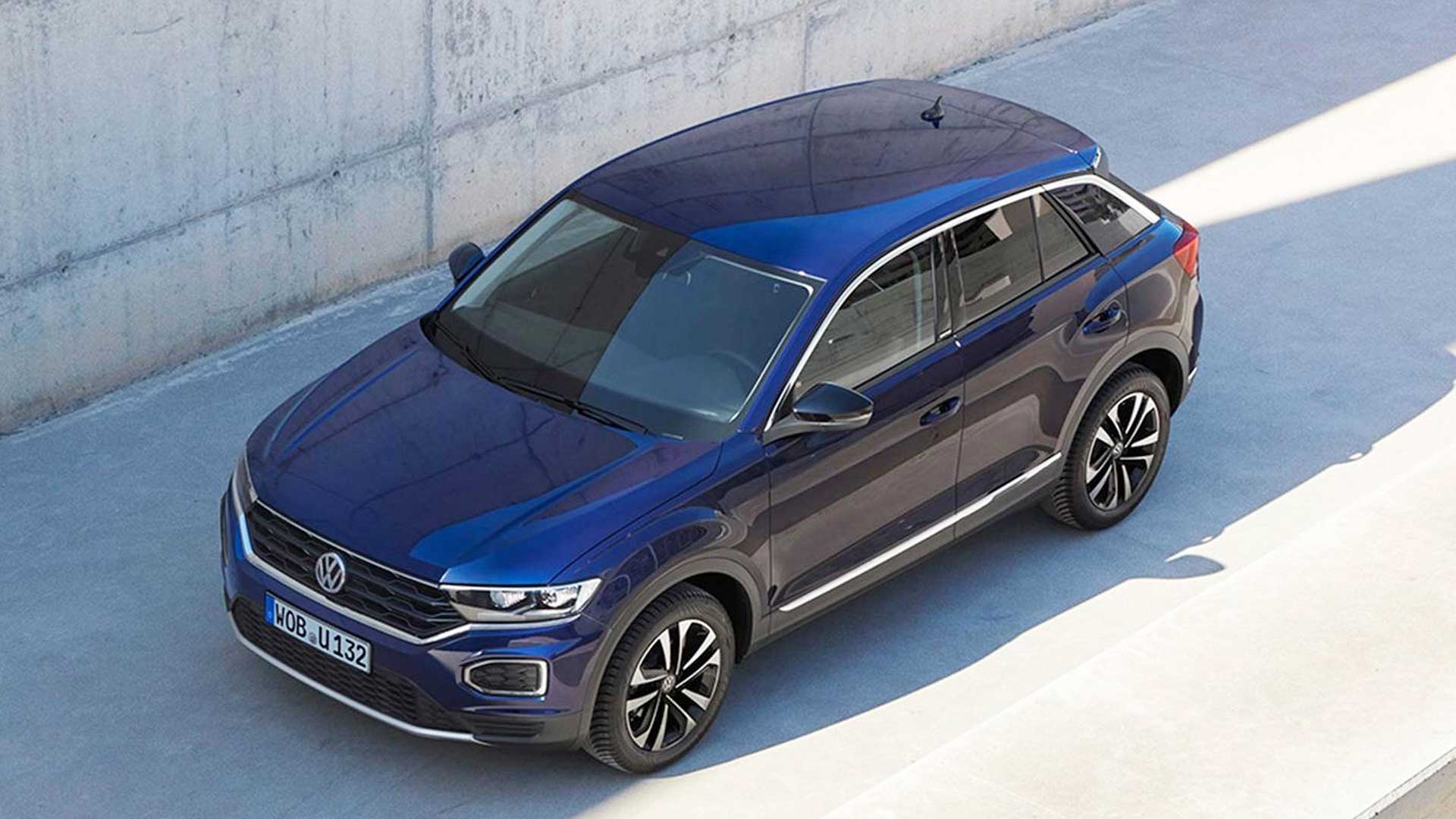
Volkswagen has introduced a new United edition that adds value to the Polo, T-Cross and T-Roc model lines.
The firm says the combination of extra equipment and revised prices brings up to £1,760 of added value over the regular SE trim they’re based on.
Prices actually undercut both Match and SE variants for each model:
Polo United – prices from £17,350
T-Cross United – prices from £20,410
T-Roc United – prices from £23,550
United models are marked out by unique ‘United’ badging and door sill protectors, and ‘Dublin’ alloy wheels in either 15-inch, 16-inch or 17-inch diameter, depending on the model.
Volkswagen also adds standard voice control and a Winter Pack – that’s heated front seats and a low washer fluid level warning light.
All United versions have unique grey and blue seat upholstery, stainless steel pedals, front and rear carpet mats and unique trim inlays.
Like they cars they’re based on, they all get smartphone mirroring and a leather steering wheel.
On top of all this, the Polo United adds 8.0-inch Discover Navigation touchscreen infotainment, automatic headlights, auto wipers and an auto-dim rear-view mirror.
Meanwhile, the T-Cross United and T-Roc United have heated windscreen washer jets and rear tinted glass; the T-Cross United adds front and rear parking sensors, while the T-Roc United gets puddle lights that shine a ‘United’ logo onto the ground when the door is open.
The engine range is all-petrol, with two choices offered with each United model:
Polo United engines: 1.0 Evo 80 or 1.0 TSI 95
T-Cross United engines: 1.0 TSI 95 or 1.0 TSI 115
R-Roc United engines: 1.0 TSI 115 or 1.5 TSI Evo 150
“The United models,” said Volkswagen UK head of marketing Sarah Cox, “represent considerable value savings, with their affordable pricing positions and generous equipment boosts.”
With the petrol version of the Citigo consigned to the history books, it’s left to the Fabia to play the budget card for Skoda. It has a few aces up its sleeve, including a spacious interior, efficient engines and some of Skoda’s ‘Simply Clever’ features. The Fabia is also one of only a few small cars to offer an estate variant, but you’ll need to find at least £17,060 for the Fabia wagon.
Suzuki Swift – £14,299
This time last year, the £9,000 Suzuki Celerio was one of the country’s cheapest new cars. With the Celerio and Baleno no longer available, it’s left to the Swift and the Ignis to carry the budget baton for Suzuki. The entry-level Swift SZ3 features air conditioning, DAB digital radio, Bluetooth, a leather steering wheel and LED daytime running lights. Power is sourced from a 1.2-litre mild hybrid engine with the potential to deliver 56.4mpg on a combined cycle.
Suzuki Ignis – £14,249
Spoiler alert: the majority of Britain’s cheapest cars are devoid of charm, lacking in style and are as cheery as a Belarusian bus station. But the Suzuki Ignis bucks the trend, with a design that’s quite unlike anything else on the road – further enhanced in revised 2020 guise with a more rugged SUV look and a fuel-saving mild hybrid engine. In £14,249 SZ3 trim, the Ignis features digital radio, Bluetooth and air conditioning, but you’ll need to upgrade to the £15,749 SZ-T for 16-inch alloy wheels, sliding rear seats, Apple CarPlay, Android Auto, roof rails, wheel arch extensions and side mouldings.
SsangYong Tivoli – £13,995
The SsangYong Tivoli is a compact crossover that’s backed by a seven-year warranty. The basic EX trim isn’t overloaded with equipment, but you do get keyless entry, front and rear electric windows, air conditioning, steering wheel audio controls, rear parking sensors and a suite of safety systems. Upgrading to the Ventura trim requires an extra £3,000, but it still costs around the same price as a new Ford Fiesta. Speaking of which, neither the Fiesta or the Vauxhall Corsa make the list of the cheapest new cars in 2021.
Kia Rio – £13,395
In most cases, the lowest price is designed to tempt you into a car showroom, where the dealer will attempt to upgrade you to a more expensive model. Take the Kia Rio. In ‘1’ trim, you get a pretty basic specification, including air conditioning, Bluetooth, a 3.8-inch radio display and electric front windows. For an extra £2,200, the Rio ‘2’ adds 15-inch alloy wheels, a seven-inch colour display, cruise control, reversing camera, rear parking sensors and a leather-trimmed steering wheel. We think it’s worth the upgrade.
Fiat 500 – £13,020
How badly do you want to own a Fiat 500? In £13,000 Pop guise, the fashionable city car features 14-inch steel wheels, manual air conditioning, DAB digital radio, steering wheel audio controls and… that’s about it. The £14,750 Lounge trim adds 15-inch alloy wheels, a seven-inch touchscreen display, Apple CarPlay, Android Auto, rear parking sensors, leather steering wheel and a fixed glass roof to the mix. List prices are almost irrelevant in 2021 – monthly payments are king. Upgrading from Pop to Lounge won’t break the bank.
Hyundai i10 – £12,820
Hyundai was one of the companies to gain the most out of the original ‘scrappage’ scheme of 2009, with many motorists ‘trading up’ to an i10. Today’s i10 isn’t the bargain city car it once was and the entry-level SE model is a little short of toys. That said, the SE Connect is only £1,000 more expensive and will be a lot easier to live with. You can even buy an N Line version, with styling inspired by the i30 N hot hatchback.
Peugeot 108 – £12,785
This time last year, you could buy a Peugeot 108 in Active trim for less than £10,000. Today, you’ll need closer to £13,000 for the entry-level 108. In fairness, the spec is a little more generous than before, with the 108 Active boasting air conditioning, a seven-inch touchscreen display, DAB digital radio, steering wheel controls and a height adjustable driver’s seat.
Volkswagen Up – £12,705
Because the Skoda Citigo and Seat Mii have gone down electric avenue, the Volkswagen Up is the only one of the tiny trio to be available for an affordable price. The basic three-door Up features 15-inch alloy wheels, a five-inch colour touchscreen display, DAB digital radio, air conditioning and a smartphone navigation interface. Adding an extra couple of doors adds £400 to the price.
Toyota Aygo – £12,690
The Toyota Aygo is based on the same platform as the Citroen C1 and Peugeot 108, but it has a snazzier face. In basic X-play trim, the Aygo comes with 15-inch steel wheels, smartphone integration, a reversing camera and solid red paint. We’d recommend the X-trend. It might cost an extra £1,165, but you get 15-inch alloy wheels, air conditioning and rear privacy glass.
MG3 – £12,195
We like the MG3, even if the nod to the brand’s heritage feels a bit disingenuous. The bargain Explore trim has been discontinued, which explains why the entry-level price has increased from £9,500 to £12,000. The specification is impressive and includes air conditioning, leather steering wheel, an eight-inch colour display, Apple CarPlay, Android Auto, DAB digital radio, 16-inch alloy wheels and reversing camera.
Dacia Duster – £11,745
Perhaps predictably, Dacia dominates the latter part of this feature – the Renault-owned company has cornered the market formerly occupied by the likes of Kia and Hyundai. In Access trim, the Duster is lacking in glamour, but even the flagship Prestige trim costs less than the price of an entry-level Corsa. The cheapest four-wheel-drive variant costs around £19,00.
Renault Twizy – £11,695
Technically, the Renault Twizy is a quadricycle, but given the shortage of genuinely cheap cars, we’re happy to include it here. It’s interesting to note that the price of an entry-level Twizy has gone up from around £7,000 to £11,700 in a little over 12 months. There’s a good reason for the inflated price. In the past, you had to lease the batteries at a cost of around £50 a month. Today, the cost is included in the price of the car.
Dacia Sandero Stepway – £10,995
We’re cheating a little here. Although Dacia positions the all-new Sandero Stepway as a separate model, in reality, it’s a Sandero with quasi-SUV styling and a raised ride height. Having said that, it does look more premium than the Sandero, and the £12,595 Comfort trim offers excellent value for money.
Kia Picanto – £10,745
Kia secured a foothold in the UK thanks to a range of budget-led hatchbacks and SUVs, but the Korean company has its eyes on the premium establishment. The Rio costs upwards of £13,395, while the cheapest Picanto city car sits just under the £11k mark. There are no fewer than seven different versions of the Picanto, including a rugged X-Line and a sporty GT-Line.
Fiat Panda – £10,580
We love the Fiat Panda. It’s the car we’d like to hire when in Rome. And it puts us in mind of Giugiaro’s classic. But this isn’t Rome and a lot of acqua has passed under the ponte since the Italian maestro penned the original. The zero-star Euro NCAP rating makes it hard to recommend the Panda, especially in light of more contemporary rivals. On the plus side, the price has gone up just £500 in 12 months.
Mitsubishi Mirage – £10,575
Mitsubishi has revamped the Mirage. We think it looks rather good, and with many rivals upping their prices, it’s now one of Britain’s cheapest new cars. The entry-level Verve trim is a miserly in terms of spec, but you do get air conditioning, automatic wipers, Bluetooth and a leather steering wheel. We’d recommend spending an extra £2,000 on the Design trim, which adds 15-inch alloy wheels, a 6.5-inch colour display, smartphone connectivity, faux leather and fabric seats, plus keyless start.
Citroen C1 – £10,315
You could buy a new Citroen C1 Live for £10,315, but we wouldn’t recommend it. The black bumpers, 14-inch steel wheels and a heater in lieu of air conditioning all hark back to the 80s or 90s. And if you want to relive the 80s or 90s dream in a Citroen, may we suggest buying a ZX or Xsara? Both are cheap as chips and unlikely to depreciate.
Dacia Sandero – £7,995
The Sandero arrived in the UK with a headline-grabbing £5,995 price tag, helping the Dacia to corner the budget end of the market. Today, you’ll pay £7,995 for the basic Access version of the brand-new model, meaning it still tops the list of cheapest new cars on sale in the UK. The question is: could you live without a radio and air conditioning? At the time of writing, it’s still possible to buy the outgoing Dacia Sandero. The entry price is the same, but you might be able to bag a great deal as dealers clear old stock.
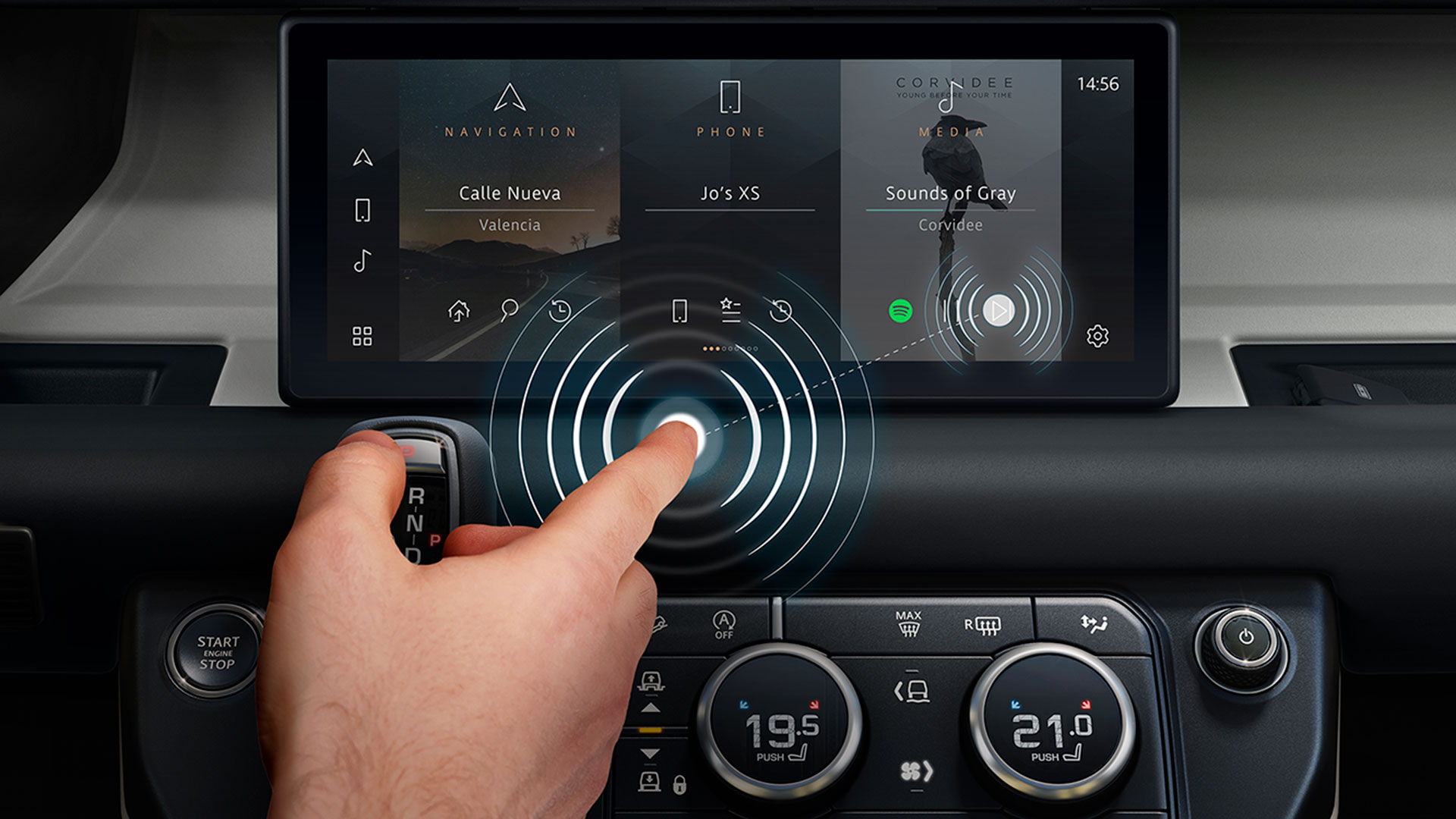
Jaguar Land Rover has developed a new contactless touchscreen to improve driver safety. It could also help reduce the spread of bacteria and viruses.
The system uses so-called ‘predictive touch’ technology to anticipate a user’s intended target on the touchscreen. This is done via artificial intelligence (AI) and sensors. In theory, drivers will be able to control the sat-nav, climate control and media without touching a button.
Laboratory tests and on-road trials suggest that predictive touch tech could reduce a driver’s touchscreen interaction effort and time by up to 50 percent.
There’s an increasing reliance on touchscreens to control primary functions in car cabins. While such systems help to simplify a car’s dashboard – not to mention add a certain ‘wow factor’ – some touchscreens are difficult to use on the move. This is especially true if some functions are ‘hidden’ in sub-menus.
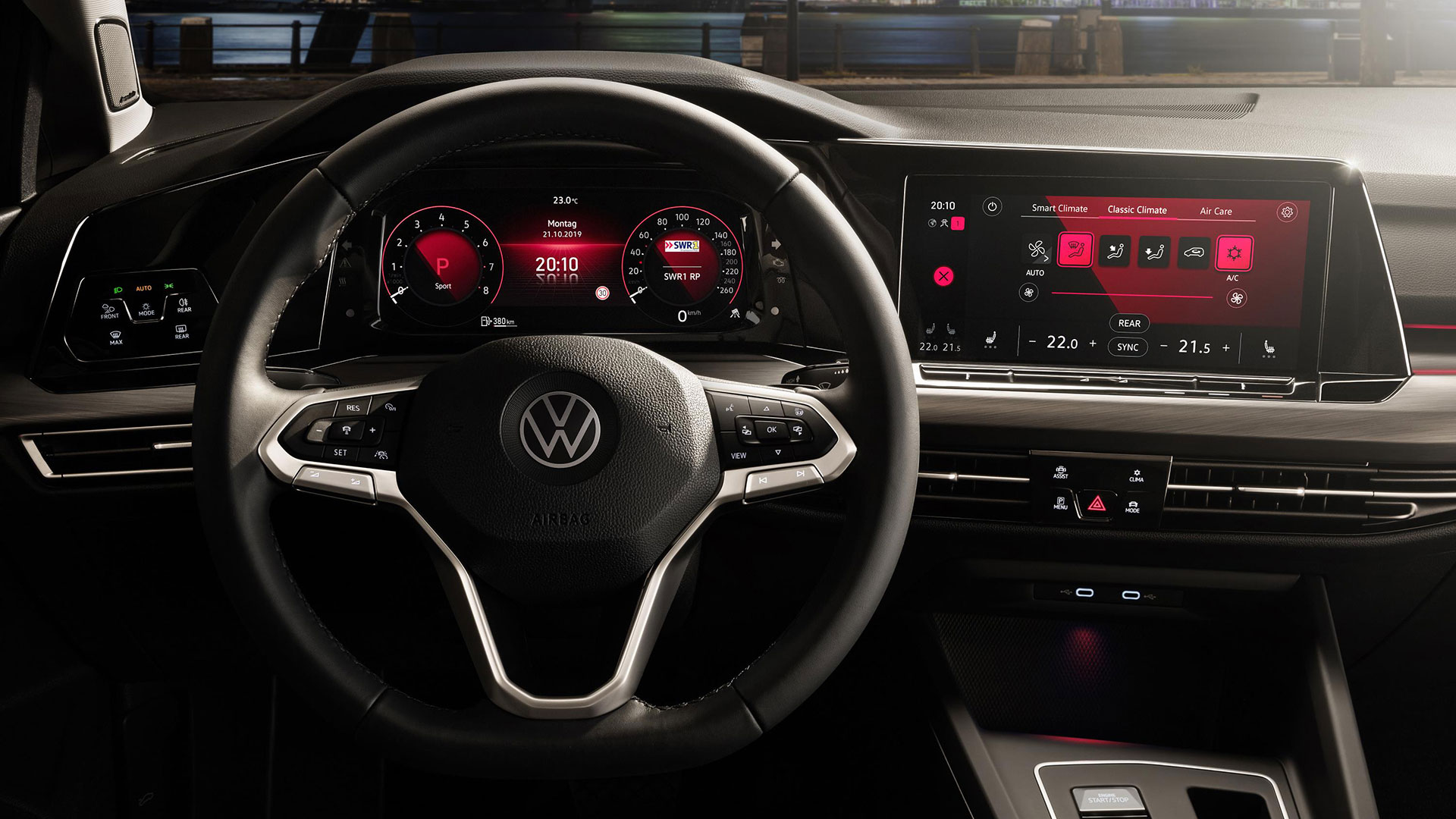
The new Volkswagen Golf takes the concept of a digitalised cabin to the next level. In his review, MR’s Tim Pitt said he wasn’t “fully convinced” by the new approach, arguing that “the minimalist design and deference to touch controls may not be perceived as progress”.
A touchscreen that reduces the amount of time a driver takes their eyes off the road will be a welcome development. Not touching the screen will have other benefits, especially in a post-coronavirus world. Indeed, it’s not difficult to see how the technology could be used beyond the automobile.
‘Reducing the cognitive load on drivers’
Lee Skrypchuk, human-machine interface technical specialist at Jaguar Land Rover, said: “As countries around the world exit lockdown, we notice how many everyday consumer transactions are conducted using touchscreens: railway or cinema tickets, ATMs, airport check-ins and supermarket self-service checkouts, as well as many industrial and manufacturing applications. Predictive touch technology eliminates the need to touch an interactive display and could therefore reduce the risk of spreading bacteria or viruses on surfaces.
“The technology also offers us the chance to make vehicles safer by reducing the cognitive load on drivers and increasing the amount of time they can spend focused on the road ahead. This is a key part of our Destination Zero journey.”
Destination Zero is Jaguar Land Rover’s desire to make its vehicles safer and the environment cleaner and healthier. Alongside the contactless touchscreen, the company has developed a ‘Driver Condition Monitor’, engine noise cancellation and cabin air ionisation with PM2.5 filtration to capture ultra fine particles and allergens.
Professor Simon Godsill from Cambridge University’s Department of Engineering led the contactless touchscreen project. He said: “Touchscreens and other interactive displays are something most people use multiple times per day, but they can be difficult to use while in motion, whether that’s driving a car or changing the music on your phone while you’re running.
“We also know that certain pathogens can be transmitted via surfaces, so this technology could help reduce the risk for that type of transmission.”
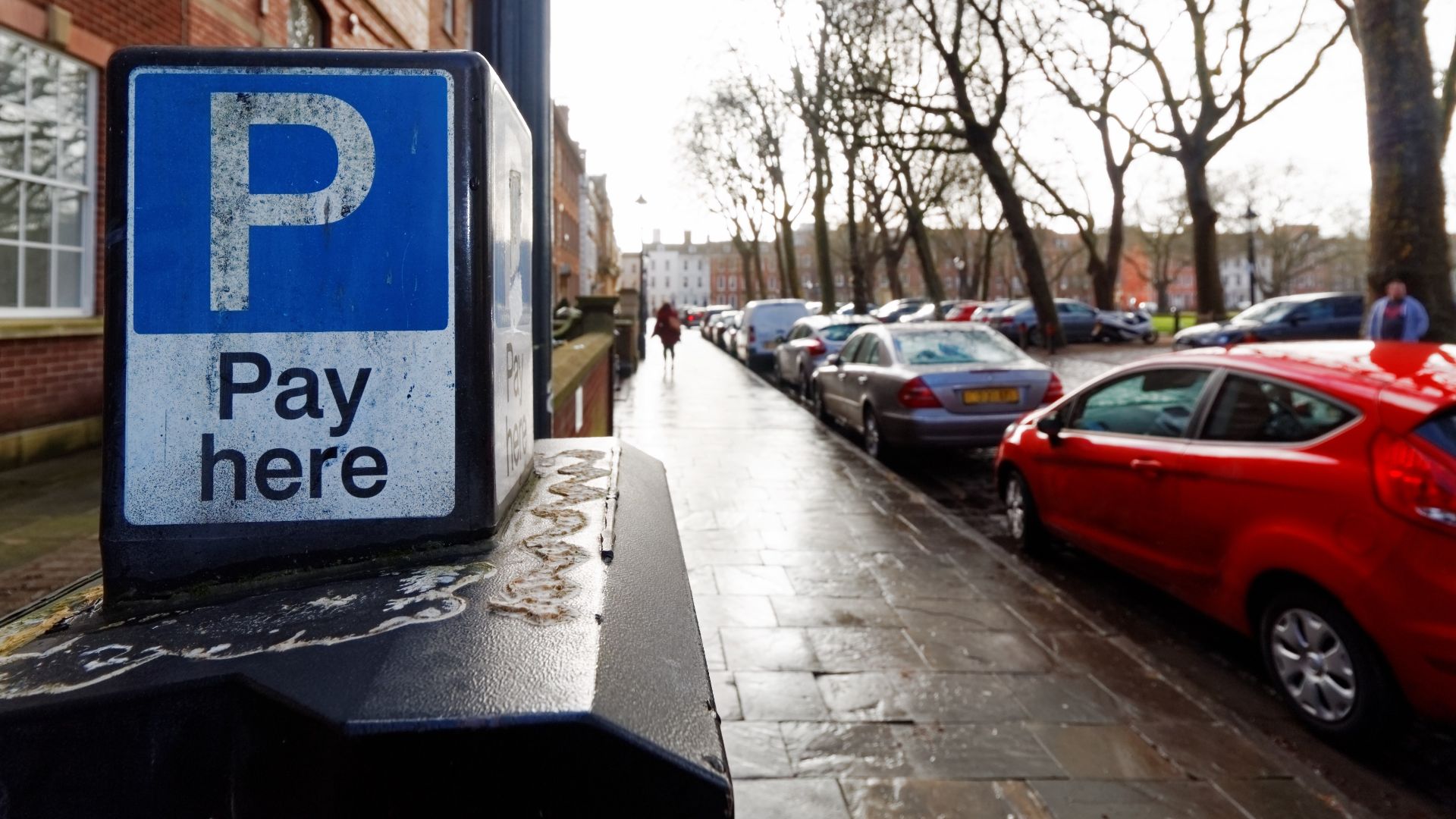
London is the world’s fourth most expensive place to park a car. That’s according to a recently published Parking Price Index.
The study looked at 65 cities to highlight the differences in the cost of parking around the world. Five parking locations were considered: airport, shopping district (car park), shopping district (street parking), stadium and city hall.
City hall was chosen as these buildings are generally located in the centre of the town, where parking can command a premium. The cities were ranked in terms of average percentage deviation.
The study suggests that London is the second most expensive city when it comes to parking at a stadium. A cost of £30 per hour is just 75p behind Philadelphia.
At £7.80 per hour, London is ranked fifth for airport parking costs. Meanwhile, a cost of £4.90 per hour puts London second behind Amsterdam for street parking.
Seven out of the ten top most expensive places to park are in the United States, with New York and Boston proving to be more expensive than London. The UK capital is sandwiched between two Australian cities: Sydney and Brisbane.
Fixter, the company behind the research, claims that major hubs like London “stand to lose an estimated £449 million due to the [coronavirus] pandemic”.
This is based on the £727 million parking revenue collected by Greater London boroughs in 2019. After expenses, this gives a surplus of £454 million.
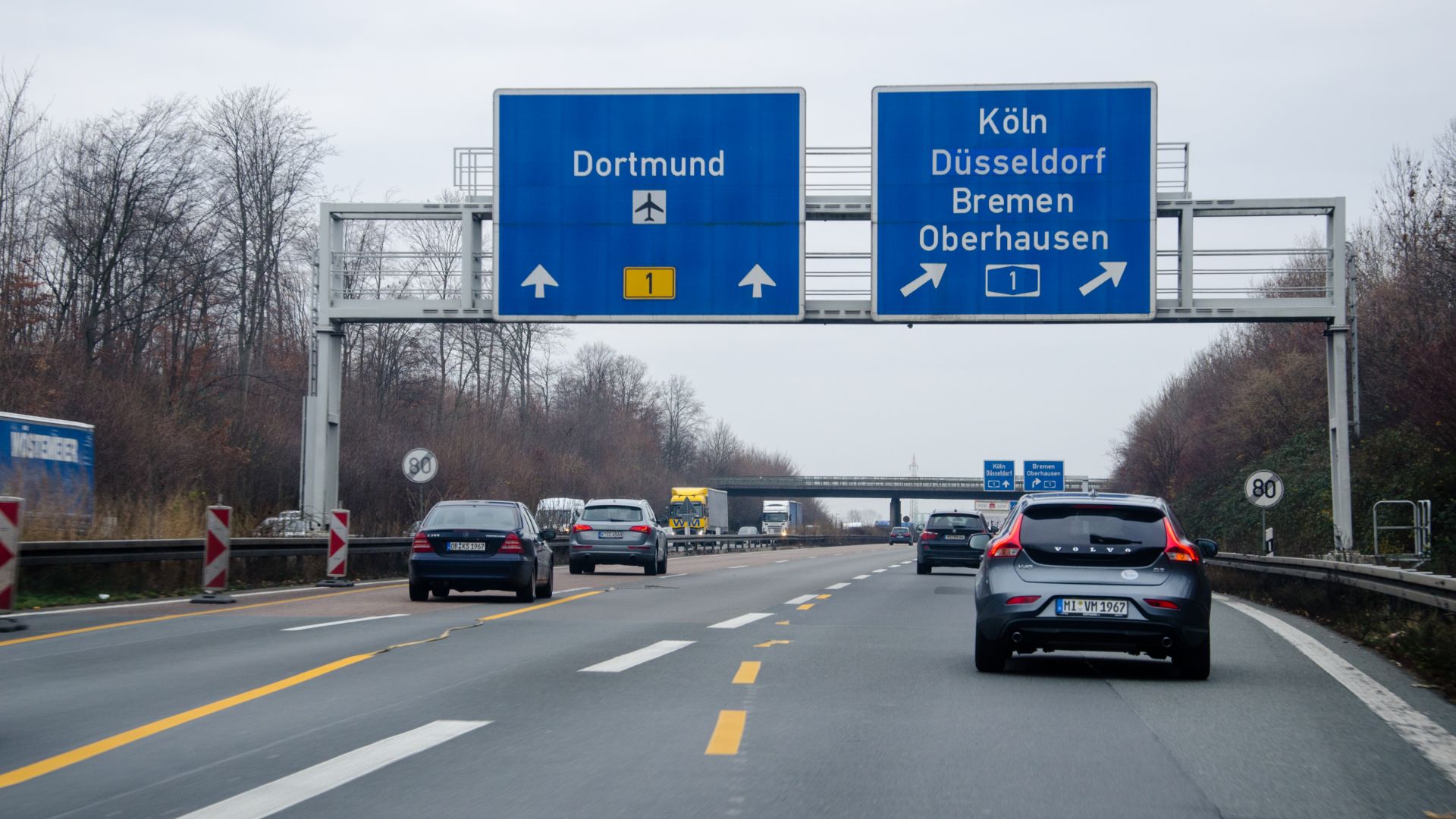
Drivers in Europe could face blanket motorway tolls within eight years. This is according to a document seen by Reuters.
Under the EU toll directive, almost all motorists would have to pay a fee for using a motorway. Ministers in Germany could approve the draft document today (22 July).
German transport minister, Andreas Scheuer, said: “As regards member states that have already established a charging system, tolls or user charges shall be levied upon all vehicles expect coaches and buses.” It is thought that Germany will push for the blanket tolls as part of the country’s presidency of the European Union.
Although tolls are viewed as a way of tackling climate change, the plans are likely to be met with fierce opposition from some quarters. Autobahns, and the freedom to drive on some sections without a limit on speed, are ingrained in German culture.
In an article in the New York Times, Stefan Gerwens, head of transport and mobility at the automobile club ADAC, said: “It’s a very emotional topic.” Cars account for 11 percent of total emissions in Germany – a speed limit of 75mph could cover a fifth of the gap to reach the 2020 emissions targets for the transport sector, it’s claimed.
European toll roads aren’t a new concept. Holidaymakers in France, Portugal and Spain will be familiar with paying a few Euros to drive on sections of motorways. In France, paying a toll is almost unavoidable if you want to make swift progress through the country.
Other countries take a different approach. In Austria, drivers must buy a vignette to use the motorways, with prices ranging from €8.50 for ten days, to €82.70 for an annual pass. Meanwhile, in Switzerland, the vignette costs €40, which includes the use of the Gotthard and San Bernardino tunnels.
In the UK, the most famous toll road is arguably the M6 Toll in the West Midlands. Drivers also have to pay to use the likes of the Dartford, Tamar and Humber bridges.
German ministers will discuss the plans to impose a blanket motorway toll. If approved, the scheme is likely to be Germany’s official proposal for its presidency of the EU, which runs until the end of the year.
The M11 has been named England’s best motorway in a survey of 8,000 motorists. More surprising is the news that the M25isn’t the least favourite.
Transport Focus asked road users about their last journey on a motorway or A-road managed by Highways England. The independent watchdog was seeking views on journey times, road surface quality and safety.
The M11, which stretches 51 miles from London to Cambridge, was built in the 1970s to transport people to Stansted Airport. One respondent to the survey said: “Easy way to go, everything went well, no roadworks or holdups.”
With a score of 92 percent, the M11 finishes just ahead of the M40 (91 percent), the M61 (89 percent) and the M3 (88 percent).
In the battle of the A-roads, it’s a victory for the A66. The major road runs from Middlesbrough to Workington and is one of the most important routes in the North. In part, it follows the course of the Roman road from Scotch Corner to Penrith.
In a report, Transport Focus said that 81 percent of road users are satisfied with their last journey on a road managed by Highways England. Meanwhile, 79 percent are happy with the journey time and 92 percent feel safe on the roads.
‘Some roads score much better’
Transport Focus chief executive said: “In the 12 months before the coronavirus lockdown, more than three out of the four drivers were satisfied with their journey on England’s motorways and major A-roads – but some roads score much better.”
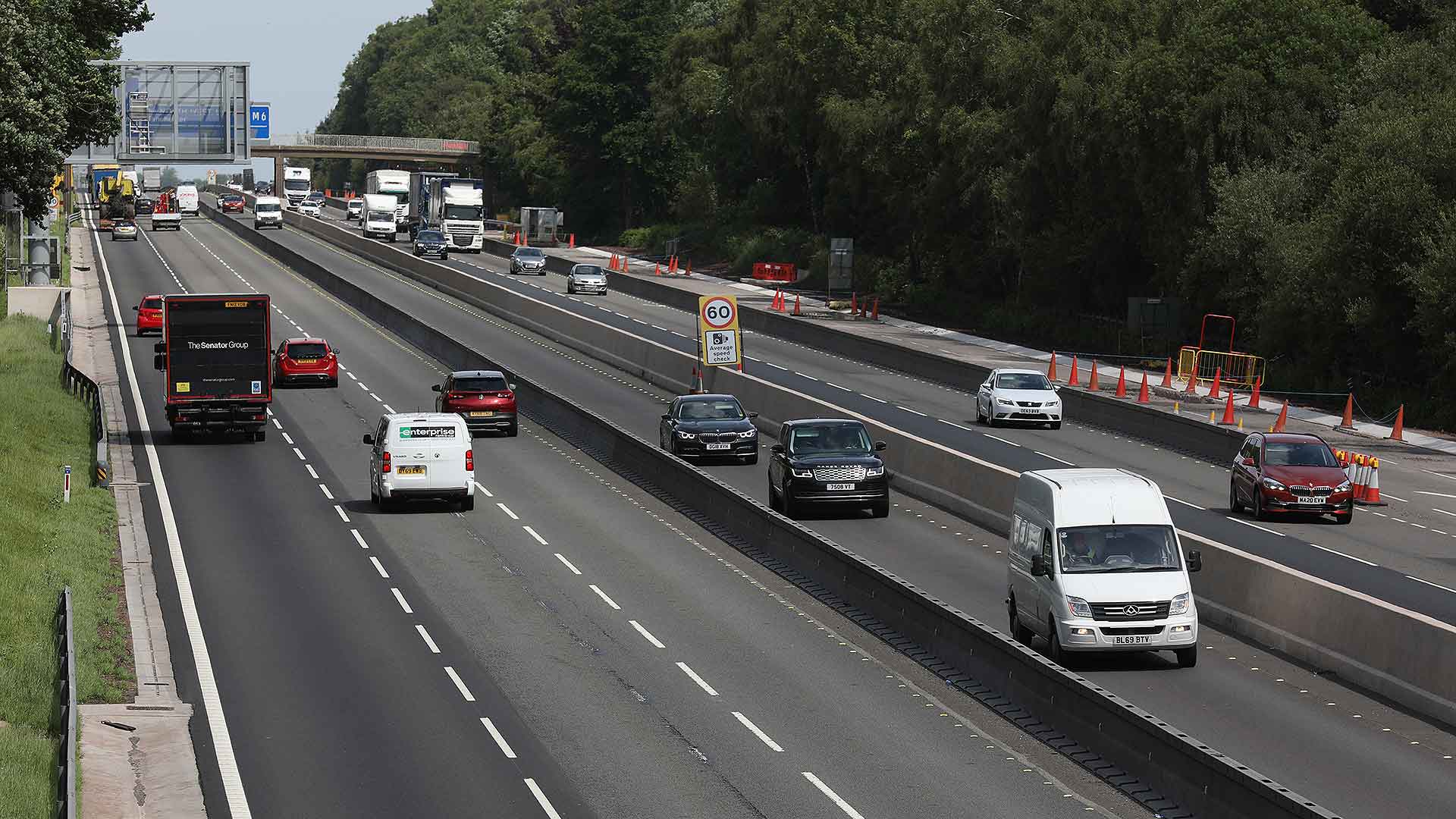
Indeed, the M20, which connects London with the ferry ports and Channel Tunnel, is named England’s worst motorway. The M23 (64 percent), M4 (70 percent), M27 (74 percent) and M25 (75 percent) were the other motorways to finish in the bottom five.
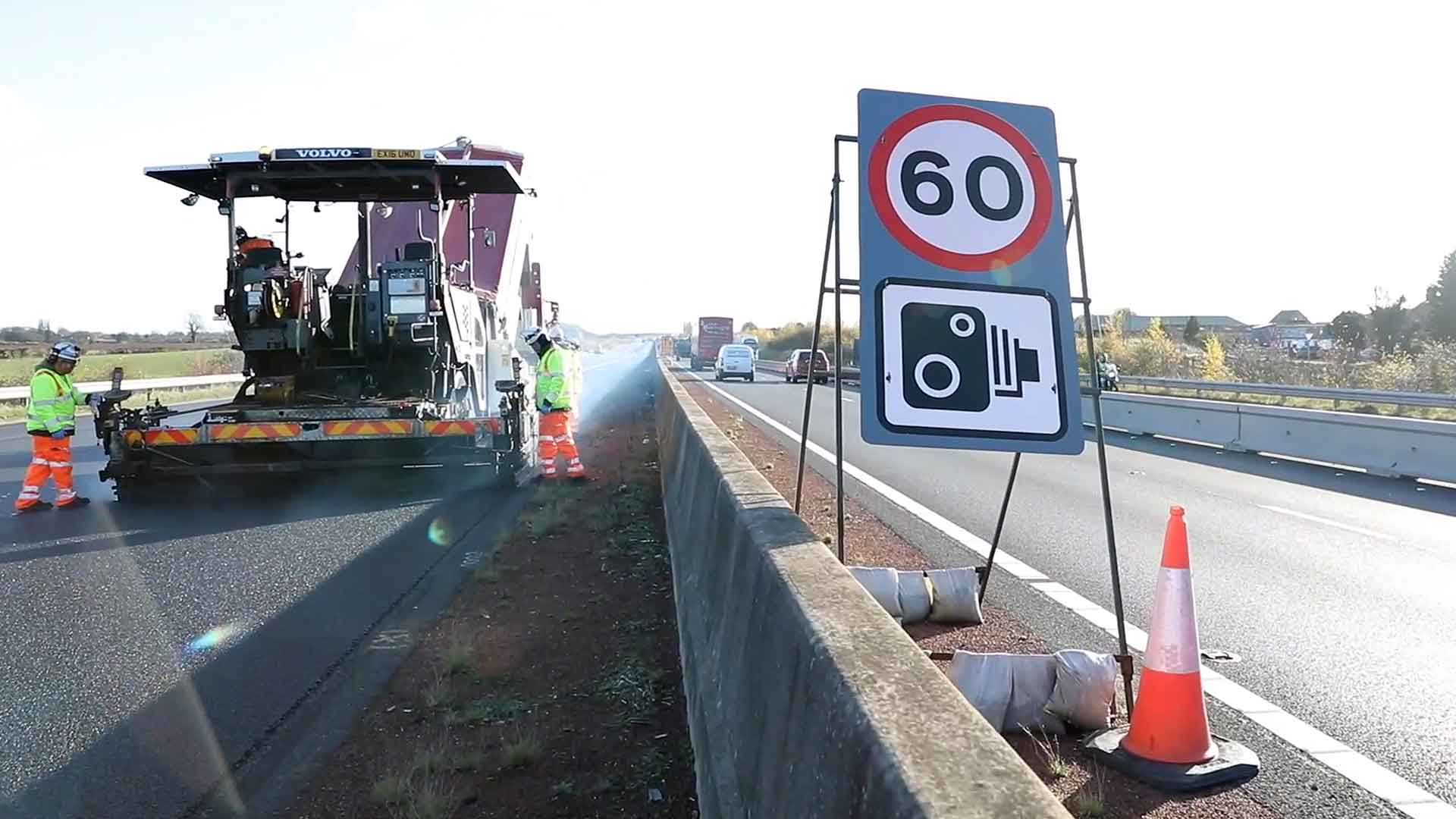
The M20 finishes bottom for the second year in a row. One road user slammed the motorway, saying: “Get the roadworks done – it’s been 50mph for too long – must be two years possibly…”