Electric car batteries are degrading at an average of 2.3 percent per year. However, new data shows a reliance on high-power rapid charging can accelerate degradation rates compared to ‘low and slow’ charging.
The research from Geotab, a fleet data analytics firm, shows that mainly using DC rapid chargers above 100kW leads to battery degradation rates of up to 3.0 percent a year – roughly twice that of vehicles that largely use lower-power chargers.
It also found that EVs operating in hot countries experience battery degradation around 0.4 percent more quickly than those in milder climates.
Geotab’s analysis used battery health data from more than 22,700 EVs across 21 makes and models. The average annual battery degradation rate of 2.3 percent in 2025 compares to 1.8 percent in 2024.
‘The increase reflects changes in how EVs are being used, most notably a growing reliance on high-power DC fast charging,’ said the firm.
‘By understanding how batteries age under different charging, climate and utilisation conditions, [fleet] operators can better manage EV performance, protect battery health and make more informed decisions about charging strategy over the life of the vehicle.’
EV batteries ‘lasting well’
“EV battery health remains strong, even as vehicles are charged faster and deployed more intensively,” said Geotab’s sustainable mobility manager, Charlotte Argue.
“Our latest data shows that batteries are still lasting well beyond the replacement cycles most fleets plan for.
“What has changed is that charging behaviour now plays a much bigger role in how quickly batteries age.”
Interestingly, the data showed that vehicles regularly using a wider state of charge range – such as going from fully charged to nearly empty – did not show meaningfully higher degradation “unless they spent prolonged, habitual periods near full or near empty charge levels”.
All electric car batteries degrade, added Geotab. This is measured by a metric called ‘state of health’ (SOH). For example, a 60kWh battery operating at 80 percent SOH effectively behaves like a 48kWh battery.
‘Geotab data shows that while degradation rates vary by model, charging behaviour and usage patterns, the majority of modern EV batteries remain fit for purpose well beyond typical ownership and fleet replacement timelines.’
Bentley has collaborated with racing driver and stunt performer Travis Pastrana to create an amazing new video for its Supersports coupe.
Supersports: Full Send was shot on location at the Bentley factory campus in Crewe, England, emulating the flamboyant style of the Gymkhana video series.
It represents a dramatic change of marketing direction for Bentley. However, the new Continental GT Supersports is hardly a traditional offering from the storied British marque.
Revealed last year, the new Supersports is the lightest street-legal Bentley in 85 years – and it features rear-wheel drive instead of the usual all-wheel-drive layout.
Designed with drifting in mind
Filming over the course of three days in and around the Crewe facility, Pastrana was supported by a team of Bentley volunteers to create the video.
This included modifying a unique example of the 666 horsepower Supersports, allowing this already extreme Bentley to be driven beyond its usual limits.
A key change was the addition of a hydraulic handbrake, which allowed Pastrana to instantly lock up the rear axle on demand. Engine software changes meant power was reinstated as soon as the handbrake was released.
Other electronic updates permitted both the brake and throttle pedals to be pressed at the same time. This meant Pastrana could adjust the angle of the Supersports mid-drift, and create huge rolling burnouts.
‘The perfect combination of luxury and performance’
Bentley selected Travis Pastrana for the project due to his track record of performing extraordinary stunts, along with his success in motorsport and extreme sports.
The launch of Supersports: Full Send follows Pastrana’s recent film in the Gymkhana series, Aussie Shred, which was released last month. Since then, it has been viewed nearly nine million times.
After completing the Bentley video, Pastrana commented: “I knew the Supersports would have a lot of power, but I was happily surprised by how nimble and fun it was to drive.
“I’ve never driven a production-based car to film a video of this magnitude before without a clutch or modified steering angle. I had my concerns, but the Supersports exceeded all of my expectations. It was exactly what I had hoped for: the perfect combination of luxury and performance.”
A rapid Bentley museum tour
Although the new Supersports plays the leading role in the new video, there are a host of cameos from other important models in Bentley’s history.
Both the Pikes Peak Bentayga and Pikes Peak Continental GT appear in a scene that sees them chasing Pastrana through the Bentley factory.
Vintage models, including five pre-war Bentleys from the company’s own heritage collection, can also be spotted, along with a disguised version of the company’s forthcoming compact SUV.
Production of the new Supersports begins in the fourth quarter of 2026, with the first customer deliveries expected at the start of 2027. Sadly, all 500 examples of the new Bentley have already been reserved.
Online marketplace eBay has revealed the most expensive car parts purchased using its website in 2025, with a surprising item claiming first place.
Compared to the 2024 list of priciest parts, this year’s haul of parts and components demonstrated a noticeable trend.
Complete engines, typically for high-performance vehicles, dominated the top 10 of biggest prices paid.
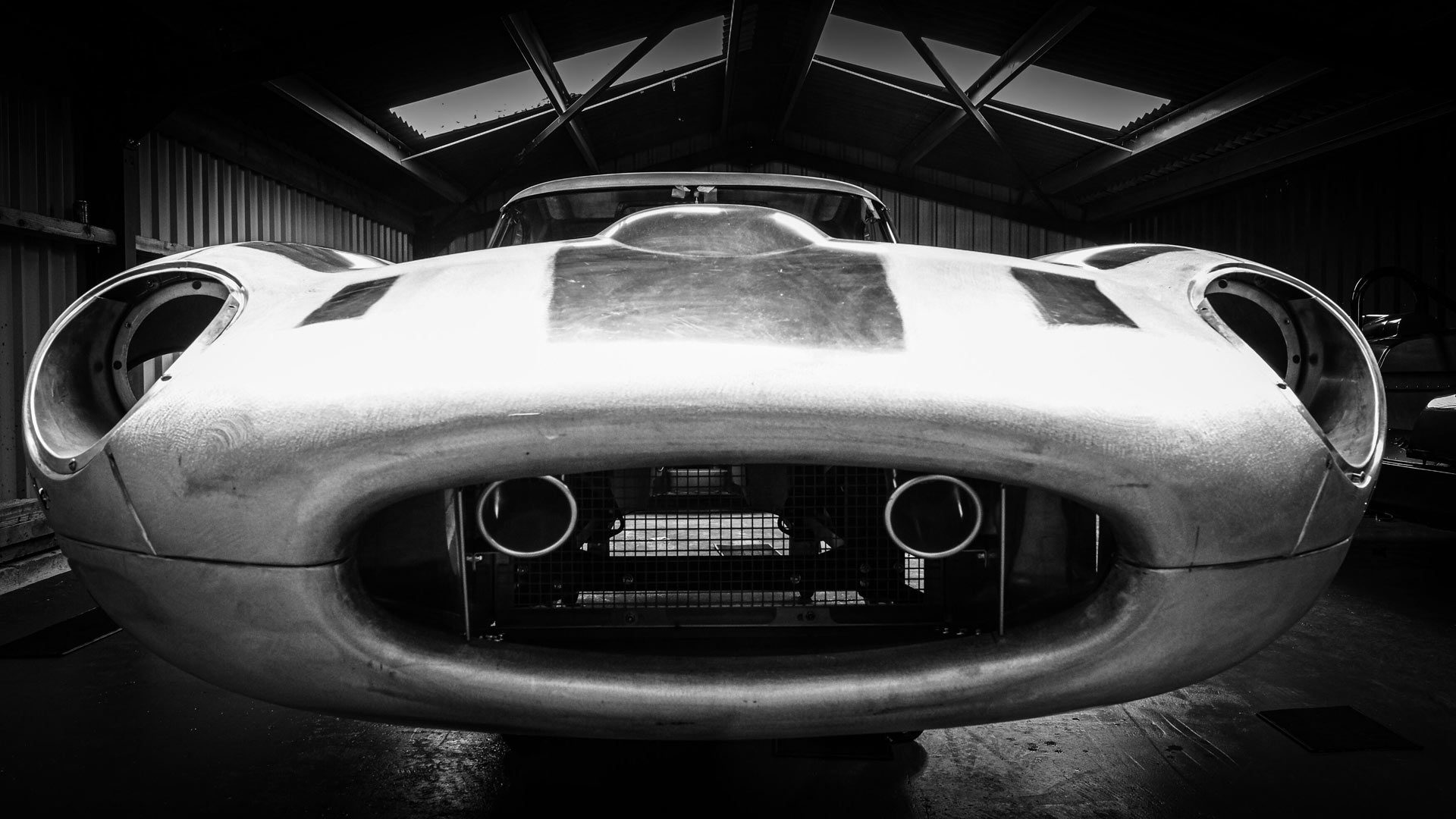
However, an original aluminium bonnet for a Jaguar E-Type took the prize as the most expensive single car part sold on eBay in 2025.
An impressive £18,564 was paid for the special item of Jaguar bodywork. This surpassed the £16,567 paid for a complete Audi R8 V10 engine, which topped the eBay charts in 2024.
Time to get busy with the spanners
Following in second place on eBay’s 2025 list was the complete front end for a Ford Transit Custom. One bidder paid a total of £17,180 to reassemble their van.
Given their complexity and obvious importance, it’s perhaps no surprise that engines claimed seven of the top 10 positions on the eBay list.
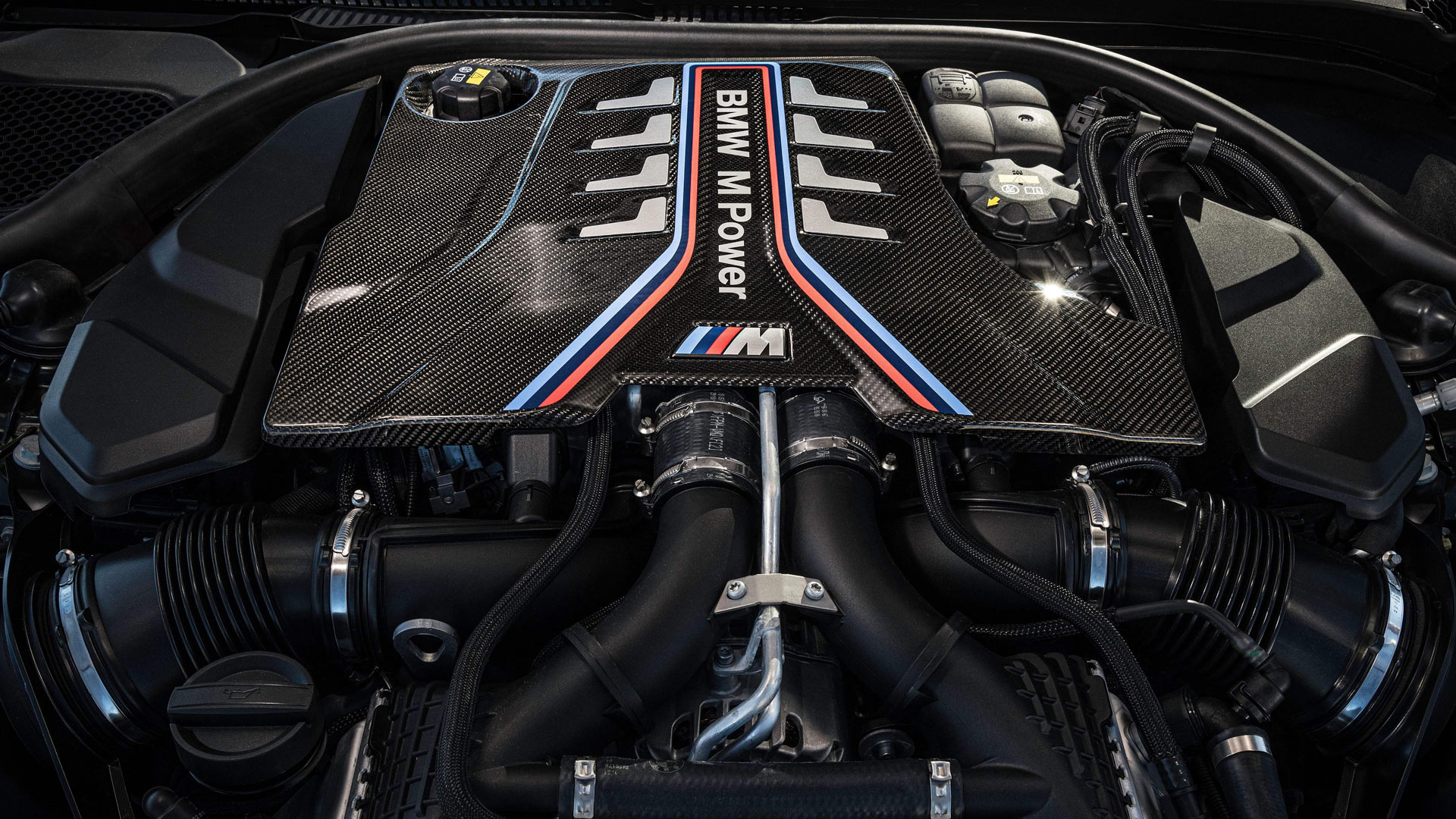
The bronze medal this year went to a 4.4-litre twin-turbocharged V8, which had originally come from a BMW M5.
There was no mention as to which version of the M5 the £17,048 V8 engine was removed from. However, even the standard engine from an F10-generation BMW M5 would generate a healthy 560hp and 502lb ft of torque.
Impressively, the M5’s engine proved to be more valuable than a 5.7-litre V12 from a Ferrari 612 Scaglietti. The 540hp naturally aspirated engine cost its new owner a total of £14,851.
Engines for models including a Toyota Land Cruiser, Porsche 911 Targa 4S and Audi RS6 were also found in the eBay priciest parts top 10.
Premium powertrains and brakes in demand
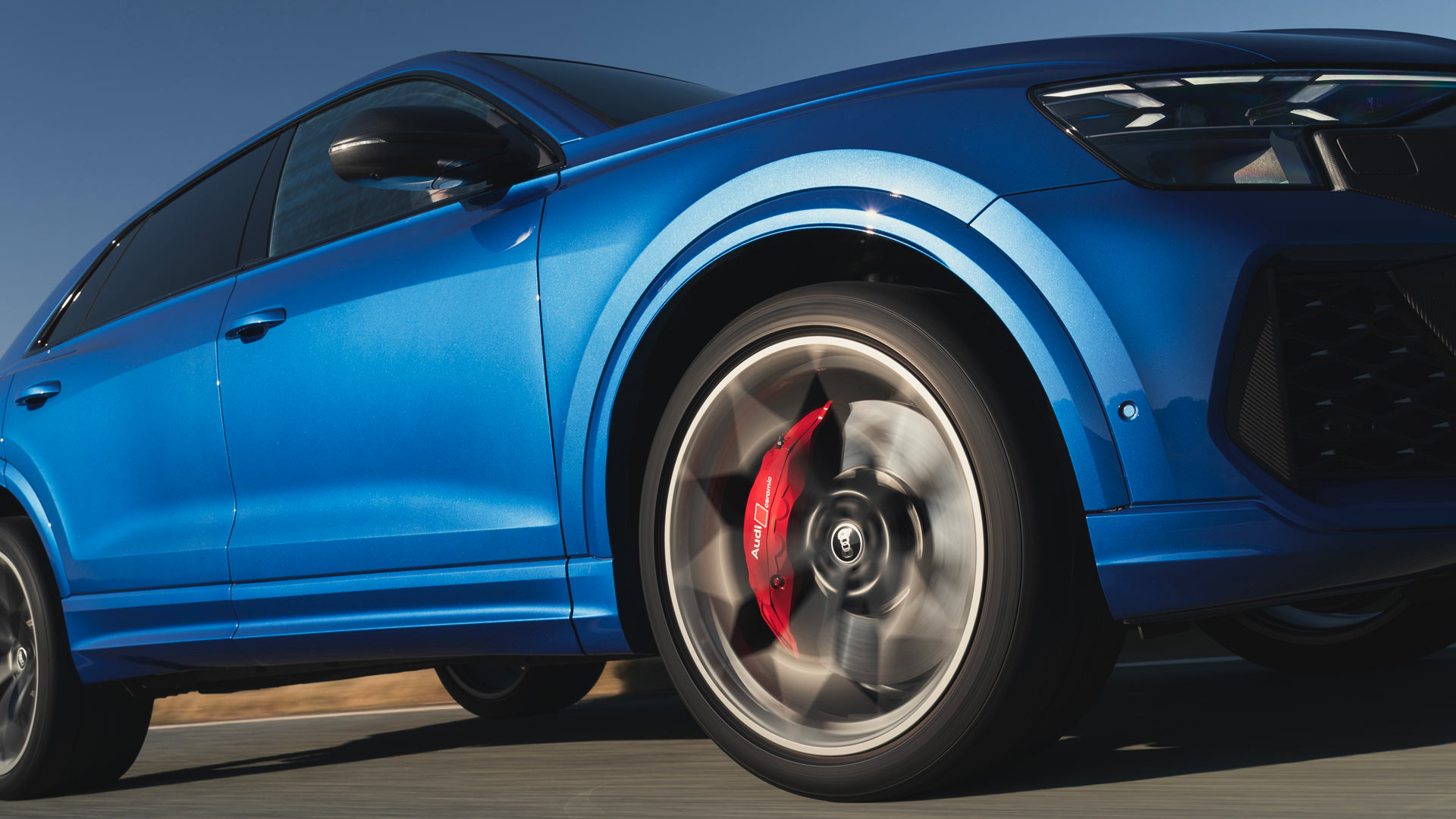
One notable exception to the array of expensive engines sold on eBay last year was a set of carbon-ceramic brake discs for an Audi RS Q8 SUV. A sum of £13,592 was paid for these highly effective stoppers.
Outside of the top 10, eBay noted that an extensive collection of professional Snap-On tools attracted a selling price of £12,376.
Abir Tewari, UK director for parts and accessories at eBay, said: “Last year demonstrated the unique, eclectic and interesting vehicle parts and accessories available on eBay. While premium powertrains remained in high-demand, vintage bodywork for a Jaguar E-Type claimed the top spot.
“The top 10 products continue to show that eBay is a one-stop-shop for all UK motorists, from DIY essentials like windscreen wipers and floor mats, to complete powertrains and bodywork for some of the most iconic cars on the road.”
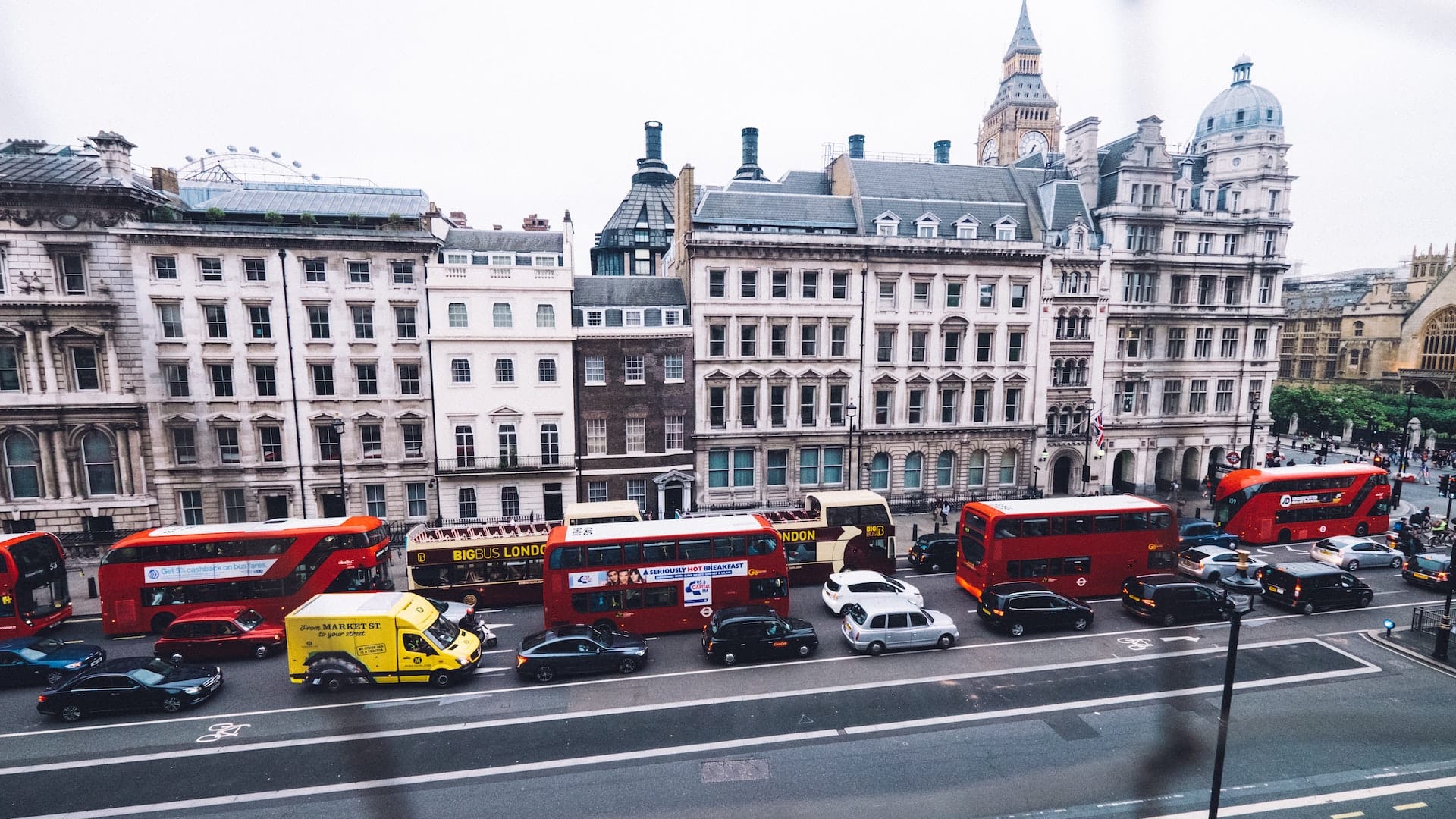
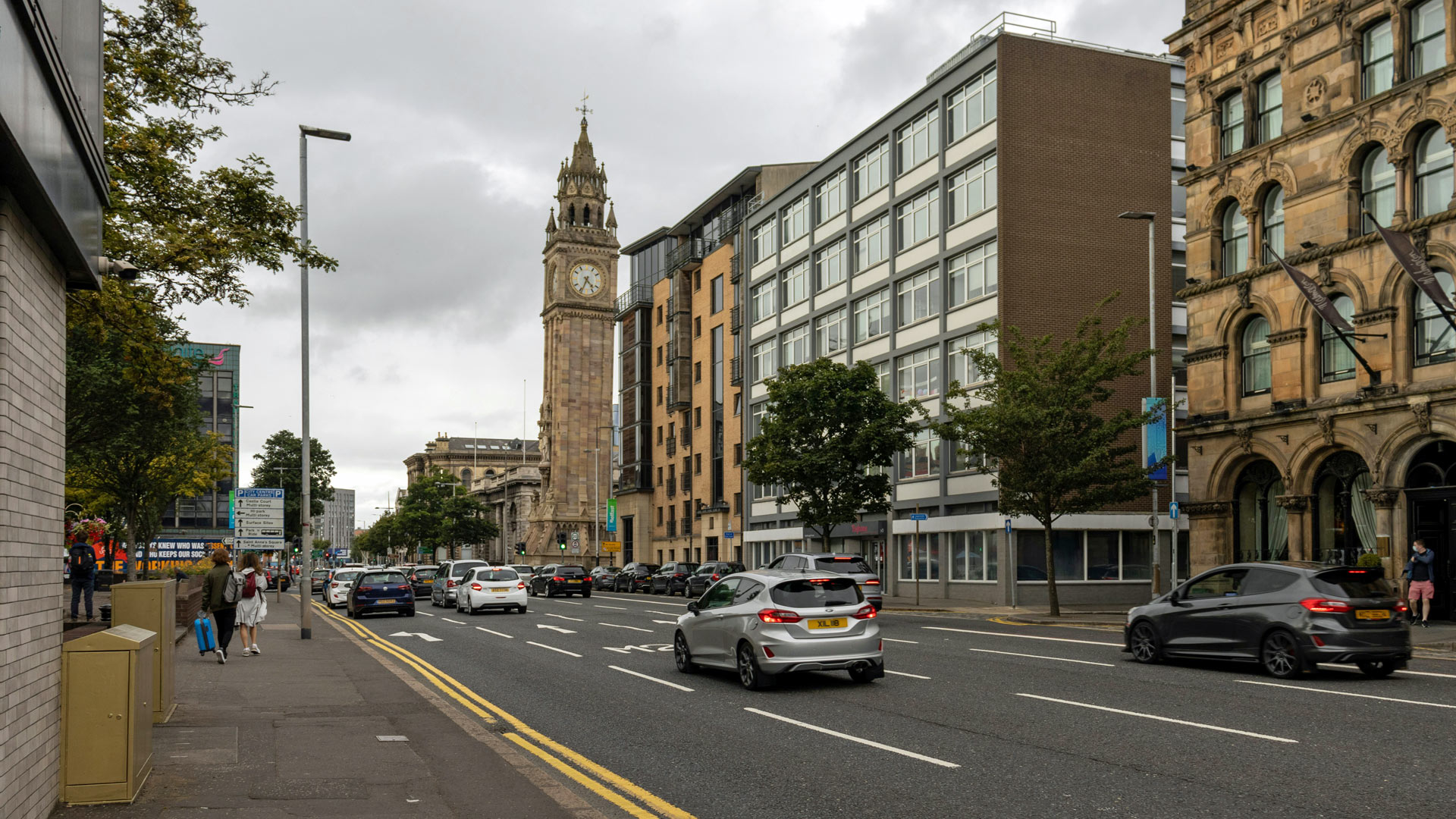
New data has confirmed that London is the world’s slowest capital city for travel time, topping the charts for the third year running.
Research by TomTom for its annual Traffic Index looked at towns and cities based on their typical travel time per mile.
Of all the world’s capitals, London emerged with the slowest travel time. Drivers averaged 35 minutes and seven seconds to complete a six-mile journey.
This actually made London the second-slowest city worldwide. Only Barranquilla in Colombia (not the country’s capital) offers drivers a worse commute. Its average travel time was 35 minutes and 20 seconds for a six-mile trip.
London was also listed by TomTom for being one of the 25 worst cities for congestion. And it made the top 20 for time lost by drivers in traffic.
London’s slow travel time put it ahead of locations such as Bengaluru and Kolkata in India, along with Lima in Peru, and Mexico City.
Tube strikes during 2025 contributed to London’s commuting woes, with 10 September identified as the worst single day for traffic. According to TomTom’s analysis, the evening rush hour saw congestion increase by 138 percent at 5pm.
To avoid the impact of Tube strikes, commuters flocked to e-bike rentals. Cycle hire company Lime saw a 75 percent increase in use during rush hour, with more than two million trips logged on that first strike day alone.
Despite commuters demonstrating they can find alternative methods of transport, overall congestion in London increased by one percentage point in 2025.
Belfast and Edinburgh top UK congestion league
Away from the capital, other towns and cities in the United Kingdom faced increasing levels of congestion and slower commuting times.
Belfast emerged as the worst UK city for congestion, with a 58.4 percent jump in journey times during peak hours. Edinburgh was close behind, with its congestion rated at 57.9 percent.
At the other end of the scale, Middlesbrough, Coventry and Leeds posted the lowest levels of road congestion.
Residents of Belfast averaged a loss of 98 hours to rush hour traffic throughout 2025. Edinburgh commuters fared even worse, losing 123 hours.
Edinburgh was also the slowest city for commuting speeds outside of London, with drivers averaging just 11.6mph. Cambridge was the second-slowest, seeing motorists crawl along at 14mph.
“London’s place as the slowest capital city in the Traffic Index really highlights the strain on the city’s roads,” said Andy Marchant, traffic expert at TomTom.
“Many of these streets were built in the Middle Ages and expanded in the Georgian era. But they simply weren’t built for the volume and variety of traffic we see today.
Whisper this, but while your mates fall for the supposed charm of an SUV, the smart money goes on an estate car. In most cases, they’re nicer to look at, better to drive and more practical. Your dog will thank you for the extra space and lower boot lip.
Here, we’ve listed 10 of the best estate cars you can buy, all of which will slot into family life like a Golden Retriever. Perhaps the greatest news of all is that Volvo has returned to selling wagons in the UK, meaning you can continue the dream of owning an estate from the Swedish marque.
These are our top picks, presented in alphabetical order.
Audi A6 Avant
Audi has been experimenting with its badging of late, but the A6 Avant is back to being a rival for the BMW 5 Series Touring. Forget ideas of full-electric propulsion here, as the latest A6 Avant is offered with petrol, diesel, or plug-in hybrid powertrains.
Yes, we did say diesel, and the 204hp 2.0-litre TDI comes with a very effective mild-hybrid system that helps reduce lag when accelerating. It sees the A6 Avant run on battery power more often than you would expect, although the 295hp full plug-in hybrid version is on hand for those who demand more electrification.
Boot capacity ranges from 460 to 503 litres depending on the engine picked, which is below rivals from BMW and Mercedes-Benz. Cabin space for passengers is generous, though, meaning there should be few complaints from those in back.
It is also competitively priced against key rivals, starting at around £55,000, with an interior that looks and feels reassuringly upmarket. Combined with a smooth ride, stylish looks, and plenty of tech, the A6 Avant remains a top choice for estate fans.
The BMW 3 Series Touring commands almost £3,000 more than the 3 Series saloon, but it’s worth every penny. Diesel engines have departed, leaving a choice from the humble 320i petrol, plug-in hybrid 330e, or 392hp M340i.
Oh, and don’t forget the wild M3 Touring, which delivers 510hp, but still has a 500-litre boot capacity, and even retains the split tailgate found on the regular 3 Series wagon.
It all makes the 3 Series Touring one of the best estate cars around in 2026, with timeless styling, an upmarket interior, and plenty of practicality. In many ways, BMW’s smallest estate is probably all the family car you will ever need.
We said: “The latest BMW 3 Series is a car at the top of its game. It’s practical, packed with tech, quick and efficient… and a great driver’s car.”
BMW’s model range used to be so easy to understand, with a selection of saloons or estates in varying sizes. Now, with so many SUVs and more on offer, the lineup is less succinct. However, the 5 Series Touring remains as the BMW option for those who need more space and prestige than the 3 Series Touring, with prices from £54,000.
The latest BMW 5 Series Touring range is more complex, though, and there is an absence of diesel power from the UK lineup. Instead, buyers can pick from petrol, plug-in hybrid, or even all-electric with the i5 Touring. For maximum performance when transporting dogs or luggage, there is the astonishing 727hp M5 Touring on offer.
Make no mistake, the latest 5 Series Touring is a big car on UK roads, with its width in particular meaning you will need to pick parking spaces with care. The payoff is an interior that offers generous accommodation for four, and a boot capacity of 570 litres that does not diminish in plug-in hybrid spec.
All of this is backed by a driving experience that remains engaging and composed, regardless of the powertrain picked.
Wait, is the Dacia Jogger really an estate? It could be argued that it falls into the MPV category, but the station wagon-inspired looks mean we are more than happy to recommend it here. Oh, and the fact it happens to be a seriously good family car, with a bargain price.
The entry level version costs slightly over £20,000 which, in this economy, makes it a genuinely affordable option for those who need seven seats. Engine options are simple, and consist of a 109hp petrol or 140hp petrol hybrid with an automatic gearbox.
Dropping the third-row flat results in 565-litres of boot capacity, easily outdoing many of the premium estates on our list. Fold and tumble the second row, and this swells to a van-like 1,800 litres, which should be enough for almost any wagon need.
We said: “Part-people carrier, part-estate and part-SUV, the clever Dacia Jogger cherry-picks the best bits from several categories of car. Above all, it offers seven seats and a huge amount of practicality for remarkably little cash.”
Mercedes-Benz was arguably the architect of the premium station wagon market, and the latest E-Class Estate shows the German marque is not slowing down. Although, the latest version of its biggest estate actually has less boot capacity than the model it replaces.
It does still offer a sizable 615 litres of space to transport your lifestyle accessories, which makes it more generous than the Audi A6 Avant or BMW 5 Series Touring. Just be aware that the plug-in hybrid E-Class Estate sees this slashed to 460 litres, though.
Intriguingly, Mercedes offers the E-Class Estate with a choice of petrol or diesel PHEV powertrains. This can offer a range on battery power alone of up to 68 miles, beyond what rival plug-in hybrid wagons can deliver. The rest of the lineup includes a host of conventional petrol and diesel engines, along with a rabid 449hp AMG E53 performance model.
The Mercedes E-Class Estate remains reassuringly expensive, with prices beginning from over £56,000 for the E200 Urban Edition. Higher trim levels come with a 12.3-inch display for the front-seat passenger, and the whole cabin feels like a true premium product.
The Taycan was revolutionary for Porsche when first launched in 2019, becoming the German marque’s first all-electric model. After the initial enthusiasm, demand for premium EVs has waned, but that does nothing to diminish the effectiveness of the Taycan Sport Turismo.
It commands a £1,000 premium over the regular Taycan saloon, but brings greater practicality and – arguably – better looks, too. For those who want a dose of off-road style estate action, there is even the jacked-up Cross Turismo version to consider.
Prices for the Taycan Sport Turismo begin from around £89,000, and stretch all the way to the £163,000 Turbo S model with a colossal 952hp. The GTS version is perhaps the sweet spot in the lineup, with 700hp and the potential to officially cover up to 380 miles when fully charged.
We said: “As you’d expect with more power than the old Taycan Turbo, it’s brutally fast. A full-bore launch control getaway feels downright violent, and is something you will probably try only once. Four-wheel-drive traction rockets you off the line, then speed builds relentlessly and seamlessly until you either lose your nerve or, well, lose your licence.”
If your heart says you want a Volkswagen Golf GTI but your head wants a Skoda Octavia Estate, the vRS is the car for you. Last year the Skoda’s 2.0-litre turbocharged petrol engine was upgraded to deliver 265hp, along with 273lb ft of torque. Sadly, the efficient diesel engine option has been dropped for the UK, meaning it is petrol or nothing for the vRS Estate now.
With the seats up, the boot can still swallow 640 litres of luggage, which is impressive for a car of this size. Fold the seats, and the capacity increases to 1,700 litres. Prices have crept up to start beyond £41,000, meaning the Octavia vRS Estate gets hit with the expensive car supplement. It still presents as a relative bargain for the performance and practicality available, though.
We said: “Skoda wants the new Octavia vRS to deliver more technology and more space, and to feel like a premium product. It manages all of this with room to spare, whilst maintaining the performance and practicality that have gained it such a committed following.”
Across four generations, the Skoda Superb Estate has become an option for those who want a family wagon with generous levels of space, refinement, and comfort all included. That the Superb comes with relatively affordable pricing only adds to its appeal.
This really is a big estate, with up to 690-litres of boot capacity with the rear seats in place, growing to 1,920 litres when the back bench is folded flat. Both front and rear passengers benefit from acres of space, too. Extra points are scored by the Superb for having a dashboard that still features clever rotary dials, in place of relying on a touchscreen for everything.
Engine options include petrol and diesels, plus an effective plug-in hybrid setup. The latter does see a reduction in boot capacity, but holds massive appeal for company car drivers. Prices begin at just over £38,000, undercutting the related Volkswagen Passat.
We said: “With a degree of body-roll and light but precise steering, the Superb iV Estate feels akin to a classic American station wagon, offering smooth and relaxed progress. Just without the wood grain vinyl on the outside.”
The Toyota Corolla Touring Sports is backed by a warranty covering up to ten years, offered with a pair of efficient hybrid powertrains, and comes with the reassurance of Toyota’s reputation for reliability. We’d opt for the 2.0-litre over the 1.8-litre, because it’s both quicker and more economical.
It might surprise you to discover that the Corolla is surprisingly good to drive, while even the entry-level Icon model comes with a generous level of standard equipment. Dual-zone climate control, Apple CarPlay and Android Auto are fitted to all versions.
We said: “Build quality is excellent, and the hybrids in particular feel quiet and well insulated from the outside world. It’s all rather premium, with a sense that the car is built to last. Overall, the new Corolla is an excellent car that should be on the shortlist of buyers looking for a smart and efficient family hatchback.”
Pure battery electric options for estate cars remain relatively rare, with the Volkswagen ID.7 Tourer proving to be one of the exceptions. As part of the German marque’s growing electric lineup, the ID.7 Tourer is an appealing alternative to the inevitability of an electric SUV.
What sets the ID.7 Tourer apart is its impressive range, with up to 422 miles possible on a single charge. With the rear seats in place, the ID.7 Tourer can accommodate 605-litres of luggage, rising to 1,714 litres with the rear bench folded flat.
Prices for the ID.7 Tourer are on the high side, starting from almost £52,000, with the performance GTX version beyond £60,000. This likely makes it better suited to company car drivers, but they will be getting a great electric estate to use.
The new Volkswagen Passat is as close as you can get to a premium estate car without paying a premium price. It feels upmarket for the price and comes very close to offering the high standards set by Audi and BMW.
It’s also huge inside. Its 690-litre boot is more than you would find in a BMW 5 Series Touring, and folding the rear seats down boosts this to a colossal 1,920 litres. That is genuinely vast, and far beyond the Passat’s premium rivals, and matches the aforementioned Skoda Superb exactly.
Prices for the latest Passat begin at around £40,000, which makes it something of a bargain compared to those other upmarket German wagons. The Skoda Superb is slightly cheaper, but the Passat brings its all-important Volkswagen badge cache to the ownership experience.
Guess who’s back, back again? The Volvo V60 made a quiet return to UK pricelists last year, after the Swedish marque previously discontinued it due to slow sales. Cue an outpouring of grief from estate aficionados, and now relief that the BMW 3 Series Touring rival has returned.
Unlike many of the premium estates on this list, the Volvo V60 gives no pretension of being sporty or dynamic. Instead, this classic wagon majors on delivering cocooning comfort, helping shelter you (plus your passengers and luggage) from the outside world.
The boot can take 648-litres of luggage with the rear seats up, rising to 1,431 litres when they are folded down. Although not quite as vast as the (now discontinued again) V90, it gives the V60 an effective combination of size and space.
Power comes from a mild-hybrid petrol engine, or a full plug-in hybrid model, both of which feature a luxurious cabin, designed with Scandi minimalism in mind. Costing from around £42,000, the Volvo V60 is possibly all the estate you really need.
Finally, how about an option for an estate if money truly is no object? For a truly bespoke family wagon, Dutch-born designer Niels van Roij has transformed a 1981 Rolls-Royce Corniche coupe into a magnificent shooting brake.
All the bodywork from the B-pillar backwards is new, taking around 7,000 hours to shape. This does include hand-painted coachlines for the British Racing Green paintwork, and even a bicycle rack hidden behind the rear bumper.
Niels van Roij has also treated the Corniche’s interior to a makeover, including beige leather, green tweed, and deep lambswool carpets. Even the rear bench seats can be folded flat electrically. As for the price, it’s best not to ask…
We said: “Rolls-Royce famously described its cars’ power outputs as ‘adequate’ – and so it proves. The Corniche’s 240hp fuel-injected engine is certainly no firecracker, but release the foot-operated parking brake, click the column shifter into ‘D’ and it will gather speed gracefully, cresting a wave of brawny V8 torque.”
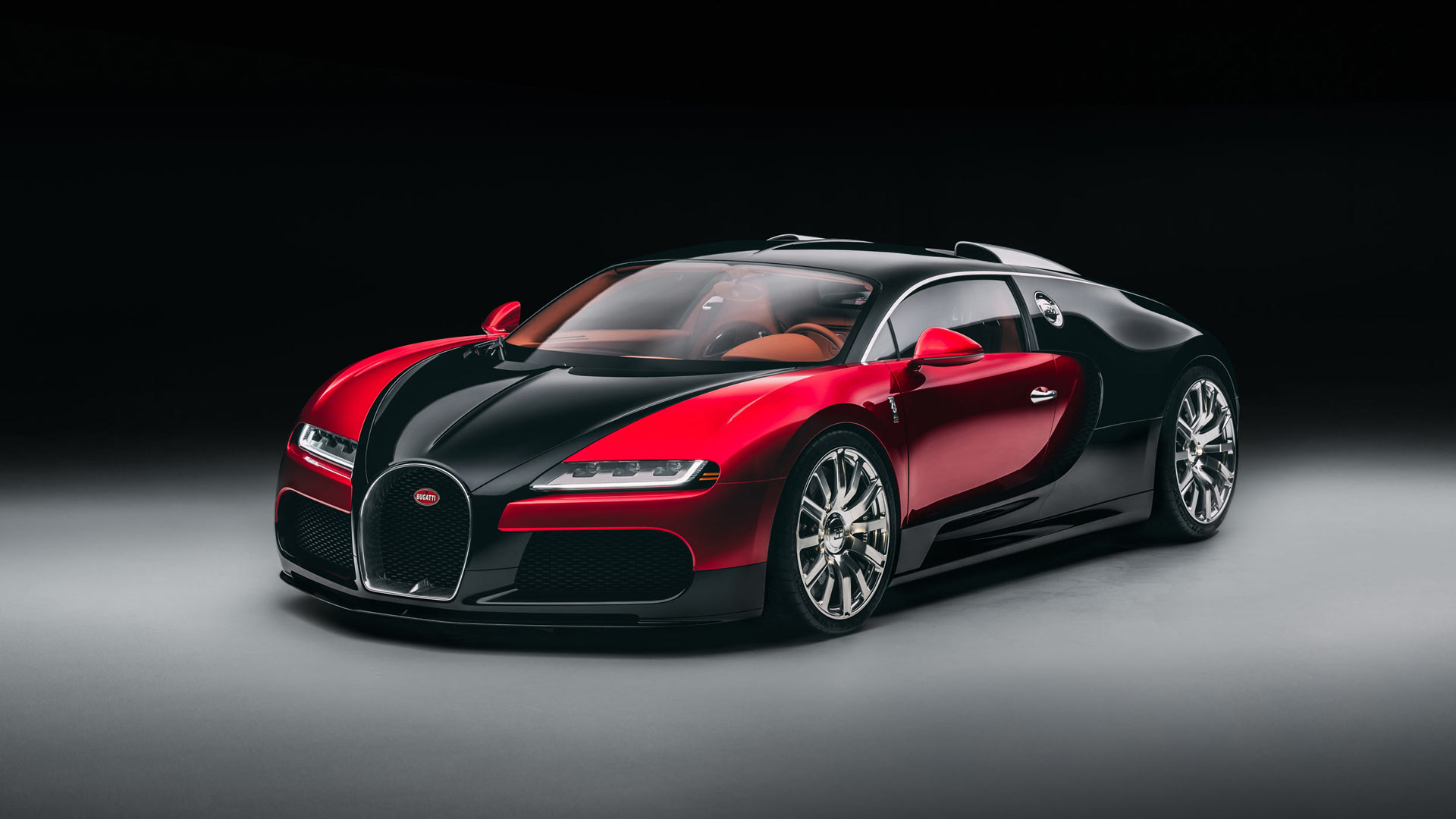
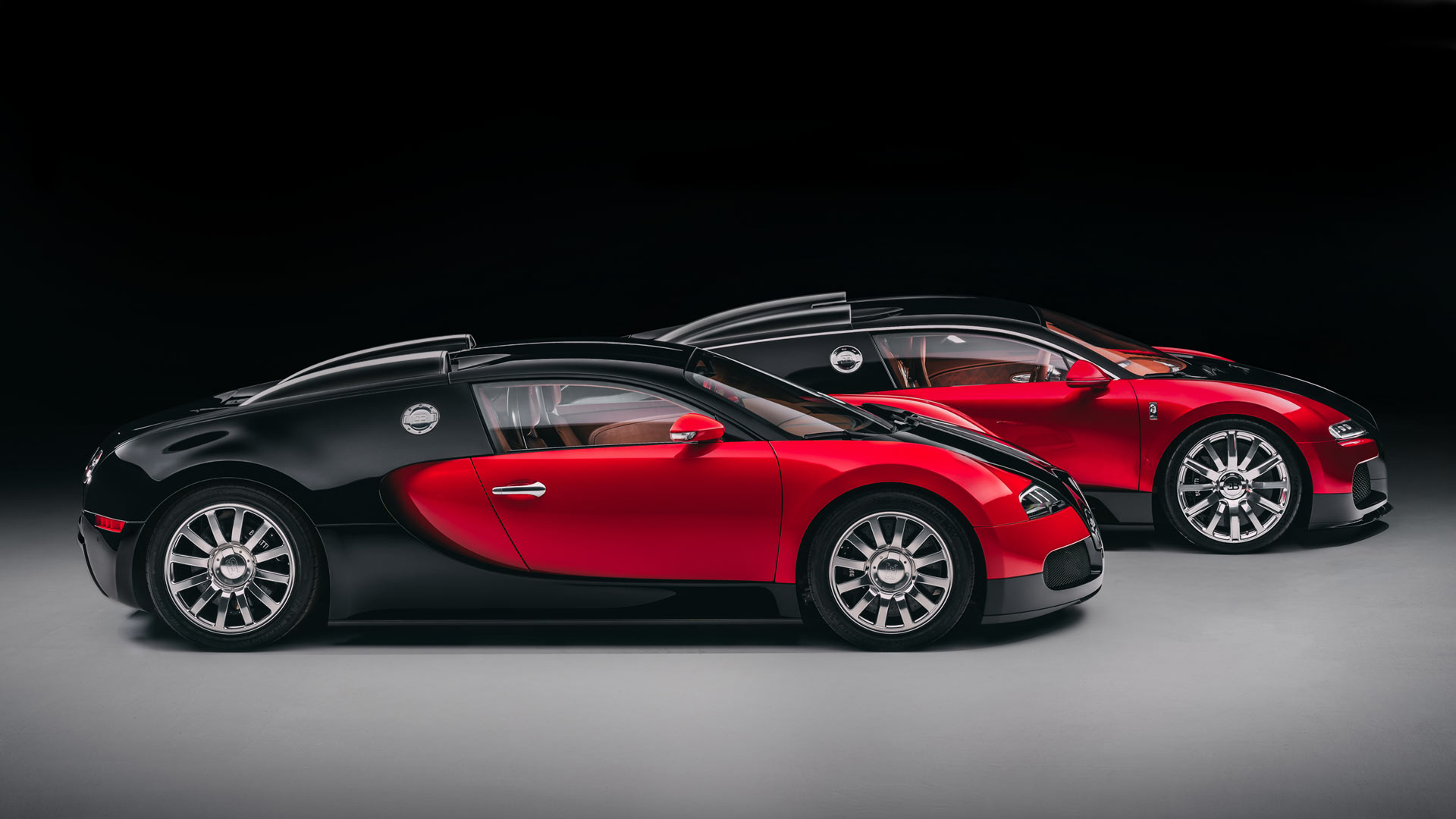
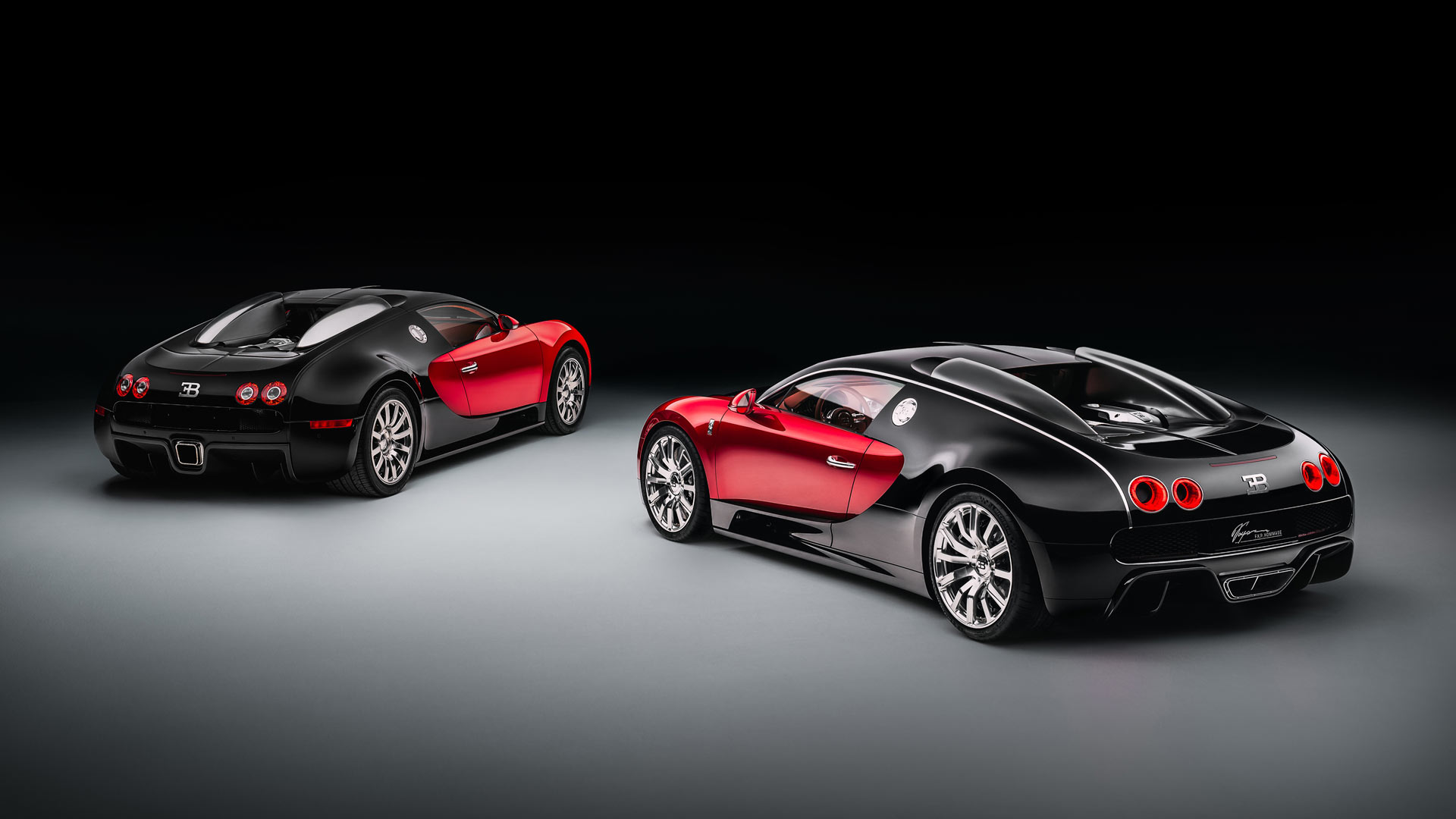
Bugatti has revealed the ultimate tribute to its Veyron hypercar – and the visionary engineer and Volkswagen Group boss who made it a reality.
At first glance, the FKP Hommage could easily be mistaken for a Veyron, produced between 2005 and 2015. Look more closely, however, and it becomes evident this is something even more special.
Named in honour of the late Prof. Dr. Ferdinand Karl Piëch, Volkswagen Group chairman until 2015, the FKP Hommage is built on the same platform as the Bugatti Mistral.
Designed and engineered by Bugatti’s super-bespoke Solitaire programme, the FKP Hommage subtly enhances and updates every detail of the original Bugatti Veyron.
The result is a unique hypercar that, according to Bugatti managing director Hendrik Malinowski, celebrates “the timeless proportions of the original Veyron with two decades of engineering evolution”.
The Bugatti Veyron evolved
Frank Heyl, design director at Bugatti, revealed that when he first joined the French marque, he was “sketching developments of the Veyron, looking at how we could evolve the styling”.
Although his work was never used at the time, Heyl helped to shape the FKP Hommage. He believes Prof. Dr. Piëch would see the completed car as the “most appropriate celebration” of his original Veyron vision.
Changes for the FKP Hommage include a reprofiling of the famed horseshoe grille, which is said to flow organically into the rest of the bodywork.
A two-tone colour scheme is also incorporated into the lines of the FKP Hommage, creating a “more harmonious visual split”. Modern paint technology is used to give the red exterior finish a deeper three-dimensional effect, too.
Larger alloy wheels (20-inches on the front axle, 21s at the rear) are also fitted, along with rubber that reflects two decades of progress in Michelin tyre technology.
Peak Piëch engineering
Beneath its aluminium and exposed carbon fibre bodywork, the FKP Hommage makes use of an enhanced version of Bugatti’s legendary W16 engine.
Introduced for the Chiron Super Sport, the 8.0-litre quad-turbocharged unit produces an incredible 1,600hp, combined with 1,180lb ft of torque. A sizeable jump, when the first Veyron made do with just 1,001hp…
Generating this extra power are larger turbochargers, enhanced cooling systems and new intercoolers, along with upgrades for the transmission so it can handle the colossal torque.
New air ducts to feed the engine are installed, although the polished signature intakes above the W16 remain intact.
These changes mean the FKP Hommage is capable of exceeding 300mph; something that Prof. Dr. Piëch would most certainly approve of.
Precise timekeeping included
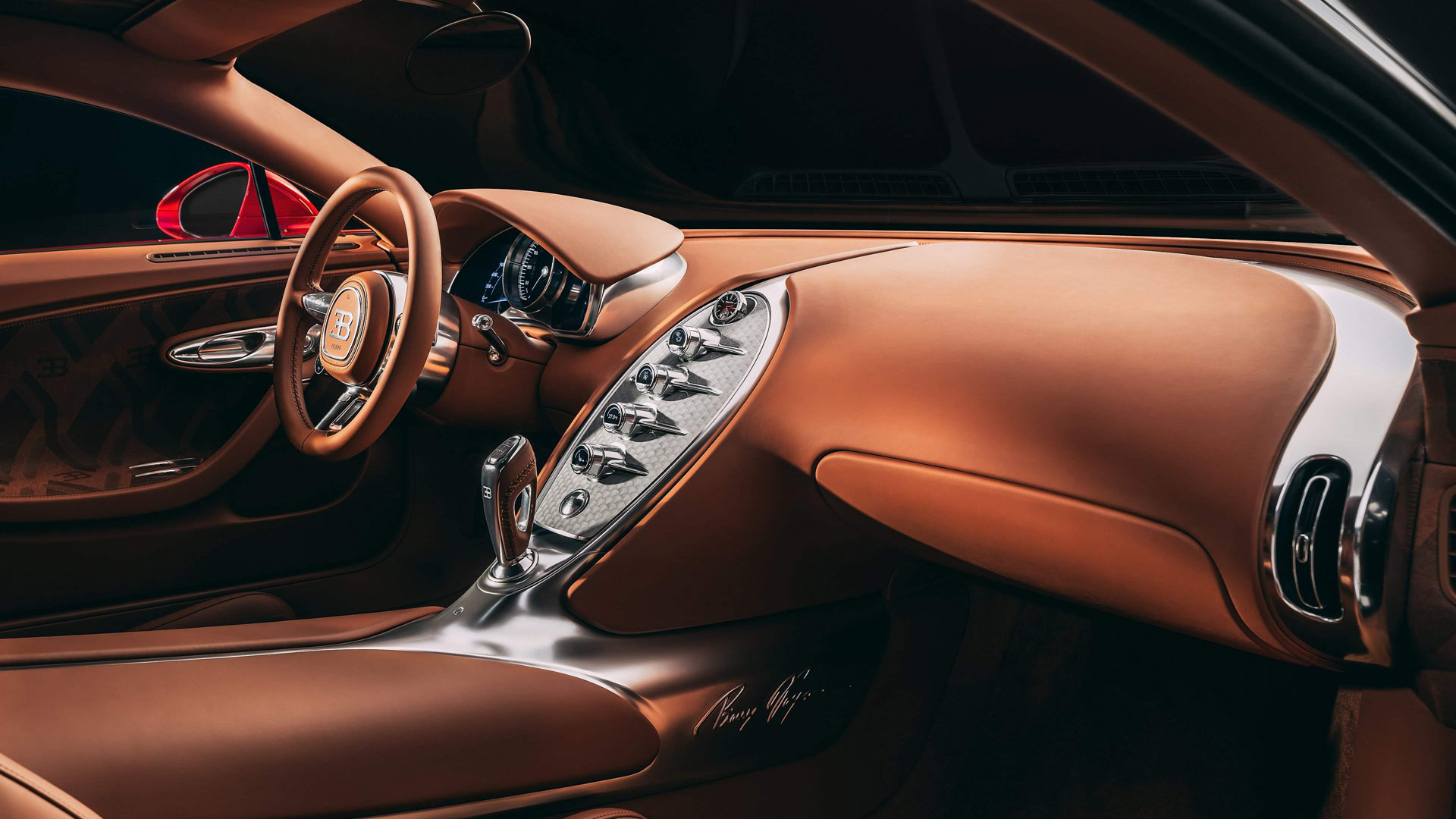
As part of creating the ultimate Veyron tribute, the FKP Hommage’s interior also gains a modern reinterpretation of the classic model.
Bauhaus design, which helped influence the styling of the Veyron, has been applied throughout the cabin, even down to the steering wheel. In contrast to the D-shaped wheel inside the Chiron, the FKP Hommage has a more traditional round item.
The centre console of the FKP Hommage is also bespoke, having been machined from solid blocks of aluminium to give an updated take on the Veyron’s dashboard.
The FKP Hommage uses more than just leather upholstery for its interior, too. Custom Car Couture fabrics, woven exclusively in Paris, feature throughout the cabin, allowing for greater personalisation.
Besides the absence of any gauche infotainment touchscreens, the crowning glory for the FKP Hommage is the inclusion of an Audemars Piguet Royal Oak Tourbillon.
Requested especially by the car’s commissioning owner, the 41mm timepiece sits in a special self-winding gondola. This allows it to keep time without the need for an electrical connection.
The ‘definitive Veyron‘
The addition of a self-winding tourbillon demonstrates the level of design and engineering possible through Bugatti’s Solitaire programme.
This is only the second Solitaire car to be completed, following the Bugatti Mistral-based Brouillard revealed last year.
Up to two ‘bespoke masterpieces’ will be created via the Solitaire programme each year, with intensive involvement from the commissioning customers in every design detail.
Frank Heyl added: “It was a tremendous honour to work directly with the client on this project, refining every detail through multiple iterations to create what I consider the ideal, definitive Veyron”.
Alpine, the Anglo-French Formula 1 team, is bullish. All F1 teams are at this time of the year, as the covers come off their new cars. But Alpine, which sacrificed the whole of last year to get this year’s car right, and which is now running an engine from multi-title-winning Mercedes-AMG rather than its own long-underpowered motor, is more ambitious than most.
After all, it couldn’t do any worse than last season’s result – 10th and last in the Constructor’s championship. This year, it is targeting a big improvement, ideally to sixth place, and then onto who knows what in the years beyond.
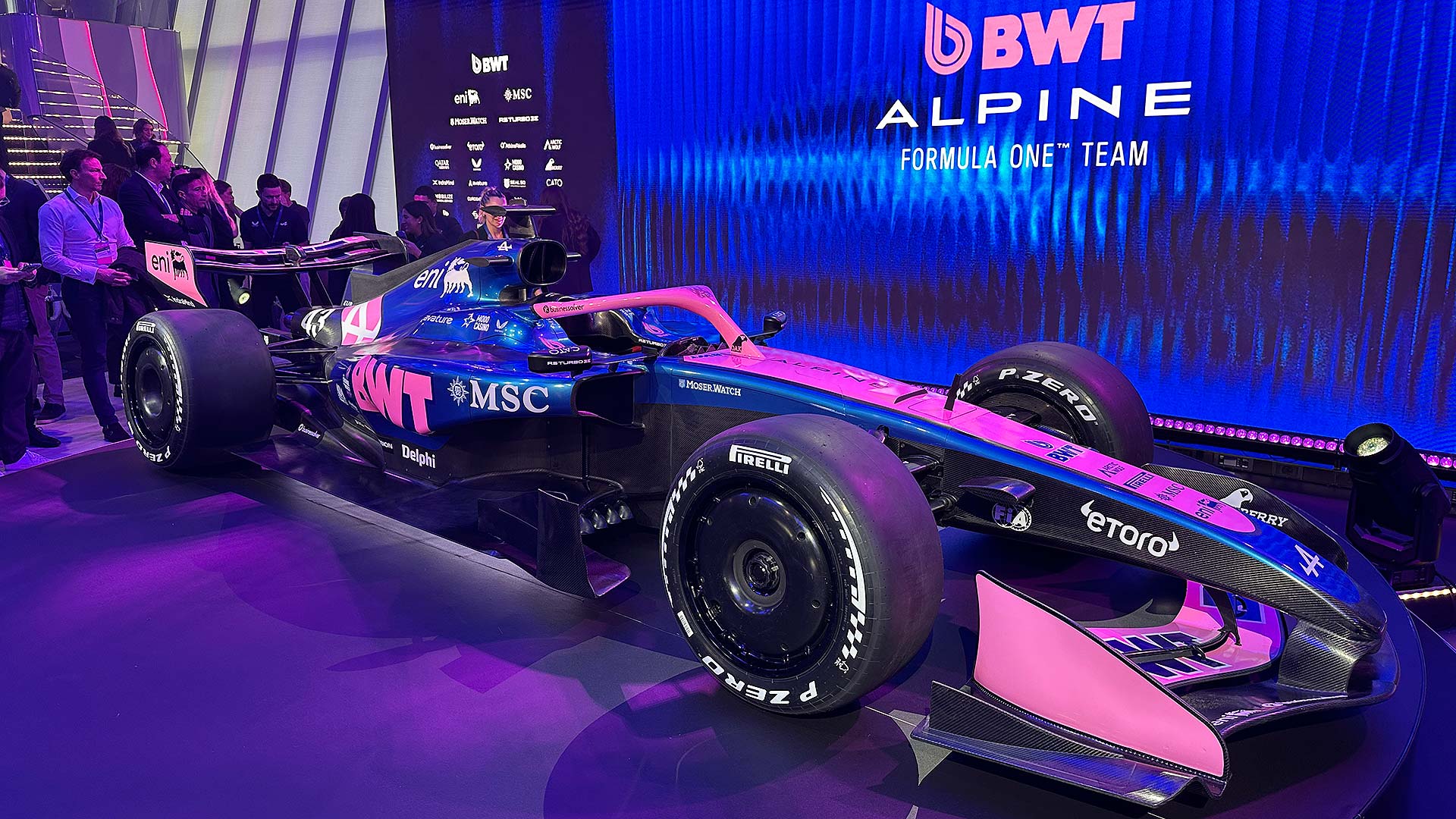
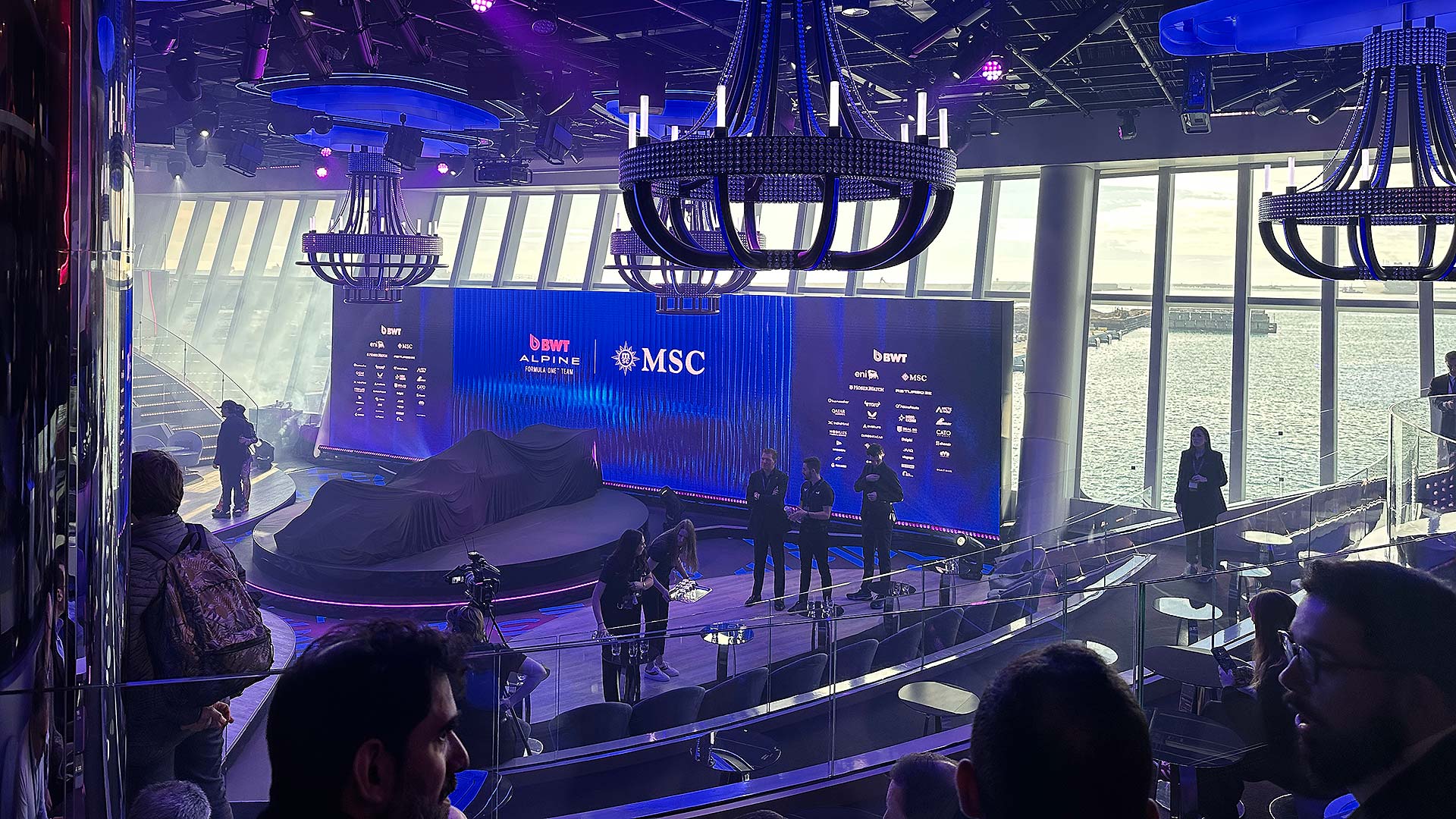
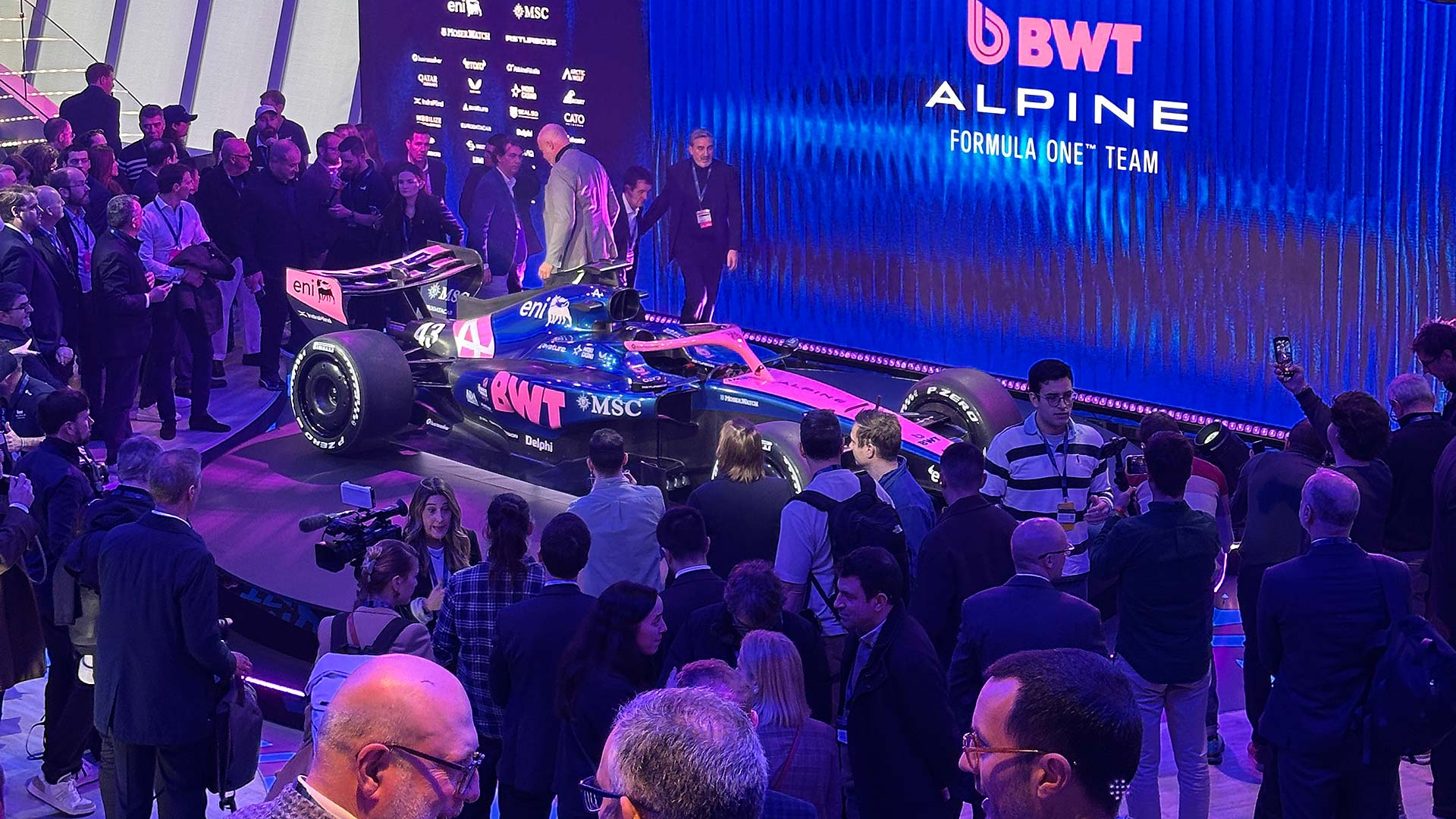
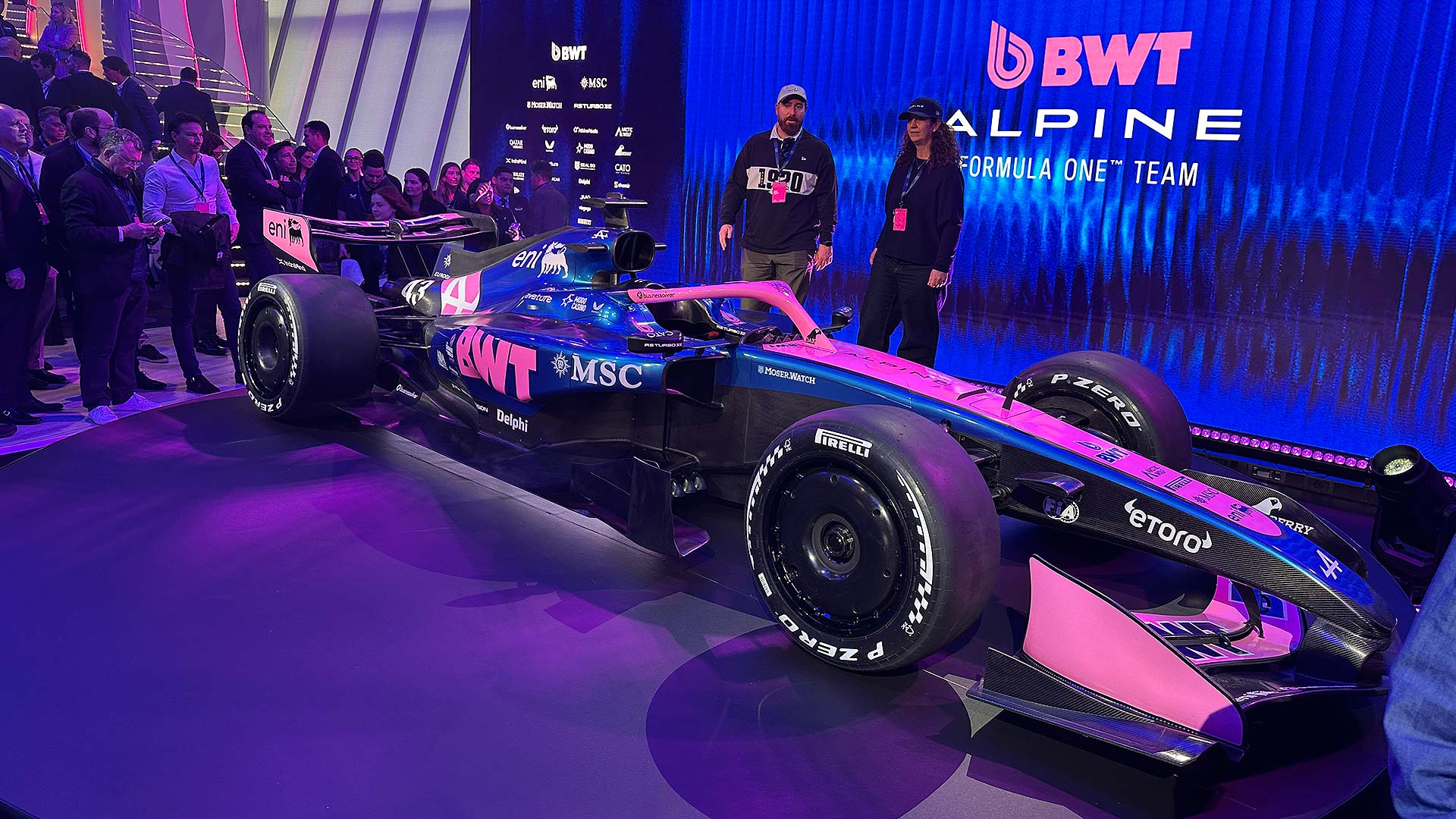
Underlining this ambition was its decision to launch the new Alpine A526 in Barcelona on a cruise ship – MSC World Europa, the eighth largest passenger ship in the world, no less, making it the first time an F1 car has ever been launched on a cruise ship.
The luxury cruiser was built in Northern France, we were told, the same region as Alpine’s Dieppe factory. A nice link, although it was left unsaid that the engines are no longer French; they’re made in Northamptonshire, while the Alpine F1 car itself is made in Oxfordshire. Like most F1 teams, Alpine is fundamentally British.
For all you cruise ship fans, this one’s powered by LNG, reducing sulphur emissions by 99 percent and has a 50kW fuel cell to produce onboard electricity and heat. Suitably green, then, to reflect Formula 1’s own switch to 100 percent sustainable fuels in 2026 – and a new powertrain split 50/50 between combustion engine and electric motor power.
Briatore bravado
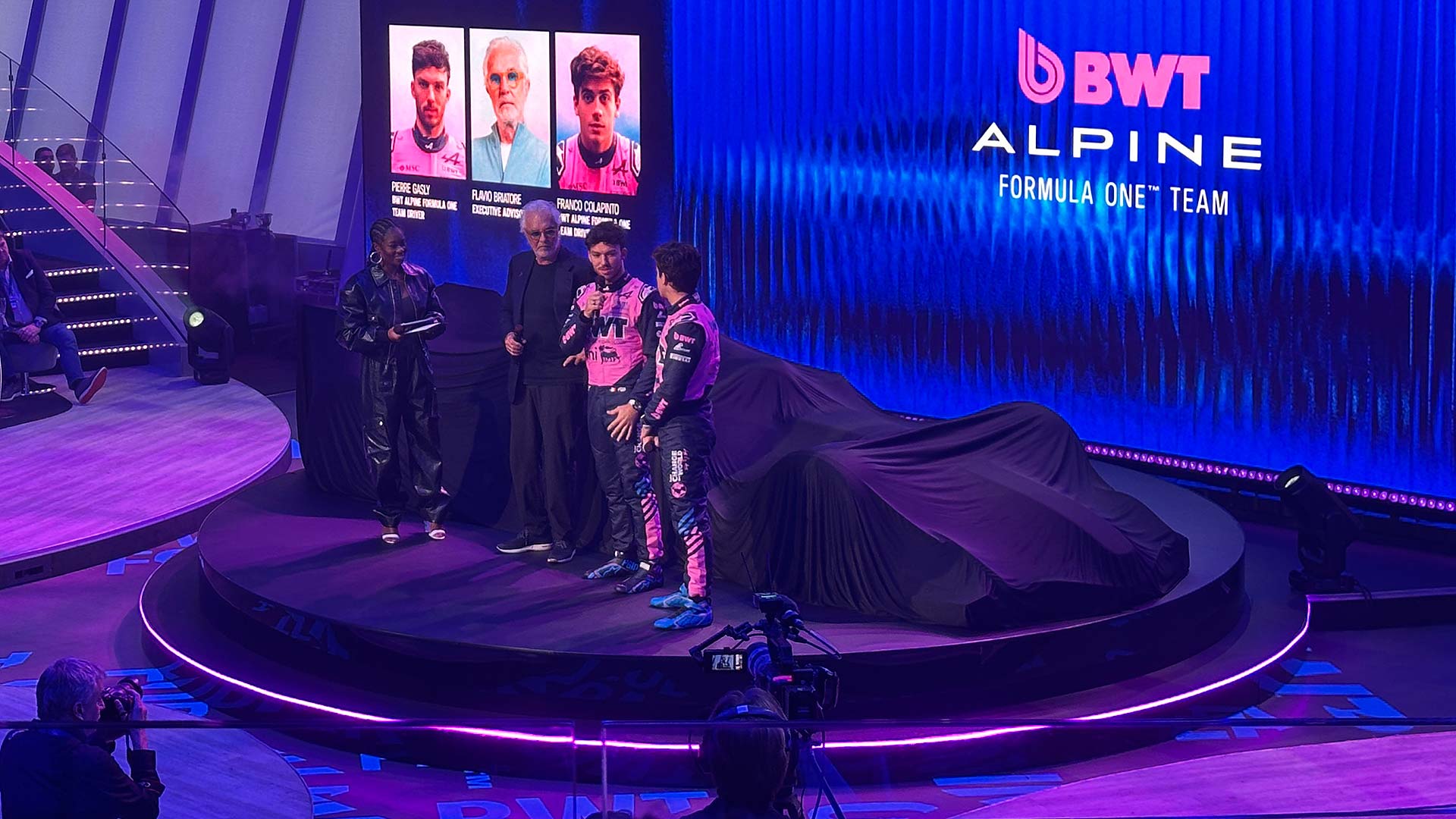
This big 2026 rule-change is behind Alpine’s confidence. Executive advisor – team chief in all but name – Flavio Briatore took to the stage and acknowledged that the 2025 season had been sacrificed to concentrate on this year’s car. He’s confident in its abilities, referencing a successful shakedown at Silverstone just a couple of days ago (in the freezing January rain – “it was, like, minus two degrees,” according to lead driver Pierre Gasly). The team ran 140km of the 200km it was allowed; the reason it didn’t do more was because it was getting dark. But car was faultless.
“Before the first race, everyone is world champion,” said Briatore. “It’s when we go to Australia that we see where we are. We believe we are competitive.” There’s no little pressure, either. Alpine “has to come back in performance – this year is not an excuse anymore… we have a brand new car, the same drivers… we depend on them.”
Briatore added that “we need two drivers competing,” indicating to second driver Franco Colapinto that he needs to consistently be a closer match to Gasly. “For the moment, they are friends. After two or three races? We’ll wait and see…”
Enter Gasly and Colapinto
All eyes were on the drivers as they jumped on stage. This year will be “very technical,” said Gasly, “with lots of things to adapt to”. “Such a big change brings opportunities,” he added. The charming Franco Colapinto said this was his first F1 launch and expects it to be “a very different car to drive – different engine, different chassis, a lot of things to learn in testing.”
Alpine MD Steve Nielson didn’t do too deep a tech dive, instead speaking of how 800-plus people at the team’s Enstone base have been working around the clock to get the 2026 car ready. “The car park’s full when I go in, and still full when I go home. The team hopes to “prove that last year was a blip… this is a massive technical and sporting change, with an opportunity for teams to jump up”. Alpine wants to grab it.
Technical director David Sanchez said the 2026 cars are shorter, narrower and lighter. There’s new aero, with different shapes and characteristics, plus active aero that decouples cornering downforce from straight-line drag. There’s also more bias to the electrical side on the power unit, and new tyres. “And the suspension has had a major revamp to give drivers the best car to drive – it’s not just about loads of downforce.”
Expect surprises
There are 44 days until the first race in Melbourne, and three tests, each of three days, in-between. You’re advised to tune in from the start, says Sanchez, “because we expect a very steep aero development curve… there’s a lot more to come, and we’ll also get ideas from other cars to mix and match”. Surprises are all but guaranteed in 2026.
Just to turn up the pressure, the eminently quote-worthy Briatore added that “if the car is bad, it’s our fault. We haven’t had any problems building it – we have the budget., we have the sponsor to feed it… if we want to do something more, I don’t think it’s possible. Because we have done everything that was possible.” A slick ceremony, then, but the underlying tension wasn’t far away. This is F1, after all.
The event was live-streamed and it took precisely 30 mins; in F1, timing is everything. Then we were meant to remain seated while team and sponsor photos were taken. It didn’t last; the stage floor was soon packed with people grabbing shots, grabbing selfies and grabbing the drivers to grab selfies. The PA eventually requested people take a step back from the stage. They shuffled back. Then soon shuffled forwards again.
In the pink
What about the livery? As the crowds cleared, I spied plenty of pink, a heavy nod to title sponsor BTW. Pink halo, a pink Alpine ‘A’ on engine cover, a pink upper nose, pink end plates. The drivers’ overalls are pink. I love it; others may wish for more of the traditional Alpine blue.
Incidentally, we were told, the cruise ship has recently been upgraded with BTW tech to produce water on board – even down to mineral water, which will save millions of plastic bottles a year going to landfill. Because F1 loves a slick sponsor cross-promotion.
This is a very important year for Alpine. Its road car range is finally growing, with the electric A290 set to soon be joined by the Porsche Macan-rivallingAlpine A390. And there’s more in the works; what it needs is for the F1 team to reflect its growing momentum, start delivering on track, and giving Alpine the worldwide visibility boost it desires.
The vibes from the team seem quietly confident. All the ingredients are in place and everything’s running to plan – not always a given when there’s a big regulation change like this. “I’m happy, I’m happy,” said Briatore. “But let’s see. Only the future will tell if we are right or not.” You sense his money’s on the former; we’ll find out in a few weeks whether this launch marks the rebirth of Alpine.
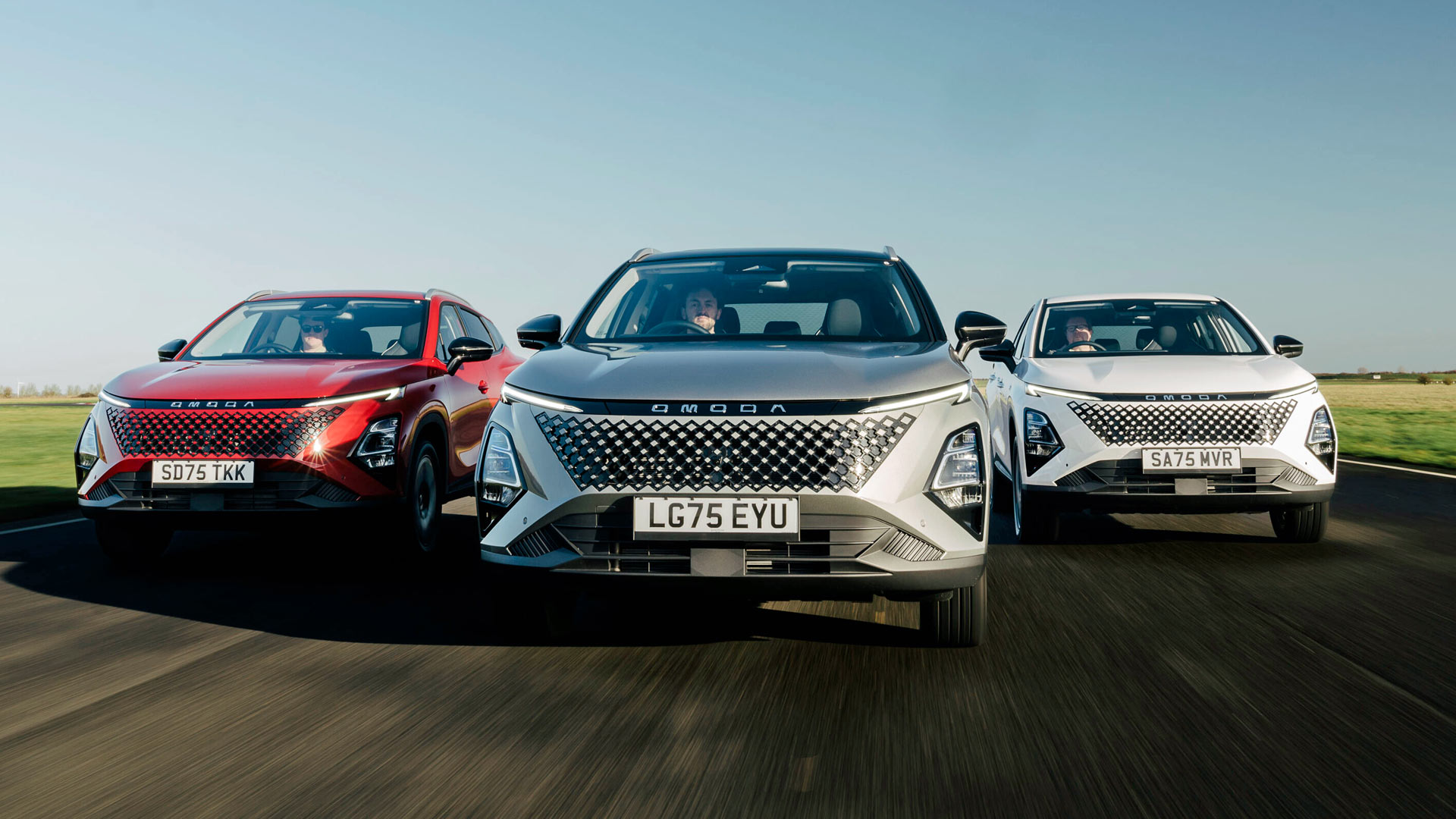
Chinese marque Omoda has announced the latest model to join its UK range, with the addition of a new hybrid SUV.
The Omoda 5 SHS-H is third derivative of the smallest SUV in the Chinese company’s lineup, joining the petrol-powered Omoda 5 and fully electric E5.
Taking on popular family SUVs such as the Kia Sportage, Nissan Qashqai and Hyundai Tucson, the new Omoda 5 SHS-H’s trump card is ultra-competitive pricing.
Two trim levels will be offered when orders open in March 2026, with the entry-level ‘Knight’ specification costing from £25,740.
For comparison, the hybrid-powered version of the top-selling Kia Sportage costs a minimum of £34,475.
Hybrid range of more than 650 miles
Powering the Omoda 5 SHS-H is a 1.5-litre turbocharged four-cylinder petrol engine, combined with an electric motor and a 1.83kW battery.
The engine and electric motor are the same pairing found in the related Jaecoo 7 SHS SUV, albeit without that model’s ability to plug in and recharge.
Instead, the Omoda 5 SHS-H will be ‘self charging’ from its petrol engine and regenerative braking, similar to the hybrid systems found in cars such as the Toyota Prius.
With a total output of 201hp, the Omoda 5 SHS-H can accelerate from 0-62mph in 7.9 seconds. It makes use of a DHT (Dedicated Hybrid Transmission) automatic gearbox.
Based on official WLTP fuel economy tests, the Omoda 5 SHS-H should be able to average 53mpg. With a 51-litre fuel tank, this gives it a potential range of more than 650 miles.
Available to order from March 2026
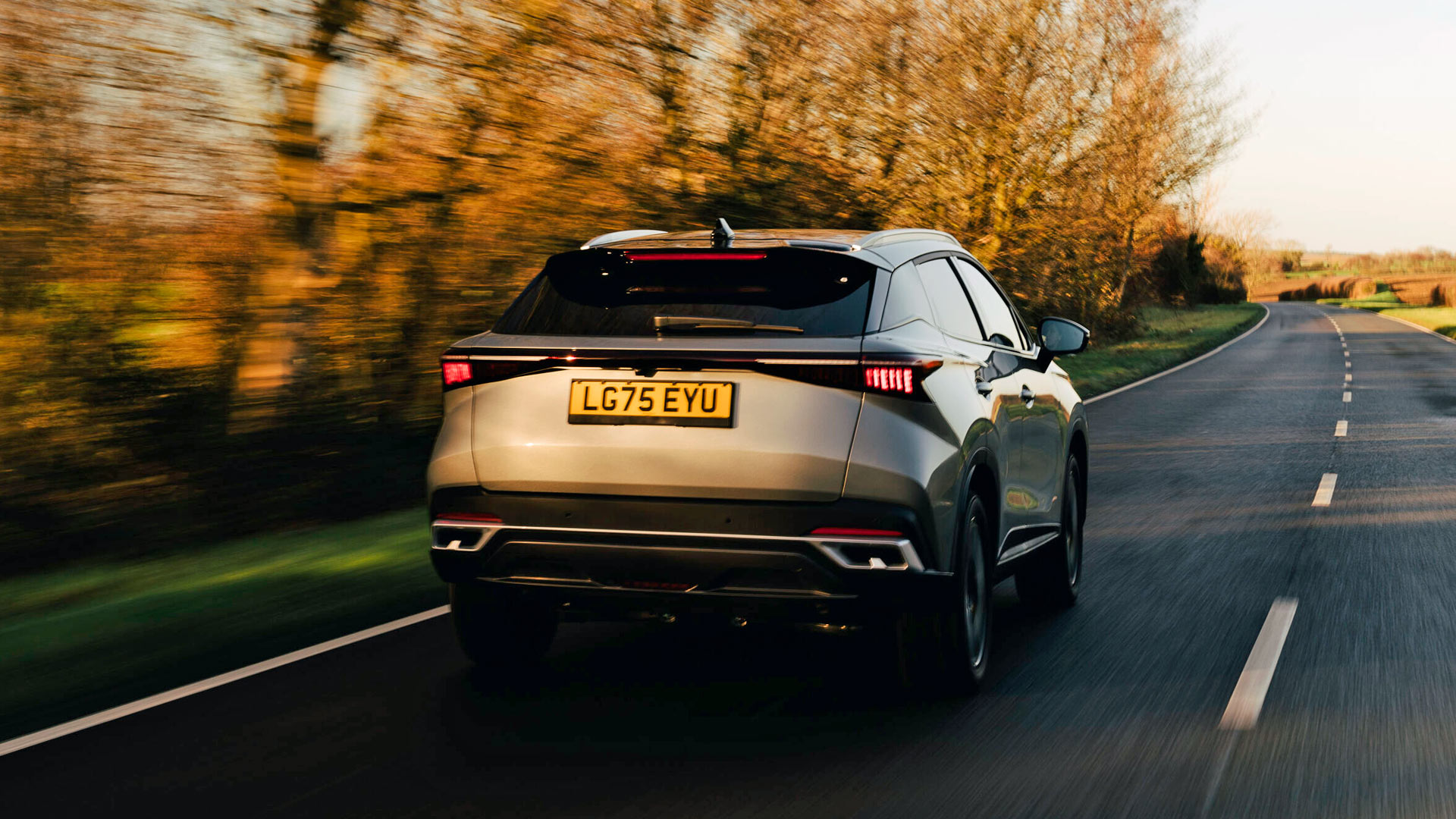
Visually, the Omoda 5 SHS-H is almost identical to the petrol-powered car. However, 2026 does bring a revised front grille and bumper design, along with new alloy wheels.
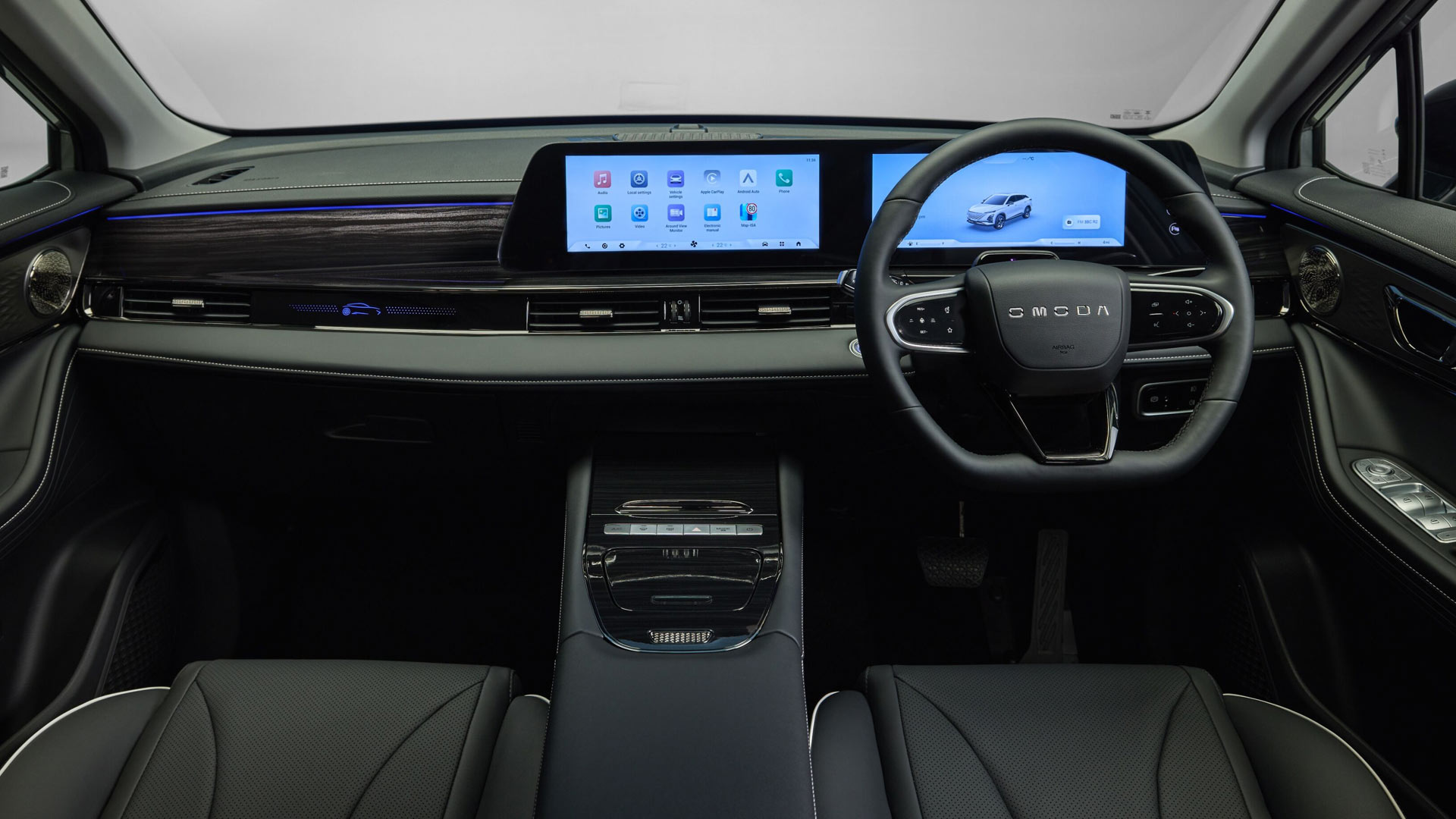
Entry-level Knight specification, priced from £25,740, will include 18-inch wheels, a pair of 12.3-inch digital displays, wireless Apple CarPlay and Android Auto connectivity, and LED exterior lighting.
Opting for plusher Noble spec elevates the list price to £29,240. It adds a 540-degree surround-view camera, an eight-speaker Sony audio system, ambient interior lighting and front seats with heating and ventilation.
Like the rest of the Omoda range, the Omoda 5 SHS-H will come with a seven-year or 100,000-mile warranty as standard. The high-voltage hybrid battery is covered under a separate eight-year/100,000-mile policy.
Orders for the Omoda 5 SHS-H can be placed from March 2026 via the UK’s network of 101 Omoda and Jaecoo dealerships.
British drivers are putting themselves at risk of major bills this winter due to preventable vehicle breakdowns.
That’s the finding of new research into cold-weather faults, which reveals the three most common issues identified could cost drivers a total of £2,481.
The data showed that diesel engine glow plugs, auxiliary coolant pumps and air quality sensors are the components most likely to go wrong during the coldest period of the year.
Although replacing a blown fuse could be the simplest (and cheapest) root cause for such failures, having to replace an entire glow plug control unit could top £1,200.
This figure exceeds the average monthly rent paid by UK households, coming at a time when finances are already stretched after the Christmas period.
Top car breakdown causes identified
Automotive diagnostics platform Carly uncovered the new data by analysing more than 2.4 million diagnostic sessions between October and December 2025.
The company’s plug-in system uncovered the three most common winter car failures, along with the probability of each one generating a detectable fault code.
Glow plug issues only occur in diesel vehicles, and were linked to a 60 percent probability in Carly’s analysis. Replacing an individual glow plug might cost between £618 and £835, while a simple fuse could be as little as £56 to sort.
From Carly’s dataset, auxiliary coolant pump failure had a 65 percent probability of causing an issue. Having to replace the pump means a bill of between £570 and £820, with a defective cable costing from £116 to £160.
The most frequent breakdown cause was air quality sensors, with a 78 percent occurrence. Having to fit a new sensor costs between £281 and £395 on average.
‘Better visibility of vehicle health’
The Carly device connects to a vehicle’s on-board diagnostics (OBD) port, allowing drivers to detect and understand recorded fault codes.
This could potentially mean spotting an issue before it causes greater damage, or even allow drivers to budget for repairs.
Commenting on the findings, Dali Ati, head of internationalisation at Carly, said: “Winter breakdowns remain a significant and costly issue for UK drivers.
“Our data shows that some of the most common faults reported during colder months – particularly bad for owners of diesel cars considering the cost range and likelihood of glow plug-related failures – can also be among the most expensive to fix.”
Aston Martin has launched a new Experiences programme for 2026, with a focus on ultra-luxury events and supercar tours across the world.
At the heart of Aston Martin Experiences are the invitation-only Ascend and Unleashed portfolios, which provide owners with access to exclusive road and track driving opportunities.
Alongside these are the Supertour and Supercharged events, aimed at a broader range of Aston Martin owners and enthusiasts.
Among the options in the 2026 Aston Martin Experiences programme is a celebration of the Casino Royale James Bond film, released in 2006.
To mark Casino Royale reaching its 20th anniversary, Aston Martin will offer the ‘Ultimate James Bond Experience’ in September. This will give drivers exclusive, behind-the-scenes access to film locations on an immersive journey across Italy.
The ultimate grand tour
The James Bond event falls under the ‘Ascend’ arm of the 2026 Aston Martin Experiences programme. Each of these will last 4-5 nights, with a limit of 12 couples per journey.
Further Ascend experiences planned for 2026 include a trip to the 24 Hours of Le Mans in June. Guests will see the Loire Valley’s grandest chateaux before heading to the legendary endurance race, where they can cheer on the Aston Martin THOR team with full corporate hospitality.
The United States Grand Prix, held in Austin, is the focus for another Ascend event later this year. Those fortunate enough to be invited will experience Texas Hill country, combined with VIP access to the Circuit of the Americas, plus exclusive driver meet-and-greets.
Notably, this comes as Aston Martin has withdrawn from providing safety and medical cars to Formula 1. For the past five seasons, Aston had alternated with Mercedes-AMG to offer official support vehicles for motorsport’s pinnacle series.
Hitting the track like a VIP
There will be plenty of on-track Aston Martin action in 2026, too, with ‘Unleashed’ experiences covering three famous race circuits.
Circuit Paul Ricard, the Red Bull Ring and Monza will all play host to dedicated Aston Martin Unleashed track driving events.
Guests will use their own supercars under the guidance of championship-winning drivers, while staying in five-star luxury accommodation. Technical support and even motorsport physiotherapy sessions come as part of the package, to provide the full racing driver experience.
On-track action also forms part of the more accessible ‘Supercharged’ programme of experiences. Silverstone’s Stowe Circuit and the Millbrook Proving Ground are two of the venues available for track driving during 2026.
‘Creating unforgettable memories’
Lastly, the Aston Martin ‘Supertours’ programme will include events such as a driving tour of Marrakesh, attending the Monaco Grand Prix and a ‘Best of British’ experience at the Goodwood Festival of Speed.
Further afield, journeys through China, Tibet and Vietnam are also on the agenda.
Finbar McFall, global marketing director at Aston Martin, said: “We are delighted to offer these exceptional opportunities for customers and admirers to immerse themselves in the ultra-luxury lifestyle of Aston Martin.
“From the exclusivity of Ascend to the adrenaline rush of Unleashed, each programme reflects our unwavering commitment to creating unforgettable memories. Whether it’s cultural discovery, track performance, or the thrill of a scenic drive, there’s something to captivate every Aston Martin aficionado.”