Home Blog Page 348

Jaguar wants to redefine the word ‘car’

0

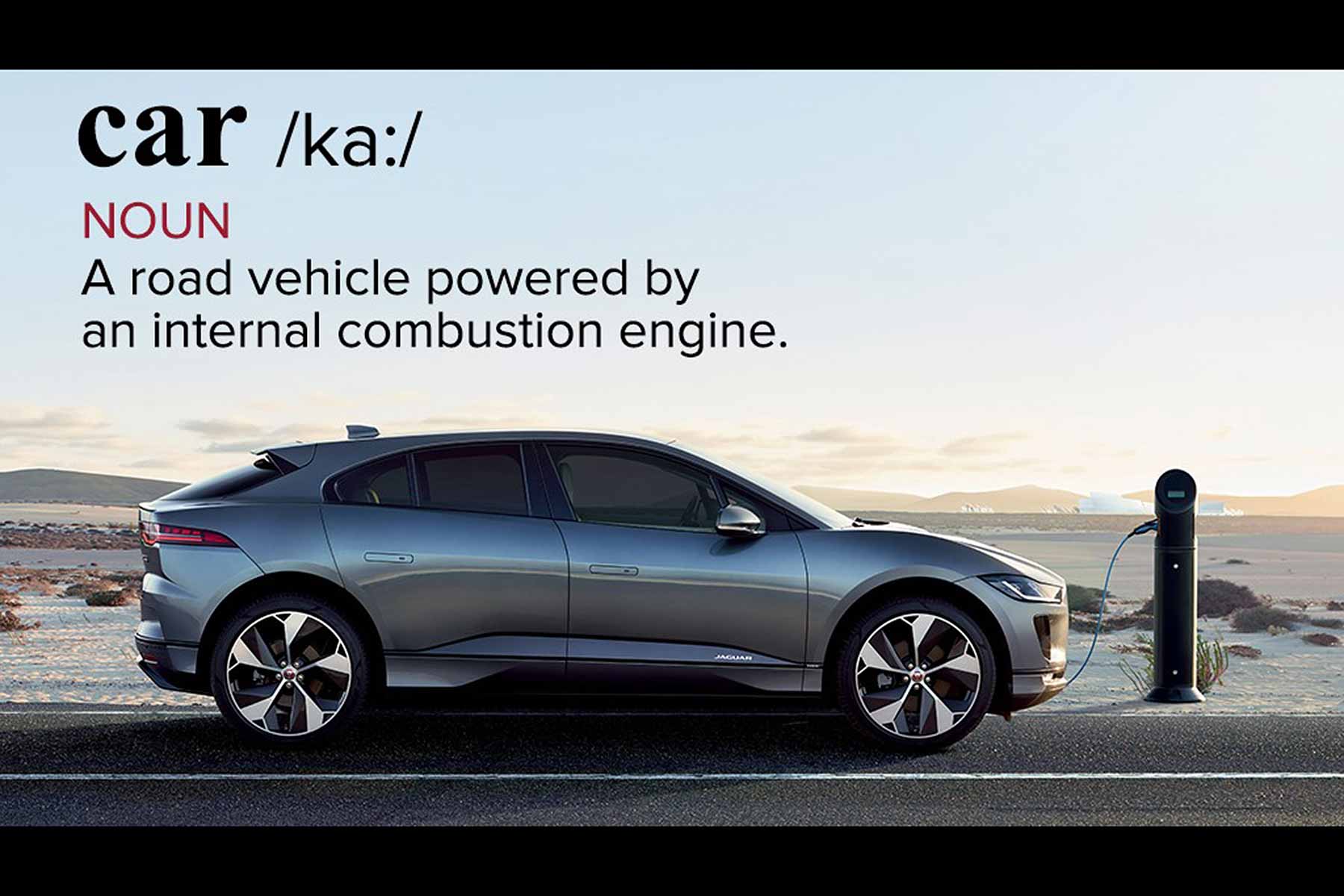
Jaguar I-Pace wants to redefine carJaguar has submitted a formal application to the Oxford English Dictionary (OED) and Oxford Dictionaries to change the official online definition of the word ‘car’.

It wants the online definitions updated to include a reference to additional powertrains, including electric vehicles. This may or may not have something to do with the fact that it has launched the I-Pace all-electric SUV and is preparing to launch an electric version of the XJ saloon.

David Browne, head of Jaguar Land Rover’s naming committee, said: “A lot of time and thought is put into the name of any new vehicle or technology to ensure it is consumer friendly, so it’s surprising to see that the definition of the car is a little outdated.

“We are therefore inviting the Oxford English Dictionary and the Oxford Dictionaries to update its online classification to reflect the shift from traditional internal combustion engines towards more sustainable powertrains.”

Presently, the OED defines a ‘car’ as ‘a road vehicle powered by a motor (usually an internal combustion engine) designed to carry a driver and a small number of passengers, and usually having two front and two rear wheels, esp. for private, commercial, or leisure use.’

The Oxford Dictionaries definition is similar: ‘A road vehicle, typically with four wheels, powered by an internal combustion engine and able to carry a small number of people.’

Vroom vroom

Vroom vroom

Of course, there are other online definitions to consider. For example, the Urban Dictionary offers multiple definitions, including: ‘A people shell with four wheels’, ‘Something that goes vroom vroom’ and ‘Men’s best companion’.

There are a couple of others, but these aren’t necessarily safe for work.

Jaguar is asking people to “get behind the campaign” by using the hashtag #RedefineTheCar on Twitter, Facebook and Instagram.

Now probably isn’t the time to point Jaguar in the direction of the Urban Dictionary’s top definition for ‘electric car’.

‘Yet another marketing scam to disguise something as environmentally friendly when it really isn’t.’ #scam #electric #car #emission #fossil

Oh.
Advertisement

Heycar used car marketplace launches in UK

0

Heycar launches in UK

Fresh from its launch in Germany in 2017, the Heycar used car online marketplace has gone live in the UK.

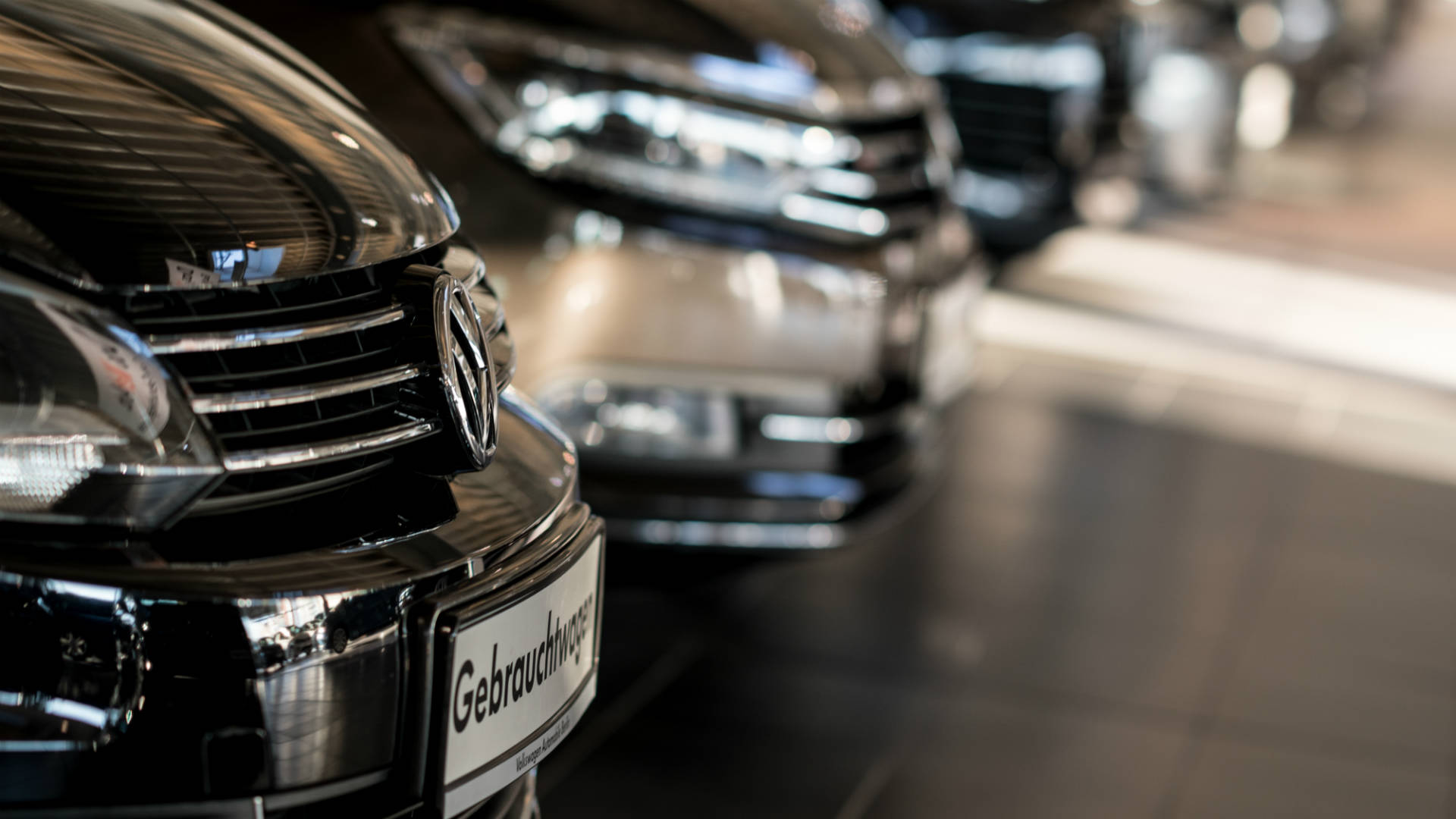
Heycar is a brand owned by Mobility Trader Holding GmbH, whose shareholders are Volkswagen Financial Services AG and Daimler Mobility AG.

Around 100,000 used cars are already available on the site, all with no more than eight years on the road and 100,000 miles on the clock.

Most cars follow the manufacturer’s approved used car standard, with others using the AA’s 128-point vehicle check.

As a bare minimum, all cars come with at least 30 days’ warranty.

‘First step towards an international expansion’

Heycar in Germany

“We are pleased that Heycar has now taken the first step towards an international expansion,” said Frank Fiedler, CFO of Volkswagen Financial Services AG.

“Following the positive reception of Heycar in Germany, we now want to serve dealers and customers in the United Kingdom just as successfully and thus further expand our used car business.”

Heycar says it will continue to add more vehicles to the platform as it expands its dealer network and will offer cars from nearly 50 brands. In Germany, around 400,000 vehicles are available online.

In effect, Heycar operates as a ‘middleman’ between certified dealers and the general public. Private individuals or dealers selling older cars are unable to use Heycar – this is a site for warrantied nearly-new vehicles.

‘Disrupt the industry’

Chevrolet Spark

Mat Moakes, CEO of Mobility Trader UK Ltd, a wholly-owned subsidiary of Mobility Trader Holding GmbH, said: The UK used car market, the second largest in Europe after Germany, works inefficiently for buyers and dealers.

“Heycar will disrupt the industry through a simple, tech-led proposition and will take market share from the incumbents to become the number one site for high quality used cars in the UK.”

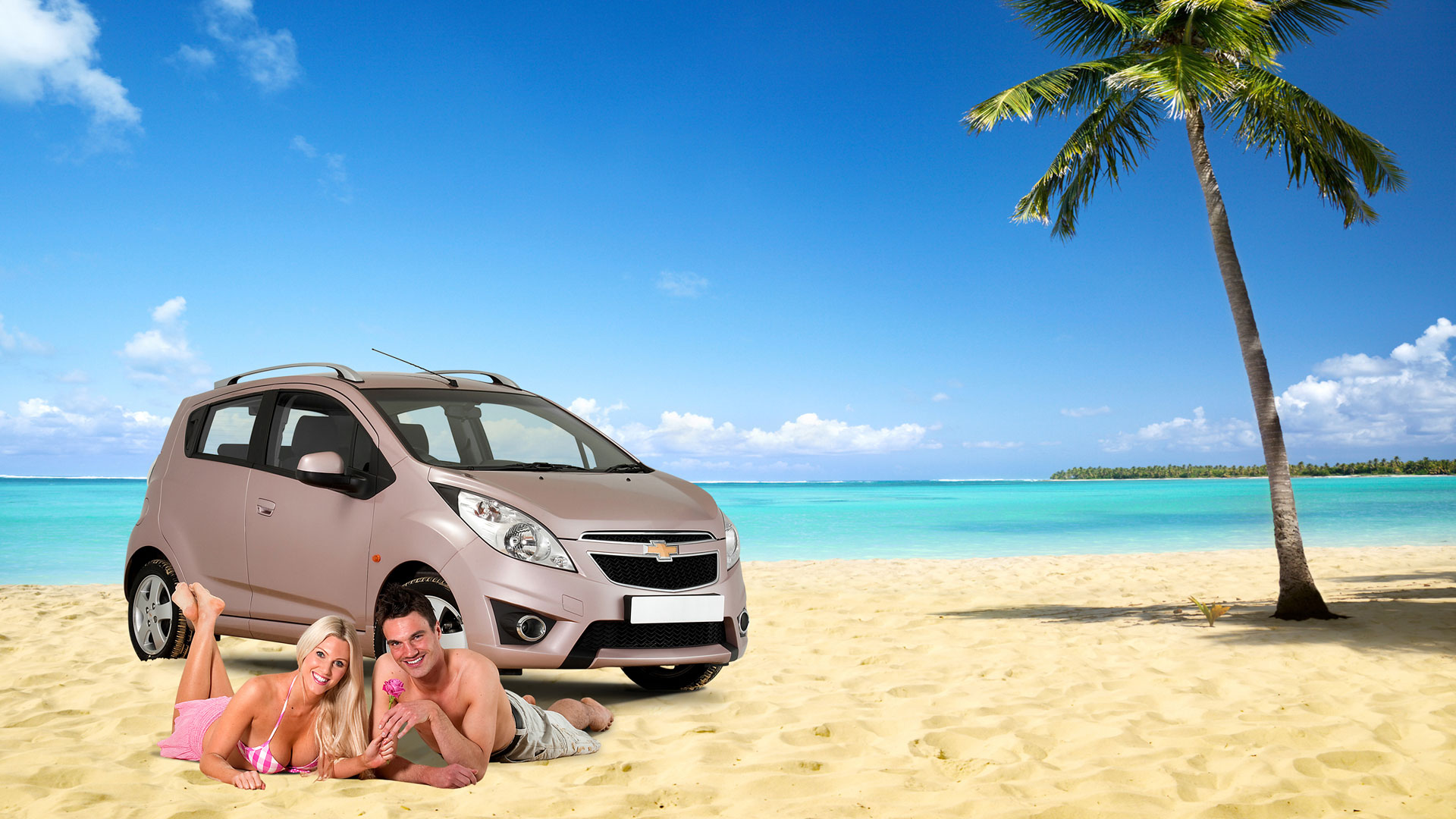
Of the 98,830 cars available now, the cheapest is a 2012 Chevrolet Spark with 53,746 miles on the clock – yours for £2,390. At a cool £1,195,000, a 2015 Porsche 918 Spyder is the most expensive vehicle, followed by a 2017 Aston Martin Vanquish for £624,950.

Advertisement

French speed cameras ‘much stricter’ than in the UK

0

French speed camera tolerances

How strict are French speed cameras? A new report claims speed limit tolerances in France are much tighter than in the UK.

Over here, 10 percent plus 2 mph is generally the permitted maximum before you see a flash in your rear-view mirror. But the AA says French cameras aren’t so lenient…

How tight are speed camera tolerances in France?

French speed camera tolerances

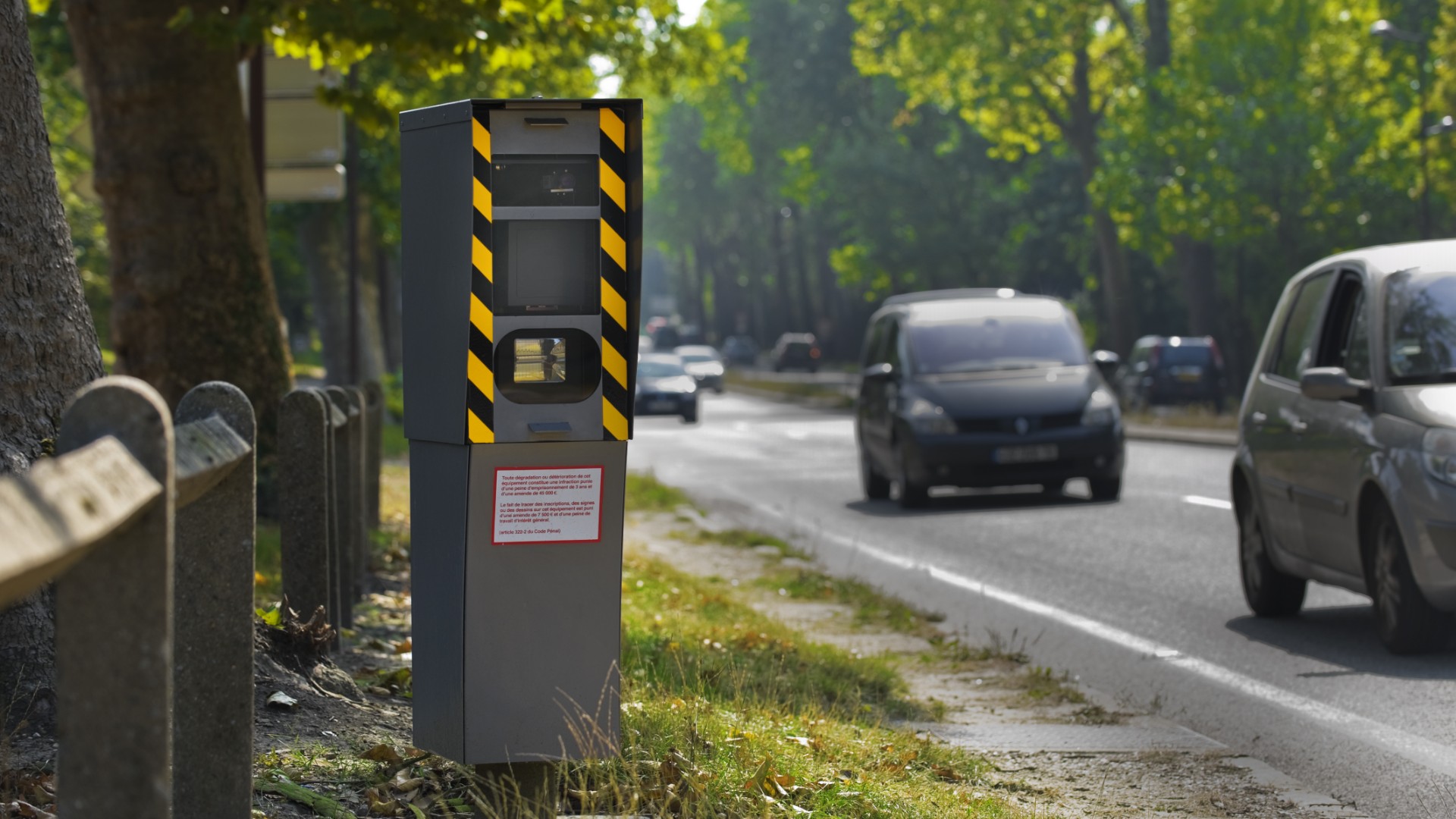
French cameras can be triggered when cars pass at just five percent over the limit. That means beyond 31 mph in a 30 mph zone, or 42 mph in a 40 mph zone.

At motorway speeds, you could ‘get away’ with 79 mph in the UK (although clearly this isn’t recommended). The equivalent in France is just 73 mph.

The AA surveyed nearly 20,000 of its members and found one-in-five weren’t aware of the tighter tolerances. It estimates that almost 800,000 British drivers could be fined for speeding in France by the end of the year.

Borders won’t protect you now, either. The MLA (Mutual Legal Assistance agreement) has been in effect since May 2017, requiring all EU members to share details on those who break driving laws in other countries with the appropriate authorities.

French speed cameras: what you need to know

French speed camera tolerances

  • There’s a five percent speed tolerance
  • They’re not painted in bright colours
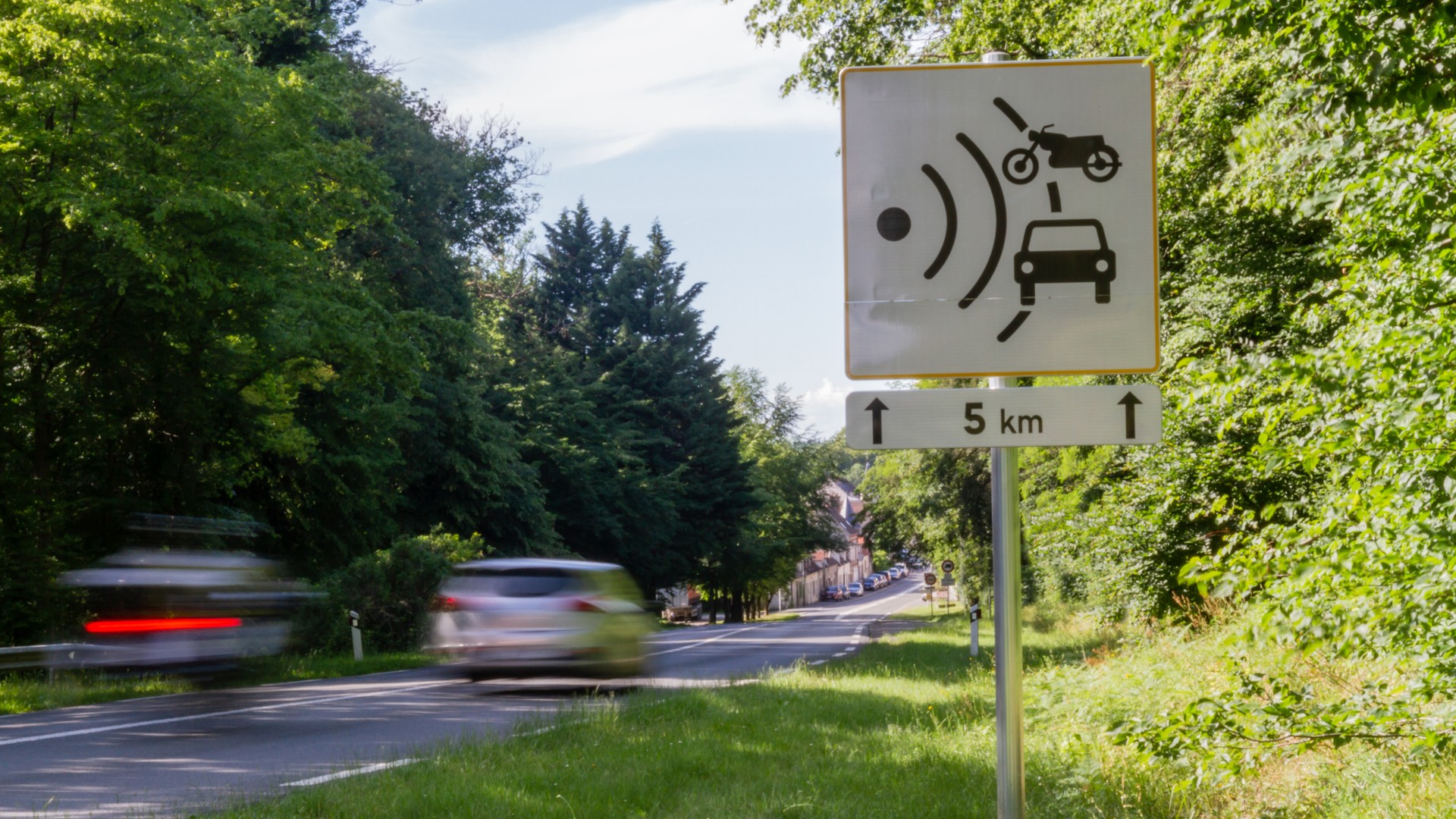
  • There are signs to warn that they’re up ahead
  • If caught speeding, the fine WILL reach you
  • There are over 2,000 fixed cameras on French roads

“Year in and year out, UK holidaymakers driving abroad are advised to mug up on the road laws they are visiting,” said AA president, Edmund King.

“And now we know from official statistics that the French police are on a mission to chase up fines from British drivers before Brexit. Whether you’re driving in the UK or France, if you stay within the limit you’ll keep out of trouble.”

Advertisement

BP Chargemaster sued by UK charging point ‘pioneer’

0

Calvey Taylor-HawAn entrepreneur who set up Britain’s first commercial electric car charging stations in London is suing BP Chargemaster, the firm he sold his business to, for unfair dismissal which resulted in a loss of share options. 
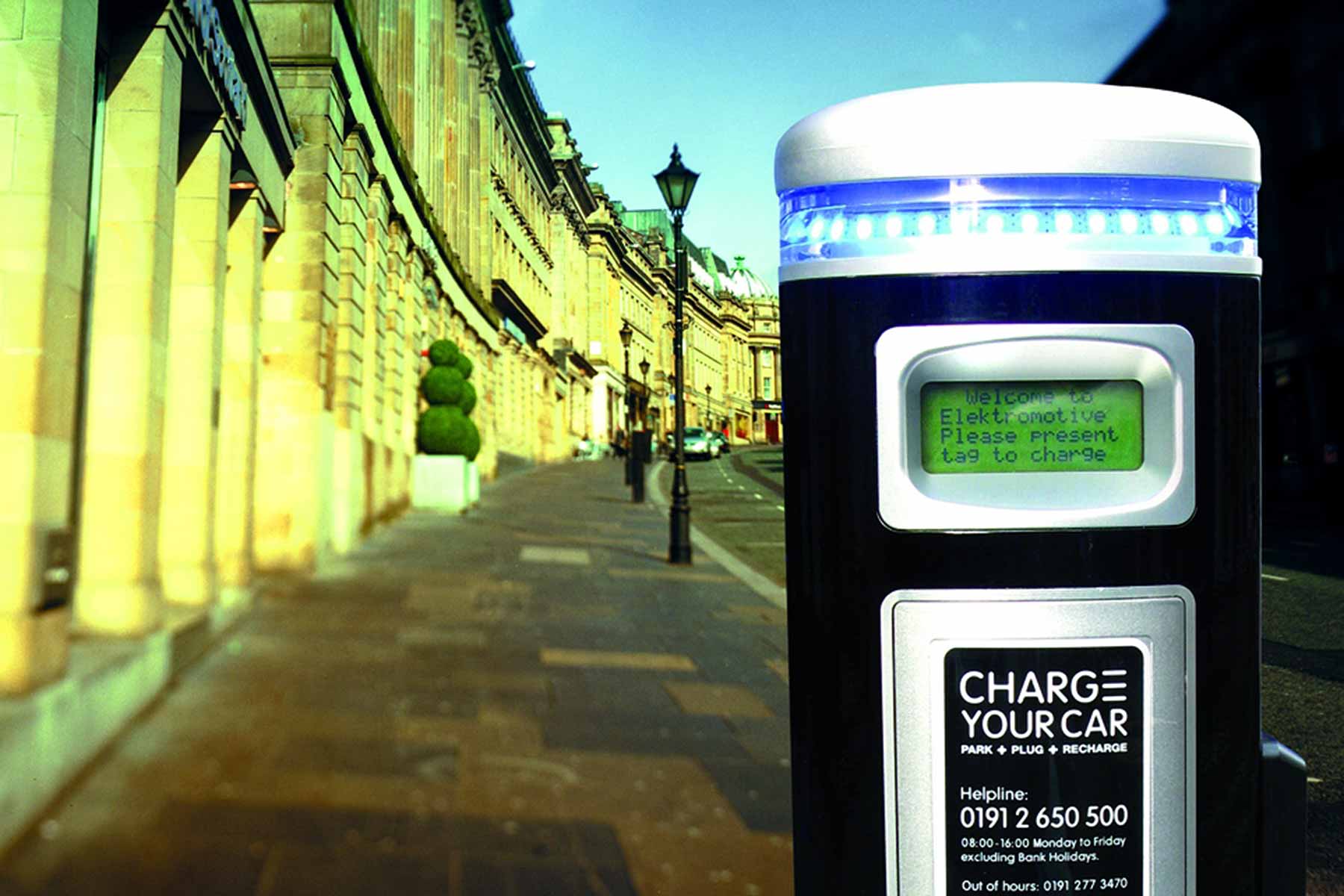
Calvey Taylor-Haw claims the dismissal saw him lose a bonus package of over £1 million of share options in the company.

Taylor-Haw is described by his legal representative, Fox Williams, as a “pioneer in the electric vehicle sector”. He founded his first charging company, Elektromotive, in 2003.

In 2005, it launched London’s first commercial charging points. Growth in other areas of the UK saw it become Britain’s largest EV network.

Calvey Taylor-Haw

This business (and a subsidiary, Charge Your Car) was sold in January 2017 to Chargemaster, for which Taylor-Haw received share options.

Chargemaster was then sold to BP in June 2018 for £120 million – and the unfair dismissal claim alleges Taylor-Haw’s position was “immediately” undermined by the management team.

The legal case outlines how Taylor-Haw was asked to develop new business areas for BP Chargemaster, from which he was made redundant five months later.

“During his redundancy he was repeatedly told he would be allowed to keep his share options.  When the business was sold to BP, he discovered his share options had been taken away.”

The employment tribunal hearing will take place on 28-29 August 2019.

Jane Mann, a Partner at Fox Williams, a leading employment lawyer said: “We will be arguing for Calvey Taylor-Haw that there is clear evidence that he was unfairly dismissed and wrongfully deprived of his share options. 

“His position was undermined and there was no proper consultation during his redundancy.”

BP Chargemaster declined to comment. 

Advertisement

Should vaping and driving be banned?

0

Vaping while driving

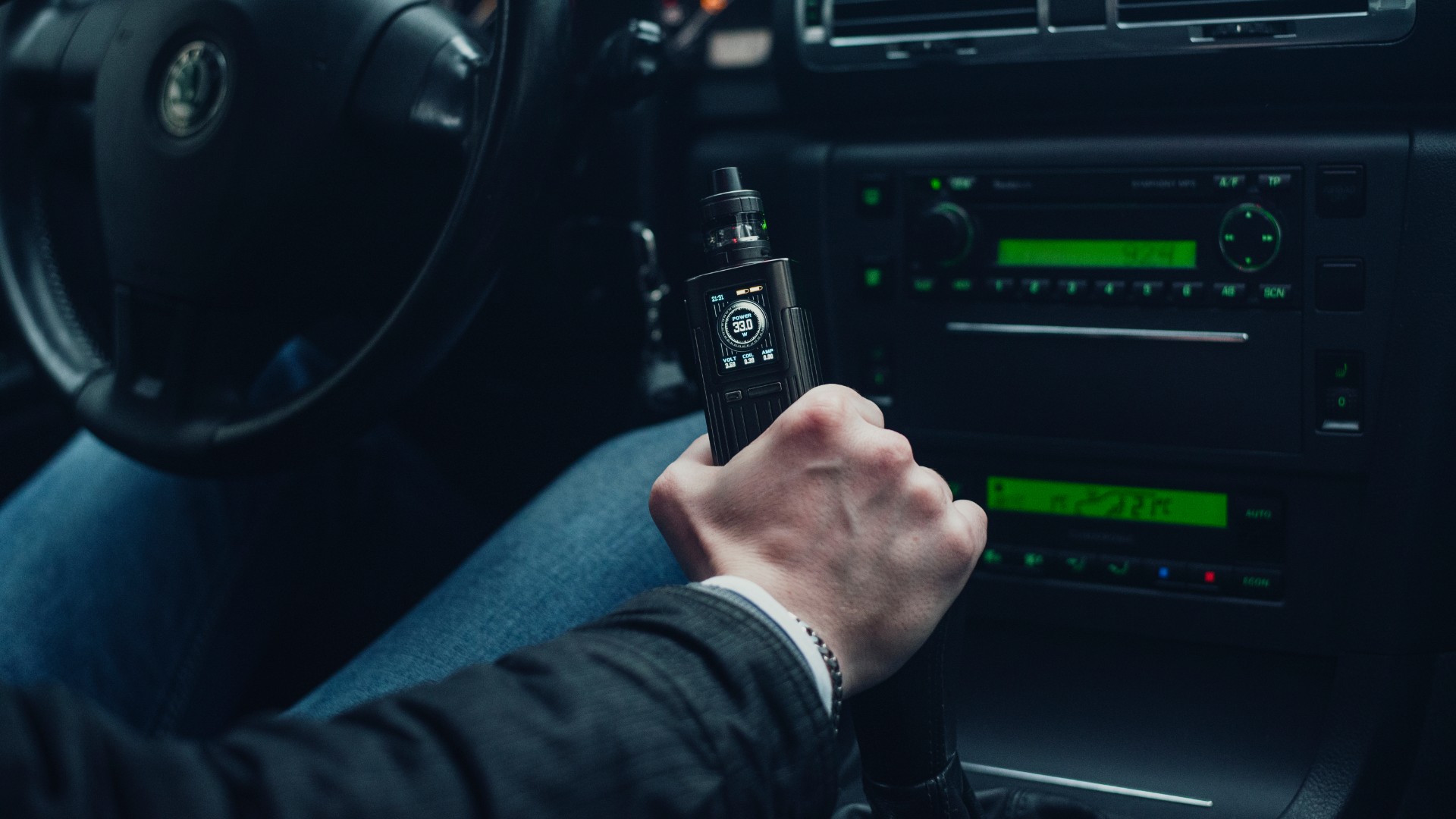
A poll has revealed that over 70 percent of motorists want vaping while driving to be banned. A total of 350 people took part in the survey on an independent car retailer’s website. At present there is nothing to stop drivers vaping behind the wheel, nor is it illegal to smoke and drive.

However, the Children and Families Act of 2015 made it illegal to smoke in a car with children in it, for both the driver or any other adults. The driver is also at fault for not preventing other occupants from smoking with children in the car.

Vaping while driving

Similarly, smoking, along with vaping, comes under a list of things that can be considered distractions while driving. At an observing officer’s discretion, smoking or vaping can be considered distractions linked to driving without due care and attention. They join loud music, eating and drinking, and arguing with passengers or other road users on the list of distractions. 

Driving without due care and attention can land you with a hefty fine. What’s more, a vape could be considered an electronic device. The former offence with the addition of an electronic vape could cost you up to £2,500, land you with penalty points or, at worst, disqualification.

Would a ban on vaping while driving create a slippery slope? Would (or should) a ban on smoking, eating or drinking while driving follow shortly thereafter? It’s an interesting question…

Vaping while driving

“While there are no laws banning vaping in this country, considering the sheer volume of traffic on our roads it is paramount that we are all in control of our cars at all times,” said Mark Carpenter, CEO of Motorpoint. 

“Which is why, just like mobiles, we’re seeing a growing call from all sides for all hand-held devices that could potentially be used behind the wheel to be banned from our roads.”

Advertisement

75 percent of our EU traffic prosecutions are from France

0

Driving in France

New data has revealed where British motorists are running into trouble. It may not surprise you to read that 75 percent of our European driving infractions appear to occur in neighbouring France.

Since May 2017, Britain has been a part of the Mutual Legal Assistance Agreement, which allows the European authorities to ask for the details of UK drivers. The French account for three-quarters of detail requests, or 246,000 of the 325,145 requests made between February and June this year.

The Germans came second, though it’s second by some margin, requesting details from the DVLA on 22,845 occasions. Meanwhile, Italy, Spain and Austria made 16,993, 13,442 and 6,875 requests respectively.

Driving in France

“British drivers clearly need to be extra vigilant when driving in France,” said Hunter Abbott, managing director of AlcoSense Laboratories, the company behind the survey.

“They must take care not to exceed the speed limit – and carry a high viz jacket for every passenger, a warning triangle, spare bulbs, headlamp beam deflectors, a GB sticker and a single-use ‘NF approved’ breathalyser.”

Top tips for driving in France

French speed camera tolerances

Ease up on the speed

We know it’s exciting to drive in a new place, but patience is a virtue, especially when it comes to staving off fines and keeping points away from your licence.

It’s worth remembering that French speed camera tolerances are lower than ours, allowing for just five percent over the prescribed speed limit. Make sure you know your key kilometre per-hour figures, too. 

KM/H to MPH

  • 130km/h = 80mph (French motorway speed limit unless otherwise indicated)
  • 120km/h = 75mph
  • 110km/h = 68mph (French motorway speed limit in the rain)
  • 100km/h = 60mph
  • 80km/h = 50mph

Driving in France

Steady on the ferry

If you’re taking the ferry, it’s wise to leave the miniature wines to your passengers (unless they’re sharing the drive) and get some rest. The drink-drive limit is lower in France, at 0.5mg of alcohol per mL of blood, compared with 0.8mg per mL of blood in England and Wales.

Advertisement

Porsche launches world’s most powerful SUV – and it’s a hybrid

0

Porsche Cayenne Turbo S E-Hybrid

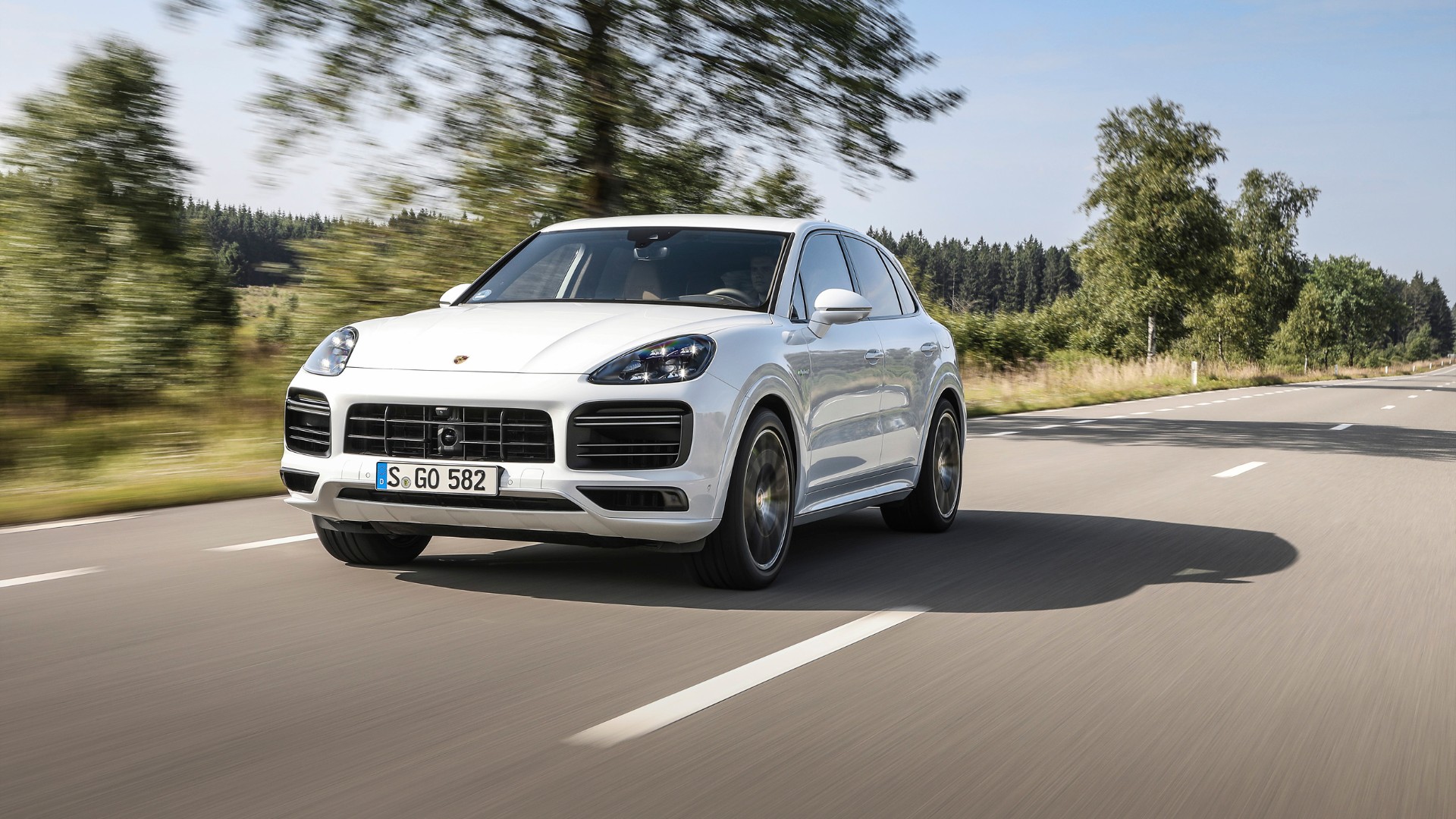
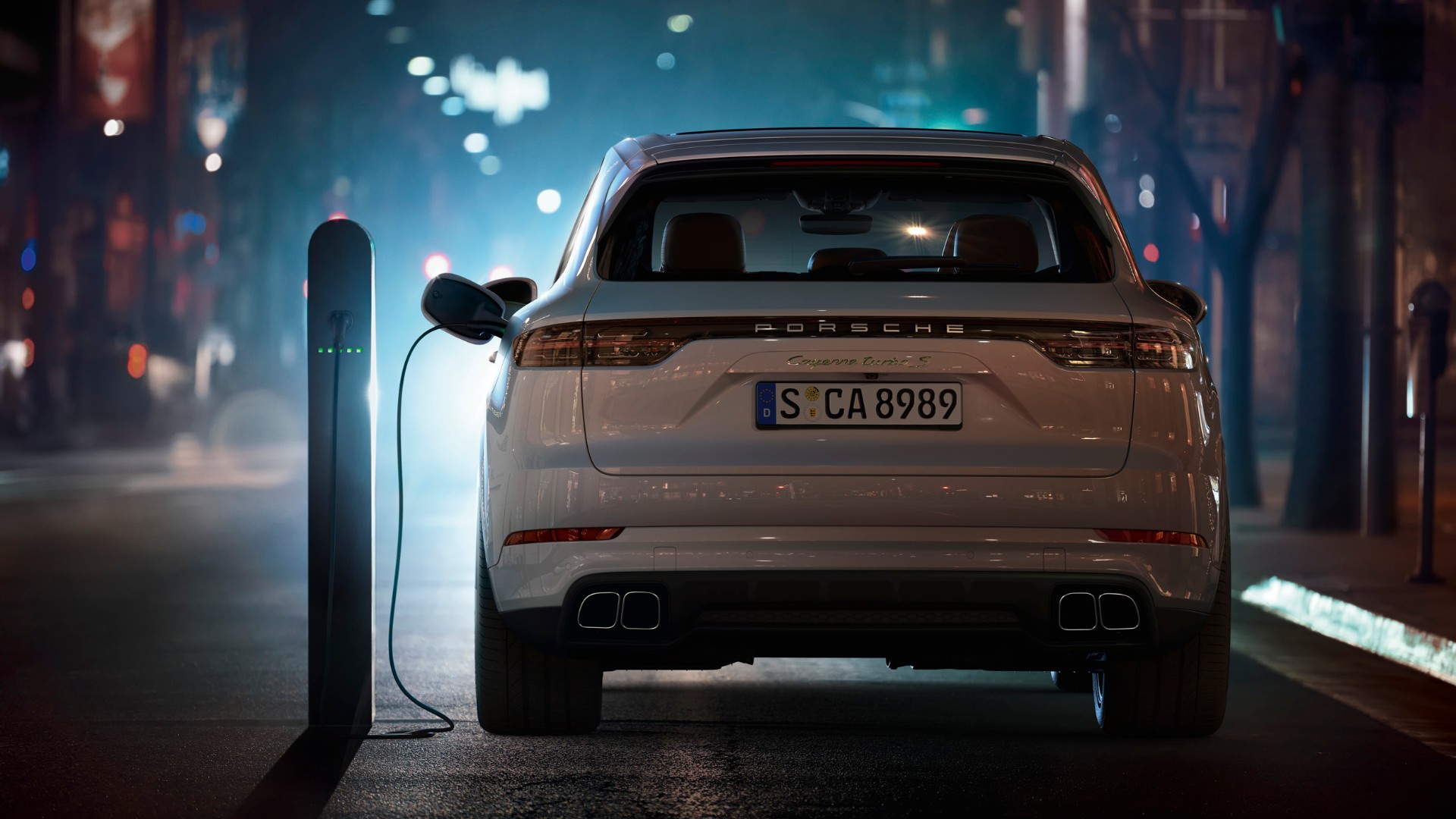
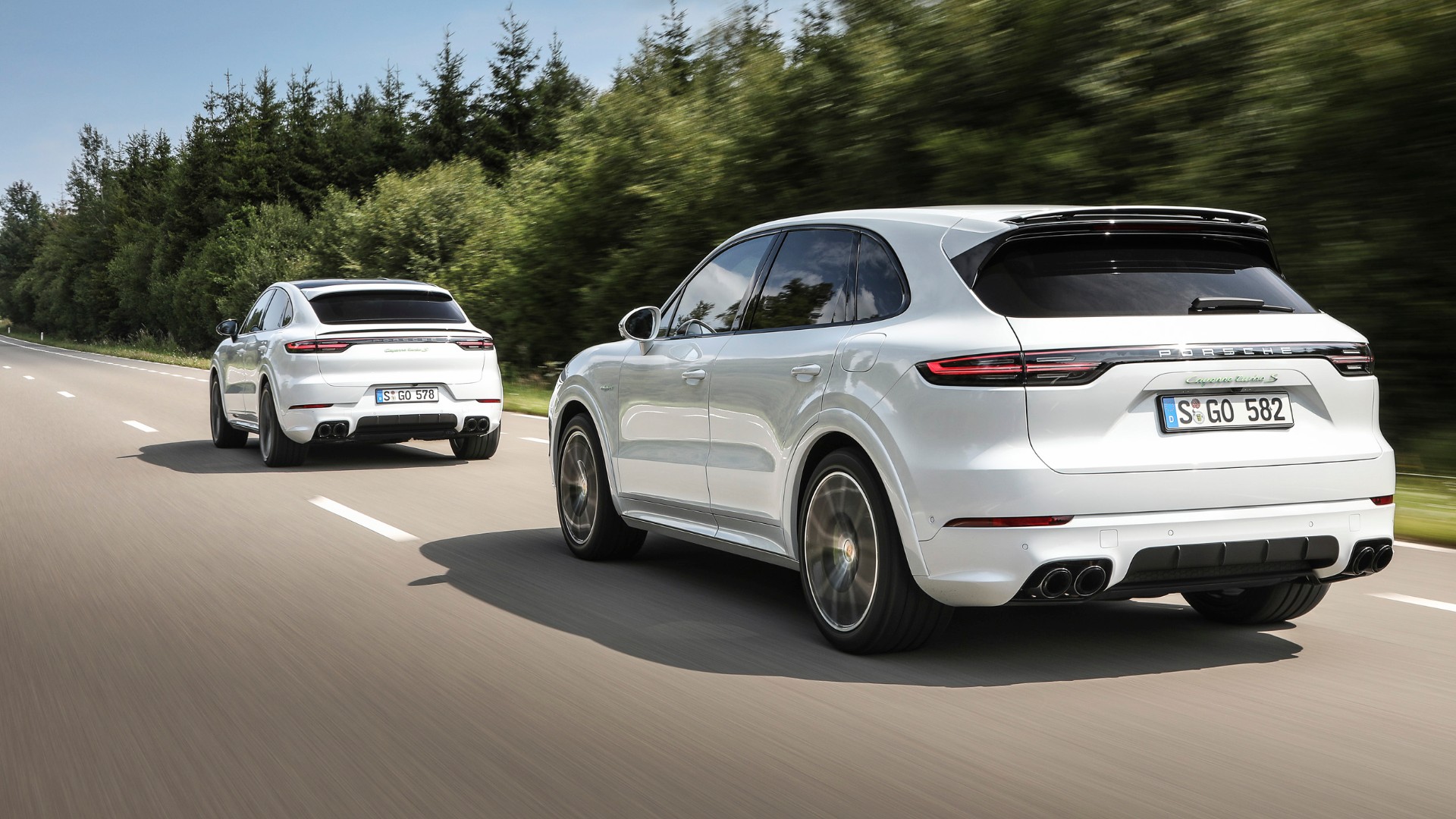
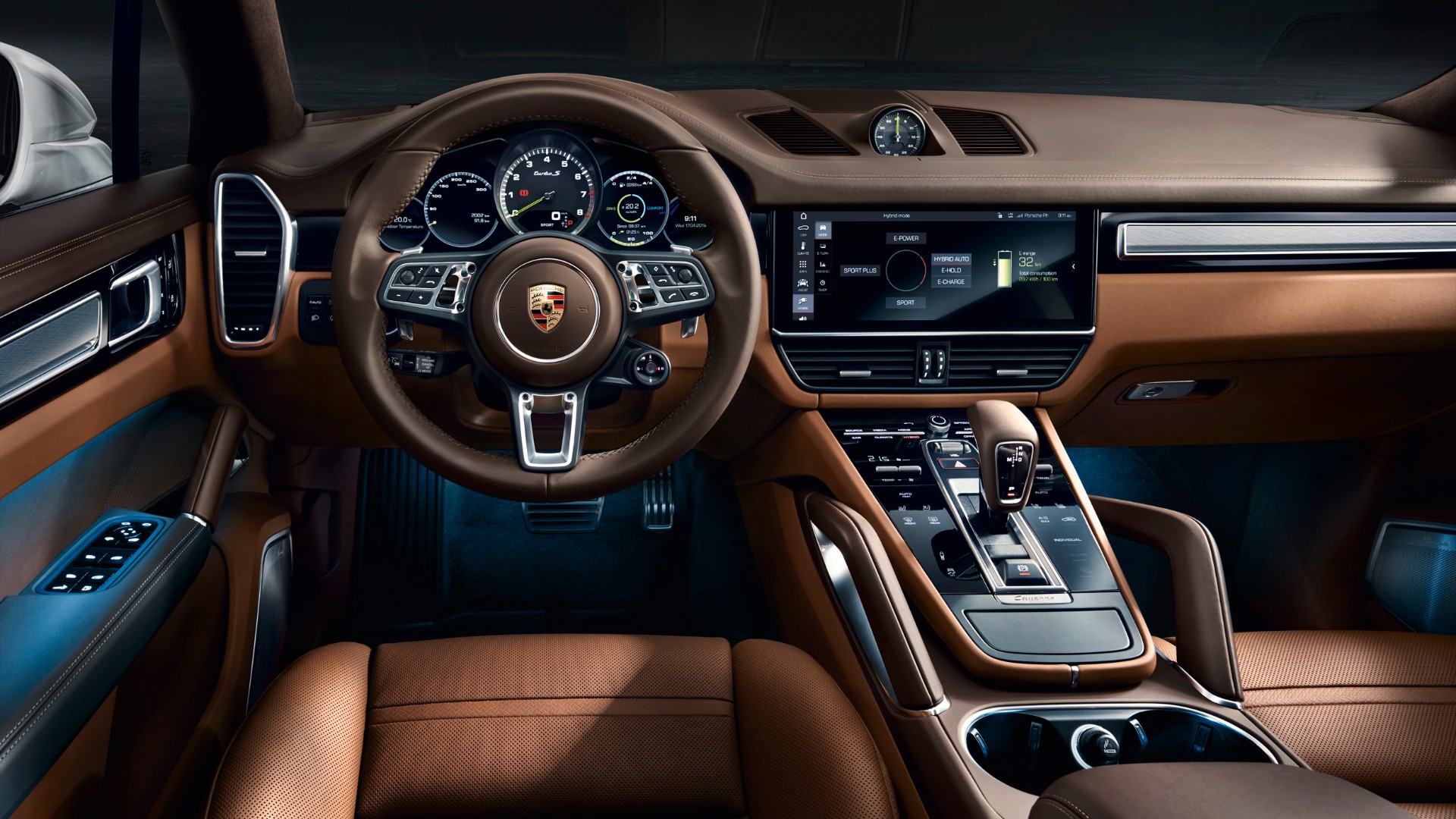
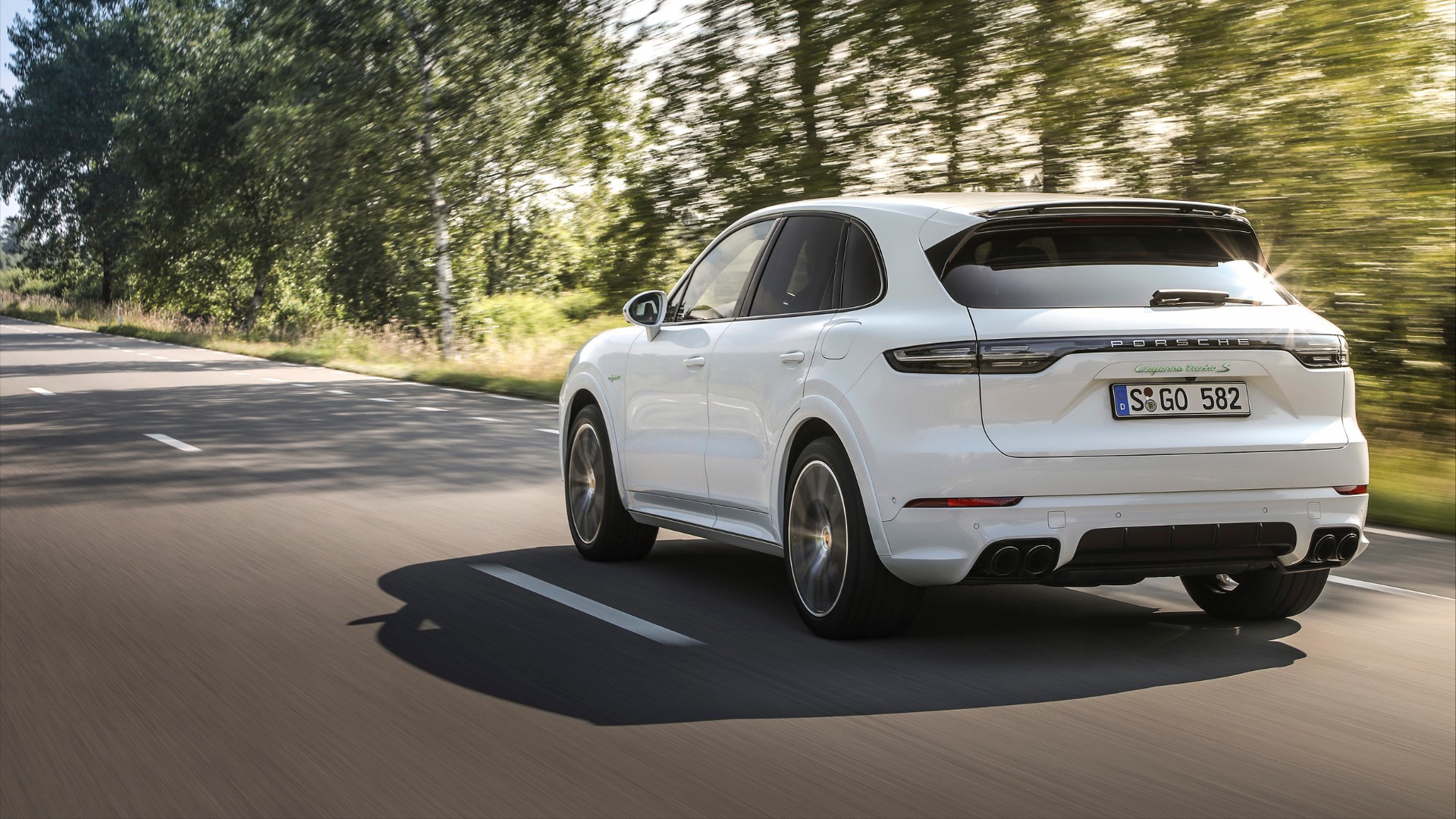
There’s a new king of the super SUVs. The Lamborghini Urus has been toppled, and its attacker comes from within the Volkswagen Group. Meet the Porsche Cayenne Turbo S E-Hybrid – an SUV with 680hp.

The flagship Cayenne also serves up a monstrous 663lb ft of torque: good for 0-62mph in 3.6 seconds and a (limited) top speed of 183mph.

Supercar speed in an SUV

Porsche Cayenne Turbo S E-Hybrid

Standard equipment on the Turbo S E-Hybrid includes carbon-ceramic brakes, Porsche Dynamic Chassis Control, Porsche Torque Vectoring Plus and, of course, the Sport Chrono package.

Given this rip-snorting SUV is one of the fastest cars Porsche makes, a set of supercar stoppers seems apt. What isn’t standard, however, is rear-axle steering.

Electrifying performancePorsche Cayenne Turbo S E-Hybrid

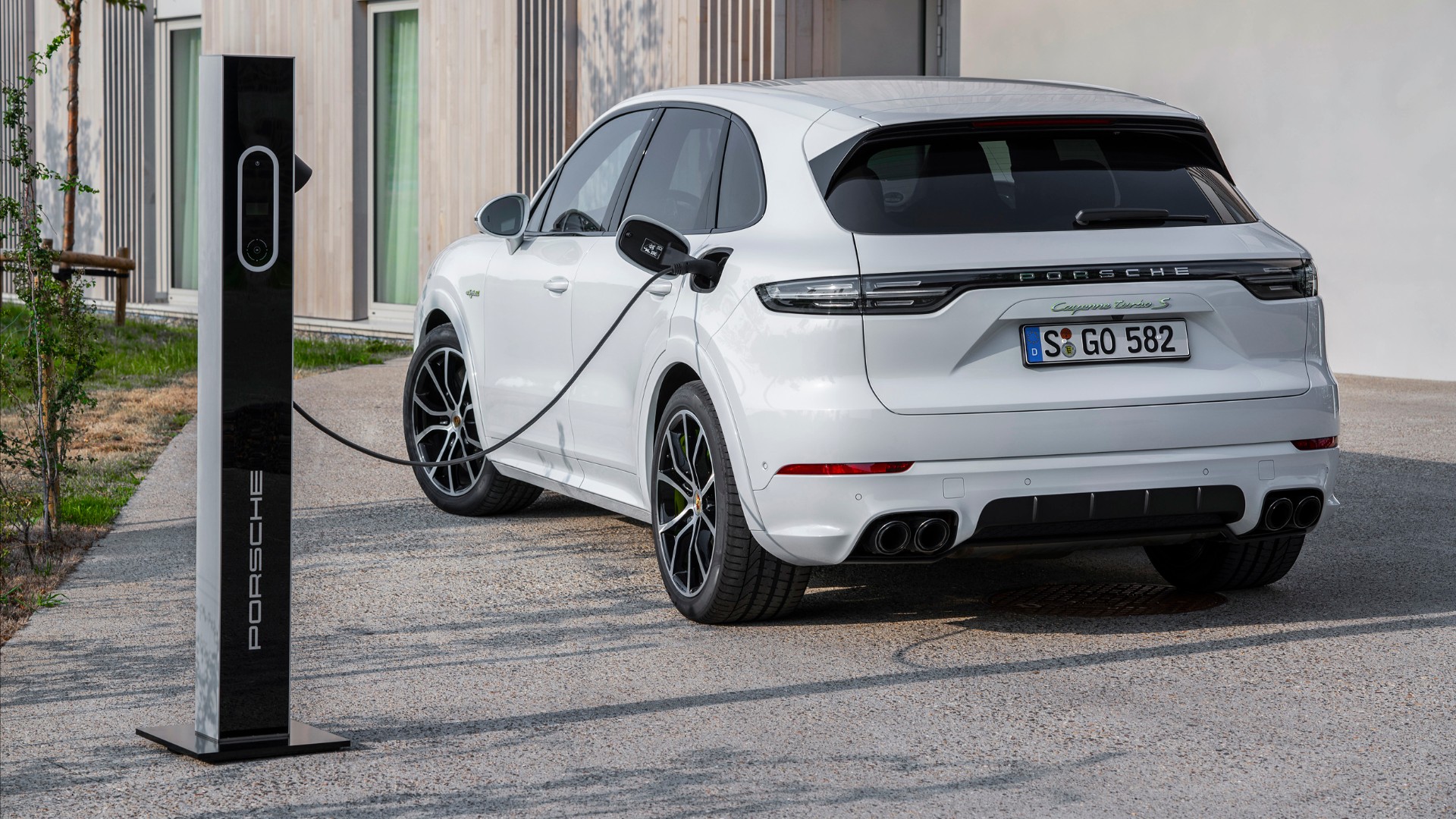
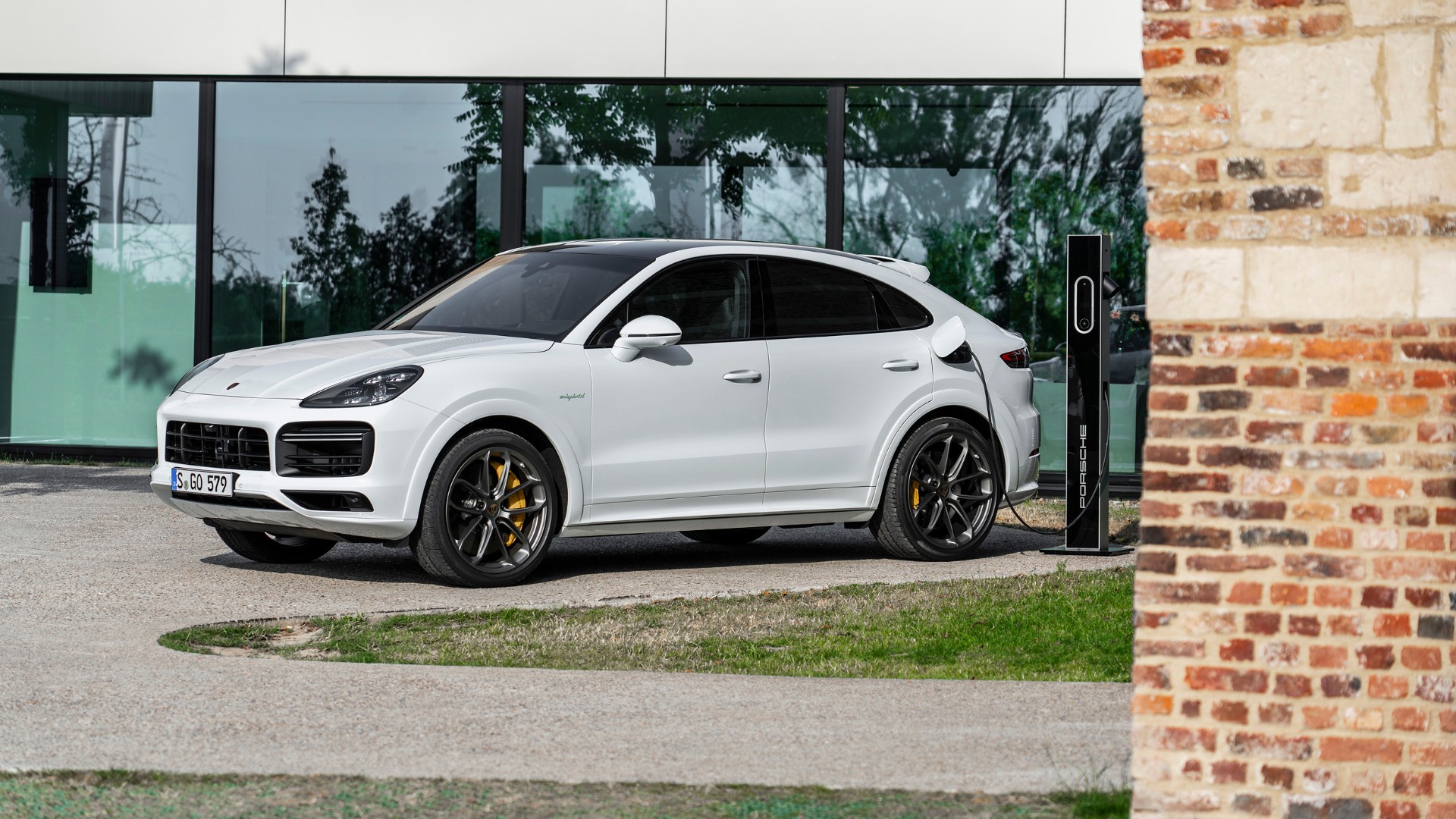
Less headline-grabbing, but no less interesting, is the fact that the Turbo S E-Hybrid will drive 25 miles at speeds of up to 84mph without using a single drop of petrol. That’s thanks to the plug-in hybrid system, which uses a 14.1kWh battery. This can be fully charged in just under two-and-a-half hours via a 7.2kW AC charger. 

Indeed, while the 4.0-litre twin-turbo V8 engine provides 548hp, the electric motor serves up an extra 135hp for that 680hp total output. A couple of horses are lost in the combination process, apparently.

Three hybrid Cayennes on offer

Porsche Cayenne Turbo S E-Hybrid

The Cayenne also comes with a price tag befitting a supercar. For the honour of Turbo S E-Hybrid ownership, you’ll part with £123,349, and that’s before options. For comparison, the regular Cayenne Turbo is about £23,000 cheaper.

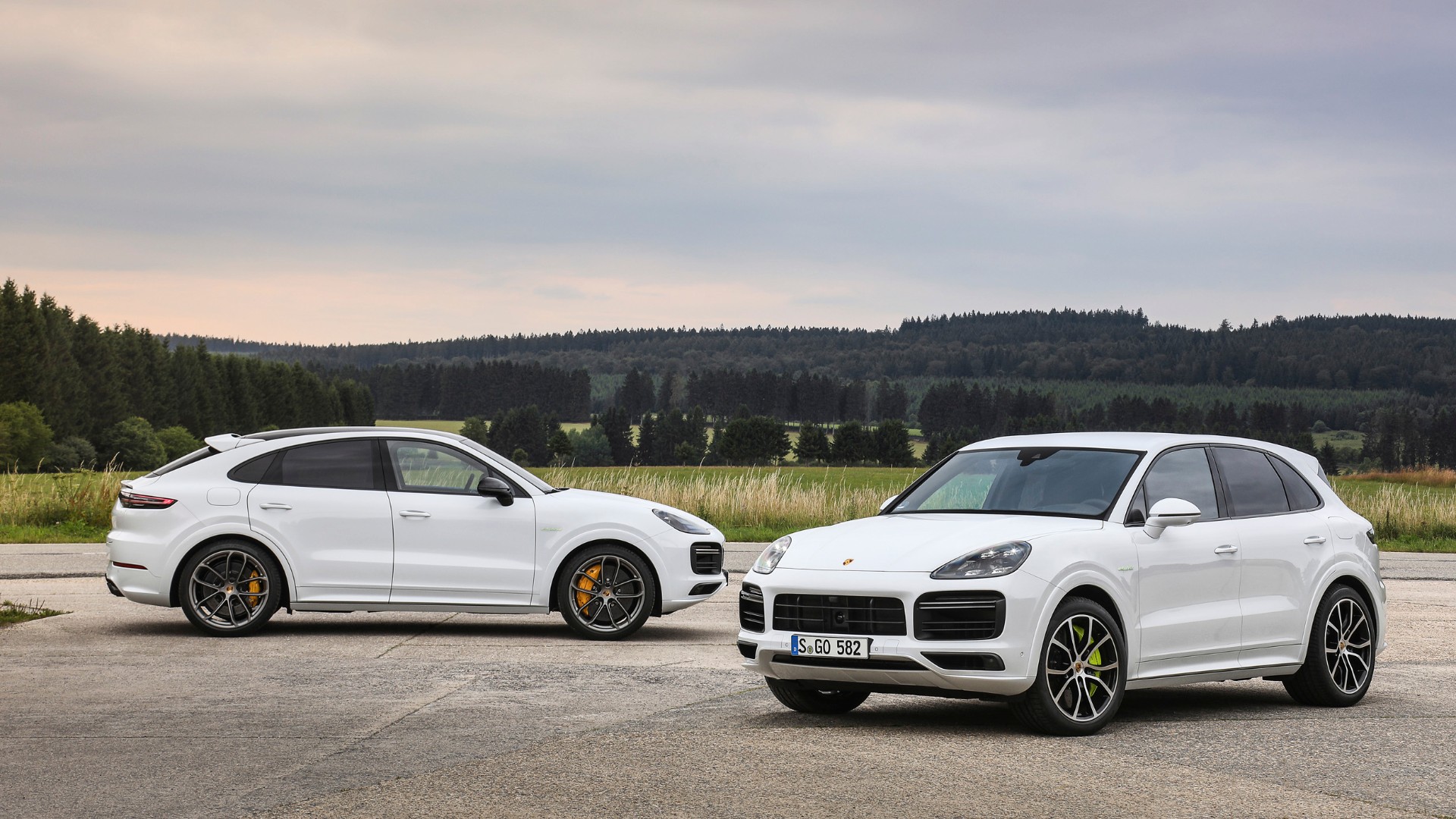
The Turbo S E-Hybrid is just one of three hybrid Cayennes revealed today, with the new Coupe variant also packing the same punch.

The standard Cayenne E-Hybrid Coupe brings up the rear, with a relatively modest 455hp from its 3.0-litre turbocharged V6 in combination with an electric motor.

Read more:

Advertisement

Drivers face hands-free mobile phones ban

0

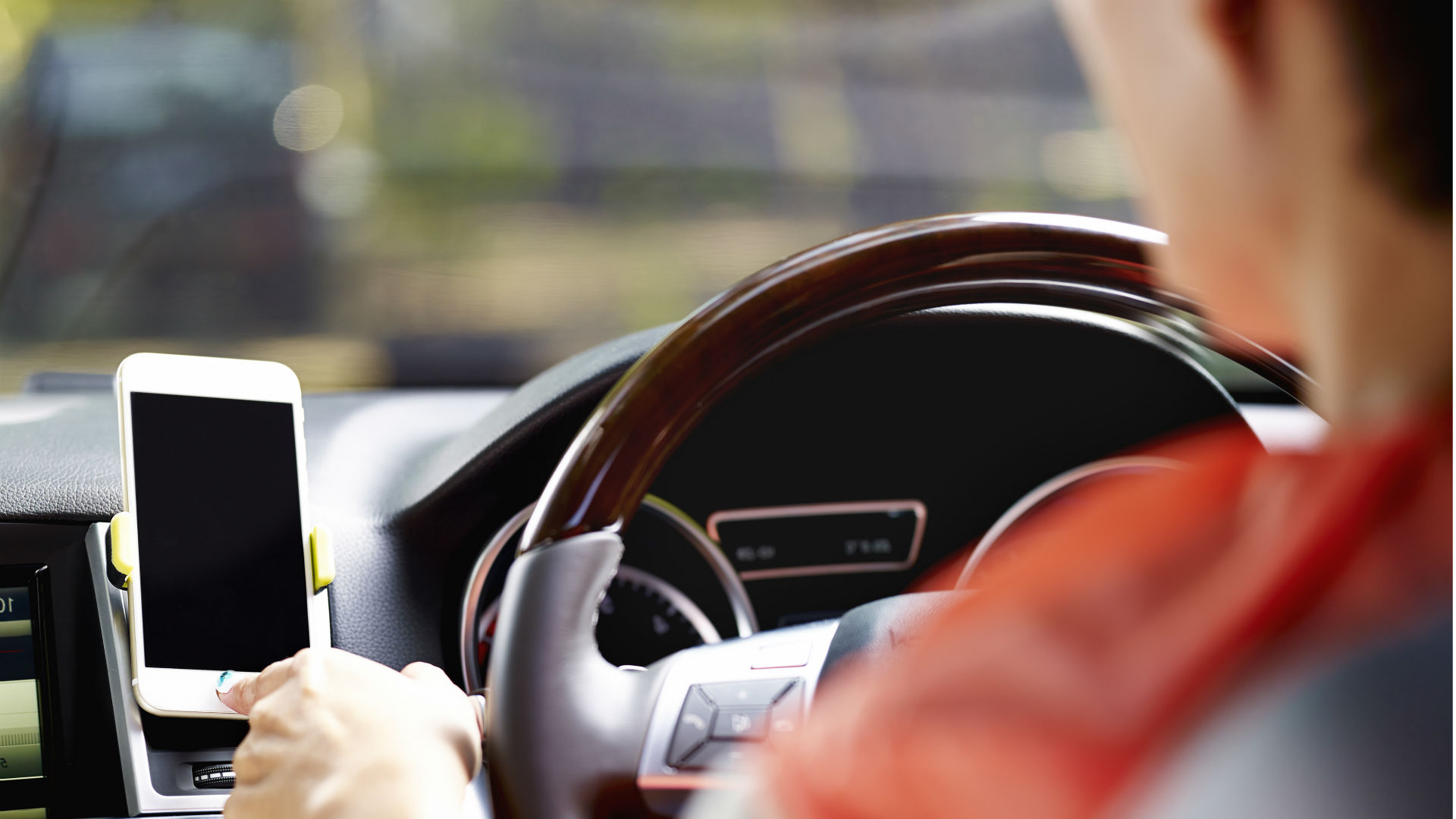
Drivers could face ban from using hands-free mobile phonesMPs are calling on the government to ban the use of hands-free mobile phones behind the wheel.
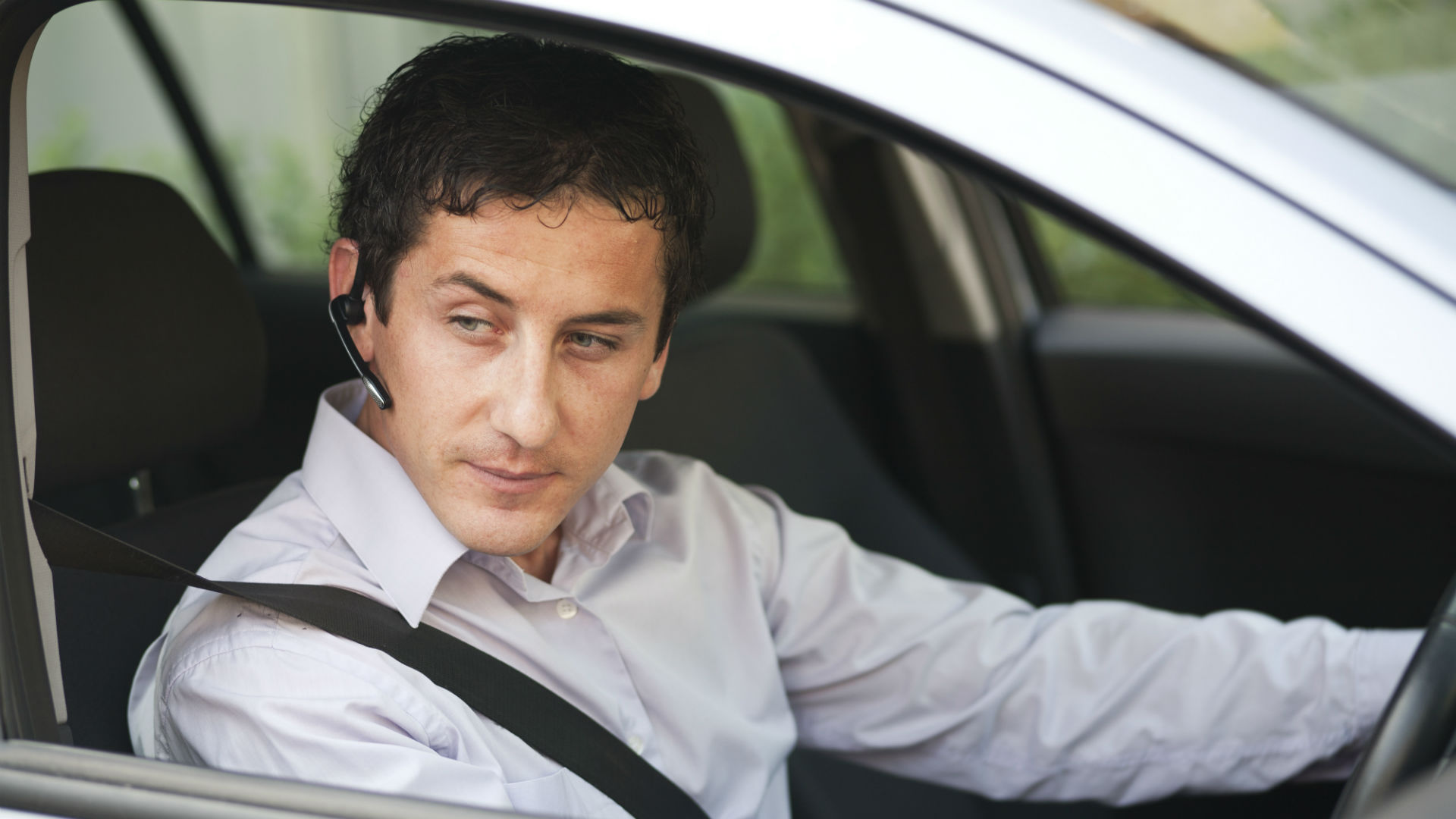
Members of the cross-party Transport Committee want tougher enforcement to “prevent the entirely avoidable tragedy of deaths and serious injuries”.

The use of a hand-held mobile phone is banned, with drivers facing a maximum punishment of six penalty points and a £200 fine. But MPs want this extended to the use of hands-free devices.

In 2017, there were 773 casualties, including 43 deaths and 135 serious injuries, in collisions where a driver using a mobile phone was a contributory factor.

However, the rate of enforcement has dropped by more than two-thirds since 2011, MPs have said.

Hands-free ‘as socially unacceptable as drink-driving’

Hands-free mobile phone ban

Lilian Greenwood, chair of the Transport Committee, wants the use of a mobile phone behind the wheel to be “as socially unacceptable as drink-driving”.

“Offenders also need to know there is a credible risk of being caught, and that there are serious consequences for being caught.

“There is also a misleading impression that hands-free use is safe. The reality is that any use of a phone distracts from a driver’s ability to pay full attention and the government should consider extending the ban to reflect this.”

Crucially, the report urges the government to “redefine the offence of driving while using a mobile phone to other devices so that it covers all hand-held usage, irrespective of whether this involves sending or receiving data”.

This would involve talking using a Bluetooth connection AND using smartphone mirroring technology, such as Apple CarPlay and Android Auto.

It’s not clear how MPs would enforce the ban – using a hands-free device isn’t as visible as a driver holding a smartphone. The report says the government should engage with police forces and Police and Crime Commissioners “to explore options for improving the enforcement of this offence”.

“This should include looking at opportunities for making greater use of technology.”

‘Lives are needlessly lost’

Hands-free mobile in use

RAC head of roads policy Nicholas Lyes said: “We welcome the committee’s report and its acknowledgement of the dangers of using a handheld mobile when driving. Many lives are needlessly lost by drivers having handheld phone conversations, texting and looking at, or even posting on social media when behind the wheel.

“The RAC’s research suggests that bad habits in relation to illegal phone use while driving are on the rise once more, with a quarter admitting to making or taking a call with a handheld phone and almost one in seven admitting to taking videos or photos while driving.

“Drivers should also be aware that even if you are using a hands-free device, if you are not in proper control of the vehicle, then the police can take enforcement action.”

Advertisement

Can an electric car really save you money?

0

Can electric cars save you money?

Claims about electric cars saving you money usually pertain to how much they cost to ‘fill up’.

Tesla’s website has a calculator that shows how much you pay for charging, allowing comparisons with a tankful of petrol or diesel. The figures are impressive, but does an electric car actually save you money overall?

MoneySupermarket has crunched the numbers to find out which fuel type ends up the cheapest over the ownership of a car. The results are interesting.

Electric versus fuel: buying and running

Can electric cars save you money?

The overall figures are fairly damning for electric cars. At present, EVs are around £10,000 more expensive to buy than petrol-engined cars. Diesels are a bit more expensive, but still markedly cheaper than an EV upfront.

Where it gets interesting is lifetime running costs. This includes servicing and ‘fuelling’. Over the course of a year, MoneySupermarket reckons an EV could save you £500 in ‘fuel’ versus petrol, and £425 versus diesel.

Electric car servicing is cheaper, too, costing £167 on average, compared with £228 for petrol and £309 for diesel. Add up the average cost of tax, which is £143, and you’ve got an overall annual saving of £711 against petrol, and £710 against diesel.

A petrol car will cost you around £10,000 to run over six years on average, by comparison with around £6,400 for an EV. Over six years, including both purchase and running, a petrol car costs an average of £26,941. A diesel costs £36,698. Electric, meanwhile, averages out at £37,699.

Can electric cars save you money?

Assuming that expenses stay the same, including servicing, fuel and electricity, over 12 years the saving is £7,200 in an EV. However, that still doesn’t make up the difference versus a petrol car.

In fact, it would take around 14 years for your EV to comparatively ‘pay you back’.

  • How to slice your monthly fuel costs

Why people haven’t switched yet

Can electric cars save you money?

The above cost is reflected in people’s reasoning around electric cars: 51 percent would switch if they were cheaper to buy.

Inconvenience is the second major factor, with 40 percent saying they hadn’t switched to an EV because of the lack of charging infrastructure.

Then again, fuel will get more expensive and electric cars are getting cheaper. The jumping-off point is coming, sooner or later, for most car buyers. It just needs the numbers to add up – even if they don’t yet. 

Advertisement

Government DOUBLES funding for electric car street charging

0

Government investment in street charging doubles

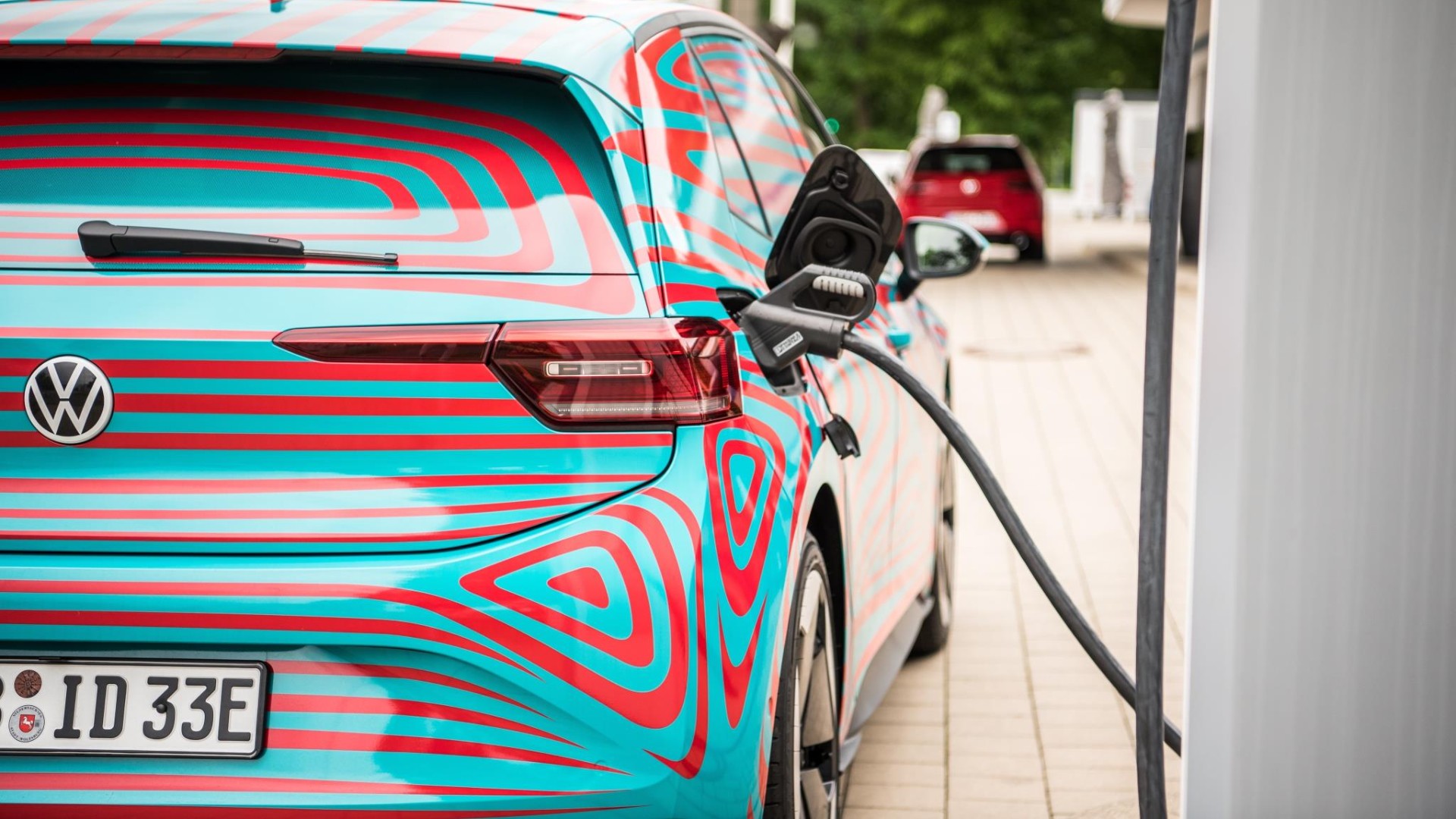
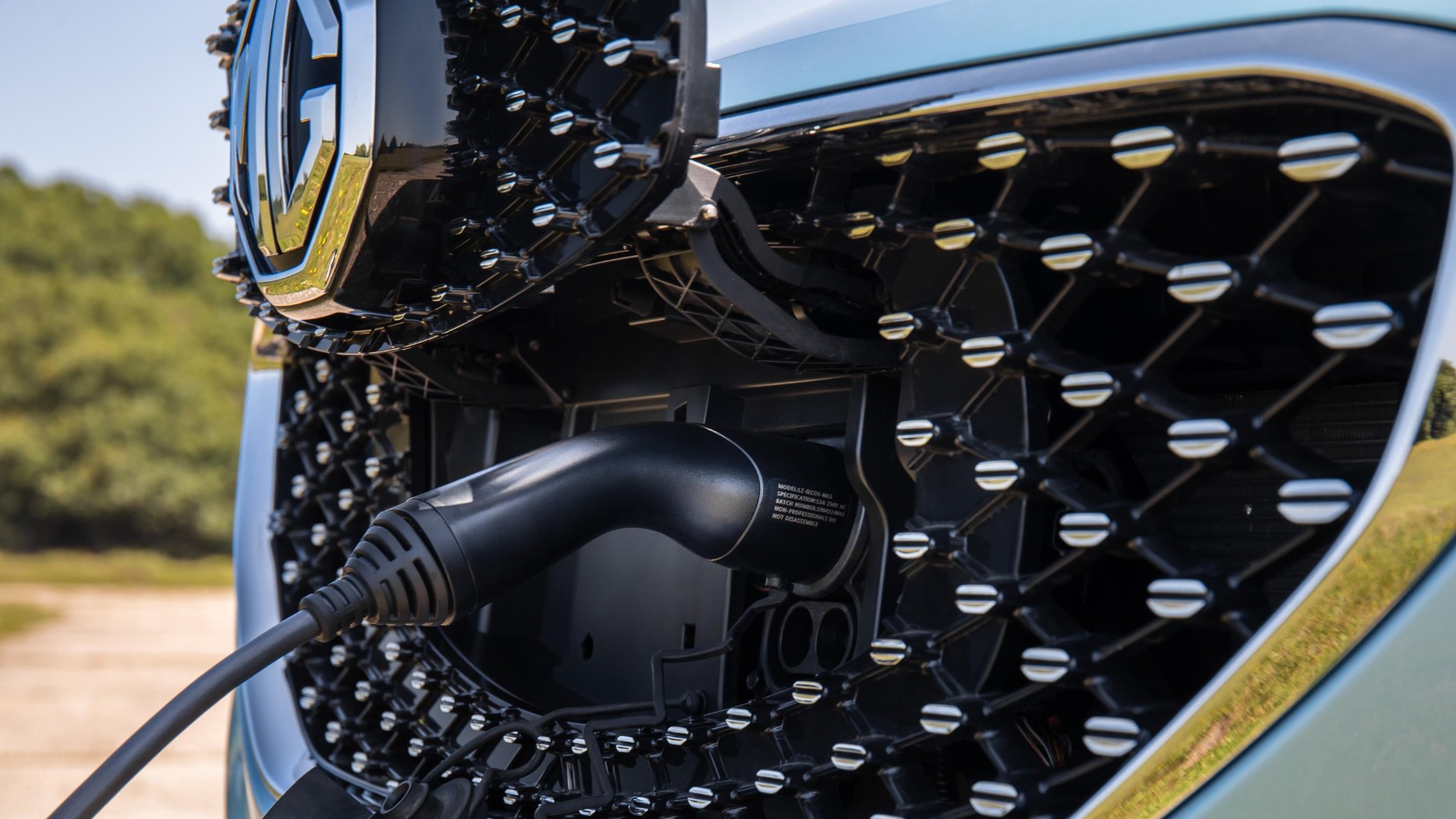
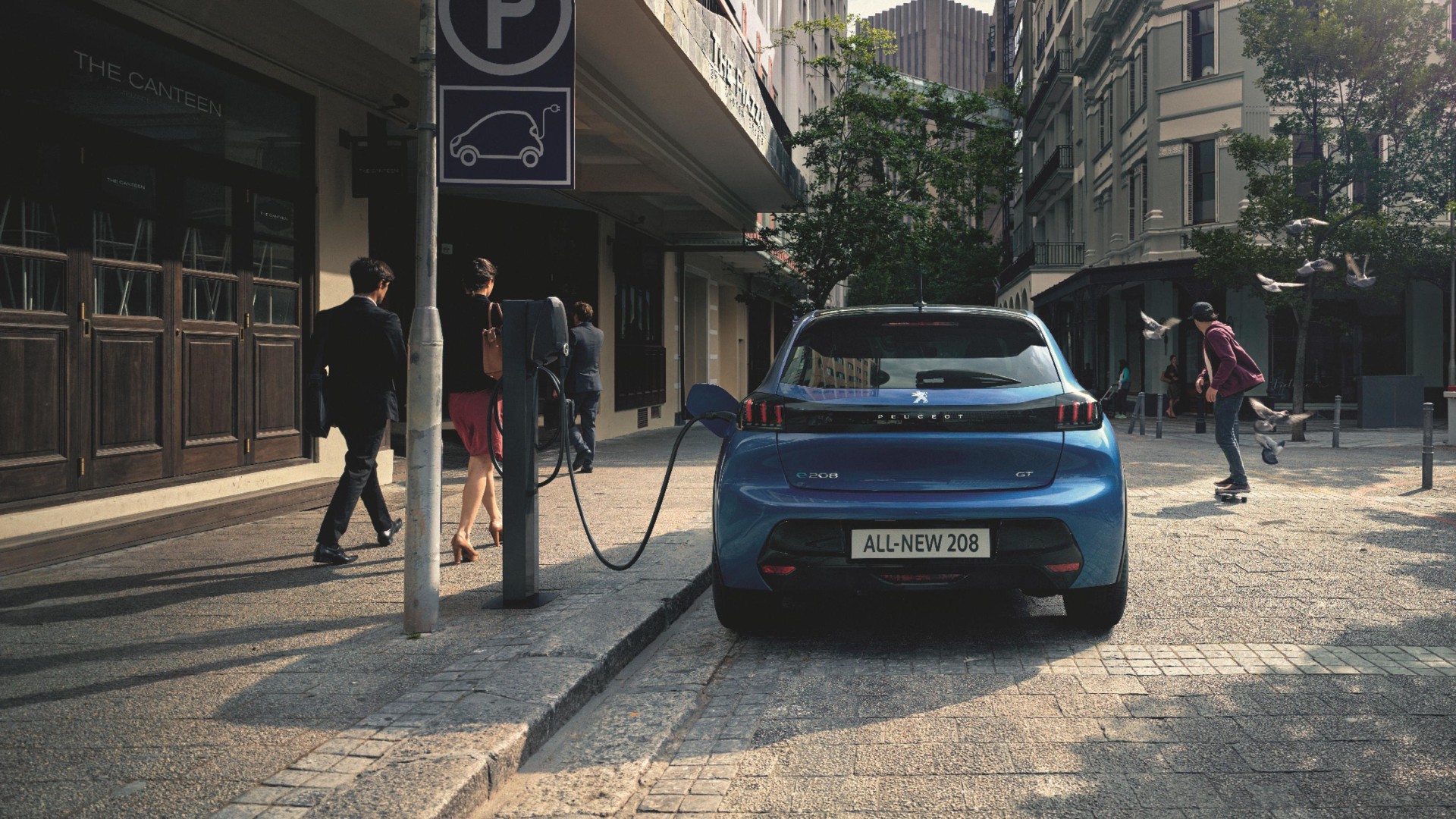
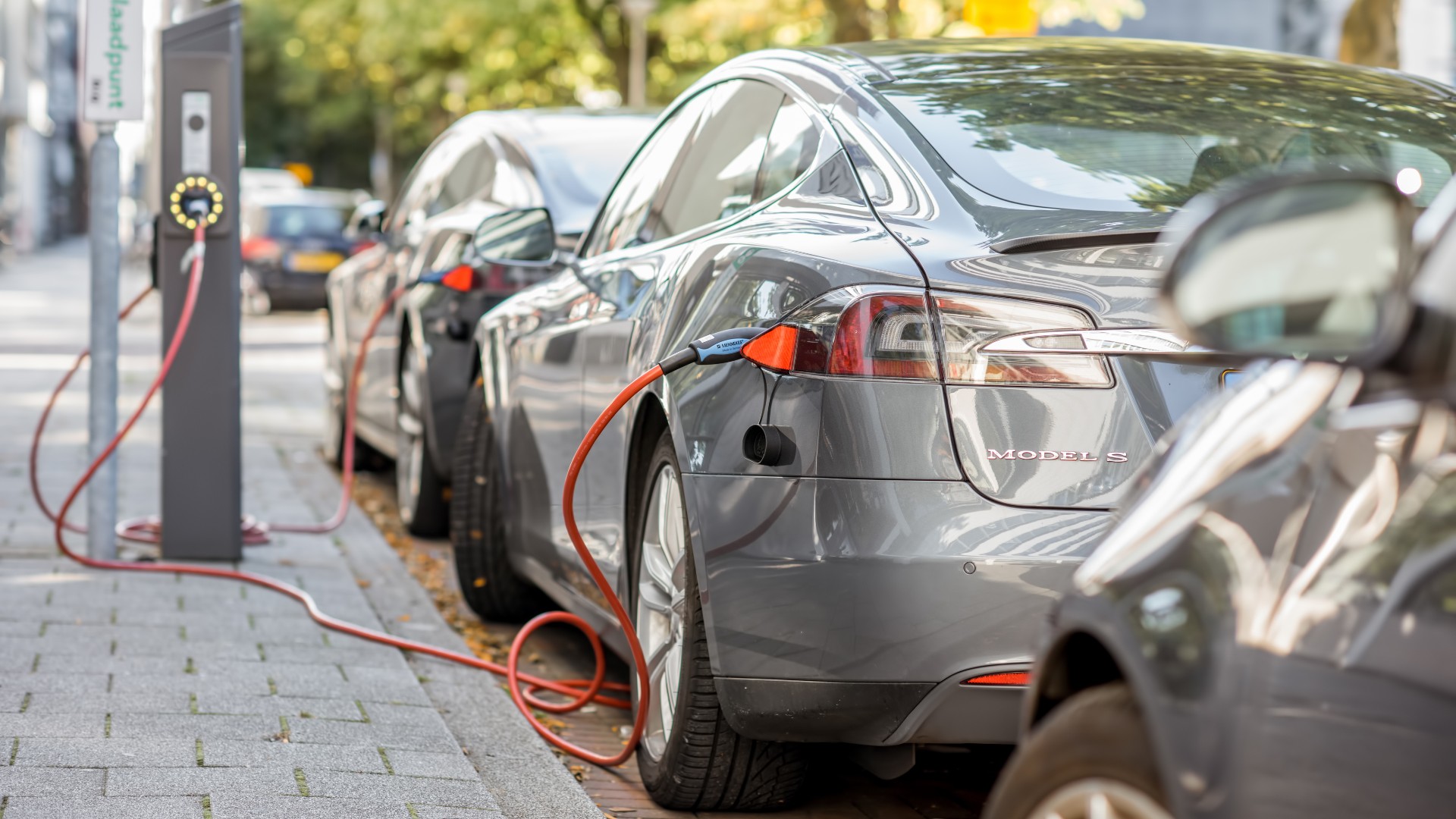
The government has allocated £2.5 million for an additional 1,000 electric car charge-points on residential streets. The funding is part of the enormous £1.5 billion Road to Zero fund.

The aim is to encourage car buyers without access to off-street parking to buy EVs. A big hurdle for this demographic is the ability to charge a car when parked ‘at home’ without a drive.

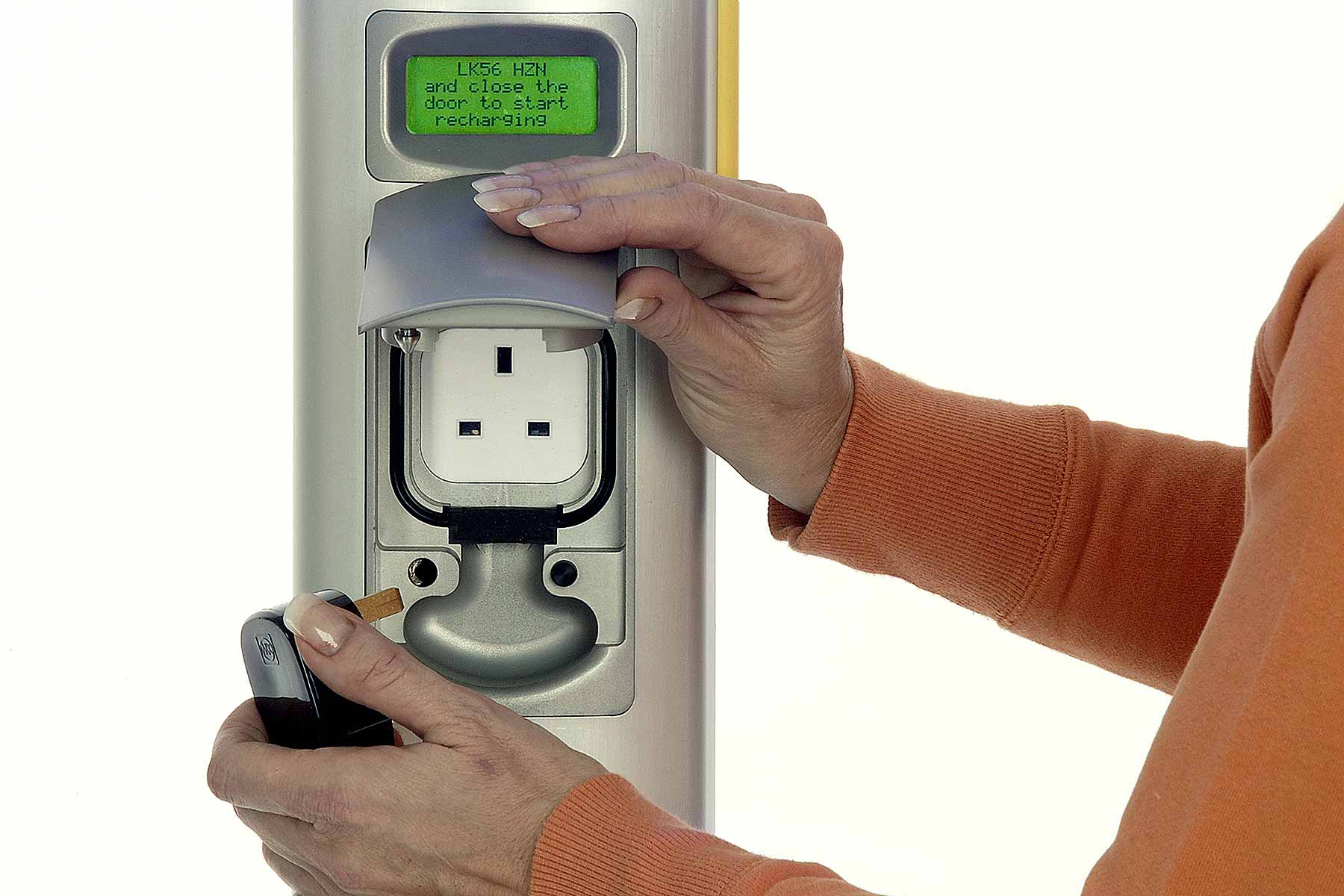
The charge-points can be built onto existing infrastructure such as lamp posts, allowing access for street-parked electric vehicles.

Charging up new affordable electric cars

Government investment in street charging doubles

The added funding is a response to the 158 percent year-on-year increase in fully-electric vehicle sales as of July 2019. Research indicates that one of the main hurdles to EV adoption in the eyes of car buyers is adequate charging infrastructure.

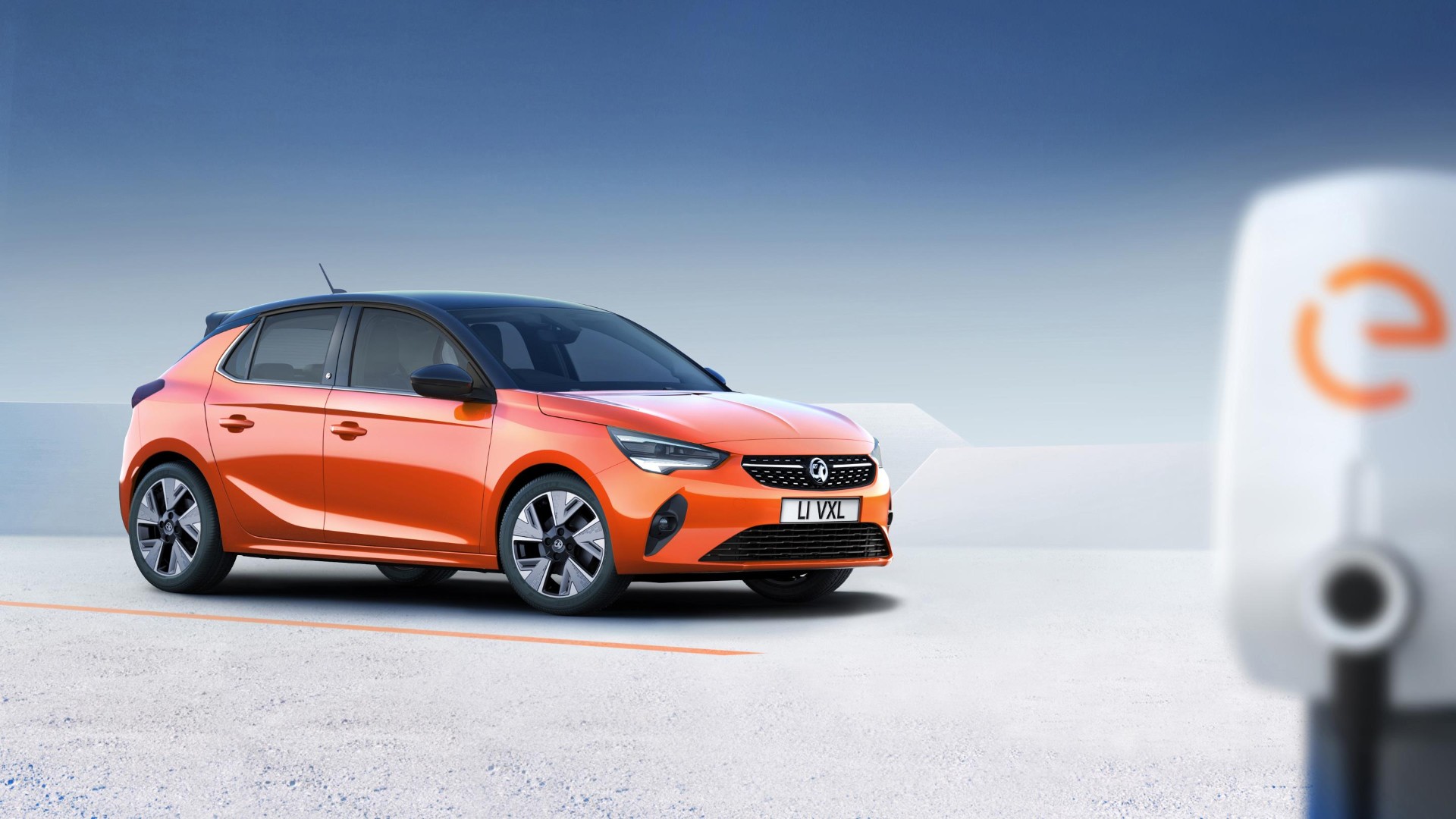
On top of this, there’s the cost of electric cars. However, a number of affordable EV models will have come to market by this time next year, including the Vauxhall Corsa-e, Peugeot e-208 and the Volkswagen ID.3. They will join affordable electric-only models from Renault, Nissan, Kia, Hyundai and MG.

Cheaper EVs should result in more accelerated uptake – hence the improved infrastructure.

Government investment in street charging doubles

“It’s fantastic that there are now more than 20,000 publicly accessible charge-points,” said the new transport secretary, Grant Shapps.

“But we want to do more. It’s vital that electric vehicle drivers feel confident about the availability of charge-points near their homes, and that charging an electric car is seen as easy as plugging in a smartphone.”

“That’s why we are now doubling the funding available for local authorities to continue building the infrastructure we need.”

Advertisement