Home Blog Page 242

FordPass connected car smartphone app is now FREE

0

FordPass smartphone app

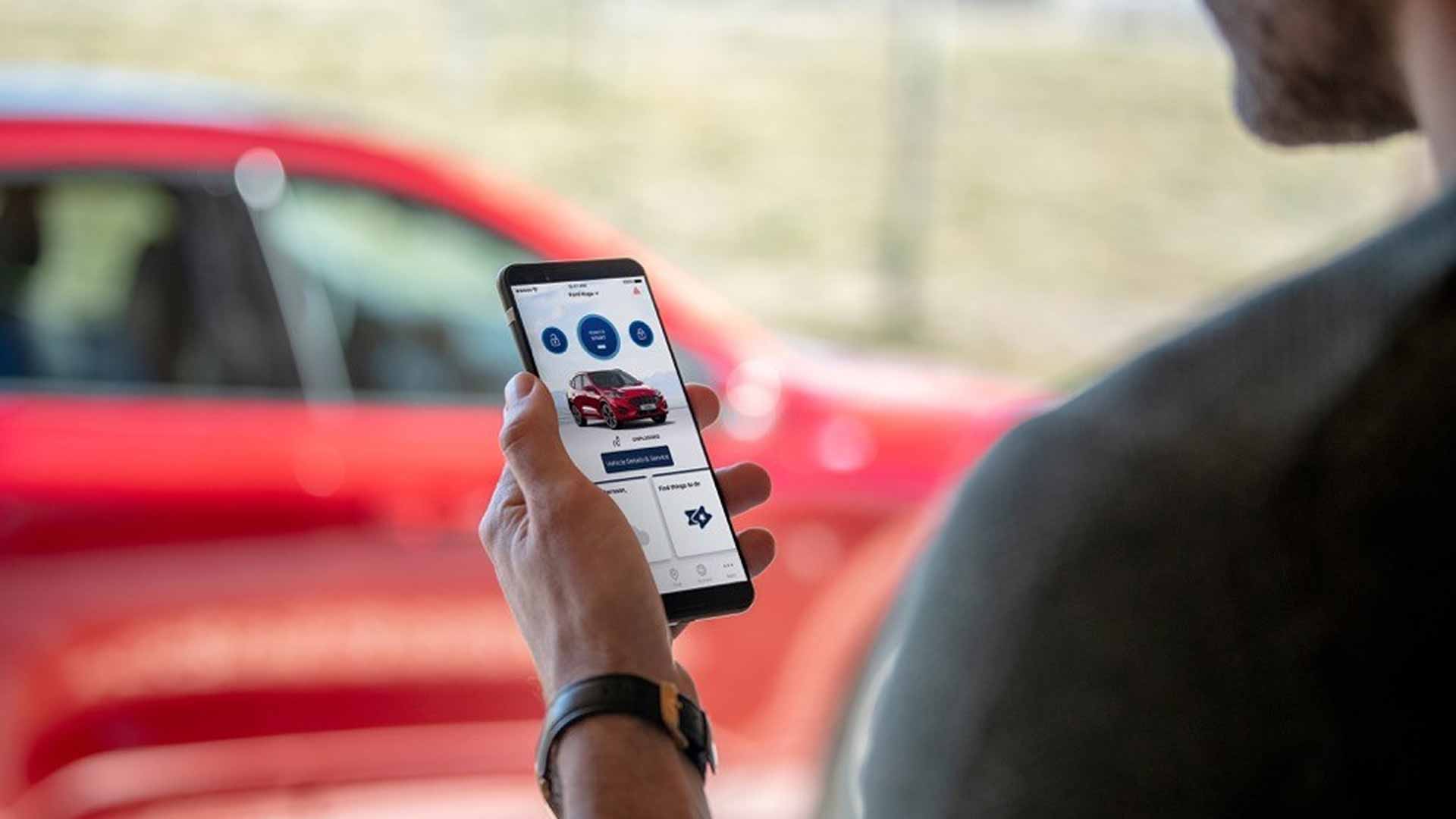
Charges for the FordPass smartphone app have been lifted meaning all new Ford owners will now be able to monitor and control their vehicle remotely free of charge.

Previously, FordPass connected vehicle services required owners to pay for a subscription.

Fees have now been waived which Ford says could potentially save users of the FordPass app hundreds of pounds.

The app, which works through the onboard modem fitted to all new Ford vehicles, works on both Apple and Android devices. It can be downloaded free of charge from the Apple App and Google Play stores.

It allows owners to check fuel levels and remaining range remotely, and lock and unlock the vehicle.

The latter function is useful for owners who worry whether they locked their car – or those who need to give temporary access to someone who doesn’t have the car key.

Find your Ford

The app can show the precise location of the vehicle in a packed car park, and will send push notifications of items that need attention such as low tyre pressure.

For owners of electrified plug-in Fords such as the Ford Kuga Plug-in Hybrid, the app has some extra functionality.

It displays battery levels and EV driving range, allows owners to schedule charging to take advantage of off-peak electricity, and lets them cool or heat the cabin while the vehicle is plugged in.

FordPass director Richard Bunn said making the app free is “an important part of delivering on our promise to make smart vehicles for a smart world”.

Earlier this week, BMW and Apple announced the world’s first integration of a digital key into Apple iPhone and Apple Watch devices.

ALSO READ

Ford launches ‘Charging Solutions’ for electric vehicles

New 2020 Ford Kuga: everything you need to know

Ford Focus now available with mild hybrid tech
Advertisement

BMW and Apple announce car keys on iPhones

0

BMW iPhone Digital Key

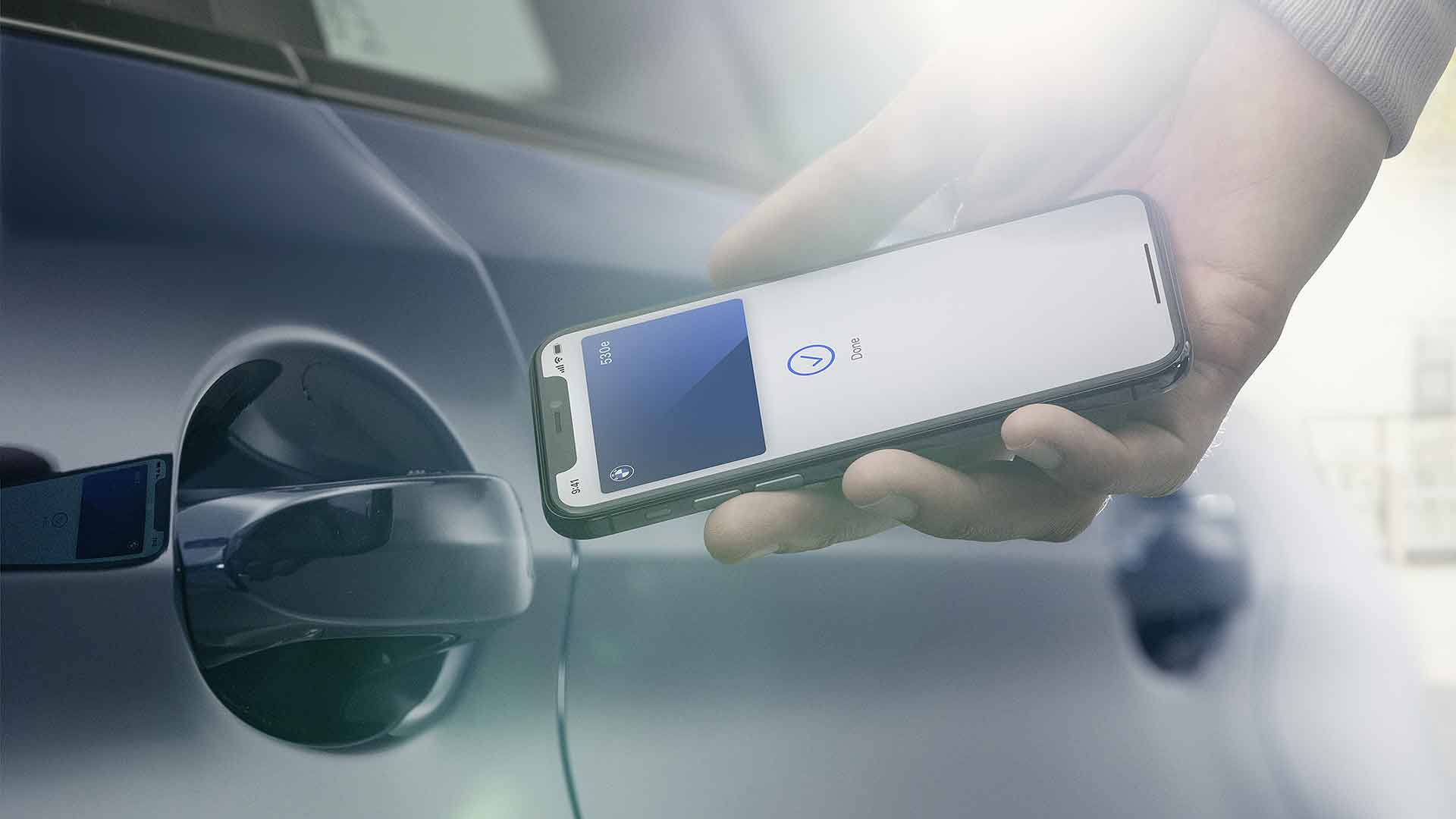
BMW is to become the world’s first carmaker to allow Apple iPhone users to use their smartphone as a car key.

The new BMW Digital Key will lock and unlock the car – and also start the vehicle.

Owners can even electronically share the car key with up to five people.

It will also be compatible with the Apple Watch.

The technology will roll out later this year and all BMWs built from 1 July 2020 will be compatible.

All iPhones from the iPhone XR and iPhone XS and newer will be compatible, as will the Apple Watch Series 5 or newer.

BMW Digital Car Key: how does it work?

BMW iPhone Digital Key

The BMW Digital Key is set up through BMW’s smartphone app. Once configured, owners can tap to lock and unlock.

To start the vehicle, owners place the iPhone into the smartphone tray, and press the ‘start’ button.

It can be accessed through Apple Wallet too.

Owners can share the car key with five others through iMessage. They can also deliver a pre-configured car key that restricts power, top speed, audio volume and others.

BMW has thought ahead in case an owner’s iPhone goes flat, too: the car key will still function for up to five hours after an iPhone with a flat battery shuts down.

ALSO READ

How to use the ‘do not disturb while driving’ Apple iPhone feature

Is it illegal to use Apple Pay or Google Pay at a drive-thru?

The car brands that have NOT fixed keyless theft

Advertisement

Car industry calls for support as 1 in 6 jobs at risk

0

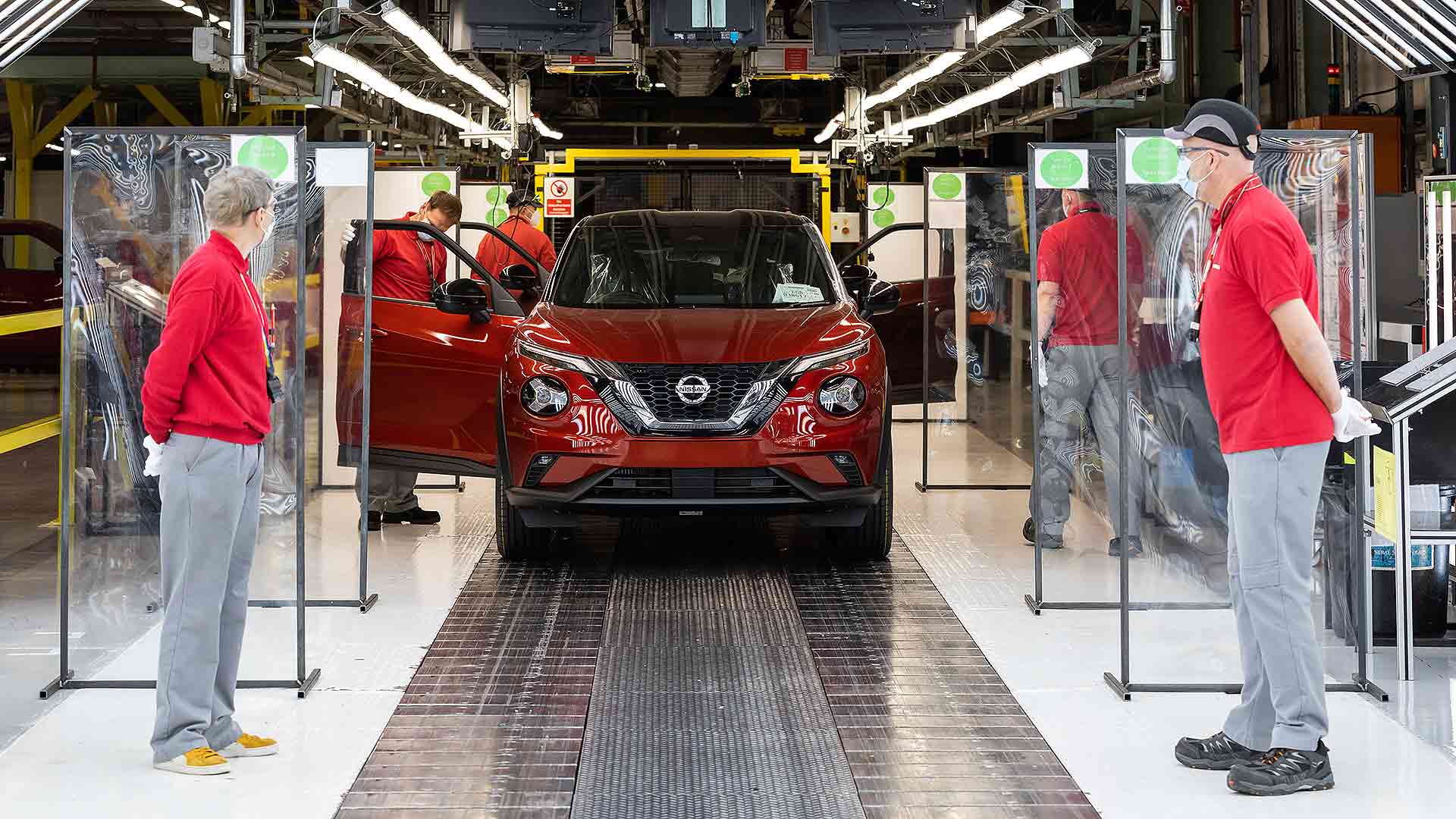
Nissan Motor UK Covid-secure car production

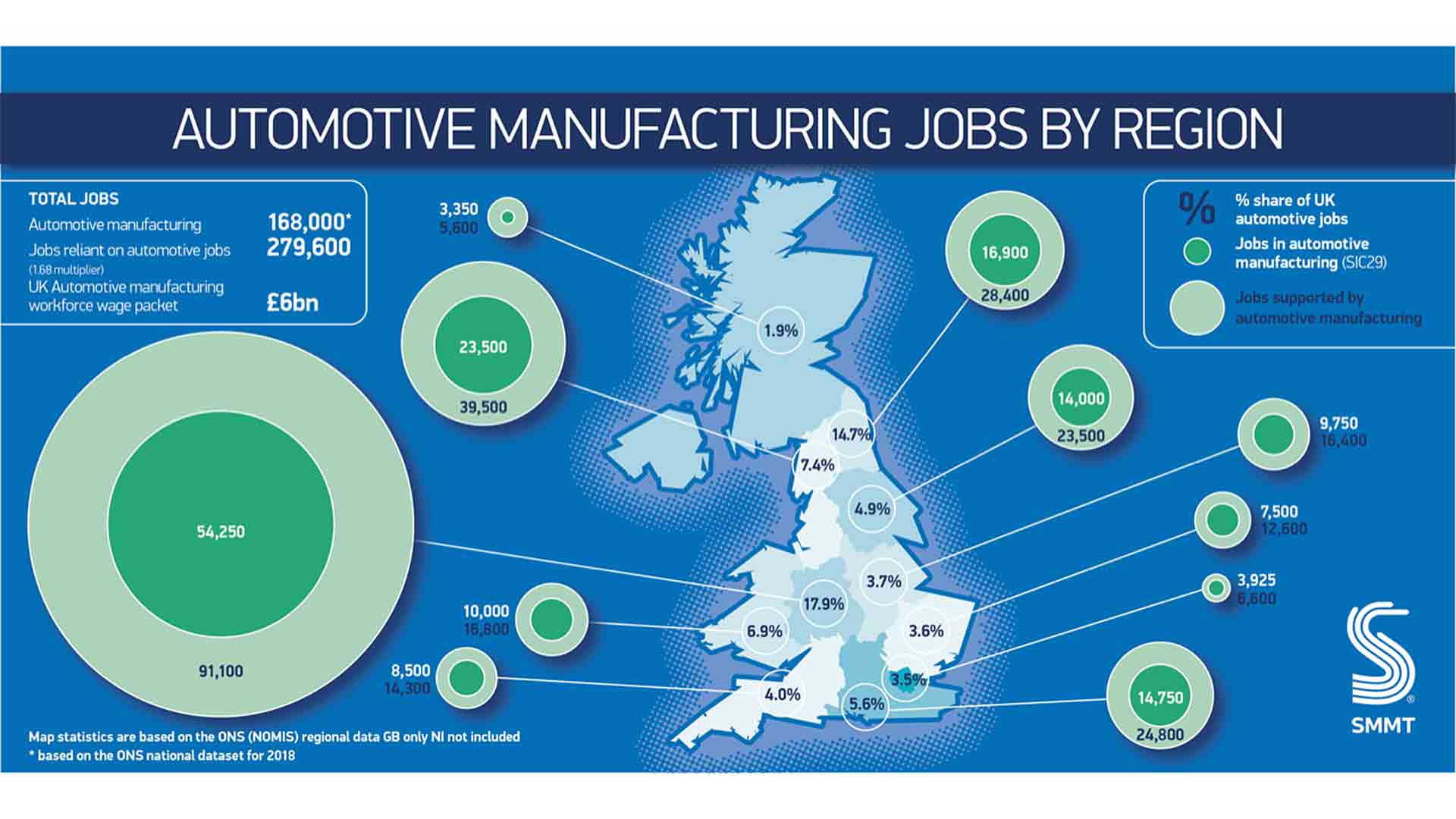
Up to 1 in 6 people jobs in the UK automotive industry are at risk of redundancy if a dedicated support package is not forthcoming, the sector’s trade body has warned.

The Society of Motor Manufacturers and Traders has called for cuts in VAT, unfettered access to emergency funding and a permanent part-time furlough scheme.

The organisation also wants policies that would boost consumer confidence – but has stopped short of specifying a new car scrappage scheme.

“UK automotive is fundamentally strong,” said SMMT chief executive Mike Hawes.

“However, the prolonged shutdown has squeezed liquidity and the pressures are becoming more acute.”

A third of the UK automotive industry is still on furlough, said Mr Hawes – “we want those staff coming back to work, not into redundancy”.

The organisation is asking for a government support package similar to that seen in other countries.

In its 2020 Summit held today, the SMMT will reveal that 6,000 automotive jobs have already been lost in June alone.

Brexit is back

UK Automotive Manufacturing Jobs by region

Brexit is another concern for the SMMT. The coronavirus crisis is dominating and “the industry has not the resource, the time nor the clarity to prepare for a further shock of a hard Brexit,” said Mr Hawes.

The organisation wants the government to “turbocharge the negotiations to secure a comprehensive Free Trade Agreement with the EU”.

A no-deal Brexit could see UK new car production falling to 850,000 vehicles a year by 2025 – a low not seen since 1953.

This would cost the economy £40 billion.

In contrast, securing a Free Trade Agreement would boost production back to 1.35 million vehicles by 2025 – taking it back to pre-crisis levels.

ALSO READ

Volvo could slash UK car range after Brexit

Police cancel speeding fines ‘due to coronavirus’

How the six-month coronavirus MOT extension works

Advertisement

Jaguar I-Pace updated with new infotainment, faster charging

0

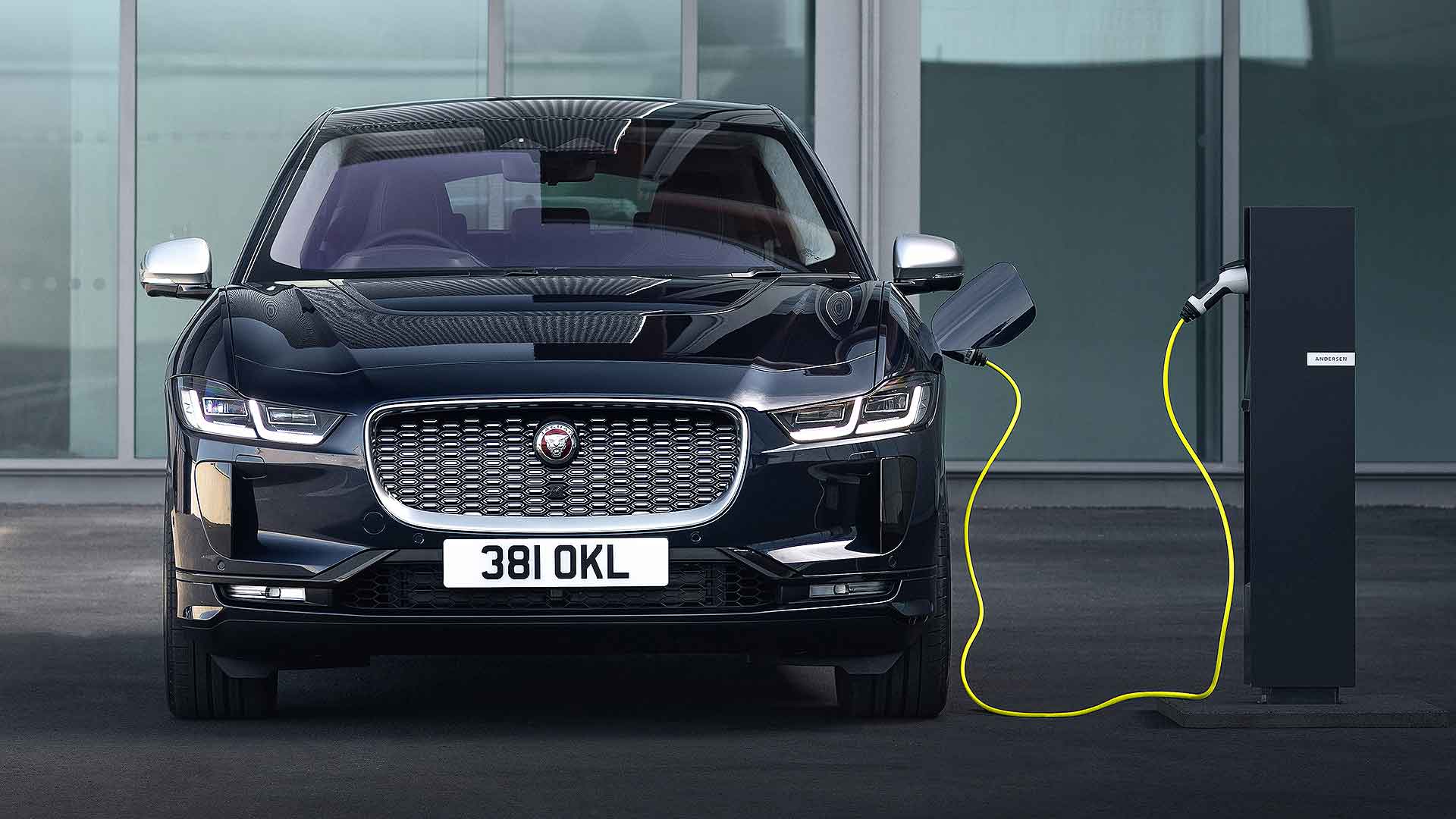
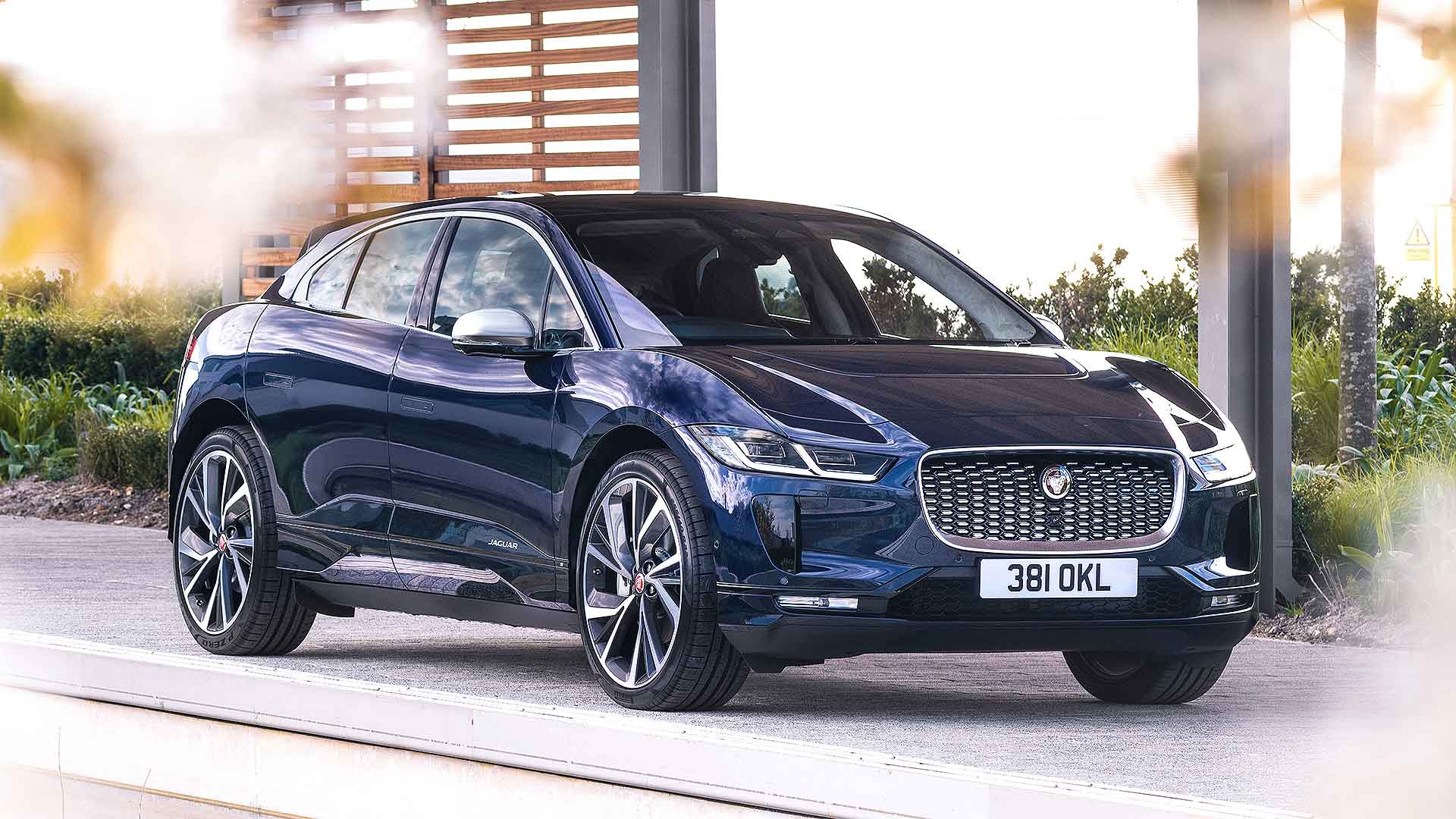
Jaguar I-Pace 21MY exterior charging Portofino Blue

The Jaguar I-Pace electric SUV has received a new infotainment system and faster onboard charging in a package of 2021 model year changes.

The new infotainment system, called Pivi Pro, has already been launched on the new Land Rover Defender.

The I-Pace becomes the first Jaguar to feature it.

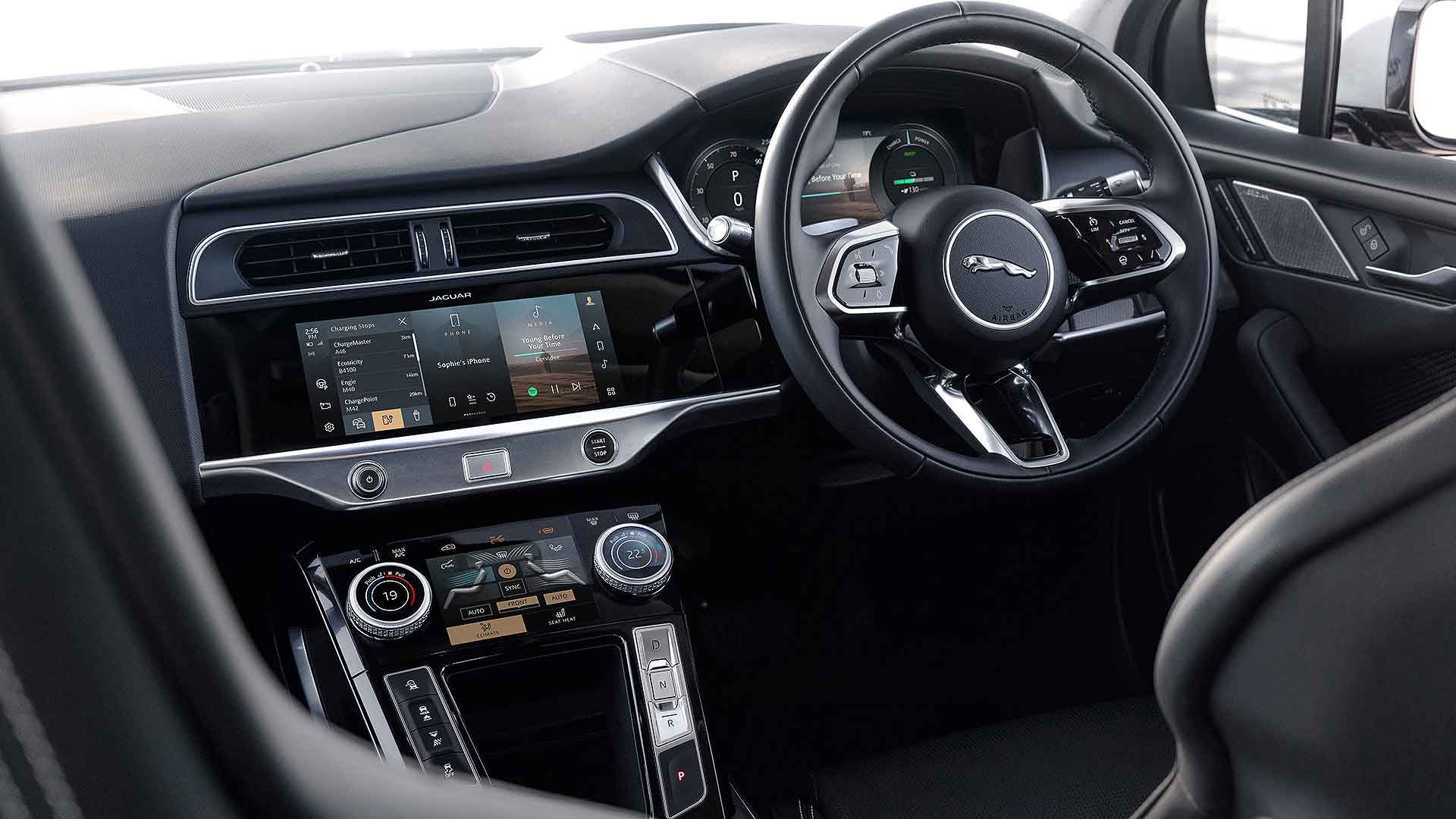
Jaguar I-Pace 21MY interior

Said to be inspired by smartphones, the new system has a flat menu structure and is simpler to use.

It is also a lot faster than the old system – Jaguar promises fast start-up means the system “is ready to go by the time you’re in the driving seat”.

Pivi Pro can also receive updates via software-over-the-air functionality – and show owners which public charging stations are free, in real time.  

A 4G SIM with data plan is standard, Spotify is embedded, and standard Bluetooth can connect two phones at the same time.

Apple CarPlay and Android Auto are available too. 

Faster charging

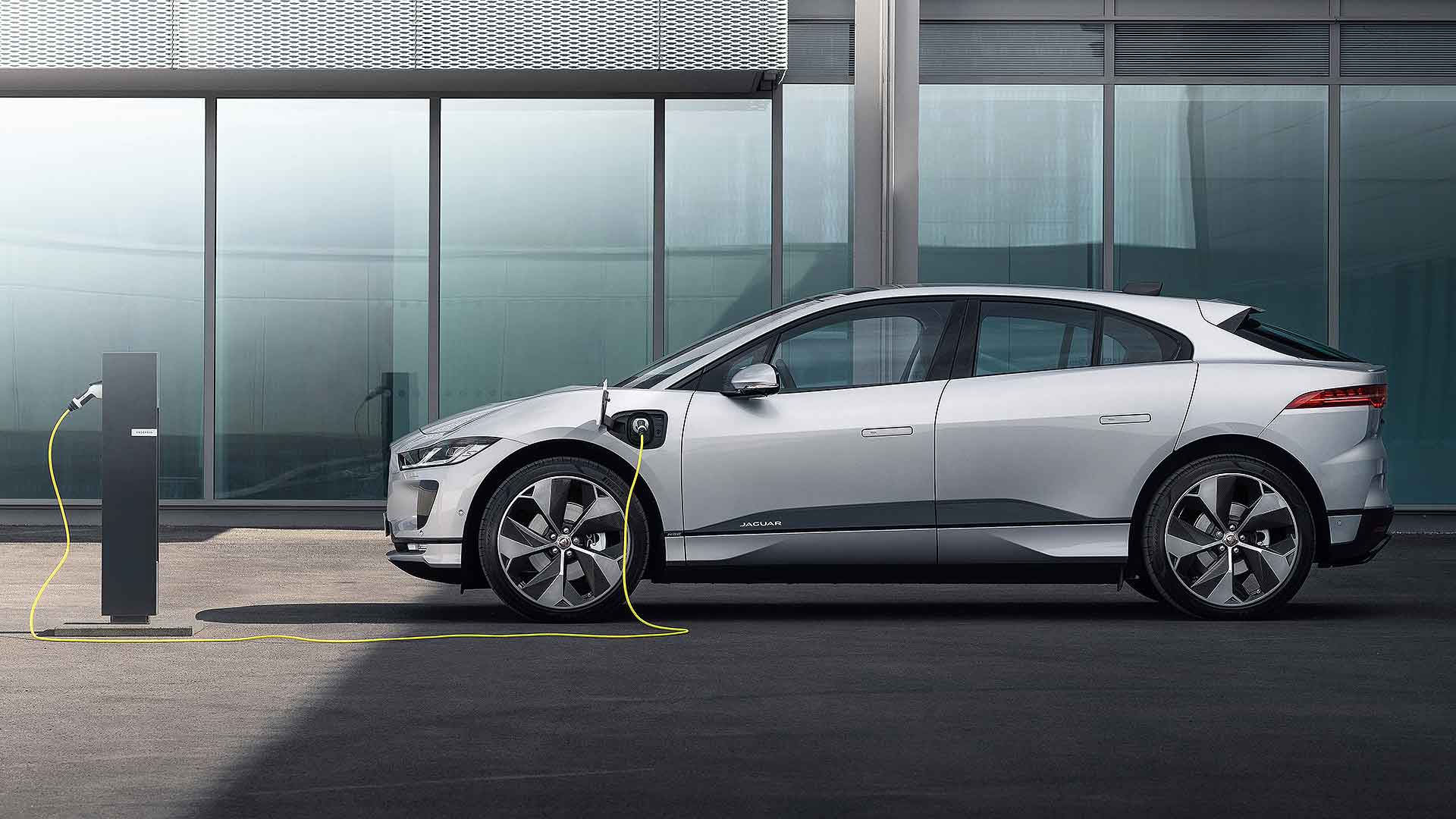
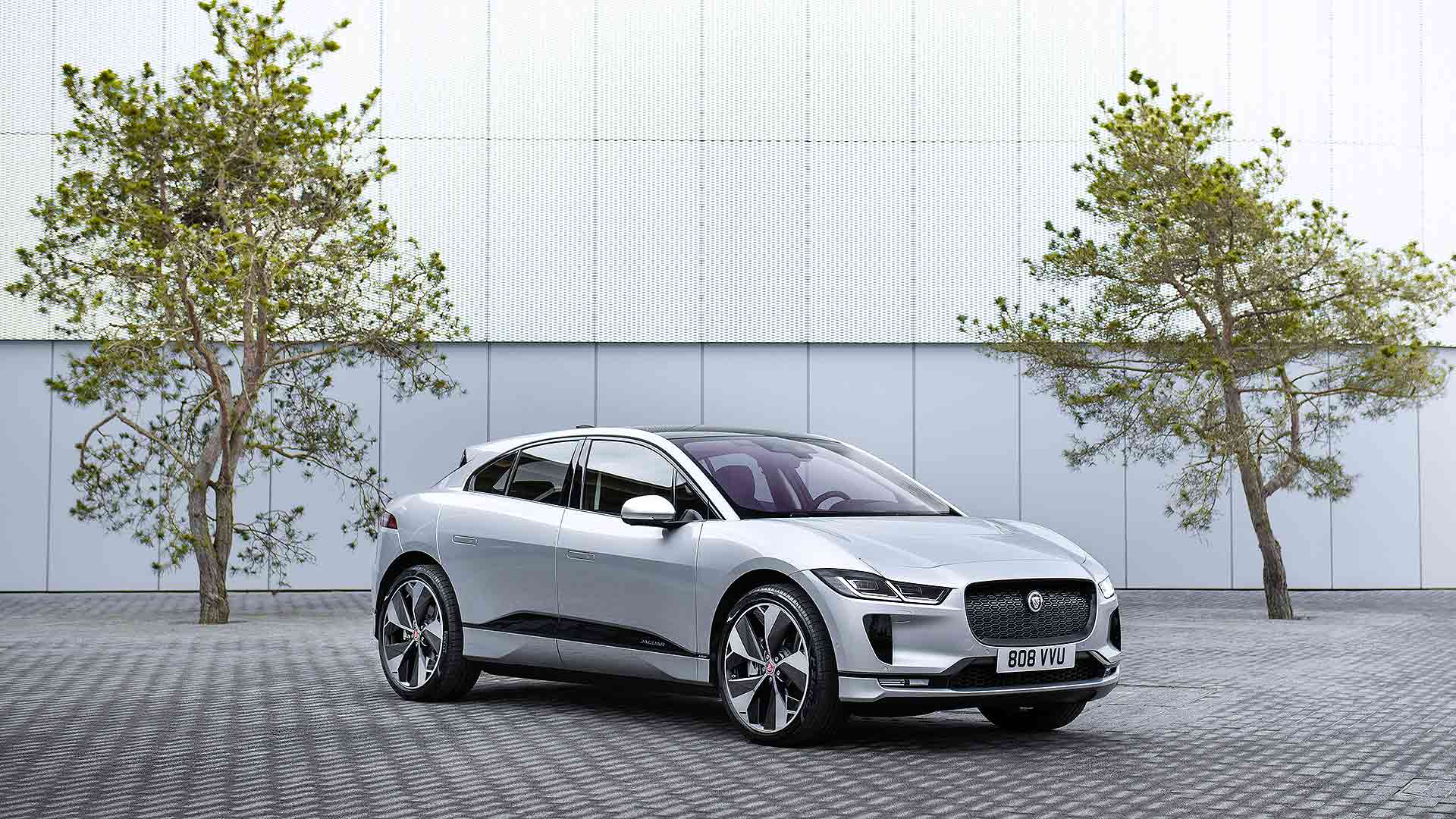
Jaguar I-Pace 21MY Indus Silver charging

Jaguar has fitted a more powerful 11kW onboard charger as standard to the 2021 I-Pace. Those with three-phase electricity can add 33 miles of range per hour – charging from flat to empty in 8.6 hours.

Those with 7kW wall boxes get 22 miles of charge per hour.

The Jaguar I-Pace is compatible with public fast chargers as well: a 50kW unit adds 39 miles in 15 minutes; a 100kW charger adds 78 miles in 15 minutes.

It keeps the same 90kWh battery, and driving range of up to 292 miles.

This was previously increased by 12.5 miles using learning from the Jaguar I-Pace e-Trophy racing series

Jaguar I-Pace 21MY Indus Silver

Other updates include an improved cabin air ionisation feature that can filter out ultra-fine PM2.5 particles and allergens.

Owners can pre-set a process to filter the cabin air before a journey.

There are new colours, new alloy wheel options and an eye-catching ‘Bright Pack’ exterior finish.

Jaguar I-Pace 21MY Portofino Blue

The Clearsight rear view mirror first seen in the Range Rover Evoque is now available in the I-Pace.  A powerful Meridian 3D surround sound system with 16 speakers and a subwoofer is also offered.

The 2021 model year Jaguar I-Pace is on sale now with prices from £65,195.

It is the latest update for a car that scored an unprecedented triple in the 2019 World Car Awards, including being voted overall World Car of the Year.

ALSO READ

Electric car green number plates to launch in autumn

NHS signs deal for 700 Jaguar I-Pace electric cars

Ford Focus now available with mild hybrid tech
Advertisement

Ford Focus now available with mild hybrid tech
0

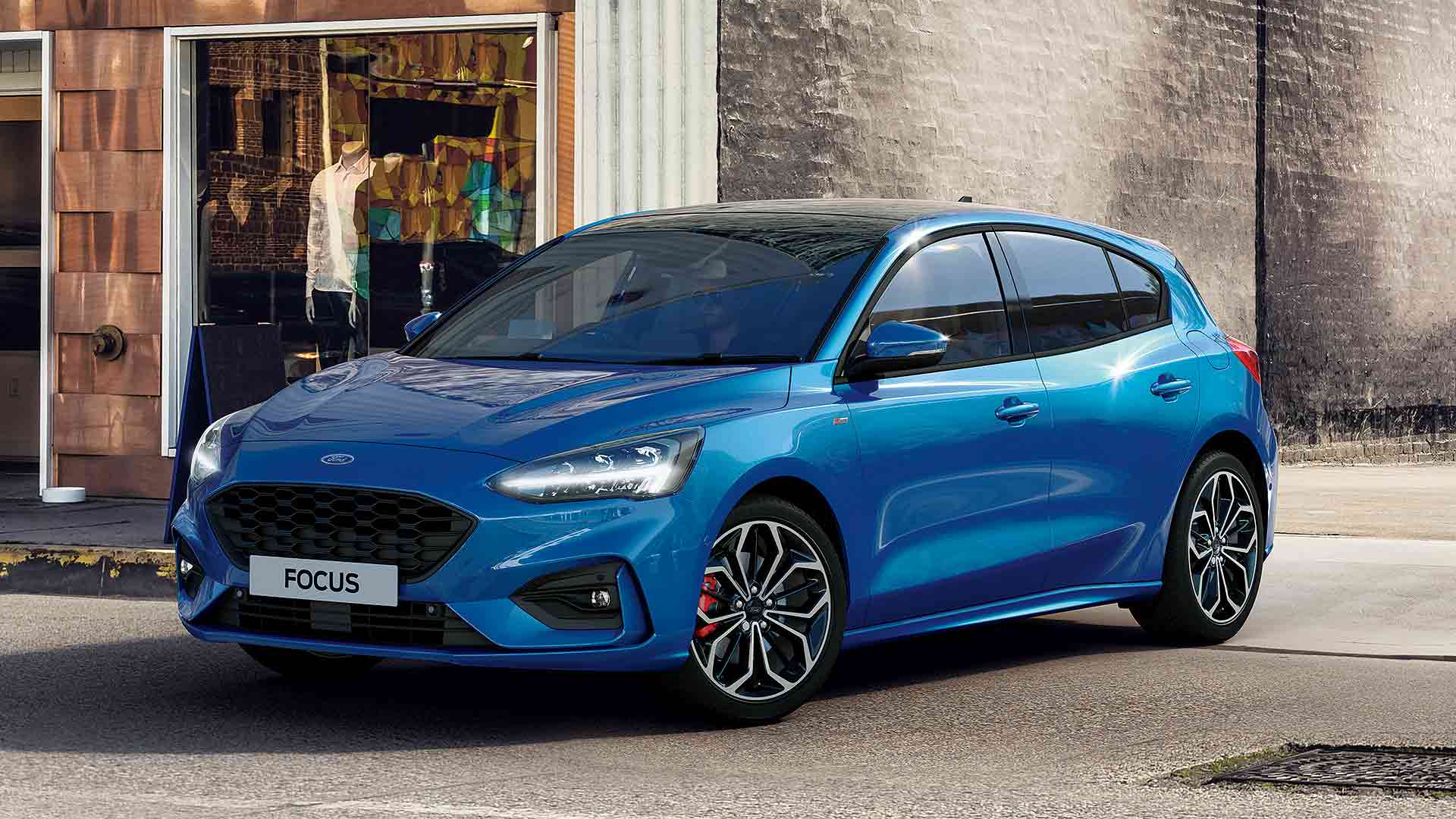
2020 Ford Focus Ecoboost Hybrid in blue pulling out of a car park

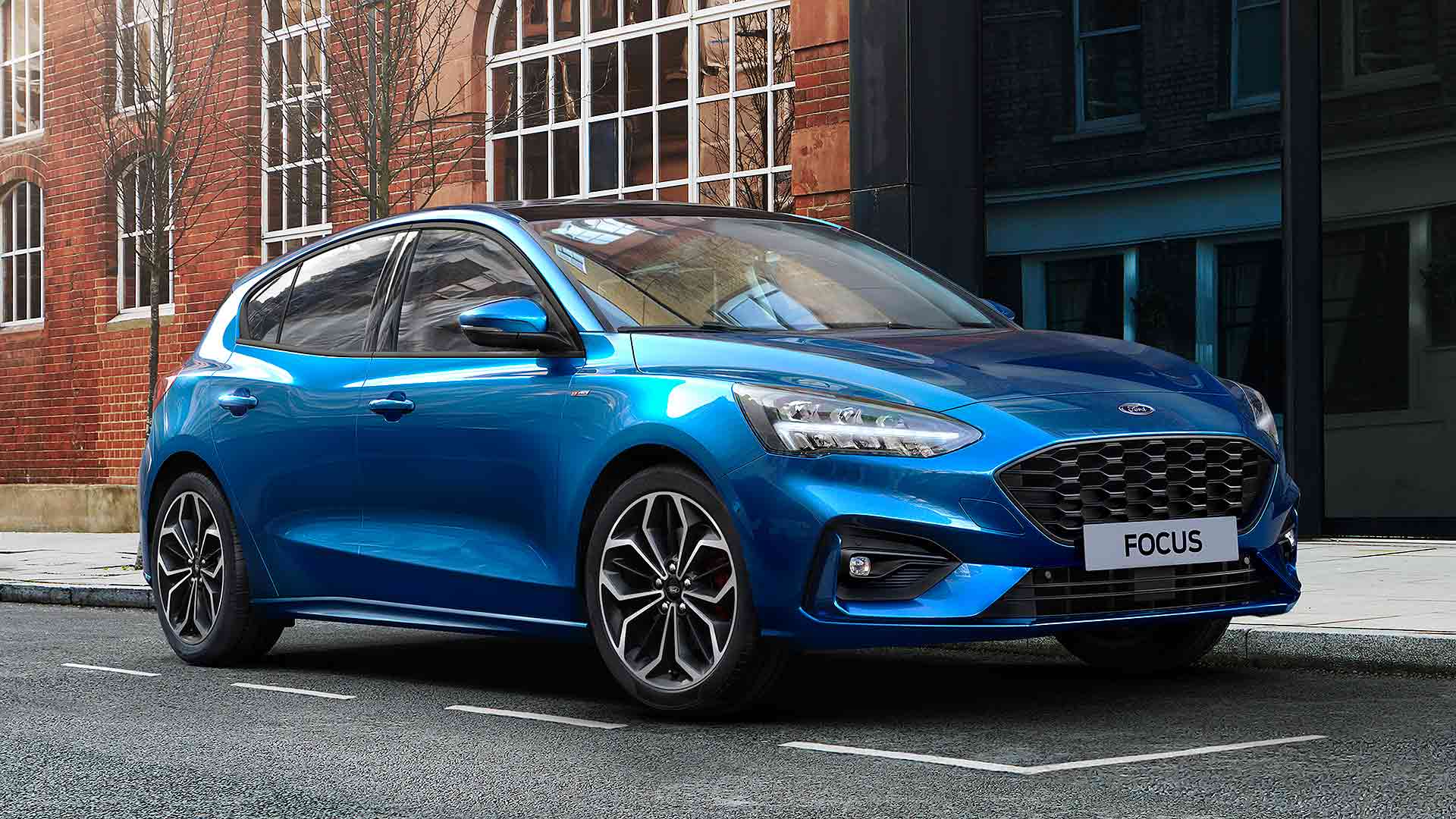
A new Ford Focus featuring mild hybrid technology is now available, replacing the outgoing 1.5-litre Ecoboost 150 version.

The new 1.0-litre Ecoboost Hybrid produces up to 155hp, and is 17 percent more efficient than the larger engine it replaces.

It achieves this through a combination of 48-volt mild hybrid technology (also known as MHEV) and cylinder deactivation.

When full engine capacity is not needed, for example when cruising on the motorway, one of the engine’s three cylinders is automatically switched off.

Ford says it is totally imperceptible and the process happens in 14 milliseconds.

2020 Ford Focus Ecoboost Hybrid in blue

The mild hybrid tech extends the engine-off period when coasting to a stop: the engine will turn off at speeds of up to 16mph.
Restart takes 350 milliseconds.

The boost from the powerful 48-volt mild hybrid system also gives an increase in pulling power at lower revs, so the car feels more responsive.

The result is WLTP average fuel economy of 51.4mpg and CO2 emissions of 116g/km.

A cheaper 1.0-litre Ecoboost Hybrid 125 is also available.

2020 Focus updates

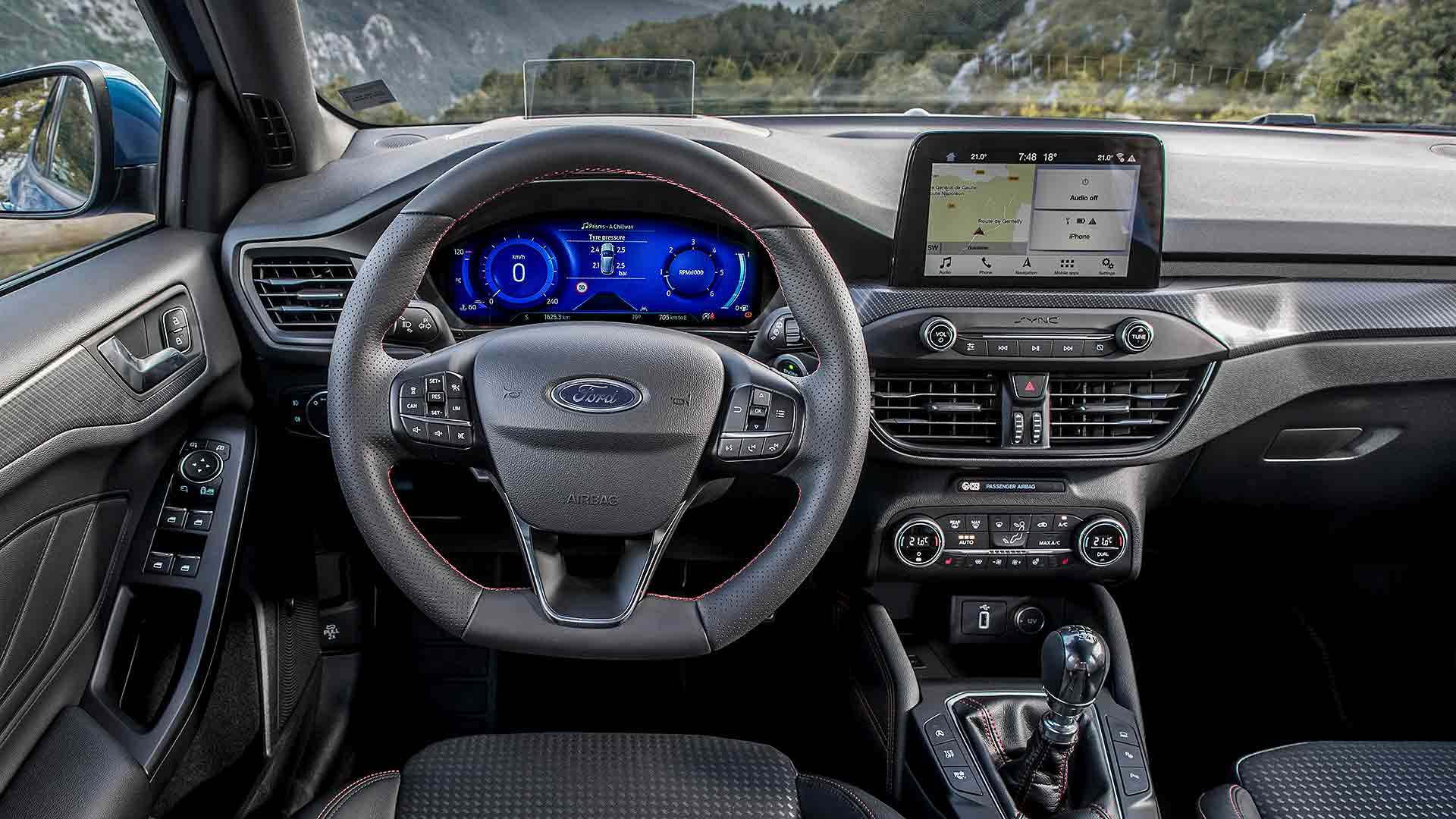
2020 Ford Focus interior with new digital cluster

Other updates to the Focus range for summer 2020 include the availability of a new full-width 12.3-inch TFT instrument cluster.

This is fully configurable and uses 24-bit ‘true colour’ tech so it is more detailed and easier on the eye.

Later in the year, local hazard information will be displayed on it – such as obstacles or accidents on the road ahead.

It uses connected car information beamed from other vehicles on the road via the FordPass Connect modem.

Ford has also introduced a new entry-level Focus Zetec Edition variant. This includes standard wireless smartphone charging, front and rear parking sensors and Sync 3 infotainment with sat-nav.

Prices for the Zetec Edition start from £22,210 for the 1.0 Ecoboost 125.

The Ecoboost Hybrid variant is priced from £23,610 for a 1.0-litre Ecoboost Hybrid 125.  

ALSO READ

All-new Ford Focus: everything you need to know

Ford Focus is first car with seats certified against back pain

Barely 1 in 3 new Ford Focus will be a diesel

Advertisement

Triumph Motorcycles launches its first e-bike

0

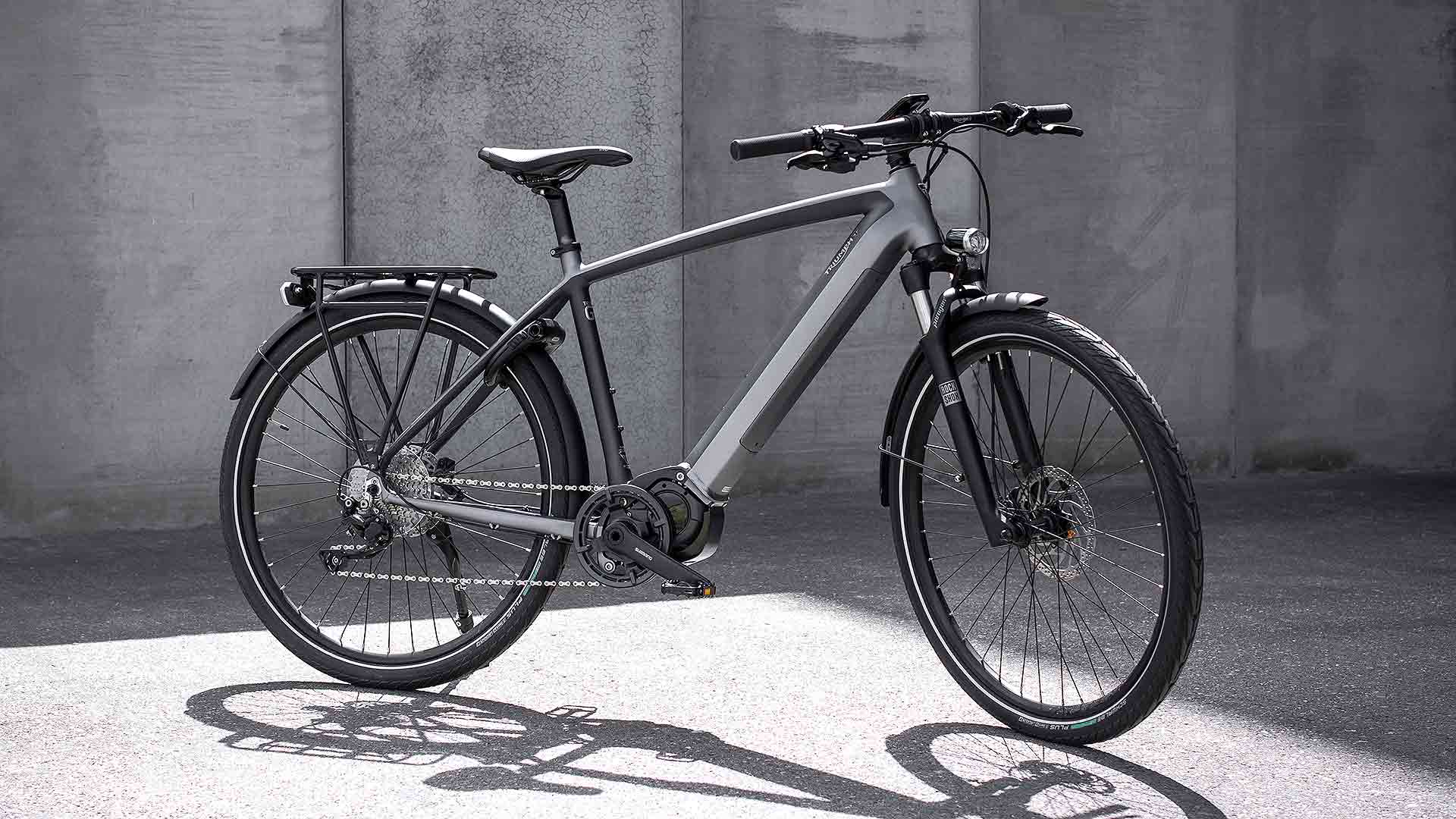
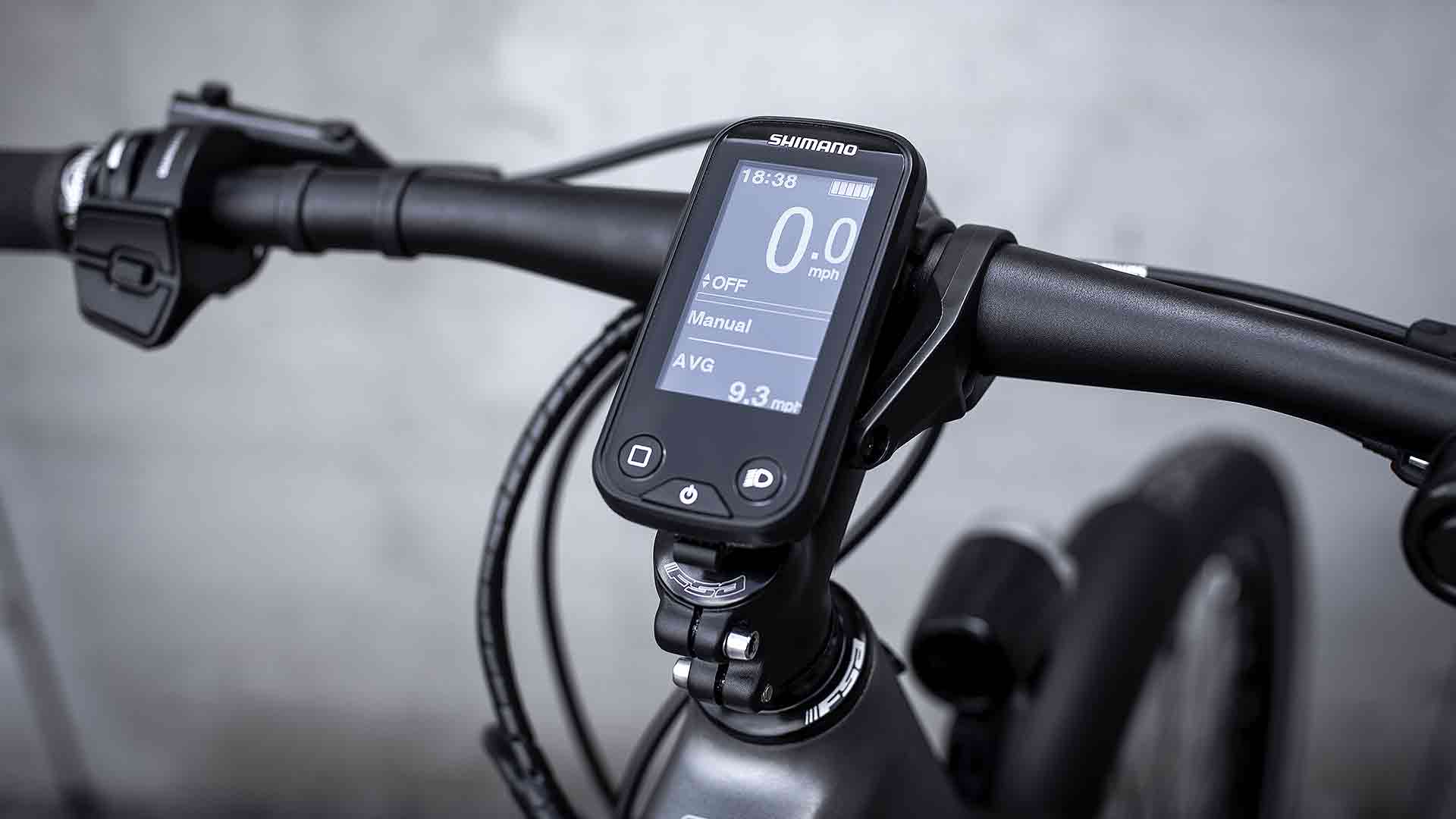
Triumph Trekker GT e-bike

Triumph, the world-famous British motorcycle manufacturer, has launched its first electric bicycle, or e-bike.

The Triumph Trekker GT is now on sale for £2,950.

Already available to order in the UK, U.S. and Europe, the new Trekker GT e-bike design is described as minimalist, with all the electric components fully concealed within the frame.

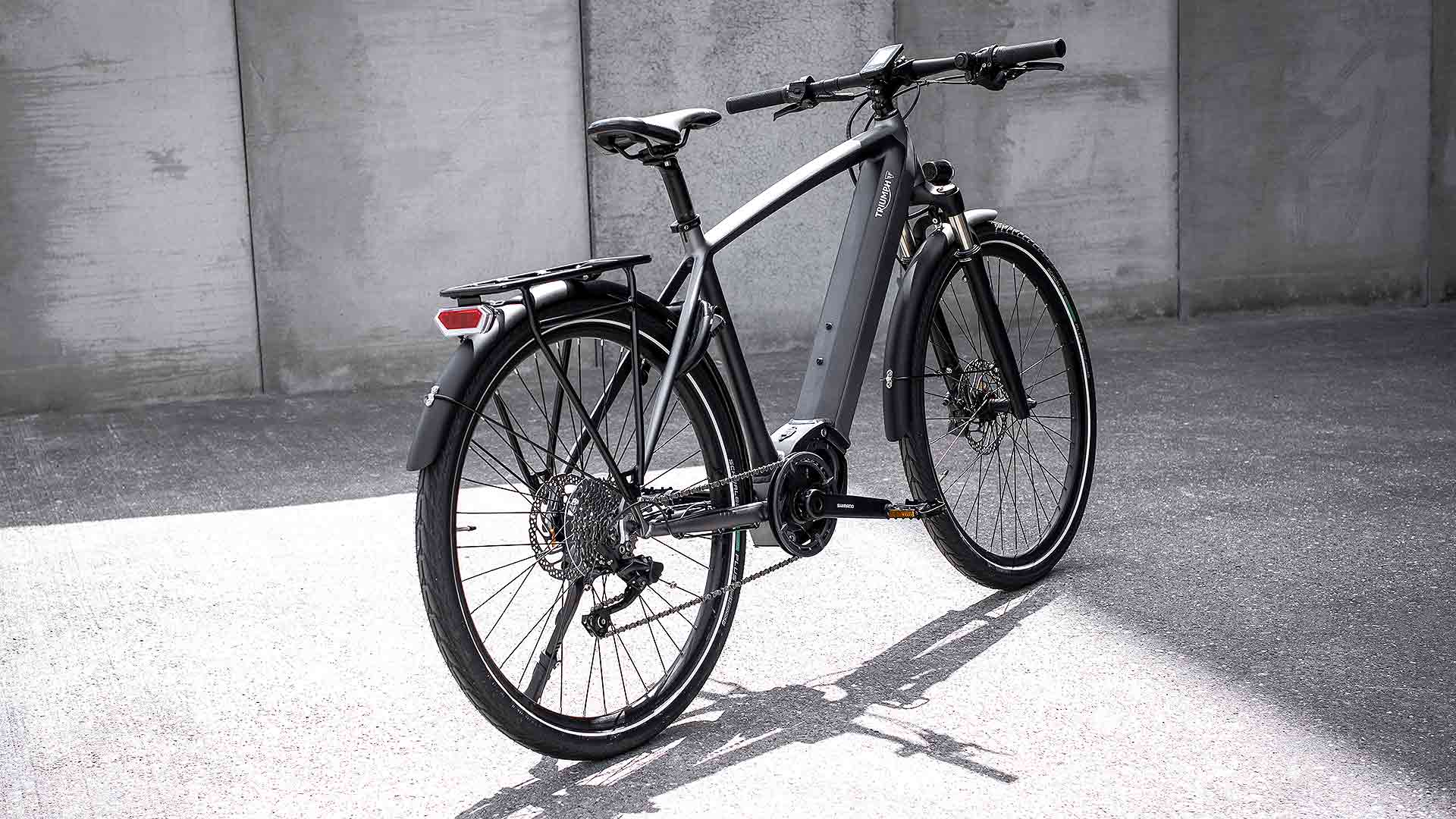
Triumph Trekker GT e-bike

It uses Shimano’s latest torquey e-bike powertrain, including a 250W motor that puts out 44lb ft of pulling power.

The Shimano E8035 504Wh battery gives it a riding range of 93 miles between charging.

The total electric drivetrain weighs less than 3kg (and the integrated battery is lockable).  

Triumph Trekker GT e-bike

Triumph has built the main frame from aluminium, fitted RockShox Paragon front forks, and a 10-speed Shimano Deore Shadow silent-running rear mechanism.

Triumph Trekker GT e-bike

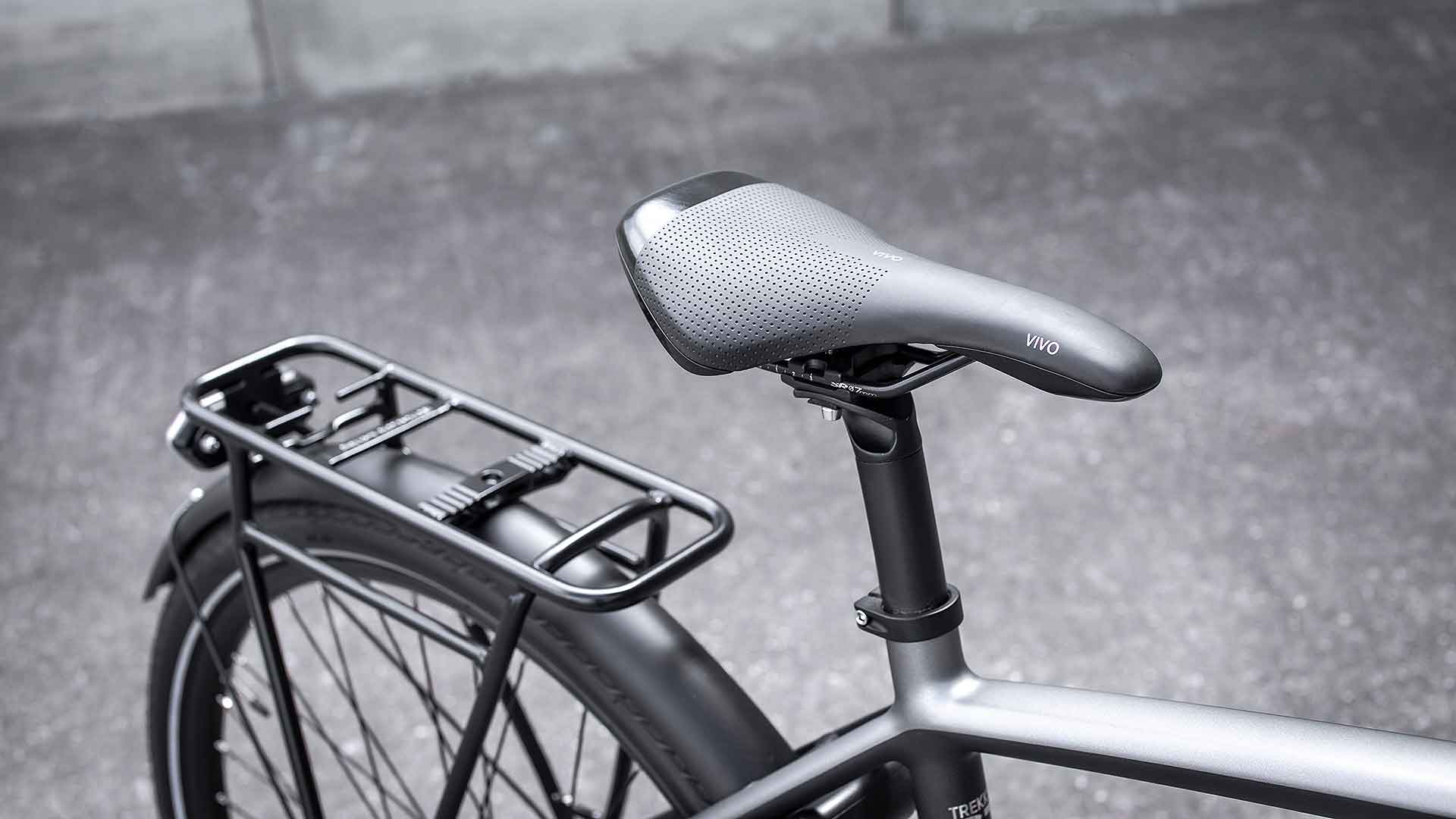
There’s also a posh Selle Royal Vivo saddle which, when combined with the narrow-width handlebar, gives “all-day” riding comfort.

Triumph Trekker GT e-bike

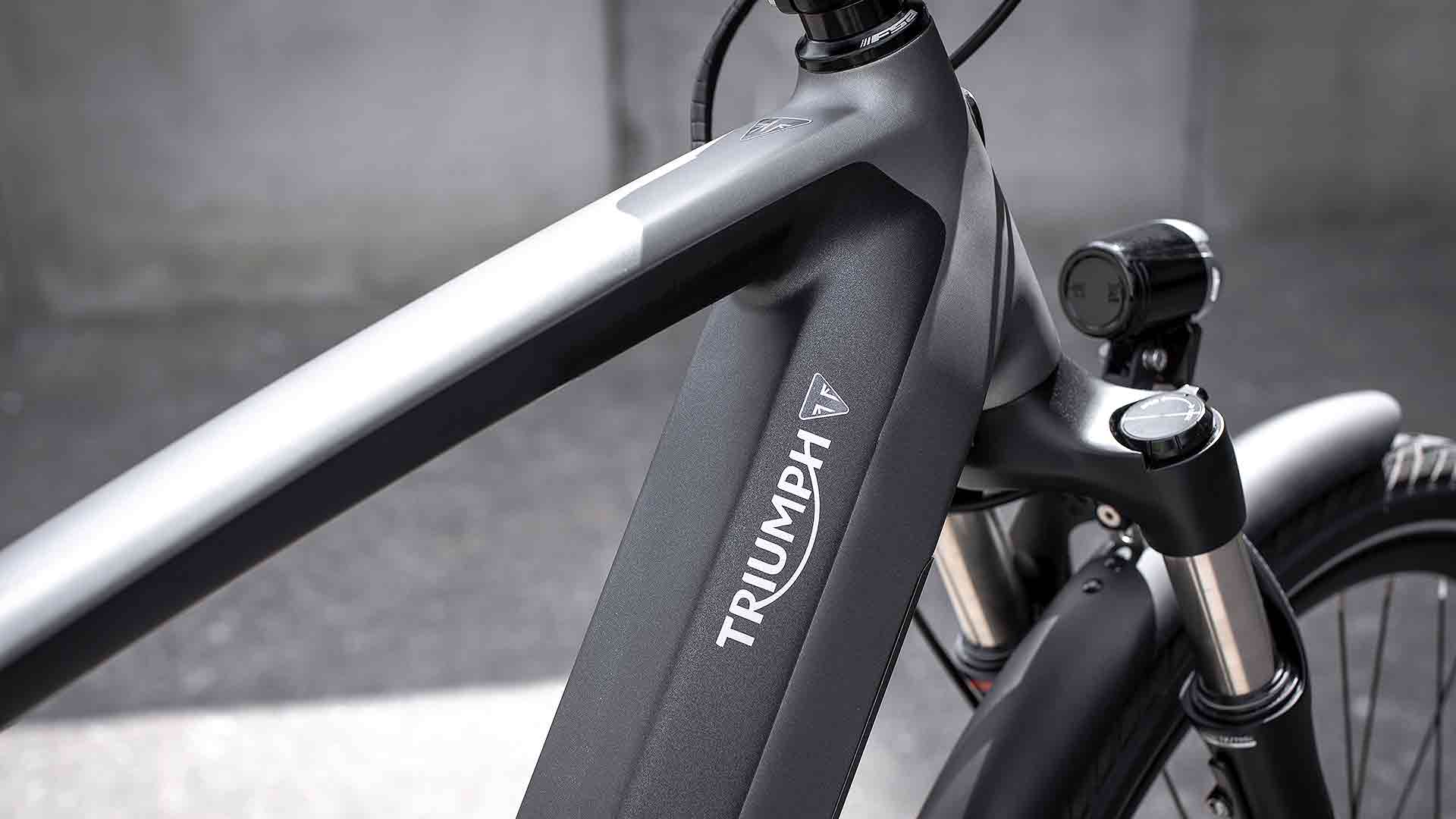
Other standout features include fully-integrated LED lighting, matt black mudguards and pannier rack, a super-strong 270mm U-lock and cast aluminium triumph badging.

The new Triumph Trekker GT e-bike joins a growing line-up of electric bicycles from established brands.

Even Ducati last year launched its first ever e-bike.

Triumph actually started out in 1884 as a bicycle company, based in Coventry. It wasn’t until 1902 that the firm made its first motorcycle. 

ALSO READ

Gocycle GX (2020) review: the supercar of electric bicycles

When car companies build bicycles

Scrappage for season tickets could be coming soon

Advertisement

Electric car green number plates to launch in autumn

0

New green number plate confirmed design

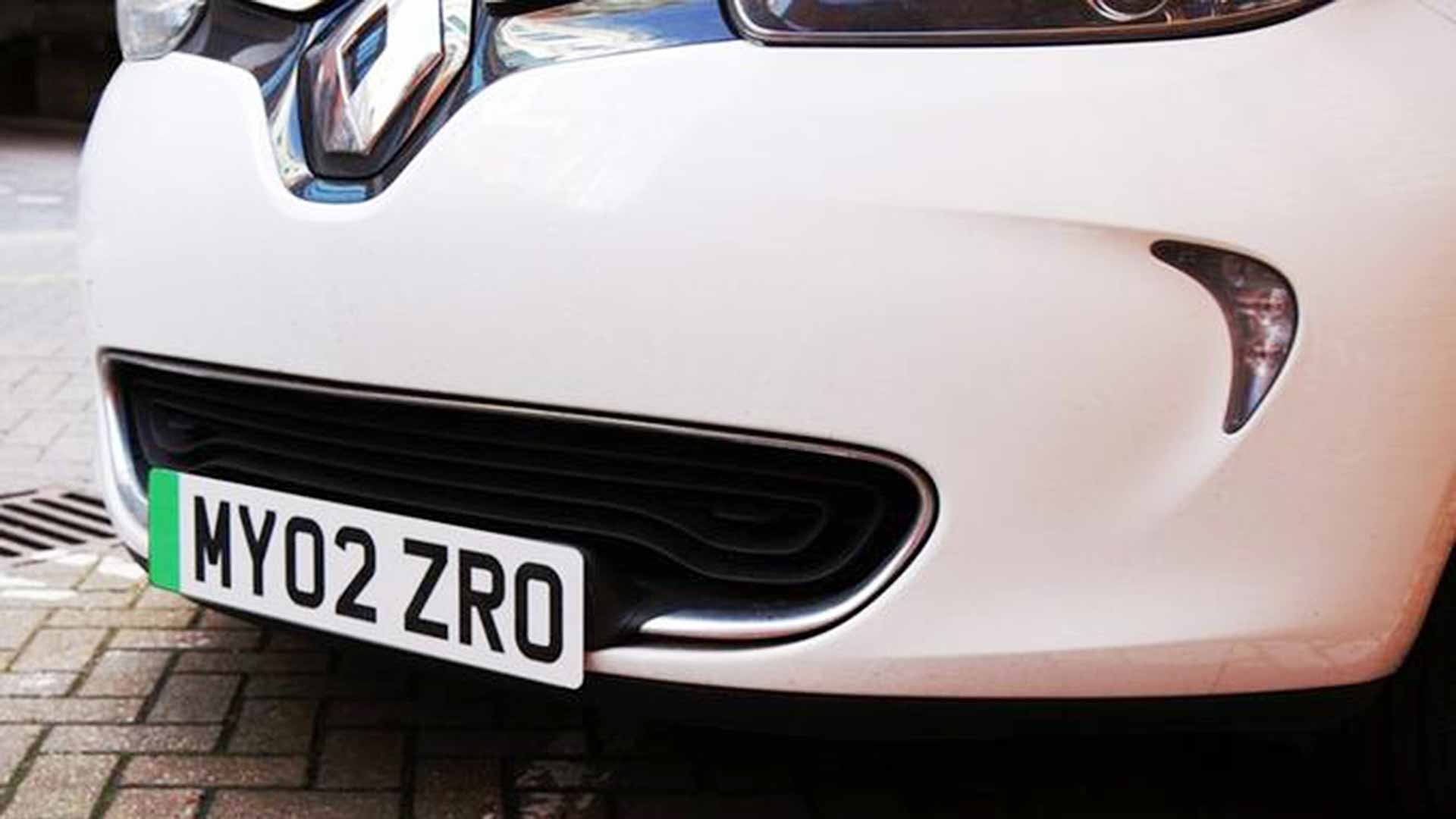
The government has given the go-ahead to green number plates for 100% zero emissions electric cars. The new plates will be introduced from autumn 2020.

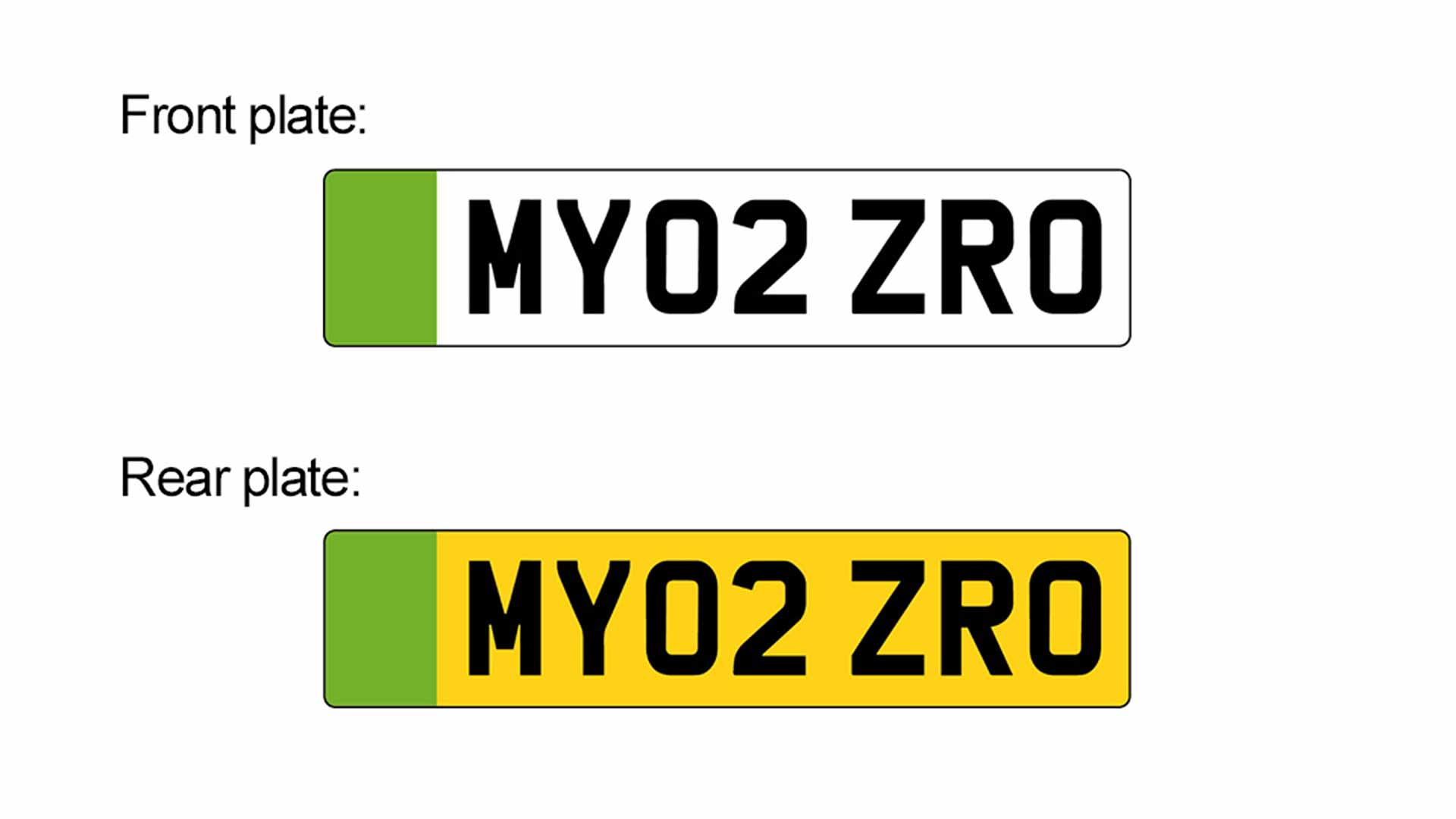
Both front and rear EV number plates will carry a green strip on the left-hand side.

Only fully zero emissions electric cars will be eligible to use them.

The idea behind the green number plates is to make it easier to identify 100% zero emissions vehicles.

This will, for example, help local authorities spot EVs eligible for specific initiatives such as entry into zero-emissions zones, or cheaper car parking.

Green front and rear number plates

Zero-emissions cars, vans, taxis, motorbikes, buses, coaches and HGVs will all be eligible to carry a green number plate.

The scheme will be non-mandatory and EV owners will be able to opt out.

“Green number plates could unlock a number of incentives for drivers and increase awareness of cleaner vehicles on our roads, showing people that a greener transport future is within our grasp,” said transport secretary Grant Shapps.

The go-ahead for green EV number plates comes after the government first suggested the idea in 2018.

Car makers, motoring groups, local authorities and the public all fed into the subsequent consultation on how best to introduce green number plates.

Surprisingly, only 1 in 5 motorists actually supported the idea behind green number plates when quizzed last autumn.

The Surveillance Camera Commissioner also questioned the policy behind green number plates, calling for the process to be “tightly controlled”.

ALSO READ

The average electric car is driven 9,500 miles a year

Electric vehicles ARE cleaner than petrol cars, report claims

DVLA grants 7-month photocard driving licence extension

Advertisement

Opinion: push EVs with scrappage – but don’t forget the dirty diesels

0

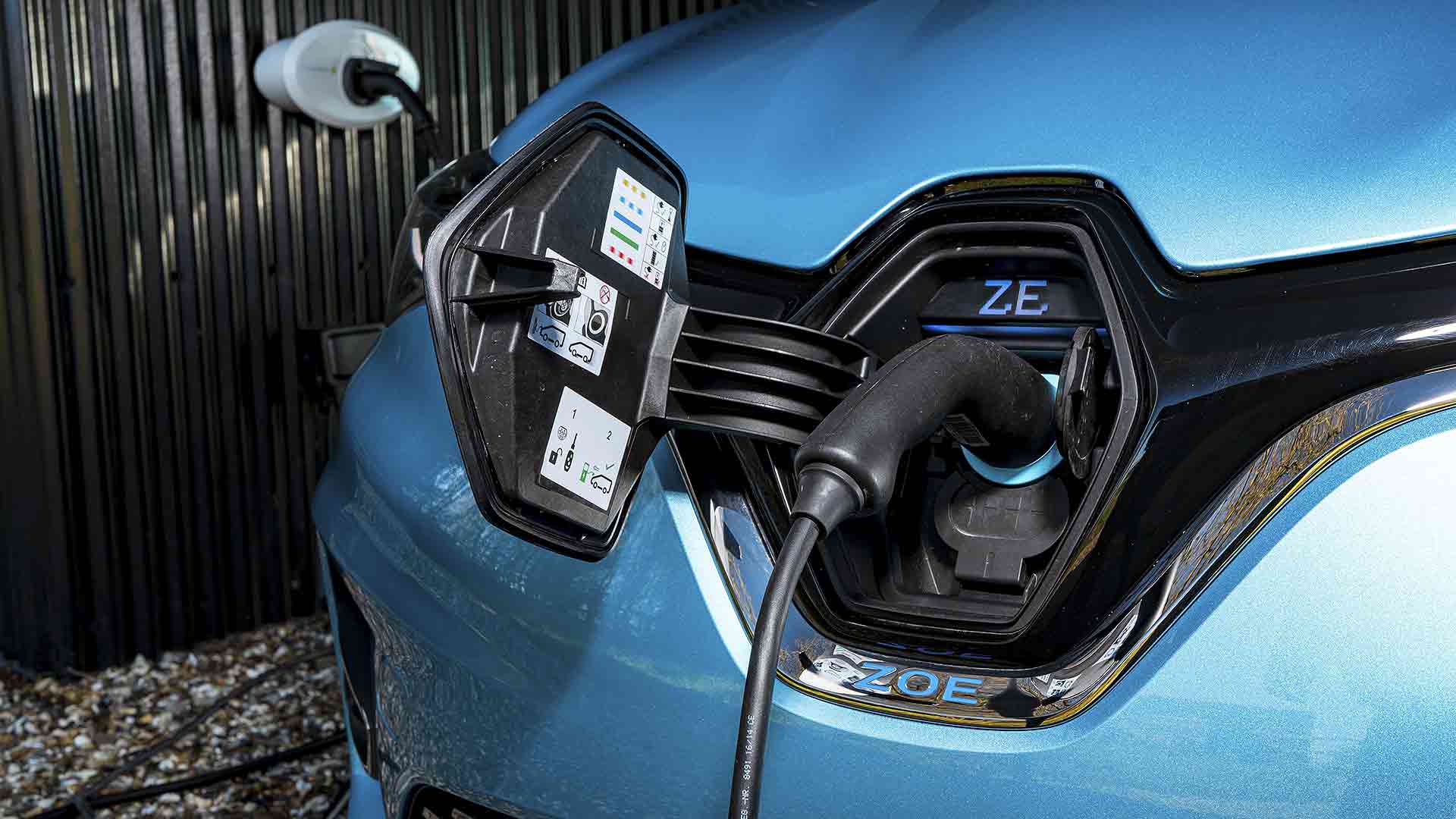
Renault Zoe plug-in electric car

The German government has introduced a sales incentive for new electric cars – and the German car industry is incensed.

Up to €9,000 is on offer to electric car buyers, which finally gives EVs price parity with conventional cars. However, there are no incentives for regular cars – and estimates suggest there is €15bn’s worth of them unsold in the German dealer network.

It’s these cars that German car firms want help with shifting.

The intentions of the EV-only incentives are noble. Of course we should help drive people into electric cars. Zero-emissions vehicles are the future.

But not everyone is ready for them or, crucially, can afford them. So how can we help such people do their bit to making the air cleaner?

By not just focusing on getting pure electric onto the road, but also getting dirty old ones off it.

Scrappage: the hybrid route

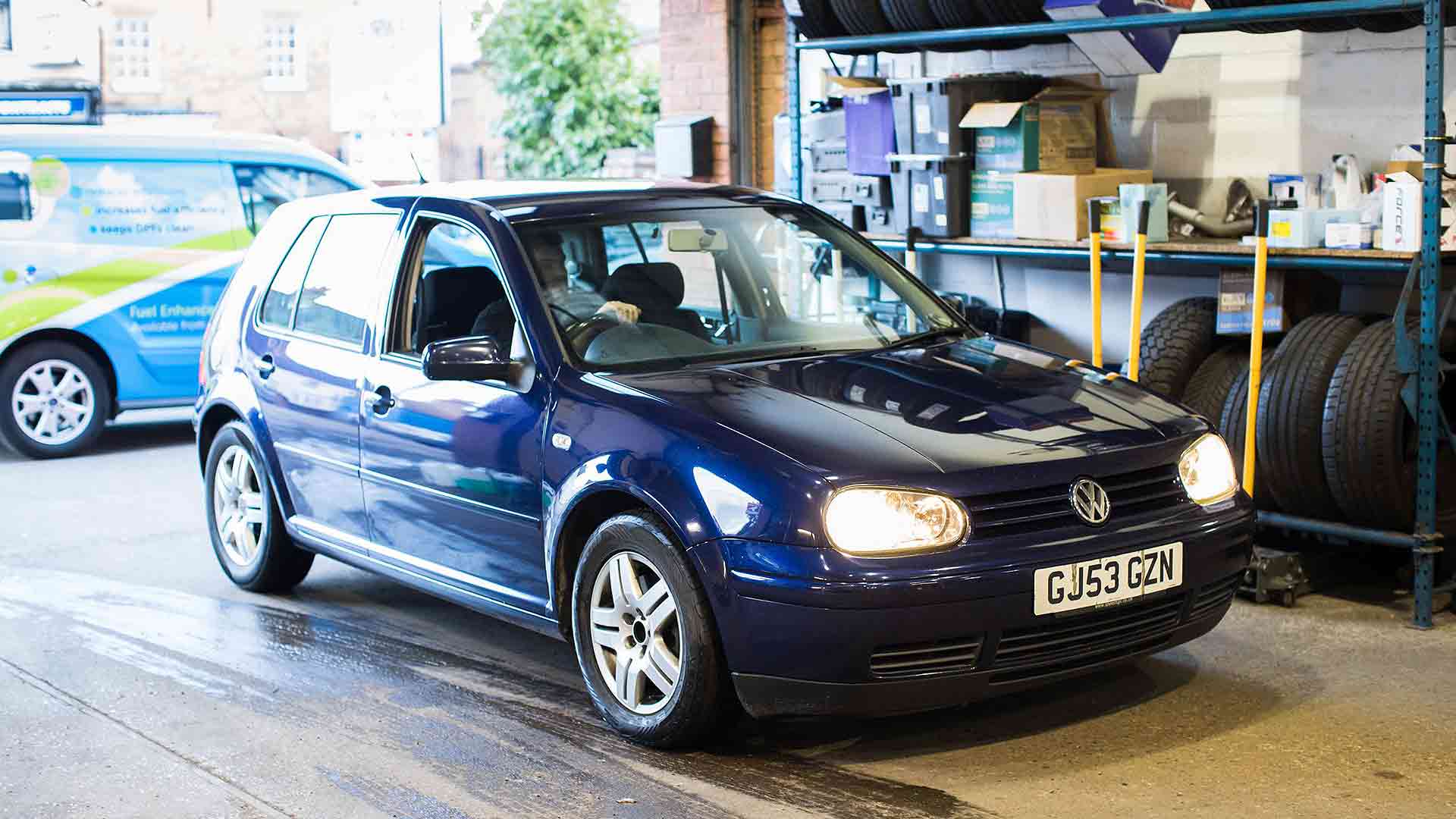
2003 Volkswagen Golf TDI diesel

There’s growing talk in the UK of a scrappage-style incentive. Given the success of the last scheme, which helped sell 400,000 cars, this should be welcomed. But, unlike Germany, it should not just be focused on EVs.

For starters, there won’t be enough of them to go around. Also, because ordinary motorists might not be able to afford them. It risks giving a saving to those rich enough to buy them, which is hardly egalitarian.

My suggestion is this: incentivise sales of all electrified cars (that’s EV, plug-in hybrid, pure hybrid and mild hybrid), provided they chop in a dirty diesel (or older petrol) for scrappage.

Everything would be included, from the latest mild hybrid Ford Fiestas, to the new Honda Jazz Hybrid, to the plug-in Skoda Superb iV and even the new all-electric Renault Zoe.

All, to a greater or lesser extent, can operate at least some of the time in zero-emissions engine-off mode, so will immediately have an extremely positive effect on emissions and air quality (particularly compared to the car they’d be taking off the road).

Learn from ULEZ

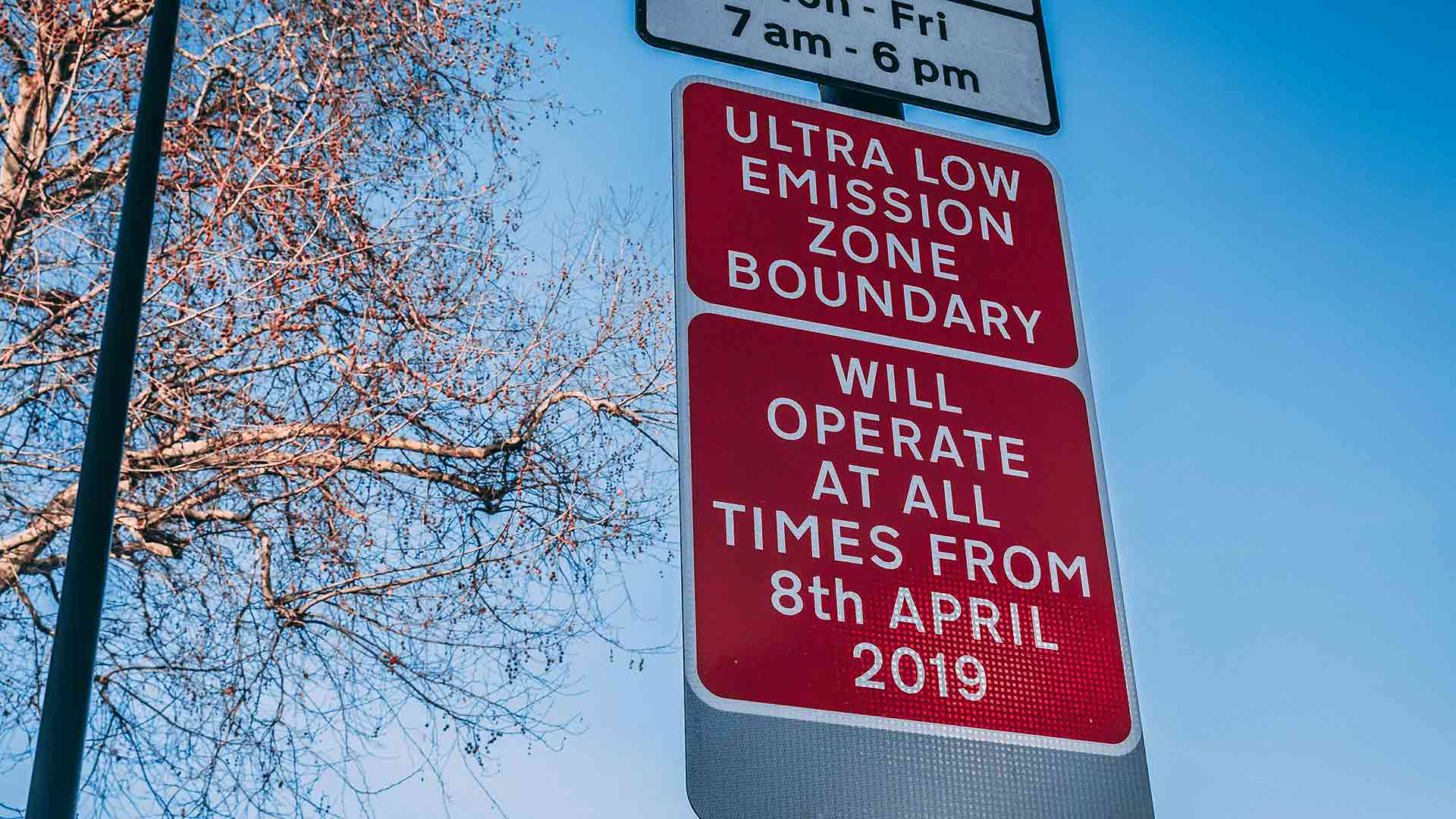
London Ultra Low Emission Zone roadsign

The template is already there. Look at the London Ultra Low Emissions Zone (ULEZ). Who has to pay? Petrol cars that don’t meet Euro 4 emissions (2005 and older)… and diesels that don’t meet Euro 6 (2016 and older).

Even without dieselgate, many of us will be aware that as older diesels get older still, their turbocharged motors emit more and more noxiousness – both visible black smoke, and the more dangerous stuff you can’t see.

In an ideal world, owners would service their cars and keep them in tip-top condition, so this wouldn’t happen. But we’re human, and are you really going to put in your £1,000 Volkswagen Golf TDI for a gold-standard service just to keep the emissions down? For a third of the price of the car itself? Of course not.

Let’s get people out of them. Let’s get them off the road. Let’s clean up local air by incentivising someone out of a grubby diesel and into a modern hybrid.

Electrified cars are the stepping stone into pure, 100% zero emissions electric vehicles. Let’s use a 2020 scrappage scheme to start that journey.

ALSO READ

London ULEZ scrappage schemes: how to save money on a new car

Is petrolgate the new dieselgate scandal?

Advertisement

New all-electric Fiat 500 hatchback revealed

0

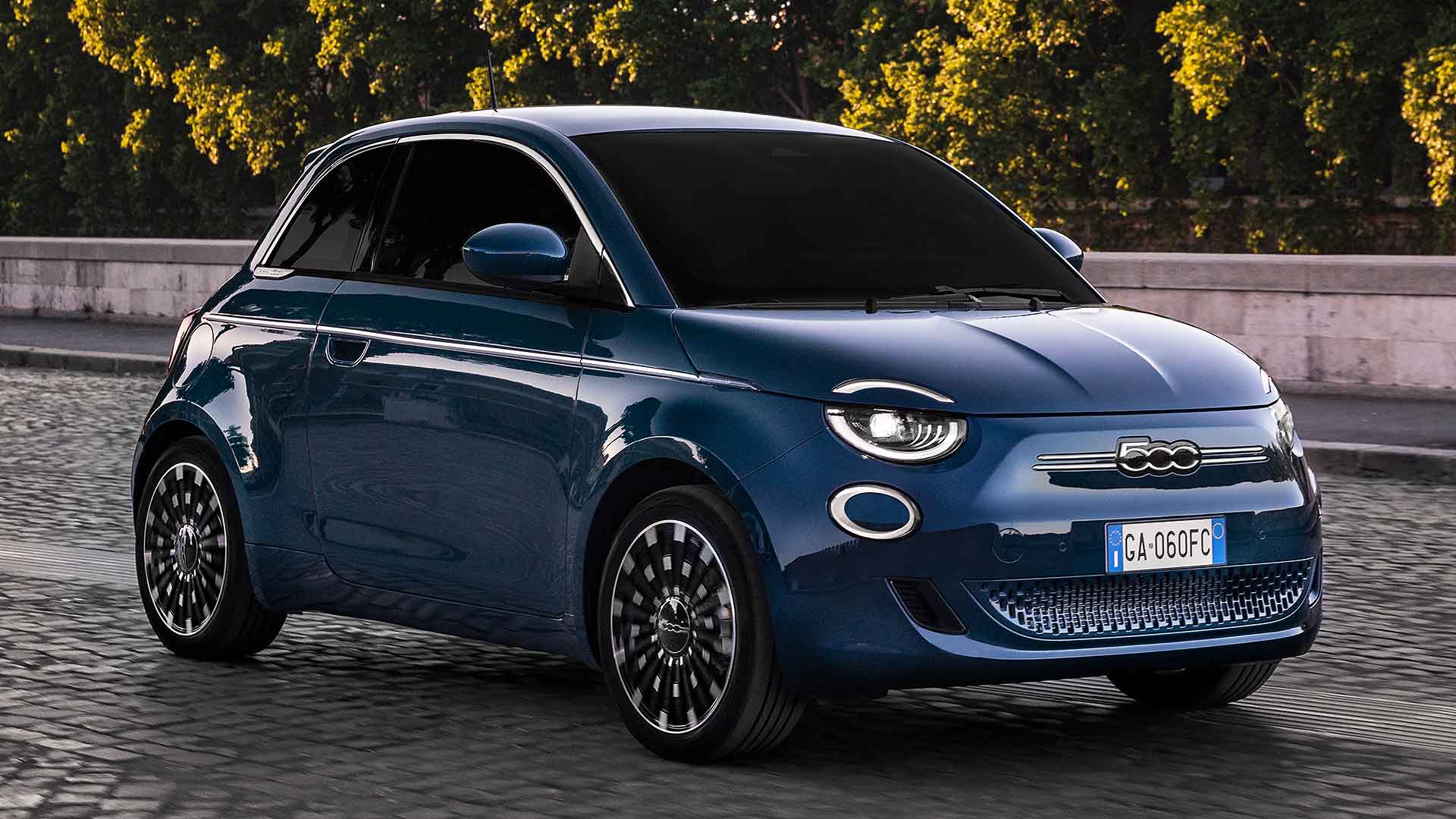
Electric Fiat 500 hatch front

Fiat has revealed the new all-electric 500 hatchback and opened reservations for the launch la Prima model.

Prices for the well-specced launch version start from £29,995 (or £26,995 including the Plug-in Car Grant. This makes it £2,000 cheaper than the electric 500 convertible revealed earlier this year

More affordable electric 500 versions are expected later.

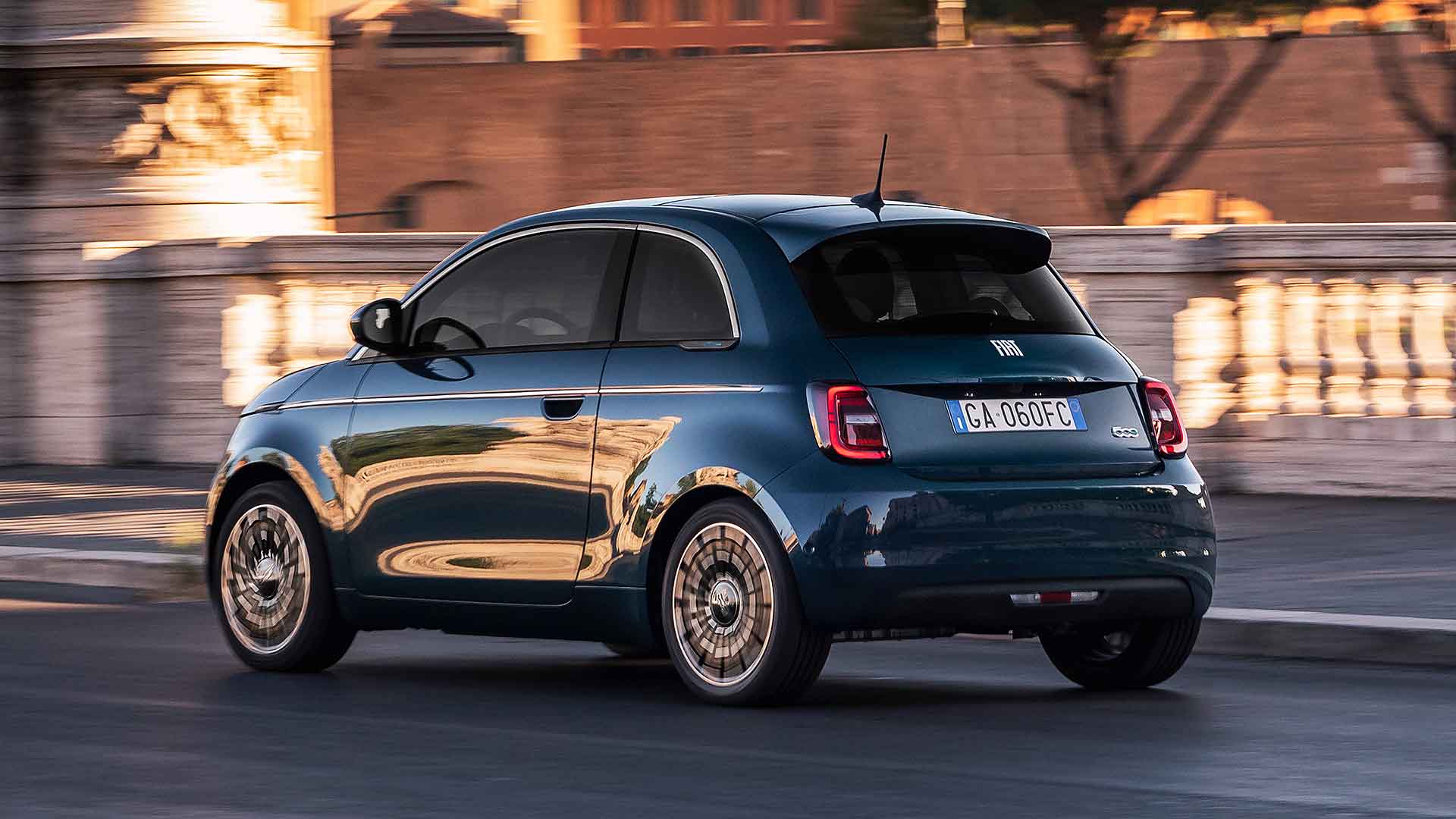
Electric Fiat 500 hatch rear

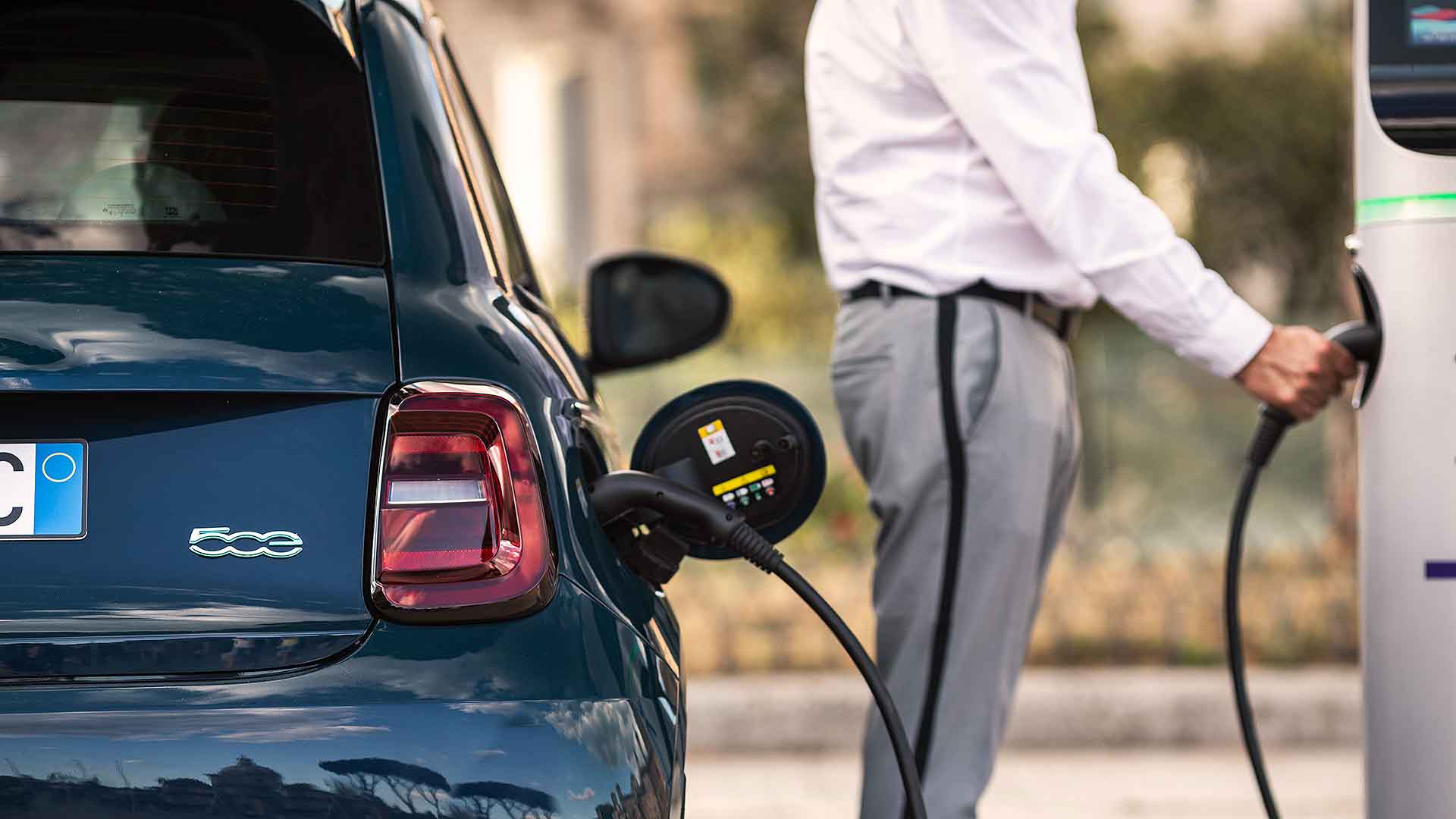
The new 500 electric has a 42kWh battery for a total range of up to 199 miles.

It is fitted with an 85kW fast charge system, which can give 30 miles’ range in just five minutes.

With a fast charger, the battery can be topped up from flat to 80 percent capacity in 35 minutes.

Electric Fiat 500 hatch charging

Fiat includes a free wallbox with the la Prima model.

Acceleration from 0-62mph takes 9.0 seconds (0-31mph takes 3.1 seconds) and the electric 500 is limited to a 93mph top speed.

Total power output from the electric motor is 119hp.

Reserve with no deposit

Electric Fiat 500 hatch interior

Reservations are now open online through Fiat’s website and the firm says customers don’t even need to pay a deposit.

Potential buyers choose a bodystyle, colour, sign up and enter their postcode to find their preferred dealer.

When available, dealers will contact these people first, to see if they want to pay a deposit and proceed with an order.

The new Fiat 500 la Prima hatchback joins the la Prima convertible in electrifying the 500 range.

Electric Fiat 500 hatch seats

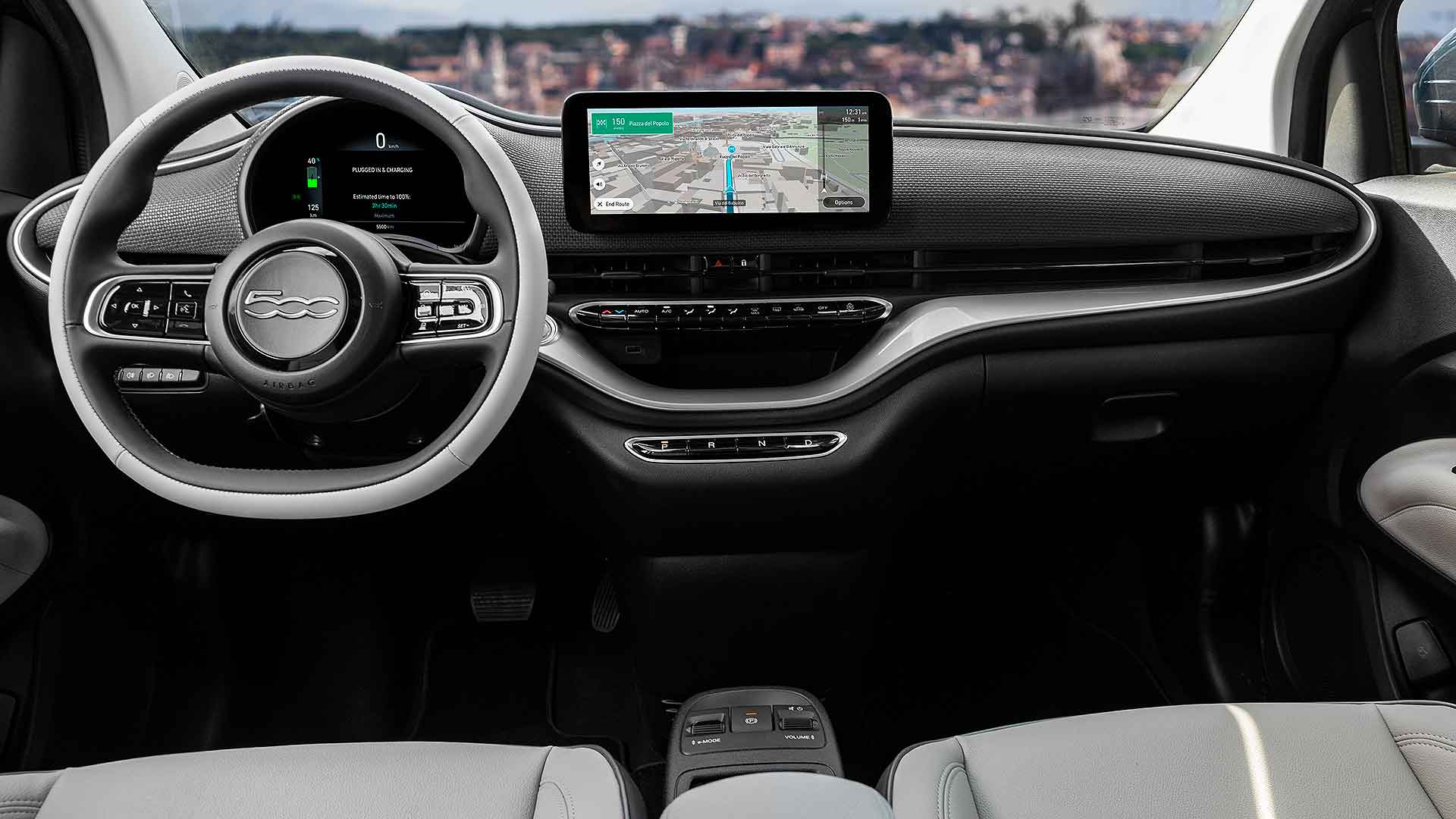
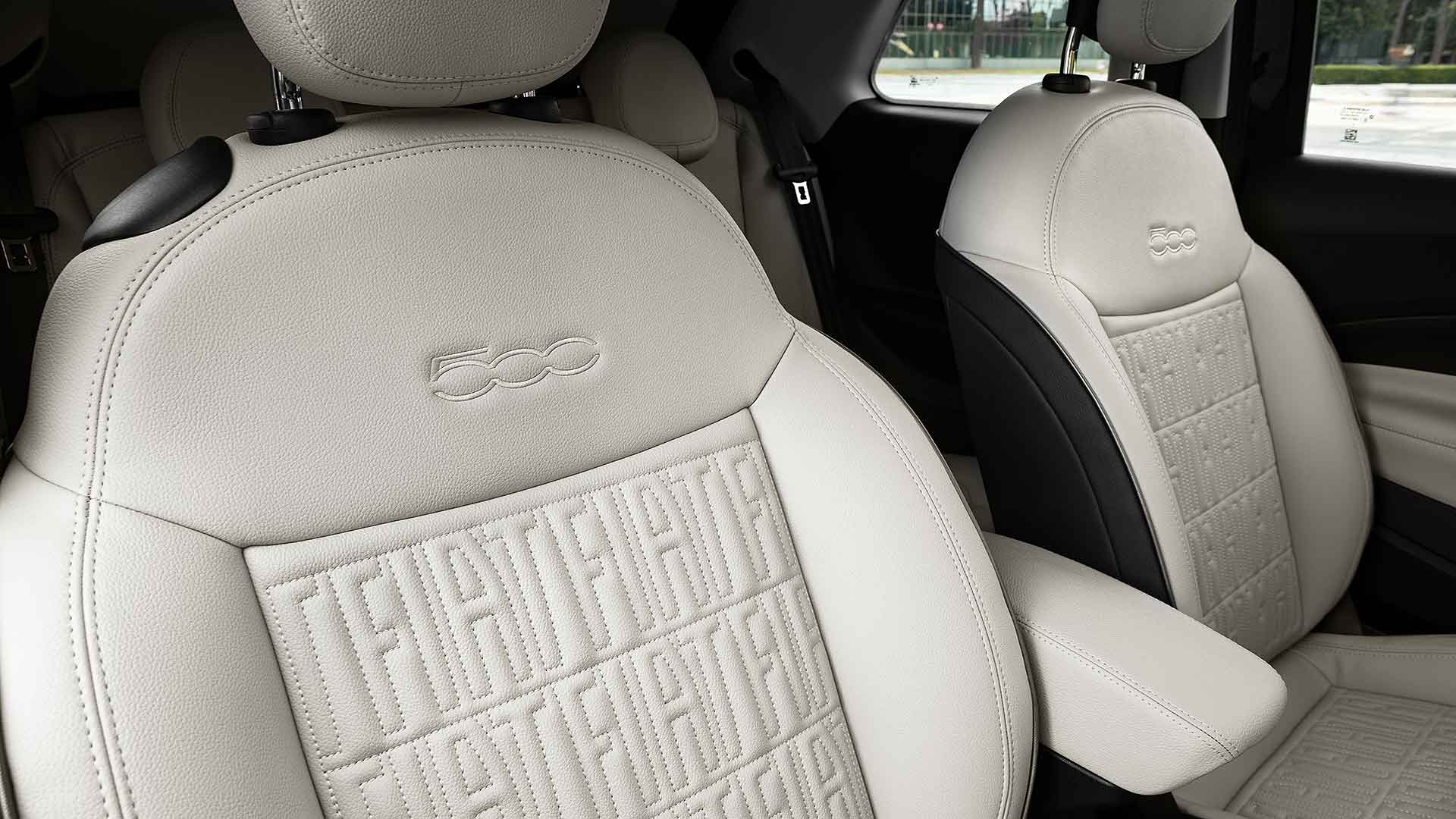
It has a suitably high standard spec, including an all-new UConnect 5 infotainment system, advanced driver assist features (including adaptive cruise control and birds-eye parking camera) and seats trimmed in ‘eco leather’.

LED headlights and 17-inch alloys are also standard.

The la Prima hatch is offered in three colours: Ocean Green, Mineral Grey or Celestial Blue.

Deliveries are expected to begin in late 2020 or early 2021. 

ALSO READ

New electric Fiat 500: everything you need to know

The most exciting electric cars to buy in 2020

How much does charging an electric car cost?

Advertisement

New Ford Fiesta mild hybrid version launched

0

2020 Ford Fiesta

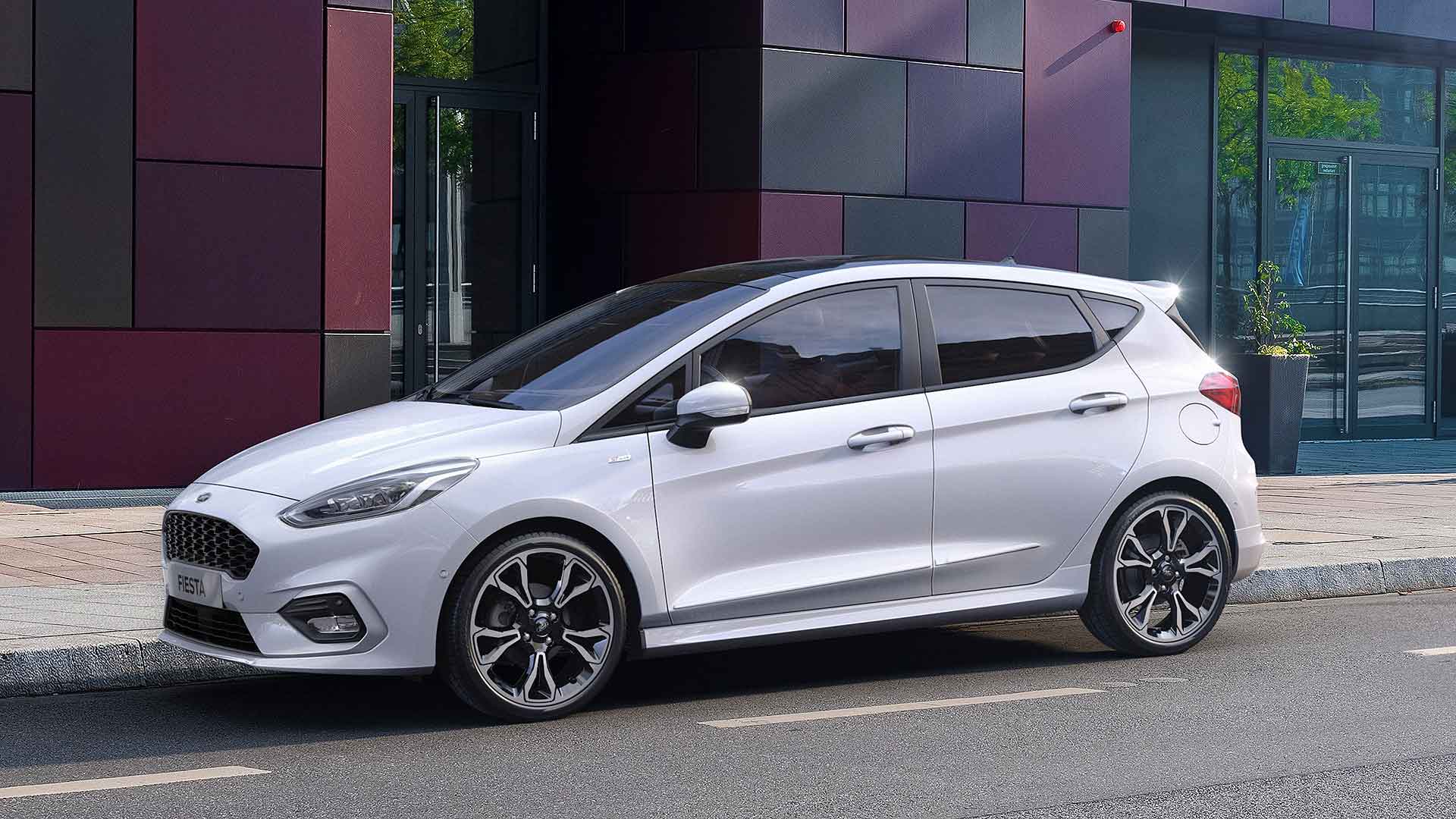
Ford is expanding the best-selling Fiesta range with the launch of a 48v mild hybrid version called Ecoboost Hybrid.

The firm claims fuel economy savings of almost 5 percent over non-mild hybrid versions.

Prices start from £19,860.

The Ecoboost Hybrid tech was first seen on the new Puma SUV. The standard engine’s alternator is replaced with a belt-driven integrated starter-generator (BISG) unit, and a 48-volt lithium ion battery pack is fitted.

The BISG generates electricity during braking, and works as a motor to supplement the engine under acceleration.

It allows extended engine start-stop, so the engine can shut down at speeds below 15mph when coming to a halt, rather than waiting to be stationary.

The result is economy of 52.3mpg and CO2 emissions from 109g/km.

Ford is offering the 1.0 Ecoboost Hybrid engine in 125hp and 155hp guise.

Impressively, in Titanium spec, it costs just £720 more than the conventional 1.0 Ecoboost 95hp non-mild hybrid.

A new seven-speed dual-clutch automatic is also available, replacing the previous six-speed gearbox. It is up to 15 percent more fuel-efficient.

2020 Fiesta updates

2020 Ford Fiesta

Ford is also bringing in other updates for the 2020 Fiesta range. All models come with standard FordPass Connect modem tech, allowing owners to communicate with their Fiesta via a smartphone app.

The Sync3 infotainment system has been improved with larger ‘virtual’ buttons for the 8-inch touchscreen. Apple CarPlay and Android Auto are both standard, and Ford has introduced an optional wireless smartphone charger.

The rear traffic alert system can now automatically apply the brakes if it detects oncoming cars while reversing.

Ford has also repositioned the sub-woofer in the premium B&O sound system into the wheelarch. This makes the boot bigger and also allows owners to choose an optional spare wheel.

Prices for the 2020 Fiesta range start from £16,640 for a 1.1-litre 75hp Trend three-door (or from £17,040 for the better-selling five-door). 

ALSO READ

Ford Fiesta Trend replaces Zetec for bargain-hunting buyers

Ford Fiesta ST Performance Edition (2020) review

The cheapest new cars from £99 a month

Advertisement