Home Blog Page 226

Council parking fine revenue plunges due to lockdown

0
Lockdown council parking fine revenue loss

A substantial decline in revenue from parking tickets and fines is another consequence of the Covid-19 crisis.

A series of Freedom of Information (FOI) requests shows the sheer scale of the decline for UK councils.

At the peak of lockdown restrictions, enacted across the country between April and June 2020, parking fine revenue fell by some 71 percent.

This could leave councils facing a collective financial black hole of £41.3 million.

The £41 million fall

LeaseFetcher, a contract hire and leasing comparison website, undertook the research. It submitted FOI requests to 20 of the largest metropolitan councils, along with 23 London boroughs.. 

When combined together, these 43 locations had collected £16,845,599 in parking fines between April and June this year. 

That compares to £58,162,078 collected for the same period in 2019 – a huge £41,316,479 reduction. Such a figure is likely to impact the already stretched budgets of local authorities across the UK.

Leicester tops the table again

Lockdown council parking fine revenue loss

The 20 cities outside of London accounted for more than £9.5 million of the total revenue lost. It marks a 85.2 percent decrease versus the same April to June period in 2019.

Leicester was the worst affected council, losing 99.21 percent of parking fine income compared to the year before. Cardiff saw a decrease of 98.6 percent, with Belfast suffering a 95.4 percent drop.

Glasgow was the metropolitan area that experienced the biggest fall in sheer financial terms. The Scottish city saw parking fine receipts slashed by more than £1.2 million. 

London revenue has fallen down

Lockdown council parking fine revenue loss

London operates on another level compared to the rest of the UK when it comes to parking fine revenue. The 23 London boroughs that responded to the FOI request received a colossal £31.7 million less from April to June 2020. 

Compared to the same period in 2019, this marks a 68.2 percent decline from the £46.5 million received last year. 

The Royal Borough of Kensington and Chelsea saw the largest percentage decrease, losing out on 96.91 percent of parking fine income. Barking and Dagenham had the smallest percentage reduction, at 12.5 percent – and also the lowest monetary fall of £106,025.

Camden was the London borough on the end of the biggest financial decline. The area received £3.3 million less than in 2019. 

A ‘common-sense approach to issuing parking and driving fines’ during lockdown was promoted by the London Councils organisation. This included giving consideration to key workers when choosing whether to issue penalties or not.

ALSO READ:

Winter tyres: should you make the switch?

London ULEZ: what you need to know

Which countries drive on the left?

Advertisement

Citroen cuts prices with new ‘Fair Pricing’ strategy

0
Citroen C3

Citroen cars will cost thousands of pounds less in the UK thanks to a new ‘Fair Pricing’ strategy, plus a new model structure.

There will also be special ‘online’ versions of core models. Called C-Series, these will offer even greater value and a standard five-year extended warranty.

The initiatives are part of a new Citroen Advance UK plan, which aims to unlock the potential of the distinctive French brand in the UK.

The launch of 11 new models in 16 months, including the crucial new C4 and e-C4, will also accelerate Citroen in the UK, says MD Eurig Druce.

Citroen Fair Pricing

Price reductions will be significant. Even the entry-level Citroen C1 will be up to £700 cheaper.

The C3 will cost up to £1,175 less, while buyers of the C3 Aircross SUV could save up to £1,775.

The new Fair Pricing initiative goes live on 1 December 2020 and Mr Druce says customers who have already placed orders will be switched to the new Fair Pricing range – which may give some buyers a surprise cash saving.

Citroen will also simplify its model range structure around three core grades: Live, Sense and Shine.

Citroen C3

Citroen C-Series online specials

The firm has also recently expanded its online platform with a new Citroen Store and Virtual Showroom. This allows buyers to take virtual tours of cars – and then buy online.

To capitalise on this, Citroen is launching extra-value online specials called C-Series.

Initially, there will be three C-Series models: C3 C-Series, C3 Aircross C-Series and C5 Aircross C-Series.

These models have no-haggle prices that are even more affordable – the C3 C-Series costs £13,980, significantly less than even the cheapest Ford Fiesta.

Equipped to a level 3 ‘Shine’ grade, the C3 C-Series is also almost £3,000 cheaper than the ‘Fair Pricing’ C3 Shine, which costs £16,155.

The C3 Aircross C-Series is £17,000 and the C5 Aircross C-Series is £25,755.

Citroen will sell these haggle-free models with an extended five-year warranty for private buyers.

Mr Druce told Motoring Research the C-Series vehicles will come with a standard-rate finance package, but no other incentives or consumer offers.

“Other models in the line-up will still have consumer incentives such as low-rate finance and deposit contributions: the aim behind the C-Series range is to offer a completely transparent, negotiation-free model that’s ready to buy online.”

Citroen dealers will also be able to sell C-Series models, offering easy value for customers who don’t like to haggle.

ALSO READ:

Fiat Tipo Cross leads facelifted family hatch range

Mini to realign with new SUVs, more EVs

Driving the classic Citroens of my childhood

Advertisement

Tiff Needell returns to TV in new ITV4 motoring show

0
Tiff Needell back on TV with Lovecars

Veteran broadcaster and former racing driver Tiff Needell will return to TV screens next month with a new motoring show. 

The former Top Gear star will appear in six episodes of Lovecars: On the Road, which airs on ITV4 during November and December 2020. 

It follows Needell being unceremoniously dropped from Fifth Gear, a show he helped create, in September 2019. 

After leaving Fifth Gear, Needell became a feature of the Lovecars YouTube channel.

Going fast and sideways

Tiff Needell back on TV with Lovecars

Founded in 2011 by presenter Paul Woodman, Lovecars has expanded across social media. The YouTube channel for the brand has amassed 200,000 subscribers, and covers a variety of automotive content. 

The same mixture of reviews, hot laps and road trips is promised to feature in Lovecars: On the Road. Brands from ‘Aston Martin to Zagato’ are said to be included, with cars ranging from a Pagani Zonda to a Piaggio Ape. 

According to Paul Woodman, Tiff will be “back on television doing what he does best”, in the form of “driving cars fast and sideways”.

A wealth of experience

Tiff Needell back on TV with Lovecars

With some 17 years experience of TV broadcasting and shredding tyres, Tiff himself is rather excited. He said he “can’t wait to show” viewers what he has been working on with Lovecars.

Needell and Woodman will be the main presenters for Lovecars: On the Road. However, they will also be joined by extra hosts and guests each week. 

Featured stars from the world of motorsport include 2019 W Series champion Jamie Chadwick, Italian racing driver Vicky Piria, and Le Mans racer Ollie Webb. 

Ben Collins, previously the Stig on Top Gear, will also make an appearance.

Under the influence

Tiff Needell back on TV with Lovecars

Adding to the roster will be a number of online personalities and influencers. These include stunt driver and YouTuber Sid North, along with award-winning travel blogger Maja Malnar. 

The Lovecars team is said to be considering a second television series, but is currently focussing on YouTube again.

The first of six one-hour Lovecars: On the Road episodes will air on Thursday 12 November 2020 at 8pm.

ALSO READ:

New Volkswagen Golf GTI and GTE news, prices and specs

2021 Mercedes-Benz S-Class: news, prices and specs

The best new car discounts

Advertisement

Mini to realign with new SUVs, more EVs

0
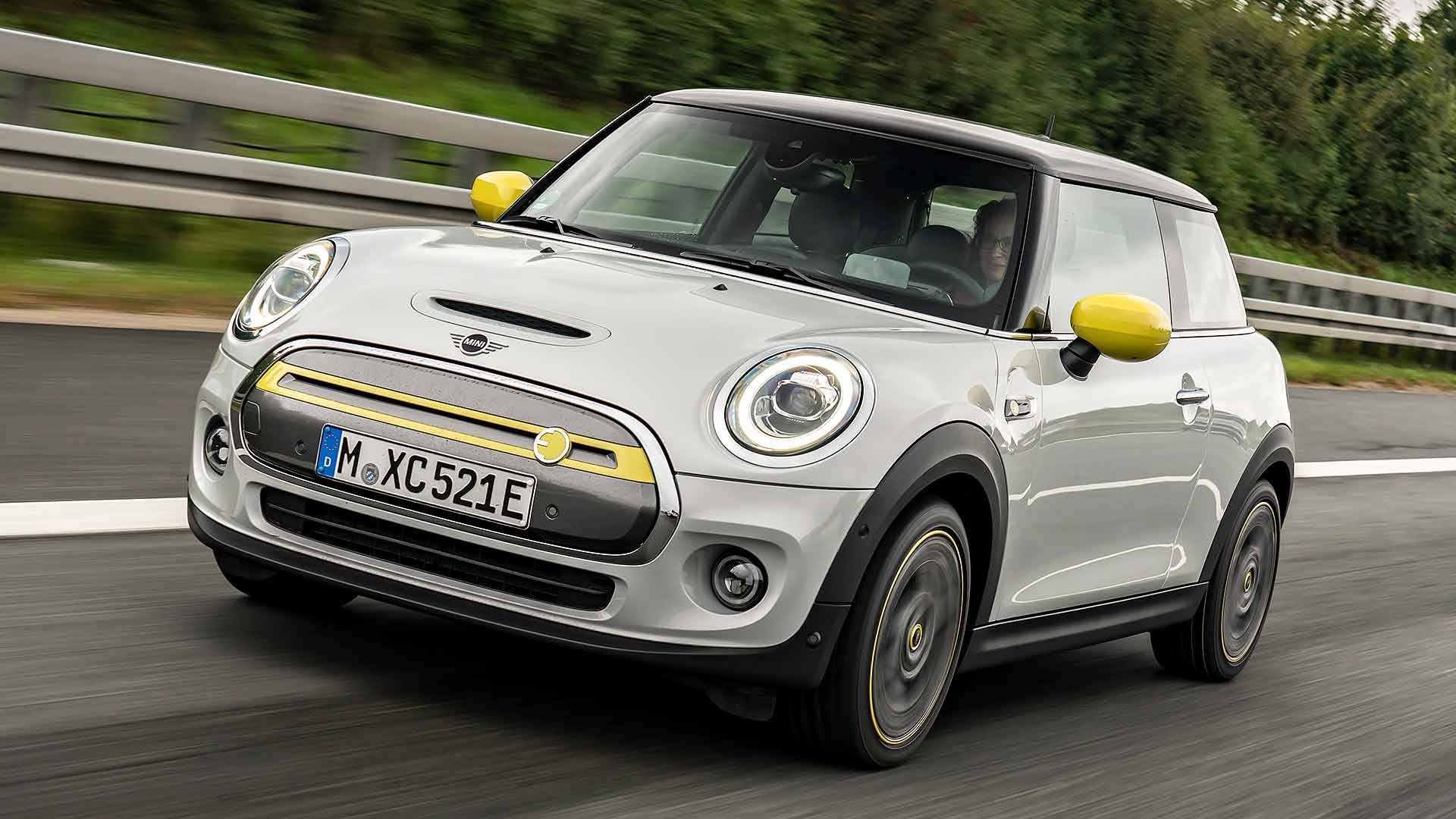
Mini Electric

Mini has confirmed plans to build two new electric crossover SUVs in addition to an all-new 100 percent zero emissions version of the core three-door Hatch.

The British brand will also start building battery electric vehicles in China from 2023, to meet growing demand in the world’s largest new car market.

Currently, one in 10 new Minis are sold in China and the brand plans significant expansion in the region.

It will, however, maintain production at other facilities, including Mini Plant Oxford in the UK.

The realignment of the Mini brand around electric and electrified models is part of plans to target new customers and sales markets, said head of Mini, Bernd Korber.

“Mini was always the answer to very special challenges relating to individual mobility… this willingness to reinvent the status quo continues to shape the brand to this day.”

Head of Mini Bernd Korber

The future of Mini

Mini’s future electric line-up will comprise a replacement for today’s Mini Electric three-door Hatch, a small pure electric SUV, plus an additional larger crossover SUV.

While the future Mini Hatch, Mini Clubman and Mini Countryman replacements will also be offered with petrol and diesel engines, the new small SUV will be exclusively pure electric.

There is speculation the next-generation BMW i3 electric car could also be derived from it.

Unlike small car brand Smart, Mini is not going all-electric, said Mr Korber. Not all global regions are ready for pure electric vehicles, he insists, so petrol, diesel and plug-in hybrid versions will still be offered.

“We are pursuing the ‘power of choice’ approach… to create the conditions for further growth in global automotive markets.”

Biggest Mini yet

Mini is also planning a larger all-new SUV model for the premium compact segment. This would sit above the Mini Countryman.

Mr Korber has previously said such a vehicle won’t be as large as a BMW X3 (it will likely be BMW X1-sized), but will offer more space than the current range, to meet demand in markets such as North America.

Mini is going to remain Mini though, Mr Korber insists. “It is part of our responsibility to the brand and the community to preserve the unique character of Mini.

Original Mini

“Every new model from our brand in the future will still be unmistakably a Mini.”

Even the new premium crossover will therefore still have the smallest footprint in its sector.

Since being relaunched by BMW, four million new Mini models have been produced, the majority of which have been built at Plant Oxford. Mini currently delivers vehicles to more than 100 global markets.

The Mini Clubman family hatch and Countryman small SUV will remain core vehicles. Today, 40 percent of all new Minis sold are a Clubman or Countryman.

Impressively, five percent of current Mini sales are the high-performance John Cooper Works line.

Meanwhile, the introduction of the Mini Electric has doubled Mini’s electrified market share to 10 percent so far in 2020.  

ALSO READ

The history of the modern Mini

Simon Cowell’s new Mini is inspired by Bond’s Lotus

David Brown Mini Remastered (2020) review

Advertisement

Average mileage for UK drivers plummets by a third

0
UK drivers lower average mileages

New data reveals that UK motorists have made major reductions to their average annual mileage.

The average distance driven is predicted to have declined by a third (33.9 percent) in the past 18 years. 

While the impact of coronavirus plays a part in a drop this year, long-term patterns show a steady fall since 2002.

On a road to nowhere

UK drivers lower average mileages

ITS Telematics has analysed data from telematics devices – commonly known as black boxes – fitted to cars. These provide useful insights into the habits of UK drivers, and have shown a steady decrease in daily driving distances.

In 2002, UK motorists averaged 9,200 miles a year. This had fallen by 17.3 percent to 7,600 miles in 2018, with the effect of Covid-19 restrictions set to cause a further decline. 

Based on the trends seen by ITS Telematics, average mileages for drivers in 2020 could be as low as 6,080. 

The longer-term effects of Covid-19, such as move to home working for many, are yet to be seen. Swapping daily commutes for a short walk to the study or kitchen table will have a huge impact, however.

Different restrictions on travel

UK drivers lower average mileages

However, the reason for the sustained fall since 2002 could be linked to another modern trend. ITS Telematics has estimated that some 1.6 million motorists now drive cars on Private Contract Hire (PCH) agreements. 

Contracts for these lease agreements come with restrictions on annual mileages. These are often combined with substantial penalties for exceeding the agreed distance. 

Millions more drivers now use PCP (Personal Contract Purchase) finance to buy their cars. Such agreements also specify annual mileage limits, although penalties for exceeding these are typically less punitive than on lease agreements. 

Choosing a lower annual mileage will frequently result in lower monthly payments with PCH and PCP deals.

It means motorists may be keeping their estimates low, then simply sticking to them.

ALSO READ:

What do the car insurance write-off categories mean?

What is the margin for error of UK speed cameras?

Which countries drive on the left?

Advertisement

Fiat Tipo Cross leads facelifted family hatch range

0
Fiat Tipo Cross 2021

The Fiat Tipo range has been facelifted with the addition of an SUV-style crossover model called the Tipo Cross headlining the refreshed range.

Raised suspension means the Tipo Cross sits almost 70mm higher off the ground than the regular Tipo.

Fiat Tipo Cross 2021

It also gets chunkier bumpers with skid plates, side skirts and larger tyres. The Station Wagon estate also gains roof bars.

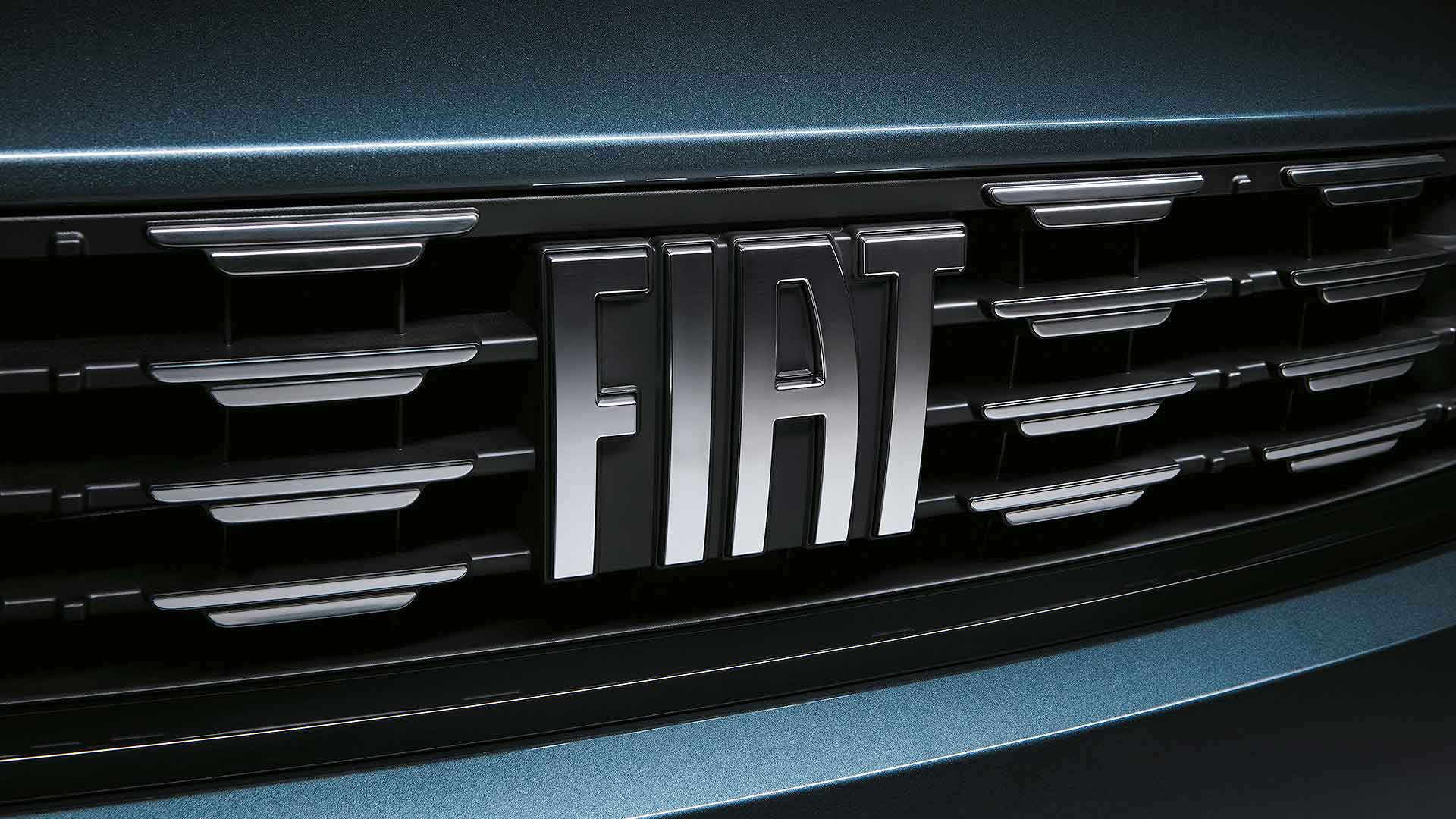
Fiat has updated the rest of the Tipo line too, with the most distinctive feature being the large ‘FIAT’ script in the front grille.

Fiat Tipo Life 2021

This explained Fiat brand president Olivier Francois to Motoring Research, is part of a strategy to strengthen the Fiat brand. In the future, all core Fiat models will carry the new script.

Fiat Tipo Life 2021

The new Fiat 500 range will be the exception, as it is a ‘brand within a brand’. This instead will instead carry the ‘500’ logo boldly in the grille, with the large FIAT wordmark at the rear.

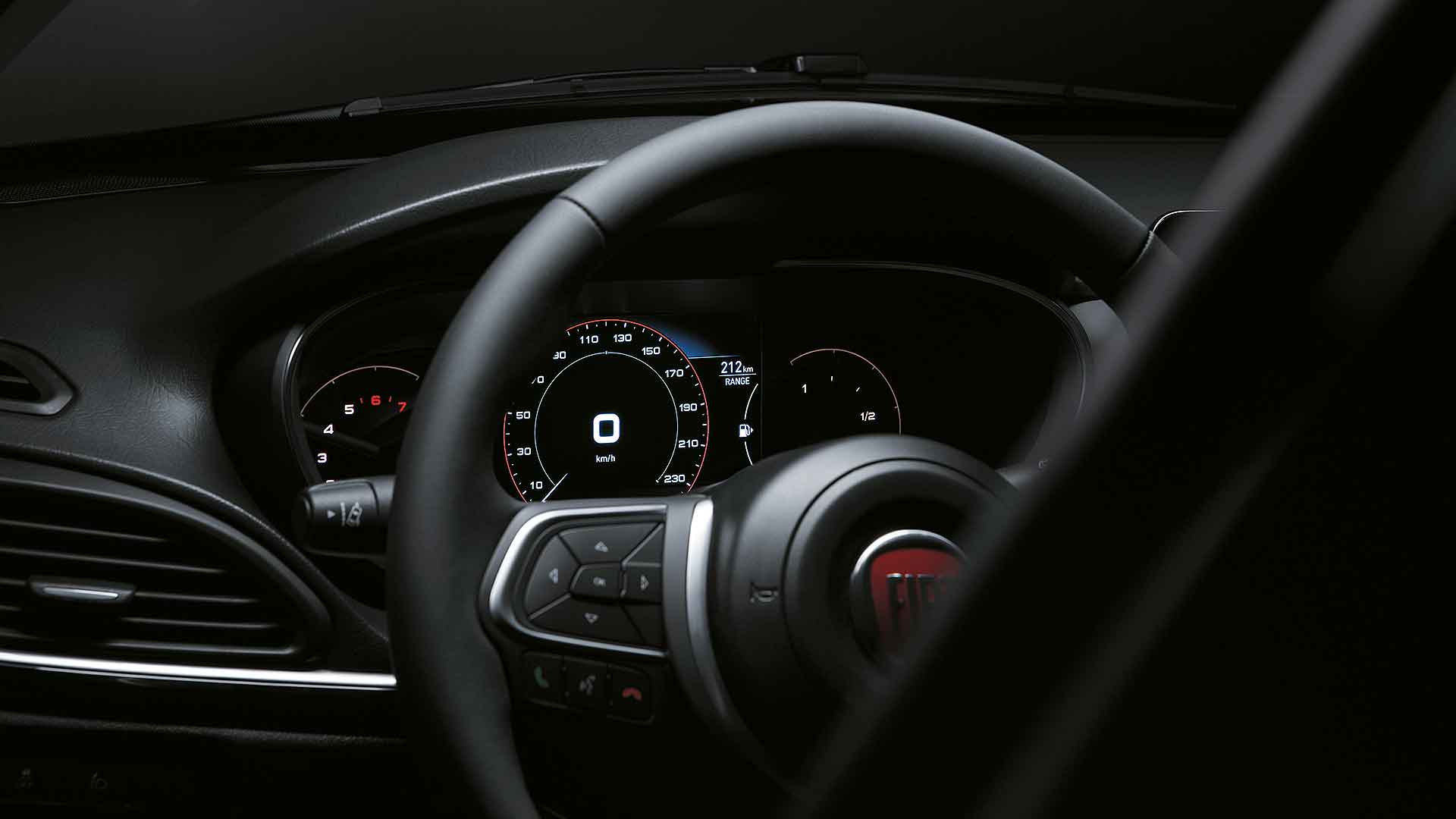
Fiat’s given the Tipo new bumpers, fresh headlights with full LED technology and, inside, a TFT digital cluster instead of analogue instruments.

Fiat Tipo Life 2021

Even the steering wheel has been redesigned, so it’s easier to see the instruments behind it.

Fiat says the engines have been updated too, and will release further technical information in November 2020.

The Fiat Tipo is a budget rival to family hatchbacks such as the Ford Focus and Volkswagen Golf. Prices currently start from just over £16,000; the cheapest Volkswagen Golf is £23,300.

ALSO READ

Road safety organisation slams ‘pointless’ clock change

Rising used car prices drive up UK inflation

‘Pretty terrible’ electric car charging app to be shut down

Advertisement

‘Pretty terrible’ electric car charging app to be shut down

0
BP Chargemaster station

The Polar Instant App didn’t live up to its name. At least, not the ‘Instant’ part…

Comments received from electric car drivers over the past year have included ‘Your pay-as-you-go app is sluggish’ and ‘I’ve been fighting for 20 mins with your buggy app’.

One user summed it up by saying simply ‘Your app is pretty terrible’.

Shiny ‘appy people

BP Chargemaster app

In response, the Polar app will be closed down from 1 December 2020. In its place comes a new BP Chargemaster app, available to download for both Apple and Android devices.

BP promises a ‘more intuitive interface, faster load times, fewer clicks and great new features’. The latter include being able to filter by EV connector type, speed and cost when searching for a charger.

You can also favourite your most-used charge points, making them easy to find within the app.

Polar: no need to bear it

BP Chargemaster app

If you’ve already signed up to Polar Plus or Polar Instant for charging, simply download the app and use your Polar email address to pull your details across automatically.

You’ll need to validate your email and set a new password, but then you should be good to go.

BP Chargemaster runs more than 7,000 EV charging points on the Polar network and is currently installing a network of powerful 150kW chargers.

ALSO READ:

What is the Plug-in Car Grant for electric cars?

Are electric cars more expensive to insure?

How do you drive an electric car?

Advertisement

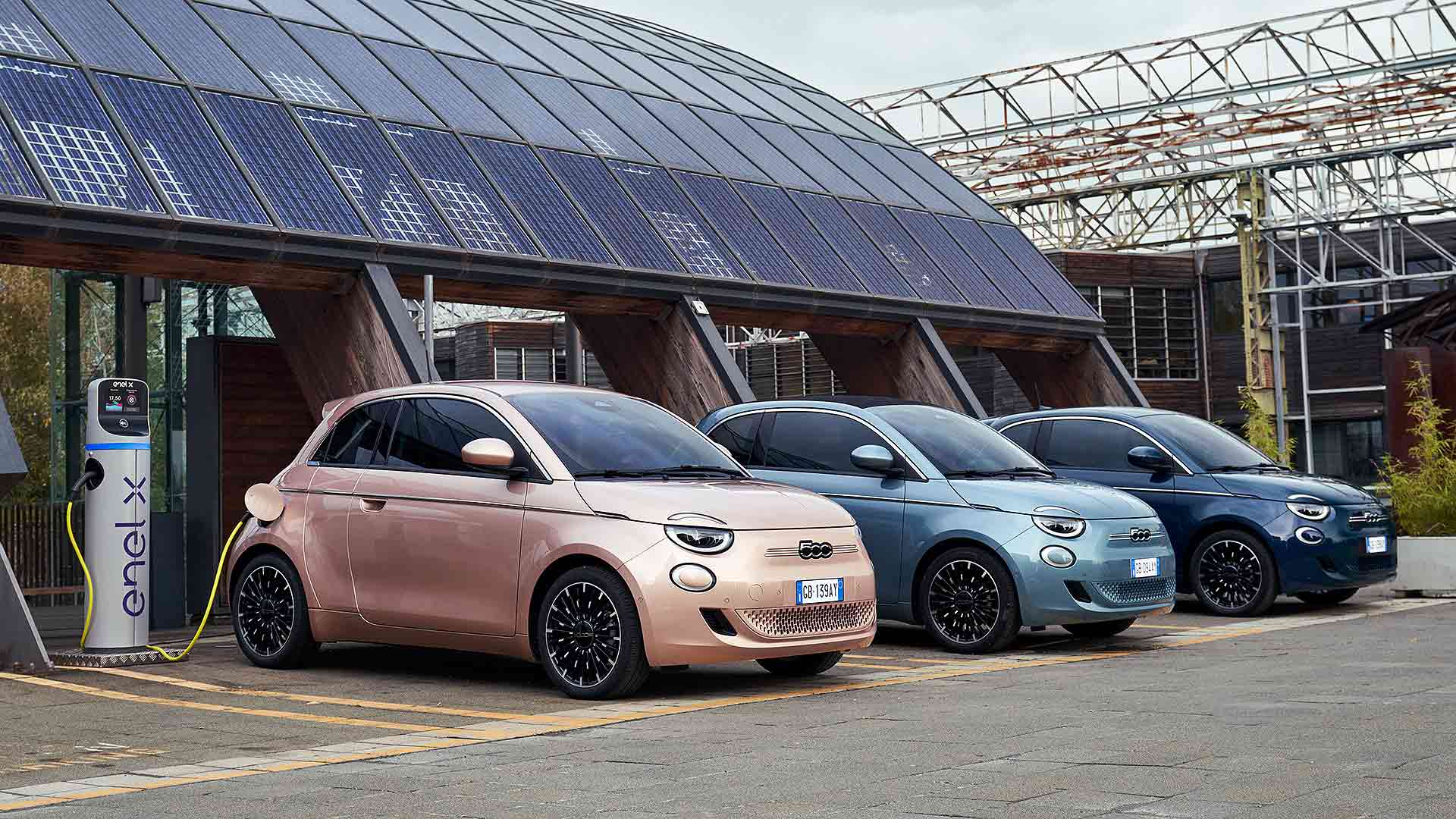
New Fiat 500: prices, specs and release date of Fiat’s all-electric city car

0
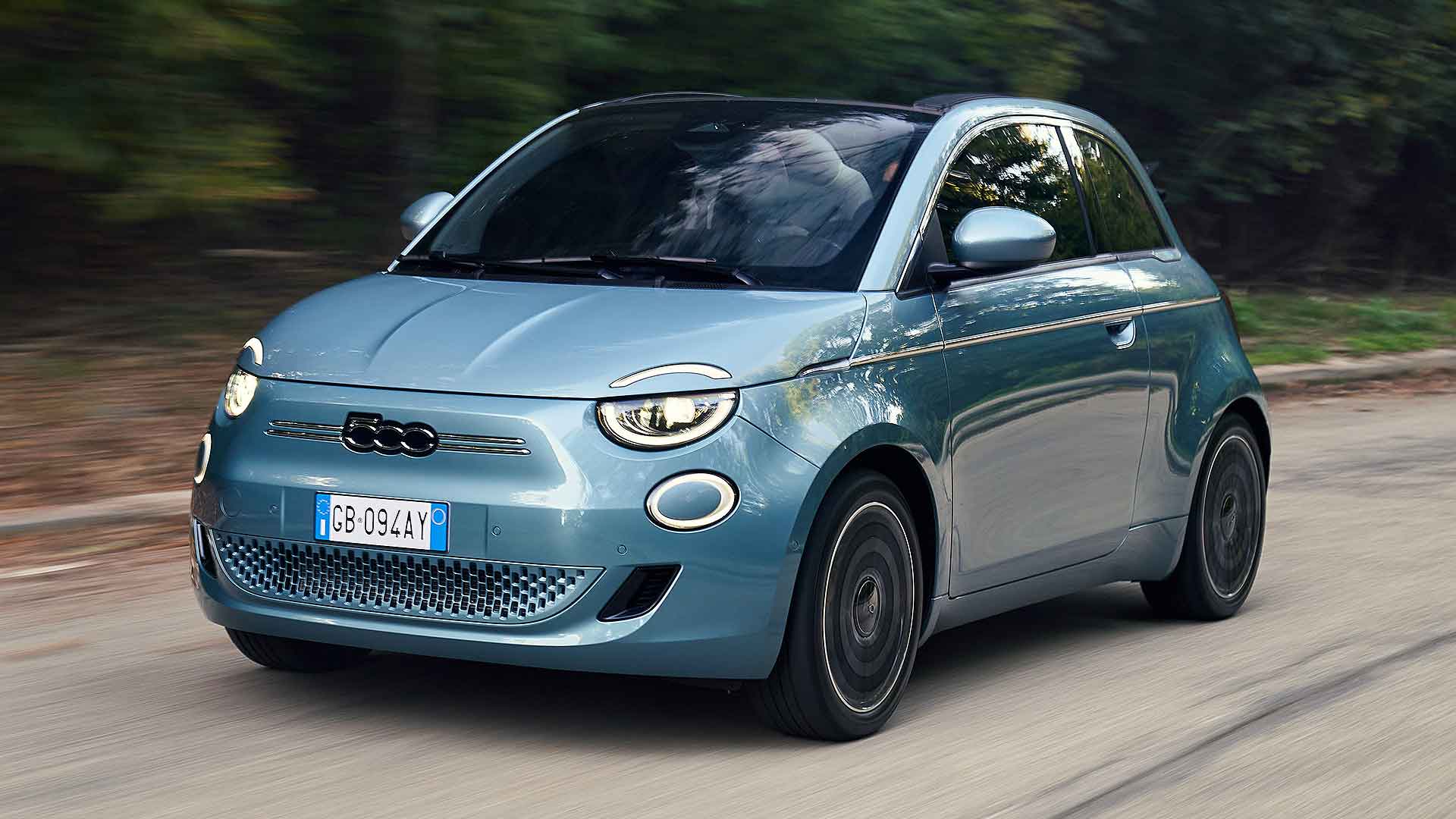
New Fiat 500 2021

The new Fiat 500 has become fully-electric for 2021 and pricing will start from £19,995 once the Plug-in Car Grant is taken off.

Fiat will open ordering for the new 500 EV in December and is expecting first UK deliveries to begin in March 2021.

Both hatchback and open-roof cabrio bodystyles will be available, and Fiat is offering two different battery sizes for the new electric 500.

The car will be sold in three trim levels: Action, Passion and Icon.

Fiat is also weighing up the potential to introduce a unique ‘3+1’ version, with an extra mini door on one side to help rear passengers get in and out.

New Fiat 500 2021

What is the range of the new electric Fiat 500?

Fiat offers two battery sizes with the new Tesla-inspired 500 EV. The basic battery is fitted to the cheapest £19,995 Action, and has a capacity of 23.8kWh.

This gives the entry-level electric Fiat 500 a range of 115 miles on the official WLTP test cycle.

Fiat calculates those who drive only in the city could get a range of more than 150 miles.

Passion and Icon models are fitted with a much larger 42kWh battery. This gives a range of up to 199 miles on the official WLTP test cycle.

Again, if drivers stick to lower-intensity city centre use, the range extends further – up to 285 miles, calculates Fiat.

New Fiat 500 2021

How do you charge the new electric Fiat 500?

All electric Fiat 500 have a charging socket on the right rear panel.

Even the entry-level Action has a 50kW fast charging system as standard. Fiat says this delivers 30 miles of range in less than 10 minutes.

The mid-range 500 Passion and top-spec Icon have increased 85kW DC fast charging capability. Recharging the battery to 80 percent range takes 35 minutes; adding 30 miles of charge takes five minutes.

2021 Electric Fiat 500 features

The all-electric Fiat 500 is based on an entirely new platform, says Fiat. The battery is mounted in a bespoke cradle underneath the car so boot space shouldn’t be compromised.

Standard driver assist features include attention assist, lane control, traffic sign recognition and the all-important Autonomous Emergency Braking.

Fiat says the new electric 500 is the first car in its sector to be equipped with level 2 autonomy.

New Fiat 500 2021

New Fiat 500 specs

Action – prices from £19,995

  • 95hp electric motor
  • 23.8kwh battery
  • 0-62mph in 9.5 seconds
  • 15-inch wheels
  • ‘Smart audio’ smartphone cradle with Bluetooth connection linking to the speakers (use with a specific Fiat 500 app)
  • Rear parking sensors
  • 7.0-inch TFT digital driver display
  • Hatchback only

Passion – prices from £23,495

  • 42kWh battery
  • 118hp electric motor
  • 0-62mph in 9.0 seconds
  • 15-inch two-tone gloss finish wheels
  • LED running lights
  • 7.0-inch touchscreen infotainment with Apple CarPlay and Android Auto
  • ‘Hey Fiat’ voice assistant
  • Cruise control
  • Climate control
  • Cabrio: from £26,145

Icon – prices from £24,995

  • 42kWh battery
  • 118hp electric motor
  • 0-62mph in 9.0 seconds
  • 10.25-inch ‘cinerama’ infotainment
  • Sat nav
  • 16-inch dark-finish wheels
  • Keyless entry with wearable ‘pebble’ key
  • Body-colour dashboard
  • Optional wood effect dashboard
  • Optional vegan steering wheel
  • Cabrio: from £27,645

ALSO READ

New 2021 electric Fiat 500: everything you need to know

The story of the Fiat 500

Only Italy has more Fiat 500s than London

Advertisement

Road safety organisations slam ‘pointless’ clock change

0
Dark roadwith child and car

Two road safety organisations have said there are “no relevant arguments at all” for the “pointless practice” of turning the clocks back an hour in late October.

It is estimated there are 80 deaths and more than 200 serious injuries a year attributed to the October time change.

Three times as many children are injured on the way home from school than on the way to school – and more evening light would cut casualties.

GEM chief executive Neil Worth is now calling on the government to adopt a year-round Single/Double Summer Time, or SDST.

This would see winter time move one hour ahead of GMT, with summer time two hours ahead.

Mr Worth points to an earlier trial that ran in the late 1960s and early 1970s as evidence of how it would help road safety.

“An experiment to use year-round British Summer Time for three years from 1968 led to an 11 percent reduction in road casualties in England and Wales, as well as a 17 percent drop in Scotland.”

Experts even suggest there could be a 3 percent reduction in crime from abandoning the twice-yearly clock change.

Road safety charity IAM Roadsmart adds that £160 million could be saved for the economy too.

“The UK should at least set up a two-year trial to prove the benefits once and for all,” said the charity’s policy and research director Neil Greig.

“Stopping the change of clocks would be easy to implement and, without question, would save lives – there are no good road safety reasons why this isn’t happening.”

Top tips to stay safe in the dark

GEM has also outlined tips for parents and motorists to stay safe in the dusk or darkness.

  • Remove all steam, mist, dirt and ice from lights, windows and mirrors
  • In fog or rain, used dipped headlights
  • Be ready for the effects of glare from low winter sun, especially in the late afternoon, where glare can leave you with no forward vision at all
  • Don’t delay switching on your lights. Even if you think it’s still light enough, you may be less visible to other road users – especially if you drive a dark-coloured vehicle
  • Check your children are wearing something that will help them be seen easily. Fluorescent, bright clothing works best, but reflective material is needed when it’s dark

ALSO READ

Government warned over 2021 ‘Automated Driving’ plans

‘Clock change kills people’ says RoSPA

How to improve your vision when driving in the dark

Advertisement

Government warned over 2021 ‘automated driving’ plans

0
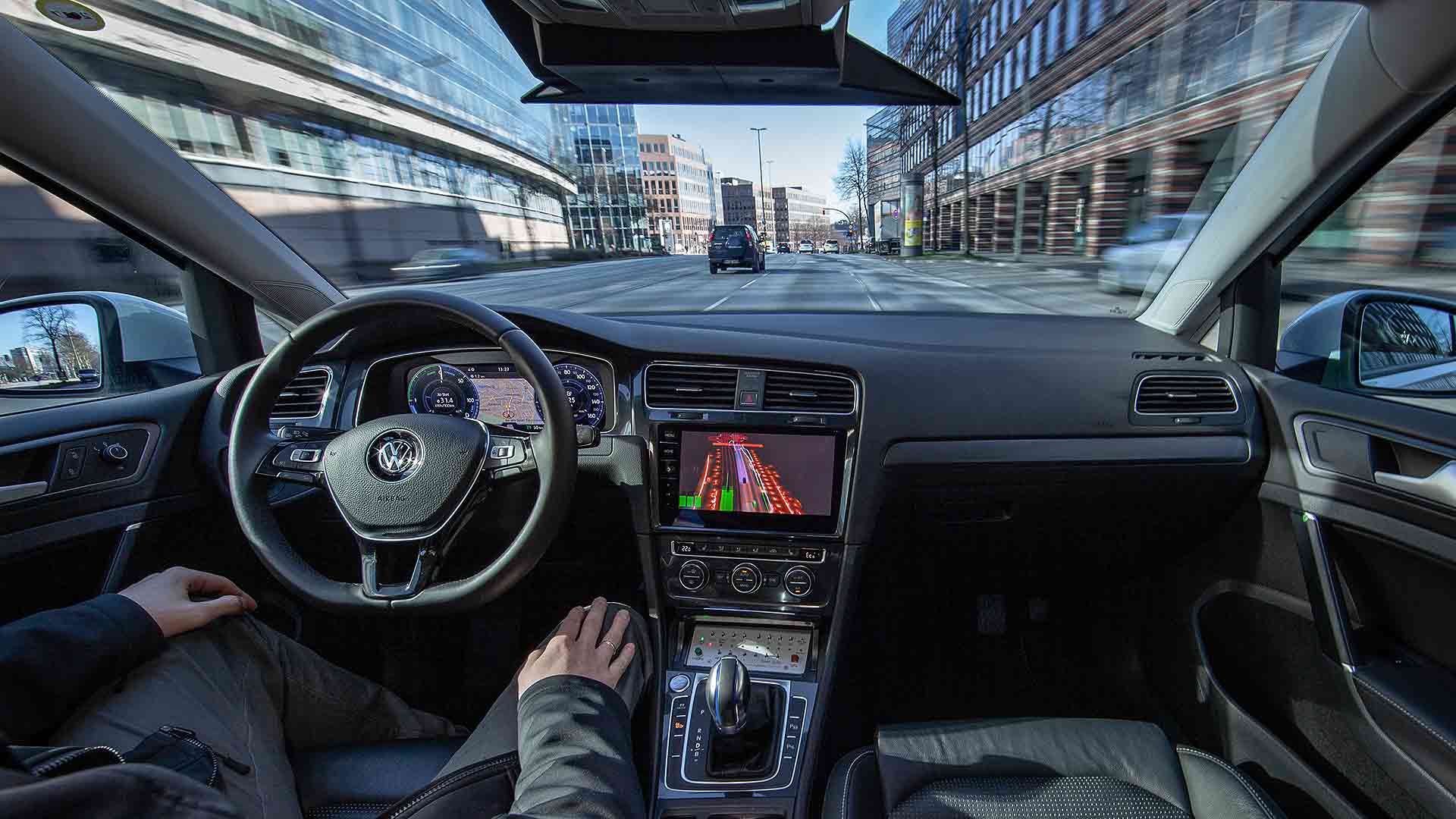
Automated driving demonstration

Government plans to introduce automated driving on UK motorways in spring 2021 should be revised as lives could be put at risk.

Thatcham Research and the Association of British Insurers say current Automated Lane Keeping System technology has significant performance limitations.

The tech meets only two of Thatcham Research’s 12 key principles to guarantee safety. It is simply not safe enough to be classified as ‘Automated Driving’.

The plans, which would legally allow a driver to take their hands off the wheel and eyes off the road, should be delayed and further work should be done with the automotive industry before the technology is introduced onto UK roads.

“The government’s plan threatens safety,” said Thatcham Research director of research Matthew Avery.

“Motorists could feasibly watch television in their car from early next year because they believe their Automated Lane Keeping System can be completely trusted to do the job of a human driver.

“That’s not the reality.”

Problem areas for the technology include debris in the carriageway, pedestrians on carriageways and red ‘X’ smart motorway lane closures.

Mr Avery is urging the government to instead classify the technology as ‘Assisted Driving’ which requires the driver to be fully engaged and ready to take over.

Today’s Assisted Driving sensors can only read up to 120 metres ahead. At motorway speeds, that gives a driver only four seconds to take back control in response to an incident.

Safety studies suggest drivers need more than 15 seconds (or 0.3 miles at motorway speeds) to re-engage and react to a hazard – way beyond the abilities of today’s technology.

The government plans are currently in consultation, which closes on 27 October 2020. Thatcham Research and the ABI will be making a joint submission to voice their concerns.

ALSO READ

New Assisted Driving rating launched

Thatcham Research reveals new car security ratings

Which countries drive on the left?

Advertisement