Home Blog Page 225

New car scrappage deals: all the offers

0
Scrappage deals 2020

It hasn’t been a good year for new car sales. Registrations of 140,945 vehicles in October resulted in the worst performance in the month since 2011, and things are not expected to improve before next year. So-called scrappage schemes are being used by manufacturers to tempt you into parting with your cash. You could save thousands off the price of a new car, as the details of the latest scrappage deals reveal.

What is a scrappage scheme?

London scrappage scheme

A scrappage scheme is a way to encourage motorists to part exchange their old, polluting vehicles for new, eco-friendly models. The UK government ran an official scrappage scheme from April 2009 to to March 2010. Anyone trading their old car (10 years or older and with their name on the V5 for 12 months or more) would be given a guaranteed £2,000 towards a new model (£1,000 from the government and £1,000 from the manufacturer of the new car).

The scheme proved controversial among environmental groups and classic car enthusiasts, as it dictated all cars traded in through the scheme must be scrapped – even if they were in road-legal condition. In total, more than 390,000 vehicles were scrapped as part of the scheme.

Although the government has ruled out plans to bring back an official scrappage scheme, a number of car manufacturers have launched similar schemes as concerns around air pollution continue to rise.

Citroen – save up to £5,000

Citroen scrappage 2020

The Citroen Swappage Scheme 2020 offers a discount of up to £5,000 across the entire range of cars, from the C1 city car to the SpaceTourer large MPV. The amount you save depends on the car in question. For the maximum discount, you’ll need to trade in your old car for a Citroen Grand C4 SpaceTourer.

  • Grand C4 SpaceTourer: £5,000
  • C4 Cactus: £4,000
  • C3, C3 Aircross, C5 Aircross, Berlingo and SpaceTourer: £3,500
  • C5 Aircross: £3,000
  • C1: £2,750

Qualifying vehicles must be first registered in the UK before 1 January 2014. You must have owned the car for a minimum of 90 days. Cars must be ordered and registered by 31 December 2020.

  • Citroen Swappage Scheme

Dacia – save up to £750

Hyundai scrappage 2020

The Dacia New for Old Scheme provides a discount of up to £750 when you swap your old vehicle for a new Duster. There’s a smaller £250 discount available on the Sandero and Sandero Stepway. The Logan MCV has been discontinued.

You must have owned your car for at least 90 days to take advantage of the offer. The new Dacia must be ordered by 15 December 2020 and registered by 31 March 2021.

  • Dacia New for Old Scheme

Hyundai – save up to £5,000

Hyundai scrappage 2020

Hyundai is billing its offer as a Scrappage and Emission Reduction Scheme. Your car is eligible for a discount of up to £5,000 if it was registered before 1 July 2012 and you have owned it for at least 90 days.

The company says that Euro 1-3 emission standard cars will be scrapped and removed from UK roads. Euro 4-5 cars can also be traded in.

  • Tucson (hybrid diesel) and Santa Fe: £5,000
  • Tucson (petrol): £4,000
  • i30: £3,500
  • Ioniq: £3,000
  • Kona (non-electric), i30 N Line, i30N and Tucson N Line: £2,500
  • Kona Play and Kona Hybrid: £2,000
  • i20: £1,700
  • i10: £750

Kona Iron Man and Kona Electric models are not available with the scrappage discount. Cars must be registered by 31 December 2020.

Kia – save up to £2,500

Kia scrappage 2020

Kia is offering a scrappage discount of up to £2,500 on selected models. The new car must be registered by 31 December 2020 and originally registered on or before 31 December 2013. You must have owned the car for at least 90 days.

  • Stonic, Sportage, Niro hybrid and plug-in hybrid: £2,500
  • Picanto and Rio: £2,000

Lexus – save up to £4,000

Lexus scrappage 2020

If your car was registered before 1 October 2012 and you have owned it for at least six months, you’re eligible for the Lexus Scrappage Scheme. A discount of up to £4,000 is available, with the amount varying according to the model.

  • ES, NX, RX and RX L: £4,000
  • CT and UX: £3,500

The new Lexus must be ordered by 15 December 2020 and registered by 31 December 2020.

Mazda – save up to £4,000

Mazda scrappage

Mazda is offering a scrappage incentive of up to £4,000 off a new sub-161g/km CO2 car. Your old car must have been registered on or before 31 December 2011, but the offer is open to petrol and diesel vehicles.

Part-exchanged cars will be scrapped and removed from the road by CarTakeBack. The new Mazda must be registered by 31 December 2020.

  • Mazda 6 and CX-5: £4,000
  • Mazda 3: £3,500
  • Mazda 2, CX-30 and MX-5: £3,000

Nissan – save up to £6,000

Renault scrappage 2020

To qualify for Nissan’s Switch Up Scheme, your old car needs to be registered before 31 December 2013. Discounts of up to £6,000 are available.

  • Qashqai: £6,000
  • X-Trail: £4,200
  • Micra: £3,300
  • Leaf: £2,000

Renault – save up to £3,000

Renault scrappage 2020

With Renault’s New for Old Scheme, you could get a discount of between £750 and £3,000 when buying a new car. The car must be ordered by 15 December 2020 and registered by 31 March 2021.

  • Kadjar and Zoe GT Line: £3,000
  • Zoe (others): £2,500
  • Megane plug-in hybrid, Captur plug-in hybrid and Clio hybrid: £1,250
  • Captur and Megane diesel: £1,000
  • Megane petrol and RS: £750
  • Clio and Koleos: £500

Toyota – save up to £4,000

Toyota scrappage

A discount of between £2,000 and £4,000 is available when you trade-in any car or commercial vehicle registered before 30 September 2012. You must have owned the car for at least six months. The new car must be ordered before 15 December 2020 and registered by 31 March 2021.

  • Hilux and Supra: £4,000
  • Proace and Proace Verso: £3,000
  • Aygo, Corolla, C-HR, RAV4, Prius, Camry, GT86 and Land Cruiser: £2,000

Toyota Scrappage Scheme

Details correct at the time of writing. Check current lockdown restrictions before travelling to a car showroom.
Advertisement

UK residents reveal frustration at drivers who park outside their house

0

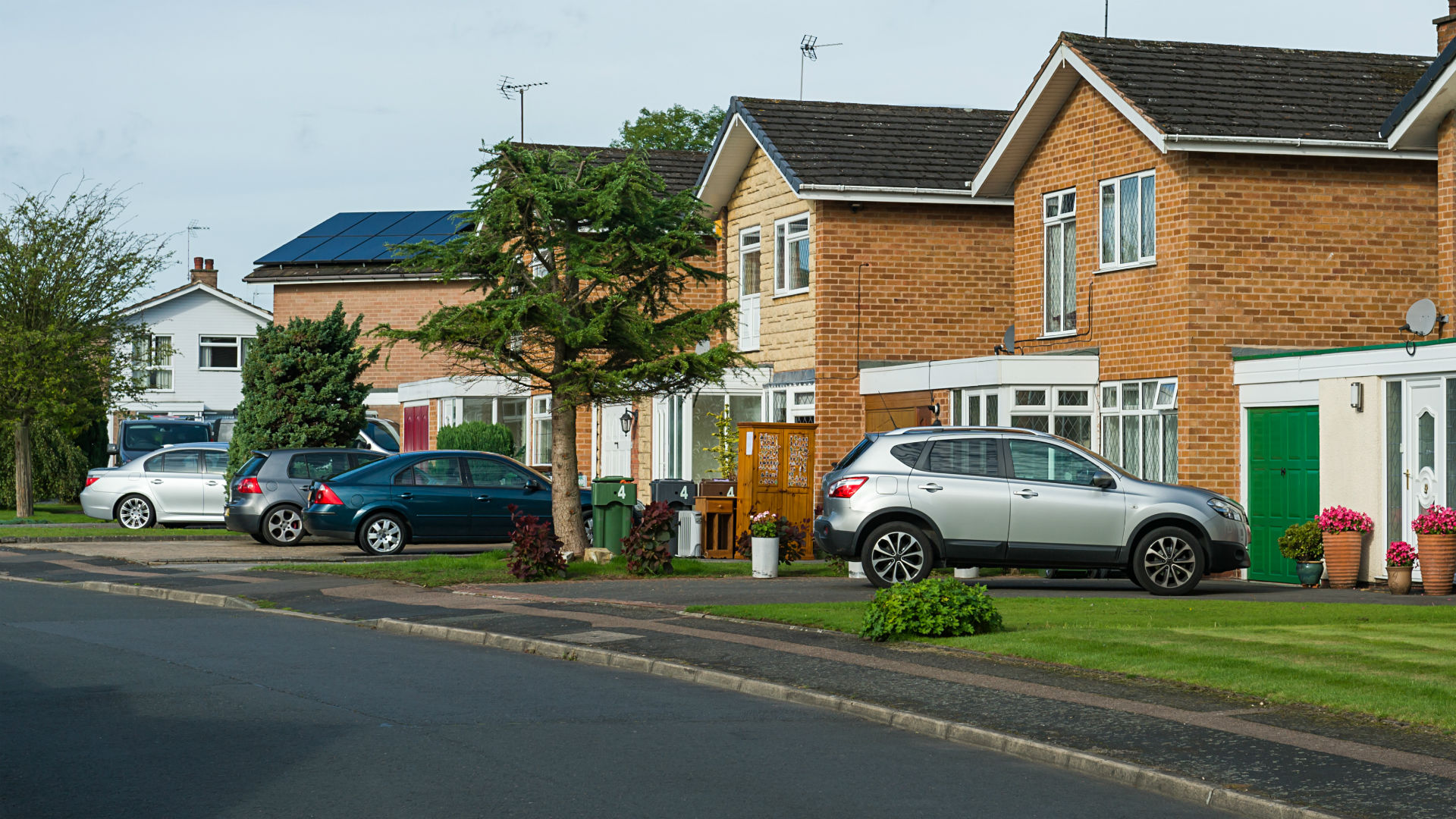
Unless otherwise specified, the car park spaces outside your house and on your street are open to all motorists. Roads controlled by resident parking permits or a bay reserved for disabled drivers are a couple of exceptions.

New research shows that 60 percent of motorists think they have a legal right to park in the spot outside their house. However, this isn’t the case. While you might have an understanding with your neighbours, there’s nothing to stop them or anyone else from parking outside your house.

Hannah Parsons, a solicitor at DAS Law, said: “A homeowner has no special legal right to park directly outside their property. All road users have the same right to park anywhere on the public highway as long as they do not contravene parking restrictions.”

‘Not something we can help you with’

Renting your driveway

A quarter of drivers revealed they would be happy to ‘steal’ a parking spot outside somebody else’s home. Drivers over the age of 55 are the group most likely to do just that.

In Edinburgh and London, one in seven motorists admitted to leaving an angry note on a car’s windscreen for parking outside their property. Meanwhile, one in eight drivers in Nottingham have actually confronted a stranger for what they deem anti-social parking.

Although you’re not permitted to park in front of an entrance to a property, it’s not actually an offence to park on somebody else’s driveway. Here, the line between criminal and civil law is blurred.

A statement on the Metropolitan Police website advised: ‘If someone parks their vehicle on your driveway without your permission, this is a civil dispute and not something we can help you with.’

As Hannah Parsons explains, it’s not a criminal offence. “If a vehicle is parked on your driveway without your permission, they are trespassing. As trespass is a civil and not criminal offence, the police will not always get involved. At most, they may send an officer to try and determine the owner of the vehicle and ask them to move it.”

‘Best to have a polite discussion’

Resident parking and parking in front of your driveway

Once the car is on a driveway, it’s technically on private property – where the local council has no jurisdiction. A council will remove an abandoned car from private or public property, but if the vehicle is taxed, insured and has a valid MOT they’re unlikely to touch it.

The research was conducted by Uswitch. Florence Codjoe, a car insurance expert at the firm, said: “Whilst it’s really frustrating to find a vehicle parked outside your home for weeks or months, it’s the decision of your local council as to whether it’s removed. If the vehicle is damaged, causing an obstruction, uninsured and without road tax, it’s likely the council will remove it.

“However, if you know the owner of the vehicle, it’s probably best to have a polite discussion with them before contacting local authorities, as they may not realise how much distress their vehicle is causing you.”

Read more:

Where is it illegal to park your car?

Is it illegal to park in front of a driveway?

How to save money on parking your car

Advertisement

New car sales dip 1.6% due to Welsh ‘firebreak’

0
Nissan Leaf in a car showroom with a 70-plate new car registration

New car registrations fell 1.6 percent in October 2020 as the Welsh ‘firebreak’ lockdown dampened a surprise rise in private buyer demand.

Figures from the Society of Motor Manufactures and Traders indicate the Welsh lockdown accounted for more than half the losses in October 2020 – and warns worse is in store for November following the English ‘stay at home’ lockdown that forces showrooms to close.

Mike Hawes, SMMT chief executive, said: “When showrooms shut, demand drops, so there is a real danger that with England today entering a second lockdown, both dealers and manufacturers could face temporary closure.

“What is not in doubt, however, is that the entire industry now faces an even tougher end to the year as businesses desperately try to manage resources, stock, production and cashflow in the penultimate month before the inevitable upheaval of Brexit.”

New car registrations of 140,945 vehicles in October resulted in the worst performance in the month since 2011, with sales running more than 10 percent below average.

Demand from private buyers was actually marginally up 0.4 percent, but the larger fleet car market was down 3.3 percent, leading to the overall 1.6 percent market decline.

October’s figures follow a 4.4 percent fall in September 2020 new car registrations. This took them down to levels last seen in 1999.

Nissan Leaf with a 70-plate new car registration

‘Weakest since 1982’

The second lockdown has now led the SMMT revise down its predicted total for 2020 by a further 100,000 vehicles, to 1.56 million registrations.

This equates to 750,000 fewer registrations this year – a £22.5bn loss in turnover for retailers.

2020 is now expected to be the weakest year for new car sales since 1982.

In more positive news, over 9,300 100 percent zero emissions electric cars were registered in October, a 195 percent increase on 2019 figures. This saw electric cars take a 6.6 percent market share.

In contrast, the decline of conventional diesel vehicles continued, with sales falling 38.4 percent to a market share of less than 15 percent.

Even with mild hybrid diesels included, the fuel still now takes less than one in five new car sales.

Top 10 best-selling cars: October 2020

The Mercedes-Benz A-Class was the surprise best-selling car of October 2020.

It beat the Vauxhall Corsa, which again edged ahead of the Ford Fiesta – although Ford’s supermini still holds top spot for 2020 year-to-date sales.

The new Ford Puma also bolstered Ford’s fortunes by coming in fifth, just behind the Volkswagen Golf and ahead of the Volvo XC40.

1: Mercedes-Benz A-Class

2: Vauxhall Corsa

3: Ford Fiesta

4: Volkswagen Golf

5: Ford Puma

6: Volvo XC40

7: Mini

8: Ford Focus

9: BMW 1 Series

10: Audi A3

ALSO READ

Your guide to online car buying websites

£15 London Congestion Charge to continue

Skoda dealers take cars home for lockdown tours

Advertisement

Here are the most common motoring offences committed by young drivers

0
Top young driver motoring offences

New data has revealed the motoring offences committed most often by young drivers in the UK.

In a year-long period spanning 2019 to 2020, young drivers aged between 16 and 25 broke the rules of the road more than 81,000 times. 

More worrying were the 4,000 drivers who became repeat offenders. This creates the potential to see them instantly banned from the road.

The need for speed

Top young driver motoring offences

Car leasing provider Moneyshake conducted the research, submitting a Freedom of Information request to the Driver and Vehicle Licensing Agency (DVLA).

From the 81,509 offences recorded, speeding was by far the most common offence committed by young drivers. Those aged between 16 and 25 racked up more than 60,000 incidents of driving too fast. 

Driving without insurance was worryingly high, with 6,367 incidents recorded. Expensive premiums for those under 25 may explain the motivation to drive without cover in place.

Despite Generation Z drivers typically being tech-savvy, using a mobile phone whilst driving was only seventh on the list. Hopefully it means even that younger drivers know not to update Instagram or use Snapchat on the road.

Repeat offenders

Top young driver motoring offences

Making mistakes is understandable for young drivers starting out on the road. However, the data supplied by the DVLA showed that some aged 16-25 were quickly becoming repeat offenders. 

A total of 4,371 drivers committed multiple driving offences in the same year. Some were found to have broken the law on up to five separate occasions. 

Becoming a repeat offender for young drivers can have serious consequences. New licence holders are limited to just six penalty points for the first two years.

Exceeding this will see a driving licence revoked automatically by the DVLA. 

Speeding was by far the most common repeat offence. This was followed by defective tyres, and failing to identify a driver also cropping up.

Given that young drivers are reported to spend more than £7,000 to get on the road, some are clearly happy to risk starting all over again…

ALSO READ

Highways England catches 10,000 tailgaters in just two weeks

How to get free road tax if you are a disabled driver

Citroen cuts prices with new ‘Fair Pricing’ strategy

Advertisement

How to get free vehicle tax if you are a disabled driver

0
Free vehicle tax for disabled drivers

Drivers with a disability may be entitled to free Vehicle Excise Duty (VED). It’s one of a range of financial support measures designed to help disabled people in the UK.

To qualify, a vehicle must be registered in the disabled person’s name or their nominated driver’s name. It must only be used for the disabled person’s personal needs and cannot be used by the nominated driver for their own personal use. A disabled driver can only have one vehicle tax exemption at any one time.

You can apply for vehicle tax exemption if you receive any of the following benefits:

  • Higher rate mobility component of Disability Living Allowance (DLA)
  • Enhanced rate mobility component of Personal Independence Payment (PIP)
  • War Pensioners’ Mobility Supplement (WPMS)
  • Armed Forces Independence Payment (AFIP)

You can claim the exemption when you apply for vehicle tax. However, if you’re claiming for a vehicle for the first time, you need to do so at a Post Office.

You will require a Certificate of Entitlement for DLR, PIP, WPMS or AFIP. If your certificate has been lost or stolen, you should telephone one of the numbers listed on this page.

Citroen new car dealer

If you’re buying a new vehicle, you should take the Certificate of Entitlement to the dealership. For used vehicles, you must take the following documents to a Post Office that deals with vehicle tax:

  • Vehicle registration certificate (V5C). Alternatively, the new keeper slip (green slip) and a completed V62 form
  • Certificate of Entitlement to DLA, PIP, AFIP or WPMS
  • MOT or GVT (goods vehicle testing) certificate (if applicable)
  • Vehicles registered with a Northern Ireland address also require a certificate of insurance or cover note valid on the day the tax starts

Free vehicle tax can be renewed online, by phone or at a Post Office. Hard of hearing customers can use a textphone.

Disabled drivers who receive the standard rate mobility component of PIP are entitled to a 50 percent reduction in vehicle tax. You cannot get a reduction for getting the lower rate mobility component of DLA.

Other benefits

Disabled Blue Badge holders only

The Blue Badge scheme provides a range of parking benefits for disabled people who travel either as drivers or as passengers. A Blue Badge allows parking in disabled bays, so people with mobility issues can stop closer to their destination. Click here to find out how to apply for or renew a Blue Badge online.

The Motability Scheme provides help with leasing a car, powered wheelchair or scooter. You may also be eligible to receive VAT relief when having a vehicle adapted to suit your condition, or on the lease of a Motability vehicle.

Click here to read more about the Motability Scheme.

Advertisement

How to declare an exemption from the MOT test

0

You usually require evidence of an MOT test to tax a vehicle. However, some vehicles are exempt from MOT testing, including tractors and some historic vehicles.

All cars with up to eight passenger seats require an MOT on the third anniversary of their date of registration. It’s the same for motorcycles, motor caravans, three-wheeled vehicles, quad bikes, dual-purpose vehicles, private hire and public service vehicles (up to eight seats), along with goods vehicles up to 3,000kg.

You can view a complete list of the age when the first MOT is needed, along with the maximum cost of a test, by clicking here.

To apply for MOT exemption, you will need to complete a V112 form. This should be produced when you tax your vehicle at a Post Office. Alternatively, it can be completed when you tax your vehicle online.

Vehicles exempt from the MOT test

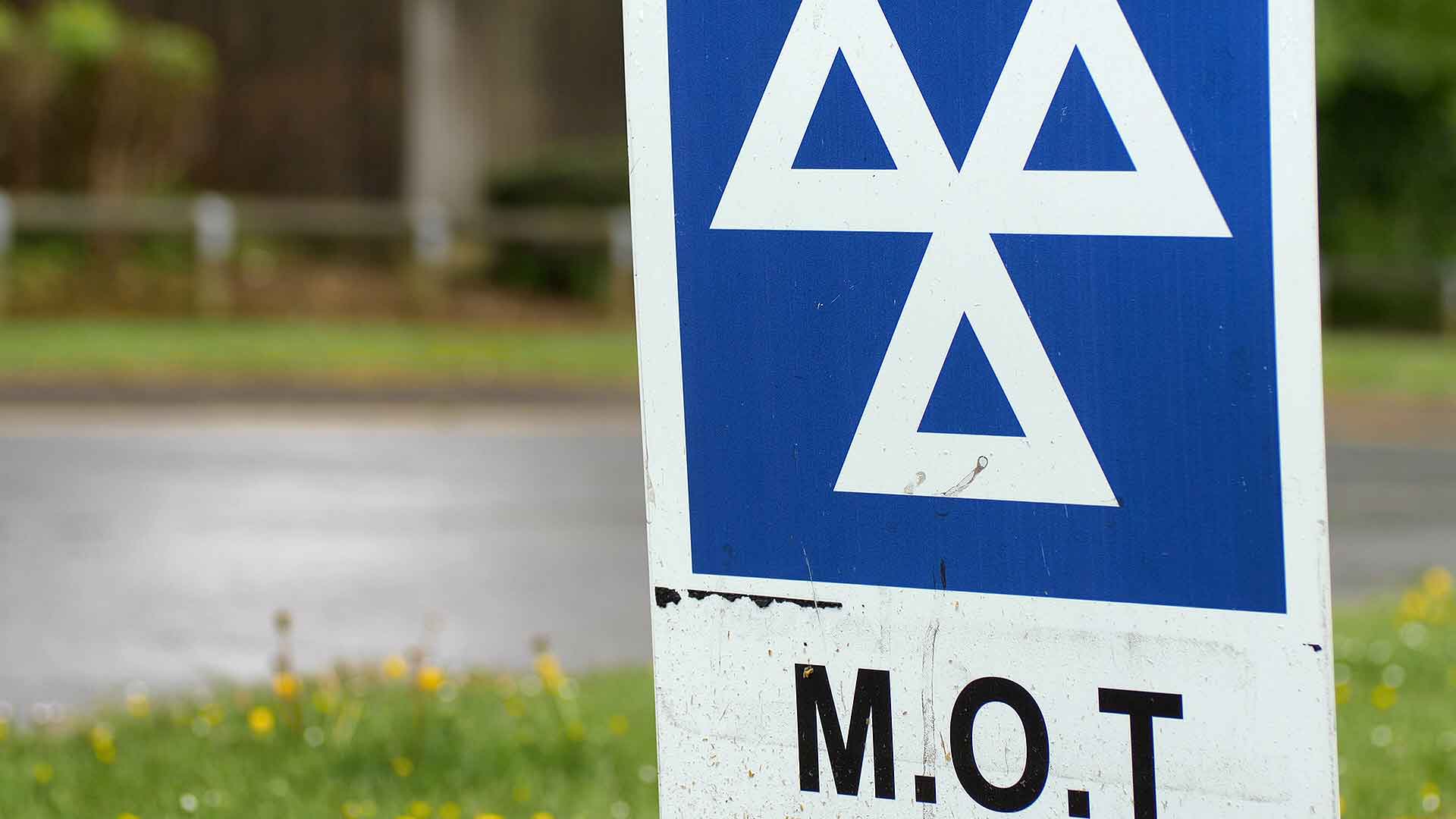
MOT sign

The following vehicles are exempt from the MOT test:

  • Motor tractor.
  • Track-laying vehicle.
  • Articulated vehicle that is not a lorry or bus.
  • Works trucks.
  • Invalid carriages weighing no more than 360kg when loaded.
  • Vehicle used only to pass from land occupied by the person keeping the vehicle to other land occupied by them, and not travelling on the road for more than a total of six miles a week.
  • Hackney carriage licensed by Transport for London.
  • Vehicle provided for police purposes and maintained in an approved workshop.
  • Goods vehicle powered by electricity and first registered before 1 March 2015 (Great Britain only).
  • Tram.
  • Trolley vehicle that is not an auxiliary trolley vehicle.
  • Vehicles authorised to be used on the road by a Special Types General Order or a Vehicle Special Order, unless the order specifies otherwise.
  • Vehicles used only on certain islands that do not have a bridge, tunnel, ford or other suitable way for a motor vehicle to be conveniently driven to a road in any part of the UK.
  • Vehicles with a maximum design speed of less than 15.5mph.
  • A vehicle constructed for gully or street cleaning or refuse disposal, which either is a three-wheeled vehicle or has an inside track width of less than 810mm.
  • A public service vehicle having a date of manufacture before 1 January 1960 and which has not been substantially changed.
  • A vehicle other than a public service vehicle registered or manufactured 40 years ago and which has not been substantially changed in the last 30 years.

Historic vehicle MOT exemption

Buy a classic car over 40 years old to save on VED

On 20 May 2018, new legislation was introduced meaning historic (classic) cars more than 40 years old will no longer require an MOT. This is a rolling date, so if your car was first registered on 1 November 1980, it is now exempt from the MOT test. You can declare it a Vehicle of Historic Interest (VHI).

It’s worth noting the point about ‘substantially changed’. If the car has been ‘substantially’ altered in the last 30 years, the MOT exemption no longer applies. You can read the government’s definition of ‘substantially changed’ on the V112 form, but in summary, the changes extend to the chassis or monocoque bodyshell, engine, axle and running gear.

There are also considerations for kit cars, vehicles with a Q-plate registration number, and reconstructed classic vehicle and kit conversions.

When taxing a classic vehicle, you will need to declare that is exempt from the MOT test. This can be completed on the V112 form using category ‘R’. If you fail to register it as a VHI, the car will still require an MOT test before it is allowed on the road.

It remains your responsibility to ensure your car is in a safe and roadworthy condition. Many classic car owners choose to voluntarily submit their historic vehicles for testing.

Click here to download the V112 ‘Declaration of exemption from MOT’ form. For information on MOT testing during the lockdown, read our latest news item.

ALSO READ:

What does that sensor on my car windscreen do?

Where is it illegal to park your car?

The history of in-car entertainment

Advertisement

Highways England catches 10,000 tailgaters in just two weeks

0
Highways England tailgating cameras

A bid to clamp down on tailgaters has netted almost 10,000 offenders in the first two weeks. 

Highways England began testing a camera system across its road network in October 2020, recording motorists driving too close behind others.

The new tactics are being used to highlight the risks of what drivers are doing, and attempt to educate them appropriately. 

Cutting casualties from tailgating is the overall aim. Over 130 people were killed or seriously injured by incidents involving driving too close in 2018.

Stay safe, stay back

Highways England tailgating cameras

Working in partnership with the police, drivers spotted tailgating by Highways England cameras will receive a letter in the post. The organisation is not looking to prosecute drivers, but instead wants to reinforce the message to leave a gap between vehicles. 

Highways England’s Head of Road Safety, Jeremy Philips, commented that the cameras are there to “make drivers aware of their behaviour and encourage better driving.” 

The new cameras monitor drivers passing through a 150m stretch, and include the option to link multiple cameras together.

Footage can be used to differentiate deliberate tailgating from overtaking or sudden braking by other road users.

Don’t be a space invader

Highways England tailgating cameras

Highways England has highlighted the tailgating experience of one of its own data and intelligence analysts. Caroline Layton was driving through roadworks on the M27, when she was tailgated by an HGV. 

Caroline explained that the HGV “came up really close, just a couple of metres behind” and all she could see in the rear-view mirror “was the lorry’s grille.” Caroline slowed down, due to fearing she would be “sandwiched in the middle” should a car in front brake suddenly. 

The Highway Code reminds drivers  to leave a two-second gap between them and other vehicles on faster roads, and to extend this in poor weather. Tailgating can lead to prosecution for driving without due care and attention, with a minimum £100 fine and three penalty points. 

Despite this, a survey by Highways England found that more than 25 percent of drivers admitted to tailgating others.

ALSO READ

Millions say they would brake-test a tailgater

Average mileage for UK drivers plummets by a third

Is there an MOT extension during the second lockdown?

Advertisement

Cazoo, Cinch and BuyaCar: Your guide to online car buying websites

0
Online Car Showrooms

Google ‘online car buying website’, and you’ll be greeted with the name Cazoo. It’s arguably the most famous such website, helped in no small part by the company’s shirt sponsorship of Aston Villa and Everton football clubs.

Growing numbers of car buyers are comfortable buying a car online, as the coronavirus pandemic sees a shift in consumer behaviour. Online car showrooms have benefited from lockdown and social distancing measures, while traditional retailers have suffered.

Many car makers are developing an online buying service and contactless delivery or collection, but it’s the online car buying websites that are set to benefit from lockdown measures.

The positives are obvious. You can browse online listings from the comfort of your home. Scroll through multiple photos, watch video tours of cars for sale, arrange finance, compare prices and complete the entire buying process online.

Once you’re happy, the car will be delivered to your home within a matter of days, many coming with a money-back guarantee.

This doesn’t spell the end for the traditional new and used car dealer, but it represents a big shift in the way we buy and sell cars. Here, we explore some of the major online car buying websites, including Cazoo, Cinch, BuyaCar and Car Store.

Cazoo

A Cazoo delivery

Cazoo launched in December 2019, promising to deliver ‘an entirely new way to buy a used car’. Its founder is Alex Chesterman, famous for creating LoveFilm and Zoopla. He received an OBE in 2016 for services to digital entrepreneurship.

The company raised over £80m in pre-launch funding, then acquired Imperial Car Supermarkets in July 2020. It now has customer centres in Birmingham, Cardiff, Bristol, Wembley, Manchester and Bishop Auckland – with more being added every month.

How it works

Cazoo owns all its cars, which must pass a 150+ point inspection before they are listed for sale on the website. The checks include the bodywork, engine, suspension, brakes, electrics, underbody and boot. The company says it buys less than five percent of the cars it looks at.

The car will be delivered to your home address or it can be collected from one of the customer centres. All cars come with a seven-day money-back guarantee, a 90-day warranty with RAC breakdown cover and seven days of free driveaway insurance. The cost of delivery is included in the purchase price.

Cazoo offers two types of finance: Personal Contract Purchase (PCP) and Hire Purchase (HP). It will also part-exchange your current car, giving an instant online valuation.

Alex Chesterman said: “The process of buying a used car is outdated and not fit for purpose for today’s consumer. Cazoo is reimagining used car buying to make it simple and convenient, whilst adding transparency and quality to an industry which suffers from a lack of consumer trust. We take away the need to travel, to haggle, to spend countless hours at a dealership and to risk any buyer’s remorse.”

Cinch

Apply for a driving licence online

The Cinch advertising campaign is fronted by brand ambassador Rylan Clark-Neal. The process is similar to Cazoo, but Cinch also offers consumers the chance to buy from approved used car dealers. Manufacturers, leasing companies and dealers can offer vehicles directly to consumers via the Cinch platform.

How it works

All cars must pass a 225-point inspection and be less than seven years old with up to 70,000 miles on the clock. A 14-day no-quibble return policy is available for customers who aren’t satisfied with their purchase. Finance packages and a part exchange scheme are also offered.

Joanna Kerr, marketing director at Cinch, said: “Since the beginning, our vision has always been to make the car finding and buying process as easy, transparent and trustworthy as possible. Consumer behaviour has evolved in the last 10 years and the global pandemic has accelerated the need and desire to buy online.

“As a society, we’re more and more comfortable buying a variety of items online through trusted platforms. We want to give our customers the chance to enjoy the same experience when finding and buying their next car.”

BuyaCar

Key worker and car

BuyaCar is Britain’s most popular online car supermarket when measured in terms of organic traffic to its website. The company buys cars directly from dealerships when orders are placed, then collects them for delivery to the customer’s door. Launched in 2002, BuyaCar has around 20,000 sales to its name.

How it works

Customers search for cars online, then pay a deposit to secure a purchase. Low-rate finance options are available, with all cars delivered with a 14-day money-back guarantee. If the manufacturer’s warranty has expired, BuyaCar will provide a 30-day mechanical warranty.

BuyaCar will also take a car in part-exchange, if it’s under 10 years old and has up to 85,000 miles on the clock.

The company celebrated its busiest ever summer period following the Covid-19 lockdown. Even during the first month of the lockdown, more than £1.1 million of cars and vans were delivered by the business to key workers.

Christofer Lloyd, editor of BuyaCar.co.uk, said: “It is appropriate that we have now passed the four million milestone for total deliveries to the customer’s door, in a year which has seen BuyaCar performance records broken several times.

“Our average delivery distances between the supplying dealer and the purchasing customer typically hover around 160-180 miles, but many customers choose cars from hundreds of miles away that they would never have a chance of buying without BuyaCar.co.uk.”

Car Store

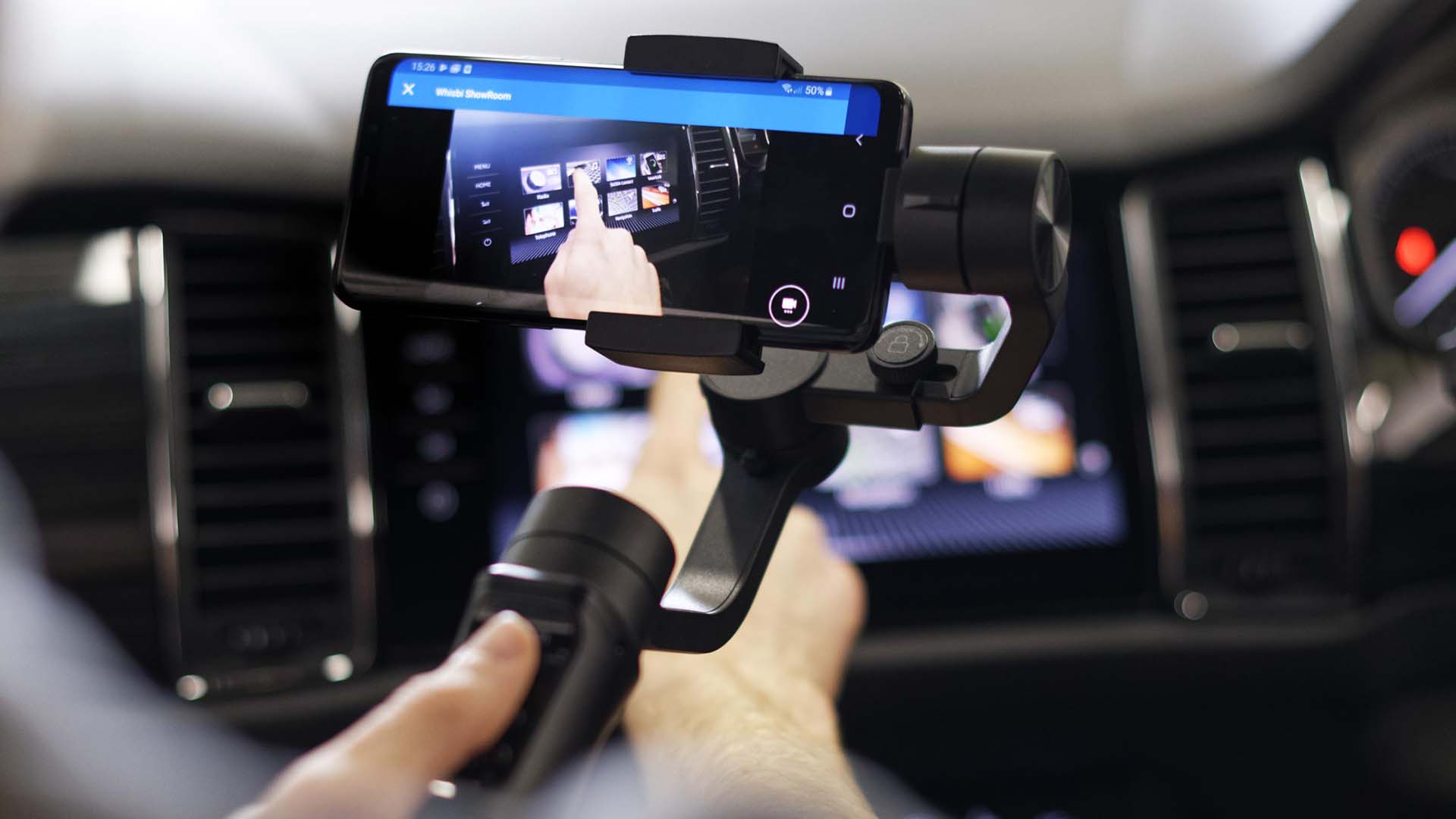
Skoda virtual dealer

Evans Halshaw Car Store is the used car brand for standalone retail sites within the Pendragon group. Crucially, it offers consumers the chance to buy a car online, with the option of home delivery or click and collect from one of its retail stores.

How it works

All cars undergo a 104-point inspection before sale. The six-step process includes the bodywork, under the bonnet, interior, underneath the car, wheels and tyres, plus a road test. The car will be delivered with a three-month guarantee and a seven-day money-back guarantee.

You also get a 14-day price promise. If you find a like-for-like car at a competitor car retailer within 14 days of buying from Car Store, and within a 40-mile radius of the store, Car Store will refund the difference.

Car manufacturers

Volvo Online

It’s also possible to buy a car online from a manufacturer. In 2019, Volvo launched an online sales service, proudly boasting that the entire process can be completed in as little as 20 minutes.

The approach is broadly similar to the other online car showrooms, with the key difference being that you’re restricted to buying a Volvo. You can part-exchange your own car, choose a finance package, then decide whether to buy a Volvo from stock or build your perfect car.

Other manufacturers with the facility to buy online include Hyundai, Dacia, Peugeot, Vauxhall and Mitsubishi.

Other online services

You don’t have to buy a car online. There are a number of websites that offer a valuable sales tool, without the commitment to buy online.

Heycar is one example. The company launched in the UK in August 2019 and has around 3,700 UK dealers signed up to use its online service, with an inventory of more than 170,000 vehicles. All Heycar vehicles come with a warranty, are less than eight years old and have fewer than 100,000 miles on the clock.

Customers use the Heycar platform to browse for used cars, then message or call the dealer via the website.

Carwow is another example of a company transforming the way we buy a new car. It works like a price comparison site, with approved dealers submitting offers based on the customer’s search criteria. Carwow says its saves buyers an average of £3,600 off the recommended retail price. Cars can be delivered to a home address or collected at the dealer.

Online car buying websites: the pros

To some people, buying a car via an online showroom is the perfect solution. There’s no need to visit a dealer: the hassle is taken away. Everything is included within the price, so there’s no need to haggle or negotiate.

You also get an almost unlimited choice of cars. Visit a local dealership, and you’re limited to what they have in stock or is available within the wider dealer network. Online, you can view and compare cars, finance packages and offers. Just don’t get too carried away – it’s easy to break your budget when you’re not dealing with physical cash.

In the midst of a pandemic, it also feels like the safer alternative to visiting a showroom. The car is delivered to you, which makes it the best – possibly only – choice during a national or local lockdown. In the case of companies like Cazoo, Cinch and BuyaCar, there’s the knowledge that the car will be delivered without any hidden defects, cleaned and ready to go.

Online car buying websites: the cons

You’re likely to pay more when buying a car via an online showroom. The cost of preparation and delivery will be included with a margin, so it will almost certainly be cheaper to buy an equivalent car elsewhere. You may also get a longer warranty when buying a car from an approved used scheme.

It’s also worth remembering that you won’t be able to test drive the car before it arrives, so there’s no guarantee that it will meet your expectations. The driving position, boot space and quality of the infotainment system are just three considerations. Do your homework first.

The growth of online car buying websites doesn’t mean the end for physical dealerships. Instead, it means consumers will have greater choice when buying a new or used car, which should encourage traditional outlets to raise their game.

In the midst of a pandemic, buying online is the safest way to buy a car. Beyond 2020, online buying car websites will continue to shift the way we buy and sell cars.

READ MORE:

What do Thatcham vehicle security categories mean?

Winter tyres: should you make the switch?

The history of in-car entertainment

Advertisement

Is there an MOT extension during the second lockdown?

0
MOT sign

The government has yet to confirm if there will be an MOT extension for motorists in England during the second lockdown. This follows the announcement made on Saturday evening.

Cars, motorcycles and light vans that were due an MOT between 30 March and 31 July 2020 were given a six-month extension to help keep motorists moving during the coronavirus pandemic.

This led to the Driver and Vehicle Standards Agency (DVSA) predicting a rush for MOT tests in September, October and November.

Motoring Research has contacted the DVSA to find out if the new national restrictions will affect MOT tests. We are waiting for a response.

There are no references to drivers, garages or MOT tests in the official government guidance. However, motorists are told to ‘avoid travelling in or out of your local area, and you should look to reduce the number of journeys you make’.

Joel Combes, director of Lawgistics, told Car Dealer Magazine: “As far as we can assume, the rules are likely to be the same as the first lockdown.

“Garages are essential businesses and the rules state that essential businesses can stay open. We are assuming that the rules will be the same as those earlier in the year.”

Advice to garages in March

Don’t book an MOT test if you aren’t driving

Government guidance published in March said garages could stay open to carry out repairs and services. They could also remain open for MOT tests and retests. At the time, vehicle owners were told to get an MOT if the certificate expired before 30 March 2020.

If their MOT due-date was after 30 March 2020, it was extended by six months. The exemption period expired at the end of July, meaning cars that were due an MOT from 1 August 2020 did not get an extension.

Even if an MOT extension is unlikely during the second national lockdown, you’re advised to book a test sooner rather than later. Demand remains high following the original exemption period, while some garages could be closed during the lockdown period.

Stuart James, chief executive of the Independent Garage Association (IGA), said: “Garages are still busy catching up with the backlog of MOTs that the extension caused earlier this year. A second extension would only cause confusion among consumers and put law-abiding vehicle owners at risk of significant fines by leaving cars unchecked.”

This is because car showrooms will be closed, so some garages might decide to shut their servicing department.

We will update this piece when new information is released.

Click here to check when your MOT test is due. You just need your car’s registration number.

ALSO READ:

Winter tyres: should you make the switch?

What is the margin for error of UK speed cameras?

Which countries drive on the left?

Advertisement

£15 London Congestion Charge to continue

0

Transport for London Congestion Charge

Transport for London has confirmed a ‘temporary’ increase in the cost of the London Congestion Charge to £15 a day will continue as part of an agreement with the government for a second extraordinary funding round of up to £1.7bn.

It previously cost £11.50.

However, plans to extend the Congestion Charge zone to the North and South Circular roads have been rejected by both the government and the Mayor of London. 

This would have seen around 4 million more Londoners paying the Congestion Charge. 

The Congestion Charge’s extended operating hours, to 10pm in the evening, will continue: previously, charges were lifted from 6pm.

The Congestion Charge still begins at 7am in the morning.

TfL has also confirmed the Congestion Charge will continue to operate during the weekends, too. Pre-Covid 19, it only operated during weekdays.

Christmas Day is now the only day on which charges are lifted. 

When it originally annunced the temporary changes in June 2020, TfL said they could see car journeys fall by a third and pollutants reduced by up to 11 percent.

Although many people now work from home, latest data suggests there are now as many cars within the Congestion Charge zone as before lockdown.

Without changes, TfL argues traffic levels in central London could double.

This is despite only 1 in 4 central London residents actually owning a car.

TfL also reminds motorists they still need to pay the London ULEZ charge on top of the Congestion Charge, if their vehicle is not a September 2015-on diesel or 2005-on petrol. 

London Congestion Charge prices

  • Price increased from £11.50 to £15 (+30 percent)
  • Evening hours extended from 6pm to 10pm
  • Now operates during weekends

Congestion Charge reinbursements

An extension to the Congestion Charge reimbursement schemes was announced by London Mayor Sadiq Khan in the summer. 

NHS staff are already eligible for reinbursements: these have now been extended to staff at NHS Trusts, ambulance staff and those who work in care homes located within the zone. 

The NHS patient reimbursement scheme has been extended to include patients vulnerable to coronavirus. 

Local authorities and charities within the zone who are providing coronavirus-related support services can apply to the reimbursement scheme too. 

Click here to pay the London Congestion Charge

ALSO READ

Central London 20mph speed limit goes live

London Congestion Charge and ULEZ return

1 in 2 public transport users consider switch to cars

Advertisement