Home Blog Page 472

10 brilliant Pininfarina designs – and 10 you can afford

0

Pininfarina: the greatest hits

Selecting 10 or 20 of Pininfarina’s greatest hits is a tough ask, but plenty of magazines and websites have had a stab at it. Our advice would be to head to Wikipedia for a complete list of projects, before choosing 10 of your own. For this gallery, we’re going to select 10 famous, iconic or brilliant designs, followed by another 10 you might actually be able to afford.

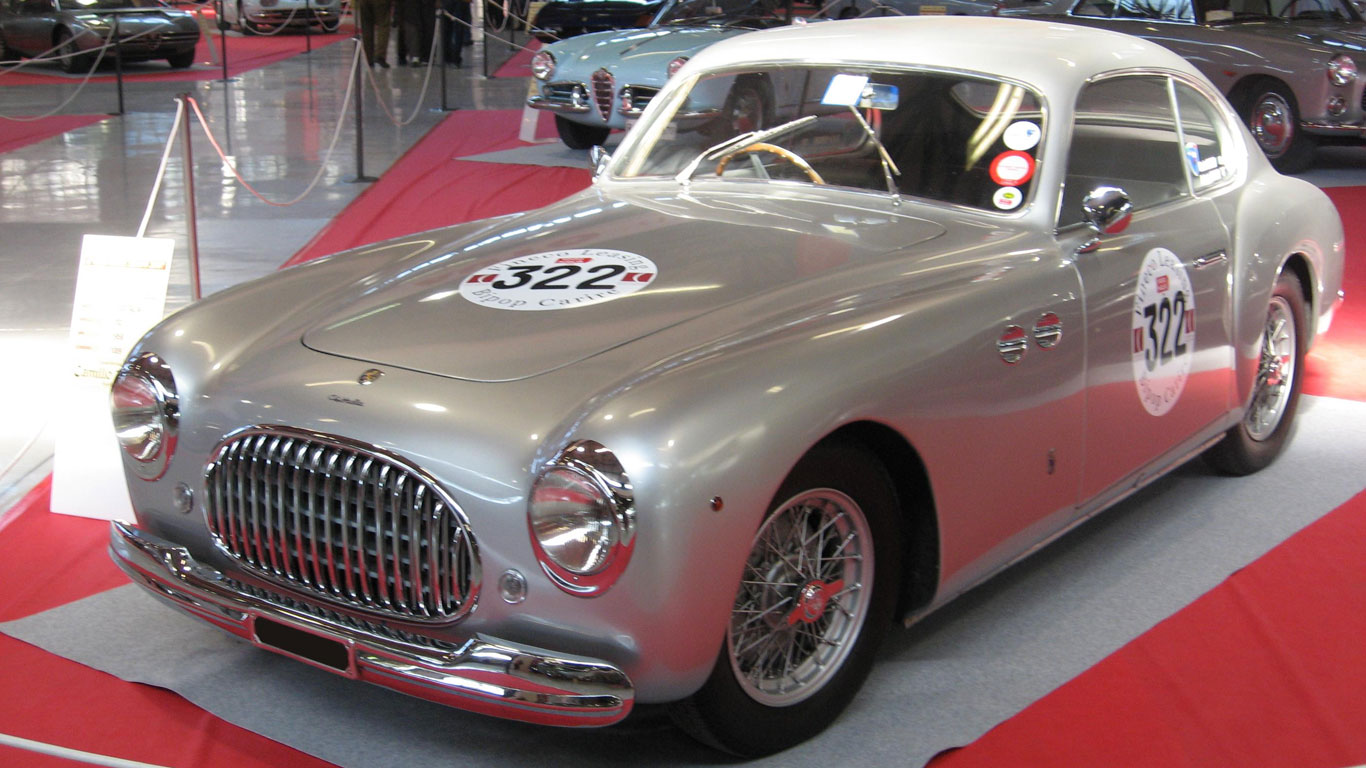
Cisitalia 202
Pininfarina: the greatest hits

The Cisitalia 202 is so beautiful, it makes the Museo Guggenheim look about as aesthetically pleasing as the old Friarsgate car park in Winchester. To this day, Pininfarina cites the Cisitalia as the definitive point in the company’s history, with a design that would influence Italian cars for years to come.

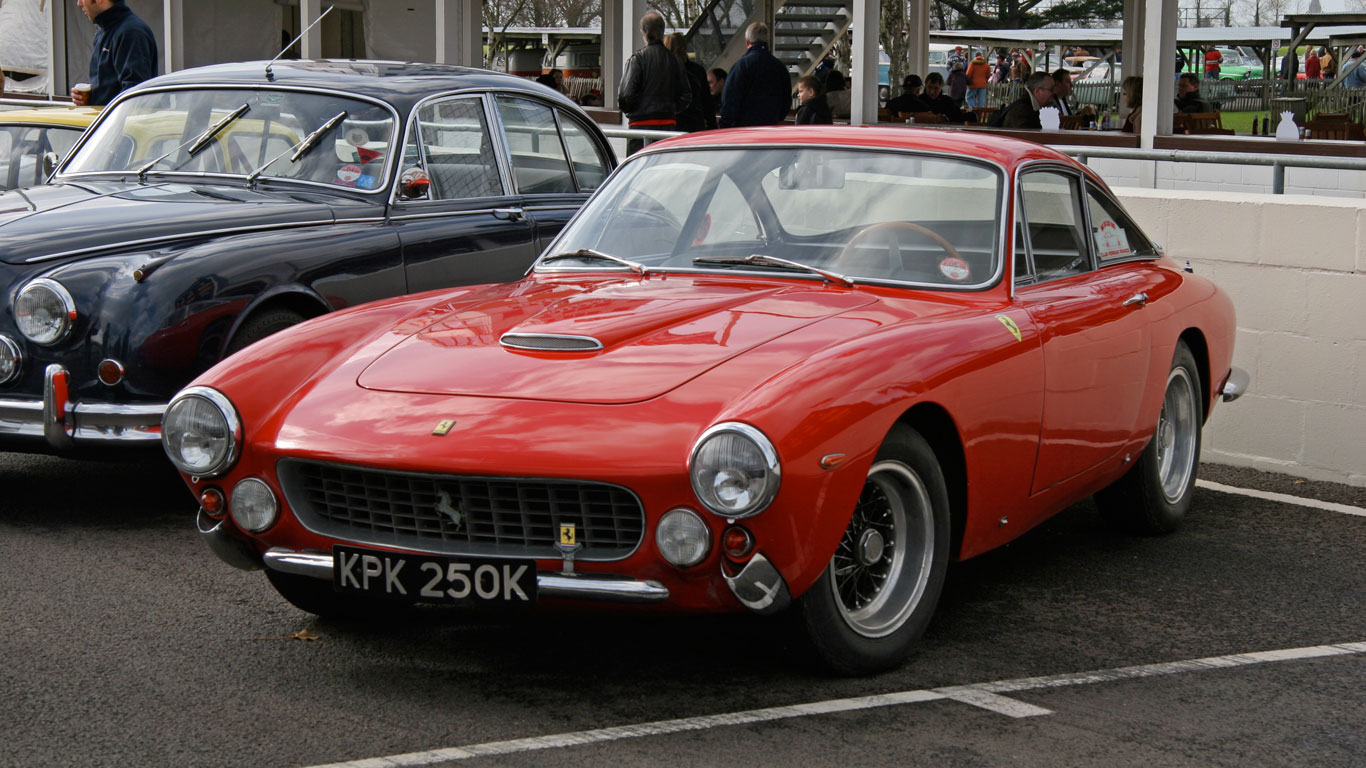
Ferrari 250 GT Berlinetta Lusso
Pininfarina: the greatest hits

Draw up a list of top 10 Pininfarina designs and it would be all too easy to fill it with Ferraris. Selecting the best would be a tough challenge, but few could argue with the Ferrari 250 GT Berlinetta Lusso. From the clean side profile so free of decoration, to the short stubby tail, the 250 GTL is automotive perfection. Company founder Battista Pininfarina loved his creation so much, he used one as his daily-driver.

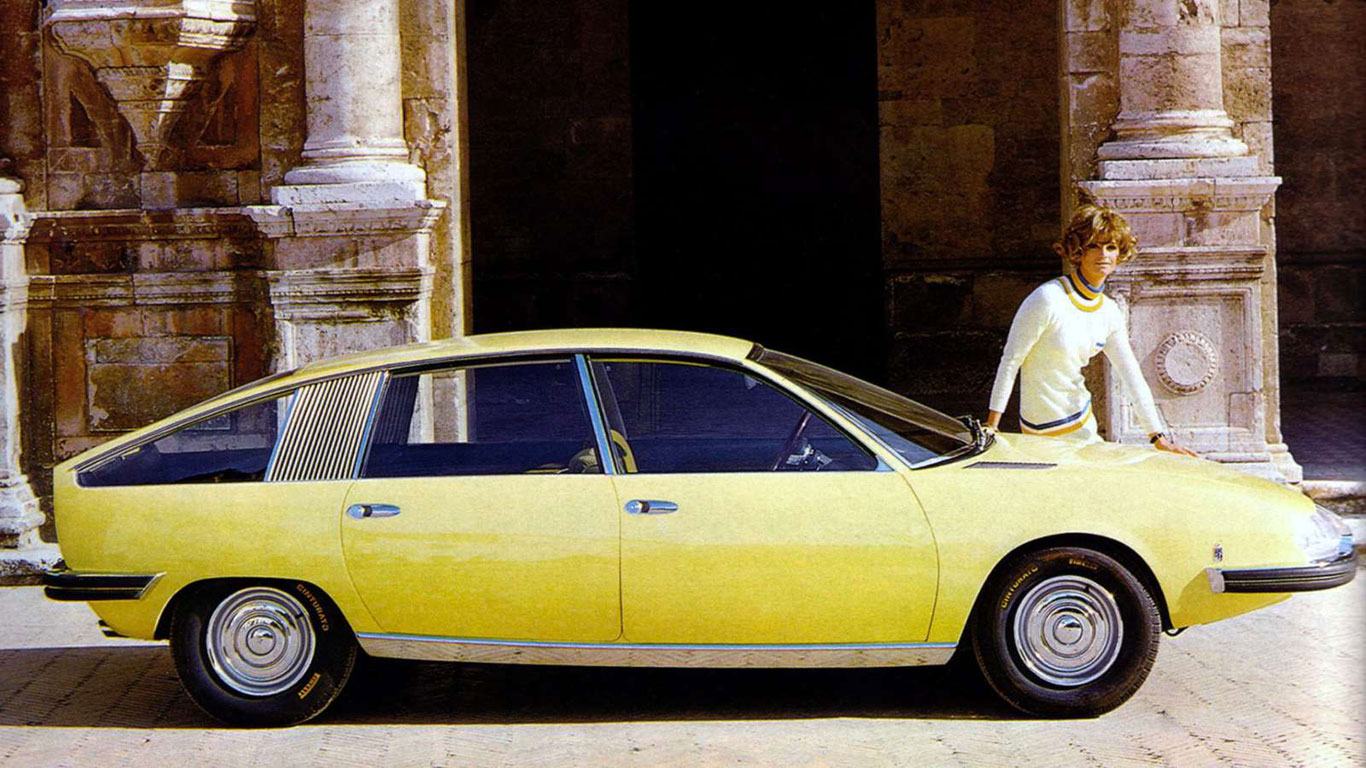
Berlina Aerodinamica
Pininfarina: the greatest hits

Looking at the Berlina Aerodinamica – or BMC Pininfarina – it’s hard to believe it was based on Morris 1800 ‘Landcrab’. Designed for the British Motor Company (BMC) in 1967, the Aerodinamica looked quite unlike the three-box saloons of the era and would influence car design for many years to come. The Citroen GS, Alfasud, Lancia Beta, Citroen CX and Rover SD1 are just five of the cars inspired by the Anglo-Italian masterpiece.

Chevrolet Rondine
Pininfarina: the greatest hits

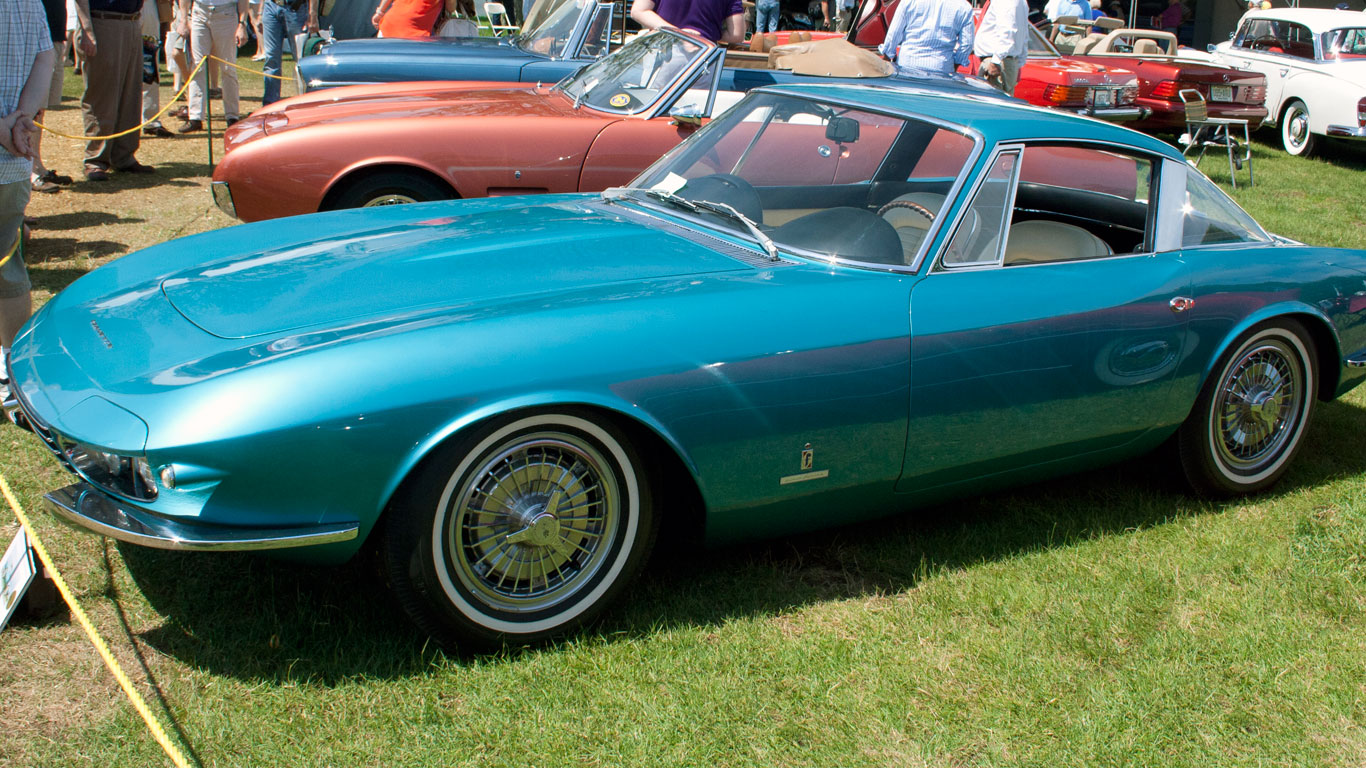
Is this the most European Corvette ever built? That’s a somewhat rhetorical question, because although the Rondine of 1963 was based on the C2 Corvette, only one was built, with the Pininfarina design thought too effeminate for American tastes. Today, 55 years on, the Rondine has aged gracefully and is, perhaps, a case of what might have been.

Ferrari Daytona
Pininfarina: the greatest hits

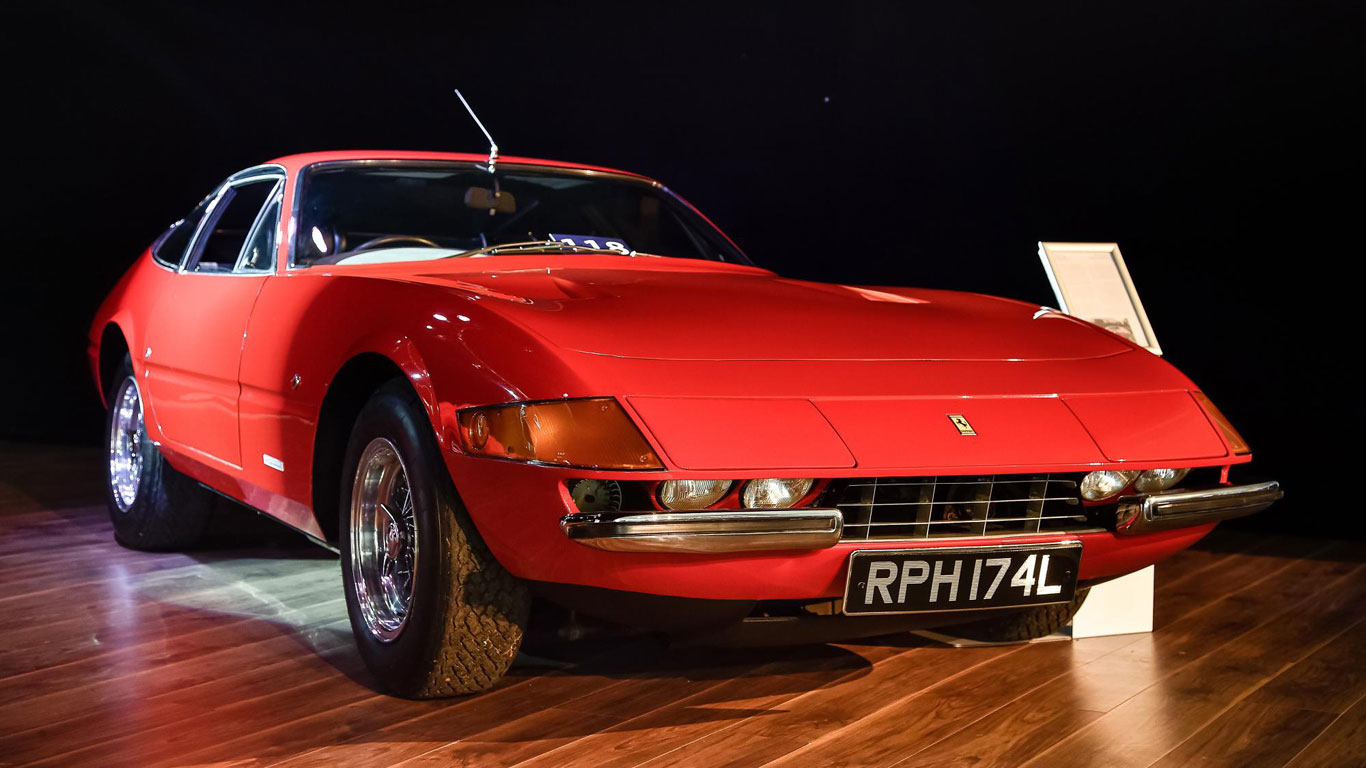
In an age when mid-engined sporting GTs were in fashion, the Ferrari 365 GTB/4 retained a traditional front-engine/rear-wheel-drive layout. But if that sounds conservative, the styling was anything but. Dubbed the Daytona following Ferrari’s 1-2-3 finish at the 1967 24-hour race, the 365 GTB/4 could boast Hollywood glamour that was years ahead of its time. Pininfarina didn’t so much move the game on as thrust it into hyperspace.

Ferrari 512S Modulo
Pininfarina: the greatest hits

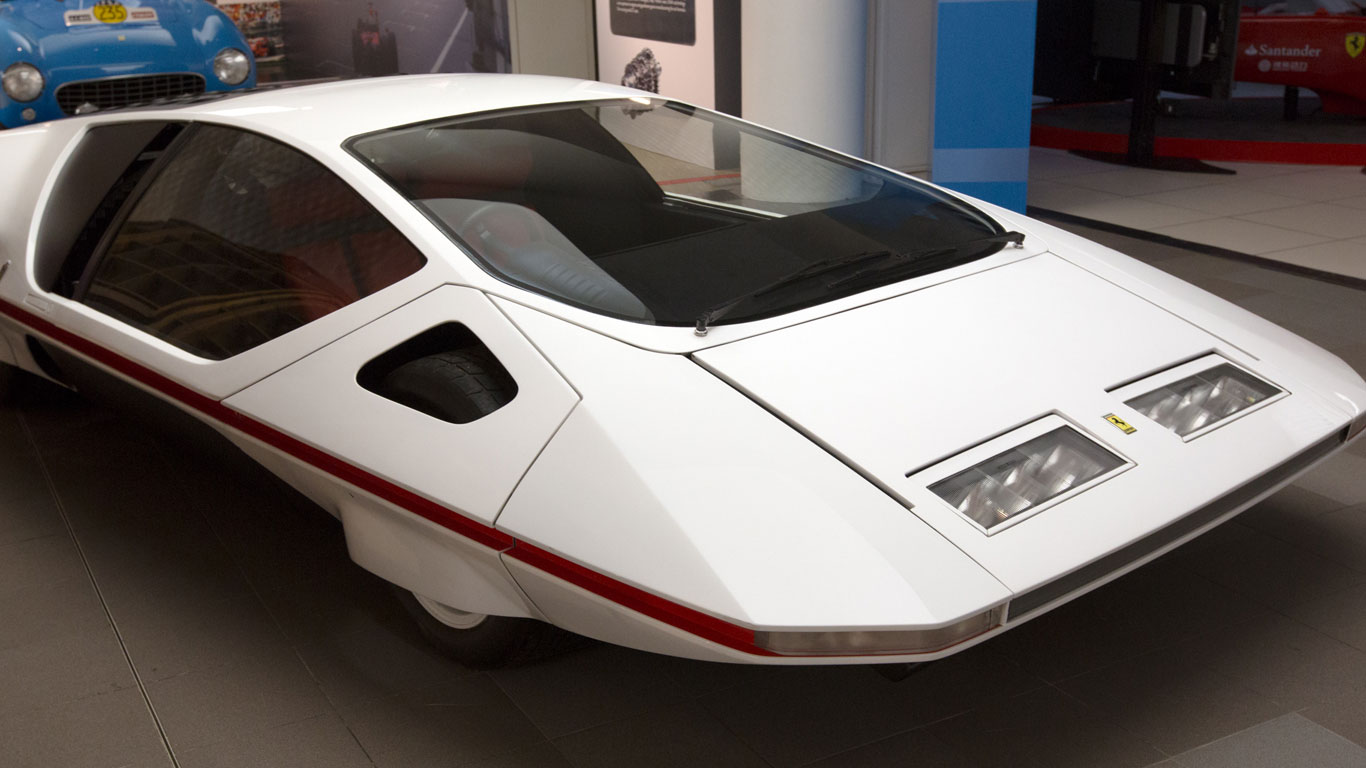
The space-age Modulo is perhaps one of the most famous concept cars of all time. It’s also one of the most outlandish, with its two overlapping body shells, rectilinear waistline, near-horizontal windscreen and… well, just look at it. Based on the Ferrari 512S, and for decades a static concept car, the Modulo was purchased by James Glickenhaus, who harboured a dream of turning it into a working prototype. It made its first journey in June 2018.

Ferrari 512 BB
Pininfarina: the greatest hits

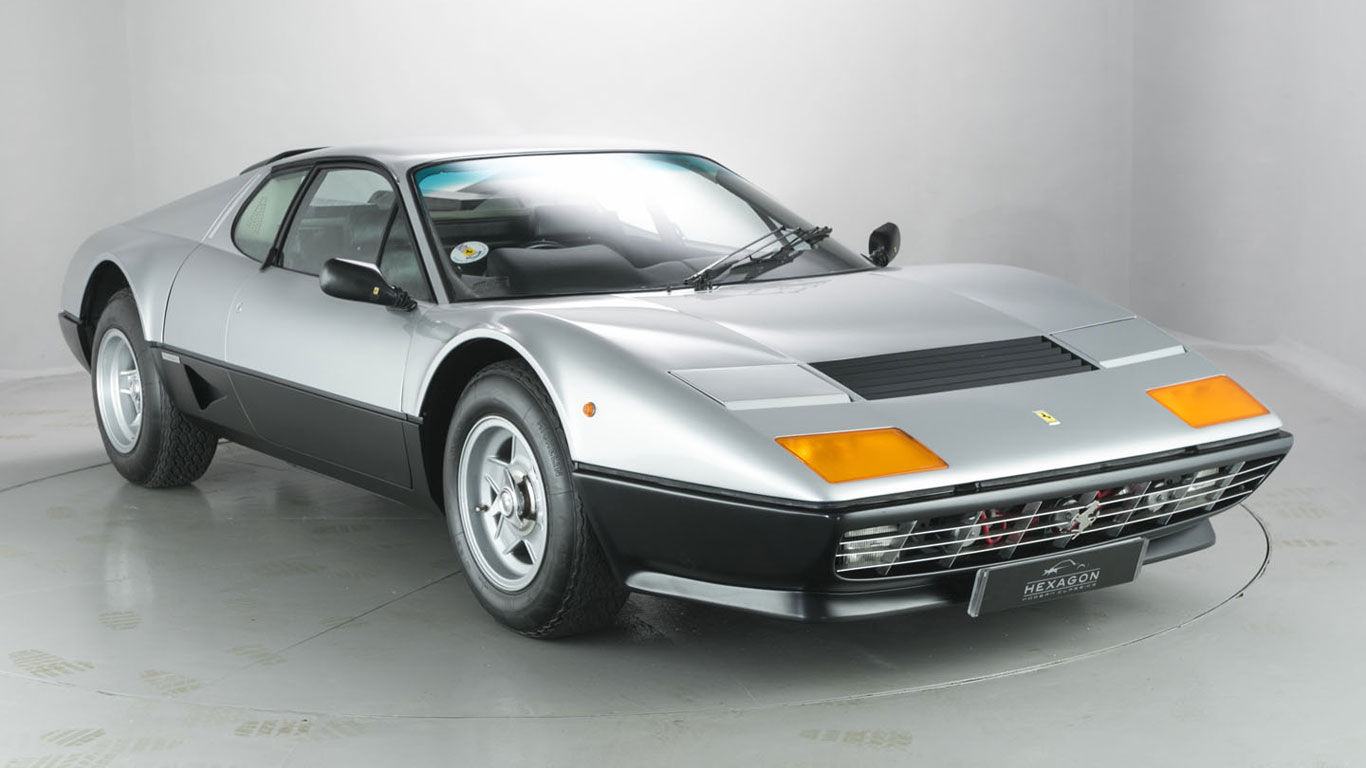
The Ferrari 512 BB was added to Gran Turismo Sport in January 2018. It’s a beautiful car to ‘drive’, but it’s far nicer to race against one, because it gives you the opportunity to pull up behind to admire that glorious rear end. The 512 BB is visually similar to the 365 GT4 BB, but the two- instead of three-element rear lights are somehow cleaner and more appealing. Whatever your thoughts, the Berlinetta Boxer (BB) vehicles are another Pininfarina classic.

Ferrari GTO
Pininfarina: the greatest hits

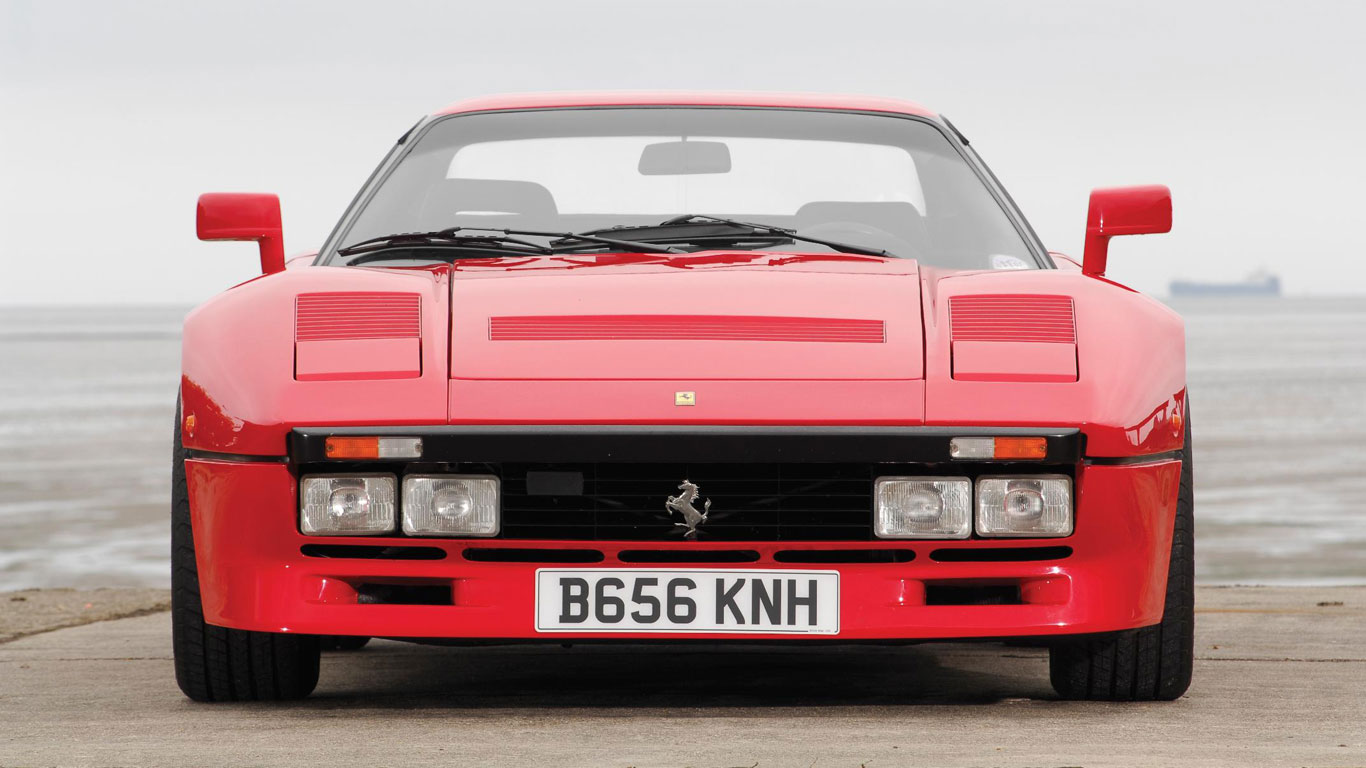
The Ferrari GTO (or 288 GTO) is a proper ‘bite the back of your hand’ car. From the light groups within the front spoiler to the wide and sculpted rear haunches, the GTO is somehow as lean as a long-distance runner and as muscular as a sprinter. It was designed and built for homologation purposes, but when Group B racing was banned, the GTO seemed like a rebel without a cause. Not that this dampened enthusiasm for the project: Ferrari had little trouble finding homes for the GTO. A total of 272 were built – 72 more than the planned 200.

Ferrari Testarossa
Pininfarina: the greatest hits

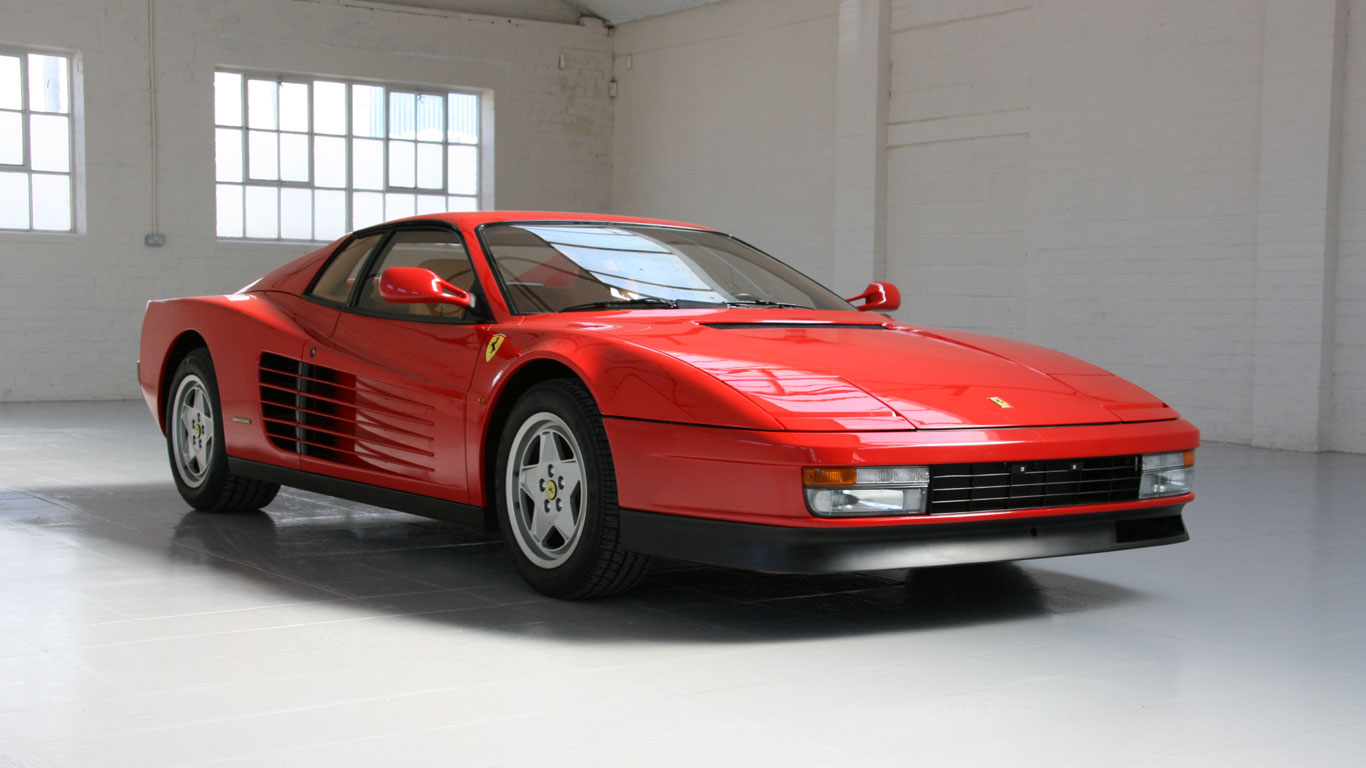
It has had its detractors, but to some people, the Testarossa is the archetypal Ferrari of the 1980s. Launched in 1984, the same year as the GTO, the Testarossa held little regard for Ferrari’s past, introducing rear lights covered by a horizontal grille and a much ‘softer’ front end. The ‘Red Head’ graced tens of thousands of bedroom walls throughout the 1980s, but it wasn’t the ultimate Ferrari pin-up…

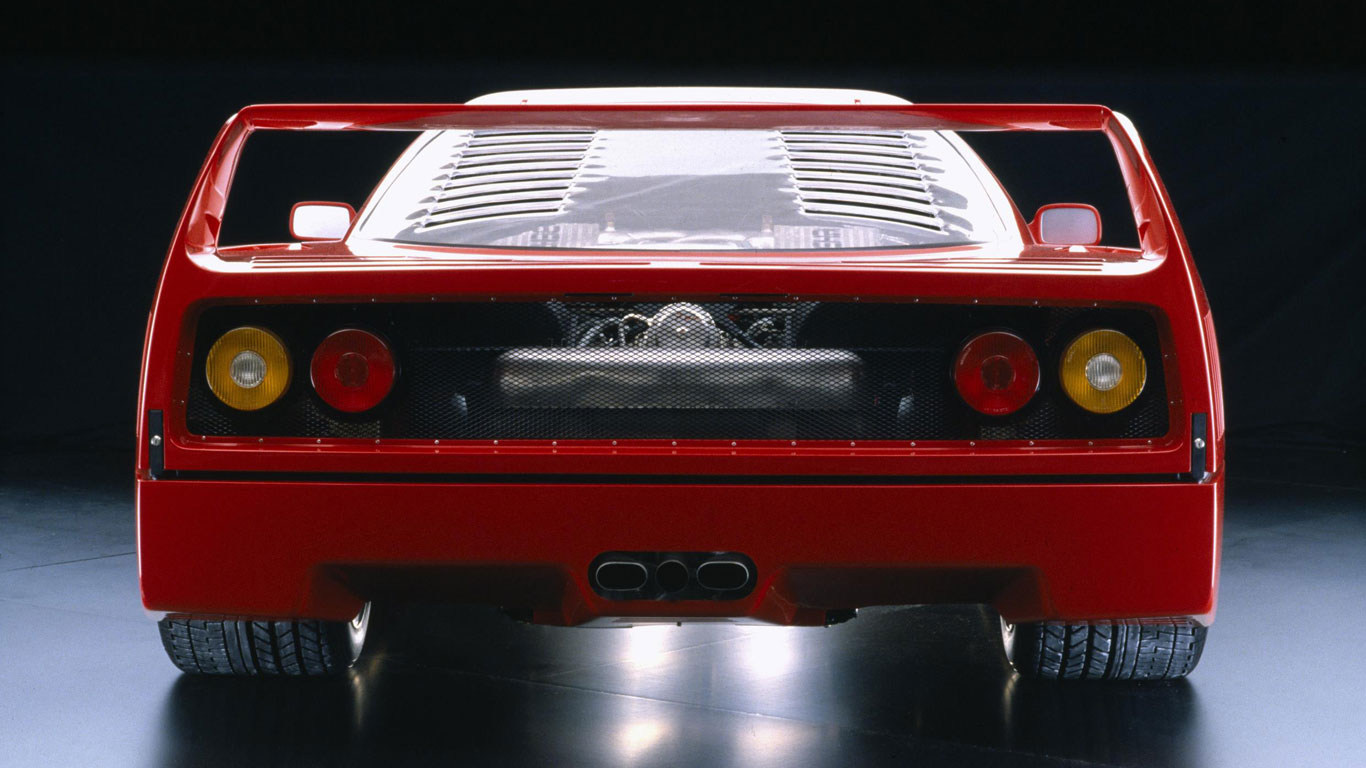
Ferrari F40
Pininfarina: the greatest hits

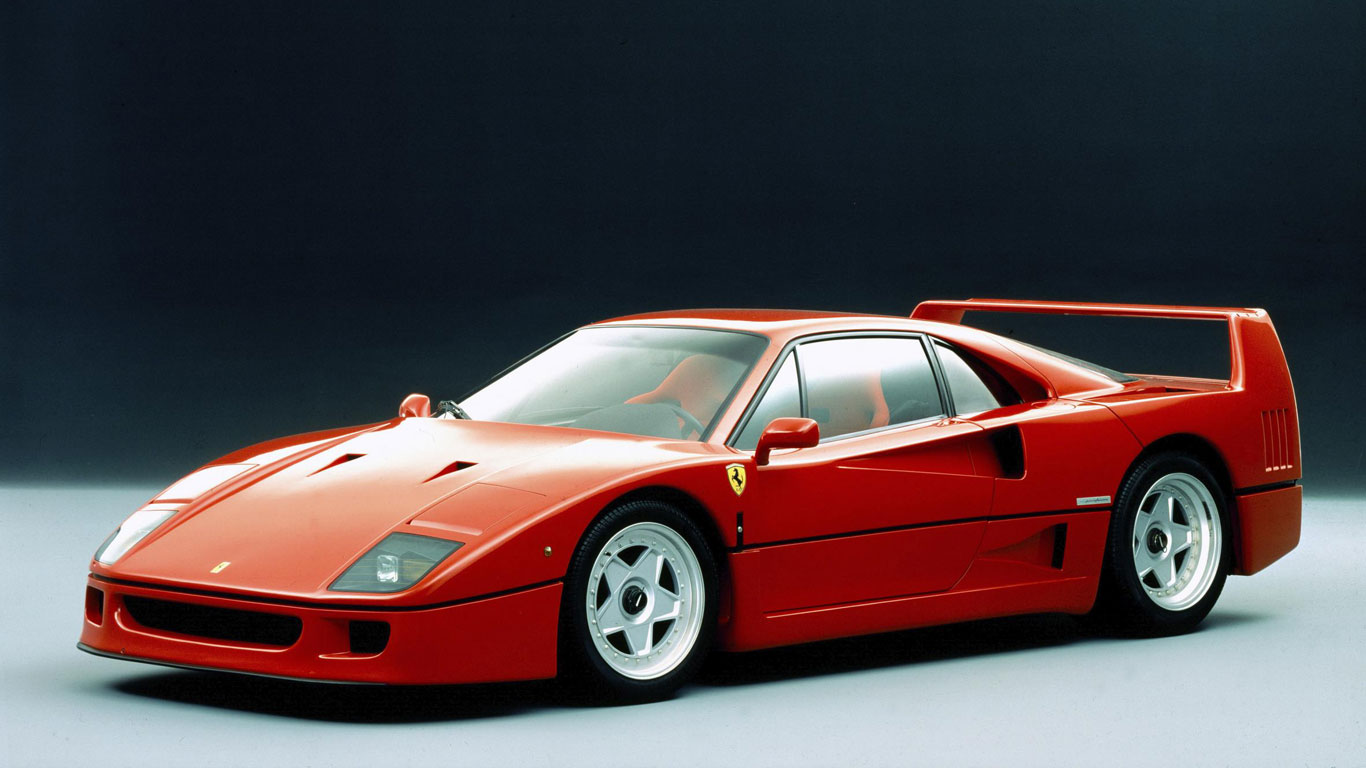
That accolade belongs to the Ferrari F40. Designed and built to commemorate Ferrari’s 40th anniversary, the F40 represented the peak of Maranello’s talent and expertise, wrapped in one of the most iconic bodies ever created. As ever, a small caption below an image isn’t enough to honour one of the great automotive landmarks of the 20th century. We’re also acutely aware that selecting 10 Pininfarina designs is a mere drop in the ocean. But what if you cannot stretch to a priceless concept or a Ferrari supercar? Here are 10 worthy alternatives.

Peugeot 406 Coupe
Pininfarina: the greatest hits

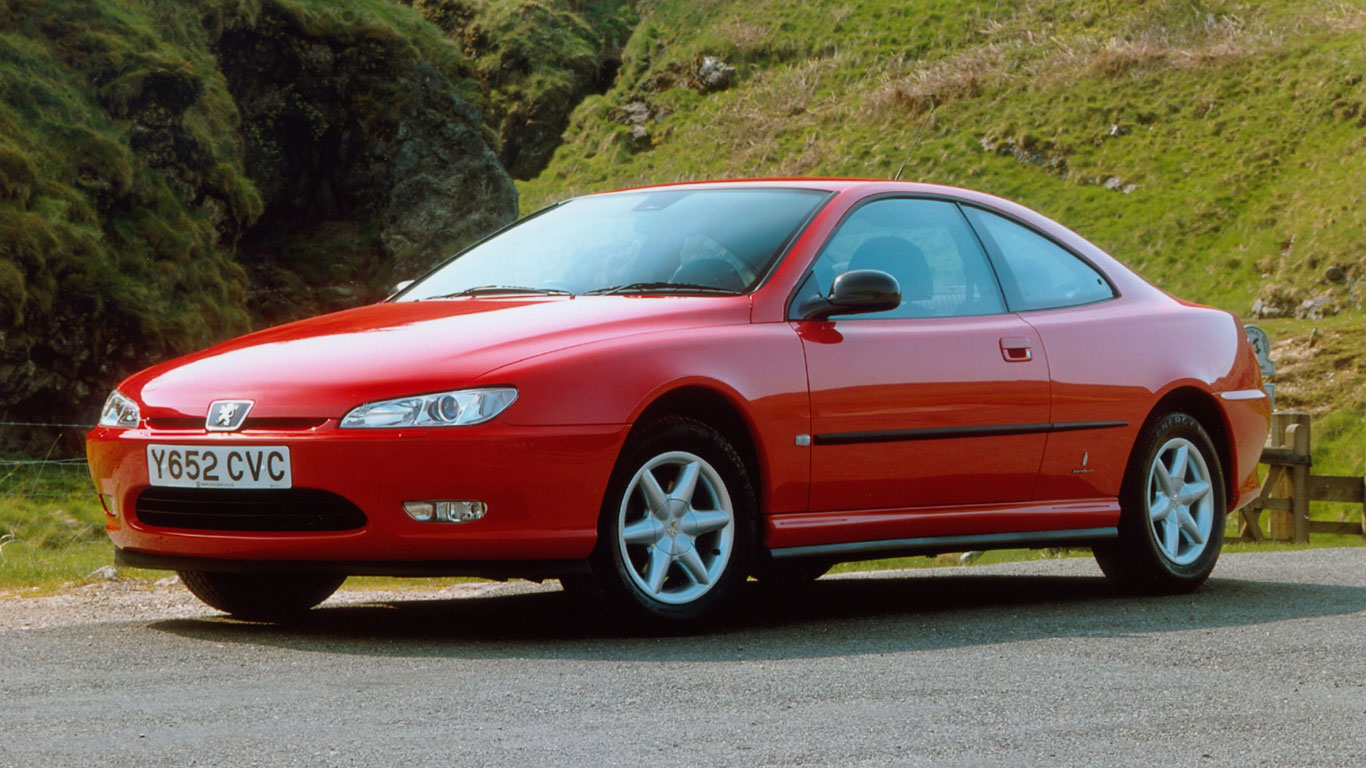
Whatever fee Pininfarina charged Peugeot to design the 406 Coupe, it wasn’t enough. Sure, the 406 saloon is a handsome thing, but in creating the Coupe, Turin pulled off a minor miracle. As an overall package, the 406 Coupe is simply elegant and elegantly simple, but small details include the rear buttresses, slightly widened haunches and creases in the bonnet.

Alfa Romeo 164
Pininfarina: the greatest hits

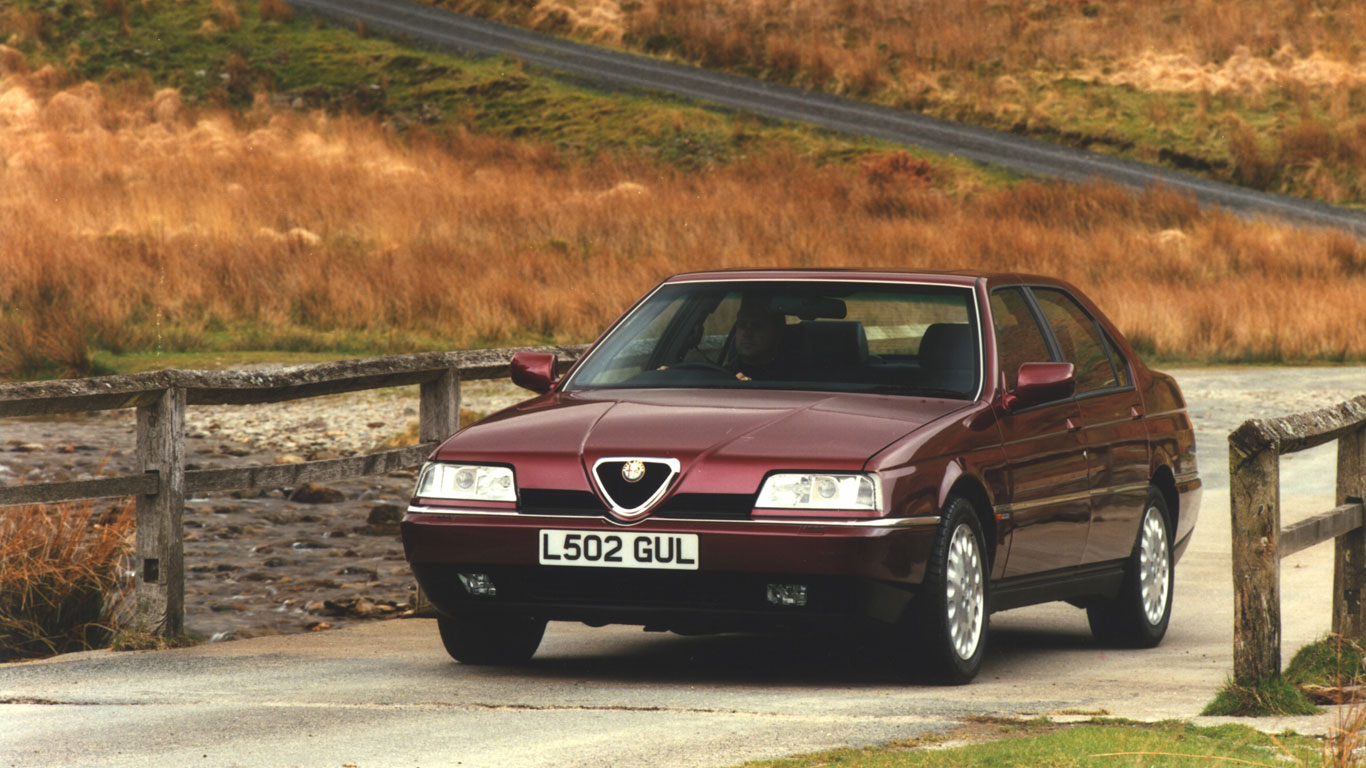
When it had finished designing the Ferrari Testarossa, Pininfarina paused for a while, before creating this: the Alfa Romeo 164. The Alfa was one of the Type Four project cars – the others being the Fiat Croma, Lancia Thema and Saab 9000 – and was by far the prettiest of the quadruplets.

Austin A40 Farina
Pininfarina: the greatest hits

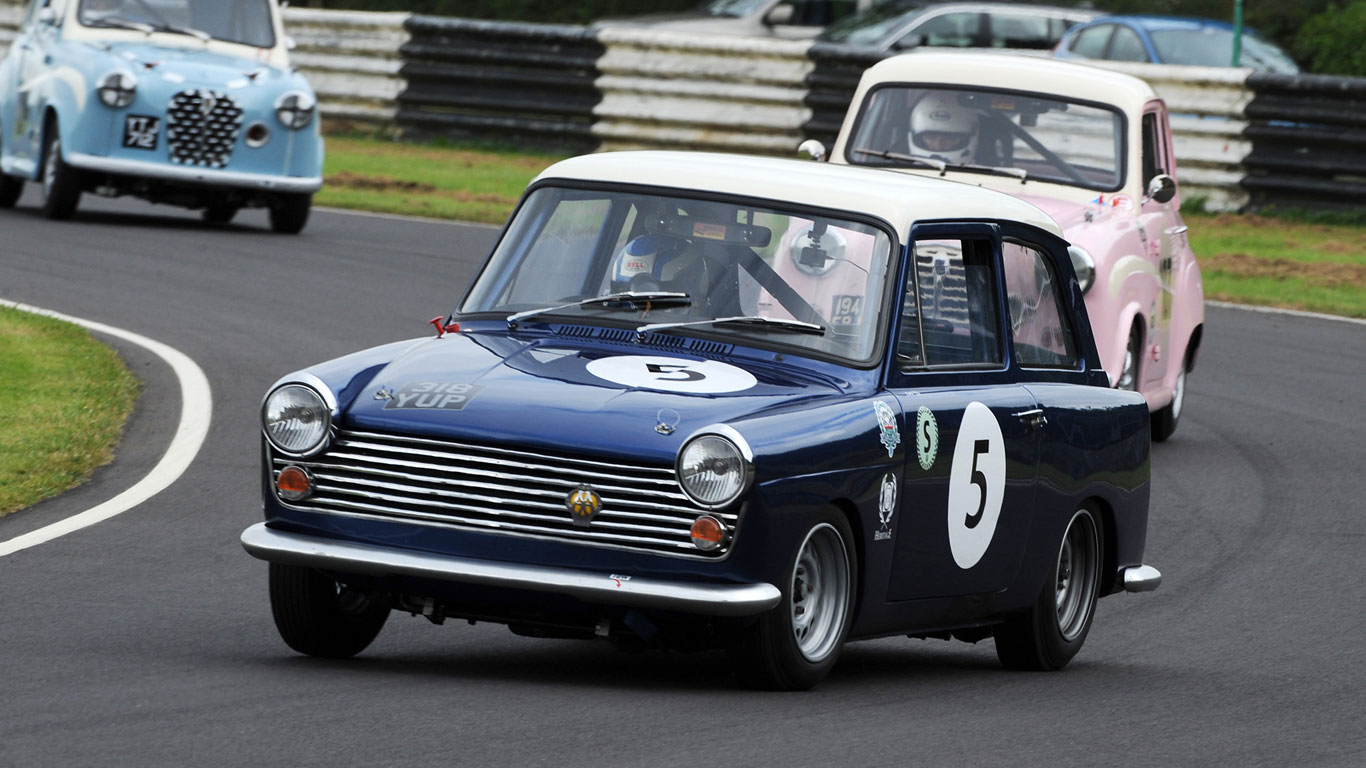
The Austin A40: a design so good, the Italian styling house was happy for it to wear the company name. It was the first BMC car to benefit from Italian styling, and while it might seem a world away from Italian supercars and French coupes, the A40 was a revelation. The design gave it van-like load-carrying capabilities in a car the size of a small family saloon.

MGB GT
Pininfarina: the greatest hits

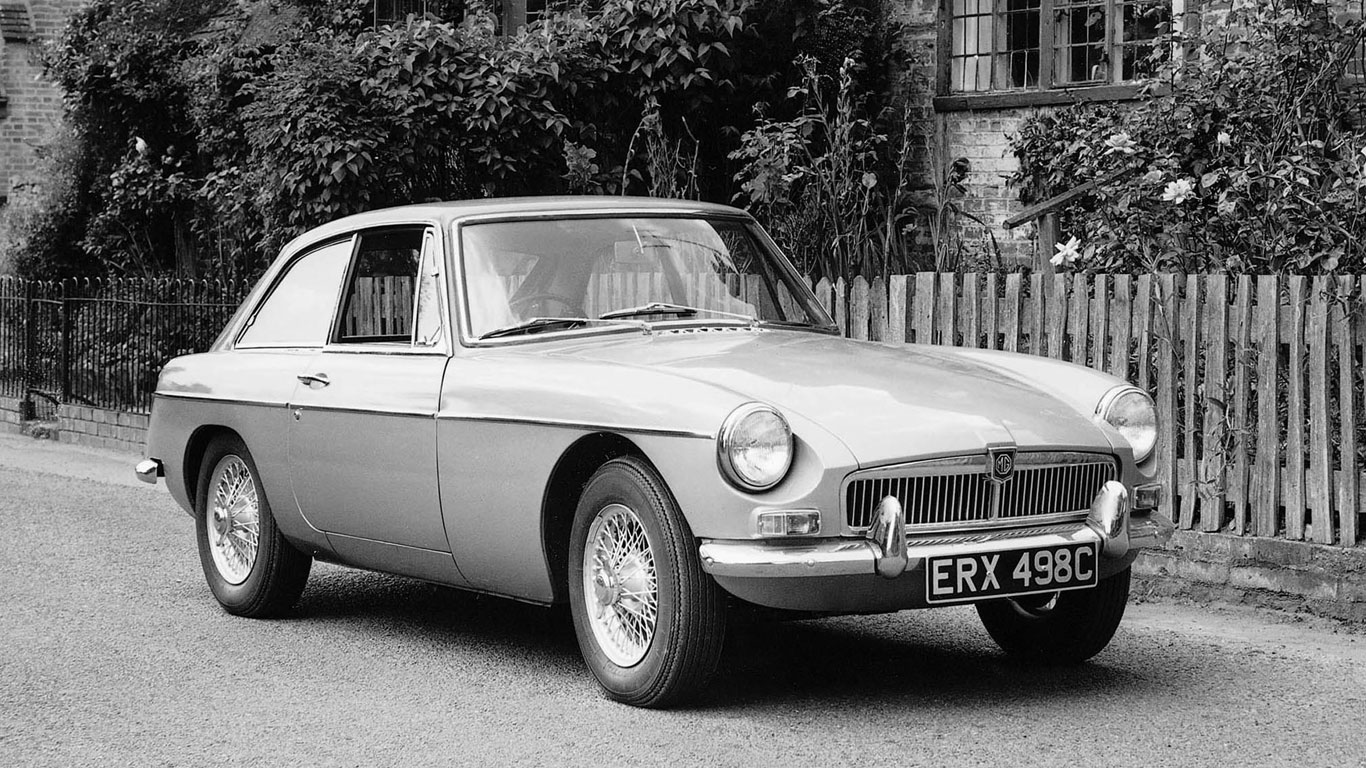
There had been custom-built hardtop versions of the MGB before Pininfarina was let loose on the GT, but Italy pulled off the ‘poor man’s Jaguar E-Type’ effect with aplomb. Both stylistically and aerodynamically, the MGB GT was a compelling alternative to the roadster, while having the benefit of some added practicality. Another Anglo-Italian classic.

Peugeot 204
Pininfarina: the greatest hits

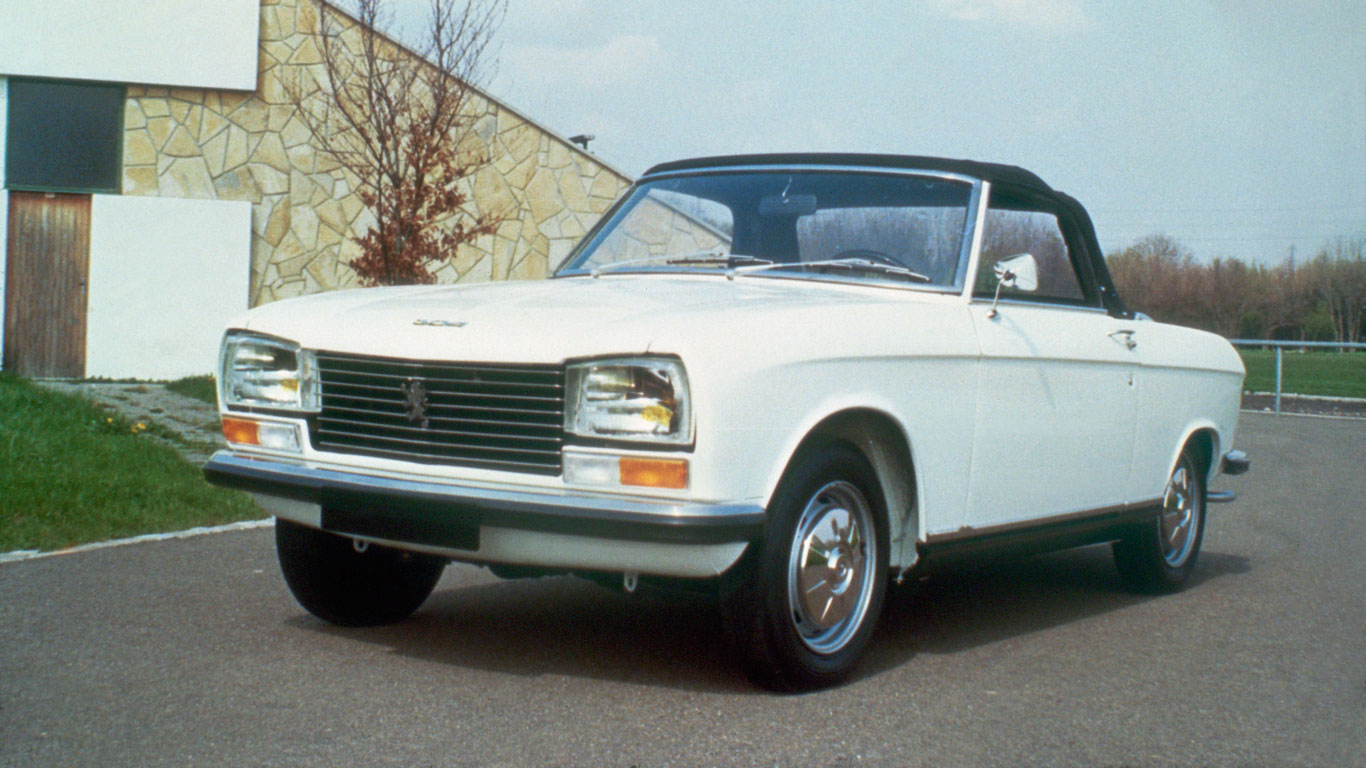
Saloon, coupe, estate, van and convertible – there was a Peugeot 204 for just about every occasion. Beneath the typically simple and elegant styling you’ll find a highly advanced front-wheel-drive car that’s all but extinct in the UK. Which is a shame, because in coupe and convertible guise, it’s a pretty little thing. It was also Peugeot’s first small car since before the war and one of the best-selling cars in France in the late 60s and early 70s.

Peugeot 306 Cabriolet
Pininfarina: the greatest hits

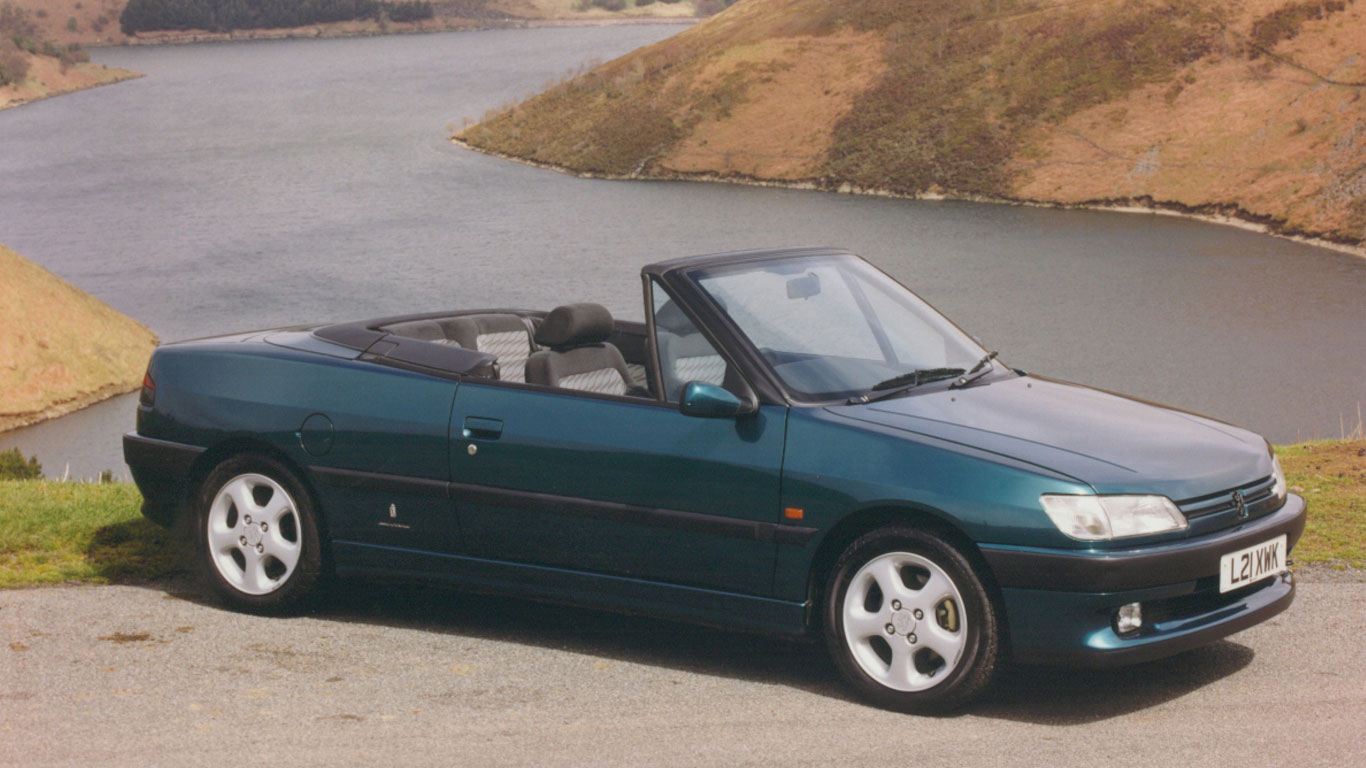
Peugeot certainly knew how to get the best out of Pininfarina. The 306 Cabriolet could mount a serious case for being the best looking real-world drop-tops in the world, particularly in pre-facelift guise. Prices start from as little as £500. Bargain.

Alfa Romeo Spider
Pininfarina: the greatest hits

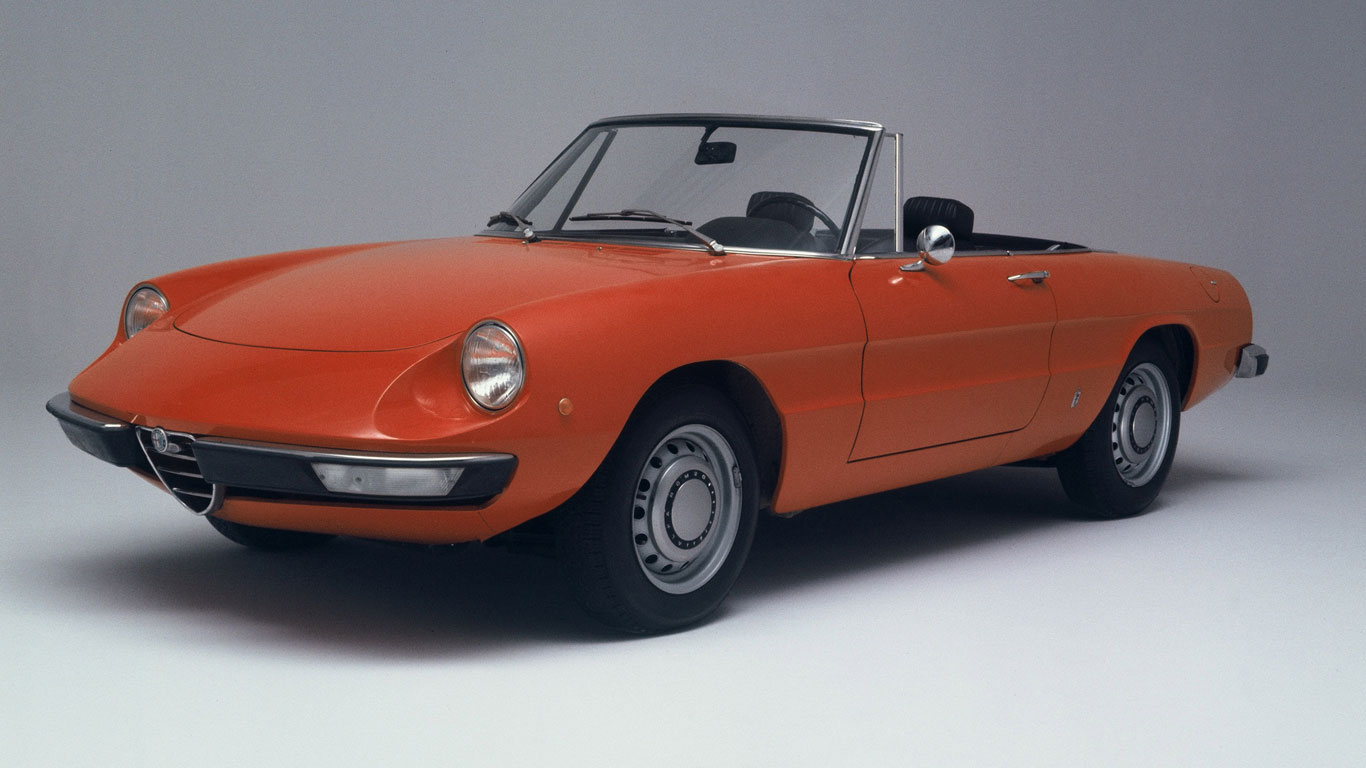
Most famous for its role in The Graduate, the Alfa Romeo Spider is the quintessential Italian roadster. At its best in original ‘Duetto’ guise, the Spider enjoyed a sprawling production run, stretching from 1966 until 1993. When the Spider needed updating for the 90s, Alfa turned once again to Pininfarina.

Fiat 124 Spider
Pininfarina: the greatest hits

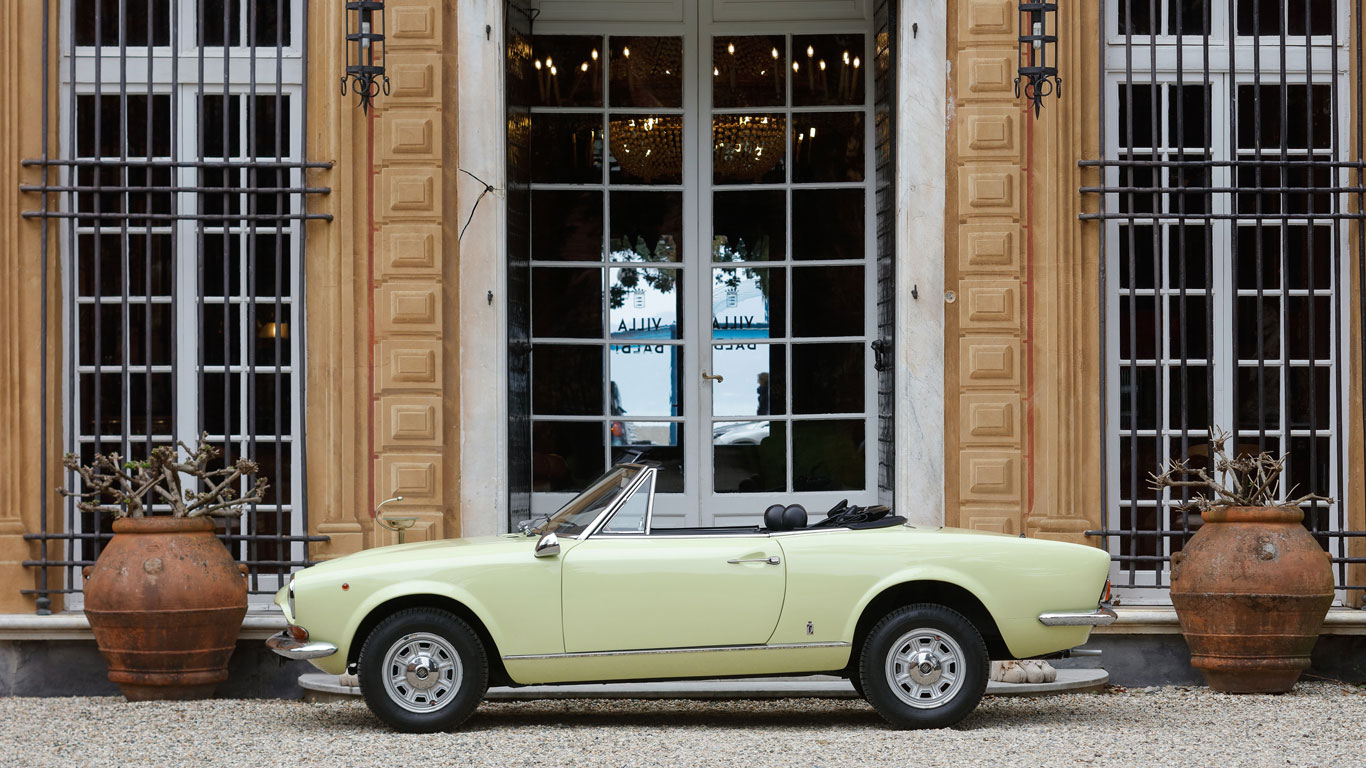
If you didn’t fancy the Alfa Romeo Spider – or indeed the MGB – this was your third choice. It was the work of Tom Tjaarda, who used his experience with the Chevrolet Rondine to create the Fiat 124 Spider. “Fiat never gave that much importance to that car,” Tjaarda told Wired. “General Motors liked it [the Rondine], but they said it didn’t look like a Corvette, so they couldn’t use it,” GM’s loss was Fiat’s gain, because the 124 Spider became the company’s best-selling car in the US.

Ford Focus CC
Pininfarina: the greatest hits

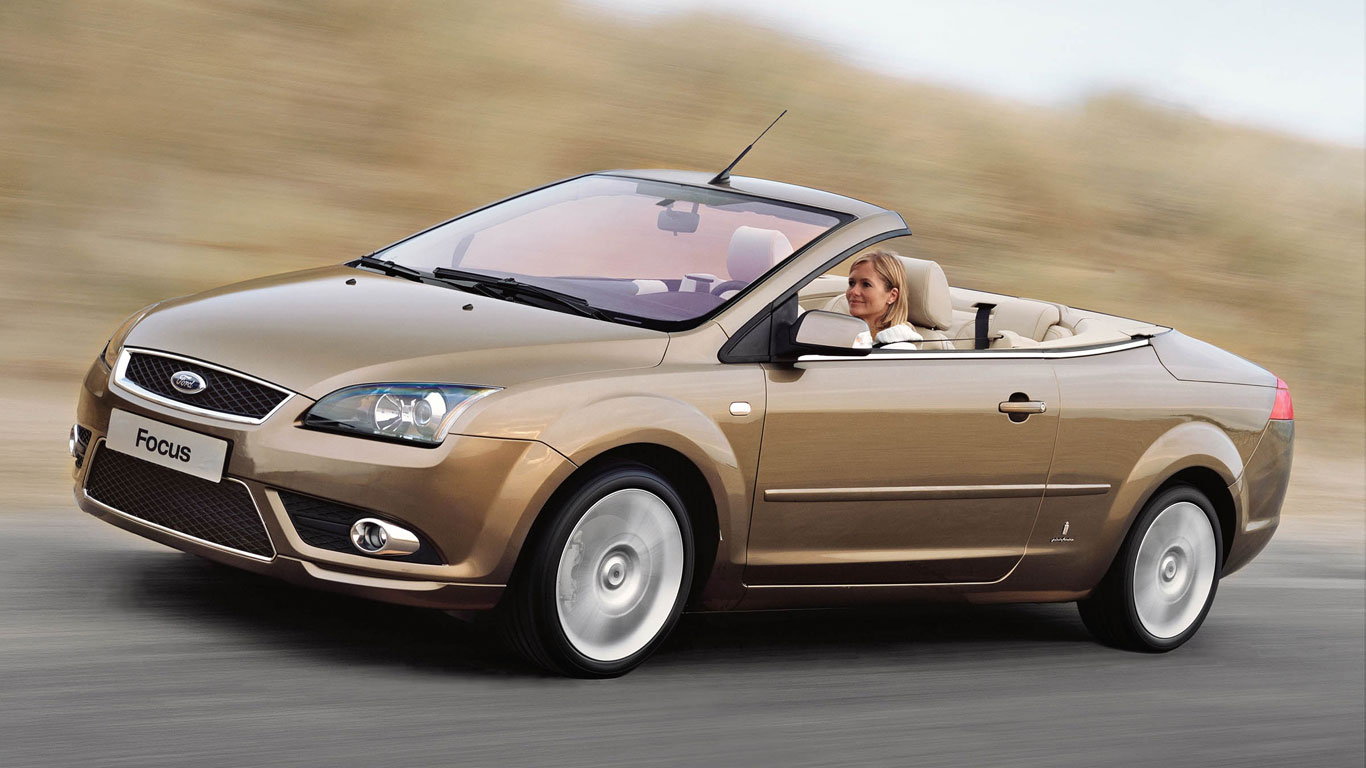
The Ford Focus CC is proof that not even Italian styling can save a coupe cabriolet from looking a tad awkward. For a while, these four-seat drop-tops with their folding hard-tops were in fashion, but the star shines less bright today, and the coupe cabriolet is spiralling into banger territory. Avoid early Focus CCs, unless you enjoy a leaky roof.

Honda Beat
Pininfarina: the greatest hits

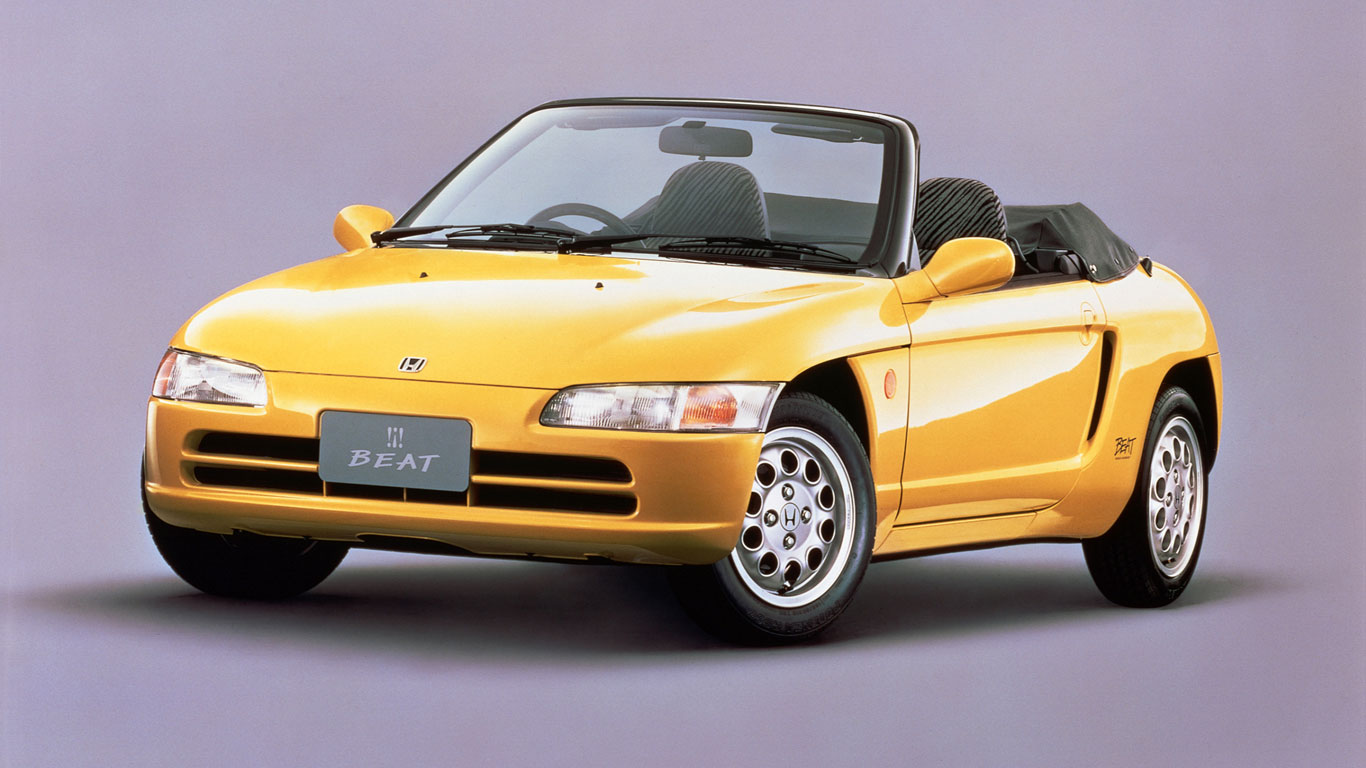
The brilliant Honda Beat was designed by Pininfarina and built to comply with Japanese kei car regulations. Other Pininfarina cars you could consider include the Peugeot 505, Alfa Romeo GTV, Maserati GranTurismo, Peugeot 504, Bentley Azure and the delightful Fiat 130 Coupe.

Read more:

Advertisement

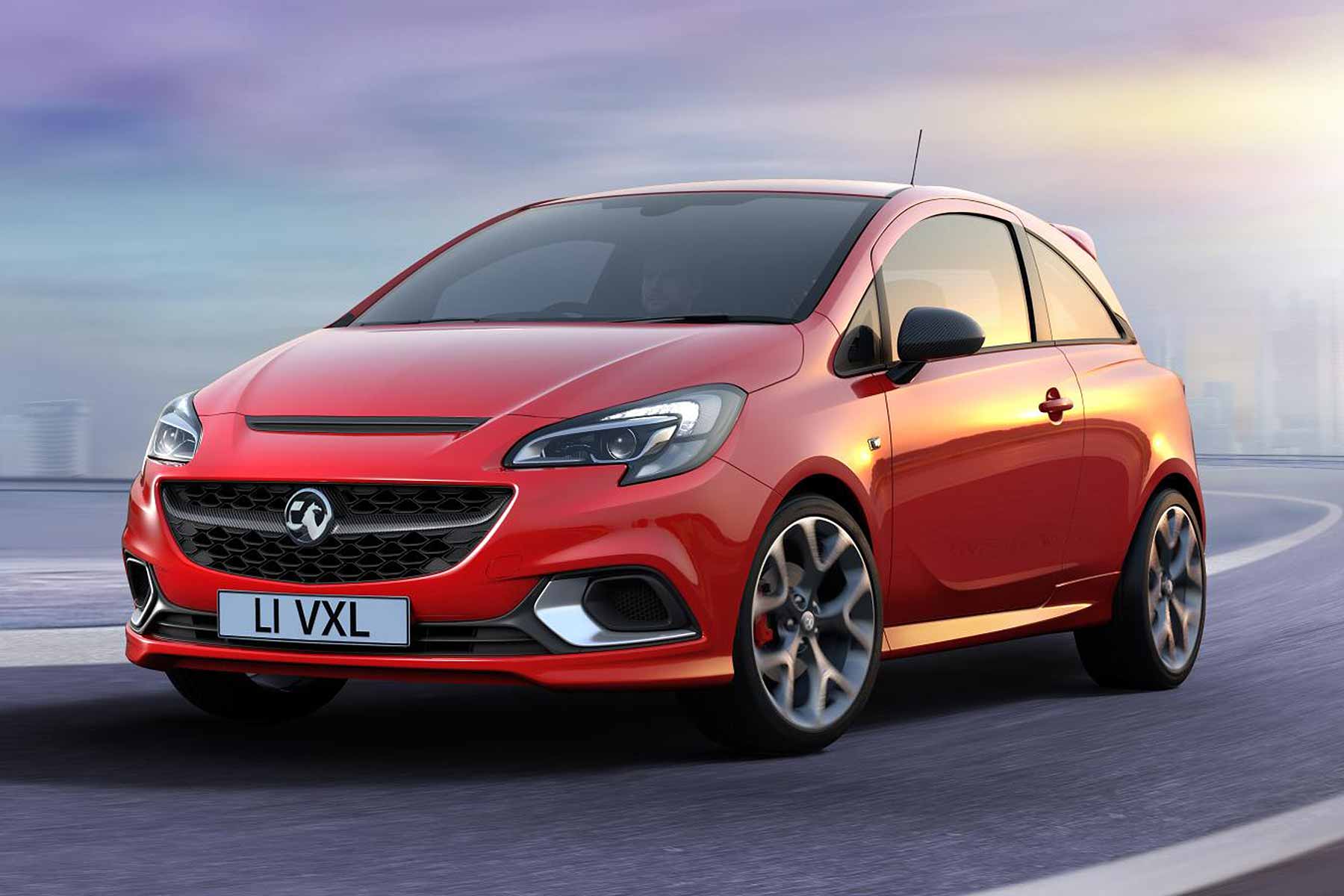
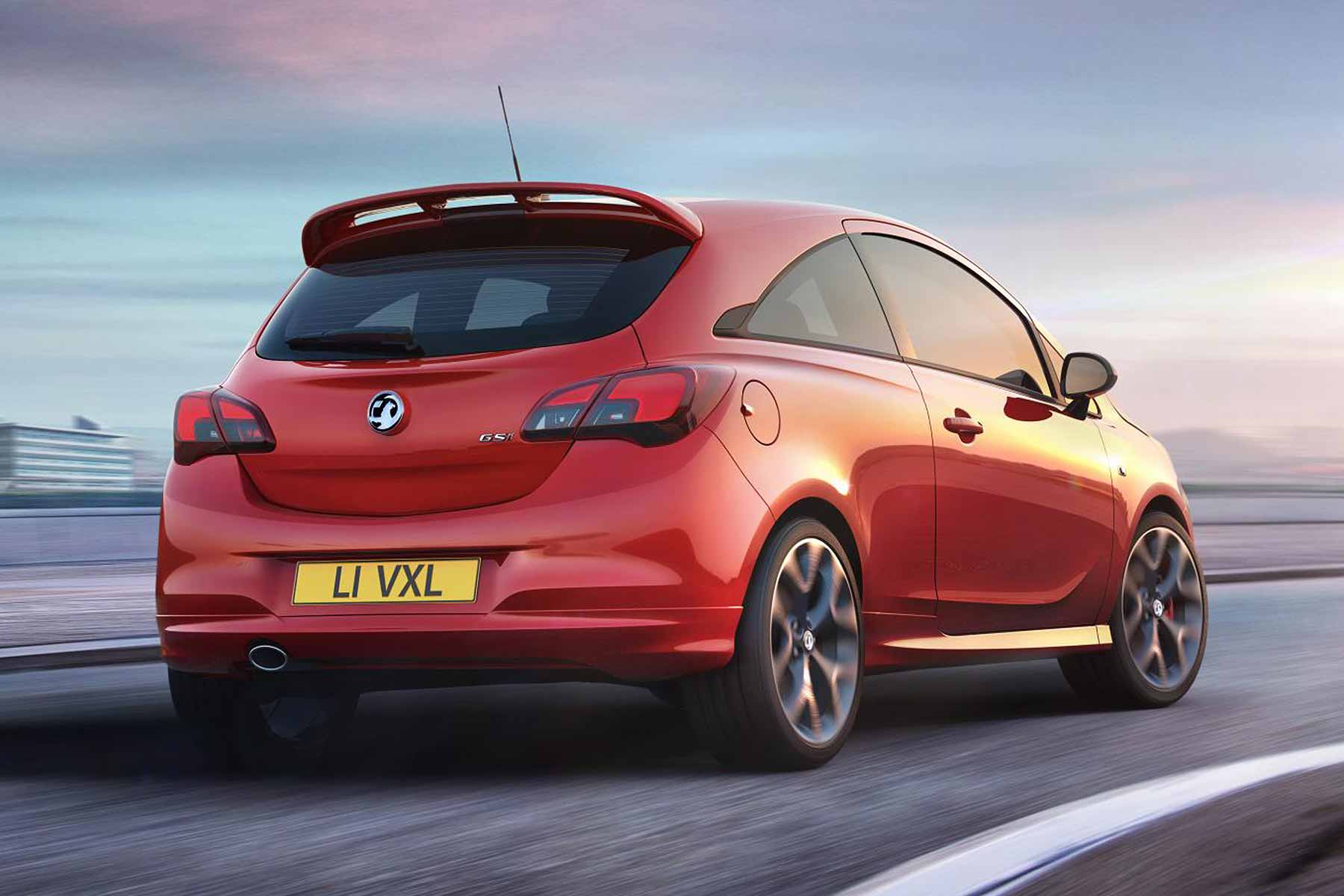
New 150hp Vauxhall Corsa GSi prices from £18,995

0

Vauxhall Corsa GSI 2018The exceptional value of the new Ford Fiesta ST has been highlighted once again by a rival. Earlier, Suzuki baffled hot hatch fans by revealing the new Swift Sport costs from £17,999. Now, Vauxhall has just announced prices for the new Corsa GSi, which start from… £18,995.

That’s the same as the entry-level cost of a Fiesta ST. Which has 50hp more and is a bona finde hot hatch rather than the ageing warm hatch Vauxhall.

Vauxhall Corsa GSI 2018

Vauxhall’s ambitious pricing for the weedy GSi is compounded when you compare performance figures. The 1.4-litre turbo Corsa GSi does 0-62mph in 8.9 seconds and will hot 129mph flat-out. The 1.5-litre turbo Fiesta ST does 0-62mph in 6.5 seconds and can hit 144mph.  

The two cars are reasonably well spec-matched, too: both get 17-inch alloys, touchscreen infotainment with Apple CarPlay and Android Auto – and while Recaro seats are standard on the Fiesta, they’re £1,900 more on the Corsa, as part of the GSi Plus pack that also includes 18-inch alloys, leather and bi-xenon headlights.

A Fiesta ST-3, which includes 18-inch alloys and even more kit, costs from £21,495.

Vauxhall says ordering for the new Corsa GSi is open now, with first deliveries due from September 2018.

Advertisement

Road to Zero emissions plan revealed by government

0

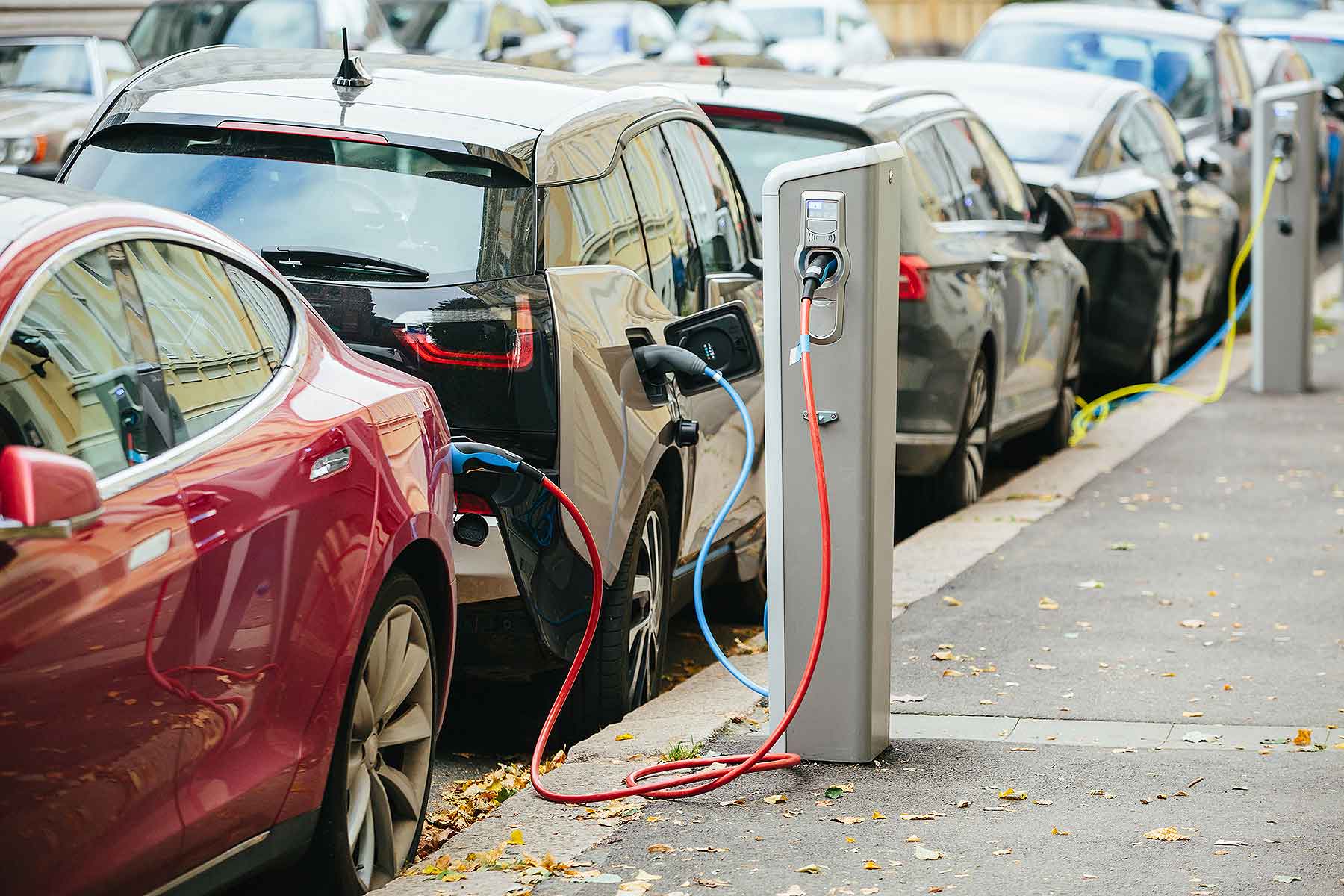
Electric car on-street chargingThe government’s long-awaited Road to Zero plan has been published, outlining how it will achieve the 2040 ban on petrol and diesel cars

The plan includes a suggestion that new homes and offices be equipped with electric car charge points, new street lights to be fitted with charging points, and more money allocated to improving the electric car charging infrastructure.

Recent surveys suggest the biggest barrier to motorists considering electric cars is Britain’s patchy recharging network. 

However, the biggest headline is clarification on exactly what the 2040 petrol and diesel car ban will mean. In short, the government is NOT banning hybrid cars post-2040 and is NOT insisting that all cars be pure-electric vehicles. 

The Road to Zero plan states that it will “end the sale of conventional petrol and diesel cars and vans by 2040” – that’s cars with no electrified capabilities whatsoever. Although it expects the majority to be 100 percent zero emissions, “all new cars… will have significant zero emissions capability”. 

“By 2050 we want almost every car and van to be zero emission.”

Ministers also want at least 50 percent of new car sales by 2030 to be ultra low emissions – that’s cars with CO2 emissions of 75g/km or less – and it’s targeting as many as 70 percent of sales.

It has vowed to review things in 2025 and “consider what interventions are required if not enough progress is being made”. 

The clarification comes after months of speculation about what the 2040 ‘ban’ actually means. “The Road to Zero strategy is technologically neutral and does not speculate on which technologies might help to deliver the government’s 2040 mission,” it says. 

Just in case there was any doubt, it adds: “The government has no plan to ban any particular technology – like hybrids – as part of this strategy”. This will be music to the ears of hybrid pioneers Toyota, which has recently taken to describing its cars as ‘self-charging hybrids’. 

“The Road to Zero strategy sets out a clear path for Britain to be a world leader in the zero emission – ensuring that the UK has cleaner air, a better environment and a stronger economy,” said Transport Secretary Chris Grayling.

Road to Zero strategy: more money, street light charging

Launched as part of Road to Zero is a £400 million ‘Charging Infrastructure Investment Fund’. This provides funding to companies that make and install charge points. It’s intended to “accelerate the roll-out of charging infrastructure” and the process to appoint a fund manager will begin soon.

There’s also a £40 million programme to trial “innovative, low cost wireless and on-street charging technology” and confirmation the Plug-in Car Grant (and Plug-in Van Grant) will continue to at least October 2018 at current rates “and in some form until at least 2020”. 

An Electric Vehicle Energy Taskforce will be set up; this will bring together automotive and energy companies, so they can work out how to tackle the rise in demand on energy infrastructure that more electric vehicles will bring.

Electric charging company Chargemaster, which was recently bought by BP, welcomed the Road to Zero plan’s continued commitment to home charging, and an increase in the Workplace Charging Scheme. Chief executive David Martell also praised the plan’s encouragement of installing charging in new developments, “which will cost less than retrofitting it in the future”.

The Road to Zero plan follows a roadmap published by the Department for Transport-backed Advanced Propulsion Centre (APC). The ‘Towards 2040‘ publication sought input from almost 140 organisations to draw up a technical roadmap for reducing automotive emissions. 

Advertisement

Aston Martin ‘greatly encouraged’ by government Brexit plan

0

Aston MartinAston Martin has issued a statement saying it is “greatly encouraged” by the government consensus on a Brexit plan for the UK’s future trading relationship with the EU, as agreed at Chequers on Friday. 

Ahead of MPs and peers discussing the plan in Parliament, the British sports car firm has issued its public support for the plan, which it says “addresses both the concerns of industry, whilst respecting the result of the EU Referendum”. 

Aston Martin made the automotive industry’s position clear: it’s one that makes long-term investment and employment decisions, and thus needs clarity and certainty to plan for this. “Over the past few months this clarity has been lacking.

“Any new trading arrangement that would introduce tariffs, regulatory divergence or other barriers for business would be a poor outcome for both the UK and the EU.” The Chequers Brexit plan seeks to avoid this.

“We fully support the Government’s proposed approach to a new combined customs territory, that will provide us with continued unlimited access to our European supply chain, whilst also allowing the UK to form new trade deals with some of the fastest growing economies around the world.”

Now comes the hard part, adds Aston Martin: “ensure that the opportunities outlined by the Prime Minister are implemented, for the economic benefit of both the UK and EU.” (And overcome the inevitable hurdles that are already arising, it could have added…)

It’s unusual for a car company to issue such a fulsome statement of support for government policy, but Brexit has long frustrated the automotive industry which has felt its concerns were not being recognised or listened to. This is why Aston Martin has felt the need to celebrate what it considers a good result. 

“This is a positive step forward for Aston Martin’s future growth and we commend the Cabinet in reaching this consensus.”

Advertisement

Hot cars ‘as bad as drinking and driving’

0

Hot car interior warningDriving in a hot car isn’t just uncomfortable, it could be dangerous, says new research published by Seat. A car with an interior hotter than 35 degrees C resulted in drivers reacting similarly to those with 0.05 percent blood alcohol: that’s the legal limit for driving in Scotland.
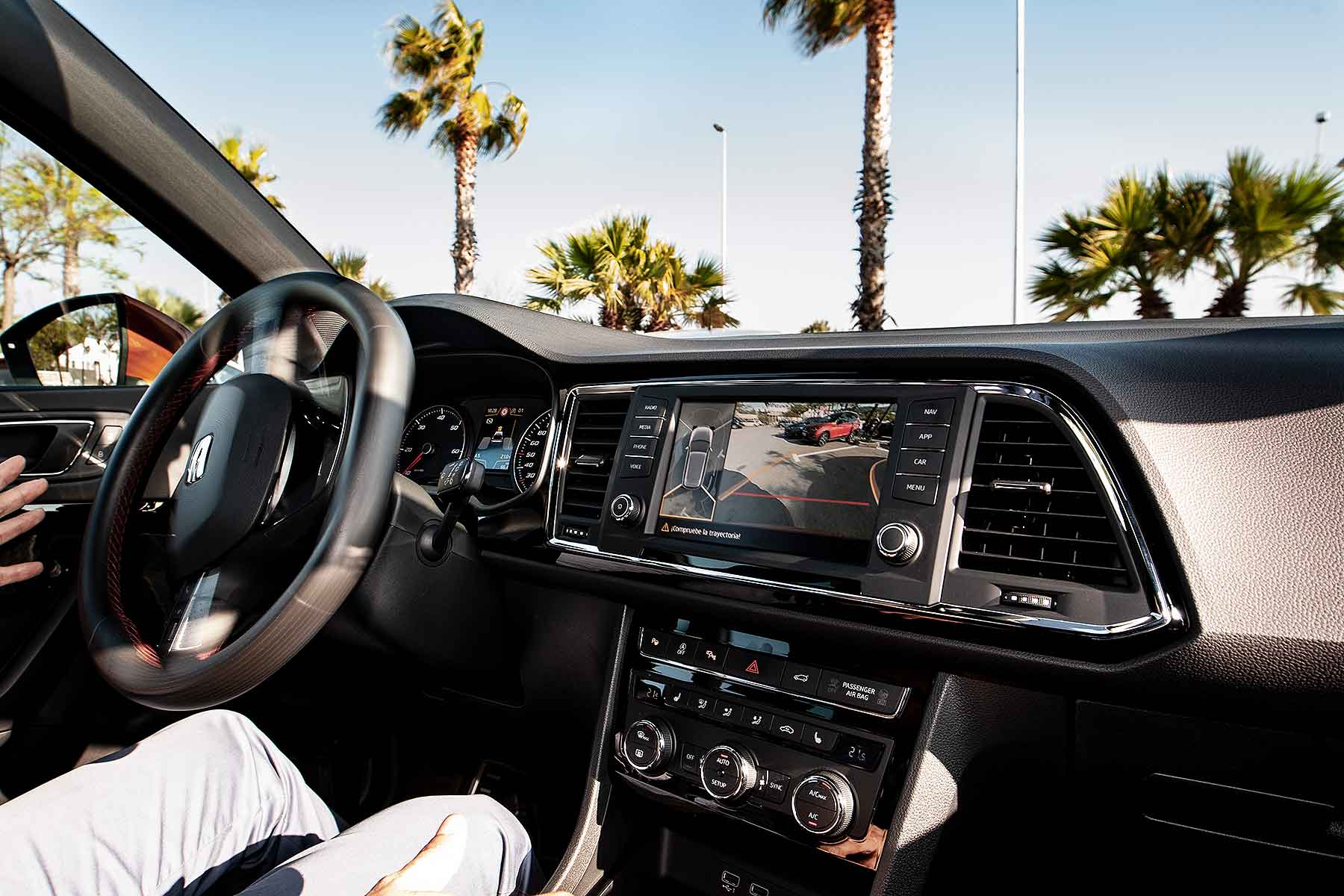

The firm is thus advising people to be ‘air-con savvy’ – but, contrary to what many believe, this does not involve jumping in, turning the fans on full blast and cooling the interior as quickly as possible.

Instead, open the windows first, and the doors too if you’re able. This lets the scorching hot air inside the car escape first, so the air conditioning system will work more effectively from the off, and the cabin will cool down more quickly.

Hot car interior warning

Many have got out of the habit of opening the windows of cars with air-con in the summer – and Seat believes this means we’re not getting the full benefit of our air-con systems.

It’s particularly important if you’re already hot. It’s easy to get dehydrated in hot weather, and suffering in a hot car interior for five or 10 minutes while you wait for it to cool down can exacerbate the effects of dehydration, which include tiredness, dizziness, headaches and, again, reduced reaction times.

Seat is an expert at dealing with the effect of the sun, as it’s based in Barcelona. It has analysis that shows cars parked in the sun can reach 60 degrees C or more, a staggering temperature that even the best air-con system won’t cool down quickly.

Hot car interior warning

That’s why it’s keen for us to be more air con savvy as the UK heatwave continues. Here, then, are some top tips on how best to use your air conditioning or climate control systems in hot cars:

  • Getting into a hot car? Open the windows first (and keep the doors wide open if you’re able), to let hot air escape before blasting the air con
  • Don’t activate the air recirculation function – this circulates stale air rather than clean, fresh air
  • Do use the air con in the morning. It may be cool, but this can actually cause windows to mist up as temperatures rise – something that can happen surprisingly quickly…
  • Point the jets to the ceiling instead of to your face: this lets cool air spread around the car more effectively (and help those in the rear stay cool!)
  • If the system isn’t very effective, think when you last changed your air filter. They need replacing every 10,000 to 15,000 miles, or they get clogged…

ALSO READ

New 2018 Audi A1 revealed

2005 Aston Martin V8 Vantage review

Vauxhall extends £4k scrappage deal

Advertisement

England World Cup success lands Auto Trader with a £150k bill

0

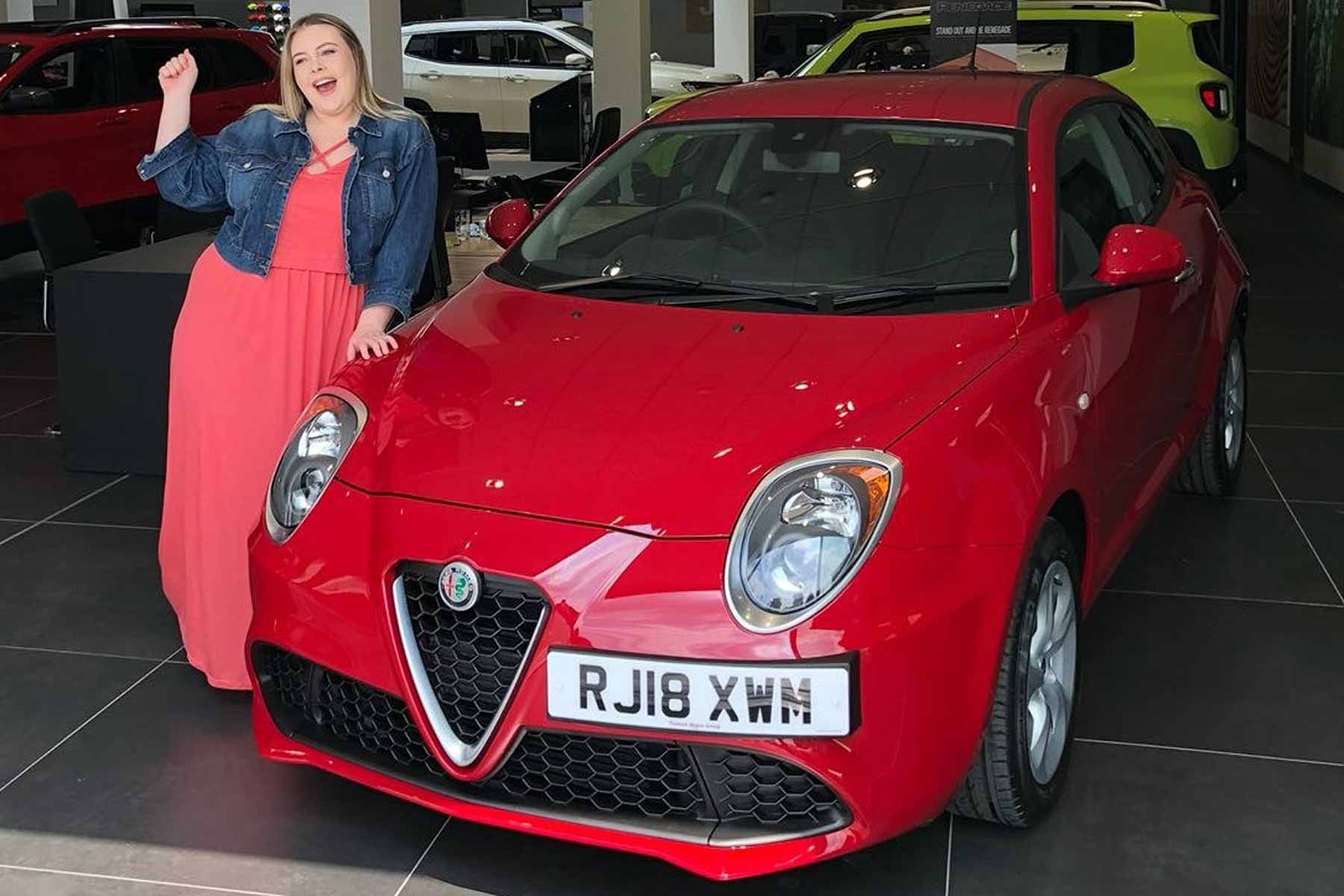
#AutoTraderGoals winnerAuto Trader has revealed its World Cup new car giveaway has already cost it more than £150,000, and the bill will rise further if England’s current run of good form continues.
The automotive marketplace’s #AutoTraderGoals social media competition is giving away a car for every goal England score. The running total has already exceeded the expected number of cars and, the 6-1 scoreline against Panama meant the form book was thrown out the window.

Since then, Auto Trader has been scrambling to source more Alfa Romeos, Fiats and Jeeps to give away to winners.

Harry Kane’s 57th minute goal in Tuesday’s match against Colombia took the running tally of cars to more than £150,000. Auto Trader has now done the sums and found the bill so far is £156,135, made up of:

  • 3 Abarth 595
  • 2 Alfa Romeo Mito
  • 2 Fiat 500X
  • 2 Jeep Renegade

24-year-old paediatric news Imogen Ryan (pictured above) from Reading was Tuesday’s winner and said she was “crying with joy when I found out I’d won.

“I’m 17 weeks pregnant and we desperately need a new car – so to win one in this way after such a dramatic end to the game was beyond a dream.”

Despite the steep bill, Auto Trader’s hoping Saturday’s match against Sweden will see the competition extend into the semi-finals next week, particularly as the competition has been trending on Twitter every time England has scored a goal in the 2018 Russia World Cup.

Auto Trader’s Lei Sorvisto said: “It’s fair to say that when we started this competition, we didn’t anticipate England would score so many goals.

“We’ve given our finance director a few headaches along the way – but we’re thrilled for all of the competition winners and we’re fully behind the England team to bring it home!”

Advertisement

Thor and Vader specials mark end for record-breaking Koenigsegg hypercar

0

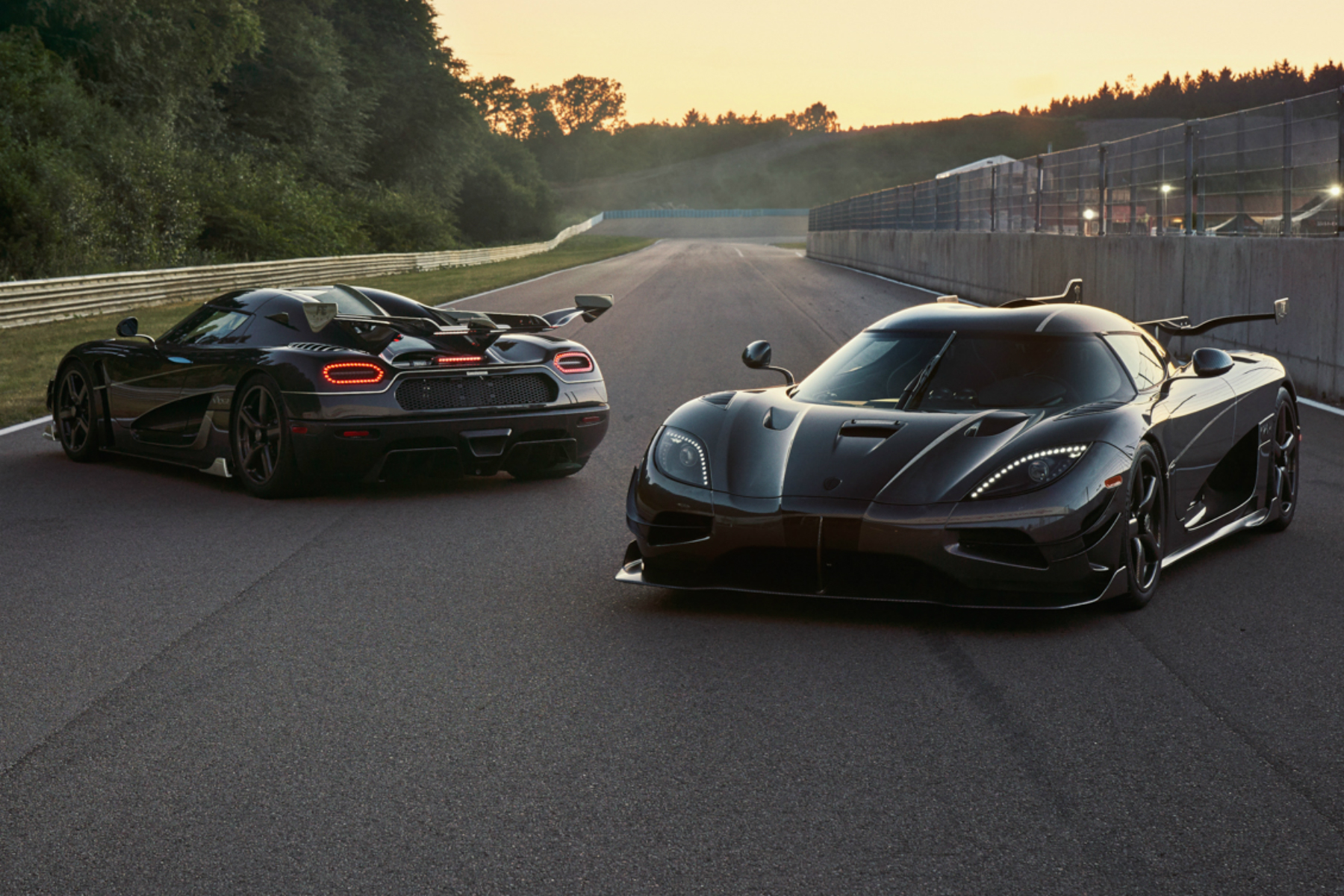
The last Ageras

It’s always a slightly sad moment when a long-lived hypercar dies. We’re reminded of when our childhood dream cars passed on – a sign it was time to grow up. The latest to see its final chassis leave the factory is the Agera series of Koenigseggs.

Debuting in 2010 with the familiar silhouette of the CCs that preceded it, the Agera came with twin-turbo power in place of supercharging, 5.0 litres of V8 muscle, more muscular looks and even bigger ambitions.

It would go on to achieve well beyond 1,000hp, with 2015’s One:1 “megacar” famously delivering one megawatt of power (1,341hp) as well as a power-to-weight of 1,000bhp per tonne (1,360bhp/1,360kg).

The Agera enjoyed the spotlight at one point, oddly, for its high-speed safety, with videos circling the internet of a test driver doing full-bore 0-180mph-0 runs while barely touching the wheel. Incidentally, Koenigsegg also kept Bugatti honest by beating its 41-second 0-248mph-0 record, posting a 36-second run.

Regardless of that, the special editions, the acceleration records and everything else, there’s one record that anyone who grew up wanting a McLaren F1 really cares about.

It’s arguably the Agera chassis’ crowning achievement. That incredible 284mph top speed record – with an official average of 277mph both ways – as achieved by an Agera RS late last year. That’s how a hypercar immortalises itself in our book.

So as Agera passes on, with Thor and Vader Final Edition (FE) chassis taking a trundle around in celebration, let’s reflect on how this once-plucky supercar start-up quite possibly built one of the most iconic hypercars ever made.

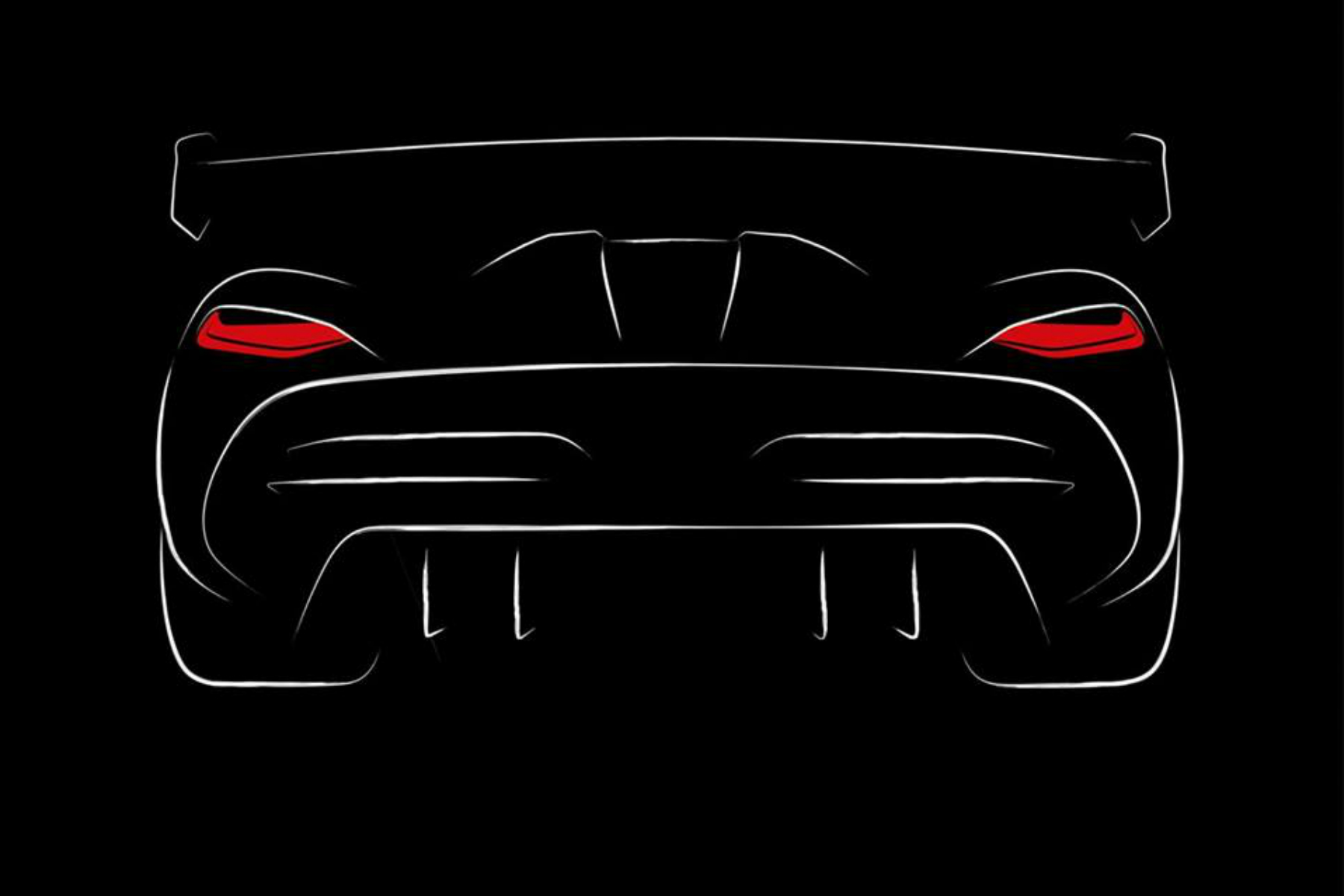
The next Koenigsegg

What’s next for Koenigsegg? Well, deliveries of the Regera are ongoing after a healthy development period. The ‘gearless’ machine was mooted by Christien von Koenigsegg as the marque’s vision of a GT car, presumably leaving room for something a little more hardcore.

With the advent of Brabham BT62, McLaren Senna and other such track-honed mega-machinery, will Koenigsegg’s Agera replacement be something aimed more toward lap times rather than outright speed? Time will no-doubt tell.

From the teaser image, it looks like we’re in for something altogether more hardcore right out of the box. On its Instagram page, Koenigsegg said “You know it’ll be epic. You just have to wait a bit to see just how epic it’ll be.”

Read more:

Advertisement

BMW has started building the new 8 Series Coupe

0

BMW 8 Series Coupe at Dingolfing

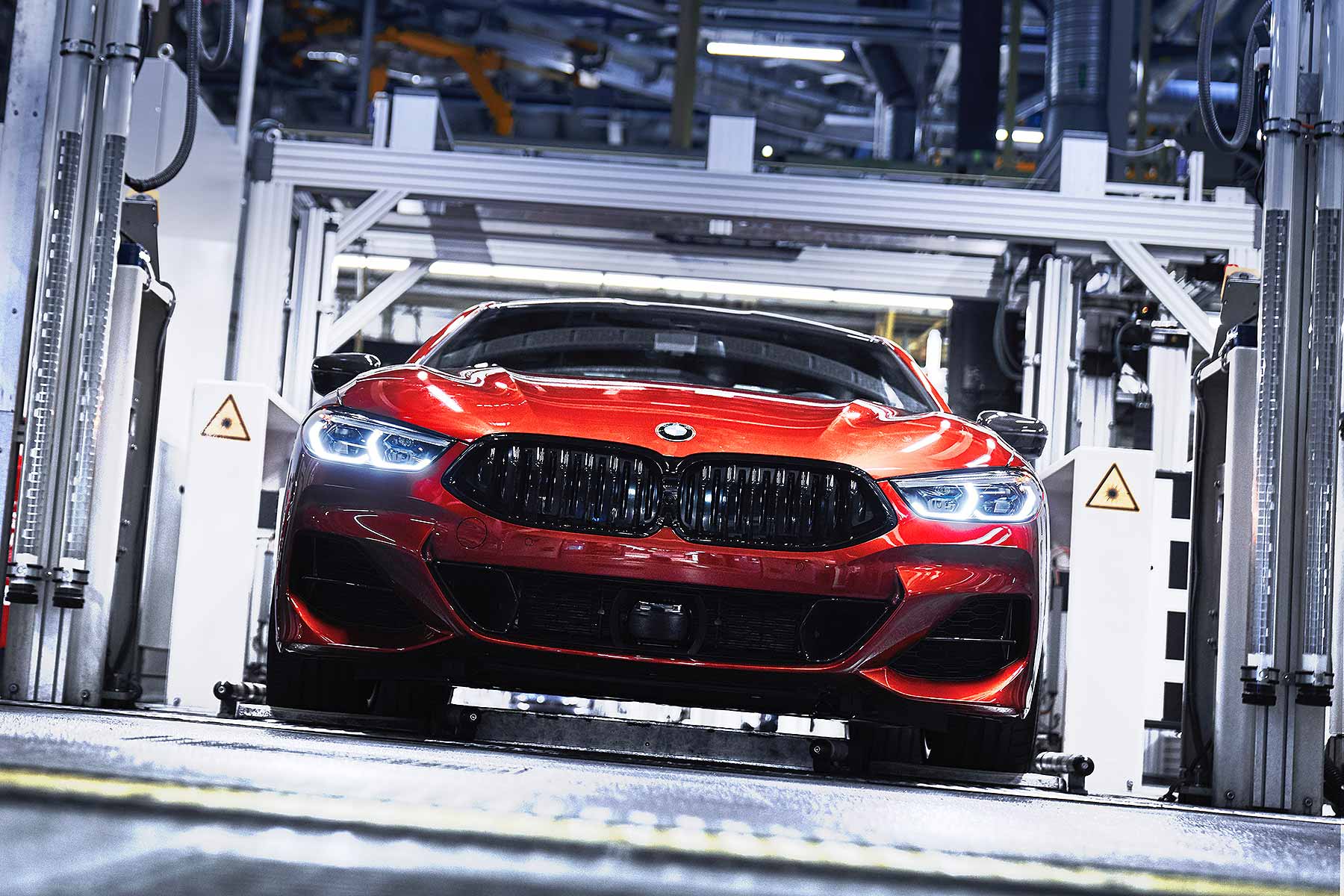
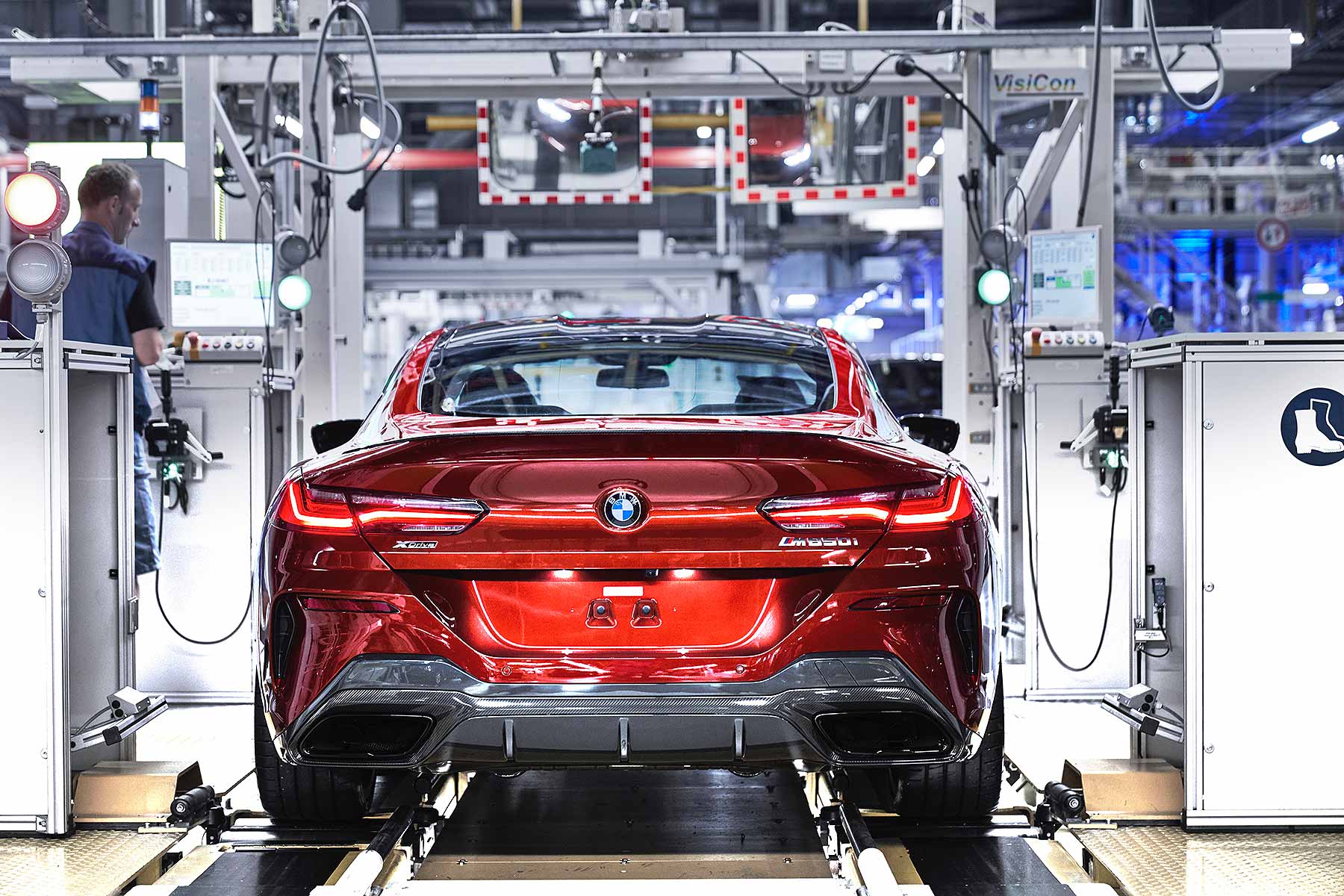
The BMW 8 Series is officially back. BMW’s massive plant in Dingolfing, Germany, has at last begun series production of the new 8 Series Coupe, ahead of deliveries beginning later this year.

High standards are guaranteed, reckons BMW: Dingolfing also builds the 5 Series and 7 Series. It will be blended into the line alongside these two cars, although the firm has still invested “three-digit Euros” to bring the long-awaited luxury coupe back to the production line.

Starting production of new models is not quite as simple as it once was, points out BMW. The new 8 Series Coupe, for example, uses steel, plastic, aluminium and carbon fibre in its body construction alone. Aluminium bits include the roof, doors, bonnet, front firewall plus front and rear support structures, while the roof can also be had in carbon fibre reinforced plastic (CFRP).

BMW 8 Series Coupe at Dingolfing

Although this has been a feature of M cars for some time, this is the first time a series production BMW has been offered with a CFRP roof. The item is actually made at the factory too, in a new wet-pressing process.

  • The history of the BMW 8 Series in pictures

Those ordering a new 8 Series Coupe will also be able to boast about the new autonomous trains that deliver parts to the production line, and the “collaborative robots” that measure for panel gaps and misalignments (any panel gaps seem a bit off? Blame the ‘bots).

And if you’re ordering a new 8 Series Coupe with any special equipment, you’ll love this: BMW’s equipped Dingolfing workers with smartwatches that buzz an “exotics alarm” when a car with non-standard equipment is coming up the line and needs special attention…

Advertisement

This is the British answer to a Singer Porsche 911

0

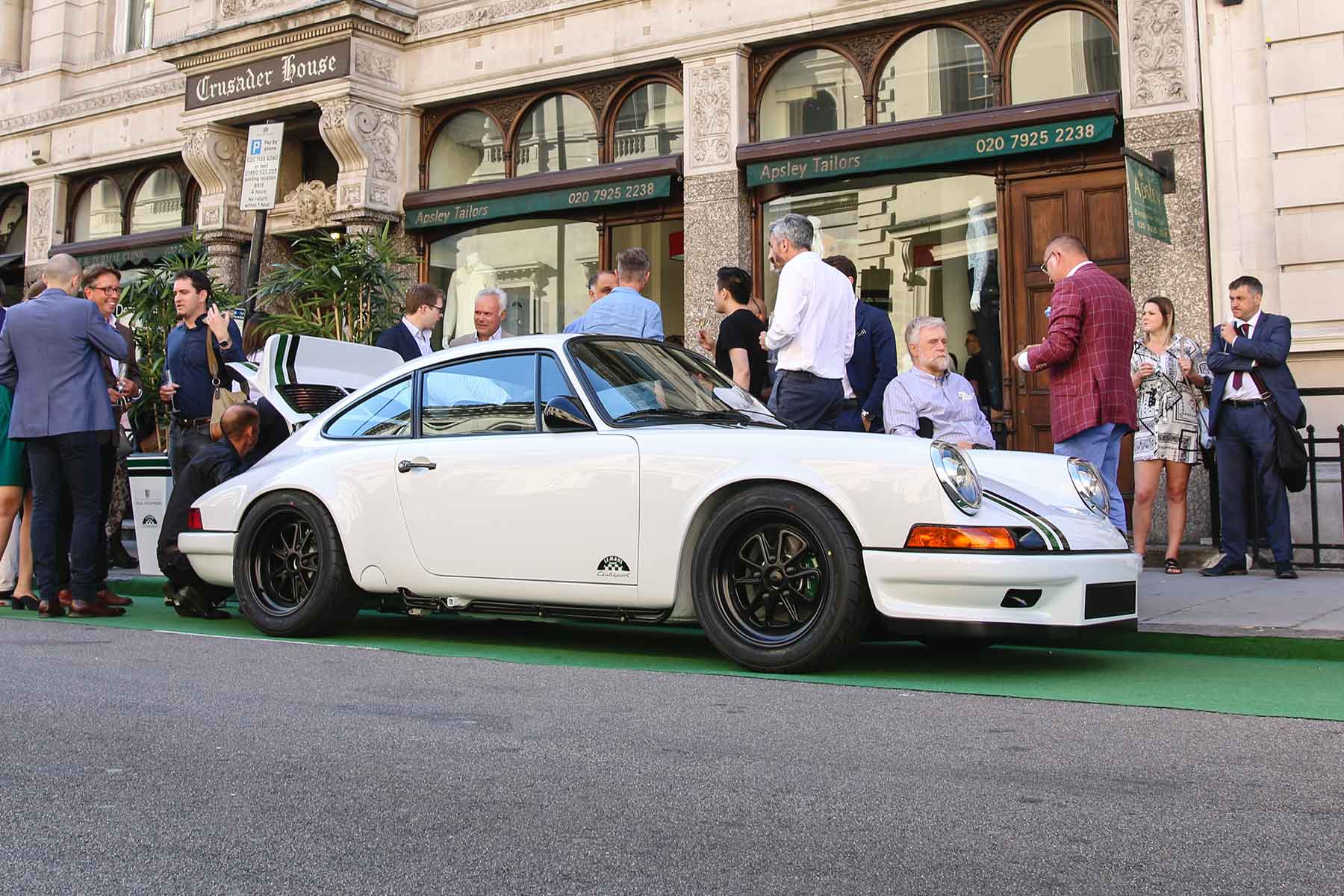
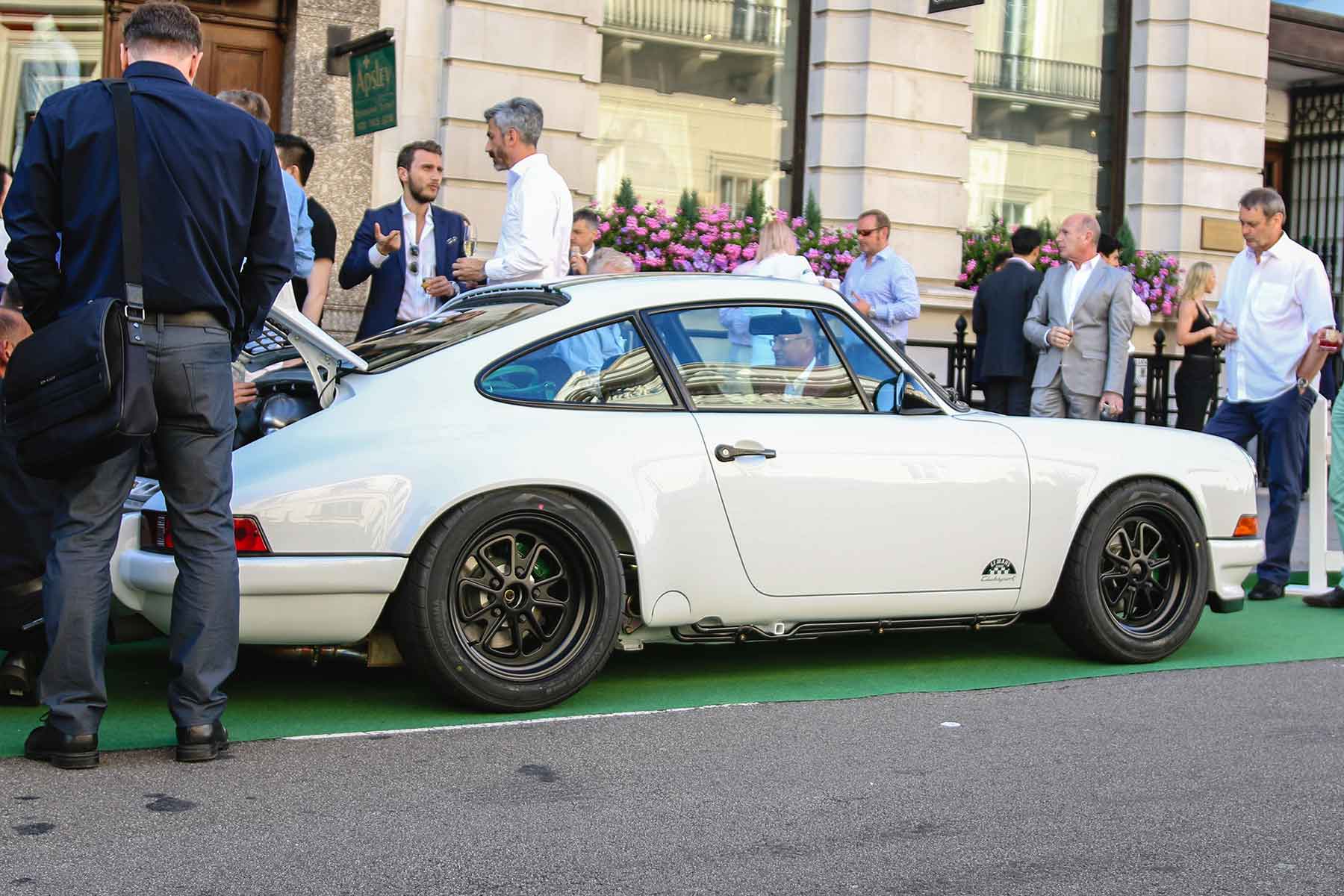
Paul Stephens 911

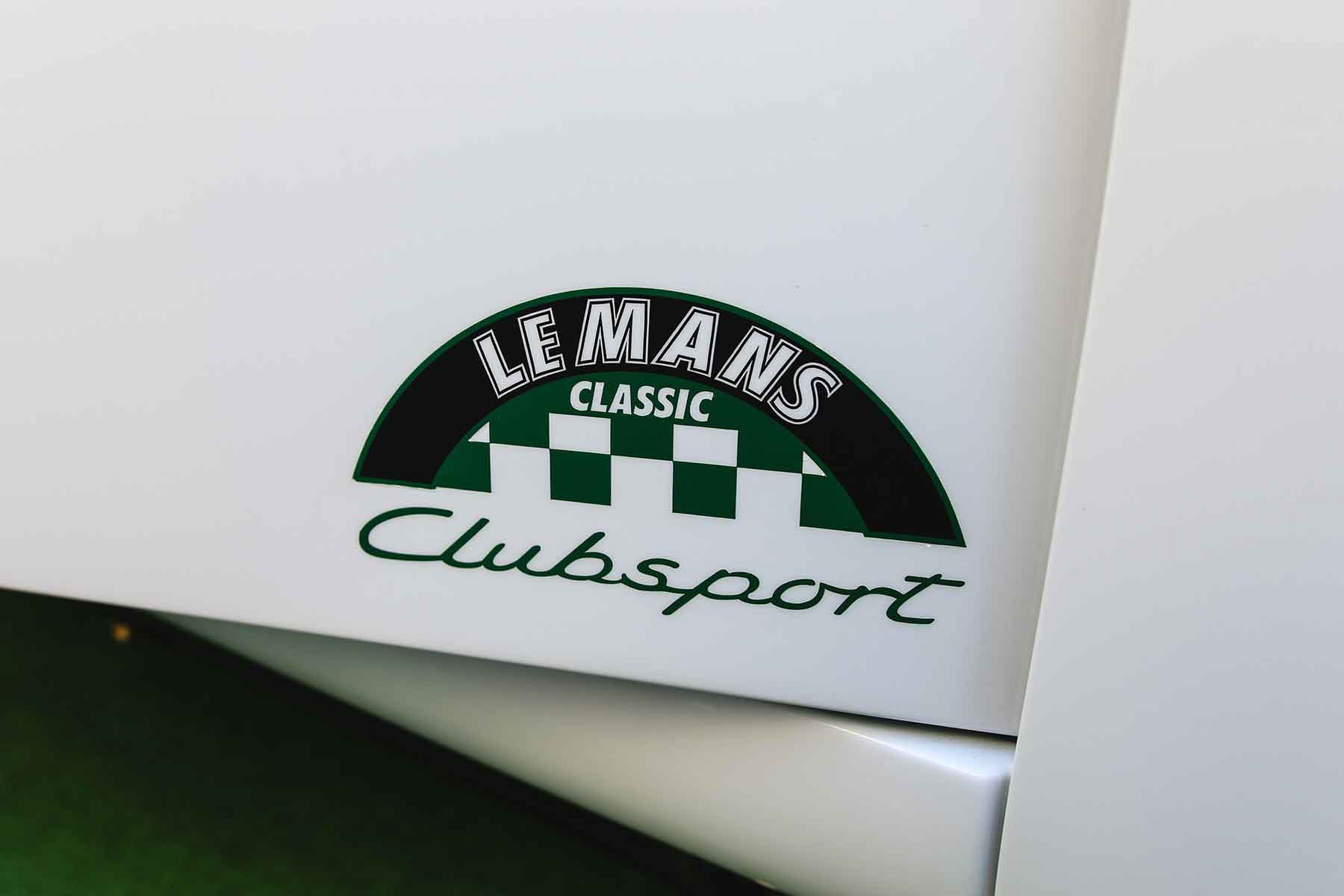
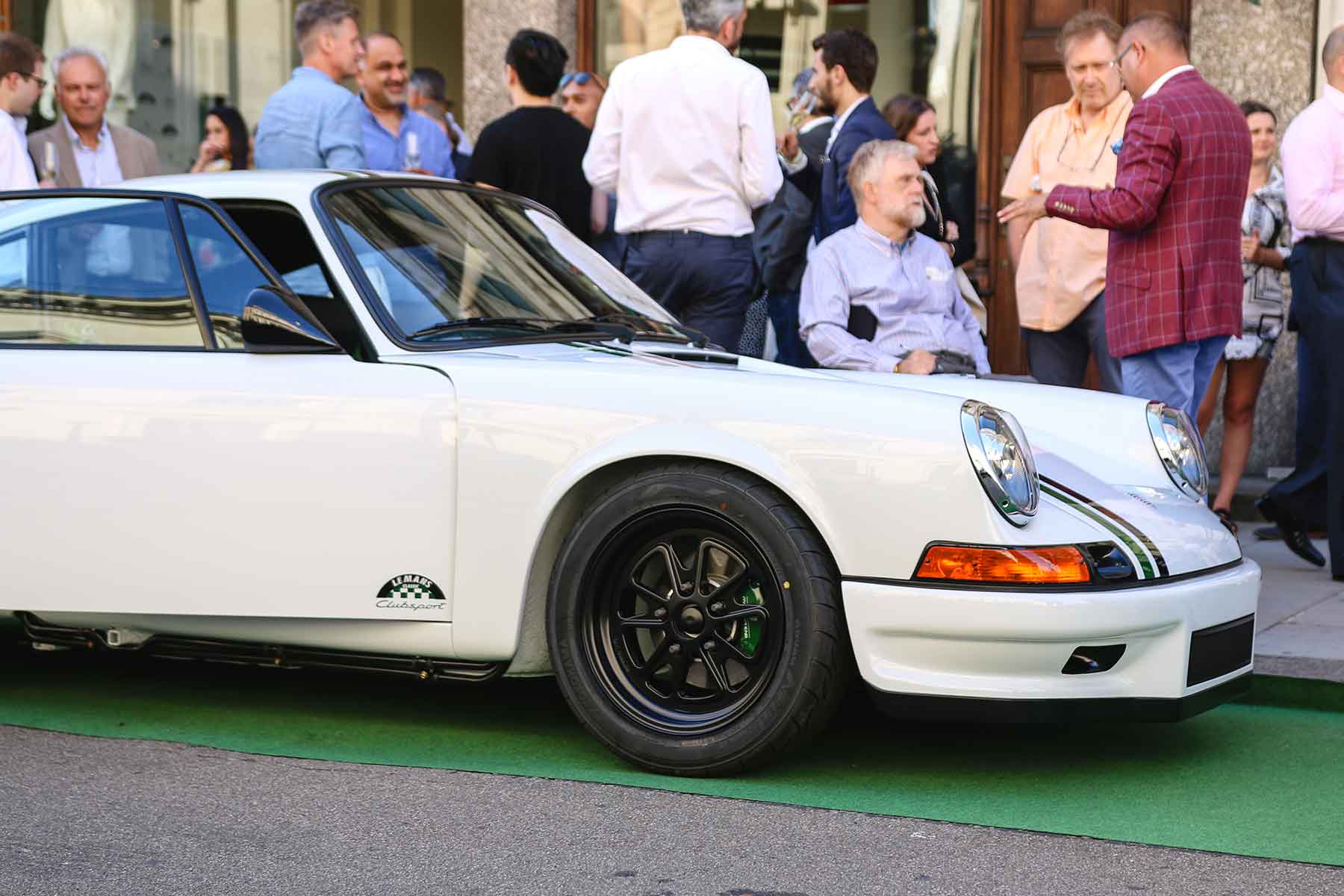
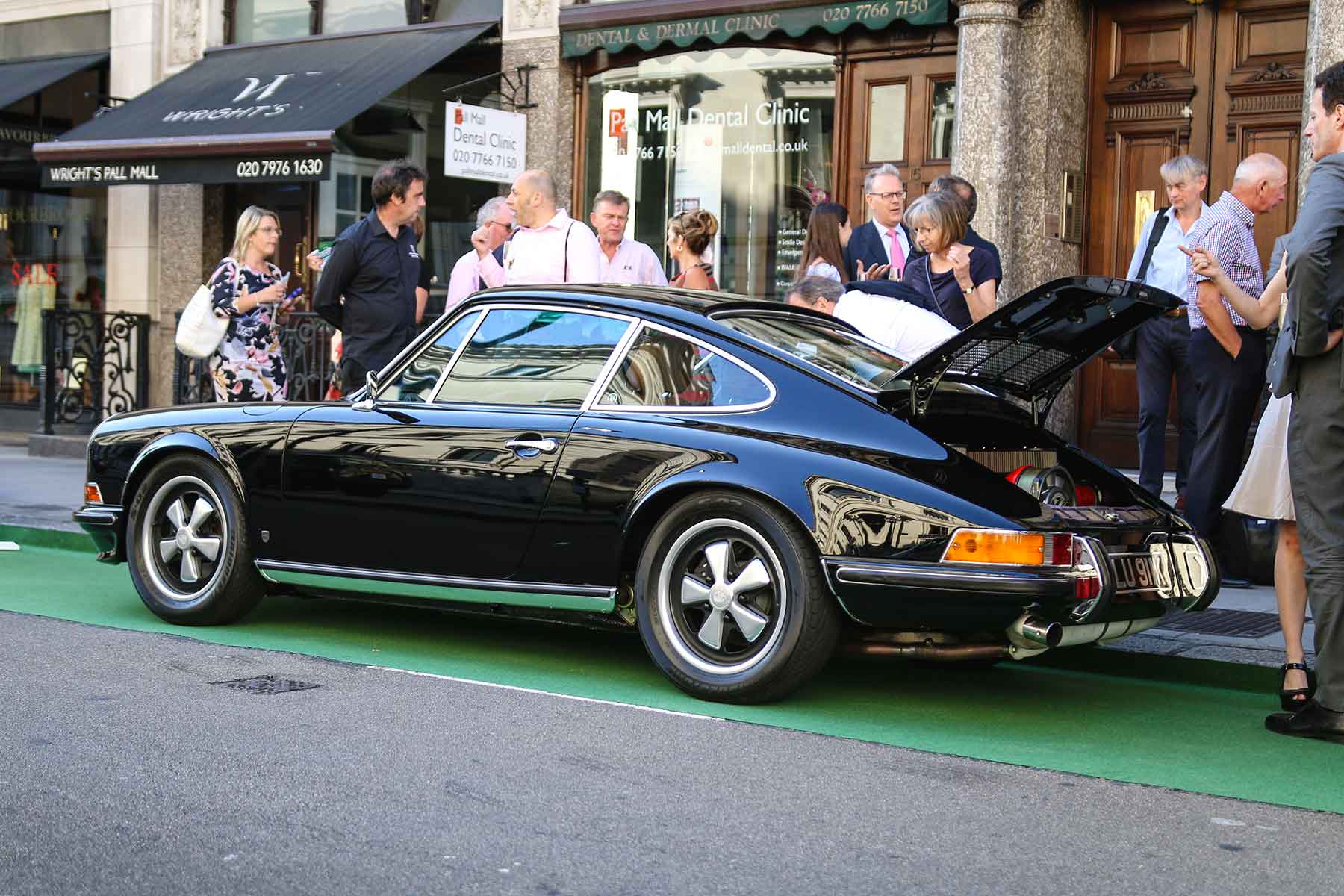
“Most cakes look tasty with a little icing on top,” says Paul Stephens, “but only by cutting a slice, and trying the ingredients inside, do you discover if it’s really a good cake.” That’s the philosophy behind the (deep breath) Paul Stephens Le Mans Classic Clubsport: a bespoke, British-built Porsche 911 with some very appetising ingredients indeed.

Here’s a taster: a 300hp flat-six, lightweight composite bodywork, a stripped-out interior and a £250,000 price tag. Think of the PSLMCC (as it shall henceforth be abbreviated) as a half-price alternative to the money-no-object Singer 911 and you’re on the right lines. Only 10 examples will be made.

We attended the car’s London launch and chatted to Paul about the project. Read on and watch our exclusive video to learn more.

Video: Paul Stephens Le Mans Classic Clubsport

Back to the future

Paul Stephens 911

Like many custom Porsches, the PSLMCC has been ‘backdated’ to make it look older than it is. The styling is inspired by the iconic 1973 911 2.7 RS (and related RSR racer) but each car starts life as humble late-1980s 3.2 Carrera.

Job one is the body shell, which is rebuilt to “as new” condition. Paul Stephens’ workshop – based near Sudbury, Suffolk – de-seams the roof panel, removes the sunroof (if fitted) and bolts on fibreglass composite front and rear bumpers.

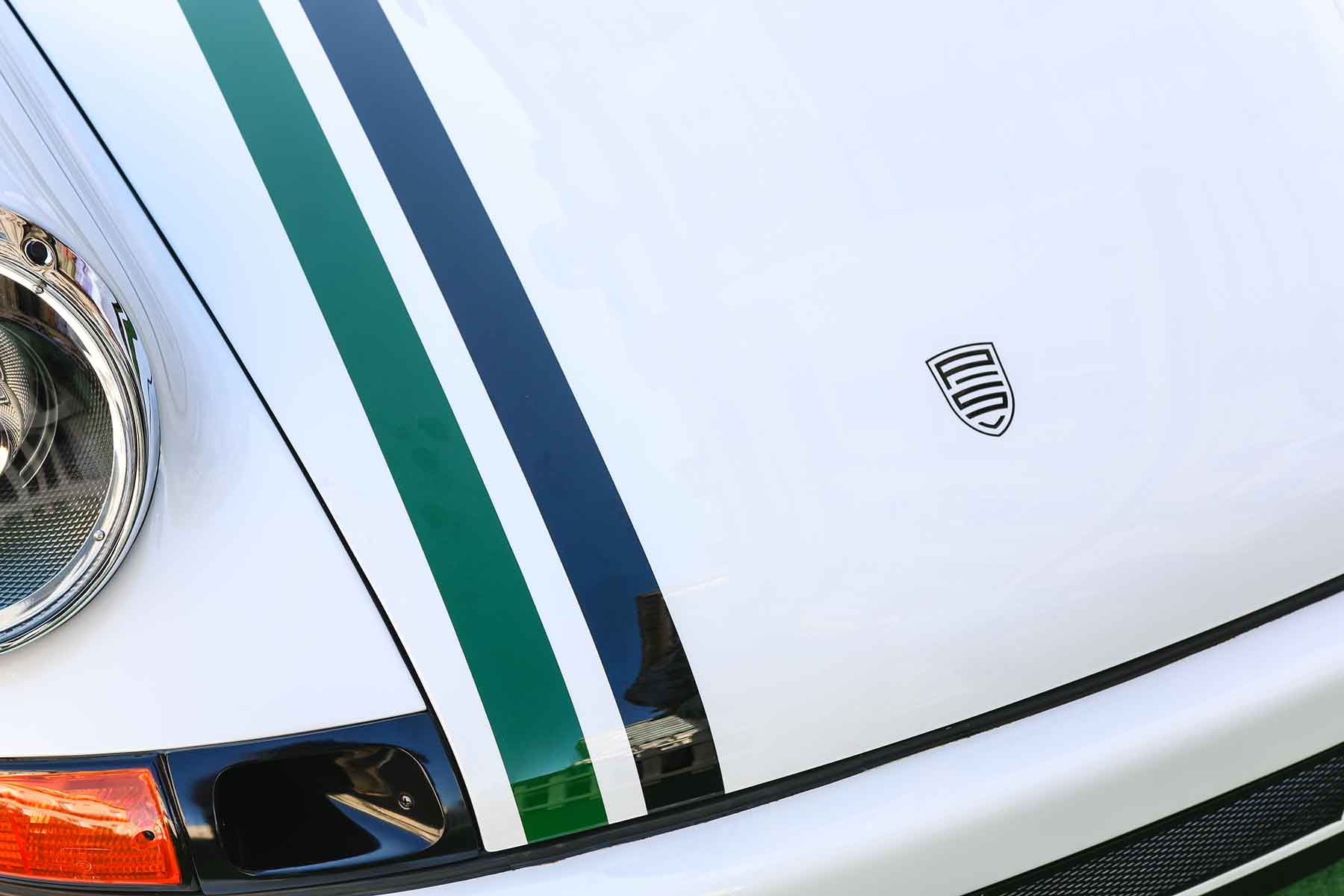
The engine lid is also composite, shaped into a ducktail spoiler that, again, pays homage to the 2.7 RS, although its profile is actually modelled on the 997 Sport Classic. An aluminium bonnet and tiny, aerodynamic door mirrors help trim vital kilos, too.

Air-cooled cool

Paul Stephens Le Mans Classic Clubsport


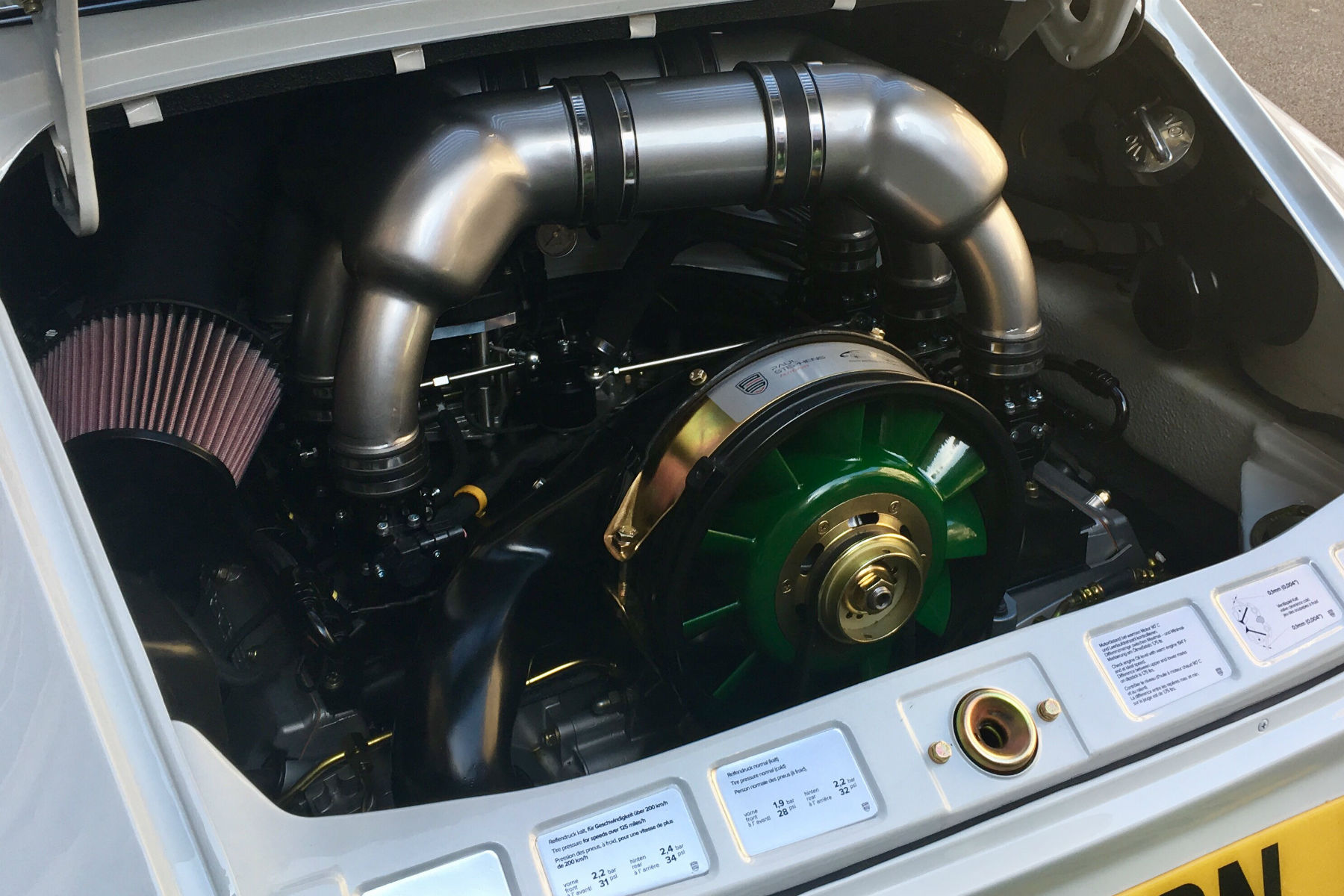
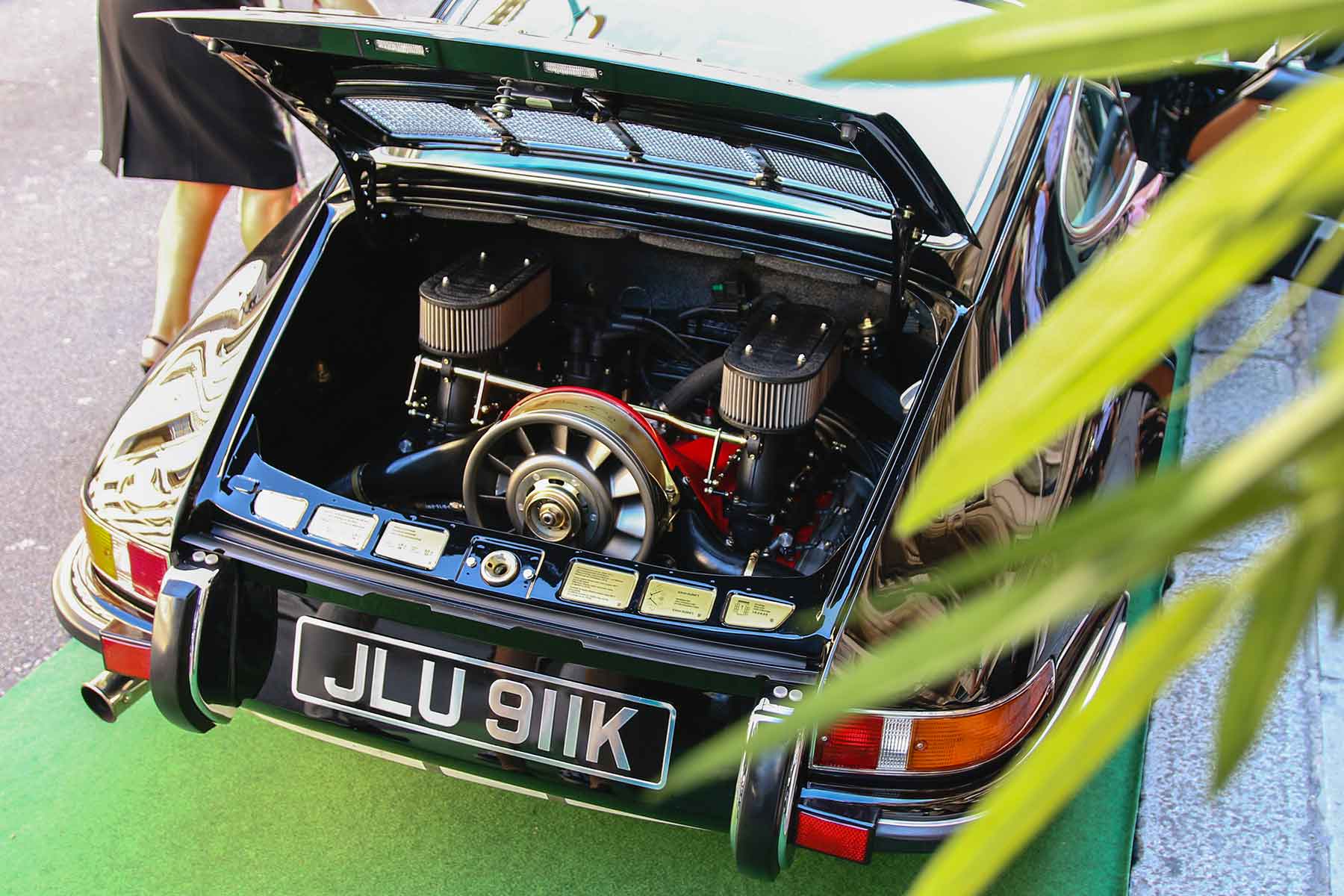
The heart of the PSLMCC is an air-cooled flat-six, bored out to 3.4 litres and modified with an ITB injection system, GT3 RS plenum, RS-spec cams, a lightened and balanced crankshaft, new conrods and a lighter flywheel. Modern engine management comes courtesy of a programmable ECU, which is mapped in-house.

Driving the rear wheels via Porsche’s proven G50 five-speed manual gearbox, plus a limited-slip differential, the 911 hits 60mph in 4.4 seconds and a top speed of 175mph.

However, straight-line speed is hardly this car’s raison d’être. Compact dimensions (shorter and narrower than a current Cayman) and a kerb weight of just 970kg (a new 911 Carrera is 1,505kg), should make it sublime on rural roads.

Lightweight or Touring

Paul Stephens 911

That quoted 970kg applies to the Lightweight version of the PSLMCC and, incidentally, is near-as-dammit identical to the 2.7 RS Lightweight. There’s also a more luxurious Touring spec – as per the car in our photos – which tips the scales at 1,075kg. In a nod to the original factory option codes, Paul refers to the cars as ‘M471’ and ‘M472’ respectively.

The Lightweight is a no-frills driving machine, with thinner carpets, minimal sound proofing, manual front windows, Lexan plastic rear windows, no central locking, non-tilting seats, no glovebox lid and a single sun visor. The Touring gets electric windows, plusher trim and a full complement of sun shades. Air conditioning is available on both versions at extra cost.

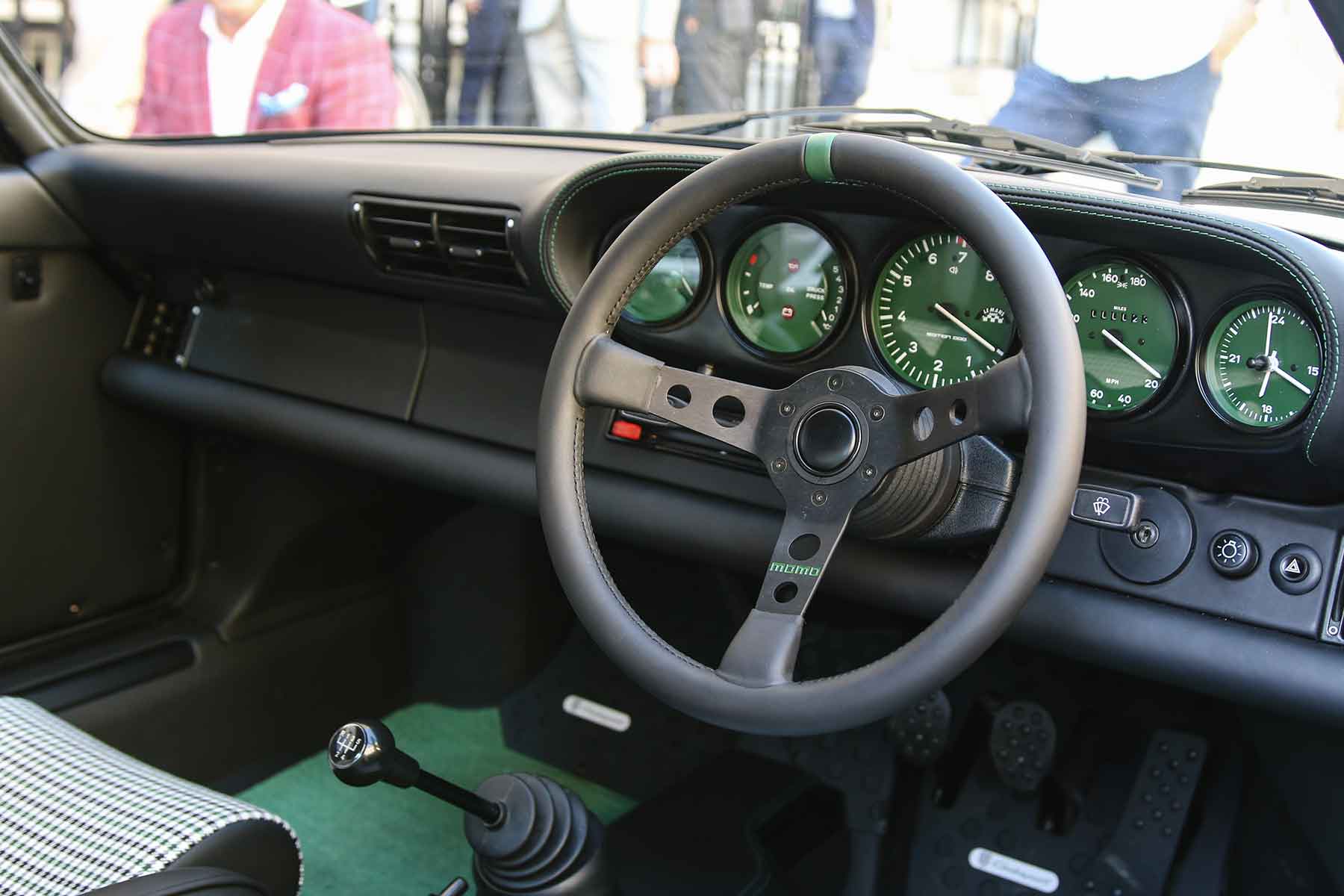
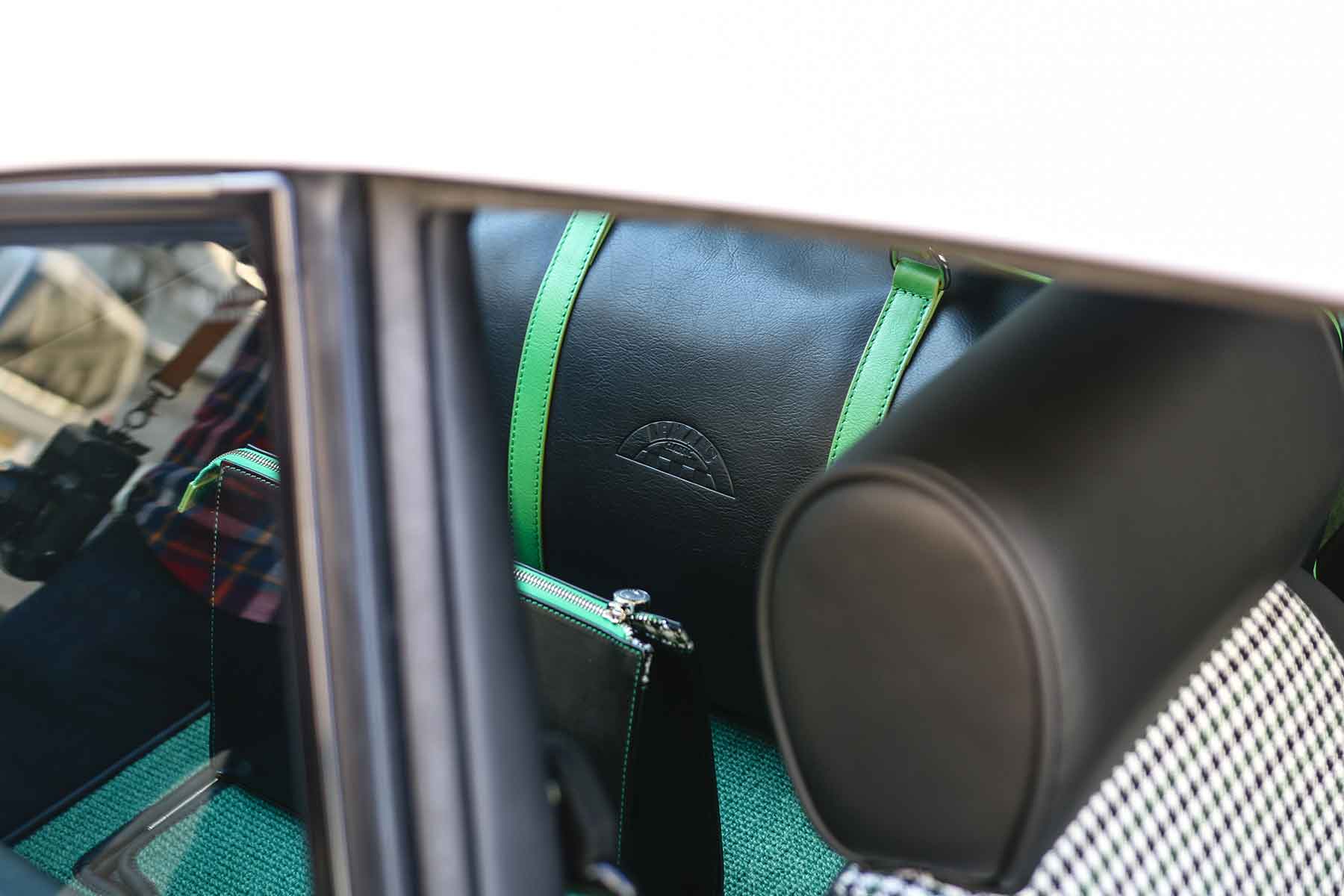
Much of the interior, including the dashboard, is custom-made and the standard of finish is exceptional. The ST-style seats are trimmed in unique green, black and white houndstooth cloth, while the green theme also extends to the dials, carpets (black is optional) and RS-style fabric door pulls. A fully trimmed storage box takes the place of the rear seats and each car comes with a bespoke Le Mans Classic leather luggage set.

Road to Le Mans

Paul Stephens 911

The connection between Paul Stephens and Le Mans goes deeper than a neat logo on the ducktail and a 24-hour clock on the dash. The car is an officially licensed product of Le Mans Classic, created in collaboration with event organisers Peter Auto.

Paul’s plan is that all 10 lucky PSLMCC owners will collect the keys to their cars in a special ceremony on the start/finish straight at Le Mans Classic in 2020 – the 10th anniversary of the event. We’d call that having your cake and eating it.

For more information on the Le Mans Classic Clubsport, visit the Paul Stephens website

Read more:

Advertisement

Diesel new car share could plummet to just 5% by 2030

0

Diesel's decline

Barely a week after we published news on a range of new clean diesel engines for the Hyundai Kona, are we solemnly reading more daunting predictions for the future of the fuel.

Consulting firm AlixPartners, which have been following the situation closely, reported that diesel would make up a mere 5 percent of the market share come 2030. For context, that’s an updated figure with a 4 percent reduction on the 9 percent market share prediction from a similar report in 2016.

Diesel has had more than its fair share of unwelcome time in the spotlight over the past couple of years, which is likely to have a negative impact on the battle to reduce CO2 figures (at a 4.6 percent rate of reduction up to 2021). The firm actually reports a 0.3 percent increase in g/km figures over the course of 2017.

While the high nitrogen oxide emissions are the headline offence for diesel, lower CO2 numbers were the crux of the movement in favour of the fuel in the years preceding the 2015 NOX emissions scandal.

Diesel's decline

Manufacturers face a  ‘technology choice’

While Alixpartners claims manufacturers are “facing a technology choice” between hybridisation and full EV applications to meet targets, other reports talk of a “pile-up of epic proportions” as manufacturers spend upwards of $200 billion developing EV models that won’t make money.

Regardless of their claims, the market appears to be going full steam ahead at the beginning of its wholesale transition to alternative power sources. You can read what we found at the reveal of the Advanced Propulsion Centre UK’s Roadmap Report Towards the 2040 fossil fuel sales ban here.

Last year saw a 17 percent drop in diesel car demand, with the month of May witnessing a year-on-year decrease of 23.6 percent according to the Society of Motor Manufacturers and Traders (SMMT).

With questions over the validity of manufacturer’s emissions claims ongoing, that downward trend is likely to have continued throughout this year. Manufacturers like Hyundai and Mercedes-Benz insist that diesel isn’t dying, releasing clean diesel models with new technologies and even hybridisation in the case of Mercedes’ 300de models. Whether their investment will pay off remains to be seen.

Read more:

Advertisement