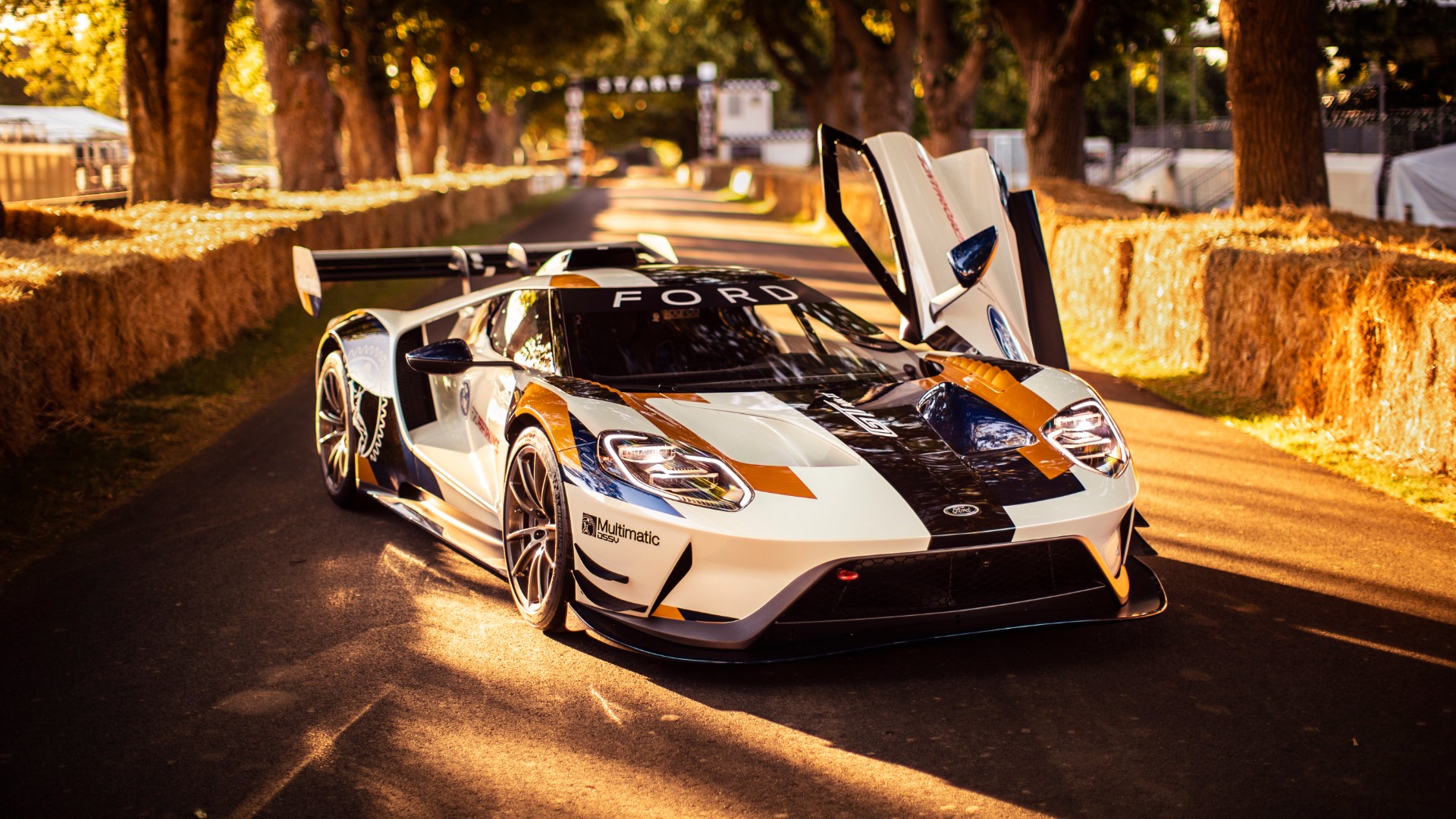
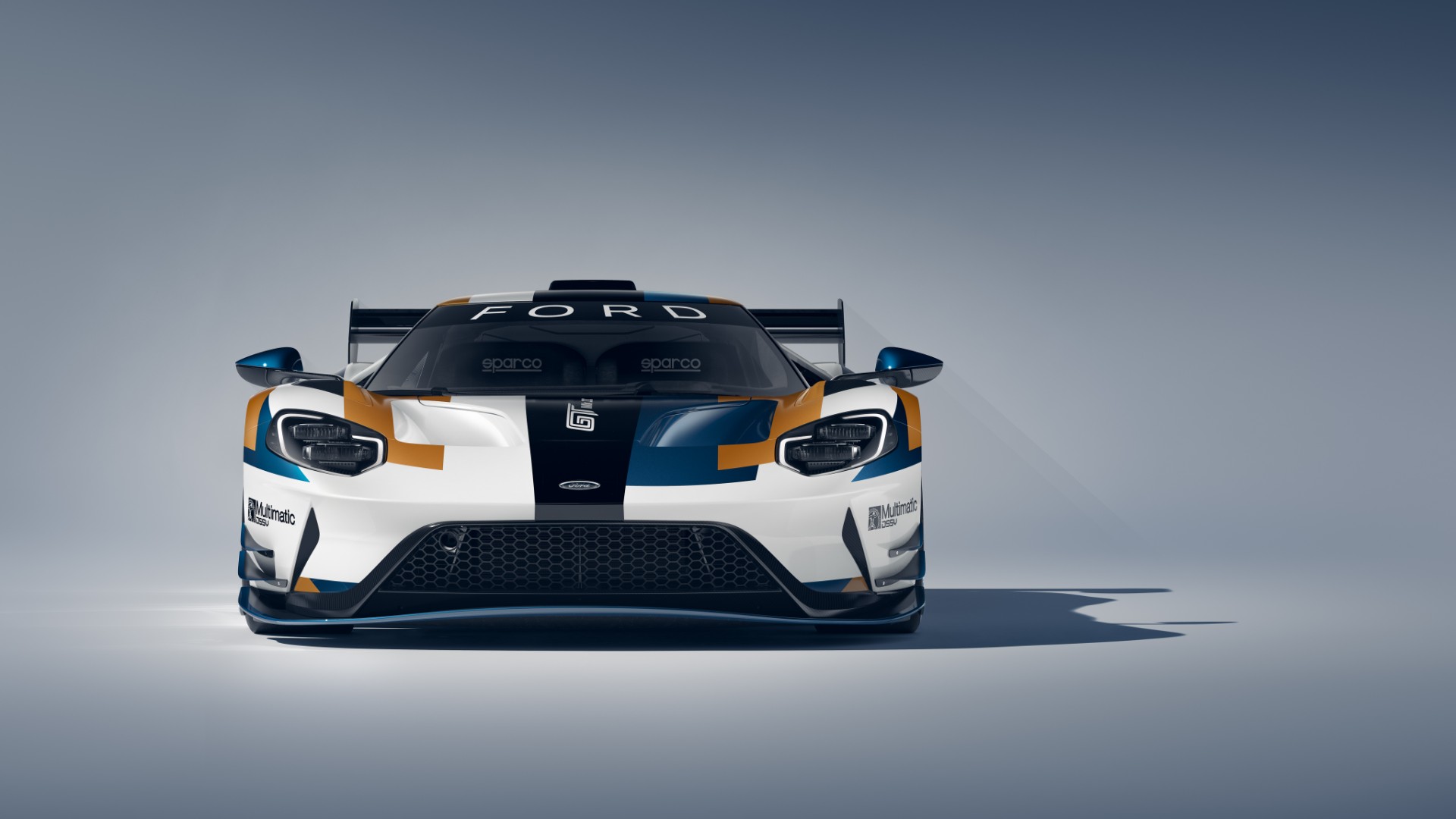
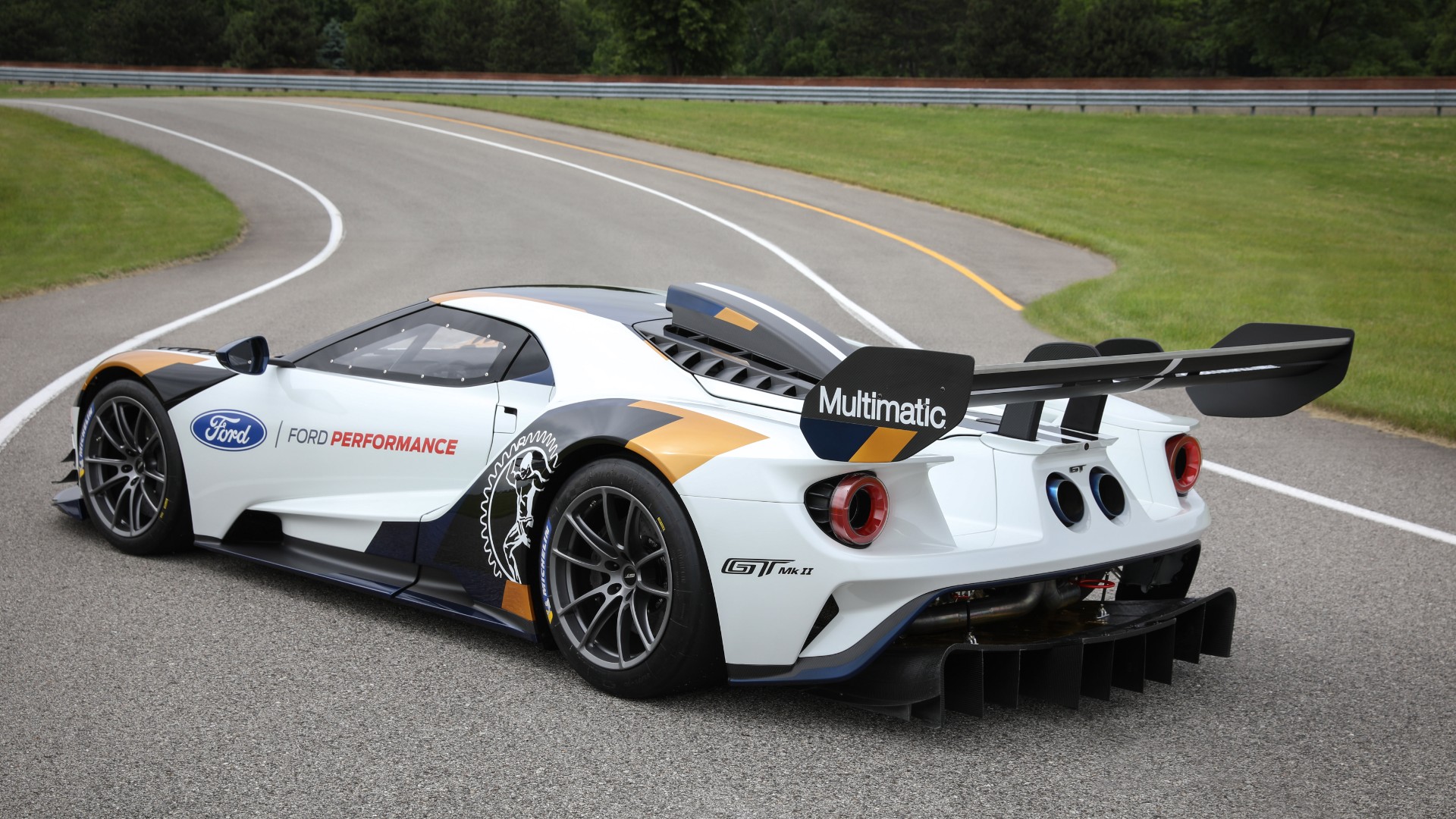
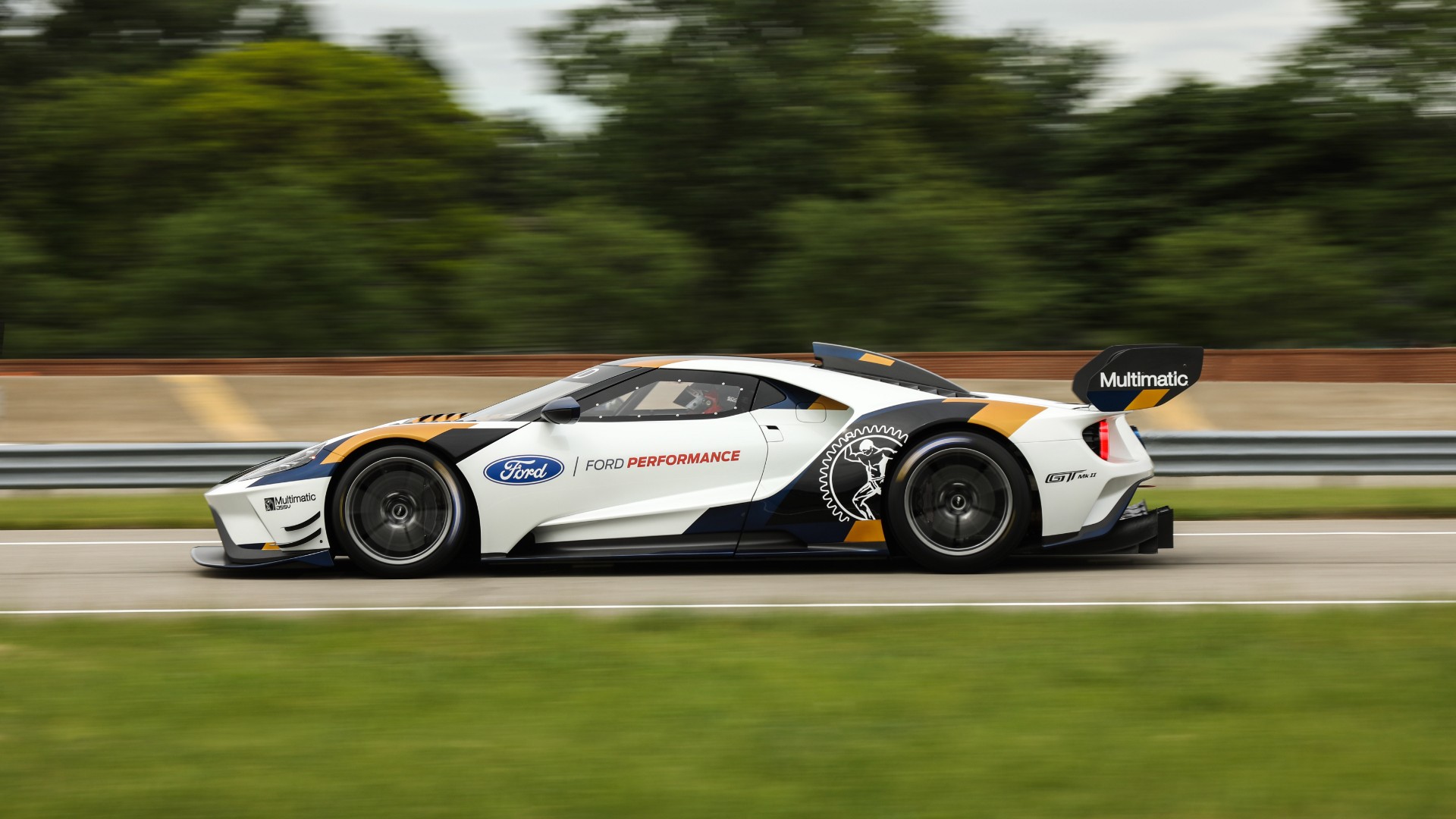
It seems Ford isn’t quite done with the GT just yet. The MkII, which debuts at Goodwood Festival of Speed today, is a track-only version of the supercar that outguns the GTE racing version Think of it as Ford’s McLaren Senna GTR.
Costing from £950,000, it’s a lot more expensive than a ‘standard’ GT. So what makes the MkII special?
Best of both worlds
Ford’s goal with the MkII is to combine the best of both worlds: the GTE racer and the road car. The GTE, while fully competition-prepared, is hamstrung by power limitations and other regulations.
The road car, while unrestricted in terms of performance, needs to comply with occupant and pedestrian safety regulations. It needs to get over speed humps and meet emissions regulations. And it needs to have road tyres.
“The true off-the-hook performance capability of the GT hasn’t yet been fully showcased,” said Larry Holt, chief technical officer at Multimatic, which builds the MkII.
“The road car is obviously limited by the many global homologation requirements that it must comply with, and the race car suffers from the restriction of the dreaded ‘Balance of Performance’, resulting in it being 150hp down on the road car. The MkII answers the regularly asked question of ‘How would the car perform with all the limitations lifted?’. The answer is ‘spectacularly.’”
So, while the GTE produces well short of the road car’s 650hp, the MkII gets 700hp from its 3.5-litre twin-turbo V6. Unlike the road version however, the MkII has slick tyres, race-spec fixed suspension and more wing than any GT yet seen. It’s also significantly lighter than the road car, having shed 90kg.
The dual-element wing is joined at the back by a large diffuser, while a new splitter, wing louvres and dive planes balance out the front. All in, there’s up to 400 percent more downforce than the road car, and it’s capable of pulling up to 2g in corners.
Carried over from the road car are the ceramic brakes and distinctive headlights.
Cooling has also been significantly improved, with the addition of a high-capacity charge air cooler with water spray tech.
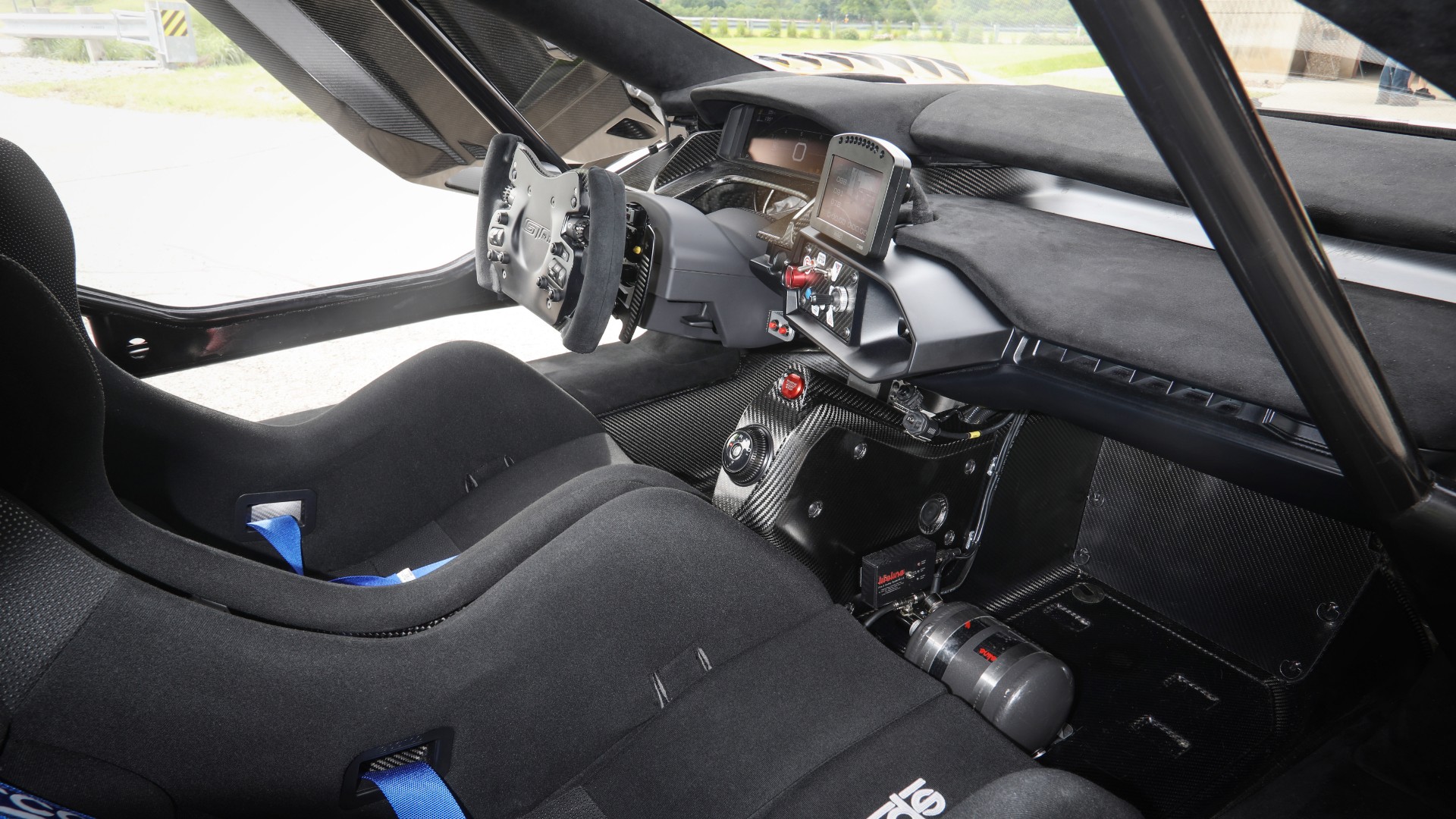
On the inside, it’s very ‘race car’. You get a bespoke Sparco race seat with a six-point harness. A passenger seat is optional, although a Motec data system is standard.
The Ford GT MkII is limited to just 45 units. To get hold of one, you’ll need to go straight to Multimatic. We suspect they won’t be available for long.
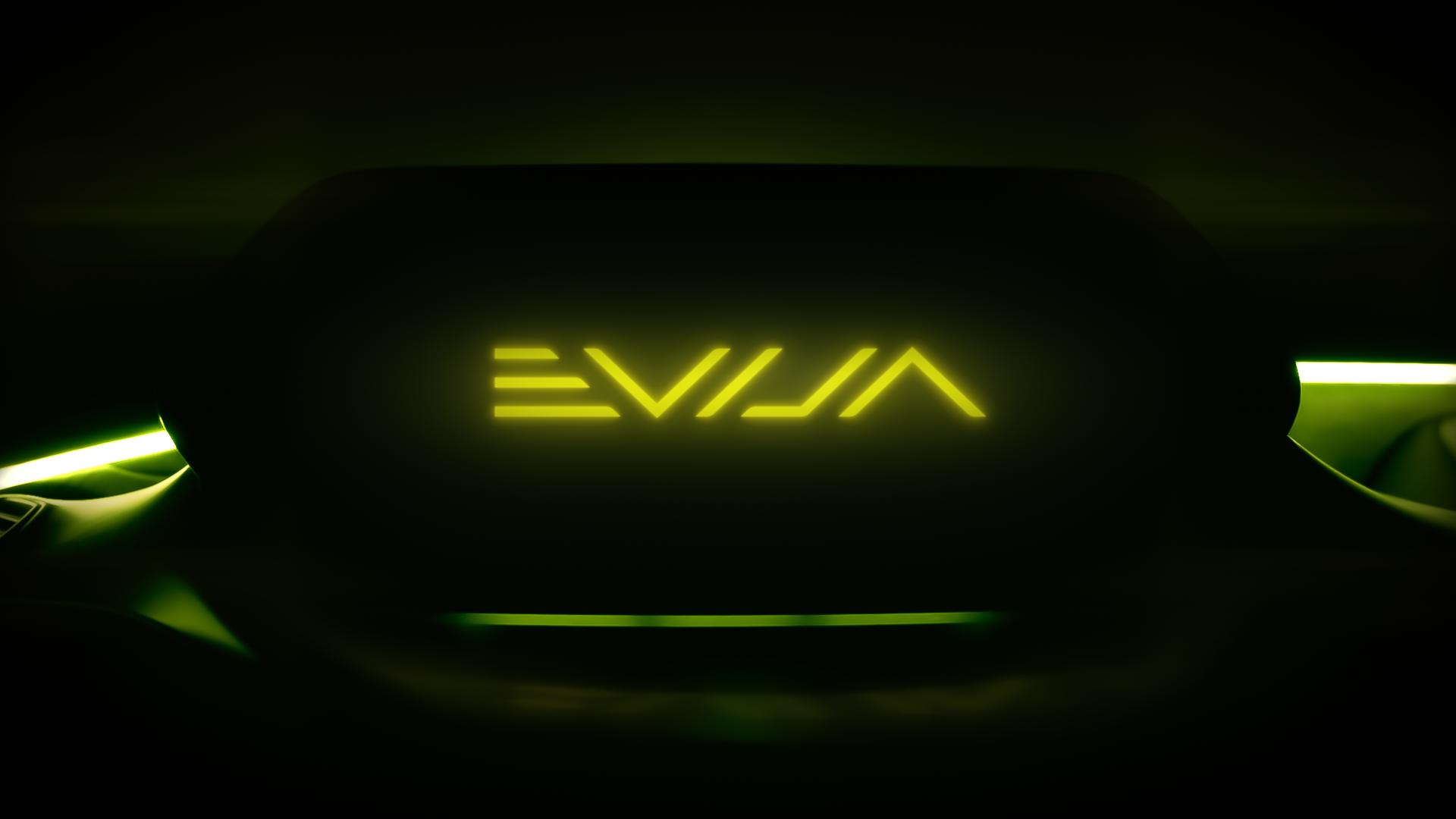
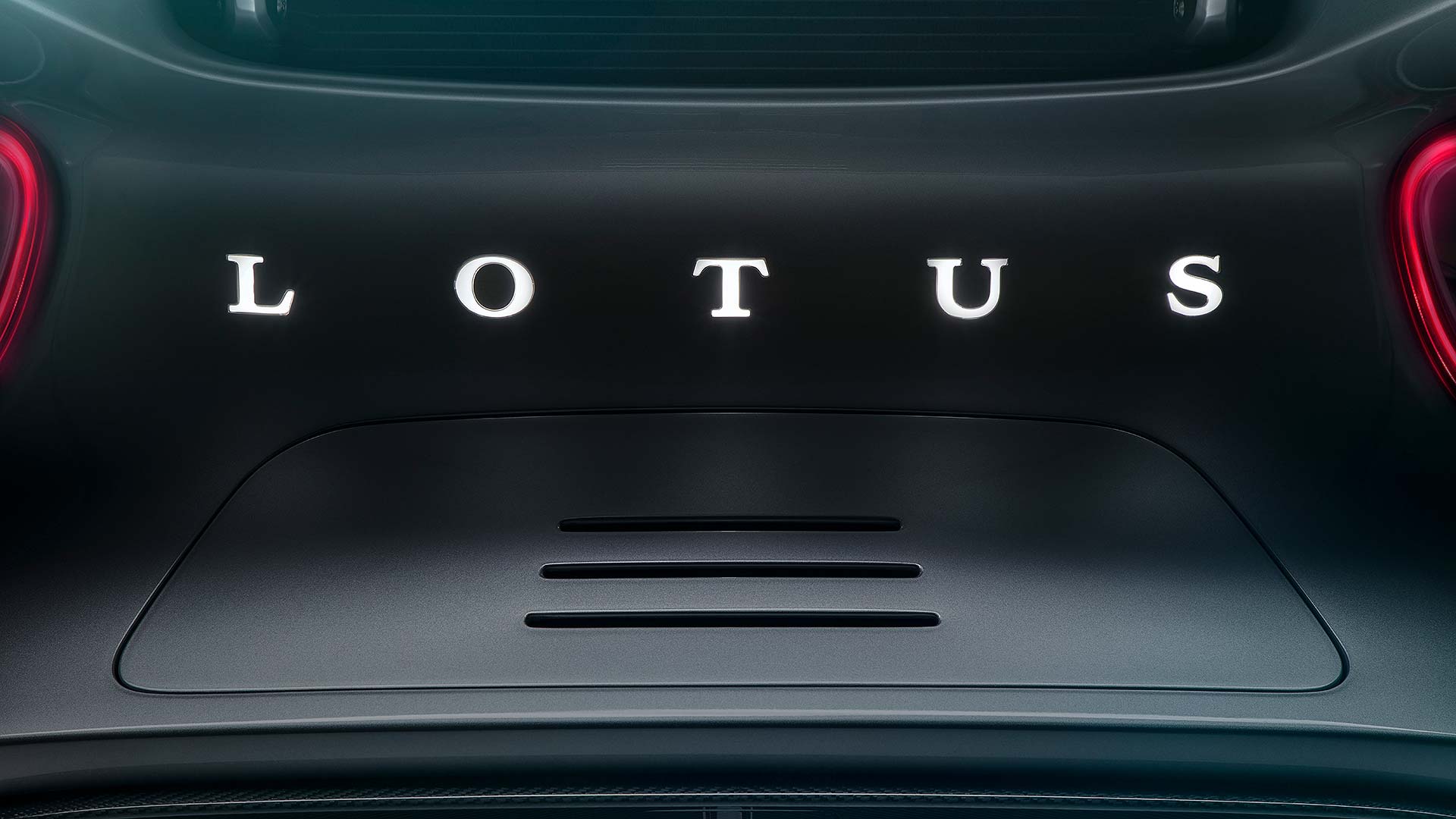
Lotus has revealed the name of its forthcoming electric hypercar, previously known as ‘Type 130’, at this year’s Goodwood Festival of Speed.
Hethel’s very own 130-off hypercar will be called Evija
Lotus Evija – what’s in a name?
The name reveal is a big moment for Lotus. This is to be the first all-new car Lotus brings to market under new owners Geely, and a hypercar really sets the tone for what else we can expect going forward.
Even the name itself hints that Lotus is only just getting started with this new lease of life. Translated, Evija means ‘the first in existence’ or‘the living one’.
That first meaning in particular hints at the big plans Geely has for Lotus, beginning with Evija. More electric sports cars to come?
“As the first major Lotus model launch under the stewardship of Geely – the world’s fastest growing automotive group – its significance cannot be overstated.”
Quite. We look forward to more where that came from, Lotus.
As for how you say it? Apparently, it’s pronounced ‘Ev-eye-ja’. If only we’d had such help from the horses mouth when the Pagani Huayra came out…
Lotus isn’t quite ready to show the Evija in full, but it’s eager, as evidenced by the tease it’s set up at Goodwood. Anyone can go and see a ‘light show’ over the course of the weekend, revealing more about the design of the car.
We don’t have long to wait, though. Lotus intends on unveiling the car in full in London later this month. Just 130 Evijas will be built, hence the Type-130 code name.
As for whether Lotus founder Colin Chapman would approve? Well, electrification simplifies, but does it add lightness? We’ll be intrigued to hear more details upon the car’s full reveal.
“Evija is the perfect name for our new car because it’s the first hypercar from Lotus, our first electric offering and is the first new model under the stewardship of Geely,” said Lotus Cars CEO Phil Popham.
“The Evija is a Lotus like no other, yet a true Lotus in every sense. It will re-establish our brand on the global automotive stage and pave the way for further visionary models.”
Many people would buy a Ferrari if their lottery numbers came up, but as this gallery proves, you might need more than a few Euromillions to secure a classic example of the Prancing Horse. Indeed, 13 of the top 20 most expensive cars sold at auction wear a Ferrari badge, and 17 are Italian. We’ve included a conversion to UK pounds, with the exchange rate correct as of July 2019 (not at the time of sale).
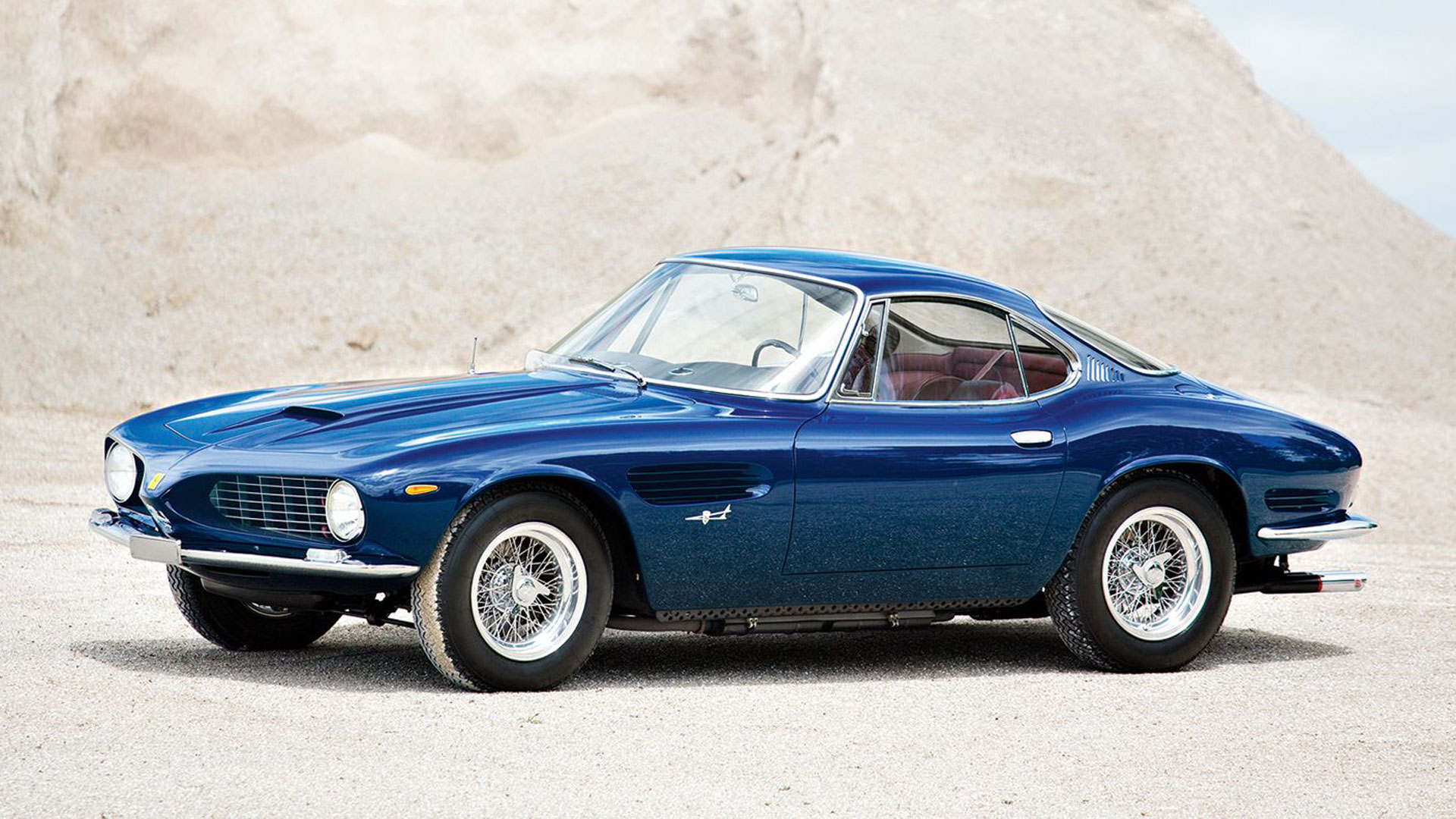
20. Ferrari 250 GT SWB Berlinetta Speciale – $16,500,000 (£13,055,000)
When the least expensive car in the gallery weighs in at $16.5m, you know you’re in for some huge numbers. This 1962 Ferrari 250 GT SWB Berlinetta Speciale was Nuccio Bertone’s personal car and was displayed at the Geneva and Turin Motor Shows. It went under the hammer at a Gooding & Company auction in August 2015.
19. Ferrari 250 GT SWB California Spider – $16,830,000 (£13,165,000)
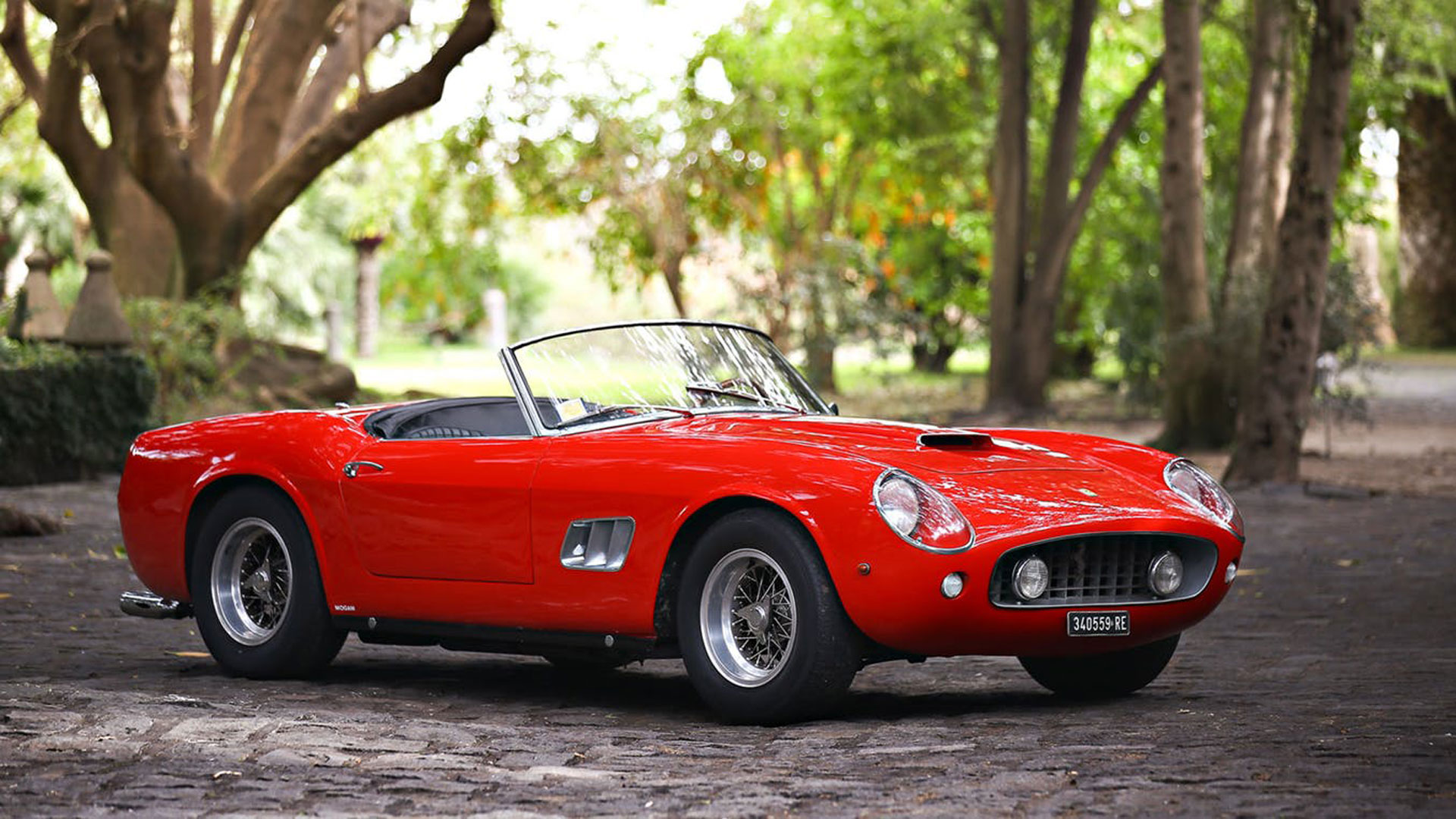
This 1961 Ferrari 250 GT SWB California Spider was sold at the same Pebble Beach auction in 2015, with the hammer falling at $16.8m. It was the first time the car had been offered for public sale and is one of only 37 covered-headlight SWB examples.
18. Ferrari 250 GT SWB California Spider – $17,160,000 (£13,580,000)
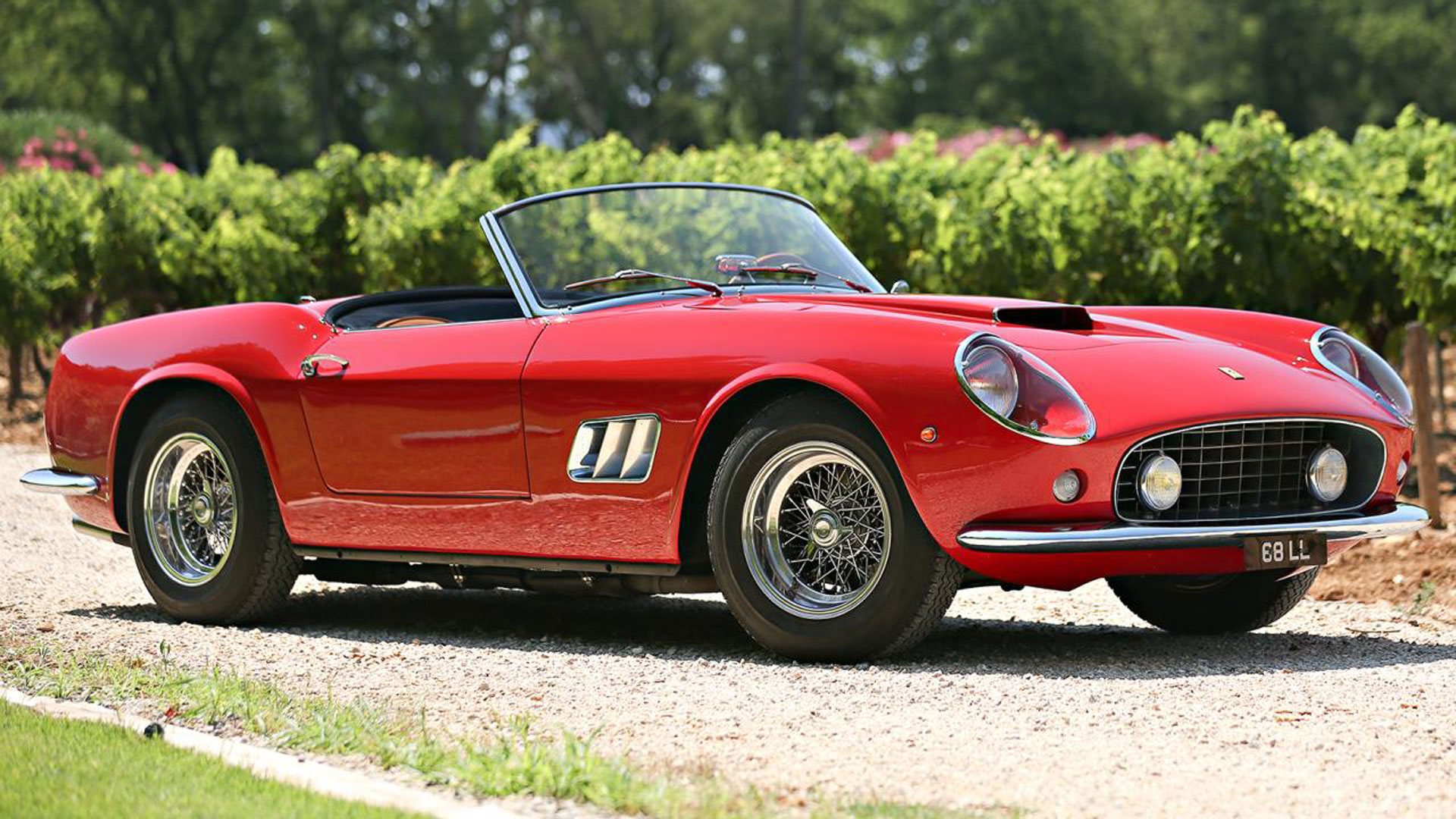
Another Gooding & Company auction and another Ferrari 250 GT SWB California Spider. This 1961 example was the 22nd SWB California Spider built and another one of the 37 covered-headlight cars. It also featured in an Italian film starring Sophia Loren.
17. Ferrari 250 LM – $17,600,000 (£13,925,000)
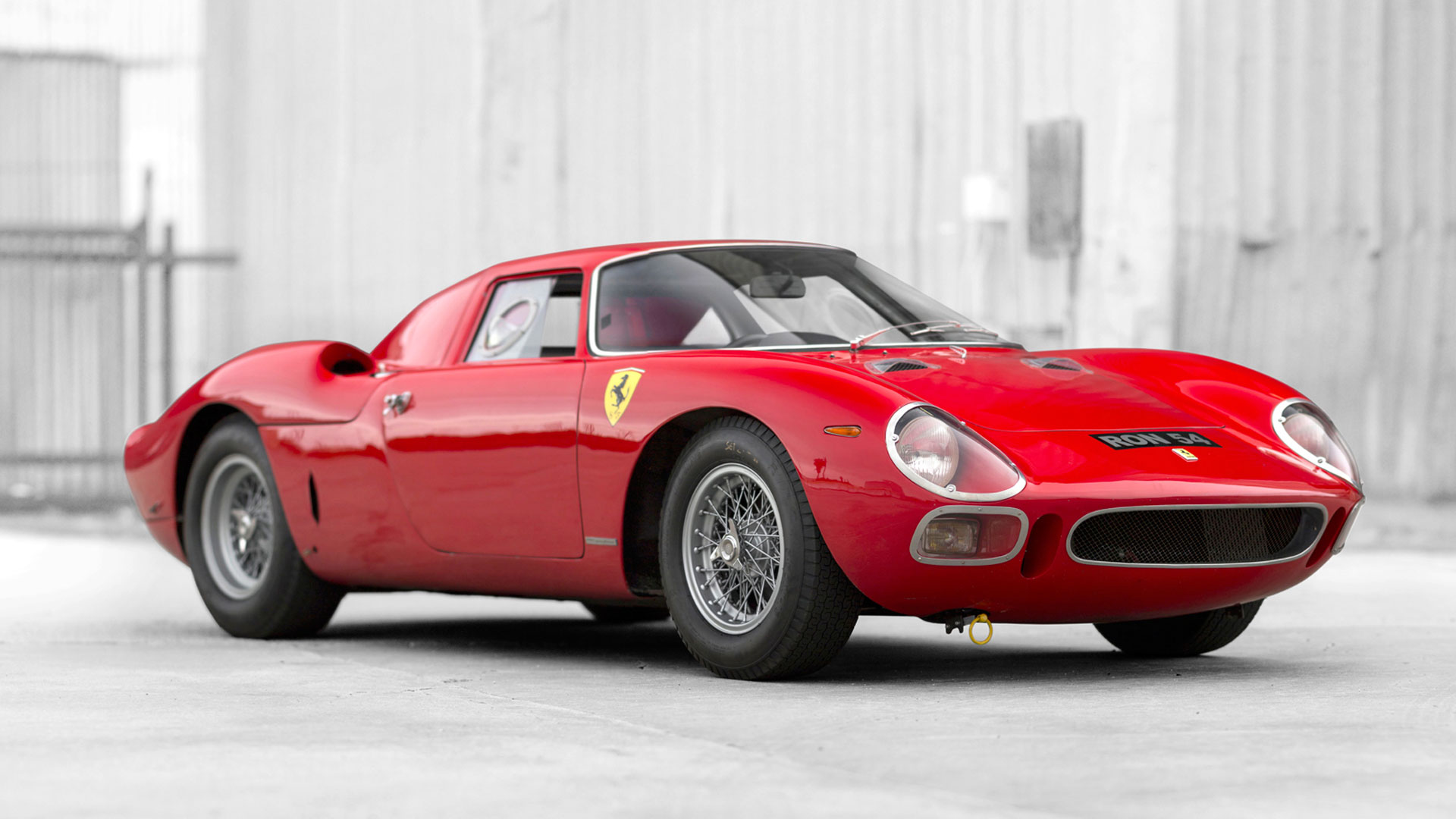
One of only 32 Ferrari 250 LMs built, this car was ordered new by Ronald Fry, a descendant of the famous Fry family who made their fortune in the chocolate industry. The 1964 car, which was shown at the 1966 Earls Court Motor Show, made a sweet fortune at the RM Sotheby’s Monterey sale in 2015.
16. Ferrari 250 GT LWB California Spider Competizione – $18,150,000 (£14,360,000)
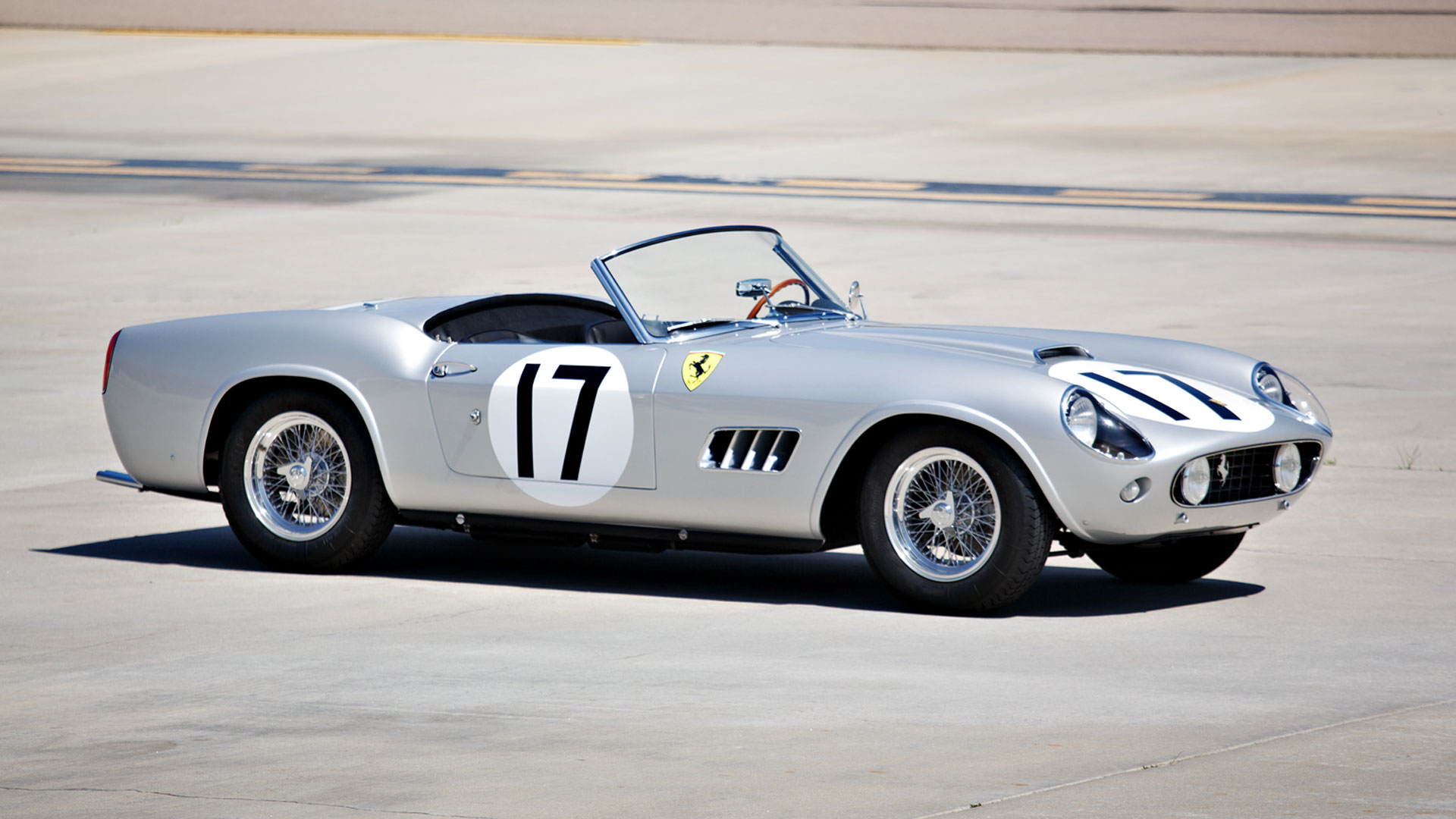
One of only nine alloy-bodied Ferrari 250 GT LWB California Spiders built, this 1959 example finished fifth overall at the 1960 12 Hours of Sebring. It sold for $18.15m at Pebble Beach in 2016, where sales fell 14 percent from 2015.
15. Ferrari 375 Plus Spider Competizione – $18,400,177 (£14,560,000)
Constructed purely for racing, this Ferrari 375 Plus Spider was one of five built. Its history includes competitive action at Le Mans and the Mille Miglia, which partly explains why it made $18.4m at the Bonhams Goodwood sale in 2014.
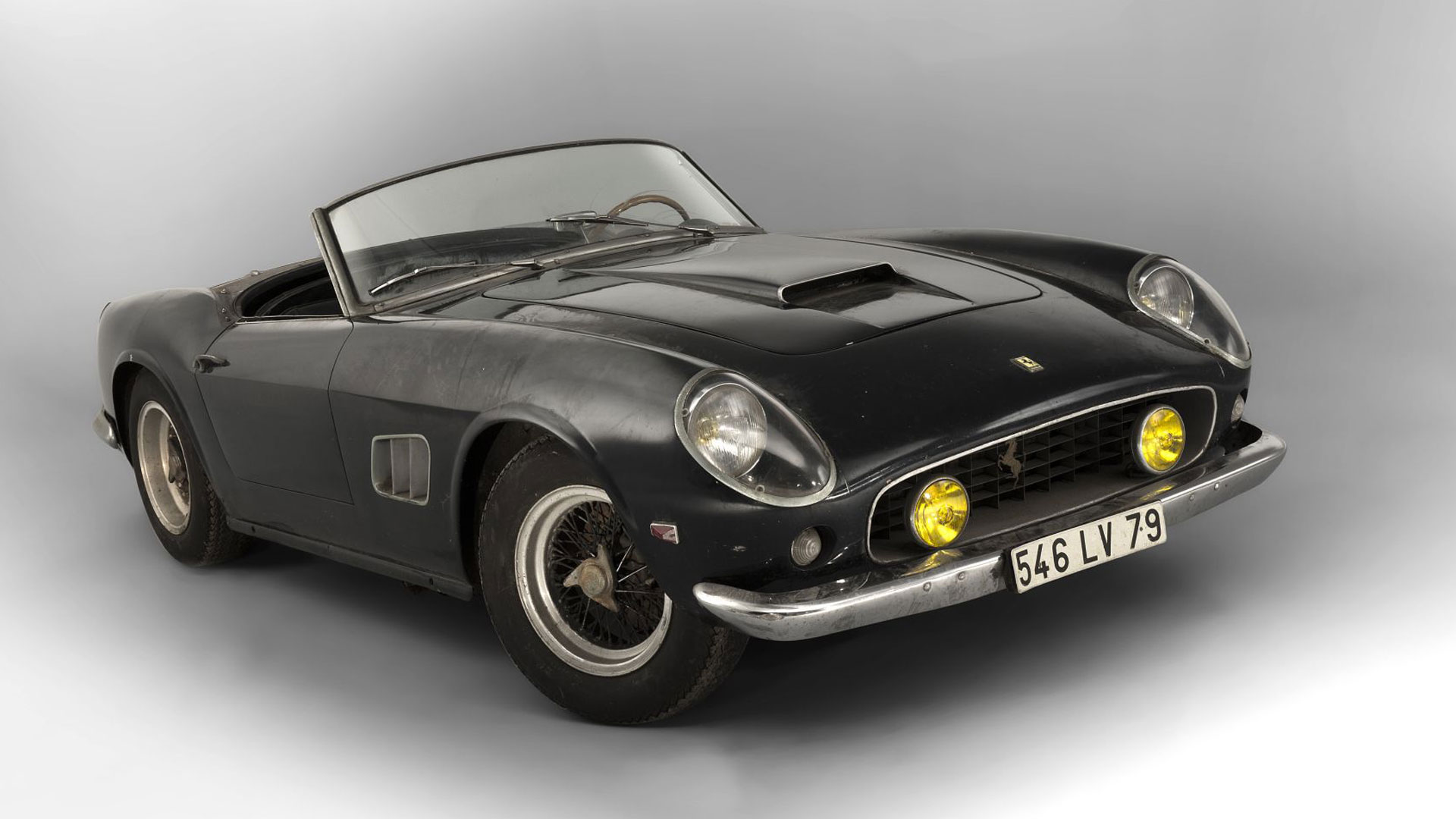
14. Ferrari 250 GT SWB California Spider – $18,500,000 (£14,640,000)
You might recall the remarkable Baillon barn-find collection unearthed in France in 2014. More than 60 cars, including this Ferrari 250 GT SWB California Spider, were stashed away by a wealthy collector and then forgotten about. The 2015 auction realised $28.5m in sales, with the Ferrari selling for $18.5m.
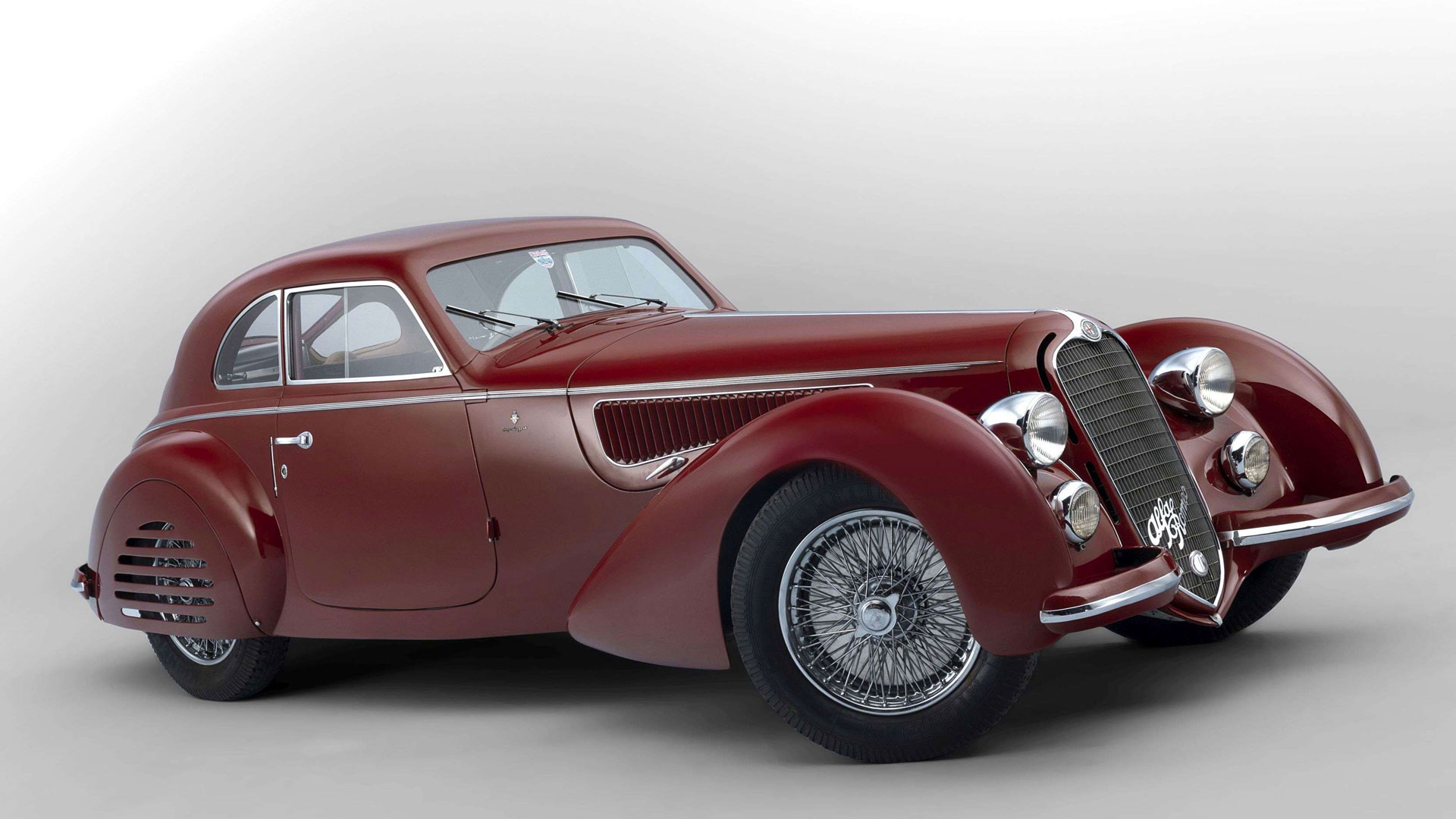
As things stand, this Alfa Romeo 8C 2900B Touring Berlinetta is the most expensive car to sell at auction in 2019. Before the Retromobile event, Artcurial predicted it could sell for up to $25m, but it only just made the lower estimate. A sign that the market is cooling this year?
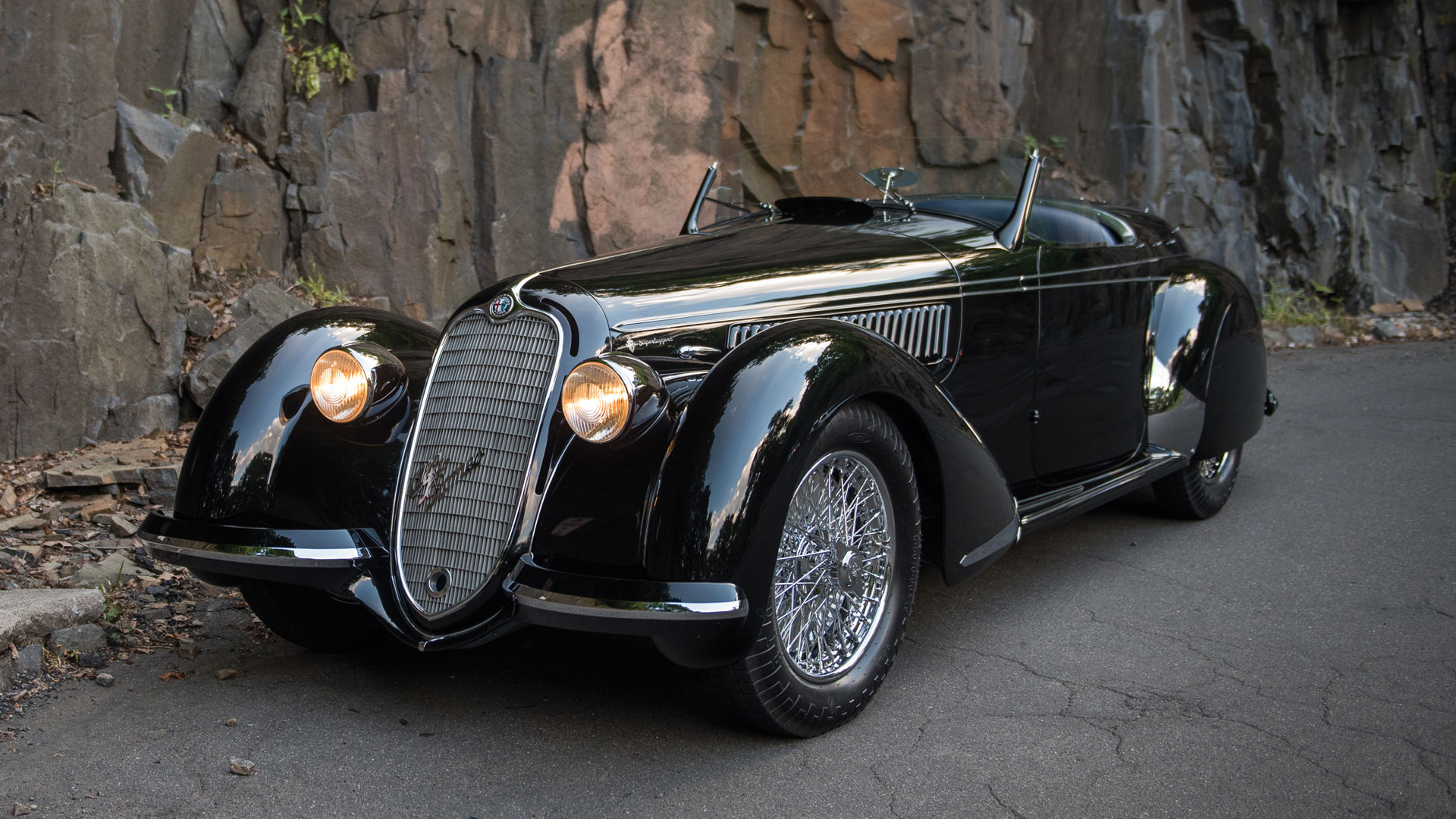
12. Alfa Romeo 8C 2900B Lungo Spider – $19,800,000 (£15,670,000)
Billed as the Italian equivalent of the Bugatti Atlantic by auctioneers RM Sotheby’s, this 1939 Alfa Romeo 8C 2900B Lungo Spider made $19.8m at Monterey Car Week in 2016. At the time of sale, it was the most expensive pre-war car to sell at auction.
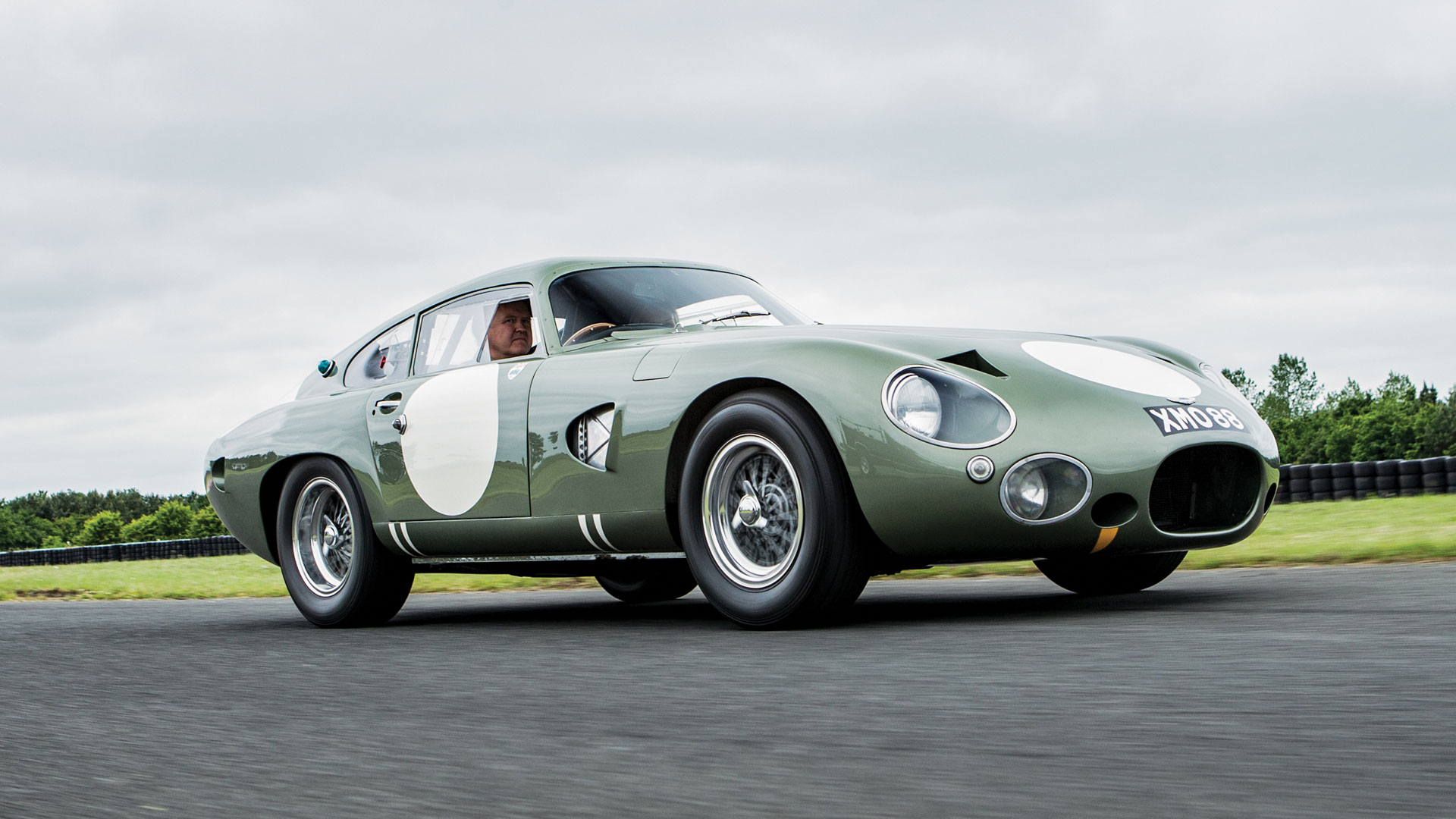
11. Aston Martin DP215 – $21,455,000 (£16,975,000)
This one-off Aston Martin DP215 sold for £21.45m on day one of the RM Sotheby’s Monterey sale in 2018 and is the second most expensive Aston to sell at auction. It was clocked at doing 198.6mph on the Mulsanne Straight during the 1963 Le Mans 24 Hours.
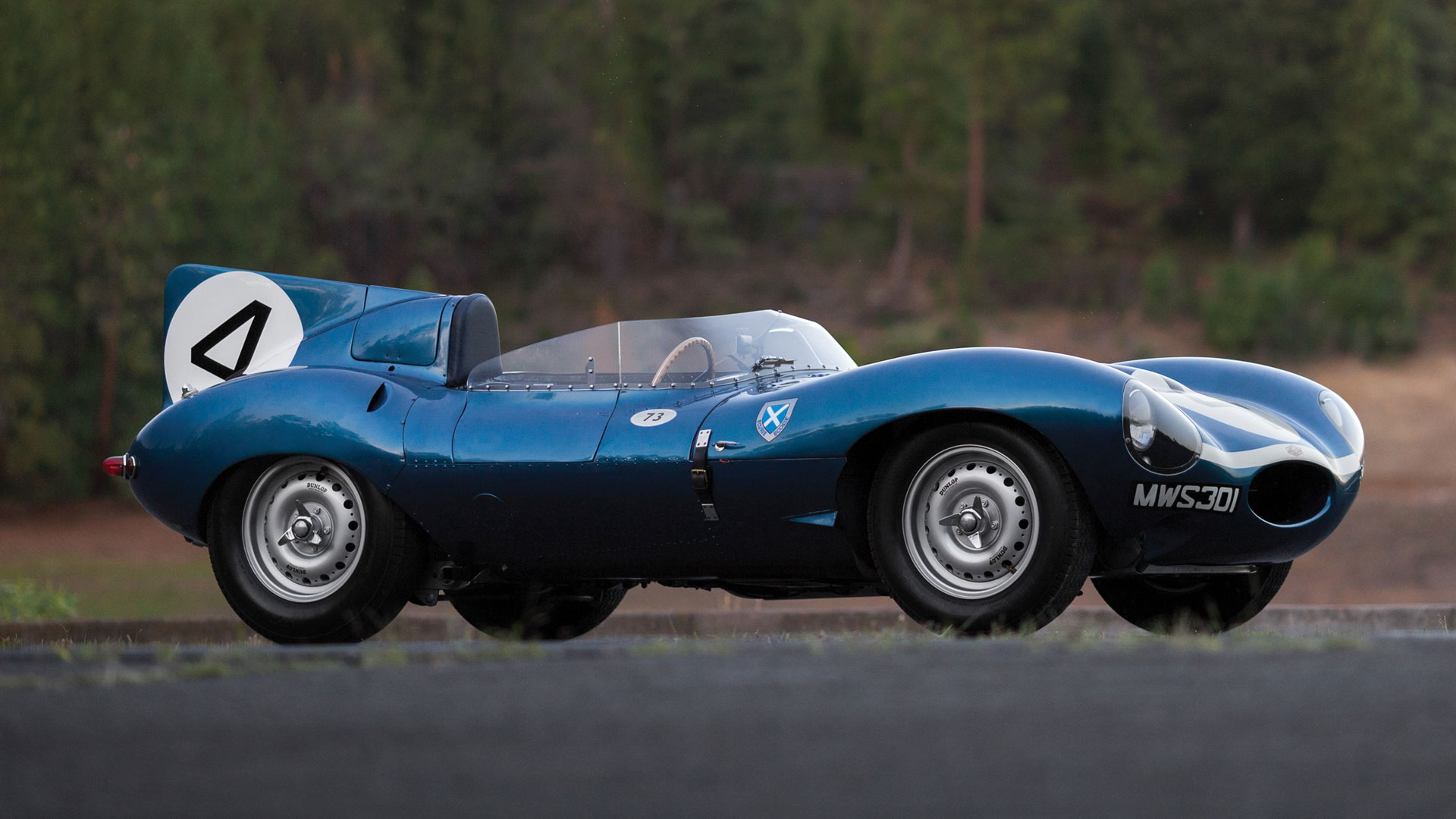
10. Jaguar D-Type – $21,780,000 (£17,235,000)
Speaking of Le Mans, this 1955 Jaguar D-Type was the overall winner of the famous race in 1956 and is the only Le Mans-winning C- or D-Type that has survived intact and remained essentially true to its original form. “Unequivocally one of the most important and valuable Jaguars in the world,” said RM Sotheby’s. Quite.
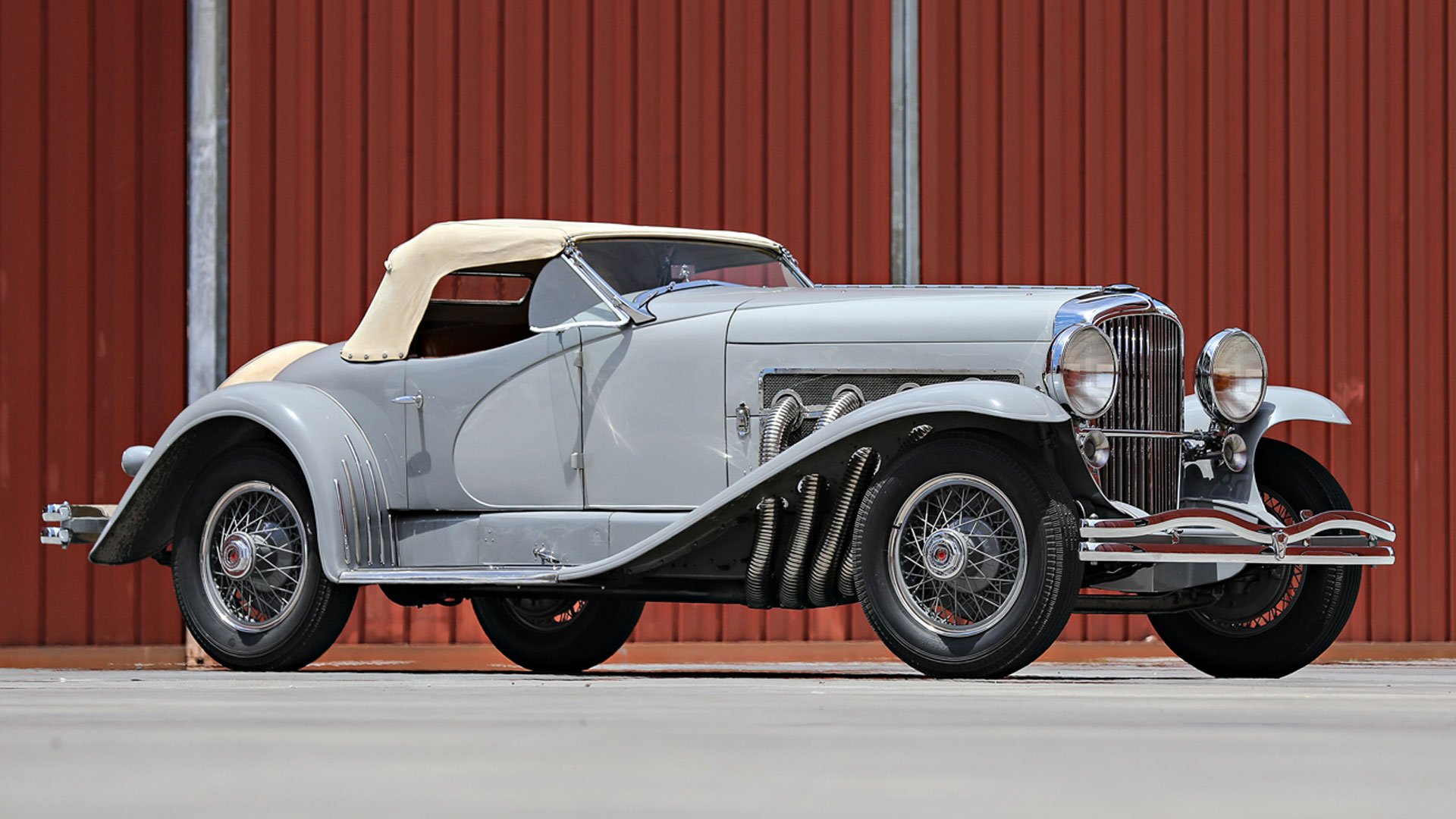
9. Duesenberg SSJ – $22,000,000 (£17,410,000)
The 1935 Duesenberg SSJ formerly owned by actor Gary Cooper sold for $22m at the Gooding & Company Pebble Beach sale, setting a record for the most expensive pre-war car at auction. It also became the most expensive American car sold at auction.
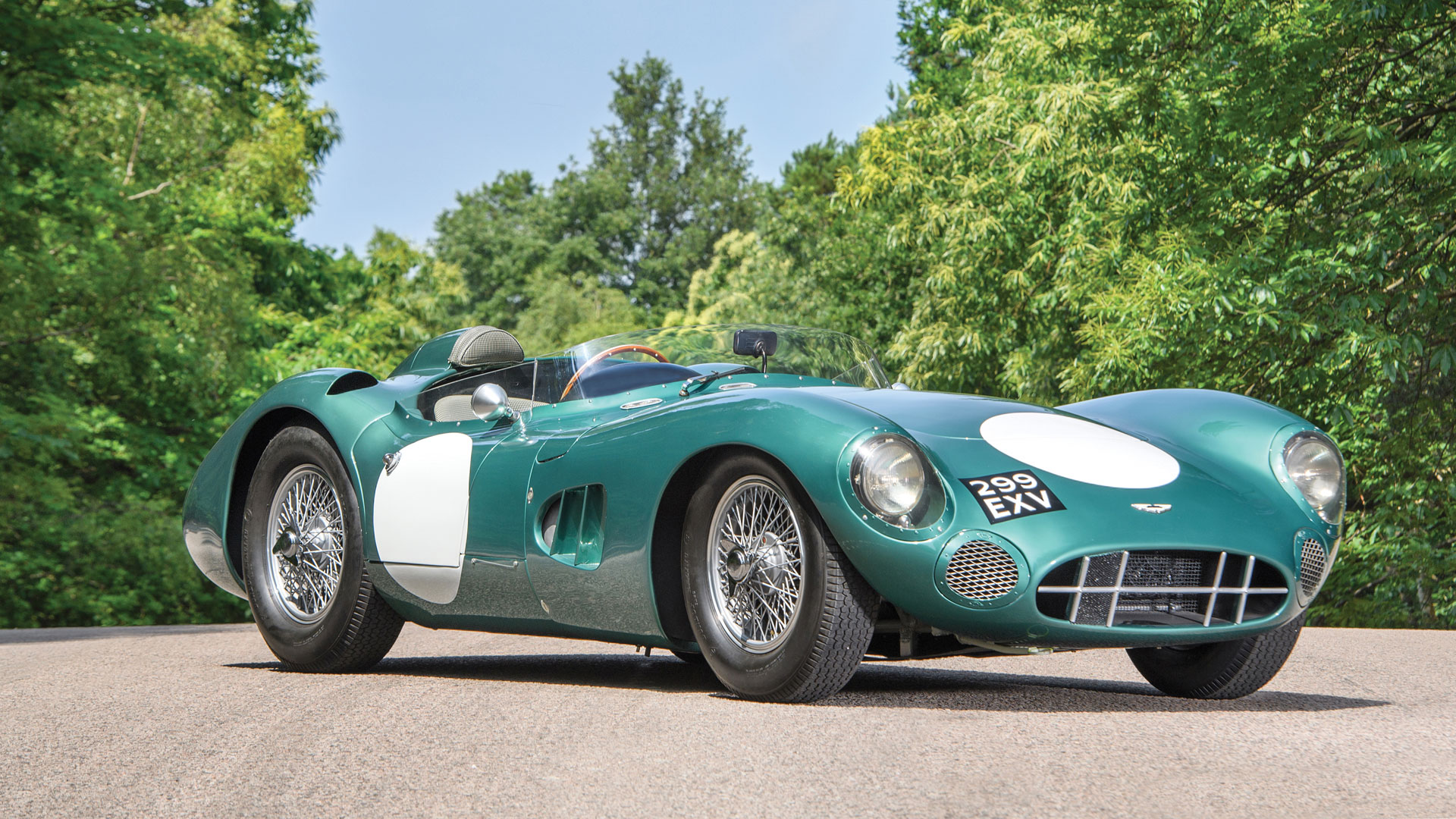
8. Aston Martin DBR1 – $22,550,000 (£17,845,000)
From the most expensive American car to the most valuable British car, this 1956 Aston Martin DBR1 sold for $22.55m at the RM Sotheby’s Monterey sale in 2017. Its racing history includes overall victory at the 1959 Nurburgring 1000km, along with some of the greatest names in motorsport, including Carroll Shelby, Sir Stirling Moss and Jack Brabham.
7. Ferrari 275 GTB/C Speciale – $26,400,000 (£20,890,000)
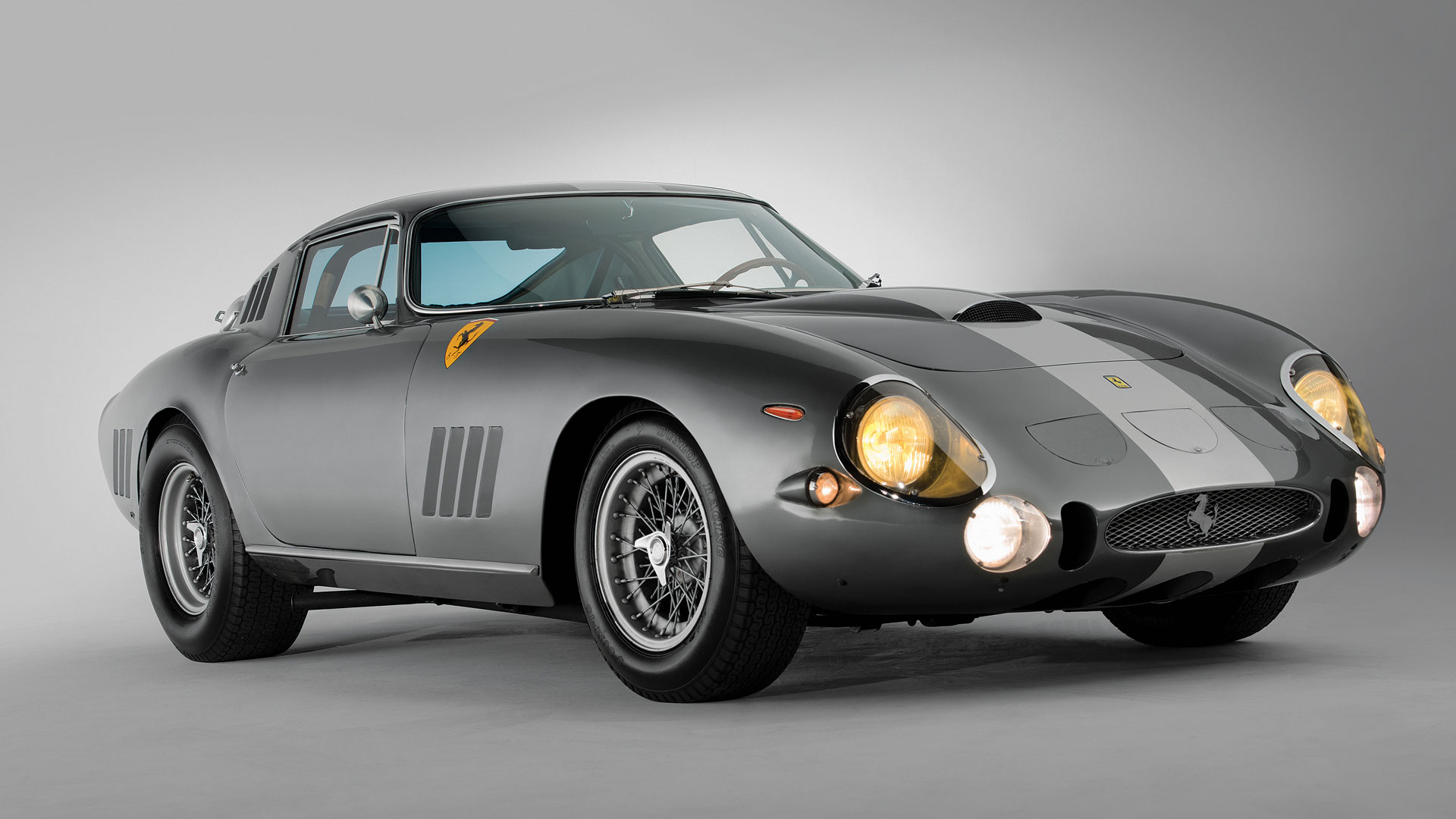
Only three Ferrari 275 GTB/C Speciales were built to compete in the 1965 Le Mans 24 Hours, which is why the first car produced made $26.4m at RM’s Monterey sale in 2014.
6. Ferrari 275 GTB/4*S NART Spider – $27,500,000 (£21,790,000)
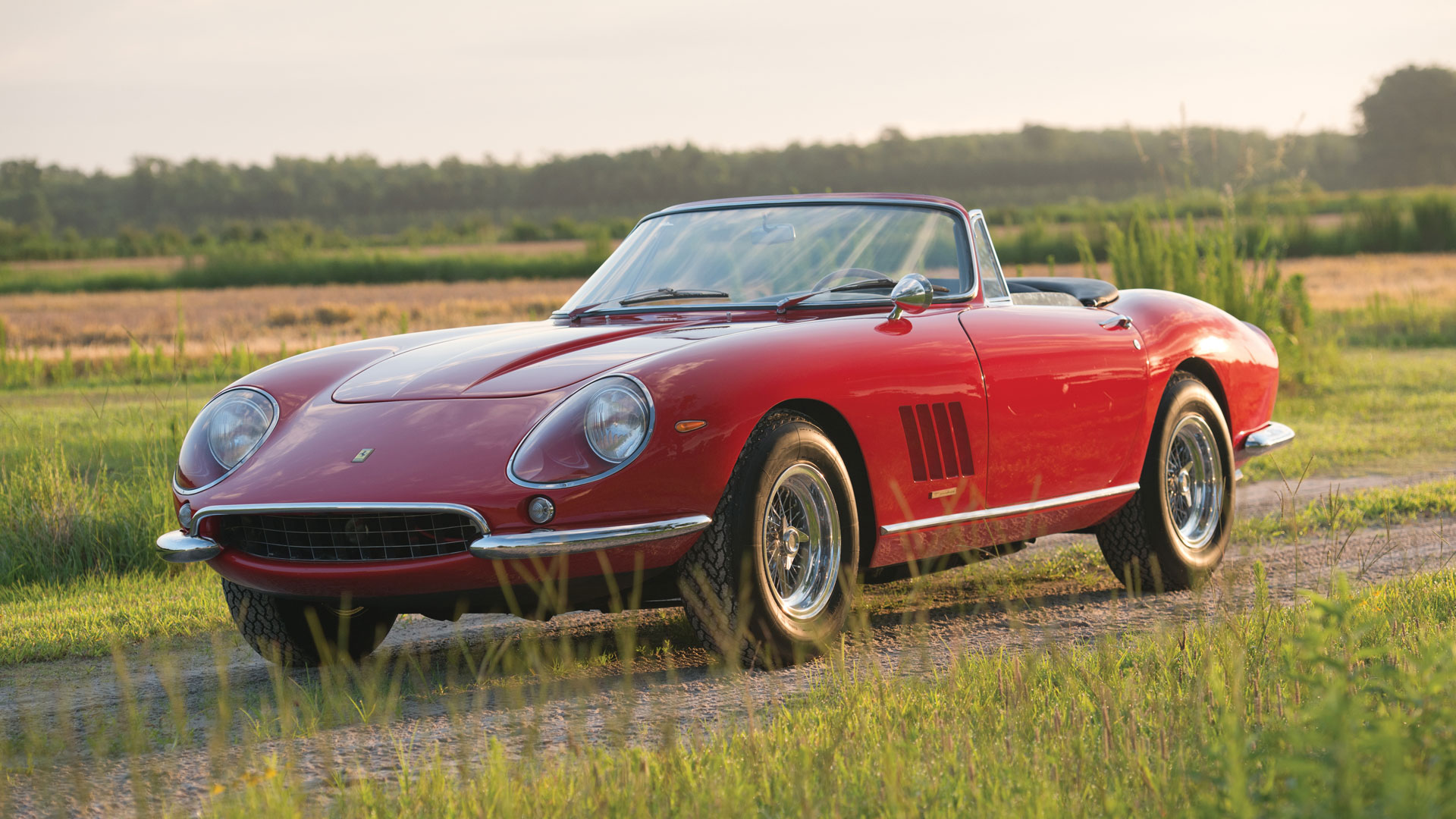
Amazingly, even with a sale price of $27.5m, this 1967 Ferrari 275 GTB/4*S NART Spider wasn’t the most expensive car to sell at auction in 2013. We’ll come back to that in the moment, but this single-ownership car was one of only 10 cars built, hence the eyebrow-raising price.
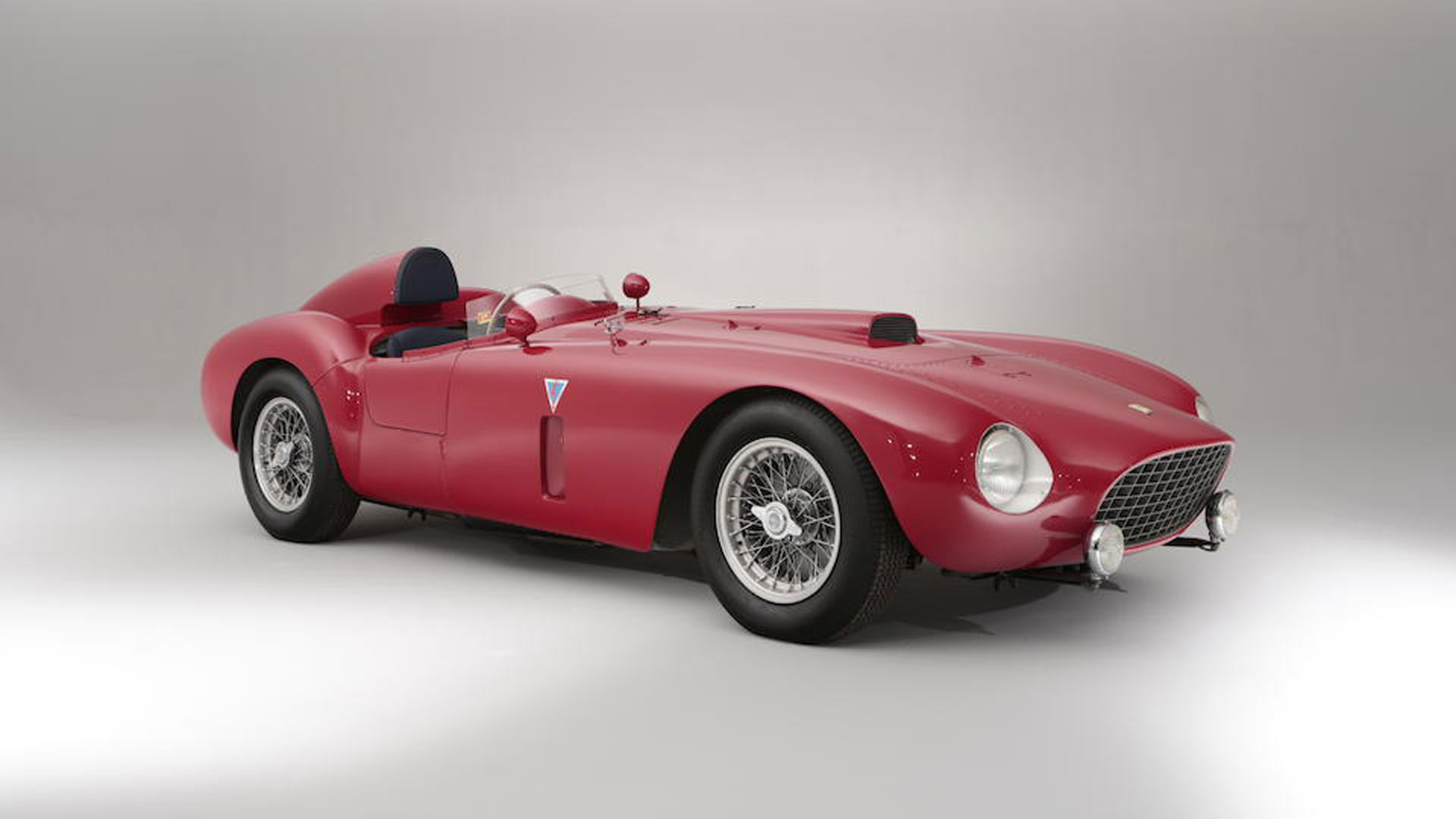
5. Ferrari 290 MM – $28,050,000 (£22,195,000)
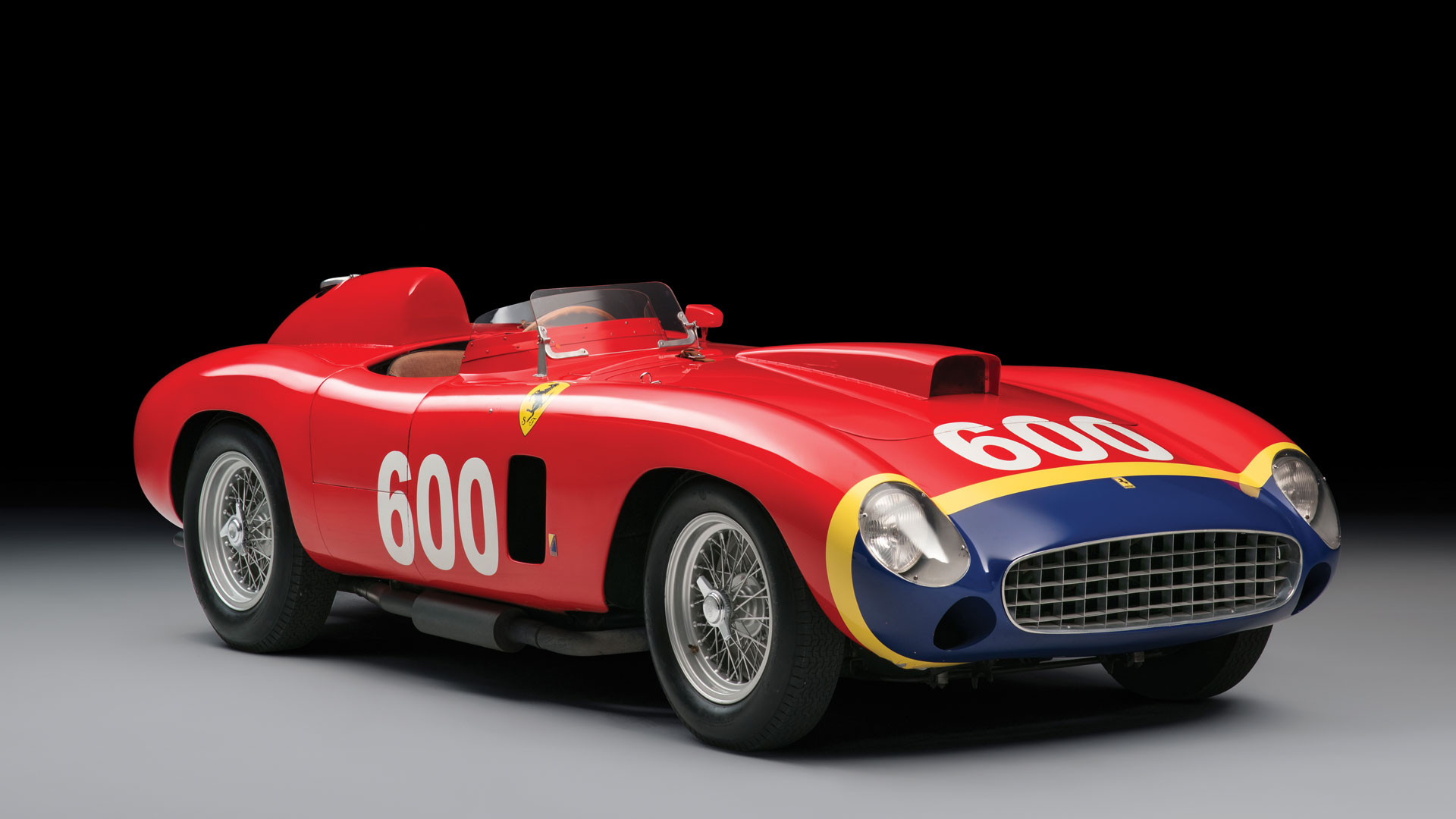
This 1956 Ferrari 290 MM headlined the RM Sotheby’s ‘Driven by Disruption’ sale and was the most expensive car to sell at auction in 2015. It was built for Formula One legend Juan Manuel Fangio and was one of only four 290 MMs built.
4. Mercedes-Benz W196 – $29,600,000 (£23,420,000)
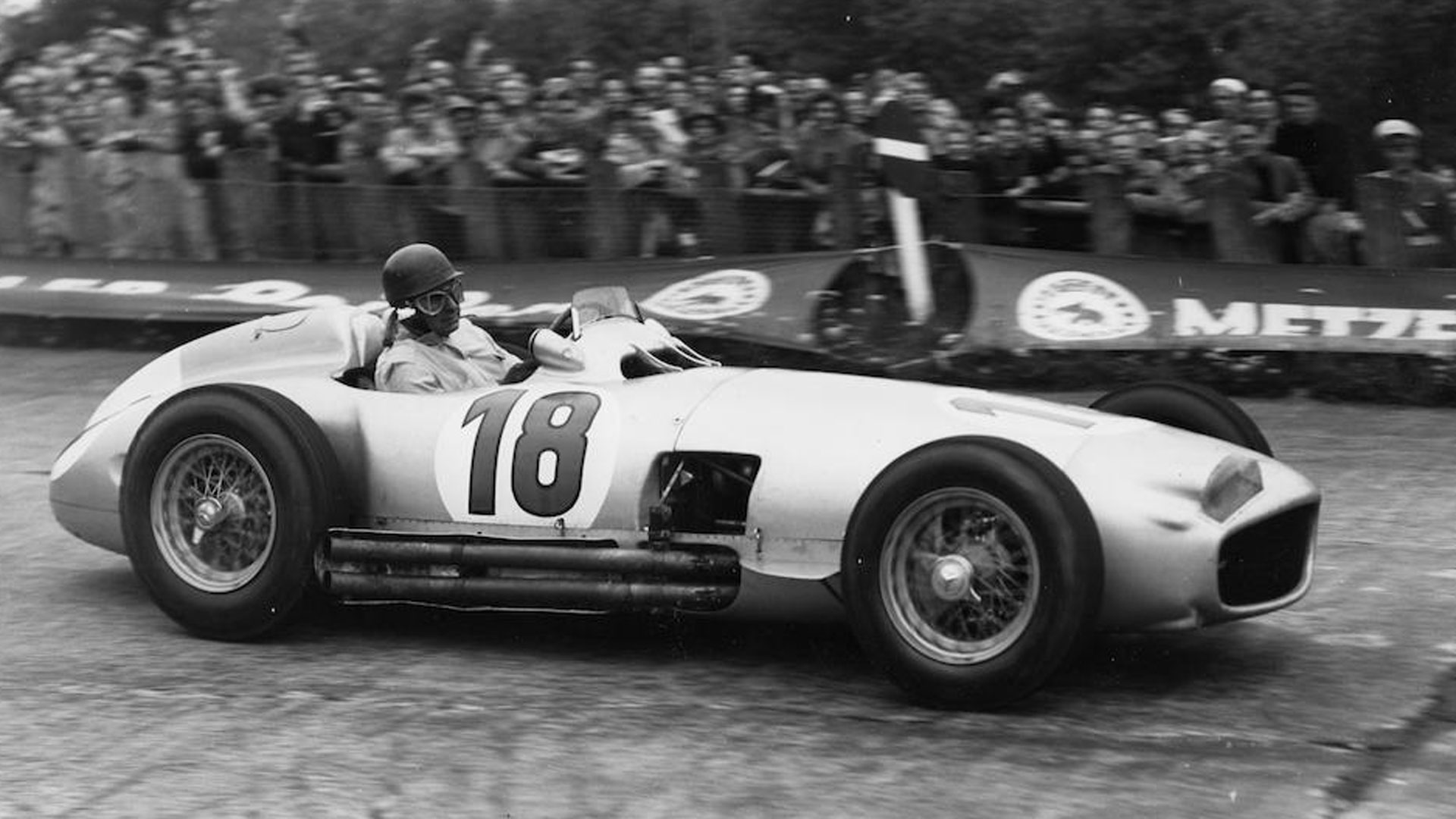
The most expensive German car to sell at auction, the most expensive Mercedes-Benz, and the most expensive auction car of 2013. The Mercedes-Benz W196 also manages to disrupt the Ferrari monopoly at the top of this table. Fangio raced the car to victory in the 1954 German and Swiss Grand Prix.
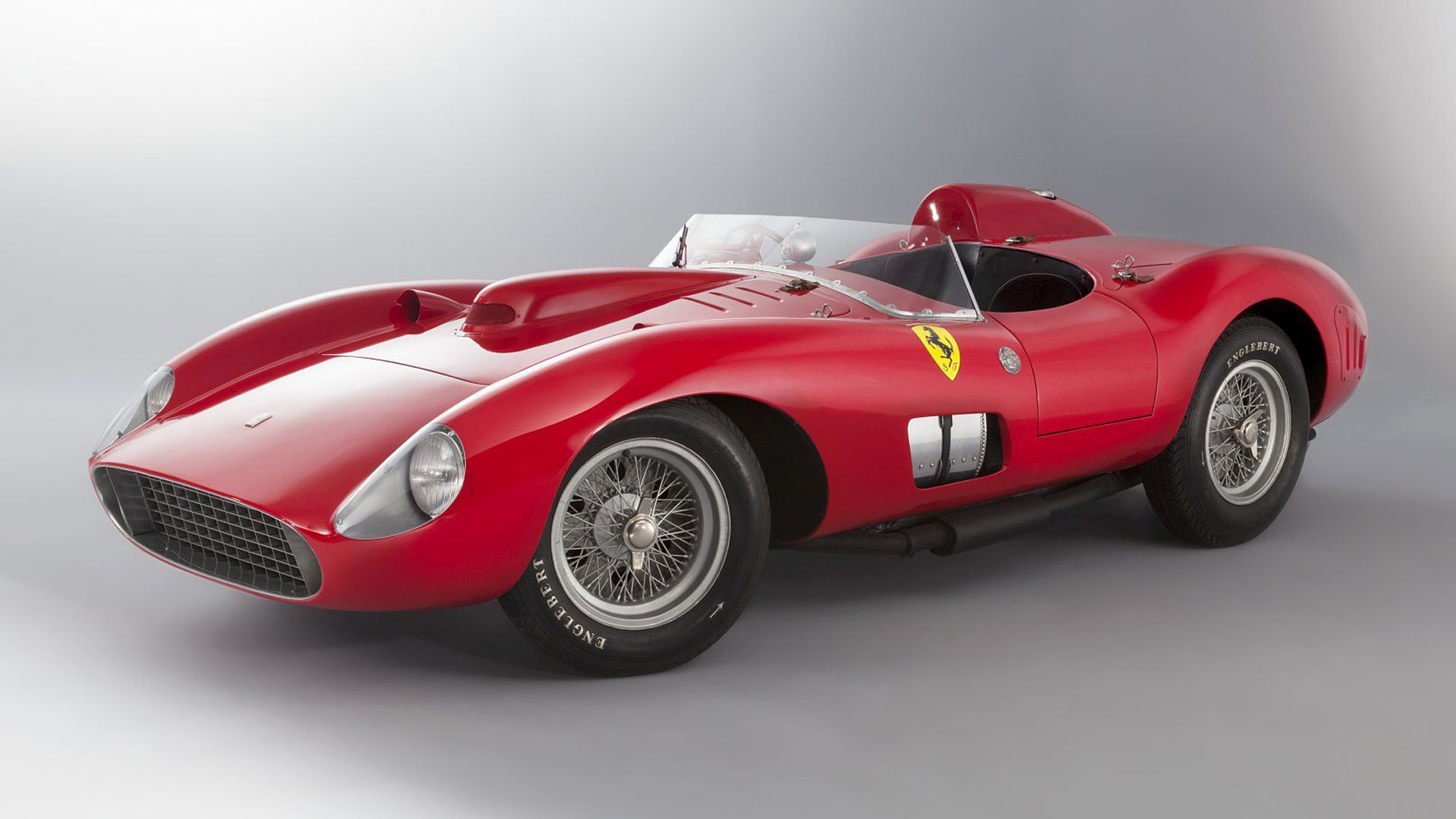
3. Ferrari 335 Sport – $35,711,359 (£28,255,000)
This 1957 Ferrari 335 Sport is the most expensive car to be sold at auction in Europe, with the car driven by some of the world’s greatest drivers. It finished second in the 1957 Mille Miglia and was the winner of the 1958 Cuba Grand Prix.
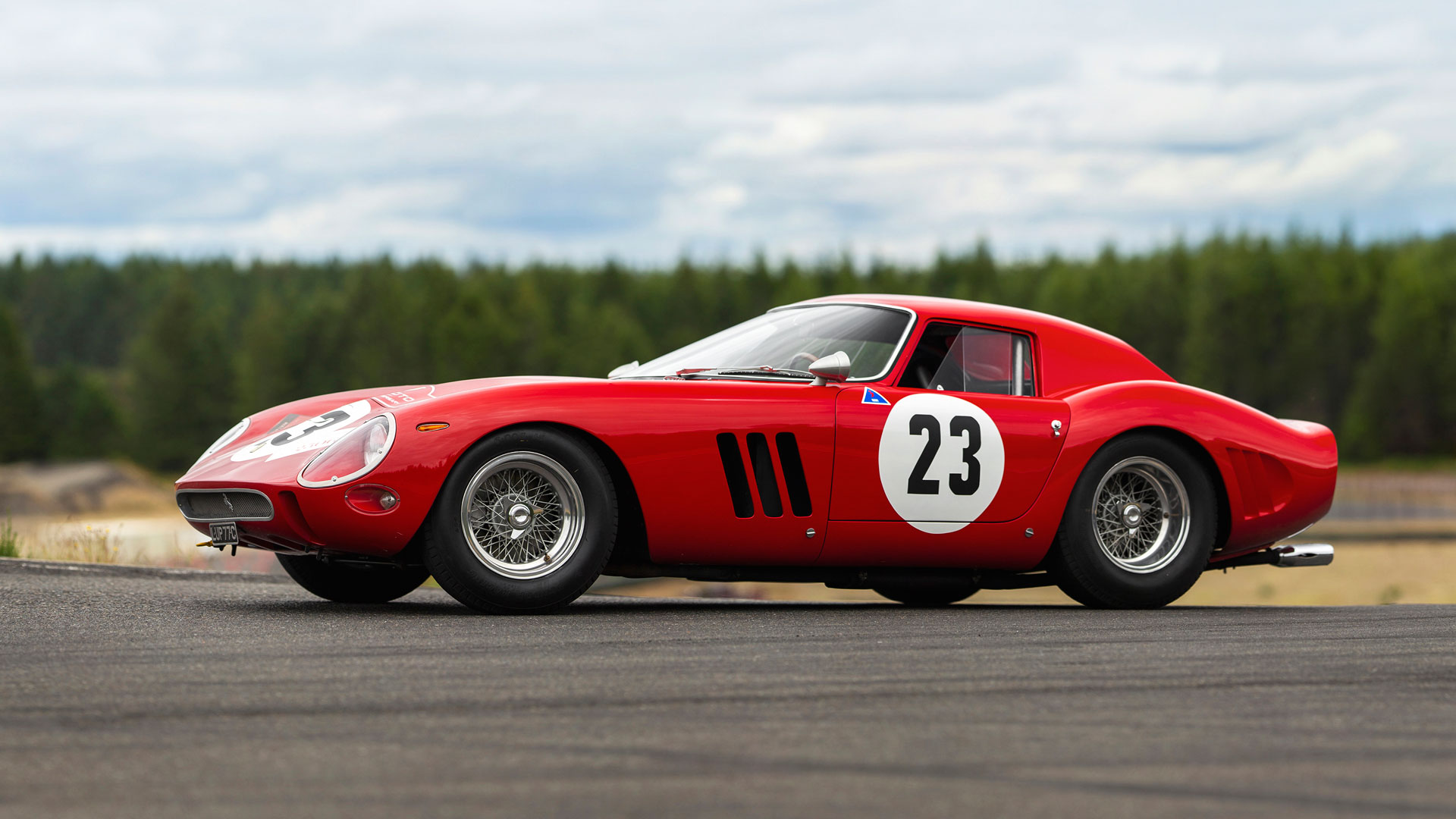
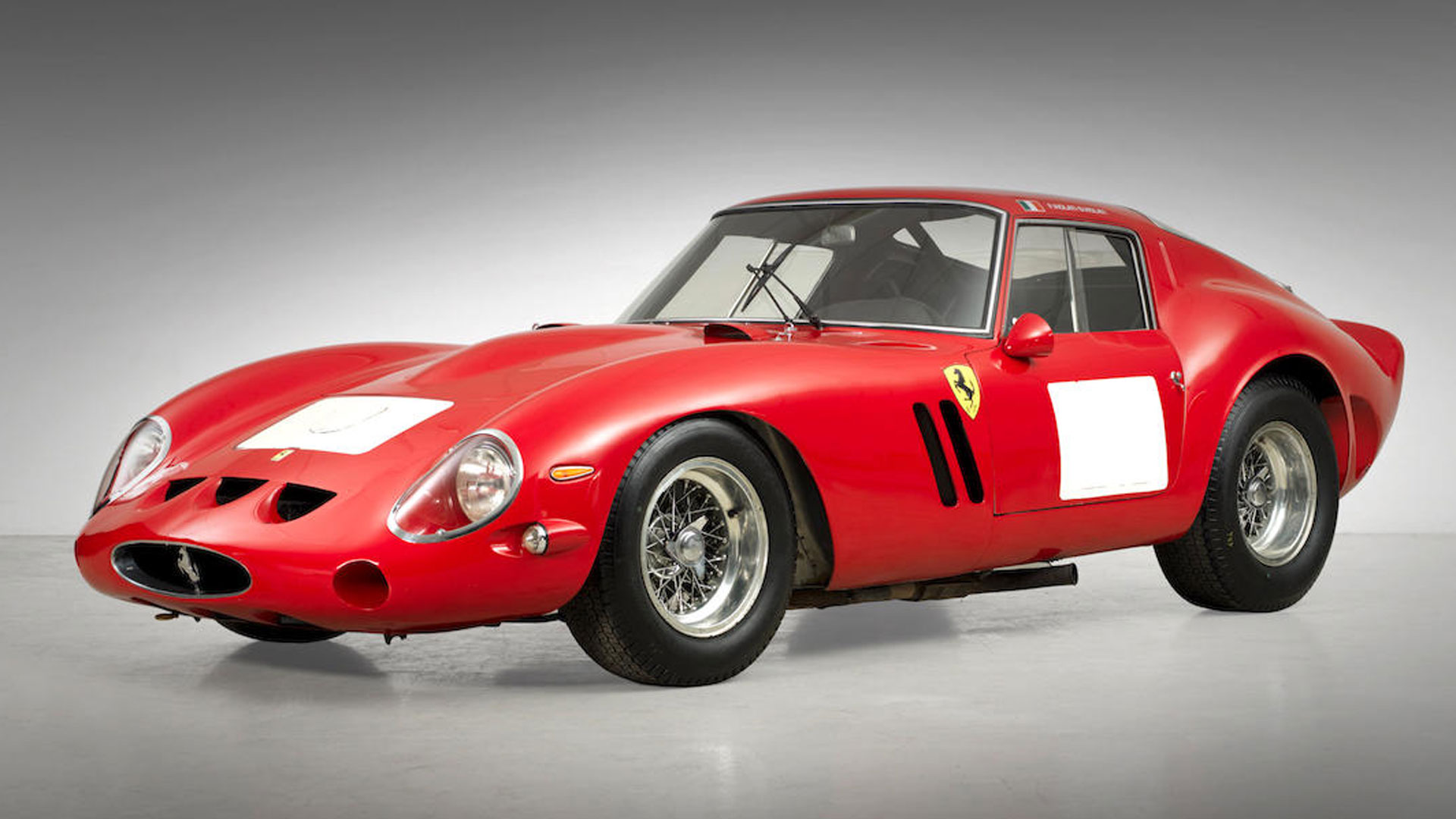
2. Ferrari 250 GTO – $38,115,000 (£30,160,000)
For four years, this 1962-63 Ferrari 250 GTO was the most expensive car to be sold at auction. At the time, Robert Brooks, chairman of Bonhams, said: “We’ve always maintained that we would exceed the current world record and that the car would bring between $30-$40-million. And today the GTO did just that.”
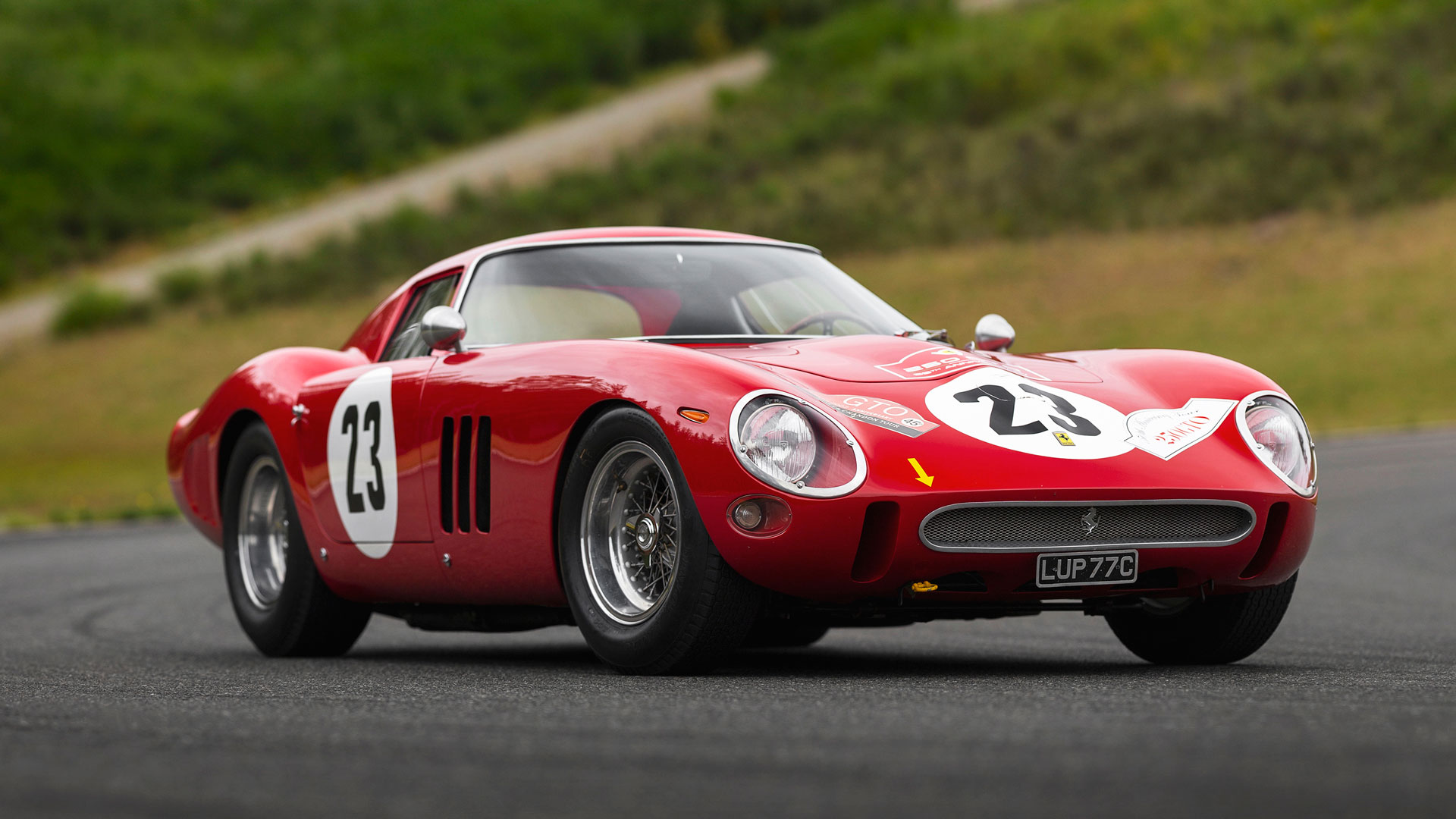
1. Ferrari 250 GTO – $48,405,000 (£38,300,000)
Described as the ‘holy grail’ of classic and collector cars, this 1962 Ferrari 250 GTO smashed its $45m pre-auction estimate. Only 39 cars were built, and this example was raced by Jo Schlesser. If the market cools, is it destined to remain as the king of the auction cars?
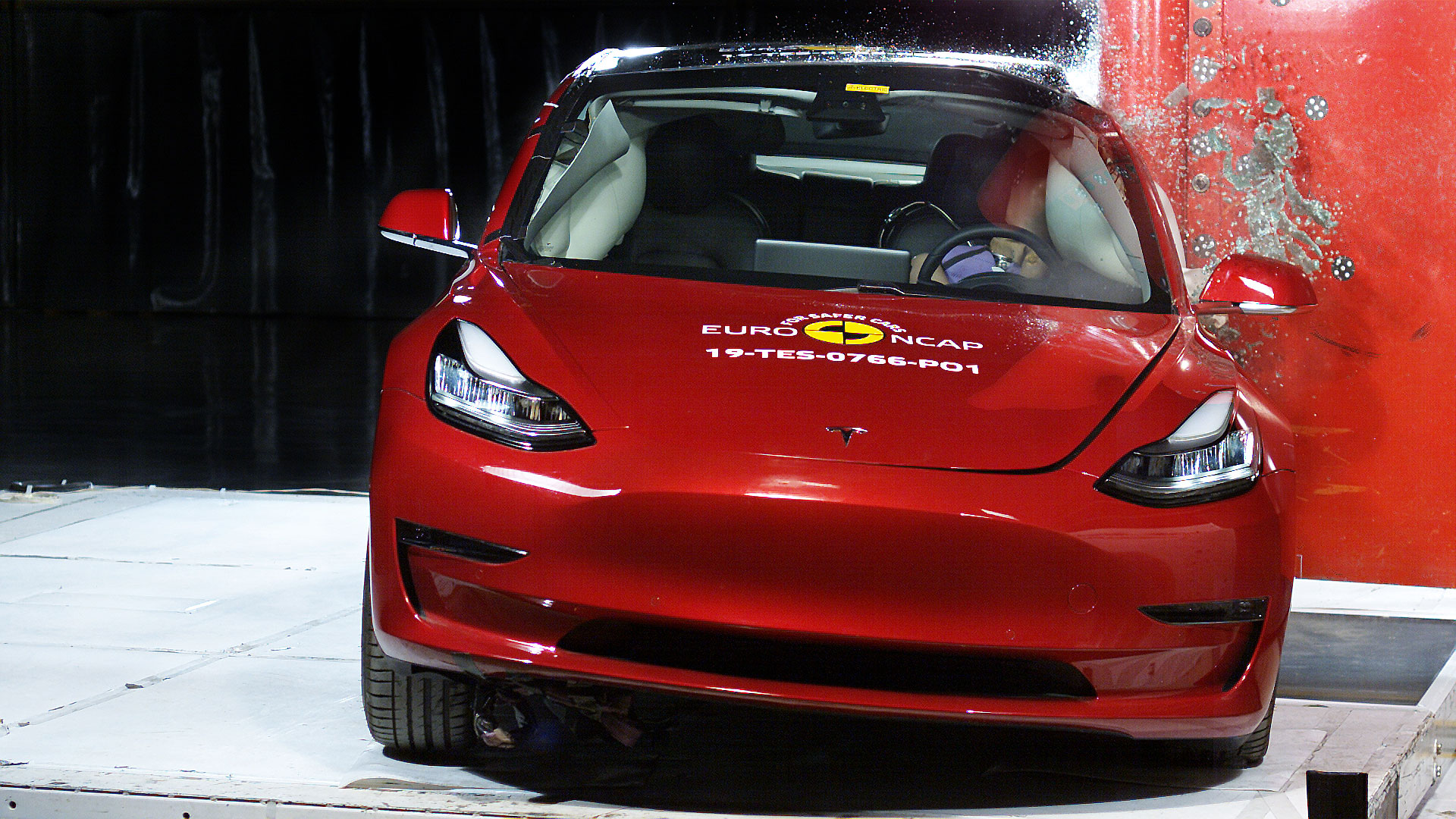
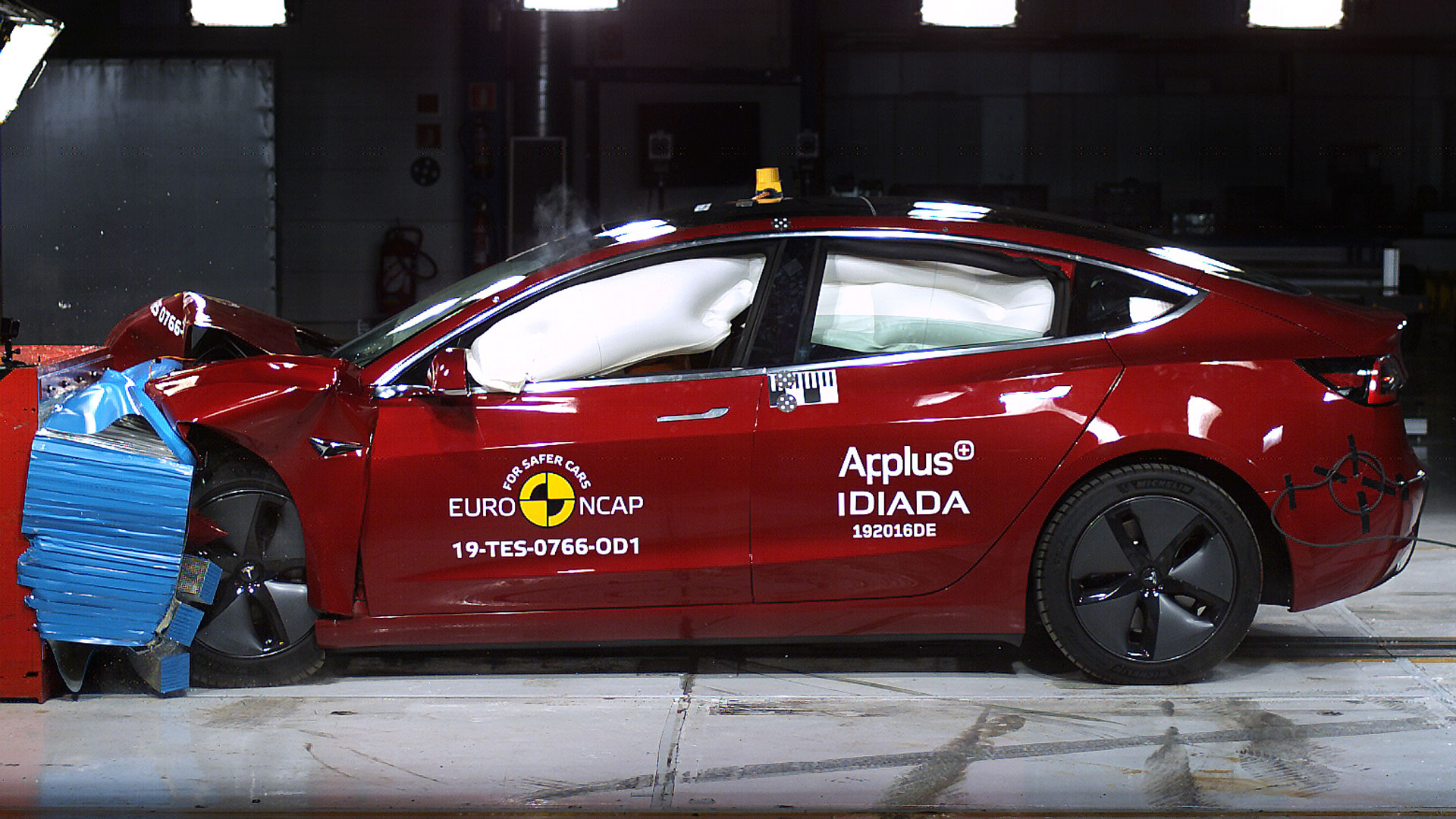
The Tesla Model 3electric car has scored 94 percent in the 2019 safety assist test, as Euro NCAP releases the latest crash safety ratings.
A perfect score in the frontal deformable barrier crash test contributed to an impressive set of results, including 96 percent for adult occupant safety, 86 percent for child occupant and 74 percent for vulnerable road users.
The Model 3’s safety assist rating is a new safety benchmark; the previous highest rating in 2019 was the 82 percent scored by the Citroen C5 Aircross, while the Audi Q3 was given an 85 percent rating in 2018.
Lane support, speed assist and autonomous emergency braking were three Model 3 highlights referenced by Euro NCAP.
Matthew Avery, director of research at Thatcham Research, said: “The Tesla Model 3 achieved one of the highest safety assist scores we have seen to date.
“Its collision avoidance assist system is first class, with its autonomous emergency braking and forward collision warning systems showing high levels of performance.
“Tesla has done a great job of playing the structural benefits of an electric vehicle to its advantage. Impact performance is enhanced by the absence of a mechanical engine and the car’s low centre of gravity.
“The Tesla Model 3 really benefits from its all electric-architecture.”
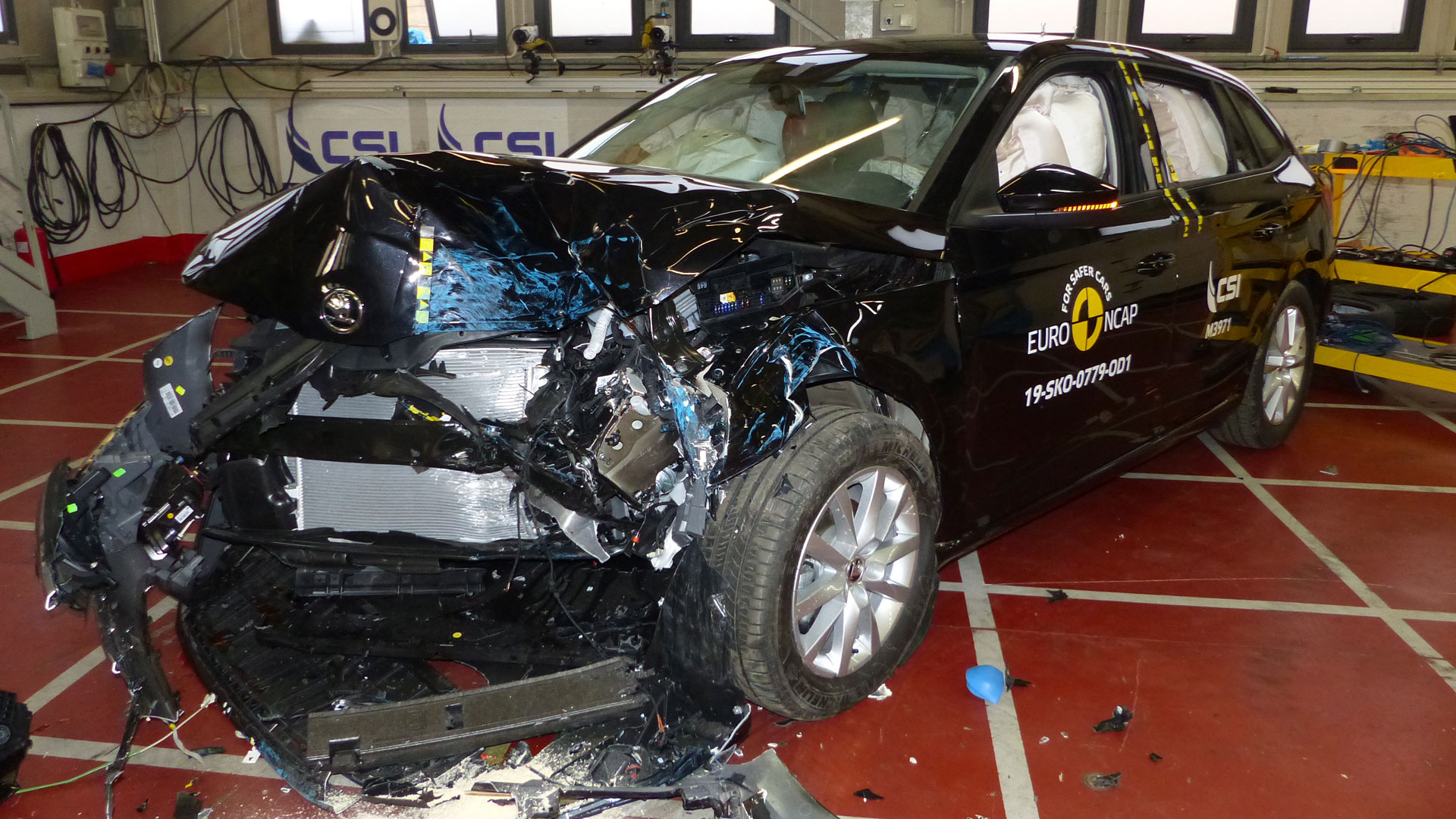
The Tesla was one of six new cars to be crash tested by Euro NCAP, with the Skoda Scala, Mercedes-Benz B-Class and Mercedes-Benz GLE given five stars for safety.
Skoda’s new Scala hatchback scored an excellent 97 percent for adult occupant safety – the second highest rating of 2019. Scala prices start at £18,585 for the SE, and the five-star rating applies to the entire range.
The same isn’t true of the Kia Ceed and DS 3 Crossback, with both cars receiving a four-star rating – or five with the fitment of an optional safety pack.
‘Tougher and tougher’
Michiel van Ratingen, secretary general of Euro NCAP, said, “It’s great to see cars doing so well. Our tests get tougher and tougher, and cars continue to perform well, which means that car-buyers are getting an ever-safer range of vehicles to choose from.
“Next year, we up the ante again, with better tests of driver-assistance systems, a completely new frontal crash test and more attention to protection in side crashes. These new tests should help to make the roads safer for everyone.”
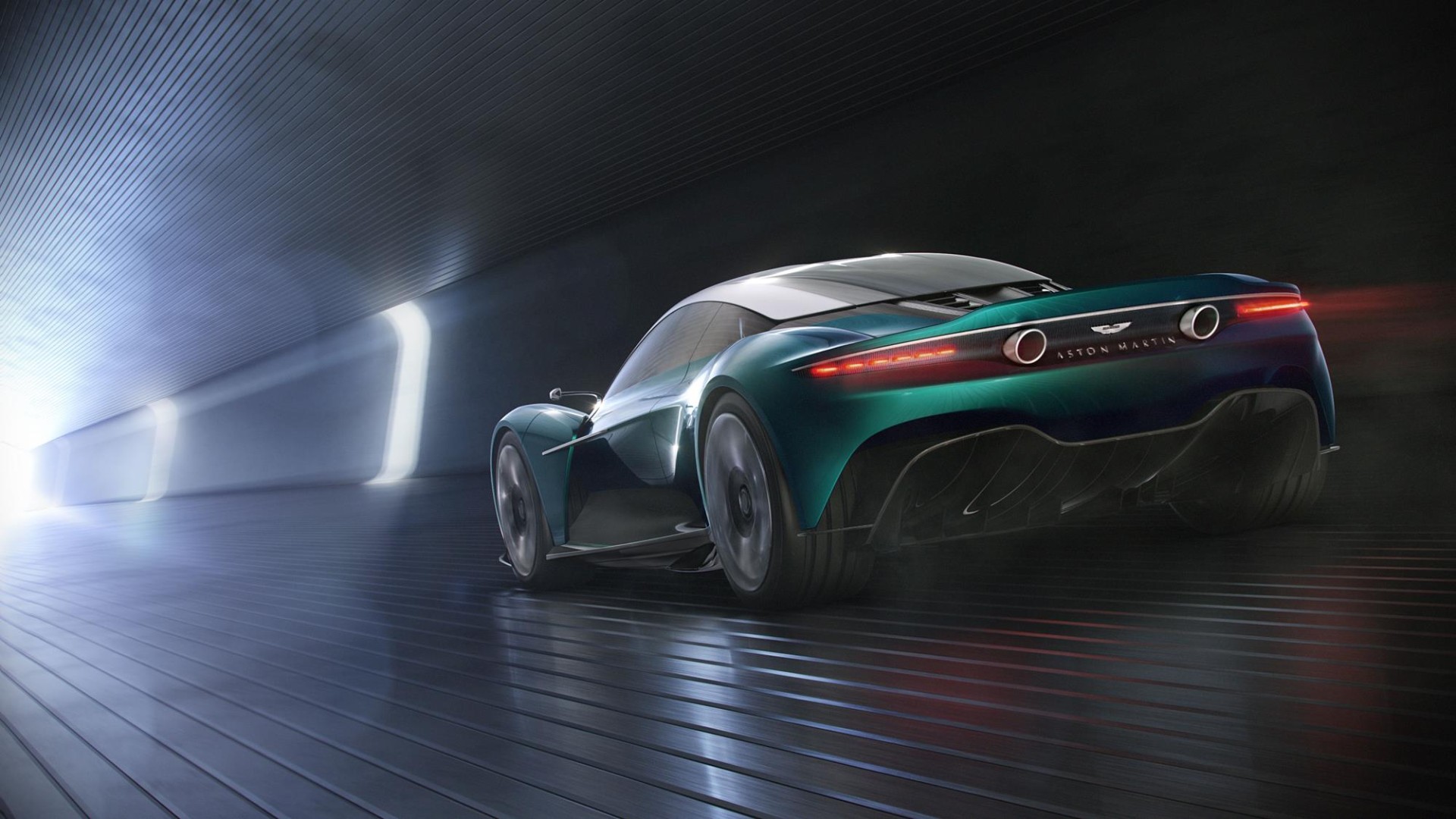
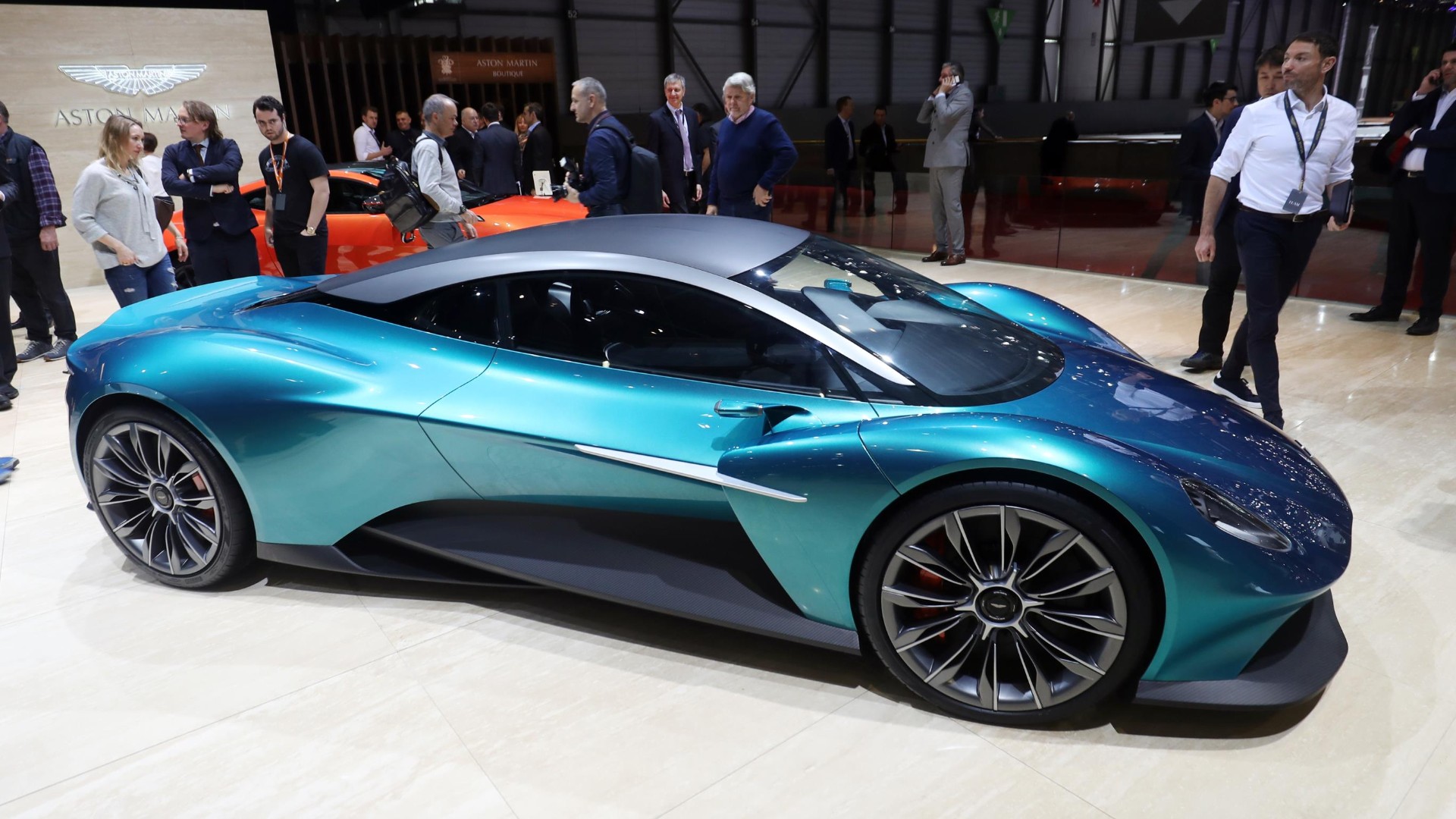
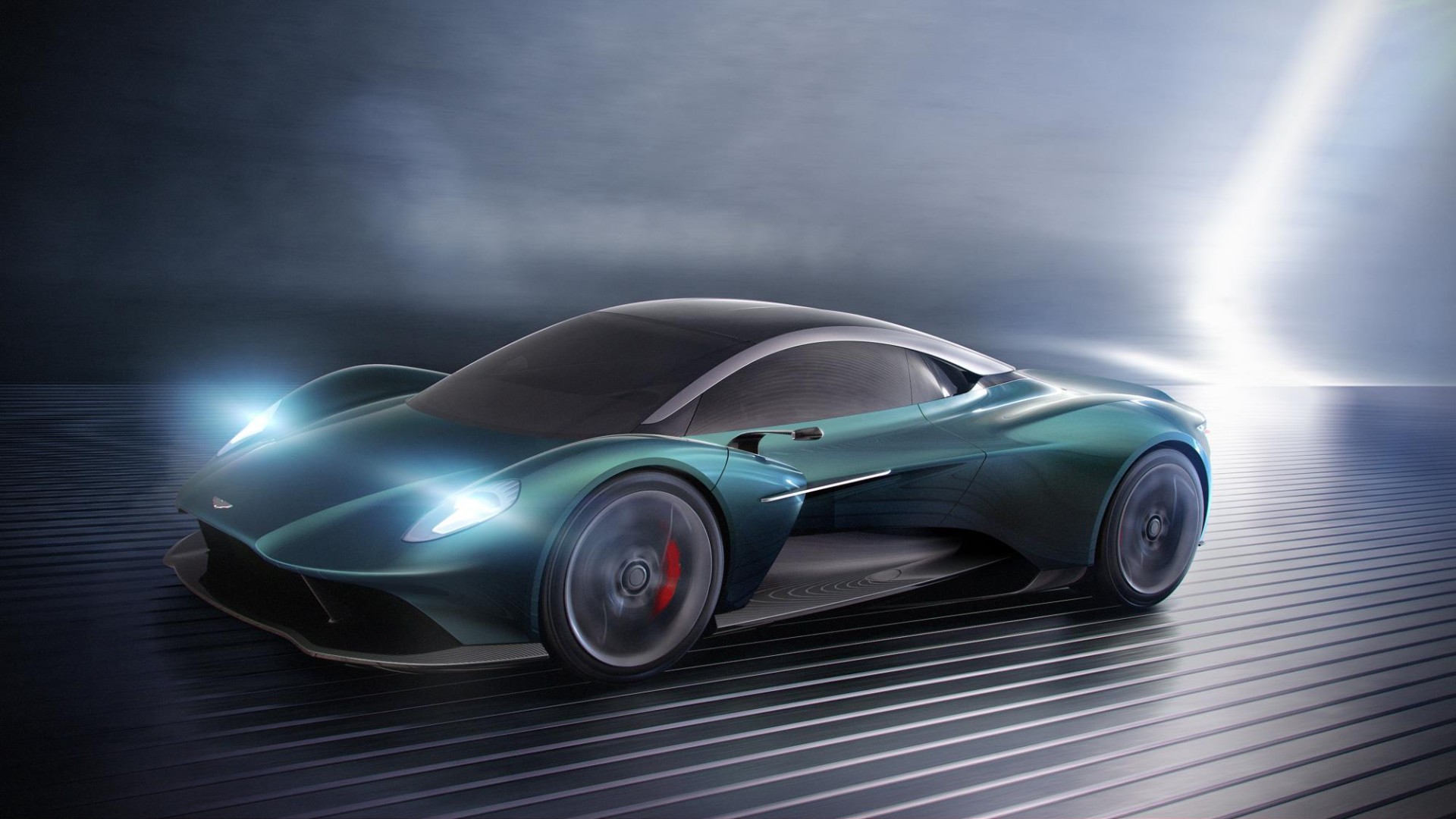
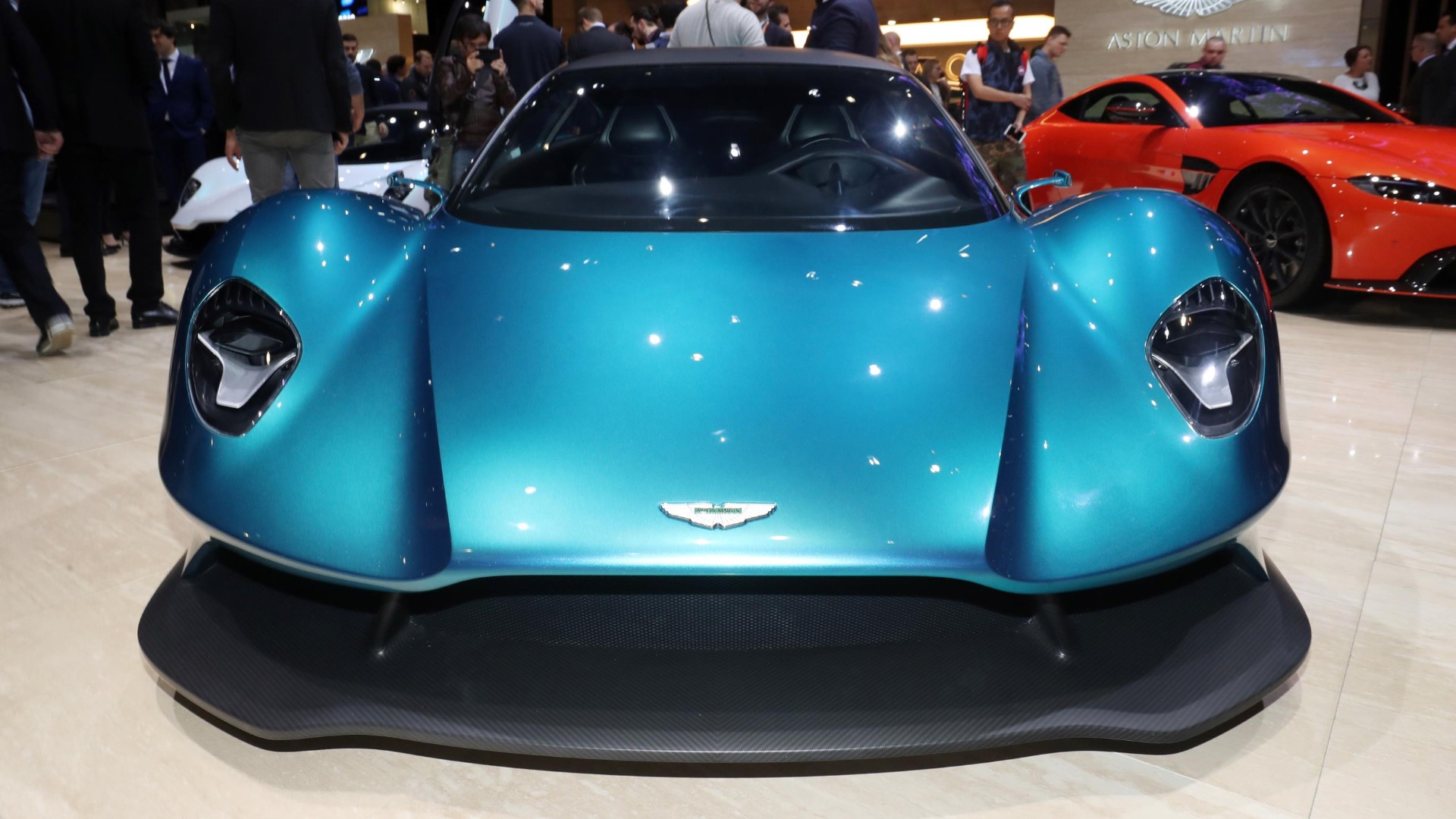
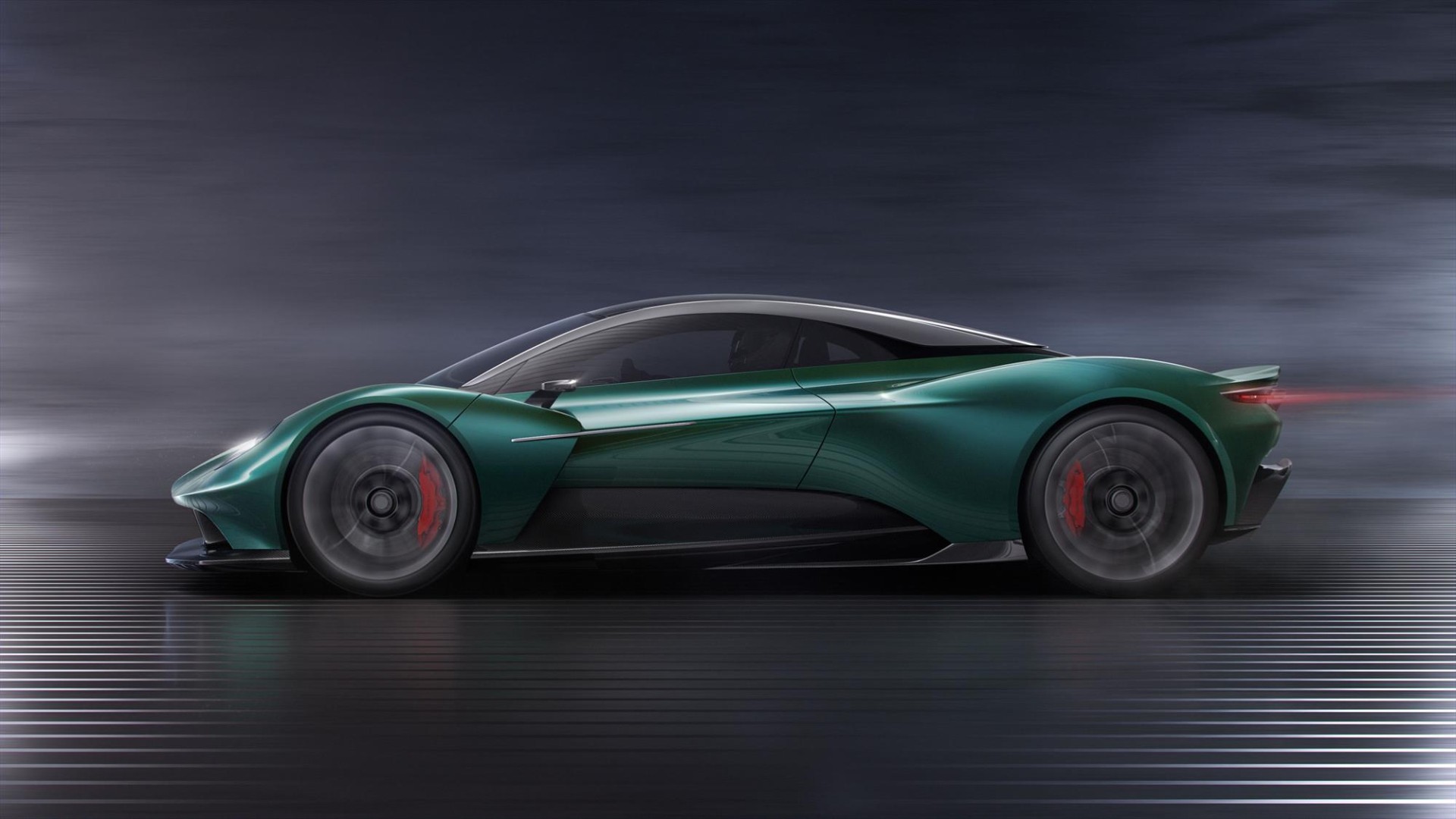
The Vanquish is still a way off. The shock Vanquish Vision Concept at Geneva 2019 didn’t have an interior, or indeed an engine. Yet as a statement of intent, and proof that Aston could make a mid-engined supercar look pretty, it worked a treat.
When it comes to the production Vanquish, Palmer has again reaffirmed his determination for Aston to be the last sports car manufacturer to offer a manual.
“I’ve already made a commitment that I want to be the last manufacturer in the world to offer manual sports cars and I want to honour that commitment,” he said, in an interview with Carsales.
While Palmer didn’t reference the Vanquish specifically, he goes on to criticise McLaren’s single carbon tub methodology. By contrast, Aston Martin opts for differing aluminium structures, benefitting ease-of-use and comfort for different models.
“Unlike McLaren we’re not trying to stretch the same assets over and over again. Our approach is a more expensive philosophy, but hopefully it’s a more compelling way of addressing a customer’s needs.
“Our mainstream cars, have been created to be useable daily – that’s why they employ an aluminium tub for a lower and narrower sill – it makes them easier to get in and out of.”
His previous assertion that the Valhalla hypercar – which will share its twin-turbo V6 engine with the Vanquish – will not get a manual ‘box, seems to suggest that the Vanquish possibly will.
Aston Martin is playing coy on specifics for the Vanquish, however. “It is too early for us to comment any further on the specific technical details of the upcoming Vanquish,” a spokesperson told The Drive.
Once again, Andy Palmer performs a delicate dance around juicy details on upcoming cars. If we were him and if the Vanquish is getting a manual, we’d struggle to contain ourselves, too…
It’s 10 years now since Ferrari made the bold move of abandoning a manual transmission for the 458. McLaren, in its renaissance, did the same, offering twin-clutch paddle-shifting only
The original Vanquish got a lot of stick for not offering a stick, and for its automated paddle-shift transmission. How poetic it would be for the new car to turn the tables.
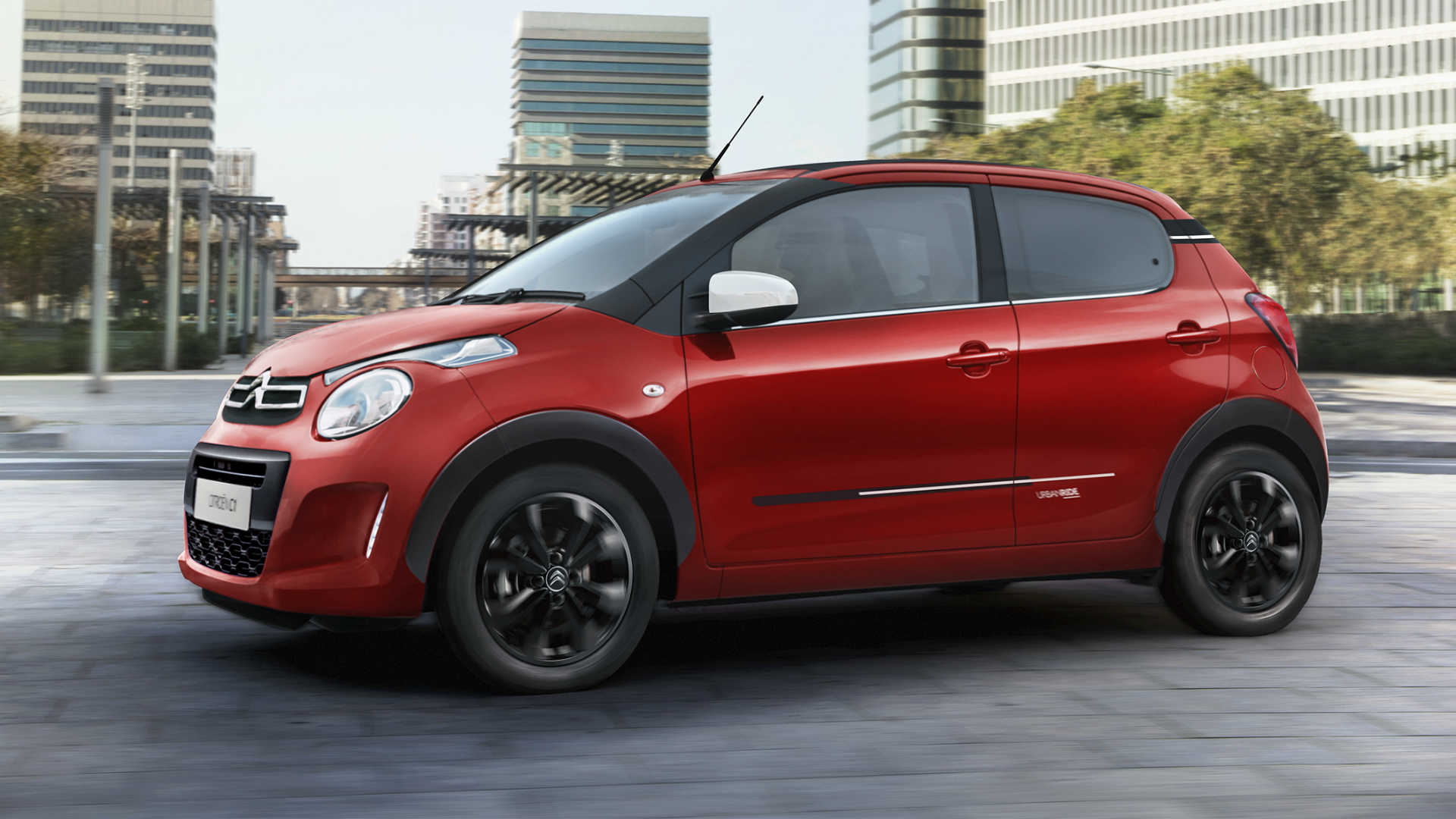
Young drivers can take advantage of a free insurance offer when they buy a new Citroen C1 city car this summer.
A year’s free insurance is available to customers aged 18 and over if they order and register a brand new Citroen C1 between now and the end of September.
The offer is available on all but the entry-level Touch trim level and includes hatchback and ‘Airscape’ body styles. The recently launched ‘Origins’ Collector’s Edition – which celebrates 100 years of Citroen – is also eligible for free cover.
‘A helping hand’
Eurig Druce, Citroën UK’s sales director, said: “C1 is an extremely popular urban vehicle that’s packed with style, technology and safety equipment, including those all-important full-length curtain airbags.
“We’re delighted we can now make this attractive model even more desirable, with free insurance for retail customers from 18 years of age.
“This offer has been designed in particular to offer a helping hand to younger drivers, whose insurance costs are usually higher. By covering these costs we hope to get as many young drivers into a safer, brand new car that they can be proud of.”
A Citroen C1 Feel costs £11,900 and boasts a seven-inch touchscreen, DAB radio, Bluetooth, Apple CarPlay and Android Auto as standard. Some 65,000 C1s have been sold since the current generation was launched in 2014.
Manufacturers are ramping up their summer offers, with Vauxhall and Ford recently unveiling their new scrappage deals. Meanwhile, the Toyota Aygo X-Trend – which shares a platform with the Citroen C1 – is available with a £2,000 scrappage allowance.
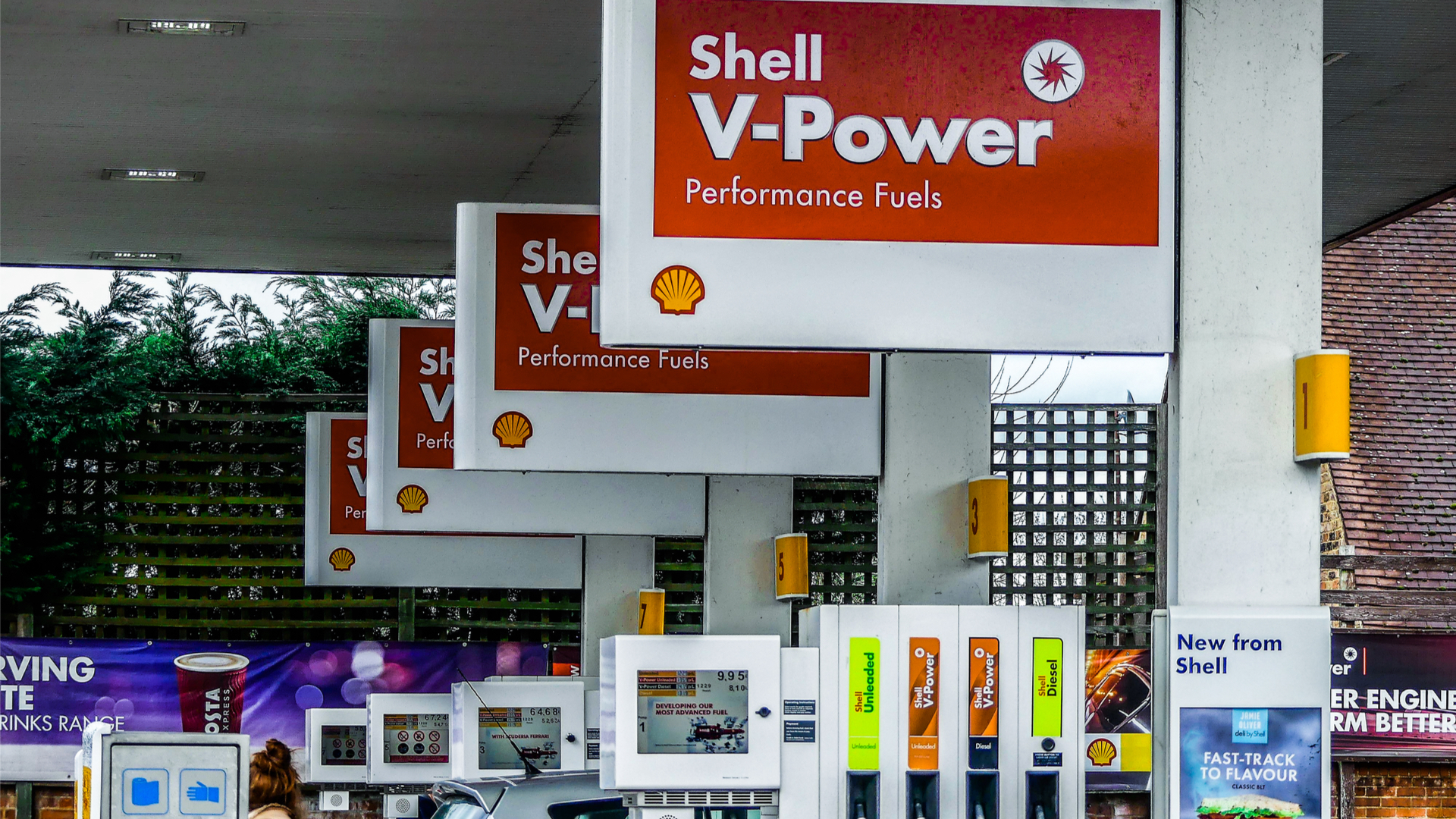
If you thought the days of highway robbery were over, think again. New research reveals the SHOCKING prices motorists are being charged to fill up with fuel on the motorway.
There’s a kind of reluctant acceptance of the inflated fuel prices charged at motorway services, but some of the figures revealed as part of the study by PetrolPrices.com will raise a few eyebrows.
But there is an alternative. Leaving the motorway and driving a couple of miles is often rewarded with fuel that could be up to 37 pence per litre cheaper. Lining the pockets of Dick Turpin isn’t a prerequisite of motoring driving.
Take Leicester Forest East on the M1. You’ll pay 167.9 pence per litre of diesel on the motorway, but fill up at the nearby Sainsbury’s at Fosse Park and you’ll be charged 130.9 pence. That’s a difference of 37 pence per litre.
It’s a similar story for drivers on the M5 in Somerset, where a litre of petrol costs 148.9 pence at Bridgwater services, or 119.9 pence at a nearby Sainsbury’s. You have to use local roads to access the motorway services, so travelling an extra 2.5 miles for cheaper fuel is no hardship, especially when refreshments are likely to be cheaper, too.
Unfortunately, unless a service area is situated at a junction or on a roundabout, some forward planning might be required to find fuel just off the motorway. ‘As the crow flies’ distances might be a little wayward after you’ve factored in any potential detours.
But this doesn’t alter the fact that motorists are being overcharged for fuel on the motorway.
Stung by ‘extortionate’ fuel prices
Kitty Bates, consumer spokesperson at PetrolPrices.com, said: “Our research shows that many motorway service stations are pricing their fuel well over the odds with some stations charging up to 37p per litre more than their nearest forecourt operator.
“Motorway service areas have long been overpriced because operators know that motorists have to fill up there, and they have a captive audience, so they charge a similar rate year round, regardless of the fluctuations in the wholesale industry.
“Their argument is the costs are higher, which is something the government has been saying that it wants to investigate for quite a few years now. For too long millions of UK motorists have been stung by extortionate motorway service area fuel prices.”
The research follows comments by Transport Secretary Chris Grayling in which he called for fuel retailers to allow motorists to check the price of filling up at their forecourt before they travel using a smartphone app after accusing them of ‘taking advantage of drivers’.
Kitty Bates added: “For Chris Grayling to suggest a live fuel pricing service for motorway service areas seems almost pointless. A trial on the M6 a year or so ago made no difference to prices, as no alternative cheaper station was shown.”
Top 10 most expensive motorway service areas for unleaded
Motorway service area
Motorway
County
Closest unleaded station
Motorway price per litre
Cheapest price per litre
Price difference per litre
Distance between stations
Bridgwater
M5
Somerset
Sainsbury’s Bridgwater
148.9p
119.9p
29p
2.5 miles
Tamworth
M42
Staffordshire
Centurion Service Stn
150.9p
123.9p
27p
1.9 miles
Keele
M6
Staffordshire
Morrisons Stoke
148.9p
124.7p
24.2p
15 miles
Newport Pagnell
M1
Buckinghamshire
Tesco Milton Keynes
148.9p
123.9p
25p
5.1 miles
Cherwell Valley
M40
Oxfordshire
Tesco Bicester
148.9p
124.9p
24p
6.7 miles
Exeter
M5
Devon
Tesco Exeter Vale
148.9p
124.9p
24p
1.9 miles
Hartshead Moor
M62
West Yorkshire
Tesco Brighouse
148.9p
124.9p
24p
3 miles
Heston
M4
Greater London
Tesco Hayes Bulls Bridge
148.9p
124.9p
24p
2 miles
Medway
M2
Kent
Sainsbury’s Hempstead
148.9p
124.9p
24p
7.8 miles
Pont Abraham
M4
Carmarthenshire
Tesco Pontarddulais
150.9p
126.9p
24p
3.3 miles
Top 10 most expensive motorway service areas for diesel
Motorway service area
Motorway
County
Closest diesel station
Motorway price per litre
Cheapest price per litre
Price difference per litre
Distance between stations
Leicester Forest East
M1
Leicestershire
Sainsbury’s Fosse Park
167.9p
130.9p
37p
2.1 miles
Woodall
M1
South Yorkshire
Bridgehouse Service Stn
165.9p
134.9p
31p
3 miles
Maidstone
M20
Kent
Ashford Rd Service Stn
165.9p
135.9p
30p
4.4 miles
Rownhams
M27
Hampshire
Shell Bassett
168.9p
138.9p
28p
6 miles
Cherwell Valley
M40
Oxfordshire
Tesco Bicester
155.9p
129.9p
26p
6.7 miles
Bridgwater
M5
Somerset
Sainsbury’s Bridgwater
155.9p
130.9p
25p
2.5 miles
Exeter
M5
Devon
Tesco Exeter Vale
155.9p
130.9p
25p
1.9 miles
Oxford
M40
Oxfordshire
Asda Wheatley
155.9p
131.7p
24.2p
1.4 miles
Todhills Rest Area
M6
Cumbria
Asda Carlisle
155.9p
131.7p
24.2p
10.4 miles
Annandale Water
A74(M)
Dumfriesshire
Lockerbie Service Stn
154.9p
130.8p
24.1p
9.1 miles
If you find yourself running low on fuel, the advice is to refuel with enough petrol or diesel to allow you to reach your destination or the nearest filling station away from the motorway. Never brim the tank at a motorway service area.
Click here to find the cheapest and diesel near you.
Forget the summer weather outside, as Xbox One gamers now have eight new reasons to stay inside on the sofa instead.
The latest update for the Forza Horizon 4 game has gone live this week, which brings an octet of new vehicles plus special challenges and races.
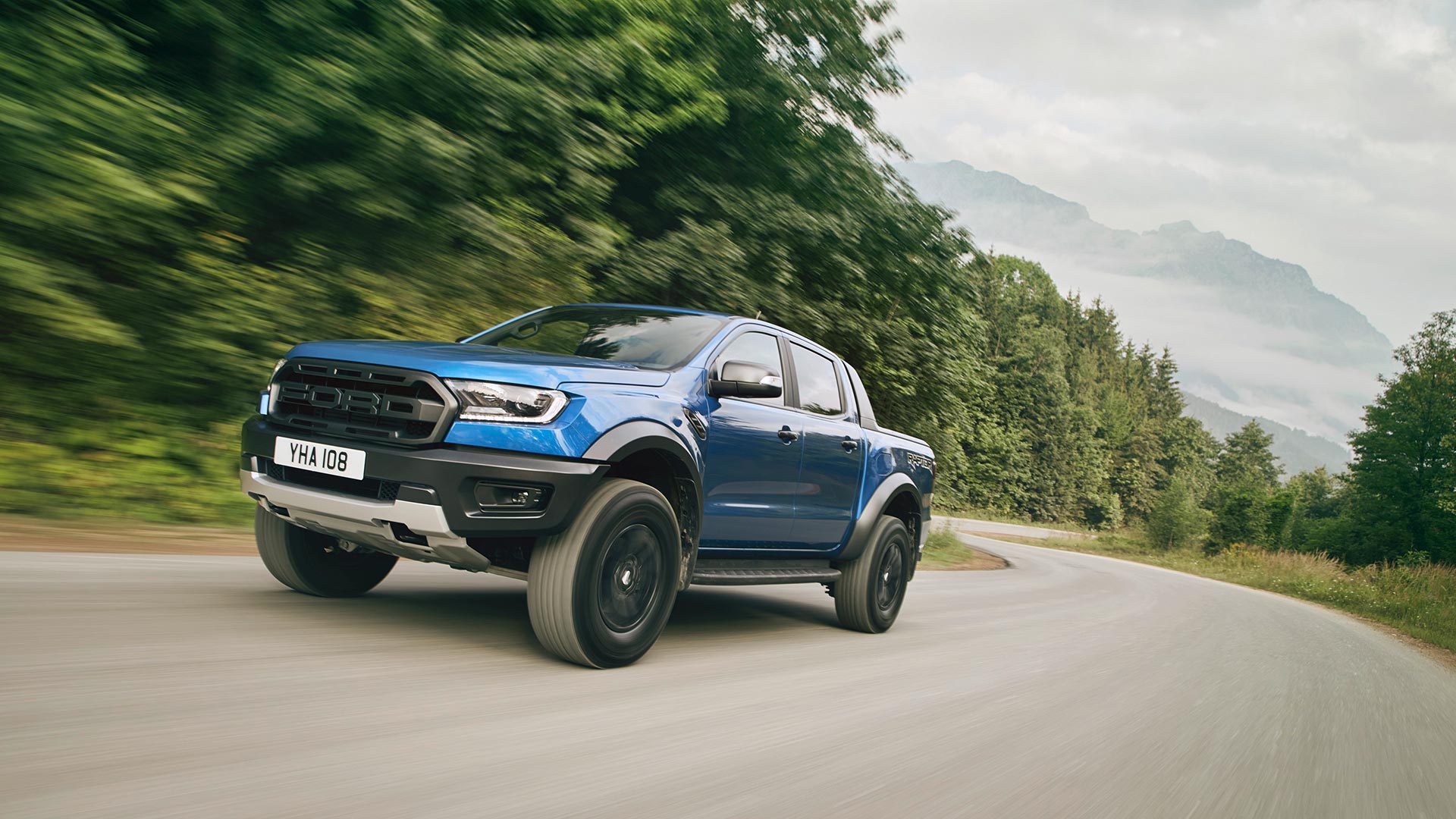
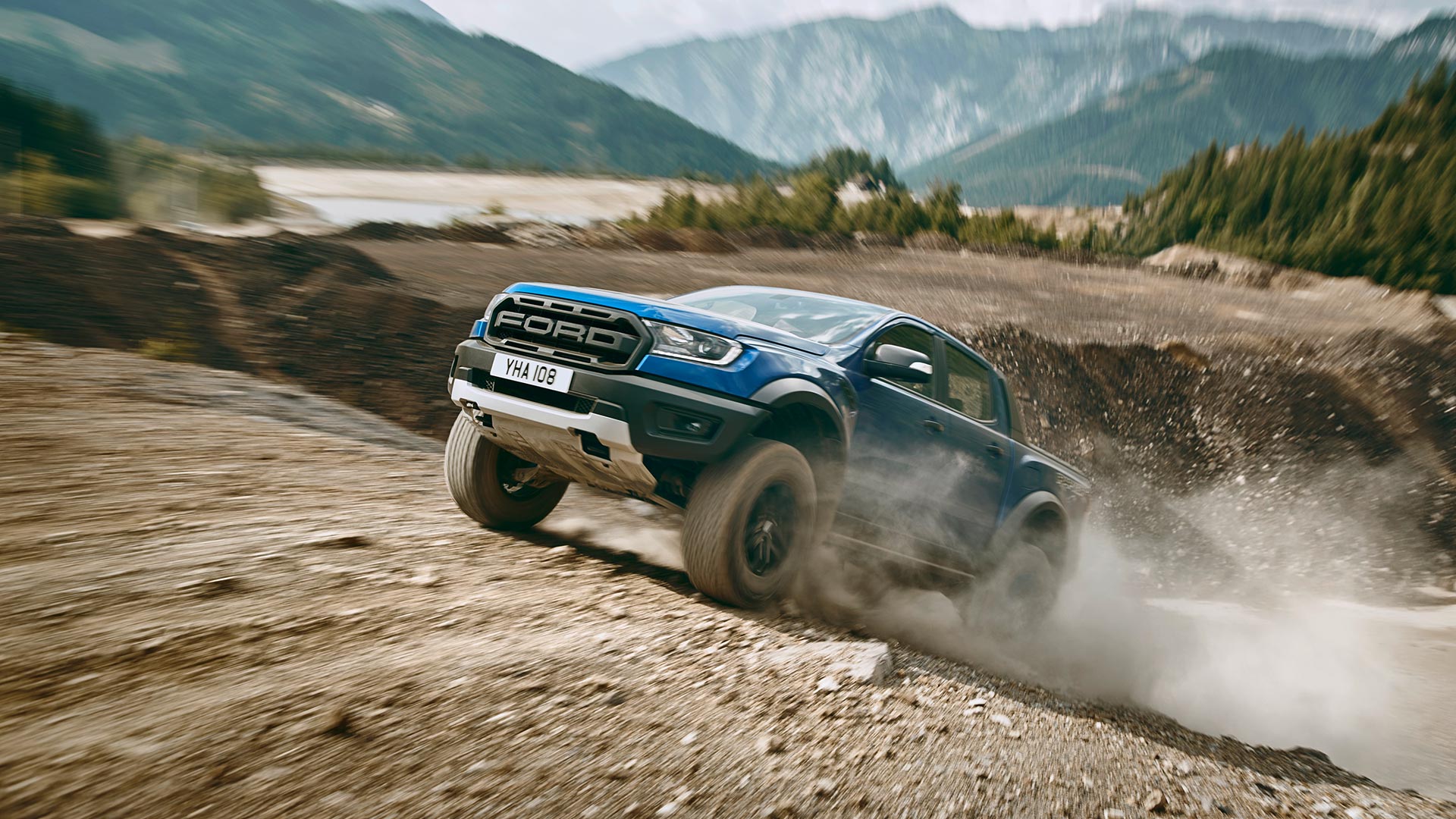
Included in the update is the addition of the Ford Ranger Raptor. This performance pickup truck first appeared in a trailer for Horizon 4 last year, yet only now makes its digital debut.
Ford became the first car manufacturer to launch a vehicle at a gaming show, using Gamescom in Germany for the big reveal. However, it has taken some 11 months for the extreme off-roader to finally appear in the game.
Players will be able to purchase the Ranger Raptor from the Forza Horizon Autoshow, and then set to work ripping up the British countryside with it. Forza may be the only place American fans can get to try Ford’s newest performance truck, unless the Blue Oval has a change of heart.
With 213 horsepower and 369lb-ft of torque from a 2.0 twin-turbo diesel, the Ranger Raptor certainly impressed us when faced with the Moroccan desert. Special Fox Racing shock absorbers also allow it to tackle rocks and jumps with ease.
Another key element of the Series 11 update is the launch of special new Horizon Story for Forza players.
The ‘Top Gear: Horizon Special’ offer seven chapters for gamers to work through, with cameos from Top Gear presenter Chris Harris and, of course, The Stig.
Included as part of the Top Gear challenge is the ridiculous Track-tor, a modified 50 horsepower creation which set a land speed record for tractors in 2018. We can gloss over the fact that the record was recently topped by Guy Martin in his 1,000 horsepower JCB…
Also appearing from Top Gear is the Mercedes-Benz G63 6×6, along with the modified Mercedes-Benz E350d All-terrain ‘Project E-AT’.
Other cars added to the game include the 1996 Chevrolet Impala SS, 2006 Koenigsegg CCX, 2011 McLaren 12C Coupe, and the 2013 Jeep Wrangler Unlimited Deberti Design edition.
Players should also notice a number of fixes applied to various bugs identified in the game, have the opportunity to win new in-game rewards, and partake in extra races.
Used car dealers are coming under scrutiny by Trading Standards regarding outstanding manufacturer recalls, the Vehicle Remarketing Association (VRA) reports.
The organisation represents businesses that deal with as many as 1.5 million used vehicles per year in various capacities. It’s warning that dealers should start taking extra care to carry out outstanding recall work.
Recall spotlight: staying on top of cars that need manufacturer attention
Why are they taking such a keen interest? Many cars are recalled for repairs post-debut and post-sale. This can be for issues of varying severity, from a glovebox that won’t stay shut, to brakes that don’t work. The troublesome job is rounding up all the cars that need attention…
These are issues that product safety laws could determine are the responsibility of these dealers. Especially before moving cars on. Dealers could find themselves on thin ice in scenarios where they can opt to undertake an outstanding recall when a car is brought into stock, and don’t.
“Trading Standards appear to be looking quite closely at used car sales where retailers have not notified customers that vehicles are the subject of outstanding manufacturer recalls,” said VRA board member Jonathan Butler, of specialist automotive solicitors, Geldards.
“This might be seen as a product safety issue under the General Product Safety Regulations 2005 other than in certain exceptions. However, it is not a clear area and one where some dealers could, unless they are very careful, potentially find themselves encountering difficulties.”
Get the work done
The advice to dealers by the VRA? Get the work done. The minimal cost now is significantly more desirable than the potential ramifications of not doing so.
“Bearing in mind the small additional cost involved, we would very much recommend this as an action by all used-car dealers. In our opinion, it should form part of best practice procedures that are undertaken before vehicles are advertised for sale.”
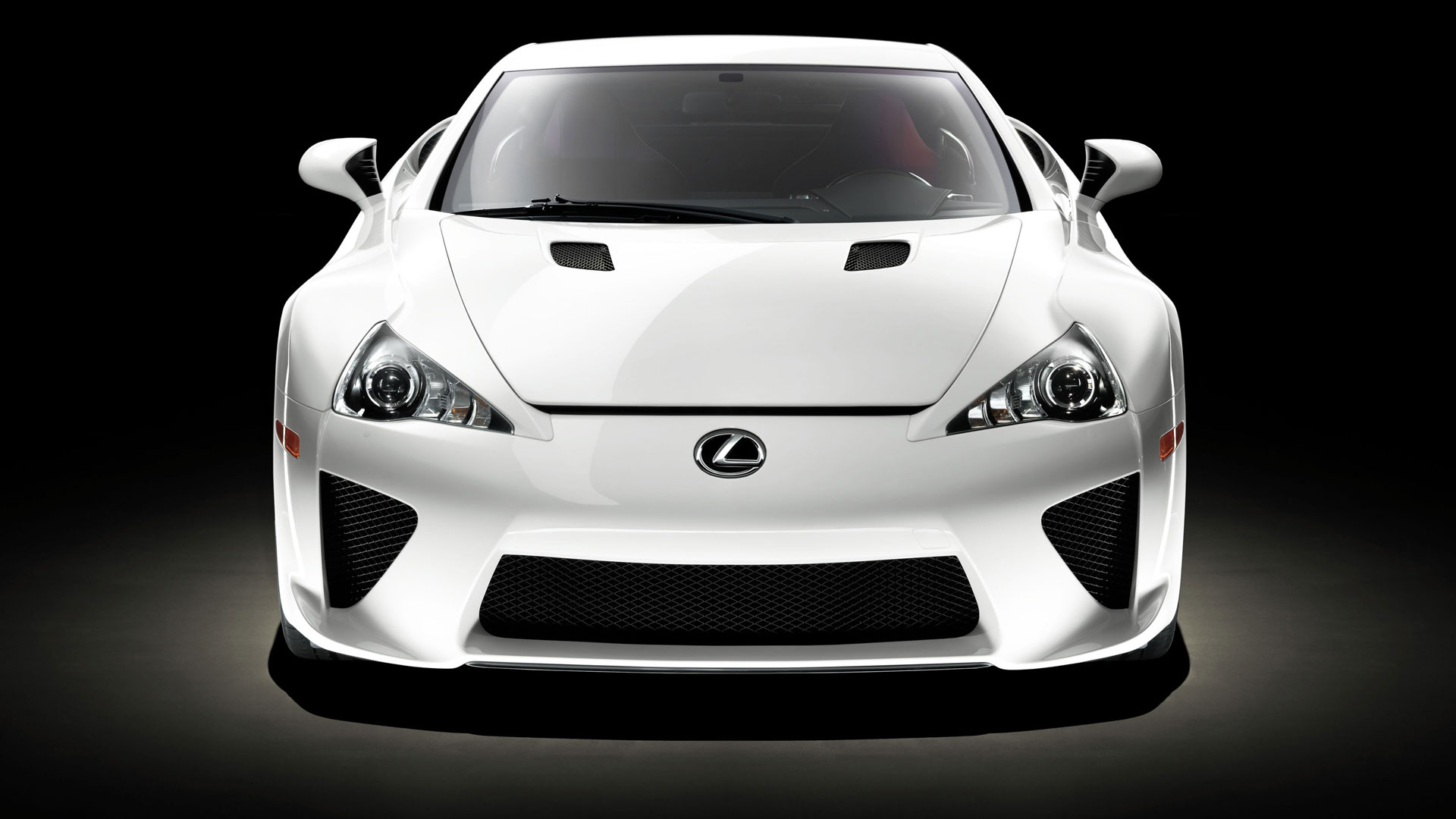
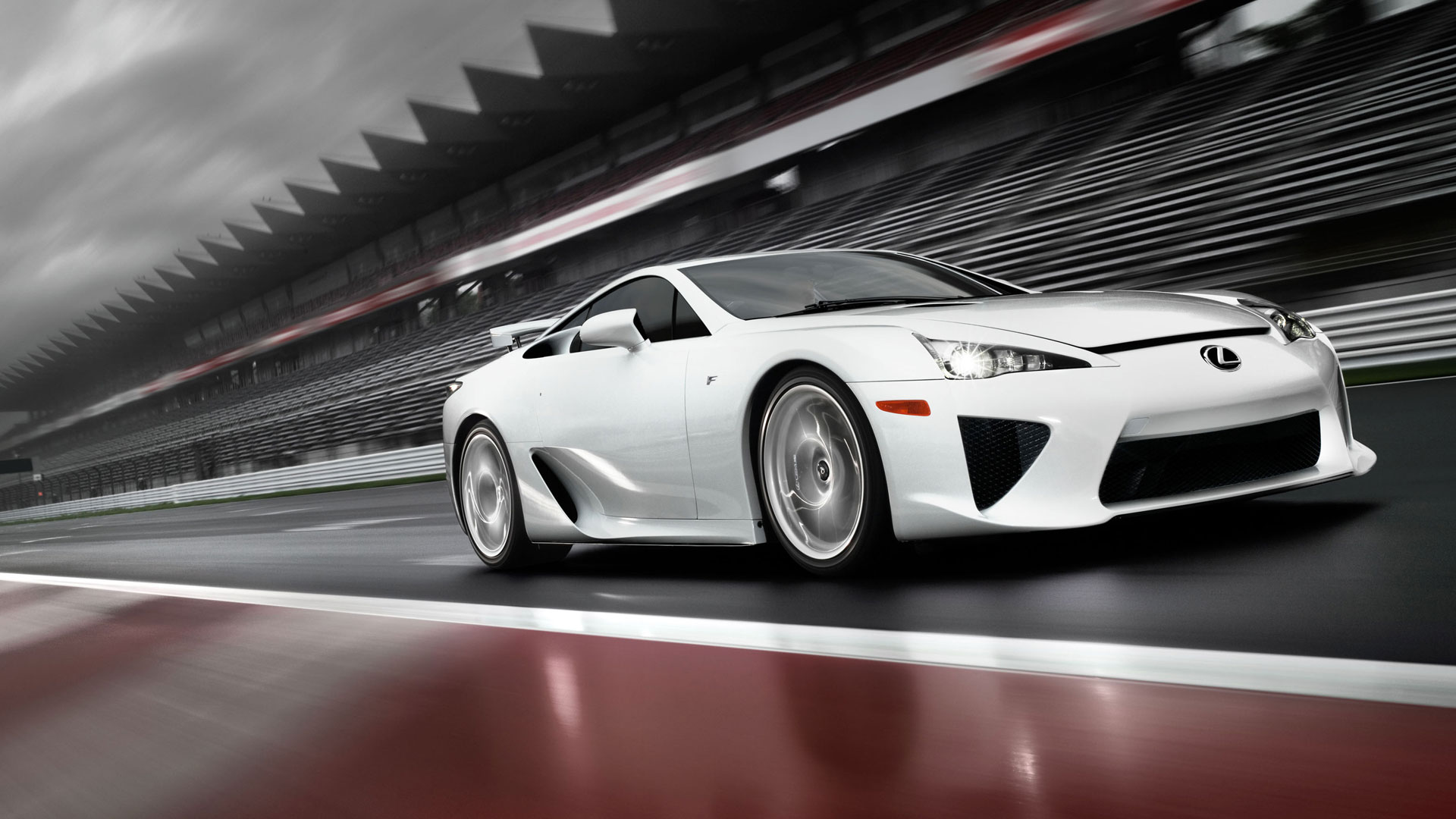
Lexus sold its 10-millionth vehicle in February 2019 – a remarkable achievement for a brand with just 30 years heritage to its name. The LFA (pictured) is arguably the company’s most high profile vehicle, but the Lexus story begins in the mid-1980s with the development of bespoke luxury car. We’ll attempt to tell the Lexus story in just 30 captions.
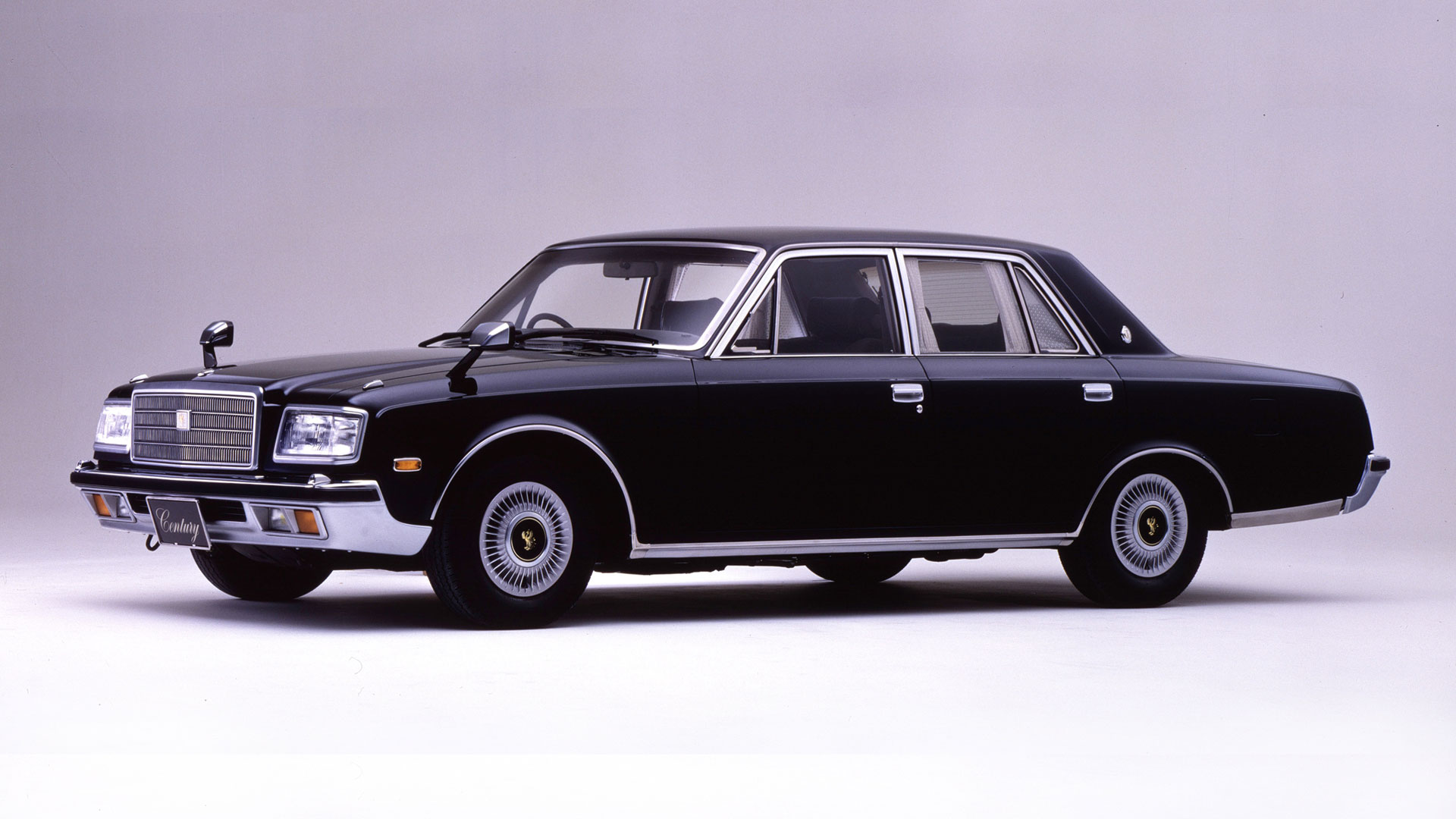
Toyota Century
The Lexus timeline begins in 1983, when Toyota chairman Eiji Toyoda asked his staff if they could build a world-beating luxury saloon. Merely competing wouldn’t be enough; this car would need to exceed the high standards set by Mercedes-Benz, Jaguar and BMW. Toyota knew how to build a luxury car for the domestic market – the Century was proof of that – but creating something for export was a different proposition.
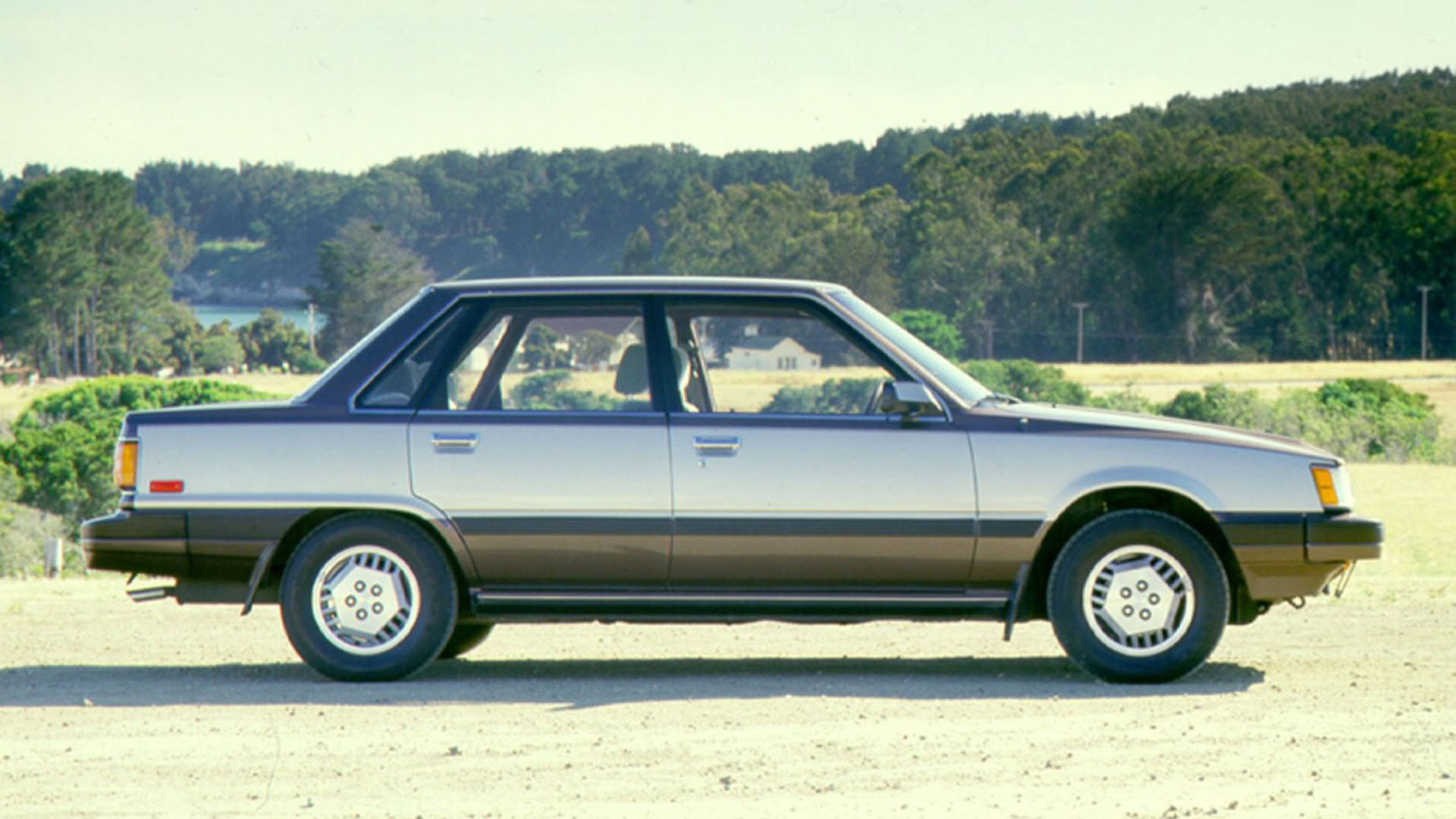
Toyota Camry
Toyota knew the market was there, particularly in the United States. “The luxury car market is projected to be the fastest growing segment over the next several years as the ‘baby boomers’ enter their peak earning years,” it said with confidence. As much as their loyal customers liked the Camry, as they became more affluent, they began demanding more. A Toyota badge just wouldn’t cut it – not when they could afford a Cadillac, Mercedes or Jaguar. Yukiyasu Togo, president and CEO of Toyota US was highly supportive and actively encouraged the Japanese to progress the project.
Project F1
The result was the F1 project – that’s F for Flagship and 1 for excellence. Amazingly, Toyota didn’t set a time limit for completion; the engineers and designers were given free rein in the pursuit of excellence. Researchers were sent to America for four weeks to explore the heart and minds of the US consumer. A five-person design team was dispatched to Laguna Beach to study the lifestyles of the traditional luxury car buyer. When Japan sets out to do something, there are no half measures – no stone is left unturned. Toyota identified which manufacturer led its field of expertise, analysed why, and then developed a plan to beat it.
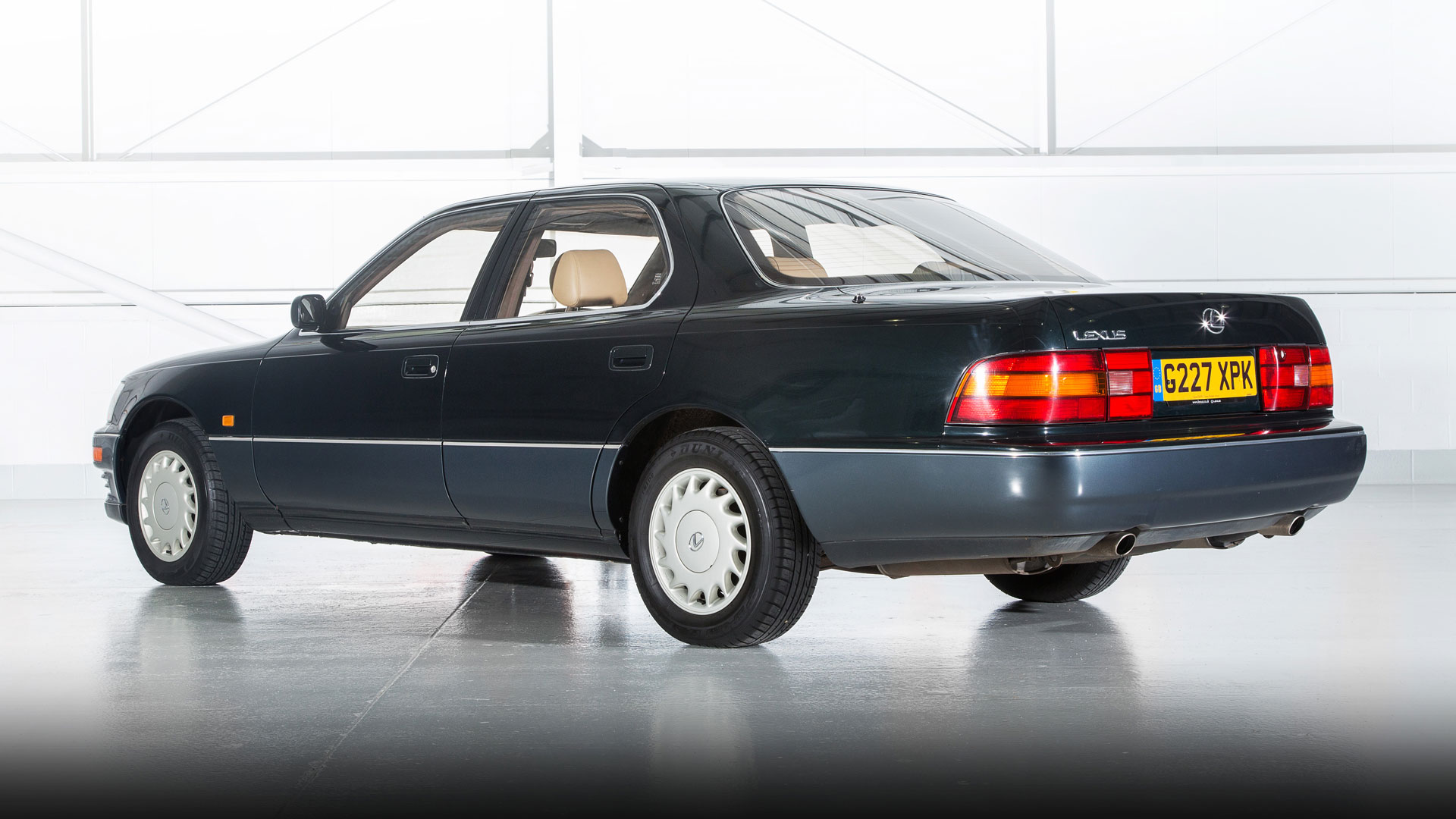
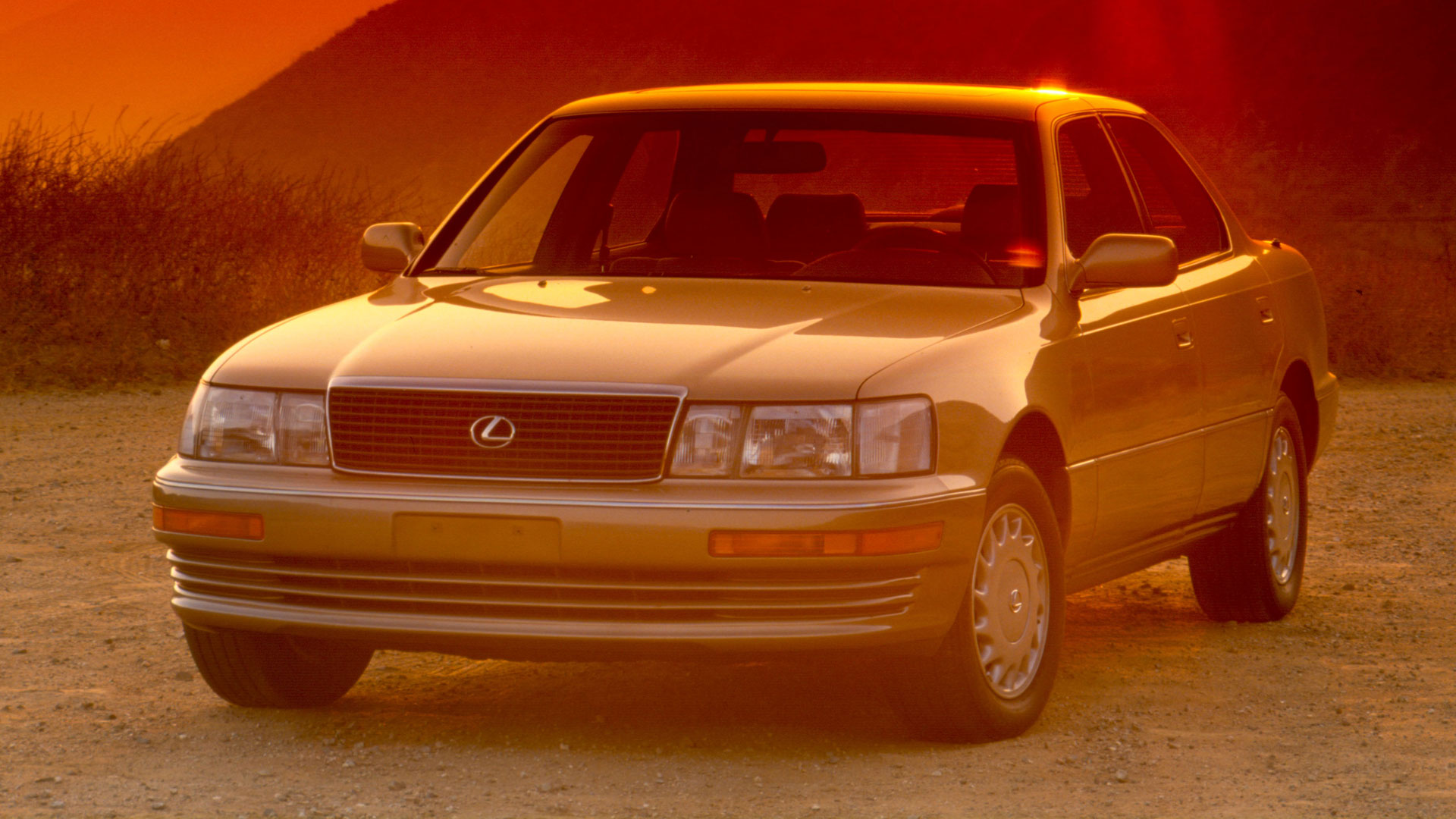
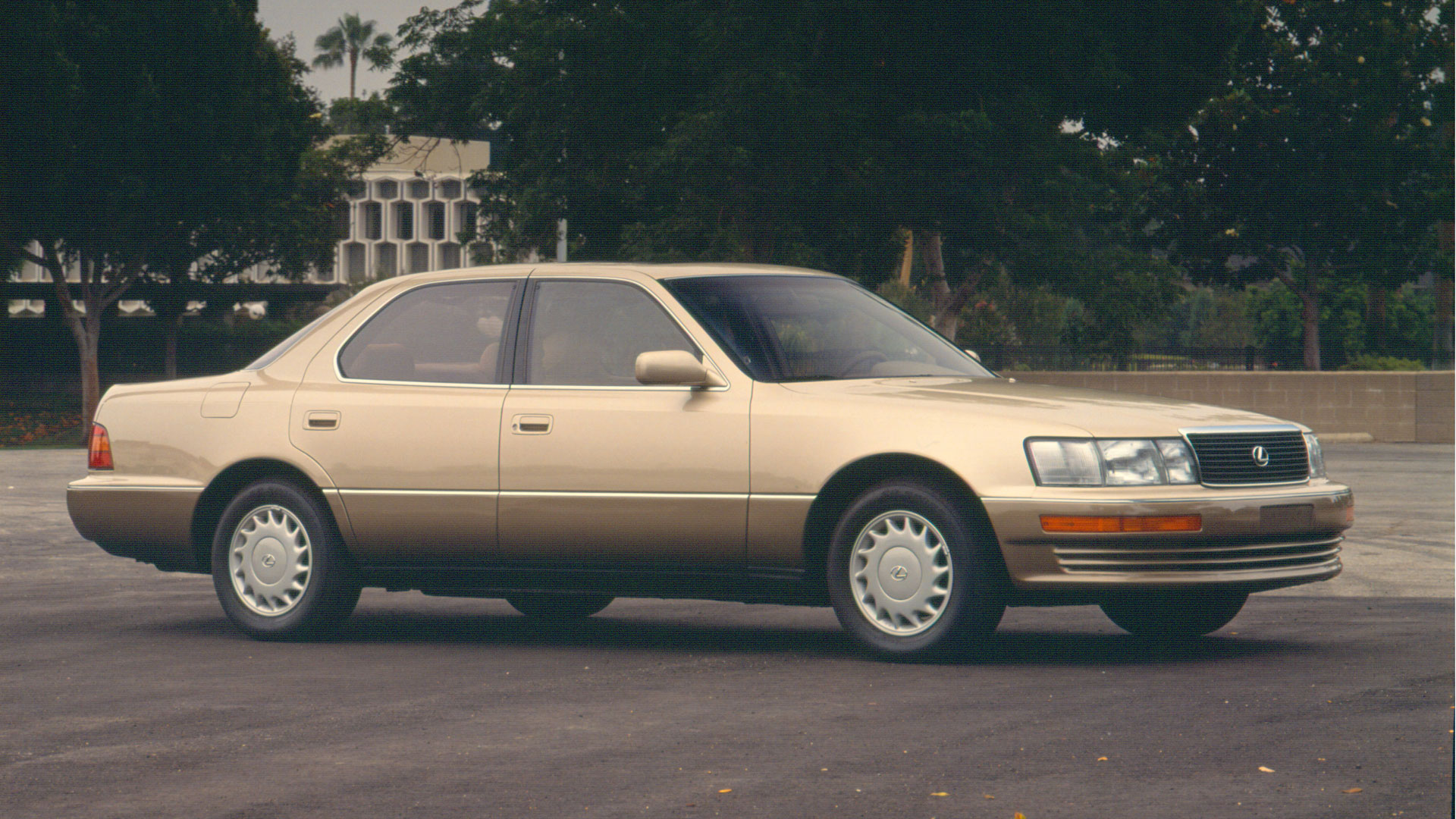
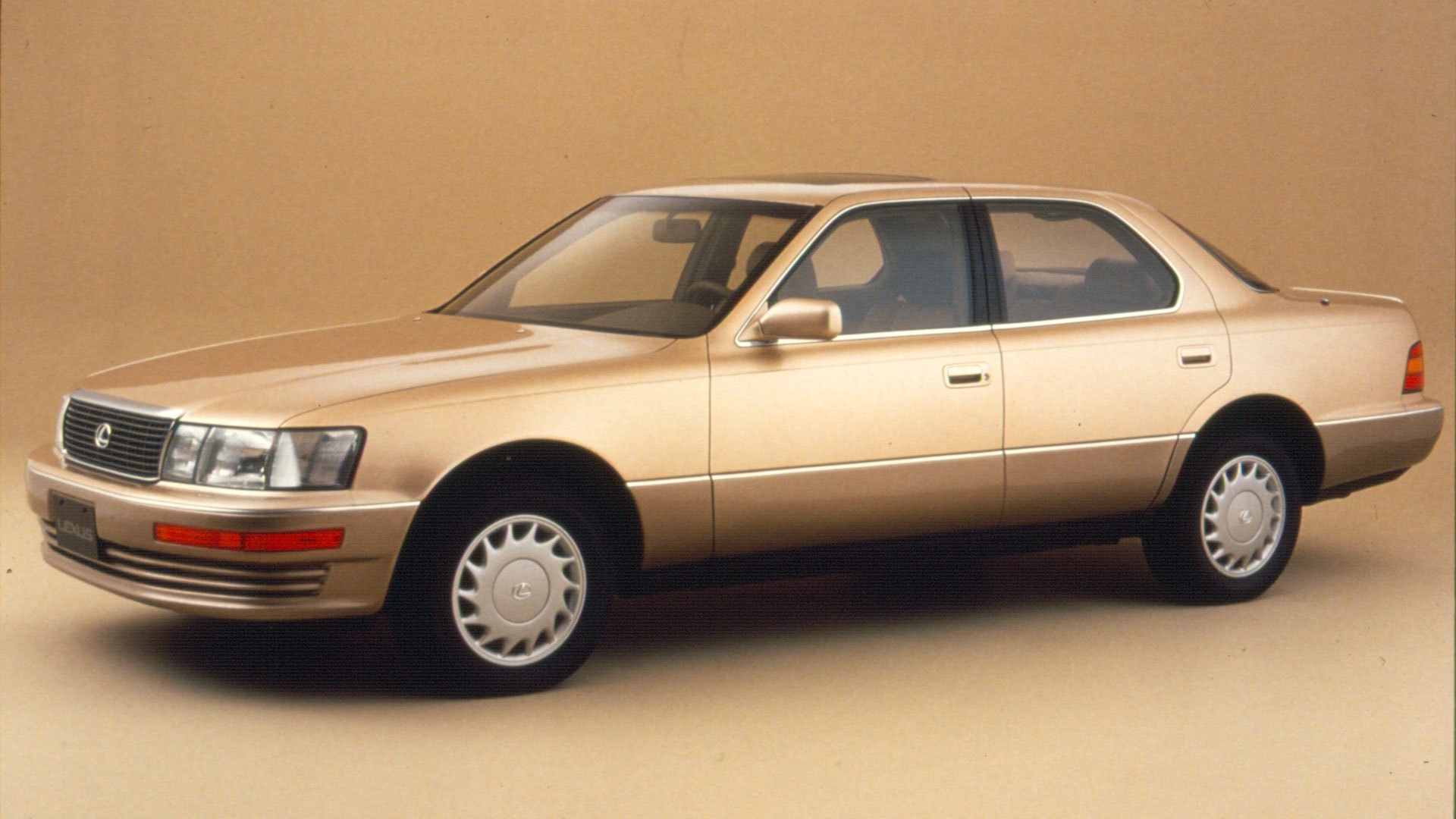
Lexus LS 400
The result was the Lexus LS 400: a car we waxed lyrical about in February. The car unveiled at the 1989 Detroit Auto Show followed 450 prototypes, millions of miles of testing and a team of thousands. No fewer than 973 prototypes engined were created, with Toyota opting for a 4.0-litre V8 because a six-cylinder unit wouldn’t have delivered the smoothness and efficiency required for a high-end luxury vehicle.
Lexus dealers
The Lexus brand debuted a year earlier at the 1988 Los Angeles Auto Show, with the first 70 dealers named in May. A massive 1,500 US dealers enquired about a Lexus franchise, but each one was subjected to a careful and considered selection process. Toyota dealers were considered if they could demonstrate a track record of delivering first class customer service, but ultimately 121 outlets were selected for Lexus’ first year of business.
Lexus advertising
Toyota’s incumbent advertising agency, Saatchi & Saatchi, was given the task of launching Lexus to the world, but a new outlet (Team One) was created to maintain a distance between the mainstream and luxury operations. “It’s not a car. It’s an invention”, proclaimed the press ads, laying the foundations for a brand that would hit a million US sales in 10 years.
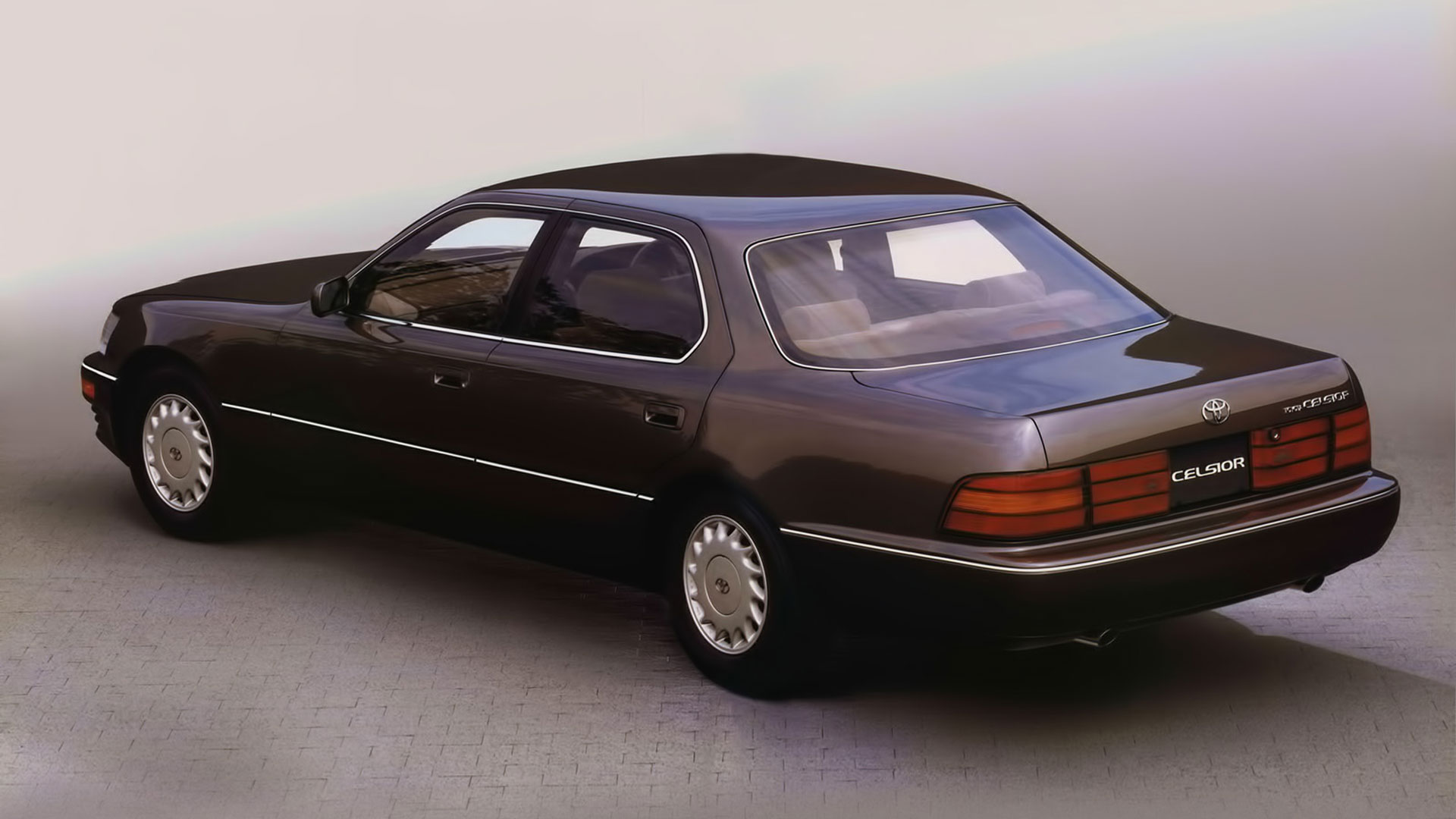
Toyota Celsior
Although rival companies wouldn’t like to admit it, Lexus made a huge impression Stateside, hitting 16,302 sales by the end of 1989, of which 70 percent were the LS 400. The following year, Lexus sold 63,534 cars. Roger Smith, chairman of GM, said: “It’s the customer that benefits from the increased competition, so I say to Lexus – or whatever its name is – come on aboard.” Meanwhile, in Japan, Lexus models were badged as high-end Toyotas. In the case of the Lexus LS 400, the Japanese equivalent was the Toyota Celsior.
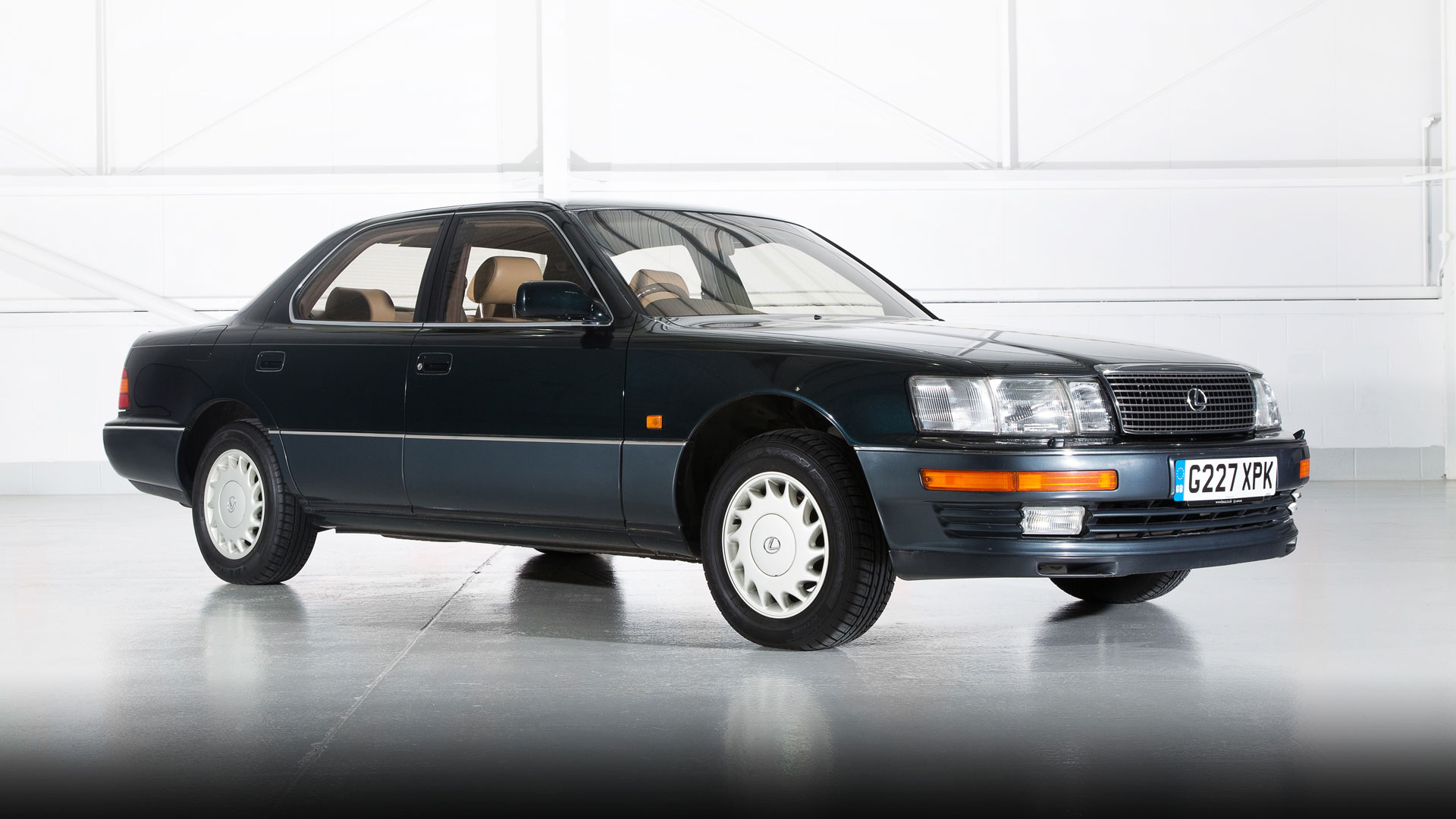
Lexus LS 400 in the UK
Early LS 400 owners were treated to a book on the history of Lexus, which included a wonderful paragraph written by Dr Shoichiro Toyoda. “In our language we have a saying for the occasion when a daughter is given away in marriage: ‘Here’s our cherished child – please take good care of her.’ That’s just how we feel about the Lexus LS 400. This beautiful motor is, indeed, our cherished child.” Lexus arrived in the UK in June 1990, and although its impact was less dramatic than in the US, the LS 400 was given rave reviews by the motoring press. Journalist Richard Bremner famously did a twin-test against a Rolls-Royce.
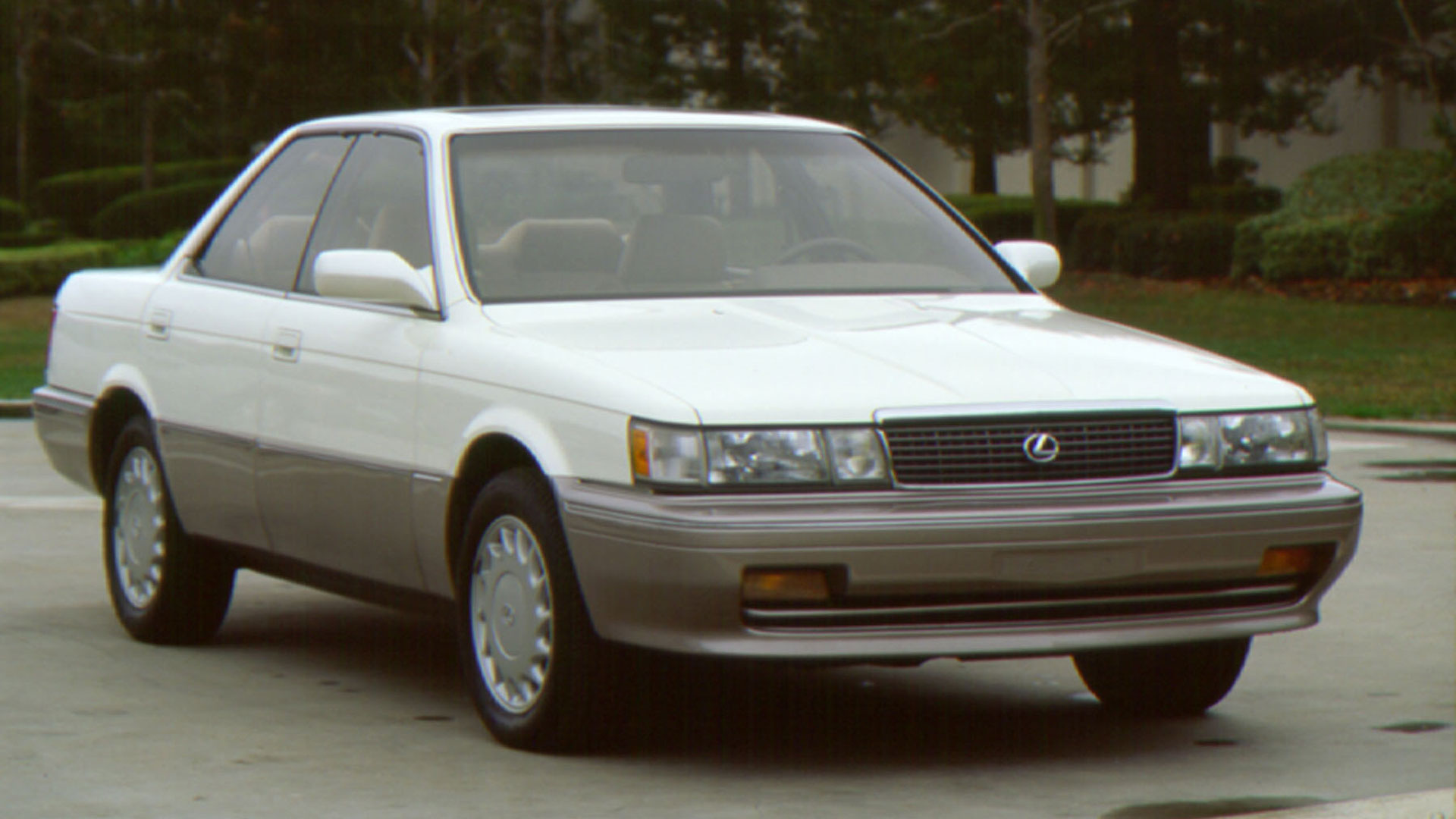
Lexus ES 250
Lexus arrived in the UK as a single model manufacturer, but things were different in America. Sitting alongside the LS 400, you’d have found the ES 250, which was essentially a 24-valve V6-engined Toyota Vista or Camry with a new badge and all of the toys. It’s “more like a Camry that went to finishing school”, proclaimed Motor Trend, rather brilliantly.
Lexus SC 300
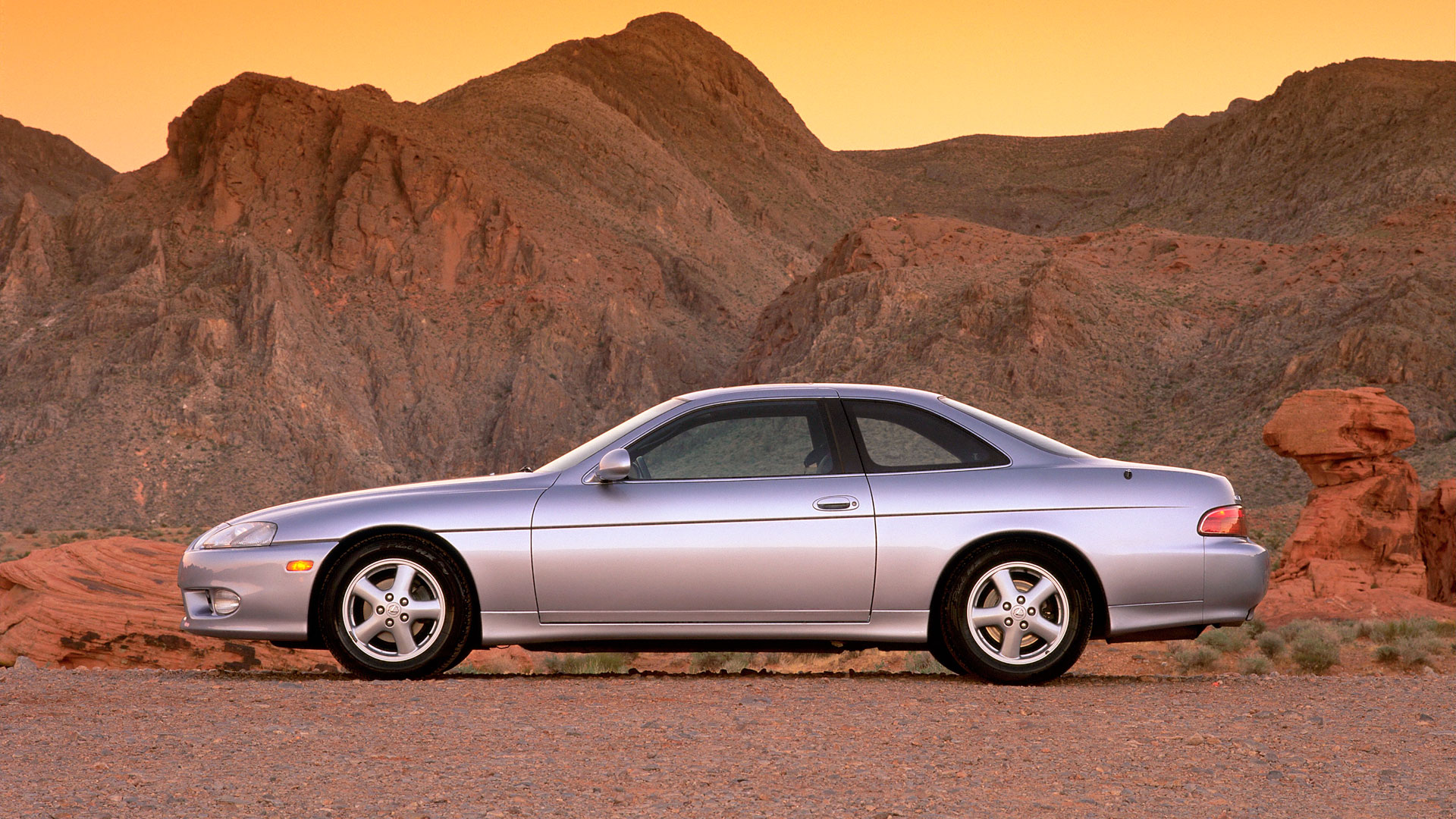
This isn’t a definitive history of Lexus; listing every car and the company’s most notable achievements would require far more than 30 slides. That, in itself, demonstrates how far the company has come in a relatively short space of time. But Japan has a strong track record of upsetting the establishment. Witness the success of the Mazda MX-5, the original Honda NSX and Mazda’s and Toyota’s victories at Le Mans. The Lexus SC was aimed at the Mercedes SL market, with the exterior development handled in California. It was never officially sold in the UK, but many were imported from Japan, where it was known as the Toyota Soarer.
Lexus GS 300
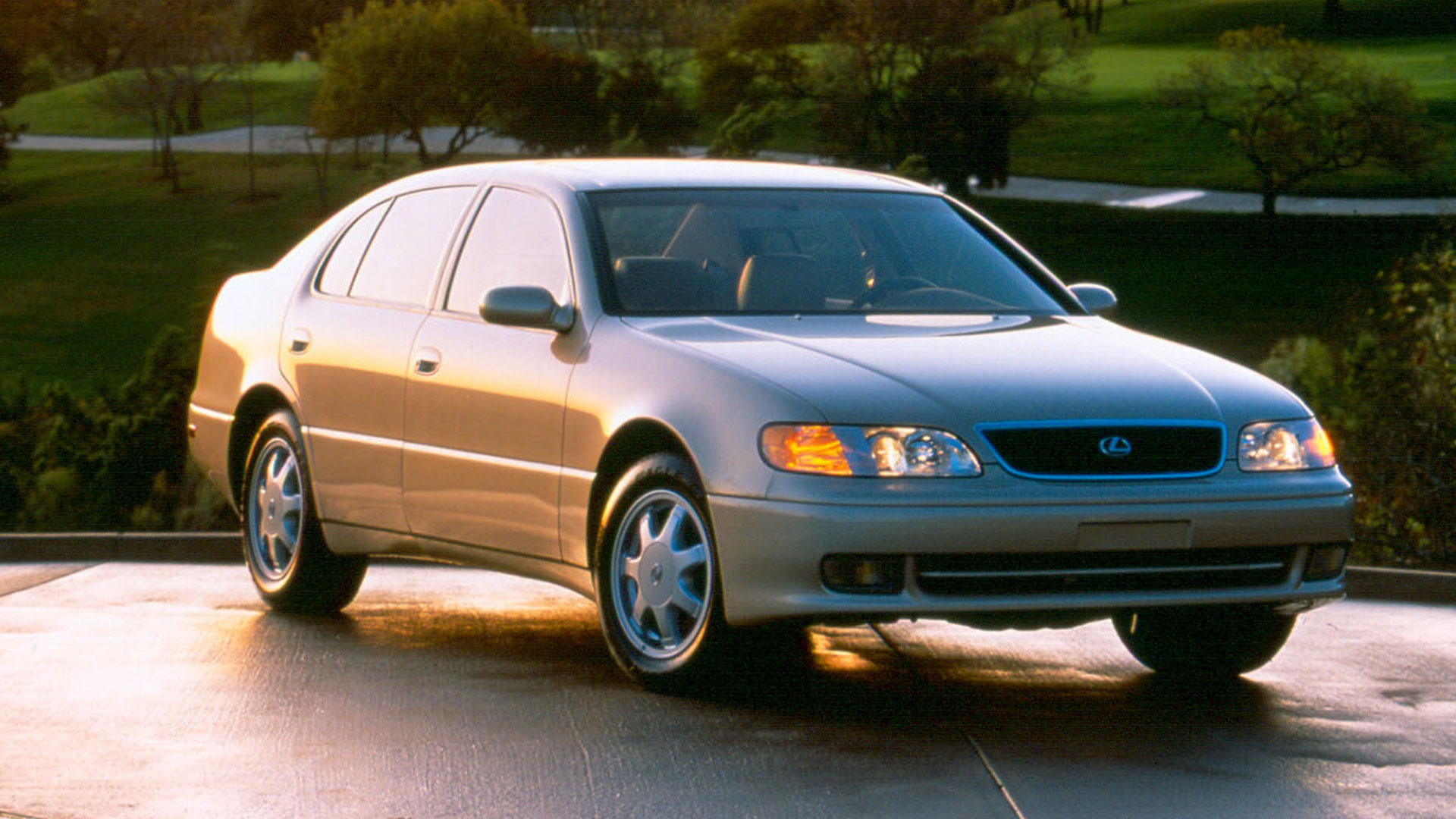
The Lexus GS 300 arrived soon after, looking every inch the lovechild of the LS 400 and SC 300. The elegant Giugiaro-designed GS (Grand Sedan) – which was known as the Toyota Aristo in Japan – debuted with a 3.0-litre straight-six Supra engine, but a 4.0-litre V8 engine arrived later. Further versions followed, including the fourth-generation of 2012, which featured the world’s first 12.3-inch display.
Second-generation Lexus LS 400
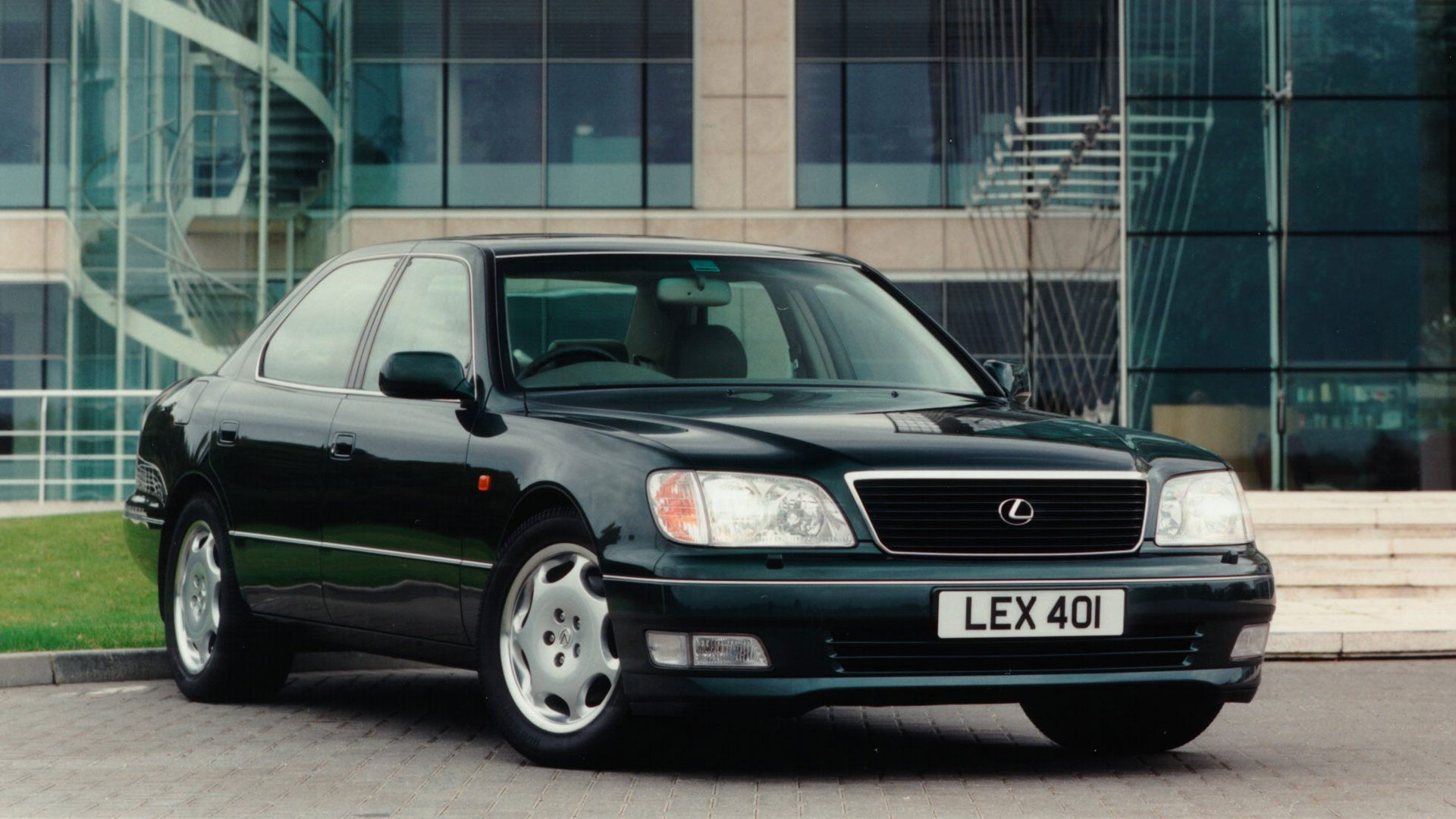
Meanwhile, work on the second-generation LS 400 began in 1991, just two years after the launch of the original car in 1989. Although it looked similar, 90 percent of the components were either new or redesigned, with Lexus working hard to answer many of the criticisms of the first LS 400. A 35mm longer wheelbase resulted in 65mm more rear legroom, while interior storage was up 300 percent. Other highlights included the world’s first six-disc CD autochanger, the first seat suspension, and the first production car with a collapsible steering column.
Lexus RX 300
With the RX 300, Lexus was way ahead of the curve. The idea of a premium crossover was floated in 1993, before development started in 1994. The final design was approved by the end of 1995, with prototypes tested in early 1997. It launched in Japan as the Toyota Harrier in December 1997, before exports started in March 1998. It became the best-selling car in the range – at one point it accounted for half of all Lexus sales – with 370,000 RX 300s sold worldwide before the second-generation model debuted in 2003.
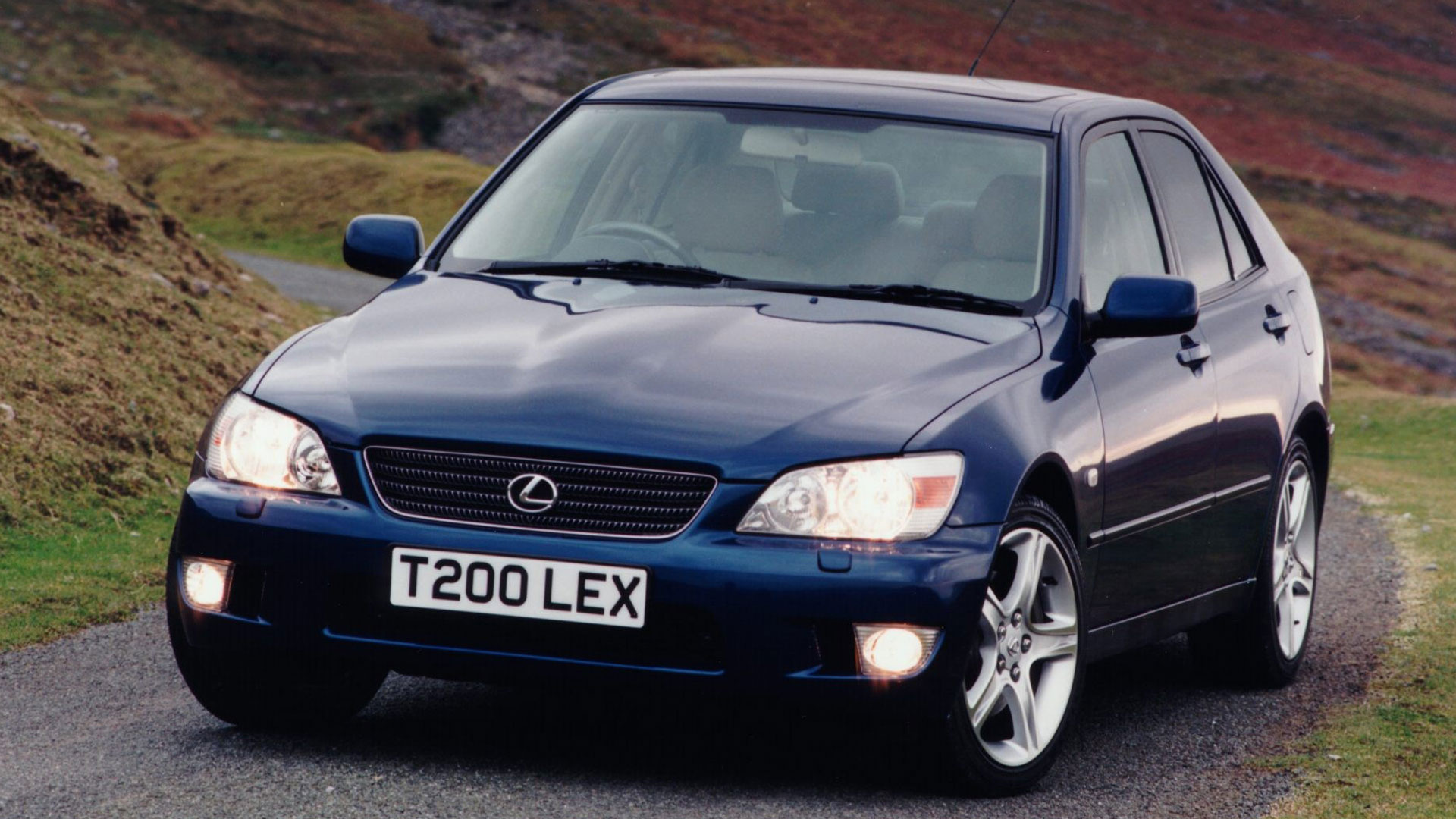
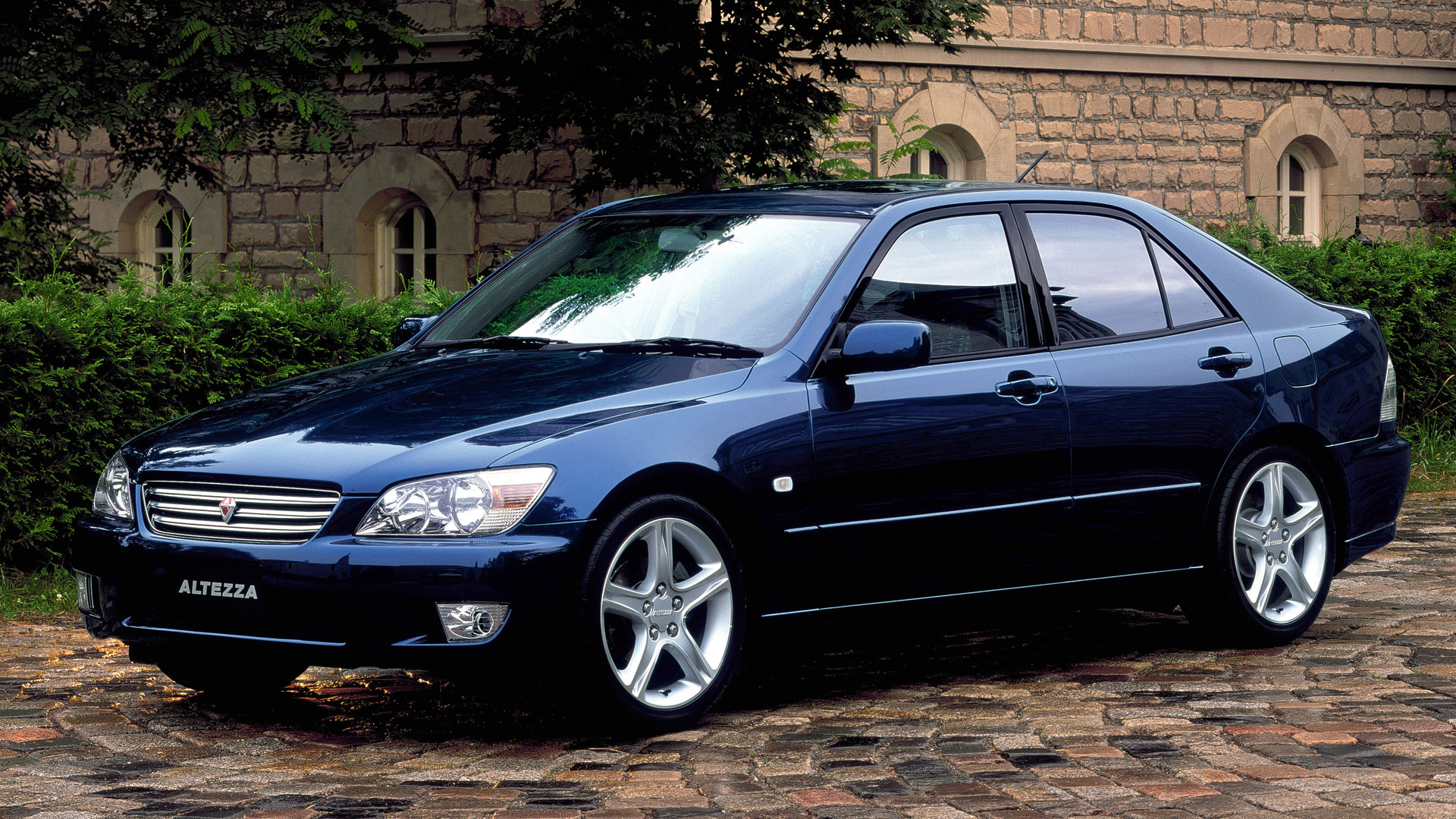
Lexus IS 200 and IS 300
The IS 200 and IS 300 represented Lexus’ assault on the compact executive market, with the Japanese company hoping to woo buyers of the 3 Series and C-Class. Development was led by Nobuaki Katayama, who had previously worked on the AE85/86 Corolla, as well as being involved in Le Mans and rallying. Known as the Toyota Altezza in Japan, the IS arrived in the UK in 1999.
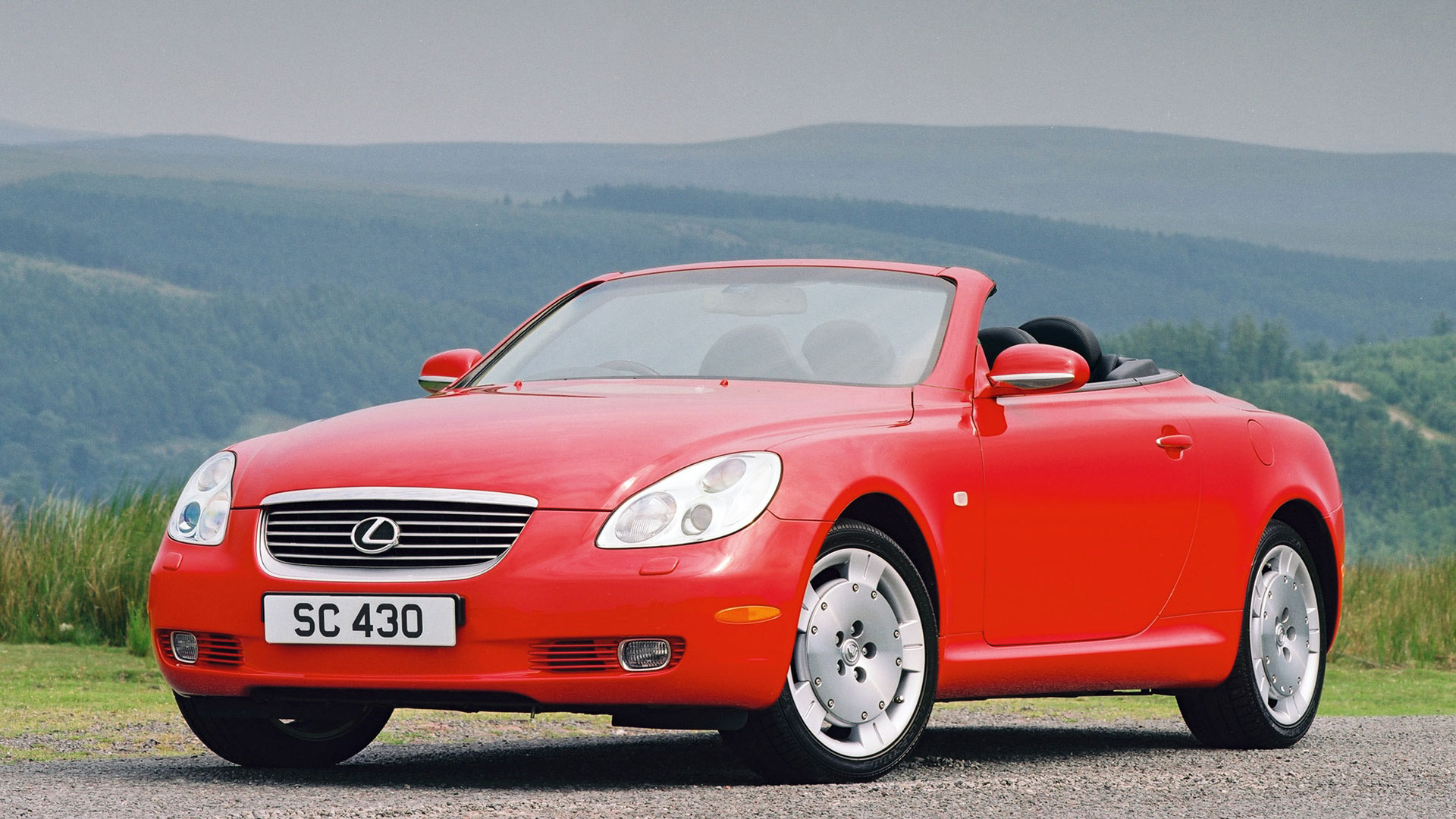
Lexus SC 430
The much-maligned and misunderstood SC 430 was first shown at the 1999 Tokyo Motor Show as the Sport Coupe concept. A production version was unveiled at the 2000 Paris Motor Show, before being released in 2001 to coincide with the 20th anniversary of the Toyota Soarer. Designer Sotiris Kovos took inspiration from Italian Riva powerboats, with power sourced from the 4.3-litre V8 engine found in the LS 430.
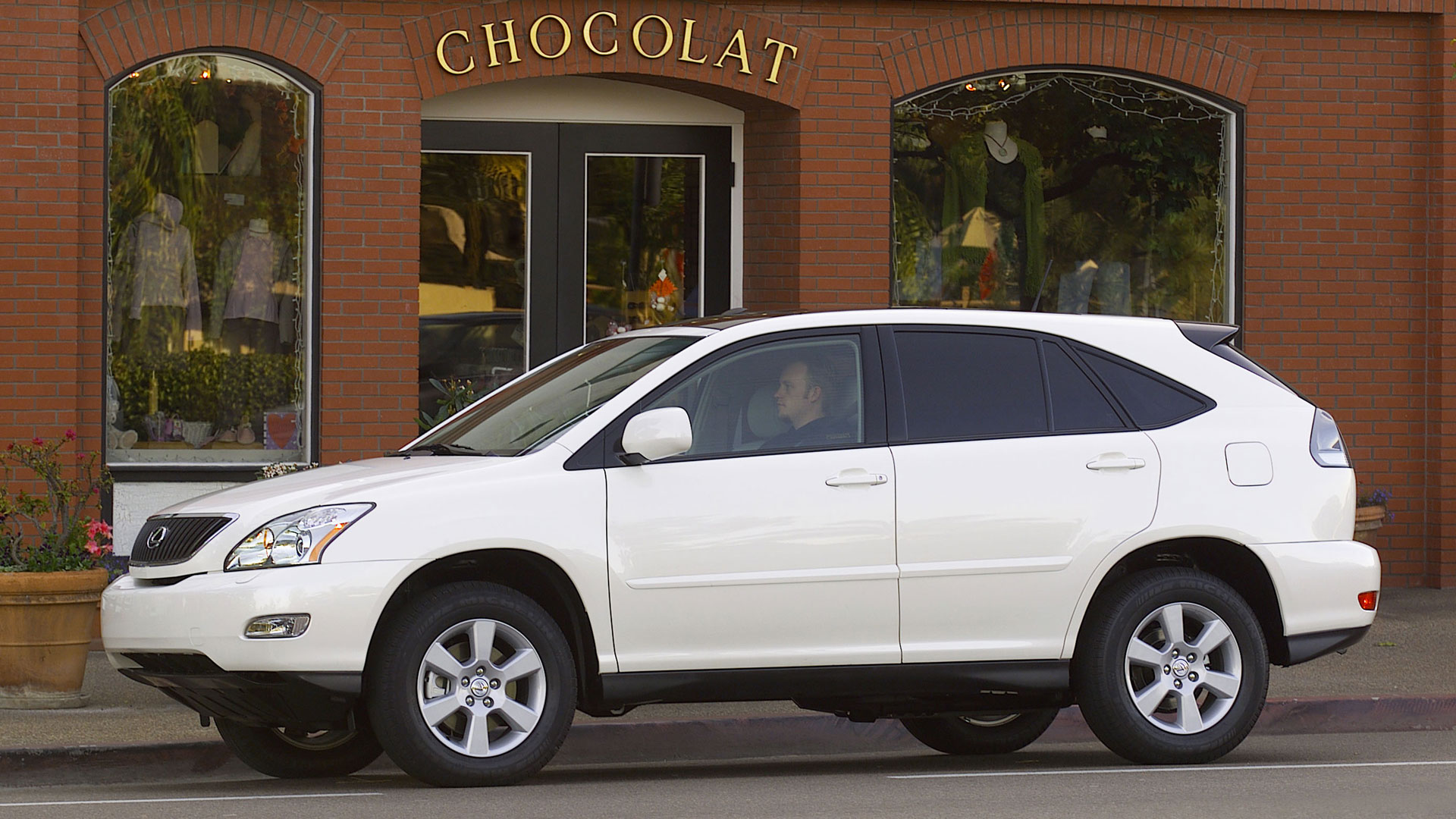
Lexus RX 330
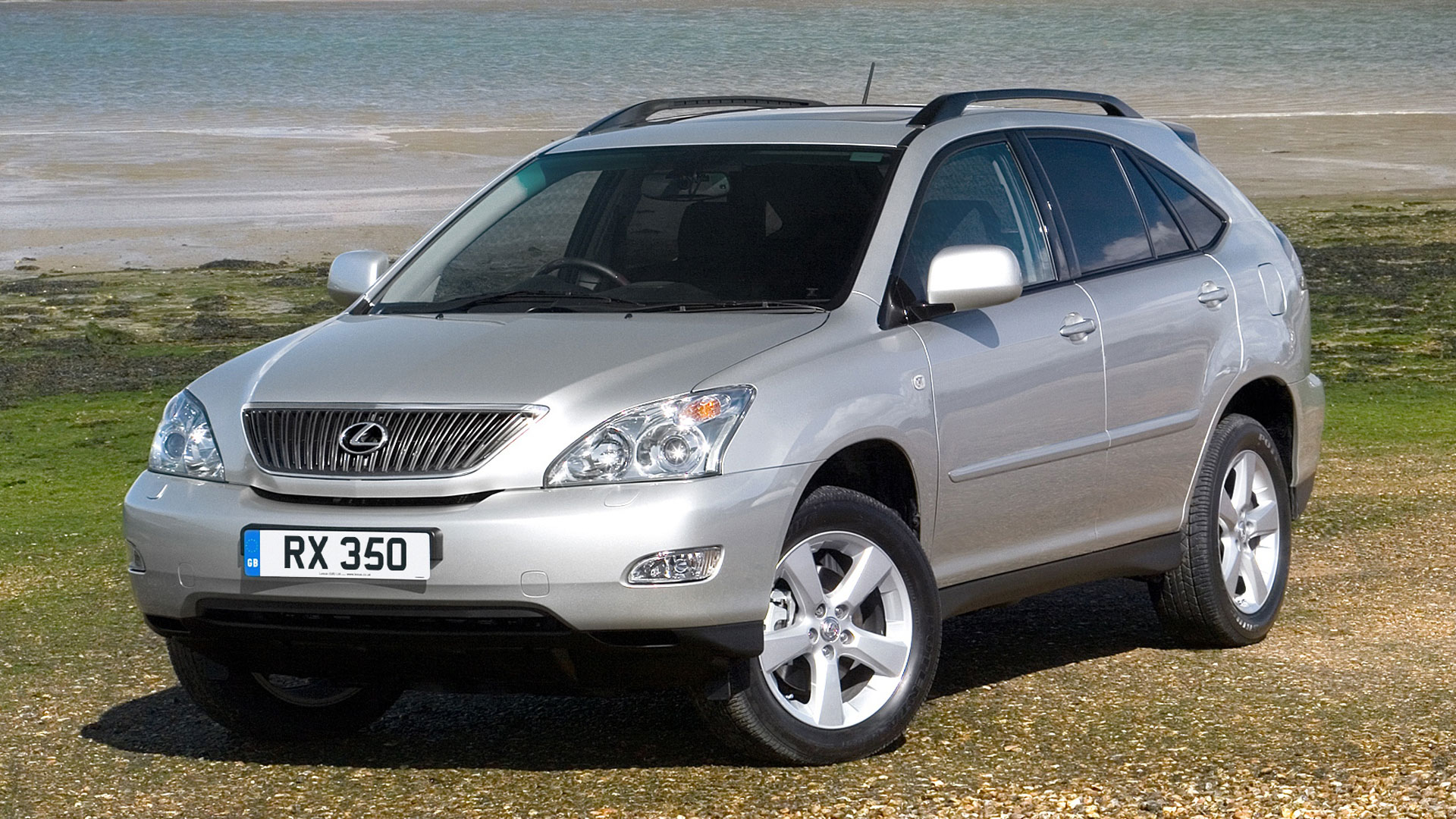
In the RX 300, Lexus claims to have created the premium crossover segment, and it soon became America’s best-selling SUV. The second-generation RX 330 went on sale in 2002, becoming the first Lexus vehicle to be manufactured in North America. The plant in Ontario was the first plant outside of Japan to produce a Lexus model.
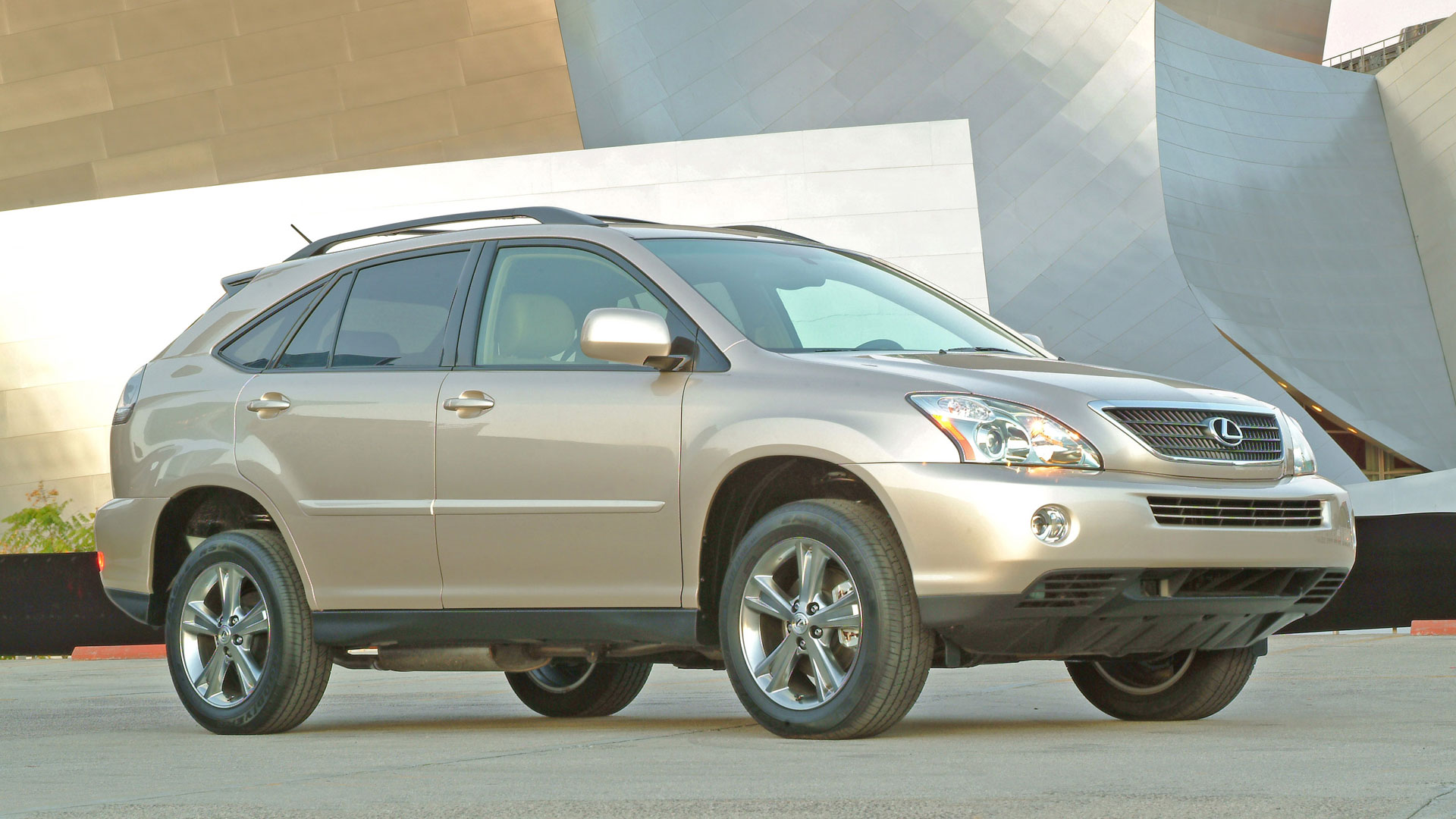
Lexus RX 400h
In 2004, Lexus sold its two-millionth vehicle in the US and introduced the world’s first luxury hybrid vehicle: the RX 400h. In the same year, Lexus unveiled the third-generation GS 300 and GS 430, along with all-new IS 250 and IS 350 saloons. A timeline will show that Lexus was churning out cars with a fair degree of regularity, but it was struggling to recapture the euphoria associated with building the ‘best car in the world’, aka the LS 400. It needed a halo model.
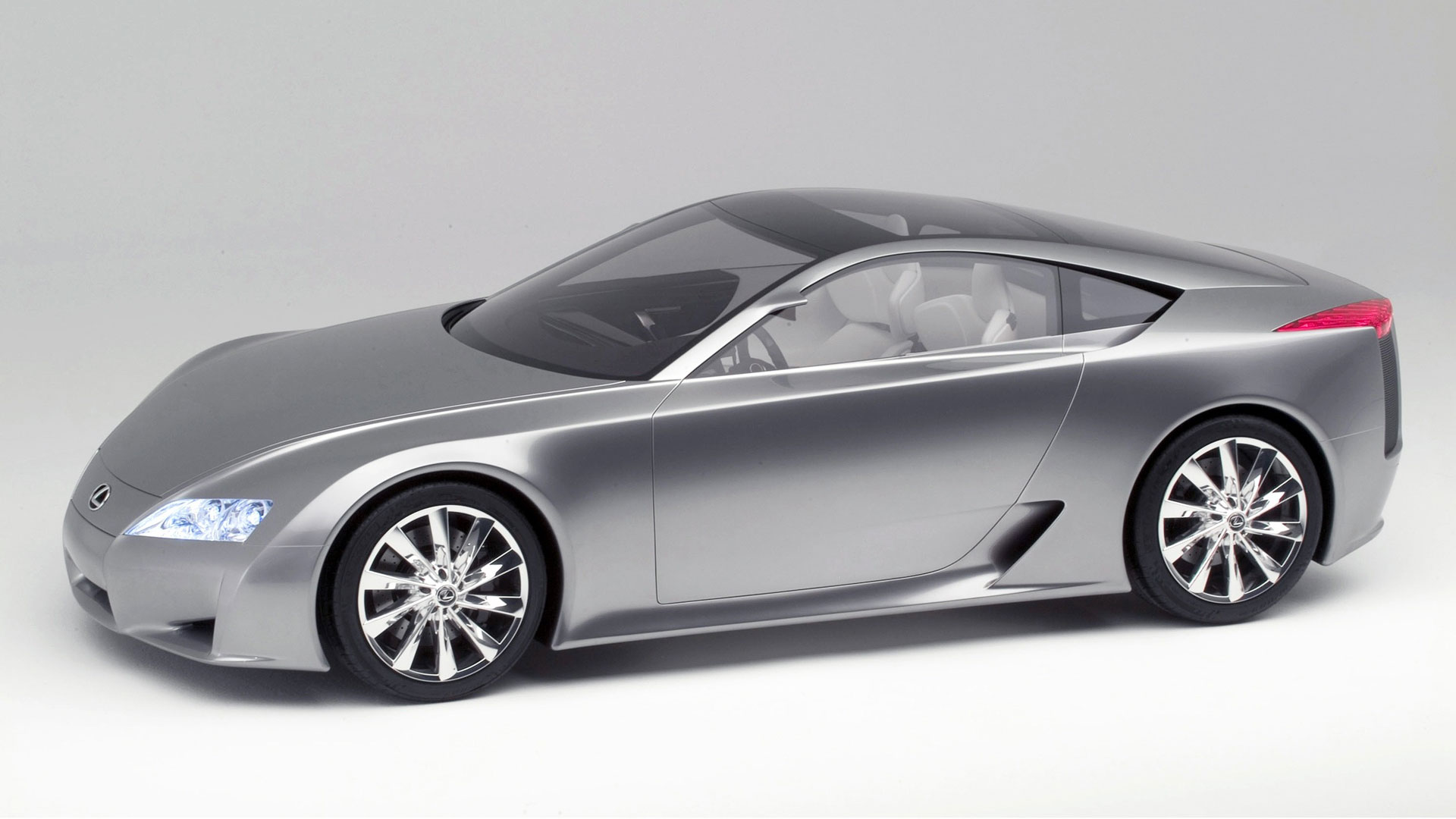
Lexus LF-A concept
Step forward the LFA supercar, which by the time it debuted as the LF-A concept in 2005 had already undergone five years of development. For a brand built on the luxury of hydraulically-damped cup holders, ashtrays and coin holders, the idea of a supercar was straight outta the weird closet. This was Toyota CEO Akio Toyoda’s Volkswagen Phaeton or Bugatti Veyron. A project designed to show the world what Lexus can do when let off the leash.
Lexus LFA
The five-year development plan turned to seven when Toyota decided to build a car entirely from carbon fibre. A second concept was unveiled in 2007, before the production version debuted at the 2009 Tokyo Motor Show. Power was sourced from a 4.8-litre V10 engine co-developed by Yamaha. Jeremy Clarkson said: “If someone were to offer me the choice of any car that had ever been made ever, I would like a dark blue Lexus LFA.”
Lexus in Japan
The year 2005 was a significant one for the company, with Lexus-badged products sold in Japan for the first time. The likes of the Toyota Aristo, Harrier and Altezza bowed out with grace and dignity.
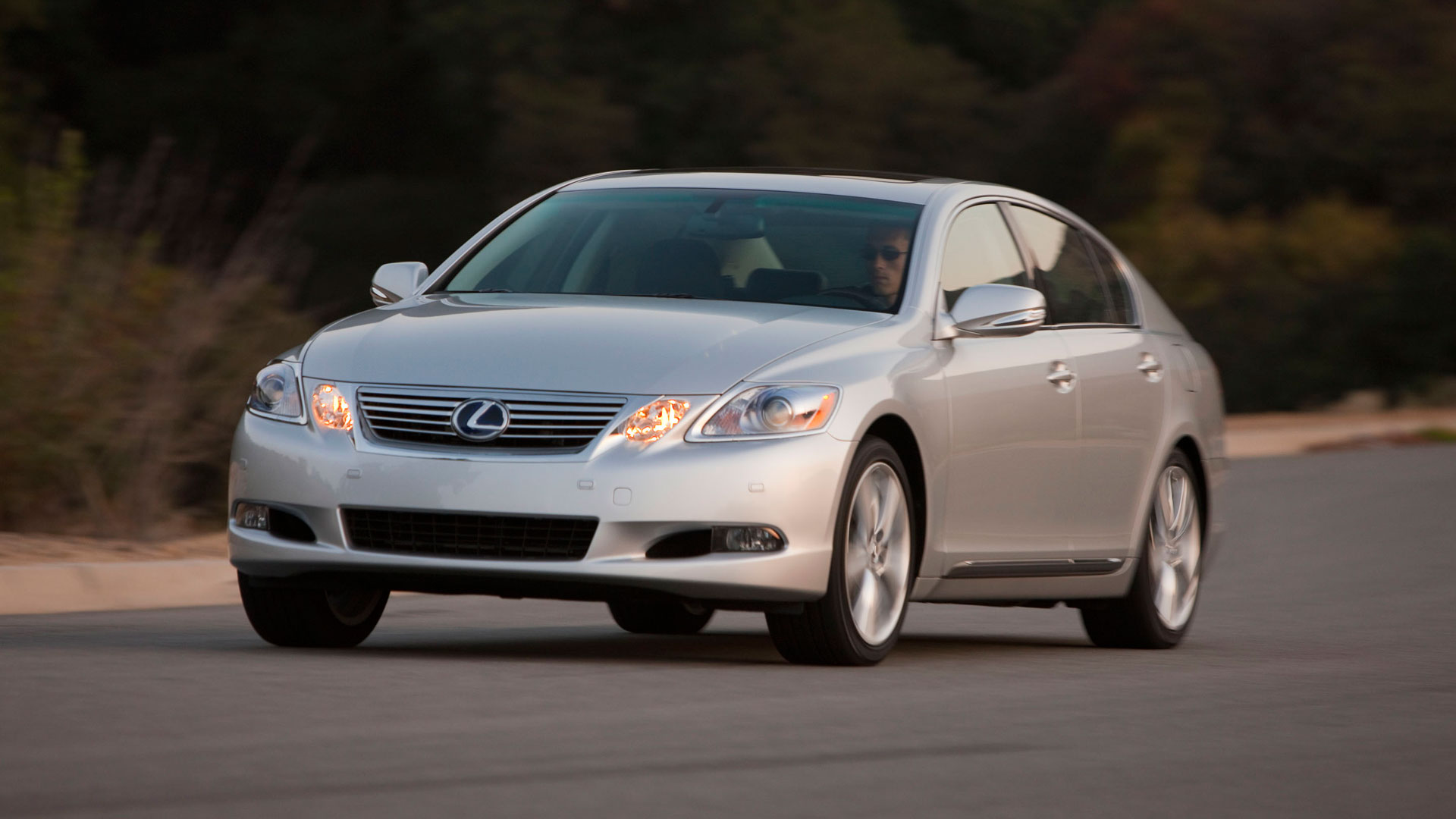
Lexus GS 450h
The LS 400 might have laid the foundations for Lexus as a luxury brand, but the RX 330 and GS 450h (pictured) were two of the first luxury hybrid vehicles. Earlier this year, Lexus announced that it had sold 1.45 million hybrid cars, with sales of ‘self-charging’ vehicles up 20 percent in 2018.
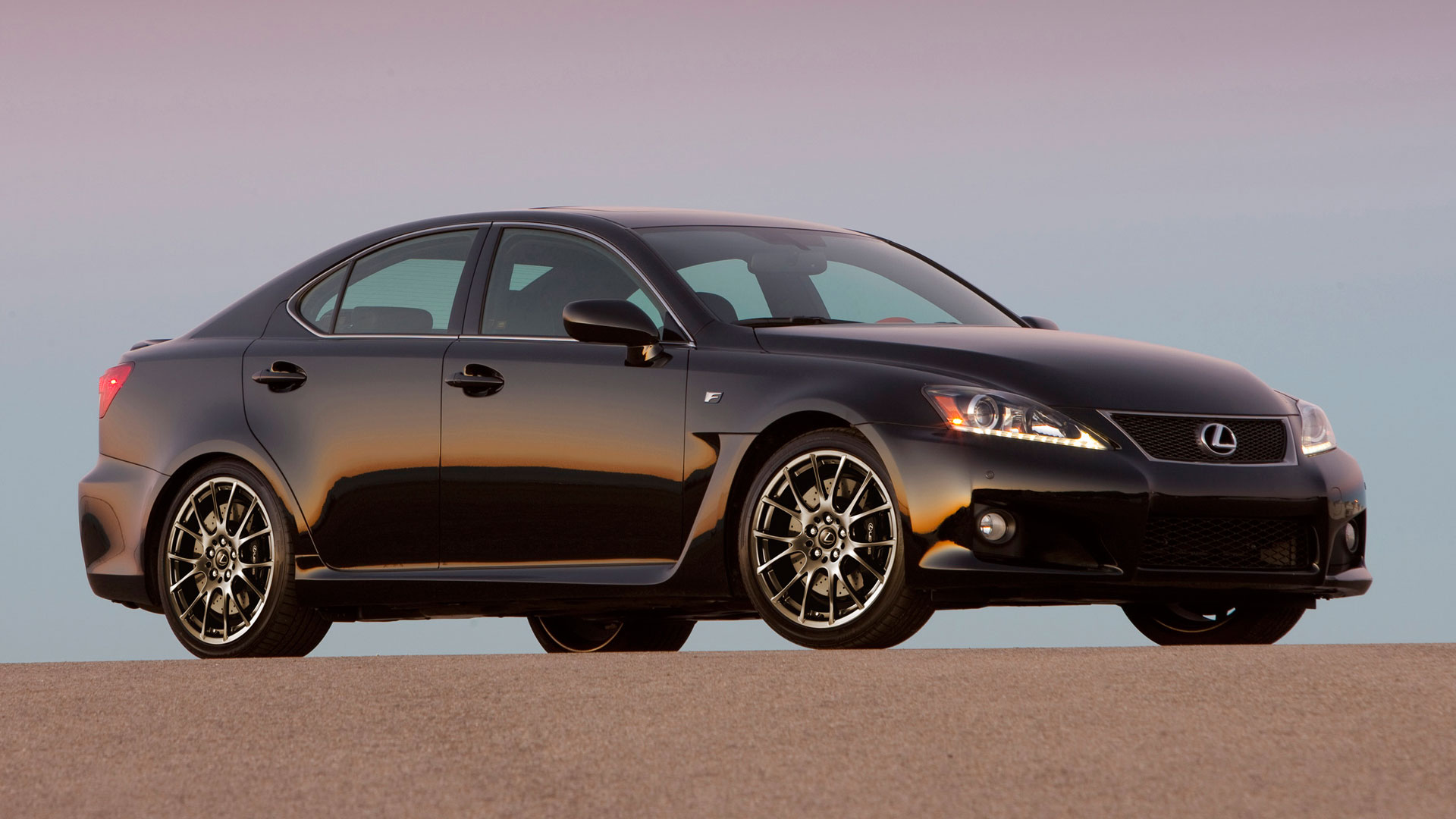
Lexus IS F
In 2007, Lexus unveiled the 416hp IS F. Designed to take on the might of BMW’s M division and Mercedes’ AMG, this was the first F product and it was, according to Lexus, “the most uncharacteristic car [it] had ever built”. Well, it did pre-date the production version of the LFA.
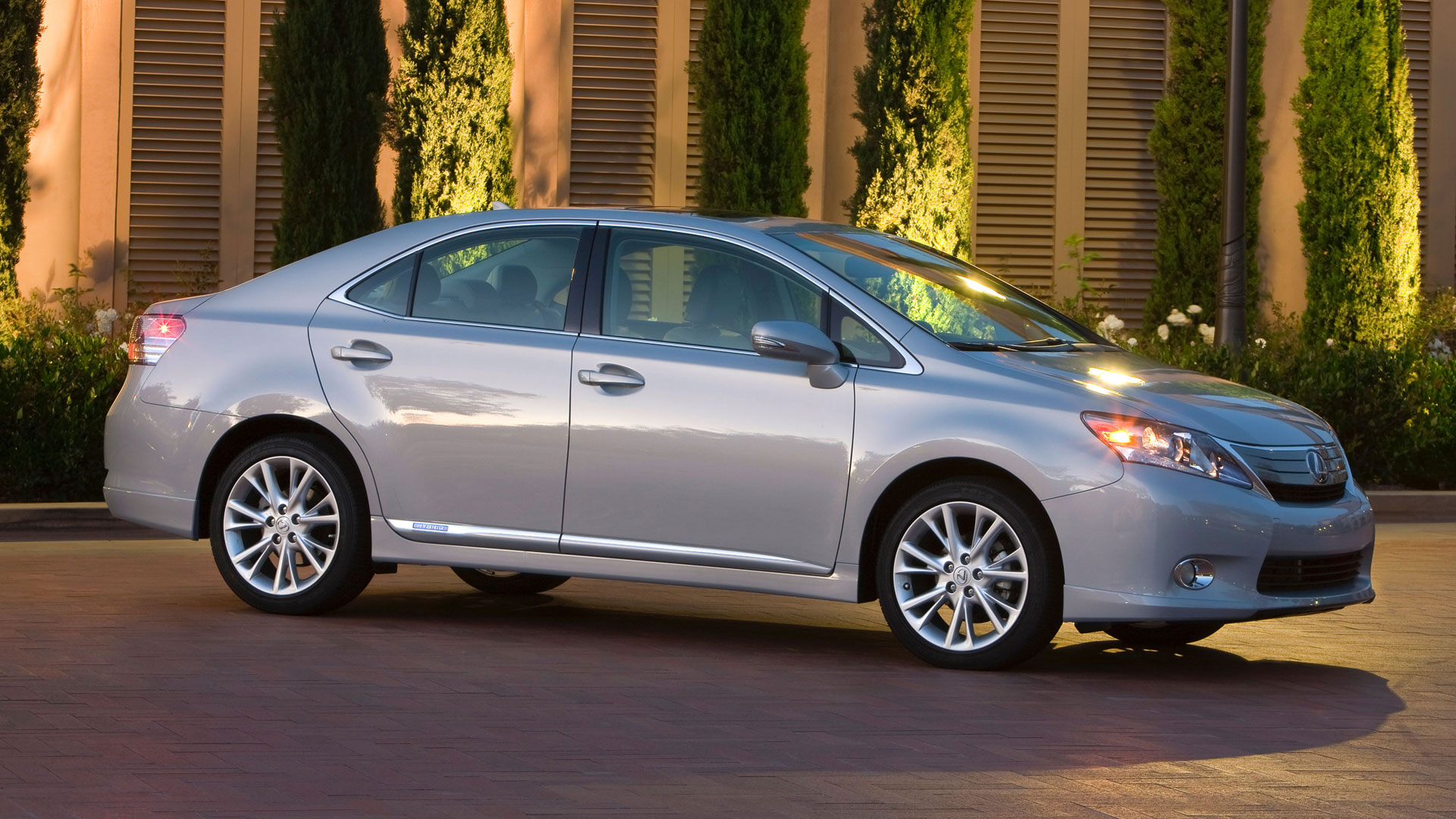
Lexus HS 250h
Lexus likes ‘world-firsts’. The HS 250h might be largely unknown in the UK, but it just happened to be the world’s first hybrid-only luxury vehicle…
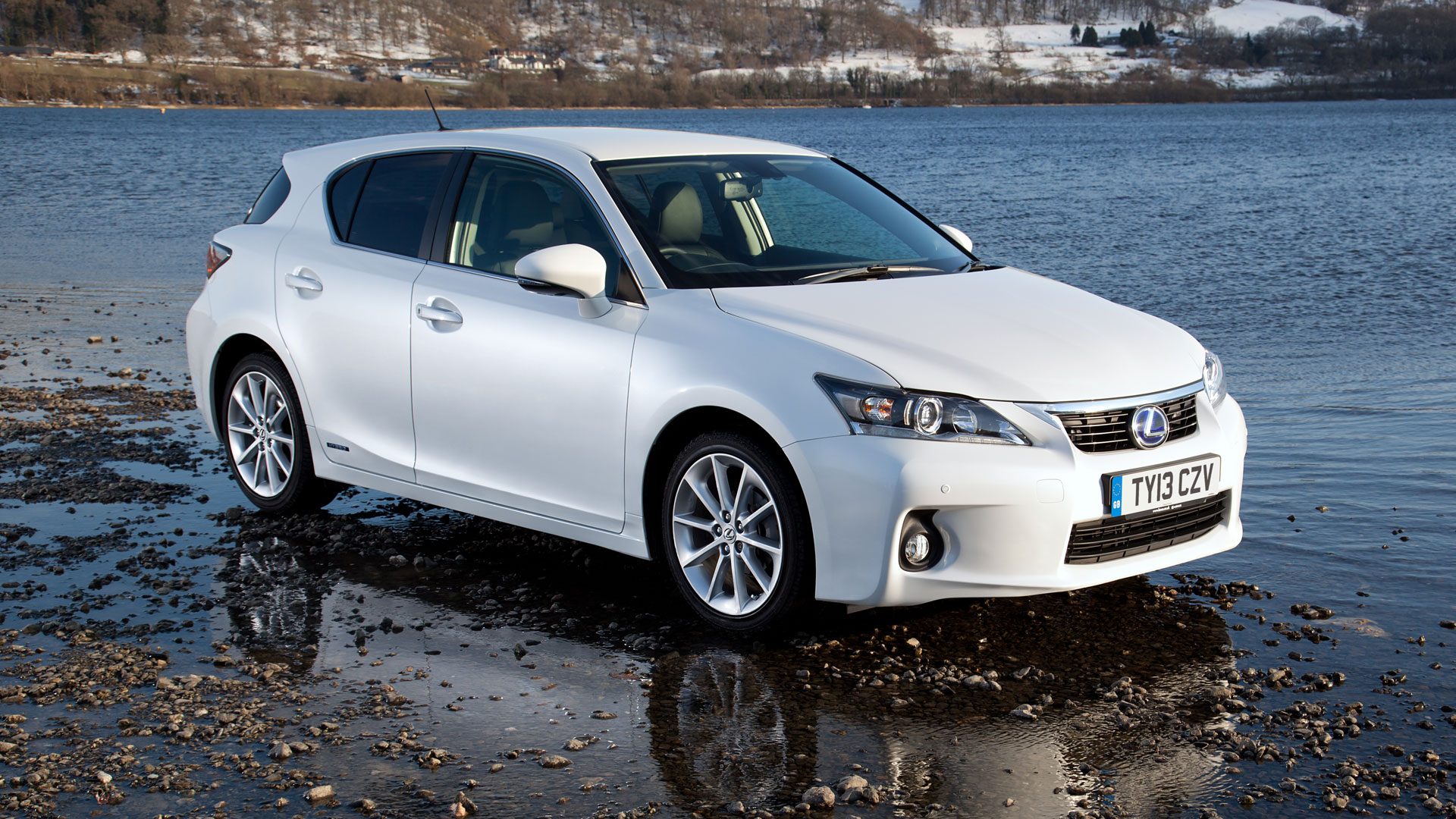
Lexus CT 200h
This was followed by the CT 200h – the world’s first hybrid premium hatchback. In truth, low running costs and Lexus’ legendary reputation for reliability were its two strongest points, because the CVT transmission was woeful, space in the back was compromised and it wasn’t that great to drive. Still, if you wanted a Toyota Prius with a tad more luxury, the CT 200h would fit the bill.
Lexus LF-LC
Lexus has a habit of building drop-dead gorgeous or dramatic concepts. Or, in the case of the LF-LC, drop-dead gorgeous and dramatic. That’s Future-Luxury Coupe, by the way.
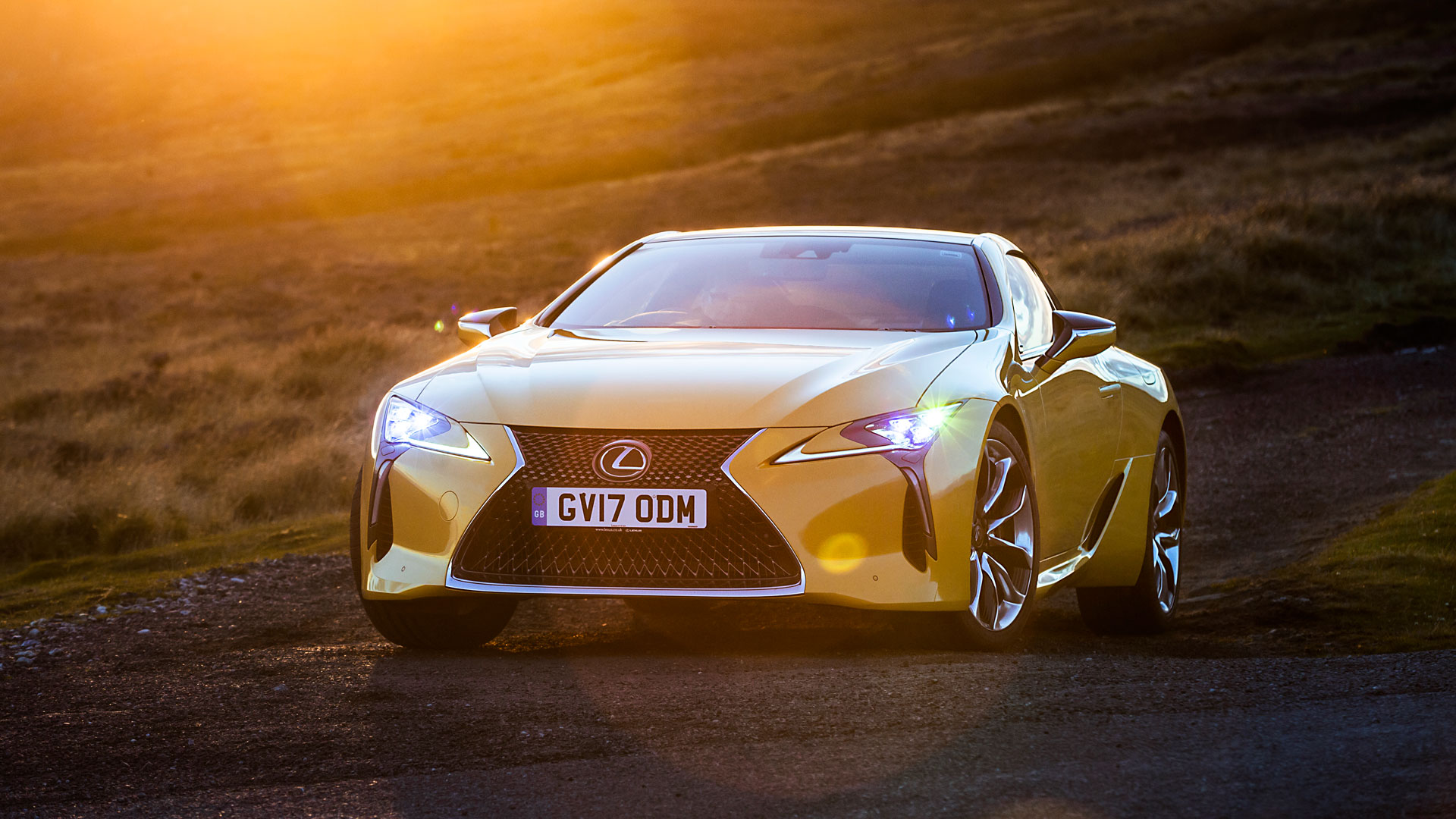
Lexus LC
Lexus wasn’t lying when it said ‘Future’, because the LF-LC concept spawned the equally alluring LC performance coupe. We don’t think it’s possible to buy something more dramatic or eye-catching for less than £100,000.
Lexus RC F
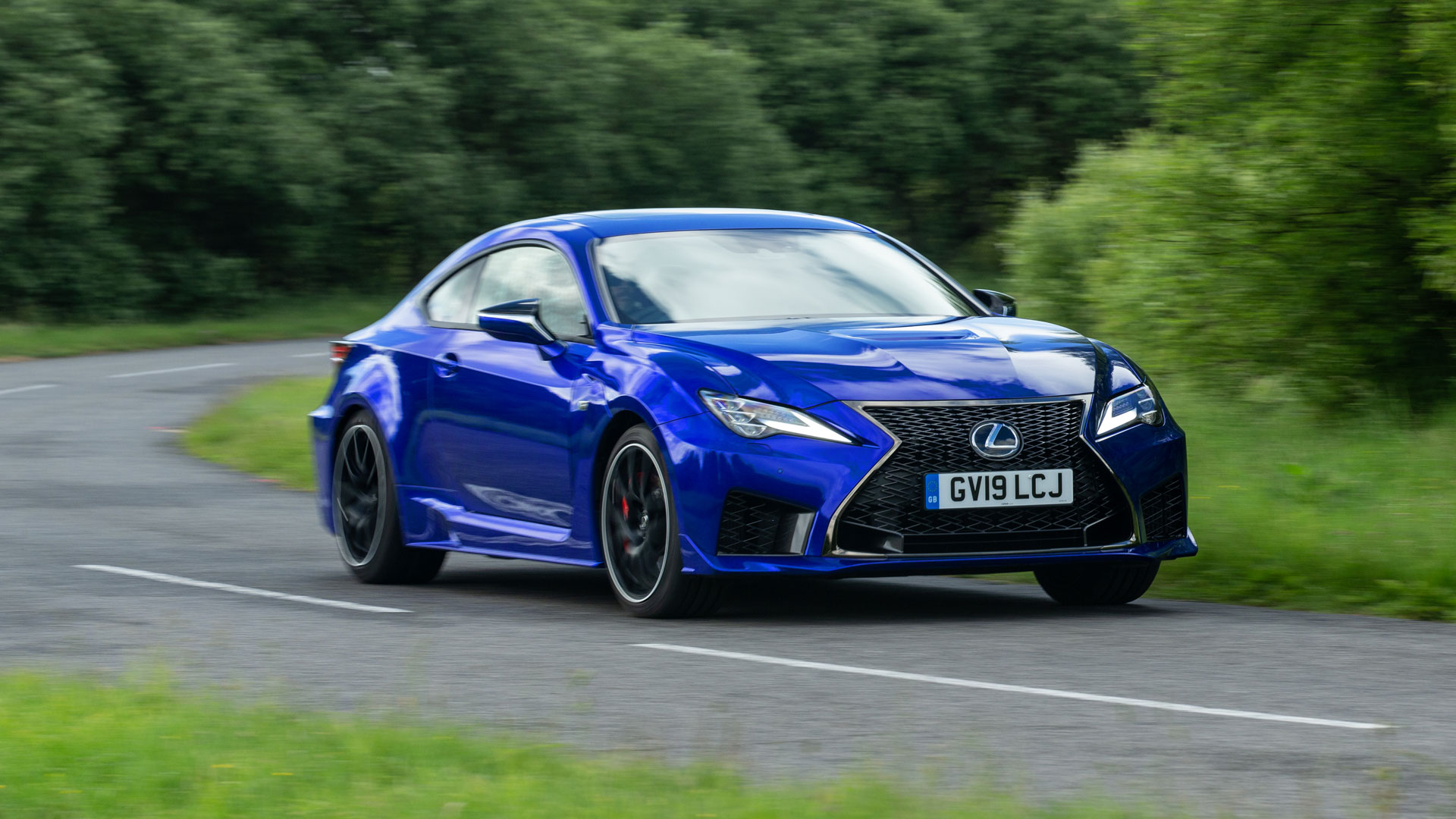
We could be closing this gallery with a look at the countless saloons and crossovers launched by Lexus over recent years, but you’ll forgive us for highlighting the RC F instead. This is Lexus’ response to the German performance saloons and coupes – a kind of BMW M4 with a Japanese twist. You can even get a Track Edition of this V8 monster, complete with a significant weight reduction and carbon ceramic brakes.
Lexus UX, NX and RX
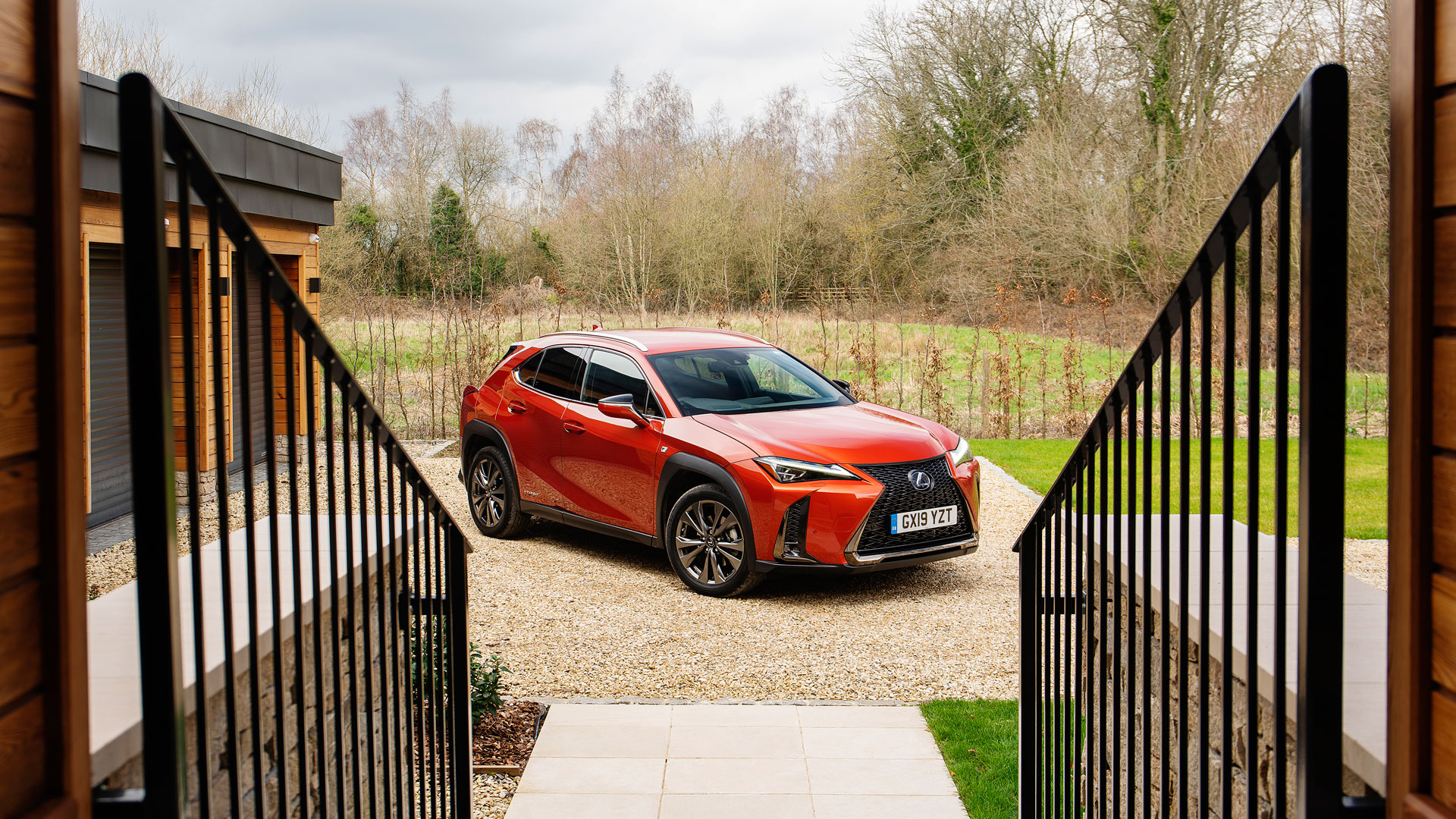
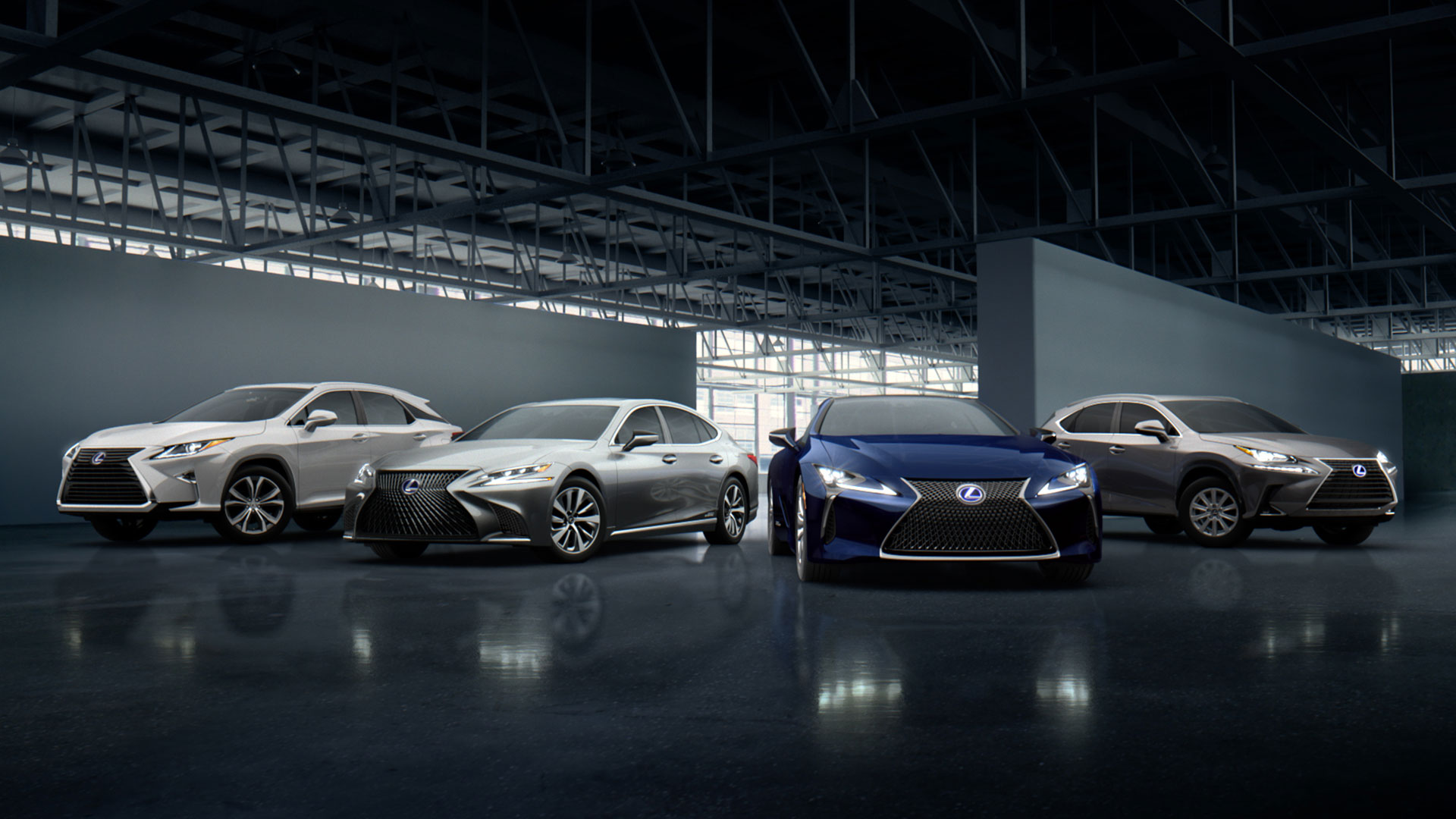
But as much as we like to watch videos of the LC and RCF – not to mention dream about the LFA – the future of Lexus will be underpinned by crossovers with hybrid powertrains, like the UX, NX and RX. Alternatively, you could buy a sub-£2k LS 400 to relive the glory days.
10 million vehicles sold
In Europe, Lexus has sold around 875,000 cars since 1990 – less than 10 percent of the 10 million vehicles sold since the brand launched in 1989. However, the European market appears to be on the up, with sales increasing by 76 percent in the last five years. We’re expecting to see the first all-electric Lexus in 2020, while all models will have an electrified option by 2025.




 Forget the summer weather outside, as
  Ford became the first car manufacturer to launch a vehicle at a gaming show, using Gamescom in Germany for the big reveal. However, it has taken some 11 months for the extreme off-roader to finally appear in the game.
 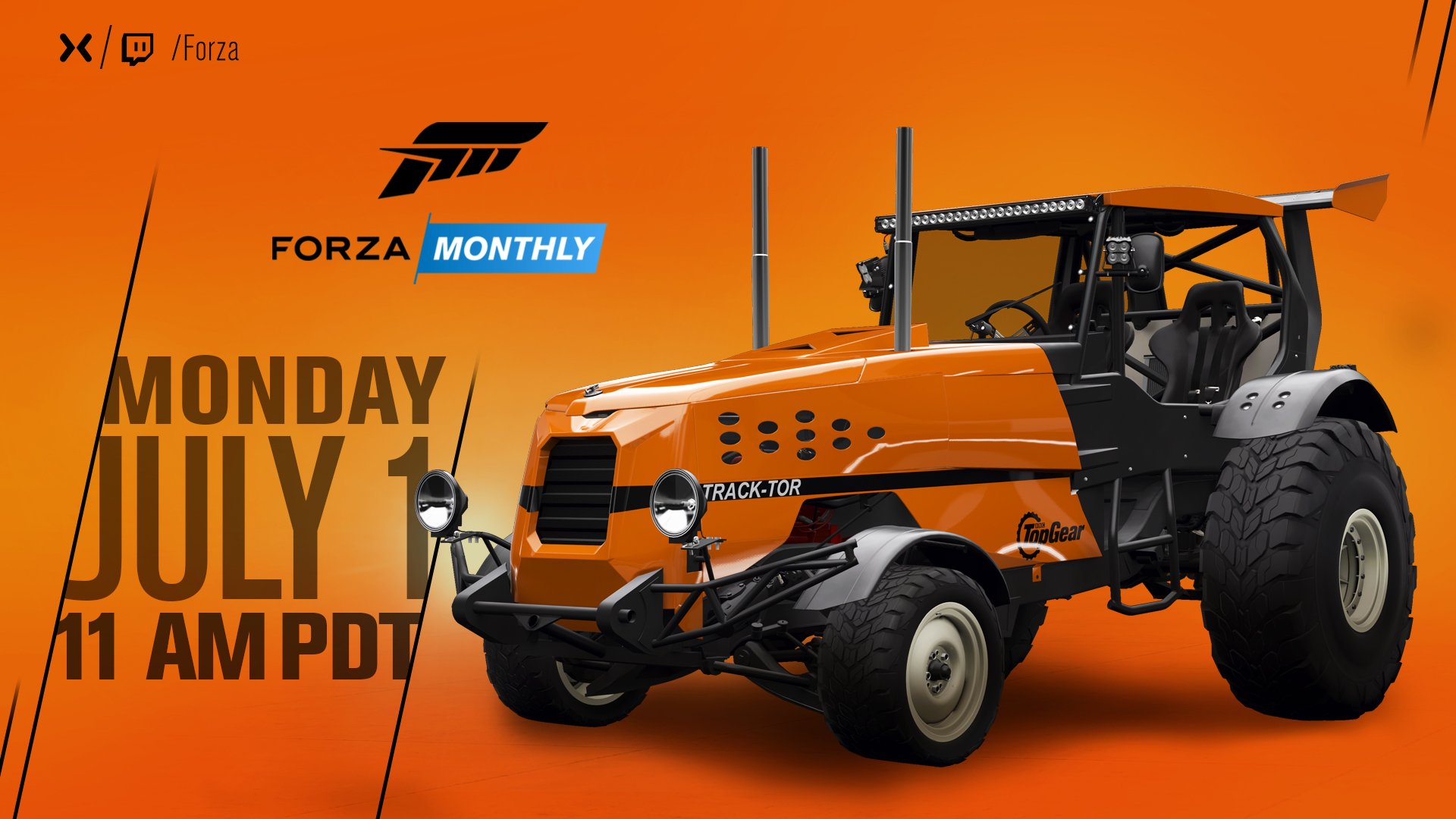 Another key element of the Series 11 update is the launch of special new Horizon Story for Forza players.
  Also appearing from Top Gear is the Mercedes-Benz G63 6×6, along with the modified Mercedes-Benz E350d All-terrain ‘Project E-AT’.