Can beige be beautiful? Not if you’re buying a new car it isn’t In fact, beige should be avoided at all costs.
Not only will beige cars shed value at an alarming rate, it will also take forever to find a buyer for your beige beauty. Beige: fine for hearing aids, old motorhomes and slacks. Not great for cars.
That’s according to a new study that looks into the depreciation over three years and the length of time it takes to sell a car. Beige believers look away now.
Not only will beige cars lose the most value after three years, they will also spend an average 46.6 days on the market. Of the ten colours in the study, yellow cars retain the most value after 36 months, but it’ll take 41.5 days to find a new home.
Orange and green cars are also pretty good at retaining value, which suggests the nation has a thing for citrus coloured cars.
It’s rather depressing to discover that grey cars spend the least amount of time languishing in the classifieds (34.2 days), which suggests we like our cars to mirror the colour of the sky above our heads. Surely beige is more beautiful than drizzle?
The study conducted by Crusader Vans found that silver, black and grey cars lose more value than blue, red, white, green, orange and yellow cars. There’s supply and demand at work here, with many new cars sold in sombre hues.
On balance, white is the safest bet, as it takes an average 35 days to sell cars in a shade that wouldn’t look out of place on your skirting boards, while the colour is the fourth best as retaining value. This should be music to the ears of Britain’s white van drivers.
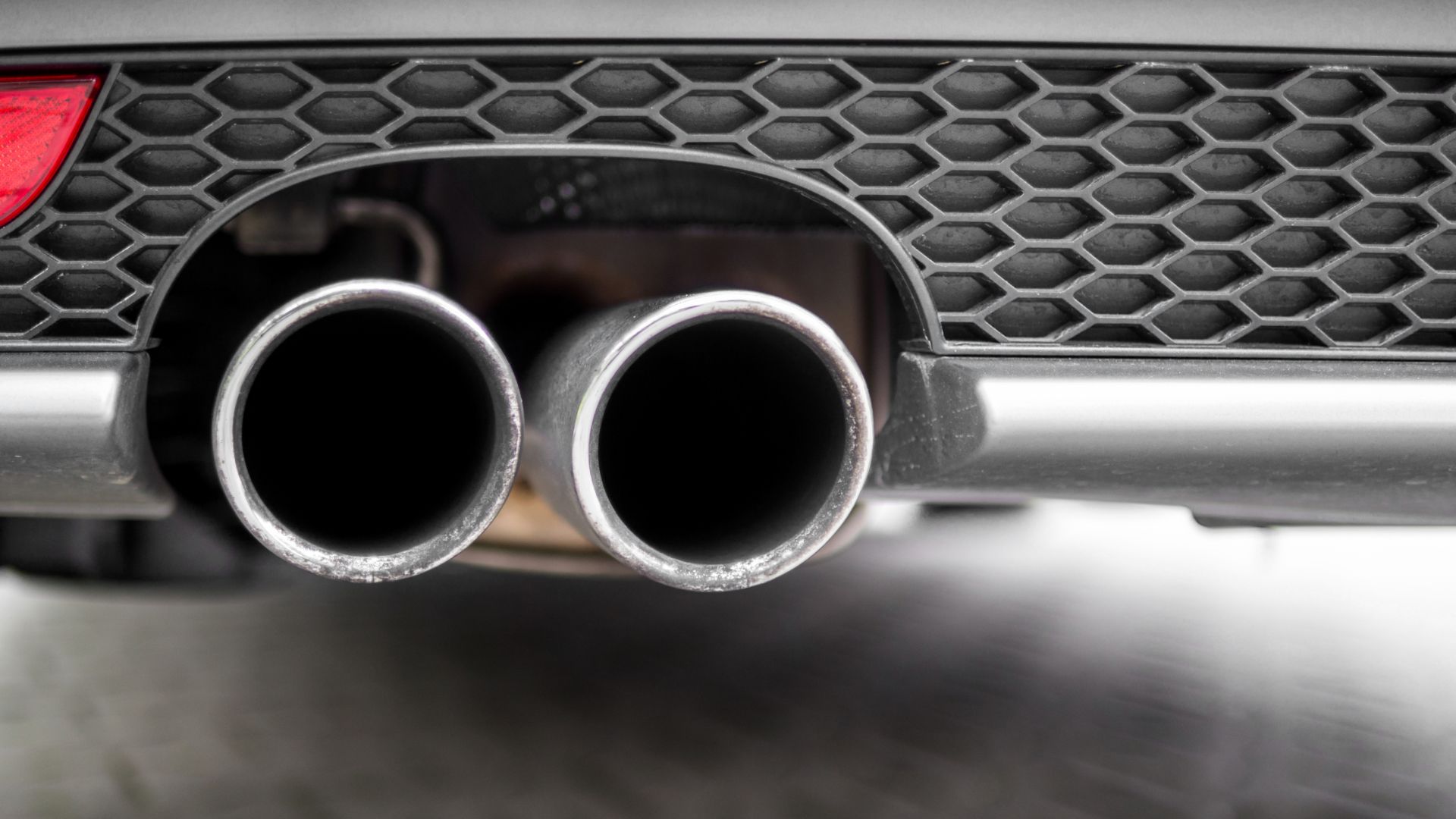
Hybrids are superior to plug-in hybrids (PHEVs) when it comes to delivering lower CO2 emissions, despite PHEVs performing far better on paper.
That’s according to a new report published by Emissions Analytics.
It found that PHEVs are “ineffective without behavioural compliance”. In other words, a PHEV that is never plugged in will achieve poor real-world results.
The report references PHEV use in the Netherlands, where the Dutch government removed subsidies, citing evidence suggesting that many owners rarely plugged in at home or work.
The UK government also removed previously generous subsidies for plug-in hybrid vehicles in November 2018, with the £3,500 plug-in grant only available to cars with CO2 emissions of less than 50g/km and an ability to travel at least 70 miles without any emissions.
In May, a government minister told Autocar that grants for plug-in hybrid vehicles would not be returning to the UK. Jesse Norman, minister of state for the Department for Transport, said: “We have to spend the tax payers’ money in a way that reflects the changing market.
“The evidence was very clear: owners of plug-in hybrids were not plugging them in, negating the environmental benefits and undermining the incentives.”
In tests, Emissions Analytics found that PHEVs that aren’t plugged in deliver an average 37.2mpg and CO2 emissions of 193.3g/km. These figures are 62.5 percent worse than the old NEDC results.
The report isn’t saying that plug-in hybrids are inferior to traditional hybrids, but says that authorities must enforce the correct use of a PHEV within fleet circles. Bus operators, fleet owners and taxi firms are just three examples where enforcement should be possible.
From a consumer perspective, tests conducted by Emissions Analytics found that non-plug-in hybrids “offer faster and more certain [CO2] reductions of up to 30 percent”.
Best and worst case scenarios
The testing and data specialist referenced best and worst case scenarios for PHEV use.
PHEV at its best: commuting to and from work, charging overnight and avoiding long distances. This results in virtually no use of the petrol or diesel engine, meaning the consumer has access to an EV “on the cheap”, without the weight and cost of a large battery pack.
PHEV at its worst: the best PHEV is deployed on long journeys and never plugged in. The vehicle typically offers worse fuel consumption and emissions than a conventional ICE-only drivetrain.
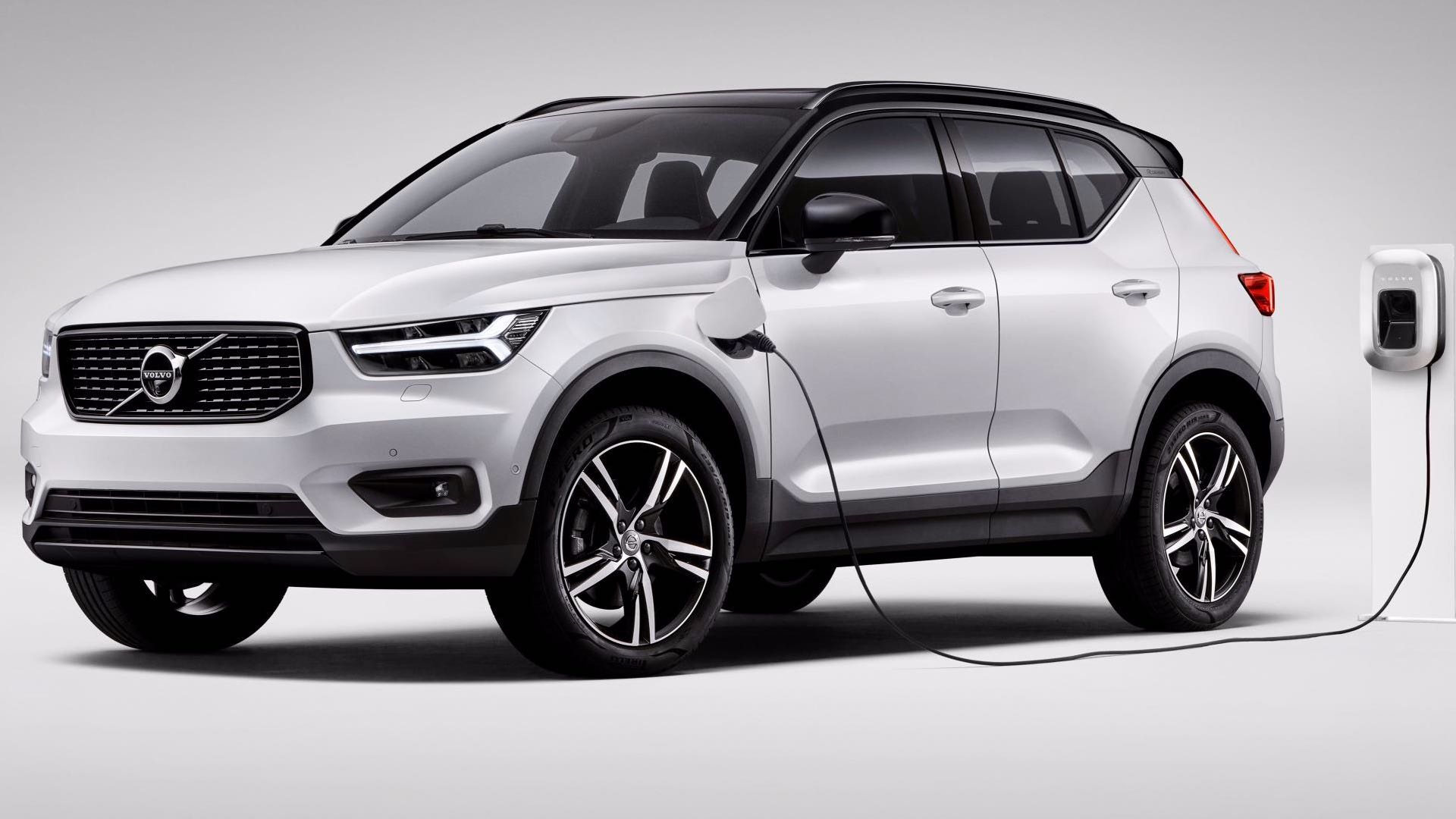
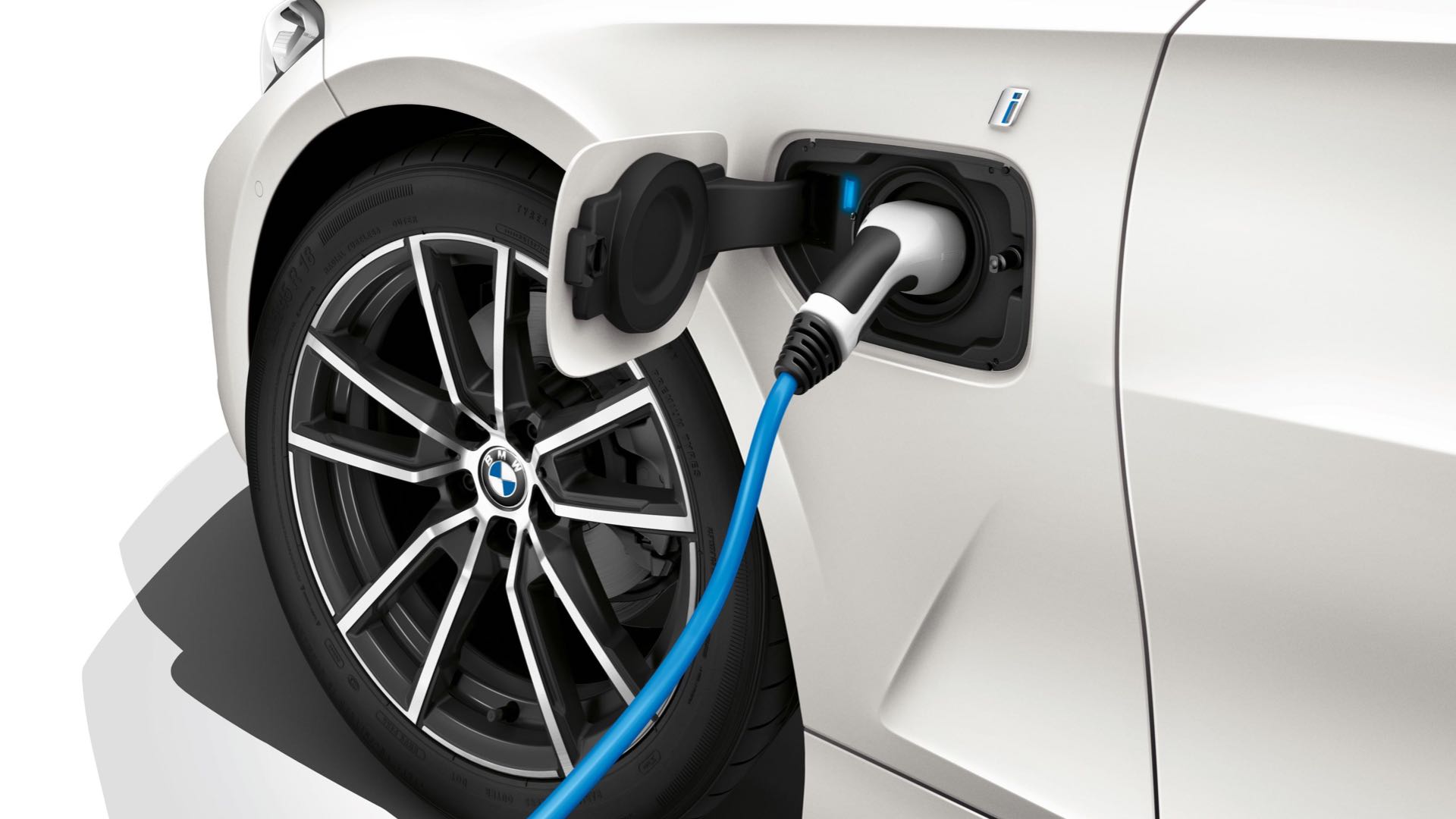
A BMW 330e could deliver up to 37 miles of electric range, while the Toyota Prius Plug-in Hybrid offers up to 39 miles. The Volvo XC40 T5 plug-in hybrid – the latest PHEV to hit the market – should offer 28.6 miles of pure-electric running.
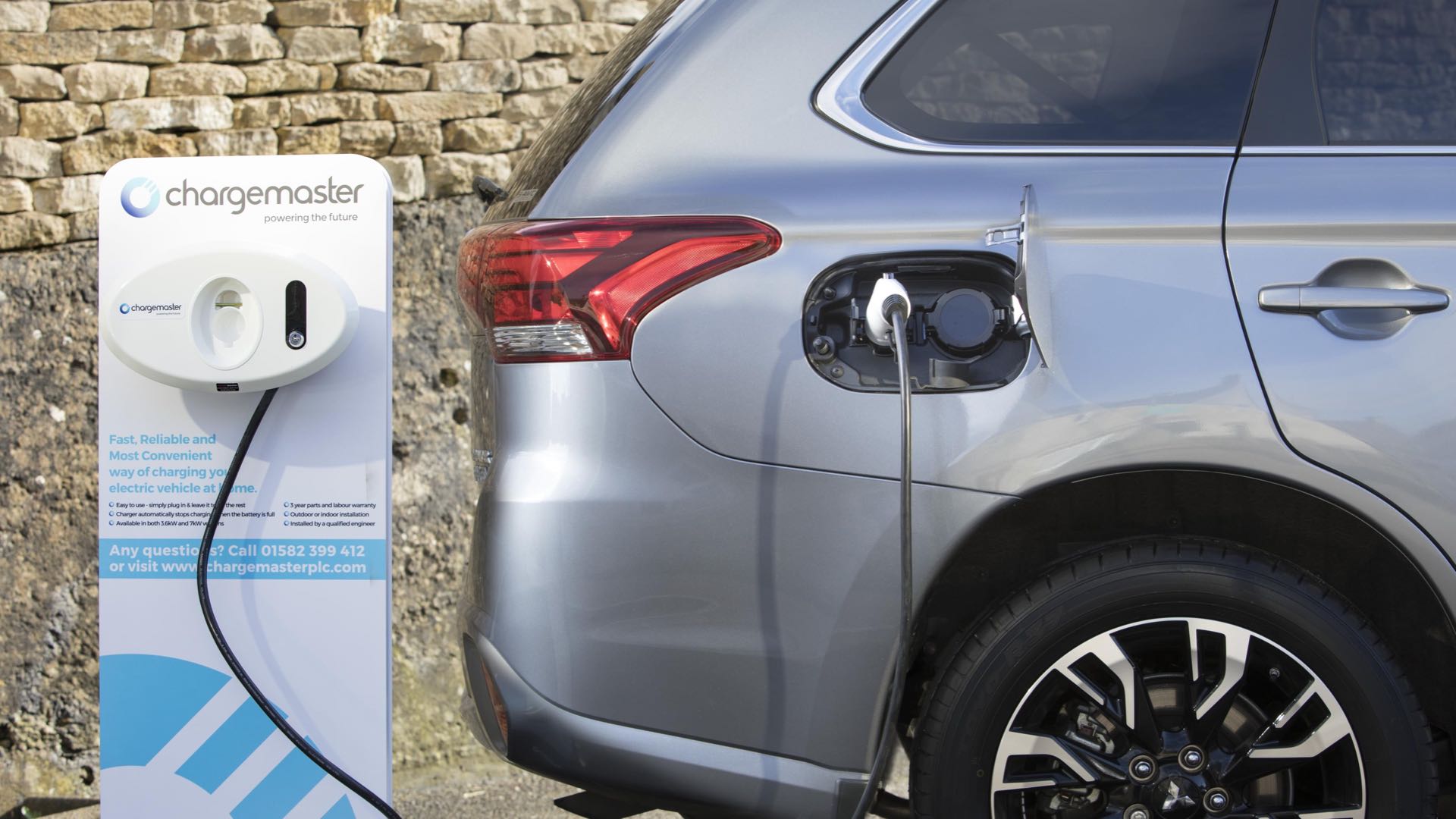
Meanwhile, the Mitsubishi Outlander PHEV, which enjoys a 24.7 percent share of the plug-in hybrid market, offers 28 miles of electric range.
For its part, while not disagreeing with some elements of the report, a spokesperson for Mitsubishi UK said two-thirds of Outlander PHEV owners charged every day and half of the daily average mileage was conducted in EV mode.
Mitsubishi told Fleet World: “We don’t disagree that PHEVs need a degree of behavioural adjustment but in most cases that adjustment comes naturally.
“In the case of the Outlander PHEV, customers have found it is considerably more cost-effective to run than an ICE vehicle day-to-day and brings added benefits of reducing urban noise and air pollution especially during peak times when petrol and diesel are at their least efficient.
“For private customers, there are now no VED savings, no charging incentives and no plug-in car grant to reduce the purchase price. They buy purely for the driving experience and because PHEVs are more considerably affordable and more convenient to own.”
Mitsubishi also said that 25 percent of Outlander PHEV customers are considering a pure EV next.
Realistic range is the key
It’s clear that attitudes towards PHEVs need to change, not least from the owners themselves. Today’s plug-in hybrids offer longer electric range than earlier models, certainly enough to handle a typical daily commute.
When a PHEV boasts a realistic utility factor (UF) – that’s the electric driving share – evidence suggests that owners are more inclined to plug in.
A U.S. study based on 1,831 Chevrolet Volts – a plug-in hybrid with a range of up to 53 miles – found an average UF of 78 percent. In Dutch data, based on fuel card usage, the UF was 24 percent. Here, the study contained many smaller PHEVs with reduced electric range.
In conclusion, Emissions Analytics said that “PHEVs will deliver less and less certain reductions in CO2 than non-plug-in hybrids. In other words, that they are ineffective without behavioural compliance, and that such compliance is politically infeasible in most democracies where it would be considered an intrusion on privacy.
“The case for future PHEVs may lie principally in the light to medium commercial fleet, where the advent of zero-emission city centres may force dual-drivetrain approaches, the pure electric drive share being saved for last mile delivery and the ICE (diesel as well as petrol) permitting long highway distances, refrigeration units and so forth.”
Decline in PHEV demand is ‘bad news’
September new car registration figures released by the Society of Motor Manufacturers and Traders (SMMT) showed a 26 percent increase, albeit off the back of a fall of 22.3 percent in the same period last year. Year-to-date figures are now 5.2 percent below the same period last year.
Hybrid and electric car registrations are up 32.4 percent and 125.1 percent respectively.
The SMMT has previously called for the grant for PHEVs to be reinstated. Mike Hawes, SMMT chief executive said “the decline in PHEV demand and overall market softness is bad news.
“We’ve seen registrations of plug-in hybrid electric cars fall since the chancellor announced the scrapping of the grant for PHEV purchases in the autumn Budget last year.
“Manufacturers have invested and are committing further billions to bring the latest ultra low emission vehicles to market, but their efforts are being undermined by confusing policies and the premature removal of purchase incentives. These new technologies need long term support to become established as awareness grows and consumers get on board.”
New research has revealed what tops the list of UK motorists’ most annoying modern features and changes to cars.
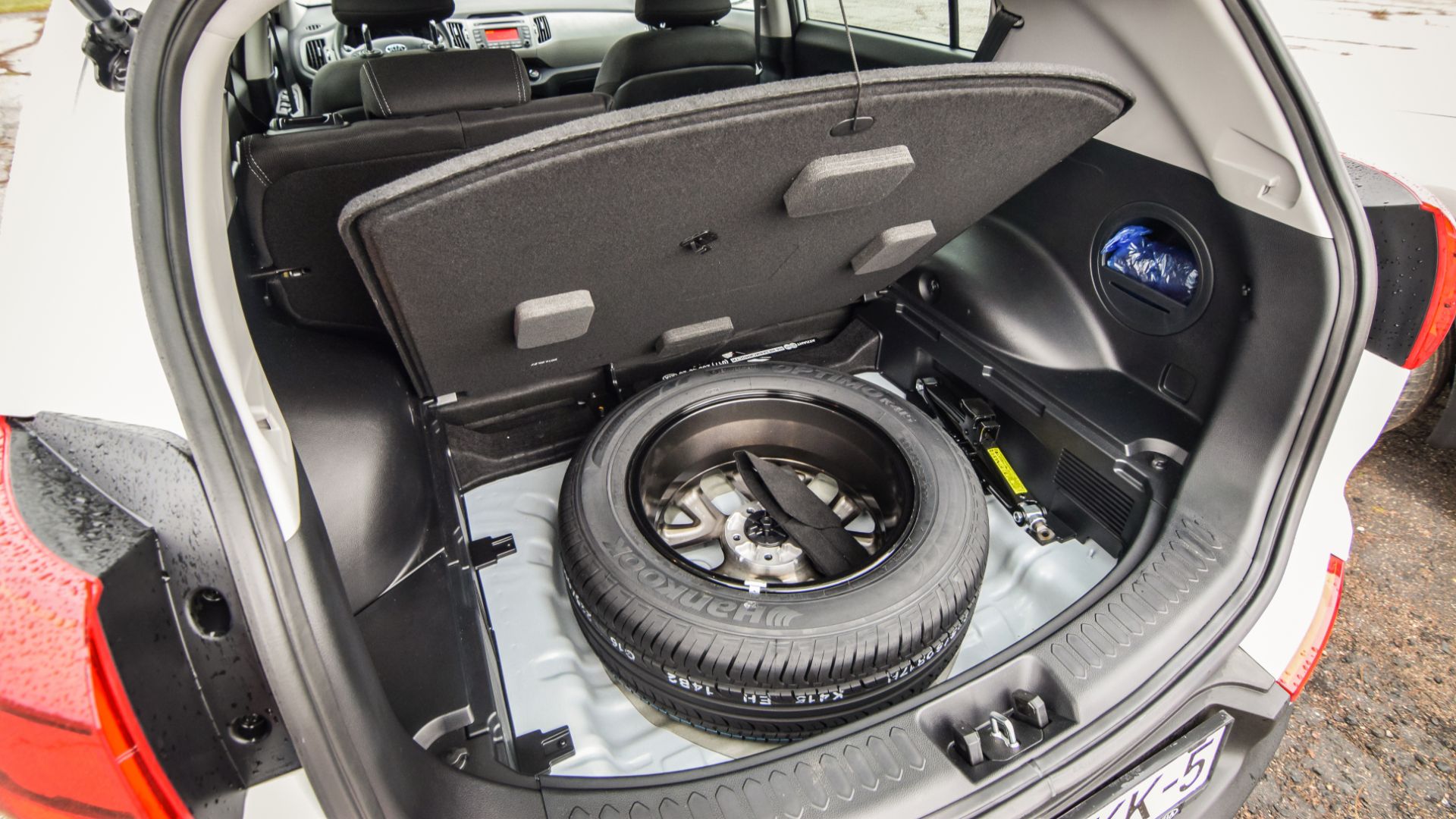
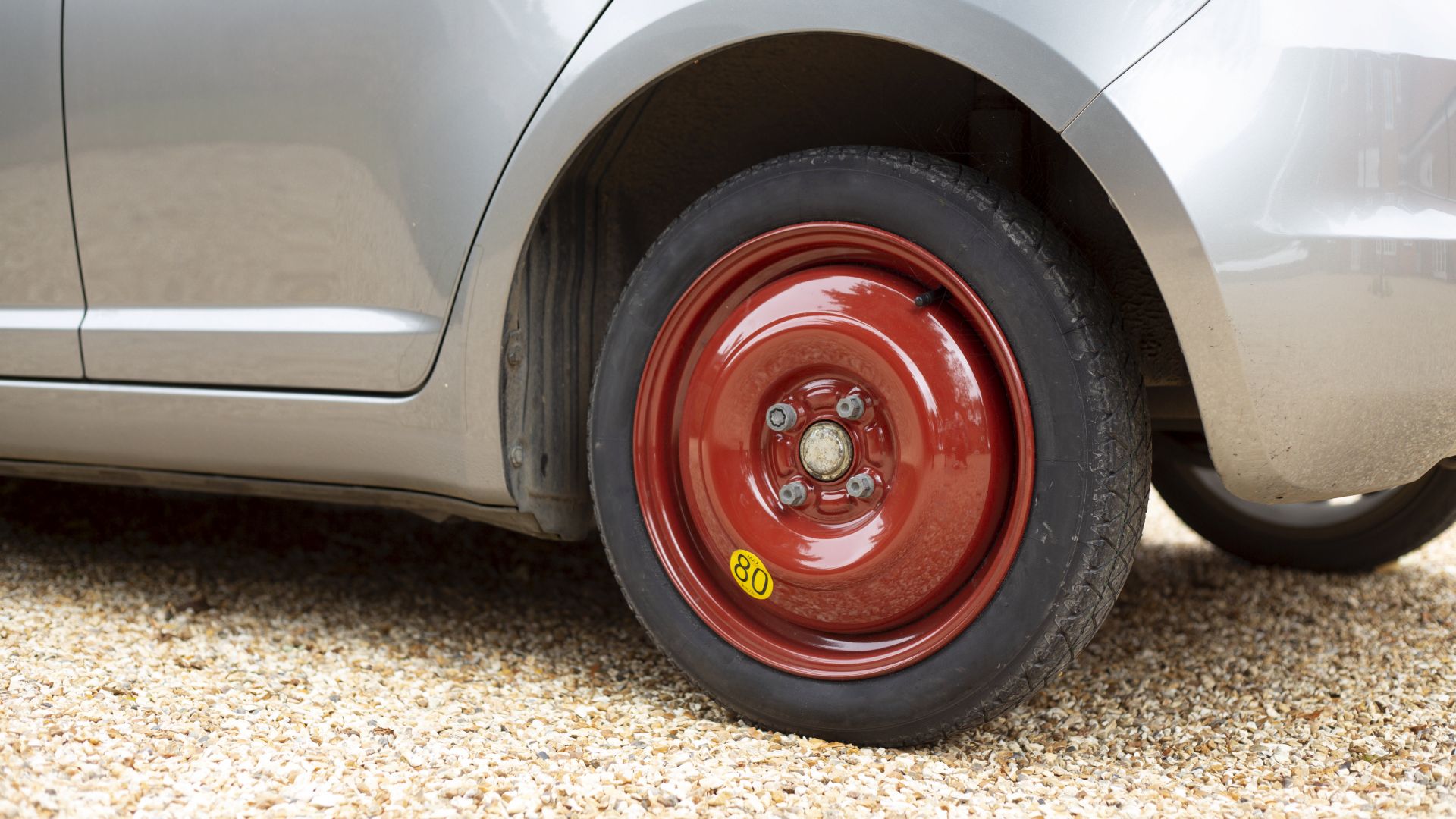
By some margin, the demise of the full-sized spare wheel – with space-savers and repair kits in its place – tops that list. More than a thousand were surveyed by Carbuyer about what modern car features they found most annoying. Two out of three, equivalent to more than 660 respondents, said the lack of a full-sized spare.
British drivers’ top 10 pet hates revealed
“The absence of a full-size spare appears to be overwhelmingly unpopular with drivers, doubtless because both alternative solutions are such inconvenient temporary solutions to a flat tyre,” said James Batchelor, editor-at-large at Carbuyer.
“Removing the standard spare does allow for more storage space and helps to cut CO2 emissions by reducing weight, but these benefits don’t impress most motorists.
“Continuing your journey on a speed-limited wheel – or using a temporary repair kit – are deeply unpopular options for an overwhelming majority of drivers.”
What other features popularised on modern cars were referenced in the study? Stop-start systems, which shut the engine off automatically when the car isn’t moving for an extended period of time, came second. Such systems have been around in a refined state since the 1990s, though they only became properly widespread around 2010.
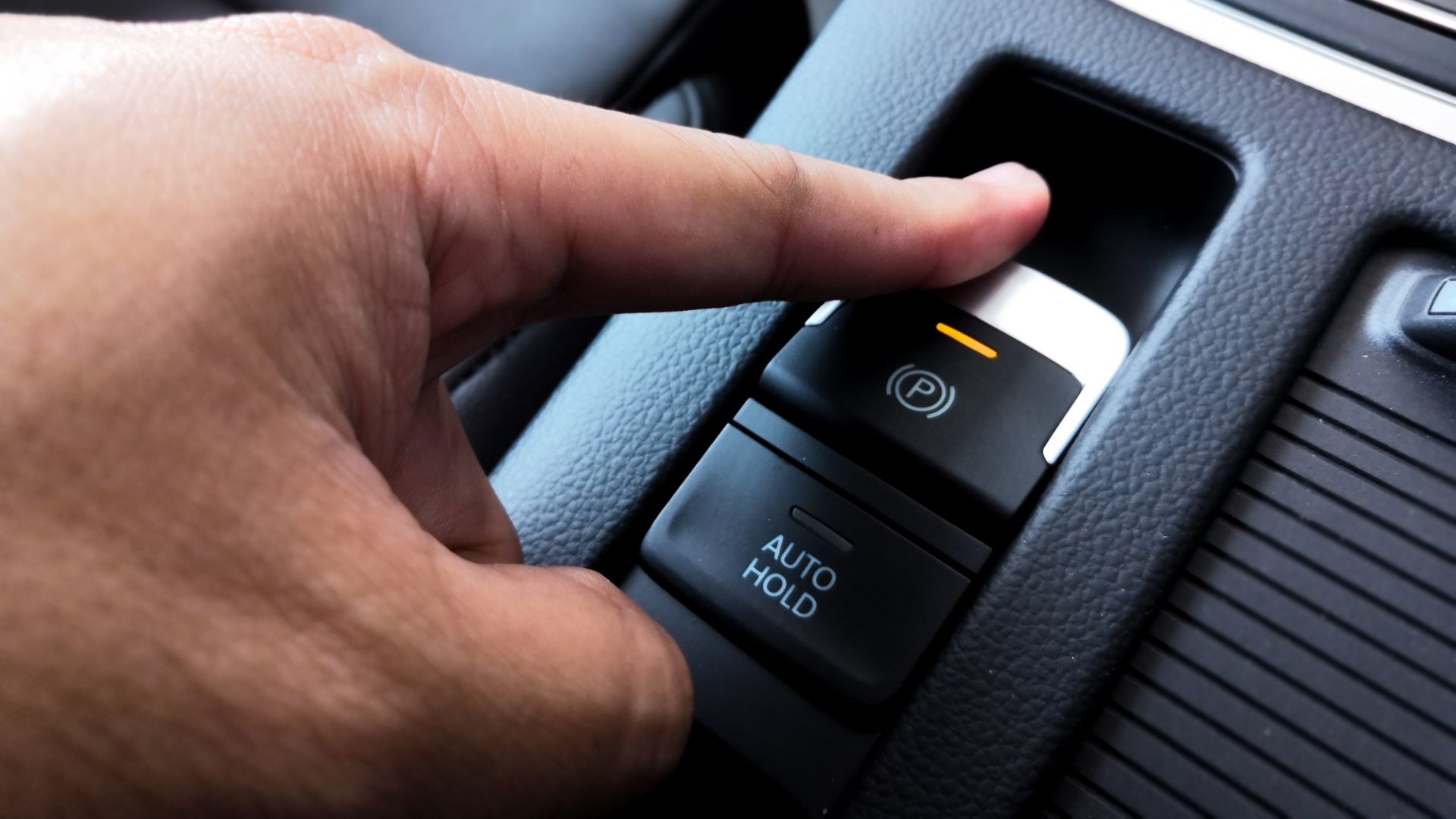
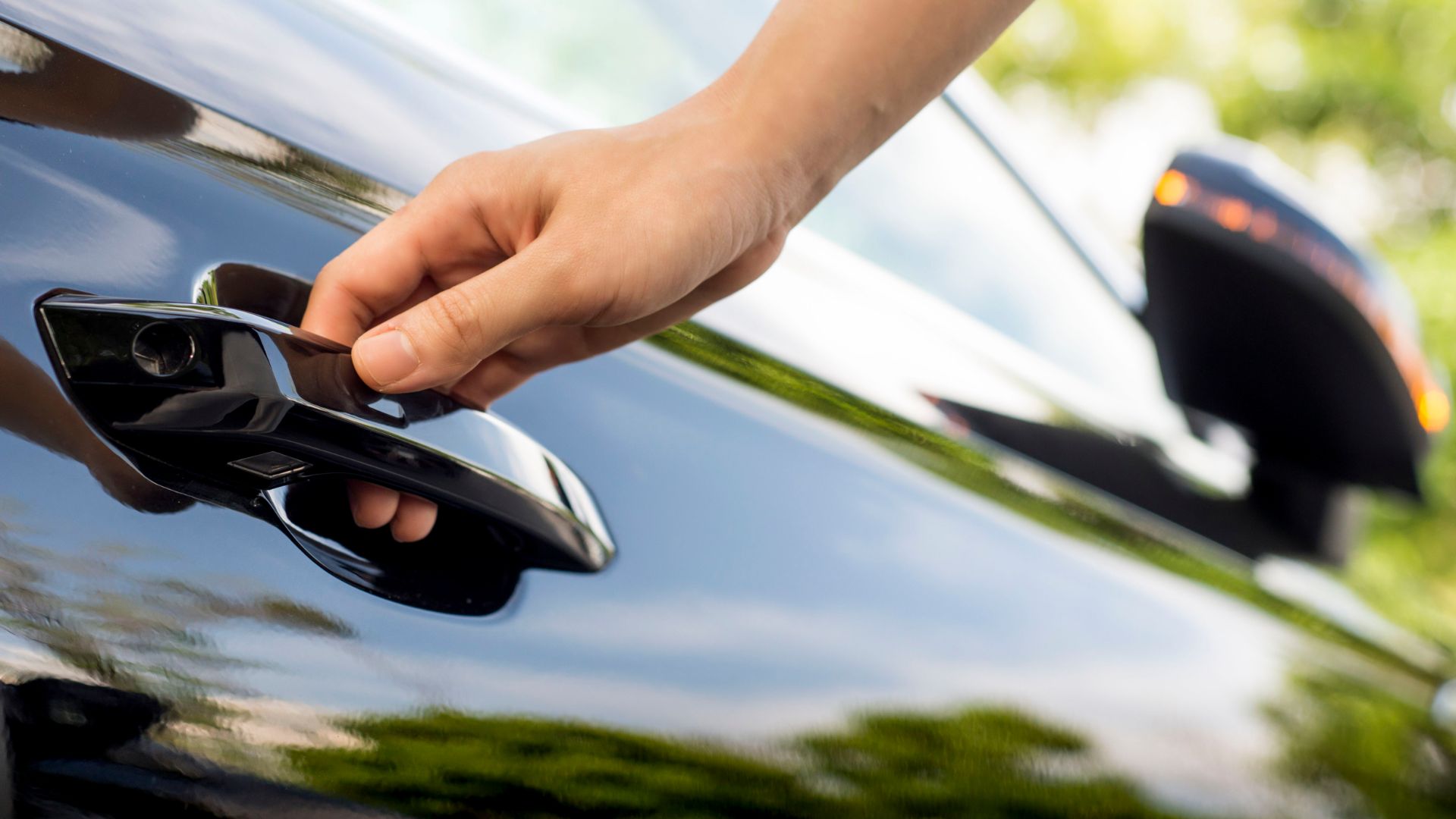
Automatic ‘electronic’ handbrakes came third – a feature made popular over the last decade again, which appeared in the early 2000s. Keyless entry and incompetent sat-navs came fourth and fifth. Lastly, cabin hazard sounds or ‘bongs’ as a Mr Jeremy Clarkson has called them, came in sixth.
A survey of 1,000 UK drivers has revealed some interesting insights into the habits of new drivers. This includes deliberately avoiding certain routine driving situations.
Parking predicament
According to the data, over a third of respondents (36 percent) said they actively avoided having to parallel park, while more than a quarter said that they will go the extra mile, or few miles, to park in a way that doesn’t involve reversing in.
Outside lane anxiety
Thirty percent of respondents said that the outside lane of a motorway was a lane too far for their nerves behind the wheel.
Just over a fifth (22 percent) said that they’d go out of their way to avoid junctions and roundabouts that take them out of their comfort zone. Similarly, 22 percent said they’d do the same to avoid hills.
In other words, many new drivers don’t feel confident driving on much of the UK’s road network. So much so, that ten percent said they’d be happier behind the wheel if their car had dual controls, so that passengers could intervene if needed.
That completes the top five, which reads as follows:
“It seems the UK’s drivers are passing their test and still feeling extremely nervous about many of the quite routine manoeuvres and situations you face on the roads,” said Sue Waterfield, head of marketing for Young Driver
“However, it’s understandable given the average learner only has 40 to 50 hours of driving before they pass their test. It stands to reason that the more experience young people have behind the wheel, the better a driver they will be – and the more ‘automatic’ those basic skills become.”
Champagne tastes but lemonade money? Have no fear, your cash stretches further than you think, giving you access to any number of luxury and premium badges. All of the cars we’re about to unveil can be parked on your gravel driveway for less than the price of a new Dacia.
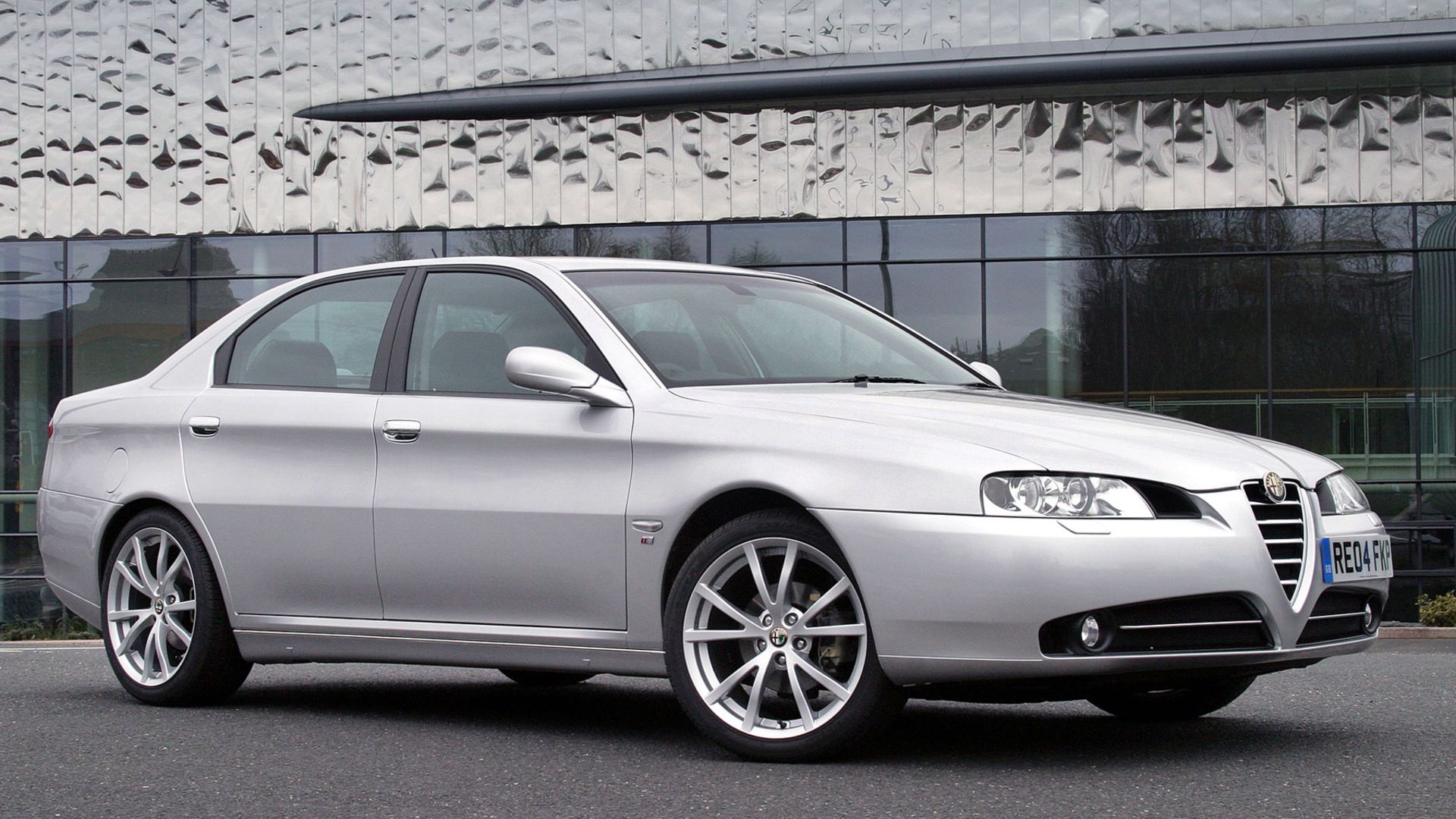
Alfa Romeo 166
Why you want it: because it’s the antithesis of a German luxobarge and it has an interior to die for. In full-fat 3.0-litre guise, it has the power to match its catwalk model styling, even if the facelift model is arguably less pretty than the original. It’s the ultimate motoring hipster statement.
Why you don’t: Alfa Romeo doesn’t have the best reputation for reliability, and although the 166 is more dependable than others, it could prove costly should the worst happen. Still, at least the days of catastrophic depreciation are behind it, although few people bought one in the first place.
Audi A8
Why you want it: the A8 still looks fresh today and Audi’s image is as strong as ever. The build quality is class-leading and the interior will remain rock solid even with six-figures on the clock. You can also pretend to be Jason Statham or a star of Ronin as you make your way to the in-laws on Boxing Day.
Why you don’t: because it’s an Audi, so it won’t offer the smooth comfort and joy of an S-Class. Petrol versions won’t be cheap to run, especially the W12, so don’t blow all of that £5k budget on the initial purchase.
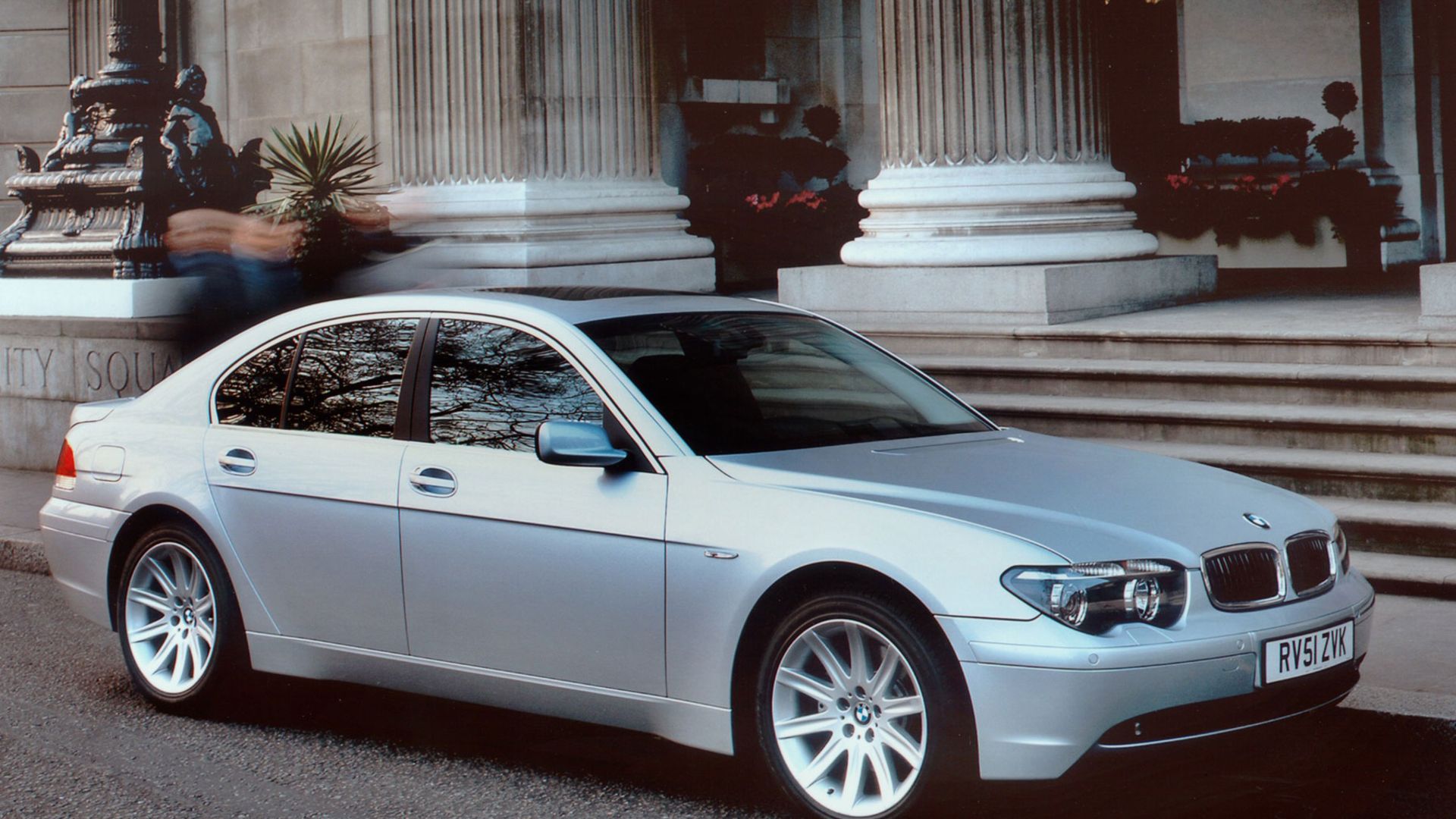
BMW 7 Series
Why you want it: the £5k budget will allow you to choose from the very best from some of the earlier 7 Series generations. From Bond to Bangle, the polar opposites of the 7er spectrum.
Why you don’t: the fourth-generation E65 7 Series remains an acquired taste and you’ll need to spend many hours learning the iDrive system. Still, reading a BMW manual is likely to be more entertaining than watching the Mrs Brown’s Boys Christmas special.
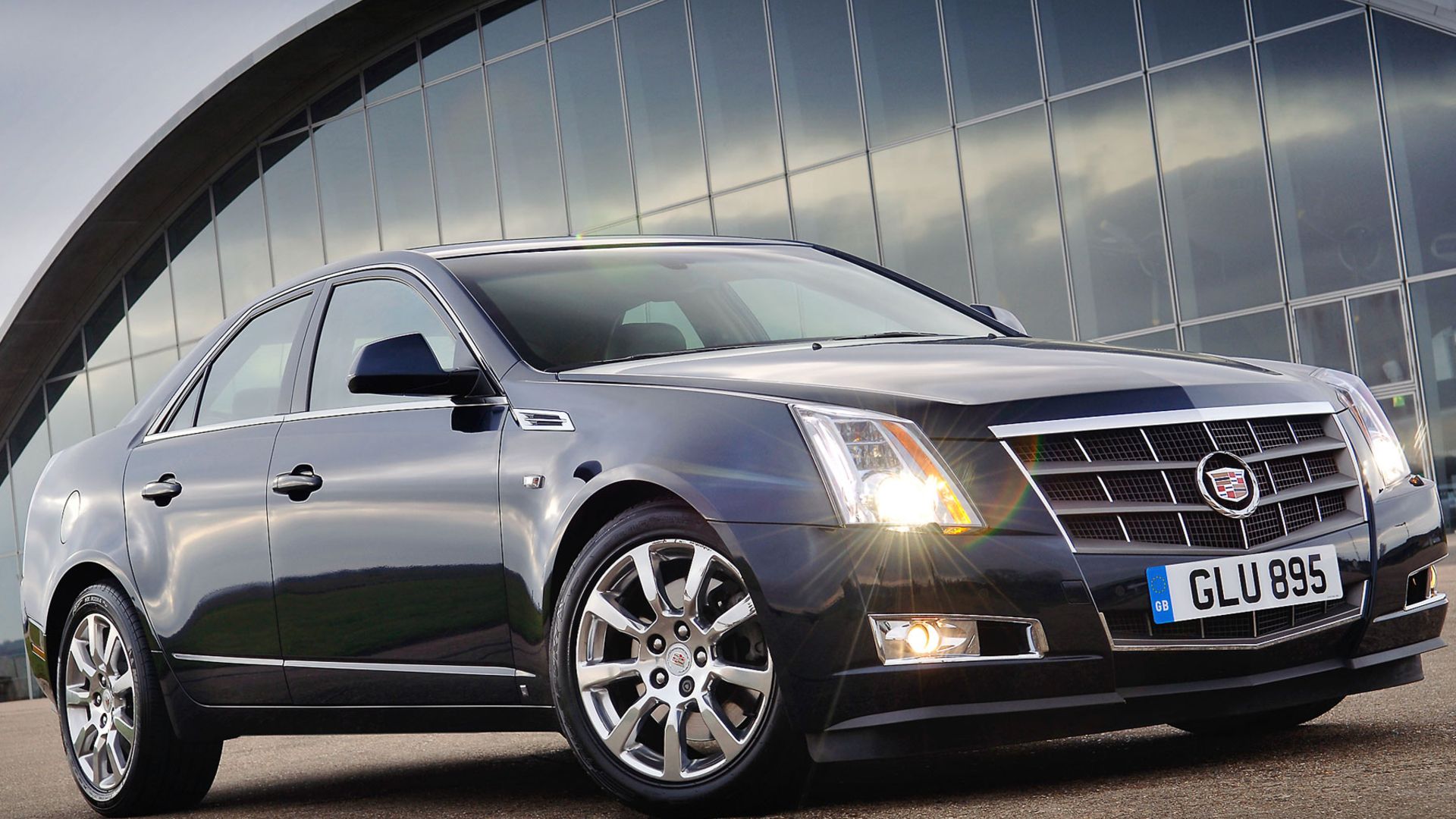
Cadillac CTS
Why you want it: the CTS looks good, has a series selection of toys and offers the benefit of rear-wheel-drive. Plus, it’s a Cadillac, which will deliver some much-needed kudos points when top-trumping with the army of office 3 Series drivers.
Why you don’t: you shouldn’t expect European levels of fit and finish or much in the way of fuel economy. Running a 2.8-litre or 3.6-litre Caddy will put you on first name terms with the cashier at the local petrol station.
Chrysler 300C
Why you want it: because you’ll look like you’re starring in your own rap video. It shares many of its components with the Mercedes-Benz E-Class and can be equipped with a monster 5.7-litre Hemi V8.
Why you don’t: because you’ll look like you’re starring in your own rap video.
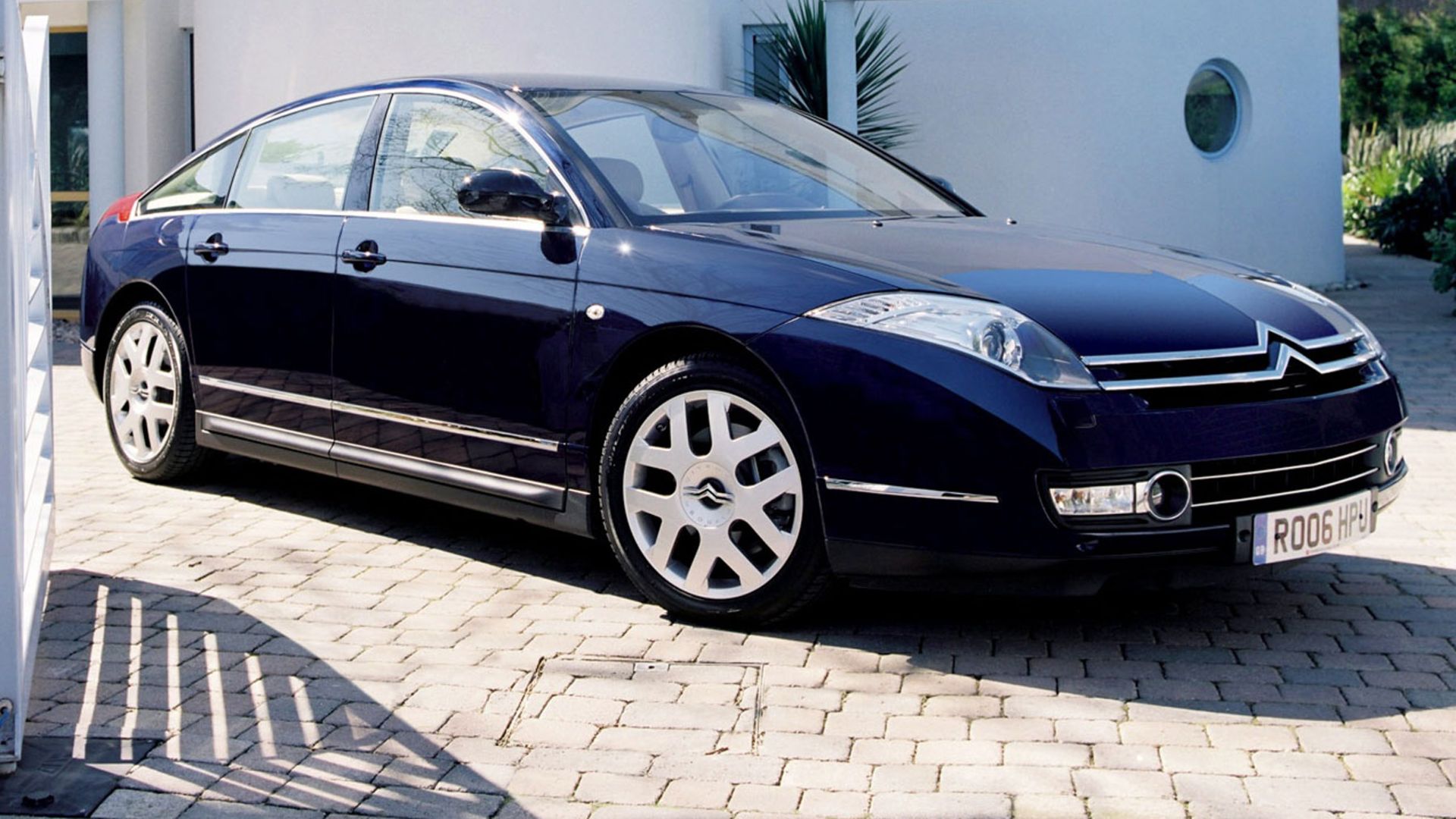
Citroen C6
Why you want it: it’s the last truly eccentric big Citroen and it depreciated like a stone, meaning you’ll struggle to find more bang for your French francs. It’s also a guaranteed future classic.
Why you don’t: beyond the fact that this budget is unlikely to stretch to a low-mileage example, we’re struggling to think of a reason why you shouldn’t buy a C6. There are the obvious connotations that come with French cars, but if you’re seriously considering a C6, you’ll be pretending they don’t exist.
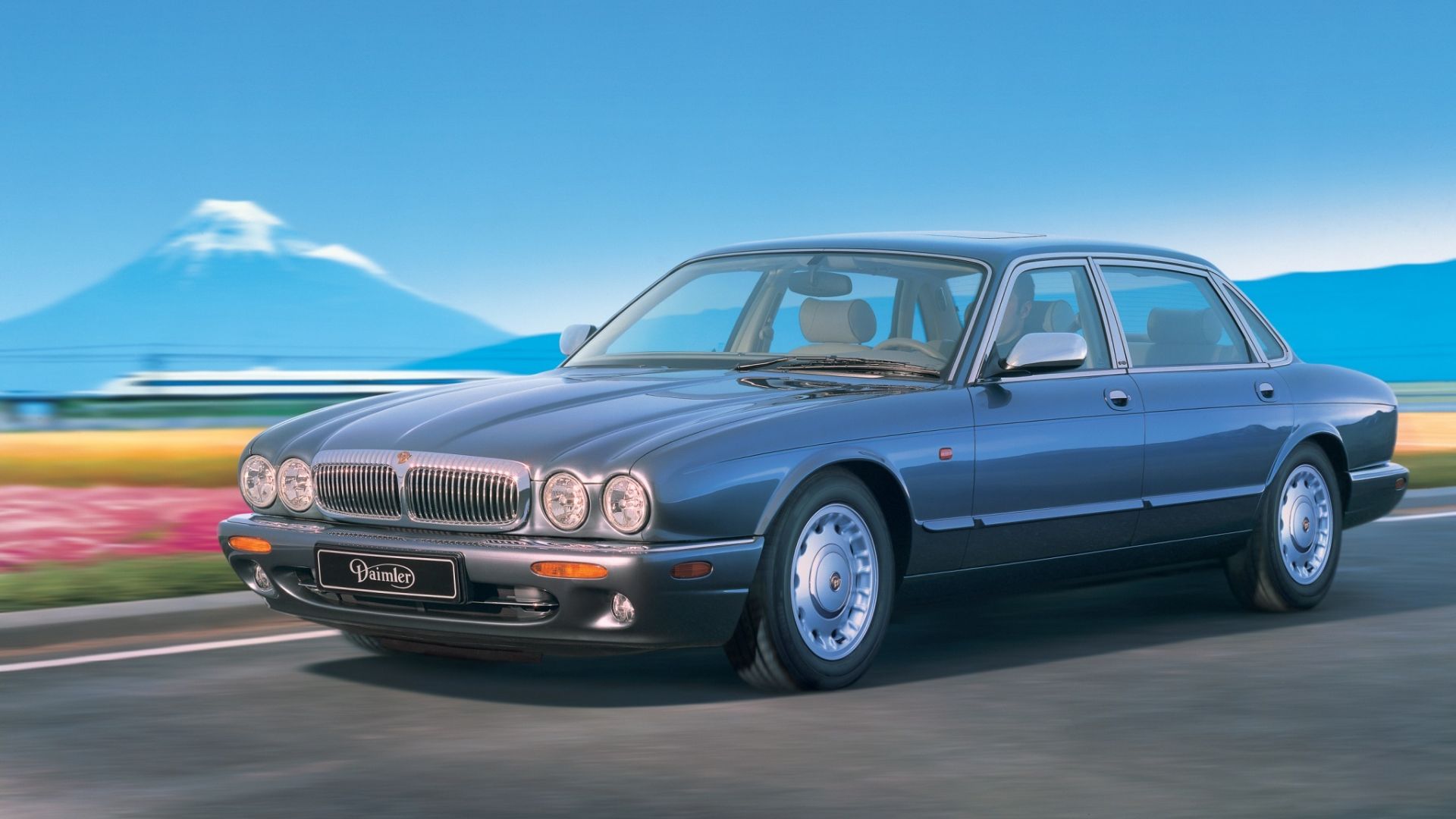
Daimler XJ
Why you want it: it’s an XJ, but even more alternative. You’ll think you’re the coolest person at the dinner party, but for some reason, no one will be sat next to you to hear your story about how Daimler and Jaguar are one and the same. It’s also your ticket to V12-powered luxury at this price point.
Why you don’t: you’ll quickly lose friends and, potentially, money. The former, because of how (un)interesting you’ll be explaining you’re a Daimler owner. The latter, because it’s a Jaguar. The usual financial caveats apply.
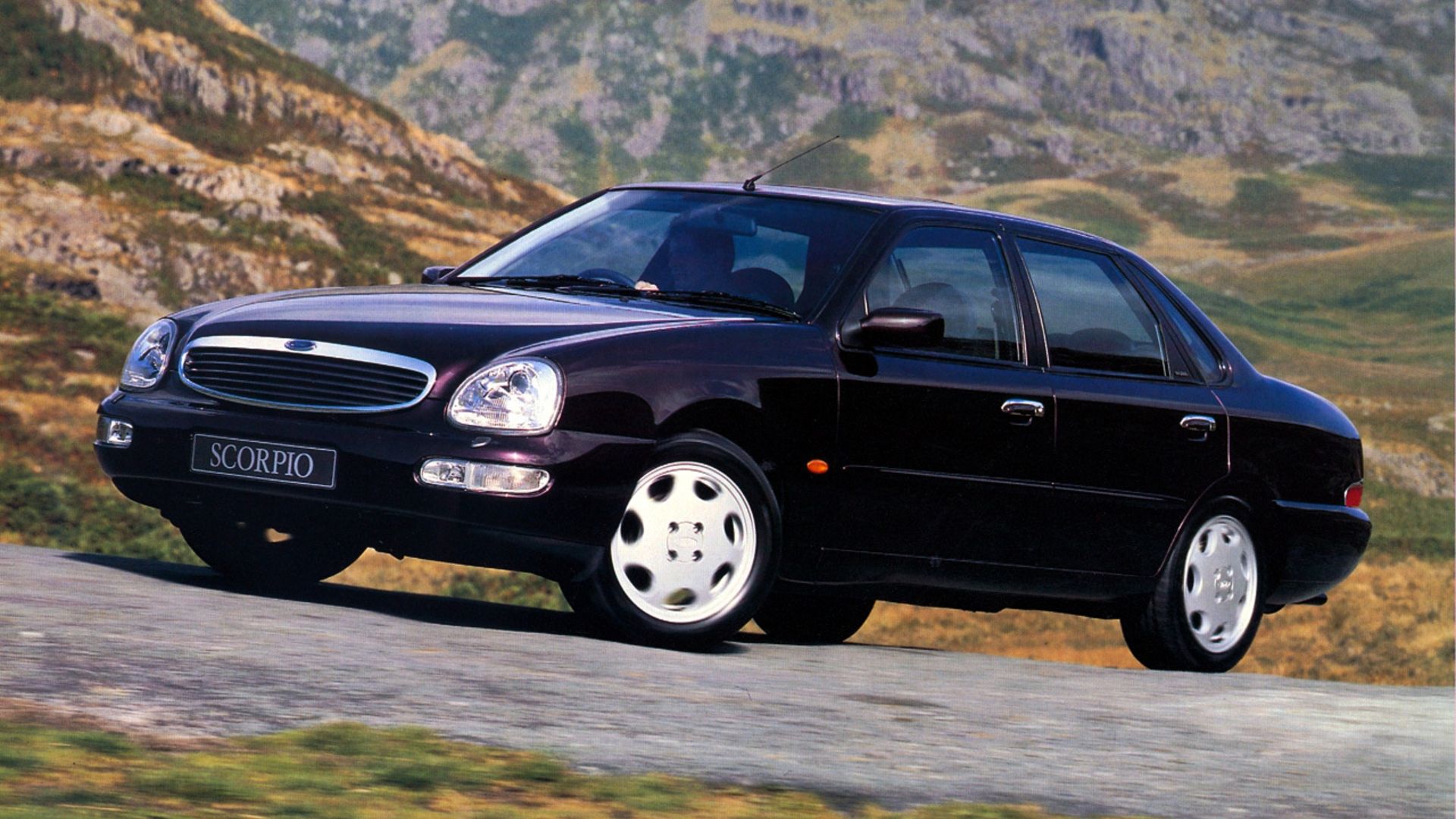
Ford Scorpio
Why you want it: because you won’t get a Ford Mondeo Vignale for £5k. The frog-faced Scorpio comes with those staples of 1990s luxury: acres of wood and leather.
Why you don’t: because you’ll have to look at it when walking up to it. As above, frog-face isn’t a looker.
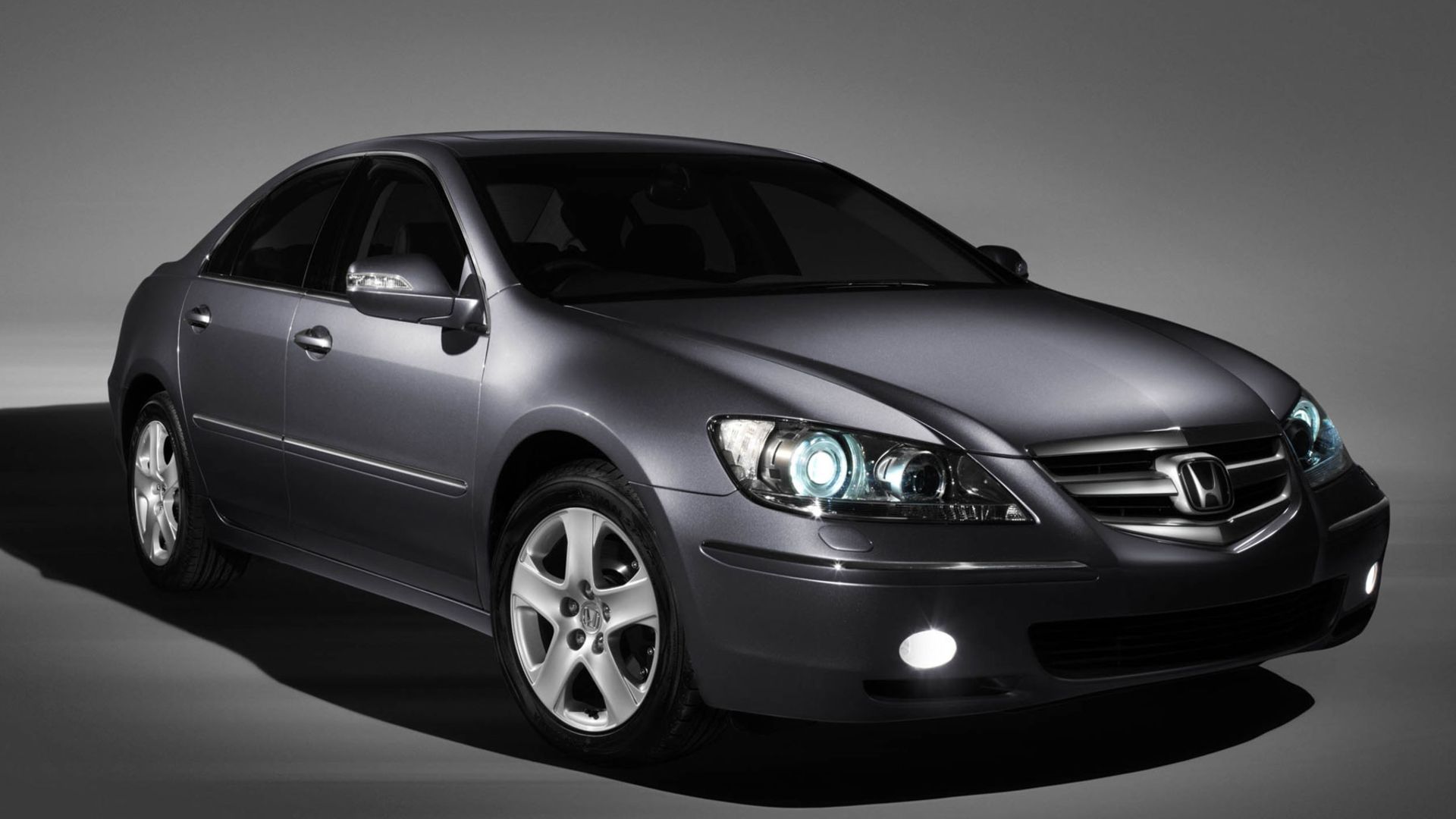
Honda Legend
Why you want it: the Honda Legend does more than a passable impression of a German luxobarge and is loaded with standard kit and a solid safety rating. As a bonus, it’s unlikely to go wrong.
Why you don’t: your friends will think you’ve arrived in a bloated Honda Accord. Meanwhile, the image is a bit ‘tea out of a Thermos flask in a National Trust car park’, and it has a drinking habit to rival any Bentley.
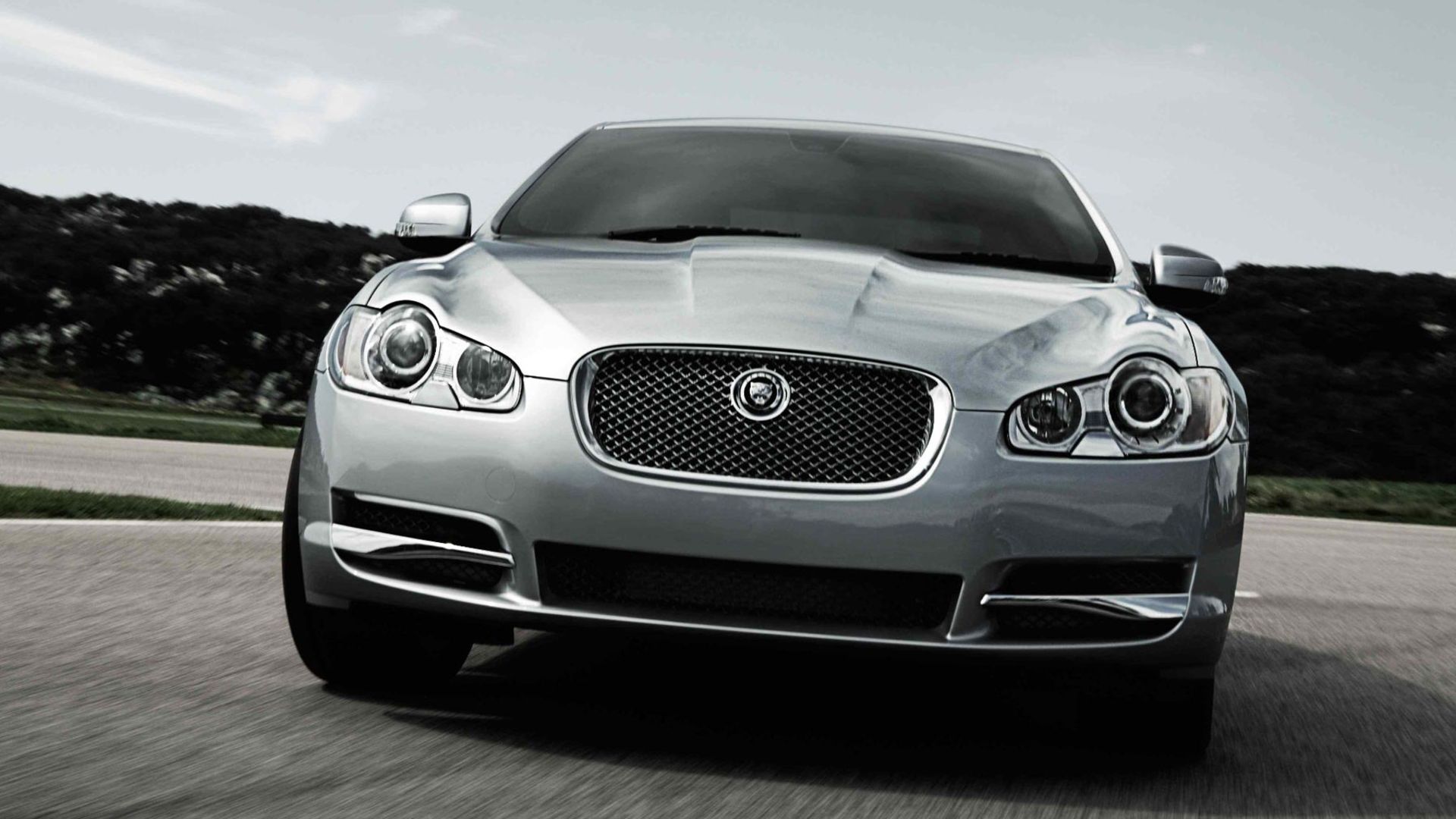
Jaguar XF
Why you want it: the styling is ageing well, especially when you consider that it replaced the S-Type, which looked dated even while it was on sale. All engines are good, but the 3.0-litre petrol is a cracker.
Why you want it: the styling is ageing well, especially when you consider that it replaced the S-Type, which looked dated even while it was on sale. All engines are good, but the 3.0-litre petrol is a cracker. Also, flippy vents!
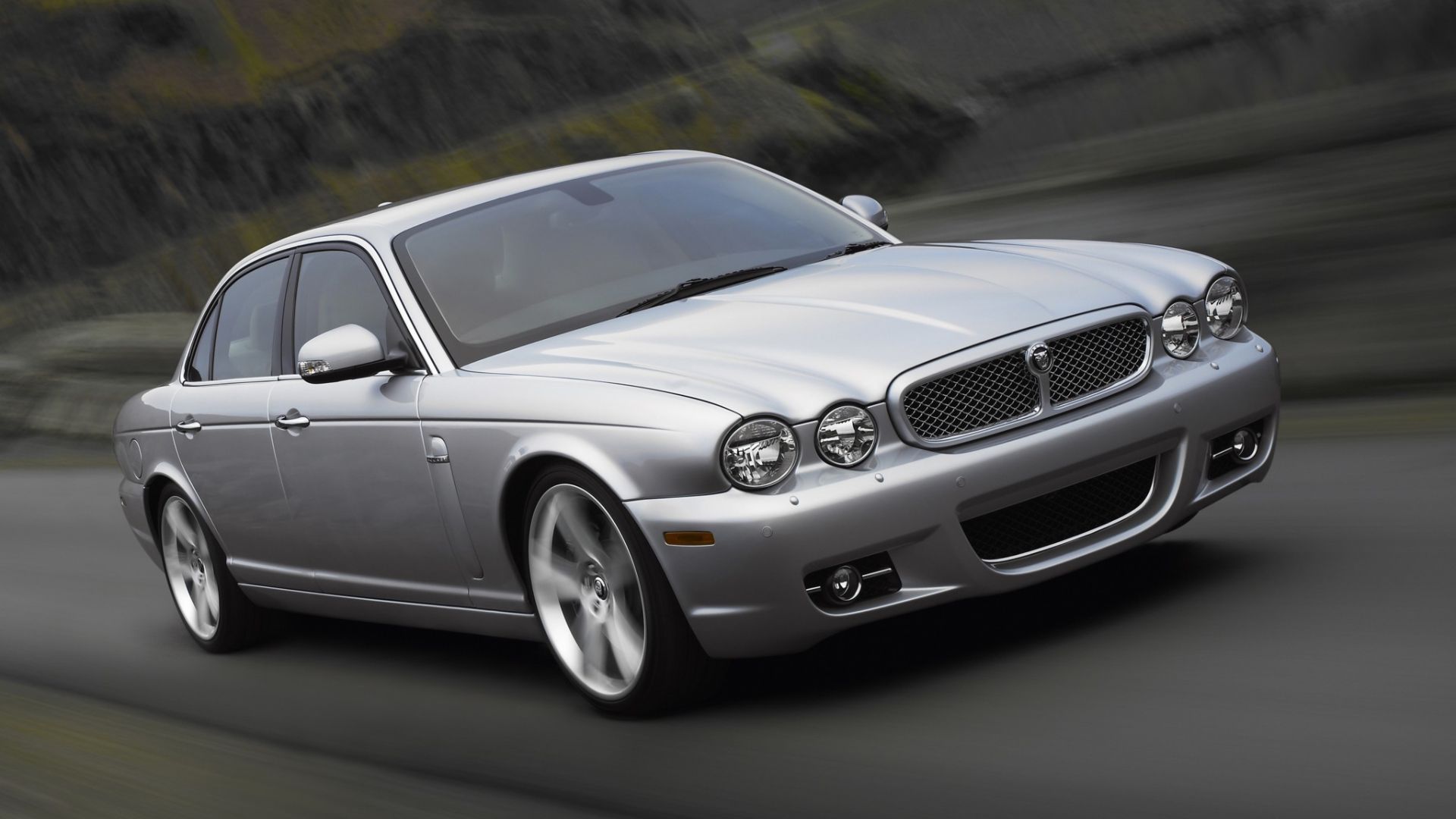
Jaguar XJ
Why you want it: this is a luxury car in a very British sense, offering grace, space and pace in abundance. Also, you’ll be able to bore people about your Jag.
Why you don’t: the styling is more hip op than hip hop. Looking after it, mechanically, electronically and in terms of the body, could prove a tall order, too.
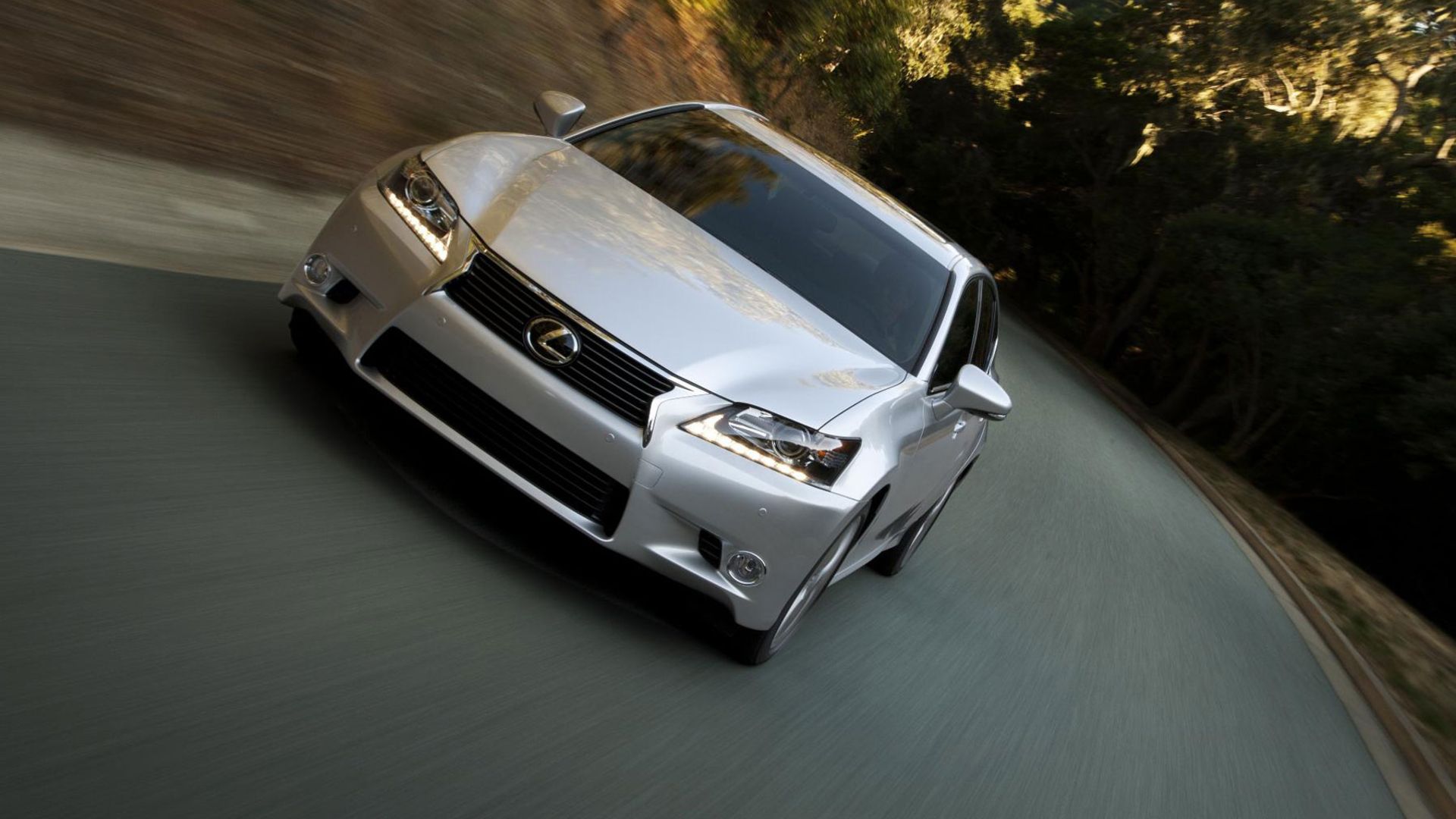
Lexus GS 450h
Why you want it: tt’s like a luxury Toyota Prius, albeit one with a 3.5-litre V6 hybrid powertrain and a cabin as well-appointed and comfortable as any German rival. As it’s a hybrid, it also feels very current.
Why you don’t: the cabin isn’t quite as sumptuous as some of its rivals, while the styling is bordering on anonymous. But we’re nitpicking – this is a fine choice if you’re looking for luxury on a budget.
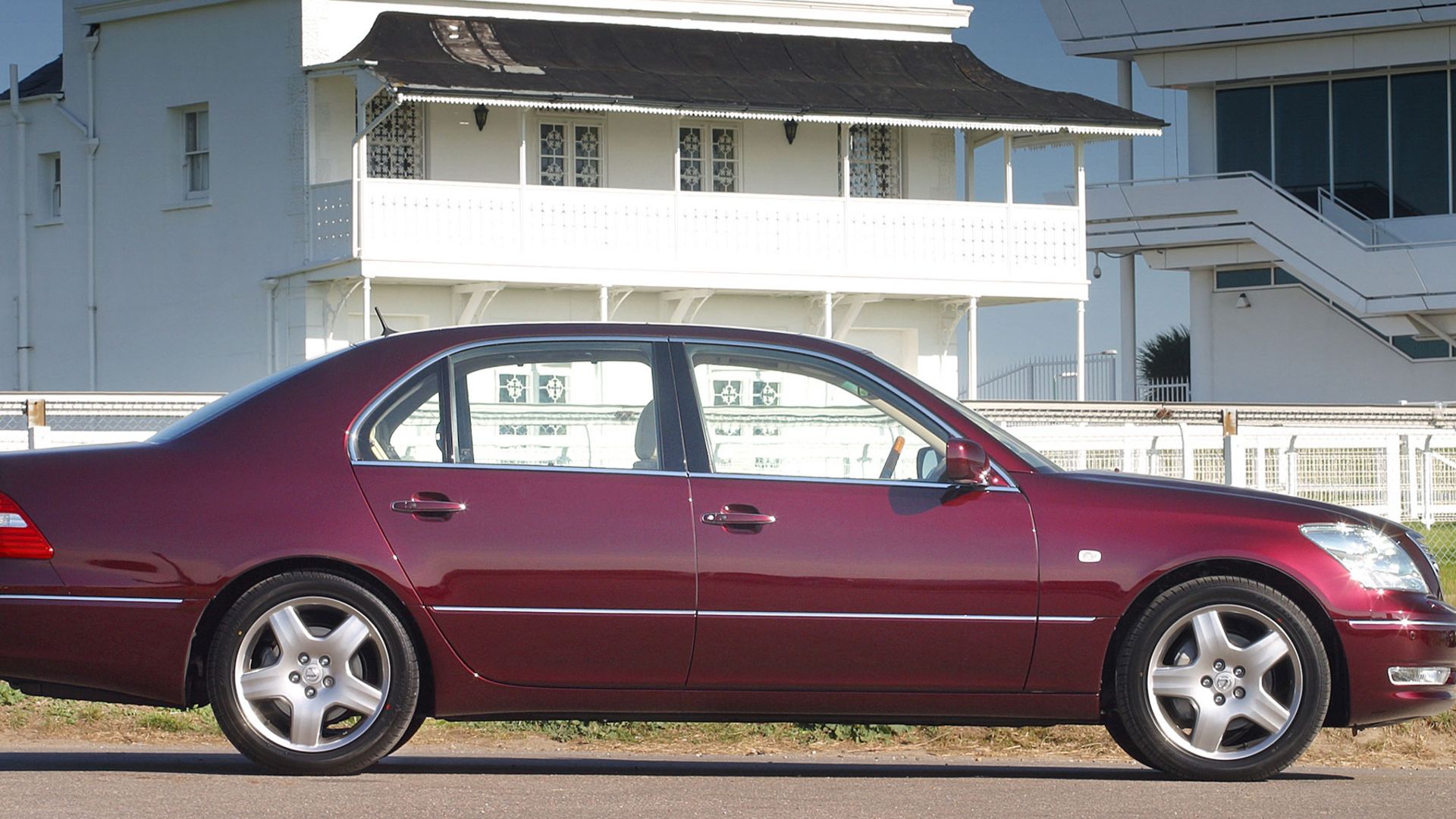
Lexus LS 430
Why you want it: the ‘Japanese S-Class’ is refined and likely to be the most reliable luxury car you can buy for £5,000.
Why you don’t: it has a whiff of the golf club about it and lacks the authenticity of a German or British luxury car.
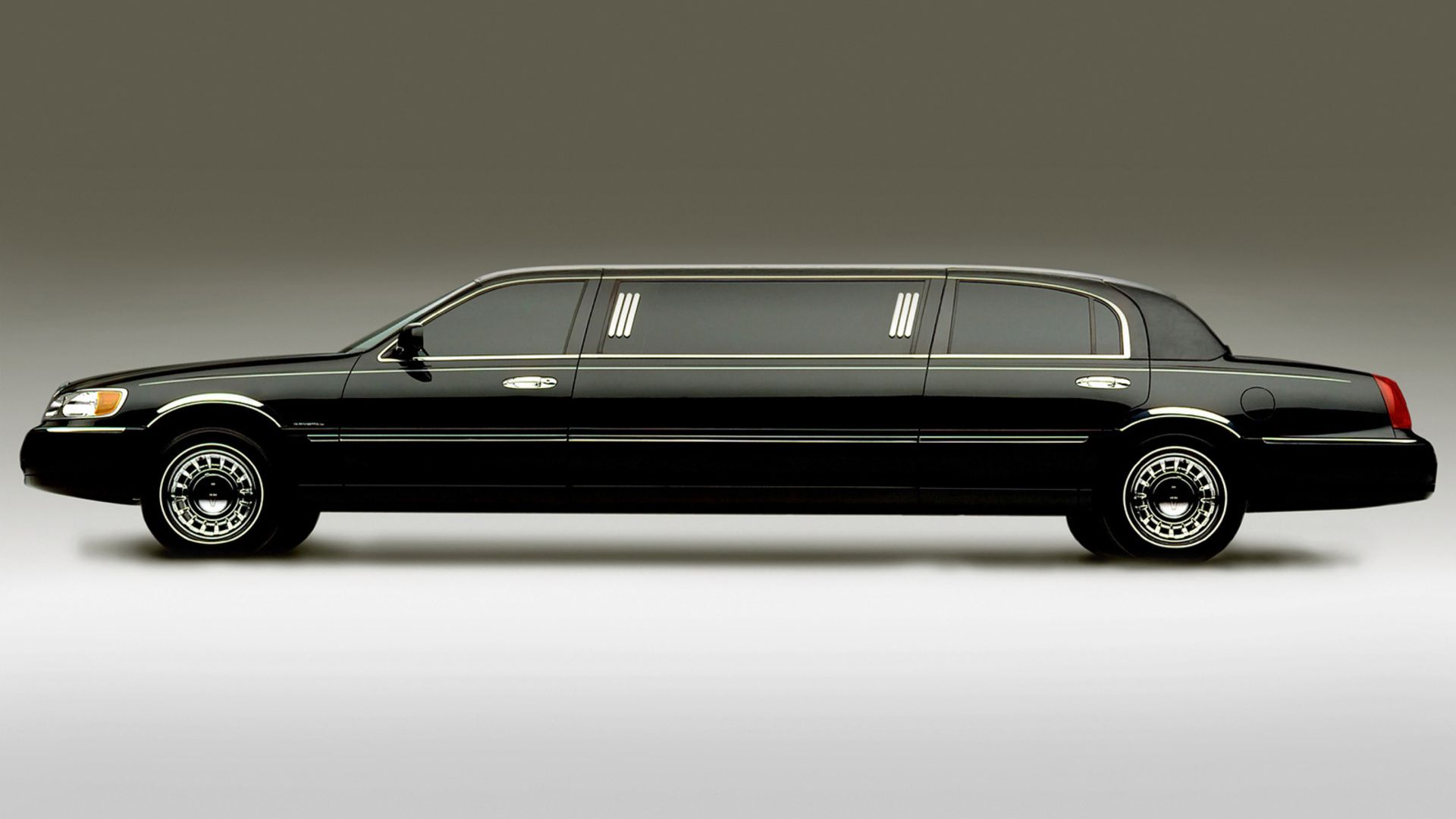
Lincoln Towncar
Why you want it: if you want your life to be one big prom night, or you want to be a prom night driver, you’ll never be short of work. Plus, what other luxury vehicle comes with a full crystal drinks set?
Why you don’t: the cabins of these limos are rinse-down for a reason…
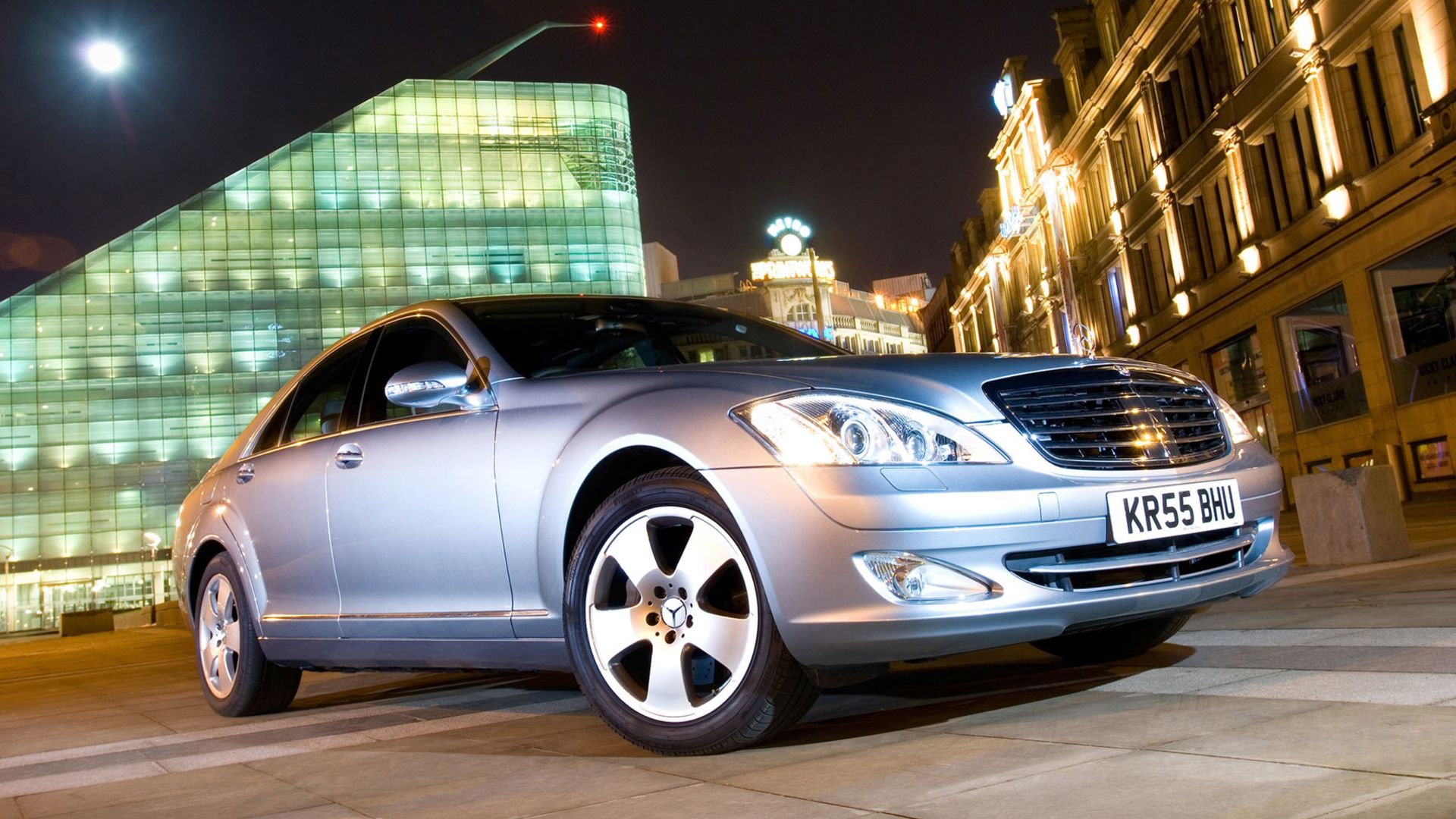
Mercedes-Benz S-Class
Why you want it: every new generation of S-Class represents the pinnacle of engineering and technology at the time of its release, so you’ll get a glimpse into how the other half lived when it was new.
Why you don’t: depreciation was a problem for its previous owners, but running costs will remain an issue for you to deal with. Also, venture anywhere near London and you’ll be fighting off flag-downs, thinking you’re a posh taxi.
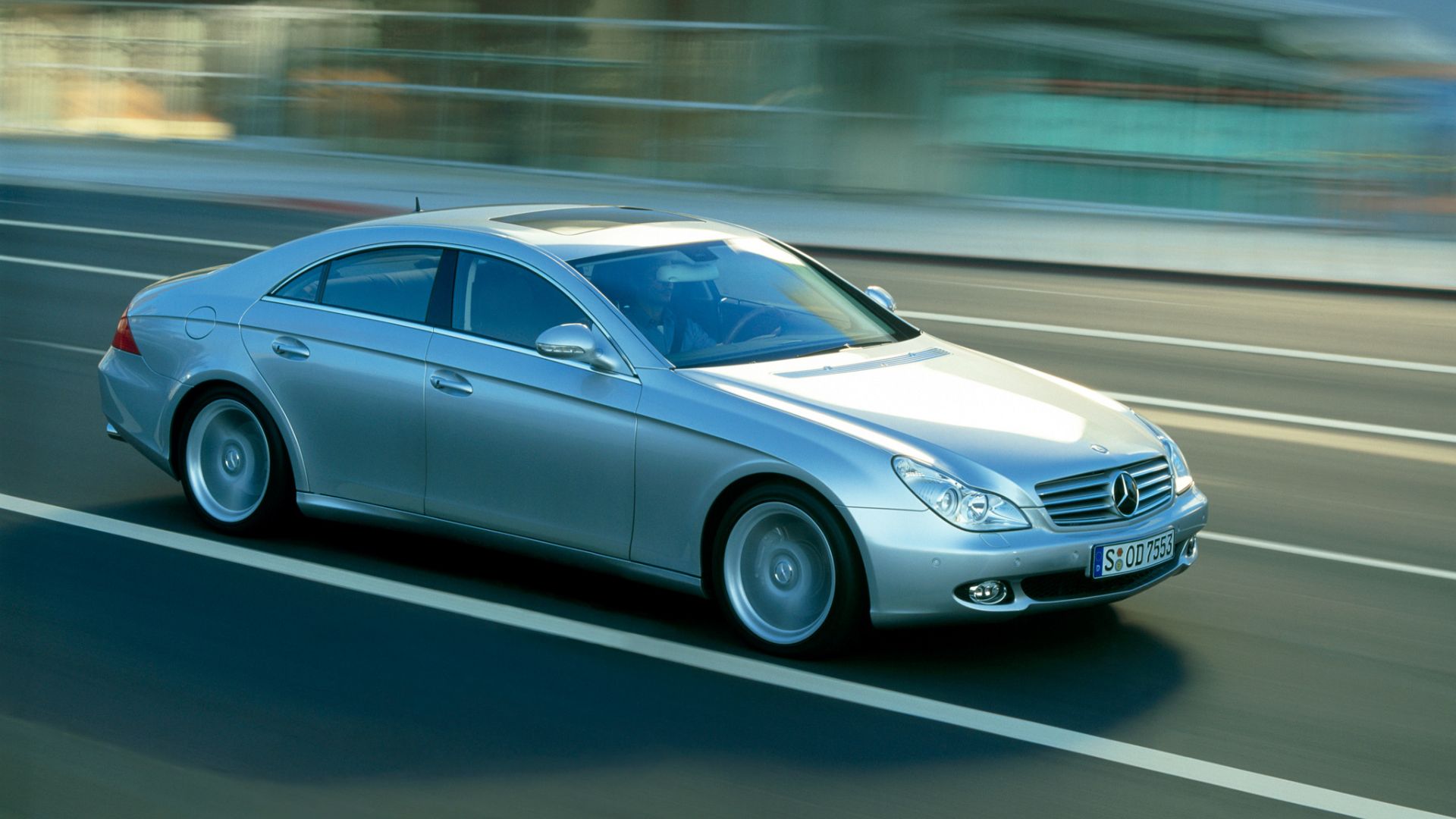
Mercedes-Benz CLS
Why you want it: it’s arguably Merc’s best-looking modern four-door, has a better interior than an S-Class of a similar vintage, and has more V8 than any current non-V12 AMG.
Why you don’t: it’s a Mercedes from 2005. You enter into this at your own risk…
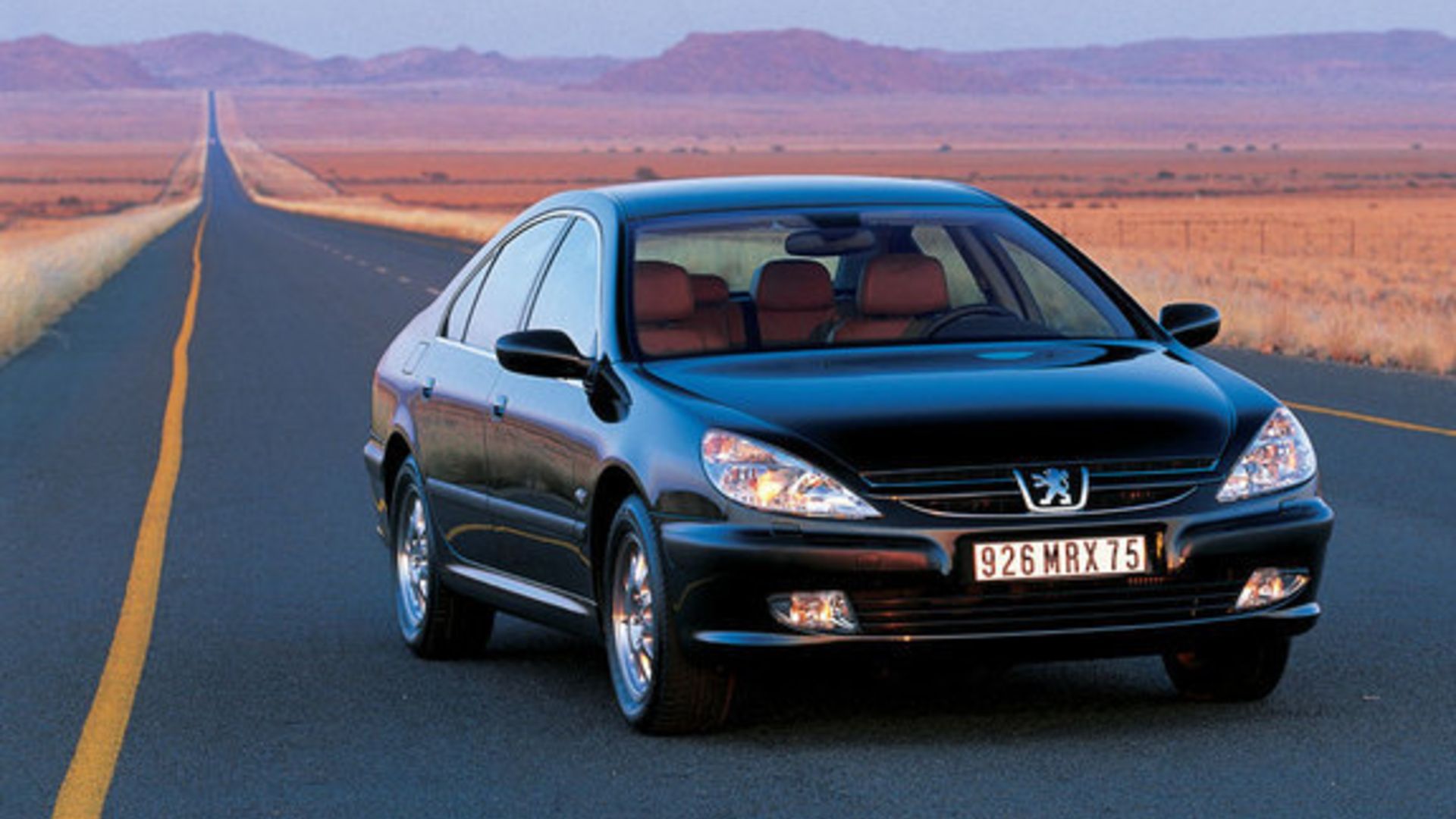
Peugeot 607
Why you want it: can’t find the right Citroen C6? French waft wrapped in wood and leather is just a Peugeot search away. It’s the C6 alternative you never knew you desired.
Why you don’t: it does have a steering wheel not unlike what you’d find in a Peugeot 206. Not very luxurious.
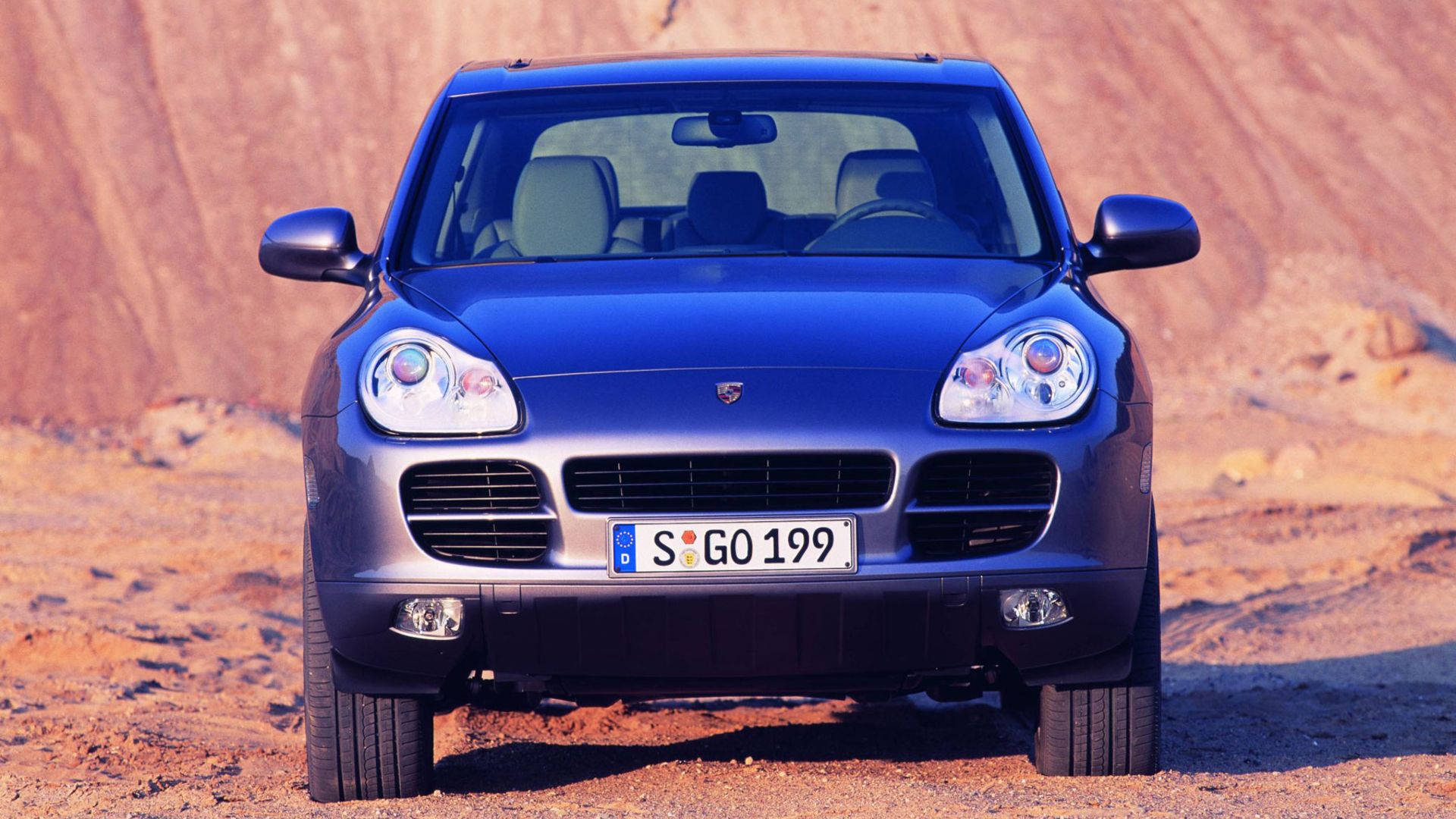
Porsche Cayenne
Why you want it: you can afford to live the Porsche SUV dream – some cars are available for as little as £3,500. Good off-road, even better on it – this feels like a proper Porsche.
Why you don’t: cars without air suspension are best avoided and some specialists recommend shunning early cars altogether. Catastrophic engine failure isn’t uncommon and you’ll need to fork out the price of a family hatchback to secure a new motor.
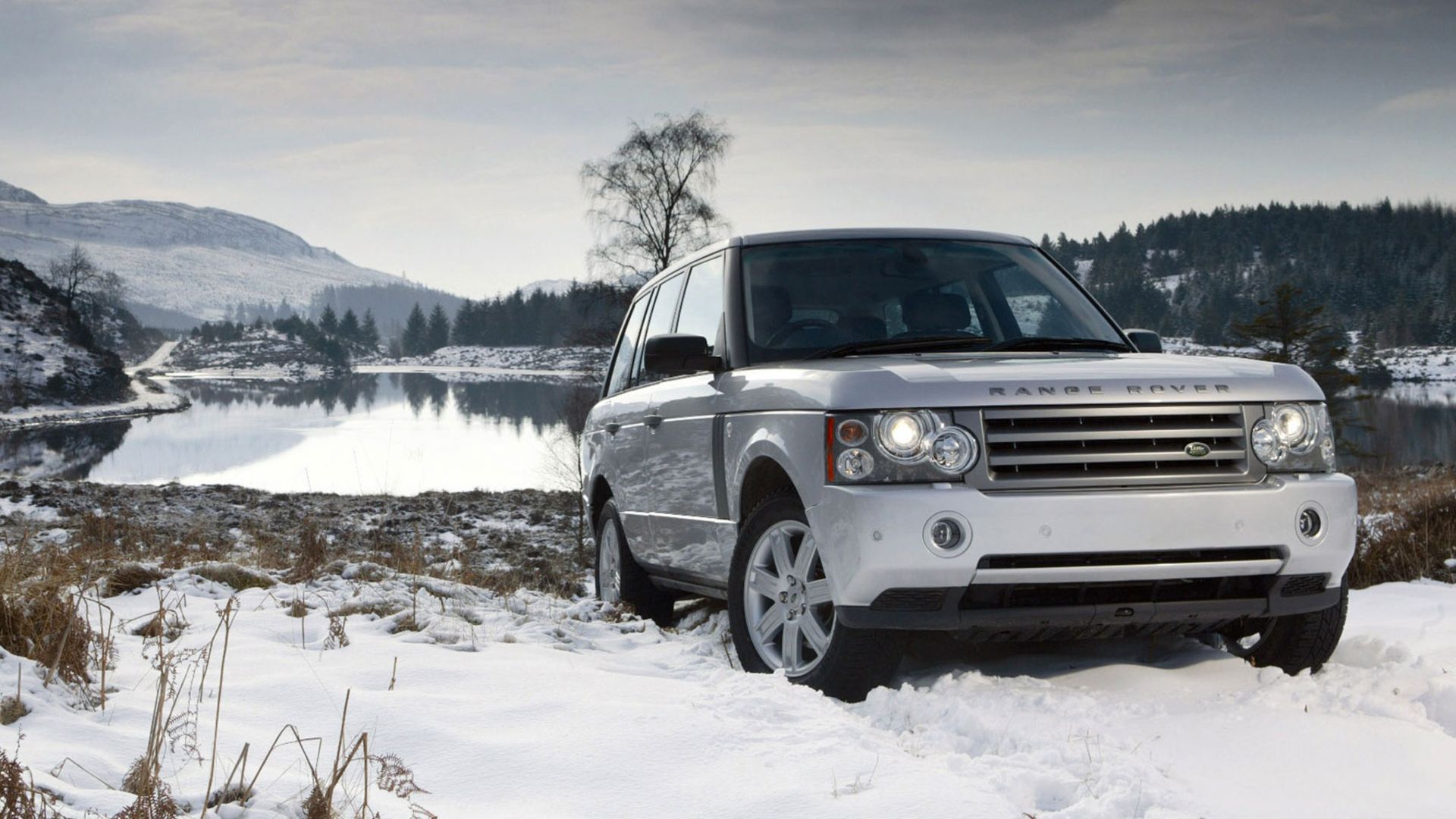
Range Rover
Why you want it: a gilt-edged image comes with proper off-road capabilities to create the perfect luxury SUV on a budget. As acceptable in the office car park as it is on the Boxing Day hunt.
Why it’s not: reading through the list of things to watch out for will give the car you’re considering enough time to rust away.
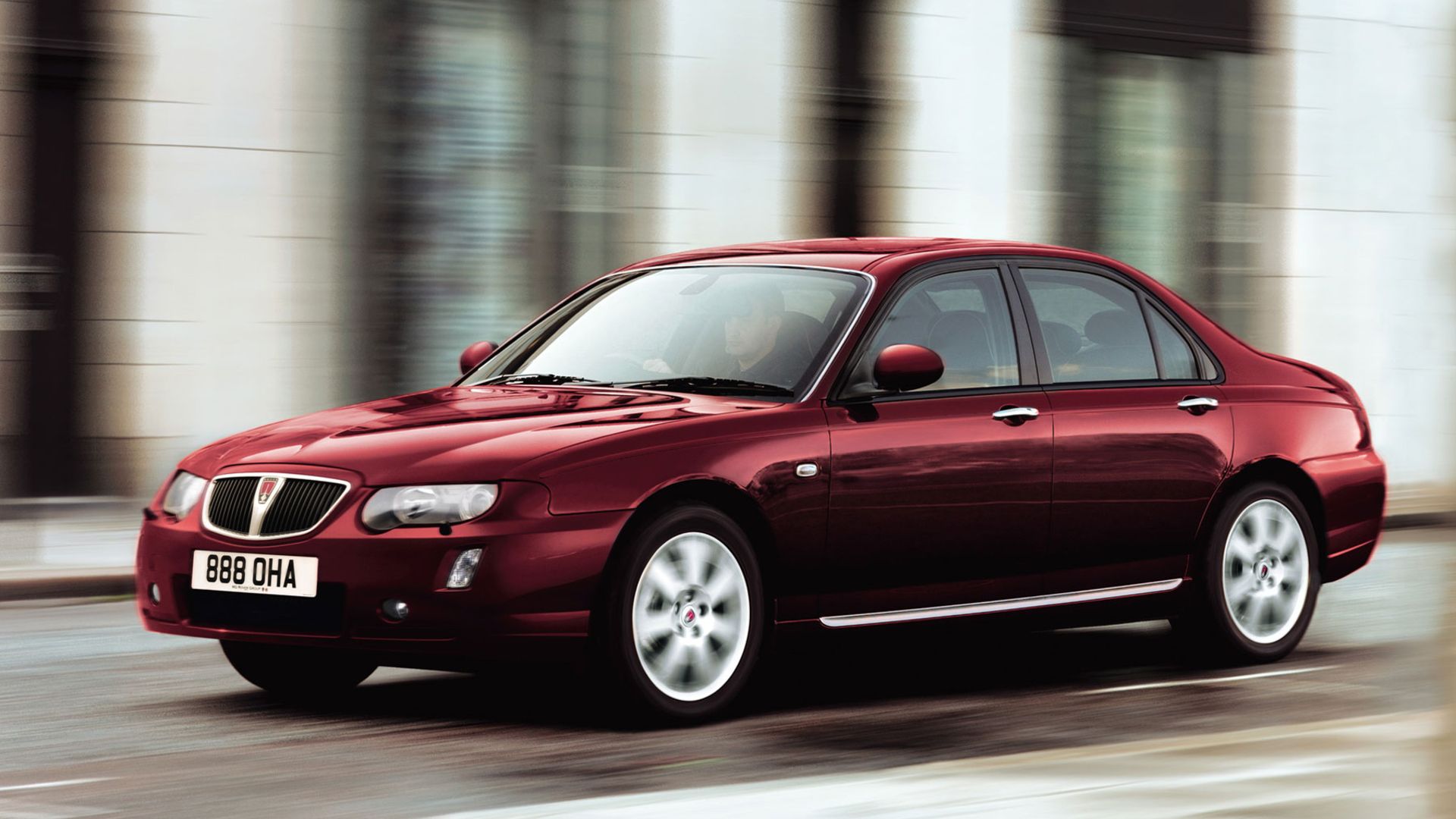
Rover 75
Why you want it: the 75 felt like a Rover in the truest sense – a fitting last hurrah for this once proud British brand.
Why you don’t: head gasket failure is common on the 1.8-litre petrol engine, so opt for the 2.0-litre diesel or 2.5-litre V6 petrol. Electrical problems could be an issue, too.
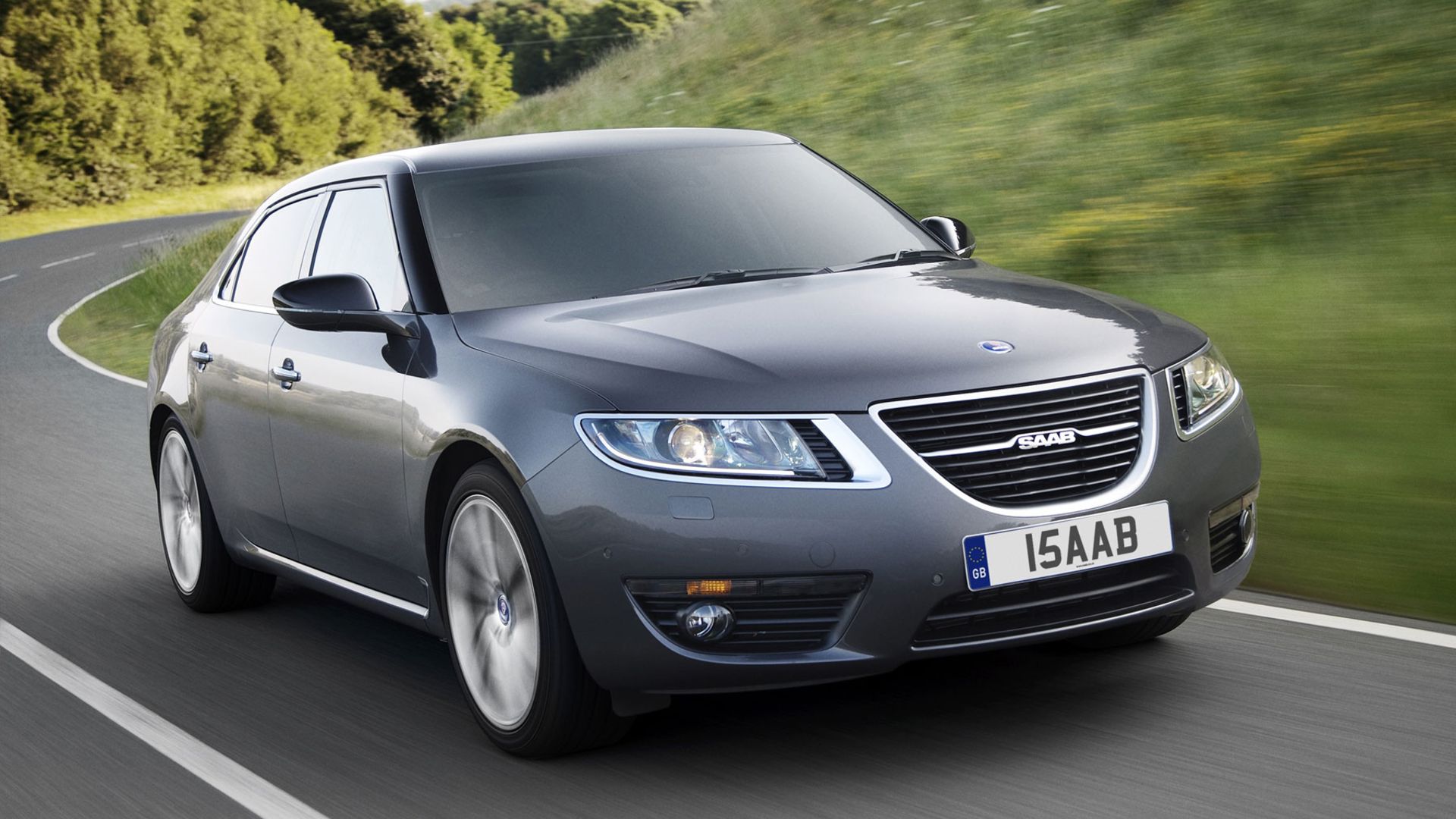
Saab 9-5
Why you want it: what it lacks in outright luxury, it more than makes up for in terms of exclusivity and eccentricity. A delightful cabin and a wealth of standard features will greet you if you take a punt on the last-of-the-line Saab 9-5.
Why you don’t want it: the ride quality isn’t a patch on the other cars featured here and you might struggle to find a fellow buyer who is willing to take on what’s essentially an extinct brand.
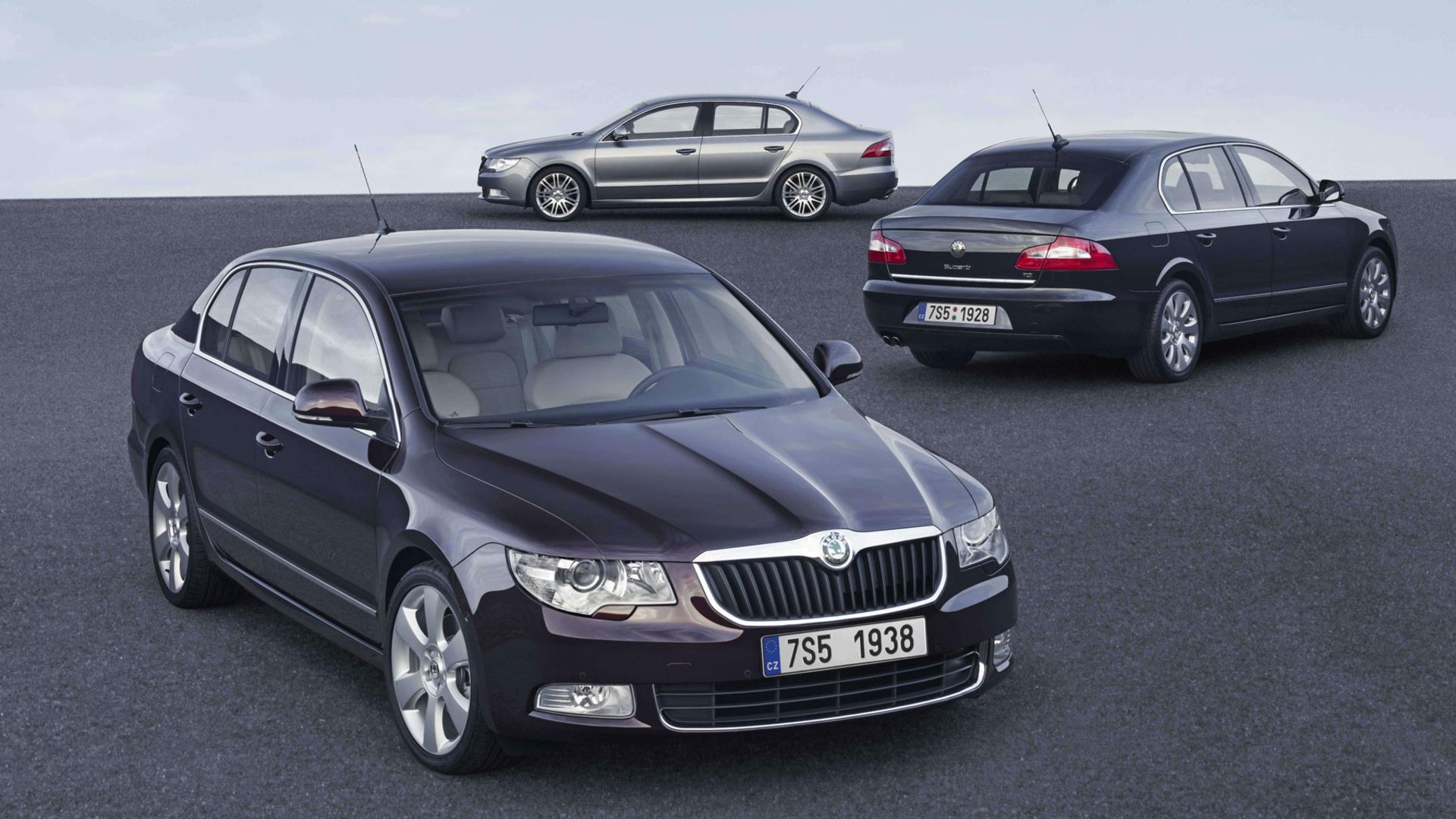
Skoda Superb
Why you want it: Superb by name, superb by nature. Skoda’s flagship model offers space in abundance, supreme levels of comfort and a generous level of standard spec. You’re also backed by one of the best dealer networks.
Why you don’t: to some, the Skoda badge remains a barrier, but it’s their loss. Don’t be surprised if folk start waving you down in the mistaken belief that you’re their minicab ride home from a boozy Christmas do.
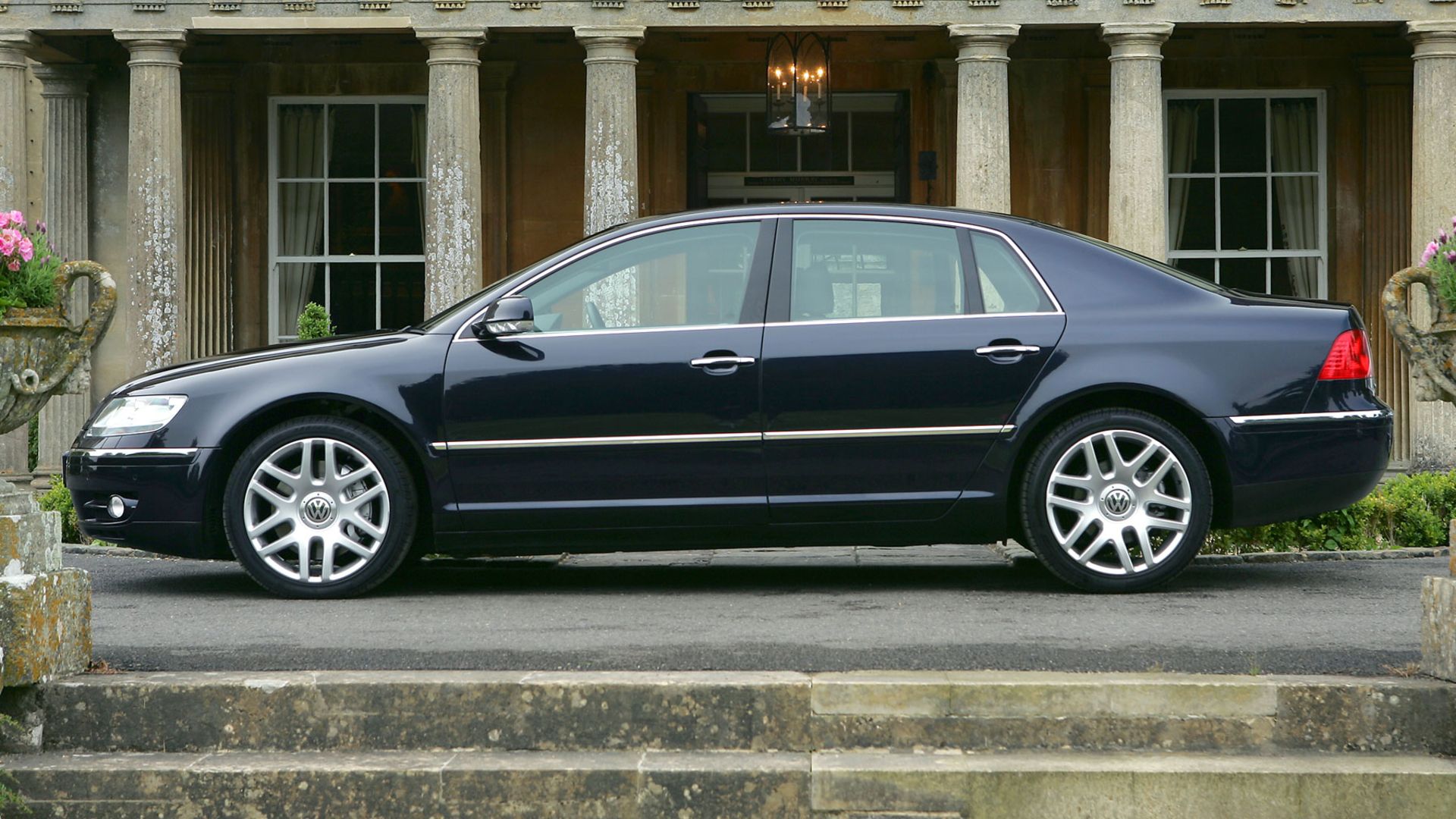
Volkswagen Phaeton
Why you want it: it shares its platform with the Bentley Continental.
Why you don’t: it looks like an oversized Volkswagen Passat.
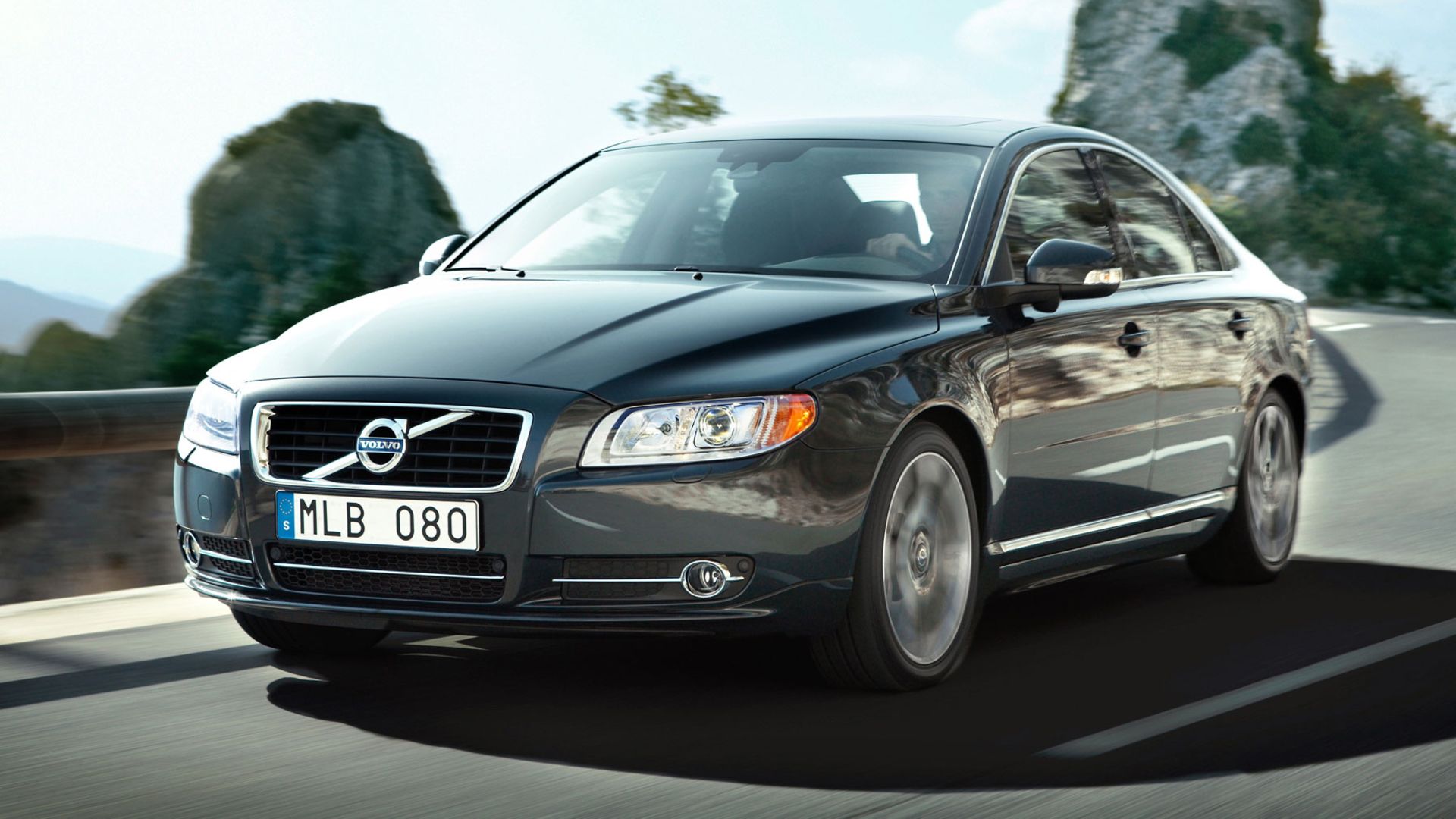
Volvo S80
Why you want it: the S80 offers a squishy ride, deep-pile carpets, a super-quiet ride and is very Swedish.
Why you don’t: it’s not as great to drive as a 5 Series and you’ll pass unnoticed in the majority of situations.
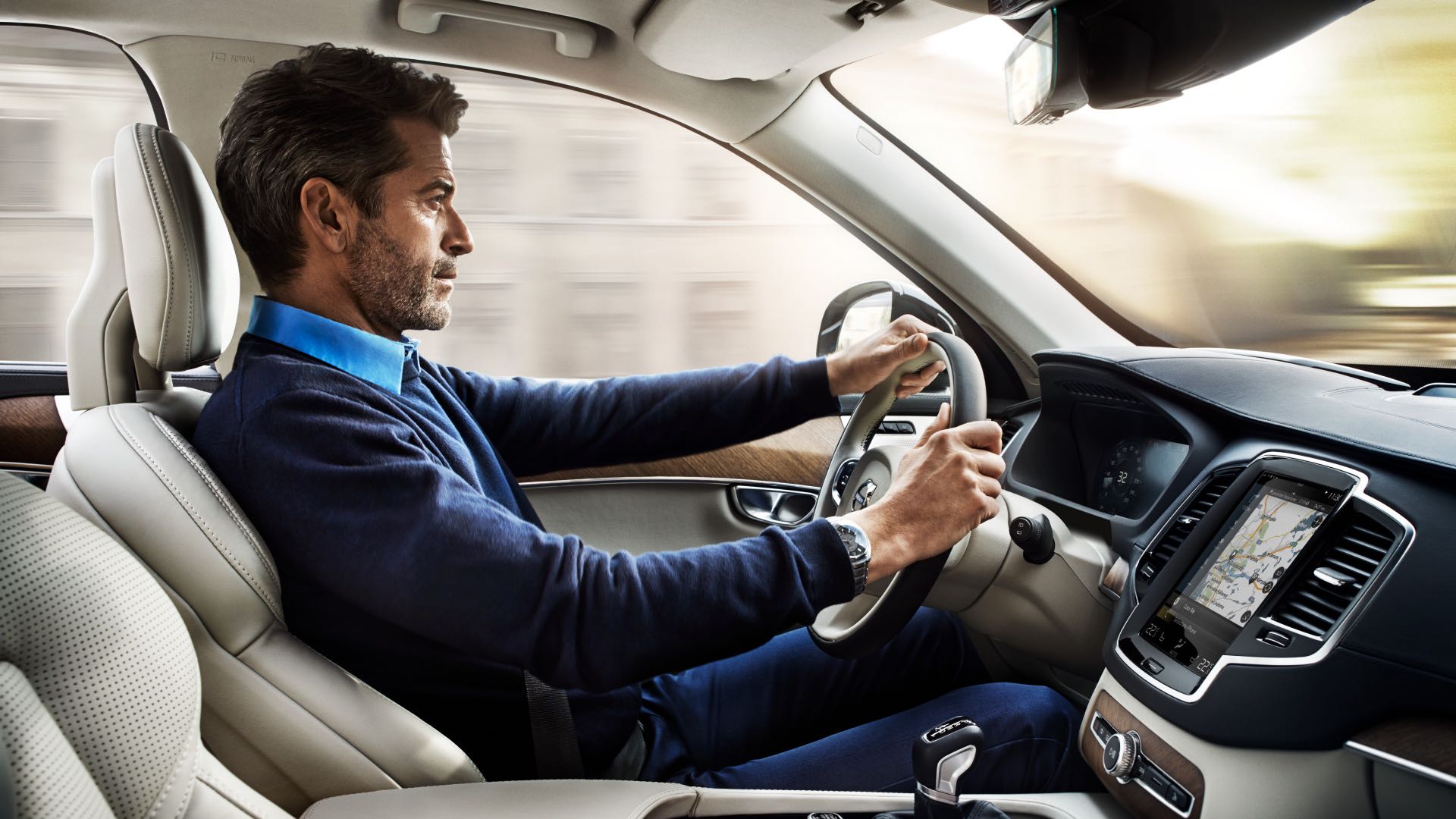
Are you sitting comfortably? Not if new research into back pain caused by uncomfortable car seats is anything to go by.
More than a third of UK drivers have taken at least one day off work every year for back pain. The cost to the economy is a staggering £8.8 billion in productivity.
The survey of 2,000 drivers who use a car for work purposes shines a light on our inability to sit comfortably behind the wheel. Back pain affects 80 percent of the population and is a leading cause for sick leave in the UK.
Of the 32.4 million people employed in the UK, more than two-thirds use their car to drive to work or for work purposes.
Of these, 12 percent have taken two days off for back pain, while 13 percent have been off for four days. Five percent were absent for a full working week, and 5 percent asked for seven or more days of rest.
According to Volvo Car UK, the company behind the research, seat comfort is a top priority for 63 percent of UK drivers. Around a fifth of drivers have actually swapped a car for a model with more comfortable seats.
‘Comfortable and pain-free’
Kristian Elvefors, Volvo Car UK’s managing director, said: “Back pain from poor quality car seats is a bigger problem than many think.
“Not only is it costing the UK economy billions in lost productivity as employees take sick leave, but poor quality car seats are also placing an unnecessary burden on the NHS, costing hospitals and GP surgeries hundreds of millions a year.
“Volvo is committed to ensuring that all of its customers, regardless of shape or size, find the seats in their car incredibly comfortable and pain-free.”
Tommy Apell, senior attribute leader for seat comfort at Volvo, added: “At Volvo, we specifically opt to use softer foam compounds for our seats to ensure the fit is comfortable across all body shapes and sizes.
“We also specially tune our seat springs for improved comfort, with the ergonomics team working alongside designers to ensure things like seat stitching don’t create pressure points for drivers and passengers. Our lengthy development and testing programme means new seats take up to five years to move from concept to finished product.”
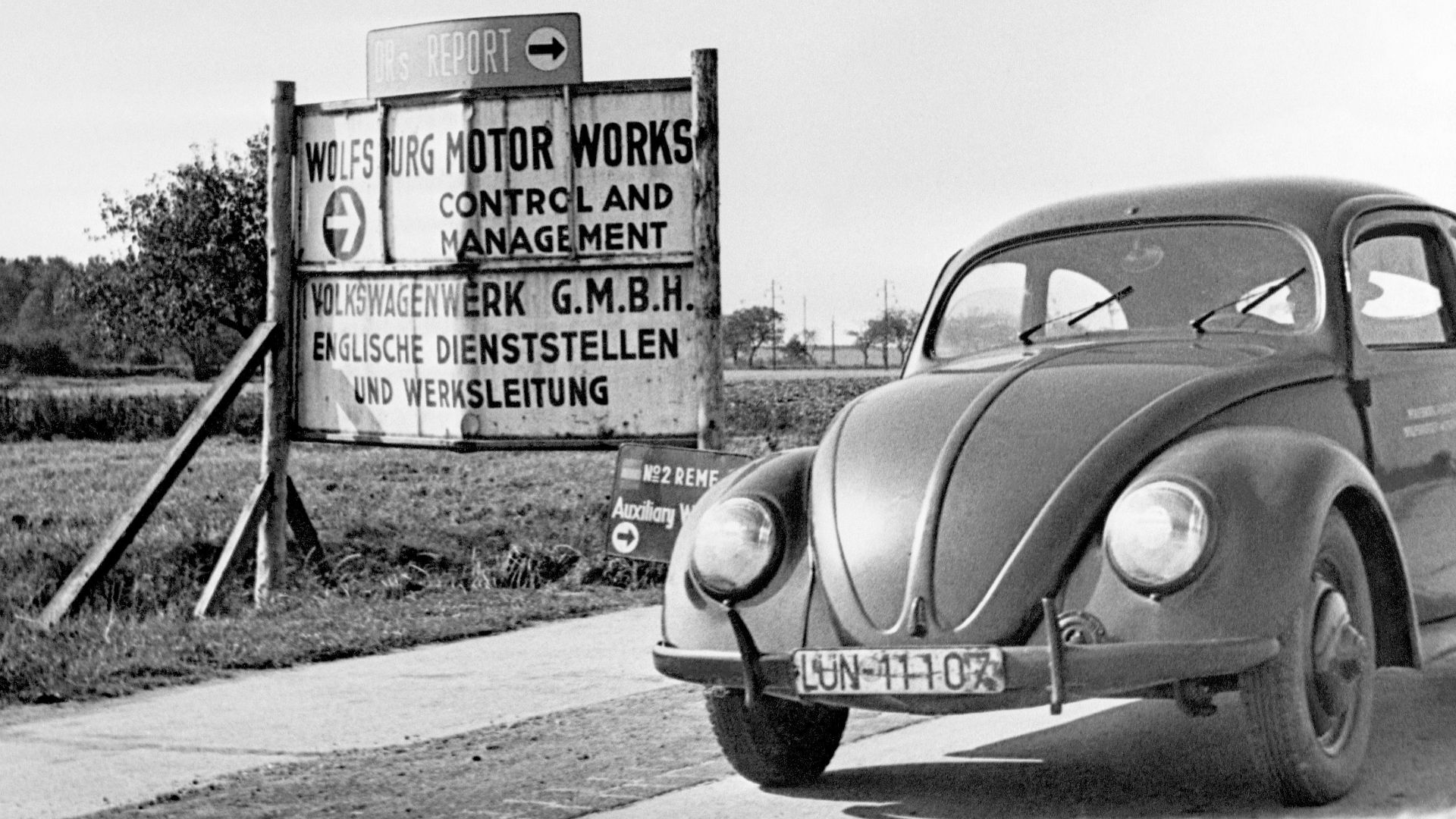
Volkswagen as we know it was born in 1949, after being returned to German ownership after World War Two.
Britain’s management of the company in the years between 1945 and the 1949 handover consisted of deliberately limiting production.
Britain’s great industrial blunder
October 8 1949 is the date that Britain officially gave away what would become one of the most profitable automotive enterprises of all time: the Volkswagen Group we know today.
The Beetle was, at the time, judged by British car manufacturers as “quite unattractive to the average buyer”.
“The vehicle does not meet the fundamental technical requirement of a motor-car… To build the car commercially would be a completely uneconomic enterprise.”
How wrong they were. Volkswagen’s short history under British control saw the Beetle made in small numbers, for military use to begin with.
A total of 20,000 was ordered initially. Within six years following the company’s handover to the German people in 1949, the one-millionth Beetle would be made.
Interestingly, it was the British Major Ivan Hirst who saved the factory, both from an unexploded bomb and later controlled demolition after UK carmakers turned it down.
If that bomb had gone off, the Beetle, and ultimately Volkswagen, may not have lived on.
ALSO READ
New Volkswagen Golf R – and its hot hatch ancestors
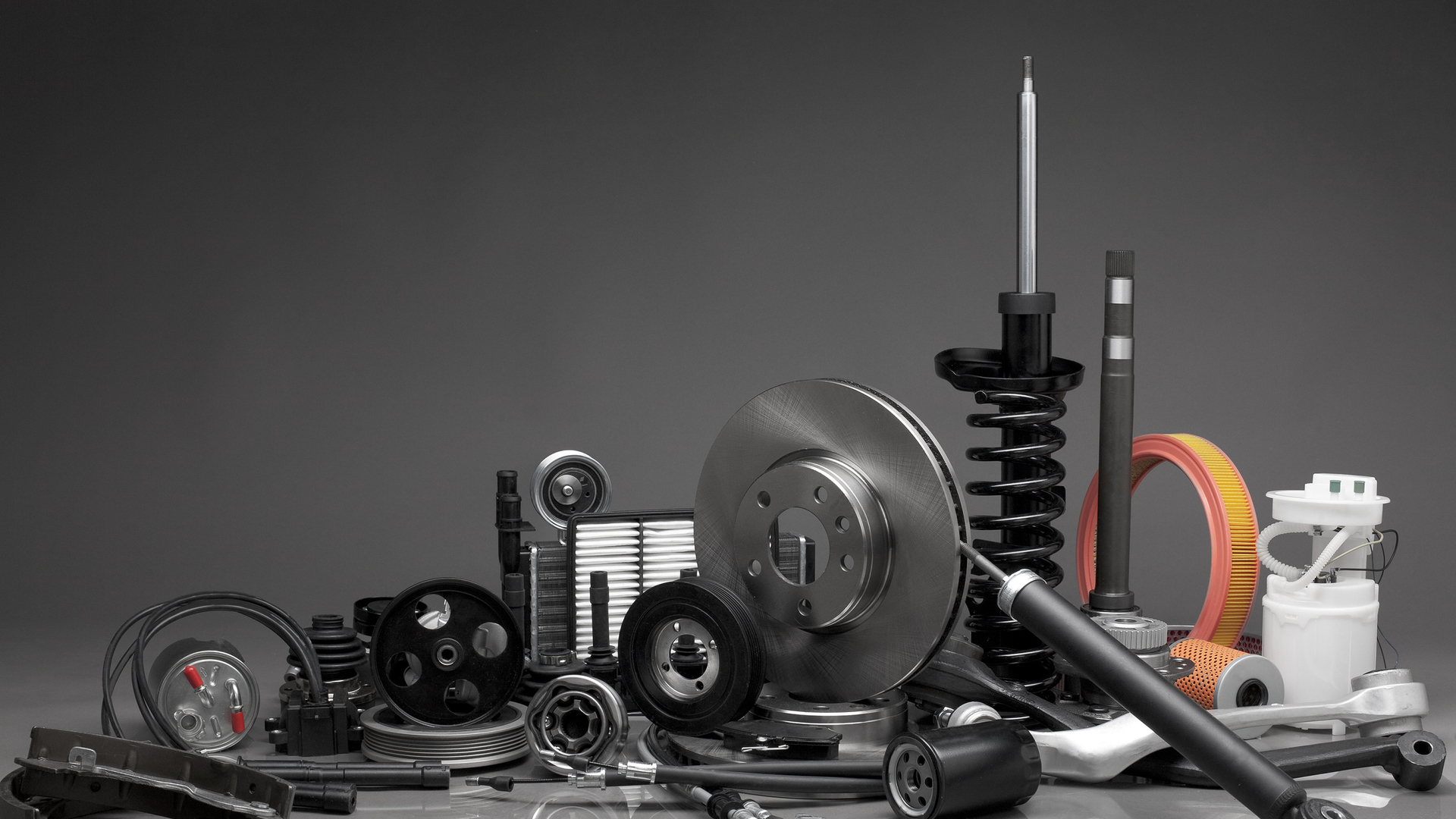
“The parts market is rife with counterfeits.” That was the warning from the Intellectual Property Office (IPO) last year as it reported on the dangers of fake car parts.
The production of fake parts is often seen as a victimless crime. After all, if a motorist is able to purchase a car part of equal quality to OEM (original equipment manufacturer) but for a cheaper price, what’s the harm?
Unfortunately, while the fake parts might look the same, the quality is likely to be very different. At best, the motorist could be left with an expensive repair bill. At worst, the consequences of fitting a part with a safety defect could be catastrophic.
Counterfeiting is also linked to other criminal activities such as organised crime, drugs, child exploitation and prostitution. Not so victimless after all.
Sparked by Australian discovery
The problem of fake car parts recently hit the headlines in Australia following the discovery of a large batch of counterfeit spark plugs purchased online. As many as 60 percent of spark plugs for sale over the internet have been verified as fraudulent parts being sold as genuine parts.
Drivers who have used the fake spark plugs will notice a major drop in engine power, particularly under heavy acceleration or load. If the plugs overheat, they will melt and cause extreme engine damage, costing the driver thousands in engine repair costs.
Tony Weber, chief executive of the Federal Chamber of Automotive Industries (FCAI) in Australia, said: “The best way to avoid a fake? Make certain your parts are purchased from the authorised dealer network.
“We have experts examining the packaging and spark plugs and even they can barely tell the difference. You won’t know it’s a fake until it’s too late.”
That’s the key: many parts are indistinguishable from the original. The most common fake vehicle parts worldwide include filters, brake pads, alloy wheels and airbags.
The FCAI has found oil filters that don’t filter oil, alloy wheels that shatter when they come into contact with potholes, brake components containing asbestos and, in one case, brake pads made of compressed grass clippings.
Closer to home, the European Union Intellectual Property Office (EUIPO) estimates that more than €2 billion is lost every year due to counterfeit tyres and batteries alone.
According to the IPO, an estimated 90 percent of counterfeit crime is unreported, while as many as one in six online purchases are fake goods. Around 10 percent of consumers are deceived into buying counterfeits, while seven percent of consumers intentionally seek them out.
As this video showing a BMW 5 Series demonstrates, saving money by using fake car parts is a false economy.
Last year, Porsche confiscated 33,000 fake car parts worth an estimated $2.2 million and believes 80 percent of the counterfeit items came from China. The vast majority are sold via online platforms like Amazon and eBay.
Thomas Fischer, a Porsche brand protector, said: “This is where things get dangerous. These spare parts are neither tested nor approved. It goes without saying that we want to prevent products like this ending up in our cars.”
How to reduce the risk of buying fake car parts
No such thing as a free lunch: if a spare part is too cheap, it may well be fake. If in doubt, research the seller and the product – improved product verification means that spare parts are now uniquely identified.
Prove the provenance: thanks to Manufacturers Against Product Piracy (MAPP), all spare parts have a unique barcode. In conjunction with holograms and digital fingerprints, all OEM parts can be verified.
Original equipment: vehicle manufacturers and legitimate parts producers provide original or approved spares. If in doubt, check with a reputable garage, dealership or parts distributor.
Too good to be true: vehicle design improves incrementally, meaning manufacturers will make ongoing adjustments to components. Counterfeiters are more likely to adopt a ‘one size fits all’ approach.
Dr. Daniel Dünnebacke of vehicle authenticity specialists OneIdentity+ said: “With the increasing networking of entire vehicles or individual components, the originality of the involved sender/receiver is of elementary importance. In addition to ‘classic’ mechanical defects, there is the risk of faulty sensor technology and IT.
“Trust in the supply chain, and thus in the dealer and workshop, is vital. The members of the Manufacturers Against Product Piracy (MAPP) initiative, well-known, trusted suppliers such as Bosch, Continental or Schaeffler, offer easily verifiable MAPP codes on their products and/or packaging. A real aid against counterfeiting.”
Knowingly purchasing fake car parts is a fool’s game, but unwittingly buying counterfeit goods could be an expensive mistake. Do your homework, and if it seems too good to be true, it most probably is.
Environment ministers from Denmark, with the backing of 10 other countries, have called for sales of internal combustion cars to be banned in the EU by 2030.
This would help Europe reach the goal of being the first climate-neutral continent by the year 2050. On the way to that target, emissions need to reduce by 40 percent over the next decade.
This call follows the recent announcement that the UK is to ‘investigate’ a 2035 ban. Transport Secretary Grant Shapps said arguments for the ban being brought forward from 2040 would be tested, and the government would work with the motor industry on the ban’s feasibility.
Denmark itself has suggested a 2030 ban before. However, it stumbled when the EU questioned its feasibility without a change in European law that wouldn’t pass in time.
The new approach is to try and get EU member states to enact their own bans at a national level.
The country presented its submission at a meeting of ministers in Luxembourg. Part of it stated: “No new diesel and petrol cars should be sold after 2040 in the EU to reach climate neutrality by 2050.
“To support the transition to climate neutrality by 2050 at the latest, we need an accelerated shift from petrol and diesel cars to a fleet of zero-emission passenger cars.”
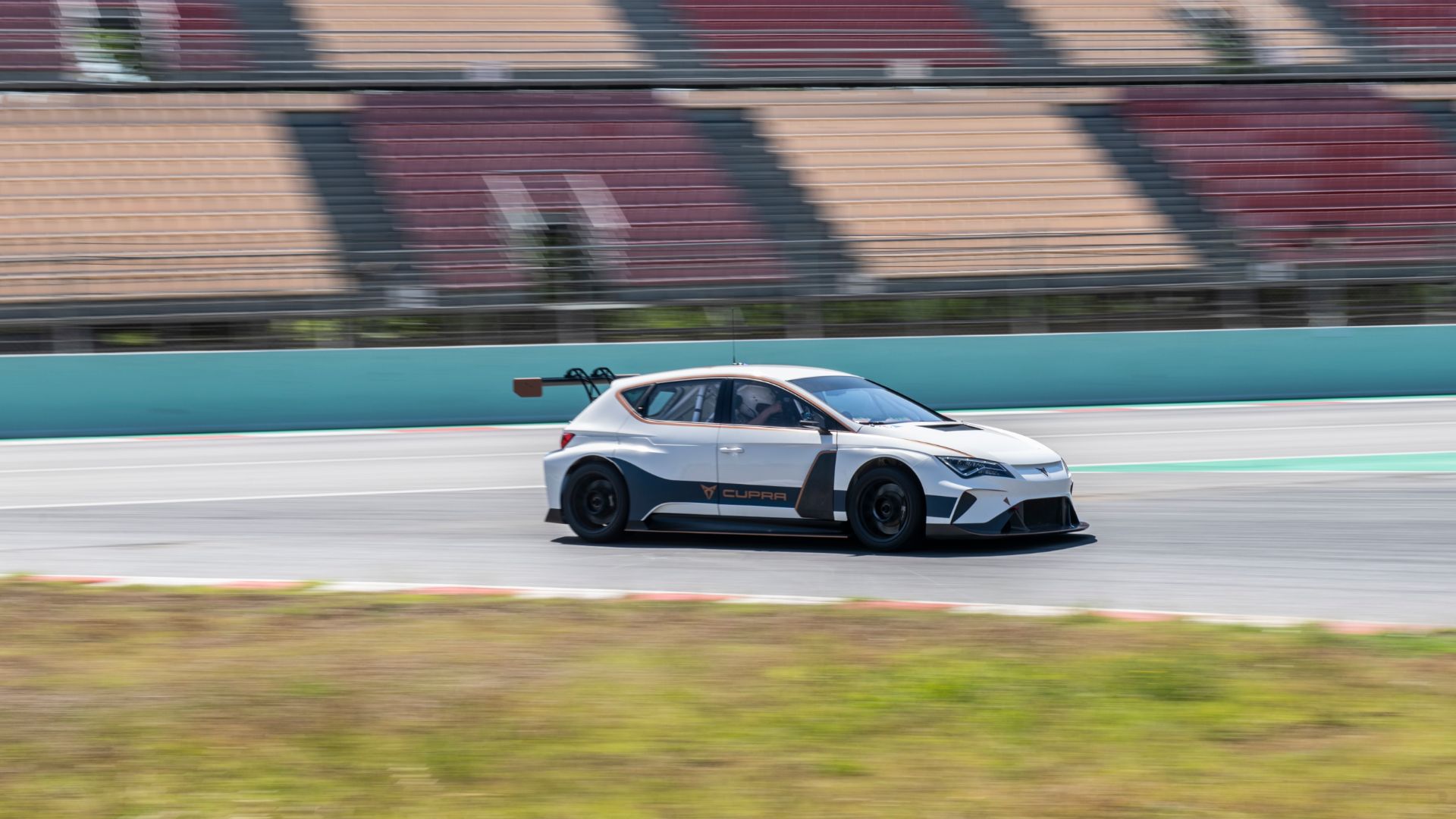
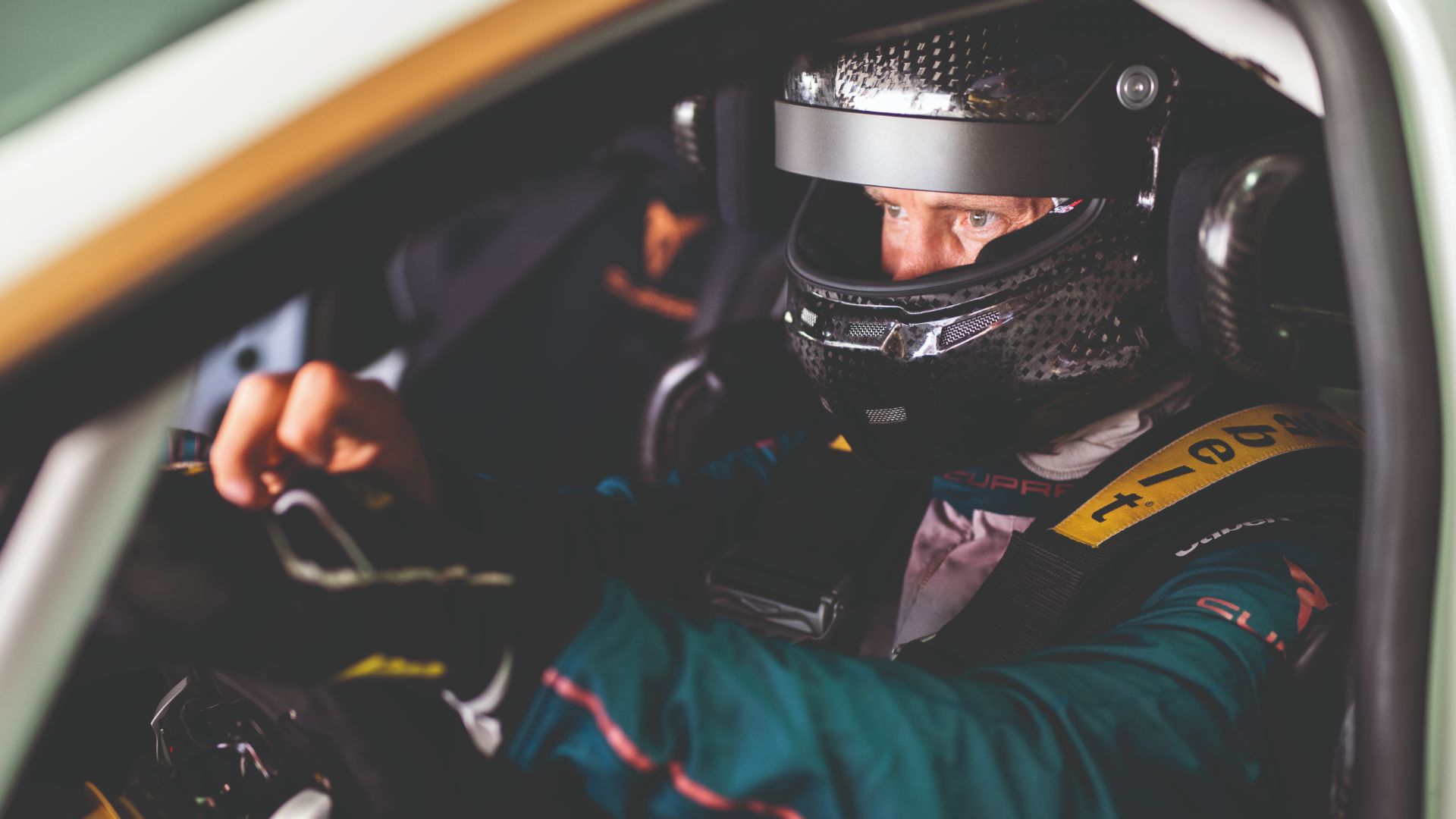
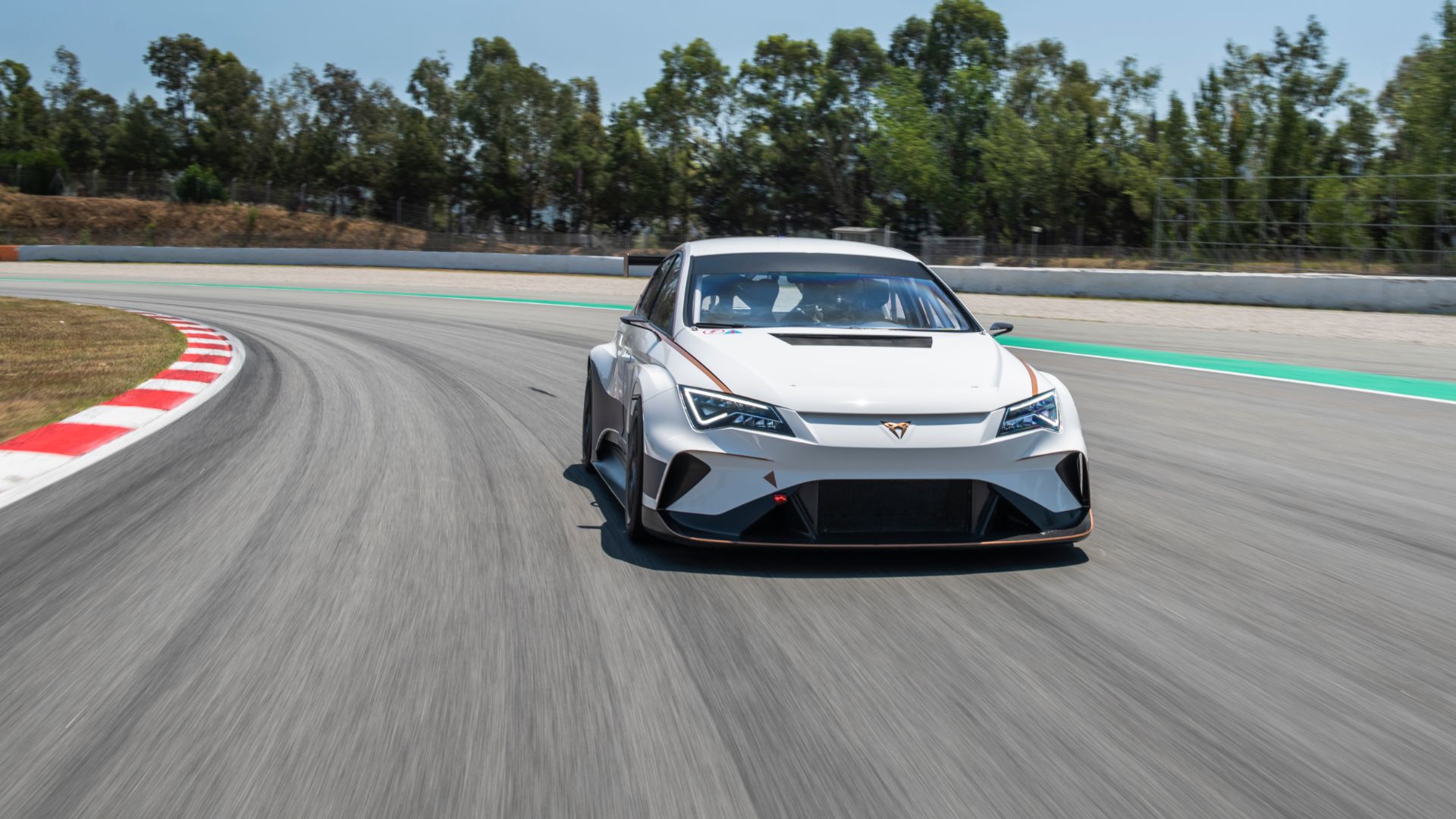
The Cupra e-Racer, the world’s first all-electric touring car, has driven its first laps in anger around a circuit.
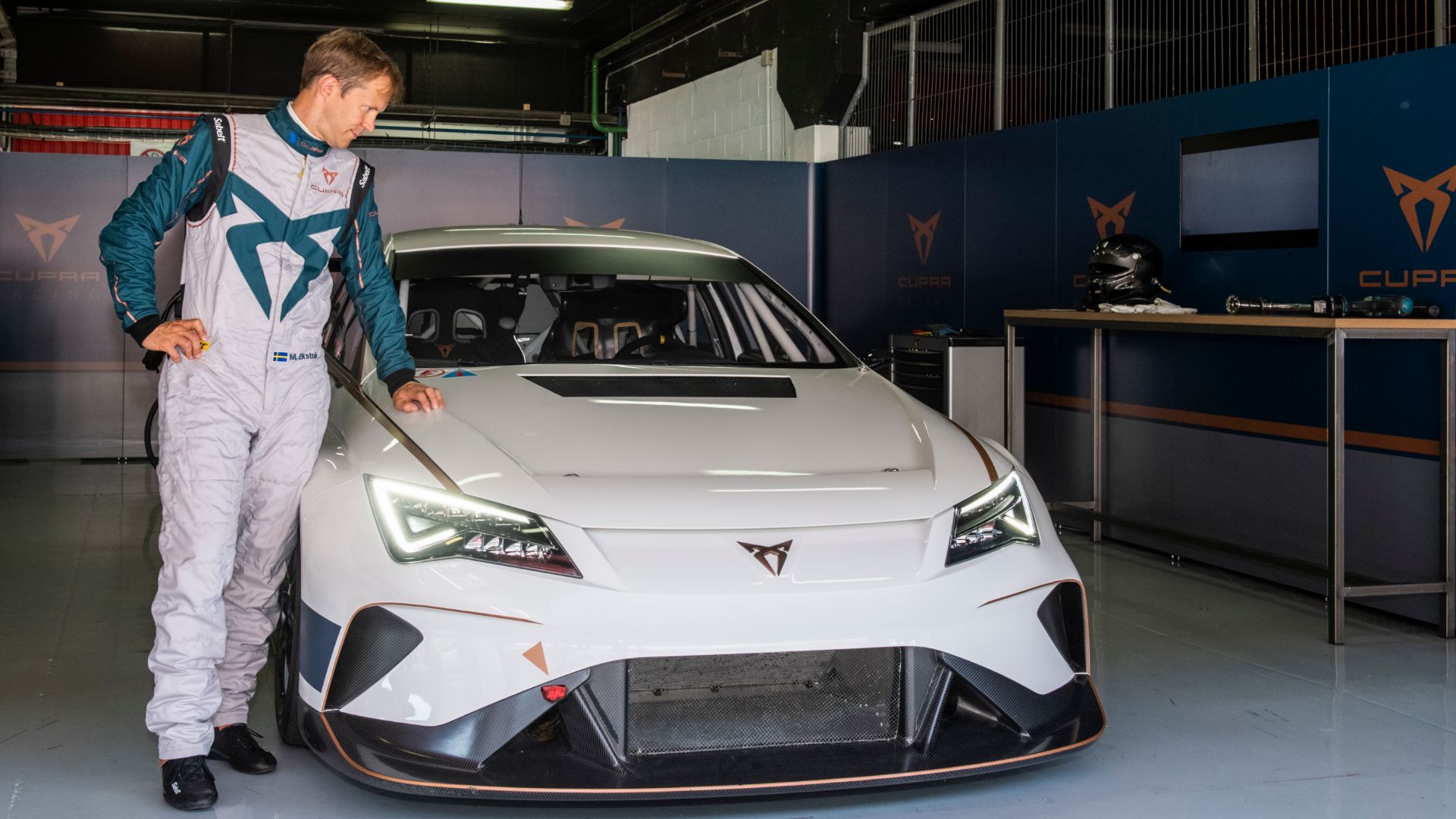
With Mattias Ekstrom at the wheel, the e-Racer took to the Montmelo track in Barcelona for a cautious first few laps. Packing over 670hp, the e-Racer can reach 62mph in 3.2 seconds and 124mph in 8.2 seconds.Top speed is 167mph.
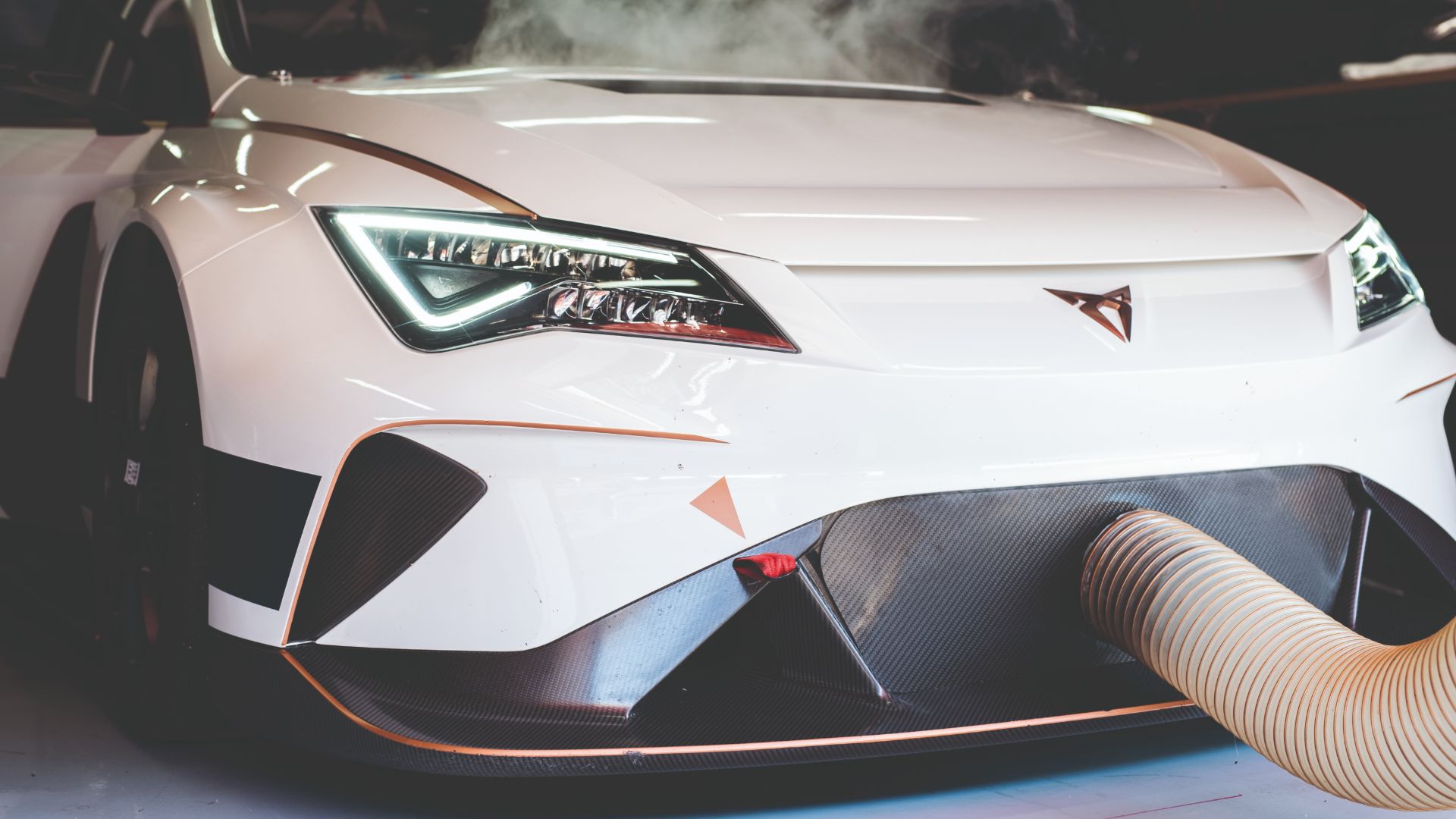
Apart from its electric motors and 400kg of batteries, the e-Racer is standard-issue touring car. That means plenty of aero addenda and slick tyres.
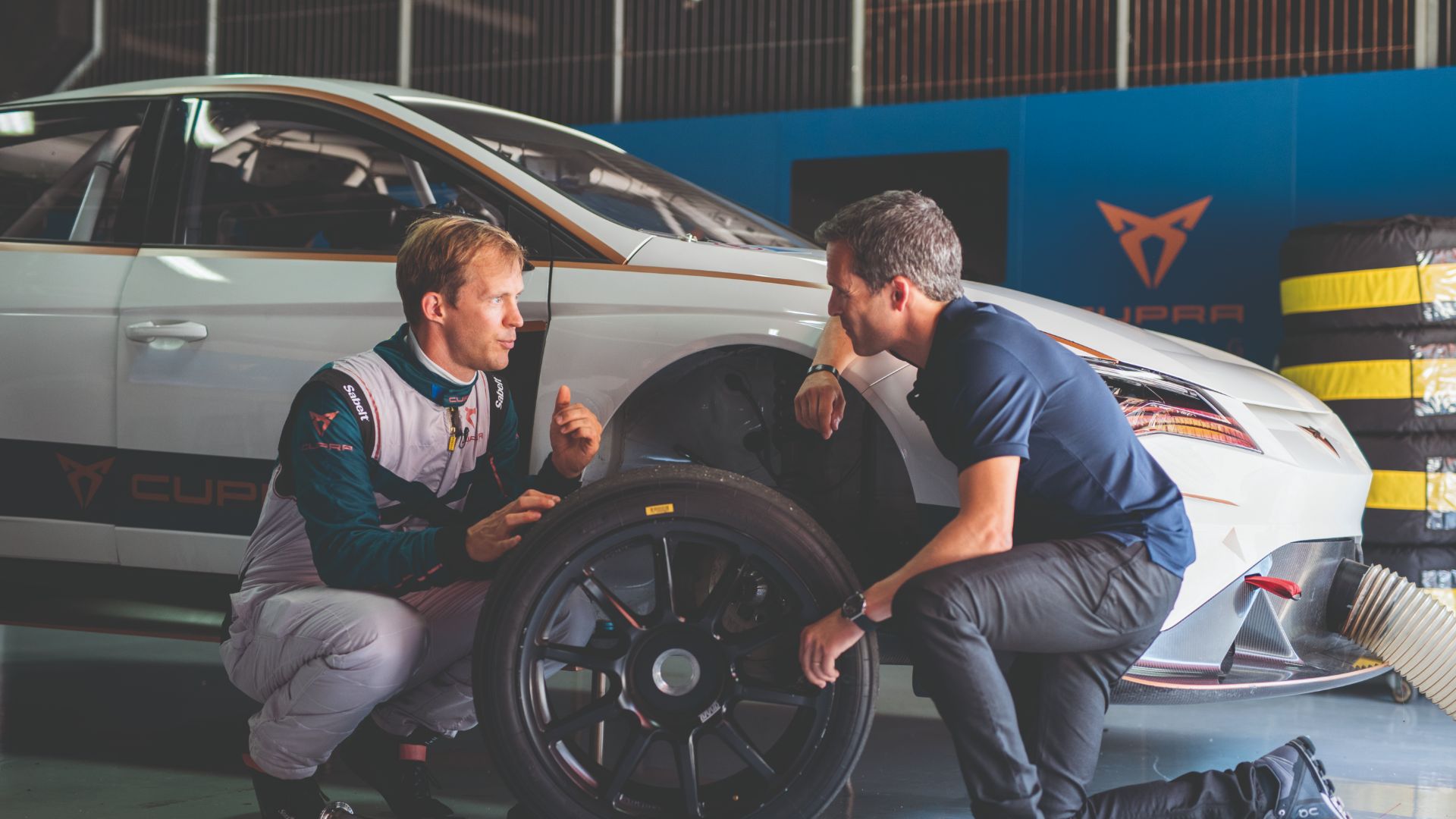
“After a career dedicated to the racing world where I had explored all combustion engine formats I wanted to transition to electric racing with Cupra, which has been a pathfinder in this segment since its creation,” said Mattias Ekstrom.
Of the car’s performance, he said, “It felt really good, especially when reaching full power coming out of the slow curves on the circuit.
“I really enjoyed the first lap. The second also went well, although I began to notice that I was forcing the rear tyres.
Porsche Cayenne rallies to an unlikely new lap record
“I still need some time to get used to the sound of the engine. It’s much quieter than any other I’ve driven before, and I’m a very emotional driver.
“I think the biggest challenge is getting used to driving with no gearbox and without the roar of the engine as a reference for knowing, for example, how fast to go when taking curves.”
The Cupra e-Racer isn’t just a technical demonstrator. It’ll be taking to the track in the new Electric Touring Car series next year. It’s the racing side of Cupra’s electric future. A sporty electric SUV was previewed by the Tavascan concept at the Frankfurt Motor Show last month.














 The
The