Home Blog Page 273

Are roundabouts good for your health?

0

Roundabouts good for your health

Roundabouts could be good for your health. That’s according to a recent study of air pollution levels.

Scientists from the Birmingham Institute of Forest Research and the Lancaster University Environment Centre looked at the UK’s 146 most populous urban areas.

They wanted to discover if there’s a correlation between a town’s layout and the levels of pollution.

The 146 largest conurbations were ranked by their NOx emission levels, with the data overlaid with the size of the population. Taking this into account, Milton Keynes is the city ‘most improved by urban form’.

‘Roundabouts do two things’

Speaking to the BBC, lead author of the study, Professor Rob Mackenzie, said: “The Milton Keynes roundabouts do two things – they reduce stop-start driving which reduces production of pollution, and they make space to help the pollution dilute and mix away.

“Milton Keynes has taken up much more space for its people and its transport which means the pollution it produces is diluted in a greater space.”

Just 23 miles down the road in Luton, the story is less positive. The town’s compact and built-up nature means fumes are unable to disperse as easily.

“Luton is much more compact so it doesn’t gain from that dilution benefit. The biggest effect green spaces have on air pollution in urban areas is to provide space for that pollution to disperse.”

Roundabout in Milton Keynes

Crucially, the two towns produce roughly the same amount of pollution for their size. But the air in Luton is much dirtier, because the pollution is trapped by tight roads and building. Conversely, the roundabouts, boulevards and open roads of Milton Keynes allow the poisonous gases to escape.

Professor Mackenzie said towns like Luton cannot “rely on the dilution effect of it being spread out to avoid the problem”.

“I’d be advocating that Luton recognise that their particular situation puts them at a relative disadvantage, so they ought to work even harder at driving down emissions from traffic.”

The following tables show the best and worst urban areas when it comes to dispersing pollution. The rankings are based on the percentage change relative to the 146 largest areas in the country.

Top 10 most improved by urban form

Urban area Percentage change
1. Milton Keynes 22%
2. Stoke-on-Trent 21%
3. Weybridge 20%
4. Aldershot 19%
5. Macclesfield 18%
6. Livingston 18%
7. Swansea 16%
8. Manchester 16%
9. High Wycombe 14%
10. Birmingham 14%

Top 10 least improved by urban form

Urban area Percentage change
1. Luton -24%
2. Crawley -15%
3. Leamington Spa -13%
4. Cardiff -12%
5. Coventry -12%
6. Stevenage -12%
7. Tamworth -12%
8. Bradford -12%
9. Oxford -12%
10. Worcester -12%
Advertisement

DVLA clamping down on car tax evasion

0

DVLA clamping down on tax evasion

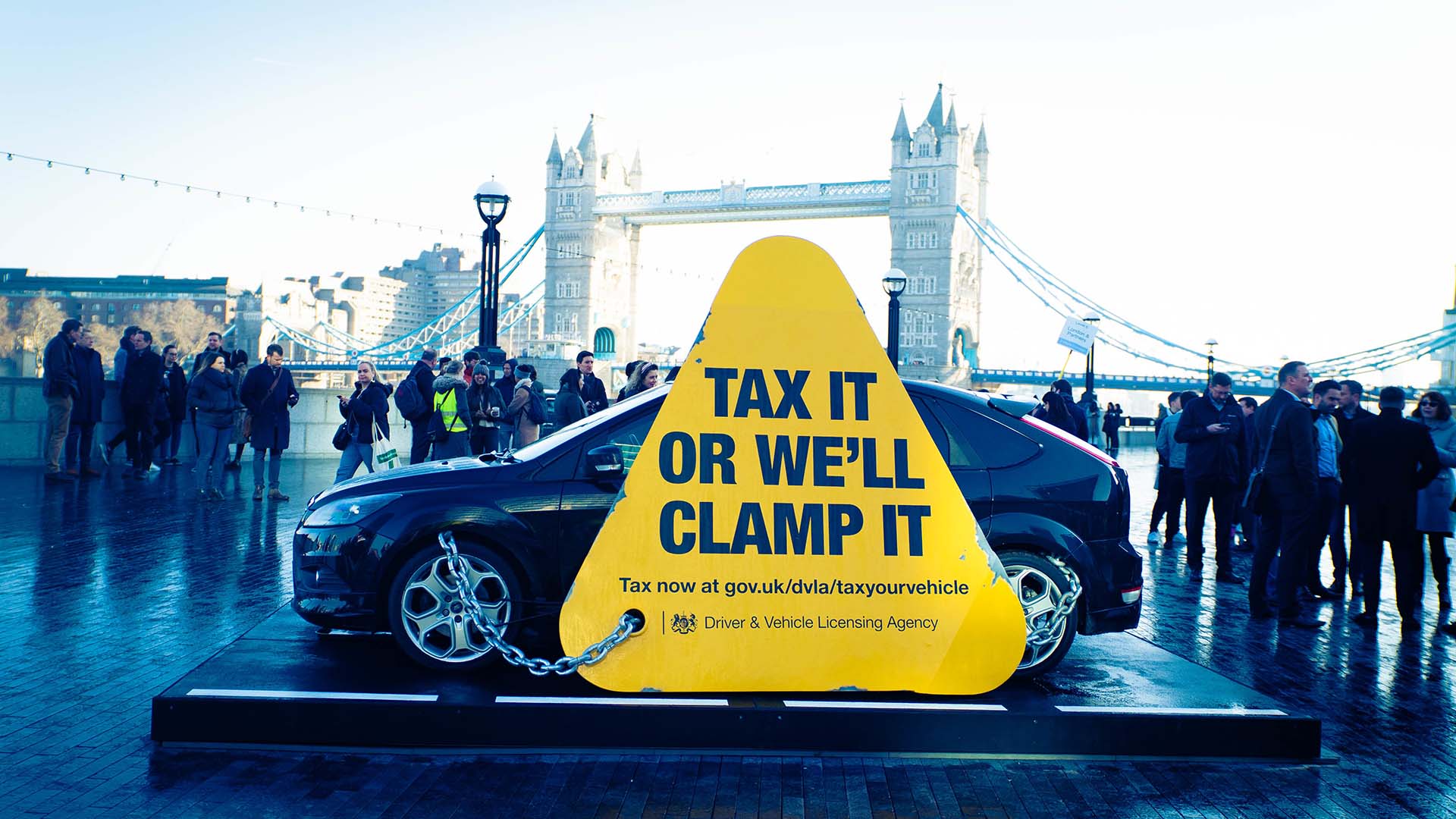
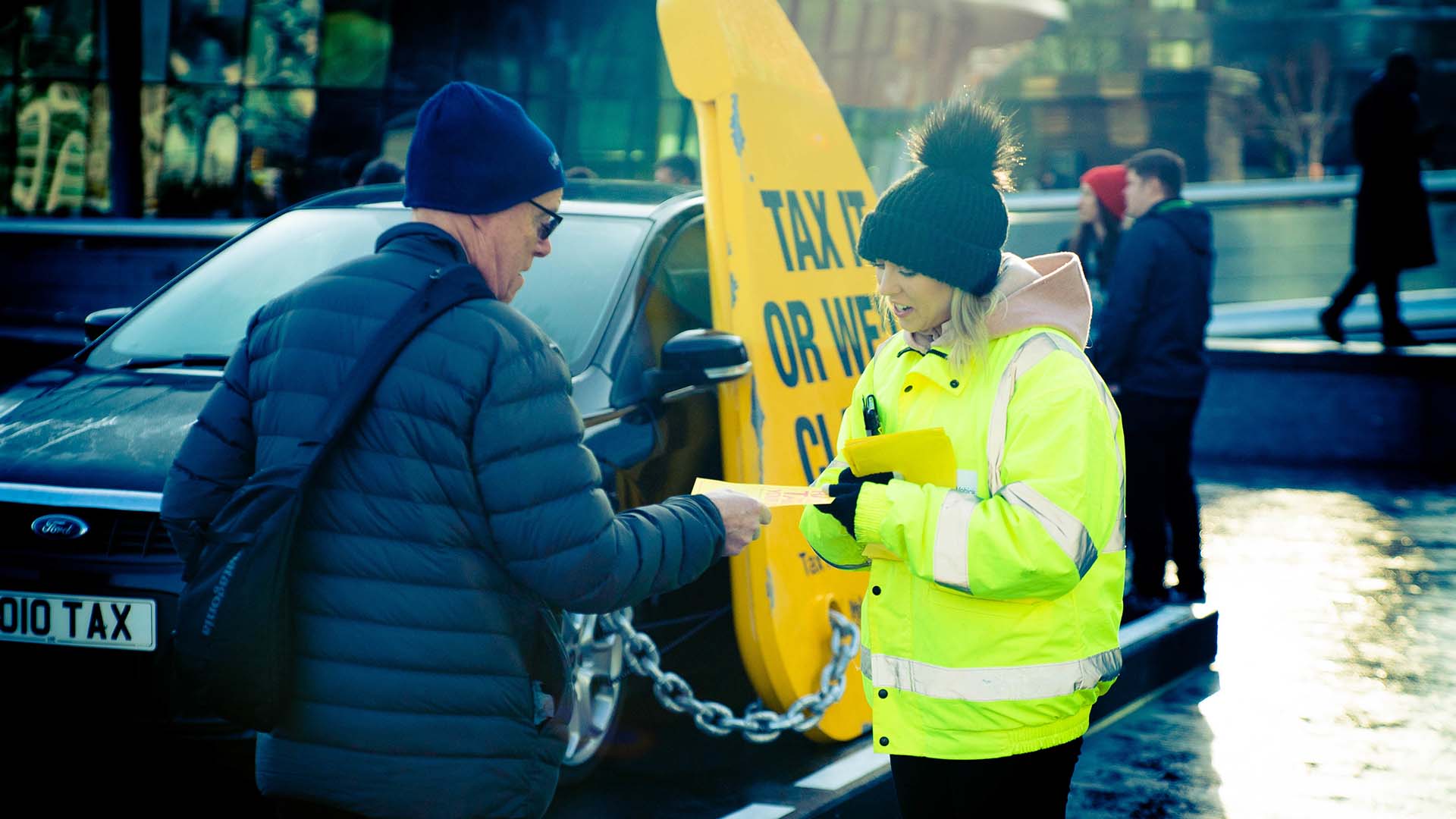
The DVLA is taking its vehicle tax evasion campaign to the road with a clear message: ‘Tax it or lose it’.

A giant clamp is at the centre of the campaign, with the DVLA warning motorists that they face ‘real consequences’ if they don’t tax their vehicles. At best, they risk a penalty or having their car clamped. At worst, they could lose their vehicle altogether.

If an enforcement officer spots a vehicle on the road that isn’t taxed or is wrongly declared SORN (off the road), there’s a chance it will be clamped or impounded. The enforcement teams are based around the country and travel in vehicles equipped with number plate recognition cameras.

Your chances of being caught are likely to be higher in one of the 20 locations named by the DVLA. These are the regions of the UK where vehicle tax evasion is rife. In total, the DVLA took nearly 590,00 enforcement actions in these regions alone.

Belfast tops the list, with 78,501 enforcement actions in 2019. Birmingham isn’t far behind, on 61,531, while 34,375 motorists were caught driving an untaxed vehicle in Glasgow. The full table is below – so you know where the giant clamp is likely to appear.

‘There really is no excuse’

DVLA tax it or lose it

Julie Lennard, chief executive of the DVLA, said: “The number of untaxed vehicles on the road is falling, but we are determined to reduce this even further. We operate a range of measures to make vehicle tax easy to pay and hard to avoid, so there really is no excuse if you fail to tax your vehicle.

“While the vast majority of motorists do the right thing and tax correctly, this campaign highlights the real consequences that motorists face if they don’t tax their vehicles.”

RAC spokesman Simon Williams added: “While the vast majority of motorists abide by the law and tax their vehicles correctly, high-profile enforcement campaigns like this are needed to make sure the consequences of not doing so are fully understood. This DVLA campaign gives a very clear warning of the action that will be taken on untaxed vehicles. Having your vehicle clamped is expensive and inconvenient so it’s far simpler to make sure you tax it.

“You can easily check when your tax is due using DVLA’s vehicle enquiry service on GOV.UK: all you need is your vehicle registration. It’s also really important to tell DVLA straightaway if you move house, so you don’t risk missing the reminder letters that DVLA sends to all vehicle keepers.”

The 20 regions where vehicle tax evasion is highest

Area Total enforcement actions in 2019
Belfast 78,501
Birmingham 61,531
Bristol 24,747
Cardiff 28,857
Coventry 23,739
Doncaster 17,885
East London 26,005
Edinburgh 24,779
Glasgow 34,375
Leicester 23,174
Manchester 34,106
Newcastle 22,996
Northampton 18,729
North London 24,766
Nottingham 26,134
Peterborough 23,271
Romford 18,325
Sheffield 30,467
South London 29,336
Swansea 18,237

Taxing a vehicle has never been easier. Motorists can do it online 24 hours a day, and can check whether their tax is up to date by asking Amazon Alexa or Google Home. It’s important to remember that vehicle tax is not transferred to a new owner when buying a used car.

Click here for our dedicated motoring advice section.

Advertisement

Ford boss: 2032 petrol and diesel ban would be ‘hugely ambitious’

0

Ford boss calls 2032 ban "hugely ambitious"

Stuart Rowley, the boss of Ford in Europe, has expressed concerns over the petrol and diesel car ban, and the possibility of bringing it forward to 2032.

In an interview on Radio 5 live’s Wake Up To Money, Mr Rowley highlighted a number of issues with the push for an all-electric car market. These included infrastructure, required investment and the collaboration required between industry, government, local authorities and consumers.

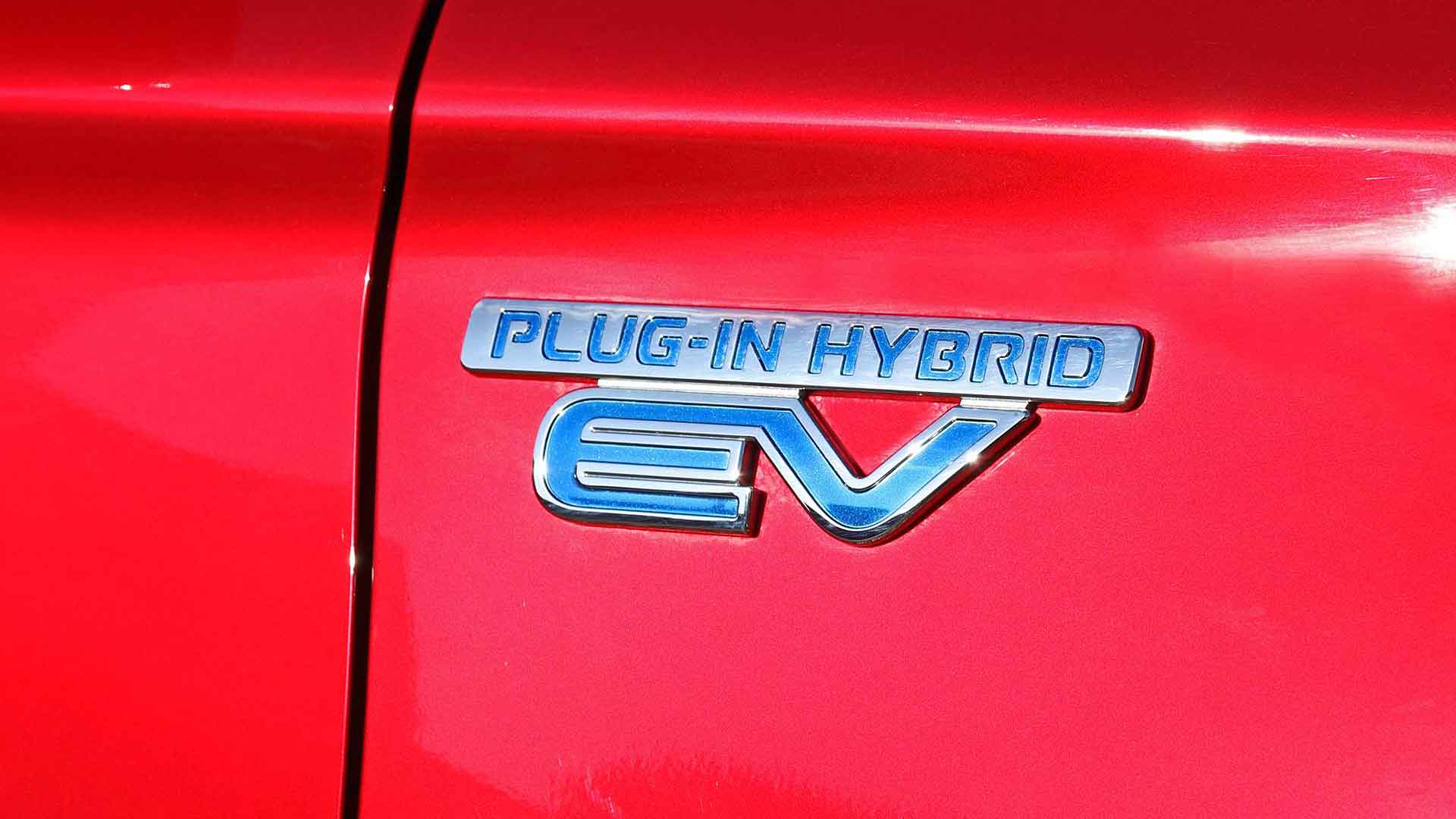
He also spoke out in support of plug-in hybrids, saying “They can be an important part of the technology mix”.

Plug-in Hybrid PHEV logo

The Department for Transport was critical of plug-in hybrids in a statement, highlighting that they’re not always used in zero-emission mode, if at all. We recently reported on how plug-in hybrids can use up to three times the fuel stated by official figures when the plug-in facility isn’t fully utilised.

This is why, the government says, it’s including them in the ban. Industry experts warn that this has compromised an important stepping stone for buyers on the road to zero-emission motoring.

“Whether we are going to achieve 2035 or 2032, it’s going to require huge investment and for us to work together as an industry, the government, cities and consumers to make this transition,” Rowley said.

“Today very few people have the ability to charge an electric vehicle, whether it be at home or whether it be in public places. The investment in the infrastructure is going to be critical, that requires government investment, cities to organise for that, and people to be able to install charging in their homes.”

  • Fiat wants to build 80,000 electric 500s per year

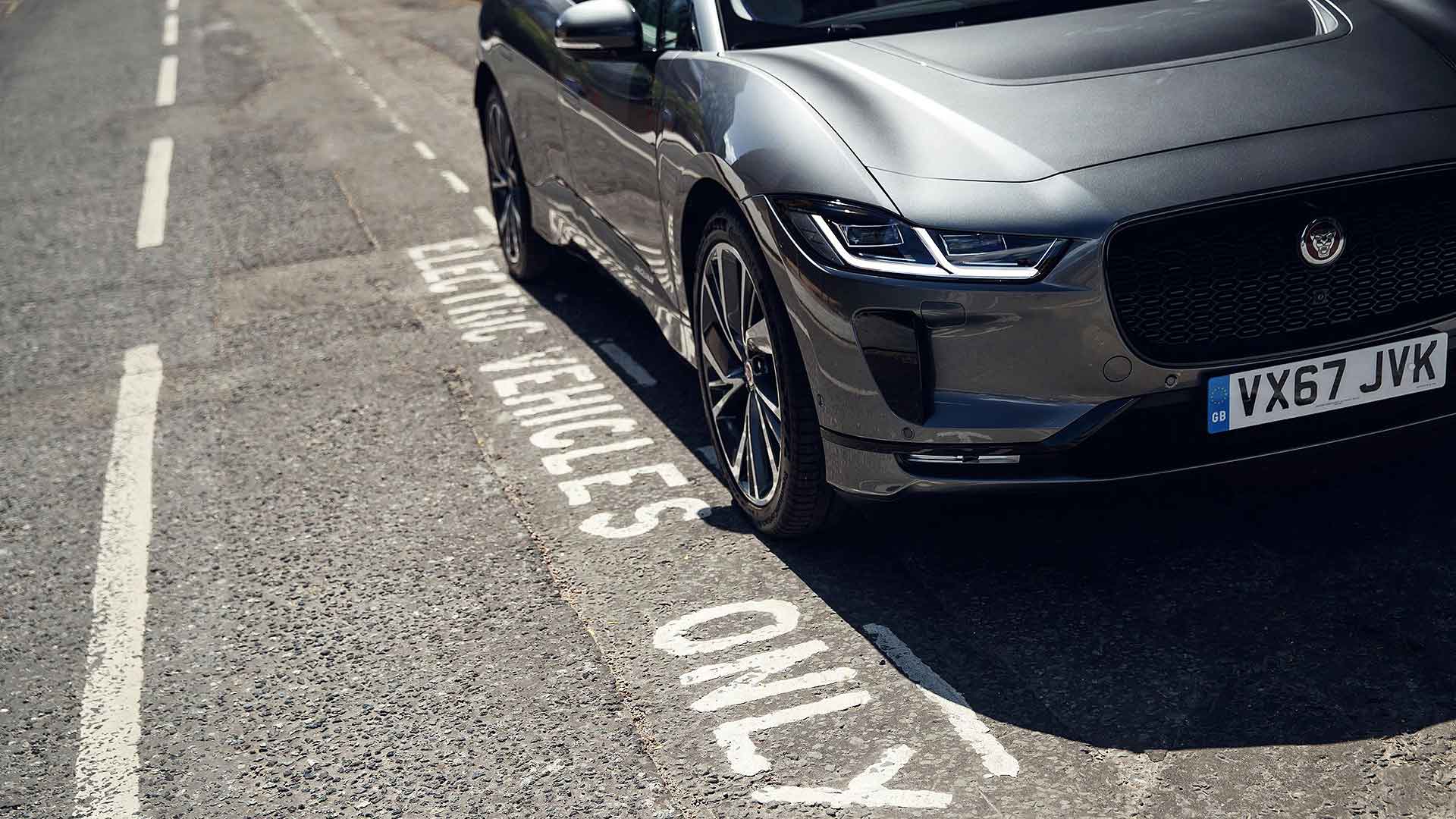
Jaguar I-Pace electric vehicle

“We’re putting 1,000 charging facilities at our plants and offices, and we’re going to need to see more across the country, not just in the big cities.”

The gulf in distribution of electric car chargers is a real issue. London, for instance, is home to 25 percent of the 10,800 electric charging locations in the UK. Meanwhile, Wales hosts just three percent of chargers at present.

Advertisement

Majority of motorists ‘unaffected‘ by petrol and diesel ban

0

Car buyers not worried about ban

In 2040, 2035, 2032 or maybe 2030 – it’s difficult to predict when the government will ban the sales of non-electric vehicles. But a recent survey suggests motorists are feeling relaxed about the ban.

A snap online poll found that almost three in five (58 percent) of motorists said the proposed ban won’t affect their car-buying decisions. Just 28 percent said they felt more inclined to buy an electric car.

Benjamin Hunt, a motoring trade analyst at Carwow isn’t surprised by the poll. He points to the fact that the average life of a car is currently around 13 years, which makes the 2035 date seem like a long way off. Even the rumoured 2030 cut-off is a decade away. Some motorists might buy a couple of cars in that time, especially if they’re locked into a PCP deal.

‘Electric isn’t quite right’

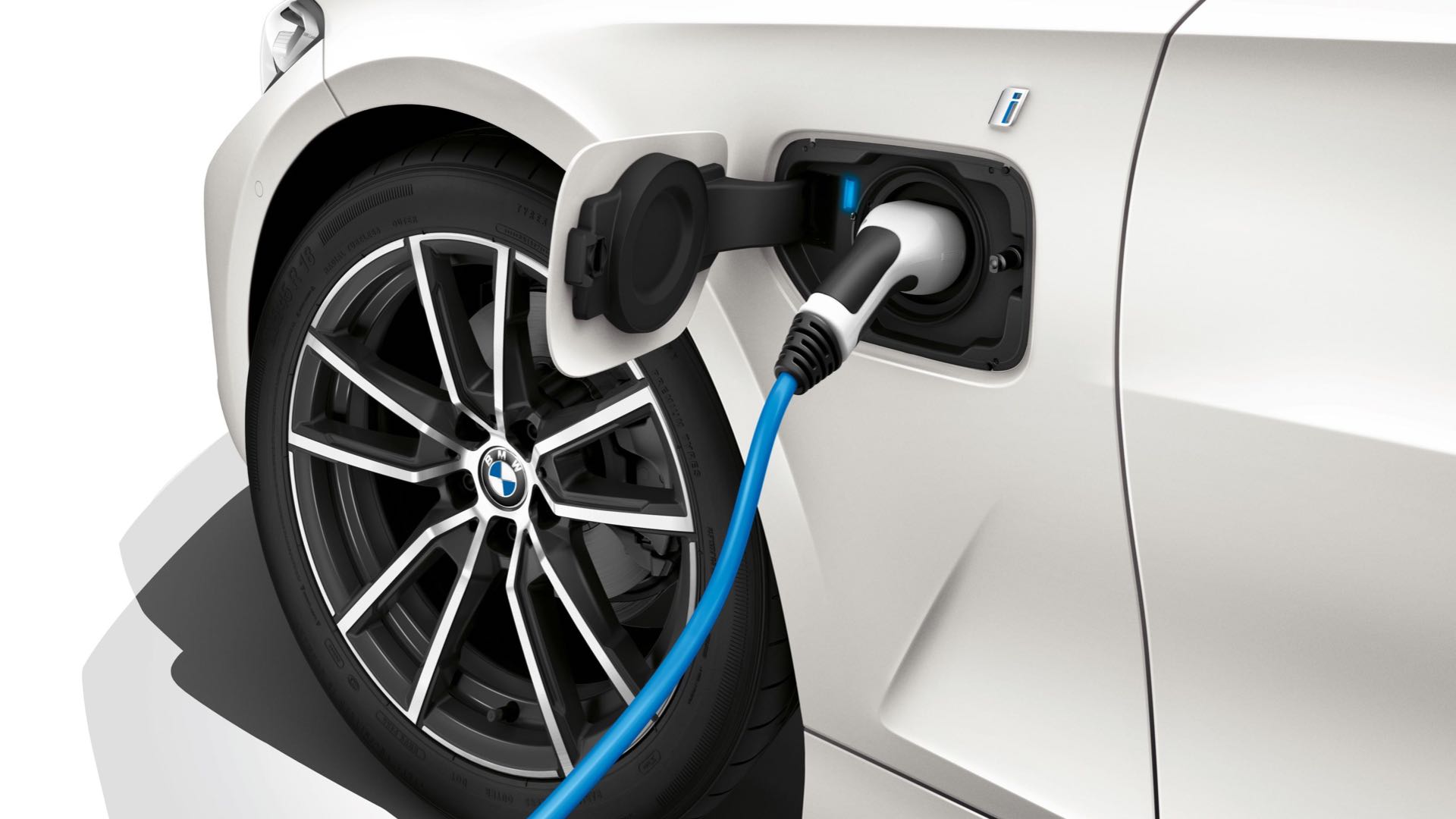
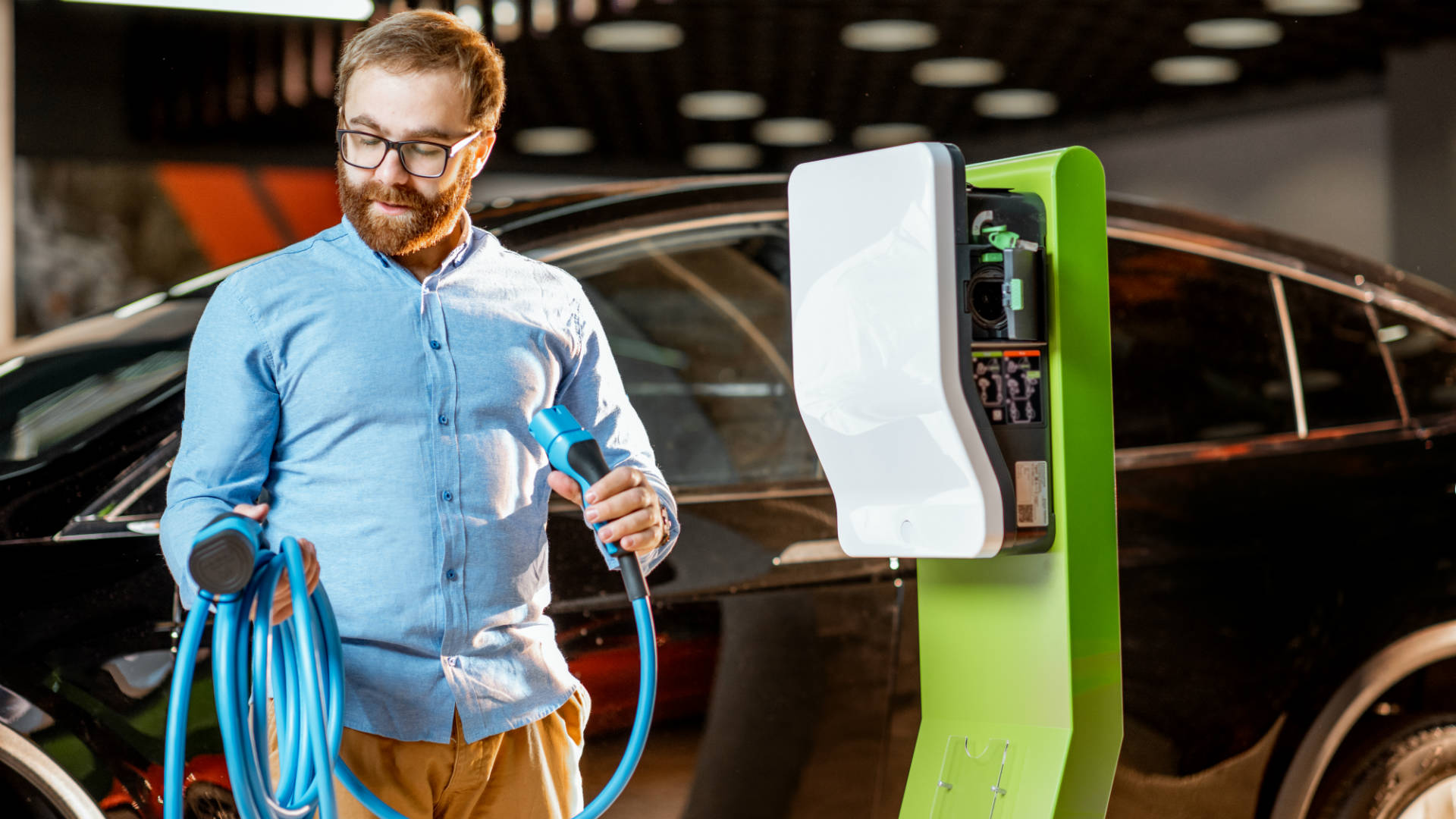
Electric car charging lead

Hunt said: “One is unlikely to consider purchasing an EV or hybrid vehicle based purely on the government’s announcement alone, purely as the financial impact 15 years away from the rules coming into effect are still so insignificant.

“If looking to invest in a new vehicle, consumers shouldn’t necessarily ignore petrol, diesel or hybrid. The simple reality is that electric isn’t quite right for every motorists’ needs just yet and, despite the bad press given, traditional cars are showing increasing levels of efficiency.”

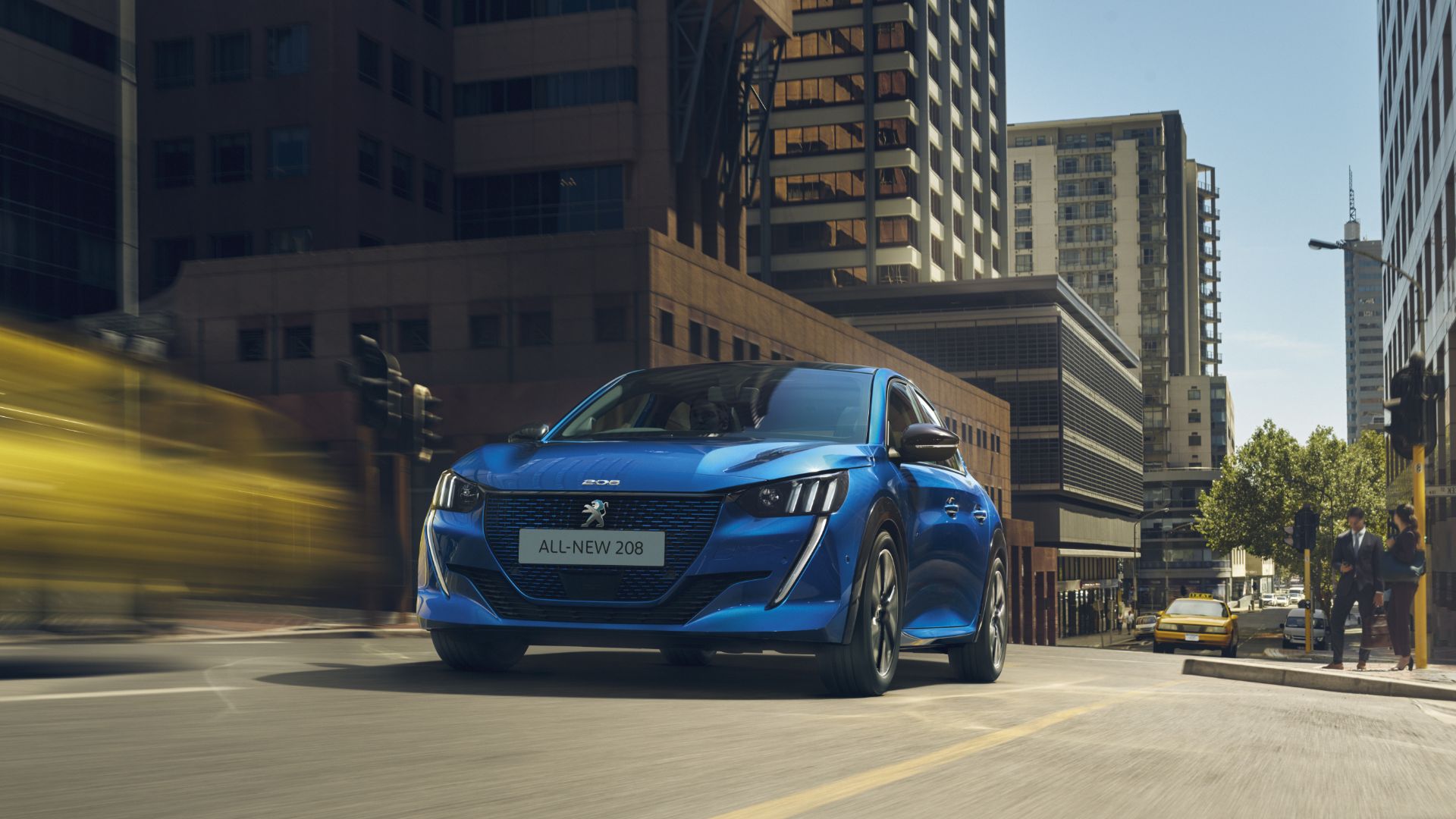
Hunt references the Peugeot 208 to highlight the price difference between a conventional supermini and an electric version. A Peugeot 208 Active would cost £16,250 with its smallest petrol engine, while the e-208 would cost £28,550, albeit before the government plug-in car grant. 

In conclusion, Hunt said: “On balance, while consumer demand is naturally moving away from diesel and, to a lesser extent, petrol vehicles, in reality there is little for the immediate consumer to worry about.“

Which, in summary, means you’re free to go out and buy that Ford Mustang 5.0 V8. Get one while stocks last, etc.

Advertisement

Triumph pairs up with location app What3Words

0

Triumph adds What3Words to connectivity system

Triumph Motorcycles is the latest company to team up with the geolocation and navigation tech firm What3Words. It follows the news that the AA is using the location tool to find stricken motorists.

The technology divides the world into a grid of 3m x 3m squares – each one given a unique What3Words address. Triumph is adding the tech to its motorcycle connectivity system.

If you’re after Triumph’s HQ in Leicestershire, you’ll require ‘Needed.Exist.Brands’. Meanwhile, ‘Gentle.Coins.Sadly’ will take you to Peel Road in Douglas, Isle of Man.

Triumph Motorcycles and What3Words

Triumph says riders can use the What3Words function of the app to navigate the world and to meet friends in places without addresses. Examples include that really neat corner on your favourite road, or the remote cafe that serves the best bacon sarnies on a Sunday morning.

Nick Bloor, CEO at Triumph Motorcycles said: “The Triumph brand and our riders seek adventure and this new collaboration with What3Words allows our riders to explore the world with ease. We’re excited to be the first motorcycle brand to feature What3Words, providing precise, easy to use navigation.” 

Chris Sheldrick, CEO and co-founder of What3Words, added: “The addition of What3Words navigation to the iconic British brand Triumph Motorcycles is an important first for us. What3Words addresses are easier to remember than a postal address and can be shared more accurately than any other location reference system, which makes it an ideal navigation solution for the adventurous motorcyclist.”

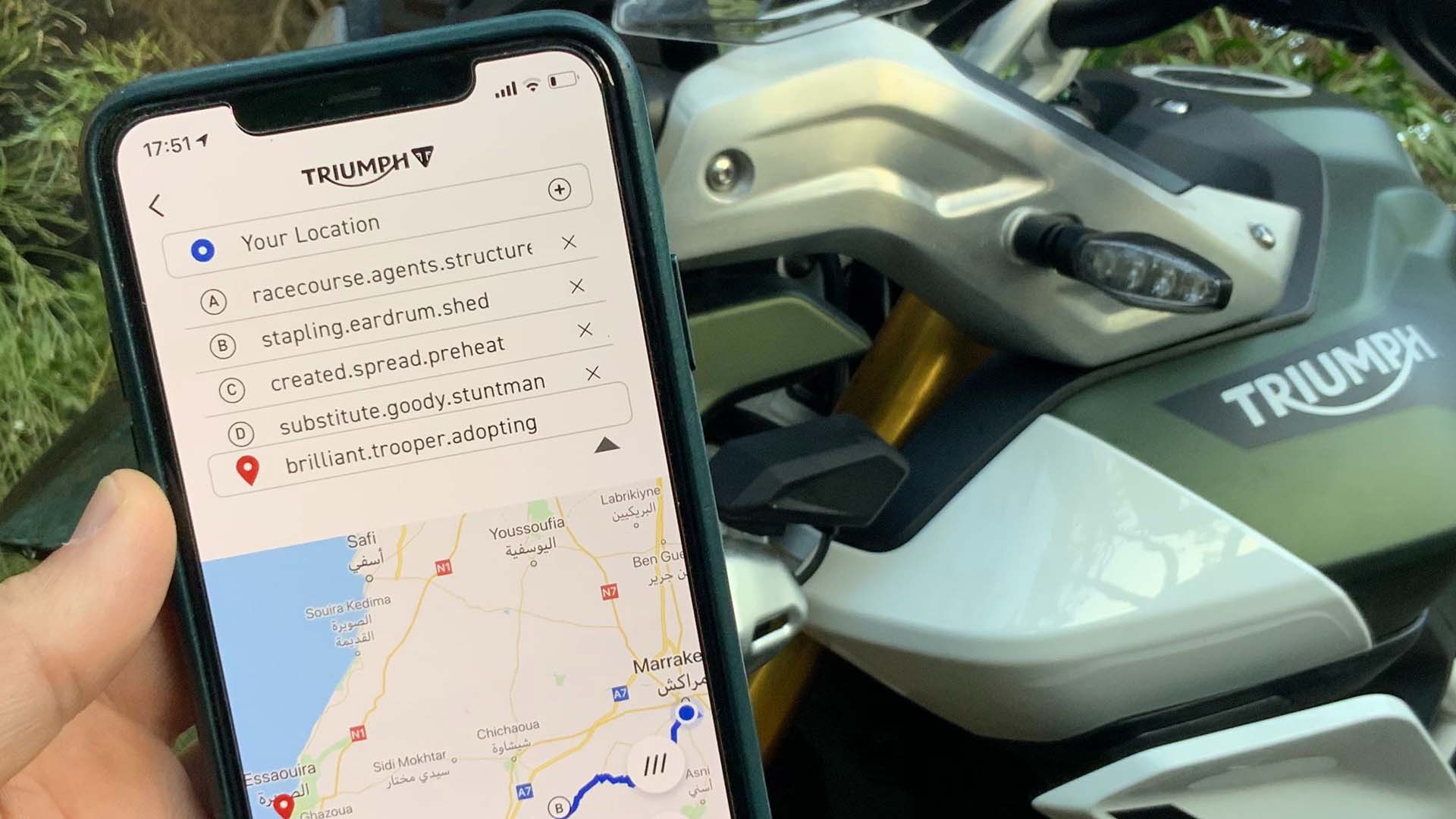
Triumph using What3Words

The What3Words app hit the headlines this week when it was used to rescue four people caught in blizzard conditions in Scotland. ‘Tortoises.Swarm.Announce’ was used to direct rescuers to within metres of their precise location. One of the rescuers said they were lucky to have been at a place on Ben Nevis where they could get mobile phone reception.

The What3Words feature will be available via an update to the My Triumph app in April 2020, and will allow three-word address input in 35 different languages.

Advertisement

Five classic Minis available at CCA’s March sale

0

CCA March sale Minis

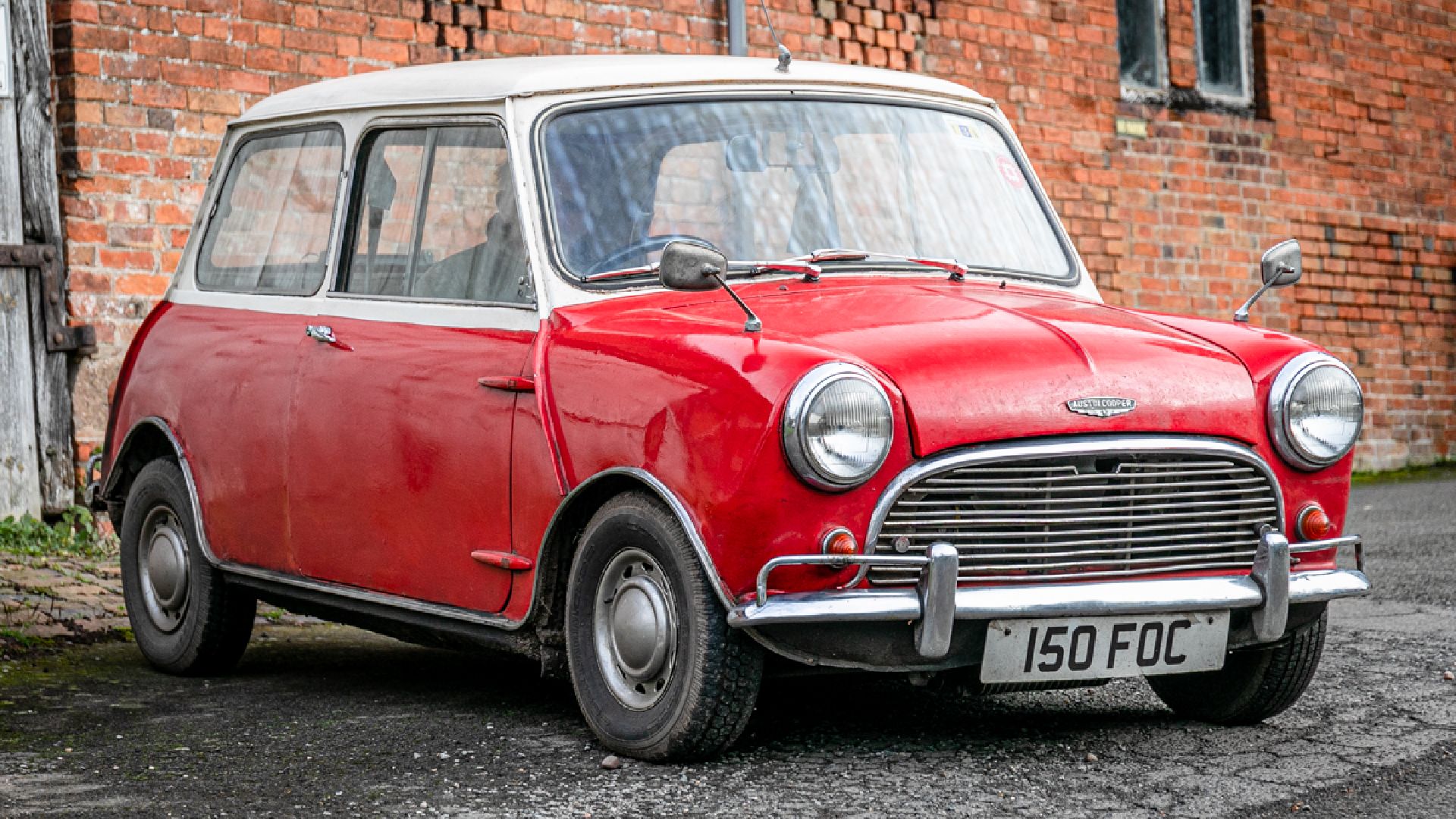
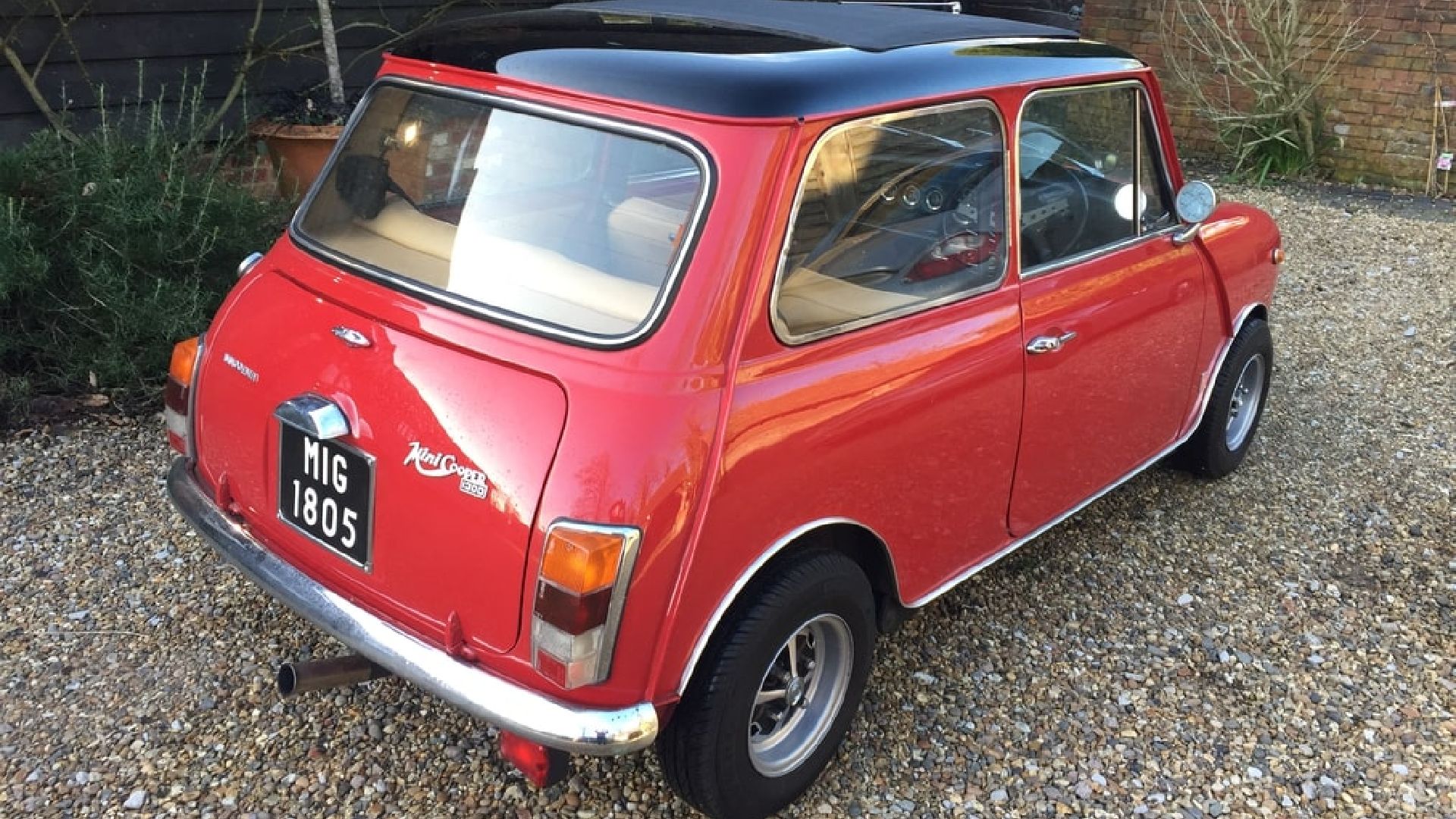
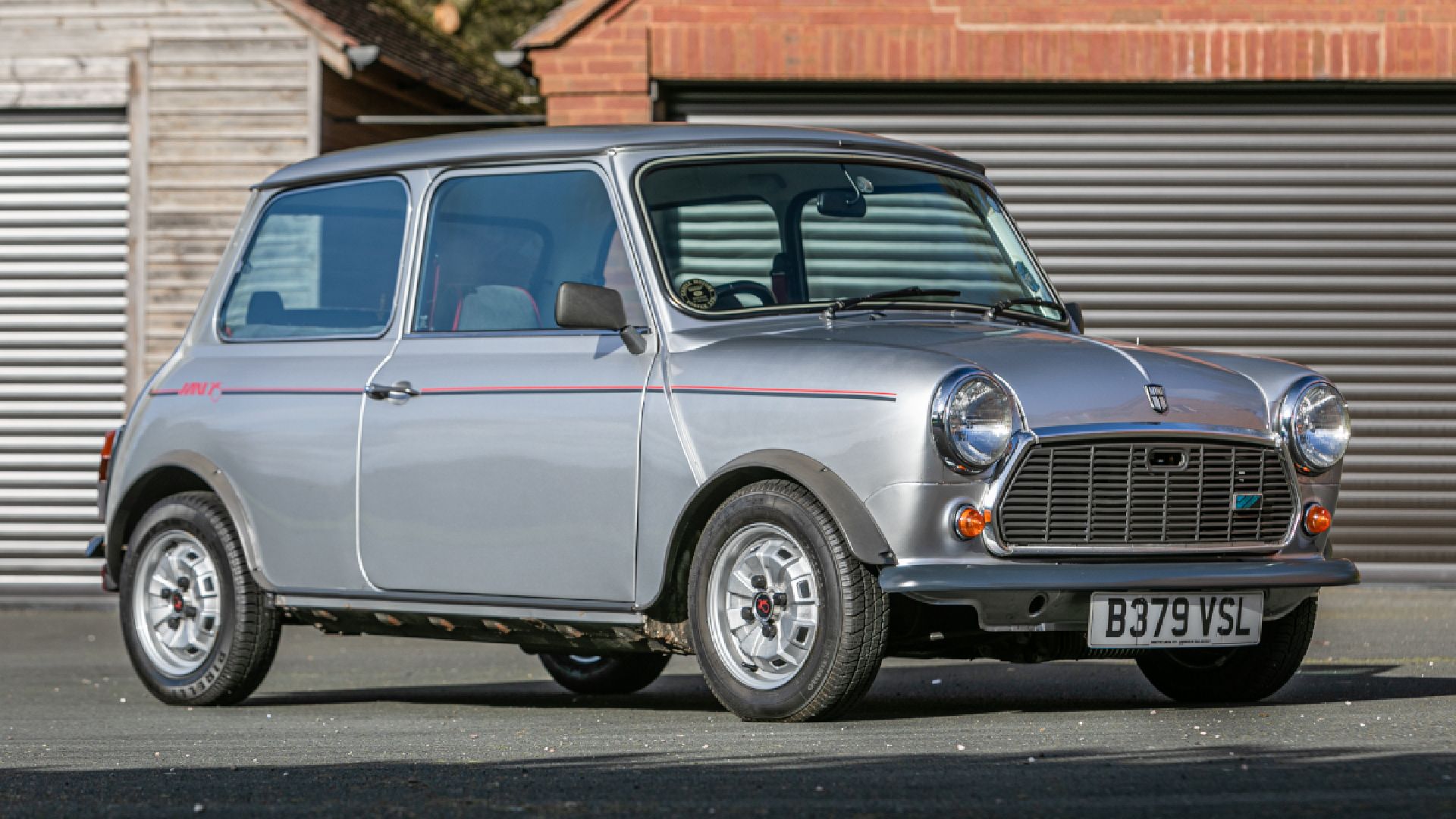
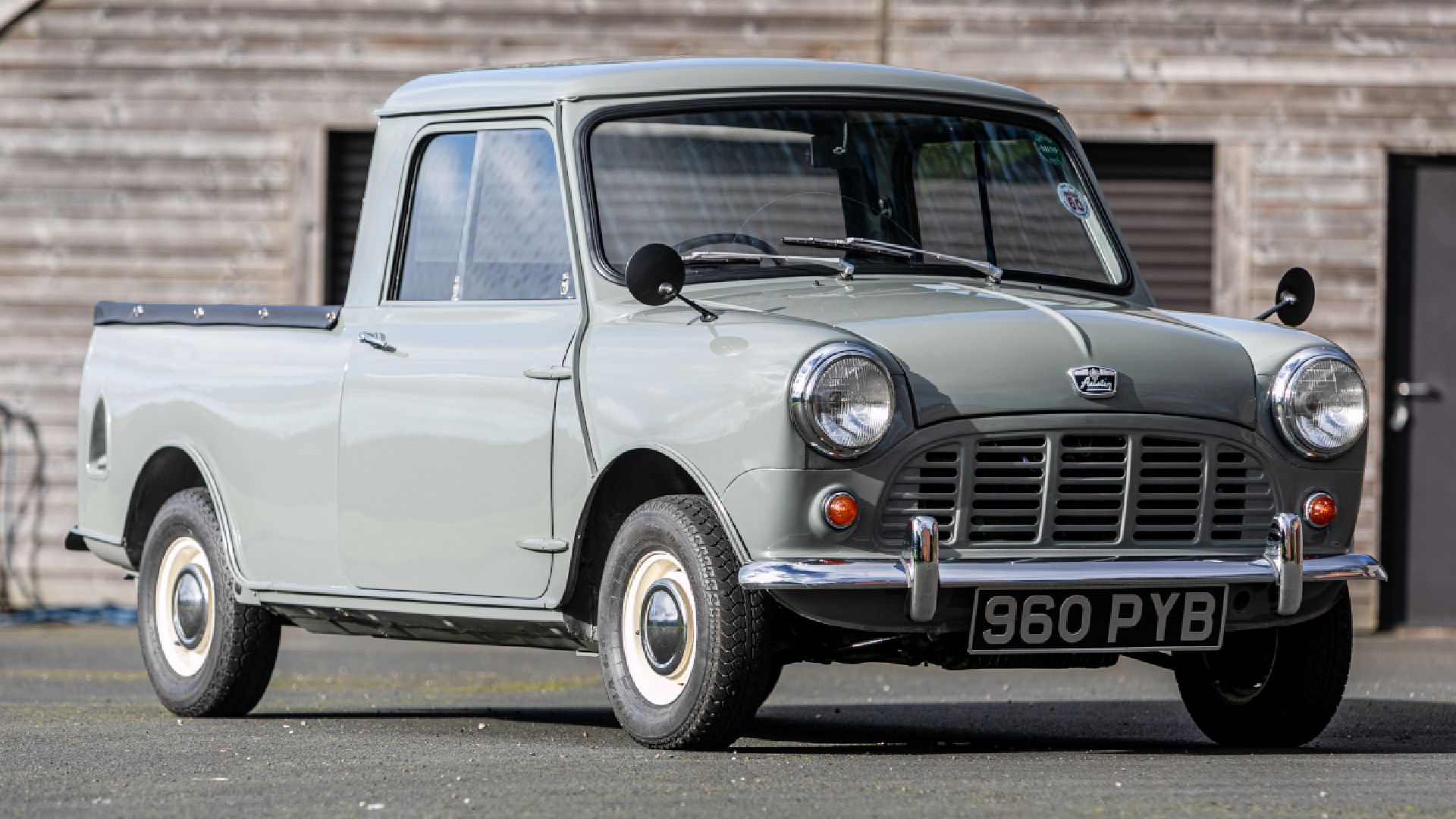
The CCA March sale at the Practical Classics Classic Car and Restoration Show will see five different classic Minis hit the auction block. Different eras, different body styles, and differing condition levels at different budgets. There could be a classic Mini for everyone. 

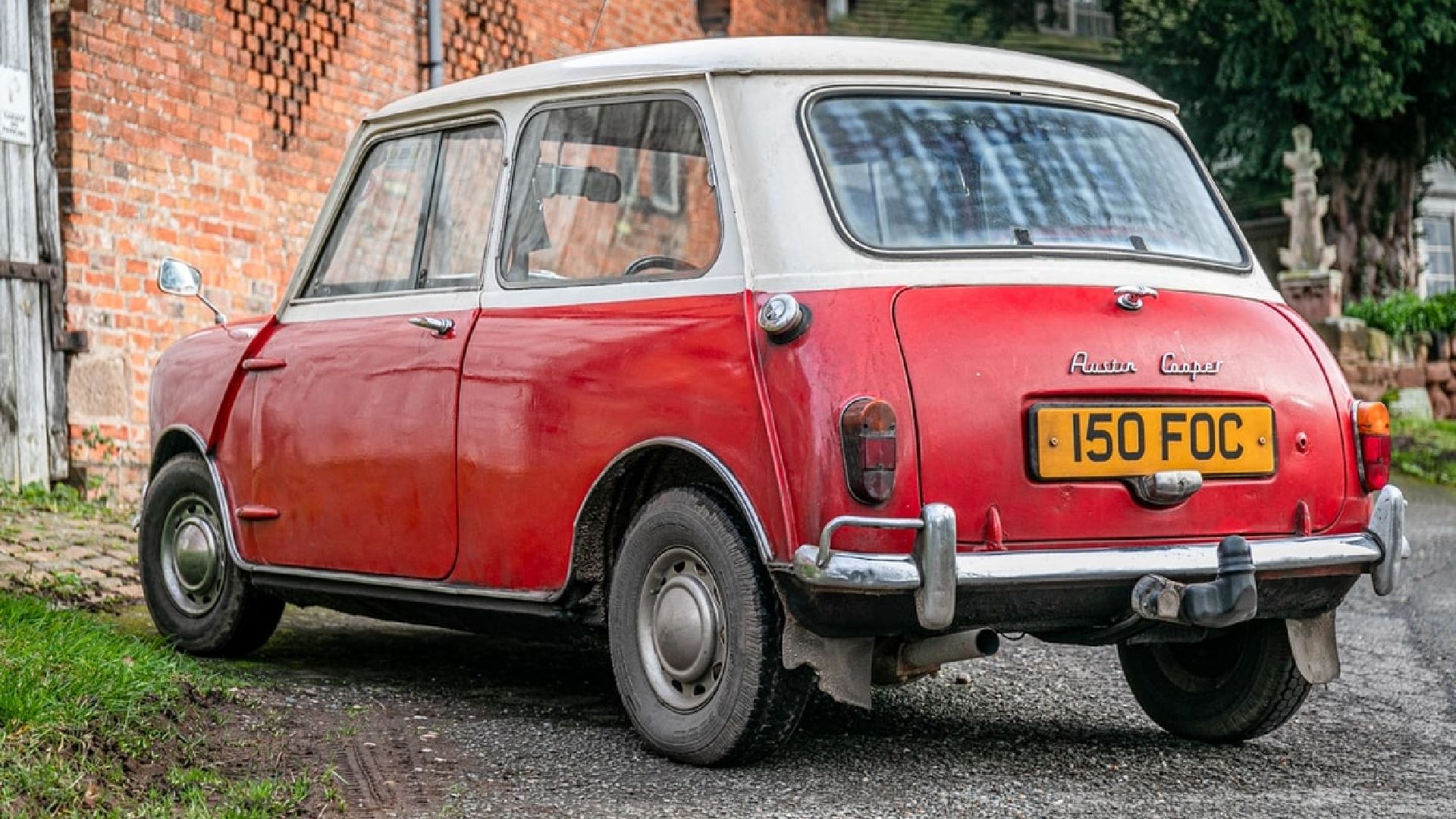
The first is a 1962 Mk1 Mini Cooper which, amazingly for its 58-year life, has been with the original owner that bought it new all those years ago. That owner put it to work, too, with the car covering around 300,000 miles over six decades.

CCA March sale Minis

  • The celebrity owners who add most – and least – value to a used car

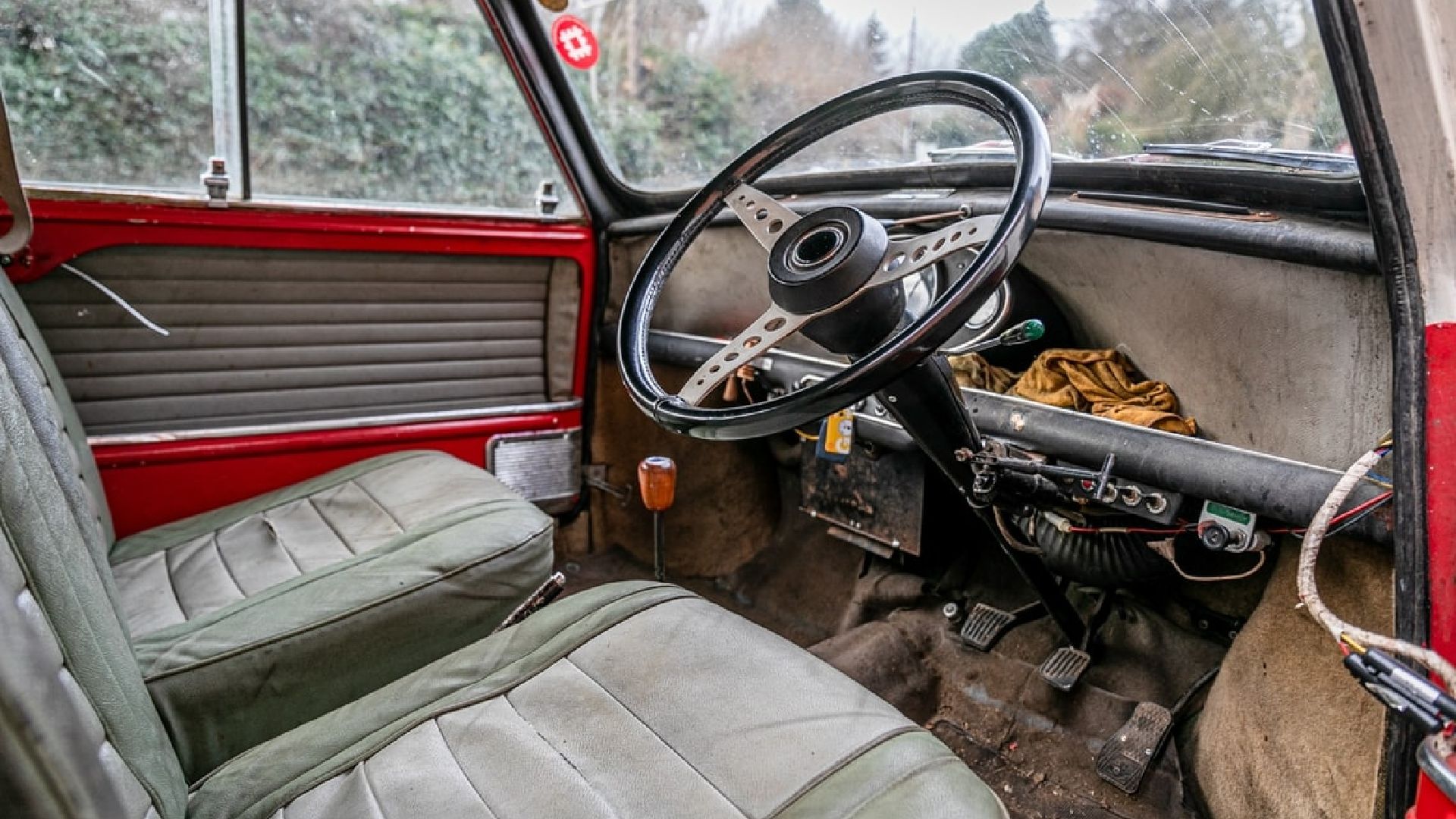
Needless to say, a life at work means this Mini could use a spruce up. It comes fitted with an 850cc short-stroke engine, in place of the original one-litre. 

The prospective buyer might like to return it to its almond green with an old English white roof specification. The cabin remains the original dove grey, with porcelain green vinyl. The car as it is, will be driven to the show for the auction. 

  • The 20 biggest Bring a Trailer auction sales of 2019

“The 300,000 mile Mk1 Cooper is staggering and has the most fascinating story,” said Gary Dunne, Classic Car Auctions (CCA) manager.

“The vendor told us it was bought new for him by his mother-in-law because she didn’t like his choice of cars to drive her daughter around in!”

CCA March sale Minis

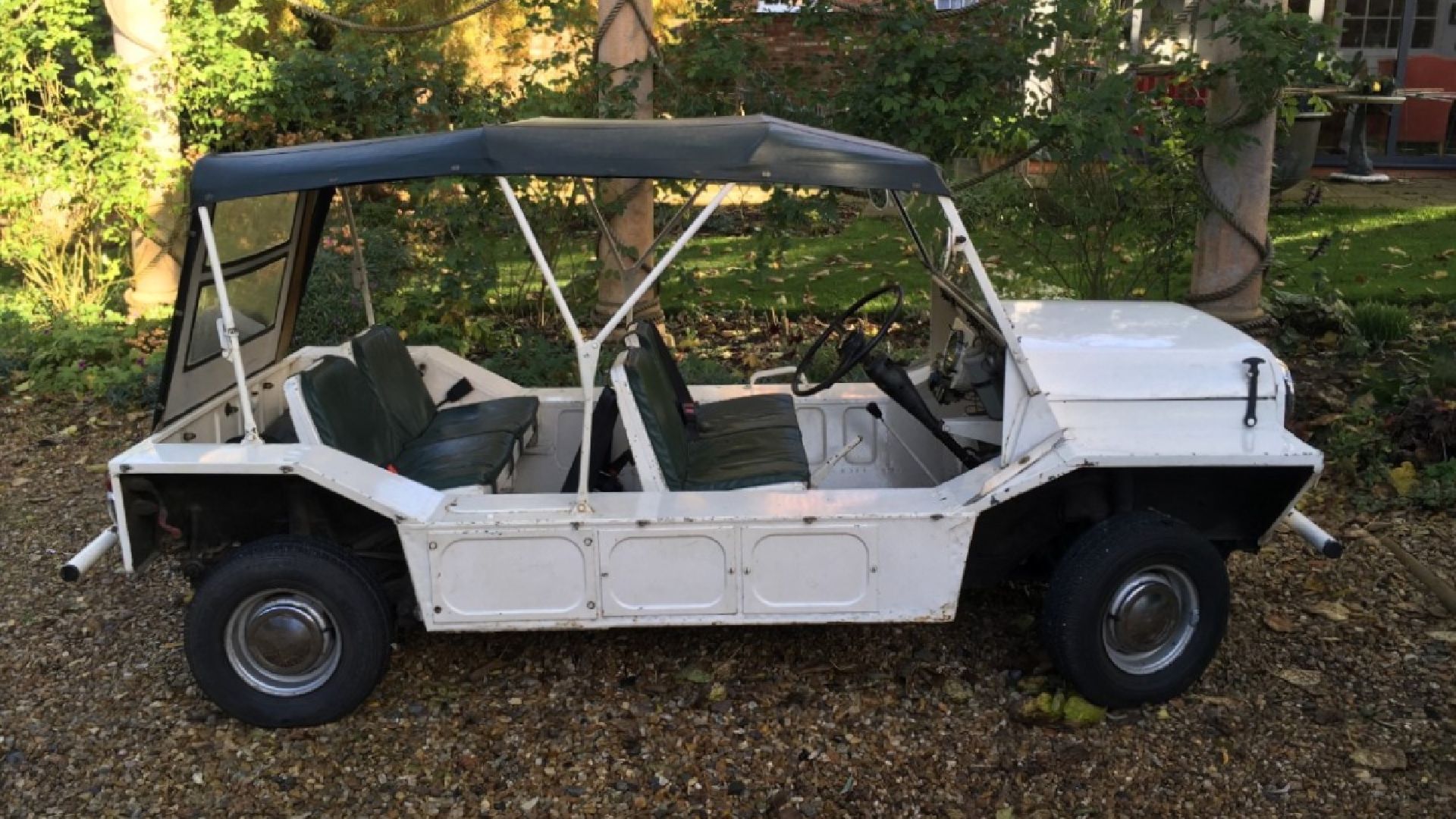
Joining it will be one of the quirkiest variants of the Mini, the Moke. Originally destined for military duties, when deemed unfit to serve, it became a fan favourite as a recreational vehicle. 

The example for sale with CCA is a 1968 car with 89,000 miles. It’s described as having the potential to be made ‘concours’ condition, though as it stands there is age-related wear. It’s estimated to make between £10,000 and £12,000. 

CCA March sale Minis

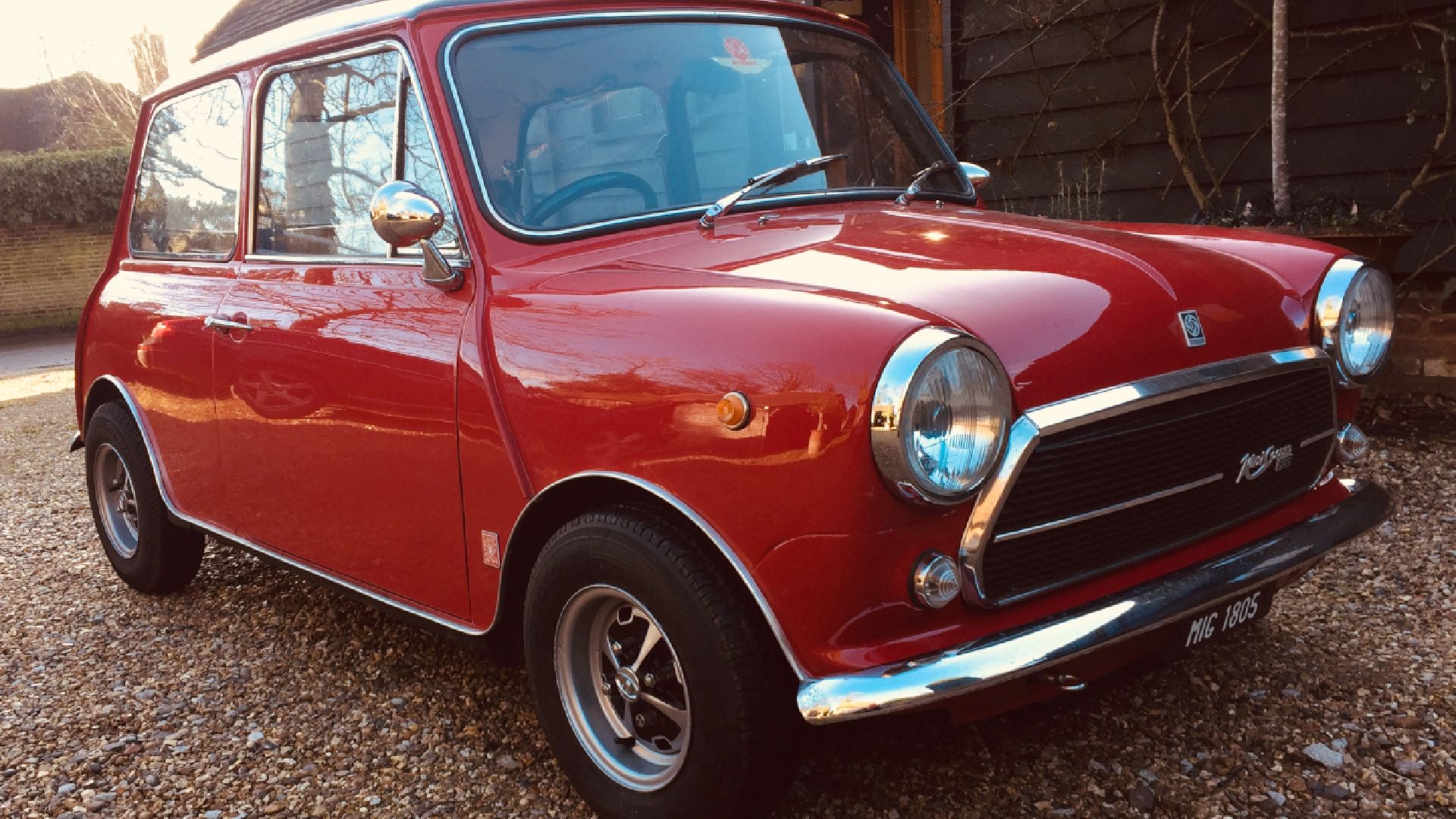
The third car is an Italian-built 1975 Innocenti Mini Cooper. It was imported in 1982, and following the current owner buying it in 2014, the car was faithfully restored and re-trimmed with correct Innocenti features. £12,000 to £15,000 could buy you one of the last export 1300 Minis, in fine fettle.

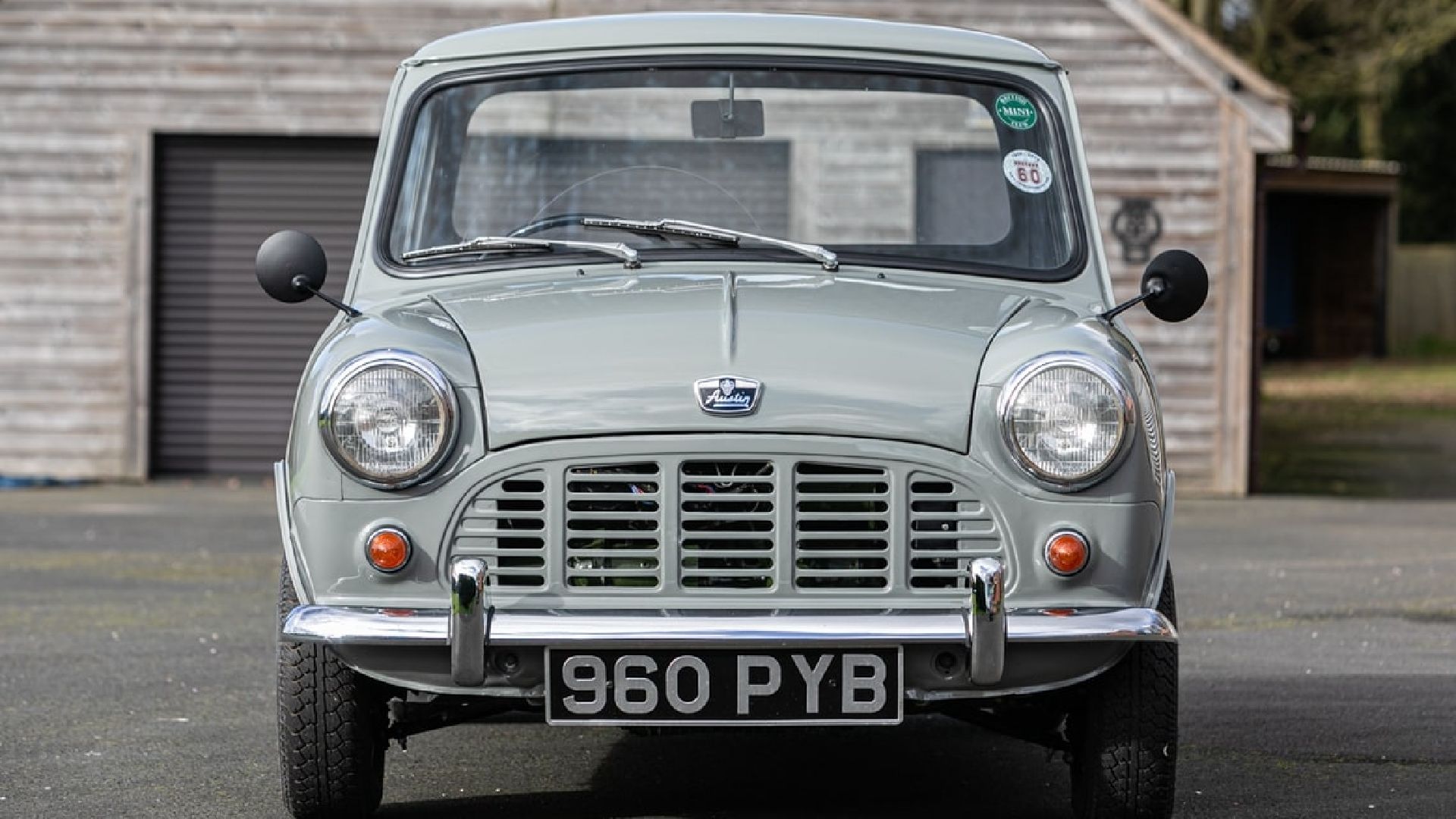
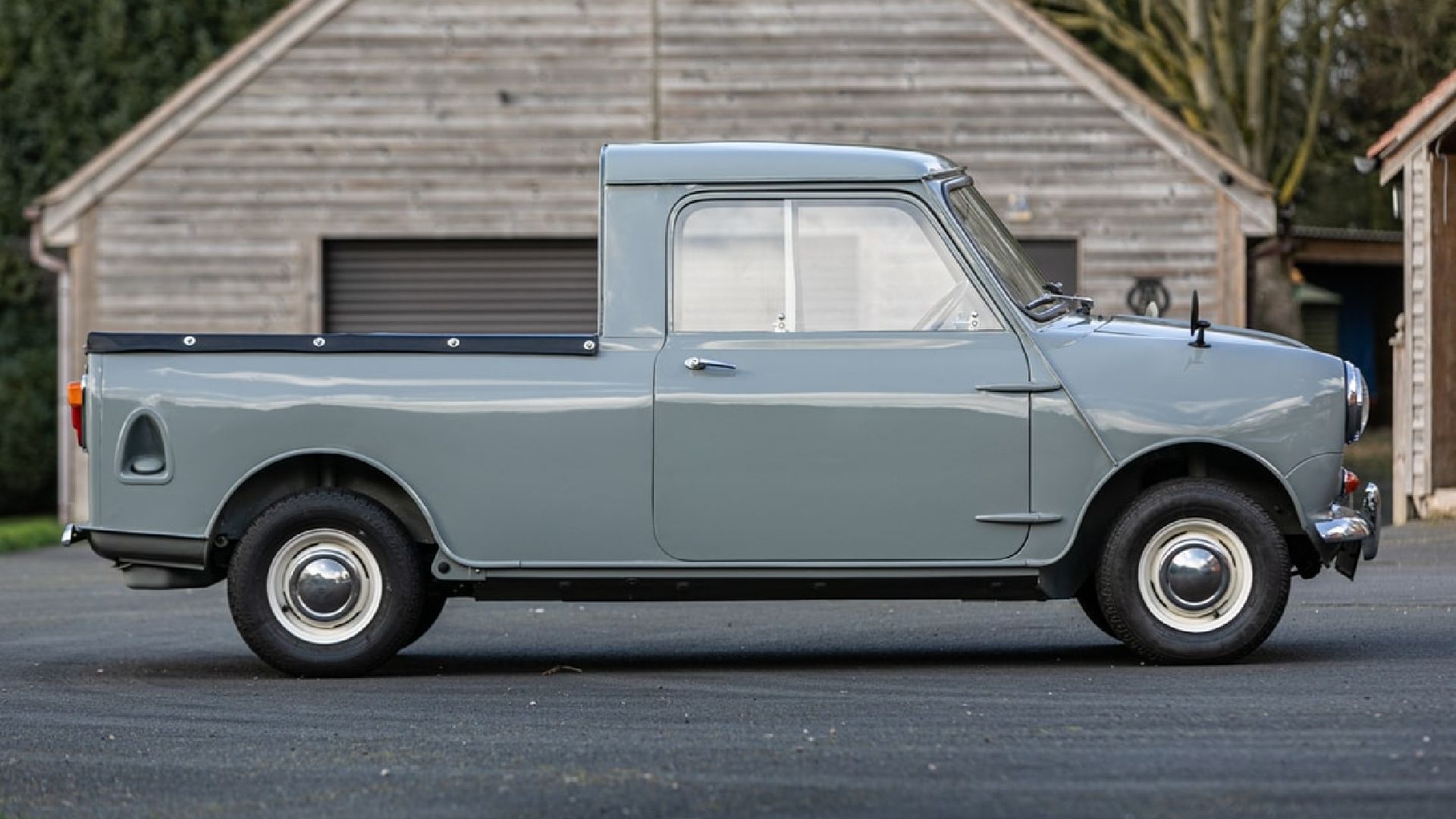
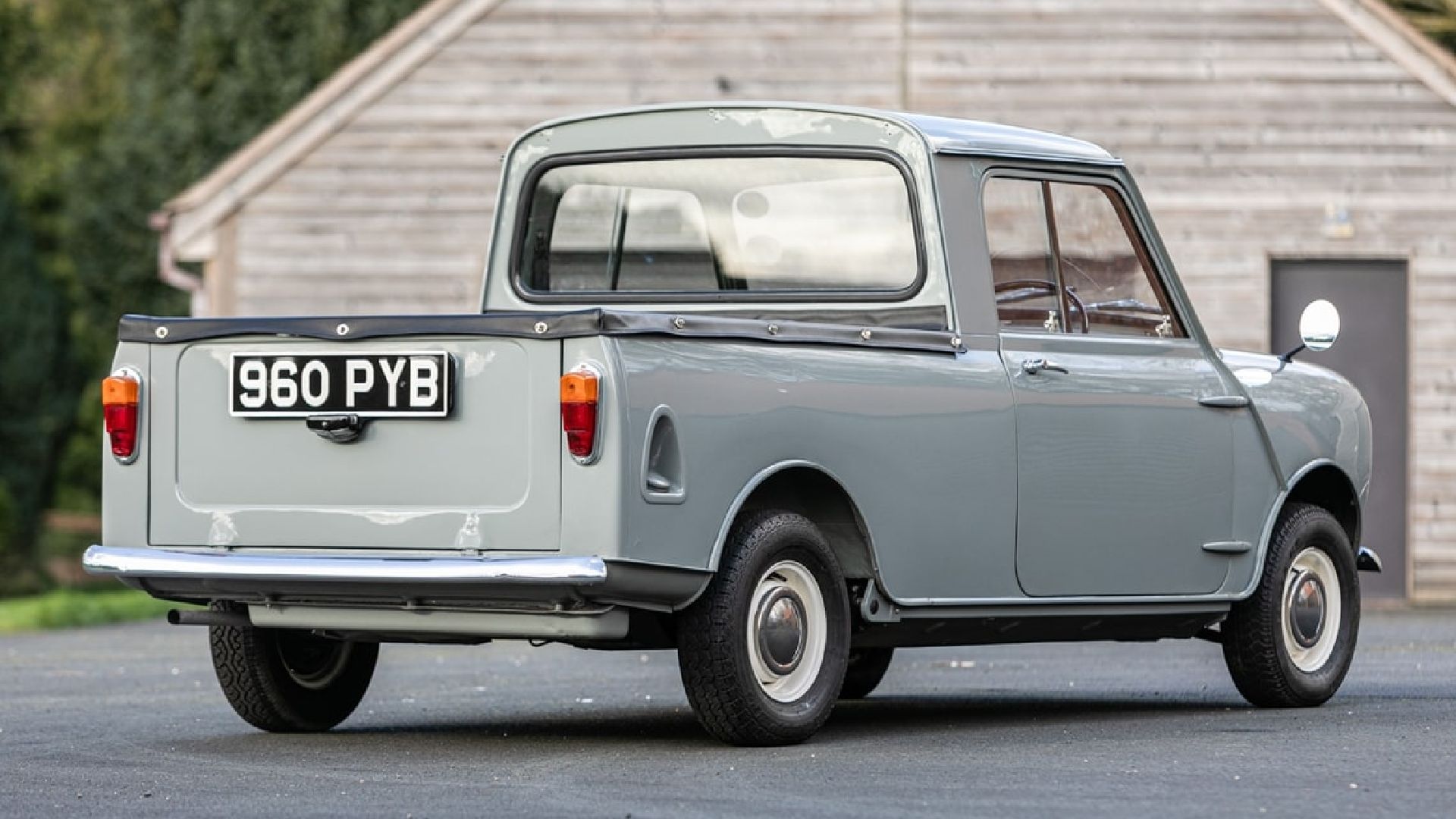
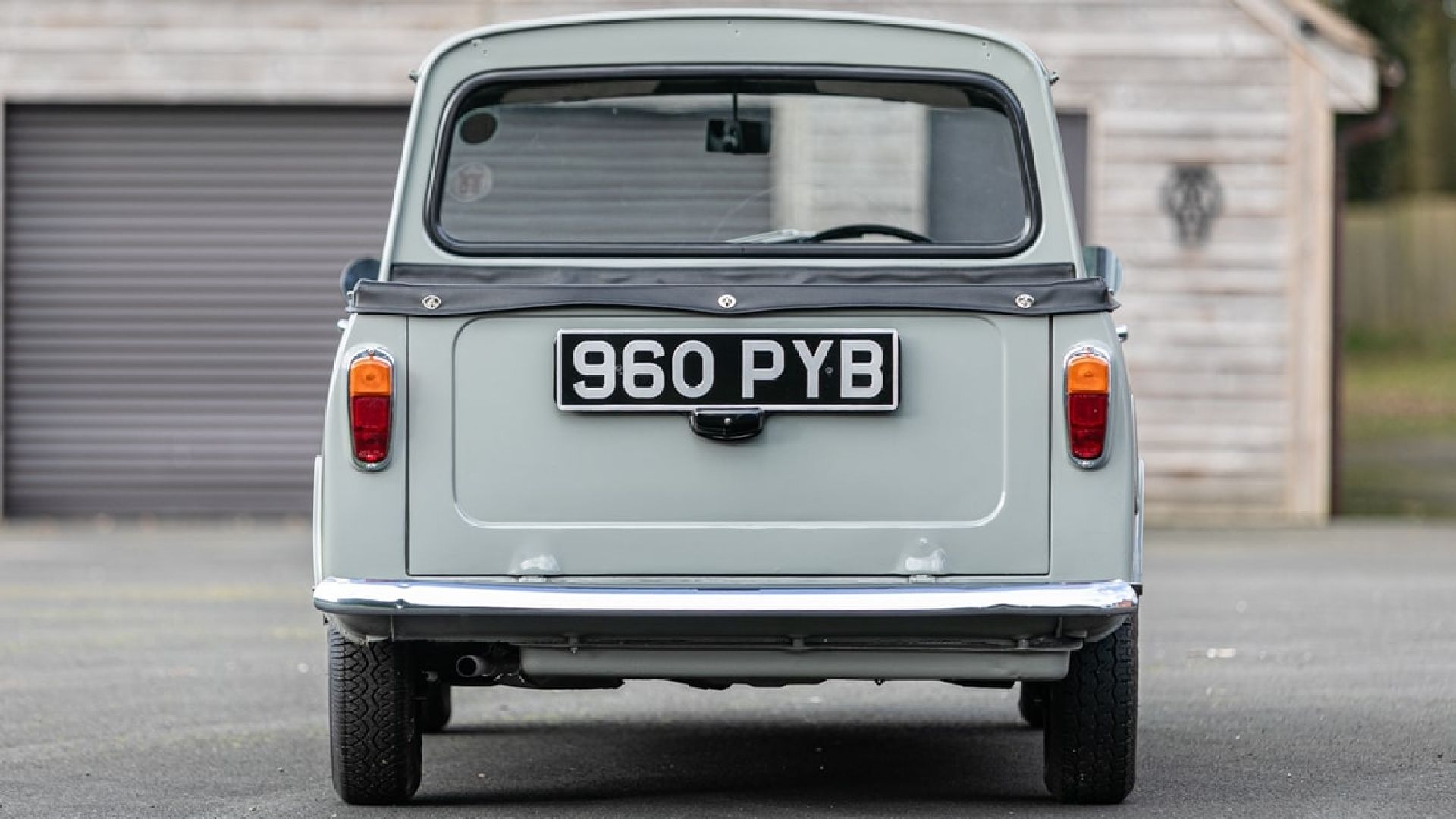
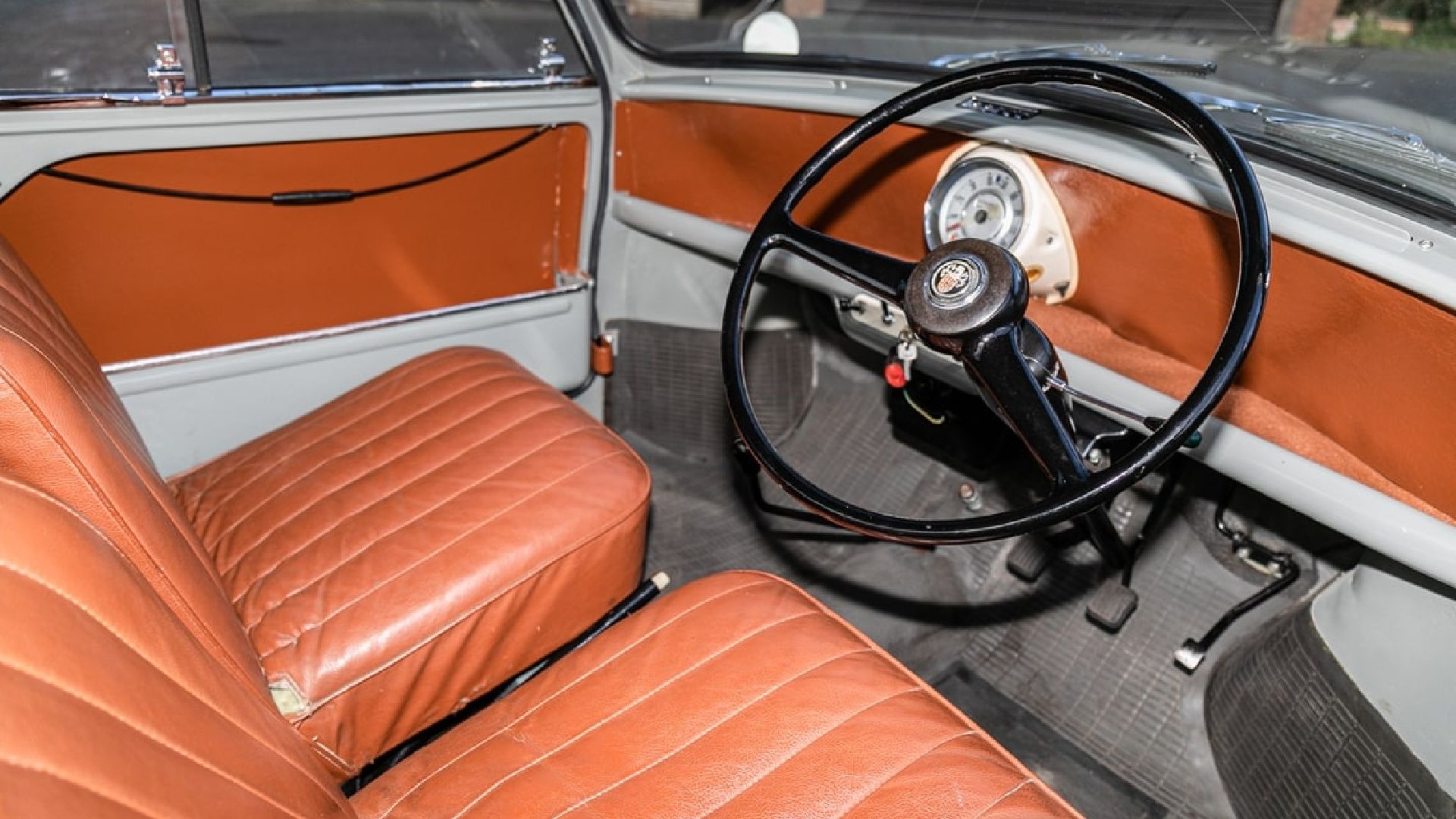
The fourth Mini is an early 1962 Mini Seven pick-up. This car comes in spectacular condition, having undergone a bare-metal restoration starting in 2010. Presented in its original tweed grey paint with a tan interior, it has all the correct period features and even the original engine. 

CCA March sale Minis

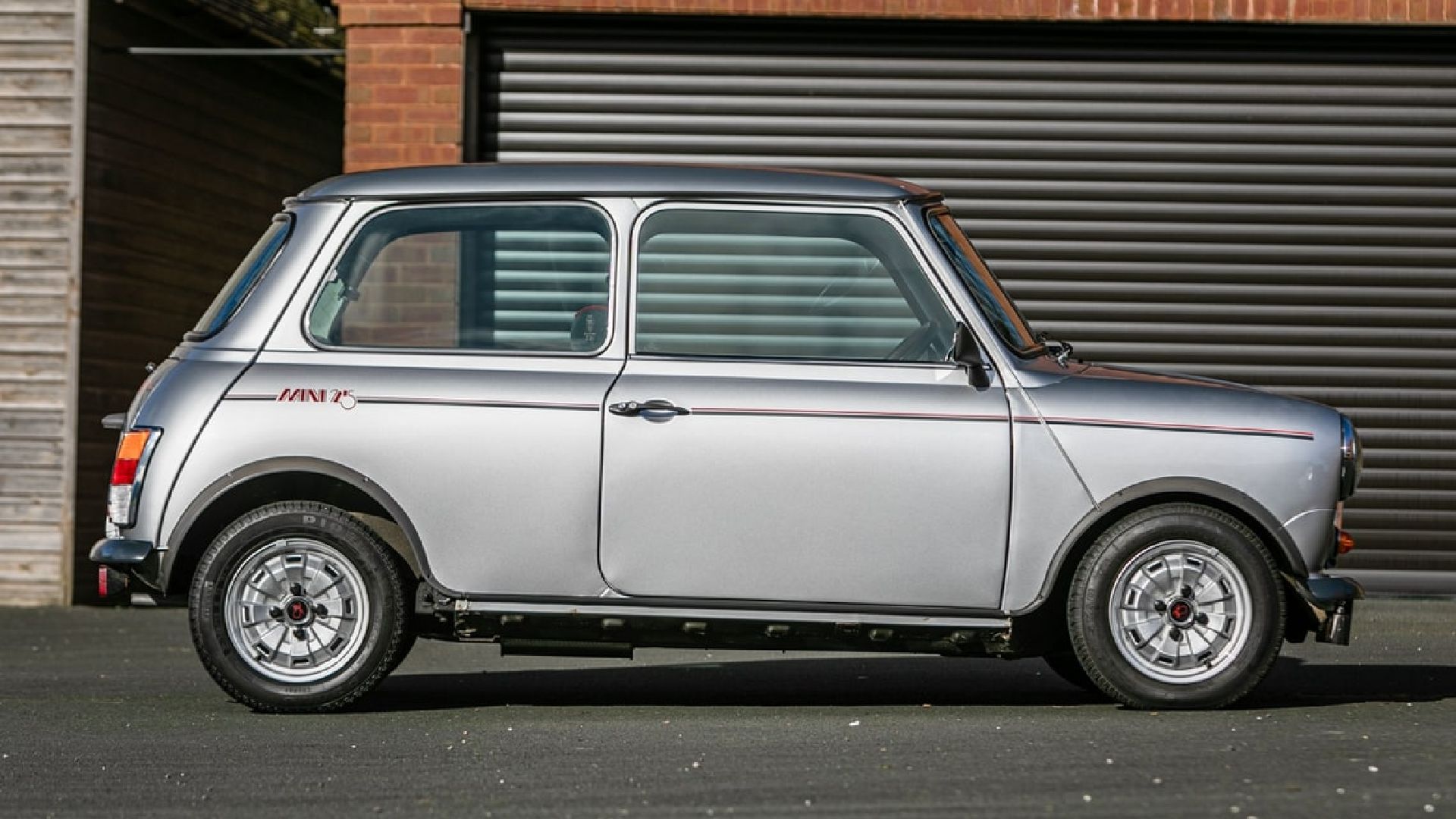
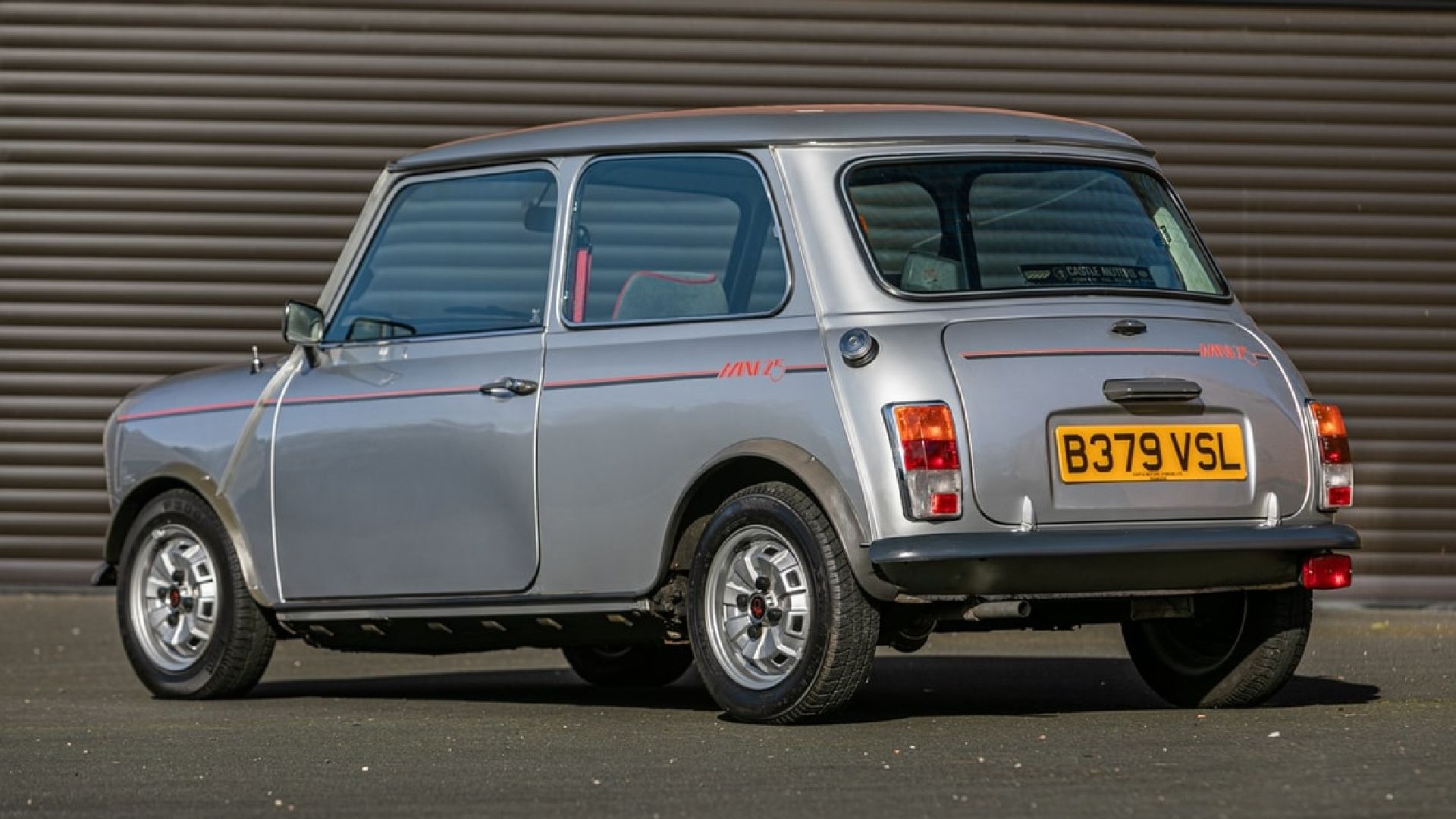
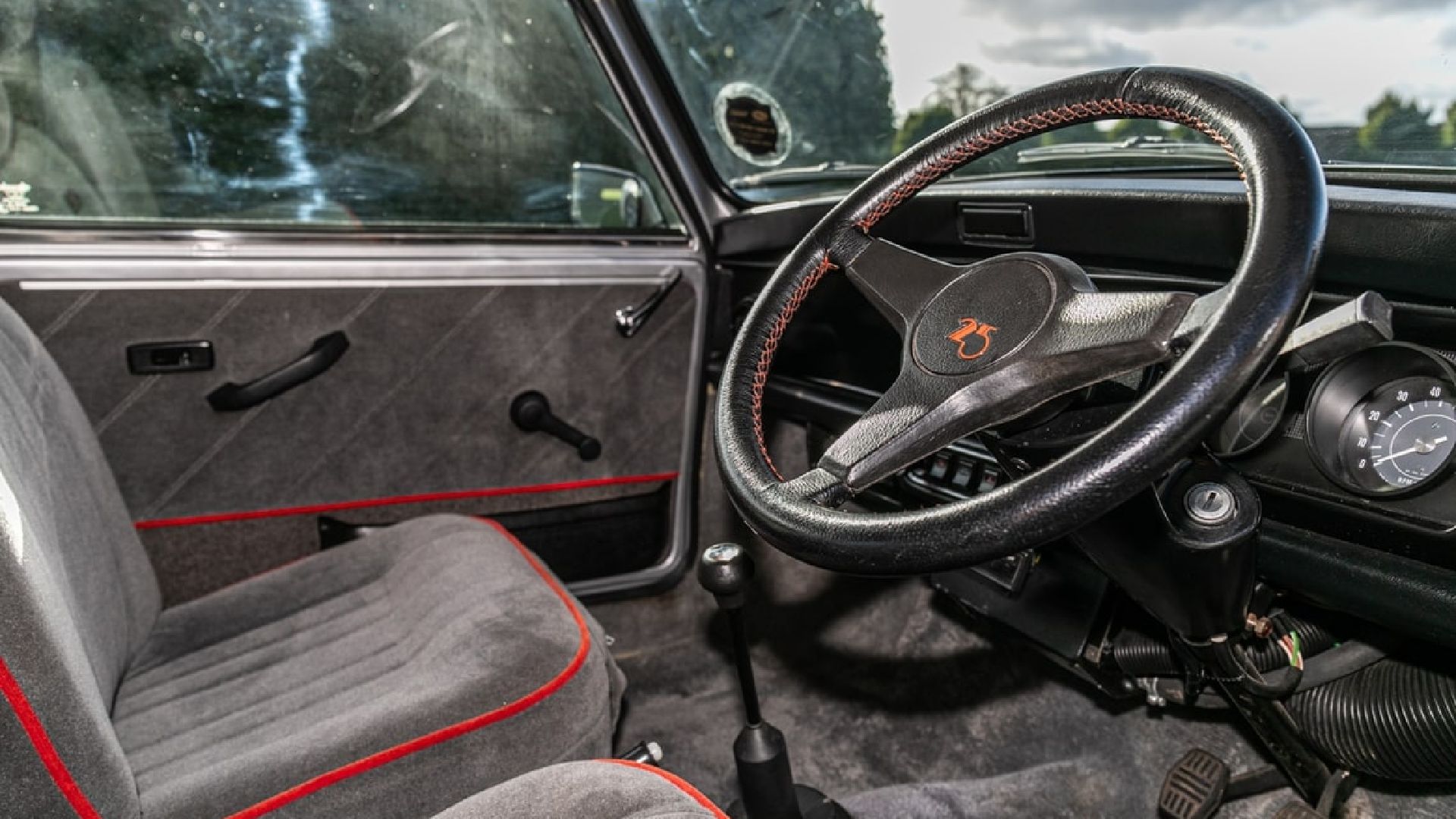
Finally, the newest Mini of this five-piece offering. It’s a 1984 25th Anniversary edition, which has covered just 8,730 miles.

It even gets trailered to shows, to save it from the rigours of today’s road network. This clean original late-era Mini, could be yours for £6,000 to £8,000.

Advertisement

UK government ‘isn’t doing enough’ to encourage electric cars

0

Best countries for electric car road trip

New research shows just 30 percent of people working in the automotive industry believe the UK government is doing enough to incentivise electric cars.

That’s according to a DNV GL survey of motoring manufacturers, charge point operators, power suppliers and investors. However, 69 percent still feel the ‘Road to Zero’ goal of half of new cars being ultra-low-emissions by 2030 is achievable.

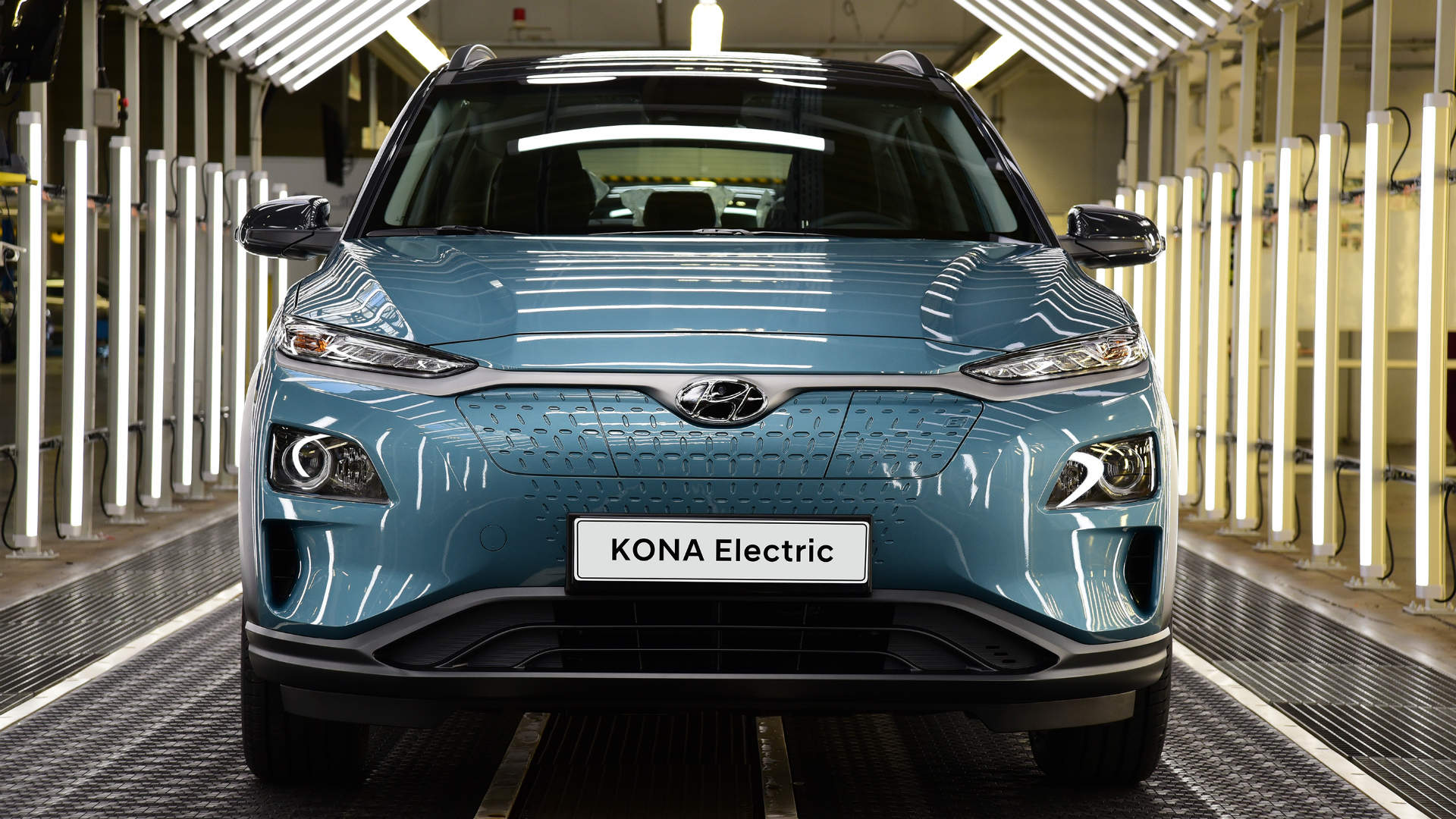
Hyundai Kona Electric 2020

  • Motorists could save £41,000 by switching to electric

In total, 48 percent said they’d consider buying an electric vehicle for their next car. However, 42 percent said ‘not now’.

That kind of reluctance is widespread across British car buyers. A 2019 survey by the Transport Research Laboratory found that just one in four people in the UK have a fully electric car on their shopping list for the next five years.

It’s also worth noting that the government Plug-in Car Grant is due to elapse at the end of March 2020. As yet, there has been no word on whether it will be extended, or what could replace it.

Peugeot offers six months free electric car charging

The AA has proposed that VAT be slashed on electric cars. Incentives are a hot topic too, given the bringing forward of the internal combustion vehicle sale ban, from 2040 to 2035.

There’s even talk that it could be brought forward to as soon as 2030.

Car manufacturers have created their own incentives, with scrappage schemes and deposit contributions. And they have their own reasons to shift low- and zero-emissions cars, too. Soon, if the average emissions of their ranges exceed 95g/km CO2, they will face heavy fines.

Advertisement

Hand car washing industry branded a ‘national disgrace’

0

Hand car washing action needed

Non-compliance with labour regulations “is endemic in the hand car washing industry”. This is according to Matthew Taylor, the government’s interim director of labour market enforcement.

He was speaking at a Resolution Foundation labour market enforcement event in Westminster, where he called for “specific action and plan” to tackle the problems in the car washing sector.

A report in the FT says hand car washes have gained market share from machine car washes. They’re dominated by small operators employing eastern European migrants. The sector is rife with underpayment, the mistreatment of workers, health and safety failing and environmental issues.

A licensing scheme to protect car wash workers would be the first for the sector outside agriculture and food processing. The move would be welcomed by the car wash industry.

Research conducted for the Car Wash Association (CWA) confirmed that less than five percent of the 10,000 or more third-party hand car washes are located on operational forecourts. This means they are typically located on brownfield and greenfield sites, car parks of major retailers and disused forecourts.

The report in the FT points to a study of 45 car washes in Nottingham and Leicester. Many operated from unsuitable premises, which left dangerous chemicals flowing into nearby water courses. Staff were also provided with ineffective protective clothing and equipment when handling hazardous materials.

‘A serious social blight’

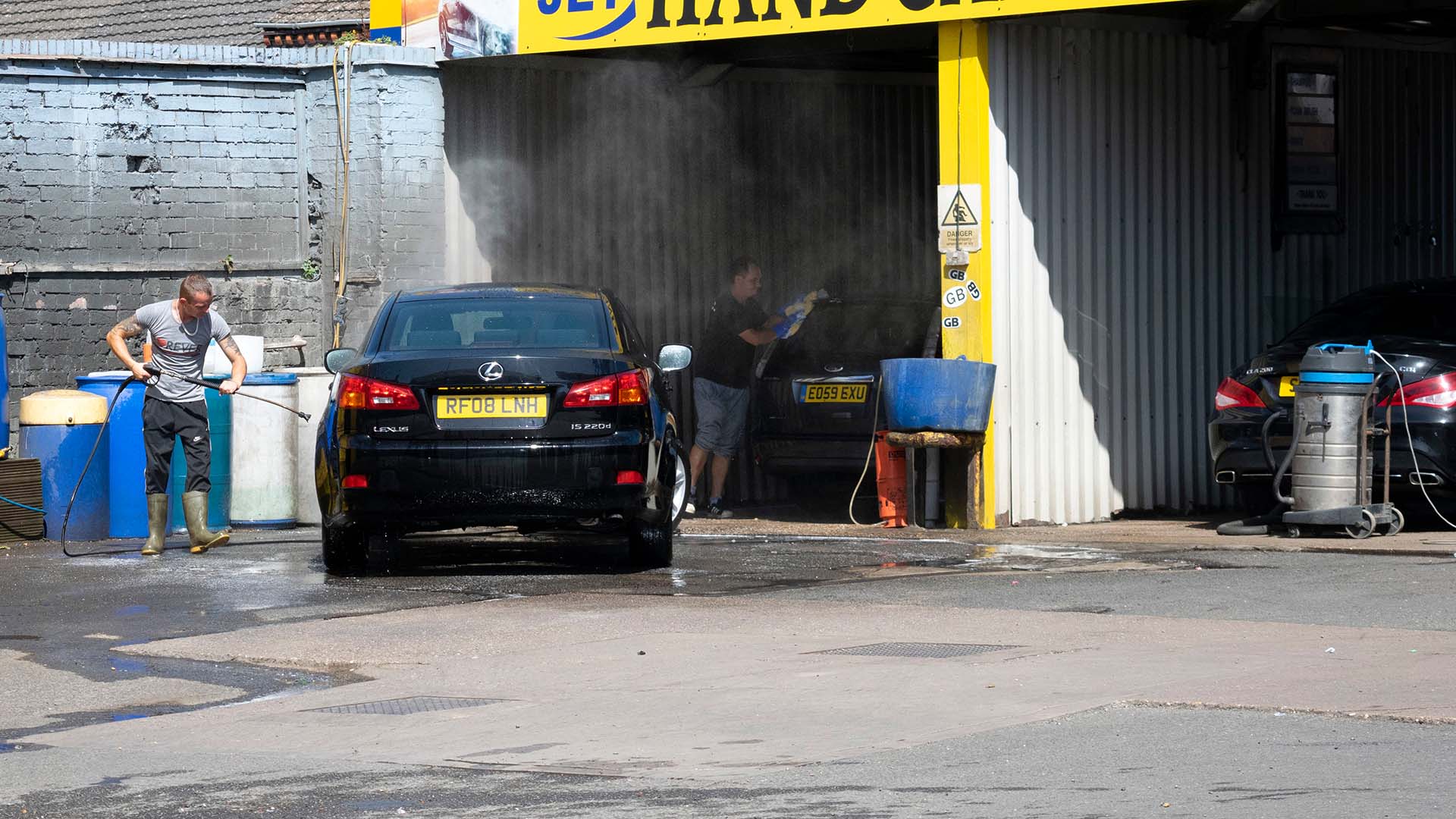
Hand car wash in the UK

Brian Madderson, chairman of the Petrol Retailers and Car Wash Associations, said: “We are excited that government, through the Office for Labour Market Enforcement, is at last proposing practical measures to combat the fast growing, mostly illegal, trade of non-compliant hand car washes.

“It is a national disgrace that the UK has become the ‘go to’ country in Europe for non-compliant hand car washes that openly flout tax, labour abuse and environmental regulations. They are a serious social blight caused by ineffective enforcement and contrast starkly with countries like Germany, Austria and Benelux, which have virtually none.

“The sooner this new government tackles this issue, the sooner will our rivers and countryside be freed from toxic chemical waste and labour abuse will be eliminated. We enthusiastically welcome Mr Taylor’s call for a licensing scheme.”

Changes to the licensing of car washes would require ministerial action. The Home Office said it will ‘continue to work closely with law enforcement partners such as the GLAA (Gangmasters and Labour Abuse Authority) and businesses to prevent modern slavery and bring perpetrators to justice’.

Anyone who suspects a labour provider is exploiting the welfare and rights of workers can report the issue to the GLAA.

Advertisement

Car ‘splatometer’ reveals huge decline in number of insects

0

Splatometer reveals decline in number of insects

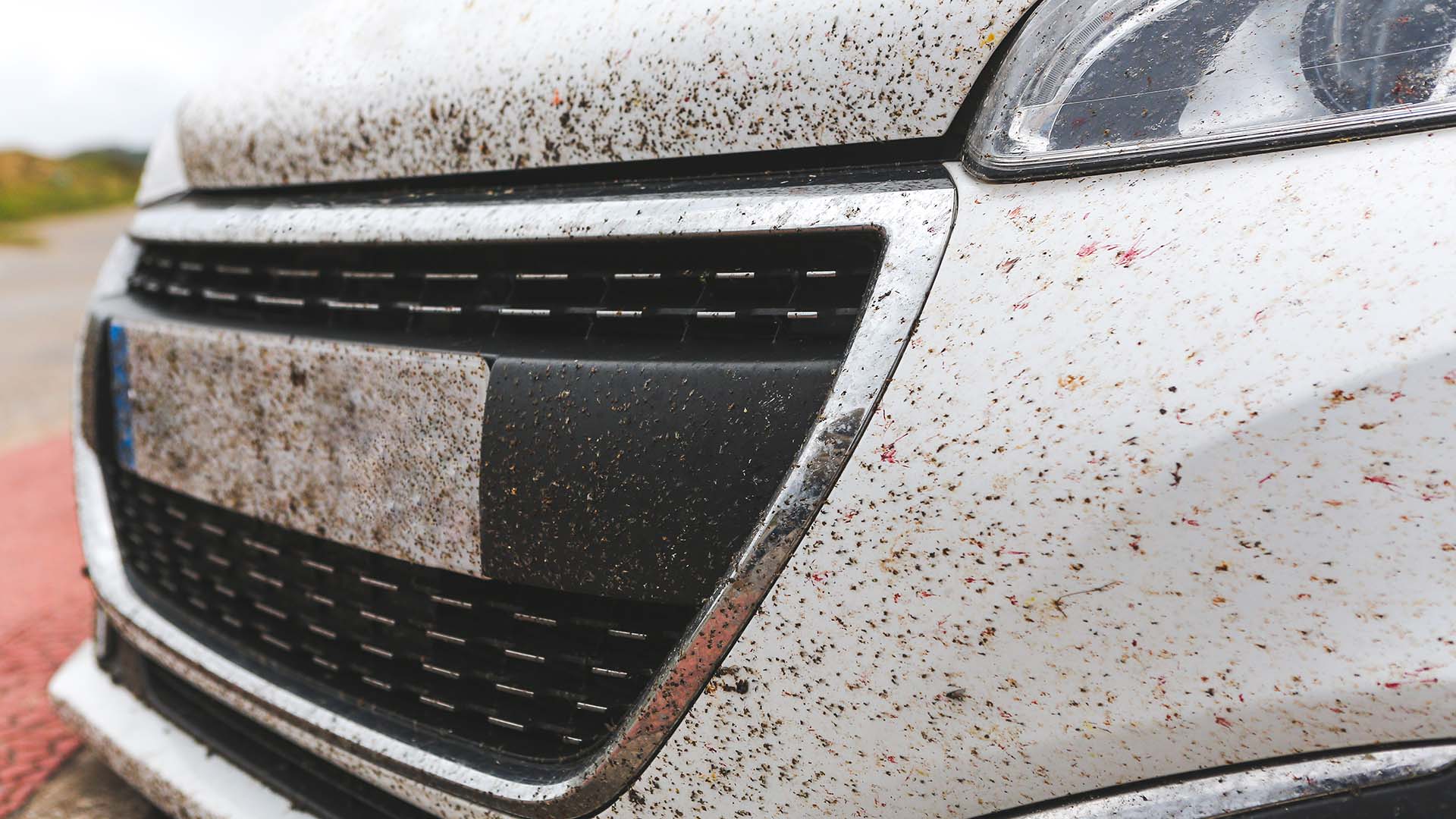
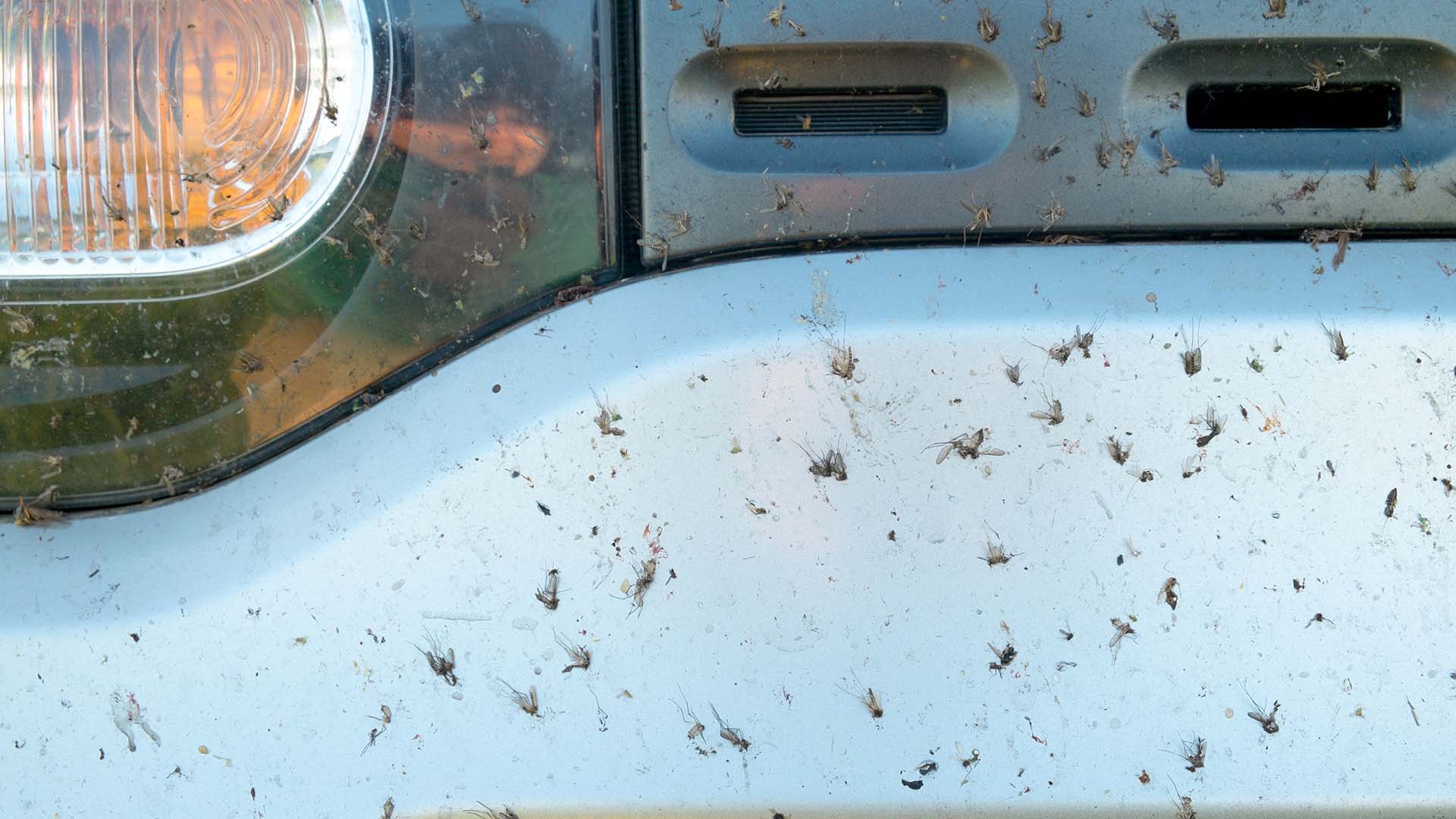
There were 50 percent fewer insects squashed on car number plates in 2019 than in 2004. That’s according to a study conducted in Kent.

By using so-called ‘splatometer’ sampling grids, Kent Wildlife Trust asked members of the public to record the number of insects squashed on their car’s registration plate. These figures were then compared to a similar study by the RSPB in 2004.

Overall, the ‘splat density’ has fallen from an average of 0.2 splats per mile to 0.1 splats per mile. This is a trend mirrored by other international studies, with intensive farming and our reliance on pesticides blamed for the decline.

It’s not that cars are responsible for killing fewer insects, it’s that there are fewer insects to kill. A recent report says the global decline in insects could have ‘potentially catastrophic’ consequences. 

The report highlights the ‘windscreen phenomenon’ – a term given to the anecdotal observation that people tend to find fewer insects squashed on the windscreen. Why does this matter?

‘Foundation of life’

Speaking on Channel 4 News, Dr. Paul Tinsley-Marshall from Kent Wildlife Trust said: “Insects form the basis of many food webs – they’re the foundation of life on earth. Three-quarters of crops are pollinated by insects. 

“Without insects, life on earth just couldn’t exist.”

Insects are the main food source for many birds, small mammals and fish. They’re also the critical component of ecosystems.

Campaign group Buglife points to figures that suggest 41 percent of the world’s insects species could be extinct within the next few decades.

‘We need to act immediately’

Fewer insects found on front of cars

Professor Dave Goulson of the University of Sussex delivers a stark warning: “Right now, species are going extinct faster than they have done for 65 million years.

“This quiet decline of our insects is a catastrophe unravelling all around us right now. We need to act immediately, or else it will be too late.”

Clearly, action is required at a national and international level, but what can we do to help? Kent Wildlife Trust advises us to ‘stop’ and ‘start’ with these two simple actions:

  • STOP killing insects by reducing our use of pesticides where we live, work and farm.
  • START creating more insect-friendly habitats in towns, cities and the countryside.

For more information, visit the Kent Wildlife Trust website.

Advertisement

Electric cars outsell manuals by 50 percent in America

0

Electric cars outsold manuals

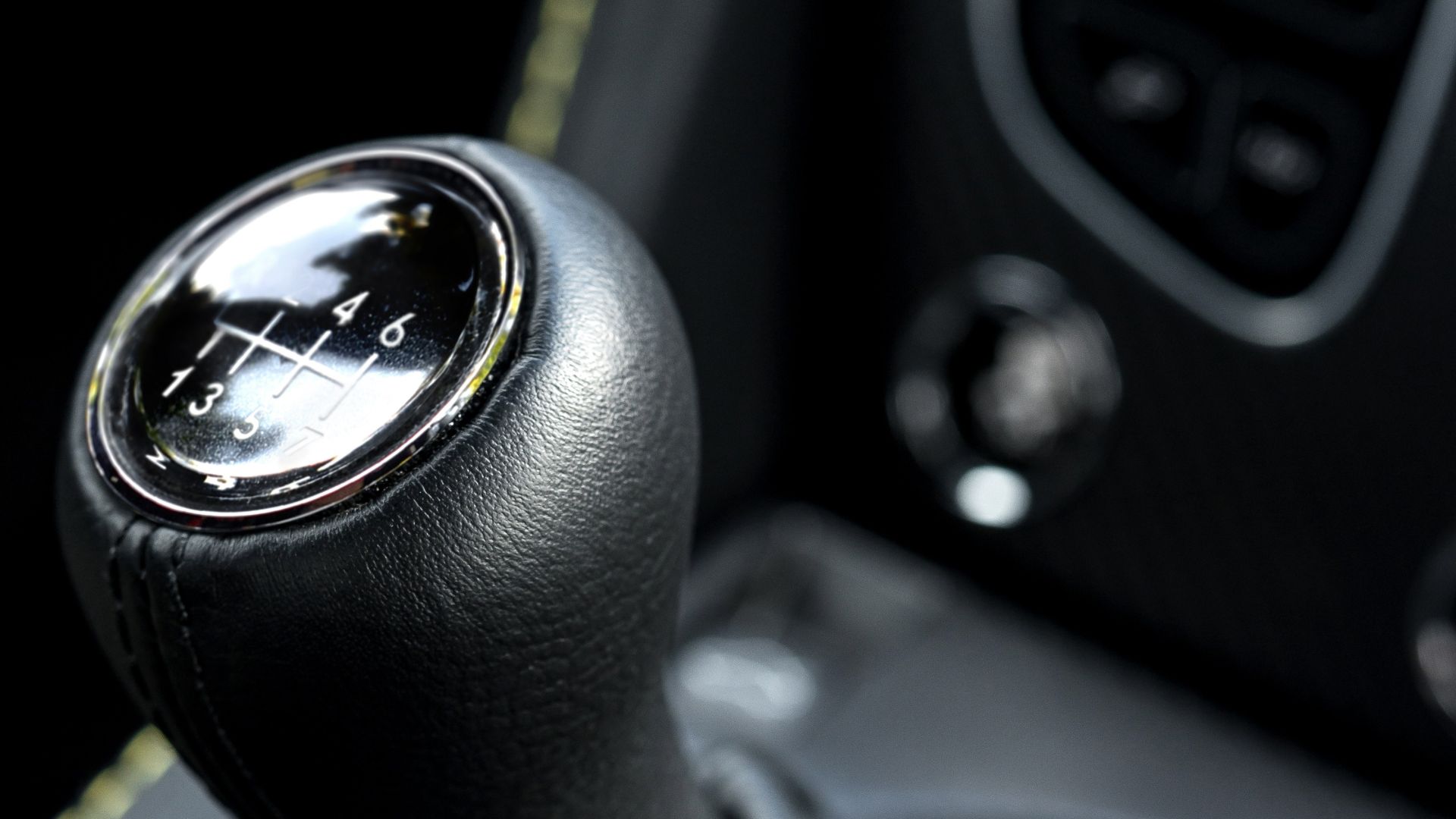
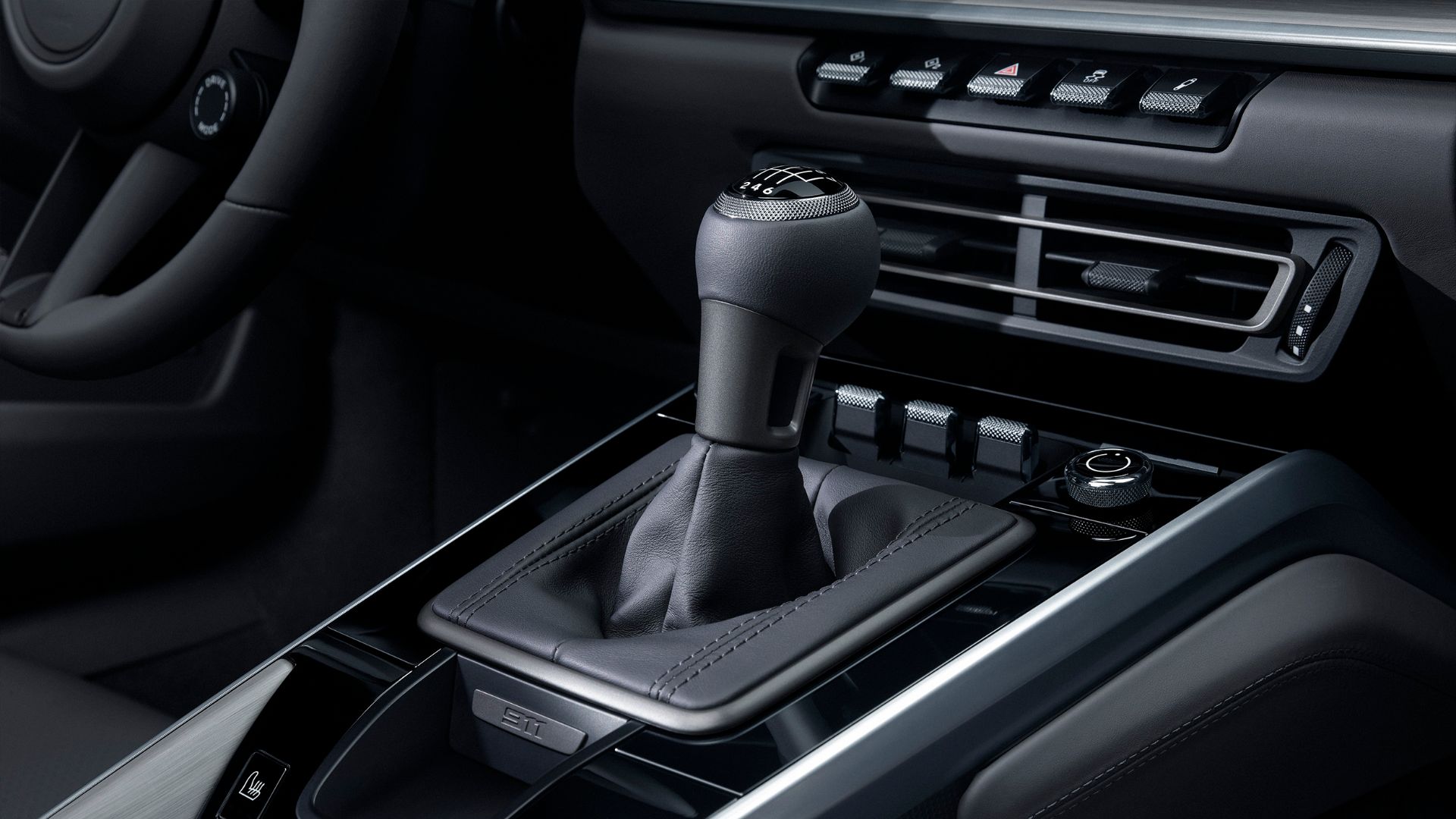
The ‘Save the manuals’ movement seemed to be gathering steam a little while ago. First, the Jaguar F-Type, then the Porsche 911 GT3 and, most recently, the Aston Martin Vantage, all got manual gearbox options where previously there wasn’t one.

Sadly, that could have been a bit of a smokescreen, at least in America. New figures show that electric cars outsold manuals there by 50 percent in 2019.

Sports cars with a manual 2019

It’s a big lead with small numbers, however. Last year, manuals made up 1.1 percent of sales, while electric cars made up 1.6 percent. The trend-lines crossed in the third quarter of last year, following 2018 when manuals led at 1.6 percent, with EVs on 1.5 percent. Overall, US sales of electric cars totalled around 270,000 in 2019.

This isn’t to say that EVs have raced ahead either, rather that sales of manuals have slumped. The Power Information Network data, which was requested by Green Car Reports, actually suggests that EV sales almost plateaued last year.

  • The used car market ‘remained solid‘ in 2019

Porsche 911 manual 2020

  • Motorists could save £41,000 by switching to electric

So what does this mean for manuals? Well, this is the US market, the market that popularised the automatic car.

It’s unsurprising that shock statistics about the stick shift’s demise should come first from the Land of the Free. As for Europe, we’re still clinging to our third pedal, especially with our taste for more compact cars.

Advertisement