Home Blog Page 235

Brittany Ferries lays up ships following ‘significant drop in demand’

0
Brittany Ferries Armorique leaving Plymouth

Brittany Ferries will lay up ships and reduce services in the wake of new quarantine measures. The cross-Channel ferry operator says the first changes will come into force from the end of August.

Anyone returning from France must self-isolate for 14 days. The measures were introduced at the weekend, leading to a mass exodus from some European ports and airports, with Brits hoping to beat the 0400 Saturday deadline.

At the weekend, around 35,000 passengers cancelled or delayed their plans to travel with Brittany Ferries. This follows a warning from the company that it is experiencing a “disastrous summer season”.

The company carries around 2.6 million customers in a normal year – 85 percent of which are British.

Brittany Ferries has now confirmed that it is changing its schedule and taking three ships out of service. Around 50,000 passengers with existing books will be affected by the changes.

Christophe Mathieu, director general of Brittany Ferries, said: “We warned over the weekend that schedule changes were likely, as quarantine measures have led to a significant drop in demand for our services.

“This is not something we want to do. However, in the context of a terrible summer season we have no choice but to consolidate sailings that, by virtue of lack of passenger numbers, are uneconomic to run.

“These extraordinary decisions are regrettable and we apologise in advance to all those whose travel plans will be disrupted.”

Brittany Ferries: key changes

Britanny Ferries Armorique at sea
  • Armorique, which serves the Plymouth to Roscoff route, will be laid up from 31 August.
  • Pont-Aven will replace Armorique on the Plymouth to Roscoff route from 10 September, with three return trips per week. The ship will also operate one return sailing from Plymouth to Santander and Roscoff to Cork during the week.
  • Bretagne, which serves the Portsmouth to St Malo route, will be laid up from 7 September.
  • Etretat will not resume crossings.
  • Connemara will continue to operate the Cherbourg and Le Havre routes from Portsmouth but will no longer serve Bilbao.

The company operates 12 ships serving 12 ports in the UK, France, Spain and Ireland. These are: Poole, Portsmouth, Plymouth, Roscoff, Saint-Malo, Le Havre, Cherbourg, Caen, Santander, Bilbao, Cork and Rosslare.

The Brittany Ferries call centre is expected to be busy over the coming days, so the company is asking passengers to wait for notification of any changes to their booking. Where possible, alternative arrangements should be made via the Brittany Ferries website.

Click here for more coronavirus travel updates and advice on the Brittany Ferries website.

ALSO READ

How to use the Eurotunnel Channel Tunnel

Eat Out To Help Out: the motorway services taking part

Driving to France: ferry or Eurotunnel?
Advertisement

Ford Fiesta is the UK’s most popular first car

0
Ford Fiesta

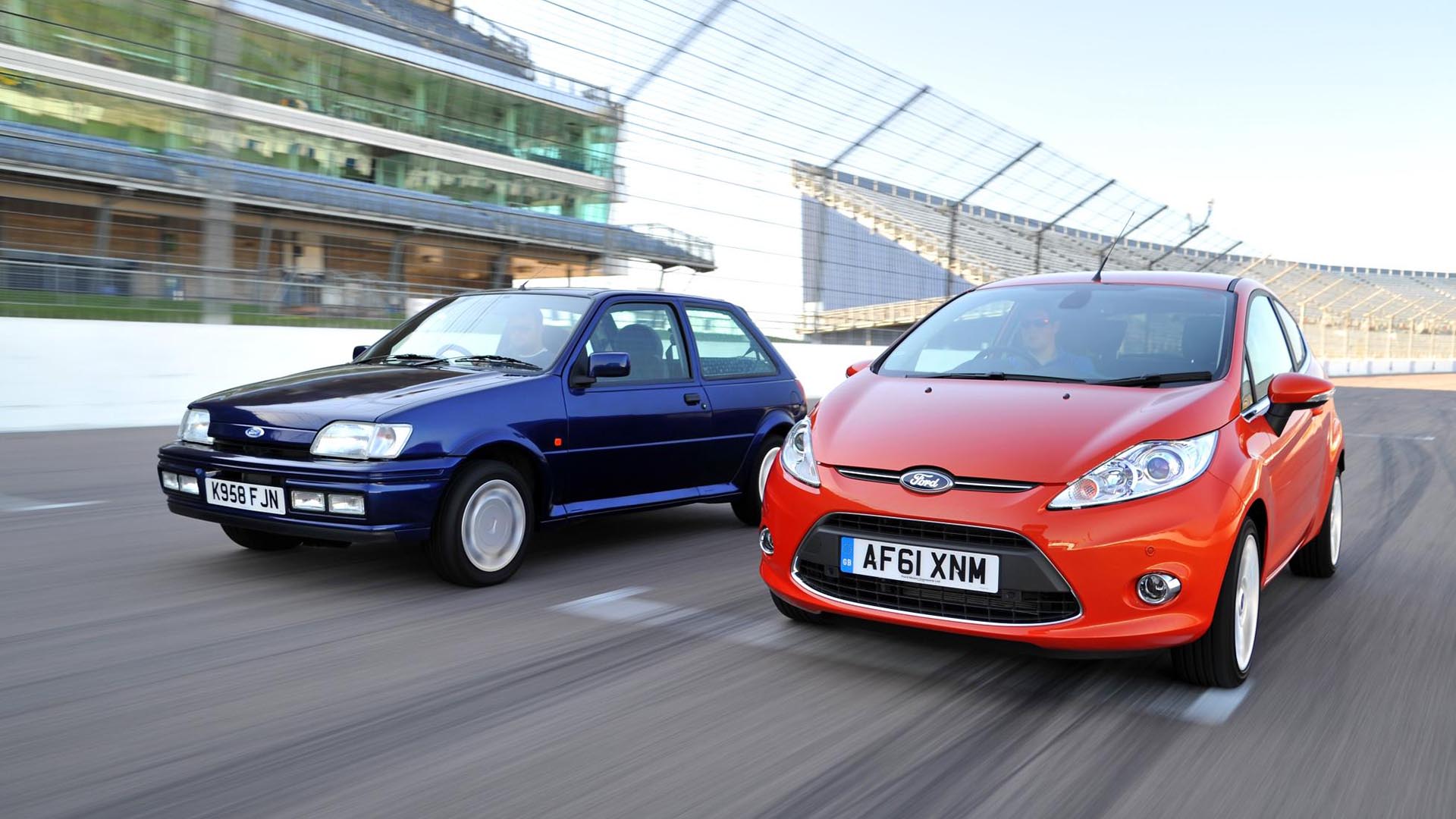
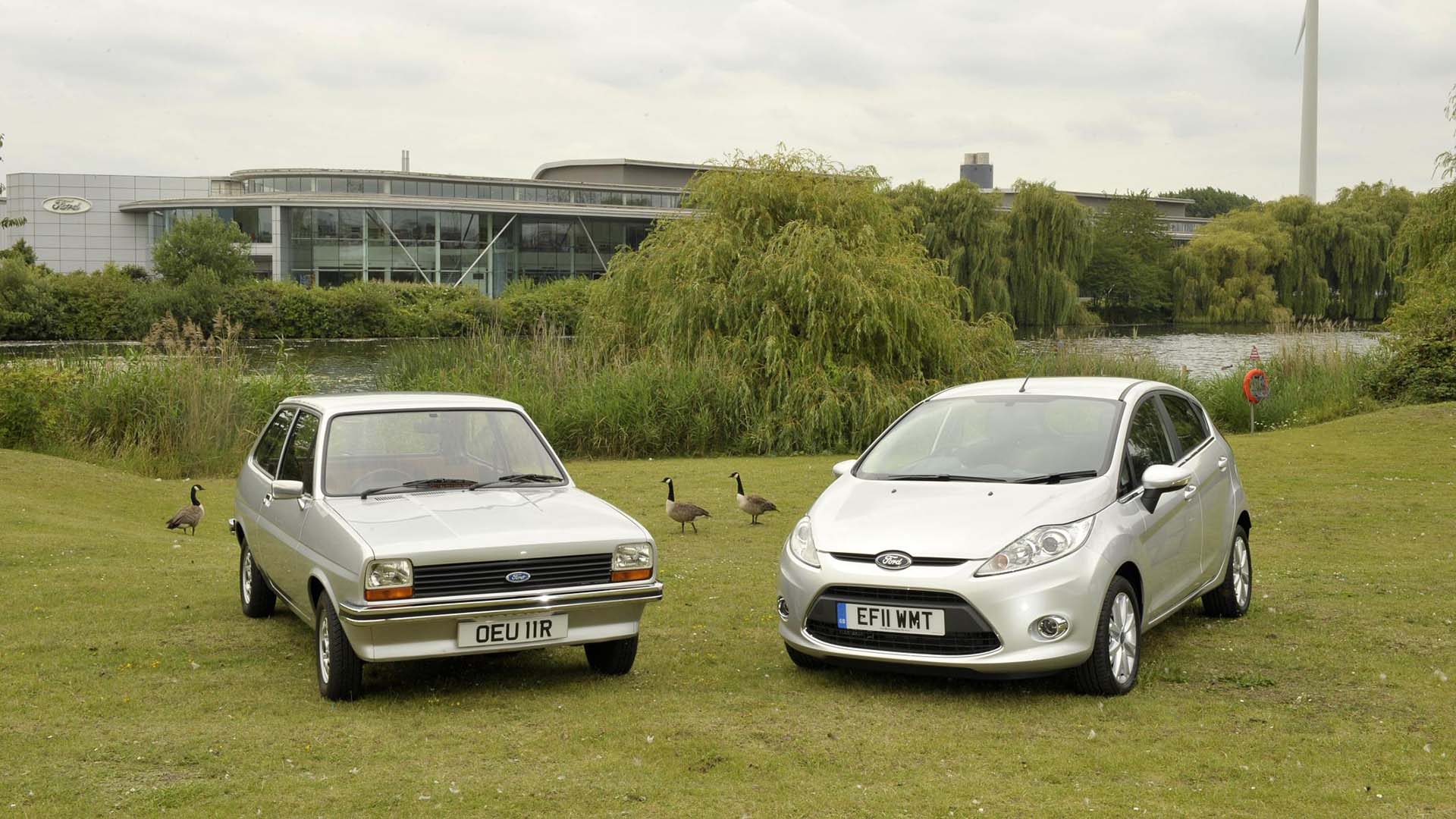
Ford dominates the list of the UK’s most popular cars of all time. So it should come as no surprise to discover that the Ford Fiesta is the most popular first car.

More than 1 in 4 respondents to a recent survey said that their first car was a Ford. Of these, 12 percent took their first steps on the road in a Ford Fiesta.

An insurance company spoke to 500 drivers to learn more about the nation’s first cars. The average price spent on a first car was £3,782, with 66 percent of people saying they felt it was worth what they paid for it.

Predictably, we turned to Auto Trader to find out how much Ford Fiesta you can buy for £3,782. Quite a lot, as it happens. There are around 575 examples between £3,500 and £4,000, with Zetec the dominant trim, and petrol outnumbering diesel by four to one.

In 2020, many people buy a car using a Personal Contract Purchase (PCP) plan. Right now, you can buy a Ford Fiesta Trend 1.0 for £170 a month after a £4,354 deposit. This is based on a three-year contract with a restriction of 9,000 miles per annum.

Over half of the respondents to the survey sold their first car to buy another, but 17 percent were sent to the scrapyard. Meanwhile, seven percent were written off.

‘Lovely elderly lady’

Ford Fiesta

Rachel Bustin, a blogger from Home in the Pastures, shared her memories of her Ford Fiesta: “I remember going to buy my first car with my dad. We bought it from a lovely elderly lady who lived on the coast overlooking Porthtowan. It was a red, two-door Ford Fiesta. The mileage was low due to the elderly lady using it once a week to go to the shops. It was a great find!”

Victoria from Lylia Rose also had a Ford Fiesta for her first car. She said: “I was 19 when I bought my first car. It was a burgundy Ford Fiesta, really old, and cost around £300. Someone told me Ford Fiestas are really reliable and easy to buy parts for, which I’ve found to be true. I only had the car for one year, but it was a great little runner.

“Since that car I’ve had a couple of Ford Ka cars and a Vauxhall Corsa, but I’ve actually gone back to a Ford Fiesta which I’ve now had for a few years as they are so easy to drive and really reliable as I was told all those years ago.”

We’ll leave you with the news that 20 percent of people decide to name their first car. The most popular name? Betty. Hmm.

Click here to read the full results of the Dayinsure first car study.

ALSO READ

Toyota Yaris (2020) review

Eat Out To Help Out: the motorway services taking part

What to do if you can’t find your driving licence

Advertisement

Revealed: the slowest motorways in England

0
Dartford Crossing East Tunnel

Perhaps predictably, the Dartford Crossing has been revealed as the slowest section of motorway in England.

There’s also a degree of inevitably about the fact that 11 of the 50 slowest sections of motorway are on the M25.

With average speeds of 24.6mph and 25.1mph, two sections of the M25 by the Dartford Crossing are England’s slowest. There were 57.8 million crossings made in 2018/19 – the highest since the Dart Charge was introduced in 2014.

The M25, M4 and M5 motorways dominate the list of slowest motorways. Eight of the slowest stretches of motorway are located on the M5, which will make for grim reading for the tourists spending their summer holiday in the South West.

Overall, the South East, West Midlands and North West are home to the slowest motorways.

It’s not unusual

UK traffic jam

Dan Hutson, head of motor insurance at Comparethemarket.com, the company behind the research, said: “Sitting in traffic on the motorway isn’t unusual.

“And our research reveals it’s the norm in many areas to be crawling along at speeds 30mph or 40mph below the speed limit.

“Some of the slowest sections of motorway are near major locations or junctions. For example, ‘Thorney Exchange’, right next to Heathrow Airport, is the twelfth slowest stretch and one of the busiest junctions in the country.

“Our research also shockingly reveals that there are 11 stretches of motorway across England which have an average speed of less than 30mph. What is also worrying is that our data reveals the speed of traffic at all times of the day, so during rush hour the average speeds are likely to be much lower.”

Top 10 slowest sections of motorway

  1. Dartford Crossing (northbound near Littlebrook): 24.6mph
  2. Dartford Crossing (northbound between Princes Road and Littlebrook): 25.1mpg
  3. M67 (westbound between Ashton Road and Denton): 26mph
  4. M67 (westbound between Denton and A57): 26.1mph
  5. M5 (northbound near Oldbury): 28.3mph
  6. M4 (westbound near Chiswick): 28.6mph
  7. M4 (westbound between Chiswick and Brentford): 28.7mph
  8. M4 (westbound near Brentford): 28.7mph
  9. M5 (northbound between Quinton and Olbury): 29.1mph
  10. M5 (southbound near West Bromwich): 29.5mph

Click here for tips on how to find the latest traffic information to avoid getting stuck in a delay. The complete list of slowest motorways can be found here.

ALSO READ

UK used car sales HALVE due to lockdown

Have petrol and diesel car sales already peaked due to coronavirus?

Heatwave warning: dogs die in hot cars

Advertisement

Bond cars: Aston Martin unveils 007 Editions of Vantage and DBS

0
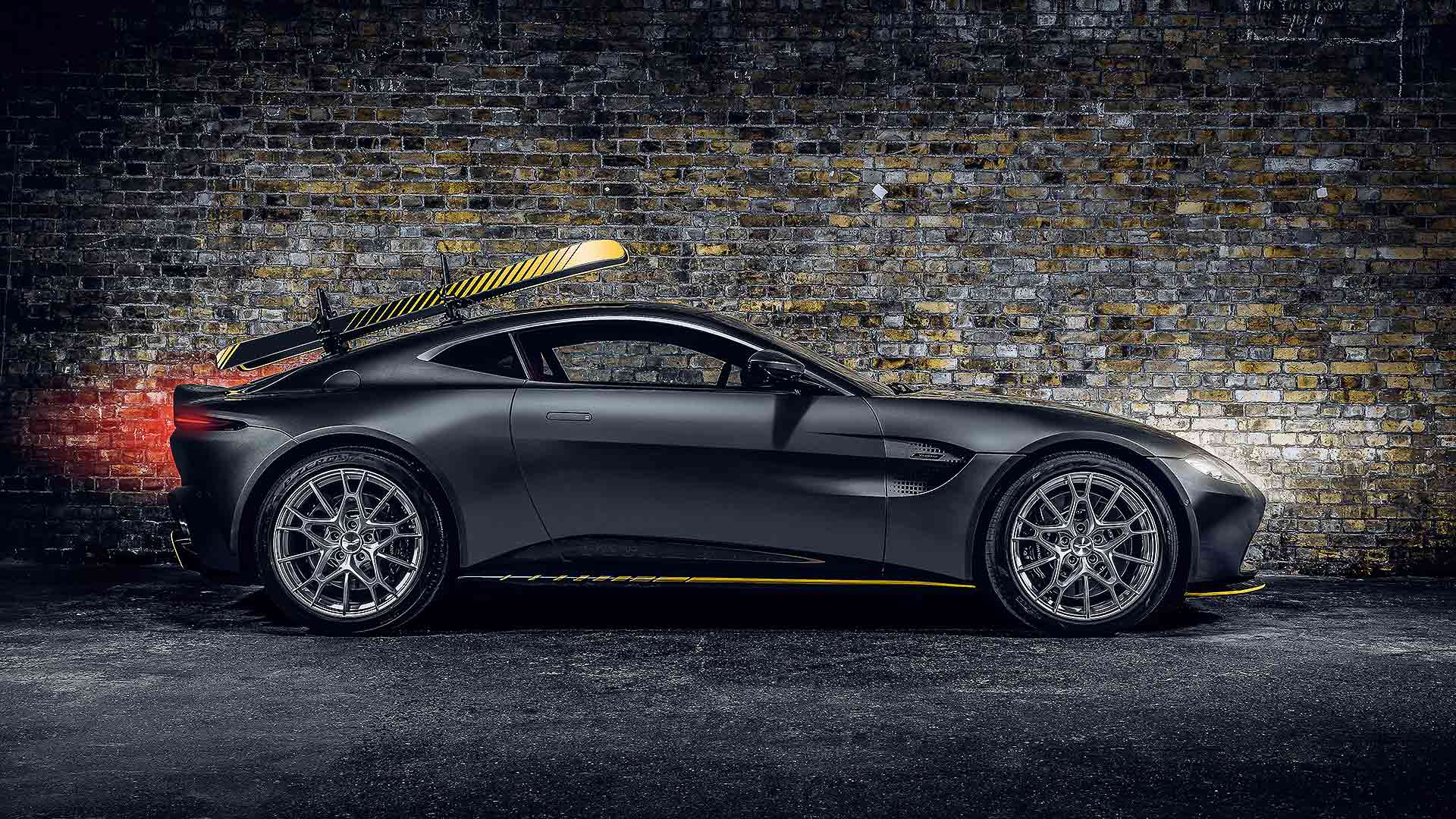
Aston Martin Vantage 007 Edition and DBS Superleggera 007 Edition

“You seem to have this nasty habit of surviving,” sneers Kamal Kahn to James Bond in Octopussy. After 107 years and seven bankruptcies, one might say the same about Aston Martin.

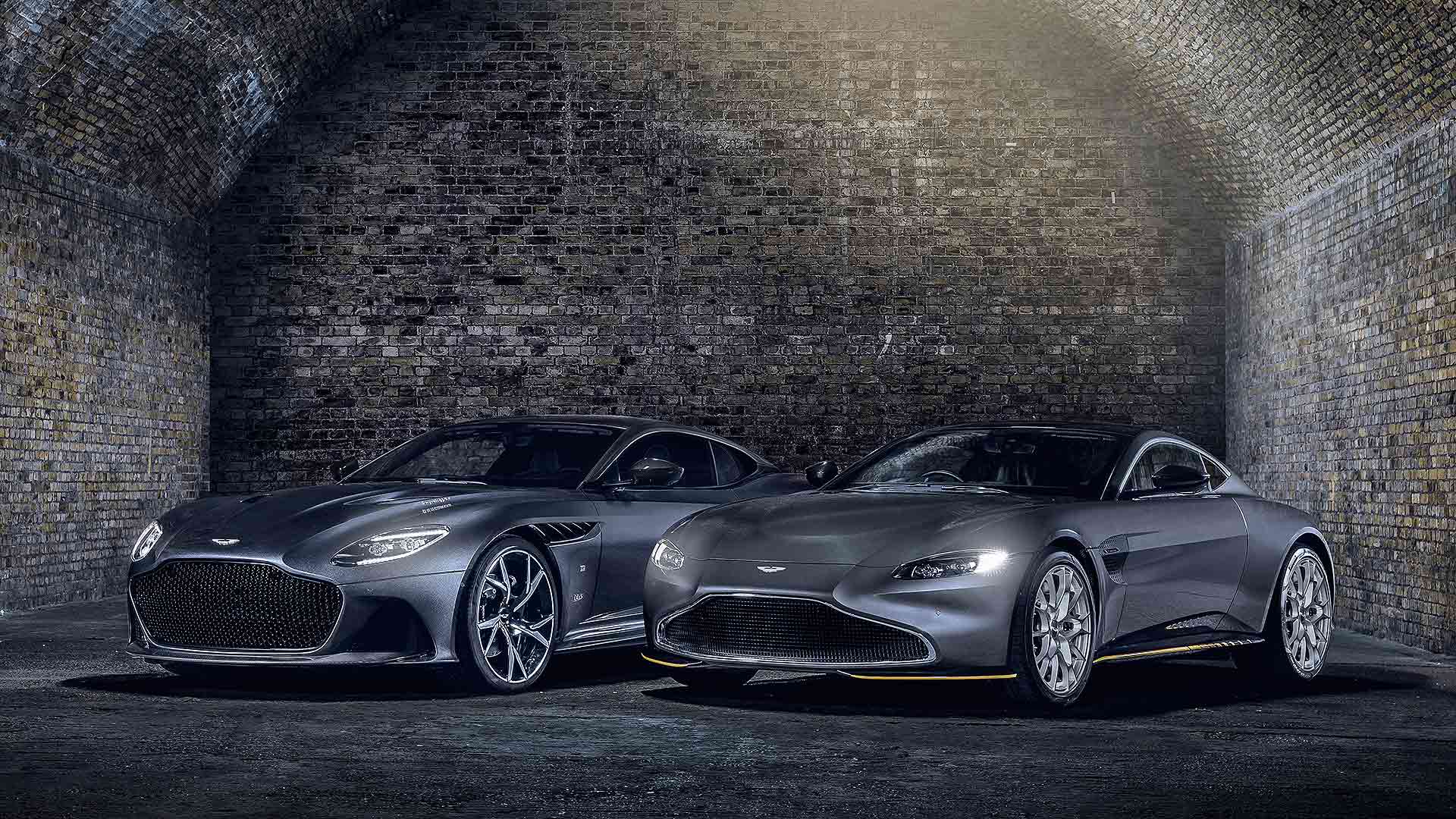
Ever since Goldfinger in 1964, Aston Martin and Bond, James Bond have gone together like an evil masterminds and hollowed-out volcanoes. Now, to celebrate the forthcoming release of No Time To Die – the 25th film in the Bond saga – Aston has revealed special ‘007 Editions’ of the Vantage and DBS Superleggera.

Priced at £161,000 for the Vantage and £279,025 for the DBS, they’re available to order now for delivery in spring 2021.

Aston Martin Vantage 007 Edition

Form an orderly Q

Sadly, neither car comes with rocket launchers, a cement sprayer or the ability to transform into a submarine. You don’t even get revolving number plates.

On the plus side, you do gain a unique specification created by ‘Q by Aston Martin’ – Gaydon’s in-house personalisation department (and another none-too-subtle Bond reference).

The 007 Edition cars will also be built in limited numbers: 100 examples of the Vantage and 25 of the DBS Superleggera.

Aston Martin Vantage 007 Edition

The living highlights

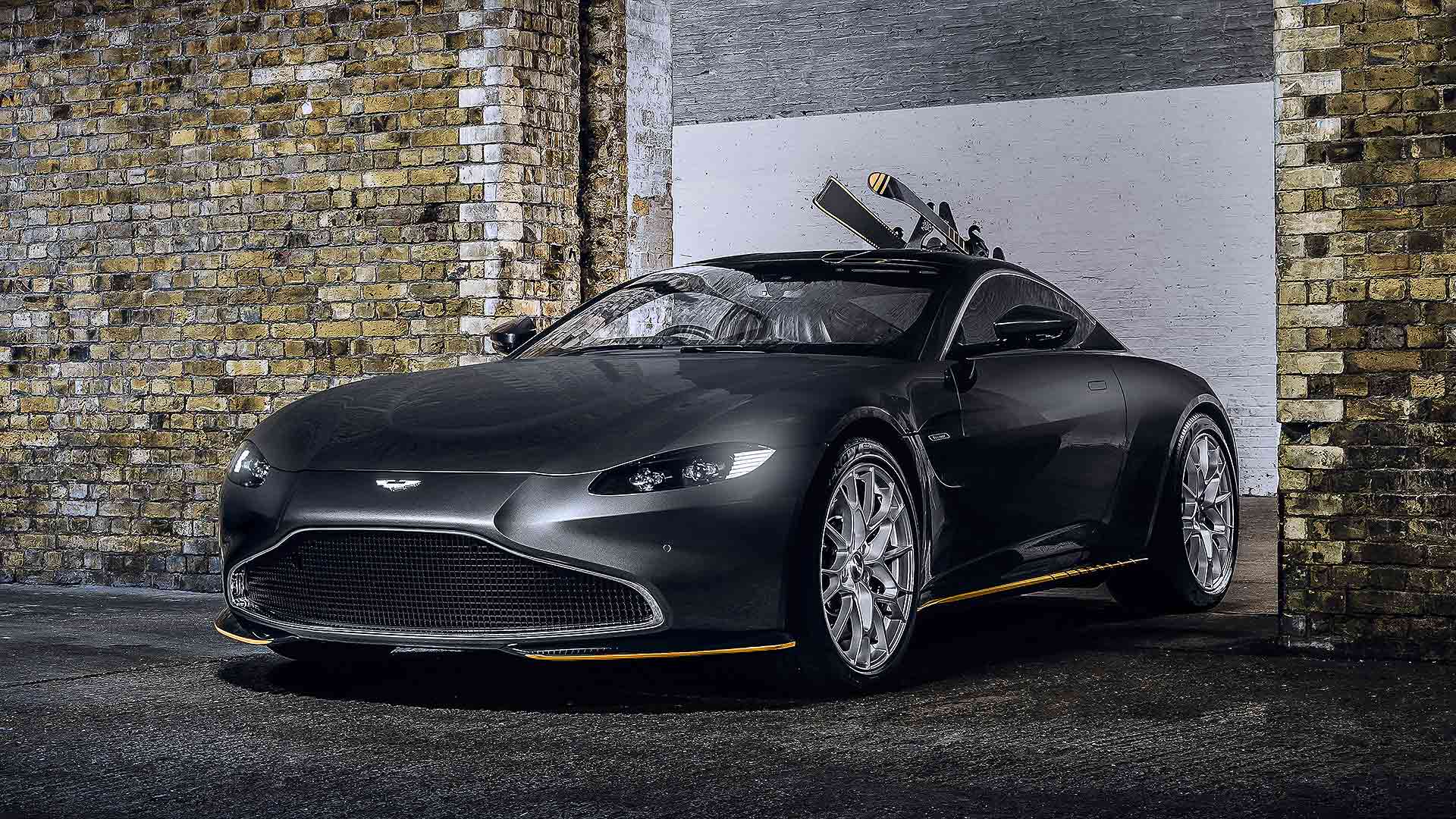
Let’s start with the Vantage, which is inspired by the Aston Martin V8 from 1987’s The Living Daylights and also features in No Time to Die. In the latest film, Daniel Craig retrieves the car from his secret London lock-up.

Exterior styling mods include a mesh front grille and dashed yellow diffuser that (it says here) is inspired by the hazard stripes on the film car’s rockets. You can even go all-out with limited edition The Living Daylights skis and a ski rack. Cool in Courchevel, less so in Colchester…

The Vantage is painted Cumberland Grey, with an interior in Obsidian black leather and dark chrome. Bond fripperies include the Russian police radio frequency (as used by Timothy Dalton to aid his escape) embroidered onto the sun visors, cross hairs etched into the paddle shifters and a laser-etched plaque that references the various weapons fitted in the film.

Aston Martin DBS Superleggera 007 Edition

A V12 is not enough

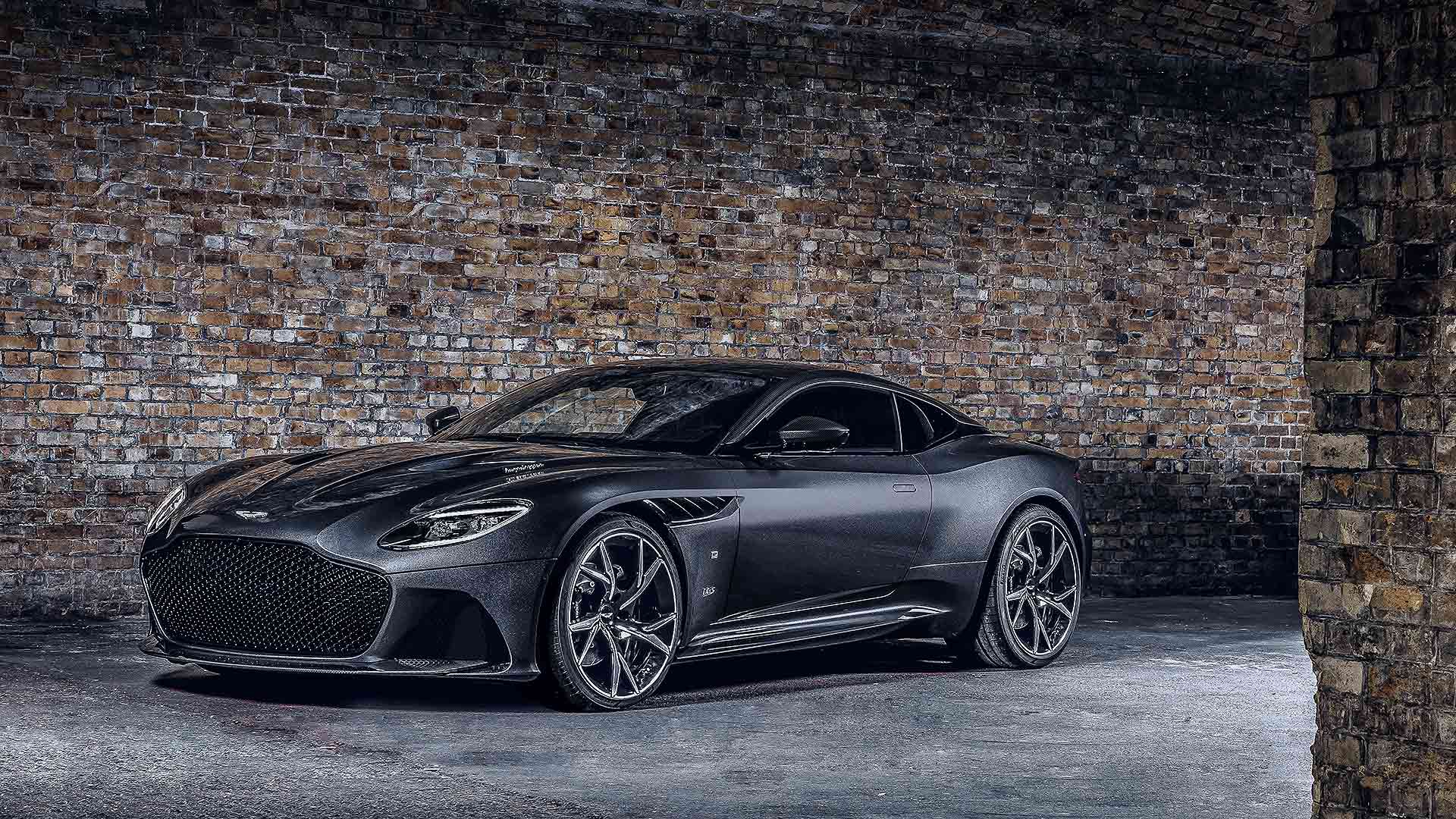
As for the DBS Superleggera, a 725hp 5.2-litre V12 beneath the bonnet is arguably the only gadget it needs. It’s certainly swift enough to outrun a Ferrari F355, Jaguar XKR or, um, AMC Matador.

This time, the 007 Edition means Ceramic Grey paint, with the roof, mirrors, splitter and diffuser in black-tinted carbon fibre. Gloss black 21-inch wheels are also bespoke to these 25 cars, with badges on the front wings and what Aston describes as ‘stainless steel silver 007 foil’ on the rear spoiler.

Inside, you’ll discover red detailing, more 007 badges and a sill plaque. The overall effect is more subtle than the Vantage – but emulates the spec you will see in No Time To Die.

Aston Martin Vantage 007 Edition

Nearly time to die

If you can’t afford six figures for these ultimate pieces of film memorabilia, you can still enjoy No Time To Die in cinemas this November.

The release of Daniel Craig’s final outing as Bond has been delayed by the coronavirus crisis. However, it should offer plenty to keep car fans happy. As well as the DBS Superleggera and classic V8, the film also stars the iconic Aston Martin DB5 and upcoming Valhalla mid-engined hypercar.

We’re in two minds about skis and embroidered headrests, but the latter will surely leave us shaken and stirred.

ALSO READ:

Aston Martin DBX (2020) review

Zagato celebrates 100 years with Aston Martin V12 twins

Hyper drive: Aston Martin Valkyrie hits the road

Advertisement

Motorists are letting their car insurance auto-renew – and it’s costing them a fortune

0
Haggle for cheaper insurance

Drivers are wasting an estimated £1.9 billion a year by allowing their car insurance to auto-renew. That’s the warning ahead of the September peak in car insurance renewals.

Around a fifth (21 percent) of motorists allowed their insurance policy to auto-renew in the last six months. This compares with 15 percent when the survey was last completed in February 2020. This is a 40 percent increase in the number of drivers auto-renewing their insurance.

The number of motorists auto-renewing without shopping around for competitive quotes is at its highest since February 2017.

When asked why they allowed their policy to automatically renew, a fifth of drivers said their existing provider was the cheapest last year, so they believed they would offer good value. Another fifth said they spoke to their insurance company about reducing their payments or taking a premium holiday.

Other reasons for sticking with the same provider included loyalty (22 percent), the hassle of switching (17 percent), and worries over the loss of their no-claims bonus (11 percent).

Less than half of drivers check their renewal premium against what they paid for cover the previous year. Just a third check their renewal documents for any changes to the cover they were offered.

Circumstances change, so a reduction in the annual mileage, adding or removing additional drivers, or a change in occupation could have an impact on the cost of insurance.

Paying a ‘loyalty tax’

Best car insurance companies

Lee Griffin, CEO and founder of GoCompare, said: “September is traditionally one of the busiest months for renewals due to historic new car sales.

“Our research show that millions more drivers are not actively engaging with the renewal process this year, potentially leaving themselves hundreds of pounds out of pocket by effectively paying a ‘loyalty tax’.

“Drivers who are still paying their premiums really need to carefully consider their options and shop around to see what other insurers are willing to offer them.

“The good news is that car insurance premiums are falling due to less traffic on the roads and fewer claims. As a result, some drivers may actually see a premium reduction on their renewal letter, however that is the signal that they could probably get an even better deal elsewhere.”

ALSO READ

Young drivers targeted with ‘fuss-free’ monthly car insurance

Are these the most unusual road signs in Britain?

What to do if you can’t find your driving licence

Advertisement

Used car sales halve due to UK lockdown

0
Mercedes-Benz used car sales

Just over 1 million used cars were sold in the quarter from April to June 2020 – 48.9 percent fewer than in 2019 and entirely due to coronavirus lockdown, says the Society of Motor Manufacturers and Traders.

It actually marked a 2020 turnaround, as January and February used car sales were thriving pre-pandemic.

However, SMMT figures reveal the sales slump was already easing by June: while transactions were down 74.2 percent in April, they only fell 17.5 percent in June.

So far in 2020, 2.89 million used cars have been sold, compared to 4.05 million in 2019. That’s a decline of 28.7 percent – with 85 percent of the losses recorded in the April to June period.

Mike Hawes, SMMT chief executive, said: “As devastating as these figures are, with full lockdown measures in place for the whole of April and May, they are not surprising.

“As the UK starts to get back on the move again and dealerships continue to re-open, we expect to see more activity return to the market, particularly as many people see cars as a safe and reliable way to travel during the pandemic.”

The most popular type of used car during the 2020 lockdown period was a supermini, with 316k transactions – they took 30.5 percent of the market, despite sales falling 52.4 percent.

Unsurprisingly, every car sector declined: the least badly affected were luxury saloons, down ‘just’ 30.4 percent.

The most popular used car colour was black, closely followed by silver, blue, grey and white.

Best selling used cars: April-June 2020

1: Ford Fiesta

2: Volkswagen Golf

3: Ford Focus

4: Vauxhall Corsa

5: Vauxhall Astra

6: BMW 3 Series

7: Mini

8: Volkswagen Polo

9: Audi A3

10: Mercedes-Benz C-Class

ALSO READ

Approved used schemes: what each car company offers

Surge in used car demand continues

Heycar used car marketplace launches in UK

Advertisement

Revealed: the most and least reliable vans and pick-ups

0
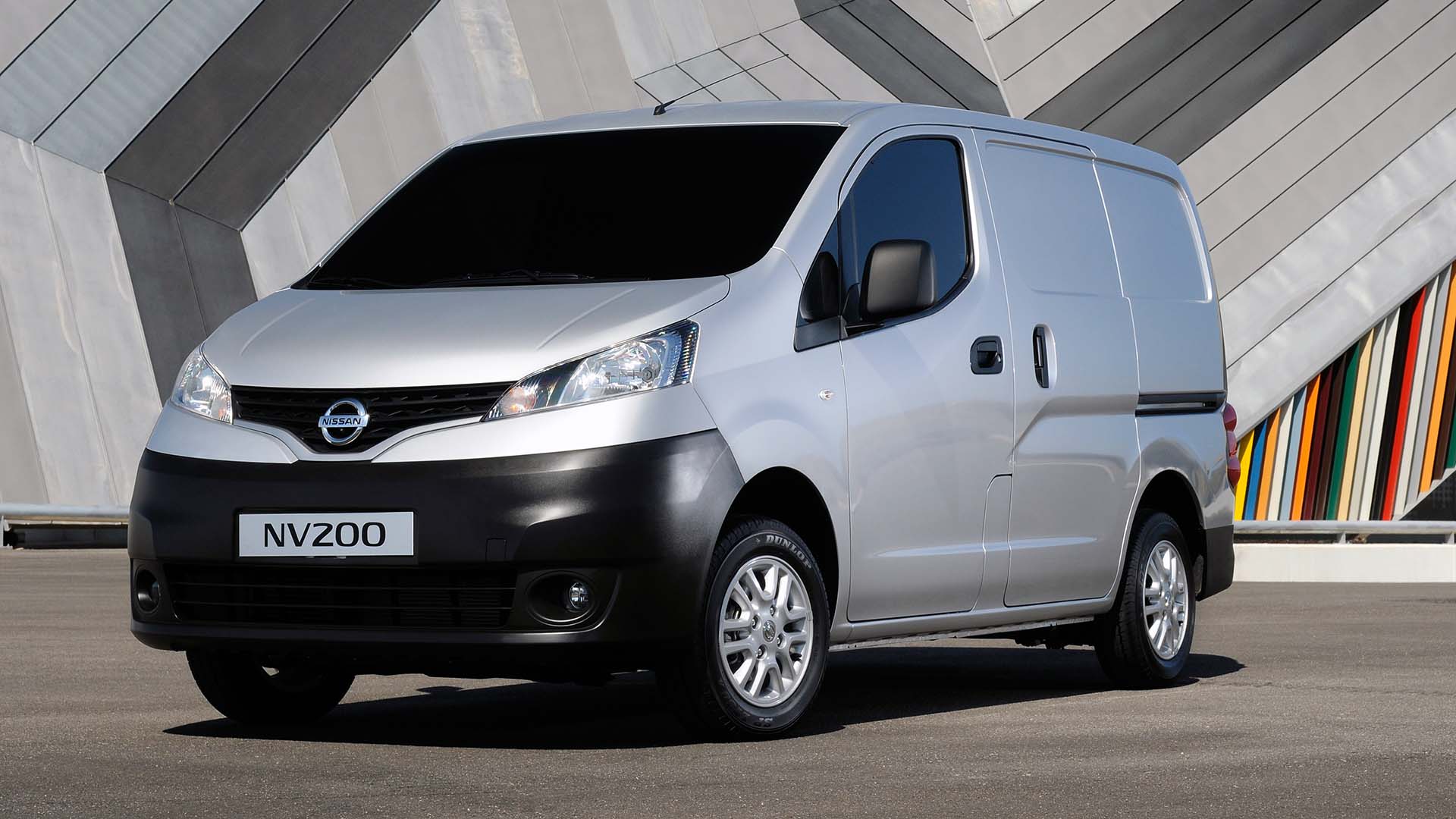
Nissan NV200 is most reliable LCV

The UK’s most and least reliable used light commercial vehicles (LCVs) have been revealed by a leading warranty firm. The list, which is based on warranty information for cars over three years old, includes vans and pick-ups.

Each LCV is evaluated on aspects such as the frequency of claims, labour required and the average cost of repairs.

There’s good news if you own a Nissan NV200 van, but owners of the Ford Ranger pick-up might want to look away now. Either that or make plans for a used vehicle warranty.

With just five repairs carried out against 222 active warranties, the Nissan NV200 is named the UK’s most reliable LCV. Interestingly, the Toyota Hilux, a vehicle believed by many to be indestructible, could only manage fifth place.

The Ford Ranger is named the least reliable LCV, with a repair rate of 31 percent. It’s also the 10th most expensive LCV to repair, costing its owners an average of £955. For context, the Citroen Dispatch costs £287.60, making it the least expensive LCV to repair.

Ford Ranger is least reliable LCV

Lawrence Whittaker, CEO of Warrantywise, said: “Vehicle reliability and overall value for money is critically important for business owners across the country; many of whom depend on their van or pick-up truck to carry equipment, deliver goods and reach their customers on time. The logical drive to save on overheads has seen more and more drivers drawn to attractive, used vehicle offers.

“Many, however, naturally have concerns about how the vehicle was treated by its previous owner and could find themselves both off the road and shouldering a hefty repair bill if it develops a fault outside of its manufacturer warranty.”

Most reliable used vans and pick-ups

  1. Nissan NV200
  2. Volkswagen Crafter
  3. Renault Kangoo
  4. Peugeot Partner
  5. Citroen Berlingo
  6. Toyota Hilux
  7. Peugeot Expert
  8. Mercedes-Benz Sprinter
  9. Fiat Doblo
  10. Citroen Dispatch

Least reliable used vans and pick-ups

  1. Ford Ranger
  2. Citroen Nemo
  3. Renault Master
  4. Nissan Navara
  5. Mitsubishi L200
  6. Mercedes-Benz Vito
  7. Volkswagen Amarok
  8. Vauxhall Vivaro
  9. Volkswagen Caddy
  10. Vauxhall Movano

In case you’re wondering how the Ford Transit performed, Warrantywise said it occupies a ‘respectable mid-table position’. It’s the van with the most warranty plans, with 19 percent of policyholders requiring work.

The Vauxhall Vivaro is the second-most popular LCV on Warrantywise’s books. Although the Vivaro is less reliable than than the Transit, the repair costs are lower if and when things go wrong.

ALSO READ:

How to find the cheapest petrol and diesel near me

Caravan holidays: here’s what you can legally tow this summer

Why are diesel particulate filters a problem?

Advertisement

Google Maps update makes it even easier to use with Apple CarPlay

0
Google Maps Apple CarPlay Update

The latest version of the Google Maps navigation app is set to work even better with Apple CarPlay. 

Updates mean those with compatible iOS Apple devices will see Google Maps integrate with the CarPlay Dashboard view. 

Users will now be able to have Google Maps displayed side by side with other functions. This means Google’s navigation instructions alongside music choices and calendar appointments.

Freedom to choose your mapping solution

Google Maps Apple CarPlay Update

Until now, Apple CarPlay’s Dashboard setting was only compatible with Apple’s own Maps app. This forced drivers to choose between the neatness of the Dashboard display, or using third-party navigation apps like Google Maps separately. 

Apple released an update for CarPlay earlier this year, offering third-party developers the chance to work in Dashboard mode. However, it has taken Google until now to make the necessary changes to its own Maps application. 

Now that Google has taken the leap to making its own mapping app work with the CarPlay Dashboard, expect other third-party maps to follow.

Google Maps back on your wrist

Google Maps Apple CarPlay Update

The latest update for Google Maps will also be of interest to Apple Watch wearers. 

Google dropped support for Apple’s smartwatch range in 2017, causing frustration for those who relied on its functionality. Now, Google will fully support the Apple Watch, offering step-by-step directions.

Users will be able to set saved destinations to quickly generate directions to, along with estimated journey times. Google Maps will tailor instructions depending on whether the user is travelling by car, bike, public transport, or on foot.

Updates for compatibility with Apple CarPlay are now live, whilst Apple Watch users should see changes made in the coming weeks.

ALSO READ

Revealed: the Apple CarPlay feature you can’t use yet

Mazda can retro-fit your old car with Apple CarPlay and Android Auto

Waze and Google Maps now in Apple CarPlay

Advertisement

Are these the most unusual road signs in Britain?

0
Campaign to sort road signs

A leasing company has identified what it believes are the most unusual road signs in Britain. It is urging motorists to “brush up on their road sign knowledge to avoid getting caught out”.

This comes as learner drivers prepare to take their driving test following the easing of lockdown measures. Driving test have restarted in England and will restart in Wales on Monday 17 August.

Driving tests remain suspended in Scotland. Theory tests have restarted in England, Scotland and Wales.

A spokesperson for LeaseVan.co.uk, the company behind the road sign research, said: “As drivers take to Britain’s roads for day trips and staycations, they may discover road signs they haven’t seen before.

“There really is a sign for every occasion, each one with the job of keeping roads, drivers and passengers safe. Many of the signs can be interpreted quite well – if you can hazard a guess you’re probably not far off – however some of the ones we’ve researched are a bit more obscure.”

Are you familiar with the following road signs?

Traffic may reach the same destination by passing either side of the sign

Pass either side road sign

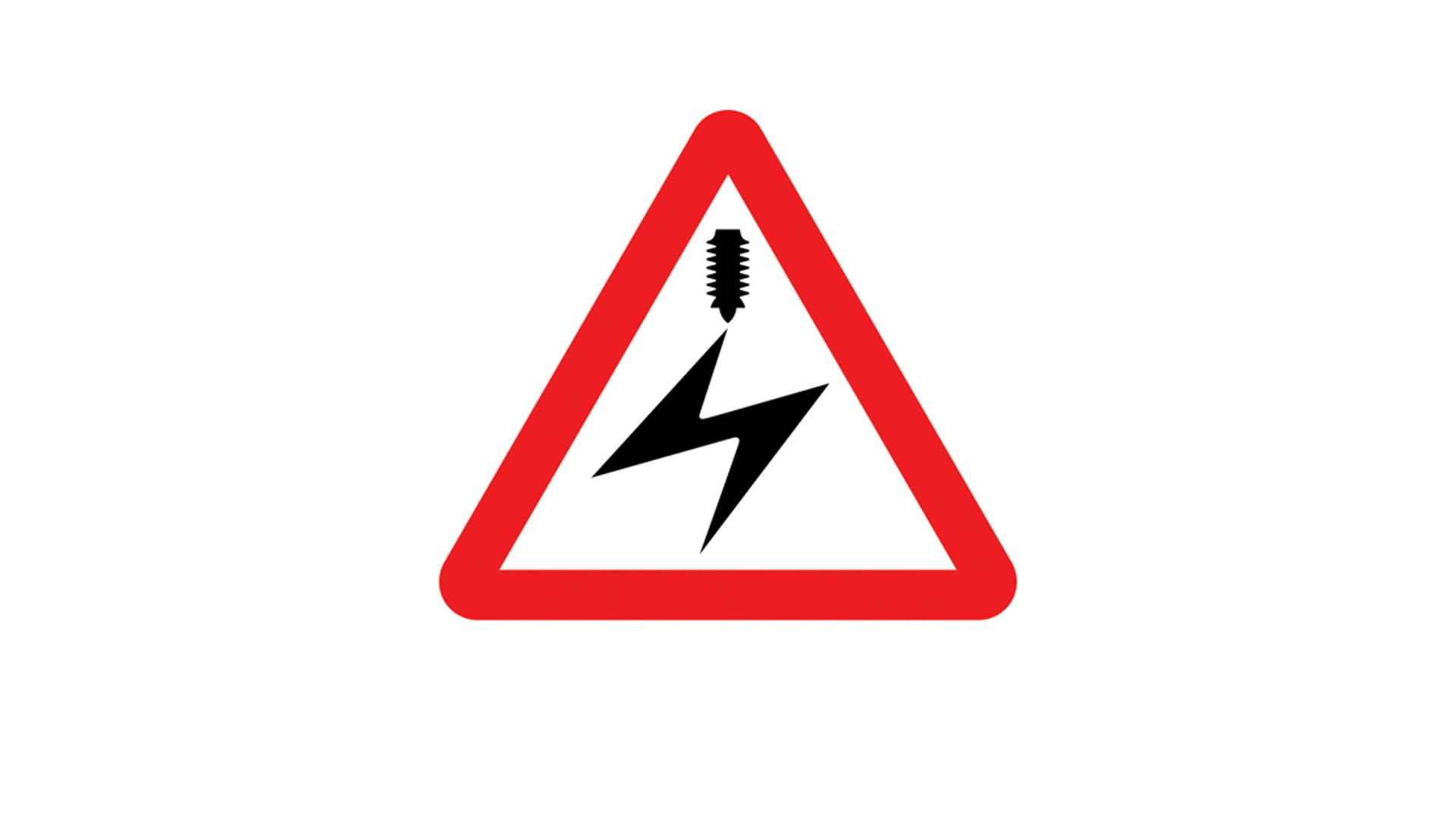
Electrified overhead cable ahead

Overhead electric cables road sign

Opening or swing bridge ahead

Opening or swing bridge ahead

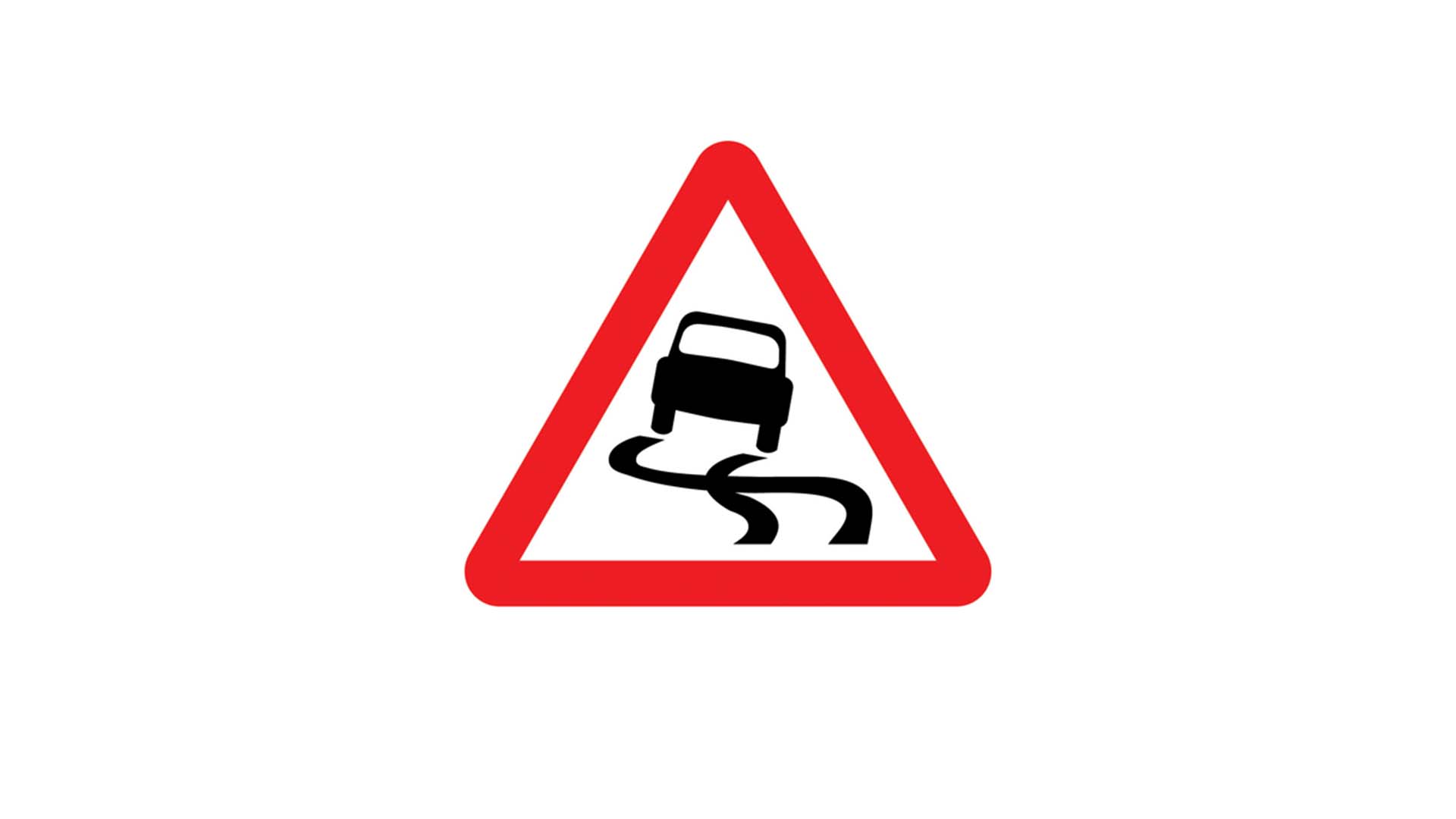
Slippery road ahead

Slippery road ahead

Wild animals likely to be in road ahead

Wild animals road sign

Vehicles carrying explosives prohibited

Vehicles carrying explosives prohibited

Slow moving military vehicles likely to be crossing or in the road

Slow moving military road signs

Risk of grounding at a railway or tramway level crossing or hump backed bridge

Risk of grounding road sign

Click here for more information on road signs and what they mean.

Advertisement

London is installing extra cameras for 2021’s expanded ULEZ

0
London ULEZ and Congestion Charge logo on road sign

Transport for London has begun installing 750 additional cameras to monitor motorists’ compliance with the extended Ultra Low Emission Zone which goes live in October 2021.

The 750 extra cameras will be in addition to the 650 cameras that already check for compliance with the current ULEZ Zone, which covers the same area as the London Congestion Charge zone.

The extended ULEZ will go far beyond this, reaching the North and South Circular.

This is 18 times larger than the current ULEZ – however, TfL officials say only 750 extra cameras are needed, thanks to smarter use of the monitoring tech.

Cameras will be prioritised at locations already used to monitor traffic, using existing lamp posts and traffic lights.

Tech company Siemens is building the cameras at its factory in Poole, Dorset.

Busy London road by evening

ULEZ schemes, says TfL, will reduce NOx emissions from road transport by 30 percent.

The central ULEZ has already cut roadside NOx by 44 percent – and although only 39 percent of cars complied in early 2017, more than 80 percent of cars are compliant (and therefore free to enter) today.

Surprisingly, this 80 percent compliance rate is expected to carry over to the extended scheme by October 2021, says TfL.

A £48m ULEZ scrappage scheme for those on low incomes, disabled motorists, small businesses and charities is expected to help here.

Up to £2,000 is available to take dirty older cars off the road, and £1,000 for motorcycles – and £12m has already been given out.

“The Ultra Low Emission Zone is the centre piece of our plans to clean up London’s air” said Shirley Rodrigues, deputy mayor for the environment.

“We have the boldest plans of any city on the planet and the ULEZ is exceeding expectations.”

ALSO READ

2021 London ULEZ expansion: motorists are already searching for compliant cars

London ULEZ: how to check if you need to pay

ULEZ scrappage schemes: how to save money on a new car

Advertisement