Traffic has also returned to pre-lockdown levels in the afternoon, both for the school rush of 3pm to 4pm, and the evening rush between 5pm and 6pm.
“The fact that between a fifth and a third of the UK workforce is still working remotely shows just what role the school drop-off plays in creating the phenomenon we know as the morning rush hour,” said the RAC’s Rod Dennis.
“Dropping off children at schools and nurseries contributes far more to morning traffic in the 8am to 9am window that commuters heading to workplaces.
“What’s abundantly apparent is how dependent parents are on the car for getting children to their places of study or play during the week.”
The big question, added Mr Dennis, is whether morning road traffic now continues to rise in the autumn.
Labour is calling for the government to bring forward the ban on new petrol, diesel and hybrid car sales to 2030, five years ahead of the current target.
This would not only cut carbon emissions and reduce air pollution, but create jobs, argues the opposition party.
The call is one of a number of demands for the ban to be brought forward. The Committee on Climate Change said in June that the UK phase-out date must be bought forward to 2032 “at the latest”.
1 in 3 Conservative MPs last month also called for the phase-out date to be accelerated to 2030.
“2030 is an ambitious but achievable date,” said Labour shadow minister for climate change Matthew Pennycook.
It would “give a new lease of life to the UK car industry, whist combatting climate change breakdown and cleaning up the air”.
Mr Pennycook pointed to studies suggesting an acceleration of EVs could see battery manufacturing jobs in the UK grow from 170k to 220k by 2040.
He called on the government to “set pout a credible plan to get there… it’s time for ministers to seize this opportunity as part of a world-leading green recovery from the coronavirus pandemic… generating real momentum for next year’s COP26 climate summit”.
Mr Pennycook also referenced new electric vehicle subsidies in both Germany and France, while France has also introduced a means-tested green car scrappage scheme.
Roadside litter is a risk to wildlife, the environment and workers who have to pick it up, as well as being unsightly, says Highways England.
It has now joined forces with Keep Britain Tidy in a September campaign encouraging motorists to do their bit.
“Rubbish, dangerously thrown from vehicles and left to rot on our roads, is a national disgrace,” said Keep Britain Tidy’s Richard McIlwain.
“It damages wildlife that has taken refuge along these valuable corridors that are currently punctuated by chucked food and drink packaging, and millions of flicked cigarette butts.”
Roadside litter, he added, is “arguably one of Britain’s worst forms of littering”.
Highways England says 200,000 bags of litter are collected from the motorway network each year.
This, said the organisation’s Freda Rashdi, “puts our workers at risk collecting it and diverts time and money that could be better spent on improving the network”.
Highways England is now organising extra litter picks in September and is urging motorists to take their litter home.
“We want to use this campaign as a springboard to a longer-term partnership that will increase campaigning to raise awareness that stops people tossing litter from vehicles once and for all.”
The Great British September Clean runs until 27 September.
You can now buy a brand-new ‘Mini’ Moke. Ordering has opened, with prices starting from around £24,000.
The company behind the car, Moke International, has now received official regulatory approval for the new Moke in the UK.
An initial, ‘strictly limited’ run of 56 cars will be built exclusively for the UK market. Each ‘Moke 56’ has a numbered plaque on the bonnet.
Customers are invited to register their interest now. If nothing else, you can while away a few minutes having a play with the online configurator.
The company says it’s receiving particular interest from ‘private buyers in English coastal hotspots”‘.
Thirteen colours are available for the chassis, bumpers, central bars and front grille. You can also add alloy wheels, fog lights and headlight guards.
The full hood and plastic doors might be advisable in the UK, but the Moke’s seats are waterproof.
Power is sourced from a 1.0-litre four-cylinder engine producing 67hp at 6,000rpm. Performance figures aren’t quoted because, quite frankly, they’re irrelevant.
For ease of use, an automatic gearbox is standard.
There’s no five-star Euro NCAP rating to report on, but the Mini Moke does come with a safety roll bar and seatbelts. Airbags, ABS and traction control are conspicuous by their absence.
Military, thrives
The original Mini Moke was designed in the 1950s at the request of the British Army. Alec Issigonis, the father of the Mini, was asked to create something that was small, light and could be dropped by parachute.
It wasn’t a success. Shunned by the military for its lack of ground clearance, the Mini Moke was destined to become a footnote in the big book of automotive failures. Fortunately for Issigonis, the Moke captured the hearts and minds of the hip and trendy folk of Carnaby Street.
Despite being crude, uncomfortable, unsafe and slow, the Mini Moke became an unlikely global star. Around 14,500 of them were built in Britain and exported to sunnier climes around the world. The sight of Brigitte Bardot driving a Moke in St. Tropez did wonders for its image.
Although UK production ceased in 1968, assembly of the Moke in Australia was already underway. Some 26,000 were built by BMC Australia before production ended in 1981.
Remarkably, the Moke was also built in Portugal until 1993. In total, some 50,000 Mini Mokes are thought to have been built.
‘Call to duty’
The new Mini Moke is designed in Britain and built in France. British designer Michael Young was tasked with bringing the Moke to life for a new generation. He said: “As a Moke enthusiast, when the email came in asking if I was interested to talk about the project, it was like a call to duty for me.
“I had recently been commissioned to rebuild a Moke in Australia from the ground up out of old parts, in 2012. I was fully aware of what needed to be done. It has been more than 20 years since the last Moke rolled off the assembly line in Portugal.
“The world has changed dramatically. We could not just replicate the original model as times have changed, and music and fashion have changed accordingly. So the car’s main requirements actually need adjustments too: enhancements, improved road-holding, braking, suspension and so on.”
“It was essential to strike an equal balance for the old enthusiast and the new generation of Moke drivers – like me. I was equally aware that I had to respect the past and make sure the overall visual aspect was kept intact.”
If you fancy adding a little colour to UK streets, you should get in touch with Moke International via its website. Remember, you are not a number, you are a free man (or woman). The compact crossover can wait for another day.
The new Toyota Yaris “sets the benchmark for small family car safety” says Euro NCAP as the safety organisation belatedly reveals its first test results of 2020.
Far-side impacts are also newly being assessed in 2020, so Euro NCAP can assess the protection cars offer their occupants, as well as the risks posed by the car they crash into.
“This has been a tough year for all concerned,” acknowledged Euro NCAP secretary general Michiel van Ratingen.
“We have had to adapt quickly to new working practices, and it is pleasing that the first car rated this year should have gone so far to address the safety issues that are emerging as top priorities.”
What is the new far-side impact test?
The Euro NCAP far-side impact test is designed to measure an occupant’s sideways movement towards the opposite side of the vehicle.
The Toyota Yaris helps mitigate this with the introduction of centre airbags, that reduce contact between occupants and “offer compartmentalised protection”.
Safety organisation Thatcham Research’s Mathew Avery called the centre airbags “a genuinely encouraging development for crash safety”.
Meanwhile, the new mobile progressive deformable barrier (MPDB) helps the organisation assess the danger that occupants can present to one another during a collision, by colliding into each other.
“The Yaris, in general, does well, its small size and benign front end making it one of the less aggressive crash partners on the road.”
Thatcham’s Mr Avery added: “With the Yaris, Toyota has shown that cars of any size or category can meet the new benchmark set by the world’s most exacting safety testing programme.”
The new frontal offset test is expected to be less easy for larger, heavier SUVs to pass…
Thatcham Research also praised Toyota’s comprehensive standard-fit Safety Sense, which can now stop the vehicle during turning to avoid a head-on collision with oncoming traffic.
Also tested in the latest round of results were the Audi e-tron Sportback and Renault Clio E-Tech Hybrid, both of which carried over the five-star ratings of their core models.
Hyundai has chosen to go bold with the new Tucson family SUV, due to go on sale in the UK early in 2021.
The unmistakably sharp-edged styling has a further surprise too – unique ‘hidden lights’ replace conventional headlights.
They are invisible when off, hidden within the grille. When turned on, the half-mirror LED tech “transforms into jewel-like shapes”.
The complex shape features further ‘parametric jewels’ throughout, which Hyundai says come directly from the 2019 Hyundai Vision T SUV concept.
Inside, things are calmer, and based around what Hyundai calls segment-leading technology.
In the centre of the dash, there is a 10.25-inch HD screen, allowing all physical knobs and buttons to be eliminated.
The rest of the interior has also been decluttered and Hyundai has even removed the cluster around the instruments, with a freestanding screen taking their place.
Multi-Air Mode climate control uses new indirect air vents, giving a gentler air flow. Hyundai says it “soften the air” and feels more luxurious.
On a more practical note, the boot is up to 107 litres larger, with a maximum of 620 litres.
Hyundai Tucson: under the skin
Hyundai is offered an adaptive suspension option on the new Tucson, alongside standard setups – and even the conventional dampers have new, more sophisticated valve technology.
The firm claims the broadest range of electrified powertrains in the sector, with three electrified motors alongside regular petrol and diesel.
There are petrol and diesels all with 48-volt mild hybrid technology. Pick from a 1.6 T-GDI with either 150hp or 180hp, or a 1.6 CRDi diesel with 136hp.
There are various gearbox options and a choice of front- and all-wheel drive.
There’s also a hybrid 1.6 T-GDI, and a plug-in hybrid petrol offering 265hp.
Hyundai indicates entry-level engines will be regular petrol and diesels without 48-volt mild hybrid tech.
There will also be a sporty N Line trim version, which might be announced just ahead of the car’s UK launch in early 2021.
Hyundai’s best-selling SUV in the world, the launch of the new Tucson is an important one for the firm.
It’s safe to say, on looks alone, it won’t be one that will pass unnoticed.
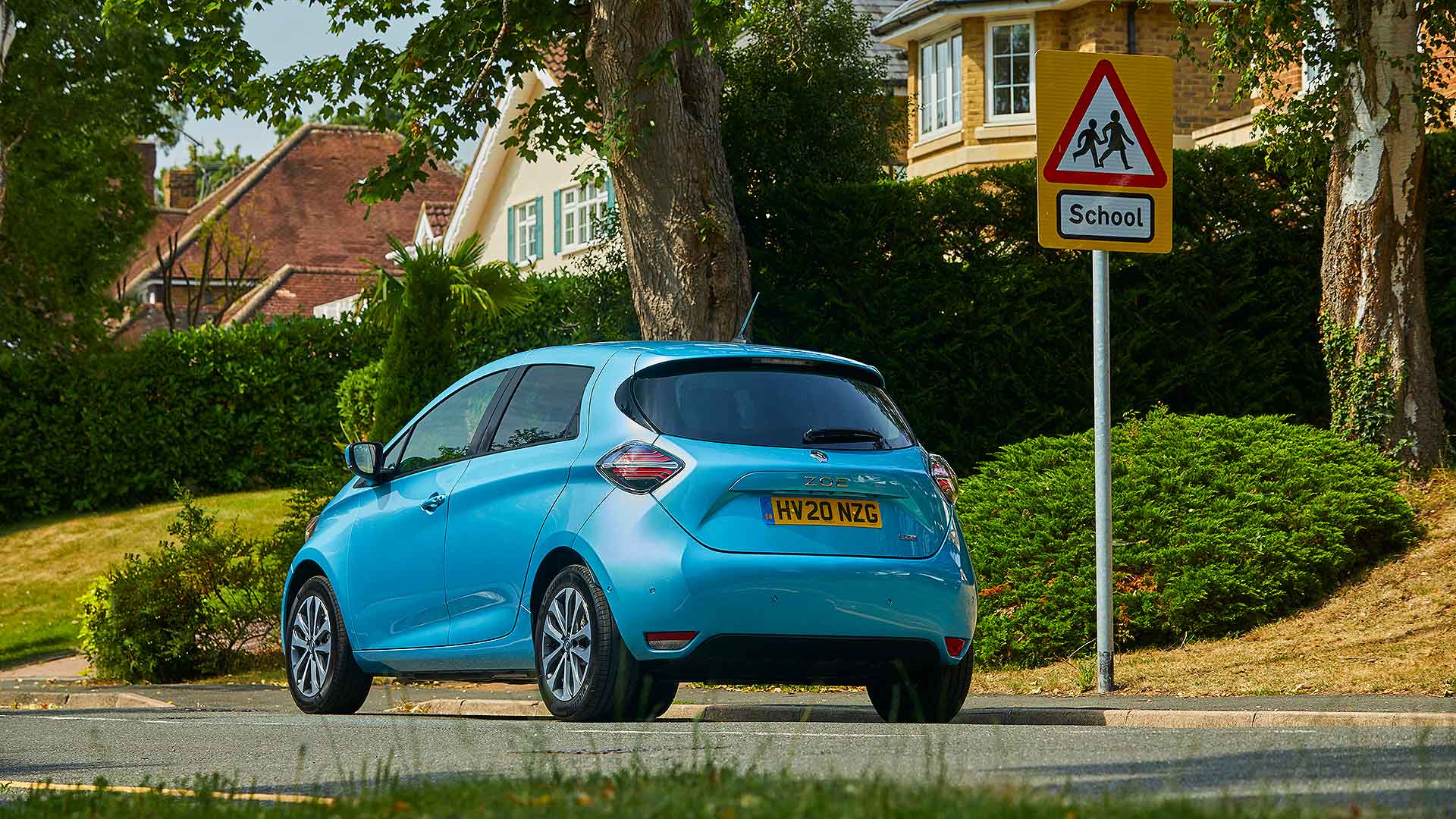
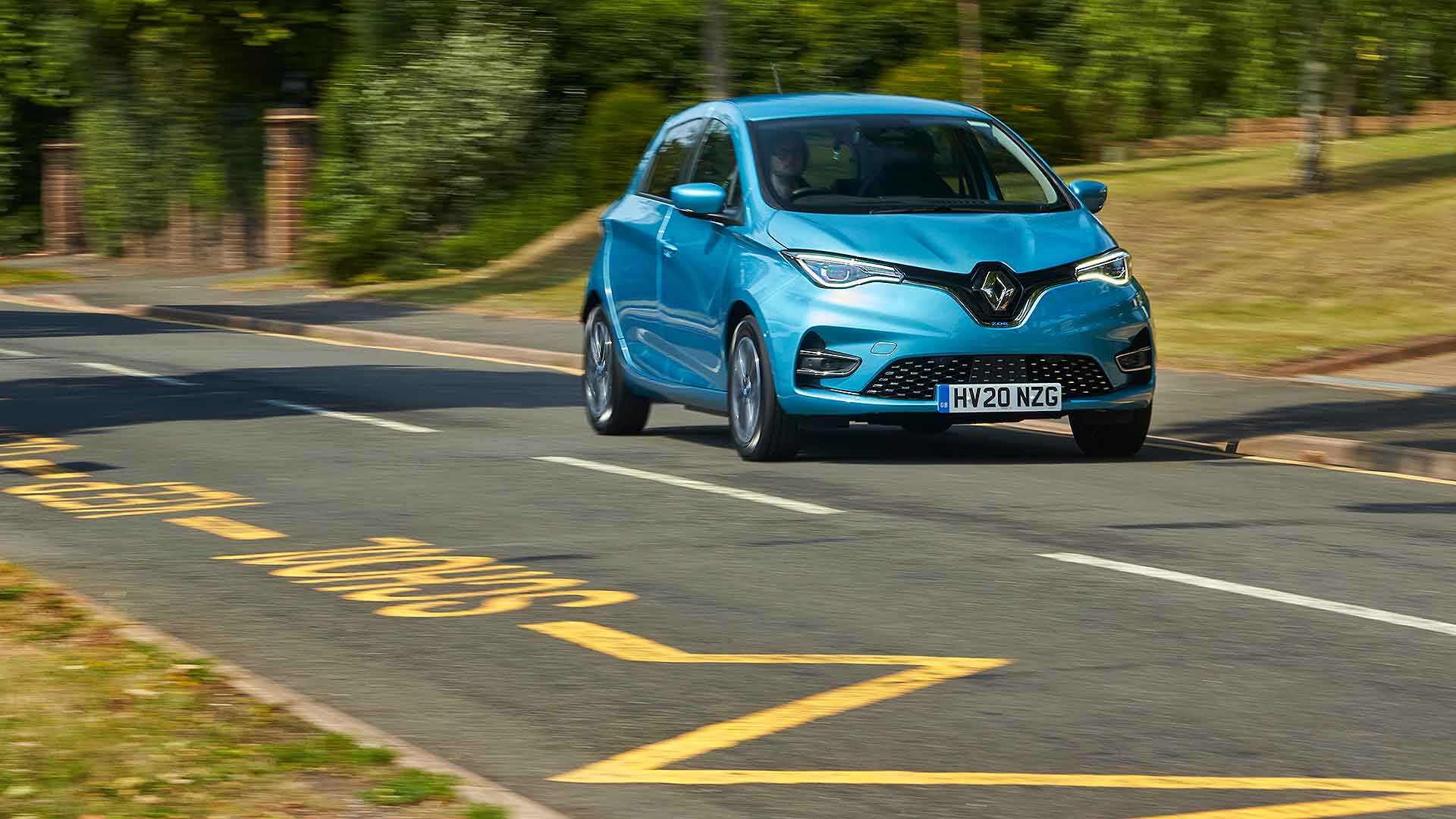
A new study predicts a significant rise in the number of parents driving their children to school, with more than six in 10 saying COVID has increased the likelihood of using the car.
The biggest reason for parents leaving engines idling and producing excessive tailpipe emissions is a lack of parking outside schools. The predicted rise in the number of cars on the school run will only make this worse.
The problem is being exacerbated because six in 10 parents don’t know that leaving their car idling is illegal.
Rule 123 of the Highways Code outlaws it and parents are at risk of an £80 fixed penalty fine.
Renault is now aiming to address the problem with a new campaign called ‘Be Mindful, Don’t Idle’.
“Every minute a car is idling, it produces enough emissions to fill 150 balloons,” said Renault’s Matt Shirley.
“This is not about demonising the school run. Our study underlines the importance, even more so since lockdown, of the car.
“We just want parents and guardians to be mindful of the detrimental impact of idling, and to alter their behaviours for their own children and those around them.”
The Driver and Vehicle Standards Agency (DVSA) has restarted practical driving tests for learners in England, Wales, and Scotland.
However, COVID-19 means you can expect a different experience on the day.
Drivers are now once again able to book a driving test, with the DVSA using a new system to improve the chances of booking a slot.
Should you end up having to self-isolate on the day of your test, it can be rebooked free of charge.
Limited waiting time
Candidates are asked to arrive no earlier than five minutes before their designated test time. The test centre waiting room will be closed but, in case of last-minute nerves, the toilets will still be available to use on request.
Before the test, candidates are asked to ensure the interior of their car is clean. The driving examiner will use an antiviral wipe on any surfaces they may touch during the test. They may make use of disposable seat covers and gloves, too.
Coronavirus also means your driving instructor may be prevented from sitting in the back of the car during your test.
Face masks are mandatory
When attending your driving test, you must wear a face covering or mask. This includes wearing one during the actual driving assessment on the road.
Learners should try to get familiar with driving in a face mask before the big day.
The DVSA will allow exemptions from wearing a mask, such as medical conditions or disabilities. However, this must be declared when booking an appointment, otherwise the test will be cancelled should you arrive on the day without a mask.
According to the DVSA, wearing glasses does not count as a ‘good reason’ for avoiding wearing a mask or face covering.
Out on the road
The examiner will stop the test to allow you to adjust your face mark. However, should it become a safety issue, they may terminate the test early.
Making a serious or dangerous fault during the test will also result in an early end. The examiner will instruct you to return to the test centre, reducing the time spent together in the car as much as possible.
Once the test finishes, the examiner will ask you to get out of the car before delivering their feedback and result. Your driving instructor will be allowed to listen to the feedback as well.
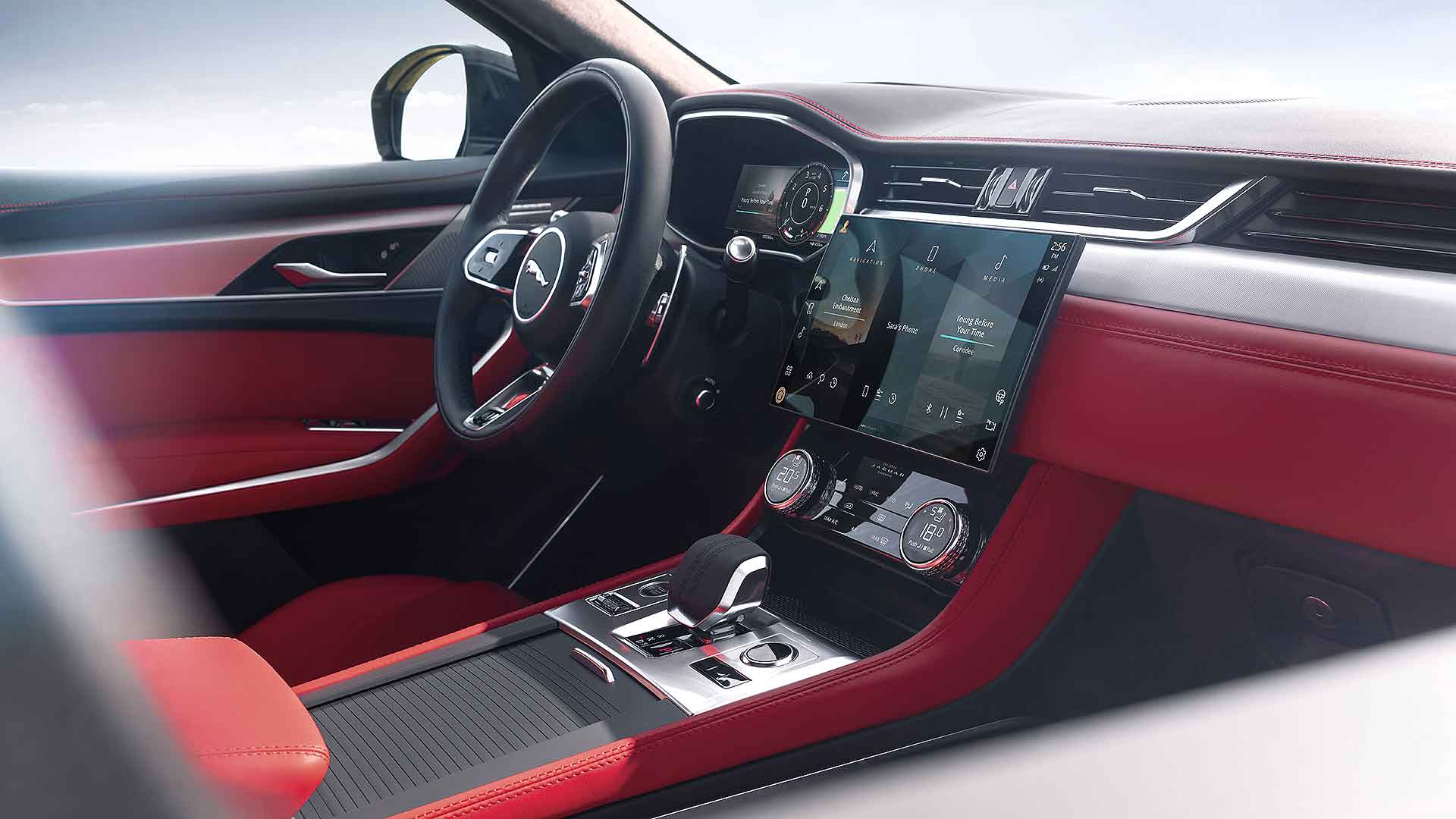
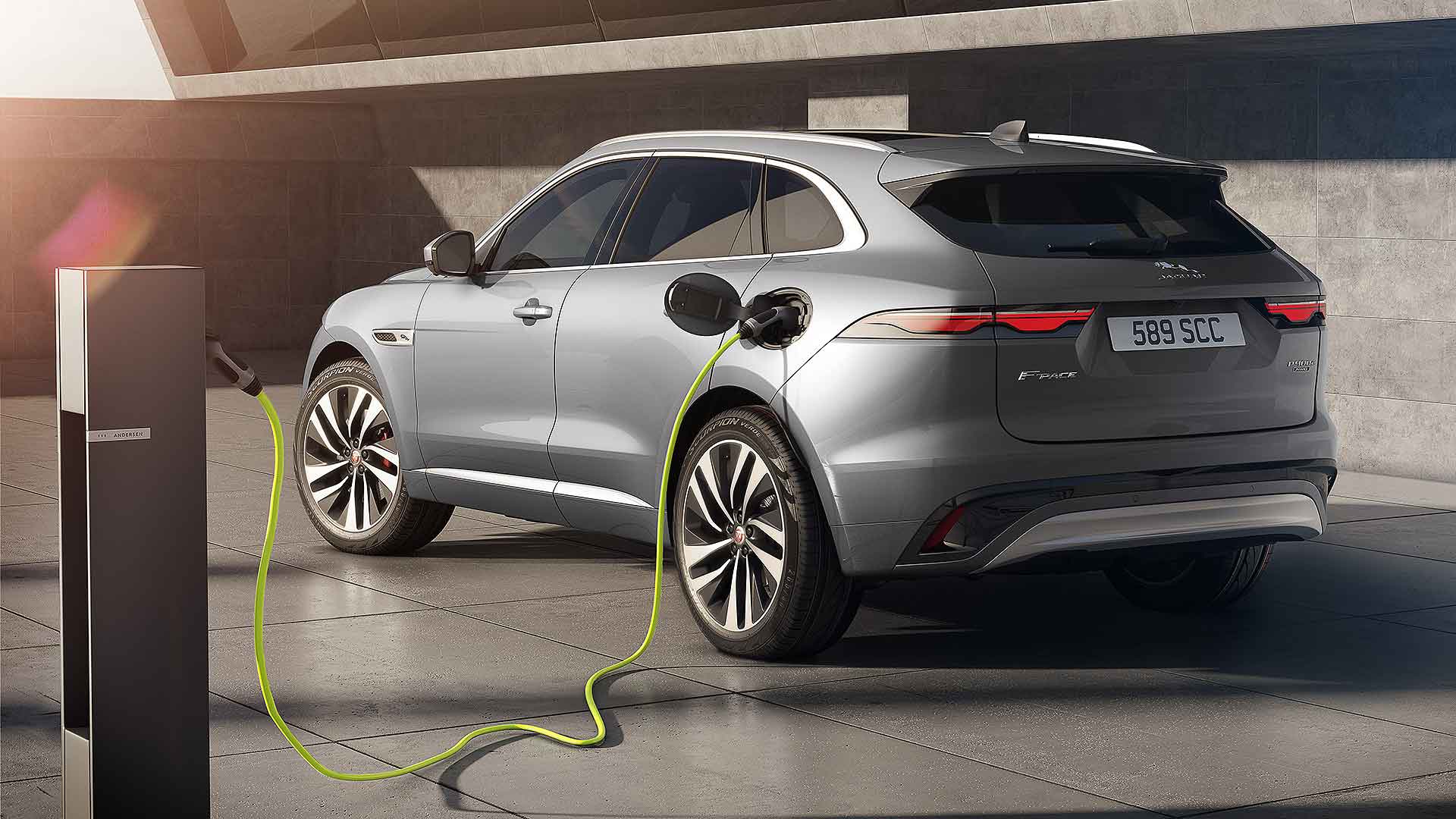
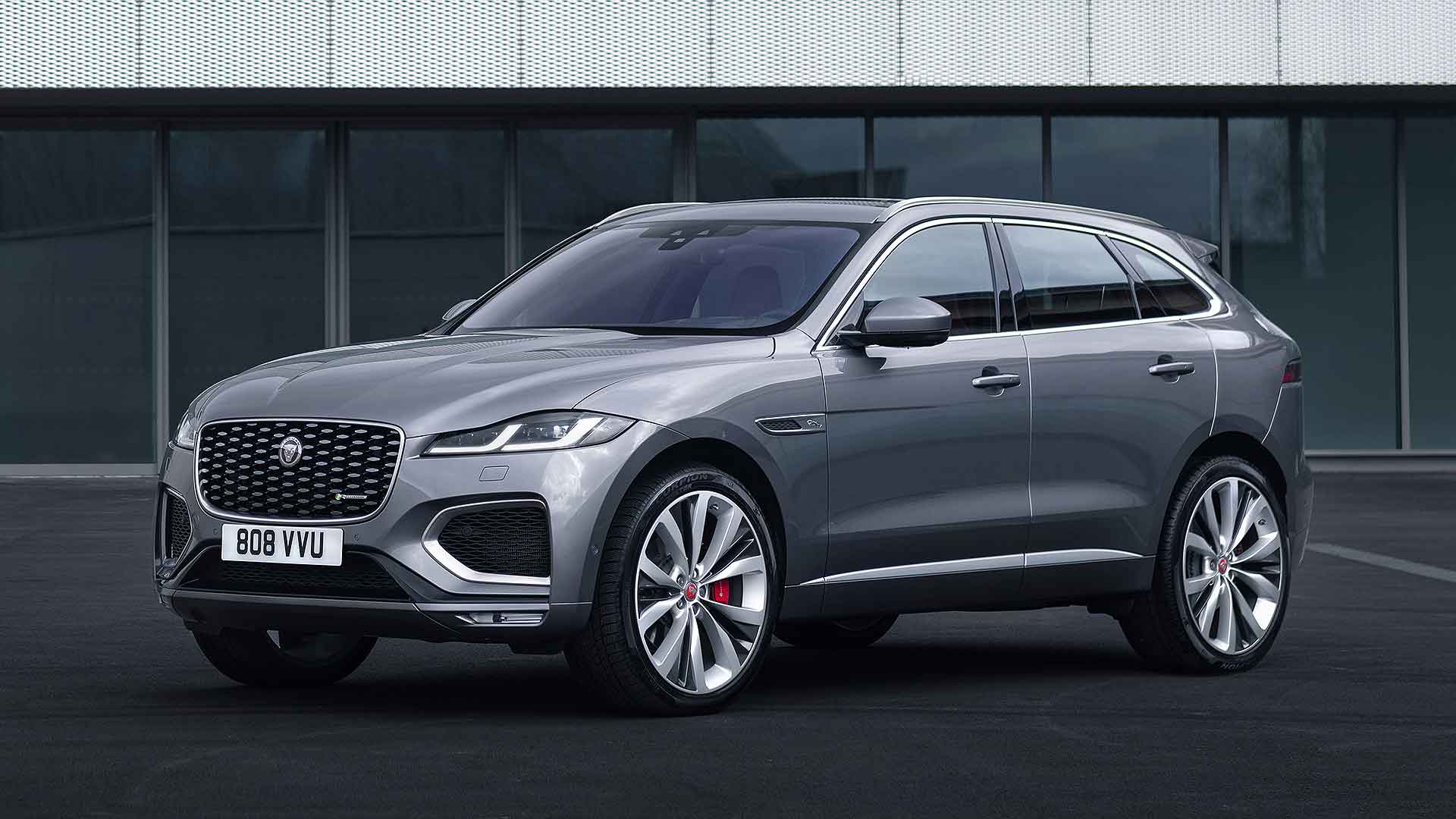
The facelifted Jaguar F-Pace SUV is now on sale with extensive updates including a much-improved interior and plug-in hybrid version offering sub-50g/km CO2.
The extensive package of revisions also includes new 3.0-litre six-cylinder Ingenium petrol and diesel engines, and an updated 2.0-litre four-cylinder diesel with mild hybrid tech.
The 2021 Jaguar F-Pace is identified by a cleaner look, helped by an all-new bonnet that eliminates the shutline above the front grille.
LED lights are slimmer, the grille is bigger, and there are new Jaguar ‘leaper’ emblems on the side vents.
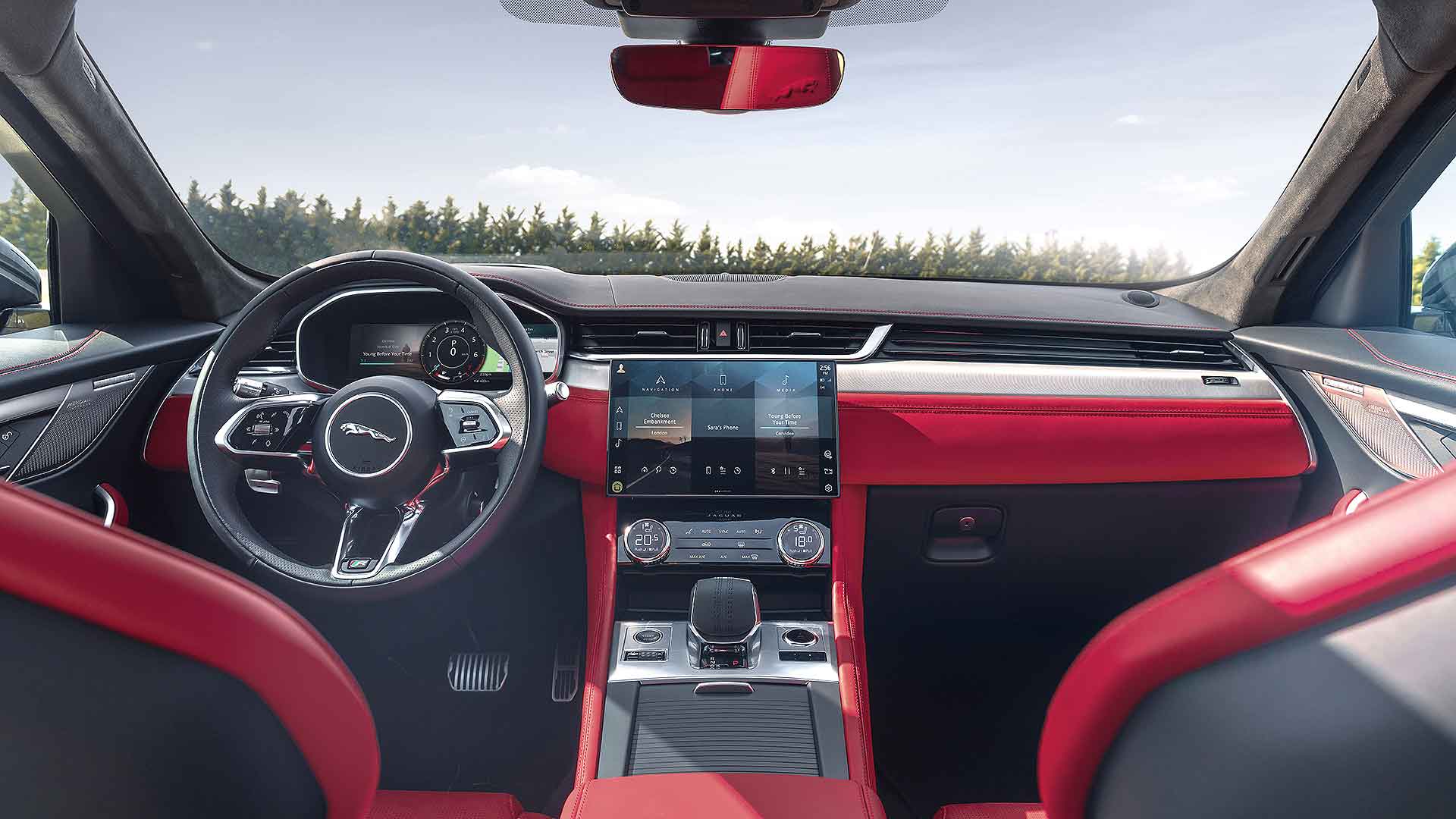
The interior is a big step on, Jaguar acknowledging the original F-Pace interior wasn’t good enough.
The centrepiece is a new freestanding 11.4-inch curved glass HD touchscreen mounted in a magnesium alloy casing. This uses JLR’s latest Pivi Pro infotainment system.
There are far more soft-touch materials and better attention to detail, while both the door casings and the seats are new.
The climate control system even includes a ‘Purify’ button that filters out ultra-fine PM2.5 particulates.
Plug-in F-Pace
The plug-in F-Pace is called P400e PHEV. It combines a 2.0-litre turbo petrol engine with a 105kW electric motor and 17.1kWh battery, for a system total of 404hp.
CO2 emissions start from 49g/km and official fuel economy is up to 130.2mpg. 0-60mph takes 5.0 seconds and it will travel up to 33 miles on a full charge.
Mild hybrid technology for the 163hp 2.0-litre turbodiesel improves economy to 45.4mpg with CO2 emissions of 163g/km.
The 3.0-litre six-cylinder diesel averages 38.1mpg, emits 194g/km and will do 0-60mph in 6.1 seconds.
Every 2021 Jaguar F-Pace uses all-wheel drive and has an eight-speed automatic gearbox.
Better refinement is promised too, with the F-Pace becoming the first car in its segment to feature active road noise cancellation.
The 2021 F-Pace also offers a Guardian Mode security feature. Owners can set times when the car will be inactive: if there’s a disturbance during this time, they’ll get a popup alert to their smartphone.
The feature is designed to reassure owners worried about keyless car theft.
Prices for the facelifted 2021 Jaguar F-Pace start from £40,860 for an entry-level D165 AWD. The P400e is priced from £56,060. Ordering is open now.
Motorists who need to change the address on their V5C vehicle log book can now go online to update their details, rather than sending paper forms back to Swansea.
The DVLA says this cuts the time to receive a new log book from six weeks to five days.
The government agency receives around 1.5 million paper change-of-address vehicle log book forms every year.
“We’re launching this service at a time when online services are becoming even more vital to help people get back on the road,” said DVLA chief executive Julie Lennard.
“This new online service is quicker and easier than sending your log book to DVLA.”
Online updates for driving licences have been in place for several years: two in three people now use it rather than sending forms in the post.
Motorists can update address details on their log book in two minutes, claims the DVLA. The information they need to have on hand is:
Vehicle registration number
Log book document reference number
Postcode
The DVLA is currently running a campaign encouraging motorists to use online services rather than sending paper documents to its Swansea HQ.