The E-Transit is the first all-electric version of Ford’s famous van – with a 217-mile range that’s more than three times the average white van man’s daily drive.
Offered in a range of body, length, roof height and payloads, 25 different versions of the Ford E-Transit will be available when it launches in spring 2022.
The new van will even allow workers to plug in electrical tools and recharge equipment at worksites, with up to 2.3 kW of mobile power available.
This Pro Power Onboard tech is a European industry first.
Ford is packing the new E-Transit with tech too, claiming ‘next-level connected vehicle technology and services’.
It has a standard FordPass Connect modem for over-the-air updates and easy location of EV chargers.
Users will be able to pay for charging electronically and fleets will be able to remotely manage and optimise the E-Transit through Ford Telematics systems.
The electric Transit
A useable battery capacity of 67kWh gives the Ford E-Transit an official WLTP combined driving range of 217 miles.
Ford says that’s easily enough for the average inner city van driver, with plenty in reserve for variations in vehicle weight and weather conditions.
A 269hp electric motor drives the rear wheels, making this the most powerful fully electric van in Europe.
An onboard 11.3kW AC charger will give a 100 percent charge in 8.2 hours. Or by using a 115kW DC fast charger, the battery can be boosted from 15 percent to 80 percent in 34 minutes.
Ford says the E-Transit will not only cost less to power, it will also be around 40 percent cheaper in terms of service cost of ownership.
“More construction, emergency vehicles and utilities services choose Ford over any other manufacturer,” said Ford’s Hau Thai-Tang. “We are committed to helping customers make the transition to zero-emission technology.”
The Ford E-Transit arrives in early 2021, followed by an all-electric Ford F-150 truck for North American customers in mid-2022.
Ahead of both electric vehicles, the new Mustang Mach-E (pictured above) debuts in European dealers from early 2021.
The Ford E-Transit will be built alongside the existing Ford Transit Custom Plug-in Hybrid at the firm’s plant in Turkey. It will also be made for U.S. customers in Kansas City, Missouri.
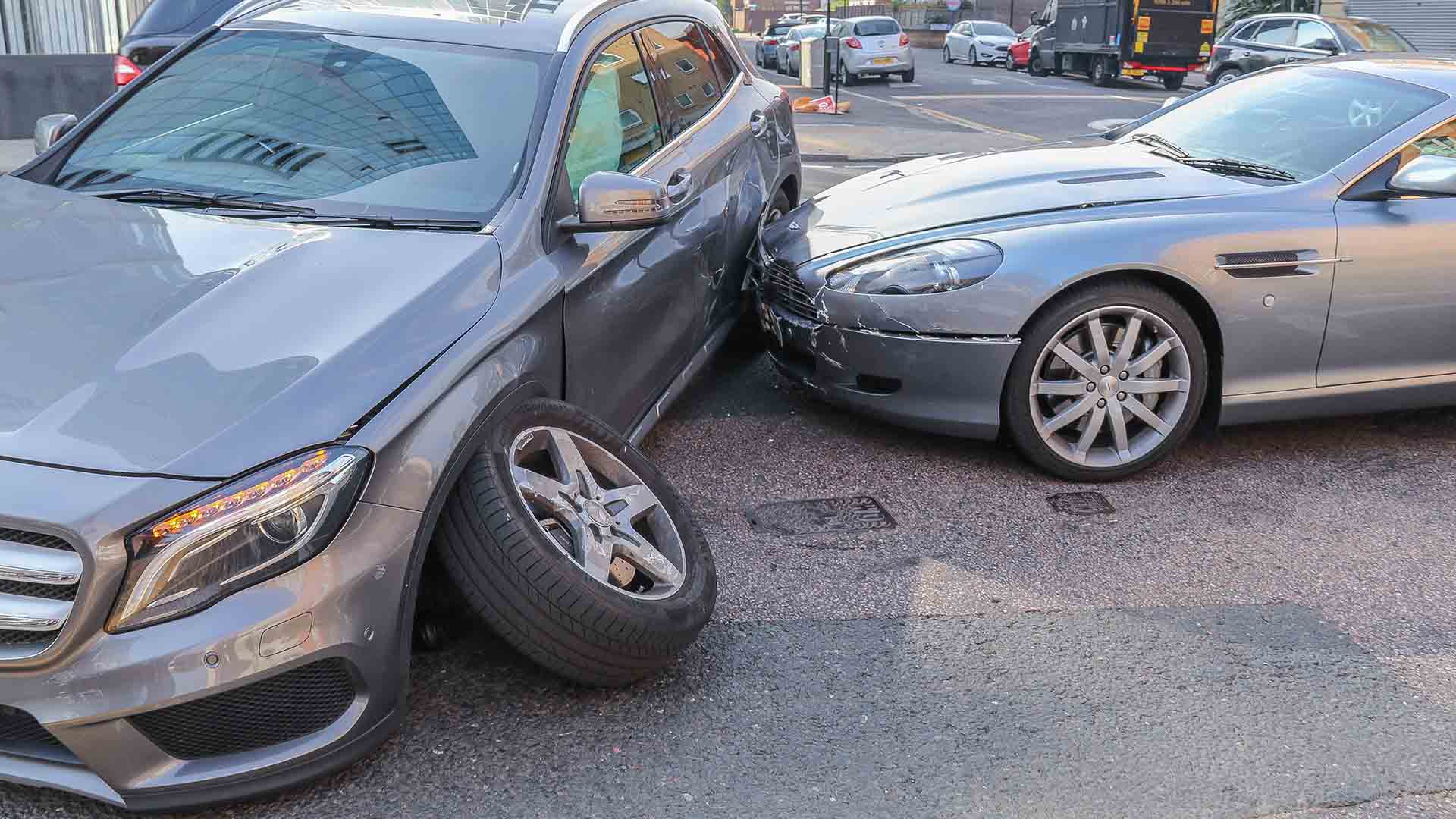
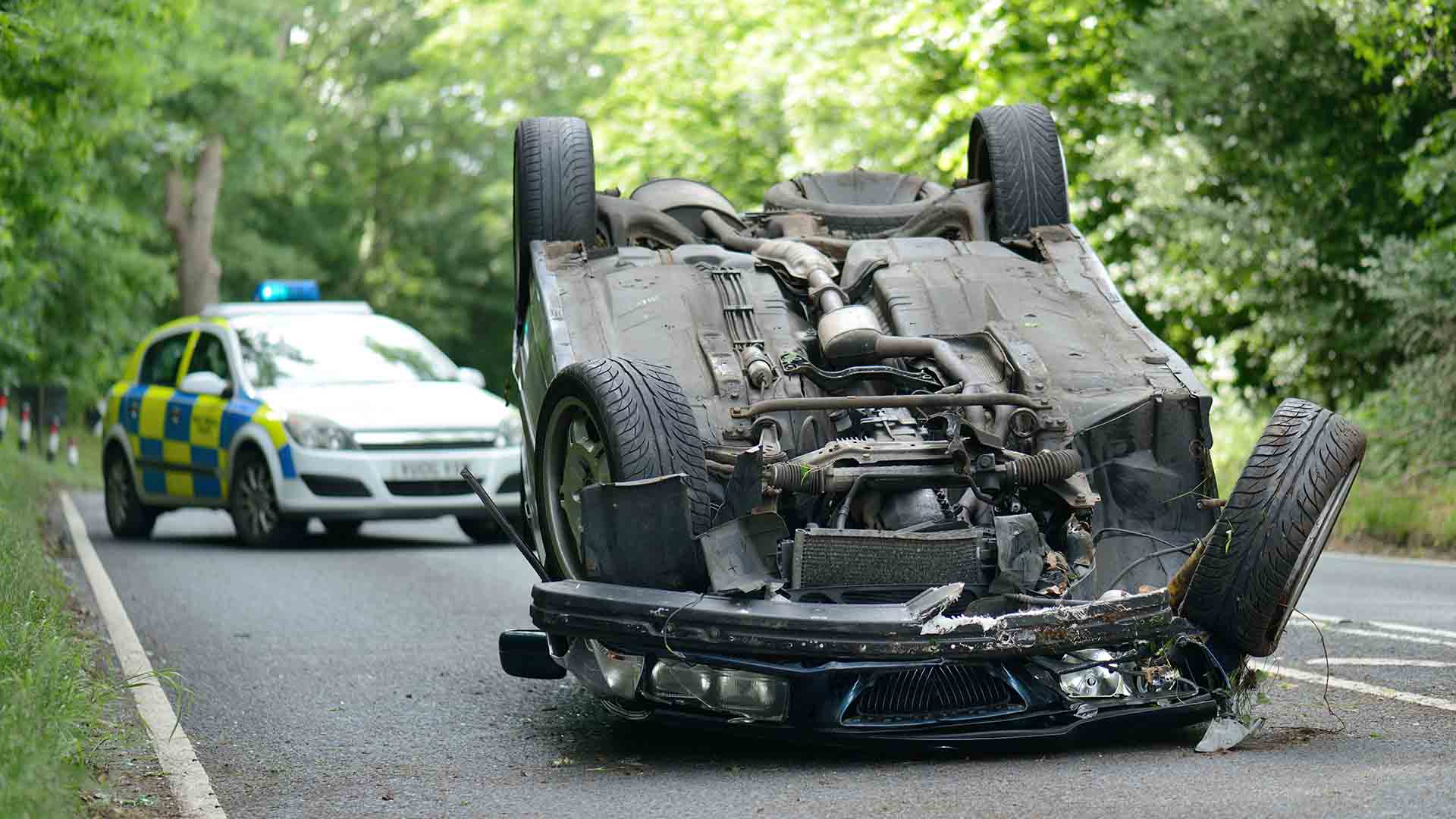
Further figures show that the number of road deaths has plateaued since 2012, but 1,850 still die every year as a result of a road traffic collisions. That’s the equivalent of five people a day.
Car traffic accounts for around 80 percent of travel on British roads, so it’s no surprise that car occupants comprise the highest number of road deaths (42 percent). Pedestrians (27 percent), motorcyclists (19 percent) and cyclists (six percent) are also at risk.
Motorcyclists at most risk
That’s only half the story. When looking at the casualty rate per billion passenger miles, the risk is higher for other vulnerable road users. Motorcyclists top the list (5,051 casualties per billion passenger miles), followed by cyclists (4,891), pedestrians (1,640) and car occupants (195).
There’s a slight change in order when it comes to the death rate. Motorcyclists remain at the highest risk (104.6 deaths per billion passenger miles, but pedestrians (35.4) are at more risk than cyclists (29). The figure drops to ‘just’ 1.6 for car occupants.
New data released as part of Road Safety Week shows the majority of road traffic collisions take place at relatively low speeds. Around half (52 percent) take place at just 21-30mph. Although there’s a spike at speeds of 51-60mph (20 percent), casualties drop as the speed increases.
The spike at 51-60mph is likely to be attributed to the dangers of driving on rural roads. Reduced lighting, hidden dips, sharp bends, concealed entrances, blind summits and trees are just some of the hazards faced by drivers on rural roads. Driving at the national speed limit isn’t always appropriate on rural roads.
Road traffic accidents casualties and travel speeds (2019)
1-20mph: 1,970 (7 percent)
21-30mph: 14,306 (52 percent)
31-40mph: 2,598 (9 percent)
41-50mph: 1,254 (5 percent)
51-60mph: 5,642 (20 percent)
61-70mph: 1,028 (4 percent)
70+mph: 894 (3 percent)
Carlole Nash insurance analysed Department for Transport data to provide the insight. Marc Copper, head of product at Carole Nash, said: “We all know to be extra cautious if we’re travelling at speed, but perhaps we’re forgetting how dangerous low speeds can be too.
“Road users need to be aware of everything going on around them at all times, and it’s important to be as vigilant on a 30mph limit road as you would be on a motorway.”
Plans to phase out the sale of petrol and diesel-powered cars should lead the march for electric vehicle sales. Yet many local authorities seem unprepared for the expected increase in charging needs.
Research into more than 350 local authorities across England found that just one in six has provided on-street charging points.
With over a third of households lacking dedicated parking to enable charging, this could lead to a substantial shortfall in EV capacity.
Not every town has an Electric Avenue
The AA undertook the investigation, contacting 353 councils from across the country. Of the 316 respondents, 266 local authorities stated that they currently have no on-street EV charging points.
Of greater concern is that 47 of the respondent councils stated that they have “no plans” to install on-street charging in the future, either.
As part of the survey responses, the AA noted that some county councils placed the blame for the lack of provision on smaller councils. Hampshire County Council and Lincolnshire County Council were cited as examples of ‘pointing the finger’ at smaller authorities.
County and unitary authorities have responsibilities for road maintenance, whilst district and borough councils control local car parks.
Being taken for granted
As part of their findings, the AA also discovered that certain authorities are using a ‘loophole’ in a grant scheme intended for on-street charging provision.
The government-funded On-Street Residential Charging Scheme (ORCS) allows councils to apply for grant money to install EV chargers in areas that lack dedicated parking.
Whilst clearly aimed at on-street charging infrastructure, local authorities are said to be using the grant money to install chargers in town centre car parks.
Edmund King, AA president, commented that “too many councils see this [ORCS grant] as a way of bolstering their town centre charging infrastructure. This goes against the spirit of the grant.”
Total charging capacity on the up
The AA’s research comes as the latest Department for Transport figures show a substantial increase in total public EV charging devices.
Since 2015, the UK’s public charging network has grown from 3,248 chargers, to a considerable 19,487 in total. The past year alone has seen the number of charging devices increase by 18 percent, despite the challenges of COVID-19.
Regional differences are also highlighted by the official government figures.
London leads the way with 63 charging devices per 100,000 population. In contrast, Northern Ireland has just 17 by the same measure, with Yorkshire and the Humber on 18 per 100,000.
When it comes to rapid charging devices, these have increased to a total of 3,530 across the UK. Scotland leads with the provision of 9.3 devices per 100,000 of population. This is followed by the South East with 6.2 and the North East with 5.8.
It might sound like a joke, but electric car manufacturer Tesla has genuinely moved into the tequila market.
The Californian company quietly added the $250 (£190) Tesla Tequila, produced by the boutique Nosotros distillery, to its website last week.
Despite the high price, the enthusiasm of Tesla fans has already seen the limited-edition spirit sell out.
Supercharging the spirit world
Selling alcohol may seem like a surprising move for a car company. It certainly goes against the typical anti-drink driving message.
However, like many of the company’s more radical moments, the idea first came from a tweet by Tesla CEO, Elon Musk.
As an April Fool’s Day joke in 2018, Musk made reference to ‘Teslaquila’ as having caused his inebriation. He later shared mocked-up images of a Tesla-branded spirits bottle.
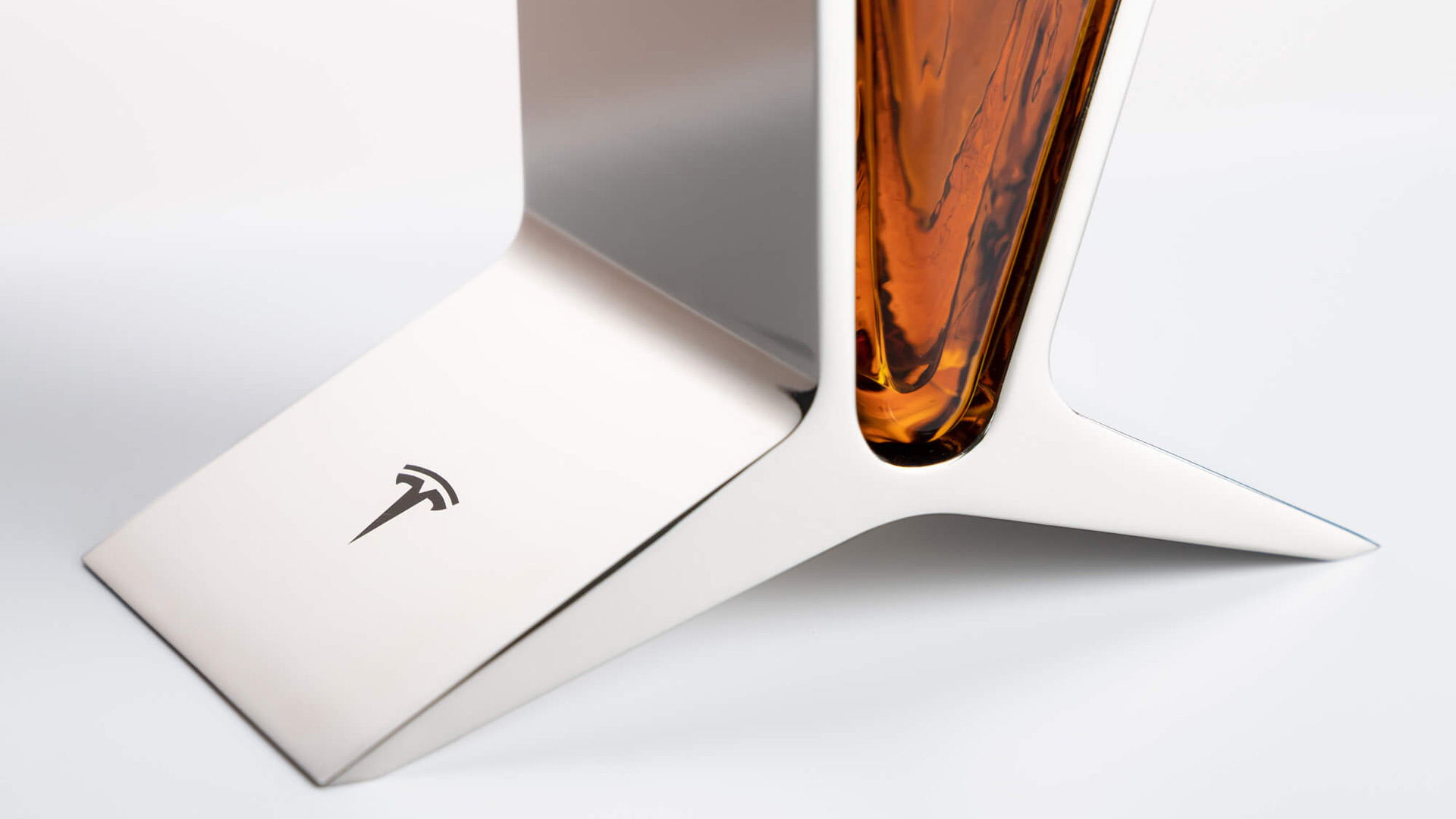
Slightly more than two years later, the company announced Tesla Tequila, complete with an impressive lightning-shaped 750 ml branded bottle.
None for the road now
Using blue agave, sourced from the Mexican state of Jalisco, the drink is described as “featuring a dry fruit and light vanilla nose, with a balanced cinnamon pepper finish”.
Tesla fans around the world are likely to be disappointed, however. Notwithstanding that the 40% ABV spirit is already sold out, it will only be sold in selected American states.
Those sad to have missed out can console themselves with other Tesla-branded items from the company’s online store.
These range from a $50 (£38) logo sweatshirt, through to a $250 (£190) model of the forthcoming Tesla Roadster. A miniature desktop USB-equipped Tesla Supercharger can also be found amongst the accessories.
Only time will tell as to whether the company will add Tesla-branded shot glasses to the merchandise range…
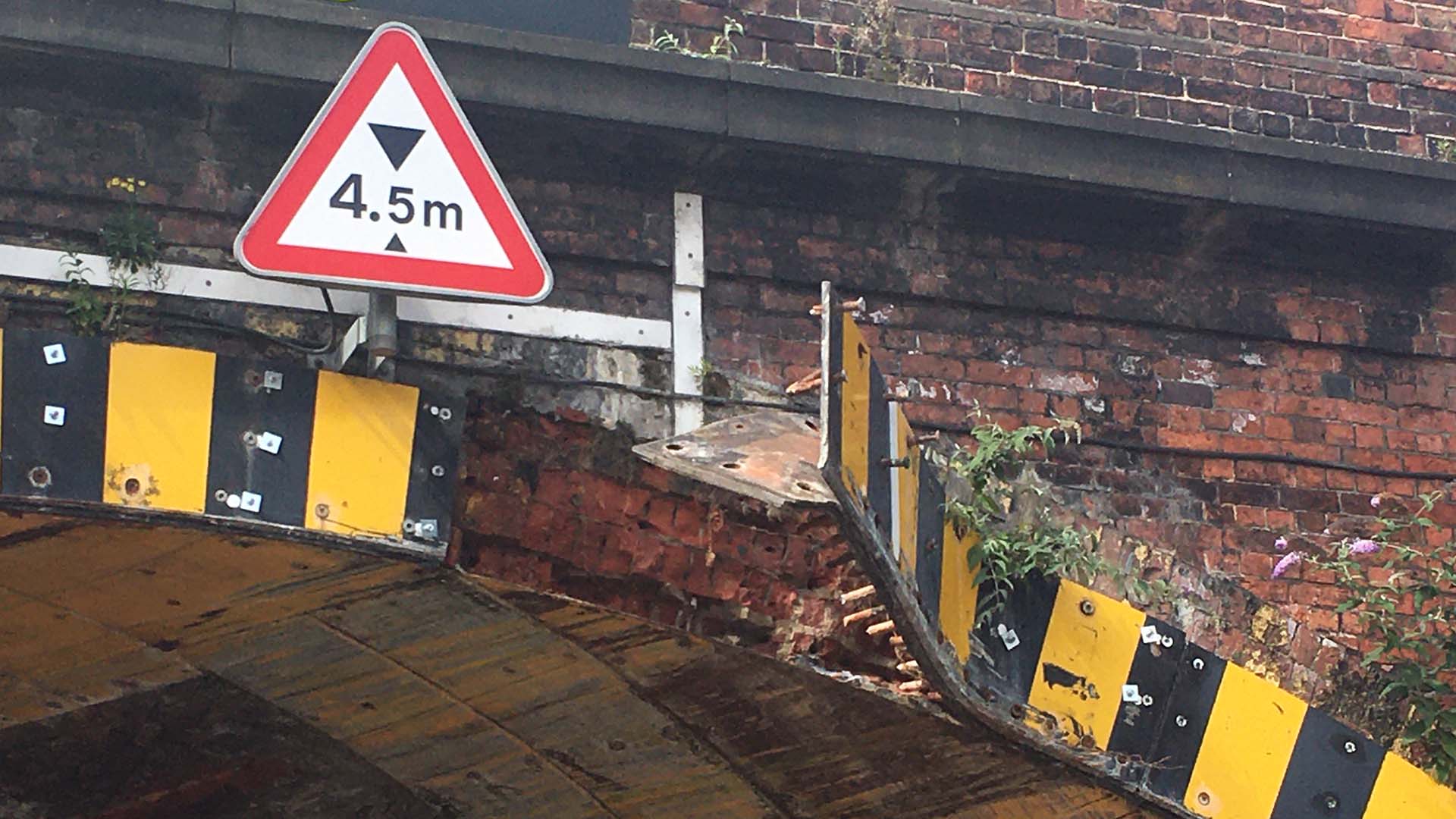
The Watling Street bridge on the A5 in Hinkley has been named the most-bashed railway bridge in Britain. Vehicles struck it 25 times in the period from 1 April 2019 to 31 March 2020.
That’s according to research conducted by Network Rail. It found that the Bromford Road bridge in Dudley was the second most-struck bridge, leading to 72 hours of delays for rail passengers. Bridge strikes also cause disruption for motorists, as engineers are forced to embark on lengthy and costly repairs.
Most of the vehicles involved are Heavy Goods Vehicles (HGVs) and buses. On average, a bridge strike costs £13,000, which totals around £23 million a year for the UK taxpayer. In 2019, one single strike amounted to £1.8 million in train delay costs.
The release of information is timed to coincide with Black Friday and the Christmas shopping rush, when more large vehicles are expected to be on Britain’s roads. A Bridge Strike Prevention Group has been established to raise awareness of the problem and ensure companies and drivers have the knowledge required to avoid an accident.
‘Wise Up, Size Up’
Bridge strike incidents fell by 11 percent to 1,714 in the last financial year. However, Sir Peter Hendy, chair of Network Rail, says there is more to be done. “We’ve done a lot of work with partners across the industry in recent years to tackle bridge strikes, and whilst it’s encouraging to see our work is paying off with numbers now on the decline, there’s a lot more to be done to cut the unnecessary delays, costs and safety risks they pose.”
In November and December, Network Rail will run a campaign reminding drivers to ‘Wise Up, Size Up’. Network Rail research shows that 43 percent of lorry drivers admit to not measuring their vehicle before taking to the road. And 52 percent admit to not taking low bridges into account.
Network Rail can now claim back the costs incurred by bridge strikes from hauliers. Until recently, the company had been paying for repairs and compensating train operators.
The top five most-hit railway bridges
In the past year, these have been Britain’s unluckiest railway bridges:
There’s never been a better time to buy a car online. Lockdown restrictions and fears over public health mean consumers are happier to shop online when searching for a new car. In some cases, it might be the only way to buy one.
According to a recent survey, around a third of consumers are comfortable buying a car online. This has led to the emergence of online sellers such as Cazoo and Cinch. The entire purchase is completed online, before the car is delivered to your home.
It represents a major shift in the way we buy and sell new cars. In the future, buying a car online is likely to be as normal as ordering a pizza via a smartphone app, or grocery shopping on a supermarket website. Traditional car dealers will still exist – but walking into a showroom will no longer be the only way to buy a car.
While the likes of Cazoo, Cinch and BuyaCar focus on used cars, many manufacturers are using the online space to sell new cars. As Vincent Tourette, managing director of Group Renault UK, commented: “We are seeing more customers wanting to complete more of their purchase online.
“Alongside our virtual showroom, we are supporting the traditional physical customer journey with the ability to do everything digitally from the comfort of your own home. We believe that this will become an increasingly useful tool, not only in the future but at present given the current nationwide restrictions.”
Here’s a rundown of the online car buying services, where you can browse a virtual showroom, sort the finance and arrange to click and collect the car of your choice. In some cases, you can even arrange home delivery.
BMW New Car Locator Tool
It’s not possible to complete the purchase of a BMW online, but a £500 payment will reserve a vehicle of your choice. The full BMW range is available, along with the facility to set a monthly or overall budget and find your nearest BMW dealer. Following further filters, you have a choice of reserving a car or sending an enquiry to a BMW dealer.
BMW New Car Locator Tool
Citroen Store
The French company revealed its Citroen Store in September 2020, following the launch of a virtual showroom. The entire buying process can be completed in less than 30 minutes and the UK is the first market to allow Citroen customers to complete a purchase without visiting a dealer. Once the order is placed, a customer can ask a dealer for home delivery, where available, or to collect from their local showroom.
Citroen Store
Dacia Select & Collect and Buy Online
Dacia sells Britain’s cheapest new cars, with prices starting from £7,995. That’s based on an entry-level Dacia Sandero. Alternatively, you can buy a Sandero Stepway for £10,145, or a Duster for £12,995. Using Select & Collect reserves a new Dacia at a selected dealer – it does not commit you to a purchase. For that, you need to use the Dacia Buy Online service.
It’s possible to personalise your car, select a finance deal, then decide whether to have the car delivered or collected at your nearest dealer. The price for home delivery is £250. A part-exchange facility is available.
Dacia Buy Online
Hyundai Click to Buy
Hyundai says there are six steps to securing a new car via its Click to Buy service. You start by entering your car’s registration for part-exchange purposes. Alternatively, you can skip this part. Then it’s a case of choosing your preferred method of payment and selecting the Hyundai of your choice. You’ll need to create an account before making a purchase. An initial payment of £250 and the balance of your deposit is required. Finance customers will need to collect their new car from their nearest Hyundai dealer, but cash customers can arrange home delivery.
Hyundai Click to Buy
Jaguar
There are two ways to buy a new Jaguar online. One is to build and order the car online, which should take no more than 30 minutes. Once complete, you choose a date for contactless collection of the car. Alternatively, you can select from an existing stock of new cars, which takes no more than 15 minutes. In both cases, a fully refundable £249 deposit secures the vehicle.
The process for buying a Land Rover works in the same way as buying a Jaguar. In both cases, the contactless vehicle collection is arranged in accordance with the latest government guidelines.
By visiting the Online Showroom, you can browse the range of new and used Mercedes-Benz cars. A ‘buy from home’ label will show you which cars are available for home delivery. A £500 deposit will reserve the car. The Mercedes-Benz dealer will call you to arrange payment and sort the necessary paperwork ahead of delivery. You’ll be sent a short video on the important details about your new car, but it’s possible to arrange a physical handover once lockdown restrictions have been lifted.
Cars sold via Nissan’s websites in China, Europe and North America accounted for 11 percent of the company’s overall sales in these markets in the first half of 2020. That’s up from 4-5 percent in the same period last year. The Shop@Home facility enables you to build a Nissan using the configurator, request a finance quote and share your desired model with a Nissan dealer. The necessary documents can be signed online, while the click and collect facility allows you to receive your car from a local dealer.
It’s possible to configure a new Mitsubishi online, then choose to collect it from your local dealer or get it delivered to your home for free until 29 December 2020. You can choose to pay monthly or in cash, while business users can spread payments over two to five years. The entire Mitsubishi range is available to buy online, from the Mirage to the L200.
With Peugeot Checkout, you can browse an online showroom, create your ideal car and select the appropriate finance deal. A part-exchange facility is available, and it’s possible to have the new car delivered to your home or nearest Peugeot dealer. Home delivery is free and in accordance with Covid-19 guidelines.
Using Renault’s aptly-named Buy Online service, customers can order a new Clio, Zoe, Captur, Kadjar and Megane. Customisation options are available, along with an ability to pay cash or arrange finance. Home delivery costs £250, or you can arrange to click and collect your new Renault from the nearest dealer. All cars come with a five-year, 100,000-mile warranty. A part-exchange facility is available.
Renault Buy Online
Smart Online Showroom
To buy a Smart online, you will be directed to the Mercedes-Benz website. It works in the same way, so that while it’s not possible to complete a purchase online, you can arrange to click and collect your new Smart.
Smart Online Showroom
Tesla
Tesla is the odd one out on this list, because the company only sells online. Although it’s possible to browse and chat to a Tesla representative at one of its stores (once lockdown restrictions have been lifted), all orders are placed online. This can be done in a Tesla Store or at home via the Tesla website. A delivery date will be provided for every custom order, but it’s also possible to select from an inventory for accelerated delivery.
Buy a Tesla online
Toyota Buy Online
At the time of writing, anyone buying a new Aygo via the Toyota Buy Online facility will benefit from a free two-year service plan on vehicles ordered and purchased until 15 December 2020. Other Toyota vehicles are available online, but they’re not covered by this offer. It’s a simple process: you choose the Toyota you want, customise the car, value your existing car, then decide whether to buy outright or arrange a finance deal. The new car will be available to collect at a Toyota dealer of your choice.
The first 100 customers who order a new car online using the Vauxhall Online Store will get their first year’s insurance for free. The facility only offers the ability to calculate a PCP finance deal – you will need to contact your local Vauxhall dealer for alternative options. A part-exchange option isn’t available. Although it’s possible to sign the relevant documents online, the Vauxhall Online Store is for click and collect purchases. If you want the car delivered to your home address, you’re advised to contact your local Vauxhall dealer.
Vauxhall Online Store
Volvo Online
Volvo launched its online new car buying service in 2019. All forms of purchase are possible, including PCP, a structured payment plan and cash, along with the opportunity to part-exchange your existing vehicle. Although it’s possible to browse online, you must create a Volvo ID to see exact retailer prices and save your configurations. Once ordered, the selected dealer will be in touch to arrange collection.
The government has launched a consultation on introducing longer trucks to UK roads. This follows a trial of longer semi-trailers (LST) for articulated goods vehicles, which began in January 2012.
The trail was scheduled to run for a maximum of 10 years, with a total allocation of 1,800 LSTs. In 2017, the government agreed to increase the number by an additional 1,000 LSTs and to extend the trial by five years to 2027. The Department for Transport (DfT) gave no guarantees that the use of LSTs would continue beyond the trial period.
Although longer semi-trailers are, by definition, longer than regular HGVs, they must operate within the UK’s domestic weight limit of 44 tonnes for vehicles of six axles. In real terms, an LST can carry three more rows of supermarket goods cages on each journey compared with existing trailers.
In the past year, the 2,600 vehicles involved in the trial have saved lorry drivers 33.5 million miles and 48,000 tonnes of CO2. That’s the equivalent of 20,000 cars. There have also been fewer personal injury collisions compared with standard HGVs. Some 91 commercial vehicle operators supplied data for the trial.
‘Clear and undeniable’
Argos, United Biscuits and Eddie Stobart are three of the big names to participate in the trial. In 2017, the Freight Transport Association argued that LSTs should become permanent. Christopher Snelling, head of national and regional policy, said: “The success of the LST trial is clear and undeniable – it is time DfT looked to simply establish the flexibility in law so that the UK can continue to benefit from the efficiency it brings.
“The success of this project shows what can be gained from adding marginally to a dimensions of our road freight fleet – massive carbon, air quality and safety benefits can be achieved right now. Weights and dimensions should be looked at in a rational, evidenced based manner and not simply rejected because some campaigners do not like the sound of them.”
‘Boost safety and cut emissions’
The government wants to end the trial early and seek views on whether LSTs should be allowed to permanently operate on UK roads. Transport secretary Grant Shapps said: “Our freight industry keeps the country moving, delivering vital goods and services every single day – which, as we all know, has never been more important than it is now, during the pandemic.
“These trials clearly show the benefits for business and the environment of using longer trailers. By determining the next steps to get them on our roads permanently, we can benefit industry and our economy, boost safety and cut emissions.”
England is now subject to new national lockdown restrictions, in place from 5 November to 2 December 2020.
The new regulations are slightly less restrictive than those introduced earlier in the year, but still have an impact on motorists.
Car insurance is one of the areas affected, but perhaps not one that many drivers consider. We explain what the latest rules mean.
What are the rules on non-essential travel?
The new Covid-19 legislation introduced to cover England specifies that non-essential travel is not permitted. In particular, the new restrictions state that: ‘No person may leave or be outside of the place where they are living without reasonable excuse’.
Justifiable reasons for leaving the home are detailed on the GOV.UK website. Separate guidance is in place for other parts of the United Kingdom.
Uswitch, which has helped compile information for motorists on lockdown, notes that drivers potentially risk a £200 for making unnecessary journeys.
However, the Association of British Insurers (ABI) has some better news. The trade association for insurance companies has confirmed that drivers will not invalidate their policies by making non-essential journeys.
What if I have to drive to work due to coronavirus?
Motorists may find they need to drive to their place of work, rather than taking public transport. According to the ABI, this will not invalidate your car insurance, and should not require you to inform your insurer. This rule will remain in place until 31 December 2020.
Those on the government’s list of critical workers, who now need to drive to multiple locations for employment, will also be covered by their existing policy.
If your mileage is likely to increase substantially, Uswitch recommends speaking to your insurance company.
What if lockdown means I am driving less now?
Conversely, many motorists will be returning to working at home, leaving their cars unused. Should this lead to a substantial reduction in your annual mileage, you can contact your insurer to revise your policy.
It may result in lower premiums, but be sure to keep your insurance company informed if the mileage increases again.
Can I pause my car insurance for the next month?
It may seem an easy way of saving money, but pausing your car insurance cover for the next month could have unintended consequences.
If you have access to off-street or private parking, cancelling your insurance for a month may be an option. You will need to apply to the DVLA for a Statutory Off Road Notification (SORN) to avoid remaining liable for insuring the vehicle.
Your car must remain insured if parked on the public highway.
What happens if my car needs an MOT during lockdown?
Unlike during the first lockdown, MOT testing centres will remain open. This also means the requirement to have a valid MOT certificate continues as normal.
Should your MOT expire, your car insurance will not be valid. However, you will be permitted to drive to an MOT testing centre for a pre-booked test.
Due to an ongoing backlog from the previous government MOT extension, it is advisable to book your test as early as possible.
Can someone else drive my car if I need to self-isolate?
Covid-19 may require you to self-isolate, meaning you cannot use your car for even essential journeys.
Someone else may drive your car to get supplies for you, but they still need to be insured as normal. They may have ‘driving other cars’ cover from their own insurance policy.
Alternatively, you will be able to add them to your own insurance as a named driver.
Many people have already switched to commuting by car as a means to avoid public transport during the coronavirus pandemic. And as winter tightens its grip, with freezing temperatures and dark roads, the temptation to drive is stronger still.
If you are driving more this winter, you may hope to use less fuel – both for environmental reasons and to save money.
We have some helpful tips to cut your fuel consumption below. But first, let’s look at how winter takes its toll on your car.
How winter affects your car’s engine
Your car isn’t at its best in cold conditions. It becomes less efficient, revving harder as it takes longer to warm up. Cold oil increases friction and wear inside the engine, too.
Blasting the cabin heater also makes the battery work harder, as do ancillaries such as the rear window demister, heated seats, heated steering wheel and so on.
Mark Newberry of breakdown service Green Flag told us: “Drivers need to know how their vehicles are being affected by the seasonal drop in temperatures. Oil will be thicker in colder weather, until the engine warms up, increasing friction in both the engine and the gearbox, meaning that the engine will always have to work harder to make things move.”
Winter fuel saving tips
Here are four easy ways you can save fuel when driving in winter:
Don’t leave your car idling
It sounds obvious, but if you think you will be stationery traffic for a while, switch off your engine. Not only will you save fuel, you could also avoid a fine. Many modern cars have start/stop to do this automatically, of course.
Avoid short trips
Winter driving means it takes longer for your car’s engine to reach optimum temperature. Try to combine trips, using your car while it’s warm to save wear and fuel.
Limit which gadgets you use
Headlights, heater, heated seats, demisters for the windscreen, rear window and door mirrors – it all adds up to more energy and a bigger fuel bill. Wrap up and only heat the car as much as you need to.
Pump up your tyres
Aside from keeping you safe, the condition of your tyres also affects how much fuel you use. Make sure they’re pumped up to the correct pressures to get the best from your car.
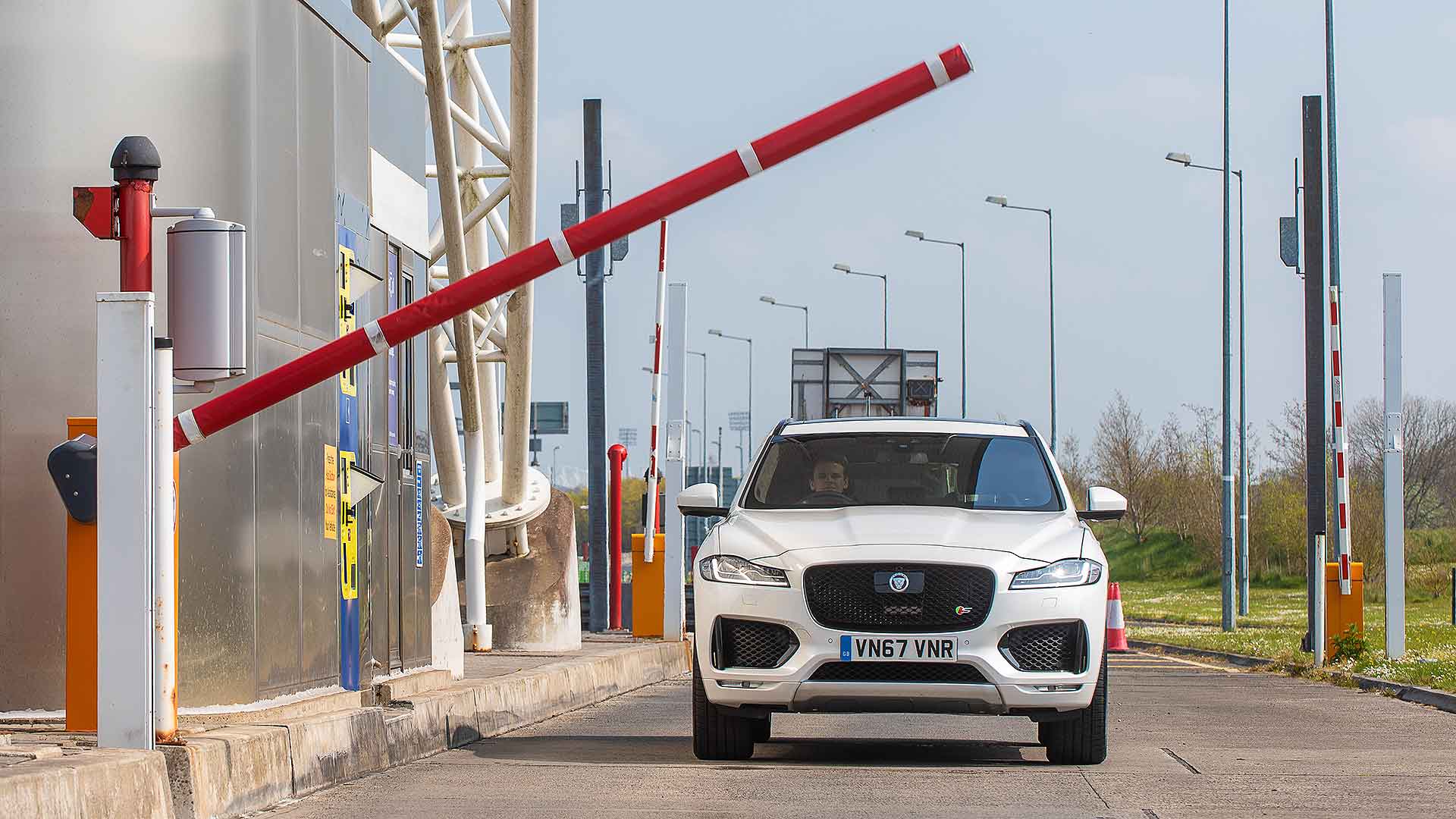
Prices for cars using the M6 Toll road will rise by up to 30p a trip from 4 December, although rates for vans and trucks will be held.
The operator of the M6 Toll has also announced a new pre-pay ‘FlexiPass’ giving a heavily discounted rate for short local journeys.
The aim is to encourage local drivers to use the M6 Toll (also known as the Midland Expressway) rather than congested roads such as the A5 and A38.
A FlexiPass costs £29 for 10 journeys that start and end at the T4, T5 and T6 junctions. Trips can be carried out at any time: day or night, week or weekend.
It works out at £2.90 a journey, compared to the new daytime rate of £4.90 for cars using the junctions from 4 December 2020.
The FlexiPass will be introduced in January 2021.
“The new FlexiPass will help to encourage more short, local journeys on the M6 Toll by providing local road users with a flexible and discounted pricing option and achieve the aim of alleviating congestion on local roads,” said M6 Toll chief executive Andy Cliffe.
“It’s the latest in a suite of products designed to provide drivers with an accessible and cost-effective way of using the M6 Toll.”
Motorists pay one of two different rates when using the M6 Toll. The more expensive rate is called the mainline price. It is charged to those using the full length of the motorway, exiting via the north or south mainline plazas.
The cheaper rate is called the junction price, for motorists exiting at a junction and not using the full length of the road.
From 4 December, the mainline weekday price for cars will be £6.90 and the junction price will be £4.90.