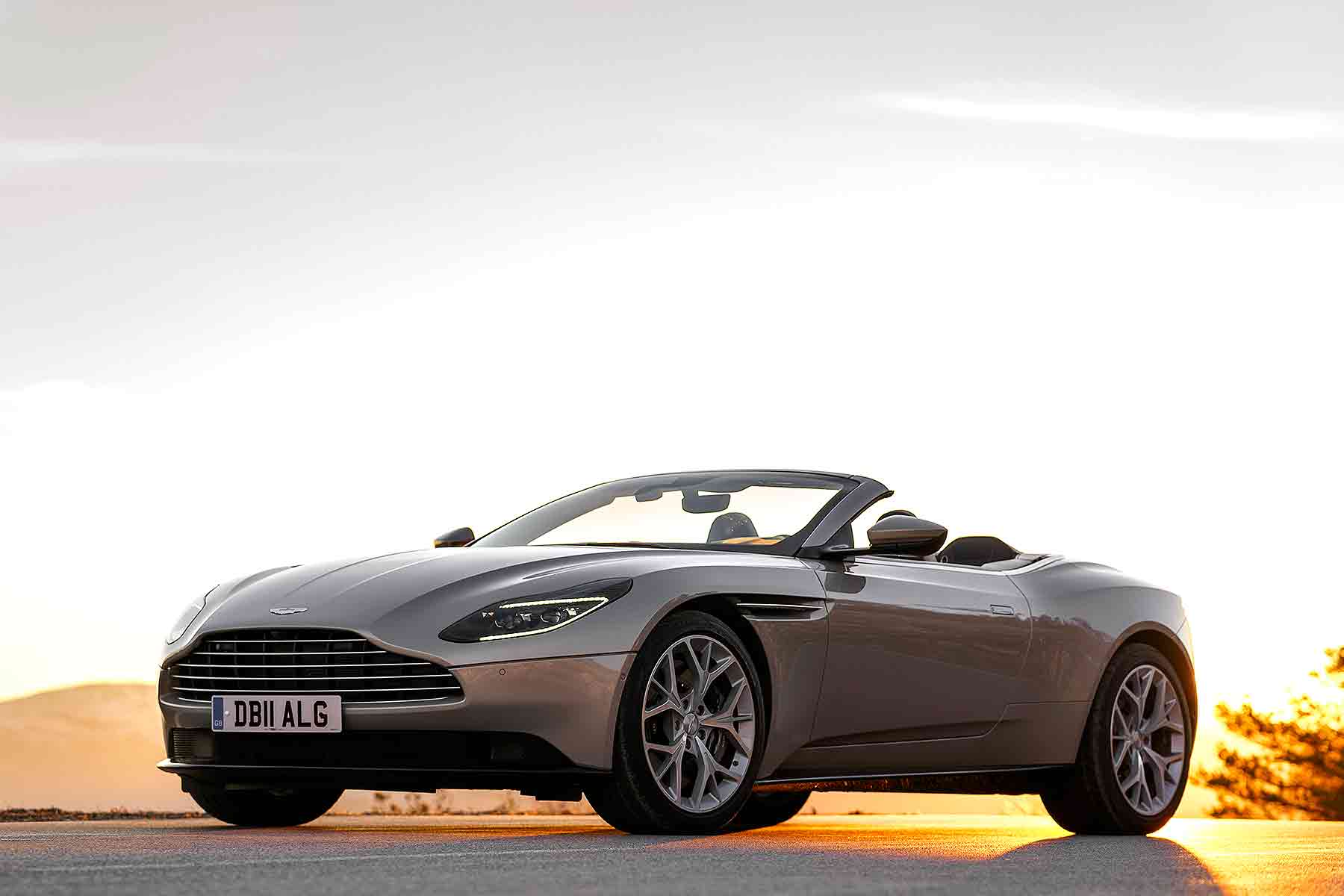
Aston Martin’s brand value grew a staggering 268 percent in 2017, to $3.6 billion, according to latest research by experts Brand Finance. No car brand grew by more in value last year.
Described as “a brand that Britain should be proud of,” the sports car firm’s pacy ascendancy, which saw it post its first profit in 10 years, sees it “roaring back onto the top ranks of luxury car makers,” said Brand Finance CEO David Haigh. Its planned launches are some of the strongest planned in the sector, and the Brexit-related devaluation of the pound has helped it boost profits from international customers.
Haigh said Aston Martin is now a “darling for investors”.
Aston Martin is still some way behind its Italian rival, though. Brand Finance also can’t speak highly enough of “ultra-premium” Ferrari. It has risen 6 percent, up to $6.5 billion, because it’s independent and thus able to “leverage its unique brand attributes to cement itself as a global icon of the industry”. It is the strongest of all car firms for sheer brand strength, with a glowing AAA+ rating.
Brand Finance defines brand value as, essentially, how much the owner could get by licensing it. Brand strength, meanwhile, figures out how much of the firm’s revenue can be assigned to the power of the brand itself. Its analysis of the top 100 car brands in the world is considered a bellwether report.
The world’s biggest car brands right now
Volkswagen Group’s portfolio of brands is the world’s most valuable, at a whopping £75.8 billion, but the most valuable brand overall is Mercedes-Benz: it is worth $43.9 billion. This is up 24 percent, helping it overtake Toyota, which declined 6 percent.
Haigh says Mercedes-Benz’ strategy to “reinvent the automobile” is key here. The brand is smoothly rolling out new technologies “to move away from traditional combustion engines”. And Toyota? It’s been hampered by weaknesses in China, where buyers have moved to more aspirational brands such as… Mercedes-Benz.
Chinese brand themselves have some eye-watering valuations. Haval is the most valuable brand, up 124 percent to $6.8 billion, while Geely is up 62 percent to $6 billion and BYD grew a full 211 percent to $3.4 billion.
“The Chinese brands have achieved strong brand value growth thanks to their success in the domestic mass market. Outside China, the brands remain largely unknown.” Even within the Chinese premium segment, overseas brands dominate.”
The solution? “Chinese brands are now expected to acquire Western brands in order to leverage their brand strength internationally,” says Haigh. If you own a well-known but under-resourced brand, you could soon be quids in…
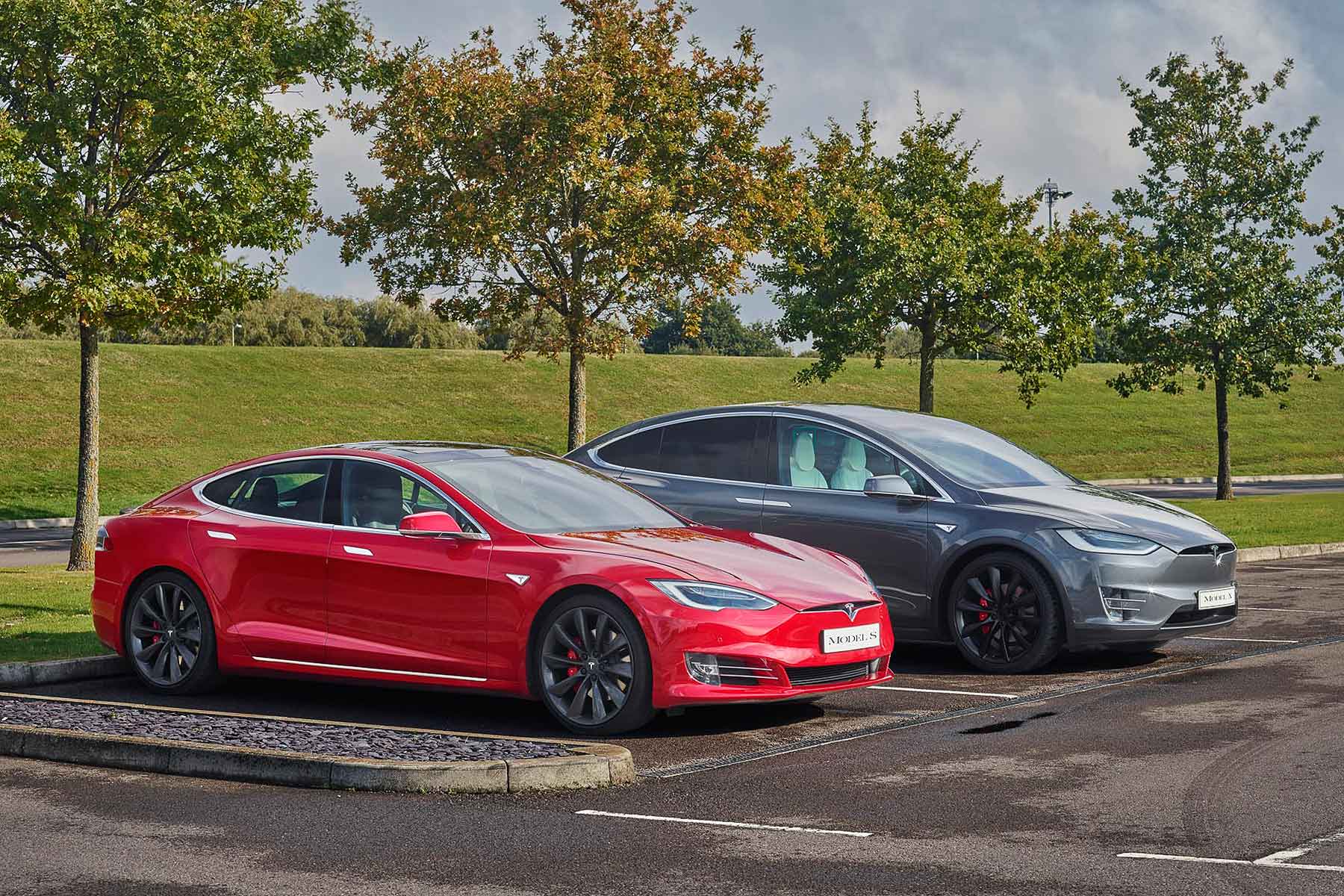
Tesla’s upward trajectory continues, with its brand value up 106 percent to $5.7 billion. It’s grown remarkably over the past year, up from 30th to 19th, which Brand Finance says is because of its “growth-focused corporate vision… to bring a more affordable model to market very soon”. Any remaining doubts are down to its ability to ramp up manufacturing capacity and quality.
Ironically, Nissan, producer of the world’s best-selling electric car, saw a 22 percent decline in brand value, down to $19.4 billion – because Brand finance says the Leaf is “very ordinary-looking”. Ouch. Expect a rise again next year, once the impact of the new and much better-looking Leaf takes effect.
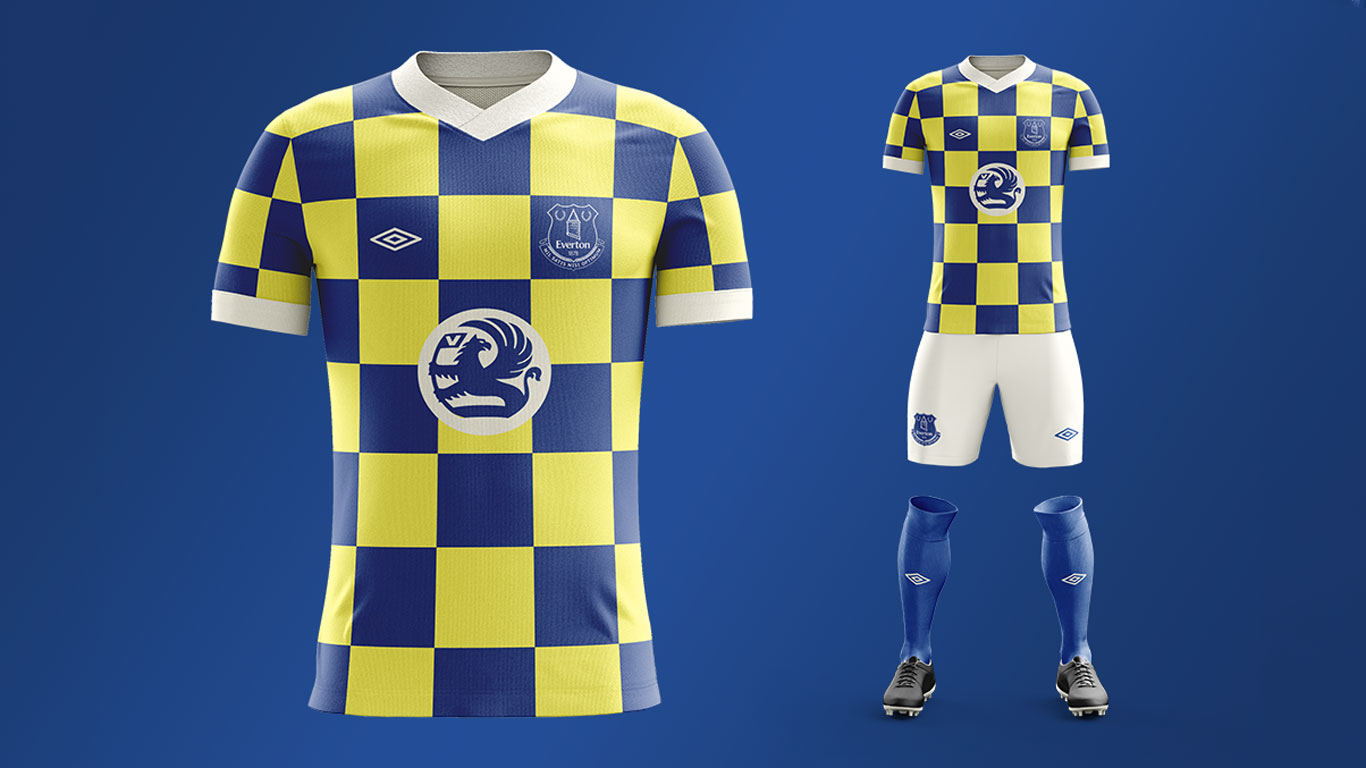
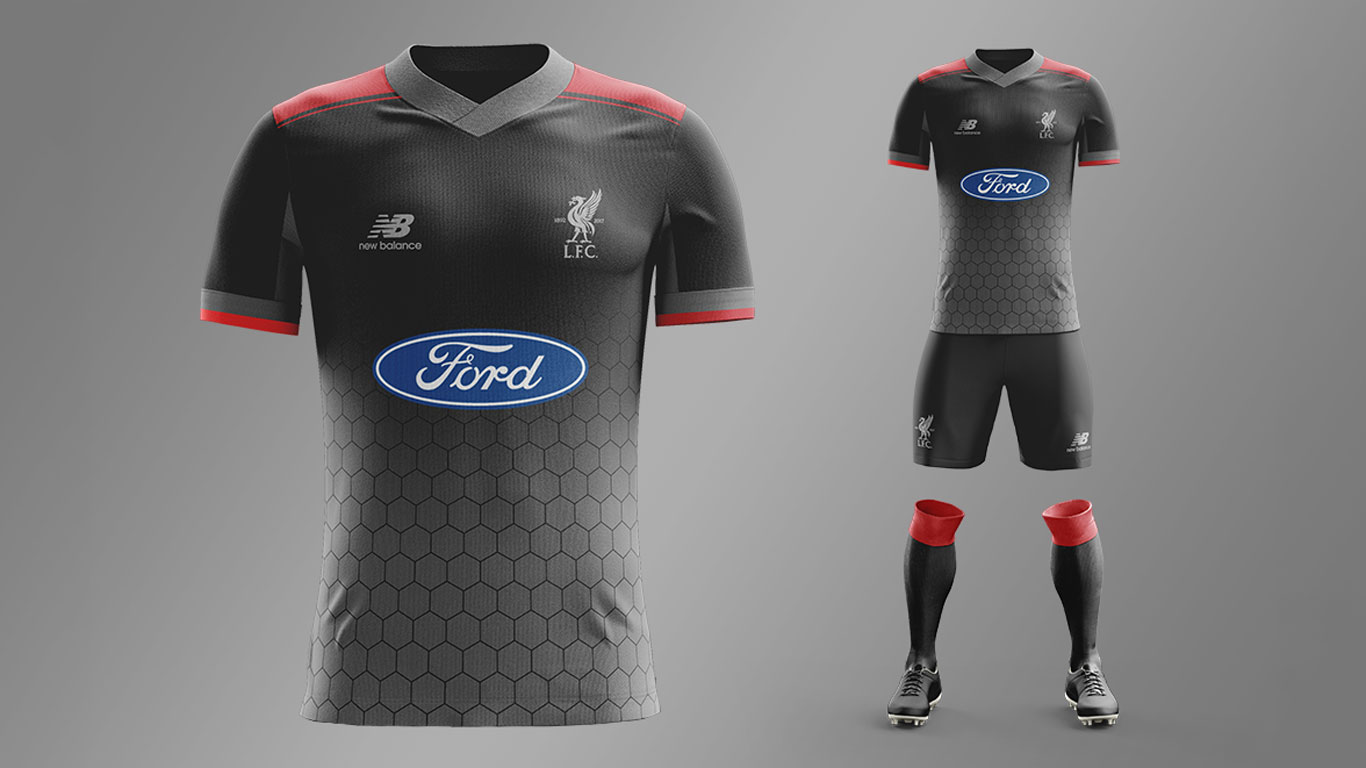
“What if car brands designed football kits?” It’s an unlikely question, but it’s one posed by the team behind the Giffgaff Gameplan car insurance comparison site. Truth is, we get dozens of emails a week from companies hoping to gain some exposure in exchange for the results of a survey or a news story, and most are either discarded or greeted with a polite “no”. But we rather like the design work that’s gone into these football kits, so we’ve created a short gallery to showcase Giffgaff’s efforts.
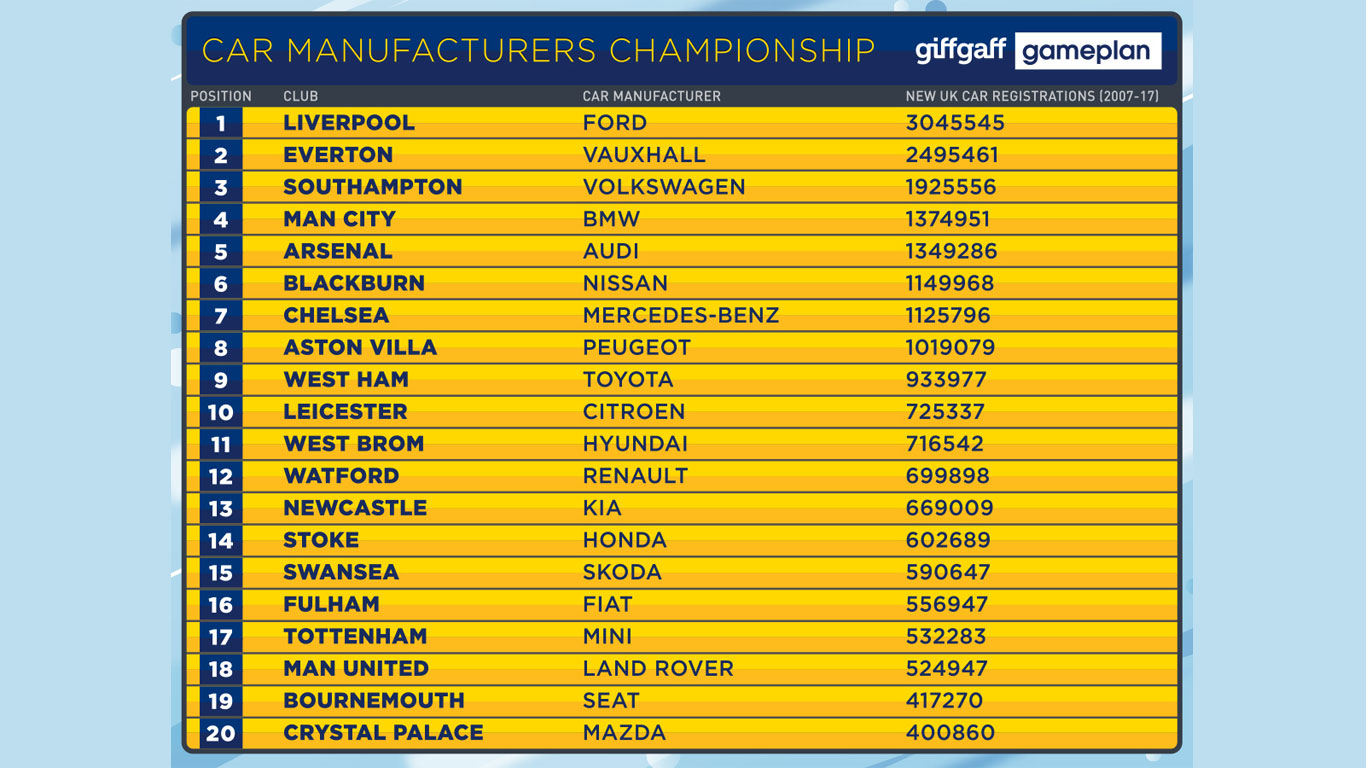
Car manufacturers’ championship
You’ll have to bear with us here, because Giffgaff’s approach isn’t straightforward. The company has based the Premier League table on the performance of each team based on their best associated car brand. The greater the number of sales, the further up the league table you go.
Looking at the fanbases of the teams, Giffgaff found an appropriate manufacturer using YouGov’s brand profiling tools, Google Trends and Google’s autocomplete feature. It’s not exactly a watertight approach, but it does mean that Aston Villa, Blackburn and Fulham are back in the Premier League. Sorry, Burnley, Brighton and Huddersfield fans.
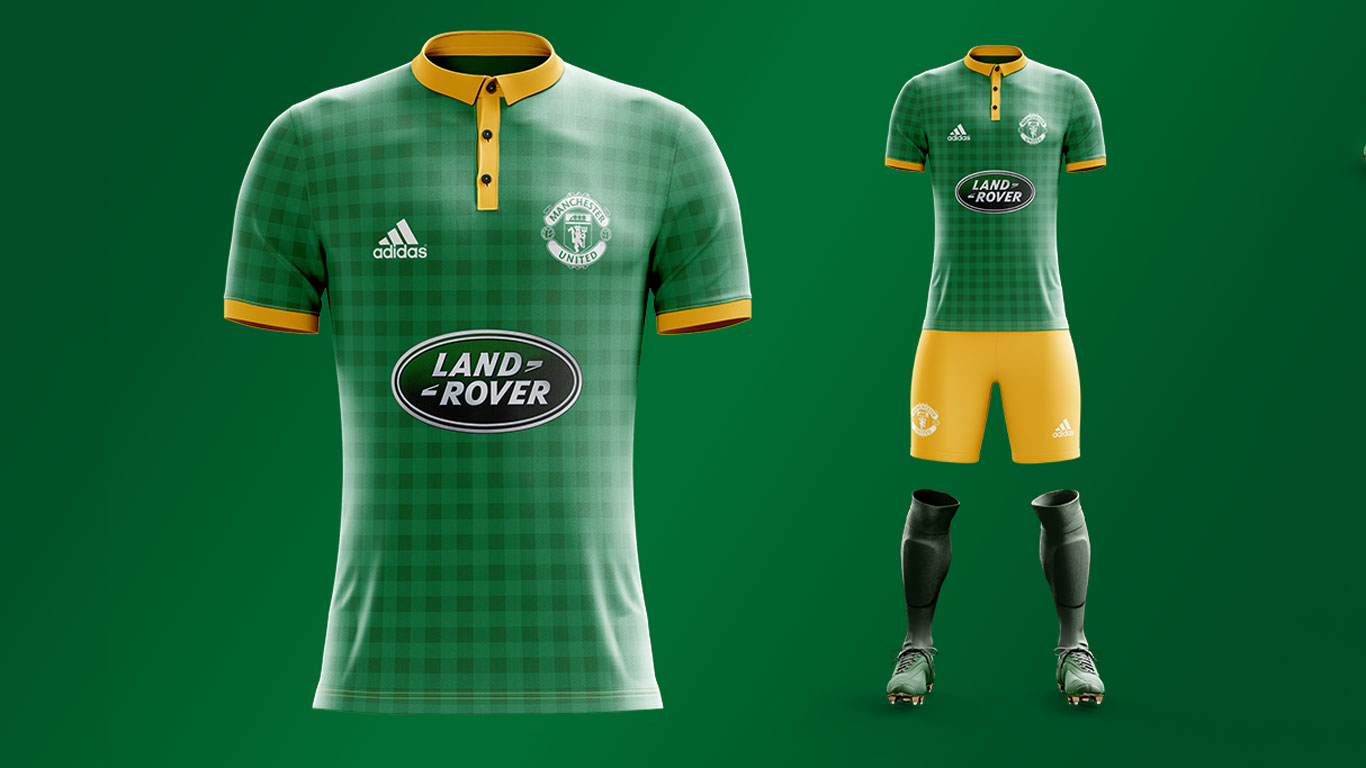
18. Manchester United and Land Rover
So, what of the top 10 in the car manufacturers’ championship? Well, the eagle-eyed among you will have noticed that Manchester United are languishing down in 18th place, but Giffgaff chose to include the Red Devils as “the aesthetics worked so well for the combination”. That’s as maybe, but United playing in green? Really?
Today, you’d associate the club with Chevrolet, but according to Giffgaff, “Land Rover’s combination of size, speed and power has helped it to become a reliable figure in the motor industry, much like Manchester United. The Red Devils dominated the English game in the 90s and early 2000s and continue to vie for honours today.” Reliable? Best not look at the results of those reliability surveys, then.
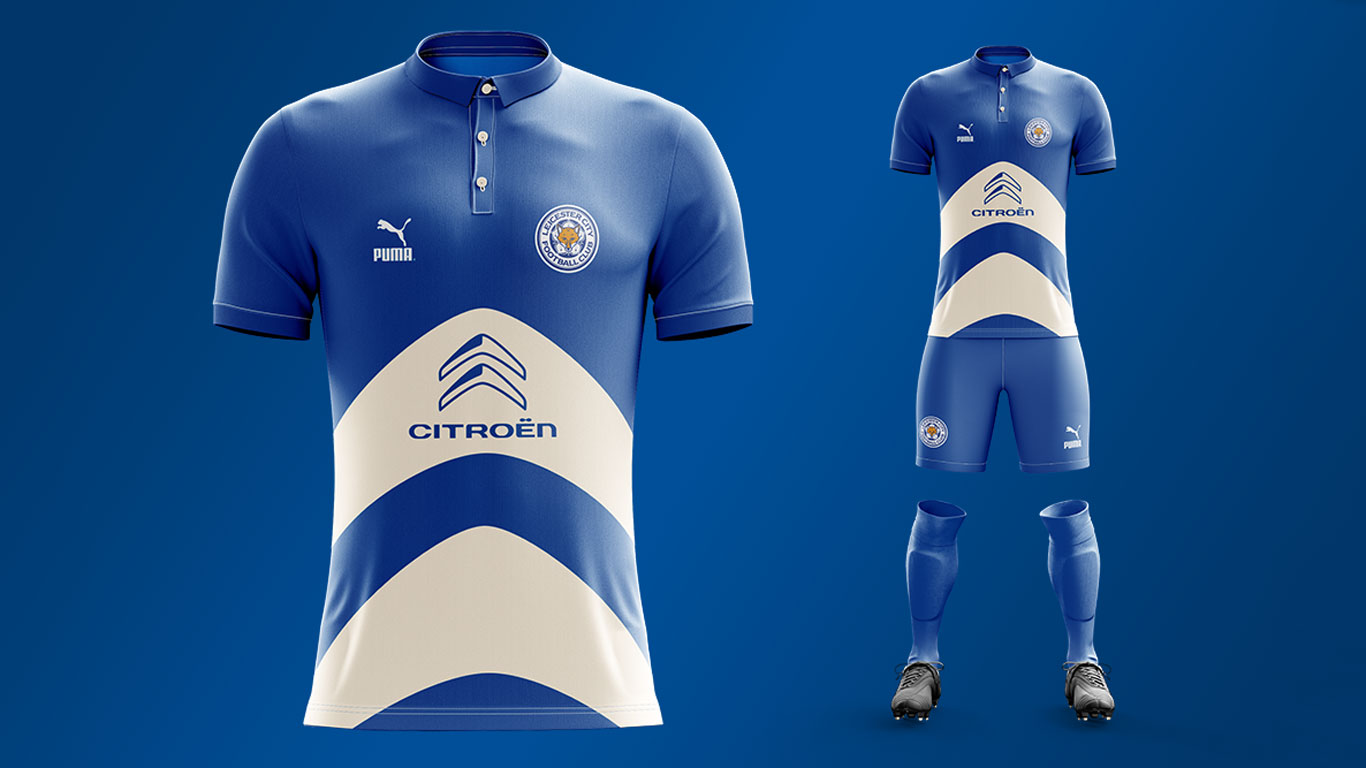
10. Leicester City and Citroen
Citroen has been a partner of Arsenal Football Club since 2008, but Giffgaff has selected the French company for Leicester City as both companies “have suffered financial issues in recent times and managed to bounce back”. Hmm, we rather think the design work is better than the rationale.
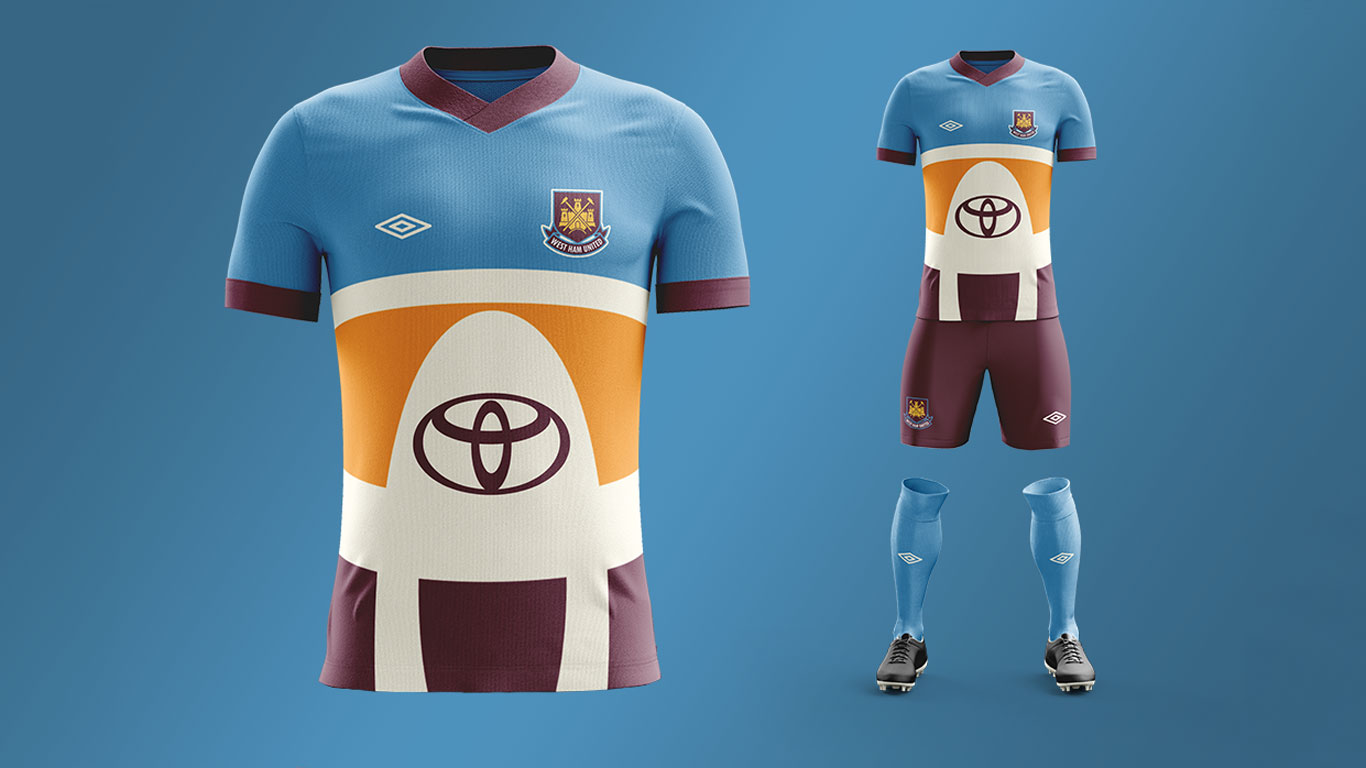
9. West Ham United and Toyota
“As the top car manufacturer in the world by size, Toyota dwarves West Ham by comparison, but the East London team’s reputation for tough football is recognised worldwide. Similarly, Toyota’s Hilux Invincible vehicle has developed a similar reputation, with the Land Cruiser suitable for a wide variety of terrain and conditions.”
Once again, we question the link, but we’re kind of committed now, like a Julian Dicks tackle. Sorry, but there’s Bobby Moore of this to come…
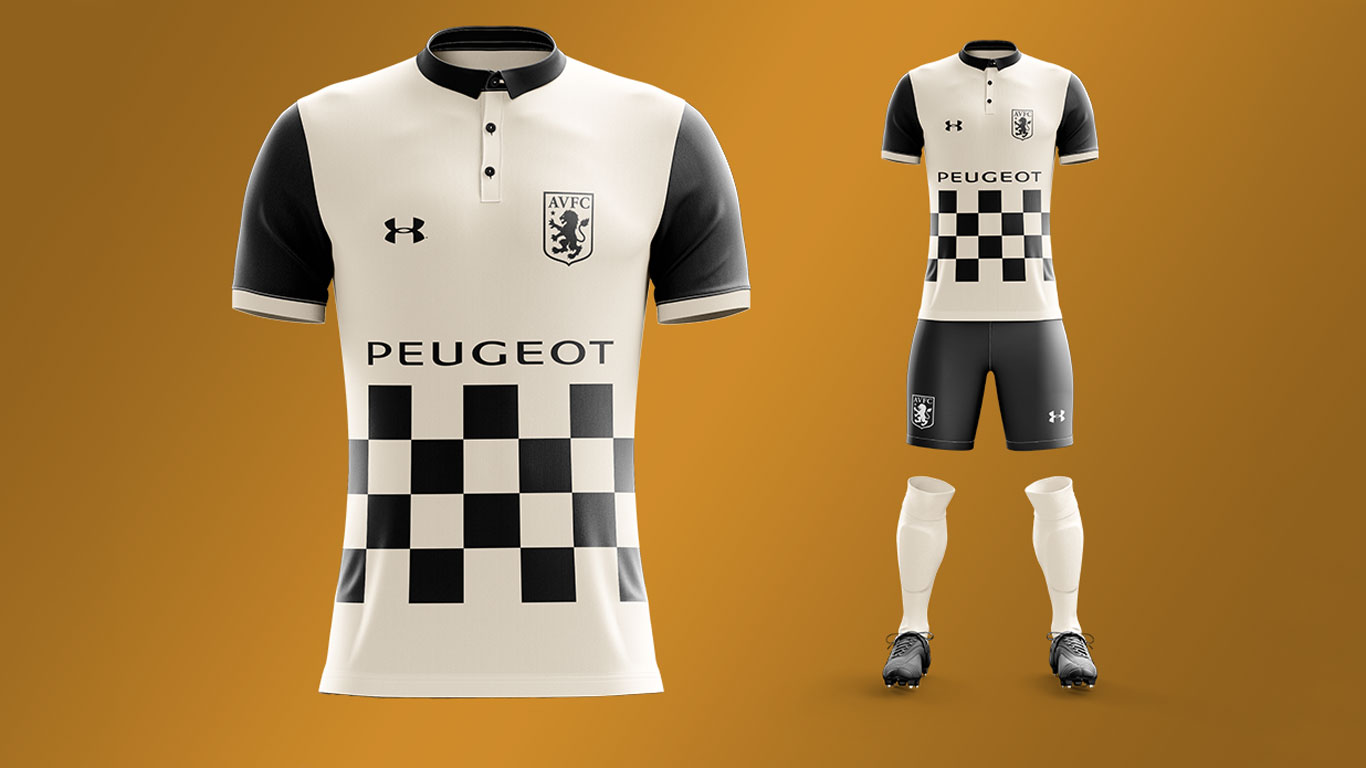
8. Aston Villa and Peugeot
Villa fans rejoice, because you’re back in the Premier League, and you didn’t have to face the dreaded play-offs. But, wait, what’s this? Peugeot on the shirt? Surely that’s the preserve of Coventry City?
“Aston Villa and Peugeot have both suffered difficulties recently. Villa slipped into the Championship in 2016 after years in the top flight, while Peugeot has been through a restructuring plan as it strives to remain competitive in a tough marketplace,” says Giffgaff. Whatever, we like the cycling jersey-inspired shirt. Still shouts Coventry to us, mind.
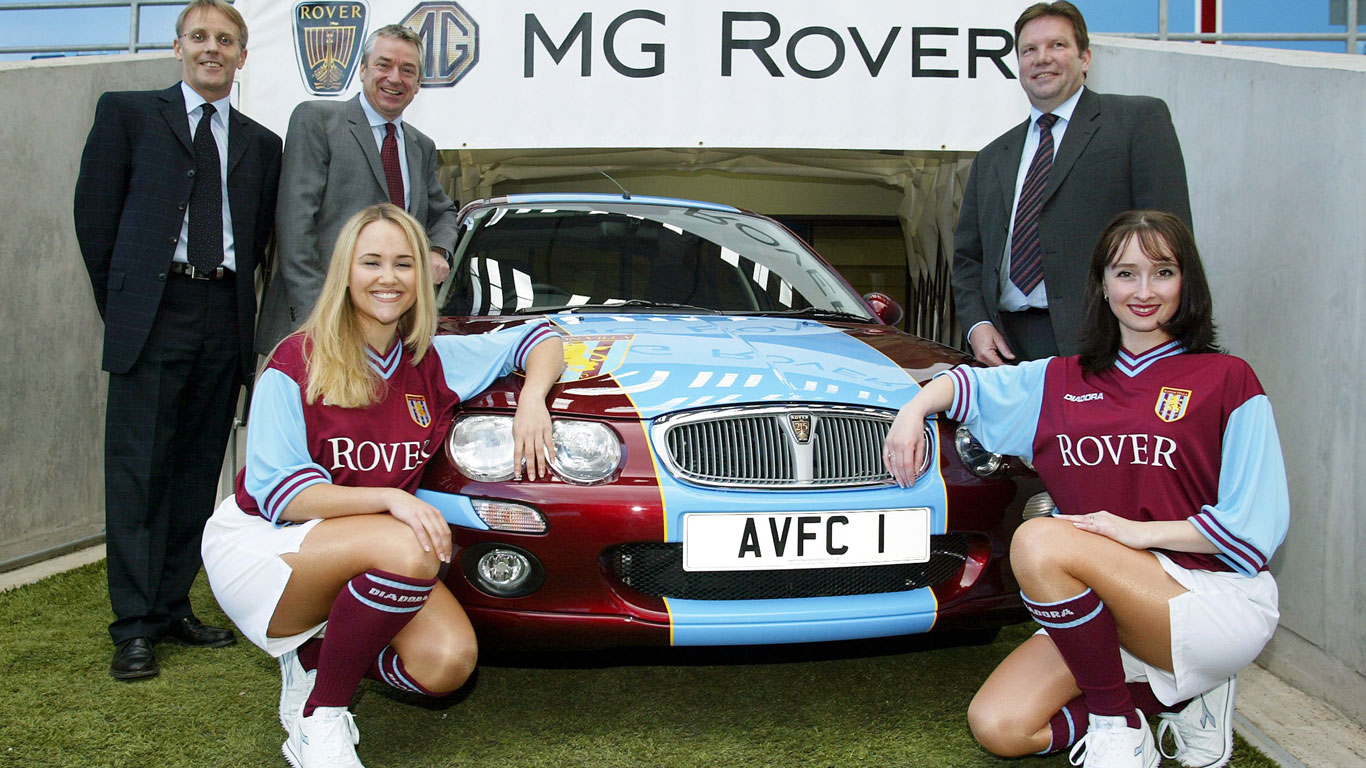
As for Aston Villa, we can only think of MG Rover…
See what we mean?
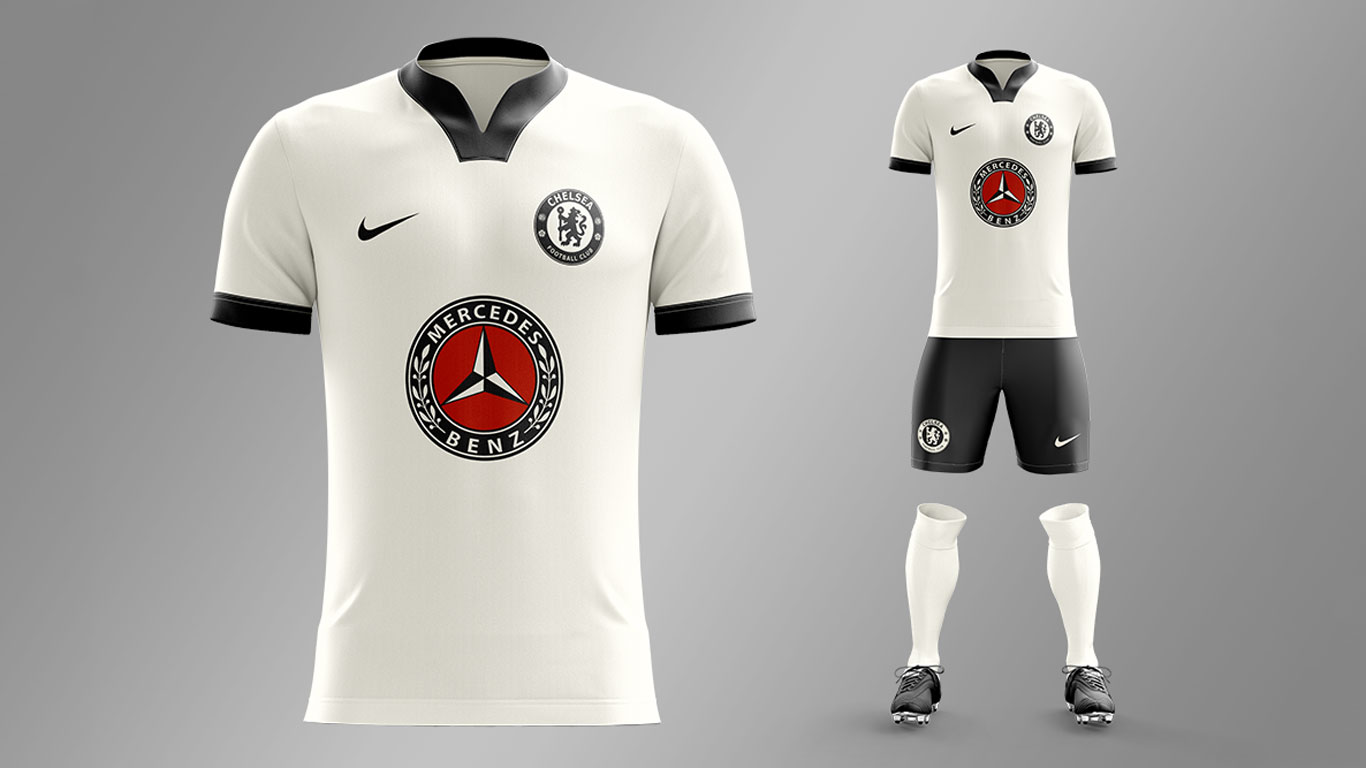
7. Chelsea and Mercedes-Benz
You look at this shirt and think one thing: Germany. Which is rather apt, given that Giffgaff has chosen to associated Chelsea with Mercedes-Benz. “Chelsea’s big transfer funds and luxurious playing style correlate neatly with Mercedes-Benz,” says Giffgaff.
Luxurious playing style? Has Antonio Conte ever described Chelsea as playing luxurious football? And what exactly is luxurious football? Answers on the back of a discarded prawn sandwich wrapper.
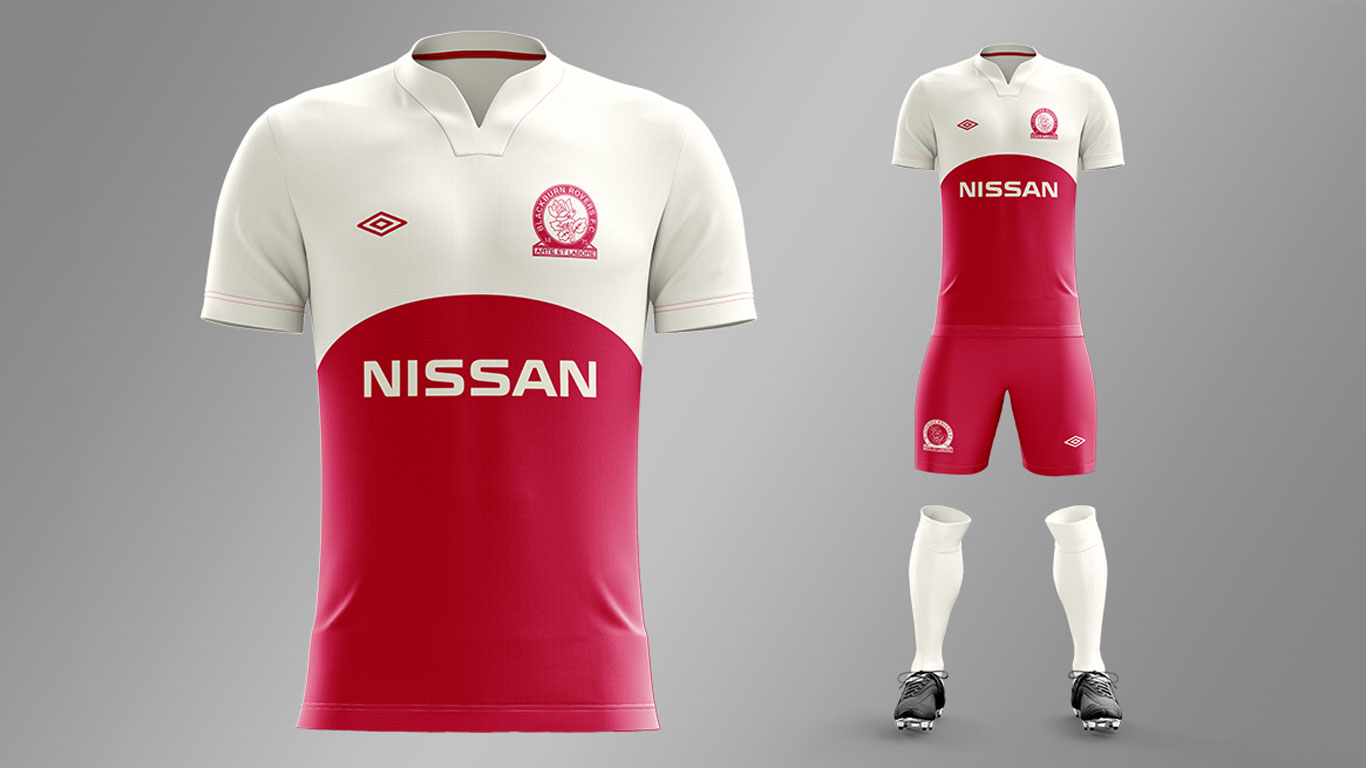
6. Blackburn Rovers and Nissan
“As one of the six teams that have won the Premier League, Blackburn has a history of success, but has now fallen down to the third tier. On the other hand, Nissan remains the fifth most popular car brand in the UK according to the Society of Motor Manufacturers and Traders (SMMT) and we’re certain they could use some of the car brand’s good fortune,” says Giffgaff.
This is starting to look like a lost cause, like Alan Pardew clinging on to his job at West Brom, or a chicken on the way to a processing plant owned by Venky’s, the company in charge of Blackburn Rovers.
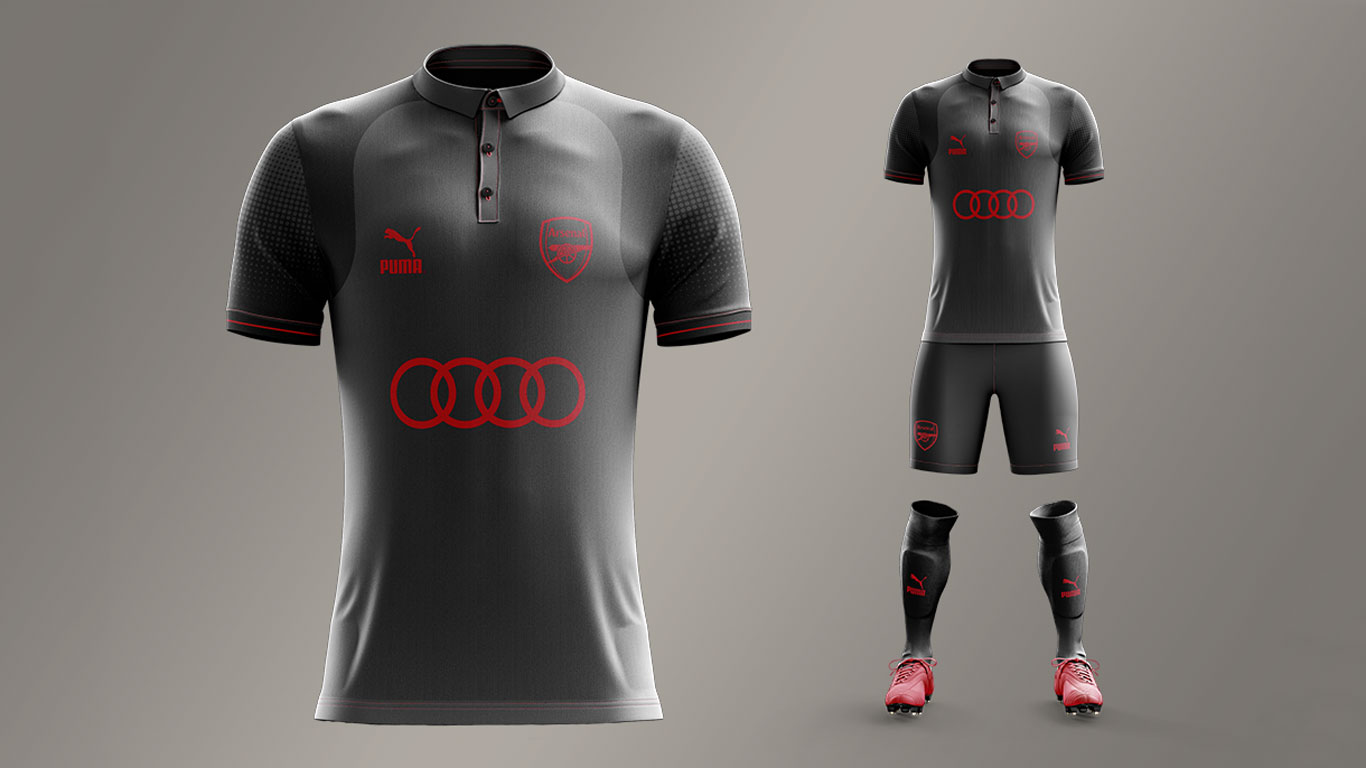
5. Arsenal and Audi
“Arsenal and Audi are both well known for their penchant for luxury, with Audi’s stylish cars comparing favourably with the silky skills of Dennis Bergkamp, Thierry Henry etc.” It’s that ‘luxury’ word again, although club legend Ian Wright might prefer ‘lazy’ and ‘lethargic’, given his comments following Arsenal’s defeat against Manchester City.
It’s a nice kit, but saying it was inspired by “black Audi car designs such as the A3 and A4” is tenuous in the extreme.
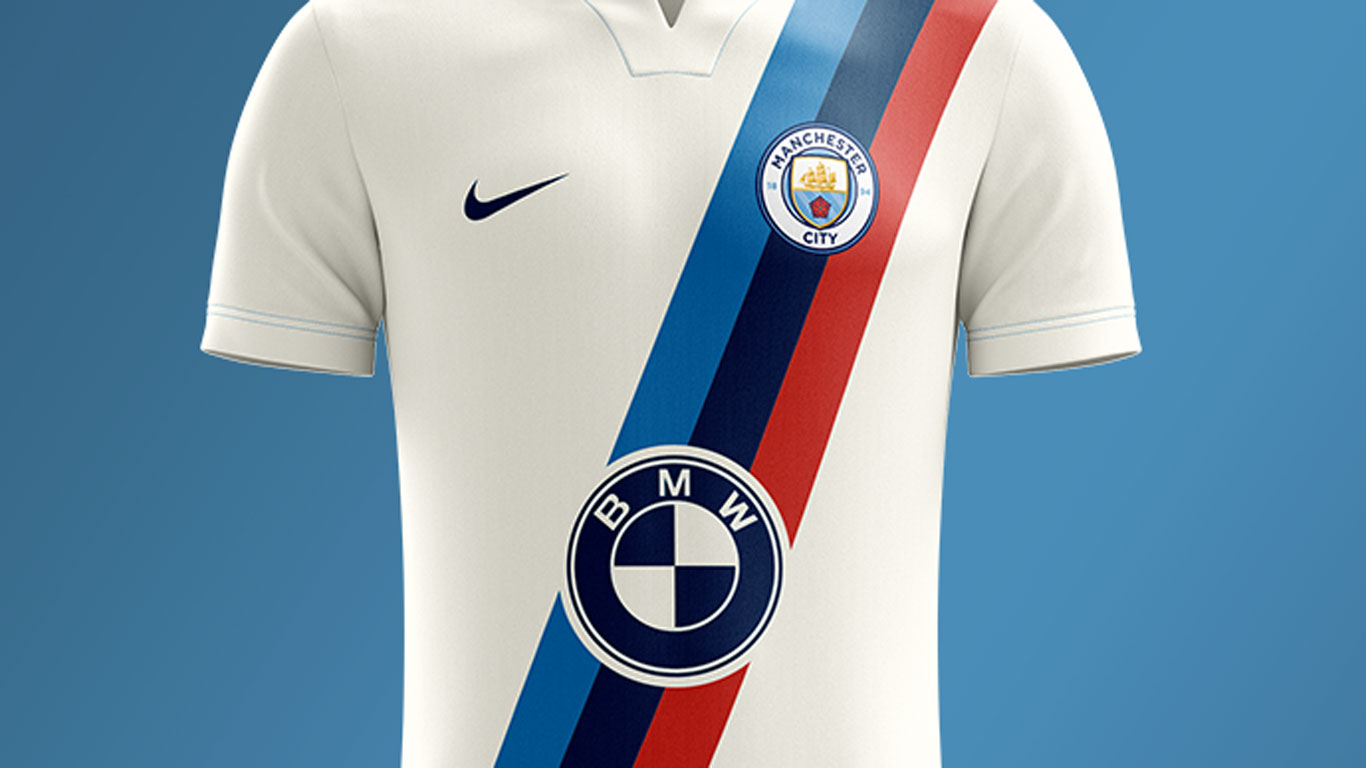
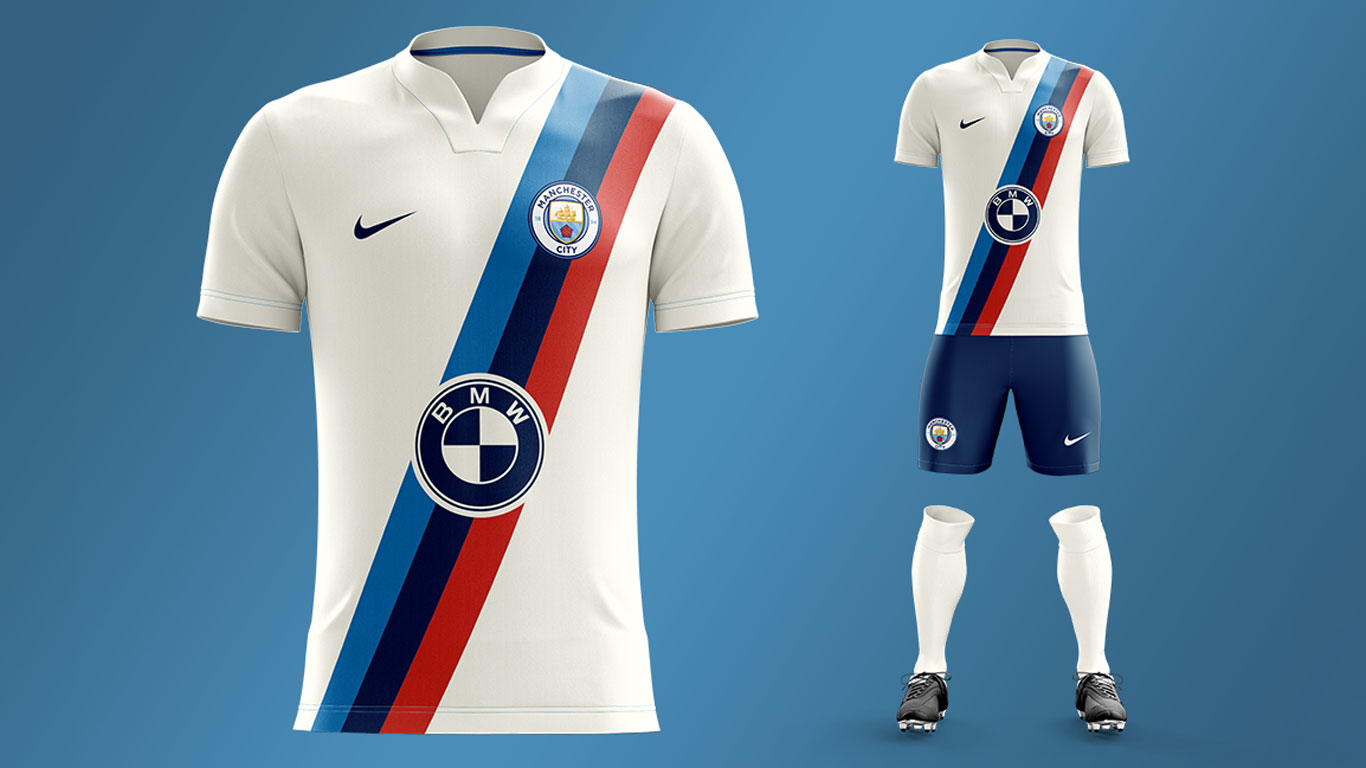
4. Man City and BMW
This one bears a startling resemblance to the Crystal Palace shirt of the 70s and 80s. Alternatively, it has the whiff of the kit worn by the Allies in Escape to Victory. Either way, it’s a Michael Winner.
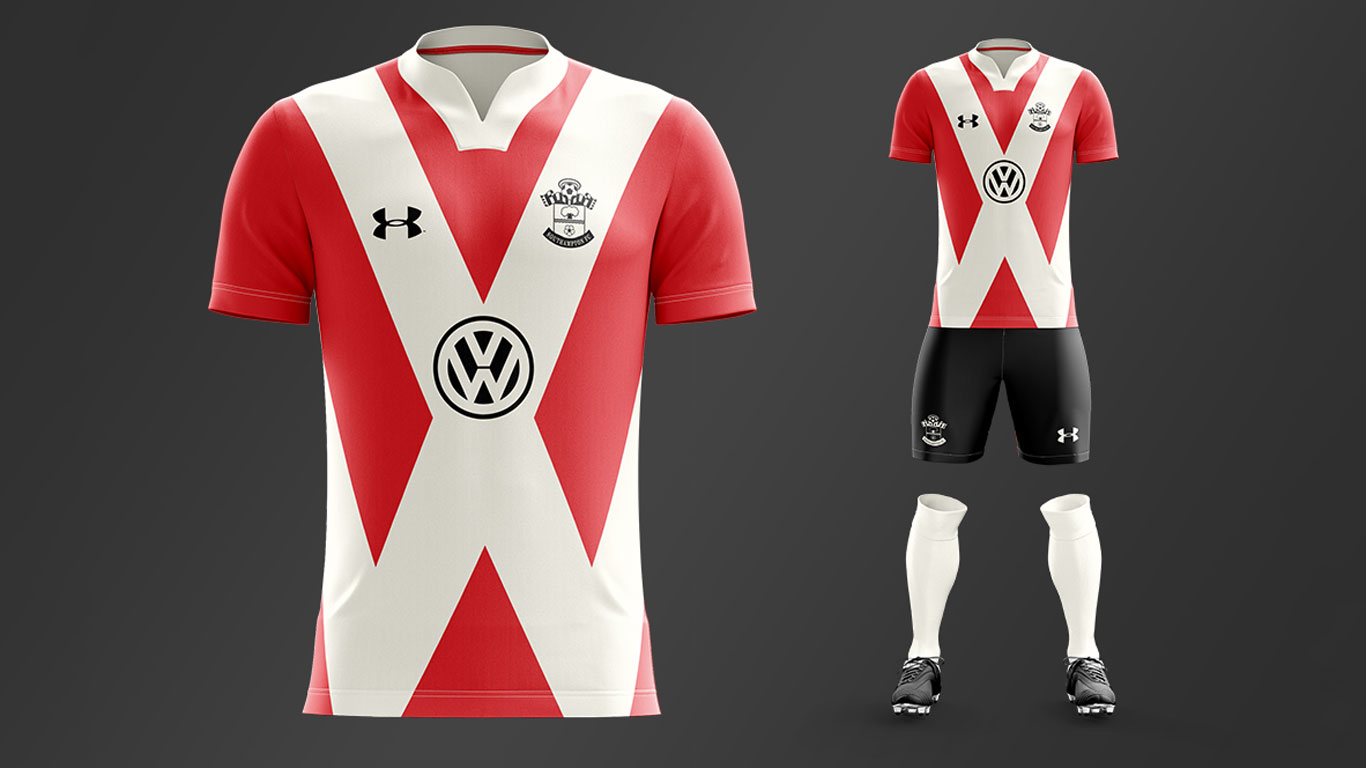
3. Southampton and Volkswagen
One to file under: ‘It shouldn’t work, but it does’.
2. Everton and Vauxhall
Everton fans may have given up hope of a top-six finish this season, but Giffgaff puts the Toffees in a Champions League position. The inspiration is – wait for it – based on the fact that “Vauxhall Astras are commonly used as police cars in the UK.” Not that this matters, because you’ve already clicked off in search of the latest meaningless awards ceremony or survey.
Call the cops: we’ve been accused of committing a crime against valuable time.
1. Liverpool and Ford
The Merseyside Club is owned by American owners and America is the home of Ford. Which is enough to put Liverpool at the top of the league.
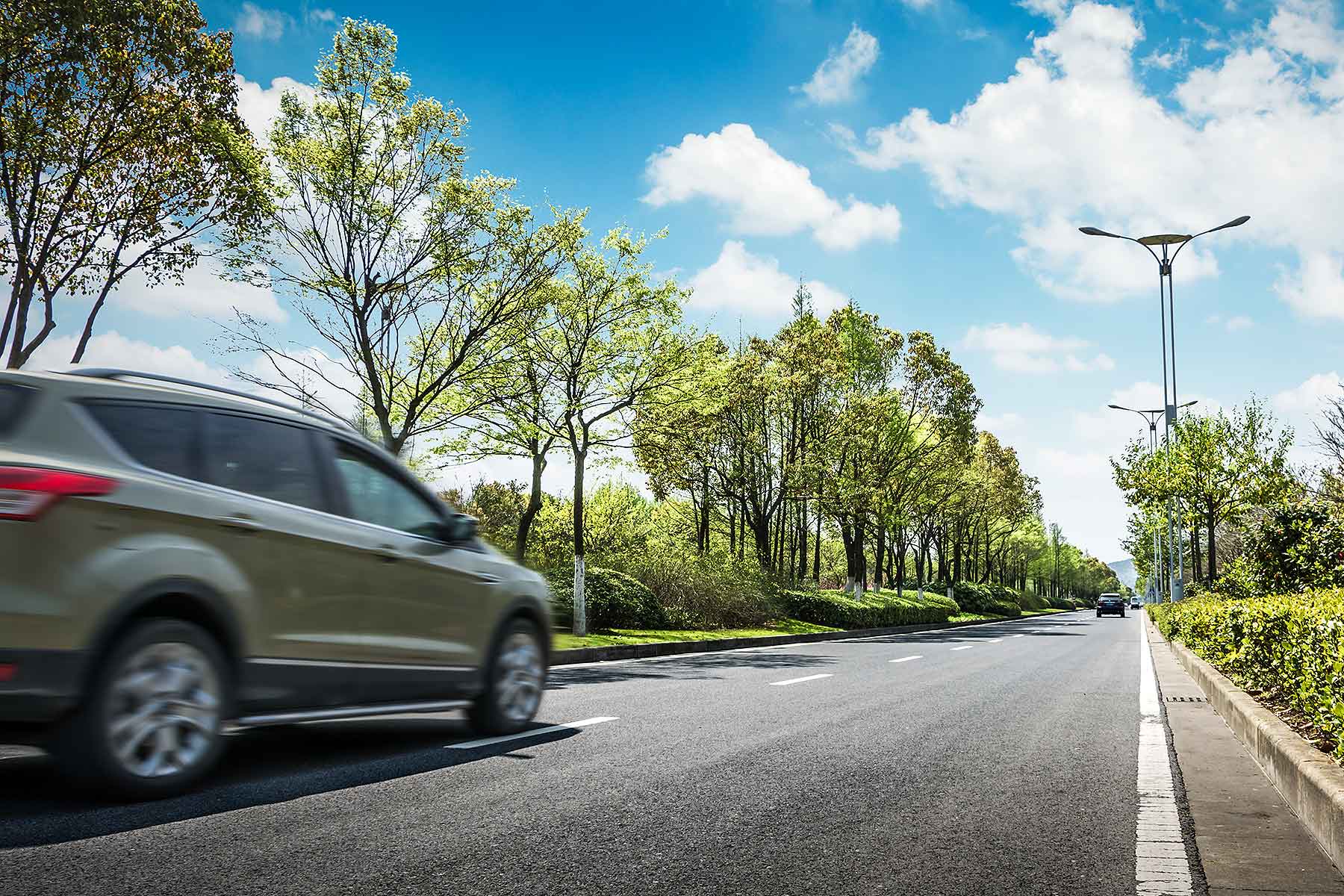
Who’s to blame for this week’s news that new car CO2 emissions have risen for the first time in history? The government. And us, for being misled by these confused, ill-informed politicians.
It’s all because we’ve stopped buying diesels. The Volkswagen emissions scandal kicked off the downturn in 2015 and the fuel hasn’t recovered since. Last year, sales were down more than 17 percent in the UK.
But diesels are dirty, right? They’re choking our cities and killing our kids? Well, not quite. Old diesels certainly are. But new ones? These so-called Euro 6 diesels are almost as clean as petrol cars, something proven time and again by independent testing (the same sort that exposed VW).
Like so many things, the government doesn’t get this. So it’s penalising all diesels as if they were the same. Ironically, this deters people from buying new cars, keeping the dirty diesels on the road for longer. So they’re continuing to choke and kill us.
Diesels also, as a rule of thumb, emit 15-20 percent less CO2 than a comparable petrol engine. There’s no fudging this, and the fuel economy boost you get from a diesel proves it. If people buy fewer diesels, new car CO2 emissions go up. Today’s data proves it.
Car buyers have forgotten about CO2. The government has forgotten about CO2, and all the commitments it’s signed up for to reduce it. And all because everyone’s getting mixed up about old diesels and new ones.
The cost – to the planet, to car manufacturers, to our government, to ourselves – will emerge in time. When it does, who will blame who?
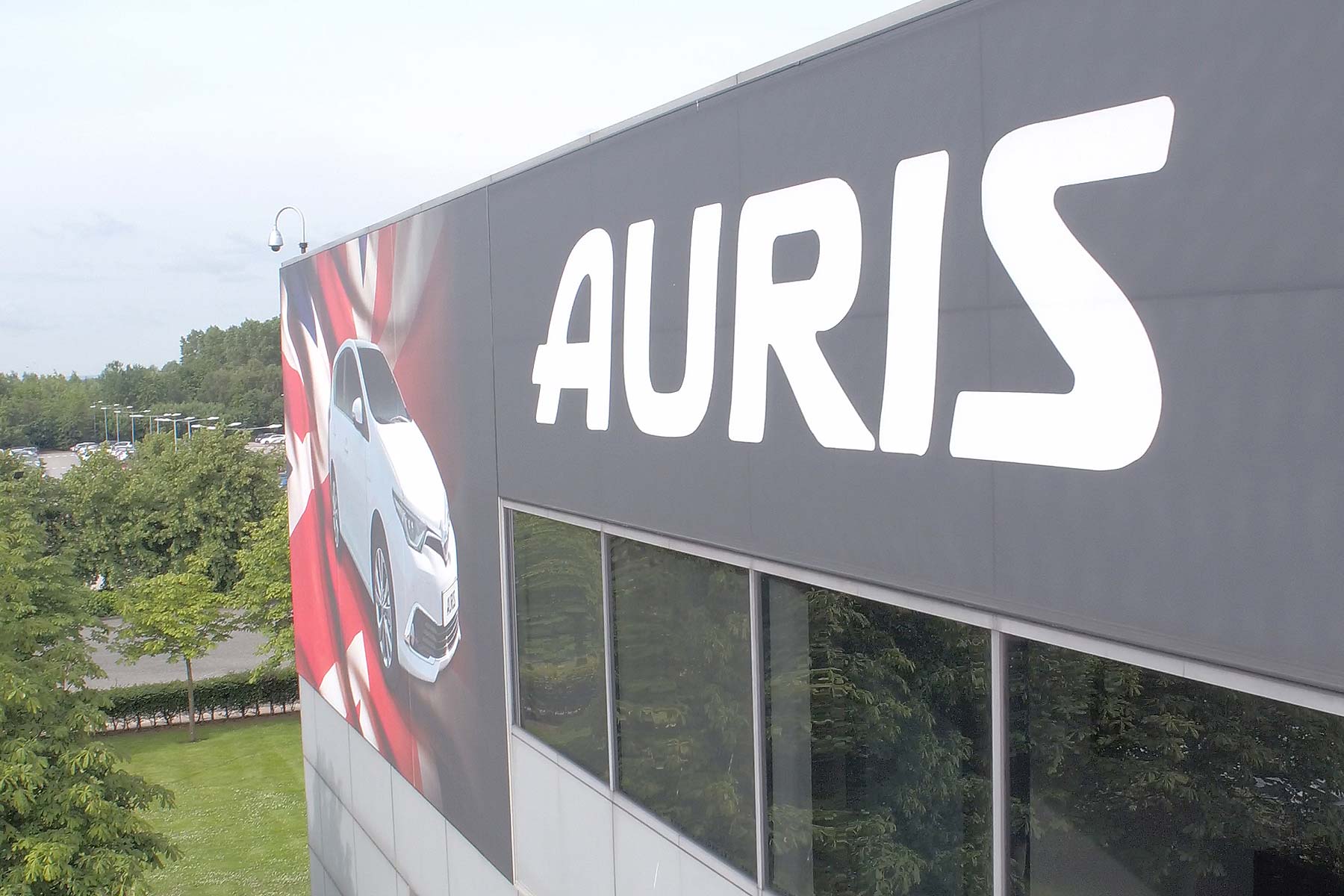
Toyota has confirmed the all-new third-generation Auris family hatchback will be built at its Burnaston, Derby plant, news that will be a major fillip to the under-pressure UK automotive industry.
The Japanese giant’s commitment to the UK comes despite uncertainties over Brexit, although Toyota Motor Europe president and CEO Dr Johan van Zyl was keen to stress the need for politicians to strike the best possible deal for when the UK leaves the EU.
“As a company, we are doing what we can to secure the competitiveness of our UK operations as a leading manufacturing centre for our European business.
“With around 85 percent of our UK vehicle production exported to European markets, continued free and frictionless trade between the UK and Europe will be vital for future success.”
In a double boost for Britain, most of the engines used in the new Auris will come from Toyota’s engine plant in Deeside and the UK workforce was singled out for praise by Toyota Europe’s chief. “Today’s announcement… shows our confidence in the skills and capabilities of our TMUK members.”
Toyota Manufacturing UK MD Marvin Cooke was naturally delighted with the good news. “It signals Toyota’s trust in TMUK’s ability to build ever-better cars for our customers.”
The new Auris will be built on the latest Toyota New Global Architecture (TNGA) platform, for which Toyota has invested £240 million in Burnaston to install the new equipment and technologies.
Using this new tech “is a big responsibility,” said Cooke, and “we will constantly improve our productivity and competitiveness to help secure a bright future for TMUK”.
The all-new Auris will be revealed at the 2018 Geneva Motor Show next week. In the build-up, Toyota has issued a teaser of the new car – Motoring Research will bring you all the news LIVE from the show starting early next week.
One of the biggest motoring events of the year kicks off next week, with no fewer than 60 manufacturers heading to Palexpo for the 88th Geneva show. Whatever your tastes, from a new Toyota Auris hybrid to a stripped-out Ferrari 488 Pista, you can expect to be well catered for.
We’ve rounded up the 10 cars that excite us most. With the new Citroen Berlingo and McLaren Senna included, we really have got all bases covered…
1: Polestar 1
Want to launch a range of premium or sporty vehicles that don’t particularly fit in with your brand image? Just create a new offshoot carmaker. It’s what Citroen’s done with DS, Seat’s doing with Cupra and Volvo’s trying with aftermarket-tuner-come-electric-car-specialist, Polestar.
While it’s easy to take a cynical view of any rebranding exercise, Polestar is at least kicking off with an almost entirely new model – and an extremely attractive one, at that. The S90-based Polestar 1 is a two-door, four-seat GT car powered by a 600hp hybrid drivetrain.
There’s a catch, though. Polestar won’t be producing a right-hand-drive version, and prices will start at around £115,000 when it finally arrives in the UK.
Polestar promises ‘no bullsh*t’ in teaser vid
2: Mercedes-Benz A-Class
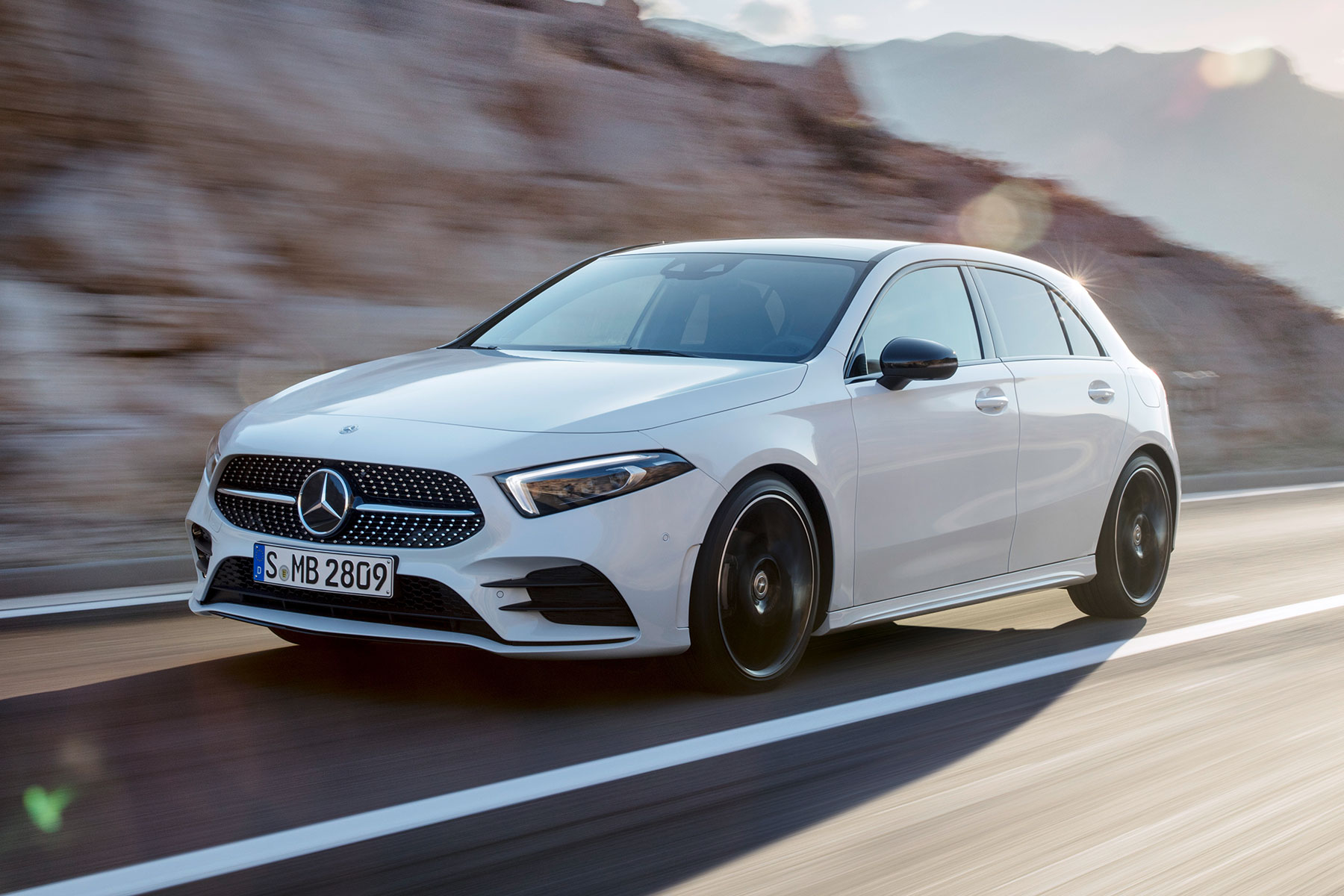
OK, the A-Class isn’t one of the most exciting cars that’ll be revealed at Geneva but, as the best-selling Mercedes in the UK last year, it is one of the most significant. Besides, Mercedes has been hyping it up for so long that we can’t wait to see it in the metal (if only to check whether it’s as droopy as pictures suggest).
Other highlights from the Mercedes stand will include the AMG GT4 – a four-door AMG GT that’s a little more exciting than the A-Class, admittedly, but also strikes us as a niche within a niche, surely guaranteed to steal buyers from the new Mercedes CLS.
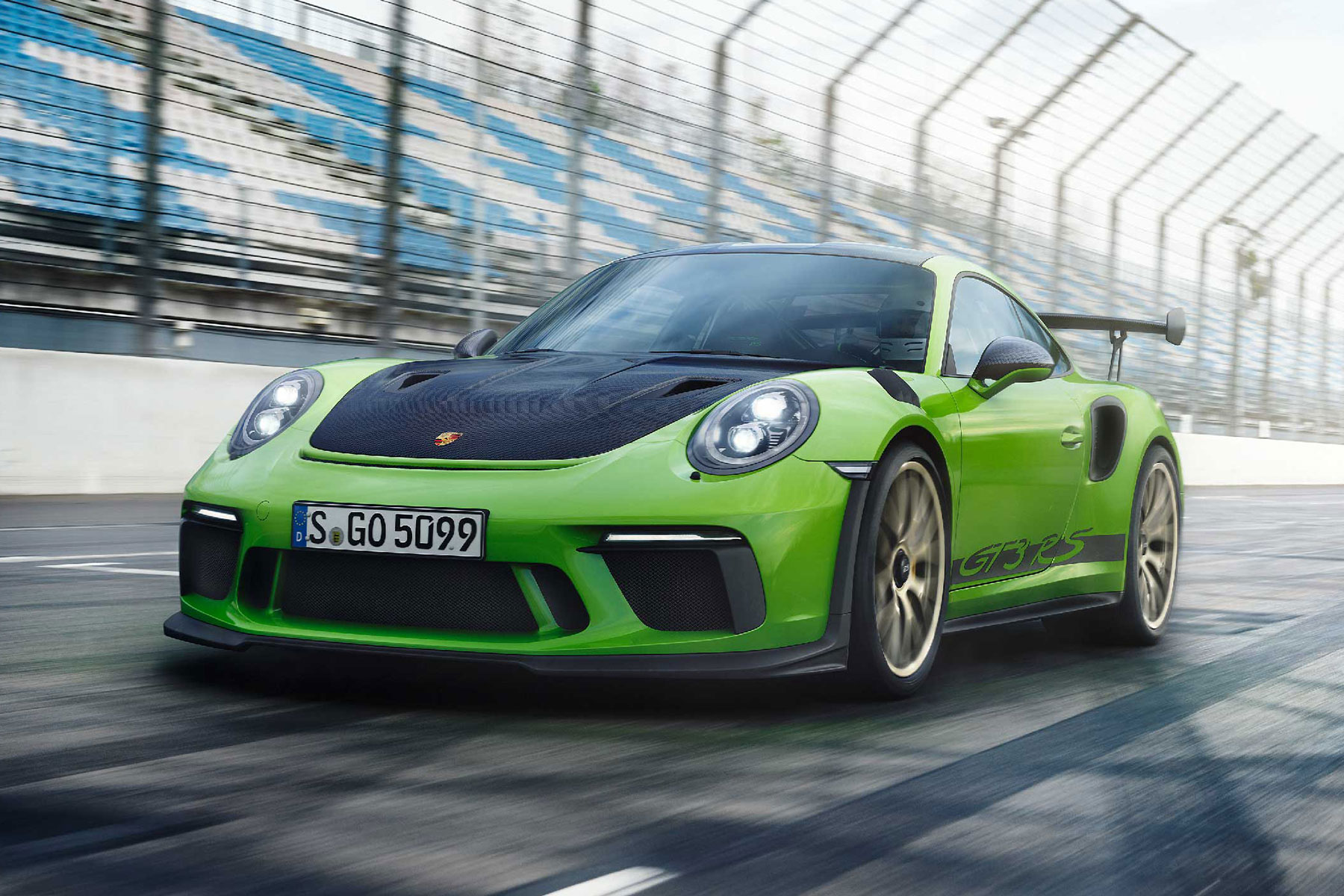
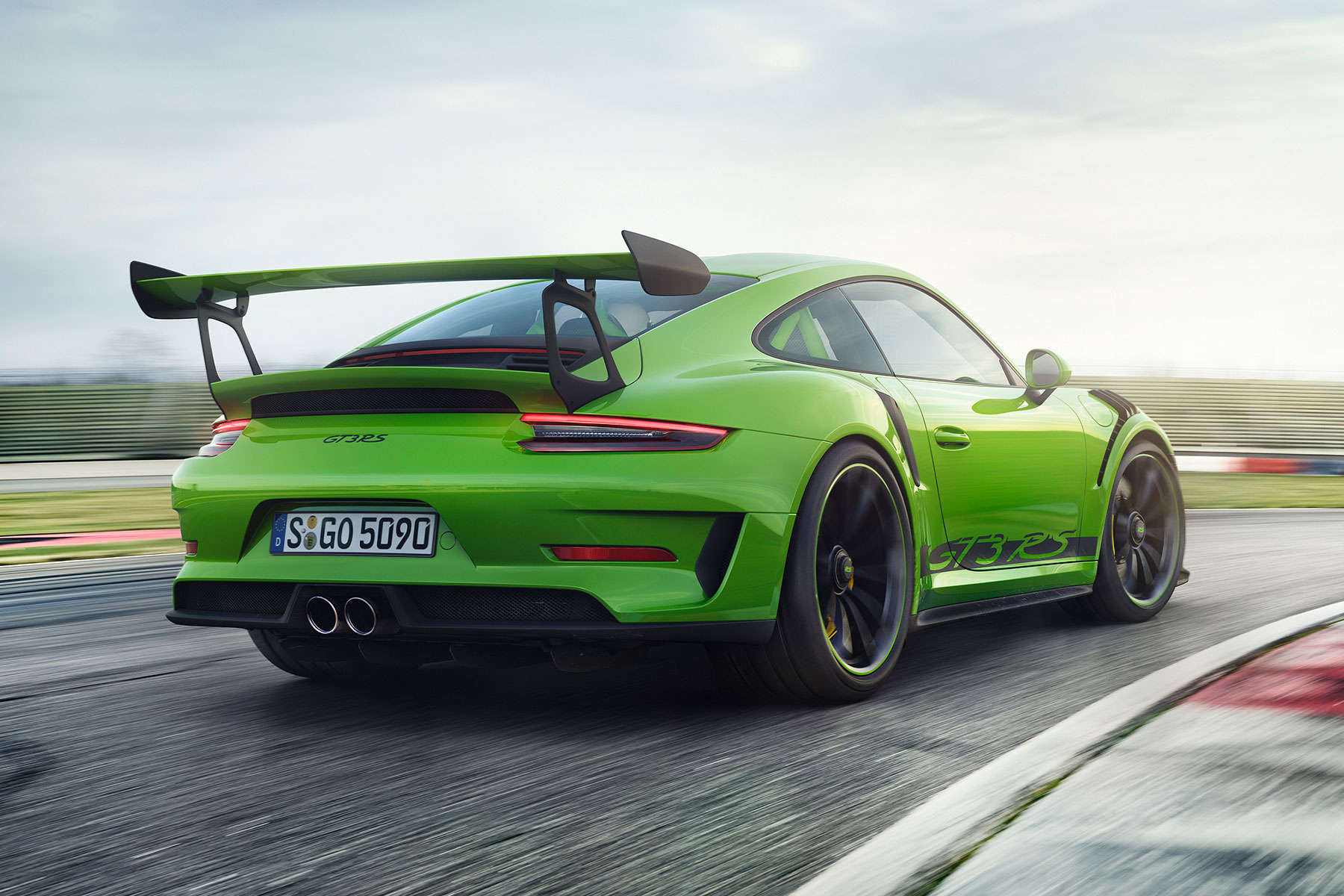
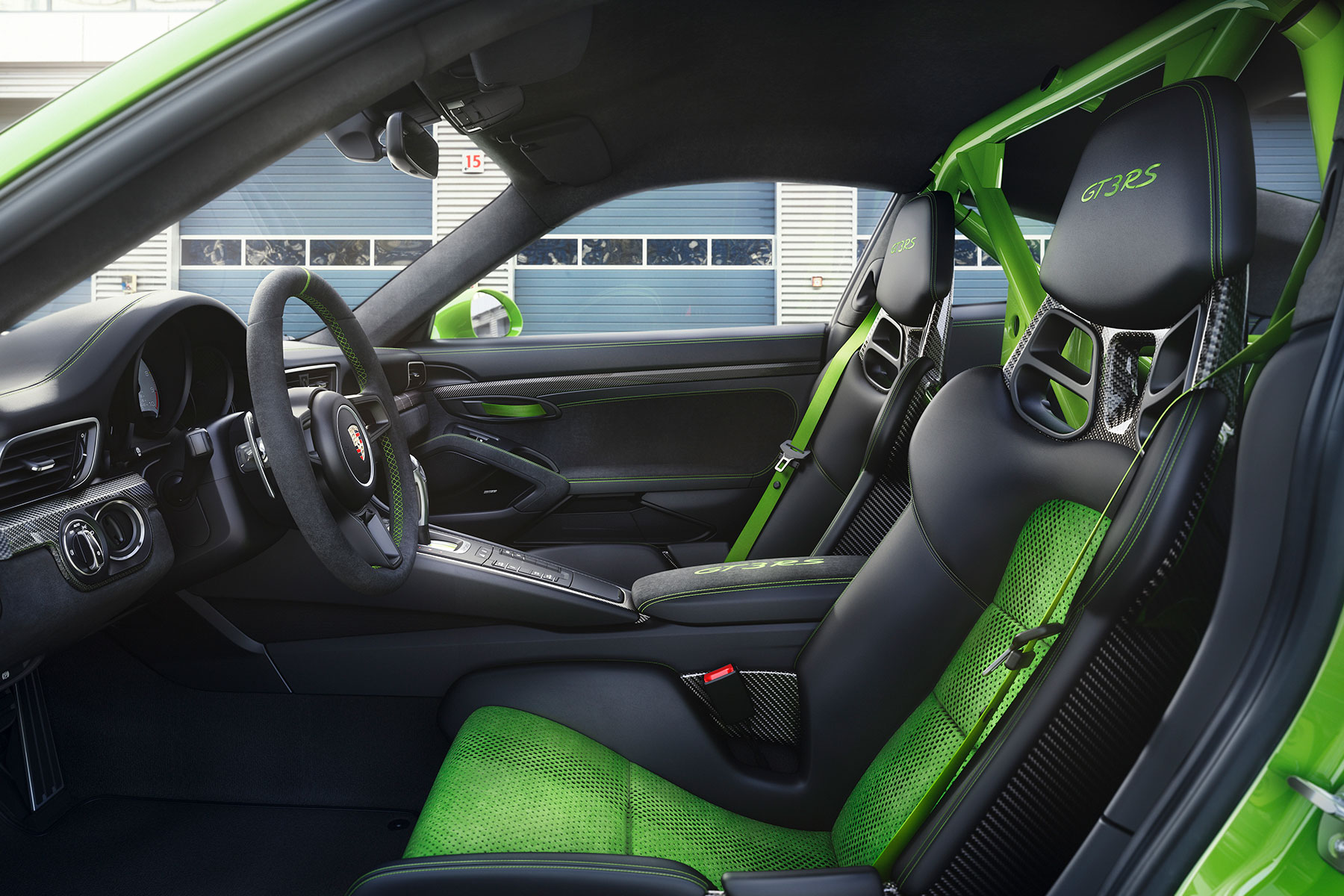
Over on Porsche’s stand we’re expecting to see the new 911 GT3 RS. Before you get too excited, it’ll only have two pedals and a PDK gearbox. But still, a 520hp naturally-aspirated flat-six and a 3.2-second 0-62mph time is plenty to get excited about, right?
Porsche engineers have also been spotted testing the new 718 Cayman GT4 which, with the GT3’s flat-six NA engine, promises to be very exciting. Will it be at Geneva? Not if Porsche wants all the attention on the GT3 RS…
4: Range Rover SV Coupe
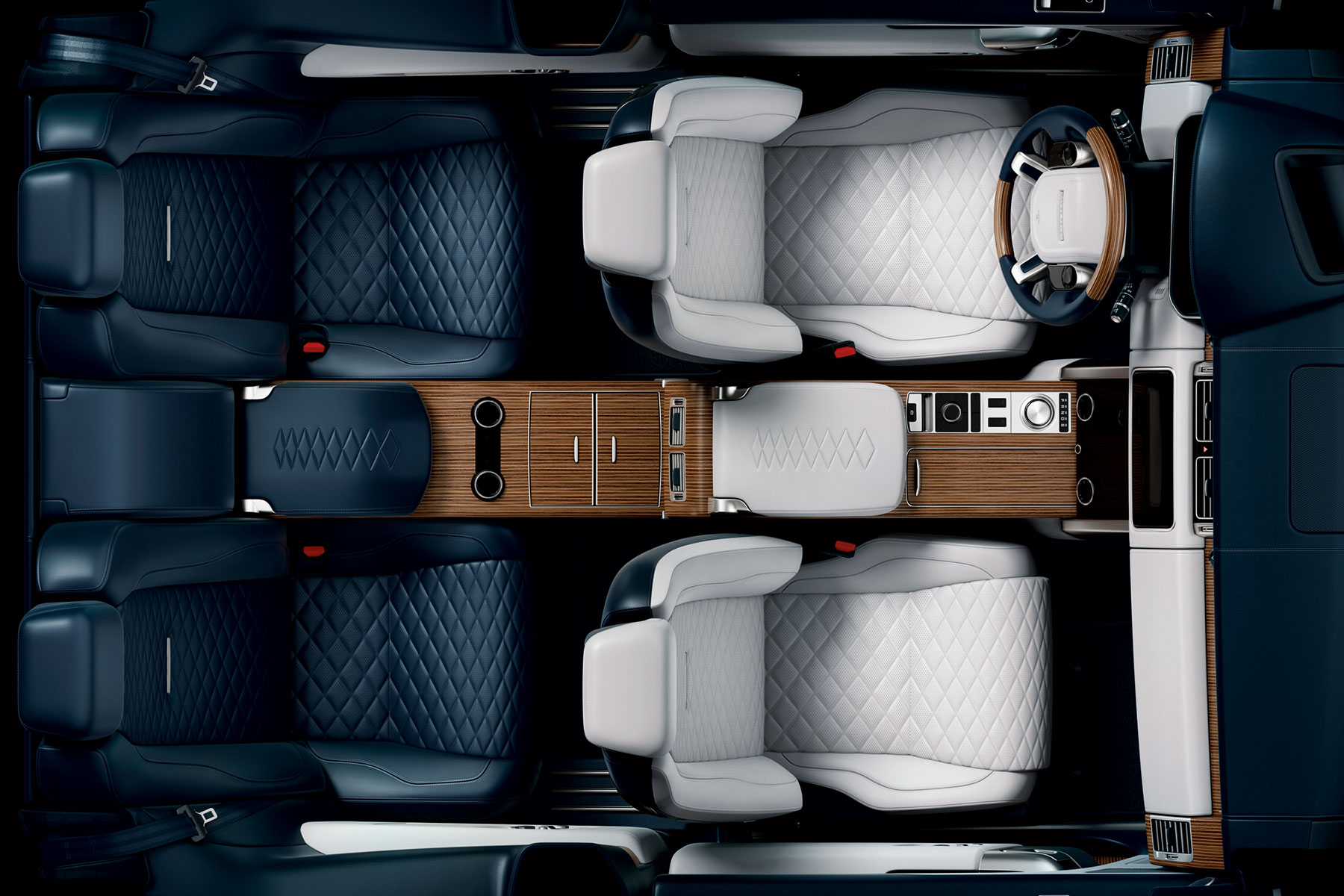
Tucked away on Land Rover’s stand somewhere at Palexpo, the SV Coupe promises to be the most exclusive (and expensive) Range Rover yet. A rival to the upcoming Rolls-Royce Cullinan, we’ve already seen a teaser in the form of an interior shot showing individual rear seats and a wide, wooden centre console that stretches the length of the cabin.
Only 999 will be made by Land Rover’s Special Vehicles department, with prices expected to be close to £250,000. That’s a lot of money.
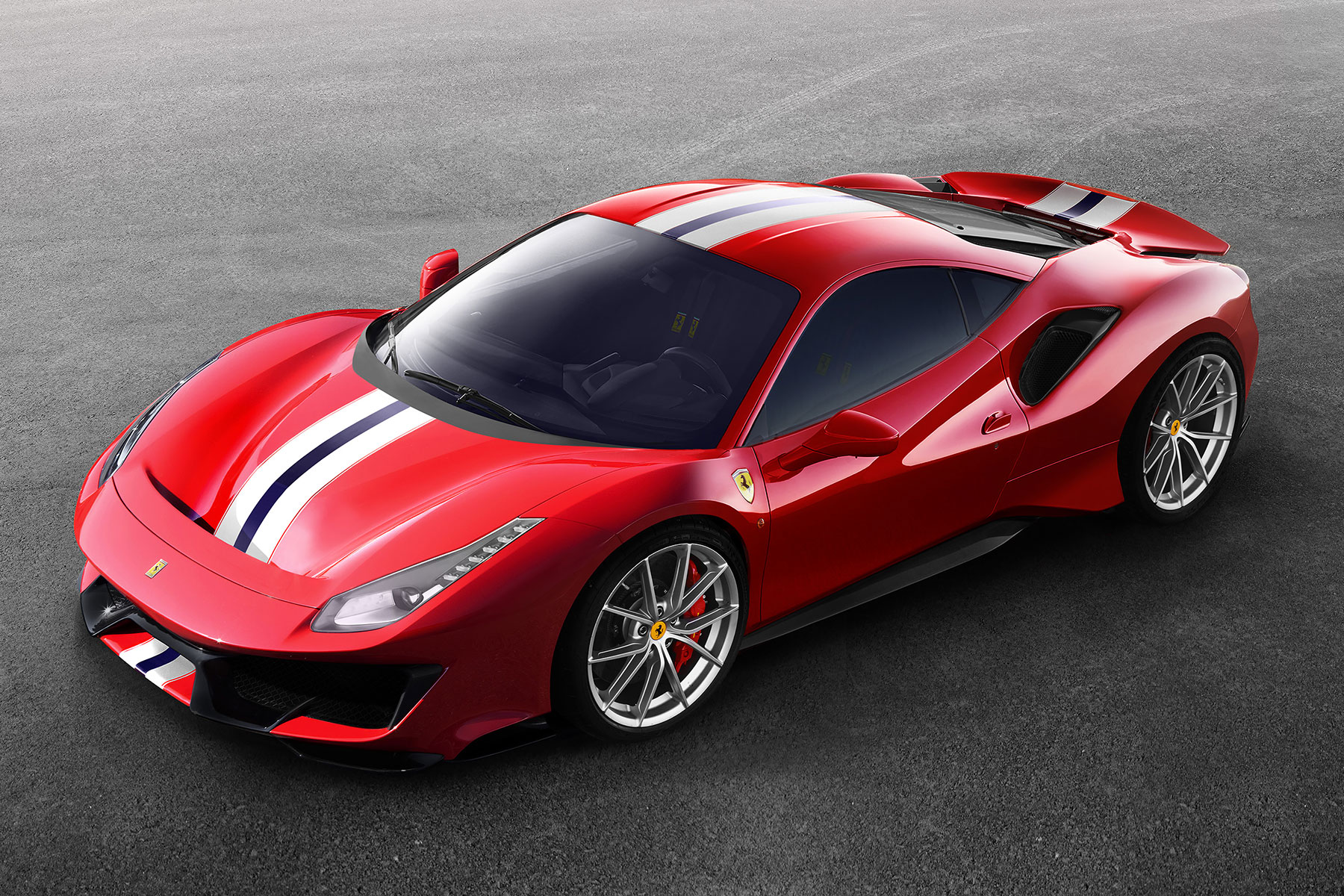
The 488 Pista follows the 458 Speciale, 430 Scuderia and 360 Challenge Stradale in Ferrari’s line of track-focused specials. The supercar manufacturer is – naturally – making some bold claims for the Pista (which is Italian for ‘track’, FYI).
Described by the brand as a ‘significant step forward’, the 488 Pista is powered by the standard car’s twin-turbocharged 3.9-litre V8 with a significant power hike to 720hp. That makes it the most potent Ferrari V8 engine ever, boasting a 2.85-second 0-62mph time. And 124mph (200kph) is reached in 7.6 seconds.
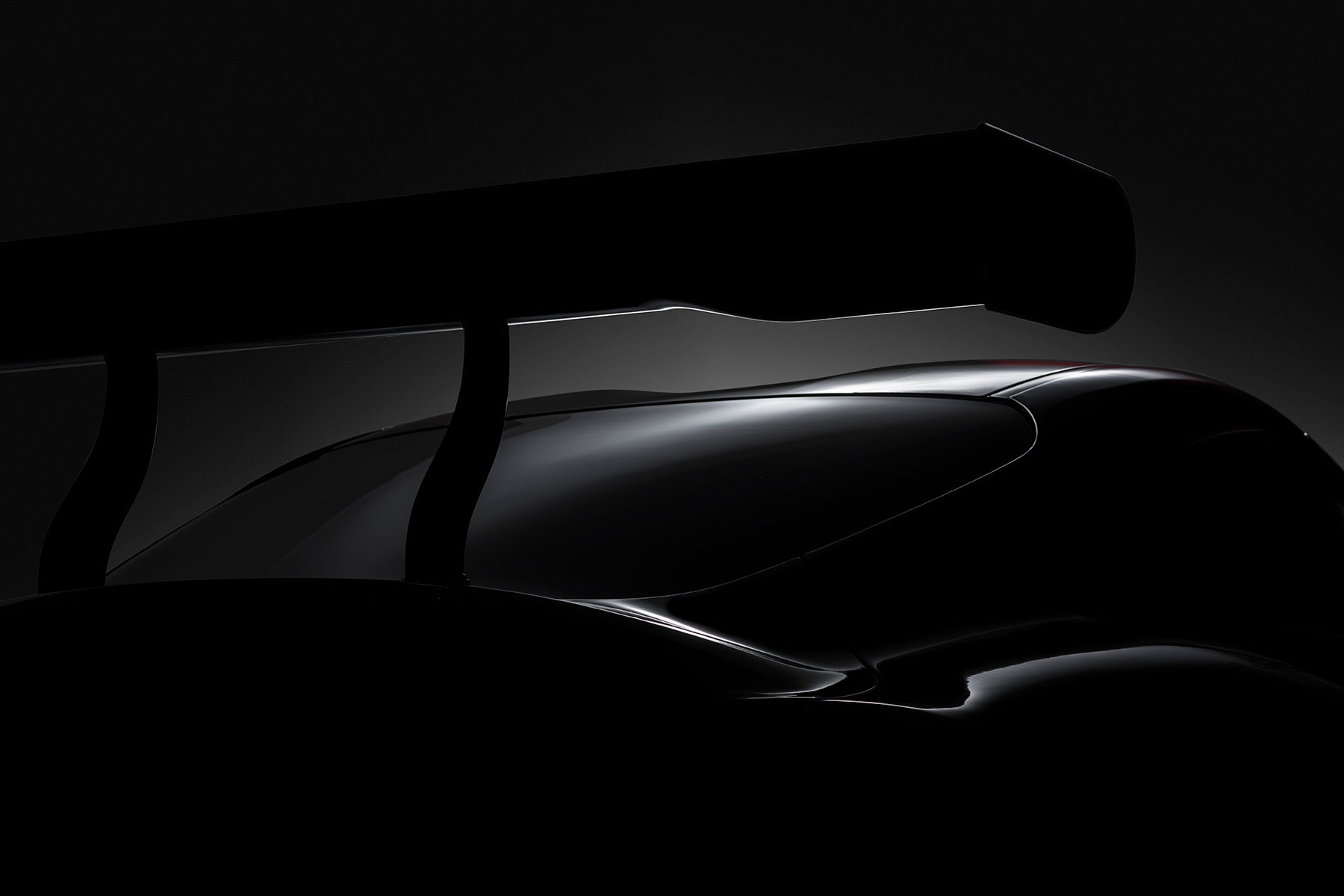
6: Toyota Supra
Toyota has revealed it’ll be taking its ‘modern racing concept’ to Geneva, saying it “signals its commitment to bring its most iconic sports car back to the market.”
Pictures of the Supra concept have already been leaked all over the internet, but that doesn’t stop us being excited by the Gazoo-branded sports car. Developed as part of a joint venture with BMW, the Supra will used a turbocharged 3.0-litre straight-six petrol engine shared with the new Z4. Hybrid versions are expected to follow in the future.
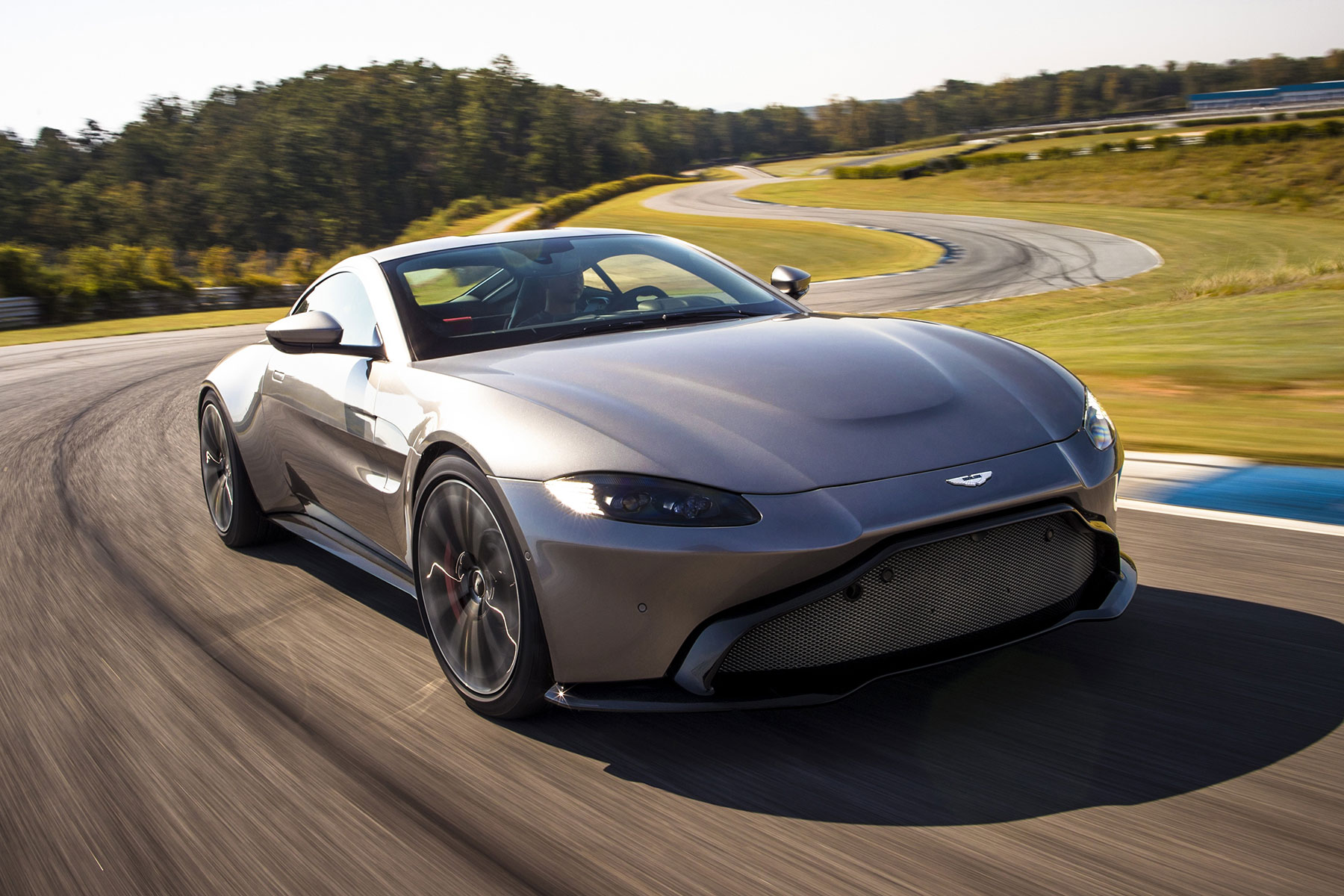
We’ve been waiting for the new Aston Martin Vantage for what feels like forever, but we’ll finally see it in the metal at Geneva. Sure, we already know what it’ll look like and almost everything about it, but still.
Powered by a Mercedes-AMG engine, the twin-turbo V8 coupe is replacing a model that’s been around, with a few minor tweaks, since 2005. Available to order now with prices starting at £120,900, the new Vantage will hit 62mph in 3.6 seconds and is good for 195mph flat-out.
Alongside the Vantage, Aston boss Andy Palmer has hinted that there may be one or two surprises in store at Geneva. We’ll definitely be checking out Aston’s stand to find out more when the show kicks off next week…
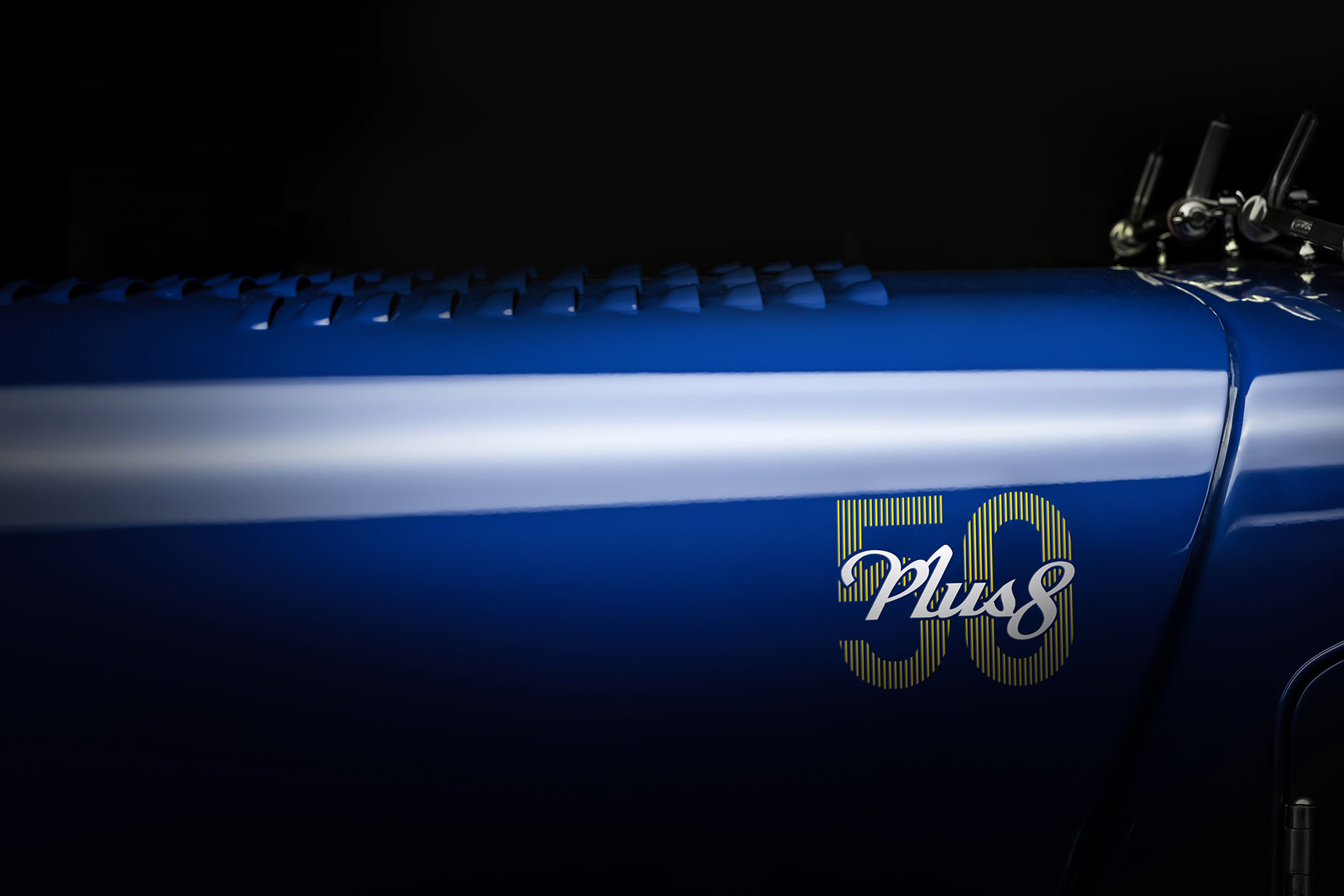
The Morgan Plus 8 will soon be deprived of its wonderful 4.8-litre BMW V8 engine, and to mark the occasion (and the small matter of 50 years since the original Plus 8 was launched) the small-time British firm is taking a 50th Anniversary model to Geneva. We don’t know much about it, other than just 50 will be built. But as the Plus 8 still looks remarkably like it did in 1968, we doubt any big changes are on the horizon.
From the teasers, we can tell it’ll have motorsport-style decals and each car will be individually numbered.
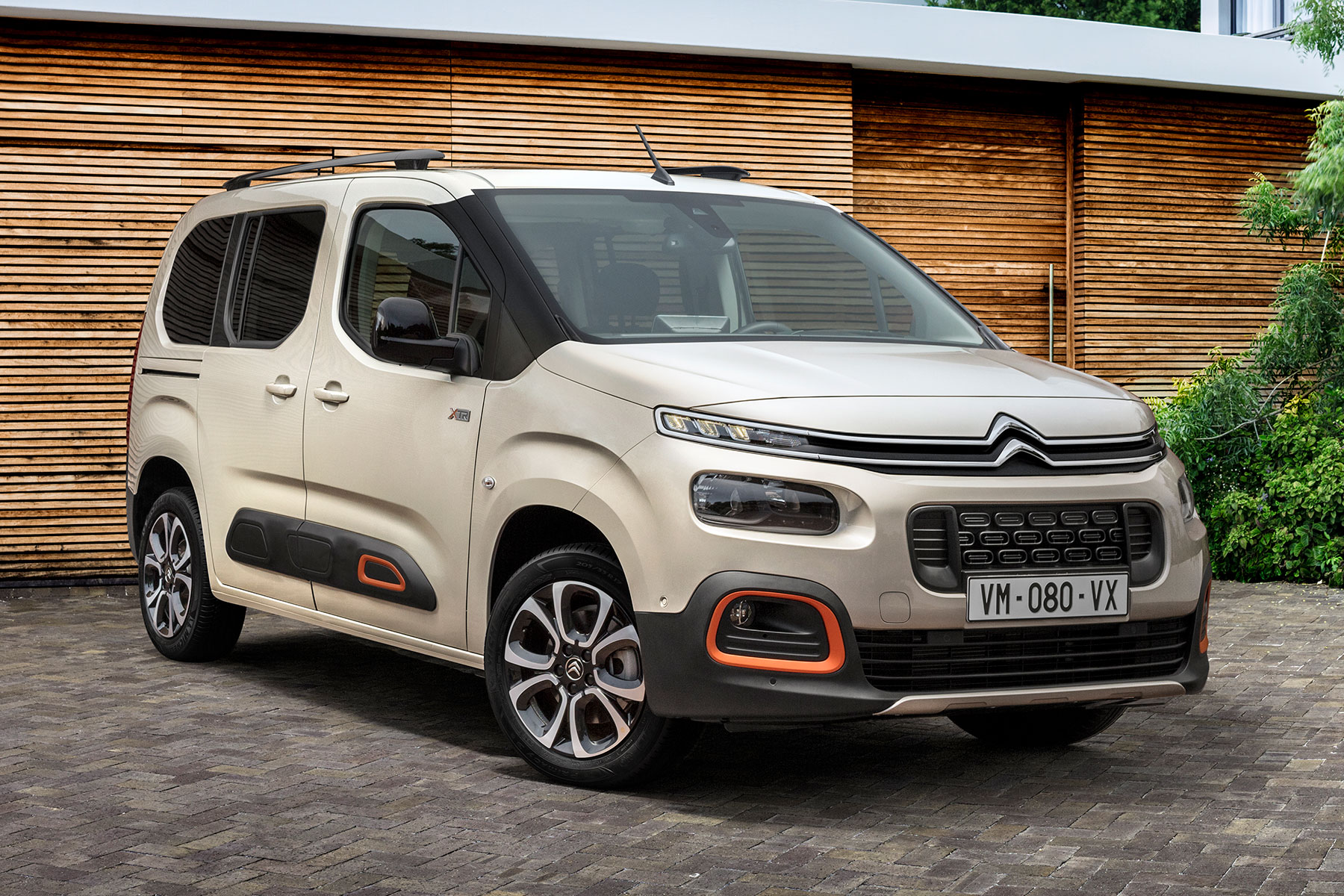
9: Citroen Berlingo Multispace
Look, you have to allow us the odd real-world indulgence. The van-based MPV isn’t being defeated by the crossover craze just yet. And it looks pretty good, to us, with Cactus-esque styling and ‘Airbump’ plastic cladding to prevent trolley dings.
There’s loads of room inside, as you’d expect, with sliding rear doors to help rear access. Expect more connectivity and improved tech over its predecessor. Now, back to normal…
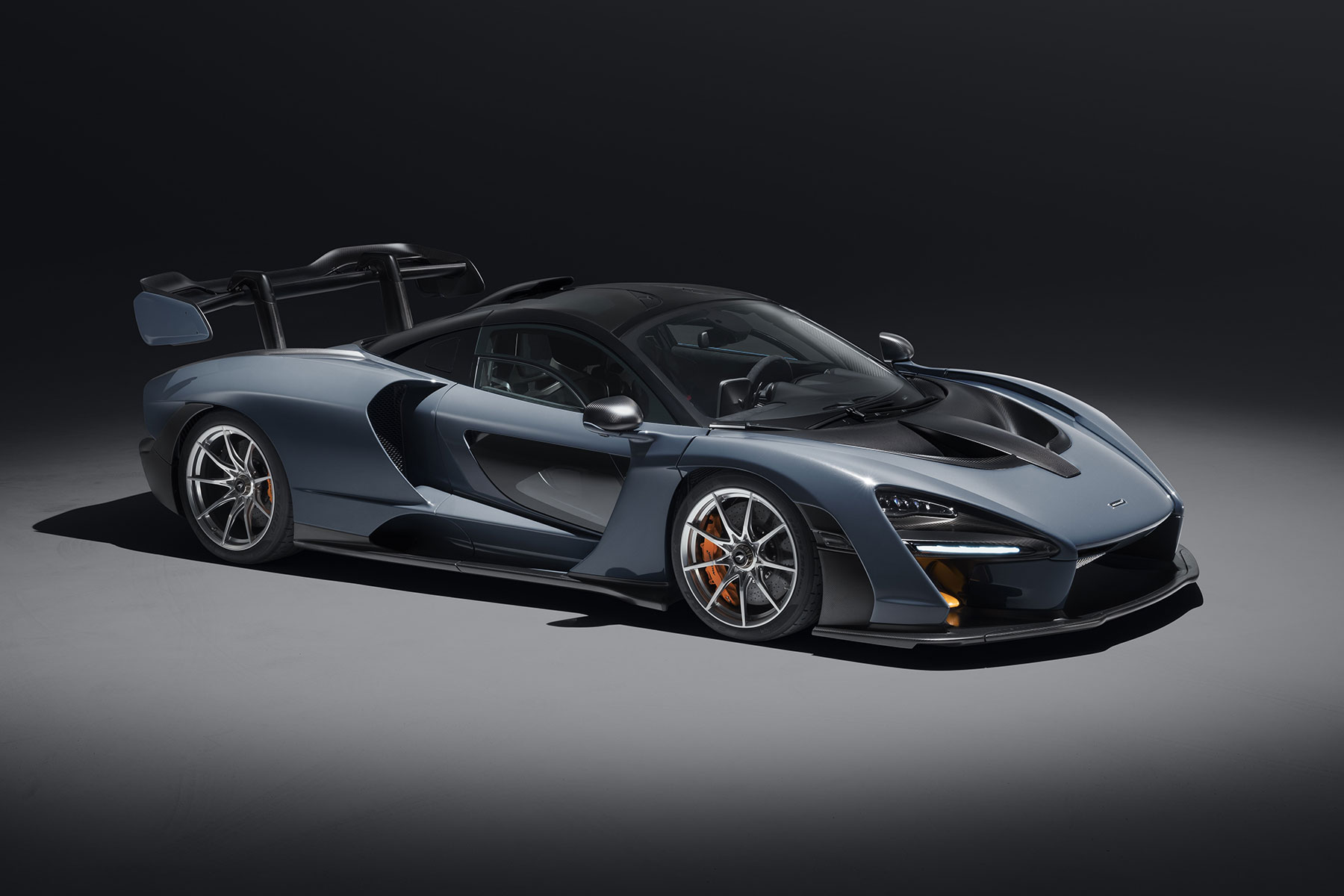
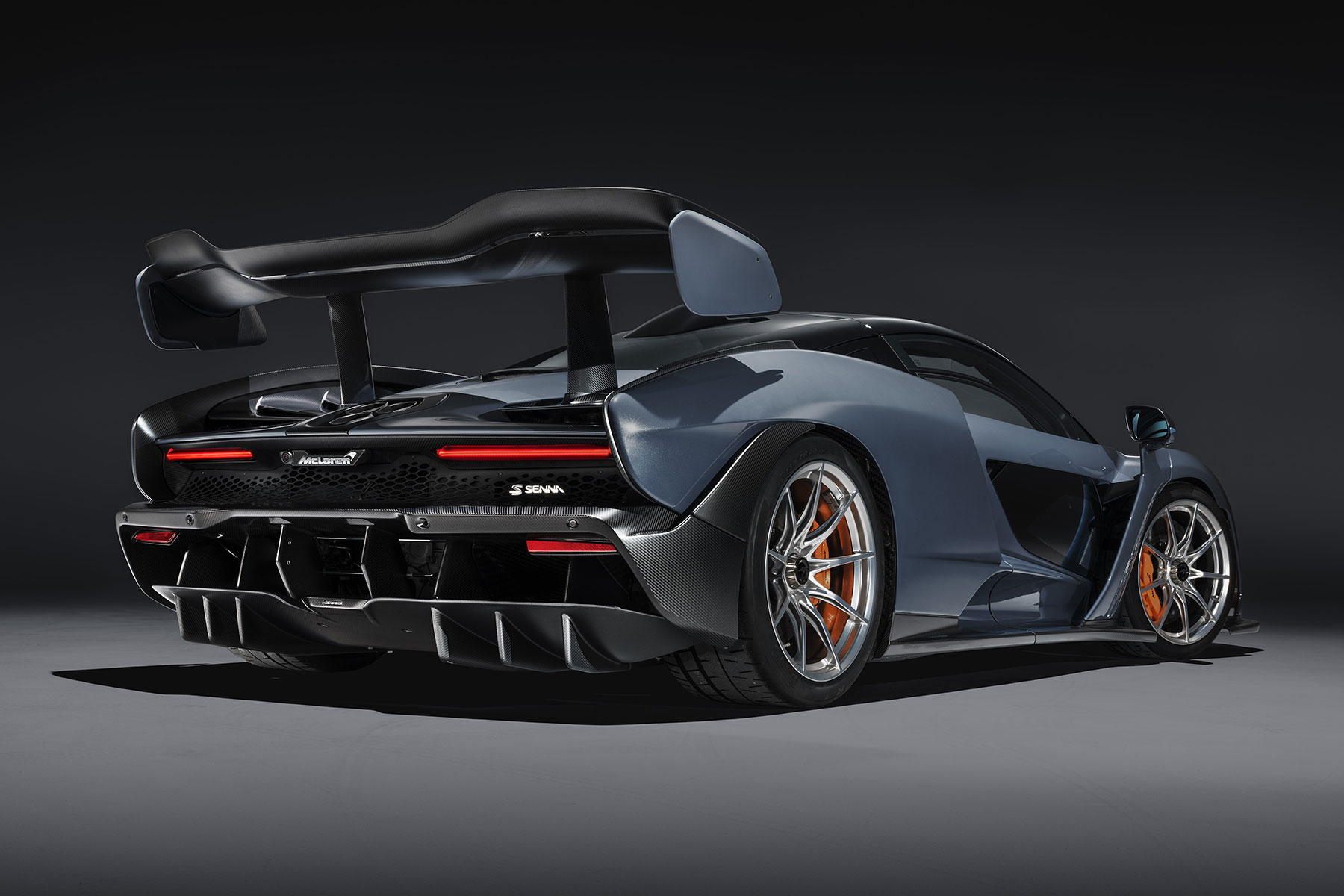
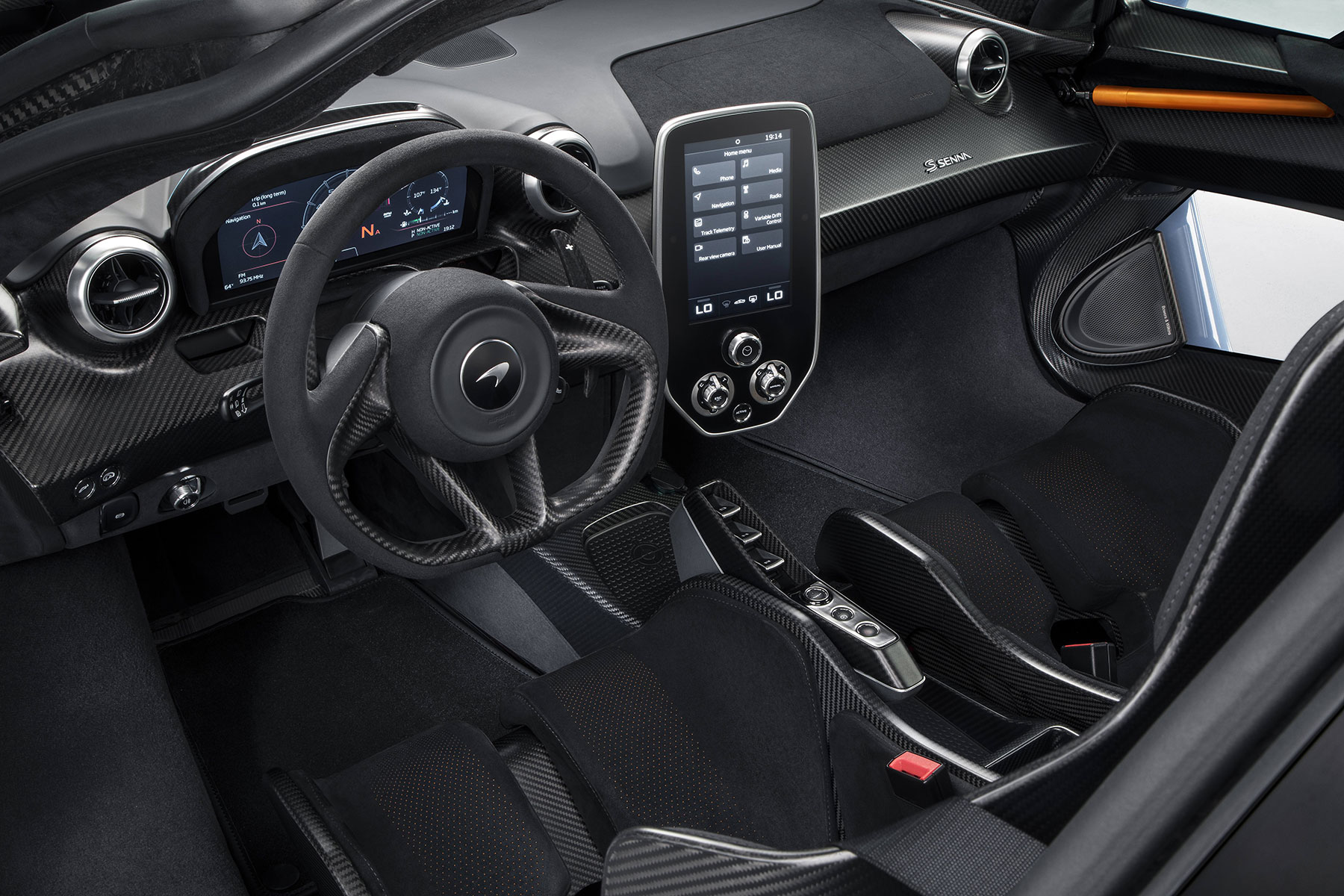
McLaren’s most extreme road car ever, the Senna boasts 800hp, 800Nm of torque and 800kg of downforce. Named after three-time F1 world champion Ayrton Senna, we first saw the new McLaren at a special event in Woking last year. Geneva will be its public debut, however.
It’ll hit 62mph in 2.8 seconds, 124mph in 6.8 seconds and 186mph in an incredible 17.5 seconds. Only 500 will be made, with production starting later in 2018. Prices will start at £750,000.
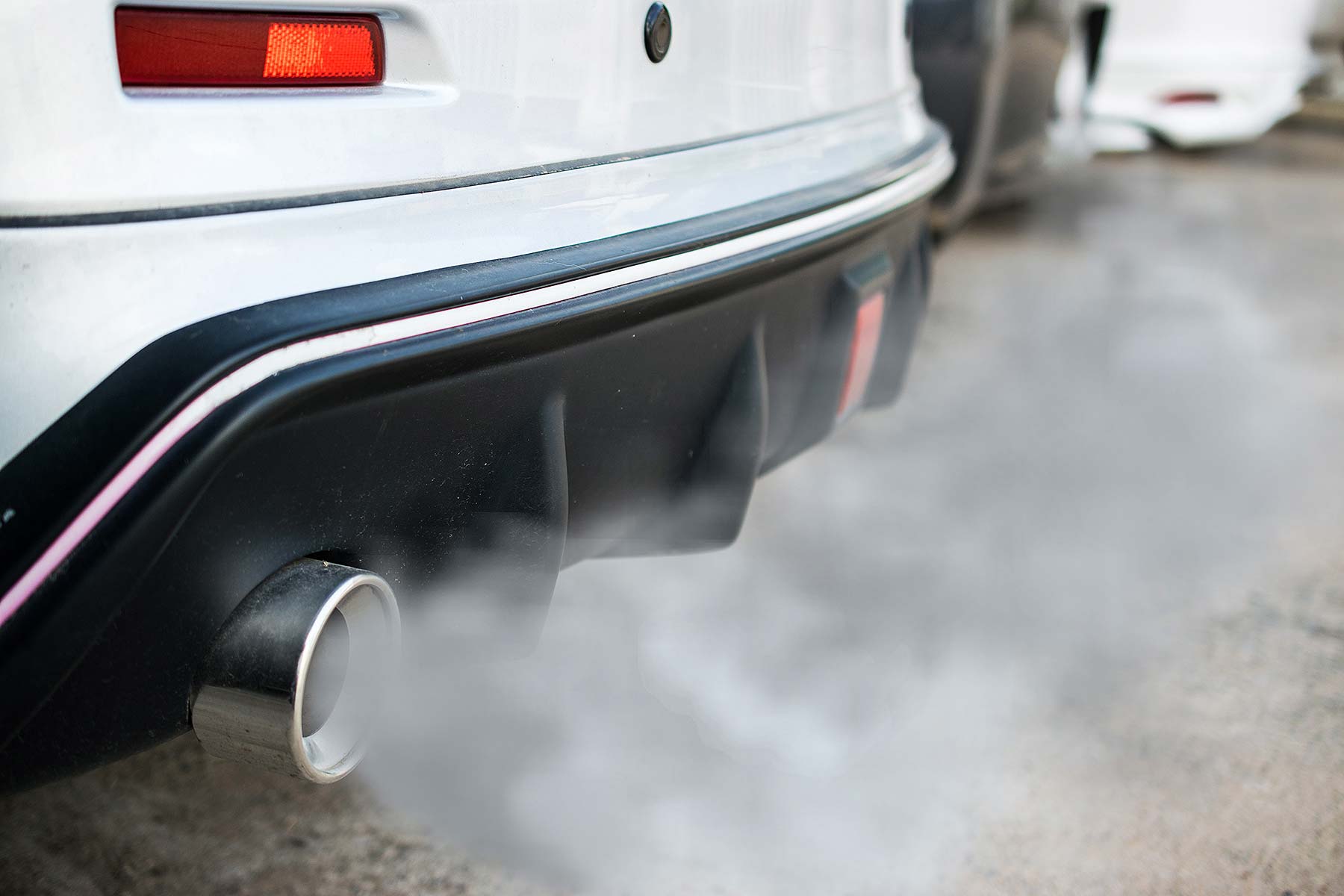
The car industry risks missing its 2021 CO2 targets with the first-ever annual increase in carbon dioxide emissions today being revealed by the Society of Motor Manufacturers and Traders (SMMT). Last year, average new car CO2 went up 0.8 percent, to 121g/km.
This will have “negative consequences for the UK’s own climate change goals,” warned the SMMT.
The reason is the demonisation of diesel, says the automotive industry trade body – and it means the car industry is at risk of missing its challenging 95g/km average CO2 target set for 2021.
In order to meet it, CO2 needs to plunge by 5.9 percent every year, something the SMMT is now calling “increasingly challenging”. Car firms thus face the risk of big EU fines from 2021, depending on how much over target their average CO2 emissions are.
Diesel is a lower-CO2 fuel than petrol, and the rapid shift away from it is responsible for almost half the CO2 increase. Diesels generally emit 15-20 percent less CO2 than their petrol counterparts, says the SMMT.
Other reasons for the unprecedented rise in CO2 include the slow uptake of zero-emissions electric cars (99.5 percent of all new cars are still petrol or diesel), a big fall in registrations of smaller cars – and ever-growing sales of crossovers and SUVs. These vehicles are less efficient than conventional alternatives.
New cars are, at least, more efficient than the ones they’re replacing. On average, a car driven out of a UK showroom emits 12.6 percent less CO2 than the one it’s replaced.
Mike Hawes, SMMT chief executive, said: “The anti-diesel agenda has set back progress on climate change… motorists must have the confidence to invest in the cleanest cars for their needs – however they are powered.”
The SMMT again criticised the government’s confusing policy over diesel. “A consistent approach to incentives and tax, and greater investment in charging infrastructure will be critical. Now, more than ever, we need a strategy that allows manufacturers time to invest, innovate and sell competitively, and which gives consumers every incentive to adapt.”
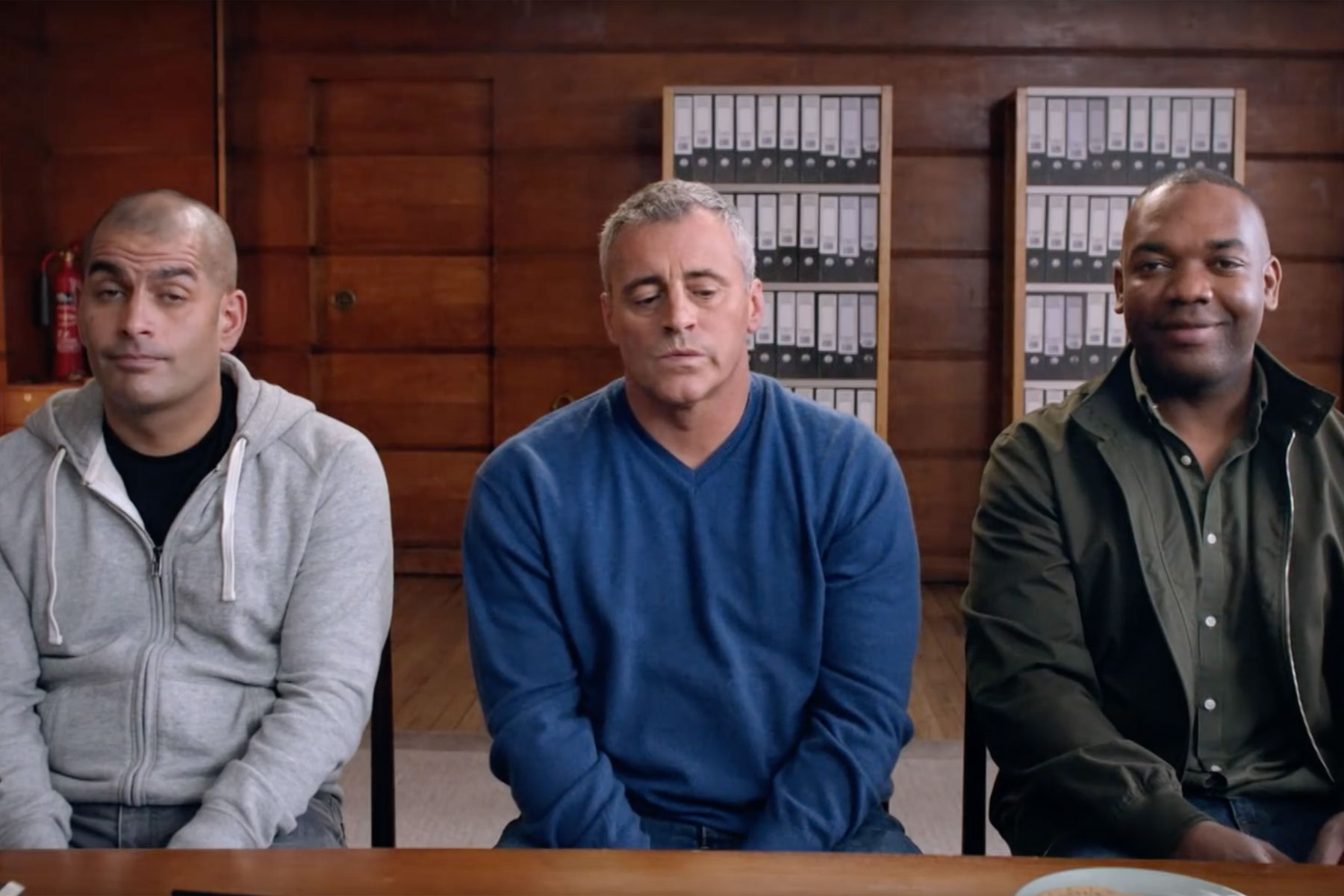
Did you catch the first episode of the new series of Top Gear last night? What did you think of it?
OK, now we’ve got that out of the way, let me tell you what I think. Only I’m not going to because – sorry, Mr Editor – I don’t think it matters what I think. My brief was to write an opinion piece on the series 25 curtain-raiser, but really, what’s the point?
Sure, the BBC will be monitoring the ratings, hoping to improve on the 1.9 million or so who tuned in to watch the final episode of series 24, which was down from 2.8 million for the season premiere.
To provide some context, 14 million watched an episode of Blue Planet II in October 2017, while 10 million tuned in to watch some fireworks on New Year’s Eve. Heck, even the first episode of the ill-fated Chris Evans series managed a peak of 4.7 million.
Unlike just about every other Top Gear preview or review over the past couple of years, I’ve managed to get this far without mentioning the C word. That’s ‘Clarkson’, in case you were wondering.
Drawing comparisons with the Clarkson era of Top Gear – not to mention The Grand Tour – is inevitable, but can’t we just move on and embrace the variety? The fact is, we’ve never had it so good.
So many people saying ‘Oh, #TopGear isn’t the same without Clarkson, Hammond and May’. They’re doing The Grand Tour – watch it, it’s great. And you also have Top Gear, which is great. Two great things. What is there to complain about? 🤷🏼♂️
I’ve been a fan of Top Gear since the days of Tony Mason’s hat, Chris Goffey’s beard, Jezza’s afro and Michelle Newman’s Alice band. Back then, Top Gear was your only real hope of anything motoring-related on TV, unless something made the news, such as yet another strike at Austin Rover or Lancia’s rust scandal.
Today, aside from the two flagship motoring shows, there’s a seemingly infinite number of channels to choose from, some of which offer car-based entertainment. Wheeler Dealers and Car SOS are two of the best, but there are others of varying degrees of quality.
Then there’s the increasing number of YouTube channels, which allow you to select from a menu to suit just about every taste. From the brilliantly eccentric HubNut to Jonny Smith’s relaunched and excellent Carpervert, you’ll find enough content to last a lifetime of lunchtimes.
If you didn’t enjoy Top Gear, that’s fine. But can we put an end to the Blur/Oasis-like TG/TGT comparisons? I’m yet to stumble across a television without an ‘off’ button, so why don’t you just switch off your television set and go out and do something less boring instead?
For what it’s worth, I enjoyed the first episode, but I’ll spare you the root and branch examination of the complete 60 minutes. Besides, I couldn’t tell you anything about the celebrity bit as I was too busy making a cuppa.
I’ll still find more interest in a Chris Goffey review of an Escort XR3 or watching Clarkson’s trying to squeeze his hair beneath the roofline of a Porsche 968, but that’s just me. The vast majority of TV shows hold no interest, but I won’t waste your time or mine telling you how much I don’t enjoy them.
Now if you don’t mind, I’m about to spend the next 50 minutes listening to the best album of the 1990s – (What’s the Story) Morning Glory?
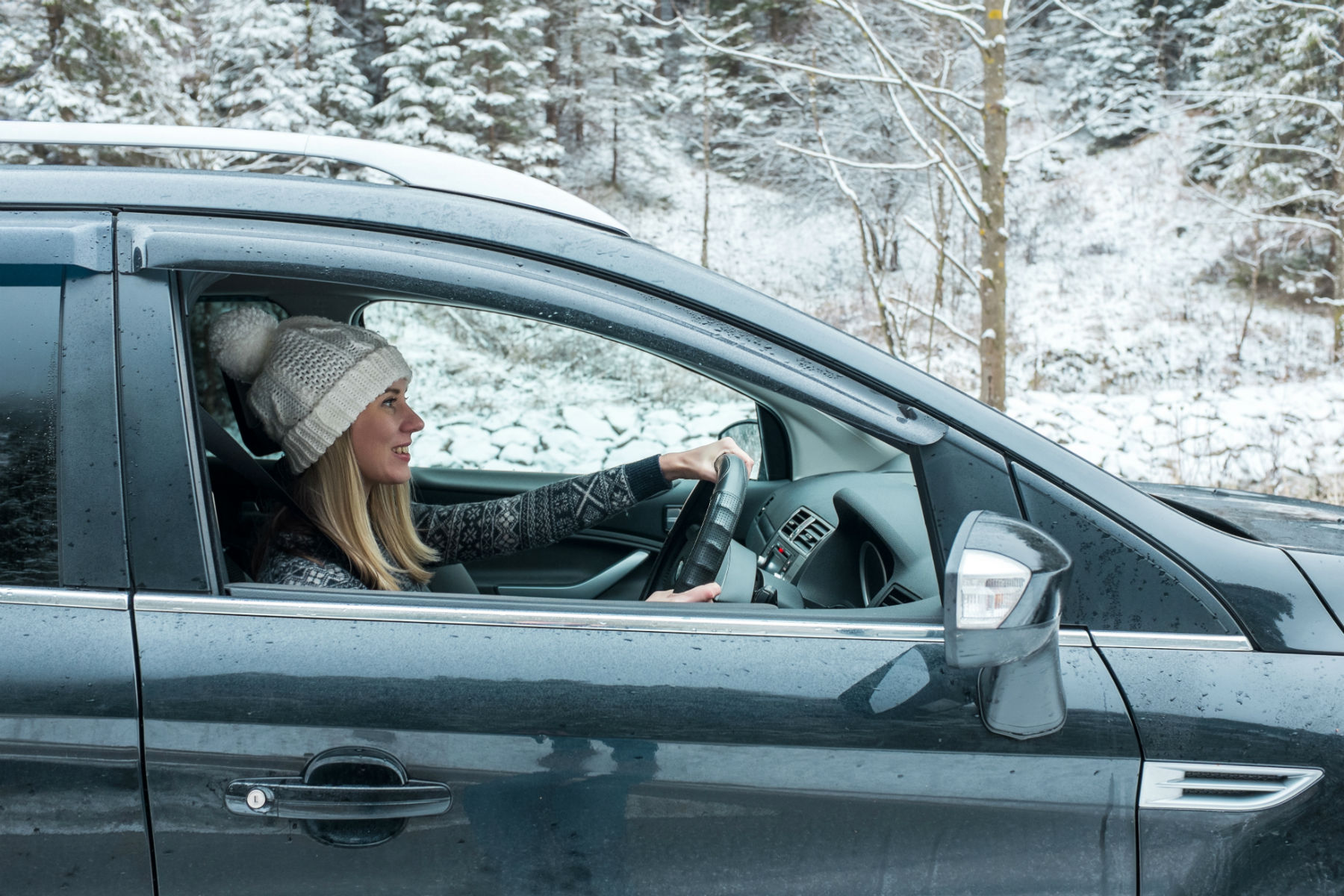
Despite temperatures plummeting well below zero across the UK, you may have noticed that your car didn’t need defrosting this morning.
In simple terms, that’s because the air in Northern Europe is currently very dry. If there’s very little moisture in the air, it won’t freeze, and you won’t notice frost on your car windscreen.
“For a classic frosty night we need a few ingredients: low temperatures, clear skies, calm winds and moisture,” explained a Met Office spokesperson. “A clear, calm night gives excellent radiation conditions – by this we mean that the heat absorbed by the Earth’s surface during the day escapes readily back into space and allows temperatures to fall.”
It’s feeling colder than the North Pole in the UK, but did you notice that you didn’t need to de-ice your windscreen this morning?
While last night we experienced low temperatures, clear skies and calm winds, it fell short of having all the ingredients required for a hard frost.
“If the temperature falls to the dew point (the temperature to which air must cool for it to become saturated with water vapour) moisture will condense and form droplets on the ground’s surface. When temperatures fall below freezing the droplets freeze and we get frost.”
More than 20cm of snow could land in parts of the UK by the end of the Wednesday, as the ‘Beast from the East’ weather front hits Europe.
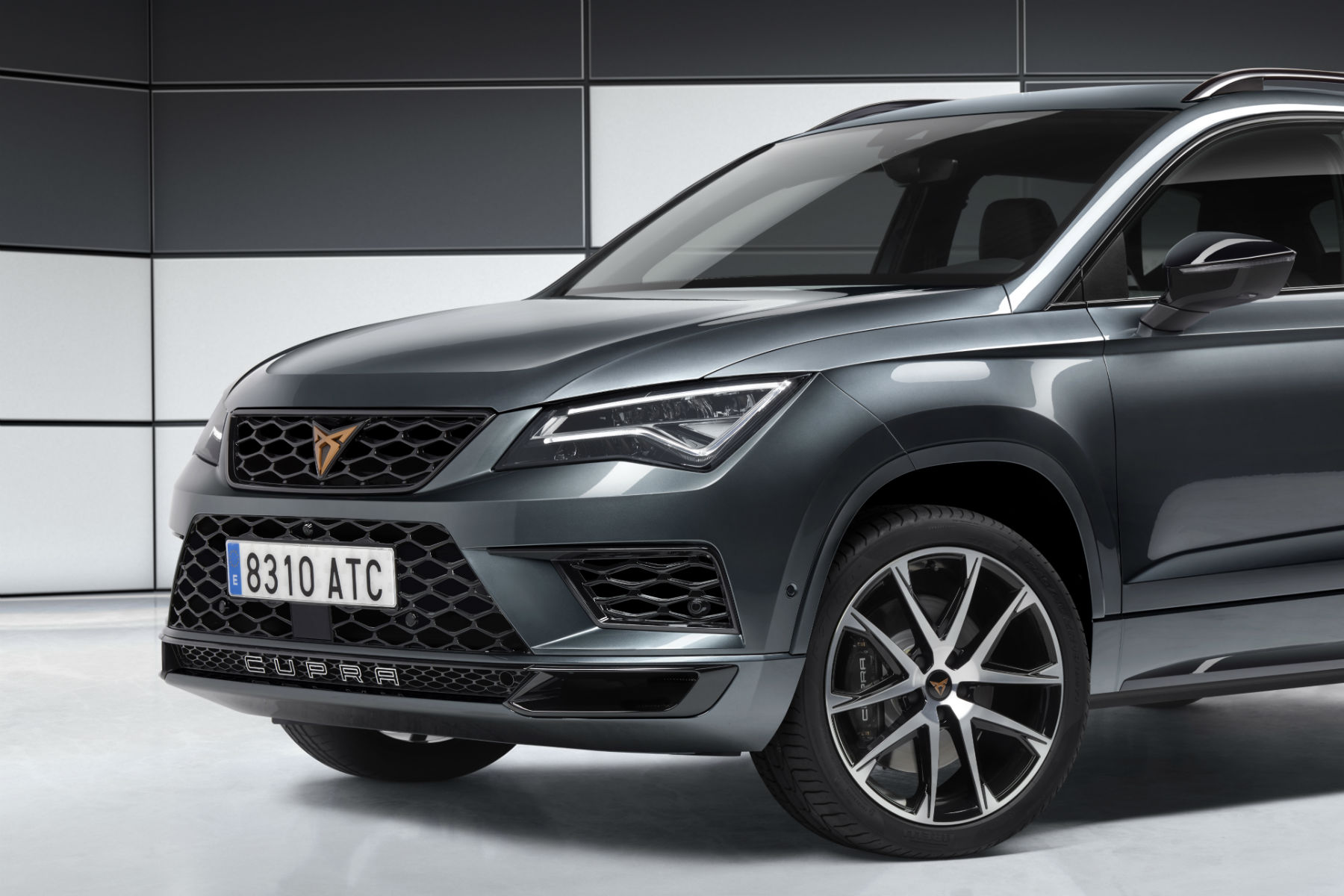
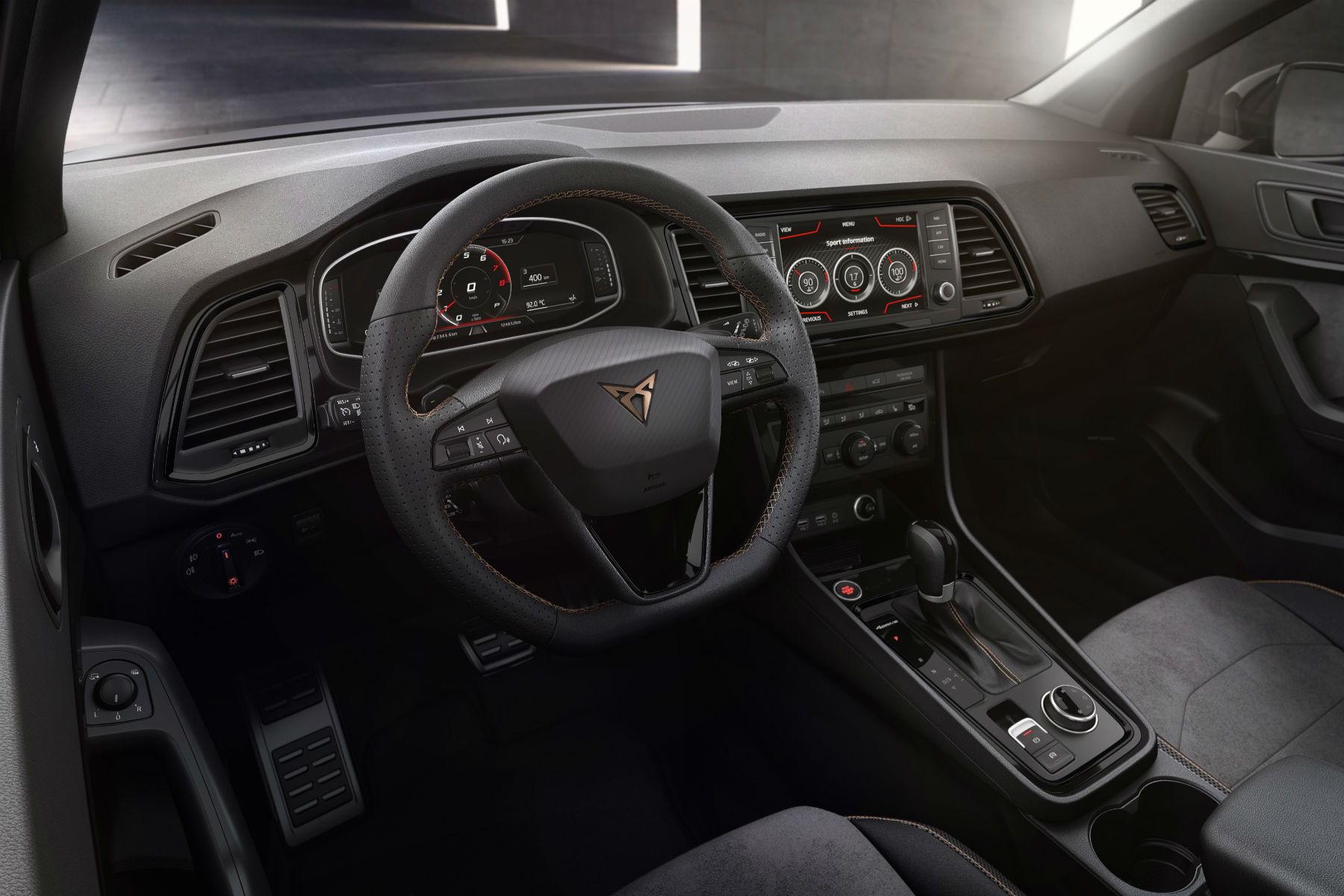
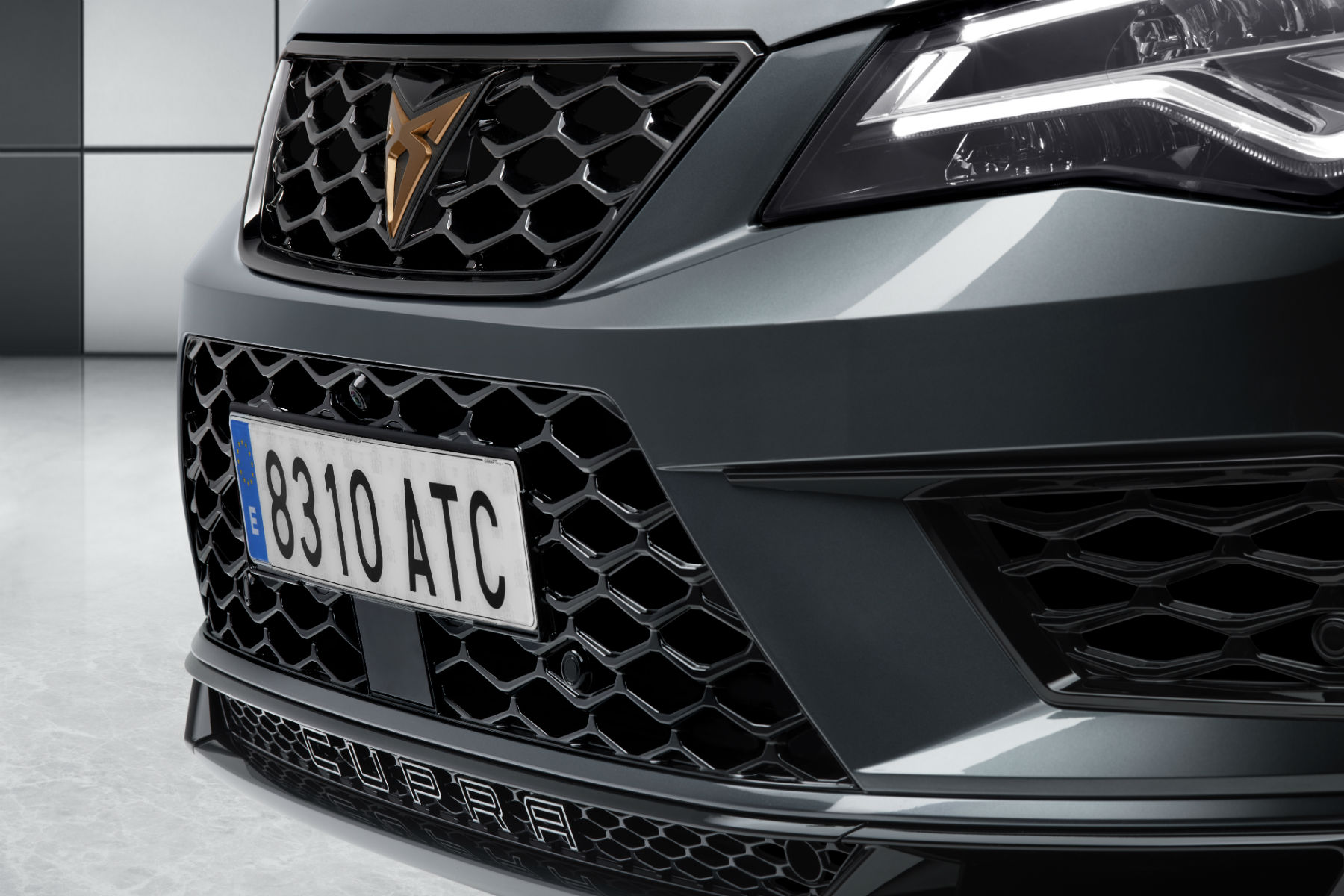
The new Cupra sub-brand has made its official debut ahead of its public launch at next month’s Geneva Motor Show. From now on, all new sporty Cupra models will be badged solely as Cupras, without any Seat branding.
It comes as the sporty offshoot reveals its first new model in the form of the new Cupra Ateca SUV, which made an appearance at a glitzy event in Barcelona yesterday. The event – attended by media from across Europe and a number of senior executives from the Cupra brand, gave us an opportunity to find out more about what the firm stands for and how it’s going to work. Here’s what we learned.
1: Seat has an image problem
Would the Seat badge put you off buying a car? According to marketing chiefs, some people will never buy a Seat – no matter how good it is. “We could [make] the best product in the world, but for some people who are more image-sensitive, they will not take one of our cars,” Seat boss Luca de Meo told Motoring Research.
We’re not sure that’s entirely true in the UK. Sister brand Skoda hasn’t been the butt of jokes for years now, and Seat has never really been viewed as a brand to avoid. Indeed, our quick straw poll reveals that two thirds of people don’t think Seat has an image problem. Clearly, that’s not the case around the world.
Quick question: do you think Seat has an image problem? Marketing chiefs reckon it has, and launching Cupra as a separate brand is one way to shake it…
“You still have, in some markets, a certain level of rejection of the Seat brand,” explained de Meo. “Starting from scratch with something new [means] we can attract customers who will not, in other cases, buy Seat.”
It’s a simple idea – some people won’t buy Seats, so removing the Seat badge and swapping it with a Cupra badge is one way of attracting new customers and charging them more money for cars. However…
2: Cupra isn’t premium
You might think this smacks of Seat going upmarket, but doing so would tread on the toes of fellow VW Group brands Volkswagen and Audi.
“There are enough [premium brands] around and the traditional, prestigious, premium [market] is occupied,” said Seat’s sales and marketing vice president, Wayne Griffiths. “I don’t think these classical, prestigious, premium values speak to these young people.”
Cupra says it plans to attract customers from between the mainstream and premium segments, but it’s reluctant to name brands that it intends to rival. Seat already has a high level of conquest (new customers coming in from other manufacturers account for around 60 percent of sales in the UK), but the firm expects this will be even higher for Cupra.
Bosses predict around 80 percent of Cupra customers will come from other brands, moving from mainstream cars but not yet feeling ready to buy an old-fashioned premium car such as an Audi or Mercedes-Benz.
3: Cupra will be a money maker for Seat
Griffiths isn’t shy about his hopes for Cupra. “We want to double sales,” he says. “Within five years.”
That’s quite a target for a brand that’s only just separating itself from its parent company, but Griffiths points to the current figures.
“We did 10,000 [Cupra models] in 2017,” explains Griffiths. “We want to do much more than 20,000 when we have the Ateca and some other models later. But that’s in the short-term… we have to because this brand is only going to fly if it’s visible. And you’re invisible if you’re below 10 percent of the mix.
“It will be an important profit-driver but also volume for as well,” he adds.
Despite this, numbers will be deliberately limited to aid residual values and allow tempting finance and leasing deals to be offered. “The only way to make residual values better is not to build more cars than you can sell,” said Griffiths.
4: A Cupra Ibiza and Arona could be in the pipeline – but not a Mii
The brand is being launched with the 300hp Cupra Ateca SUV – but there are seven new cars planned within the next three years. An Arona and Ibiza are both being considered, but Cupra hasn’t decided whether they’ll reach production. We suspect both are likely.
“[The Ateca] will be a great opportunity for us to position the brand but we’re looking for more product as well – so, more Cupra models, because if this brand is to be sustainable in the future than it needs a product base,” said Griffiths.
“We have the Leon, we have the Ateca, we are looking at other cars in [Seat’s] range that we could do a Cupra car of – whether that’s Arona or Ibiza – or, in the future, even go as far as launching a car purely as a Cupra car. Somewhere in the future our product range will be suitable for doing that.”
When asked whether the affordable Mii city car could be on the horizon, Griffiths said: “It wouldn’t be something I’d focus on at the moment. I think there are other segments that are more profitable and more fitting with the Cupra values.”
A Cupra Arona and Cupra Ibiza are being considered but not confirmed. We’re unlikely to get a Cupra Mii, unfortunately. pic.twitter.com/8JFLZIxM70
Although Cupra insists there’s a future for the internal combustion engine, future models are likely to feature some sort of electrification in a bid to reach tightening emission targets.
This doesn’t mean they’ll be boring to drive, insists Cupra.
“[They’ll feature] electrification in a sporty way, not electrification in a driving fun limiting way,” said research and development chief Dr Rabe. “That means a plug-in hybrid. It’s going to be much more sporty [than current plug-in hybrids].”
Griffiths also touched on electrification – saying that Cupra will take inspiration from motorsport in a bid to lower its emissions.
“The whole issue of motorsport will move to a future where they’ll be ecological – whether that’s with electric motor sport cars you might see in the near future – or plug-in hybrid, performance hybrid or using CNG-powered cars.
“We are working in parallel to make sure this new brand is sustainable as a performance brand in an ecological environment where we have to fulfill CO2 requirements.”
6: The logo is meant to look like a tribal tattoo
The logo, which was revealed last month, is intended to feature two back-to-back Cs while also looking like a tribal tattoo, explains Griffiths.
“It would be great to have a wonderful explanation about where [the logo] came from but it’s difficult, because it doesn’t really have a history. The brand is brand new, so there’s no heritage, it’s not trying to get something from the past which, when you look at Abarth or other brands do… all of them are trying to make their sports brands out of the past and heritage but we want to look to the future.
“It should stand for a tribal tattoo… for people who want to belong to something special without having to show off. It doesn’t have to be a star or a four rings or whatever, it’s something different. And we think this tribal thing could be a brand that attracts the younger target group.”
Although the brand goes short of insisting its customers get genuine Cupra tattoos, Griffiths hinted that all customers could be given a bracelet to make them instantly recognisable as Cupra tribe members.
“To be able to recognise these customers, we want to introduce a Cupra ID, perhaps with this bracelet, so we know who is part of this Cupra world and so that we know we can treat them properly and in a different way.”
7: One in five Seat dealers will become Cupra specialists
Although all UK Seat dealers will be able to sell new Cupra models, around 20 percent will become Cupra specialists. These will have the cars on display and available for test drive, while ‘Cupra masters’ will be on hand in the showroom and workshop to take care of customers.
“My dream is, in certain areas where there is a big Cupra demand, I can imagine having specific Cupra showrooms,” said Griffiths, adding that Cupras account for as much as 10 percent of Leon sales in areas such as Munich, which would be a sufficient demand for a Cupra-specialist dealer.
All Cupra models will come with a four-year warranty and a service and maintenance package included in the deal.
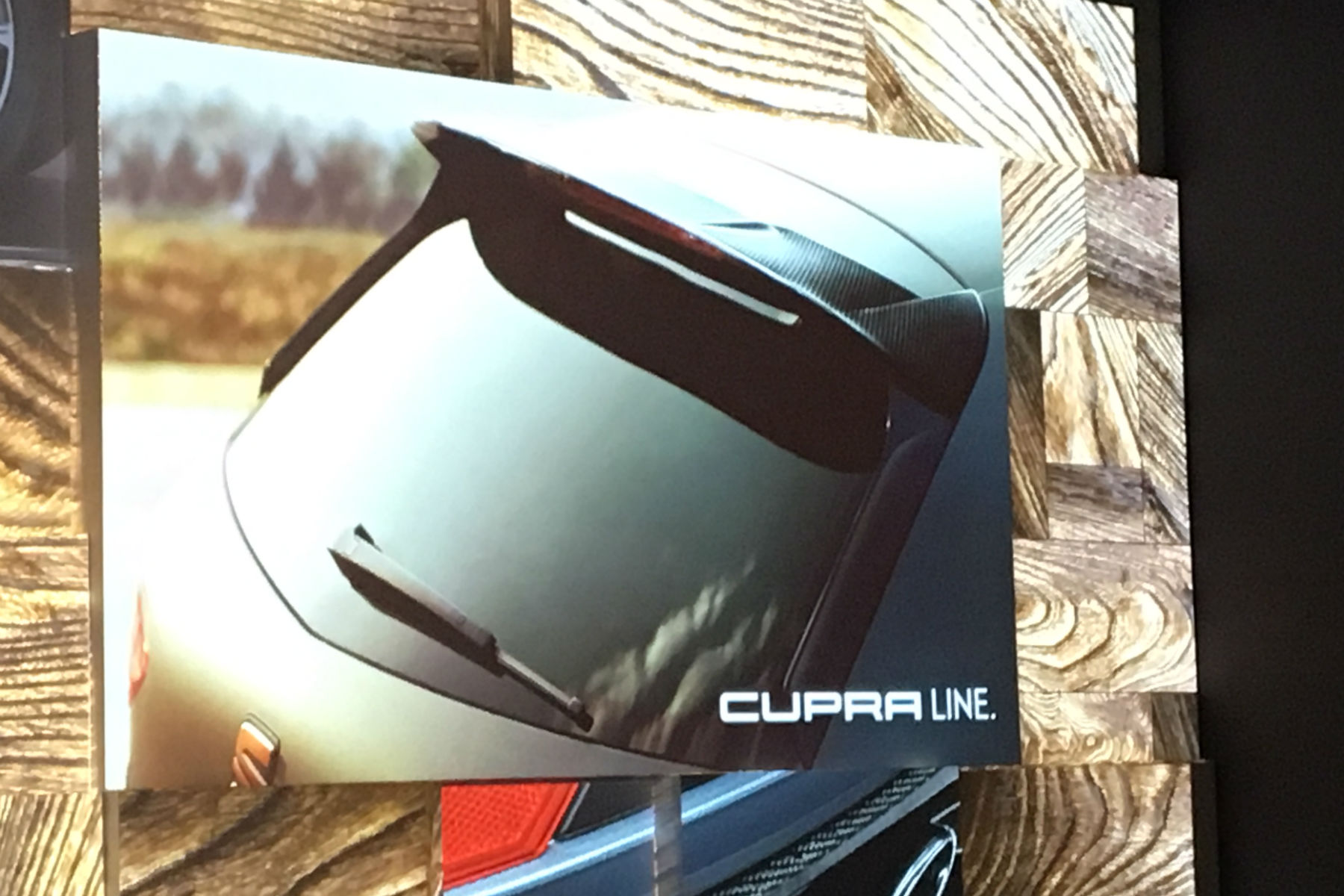
8: There’ll be a Cupra Line
Can’t afford or don’t want a hardcore Cupra? The brand will also be used to sell parts for Seats. You’ll be able to buy Cupra accessories for your cooking-spec Seat.
“Why not offer [Cupra Line] to some of the Seat products?” asks Rabe. “That’s not so much performance – maybe a wheel package, maybe an interior package or something like that.
“But first of all we want to establish a brand. You will not see this spread to other cars within this year. It will come later.“
Cupra’s marketing chiefs also revealed that it’s working with fashion and sunglasses companies, meaning you’ll even be able to dress in Cupra-branded clothing.
9: You’ll be able to drive a Cupra every day
Anyone who’s driven the Cupra R will tell you that it feels a rather extreme hot hatch. Fortunately, for those of us who want to drive a Cupra every day, future cars from the brand will not be much more extreme.
“I don’t want to get rid of the daily drivability [of Seat’s Cupra models],” explains Rabe. “It is important to have that balance. The Cupra customer wants to be excited every day while driving, and therefore that balance should be there. That means on the comfort and daily-drive side, I want it to be at least the same as today, but why not go a little bit more on the edge of the sporty side?”
He adds that engineers were allowed to go a little more focussed with the Cupra R as it was a flagship model for the brand, but the Cupra Ateca will cater for a different market and won’t be as extreme. In the future, Rabe expects to offer Cupra and Cupra R versions of the same models to cater for different tastes.
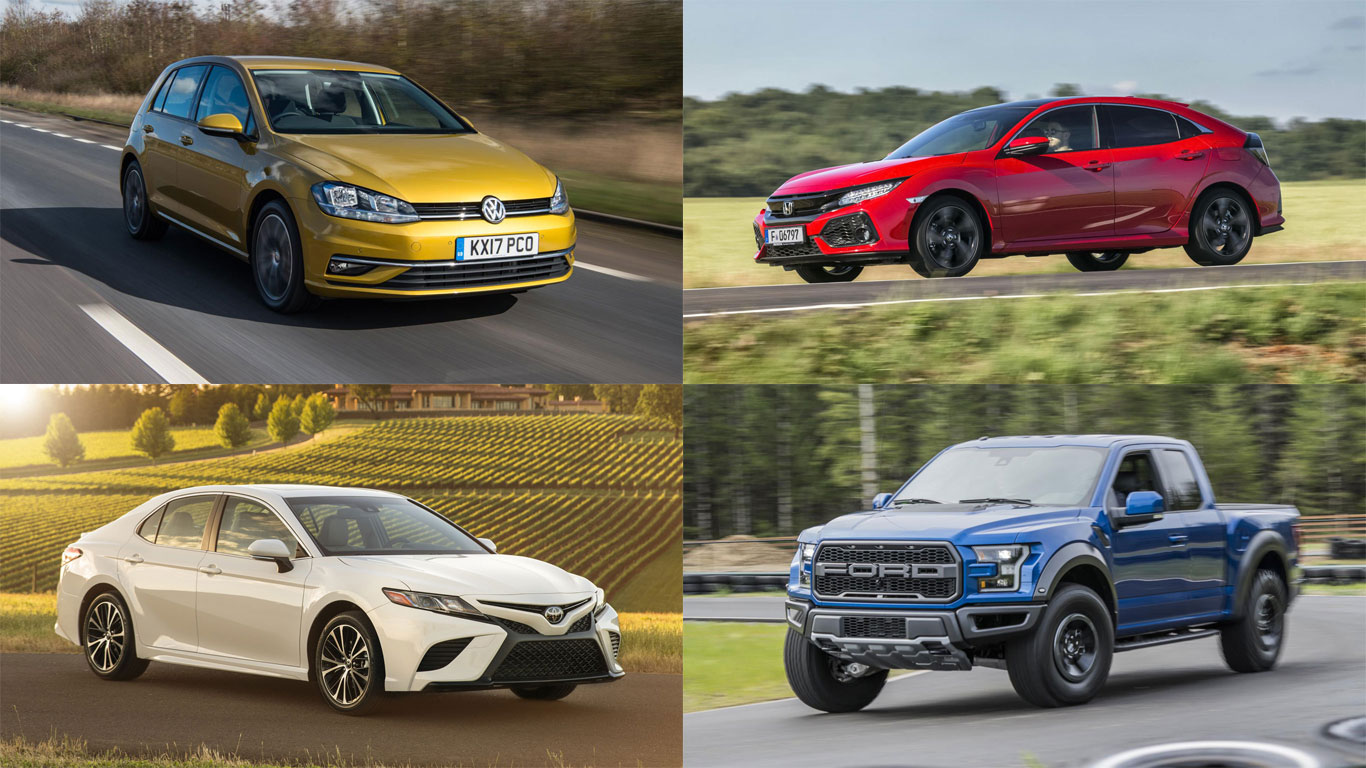
Global car sales were up 2.4 percent in 2017 due to soaring demand in Europe, Asia-Pacific and Latin America, according to figures released by JATO Dynamics. The analysis of 52 markets found that 86.05 million units were registered, with demand for SUVs continuing to rise, accounting for a huge 34 percent market share. Using the data, we can reveal the world’s biggest car brands, based on overall registrations in 2017.
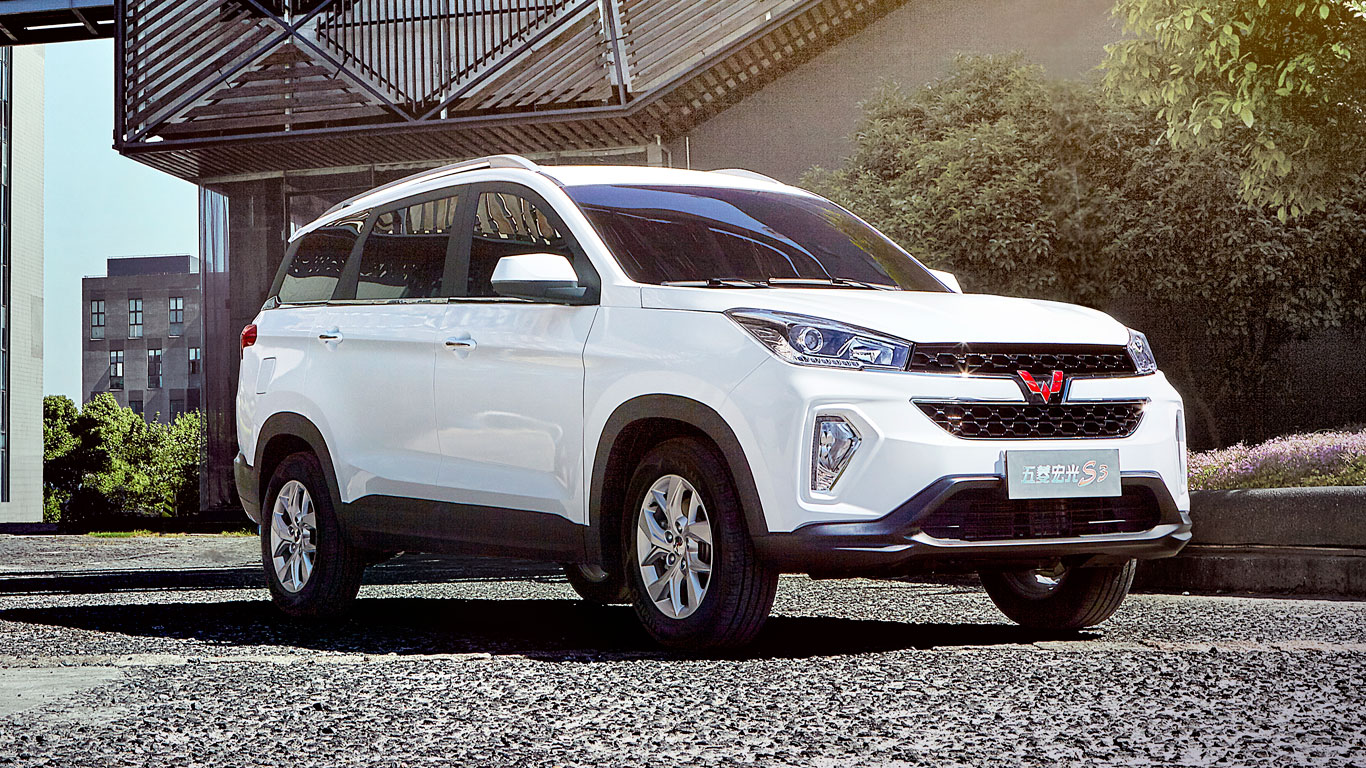
25. Wuling: 883,663 registrations
Last year, Wuling sold 538,908 units of the Hong Guang nameplate, which accounts for 60 percent of the firm’s overall sales. SAIC-GM-Wuling was established in 2002, with the Wuling brand producing a range of mini-trucks, MPVS and SUVs.
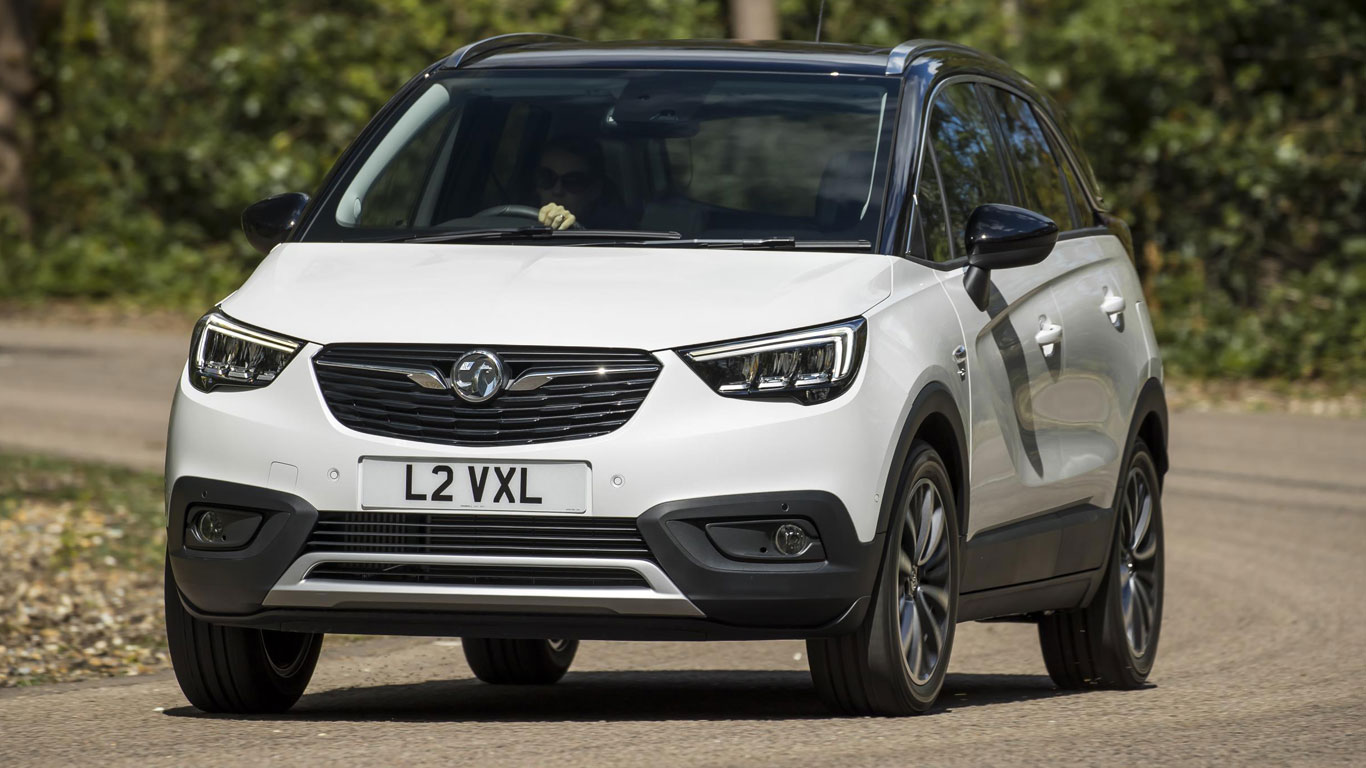
24. Opel/Vauxhall: 996,559 registrations
The PSA Group – which includes Peugeot, Citroen and DS Automobiles – completed the purchase of Opel and Vauxhall in November 2017. It’ll take a while before this yields any meaningful results, with registrations down six percent in the same year. New Vauxhall models to use PSA platforms include the Crossland X, Grandland X and Combo Life.
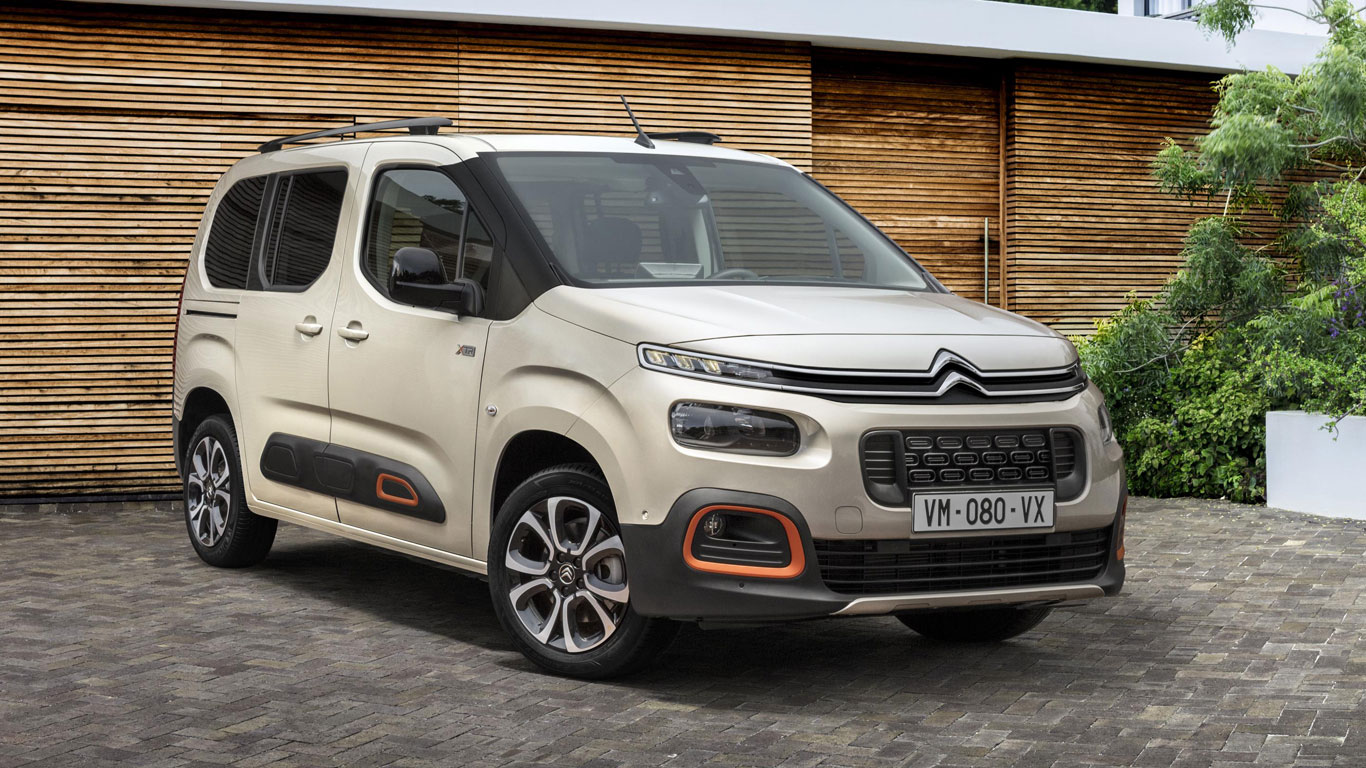
23. Citroen: 999,888 registrations
Citroen registrations were down six percent in 2017, but the launch of a new Berlingo Multispace might improve matters in 2018. The MPV is the brand’s second best-selling vehicle and is the top-selling Citroen in nearly 17 countries.
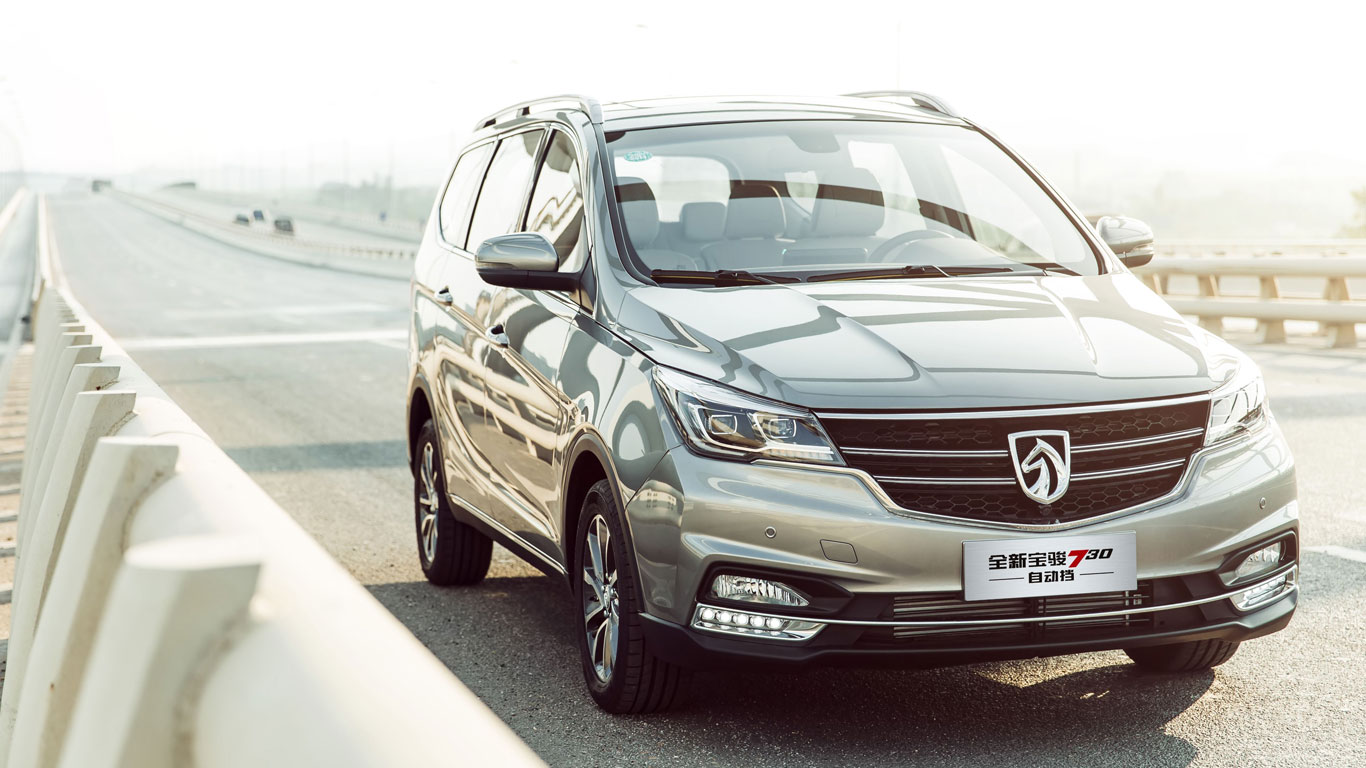
22. Baojun: 1,016,250 registrations
Baojun is one of China’s fastest-growing vehicle brands and is part of the mighty SAIC-GM-Wuling group. In 2017, General Motors delivered more than 4.04 million vehicles in China under the Baojun, Buick, Cadillac, Chevrolet, Jiefang and Wuling brands.
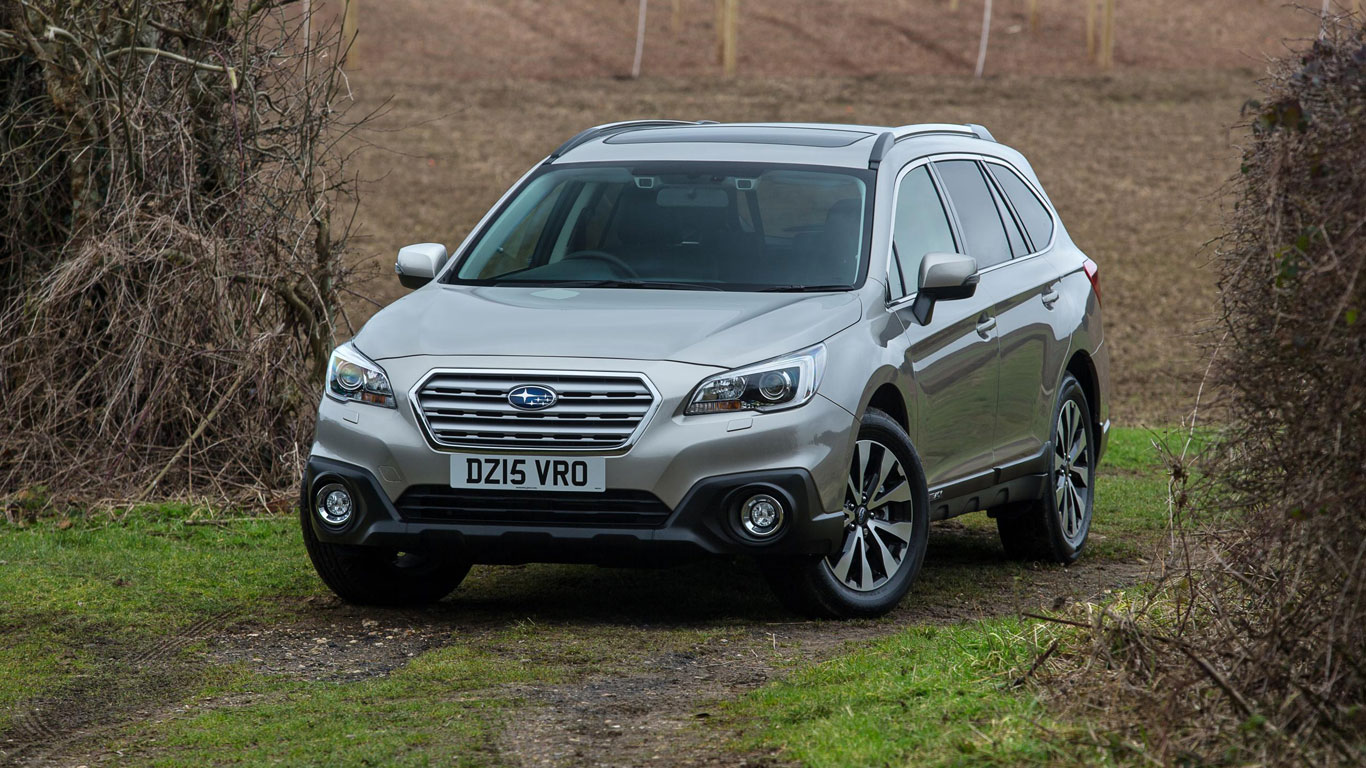
21. Subaru: 1,050,390 registrations
Subaru is a niche player in the UK but enjoys greater success on the global stage, particularly in the US. Last year, Subaru of America registered more than 647,000 cars – a record for the company. In January 2018 alone, it registered 13,279 Outbacks in the US. Meanwhile, in the UK, just 475 Outbacks were sold in 2017.
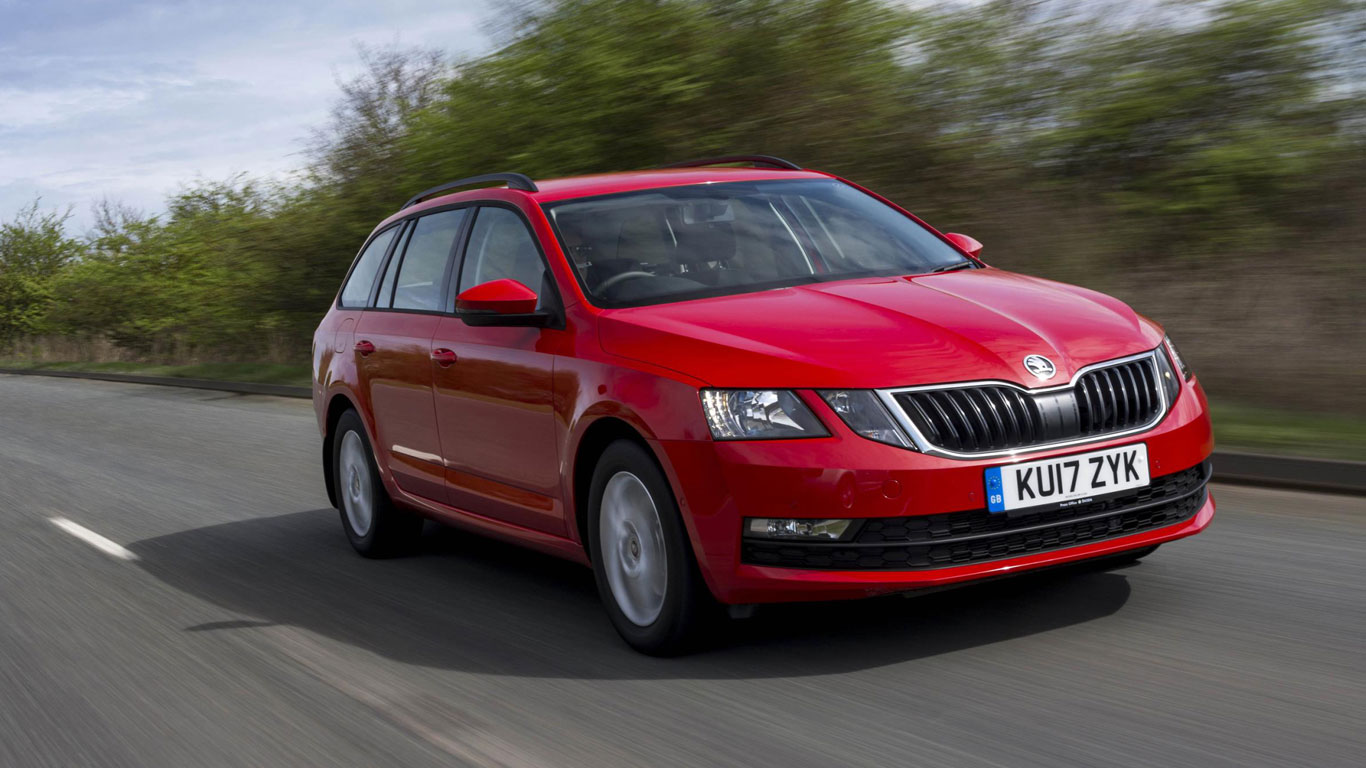
20. Skoda: 1,180,672 registrations
2017 was the best year in Skoda’s 122-year history, as the company delivered more than one million vehicles for the fourth year in succession. Sales were up 8.3 percent in Europe, 31.4 percent in India, and five percent overall.
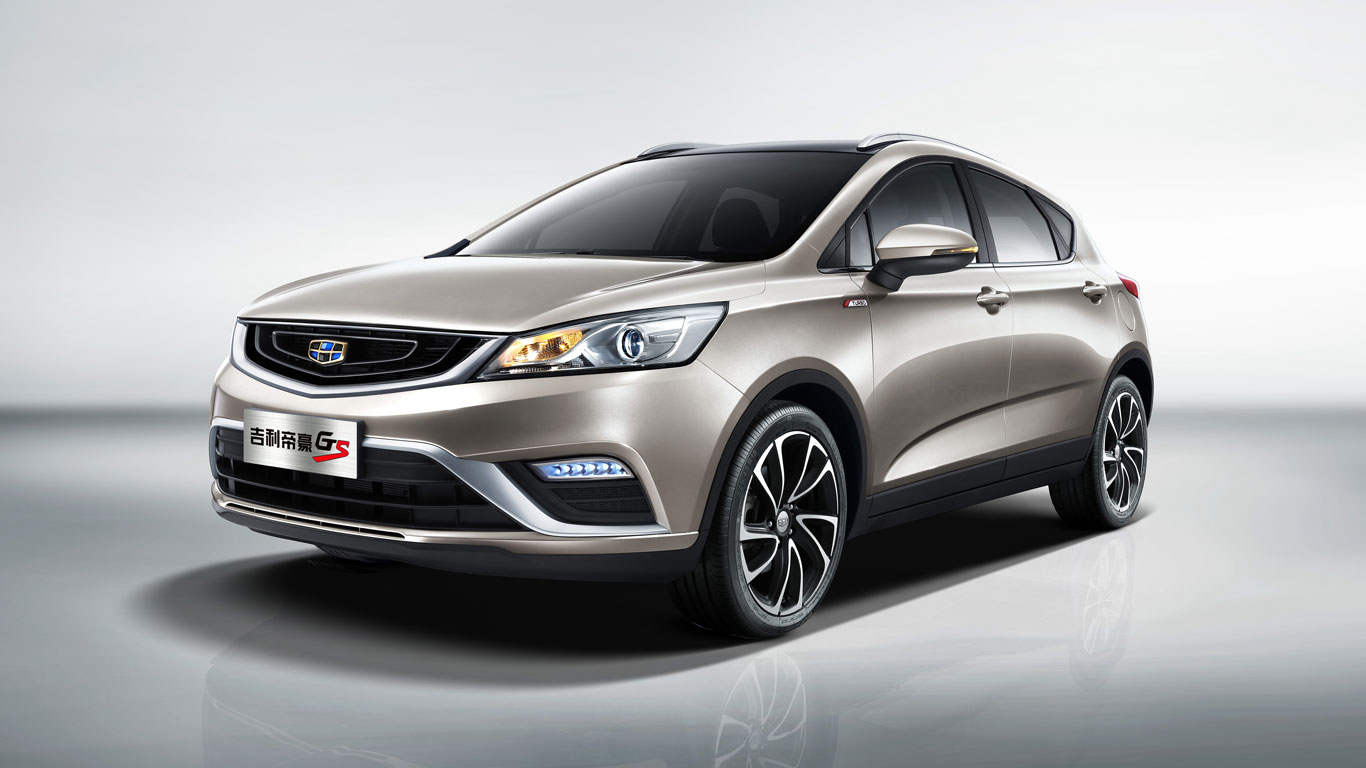
19. Geely: 1,245,055 registrations
JATO points to the Baojun 510, Toyota C-HR, Volkswagen Tiguan, Jeep Compass, Peugeot 3008, Chevrolet Cavalier and Geely Emgrand as significant new launches in 2017. The Emgrand contributed to a huge 61 percent increase in sales for the Chinese company.
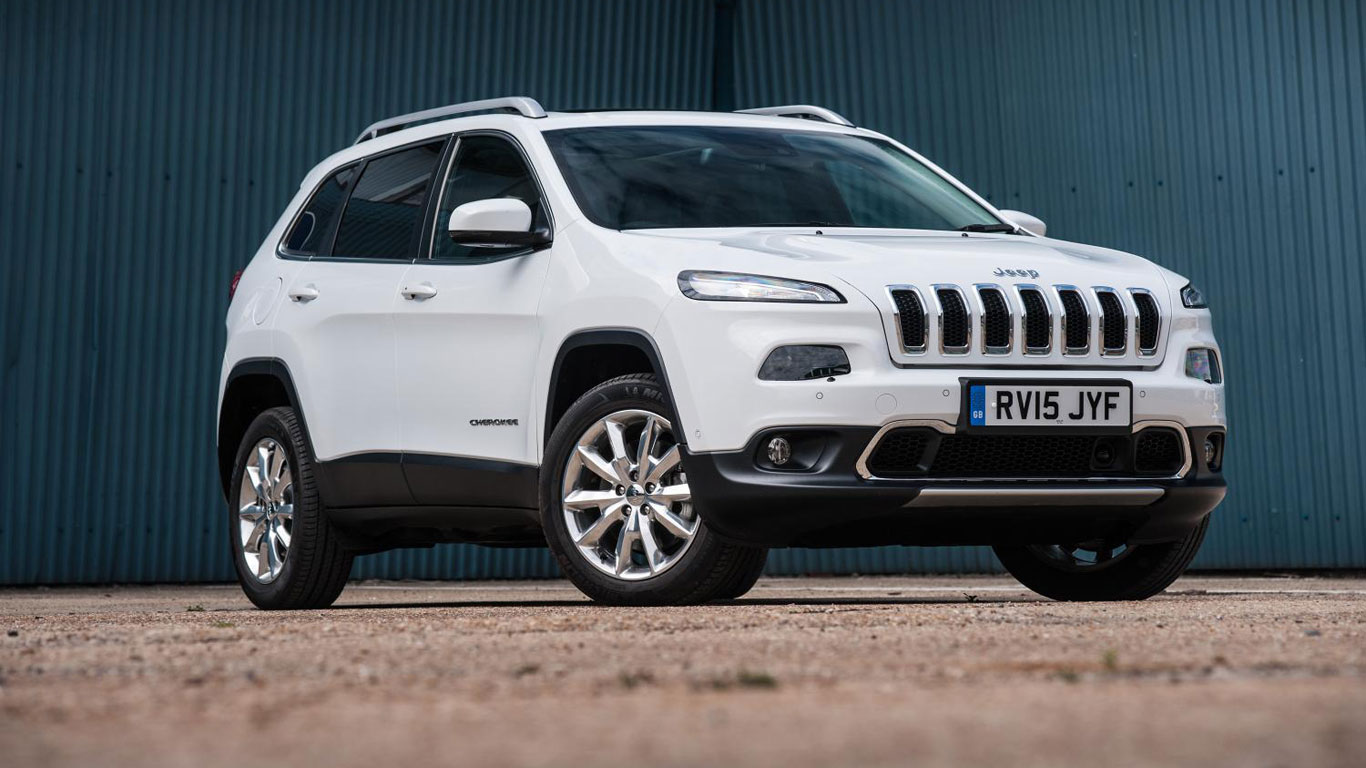
18. Jeep: 1,390,130 registrations
The success of the new Compass wasn’t enough to increase Jeep sales, which flatlined at just under 1.4 million. Maybe the new all-new Wrangler and 2019 Cherokee can elevate the brand to a higher plain.
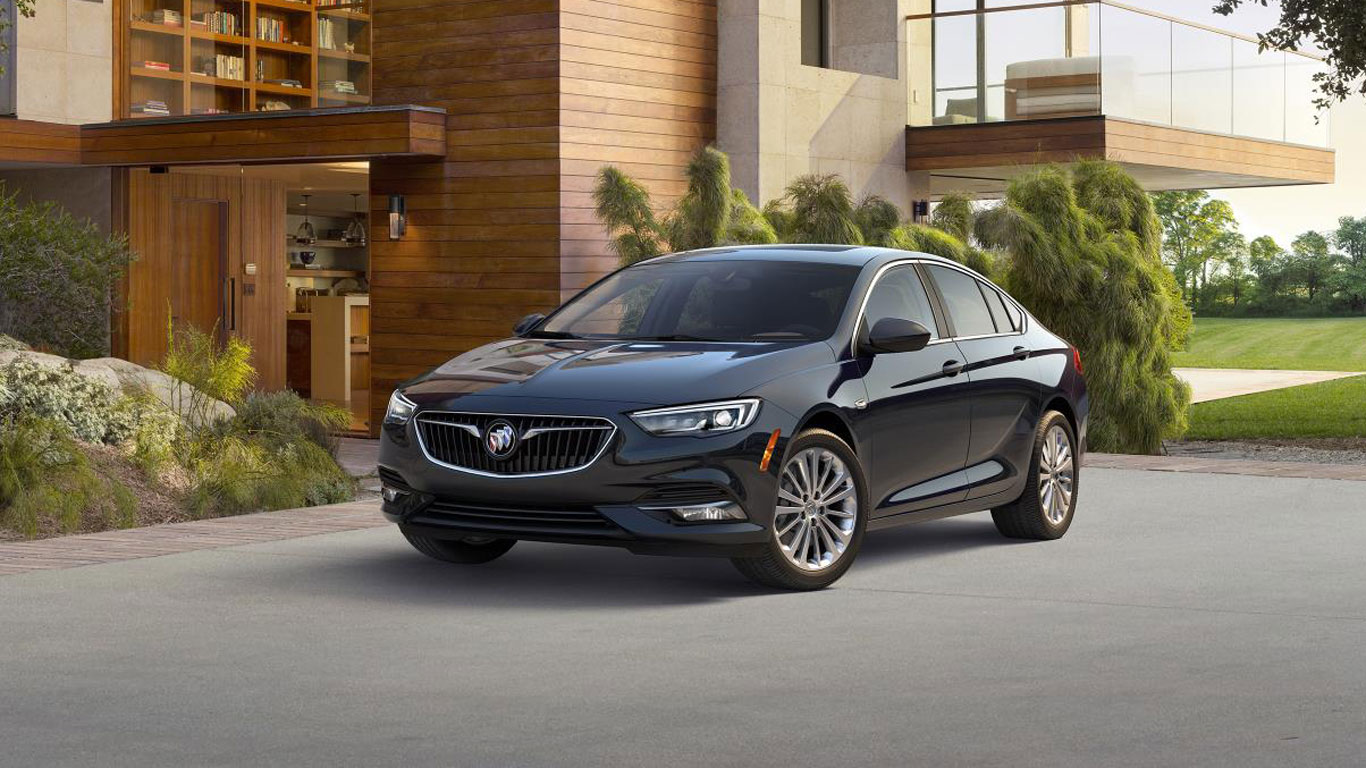
17. Buick: 1,465,823 registrations
Buick is celebrating two straight years of 1.4 million registrations, even though sales in 2017 were down one percent. On the plus side, retail growth was up 15.1 percent in Canada and 1.6 percent in the US, while the brand celebrated its best year ever in China.
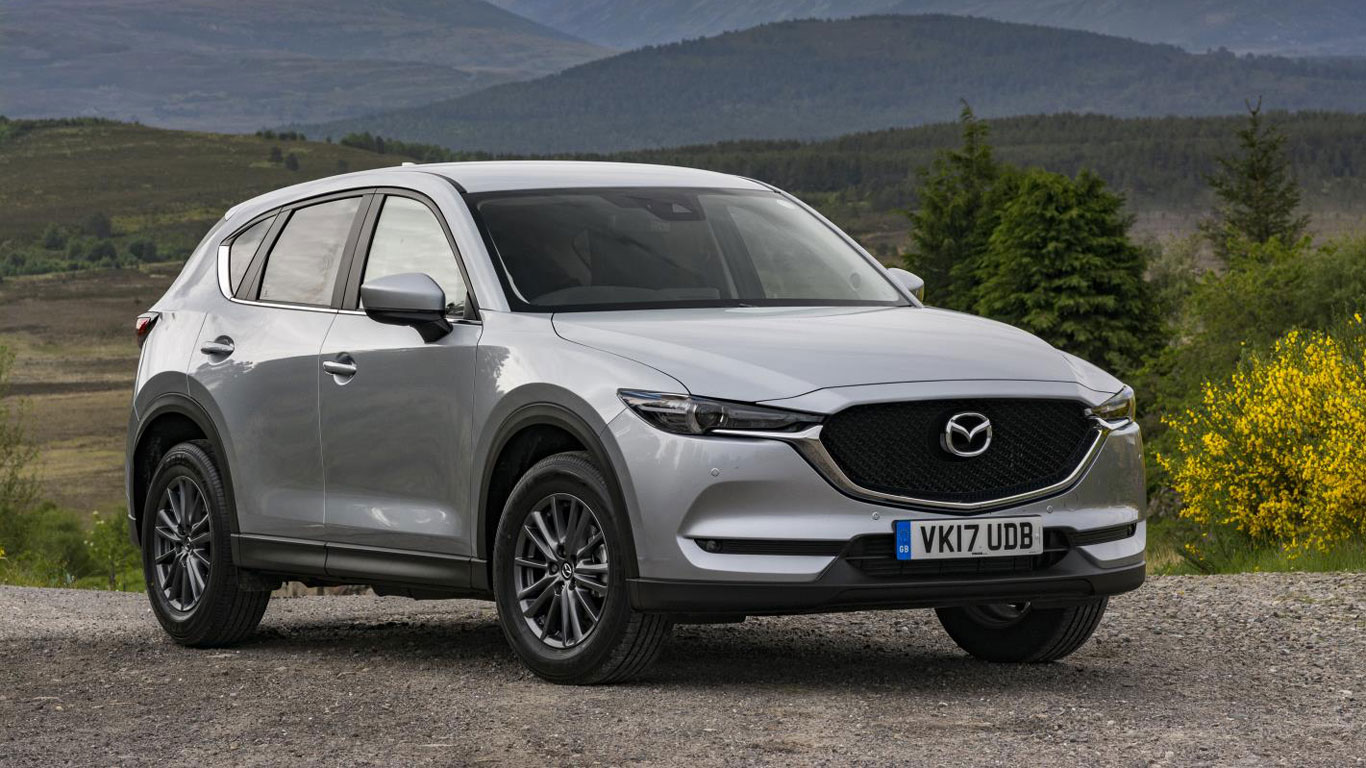
16. Mazda: 1,495,557 registrations
“The automotive market performed well in 2017, with established economies maintaining growth, whilst developing markets like Russia and Brazil returned to growth following declines last year,” commented Felipe Munoz, JATO’s global analyst. Mazda registrations were up three percent.
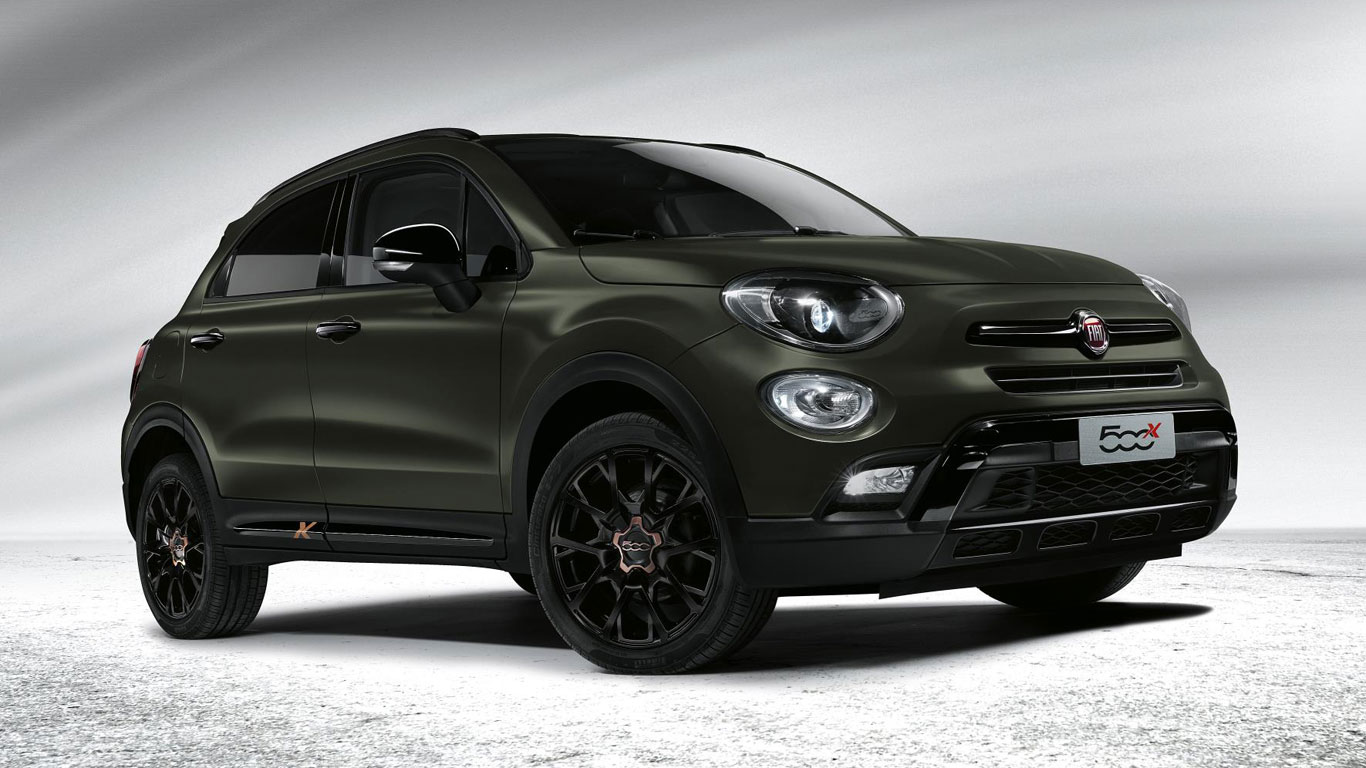
15. Fiat: 1,503,806 registrations
Fiat registrations were up one percent in 2017. The 500X has been refreshed for 2018, with Fiat adding a next-generation Uconnect touchscreen infotainment system featuring Apple CarPlay and Android Auto. Meanwhile, a new S-Design trim level has been added to the Tipo range.
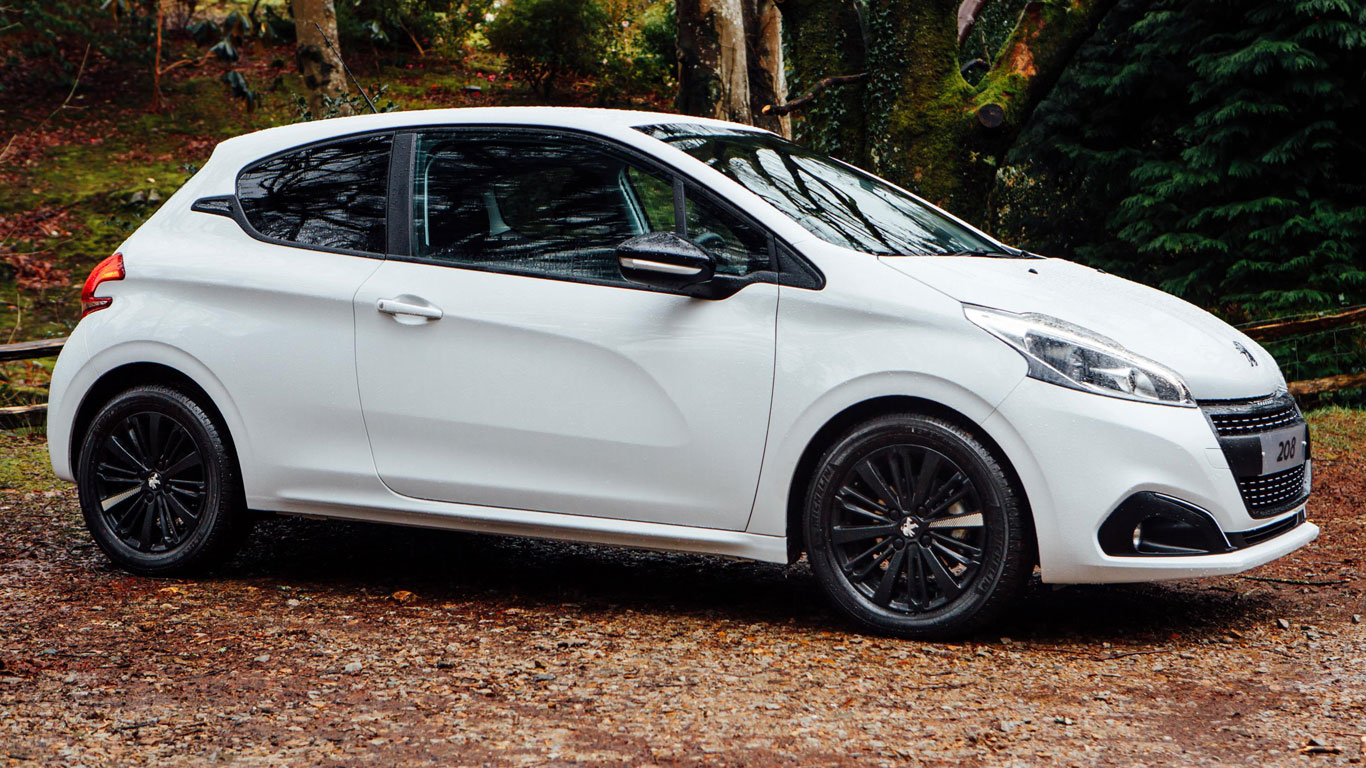
14. Peugeot: 1,590,300 registrations
Peugeot registrations remained static at 1.59 million, but the French giant will unveil a new Rifter MPV and 508 saloon at the Geneva Motor Show.
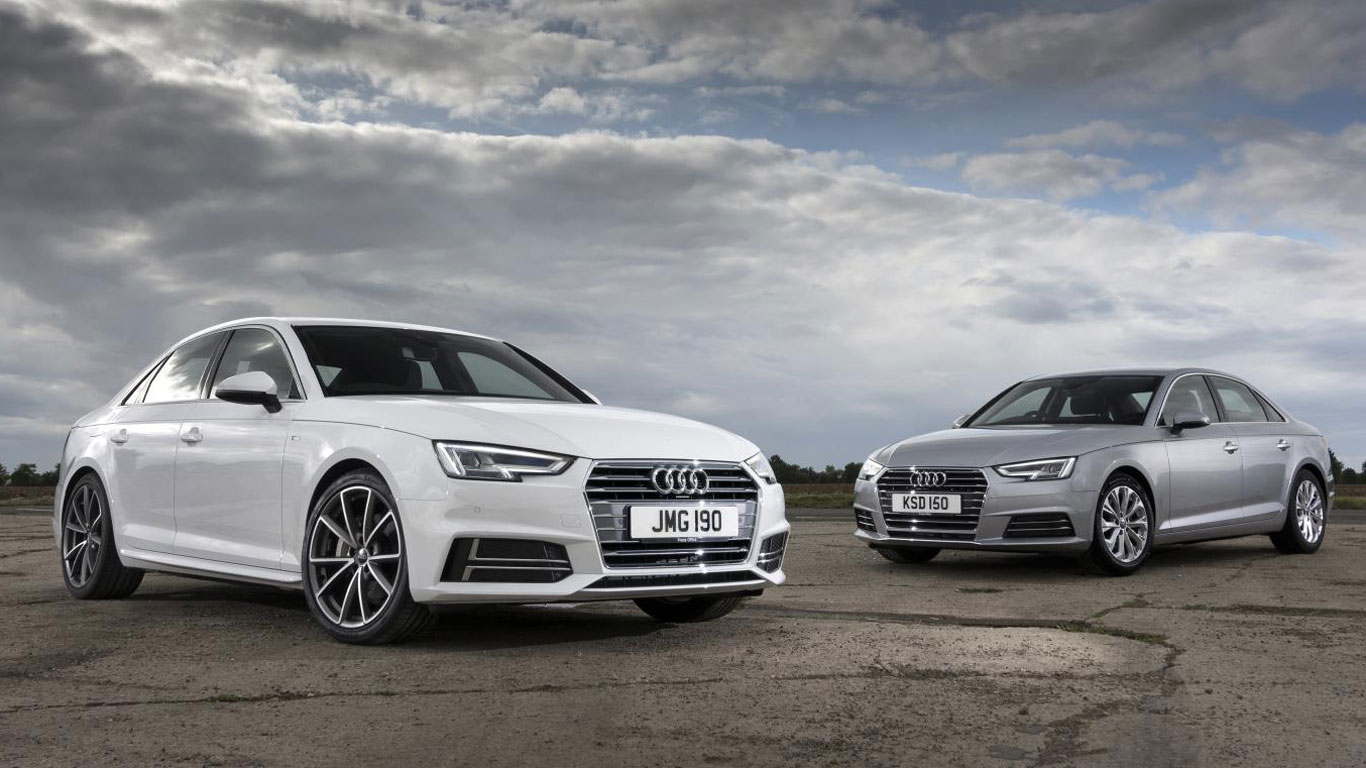
13. Audi: 1,847,613 registrations
Audi increased its global sales for the eighth year in a row, despite a turbulent first six months of 2017. The increase in demand for the Q models – up 10.8 percent to 689,150 cars – was a major factor in the growth of the brand.
12. BMW: 2,030,331 registrations
It was a record-breaking year for BMW Group, with sales of BMW, Mini and BMW Motorrad totalling 2.46 million. The core brand topped two million, with the X vehicles up 9.6 percent compared to the previous year, despite limited availability of the X3.
11. Renault: 2,275,227 registrations
It was a good year for Renault, with registrations up seven percent. Groupe Renault is expecting the market to grow by 2.5 percent in 2018, with the European market contributing one percent. Renault has a 23.8 percent share of the electric vehicle market in Europe.
10. Kia: 2,511,293 registrations
It’s a surprise to see Kia registrations down 10 percent, but we’d expect the new Ceed – which will make its world debut at the Geneva Motor Show – to provide a boost to global sales in 2018.
9. Mercedes-Benz: 2,534,181 registrations
There are no such issues for Mercedes-Benz, which saw registrations increase by 13 percent, the highest figure in the top 10. Last year was the seventh consecutive record 12 months for Mercedes-Benz, with growth driven by the E-Class and range of SUVs.
8. Suzuki: 2,891,415 registrations
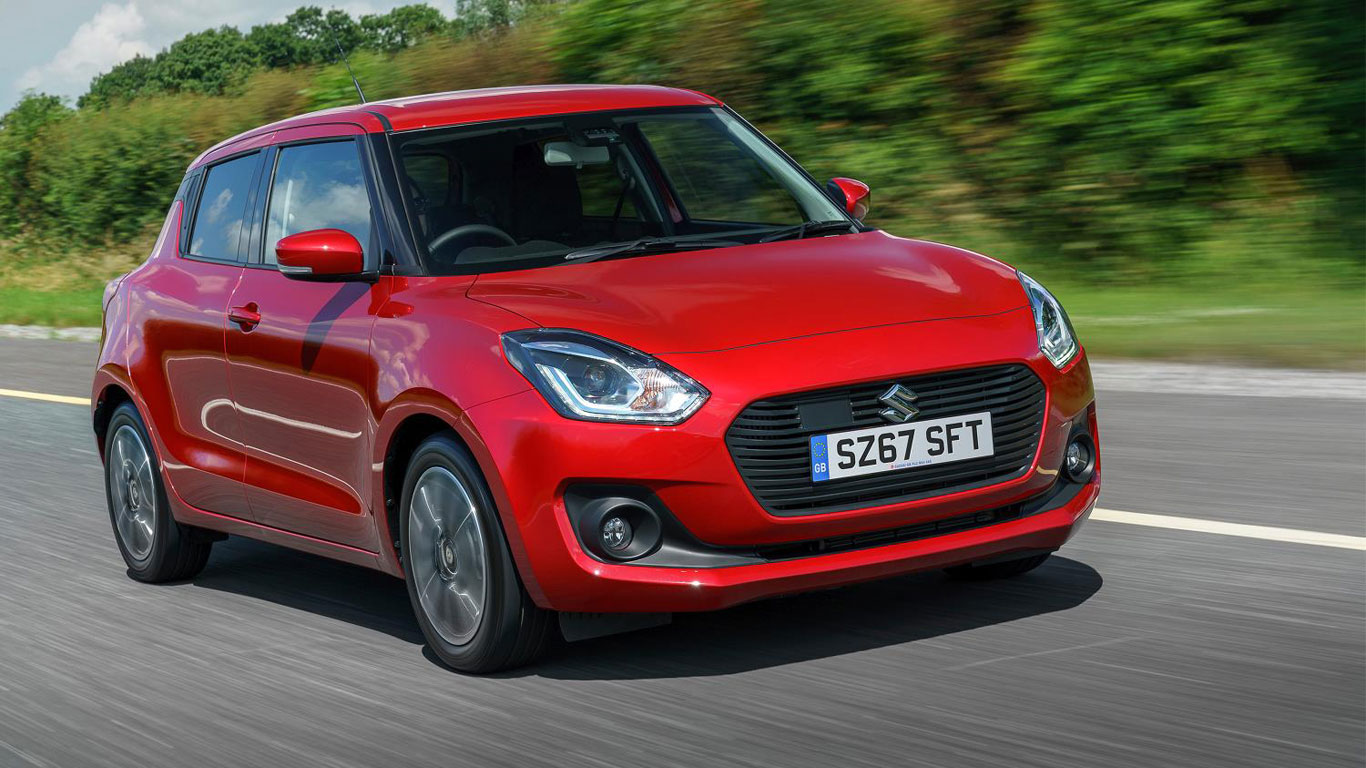
Buoyed by the arrival of the new Swift and Ignis, Suzuki registrations were up 11 percent in 2017. In the UK, Suzuki GB registered 40,343 units, an increase of 2,176 over 2016, making it a record year for sales.
7. Chevrolet: 3,857,388 registrations
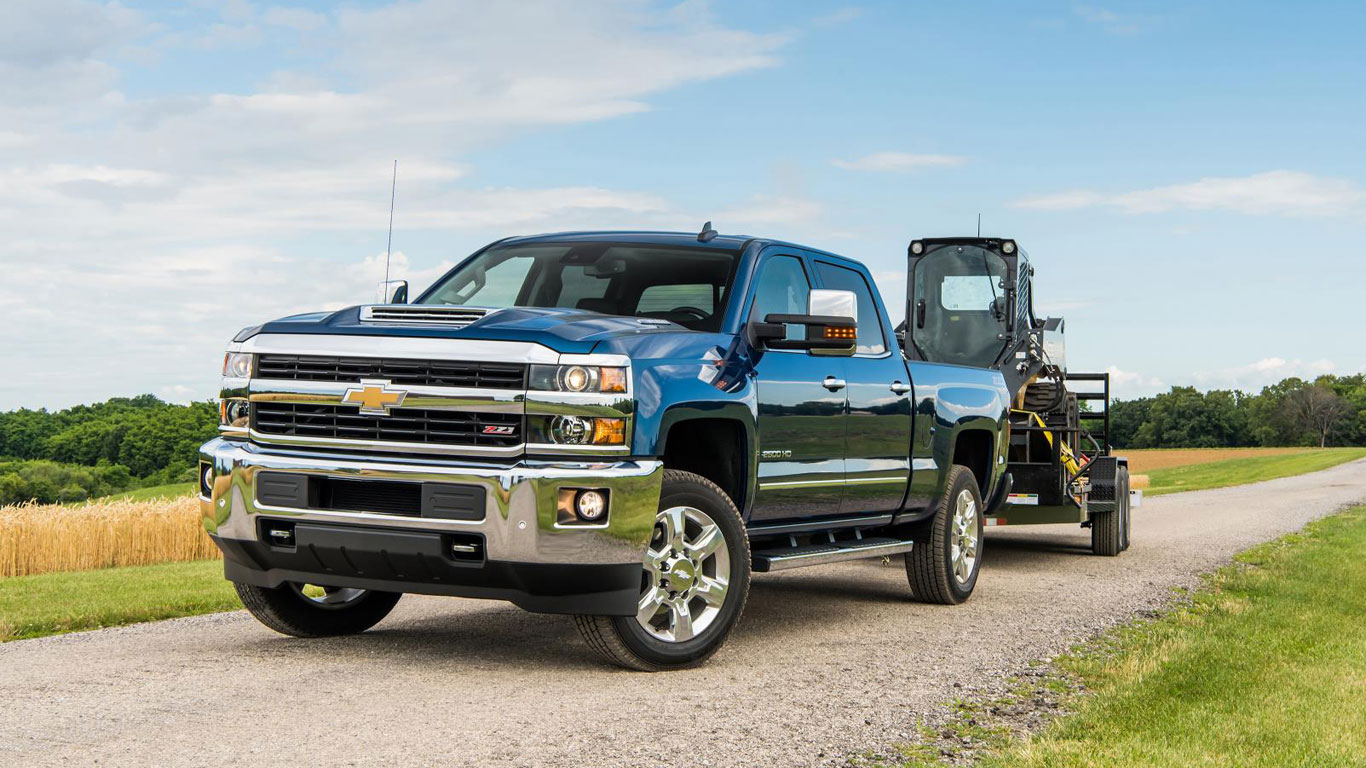
Chevrolet registrations remained static at around 3.86 million, but the Silverado was the second most popular pick-up and the 11th best-selling vehicle in the world.
6. Hyundai: 3,951,176 registrations
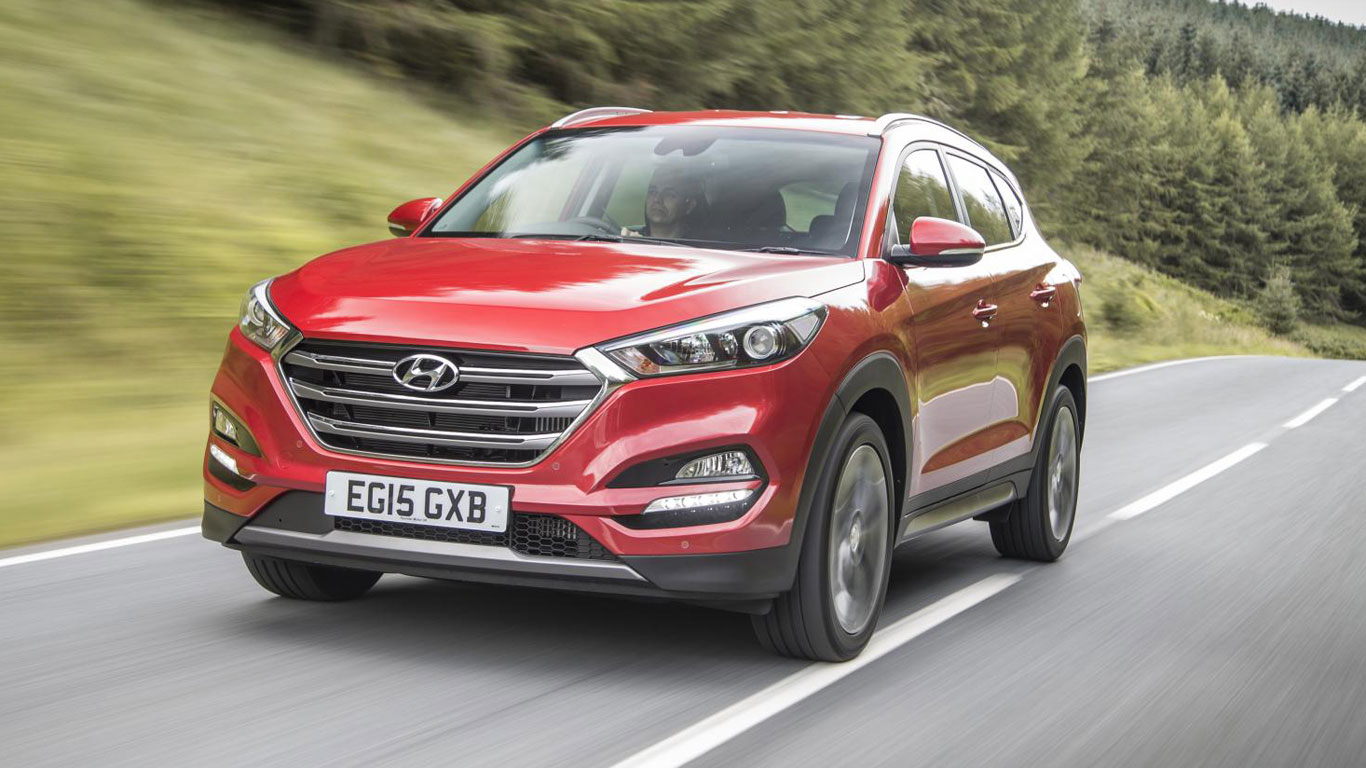
In common with its Korean counterpart, Hyundai witnessed a fall in the number of registrations, down nine percent in 2017. It sold 573,937 units of the Tucson, which itself is down four percent on 2016.
5. Nissan: 3,951,176 registrations
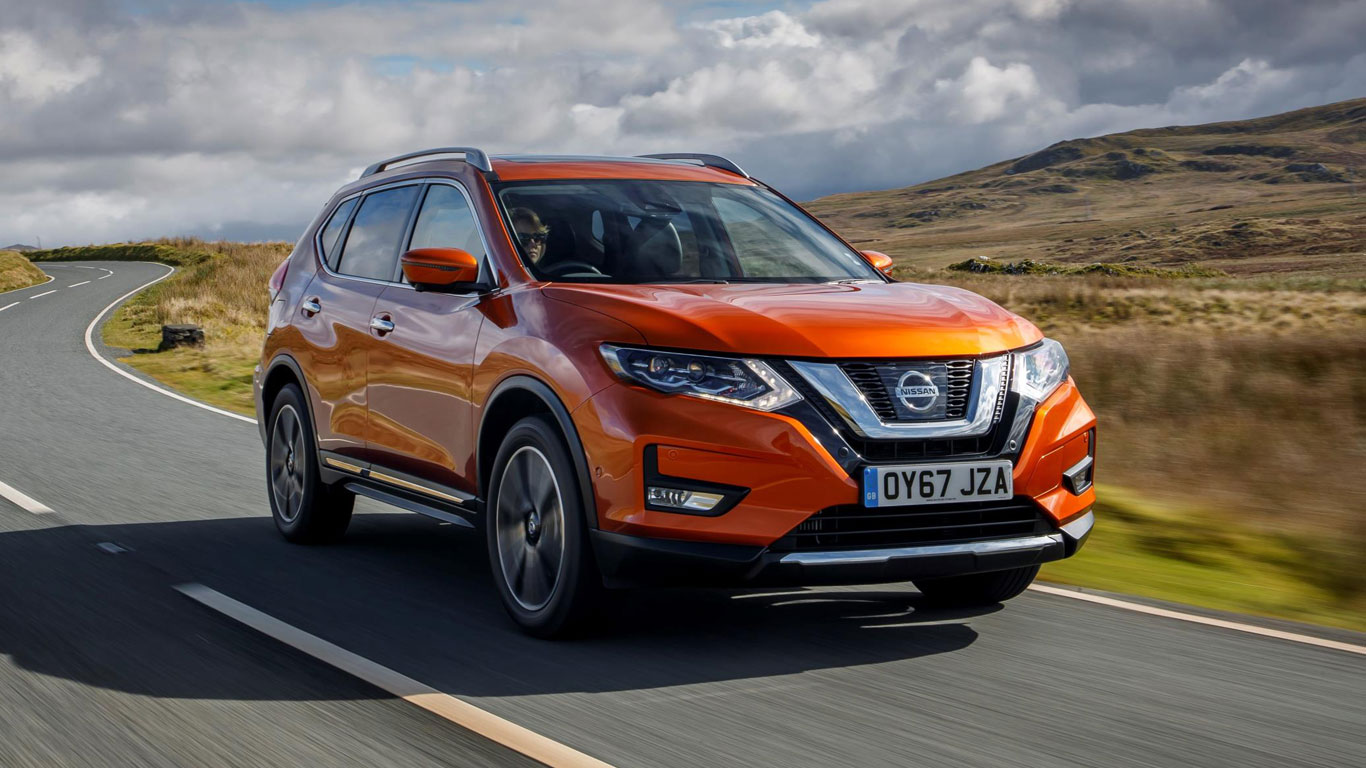
The Nissan X-Trail/Rogue was the world’s best-selling SUV and the overall fourth best-selling vehicle of 2017, with registrations totalling 814,000 units. Overall registrations are up five percent.
4. Honda: 4,967,689 registrations
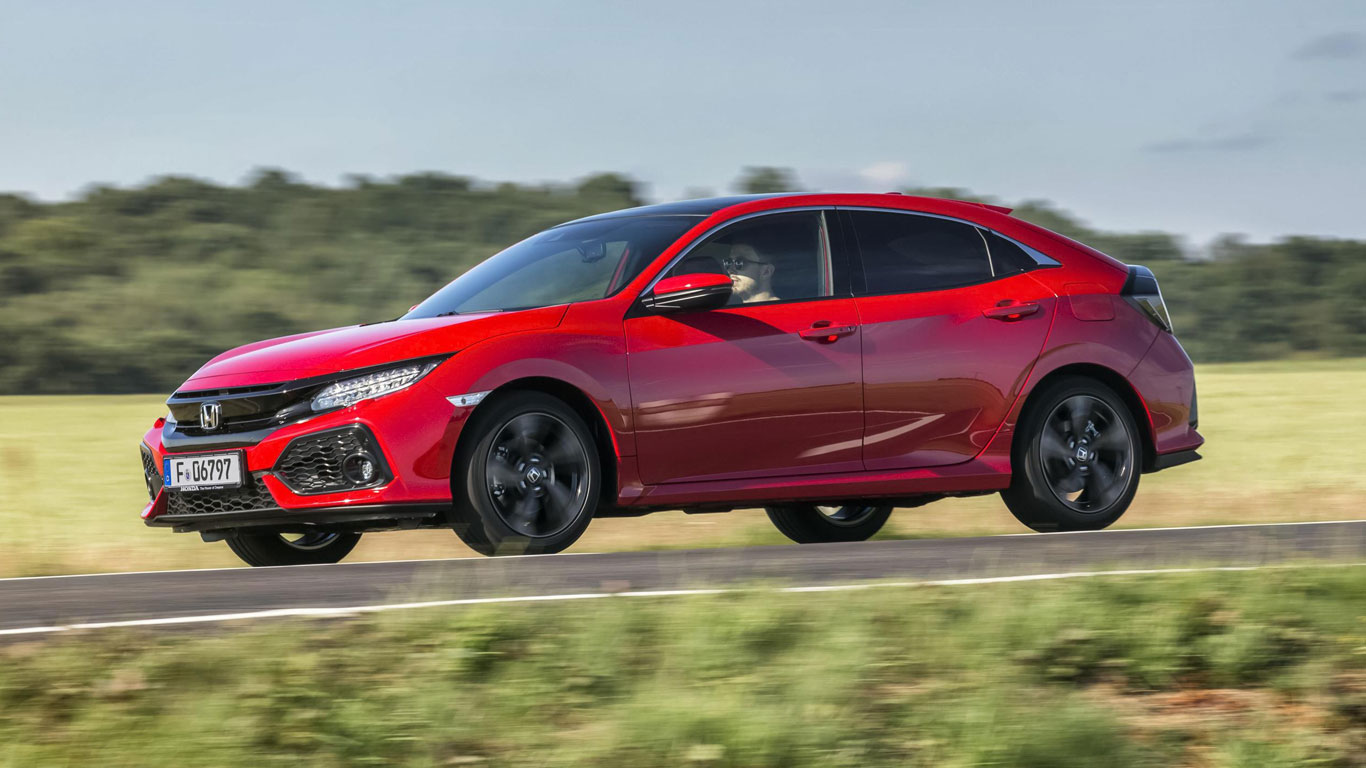
Honda is also on the up, with registrations totalling just shy of five million. The Civic was the most popular model, with 800,380 units, which represents an increase of 20 percent.
3. Ford: 5,953,122 registrations
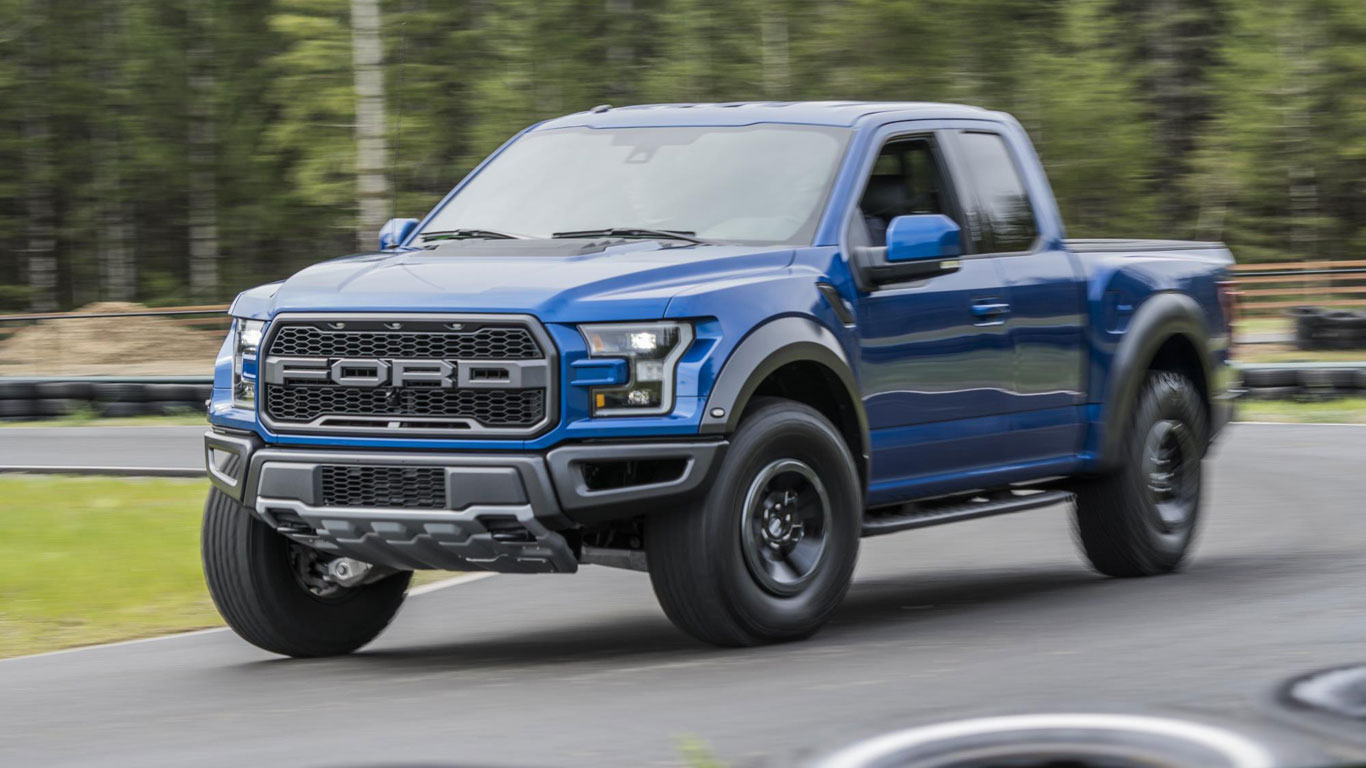
With registrations just shy of six million, Ford is down two percent year-on-year, but will be comforted by the fact that the F-Series remains the best-selling vehicle in the world. To provide some context: the F-Series accounts for around 18 percent of Ford’s global sales.
2. Volkswagen: 6,639,250 registrations
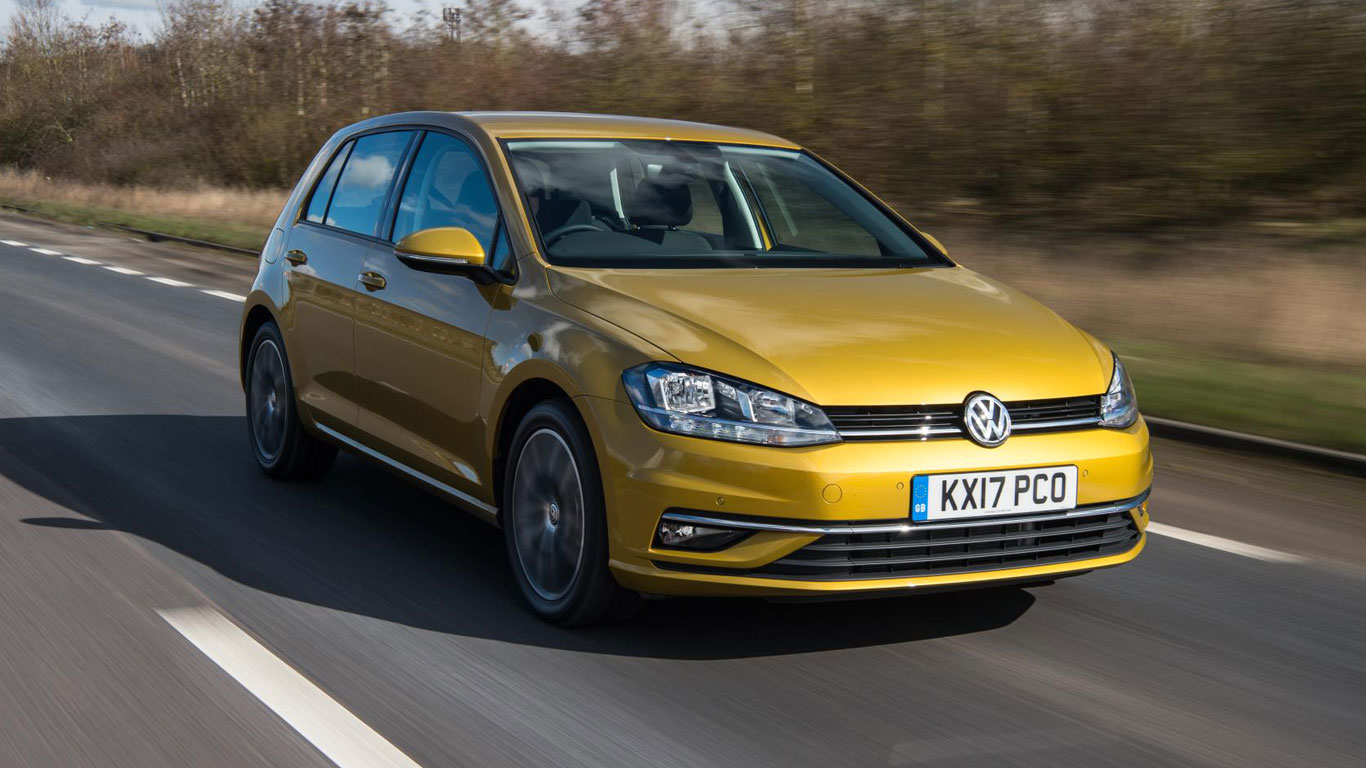
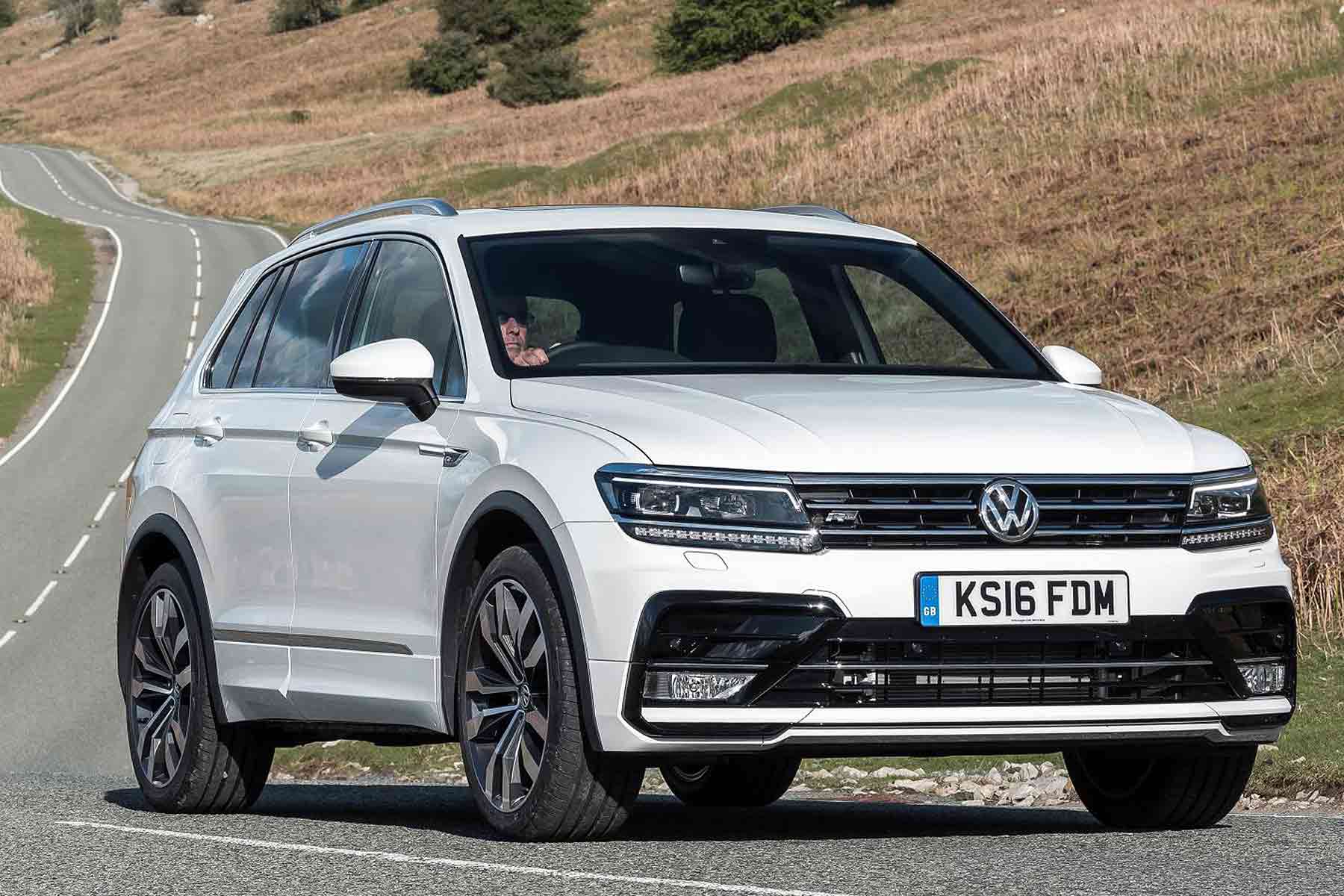
Sales of the Golf, Polo, Passat and Jetta were actually down in 2017, but the success of the new Tiguan – registrations up 34 percent – helped steady the ship. Overall registrations were up three percent.
1. Toyota: 7,843,423 registrations
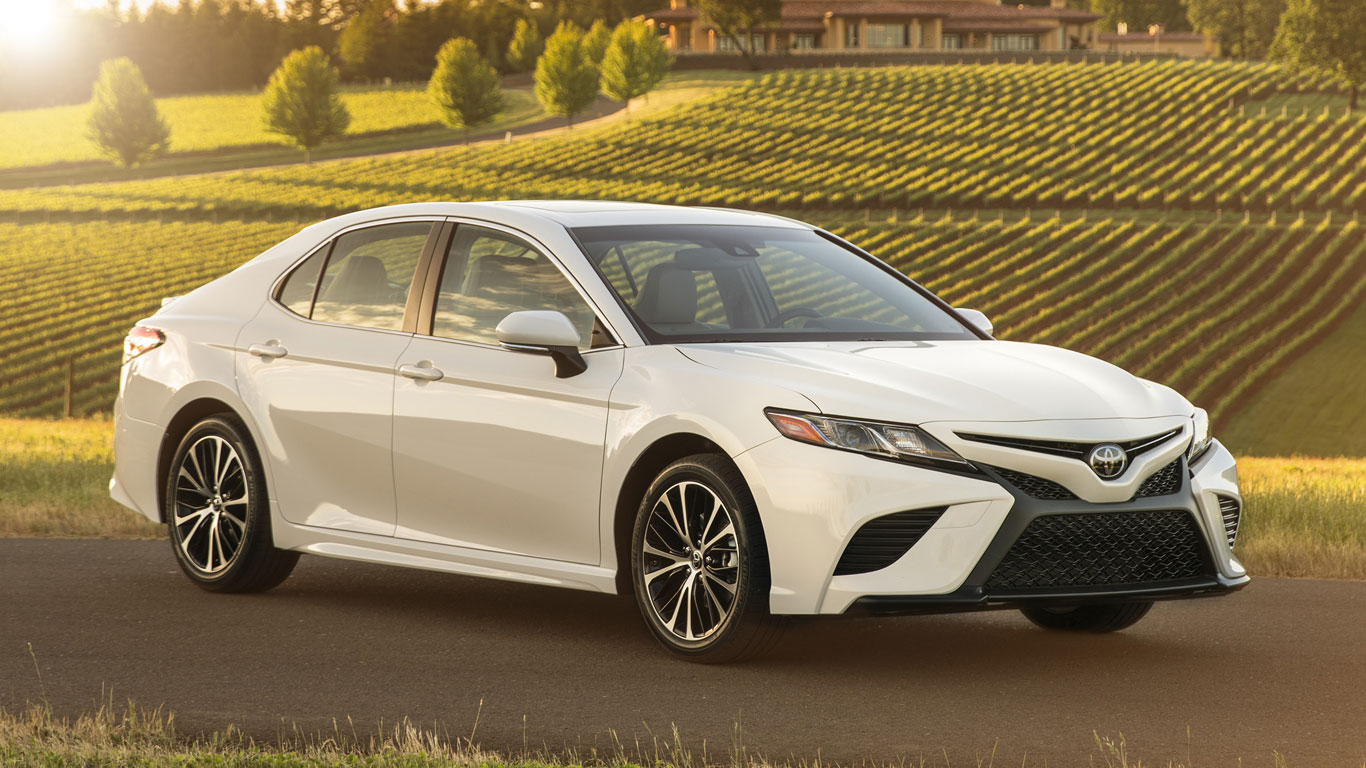
Which leaves Toyota to take the throne as the biggest car brand in world, when based on overall sales figures. The Corolla, RAV4 and Camry are three of its most popular vehicles.
 Aston Martin’s brand value grew a staggering 268 percent in 2017, to $3.6 billion, according to latest research by experts Brand Finance. No car brand grew by more in value last year.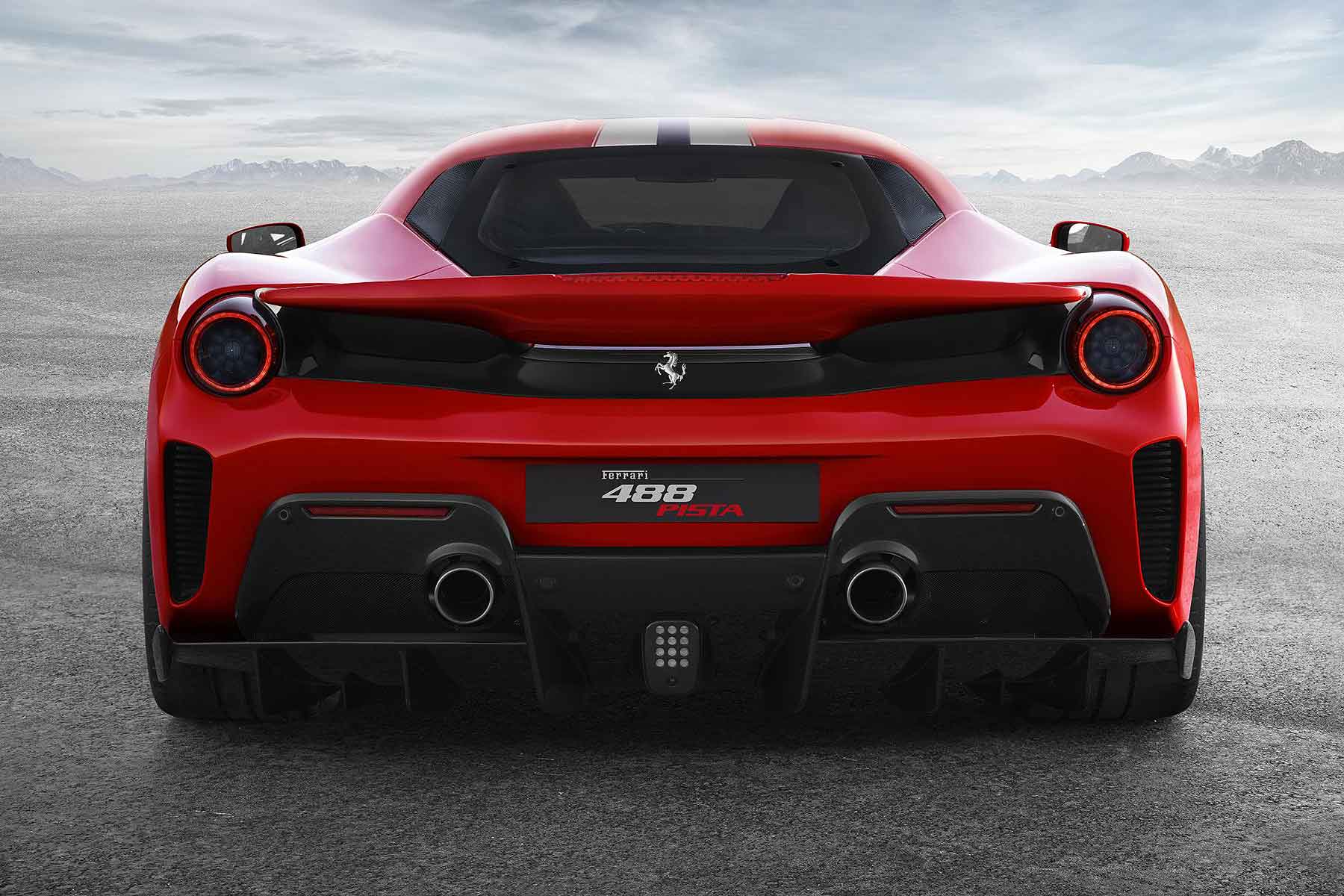
 Who’s to blame for this week’s news that
  Toyota has confirmed the all-new third-generation Auris family hatchback will be built at its Burnaston, Derby plant, news that will be a major fillip to the under-pressure UK automotive industry.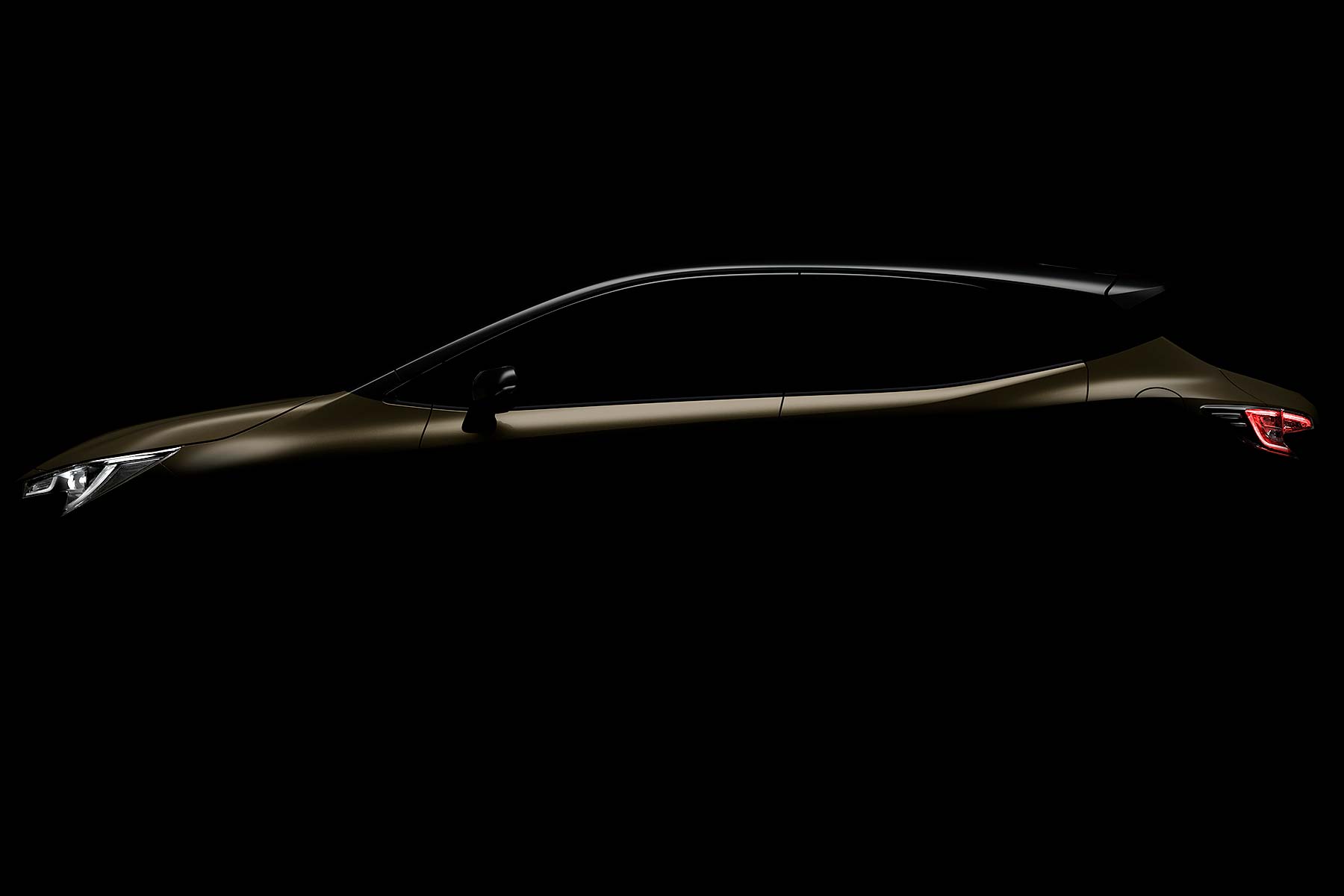
 One of the biggest motoring events of the year kicks off next week, with no fewer than 60 manufacturers heading to Palexpo for the 88th Geneva show. Whatever your tastes, from a new Toyota Auris hybrid to a stripped-out Ferrari 488 Pista, you can expect to be well catered for.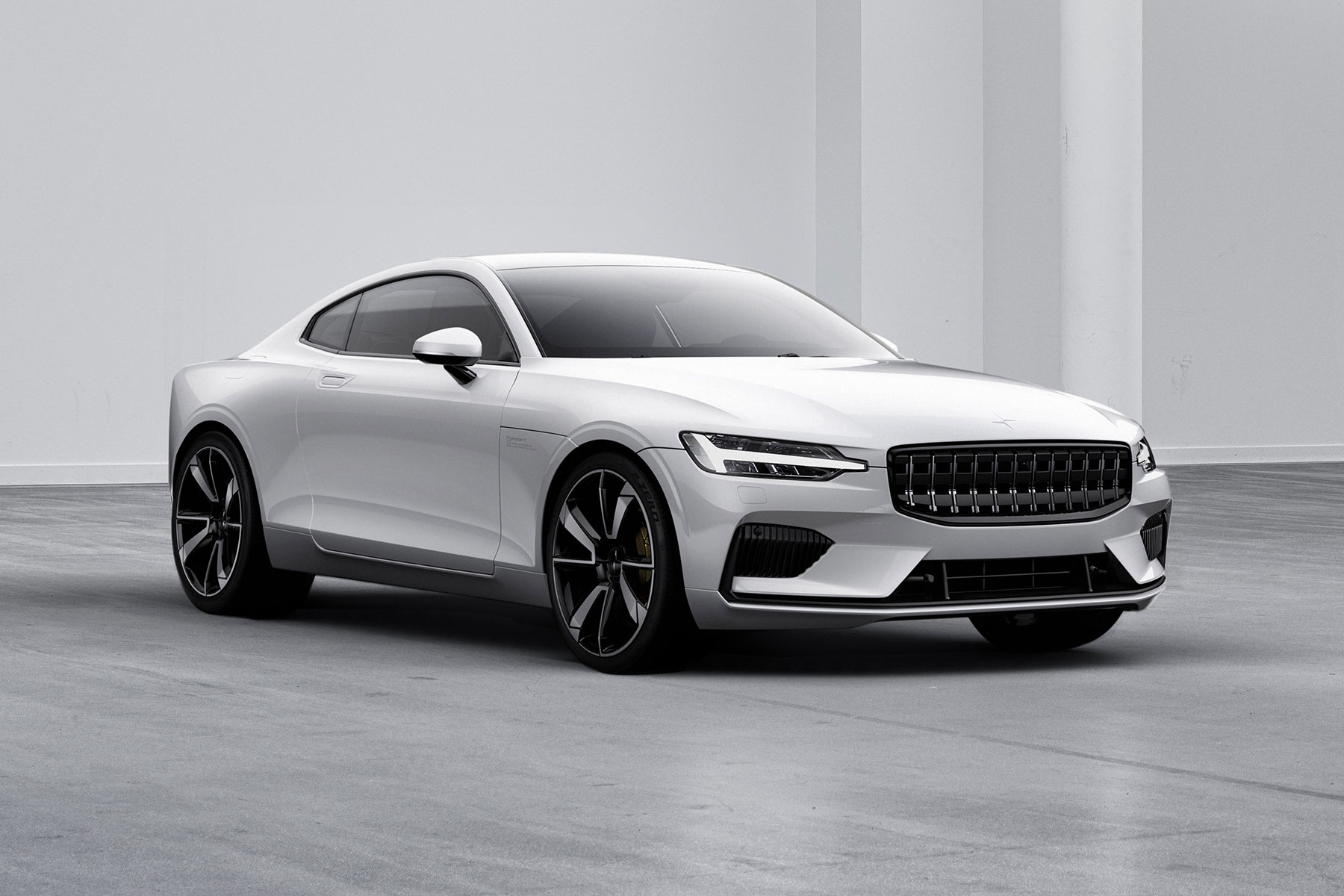
 The car industry risks missing its 2021 CO2 targets with the first-ever annual increase in carbon dioxide emissions today being revealed by the Society of Motor Manufacturers and Traders (SMMT). Last year, average new car CO2 went up 0.8 percent, to 121g/km.