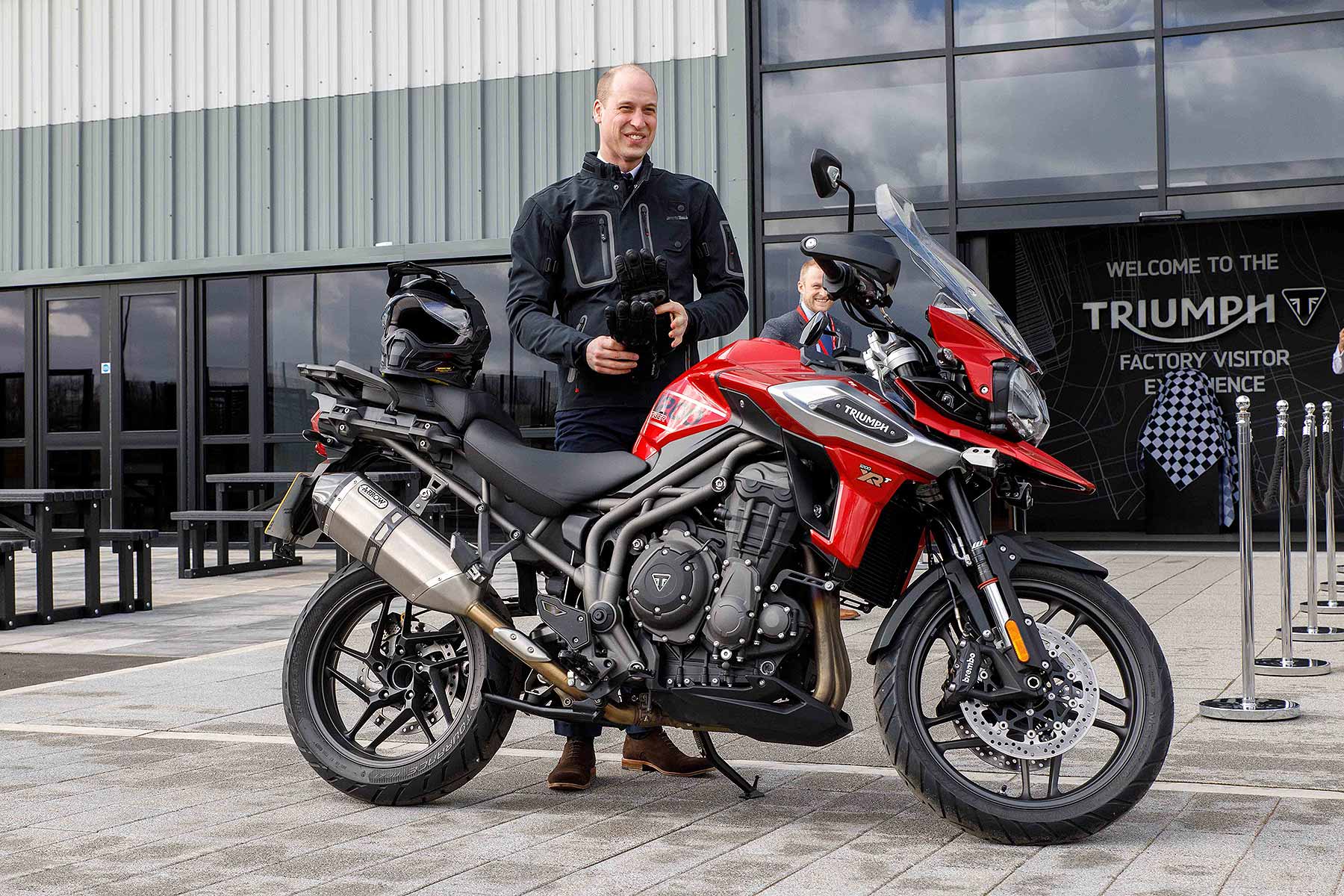
Prince William is a keen motorcyclist who, legend has it, used to go for incognito ride-outs in and around London. We can’t confirm if HRH the Duke of Cambridge still does this, but we can reveal he was at British motorcycle giant Triumph today, to open the firm’s new £6 million paint shop.
And, as he was there, what else to do, but to go for a quick blast on a brand-new Triumph Tiger 1200?
The bike is one of Triumph’s newest models, and one was later literally given the royal seal of approval when Prince William fitted a Triumph badge to the engine of a Tiger 1200.
It was the job of Triumph CEO Nick Bloor to host the Duke during his visit to the Hinckley, Leicestershire factory. He said it was “a delight” to welcome Prince William.
“Thanks to the dedication and hard work of everyone at Triumph, our export business continues to grow and our outstanding design engineering team, in which we have invested heavily in recent years, is producing a stream of exciting motorcycles that captures the imagination of riders all over the world.”
The factory houses many of Triumph’s 900 employees in the UK; along with a sister factory in Thailand, Triumph last year built more than 67,000 motorcycles.
He didn’t just turn up to open the paint shop and grab a bike for a blast, though. The Duke also toured Triumph’s plant and its new Factory Visitor Experience (FVE), and revealed a commemorative fuel tank emblazoned with a Union Jack design.
This was hand-painted by one of Triumph’s tank painters, to mark the official royal opening of the FVE and the visit of Prince William. What are the odds on the royal Tiger 1200 bike soon sitting alongside it in the experience centre..?
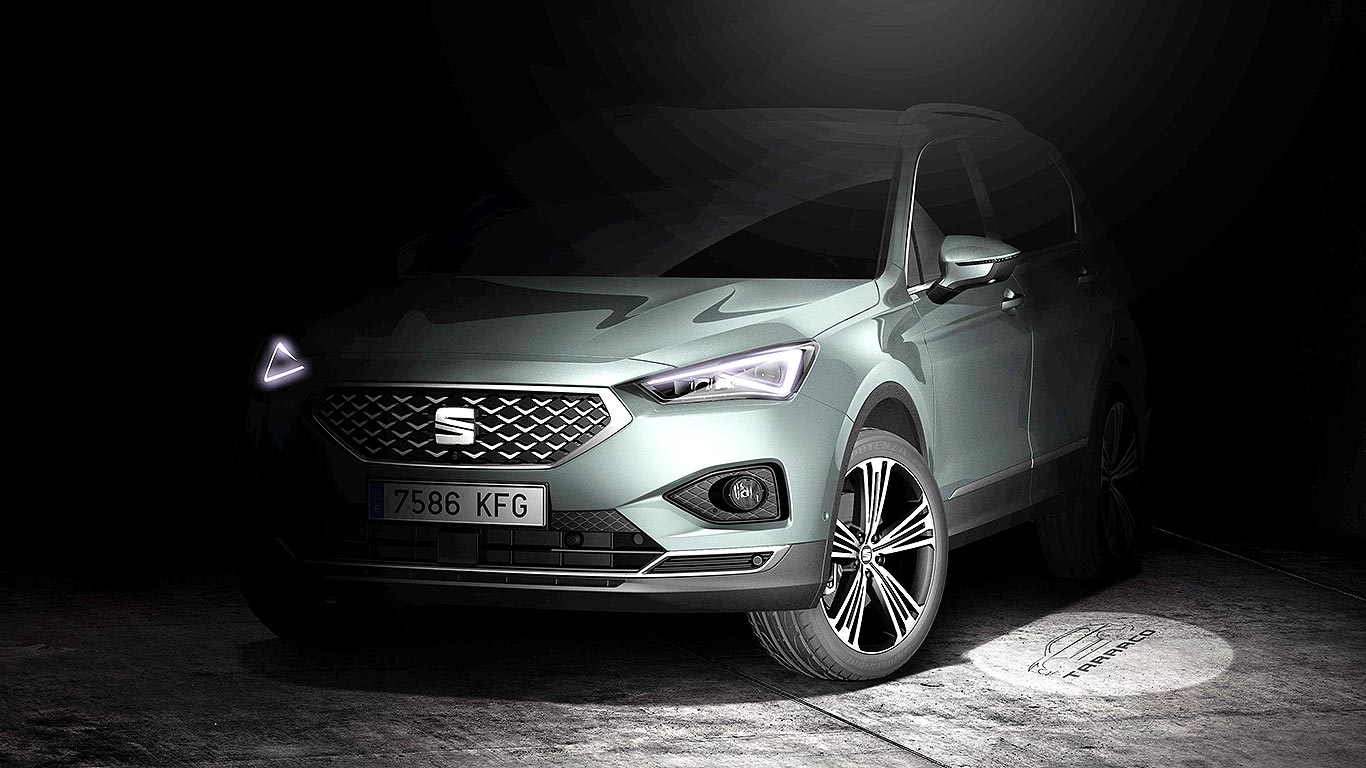
Seat has chosen Tarraco as the name for its new seven-seat SUV, ahead of its expected reveal later this summer.
The name was chosen via a poll, in which Seat says over 145,000 people in 134 countries placed a vote. 35 percent picked Tarraco; 29 percent chose Avila and 27 percent went for Aranda. The least popular potential name was Seat Alboran, on just 9 percent.
What is Tarraco? Like 13 other Seats, it’s a place in Spain – the oldest Roman settlement on the Iberian Peninsula which, today, is known as Tarragona. Back in Roman times, it was a bustling city, and today has an enviable heritage of culture and youthfulness.
Oh, and Seat’s in no danger of running out of similarly-themed names for future models: as part of the poll, it revealed more than 10,000 different Spanish place names were suggested by fans to christen the new seven-seat SUV…
Like the Skoda Kodiaq it shares underpinnings with, the new Seat Tarraco will rival seven-seat rivals such as the Nissan X-Trail and Peugeot 5008. But although it’s derived from the Kodiaq, it won’t be a facsimile: expect Seat to offer a sportier take on the seven-seat SUV concept. As with the Kodiaq, prices should start from under £25,000.
Frustratingly though, we need to be patient a little while longer. Seat says the Tarraco “will be launched at the end of this year” – which will be 18 months after the competition to name it started out…
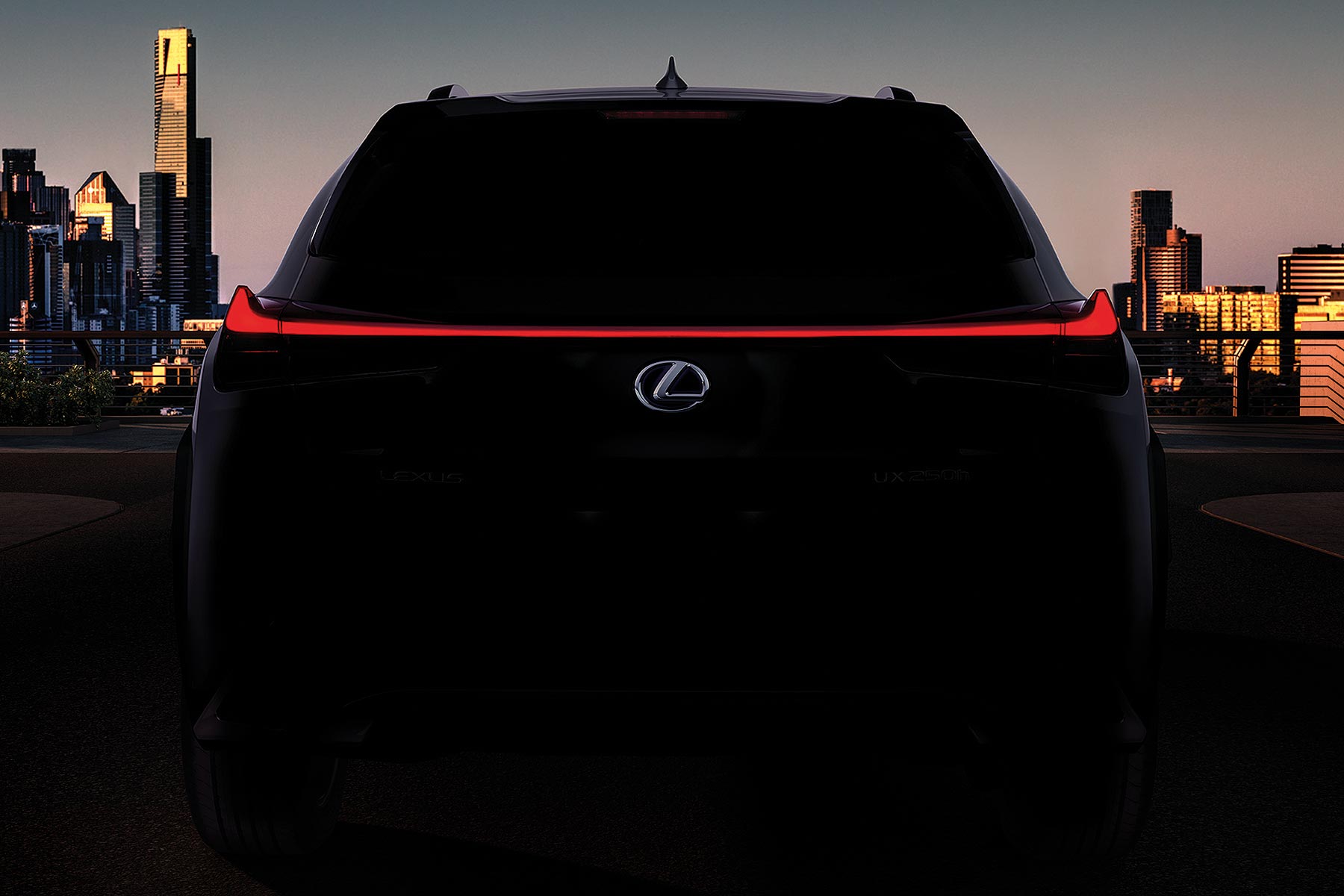
Lexus has confirmed it will give the new UX small SUV its world debut at the 2018 Geneva Motor Show. It will be the production version of the UX Concept revealed at the 2016 Paris Motor Show.
Sitting below the Lexus NX and RX SUVs, the new UX will be a rival to the BMW X1, Audi Q3 and Jaguar E-Pace. Expected to be priced from around £30,000, it will mix Lexus’ trademark hybrid powertrains with conventional petrol engines – and, like all Lexus, eschew diesel engines entirely.
It is likely the Lexus UX will be derived from the same platform used in the well-received Toyota C-HR. In the UK, this is offered with a 1.2-litre turbo petrol engine, plus a 1.8-litre hybrid.
The teaser image wears UX 250h badging.
Although obviously much toned down from the 2016 Paris concept, Motoring Research’s enhanced version of the teaser image shows some bold detailing for the rear lights, which sit astride a full-width light bar.
The almost coupe-like profile of the concept has, however, gone, in the interest of creating more usable space for rear-seat passengers, and a larger boot.
There are no teasers of the interior yet, but it is hoped the concept’s bold ‘deconstructed’ interior, complete with floating touchscreen centre console and distinctive air vents, can at least in part be ported across to production.
As for firm details, though, Lexus is keeping tight-lipped ahead of the show. But the very fact it’s giving this all-new small SUV a global debut in Geneva shows how important Europe is to its market success. With SUV sales booming across the region, the firm will be hoping the UX can give it an overdue sales boost – something the NX seems not quite to have fully achieved.
A new series of Top Gear will get underway on Sunday 17 February at 8pm, with Matt LeBlanc, Chris Harris and Rory Reid primed for five hour-long episodes. LeBlanc has confirmed that series 26 will be his last, with Andrew ‘Freddie’ Flintoff and Take Me Out presenter Paddy McGuinness in the driving seat for the next series, likely to hit our screens in 2020. Here, we introduce the new presenters and take you through a gallery of previous hosts, including Noel Edmonds, Jeremy Clarkson and Chris Evans.
Here, we introduce the latest presenters and look back at over 40 years of the BBC’s premier motoring show.
Andrew Flintoff
Ashes winner Andrew ‘Freddie’ Flintoff said: “It’s not often you have the chance to do both of your dream jobs, but I’m now lucky enough to say I will have.
“I’ve always been passionate about cars and I’m so excited to be joining the Top Gear team.”
Paddy McGuinness
Comedian Paddy McGuinness said: “To be hosting a show I’ve watched and loved from being a small boy is beyond exciting. Top Gear fans worldwide are a passionate bunch and I consider myself one of them.
“Now’s let’s start up this Great British machine and see what I can do.”
In the meantime, here are some presenters from Top Gear’s past.
Angela Rippon – 1977 – 1979
Back in 1977, Angela Rippon was a broadcaster and motoring correspondent for the AA. Hard to believe now, but back then, Top Gear was a monthly 30-minute show, broadcast only in the Midlands. The BBC liked what they saw and moved the regional show to the network in 1978. Angela Rippon takes the honour of being the very first presenter of Top Gear.
Barrie Gill – 1978 – 1979
Barrie Gill was a motor racing commentator for BBC Grandstand and presenter of Top Gear between 1978 and 1979. Sadly, Barrie died in 2003.
Noel Edmonds – 1979 – 1980
Noel Edmonds arrived in 1979 and subsequently replaced Angela Rippon as the main presenter in 1980. It’s worth checking out his review of the Fiat Strada, which was so critical, it led to Fiat threatening to sue the BBC. Remember, this was 1980 BC – Before Clarkson.
Judith Jackson – 1979 – 1982
Judith Jackson also arrived in 1979 and went on to feature in a total of 16 episodes until 1982. But that’s nothing compared to the next female presenter on our list…
Sue Baker – 1980 – 1991
Sue Baker presented well over 100 episodes of Top Gear between 1980 and 1991, driving hundreds of cars in the process. Today, Sue remains at the forefront of motoring journalism.
Frank Page – 1980 – 1988
This was a golden era for Top Gear in its original format. Back then, the likes of Sue Baker, Frank Page and the following two presenters were household names in Britain…
Chris Goffey – 1981 – 1997
Take Chris Goffey, a seasoned pro with a style very much in keeping with the tone of the original format. Sky News approached Chris Goffey for his views of the ‘fracas’ involving a certain Jeremy Clarkson.
William Woollard – 1981 – 1991
Ah, one of the all-time greats of Top Gear. To many, William Woollard was the very best Top Gear presenter of all-time, complete with famous one-foot-on-the-bumper pose. He arrived in 1981, having made his name on the popular Tomorrow’s World.
Tom Boswell – 1981 – 1990
Tom Boswell presented two episodes in 1981 and 1982, before appearing in 20 episodes between 1988 and 1990, specialising in safety and motorcycles. He died in 1990.
Peter Burgess – 1985 – 1986
Peter Burgess is one of our own, being chairman of Motoring Research, as well as contributing to MSN. Peter appeared in seven episodes between 1985 and 1986.
Russell Bray – 1986
Motoring journalist Russell Bray presented three episodes of Top Gear in 1986, referencing it on his LinkedIn profile as ‘brief presenting stint on Top Gear (who hasn’t) an eon ago while a junior journo’. Back in the days when a ‘tache was required for aspiring motoring journos.
Malcolm Wilson – 1986 – 1994
Malcolm Wilson is a former world rally driver and head of the Ford World Rally Team. He also appeared in 14 episodes of Top Gear between 1986 and 1994.
Tony Mason – 1986 – 1998
Former rally co-driver Tony Mason was also a regular presenter on Top Gear, often wheeled out to remote forests to deliver rally reports in the dead of night. Tony appeared in 128 episodes between 1986 and 1998.
Tiff Needell – 1987 – 2001
Former F1 driver Tiff Needell burst onto the scene in 1987, closely followed by a cloud of tyre smoke. When Top Gear was cancelled in 2001, Tiff jumped ship to present Fifth Gear on Channel 5. But that wasn’t before he was able to deliver a memorable feature involving the Ford Puma and Messrs Clarkson and Willson.
Jon Bentley – 1988 – 1997
Jon Bentley is perhaps best known for presenting The Gadget Show, but he was also a presenter of Top Gear between 1988 and 1997. He’s also a former Top Gear presenter and series editor.
Beki Adam – 1988 – 1990
Today, Beki Adam runs a small business in Sussex and stood for parliament as an independent in the 2015 General Election. Back in the late 80s, Beki also enjoyed a short run on Top Gear. On her YouTube channel, Beki mentions a disagreement about a poncho, with the producers believing she should wear a Puffa jacket. As you can see, Beki won the argument.
Jeremy Clarkson – 1988 – 2000 and 2002 – 2015
Without question the most famous Top Gear presenter… in the world. Clarkson’s first stint on Top Gear began in 1988 and continued until 2000. In the early days, his hair was big and he spoke in a classic BBC style. As the years went by, he became more outspoken and helped to transform the show into a global phenomenon.
Quentin Willson – 1991 – 2000
In the early 90s, Quentin Willson was quite the star on Top Gear, famously appearing alongside Clarkson and Needell. He quit in 2002 and recently appeared alongside Jodie Kidd in The Classic Car Show.
Nicky Fox – 1991 – 1992
Hands up if you remember Nicky Fox? Nicky appeared in six episodes between 1991 and 1992. Not to be confused with Sam Fox. We don’t think she ever presented Top Gear.
Janet Trewin – 1991 – 1995
Another name you may have forgotten, although Janet Trewin did present a total of nine episodes in the early 90s. Today, Janet works as a freelance reporter, presenter, producer and presenter. She was also the first female presenter for Radio 1’s Newsbeat. We bet you didn’t know that.
Steve Berry – 1993 – 1999
Steve Berry is a broadcaster and presenter with a long and varied career in television and radio. Steve presented Top Gear between 1993 and 1999, as well as the short-lived Top Gear Radio Show on BBC Radio Five Live.
Michele Newman – 1993 – 1998
Michele Newman arrived from a career in local news and presented Top Gear between 1993 and 1998. She later went on to co-present Pulling Power on ITV, where she appeared alongside the likes of James Allen and Mike Rutherford.
Russell Bulgin – 1994
Russell Bulgin was one of the best motoring writers of all-time. Most people will have forgotten that he also appeared in three episodes of Top Gear in 1994.
Andy Wilman – 1994 – 2001
Yes, that Andy Wiman. Today, Wilman is best known for being the show’s executive producer and the man credited with re-inventing and reinvigorating Top Gear. He also appeared in a total of 36 episodes between 1994 and 2001.
Vicki Butler-Henderson – 1994 – 2001
Vicki Butler-Henderson was another Top Gear presenter who would jump ship to Channel 5. But that wasn’t before she presented 108 episodes between the years of 1994 and 2001. Today, Vicki can still be seen on television, with Fifth Gear currently showing on Quest.
Julia Bradbury – 1998 – 1999
The late 90s and early 00s saw a period in which Top Gear experimented with a number of different presenters. Julia Bradbury arrived in 1998, but didn’t hang about too long. Later, Julia would go on to present Watchdog and Countryfile, but that’s not before she went topless in front of James May…
Kate Humble – 1999 – 2000
Yes, Kate Humble really did spend some time presenting Top Gear. In fact, Kate appeared in 31 episodes between 1999 and 2000.
James May – 1999 and 2003 – 2015
James May appeared alongside Julia Bradbury in 1999 and famously sported a much shorter haircut. He returned in 2003 to help front the show with Jeremy Clarkson and Richard Hammond. From that point on, there was no stopping them. At least there wasn’t until the steak incident…
Brendan Coogan – 1999
Steve Coogan is often linked with the Top Gear job, but his brother actually got there first. He appeared in 1999, before a drink-driving conviction cut short his Top Gear career. He also appeared on Men & Motors, former home of Richard Hammond.
Adrian Simpson – 2000 – 2001
Blimey, Adrian Simpson presented a total of 35 episodes in 2000 and 2001 and was one of the last presenters to appear before Top Gear settled on the three amigos. A case of what might have been for Adrian?
Jason Barlow – 2000 – 2002
Motoring journalist Jason Barlow appeared on the show between 2000 and 2002. Top Gear was officially cancelled in 2001, but Jason Barlow presented a one-off show from the 2002 Birmingham Motor Show. Other TV highlights include Channel Four’s Driven and BBC2’s Wrong Car, Right Car.
Jason Dawe – 2002
Jason Dawe presented Top Gear for a single series in 2002. Positioned very much as the used car specialist, Jason was being primed as the third piece in the Top Gear jigsaw. It didn’t work out for Jason and he was replaced by James May for the 2003 season.
Richard Hammond – 2002 – 2015
Richard Hammond enjoyed a career on BBC local radio and Men & Motors before making his Top Gear debut in 2002. He was ever-present before the actions of Clarkson prompted a move to Amazon Prime.
The Stig – 2002 – present
Yes, it’s The Stig. Can we really call a mute and faceless racing driver a presenter? Well he has been a permanent fixture of Top Gear since 2002, so we can’t leave him out. Perry McCarthy was outed as the original black Stig and Ben Collins took over in 2003. The current Stig – introduced in 2010 – has so far managed to remain anonymous.
Chris Evans – 2016
Chris Evans was the much-hyped marquee signing following the incident with the steak, but things didn’t go entirely according to plan. He quit after one disastrous series, with the show recording its lowest audience figures since the return of Clarkson in 2002.
Matt LeBlanc – 2016 – 2019
In 2016, the American actor best known for playing the role of Joey Tribbiani in Friends became the first non-British host of Top Gear. Following Chris Evans’ departure, LeBlanc became the show’s anchorman, although he doesn’t look anything like Ron Burgundy. LeBlanc will leave the show in 2019.
Chris Harris – 2016 – present
Chris Harris is well-known to car enthusiasts, having written for a number of magazines and appeared in hundreds of YouTube videos, notching up millions of views.
Rory Reid – 2016 – present
Rory Reid made his debut presenting the online spin-off show, Extra Gear, before becoming a Top Gear presenter in series 24.
Sabine Schmitz – 2016 – present
Sabine is a German racer who grew up just 300m from the Nürburgring and cut her TV presenting teeth on German TV. The ‘Queen of the Nürburgring made regular appearances on Top Gear before becoming a presenter following the departure of Clarkson, Hammond and May.
Eddie Jordan – 2016 – present
Eddie Jordan is the former racing driver and F1 team owner with a penchant for brightly-coloured trousers. He also plays in a band called Eddie & The Robbers, named after a remark Bernie Ecclestone once made about the Irishman.
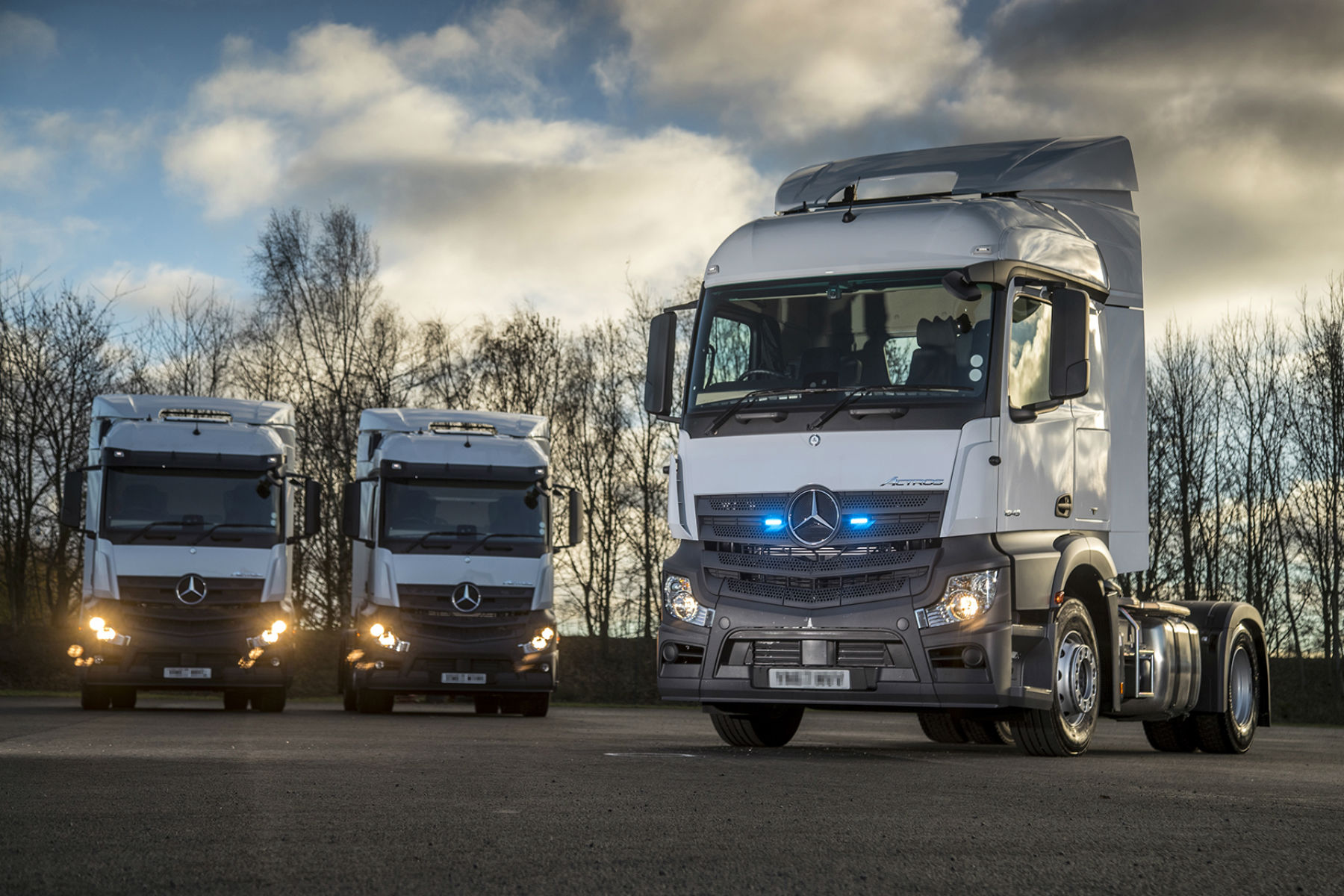
Mercedes-Benz has delivered three custom-built Actros trucks to help police catch people committing offences behind the wheel.
It follows a successful trial in which one test vehicle was shared between forces and was used to pull over 4,176 drivers in relation to 5,039 offences in its first two years.
The three new unmarked vehicles have been acquired by Highways England from Dawsonrentals as part of its Incident Prevention Project.
They’re fitted with blue flashing lights concealed in the grille, as well as flashing red lights to the rear of the cabs. They’re all kitted out with a range of wide-angle cameras and recording devices to capture evidence, while police forces will be given special vehicle-specific training.
The supercabs will capture footage of unsafe driving behaviour as they travel along motorways. Drivers will then be stopped by officers travelling in police cars following behind. Nearly two thirds of drivers stopped to date have been illegally using a mobile phone while driving, says Highways England.
Other offences have included a driver in Surrey seen trying to put toothpaste on a toothbrush and a driver in the East Midlands spotted steering with his knees while he ate his lunch and used his mobile phone.
“Highways England has been funding a single cab for the past couple of years and we’ve been impressed with the impact it’s had on improving safety,” said Highways England’s head of road safety, Richard Leonard. “Over 4,000 dangerous drivers have been pulled over, with police action ranging from verbal warnings to prosecutions.
“We’ve found that the vast majority of drivers are sensible behind the wheel but a few have got into bad habits, or are simply ignoring the law and putting themselves and others at risk.
“We’ve therefore decided to fund two extra unmarked HGV cabs to continue to target dangerous driving on England’s motorways and major A roads, improving safety for everyone.”
Read more:
Blues and twos: Britain’s wildest new police cars revealed
If you’re hoping to stand out from the crowd, these aren’t the cars for you. Using data supplied by JATO Dynamics, we can reveal the world’s best-selling cars of 2017, which we’ll present in reverse order.
There’s a huge gulf between the car at the top of the list and the Mercedes-Benz C-Class, which manages to creep into the top 25 with 487,287 registrations in 2017. This is around half the number of registrations recorded by the vehicle in first place.
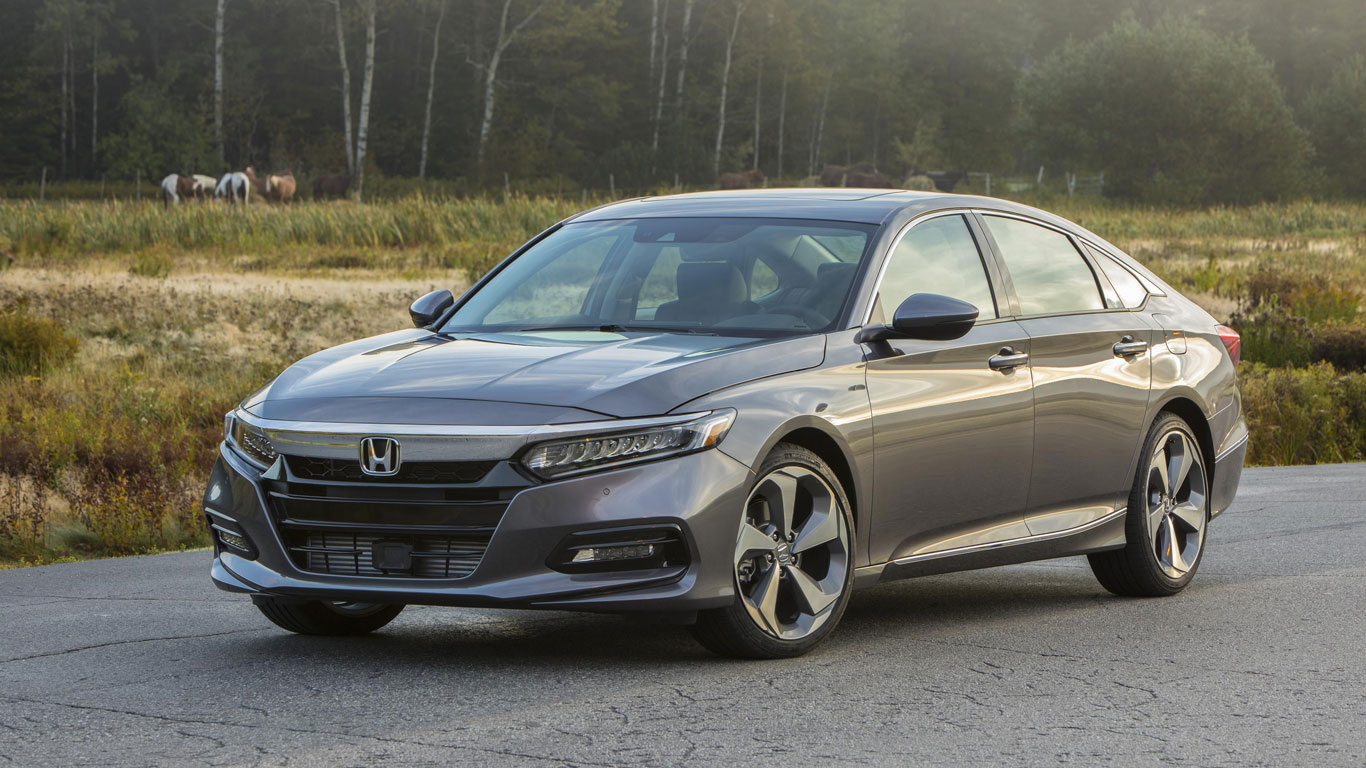
24: Honda Accord
2017 global sales: 506,687
Honda unveiled the tenth-generation Accord in 2017, but the popular four-door saloon is no longer sold in the UK. Last month, the Accord was named North American Car of the Year, following in the footsteps of the Civic in 2016 and Ridgeline in 2017.
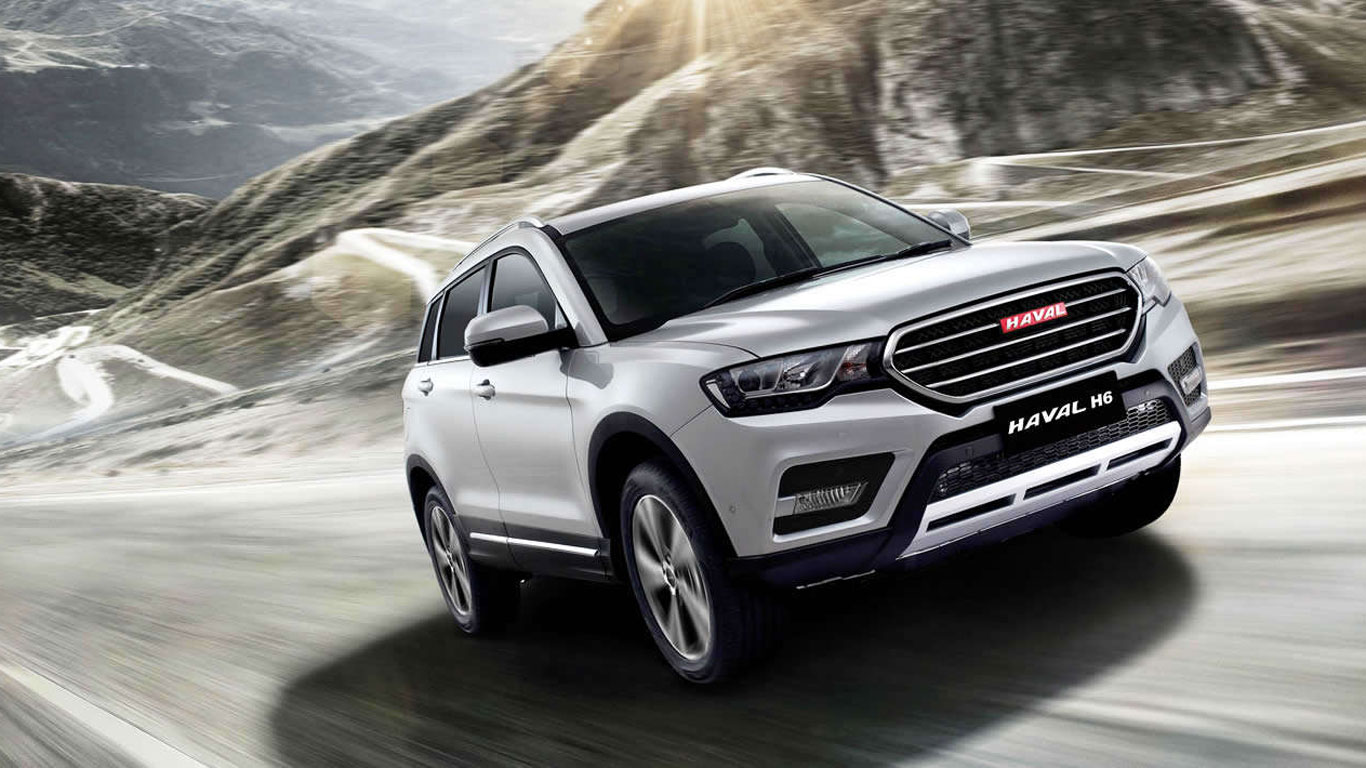
23: Haval/Hover H6
2017 global sales: 509,102
The Haval H6 is the best-selling SUV in China, a position it has held every year since 2013. Registrations are down 12.4 percent, which could suggest that it is facing fresh competition in the battle for SUV supremacy.
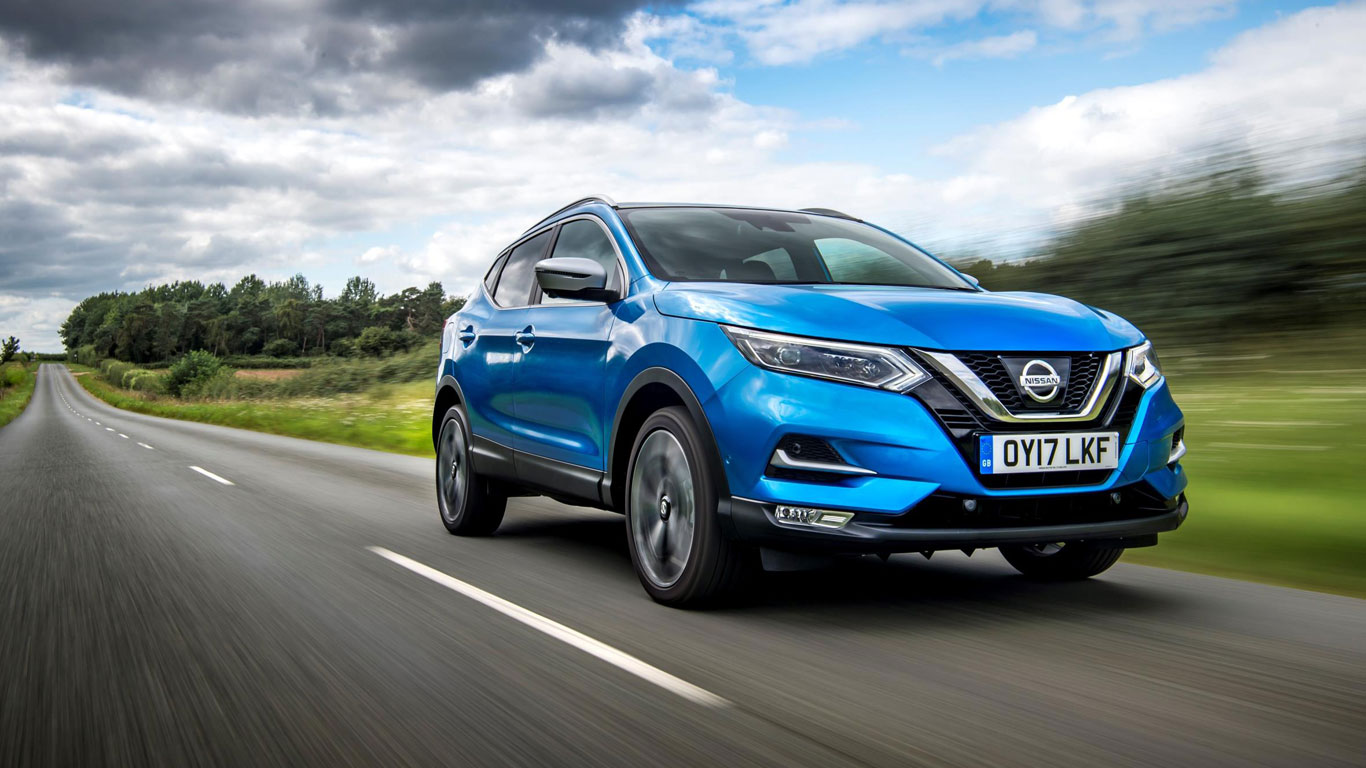
22: Nissan Qashqai/Rogue Sport
2017 global sales: 515,718
There are no such problems for the Nissan Qashqai – or Rogue Sport in the USA – which has recorded an 18.9 percent increase in registrations. The Qashqai is also the most popular crossover in the UK.
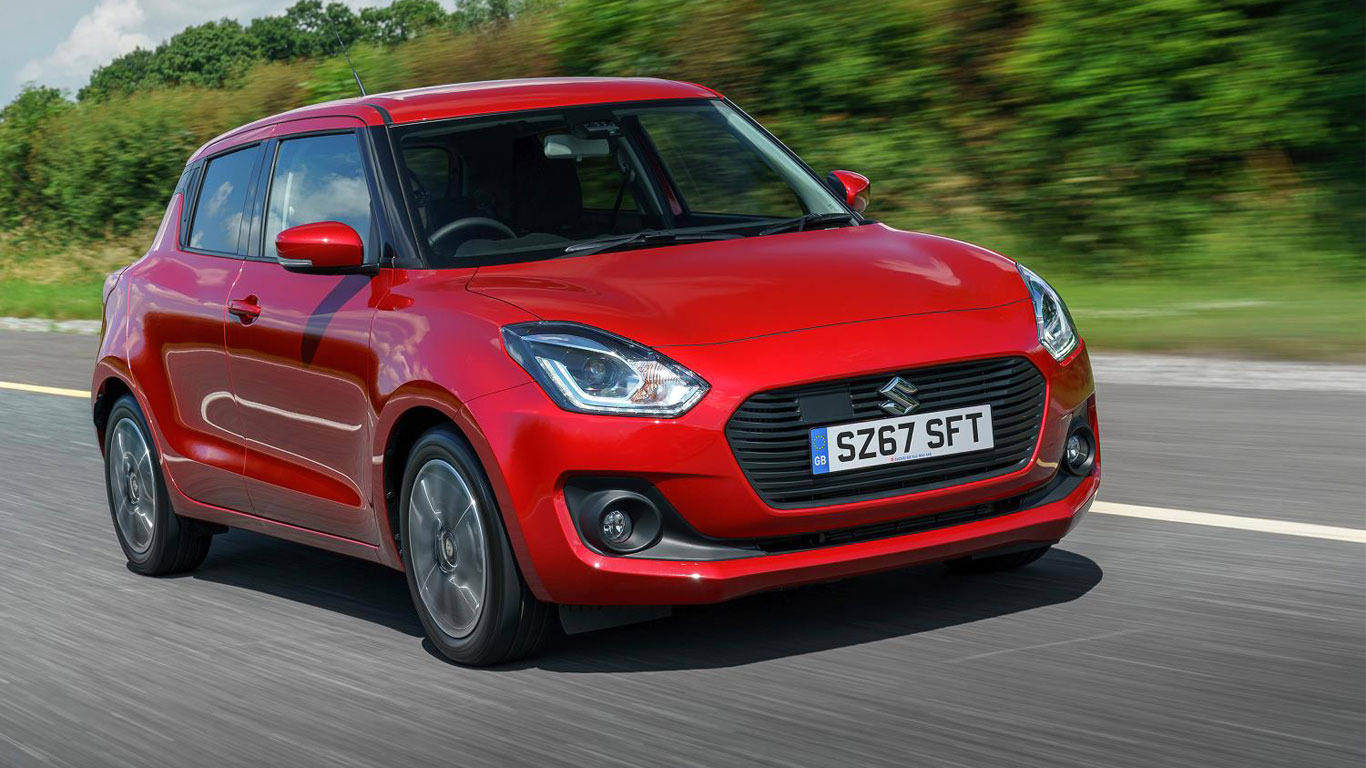
21: Suzuki Swift
2017 global sales: 521,510
The arrival of a new Suzuki Swift has seen registrations increase by 6.1 percent, making it one of the world’s most popular superminis. Note that the Ford Fiesta is absent from the top 25. A new Swift Sport will join the range in the summer.
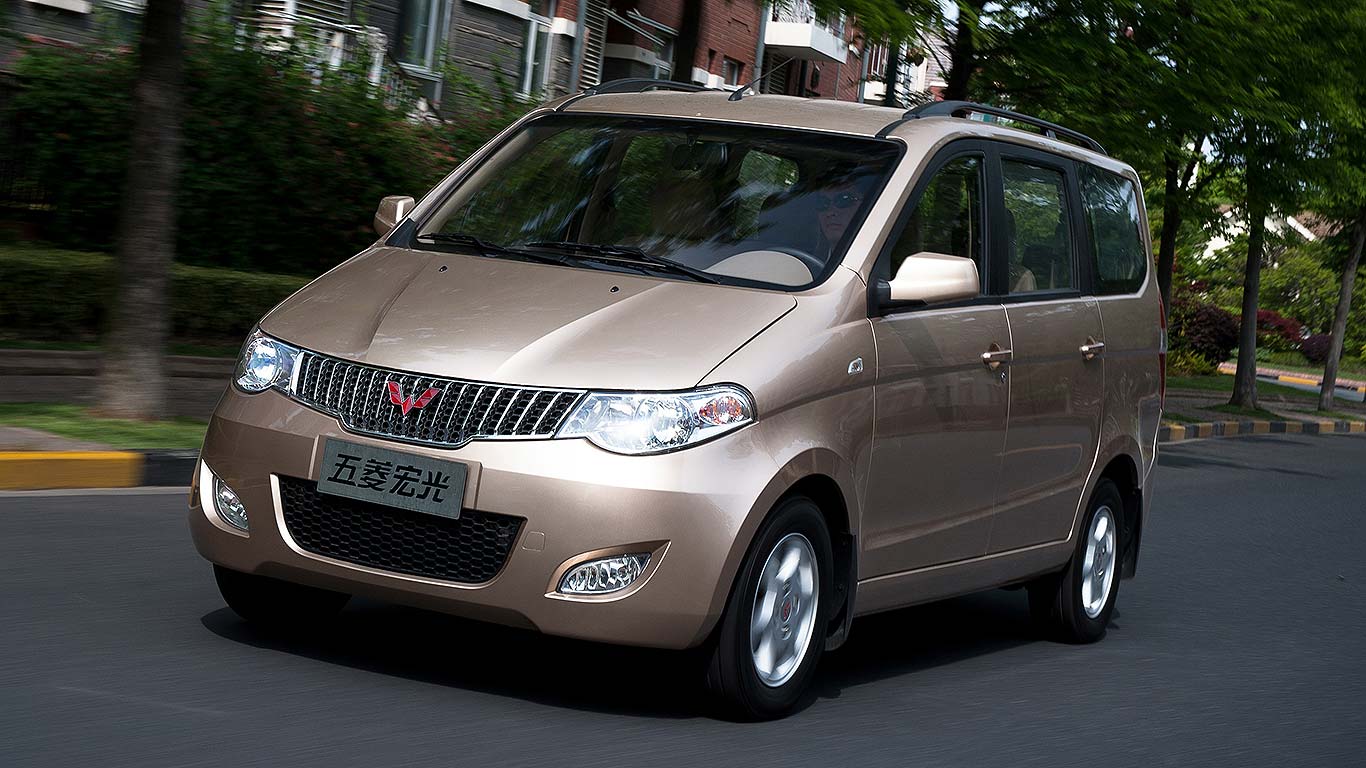
20: Wuling Hong Guang
2017 global sales: 538,908
The Hong Guang is an extremely successful nameplate, which has recorded sales of more than 3.5 million units over the past seven years. Last year, the seven-seat MPV was joined by the Hong Guang S3, the first SUV from the Wuling brand.
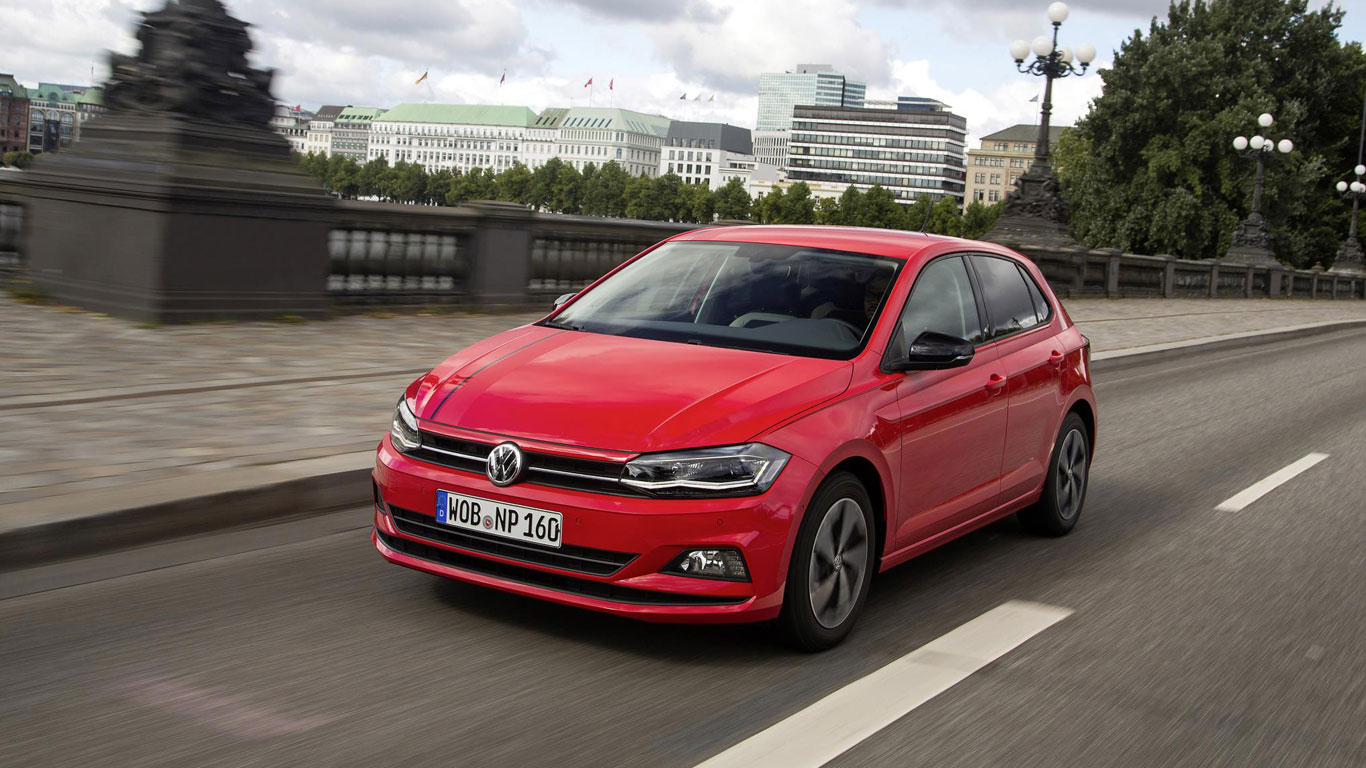
19: Volkswagen Polo
2017 global sales: 550,004
Volkswagen Polo registrations are down, partly, we suspect, due to the arrival of the sixth-generation model. Given a full year of sales, we expect the Polo to reverse the decline in sales.
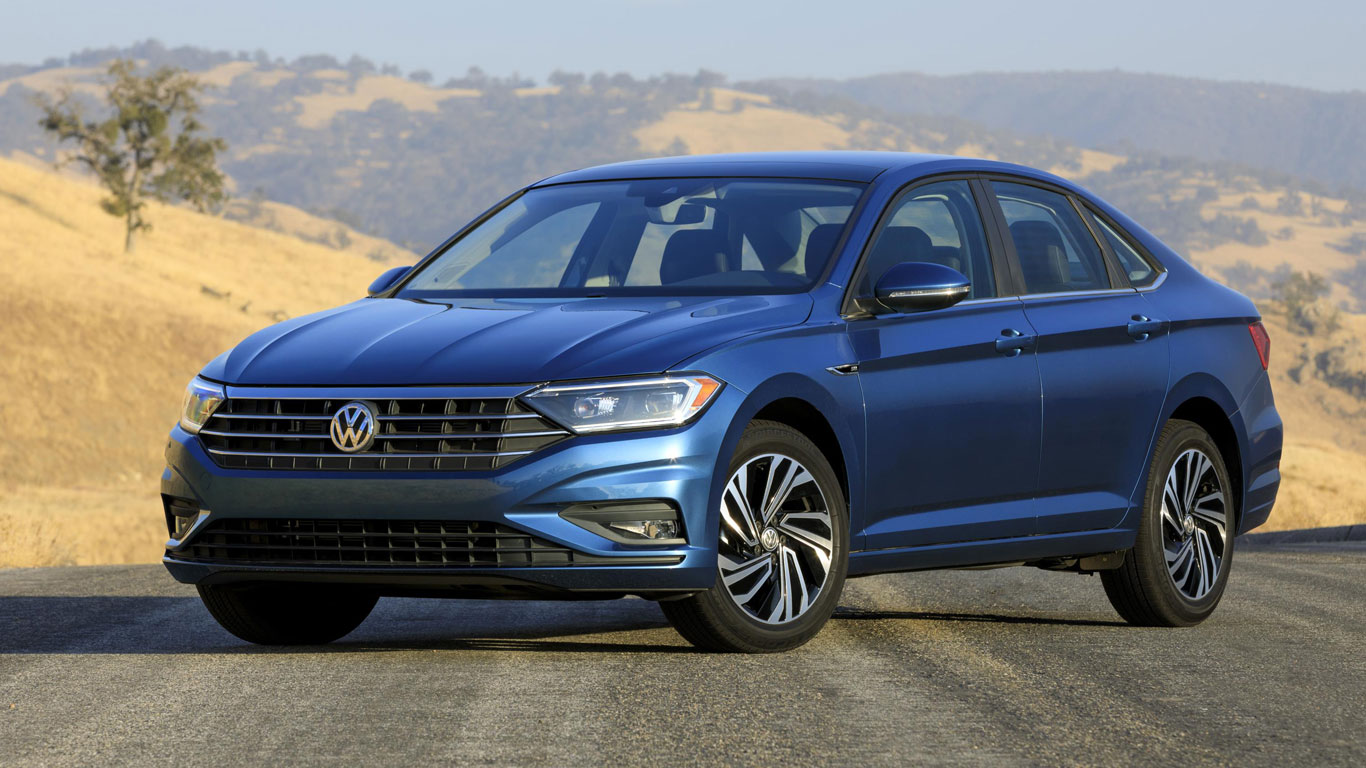
18: Volkswagen Bora/Jetta/Sagitar/Vento
2017 global sales: 552,513
The booted Volkswagen Golf goes by a number of different names across the world, but it’s no longer offered in the UK. Registrations are down 6.9 percent.
17: Hyundai Tucson
2017 global sales: 573,937
The continued rise in the popularity of SUVs and crossovers isn’t enough to stop the Hyundai Tucson recording a 4.3 percent fall in registrations. That said, 574k sales is hardly a drop in the ocean.
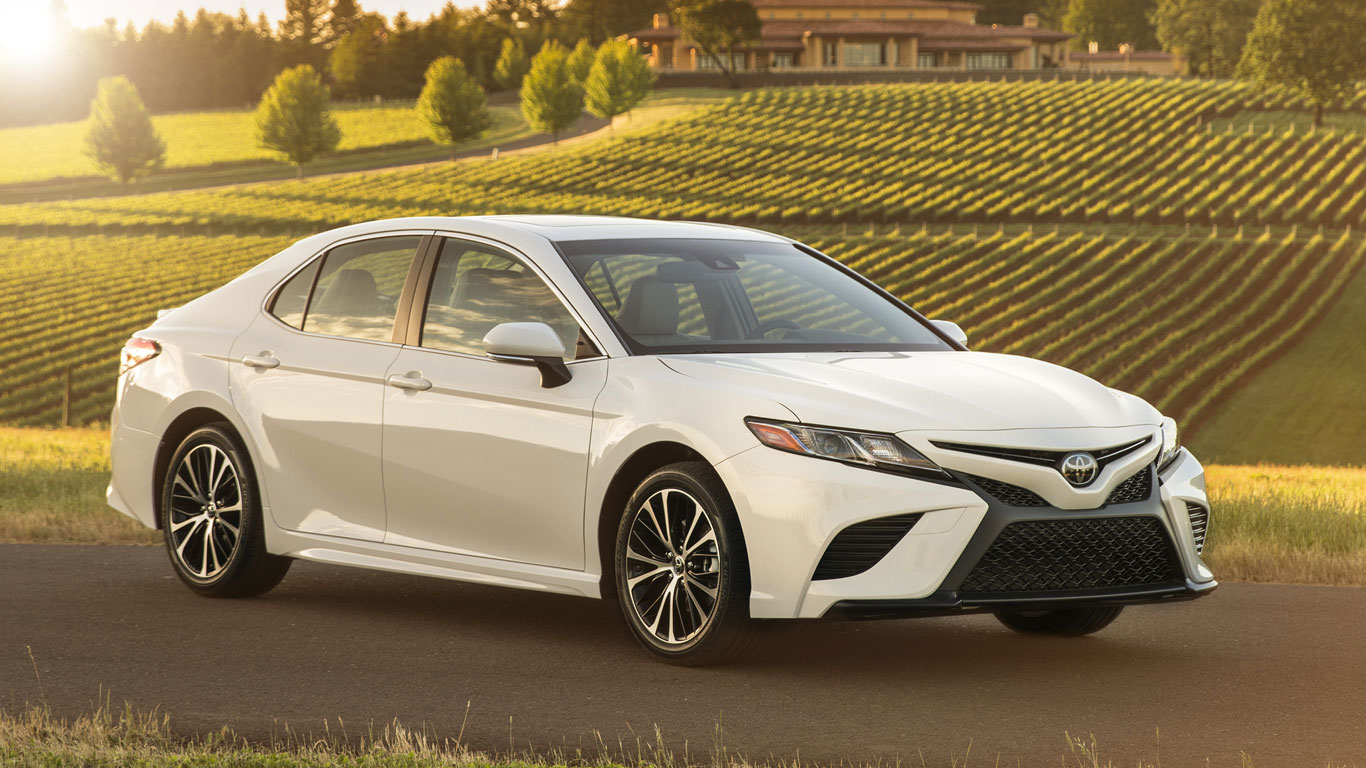
16: Toyota Camry/Aurion
2017 global sales: 579,113
Since the dawn of time, the Toyota Camry has been locked in a battle with the Honda Accord for saloon car supremacy in the United States. So much so that the Toyota website includes a section on why the Camry beats the Accord. One of the reasons is a CD player. Welcome to 2018, Toyota.
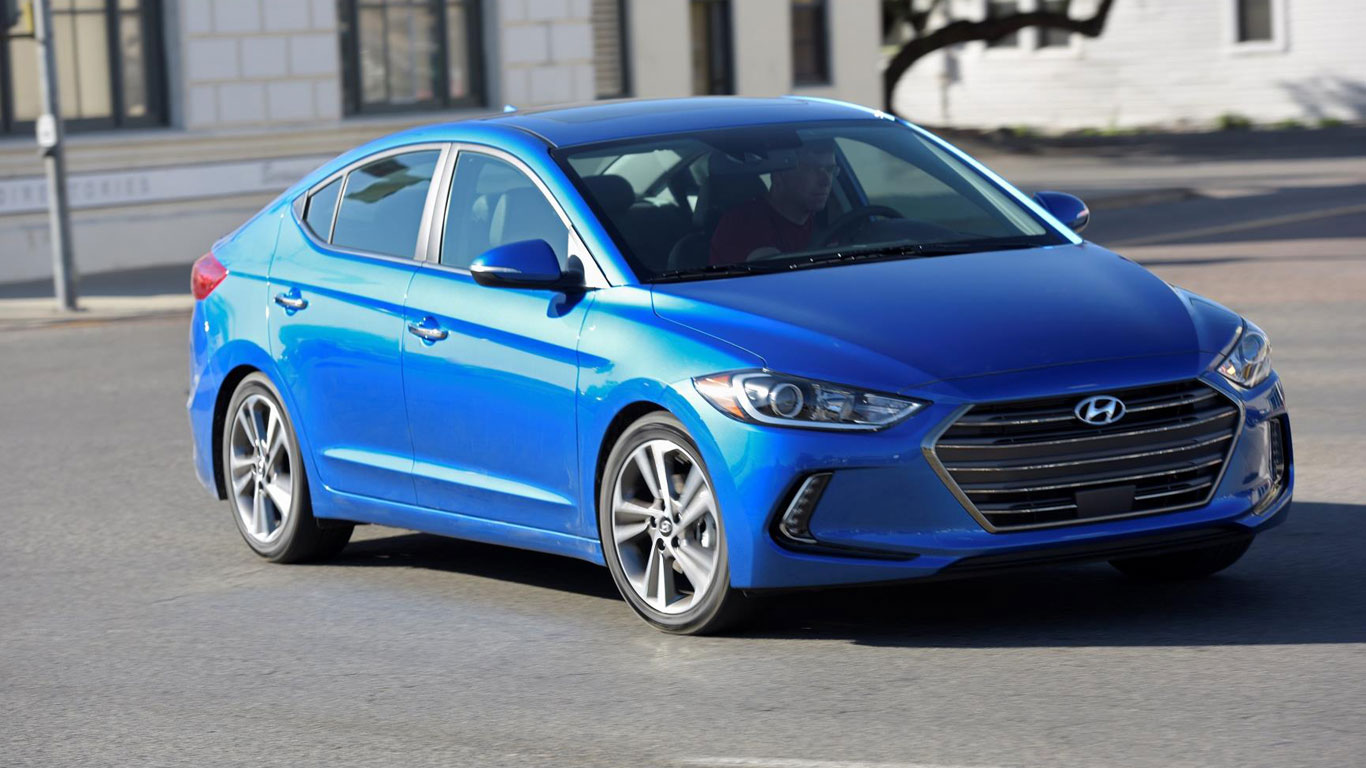
15: Hyundai Avante/Elantra
2017 global sales: 610,992
You might remember the Hyundai Elantra as the car driven by people with a penchant for tins of travel sweets and beige slacks. It may have departed these shores around a decade ago, but it remains a global sales star.
14: Ram pick-up
2017 global sales: 614,595
The Ram pick-up is the third best-selling pick-up… in the world. The fact that all three appear in the top 14 tells you all you need to know about the size of the pick-up market in North America.
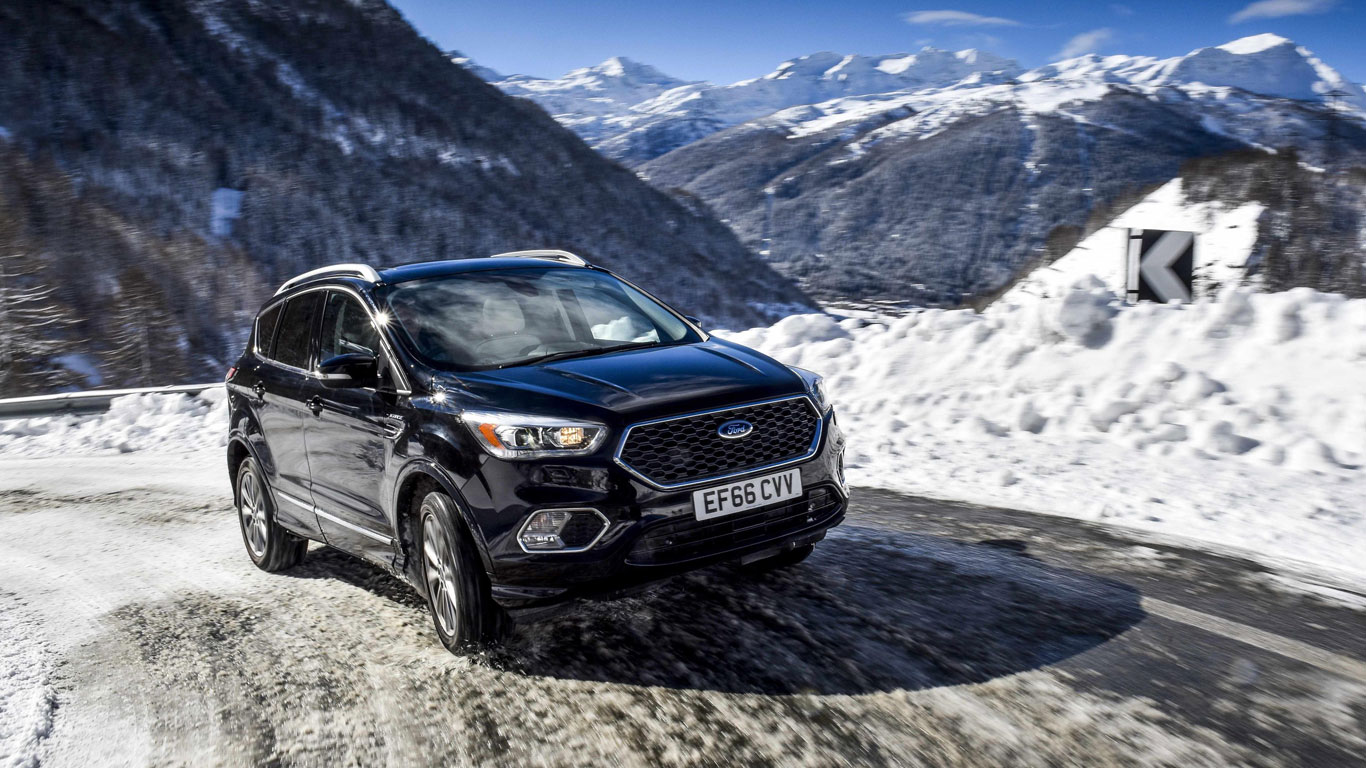
13: Ford Escape/Kuga
2017 global sales: 644,622
The Ford Kuga is marketed as the Espace in North America. Rather apt, considering there’s no escaping the relentless march of the crossover-SUV.
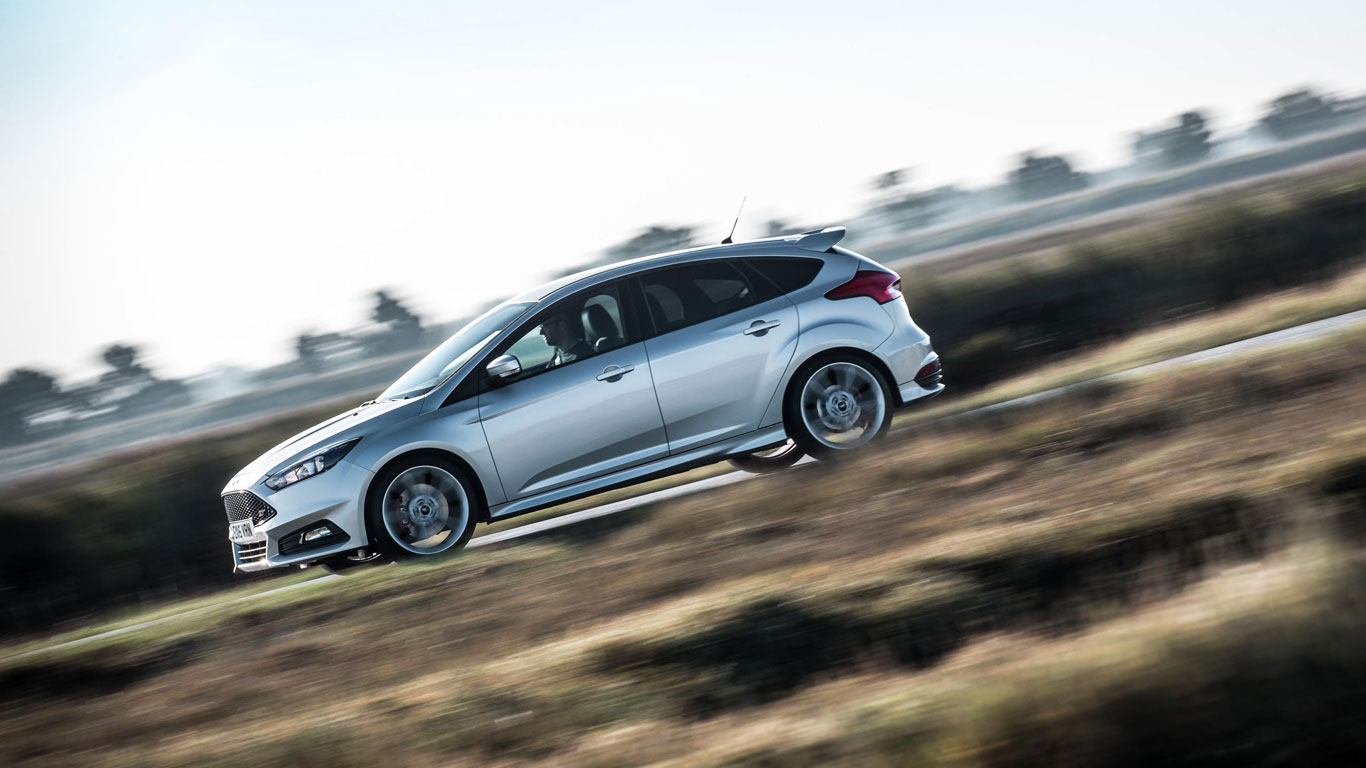
12: Ford Focus
2017 global sales: 647,521
A new Ford Focus will arrive in the summer, and on this evidence it can’t come soon enough. While 648k registrations isn’t too shabby, it represents a 10.4 percent fall, year-on-year.
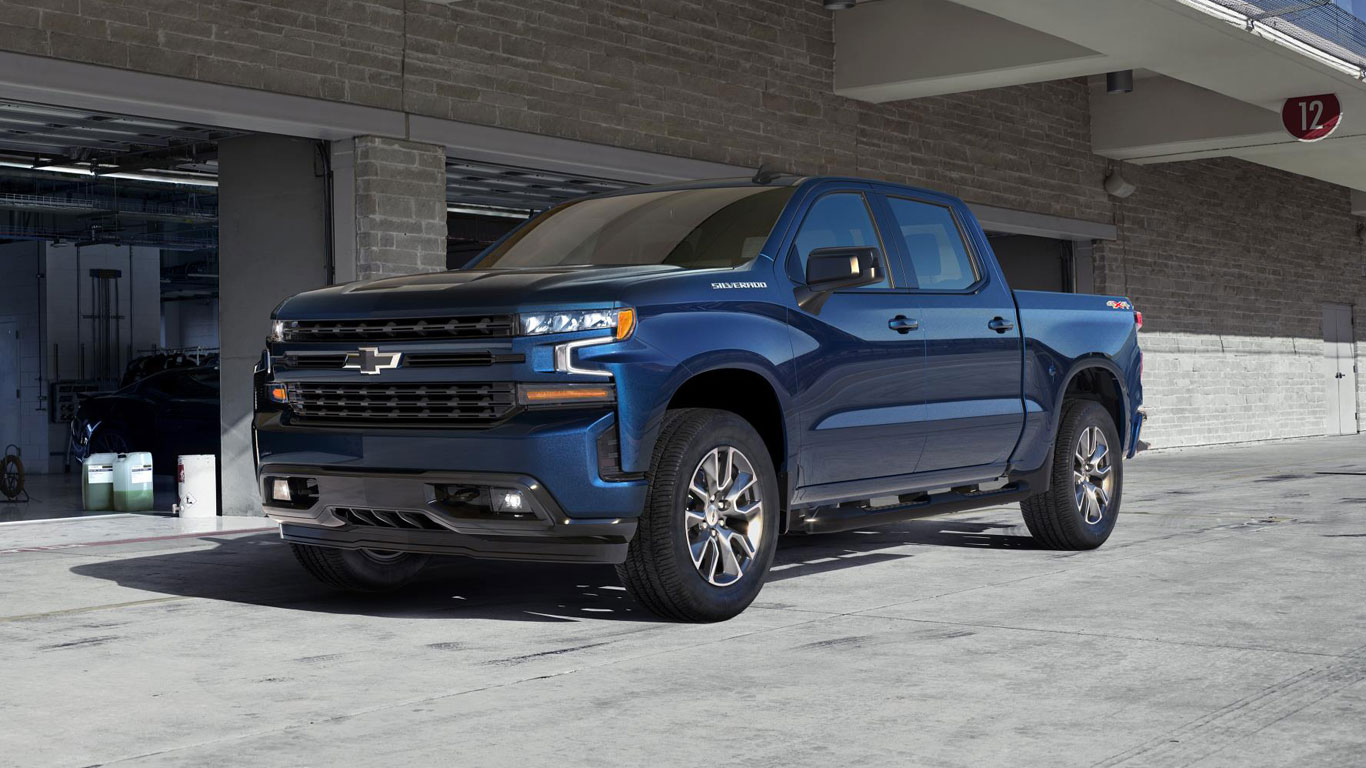
11: Chevrolet Silverado
2017 global sales: 656,106
Imagine selling 656k pick-ups and not being top dog. That’s the reality facing the Chevrolet Silverado, which is forced to live in the shadow of its all-conquering rival. On the plus side, registrations were up 3.5 percent in 2017.
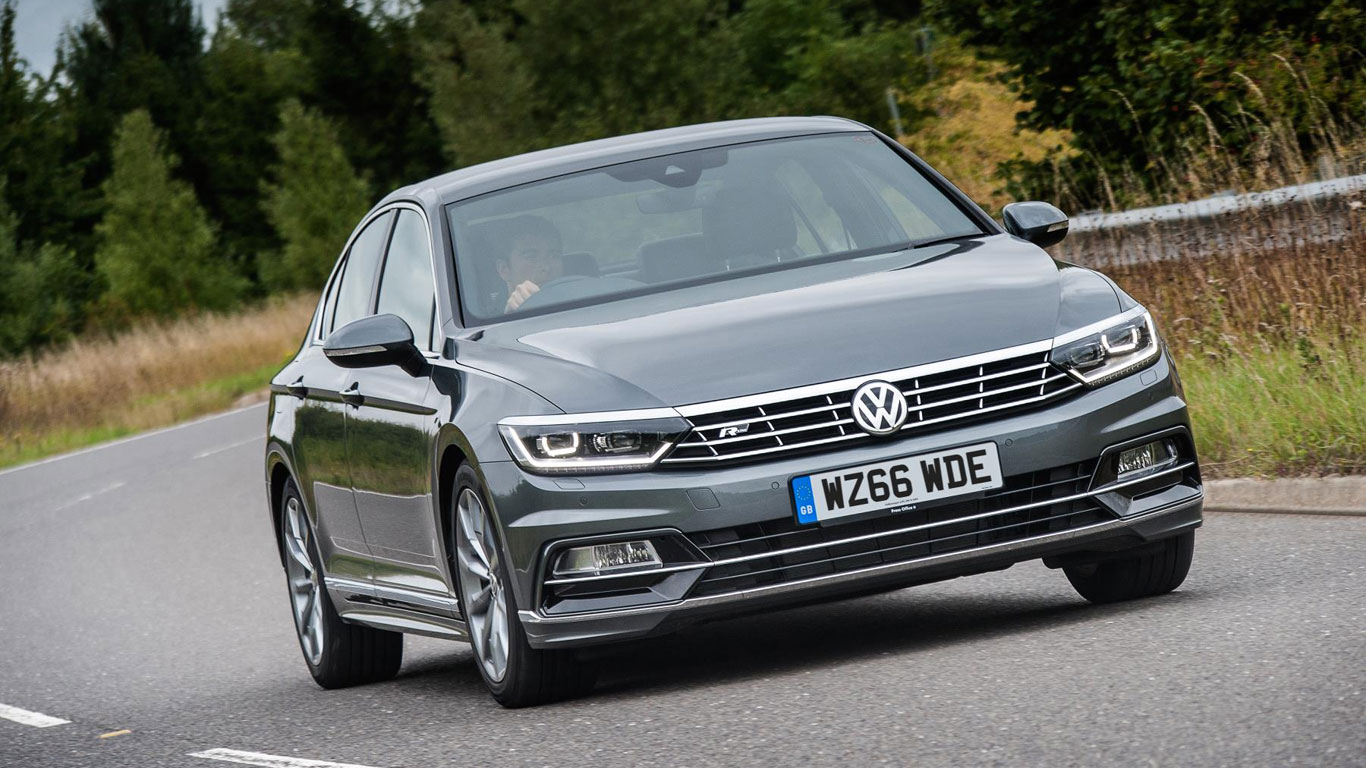
10: Volkswagen Passat/Magotan
2017 global sales: 673,471
Volkswagen Passat registrations are down 3.7 percent. The company is expected to launch a new version in 2019.
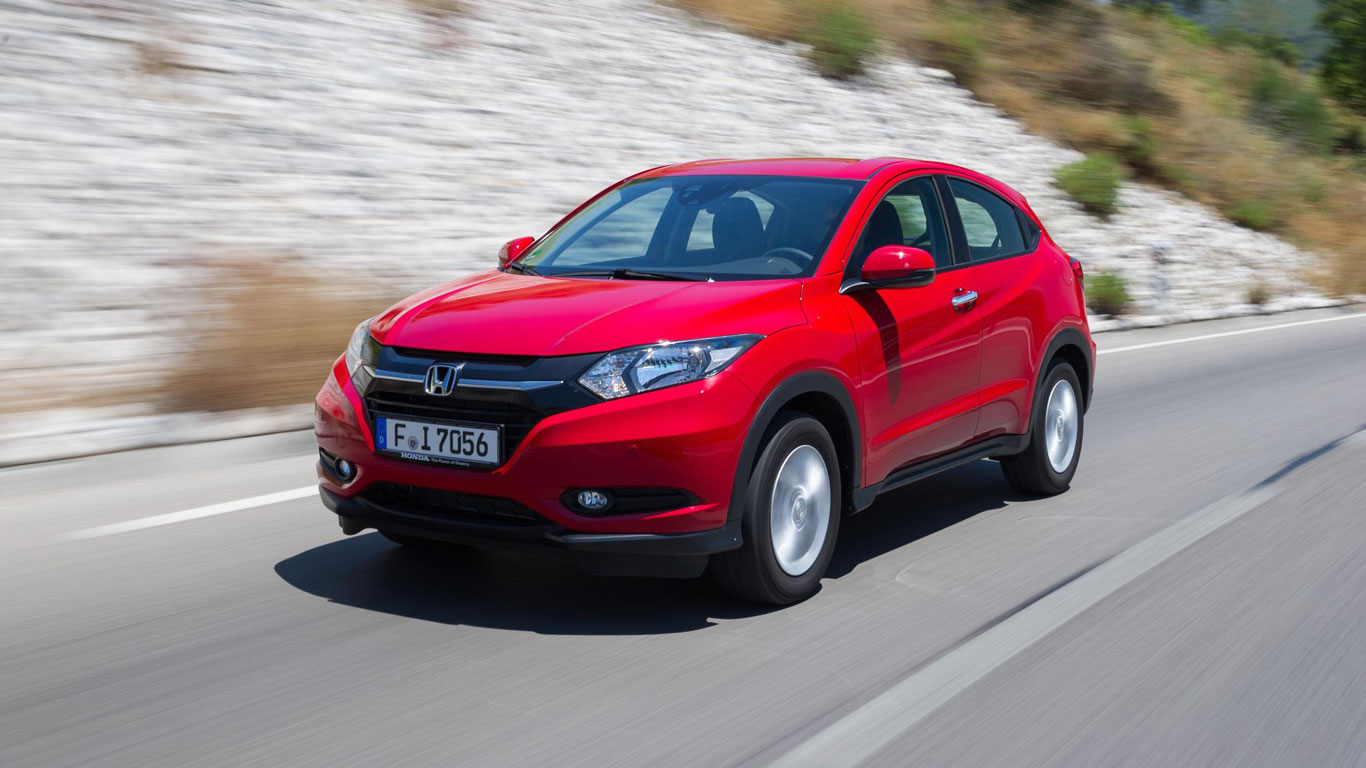
9: Honda HR-V/XR-V/Vezel
2017 global sales: 689,798
For the third year in succession, the Honda HR-V is named the world’s most popular small SUV by JATO Dynamics. Registrations were down 3.9 percent in 2017.
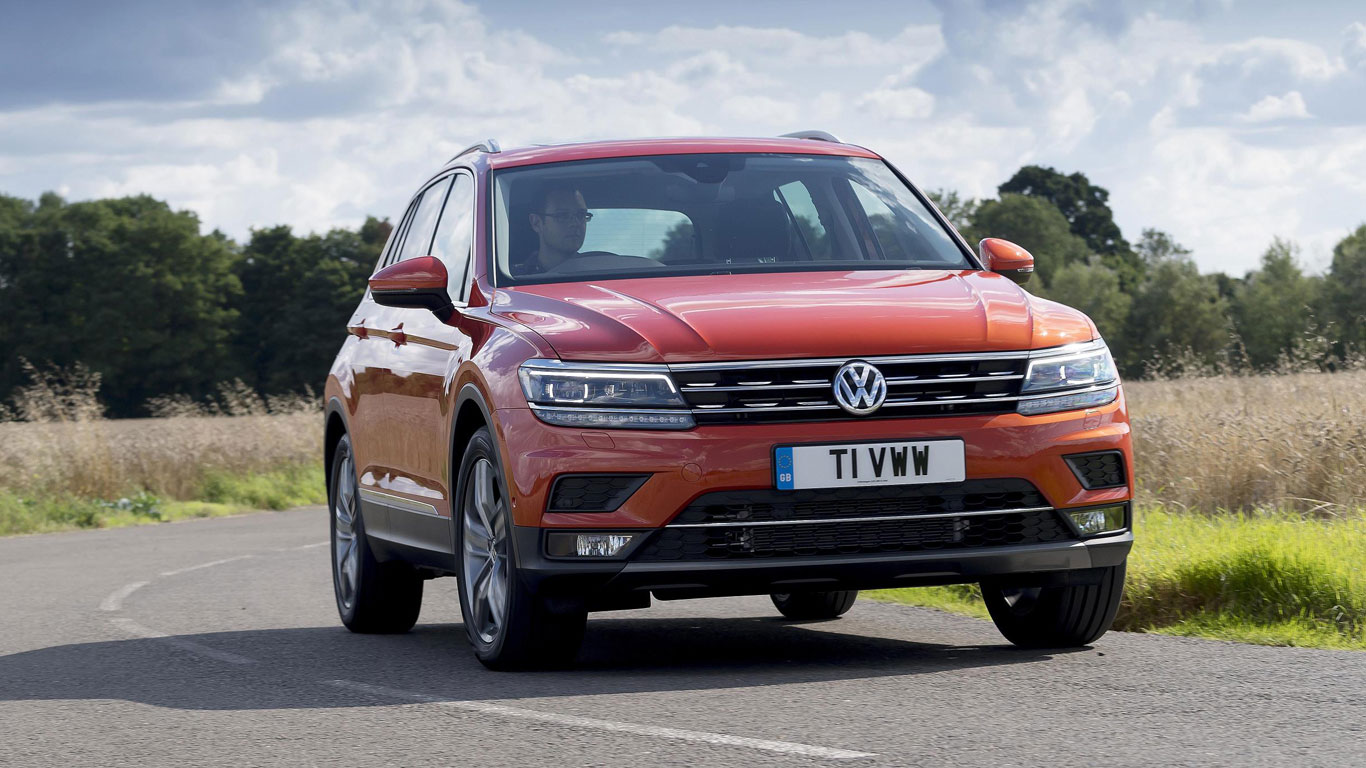
8: Volkswagen Tiguan
2017 global sales: 695,383
With a 34 percent increase in registrations, the Volkswagen Tiguan was the biggest mover in the top 25. You can thank the arrival of a new and much-improved model for the increase in sales.
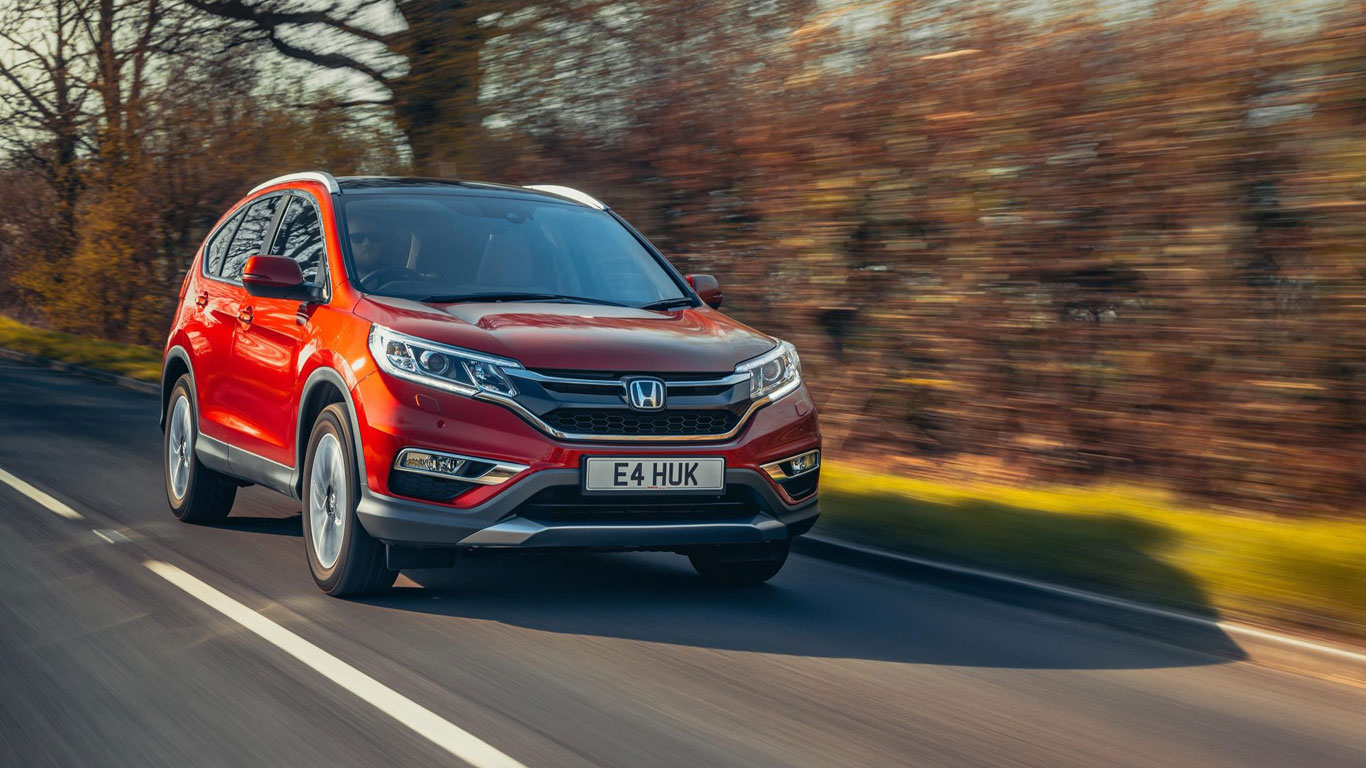
7: Honda CR-V
2017 global sales: 749,151
The Honda CR-V continues to perform well on the global stage, with 749k registrations representing a 6.9 percent increase in sales. A new CR-V will be unveiled at the Geneva Motor Show, with the range including a new hybrid powertrain.
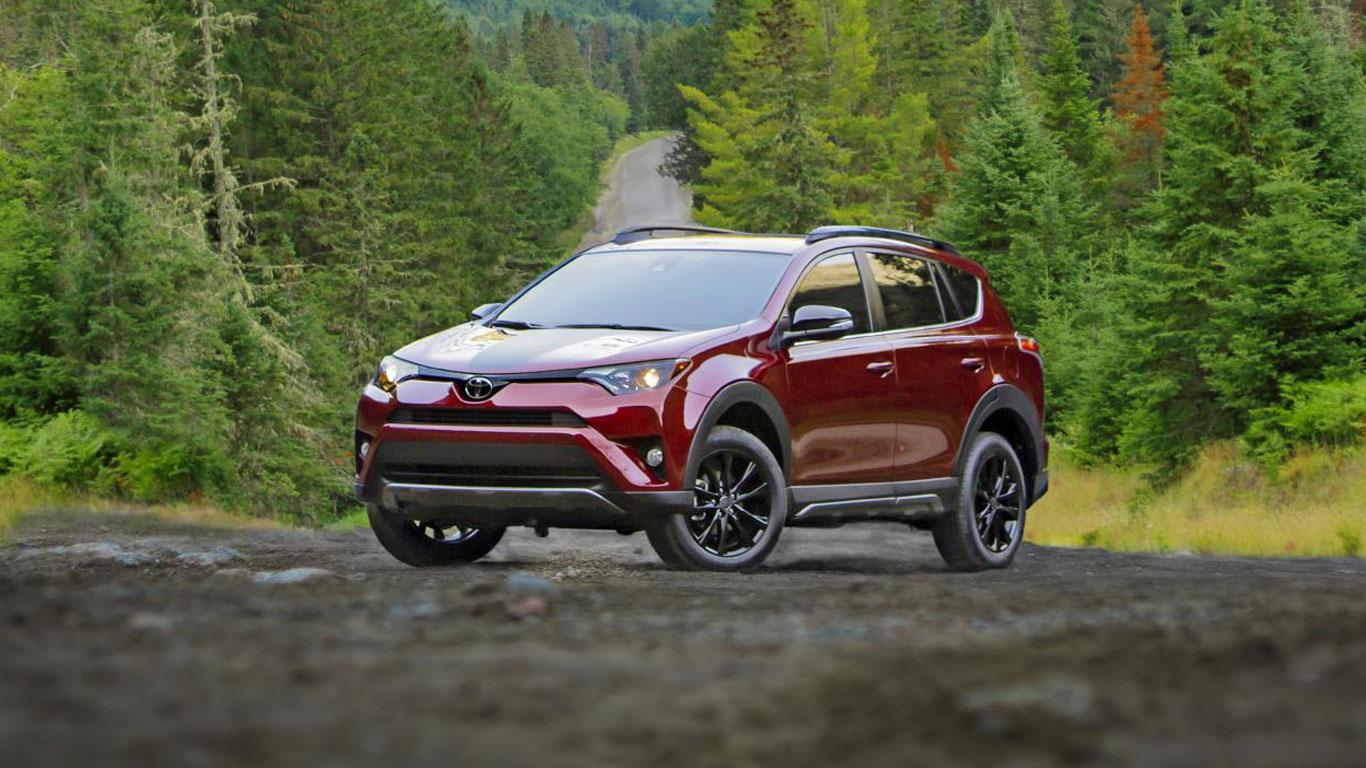
6: Toyota RAV4
2017 global sales: 770,296
The original RAV4 concept was unveiled at the 1989 Tokyo Motor Show, with the first-generation RAV4 arriving in the UK in 1994. Today’s Toyota RAV4 is an altogether different animal, with more universal appeal. In the UK, around two-thirds of RAV4s sold are fitted with a hybrid powertrain.
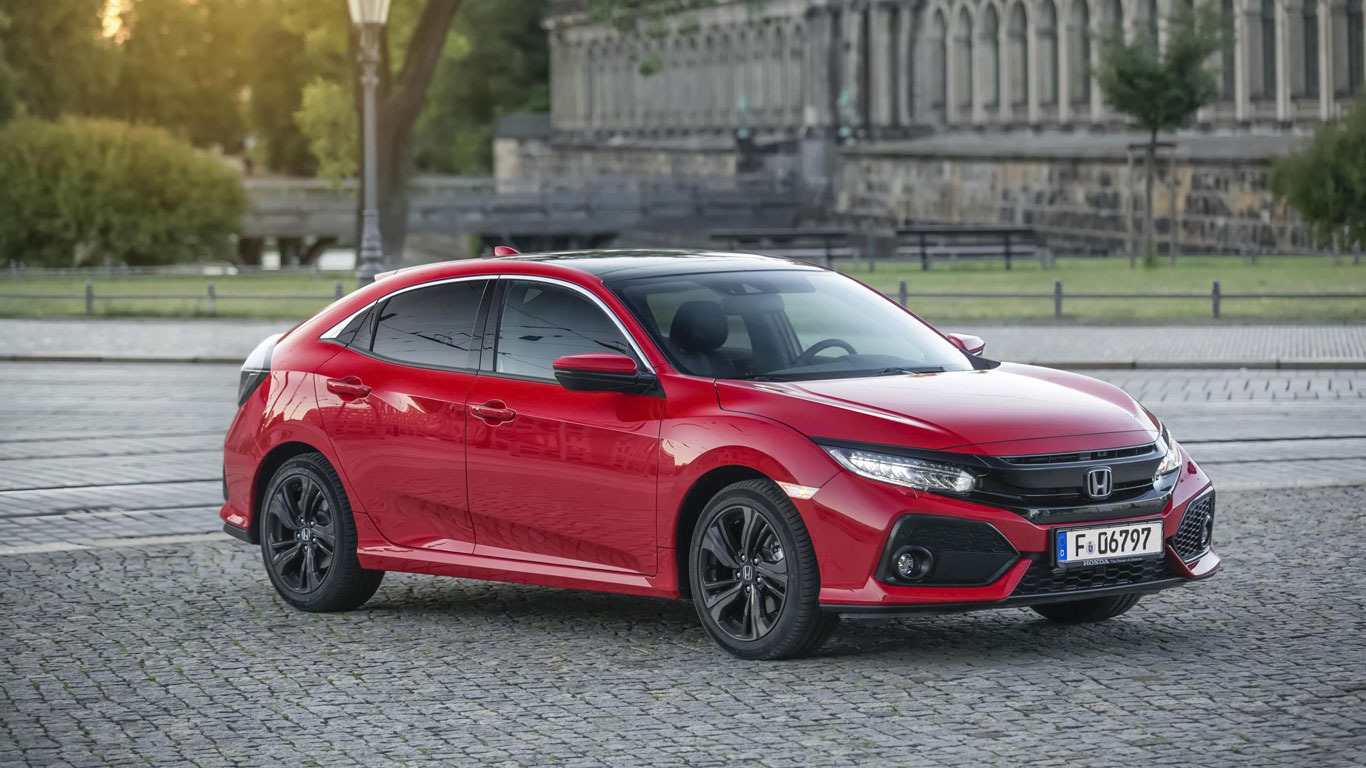
5: Honda Civic
2017 global sales: 800,380
These are the heavyweights of the global car industry: the top five best-sellers of 2017. Honda shifted 800k Civics, which represents a 20.1 percent increase on 2016. Not bad, especially when you consider sales of the Focus and Golf are seemingly on the decline.
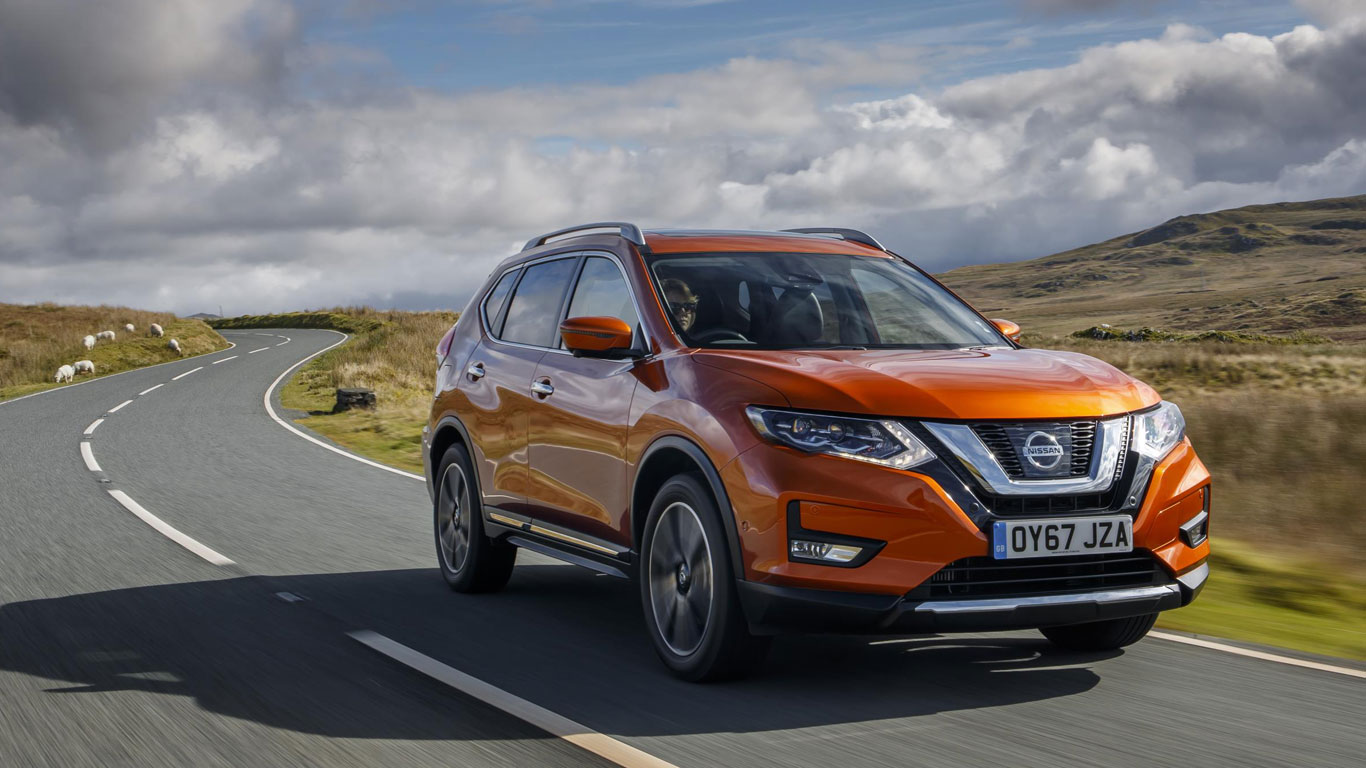
4: Nissan X-Trail/Rogue
2017 global sales: 814,495
The Nissan X-Trail is another car to enjoy a successful 2017, with registrations up 6.5 percent. But that’s not enough to break into the top three.
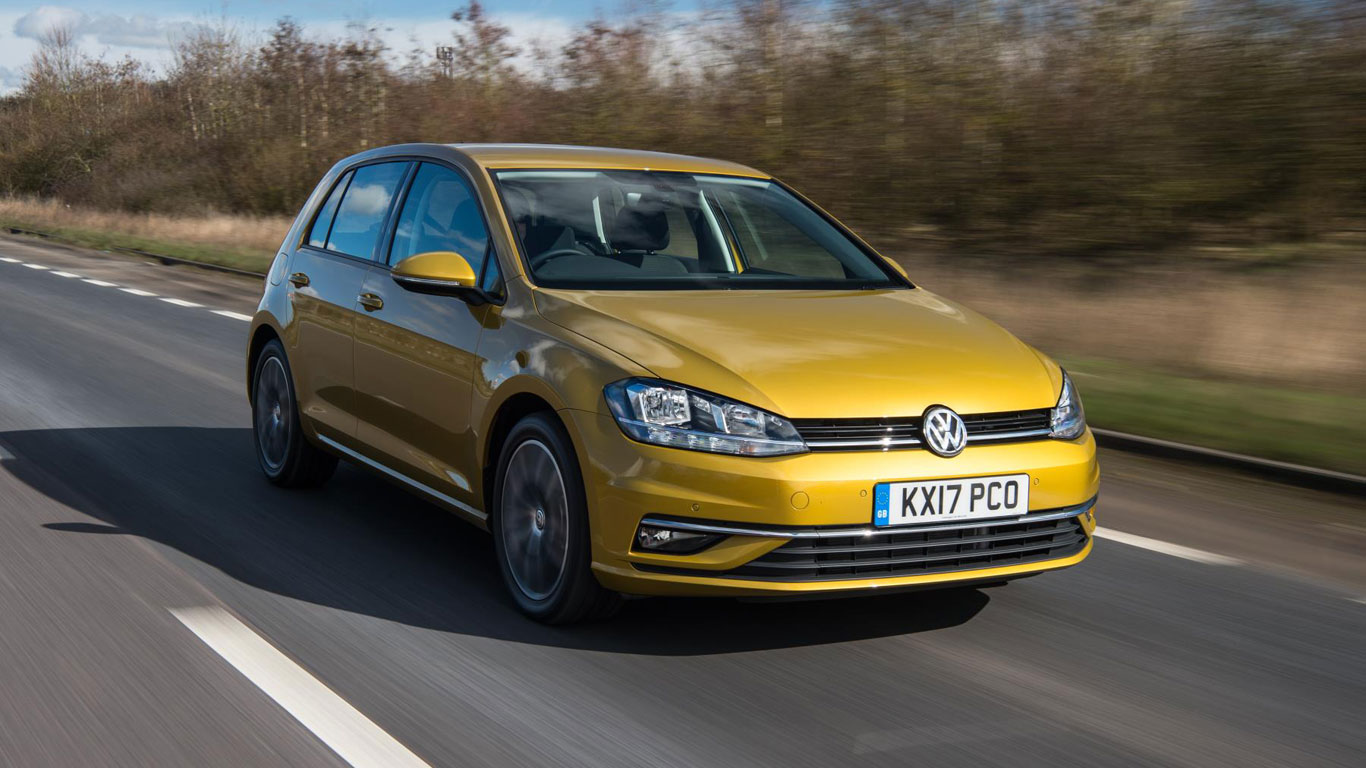
3: Volkswagen Golf
2017 global sales: 867,145
Volkswagen Golf registrations are down 2.5 percent, but it manages to secure a top three position. An all-new eighth-generation Golf will roll off the production line in June 2019.
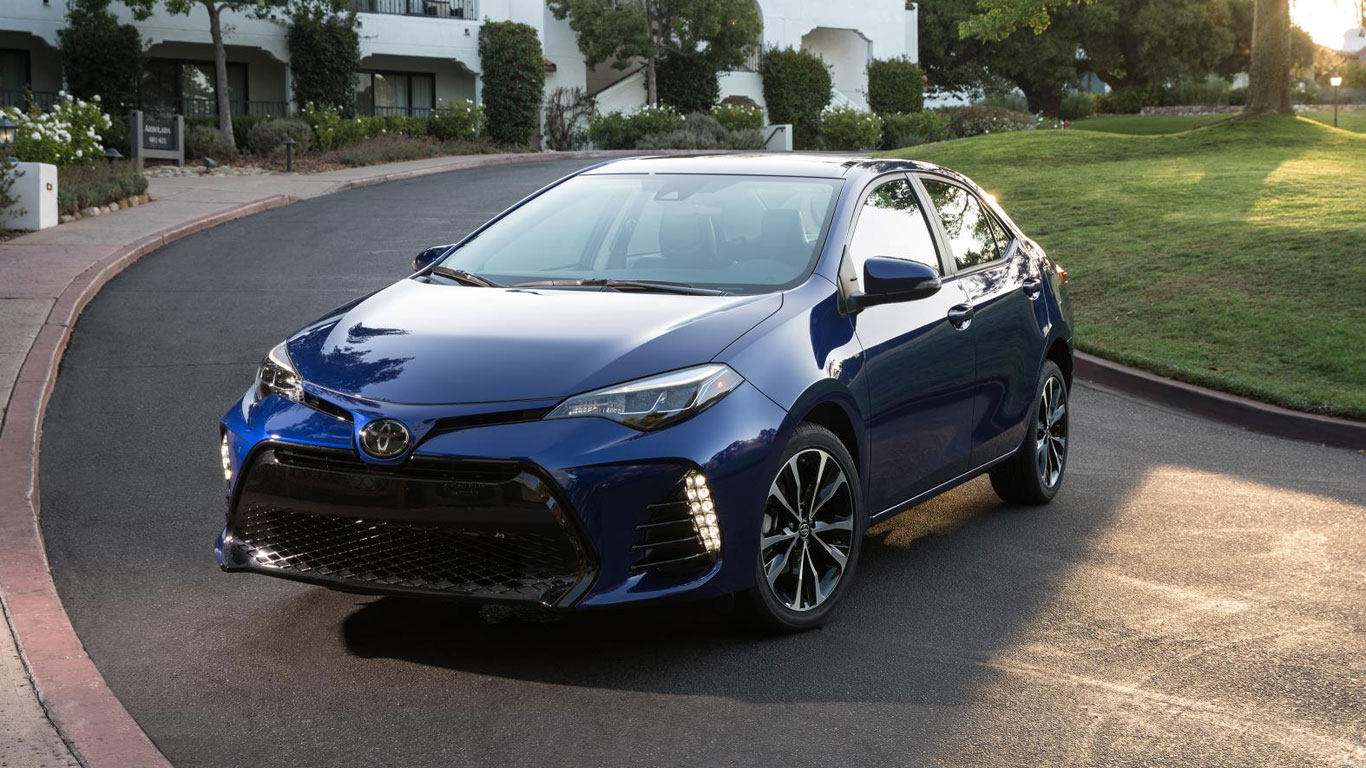
2: Toyota Corolla
2017 global sales: 924,118
The Toyota Corolla has been absent from the UK since 2008, but it’s a phenomenally successful vehicle in other markets. The family car dates back to 1966 and was Toyota’s second model to be imported into the UK.
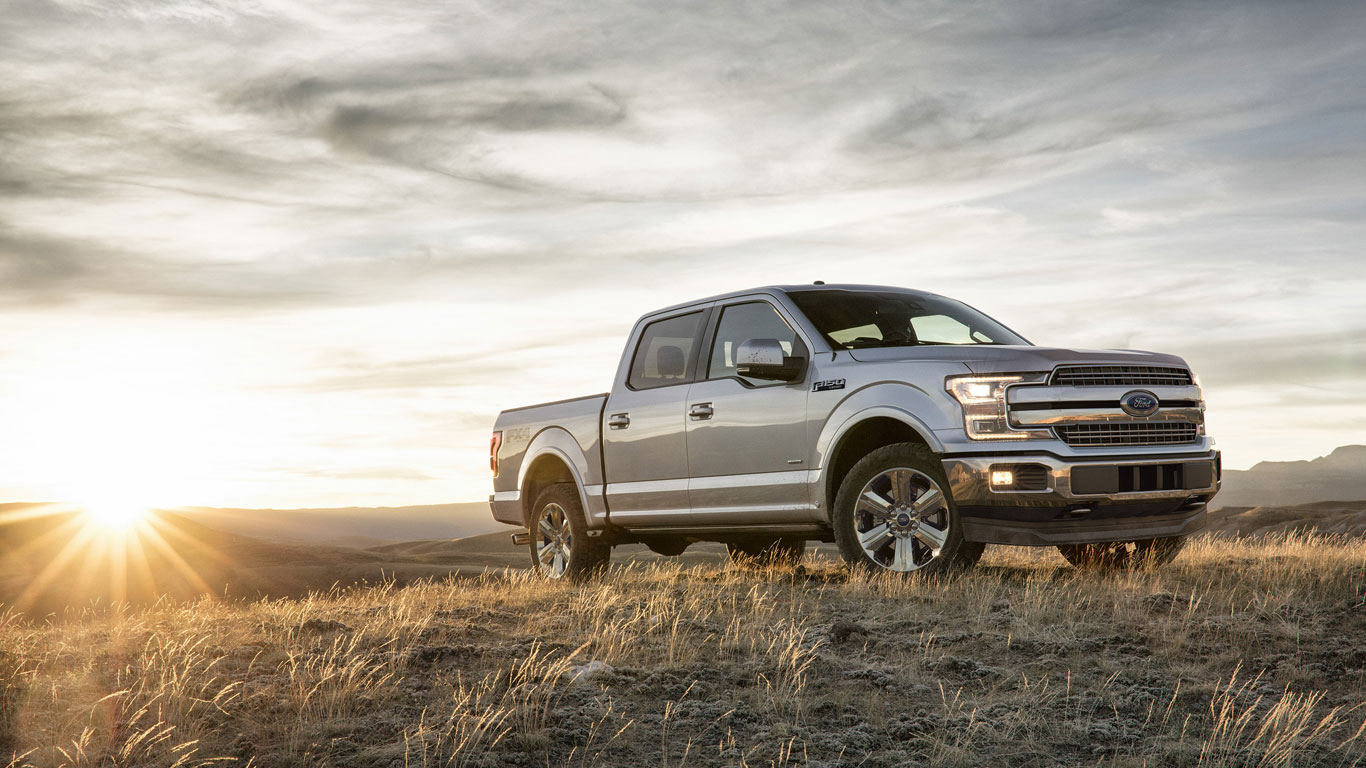
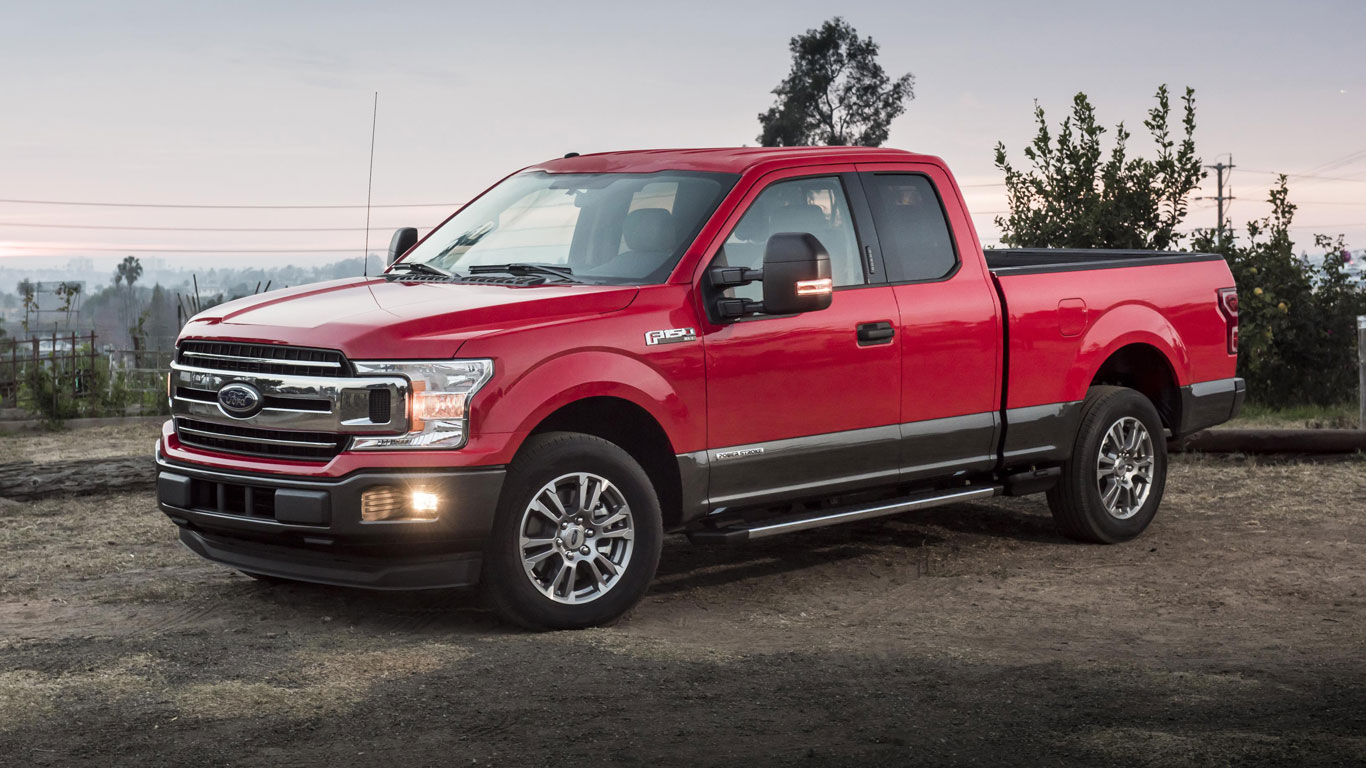
1: Ford F-Series
2017 global sales: 1,073,285
Figuratively and literally, is there no stopping the Ford F-Series? More than one million Ford pick-ups were shifted in 2017, which is all the more remarkable when you consider that the overwhelming majority were sold in North America. Not only that, but registrations are up 8.8 percent. Wow.
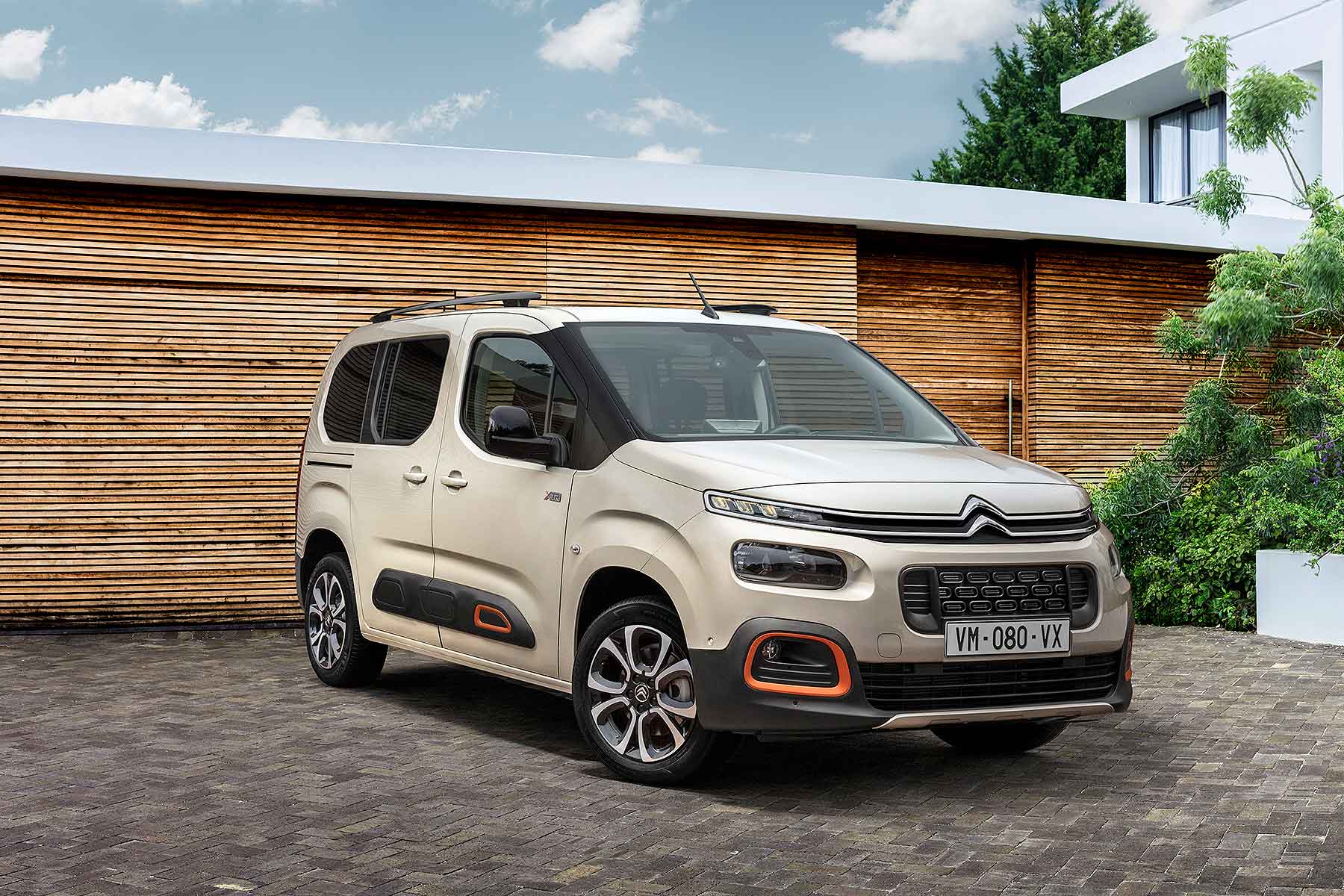
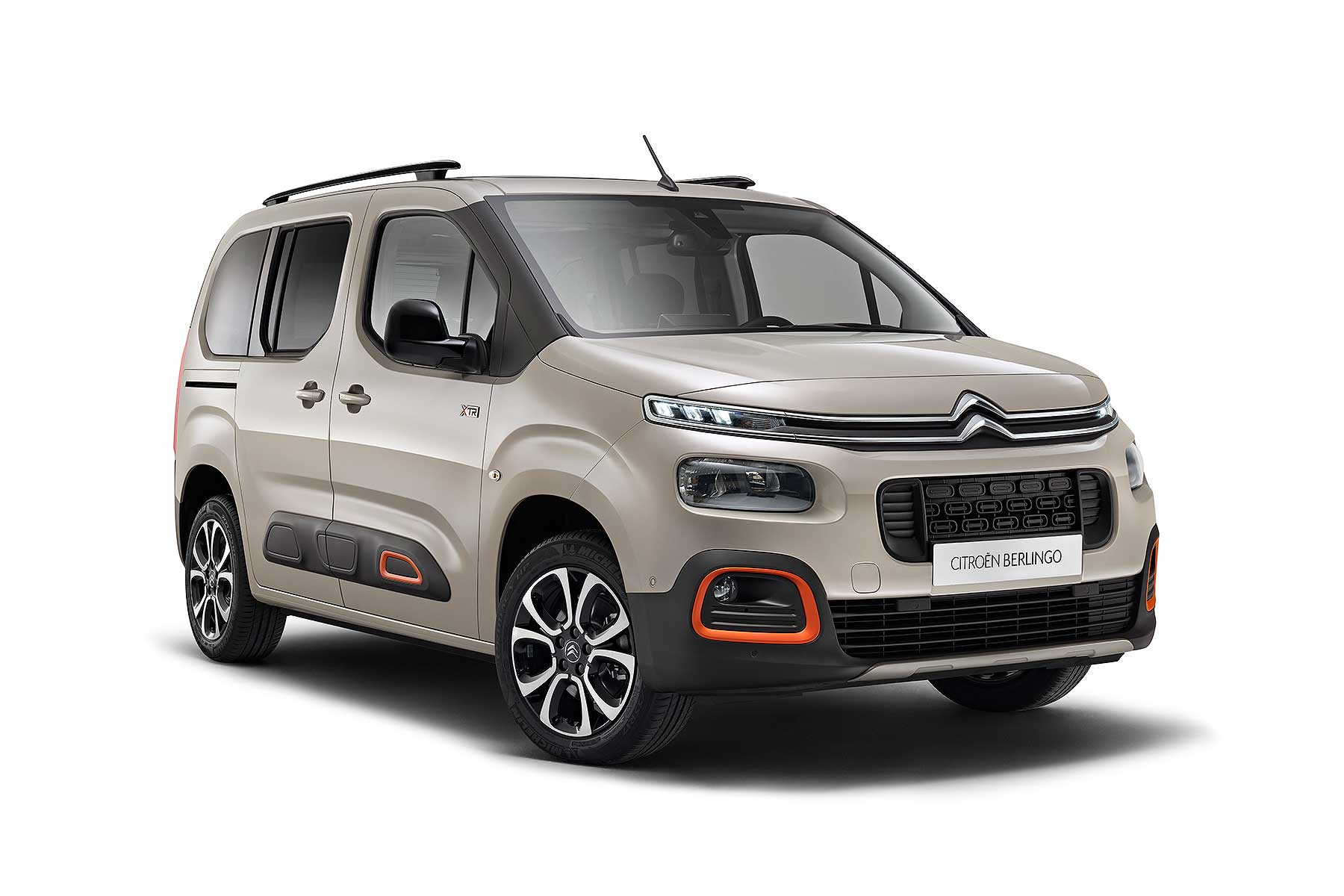
The new Citroen Berlingo Multispace would take one look at a crossover, take a drag on a half-smoked Gauloises, before dismissing it with a Gallic shrug of the shoulders and sauntering off muttering something about stupid young upstarts.
Since its unveiling at the 1996 Paris Motor Show, the Berlingo has cemented a reputation for being one of the most honest and fit-for-purpose vehicles money can buy, and you’ve never required much in the way of cash to secure its services. Twenty-five years ago, a Berlingo cost less than £9,000.
Citroen will do its best to position it as a ‘Leisure Activity Vehicle’ (LAV), but the French company is fooling nobody. The Berlingo Multispace is unashamedly van-based, and that has always been central to its appeal.
Step inside a Berlingo, and it’s like entering a village hall, complete with masses of headroom, a huge expansive area, and the kind of echoes you associate with large, open spaces, spaces, spaces, spaces…
And like the village hall, you could probably use it to house the post office on a Thursday morning and the table tennis club on a Tuesday night. Multispace by name, Multispace by nature.
Initial sales were slow, right up until the point when Jeremy Clarkson gave the Berlingo the seal of approval. On a booze cruise to France, the then Top Gear presenter waxed lyrical about the van-based Citroen, praising its value for money, sliding doors, ample storage and ride quality.
One steak fracas, a facelift and a new model later – for the Berlingo, mostly – Citroen is about to unveil the new Berlingo Multispace at the 2018 Geneva Motor Show. So, what’s new?
Van Morrison
It retains its van-based origins, which means enough space in which to swing a crêpe, a pair of sliding doors, a vast tailgate, and more flexibility than an Olympic gymnast.
Naturally, the styling slots neatly into the Citroen stable, with the Berlingo Multispace having the look of a taller and more upright C3 Aircross. Fans of the outgoing C4 Cactus will be pleased to see Airbump panels at the bottom of the doors.
On the inside, the airy cabin and high-set driving position remain, while the seats can be folded to create a flat floor through to the folding passenger seats. Two sizes are available: M and XL, measuring 4.40m and 4.75m in length, respectively, with five and seven seats.
Boot space has been increased by 100 litres to 775 litres in the M version, or 1,050 litres in the XL version with five seats. Just like the original, you’ll spend some time discovering the 28 different cubbies, pockets and bins, which combine to provide 186 litres of interior storage space.
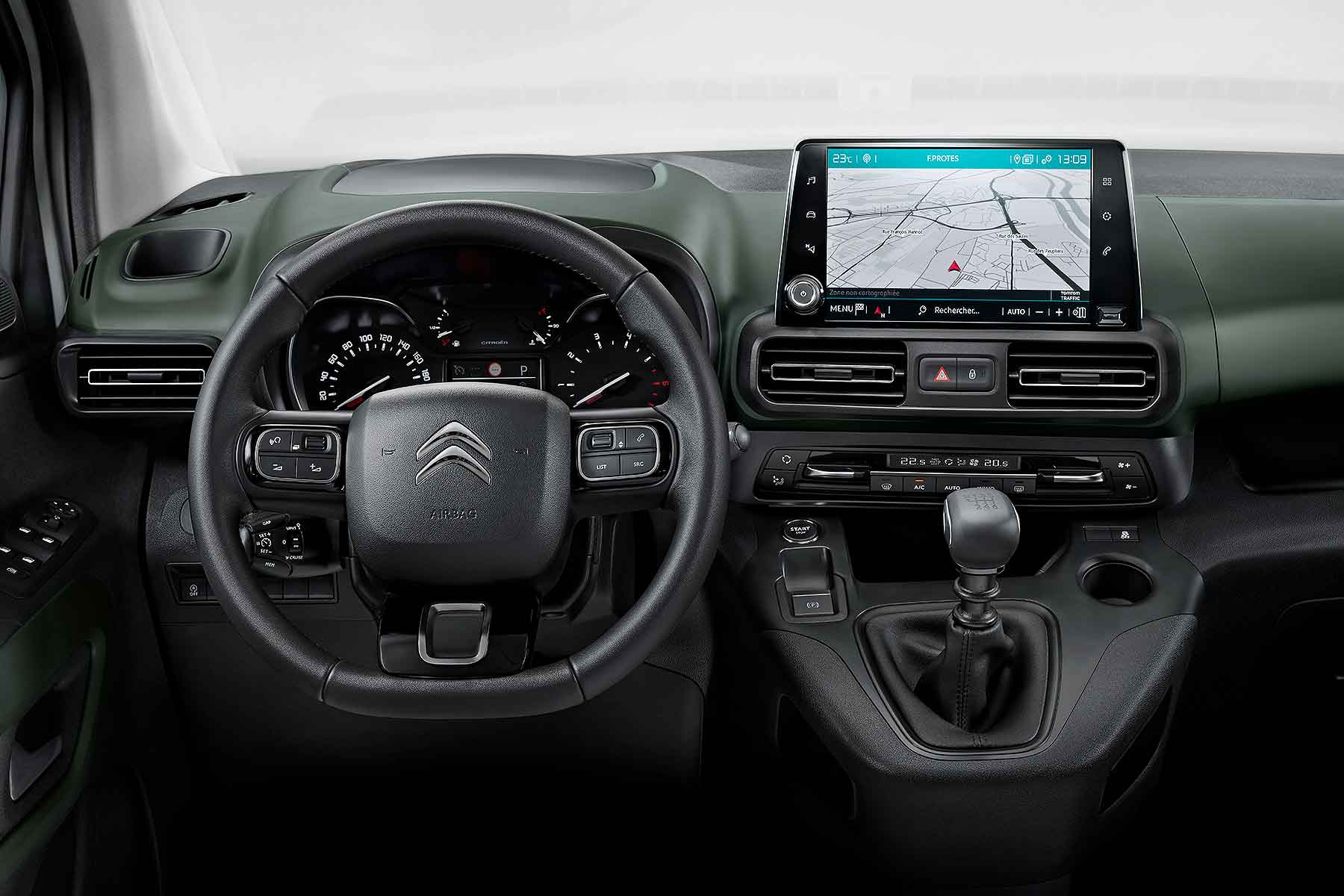
In common with the Cactus, the passenger airbag has been moved to the ceiling, which provides space for a secondary glovebox, known as the Top Box. This can be cooled (depending on the version) and contains a USB socket, jack audio socket, and enough space for a 15-inch laptop.
But space and practicality are no longer enough, not even for a van-based MPV… sorry, LAV. If Citroen wants to add to the 3.3 million or so sales to date, it needs to add improved functionality and technology.
Van Halen
There are no fewer than 19 driving assistance systems, including a colour head-up display, lane departure warning, driver attention alert, adaptive cruise control, park assist, blind spot monitoring, and auto-navigation to the nearest Carrefour or Mr Bricolage. Probably.
And while the Berlingo Multispace is front-wheel drive, the Grip Control with hill descent assist should provide enough traction for the majority of drivers. You can even add a trailer stability control system if the dog doesn’t fancy sharing the ride with a crate load of Beaujolais.
Further hints of modernity include an 8-inch touchscreen infotainment system, wireless smartphone charging, Apple CarPlay and Android Auto. A range of petrol and diesel engines will be available, along with the introduction of an 8-speed EAT8 automatic transmission.
Far from being a niche model, the Berlingo is an incredibly important vehicle for Citroen. It’s the top-selling Citroen in nearly 17 countries and is the brand’s second best-seller behind the C3. While other manufacturers sweat over finding new niches, the Berlingo Multispace remains resolutely down-to-earth and unashamedly unfashionable. Combine this with the new safety tech and connectivity, and it’s hard to see it becoming anything other than a success.
Prices have yet to be announced, but the new Citroen Berlingo Multispace will be built in Spain and will launch in the second half of 2018. Still want that fashionable but compromised crossover?
In summary: 2018 Citroen Berlingo Multispace
Built: Vigo, Spain
Debut: 2018 Geneva Motor Show
On sale: second half 2018
Price: tbc
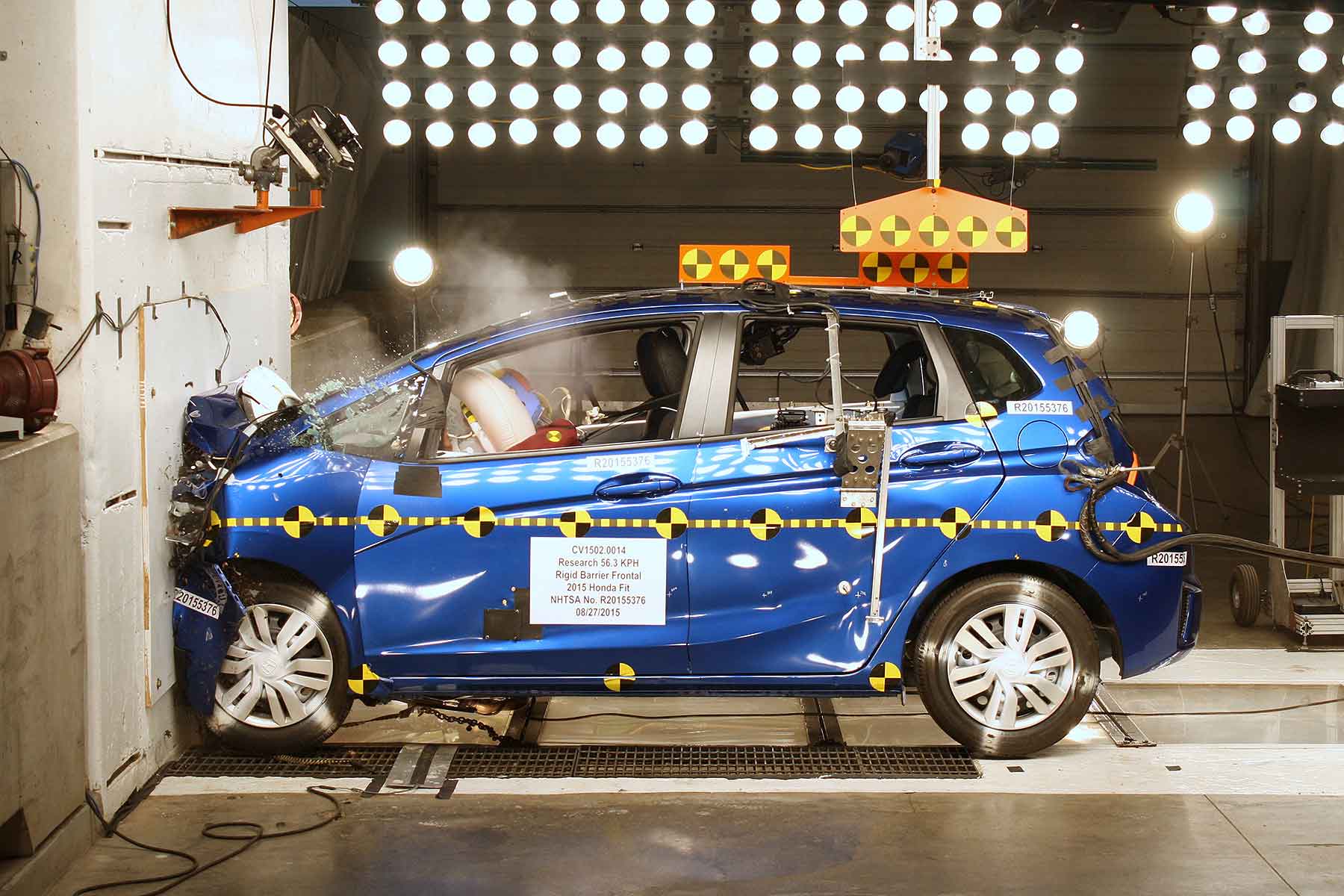
As automakers work hard on next-generation self-driving technology to improve automotive safety, latest research has revealed just why it’s so important. A new study has identified traffic accident mortality rates by state – and while it’s good news for those from Washington D.C. and Rhode Island, things are less rosy for people in Wyoming or Mississippi.
In order to evaluate road safety in the context of public health, the paper, published by the University of Michigan compared fatalities from road crashes to fatalities from five leading causes of death (heart diseases, cancer, lung diseases, strokes, and Alzheimer’s).
The death rate in the U.S. from all causes was found to be 844 per 100,000 population. Heart disease was the biggest killer at 197.2, followed closely by cancer at 185.4. Traffic deaths made up only 1.3 percent of the total number, or 10.9 per 100,000.
By state, Wyoming had the most traffic mortalities (24.7 per 100,000), followed by Mississippi (22.6), Montana (21.7), South Carolina (20.0), and Arkansas (17.8).
The states with the lowest rates of traffic mortality were Rhode Island (4.3), Massachusetts (4.5), New York (5.7), New Jersey (6.3), and Hawai’i (6.6).
The study noted that the federal district of Washington D.C. had the lowest rate overall at 3.4.
Crash data for the study was collected from the National Highway Traffic Safety Administration (NHTSA), and public health data was collected from the Centers for Disease Control and Prevention.
Fatality rates from road crashes by state – from best to worst
District of Columbia: 3.4 (per 100,000 population)
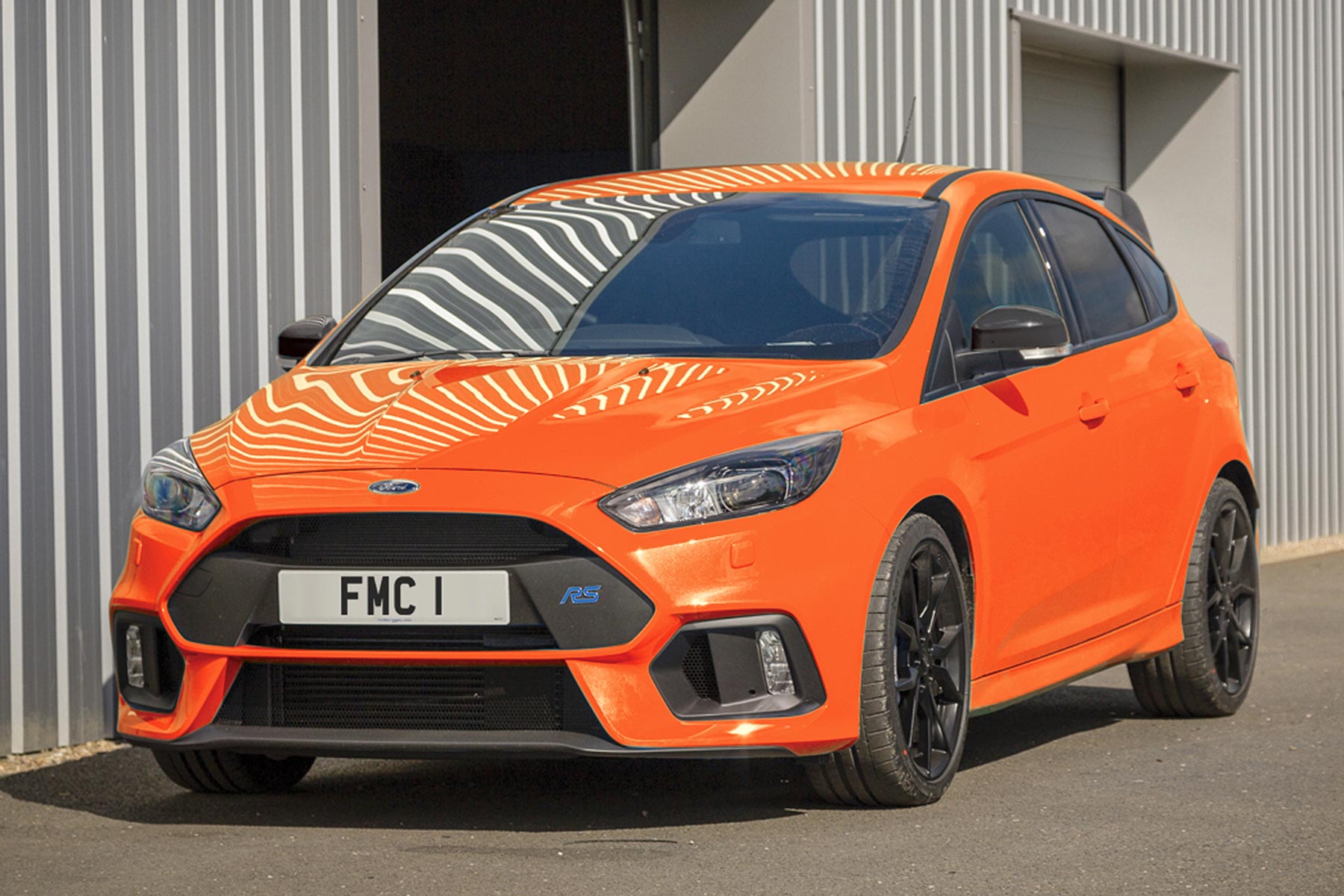
Ford has revealed a bright and bold new limited-run Focus RS to mark the looming end of production for the highly-acclaimed hot hatch. Just 50 Focus RS Heritage Edition models will be built, each finished in Deep Orange, and each priced at £39,895.
The Focus RS Heritage Edition is based on the existing Focus RS Edition, and each will be fitted with a Mountune power boost kit, taking the 2.3-litre turbo engine’s output up from 350hp to 375hp. Torque also goes up, to a whopping 376lb-ft, courtesy of a higher-flow induction kit, revised turbo recirculating valve and general recalibration.
Luckily, there’s a standard mechanical Quaife limited-slip front differential…
Other standard goodies include black forged alloy wheels, grey brake calipers, black door mirrors and roof spoiler, part-leather Recaro seats, privacy glass, sunroof and heated steering wheel.
Ford of Britain chairman and MD Andy Barratt said: “The RS brand is hugely important to Ford and is recognised across the globe – however, it has a special place in the hearts of UK Ford fans.”
The Focus is the car that continues Ford’s family car line started by the Escort half a century ago – and Barratt says the RS Heritage Edition has been launched in part to commemorate it. “This latest model is the best RS we’ve ever produced, so it seems a fitting tribute as we approach its 50th anniversary.”
Ordering is now open for the Focus RS Heritage Edition, so be as quick as you possibly can be if you’re desperate to own one. As for the Focus RS itself, it will be a sad day on 6 April 2018: that’s when production draws to a close for good.
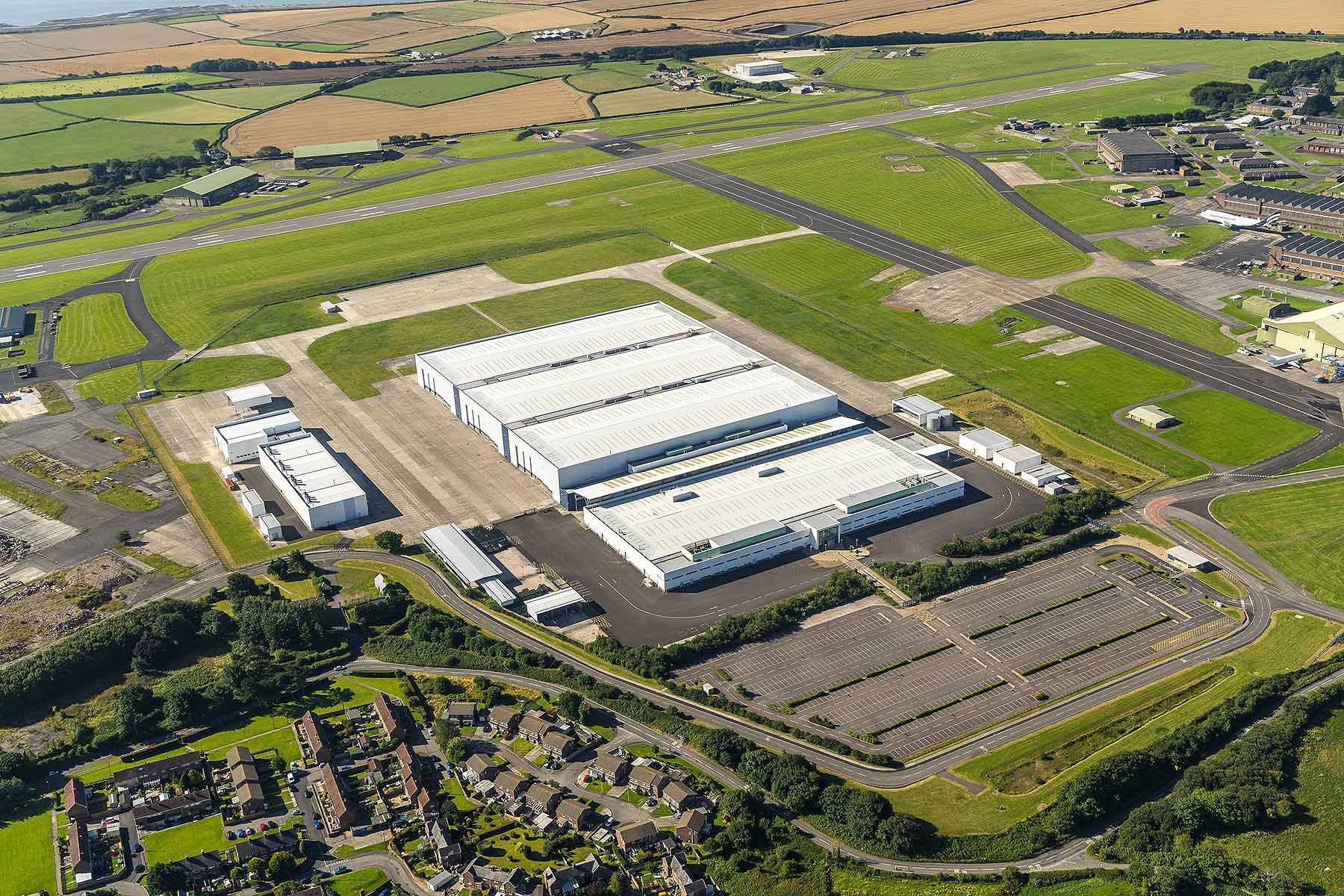
Aston Martin will begin building SUVs in Wales in 2019, and the factory where it will make them has just reached a major landmark in its construction. The British firm has now completed Phase I, transforming part of the former MOD site into management offices, administration buildings, customer and staff reception areas… and, critically, the staff canteen.
The second phase is already underway, converting the three super hangars behind the new offices into a cutting-edge manufacturing facility to build Aston’s new SUV (and future Lagonda saloon models).
The builders are on a promise: Phase II will be ready in plenty of time to start making Aston’s first SUV next year.
Aston Martin St Athan: before and after
Aston Martin President and CEO Andy Palmer said: “The St Athan facility is really starting to take shape. With the completion of this first phase, it is another milestone on our journey in Wales, and an important part of Aston Martin’s Second Century Plan.
“The rest of the Aston Martin team and I are excited for when St Athan joins our Gaydon and Newport Pagnell facilities as a centre of hand-crafted manufacturing excellence.”
“Aston Martin’s decision to move to St Athan is a huge coup for Wales,” said Welsh economic secretary Ken Skates, “and it is a genuine testament to the can-do attitude of Welsh Government, and to the reputation, dedication and skills of our workforce.
“Like many people in Wales, I am genuinely excited about Aston Martin beginning production here in Wales next year and the high number of quality direct and indirect jobs that it will bring with it.”
Aston Martin will create 750 new jobs at St Athan in Wales, for which there have been over 3,000 applications during a series of recruitment events. The first employees have actually already started work – right now, they’re based at Aston’s Gaydon factory, learning the ropes by building DB11 sports cars.
 Prince William is a keen motorcyclist who, legend has it, used to go for incognito ride-outs in and around London. We can’t confirm if HRH the Duke of Cambridge still does this, but we can reveal he was at British motorcycle giant Triumph today, to open the firm’s new £6 million paint shop.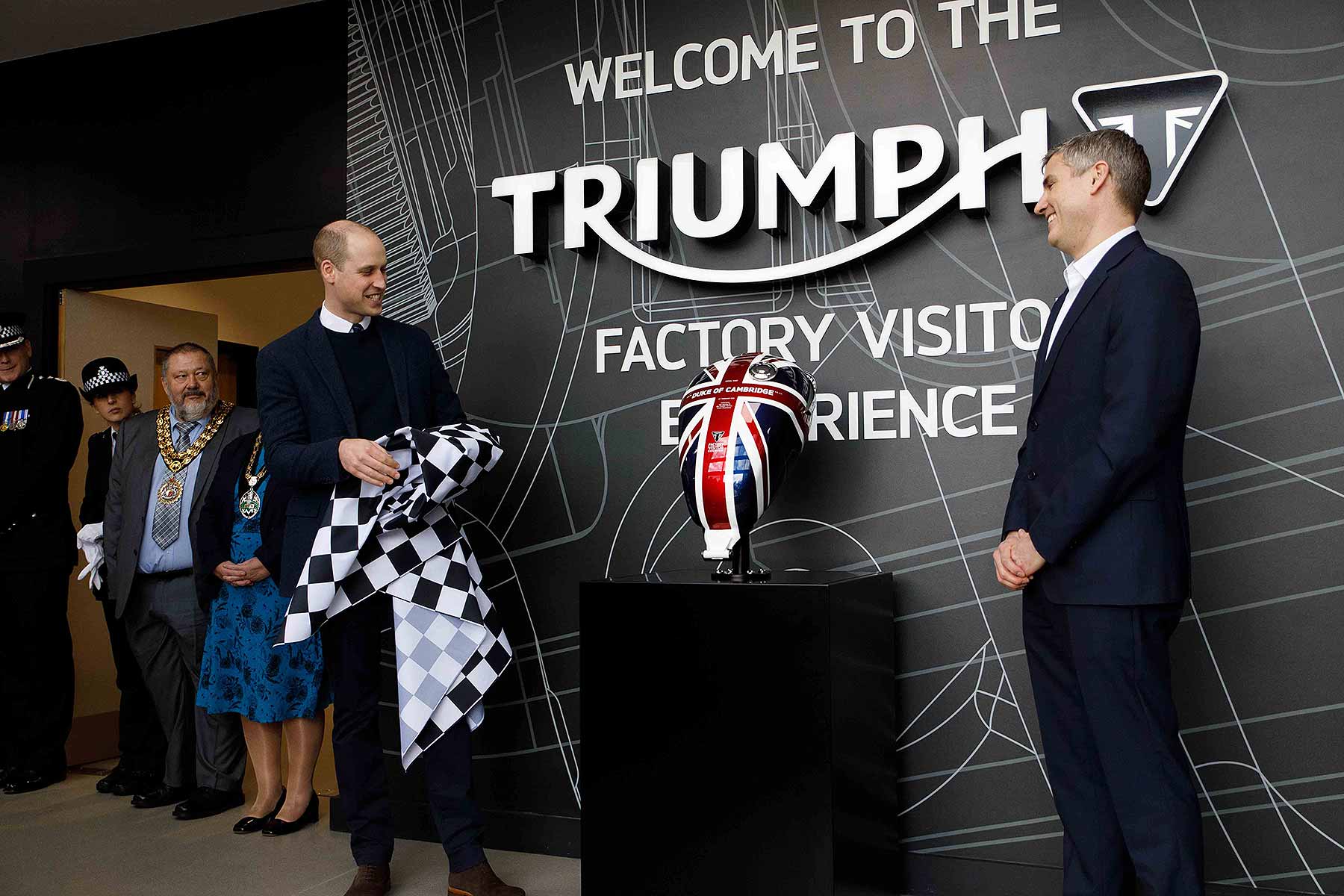
 Seat has chosen Tarraco as the name for its new seven-seat SUV, ahead of its expected reveal later this summer.
 Lexus has confirmed it will give the new UX small SUV its world debut at the 2018 Geneva Motor Show. It will be the production version of the UX Concept revealed at the 2016 Paris Motor Show.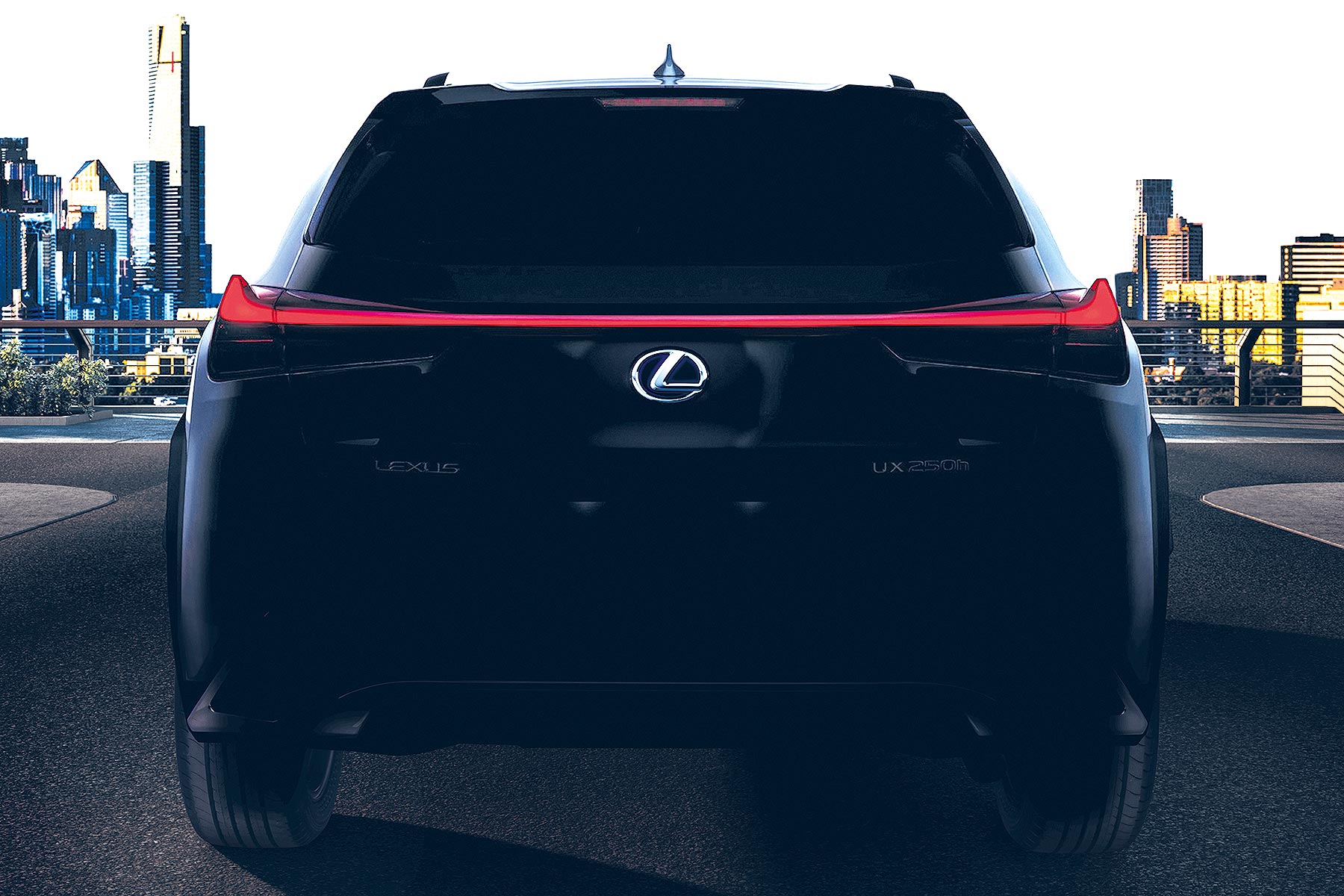


 If you’re hoping to stand out from the crowd, these aren’t the cars for you. Using data supplied by JATO Dynamics, we can reveal the world’s best-selling cars of 2017, which we’ll present in reverse order.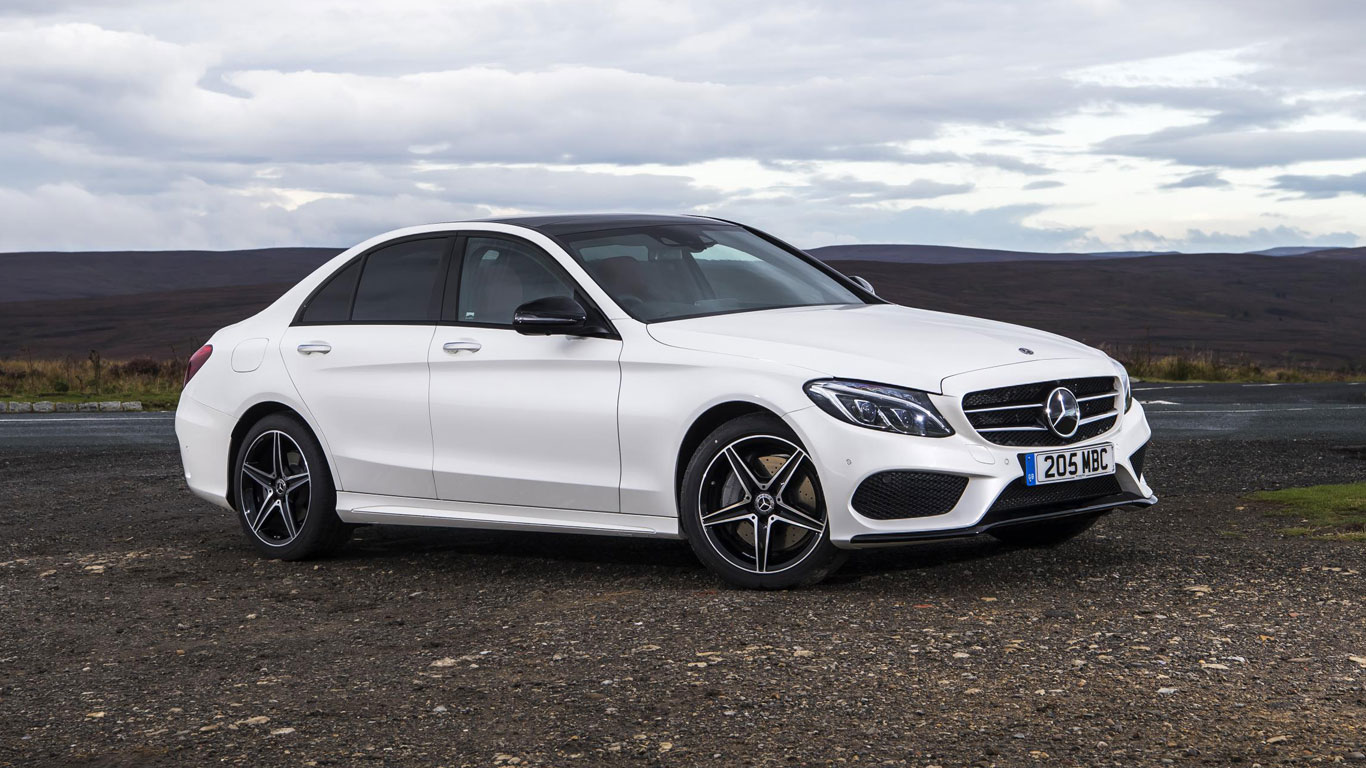


 The new Citroen Berlingo Multispace would take one look at a crossover, take a drag on a half-smoked Gauloises, before dismissing it with a Gallic shrug of the shoulders and sauntering off muttering something about stupid young upstarts.

 As automakers work hard on
  Ford has revealed a bright and bold new limited-run Focus RS to mark the looming end of production for the highly-acclaimed hot hatch. Just 50 Focus RS Heritage Edition models will be built, each finished in Deep Orange, and each priced at £39,895.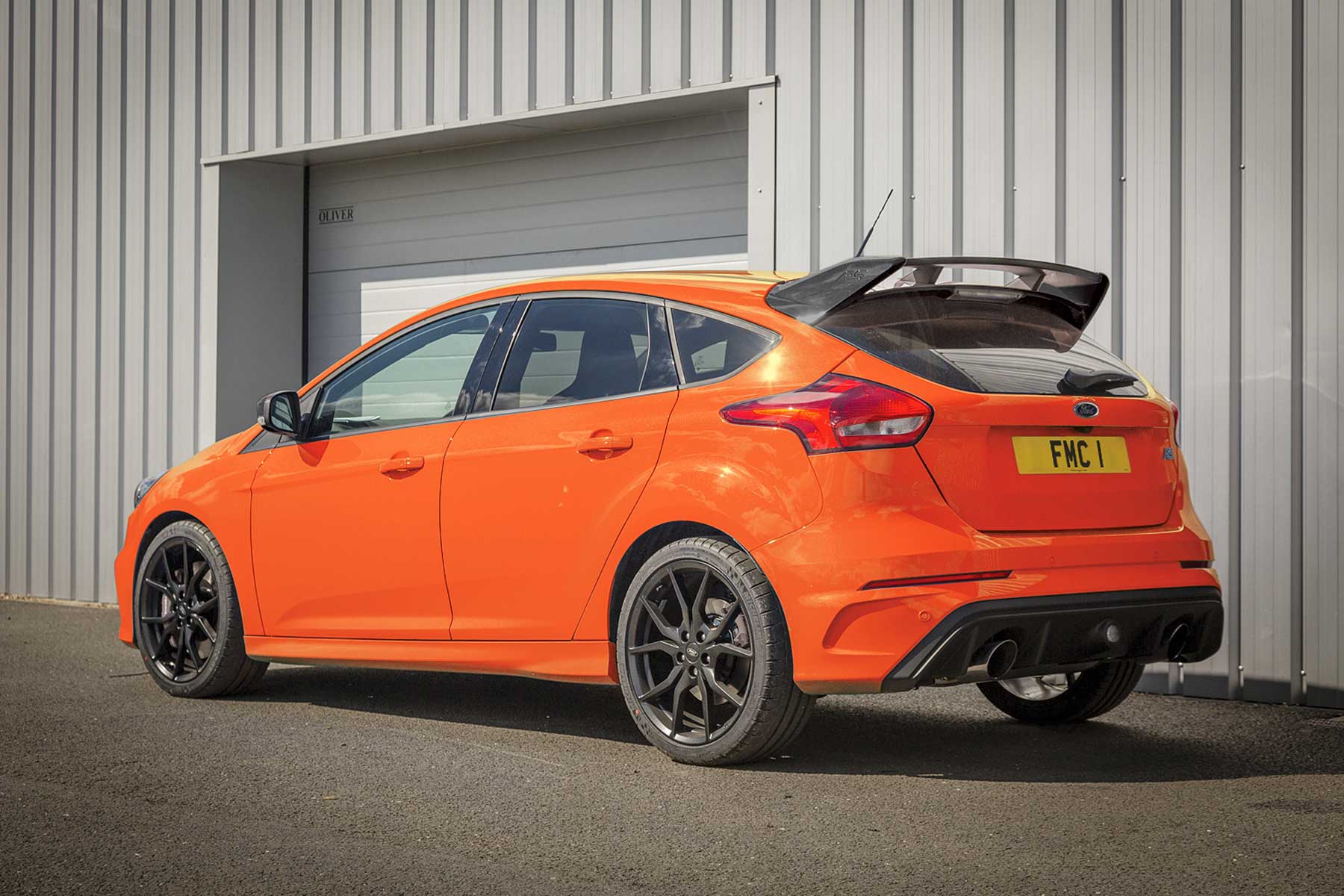
 Aston Martin will begin building SUVs in Wales in 2019, and the factory where it will make them has just reached a major landmark in its construction. The British firm has now completed Phase I, transforming part of the former MOD site into management offices, administration buildings, customer and staff reception areas… and, critically, the staff canteen.