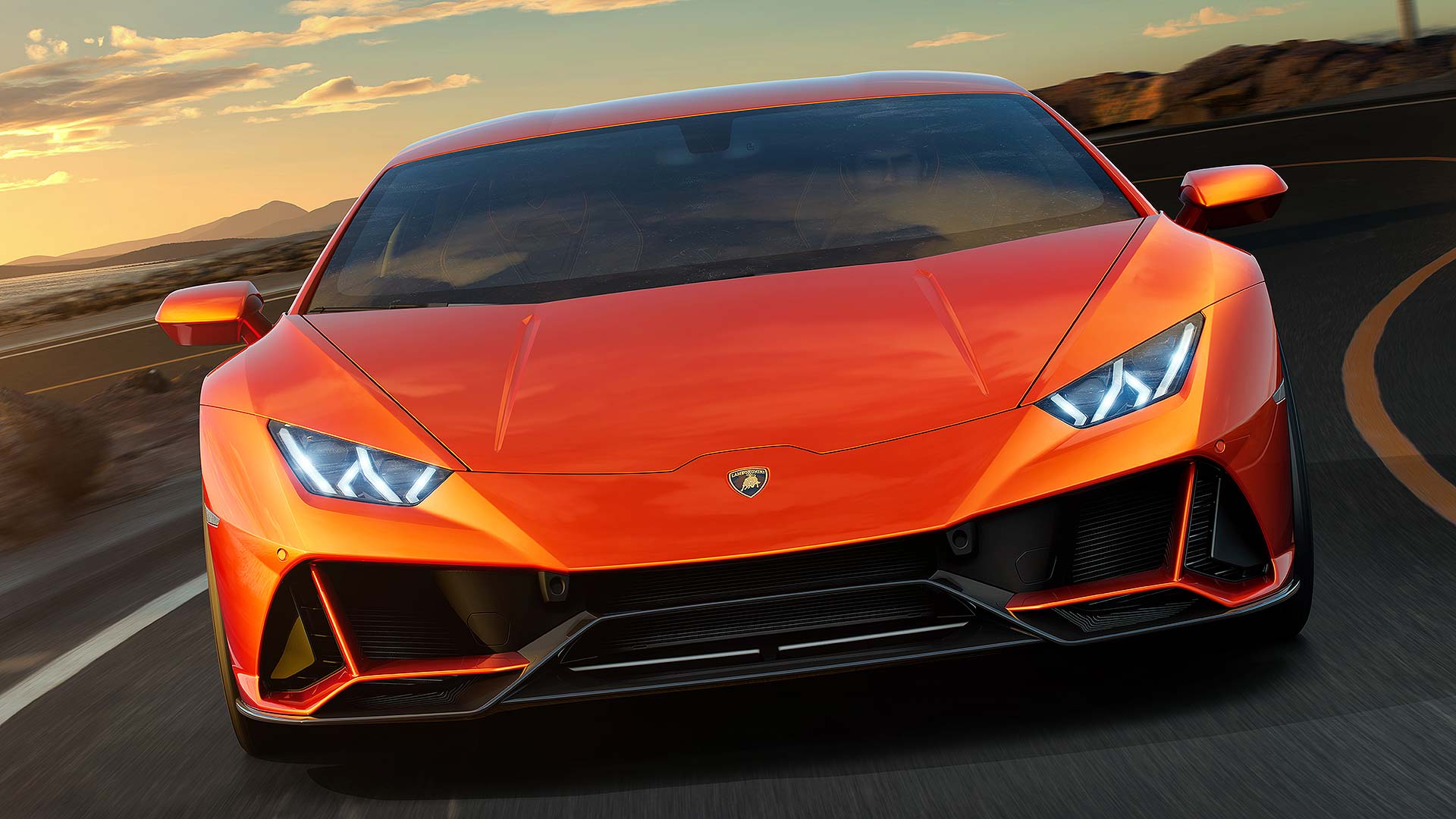
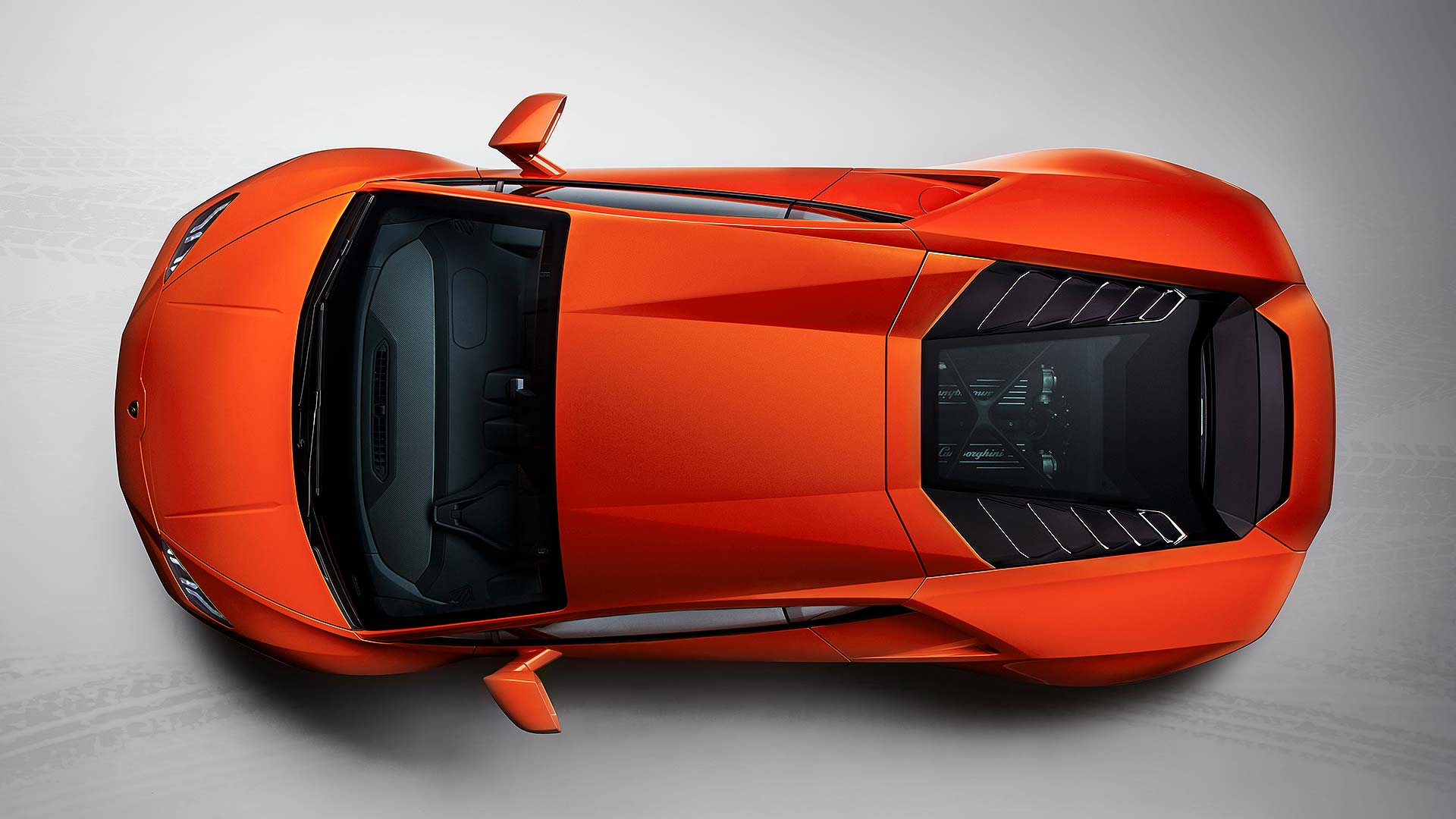
Lamborghini has unveiled an updated variant of its Huracan supercar, dubbed the Evo. The headlines? Updated aerodynamics, Performante power, rear-wheel steering and more sophisticated dynamic control systems. The end result? A “sensory and agile driving experience,” reckons Lambo…
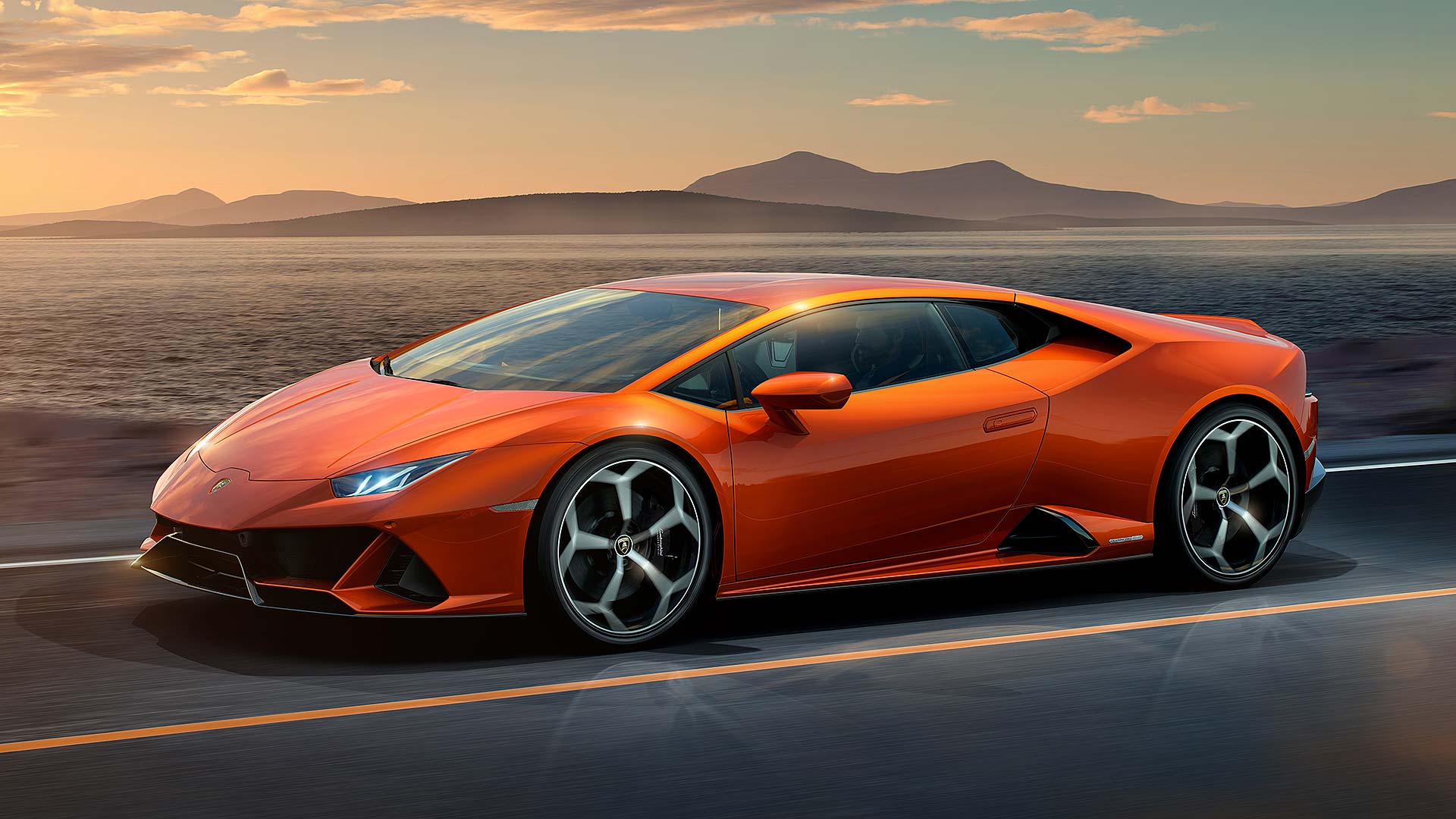
Visually there’s certainly an air of the track-focused Aventador SVJ about its updated snout. Out back, that high-up twin-pipe exhaust remains from the Performante, giving it the look of the Blancpain racer. A boot lip takes the place of the ALA wing found on the Performante.
Re-shaped intakes and Aesir design 20-inch alls wheels complete the overhaul of the ‘baby’ bull’s look.
Overall the design, both inside and out, is intended to maximise the scope for customisability. Specification programs like Lamborghini’s Ad Personam, Aston Martin’s Q and McLaren’s MSO are becoming increasingly popular, creating more and more opportunities for individualisation for buyers.
Sat amidships is the 640hp 5.2-litre V10 previously found in the Performante track-focused model, complete with titanium intake valves and a lightweight exhaust.
New to the Evo over the Performante is a rear-wheel steering system. This works in combination with advanced torque-vectoring and a battery of accelerators and gyroscopic sensors. Together they are unified by Lamborghini Dynamic Veicolo Integrata –Lamborghini’s new central processing unit.
All in, it could make for a driving experience that’s sharper still than that of the stupendous Performante track-oriented model.
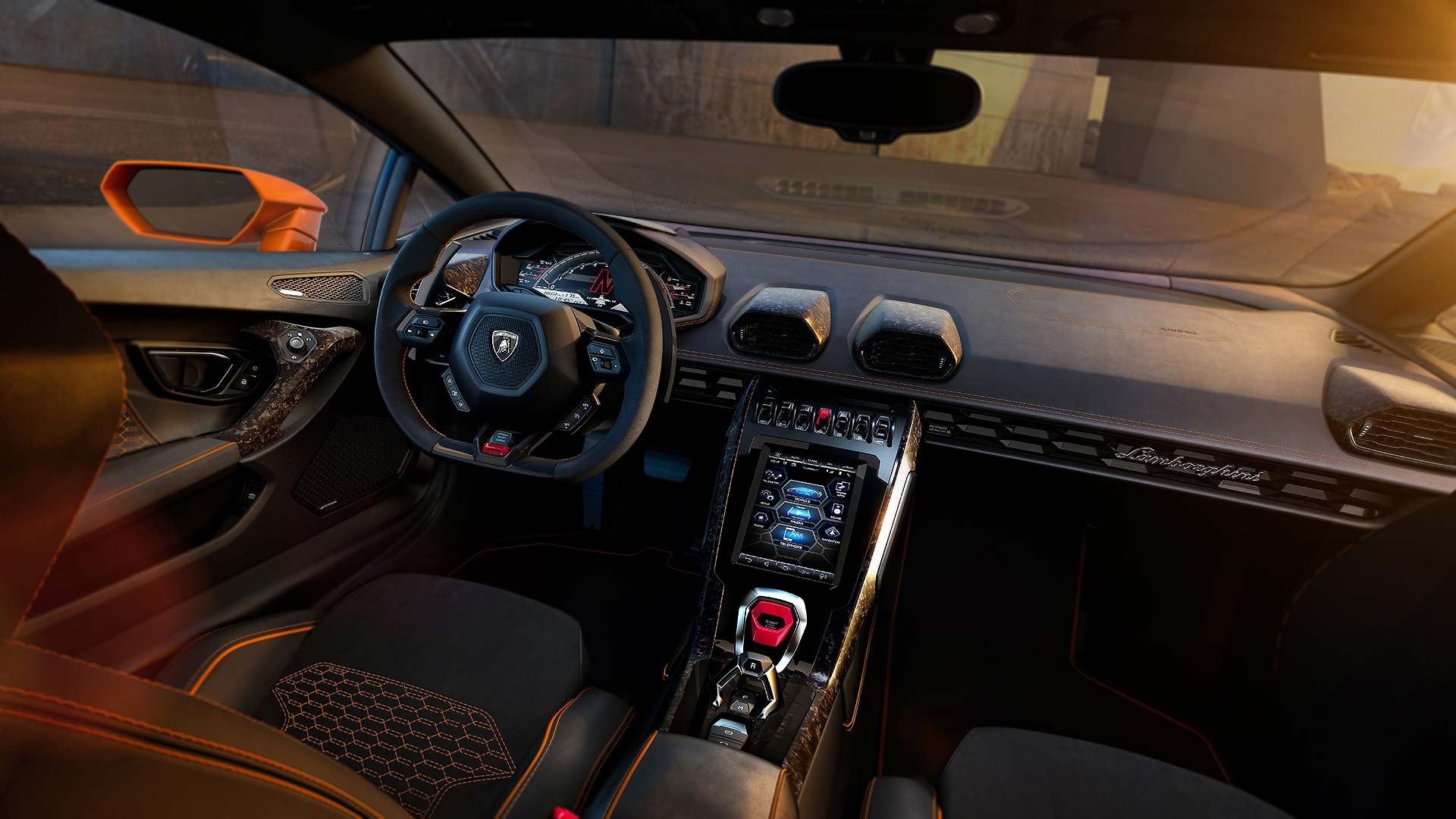
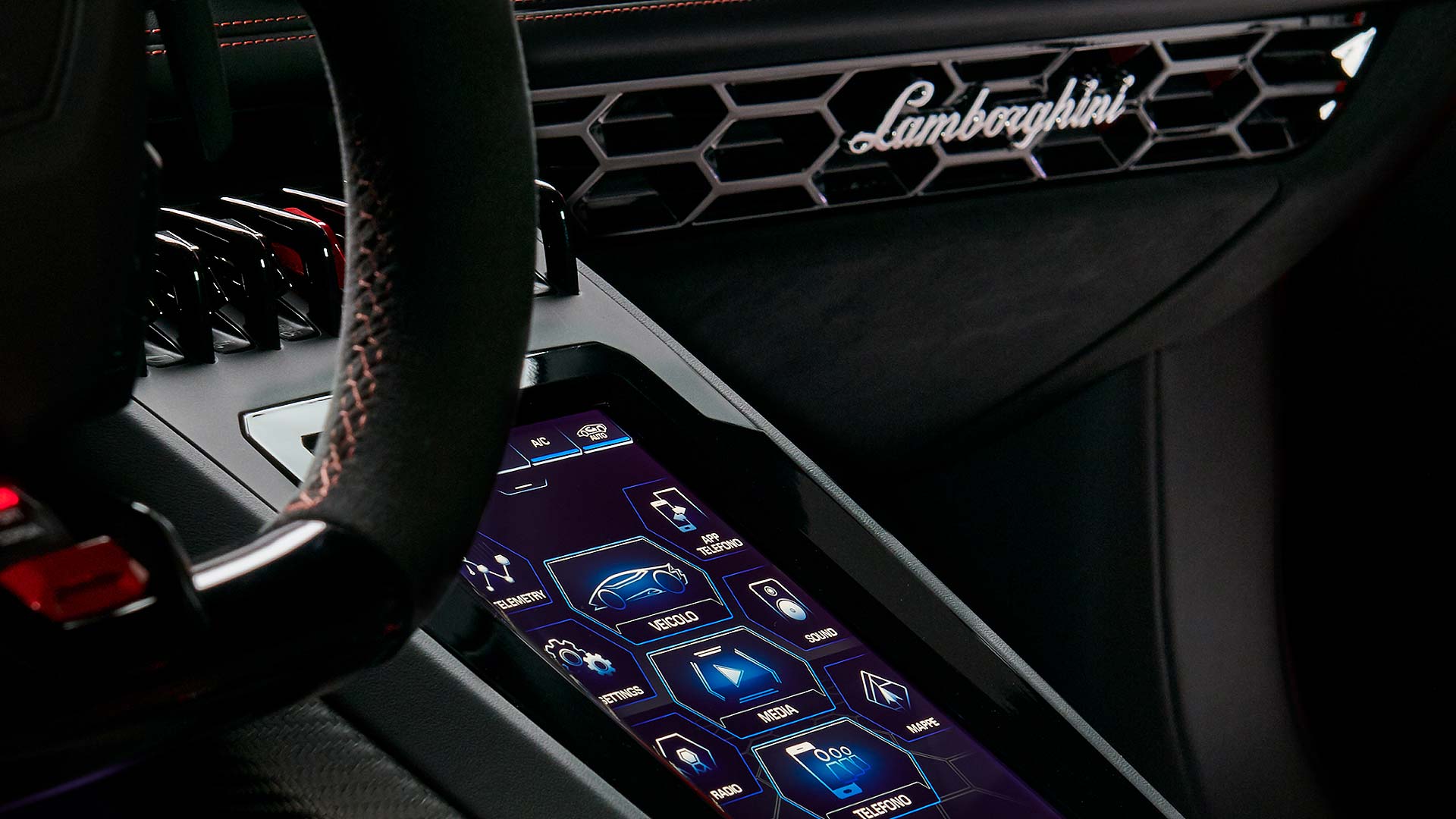
Inside the Evo brings the Huracan well up to date, with a new vertical tablet-like 8.4” HMI capacitive touch screen. It’s Apple CarPlay compatible and envelopes much more of the car’s interior controls, including the seats and climate control. It can also display imagery from the optional dual-camera telemetry system.
All we need to know now is how much it costs. Happily, unlike for many supercar reveals, Lamborghini has come out with near-on global pricing for the Huracan Evo.
Excluding taxes, it’ll set you back £165,256 in the UK, $261,274 in the USA or Y29,843,274 if you’re in Japan. In China, taxes included, it’ll be RMB 3,298,100. Cars should be arriving with customers in time for summer 2019.
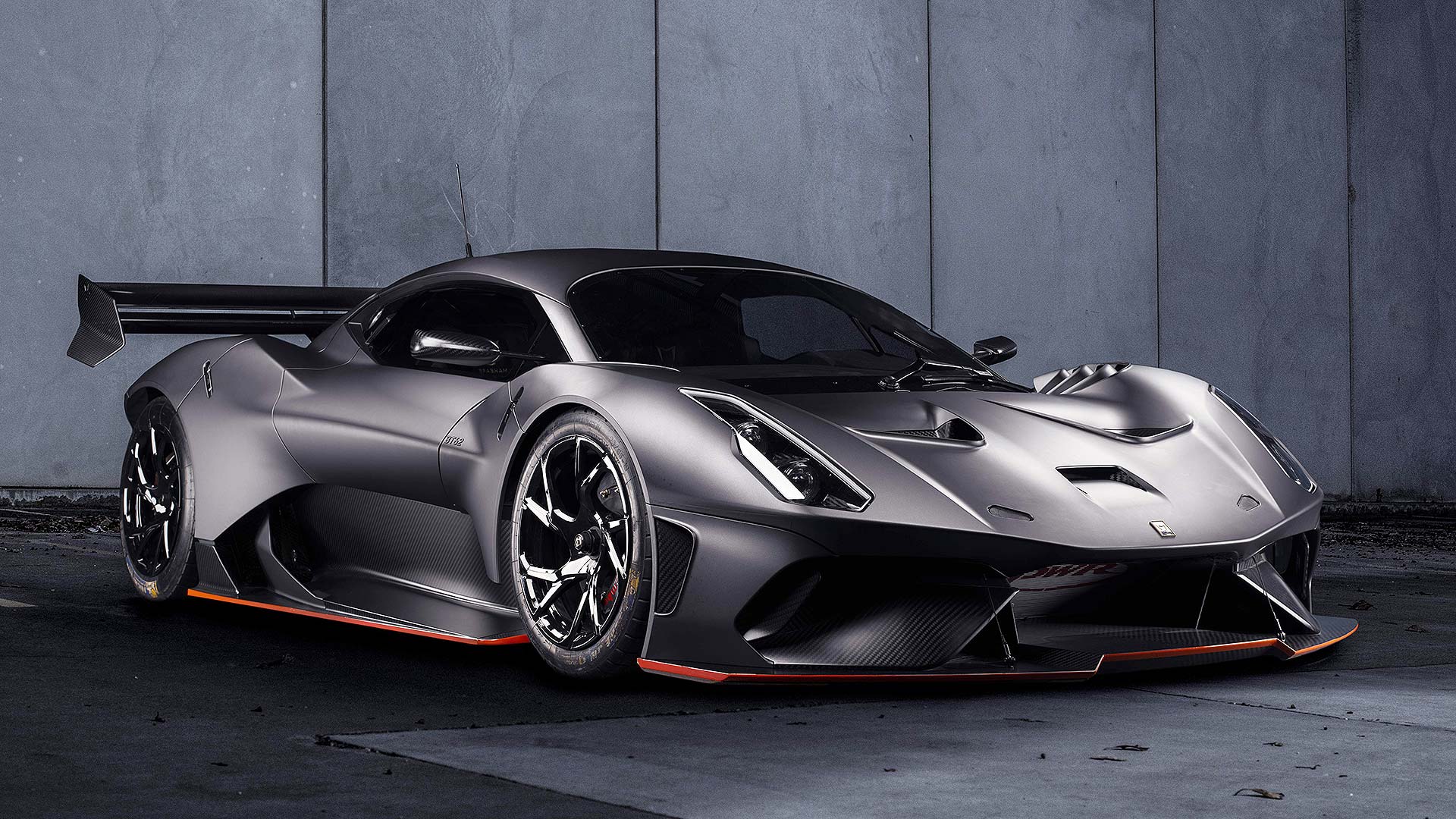
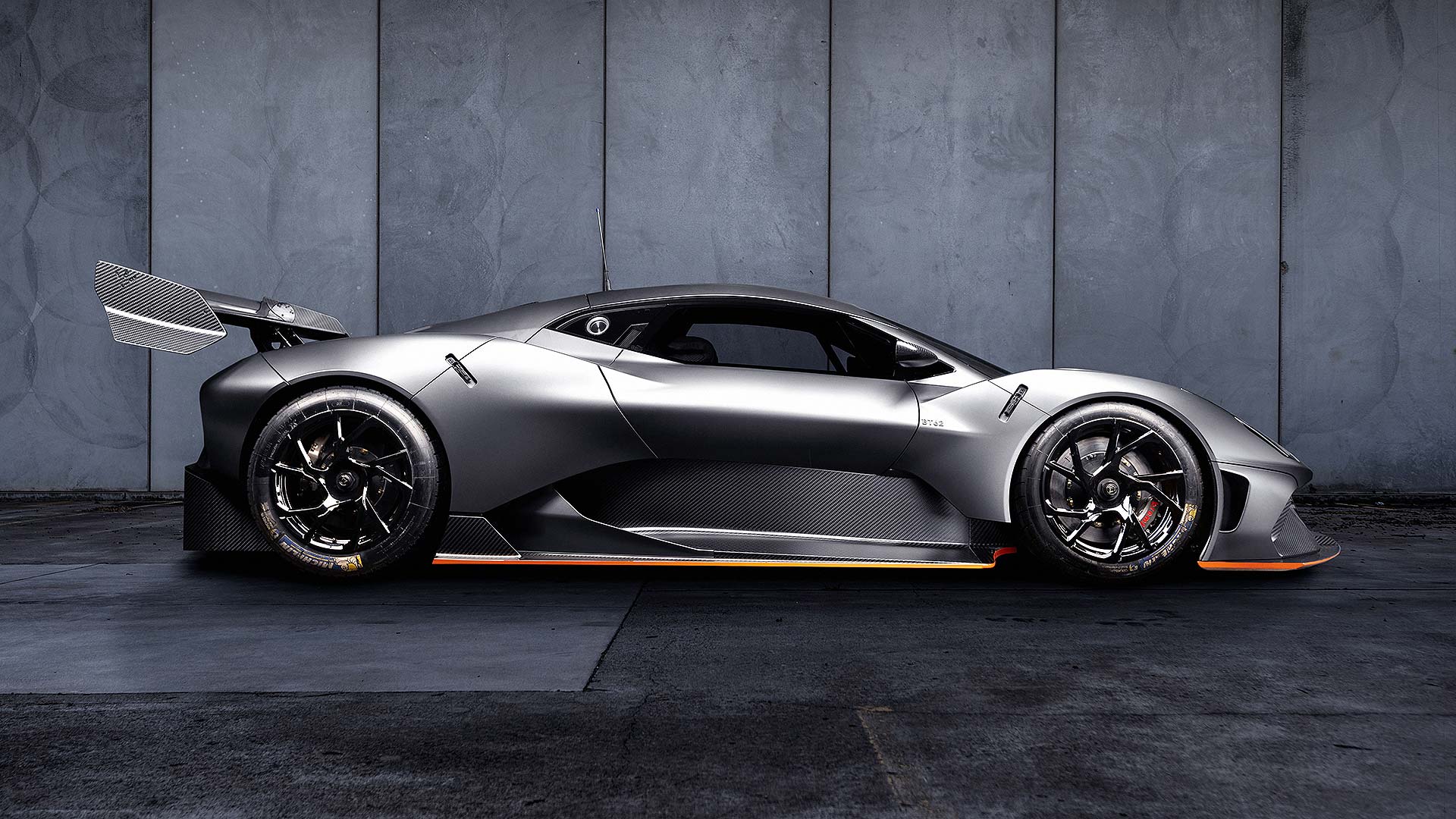
Start-up supercar manufacturer Brabham Automotive is answering the dreams of lucky customers by launching a conversion pack that makes its BT62 track car road-legal.
Called the Road Compliance Conversion, it is not cheap – £150,000 on top of the £1 million price of the car – but will allow customers to occasionally use it on the road.
Apparently, some of them have requested the kit so they can drive the BT62 to and from a circuit.
All conversions for Europe will be carried out in the UK, and Brabham Automotive will handle the process for customers ahead of registration. A similar scheme is already underway in Australia.
However, customers don’t have to carry it out before delivery – they can, for example, complete the Brabham Driver Development Programme before converting their car.
The conversion process involves readying the Brabham BT62 for the Driver and Vehicles Standards Agency (DVSA) Individual Vehicle Approval (IVA) test. This makes sure the car passes all regulatory standards required for road use.
Changes include a front and rear axle lift kit to raise the ride height, a greater degree of steering lock range, plus fitting door locks and immobilisers (track cars, of course, don’t need either).
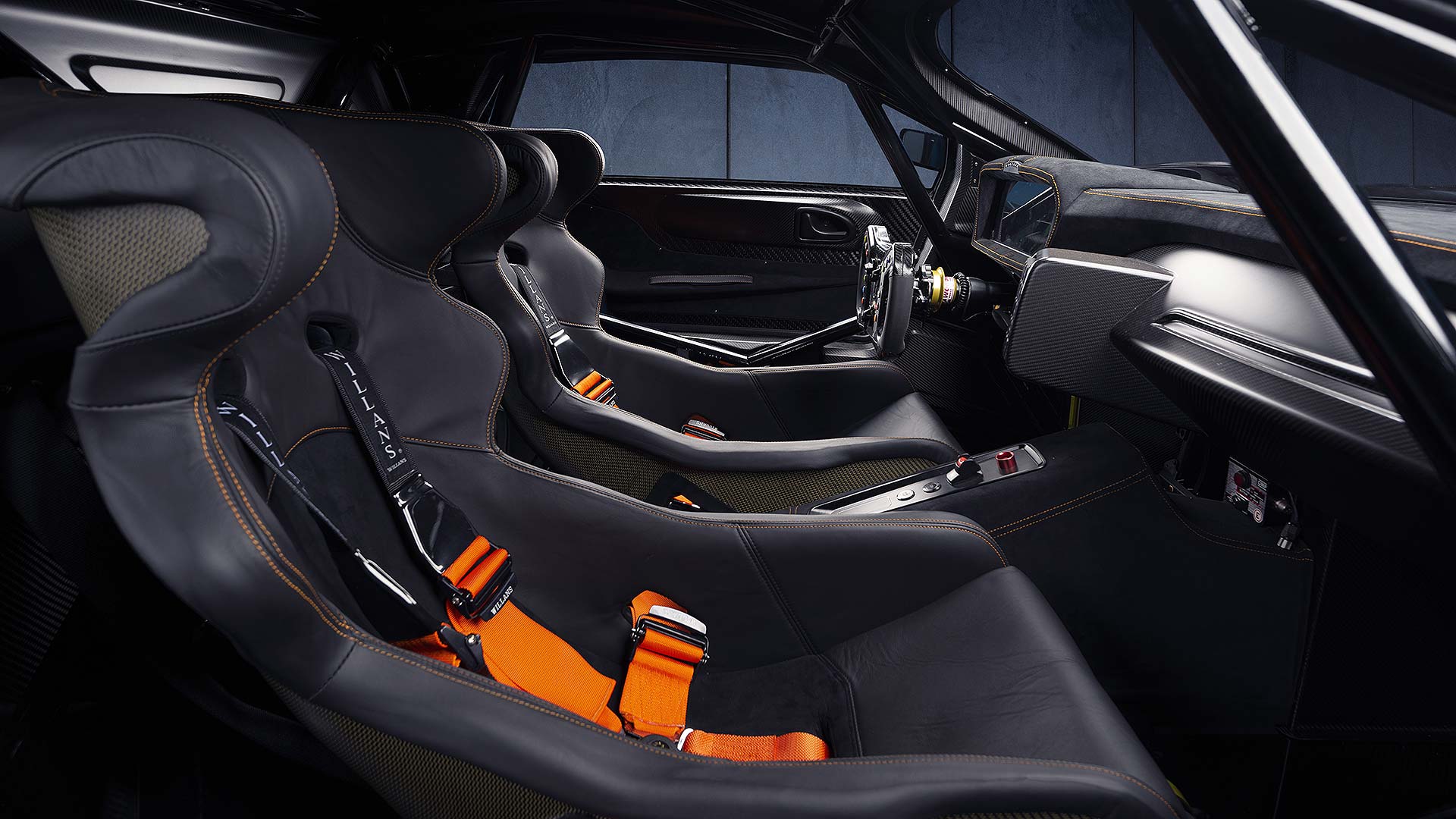
Brabham also installs air conditioning and fits higher-quality upholstery inside. The weight goes up slightly, but there’s no change to the 700hp power output, so performance should be similar.
“We designed the BT62 to be an unrestricted, thoroughbred track car and our extensive test programme has revealed it to be all of those things. This isn’t a car for the road,” explained company founder David Brabham.
“With that said, it’s clear some customers are keen to have a road-compliant option with their BT62, particularly to drive to and from the track.
“My father Jack was always customer-focused and we will continue with that ethos.”
Brabham added we can expect more surprise announcements regarding the BT62 at Autosport International 2019 later this week in Birmingham. Stay tuned…
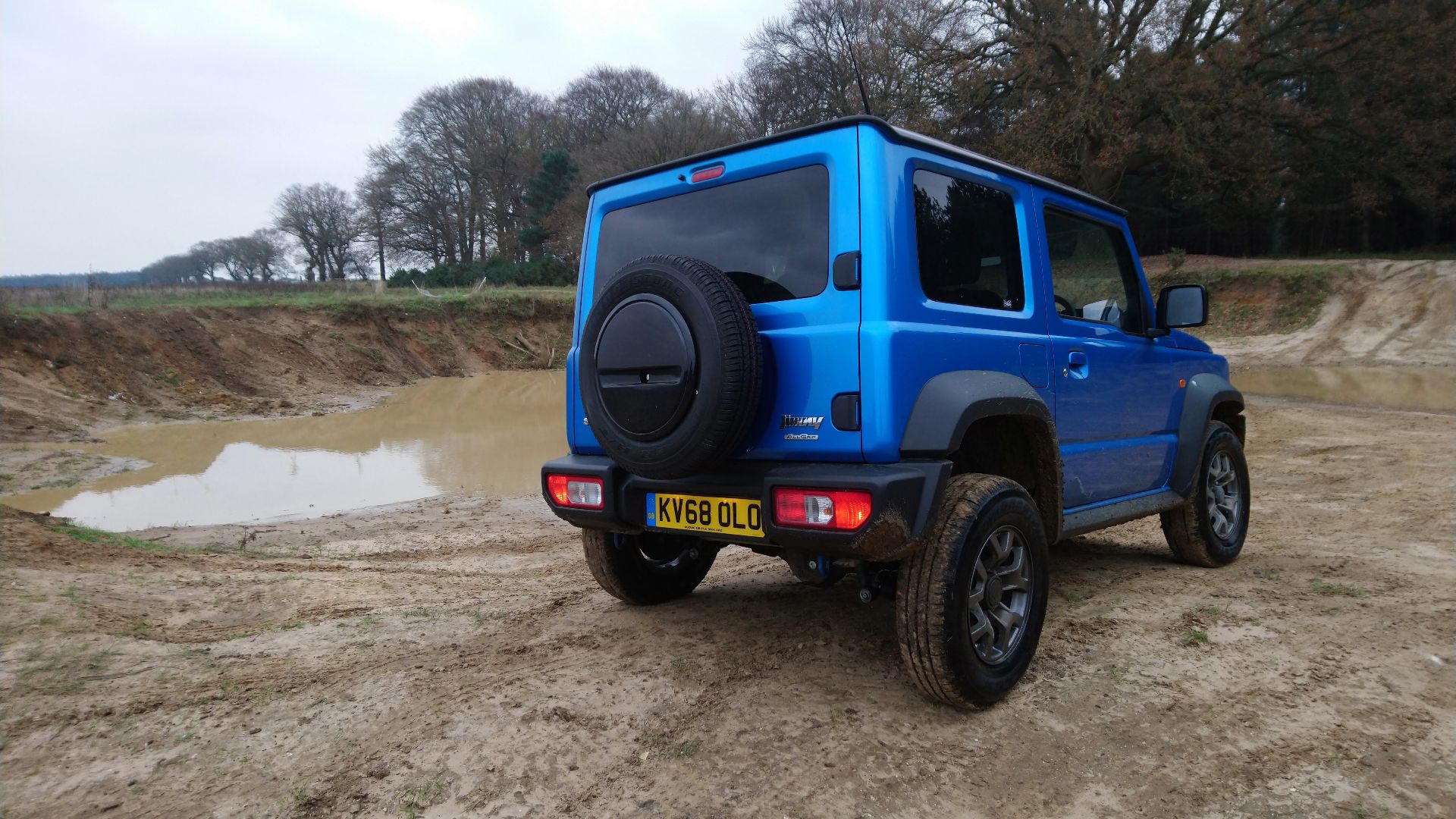
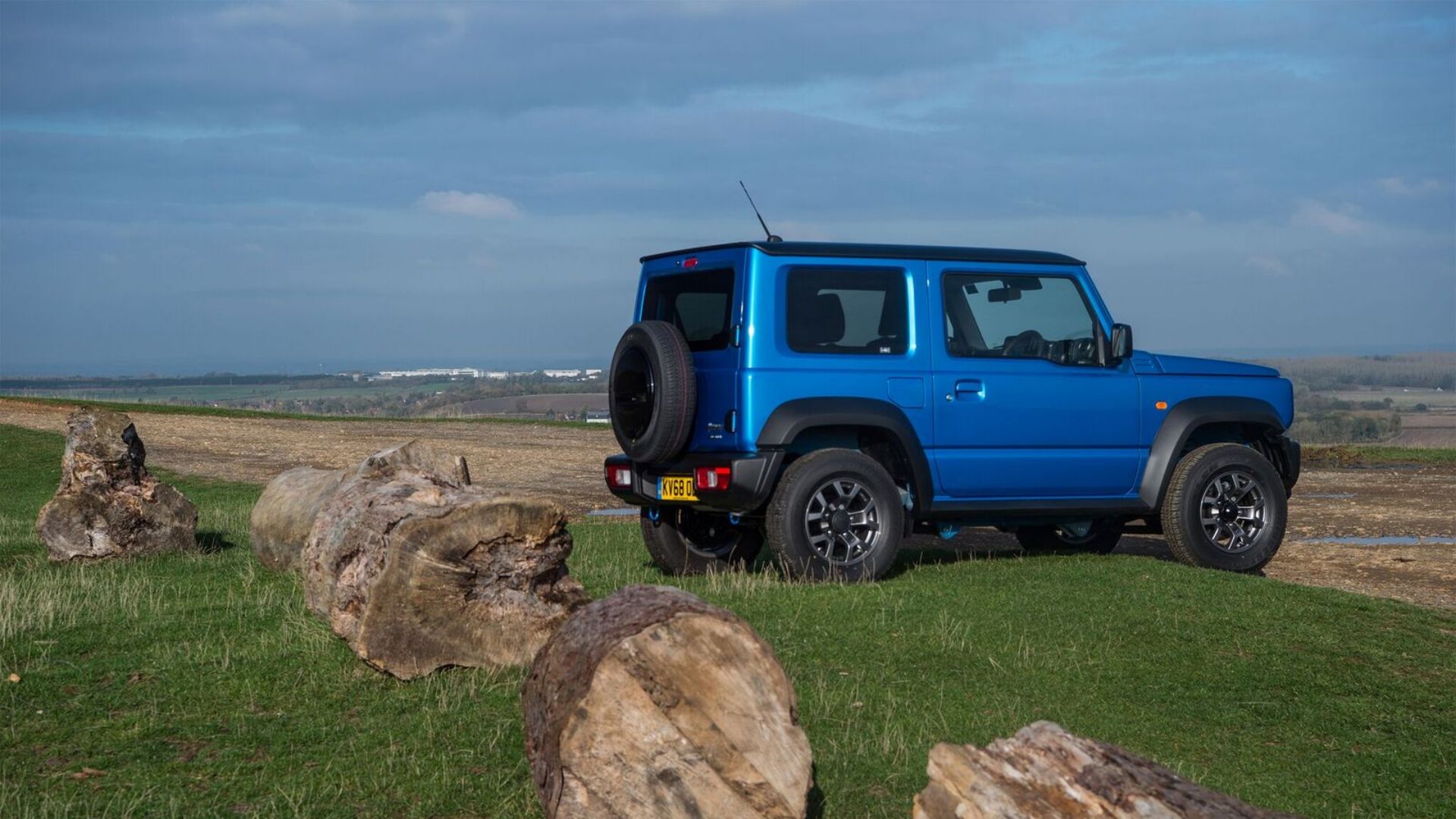
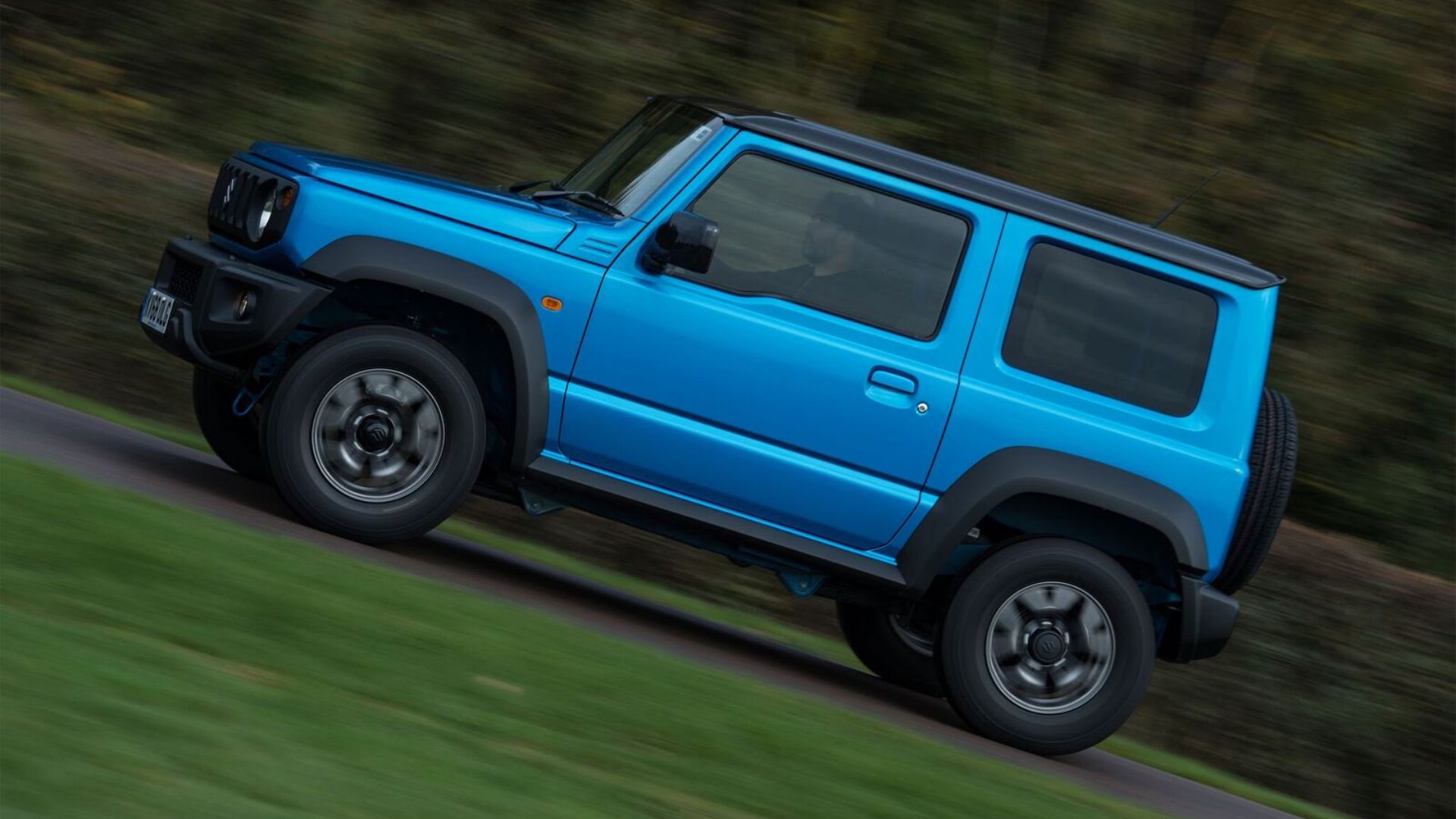
As if we needed another reason to justify wanting a new Suzuki Jimny, it seems the financial argument stacks up, too. Suzuki reports that the residual (resale) values for its retro-styled off-roader should be unusually strong.
The figures come from industry specialist CAP Automotive, which predicts that the fifth-generation SZ5 Jimny should retain 52 percent of its value after three years and 60,000 miles.
However, based on prior ownership trends that suggest owners cover less than 40,000 miles over three years, it could retain 61 percent of its value.
That’ll be a residual record for Suzuki if it holds true. “This figure places the new Jimmy up in the supercar league of cars for retained value,” says the company.
What could this mean for buyers? It certainly leaves scope for some great value PCP and finance deals. It also offers peace of mind that their money is safer in a Jimny than it might be elsewhere.
At present, the Jimmy is joined by the stratospherically expensive Mercedes G-Class in the properly old-school off-roader market. Like the G-Class, the Jimny name has been around since the 1970s. It’ll be 50 years old in 2020.
But in a market that was down, which were the cars that stood out? Here, we run down the 20 most popular new cars in 2018, to find out which were the motors Brits were still buying despite the market gloom.
20: Fiat 500
2018 sales: 24,666
The Fiat 500 just displaced the ageing Nissan Juke into 20th place… not that the little Fiat is exactly in its first flush of youth. However, careful updates over the years, and an extensive refresh of its infotainment system, combine with ever-sharp finance deals to see its appeal continue. Last year, almost 25,000 found new homes in the UK.
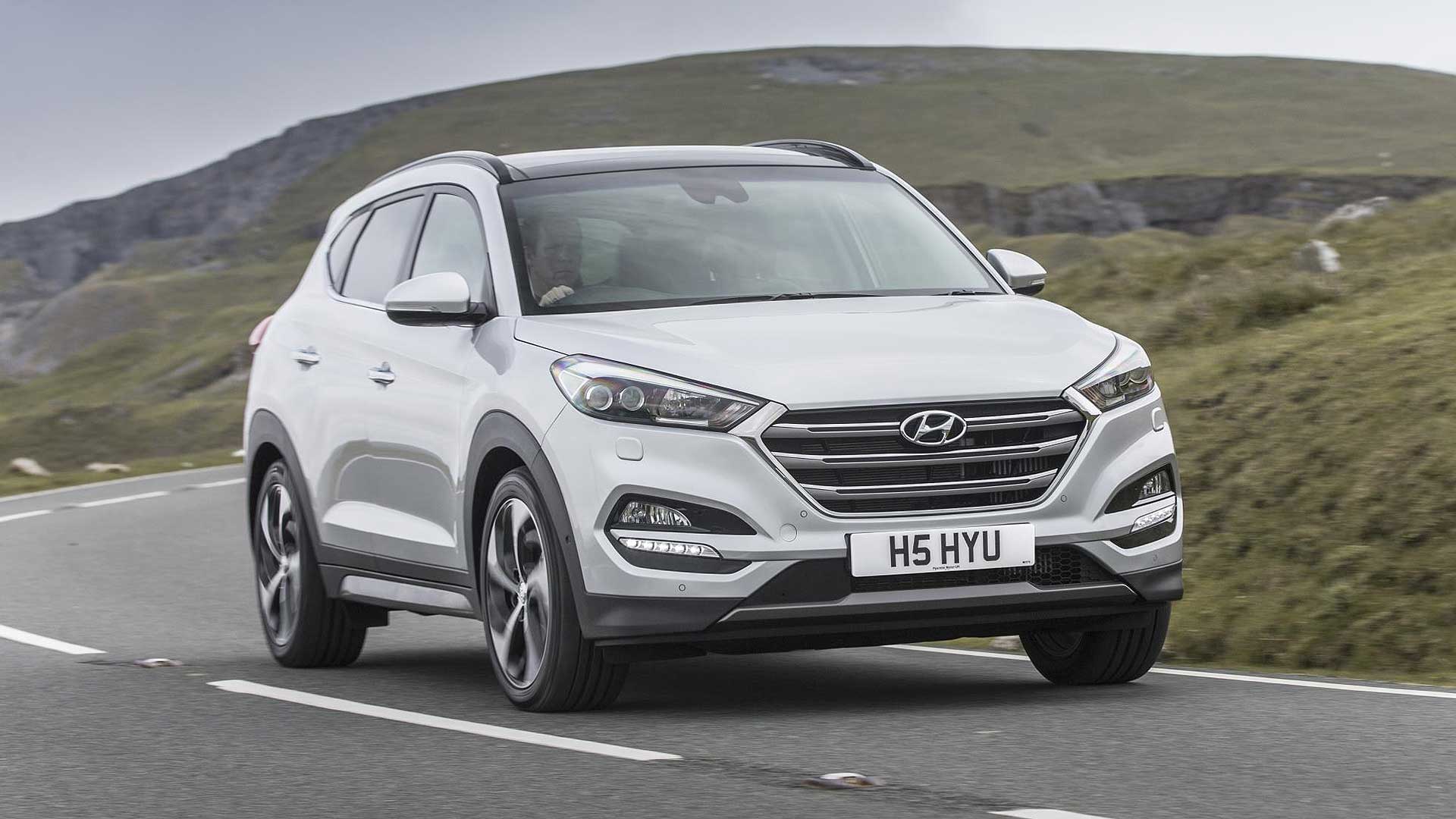
19: Hyundai Tucson
2018 sales: 27,634
This is not a bad result for Hyundai: its most popular car is the high-margin Tucson family SUV, rather than the low-margin i10 that proved so popular during the scrappage years a decade ago. But as we’ll see, this is a case of Hyundai being outsmarted by sister company Kia.
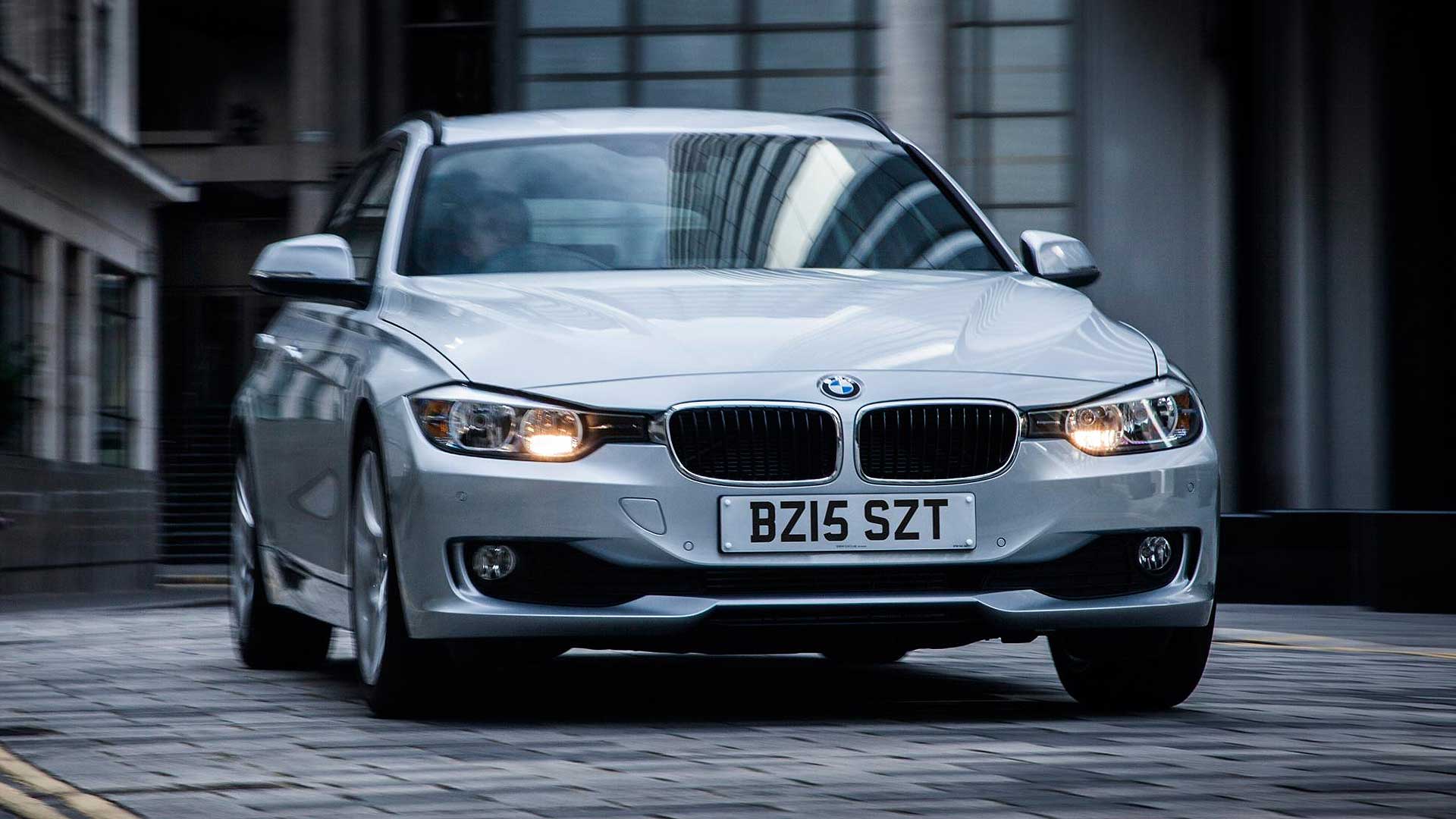
18: BMW 3 Series
2018 sales: 28,074
A former top 10 best-seller, the 3 Series is another BMW that age hasn’t been kind to. At least the new one is coming soon: BMW dealers will be hoping it starts to flow through their doors sooner rather than later.
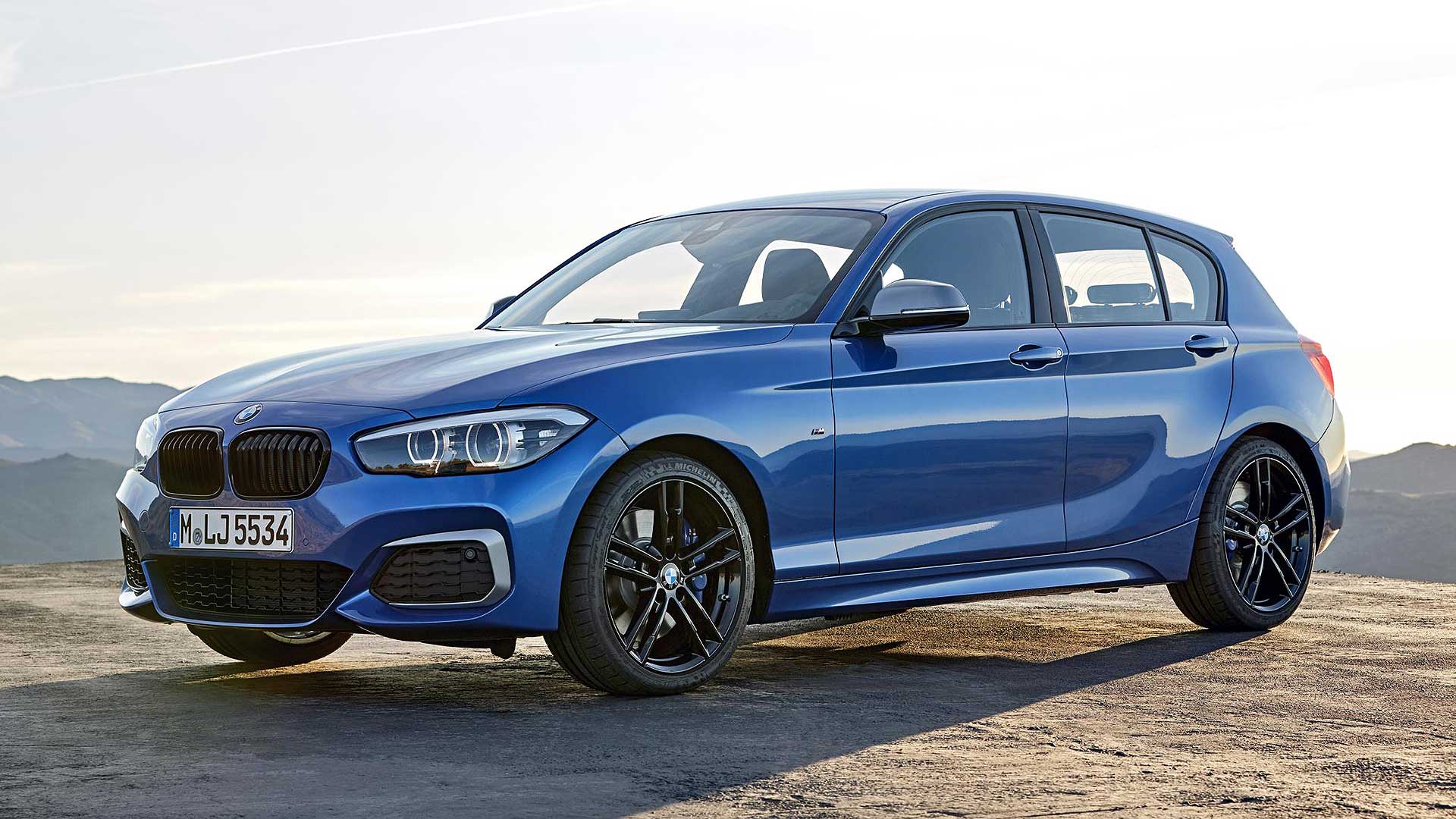
17: BMW 1 Series
2018 sales: 28,125
Another ageing car is the BMW 1 Series premium hatchback. Never the prettiest or roomiest of cars, it once flirted in the top 10 best sellers, but no more. A replacement is on the way which will be, whisper it, front-wheel drive. Sorry, enthusiasts…
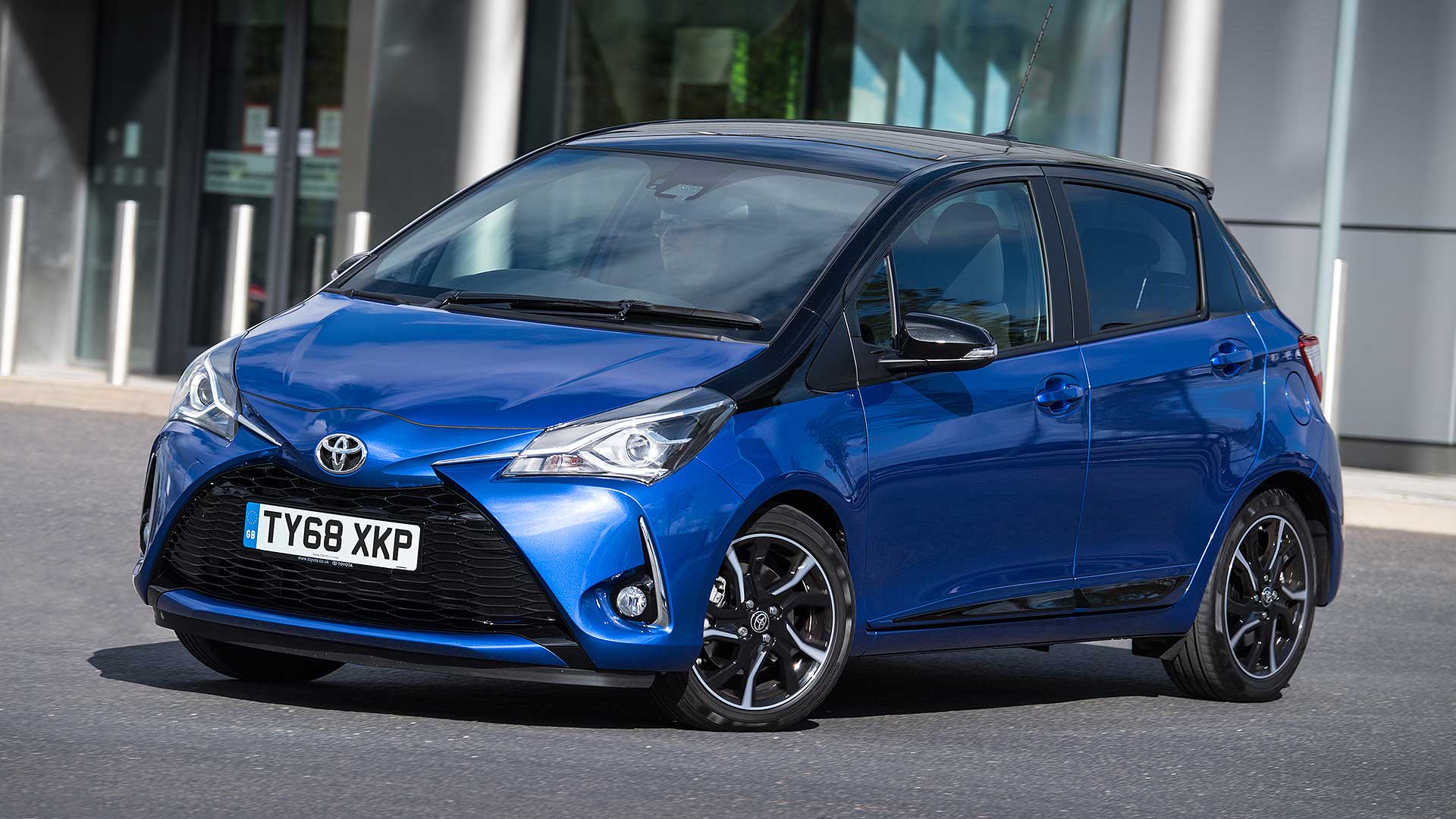
16: Toyota Yaris
2018 sales: 29,191
The UK’s most popular Toyota continues to be the Yaris. It’s not standout or exciting, but delivers the goods for thousands of people – helped in no small part by the affordable, low-emissions Yaris Hybrid, still unique in bringing proper hybrid tech to the supermini sector.
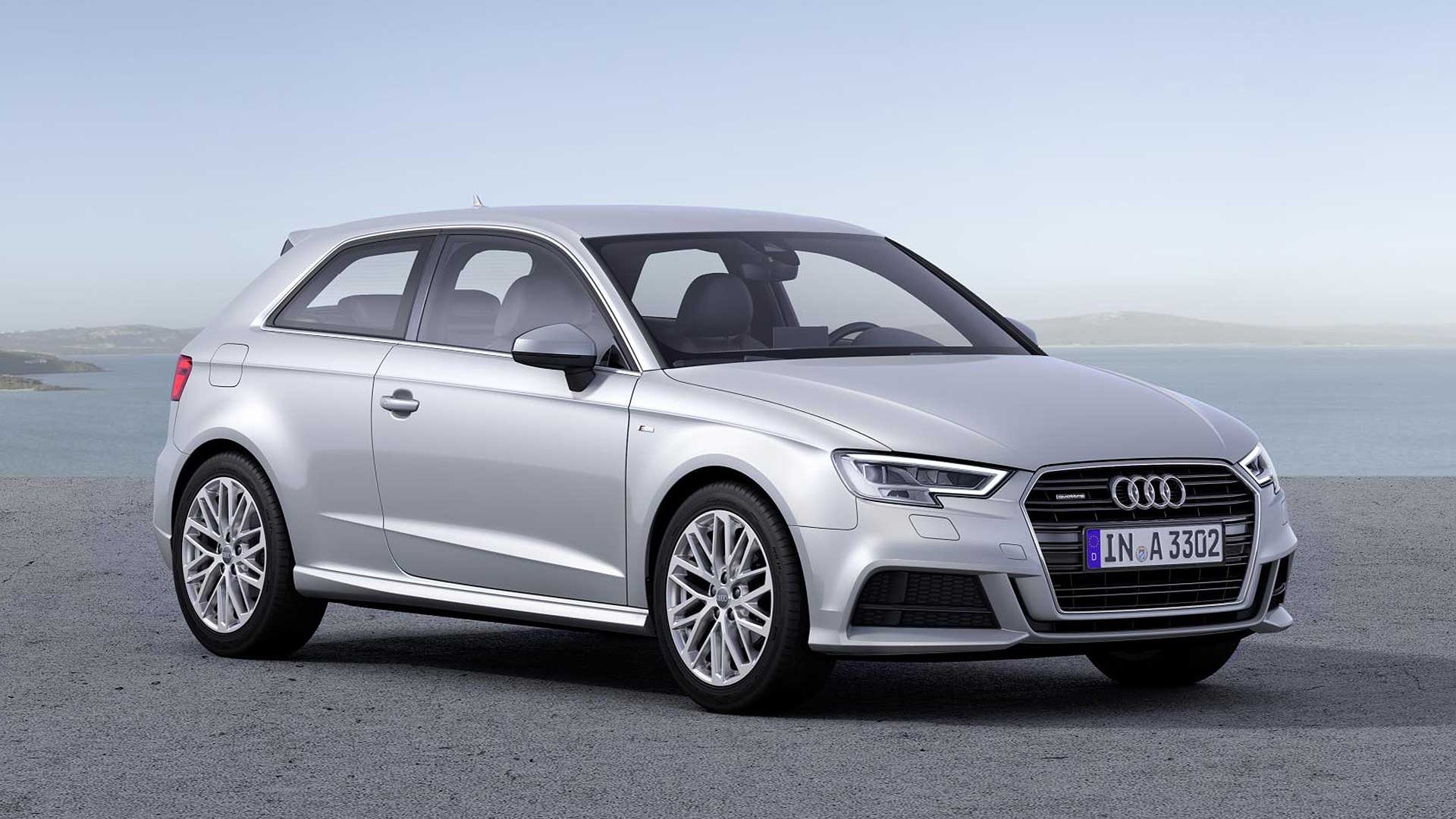
15: Audi A3
2018 sales: 29,207
A so-so result for the Audi A3, which on occasion makes it into the top 10 sales chart, but sits on the fringes for the full-year result. This generation has not quite managed to rouse enthusiasm like previous generations: BMW may be sniffing an opportunity when it finally brings the new 1 Series to market.
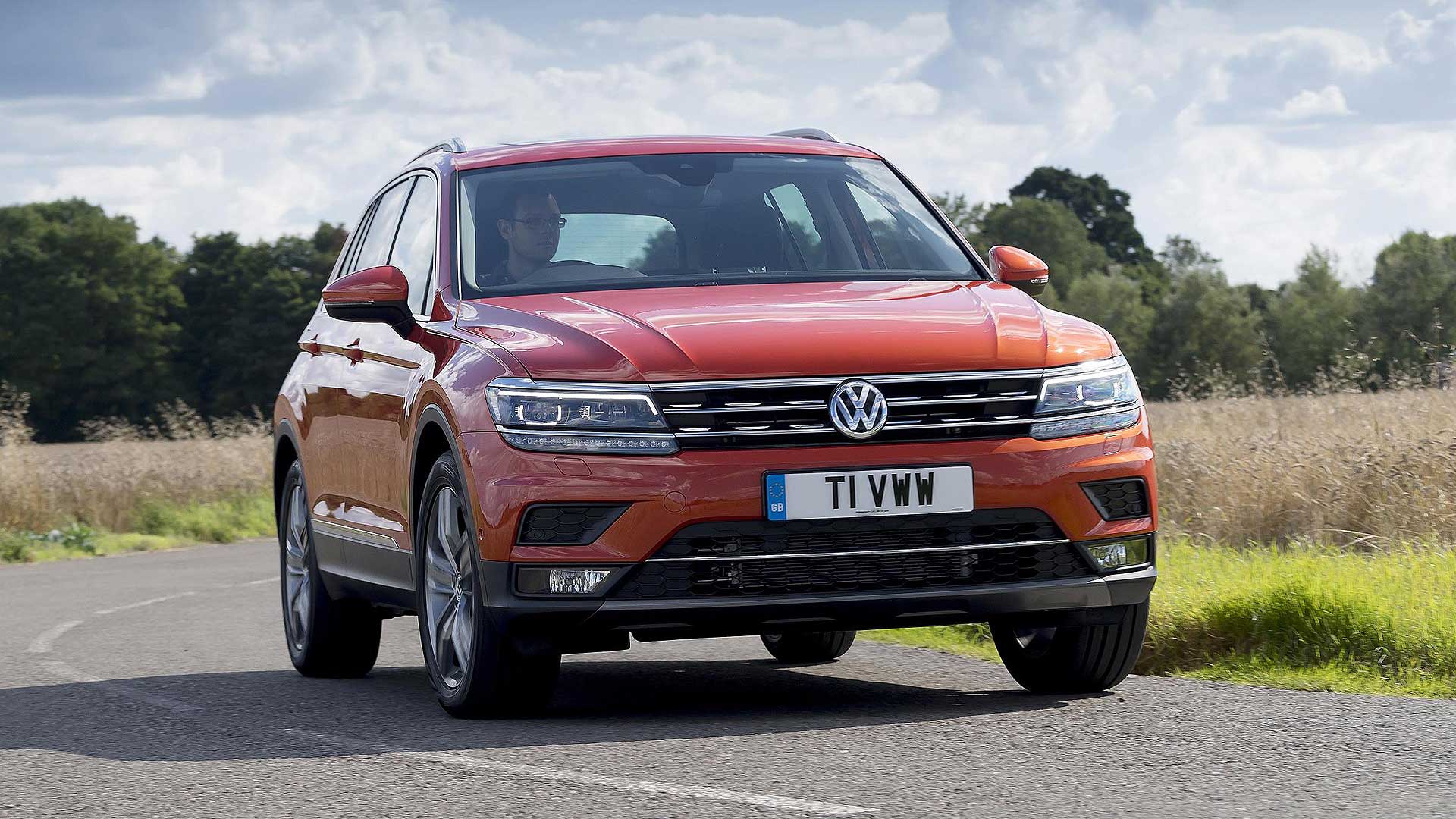
14: Volkswagen Tiguan
2018 sales: 29,538
Volkswagen will be pleased with this. The Tiguan is a smart family SUV that is nipping at the heels of the big sellers in the sector. We’re sure dealers will be pleased with the margin it commands, too.
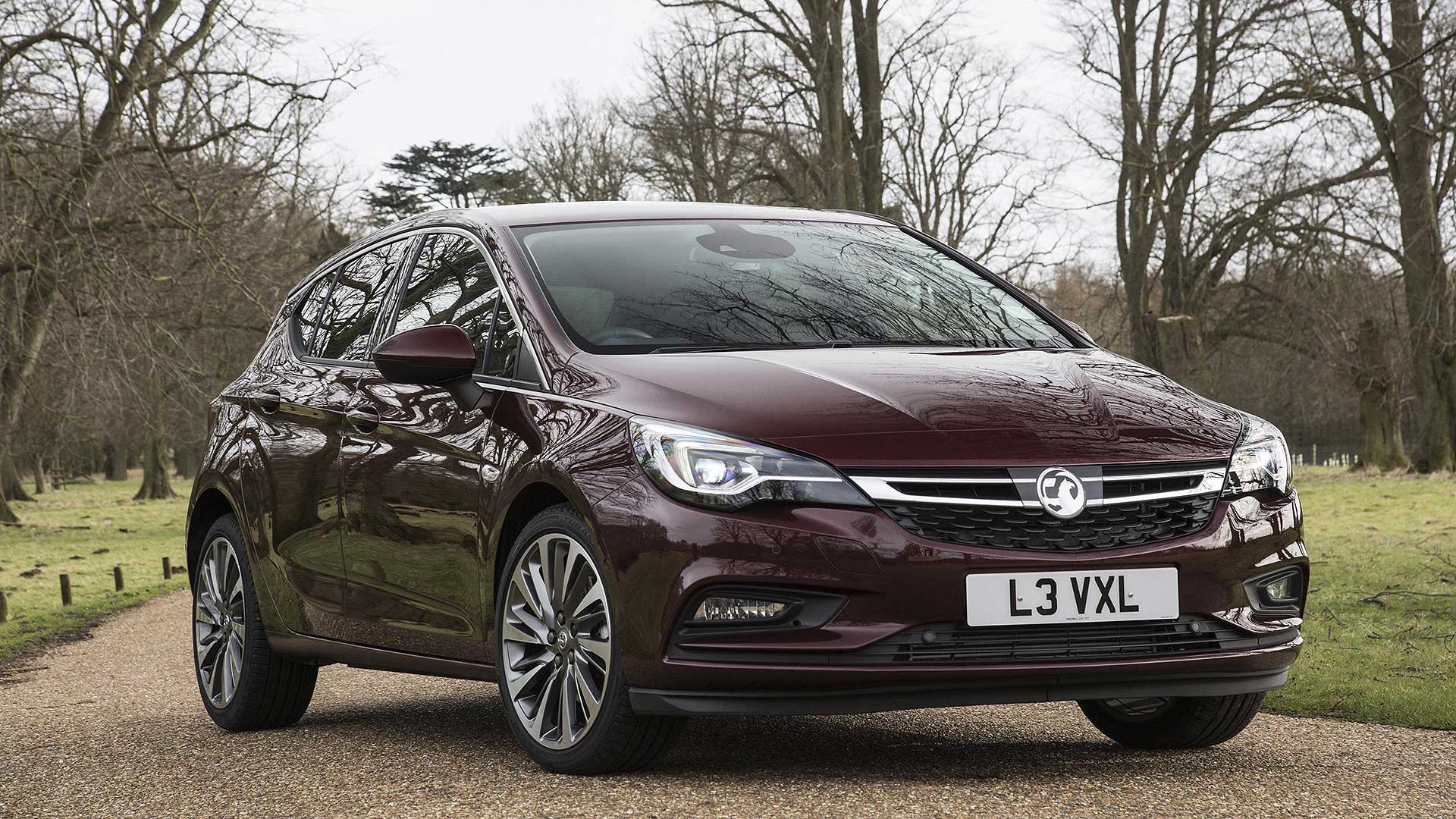
13: Vauxhall Astra
2018 sales: 31,567
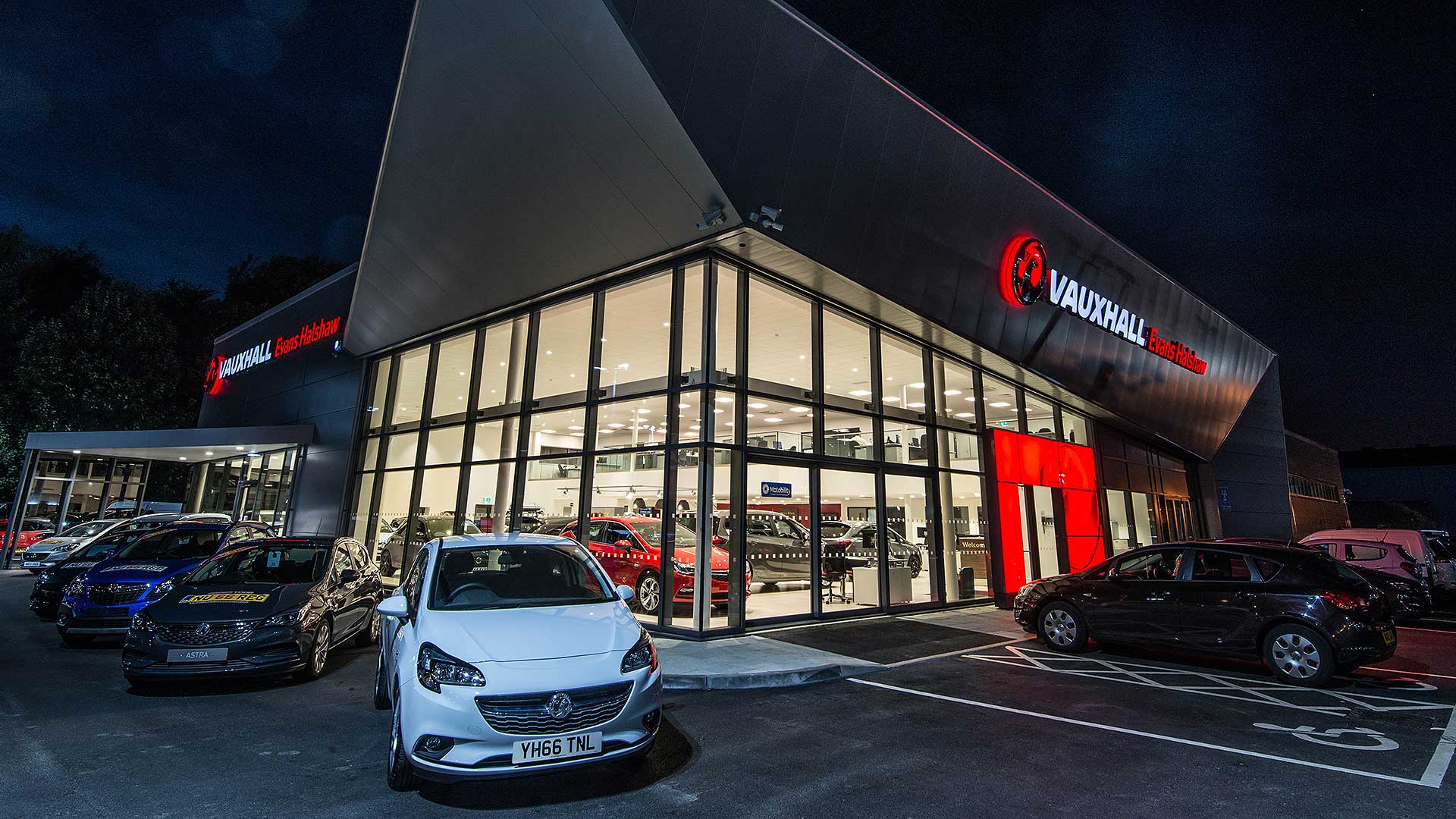
This is a quite remarkable result – and not in a good way for Vauxhall. The British-built Astra has slumped to 13th place in the UK registrations chart, a shocking result for a car that, years ago, flirted with the number 1 spot. The latest Astra is an excellent car to drive but, for whatever reason, has undoubtedly been a failure in the showrooms.
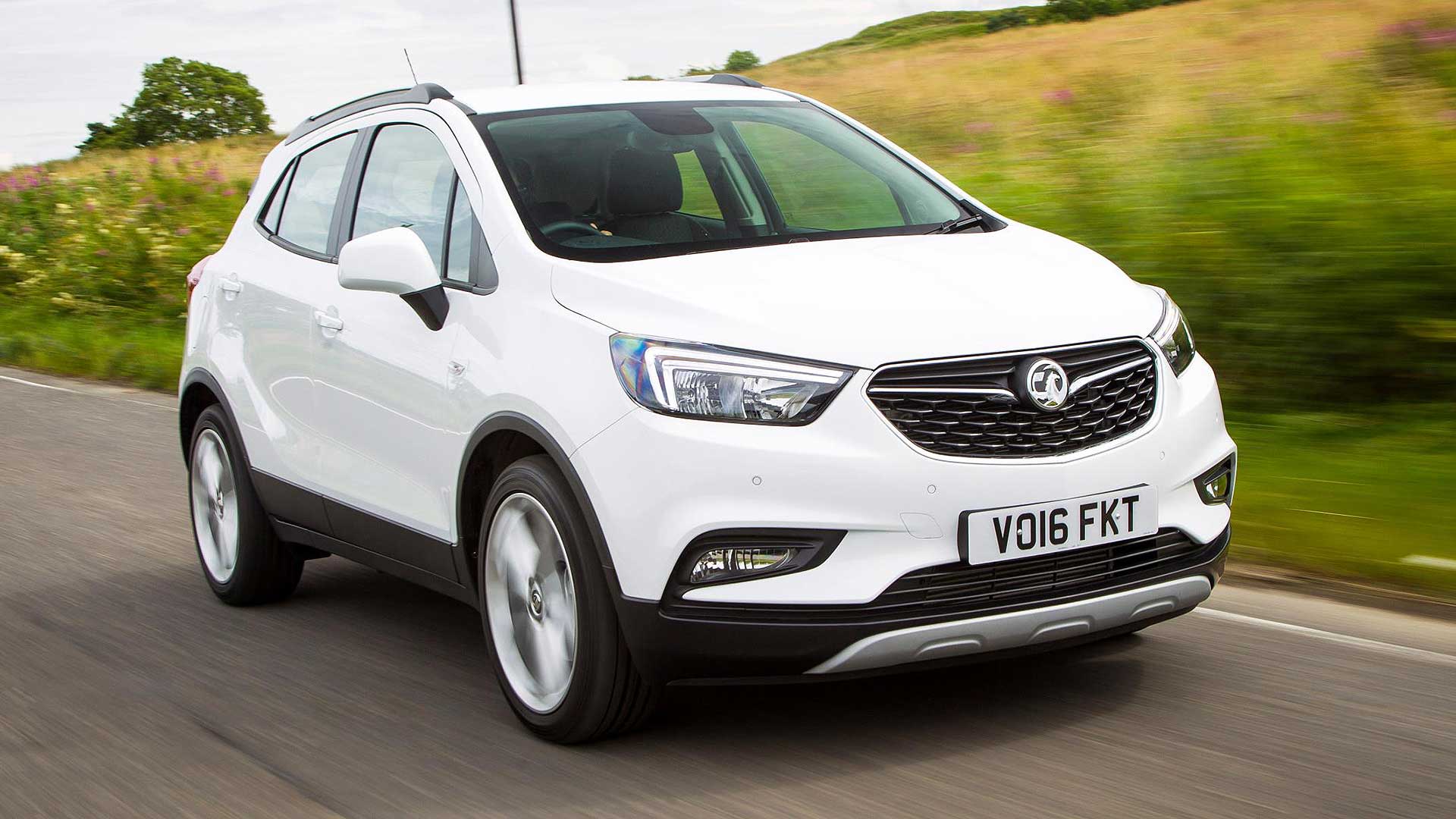
12: Vauxhall Mokka X
2018 sales: 32,266
It’s getting on in years but, to Vauxhall dealers’ relief, the Mokka X continues to draw people in. It’s impressive how this roomy, reasonably-priced Vauxhall now clearly outsells the one-time sector leader, the Nissan Juke.
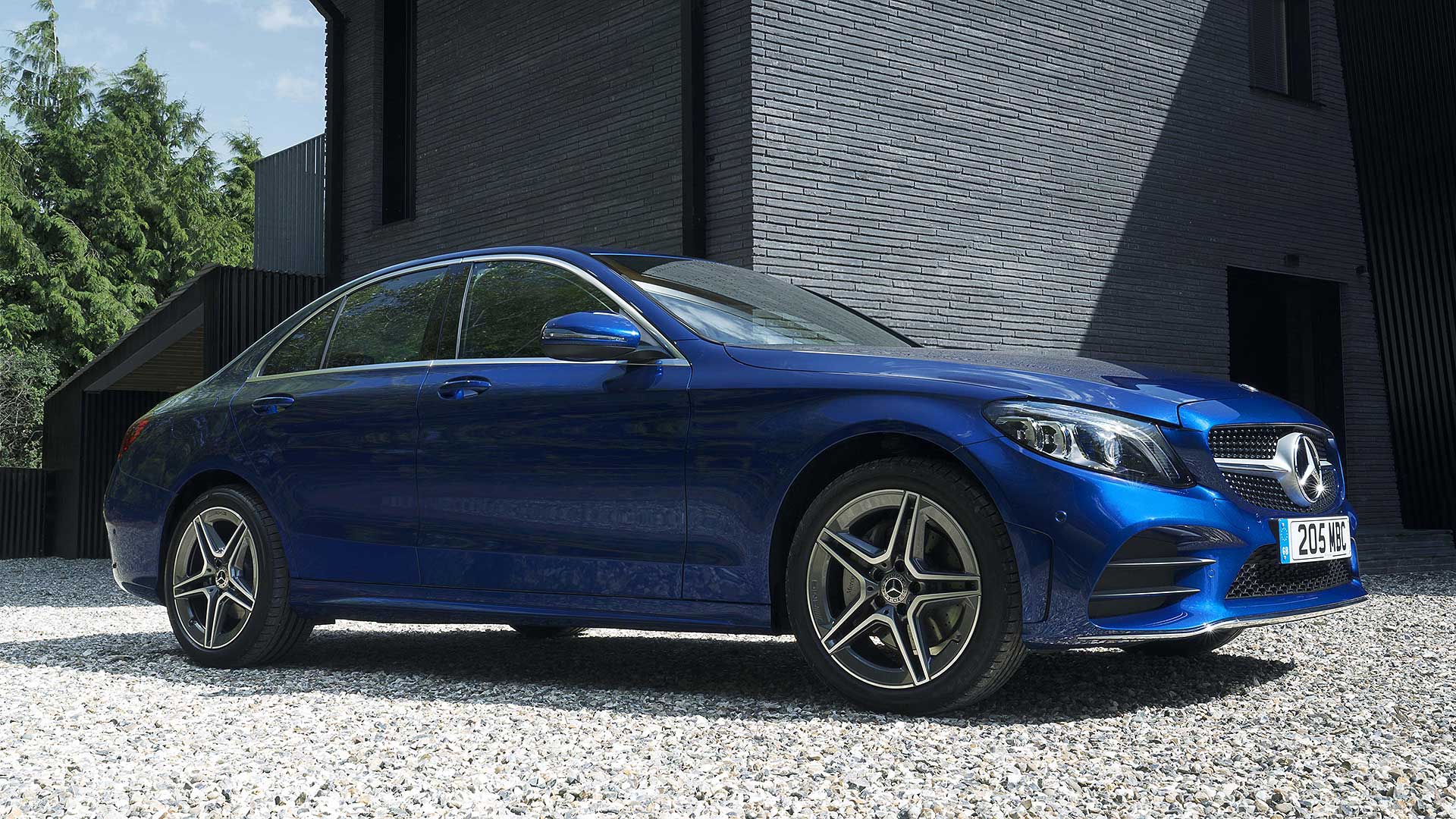
11: Mercedes-Benz C-Class
2018 sales: 32,600
Just outside the top 10 list is the Mercedes-Benz C-Class. Businesses love them, aided by extremely tempting leasing deals, meaning it’s now the top choice for the UK’s reps who, years ago, may have driven a lowly Ford Mondeo instead.
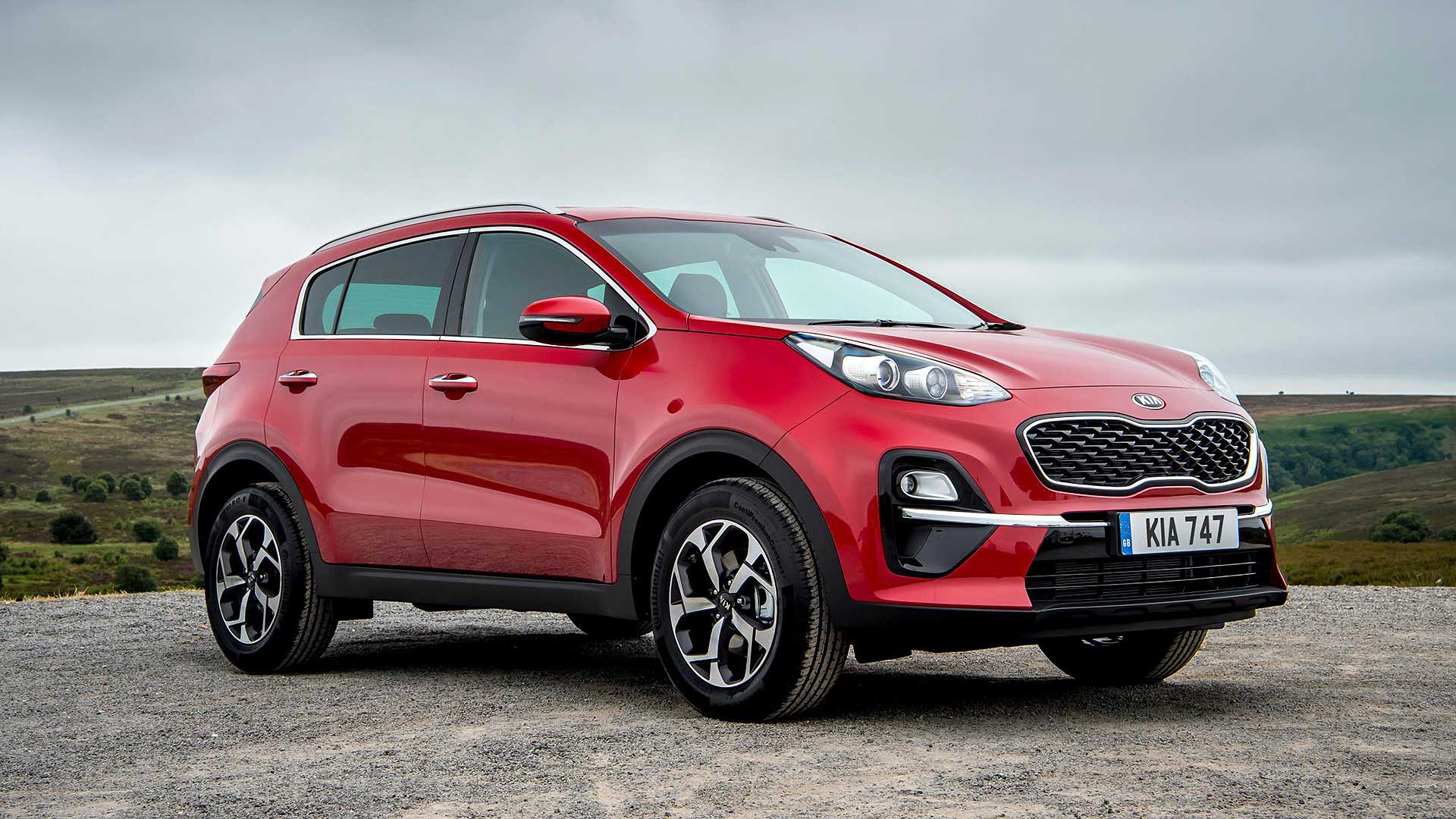
10: Kia Sportage
2018 sales: 35,567
Champagne corks will be popping at Kia HQ – it has delivered a top-10 best-selling car, a profitable family-sized SUV at that. Motoring Research is running a Sportage on long-term test at the moment, and we can undoubtedly see the appeal. It’s fair to say it trounced its sister car, the Hyundai Tucson, in the Kia-Hyundai sales battle…
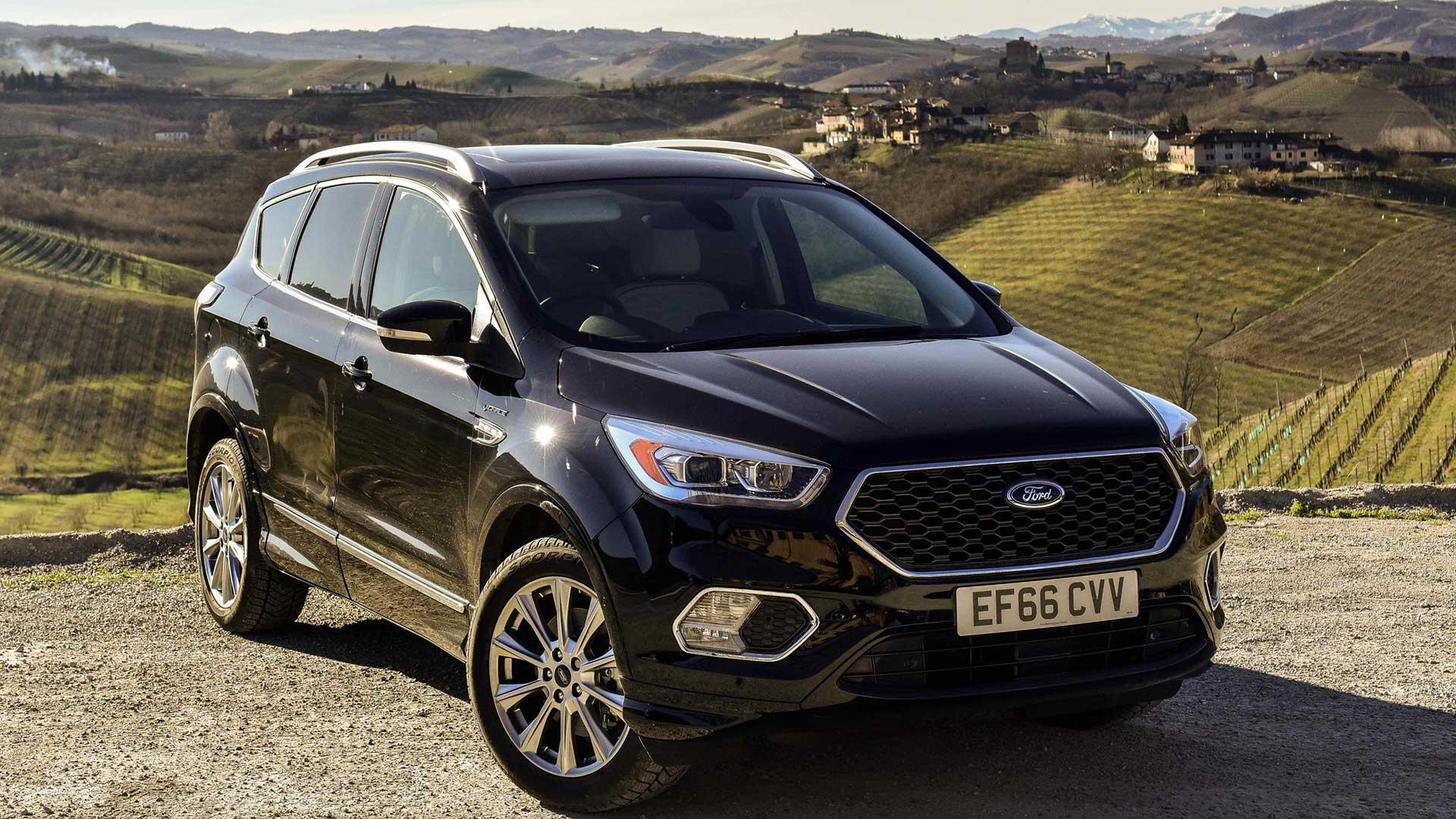
9: Ford Kuga
2018 sales: 40,398
Ford will be thankful the ageing Kuga is still holding up and delivering the registrations. Years ago, the Mondeo would have appeared in the UK top 10 chart; such is progress that the Kuga SUV is here instead. Question is, how long can Ford keep drawing in people with a car that’s not in its first flush of youth?
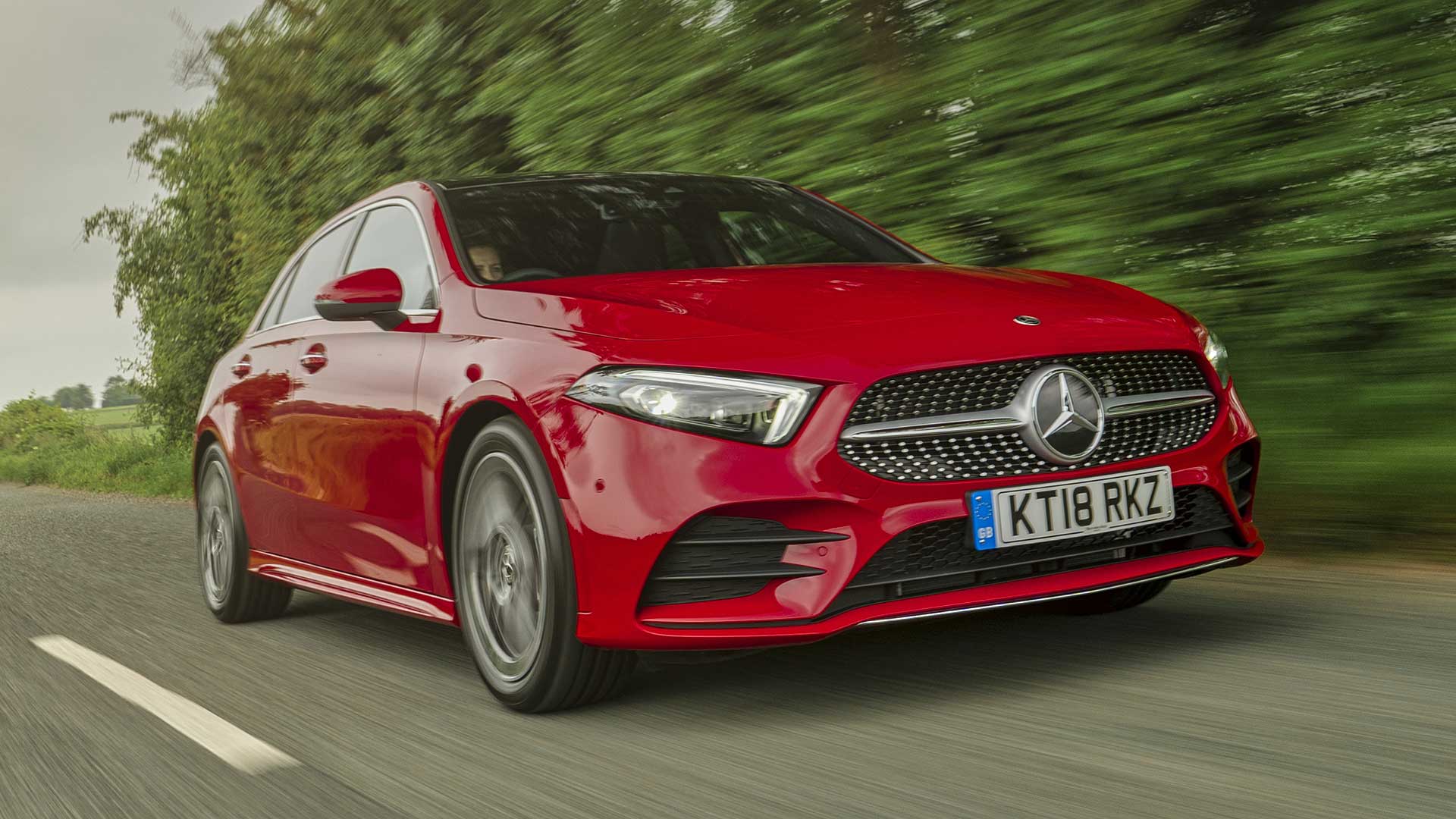
8: Mercedes-Benz A-Class
2018 sales: 43,527
Well done, Mercedes-Benz: despite going through a model change with the A-Class, you have still managed to make it into the top 10. The new A-Class is such an appealing premium hatch, we have no doubt you’ll be staying here for a while yet.
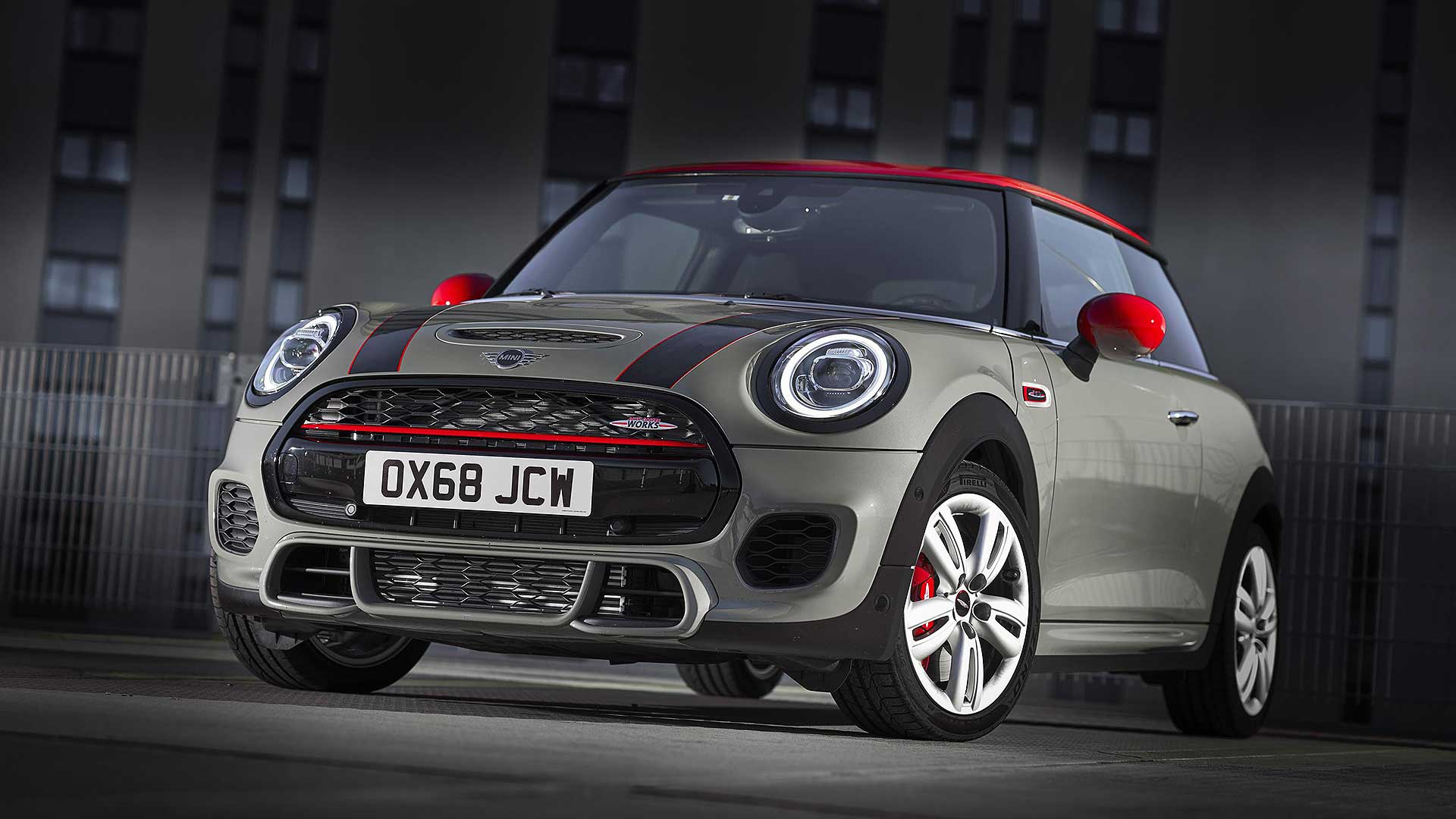
7: Mini
2018 sales: 44,905
The evergreen Mini is built in the UK and is a British legend. We’ll be seeing a lot of it this year as the original celebrates its 60th birthday. Look out for the special editions that will undoubtedly become collectables in future years.
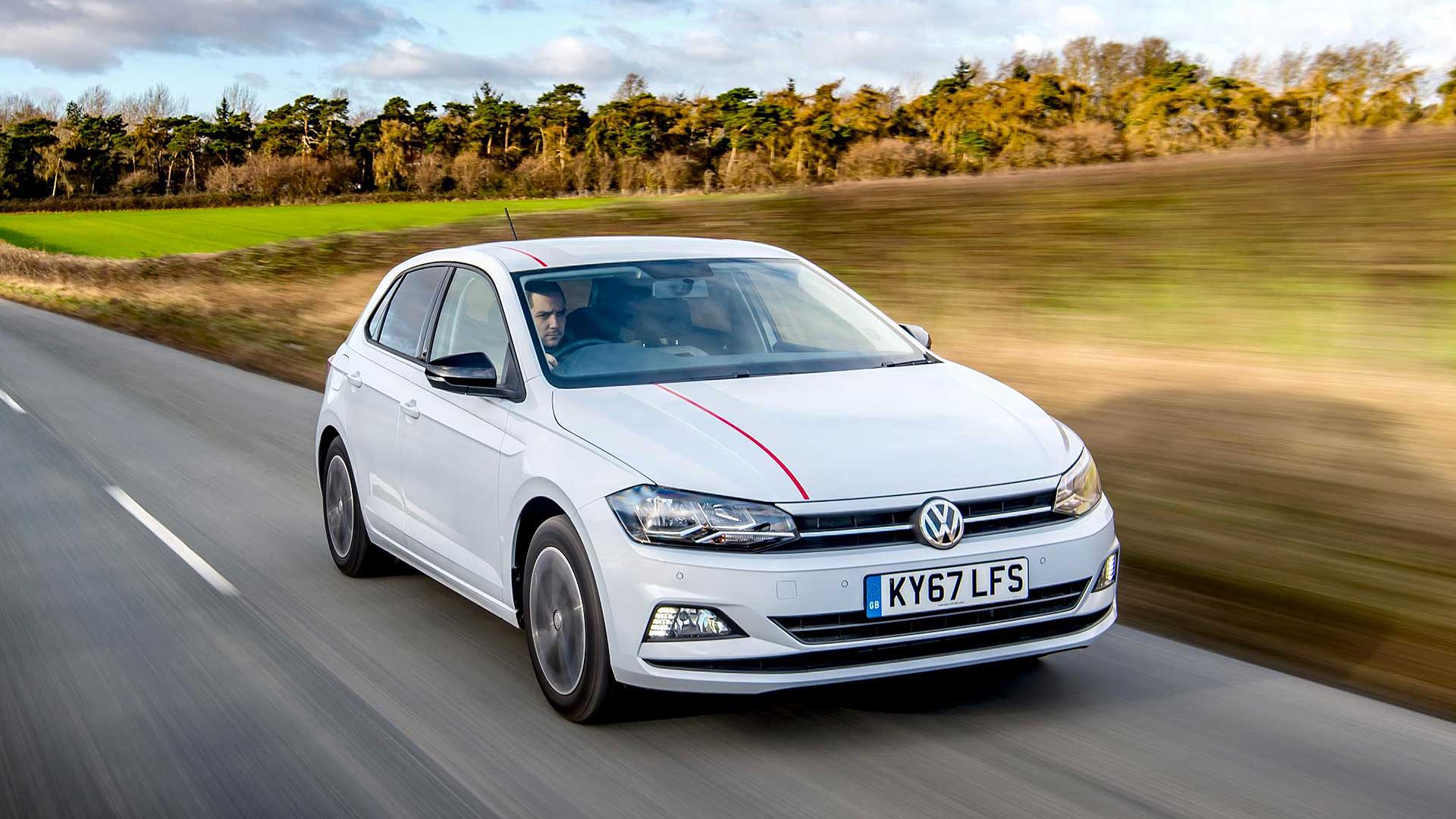
6: Volkswagen Polo
2018 sales: 45,149
The new-generation Volkswagen Polo is now settling in quite nicely and starting to creep up the sales chart. There’s one more VW that’s more popular, though, as we’ll see in a few slides…
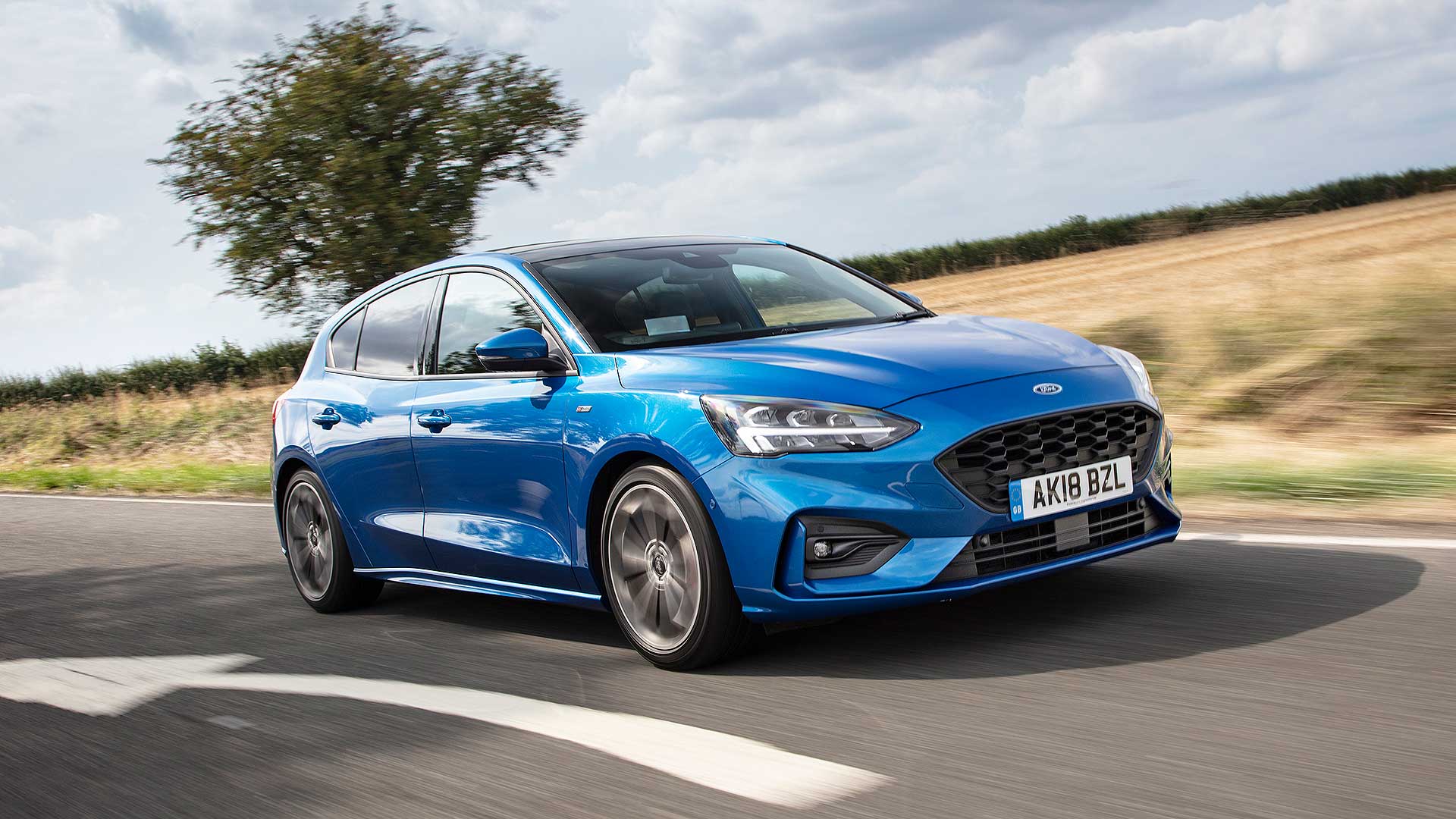
5: Ford Focus
2018 sales: 50,492
The Focus hasn’t performed quite as strongly as in previous years, as it’s gone through a model change cycle. The latest model is an excellent all-rounder so should rightly start to nip at the heels of the best-sellers: Ford will be hoping it doesn’t suffer the same fate as the similarly-excellent Vauxhall Astra.
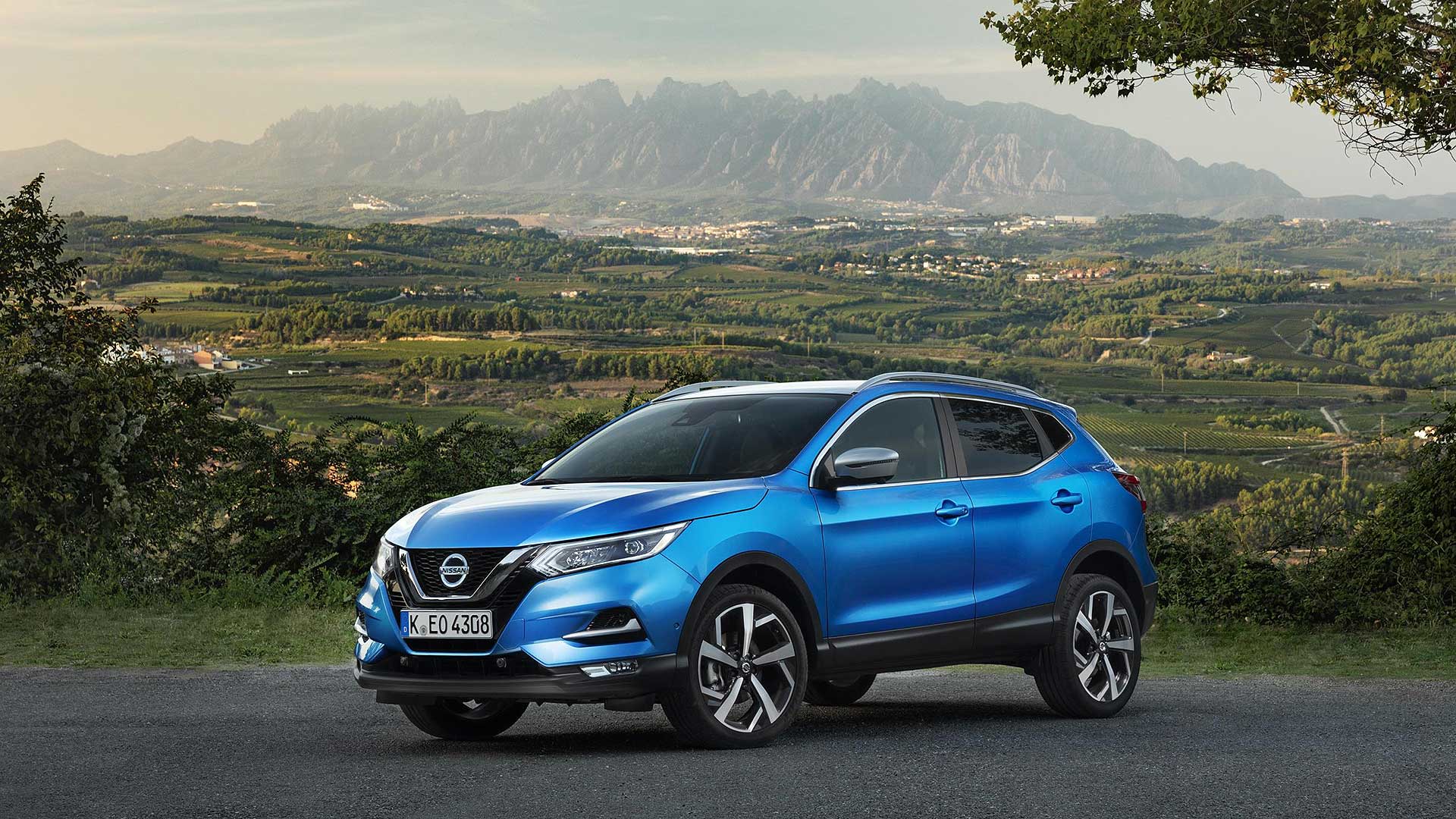
4: Nissan Qashqai
2018 sales: 50,546
The Nissan Qashqai is now a regular top-placed seller in the UK. It’s built here, and has recently been refreshed with some clean, powerful new engines. It’s not the youngest car in its sector, but Nissan will be keen to keep sales up in 2019 with increasingly good value for money.
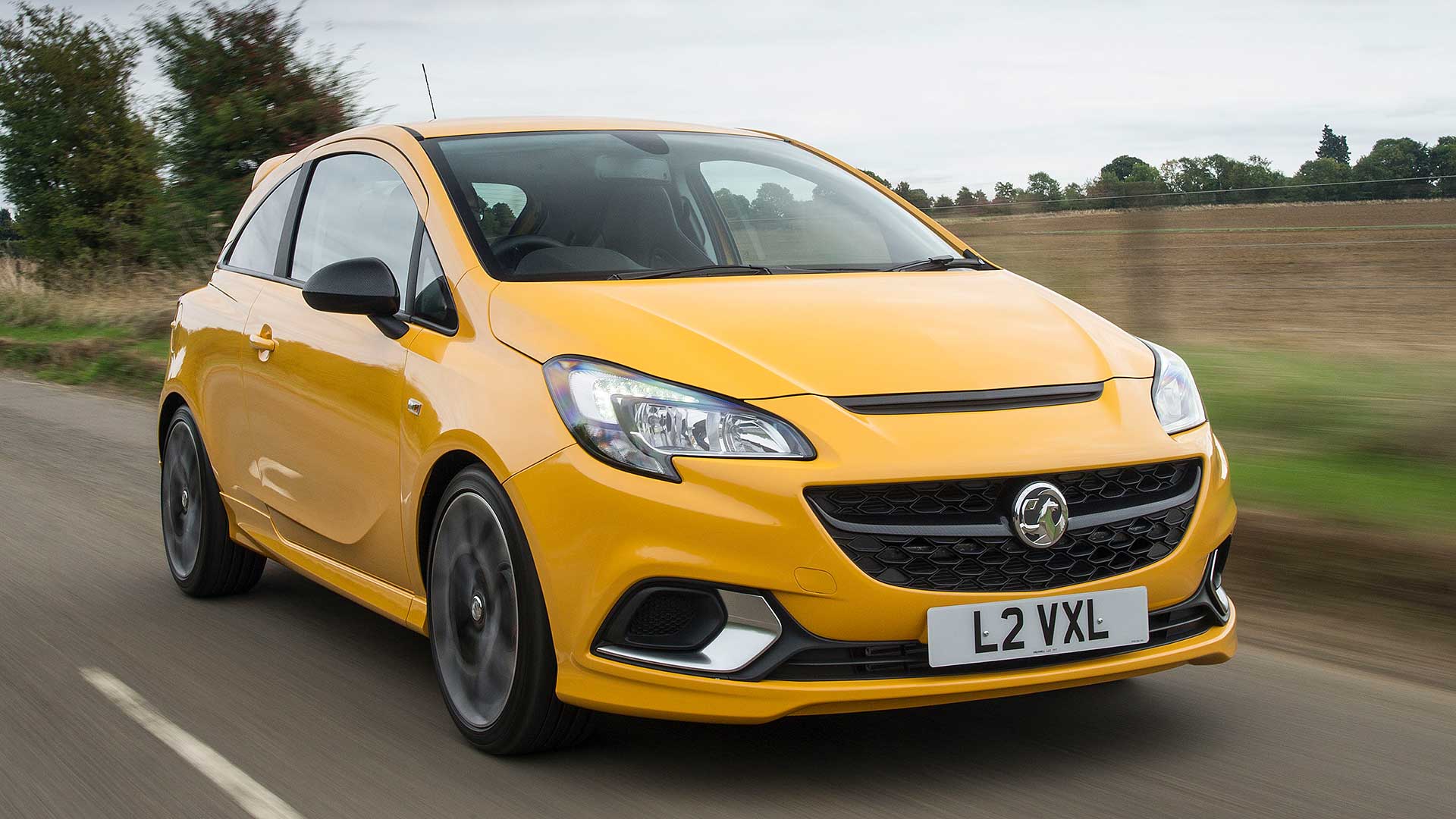
3: Vauxhall Corsa
2018 sales: 52,915
The current Vauxhall Corsa can rightly be called evergreen. It’s the oldest car in its sector, by far, but is kept at the head of the sales charts with strong value for money – the latest Corsa Griffin is an unbelievable package. Finally, a new one arrives in 2019: if this one can still sell so well, how might a fresh one perform?
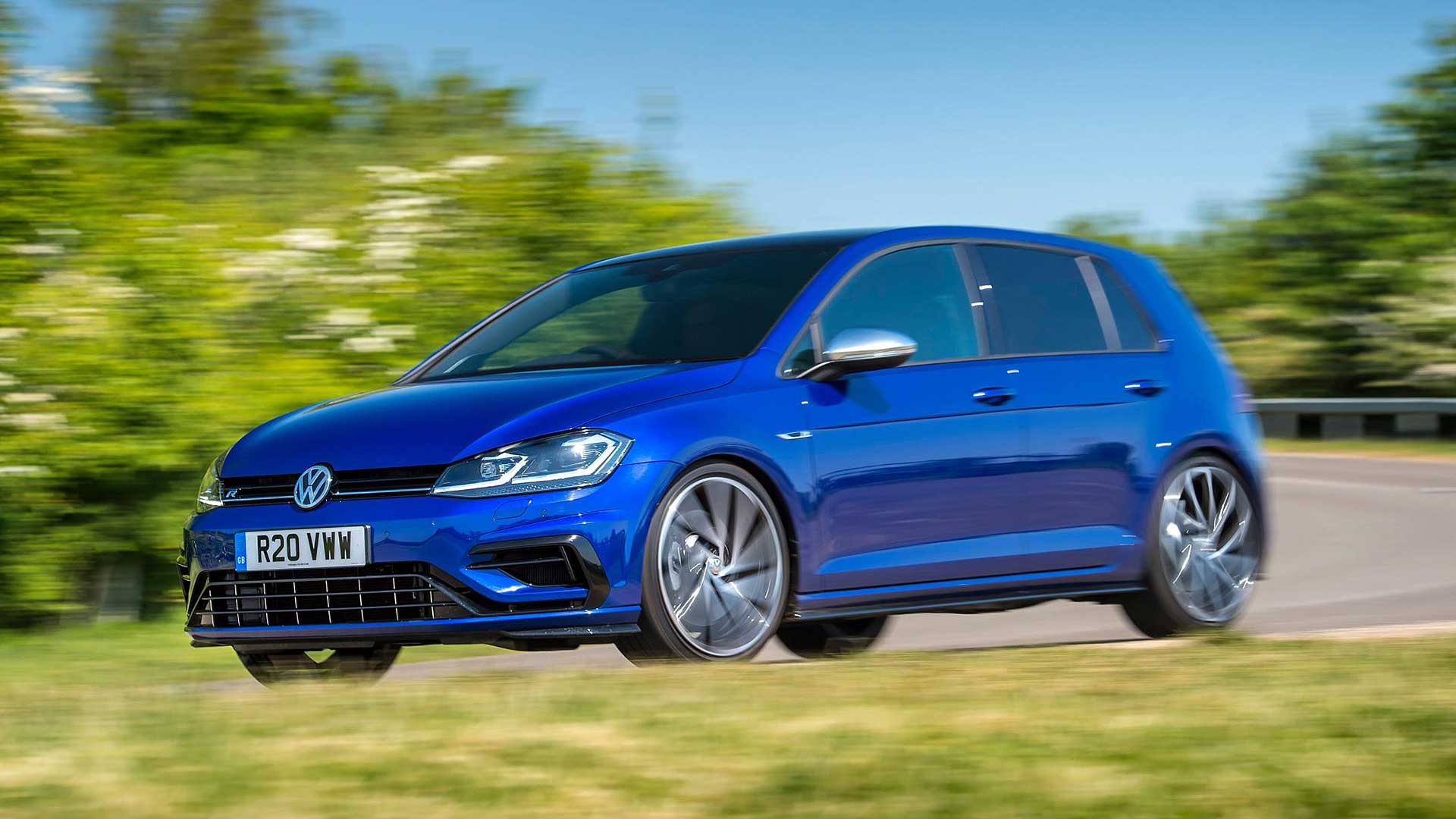
2: Volkswagen Golf
2018 sales: 64,829
The Volkswagen Golf has cemented itself as the UK’s second best-selling car. It all came in the aftermath of dieselgate, proving Brits’ willingness to forgive and forget a company’s transgressions. What’s all the more impressive is that a new one is due this year – yet this model just keeps on selling.
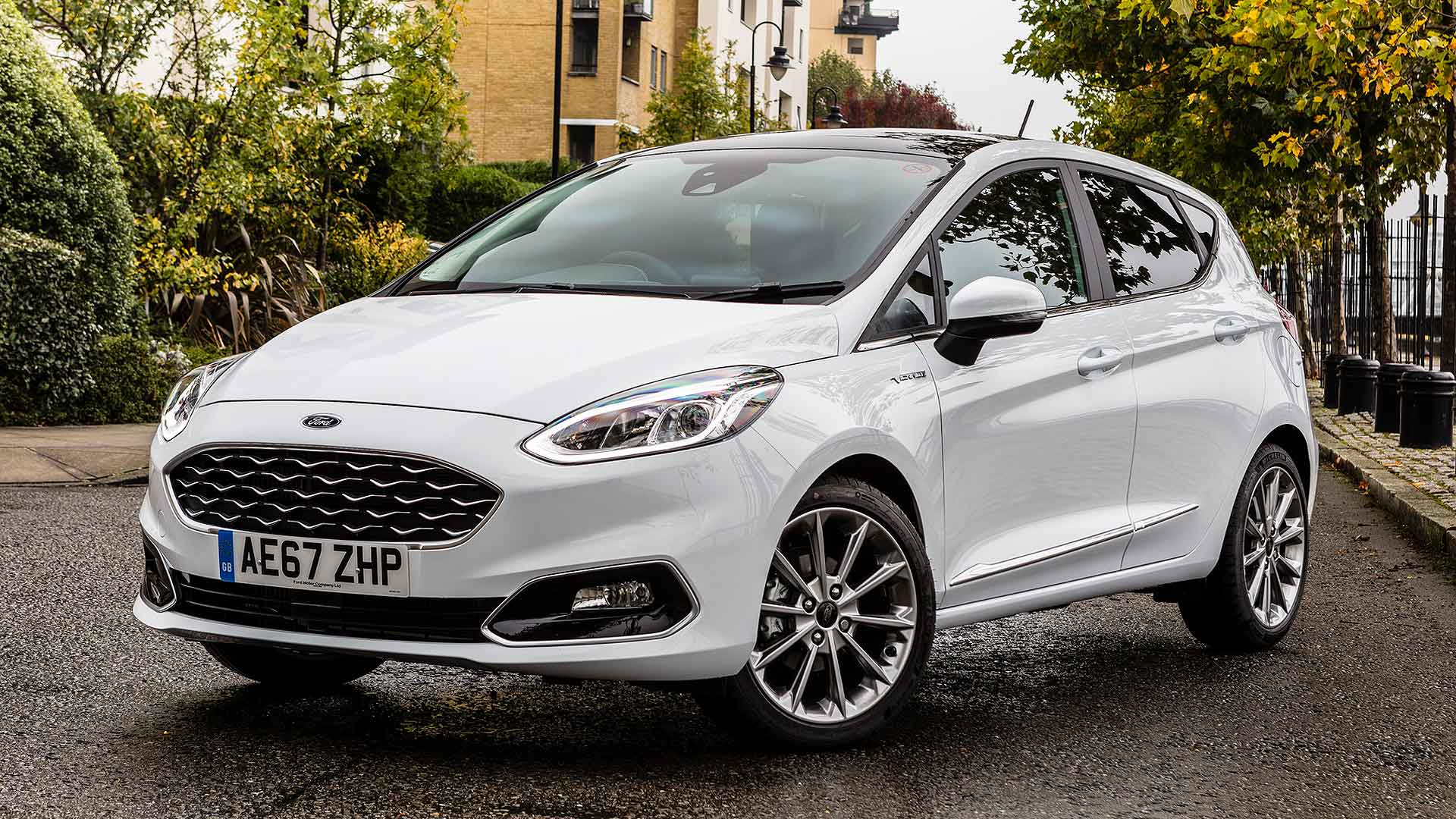
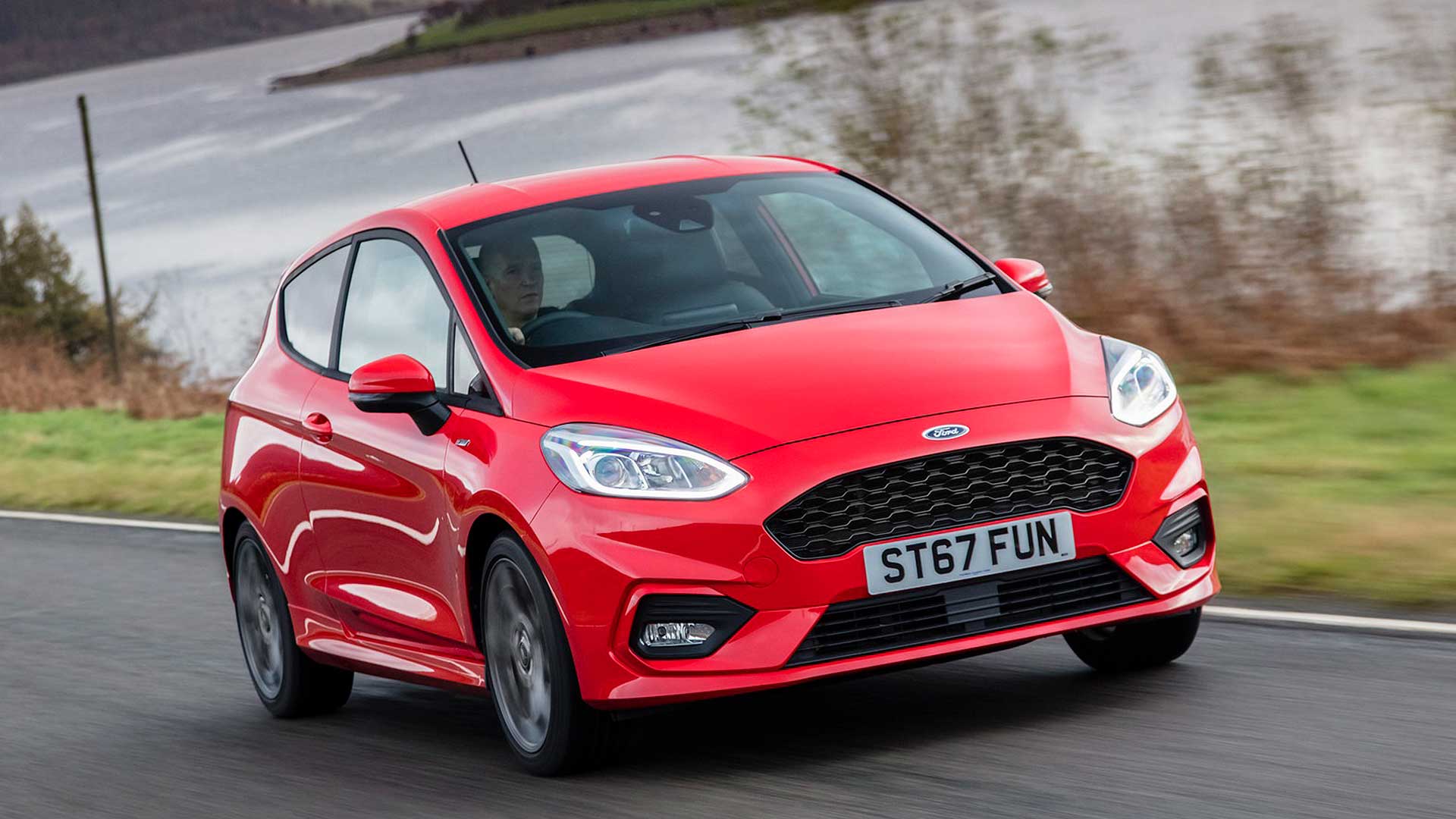
1: Ford Fiesta
2018 sales: 95,892
The Ford Fiesta’s margin of market superiority over every other car on sale in Britain is awe-inspiring. Month after month, it stands clear as the UK’s most popular car, and this latest-generation model has only underlined that advantage, with sales an amazing 50 percent higher than its nearest rival. Remarkable.
2018 was a turbulent year for new car sales with overall registrations down just under 7 percent. The Ford Fiesta remained Britain’s best-selling car but most car makers, including Ford, suffered sales declines.
Indeed, despite the challenges of Brexit, SMMT chief executive Mike Hawes (pictured below, right, with former Brexit secretary David Davis) says diesel is currently the biggest issue in UK dealer showrooms. “Diesel registrations have declined for 21 consecutive months,” he explained in a private briefing attended by Motoring Research. In 2018, they were down a whopping 30 percent.
“In sheer numbers, 316,000 fewer diesels were registered in 2018 – that’s 180 percent of the total decline. Petrol and alternative fuel vehicles are up, but half the diesel loss is down to people not buying new cars: they are keeping their existing vehicle.”
This is bad news for UK air quality, as pollution will only start to fall once older dirty diesels are off the road. Hawes hopes 2019 might be more positive on this front, due to pent-up demand from diesel owners.
Overall, 2.366 million new cars were registered in the UK in 2018. It is the second consecutive year of a decline in new car registrations. Despite the falls, Hawes did say that the trend is roughly on an historic par over the past five to 10 years.
2019, however, is expected to be down again, by another 2 percent. The SMMT predicts 2.32 million new car registrations this year, although Hawes adds it’s hard to predict beyond 29 March when the UK is scheduled to leave the EU.
“It’s potentially serious, and we have been clear: no deal is not an option for the car industry, and would be a catastrophe. However, if a deal goes through, there may be a boost to the economy, which would benefit new car sales.”
Emissions ‘going the wrong way’
2018’s new car registrations reveal a worrying trend for both car makers and the environment: after years of declines, average new car CO2 emissions are going up again.
The average new car sold in 2018 emitted 3 percent more CO2. The figure now stands at 124.5g/km – yet, in just three years’ time, car makers are obliged to hit an average of 95g/km, or be fined heavily for every car they sell over this cap.
Again, the demonization of diesel is to blame, says Hawes: diesels generally emit 20 percent less CO2 than petrol cars. But our love of bigger, heavier SUVs is also a factor – simple switches like moving from a Ford Focus into a Ford Kuga is driving up emissions.
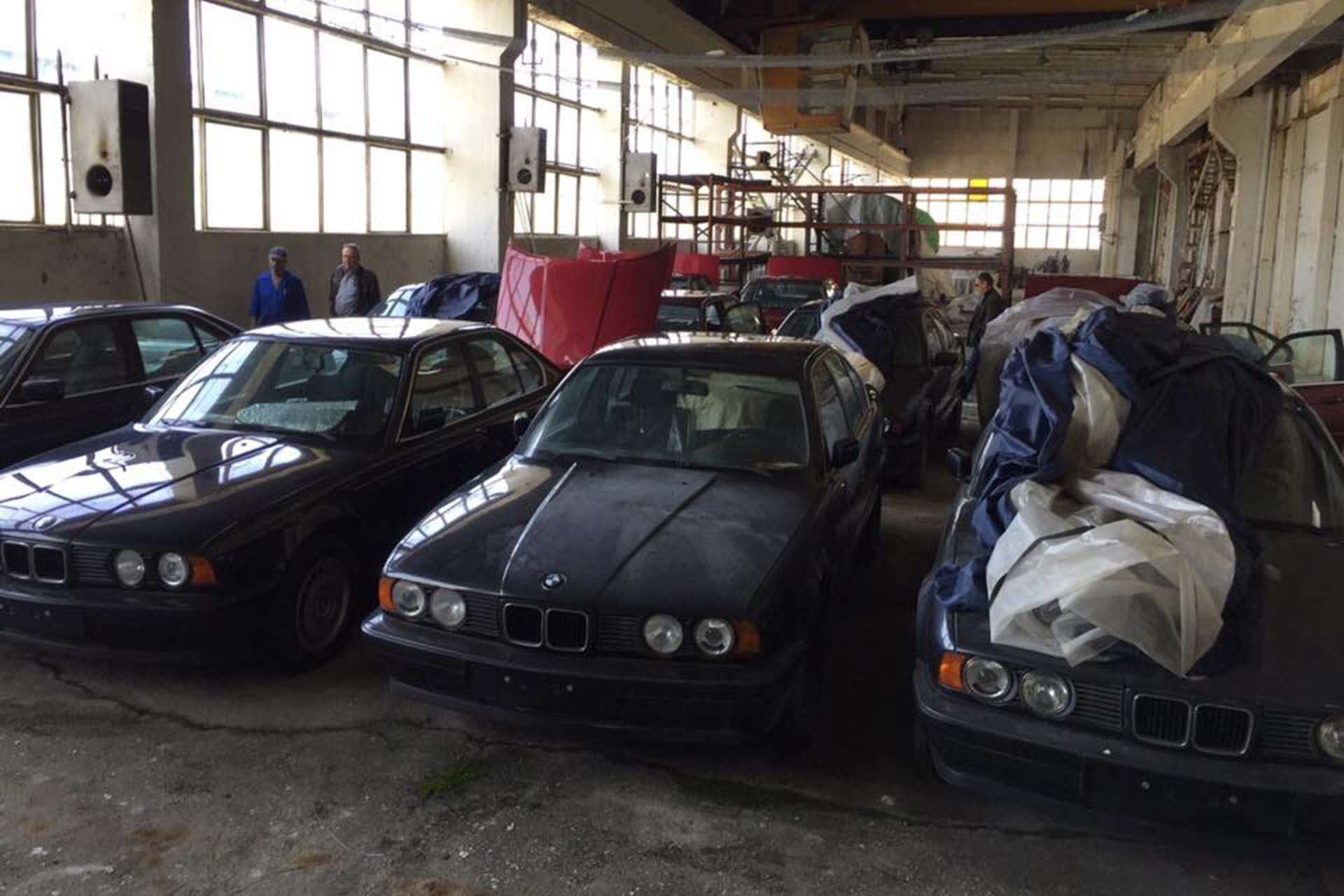
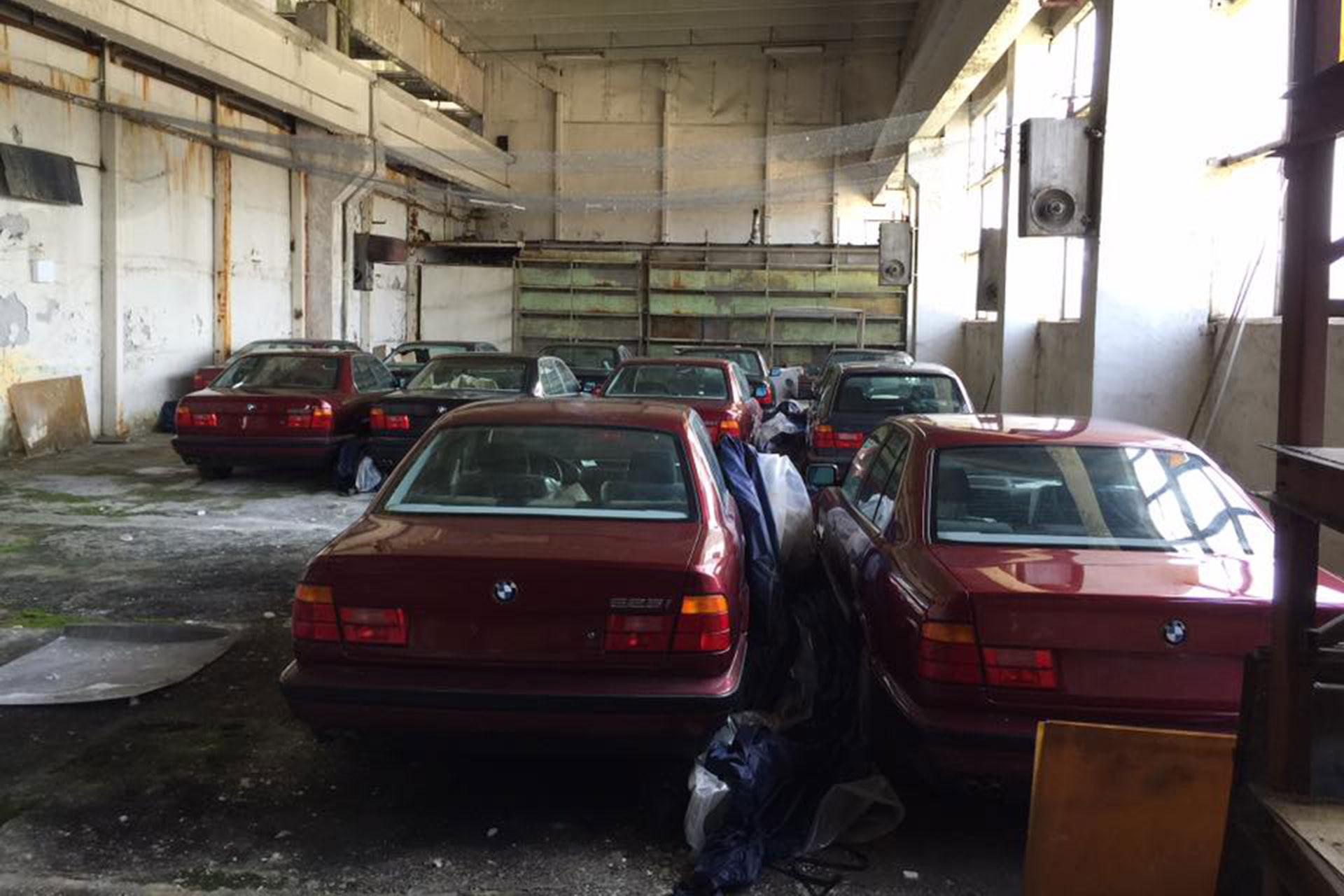
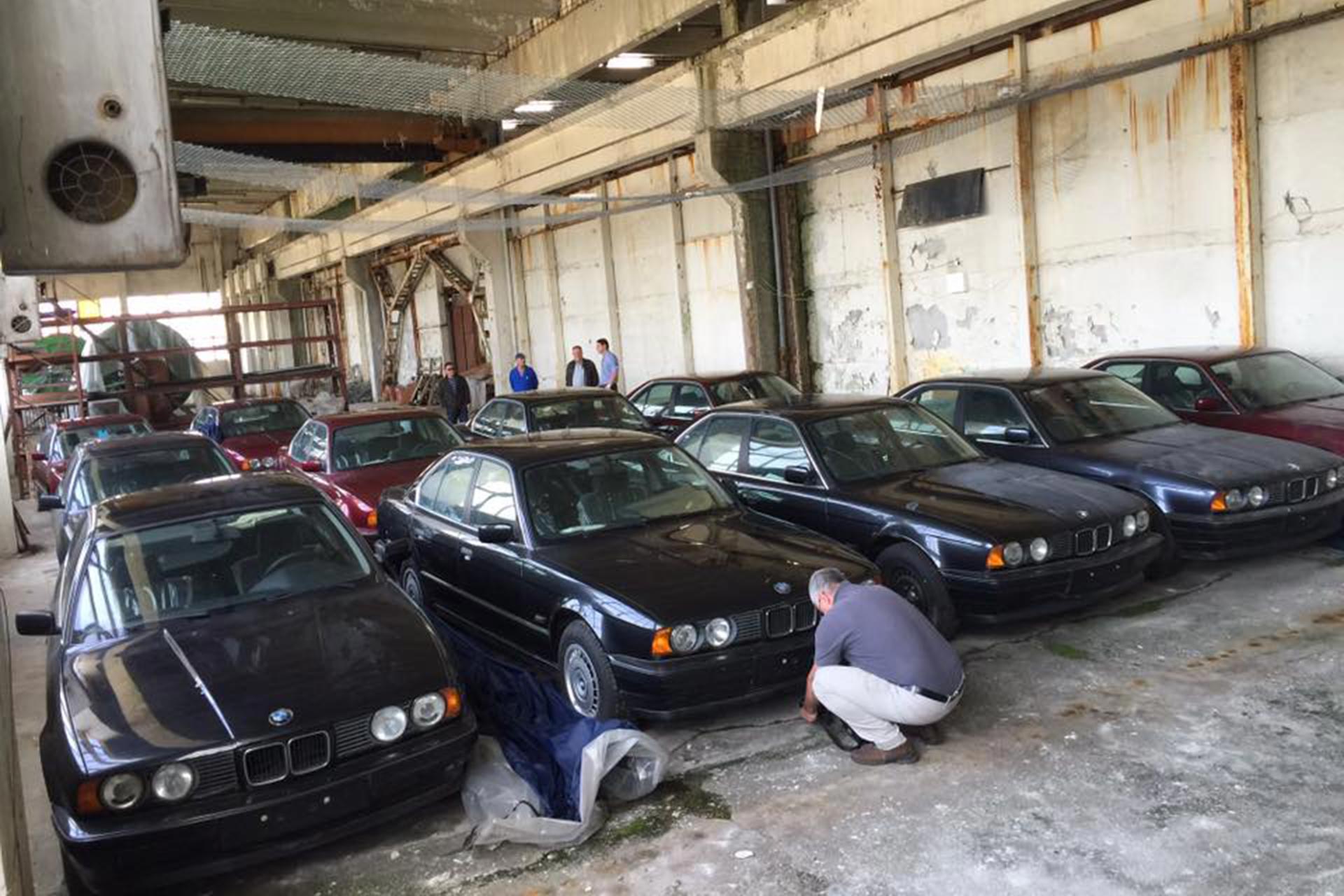
Forget your average classic car ‘barn find’ discovery. In Bulgaria, a warehouse containing eleven E34 5 Series BMWs, thought to date from 1994, have been uncovered.
Uncovered in a Facebook post by a Bulgarian garage, the photos of the abandoned BMWs have already generated lots of attention on the ‘Rust Free Zone’ page.
Stories of how the cars came to be left there for many years, along with speculators interested in buying them, are all fuelling the interest.
Hiding beneath the sheets
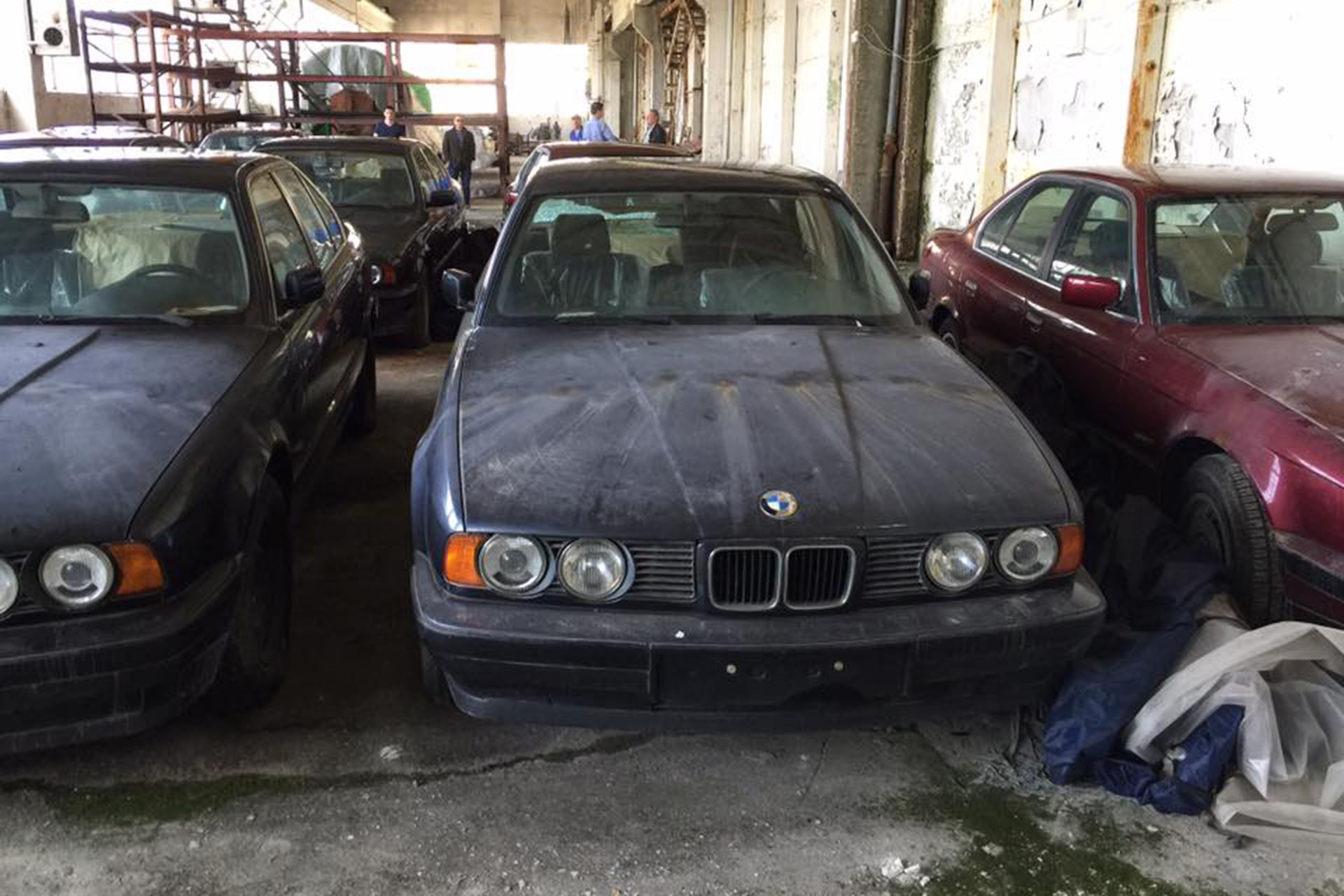
Consisting of ten saloons and one solitary Touring estate, the collection is made up of a mixture of 520i and 525i models. Black and Calypso Red appear to have been the colours of choice.
Due to the later construction of these cars, that means a 148hp 2.0-litre straight-six engine for the 520i models, and a more powerful 189hp 2.5-litre straight-six for the 525i cars.
Although clearly not about ultimate performance, these would offer more than adequate everyday performance. At least one car does have a manual gearbox, too.
Low miles, one previous owner
Whilst the mileage may be zero, being unused for 25 years has taken its toll on the cars. Some have smashed rear windows, or feature missing fuel flap doors. Others also show deteriorating paintwork due to water damage.
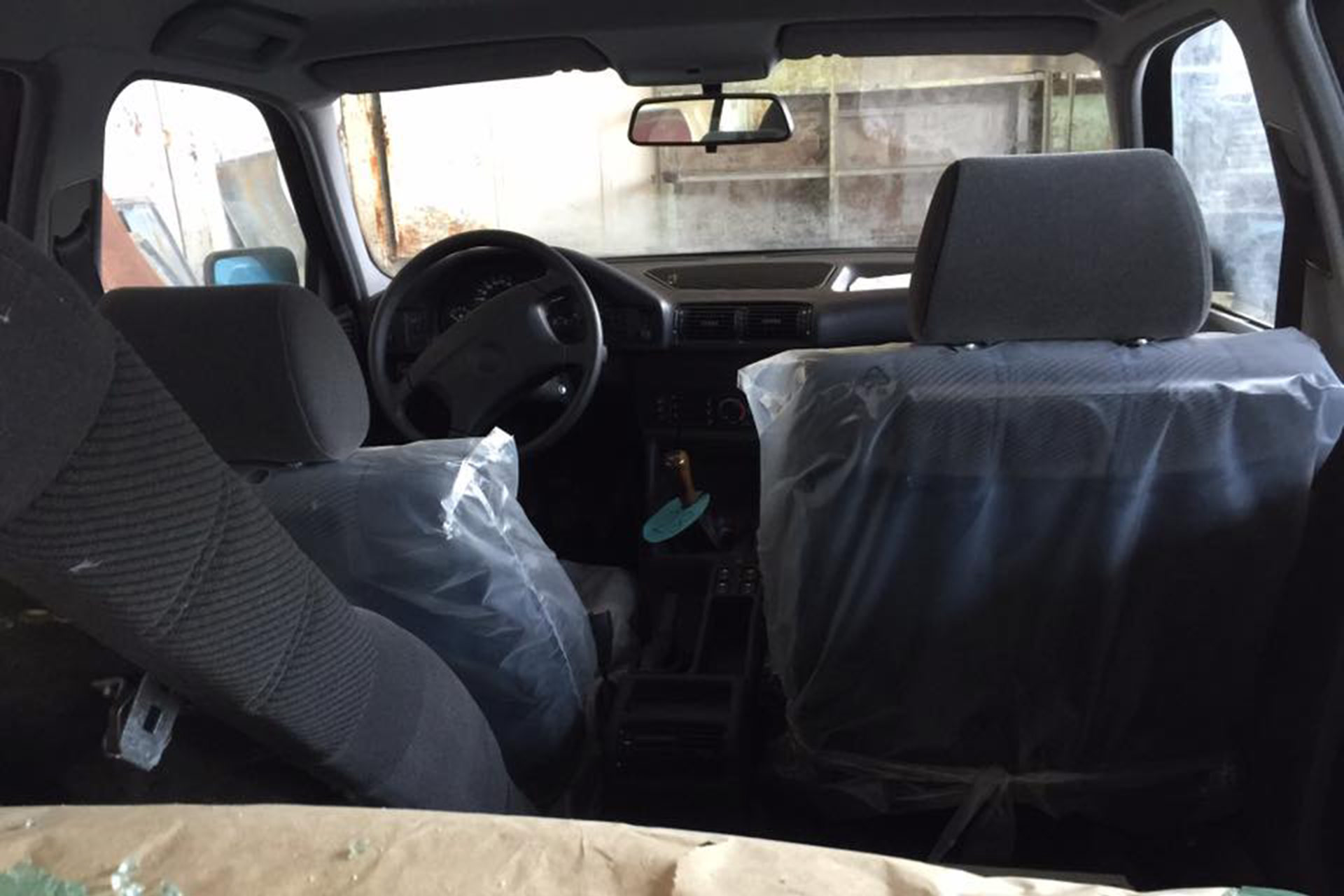
Interior photos do at least show seats still with plastic covers on them. Paperwork and stickers from the initial transport and delivery of the cars also appear present, and only add further to the air of mystery around them.
Initial reports suggested the cars may have been bought for use by a rental company, but were subsequently never registered.
The truth is out there
One commenter, Edis Shaban, claims to know the real story of how the cars came to be there. He believes that the cars were purchased by Nikolay Tadarukov – a former Bulgarian Minister of Agriculture.
Intended for use by members of the Bulgarian National Assembly, the BMWs were apparently abandoned due to politician prefering to use Mercedes-Benz cars instead.
As a result of being snubbed, the cars were then placed in storage in Blagoevgrad, located in southwestern Bulgaria. An old factory full of scrap metal is hardly a glamorous location, although it has at least protected the BMWs from the worst of the elements.
Stop! Hammertime
Given the length of time the cars have been left unused, the eleven examples are likely to need some gentle recommissioning before hitting the road for the first time.
The present owner of the warehouse, and the BMWs, is reported to be considering auctioning the cars off. Given the level of interest seen on social media, it is unlikely he will have any trouble finding buyers for these forgotten retro machines.
However, with more than 1.3 million examples of the E34 BMW 5 Series built, these particular cars are unlikely to reach staggering prices come sale time. In the UK, similar examples of the E34 range from £2,000 – £5,000 dependent on condition, with the rare M5 able to command much more.
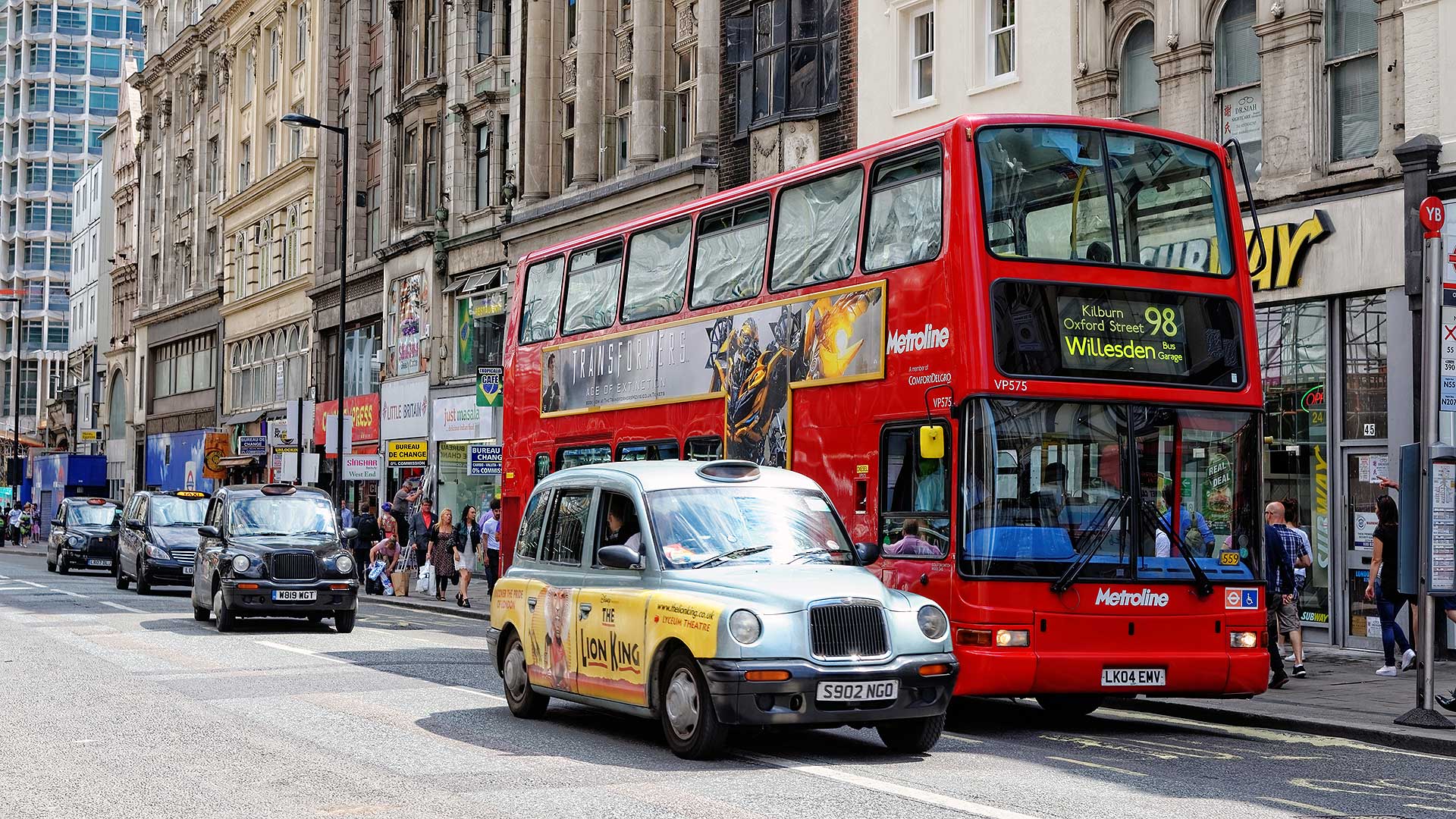
London’s Tottenham Court Road will be out of bounds for use by cars, lorries and taxis in peak times from March – and motorists who breach the ban face heavy fines.
The one-way street will be converted to two-way use in March. Between 8am and 7pm Monday to Saturday, only buses and bikes will be allowed to use it.
Motorists who use Tottenham Court Road when restrictions are in place face a £130 fine.
Cabbies have already slammed the new scheme. Steve McNamara, general secretary of the Licenced Taxi Drivers’ Association, called it an “ill thought out scheme.
“The major arteries of London are just that,” he told the Evening Standard. “They are the main method of London’s lifeblood moving around.
Camden council’s Adam Harrison countered by saying “not having taxis in the daytime will lead to 25 percent less traffic, with all the benefits for air quality and congestion that go along with it”.
7 in 10 think other UK cities should get a congestion charge
The taxi industry insists that congestion and pollution will instead worsen on surrounding roads.
Other changes on Tottenham Court Road, a key road in London’s West End, include wider pavements and bigger pedestrian crossings.
The six bus routes that use Tottenham Court Road will also benefit from improved timetabling, allowing up to 114 buses an hour to use the street during peak times.
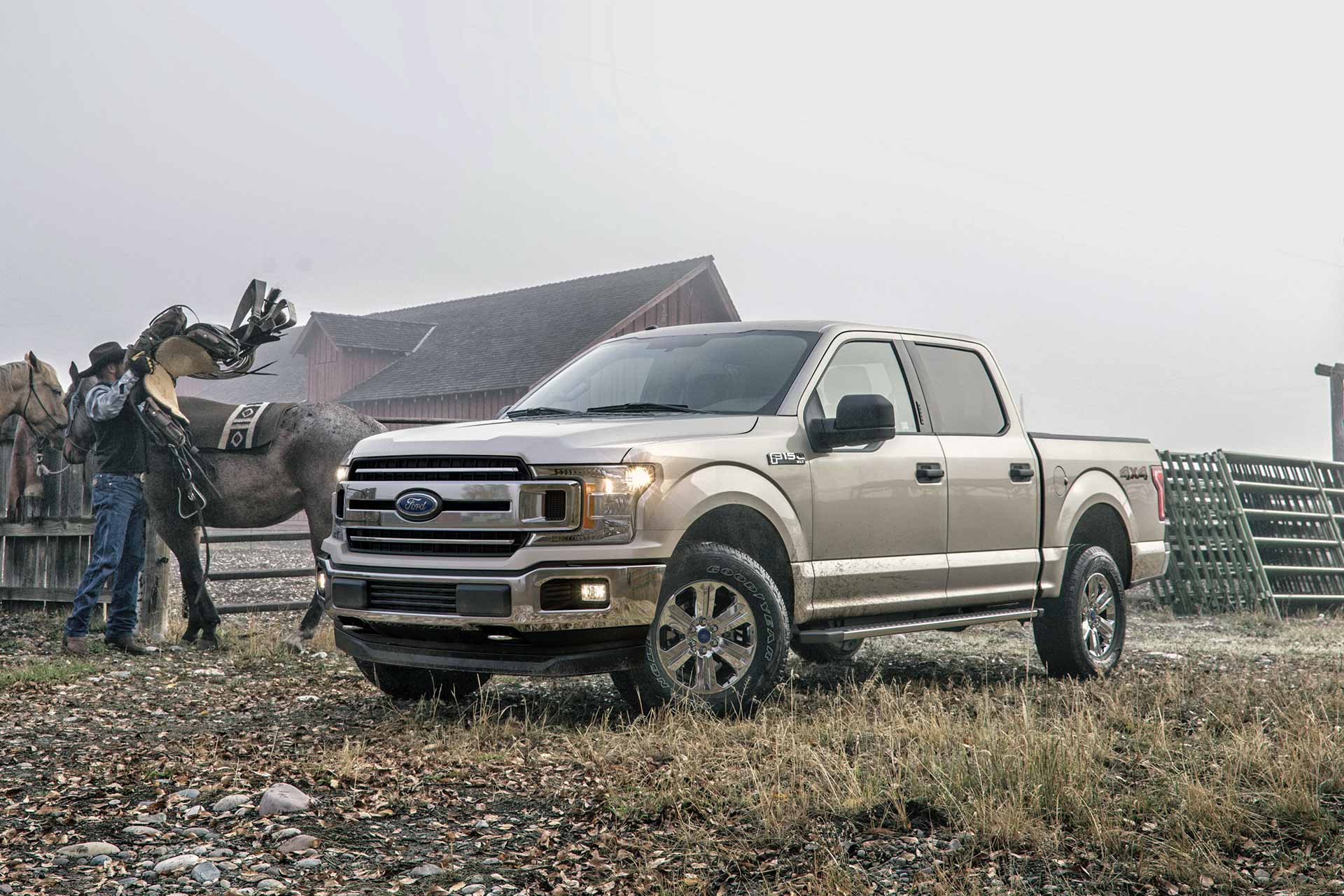
With over 900,000 trucks sold during 2018, the Ford F-Series has recorded an impressive 42nd year as the best-selling pickup in the United States.
More than 87,000 examples were sold in December 2018 alone, with 10 months throughout the year seeing sales above 70,000 – a new record. Average sale prices also increased, with Ford experiencing high demand for upmarket models of the F-Series.
Compared year-on-year to 2017, overall F-Series sales increased by 1.4 percent in 2018. Yet overall sales for the Blue Oval saw a 3.5 percent decrease against the previous year.
Vans up, cars down
Ford has made no secret of plans to end the sale of traditional cars in North America. The strategy seems to be clearly supported by the sales figures from last year.
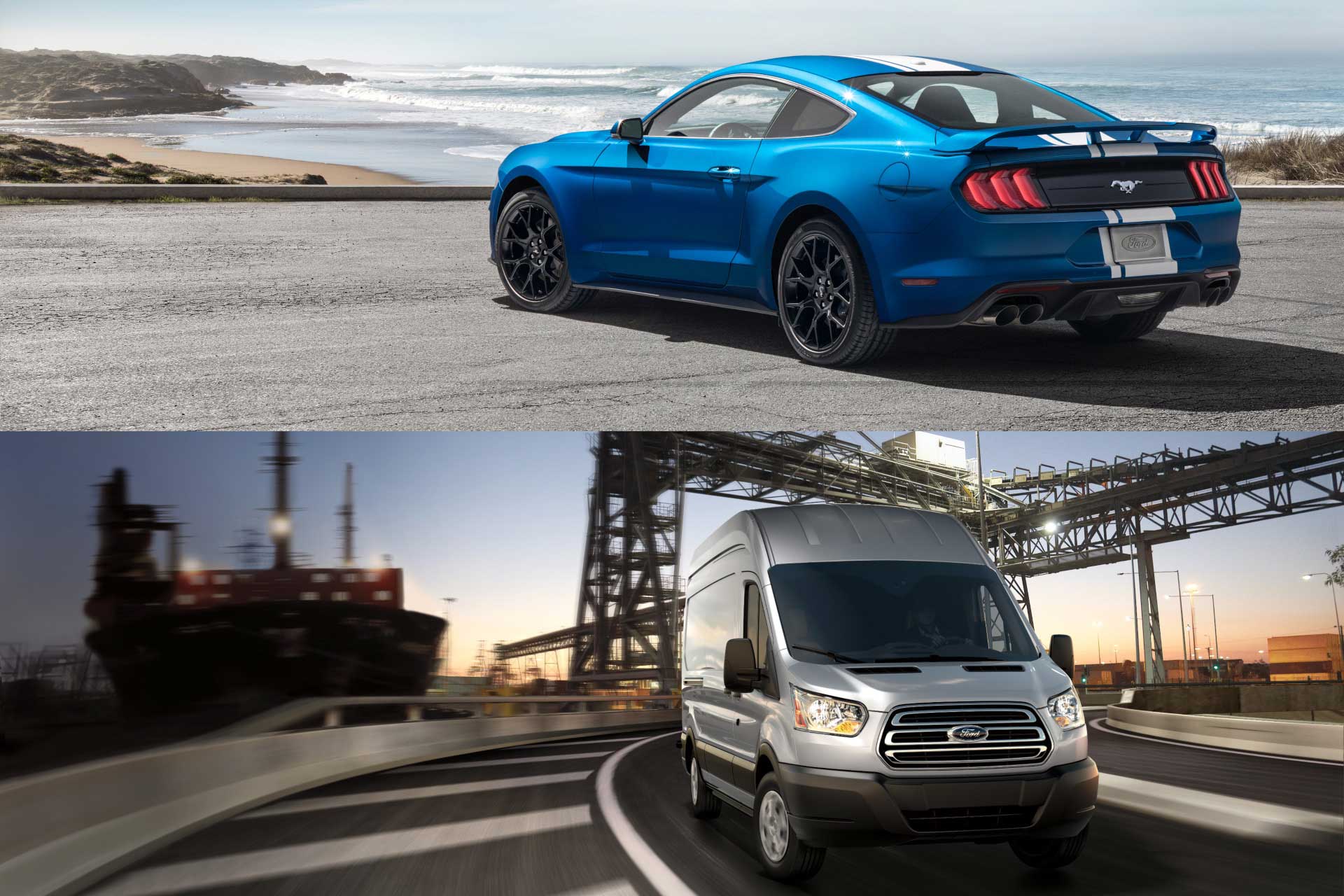
A total of just 486,024 Ford cars were sold during 2018 – a hefty 18.4 percent decrease from the 595,390 cars sold in 2017. Despite the launch of a heavily updated model, the Mustang also saw a drop in sales by 7.4 percent.
Intriguingly, the GT supercar was one of the only Ford cars to record an increase in sales – albeit from 89 to 126 models sold.
Along with modest growth for pickup trucks, one of the biggest climbers in sales figures was the Transit van. Over 137,000 units were sold in 2018, making the Transit the best-selling commercial vehicle in the United States.
Ford and Lincoln SUVs also see growth
Overall sales of Ford SUVs in 2018 saw a marginal increase at 0.1%, buoyed by the large Expedition SUV recording 54,661 units sold. That 5.4 percent growth was, along with the Police Interceptor Utility model, the only Ford SUV to see higher demand.
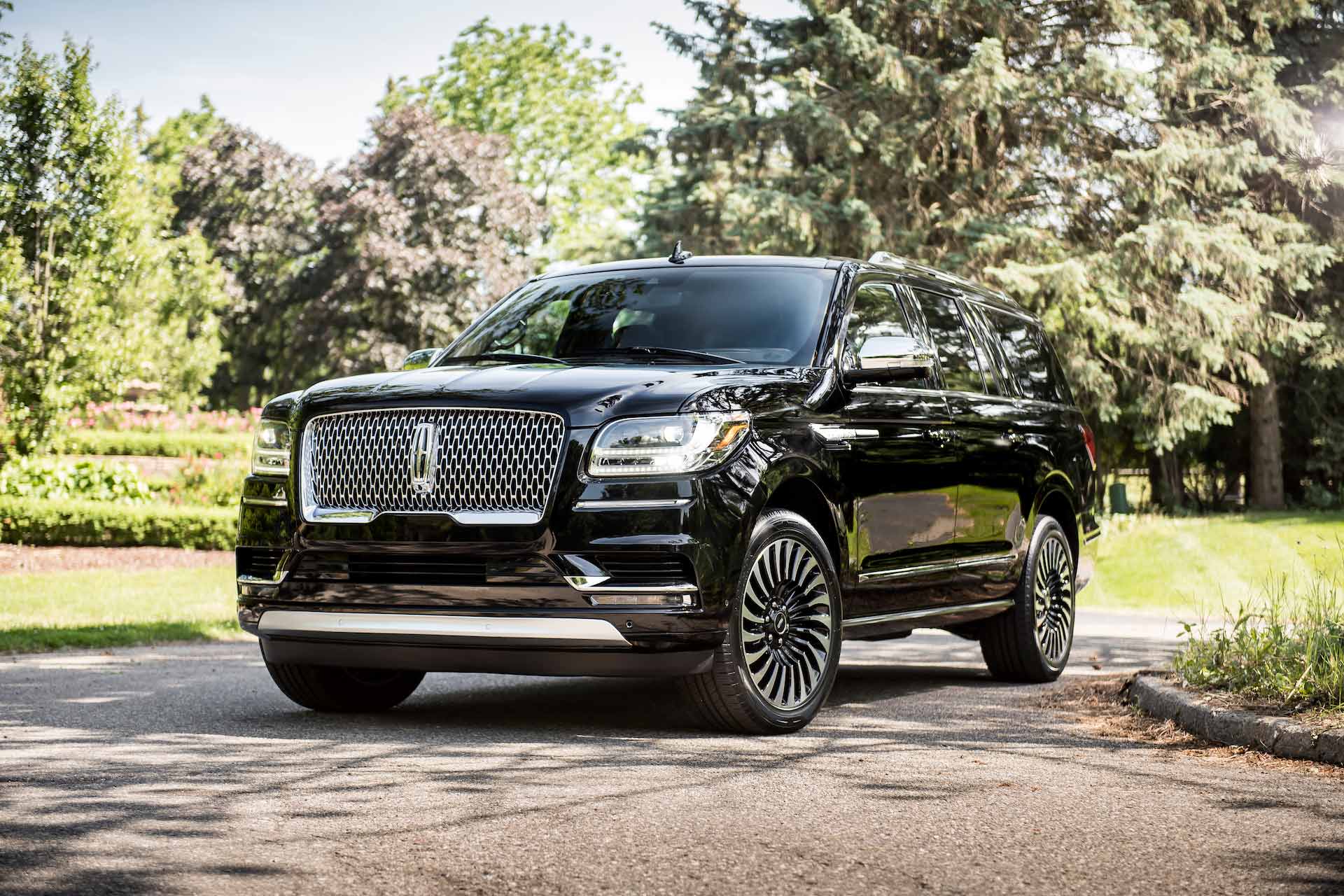
The Lincoln brand also saw a 6.8 percent decrease in sales during 2018. Lincoln cars dropped by a staggering 27.7 percent compared to 2017, although SUV models did see an additional 4.7 percent models sold.
Launched in late 2017, the revised Lincoln Navigator was responsible for the higher overall SUV sales. With 17,839 units sold during 2018, the luxury SUV recorded a 69.5 percent increase compared to 2017.
A cross-party group of MPs is supporting a petition that calls for the setting up of an independent fuel pricing watchdog to ‘stop excessive prices at the fuel pumps’.
The petition was set up by campaigning body FairFuelUK, and already has more than 14,500 signatures.
“Drivers need reassurance that they are not paying way over the odds for fuel,” said Kirstene Hair, chair of the All-Party Parliamentary Group (APPG) for Fair Fuel for Motorists and Hauliers.
Highlighting the need for an independent fuel price regulator with @STVNews – motorists deserve fair fuel prices no matter where they’re fuelling up across the country. @FairFuelUKpic.twitter.com/Btd1pBcf3j
“In rural communities where public transport is poor and unreliable, people need their vehicles to get from A to B. It is essential that they pay the fairest price. That is where a price monitoring system would support them.”
Garages that charge fair prices would display a ‘kitemark’ logo.
How to find the cheapest petrol and diesel near you
However, Brian Madderson, chairman of fuel industry trade body the Petrol Retailers Association, rejected the idea. He told the BBC that a watchdog, although a well-meaning idea, “would be pretty impractical.
“Who is going to check prices at 8,500 forecourts? And if you have a kitemark, what’s going to be the acceptable margin?”
Profits made by filling stations rose from 8p on a litre of petrol to more than 13p a litre by the end of the year. Diesel profits currently stand at around 11p a litre.
Calls for a ‘petrolwatch’ come as RAC Fuel Watch reveals that although fuel prices fell in December 2018, it calculates they remain 8p a litre too high. “Drivers should feel cheated prices have not come down further,” said spokesperson Simon Williams.
He blamed this on two factors: petrol prices have not been cut sufficiently to reflect falls in the wholesale price, and three major supermarkets appear unwilling to compete with the cheapest retailer, Asda.
“Normally, the other three supermarkets are 1p to 1.5p more expensive on unleaded, but our data shows that since October, they have abandoned this strategy in favour of pricing 2.5p to 4p higher for a litre of petrol.”
He called the situation “highly unusual, the likes of which we haven’t seen before”. Supermarkets are key to sharp competition on forecourts in the UK, as they sell 45 percent of British fuel.
“Drivers could be paying around 3p a litre more for their fuel simply because of a retail pricing decision at three supermarkets.”
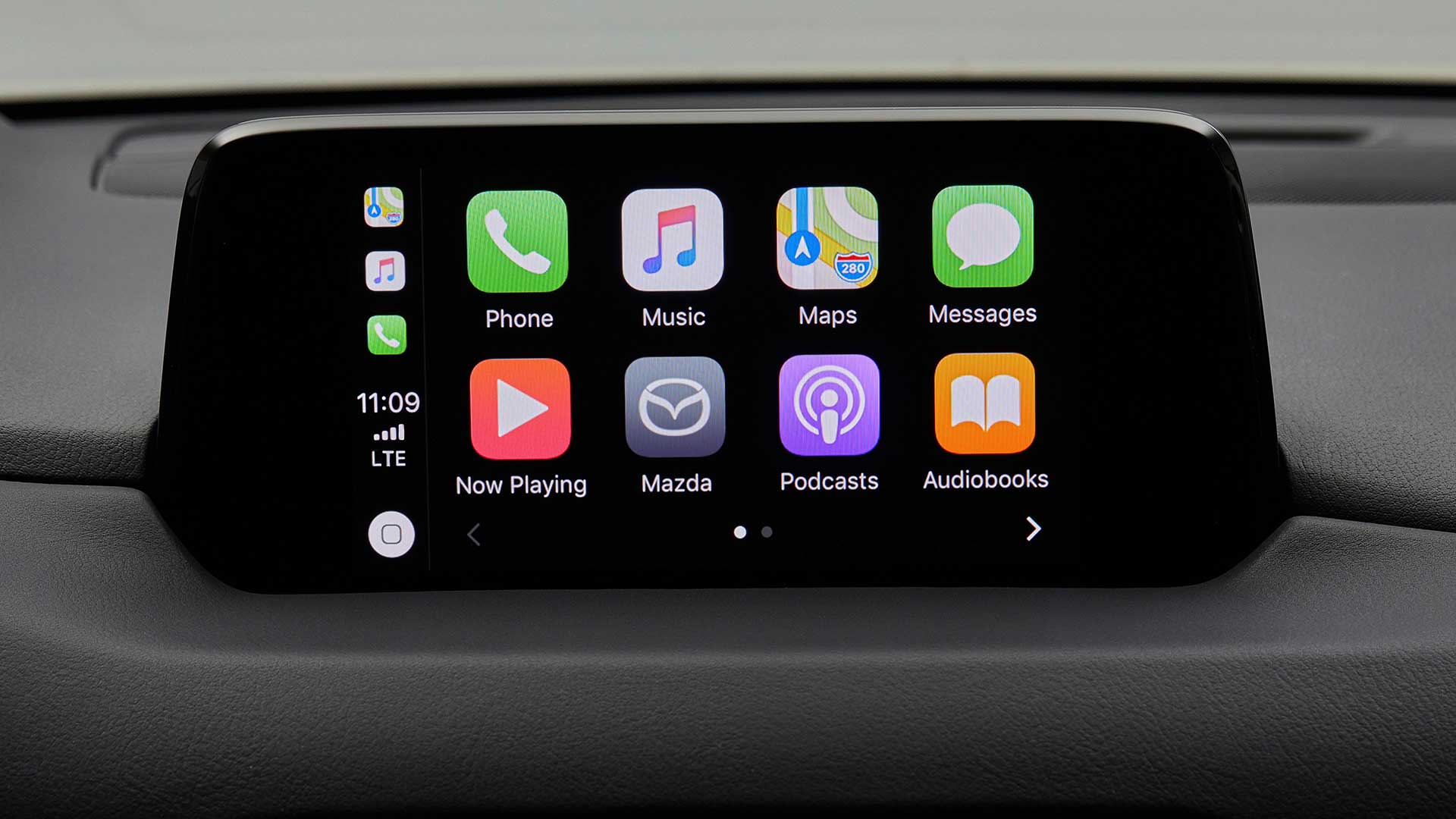
Mazda is showing that you don’t need to have a brand new car in order to benefit from Apple CarPlay. Models up to five years old can be retro-fitted with the smartphone-syncing tech. All they need is an MZD Connect infotainment screen.
It’s not just Apple CarPlay; Android Auto can also be integrated into older cars.
The dealer-fit upgrade includes both hardware and software upgrades – the latest version of Mazda Connect is installed, and Mazda dealers also install a more powerful and faster charging 2.1-amp USB port.
Software works using the rotary controller knob in the centre console and, where fitted (and when the vehicle is stationary), the central touchscreen. Voice control (via the built in voice control button) will also work in Apple CarPlay and Android Auto.
The upgrade takes around two hours at a dealer. It offically costs £350 (although some dealers are running special offers, trimming the cost to £299).
Mazda first introduced MZD Connect in 2014 and it features on popular models such as the CX-3 and CX-5 SUV, the Mazda 6 large family car and the MX-5 roadster range.
 Lamborghini has unveiled an updated variant of its Huracan supercar, dubbed the Evo. The headlines? Updated aerodynamics, Performante power, rear-wheel steering and more sophisticated dynamic control systems. The end result? A “sensory and agile driving experience,” reckons Lambo…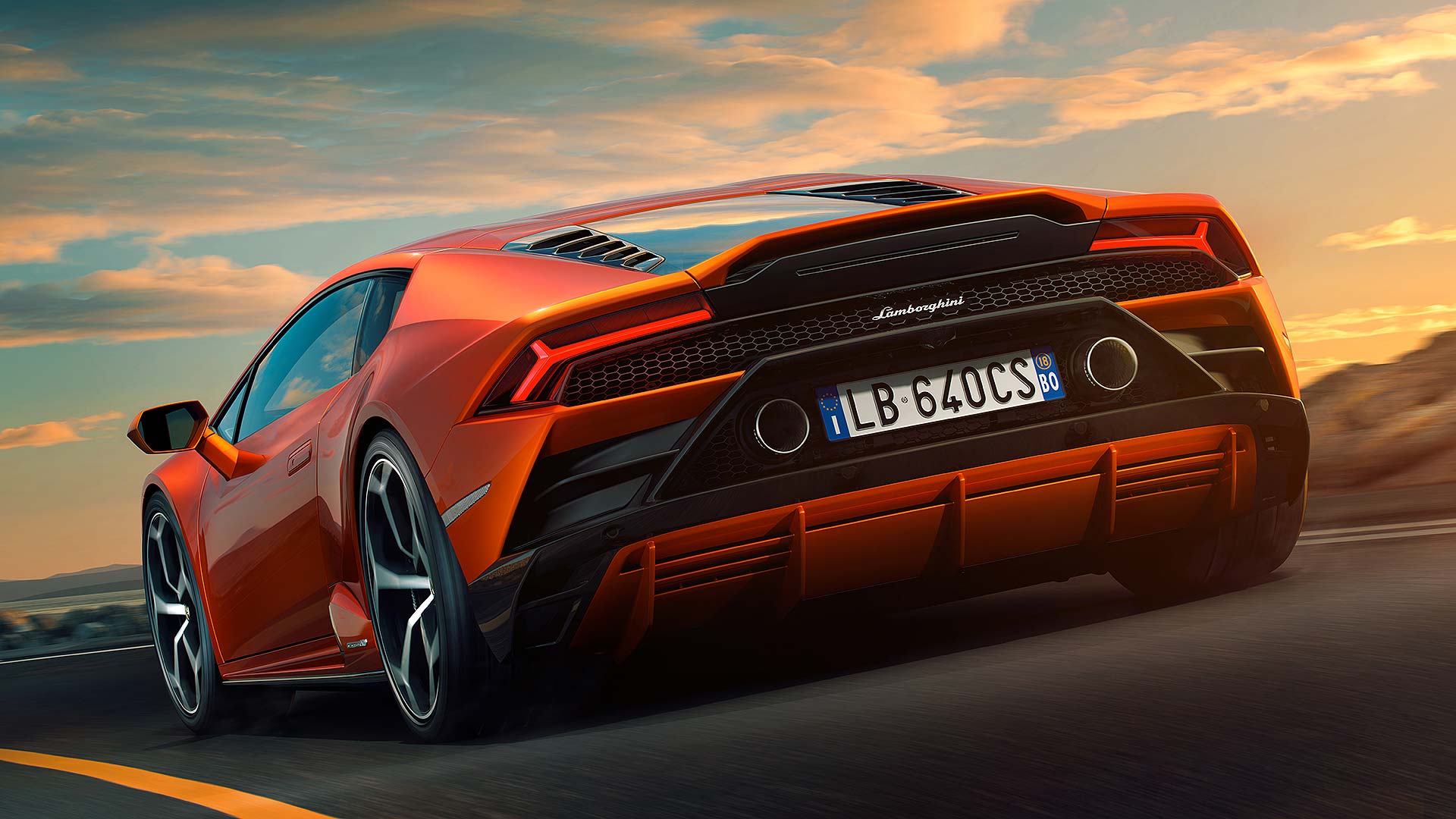
 Start-up supercar manufacturer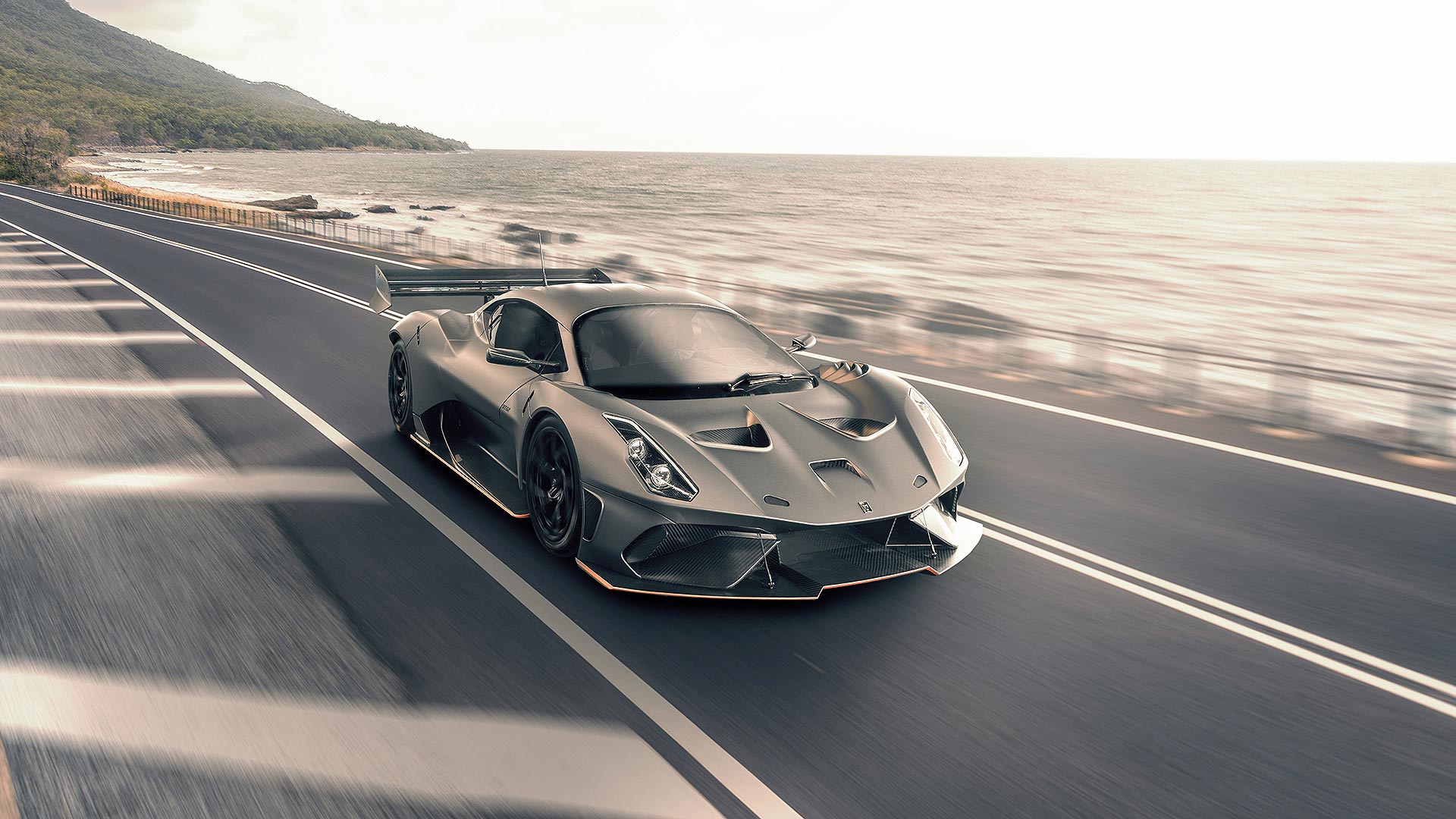
 2018 was a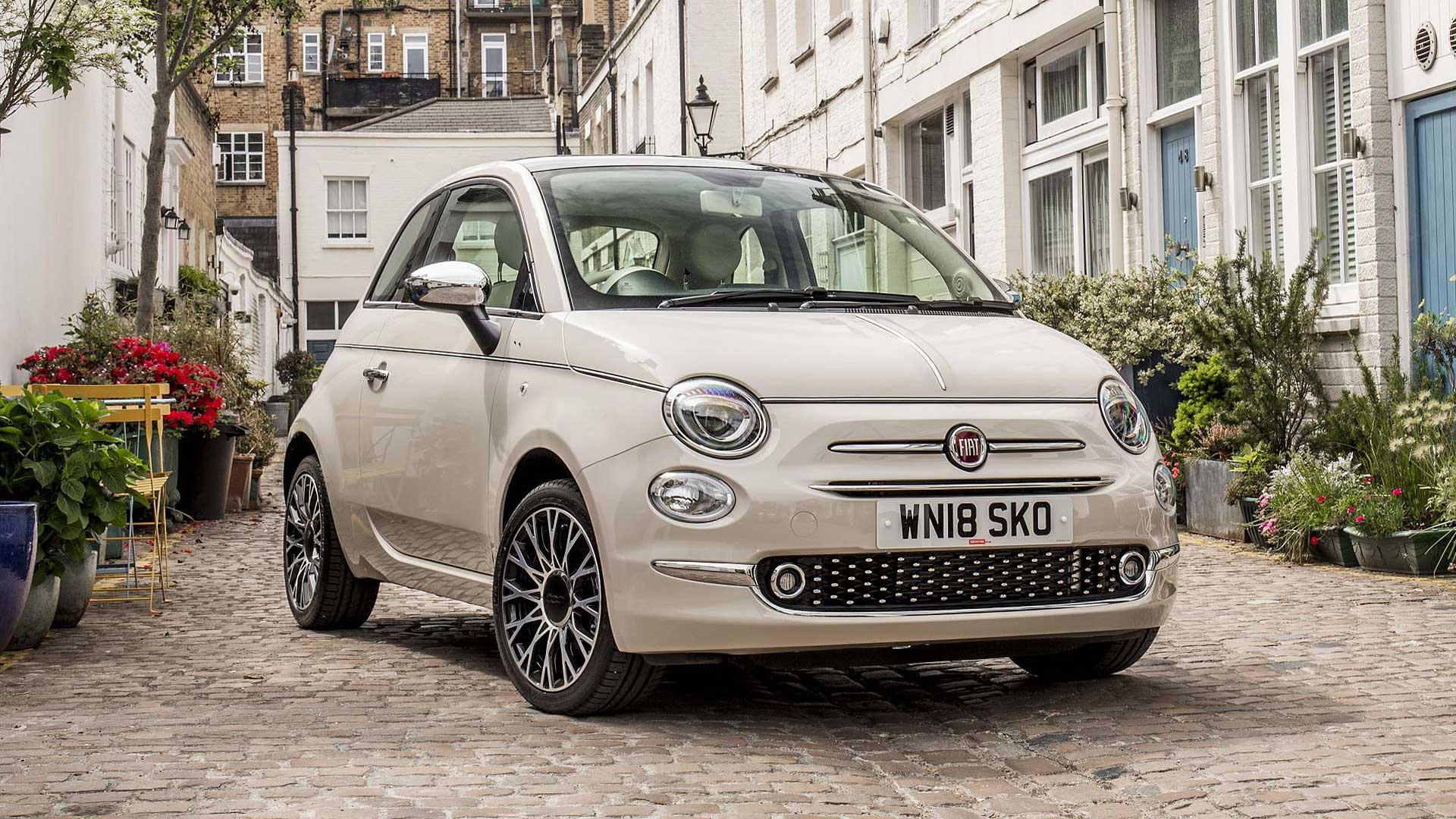
 2018 was a turbulent year for new car sales with overall registrations down just under 7 percent. The Ford Fiesta remained Britain’s best-selling car but most car makers, including Ford, suffered sales declines.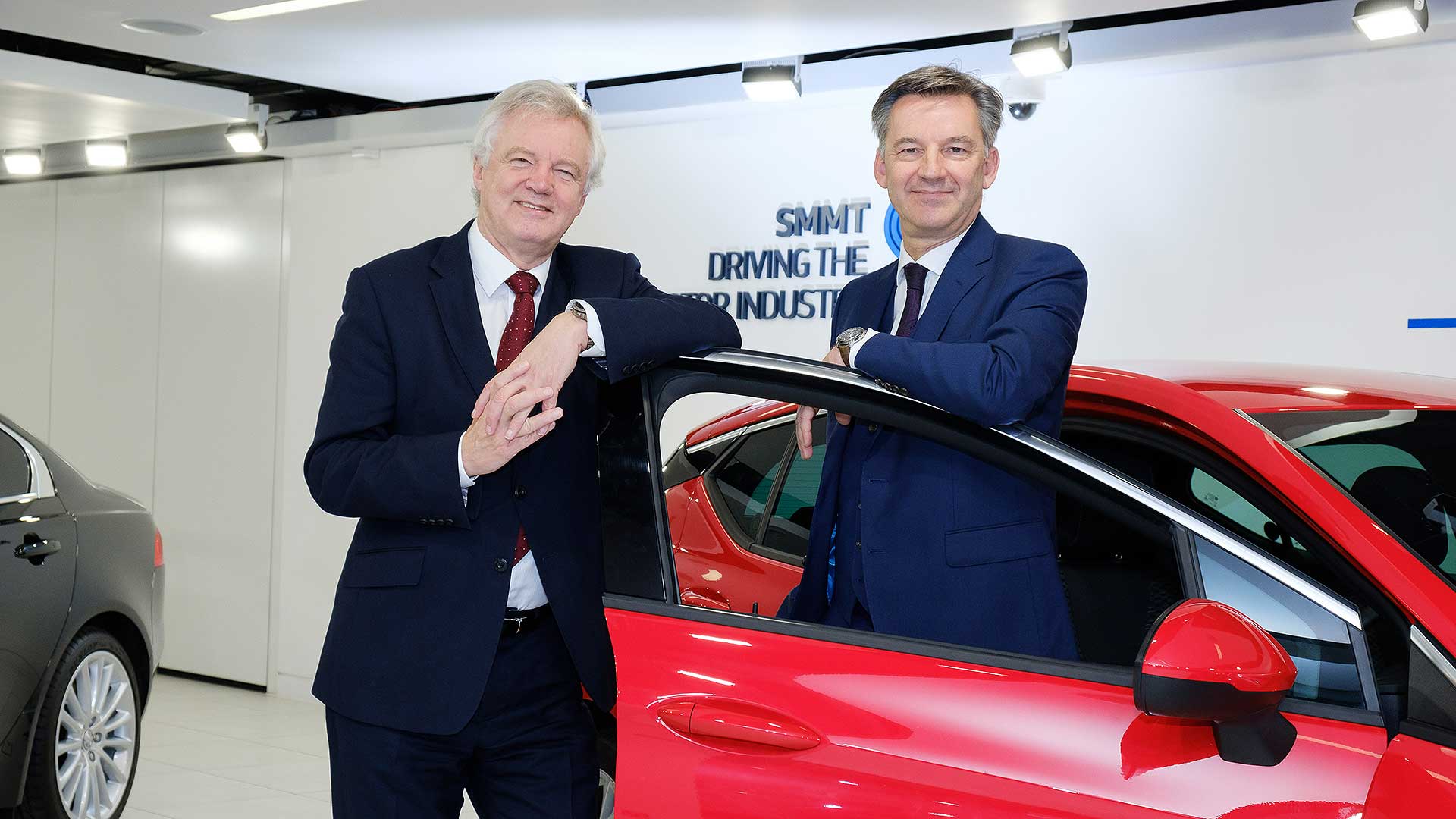

 London’s Tottenham Court Road will be out of bounds for use by cars, lorries and taxis in peak times from March – and motorists who breach the ban face heavy fines.
 With over 900,000 trucks sold during 2018,
  Ford has made no secret of plans to
  Overall sales of Ford SUVs in 2018 saw a marginal increase at 0.1%, buoyed by the large Expedition SUV recording 54,661 units sold. That 5.4 percent growth was, along with the
  A cross-party group of MPs is supporting a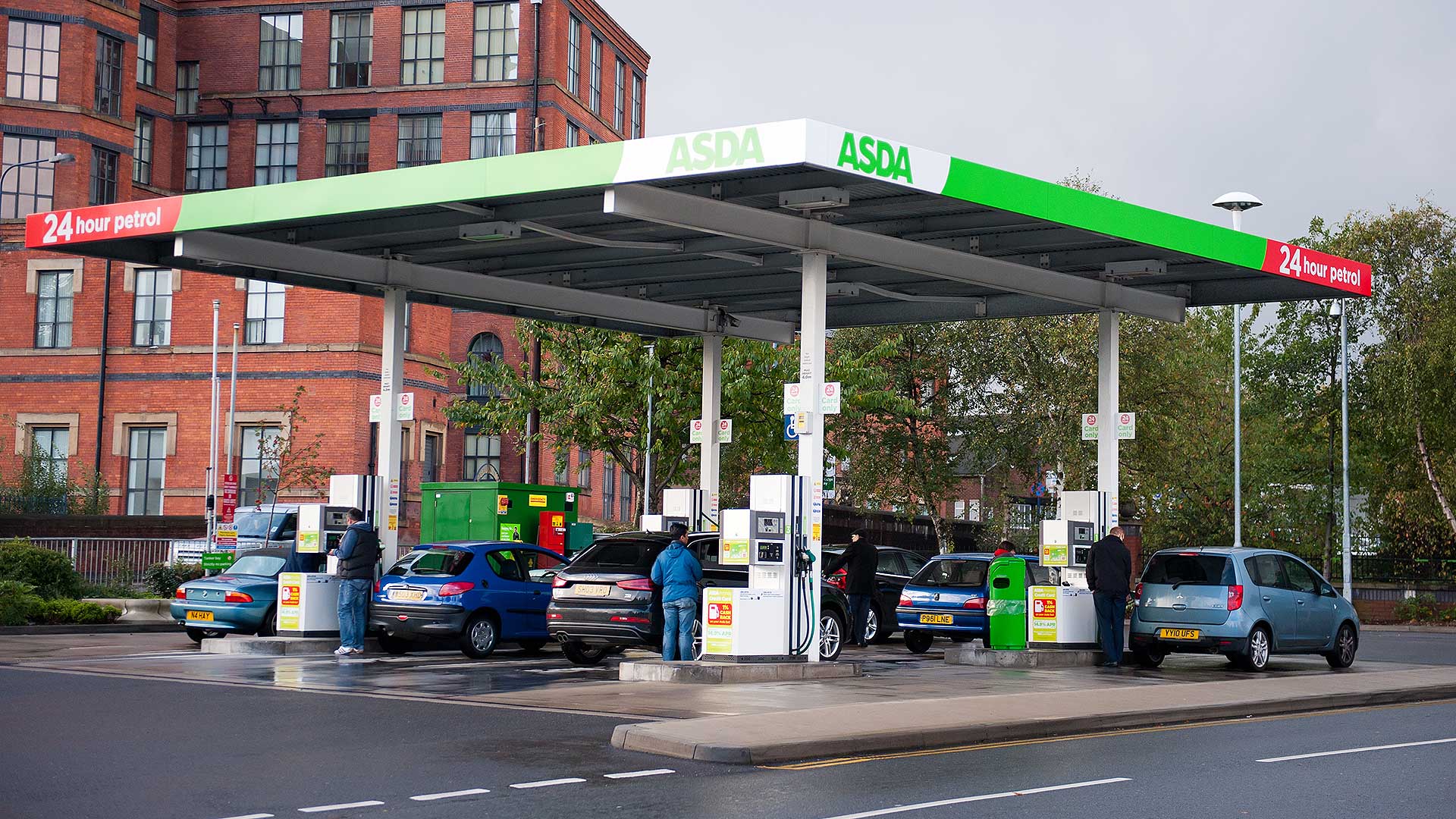
 Mazda is showing that you don’t need to have a brand new car in order to benefit from