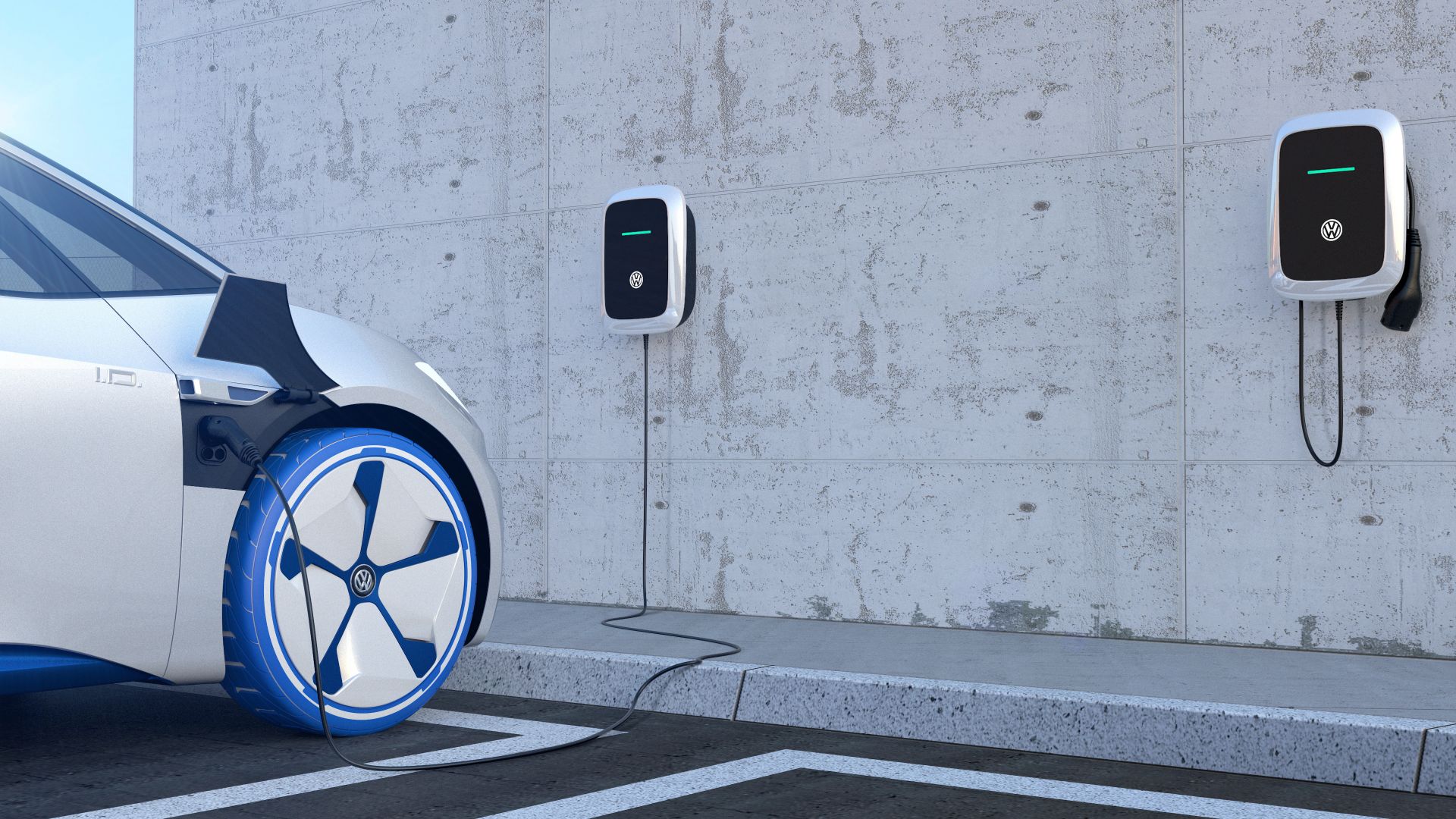
Volkswagen is starting a company called Elli, short for Electric Life – but it’s not an all-new electric car brand. Think of it as an energy company, aimed at providing carbon-neutral power across a diverse network of charging points.
Volkswagen is going to deploy mobile electric car charging stations
There is an automotive link, however. VW is addressing the leap customers need to take when buying an electric car. With current infrastructure on the road network and, indeed, at our houses, electric cars aren’t quite as ‘plug and play’ as we’d like. In the case of many residences, it’s more ‘lob an extension cord out the window’.
With that in mind, consider the following statement from Elli CEO Thorsten Nicklass: “The name ‘Elli’ stands for ‘electric life’ because we intend to enable a lifestyle that fully integrates the electric car in people’s everyday lives. This approach could be compared with the use of a mobile phone, which is taken for granted nowadays.
“We will be creating a seamless, sustainable ecosystem that addresses the main applications and provides answers to all the energy questions raised by electric car users and fleet operators.”
The intention is to help prospective customers ‘upgrade’ their lives around their electric car purchase.
Elli wants to help put charging points at homes and workplaces, as well as across Volkswagen and VW Group dealerships. Fleet charge points (for company cars) and chain outlets are also on the radar. In Elli’s ideal world, there will be a unified charging infrastructure from your garage to your workplace, and where you’re going to eat or go shopping.
At present, VW employee car parks have 1,000 charging stations. That will increase to more than 5,000 by 2020. All 4,000 dealers throughout the EU will receive similar charging provisions by 2020.
There is also scope for energy management. That means communication across a network of car chargers that can, for instance, manage charging network-wide so that minimal strain is put on the local power grid. Your car can also be used as an energy storage unit and give power back to the network into which it’s plugged. Cars will even be able to take in power via their solar charging systems and add it to the grid.
Thinking about it now, electric car proprietors taking such an active role in upgrading the infrastructure makes an awful lot of sense, rather than leaving it to local authorities and governments to make it happen.
Companies like Elli and schemes like VW’s mobile charging systems will surely proliferate in the coming years.
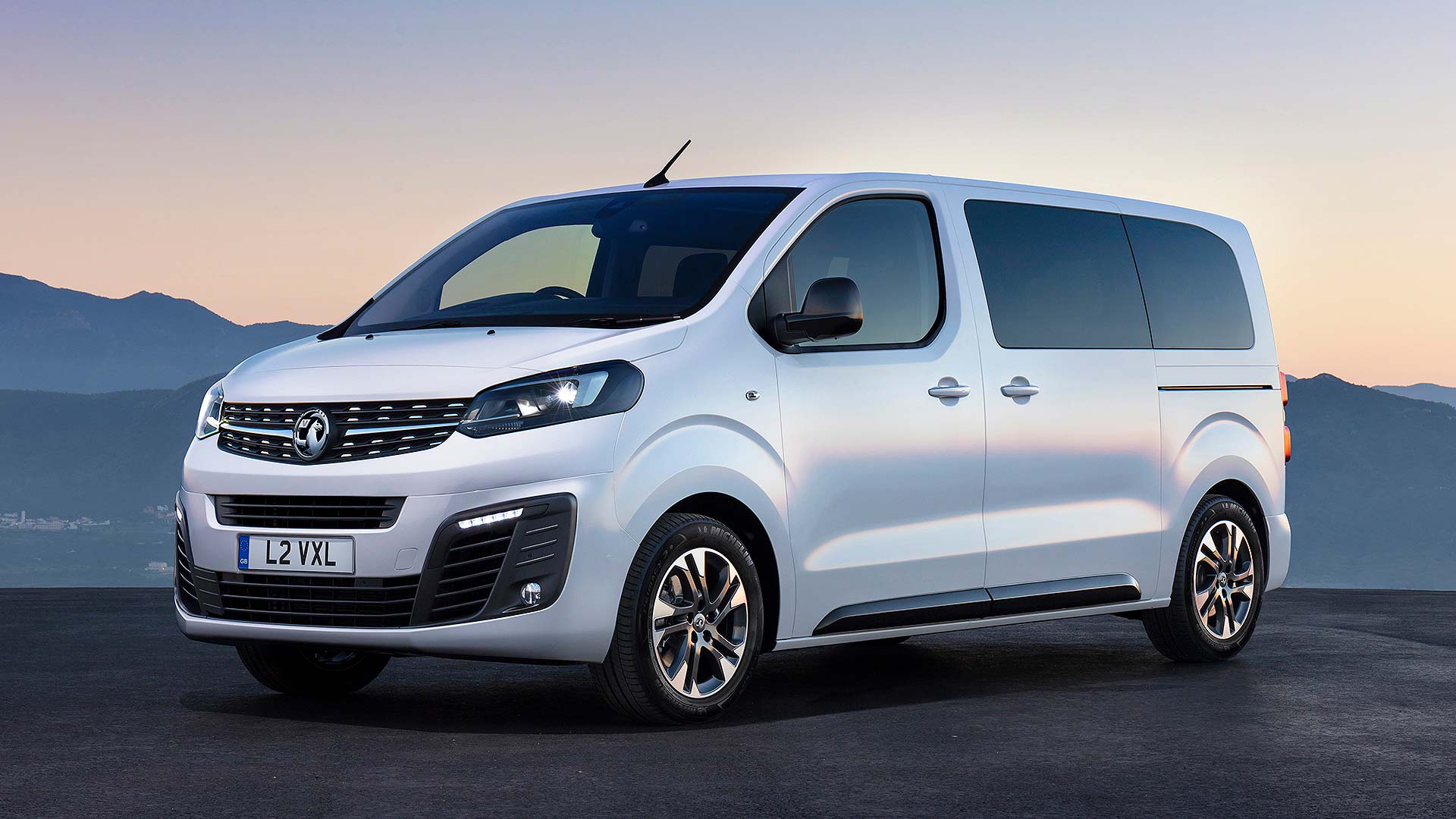
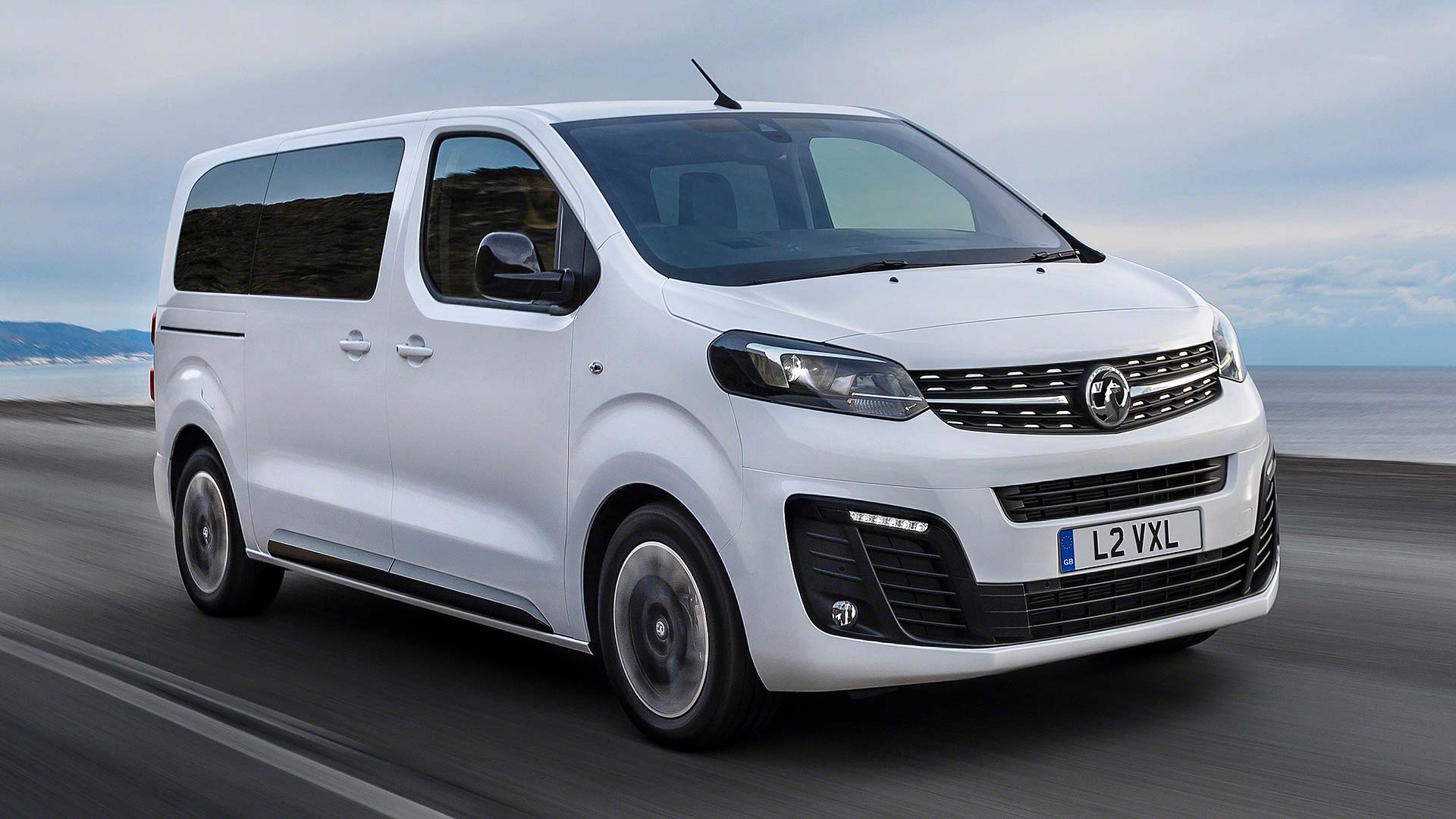
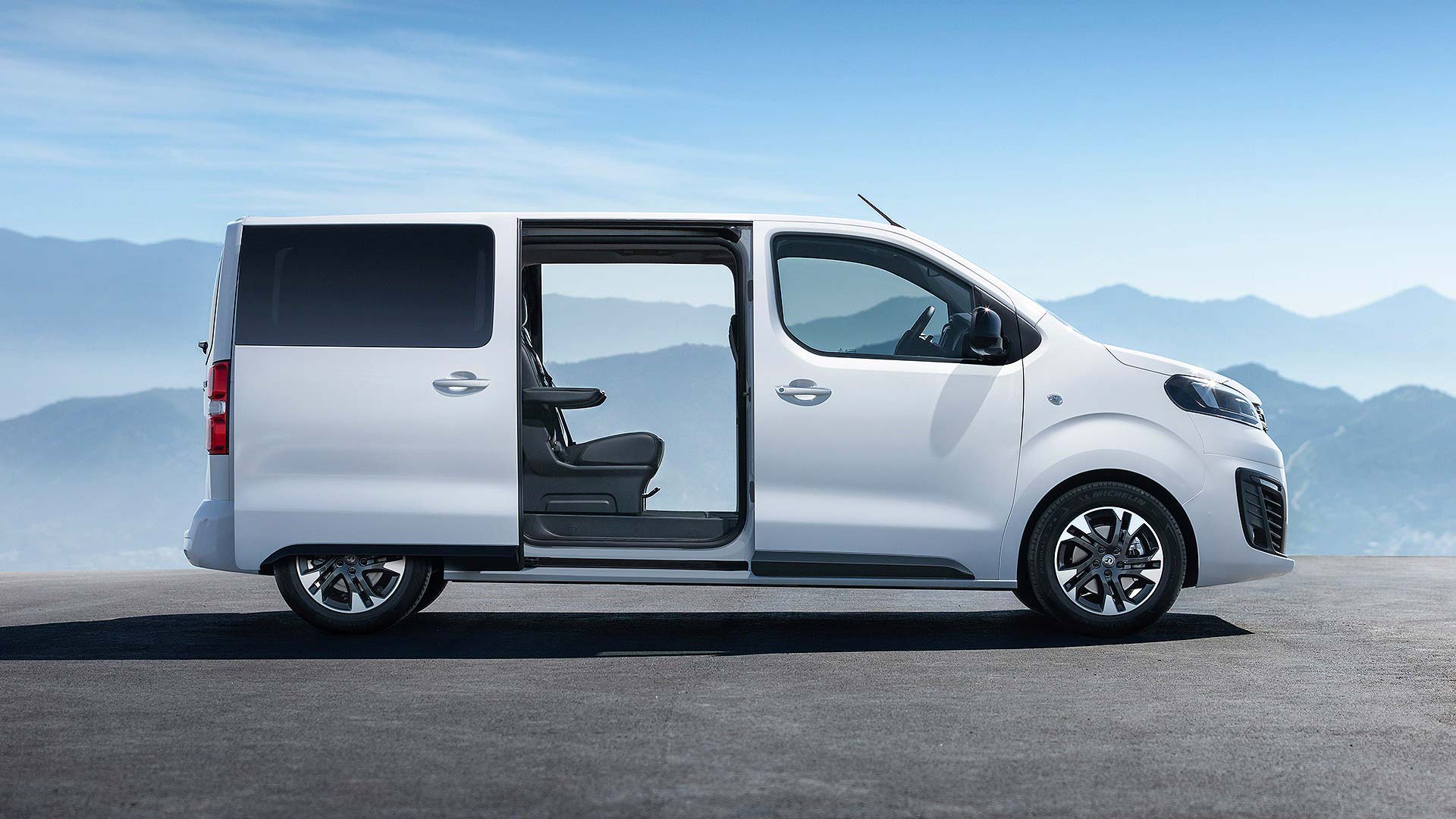
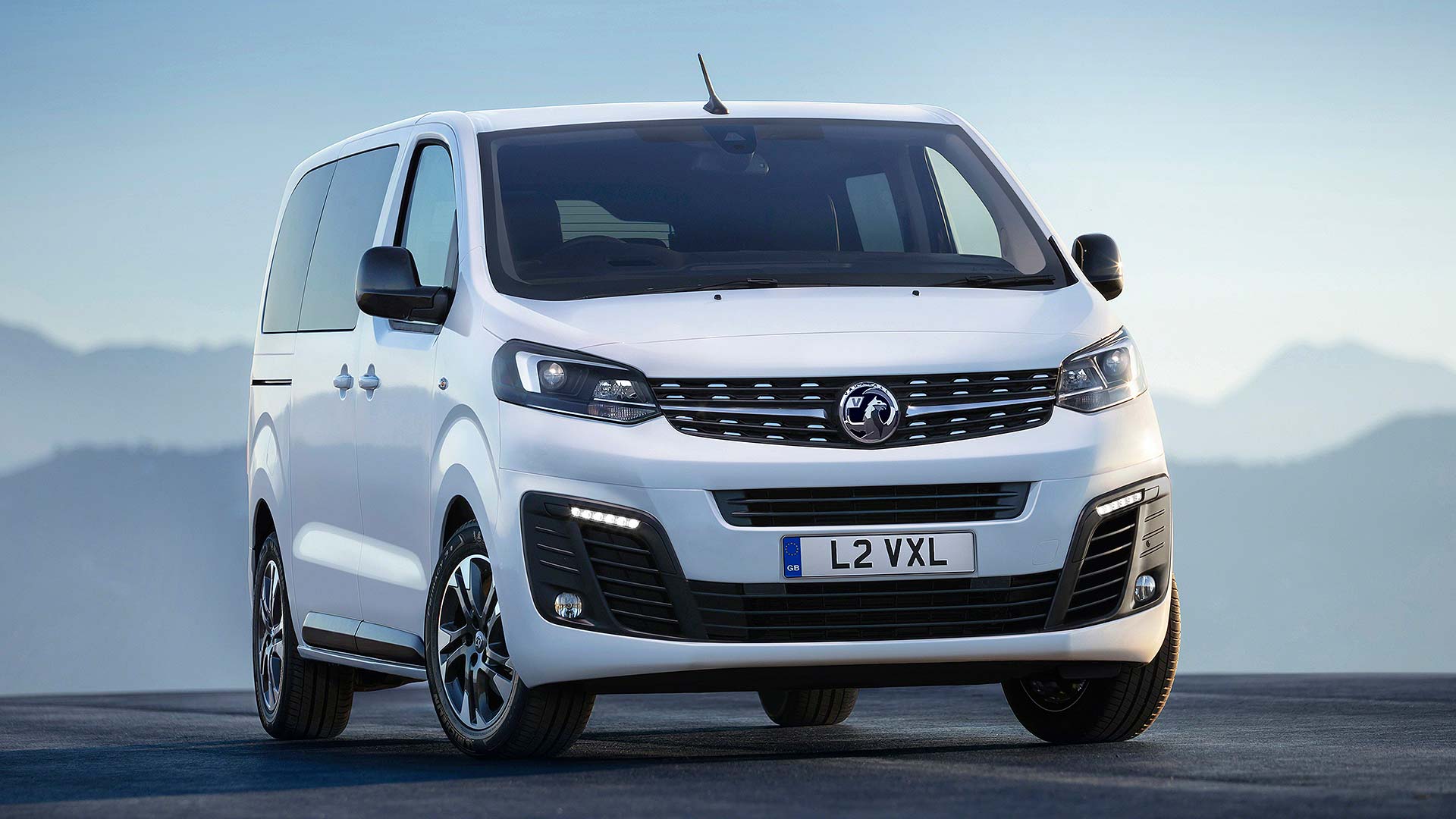
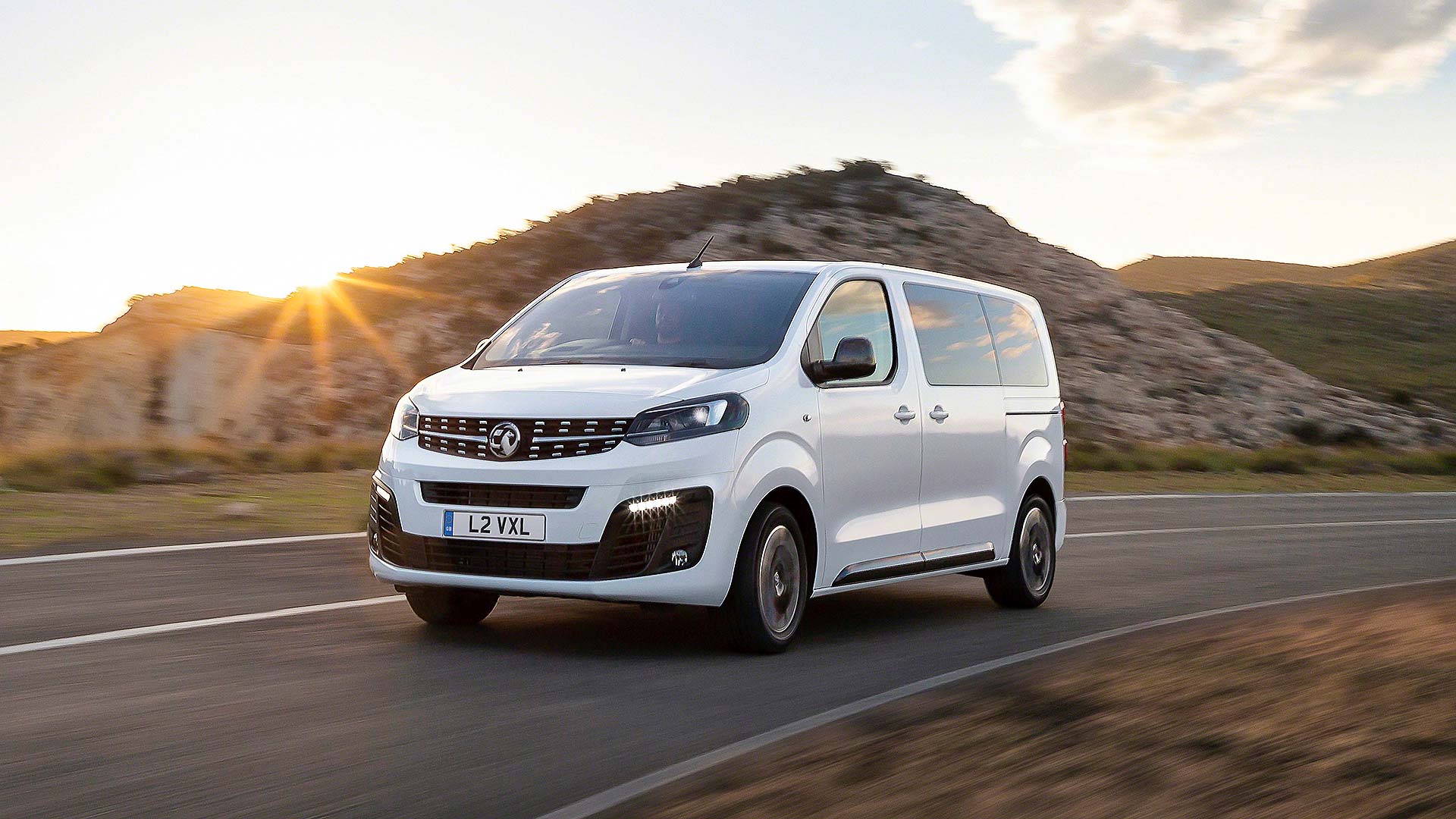
Vauxhall will launch an all-new Vivaro van in 2019, after investing millions of pounds in the Luton factory that will build it – and this Vivaro Life previews what the crucially important new commercial vehicle will look like.
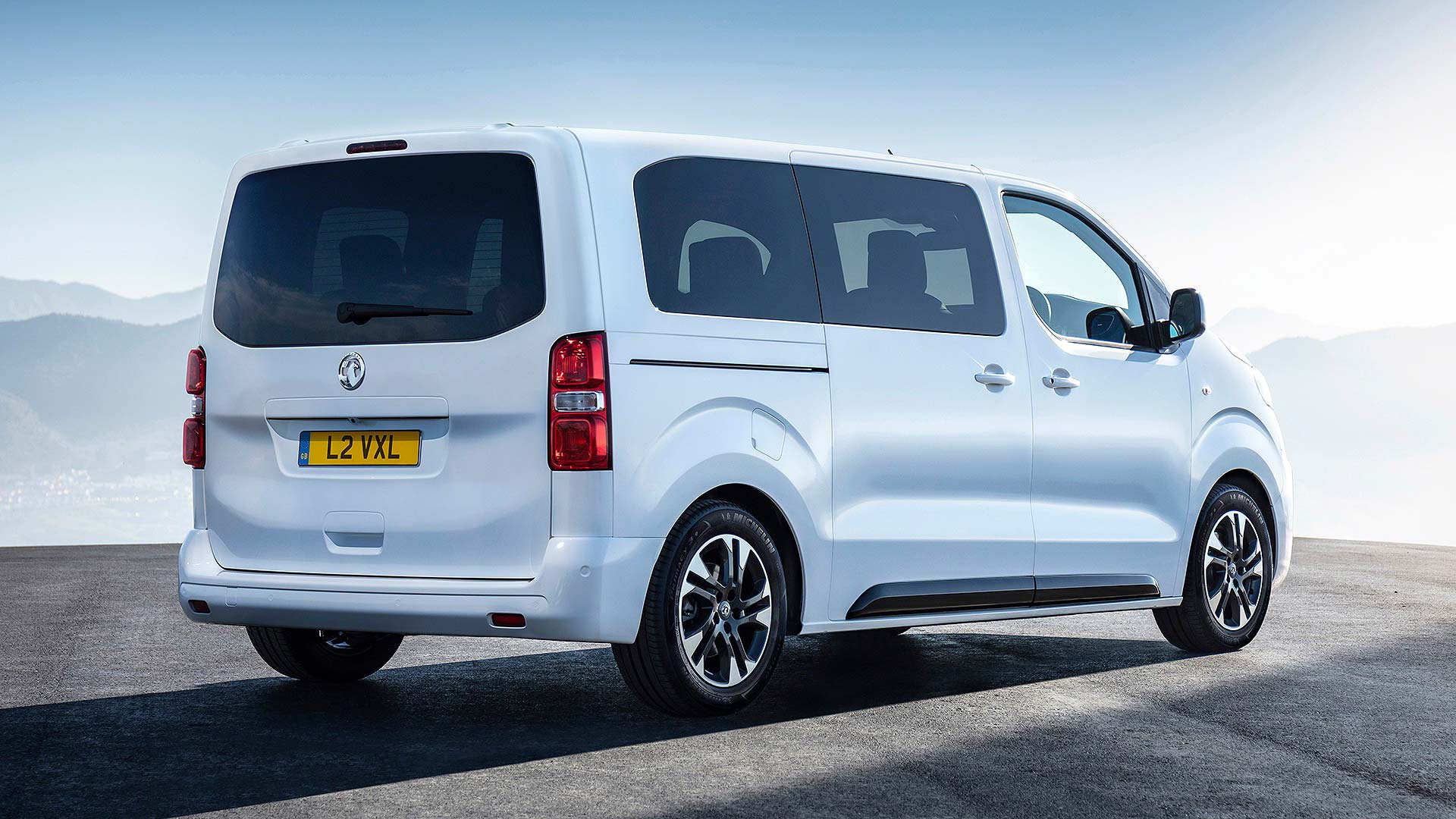
Also to be built in Luton, the Vivaro Life is described as a leisure MPV, seating up to nine people and offered in two lengths – a 4.95 metre ‘medium’ and 5.3 metre ‘large’, the latter being as long as a Mercedes-Benz S-Class limousine.
Vauxhall says high-spec shuttles such as the Vivaro Life are growing in demand. The fancy, full-size seats are mounted on aluminium rails and are fully configurable: pick from five, six, eight or nine-seat configurations.
Housewives and vicars – the changing face of van drivers
There’s even a ‘Lounge’ spec for the longer of the two variants. Front seats are heated and have electric massage functions; two rear chairs are furnished in leather and have 480mm-wide seat cushions – “VIP passengers can thus sit facing each other and enjoy the legroom”. There’s even a fold-away table for them, and a panoramic roof to flood the interior with light.
Take the seats out and there’s a total, ahem, ‘van-like’ load capacity of 3,397 litres.
Interestingly, Vauxhall is proud of the fact both versions are less than 1.9 metres tall, so “can access typical underground garages – important for use as hotel shuttles”.
Vivaro van preview
Judging from what we can see with the Vivaro Life, the new Vivaro Van is going to be quite a stylish-looking thing. Overhangs are short, giving it a squat and well-planted appearance, and the front end is distinctive.
It has a premium appearance and there’s some great attention to detail, from the 3D rear lights to how the fuel filler flap follows the lines of the chunky rear wheelarch.
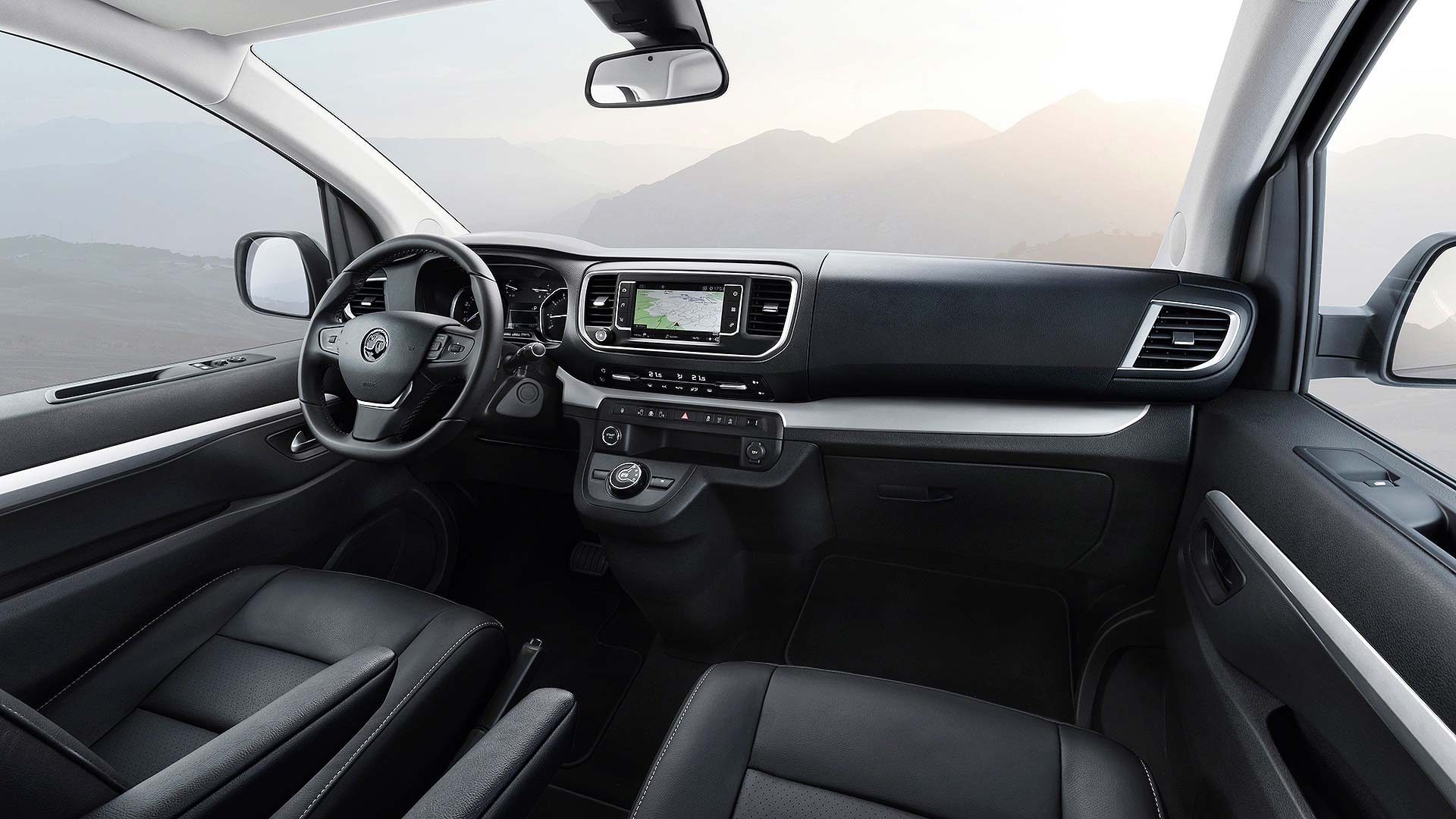
Inside, it seems a class apart from the current Vivaro. The dashboard has a clean look and a high-mounted touchscreen, giving it a feel more like a large SUV than a working CV.
The 7.0-inch touchscreen offers Apple CarPlay and Android Auto, while the Multimedia Navi option includes 3D mapping, plus points of interest displayed in full HD.
Vauxhall says a powerful sound system is available on all variants – and the range-topping model gets a full 10-speaker system for premium audio sound.
Also available are parking sensors front and rear backed up by a rear-view camera that displays either through the touchscreen or the rear view mirror: the latter has a bird’s eye view with 180-degree visibility, taking the guesswork out of reversing a van.
Vauxhall can even fit a full-colour head-up display, lane-keep assist, drowsy driver warning, radar cruise control and auto high beam control.
New Vivaro coming soon
Vauxhall plans to build as many as 100,000 new Vivaros in Luton (it made 60,000 there in 2017); the big investment has secured 1,250 jobs at the factory.
The Vivaro Life, like the new Vivaro Van, is based upon the Groupe PSA EMP2 platform, which brings plenty of flexibility for future variants.
It also allows the Vivaro to go electric – a full EV version will be launched in early 2021.
Ordering for the new Vivaro Life opens on February, following its introduction at the Brussels Motor Show on 18 January 2019. And the Vivaro van? Keep your eyes peeled in coming weeks for that…
CES is where future trends are first revealed, so the technology you see in Las Vegas will probably hit car showrooms in the near future. It might not be a pure motor show, but it sets the tone for the year ahead and gives manufacturers and tech suppliers a chance to showcase their next big things. Here, we reveal some of the coolest tech on show at CES 2019.
Hyundai Cradle
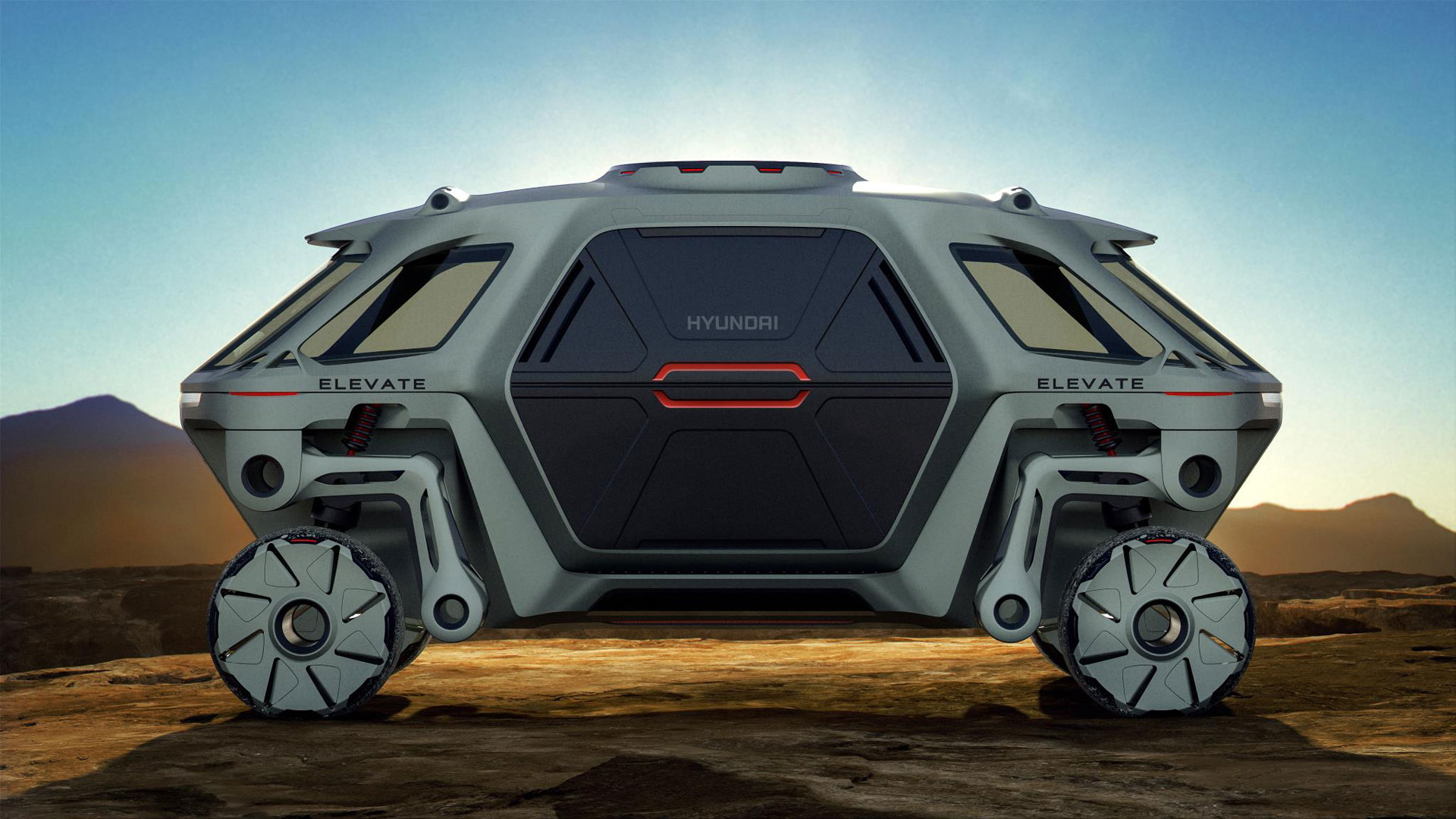
‘The four-legged Hyundai Elevate will redefine our perception of vehicle mobility,’ claims Hyundai. It combines the power of robotics and electric vehicle technology to take people where no vehicle has been before and could transform the way we deal with natural disasters. Imagine deploying this when faced with the aftermath of an earthquake, forest fire or hurricane. It’ll reach the parts where even the most intrepid 4×4 would not dare tread.
“When a tsunami or earthquake hits, current rescue vehicles can only deliver first responders to the edge of the debris field. They have to go the rest of the way by foot. Elevate can drive to the scene and climb right over flood debris or crumbled concrete,” said John Suh, Hyundai vice president and head of Hyundai Cradle. It could also enhance the lives of people living with disabilities, as highlighted by this illustration. Cool thing.
BMW Vision iNEXT
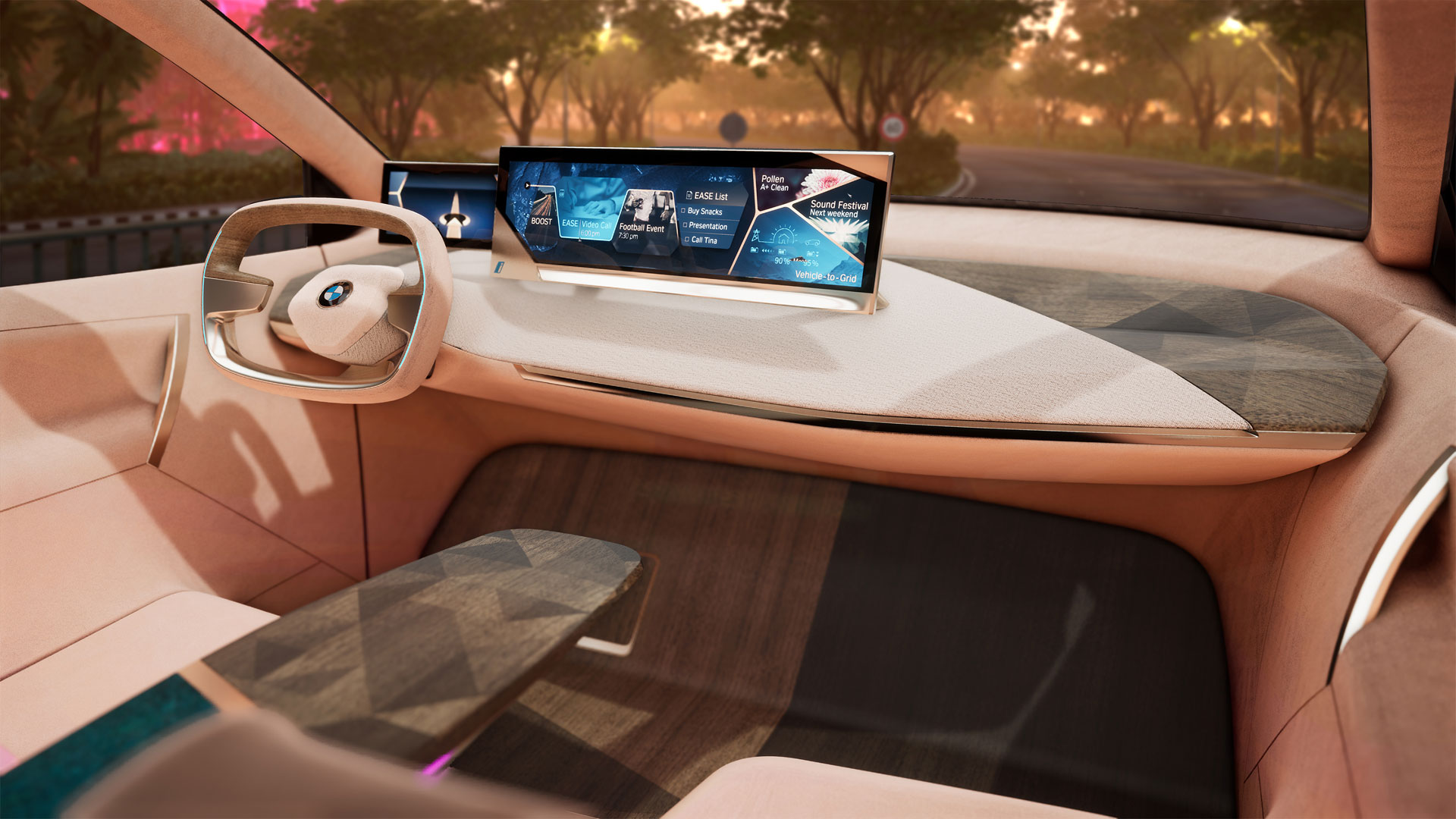
Visitors can have a play with BMW’s ‘mixed-reality installation’, giving them a chance to experience what it would be like to drive autonomously, emission-free and fully connected. The Intelligent Personal Assistant will suggest an agenda for the day and plans the activities for the trip. It’s a brave new world…
According to BMW, the ‘drive’ will begin as normal, but the vehicle soon takes over, with the ‘driver’ interacting with the car via virtual reality goggles and voice control. ‘What will cars look like when they no longer have to be driven by a person, but still can be?’ asks BMW. CES 2019 might have the answer. Meanwhile, the new X5 is on display to showcase a range of functions that will be available for new models from March 2019.
Kia ‘Space of Emotive Driving’
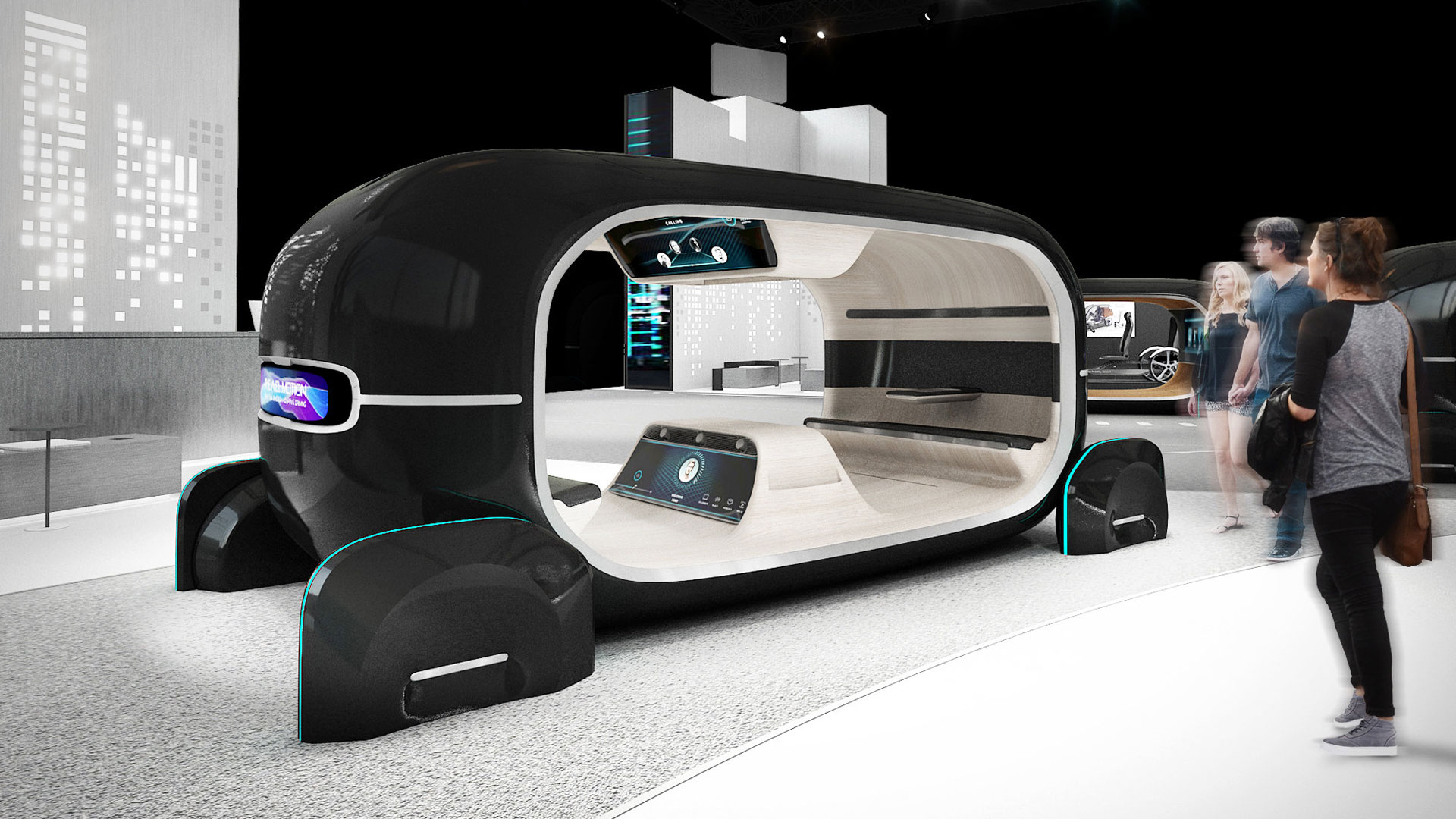
Kia is giving visitors the chance to experience vehicle technology that recognises their physiological emotions based on facial expressions, electrodermal activity and heart rate. It’s all thanks to a Real-time Emotional Adaptive Driving (R.E.A.D.) system, an AI-based interactive in-cabin space demonstrated via experiential modules. There’s a ‘R.E.A.D. Me’ for one person, a ‘R.E.A.D. Now’ for two people and a ‘R.E.A.D. Motion’ for four people, with the latter simulating a mobile workspace.
Which all sounds very impressive, but what does it mean in reality? Well, the technology establishes a baseline in user behaviour, then identifies patterns and trends to customise the cabin accordingly. In other words, it uses the five senses to create an optimal space, whether it’s the ambient temperature, the type of music or the colour of the mood lighting.
Toyota Guardian
‘Toyota Guardian is being developed to amplify human control of the vehicle, not replace it.’ This sentence from Toyota’s press release will go down well with motorists who believe a fully autonomous future is far from ideal. Indeed, the more we read about the development of Toyota Guardian, the more we begin to realise that tech that can operate with a human driver and/or an autonomous driving system is the way forward.
Toyota likens the system to the way that modern jet fighters are flown: the pilot uses the control stick but they are not flying the plane directly. Instead, their intentions are translated by the control system to keep the aircraft stable. Shifting from air to land isn’t a smooth interpretation – there are more things for a car to look out for – but the principle remains.
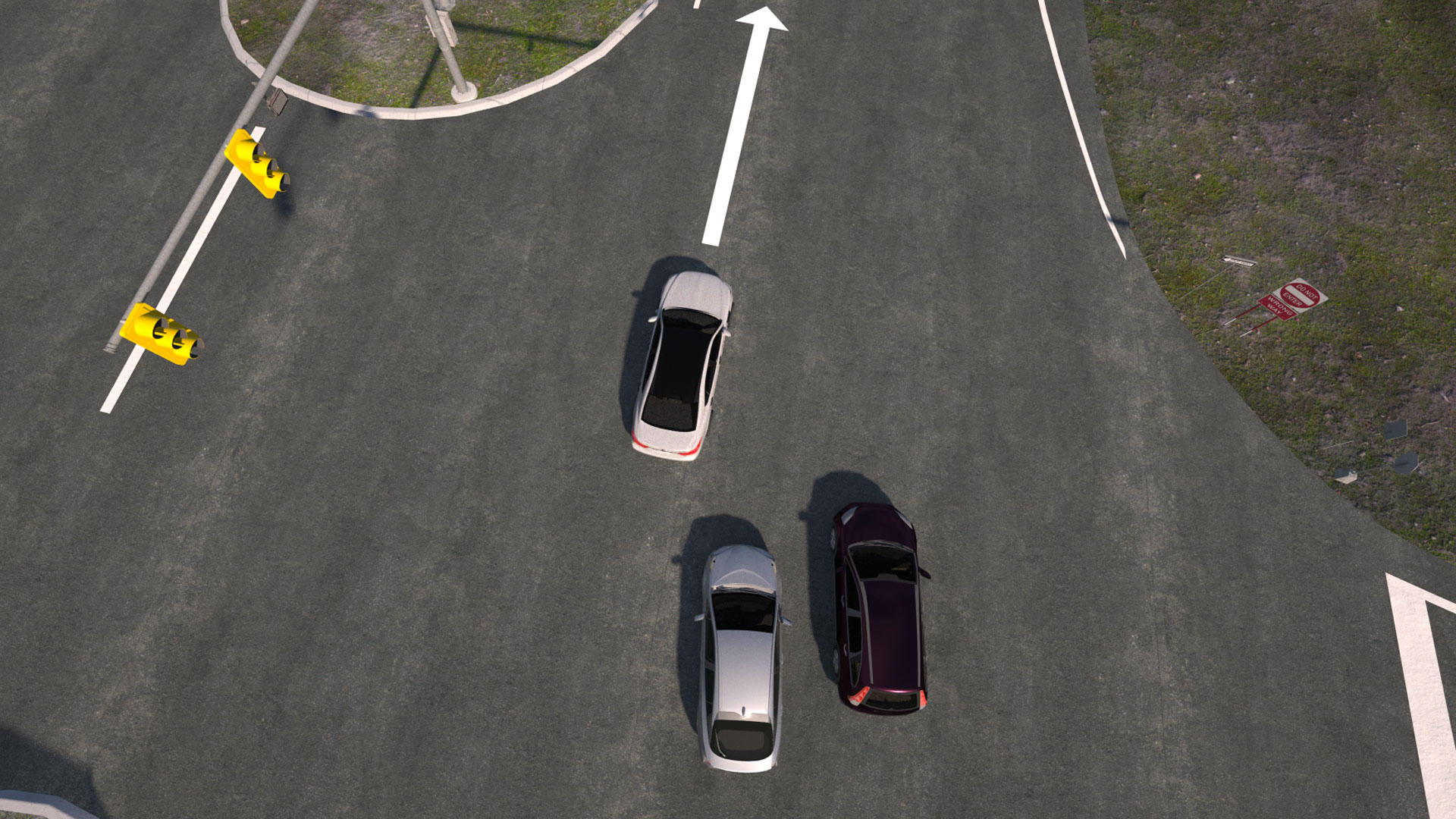
To demonstrate the system, Toyota showed a three-car collision on a California highway, played out in front of its research cameras and sensors. The Guardian used the experience as a learning tool, with the scenario re-created on a test track using real vehicles and a soft-target dummy car. The response: the Guardian chose to accelerate away from the encroaching vehicles.
Phoenix AI Ultralight Wheelchair
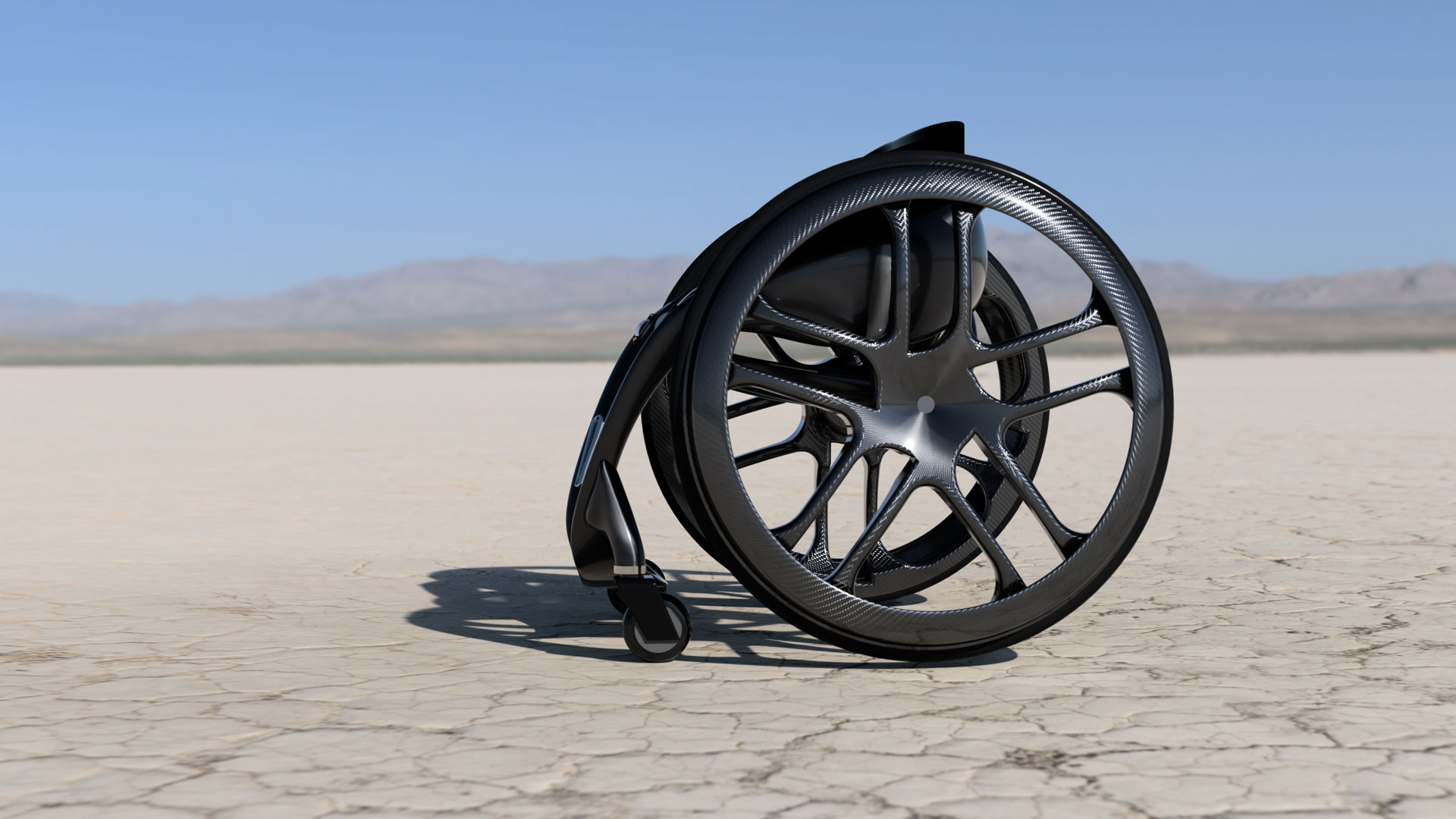
This is the UK-designed Phoenix AI Ultralight Wheelchair, a lightweight and self-balancing wheelchair that eliminates painful vibrations by using smart sensors to remain in sync with how the user moves. It’s one of five finalists in the three-year Mobility Unlimited Challenge, launched by Toyota in partnership with Nesta’s Challenge Prize Centre. Each of the five finalists will receive $500,000 to develop their concept further.
Audi virtual reality experience
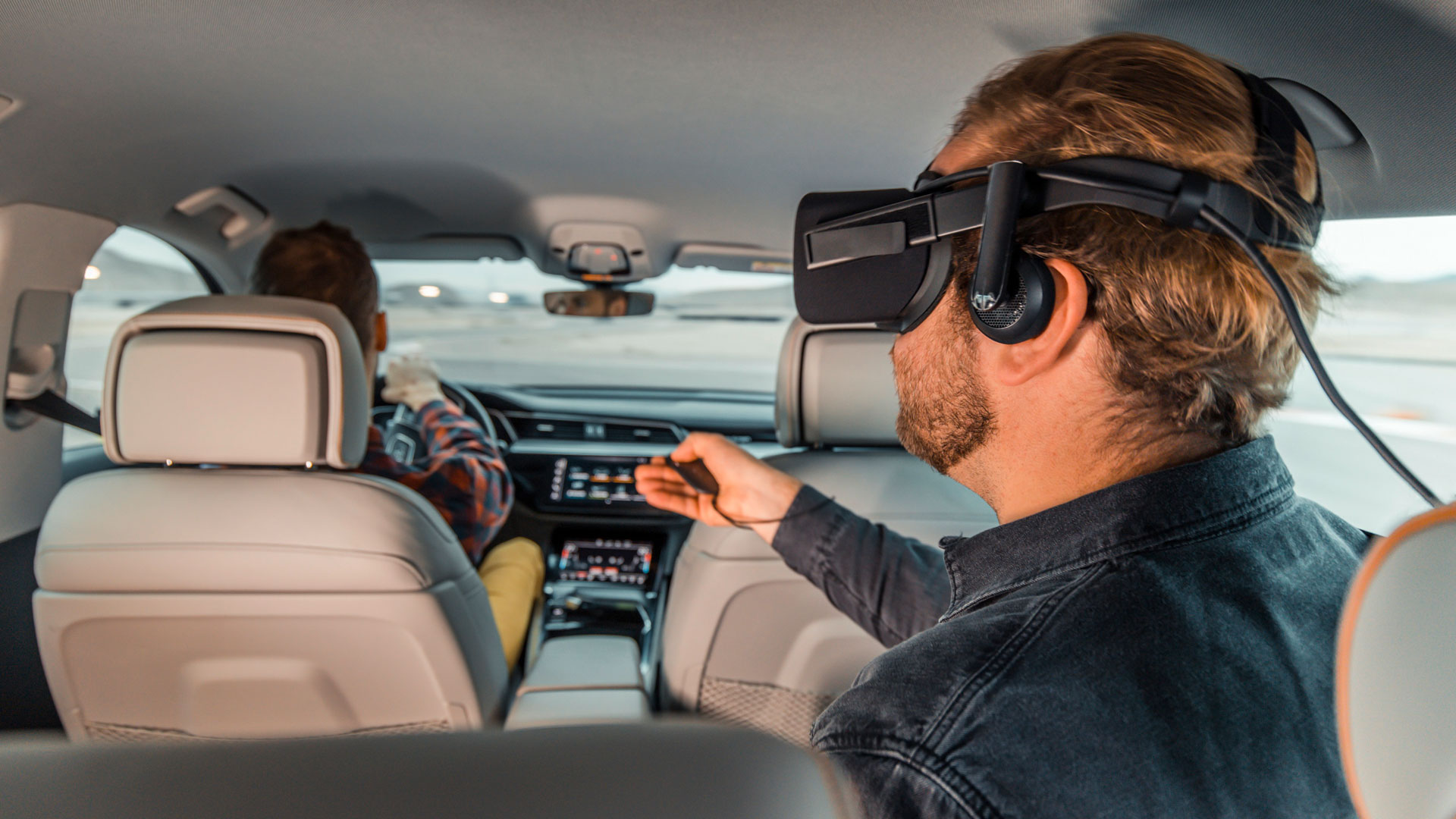
Forget autonomous driving systems, because Audi is focusing on back seat drivers with its virtual reality glasses. It promises to redefine in-car entertainment with technology that adapts virtual content to the movements of a vehicle in real time. So, if a car turns right, the spaceship in the virtual reality experience will do the same. We’re not sure what this will do for car sickness.
The VR experience is brought to life courtesy of Marvel’s Avengers: Rocket Rescue Run, with passengers wearing VR glasses in an Audi E-tron transported into outer space. Visitors can take control of a ship as it makes its way through space, with every movement of the car reflected in the experience in real time. Cries of ‘Are we nearly there yet?’ could be consigned to the history books.
Harman clear conversations
Staying in the back seat for a moment, Harman is showcasing an In-Car Communication (ICC) system, combining microphones, voice processing and in-vehicle audio signal processing to create the ideal environment for conversation within the cabin. It allows the driver to communicate with back-seat passengers without needing to turn around or take their eyes off the road. It’s also designed for three-row MPVs and SUVs, making it easier for passengers in the first row to communicate with those in the third.
Nissan ‘Invisible to Visible’
Nissan’s ‘Invisible to Visible’ technology merges data from sensors on the inside and outside of the vehicle with online data to help drivers ‘see the invisible’. This should provide motorists with a better view of the road, maybe even allowing them to see what’s coming from the other side of a building or over the brow of a hill.
While the safety features are obvious, it could also project scenes of a sunny day to help lift the gloom of a rainy afternoon. Tired of looking at the rear-end of a Ford Focus on the M25? Perhaps Nissan’s tech could change it into a Ford GT or a priceless work of art. CES visitors can experience the system using augmented-reality goggles and a demonstration cockpit.
Daimler Trucks Level 2 Automated Truck
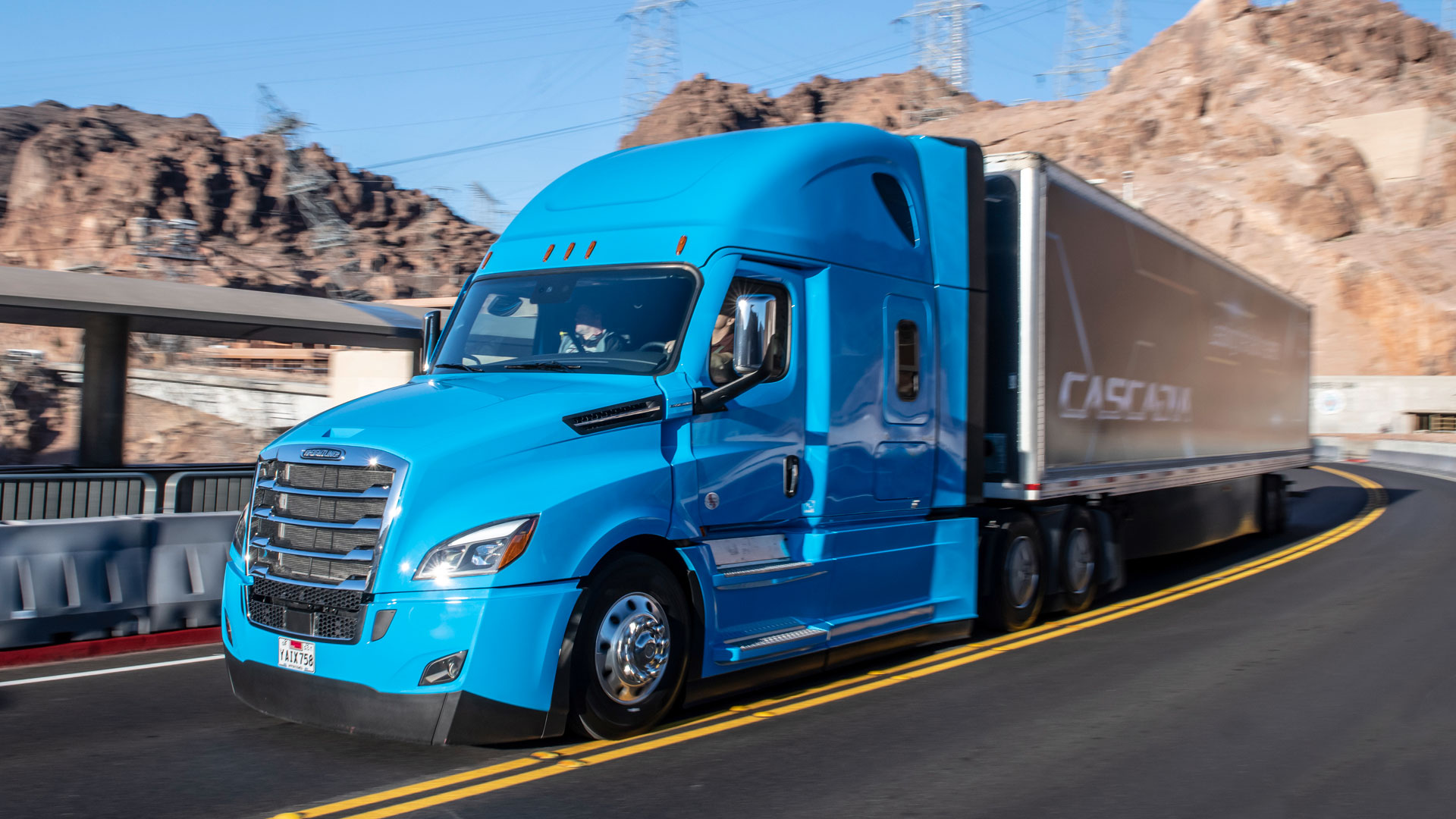
In 2015, the Freightliner Inspiration Truck was the first automated lorry licensed to operate on US public roads. At CES 2019, Daimler has introduced the new Cascadia, complete with SAE Level 2 driving capabilities, enabling it to accelerate, decelerate, and steer independently. The truck also features active brake assist and side guard assist.
But Daimler isn’t stopping there. It has chosen CES to announce a €500 million investment in a global push to bring highly automated trucks (SAE Level 4) to the road within a decade. It is skipping Level 3, claiming it ‘does not offer truck customers a substantial advantage compared to the current situation’. Global road freight is expected to more than double between 2015 and 2050.
BMW lightweight camper concept
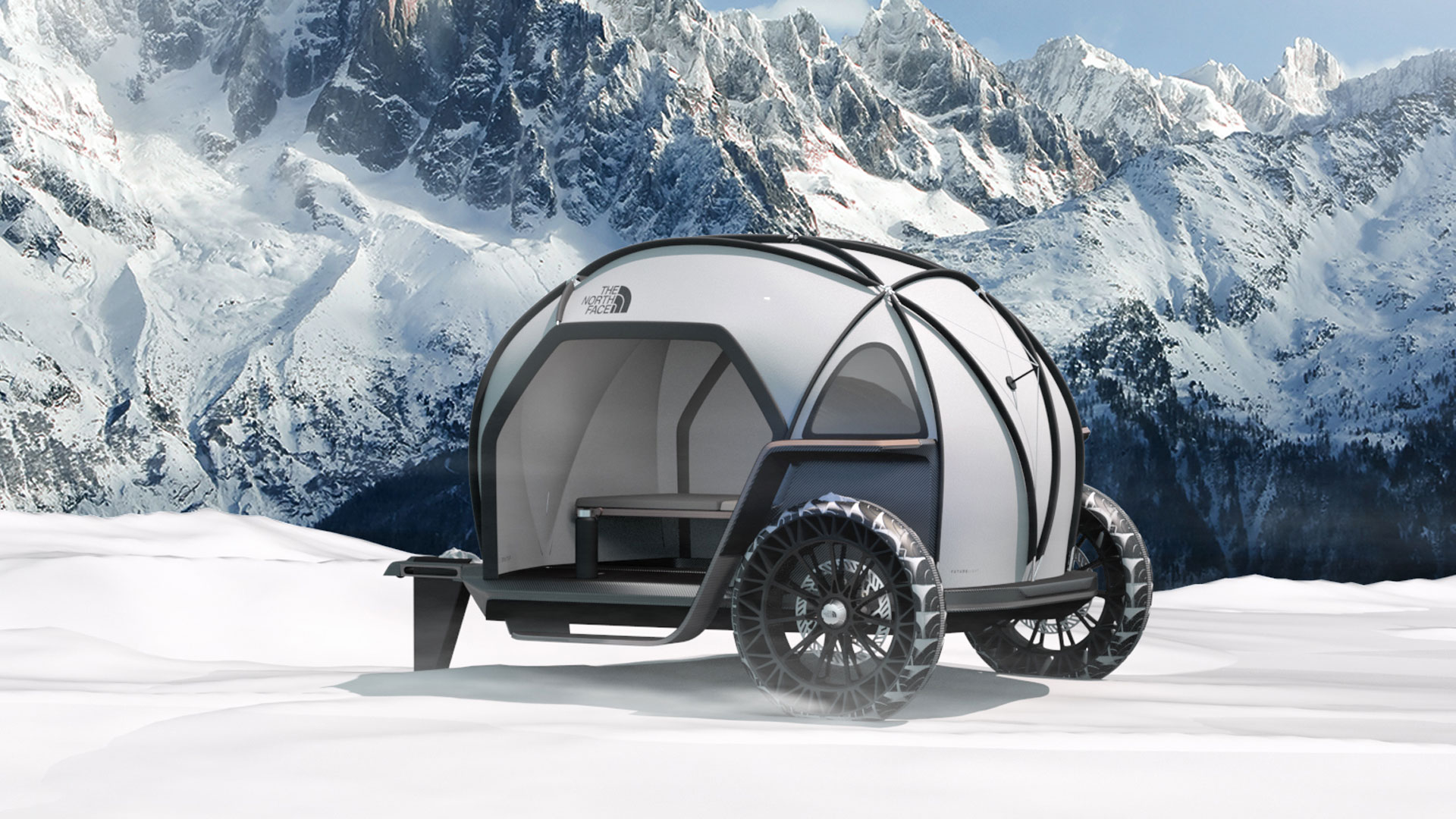
BMW subsidiary Designworks has teamed up with The North Face to build a lightweight camper concept. Called ‘Futurelight’, the camper uses Nanospinning technology to create the world’s most advanced, breathable, waterproof material. In simple terms, the process creates tiny holes, allowing for ‘incredible porosity’, while maintaining total waterproofness.
“We combined both physical and digital worlds to showcase this material, ensuring the holistic vision of the brand was clearly communicated, while giving people a real ‘hands-on’ experience,” said Laura Robin, Designworks LA studio director. “Thinking about extreme performance in new and unexpected ways from our experience of working across multiple industries, helped us to provide consumers with a unique and never before seen insight into the very heart of the material and its key attributes.”
Rinspeed plays Snap
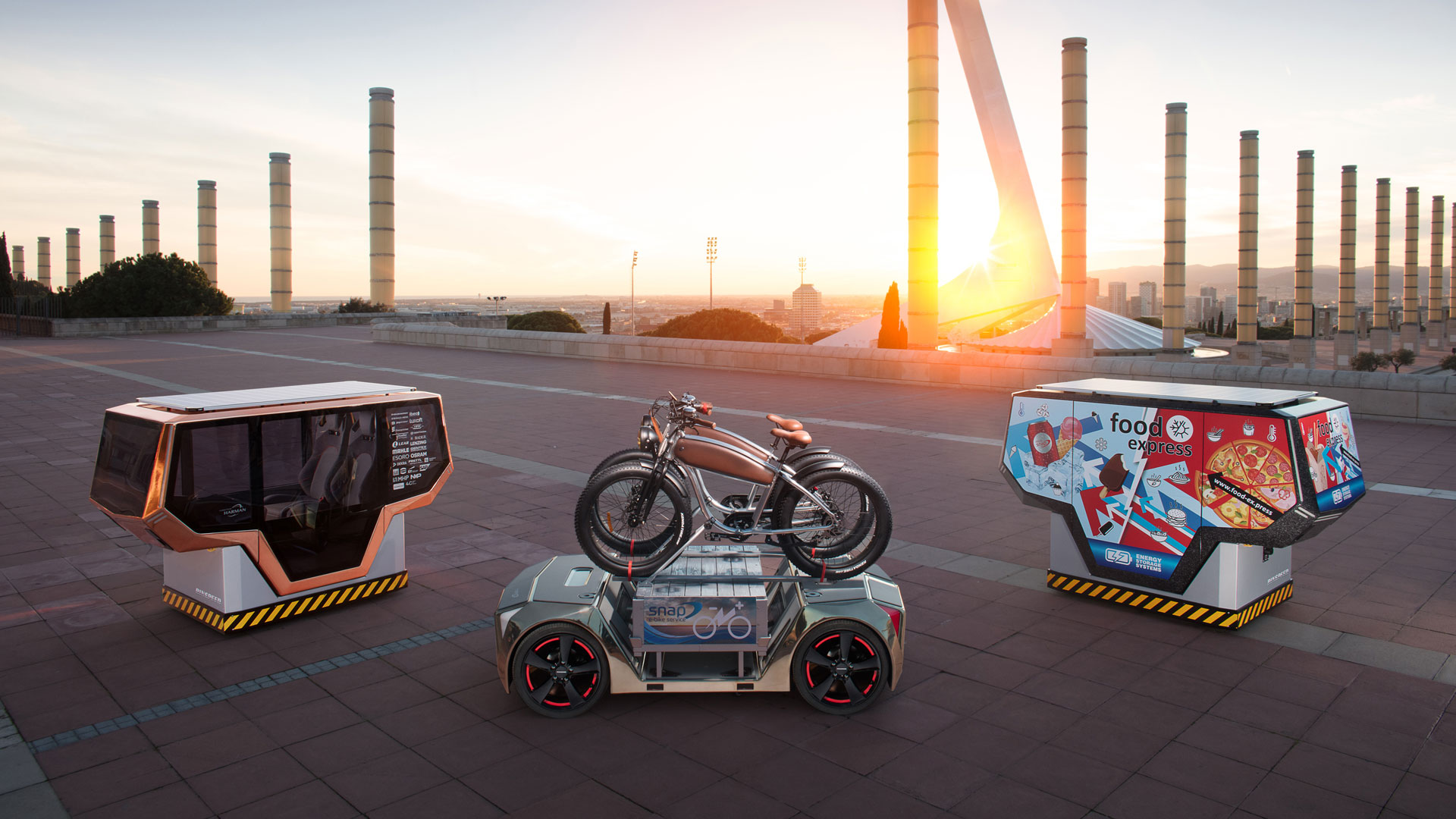
You can always rely on Rinspeed to unveil something pretty wild at a motor show. At last year’s CES, the Swiss company presented a vehicle where the chassis (Skateboards) and bodies (Pods) can be swapped at any time. A year later, the Snap concept has been refined into the MicroSnap, with the dimensions of a Renault Twizy.
It’s all rather clever. Designed for today’s world of online business, where even fast food is ordered via the internet, the MicroSnap makes it easy for firms to switch bodies. One minute the vehicle could be delivering refrigerated food, the next it could be delivering a hot pizza. Then, it could be transporting people to the theatre. The bodies are designed to last as long as a car, while the ‘Skateboards’ are recycled after a few years.
Lexus TRI-P4
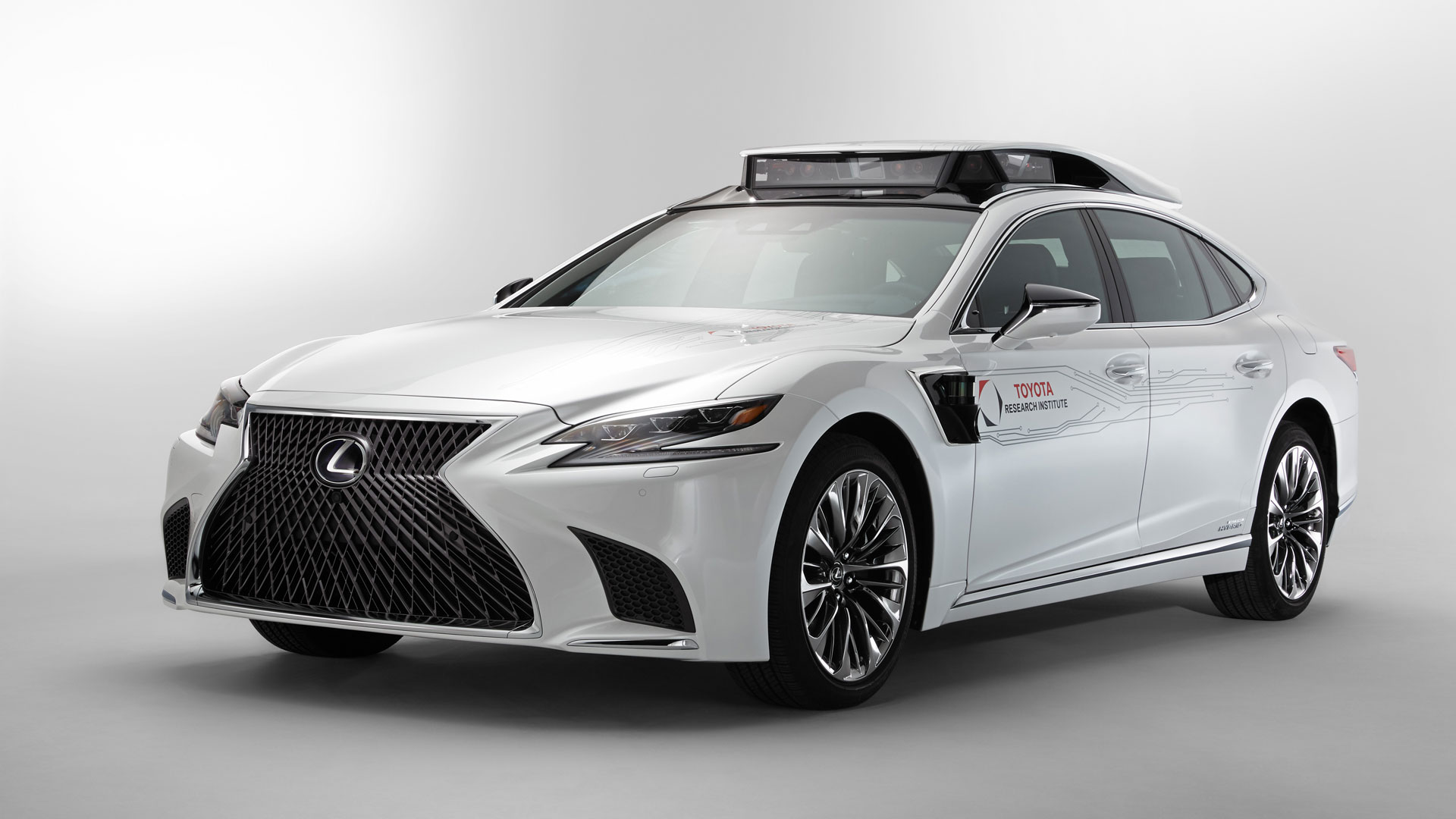
This Lexus LS is playing a key part in the Toyota Guardian development and benefits from new chassis and steering control technology. Known as the TRI-P4, the latest LS is smarter than its predecessor, processing inputs faster and reacting more quickly to its environment.
The Lexus TRI-P4 makes use of two additional cameras to improve situational awareness to either side. There are also two new imaging sensors: one facing forward and one pointed to the rear. Toyota is working on two avenues of autonomy: Chauffeur, in which the human is removed from the driving equation, and Guardian, in which the tech is there to support the driver.
Mercedes-Benz CLA
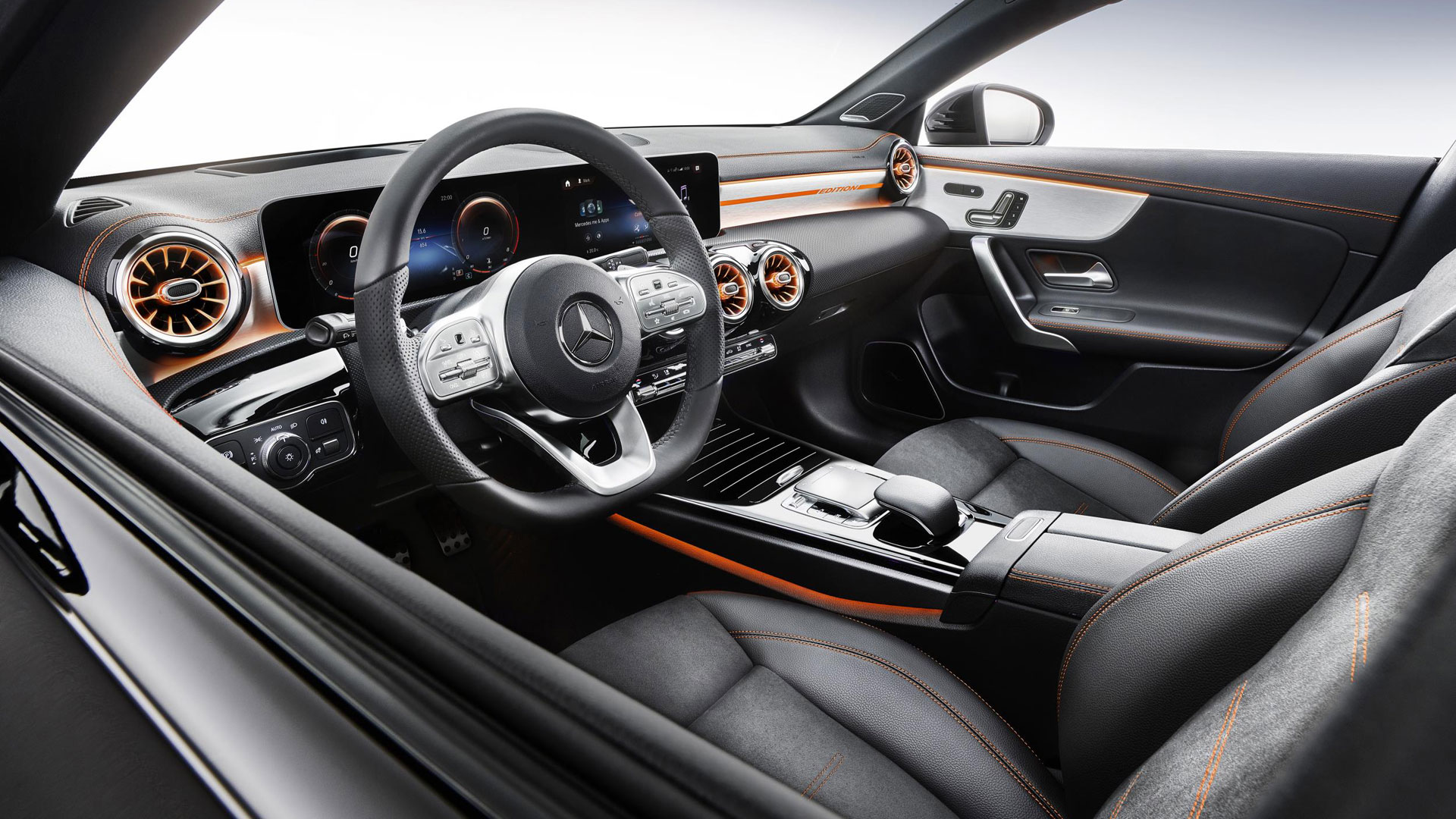
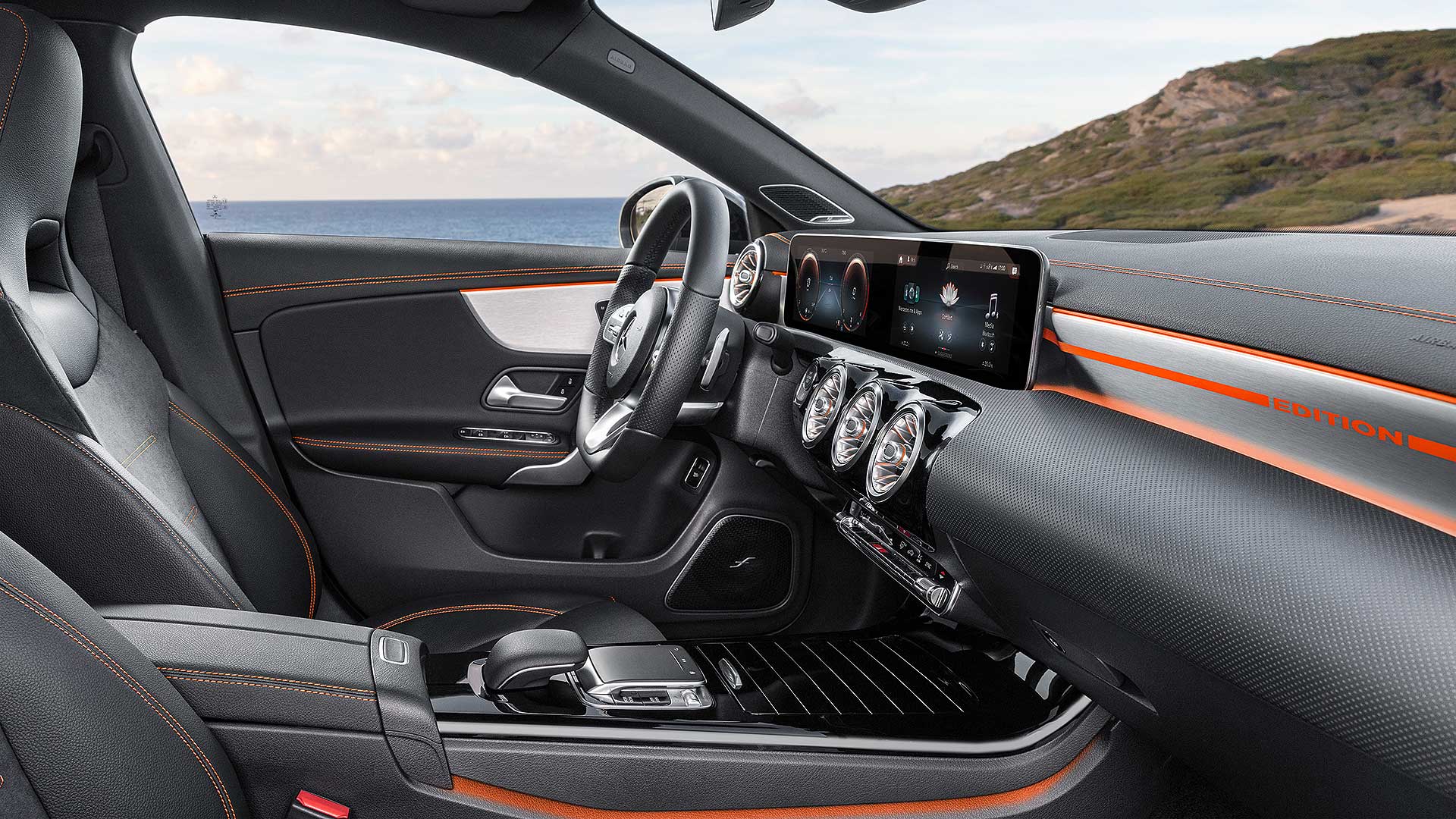
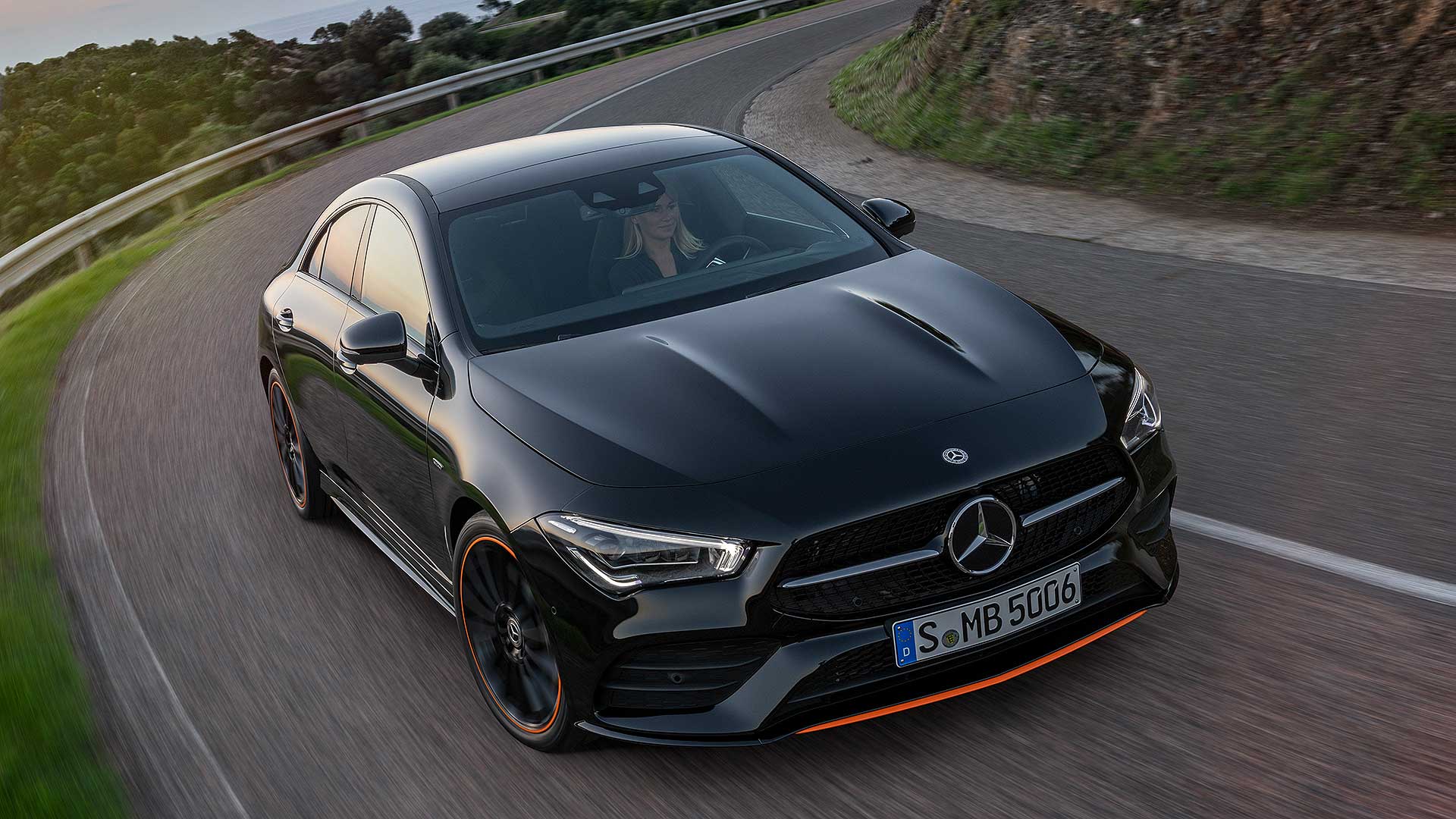
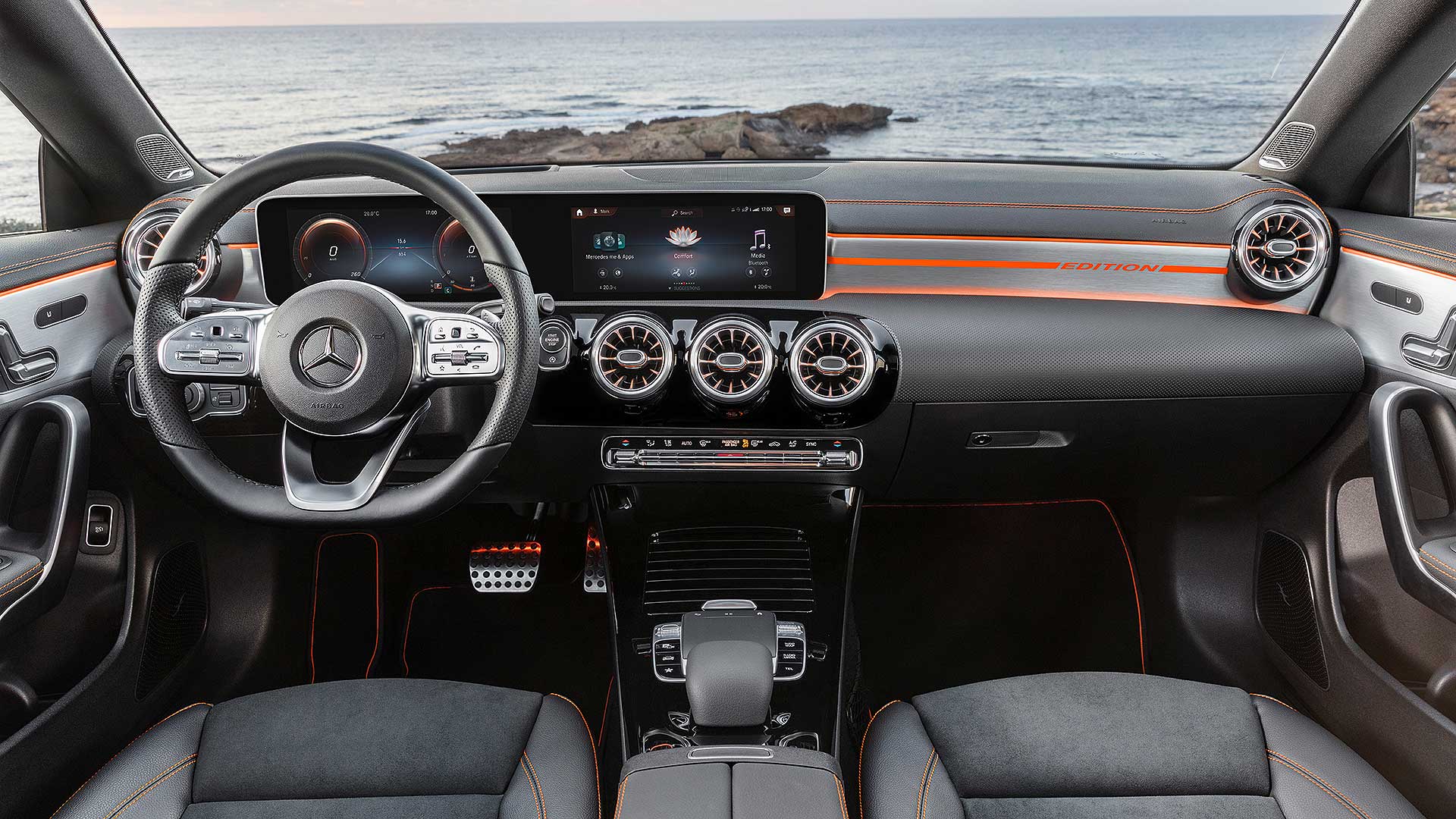
The new Mercedes-Benz CLA compact coupe has been unveiled at CES, with the German company keen to promote its onboard gadgetry. Of interest to CES visitors will be the dual screens and next-generation MBUX Interior Assist. This includes gesture control, which works in sunlight and darkness. “We are now igniting the next level with an intelligent interior assistance system for the compact class,” said research and development chief Ola Kallenius.
Voice control has been enhanced, with the ‘Hey Mercedes’ functionality taken to the next level. It’s a little like having your own personal assistant in the car. “Which child-friendly Asian restaurants are nearby that are neither Chinese nor Japanese?” you might ask. It will help. “How has the Apple share price performed compared to Microsoft?” – it will tell you. We wonder how it would respond if you asked for details of the nearest BMW dealer…
BMW self-riding motorcycle
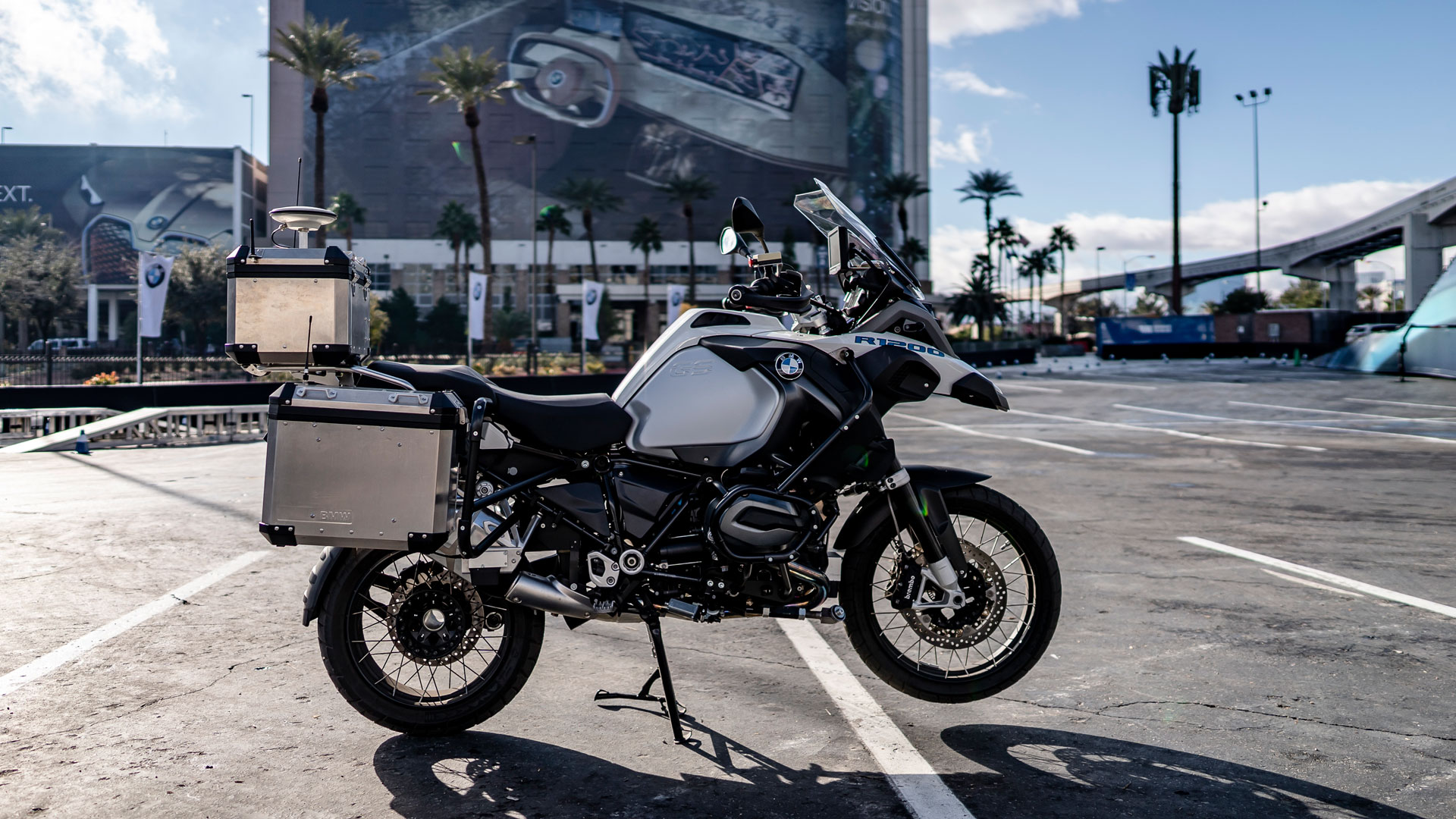
The BMW R 1200 GS is able to start, accelerate, corner, slow down, and come to a stop, without a rider. According to BMW, this isn’t a step towards replacing the motorcyclist, rather an opportunity to gather valuable insights into riding dynamics, which can be used to help the rider recognise dangerous situations and master difficult manoeuvres.
So, it’s an education device. BMW claims that the self-riding motorcycle will give riders a ‘comprehensive understanding’ of ideal lines and perfect cornering, correct braking points, and traction-optimised acceleration. That’s as may be, but you wouldn’t bet against self-riding motorcycles appearing in our city centres, delivering everything from takeaways to blood.
Byton M-Byte
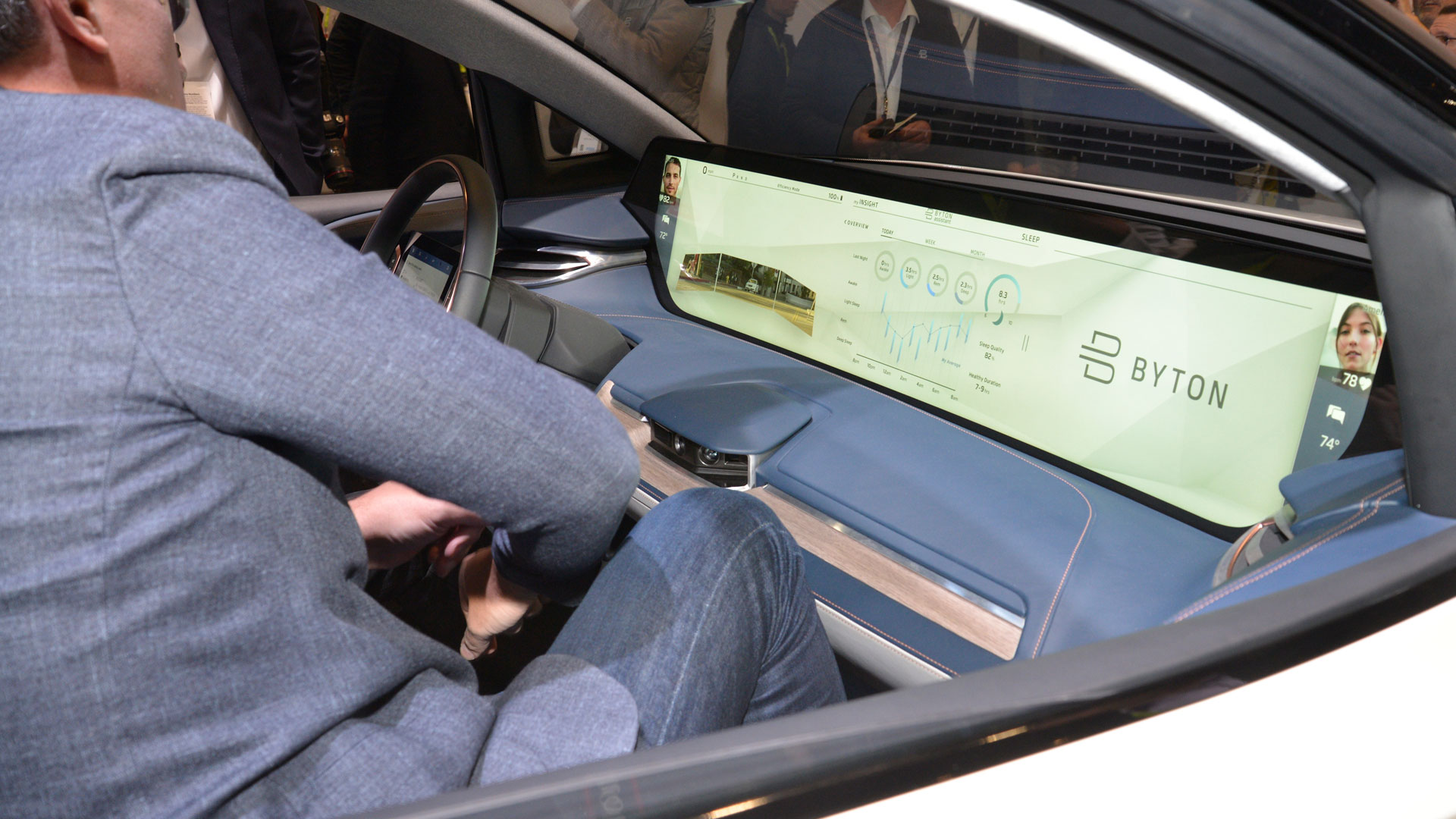
If everything goes according to plan, the Byton M-Byte electric SUV will go on sale in China at the end of the year, with European and American sales following in 2020. The Chinese-built EV will deliver up to 325 miles of range, depending on the model, with an 80 percent recharge possible in just half an hour. Much of this is old news. But something else is grabbing the headlines at CES 2019…
It’s the M-Byte’s 48-inch – yes, 48 inches – ‘Shared Experience Display’, which is essentially a fancy name for a digital instrument display. It extends across almost the entire width of the car, delivering all of the information, all of the time. The screen is controlled either via seven-inch touchscreen in the centre of the steering wheel or an eight-inch touchpad in the centre console.
Honda autonomous ATV
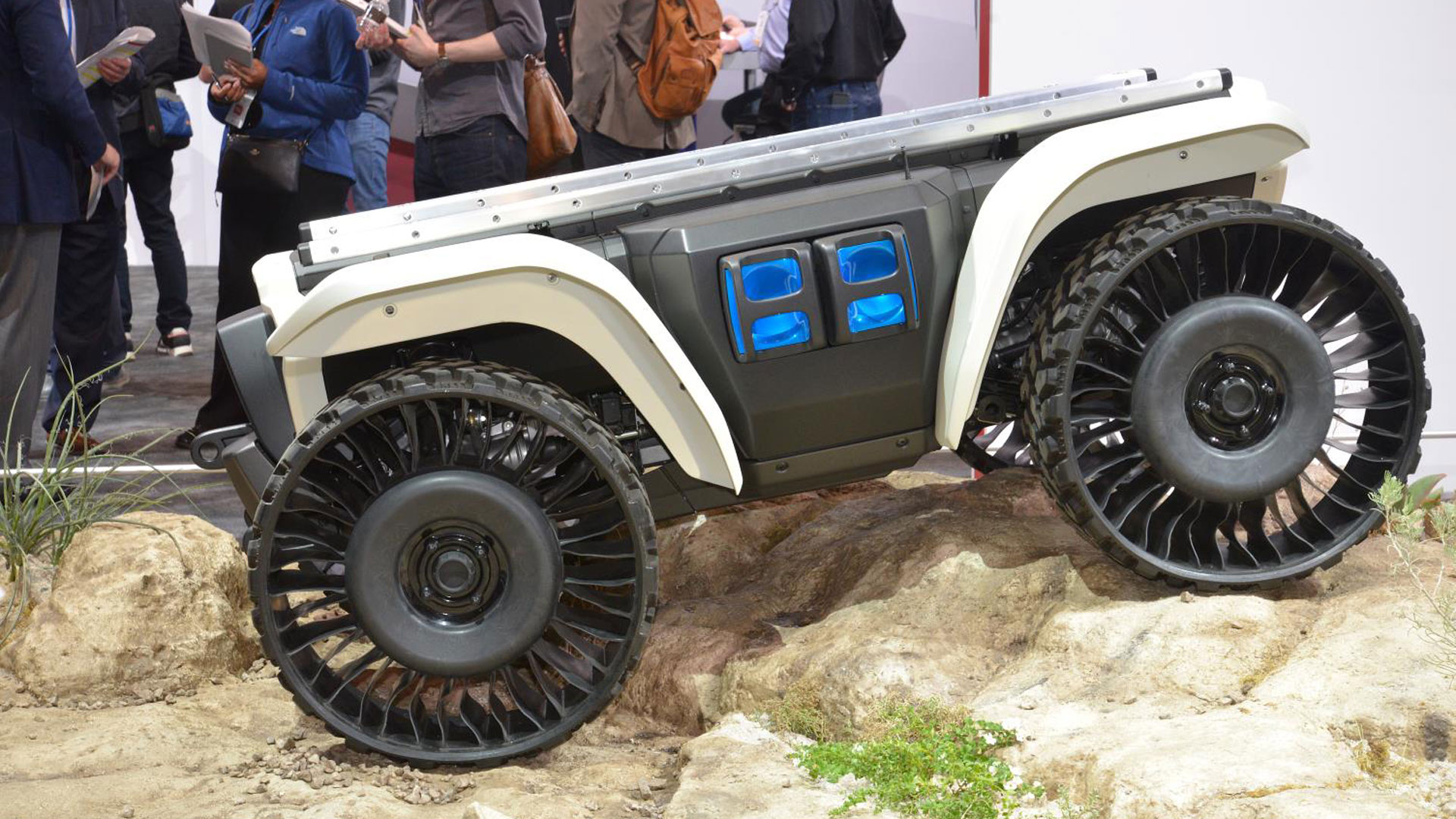
Anything Hyundai can do, Honda can do slightly differently. This is the Honda Autonomous Work Vehicle, a self-driving ATV designed for all manner of scenarios. There are three modes – ‘A to B’, ‘Follow Me’ and ‘Pattern’ – with each one serving a different purpose. For example, ‘A to B’ was used at an agricultural college in California, where it transported crops from field to packaging. ‘Follow Me’ has been used to direct firefighters across tricky terrain, while ‘Pattern’ saw it used to pull a lawnmower.
Nissan Leaf 3.Zero e+
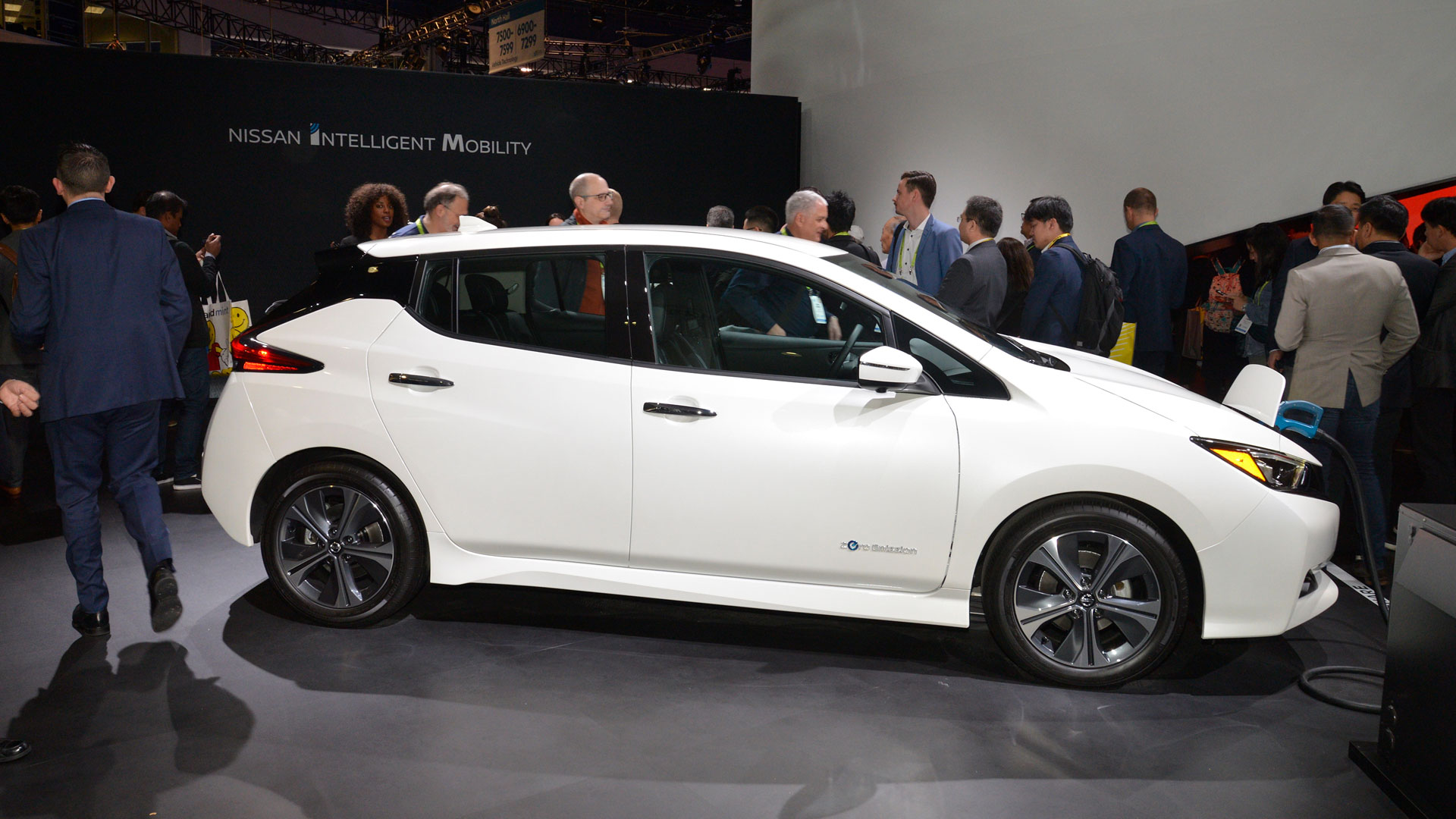
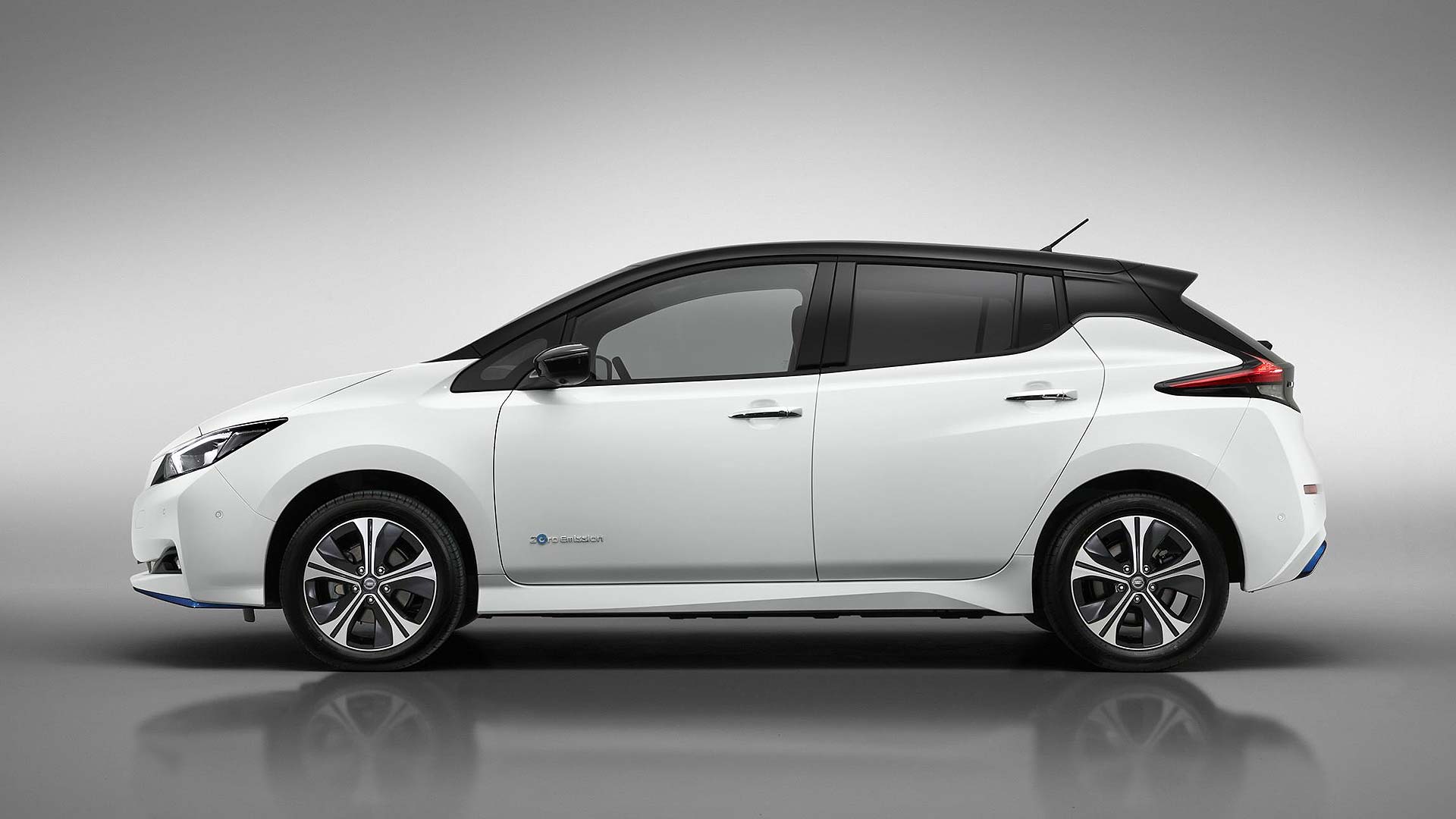
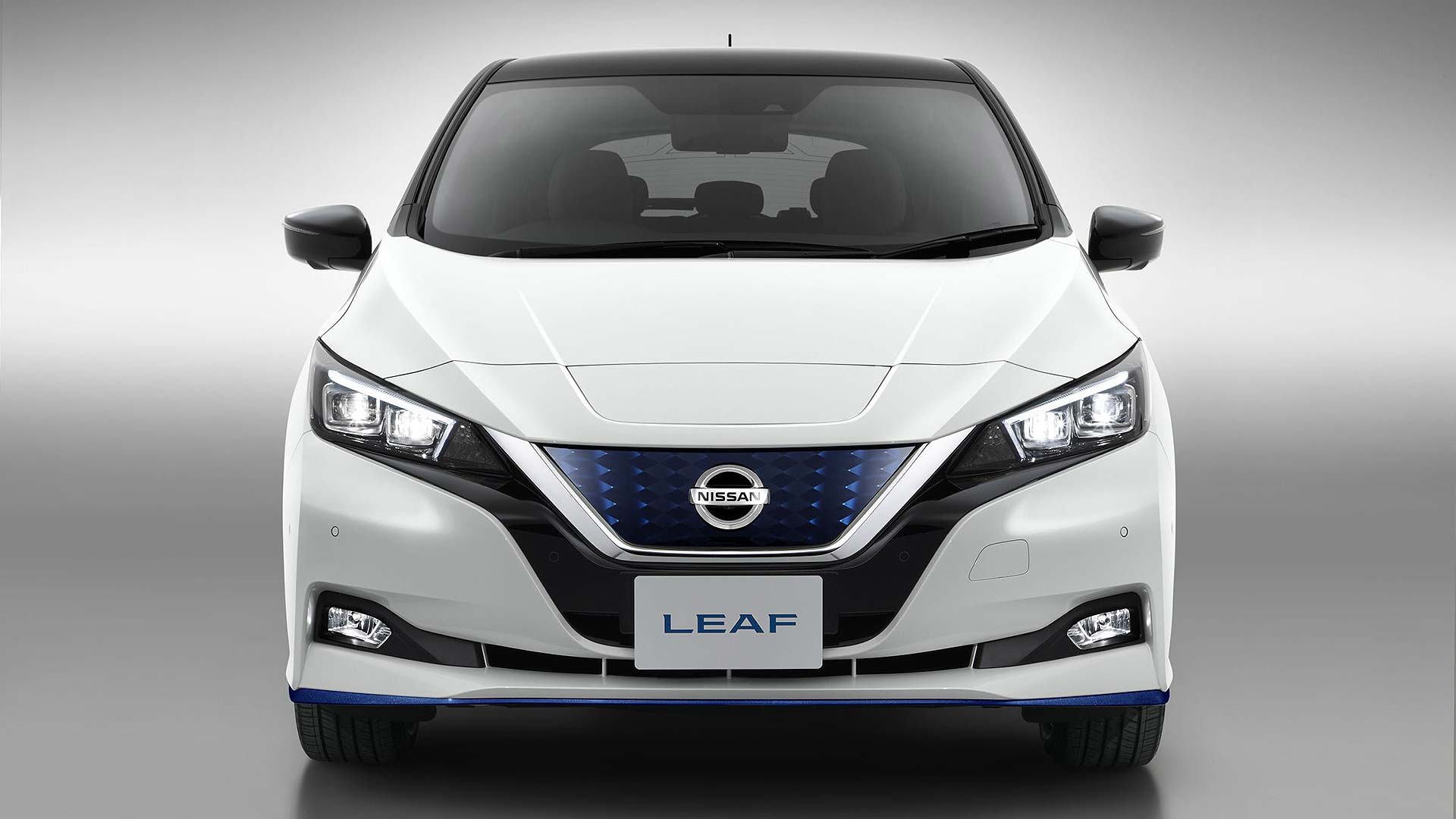
Faced with an ever-increasing number of EV rivals, Nissan has given the Leaf the battery it deserves. The Leaf 3.Zero e+ has a 62kWh battery, more than 50 percent larger than the standard car’s 40kWh battery. This delivers a 40 percent increase in range, enabling the Leaf to hit 239 miles from a single charge. Deliveries will start in the summer.
Read more:
Futuristic Nissan tech lets you ‘see the invisible’
Harley-Davidson is embracing the electrification future, with a new motorbike that seems certain to upset brand purists.
Launched at the Consumer Electronics Show alongside a slew of concepts, the LiveWire is the first foray by the brand into battery power. The Milwaukee company has plans to announce more electric models in future, with a major commitment to attracting a new type of Harley owner.
Whilst Harley promises impressive performance from the electric powertrain, the biggest impact will be the loss of the iconic V-twin engine noise.
Future sounds of Milwaukee
Harley-Davidson is clearly well aware of the importance of its aural significance to riders. The LiveWire is said to produce a new signature sound, demonstrating the smooth electric performance of the new bike.
The company also claims that the lack of heat and vibration from the electric motor only serve to enhance rider comfort. We imagine some diehard Hog fans may need convincing of the benefits.
However, there are unlikely to be many complaints on straight line performance. The instant torque from the electric motor, combined with no gears, means acceleration is, well… electric. Although optimised for urban use, Harley claims the LiveWire will accelerate from 0-60mph in under 3.5 seconds.
Rider aids and advanced telematics
Not satisfied with just adding electric power, the LiveWire also incorporates a range of services with the H-D Connect services. Through a smartphone app, user can check the battery charge remotely, get servicing notifications, or either be told if the bike is being tampered with.
A full charge of the battery pack can be made overnight whilst connected to a domestic plug outlet. The LiveWire is also able to use rapid charging where available. Total range when fully charged is claimed as 110 miles, making the LiveWire more than suited to average daily commutes.
Customers in the United States can place an order for the LiveWire now, with prices beginning at $29,799 (£23,440). UK riders will be able to place orders from next month, with more details to follow on pricing.
Nissan will finally roll out a Leaf electric car with a battery big enough to take on a growing number of long-range rivals. The Leaf 3.Zero e+ has a 62kWh battery, more than 50 percent larger than the standard car’s 40kWh pack.
This gives it a range of 239 miles on a single charge, compared to the standard car’s rather paltry 168 miles (that’s a 40 percent increase). Both figures are judged according to the strict new WLTP test cycle.
But despite a more competitive battery, the new Leaf’s range is still behind that of new rivals such as the 64kWh Hyundai Kona Electric (292 miles) and Kia e-Niro (282 miles)…
The Leaf 3.Zero e+ does boast more performance though, thanks to a boost in power to 217hp. The top speed is raised 10 percent to 97mph and Nissan says it’s 13 percent faster accelerating from 50mph to 75mph.
Just to confuse things, Nissan is also launching a range-topping Leaf 3.Zero limited edition, with new body colours and two-tone combinations. This costs £31,095, including the government Plug-in Car Grant – but does NOT get the larger capacity battery.
Only the Leaf 3.Zero e+, which is priced from £36,795 including grant, gets the battery boost. Look for the ‘e+’ symbol to spot the longer-range Nissan Leaf. Ordering for both models is open now; deliveries of the 62kWh car start in the summer.
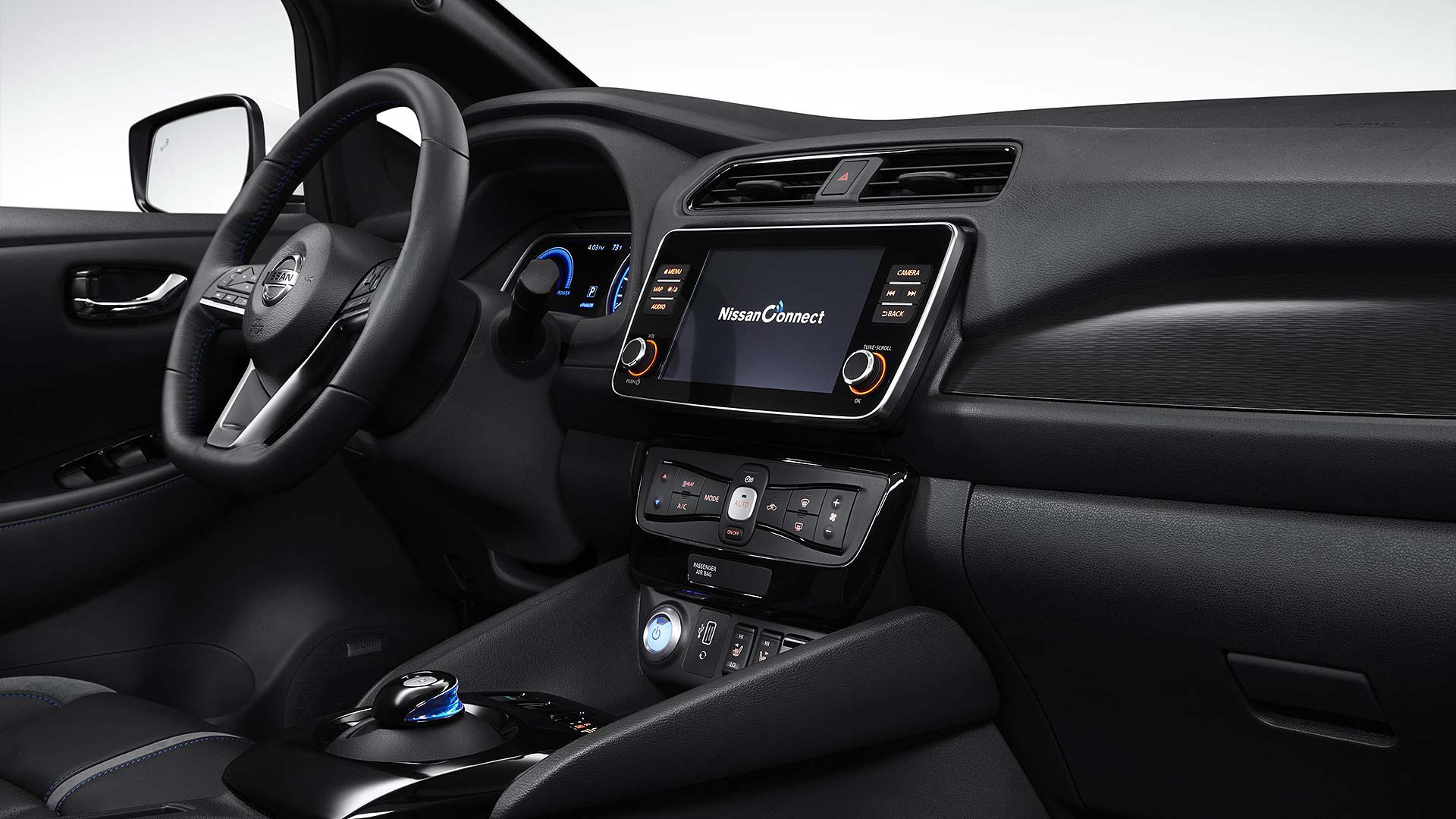
Nissan adds both cars get an improved, larger 8.0-inch infotainment screen, an improved NissanConnect EV app and standard ProPilot ‘hands-on, eyes-on’ driver assist.
Europe’s favourite EV
The launch of the longer-range Leaf comes after a successful 2018, says Nissan. It sold more than 39,000 cars in Europe last year, making it the region’s favourite electric car.
It’s also the world’s best-selling EV, with sales of over 380,000 since 2010.
Gareth Dunsmore, director of electric vehicles and connected services at Nissan Europe, said: “The Nissan Leaf 3.Zero e+ Limited Edition broadens the appeal of the Leaf family even further, adding more range to an award-winning package that remains great to drive and live with.
“Since we launched the new Nissan Leaf last year, the customer response has been outstanding. In an EV market that is constantly growing, sustaining the Leaf’s status as the most popular EV in Europe in 2018 is a testament to the strength of the product.
“We hope the Leaf 3.Zero models will help continuing this extraordinary growth in 2019.”
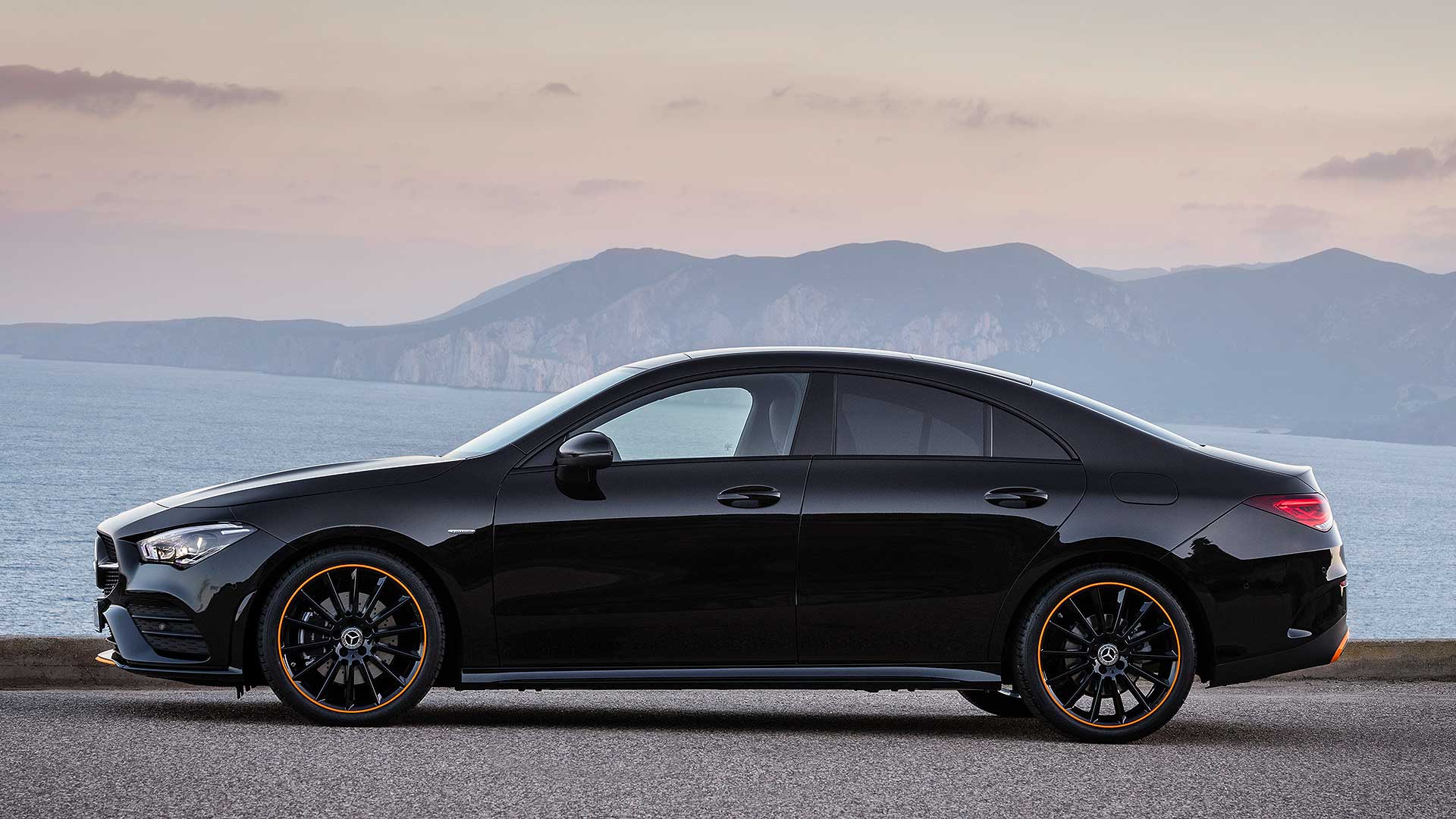
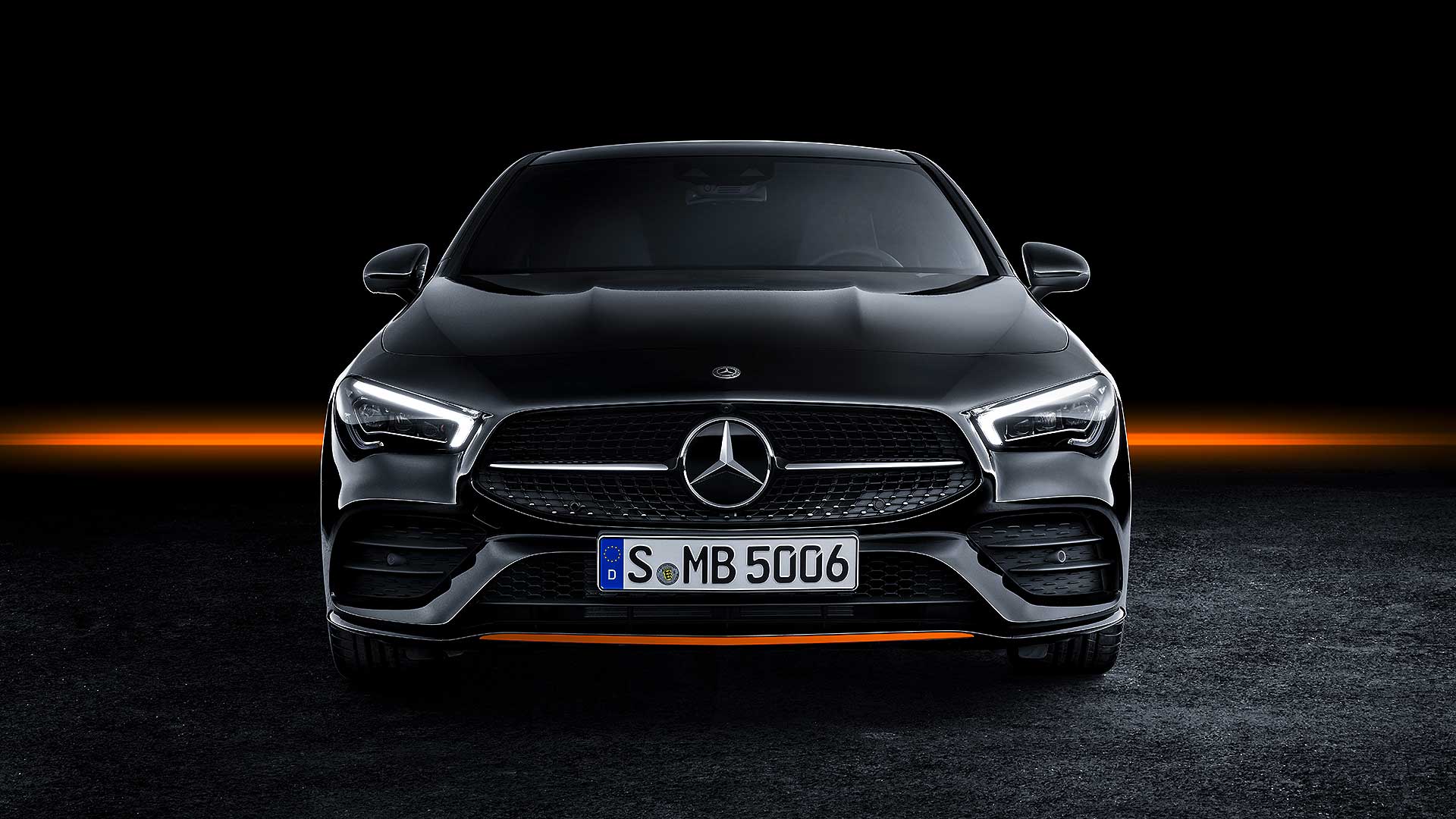
It’s not just new technology being revealed at the Consumer Electronics Show (CES) this year – Mercedes-Benz is unveiling its brand new CLA compact coupe. And don’t worry, gadget fans, it’s not wanting for on-board wizardry.
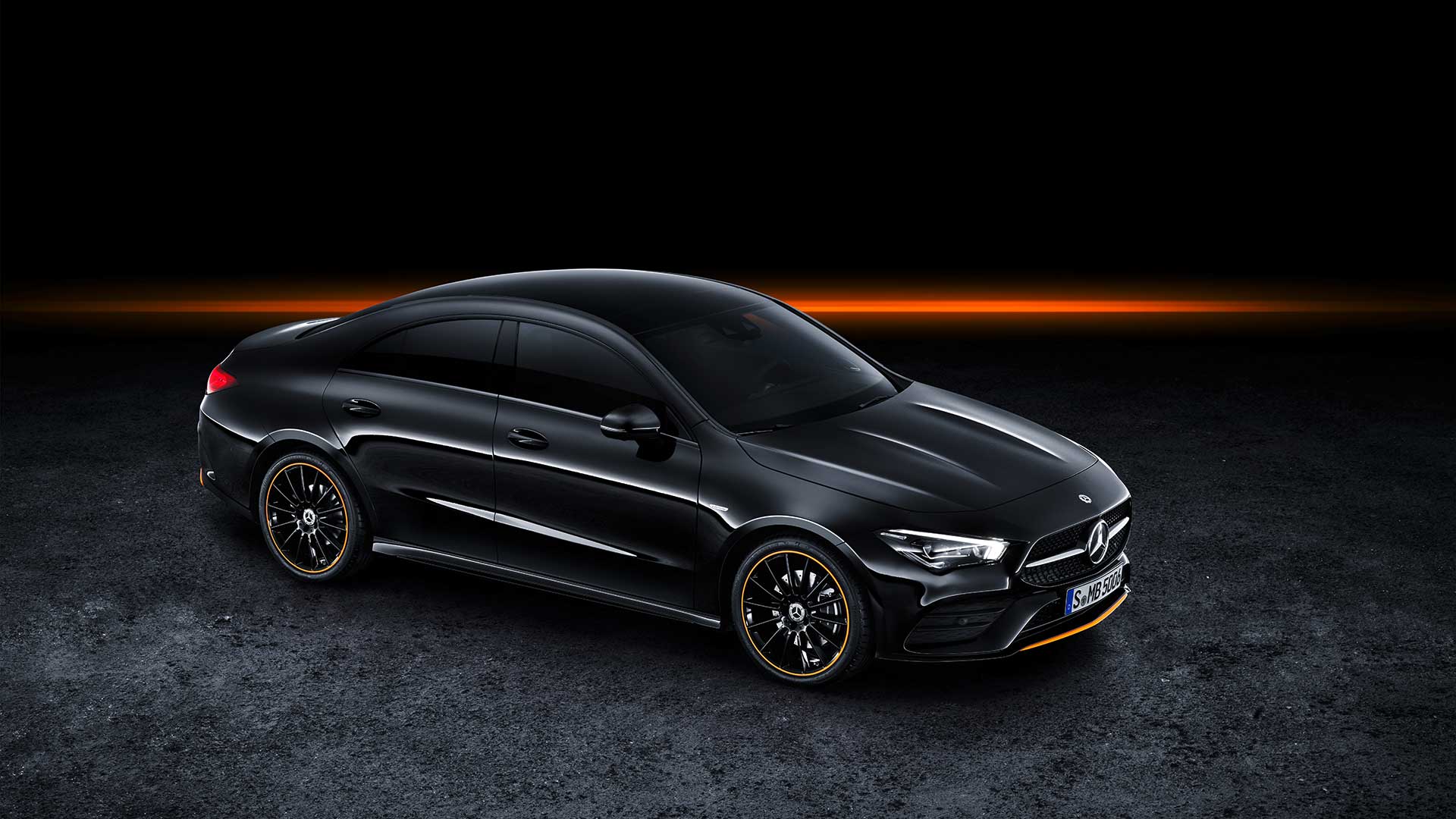
First, the car itself. Consider this the four-door coupe version of the acclaimed Mercedes-Benz A-Class. The previous one was popular; Mercedes-Benz sold 750,000 of them, mainly to people who’d never owned a Merc before. Those buyers are typically 10 years younger than the average Mercedes customer, too. The firm is targeting more of the same this time.
The fact the new CLA is even sportier than the original should help. It’s longer, wider and a bit lower-slung, and Mercedes has worked hard to make the rear end smoother-flowing and less awkward. It’s tried to give it the ‘long-nose’ look of a proper GT, which isn’t easy to achieve on a compact car, but the balance is better here than the original.
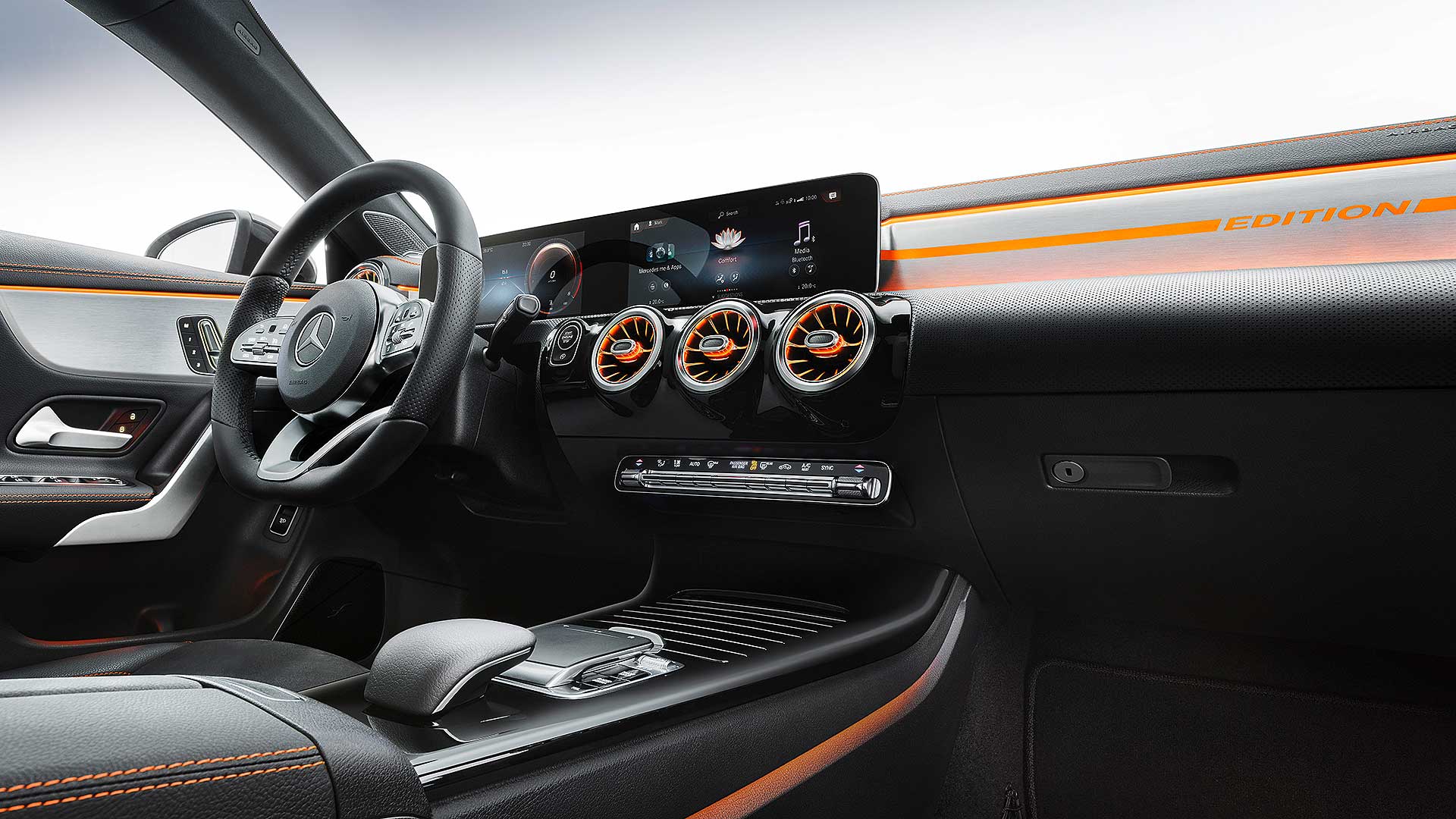
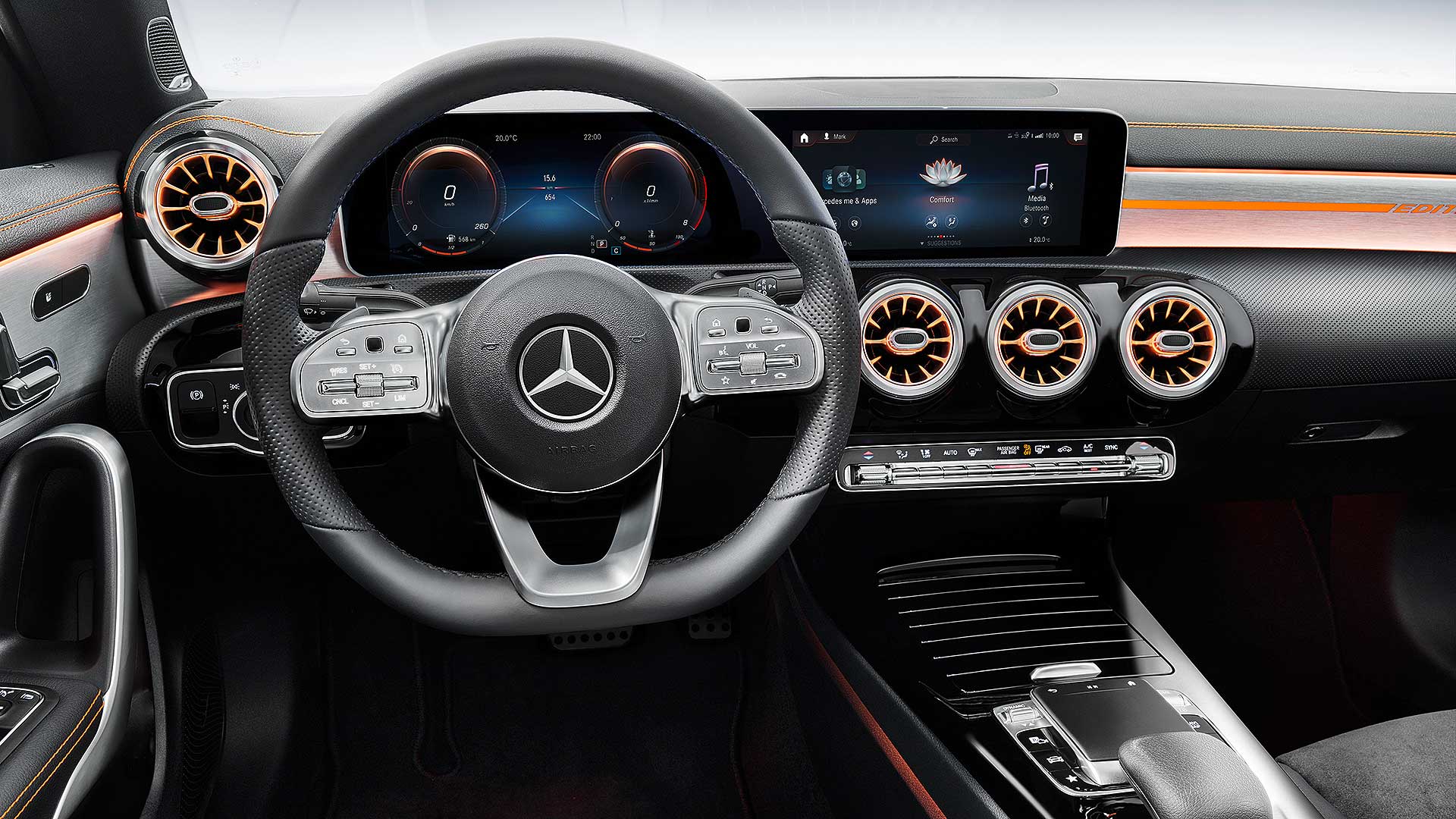
Inside, it has the same open-plan architecture as the A-Class, complete with freestanding dual widescreen displays. With extra emphasis on sportiness and jewel-like detailing, the wow-factor is upped even more. The CES crowds are going to love it.
Underneath, it’s all A-Class, albeit with a lower centre of gravity and wider tracks front and rear. The suspension is firmed up accordingly (electronically controlled adaptive suspension is optional) and we’re told it will be the sportiest of all Merc’s compact-class cars. Wheels? From 16 inches to 19 inches. Of course, you really need the 19s.
The engine is a four-cylinder turbo that puts out 225hp and drives the front wheels via a DCT automatic gearbox. More engines will filter through in due course. But engines are immaterial: the new Mercedes-Benz CLA is all about the tech.
Gesture control
The dual screens are built around the new MBUX architecture, and the CLA introduces the next development of that, called MBUX Interior Assist. This introduces gesture control, but don’t worry – it’s a step beyond the rather rubbish systems we’ve seen from brands such as BMW up to know.
For starters, it works in both sunlight and darkness. Raise your hand towards the interior mirror and the reading lamp comes on, reach over to the passenger seat and the area is illuminated, turning off again when your hand moves away. It recognises which passenger is gesturing, too – so an animated passenger won’t inadvertently turn the stereo volume up.
There are gesture control ‘favourites’ too. Spread index and middle finger in a v-shape over the centre console (flick it the v-sign?) and commands can be stored – such as, ‘navigate me home’. Again, driver and passenger can have their own favourite commands.
“We are now igniting the next level with an intelligent interior assistance system for the compact class,” said R&D chief Ola Kallenius. “By recognising gestures, it facilitates natural operation.
“Hey Mercedes” and avocados
Voice control has also been developed. Part of the MBUX User Experience, saying “Hey Mercedes” now works on much more complex queries than the launch system on the A-Class.
You can, reckons Mercedes-Benz, say, “Which child-friendly Asian restaurants are nearby that are neither Chinese nor Japanese?” and it will find just the place for you. You can ask it sport questions, stock exchange questions (“How has the Apple share price performed compared to Microsoft?”), even get it to do calculations (“What is the square root of three?”).
If you’re really keen, ask Hey Mercedes general knowledge questions. It really can, if you want, tell you the fat content of avocados, or the size of Texas. Coming to America first, other markets will follow with this next-level functionality in due course.
Oh, and if you have passengers in the car, they don’t need to zip it when you’re talking to your Mercedes: the system has been trained to respond only to the commands of the person who last said “Hey Mercedes”.
Tech fest
What else? The so-called Mercedes-Benz ‘Energizing Coach’ connects to a Garmin wearable device and logs stats such as stress level, pulse rate or quality of sleep. It duly adjusts the air-con, seat massage, lighting and music to give a bespoke ‘wellness’ mood tailored to both an individual and a situation.
“The aim is for passengers to feel well and relaxed even during demanding or monotonous journeys,” says Mercedes-Benz. Presumably, if a driver hasn’t had much sleep, the air con chills and blasts accordingly, to keep them sharp.
Mercedes-Benz is even launching a special Vivoactive 3 Garmin smartwatch at CES to link up with it.
After being shown at CES 2019, Mercedes-Benz will ship the new CLA to other auto shows in the build-up to its market launch in May. The firm says it “sets new benchmarks for the compact class”. It certainly packs in plenty of tech for the CES faithful to get their teeth into.
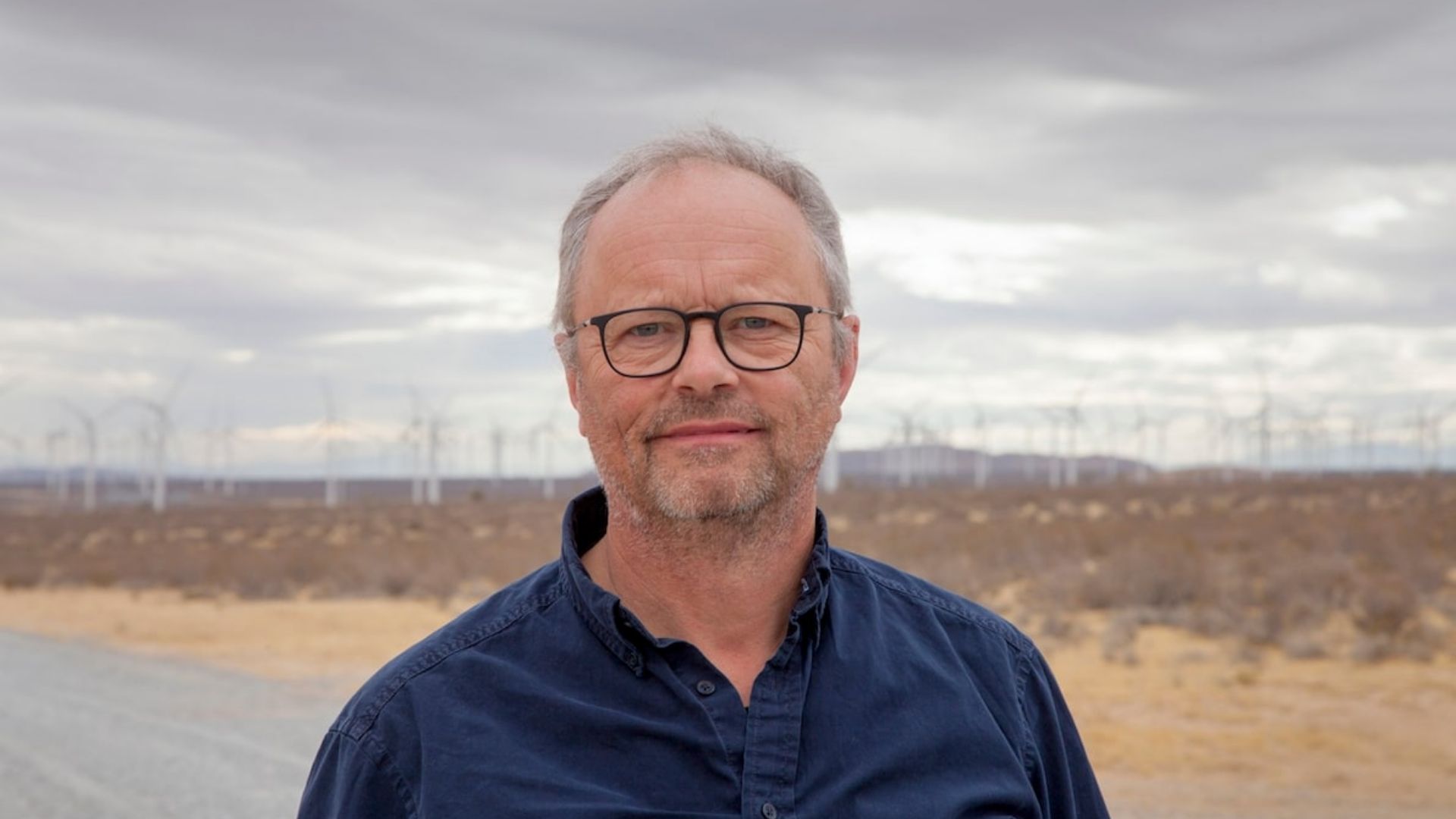
Fully Charged, Robert Llewellyn’s electric car YouTube channel, has undertaken a comprehensive survey of its audience. It showed that just one in 10 EV owners would ever switch back to internal combustion.
This, among an array of fascinating tidbits on people’s electric car sentiments, was gleaned from more than 7,700 respondents.
“Having experienced how impressive electric cars are, we were not surprised to see so many other drivers saying that they won’t go back to the combustion engine,” said Robert Llewellyn.
“It might shock those that have yet to switch.”
Volkswagen is going to deploy mobile electric car charging stations
The study, answered by 7,723 of the channel’s audience, was comprised of 50 questions designed to investigate public attitudes to ‘the array of technologies that are set to dominate the next decade’.
On top of establishing that 90 percent of EV drivers would never go back, it was found that 56 percent of the Fully Charged audience who aren’t yet behind the wheel of an EV intend to buy one within the next two years. Perhaps that’s to be expected for viewers for an electric car and clean motoring outlet. Moreover, three quarters plan on cutting out the middleman by going fully electric, rather than buy a plug-in hybrid.
Also interesting were the audience’s main turn-offs for EVs in the past and now. Contrary to popular wisdom that infrastructure was chief among consumers’ worries, it’s the perceived cost of electric cars that stalls people the most – 33 percent said the cost of brand new EVs was a bridge too far.
Not surprising is that the Fully Charged audience is interested in clean energy and new technology as a whole – on a similar level to EVs, at 88.6 percent. Curiously, the technology itself is of greater interest than the good it serves. Air pollution and climate change were mentioned by a respective 39 and 44 percent of respondents.
The UK’s pothole plight is by no means breaking news. Every other week, it seems we’re lamenting the state of our roads. Official local authority figures have circled the one million mark per year for the past three years, with a peak of 1,088,965 potholes recorded in 2016.
The 2019 budget (announced in October 2018) saw a £420 million pledge to local authorities to patch up our shattered roads. But what exactly are they up against?
The headline by-year figures above were obtained via a Freedom of Information (FOI) request from Yorkshire-based insurance provider The Insurance Emporium. It approached 205 local authorities, of which 175 responded.
Here’s a breakdown of the UK’s pothole epidemic from 2015-2018.
Potholes per kilometre
Scotland seems to suffer worst from potholes, with the top two per-kilometre locales being north of the border. The City of Edinburgh has struggled with 73 potholes per kilometre on average from January 2015 to April 2018, while Dundee is just behind at 69.
Moving down to Kirklees in Yorkshire, there’s a massive drop to 43 per kilometre on average. Sheffield is next with 39 per kilometre.
Only the next seven locales suffer with a per-kilometre pothole number that’s into double figures.
Numbers of potholes
The raw numbers of potholes are telling, also. Devon is way out in front, with 150,395 potholes covering 13,027 miles of road. That said, poor old Edinburgh comes second with 112,619 potholes covering just under an eighth of that mileage – 1,536 miles of road.
Northamptonshire and East Riding in Yorkshire are the only other two that are into six figures, with a respective 108,816 potholes over 4,635 miles of road, and 104,001 over 3,477 miles of road.
Professor Nicholas Thom, UK pothole expert, chalks the numbers up to various issues with how the roads are maintained.
“The number of potholes per kilometre on a given authority’s roads depends not only on the repair budget, repair strategy and the climate – frosts are bad news – but also on a historical policy choice, namely what surfacing materials to use. It is a choice that badly needs to be reviewed.”
What’s worse is that successfully claiming damage or injury as a result of damaged roads is seemingly quite difficult. Figures pertaining to cyclists’ claims show that just nine percent prevailed, among which personal and dental injuries comprised 16 percent and damage to the bike was 26 percent.
Overall new car registrations were down almost 7 percent in 2018, making it a bad year for the UK car industry. The working title for this particular article was ‘The winners and losers of 2018’, but this was changed when we realised that there are far more losers than winners.
Instead, check out Britain’s most and least popular car brands of the year, kicking off with the top 10 in terms of overall registrations.
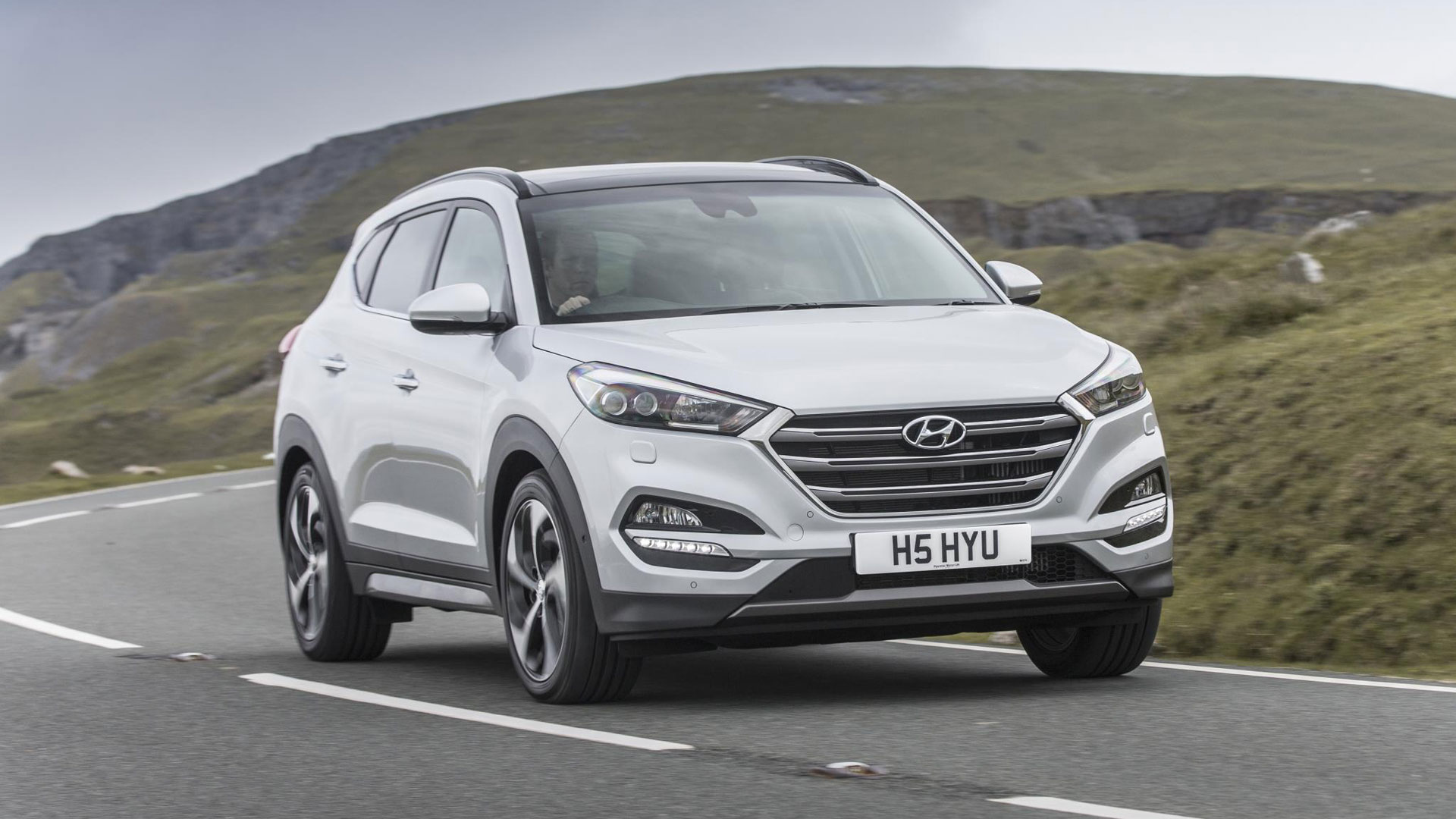
All but one of the brands in the top 10 saw a fall in the number of registrations in 2018, with Hyundai down 3.7 percent. Not that the South Korean firm will be too disappointed with a top 10 finish, with the Tucson also finishing 18th on the list of the best-selling cars in 2018.
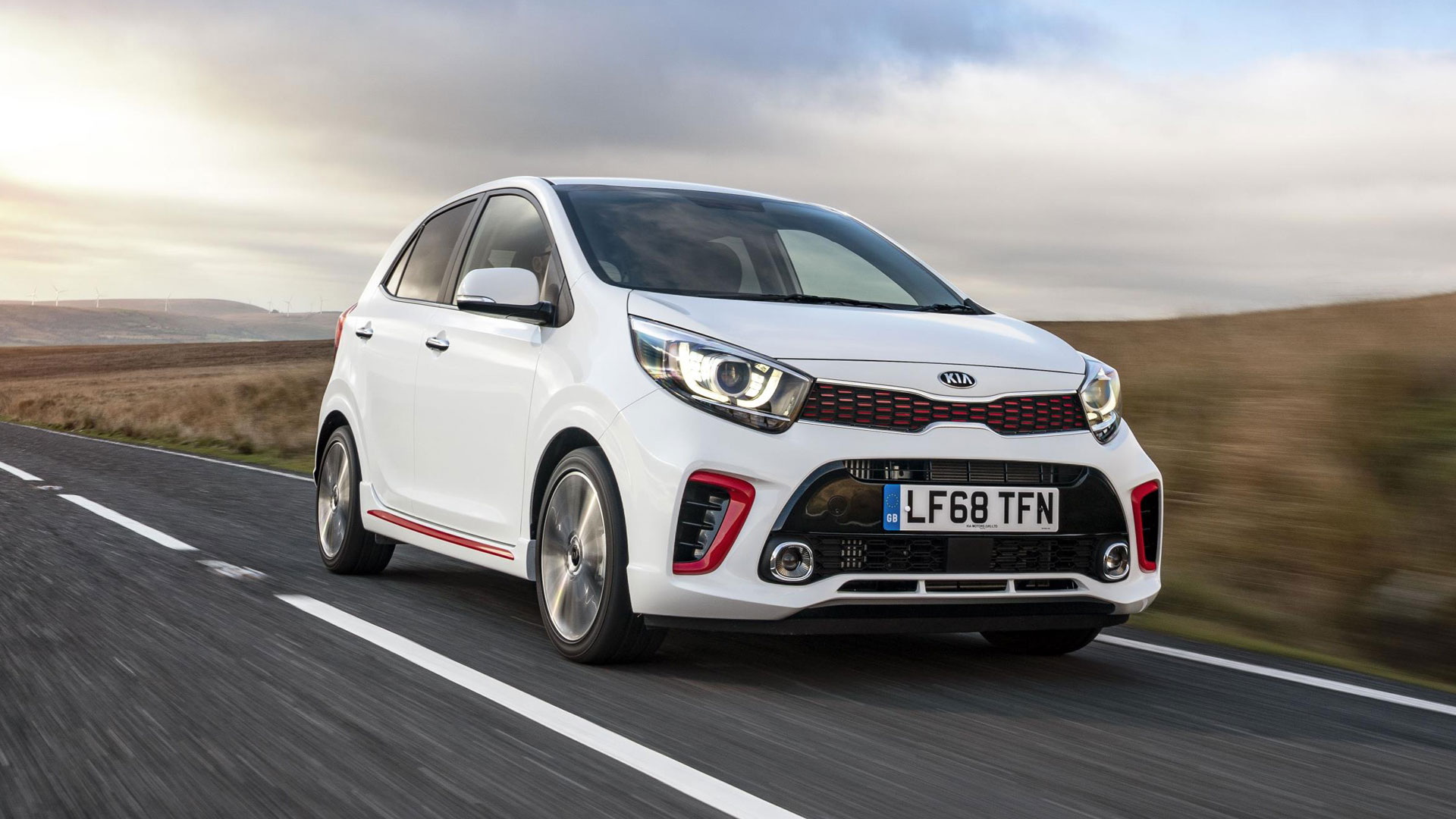
9. Kia – 95,764 registrations
Kia registrations were up 2.7 percent in 2018, making it one of only a few companies to record an increase. Brands absent from the top 10 include Peugeot (11th), Land Rover (12th), Skoda (13th), Renault (16th), Honda (17th) and Citroen (19th).
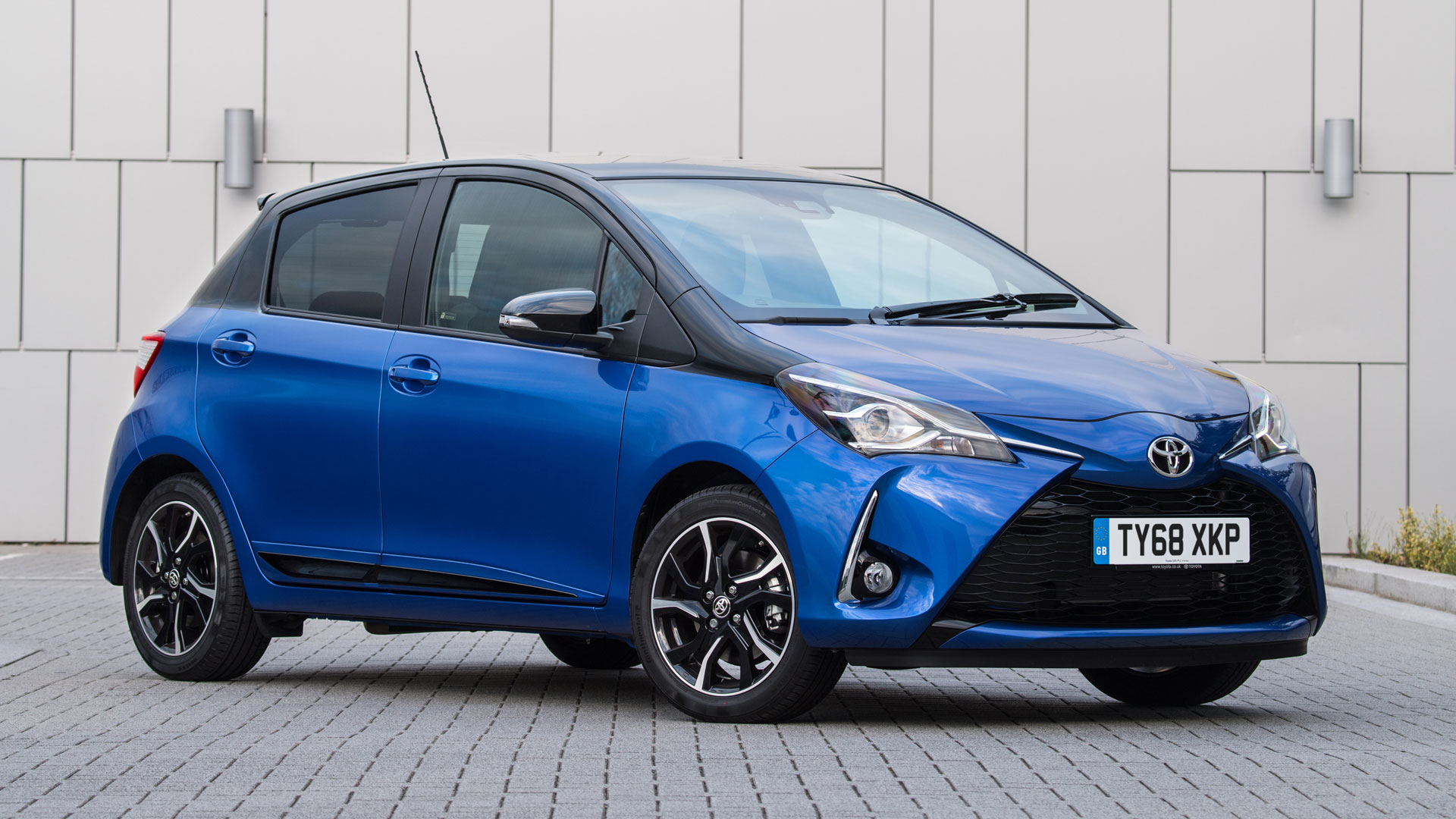
8. Toyota – 101,922 registrations
After 101,985 registrations in 2017, Toyota’s figure is down just 63 units. Another absentee is Volvo. The Swedish brand finished 18th, but registrations were up 9.1 percent. Similarly, SEAT finished 15th, but the number of registrations rose by 12 percent. That’s what a couple of good SUVs can do for a company’s fortunes.
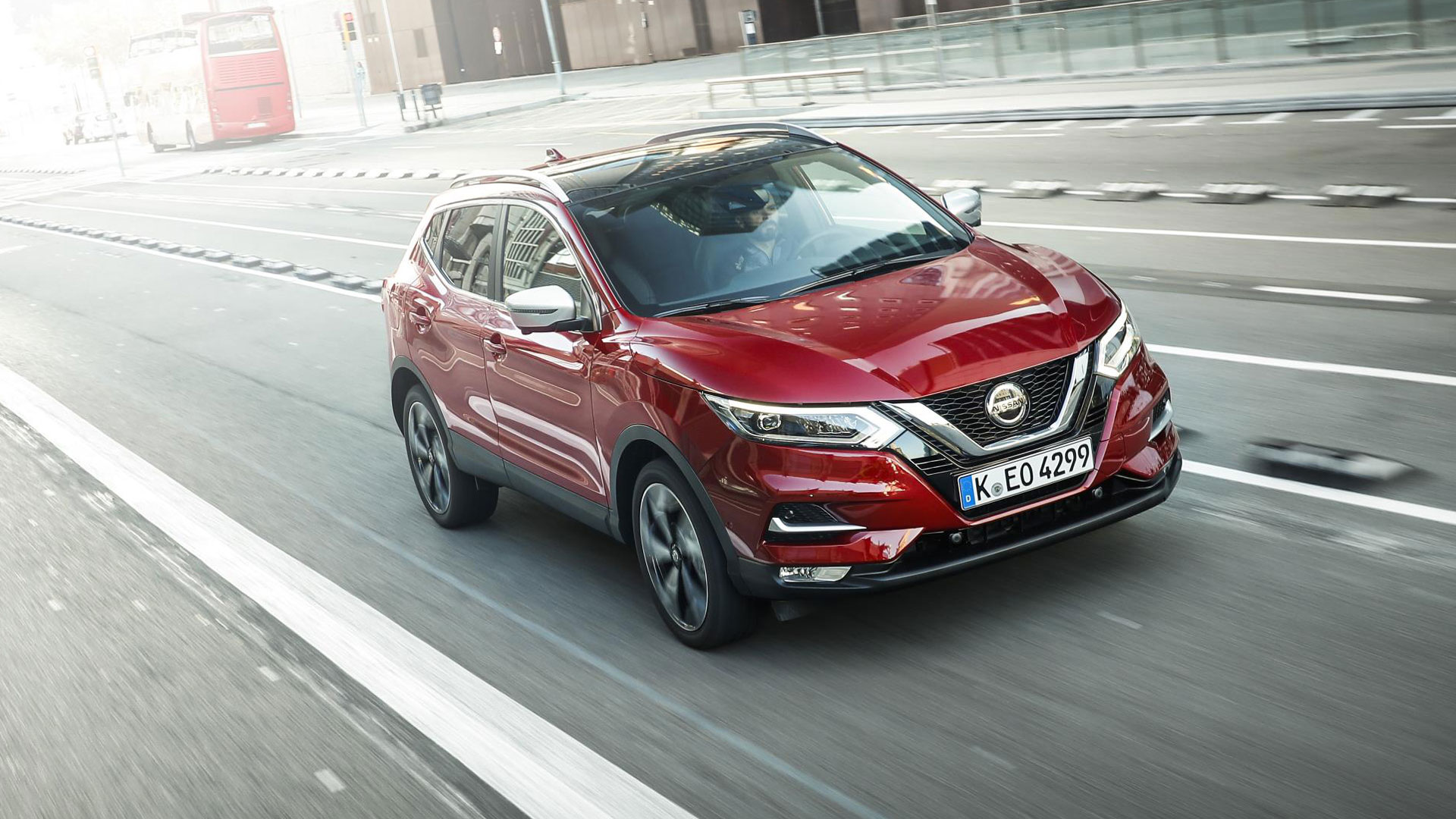
7. Nissan – 102,637 registrations
It was a mixed year for Nissan. The ever-popular Qashqai secured a top-four spot on the list of best-sellers, but the Juke was conspicuous by its absence. Meanwhile, overall registrations were down a massive 32.1 percent. Ouch.
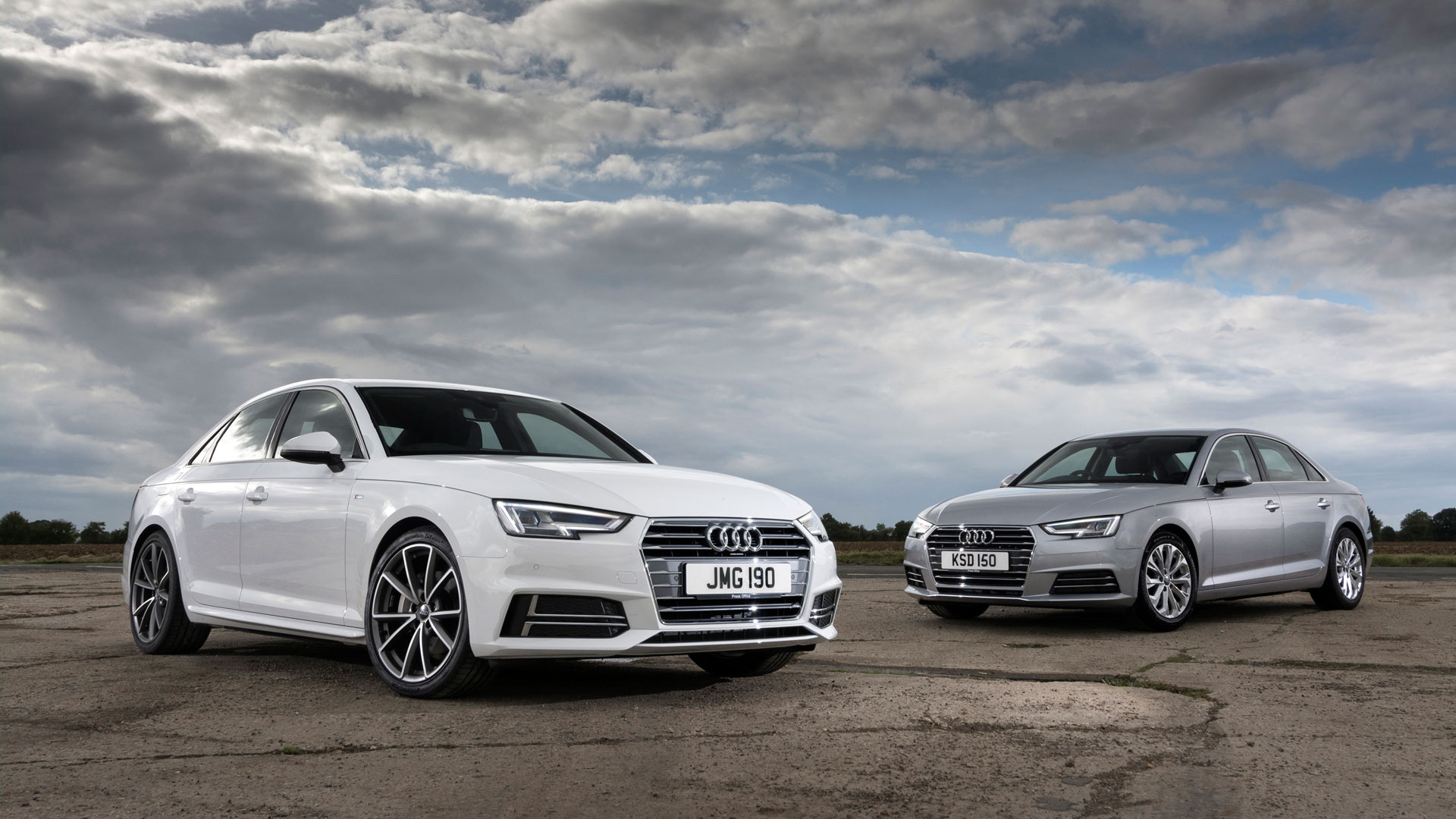
6. Audi – 143,739 registrations
It’s not good news for Audi, with registrations down 17.9 percent to 143,739. This year, the company will launch its first all-electric car, with the e-tron SUV offered in three versions. Prices start from £71,490.
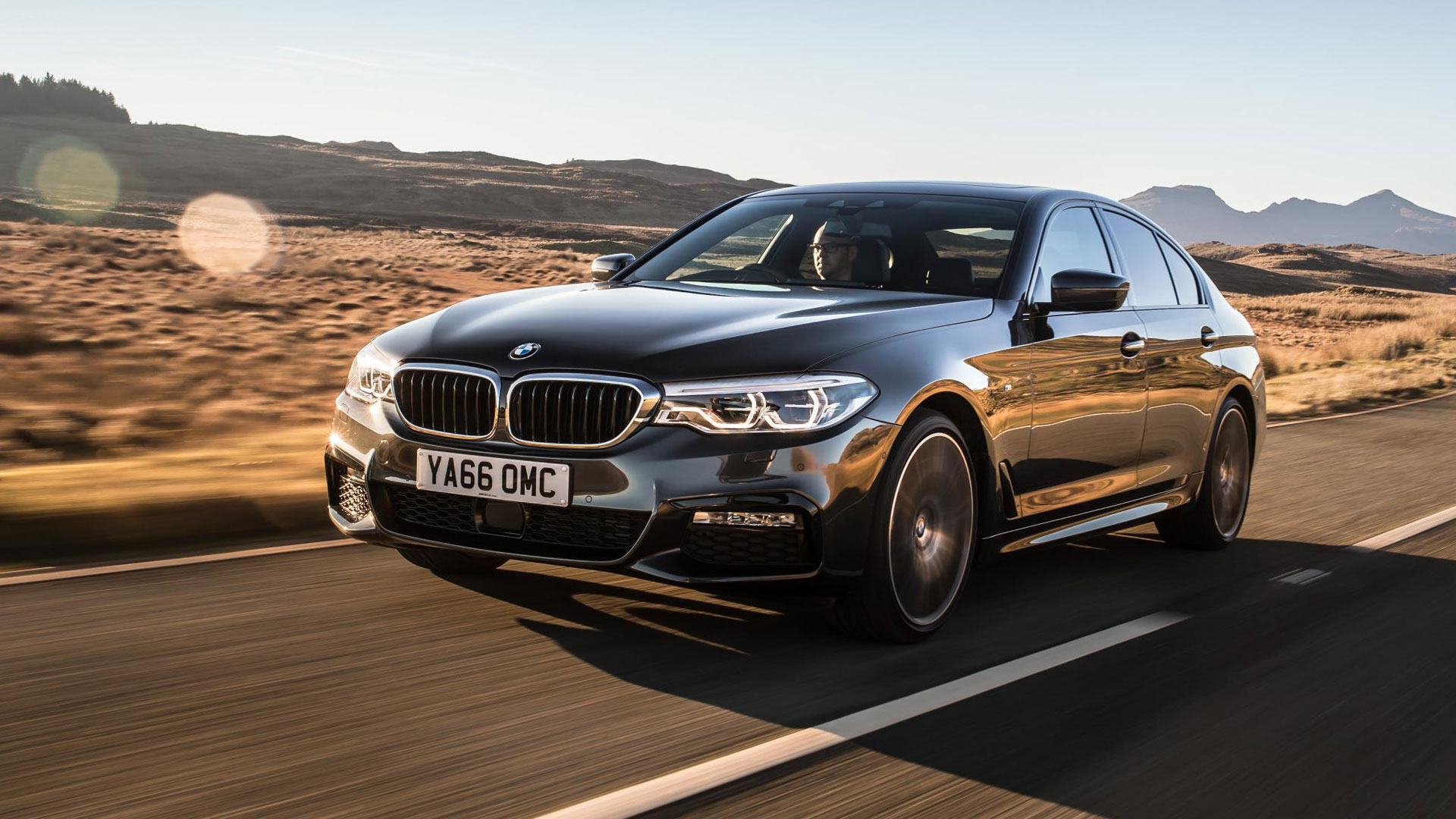
5. BMW – 172,048 registrations
BMW registrations might be down 1.7 percent, but this isn’t a terrible result for the German company. A new 3 Series is about to hit the streets and a new 1 Series will follow soon after. These cars will almost certainly deliver a sale upturn in 2019.
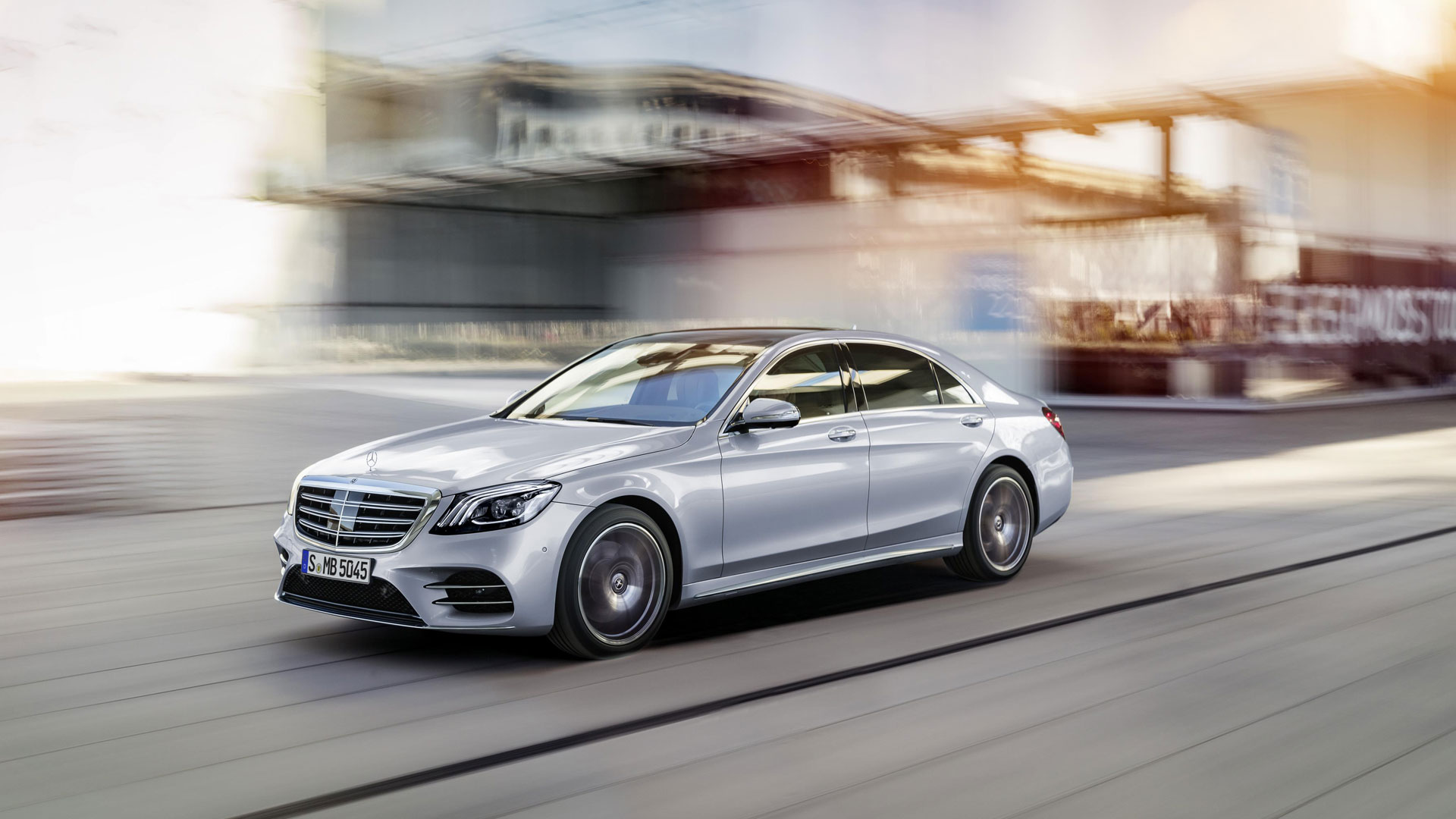
4. Mercedes-Benz – 172,238 registrations
Mercedes-Benz emerges victorious in the battle of the big three premium German brands, although registrations are down 8.3 percent. Mercedes will be hard to beat in 2019, with a new CLA, GLA, GLB, GLE, AMG A45, B-Class and EQC SUV primed for launch.
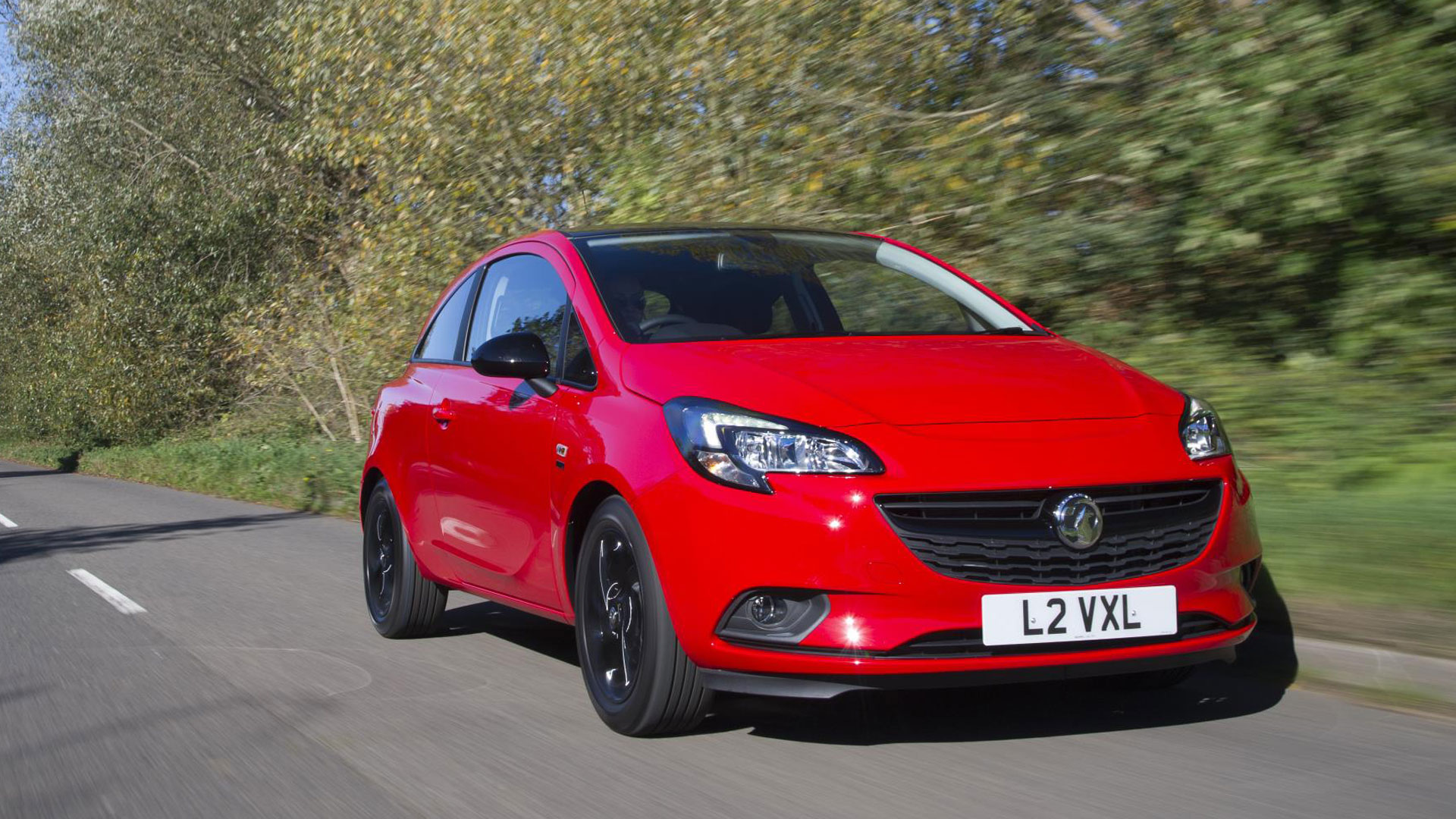
3. Vauxhall – 177,298 registrations
In 2017, Vauxhall shifted just over 195,000 cars. That number dropped to 177,298 in 2018 – a fall of 9.1 percent. The way things are going, a top-five spot in 2019 is far from guaranteed.
2. Volkswagen – 203,133 registrations
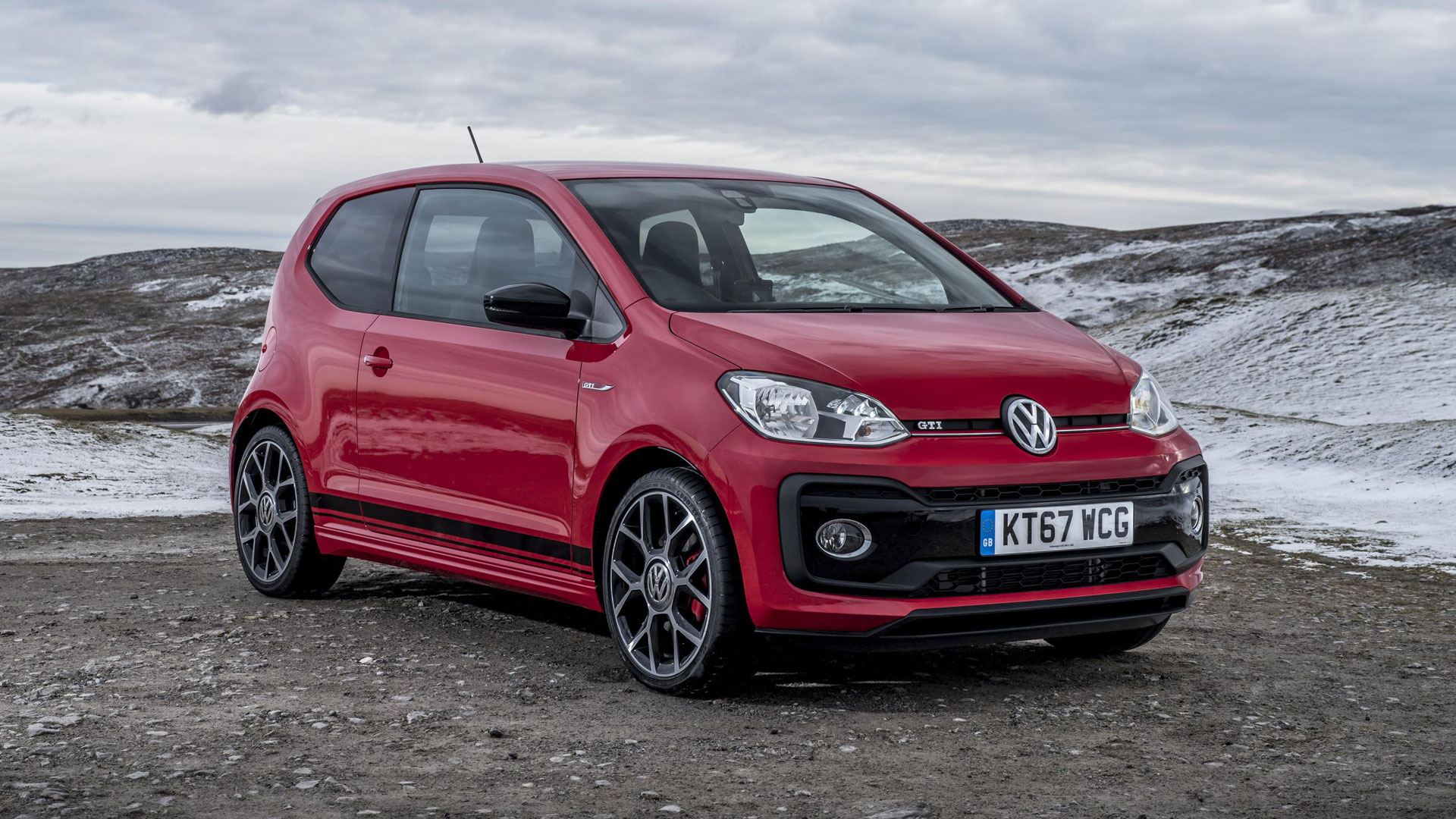
Registrations might be down 2.6 percent, but just look at the total – that’s an incredible result for a company said to be recovering from dieselgate. The evergreen Golf accounted for just shy of 65,000 of those registrations, with the Polo chipping in with 45,149.
1. Ford – 254,082 registrations
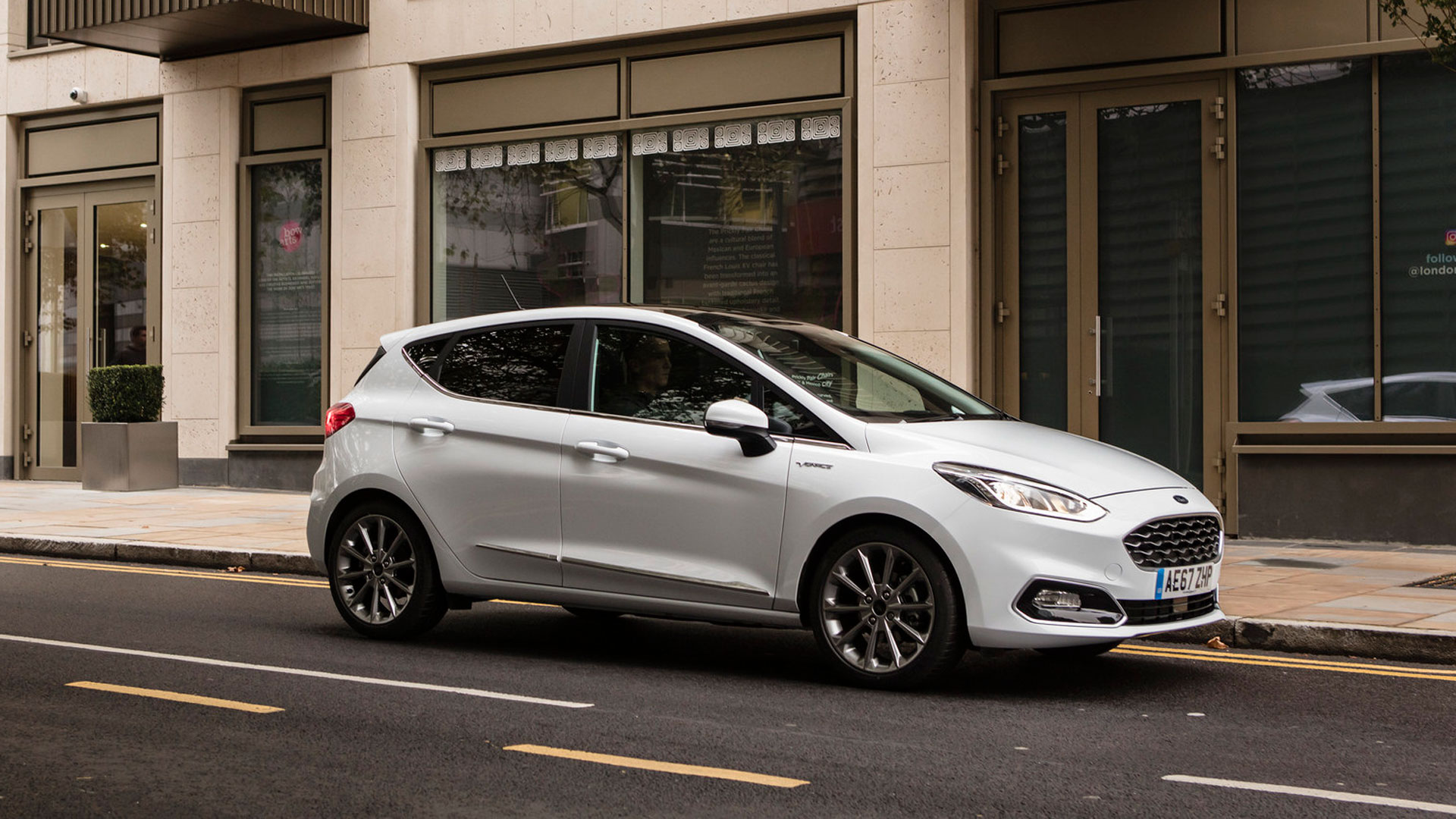
It comes as no surprise to find Ford sitting at the top of the tree, although an 11.6 percent slump is far from ideal. Predictably, the Fiesta was the star pupil, amassing 96,000 sales on its way to becoming Britain’s favourite car of 2018.
Bottom 10: overall 2018 registrations
10. Alfa Romeo – 4,161 registrations
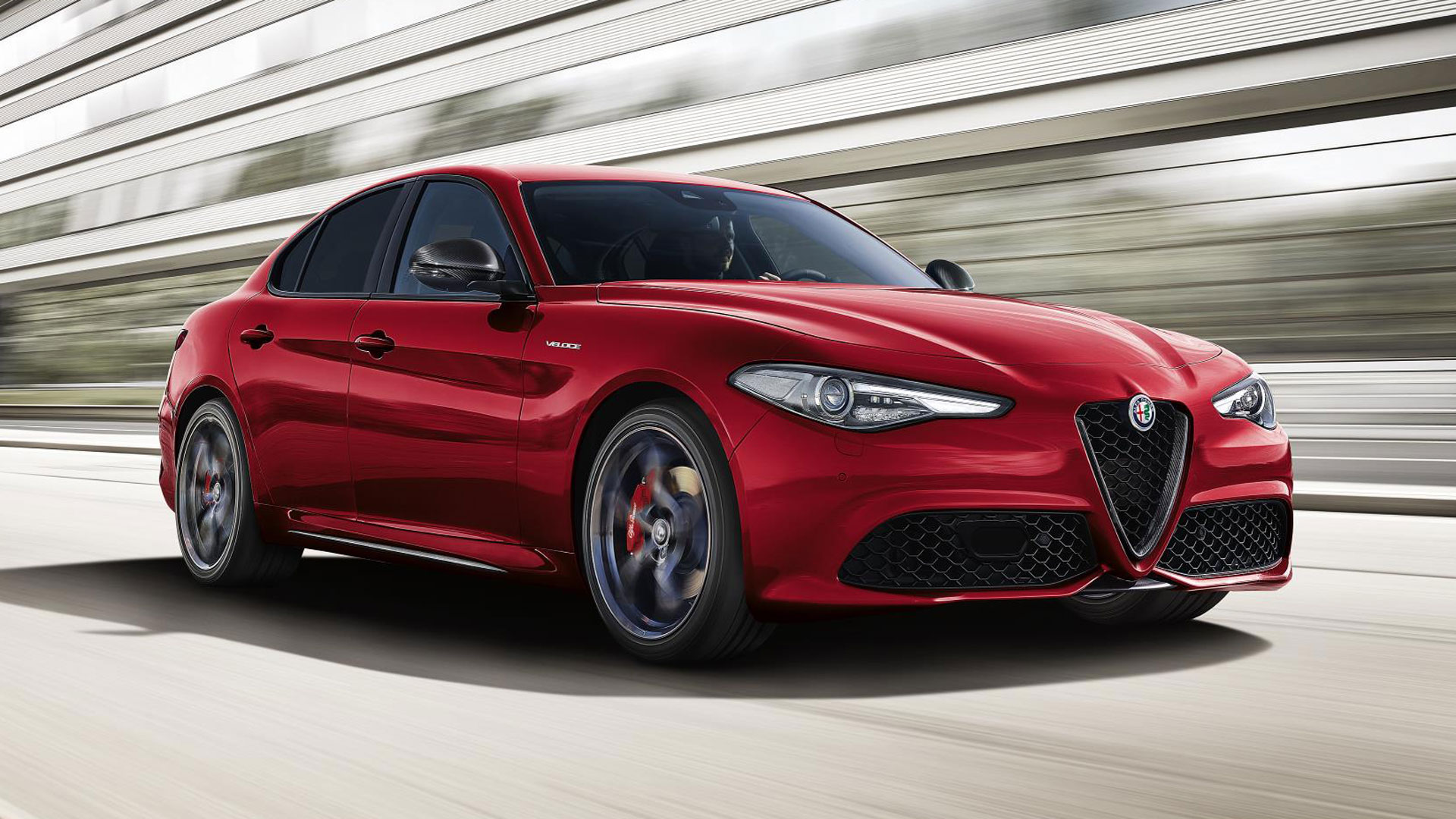
A change of direction here, as we look at the bottom 10 in terms of overall registrations. Alfa Romeo sales are down 17.3 percent, which follows a positive performance in 2017 when just shy of 5,000 cars left the showrooms.
9. Subaru – 3,141 registrations
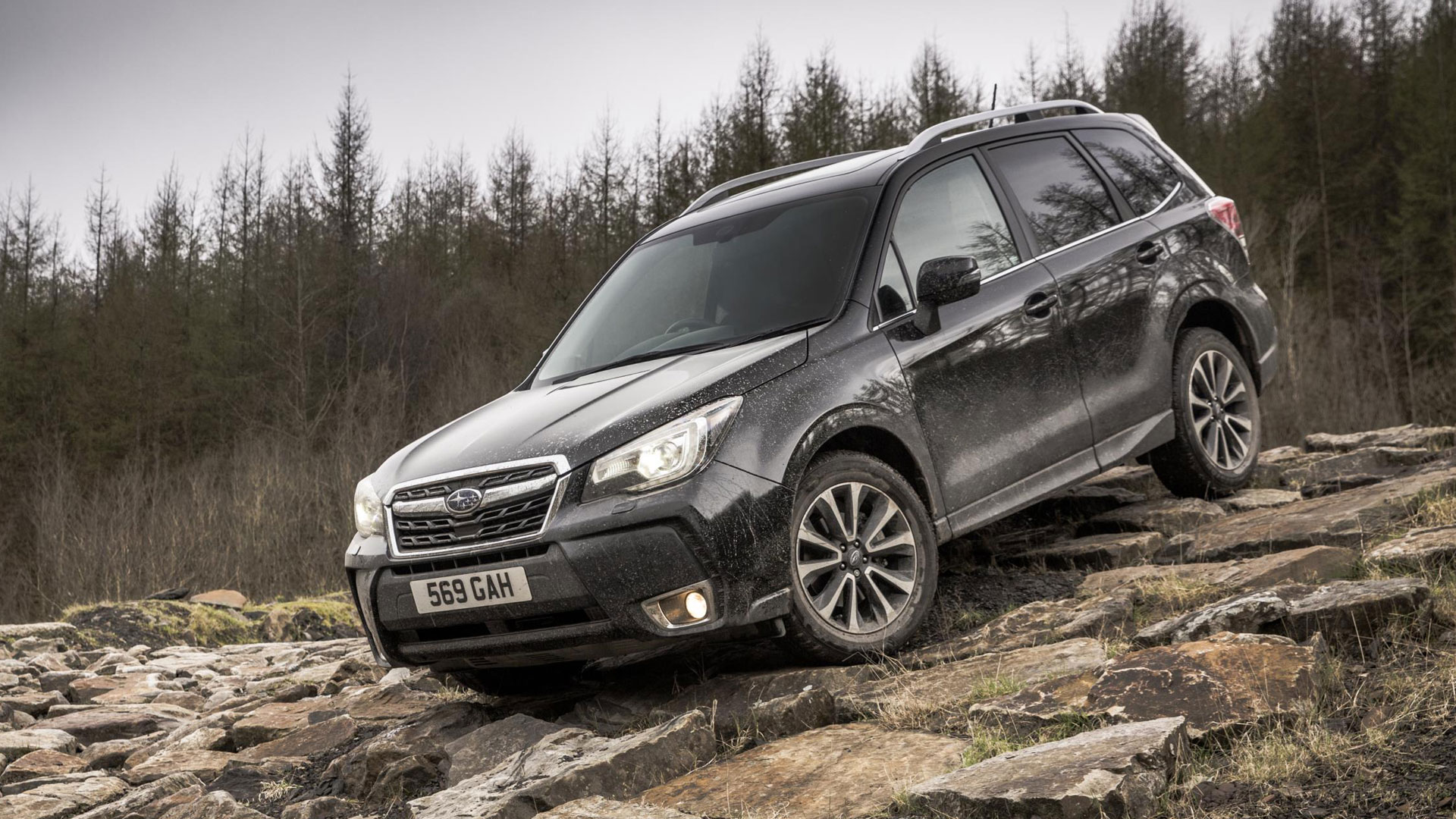
This might be a relatively small number, but it represents a good result for Subaru, with registrations up 17.3 percent. Other brands worthy of a mention, but not included in this gallery, include MG (registrations up 103.8 percent), Mitsubishi (up 31.5 percent) and Abarth (up 26.8 percent).
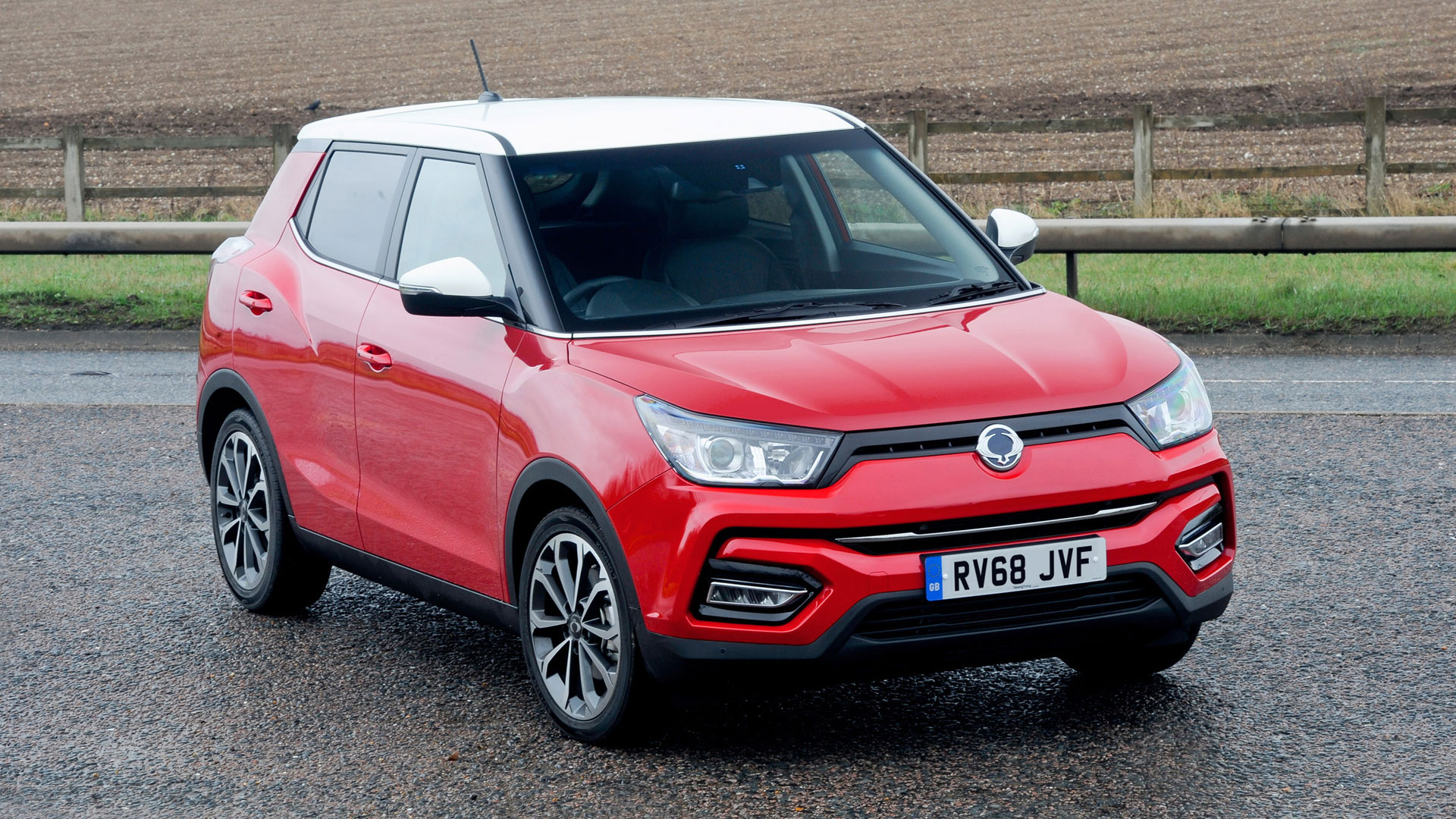
8. SsangYong – 2,754 registrations
This won’t go down well at SsangYong, with registrations down 23.3 percent. SsangYong prices start from £14,495 for the Tivoli compact SUV, with the flagship Rexton available from £28,995.
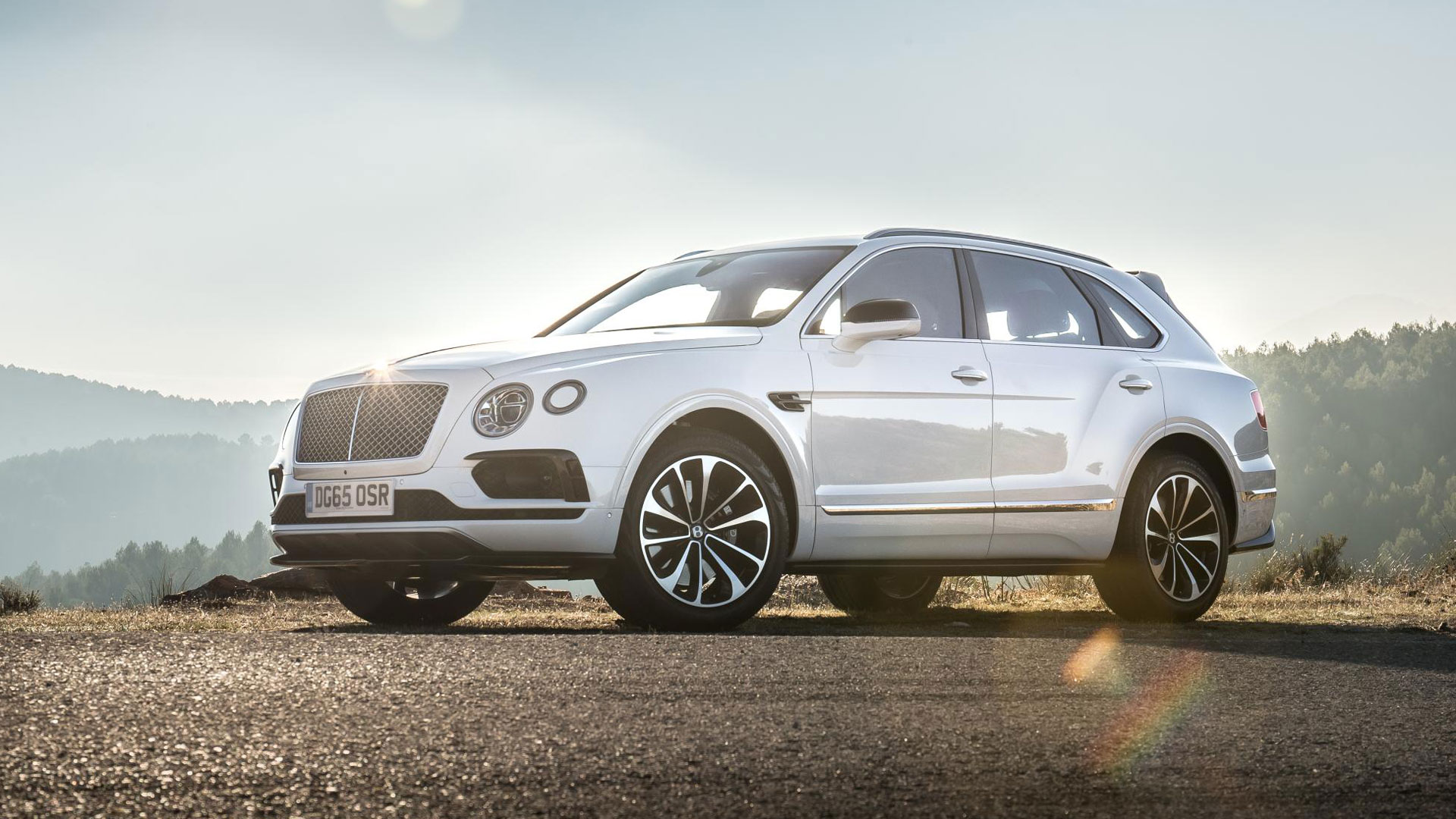
7. Bentley – 1,542 registrations
Bentley registrations are down 12 percent, which suggests that the Premier League players have found something else to spend their goal bonus cash on.
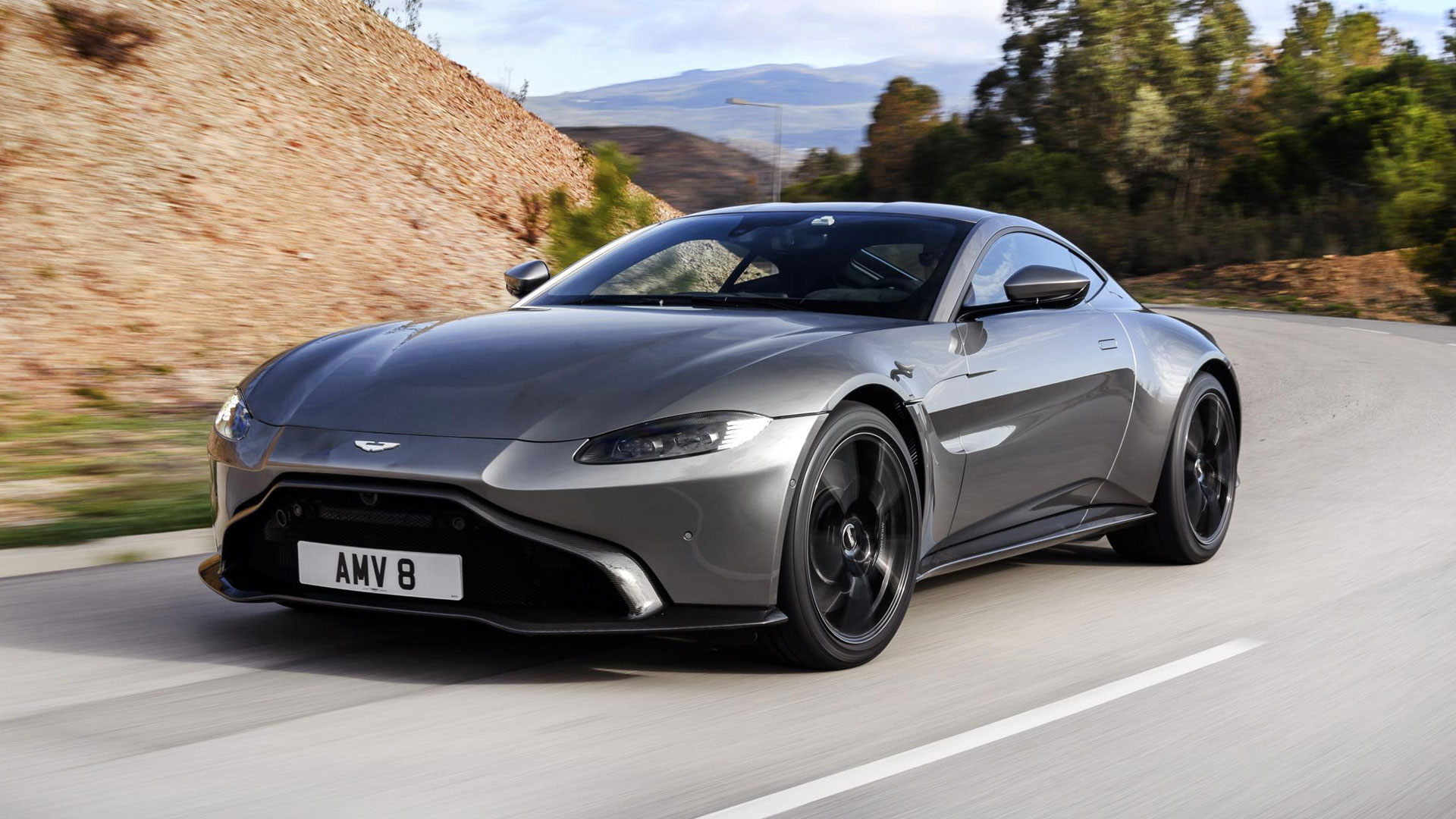
6. Aston Martin – 1,455 registrations
Aston Martin shifted 16 fewer cars in 2018. Time to engage some new influencers for some hashtag love?
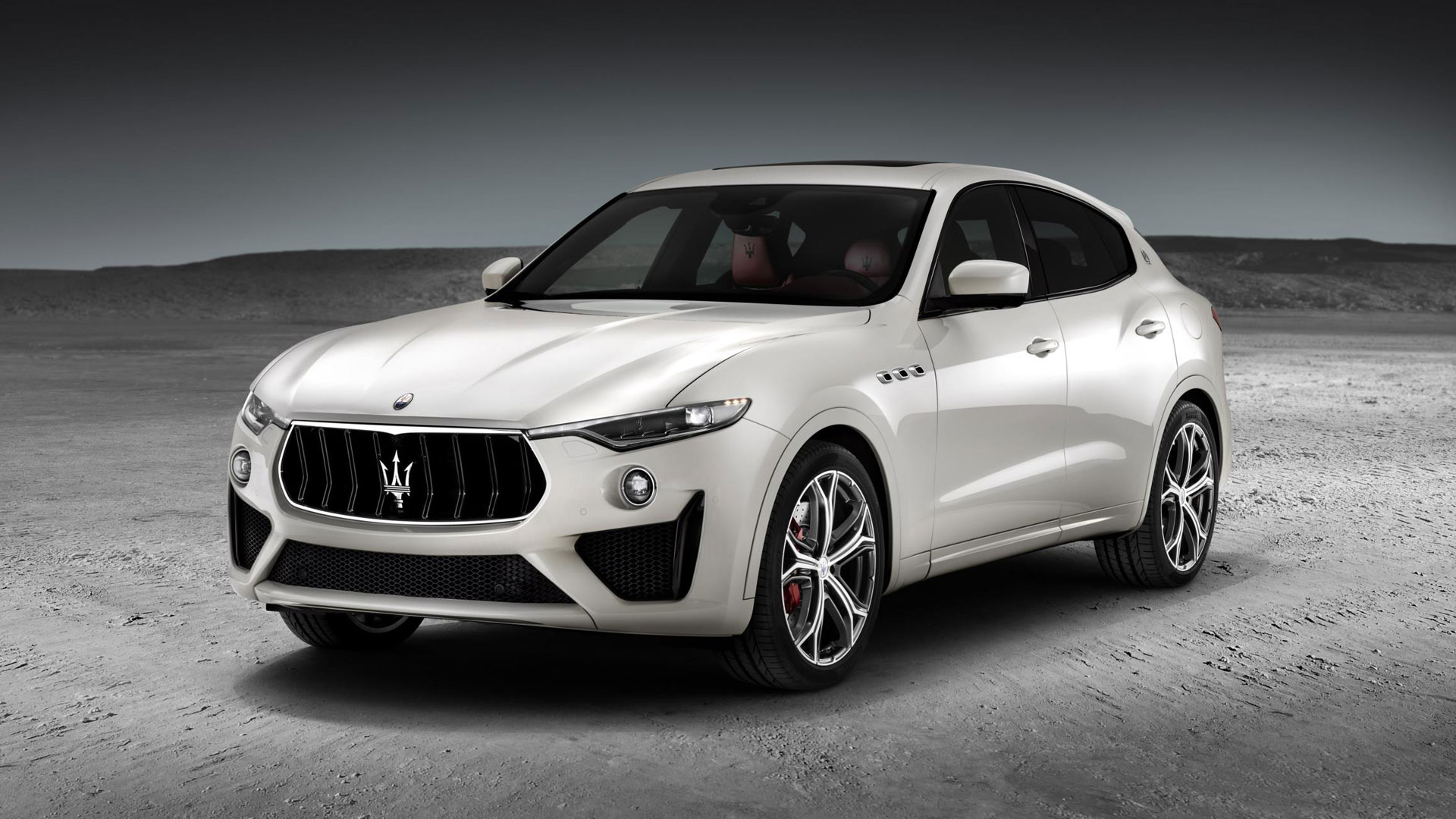
5. Maserati – 1,297 registrations
Maserati registrations were down 23.8 percent in 2018, which suggests that not enough people are buying the Levante SUV.
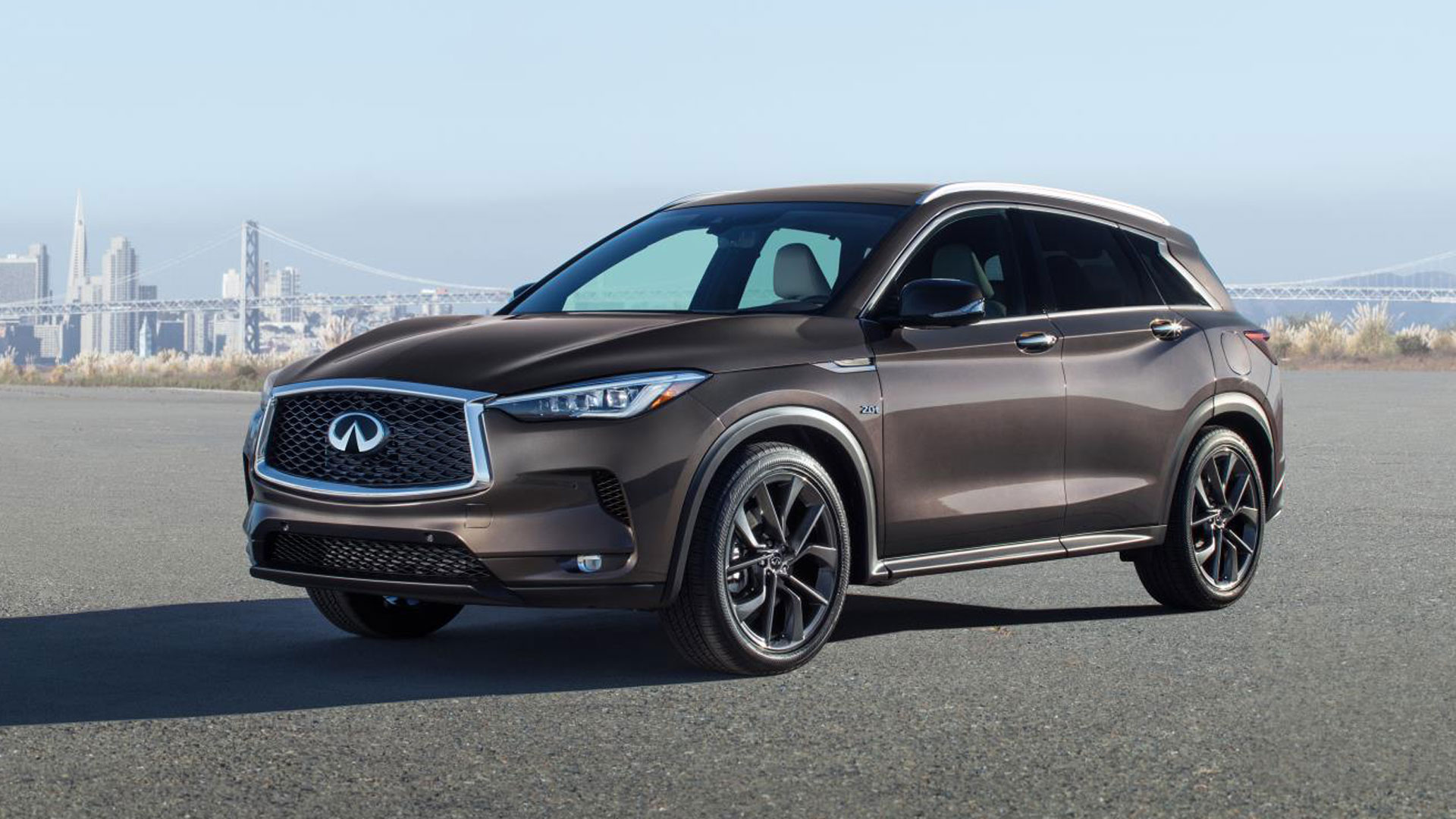
4. Infiniti – 750 registrations
If you’re looking for the biggest slump of 2018, look no further than Infiniti. Nissan’s posh brand saw a 78.7 percent fall in registrations, down from a relatively healthy 3,515 in 2018. Ouch.
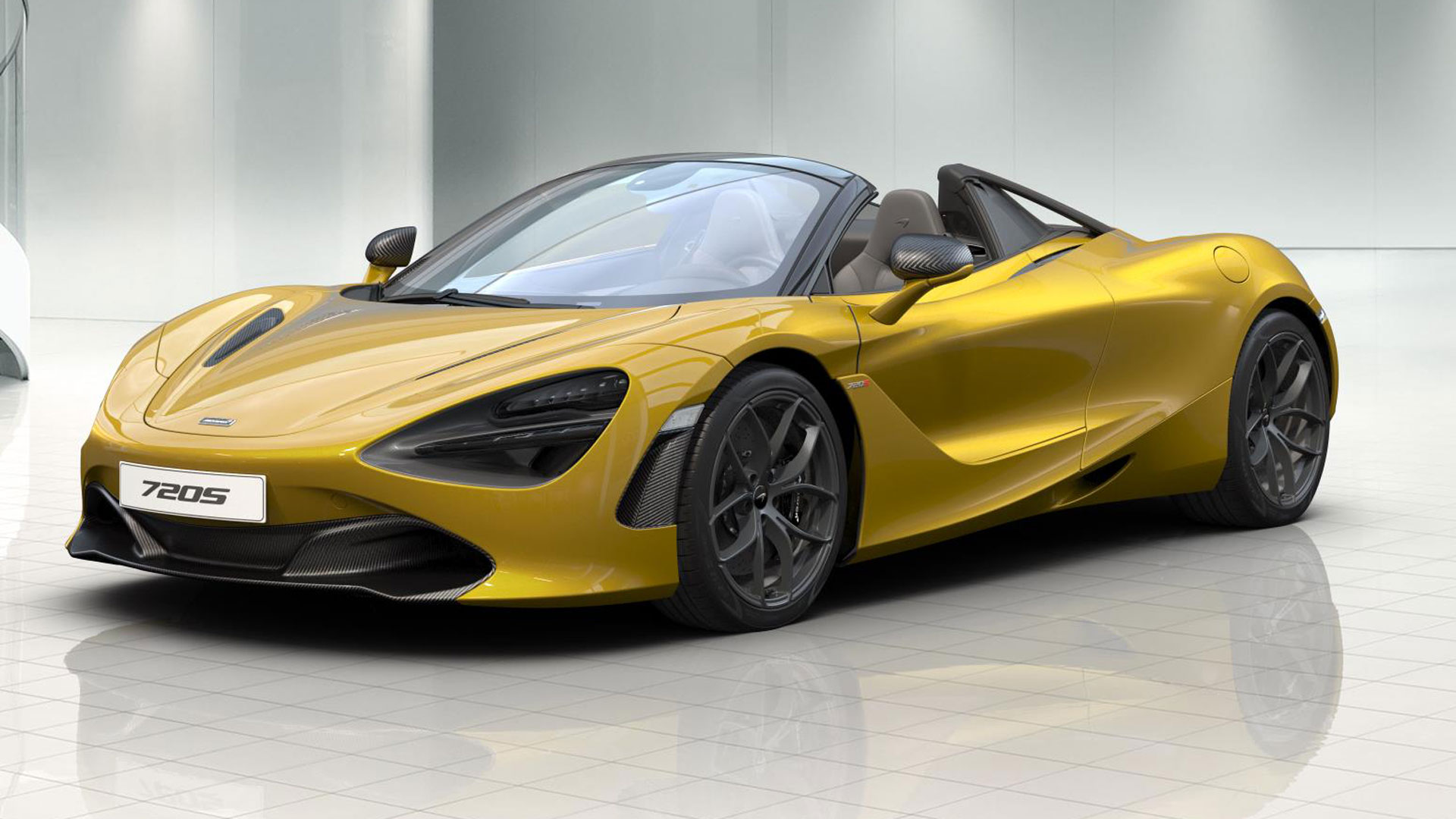
3. McLaren – 626 registrations
Meanwhile, McLaren registrations were up 10.4 percent. Great news for Woking.
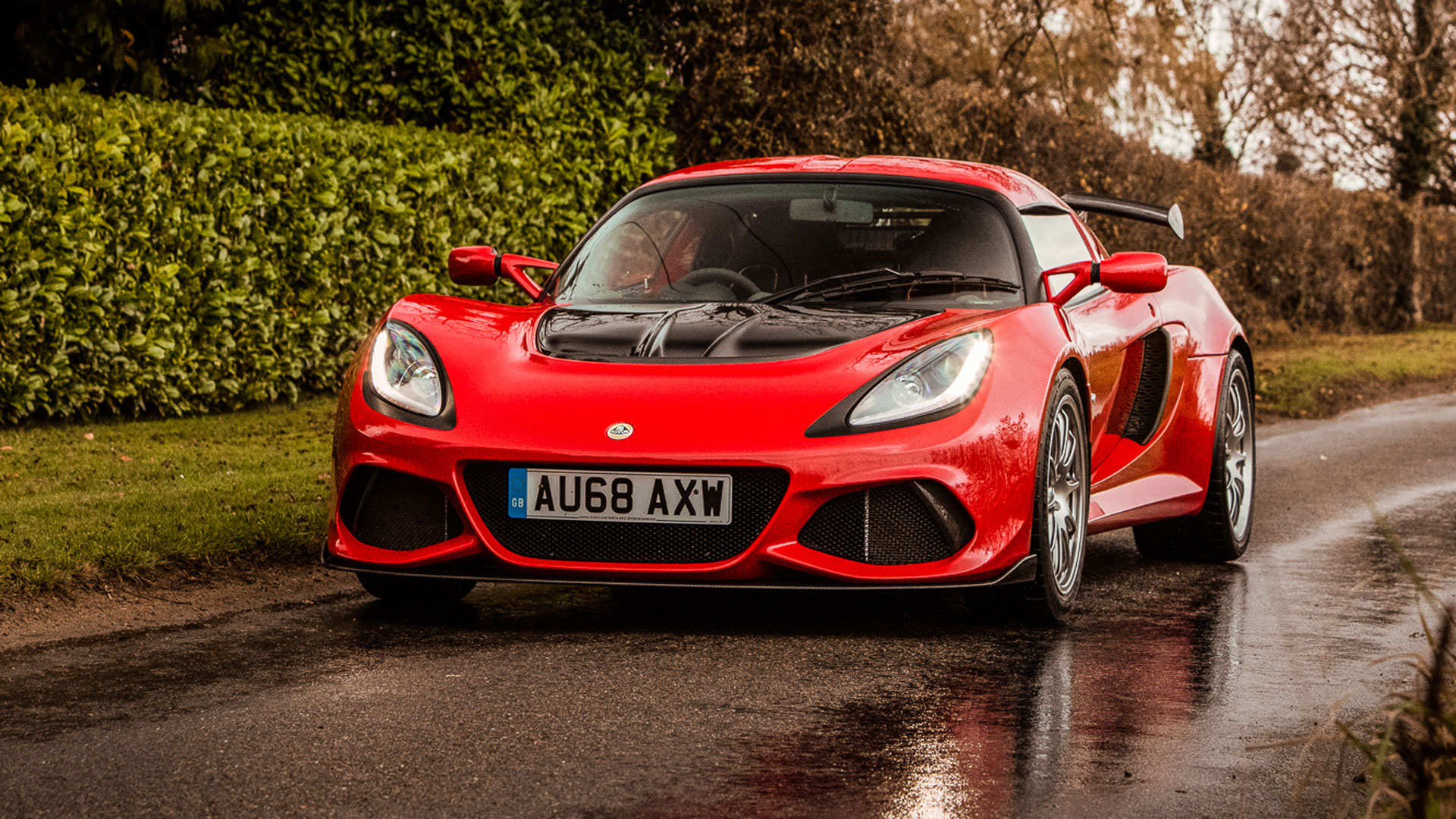
2. Lotus – 247 registrations
From Woking, we head to Hethel, where registrations were down 11.5 percent. That Christmas tree on an Evora video might have come a little too late for Lotus.
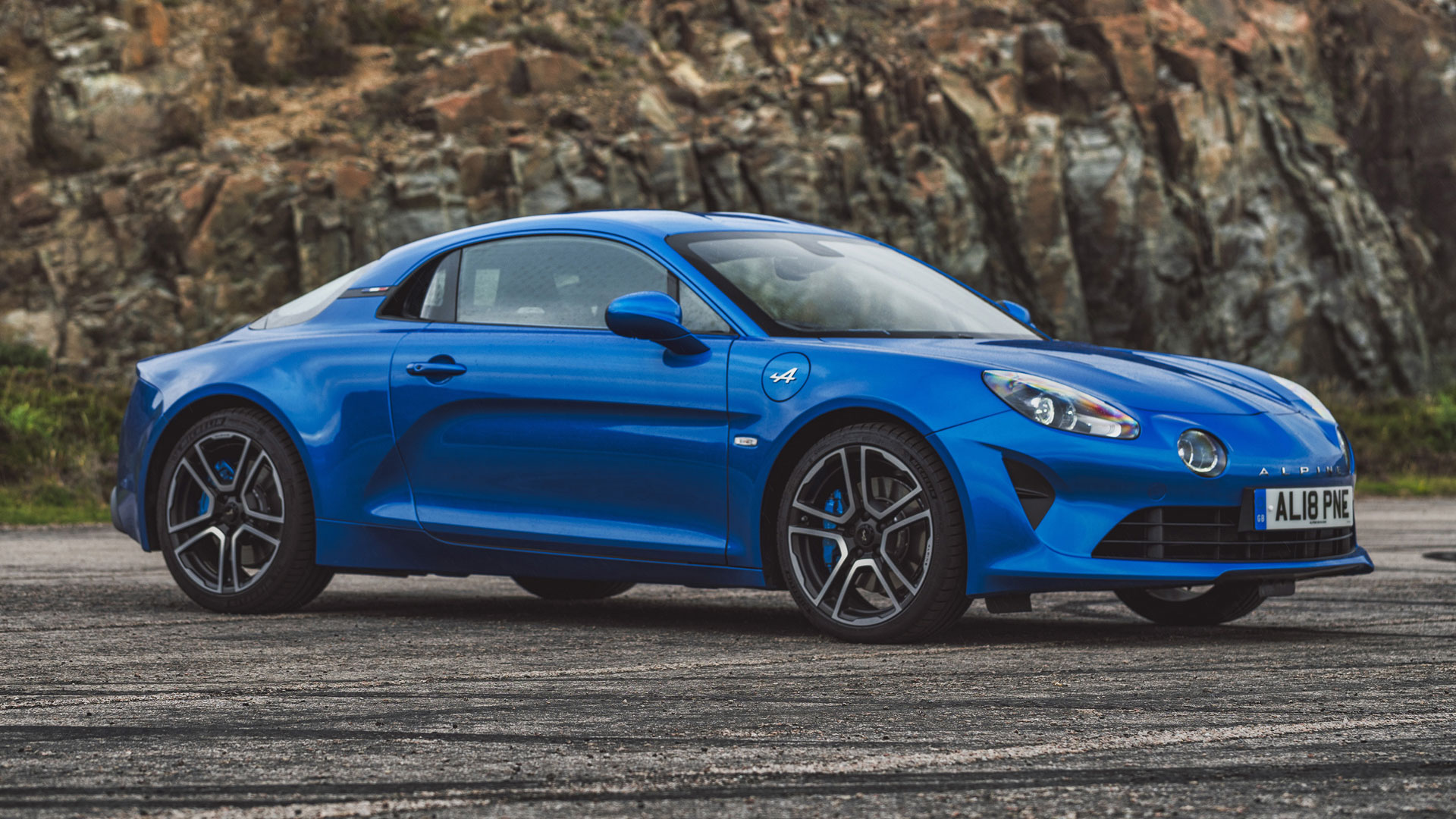
1. Alpine – 142 registrations
This bodes well for the future, with 142 Alpine A110s registered in 2018. Please order more A110s, because we want a healthy supply of used examples to choose from when we’ve saved our pennies for this little gem.
If recently leaked images of the new Toyota Supra have piqued your interest, get ready for the opportunity to own the first car off the production line.
This month will, finally, see the big reveal of the finished production Supra. Years of teasing, with disguised concepts and special racers will finally be over.
The Detroit Auto Show 2019 will see the official debut of the new Supra on the 14th January. Five days later, the first production Supra will head under the hammer in Scottsdale, Arizona.
Supra-rare model
Taking home the first Supra also means a unique design combination. Externally, the first Supra will be finished in matte grey paint, complemented by red mirror caps and black alloy wheels. The interior is finished in a combination of red and black.
More important to the winning bidder will be the engine cover, hand-signed by Toyota CEO Akio Toyoda. A number of other features will also be announced just before the auction, but the biggest prize will be the chassis stamped with VIN number 20201.
Although the official specification for the Supra is yet to be announced, the listing on the Barrett-Jackson website does confirm much of what we already know. With engine details listed as 3.0-litres and six cylinders, this is the BMW-sourced unit which powers the latest BMW Z4.
Loads more under the hammer
All proceeds from the sale of the first Supra will be given to charity. The American Heart Association, along with the Bob Woodruff Foundation, will be the two beneficiaries of this important auction sale.
The epic Barrett-Jackson Scottsdale auction will see hundreds of cars head across the block, in a sale lasting eight days. Amongst the diverse lots are a 1981 Jeep owned by actor Gary Sinise, along with a set of four Chevrolet Camaros from the Transformers movie franchise.




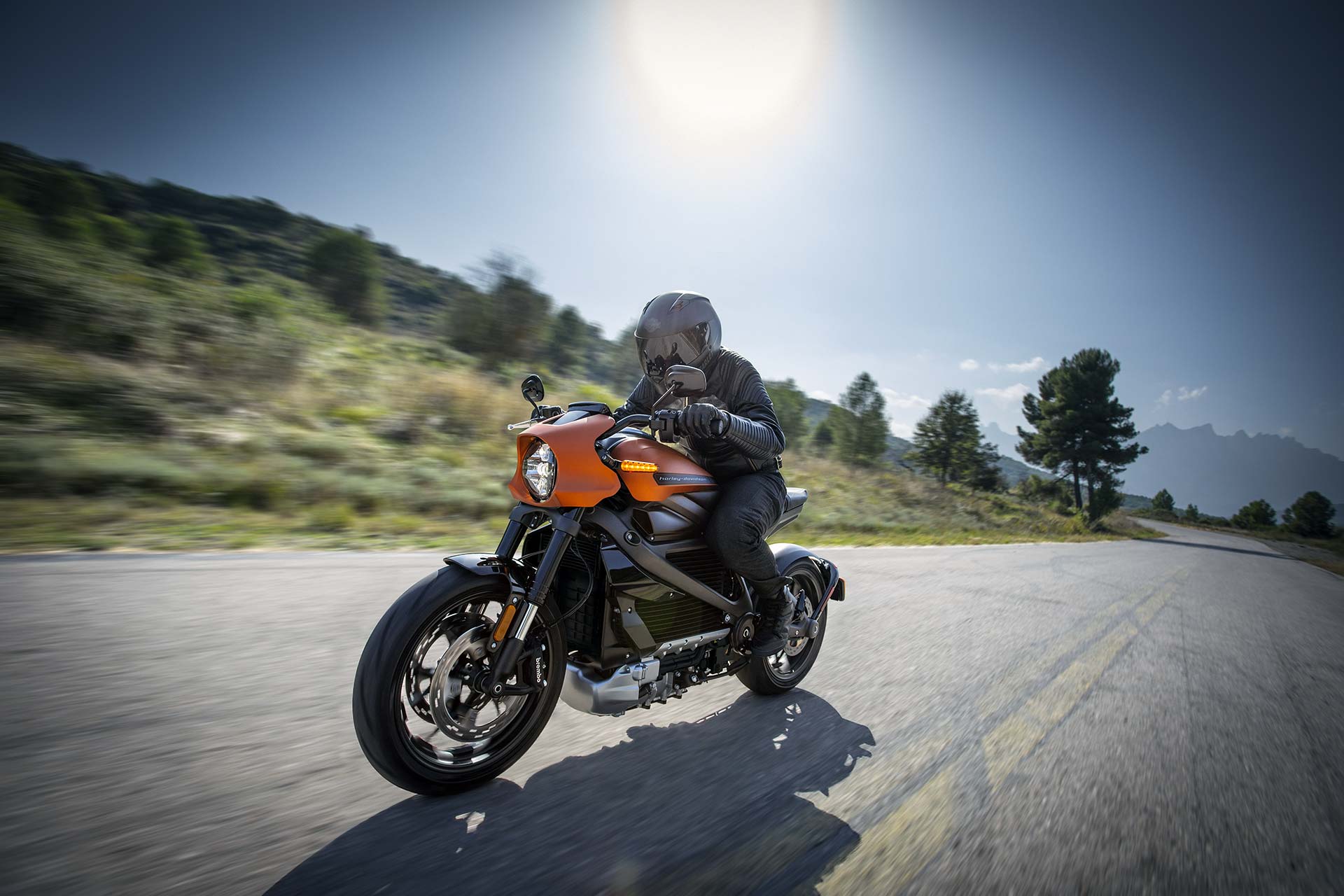 Harley-Davidson is embracing
 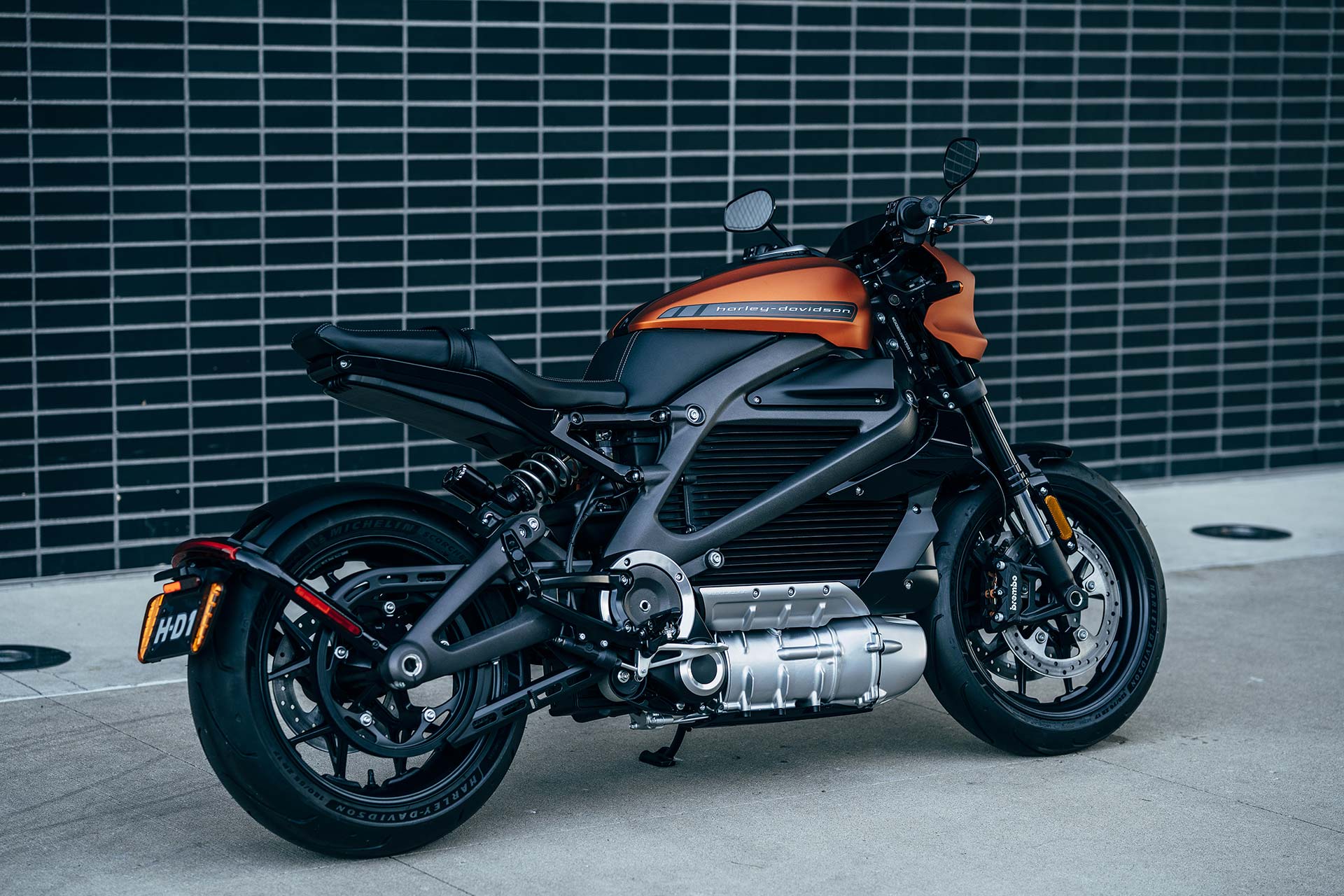 Harley-Davidson is clearly well aware of the importance of its aural significance to riders. The LiveWire is said to produce a new signature sound, demonstrating the smooth electric performance of the new bike.
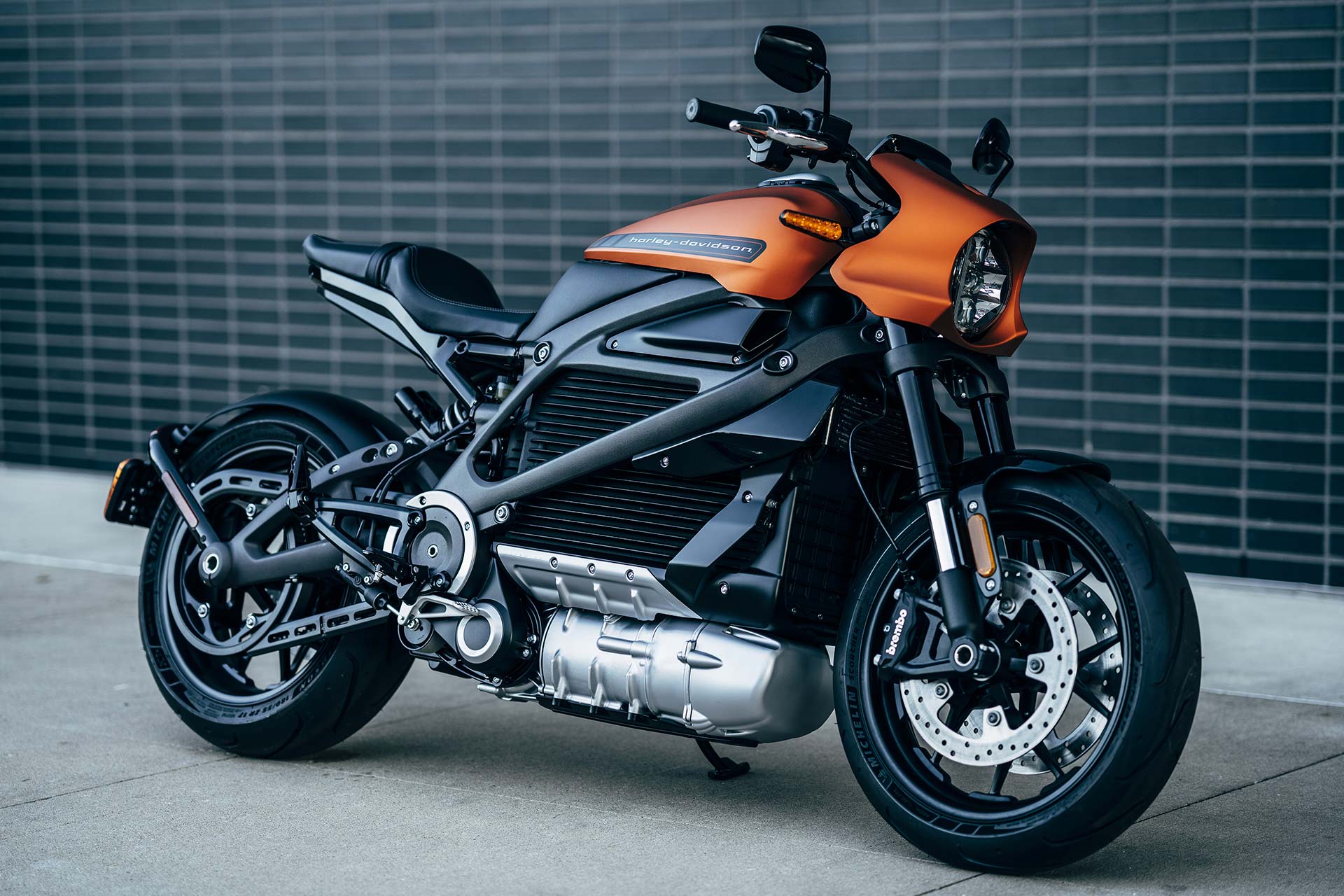 Not satisfied with just adding electric power, the LiveWire also incorporates a range of services with the H-D Connect services. Through a smartphone app, user can check the battery charge remotely, get servicing notifications, or either be told if the bike is being tampered with.
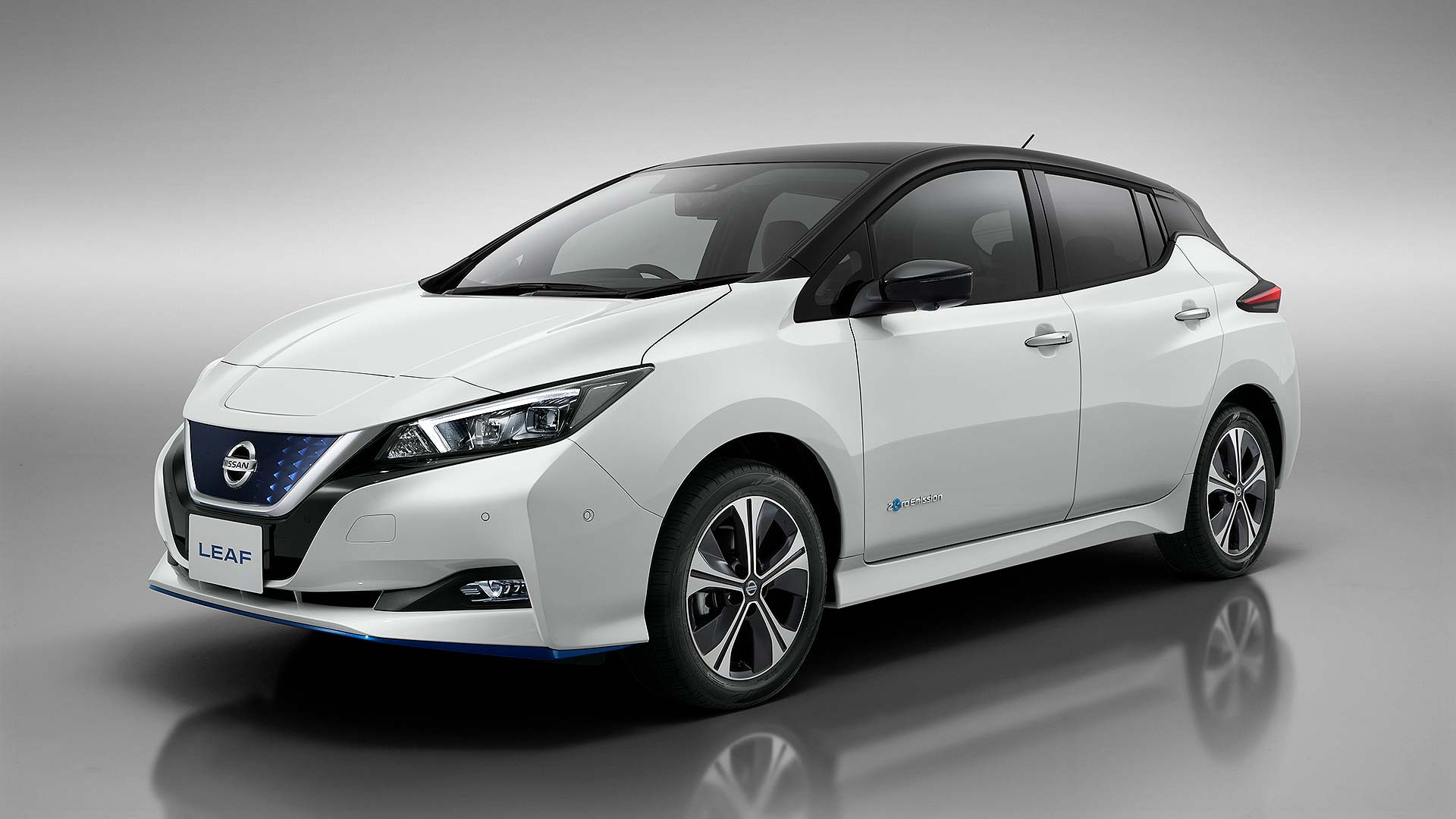 Nissan will finally roll out a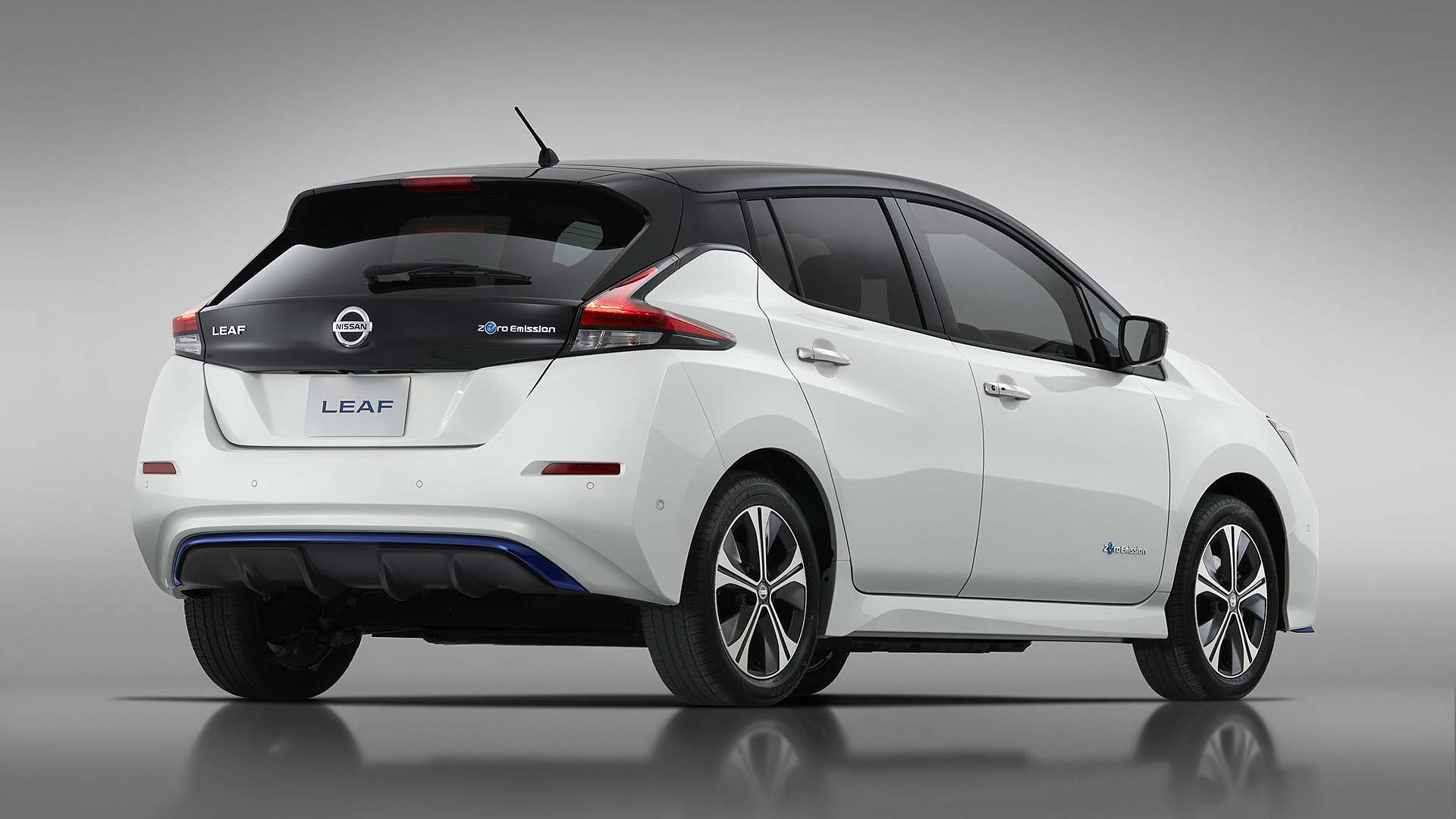
 It’s not just new technology being revealed at the Consumer Electronics Show (CES) this year – Mercedes-Benz is unveiling its brand new CLA compact coupe. And don’t worry, gadget fans, it’s not wanting for on-board wizardry.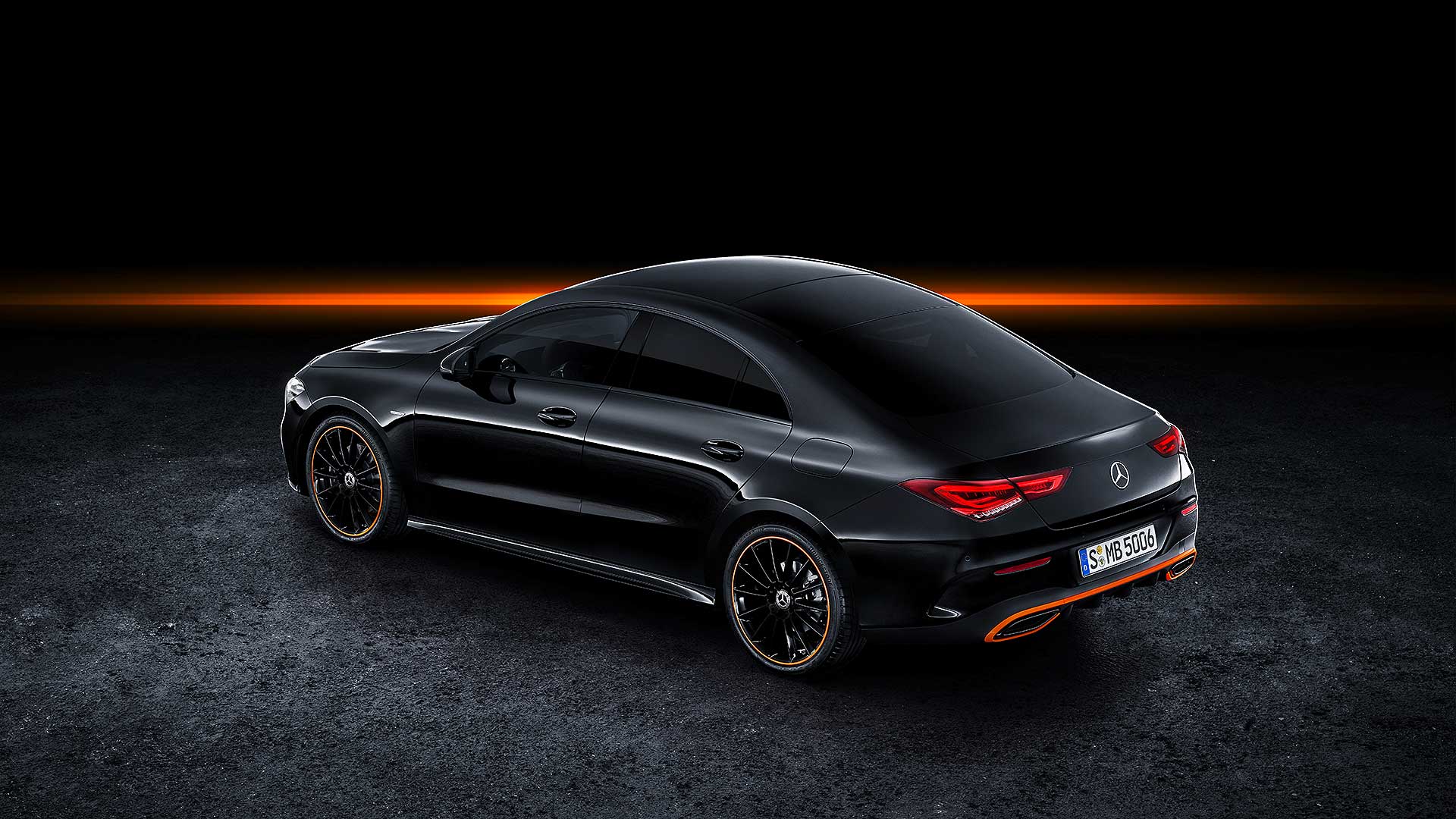



 Overall new car registrations were down almost 7 percent in 2018, making it a bad year for the UK car industry. The working title for this particular article was ‘The winners and losers of 2018’, but this was changed when we realised that there are far more losers than winners.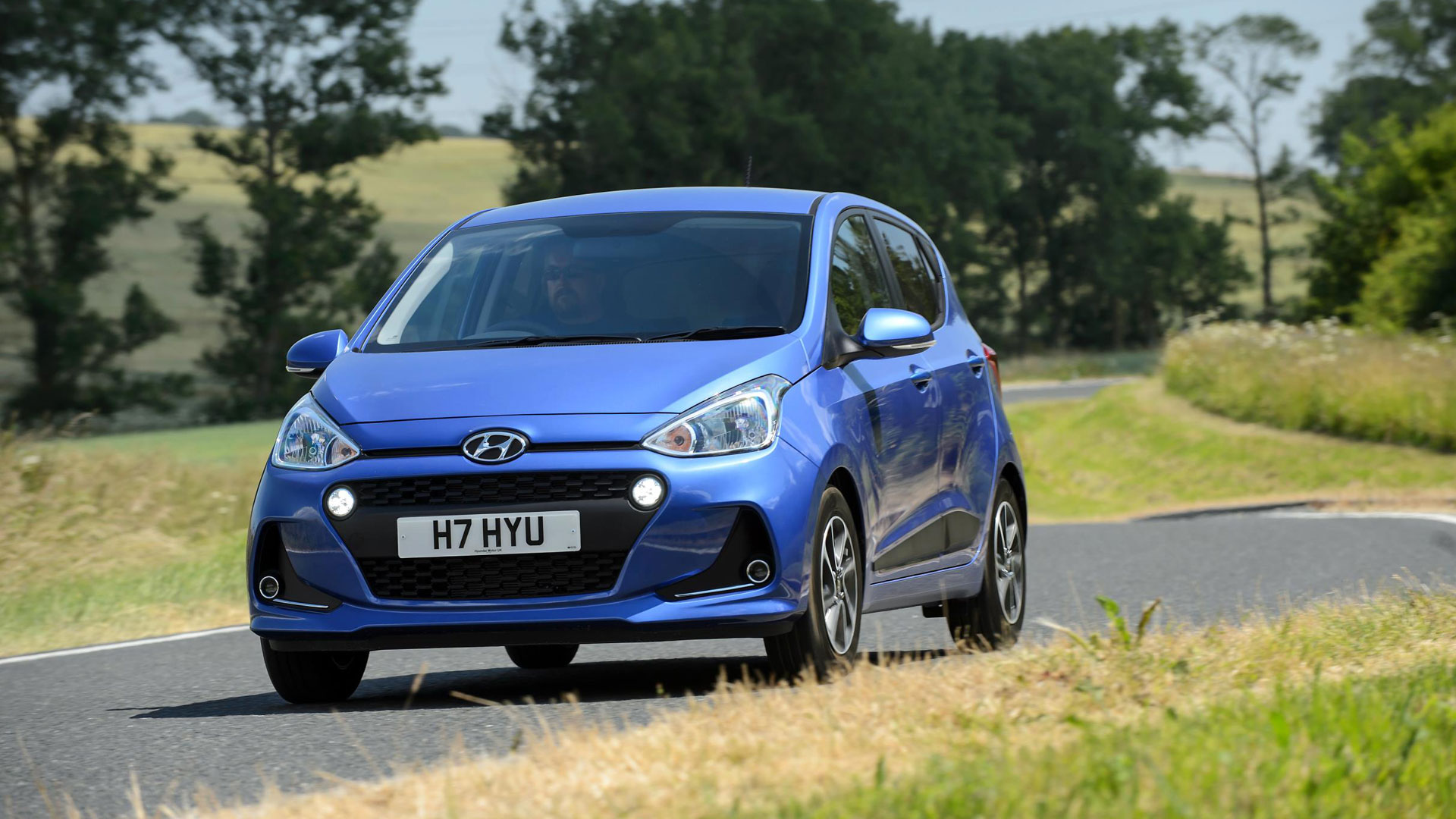
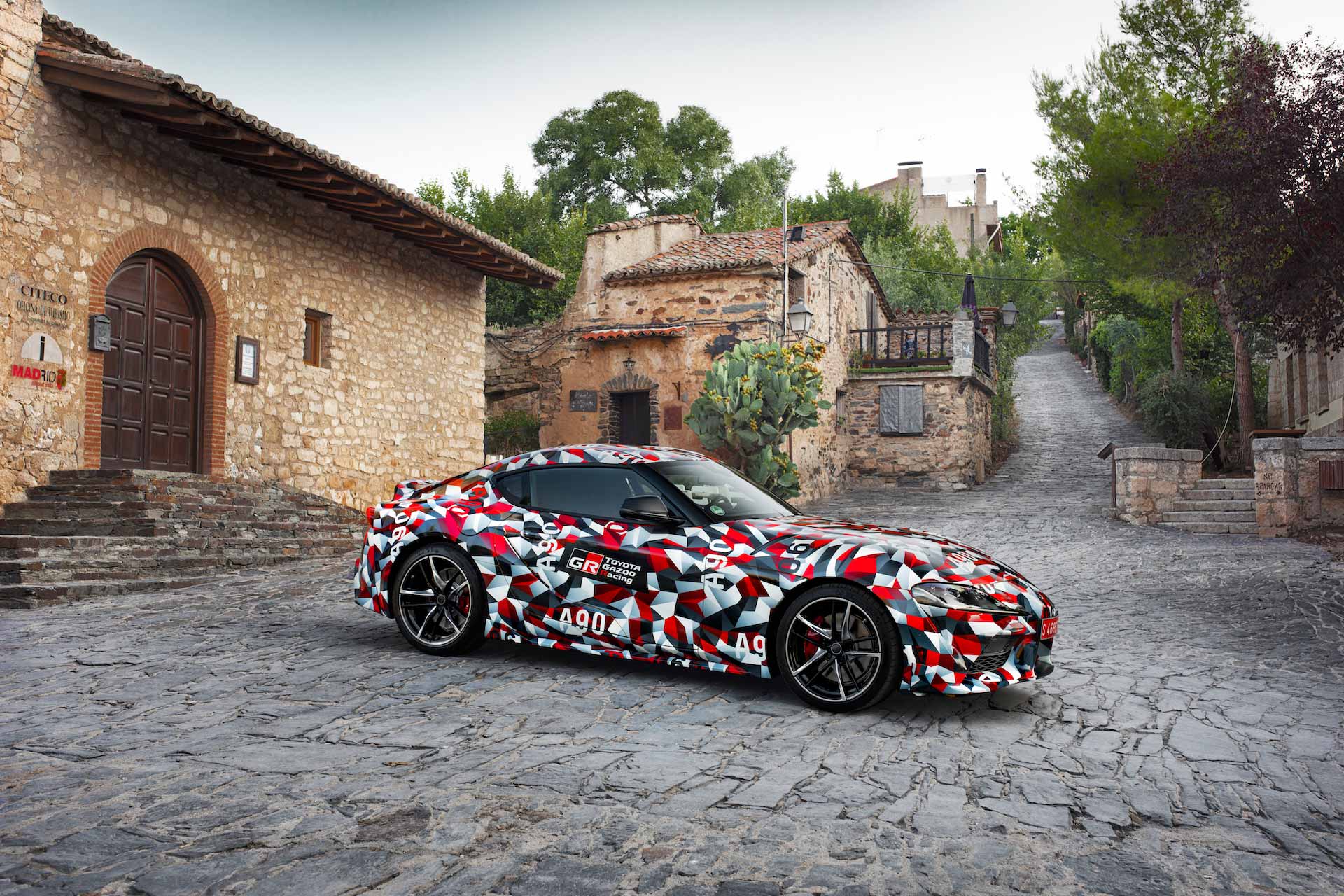 If recently leaked images of the new Toyota Supra have piqued your interest, get ready for the opportunity to own the first car off the production line.
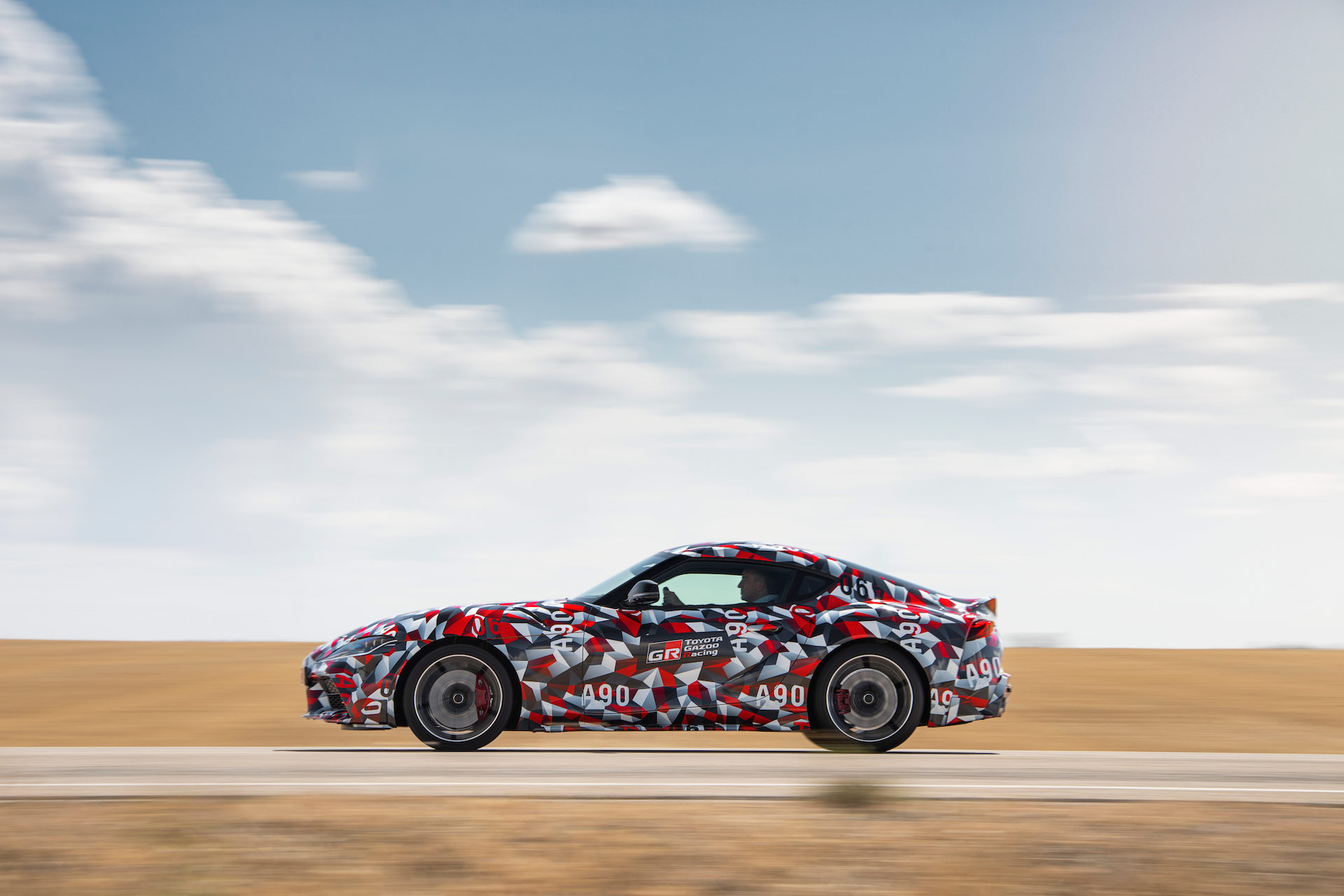 Taking home the first Supra also means a unique design combination. Externally, the first Supra will be finished in matte grey paint, complemented by red mirror caps and black alloy wheels. The interior is finished in a combination of red and black.
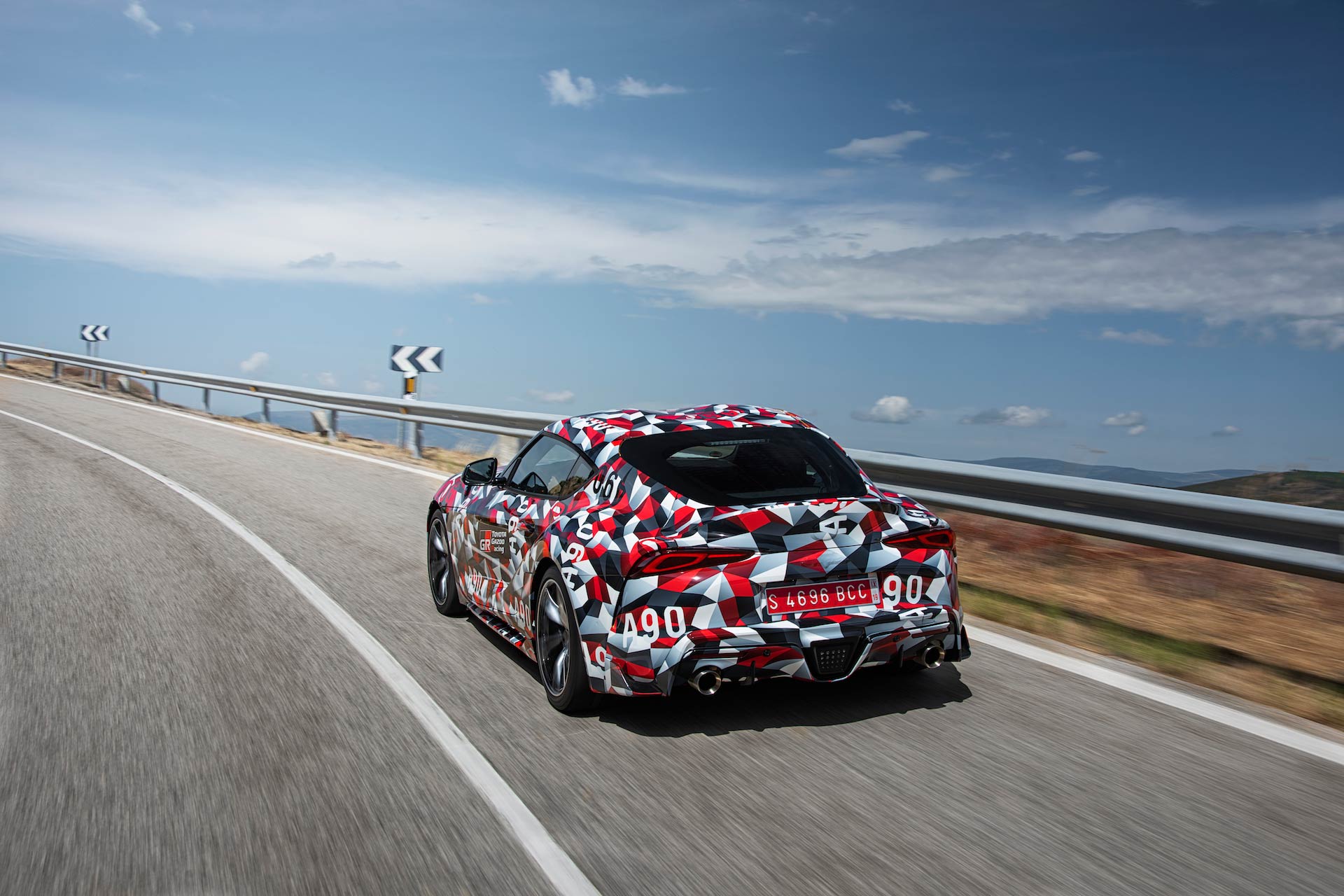 All proceeds from the sale of the first Supra will be given to charity. The American Heart Association, along with the Bob Woodruff Foundation, will be the two beneficiaries of this important auction sale.