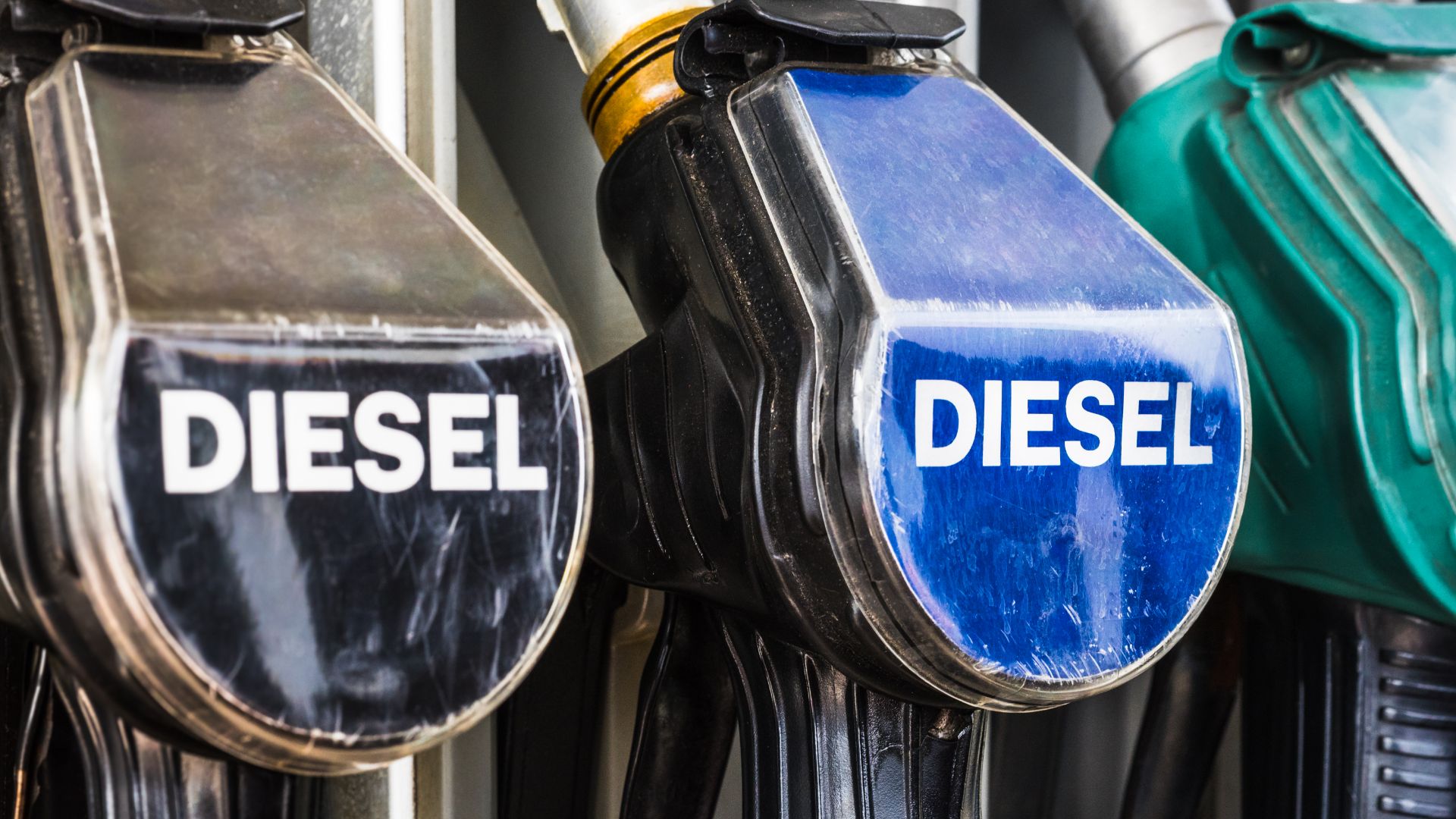
The European Commission and the General Court of the European Union have been locked in battle over diesel car emissions. And the Commission has lost the case, meaning certain European cities can elect to ban all diesel-powered cars. Yes, even modern diesels.
In summary, the Commission gave the nod to amend the latest Euro 6 diesel emissions limits – permitting higher nitrogen oxide limits – in response to new ‘real-world’ fuel economy tests. Put simply, they gave permission for diesels to be dirtier. The argument was that new tests would likely expose alarming figures anyway.
Where this becomes (apparently) illegal is that there was no alignment on the decision, be it with the General Court of the European Union, other senior regulatory bodies, or the public. As such, acting on behalf of city authorities such as Paris, Brussels and Madrid, the Court has held the Commission accountable for the unsanctioned amendment.
A bit of background on the Euro 6 emissions regulations is needed, we think. They dictate that any car registered after September 2015 must not emit more than 80 mg/km of nitrogen oxides (NOx).
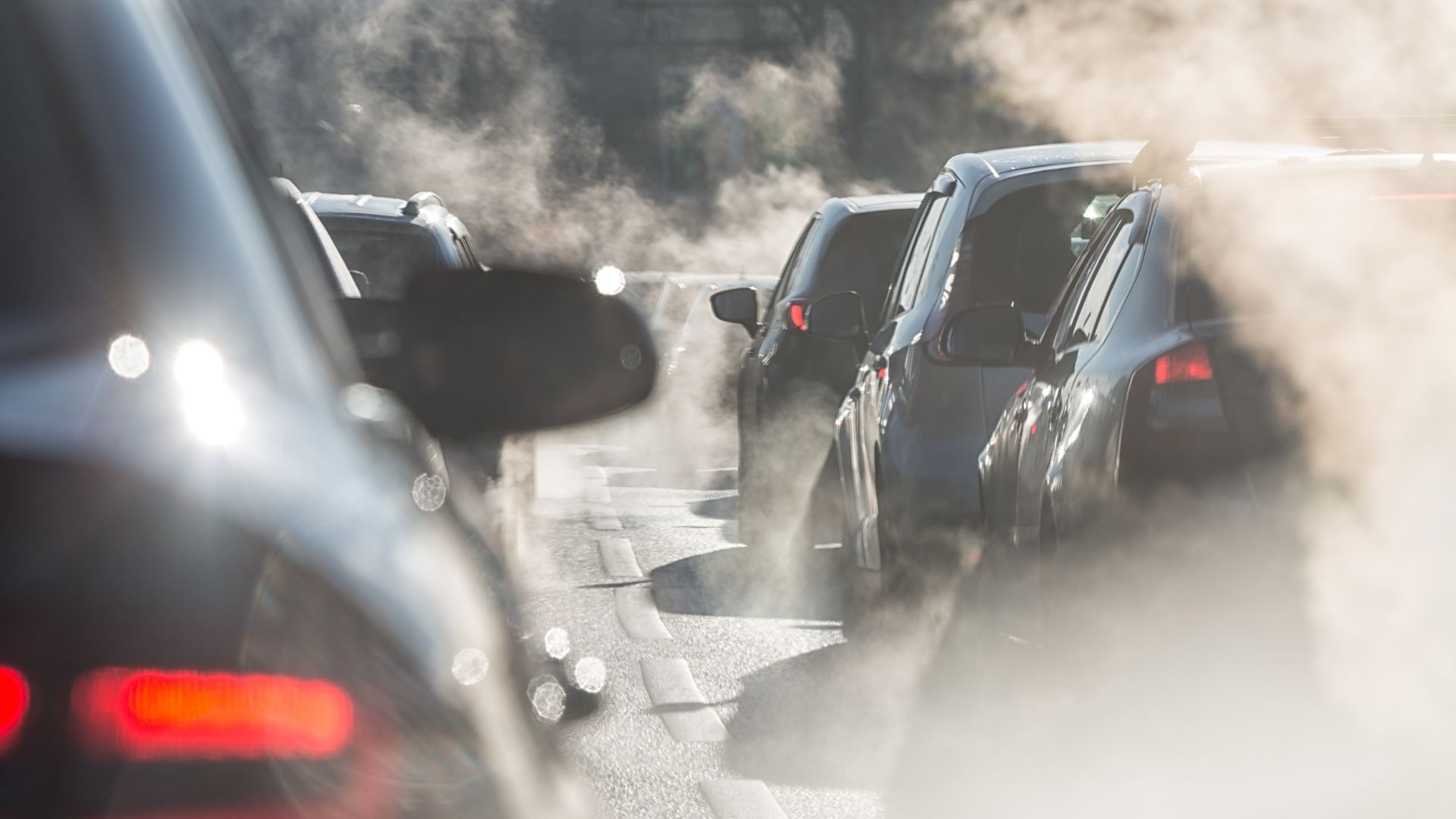
In defence of the car manufacturers, that target was set with reference to the testing procedures at the time. In the comparison between old (NEDC) and new (WLTP) testing methods, for instance, we know the latter is more representative of real-world driving.
Unfortunately, more realistic testing means lower efficiency ratings and much higher emissions. That’s where the amendment comes in, sanctioned by the European Commission without further consultation, which stated cars could pass these new tests as long as emitted less than 168 milligrams per kilometre of NOx.
The court has given the European Commission a year to set things straight, which will, in turn, give carmakers a year to revise their offerings.
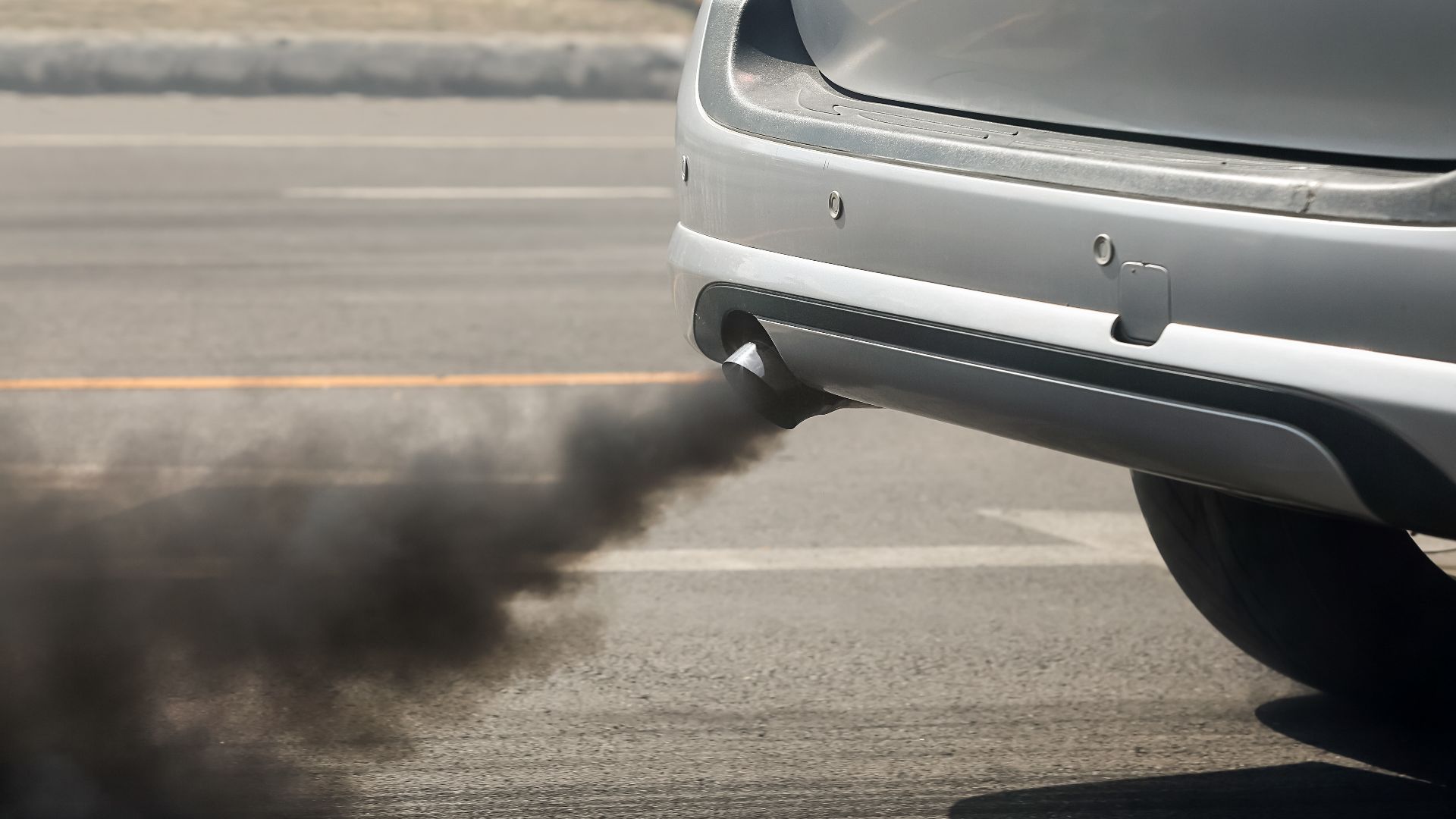
Our take is as follows. Diesel is fundamentally difficult to clean. This could well be the biggest nail in the coffin of oil-burners yet. Nevertheless, legislators do conveniently ignore the categorical U-turn they’ve taken in this demonisation of diesel. And not two decades after it was lauded as the saviour of eco- and money-conscious motorists alike. Industry and technology simply cannot make overnight U-turns in response to unfavourable PR, as politicians can.
Coming back to the difficulty of engineering ‘clean’ diesels, our fear is that it’s simply not possible. Even with the thickest ad-blue concoction and the brawniest catalytic converters carmakers can muster. We hope we’re wrong.
Read more:
- Electric car home chargepoints will go smart in July 2019
- Everything you need to know about Formula E and how to watch it
- Revealed: the UK’s safest and worst places to own a car