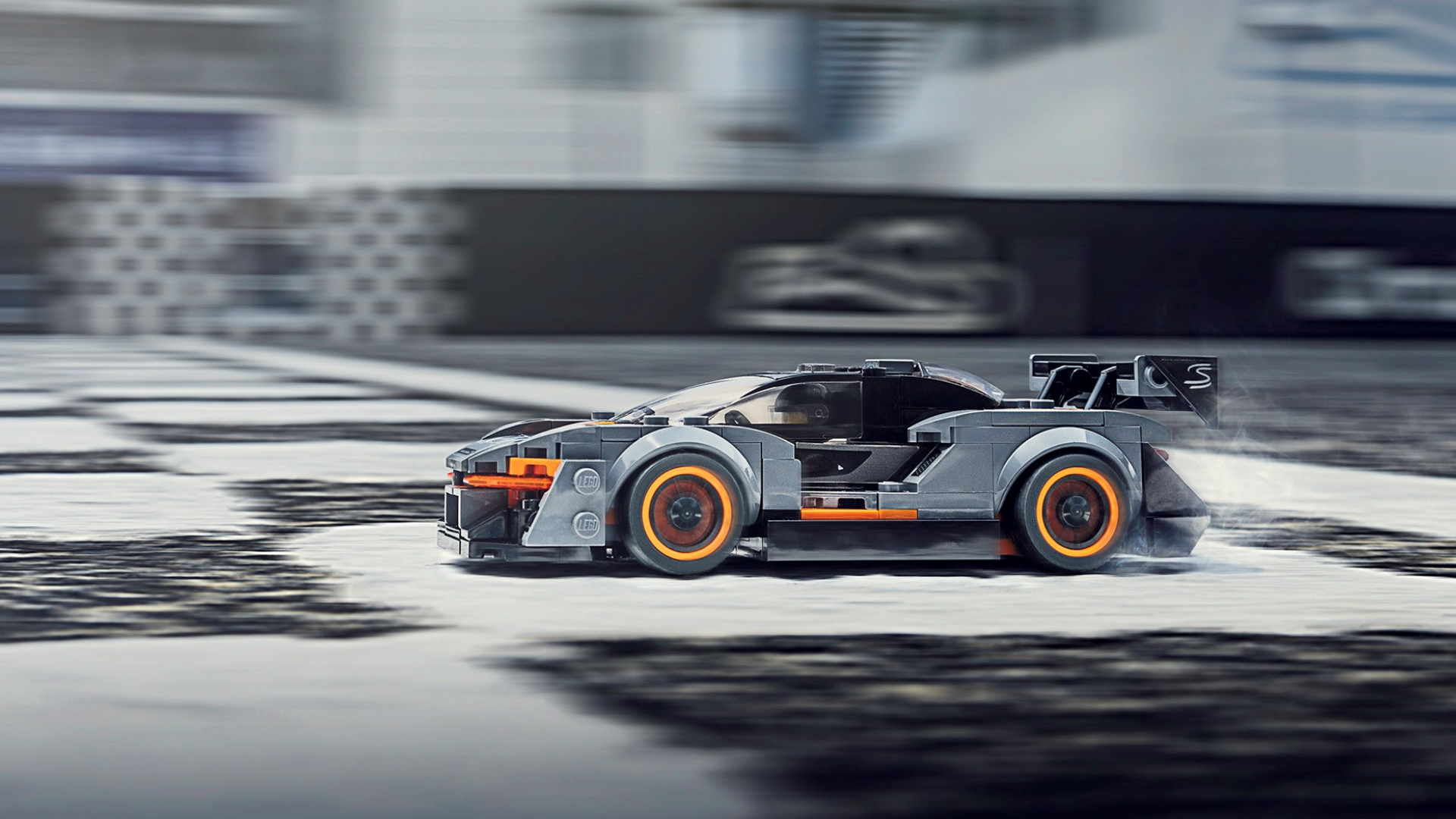
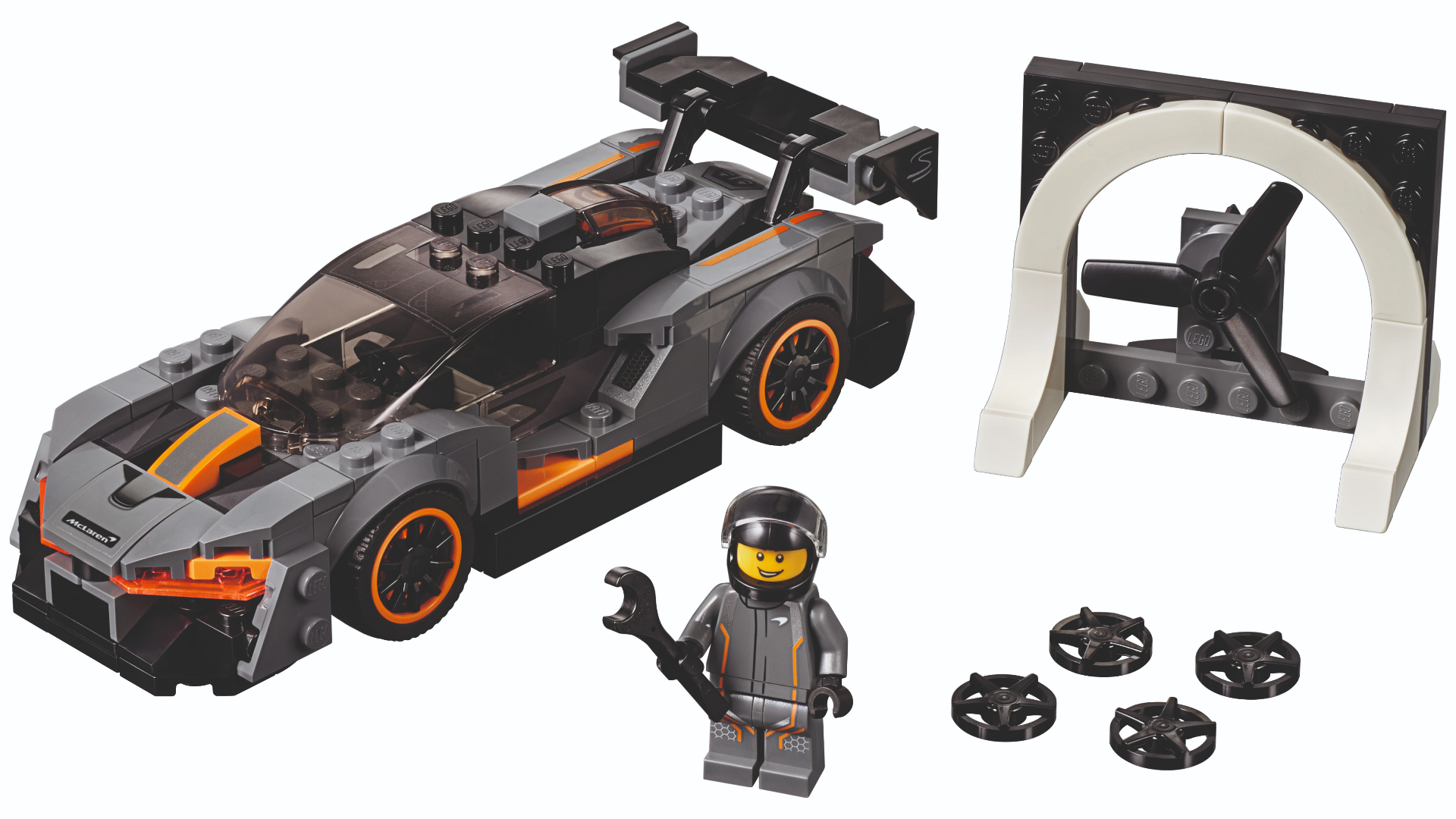
The latest car to be immortalised in the Lego Speed Champions series is the McLaren Senna.
One of the most extreme track-focused supercars ever manufactured can now be enjoyed from the comfort of your kitchen table.
The Senna follows a succession of McLaren models sold as Lego kits, with the P1 and 720S setting the Speed Champions standard. And while the full-sized hypercar would set you back £750,000, the 15cm Speed Champions edition Senna costs just £12.99 – 50,000 times less.
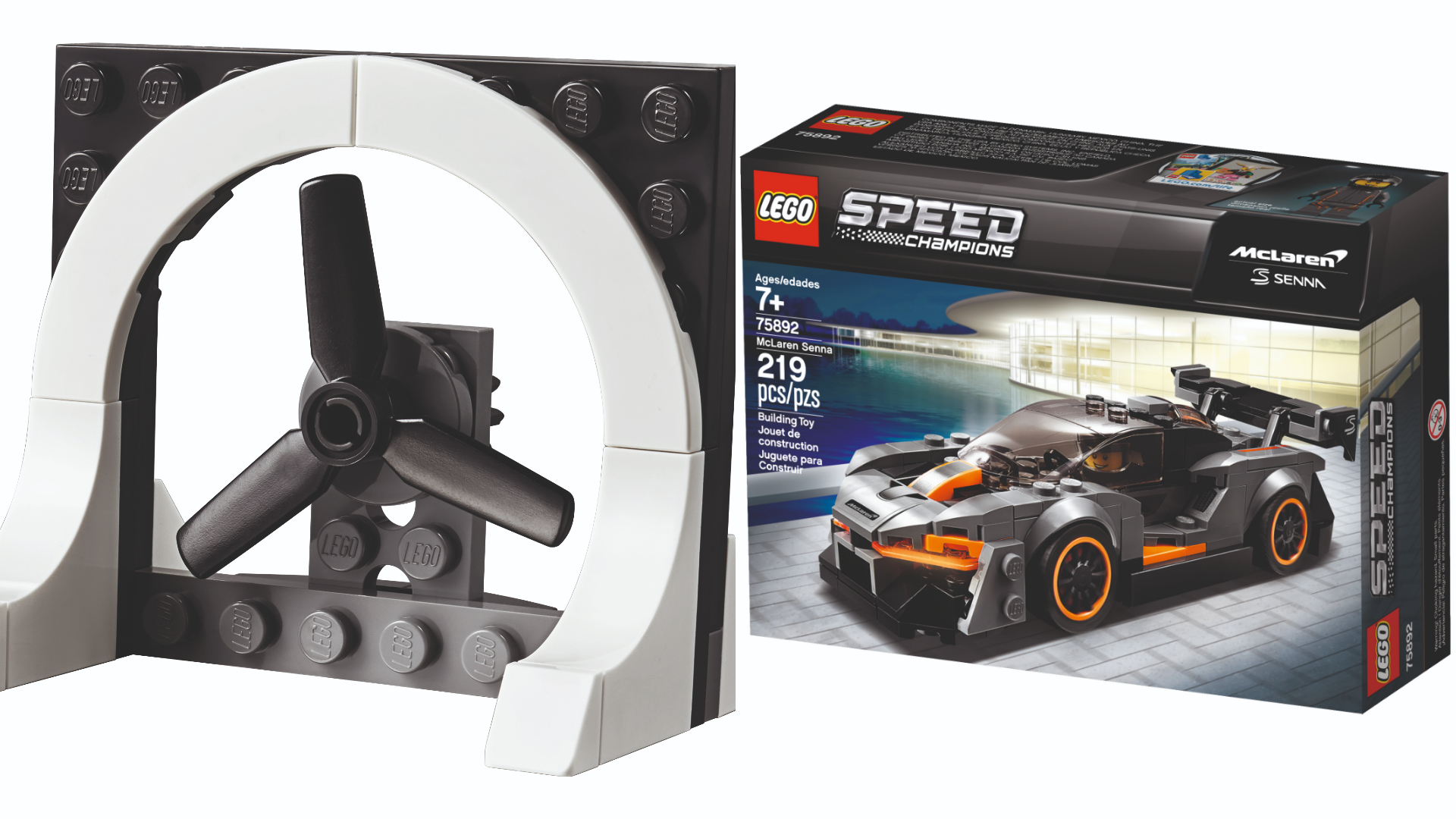
The kit is comprised of 219 pieces and should be much quicker to assemble than the real thing, which takes around 300 hours per car at McLaren’s Woking factory.
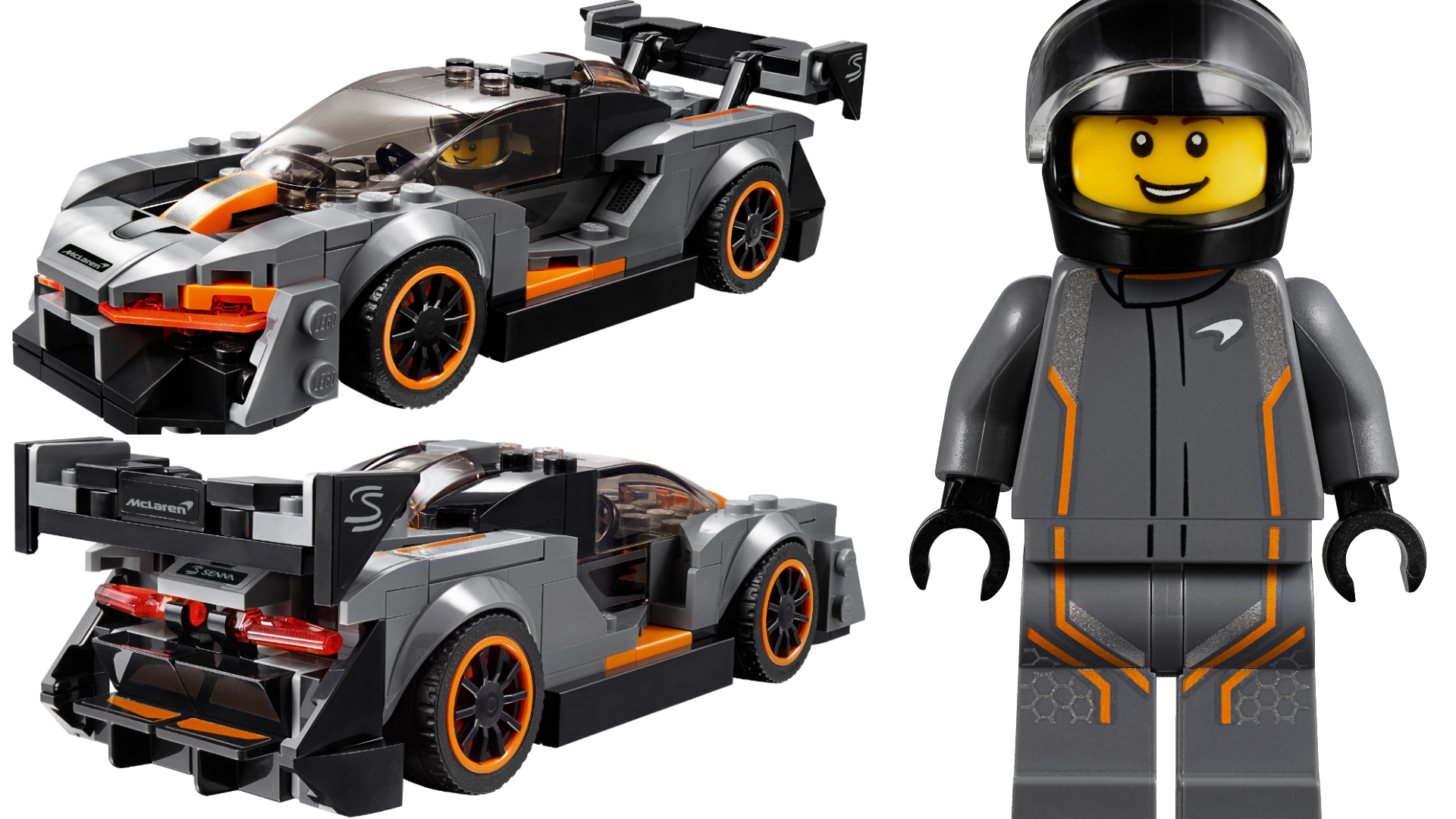
The model, once completed, will wear a Victory Grey colour with contrasting orange highlights. You also get a set of exchangeable wheels and a mini figure.
Unlike the actual Senna, you also get a wind tunnel so you can test out its aerodynamic prowess. Whether it’s capable of generating 800kg of downforce at 155mph like the real thing remains to be seen.
What we can’t decide is which is better-looking – the Lego version or the real thing. The Senna was a controversial car at launch, with form so overtly playing second fiddle to function.
You won’t need to apply and sit on a waiting list for this Senna, either. With any luck, you’ll be able to pick one up at your local Lego shop by the weekend.
That being said, the Speed Champions series is known for its popularity, so first-come, first-served.
Read more:
Four out of five motorists are overpaying for servicing and MOT
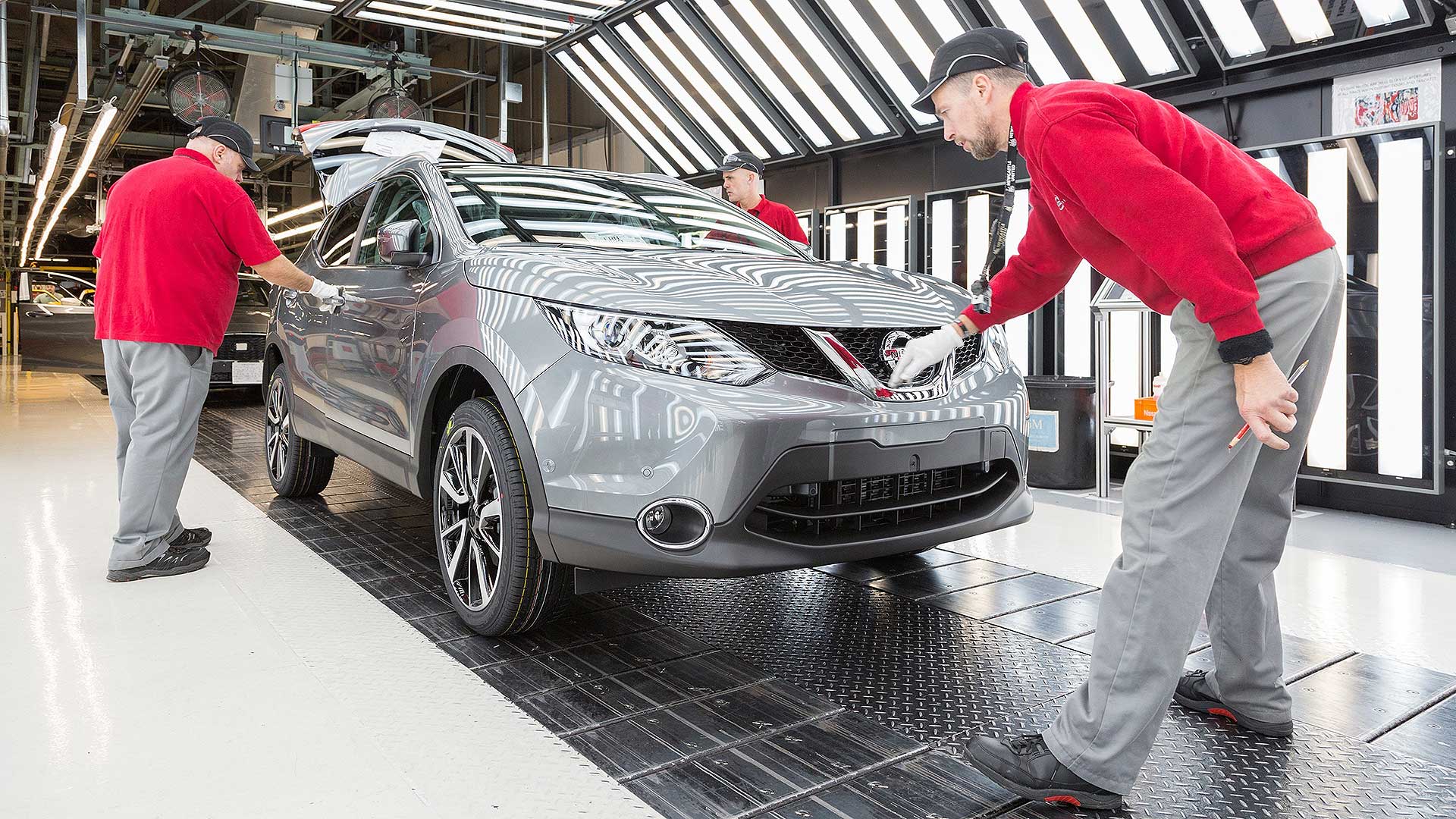
The Society of Motor Manufacturers and Traders (SMMT) is reminding MPs ‘they hold the future of the British automotive industry in their hands’ – and a no-deal Brexit would be ‘catastrophic’ for car firms in the UK.
As ministers prepare to vote tonight on the government’s Brexit deal, SMMT chief executive Mike Hawes (pictured below) underlined the “hundreds of thousands of jobs” UK automotive supports – more than 850,000 across the wider industry, says the trade association.
UK automotive also adds £20 billion to the UK economy and while “Brexit is already causing us damage – in output, costs and jobs – this does not compare with the catastrophic consequences of being cut adrift from our biggest trading partner overnight.
“The Just-in-Time nature of automotive means the impact of ‘no deal’ will be felt, not on months or weeks, but hours.”
Hawes dismissed the idea of a managed no deal as a “fantasy” as the industry would face immediate delivery shortages, disruption, additional costs and uncertainty.
“Both government and parliament have a responsibility to take ‘no deal’ off the table or risk destroying this vital UK industry.”
Hawes earlier described no-deal Brexit as a “hammer blow for the industry, which is facing the toughest of conditions”. New car sales were down almost 7 per cent in 2018 and major markets such as China are also experiencing declines.
Major manufacturers are already responding with job cuts; Jaguar Land Rover was the latest to take action with 4,500 jobs to go, while Vauxhall trimmed its workforce at Ellesemere Port in 2018. Ford is also believed to be considering job cuts at its engine plant in Bridgend, Wales.
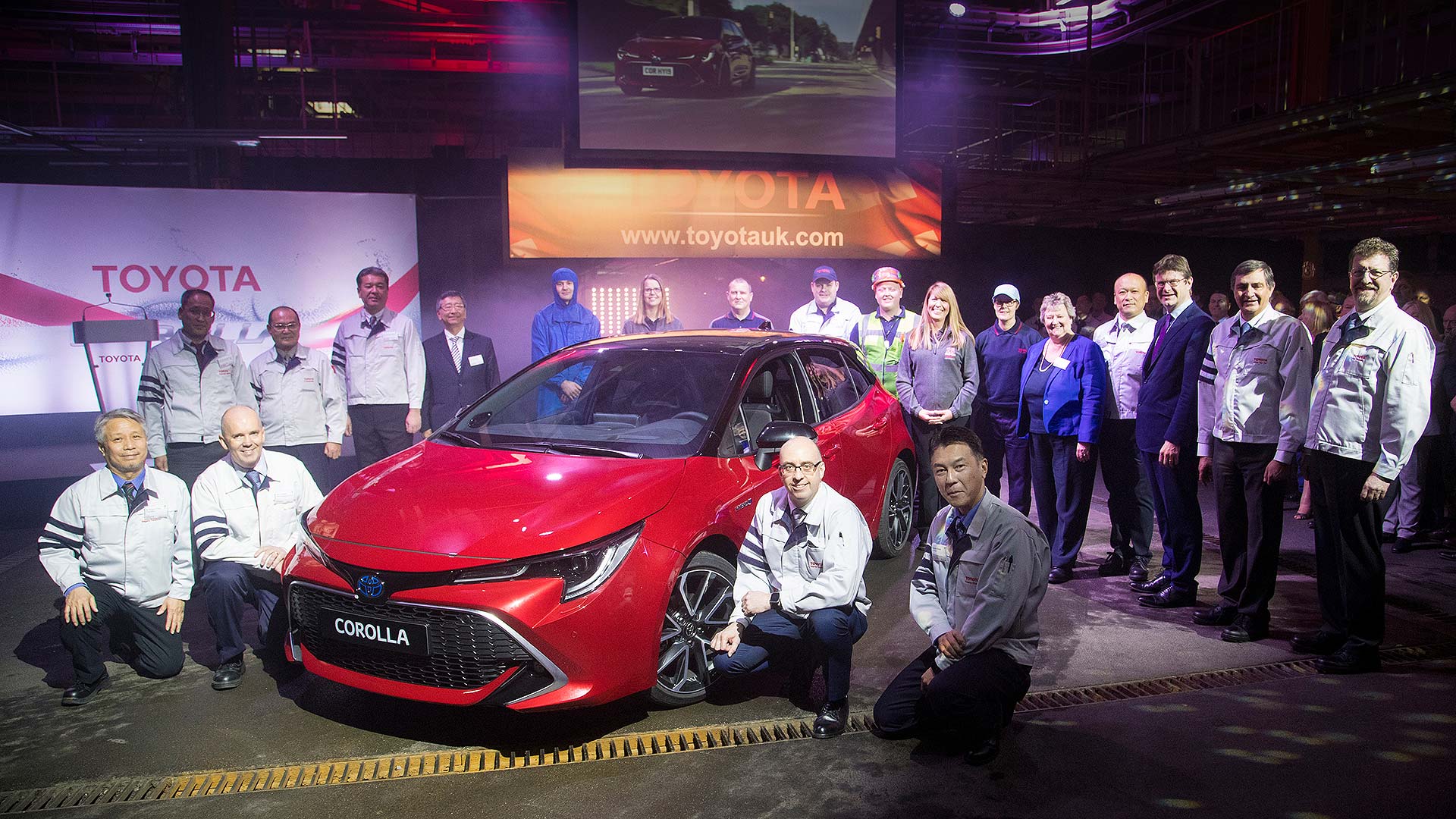
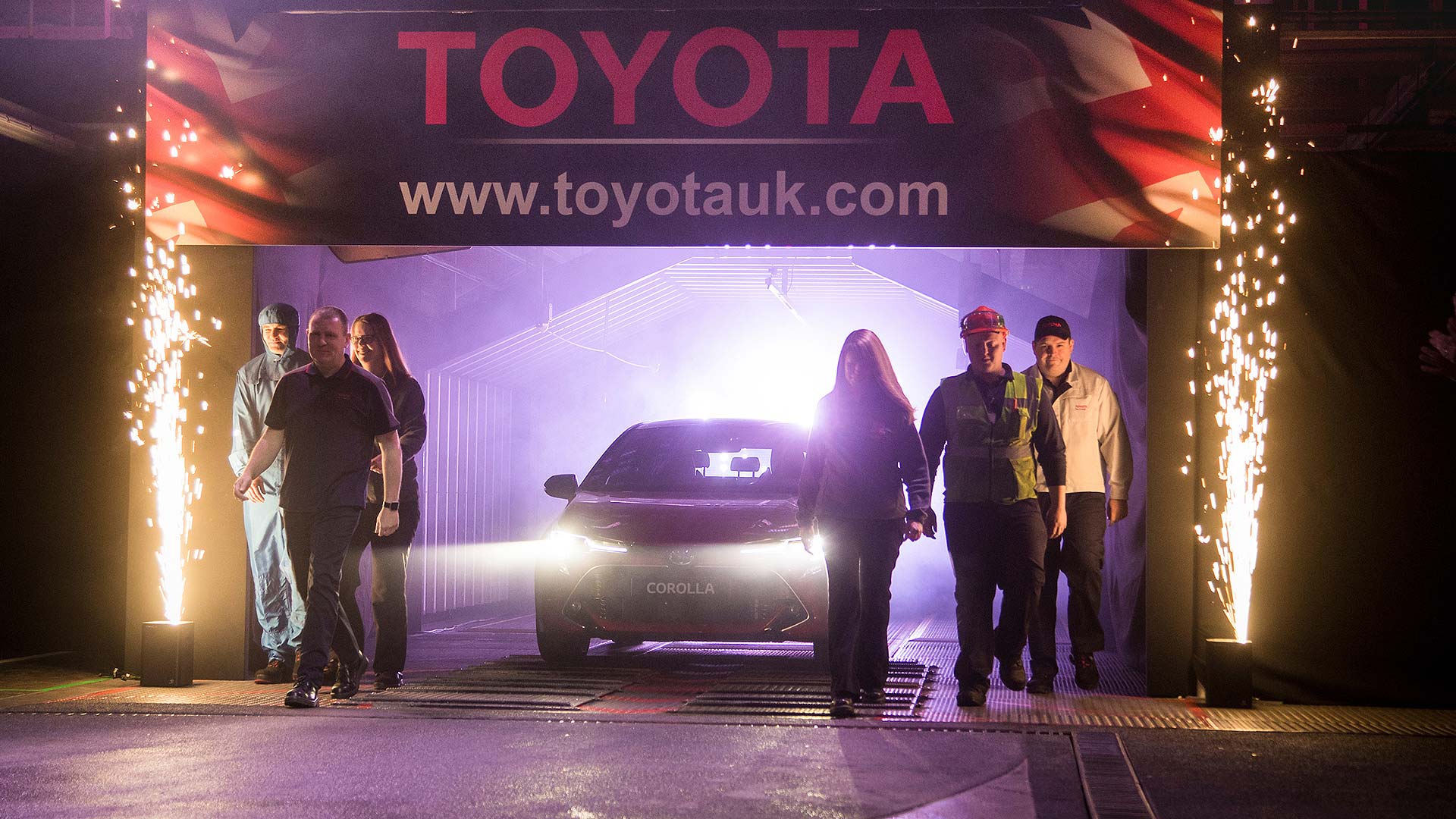
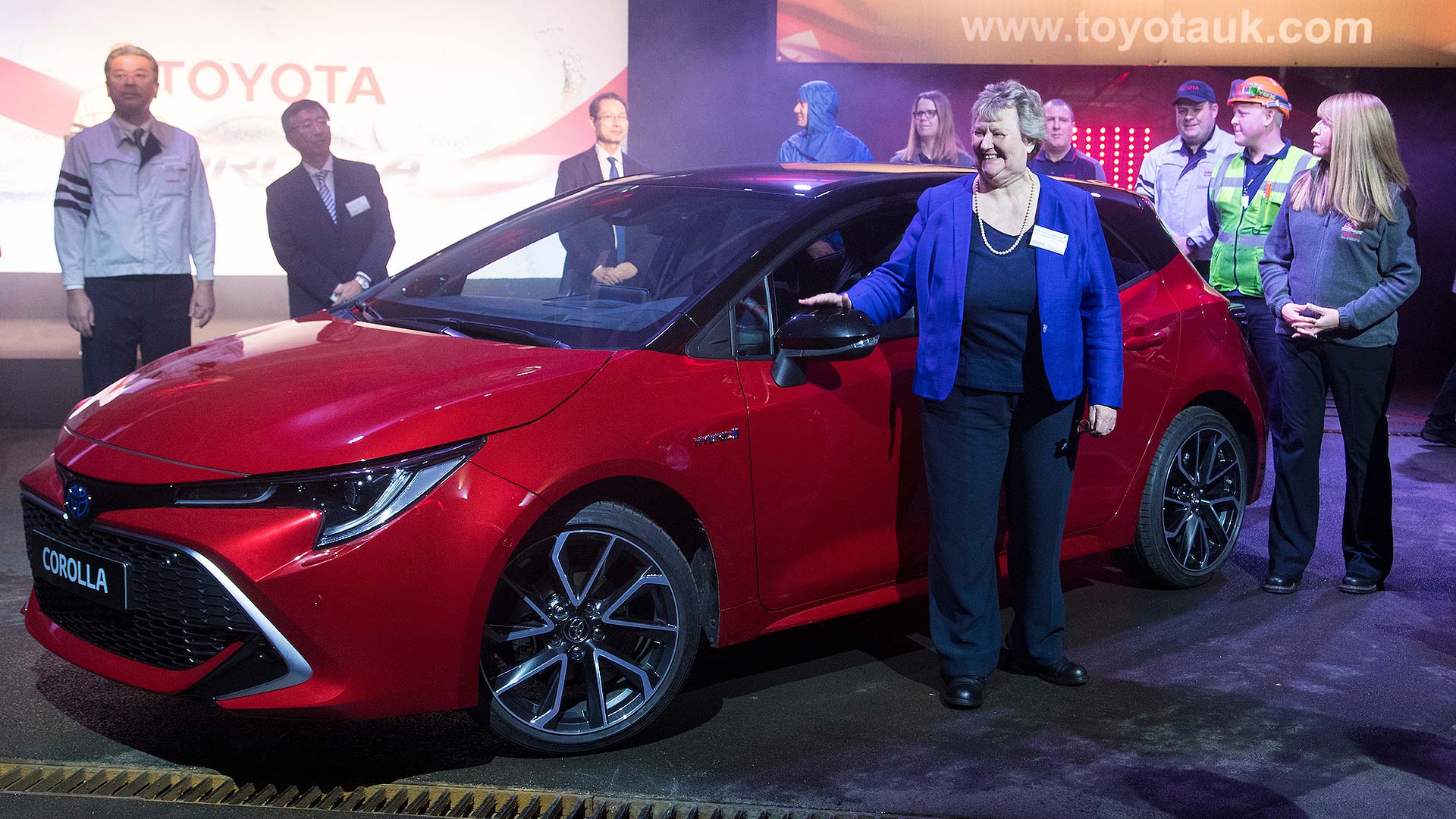
Business secretary Greg Clark MP joined Japanese Ambassador to the UK Koji Tsuruoka at a ceremony, alongside Toyota Motor Europe president and CEO Dr Johan van Zyl.
Toyota Motor Corporation chief engineer and executive vice president Hiroki Nakajima also flew over from Japan for the start of production event.
The Derbyshire factory will be the only plant in Europe building the eagerly anticipated new Corolla range, which will take on rivals such as the Volkswagen Golf and Ford Focus (not to mention the similarly British-built Honda Civic and Vauxhall Astra).
“This is a proud day for everyone at TMUK,” said UK managing director Marvin Cooke. “Making the new TNGA Corolla is a major milestone in our production history.
“This is a real sign of confidence in the capabilities of our workforce and in TMUK as a centre for world-class manufacturing.”
Dr van Zyl said the decision to invest in the UK was taken in 2017 – after the UK voted to leave the European Union. “The highly qualified workforce at TMUK has a fine record of delivering superior quality products.
“Our continued investments, combined with the dedication of our members, will ensure that we can deliver ever better cars to our customers.”
The new Corolla, adds Toyota, will be its first car in Europe to offer not just one, but two hybrid powertrains – a 1.8-litre and a more powerful 2.0-litre. The 1.8-litre will be the volume seller, which is doubly good news for Britain, as it’s also built here, at Toyota Deeside in North Wales.
The pressure is on for Ford with the new 2020 Explorer, having made a commitment to make the top-selling SUV in America even better. Not content with a simple facelift, the Blue Oval has also added a new performance model and a hybrid version.
Ford does not have the mid-size market to itself though, with Kia now making a dramatic entry in Detroit with the flagship Telluride. It promises to be the biggest and most luxurious offering from the brand, and could pose a real threat to the Explorer.
Designed in Irvine, California and set to be built in West Point, Georgia, Kia claims the Telluride is made in America, for Americans. We take a look at how the hot new Korean squares up against the established King of the middle ground.
Sizing up the competition
Proudly promoted by Kia as the biggest model offered by the company to date, the new Telluride comes close to matching the size of the 2020 Explorer.
Whilst Kia may be pitching the Telluride as a large SUV, the dimensions put it firmly in the mid-size sector. An overall length of 196.9-inches (5,001 mm) for the Telluride is just marginally shorter than the 198.8-inch (5,049 mm) Explorer.
The new Korean also comes up shorter on wheelbase at 114.2-inches (2,901 mm) and a width of 78.3-inches (1,989 mm). For comparison, the Ford records 119.1-inches (3,025 mm) and 78.9-inches (2,004 mm) against the same respective measurements.
Where the Telluride can notch up a win is with seating capacity. Although both feature three rows, the Kia claims victory with the availability of eight seats in certain trim levels against the Explorer’s seven.
What’s under the hood?
At launch the Kia is offering just one engine option. The 3.8-liter Lambda-II V6 features gasoline direct injection, but no turbocharging. This means 291 horsepower, with an accompanying 262 lb-ft of torque.
An eight-speed automatic transmission is standard, sending power to the front wheels. An optional on-demand all-wheel drive system can be specified on all Telluride trim levels for those who want extra traction.
The 2020 model year Explorer offers up a range of four different engines, starting with the 300 horsepower 2.3-liter EcoBoost four-cylinder unit. A larger 3.0-liter V6 EcoBoost engine is offered for the Platinum model, featuring 365 horsepower and 380 lb-ft of torque.
Making news at the Detroit Auto Show was the announcement of the first performance Explorer ST model. Using a modified version of the 3.0-liter EcoBoost engine, the fastest-ever Explorer comes with 400 horsepower for a potential 143 mph top speed.
At the other end of the scale, the new Hybrid Explorer is estimated to be capable of covering 500 miles between fill-ups in rear-wheel-drive configuration. As with all 2020 Explorers, the Hybrid features a ten-speed automatic gearbox as standard.
Rear-wheel drive is the default configuration for Base, XLT, Limited, and Hybrid Explorers, with four-wheel drive optional. Four-wheel-drive is standard on Platinum models and the new ST trim.
Off-road and towing ability
No mid-size SUV could claim to be built for America without the ability to go off-road or tow heavy trailers. However, Kia seems to have both bases covered with the Telluride.
When specified with the optional on-demand all-wheel drive system, the Telluride is capable of juggling power between the most appropriate axle, dependent on drive mode. Selecting ‘Eco’ or ‘Smart’ will send 100 percent of power to the front wheels, whilst selecting ‘Sport’ mode will send 35 percent to the rear axle.
Choosing the ‘AWD Lock’ setting will distribute power evenly to all four wheels for more serious off-road action. Downhill Brake Control is also standard, whilst towing capacity is rated as 5,000 lbs.
Whilst that may sound impressive, unfortunately Ford has upped the towing abilities of the revised Explorer. Models equipped with the 2.3-liter EcoBoost engine can now pull 5,300 lbs, whilst those with the 3.0-liter version can tow a considerable 5,600 lbs.
Four-wheel drive Explorers are available with a new Terrain Management System, which offers up to seven different driving modes. A single center console dial includes options for deep snow, sand, slippery terrain, trail, and a dedicated towing mode.
Interior and technology
A promise of ‘rugged luxury’ is the tagline for the Telluride, with Kia incorporating premium materials and impressive options.
Leatherette seats are standard on LX and S models, whilst EX and SX trim levels feature genuine leather seat trim. The range-topping SX version can also be specified with impressive Nappa leather seats, including double-stitching and extra padding.
Technology is also high on the agenda, with numerous standard features and a gigantic options list. Highlights include Front Collision Warning, Blind Spot Collision Avoidance, Smart Cruise Control, and Lane Keeping Assist.
An 8-inch multimedia touchscreen is standard, incorporating Apple CarPlay and Android Auto, Bluetooth connectivity, Sirius Satellite radio, and voice recognition. A larger 10.25-inch screen can also be had, along with the option to connect two phones via Bluetooth at the same time.
The Telluride features five USB charging sockets as standard, with six available on higher-spec models. It means another win over the Explorer, which can only boast four of them.
All 2020 Explorers receive Ford’s new Co-Pilot 360 system. This includes automatic headlights with automatic main beam, Lane-Keeping Assist, Blind Spot Monitoring, and Pre-Collision Assist for all trim levels.
Certain Explorers also now come with the option of a huge Tesla-esque 10.1-inch multimedia touchscreen, mounted in portrait format.
When can I buy one?
Kia has yet to announce an exact date when the Telluride will go on sale in the United States, but has confirmed it will be during 2019. Pricing will also be confirmed closer to the on-sale date.
Similarly, Ford has not released updated pricing information for the 2020 Explorer. However, models will start rolling off the line at the Chicago Assembly Plant in time for delivery this summer.
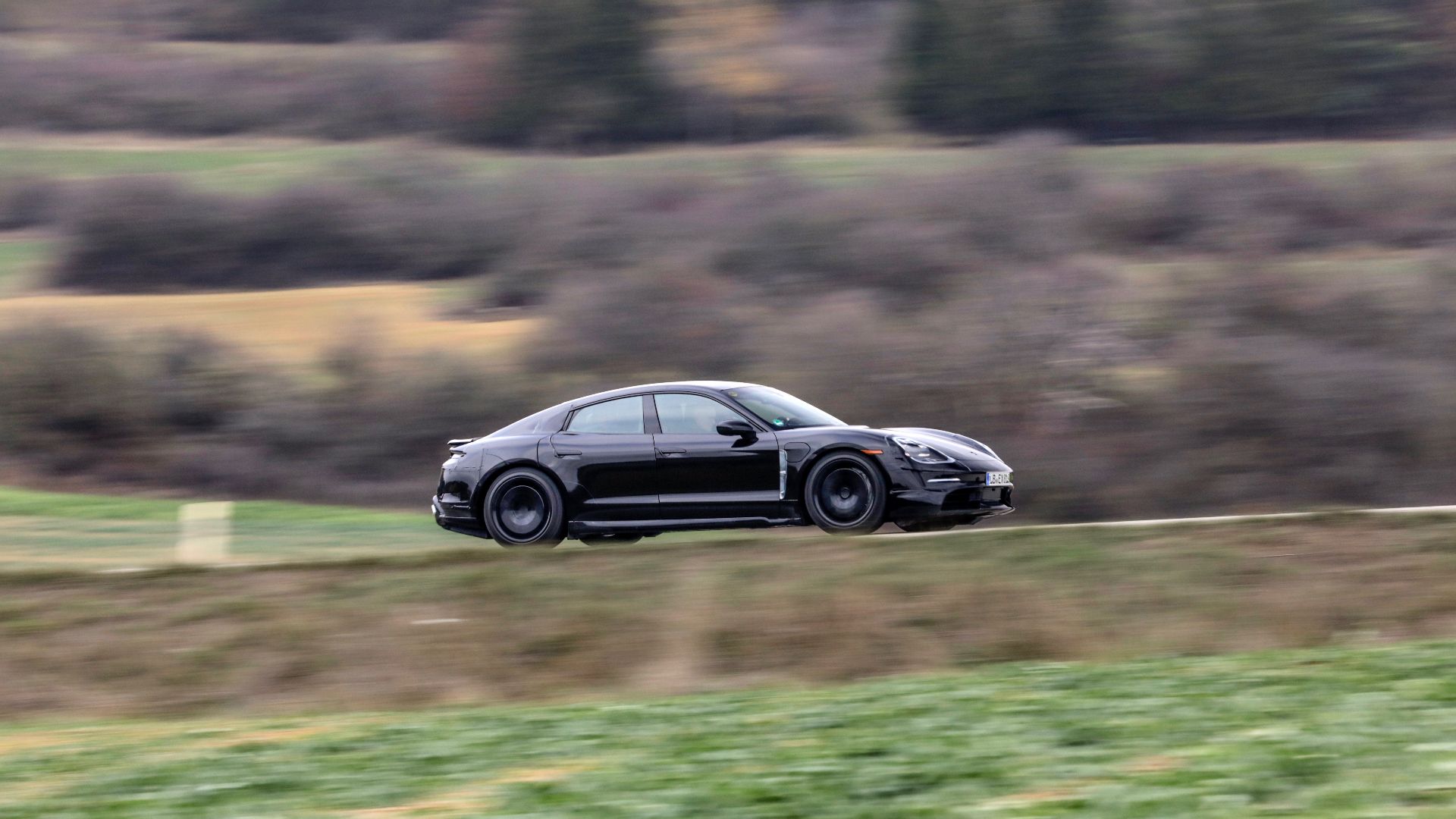
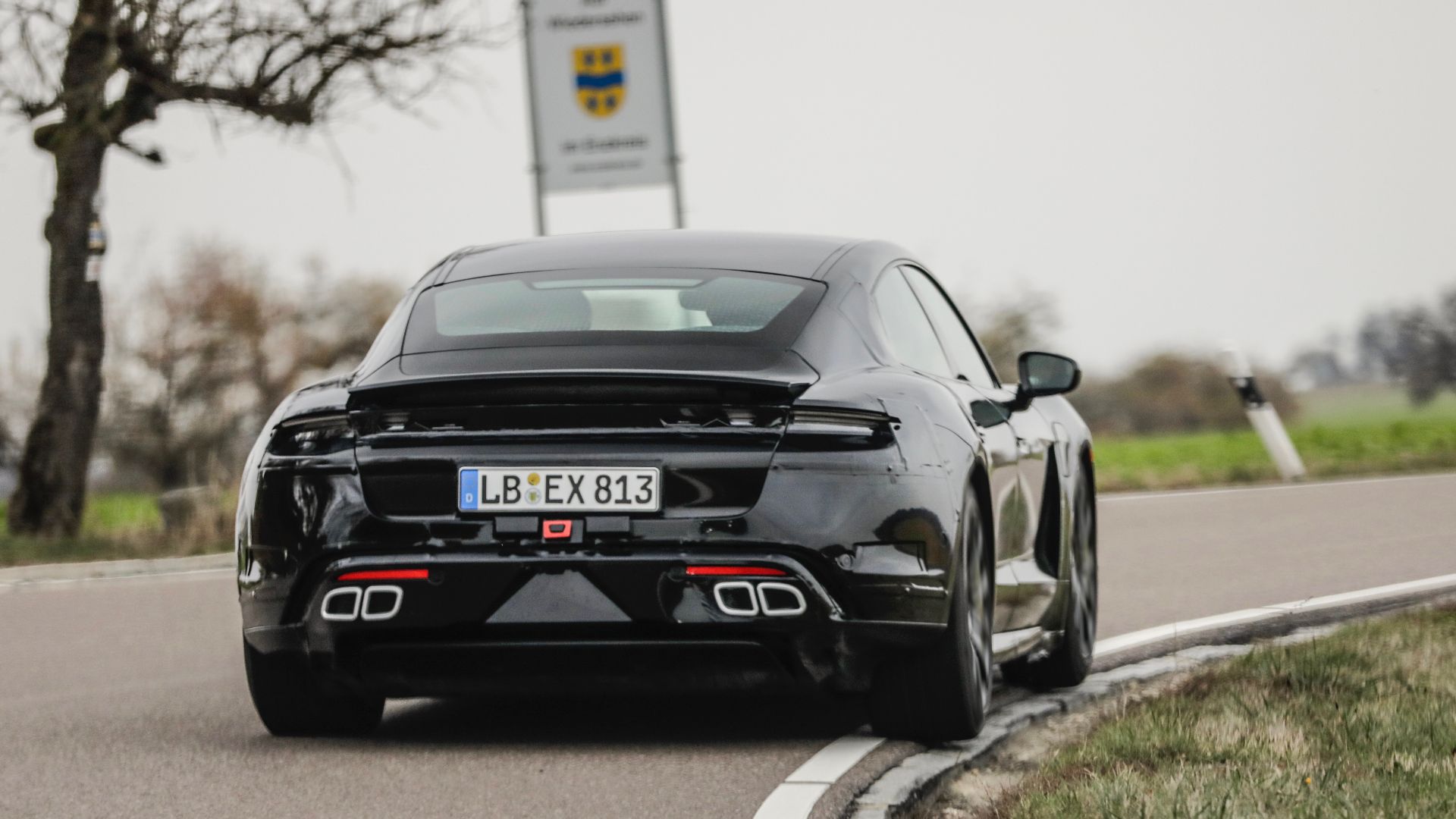
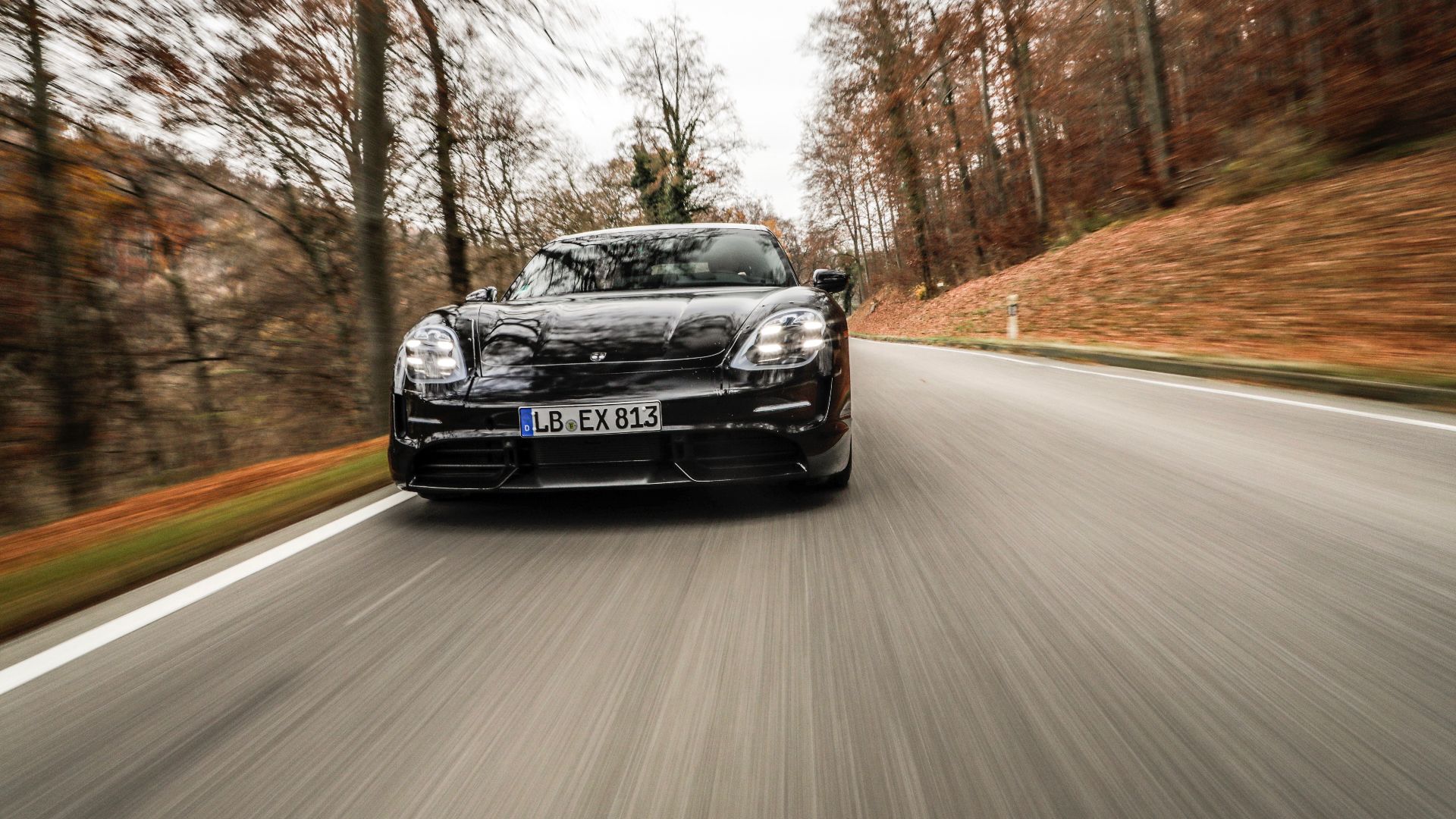
Porsche has canvassed a hero of the old school for his thoughts the new Taycan – its first all-electric car. So, what does rally legend Walter Röhrl think of it? And can any EV possibly be a proper Porsche?
This was Röhrl’s second outing in the hotly-anticipated Taycan. His expectations were high in terms of improvements needed in the calibration of the steering and brakes, along with the management of weight.
After his second outing, though, he seems quite ‘taken’ with it…
The feel of the Taycan
“I’m surprised because you barely notice the weight any more. The engineers have done a great job on the tuning and have made excellent use of the low centre of gravity. The steering and even the brakes handle superbly,” enthused Röhrl.
“The weight and the feel of the steering – and yes even the brakes, which are far more difficult to get right because of the combination of recuperation and conventional brakes – they’re all right on the money. And that’s what a Porsche should be all about.”
The performance of the Taycan
“It’s crazy. In all my years of rallying, I’ve never experienced such performance. The Taycan goes so well at such speed, really tremendous.
“Even in my fastest rally cars, I have never experienced performance like it – and the immediate response, this instant reaction that makes me smile every time.”
Driving an electric Porsche
“I would never have expected that the lack of any sound from the drive system could mean no loss of performance. In fact I really like the quietness of the Taycan; it’s something of an experience in itself.
“If I had to drive it blindfolded, I would still know immediately that I was sitting in a Porsche.”
Living with the Taycan
“I think they are already on the way to delivering a fantastic product. However, my opinion is that they need to get infrastructure in place quickly, because I think I would go mad if someone was in front of me at the pump and I had to wait.”
Encouraging words, even if they are from a man on Stuttgart’s payroll. Nevertheless, it would take a brave man to bet against Porsche.
On the more practical side of things, it’ll pull enough charge for 100 kilometres (62 miles) of driving in as little as four minutes, thanks to its 800-volt architecture. Let’s hope Röhrl’s wishes for a stronger infrastructure to support it come true.
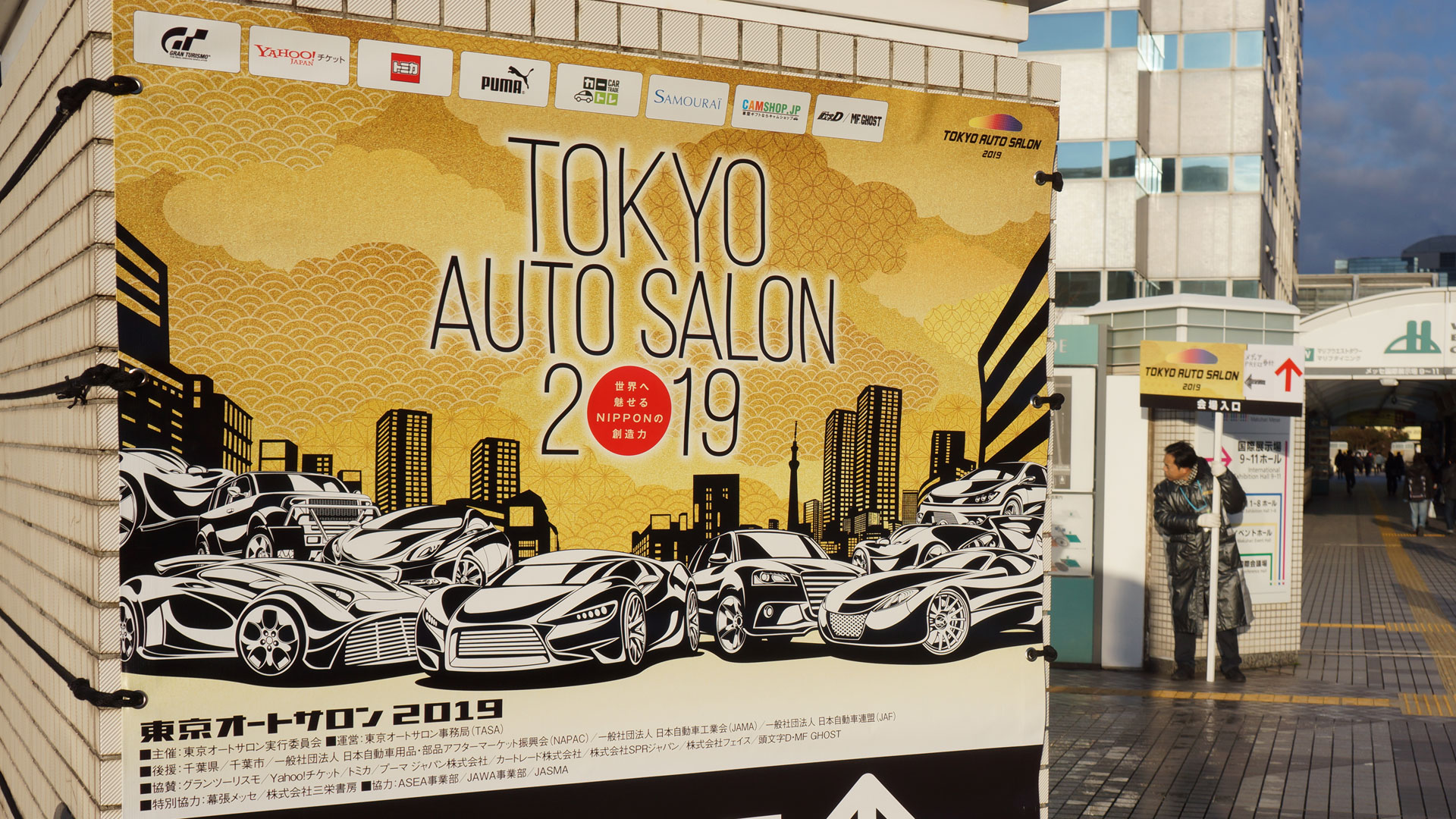
Not to be confused with the Tokyo Motor Show, Tokyo Auto Salon is where Japanese manufacturers and aftermarket tuners assemble to showcase their wild and wonderful creations. You’ve just missed this year’s show, but our round-up should give you a flavour of the event if you intend to make a pilgrimage to Makuhari Messe in 2020.
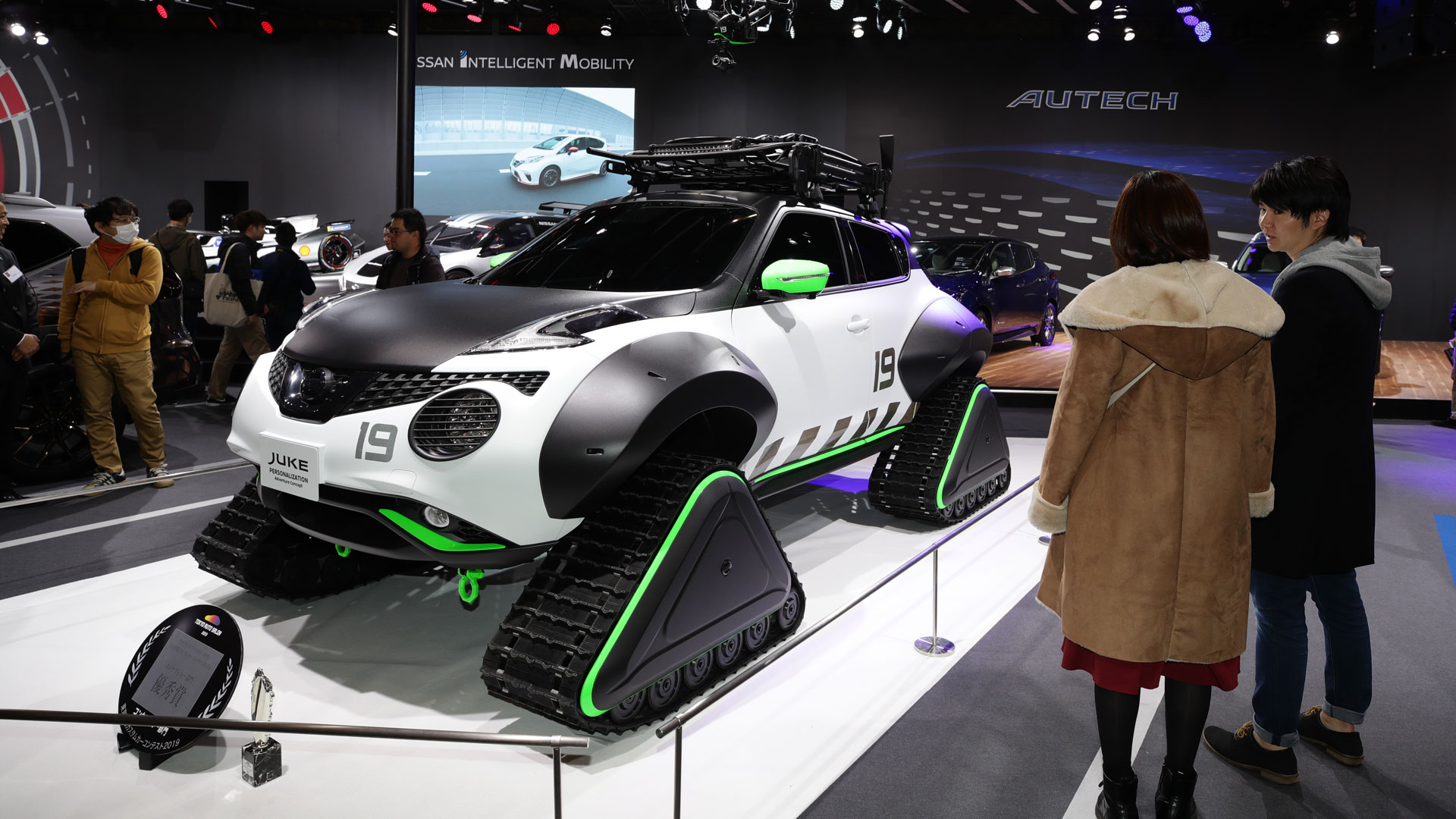
Nissan Juke Personalisation Adventure concept
If we had to choose one car to capture the tone of the Tokyo Auto Salon, this might be it. The Nissan Juke Personalisation Adventure concept doesn’t look too dissimilar to the Juke Nismo RSnow of 2015, but this one has huge extended wheelarches. Power is sourced from a 1.6-litre turbocharged petrol engine, while the roof rack is designed to serve as a landing pad for drones. Before you, ahem… make tracks to your local Nissan dealer, this concept is all snow and no go – a production version is extremely unlikely.
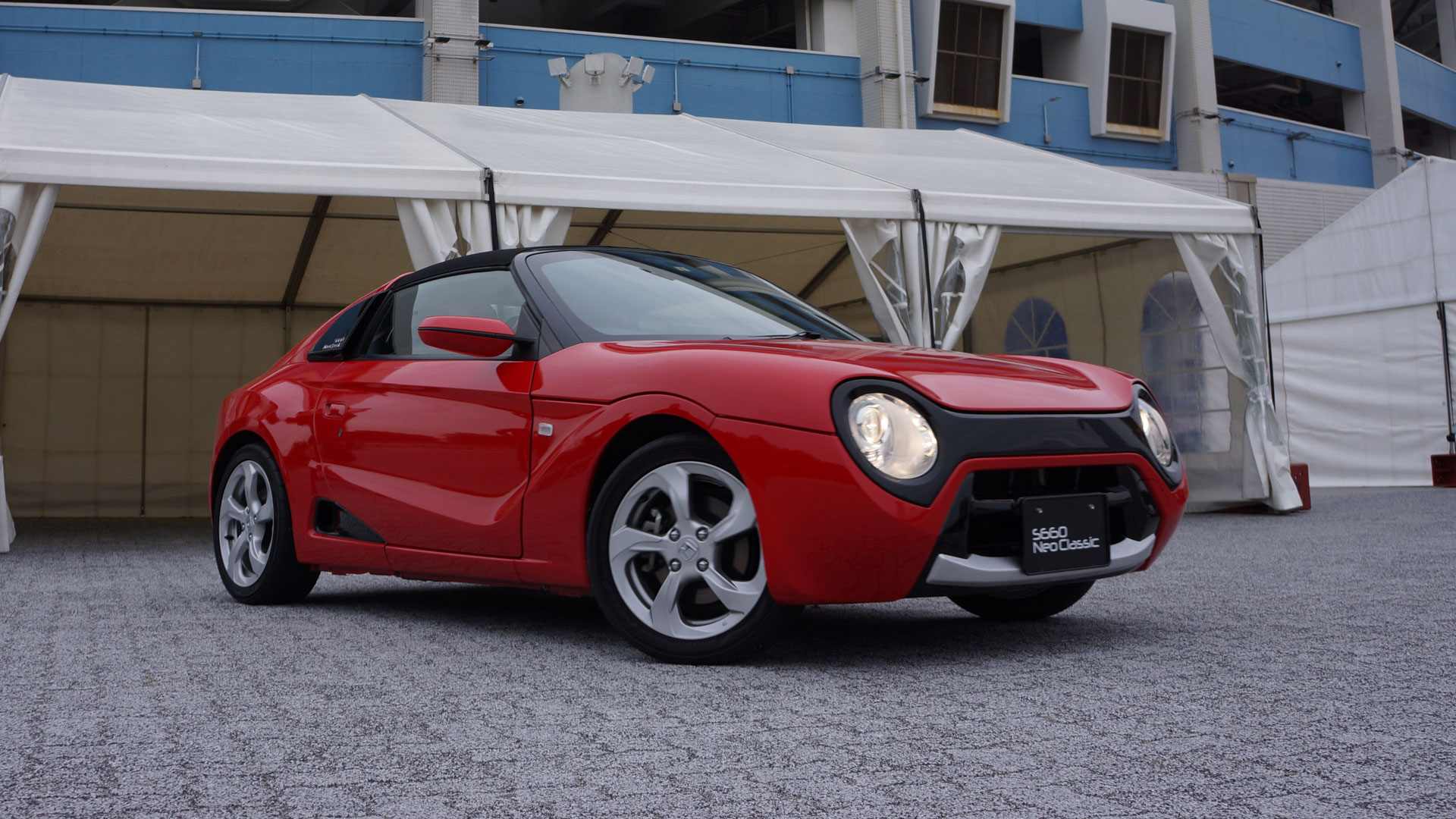
Honda S660 Neo Classic
There’s much to love about the Honda S660. It’s small, mid-engined, turbocharged, lightweight and cuter than a kitten wearing a Hello Kitty nightcap. In fact, there’s only one thing we don’t like: the fact that it’s not available in the UK. This Neo Classic version only serves to crank up our jealousy-o-meter. Gone is the Honda Beat-style look of the standard car, replaced by something dripping in retro charm. We want one.
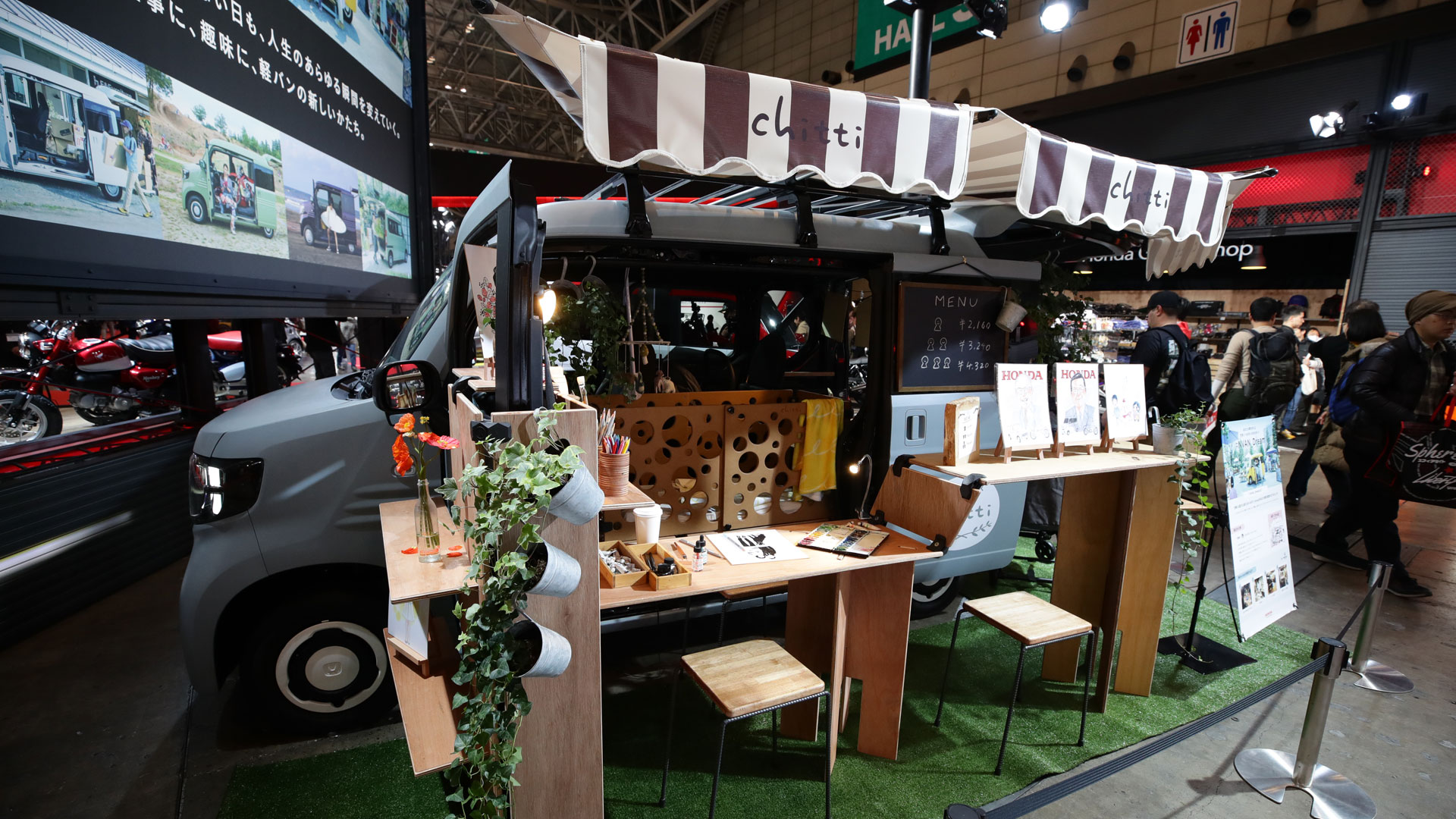
Honda N-Van Dream
Sales of the N-Van began in July 2018, with Honda ‘studying the everyday lives of working people and pursuing high usability for various types of jobs/businesses’. Under the banner of ‘N-Van Dream’, Honda asked people to submit their own designs for ‘work and play’ versions of the N-Van, and the design for this Art Stand concept was submitted by Chihiro. It features prefabricated tables and shelves, storage for art supplies and space for a baby cot. Other designs include N-Vans for dog grooming, a surf shop, motorcycle storage and a beauty parlour.
Toyota Corolla Levin AE86
The smile on the face of the driver says it all. He’s driving one of the best rear-wheel-drive cars of the era, and values have been on the rise for a while now. Our Tim Pitt was fortunate enough to grab a drive in 2016. His verdict: “It’s the way this car goes around corners that still gets enthusiasts excited. The unassisted steering feels wonderfully delicate, while a prod of the throttle adds a dash of easily-controlled ‘steer from the rear’. We couldn’t make the pilgrimage to Japan’s Mount Fuji, but a few empty roundabouts near Crawley provided plenty of laugh-out-loud fun.”
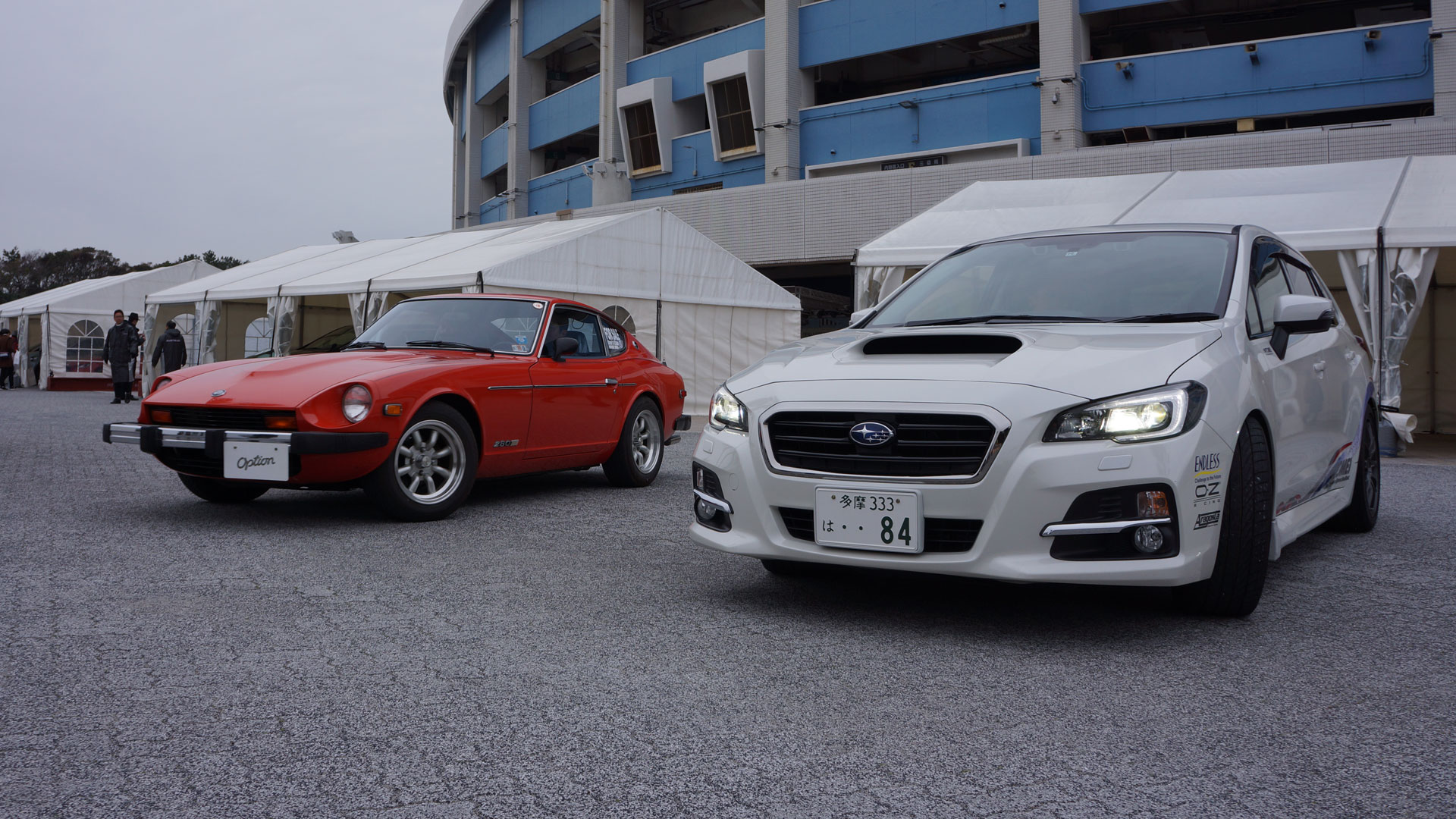
Old meet new
Which one would you choose? A Datsun 280Z or a Subaru WRX? The Tokyo Auto Salon was inaugurated in 1983 as ‘Tokyo Exciting Car Show’, and it has grown to become one of the world’s largest custom car shows. This year, some 426 exhibitors took to the Makuhari Messe International Convention Complex, where more than 900 vehicles were on display. Around 330,000 people walked through the doors – up 104 percent compared to last year.
Old meets new, part two
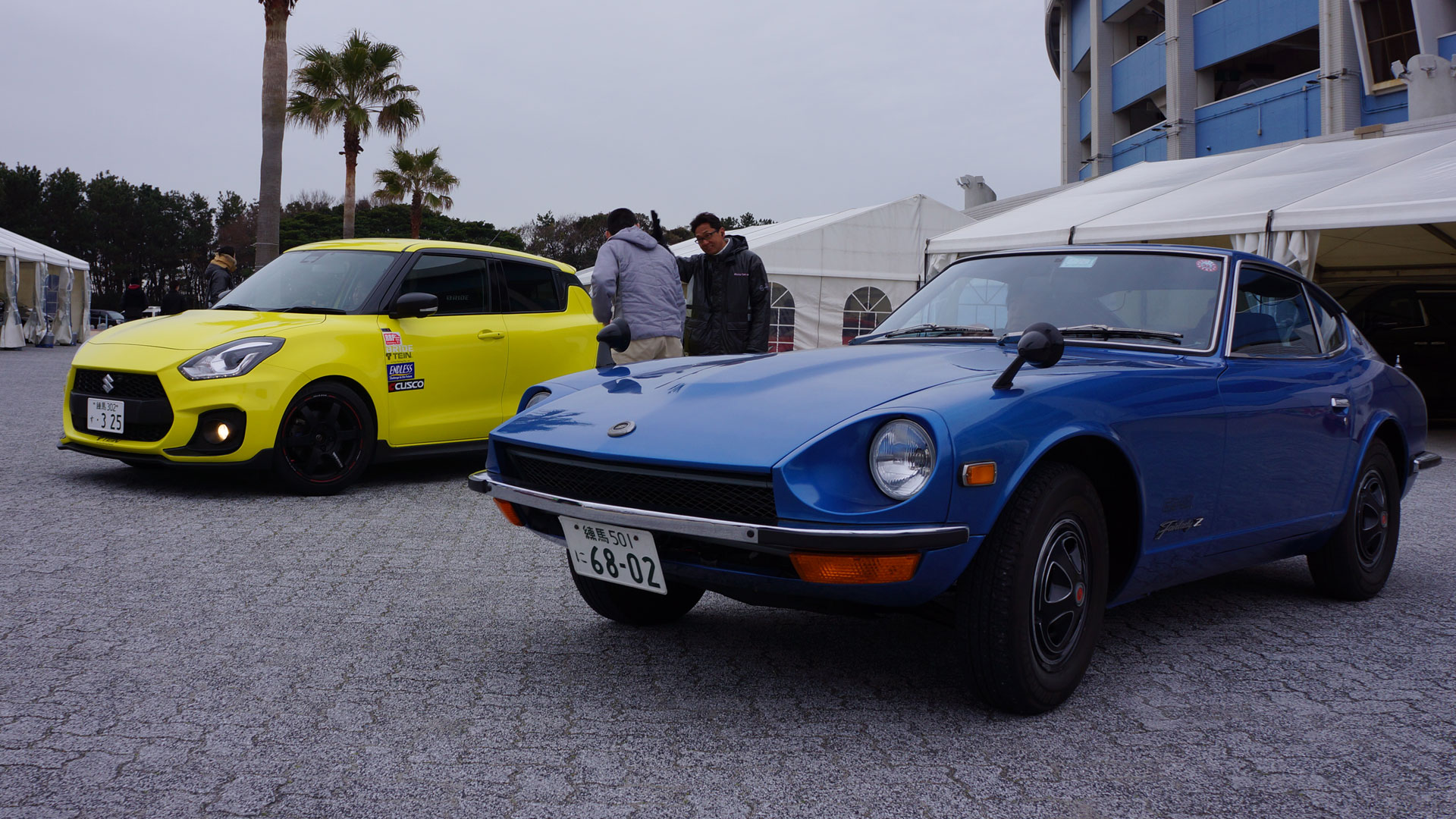
Another case of ‘old meets new’, this time in the form of a Datsun Fairlady Z and a modified Suzuki Swift Sport. The Champion Yellow warm hatch – other colours are available – features a 1.4-litre turbocharged engine, making the driving experience radically different to that of its predecessors. We’d say it’s not quite as engaging as its forebears, but if you fancy trying a Swift Sport for yourself, Suzuki is offering £1,000 off the list price, meaning you’ll pay £17,499.
BH Auction
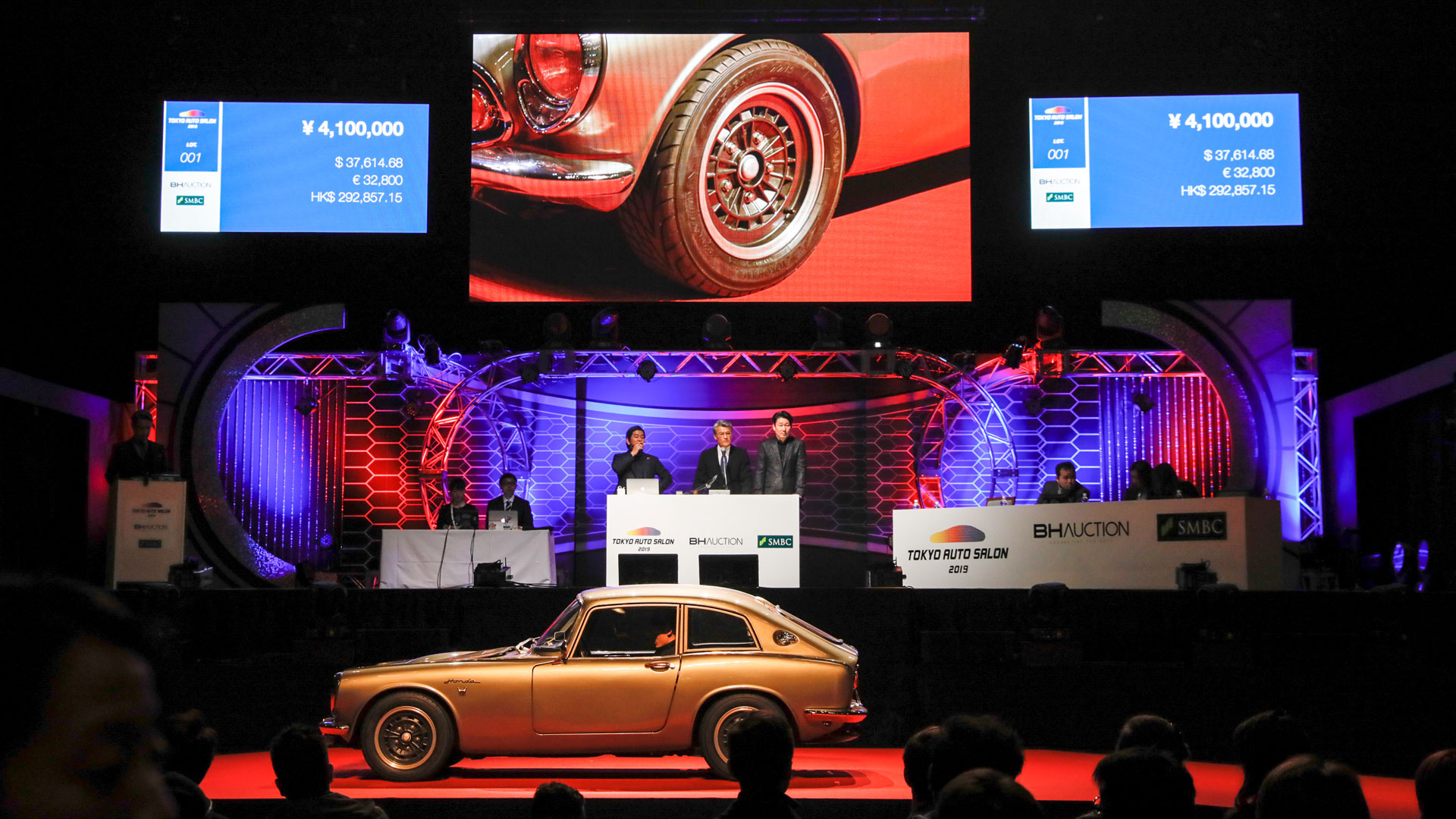
In common with many car shows, the Tokyo Auto Salon played host to an auction of collector cars. Some 50 cars went under the hammer, including this 1968 Honda S800M Coupe, which sold for 8,470,000 Yen (£61,000).
50 years of the Nissan Skyline GT-R
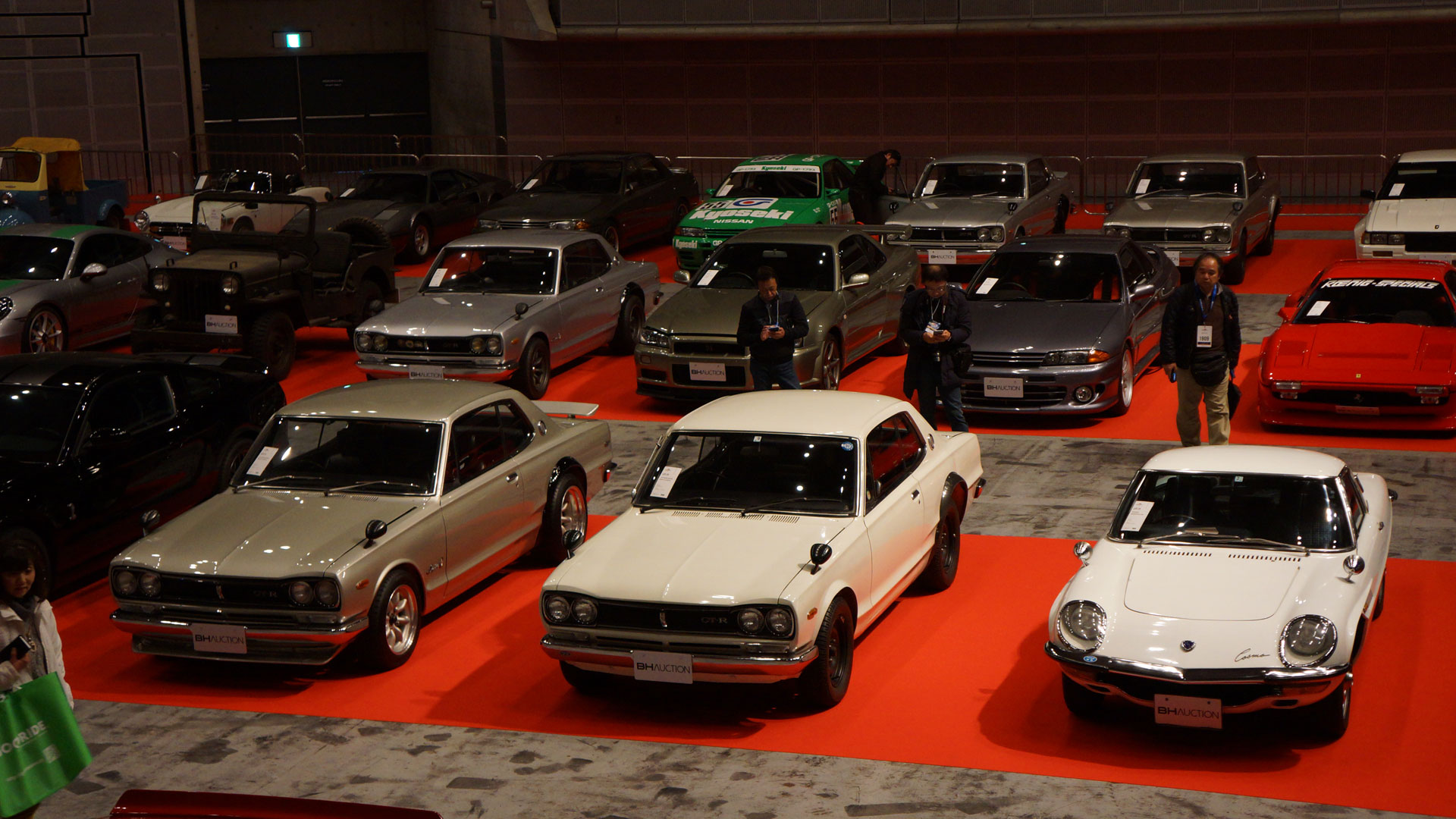
Feast your eyes on this little lot. To celebrate 50 years of the Nissan Skyline GT-R, 10 first- and second-generation GT-Rs went under the hammer at the BH Auction sale. The results of the auction are just beginning to filter through, but we know that one sold for 24,200,000 Yen (£174,000), while another went for 17,600,000 (£126,000).
More auction cars
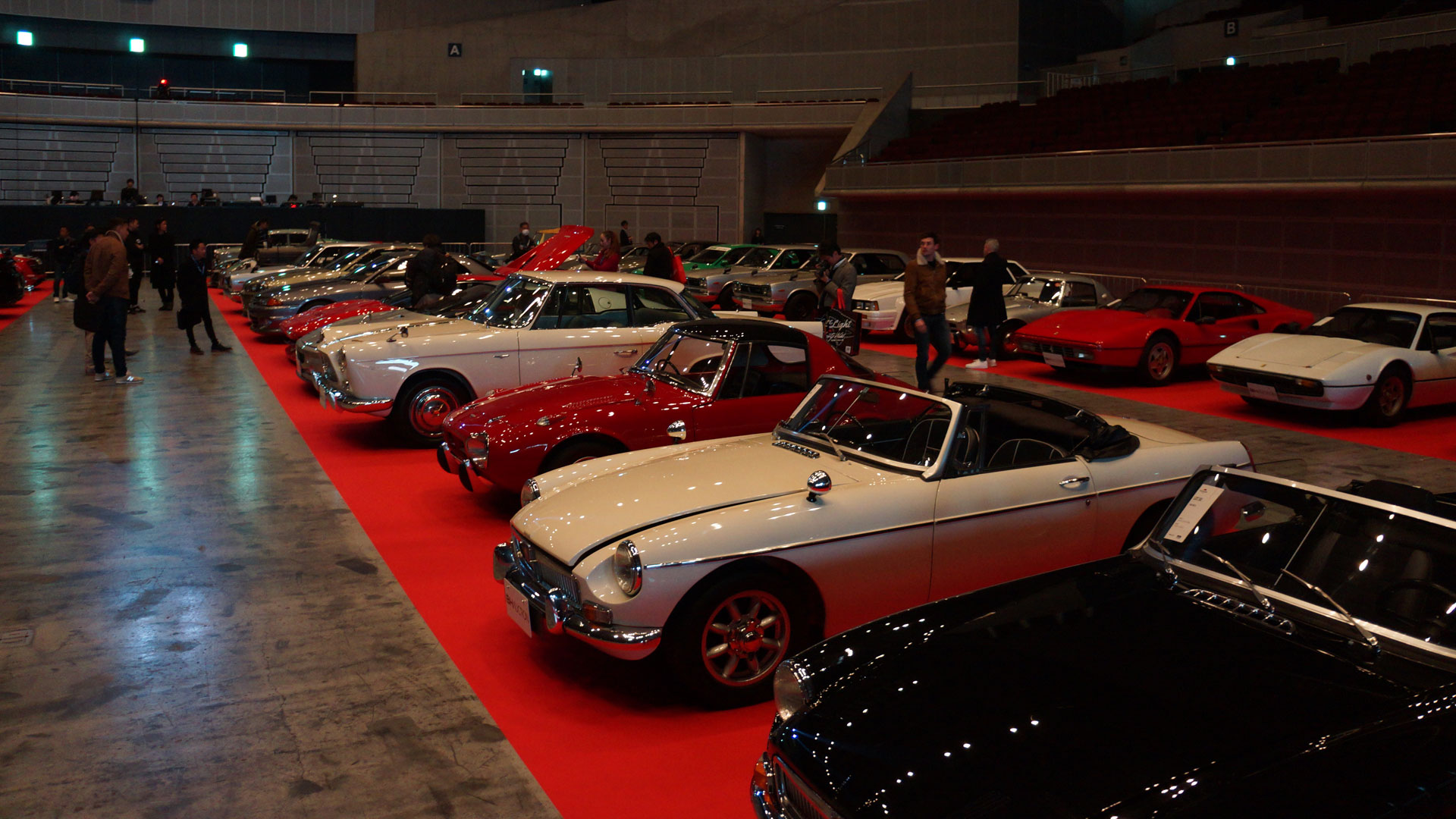
Non-Japanese auction lots included a pair of MGBs, a Caparo T1, Porsche Carrera GT, Ferrari Mondial T prototype, Ferrari F40 and a Ferrari 308 GTB. Of the confirmed sales, the F40 sold for the highest amount, with bidding closing at 121,000,000 Yen (£870,000).
Legend car!
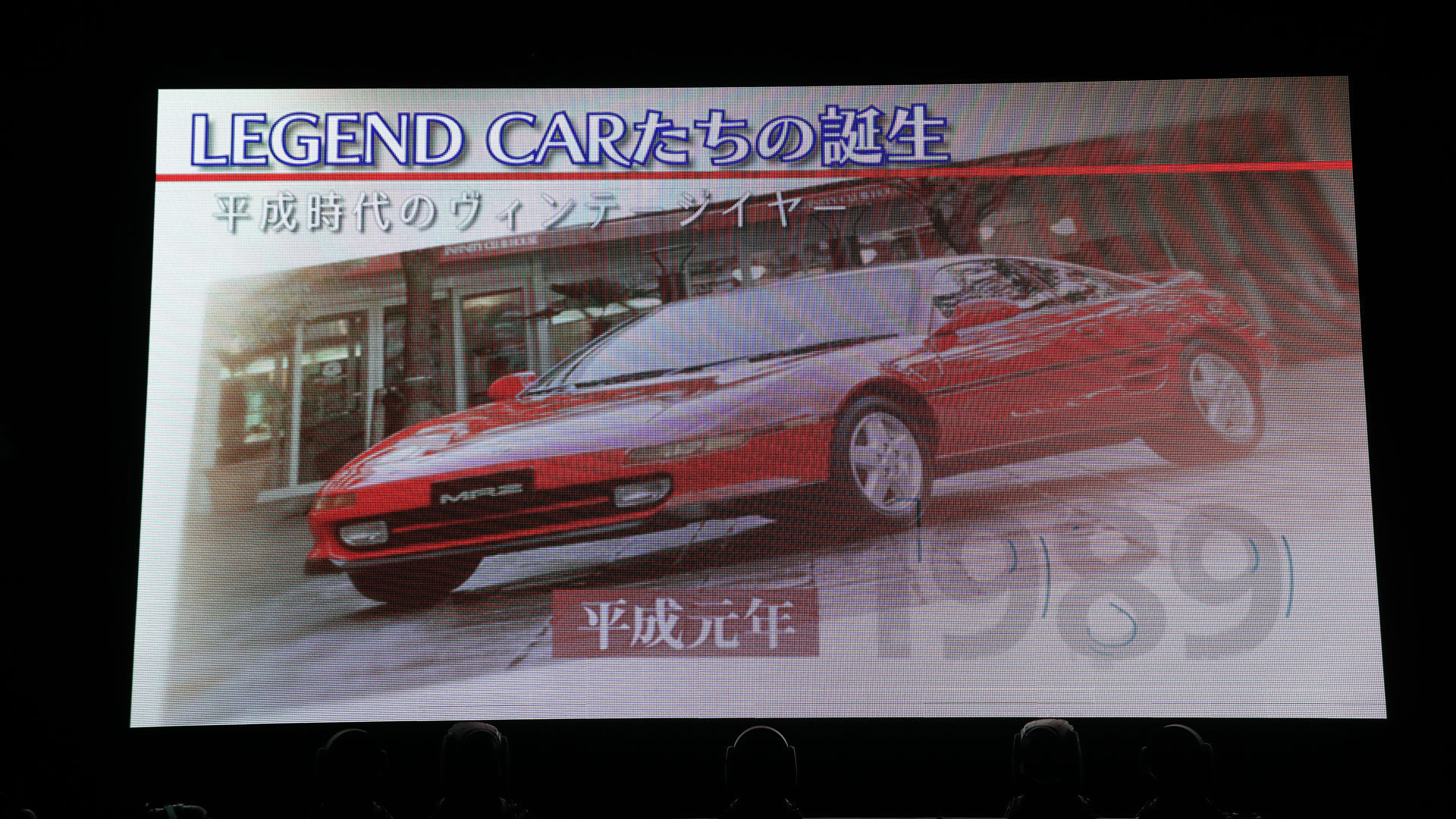
Is it really 30 years since the second-generation Toyota MR2 hit the market? It went on sale in Japan in October 1989, a few days before the Tokyo Motor Show, with the UK launch following just six months later. As the second largest export market behind the USA, the UK was seen as an important country for Japan, so much so that two prototypes were sent to these shores for suspension and steering development.
Rally Japan 2020
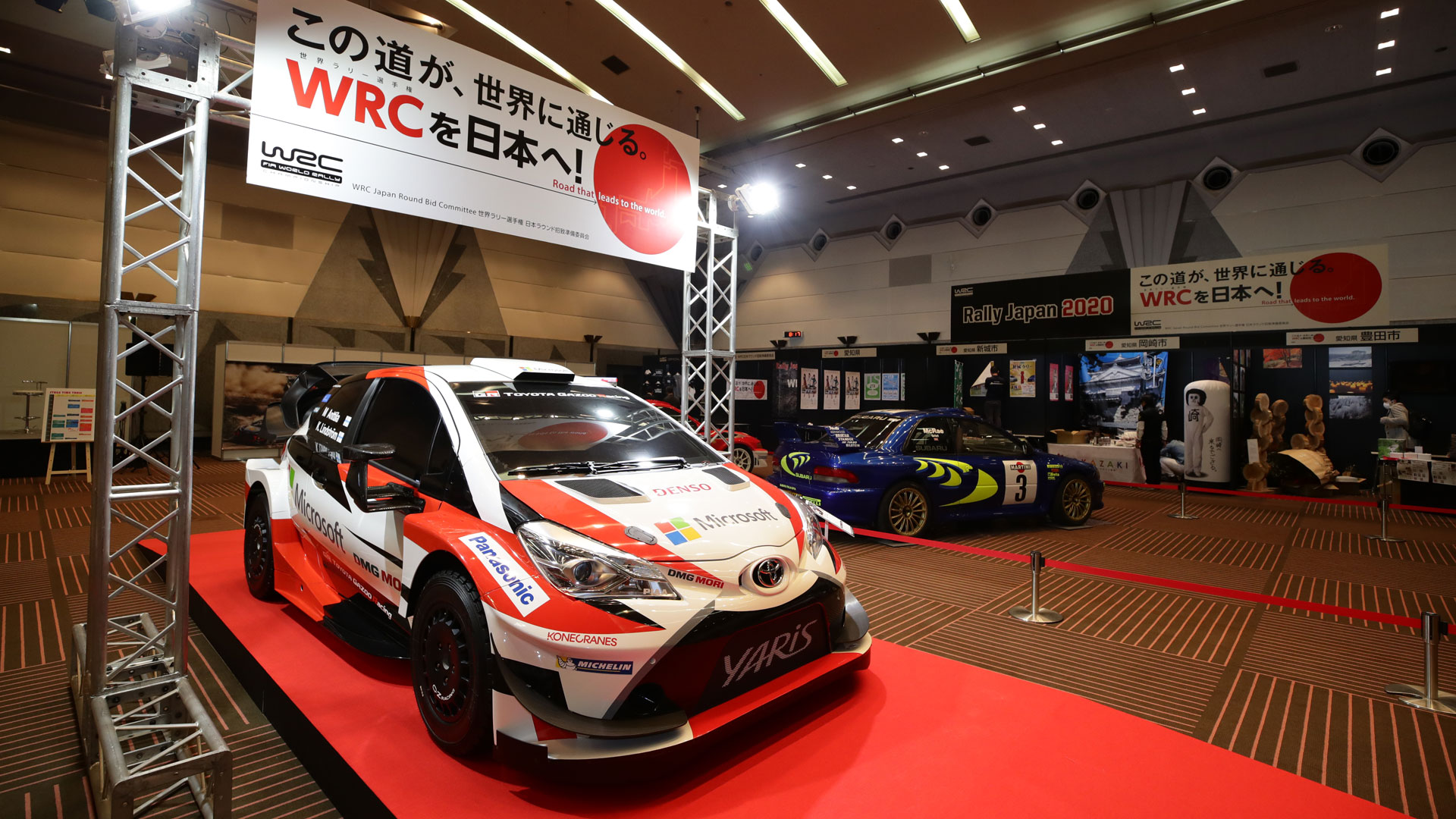
Rally Japan was expected to return to the World Rally Championship in 2019, but the plans were shelved on the grounds of cost. This would have angered Rally Japan and Toyota, who had worked tirelessly for Japan to host its first world championship event since 2010. In November, around 55,000 fans attended a WRC candidate event in Shinshiro, as the organisers make plans for a successful 2020 bid.
Rally Japan 2020
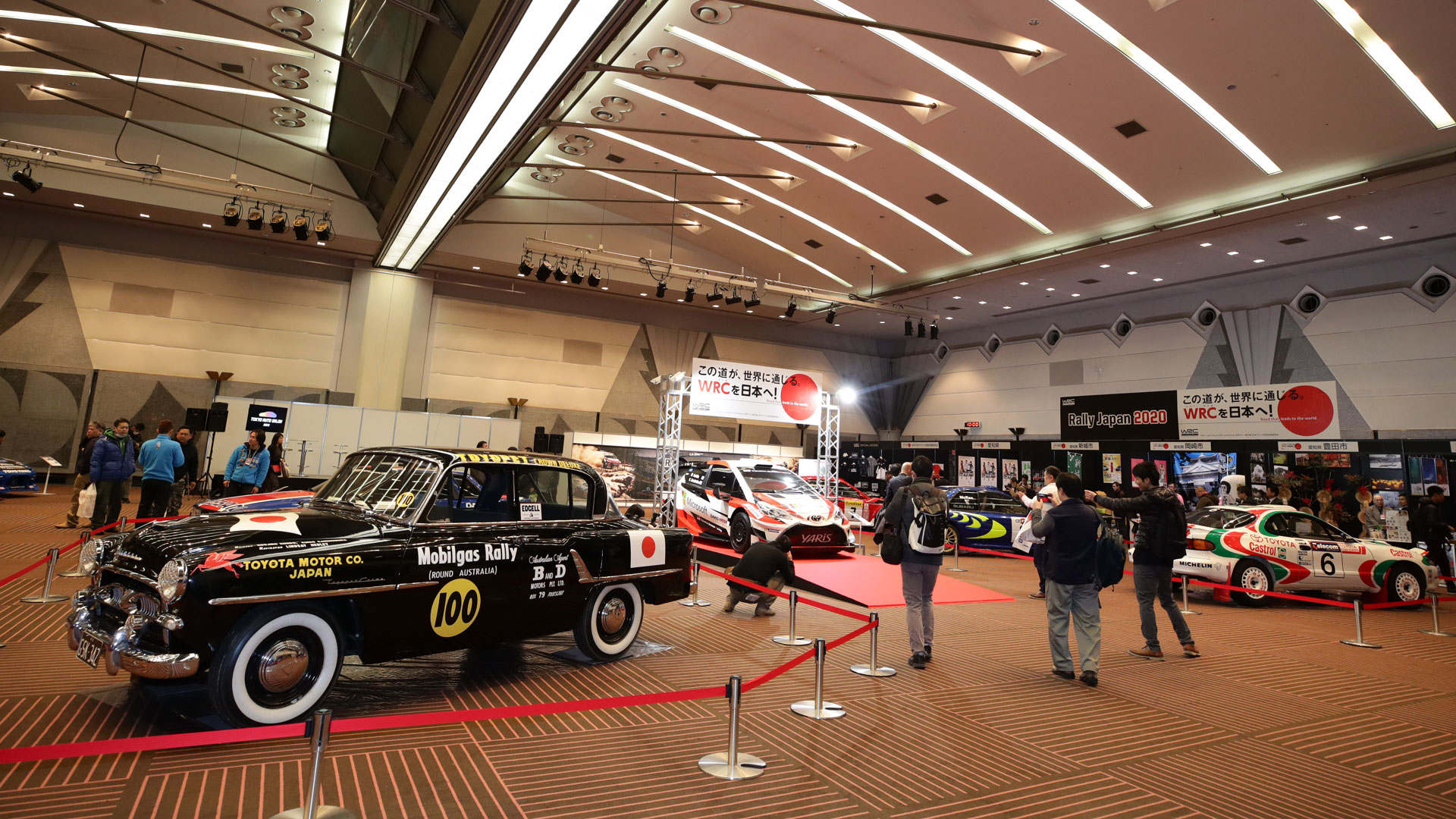
The Rally Japan stand made for an evocative display at the Tokyo Auto Salon. This is a replica of the Toyopet Crown Deluxe which took part in the 1957 Round Australia Trial. This was Toyota’s first rally car, and when it had crossed the line, it had completed 17,000km in 19 days. Even with just 48hp under the bonnet, the 1.5-litre Crown finished 47th overall. A total of 34 cars didn’t even make it to the finish.
Suzuki stand
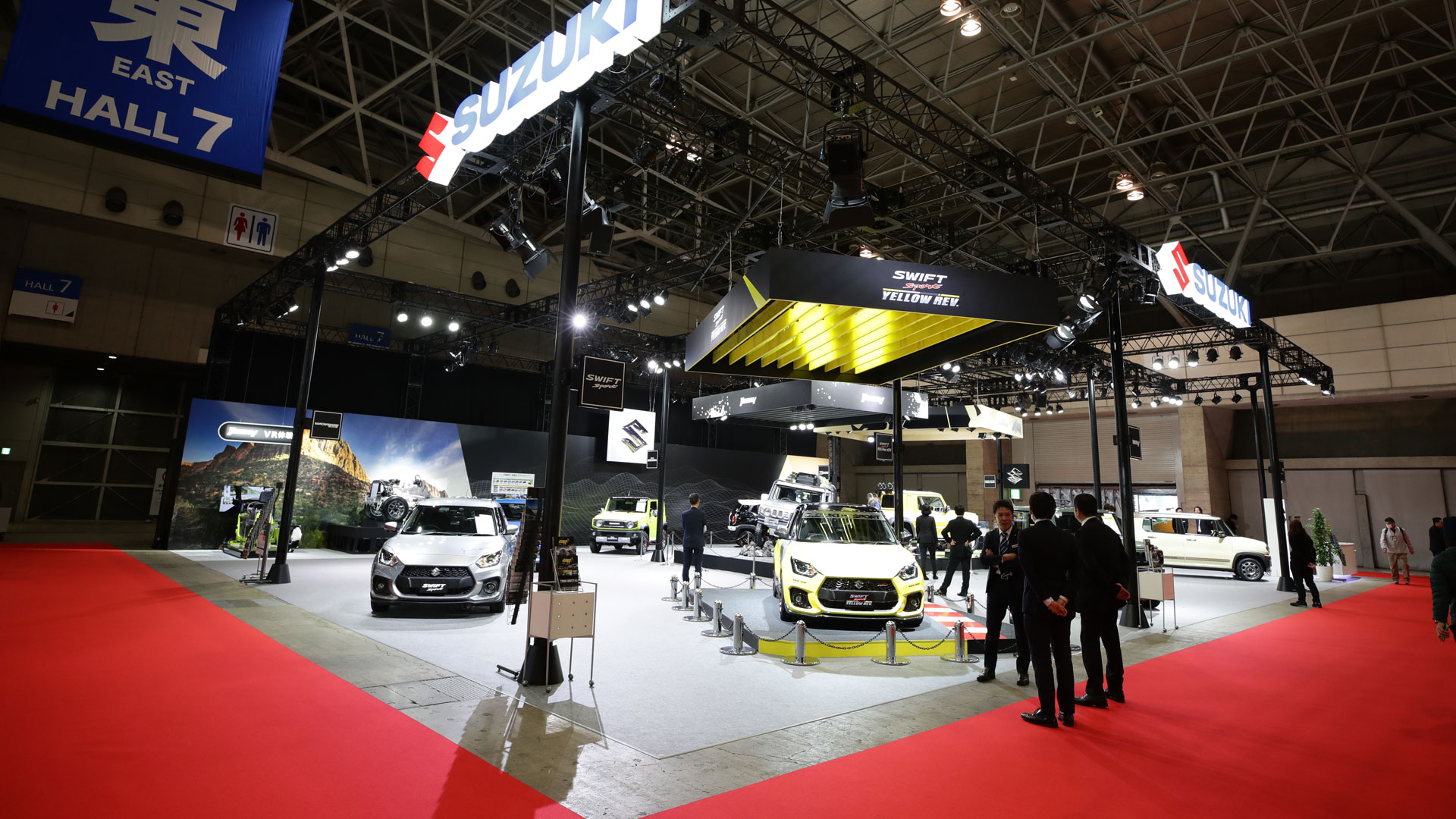
A Suzuki Swift Sport and Jimny would make for a pretty solid two-car garage, so there was plenty to admire on the Suzuki stand. The Yellow Rev concept features a High Chroma Yellow Pearl paint job, a black roof, black alloys, additional decals and an aero kit. But the Yellow Rev is more than just a cosmetic exercise. The bumpers, alloy wheels and seats have all been lightened to make this the lightest Swift.
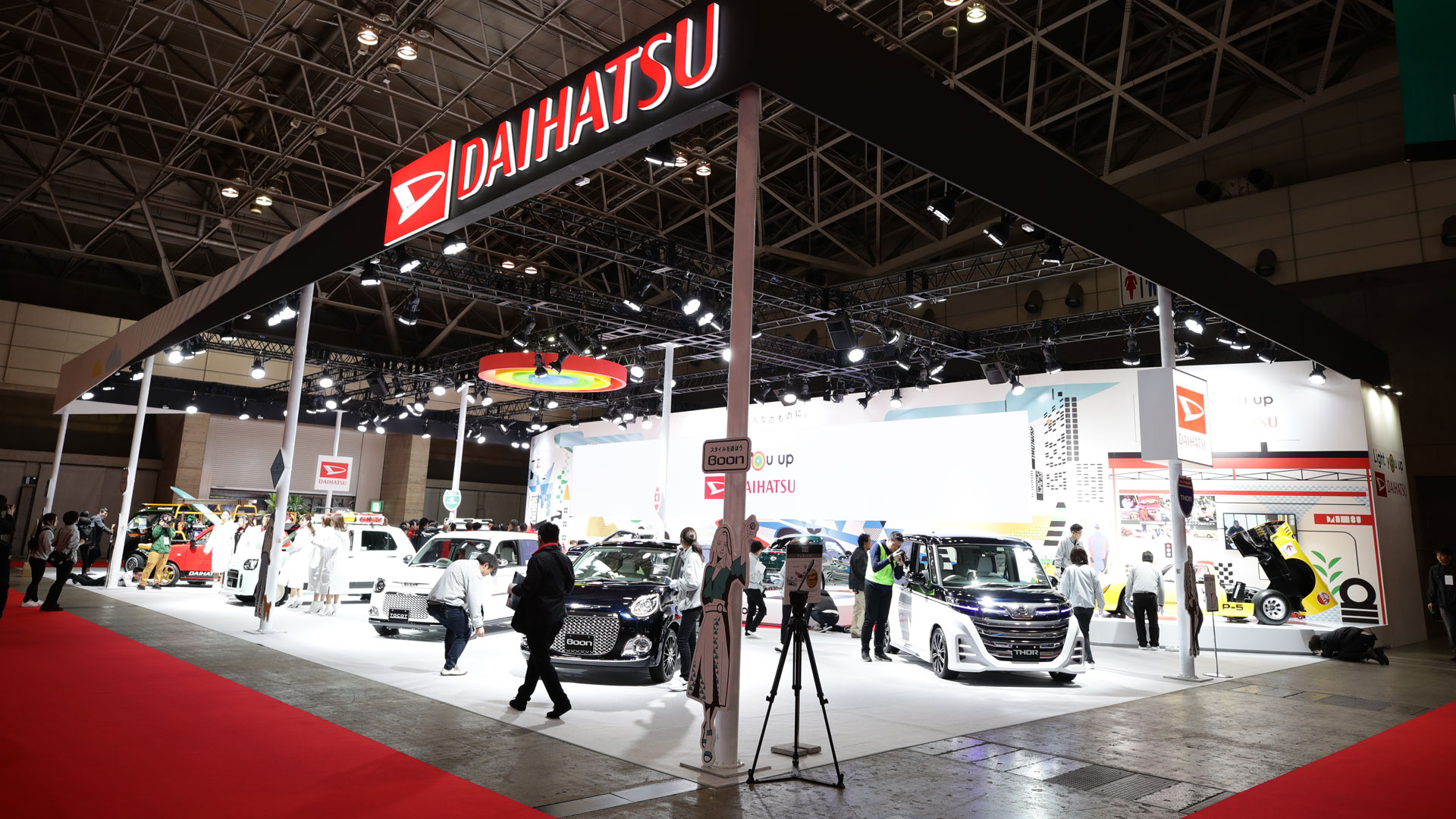
Daihatsu stand
We miss Daihatsu in the UK. In the foreground, you’ll see the Mira Tocot kei car; a Boon, which shares a platform with the Toyota Passo; and a Thor, which is also badged as a Toyota Tank or Subaru Justy. More cars should be called Boon, Thor and Tank. In the background, check out the Daihatsu P5, which was a Japanese Grand Prix car of the late 1960s.
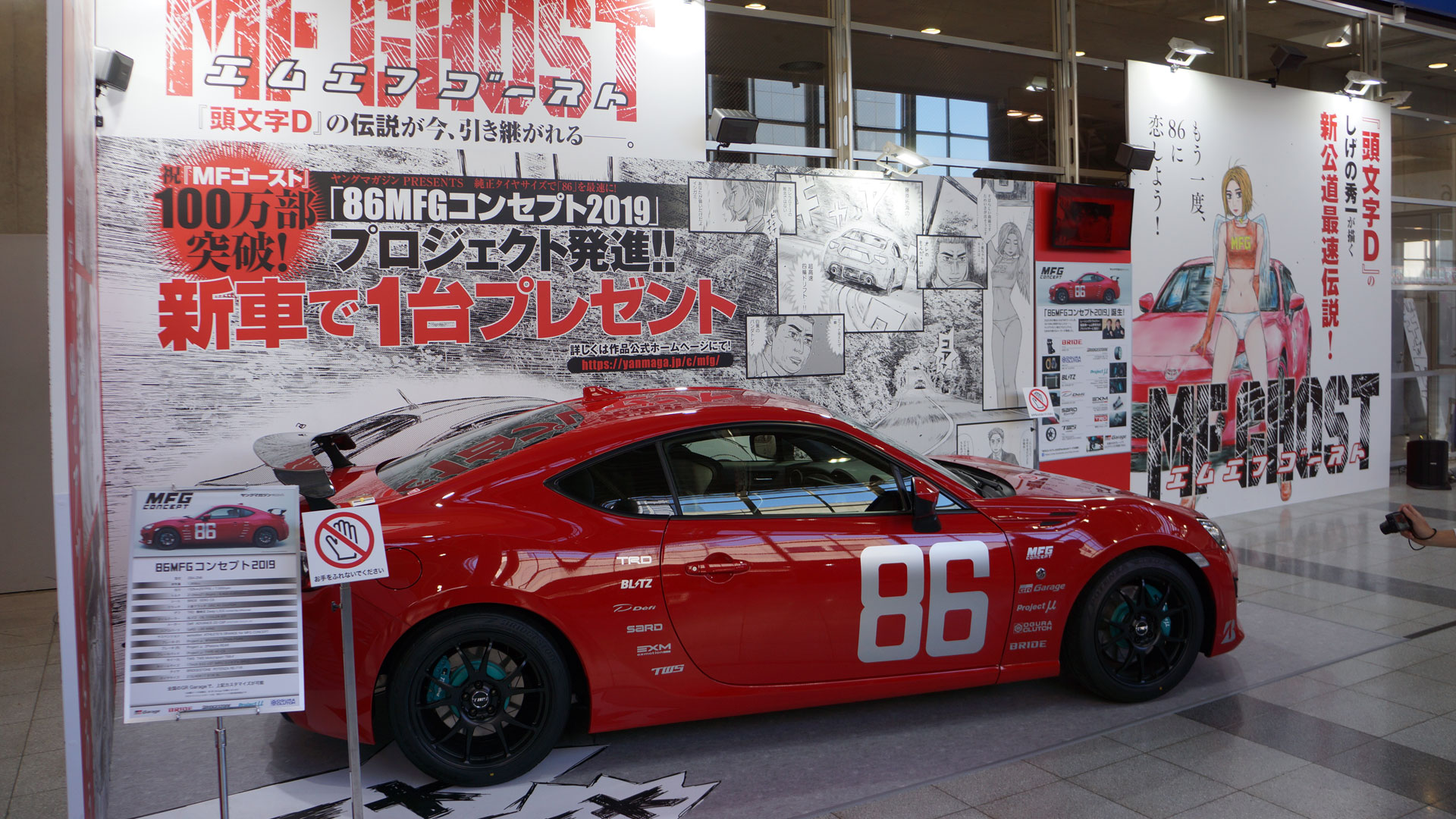
Toyota 86 MF Ghost
According to Fandom: ‘The Toyota GT86 is featured in MF Ghost as the car of choice for Kanata Katagiri, in which he makes it to the preliminaries with, albeit barely. The car itself lacks in performance once compared to the other vehicles within the MFG. It has a significantly low amount of horsepower and a slightly inferior handling capability.’ MF Ghost is a manga set in the future when self-driving cars have replaced vehicles with internal combustion engines. The horror…
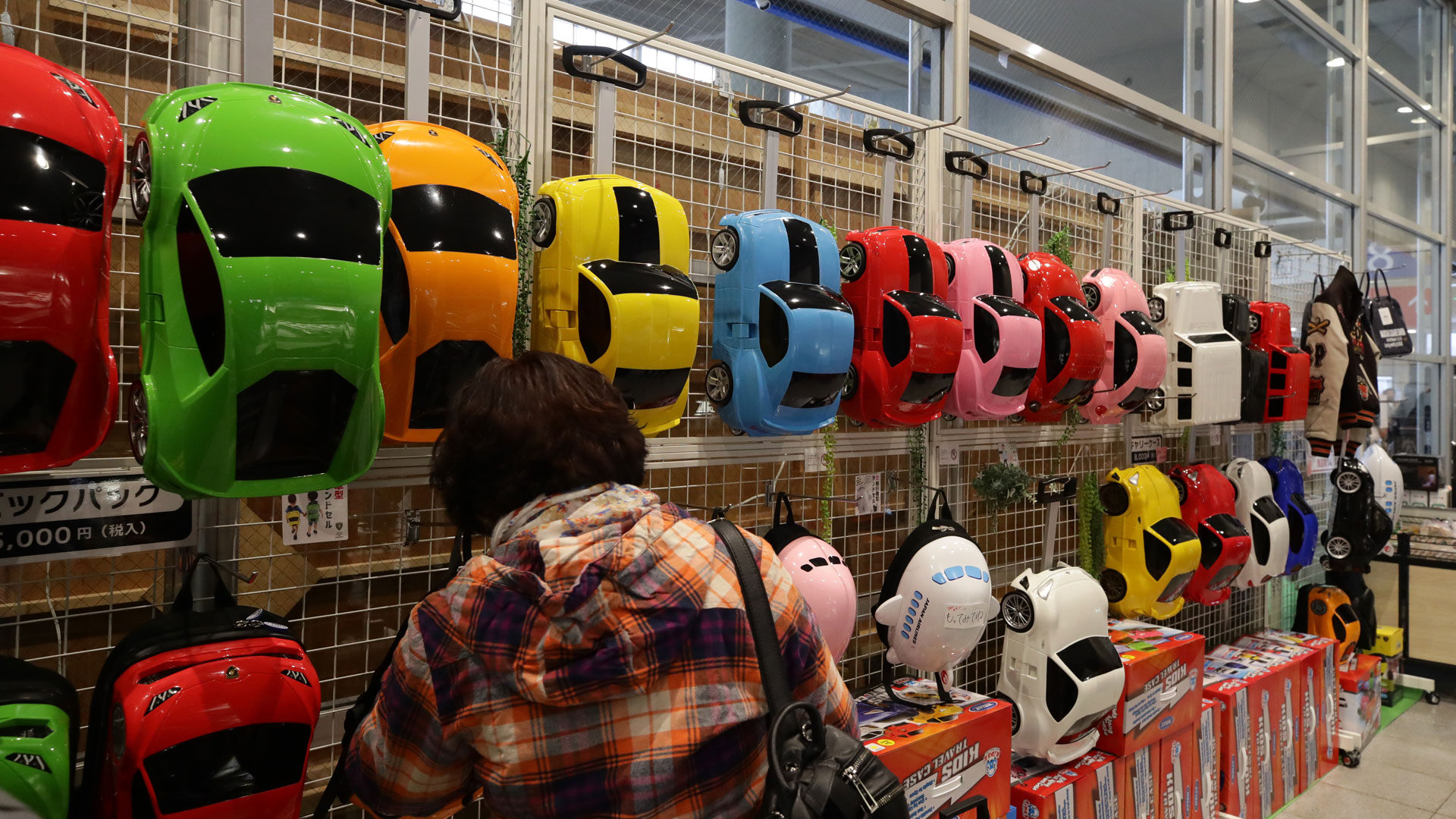
Travel cases
These travel cases are designed for kids. We’ll take three from the top and two from the middle, please, Rachel. Because we haven’t grown up.
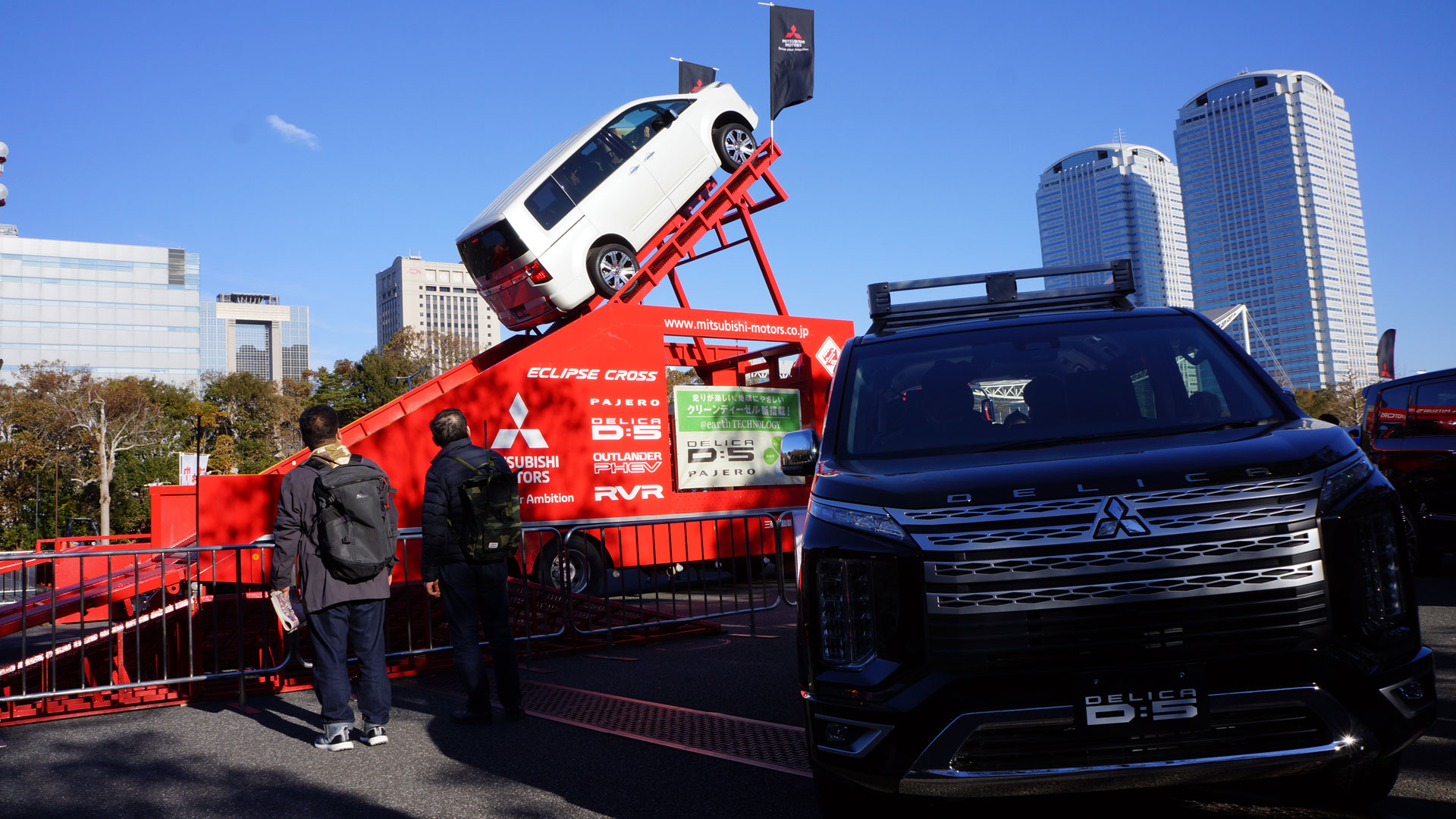
Mitsubishi Delica D-5
As if to prove that the humble MPV still has a role to play in this SUV-obsessed world, here’s the facelifted Mitsubishi Delica D-5. It’s a bold look, and it looks like Mitsubishi has a bold plan to solve Tokyo’s traffic problem. We’re not sure the sky’s the answer, mind.
Toyota Aqua
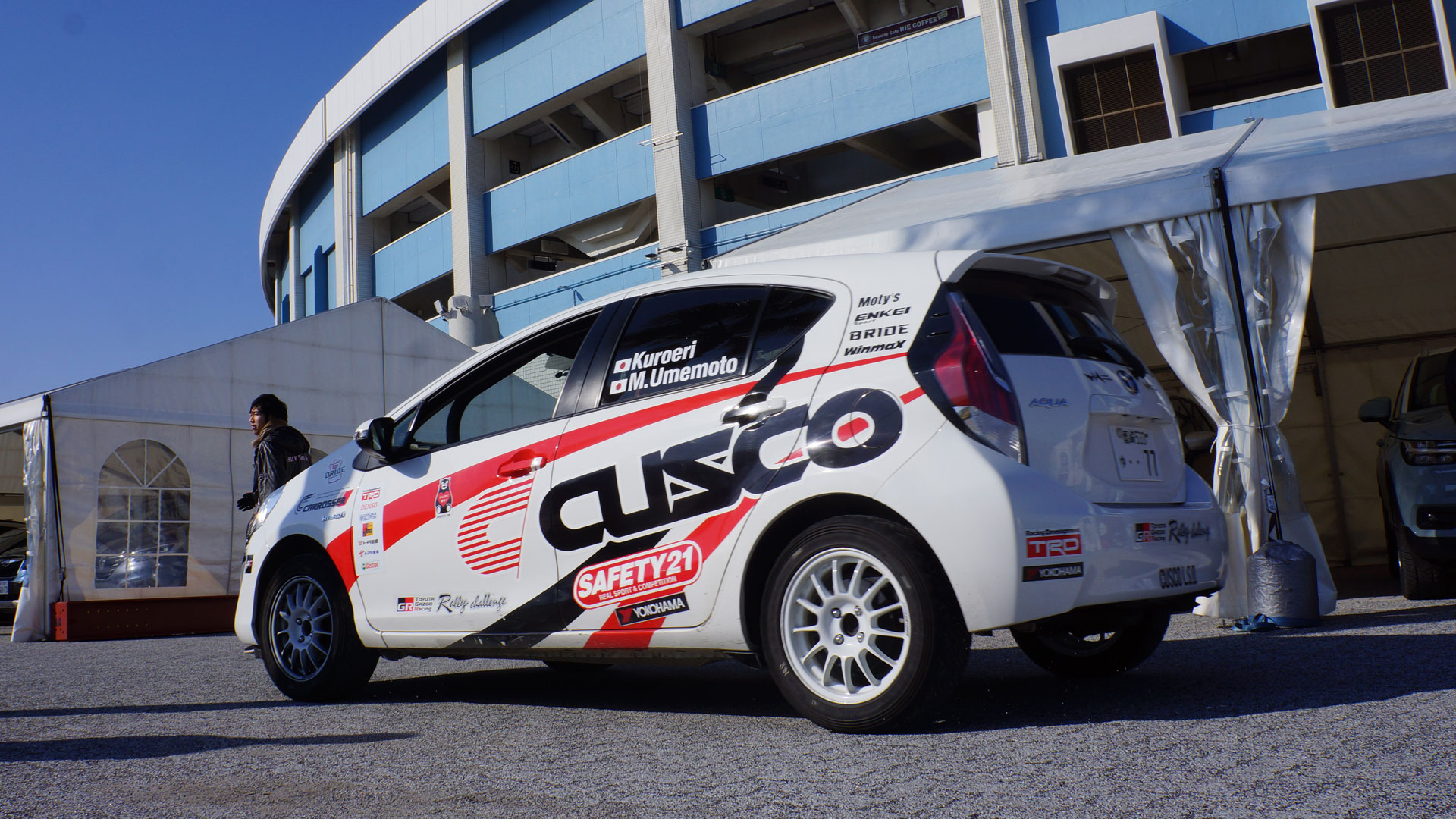
In standard form, the Toyota Aqua is a dull but worthy small car. But the Gazoo Racing version is anything but standard. Toyota unveiled Gazoo Racing versions of the Vitz and Aqua at the Tokyo Auto Salon in 2017 as it hoped to demonstrate how vehicle customisation can help to increase vehicle enjoyment.
Toyota Mirai
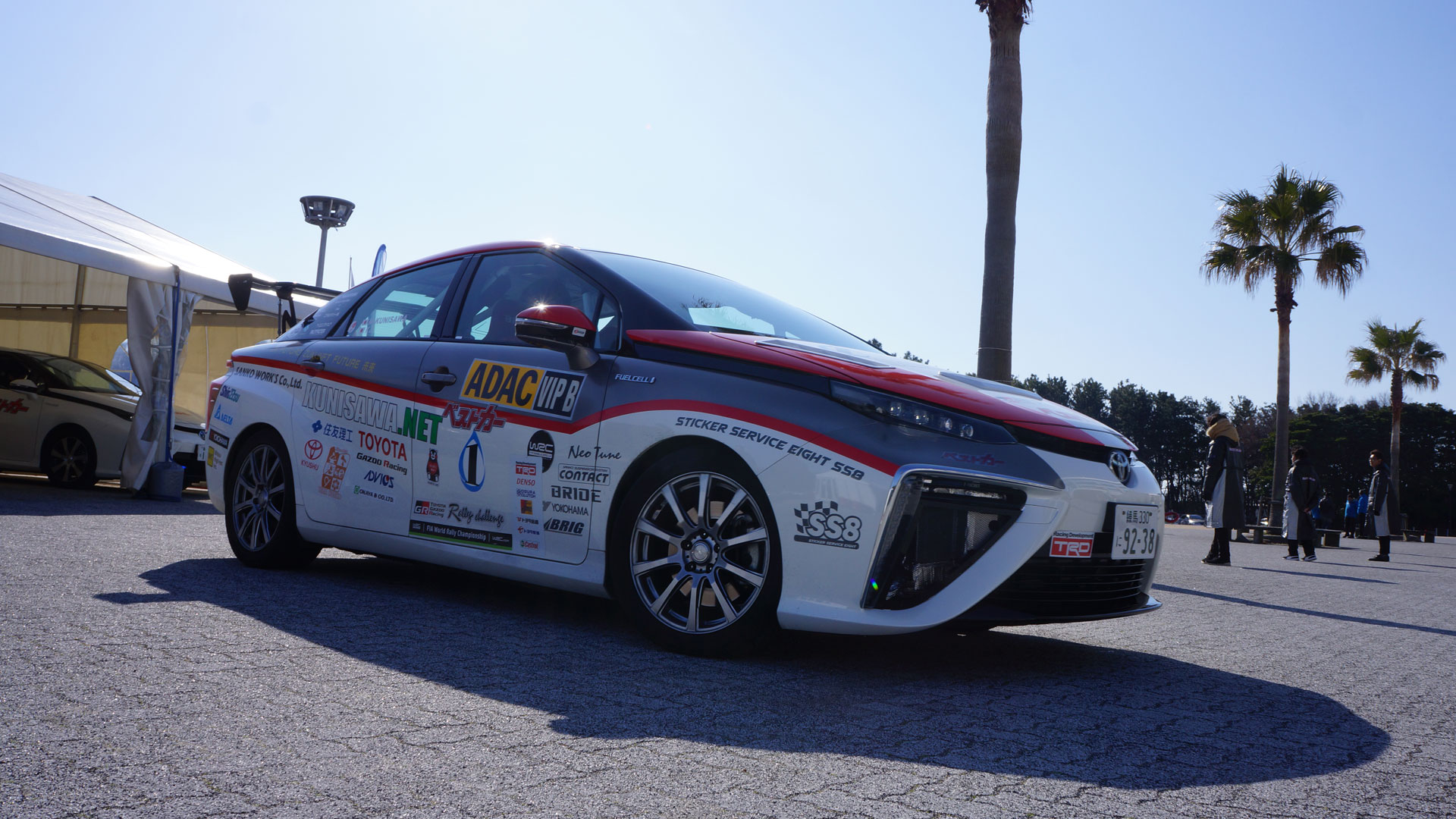
We conclude with a fully stickered-up Toyota Mirai. In 2015, Toyota used this hydrogen fuel cell car as a stage-opener at the ADAC Rally Deutschland, an event on the WRC calendar. “It is our dream that one day our fuel cell vehicles will be able to compete in WRC. Spectators at the Rallye Deutschland will have to get used to this noiseless premiere at Trier, but they’ll experience the art of an almost pollution-free future,” said Yoshikazu Tanaka, the Mirai’s chief engineer in 2015.
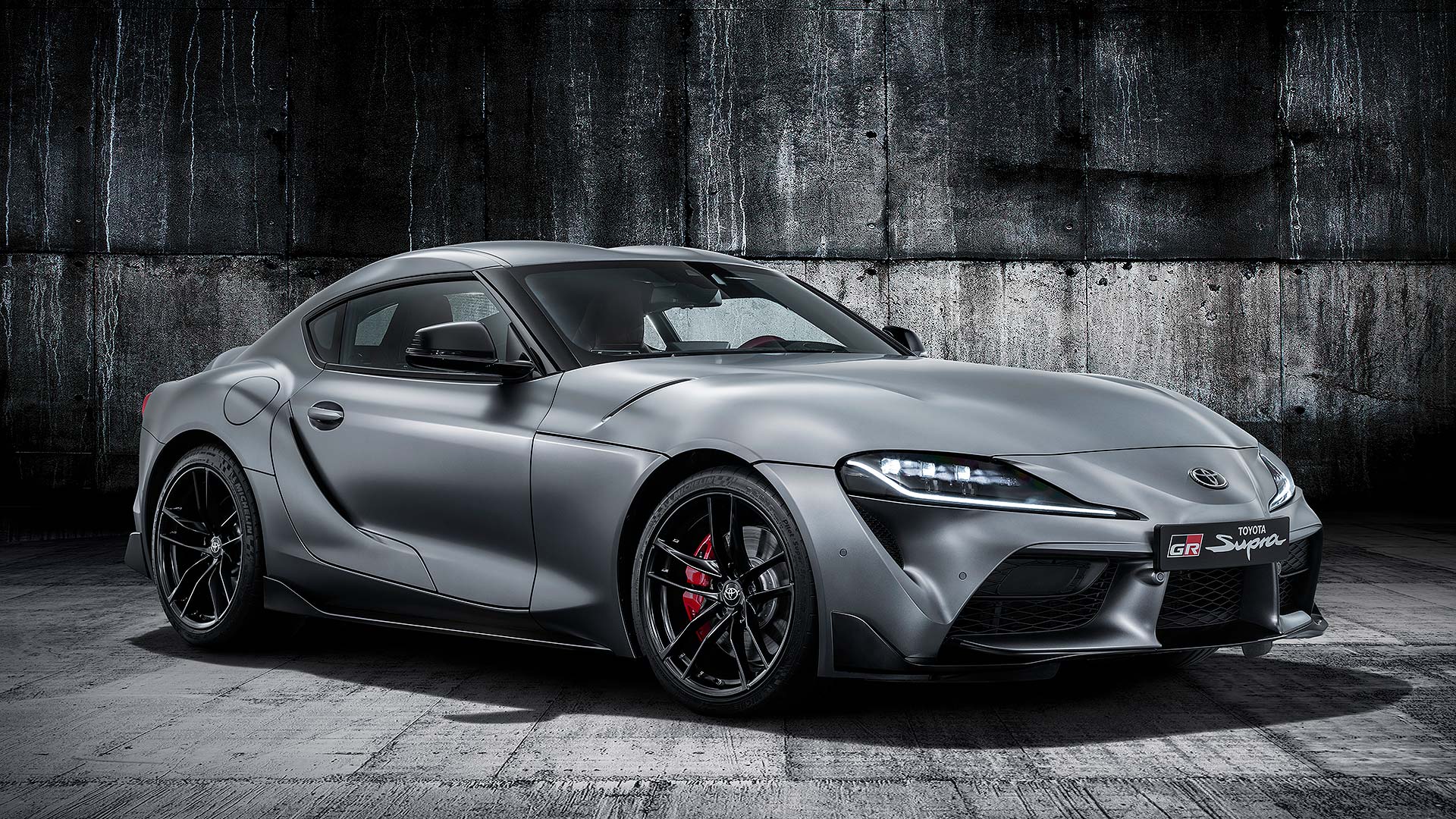
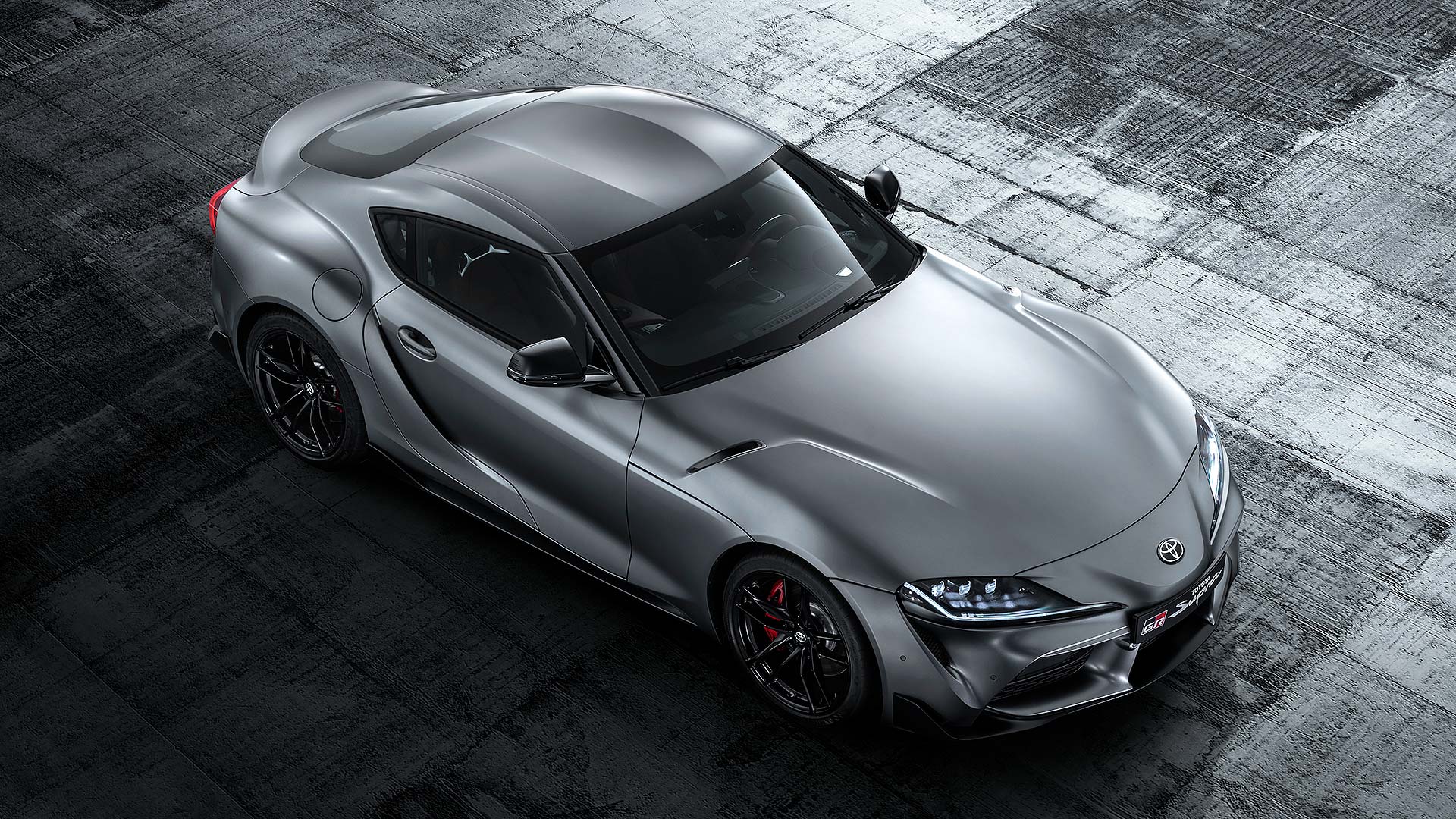
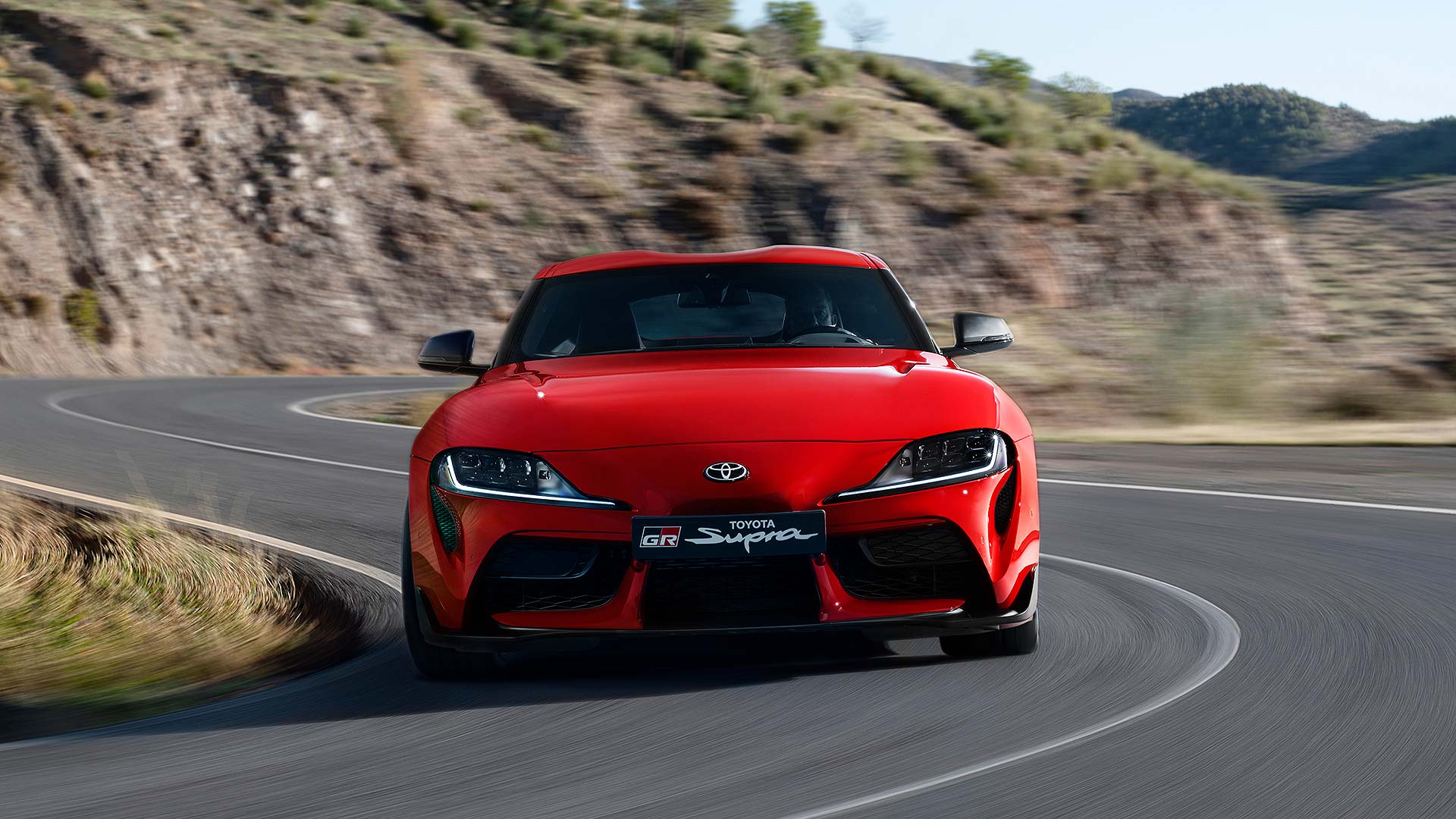
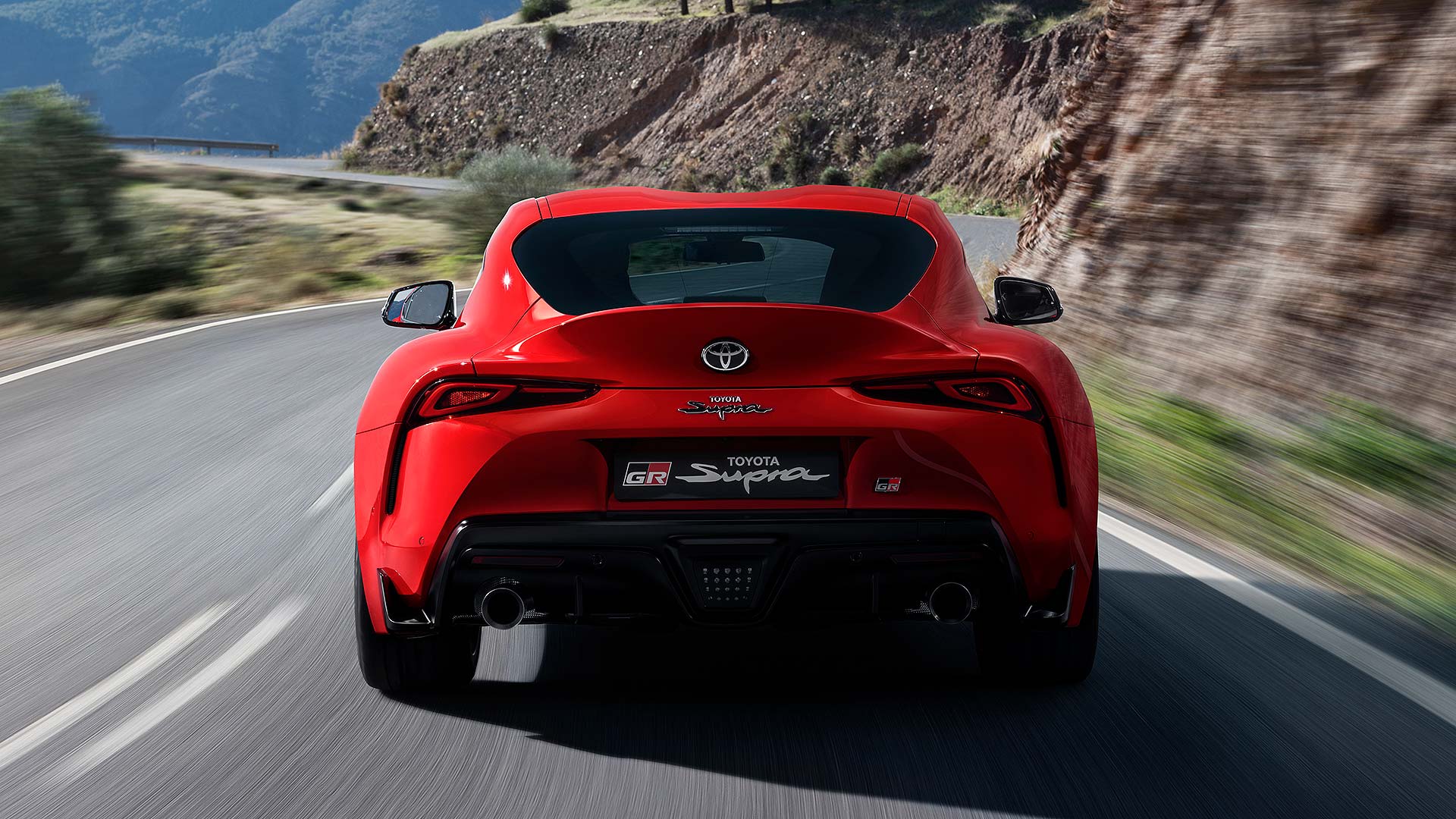
The new Toyota GR Supra has been revealed at last, making its world debut at the 2019 North American International Auto Show in Detroit. First customer deliveries are due from later this summer.
Prices for the new Supra start from £52,695. We list full details of models and specifications below.
The eagerly-awaited new two-seat sports car uses a front-mounted 335bhp 3.0-litre straight-six turbo engine, driving the rear wheels. It’s a classic configuration that builds upon the heritage of previous Supras – and it’s not the only way the new car harks back to the past.
However, it’s no retro recreation: Toyota calls its design ‘Condensed Extreme’, which looks forward as well as evoking “the romance of classic styling”.
Toyota is promising driving enthusiasts “an exhilarating blend of power, agility and precision handling, achieved thanks to the car’s combination of a short wheelbase and wide track, light weight, low centre of gravity and highly rigid body”.
Rather impressively, Toyota CEO Akio Toyoda himself gave the final green light to the car’s handling, after testing it at the Nürburgring. He is one of the rare breed of highly talented Toyota Master Drivers.
“Back in the day, I spent countless hours driving an old Supra at the Nürburgring to become a Master Driver,” said Toyoda-san. “Supra is like an old friend that holds a special place in my heart.
“The new GR Supra was born through testing at the Nürburgring, and I can honestly say that it is a a car that is fun to drive and better than ever.”
GR stands for Gazoo Racing and the new GR Supra is the Toyota division’s first global model. It’s also the sister car to the new BMW Z4 and will be built in the same factory in Graz, Austria.
2019 Toyota Supra engines and specs
All GR Supras feature the same 335hp 3.0-litre BMW-derived straight-six engine, driving an eight-speed automatic gearbox. Zero to 62mph takes 4.3 seconds and top speed is limited to 155mph.
CO2 emissions are 170g/km, and NEDC-compliant fuel consumption is to be confirmed. Let’s hope it’s decent, as the fuel tank is only an average-sized 52 litres.
Kerbweight? That’s 1,495kg minus the driver, 1,570kg according to ECE regulations. The new GR Supra is 4,379mm long, 1,854mm wide and just 1,292mm tall.
Toyota will offer the new Supra in eight different colours, including red, yellow and blue shades.
A special edition car will be painted in Matt Storm Grey, described as a matt finish with a hint of blue. Large 19-inch alloys (with Michelin Pilot Super Sport tyres) will be standard.
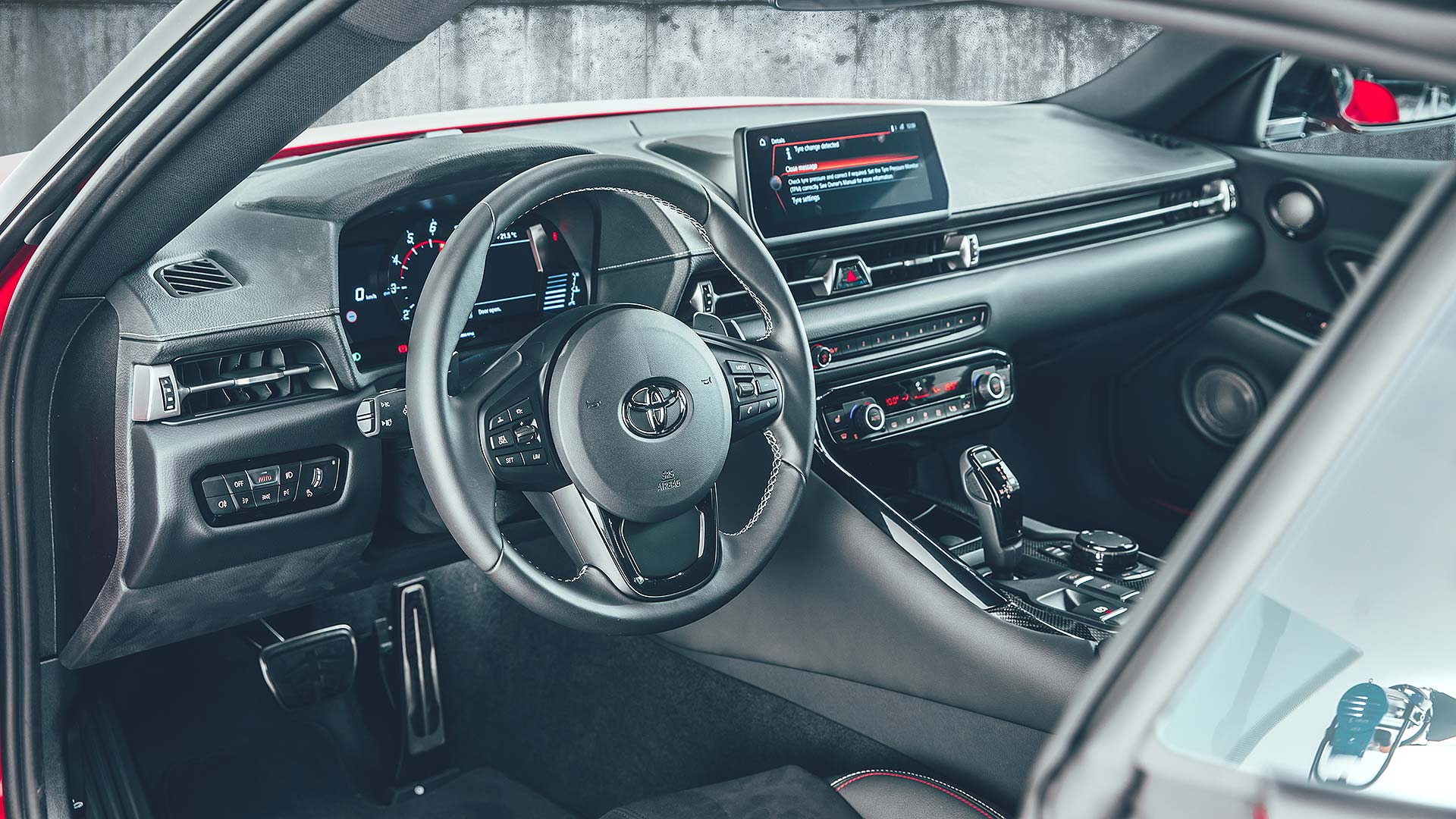
All new GR Supras will have adaptive suspension, an active differential and high-performance brakes. Inside, dual-zone climate control, 8.8-inch infotainment with sat nav, adaptive cruise control and power-adjustable Alcantara seats will be standard, along with LED headlights, rain-sensing wipers and a rear-view camera.
Toyota reckons the GR Supra Pro will form the vast majority of UK sales. This adds black leather upholstery, a 12-speaker JBL sound system, head-up display and wireless smartphone charging.
The GR Supra A90 Edition is a launch special, limited to just 24 cars for UK customers. This will come in Matt Storm Grey, with matching matt black alloys and, inside, contrast red leather. Otherwise, the spec is as for the Pro.
Uniquely, Toyota is only offering the A90 Edition to UK customers who have placed a pre-sales reservation. “The first to convert their reservation into a vehicle order will have the option to specify a Supra A90 Edition as their model choice.”
And they’ll be able to do this from tomorrow: 15 January. That’s when ordering opens for UK customers.
They’ll be joining a special club, too – Toyota is rolling out a ‘dedicated rewards programme’ for Supra buyers, ‘giving access to special Supra-themed activities, events and branded items’.
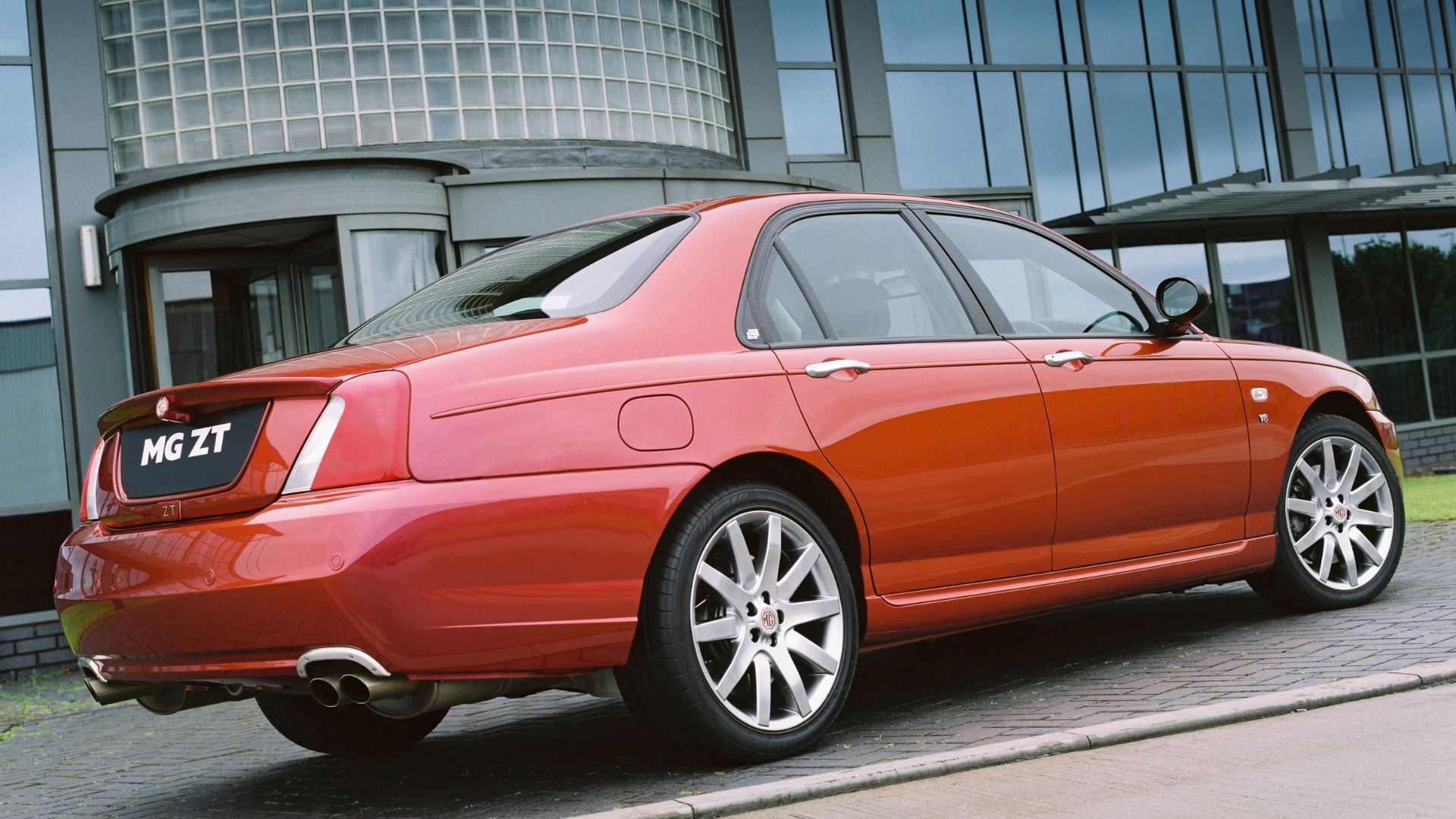
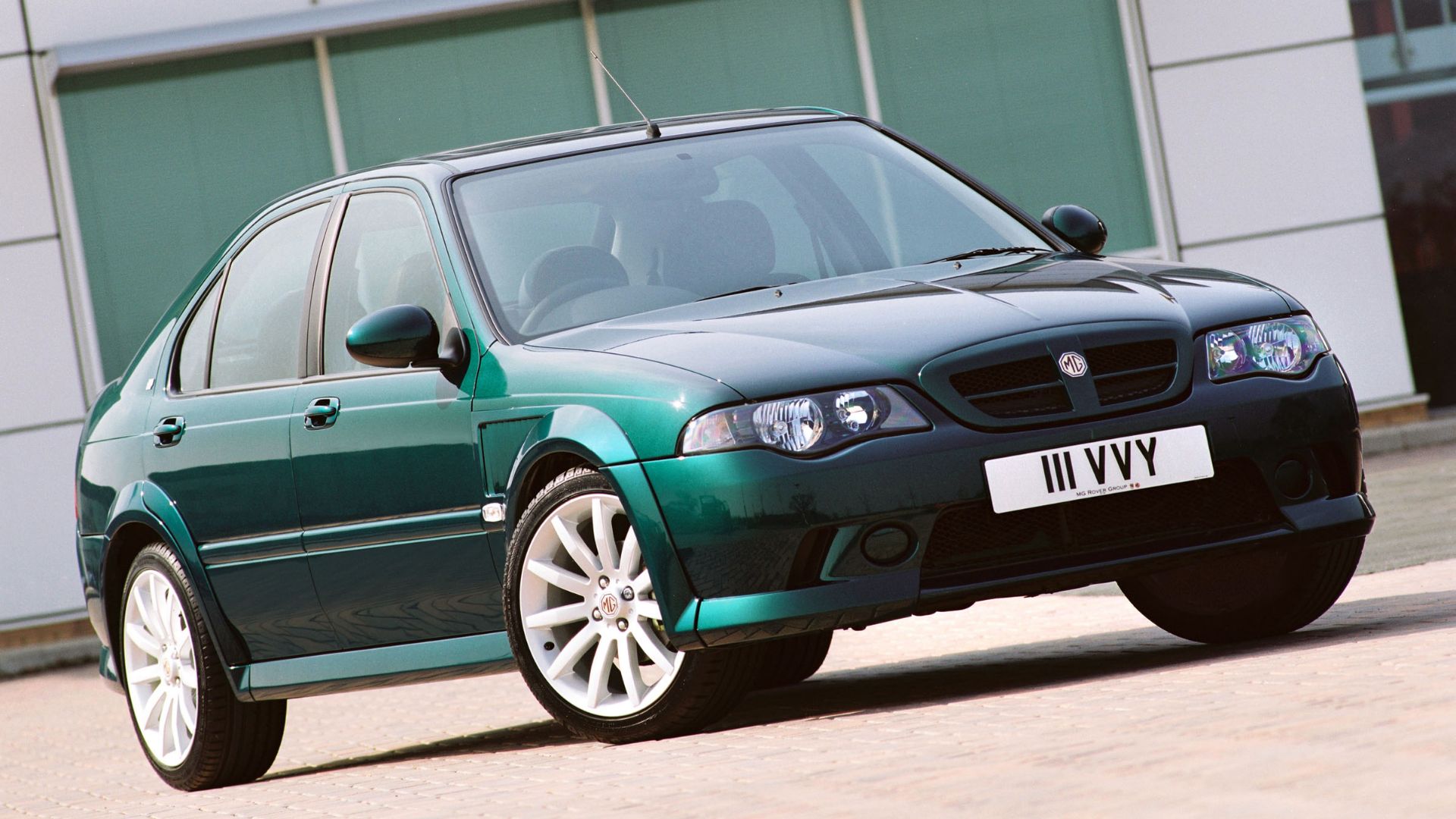
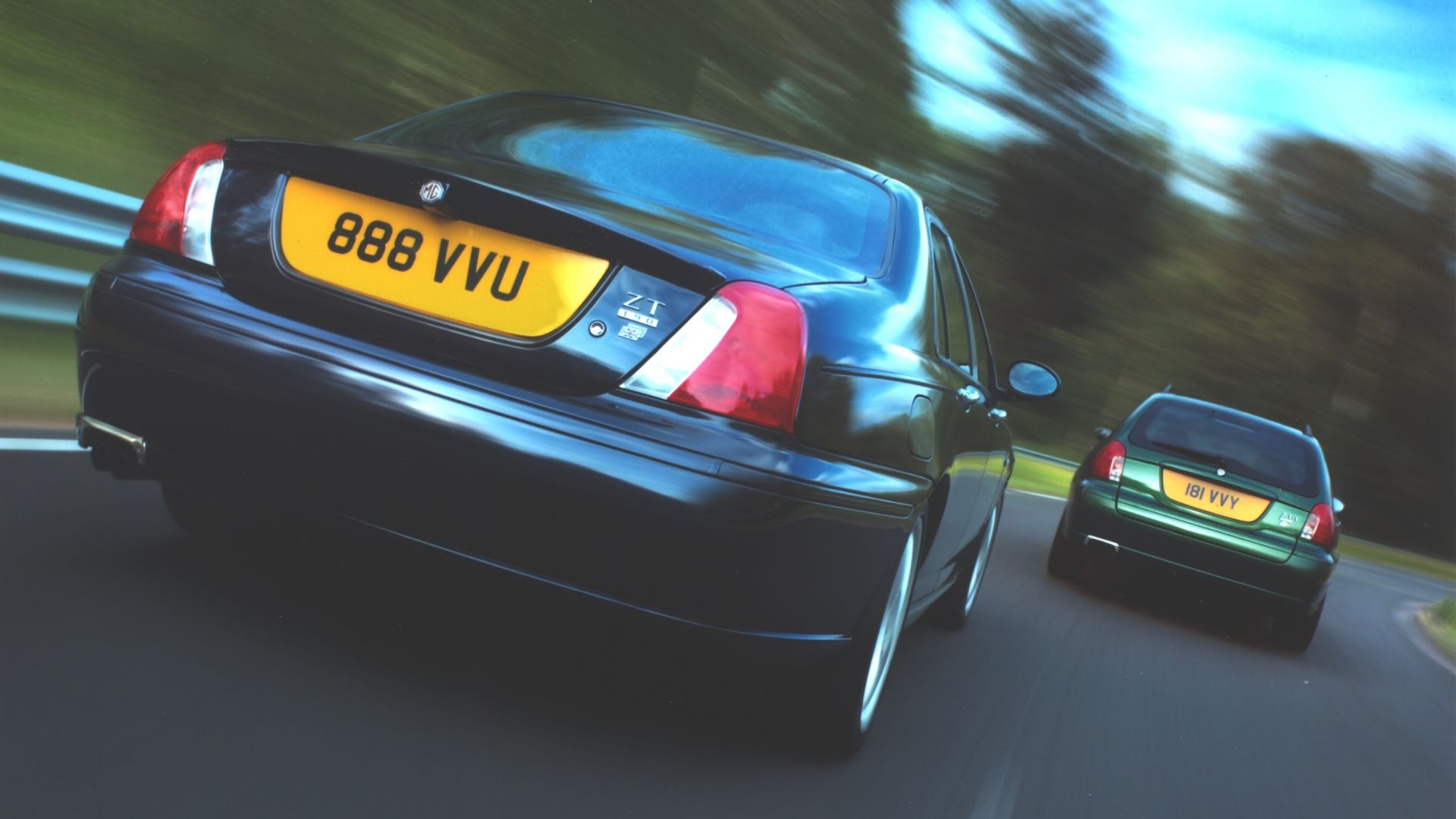
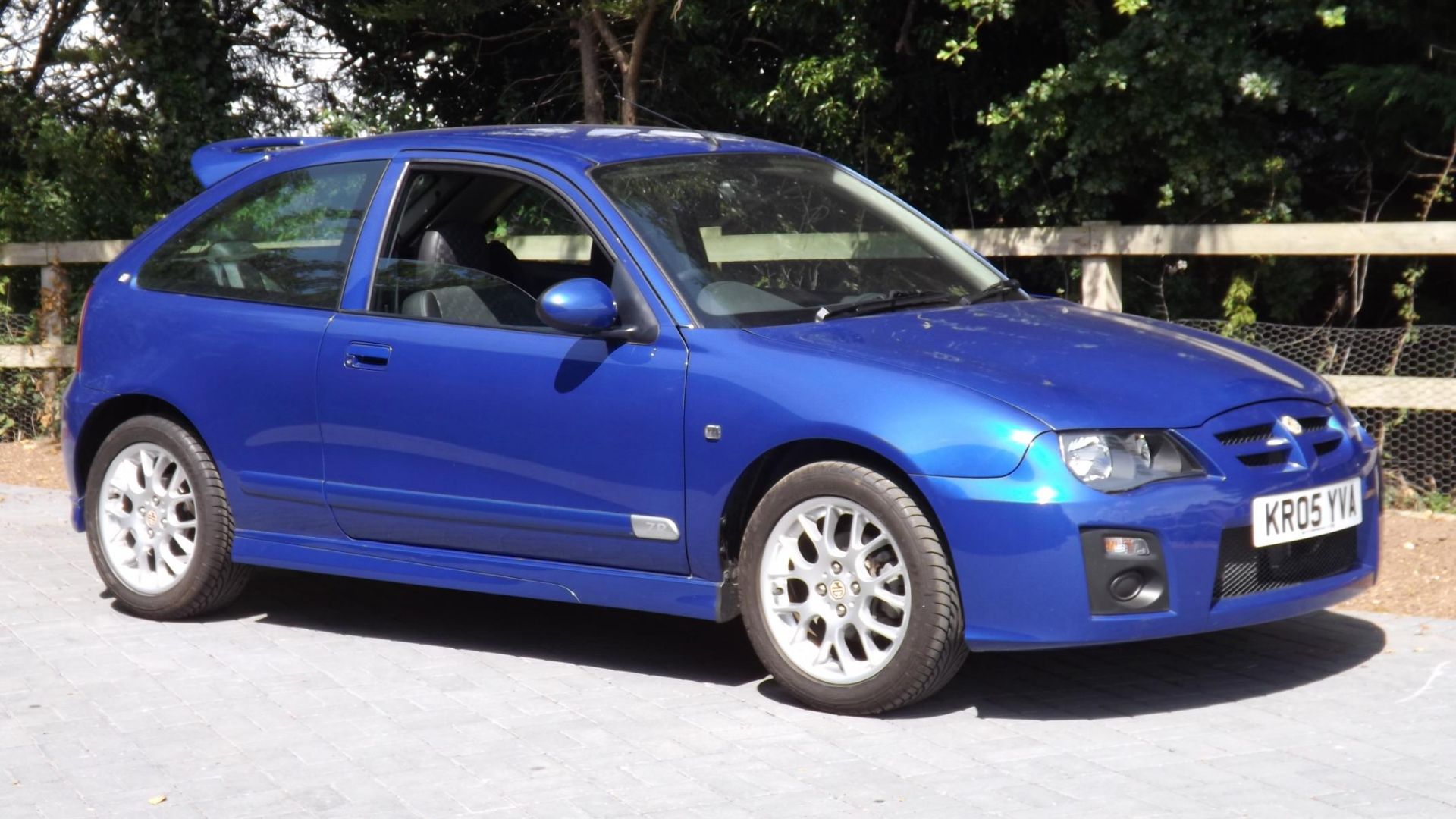
Joining the giant panda, tiger and the whooping crane in the list of endangered species is the ‘Z’ range of MGs from the early 2000s.
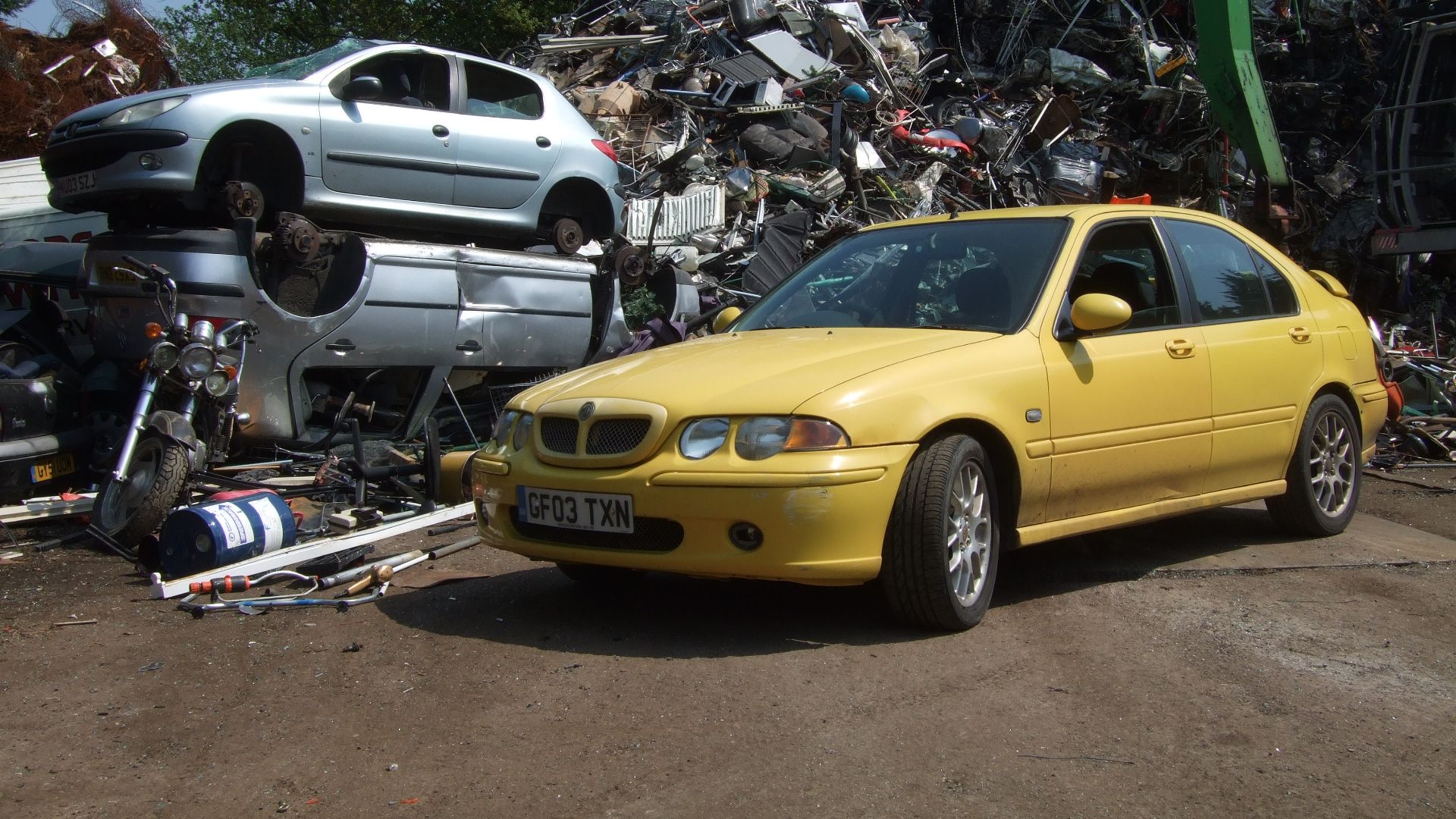
Numbers of ZT, ZR and ZS models are dwindling fast. So who can save them? Possibly the MG Car Club and the Zed register, with their new ‘Save Our Zeds’ campaign.
The campaign looks to raise awareness of the decline in ‘Z cars’ and help educate and assist owners to keep their cars on the road – and off the scrapheap.
Adam Sloman, General Manager of The MG Car Club, highlights the issue: “This decline in Zed cars is something we as a Club have heard many stories about.
For sale: the ultimate collection of modern classics
“We are concerned that an important part of the MG brand’s heritage is going to be lost, and future generations are going to miss out on these much-loved cars.”
It would seem they are dropping like flies, with Z numbers falling by 78 percent between 2006 and the third quarter of 2018 – down from 90,191 to 19,618.
The biggest sufferer is the ZR, having crashed by 84 percent, from 51,116 to 7,964. The ZS and the ZT haven’t fared quite so badly, with 72 and 67 percent drops respectively. There are 14,577 ZS models and 12,844 ZTs remaining, according to data from HowManyLeft.
“Today’s culture of financial incentives to scrap older cars when purchasing cars on PCP or lease deals versus the cost of repairing an older car appears to rule out repairs as a viable option,” said John Thompson, Chairman of the Zed Register.
“There are many quality MG specialists and parts businesses across the UK, and the MG Car Club offers member discounts with some of these suppliers. So repair really is a good choice.”
Of course, the ZS name lives on in the form of the current MG crossover. We suspect the Zed Register and the MG Car Club don’t think that counts, though…
Read more:
Mondeo Man is dead – long live ‘Golf John’
Ford ‘Robutt’ simulates 10 years of sweaty seat use
Hardcore Lexus RC F Track Edition wows Detroit Show
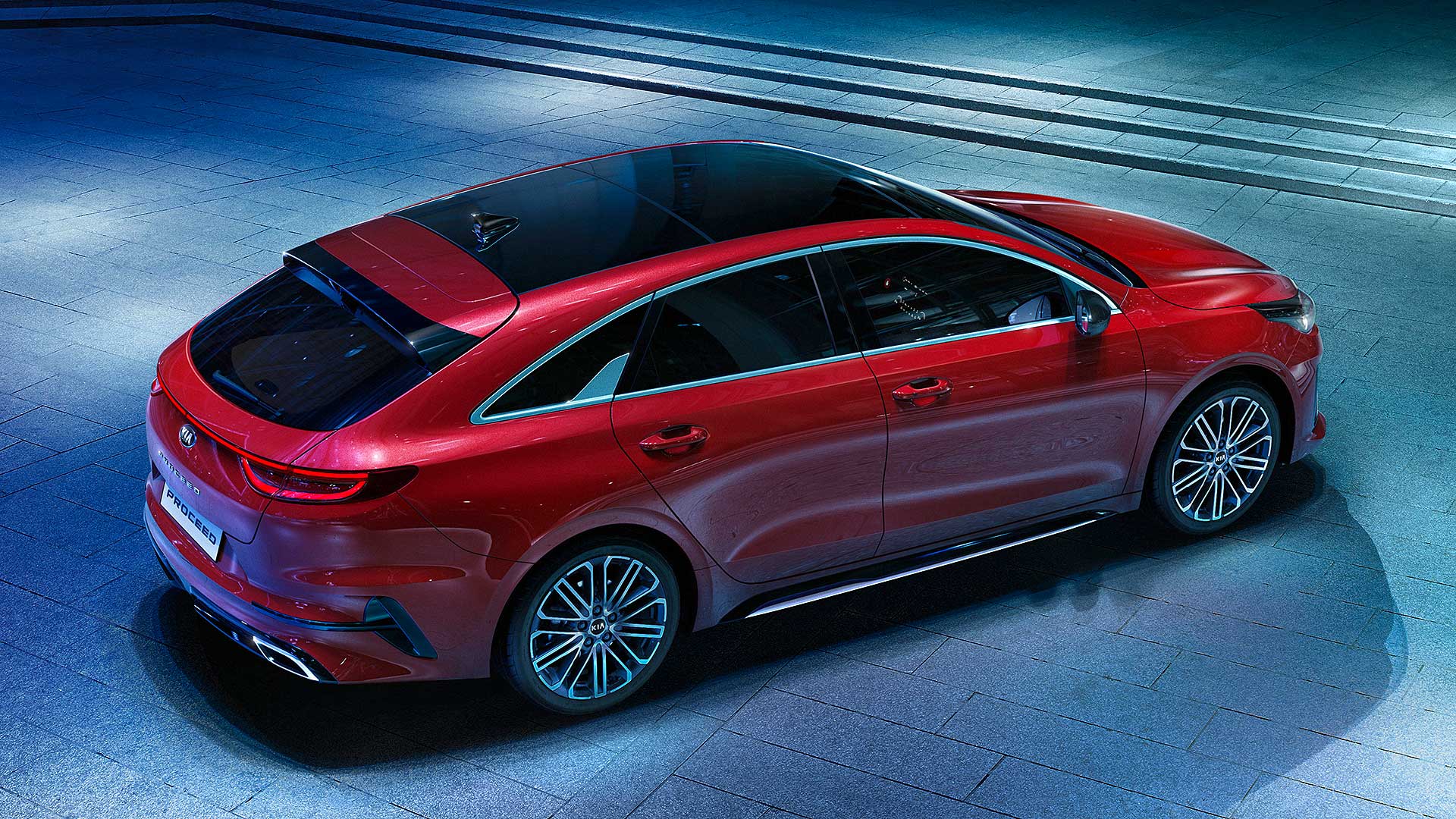
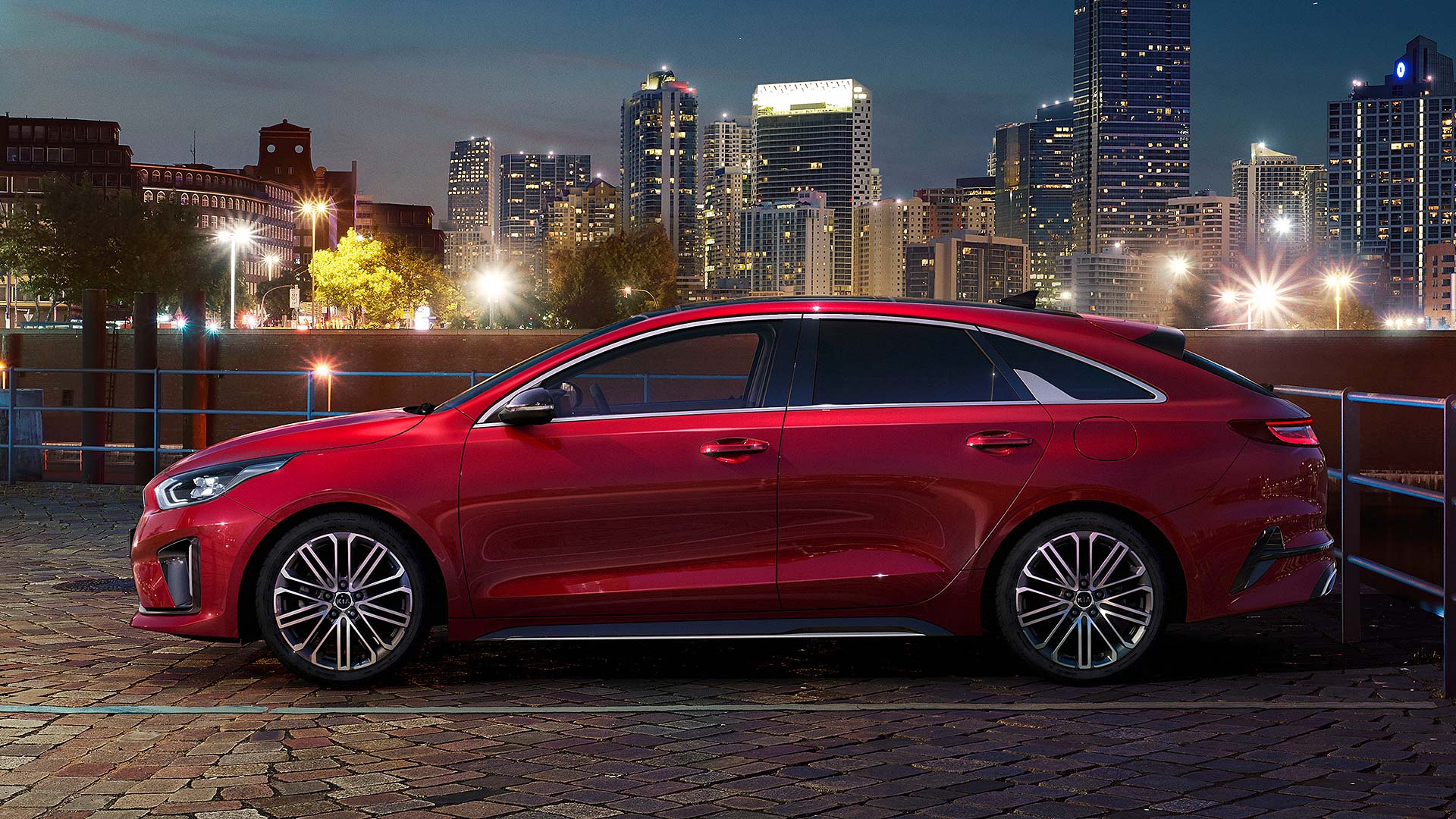
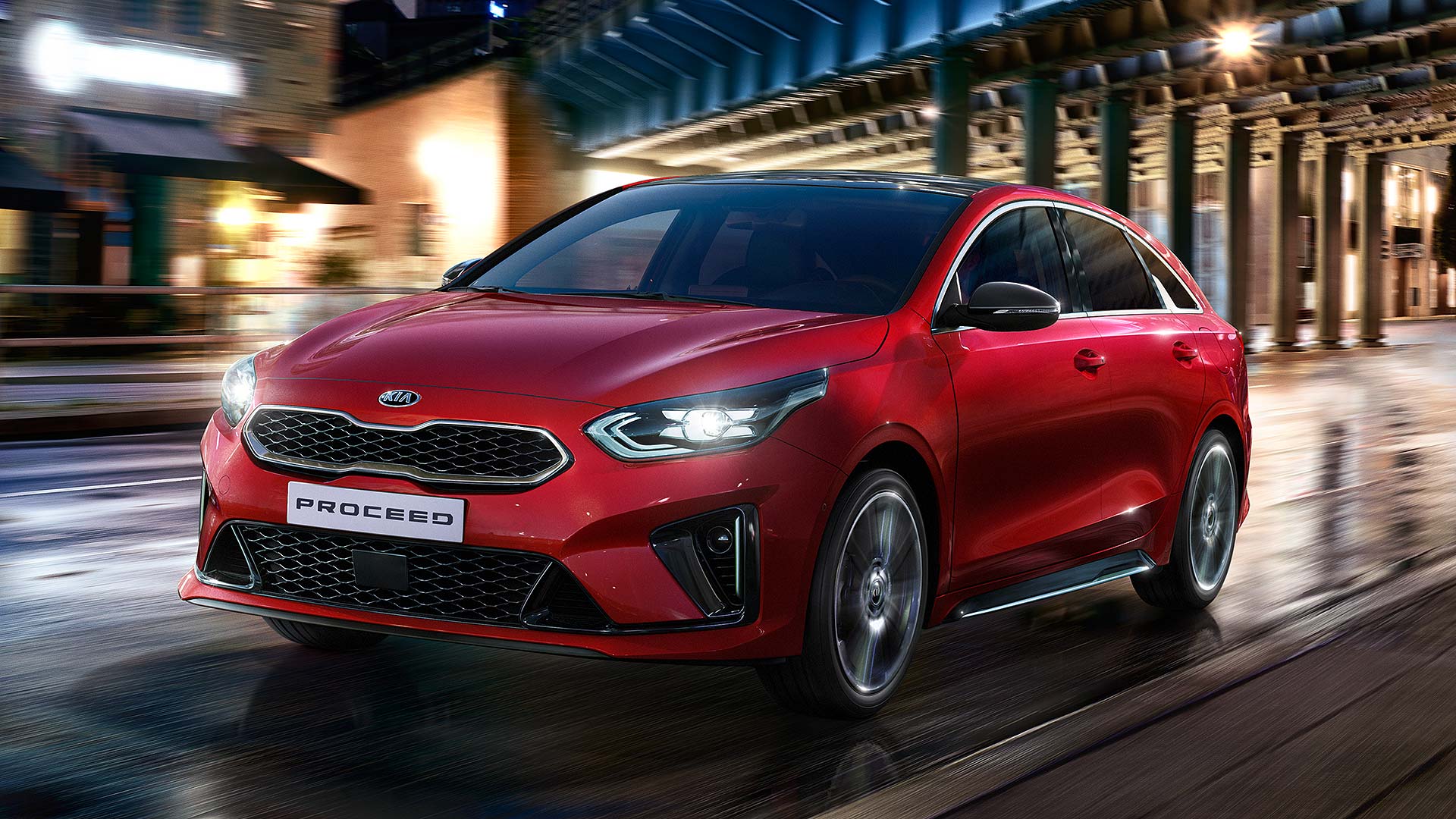
The new Kia Proceed goes on sale in the UK from 21 January 2019 with prices for the shooting brake starting from £23,835.
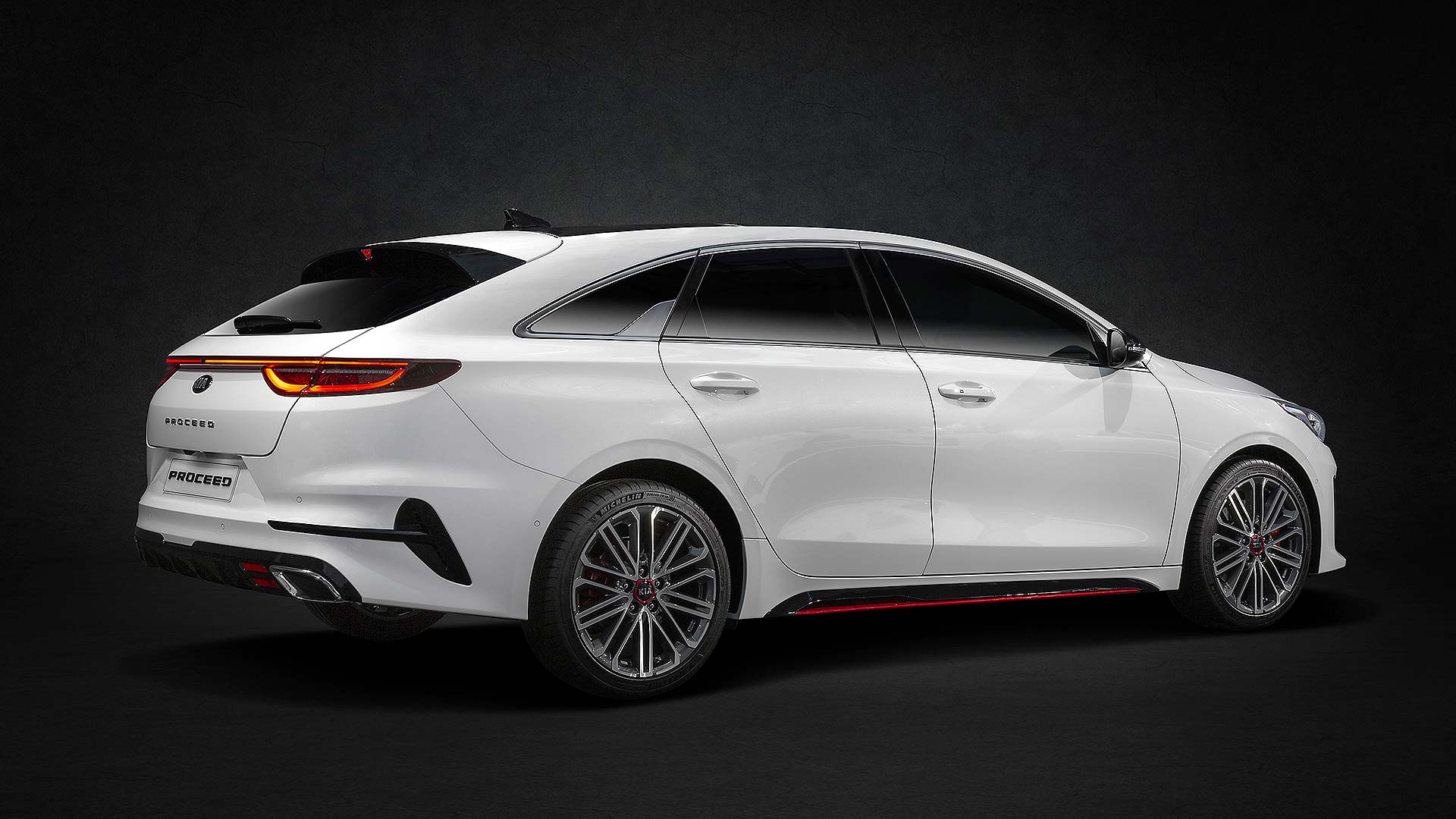
Not only has Kia simplified the name – pro_cee’d becomes Proceed – it’s also rethought the concept, turning a three-door coupe into a five-door shooting brake estate.
It’s a more svelte load-lugger, trading some of the Kia Sportswagon estate’s capacity for more Mercedes-Benz CLS Shooting Brake-style curves. Kia says it’s targeting couples and young families – people who need space and versatility, with a bold dose of style on top.
“Europe’s shrinking market for three-door hatchbacks brought the future of the pro_cee’d in question,” said Kia Europe design chief Gregory Guillaume.
“We needed to reinvent the pro_cee’d to ensure that all its vitality and vibrancy wasn’t simply lost. It had to be a model that not only sat at the top of the current Ceed family, but one that was also immediately identifiable as the most emotionally engaging car in the range.”
Underlining the Proceed’s position as a genuine range-topper, it is offered only in GT-Line, GT-Line S and GT spec. All get ‘ice cube’ daytime running lights and alloy wheels at least 17 inches in diameter (most will come with 18s). The Proceed sits 5mm lower than a standard Ceed, too.
Make that a practical range-topper. The 594-litre boot is 50 percent larger than a Ceed hatch, and a lower ride height plus the lack of a boot lip mean it’s easier to load.
2019 Kia Proceed engines and specs
Kia’s offering two core engines in the Proceed, a 138hp 1.4-litre T-GDi turbo petrol and a 134hp 1.6-litre CRDi ‘Smartstream’ turbodiesel.
Smartstream tech is new for Kia and the Proceed is the first car to get it. This emissions-reducing new tech includes SCR selective catalytic reduction and should help keep NOx exhaust emissions under control.
The top-line Proceed GT gets a 201hp 1.6-litre T-GDi turbo petrol, for reasonable warm hatch kudos; Kia has no plans to introduce a more powerful Proceed than this. It’s only offered in seven-speed DCT auto guise; the 1.4 T-GDi in GT-Line S guise is also only offered as an auto (while only the base GT-Line offers the diesel alternative).
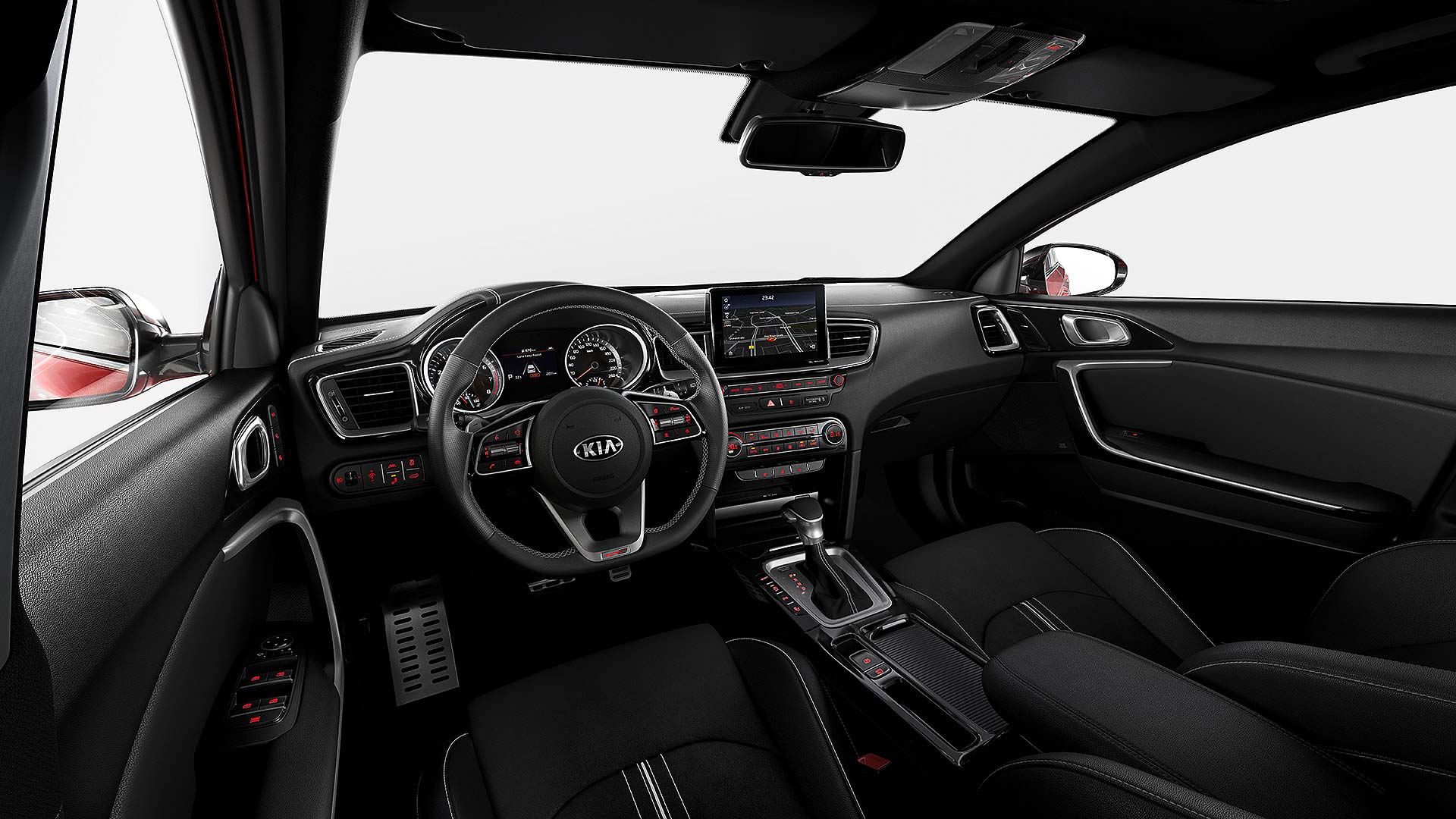
GT-Line models have privacy glass, automatic headlights and wipers, folding door mirrors, high-gloss black exterior trim outside and, inside, heated cloth and faux leather seats. Climate control, cruise control, 8-inch infotainment with sat nav, Apple CarPlay and Android Auto and more gloss black trim are also standard.
GT-Line S Brings bigger 18-inch alloys, LED headlights, panoramic sunroof, electric seats with better bolstering and real leather (but faux suede) trim, plus smart cruise control with stop-go functionality. Front and rear parking sensors, wireless smartphone charging and a JBL sound system are also included.
The performance GT has more red detailing outside, red contrast stitching and a series of chassis upgrades that followed a six-month development programme on European roads.
Ordering opens on January and full prices are listed below.
Arguably one of the most famous motoring movie stars of the past two decades, a 1967 Ford Mustang Fastback from Gone in 60 Seconds is coming up for auction.
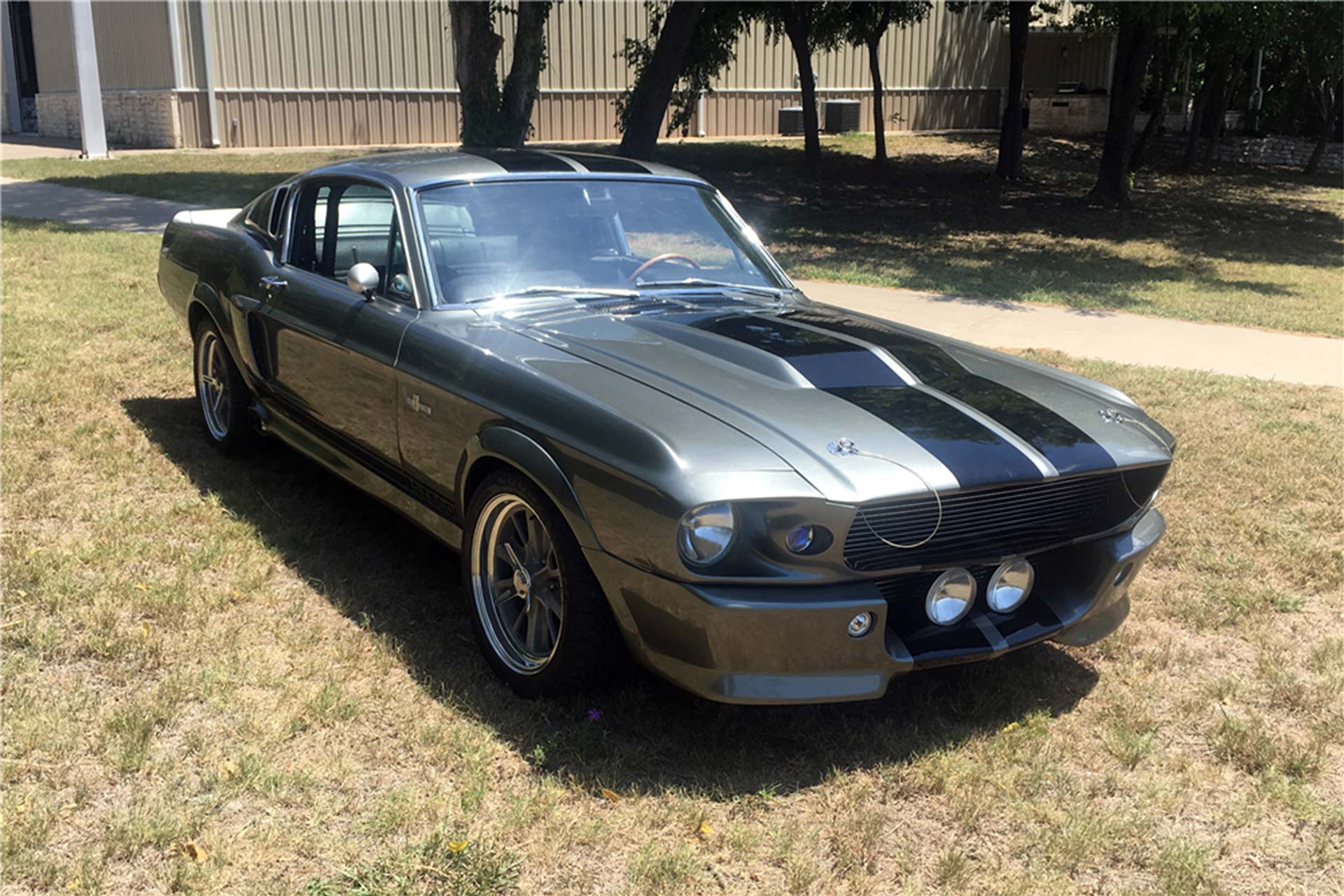
Known as ‘Eleanor’ in the 2000 remake of the 1974 original, the customised Shelby GT500 became the main feature of the film for Nicolas Cage’s character, Memphis Raines.
The popularity of the film has seen an industry created in building ‘Eleanor’ clones, but the car for sale at the 2019 Barrett-Jackson Scottsdale event is the real deal.
What’s a unicorn?
Depending on sources, either 11 or 12 examples of Eleanor were created for filming. Hot Rod illustrator Steve Stanford created the concept, with the late Boyd Coddington responsible for making the ideas come to life.
A deep front splitter, wider wheel arches, larger rear spoiler, and a pair of prominent spotlights below the grille were part of the package. Distinctive 17-inch wheels hide six-piston performance brakes, with the suspension swapped for adjustable coilover units at the front.
Under the bulging bonnet is a 351-cubic inch (5.7-litre) Ford Racing engine, connected to a three-speed automatic gearbox. Unlike in the movie, there is no nitrous oxide injection system fitted here. Sorry! There is a giant tachometer in the dashboard at least.
Go, baby, go!
Of the 12 cars built, five were destroyed during filming in stunts and action scenes. This particular car lived a more pampered life, being reserved for street scenes with actors behind the wheel.
The car comes complete with a signed certificate of authenticity by Cinema Vehicle Services. This was the company responsible for building the initial twelve cars, and has certified only two others previously offered for sale.
Our car in question has previously been sold at auction, exactly a decade ago in the same location. At the 2009 Barrett-Jackson Scottsdale auction, this exact ‘Eleanor’ sold for an impressive $216,000 (£169,000).
Boosted for profit
The current owner may well be looking to make a significant return on that investment in the 2019 sale.
In 2013, one of the other ‘Eleanor’ Mustangs used for hero scenes featuring actors sold for an incredible $1million (£779,000) at auction. That car did have a four-speed manual gearbox, and is the one believed to have featured the most on-screen.
With the sheer number of vehicles on sale at the Barrett-Jackson Scottsdale 2019 sale, you could potentially tick off the 50 cars featured in the 2000 remake. Alternatively, take home the four Chevrolet Camaros from the Transformers franchise as well, and this could be the opportunity to start a real movie car collection.
‘Eleanor’ is due to cross the auction block on the 19th January, meaning you’ve still got time to start making space in the garage.
 The Society of Motor Manufacturers and Traders (SMMT) is reminding MPs ‘they hold the future of the
 Toyota has started production of the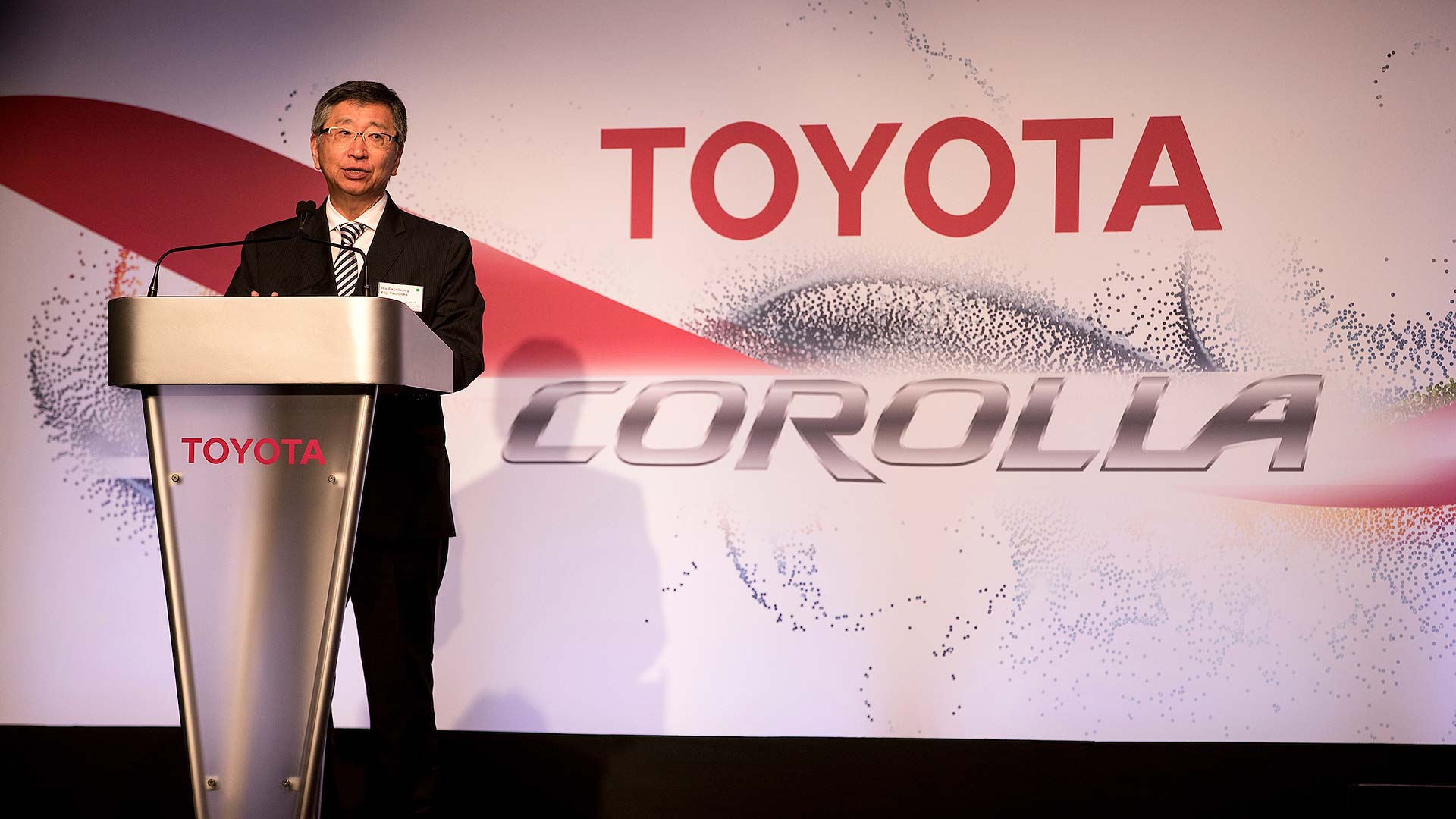
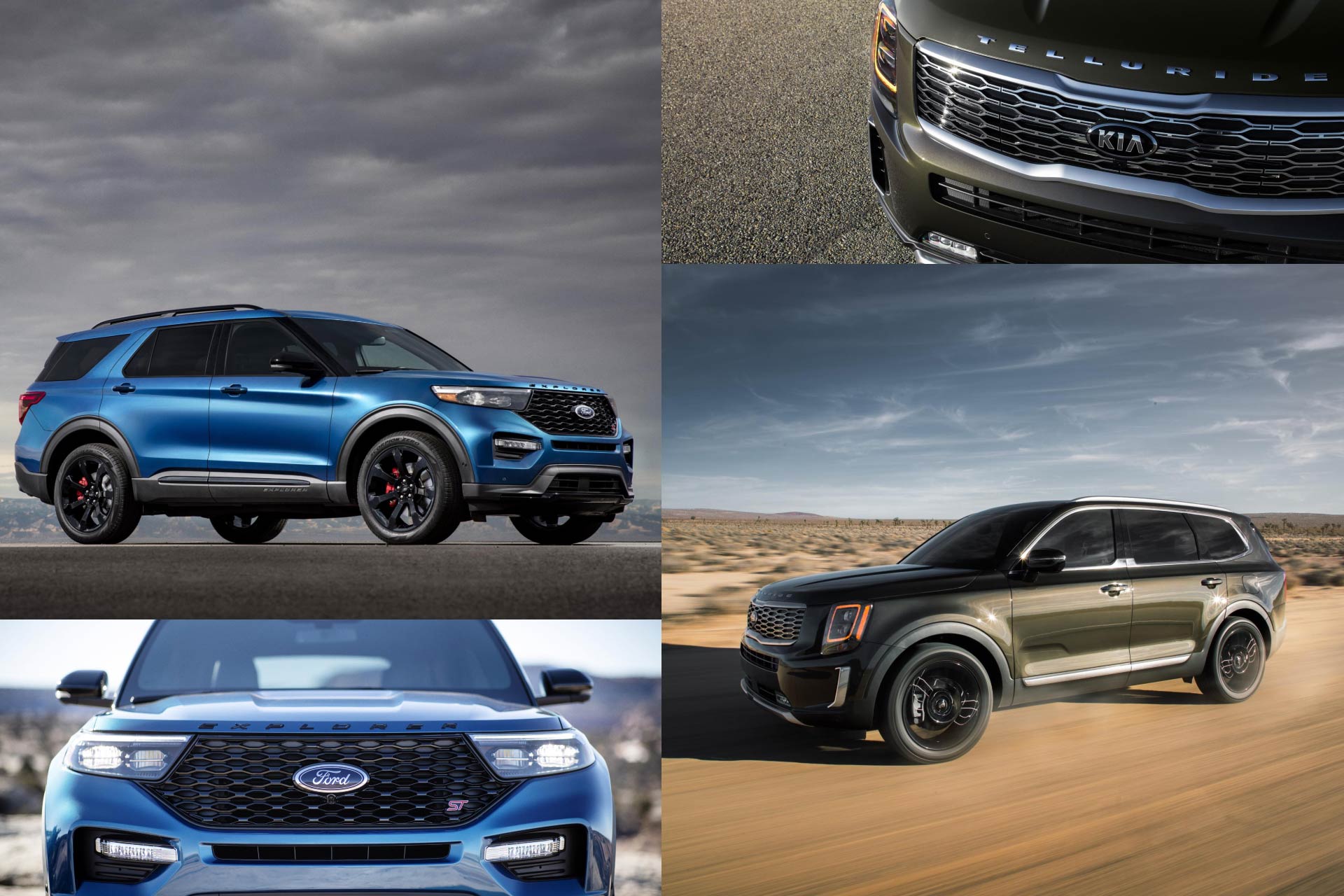
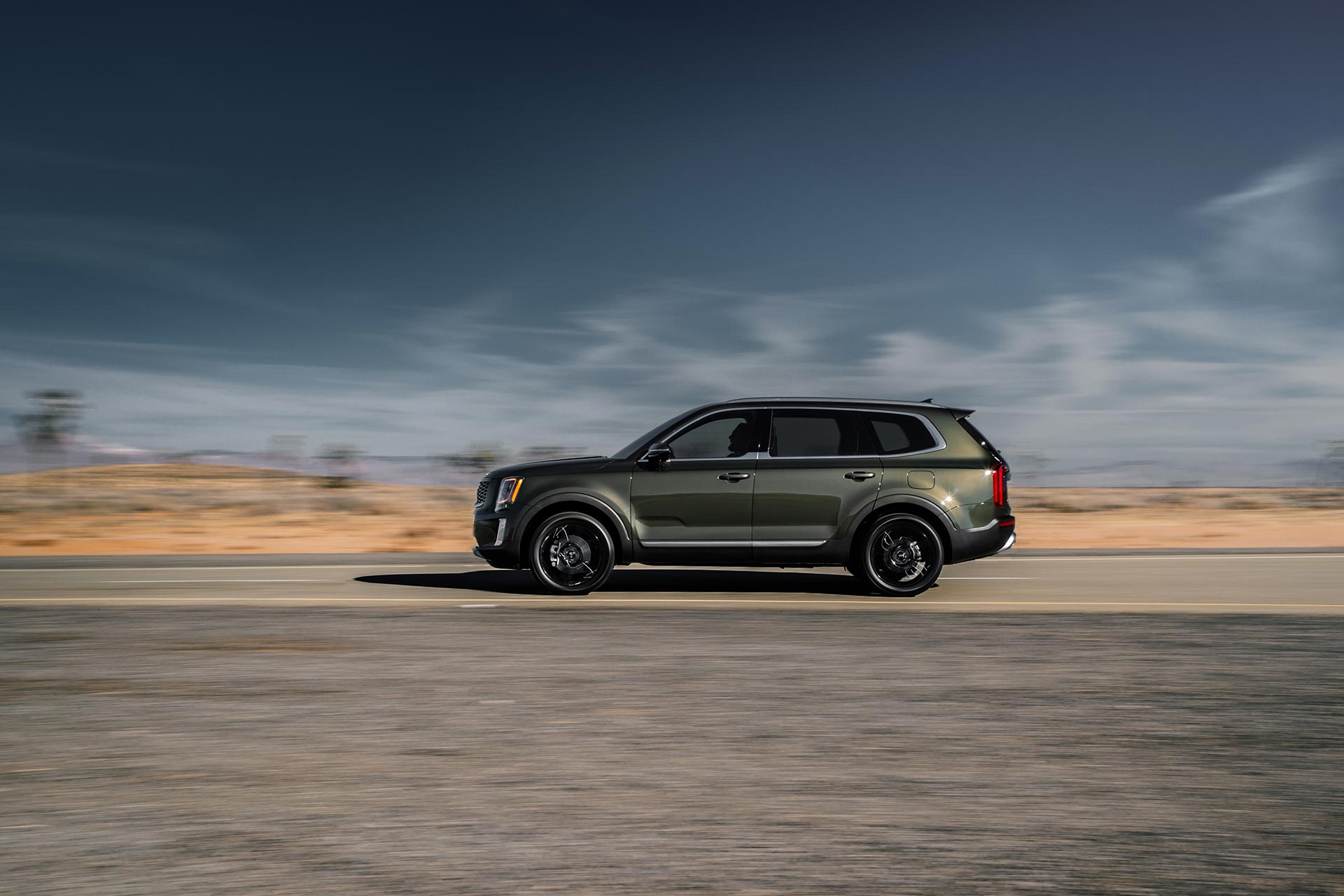 Proudly promoted by Kia as the biggest model offered by the company to date, the new Telluride comes close to matching the size of the 2020 Explorer.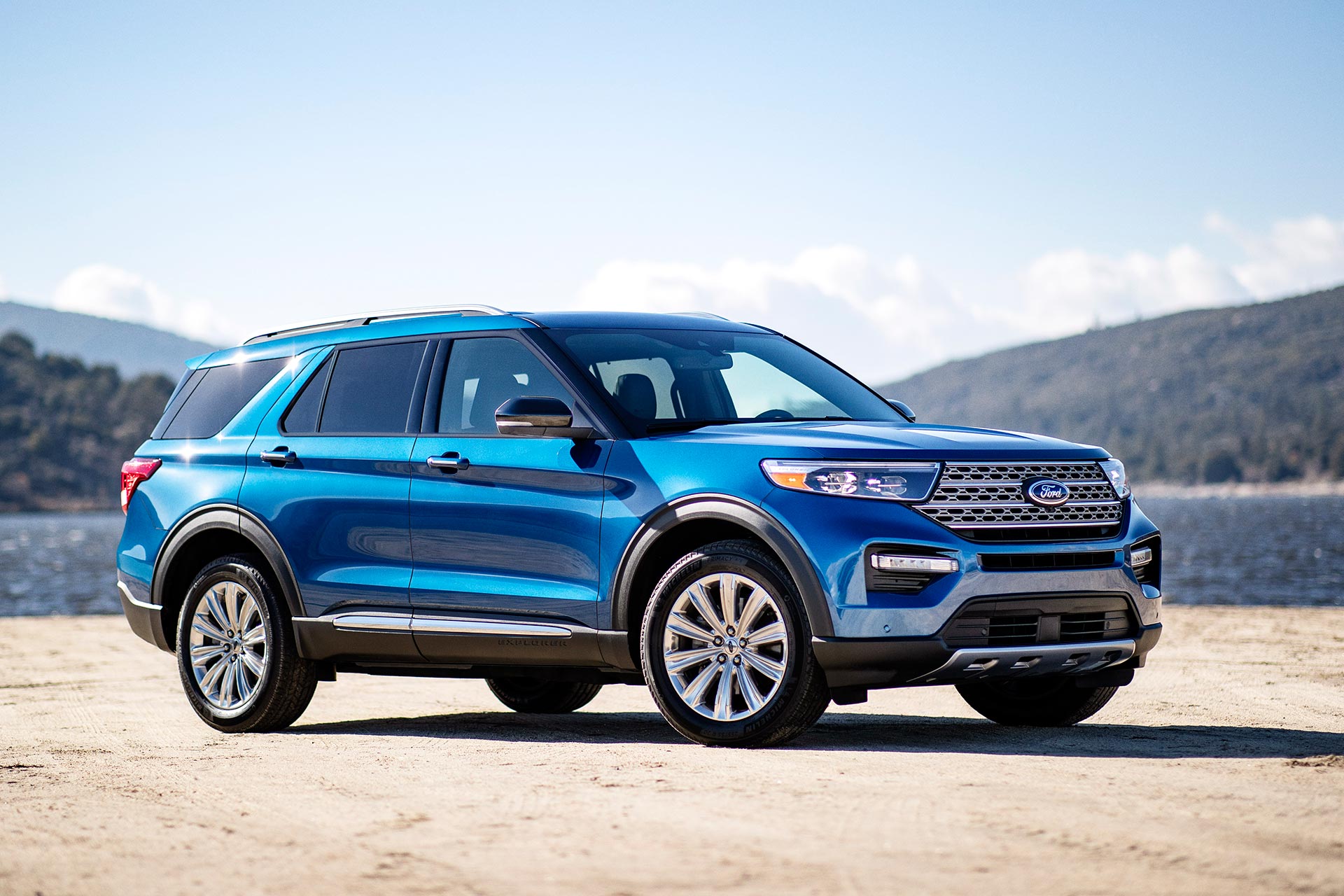
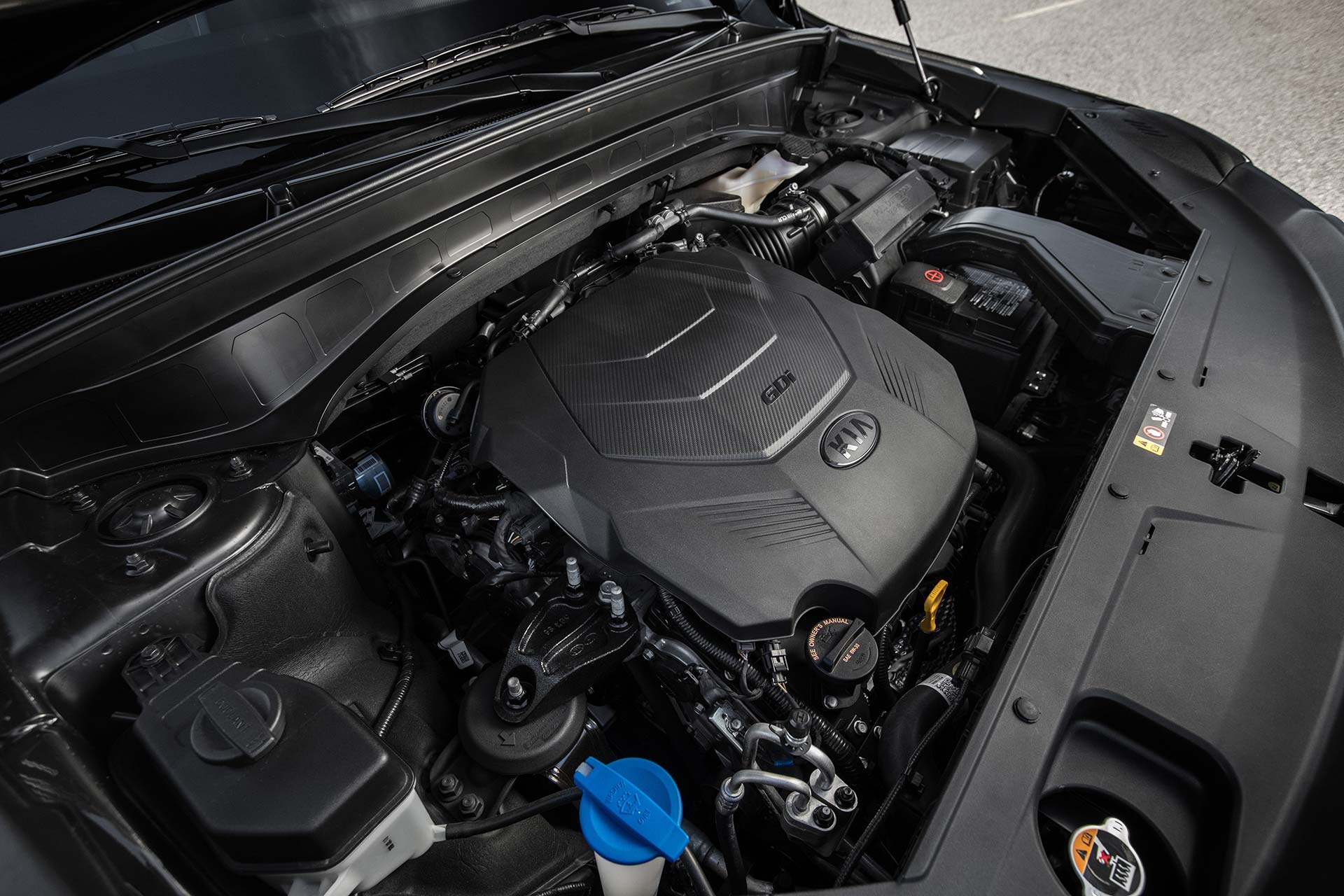 At launch the Kia is offering just one engine option. The 3.8-liter Lambda-II V6 features gasoline direct injection, but no turbocharging. This means 291 horsepower, with an accompanying 262 lb-ft of torque.
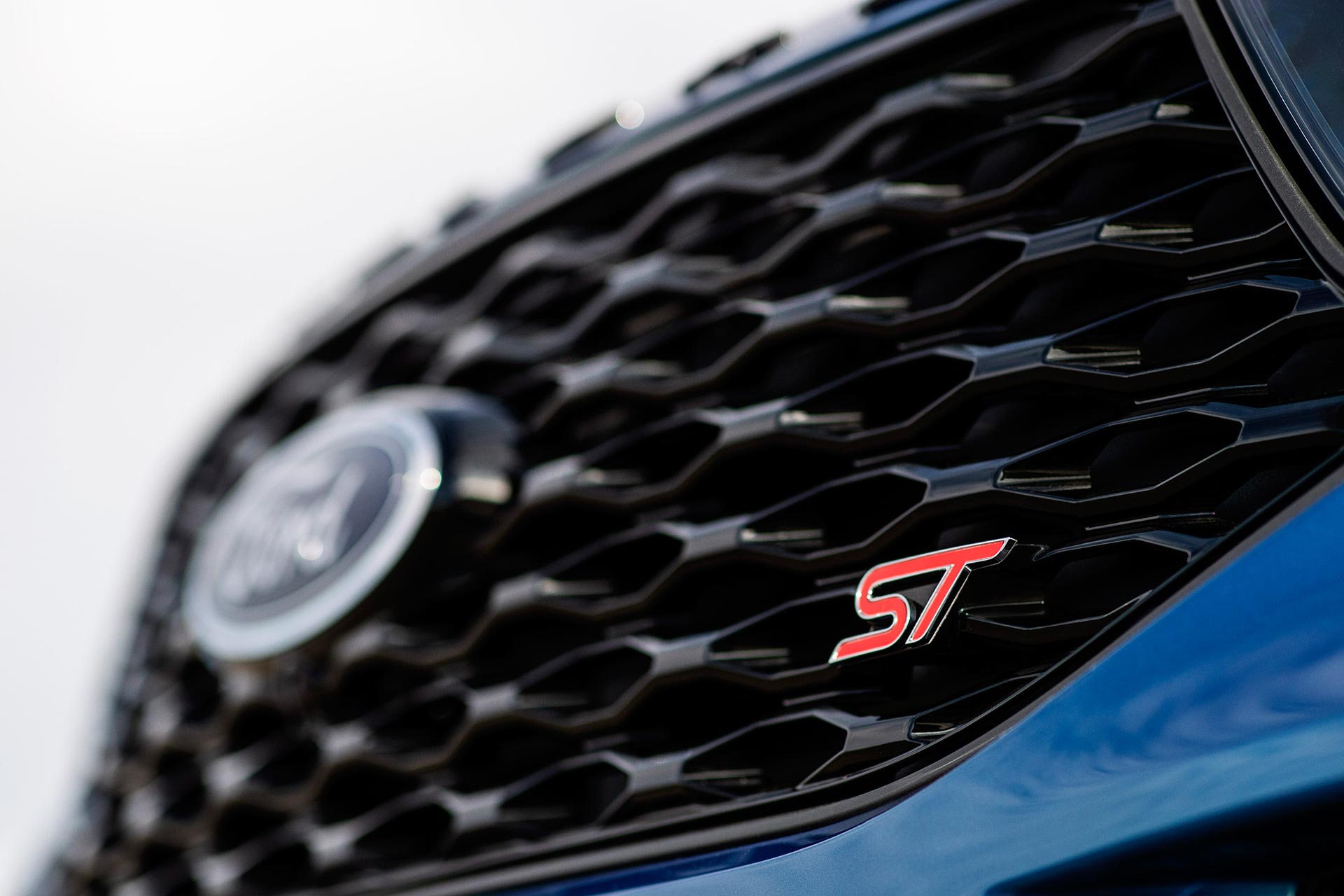 At the other end of the scale,
 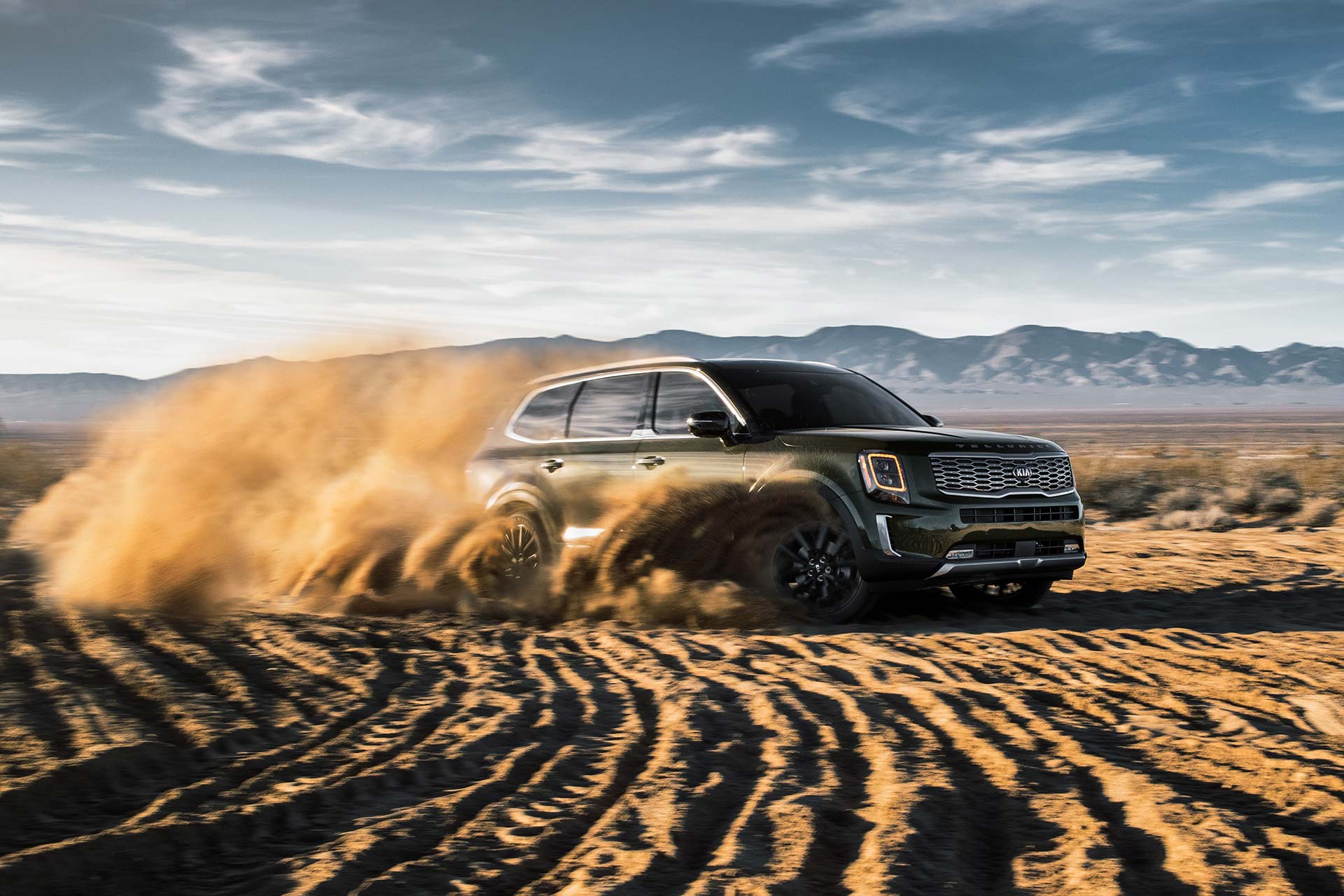 No mid-size SUV could claim to be built for America without the ability to go off-road or tow heavy trailers. However, Kia seems to have both bases covered with the Telluride.
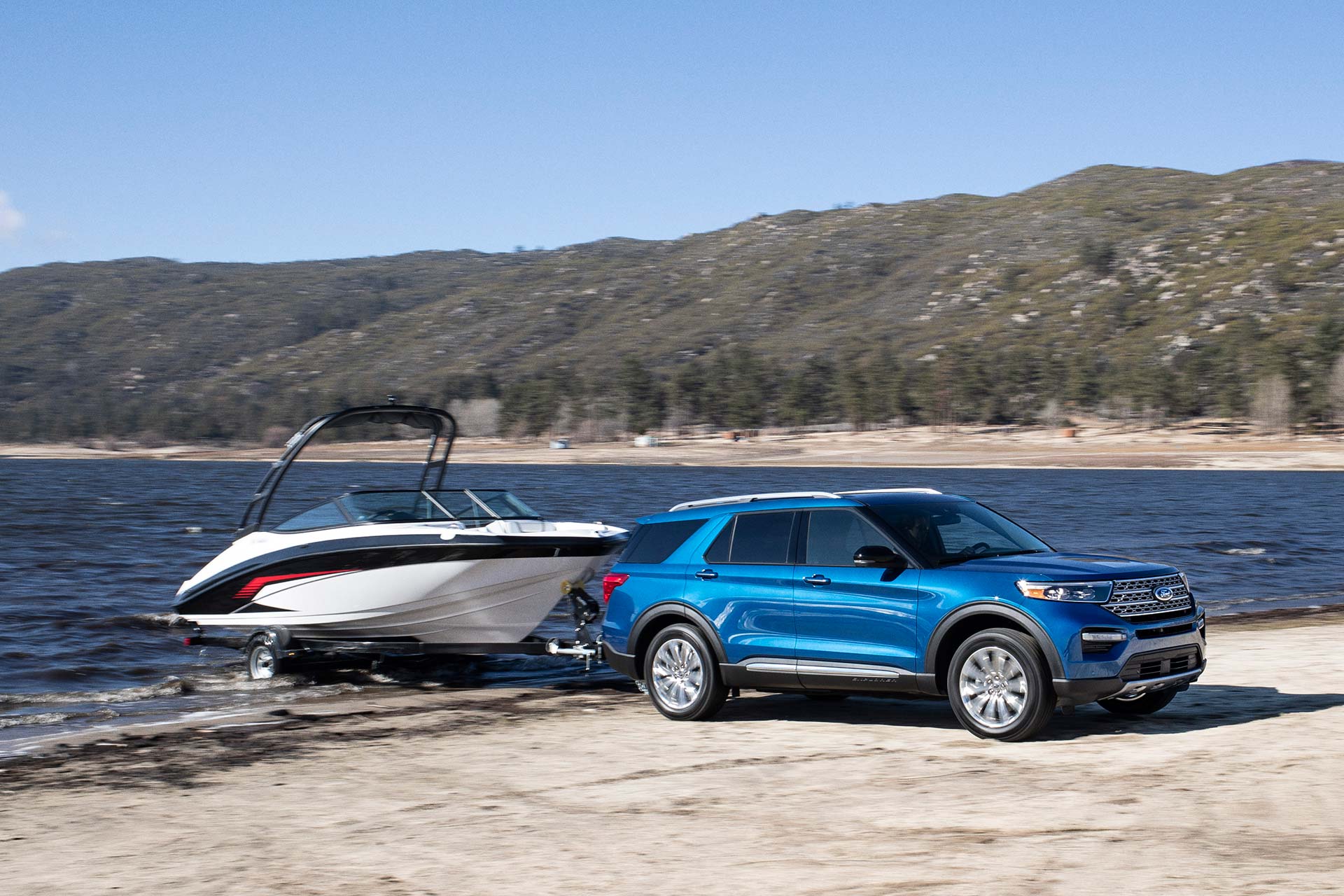 Whilst that may sound impressive, unfortunately Ford has upped the towing abilities of the revised Explorer. Models equipped with the 2.3-liter EcoBoost engine can now pull 5,300 lbs, whilst those with the 3.0-liter version can tow a considerable 5,600 lbs.
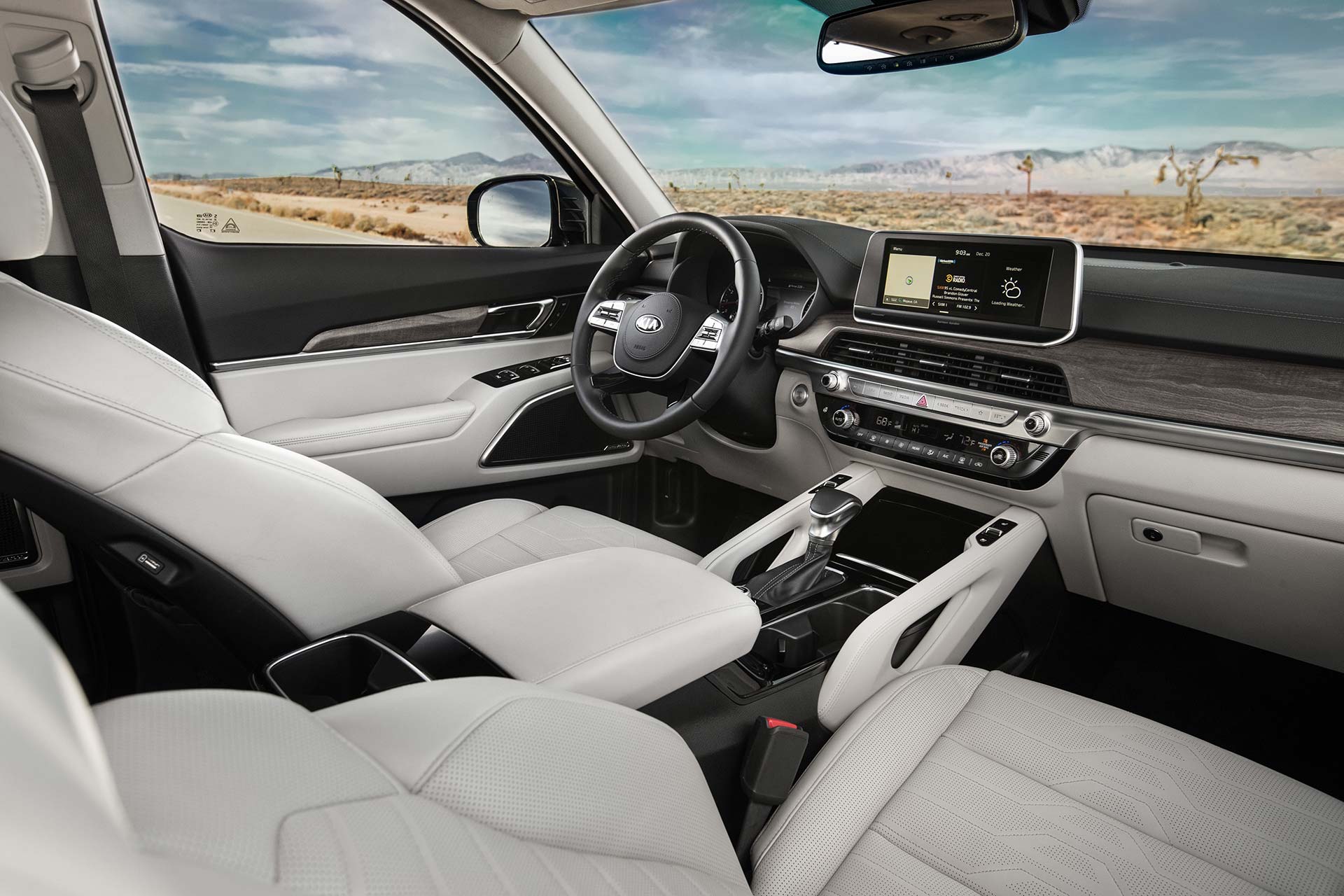 A promise of ‘rugged luxury’ is the tagline for the Telluride, with Kia incorporating premium materials and impressive options.
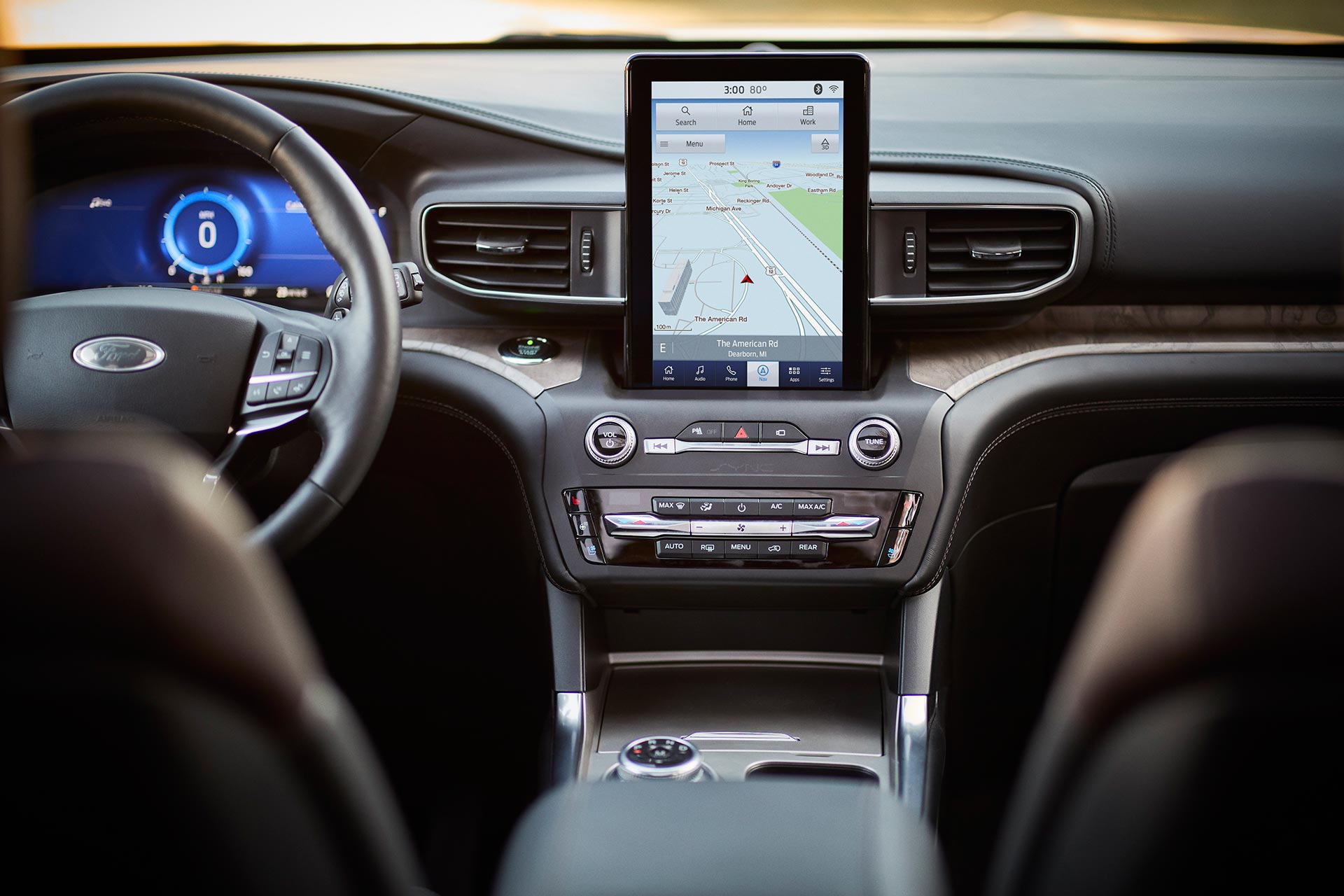 All 2020 Explorers receive Ford’s new Co-Pilot 360 system. This includes automatic headlights with automatic main beam, Lane-Keeping Assist, Blind Spot Monitoring, and Pre-Collision Assist for all trim levels.
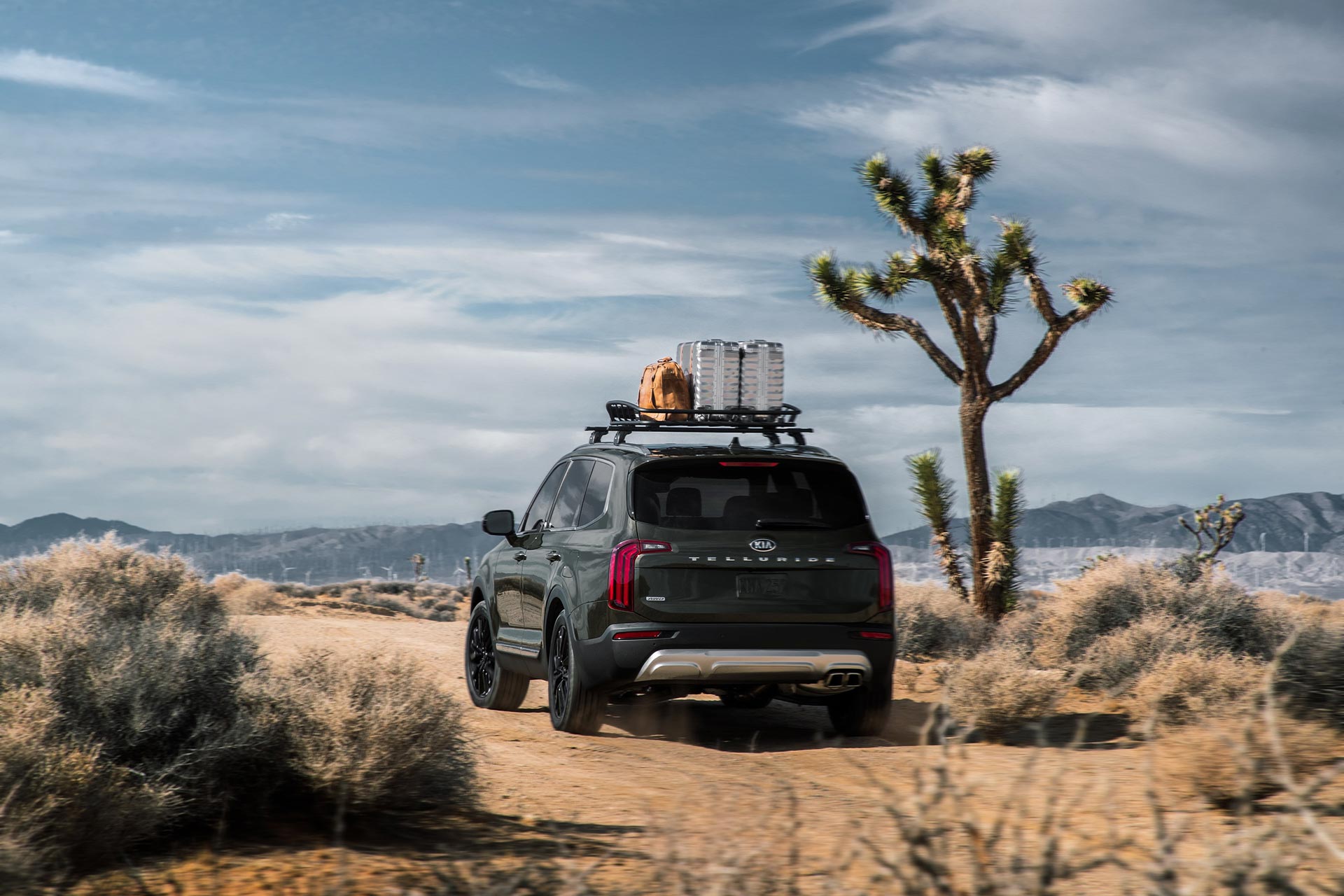 Kia has yet to announce an exact date when the Telluride will go on sale in the United States, but has confirmed it will be during 2019. Pricing will also be confirmed closer to the on-sale date.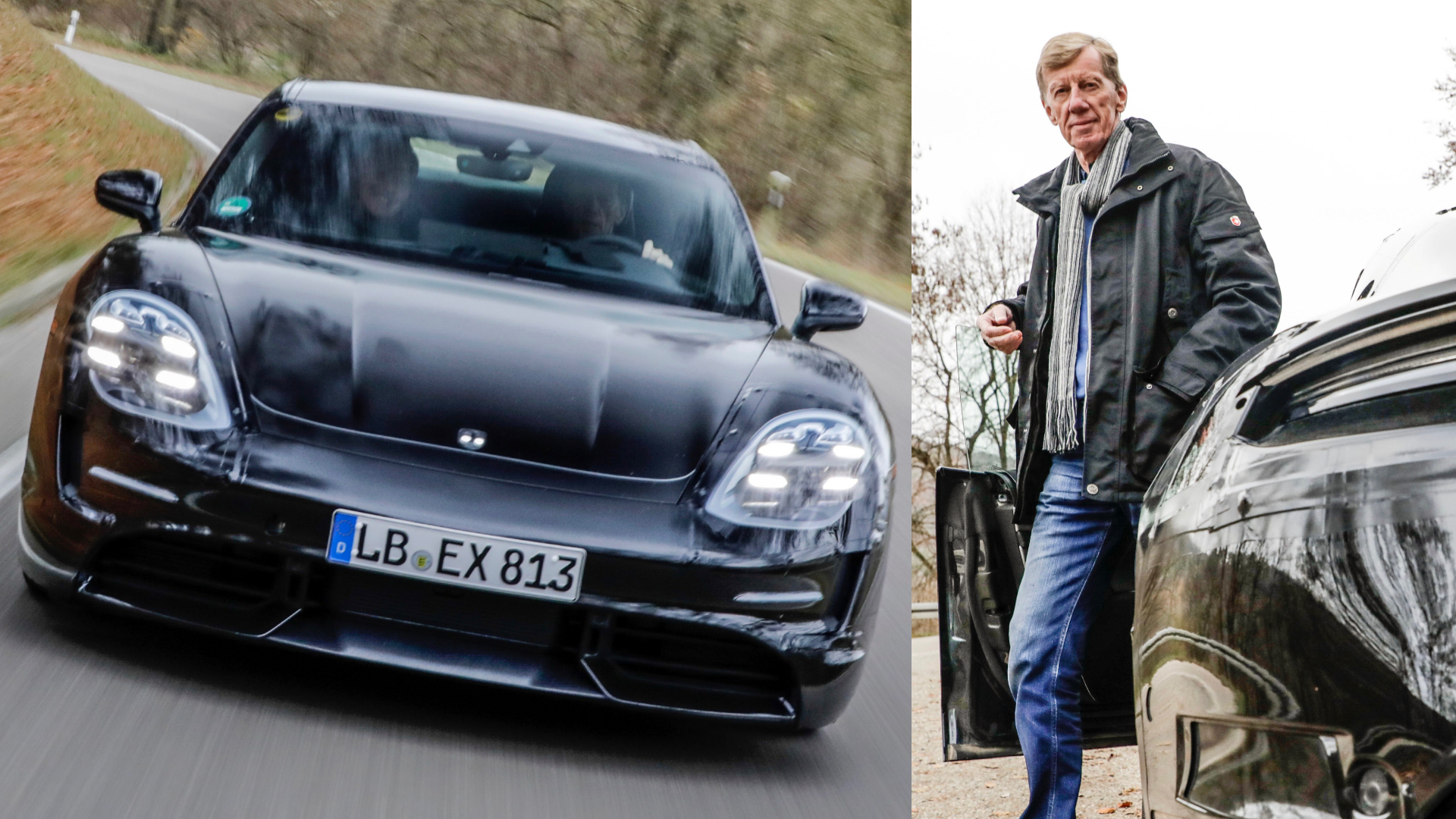


 The new Toyota GR Supra has been revealed at last, making its world debut at the 2019 North American International Auto Show in Detroit. First customer deliveries are due from later this summer.
 The new Kia Proceed goes on sale in the UK from 21 January 2019 with prices for the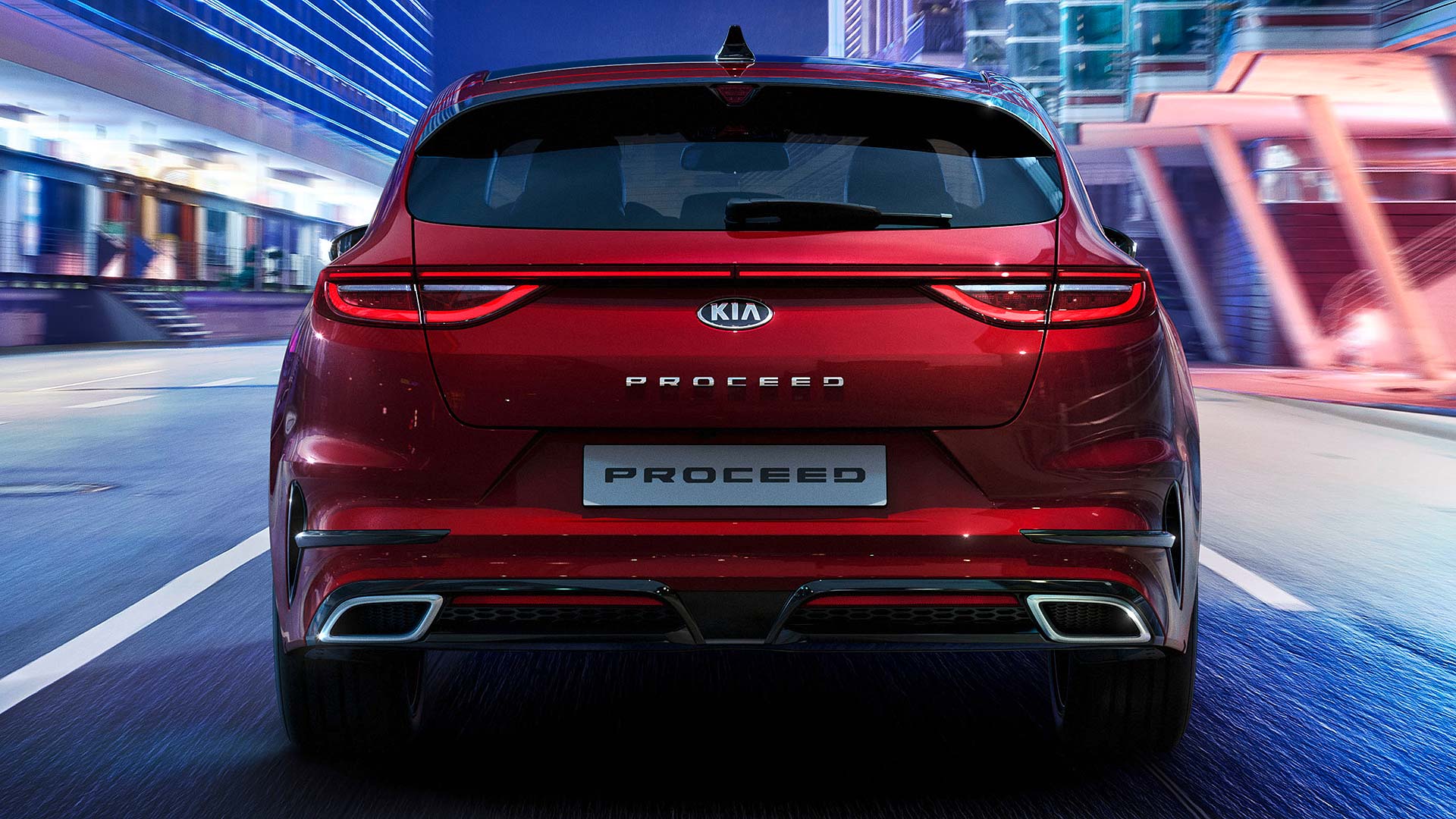
 Arguably one of the most famous
 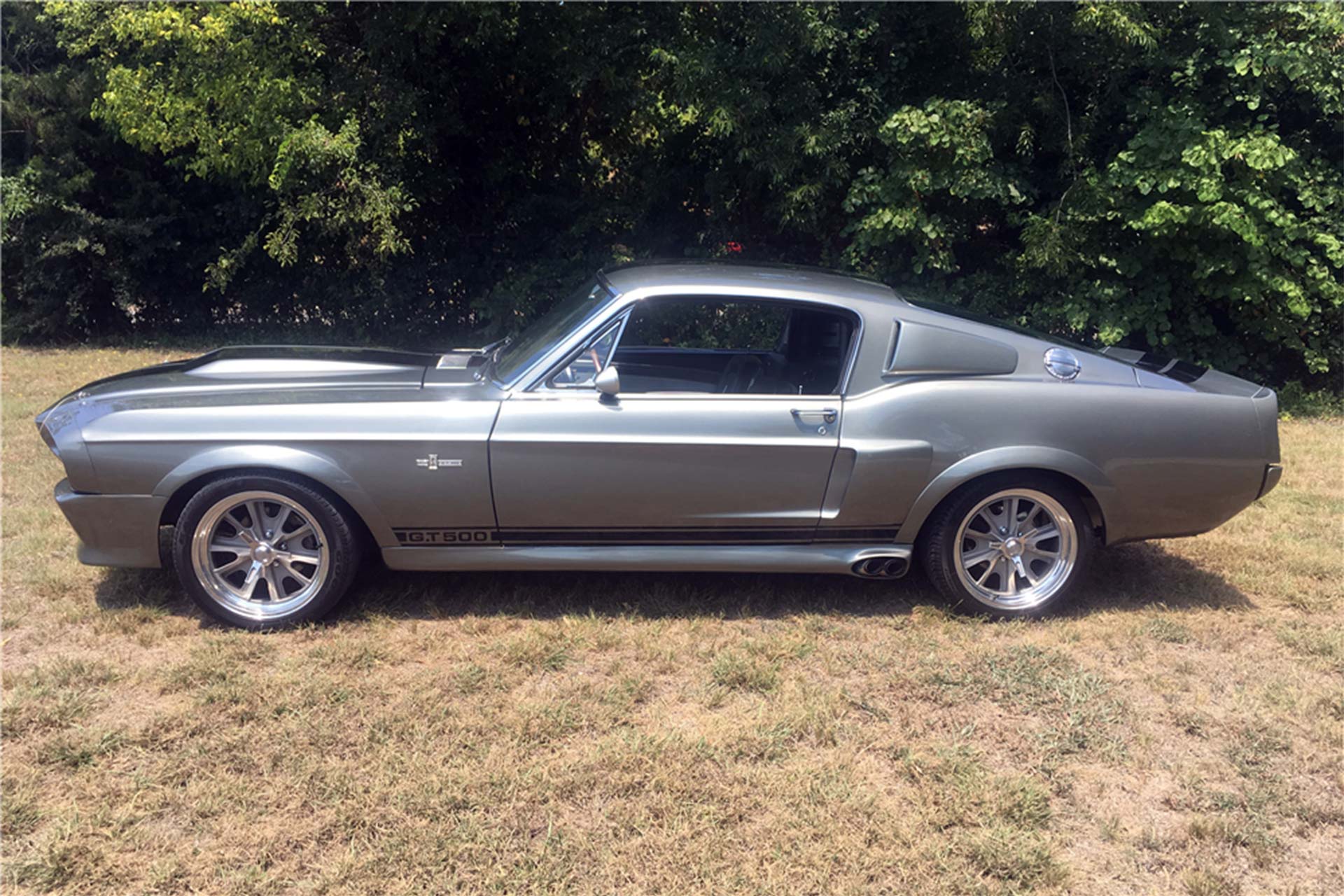 Depending on sources, either 11 or 12 examples of Eleanor were created for filming. Hot Rod illustrator Steve Stanford created the concept, with the late Boyd Coddington responsible for making the ideas come to life.
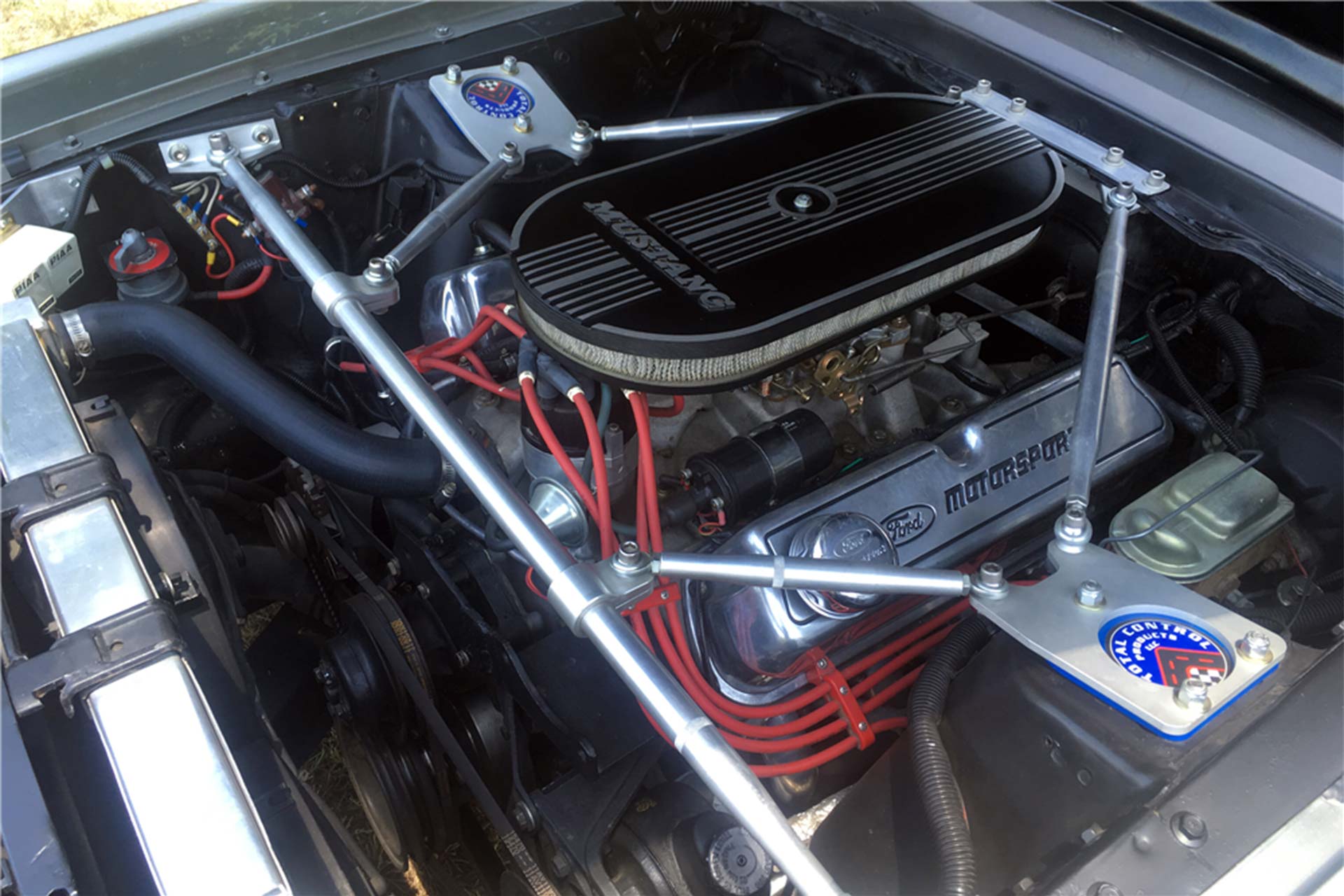 Of the 12 cars built, five were destroyed during filming in stunts and action scenes. This particular car lived a more pampered life, being reserved for street scenes with actors behind the wheel.
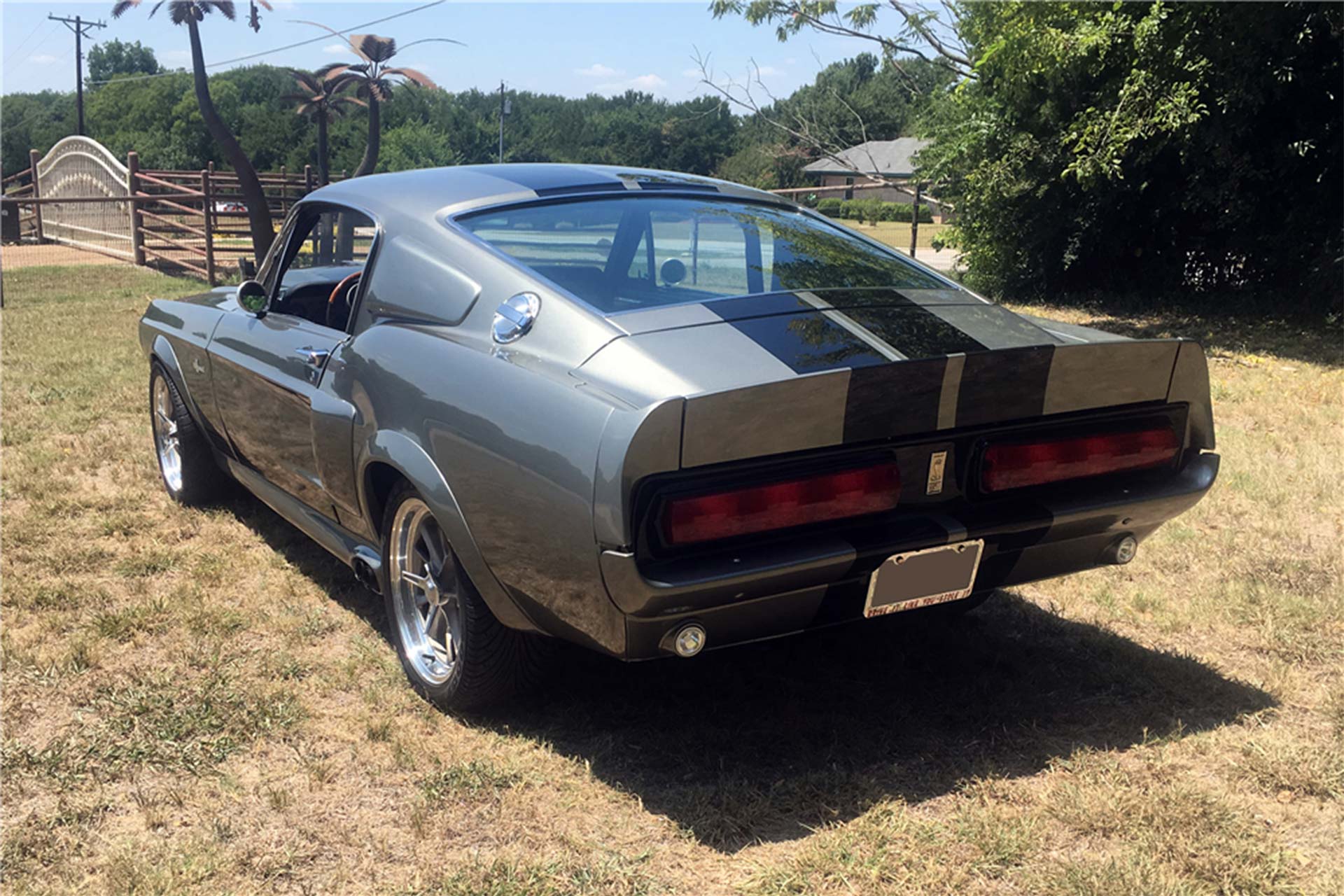 The current owner may well be looking to make a significant return on that investment in the 2019 sale.