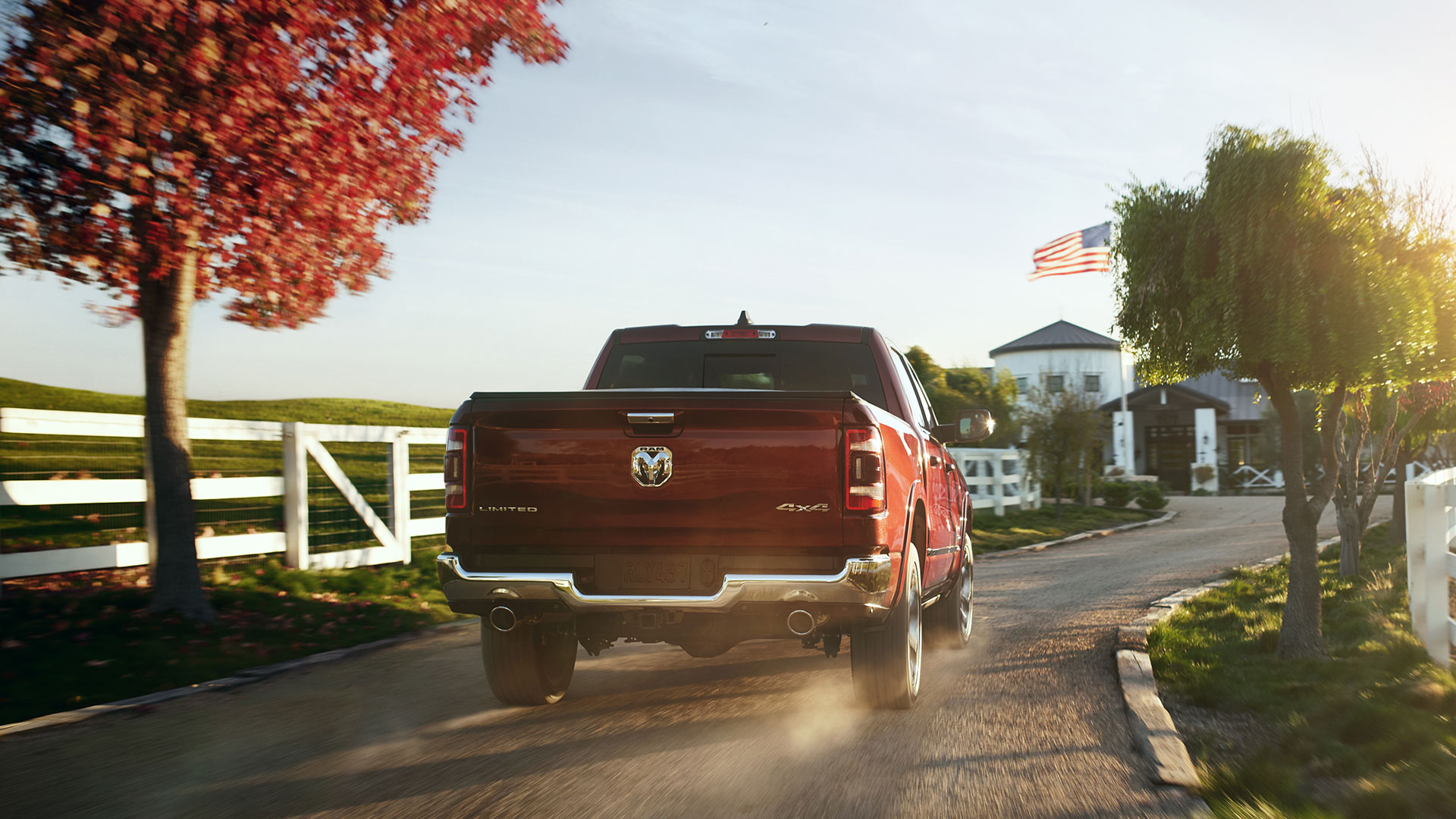
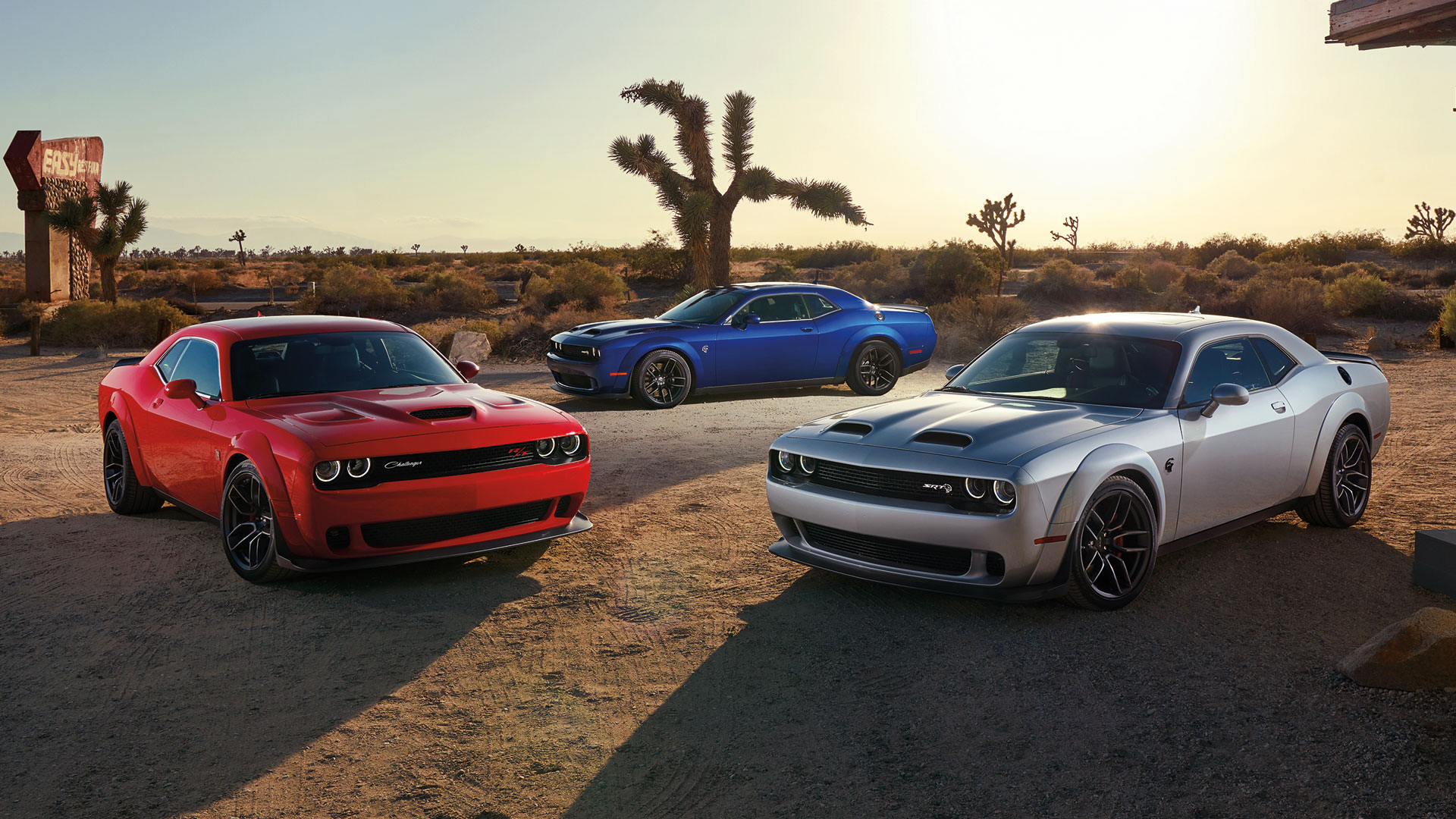
Dodge and Ram could be a set for a shock return to the UK, according to Automotive Management (AM).
The American brands have been absent from these shores since 2010, after the cars failed to strike a chord with UK buyers. The Journey, Avenger, Caliber and Nitro aren’t names remembered with a great deal of fondness.
But AGT Europe, the official FCA Group importer for Dodge and Ram in Europe, is hoping to convince UK dealers to consider re-establishing the brands in the UK.
Currently, all UK sales are handled by David Boatwright in Essex, but AGT Europe is keen to expand its operations.
‘Enthusiastic about American cars’
Giovanni De Luca, the network development manager at AGT Europe, told AM: “We are looking for dealerships that are enthusiastic about American cars and have working sales and aftersales structures, as well as being well known in their local area. It can be multi-brand dealers.
“Jeep dealers have some advantages on working with the Dodge and Ram models as the tools and hardware are the same or very similar.”
Jeep sold 170,000 vehicles in Europe last year – an increase of 50 percent on the year before. This makes it bigger than Land Rover in the region.
The company offers five models in the UK, ranging from the £20,000 Jeep Renegade to the £90,000 Jeep Grand Cherokee Trackhawk.
On the face of it, the Dodge and Ram brands would appear to be a good fit for Jeep dealers and its customers, but there’s no word on which models would make it to the UK.
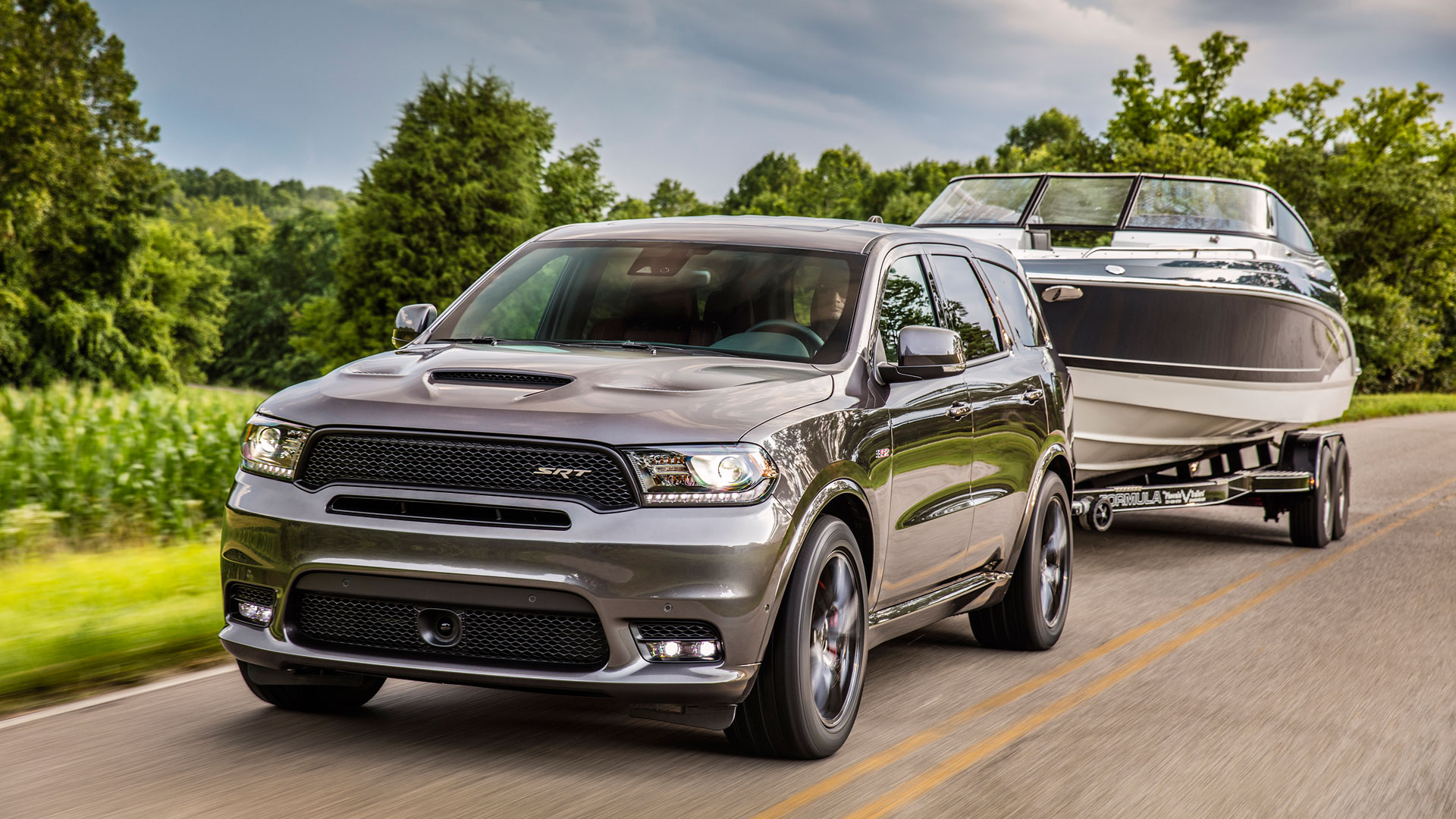
AGT Europe, which is headquartered in Switzerland, has sold around 20,000 vehicles since 2001. Dodge models include the Challenger, Charger and Durango, while the Ram range comprises a selection of 5.7-litre V8 pick-ups.
For a hint of what might be to come, check out the David Boatright website. At the time of writing, UK customers can buy anything from a £24,000 Dodge Challenger RT ‘with upgrades’ to an £85,000 Dodge Hellcat Widebody.
You can also buy a 2017 Dodge Durango all-wheel-drive Citadel six-seater for £34,000. Still want that front-wheel-drive crossover?
A leading road safety and breakdown organisation is calling on the government to update the wording of the law regarding the use of a mobile phone while driving.
The current law states that a mobile phone or device is ‘to be treated as hand-held if it is, or must be, held at some point during the course of making or receiving a call or performing any other interactive communication function’.
But GEM Motoring Assist argues that mobile phone use has evolved beyond the legislation introduced in 2003.
The organisation is urging the government to make the change after a driver successfully appealed a charge for the offence, claiming he “wasn’t using it to communicate”.
The High Court overturned the conviction of Ramsey Baretto, who had been caught filming the scene of a collision as he drove by.
Lady Justice Thirlwall stated: “The legislation does not prohibit all use of a mobile phone held while driving. It prohibits driving while using a mobile phone or other device for calls and other interactive communication (and holding it at some stage during the process)… It follows that the activity of the respondent did not come within Regulation 110 and the Crown Court was right to quash the conviction.”
‘An absurd situation’
Neil Worth, road safety officer at GEM, is angered by the successful appeal and is pressing the government for immediate action. “The government’s failure to bring legislation up to date is putting lives at risk.
“We now have an absurd situation where the wording of the law is insufficient and cumbersome, only stating ‘interactive communication’ as an illegal use of a mobile phone when driving, when we know it is clearly unsafe to use your mobile phone for any purpose when driving.
“Although penalties have increased, the specific wording of the law governing mobile phones and driving has not changed for 16 years. We are writing to the government urging them to update the legislation at the earliest opportunity. This will ensure it is fit for purpose, and will avoid further compromise to road safety.”
Using a mobile phone when driving: the law
It is illegal to hold a phone or sat-nav while driving or riding a motorcycle. Drivers must have hands-free access, such as a Bluetooth handset, voice control, a dashboard holder, a windscreen mount or a built-in sat-nav.
You can receive six penalty points and a £200 fine if you’re caught using a hand-held mobile phone when driving. You’ll also lose your licence if you passed your test in the last two years.
You can also be taken to court, where you might be banned from driving or receive a maximum fine of £1,000.
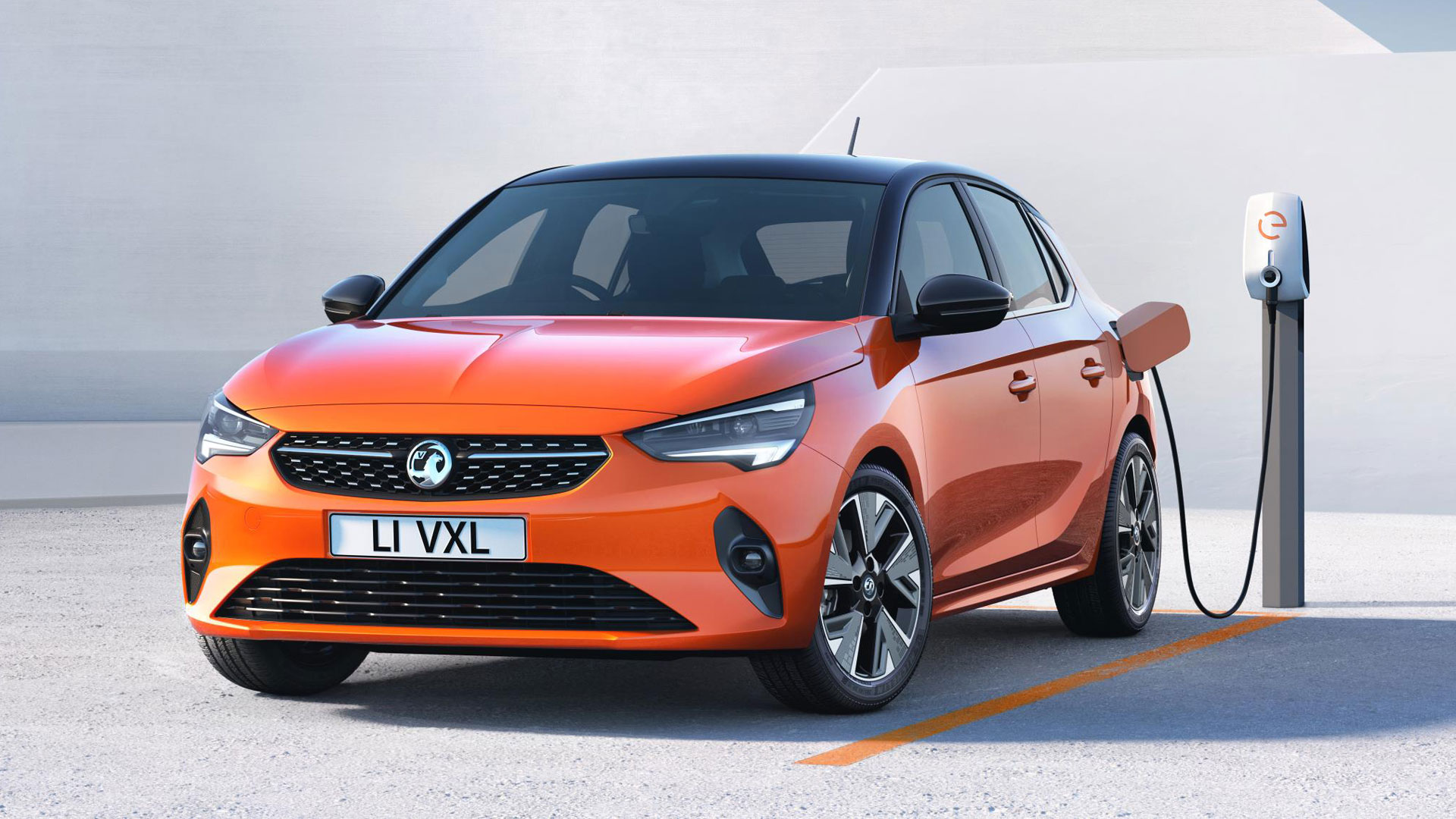
The all-electric Vauxhall Corsa-e is available for a competitive £270 a month when you sign-up for a four-year PCP deal.
Furthermore, if you’re one of the first 500 customers to place an order, you’ll receive a free electric home charging kit worth more than £800.
The cost-effective PCP deal is based on a relatively hefty deposit of £5,549.40, but you’ll enjoy four years of zero-emissions motoring and a 205-mile electric range. The one catch: you’re unlikely to take delivery before April 2020.
All that’s required is a £500 reservation fee, although this is fully refundable on purchase.
The electric Corsa-e comes with an 11kW on-board charger, with 62 miles available from a 2.5-hour charge via a standard household socket. Use a 7kW wallbox and a full charge is available in 7.5 hours.
Use a public fast charger, and 80 percent capacity is available in just 30 minutes.
There are two electric Corsa-e models available: the entry-level SE Nav for £26,490 and the Elite Nav for £29,810. These prices are AFTER the £3,500 government plug-in car grant.
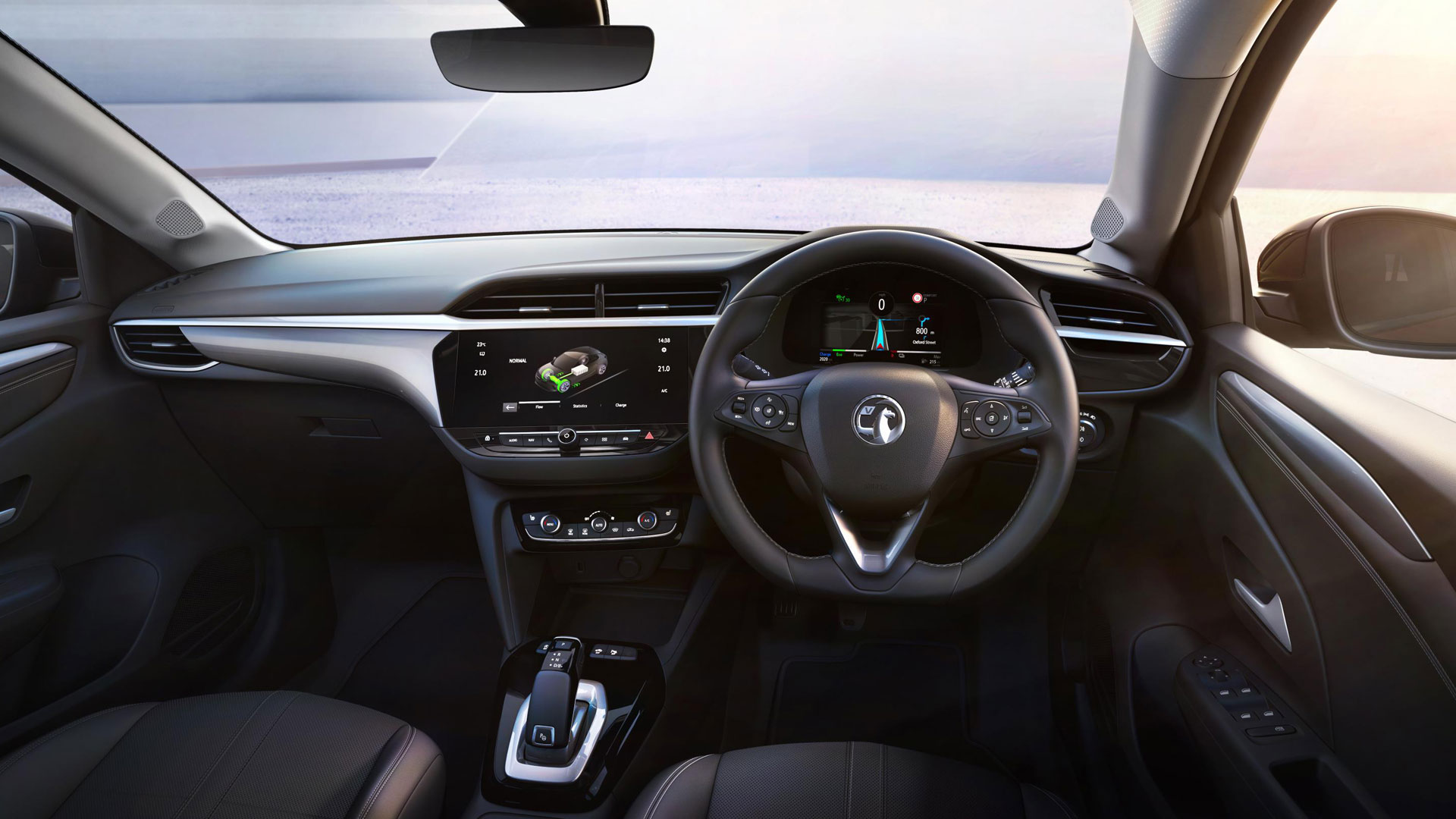
SE Nav offers a generous level of equipment, but Elite Nav adds a rear-view camera, 10-inch colour touchscreen, eight-inch colour instrument cluster, lane departure warning, winter pack, keyless entry and start, and 17-inch alloy wheels.
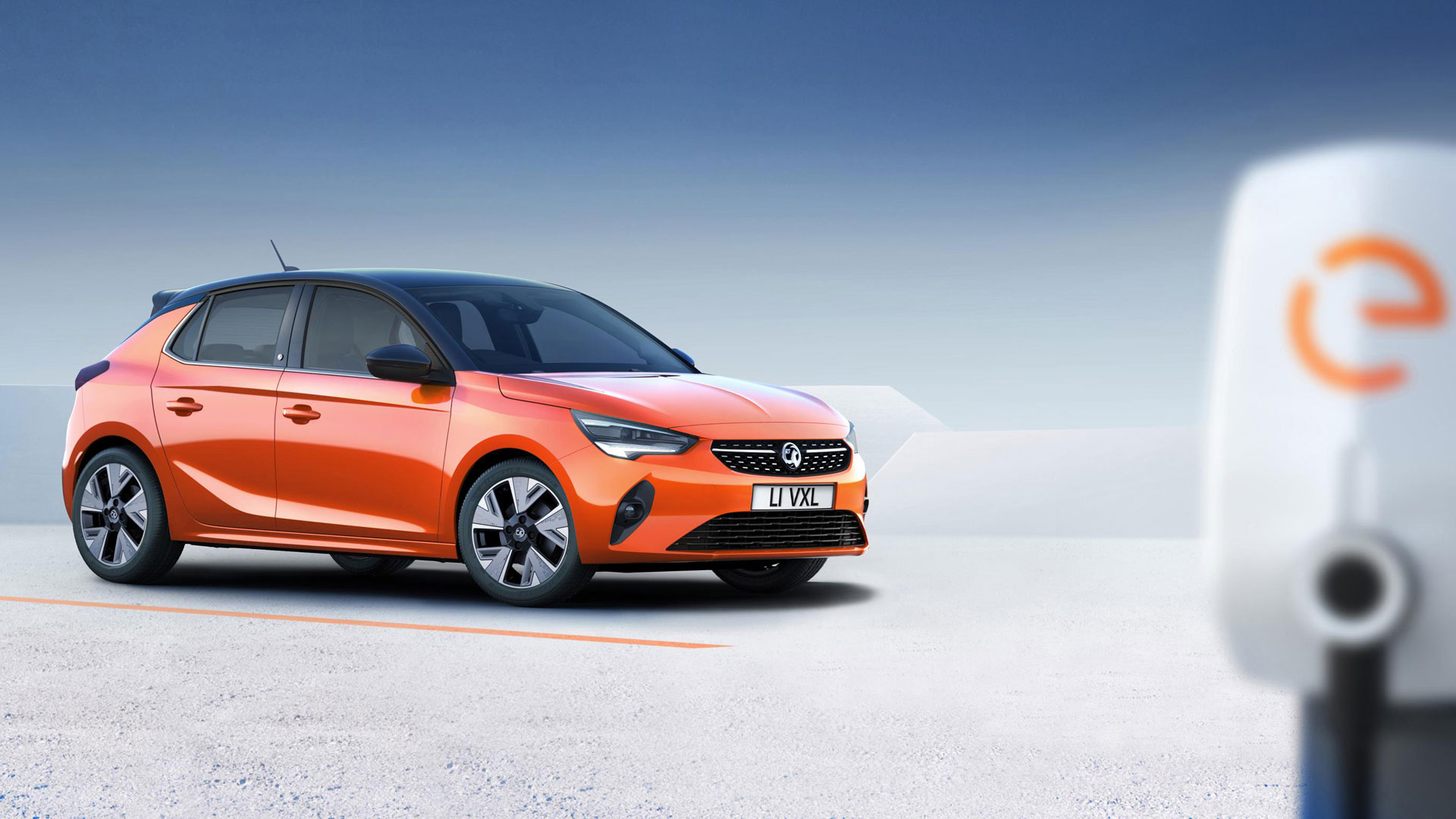
The optional Orange Fizz paintwork (pictured) costs £650.
Corsa-e or e-208?
The all-electric Vauxhall Corsa-e will receive its world premiere at the Frankfurt Motor Show in September, ahead of series production starting in January next year.
Alternatively, you could opt for the platform-sharing Peugeot e-208. The French supermini undercuts the Vauxhall by around £1,500, with prices starting from £25,050 after the plug-in car grant.
First deliveries will take place in early 2020, but you’ll have to wait until 22 August to place your order. The Vauxhall Corsa-e is available to order now, but you’ll need to be quick if you want a free home charging kit.
Think of car from the 1950s to use as the basis for an incredible custom machine, and a Mercedes-Benz is unlikely to be high on the list.
But ignore the usual Mercury, Ford, or Chevrolet creations, as this 1952 170 S Sedan offers all the usual bespoke style, but with a distinctly German flavor.
It is also available to buy at the forthcoming Mecum Auctions 2019 Monterey sale, where it will line up alongside 600 other vehicles for three days of selling action.
Mercedes-Benz first launched the 170 S in 1949, and is notable for being the first new model offered by the company following the end of World War II.
Development was based upon the earlier W136 Mercedes, but the Stuttgart firm wanted to add some additional luxury. Enter the 170 S, aimed at attracting businessmen to take a seat in the upgraded interior.
Power came from a 1.8-liter four-cylinder gasoline engine, offering 52 horsepower. More than 31,000 examples were produced until 1953, when the revised 170 Sb version appeared.
Chopped and dropped
The classic proportions of the 170 S make it perfect for becoming a custom car, with Samson Design in Marshall, Missouri responsible for the transformation.
A thorough frame-off restoration was the starting point, before custom touches were added. A 2-inch chop to the roof, along with a 1-inch lean on the front grille, are just some of the subtle special tweaks.
Bespoke glass has been used for the front windshield and side windows, whilst the front fenders are handmade. Everything has been finished with modern Mercedes-Benz Mystic Brown paint.
Just 52 horsepower was never going to be enough for this custom car, so the original engine has been ditched. Instead there is a 455 horsepower 6.2-liter Chevrolet LS3 V-8 engine, hiding beneath a Mercedes-branded cover.
A three-speed automatic transmission connects to a customized Chevrolet 10-bolt differential at the rear, with the driveshaft made from chromoly.
Power disc brakes are fitted all round, whilst the suspension is an adjustable coilover setup. Bespoke Wheelsmith rims where Mercedes-Benz hubcaps, and come wrapped in Yokohama S Drive rubber.
What can brown do for you?
Inside is a makeover fitting for what was intended to be a luxury vehicle when it first left the production line. Hand-stitched mocha leather covers almost every surface, with even the pedals and headliner included.
A custom dashboard fits onto a bespoke firewall to accommodate the LS3 engine, incorporating a Mercedes-Benz logo on the passenger side.
Short-loop tan carpet finishes the rest of the cabin, and other neat touches include a hidden centre console compartment, plus satin metal trim.
The outstanding finish of this 170 S was recognized at the 2016 Detroit Autorama show, where it was a finalist for the Great 8 trophy. An appearance at the SEMA Show was also made in the same year.
An estimated sale price of $350,000 to $450,000 is testimony to the attention to detail paid to this Mercedes, and the exclusivity of a car which truly stands out from the custom crowd.
Lot S83 will cross the Mecum Auctions block on Saturday August 17, along with a host of other rare and exotic offerings.
In the workshops of Woodham Mortimer, the 21st century has yet to happen. You’ll find no laptops or plug-in fault-finders here, just skilled craftsmen milling parts from raw and shaping body panels by hand. The 60-strong team has restored hundreds of road and race cars, with a particular focus on classic Jaguars.
If you stroll across a concours lawn this summer, or watch historic motorsport, you’ll probably see the company’s cars. They have won trophies at Pebble Beach, Salon Privé, Monaco Historique, Goodwood Revival and more. Here are our highlights from the showroom – followed by a gallery of work-in-progress photos from the workshops.
Jaguar D-Type
One of Jaguar’s rarest and most valuable cars, the D-Type was designed to win Le Mans – and did so three years running, taking five of the top six places in the 1957 race. Famous drivers included Mike Hawthorn and Briggs Cunningham, while the cars frequently wore the blue and white livery of privateer Scottish team Ecurie Ecosse.
The D-Type was powered by a straight-six engine that ranged from 3.0 to 3.8 litres in capacity. It reached 172.8mph on the Mulsanne Straight, helped by an aircraft-inspired vertical stabiliser fin to boost stability at speed. Just 71 cars were built, plus 16 later converted to XKSS spec (see below), and survivors are worth well into six – or even seven – figures today.
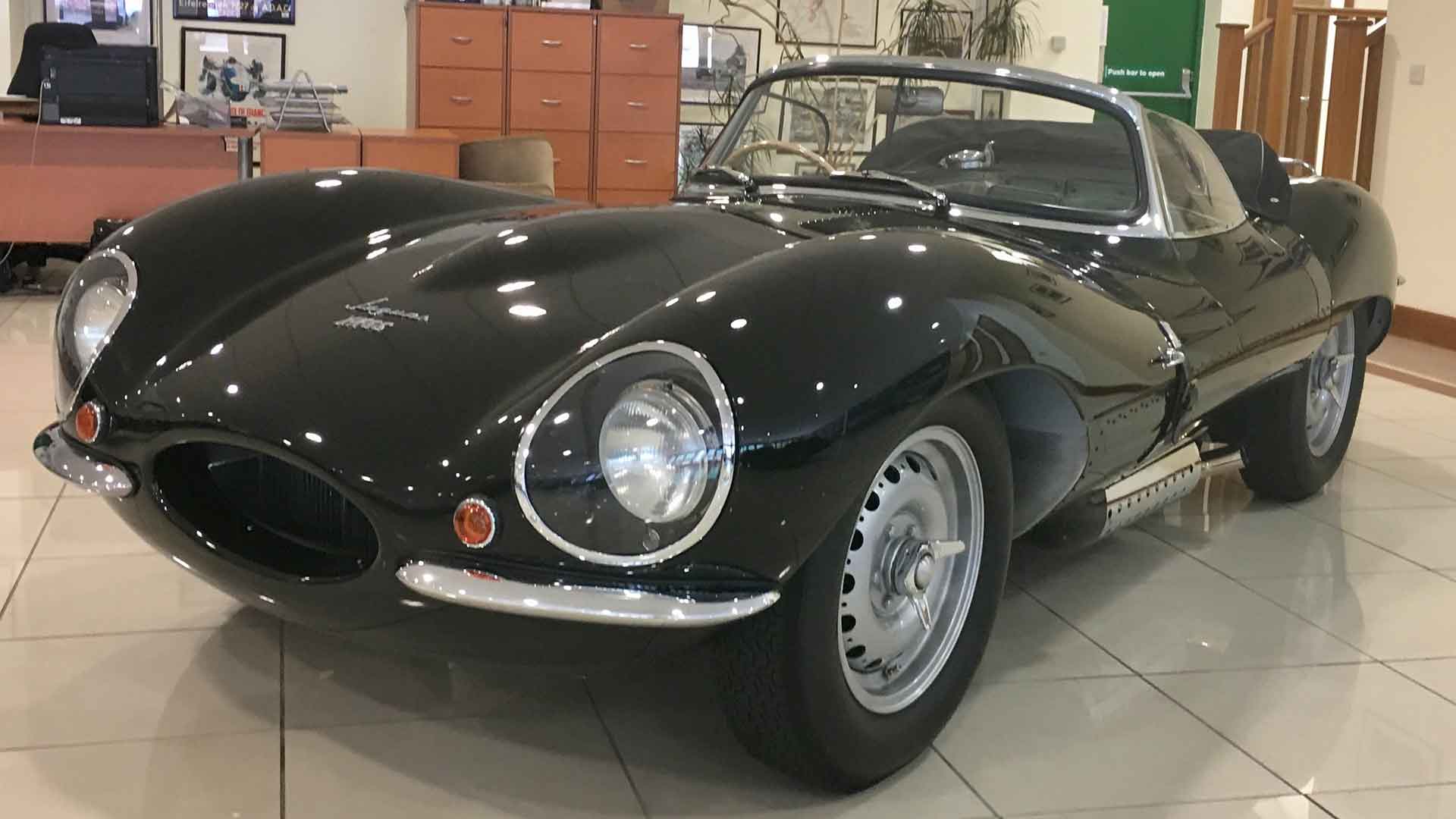
Jaguar XKSS
After the D-Type retired from racing, Jaguar was left with 25 unused chassis. These were converted for sale as road cars, badged XKSS. Modifications included a full-width windscreen, fabric roof, chrome bumpers and a passenger-side door. The vertical stabiliser was also removed from the rear deck.
A fire at the Browns Lane factory destroyed nine cars, so only 16 were sold in-period. In 2016, however, Jaguar announced a run of hand-built XKSS recreations, using the leftover nine chassis numbers and priced at circa. £1 million each. The car seen here is a ‘tool room copy’ – built by Pearsons Engineering using an original XKSS as a template.
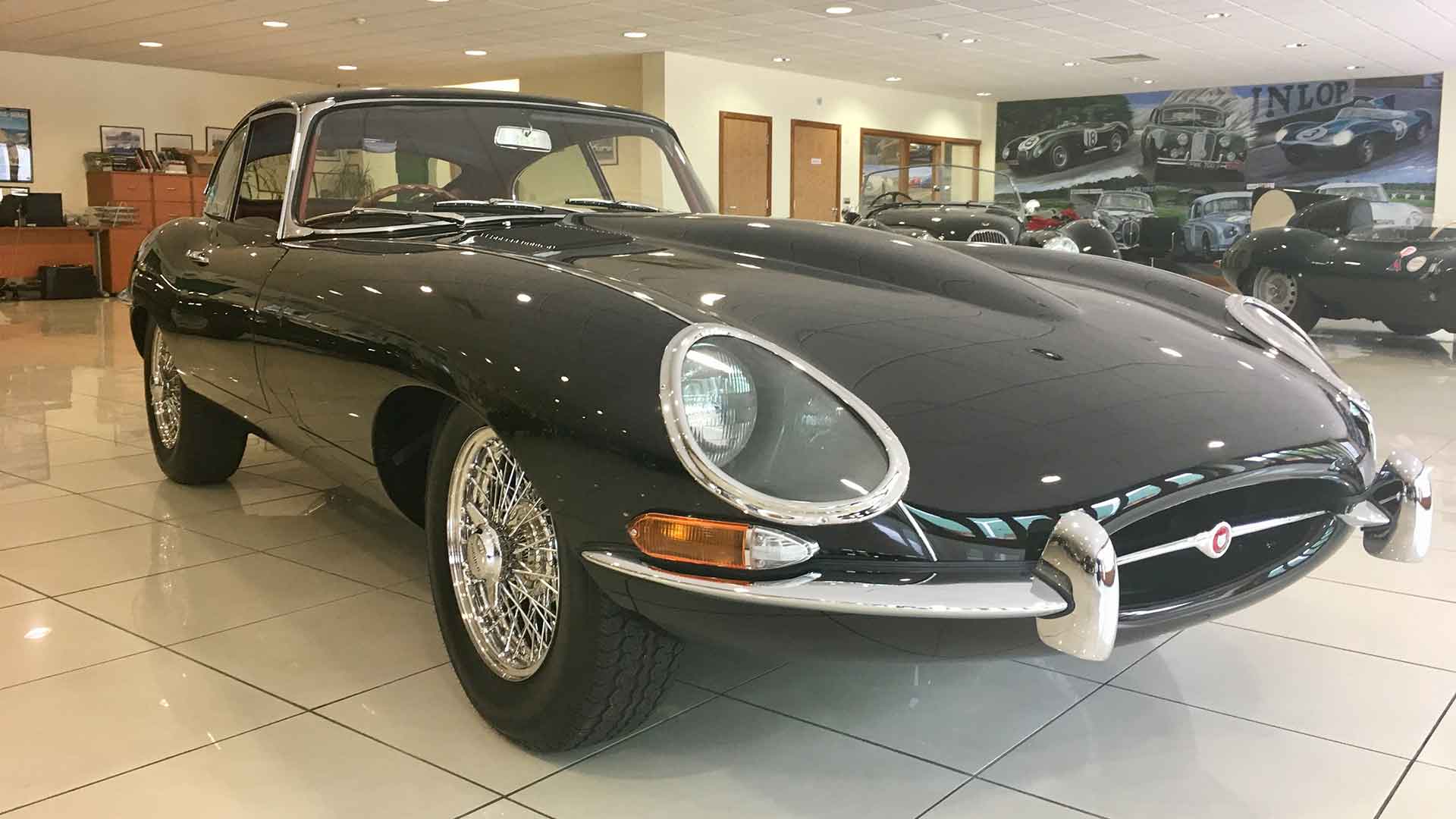
Jaguar E-Type
A recent poll declared the E-Type the greatest classic car of all. Seeing one in person, it’s hard to argue. Voluptuous and instantly iconic, the car caused a sensation when launched in 1961. It was a huge leap forward from the XK, with a monocoque chassis, independent suspension and disc brakes. A 150mph top speed grabbed headlines, too.
This restoration of this E-Type FHC was managed (under supervision) by one of Woodham Mortimer’s apprentices who has recently graduated. Upgrades include electronic ignition and an electric cooling fan for improved reliability, plus a five-speed gearbox, power steering and uprated suspension and brakes for better road manners. Originally sold in the US (where the E-Type was named XK-E), it has since been converted to right-hand drive.
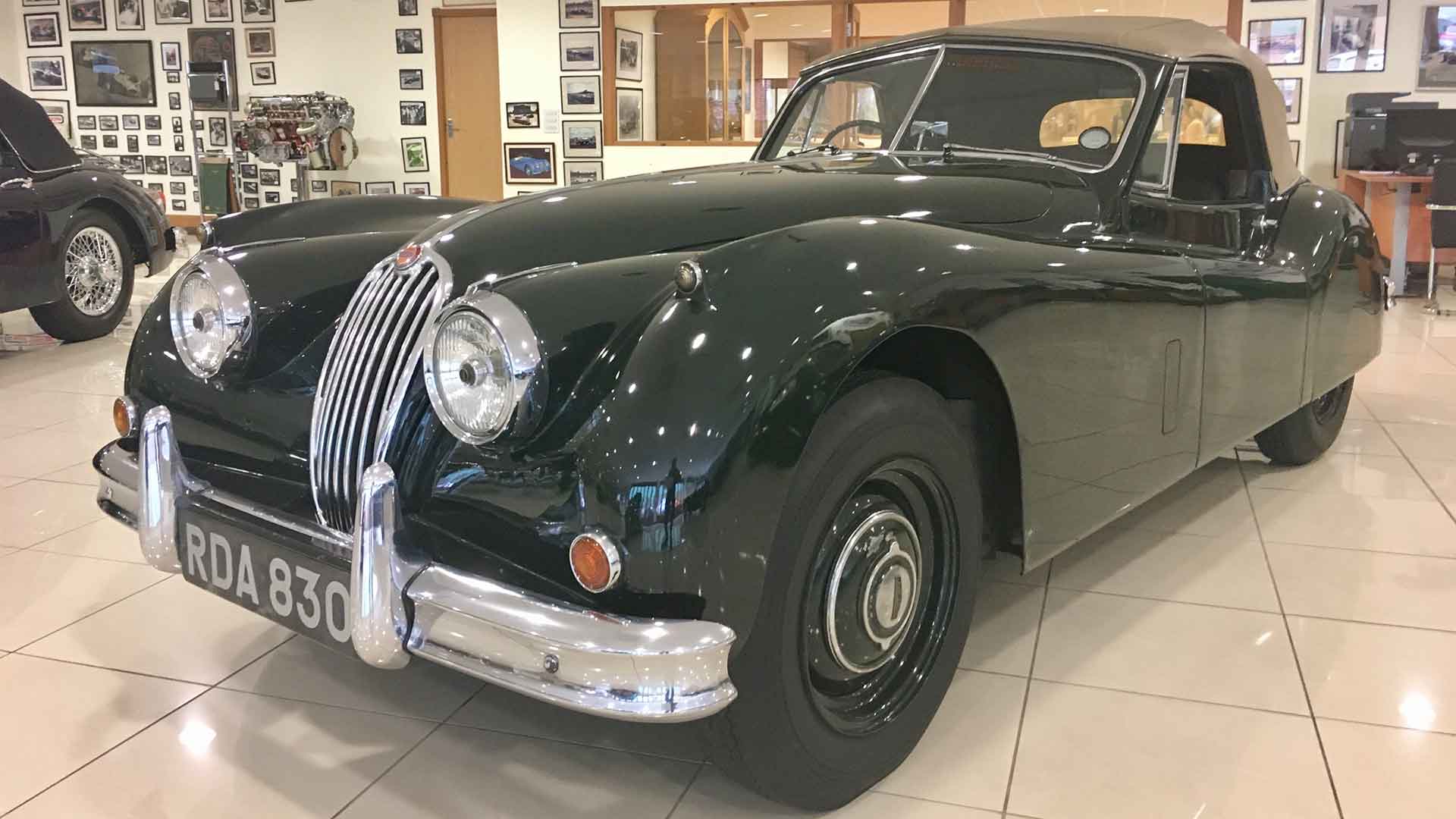
Jaguar XK140
Following the XK120 was never going to be easy, so Jaguar played it safe. The XK140 of 1955 was a sensible evolution, with better brakes, rack and pinion steering and a roomier interior. Its 3.4-litre straight-six produced 193hp, or 213hp in SE-spec. Reflecting its shift from no-frills sports car to accomplished grand tourer, the XK140 was the first Jaguar offered with an automatic gearbox.
This British Racing Green XK140 DHC (drophead coupe) has remained in the same family since new, and never been restored. Its paintwork is beautifully patinated, while its Suede Green interior has a musty smell of heritage. The odometer shows just 30,460 miles.
Jaguar XK150
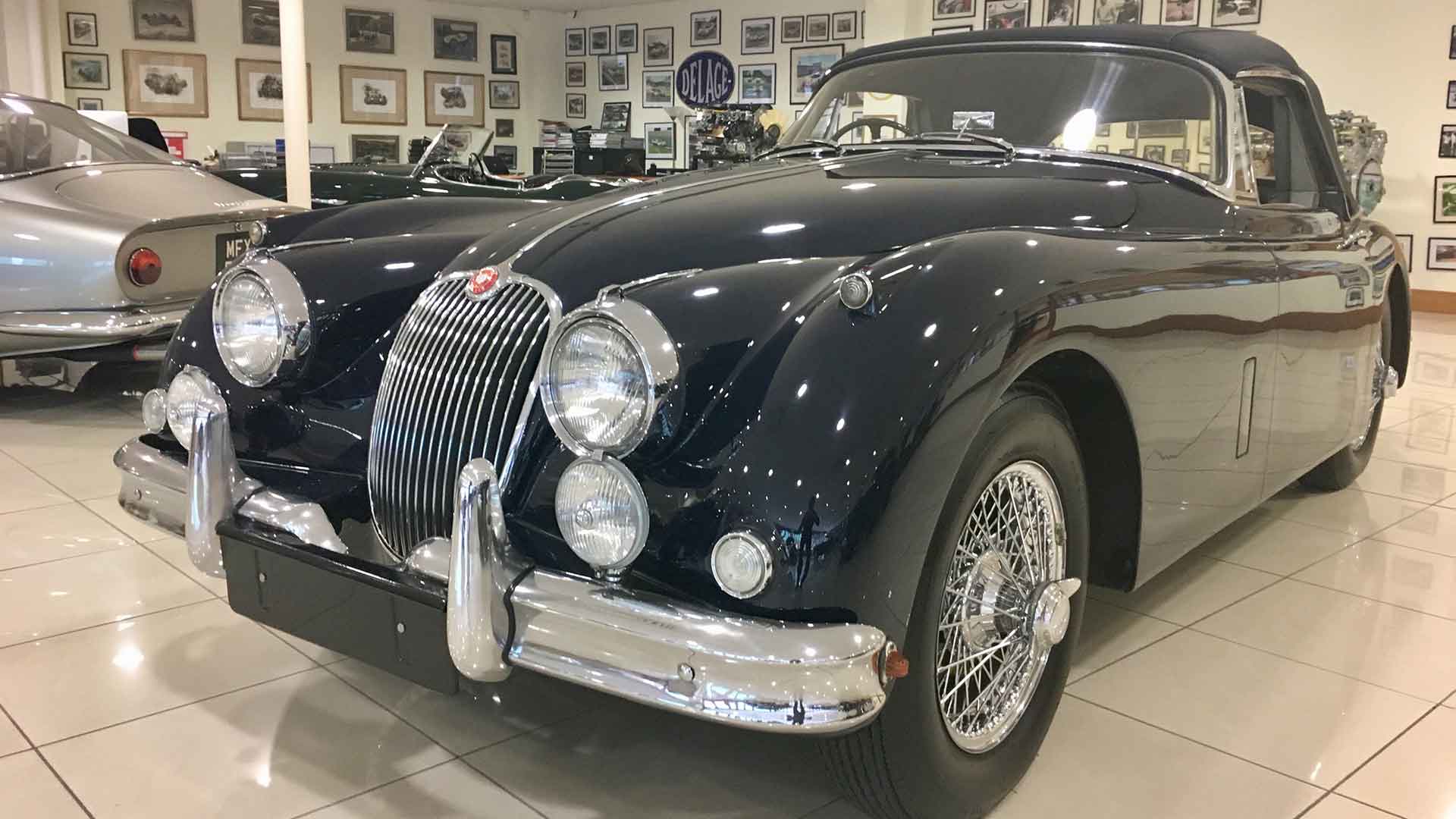
A further development of the XK120, the XK150 debuted in 1957 with a one-piece windscreen, leather-trimmed dashboard and tell-tale indicator lights atop the wings. In 1960 – the final full year of production before the E-Type arrived – the 3.8-litre engine from the Mark X saloon was introduced, boosting output to 223hp. Like its predecessor, the car was available in FHC and DHC guises, both with token rear seats, or as a two-seat Roadster.
A life spent mostly in Italy is perhaps why this XK150 SE DHC is so perfectly preserved. The Indigo Blue paint is the same shade it wore when in 1959 and the original seat trim has been preserved. The car returned to the UK in 2017.
Ferrari 250 GT Lusso
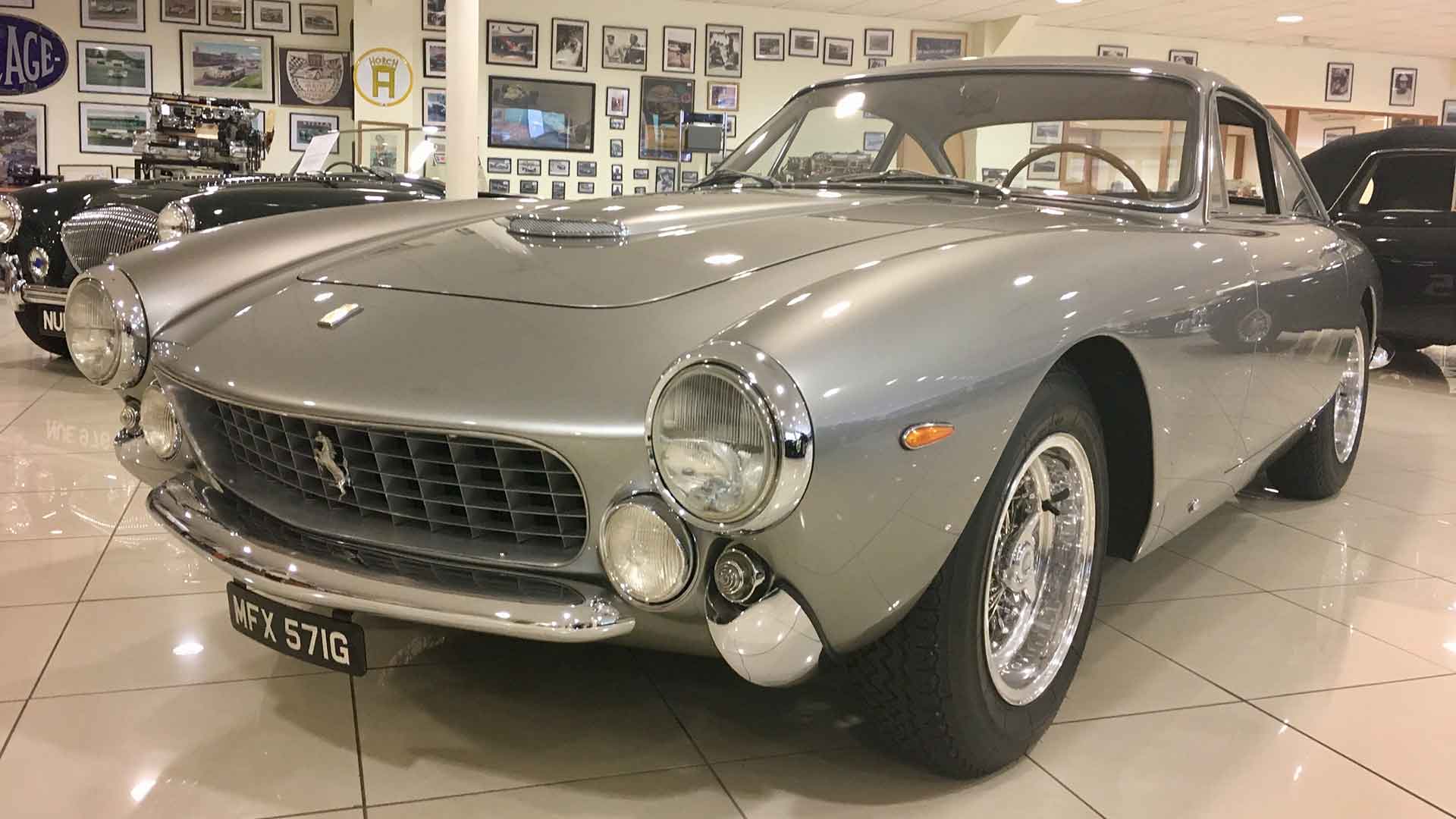
It wasn’t all Jaguars at Woodham Mortimer; this Ferrari 250 GT Lusso was among the stars of the showroom. It’s one of Maranello’s most elegant cars, designed and driven by Battista Pininfarina himself. Launched in 1963, it was also the last of the 250 series, a decade-long bloodline that includes legendary models such as the 250 LM and 250 GTO.
Unlike those competition cars, however, this two-seat GT was intended solely for the road. Its 3.0-litre Colombo V12 develops 240hp – good for 0-62mph in less than eight seconds and 150mph. Only 351 Lussos were made before the car was replaced by the 275 GTB. Today, you’ll need millions in the bank to buy one.
Lotus Seven
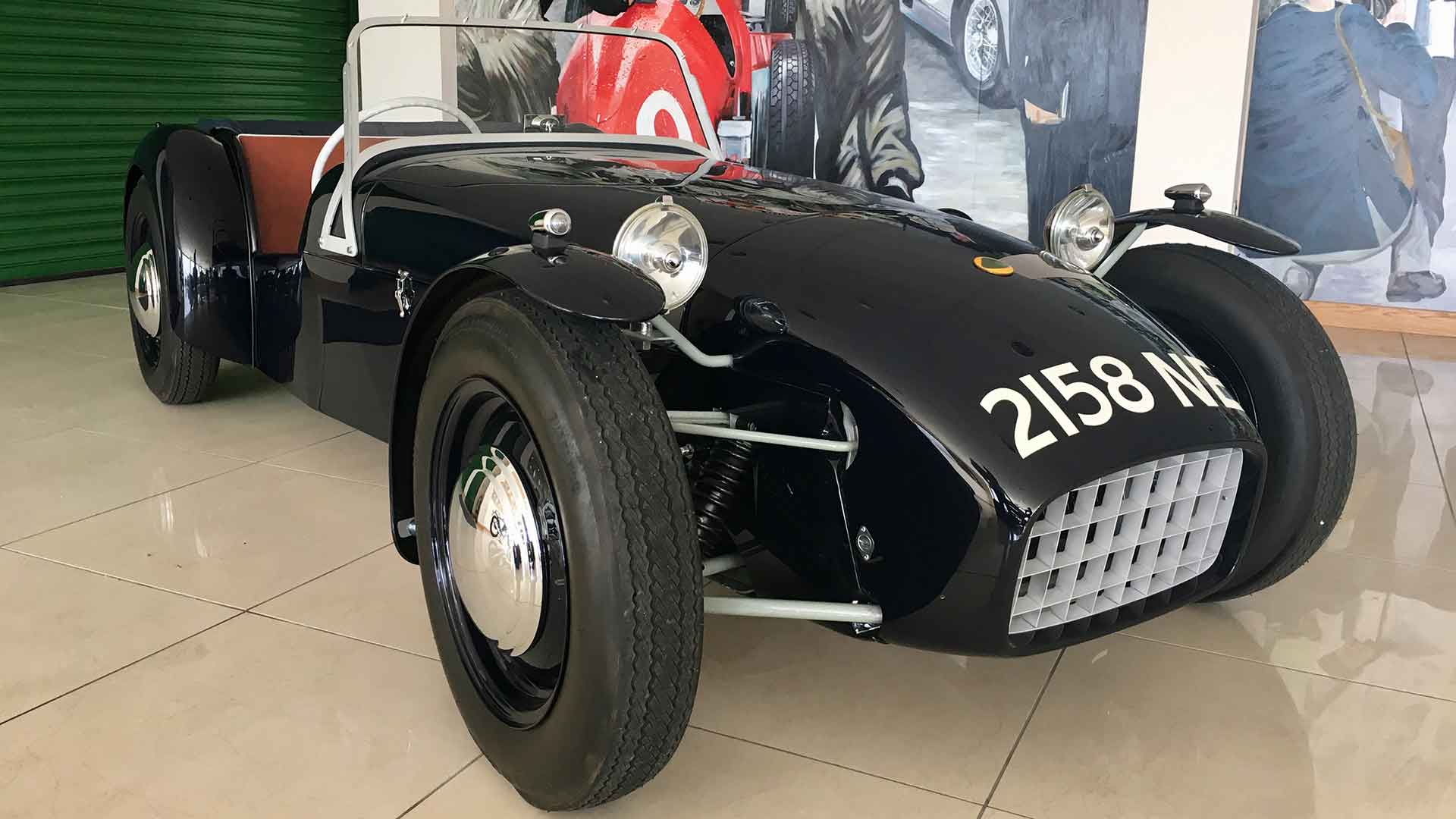
Has there ever been a purer sports car than the Seven? It exemplifies Lotus founder Colin Chapman’s ‘simplify, then add lightness’ credo, with aluminium body panels, fabric doors and a rudimentary roof. Early cars mustered just 49hp from a side-valve Ford engine, but a kerb weight of 500kg meant swift acceleration and agile, immediate handling. It was available in kit form, so many buyers saved money and built the car themselves.
Production of the Lotus lasted from 1957 to 1973. However, its legacy lives on in the Caterham Seven, which remains on sale today. This restored example shows just how basic the original car was. The bench-style seats offer no support whatsoever, ventilation comes via the open roof and in-car entertainment relies on your right foot.
Wonders of the workshop
After ogling the cars in the showroom, sales manager Stuart Batchelor takes me for a wander around the workshops. Here, cars are either restored to concours specification, uprated to ‘restomod’ spec (like the E-Type above) or prepared for the racetrack. It can be a painstaking process, but a full trophy cabinet is testament to the team’s success.
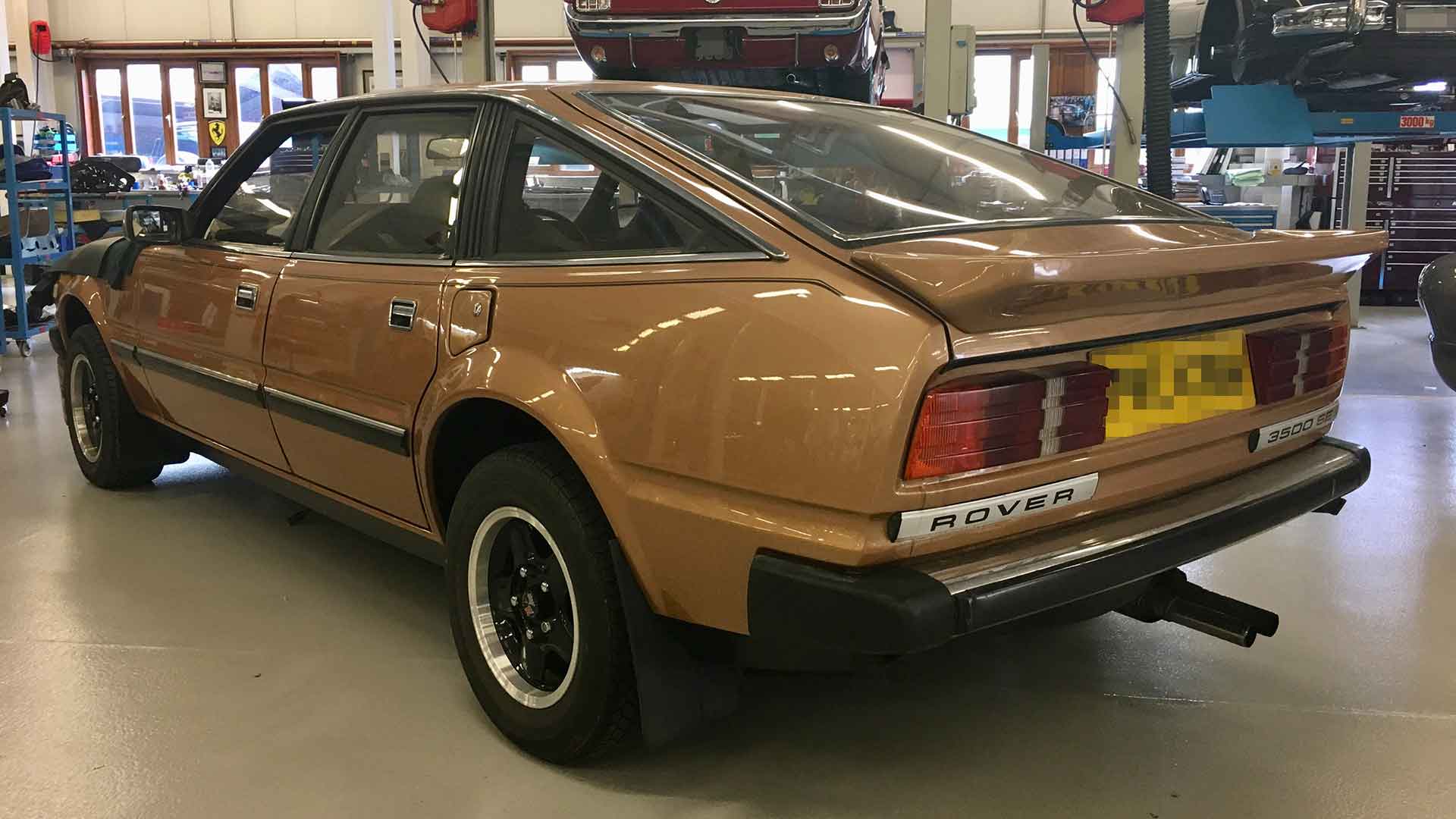
Among the eclectic mix of machines, I spot a Chevy V8-engined Rover SD1 (pictured), Mercedes-Benz 300 SEL 6.3, BMW 507, Maserati Mistral Spyder and Heinkel Trojan bubble car. There’s also a bright red Jaguar E-Type 4.2 FHC that previously belonged to Sir Jack Brabham and is mid-way through restoration.
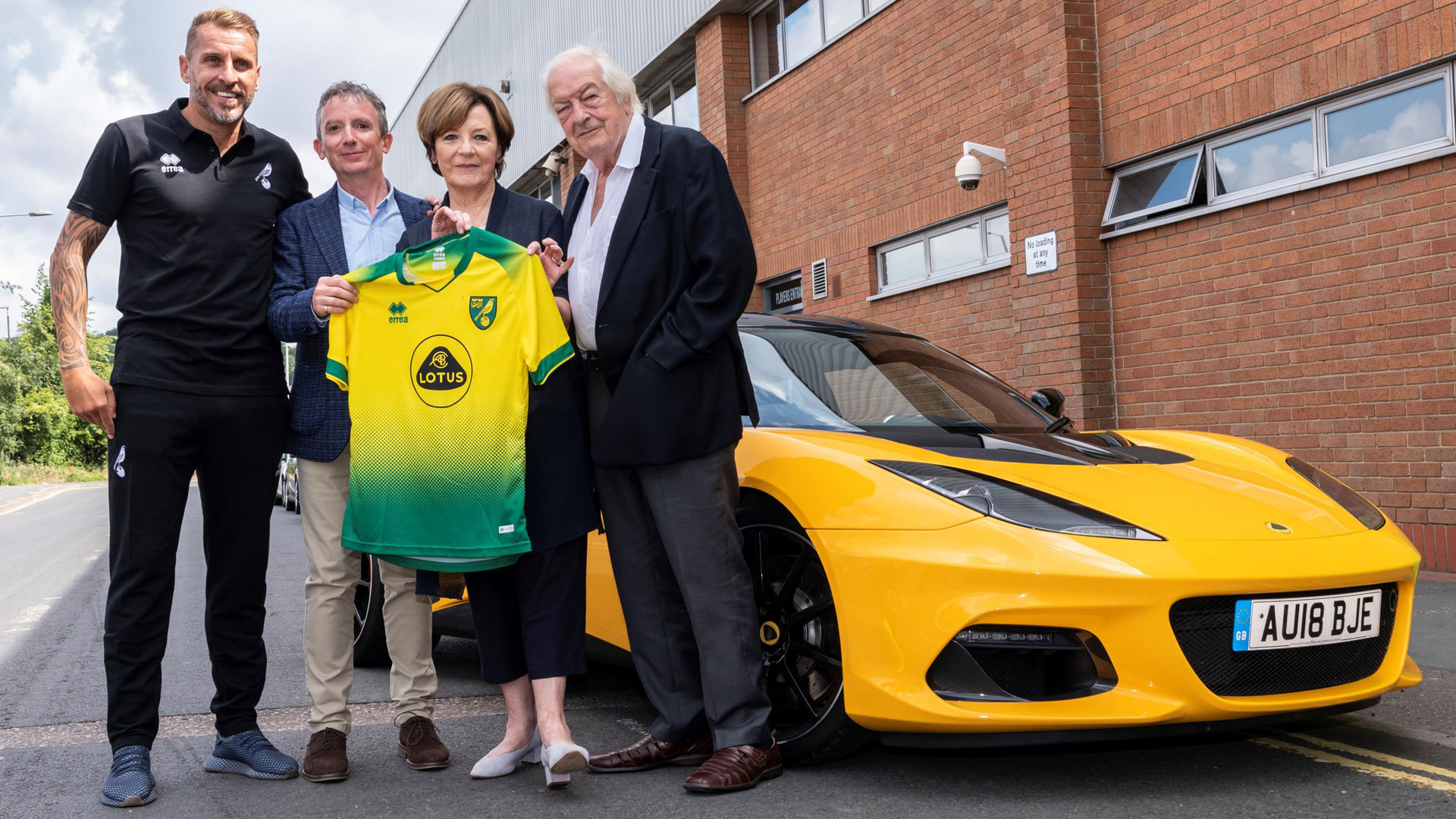
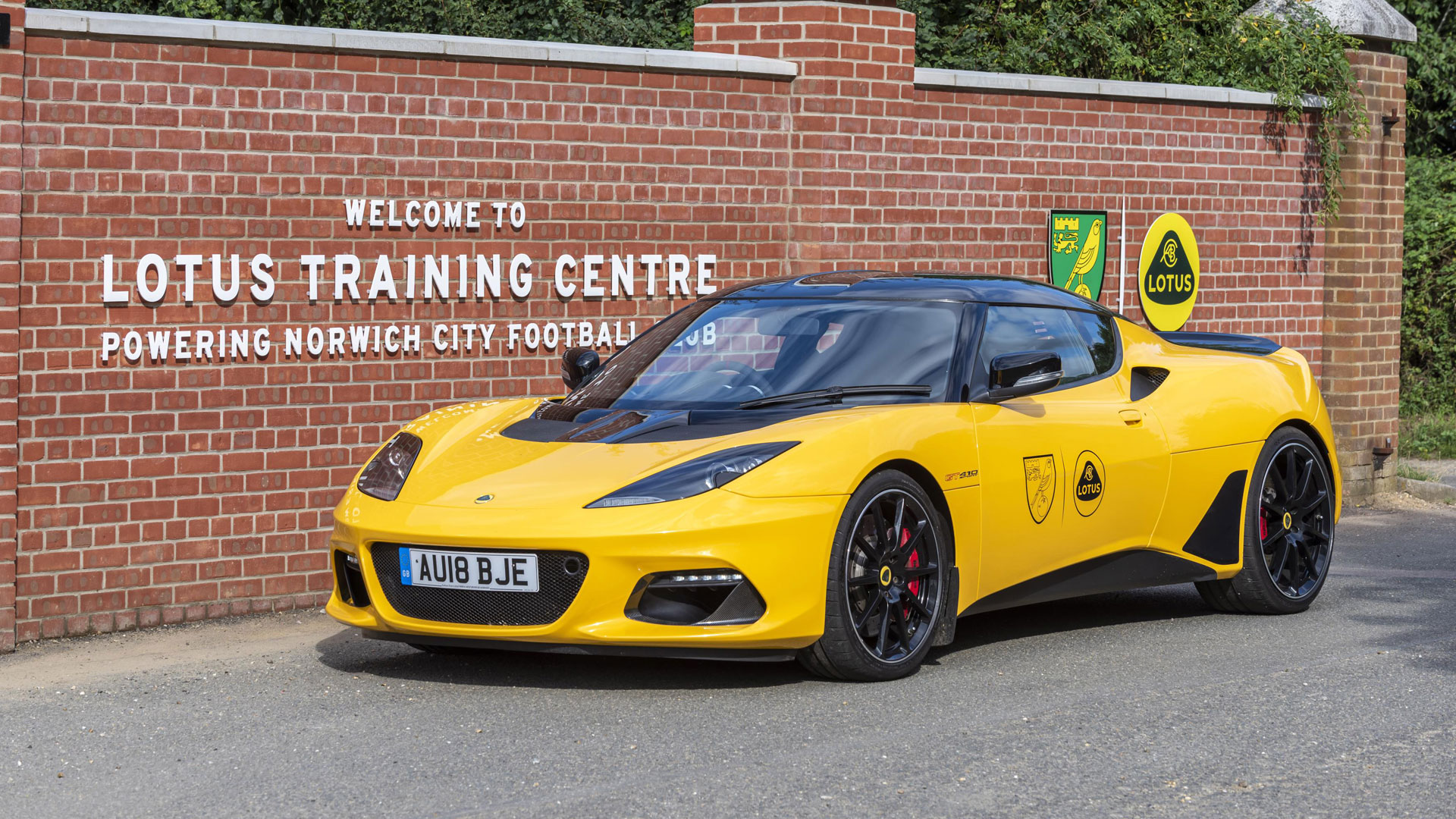
Norwich City has made its first big Deadline Day signing, with Lotus Cars hoping to inject some pace and flair to Carrow Road.
News of the partnership comes on the eve of Norwich City’s Premier League opener against Liverpool. And at the end of the day, it looks like a good deal for both sides, Clive.
As part of the multi-year global deal, Lotus will see its new corporate identity on the pitch-side at Carrow Road, on the ‘walk-out’ jackets worn by the first-team squad, and on the shirts of academy players from ages nine to 23.
Meanwhile, the training facility is now The Lotus Training Centre, and the all-new academy will be called The Lotus Academy.
And at the end of the partnership, Lotus Cars will run down its contract before leaving on a free transfer, Jeff. Probably.
Lotus has been building cars at Hethel, to the south of Norwich, since 1966, and employs around 1,200 people in the region.
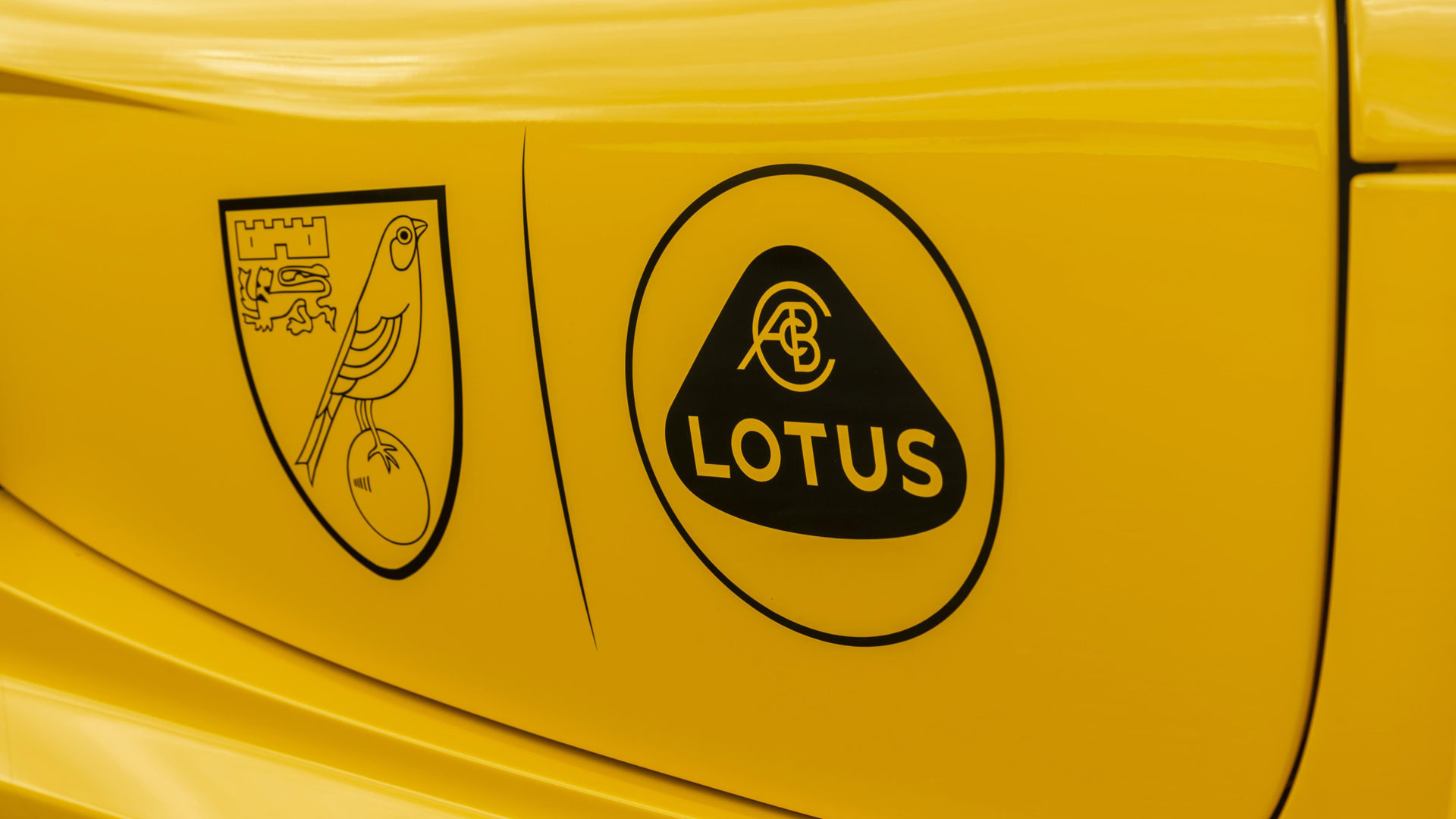
Speaking about the new corporate identity, Simon Clare, executive director of global marketing at Lotus, said: “We’ve looked back at the original Lotus roundel and thought about Colin Chapman’s philosophy – to simplify and add lightness.
“We’ve applied that to create a new roundel, taking the weight out of the lettering and adapting the spacing. We’ve also straightened the word ‘Lotus’ so it’s consistent with the Lotus wordmark.”
A partnership of two halves
On the subject of the partnership with Norwich City, Clare added: “Lotus is a brand born for and out of performance and competition, so this partnership is perfect for both parties. Together Lotus and Norwich City Football Club share core values – commitment, passion, focus, hard work, a winning mindset – and the success that flows from them.
“This partnership joins two iconic Norfolk brands as they accelerate on to the global stage together. Both share a desire for innovation and, as we herald a new era together, we are incredibly excited about playing a part in the development of Norwich City Football Club and its talent. Today we are investing in that future.”
Here’s a little video showing club legend Darren Huckerby arriving at the club’s training facility. Check out the not-so-subtle reference to Norwich City’s East Anglian rivals. Sorry, Ipswich Town fans.
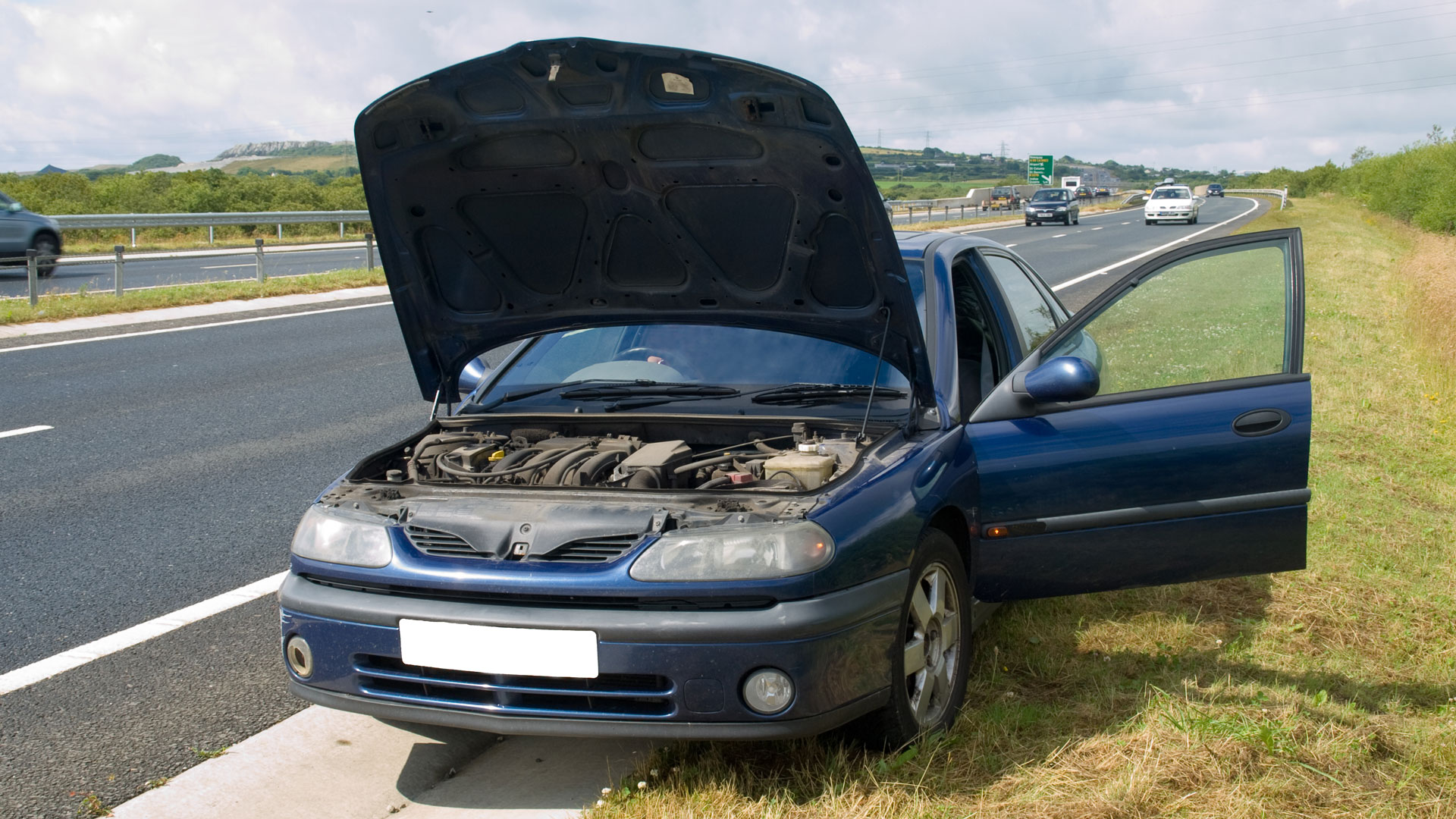
Of the 750,000 traffic incidents on UK roads between 2015 and 2017, 9,000 involved a vehicle colliding with a stationary vehicle.
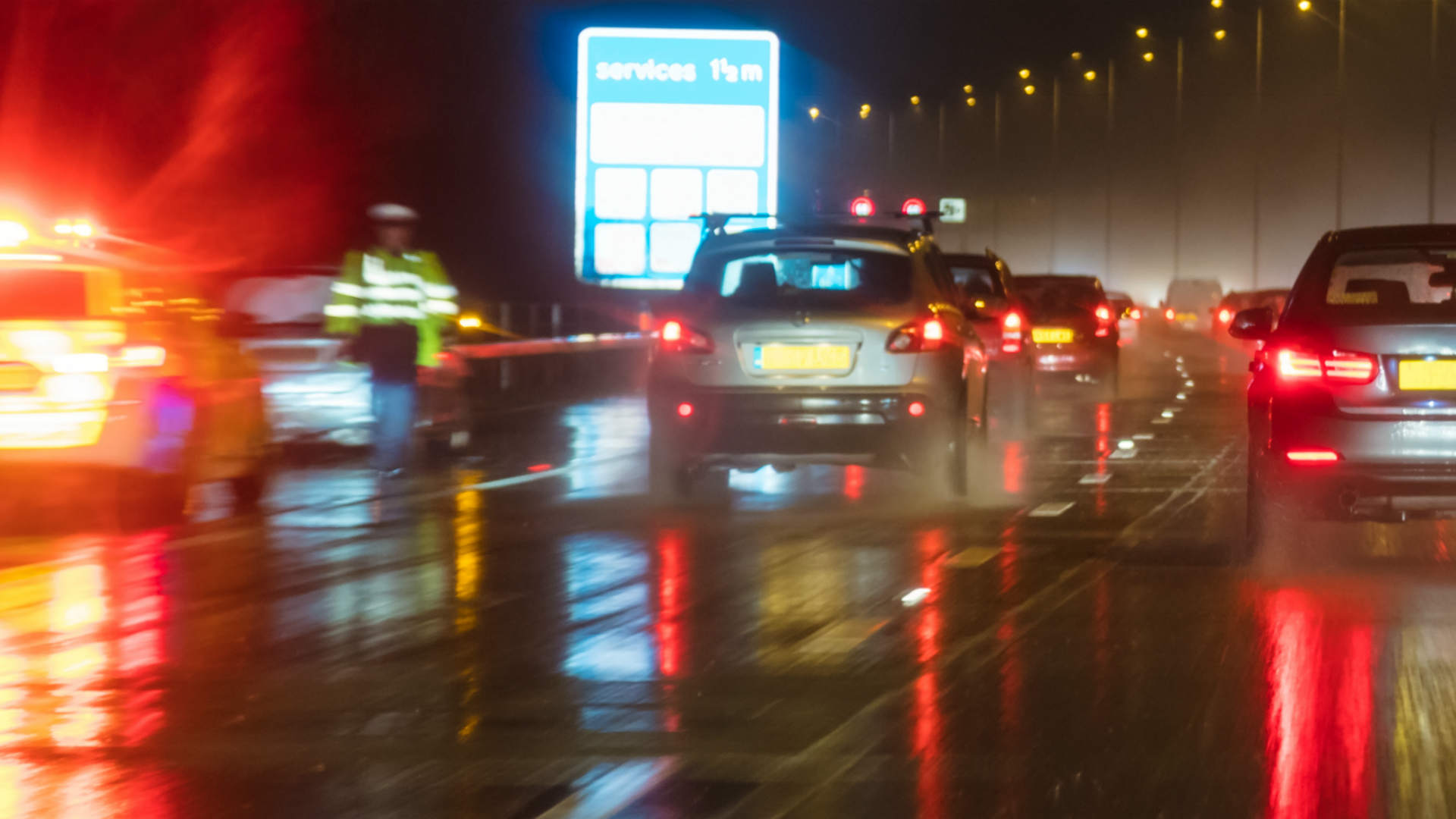
Of these, 42 percent (3,780) occurred on a motorway or main road, a worrying statistic given the introduction of smart motorways, where stranded vehicles could be forced to stop in a live running lane.
The Department of Transport (DfL) figures reveal 24 parked vehicles are hit by another car EVERY WEEK, with a fifth of incidents on a motorway or main road resulting in death or serious injury.
There are more than 100 miles of All Lane Running (ALR) smart motorways in England, with a further 225 miles planned by 2025. Some smart motorways use the hard shoulder during peak traffic, while others use it as an additional lane.
Figures obtained from the RAC show that there were 16 serious crashes involving a stationary vehicle on the 100 miles of smart motorways in 2017.
While not all of the 3,780 incidents took place on a smart motorway, there have been calls to stop their rollout, over fears that they’re putting the lives of motorists and recovery workers at risk. The Campaign for Safer Roadside Rescue and Recovery (CSRRR) wants ALRs to be scrapped and for recovery vehicles to use red flashing lights.
MP Tracey Crouch said: “We need the government to pause and reflect on whether we’re getting this right. The rollout of ALR smart motorways should be stopped “until we have a better understanding about how we can protect those who have broken down and the recovery workers that come to assist them”
A hard shoulder is always identified by a solid white unbroken line. If there is no speed limit above the hard shoulder, or a red X is displayed, DO NOT use it except in an emergency.
If the hard shoulder is being used as an ALR, use a designated emergency refuge area.
If you break down on the motorway
If you cannot reach a refuge area – or you breakdown on a standard motorway with a hard shoulder – here’s some safety advice from the RAC:
Pull over to the hard shoulder
Leave the vehicle via the left (passenger) door
Make sure all passengers do the same
Turn your hazard lights on
Contact your breakdown provider
Alternatively, use one of the emergency telephones, which are situated at one-mile intervals along the motorway.
Green Flag’s Damon Jowett said: “It’s important for people to be aware of the danger of driving on motorways, which are a hotspot for traffic incidents and resulting fatalities. Many accidents can be prevented.
“If there is a vehicle stopped on the hard shoulder, drivers need to slow down and move their vehicle over to the next lane if safe to do so. This simple manoeuvre not only helps protect the drivers and passengers in the stationary vehicle, but it also safeguards our roadside workers as they assist them.”
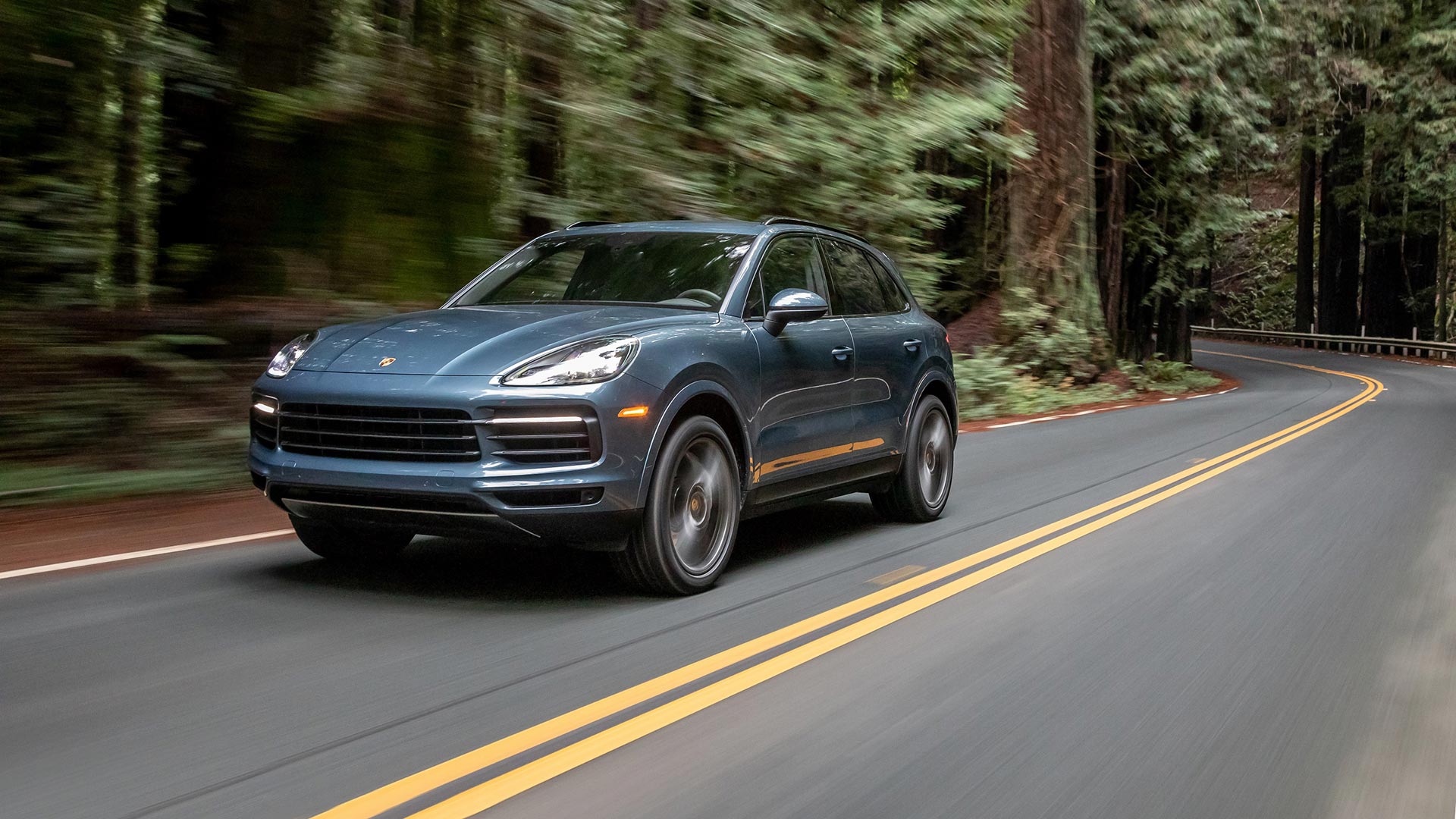
North American Porsche owners now have an easier way to reduce the environmental impact of driving their car.
The new ‘Porsche Impact’ online tool allows drivers to calculate their annual CO2 emissions, and then donate to projects designed to tackle climate change.
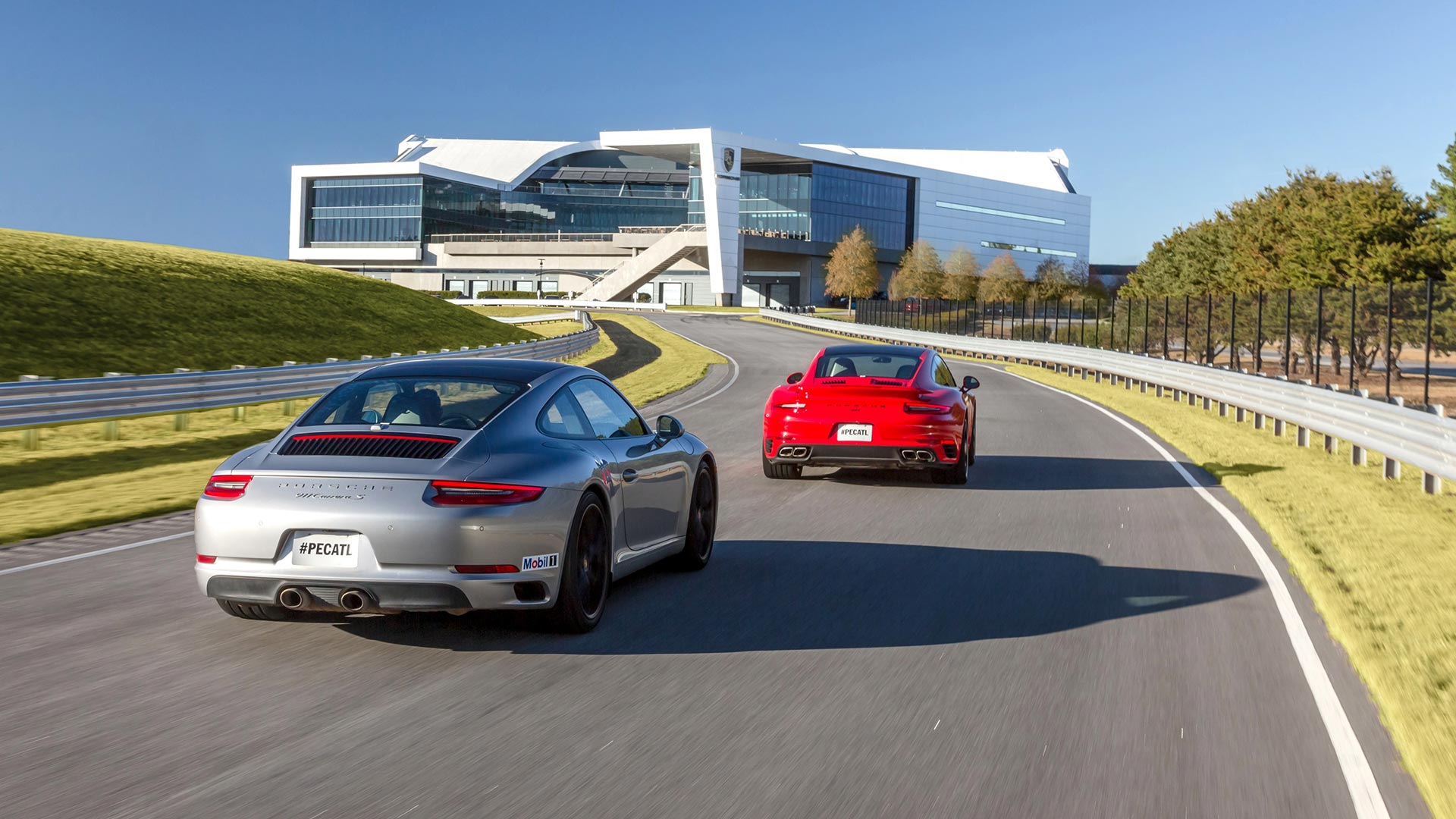
Previously offered to customers in Germany, Poland, and the UK since 2018, Porsche Cars North America has taken steps to enrol its own Porsche Experience Center vehicles.
Customers simply need to know the average fuel economy of their Porsche, along with the estimated annual mileage they will cover.
The Porsche Impact calculator then generates a figure for expected total CO2 emissions for the year. A financial value is attached to this CO2 total, representing the amount of funding needed to offset the emissions and one of four climate projects.
All four projects are internationally certified, and include hydro-electric power in Vietnam, solar power in Mexico, habitat preservation in Zimbabwe, and forest protection in the USA.
Drivers simply make a one-off payment through partner South Pole, who manages the allocation of funding. Porsche makes no profit from the money spent.
How much a driver pays is dependent on the Porsche they drive, and how frequently they use it.
For instance, a Porsche 911 Turbo – with an average fuel economy of 21 mpg – would generate 2.09 tons of CO2 if driven 5,000 miles per year. Offsetting this would cost between $25.77 to $58.56 depending on the project picked.
Whilst entirely optional Klaus Zellmer, President and CEO of PCNA, believes that “offering an option for greater sustainability is part of creating a superb Porsche experience”.
Porsche will launch the all-electric Taycan later this year, which will offer buyers the chance to sidestep internal combustion engine emissions completely.
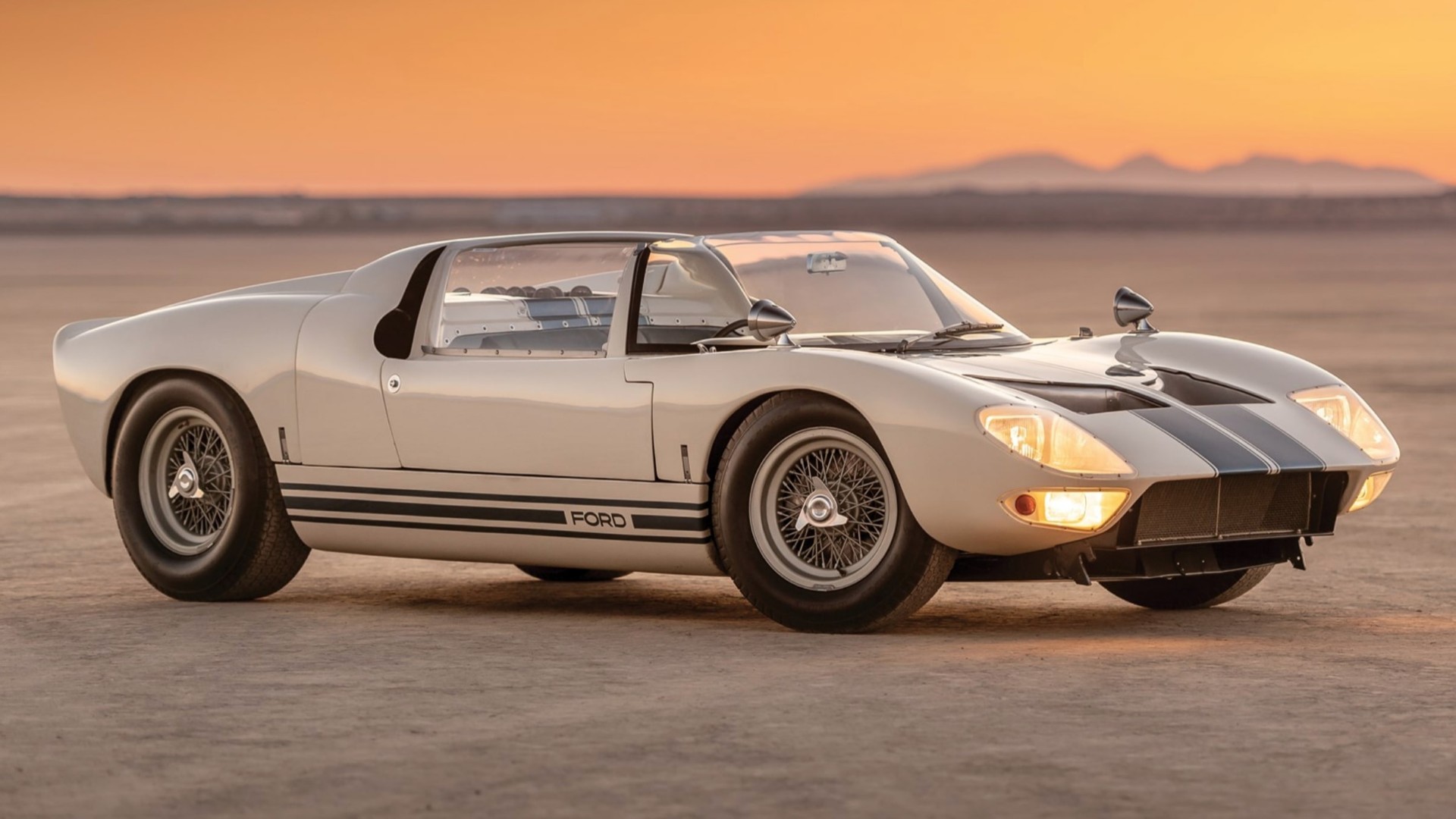
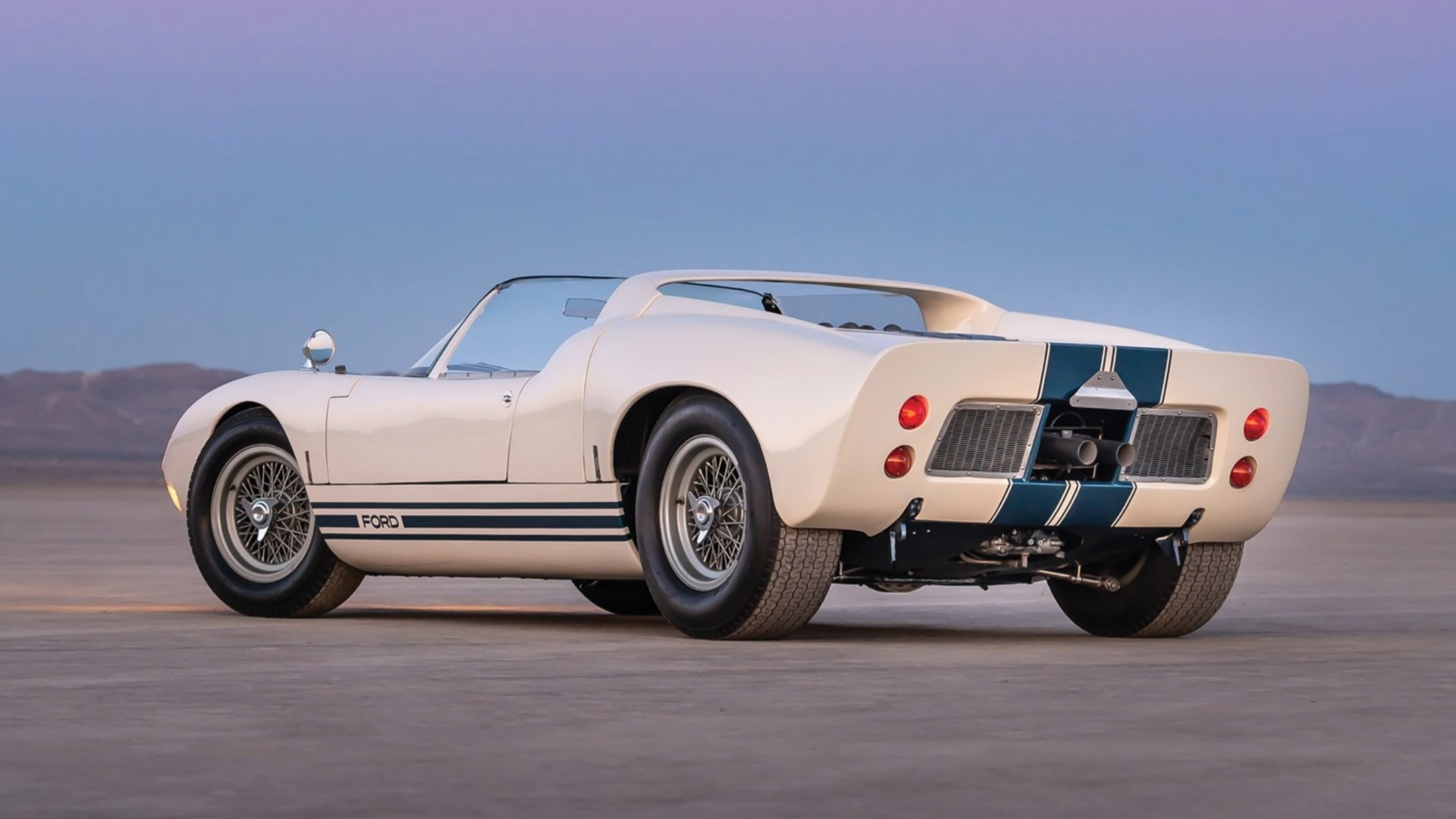
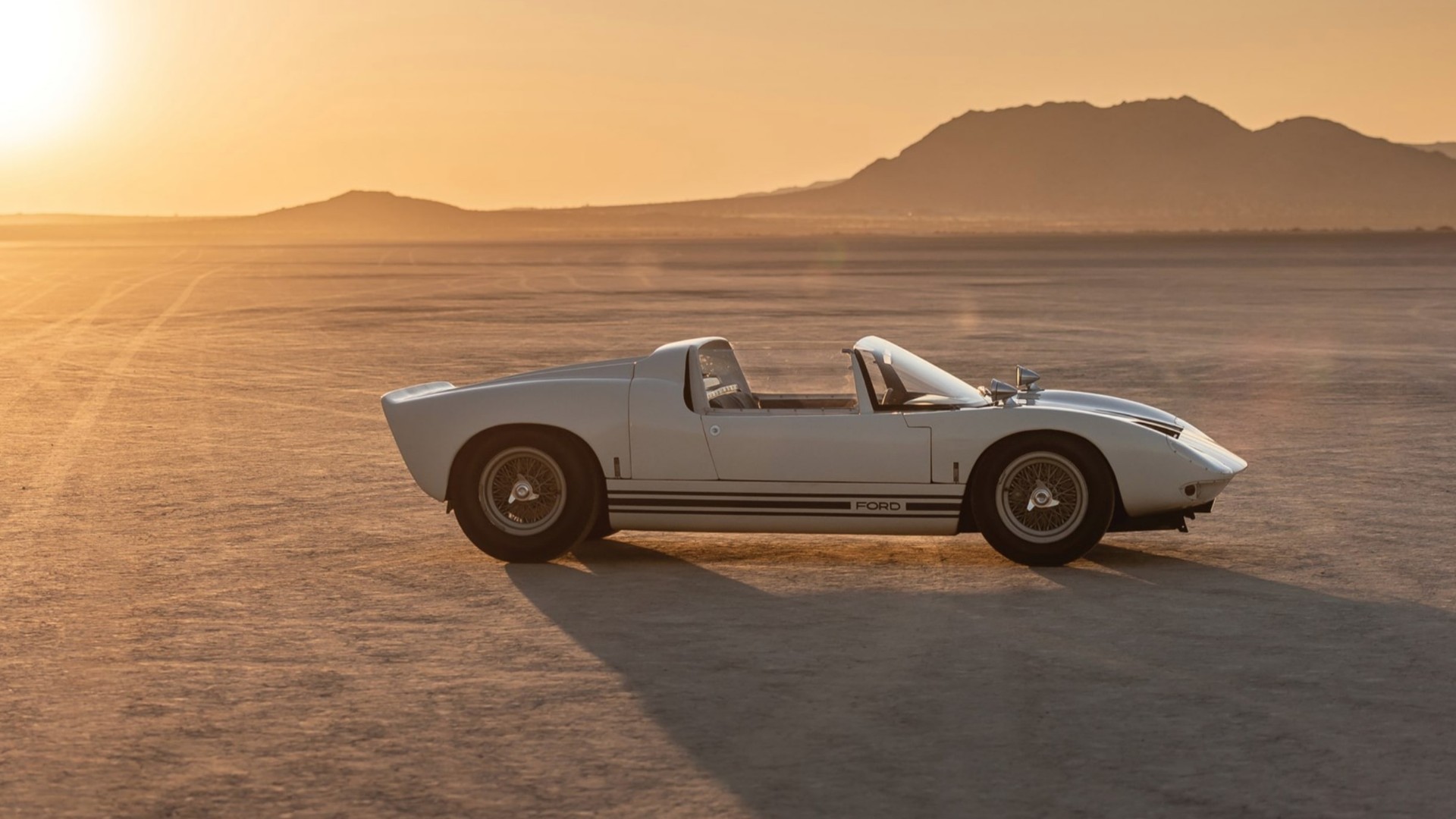
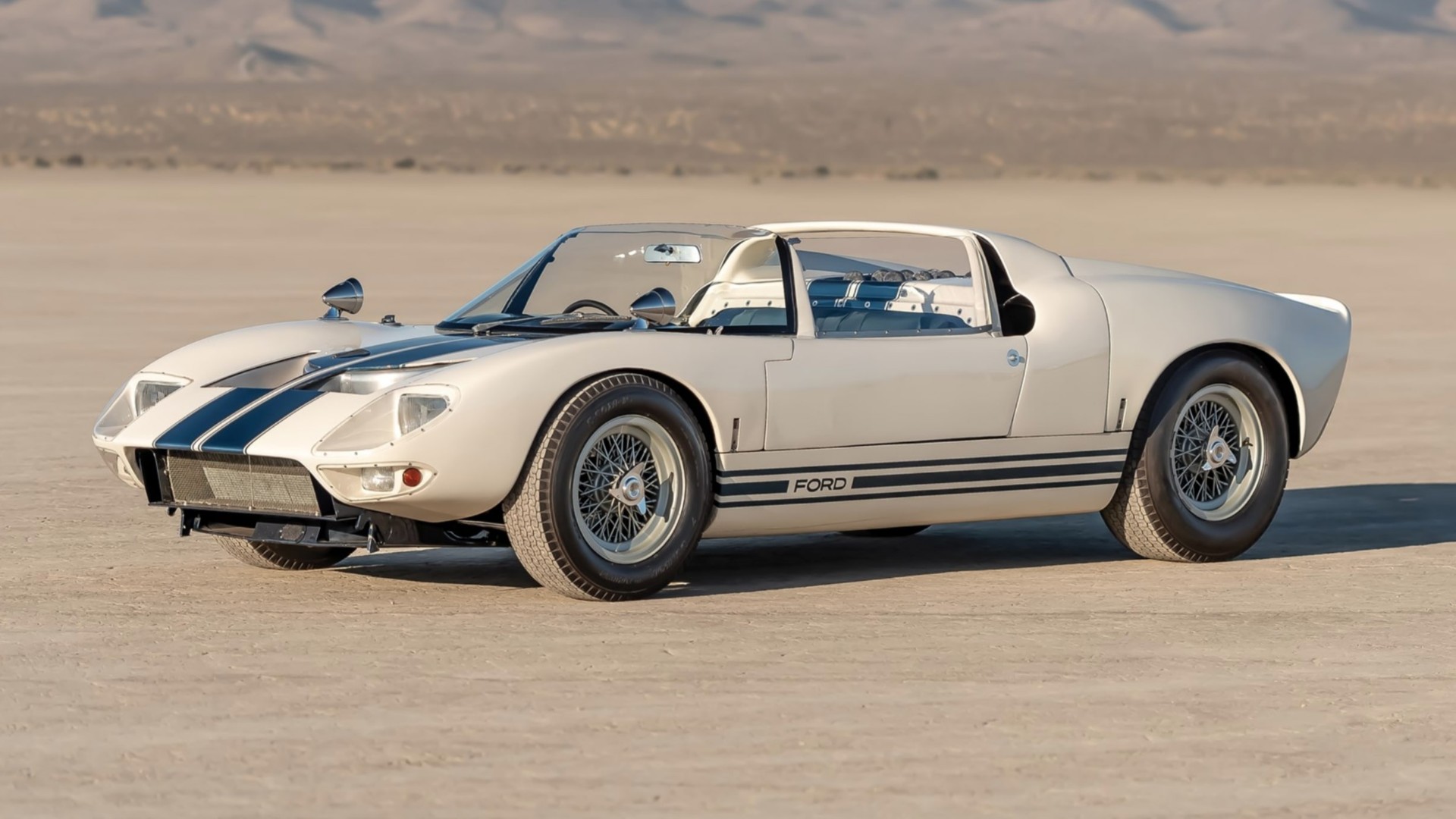
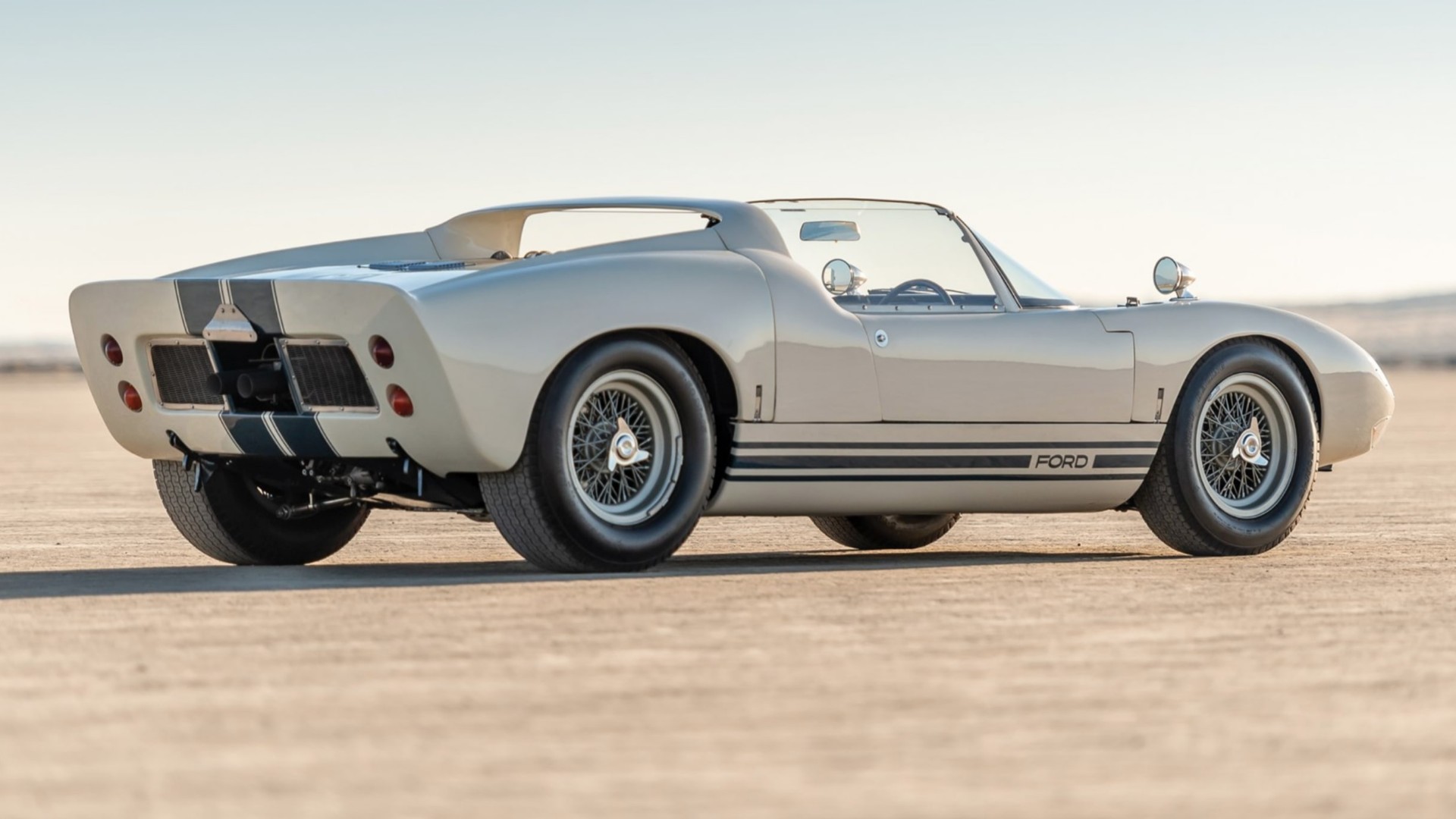
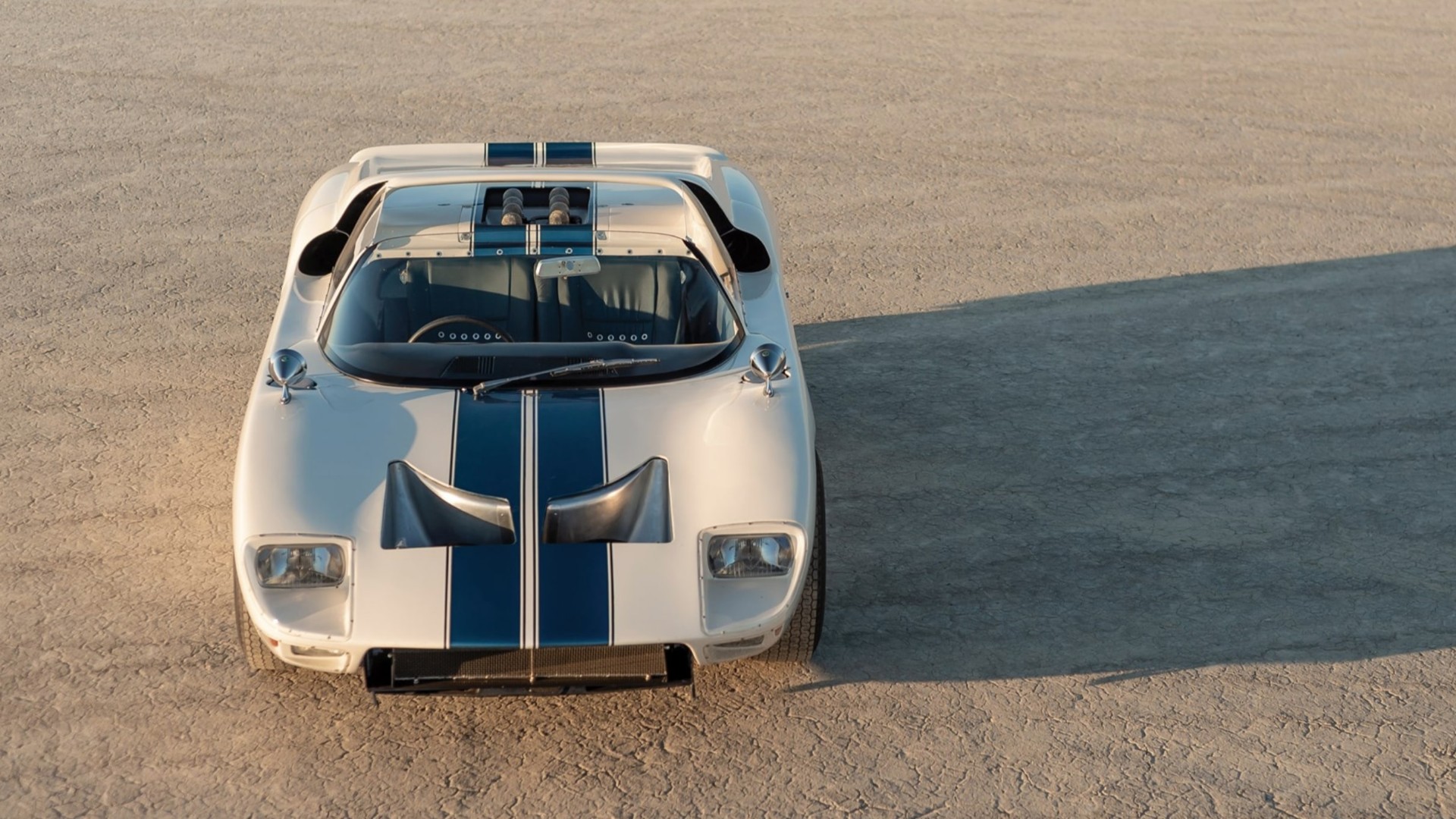
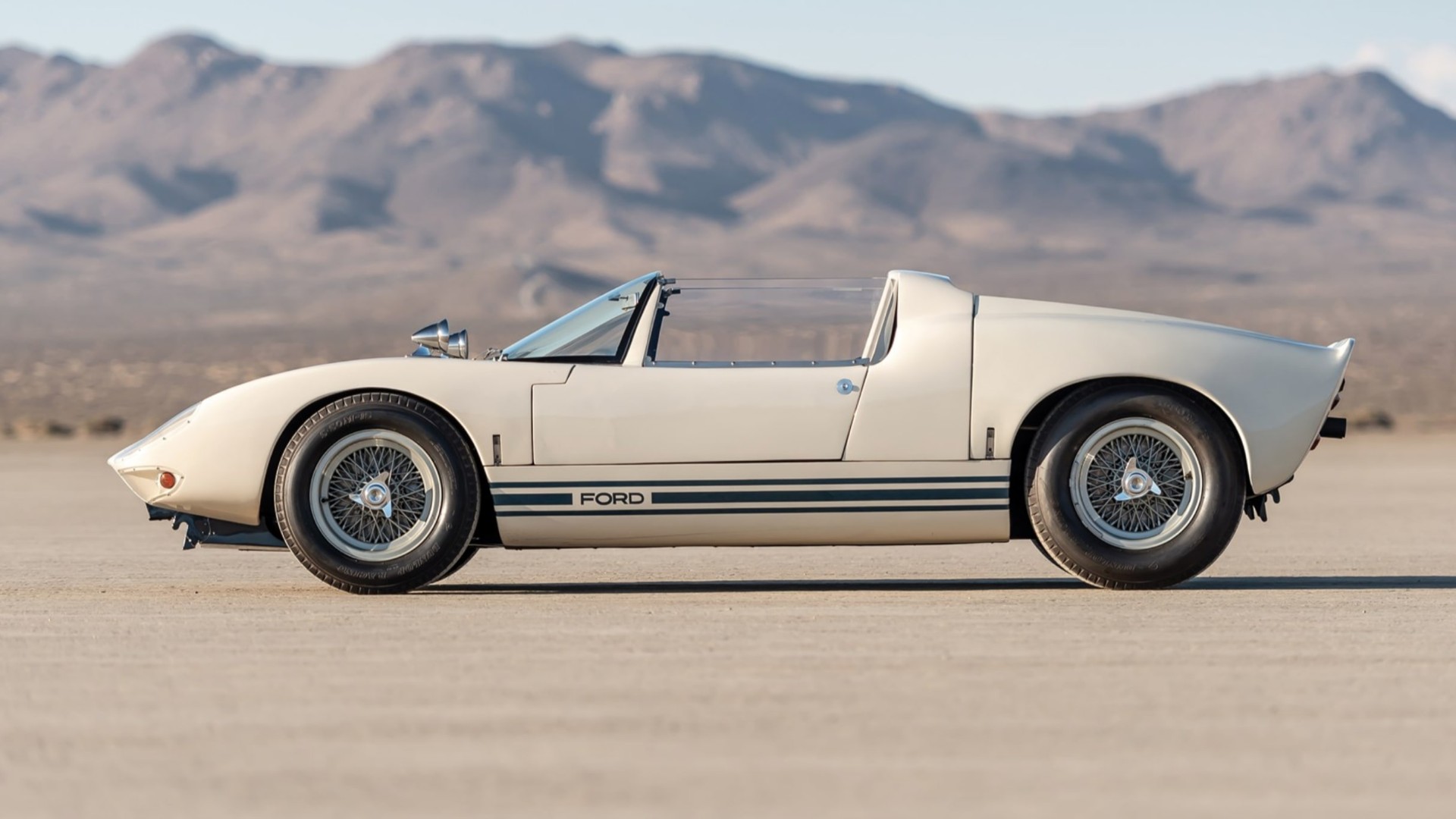
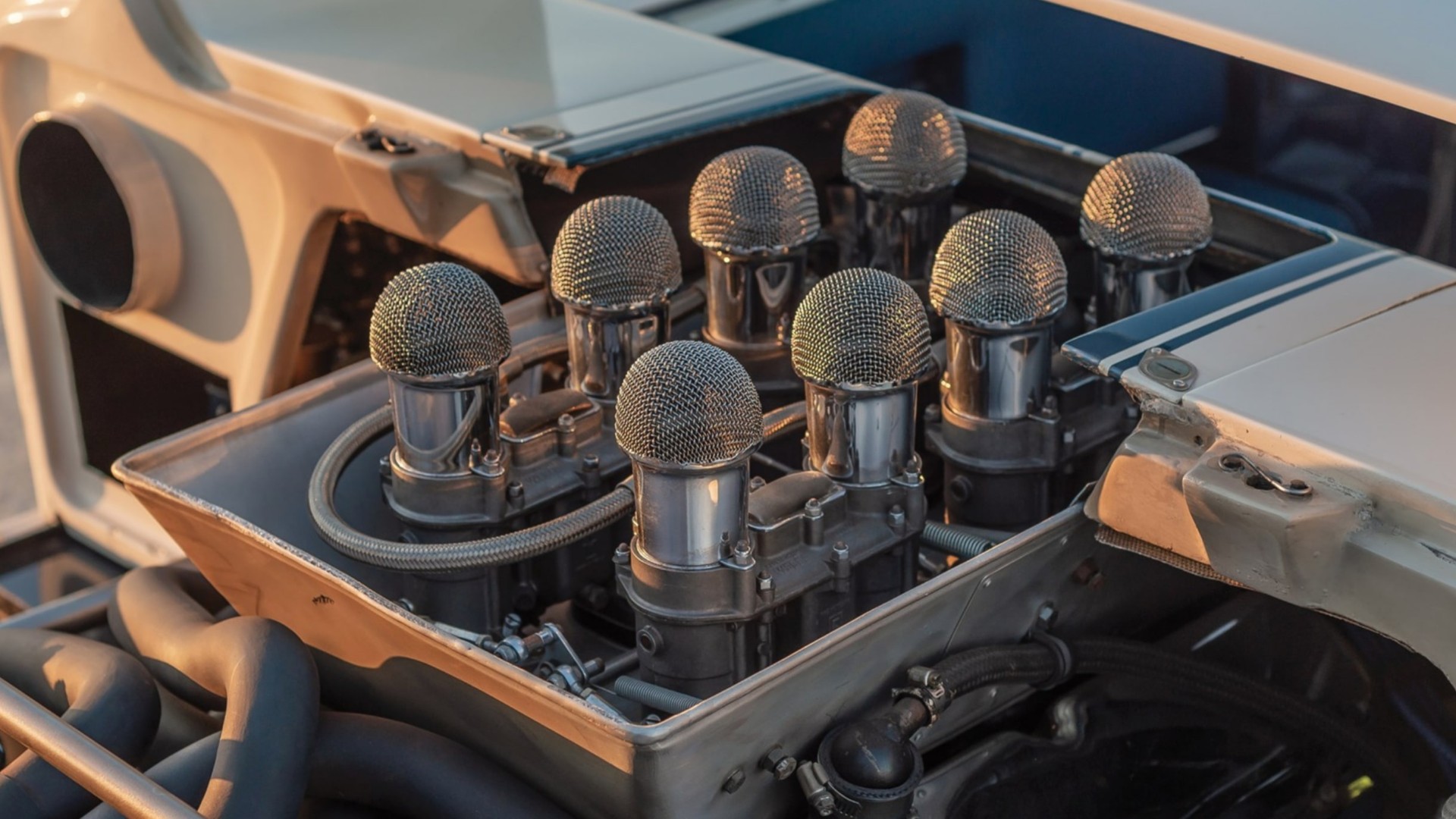
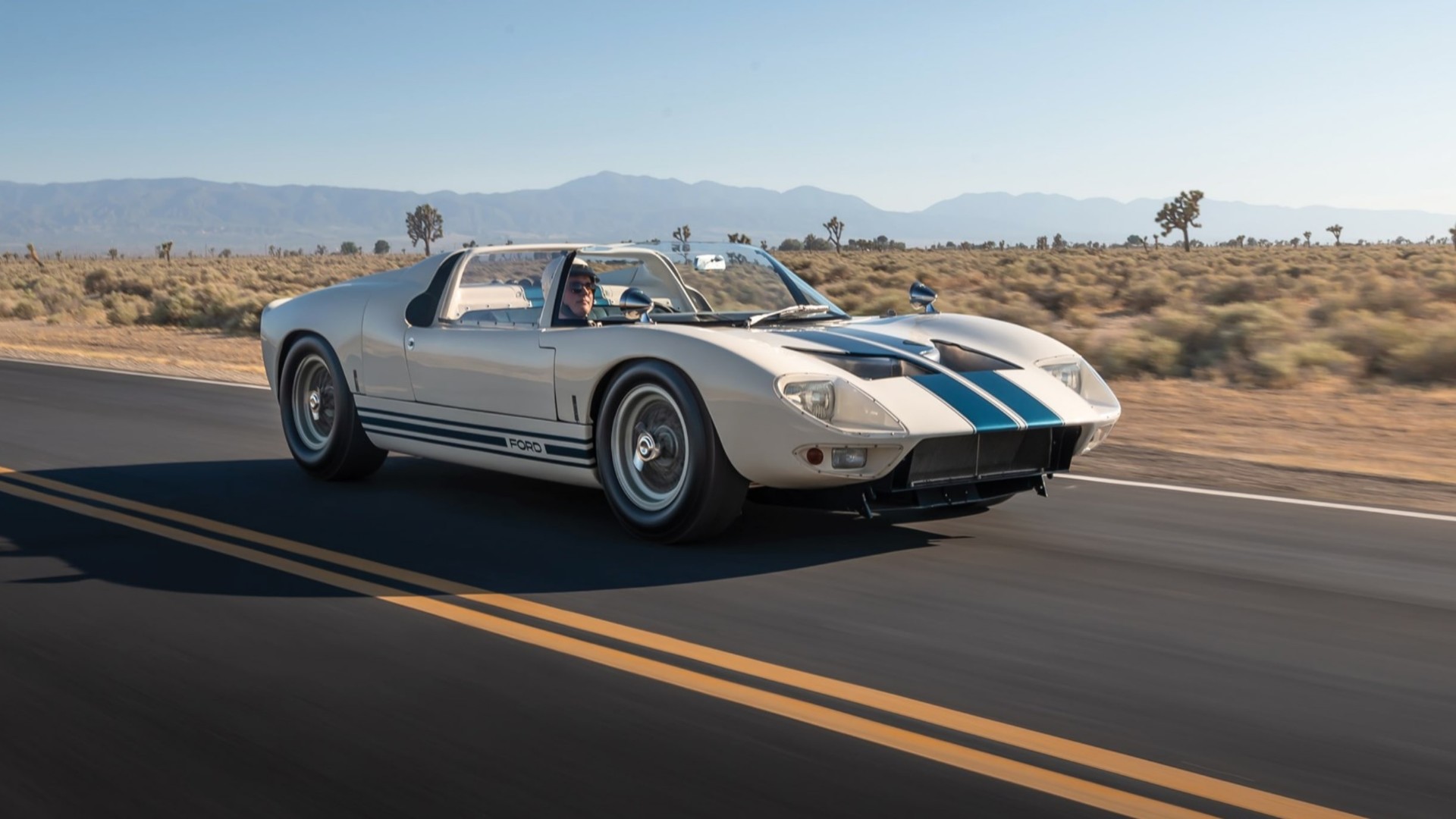
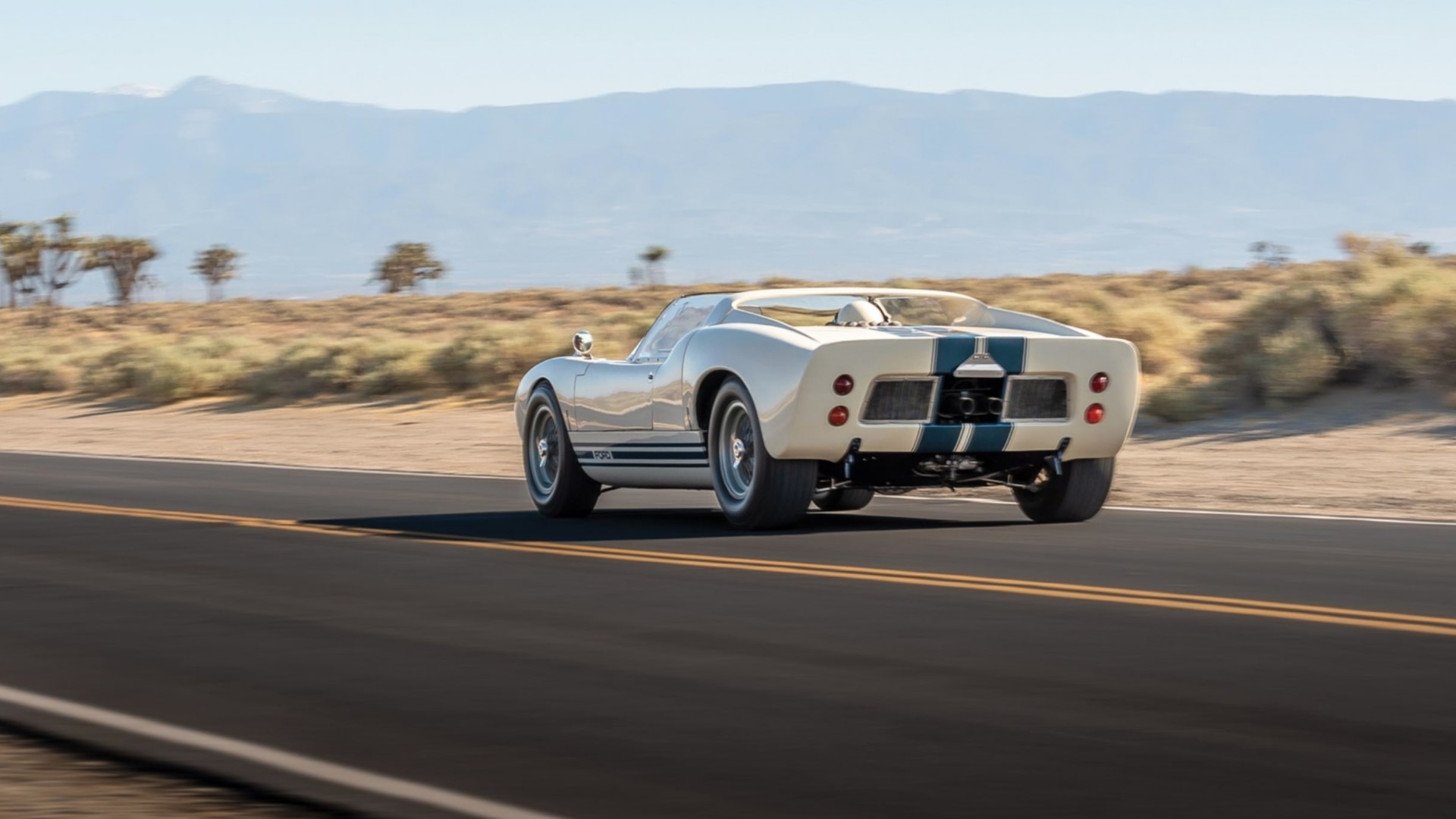
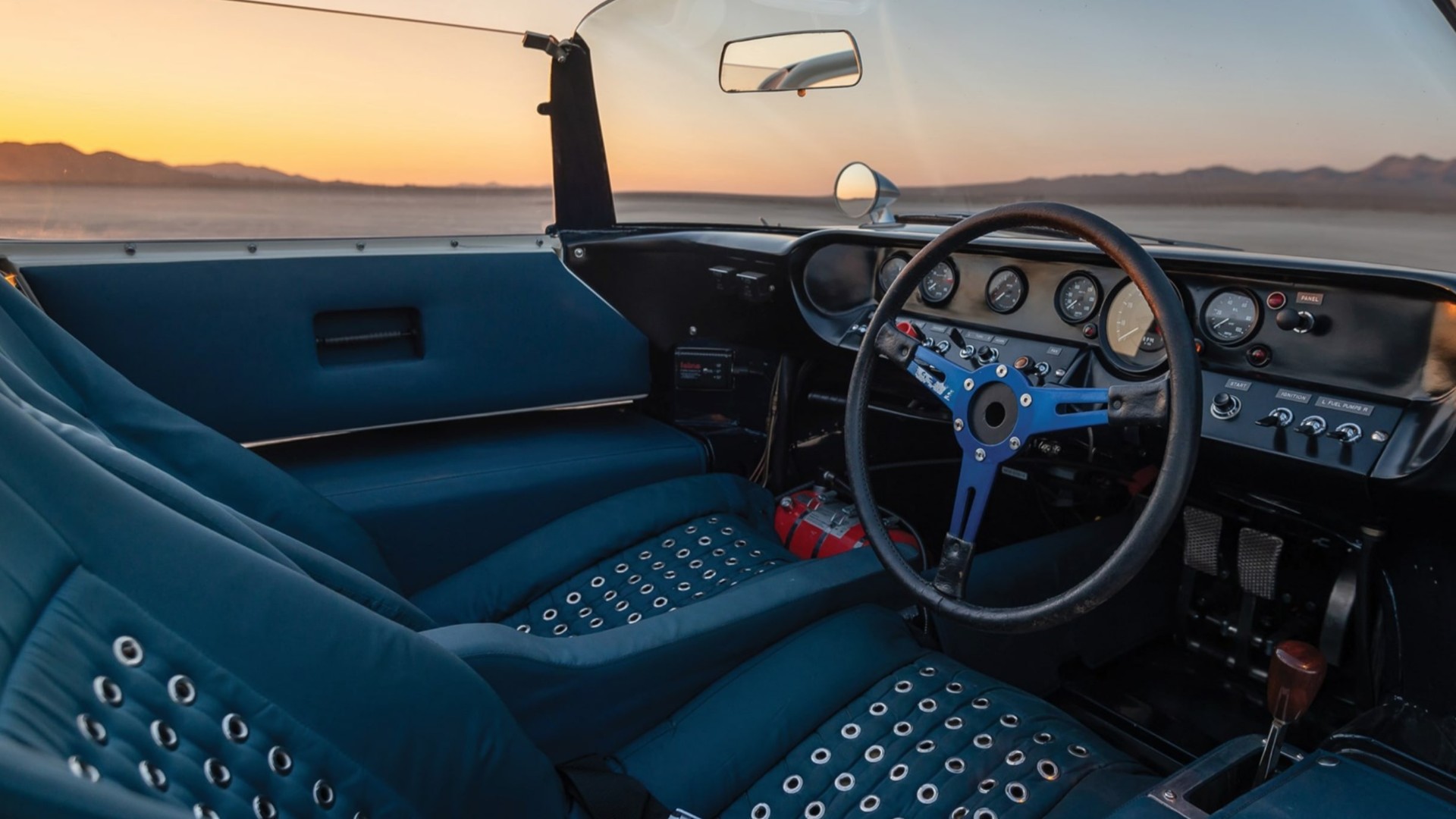
The first prototype of just five Ford GT40 roadsters is up for auction with RM Sotheby’s at Monterey Car Week.
Among the rarest variants of one of the greatest racing cars ever, the GT40 is estimated to make up to $9 million (£7.4 million) when it crosses the block on August 15 2019.
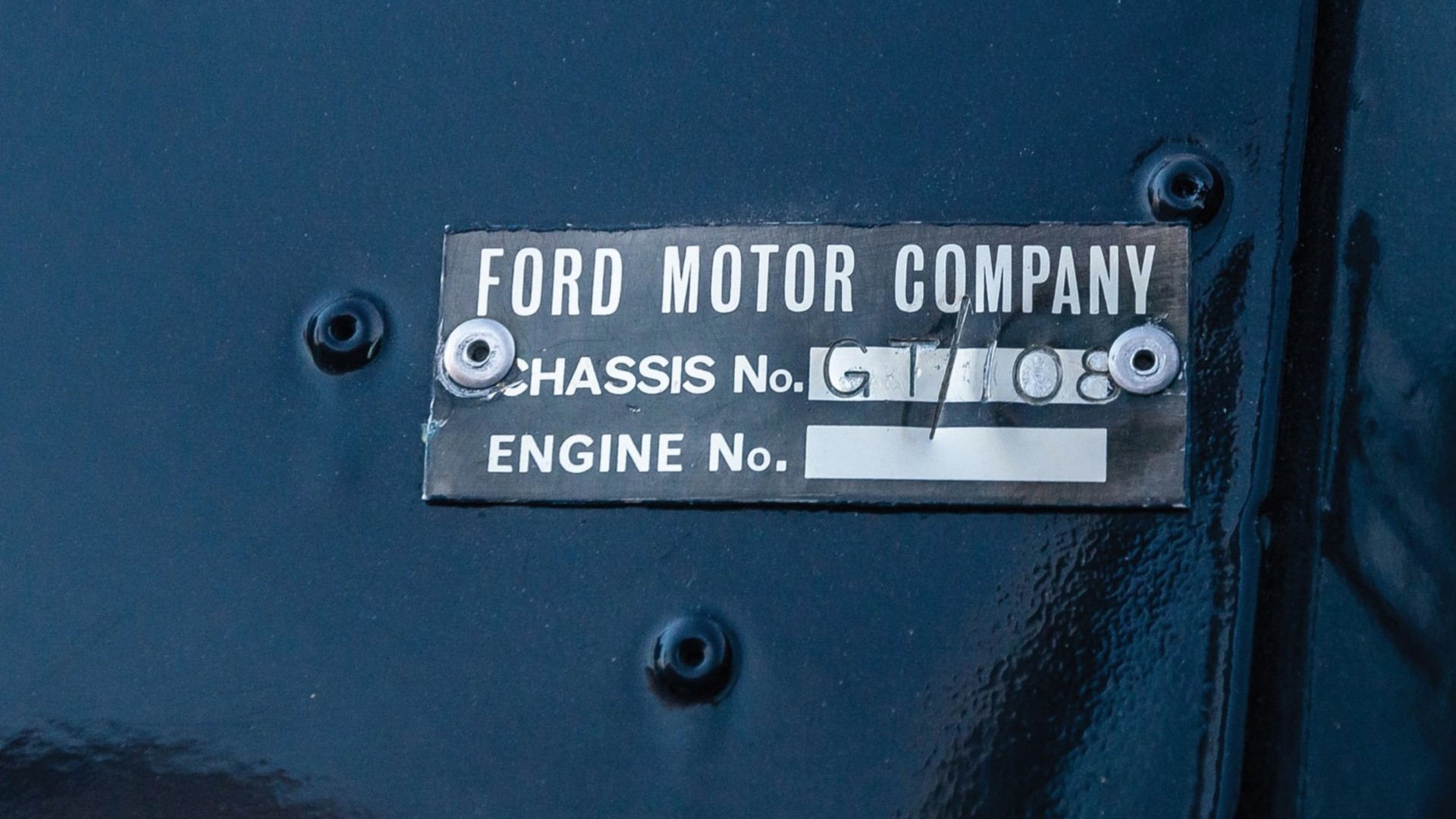
The roadsters were manufactured as a part of the batch of 12 prototypes that came before the 87 production GT40s. This particular car is the eighth of those 12, and the first of five roadsters.
Following testing at Silverstone in 1965 with Dickie Atwood and Sir John Whitmore, the roadster made its way over to the USA with Shelby American, on a ‘temporary importation for test purposes’ basis.
The car was tested at Shelby’s Imperial Highway headquarters (next to LAX airport), then shown to Ford executives. This is allegedly the only GT40 that Henry Ford II, the man behind the mammoth GT40 programme, ever rode in.
A representation of this car will likely be in the upcoming Ford v Ferrari movie, due out later this year.
This roadster is also believed to be the only GT40 that F1 ace Jim Clark ever drove. The legendary champion demonstrated the car during some downtime at the October 1965 Watkins Glen Grand Prix.
It also served as a testbed for the upcoming Mk IV Ford GT, which would go on to win Le Mans in 1967.
Bouncing between various owners over subsequent years, the car was raced on and off by a latter-day owner. His faithful-to-period restoration meant it wasn’t that competitive, but originality matters more to most collectors.
The condition of this GT40 Roadster undoubtedly contributes to its hefty valuation. Prior to the sale in Monterey, it has been in the owned by the same collector for 26 years.
Read more
Racing in the blood: the story of the Ford GT40
Porsche 917 meets Concorde – Golden jubilee of speed
There’s no such thing as a bad new car, but not all vehicles are created equal. So while the days of unsafe, unreliable and rust-before-your-eyes cars are, for the most part, behind us, there are still some munters on the road. Here are 15 cars from the past decade that shouldn’t have made it to these shores.
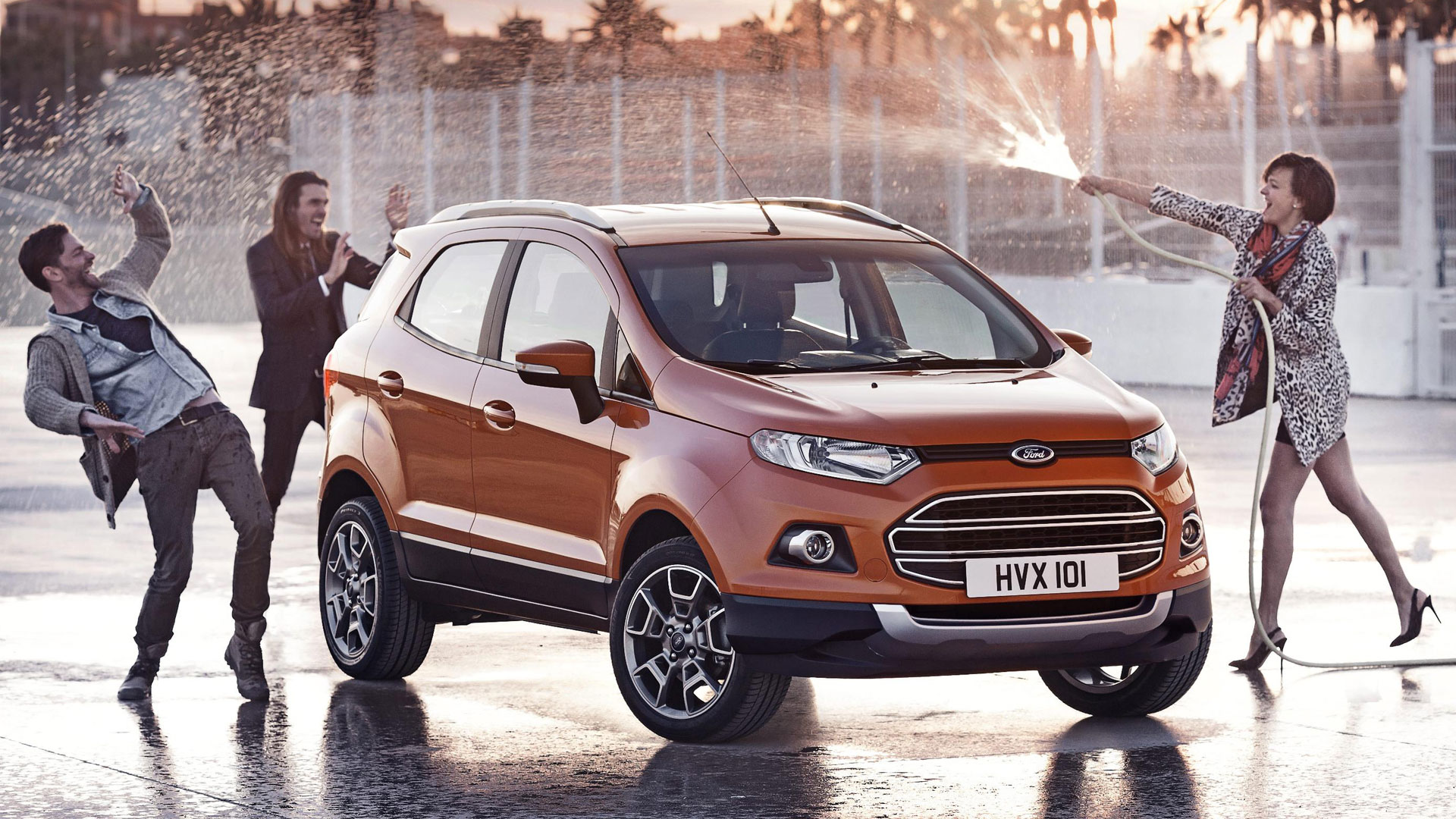
Ford Ecosport
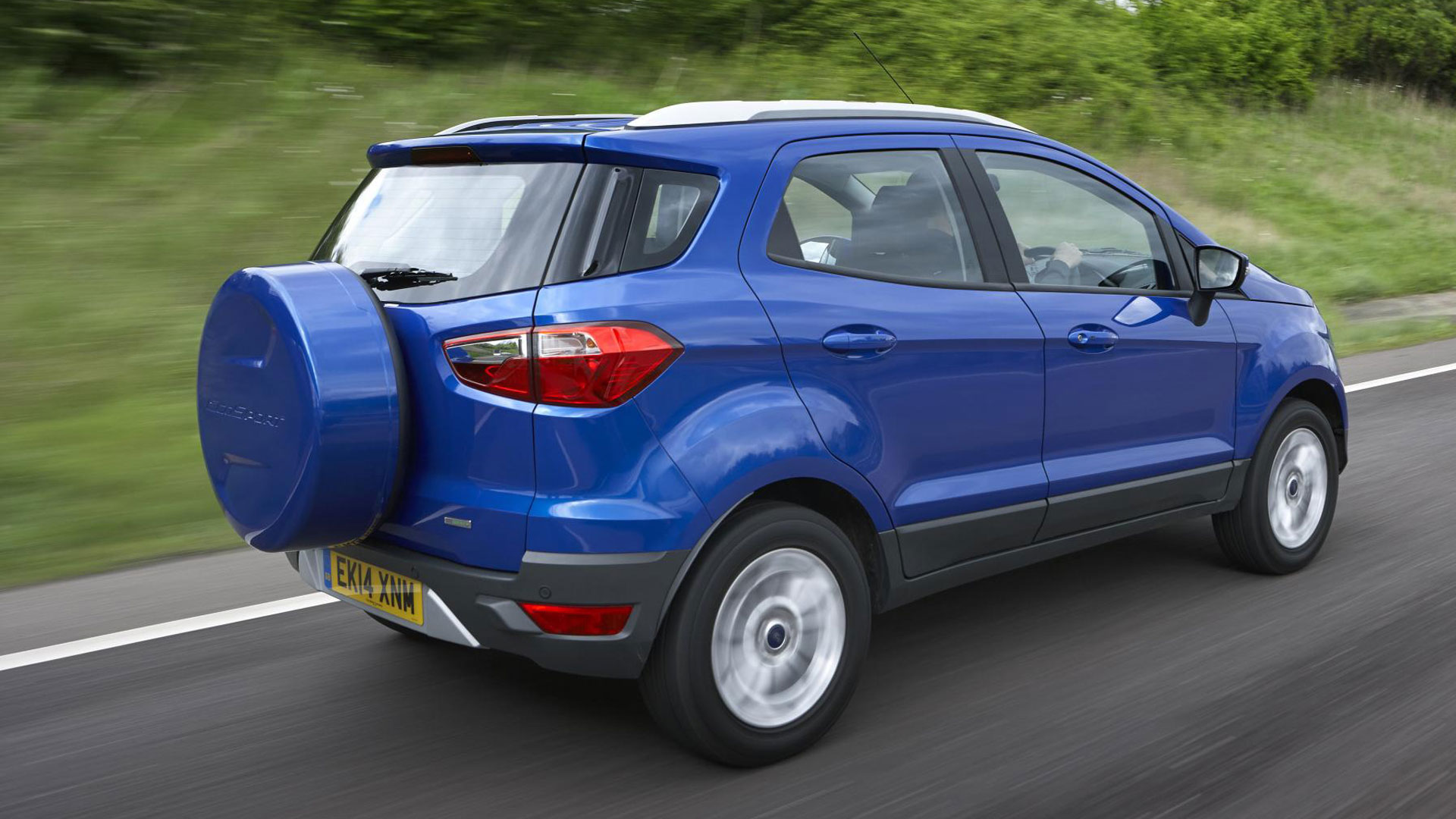
Deciding to launch the Ecosport with a tailgate-mounted spare wheel was a touch of genius, because it drew attention away from the hideous, ill-judged and slightly terrifying styling. In fairness, the spare wheel was arguably the most interesting part of the car, so the decision to remove it felt like a double-edged sword. In a world of top-hinged tailgates, the side-hinged rear door felt like a blast from the past. If you love exposed spare wheels, buy a Suzuki Jimny. If you want a small Ford, buy a Fiesta or wait for the new Puma.
Mitsubishi Mirage
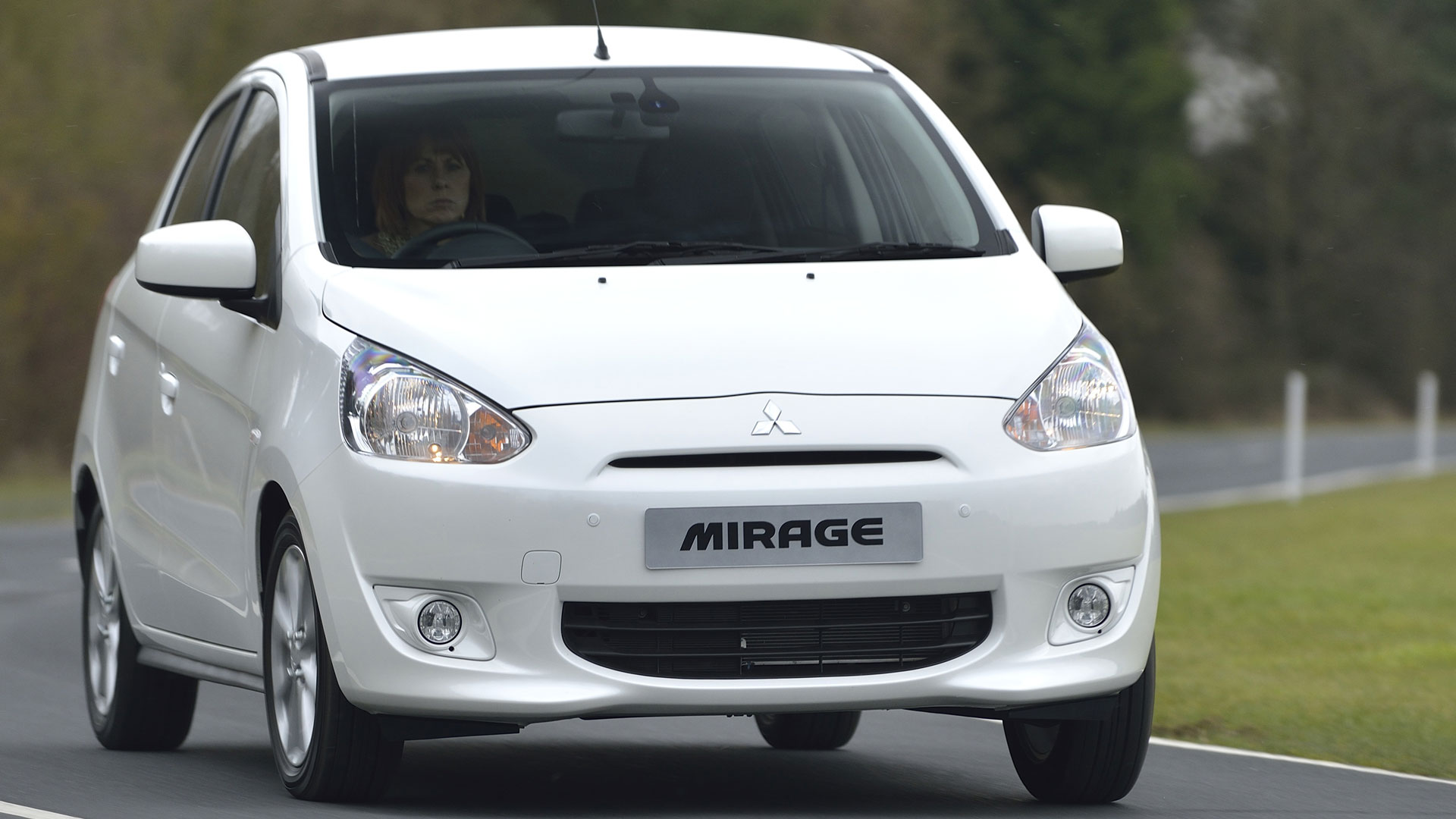
Take a look at the driver’s face and ask yourself: is that the look of a lady who is enjoying the drive? Even in isolation, it’s hard to recommend the Mitsubishi Mirage, but when viewed in the context of other small cars, it’s hard to make a case for the bucket of misery. Imagine looking at the Volkswagen Up, Skoda Citigo, Seat Mii, Kia Picanto and Hyundai i10 then opting to buy the Mirage.
Chevrolet Spark
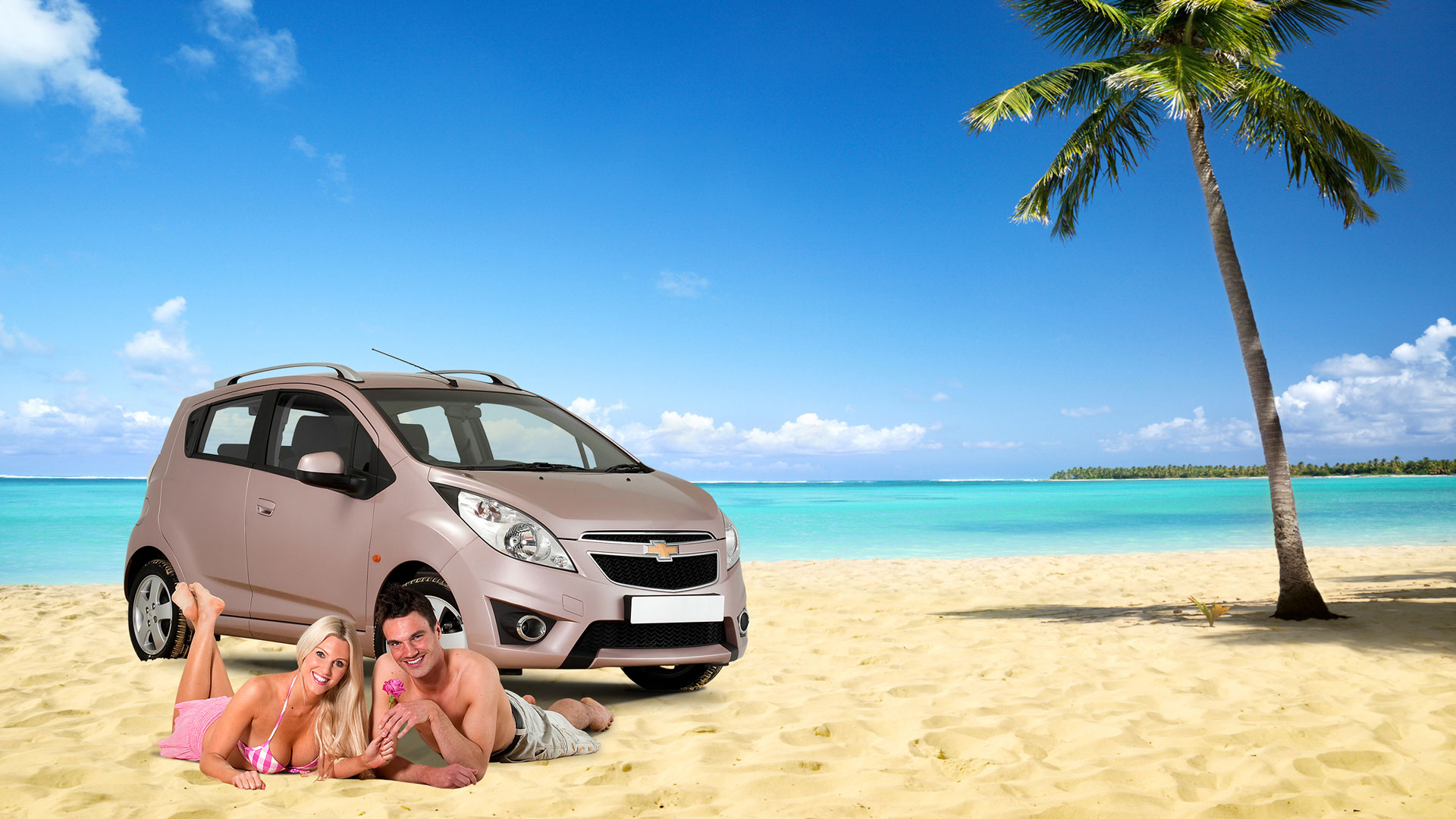
“The Chevrolet Spark isn’t a car without merit,” said Autocar. If your child’s school report started with something similar, you’d know you were in for a pretty dire end-of-term assessment. Entry-level versions were as cheerful as an undertaker’s waiting room, while the wind, road and engine noise combined to make a racket that was as appealing as telephone hold music.
Chrysler Ypsilon
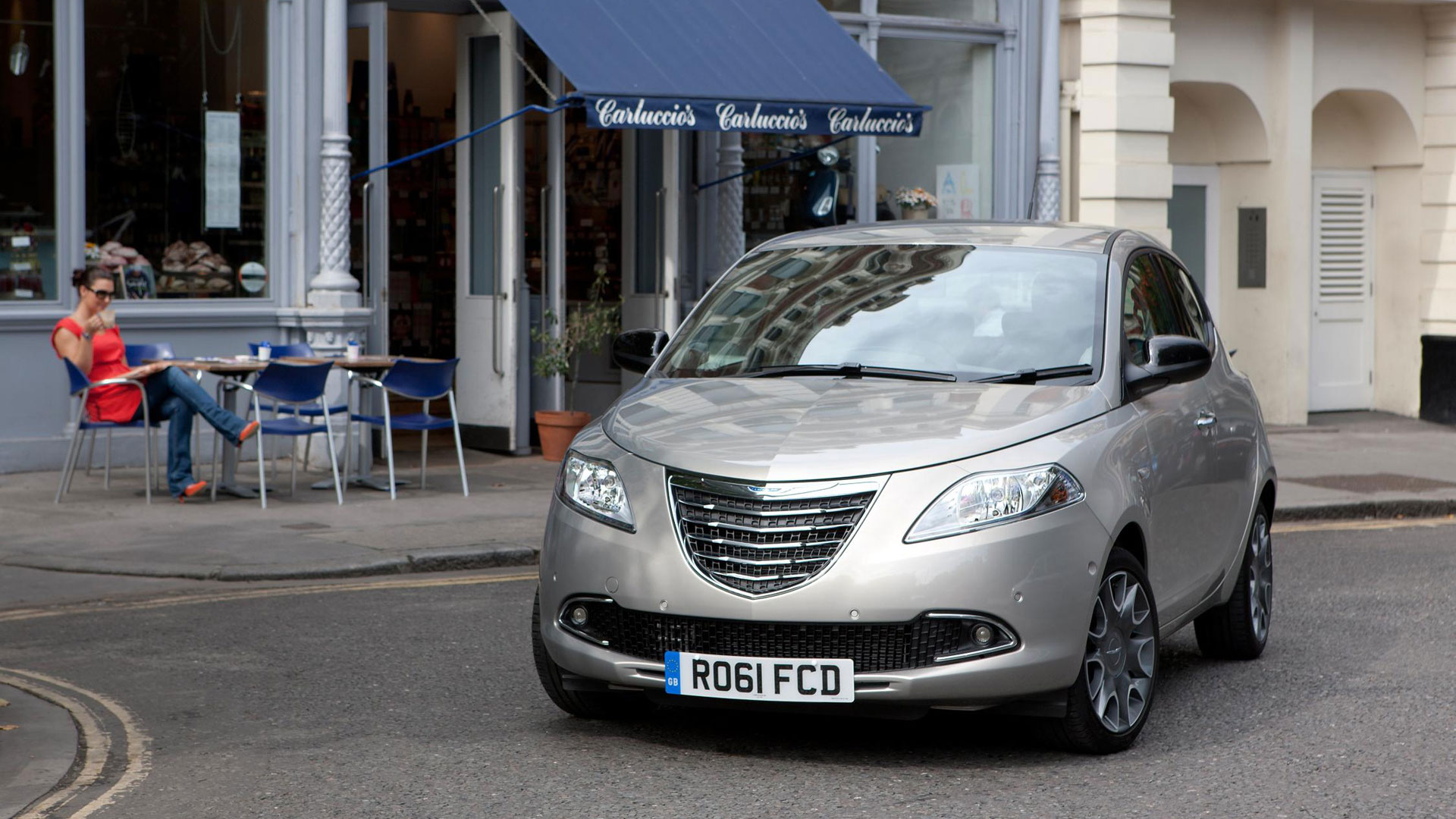
Such was Lancia’s monumental fall from grace in the UK, that when Fiat bought Chrysler, it thought the cosmetically challenged Ypsilon would sell better over here with a Chrysler badge. It didn’t. Fiat pulled the plug on Chrysler in the UK, signalling the end for the Ypsilon, although it still soldiers on in Italy, with FCA choosing to gloss over the horrendous Euro NCAP safety rating.
Fiat 500L
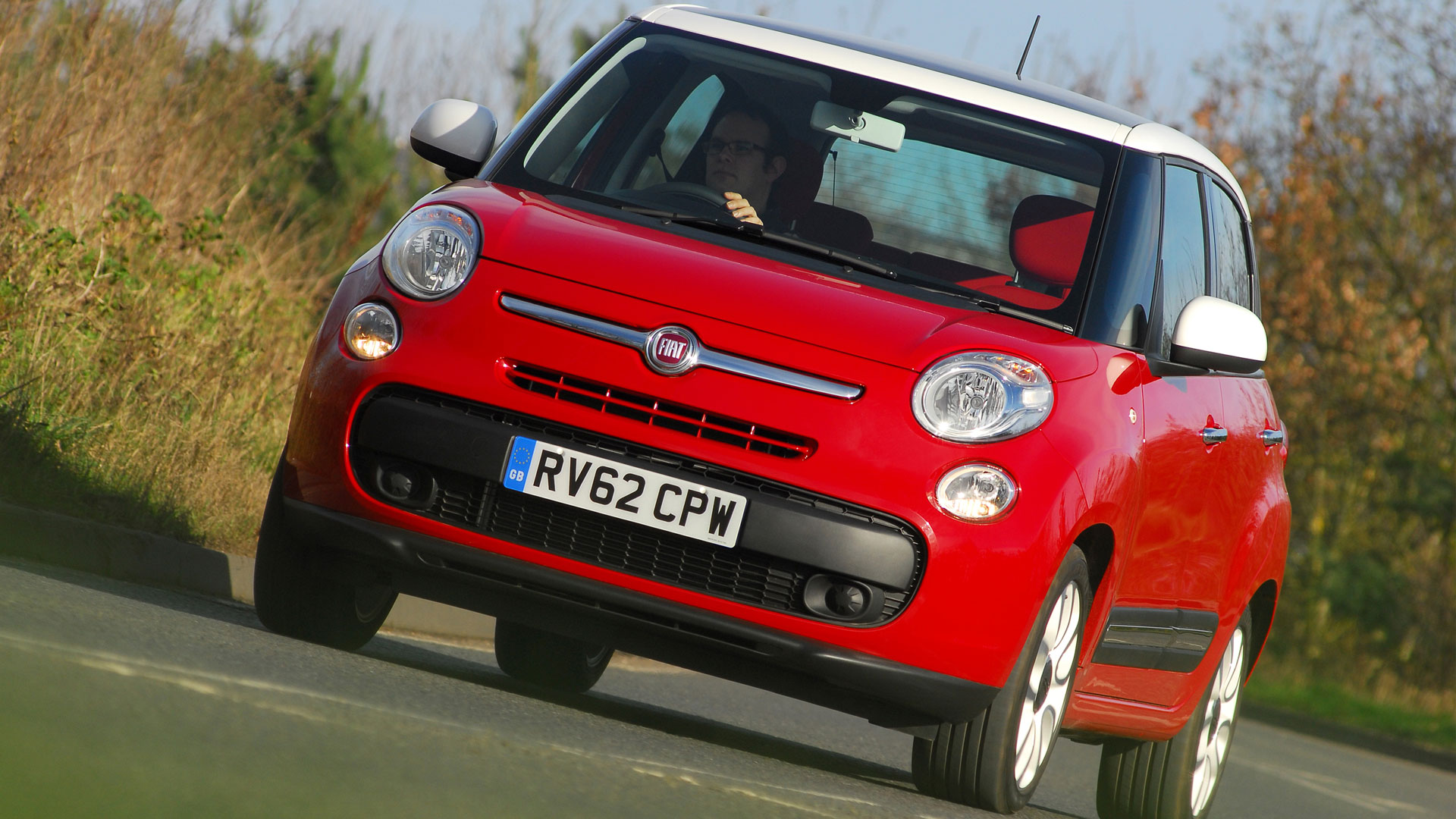
In an attempt to leverage some kudos from the hugely popular 500 supermini, Fiat created the 500L. The idea had merit: rather than risk losing loyal 500 customers to rival brands, simply create a bigger version for them to jump straight into. There was only one problem: the 500L is to the 500 what Margaret Beckett is to the Duchess of Cambridge. Fiat 500 customers retreated to the sanctuary of Audi, leaving the 500L to become the car you dread signing for at the holiday rental desk.
Fiat 500L MPW
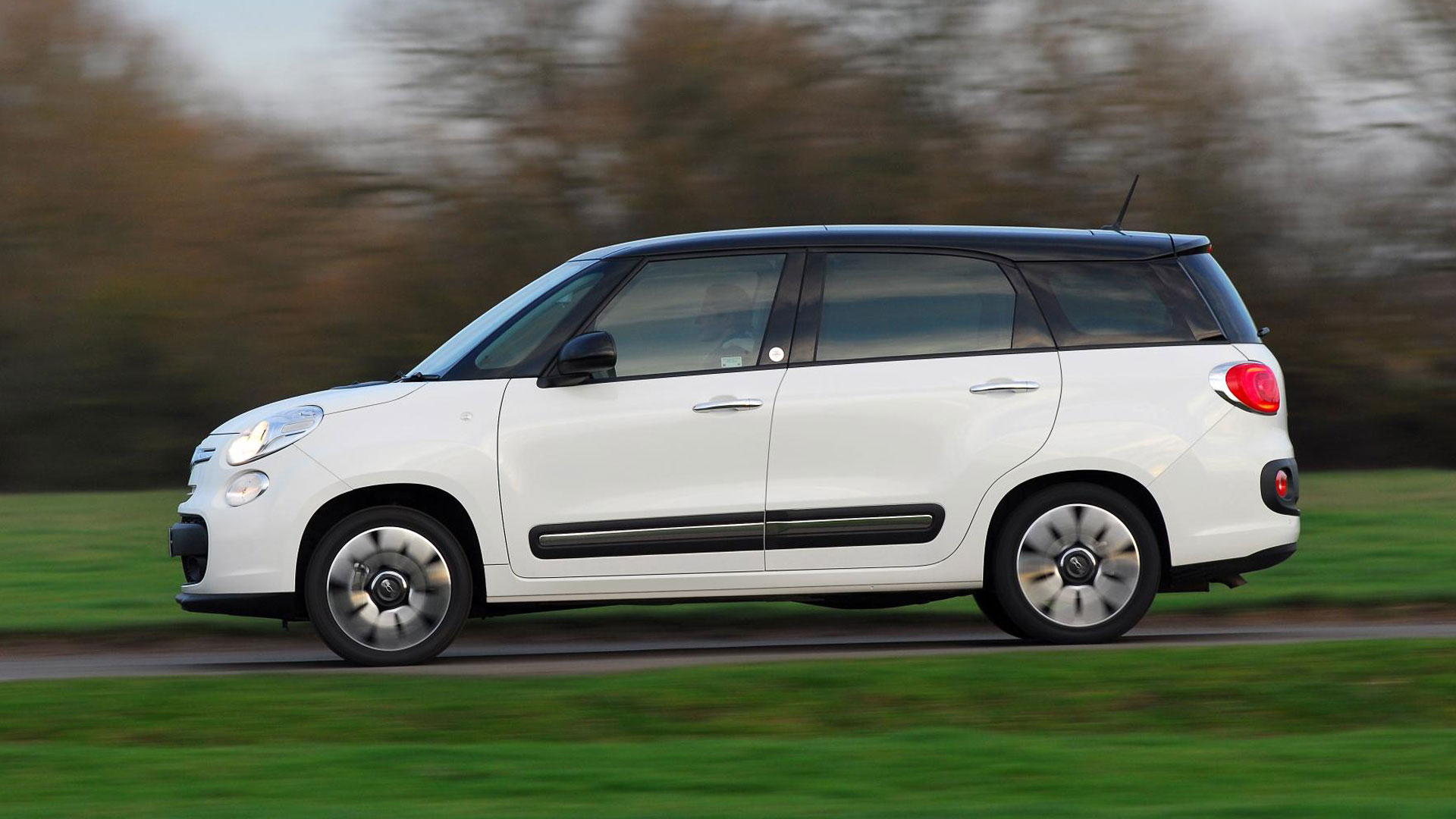
Not content with sullying the 500 badge with the 500L, Fiat proceeded to create the 500L MPW, which allowed up to seven people to die of embarrassment on the roads of Britain. To think, Fiat could have leveraged the Panda brand to create the Giant Panda and the Giant Panda XL. The missed opportunity of the decade?
Mini Coupe
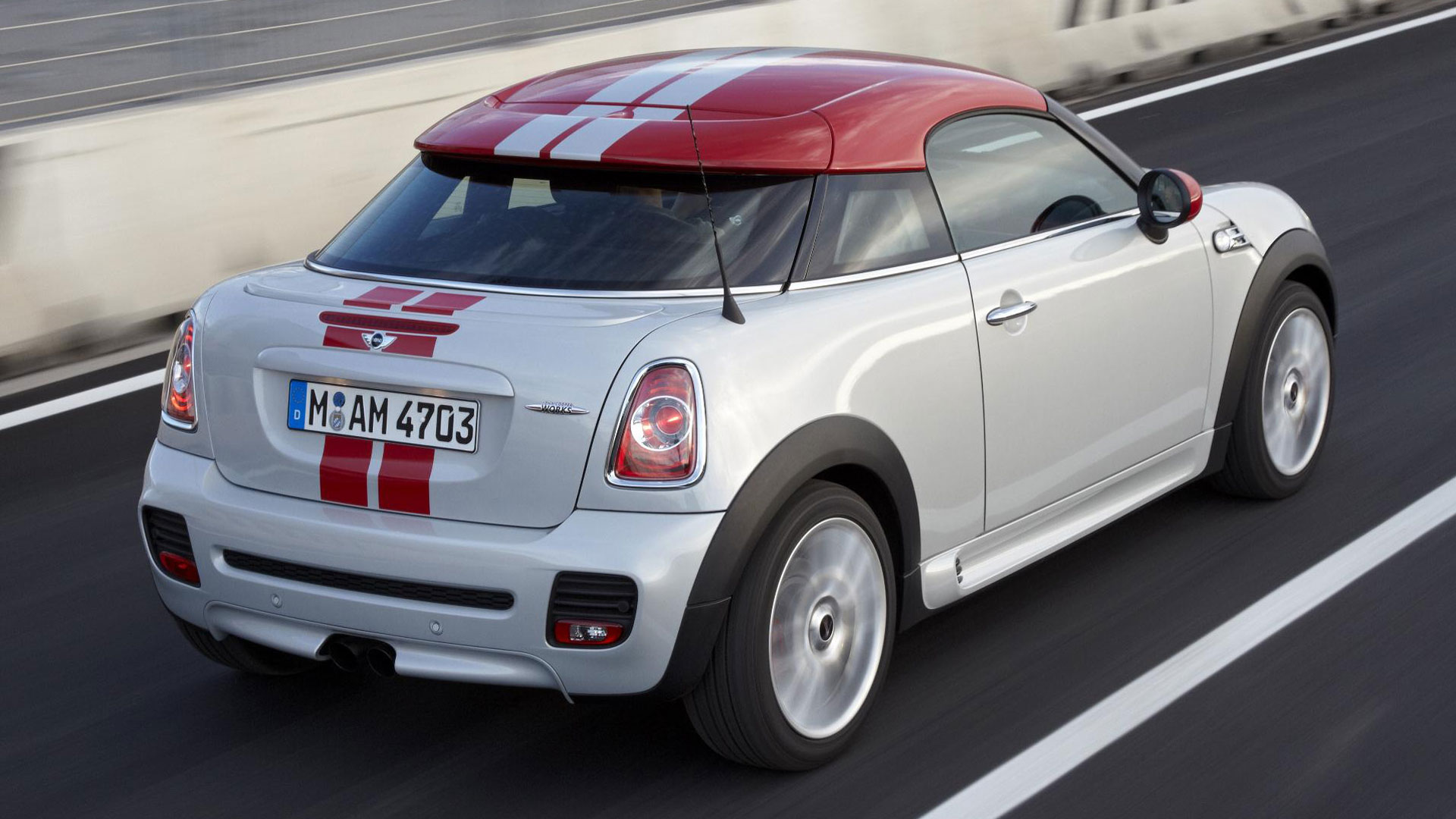
Search for the Mini Coupe on Google and you’re asked: “Did you mean Mini Cooper?” Well, quite.
Vauxhall Mokka
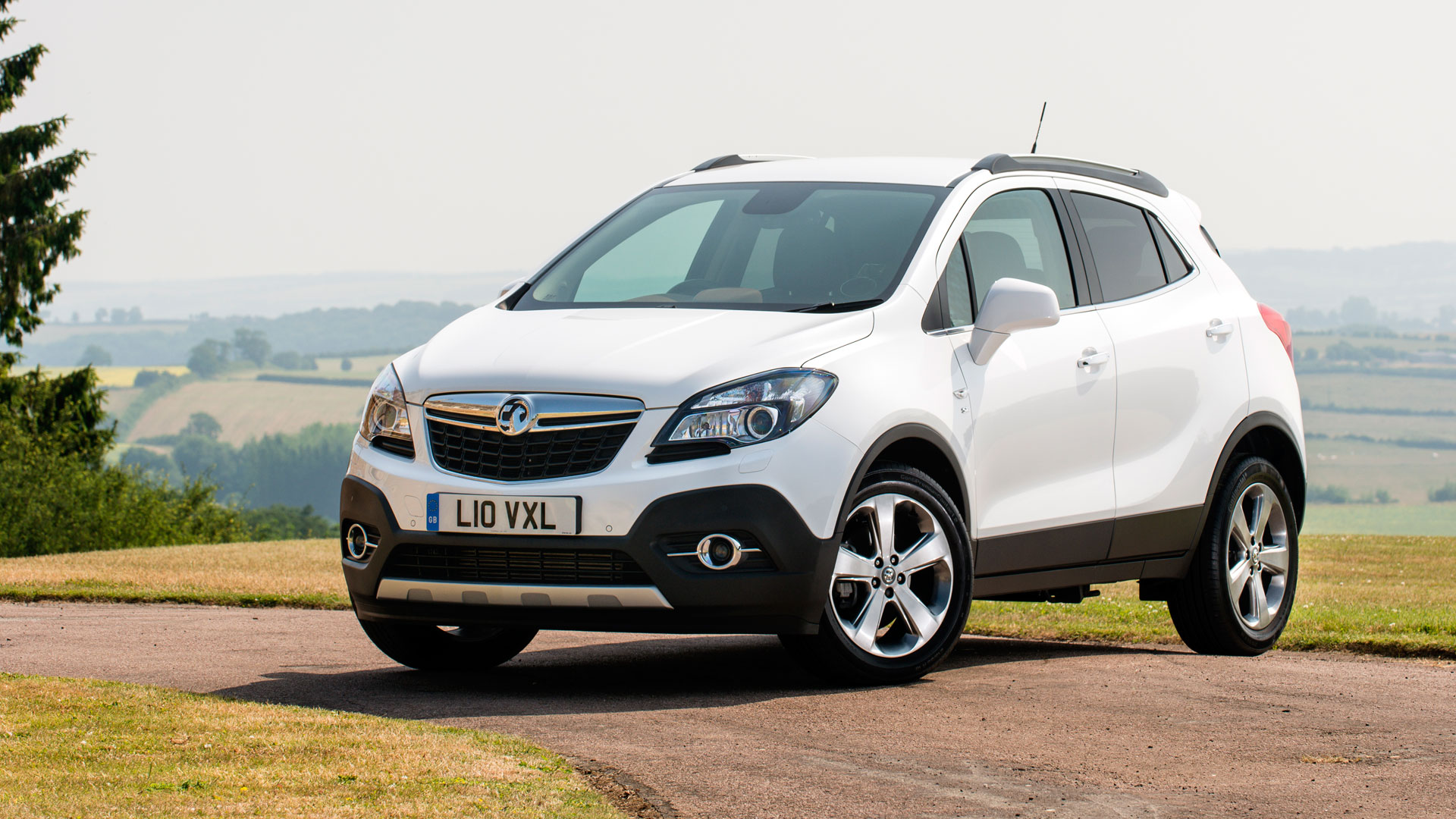
Launched in 2013, the Vauxhall Mokka was sold alongside the almost identical Chevrolet Trax. But while the Chevy had the good grace to disappear, the Mokka continued to haunt our everyday lives, with Vauxhall having the audacity to add an ‘X’ to its name following a facelift. It sells in big numbers, which is one of the greatest mysteries of the past decade. God bless PCP deals, rental cars and the Motability scheme.
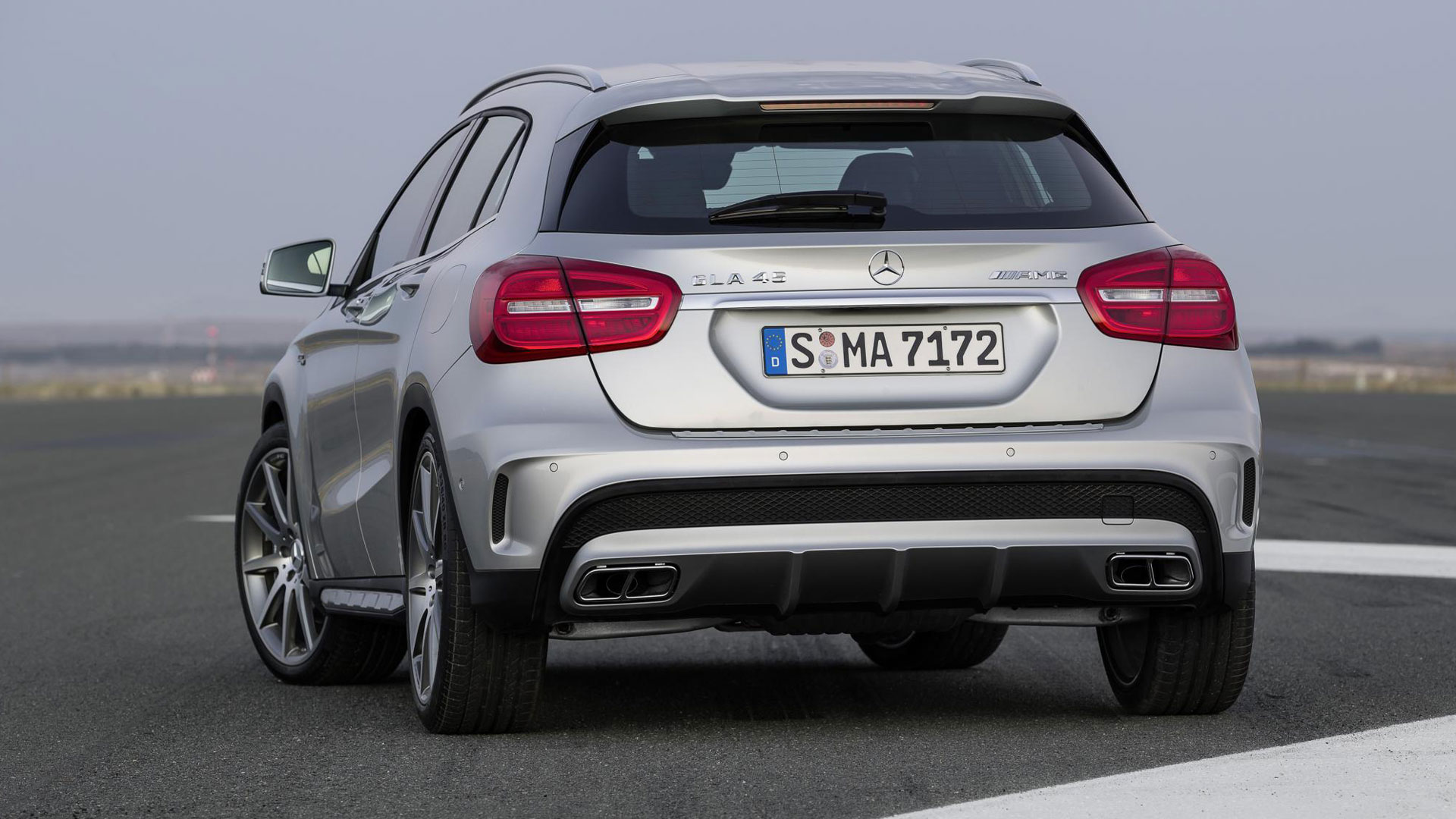
Mercedes-Benz GLA 45 AMG
In fairness to the this particular Mercedes, we could have selected any number of premium compact SUVs, but the GLA stands out like a guilt-ridden criminal in a police line-up. Sure, styling is subjective, but the GLA’s A-Class-on-stilts styling leaves a lot to be desired, and it’s difficult to understand why you’d choose this over the standard hatchback. The GLA 45 AMG might be blisteringly quick, but at £45k, you’d expect it to be.
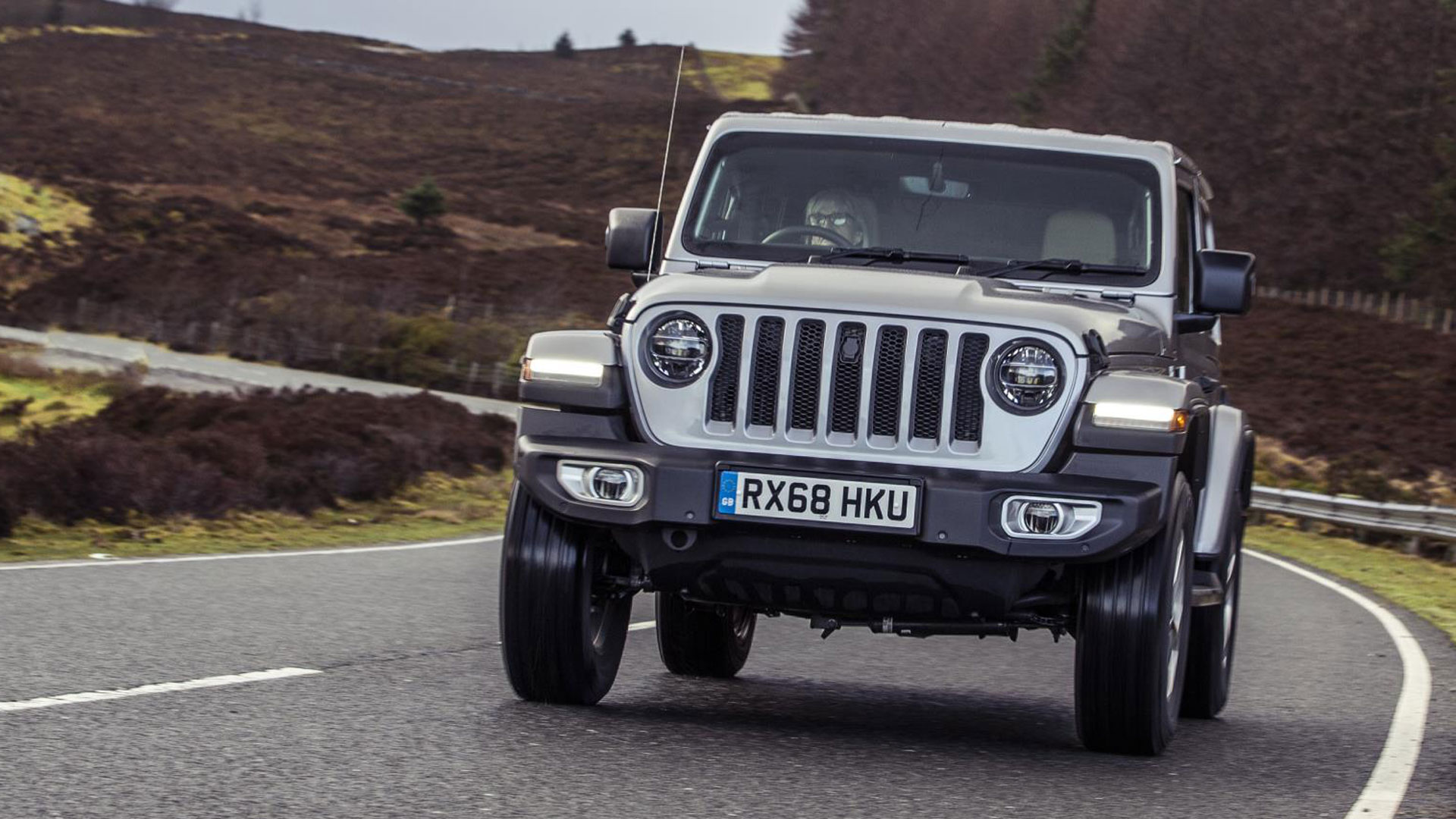
Jeep Wrangler
We’ve seen a fair number of disappointing (read: terrifying) Euro NCAP results over recent years. But while the ageing Fiat Panda and Punto can – to a certain extent – be forgiven for their poor performance, the brand new Jeep Wrangler’s one-star rating is more damning. “It is high time we saw a product from the Fiat-Chrysler group offering safety to rival its competitors,” said Euro NCAP. Ouch.
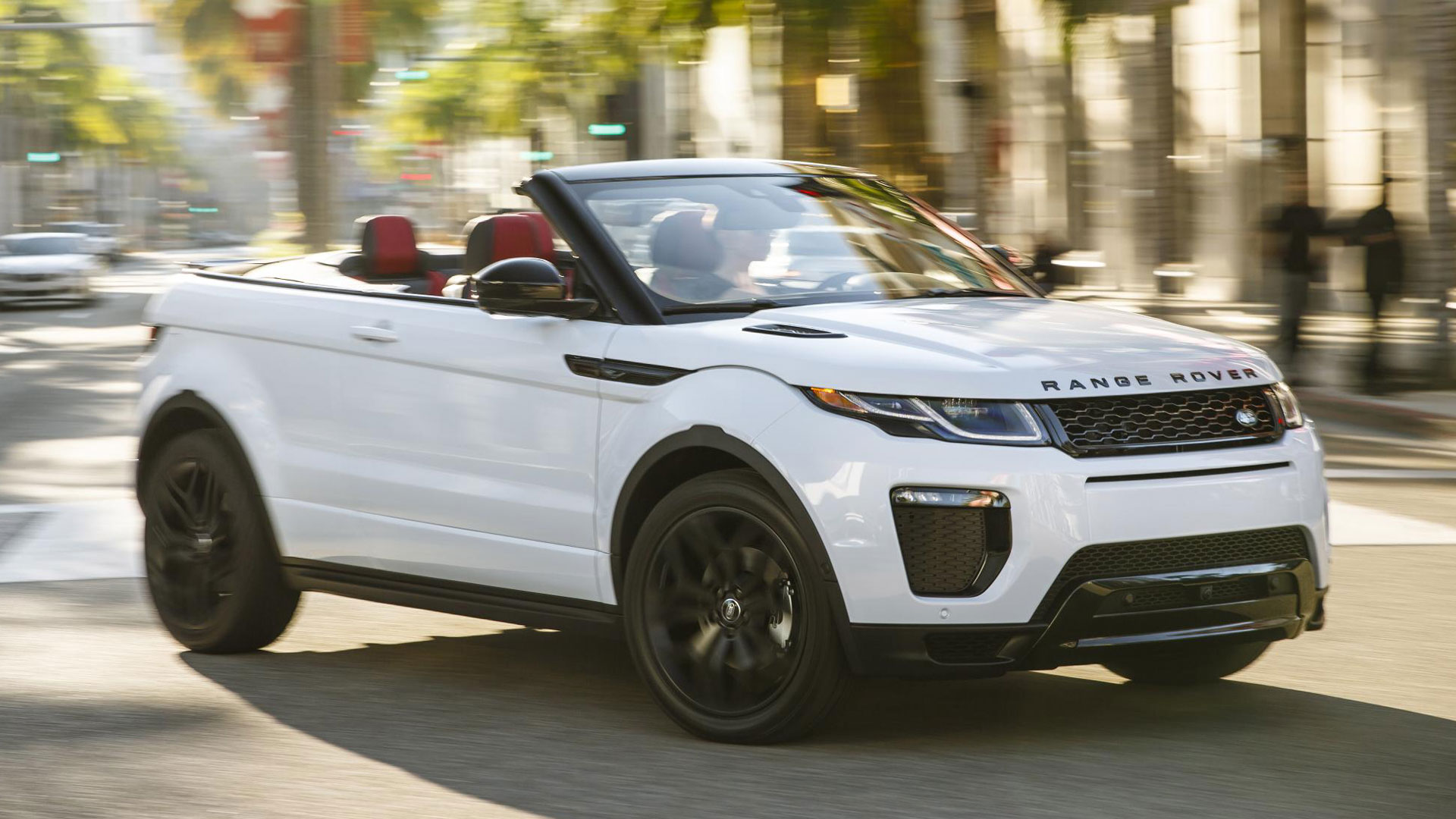
Range Rover Evoque Convertible
We readily admit that the Range Rover Evoque Convertible is here for irrational reasons. In the same way you might dislike BMW X5s with ‘X5’ number plates, or headlight eyelashes, or Lexus-style rear lights, there’s just something wrong about the topless Evoque. On the plus side, it’s not the Nissan Murano CrossCabriolet.
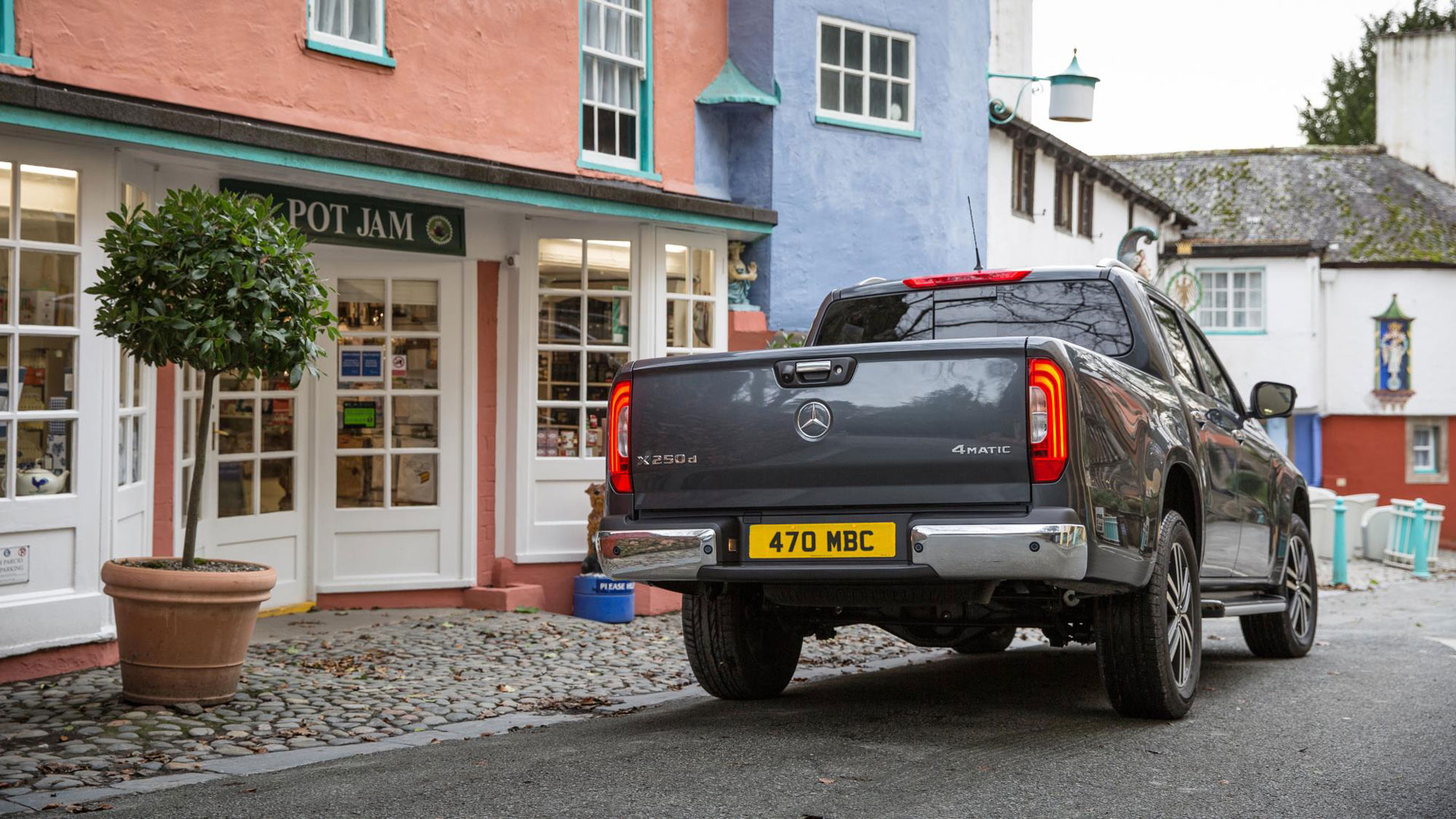
Mercedes-Benz X-Class
If the internet is to be believed – and who wouldn’t believe the internet? – the Mercedes-Benz X-Class is facing the axe. There’s nothing inherently wrong with the pick-up, but we expect more from Stuttgart. Slapping a Mercedes badge on a Nissan, adding some luxury chintz and charging an exuberant fee wasn’t going to fool today’s well-educated buyers. Fiat tried something similar with the L200-based Fullback. It failed. There’s a theme developing here.
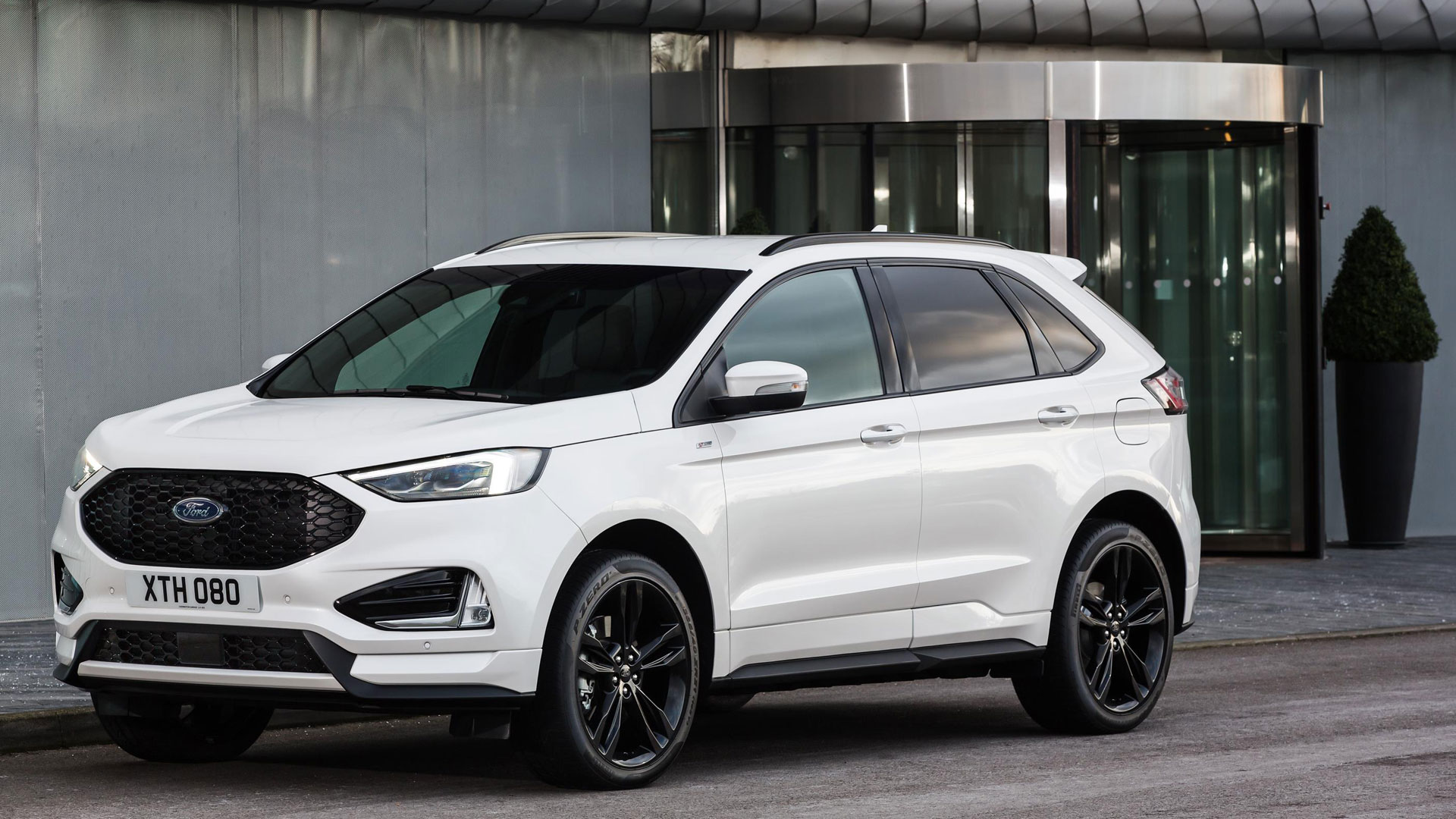
Ford Edge
The Ford Edge has “all the appeal of a Florida holiday rental car”. Not our words, but the words of the excellent and engaging Mark Nichol on the Honest John YouTube channel. Like and subscribe, etc, etc. It’s worth watching, because Mark makes some very good – and often amusing – points. Quite simply, if you want a big Ford, buy an S-Max.
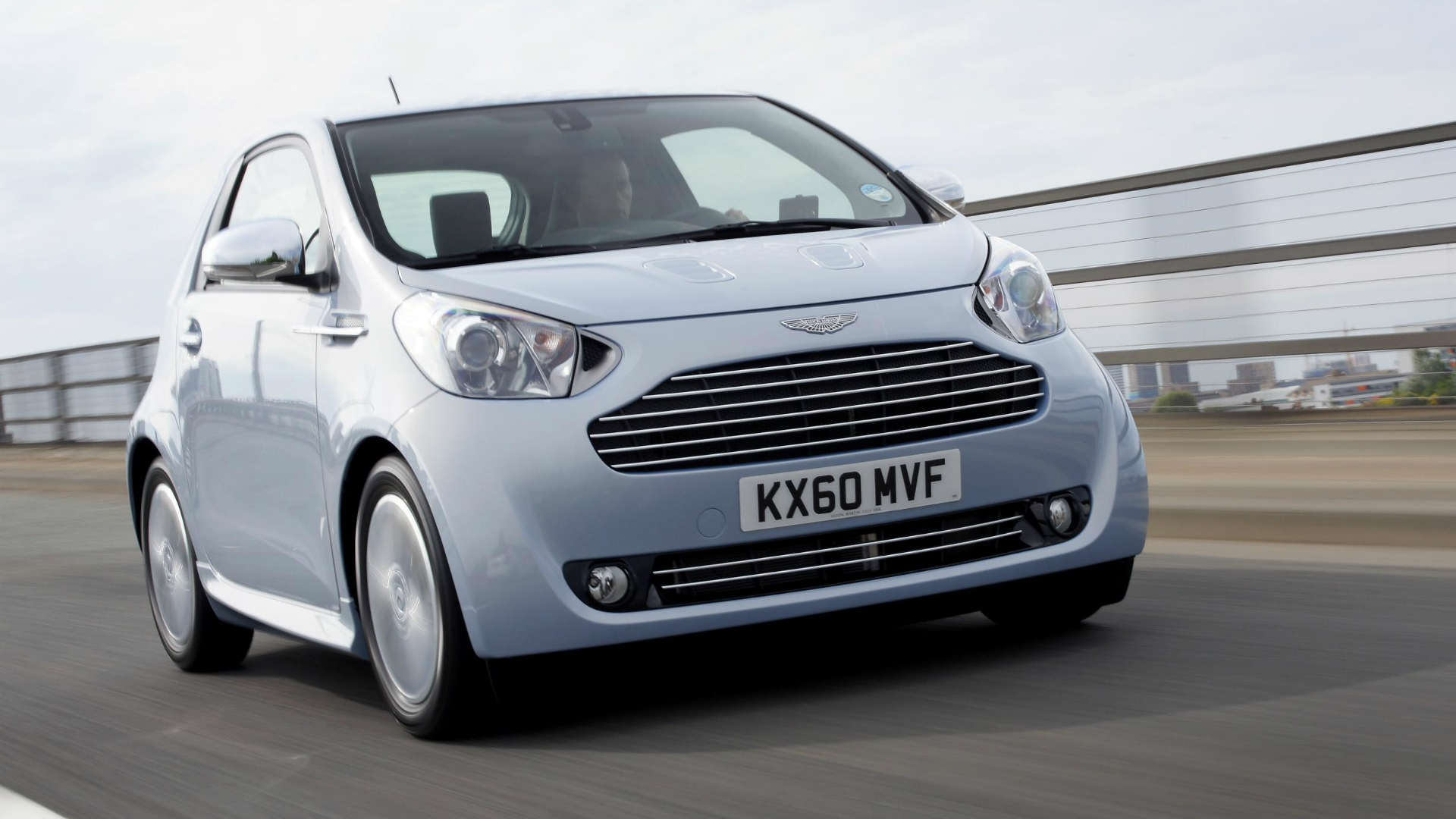
Aston Martin Cygnet
Our very own master of words, Tim Pitt, said the Cygnet is a “good car, but not a very good Aston Martin”. In fairness to Aston Martin, the Cygnet is more than just a Toyota iQ with a few posh badges. But it wasn’t worth the £30,000 price tag, which was close to three times the cost of the clever iQ. One of the more bizarre cars of the decade.
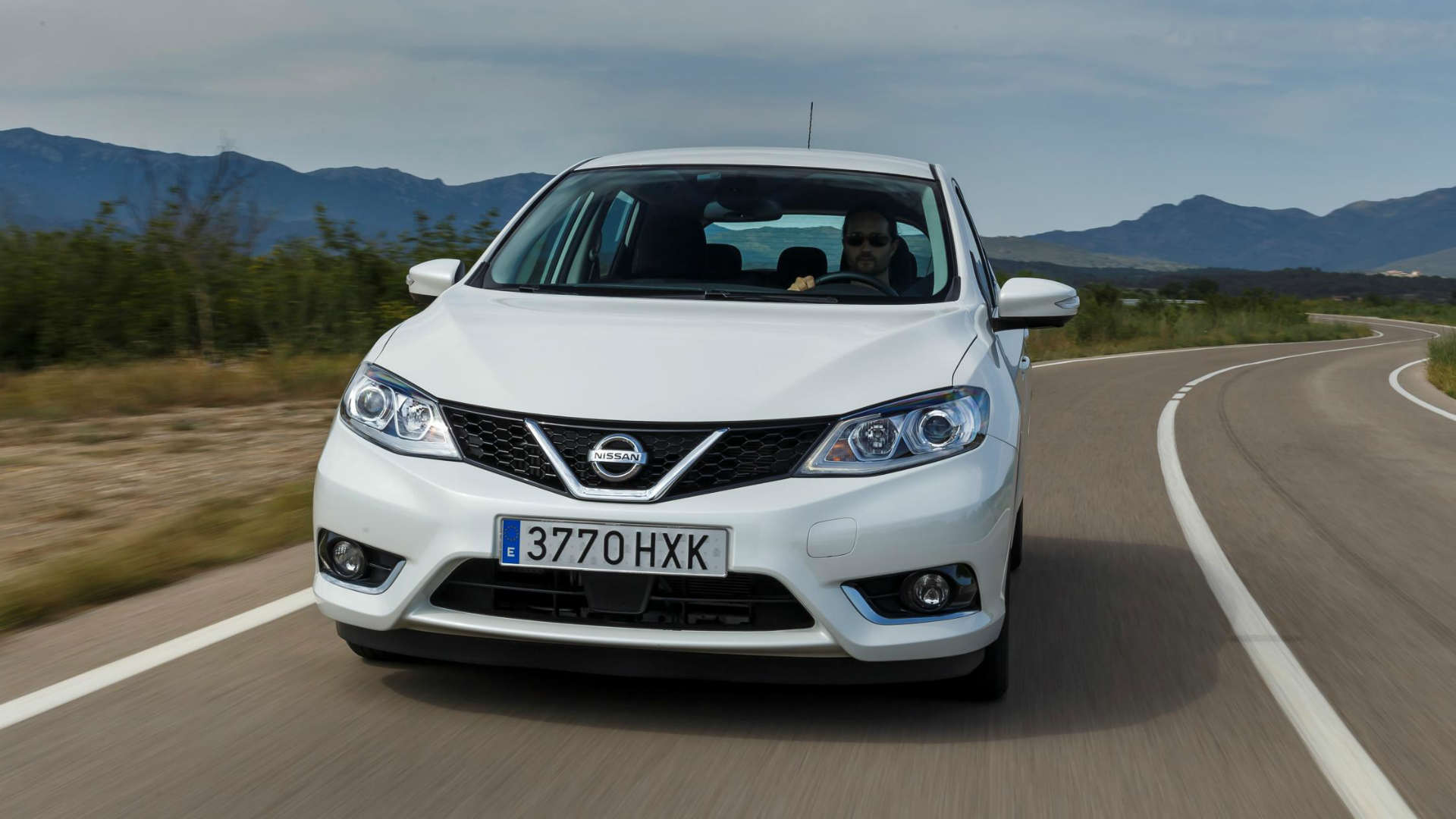
Nissan Pulsar
Speaking of bizarre. In 2006, Nissan turned its back on the family hatchback market, deciding to venture into the unknown with the Qashqai crossover. The gamble paid off, with the Qashqai becoming the nation’s favourite crossover and the inspiration for countless imitations. And yet, Nissan couldn’t resist retracing its old steps by launching the forgettable Pulsar in 2014. Fans of cars with a huge amount of rear legroom rejoiced, while the rest of us simply uttered “meh”.



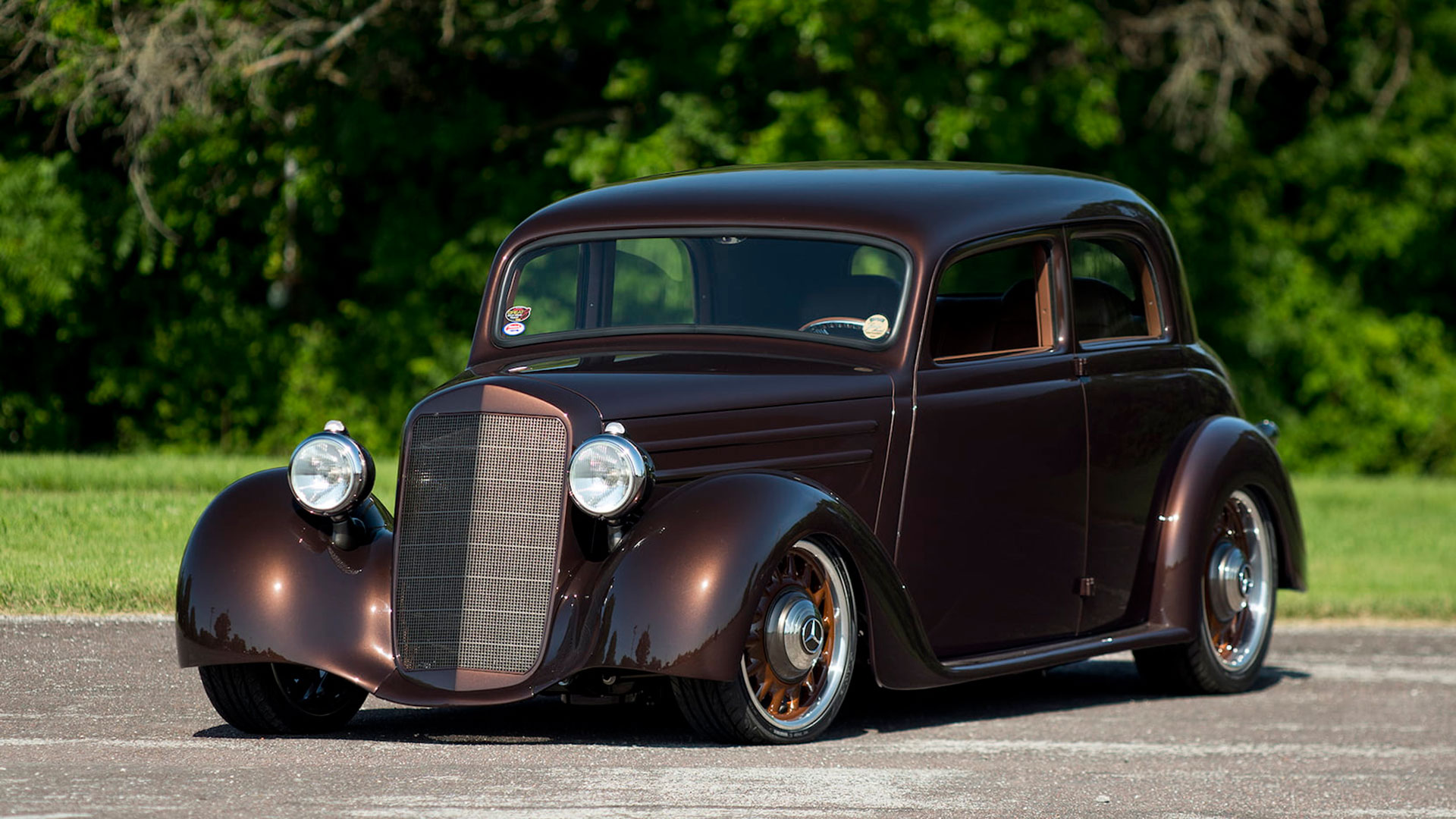
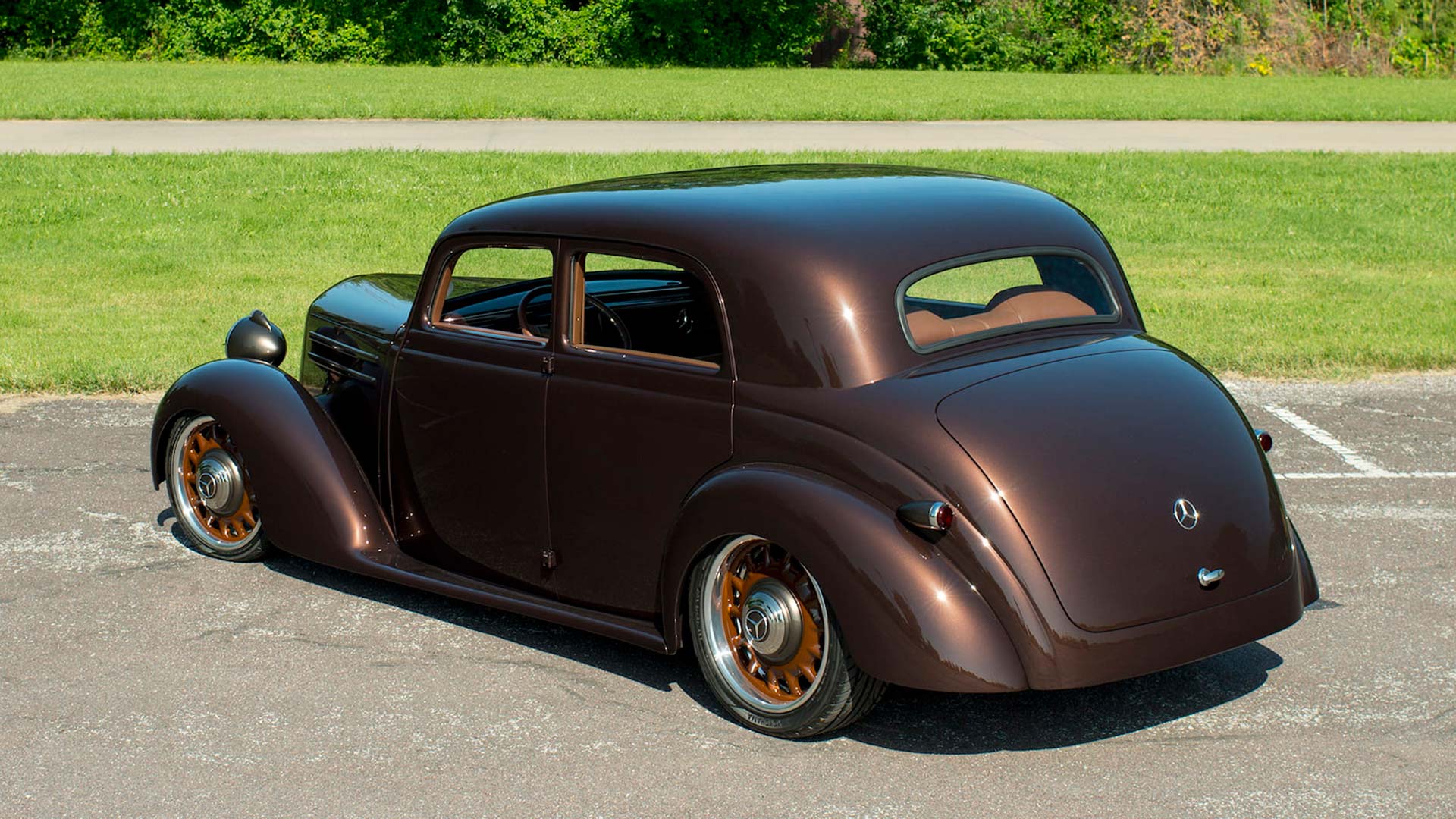 Mercedes-Benz first launched the 170 S in 1949, and is notable for being the first new model offered by the company following the end of World War II.
 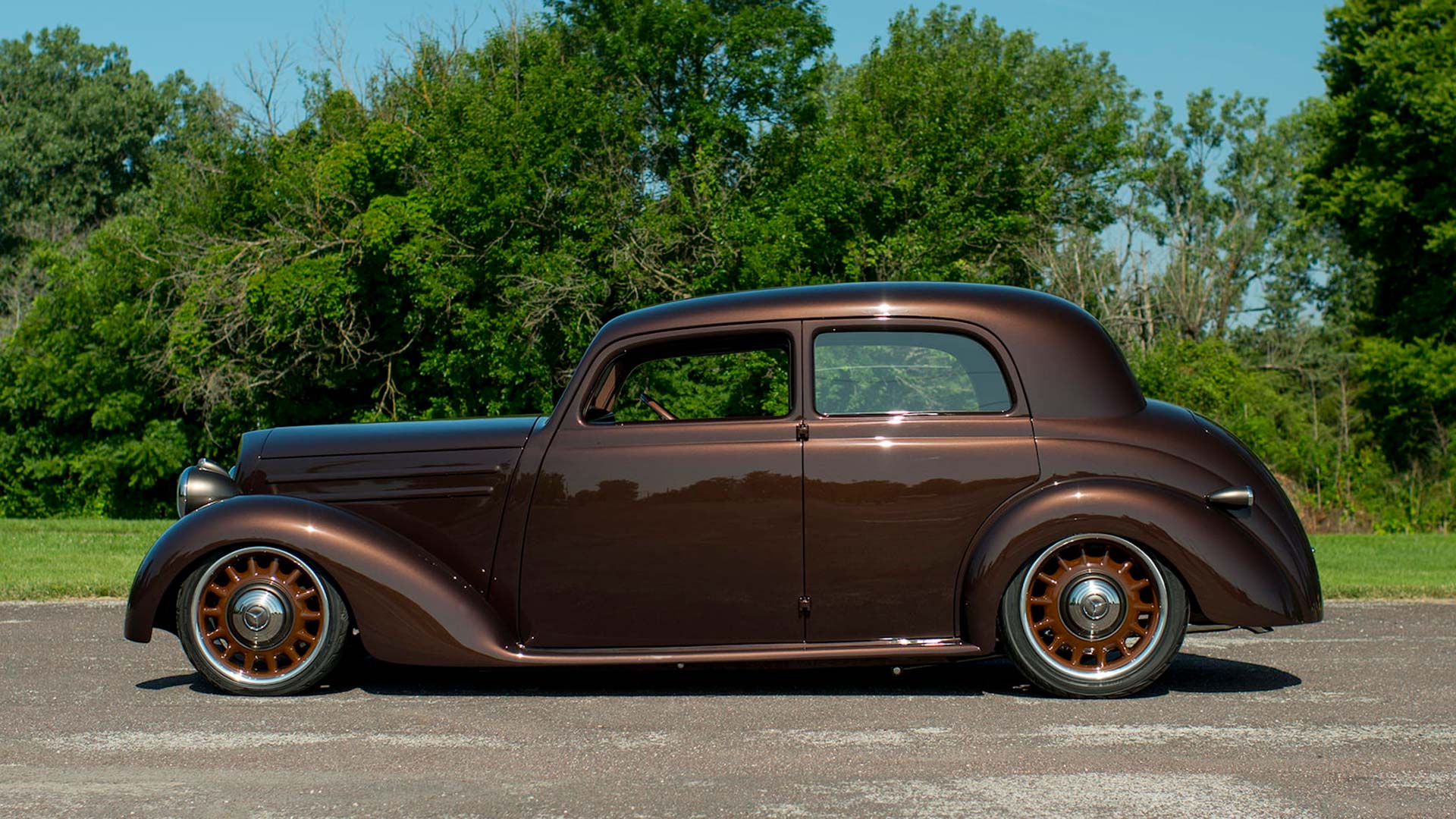 The classic proportions of the 170 S make it perfect for becoming a
 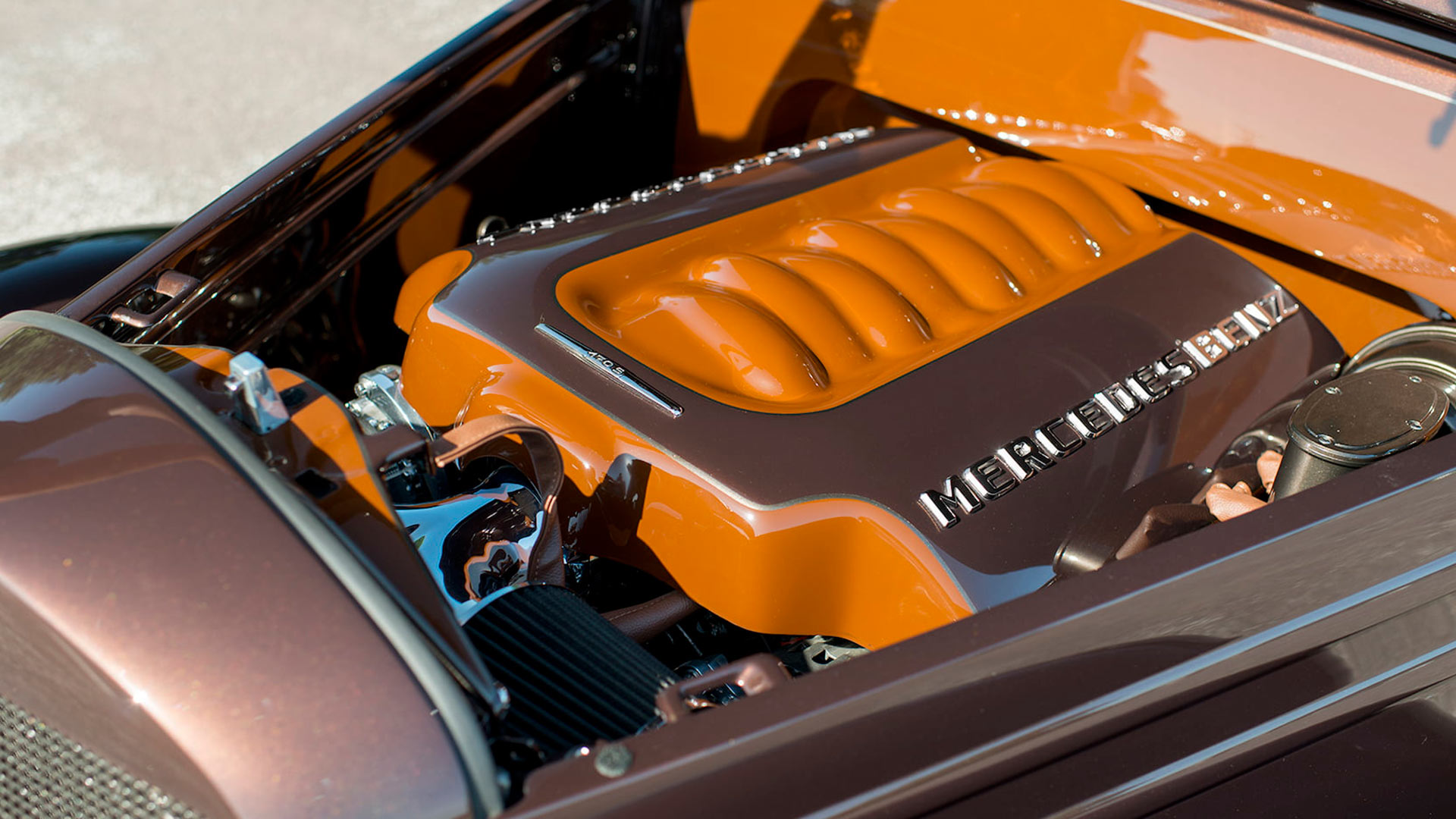 Just 52 horsepower was never going to be enough for this custom car, so the original engine has been ditched. Instead there is a 455 horsepower 6.2-liter Chevrolet LS3 V-8 engine, hiding beneath a Mercedes-branded cover.
 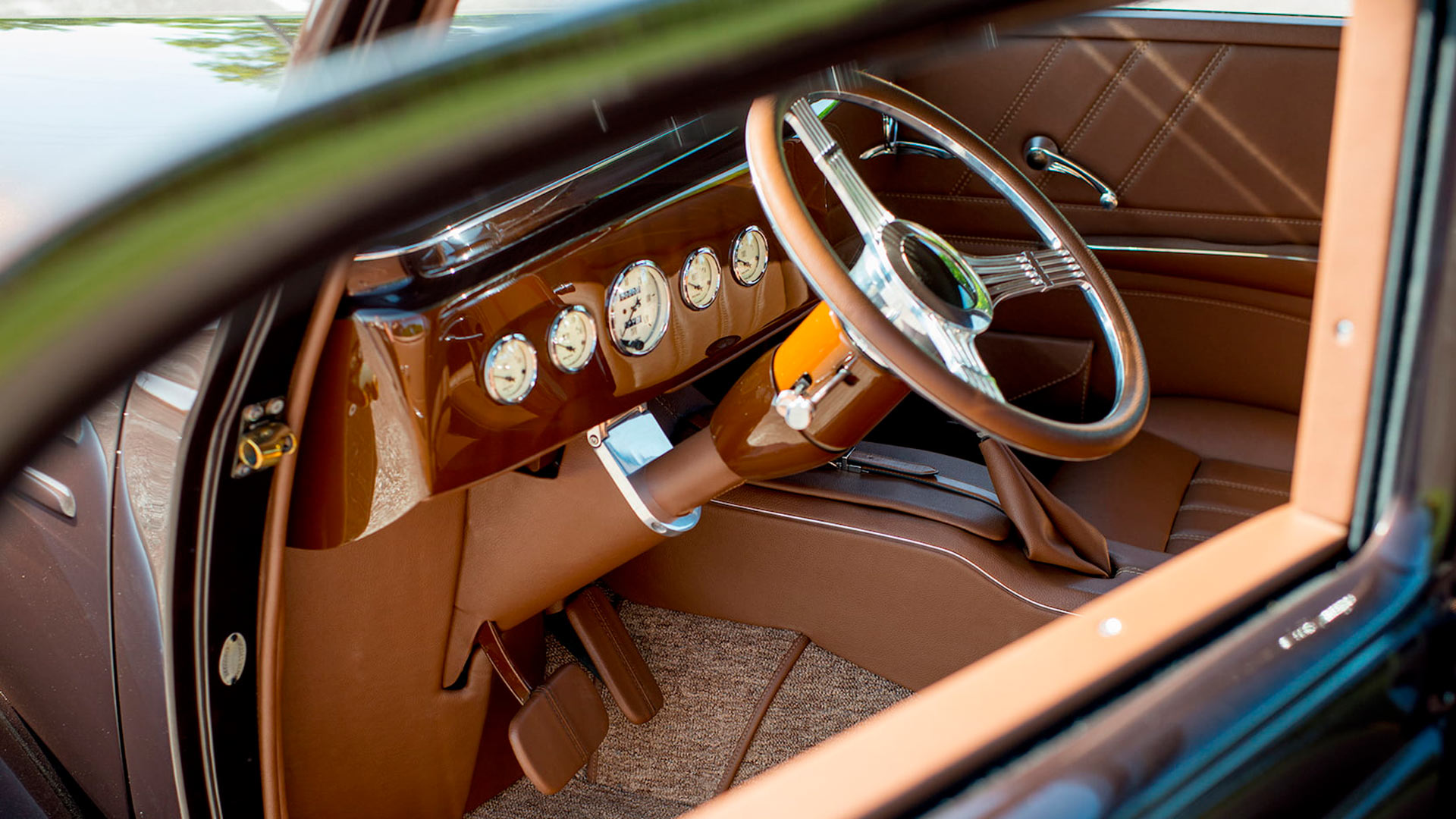 Inside is a makeover fitting for what was intended to be a luxury vehicle when it first left the production line. Hand-stitched mocha leather covers almost every surface, with even the pedals and headliner included.
 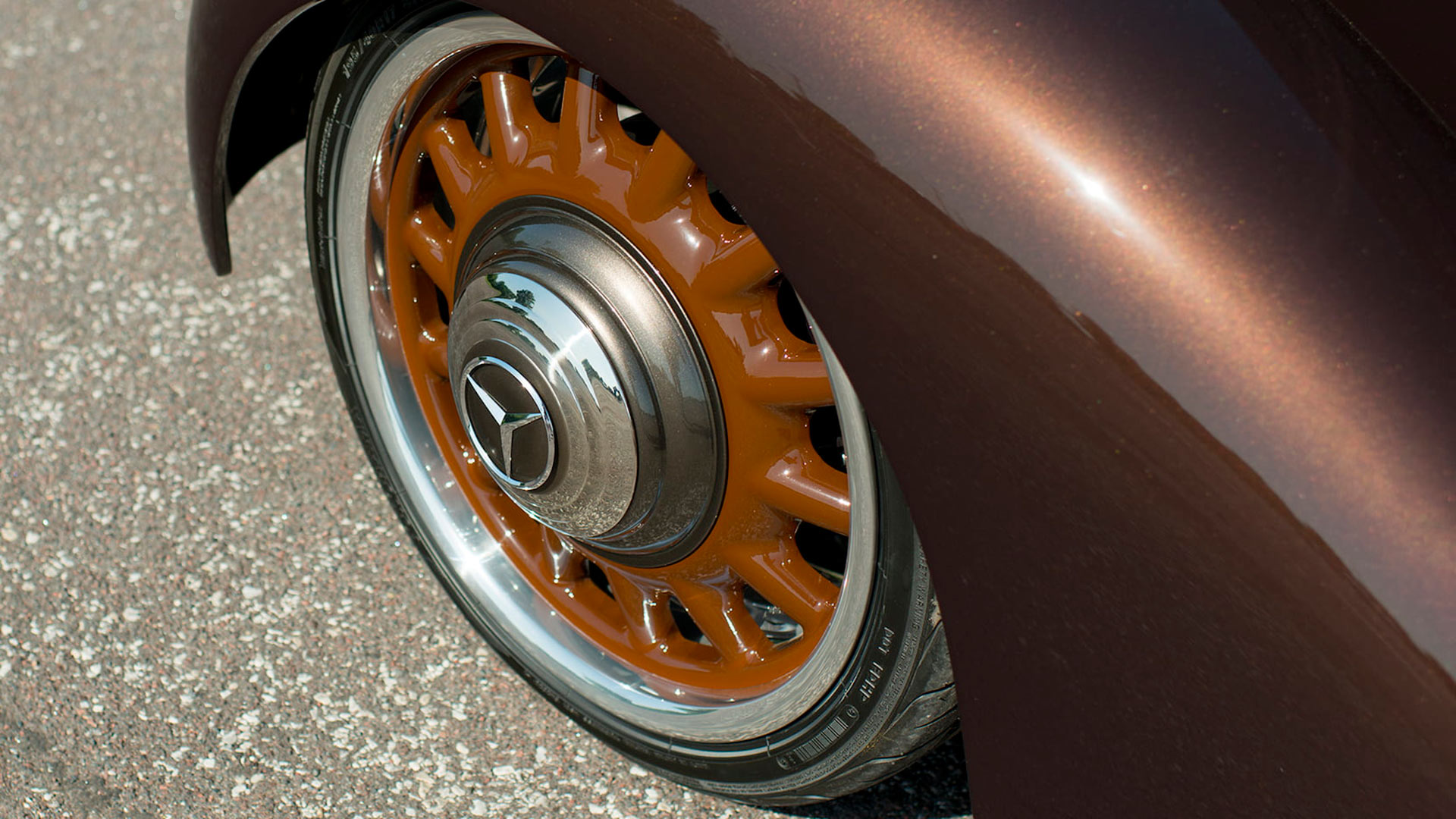 The outstanding finish of this 170 S was recognized at the 2016 Detroit Autorama show, where it was a finalist for the Great 8 trophy. An appearance at the SEMA Show was also made in the same year.
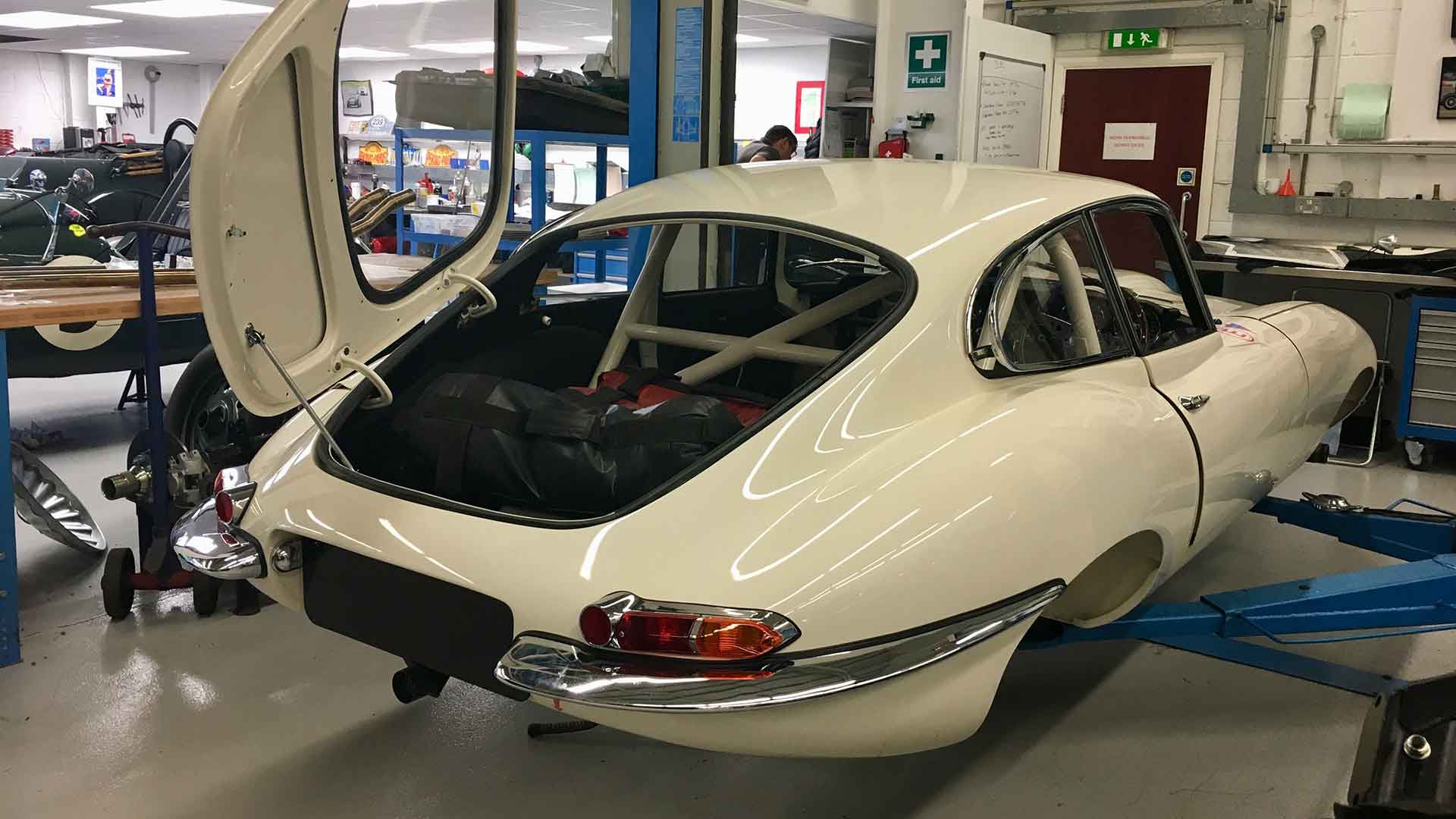 In the workshops of Woodham Mortimer, the 21st century has yet to happen. You’ll find no laptops or plug-in fault-finders here, just skilled craftsmen milling parts from raw and shaping body panels by hand. The 60-strong team has restored hundreds of road and race cars, with a particular focus on classic Jaguars.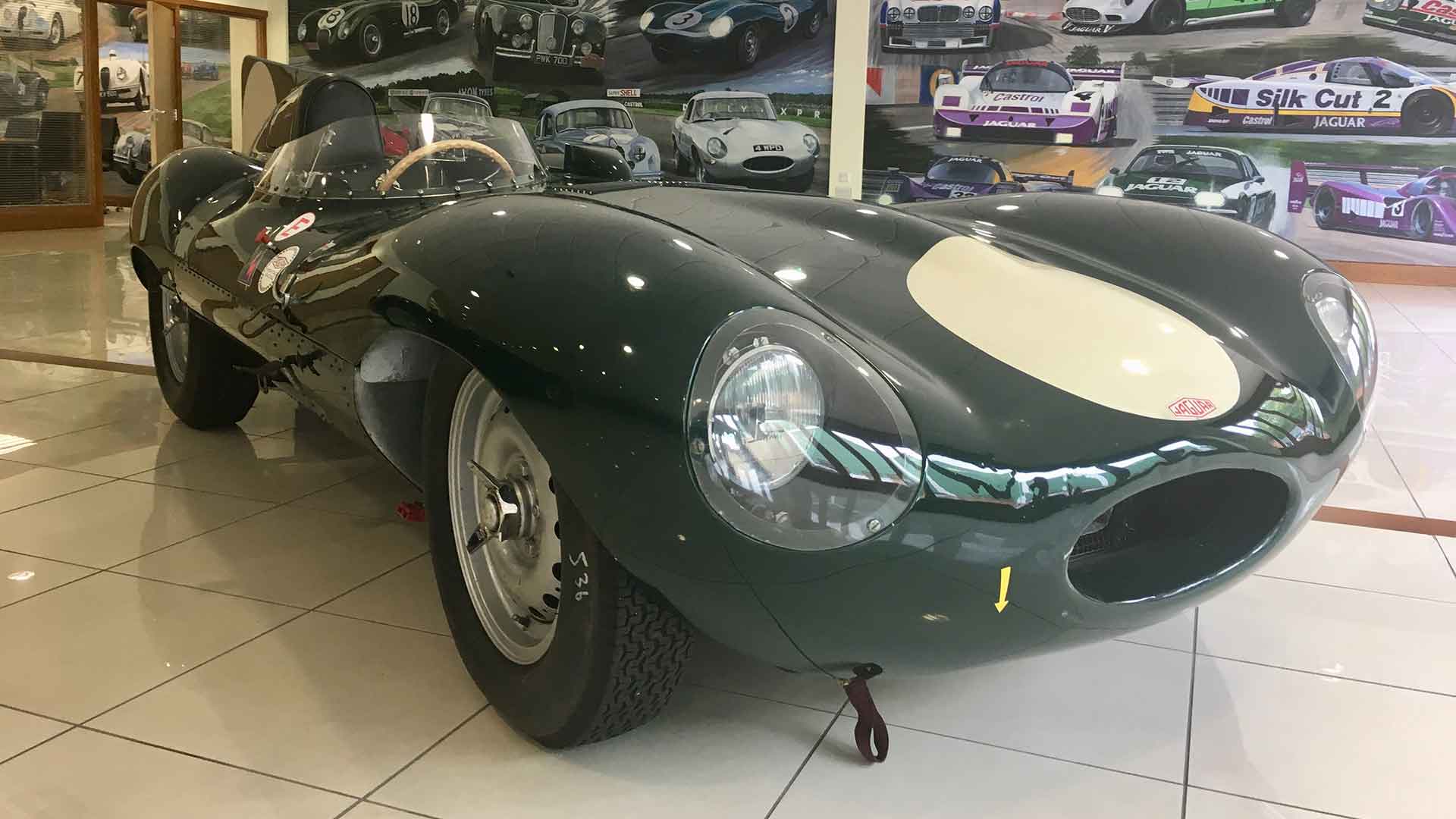
 If you cannot reach a refuge area – or you breakdown on a standard motorway with a hard shoulder – here’s some safety advice from the RAC:
 North
North 
 There’s no such thing as a bad new car, but not all vehicles are created equal. So while the days of unsafe, unreliable and rust-before-your-eyes cars are, for the most part, behind us, there are still some munters on the road. Here are 15 cars from the past decade that shouldn’t have made it to these shores.