Home Blog Page 336

Bicycles ‘should be fitted with indicators’ say safety experts

0

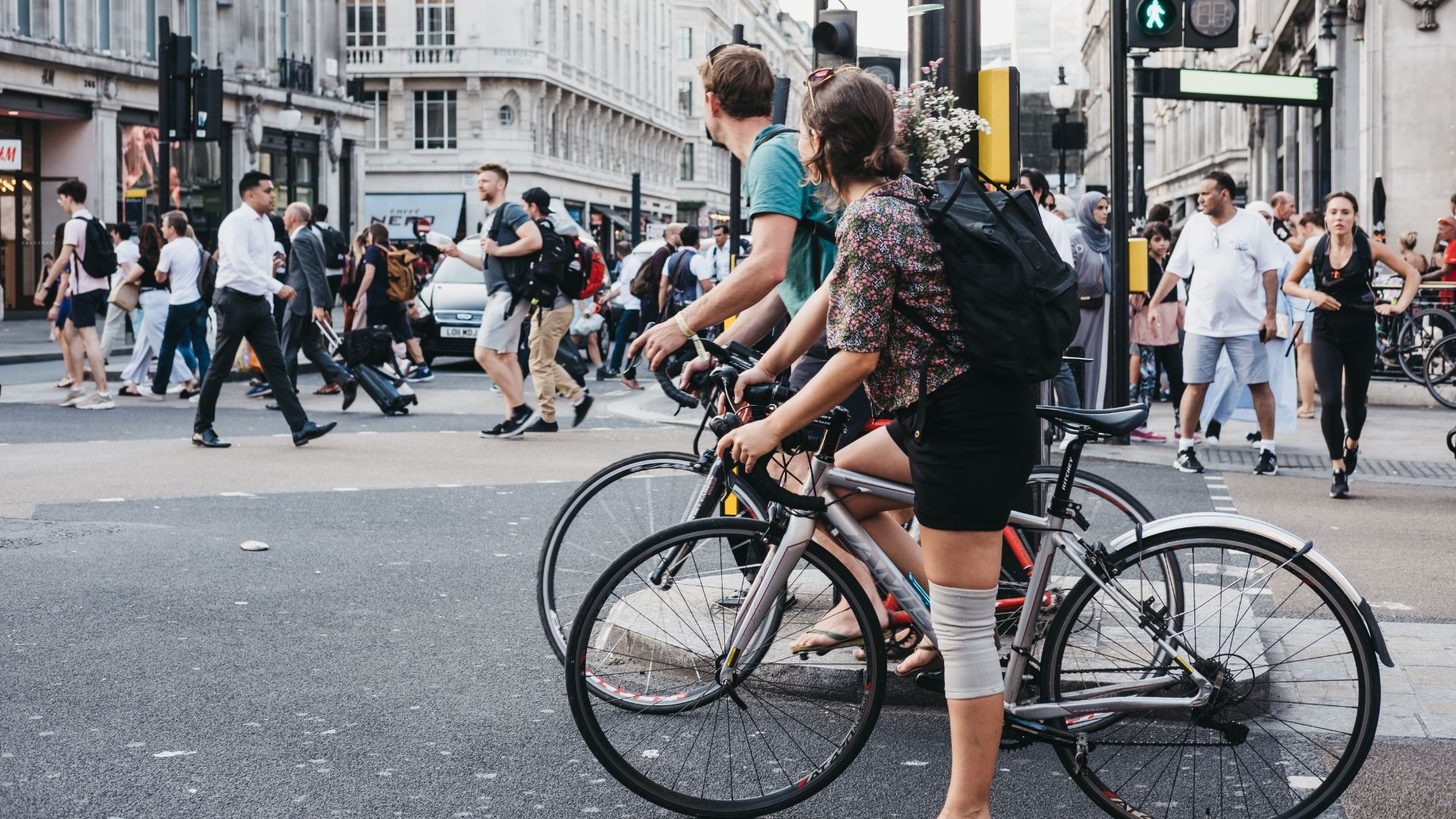
Do bicycles need indicators?

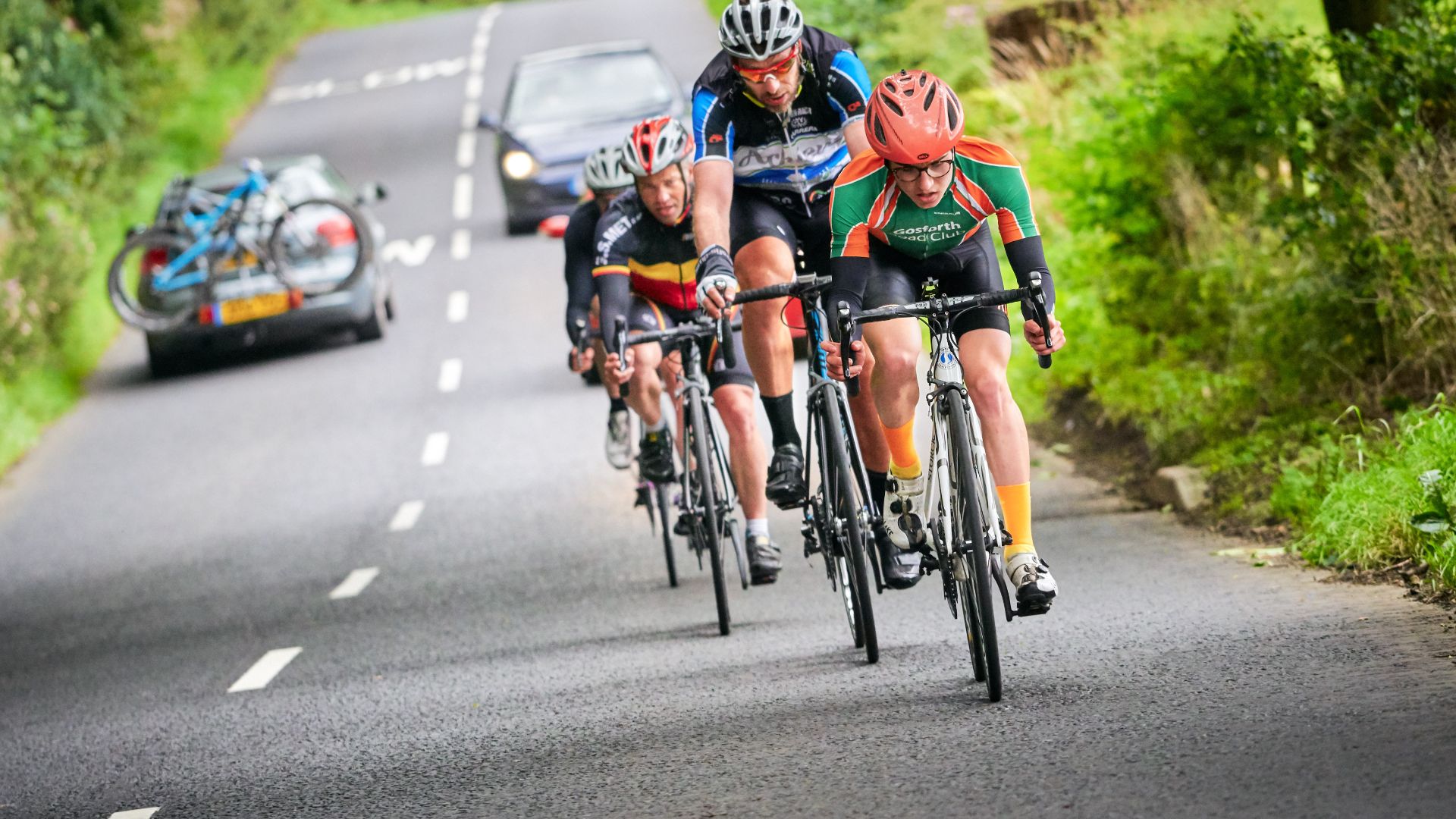
A team of health and safety experts is calling for bicycles to be fitted with indicators, to improve cyclist safety by making their manoeuvres more visible.

It would help cyclists avoid what Protecting.co.uk calls ‘the curse of SMIDSY – “sorry mate, I didn’t see you”.

“We say that anything that makes a cyclist more visible and ends the curse of the SMIDSY accident has to be a good thing,” said Protecting spokesperson Mark Hall.
Do bicycles need indicators?

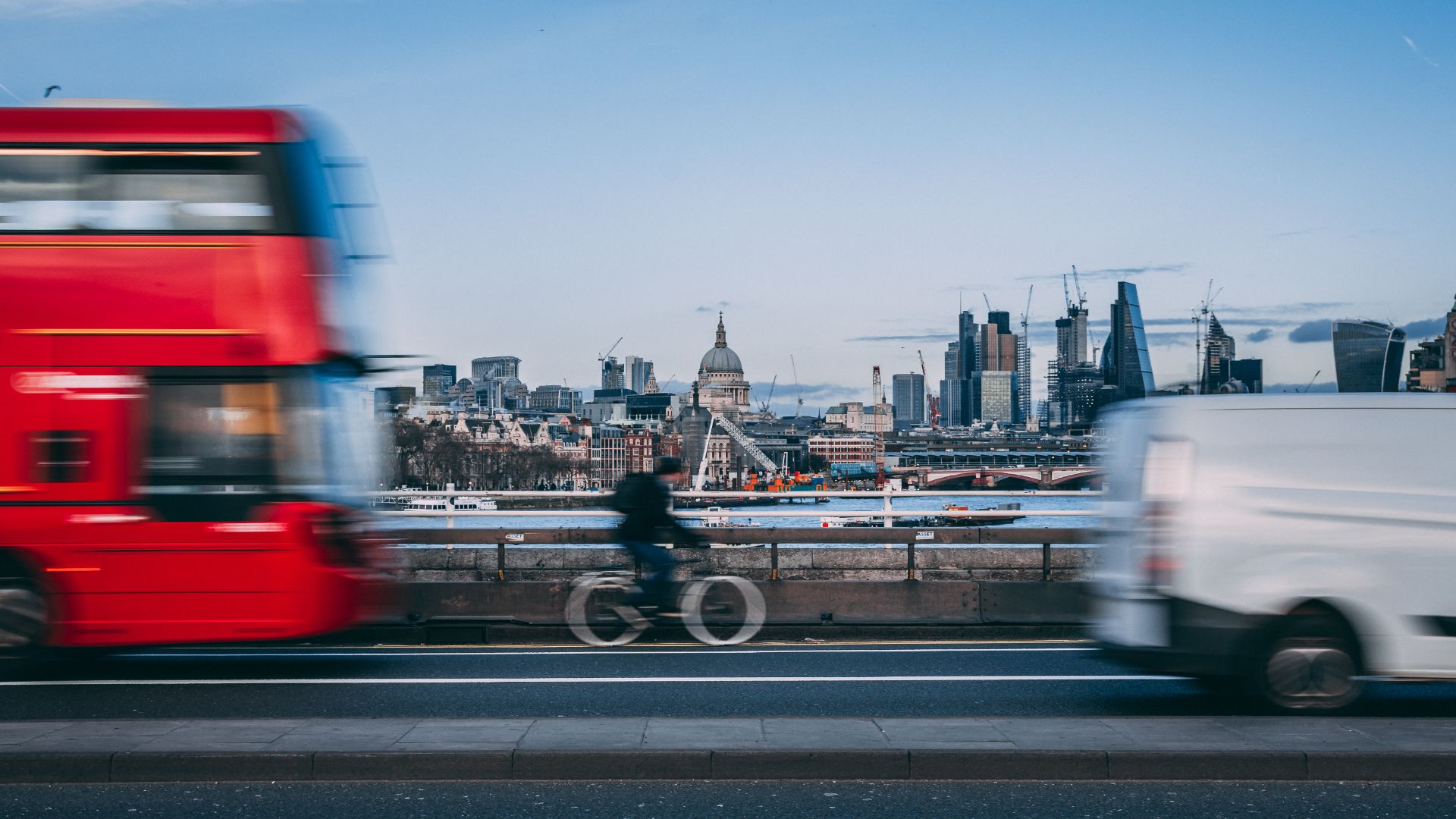
RoSPA figures reveal 102 cyclists were killed on British roads in 2016, while over 18,000 were injured.

According to government figures, the number of cyclists killed or seriously injured increased by 17 percent between 2008 and 2018.

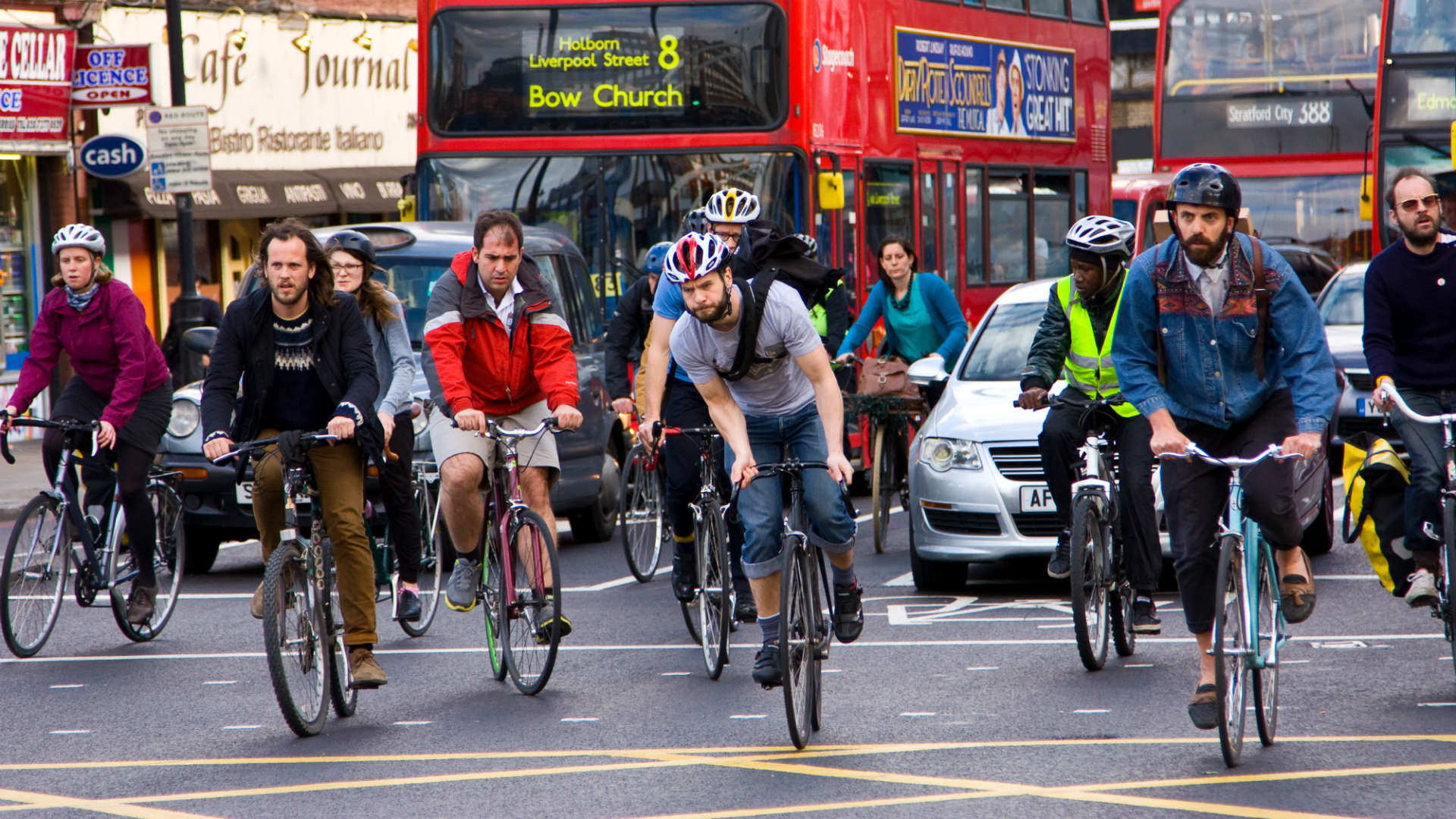
A survey of cyclists that also own cars found that 65 percent support indicators on bicycles. Some riders are particularly supportive of the bike indicator idea:

“I’ve had a good three, four accidents where the driver’s given me the whole SMIDSY thing – he claimed he never saw me – what’s better than a great big flashing light?” said Jim, a cyclist respondent from Southampton.

“Great idea at night,” said Helen, a cyclist respondent from Derbyshire. “They might even think I’m a motorbike and give me a lot more space.”
Do bicycles need indicators?

Others don’t believe that bicycles are the issue. “Bike riders have never been more visible these days,” said an unnamed respondent.

“Their bikes are lit up like Christmas trees, and we’re all dressed in hi-visibility gear that’s brighter than the sun. Perhaps it’s terrible drivers who are to blame.”

“The stats bear out the fact that motorists just don’t pay enough attention to cyclists, bikers and pedestrians, day after day,” said another. “We don’t need another gimmick just to make it look like something is being done.”
Drivers think bicycles should have licence plates

In response, Hall claims that indicators are another box ticked in the argument against drivers who claim they can’t see bicycle riders.

“Most cyclists want to be seen on the roads, and they know that they need to defend themselves from poor drivers.

“For the sake of beating those SMIDSY types, indicators have got to be a good thing.”

Advertisement

France abandons ‘controversial’ breathalyser law for drivers

0

French breathlyser law repealed

France is repealing its law that all drivers must carry a disposable breathalyser kit in their car. First introduced in 2013, being caught previously meant an €11 fine. 

Although apparently a response to the high number of road deaths in France linked with alcohol, the law was controversial from day one. The head of the lobby group demanding it be introduced was an executive at the manufacturer of the breathalysers.

It has been the source of confusion and conjecture, not least because the fine was abandoned relatively soon after the law was introduced. 

Lower drink-drive limit than the UK

French breathlyser law repealed

France’s drink-drive limit is lower than in the UK, at 0.5mg/ml of alcohol per litre of blood, versus 0.8mg/ml in the UK. If you’re a younger driver who passed your test less than three years ago, it’s even lower: 0.2mg/ml per litre of blood.

Being caught with between 0.5 and 0.8mg/ml can incur a fine between €135 (£120) and €750 (£665), plus a six-point penalty. The Police can carry out random breath tests, and will automatically test you if you’re involved in an accident where someone is injured, or if you have committed a serious motoring offence. 

French breathlyser law repealed

RAC spokesperson Rod Dennis said: “While the law governing drivers carrying breathalysers in France might be about to change, drivers heading across the Channel should still remember that the country has a much stricter drink-drive limit than in the UK – and anyone caught over the limit faces some very tough penalties.

“The best advice is to never drink and drive, whether driving in France or elsewhere. For any driver that still chooses to, it still makes a lot of sense to carry a portable breathalyser to check they are well below the relevant legal limit.”

Advertisement

Autonomous alert: the 12 obstacles for self-driving cars

0

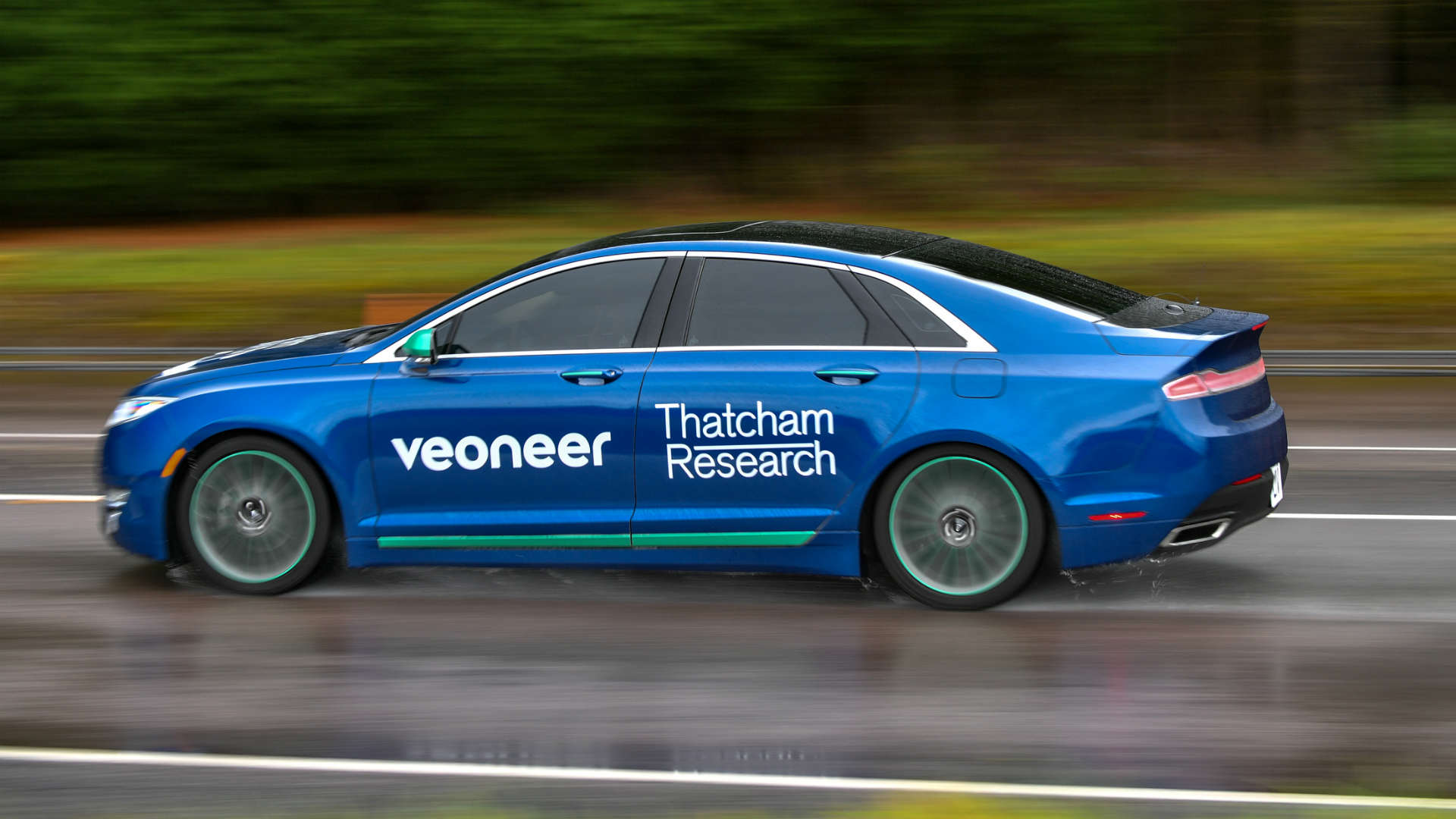
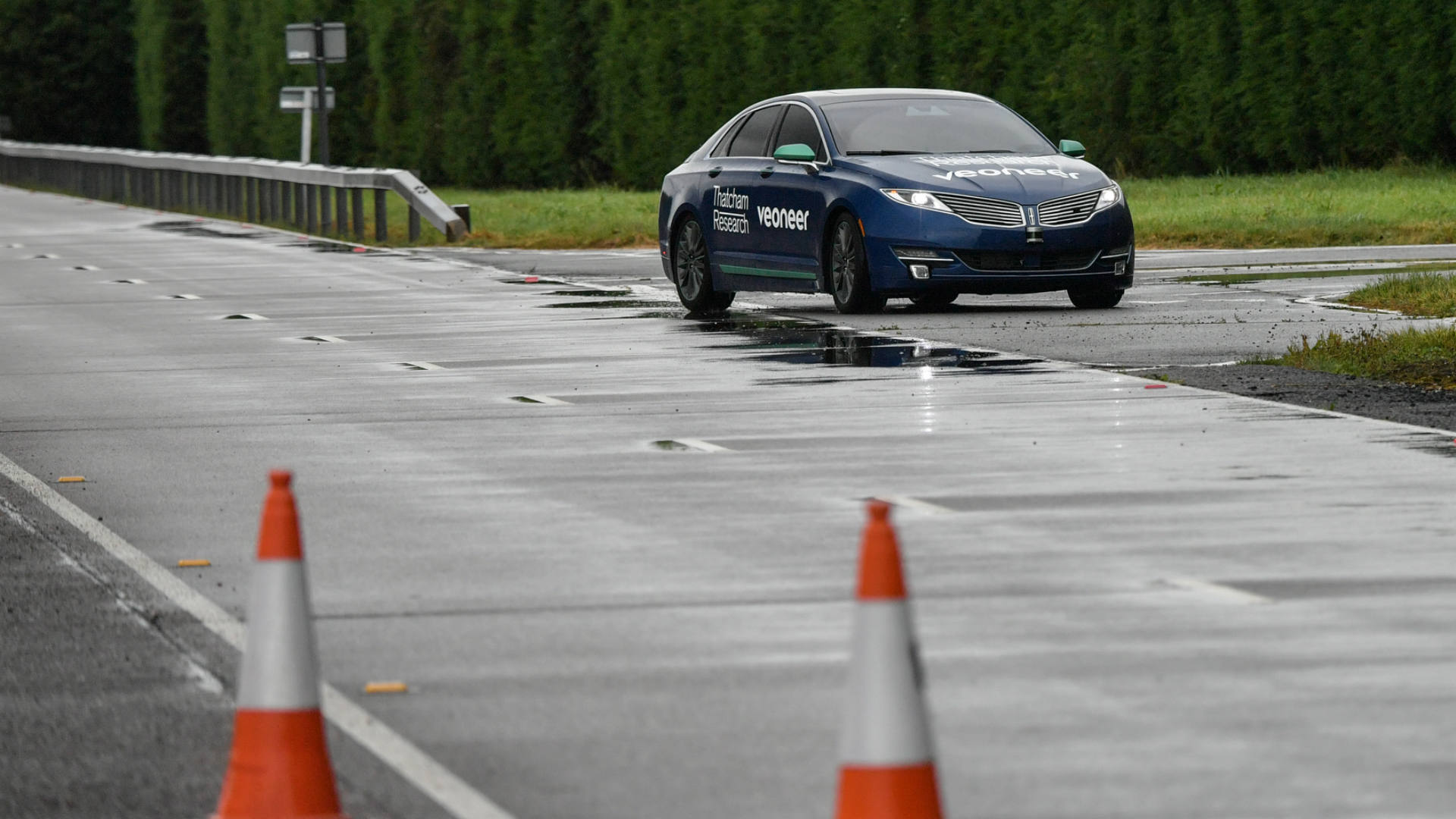
Thatcham Research automated driving

Drivers are most at risk of an accident when taking back control of an autonomous vehicle. That’s the warning from a leading automotive safety research group. 

Thatcham Research says full automation, when a driver can ‘safely take a nap at the wheel’, won’t be possible until 2025. Even then, the transition between automation and the driver taking control must be managed carefully, it warns.

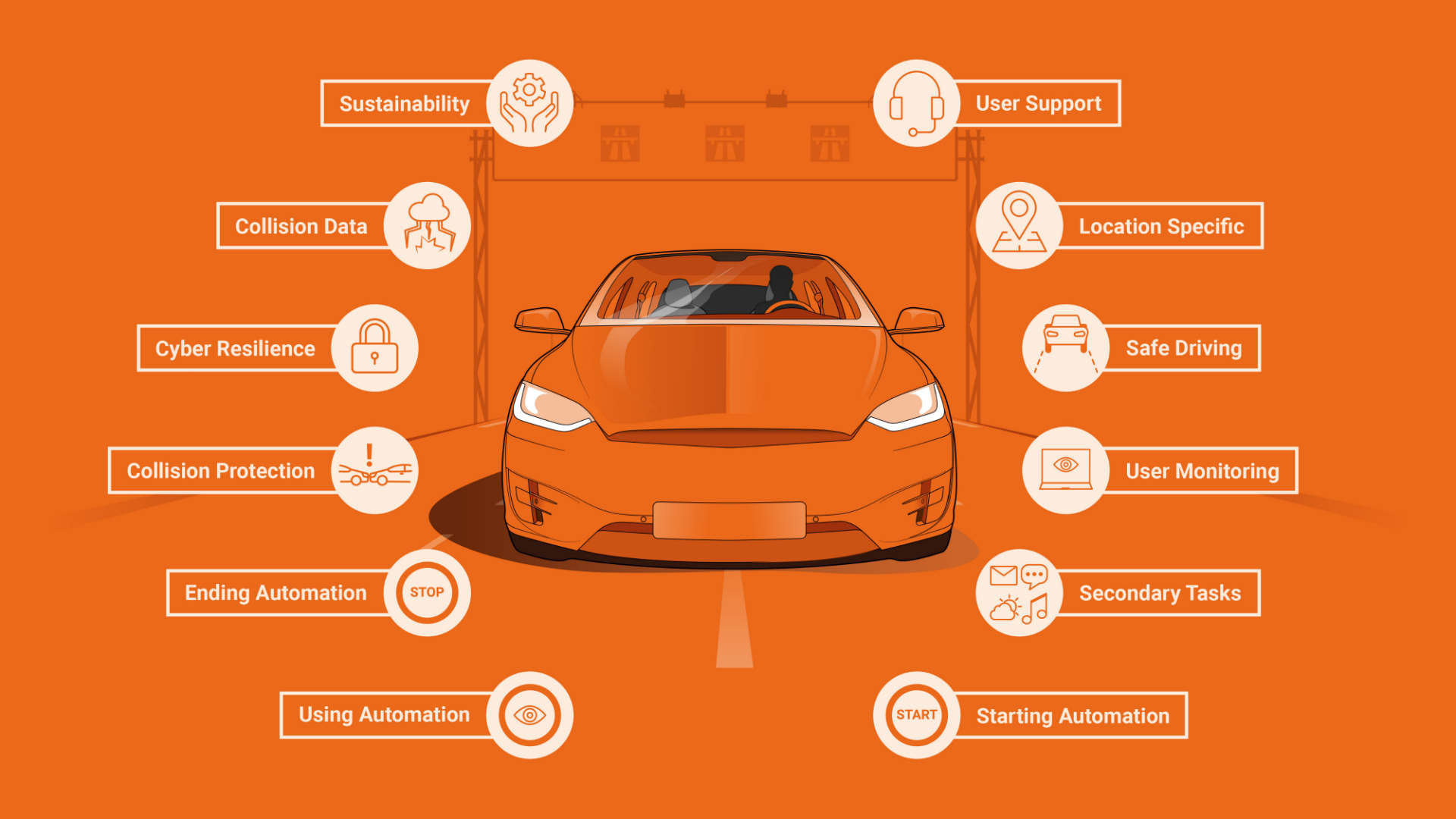
The organisation has outlined a dozen principles required for the safe introduction of automated driving systems. These include collision protection, user monitoring, collision data and location specific data.

‘Guardian angel’ role

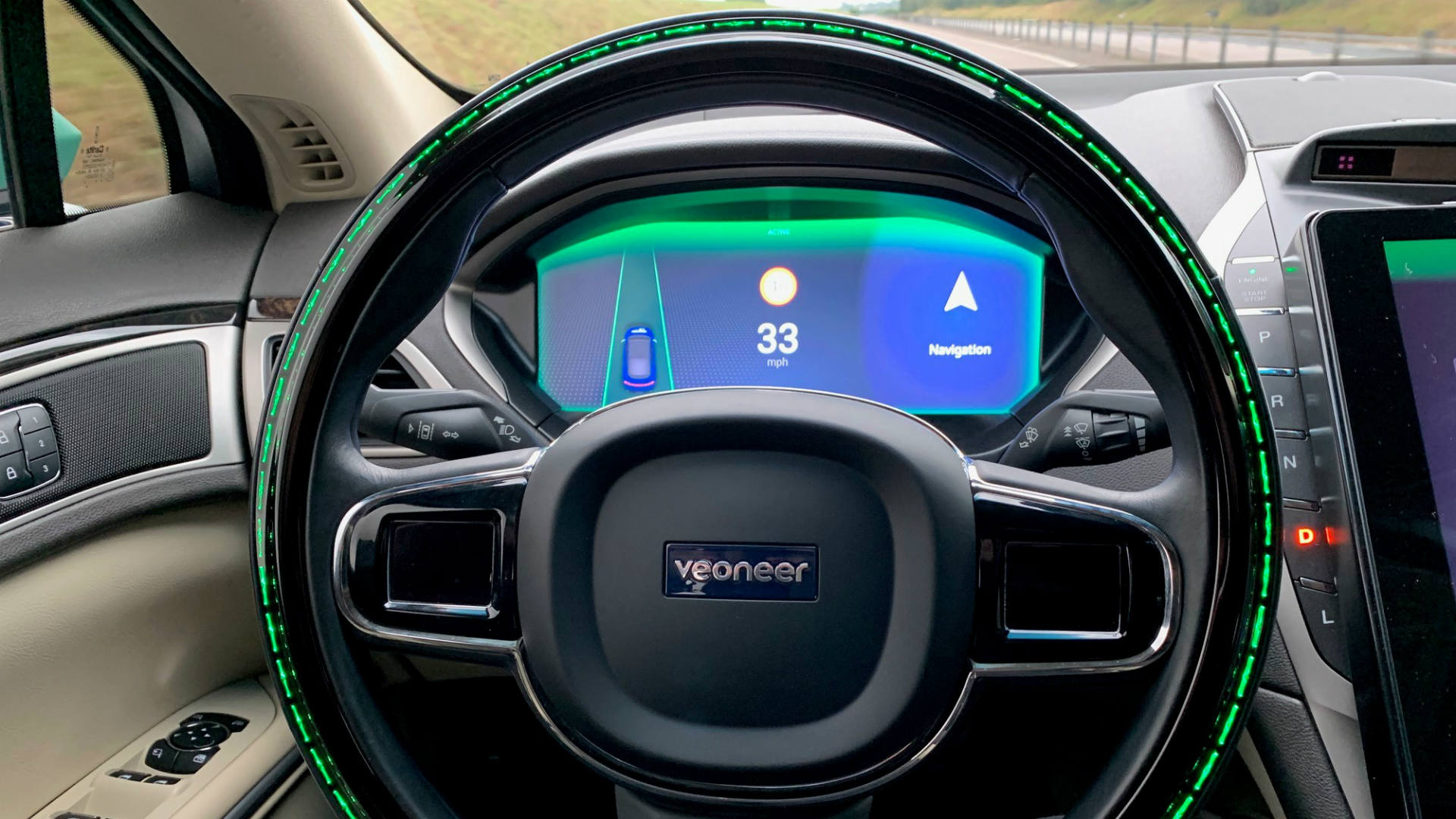
automated driving mode

Although the UK government is predicting the arrival of autonomous cars in 2021, Thatcham Research believes this is premature.

“To avoid introducing a new hazard, the vehicle needs to have an effective driver monitoring system to ensure safe handover of control between driver and vehicle, and that the driver is available to take back control when needed,” Matthew Avery, director of research, has warned.

“The vehicle needs to play a guardian angel role. This is important because if the system can’t handle a scenario, it can bring the driver back into the loop.

“If the driver does not respond, the system should be able to assess the road conditions, just as a human would, and decide on the safest action to keep the car’s occupants and those around them safe.”

automated driving on track

While automated driving systems could allow drivers to text, surf the internet or watch a movie while on the move, such activities must be linked to the car’s infotainment system.

“It’s paramount that initial automated driving systems can identify if the driver has become too far removed from the task of driving. This is especially important if the vehicle cannot deal with unplanned situations or when the vehicle is about to transition from the motorway to roads where automated driving will no longer be supported.

“Full automation, where the driver is essentially redundant and can safely take a nap at the wheel, won’t be possible until near 2025 and beyond, even on the motorway,” Avery said.

The 12 principles

12 steps to automated driving

The 12 principles, as outlined by Thatcham Research, can be summarised as follows:

  • User support: manufacturers must eliminate consumer confusion. Systems must be simple to use with clear and concise interfaces
  • Location specific: autonomous driving should be available only when the dynamic conditions allow
  • Safe driving: autonomous must interact safely with other road users
  • User monitoring: active user monitoring is essential and must not rely on ‘hands on wheel’ detection alone
  • Secondary tasks: must be limited to those available via the infotainment screen
  • Starting automation: will be possible when certain conditions are met and the driver is in a fit state
  • Using automation: must manage the user attentiveness to ensure an effective handover
  • Ending automation: must be prepared for planned, unplanned and user-initiated handovers, as well as system failures
  • Collision protection: vehicles must be equipped with emergency collision avoidance technology
  • Cyber resilience: systems must be designed and maintained to minimise the risks of hacking.
  • Collision data: must be available to insurers to confirm whether the system or user was in charge at the time of an accident.
  • Sustainability: the emergency collision avoidance technology must maintain functionality for at least a decade.

James Dalton, director of general insurance policy at the Association of British Insurers (ABI), said: “To fully realise the benefits of automation, it is absolutely vital that there is a clear definition of what constitutes an automated vehicle. These latest guidelines will enable the safe introduction of automation on motorways from 2021 onwards.

“There must be robust rules regulating automated vehicles, to ensure that users are aware of their responsibilities. While we expect automated cars to improve road safety, some accidents will still occur. All collisions must trigger data to help authorities and insurers to understand what went wrong and so that passengers can get the help and support they need.”

ALSO READ

Frankfurt Motor Show tightens security after anti-car vandalism

2019 Vauxhall Astra review: cleaner engines slash running costs

Ban regular car sales by 2035 or face ‘dire consequences’ says report

Advertisement

$33,000 Volkswagen Rabbit GTI breaks auction website records

0

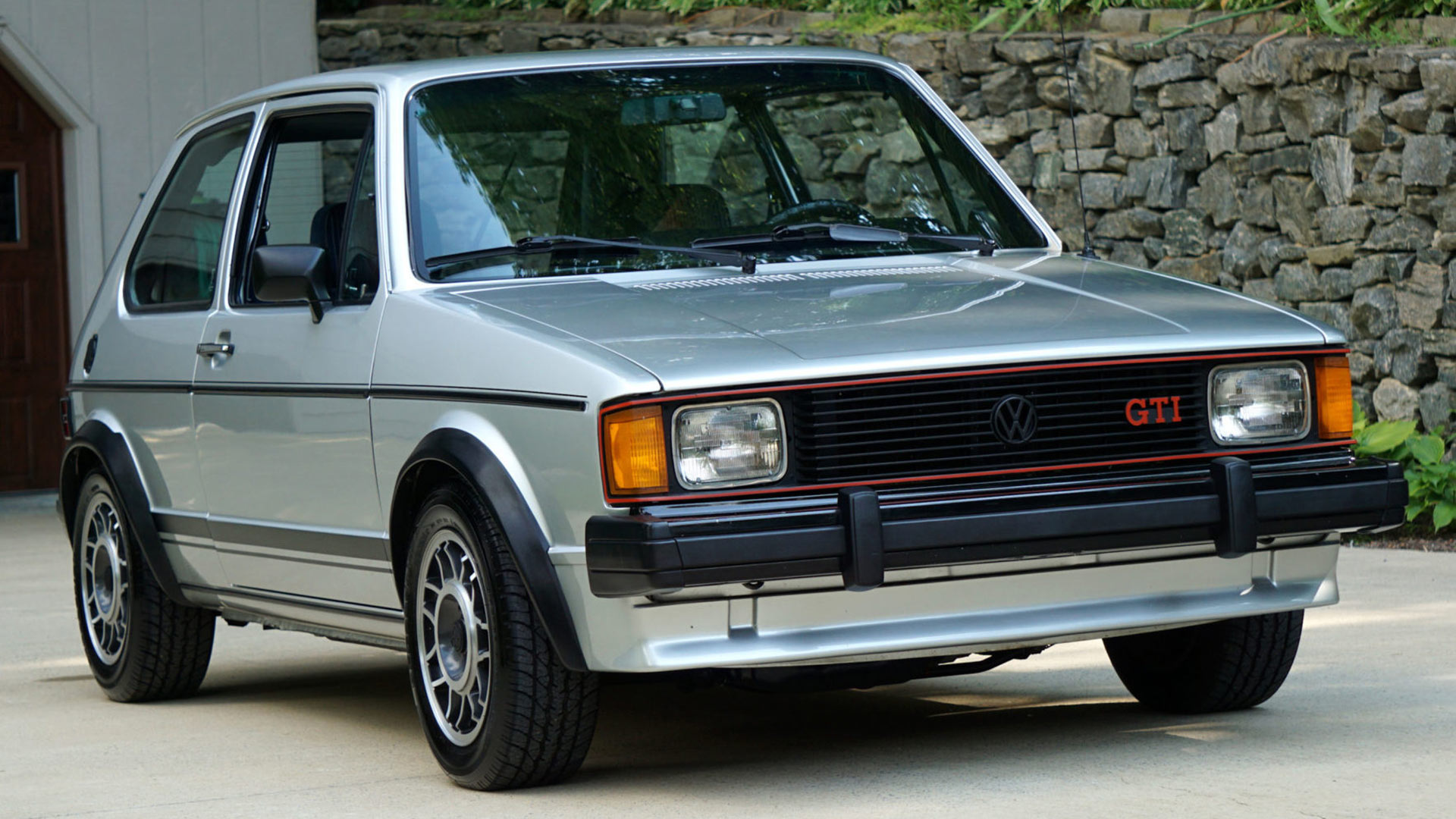
BaT Record Sale Volkswagen Rabbit GTIBilled as being responsible for creating the hot hatch market, the Mk1 GTI has developed a cult following across the globe.
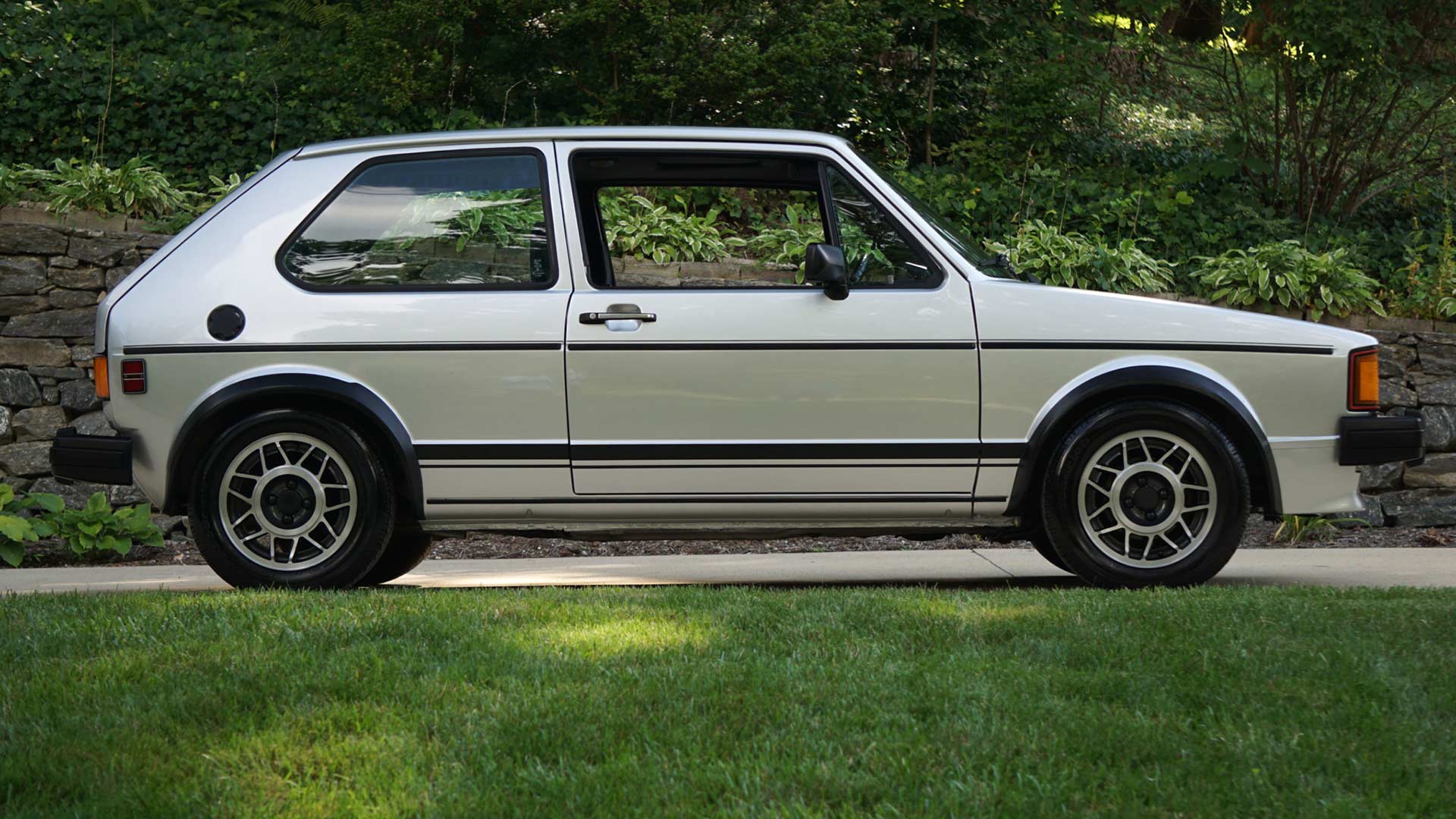
However, this one-owner example of the iconic fast Volkswagen has set a new record for a sale price on auction website Bring a Trailer.

At $33,000, some $5,500 more than a brand-new Mk7.5 Golf GTI would cost to buy, this is big money for a small car.

Well-traveled Rabbit

BaT Record Sale Volkswagen Rabbit GTIWhat makes this particular 1983 Rabbit GTI special is that it has remained with one owner for all of its life.

Built at the Westmoreland factory in Pennsylvania, the GTI was delivered to a US Army pilot in Germany. At the end of his deployment, the Rabbit came back to the United States in late 1984.

In those 26 years the seller covered 100,000 miles, proving that it had been used as intended. Lowered suspension, an upgraded exhaust for the 1.8-liter four-cylinder engine, and a new stereo system were all added over the years.

One careful owner

BaT Record Sale Volkswagen Rabbit GTIHaving belong to just one person, it meant the records and documentation from the early 1980s were still present. A Carfax report verified the mileage covered, and the ownership story of the car.
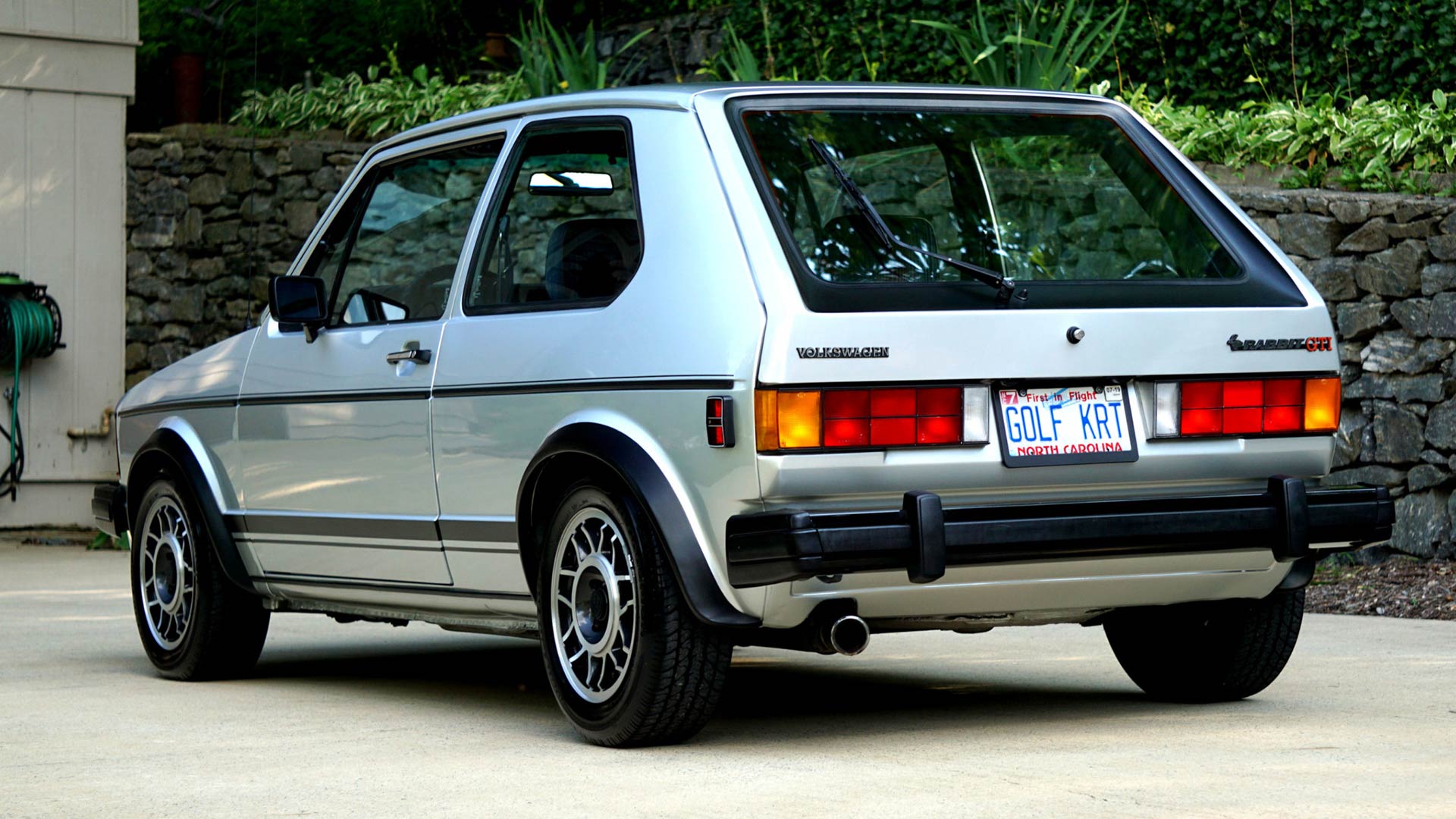
The original order sheet confirmed that the Rabbit GTI had been fitted with optional extras, including air conditioning and a sunroof from the factory. A total of $9,840 was paid back when the car was new.

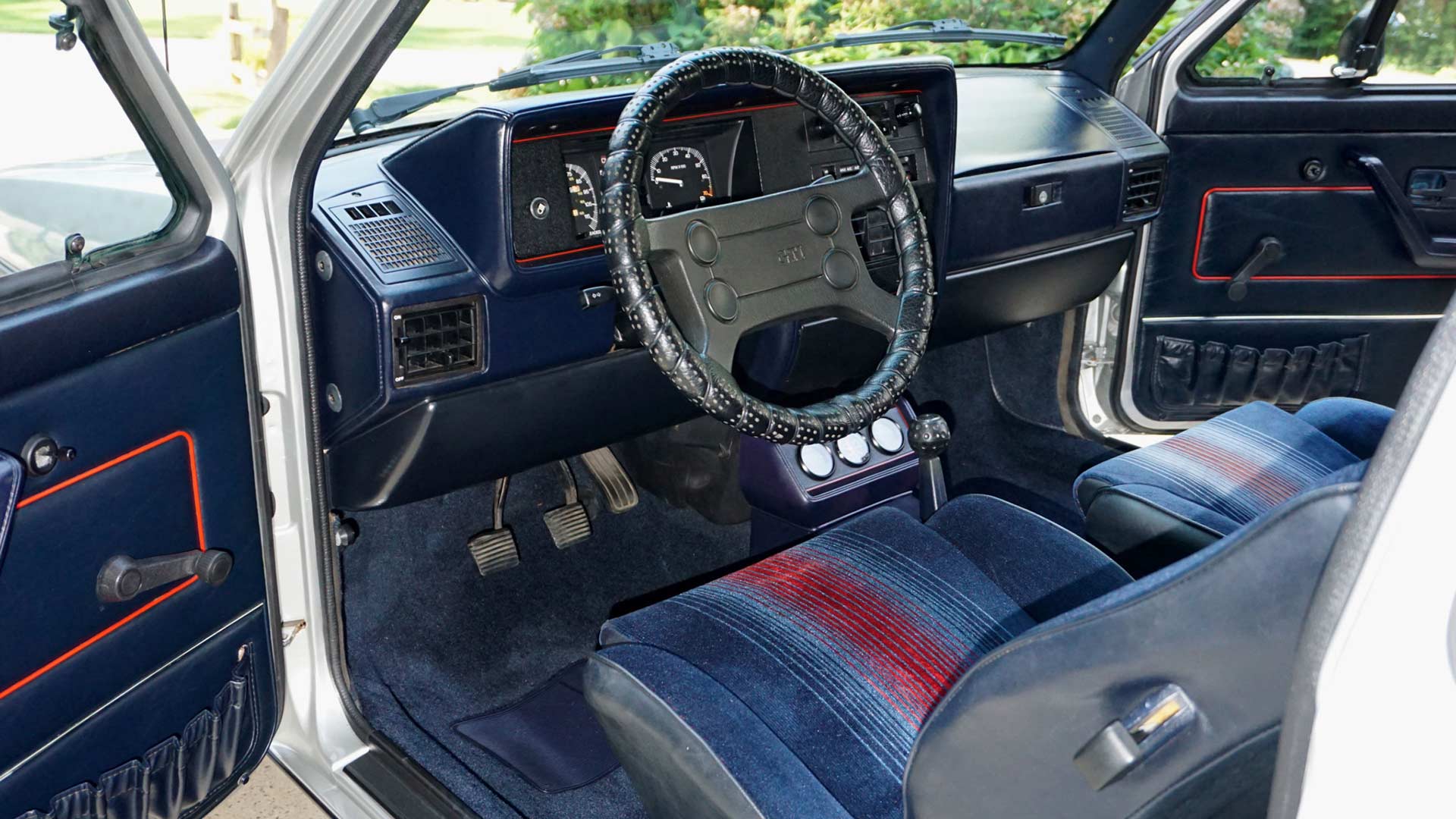
Maintenance work over the years included a respray for the Diamond Silver bodywork. The driver’s seat was also re-upholstered with genuine Volkswagen fabric trim. A recent oil change had also been completed.

Bucking the trend

BaT Record Sale Volkswagen Rabbit GTI

The selling price of $33,000 pushes this car to become the most expensive Rabbit GTI sold on Bring a Trailer.

Previously, the highest price paid for a Mk1 GTI on the website had been $16,000, paid for a late 1984 car in February this year. An original-owner 1983 Rabbit, with similar mileage but an upgraded 2.0-liter engine, achieved just over $11,000 in April 2017.

Market trends for compact performance cars from the 1980s and ‘90s have shown a surge in recent months. Affordable machines in particular have proven popular, drawing in younger collectors and enthusiasts.

Yet the sale price for this 1983 Rabbit GTI shows that buyers are still willing to pay a substantial premium for cared for original examples.

Advertisement

The traditional car handbrake will soon be extinct

0

manual handbrake is dieing

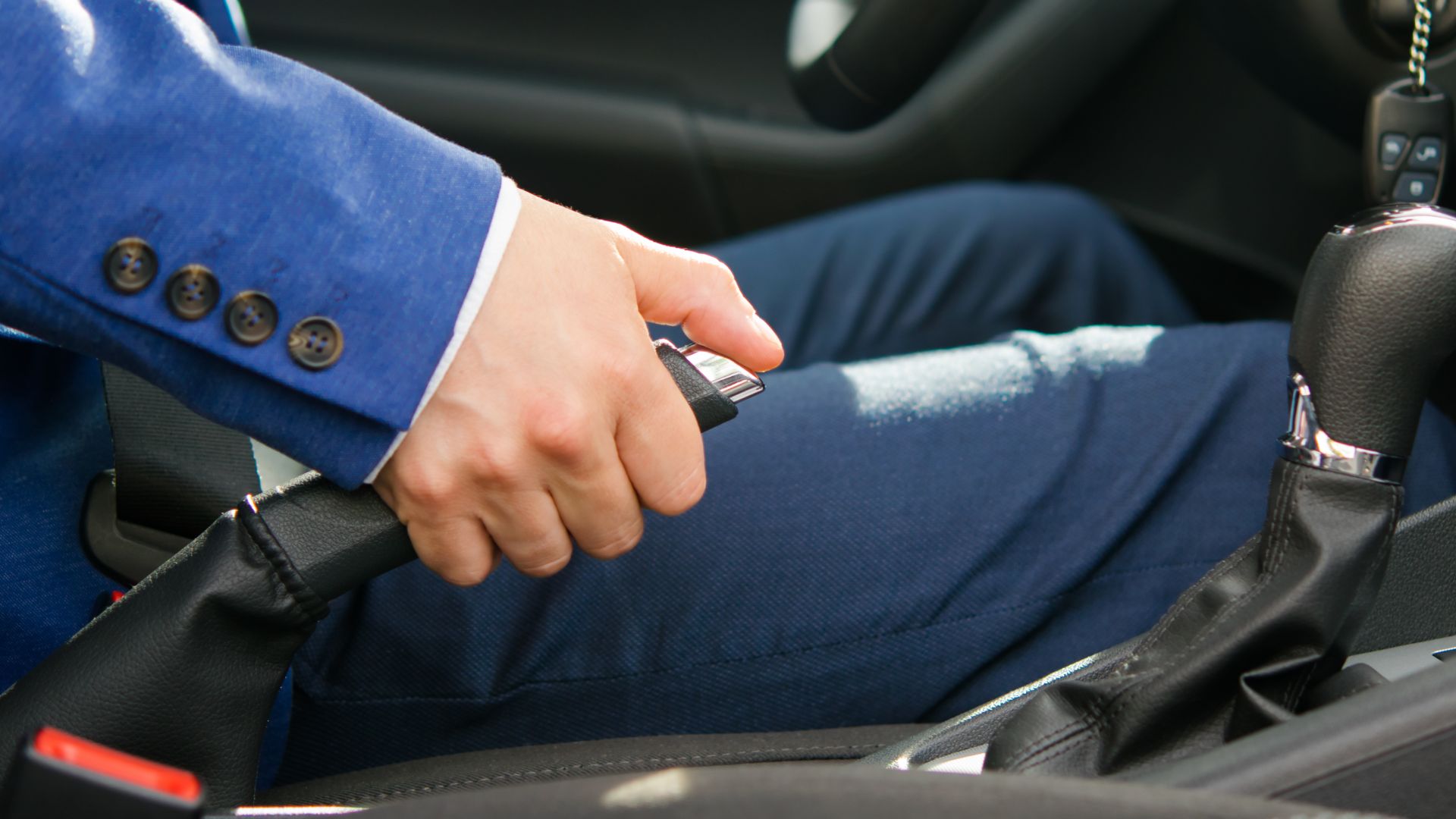
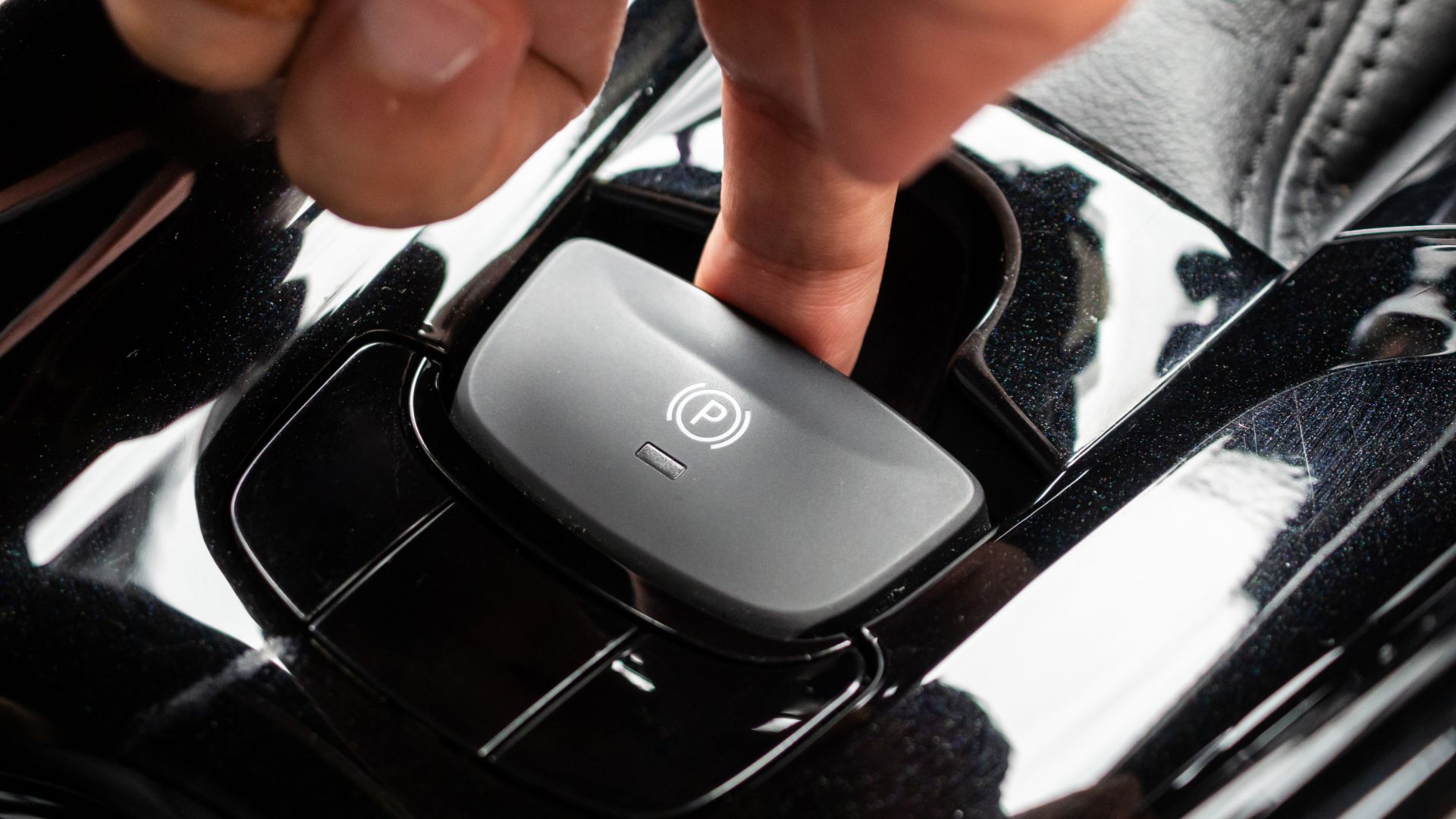
New research has revealed the decline of the traditional manual handbrake. The prognosis isn’t good, as most new cars have electronic handbrakes.

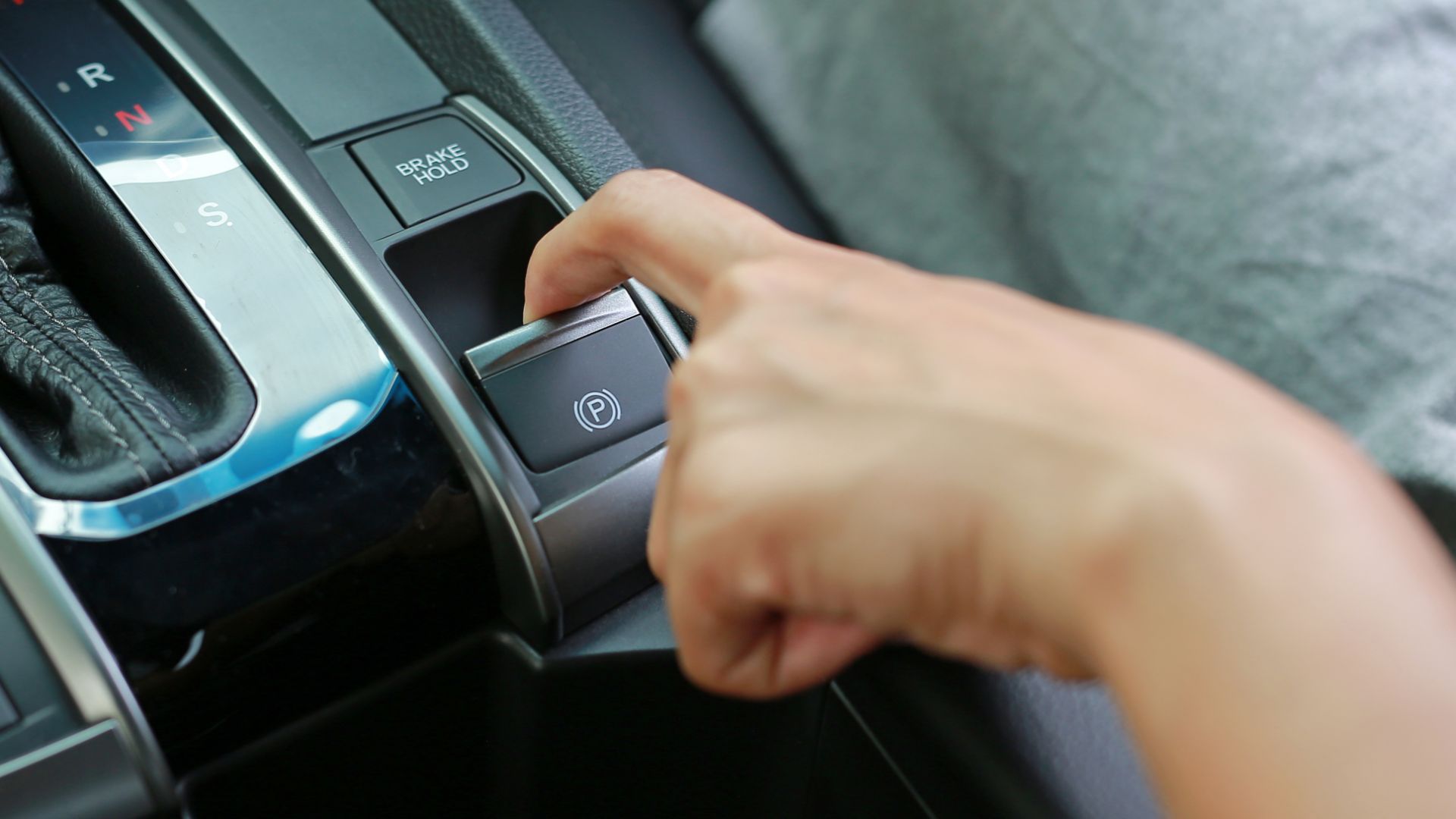
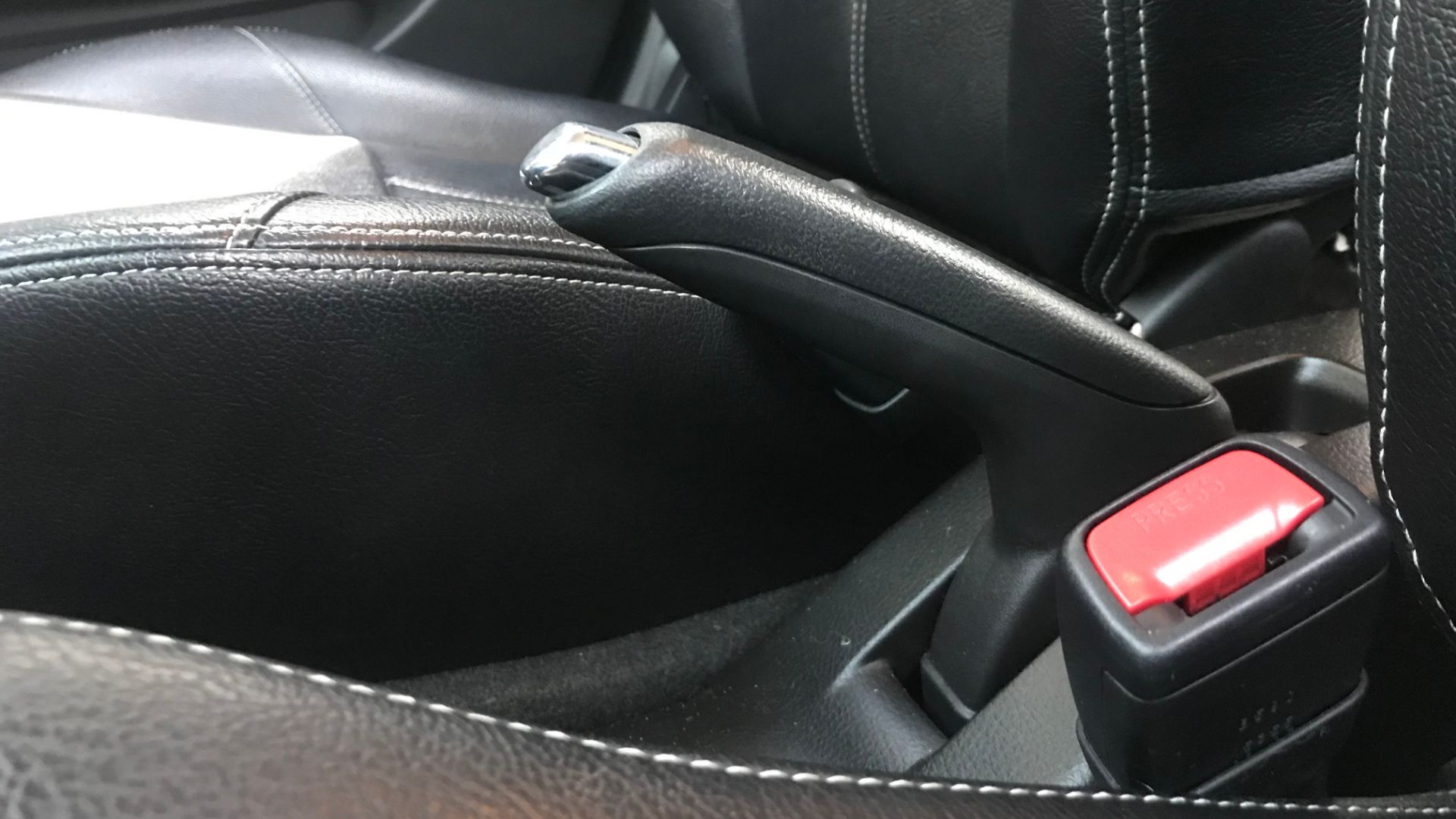
Just three in every 10 new cars sold comes with a handle-operated cable handbrake, says the study by CarGurus. Marques that have abandoned handle-cable systems altogether include Jaguar, Land Rover, Lexus, Mercedes-Benz and Porsche. Instead, they use electronic button and toggle-operated systems.

What this new breed of technology doesn’t allow for is the classic handbrake turn – a sad loss for young drivers everywhere looking to impress their friends.

Happily, most new cars that still have manual handbrakes are smaller, cheaper models. Suzuki and Dacia use them across their ranges, while in the world of the hot hatch, the Renault Megane RS also has a lever between the front seats.

manual handbrake is dieing

Electronic handbrakes first appeared in 2001 on the BMW 7 Series. By contrast, this year 70 percent of new cars had them. That’s a significant jump from 2018’s 63 percent figure. Expect the traditional manual handbrake to be almost extinct within five years.

“It’s official, the death of the handbrake is coming as manufacturers switch to electronic parking brakes in huge numbers,” said Chris Knapman, UK editor of CarGurus.

“Within the next few years we expect the number of cars on sale with traditional handbrakes to decline further, likely only to be found on a select number of niche models.”

manual handbrake is dieing

It’s not all doom and gloom however. There are a number of benefits to electronic handbrakes, including extra cabin space, hill hold control and automatic application when you turn the engine off.

“These systems might lack the tactile feel that some drivers value from a traditional manual parking brake but they bring several benefits in terms of convenience, safety and packaging,” said Knapman.

manual handbrake is dieing

  • Londoners reject ‘spaceship’ sounds for electric buses

“An electronic parking brake can engage automatically when a car’s engine is switched off and many also include an auto-hold function that will apply the parking brake when a car is stopped in traffic or on a hill.”

Of course, if you must have a manual handbrake, there are plenty to choose from in the world of second-hand cars. 

ALSO READ

New Land Rover Defender put to work tracking lost lions

Aston Martin DBR1: the story of the Goodwood monument star

Now you can buy your next Volkswagen van completely online

Advertisement

Retro German sports car maker back from the dead

0

Wiesmann MF5 2020

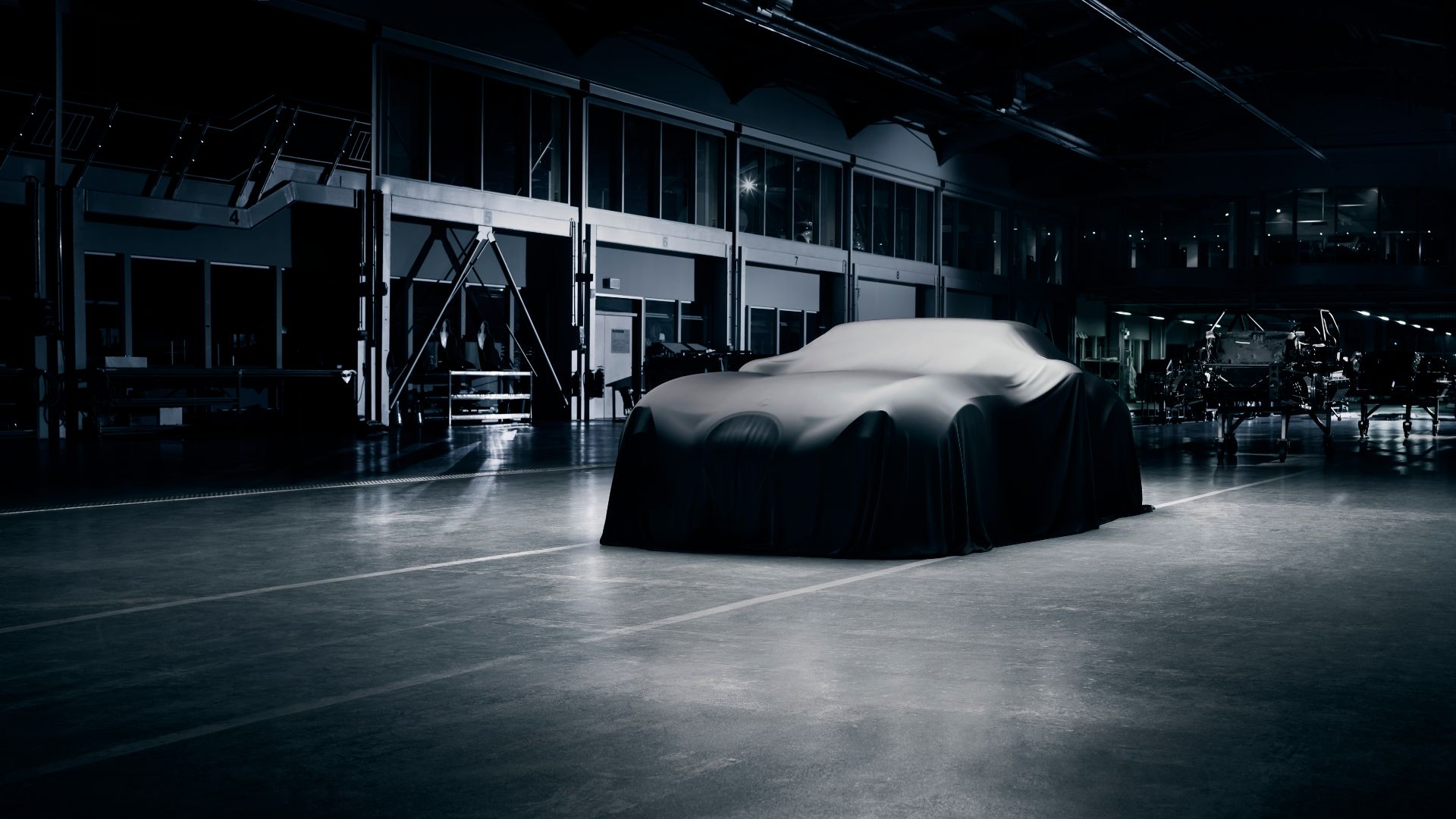
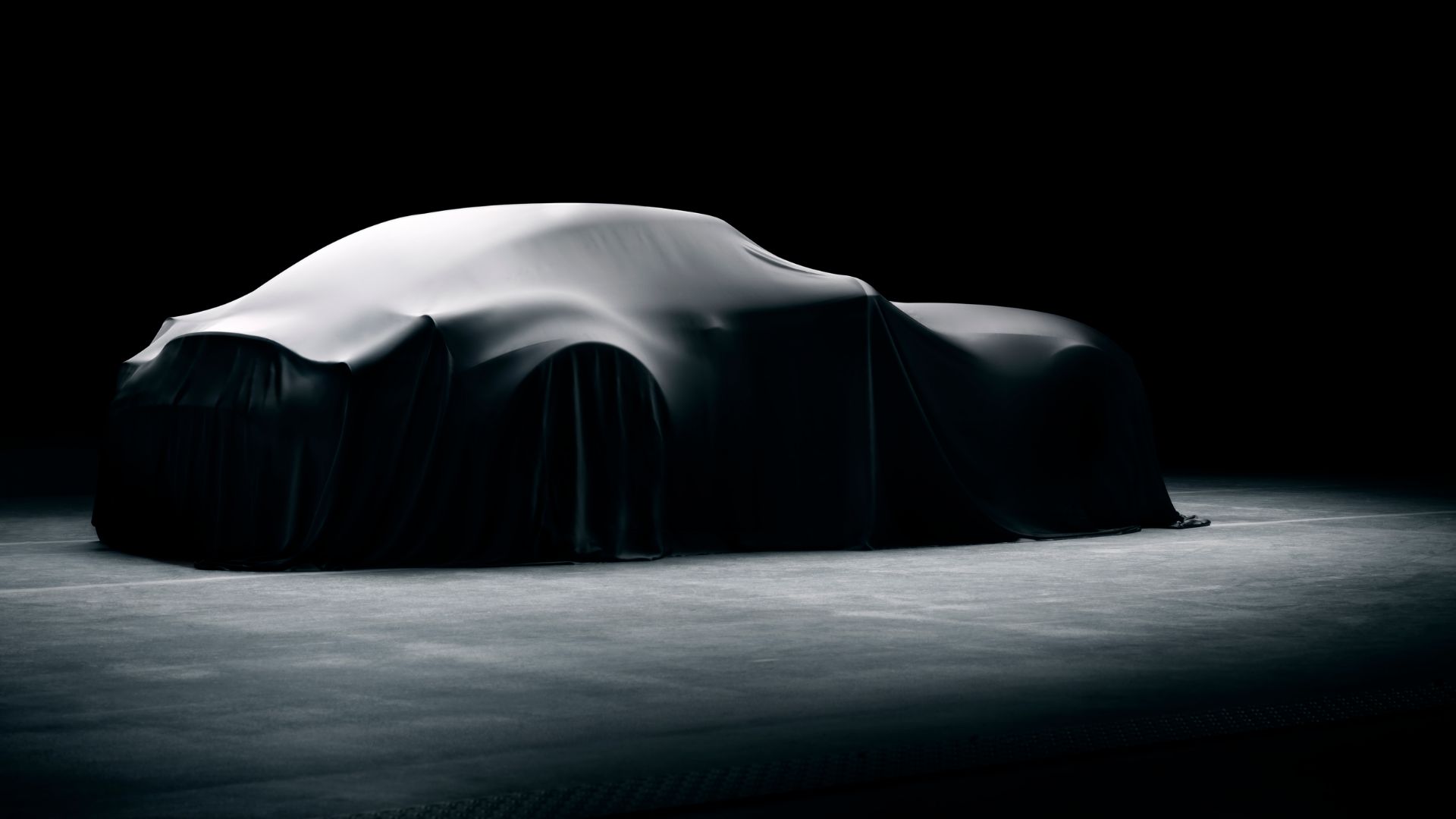
Boutique German sports and supercar manufacturer Wiesmann is coming back from the dead for 2020, with a reborn model. The MF5 is coming – and it’s packing a 600hp BMW M5 engine.

Currently going under the codename project Gecko, Wiesmann’s return is unexpected but certainly welcome. Wiesmann was beloved in the mid to late 2000s for combining classic sports car styling, lightweight and sorted dynamics with serious BMW horsepower, It made for a supercar-slaying range of machinery.

Wiesmann MF5 2020

  • Track-only Kia super saloon packs 426hp punch

The new model is said to be a ‘pure driver’s car’ and will ride on an all-new platform. It will also be modernised and more luxurious. As above, power will come courtesy of the M5’s engine, as it did during Wiesmann’s last outing.

Instead of the screaming V10, the monstrous 4.4-litre twin-turbo V8 from the current M5 will be spinning up the rear wheels. 600hp should do nicely in a car that promises to be lightweight and focused. The car will be hand-built at Wiesmann’s factory in Dulmen, Germany in 2020.

“This last true independent manufacturer of German sports cars is back and has an exciting future to look forward to,” said Roheen Berry.

  • How to buy the right tyres for your car

Wiesmann MF5 2020

“When we set out on this journey we said we wanted to re-engineer an icon and we are on track to do exactly that.”

Wiesmann – M engines in lightweight super sports cars

The new car will continue a rich recent history of M-powered lightweight sports cars. The marque launched the MF3, MF4 and MF5 models in the early, mid and late 2000s. Each ran a BMW M engine: from the E46 M3’s straight six, through the E92 M3’s V8 and the E60 M5’s V10.

Engines that otherwise powered pumped-up executive cars came to life when fitted to a lightweight sports car. This modernised new model with turbo M5 power should prove quite a handful, in the best way. That new TVR will have more of a fight on its hands for the affections of hardcore sports car buyers.

Advertisement

Beating Brexit: supercar maker secures £20 million export deal

0

BAC Mono beats Brexit with export deal

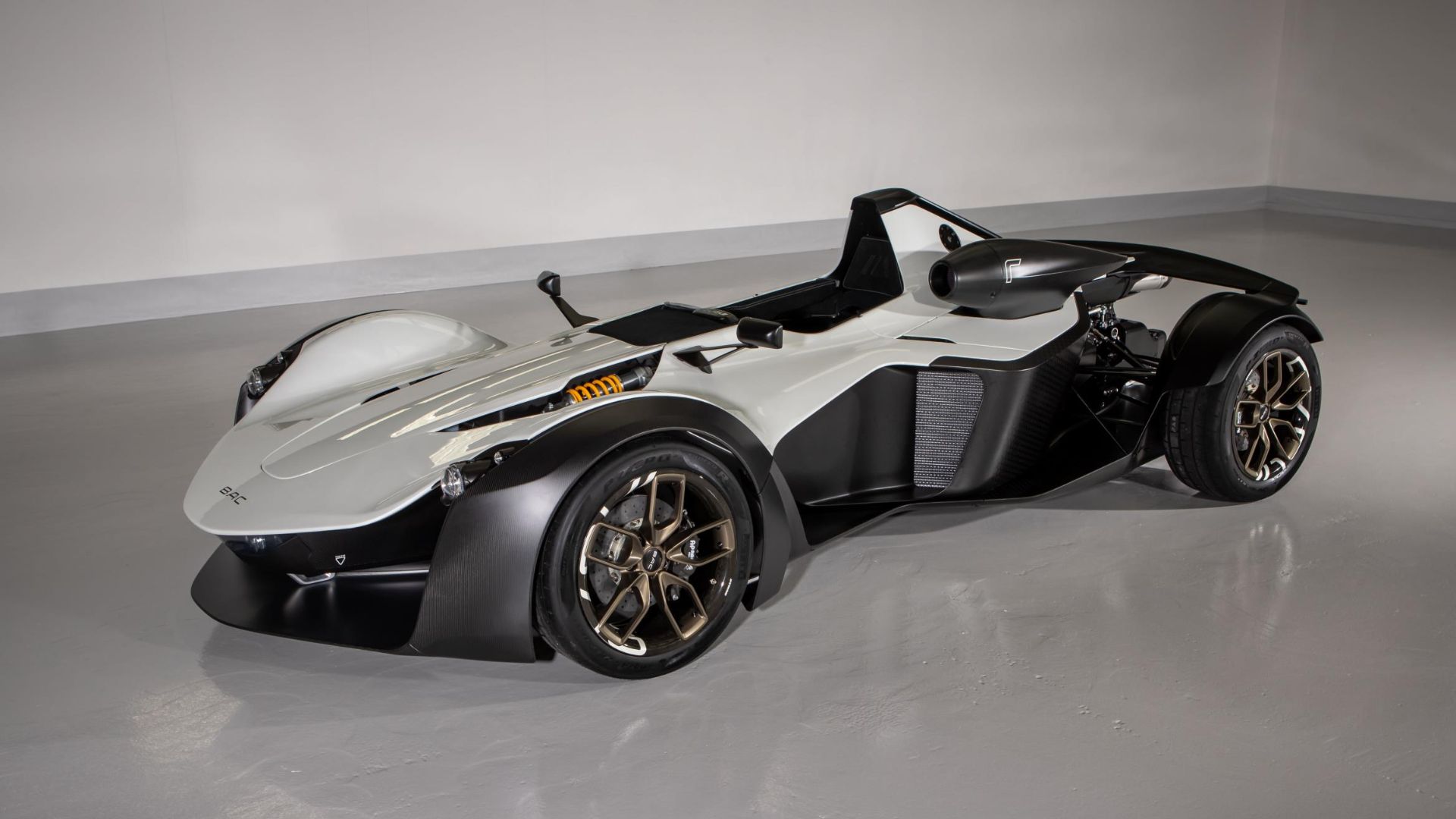
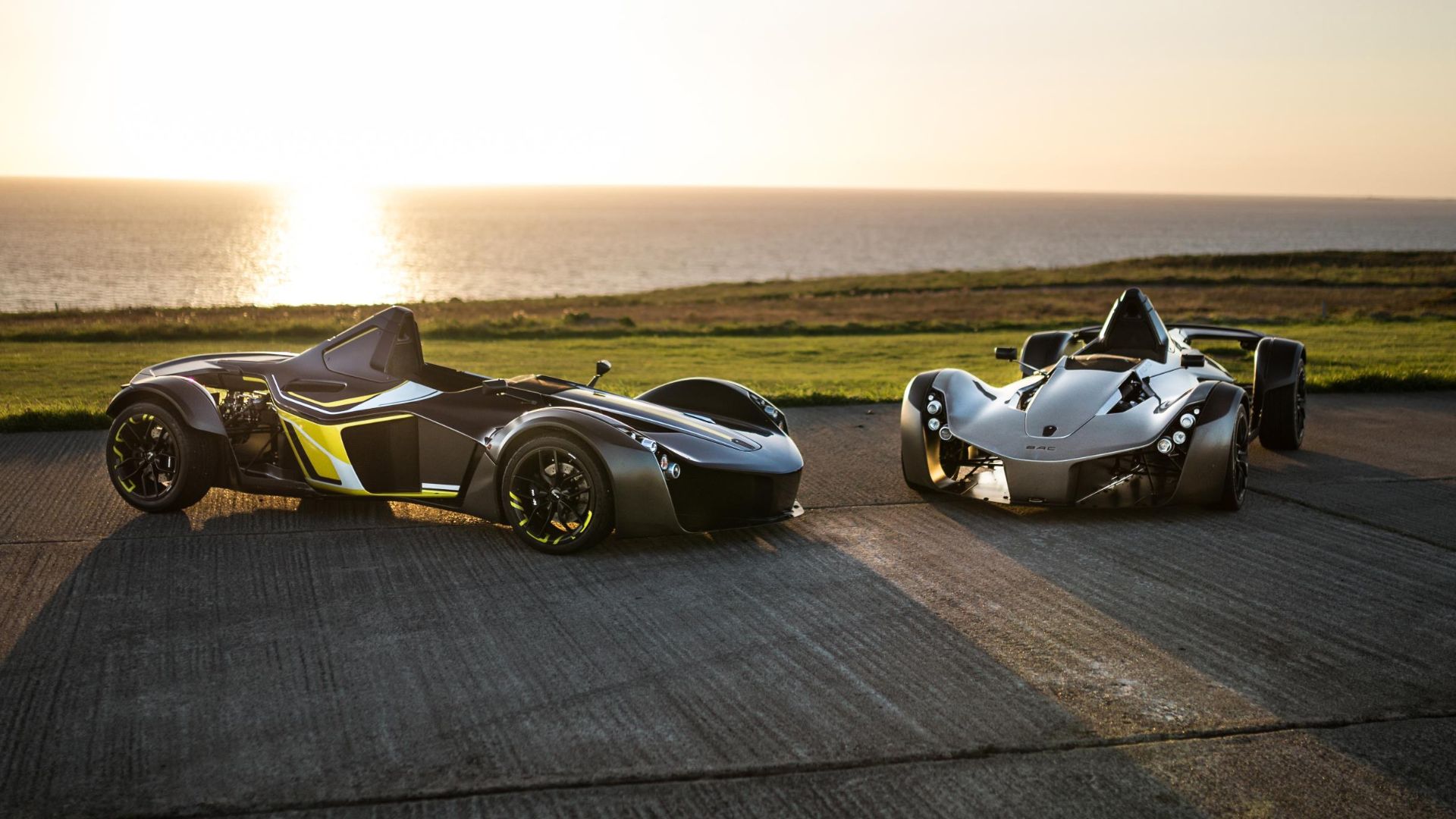
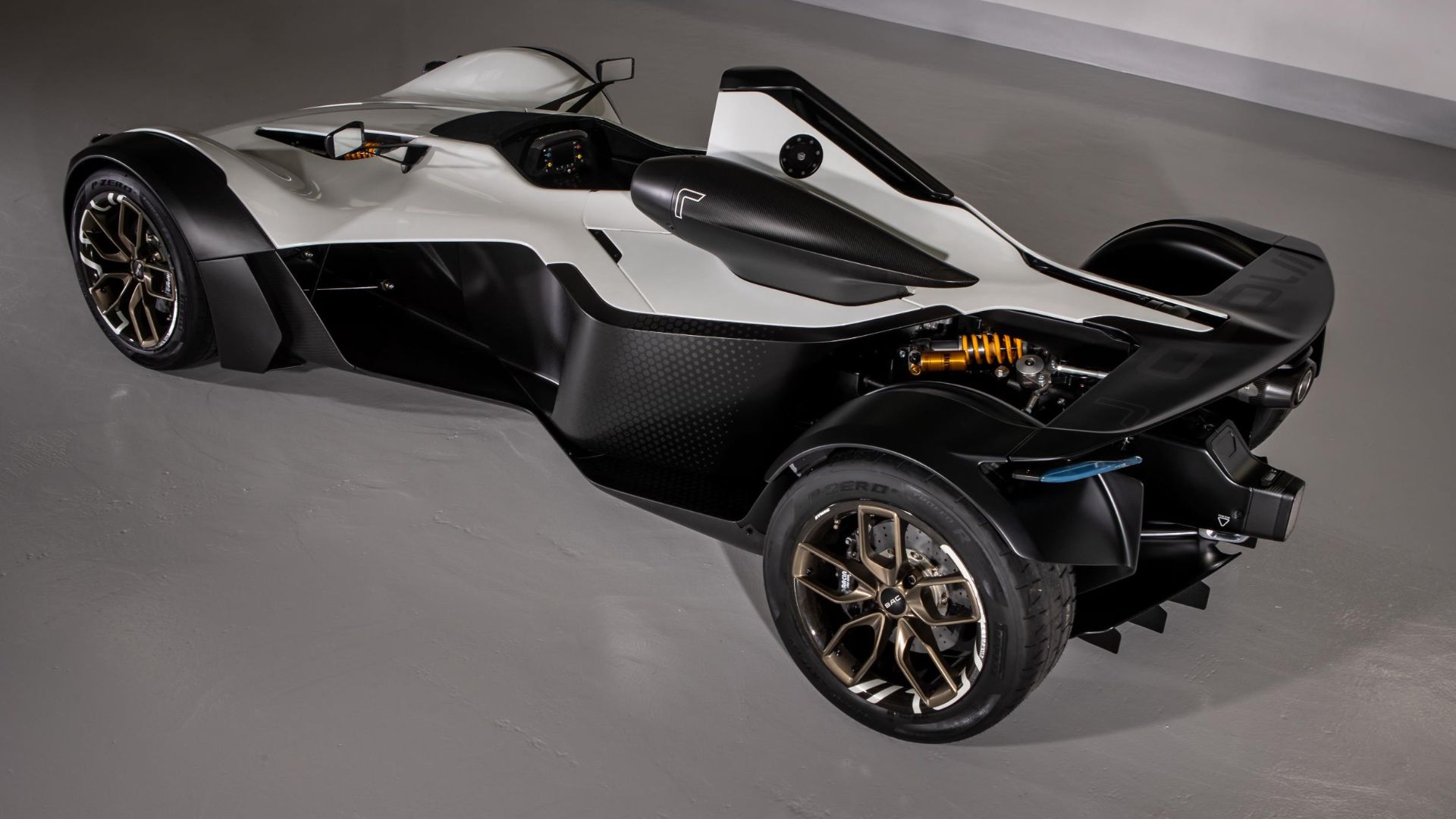
Briggs Automotive Company (BAC), which builds the single-seat Mono supercar, is proving there might just be life beyond the EU. The company has secured £20 million of export business to Hong Kong and the United States.

The deal was done with help from the Department of International Trade. In America, the company signed agreements with two dealers: Manhattan Motorcars in New York and Tactical Fleet in Dallas.

In Hong Kong, an existing contract was renegotiated with the region’s distributor. The news comes after the launch of the new, more powerful Mono R in July.

BAC to the USA

Mono beats Brexit with export deal

  • Brexit run-up: “Notable rise” in European searches for UK used cars

“These new export wins are a sign of how far we’ve come as a business in recent years and the immense work we’re doing with exports,” said Neill Briggs, director of product development at BAC.

“Our solid export strategy, fantastic team ethic, exemplary product and – of course – invaluable support from the DIT means we have the ultimate recipe for success overseas. We will continue to strive to put British manufacturing on the map for the foreseeable future.”

BAC Mono beats Brexit with export deal

“I’m absolutely delighted that DIT has helped BAC to hit the accelerator on its exports,” said Secretary of State for International Trade, Liz Truss MP.

“This is a wonderful example of a UK company that is putting manufacturing and innovation from the Northern Powerhouse on the map.

  • Men in Black: protecting the Earth from scum, in a Lexus

BAC Mono beats Brexit with export deal

“The UK’s heritage in automotive and motorsports is a huge asset, and my department is working to shift our exports up a gear in this exciting and fast moving industry.”

Advertisement

Original 1948 motor show Land Rover brought back to life

0

Land Rover Classic 1948 restoration

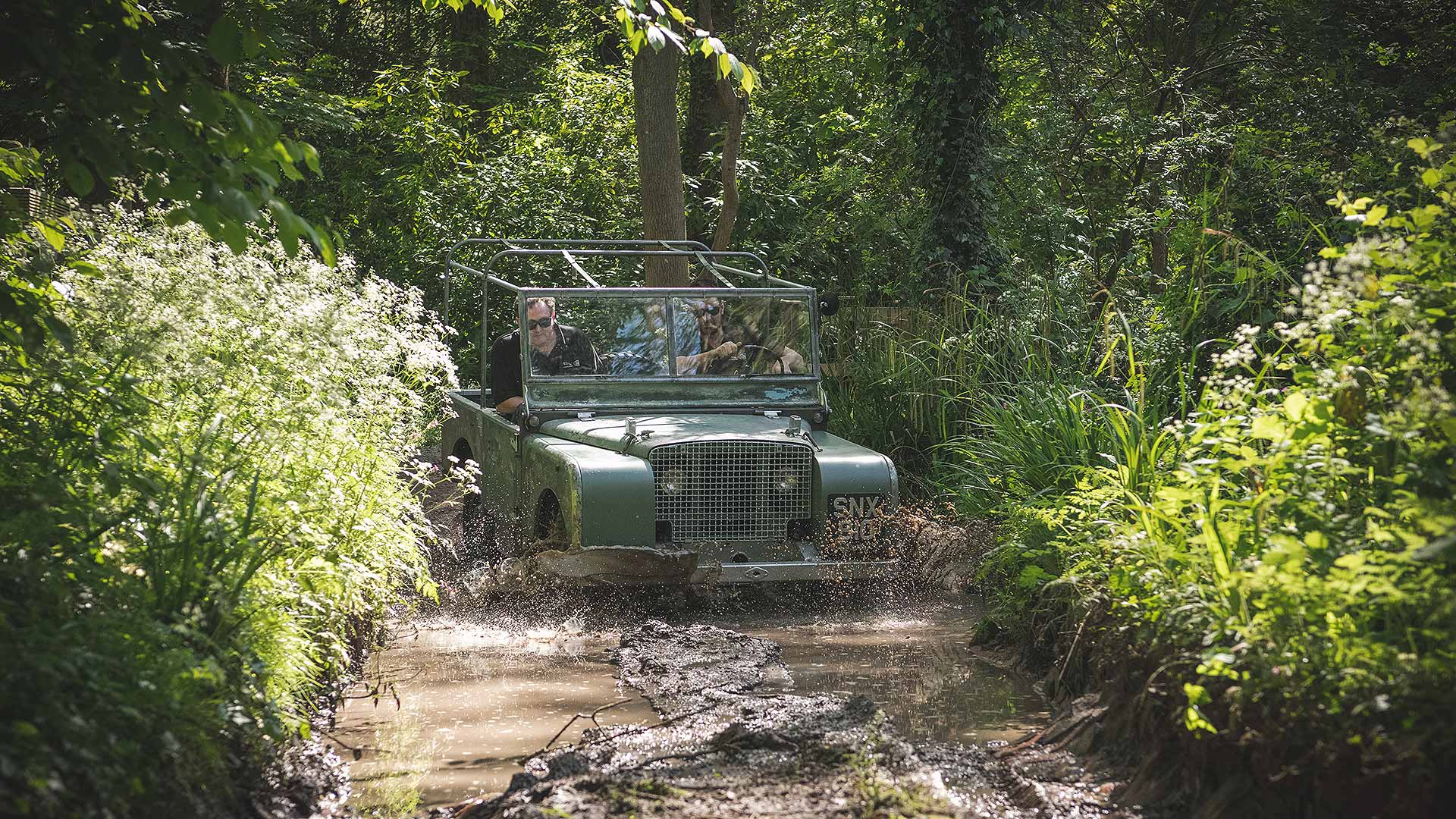
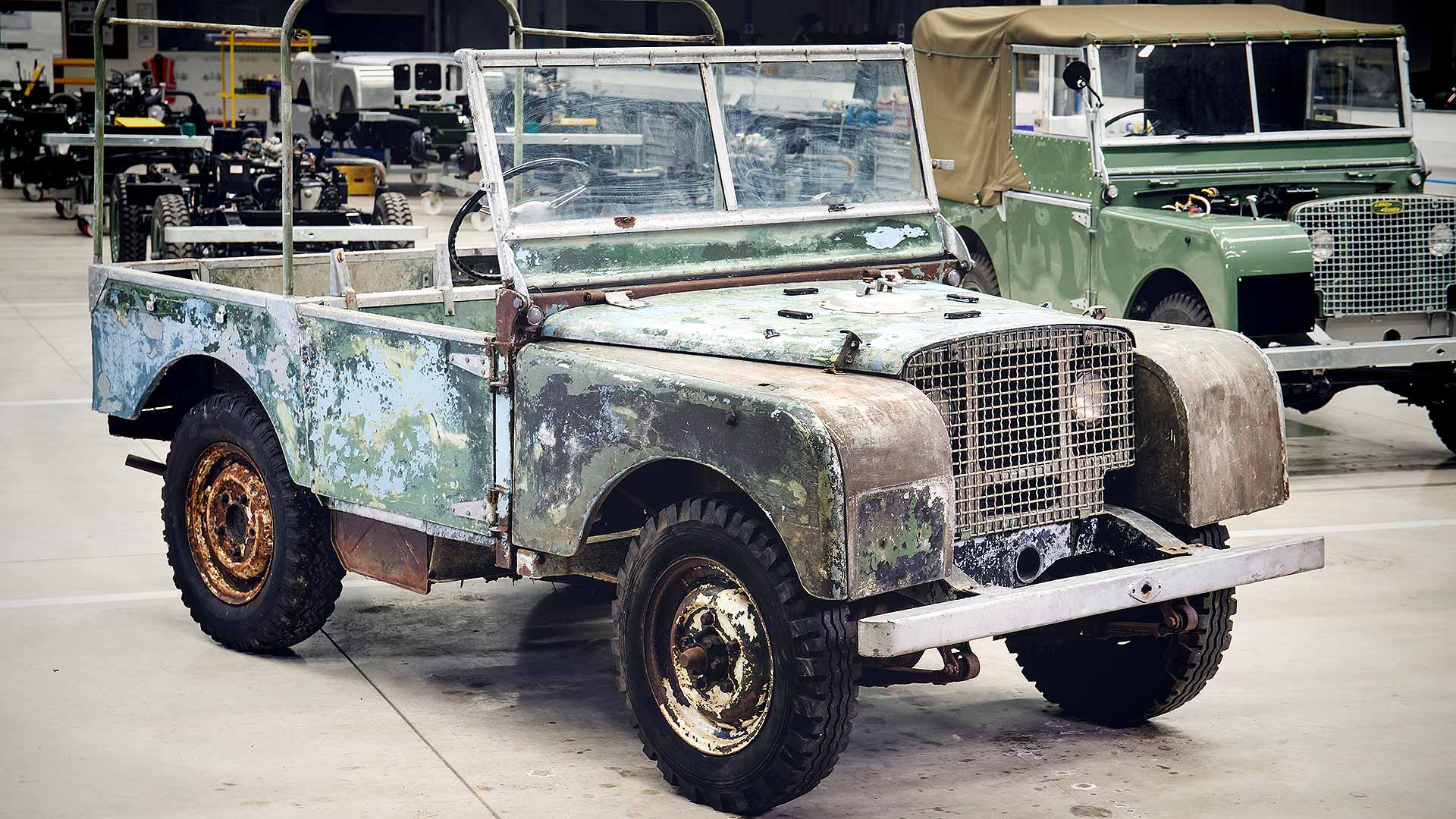
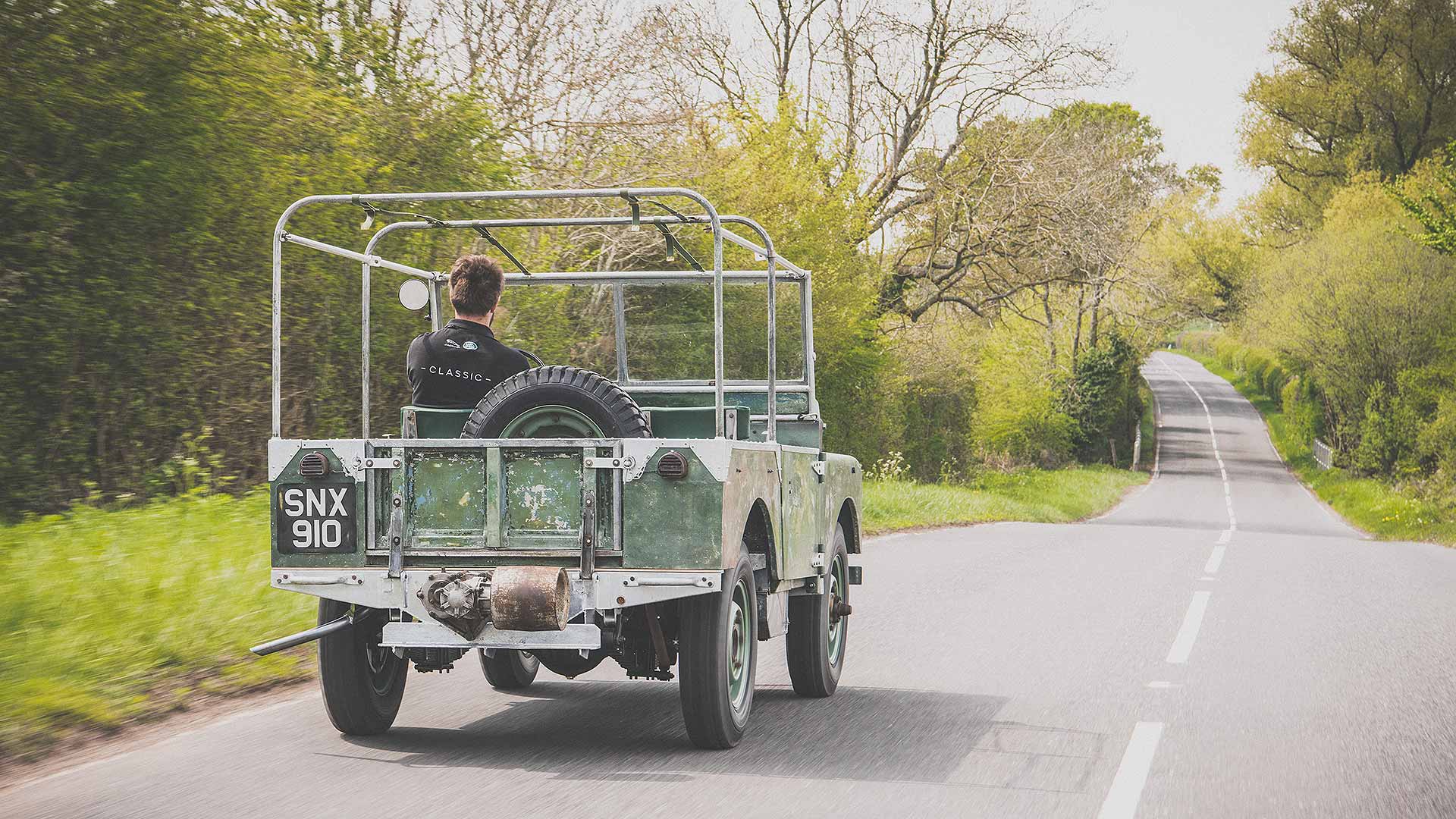
The car that introduced Land Rover to the world has been brought back to life. The 1948 Amsterdam Motor Show star has been off the road since the 1960s and lost for decades before it was found in 2016. But Land Rover has now treated this historic vehicle to a ‘sympathetic restoration’.

Land Rover was determined to keep the car original, as seen in 1948, with left-hand drive, a prototype brake setup and alternative all-wheel-drive controls.

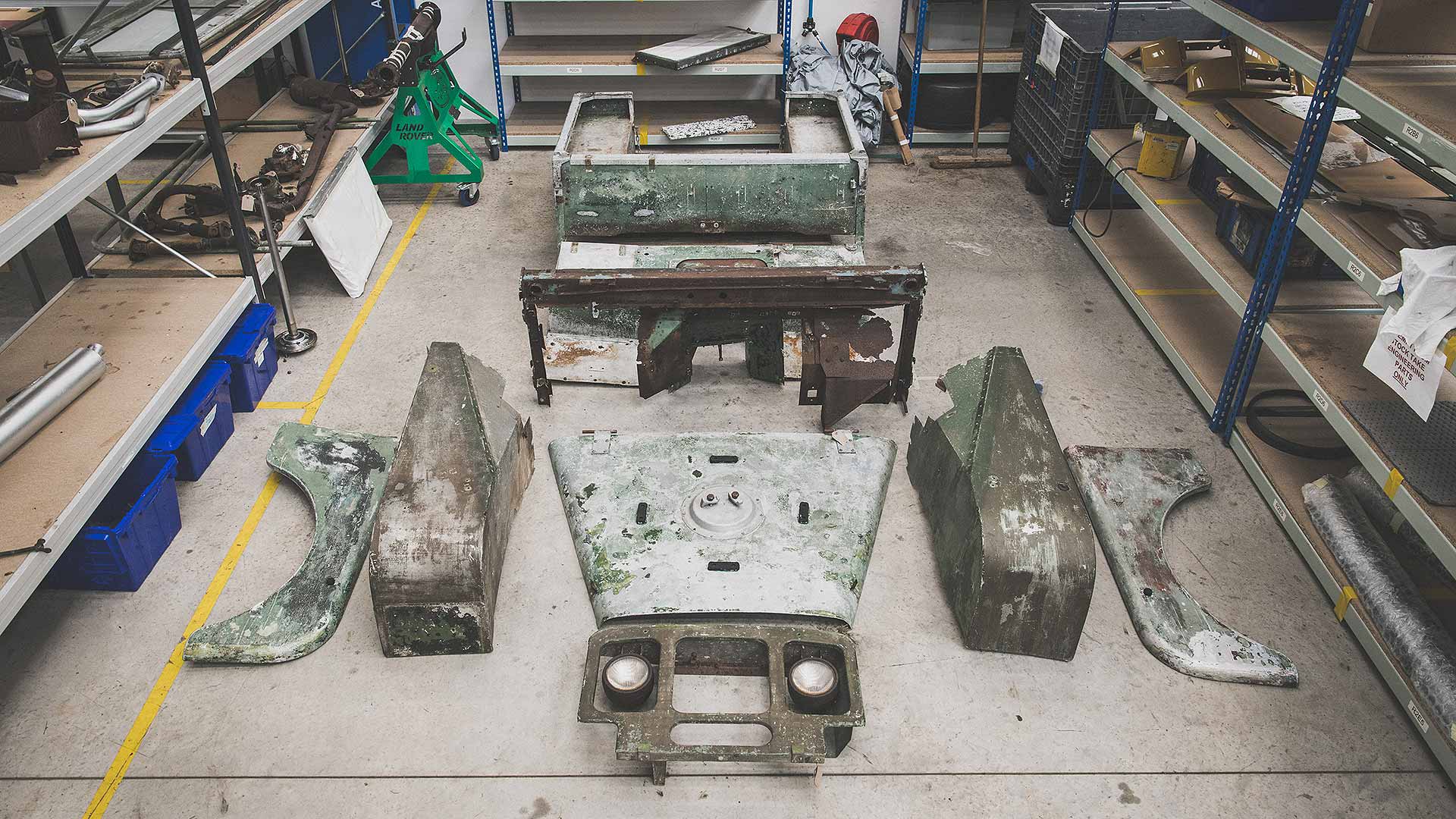
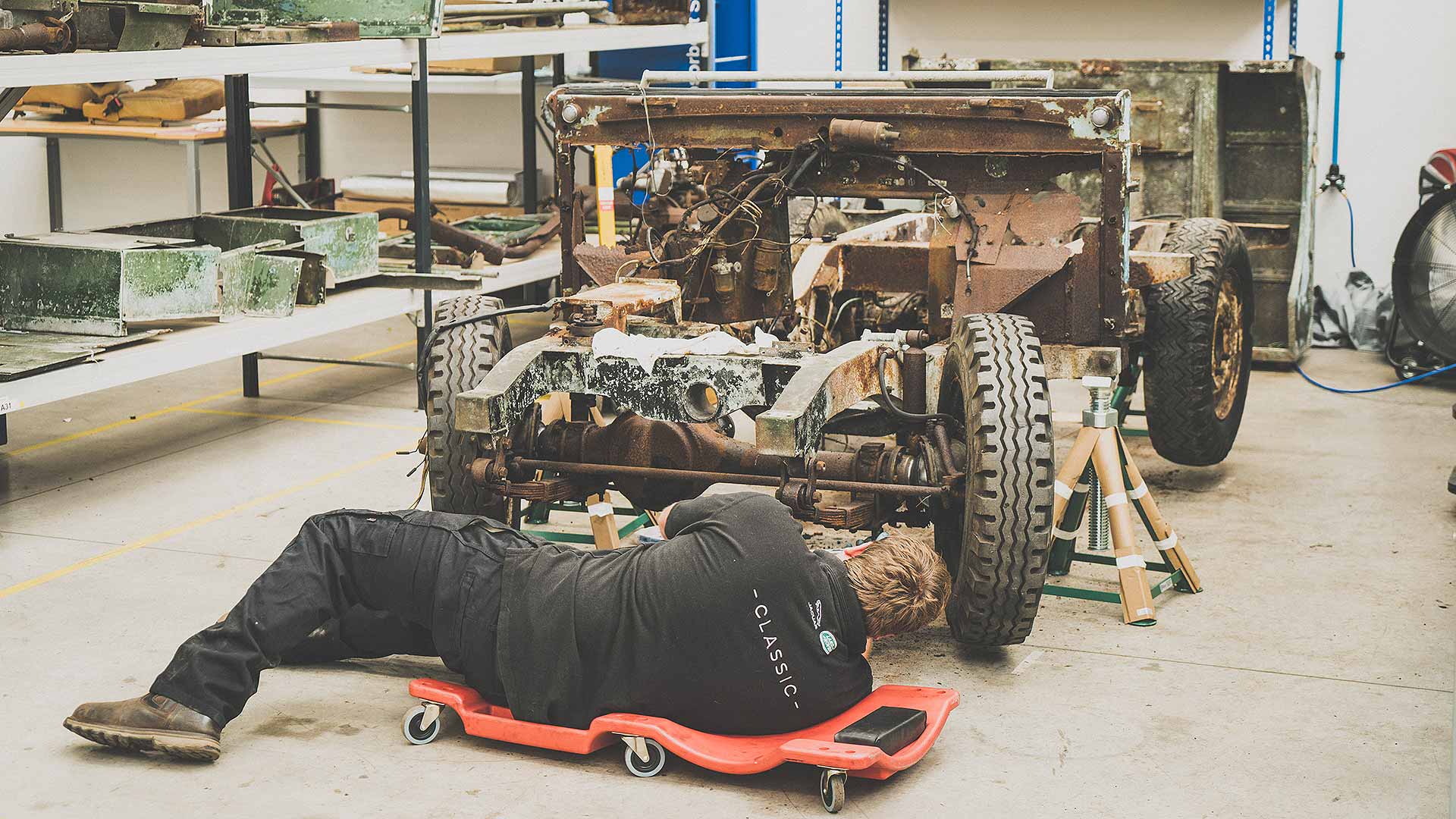
It was stripped back to its individual components and each part was restored and reused if possible, to maintain maximum originality.

Restoring a classic Land Rover

Series 1 1948 restoration

“It was important to strike the right balance when restoring the launch Land Rover,” said Calum McKechnie, head of Land Rover Classic.

“While there was a need to replace some parts, we were keen to keep as much of the original vehicle as possible in order to retain the unique characteristics of this 70-year-old model. The team has done an incredible job and the end result is a testament to the unique expertise and tireless passion of the experts at our Classic Works facility.”

So while the front axle, for example, was found to be in a respectable condition, the rear axle wasn’t so clean. To get a feel for the axle’s condition on the inside, the team X-rayed it. They concluded it was strong enough to be restored and reinstalled, rather than replaced.

Series 1 1948 restoration

The ‘organ stop’ controls for the all-wheel-drive system were also saved. It’s a rare setup that was replaced with a simpler system on production cars. 

Even more difficult for the technicians was reproducing this prototype’s unique rear brake setup. It had been removed in a previous life, so they used period drawings to recreate it.

On a technical level, this Series 1 has been brought back to its 1948 Motor Show standard. As a ‘show car’, however, it’s been left a little more rough around the edges. Land Rover wanted to maintain a period patina.

Land Rover Classic 1948 restoration

Some new bodywork was required. Alloy panels, as fitted to early prototype Series 1s, were re-manufactured in the 2mm-thick original specification. These were then painted and aged, to match the worn original panels that didn’t need work.

Technical illustrations helped Land Rover stay true to other quirks. A combination of reference photographs, diagrams and study of other pre-production Series 1s helped the marque recreate this prototype as it was in 1948. 

The restored show car debuted on the Land Rover Classic stand at the Goodwood Revival, just days after the long-awaited reveal of the new Defender.

Land Rover Classic 1948 restoration

“Bringing this historically important Land Rover back to life was a huge challenge, given its wear, tear and decay from the elements since the 1960s, but also a real pleasure,” said Michael Bishop, Land Rover Classic build engineer.

“Being able to open up our archive and revisit the original Land Rover engineering programme from over 70 years ago was a great privilege for the whole team.”

Advertisement

Electric cars will simply be called ‘cars’ by 2030

0

The normalisation of electric cars

Just 3,147 all-electric cars were registered in the UK last month, giving EVs a relatively small 3.4 percent market share.

As a result, they tend to be referred to as ‘electric cars’, to distinguish them from their petrol and diesel equivalents.

But as the market grows and electric cars become the norm, will we stop using the ‘electric’ tag and adopt a more generalised approach? See also ‘smartphones’ and ‘phones’.

New research suggests that by the year 2030, consumers expect ‘electric cars’ to be referred to as ‘cars’, as electrification takes over and traditional engines are cast aside.

Go Ultra Low spoke to 2,000 people aged 18 and over, with 69 percent of the respondents expecting to drop the ‘electric’ tag in just over a decade.

It makes sense: few consumers use the ‘diesel’ or ‘petrol’ tags when discussing cars, so electric cars are almost certain to follow suit. 

The sales figures speak for themselves. In August 2018, a mere 659 all-electric cars were registered, far fewer than the 3,125 plug-in hybrid registrations.

A year later, the roles have reversed, with plug-in hybrid registrations dropping to 907 in August 2019 and EVs rising to 3,147.

The normalisation of EVs

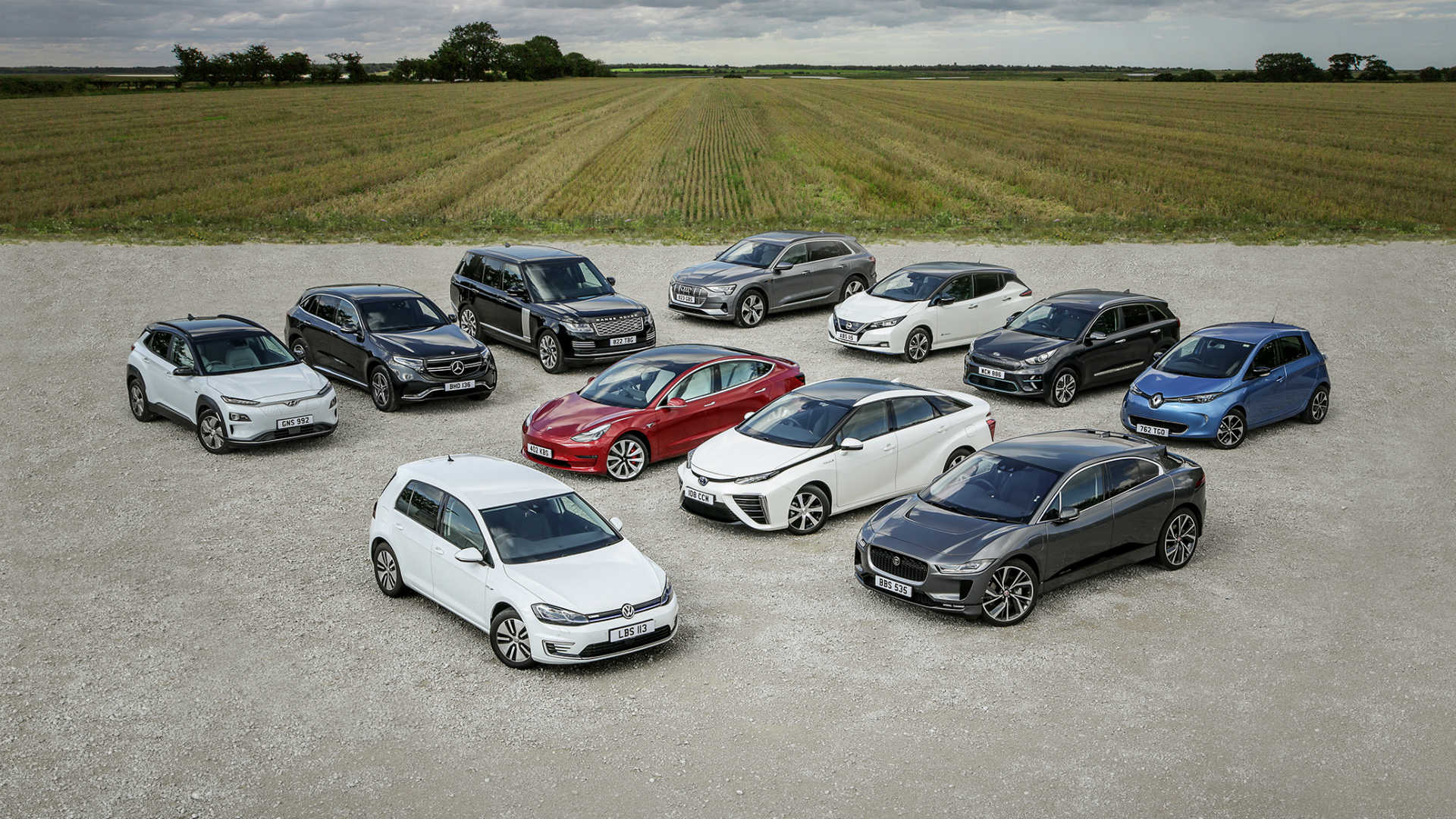
Electric cars at Frankfurt IAA

Almost half of the respondents who took part in the survey said the visibility of electric cars on the road is a key factor in the normalisation of the technology. 

Around a third said seeing their friends and families adopting the technology is part of the process of normalisation.

A quarter of those surveyed said a wider variety of models would increase their purchase consideration. We’re on the cusp of a boom in the number of new electric cars, ranging from affordable city cars to expensive supercars.

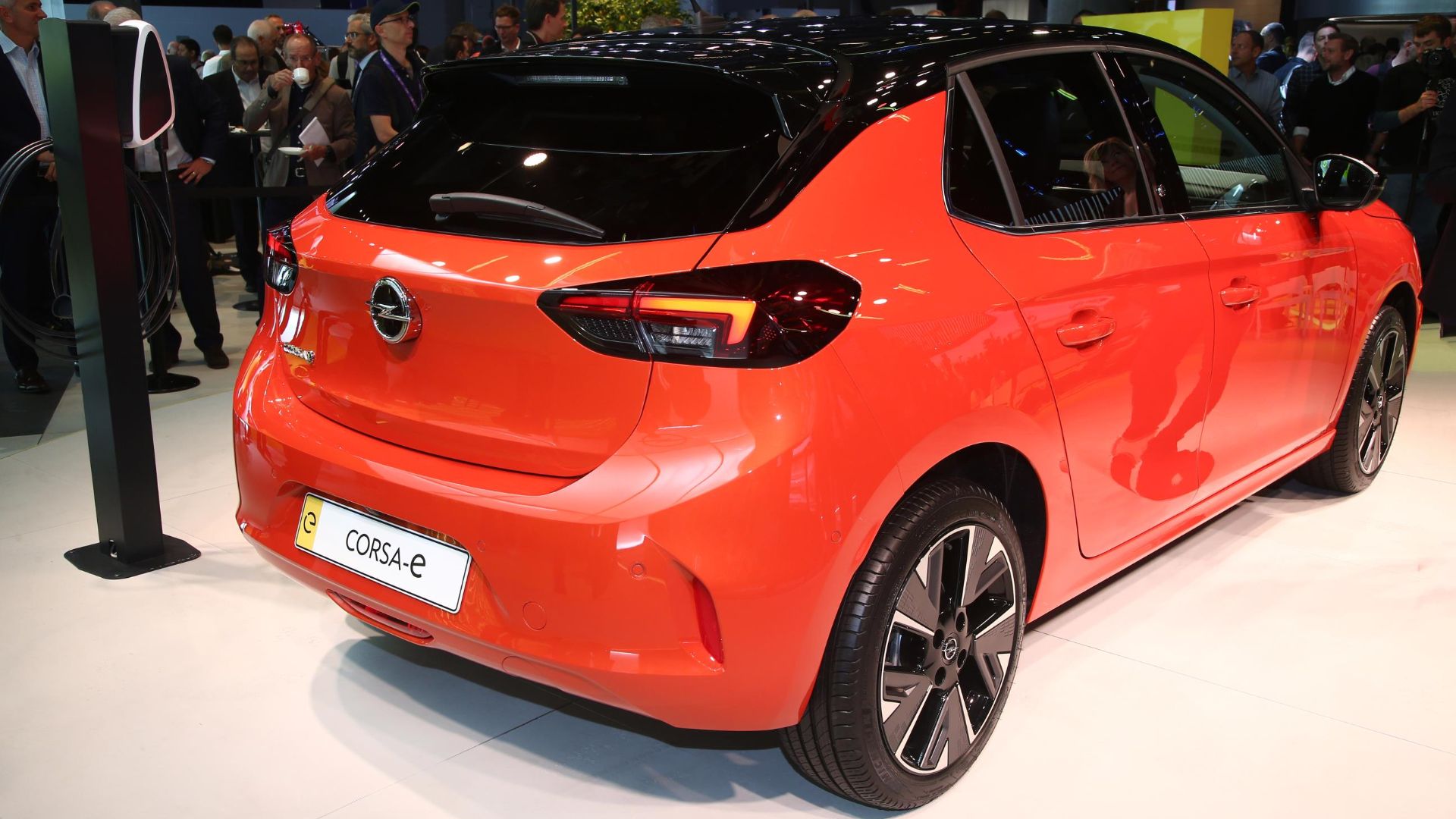
The fact that the electric versions of the Peugeot 208 and Vauxhall Corsa look almost identical to the petrol and diesel versions could be a turning point for the segment.

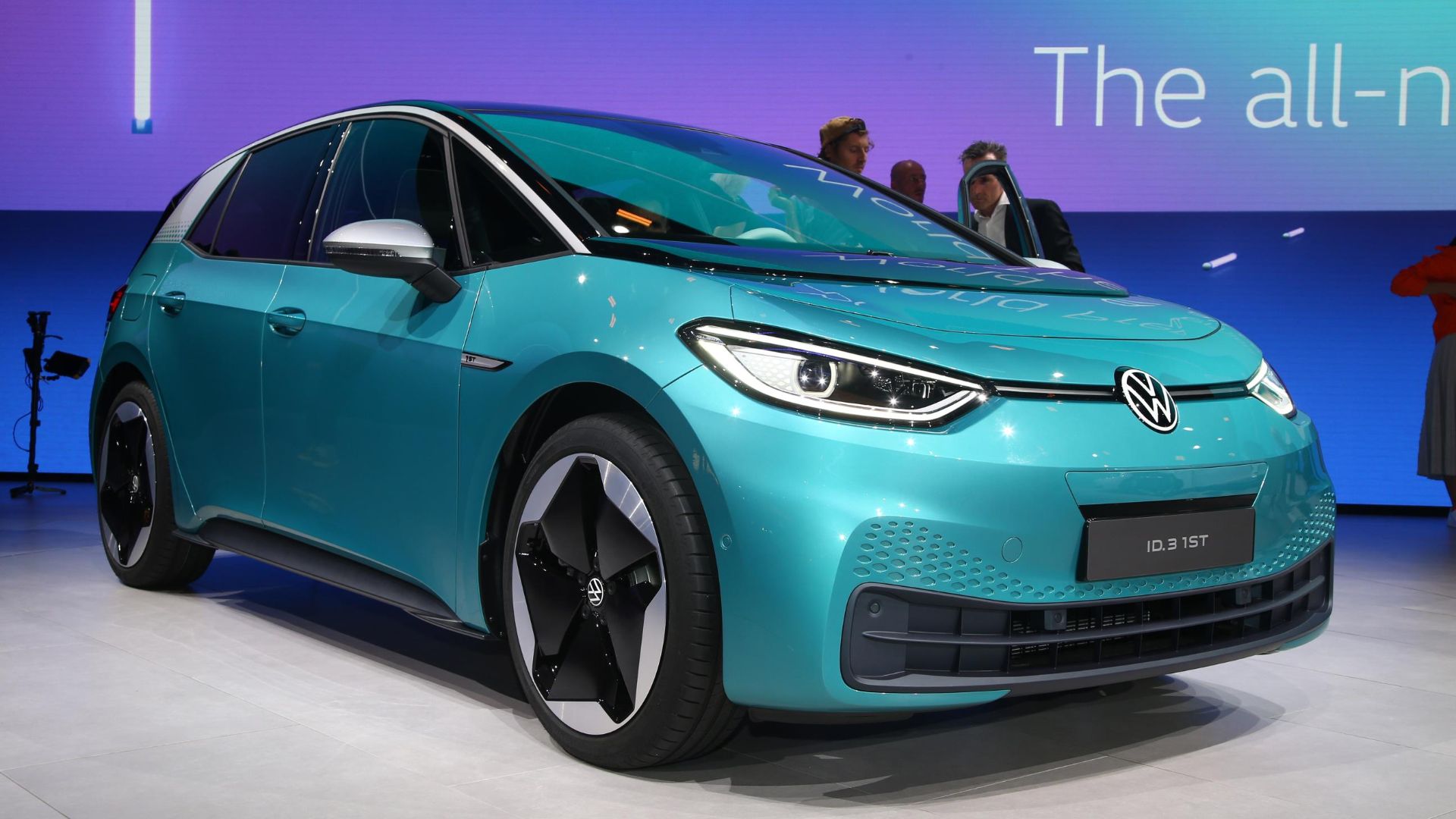
Meanwhile, Volkswagen is reporting huge interest in the new ID.3, which has the potential to become the ‘new Golf’ in terms of mass appeal and sales.

‘EVs to be the norm’

Electric cars at Frankfurt IAA

Go Ultra Low ambassador Ben Fogle said: “It’s really encouraging to see that people expect EVs to be the norm in just over a decade. Our research shows that as we become more aware of the benefits of owning an electric car, the choice of models available and the rapidly growing charging infrastructure, people are more likely to consider going green and buy an EV.

“Commenting on joining the campaign, Ben added: “More and more people are embracing electric vehicles, but there’s still a job to be done. I’m excited to be on this journey with Go Ultra Low and playing my part in supporting this transition.”

Poppy Welch, head of Go Ultra Low, added: “When we look at the EV market, it is clear we’re on the way towards electric mobility becoming part of everyday life for UK motorists. Electric cars are great to drive, can be very cheap to run and help improve local air quality.

“With, prices moving closer to that of their petrol or diesel counterparts, an expanding chargepoint network and an increasing number of models available, there has never been a better time to consider an EV as your next car.

“As we welcome Ben as our ambassador and a host of new members to the campaign, bringing together government and key players across the EV industry, we’re now better placed than ever to tell the full story of electric car ownership.”

In August, Jaguar launched a campaign to redefine the word ‘car’.

Advertisement

Consumer group wants these cars fixed for FREE

0

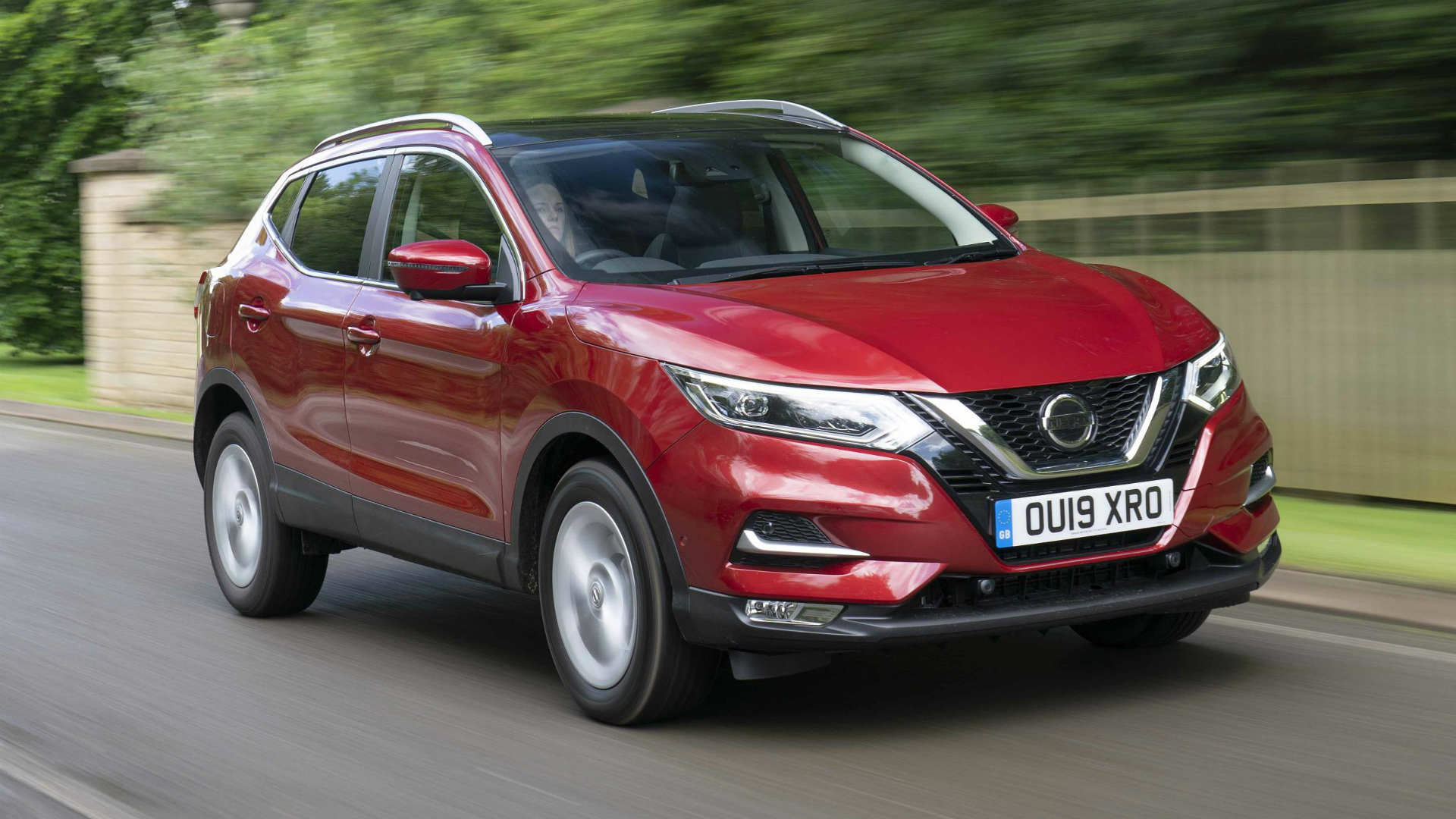
Nissan Qashqai slammed in reliability studyNissan Qashqai slammed in reliability study

Five cars have been slammed in a new reliability survey, including the Nissan Qashqai, Britain’s most popular crossover.

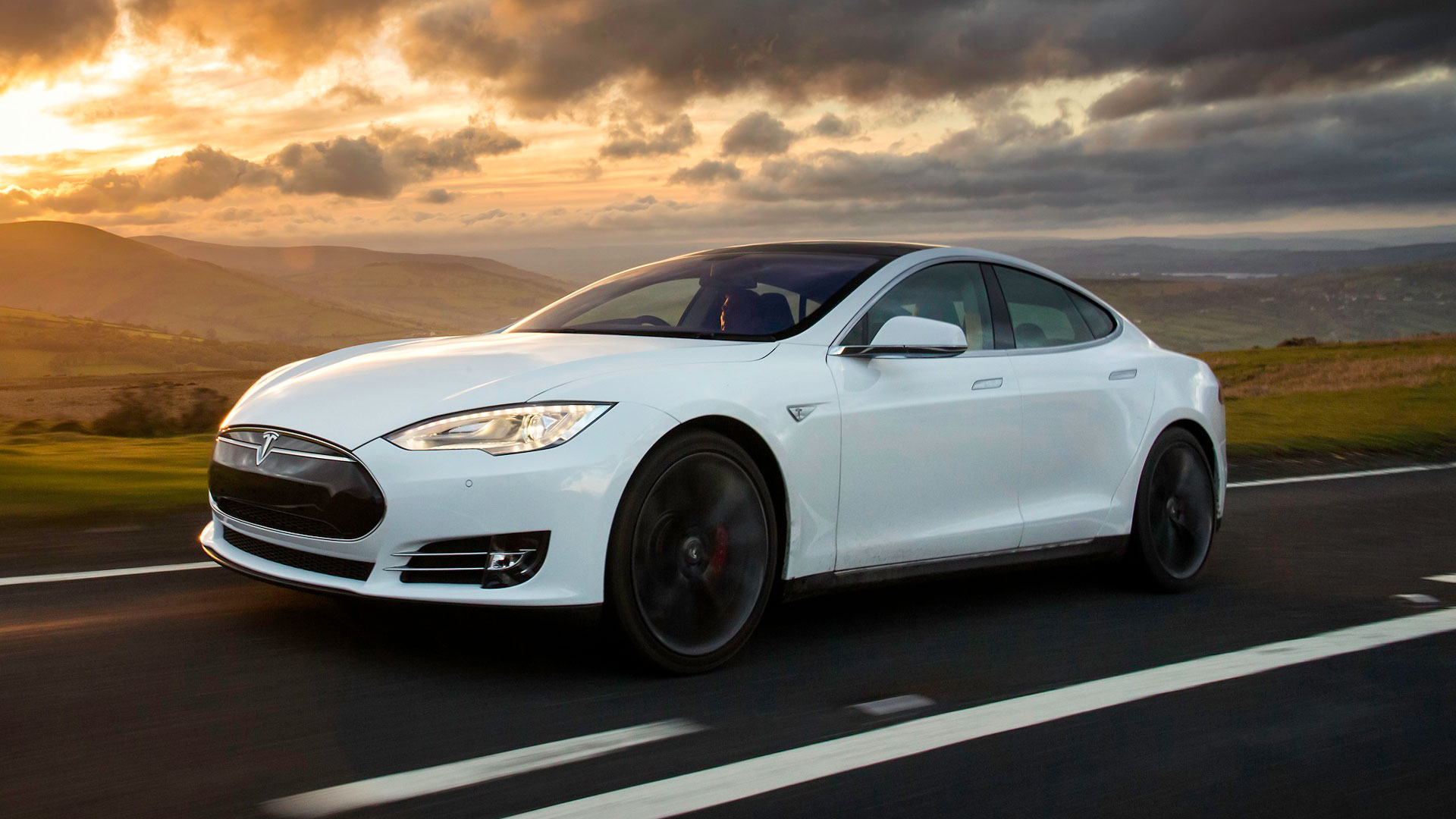
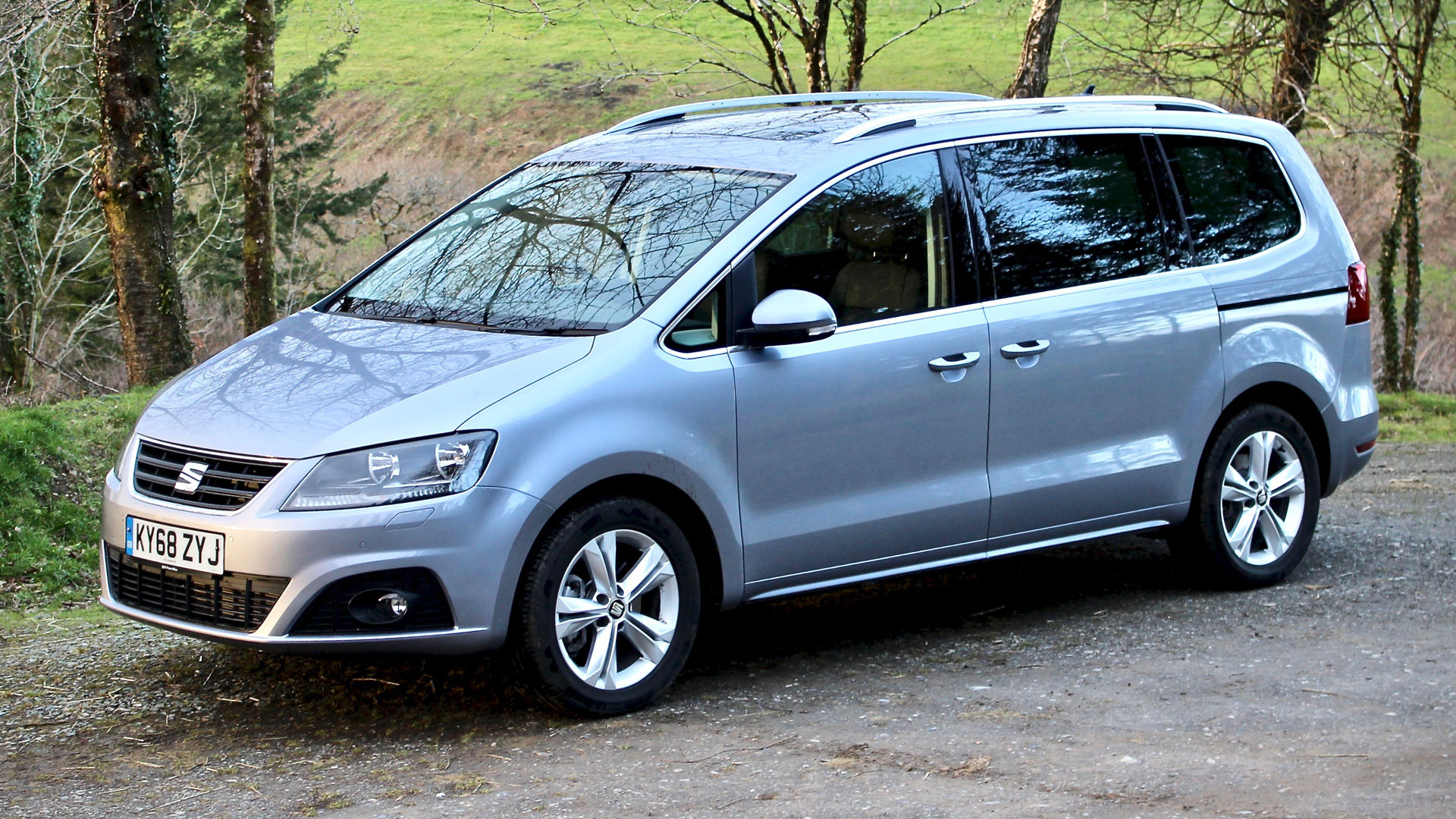
The Qashqai has the highest breakdown rating of the 276 cars in study by consumer group Which?. It also singled out the Tesla Model S, Seat Alhambra, Ford B-Max and BMW 5 Series Touring for criticism.

Worryingly, motorists are four to five times as likely to experience a flat battery in a Qashqai than in any other car. Twenty percent of Qashqai owners who took part in the survey had to replace a battery in the past 12 months.

Nissan said it changed its battery supplier in 2018, but a separate software issue could result in drained batteries. The company is contacting 35,000 owners, but older cars are not covered by Nissan’s three-year warranty.

This has angered Which?, which wants the cars fixed at no charge to the customer. 

‘Take action and recall these cars’

Tesla Model S - greatest cars of the decade

Which? Car editor Lisa Barber said: “Thanks to our in-depth reliability survey, we know these faults are happening. They may not be safety critical, but we still want the manufacturers to take action and recall these cars.

“This will mean information about the faults are public, owners won’t be inconvenienced by them, nor will they have to foot the bill if the issue occurs outside of warranty.”

The Nissan Qashqai isn’t alone. Two-thirds (67 percent) of Tesla Model S reported an issue, making Tesla the company with the highest percentage of faulty cars.

Tesla owners are forced to wait an average of five days for their car to be repaired – three days longer than the average wait time for cars of a similar age.

The biggest issues with the Tesla Model S: the exterior door handles, locks, fuel cap and boot.

Seat Alhambra Xcellence

Meanwhile, the Seat Alhambra is blighted by suspension and exhaust problems, the Ford B-Max (2012-2017) is affected by transmission woes, and owners of the BMW 5 Series Touring (2010-2017) have experienced suspension issues.

For the survey, Which? gathered information from nearly 44,000 owners about 52,500 cars. Members can use an online tool revealing the most and least reliable cars.

Advertisement